Threat
Animals Threatened by Wildlife Trafficking
Wildlife trafficking affects animals taken for pets, body parts, meat, souvenirs and status products. This collection gathers 288 WARN guides where illegal trade, poaching or trafficking pressure is part of the conservation story.
By WARN Research & Conservation Team Last updated
This collection links to 288 sourced WARN guides with conservation status, key facts, threats, FAQs and references.
Least Concern
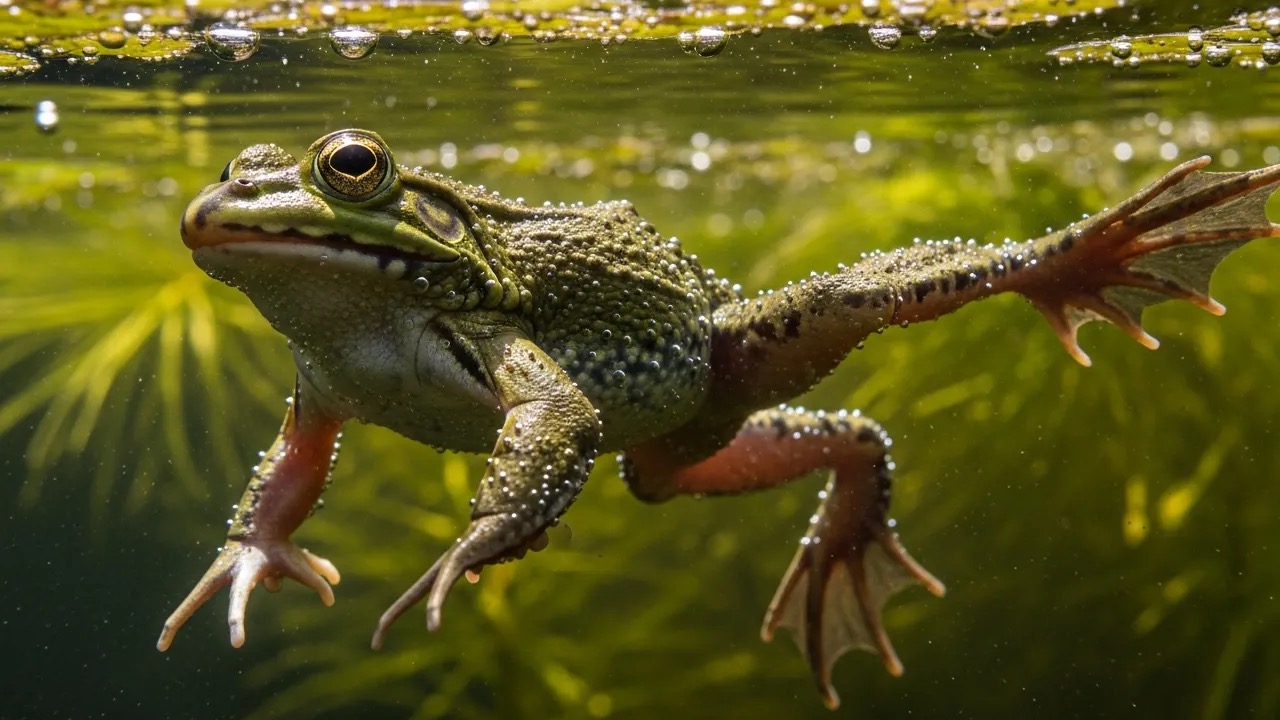
African Clawed Frog
Xenopus laevis
The African clawed frog is a fully aquatic frog from sub-Saharan Africa, named for the small dark claws on its hind feet. It has a flat body, no tongue or visible eardrum, and uses sensitive fingers and a lateral-line system to find food in murky water.
Read the guide →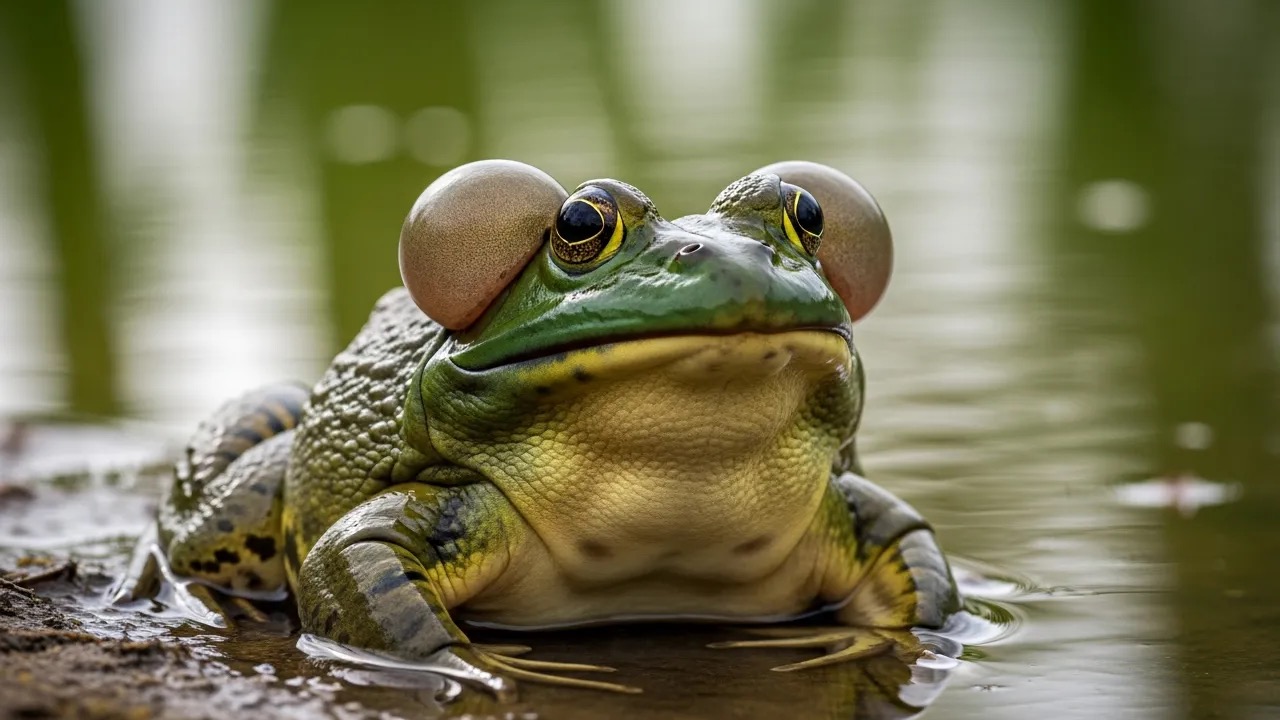
Least Concern
American Bullfrog
Lithobates catesbeianus
The American bullfrog (Lithobates catesbeianus) is North America's largest frog, reaching 9 to 20 cm in body length and weighing up to about 0.5 kg. It lives in and around ponds, lakes, marshes and slow streams, where the male's deep, resonant call carries far across the water.
Read the guide →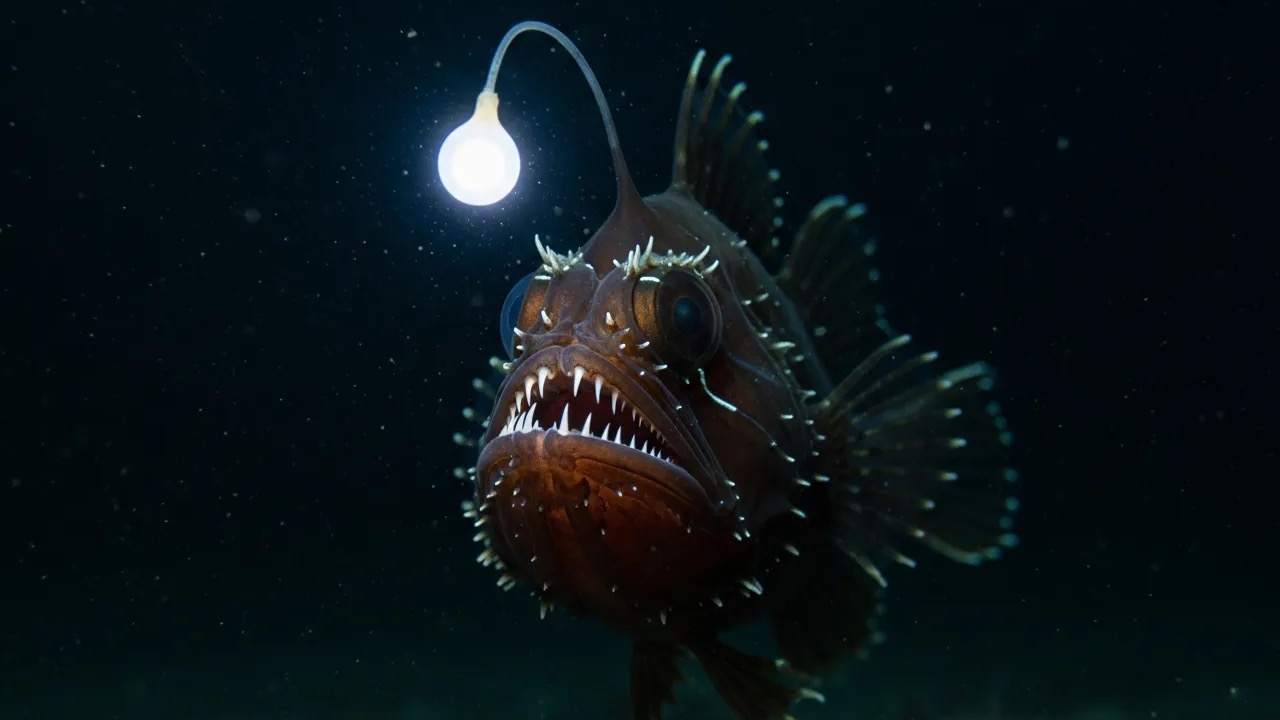
Least Concern
Anglerfish
Lophiiformes
The anglerfish is a deep-sea fish named for the glowing, fishing-rod-like lure that grows from its head and attracts prey in the darkness. The familiar deep-sea females have huge mouths and needle-like teeth, and their light comes from glowing bacteria living in the lure.
Read the guide →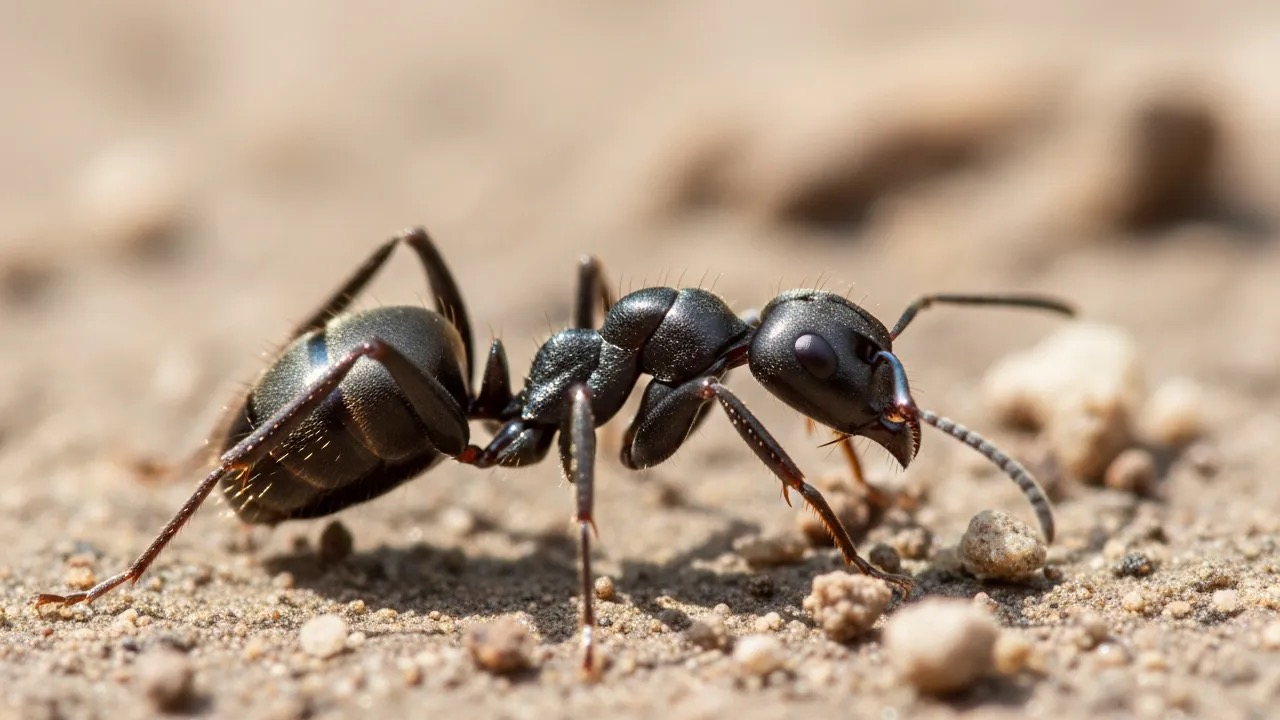
Least Concern
Ant
Formicidae
Ants are small social insects of the family Formicidae, found almost everywhere on Earth except the far polar regions. Ranging from 1 to 13 mm depending on species, they live in highly organised colonies of dozens to millions of individuals, each with a queen, workers, and cooperative roles.
Read the guide →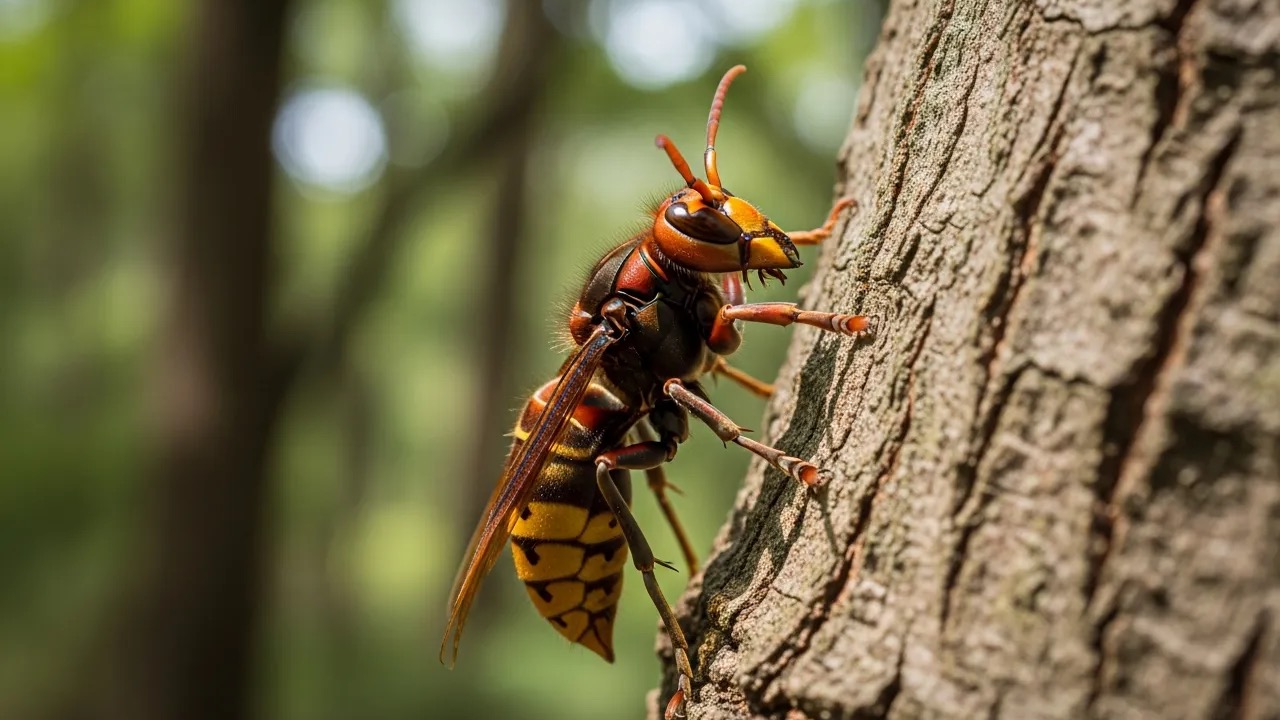
Least Concern
Asian Giant Hornet
Vespa mandarinia
The Asian giant hornet (Vespa mandarinia) is the world's largest hornet, with queens reaching up to 5 cm long and a wingspan close to 7.5 cm. Native to the forests and low mountains of East and Southeast Asia, it is a powerful predator that hunts other insects and can fly at up to 40 km/h.
Read the guide →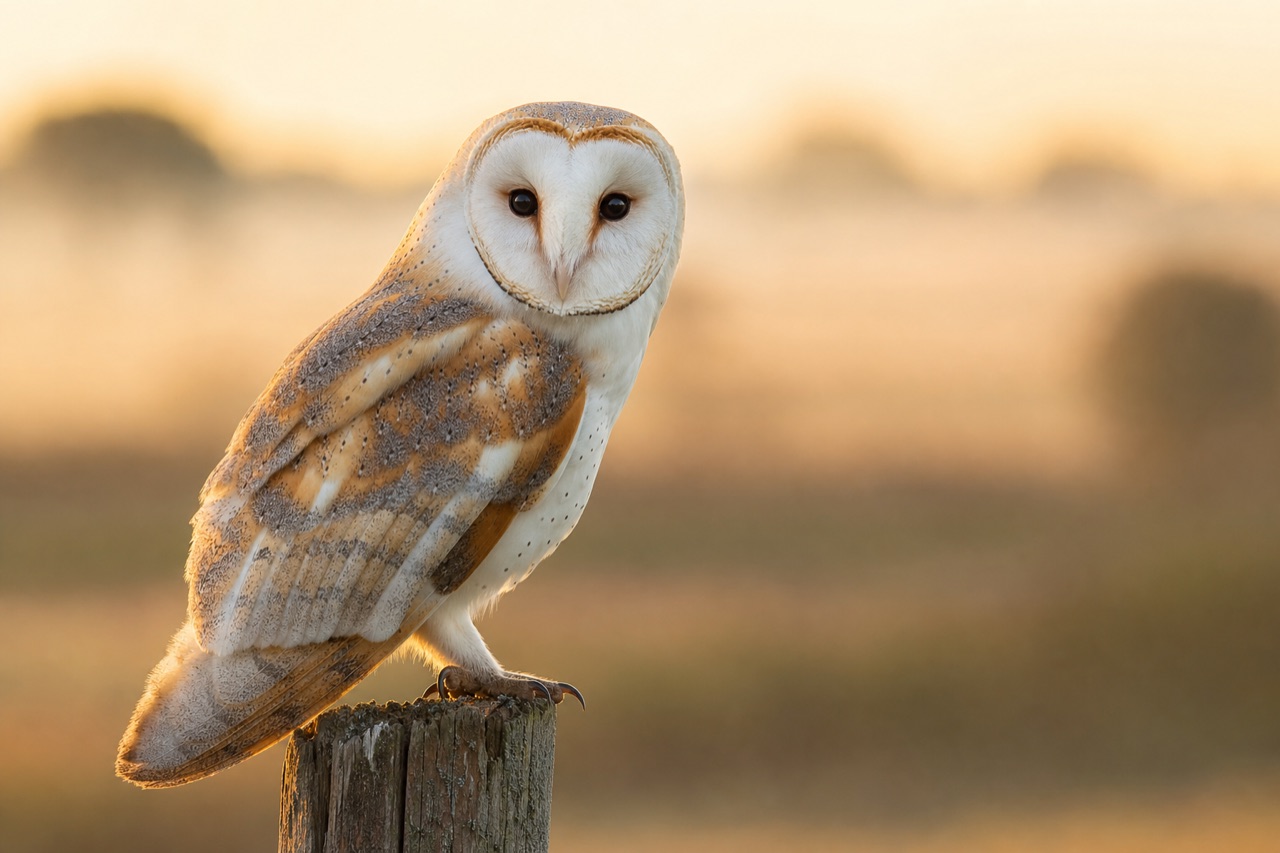
Least Concern globally; locally declining across intensively farmed landscapes
Barn Owl
Tyto alba (Scopoli, 1769) — family Tytonidae
The barn owl (Tyto alba) is a pale, heart-faced owl found on every continent except Antarctica; it hunts almost entirely by sound, using asymmetric ear openings and a facial disc to locate prey it cannot see, and flies almost silently.
Read the guide →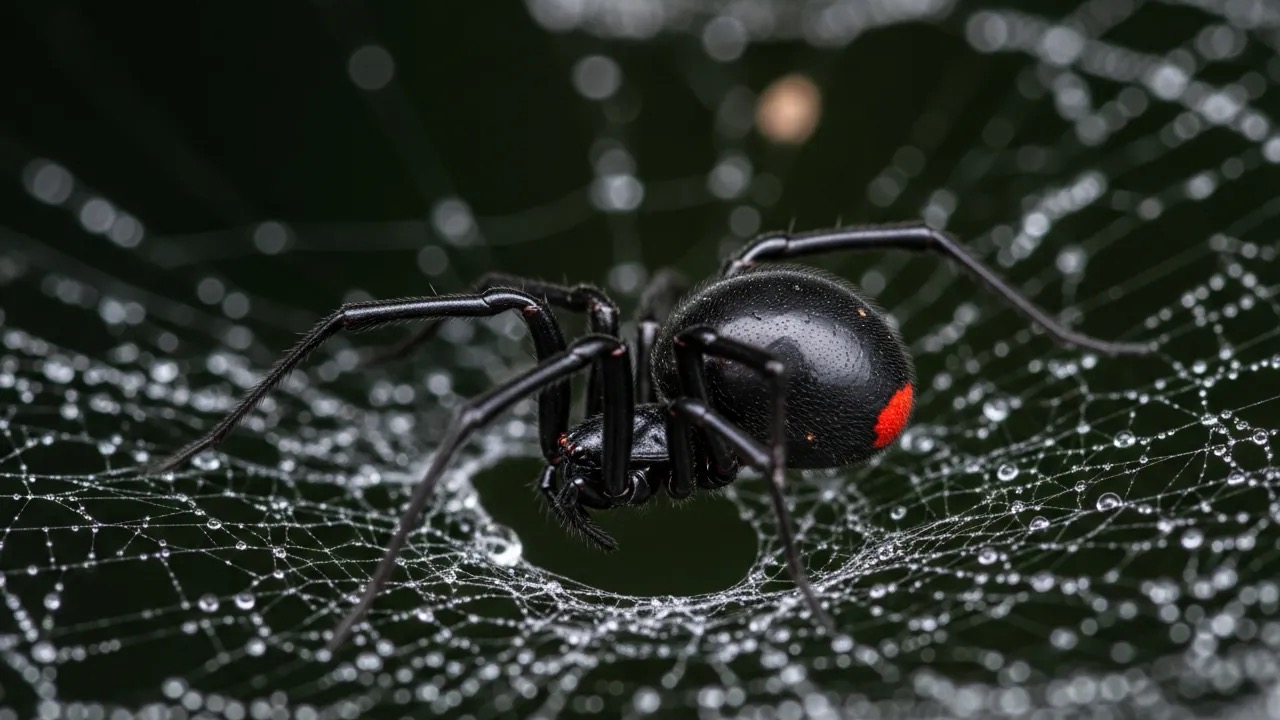
Least Concern
Black Widow Spider
Latrodectus mactans
The southern black widow (Latrodectus mactans) is a small, glossy black spider famous for the red hourglass marking on the underside of the female's abdomen. It shelters in dark, undisturbed spots such as sheds, woodpiles and field debris, where it builds a tangled web to trap insects.
Read the guide →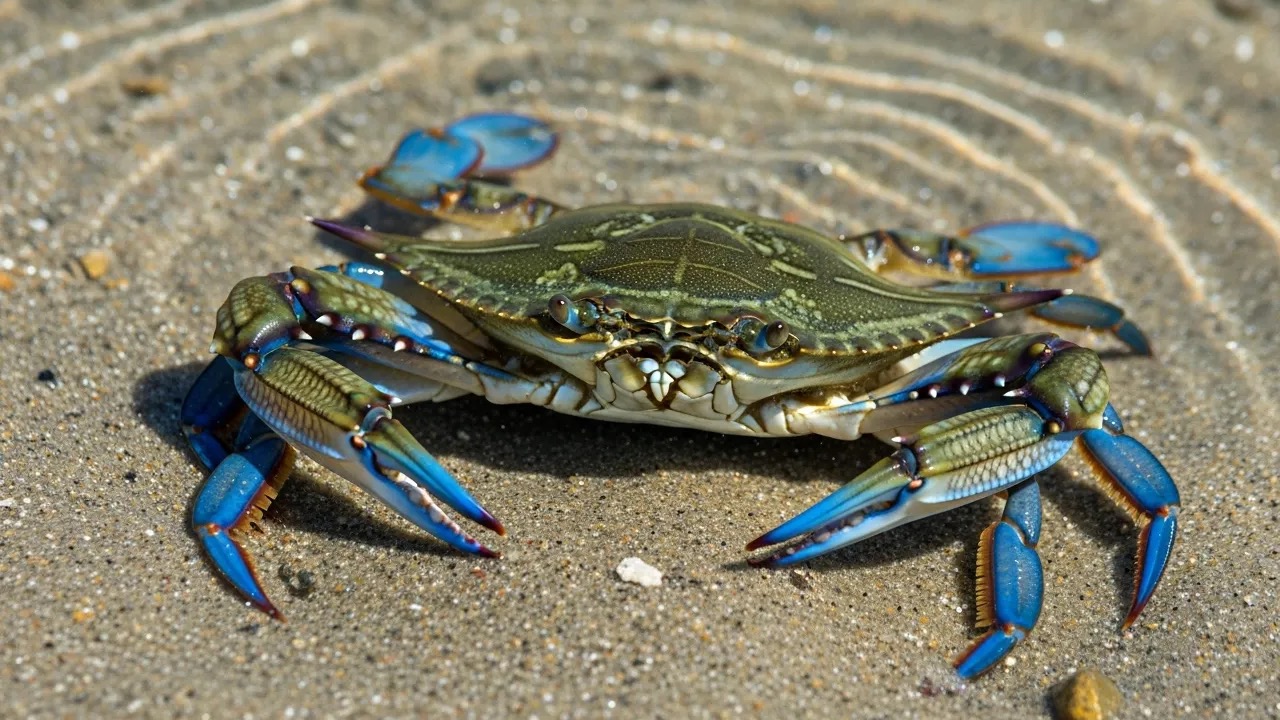
Least Concern
Blue Crab
Callinectes sapidus
The blue crab (Callinectes sapidus) is a swift swimming crab of the western Atlantic, abundant in the brackish estuaries of the United States east coast and Gulf of Mexico. It has a broad shell up to about 23 cm (9 in) across and a pair of flattened rear legs that let it swim sideways through the water.
Read the guide →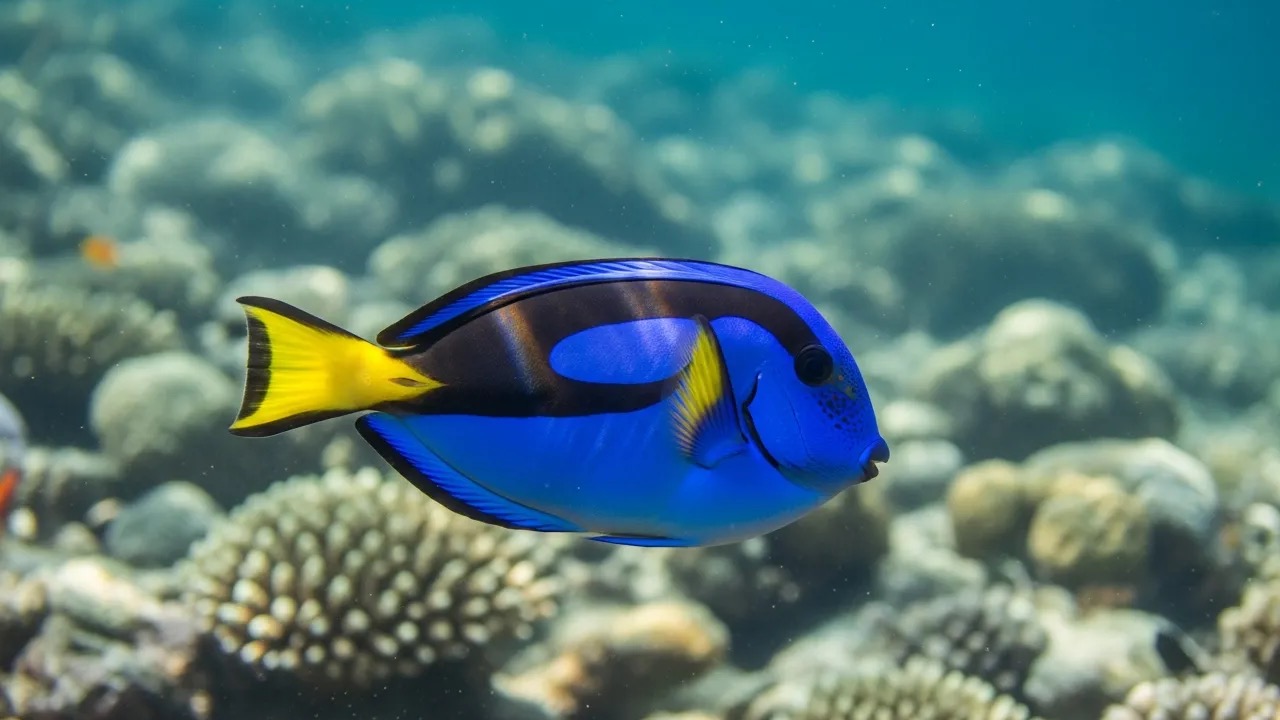
Least Concern
Blue Tang
Paracanthurus hepatus
The blue tang (Paracanthurus hepatus) is a vivid royal-blue reef fish with black markings and a bright yellow tail, best known as the character Dory from Finding Nemo. It lives on coral reefs across the Indo-Pacific, where it grazes mainly on algae.
Read the guide →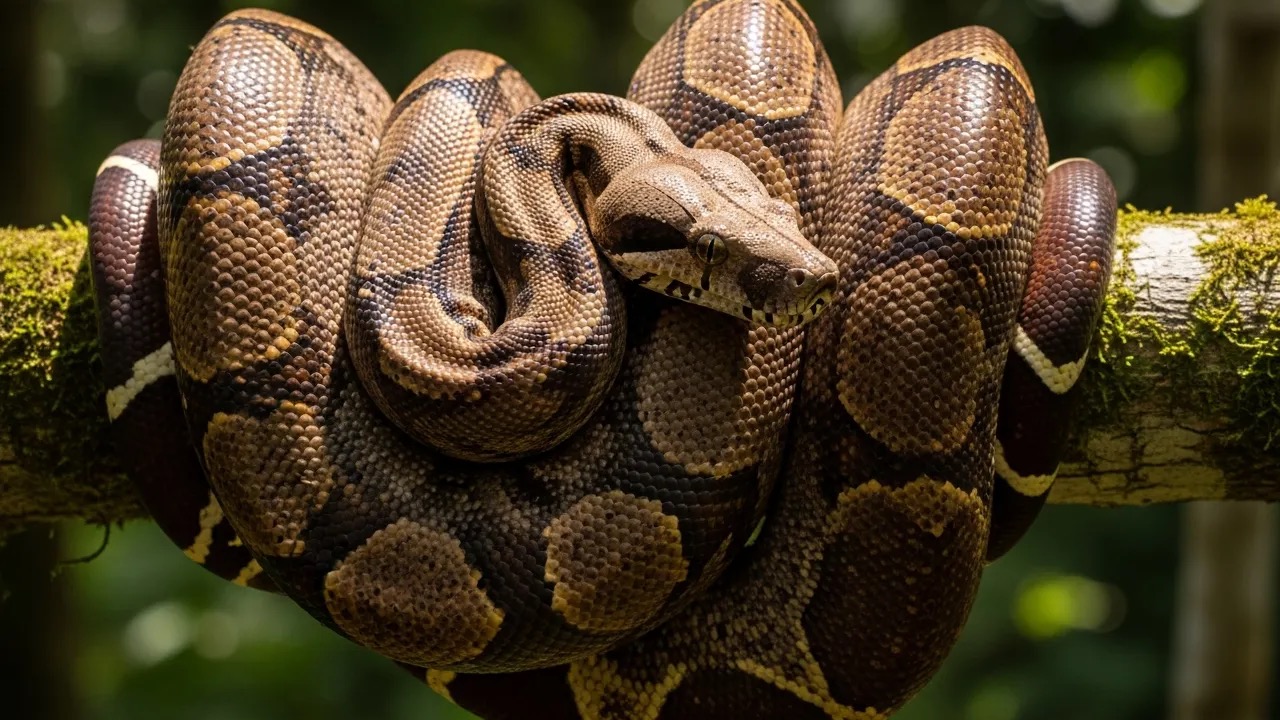
Least Concern
Boa Constrictor
Boa constrictor
The boa constrictor (Boa constrictor) is a large, heavy-bodied, non-venomous snake native to tropical forests, savannas, and deserts across Central and South America. It typically reaches 2 to 3 m and weighs around 10 to 15 kg, killing prey not with venom but by coiling around it and squeezing until it can no longer breathe.
Read the guide →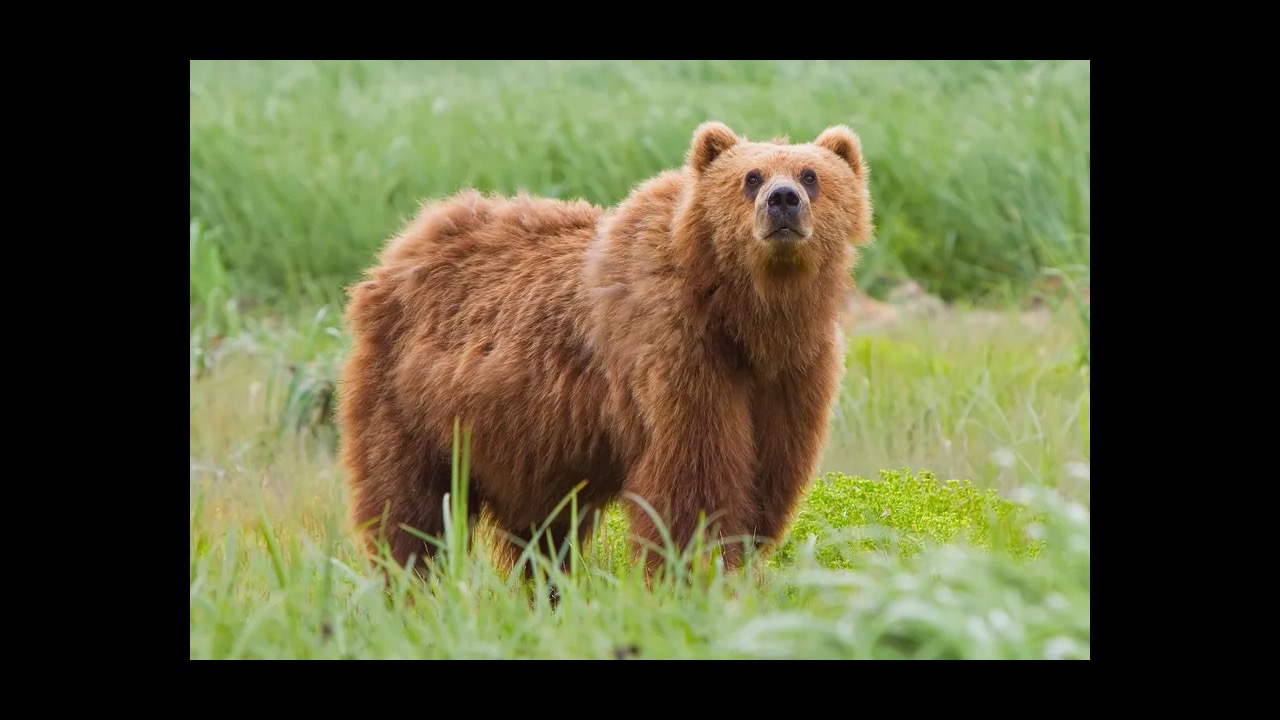
Least Concern
Brown Bear
Ursus arctos
The brown bear is one of the world's largest land carnivores, found across North America, Europe, and Asia. Adults typically weigh 130–360 kg (290–800 lb), run up to 56 km/h (35 mph), and hibernate through winter in dens.
Read the guide →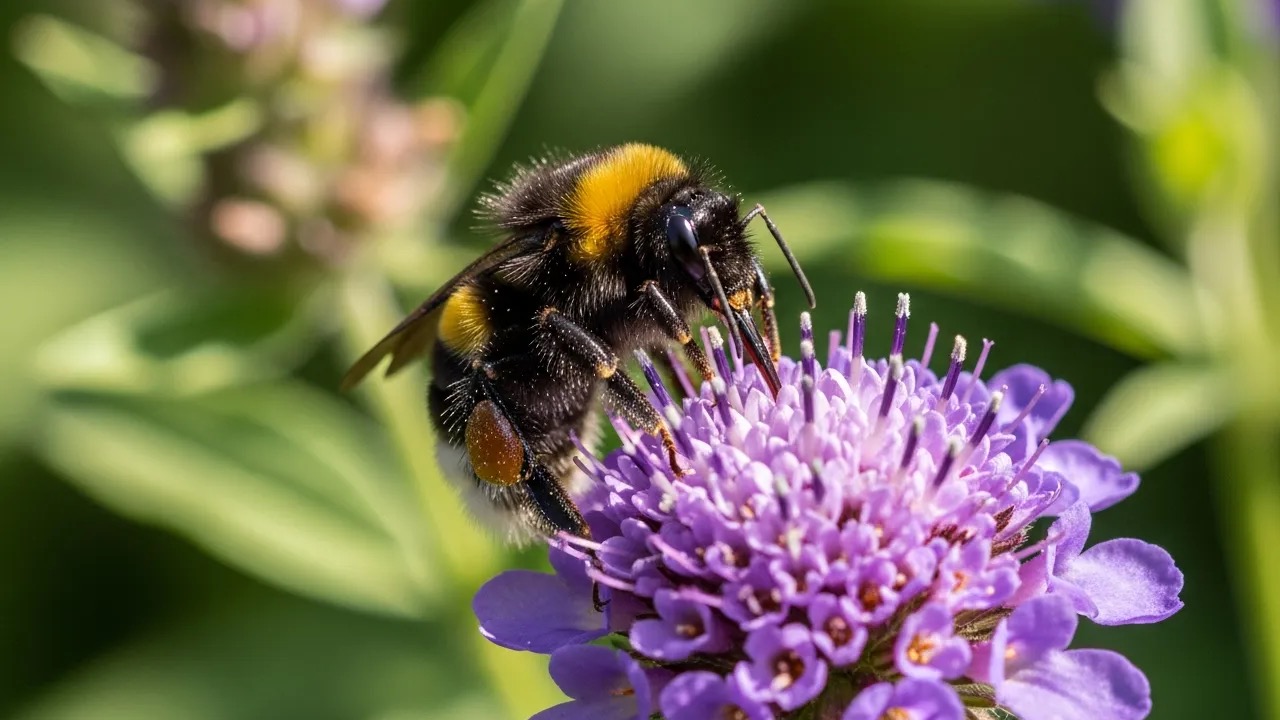
Least Concern
Bumblebee
Bombus terrestris
The buff-tailed bumblebee (Bombus terrestris) is a large, fuzzy, black-and-yellow bee found in meadows, gardens, and farmland. Measuring about 1.5 to 2.5 cm (0.6 to 1 in) long, it flies at up to around 24 km/h (15 mph) and feeds on nectar and pollen, making it one of the most important pollinators in temperate regions.
Read the guide →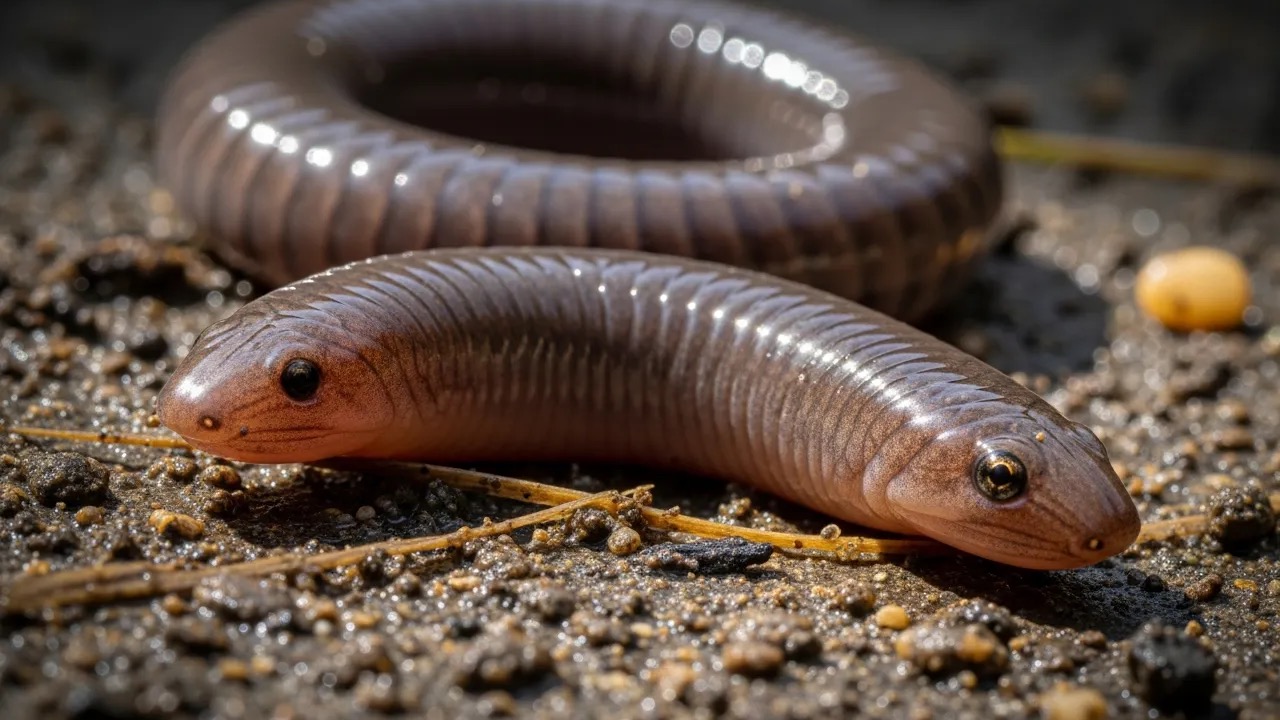
Least Concern
Caecilian
Gymnophiona
Caecilians are a group of limbless, worm-like amphibians that live mostly hidden in damp soil and leaf litter across the tropics of Africa, Asia, and the Americas. They range from a few centimeters to over 1.5 m (5 ft) long, have tiny or skin-covered eyes, and rely on a pair of sensory tentacles to find prey underground.
Read the guide →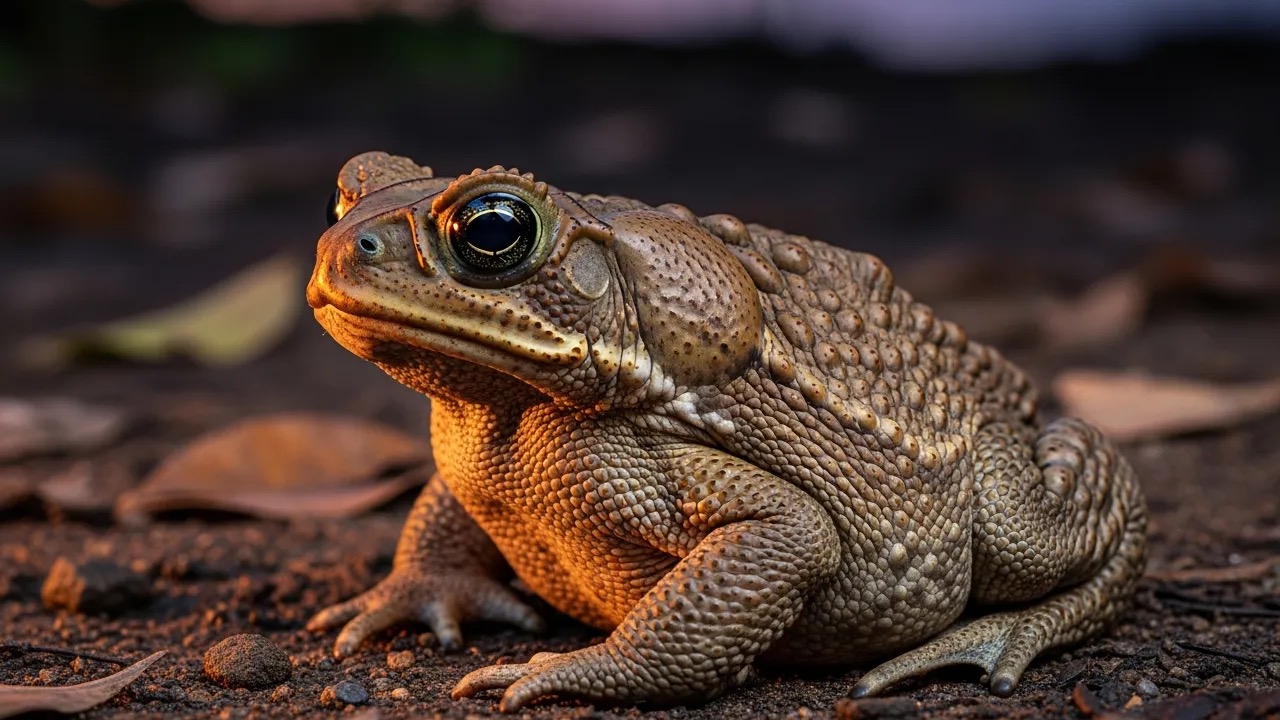
Least Concern
Cane Toad
Rhinella marina
The cane toad is a large, warty terrestrial toad native to the Americas, reaching up to 1 kg (2.2 lb). It secretes a powerful toxin from glands on its shoulders and is famous as a destructive invasive species in Australia, where it was introduced in 1935.
Read the guide →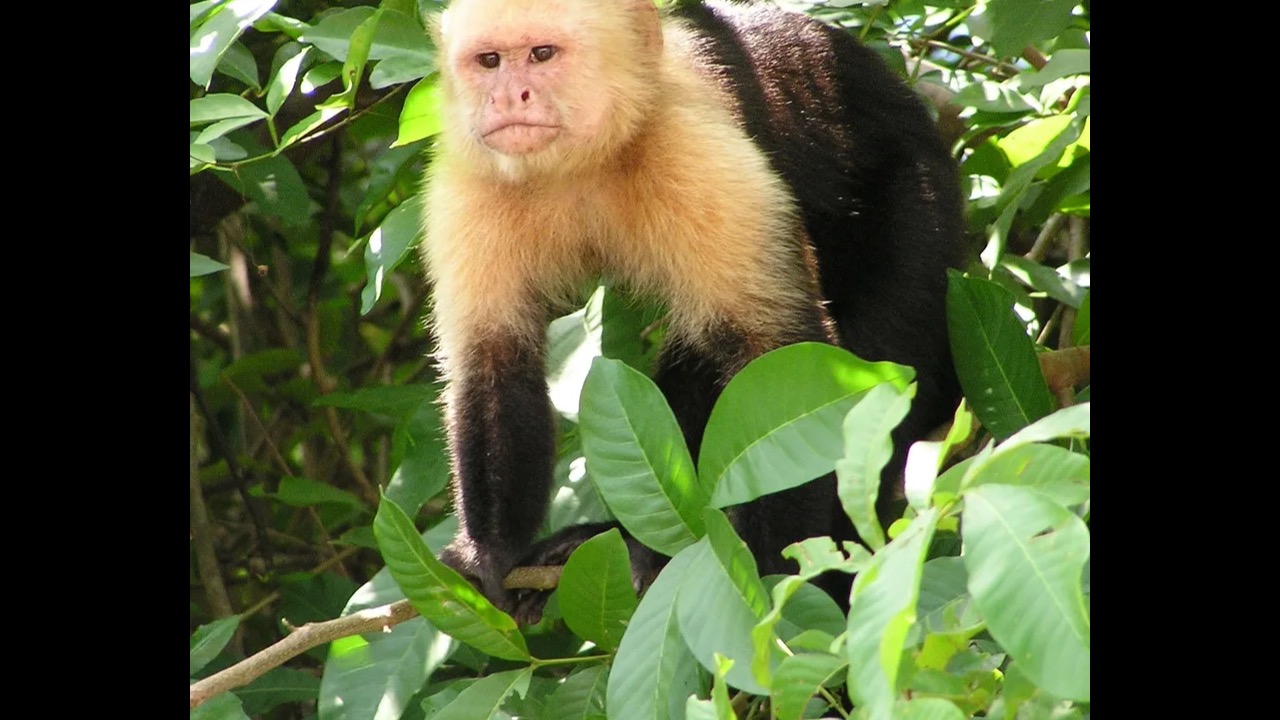
Least Concern
Capuchin Monkey
Cebus capucinus
The capuchin is a small, highly intelligent New World monkey found in the tropical forests of Central America and northwest South America. Weighing about 3 to 4 kg and measuring roughly half a metre in body length, it is an agile tree-dweller that uses its prehensile tail for balance.
Read the guide →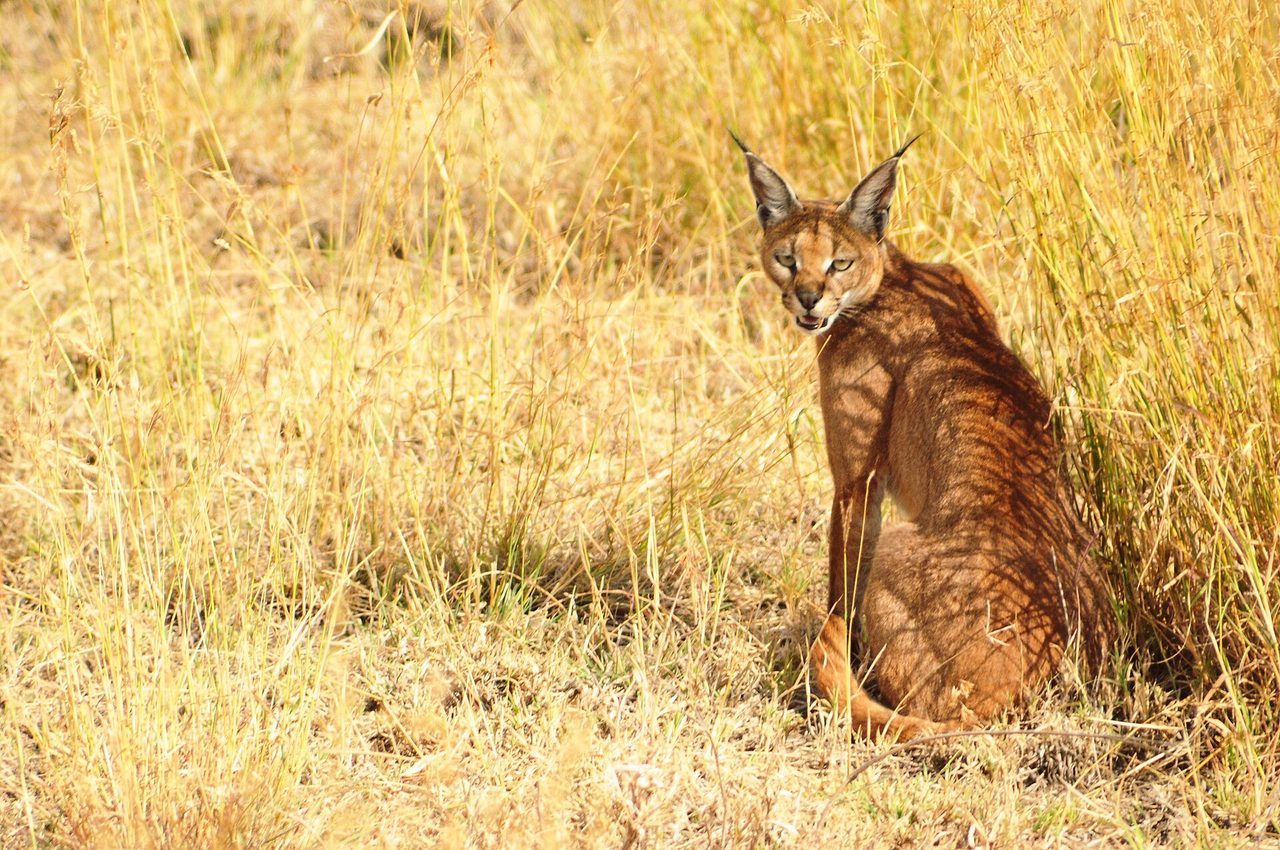
Least Concern (IUCN 2016) — CITES I in Asia, II in Africa; nationally listed CR in Pakistan and Morocco
Caracal
Caracal caracal (Schreber, 1776)
A caracal (Caracal caracal) is a medium wild cat of Africa and western Asia, not a true lynx. IUCN listed it Least Concern in 2016. Asian populations are CITES Appendix I; African populations are Appendix II. Least Concern is not a licence to keep one as a pet. WARN does not run caracal programmes.
Read the guide →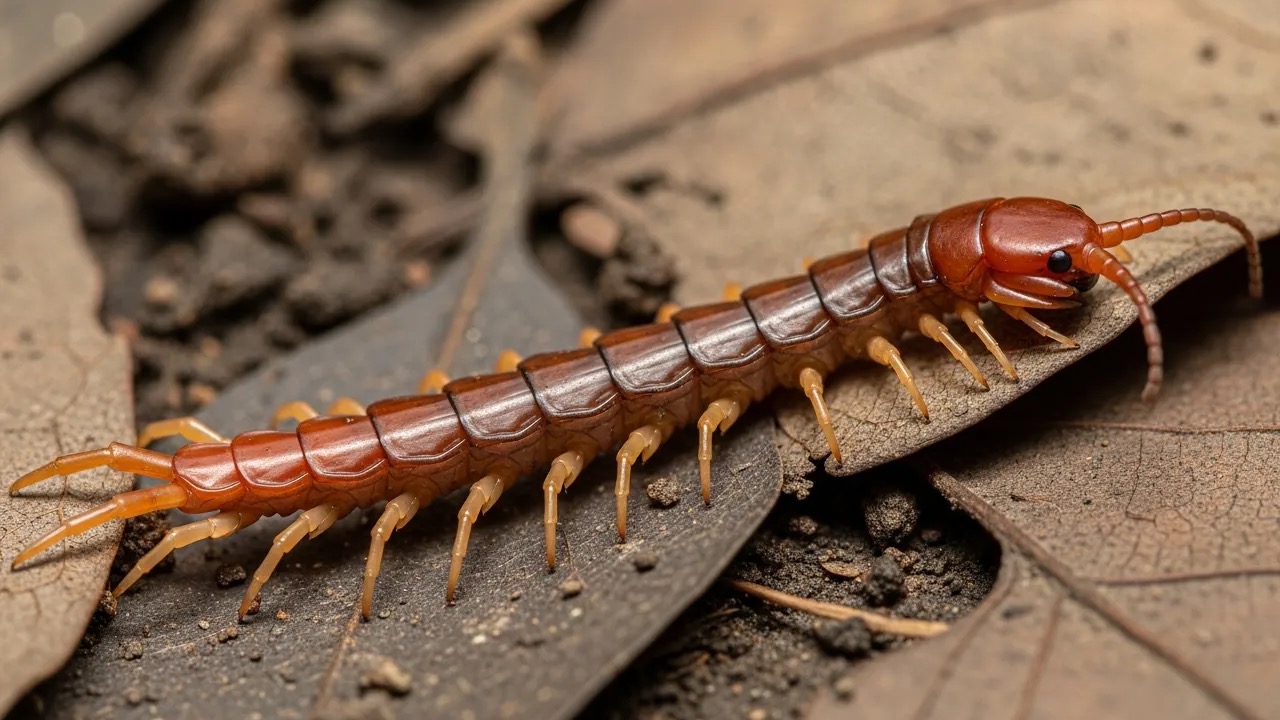
Least Concern
Centipede
Chilopoda
Centipedes (class Chilopoda) are fast, venomous invertebrate predators recognised by their long, flattened bodies and many legs, one pair per body segment. Found in soil, leaf litter, and damp places worldwide, they range from a few millimetres to over 30 cm (12 in) long and run swiftly on their many legs to catch insects, spiders, and other small animals.
Read the guide →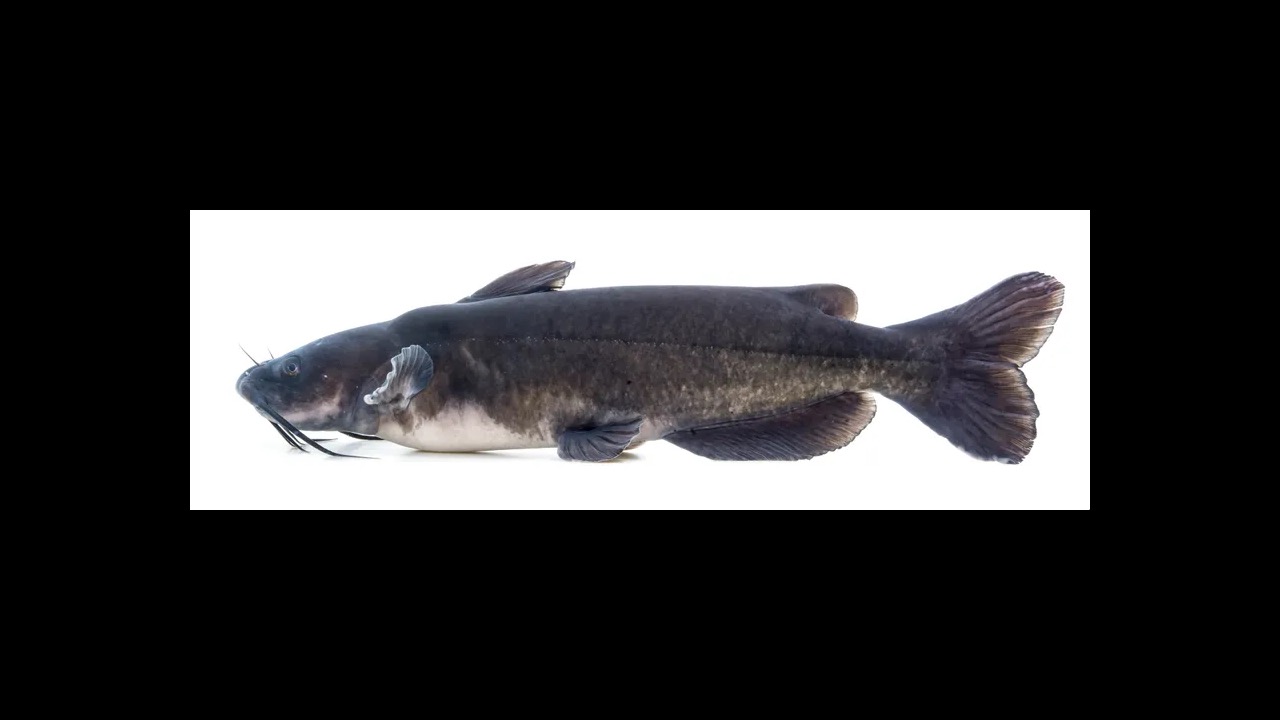
Least Concern
Channel Catfish
Ictalurus punctatus
The channel catfish is one of the most popular sport and farmed fish in North America, recognised by barbels ('whiskers'), smooth scaleless skin, and a forked tail. Native to central and eastern rivers and lakes, it grows to 10–25 kg (22–55 lb), tastes mild, and uses taste buds across its body to find food.
Read the guide →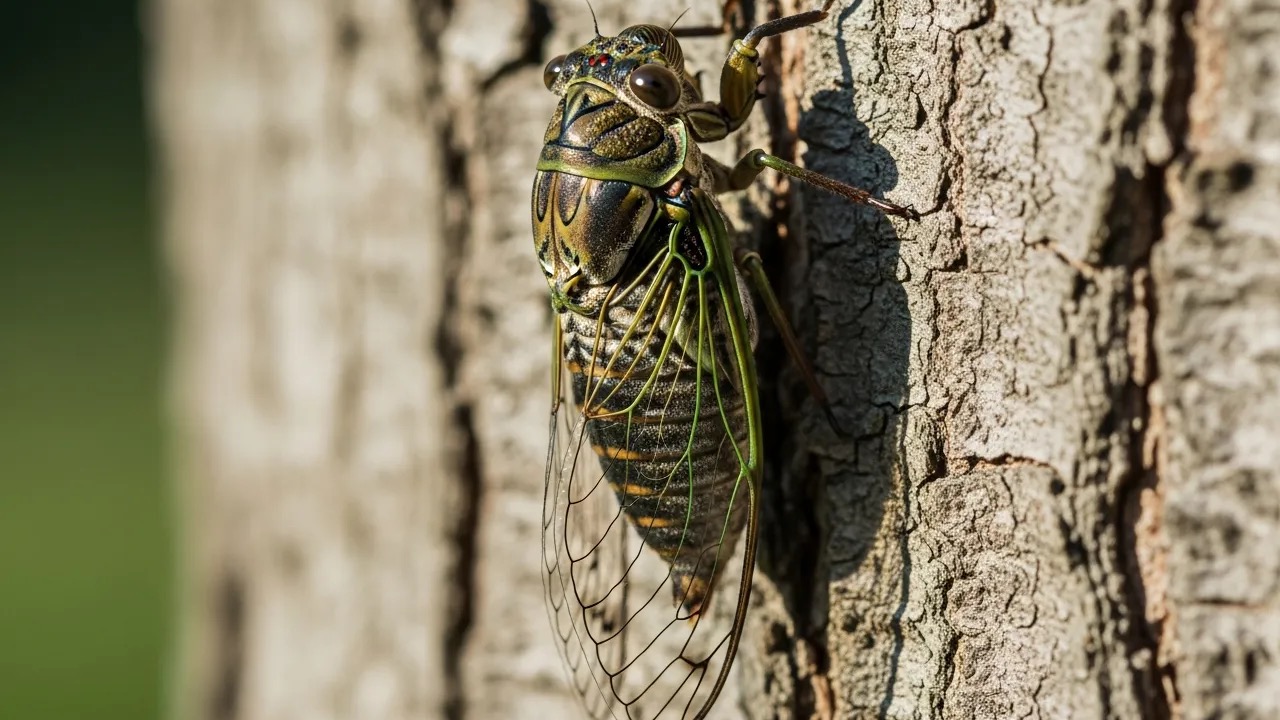
Least Concern
Cicada
Cicadidae
Cicadas are large sap-feeding insects of the family Cicadidae, famous for the loud song of the males and for spending most of their lives underground. Adults are 2 to 5 cm (0.8 to 2 in) long, fly on clear membranous wings, and feed on plant sap.
Read the guide →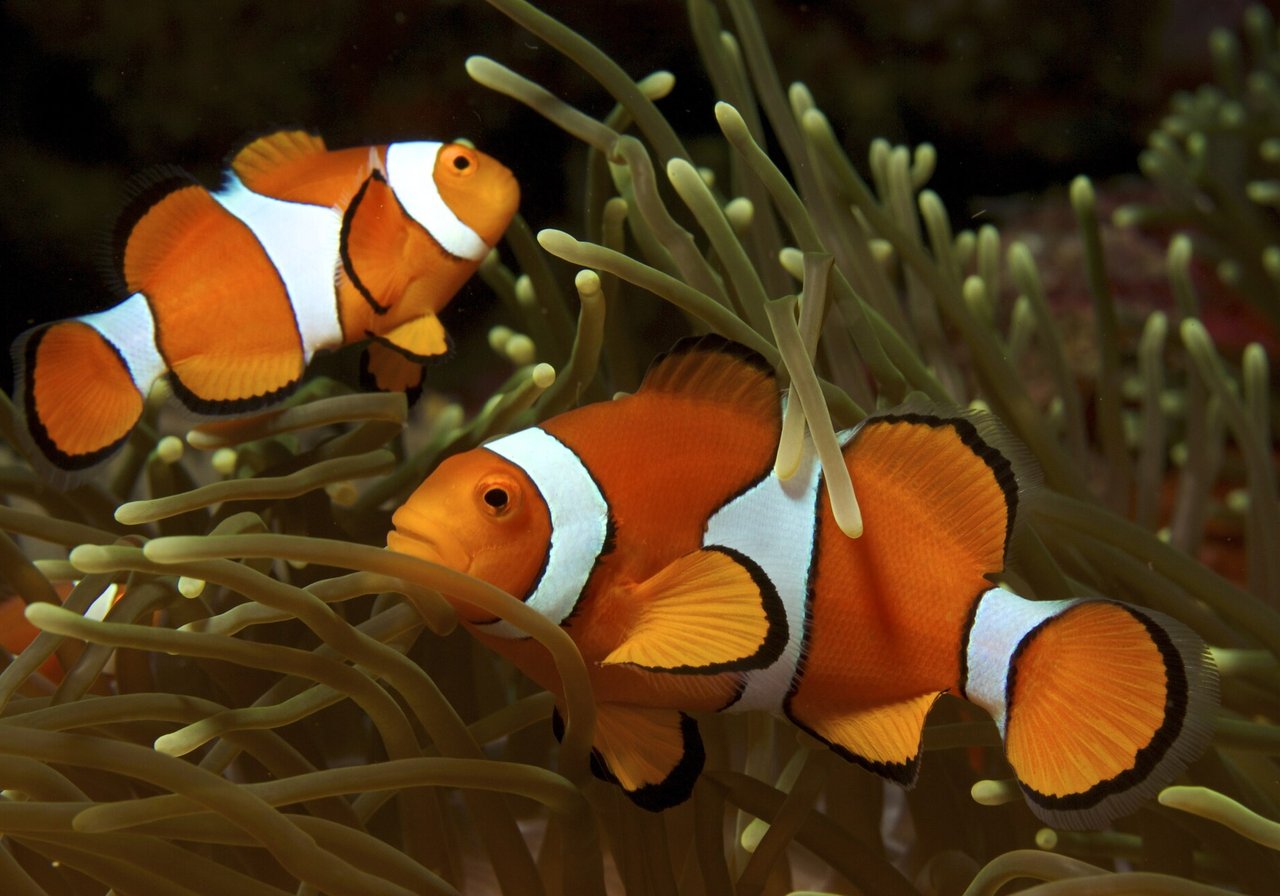
Least Concern (IUCN 2021) — reef- and anemone-dependent; not a hatchery free-for-all
Clownfish
Amphiprion ocellaris (Cuvier, 1830) — genus Amphiprion, about 30 anemonefish species
The ocellaris clownfish (Amphiprion ocellaris) is an Indo-Pacific anemonefish listed Least Concern by IUCN in 2021. About 30 Amphiprion species exist. They live in host anemones, change sex from male to female, and depend on reefs. Least Concern is not a wild-collection permit. WARN does not run clownfish programmes.
Read the guide →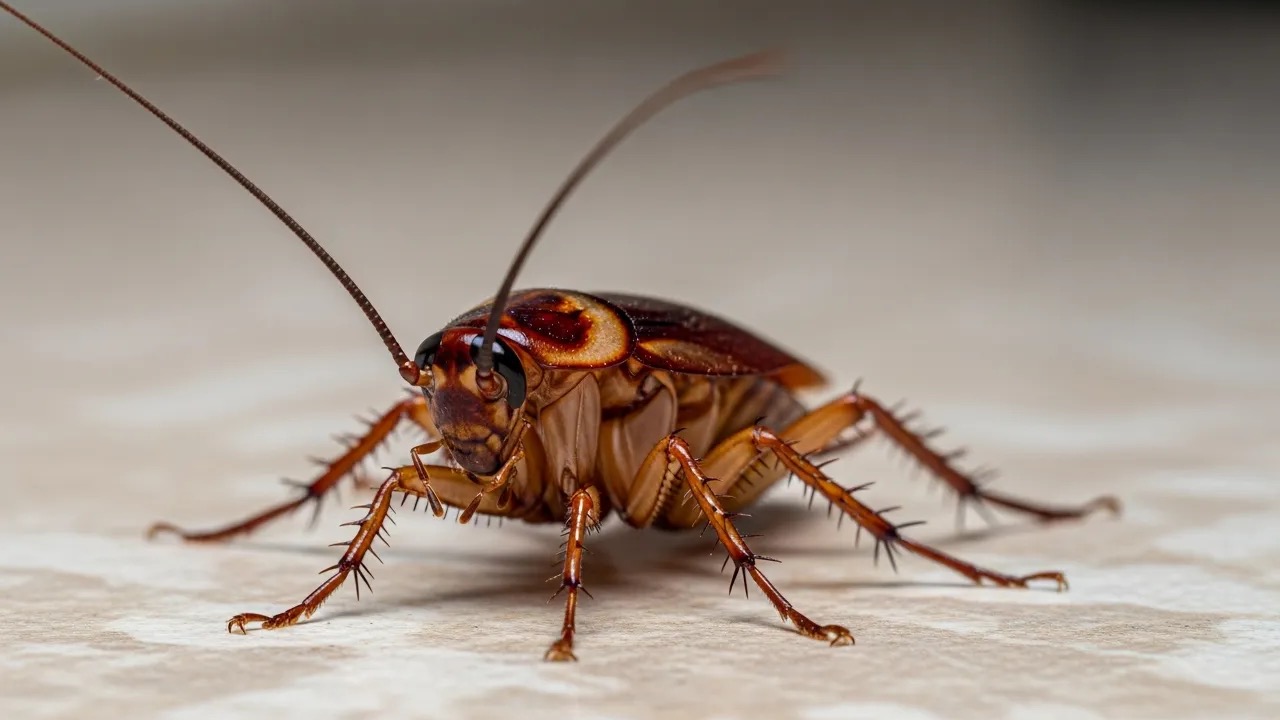
Least Concern
Cockroach
Blattodea
Cockroaches are flattened, fast-moving insects known for their toughness and ability to thrive in many environments. Most of the thousands of species live in the wild, but a few have become common household pests.
Read the guide →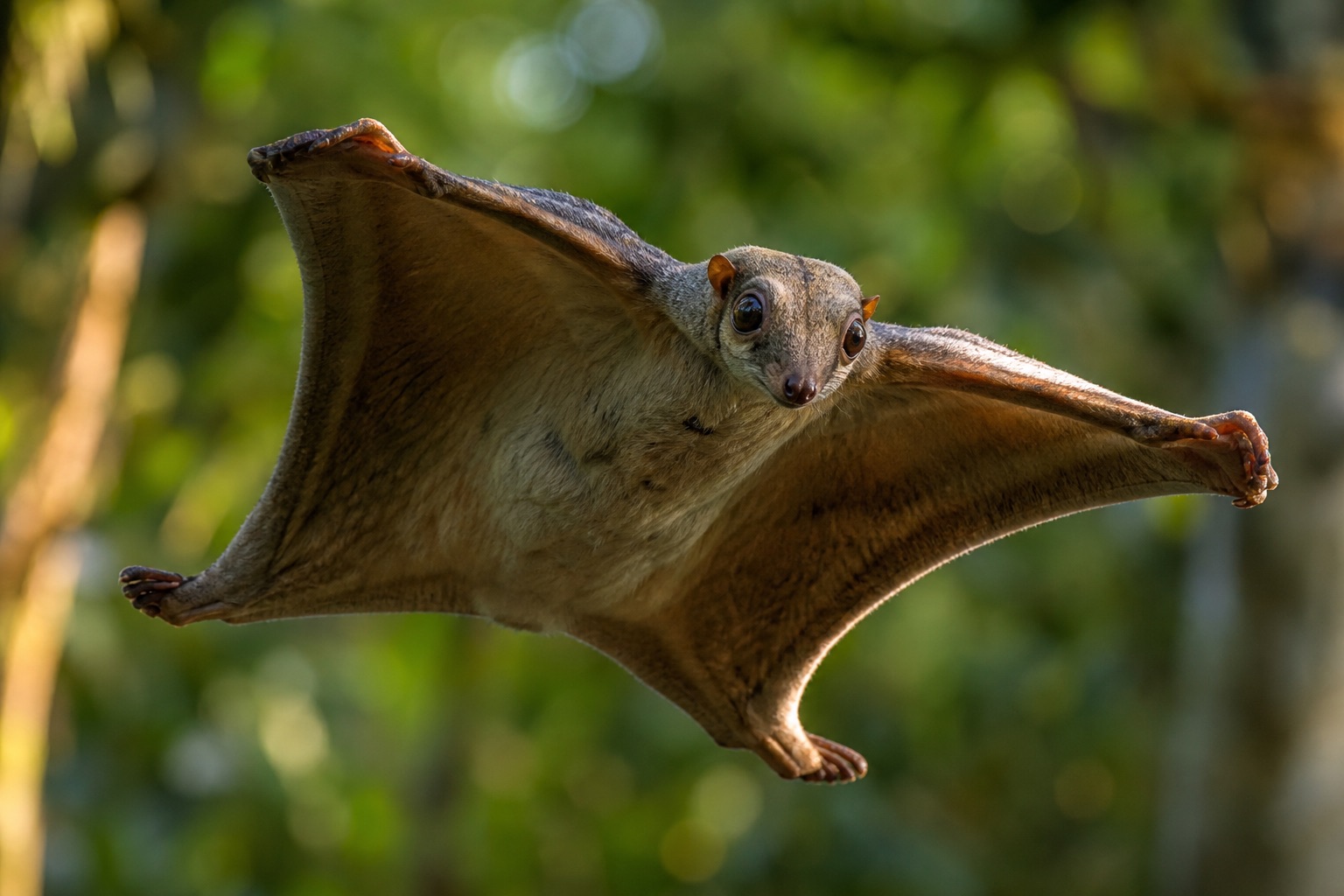
Least Concern — but forest conversion across Sundaland removes gliding habitat
Colugo
Galeopterus variegatus (Audebert, 1799) — order Dermoptera
The Sunda colugo (Galeopterus variegatus) is a nocturnal gliding mammal of Borneo and Sumatra with the most extensive gliding membrane of any mammal; it is not a lemur and cannot fly, and its closest living relatives are primates.
Read the guide →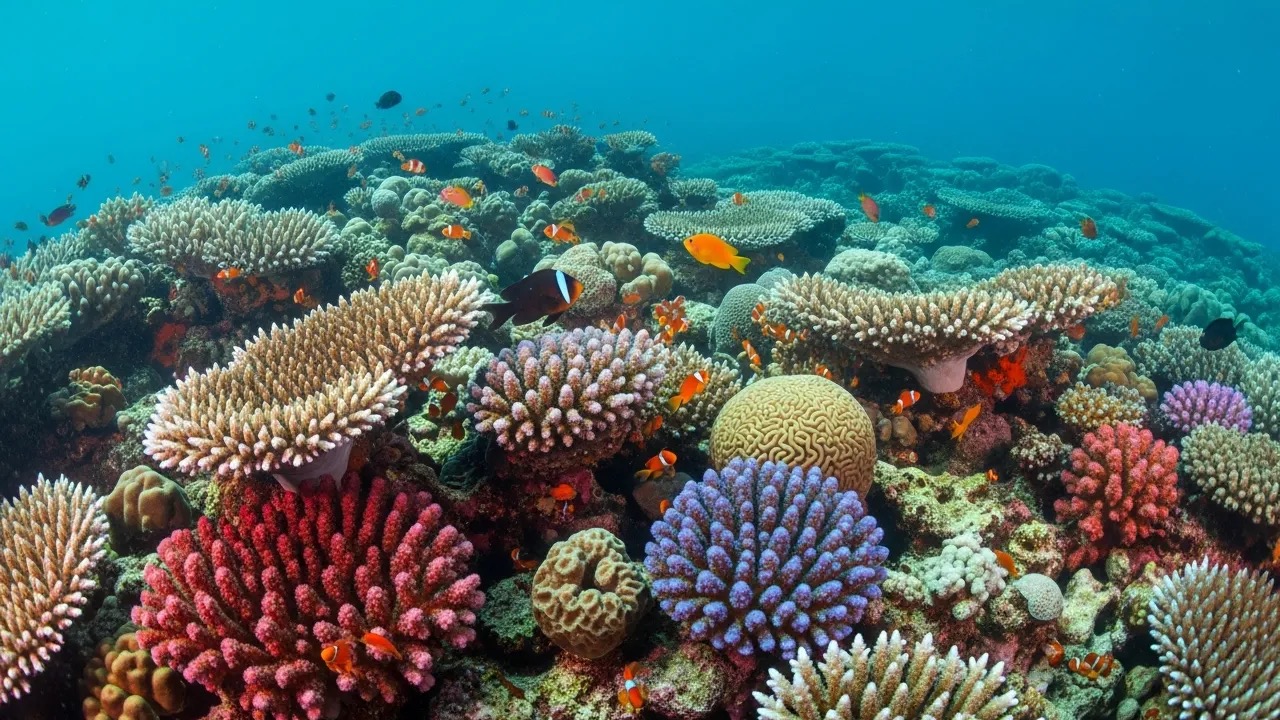
Least Concern
Coral
Anthozoa
Corals are tiny colonial animals of the class Anthozoa that build the vast limestone structures we call reefs. Each coral is a colony of soft-bodied polyps, only millimetres wide, that secrete a hard calcium-carbonate skeleton and live fixed in place in warm, shallow tropical seas.
Read the guide →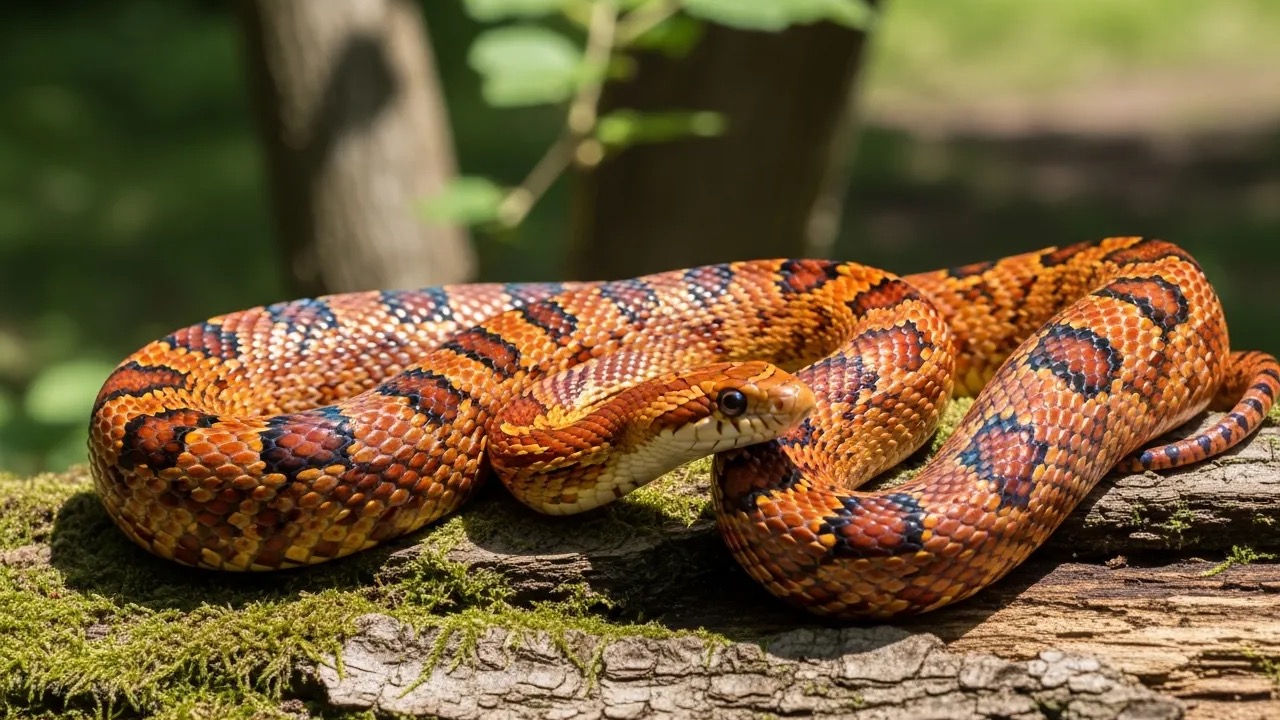
Least Concern
Corn Snake
Pantherophis guttatus
The corn snake (Pantherophis guttatus) is a gentle, colourful North American rat snake and one of the most popular pet snakes in the world. Native to the fields, woodlands and farmland of the southeastern United States, it grows to around 1.4 m (up to about 1.8 m) and is a non-venomous constrictor that hunts rodents.
Read the guide →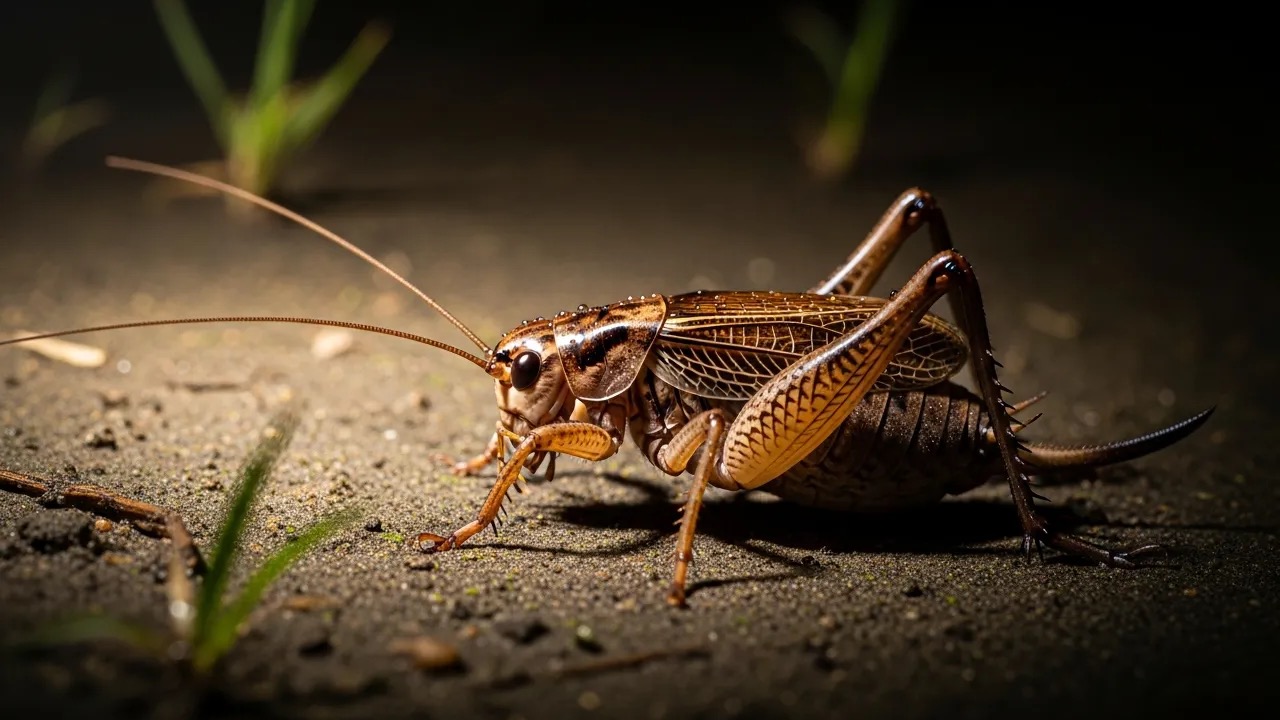
Least Concern
Cricket
Gryllidae
Crickets are jumping insects closely related to grasshoppers, best known for the chirping sound males make to attract mates. They are mostly active at night and feed on plants, fungi, and small insects.
Read the guide →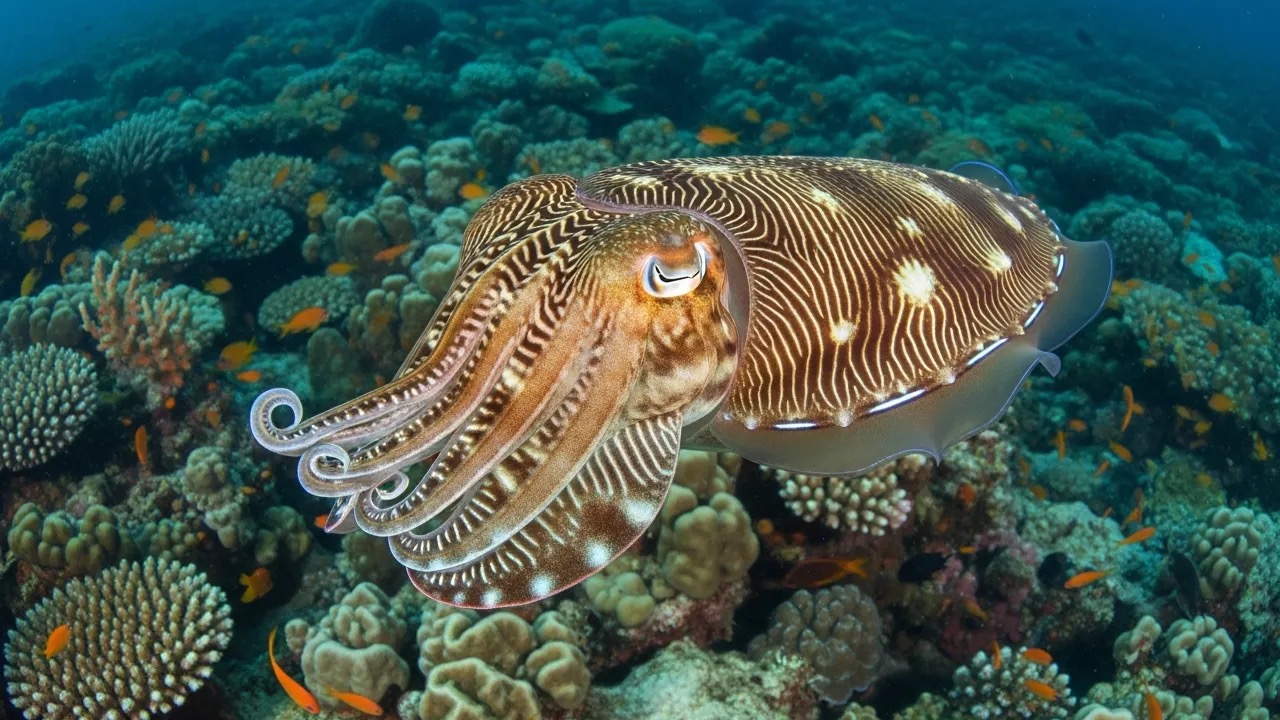
Least Concern
Cuttlefish
Sepia officinalis
The common cuttlefish (Sepia officinalis) is a soft-bodied marine mollusc found over sandy seabeds and seagrass in coastal seas of the eastern Atlantic and Mediterranean. Despite its name it is not a fish but a cephalopod, related to octopuses and squid, and it can transform its colour and skin texture in a fraction of a second.
Read the guide →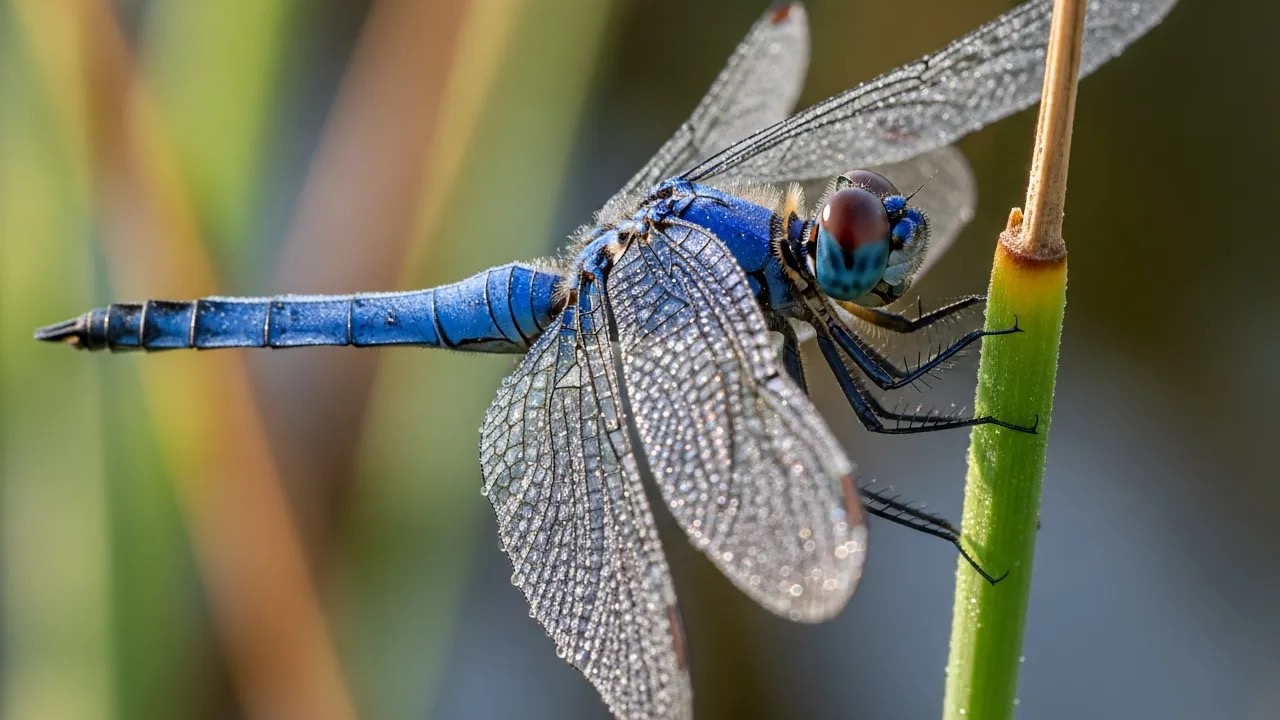
Least Concern
Dragonfly
Anisoptera
Dragonflies are fast, agile flying insects with long bodies, huge eyes, and two pairs of transparent wings. They are skilled aerial predators that catch other insects in mid-air, and they spend most of their lives as aquatic larvae before becoming adults.
Read the guide →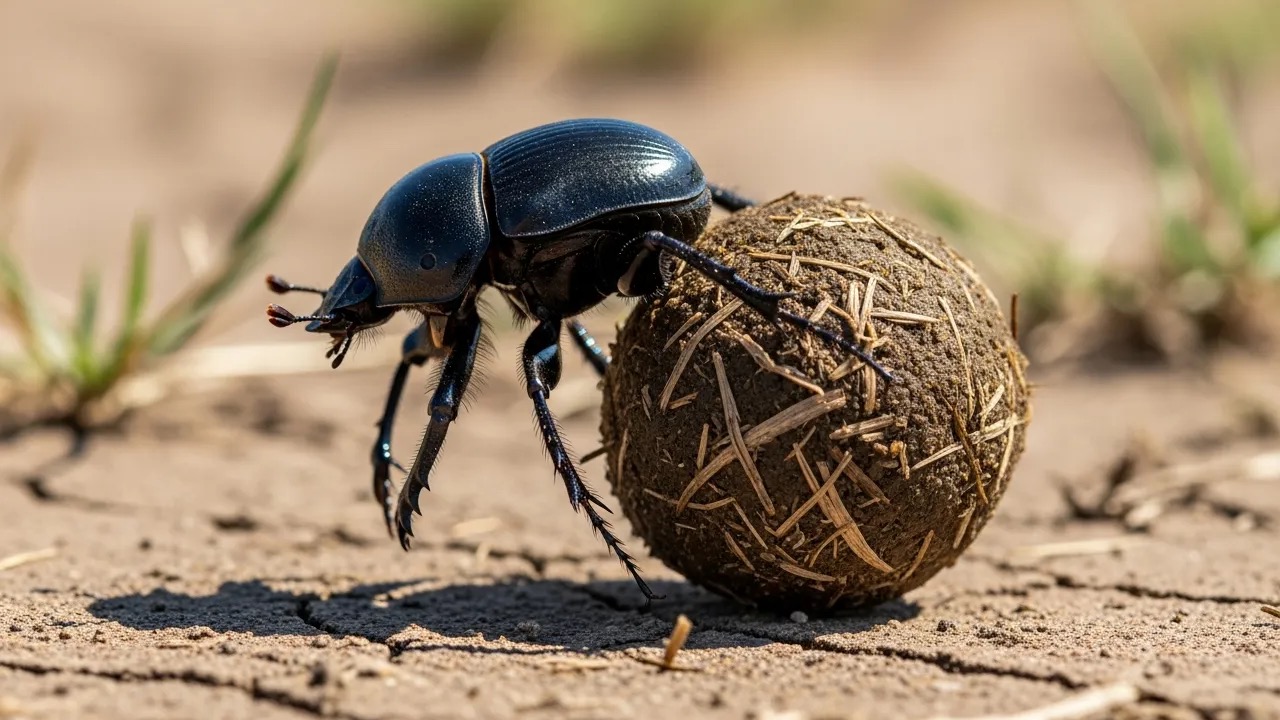
Least Concern
Dung Beetle
Scarabaeus sacer
Dung beetles are beetles that feed on animal droppings, and many are famous for rolling dung into balls and pushing them away to bury as food or a brood chamber. They are remarkably strong for their size and play a vital role in recycling waste, improving soil, and reducing pests.
Read the guide →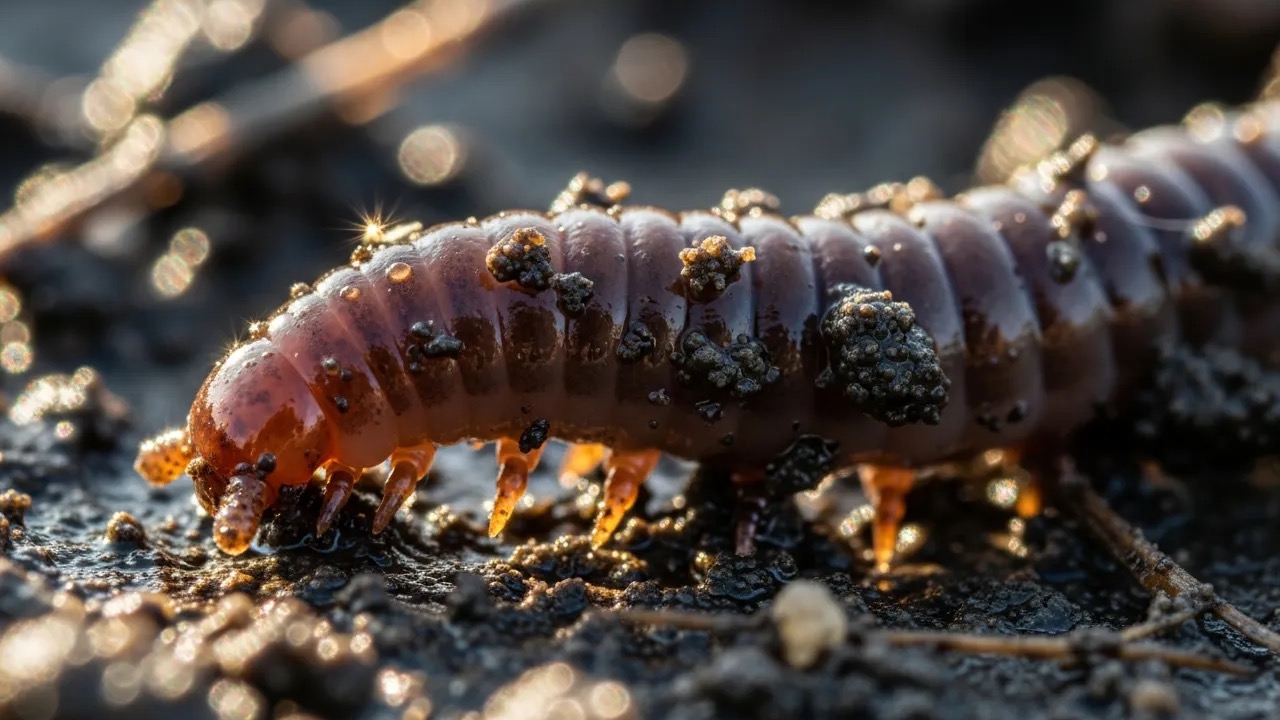
Least Concern
Earthworm
Lumbricina
Earthworms are segmented worms that burrow through soil, eating organic matter and recycling nutrients as they go. They breathe through their moist skin, have no eyes or lungs, and are hermaphrodites.
Read the guide →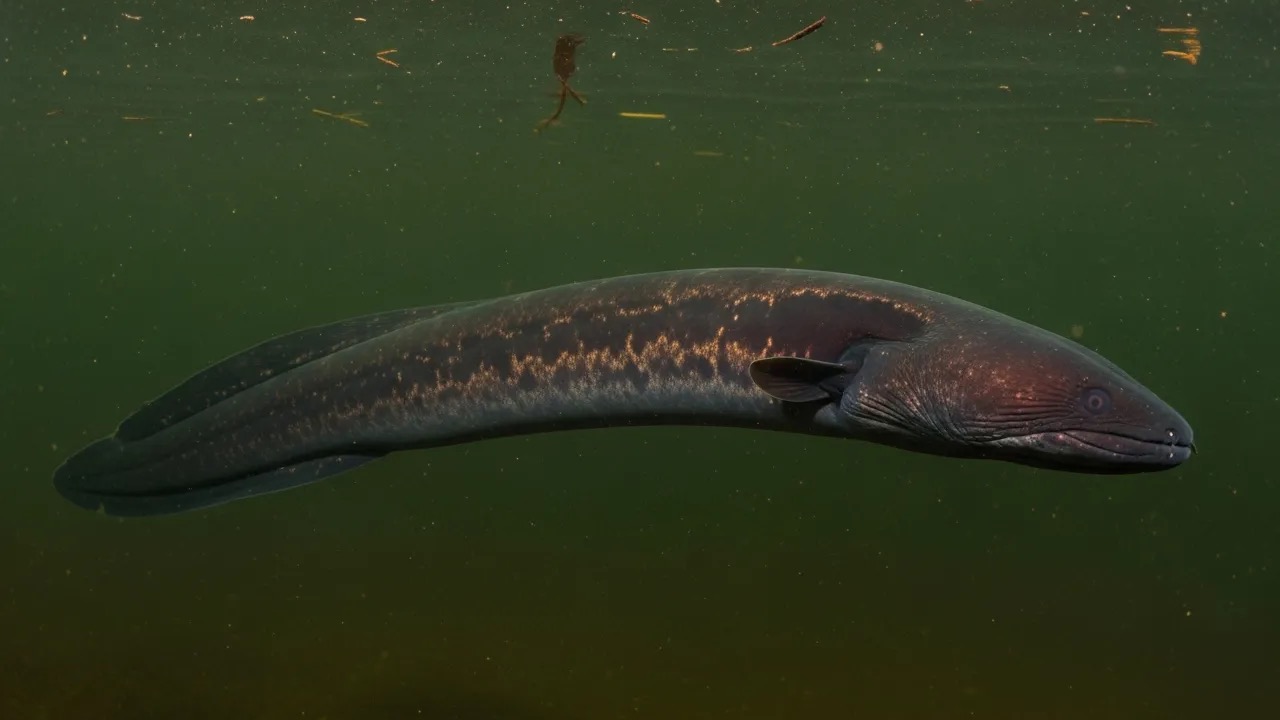
Least Concern
Electric Eel
Electrophorus electricus
The electric eel (Electrophorus electricus) is a freshwater fish of South America famous for generating powerful electric shocks to stun prey and defend itself. Despite the name it is not a true eel but a knifefish, growing up to 2.5 m long and weighing around 20 kg.
Read the guide →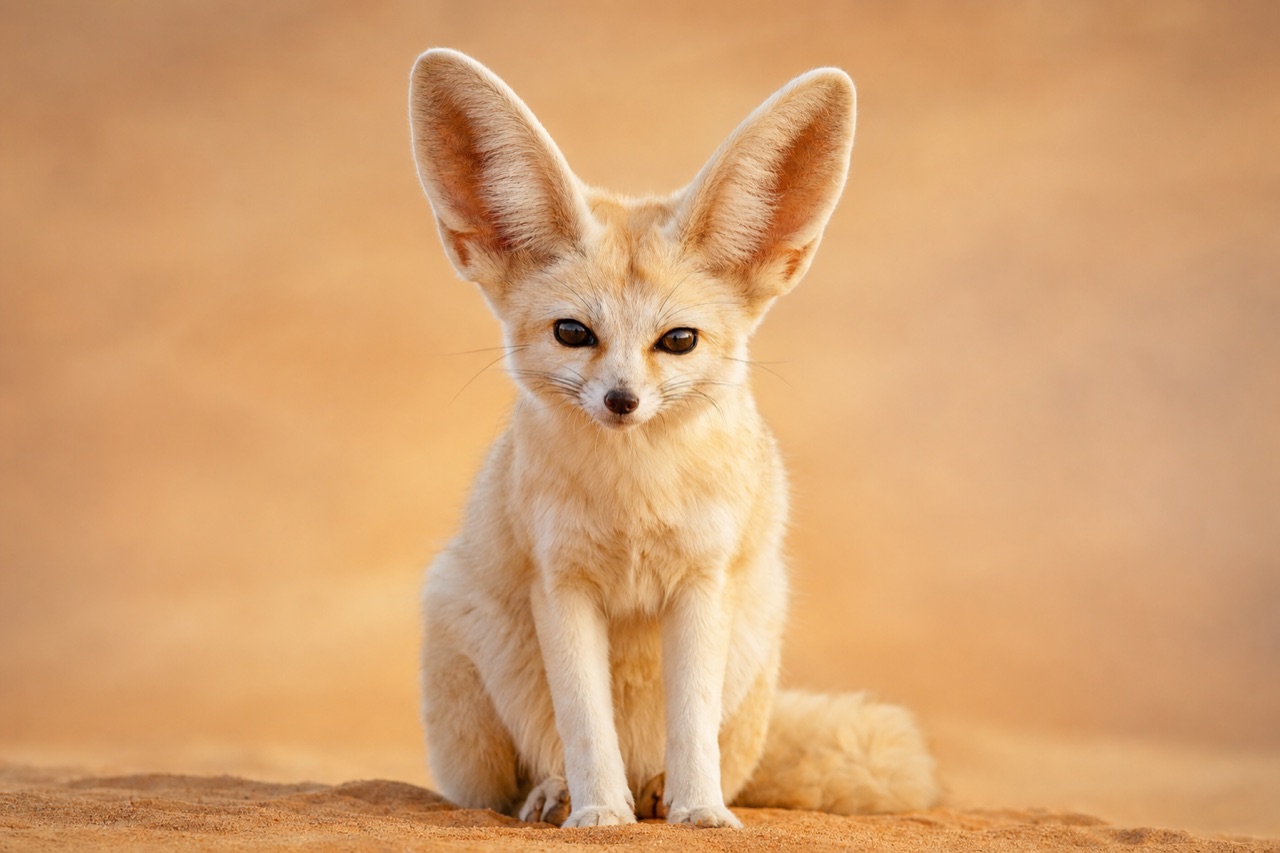
Least Concern (IUCN 2015) — CITES Appendix II; pet-trade capture is a local pressure
Fennec Fox
Vulpes zerda (Zimmermann, 1780)
A fennec fox (Vulpes zerda) is a small Saharan canid, listed Least Concern by the IUCN in 2015 and on CITES Appendix II. Oversized ears shed heat and find prey under sand. It can live without drinking free water. Least Concern is not a licence to keep one as a house pet. WARN does not run fennec programmes.
Read the guide →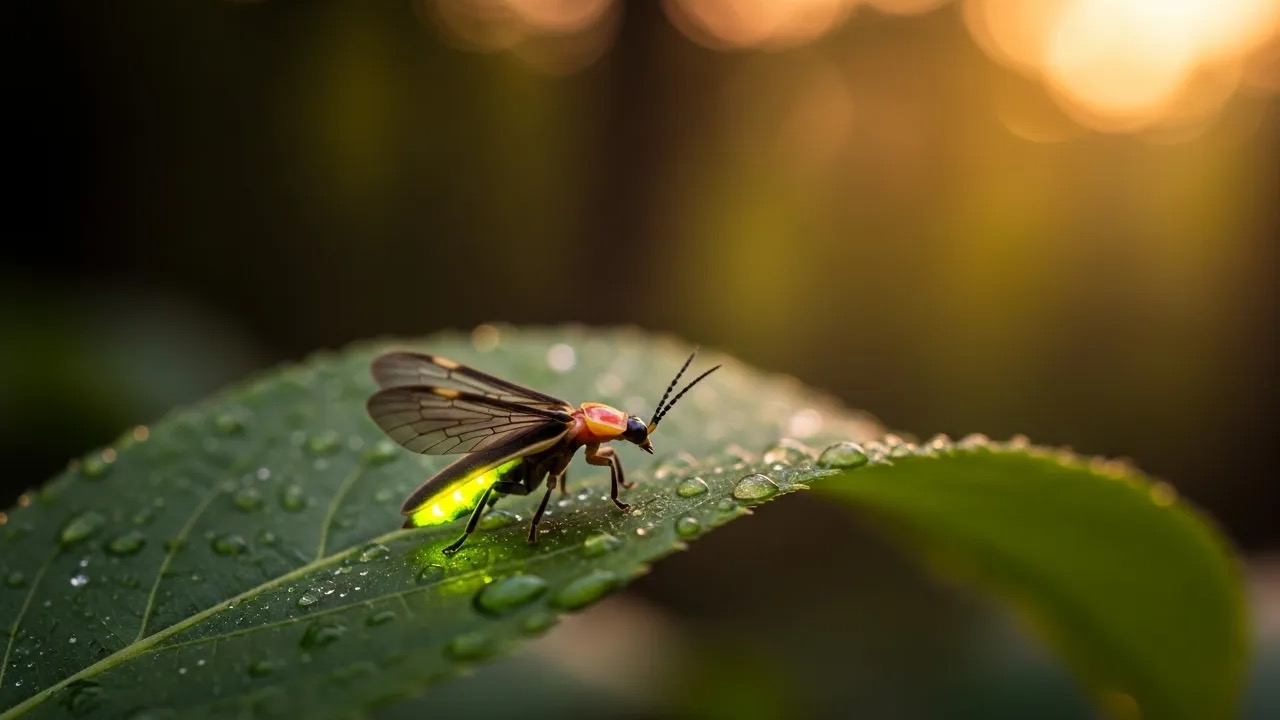
Least Concern
Firefly
Lampyridae
Fireflies are winged beetles of the family Lampyridae, famous for the cold, glowing light they flash to attract mates on warm summer nights. Most measure about 1 to 2.5 cm long and fly slowly over meadows, woodland edges, marshes and gardens.
Read the guide →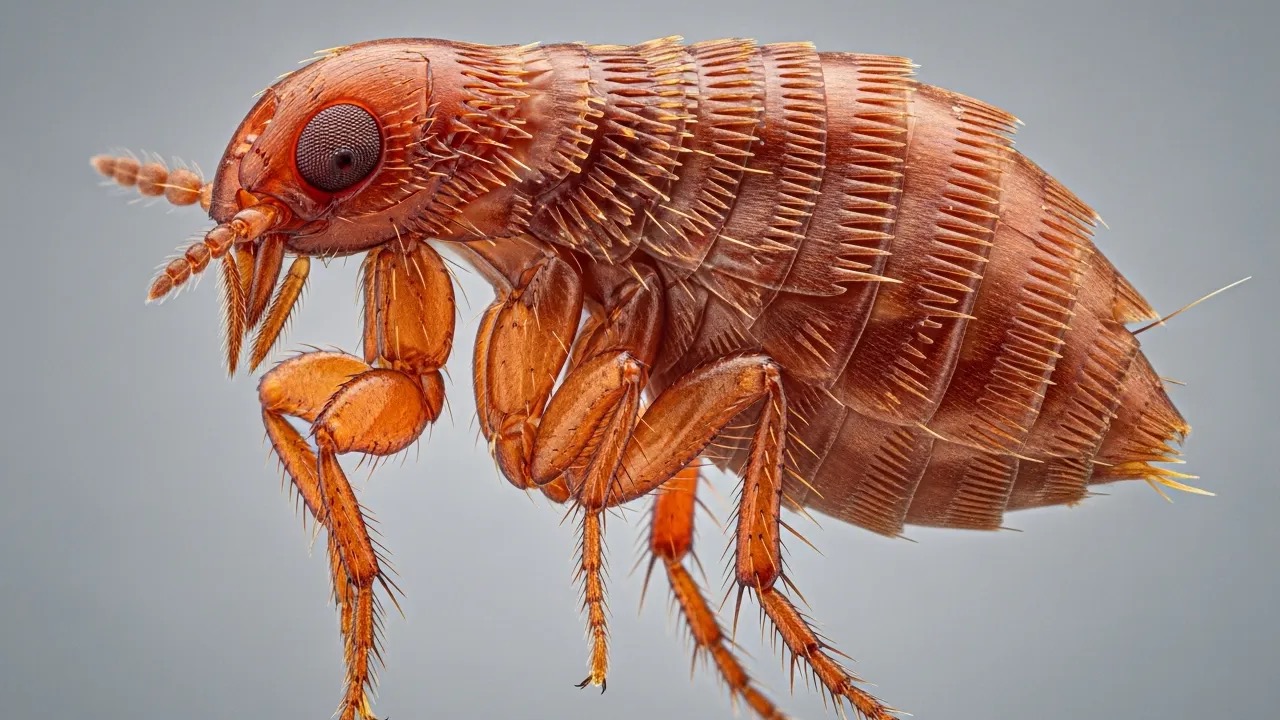
Least Concern
Flea
Siphonaptera
Fleas are tiny, wingless insects that live as parasites on the bodies of mammals and birds, feeding on their blood. They are renowned for their jumping ability, able to leap many times their own body length thanks to powerful hind legs and a spring-like protein.
Read the guide →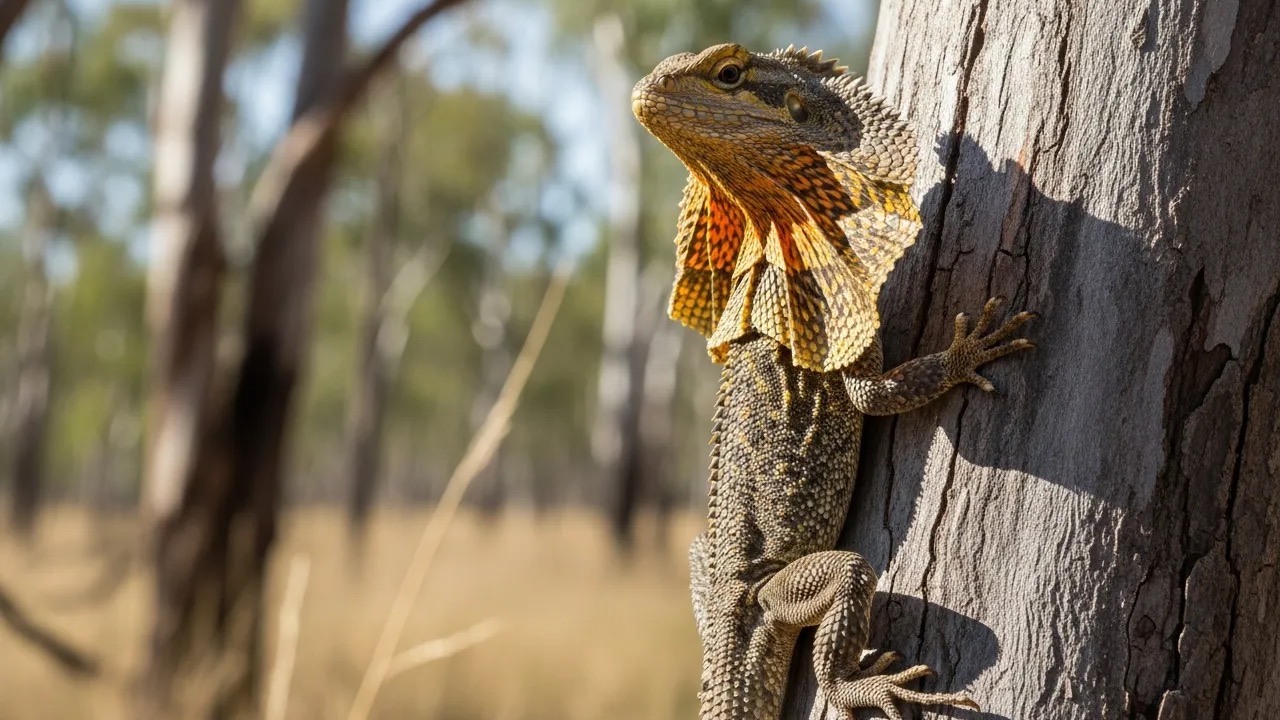
Least Concern
Frilled Lizard
Chlamydosaurus kingii
The frilled lizard (Chlamydosaurus kingii) is a tree-dwelling reptile of northern Australia and southern New Guinea, famous for the wide, leathery frill it snaps open around its neck when threatened. It grows up to about 0.9 m (3 ft) long including the tail and weighs around 0.5 kg (1.1 lb).
Read the guide →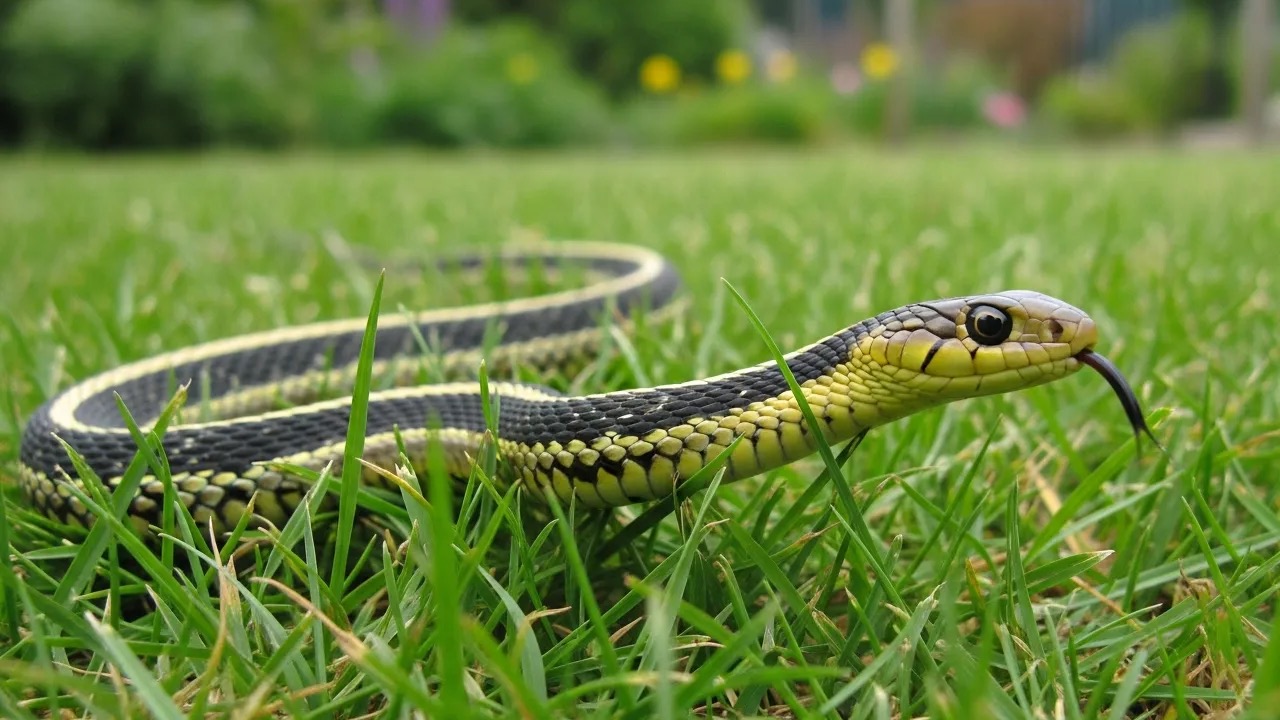
Least Concern
Garter Snake
Thamnophis sirtalis
The garter snake is one of the most common and widespread snakes in North America, found in meadows, marshes, woodlands, and gardens from Canada to Mexico. It is a slender snake, typically 0.5 to 1.3 m long and about 150 g, usually striped in yellow or green along a darker body.
Read the guide →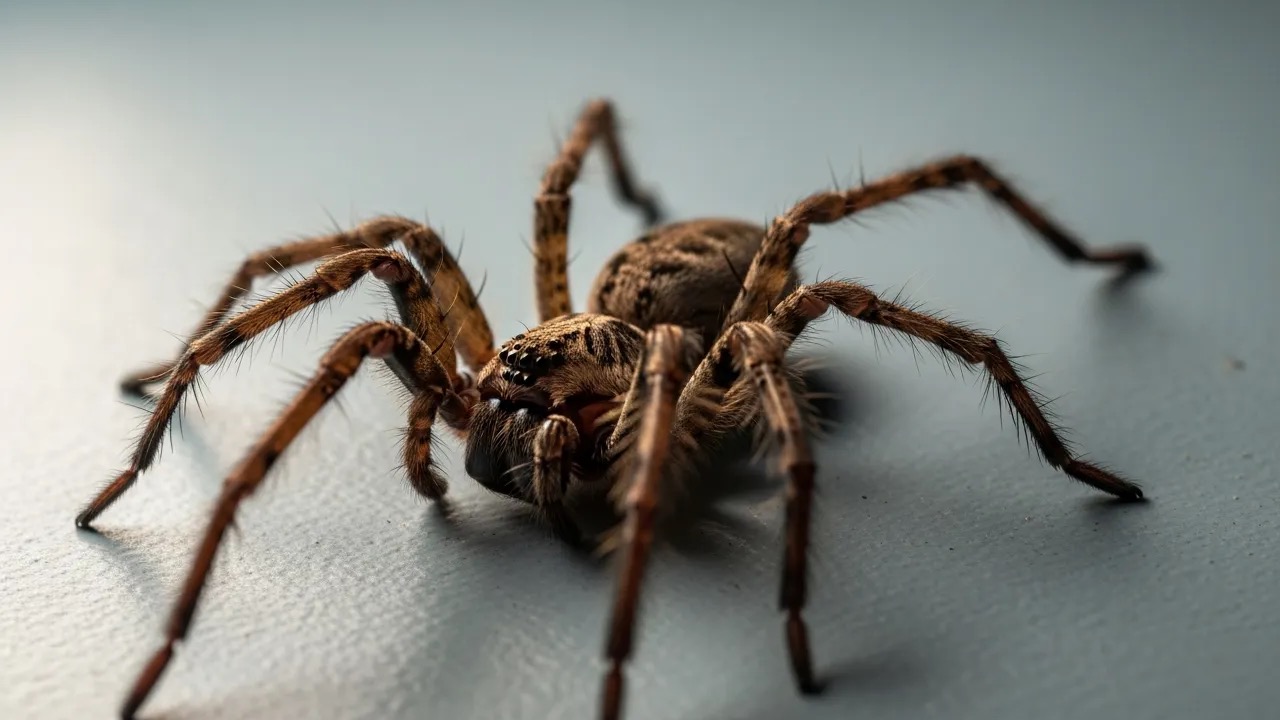
Least Concern
Giant House Spider
Eratigena atrica
The giant house spider (Eratigena atrica) is one of Britain's largest spiders, a fast-moving but harmless funnel-weaver often seen indoors in autumn. Females reach a body length of up to about 7.5 cm across the legs, with a leg span reaching around 12 cm, and adults live for around three years.
Read the guide →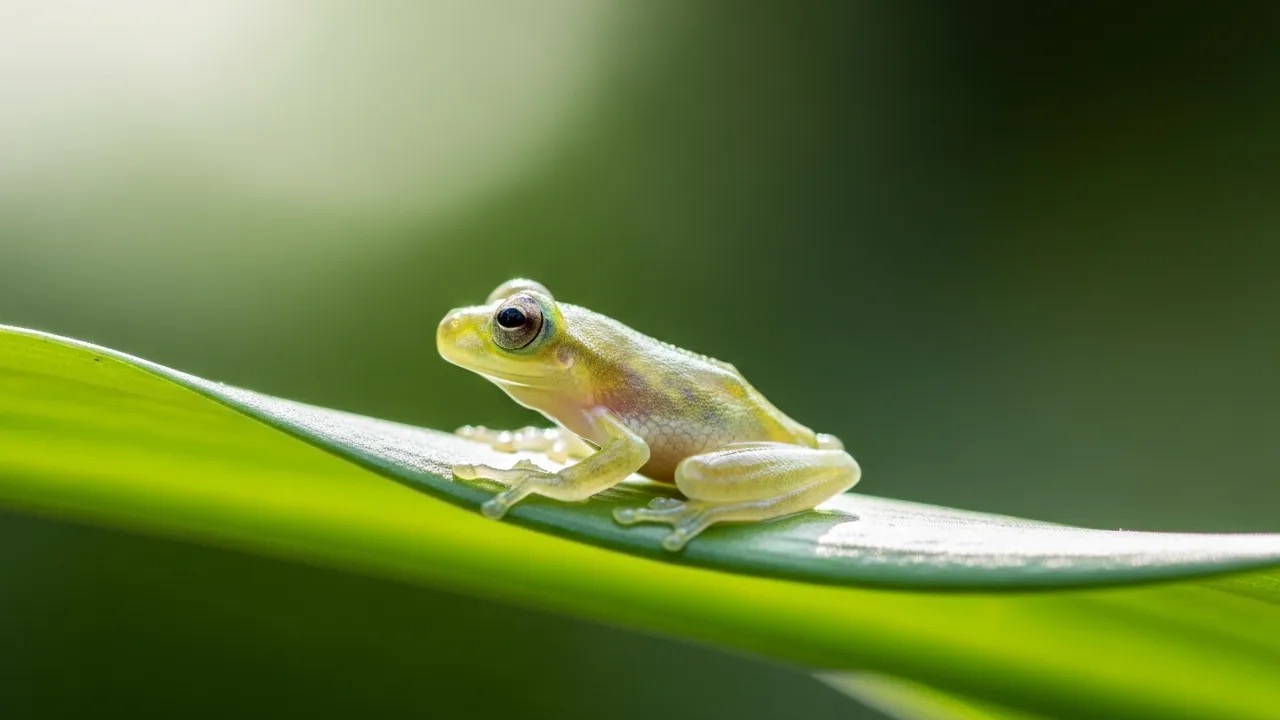
Least Concern
Glass Frog
Hyalinobatrachium valerioi
Glass frogs are small tree frogs of Central and South American rainforests, famous for the translucent skin on their bellies that reveals their internal organs and beating heart. They are nocturnal, arboreal, and care for their eggs on leaves above streams.
Read the guide →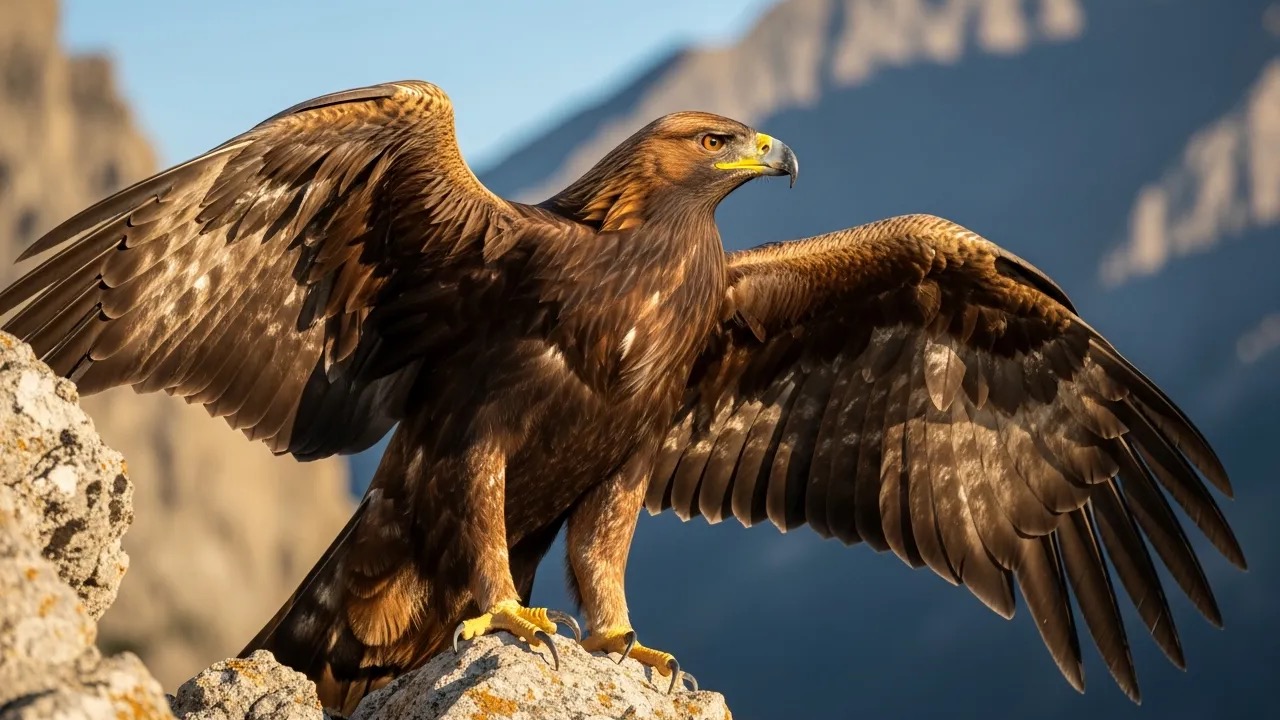
Least Concern
Golden Eagle
Aquila chrysaetos
The golden eagle (Aquila chrysaetos) is one of the largest and fastest birds of prey, found across the mountains, open hills, and tundra of the Northern Hemisphere. It weighs around 4.5 kg with a wingspan of 1.8 to 2.3 m, and in a hunting dive it can exceed 240 km/h (150 mph).
Read the guide →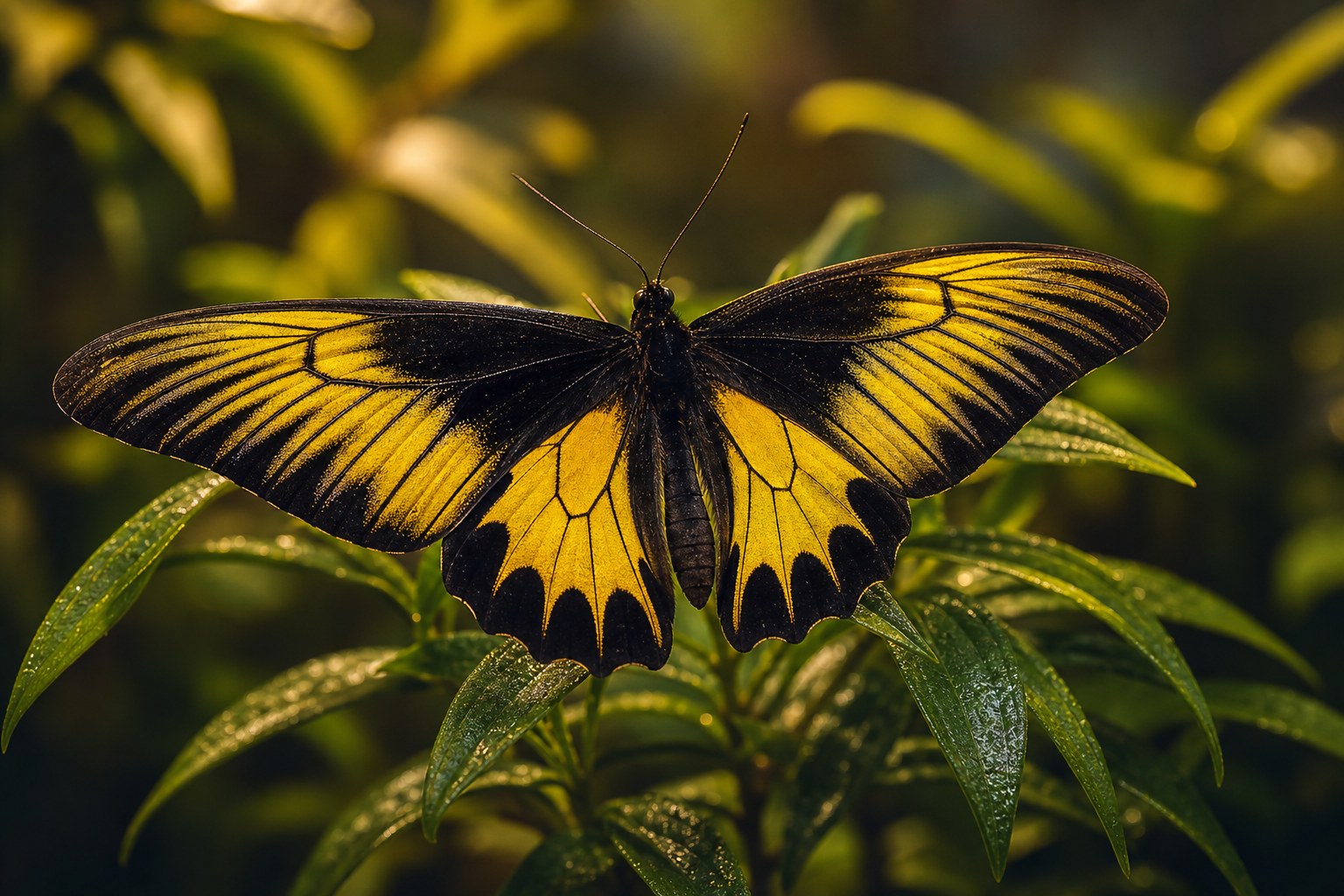
Least Concern — but habitat loss and collection pressure continue
Goliath Birdwing
Ornithoptera goliath (Deslisle, 1989) — family Papilionidae
The goliath birdwing (Ornithoptera goliath) is the second-largest butterfly in the world, with females reaching a wingspan of around 25 cm; its caterpillars sequester toxins from Aristolochia vines in the same way poison-dart frogs store alkaloids from their diet.
Read the guide →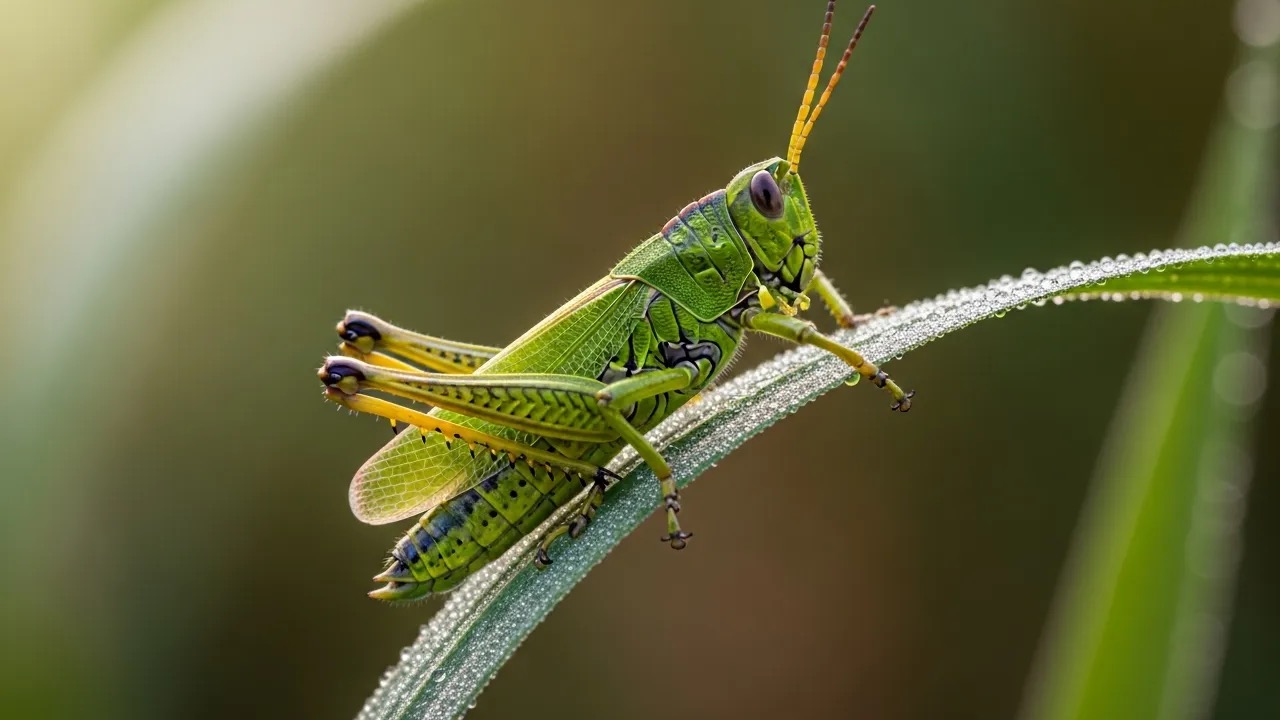
Least Concern
Grasshopper
Caelifera
Grasshoppers are plant-eating insects famous for their powerful hind legs, which let them leap many times their own body length. They live in grasslands and fields, where they feed on leaves and stems, and many produce a chirping sound by rubbing body parts together.
Read the guide →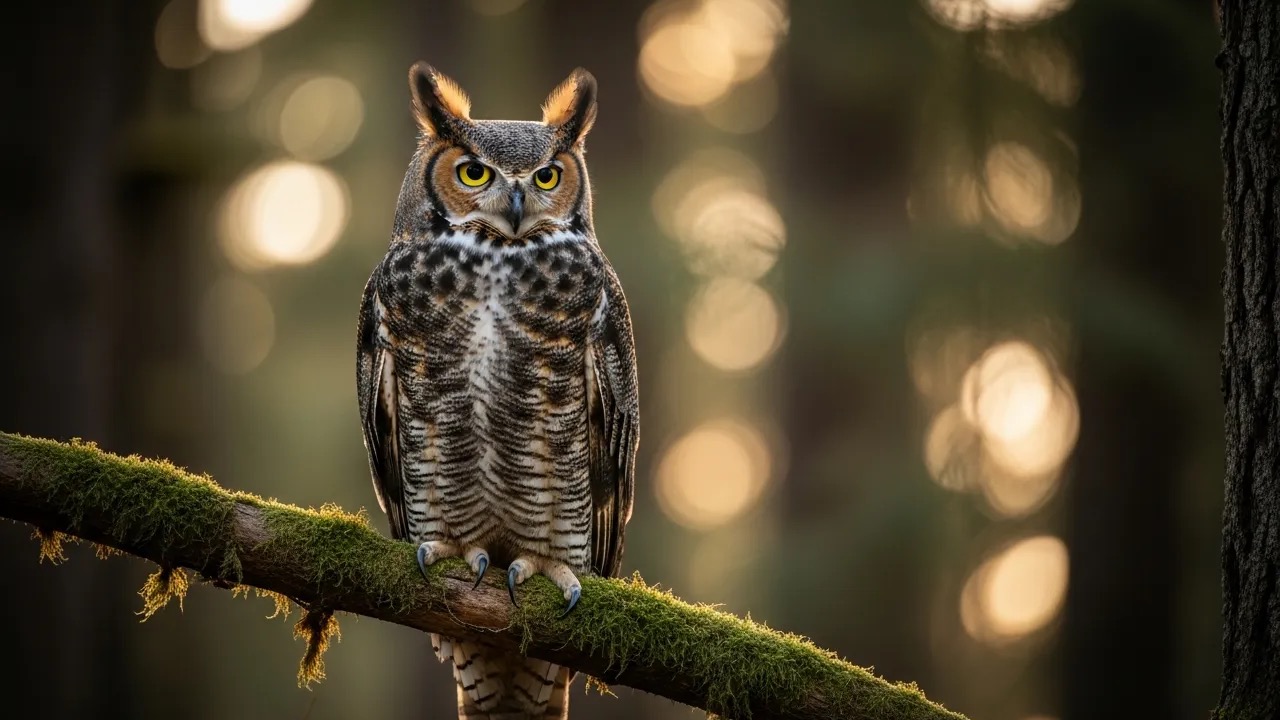
Least Concern
Great Horned Owl
Bubo virginianus
The great horned owl is a large, powerful owl found throughout the Americas, named for the tufts of feathers on its head that look like horns or ears. A fierce nocturnal predator with crushing talons, it hunts a wide range of prey, even skunks and other raptors.
Read the guide →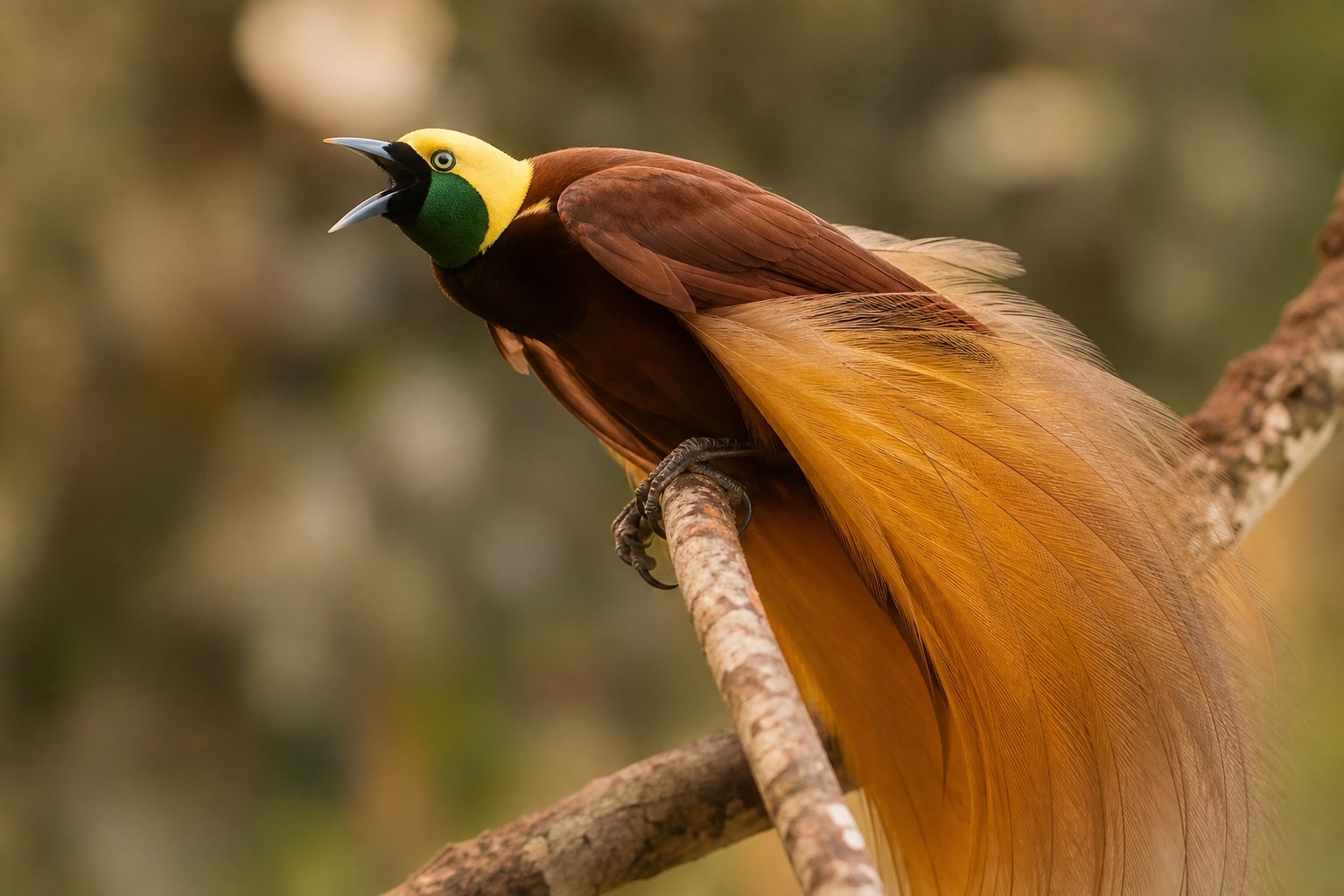
Least Concern — the 'footless' name records a trade artefact, not biology
Greater Bird-of-Paradise
Paradisaea apoda (Linnaeus, 1758) — family Paradisaeidae
The greater bird-of-paradise (Paradisaea apoda) is a large lek-displaying species of southwestern New Guinea whose name means 'footless' because traders removed the feet from exported skins; it was among the species most depleted by the plume trade and is listed Least Concern.
Read the guide →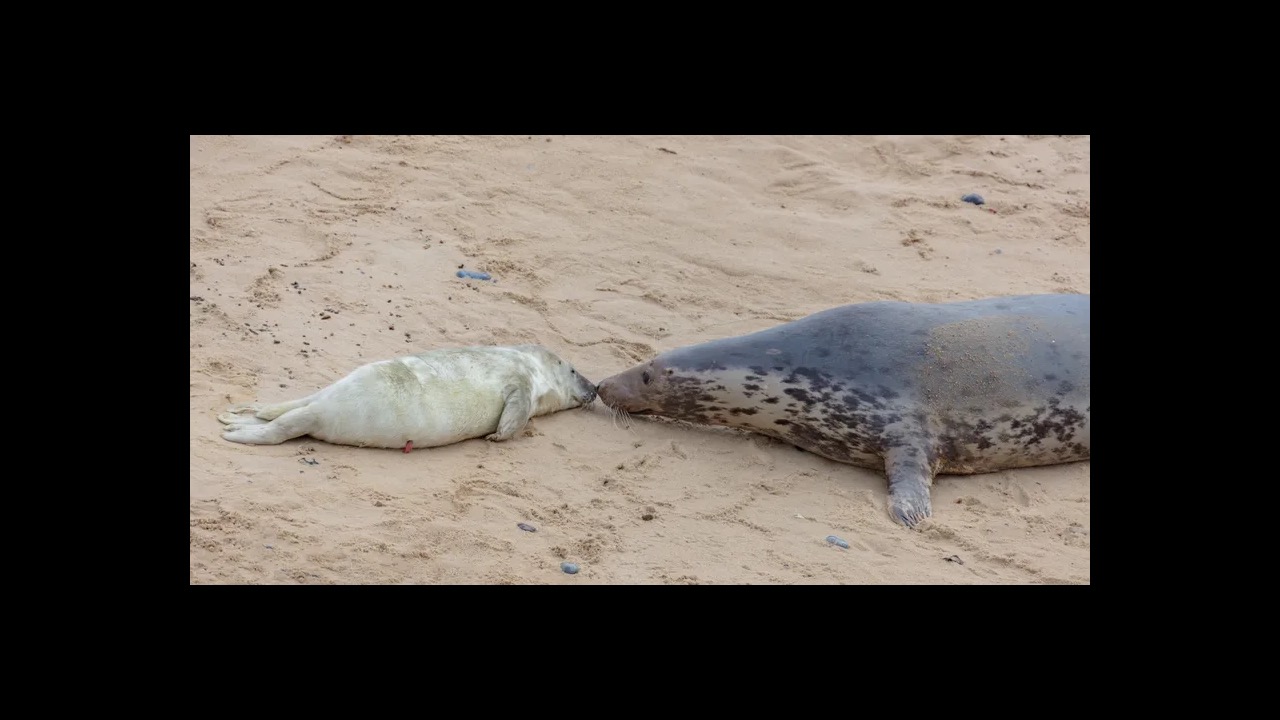
Least Concern
Grey Seal
Halichoerus grypus
The grey seal (Halichoerus grypus) is a large North Atlantic seal named for its long, horse-like muzzle. It swims after fish, squid, and crustaceans along rocky coasts, islands, and ice edges, and a big bull can weigh up to 230 kg.
Read the guide →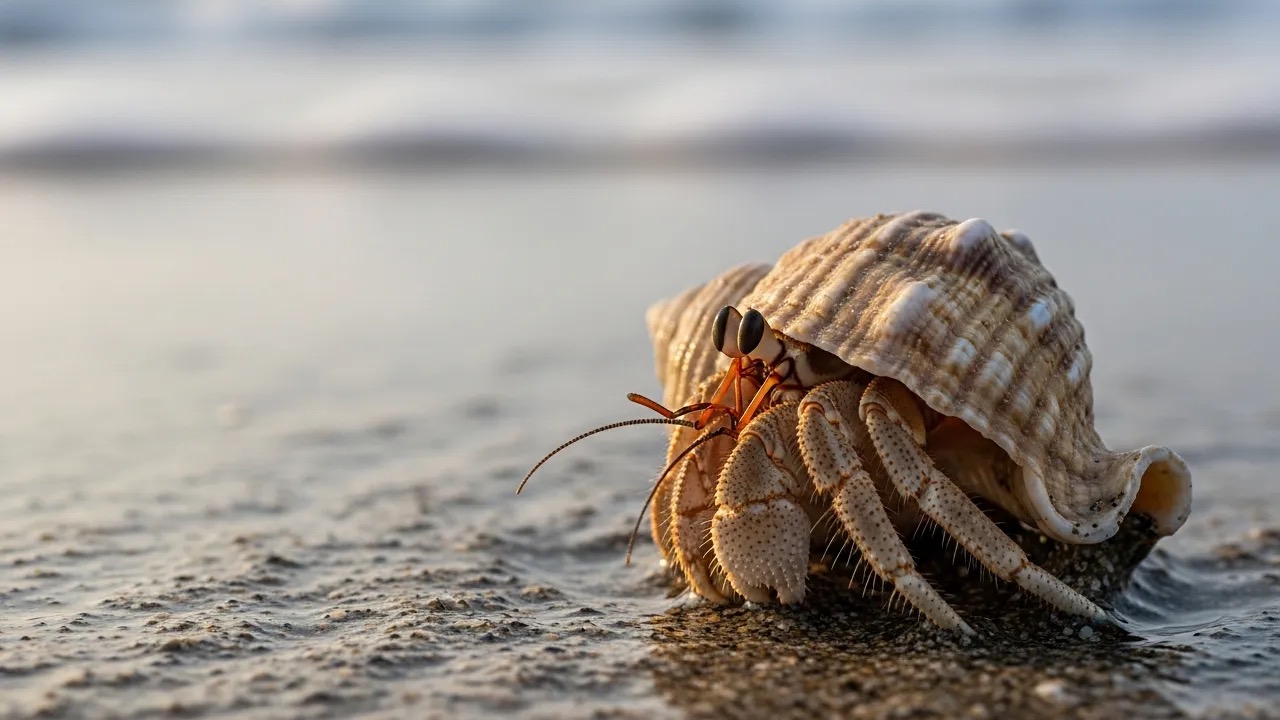
Least Concern
Hermit Crab
Paguroidea
Hermit crabs are crustaceans that protect their soft, spiraled abdomens by living inside empty snail shells. As they grow, they leave their old shell and move into a larger one, sometimes lining up to swap shells in sequence.
Read the guide →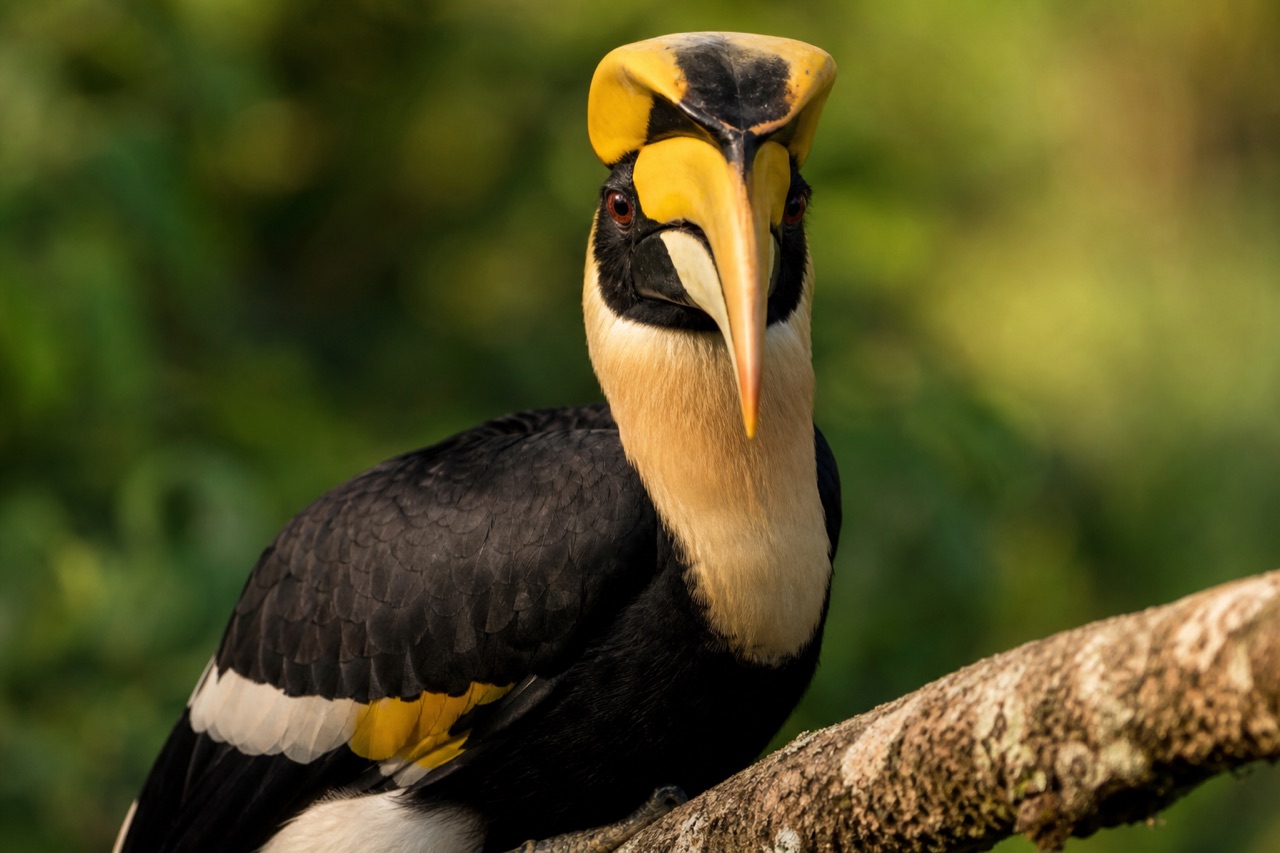
Family overview — status varies; several species Vulnerable to Critically Endangered from forest loss
Hornbill
Bucerotidae — family of tropical birds including Buceros, Anthracoceros and related genera
Hornbills are tropical forest birds of Africa and Asia with massive casqued bills; females seal themselves in tree-cavity nests, species disperse forest seeds, and family status ranges from Least Concern to Critically Endangered through logging, hunting and casque trade.
Read the guide →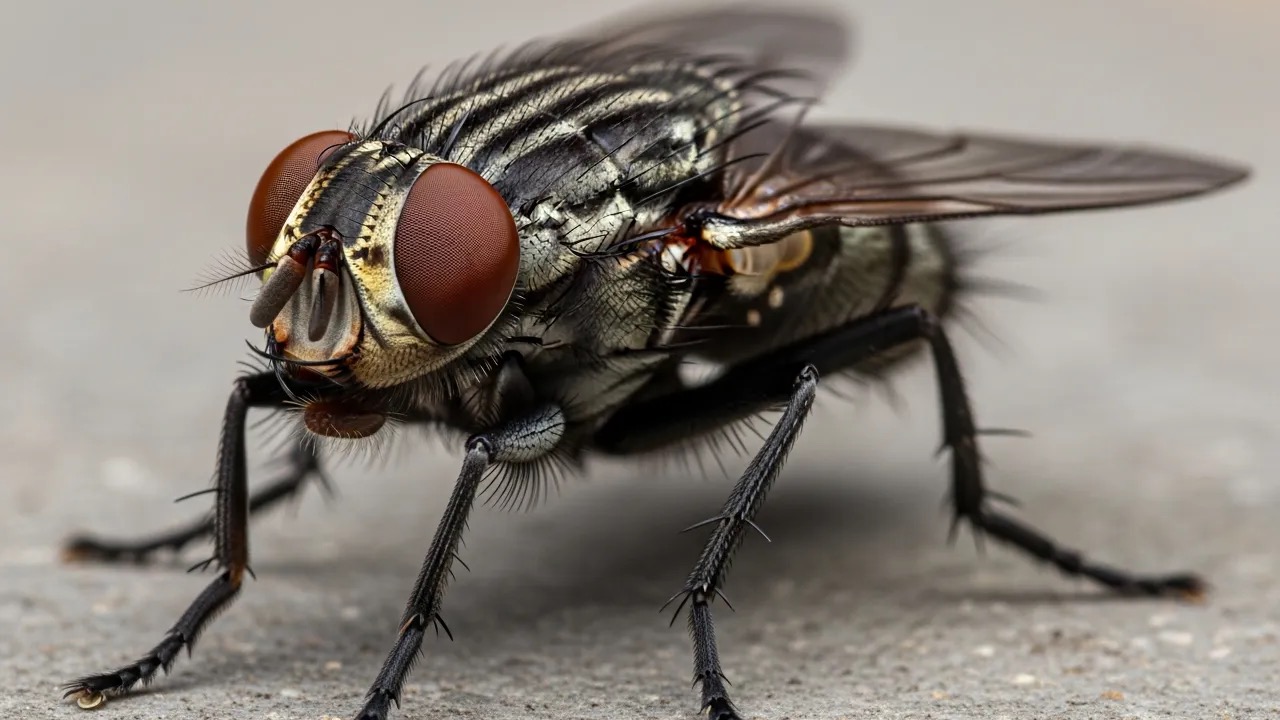
Least Concern
Housefly
Musca domestica
The housefly (Musca domestica) is a small grey fly, about 6 to 7 mm long, found almost everywhere people live. It feeds by sponging up liquids and decaying matter, flies at up to around 8 km/h (5 mph), and completes its entire life cycle from egg to adult in a week or two.
Read the guide →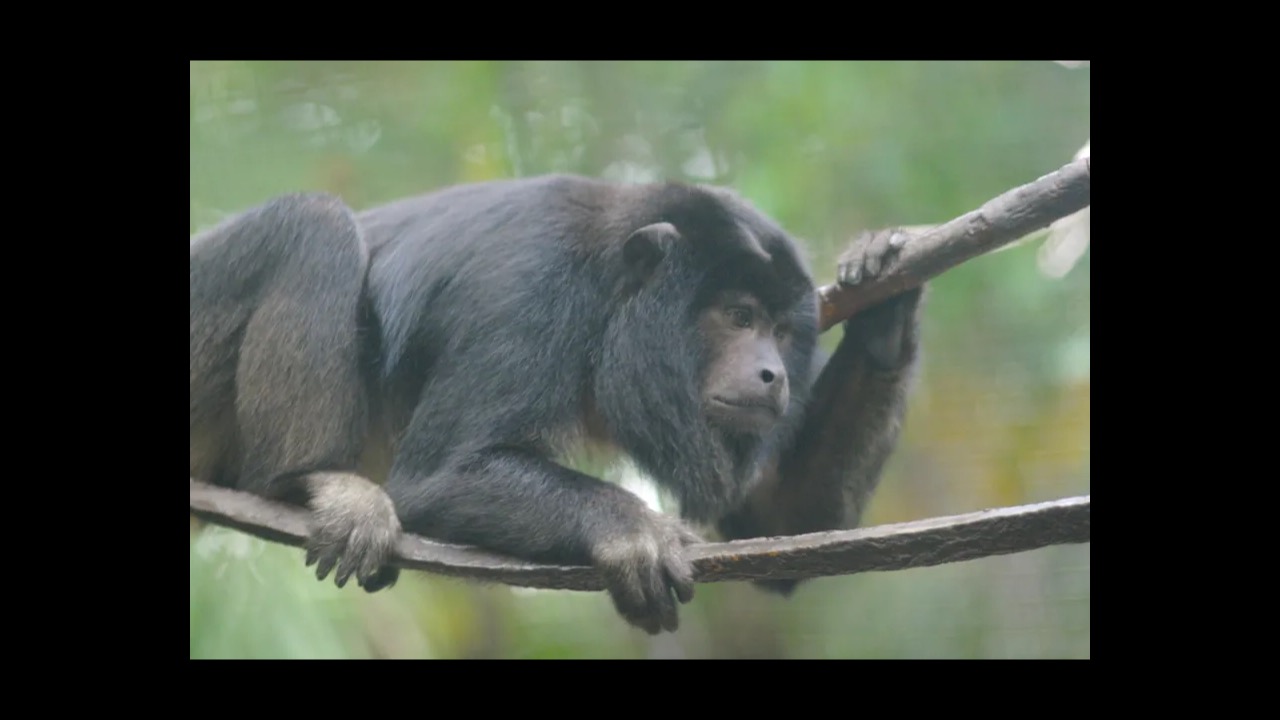
Least Concern
Howler Monkey
Alouatta spp.
The howler monkey is a large, leaf-eating New World primate famous for having one of the loudest calls of any land animal in the Americas. Living in the tropical forests of Central and South America, it weighs around 5 to 10 kg and spends almost its whole life high in the canopy.
Read the guide →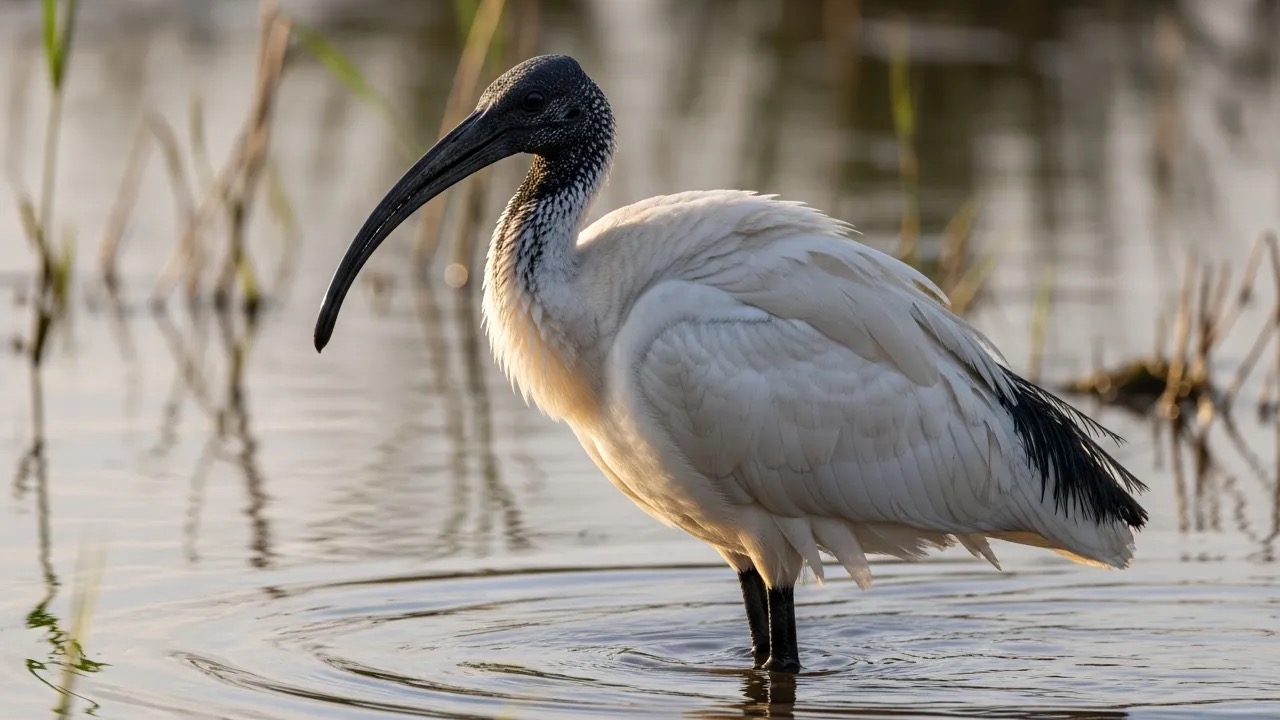
Least Concern
Ibis
Threskiornis aethiopicus
An ibis is a long-legged wading bird with a distinctive long, down-curved bill used to probe mud and shallow water for food. The sacred ibis was revered in ancient Egypt.
Read the guide →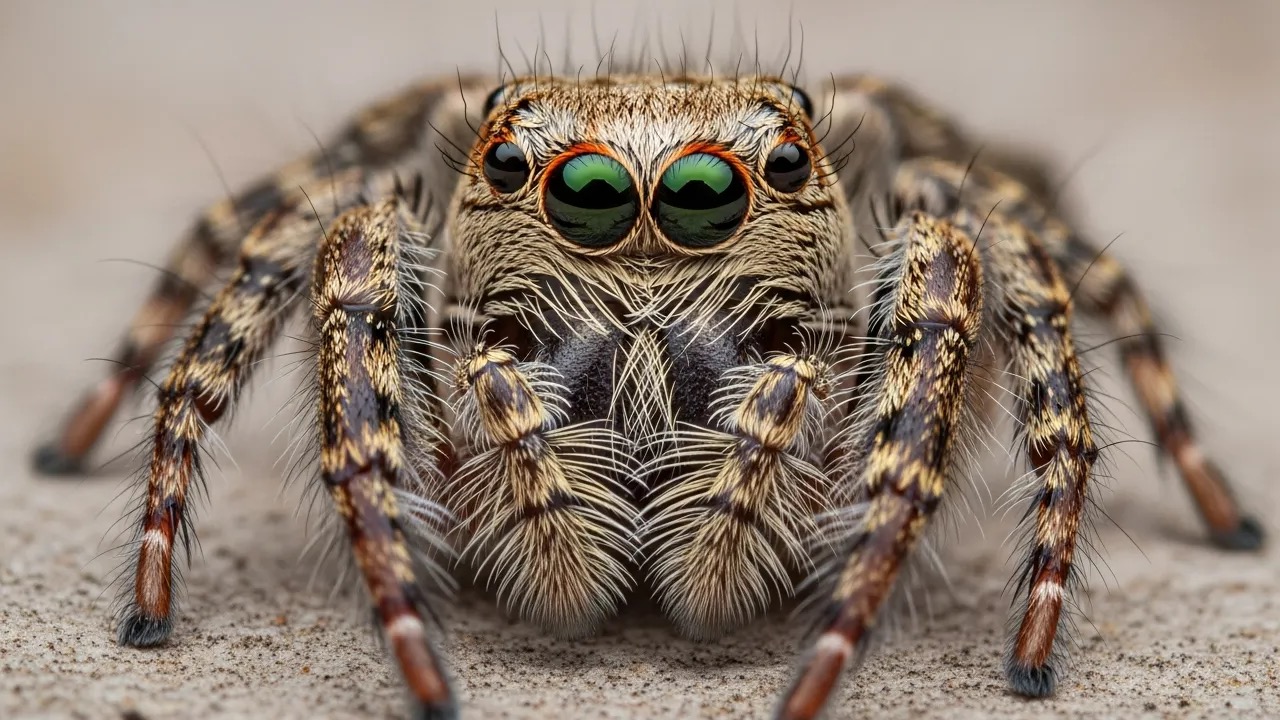
Least Concern
Jumping Spider
Salticidae
Jumping spiders (family Salticidae) are small, sharp-eyed hunters found on sunny walls, plants, and woodlands worldwide. Most are just 1 to 2 cm (0.4 to 0.8 in) including their legs, yet they have superb vision and can leap many times their body length to pounce on prey.
Read the guide →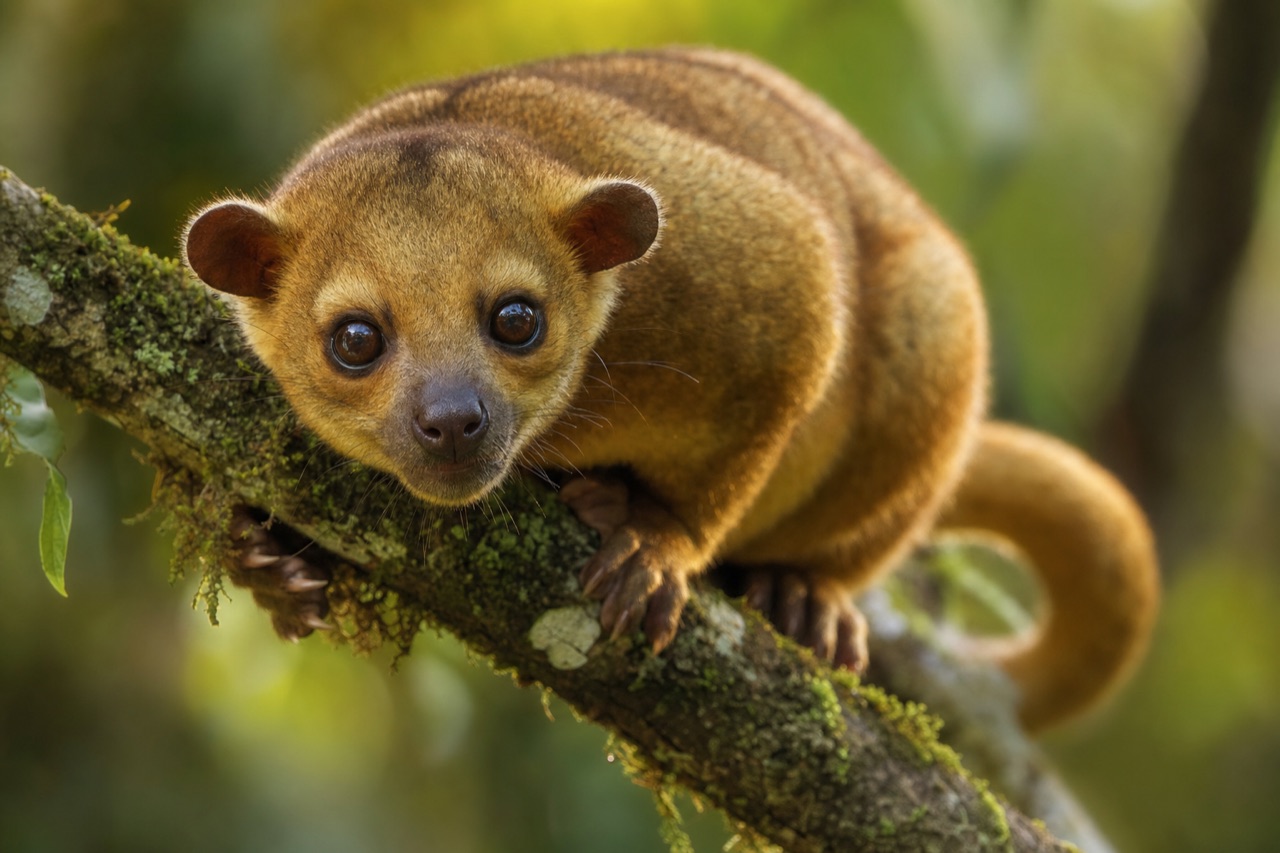
Least Concern (IUCN 2016) — CITES Appendix III (Honduras); pet-trade capture is a local pressure
Kinkajou
Potos flavus (Schreber, 1774)
A kinkajou (Potos flavus) is a nocturnal Neotropical procyonid, not a primate or a bear. IUCN listed it Least Concern in 2016. It has a fully prehensile tail and a diet about 90% fruit. Least Concern is not a licence to keep one as a house pet. WARN does not run kinkajou programmes.
Read the guide →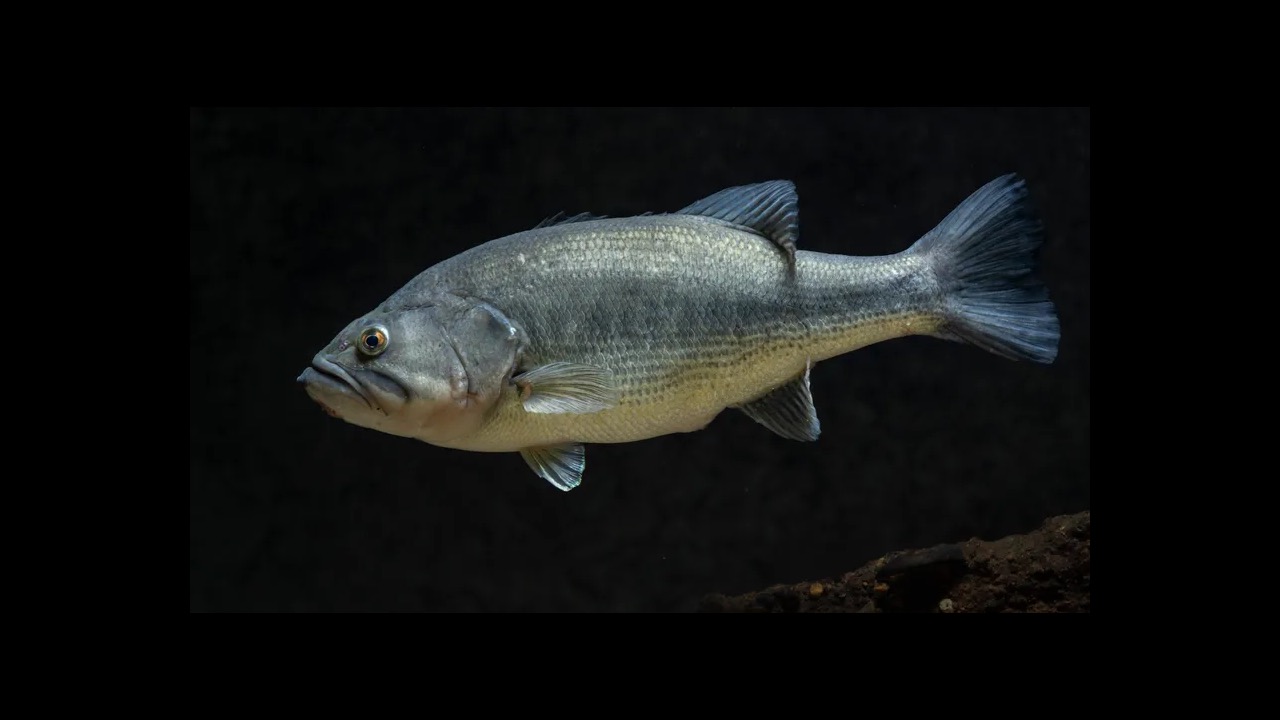
Least Concern
Largemouth Bass
Micropterus salmoides
The largemouth bass is a top predator in North American lakes and rivers, named for a jaw extending past the eye. Prized by anglers worldwide, it strikes lures aggressively, grows to 10 kg (22 lb) in rich waters, and has been stocked on every continent except Antarctica for sport fishing.
Read the guide →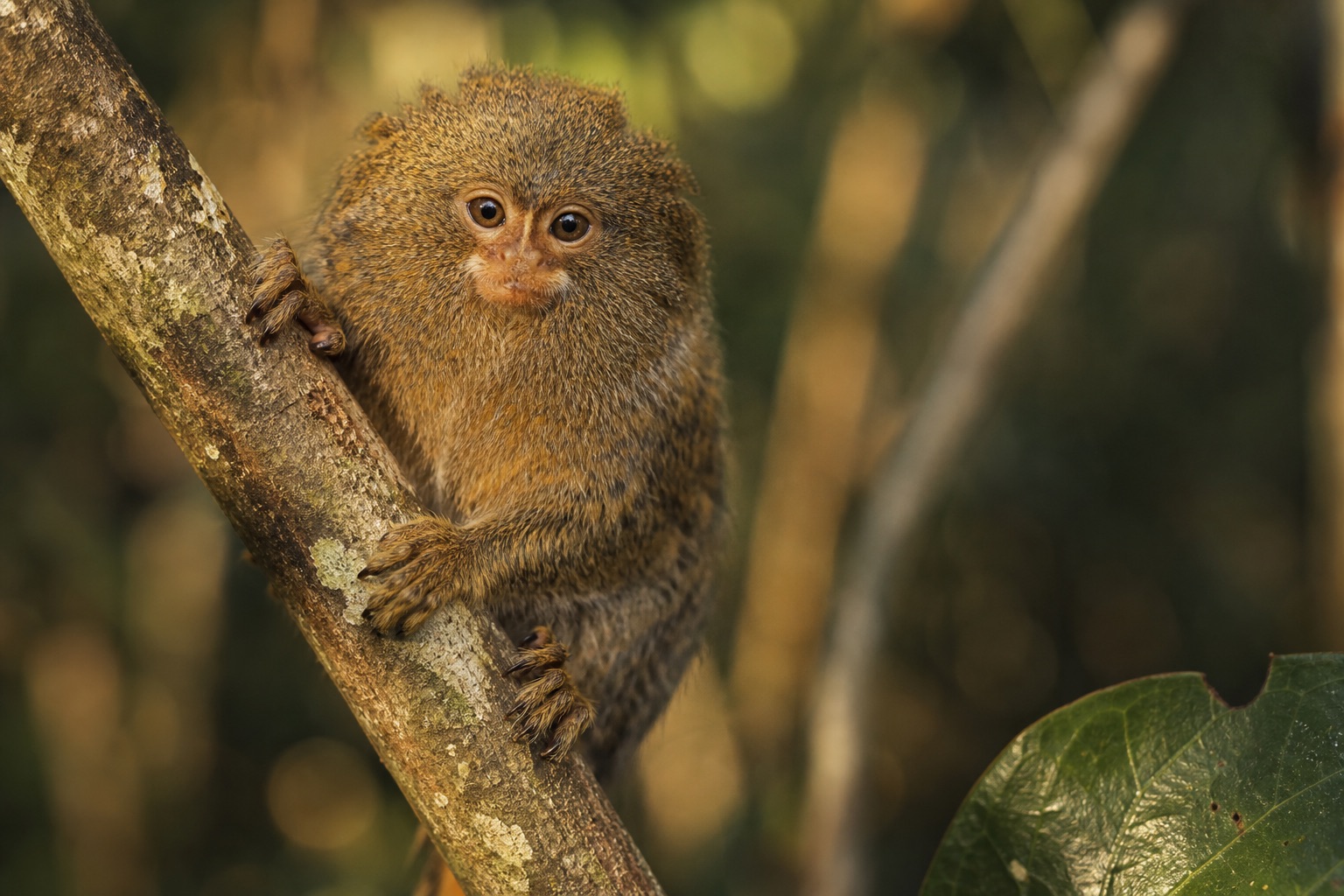
Varies by species — pygmy marmoset Vulnerable; many callitrichids threatened by pet trade and habitat loss
Marmoset
Family Callitrichidae — marmosets and tamarins (genera Callithrix, Cebuella, Mico and others)
Marmosets are small New World monkeys in the family Callitrichidae of Central and South America; the pygmy marmoset (Cebuella) at about 100 g is the smallest monkey alive, and the group is heavily traded as pets despite complex social and dietary needs.
Read the guide →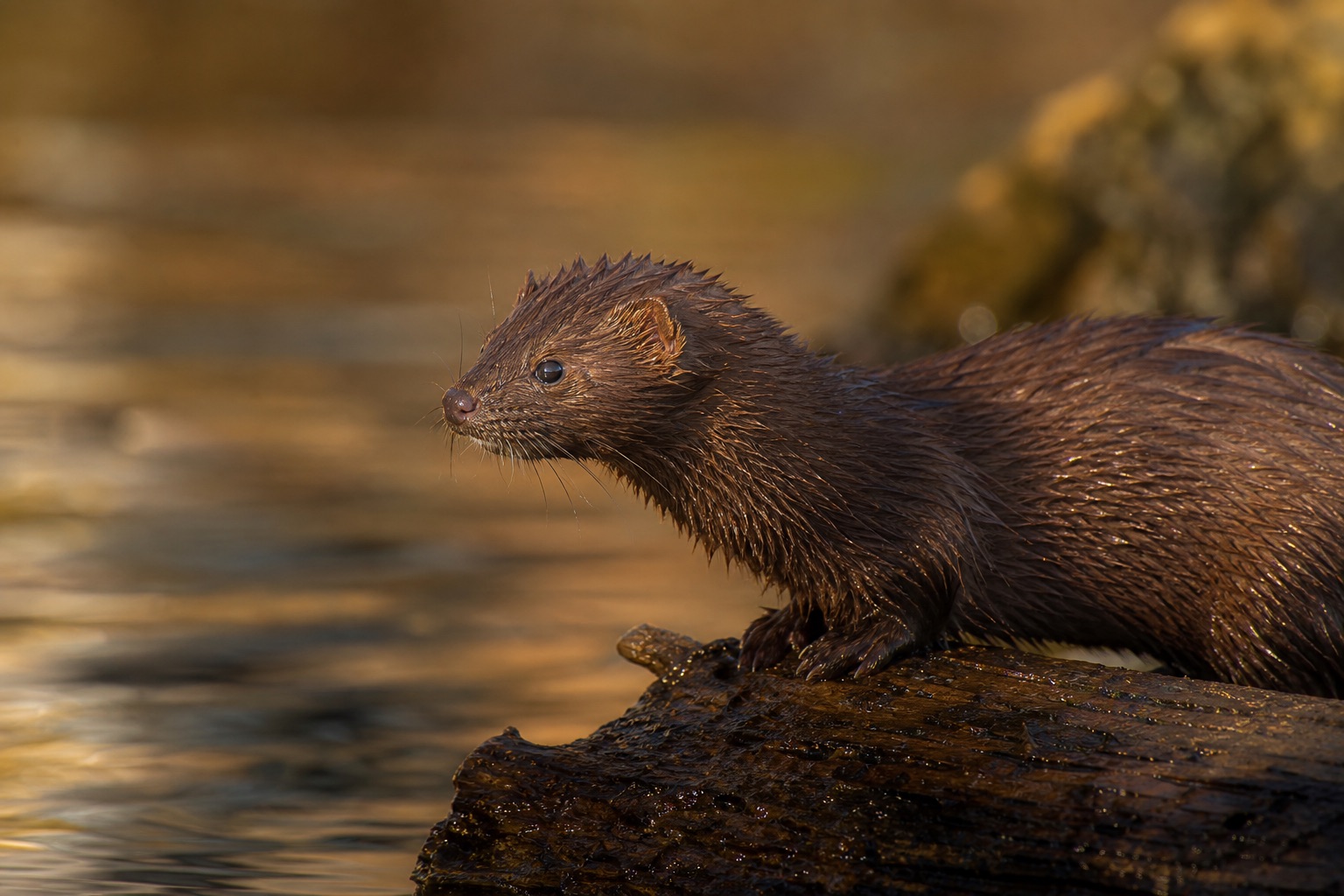
Least Concern in native North America — invasive and ecologically destructive across much of Europe
Mink
Neogale vison (Schreber, 1777) — family Mustelidae
The American mink (Neogale vison) is a semi-aquatic mustelid listed Least Concern in native North America but invasive across Europe after fur-farm escapes, where it devastated water vole populations and displaced the Critically Endangered European mink.
Read the guide →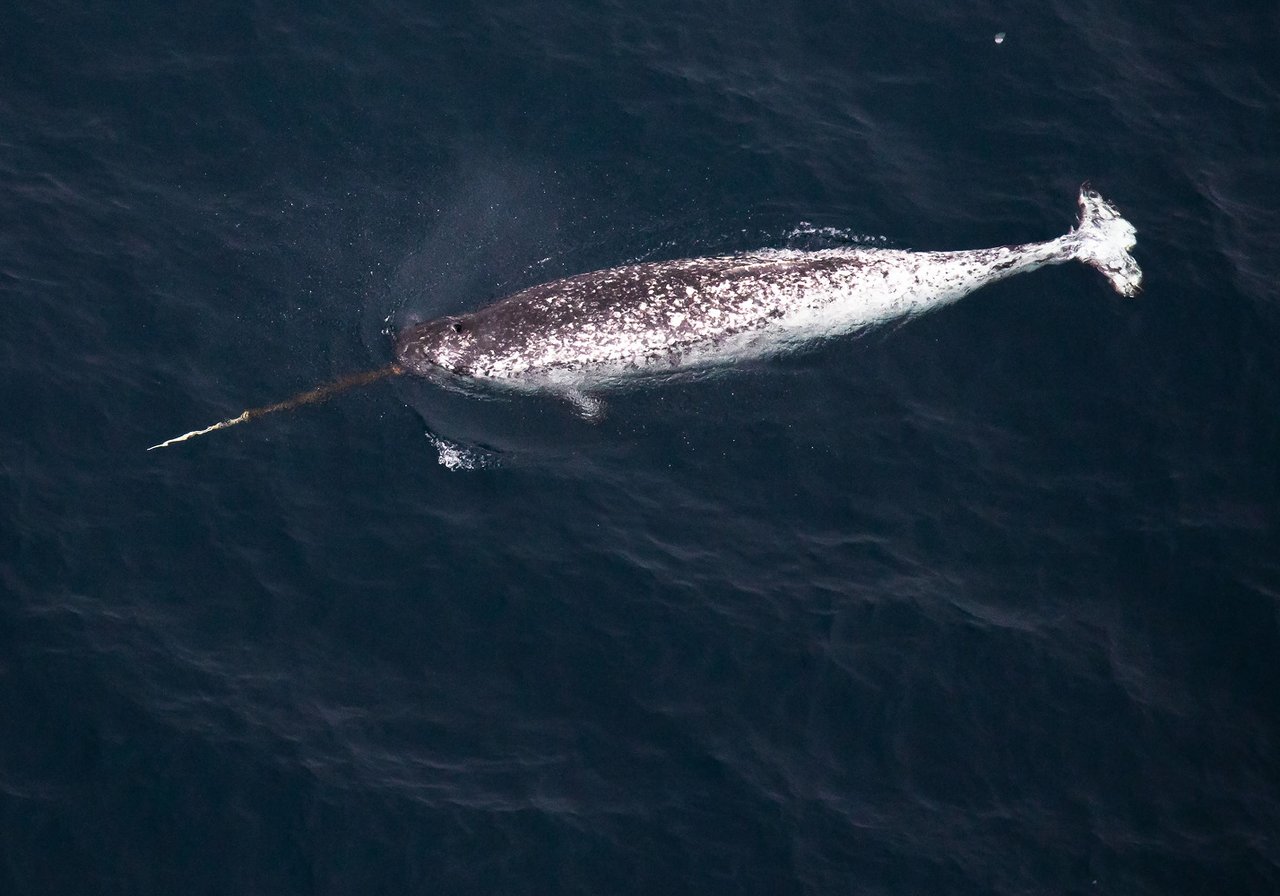
Least Concern (IUCN 2017) — CITES Appendix II; COSEWIC Not at Risk (2024); ice and noise still matter
Narwhal
Monodon monoceros (Linnaeus, 1758)
A narwhal (Monodon monoceros) is an Arctic toothed whale. The tusk is a left canine tooth, not a horn. IUCN listed it Least Concern in 2017. CITES Appendix II. NOAA cites dives deeper than 1,800 metres. Least Concern is not a collecting permit for ivory. WARN does not run narwhal programmes.
Read the guide →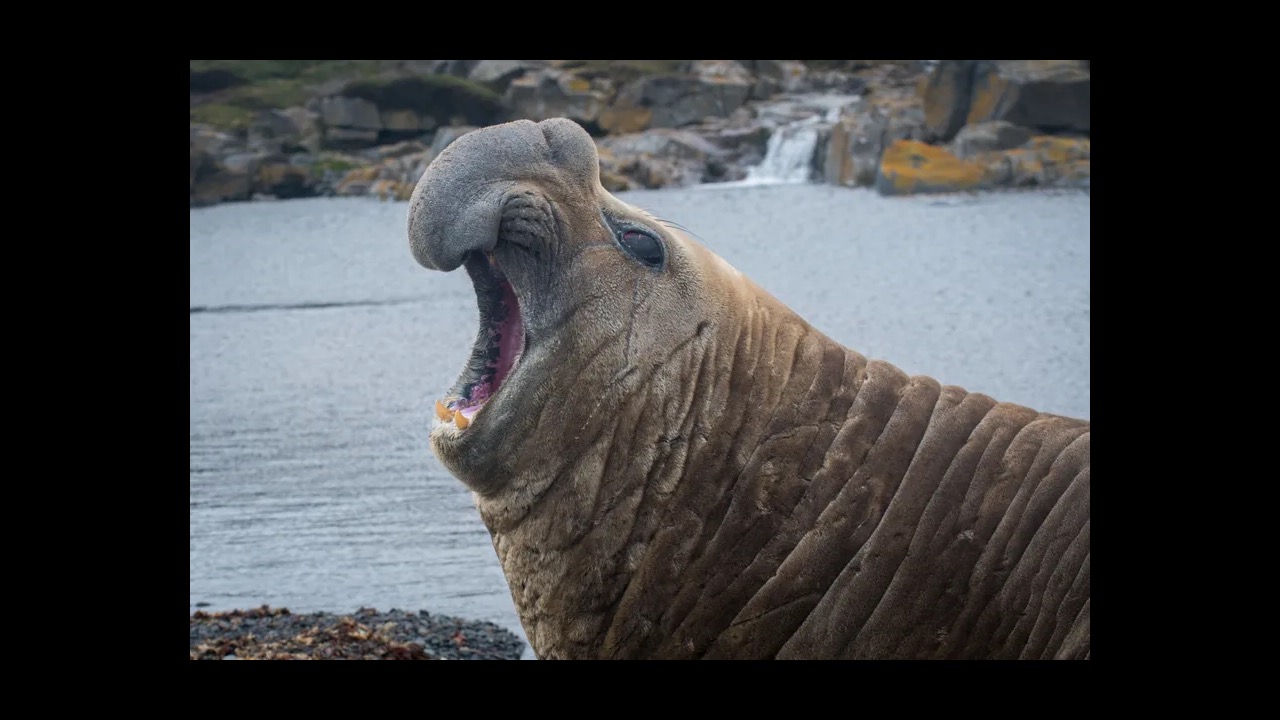
Least Concern
Northern Elephant Seal
Mirounga angustirostris
The northern elephant seal (Mirounga angustirostris) is a huge deep-diving seal of the eastern Pacific, breeding on beaches in California and Mexico and feeding far offshore. Bulls are enormous, reaching around 3.5 m long and weighing anywhere from 400 to 2,300 kg, far heavier than females.
Read the guide →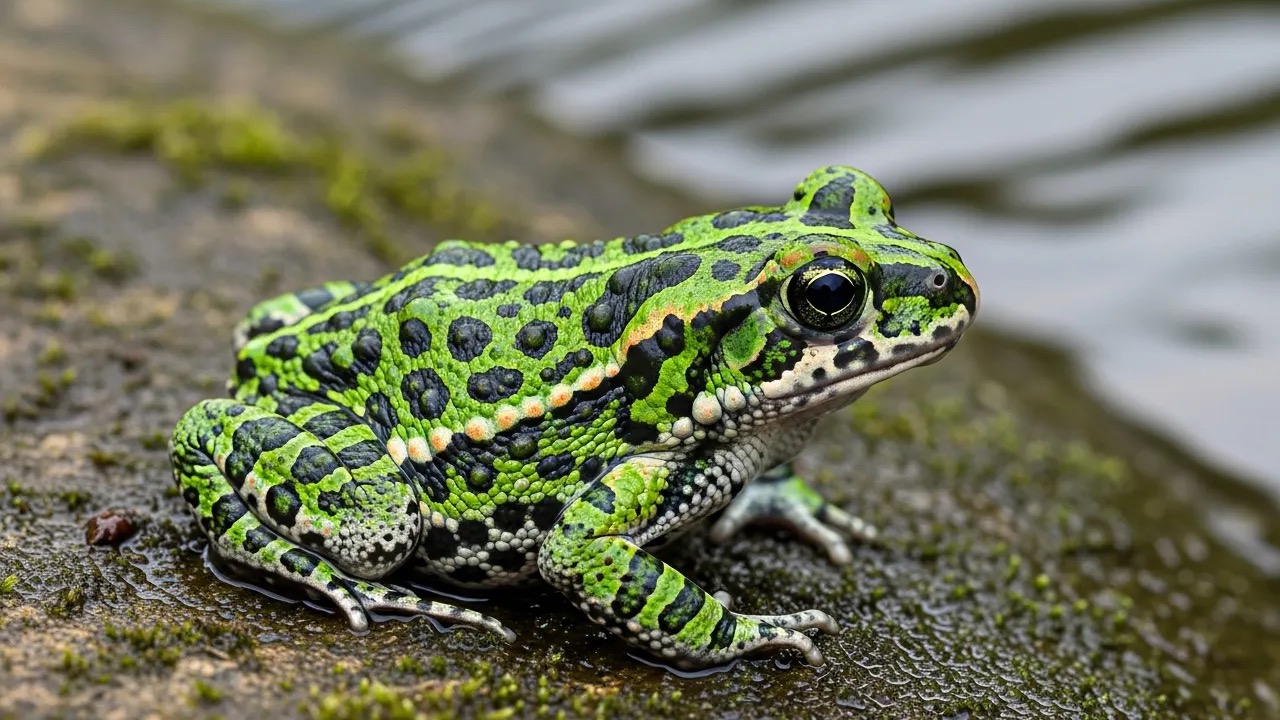
Least Concern
Oriental Fire-bellied Toad
Bombina orientalis
The Oriental fire-bellied toad is a small, semi-aquatic amphibian from East Asia, recognized by its green and black back and its vivid red-and-black underside. When threatened, it arches its body to flash the bright belly, warning predators that its skin is toxic.
Read the guide →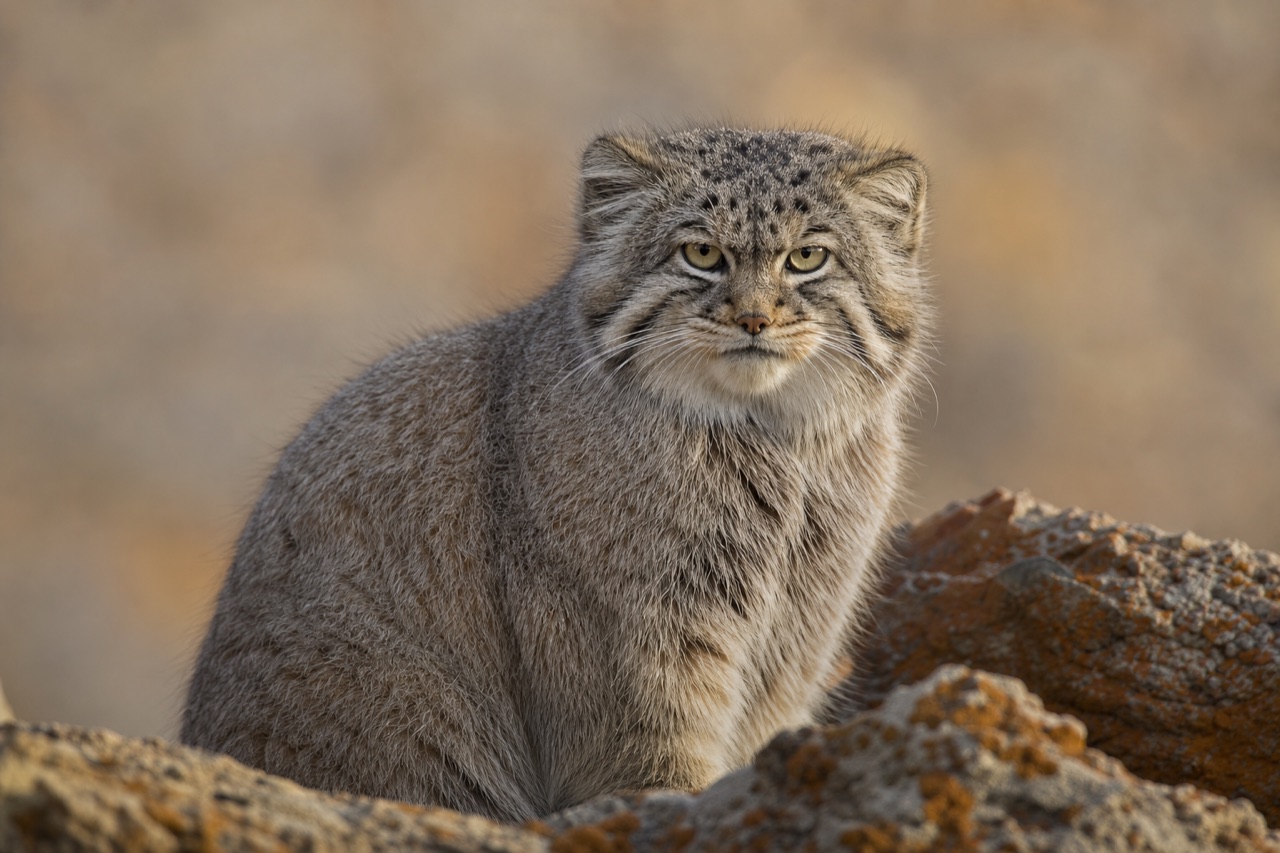
Least Concern — secretive, patchily distributed and poorly surveyed
Pallas's Cat
Otocolobus manul (Pallas, 1776) — family Felidae
Pallas's cat (Otocolobus manul) is a small, densely furred wild cat of Central Asian steppe and semi-desert, with a flat round face, circular pupils and an ambush-hunting lifestyle focused on pikas and small rodents.
Read the guide →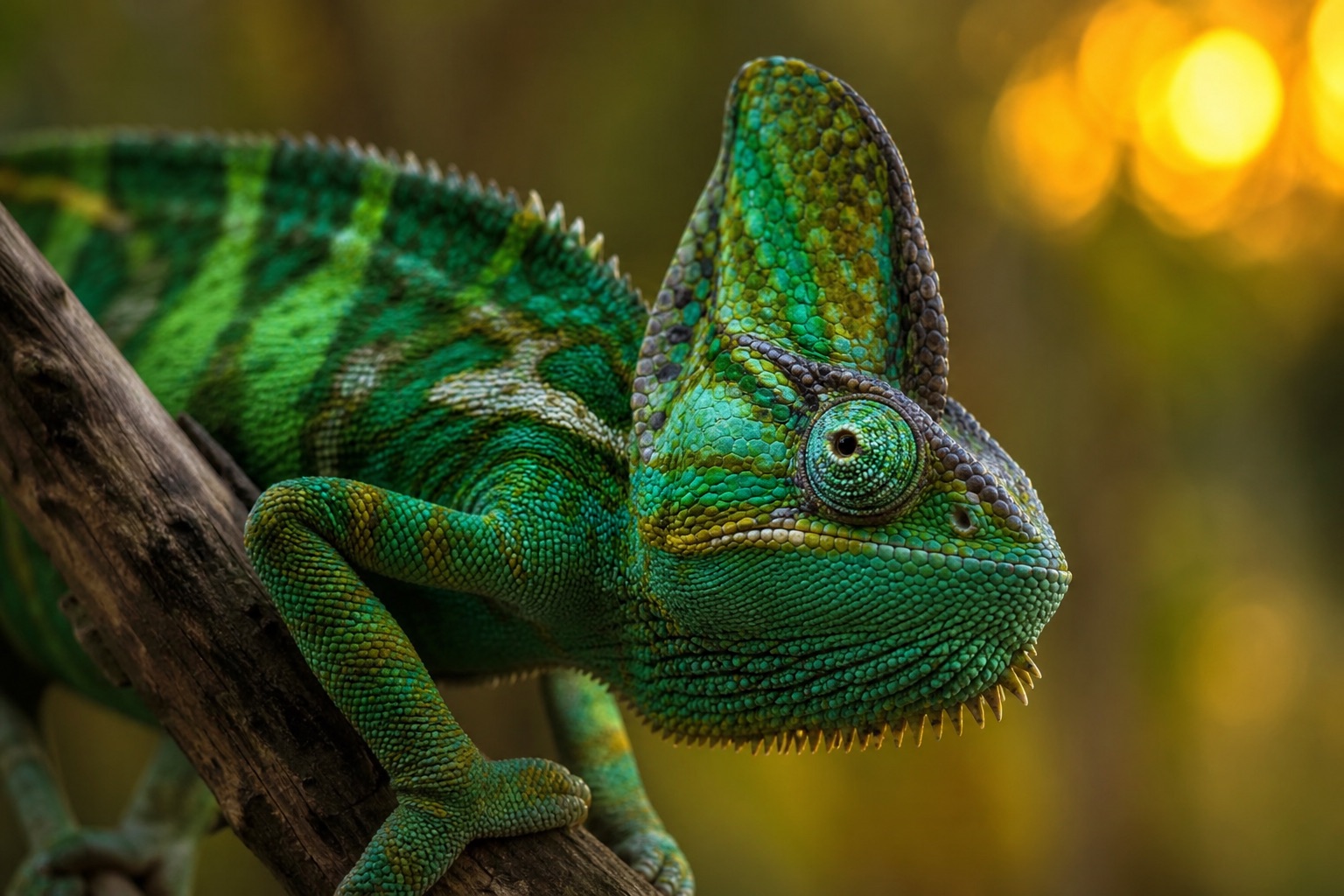
Least Concern — but heavily collected for the pet trade from wild populations
Panther Chameleon
Furcifer pardalis (Cuvier, 1829) — family Chamaeleonidae
The panther chameleon (Furcifer pardalis) is a large colourful chameleon of northern Madagascar whose males display vivid geographic colour morphs; colour change is driven by mood and signalling via nanocrystal structural colour, not camouflage, and the species is heavily traded despite Least Concern listing.
Read the guide →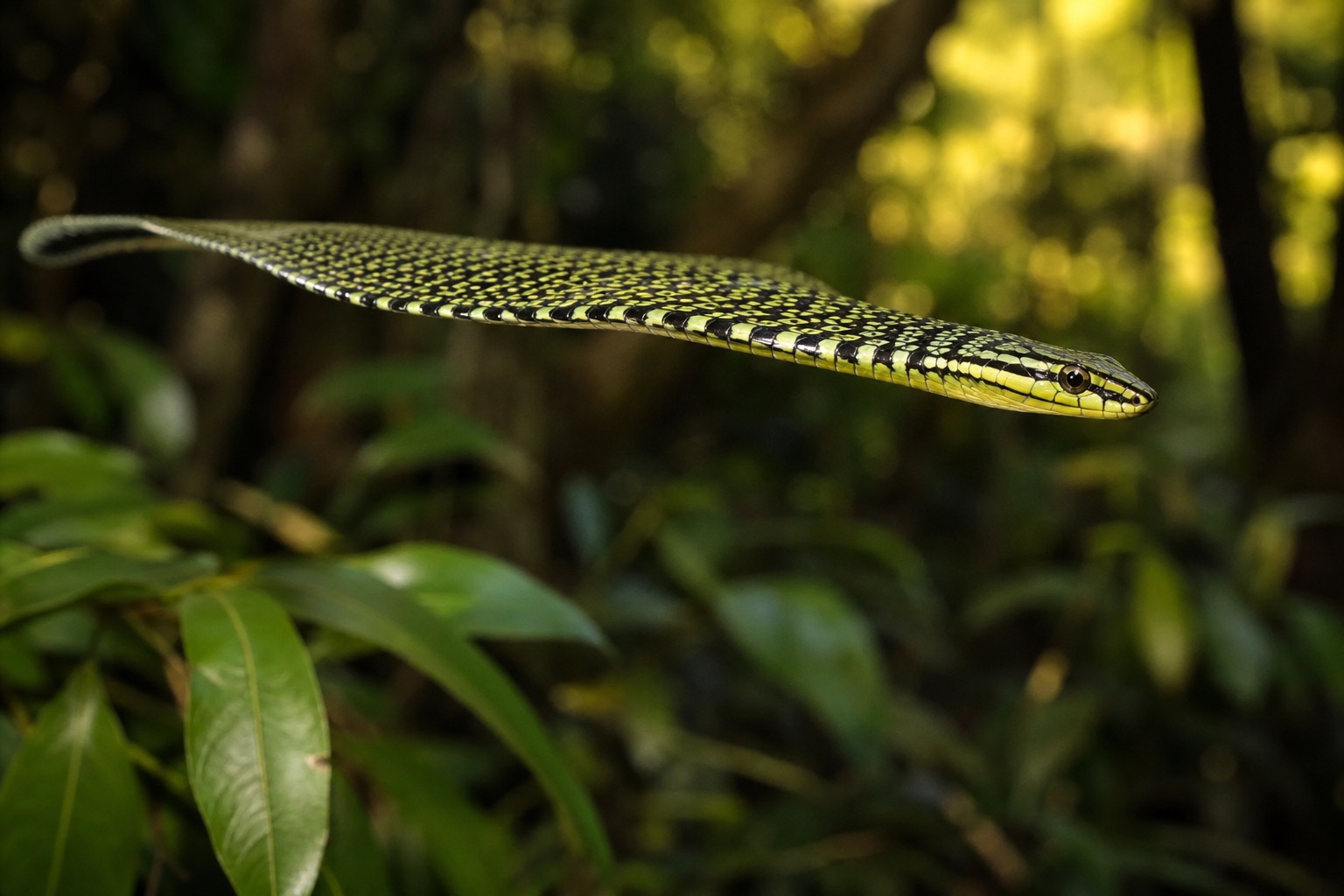
Least Concern — glides between trees on forests fragmented by plantations and mining
Paradise Flying Snake
Chrysopelea paradisi (Boie & Boie, 1827) — family Colubridae
The paradise flying snake (Chrysopelea paradisi) glides between trees by flattening its body into a concave aerofoil and undulating mid-air; it is Least Concern but loses connectivity as Sundaland forest converts for oil palm, pulpwood and mining.
Read the guide →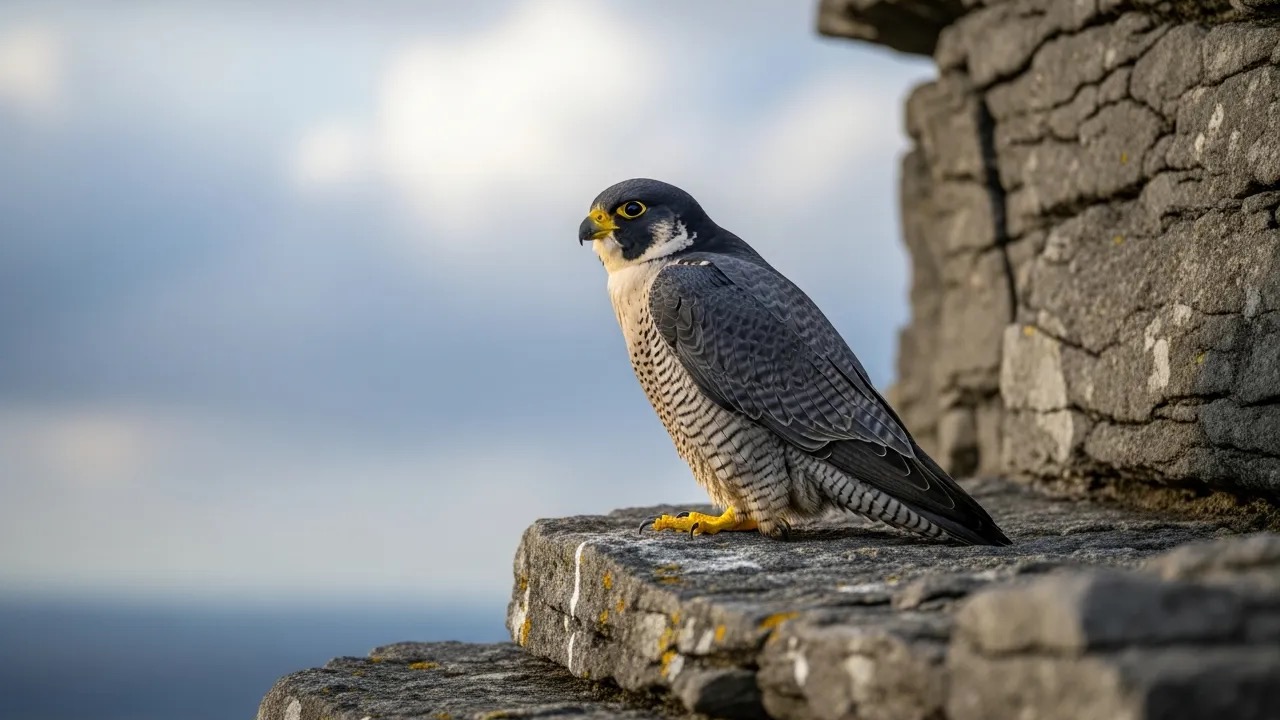
Least Concern
Peregrine Falcon
Falco peregrinus
The peregrine falcon (Falco peregrinus) is a crow-sized bird of prey found on every continent except Antarctica, making it one of the most widespread birds in the world. It hunts other birds in mid-air and is the fastest animal on the planet, reaching over 380 km/h (240 mph) in a hunting dive.
Read the guide →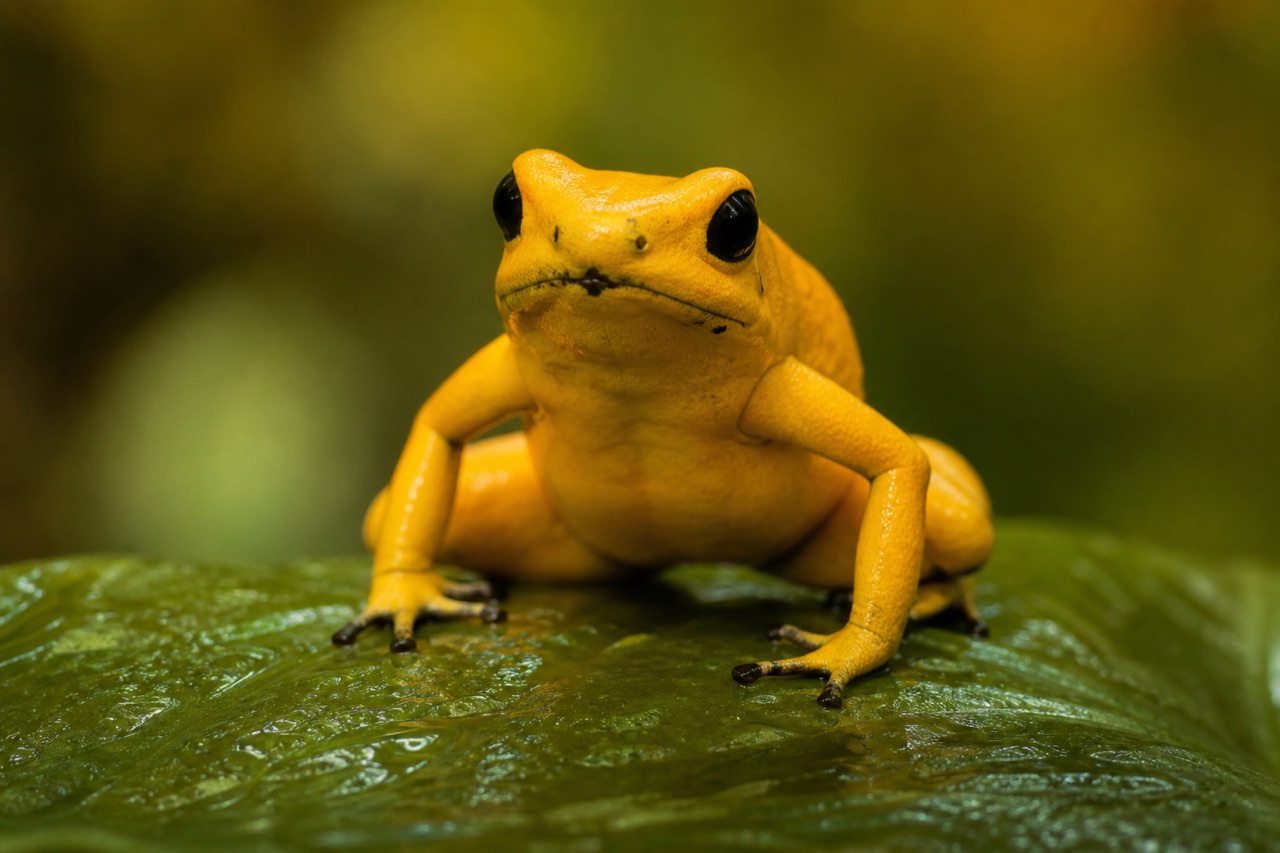
Varies by species — several Endangered or Critically Endangered
Poison Dart Frog
Family Dendrobatidae (Cope, 1865) — around 200 species
Poison dart frogs are around 200 species of small brightly coloured frogs in the family Dendrobatidae, found in Central and South American rainforests; their toxins are absorbed from a diet of alkaloid-carrying invertebrates, so captive-bred individuals are entirely harmless.
Read the guide →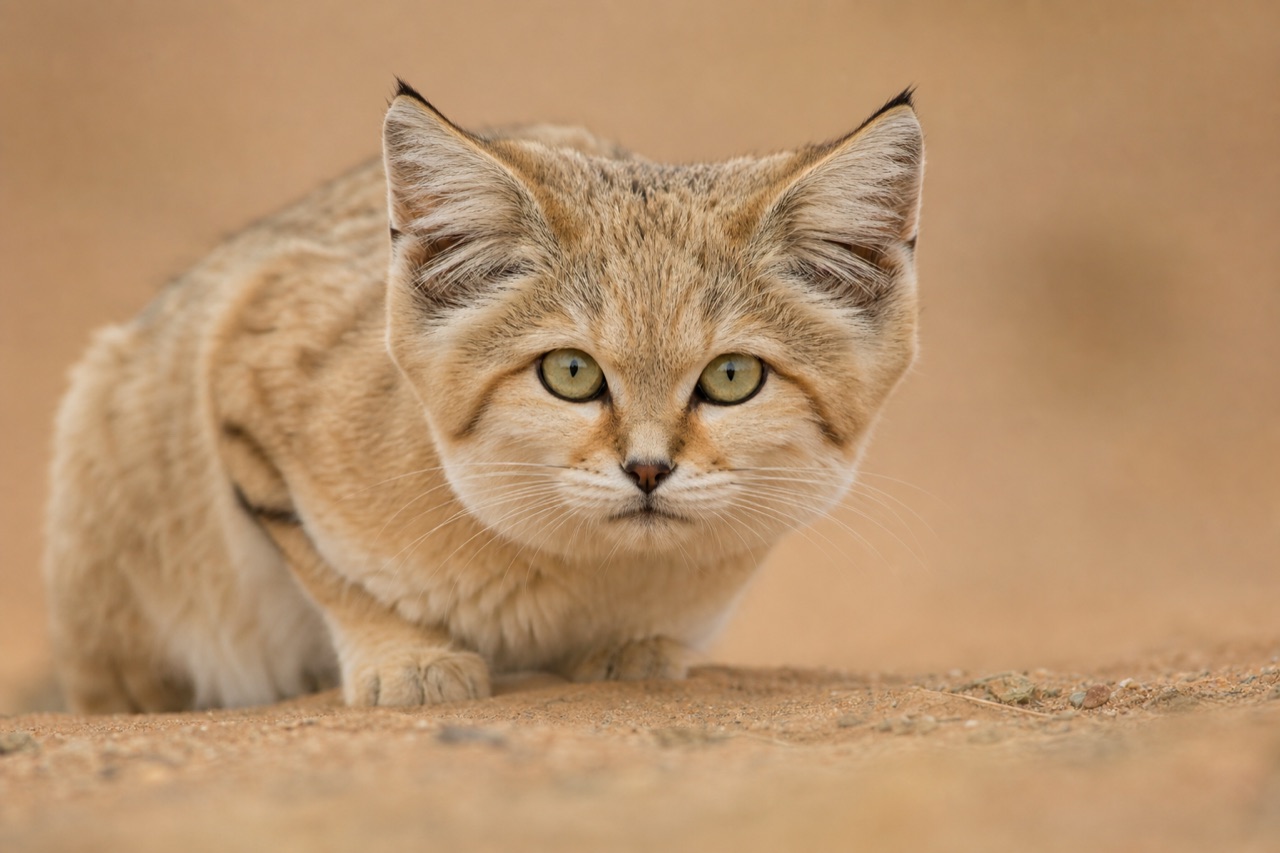
Least Concern — poorly known and difficult to survey in desert habitat
Sand Cat
Felis margarita (Harrison, 1968) — family Felidae
The sand cat (Felis margarita) is a small pale desert felid of the Sahara, Arabian Peninsula and Central Asia, adapted to extreme aridity with fur-covered footpads, large ears for heat dissipation and the ability to survive without drinking free water.
Read the guide →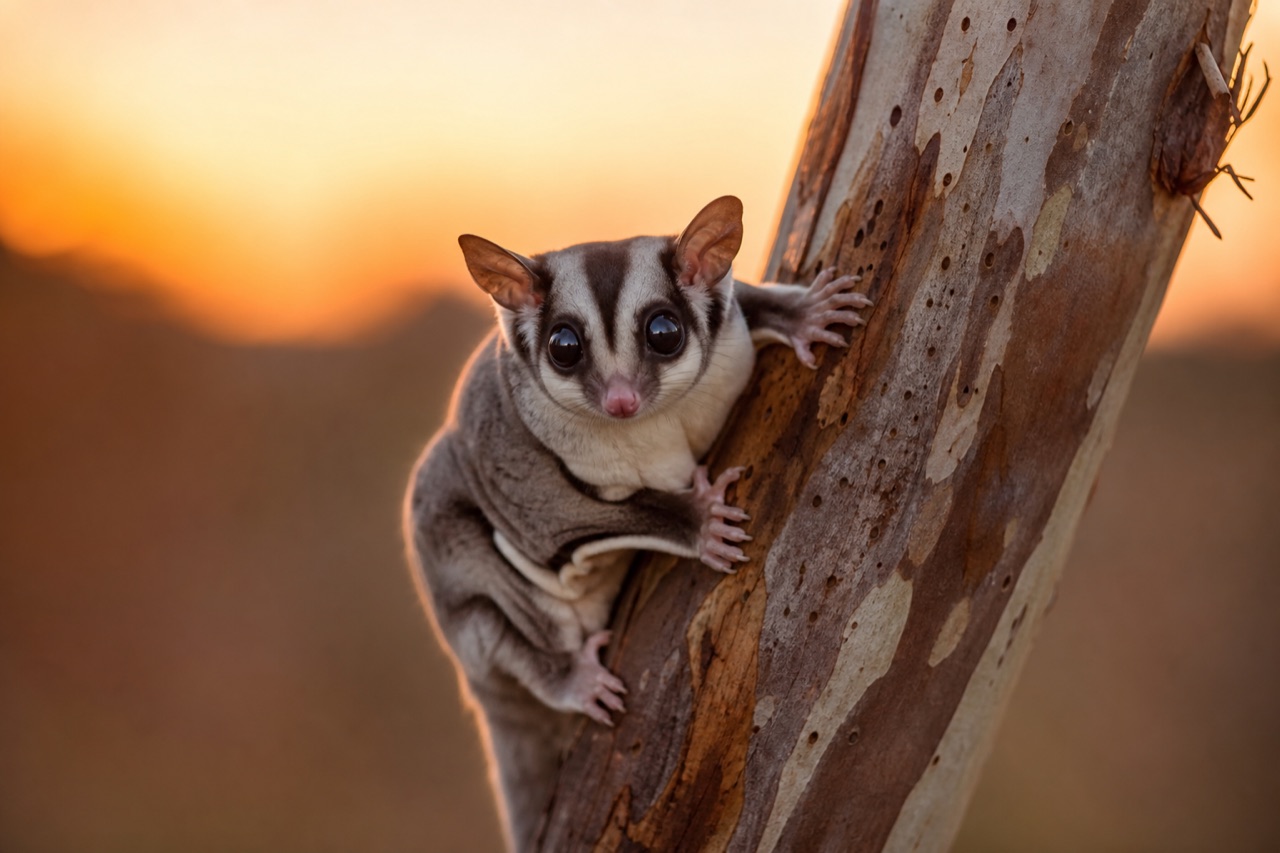
Least Concern — widespread in Australia; heavily traded as exotic pet outside native range
Sugar Glider
Petaurus breviceps (Waterhouse, 1839) — family Petauridae
The sugar glider (Petaurus breviceps) is a small nocturnal marsupial of Australia and New Guinea that glides on a skin membrane between trees — Least Concern in the wild but widely kept as an exotic pet with frequent welfare failures.
Read the guide →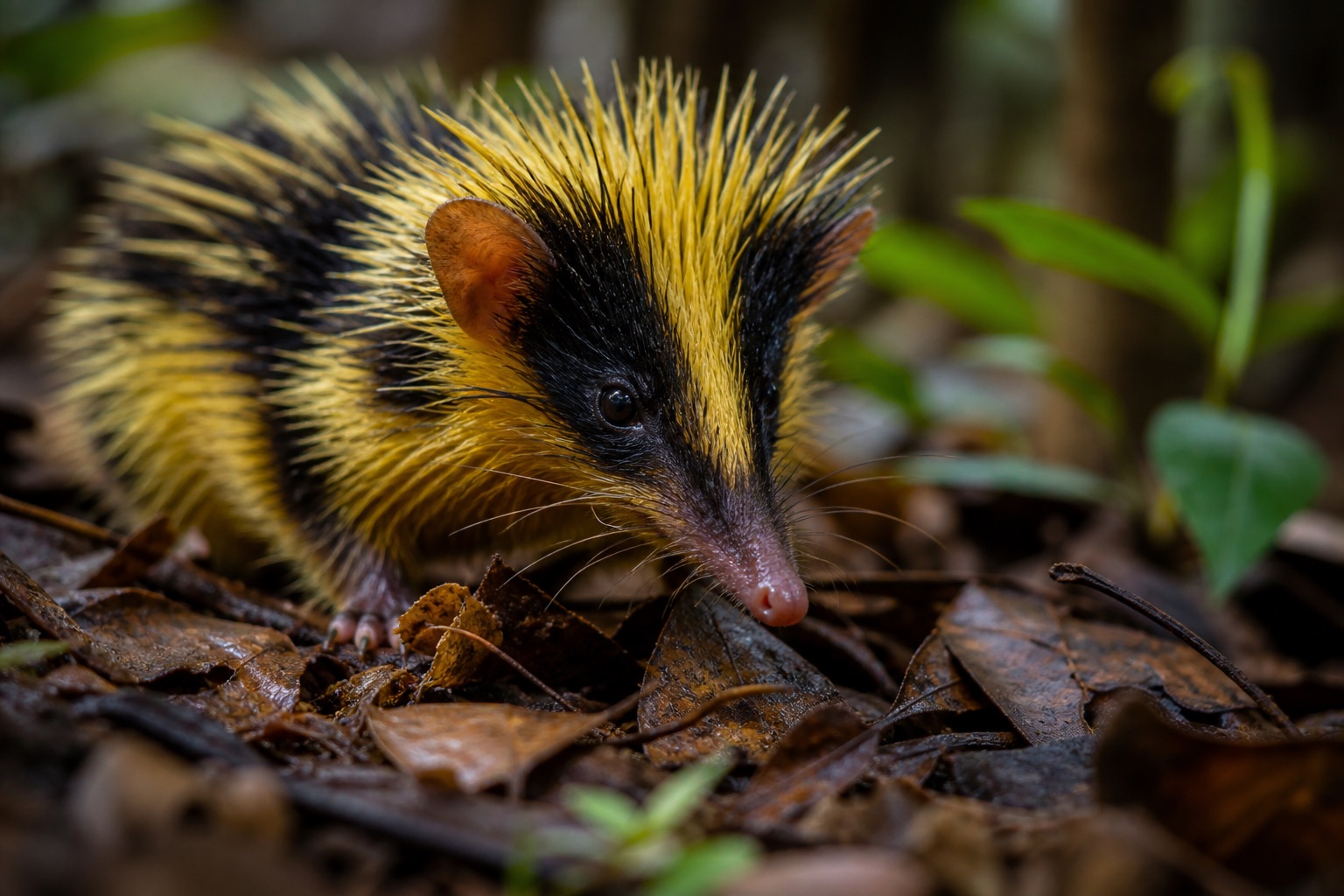
Varies by species — the lowland streaked tenrec is Least Concern but the family shows extreme adaptive radiation
Tenrec
Order Tenrecidae — around 30 species in Madagascar and the Comoros
Tenrecs are around 30 species of mammal in the family Tenrecidae, an adaptive radiation endemic to Madagascar; the lowland streaked tenrec is the only mammal known to stridulate with quills, and the family persists as an estimated 80–90% of Madagascar's original forest has been lost.
Read the guide →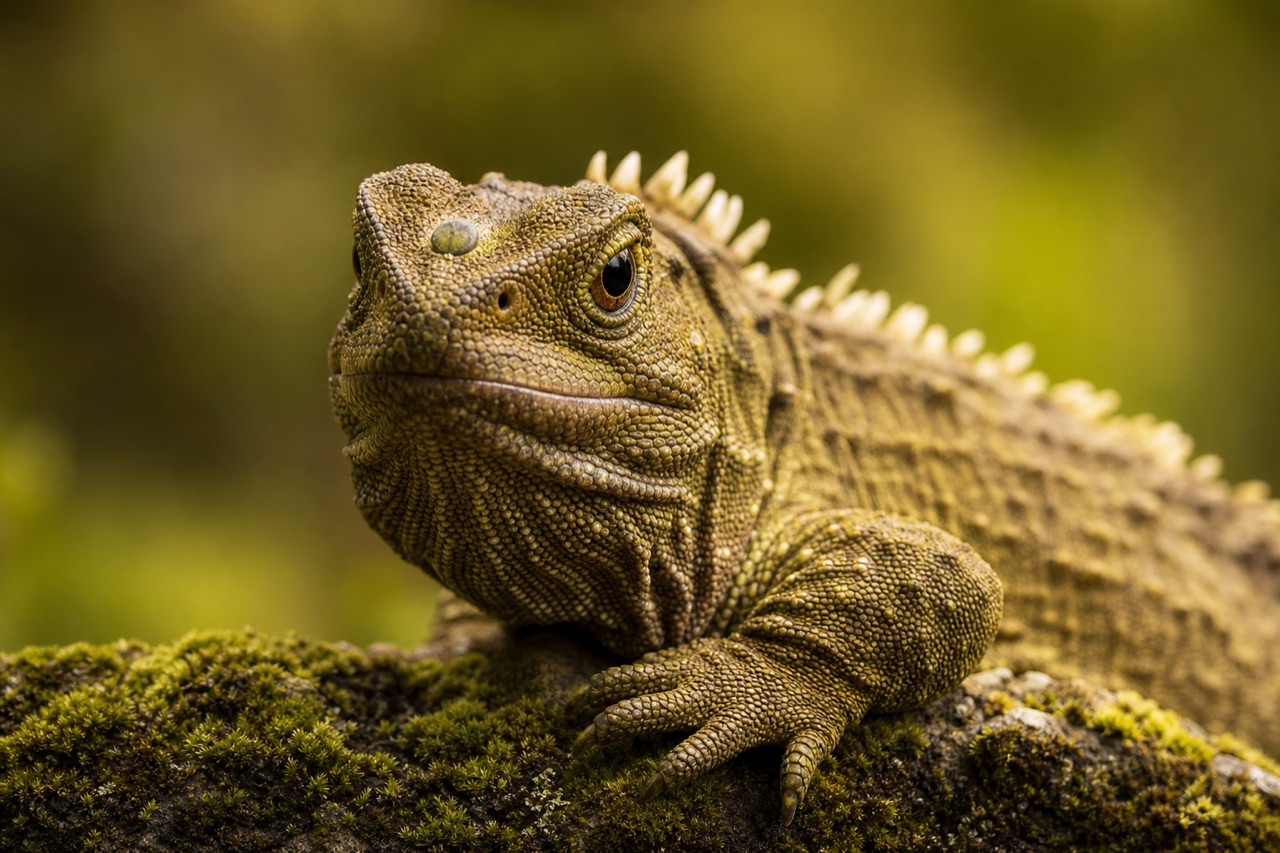
Least Concern (IUCN 2019) — CITES Appendix I; survives only where introduced mammals are kept out
Tuatara
Sphenodon punctatus (Gray, 1842)
A tuatara (Sphenodon punctatus) is a New Zealand reptile, the only living rhynchocephalian, not a lizard. IUCN listed it Least Concern in 2019. It survives on predator-free islands and in fenced sanctuaries. CITES Appendix I. Least Concern is not a clean bill of health. WARN does not run tuatara programmes.
Read the guide →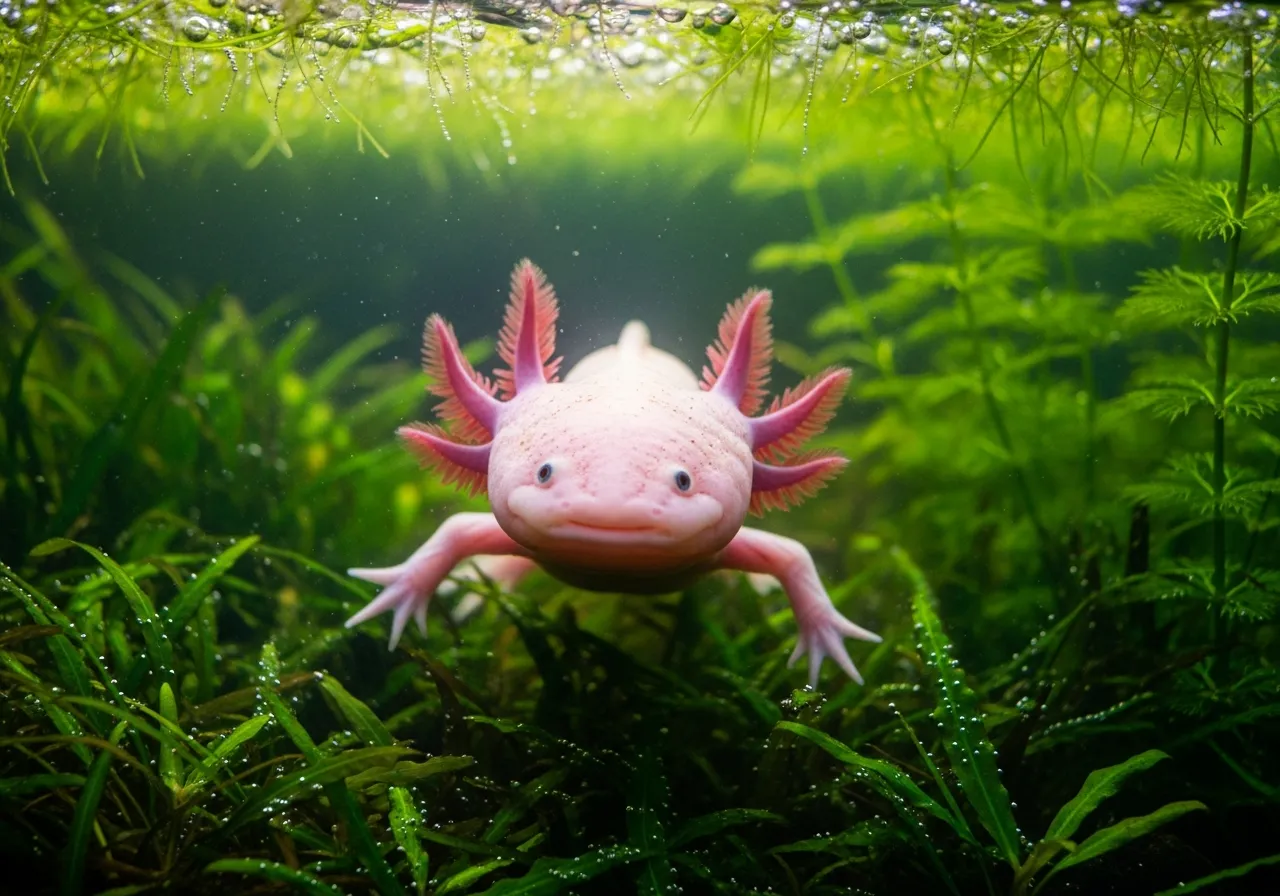
Critically Endangered (IUCN, 2020) in the wild
Axolotl
Ambystoma mexicanum
An axolotl (Ambystoma mexicanum) is a neotenic salamander from the Xochimilco canals near Mexico City that stays aquatic and larval-looking for life, keeping external gills. Famous for regenerating limbs, organs and brain tissue, it is Critically Endangered in the wild yet common in captivity.
Read the guide →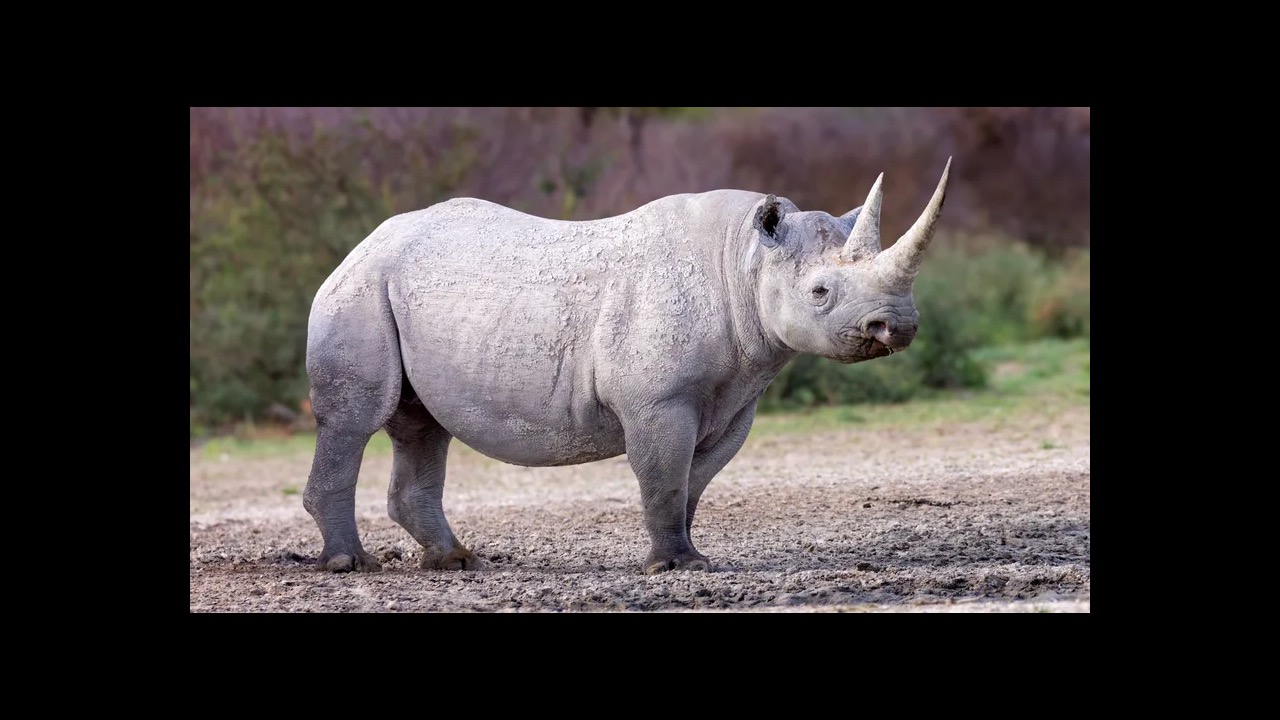
Critically Endangered
Black Rhinoceros
Diceros bicornis
The black rhinoceros is a large African rhino with a hooked upper lip for browsing shrubs, weighing 800–1,400 kg (1,750–3,100 lb) despite its name referring to soil colour, not hide. Critically endangered from poaching for horn, fewer than 6,500 remain across scattered eastern and southern African reserves.
Read the guide →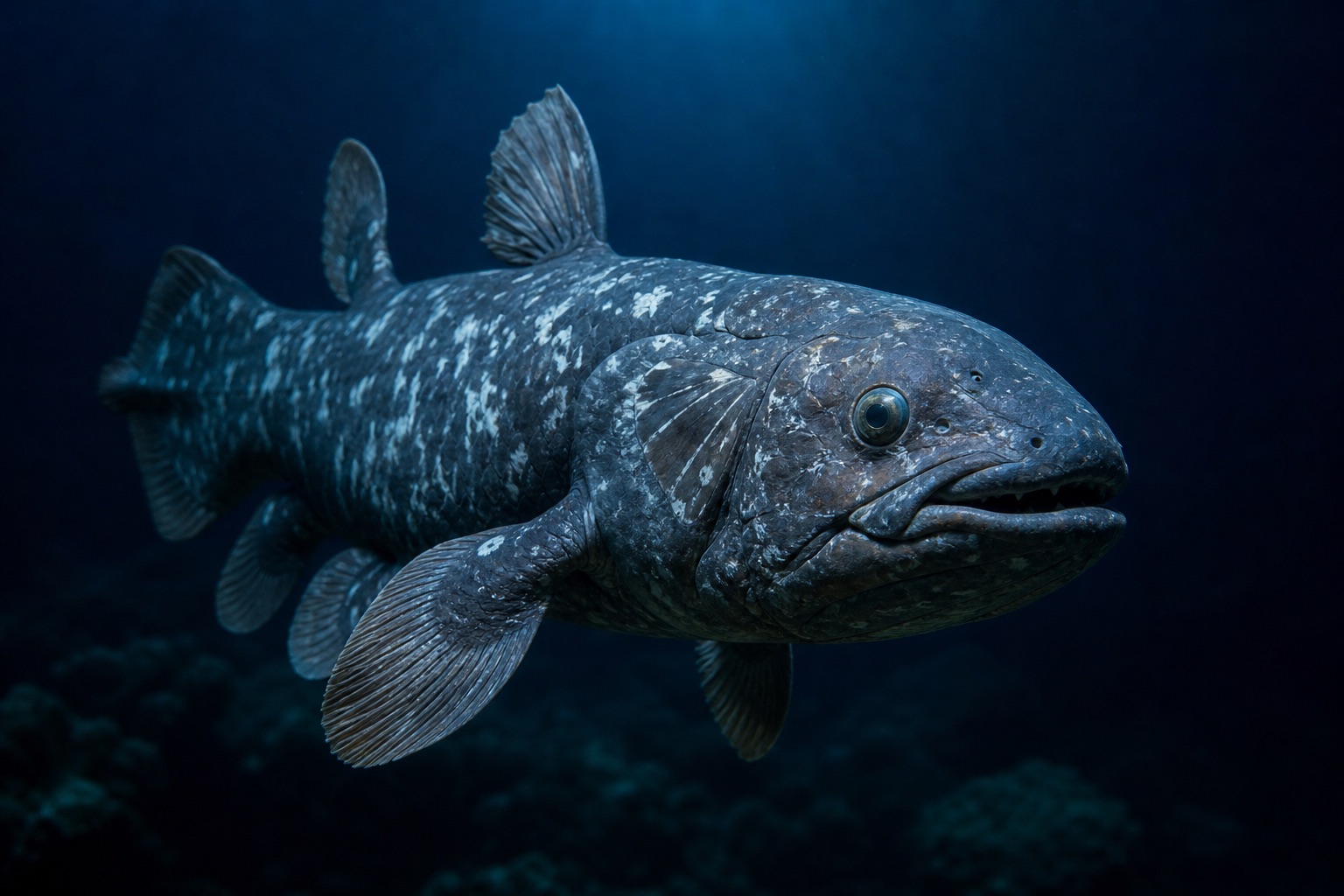
Critically Endangered (West Indian Ocean coelacanth) — the Indonesian species is Vulnerable
Coelacanth
Latimeria spp. — coelacanthiform lobe-finned fishes (two living species)
The coelacanth is a lobe-finned deep-sea fish in the genus Latimeria, known from fossils and assumed extinct until a living specimen was landed off South Africa on 22 December 1938; two species survive in the western Indian Ocean and Indonesia and are listed as Critically Endangered and Vulnerable respectively.
Read the guide →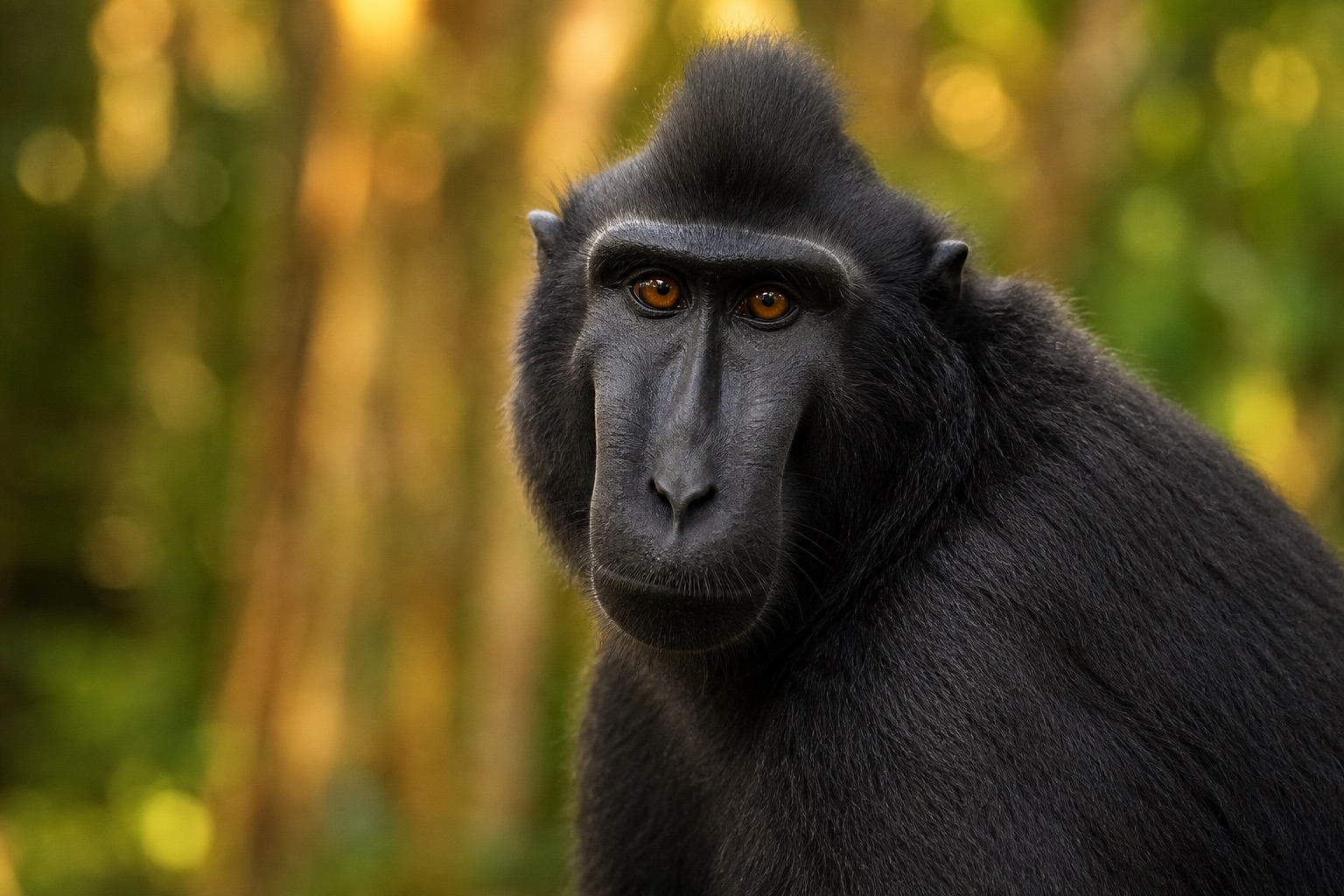
Critically Endangered — fewer than expected remain on Sulawesi
Crested Black Macaque
Macaca nigra (Desmarest, 1822) — family Cercopithecidae
The crested black macaque (Macaca nigra) is a Critically Endangered all-black monkey endemic to northeastern Sulawesi, threatened by hunting and forest loss; it became famous through 2011 selfie photographs, but copyright law does not protect the species from decline.
Read the guide →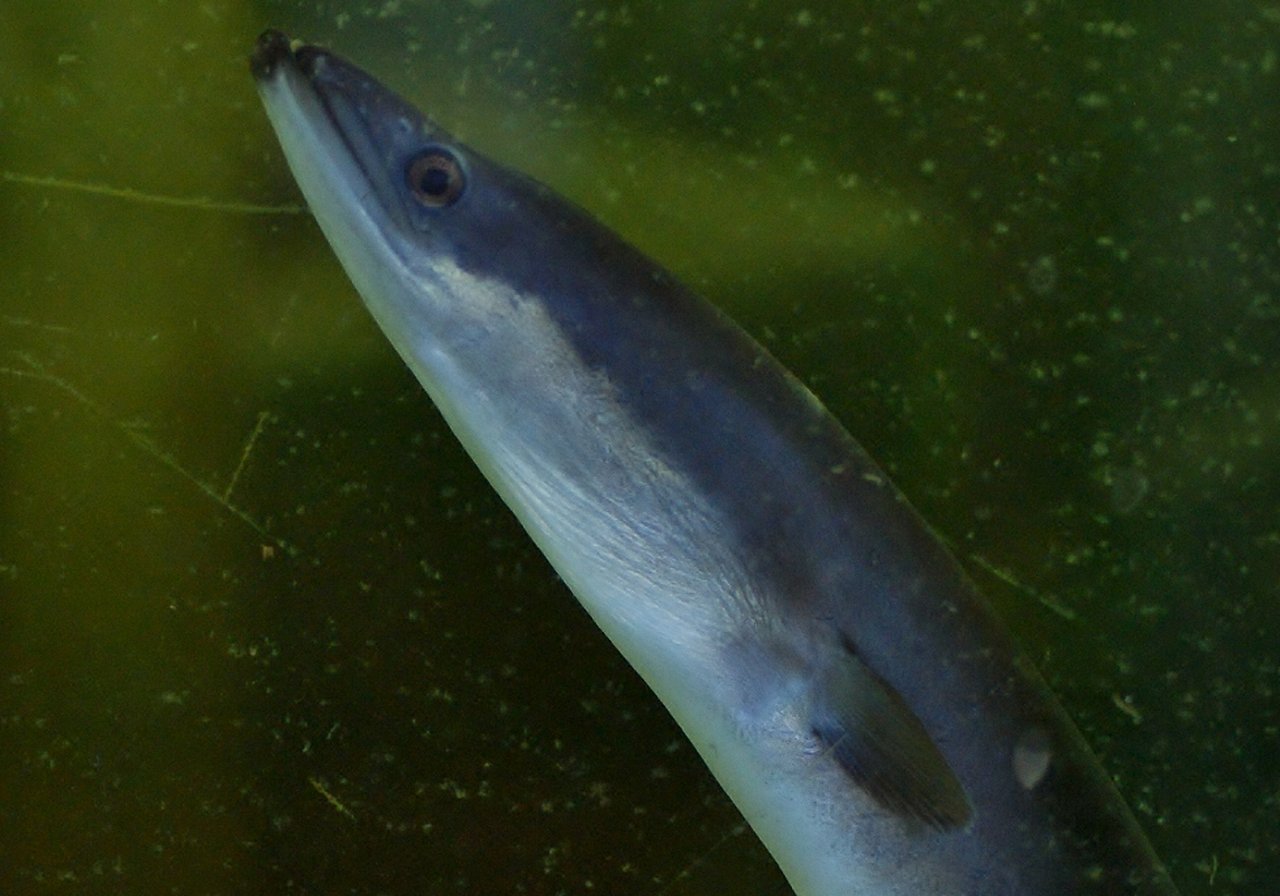
Critically Endangered
Eel
Anguilla anguilla (Linnaeus, 1758)
The European eel (Anguilla anguilla) is a Critically Endangered catadromous fish spawning in the Sargasso Sea; populations have declined over 90% since the 1970s from dams, pollution, fisheries and illegal trade.
Read the guide →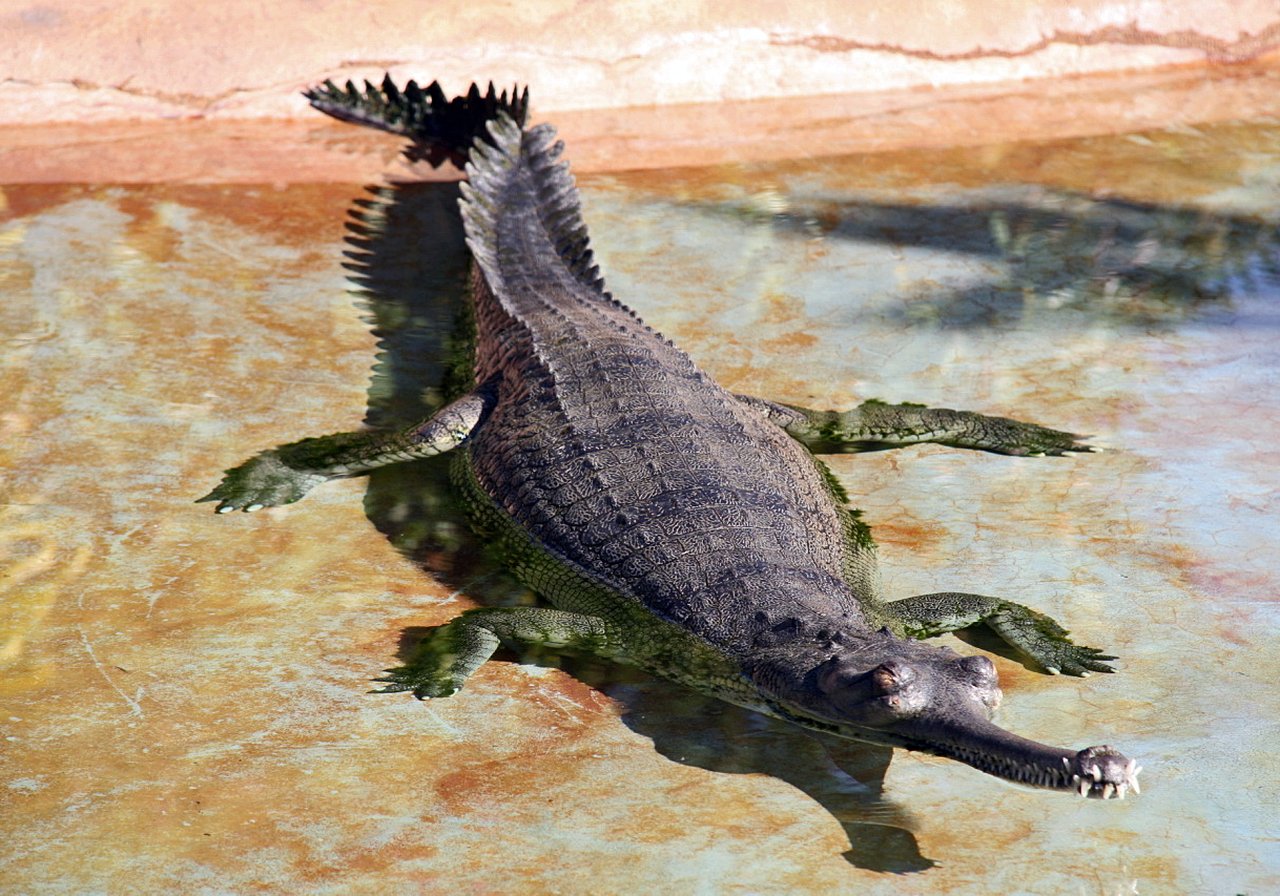
Critically Endangered
Gharial
Gavialis gangeticus (Gmelin, 1789)
The gharial (Gavialis gangeticus) is a Critically Endangered fish-eating crocodilian of India and Nepal with fewer than 900 mature individuals remaining; river damming, sand mining and pollution are the primary threats.
Read the guide →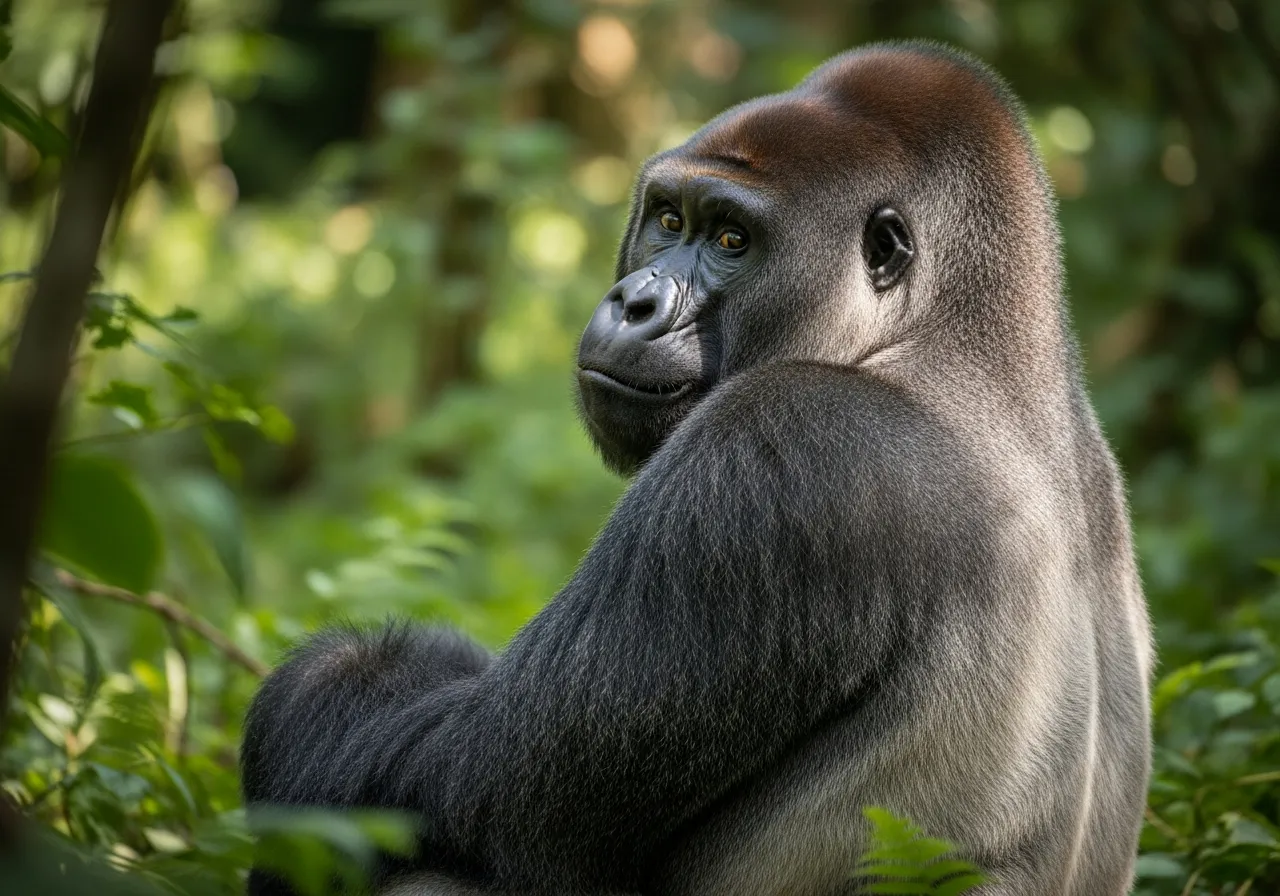
Critically Endangered (both species)
Gorilla
Gorilla gorilla (Savage, 1847) — Western Gorilla; Gorilla beringei (Matschie, 1903) — Eastern Gorilla
A gorilla is the largest living primate, a ground-dwelling, mostly plant-eating great ape native to the forests of equatorial Africa. There are two Critically Endangered species — the Western and Eastern gorilla — and gorillas share roughly 98% of their DNA with humans.
Read the guide →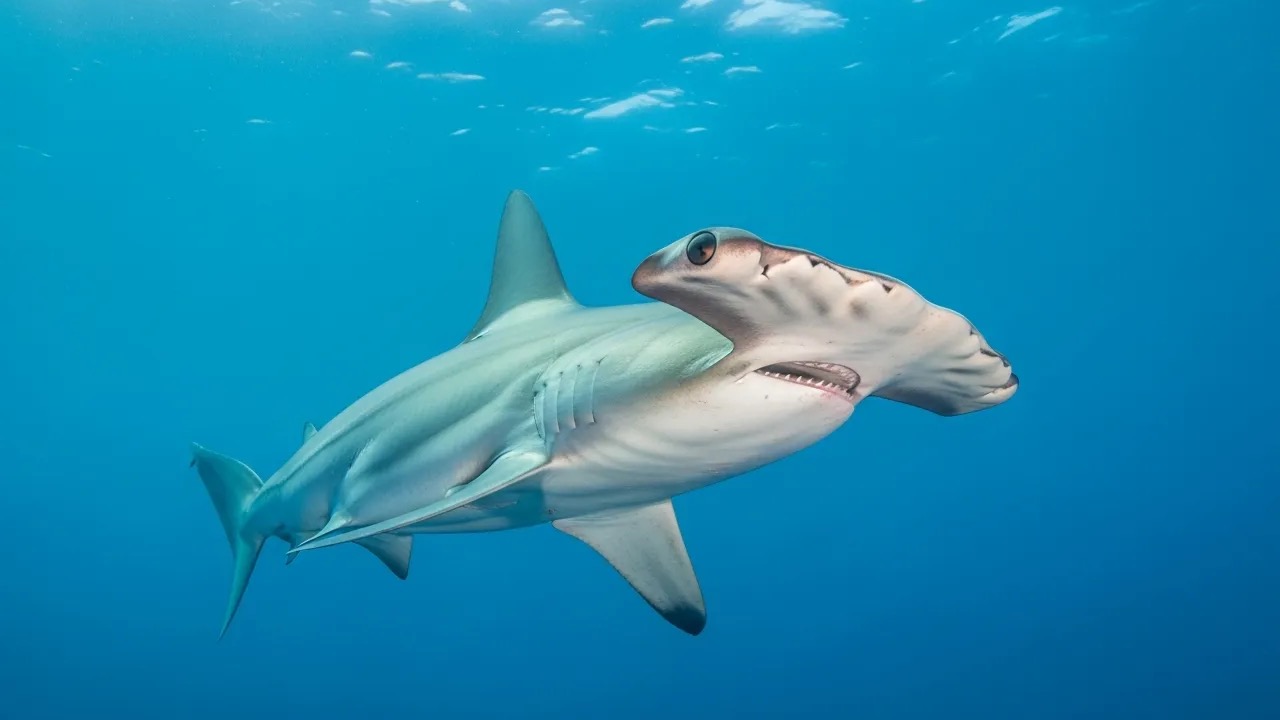
Critically Endangered
Hammerhead Shark
Sphyrnidae
Hammerhead sharks are a family of coastal and open-ocean sharks (Sphyrnidae) instantly recognised by the flattened, hammer-shaped head, or cephalofoil, that spreads their eyes and sensory organs wide apart. Species range from under a metre to more than 6 m long, with large individuals weighing around 230 kg.
Read the guide →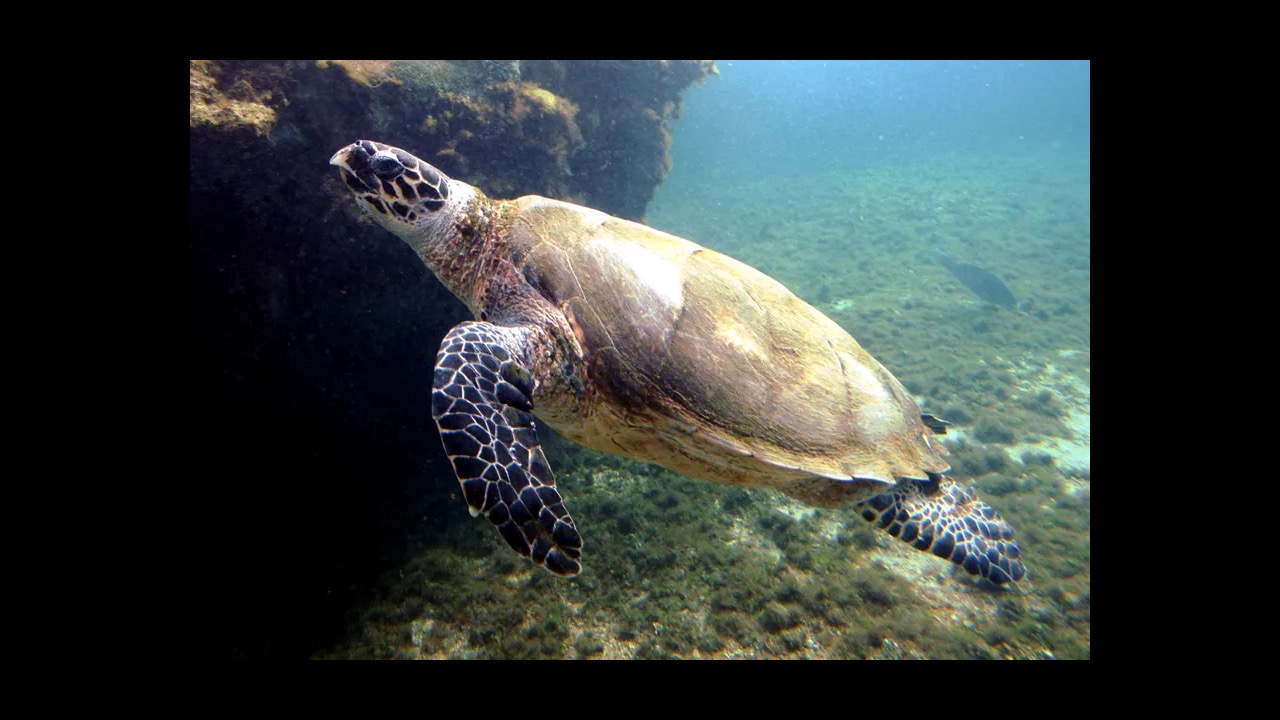
Critically Endangered
Hawksbill Sea Turtle
Eretmochelys imbricata
The hawksbill is a small sea turtle of tropical coral reefs worldwide, named for its narrow, bird-like beak. It grows to about 0.9 m (3 ft) and 45 to 90 kg, feeds mainly on sponges, and can swim at up to 24 km/h (15 mph).
Read the guide →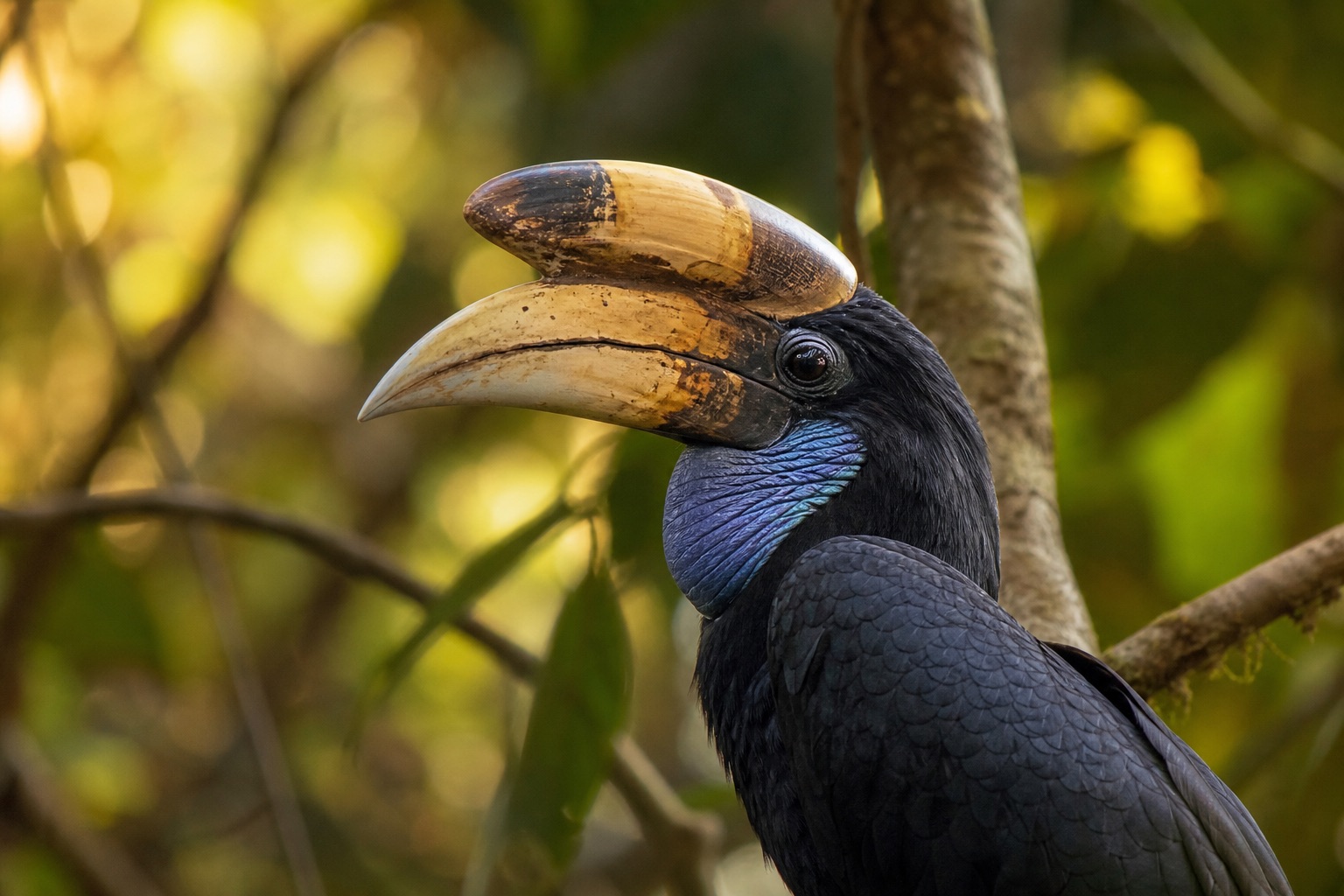
Critically Endangered — hunted for solid casque 'red ivory' traded across Southeast Asia and China
Helmeted Hornbill
Rhinoplax vigil (Forster, 1781) — family Bucerotidae
The helmeted hornbill (Rhinoplax vigil) is a Critically Endangered hornbill of Borneo and Sumatra whose almost solid casque is carved and traded as 'red ivory'; it was uplisted in one step in 2015 and depends on old-growth forest being cleared for oil palm, pulpwood and mining.
Read the guide →Critically Endangered
Indri
Indri indri (Gmelin, 1788)
The indri is the largest living lemur, endemic to eastern Madagascar and listed Critically Endangered on the IUCN Red List (2020, decreasing). It lives in monogamous family groups, sings across the canopy, and has never been kept successfully in captivity, so survival depends on protecting remaining forest — not on zoo breeding.
Read the guide →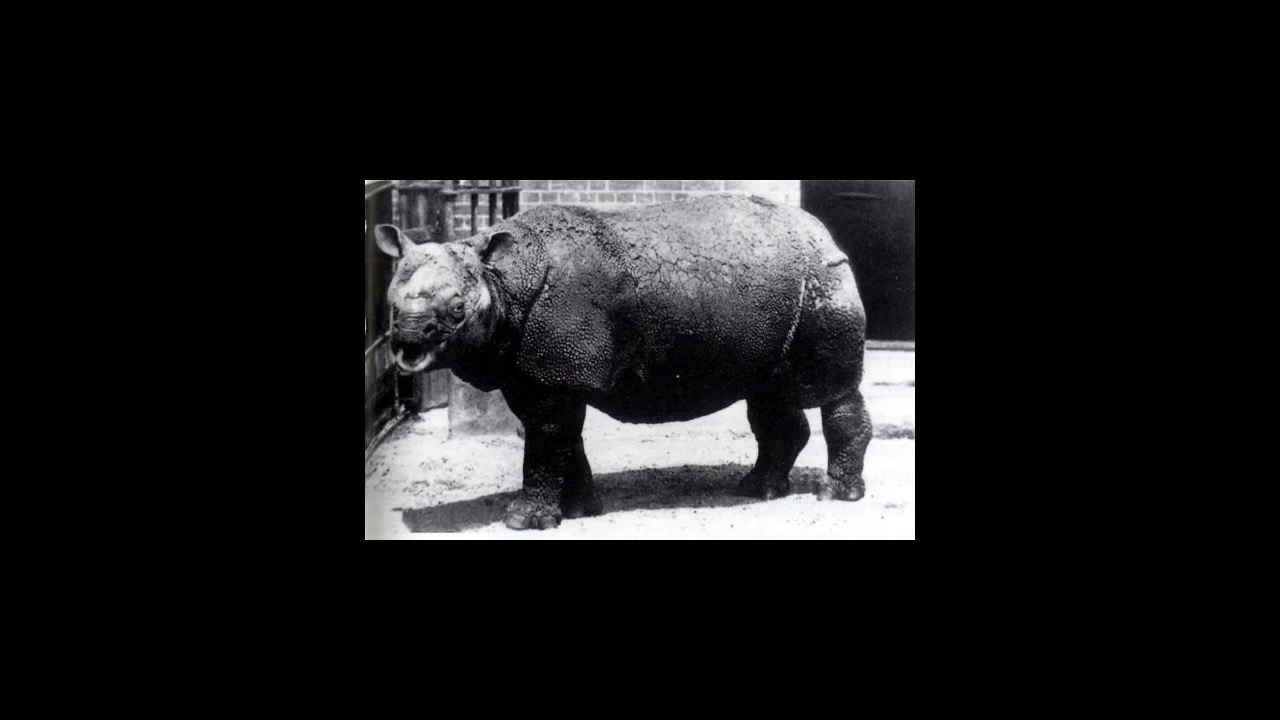
Critically Endangered
Javan Rhino
Rhinoceros sondaicus
The Javan rhinoceros is the rarest of all rhino species, with roughly 70 individuals surviving in a single national park on Java, Indonesia. Smaller than the Indian rhino at 900–2,300 kg (2,000–5,000 lb), it has a single horn and nearly hairless grey skin, and is Critically Endangered from historic hunting and tiny range.
Read the guide →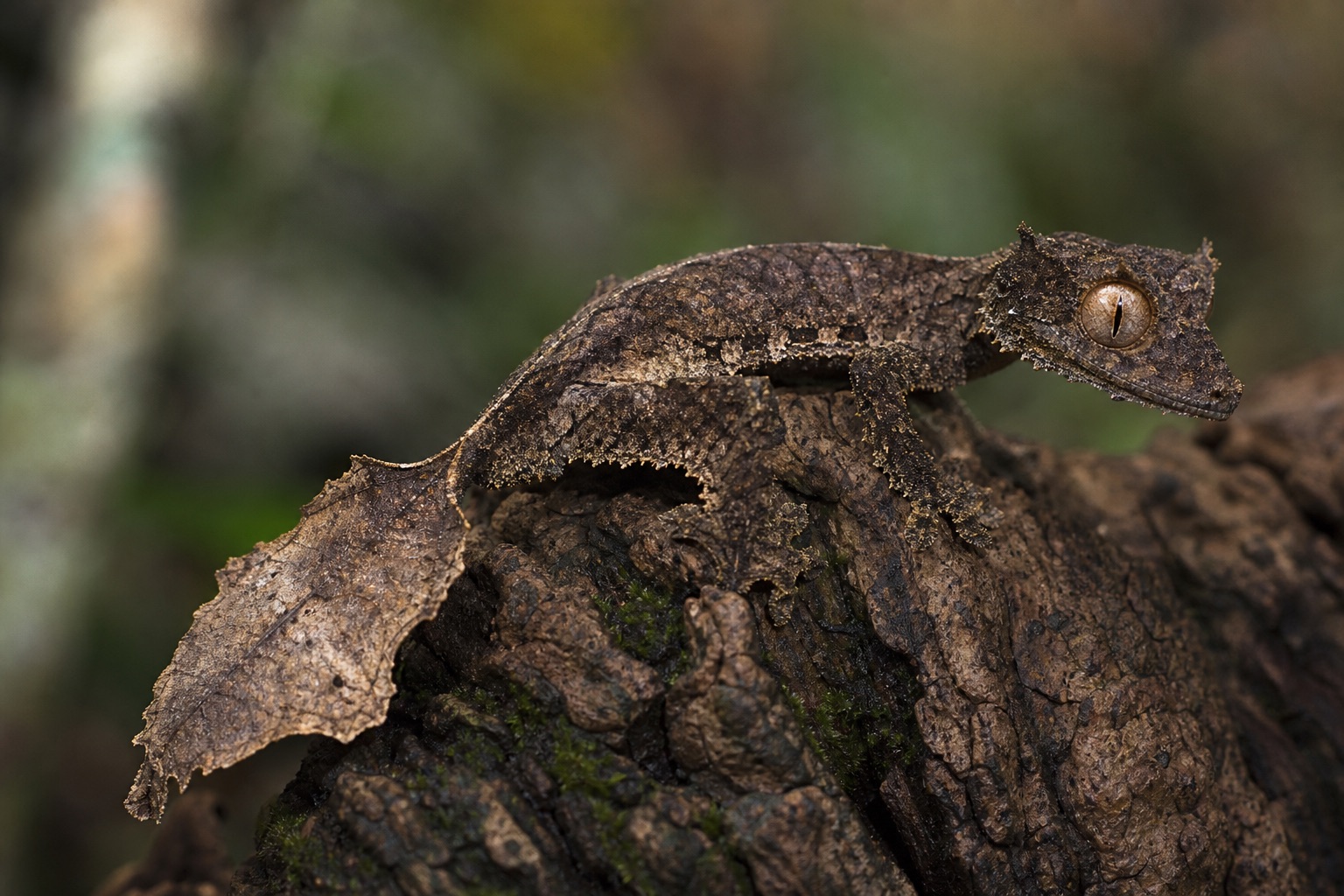
Critically Endangered — several Uroplatus species at risk; all CITES Appendix II
Leaf-Tailed Gecko
Uroplatus phantasticus (Boulenger, 1888) — genus Uroplatus, around 20 species
Leaf-tailed geckos (genus Uroplatus) are around 20 species of gecko endemic to Madagascar, camouflaged as dead leaves with a skin fringe that eliminates shadow; several are Critically Endangered, and the pet trade adds pressure as an estimated 80–90% of the island's original forest has been lost.
Read the guide →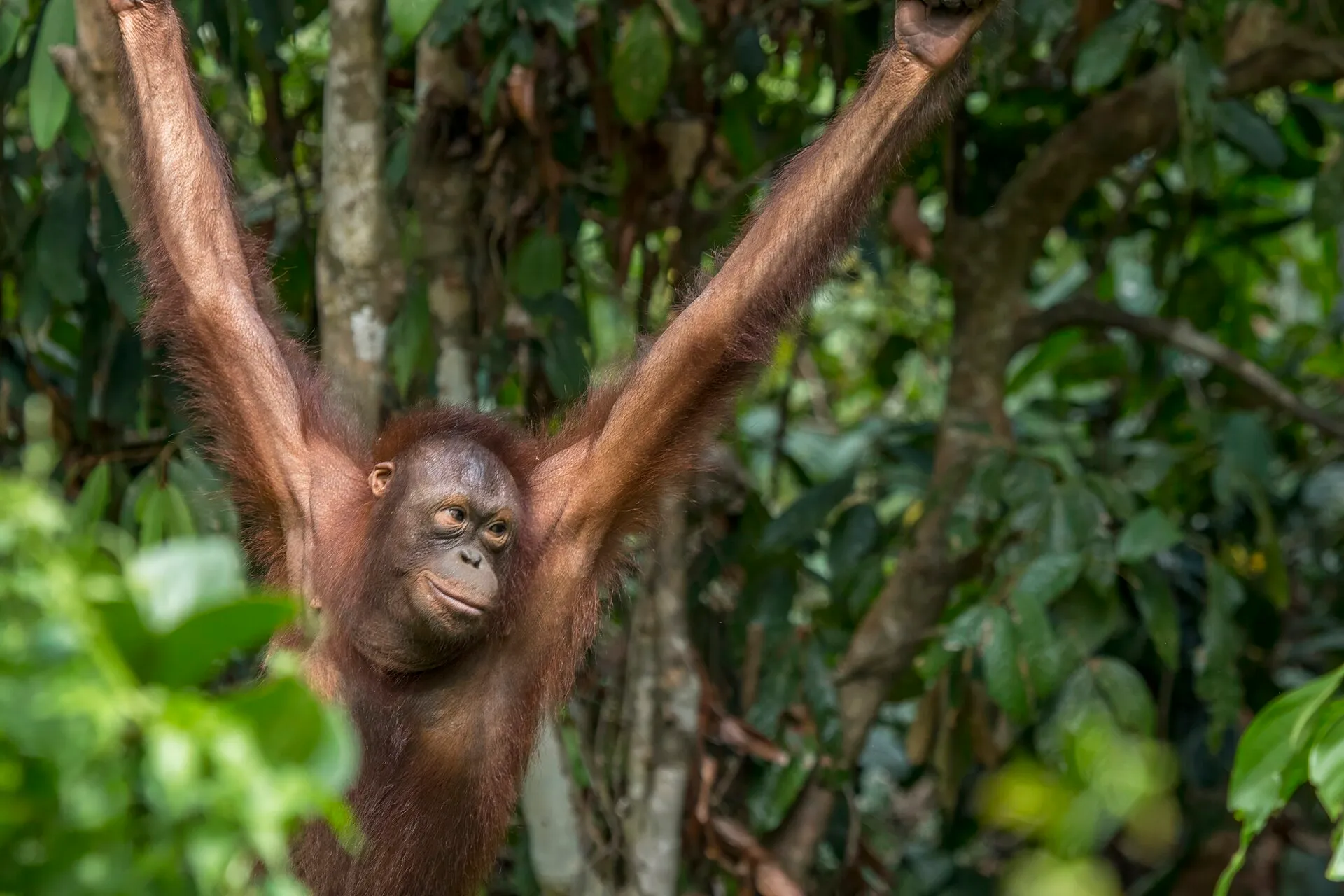
Critically Endangered
Orangutan
Pongo pygmaeus (Linnaeus, 1760), Pongo abelii (Lesson, 1827), Pongo tapanuliensis (Nurcahyo, Meijaard et al., 2017)
Orangutans are Critically Endangered great apes found only in Borneo and Sumatra; all three species — Bornean, Sumatran, and Tapanuli — face extinction driven mainly by habitat loss from palm oil and logging, plus the illegal pet trade.
Read the guide →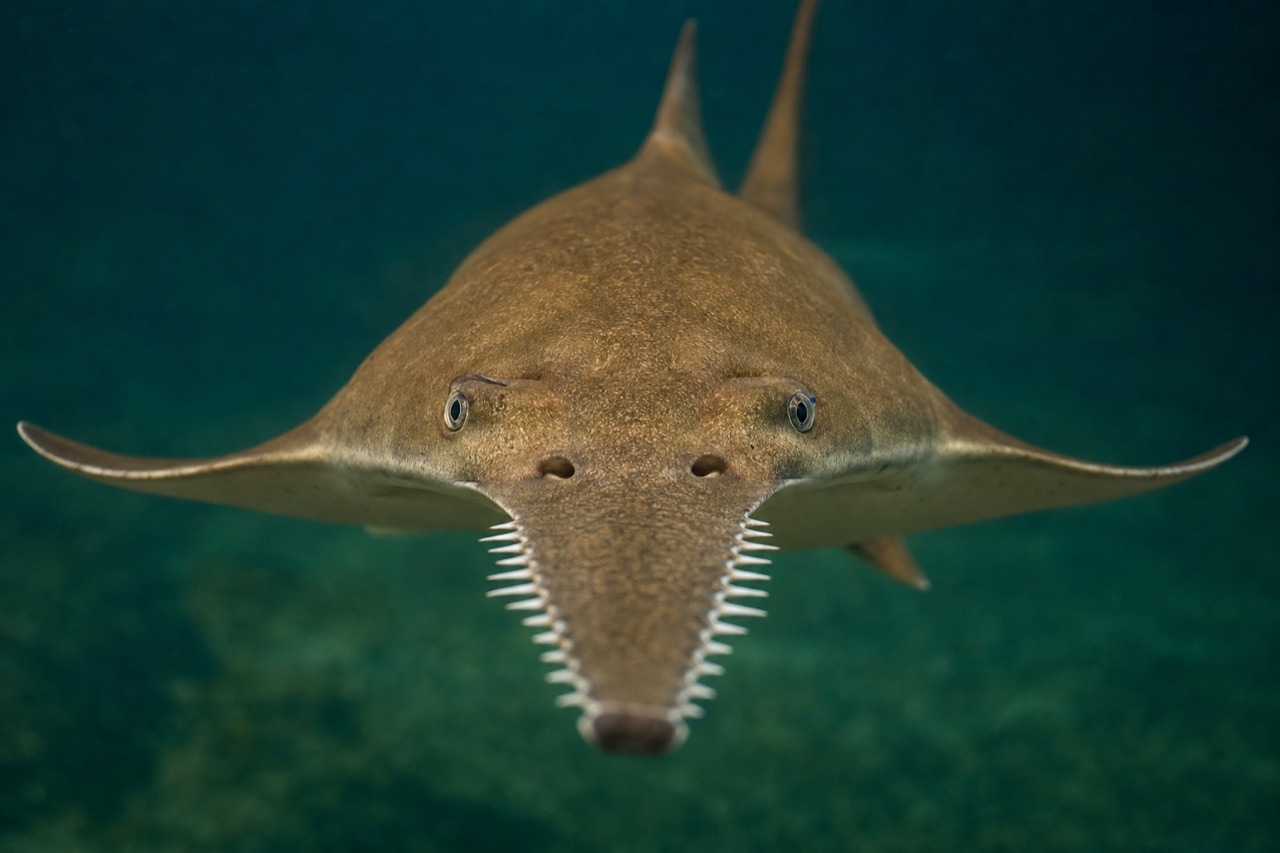
Critically Endangered — among the most threatened marine fish on Earth
Sawfish
Family Pristidae — five species, including Pristis pristis and Pristis pectinata
Sawfish are rays with a long tooth-lined rostrum used to sense and strike prey; all five species are threatened and most are Critically Endangered, largely because the rostrum entangles in fishing nets.
Read the guide →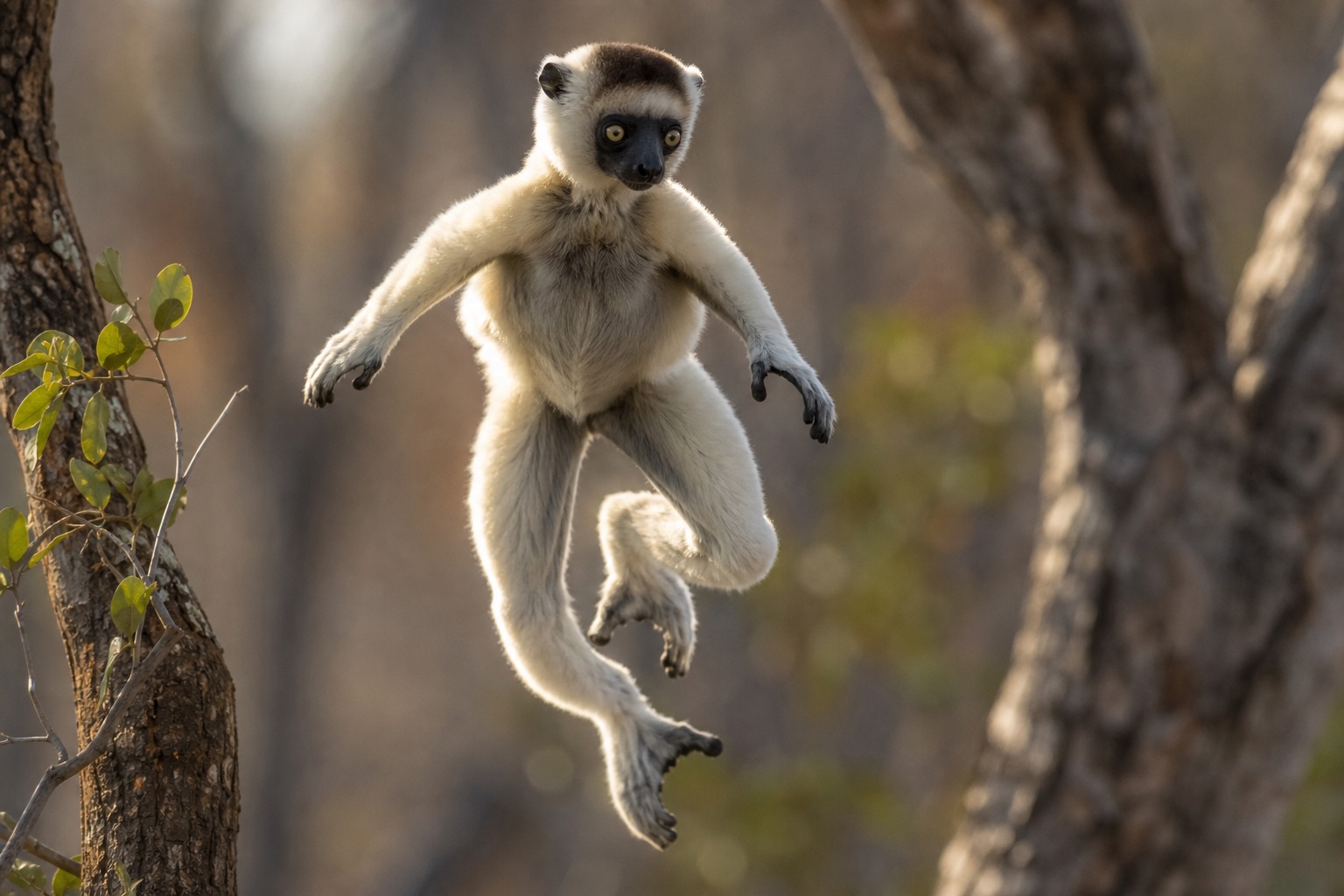
Varies by species — several Critically Endangered, others Vulnerable or Endangered
Sifaka
Genus Propithecus — nine recognised species
Sifakas are nine species of lemur in the genus Propithecus, found only in Madagascar, famous for sideways bipedal hopping on the ground; several species are Critically Endangered as an estimated 80–90% of the island's original forest has been lost to tavy, charcoal production and the pet trade.
Read the guide →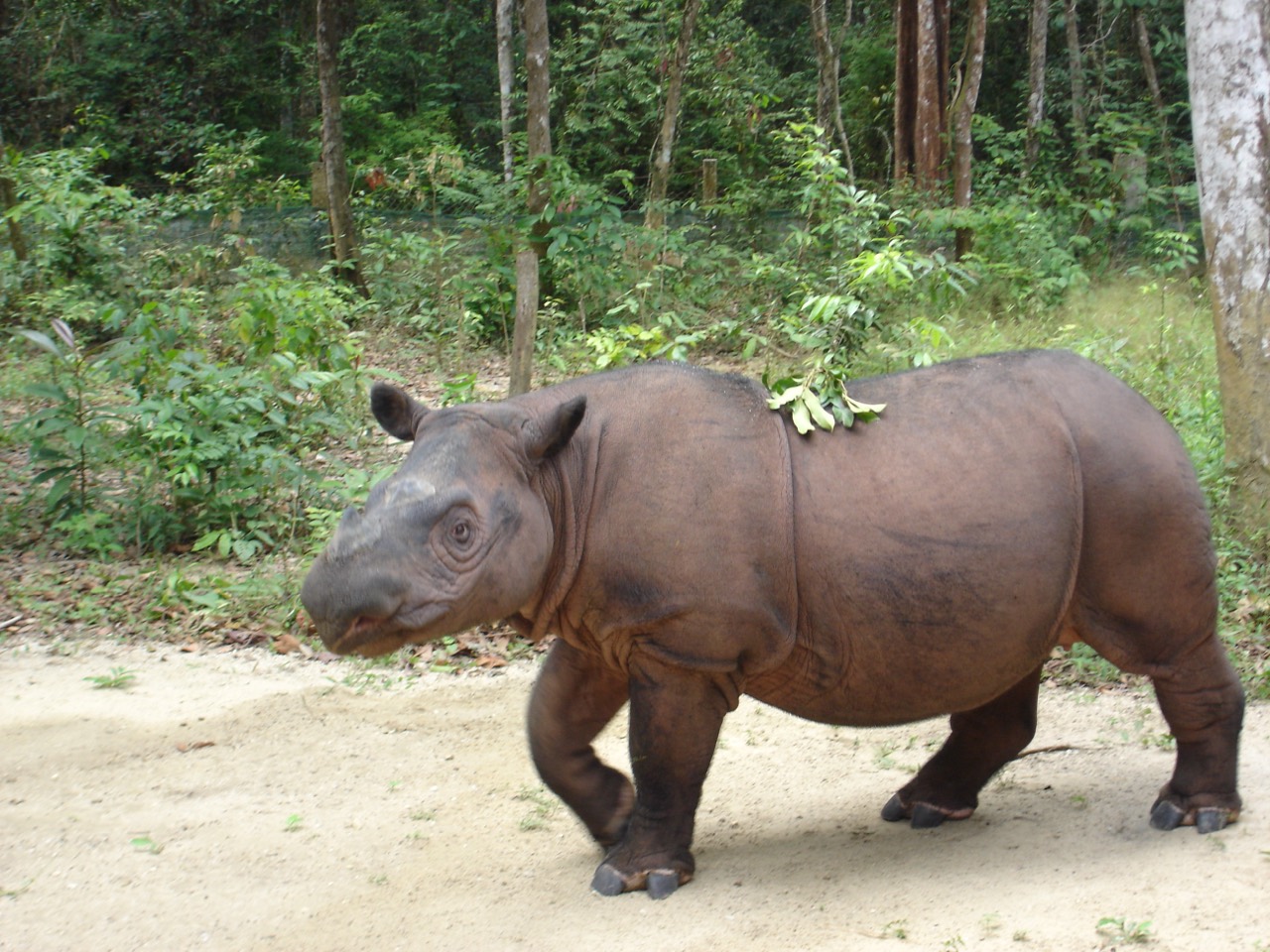
Critically Endangered — fewer than ~50 left
Sumatran Rhino
Dicerorhinus sumatrensis
A Sumatran rhino is the smallest, hairiest living rhinoceros — a two-horned, rainforest-dwelling species of Indonesia and the only surviving member of the genus Dicerorhinus, now Critically Endangered with fewer than roughly 50 individuals left.
Read the guide →
Critically Endangered
Vaquita
Phocoena sinus
The vaquita (Phocoena sinus) is the world's rarest marine mammal, a small porpoise found only in Mexico's Gulf of California, with fewer than ten individuals remaining as of 2025 due to drowning in illegal gillnets.
Read the guide →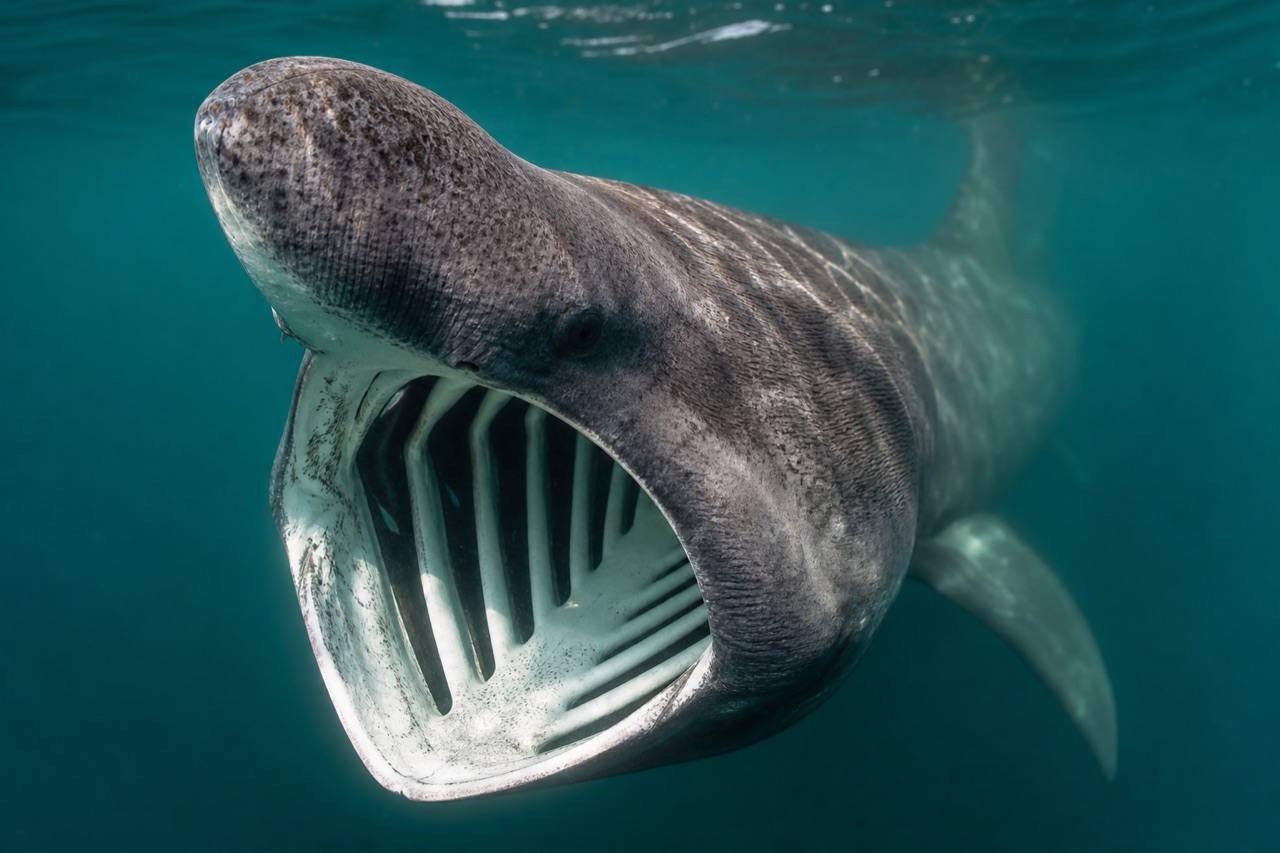
Endangered — the second-largest fish, and harmless
Basking Shark
Cetorhinus maximus (Gunnerus, 1765) — family Cetorhinidae
The basking shark (Cetorhinus maximus) is the second-largest fish on Earth at around 10 metres, an entirely harmless filter feeder that strains plankton at the surface, and is listed as Endangered.
Read the guide →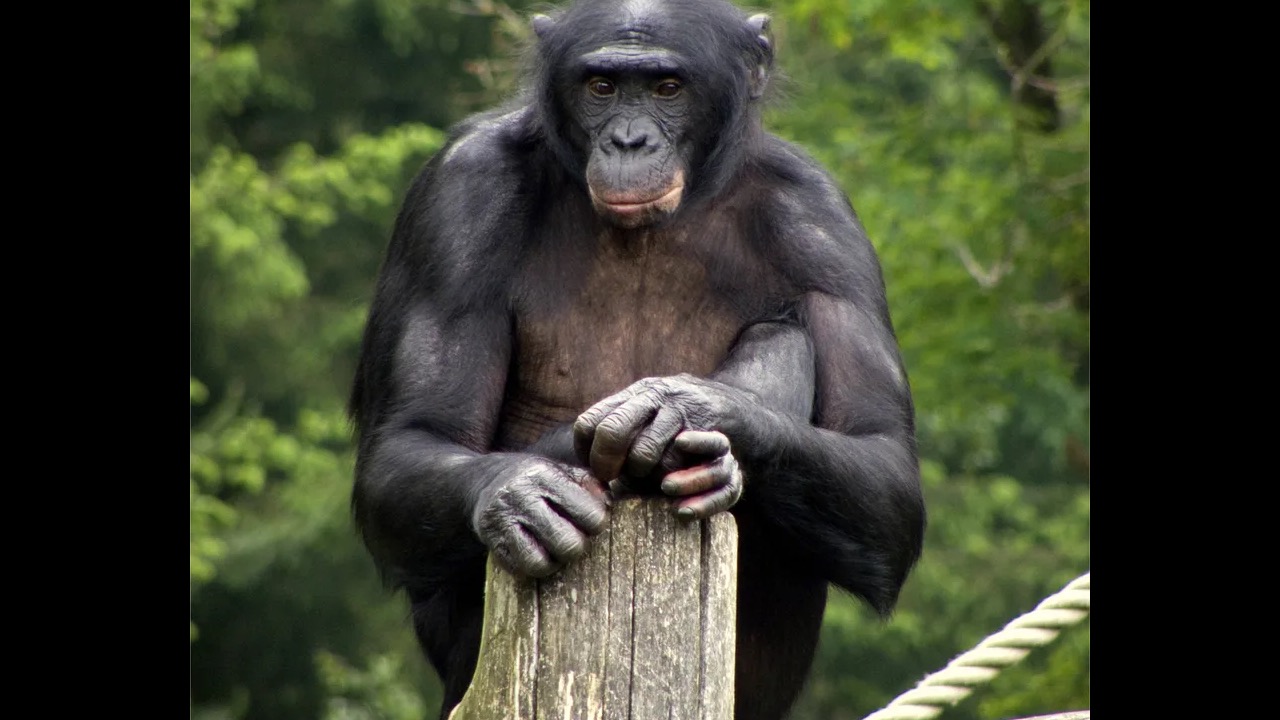
Endangered
Bonobo
Pan paniscus
Bonobos are great apes found only in the Democratic Republic of Congo, closely related to chimpanzees but generally less aggressive, with female-led social bonds and extensive use of social behaviour to resolve conflict. Listed Endangered, they weigh 30–50 kg and face habitat loss and bushmeat hunting.
Read the guide →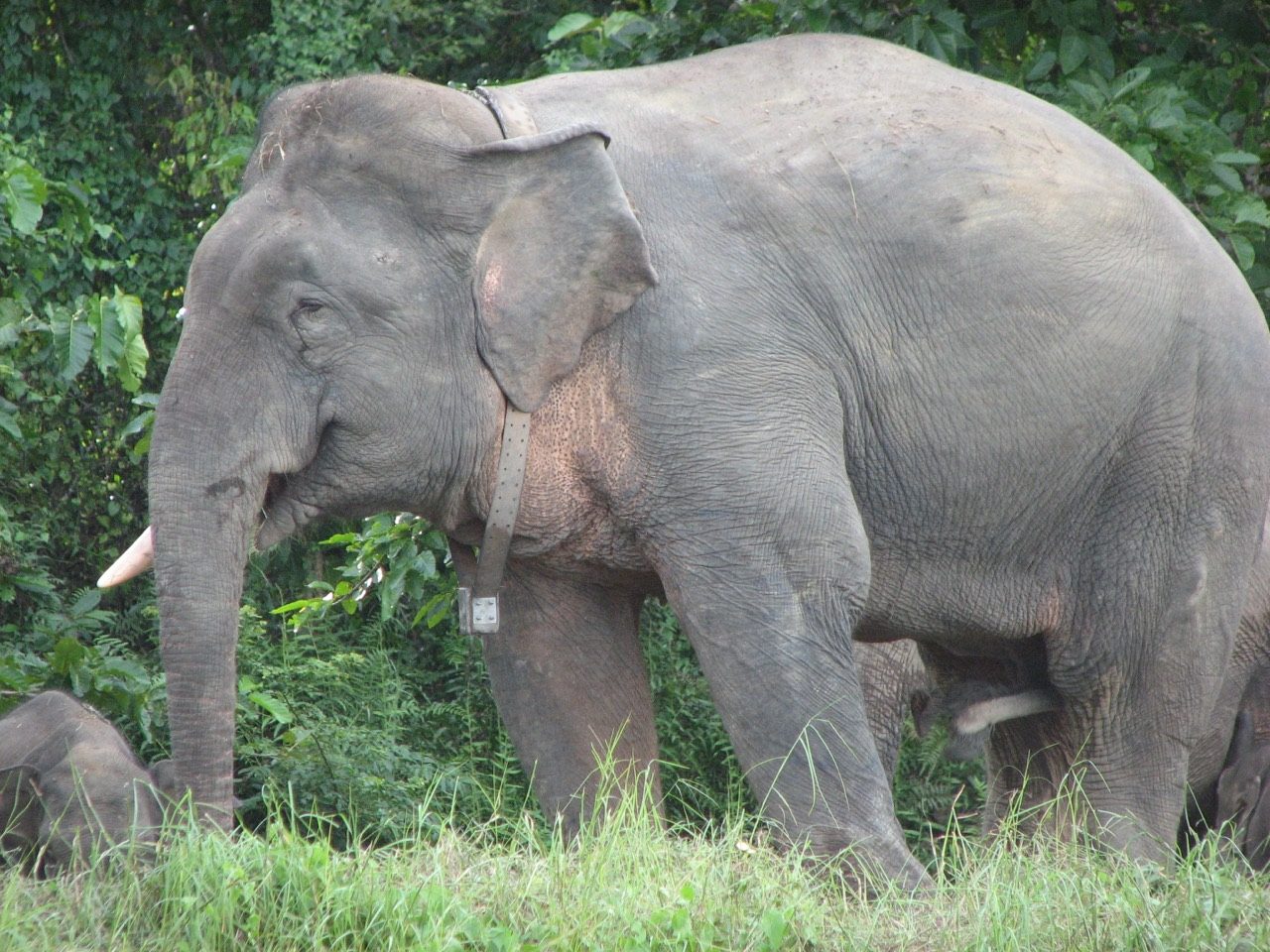
Endangered (subspecies, 2024) — ~1,000 left
Borneo Pygmy Elephant
Elephas maximus borneensis
A Borneo pygmy elephant is the smallest subspecies of Asian elephant (Elephas maximus borneensis), native to the island of Borneo in Sabah, Malaysia and Kalimantan, Indonesia; the IUCN listed it as Endangered in 2024 with about 1,000 left in the wild.
Read the guide →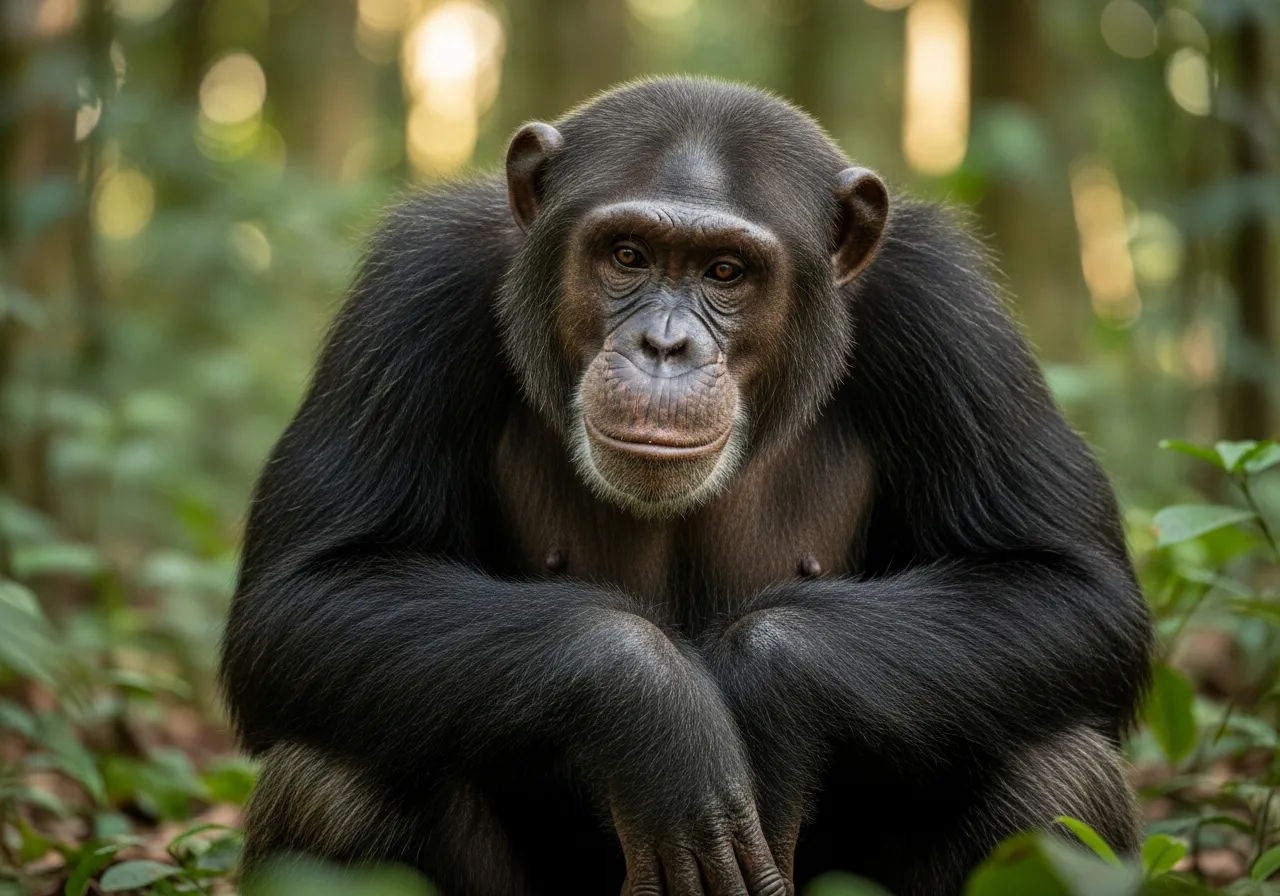
Endangered (IUCN); CITES Appendix I
Chimpanzee
Pan troglodytes
A chimpanzee (Pan troglodytes) is a great ape from the forests and woodlands of equatorial Africa. Along with the bonobo, it is humans' closest living relative, sharing roughly 98-99% of our DNA. Famous for tool use, complex societies and culture, it is classified as Endangered.
Read the guide →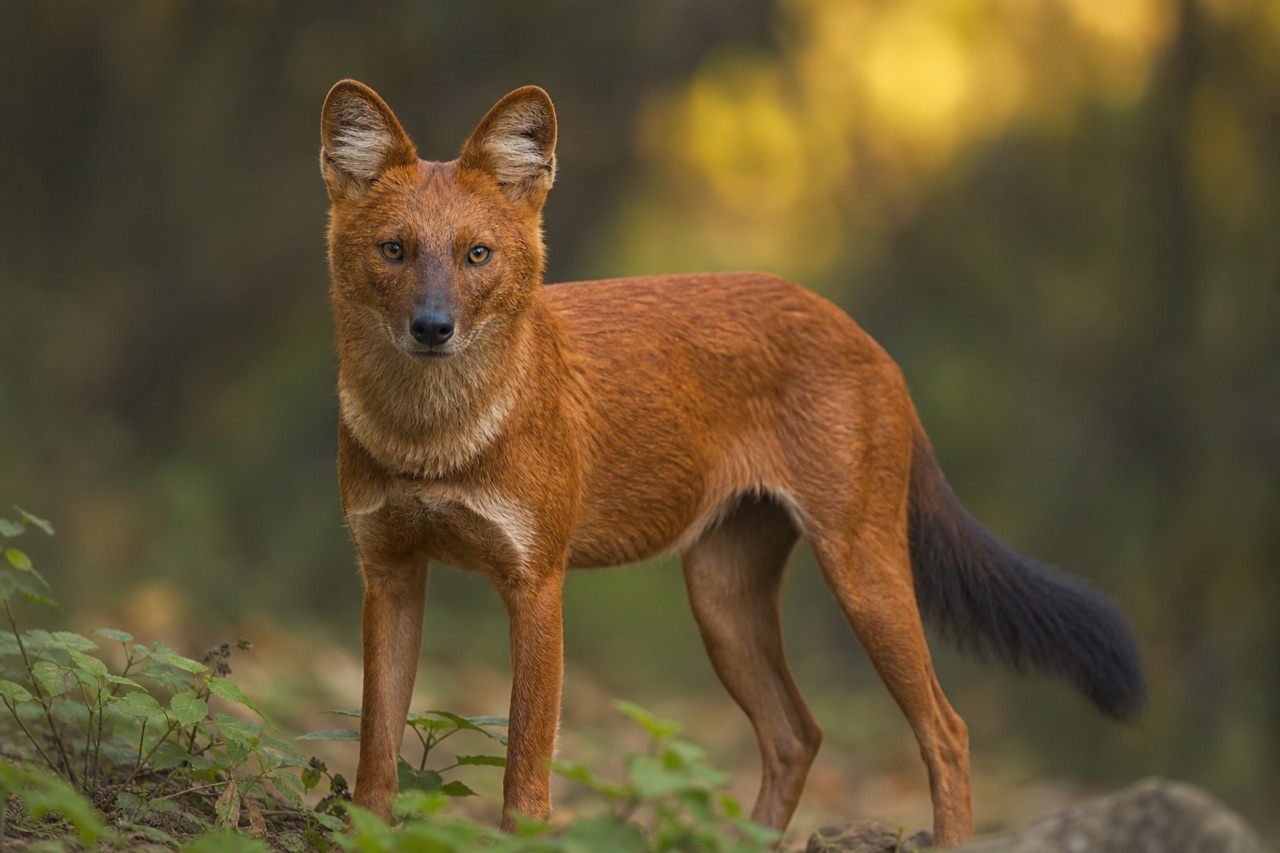
Endangered — declining across South and Southeast Asia
Dhole
Cuon alpinus (Pallas, 1811) — family Canidae
The dhole (Cuon alpinus) is an Endangered wild canid of South and Southeast Asian forests that hunts deer and wild pig in coordinated packs, communicates with whistles rather than barks, and is declining across most of its range.
Read the guide →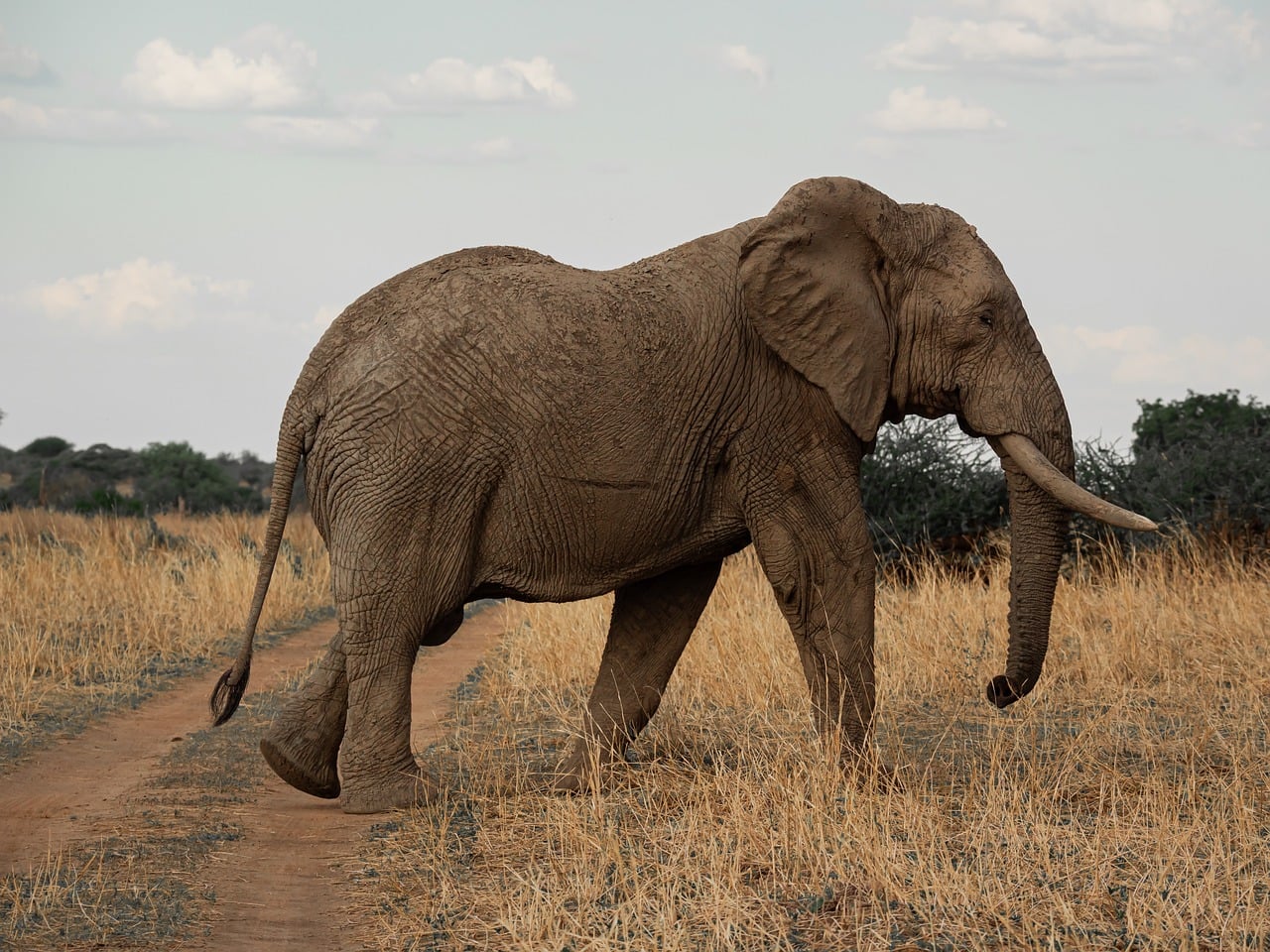
Three living species — Endangered to Critically Endangered (IUCN)
Elephant
Elephantidae — Elephas maximus, Loxodonta africana, Loxodonta cyclotis
Elephants are three living species, not one. Asian and African savanna elephants are Endangered; African forest elephants are Critically Endangered. Gestation is about 22 months. The related appeal explains potential support and the current funding status; this guide does not confirm a WARN grant. Asian elephants have one trunk-tip finger; African elephants have two.
Read the guide →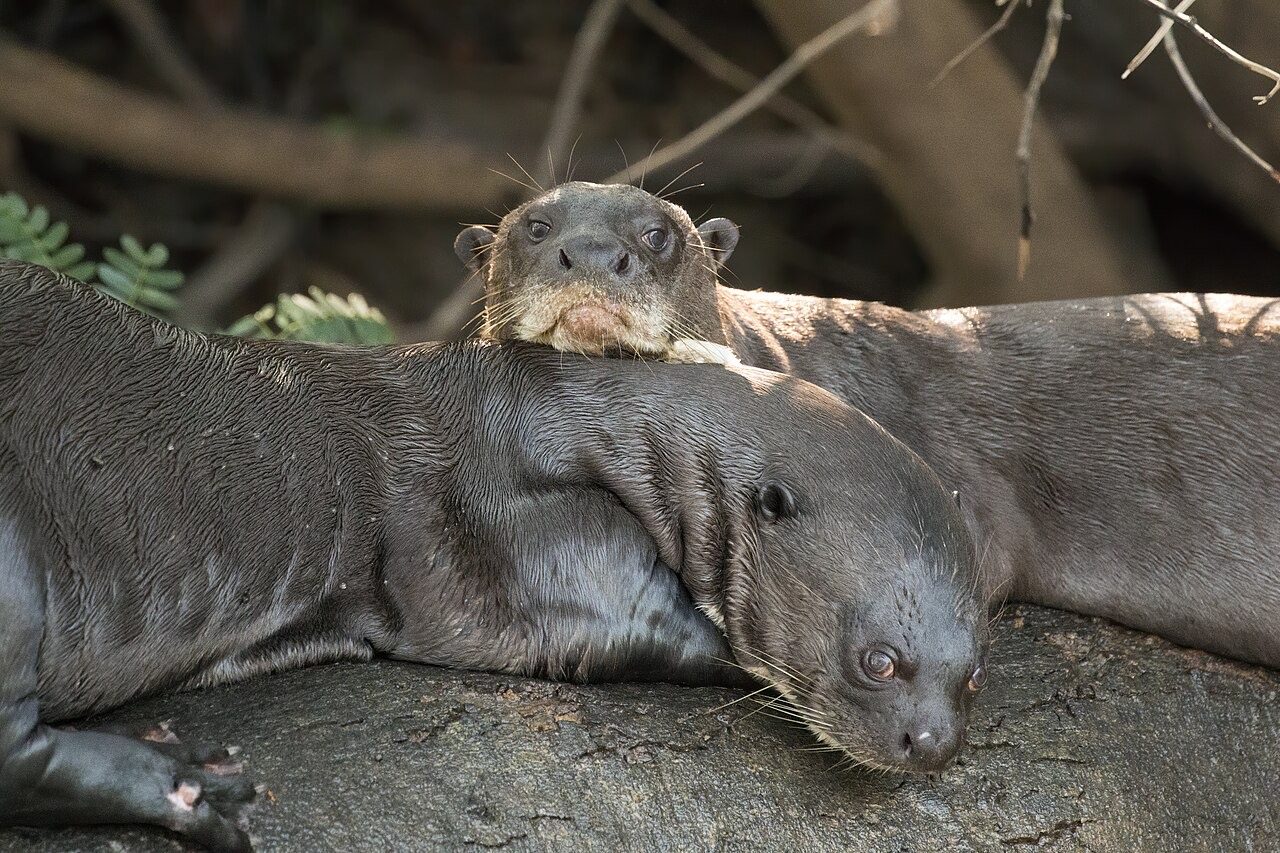
Endangered (IUCN, 2021) — locally extinct or Critically Endangered across much of its former range
Giant Otter
Pteronura brasiliensis
A giant otter (Pteronura brasiliensis) is the world's longest otter, a fish-eating, highly social mammal of South American rivers that grows up to 1.8 metres long and lives in family groups; it is classified as Endangered by the IUCN.
Read the guide →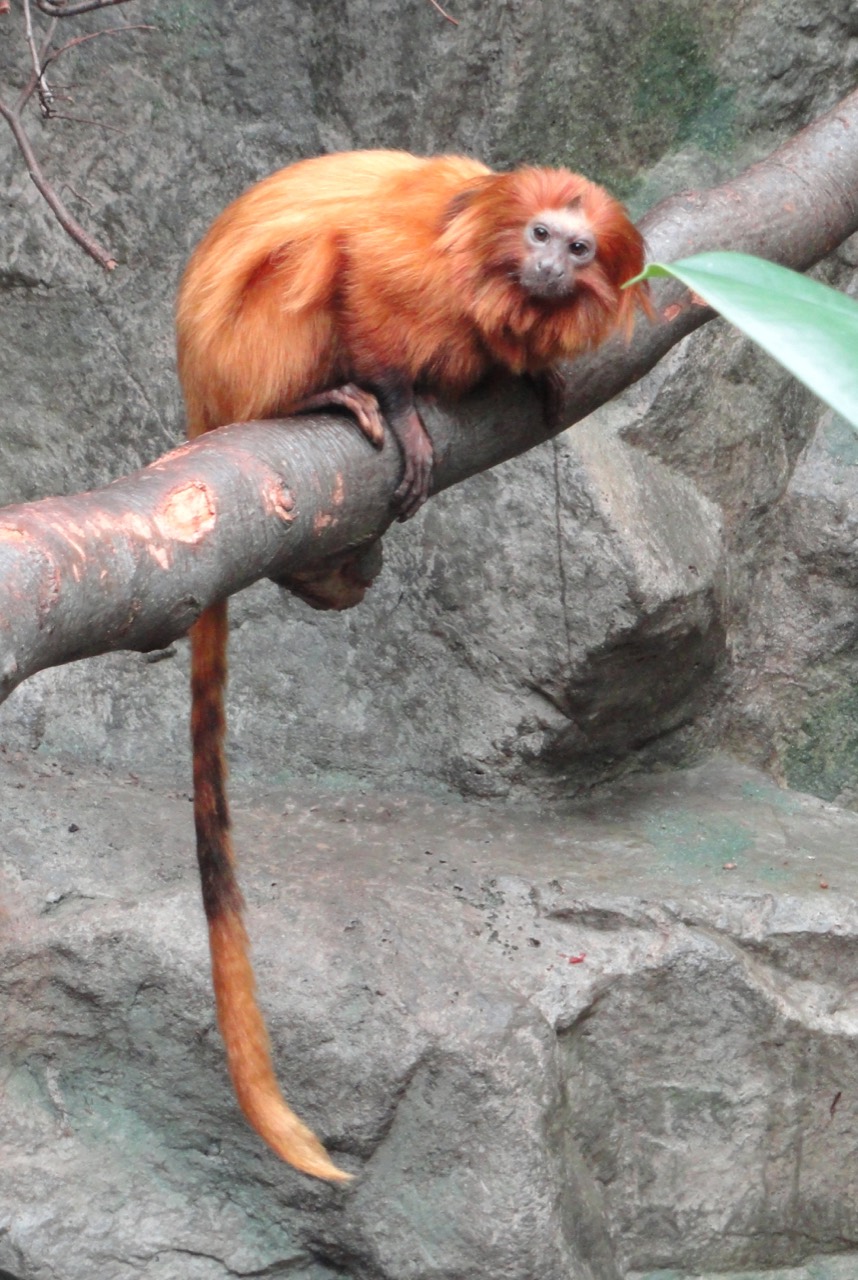
Endangered (conservation comeback)
Golden Lion Tamarin
Leontopithecus rosalia
A golden lion tamarin (Leontopithecus rosalia) is a small, endangered New World monkey with a bright reddish-gold coat and a lion-like mane, native only to the Atlantic Forest of southeastern Brazil.
Read the guide →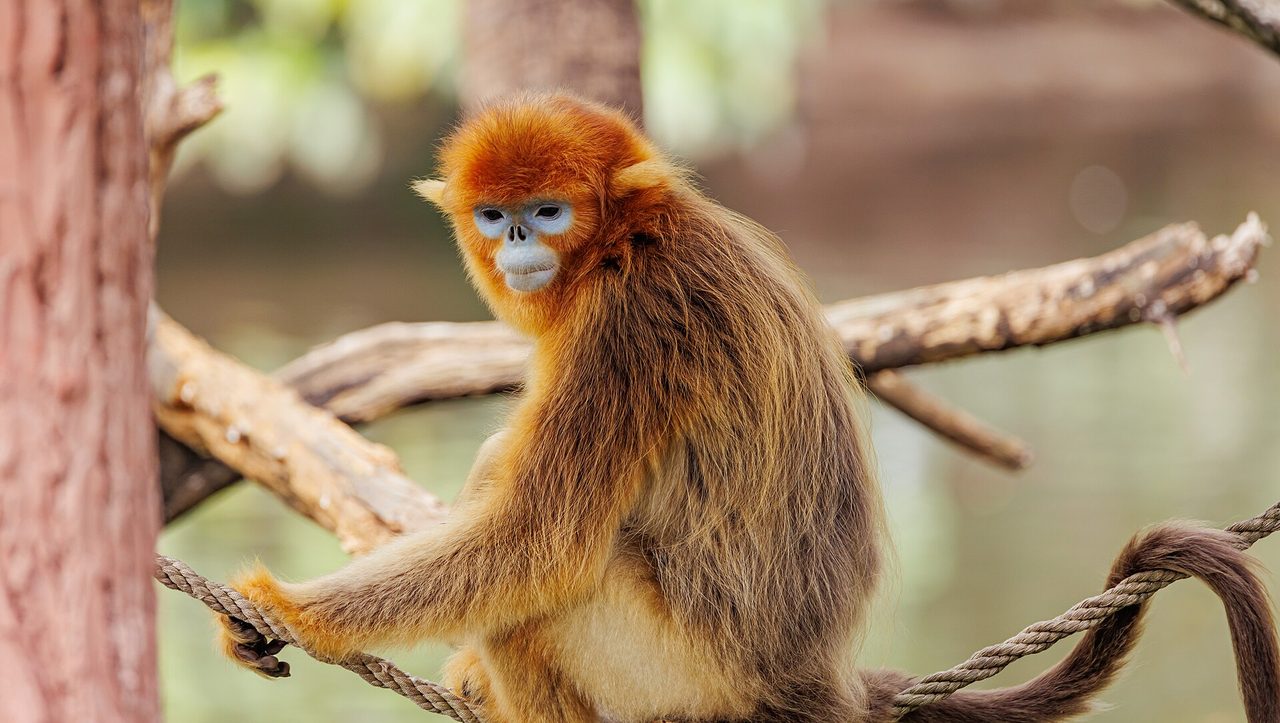
Endangered (IUCN, 2015)
Golden Snub-Nosed Monkey
Rhinopithecus roxellana (Milne-Edwards, 1870)
The golden snub-nosed monkey (Rhinopithecus roxellana) is an Endangered Old World monkey of central China's mountain forests, famous for its golden fur, pale blue face and upturned nose; it lives in large social groups and is protected under CITES Appendix I.
Read the guide →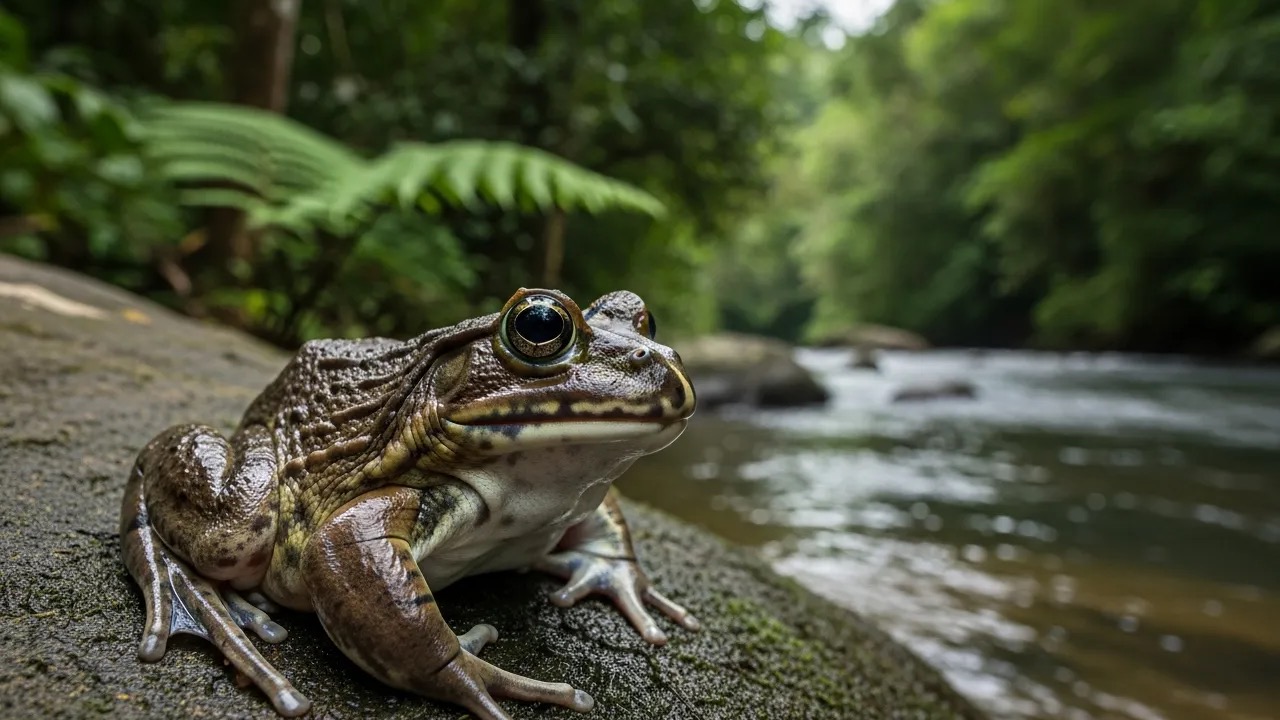
Endangered
Goliath Frog
Conraua goliath
The Goliath frog is the largest living frog, growing up to 32 cm (13 in) long and weighing as much as 3.3 kg (7.3 lb). It lives only in fast-flowing rivers of Cameroon and Equatorial Guinea in West Africa.
Read the guide →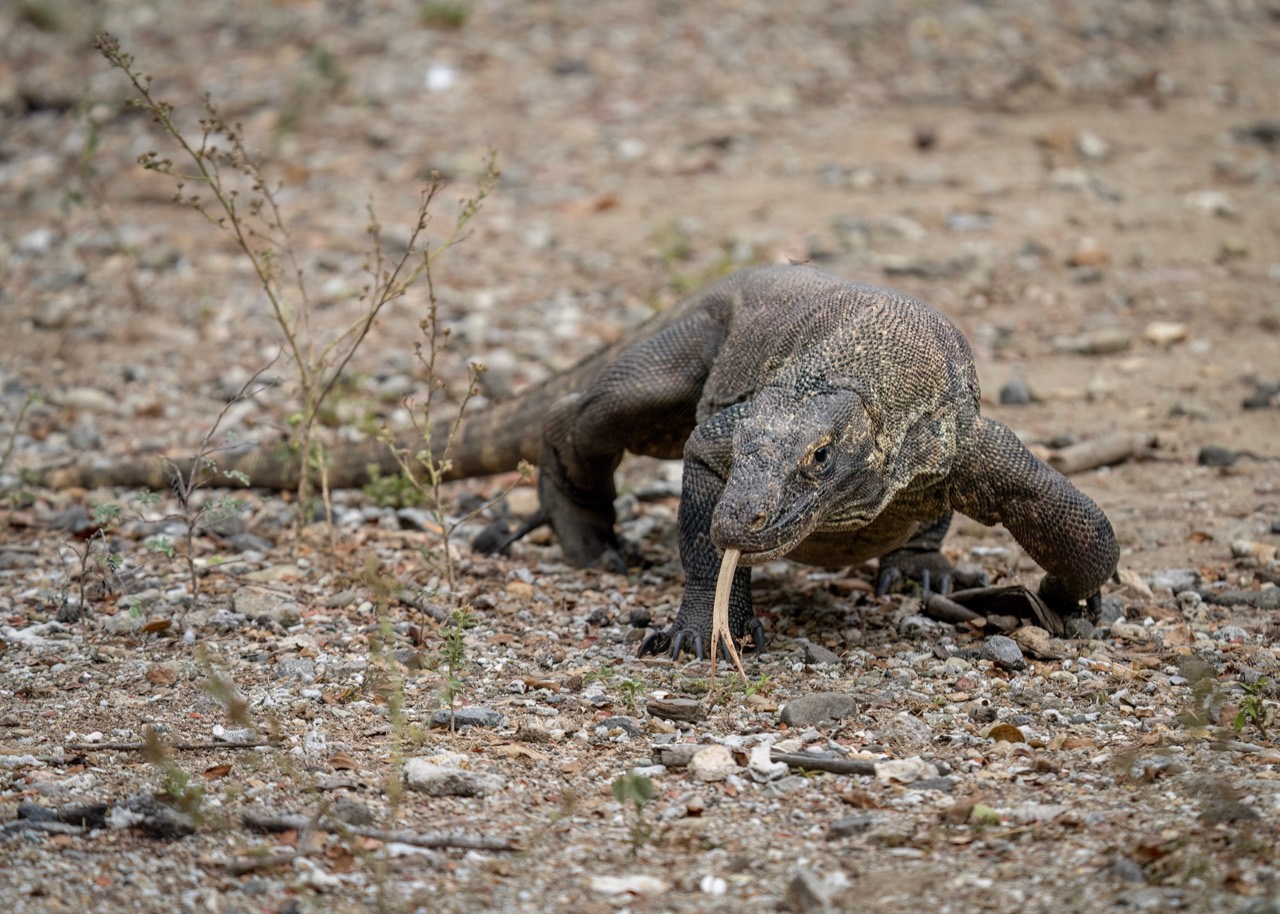
Endangered (IUCN, 2021) — fewer than ~1,400 mature individuals
Komodo Dragon
Varanus komodoensis
A Komodo dragon (Varanus komodoensis) is the world's largest living lizard, a venomous monitor species native to a few islands in eastern Indonesia that can grow to about 3 metres long and 70-90 kilograms.
Read the guide →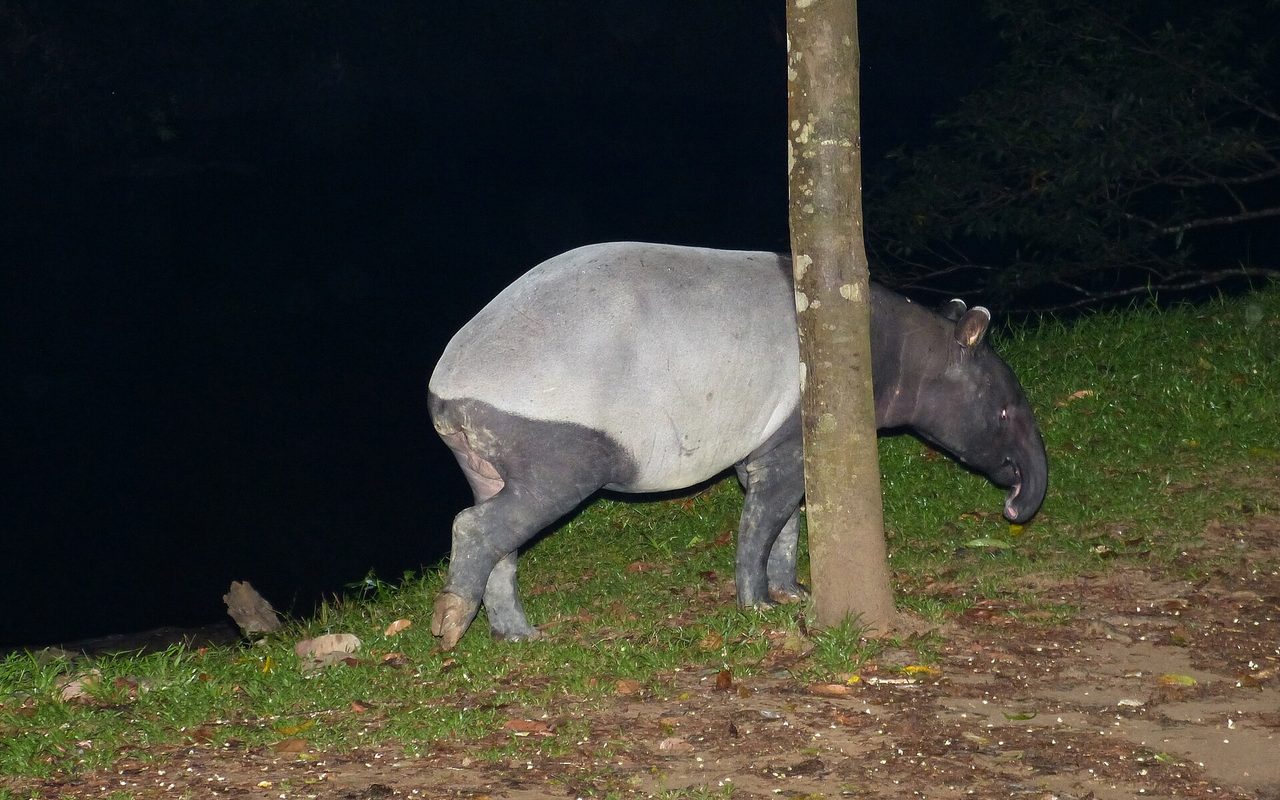
Endangered (IUCN) — fewer than 2,500 mature adults and declining
Malayan Tapir
Tapirus indicus
A Malayan tapir is a large, plant-eating mammal native to the rainforests of Sumatra and Peninsular Malaysia. It is the biggest of the five tapir species and the only tapir found in Asia, recognisable by its black-and-white "saddle" coat and short, flexible snout.
Read the guide →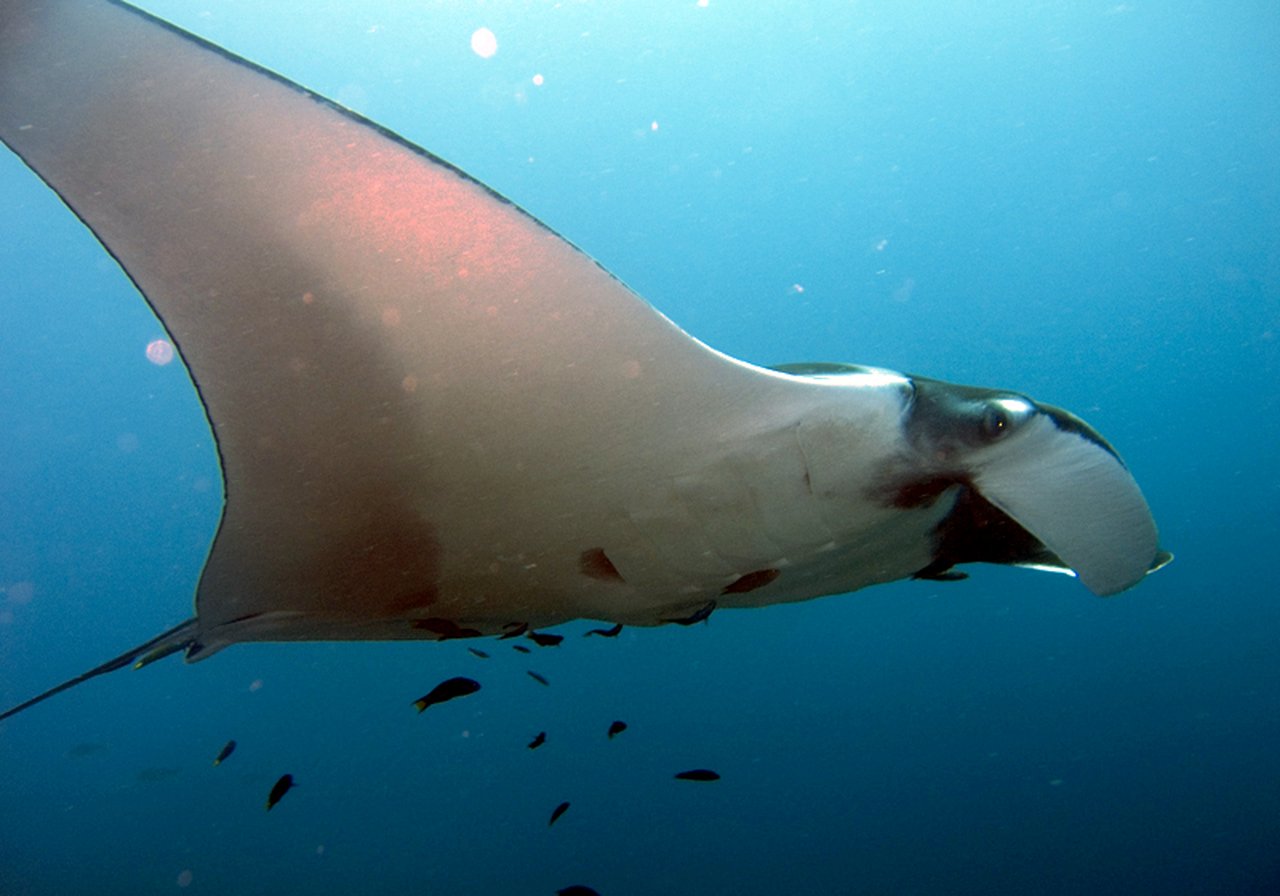
Endangered
Manta Ray
Mobula birostris (giant) and Mobula alfredi (reef manta)
Manta rays are Endangered filter-feeding elasmobranchs — giant and reef species with wingspans up to seven metres — threatened globally by bycatch, gill-plate trade and fisheries.
Read the guide →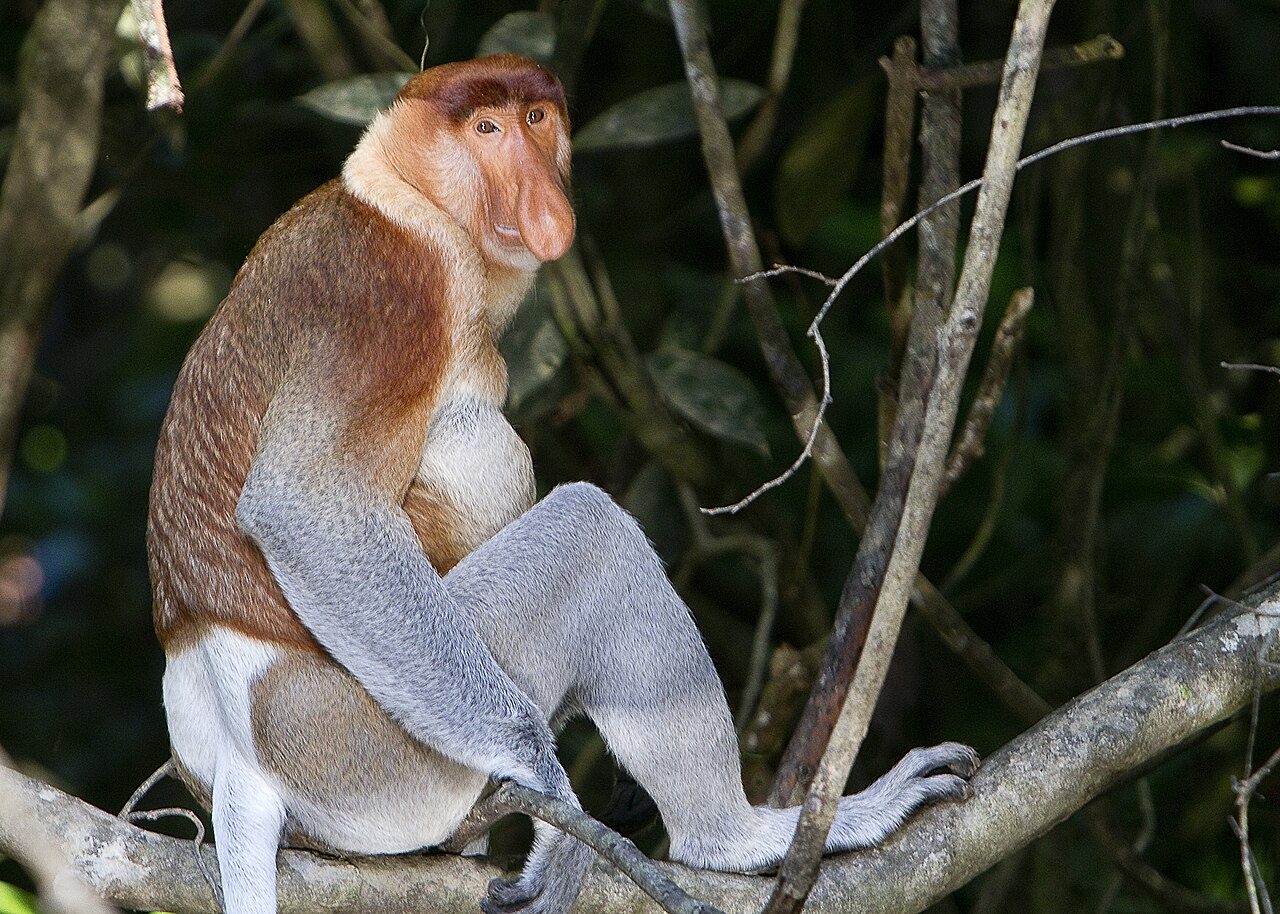
Endangered (IUCN, 2020) - CITES Appendix I
Proboscis Monkey
Nasalis larvatus
A proboscis monkey is a large, reddish-brown Old World monkey found only on the island of Borneo (in Indonesia, Malaysia and Brunei), famous for the male's oversized hanging nose and for living in coastal mangrove and riverside forests; the IUCN classes it as Endangered.
Read the guide →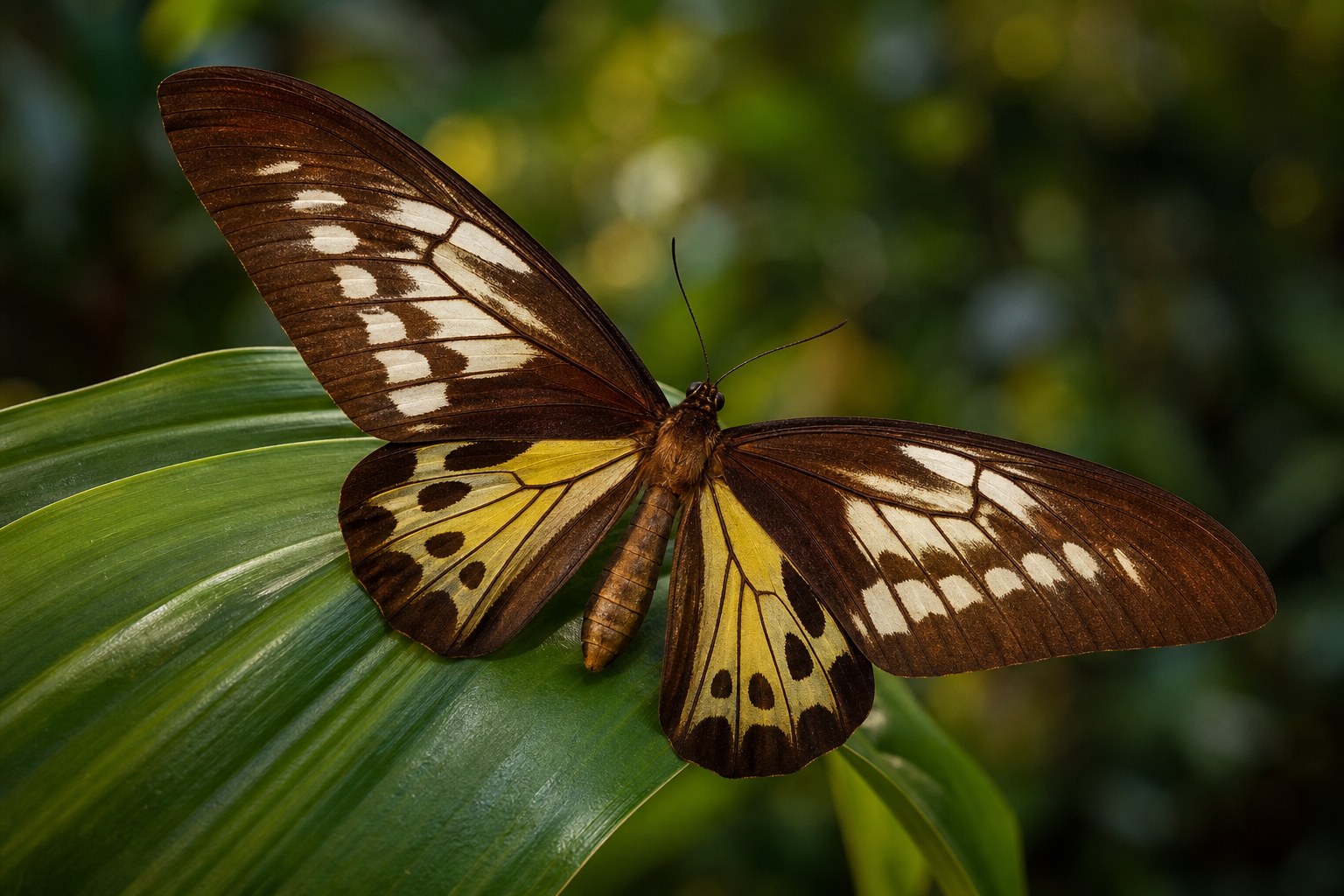
Endangered — restricted range and the only butterfly on CITES Appendix I
Queen Alexandra's Birdwing
Ornithoptera alexandrae (Rothschild, 1907) — family Papilionidae
Queen Alexandra's birdwing (Ornithoptera alexandrae) is the largest butterfly in the world, with females reaching a wingspan of around 28 cm; it is known from lowland rainforest in northern Oro Province, Papua New Guinea, listed Endangered, and is the only butterfly on CITES Appendix I.
Read the guide →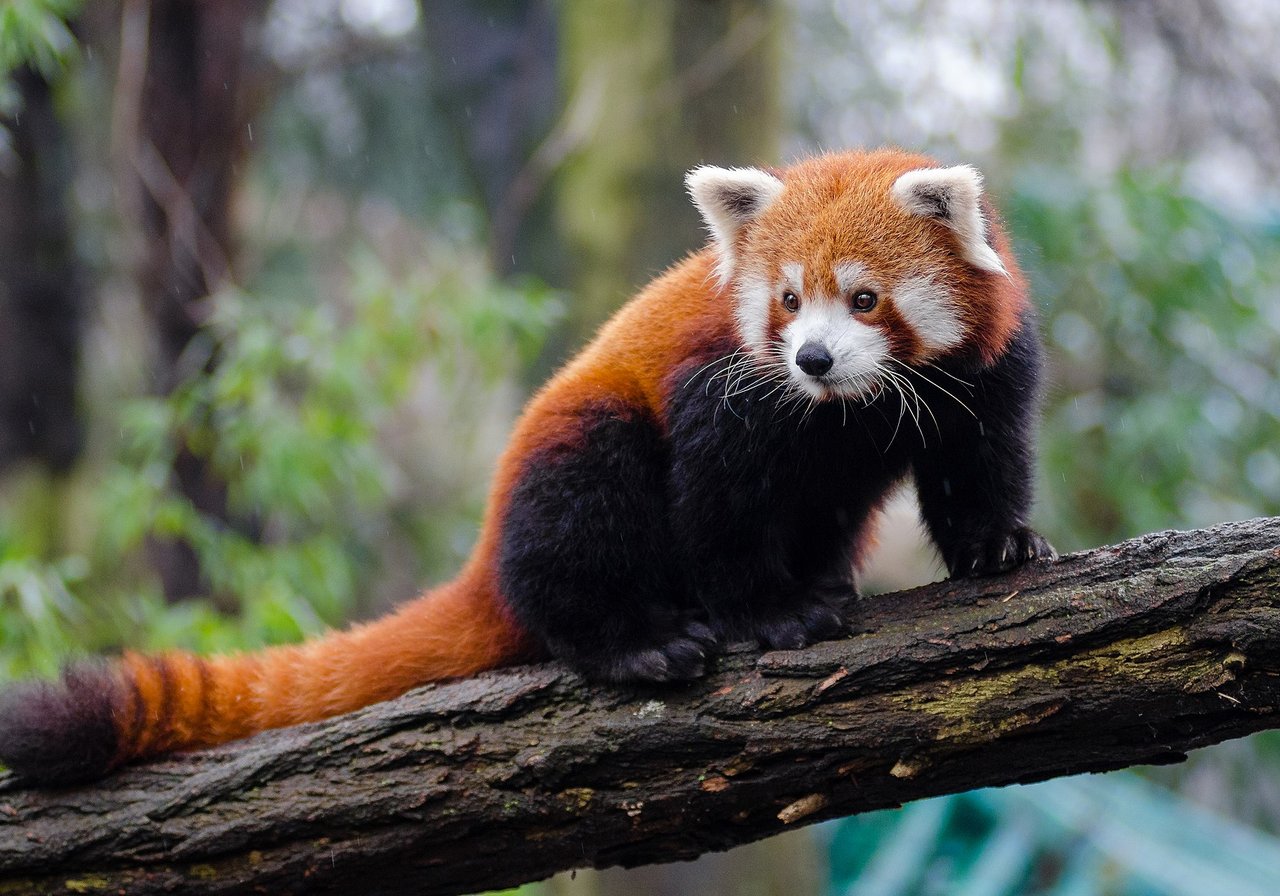
Endangered
Red Panda
Ailurus fulgens (F. Cuvier, 1825)
The red panda (Ailurus fulgens) is an Endangered Himalayan forest mammal unrelated to giant pandas — a bamboo-eating specialist threatened by deforestation, poaching and road deaths across Nepal, India, Bhutan, China and Myanmar.
Read the guide →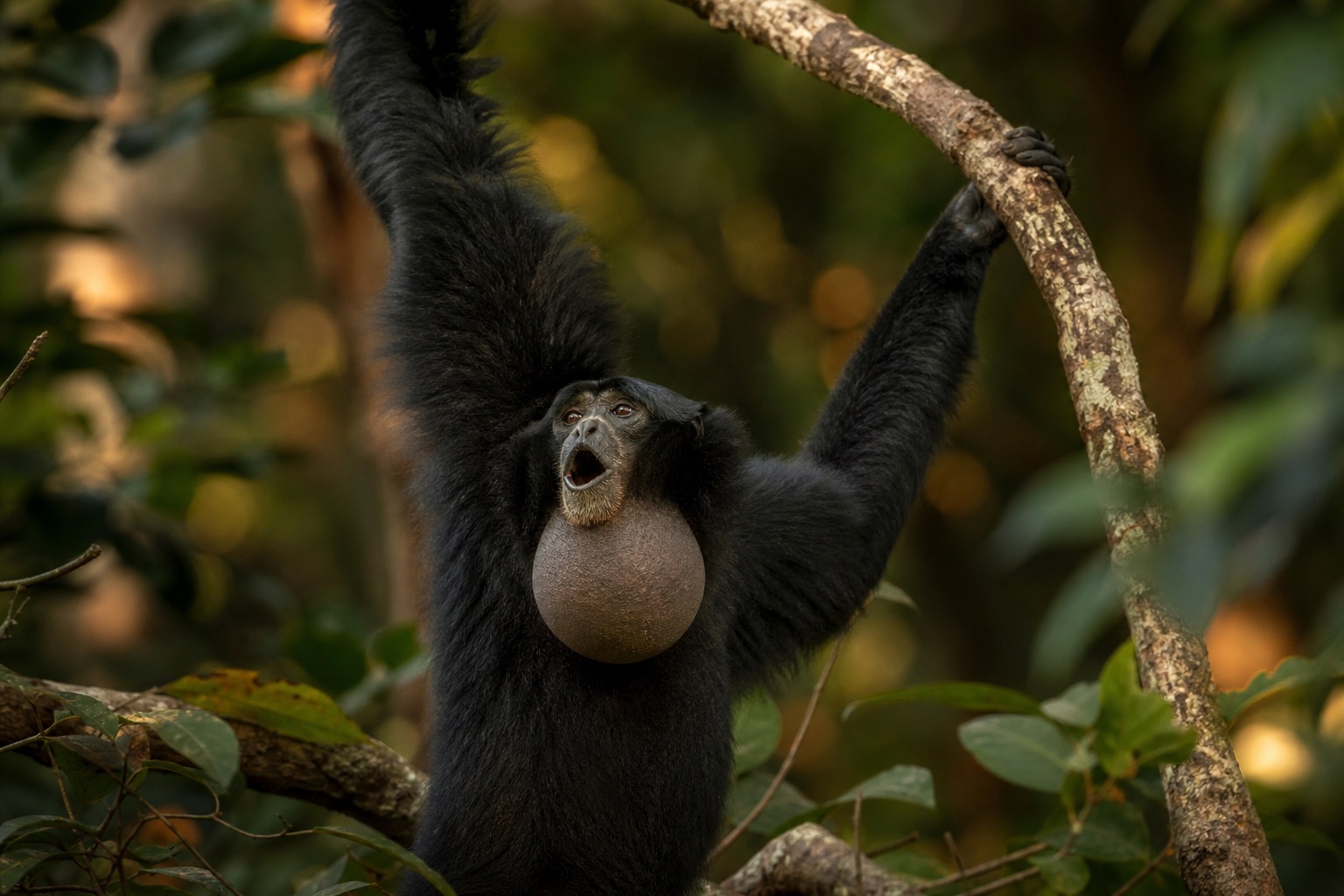
Endangered — loud duets and throat sacs on forests being cleared for plantations
Siamang
Symphalangus syndactylus (Illiger, 1811) — family Hylobatidae
The siamang (Symphalangus syndactylus) is the largest gibbon, Endangered across Sumatra and the Malay Peninsula, known for paired morning duets amplified by an inflatable throat sac; oil palm, pulpwood and mining drive forest loss across its range.
Read the guide →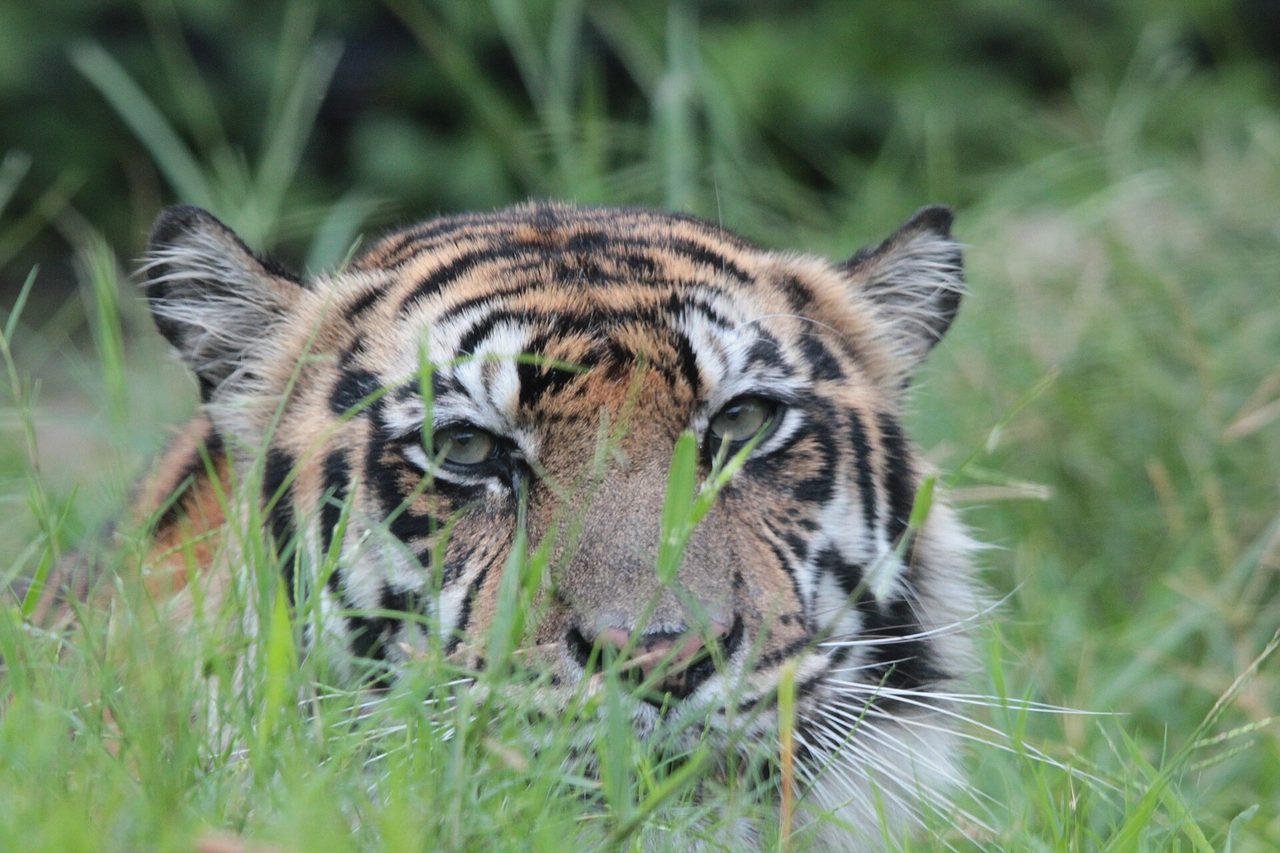
Species Endangered (IUCN 2022); Sumatran and Malayan tigers Critically Endangered
Tiger
Panthera tigris (Linnaeus, 1758)
A tiger (Panthera tigris) is the largest living cat, listed Endangered by the IUCN in 2022. Sumatran and Malayan tigers are Critically Endangered. Fewer than 600 Sumatran tigers and about 80–120 mature Malayan tigers remain. Tigers are not lions. They are solitary forest hunters, not social like African lions.
Read the guide →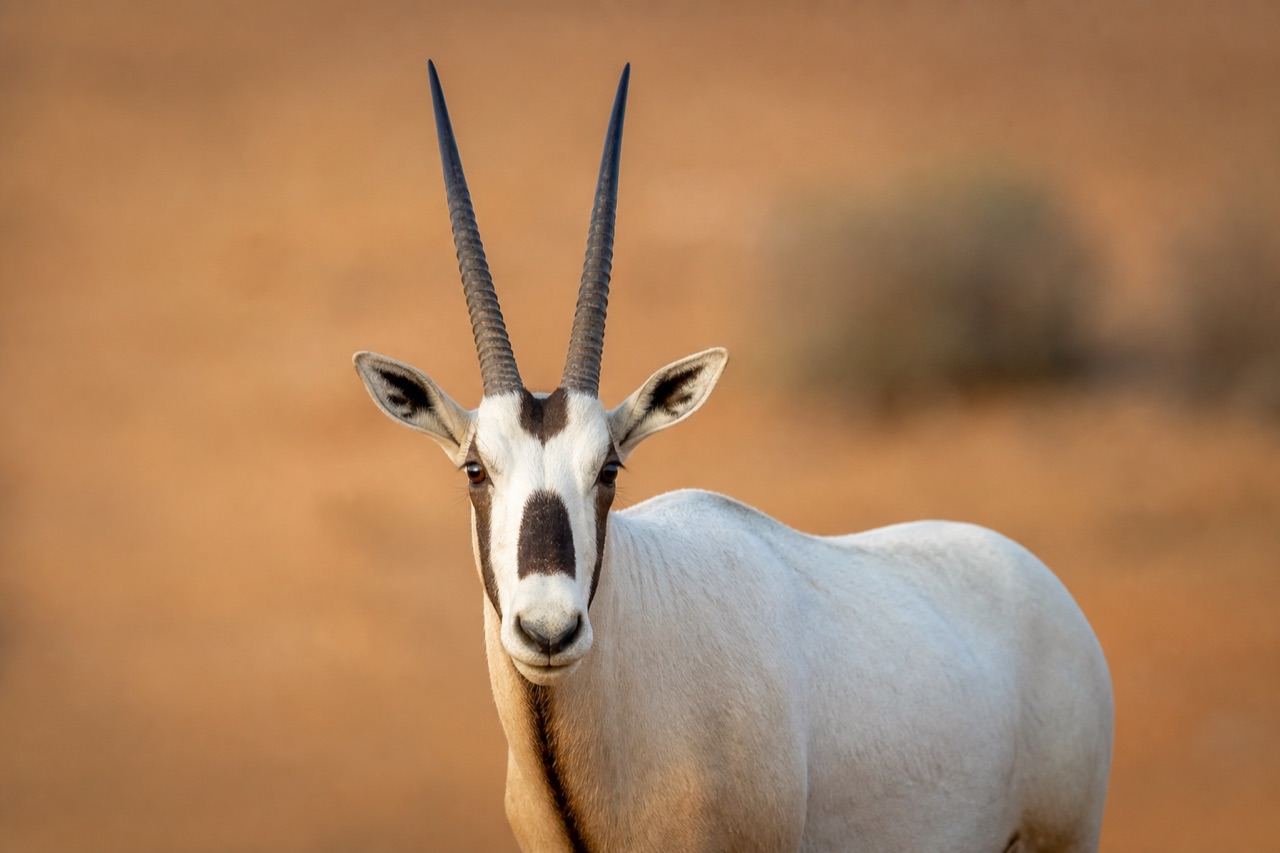
Vulnerable — restored from Extinct in the Wild; wild population still small
Arabian Oryx
Oryx leucoryx (Pallas, 1777) — family Bovidae
The Arabian oryx (Oryx leucoryx) is a desert antelope of the Arabian Peninsula that was Extinct in the Wild by the 1970s and restored through captive breeding and reintroduction; it is now Vulnerable with a growing but still small wild population.
Read the guide →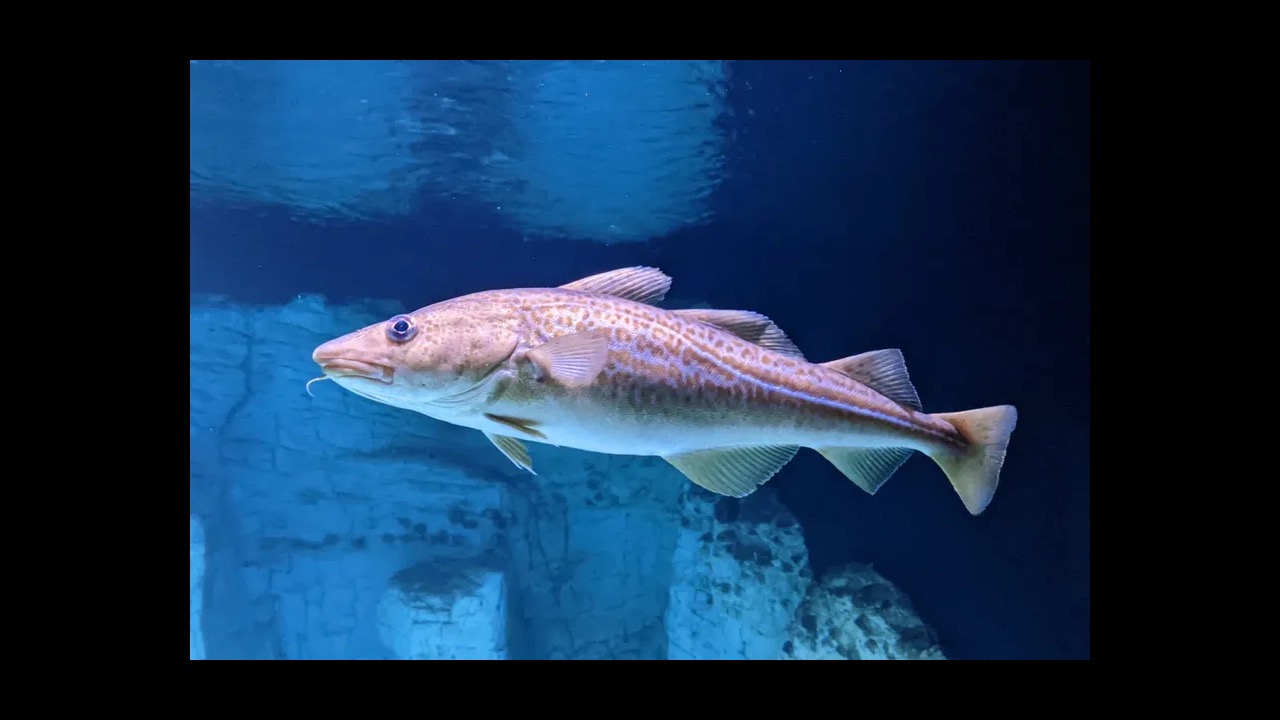
Vulnerable
Atlantic Cod
Gadus morhua
Atlantic cod is a cold-water groundfish that shaped the economies of Newfoundland, Iceland, and New England for centuries before overfishing collapsed many stocks. Growing to 40 kg (88 lb) and living 25 years, it supports fisheries where recovered and remains Vulnerable in the northwest Atlantic.
Read the guide →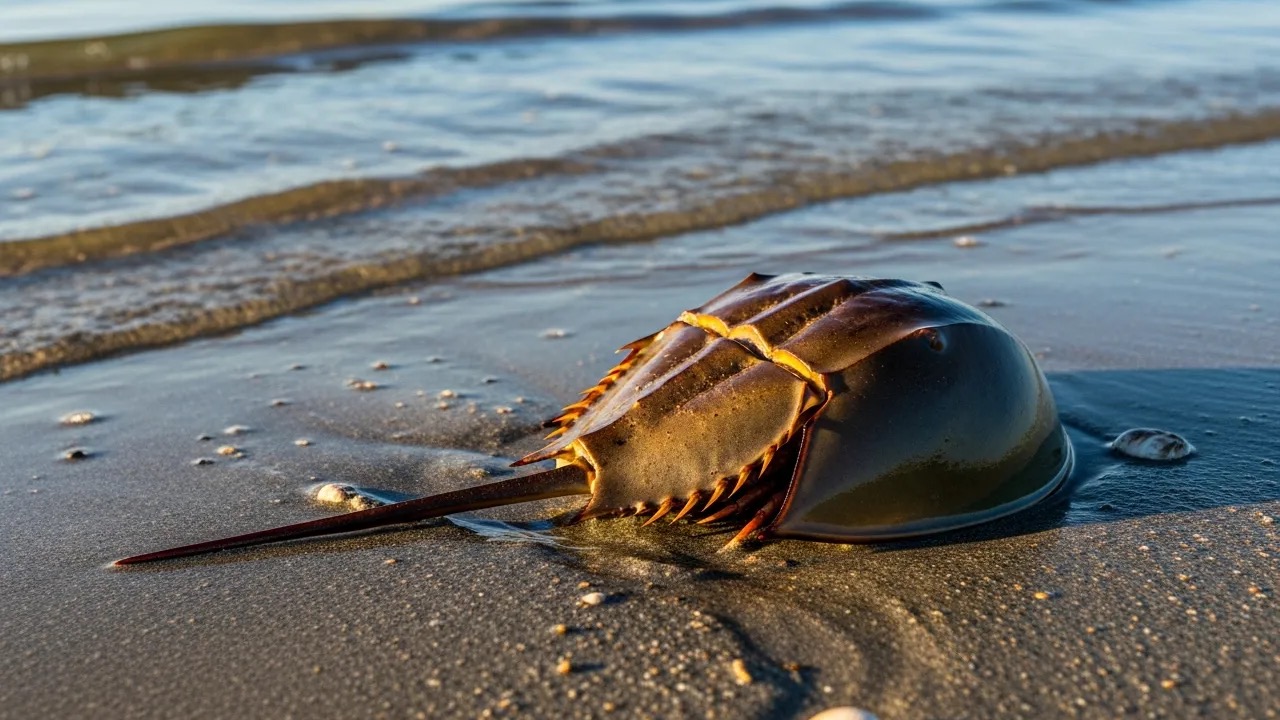
Vulnerable
Atlantic Horseshoe Crab
Limulus polyphemus
The Atlantic horseshoe crab (Limulus polyphemus) is an ancient marine arthropod, more closely related to spiders and scorpions than to true crabs. It has a domed horseshoe-shaped shell, a long spike-like tail, and reaches about 60 cm (24 in) including the tail.
Read the guide →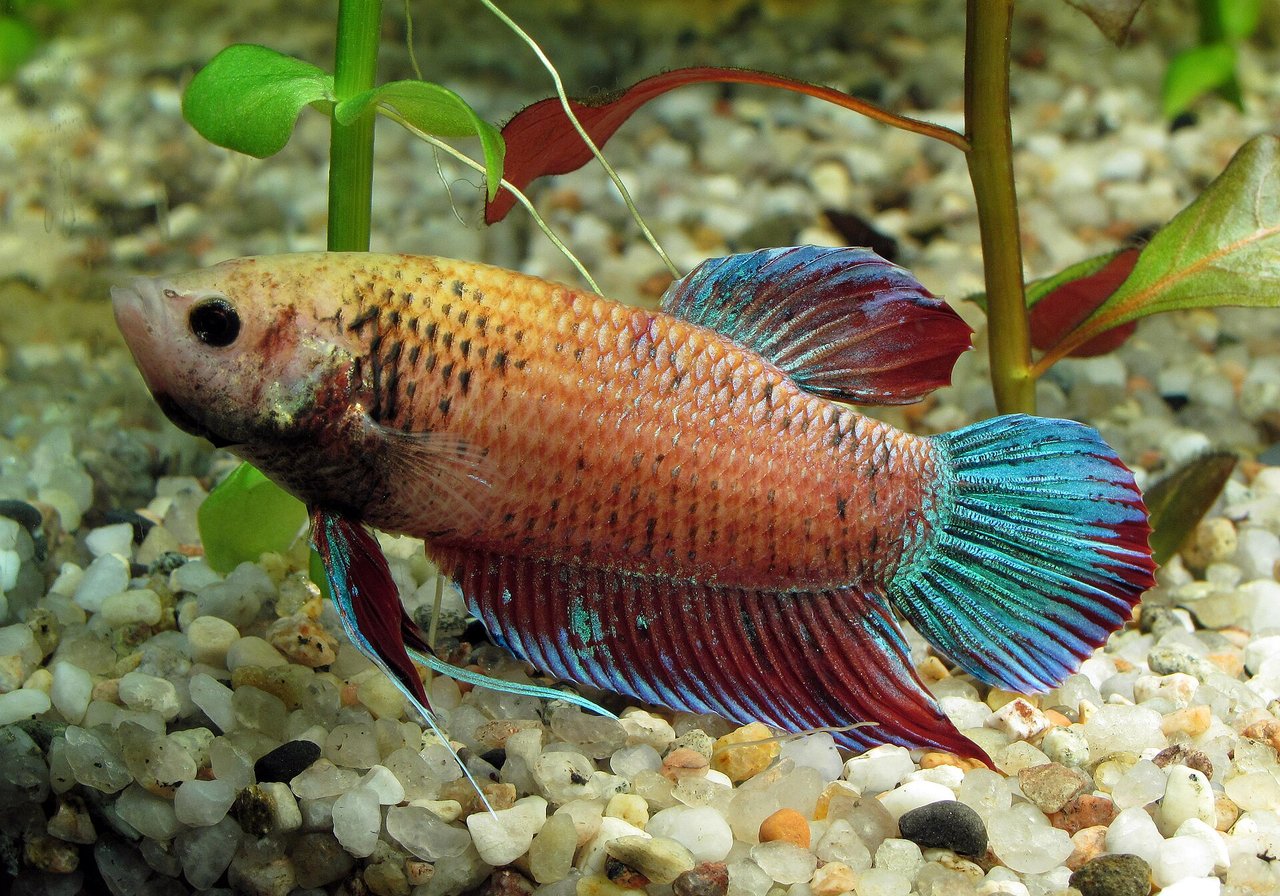
Vulnerable (IUCN, 2011) — wild populations in Thailand threatened
Betta
Betta splendens (Regan, 1910)
Betta splendens is a Vulnerable labyrinth fish of South-east Asian rice paddies — males are territorial; pet bettas need heated filtered tanks of at least 15–20 litres, not unheated bowls or vases.
Read the guide →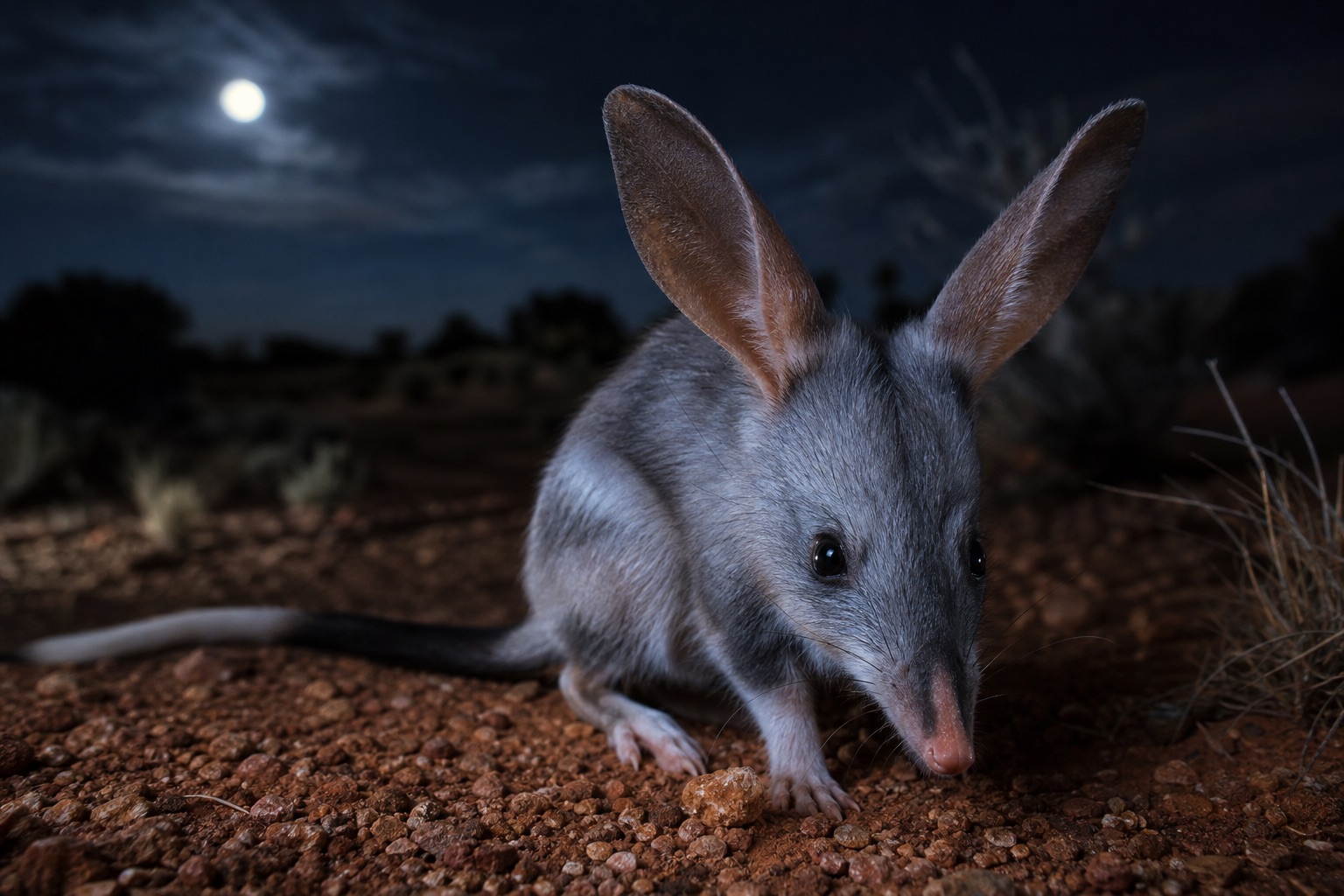
Vulnerable — fewer than 10,000 mature individuals; lost from most of its former range
Bilby
Macrotis lagotis (Reid, 1837) — family Thylacomyidae
The greater bilby (Macrotis lagotis) is a Vulnerable, nocturnal, burrowing marsupial of arid Australia with long ears and silky fur; fewer than 10,000 mature individuals remain after foxes, cats and habitat loss removed it from most of its former range across the mainland.
Read the guide →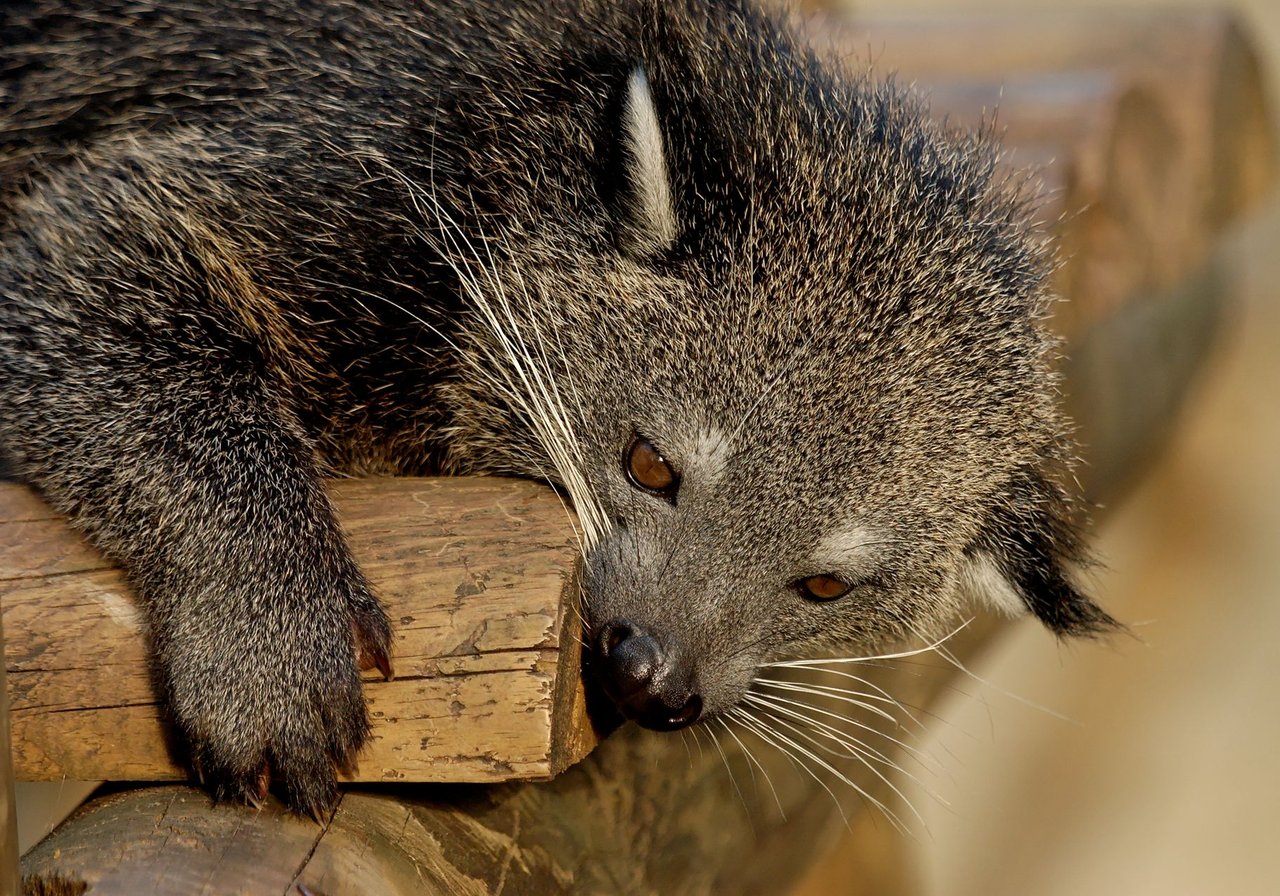
Vulnerable
Binturong
Arctictis binturong (Raffles, 1821)
The binturong (Arctictis binturong) is a Vulnerable tree-dwelling viverrid of South-east Asian rainforest, the only Old World mammal with a fully prehensile tail; it is threatened by deforestation and the illegal pet trade.
Read the guide →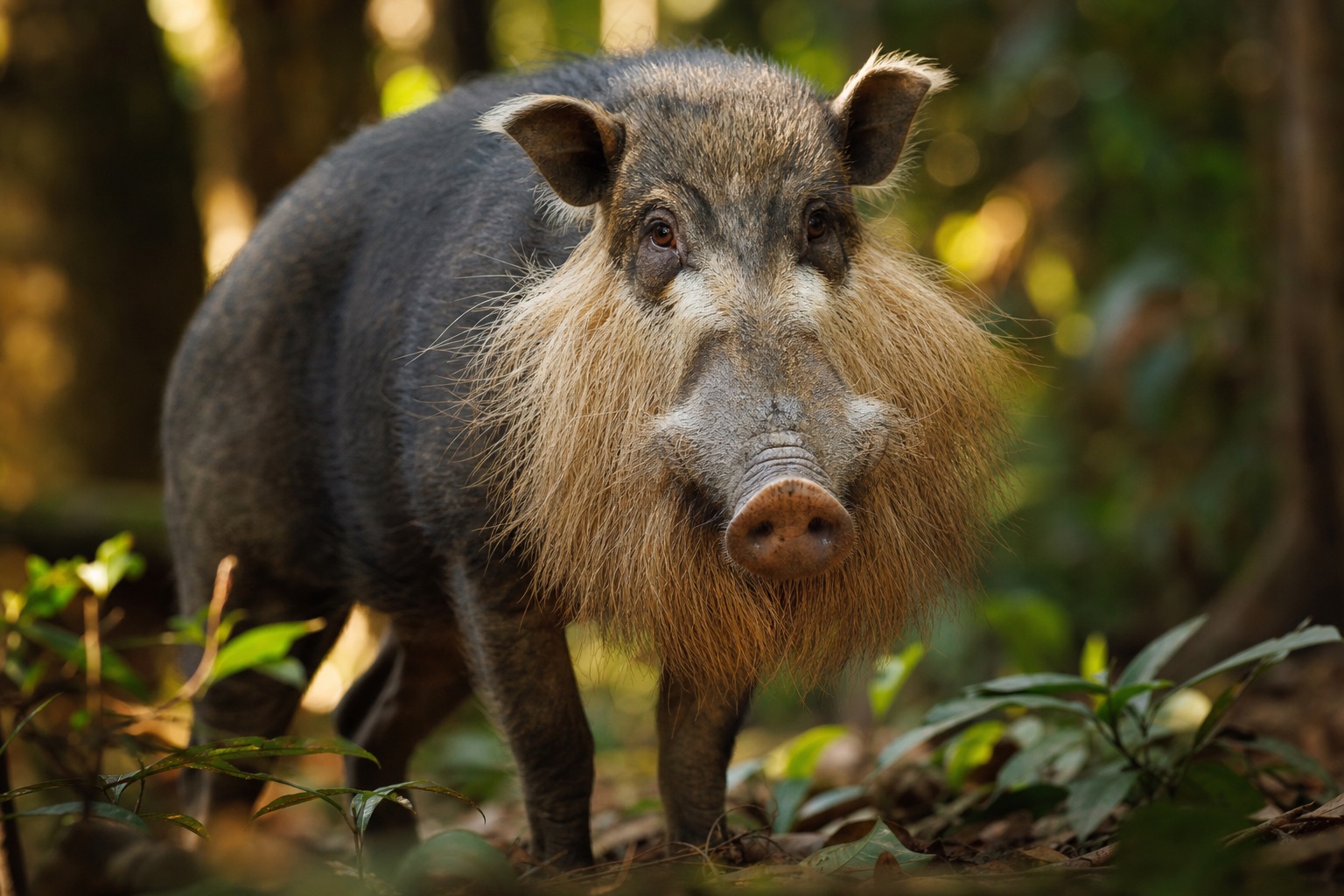
Vulnerable — mass migrations collapsed after African swine fever since 2020
Bornean Bearded Pig
Sus barbatus (Müller, 1838) — family Suidae
The Bornean bearded pig (Sus barbatus) is a Vulnerable wild pig of Borneo known for mass migrations; populations collapsed after African swine fever spread from around 2020, on top of oil palm, pulpwood and mining-driven forest loss.
Read the guide →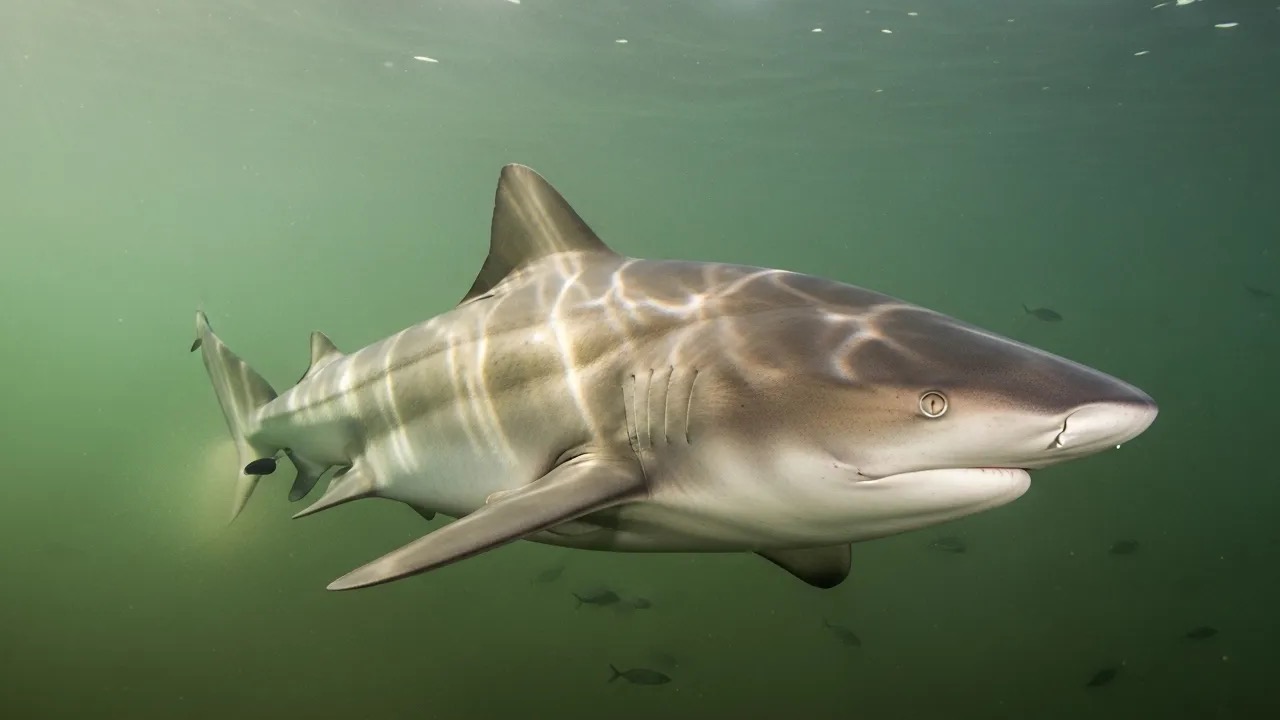
Vulnerable
Bull Shark
Carcharhinus leucas
The bull shark (Carcharhinus leucas) is a stocky, aggressive coastal shark famous for swimming far up rivers and into freshwater lakes. It grows up to about 3.5 m (11 ft) long and 130 kg (290 lb), and hunts a wide range of prey in warm seas, rivers, and estuaries.
Read the guide →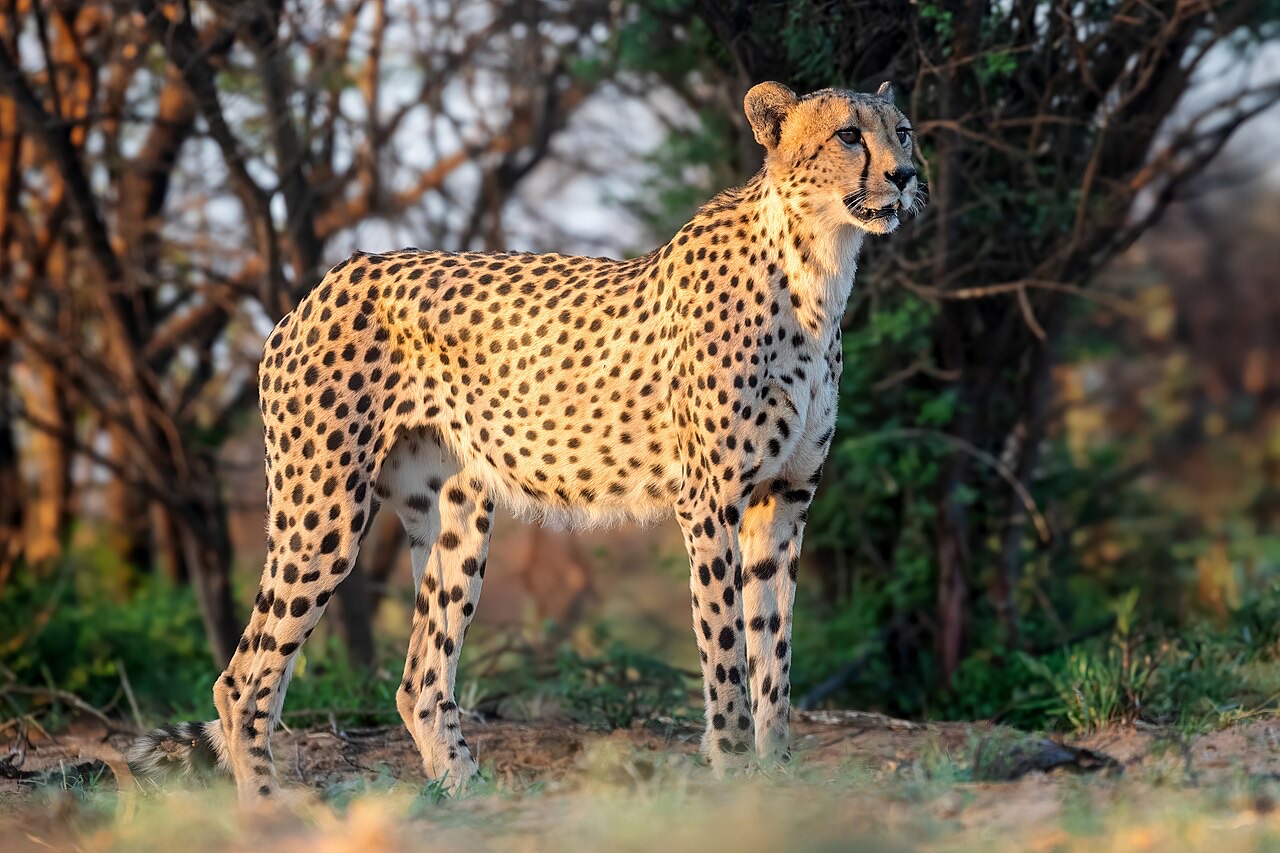
Vulnerable
Cheetah
Acinonyx jubatus
The cheetah (Acinonyx jubatus) is the fastest land animal, reaching roughly 100-120 km/h (about 60-75 mph) in short bursts, and is classified as Vulnerable by the IUCN, with the Asiatic cheetah in Iran listed as Critically Endangered.
Read the guide →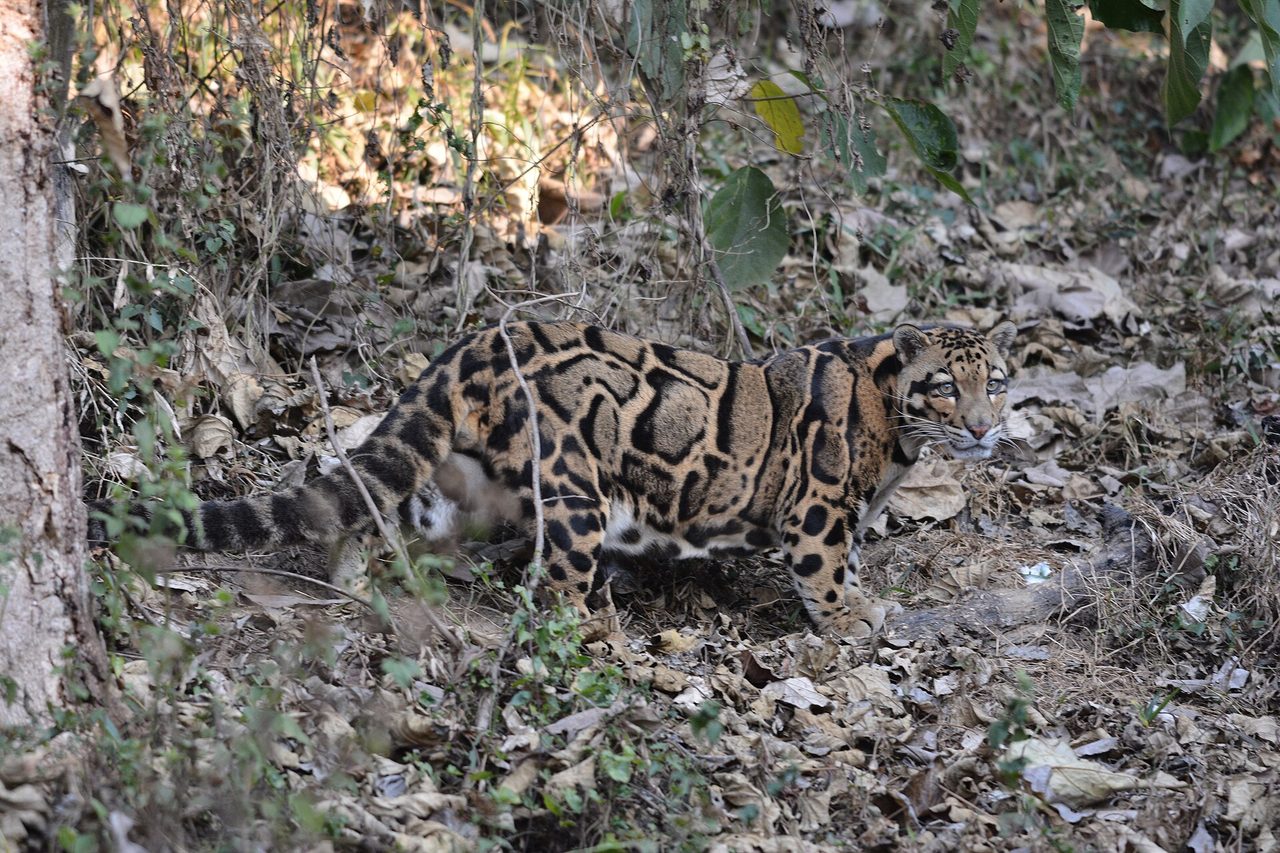
Vulnerable (both species) — island subspecies assessed Endangered
Clouded Leopard
Neofelis nebulosa & Neofelis diardi
A clouded leopard is a medium-sized arboreal wild cat native to the forests of Asia, recognised by its cloud-shaped coat patches and famous for having the longest canine teeth relative to body size of any living cat; two species exist, the mainland (Neofelis nebulosa) and Sunda (Neofelis diardi) clouded leopards, both listed as Vulnerable.
Read the guide →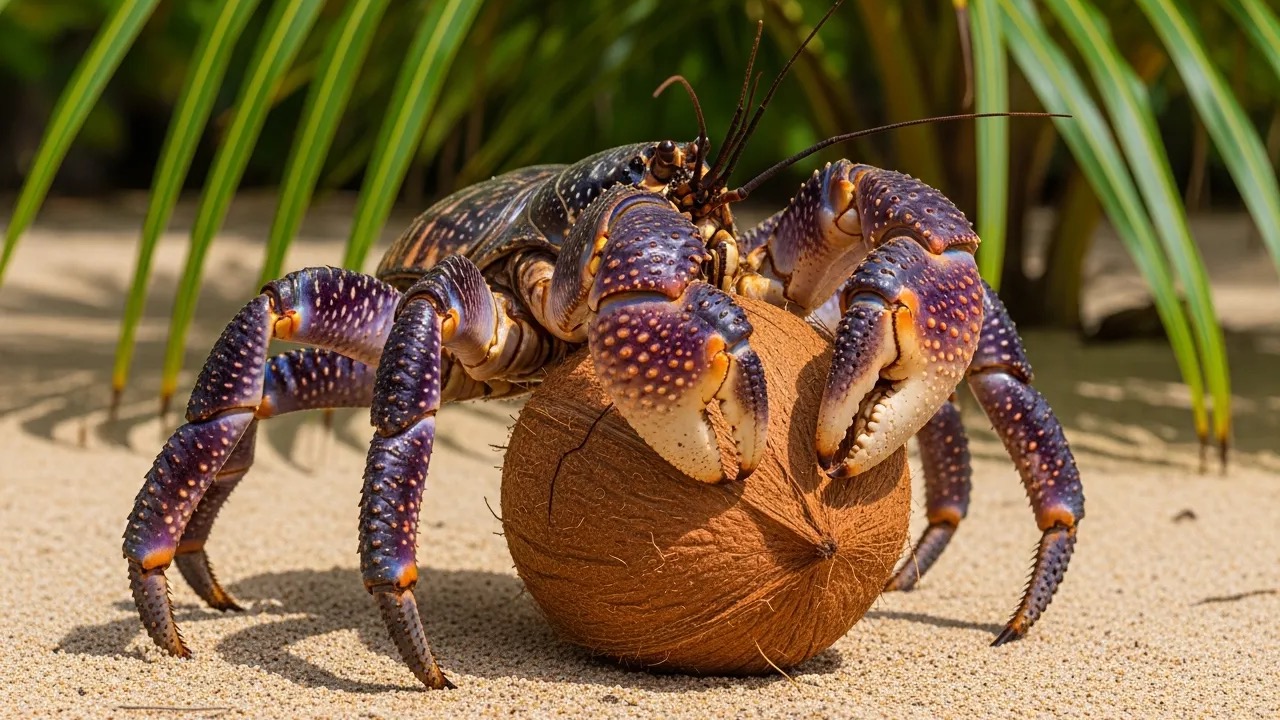
Vulnerable
Coconut Crab
Birgus latro
The coconut crab (Birgus latro) is the world's largest land-living arthropod, a giant terrestrial hermit crab found on tropical islands across the Indo-Pacific. Adults reach a leg span of about 1 m (3 ft) and weigh up to roughly 4 kg (9 lb).
Read the guide →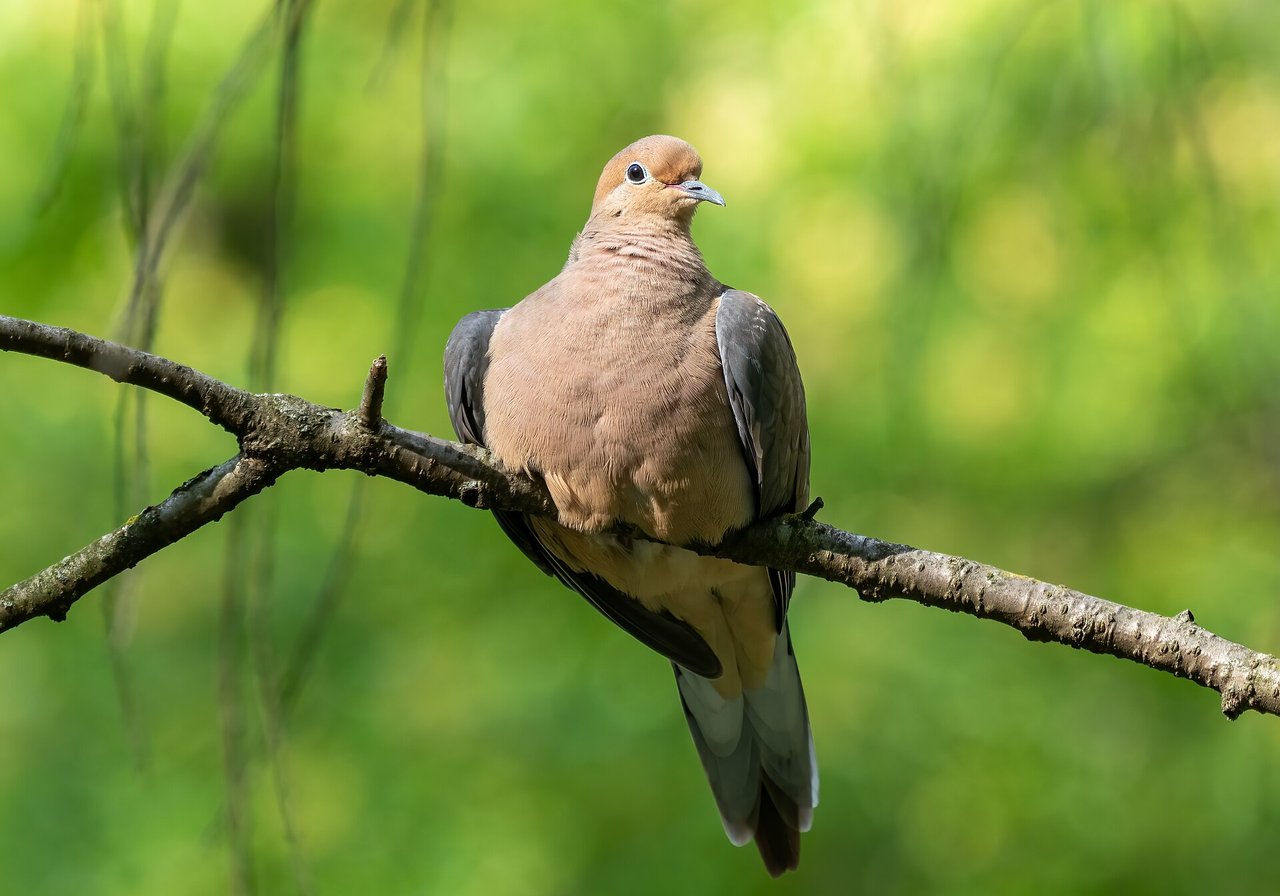
Vulnerable
Dove
Streptopelia turtur (Linnaeus, 1758)
The European turtle dove (Streptopelia turtur) is a Vulnerable migratory columbid of European woodland and farmland, declining by roughly 80% since 1970 due to habitat loss, hunting and agricultural intensification.
Read the guide →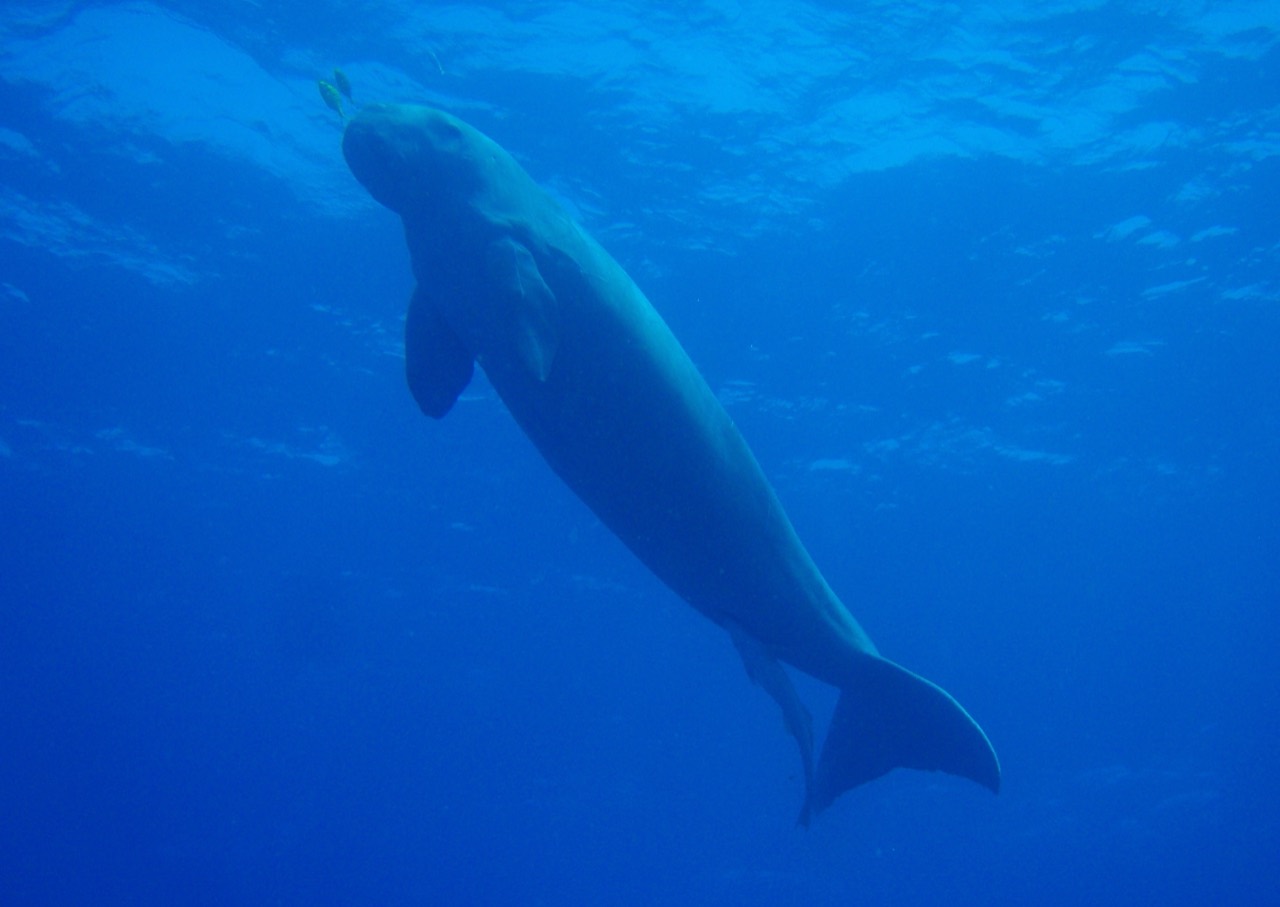
Vulnerable globally — but Critically Endangered in East Africa and Japan's Nansei Islands, and Endangered in New Caledonia
Dugong
Dugong dugon
A dugong is a large, plant-eating marine mammal of the order Sirenia (the "sea cows"), reaching about 3 metres long, that lives entirely in warm coastal seas and feeds almost exclusively on seagrass.
Read the guide →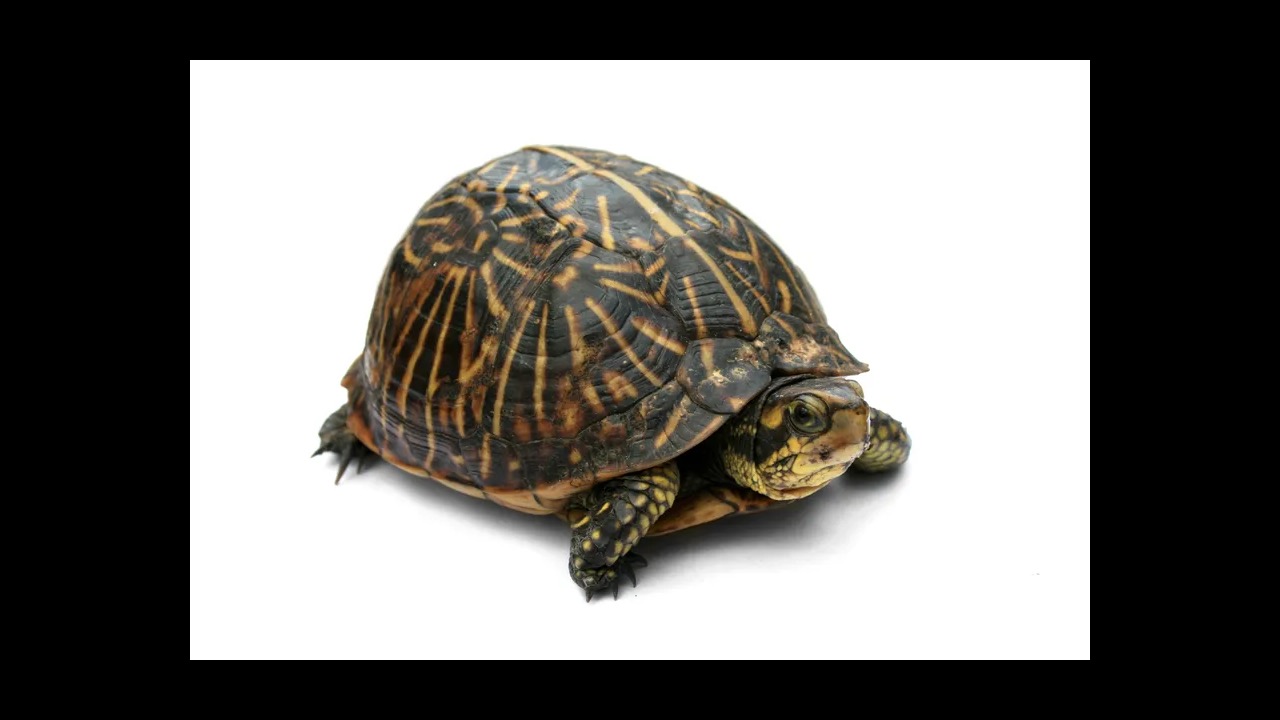
Vulnerable
Eastern Box Turtle
Terrapene carolina
The eastern box turtle (Terrapene carolina) is a small, land-dwelling turtle of the eastern United States, known for the hinged shell it can close like a box for protection. It lives in woodlands, meadows, and wetlands, eating insects, fruit, mushrooms, and carrion.
Read the guide →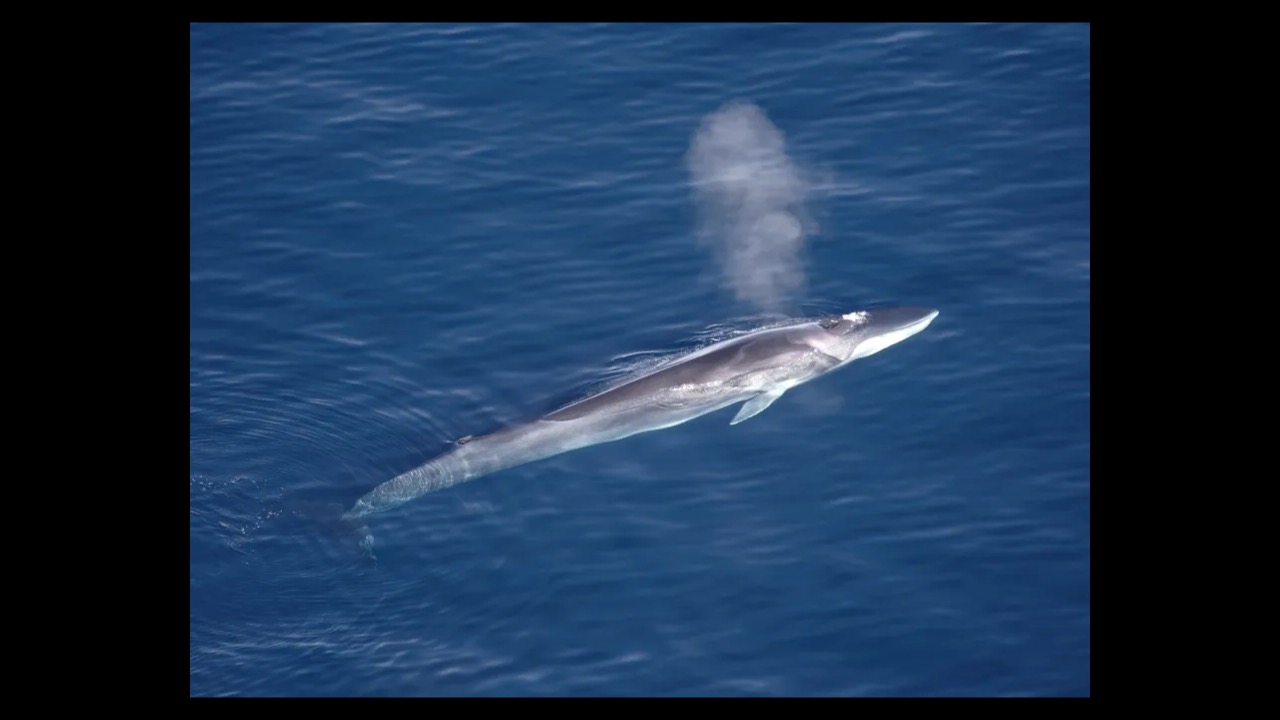
Vulnerable
Fin Whale
Balaenoptera physalus
The fin whale is the second-largest animal on Earth after the blue whale, reaching 25 m (82 ft) and 70 tonnes with an asymmetric jaw colouring. A fast baleen whale capable of 40 km/h bursts, it filters krill and small fish and is listed Vulnerable after decades of commercial whaling.
Read the guide →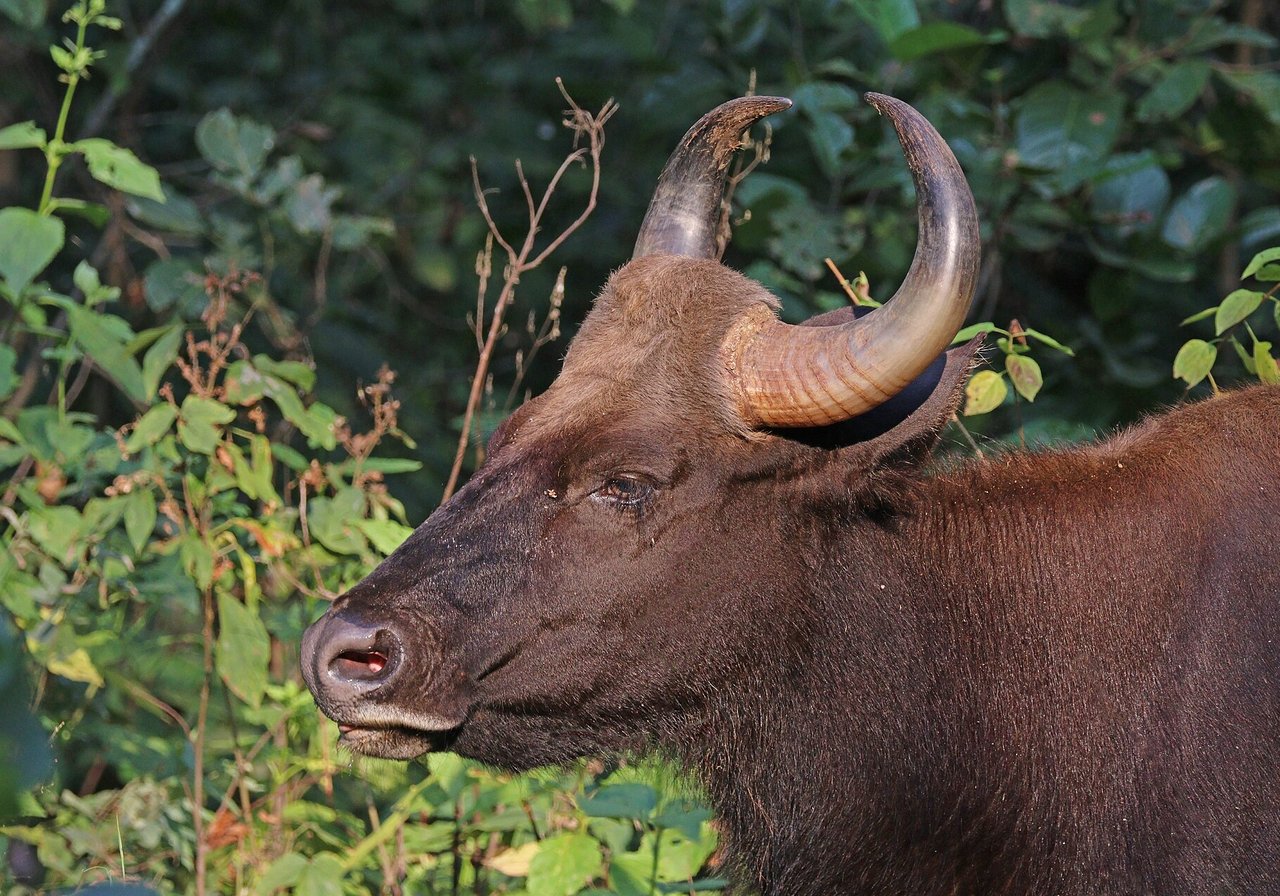
Vulnerable
Gaur
Bos gaurus (Hamilton, 1827)
The gaur (Bos gaurus) is a Vulnerable forest bovid — the largest wild cattle species, ranging from India through Malaysia; threatened by habitat loss, bushmeat hunting and agricultural encroachment.
Read the guide →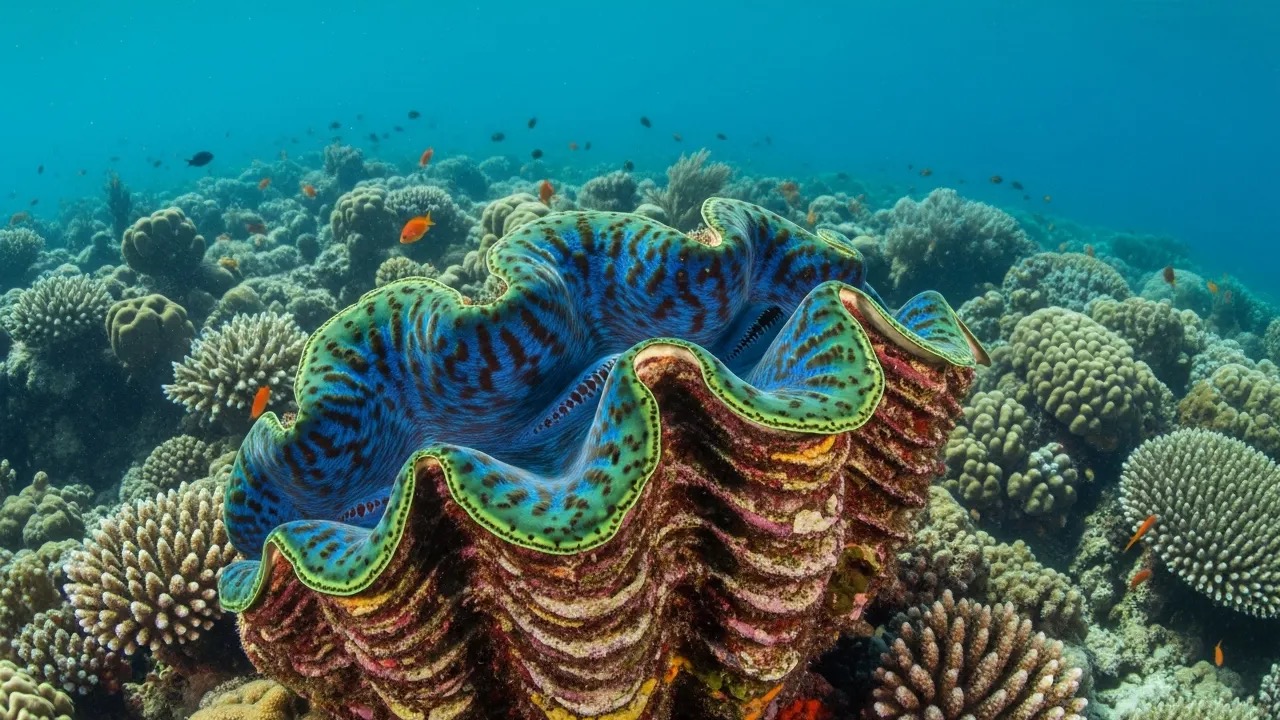
Vulnerable
Giant Clam
Tridacna gigas
The giant clam is the largest living bivalve mollusk, growing over 1.2 m (4 ft) wide and weighing more than 200 kg (440 lb). It lives anchored to coral reefs in the warm Indo-Pacific, where it feeds partly by filtering water and partly through algae living in its colorful tissue.
Read the guide →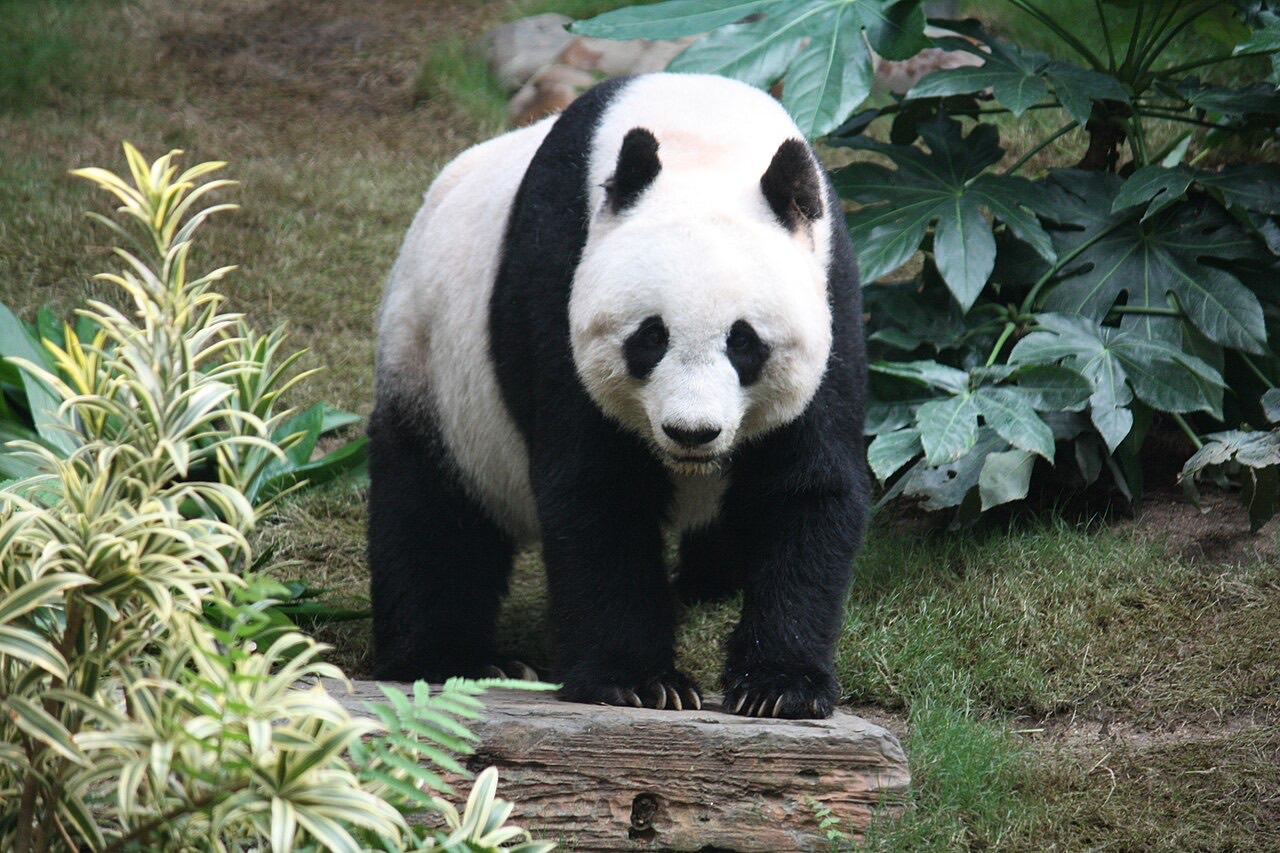
Vulnerable
Giant Panda
Ailuropoda melanoleuca
The giant panda (Ailuropoda melanoleuca) is a bamboo-eating bear native only to China, listed as Vulnerable on the IUCN Red List with roughly 1,800 to 1,900 mature individuals in the wild as of the 2016 assessment.
Read the guide →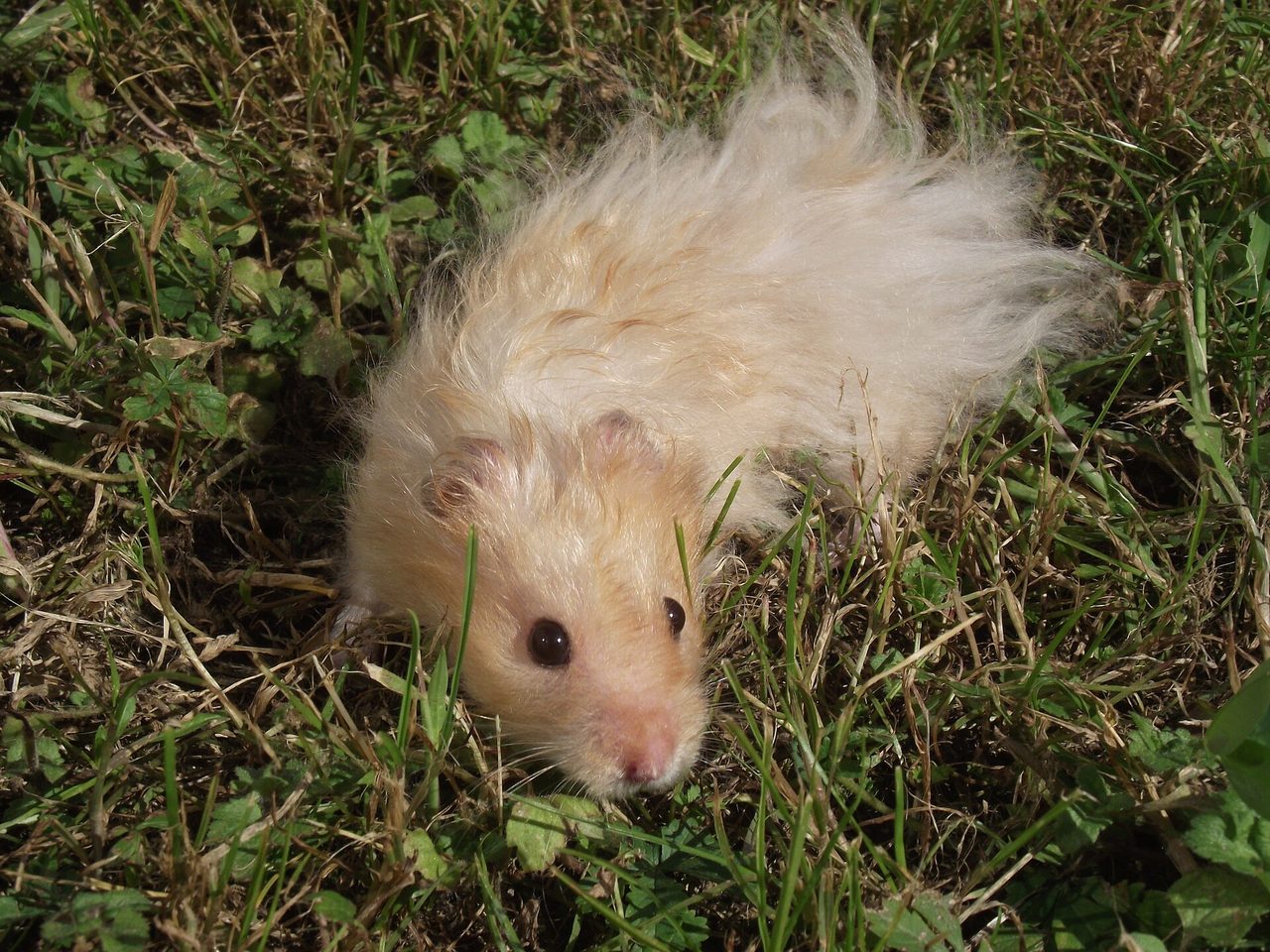
Wild Syrian hamster Vulnerable; dwarf species vary — pets are domestic lines
Hamster
Multiple species — Mesocricetus auratus (Syrian), Phodopus spp. (dwarf) and others
Hamsters are nocturnal cricetine rodents — Syrian hamsters must live alone; dwarf species may tolerate pairs. Wild Syrian hamsters are Vulnerable; pet welfare requires large enclosures, deep bedding and wheels with a straight back.
Read the guide →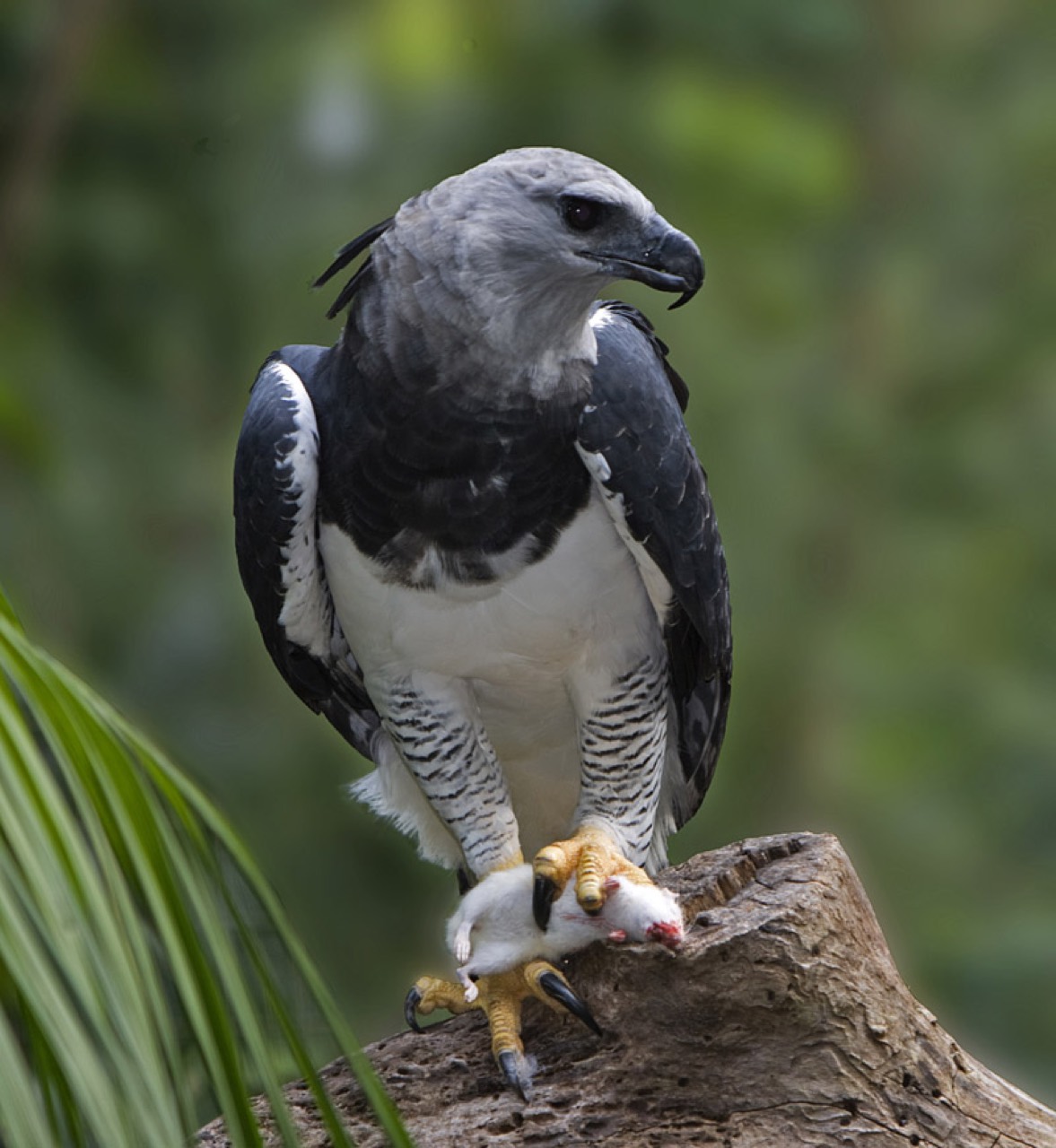
Vulnerable (IUCN, 2021) — declining
Harpy Eagle
Harpia harpyja
A Harpy Eagle (Harpia harpyja) is the largest and most powerful bird of prey in the Americas, a rainforest eagle that hunts tree-dwelling mammals such as sloths and monkeys from the canopy of Central and South America; the IUCN classifies it as Vulnerable.
Read the guide →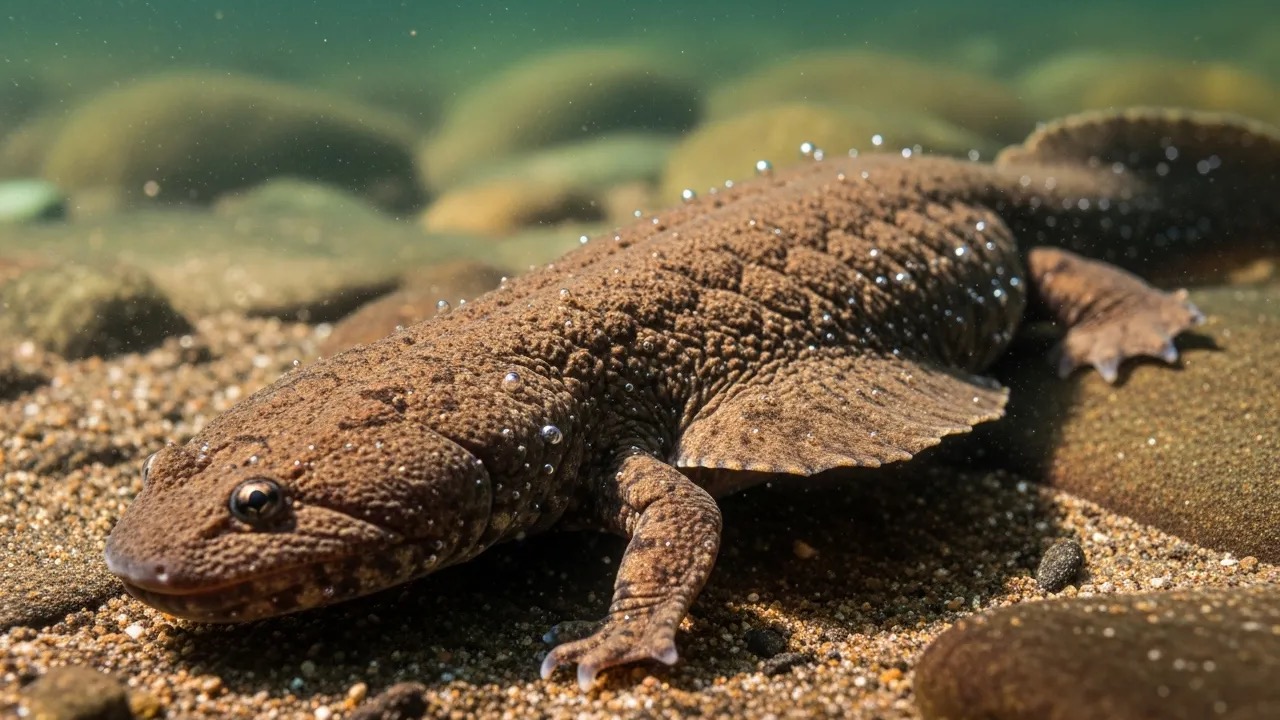
Vulnerable
Hellbender
Cryptobranchus alleganiensis
The hellbender is the largest salamander in North America, reaching up to 74 cm (29 in) long. It is fully aquatic, living its whole life in clean, fast-flowing streams where it breathes mainly through the wrinkled folds of its skin.
Read the guide →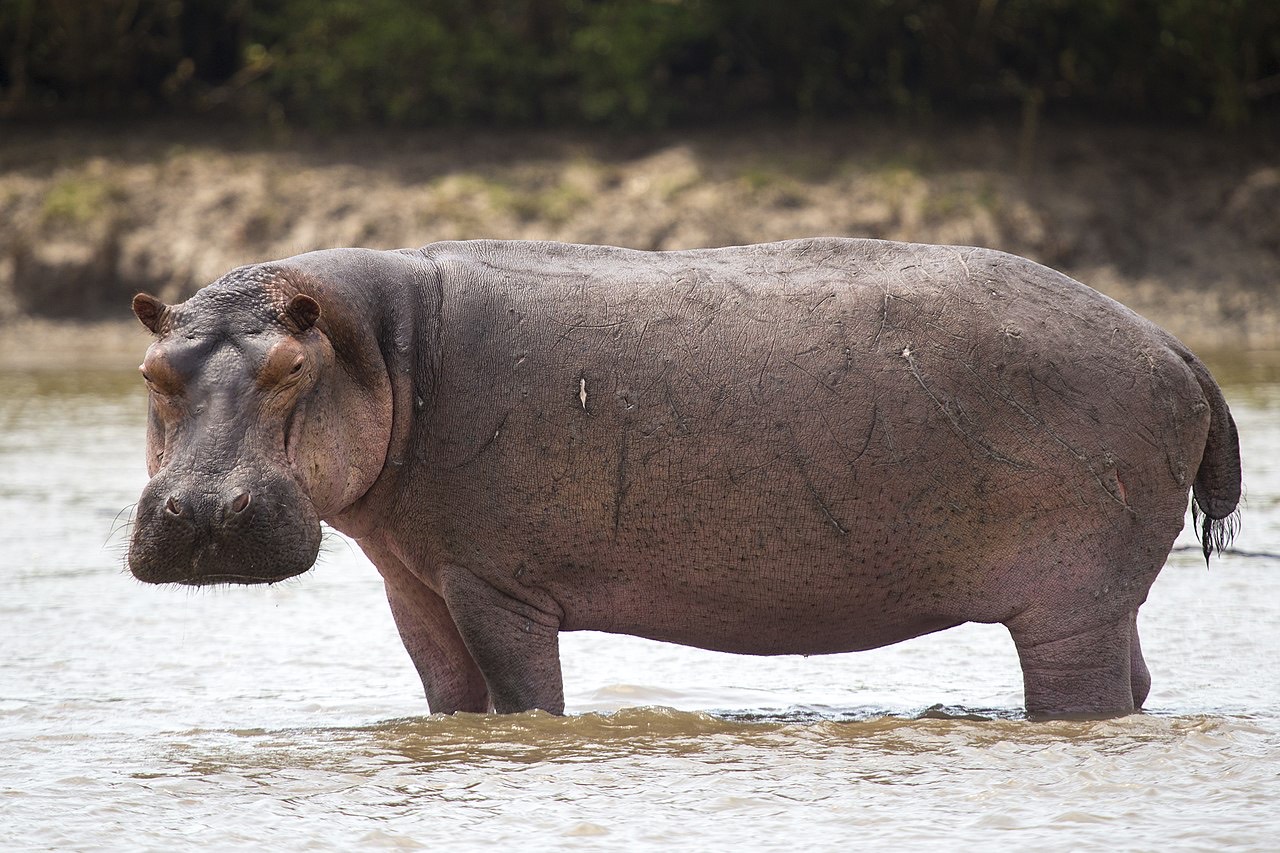
Vulnerable
Hippopotamus
Hippopotamus amphibius
The hippopotamus (Hippopotamus amphibius) is a large semi-aquatic African mammal listed as Vulnerable by the IUCN, with roughly 115,000-130,000 individuals remaining and a declining population driven by habitat loss and demand for its tooth ivory.
Read the guide →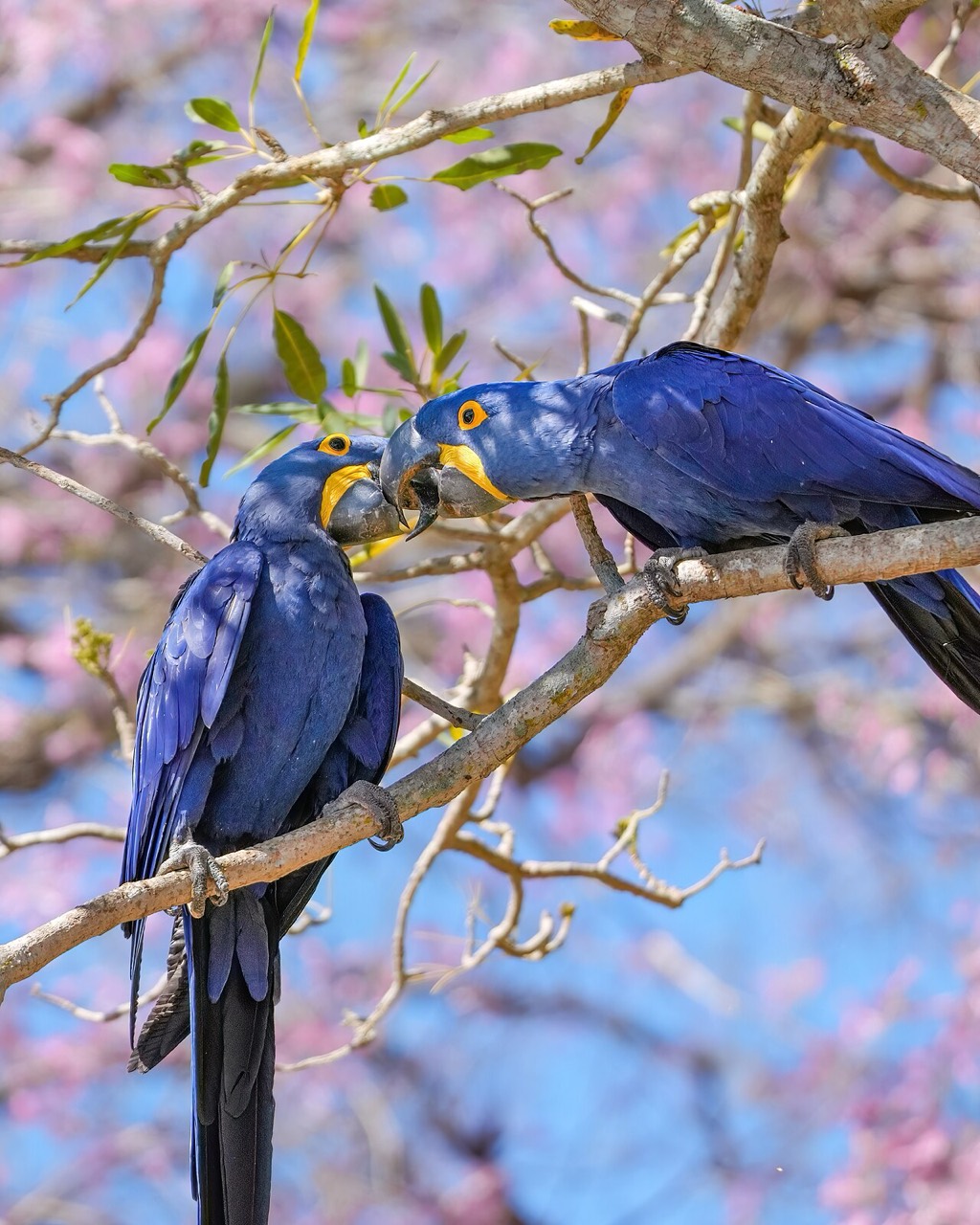
Vulnerable (IUCN) — locally reassessed as Endangered in Brazil after the 2020 Pantanal fires
Hyacinth Macaw
Anodorhynchus hyacinthinus
A Hyacinth Macaw is the world's largest flying parrot — a roughly one-metre-long, cobalt-blue bird from central South America, especially Brazil's Pantanal, that uses its powerful beak to crack hard palm nuts; it is listed as Vulnerable by the IUCN.
Read the guide →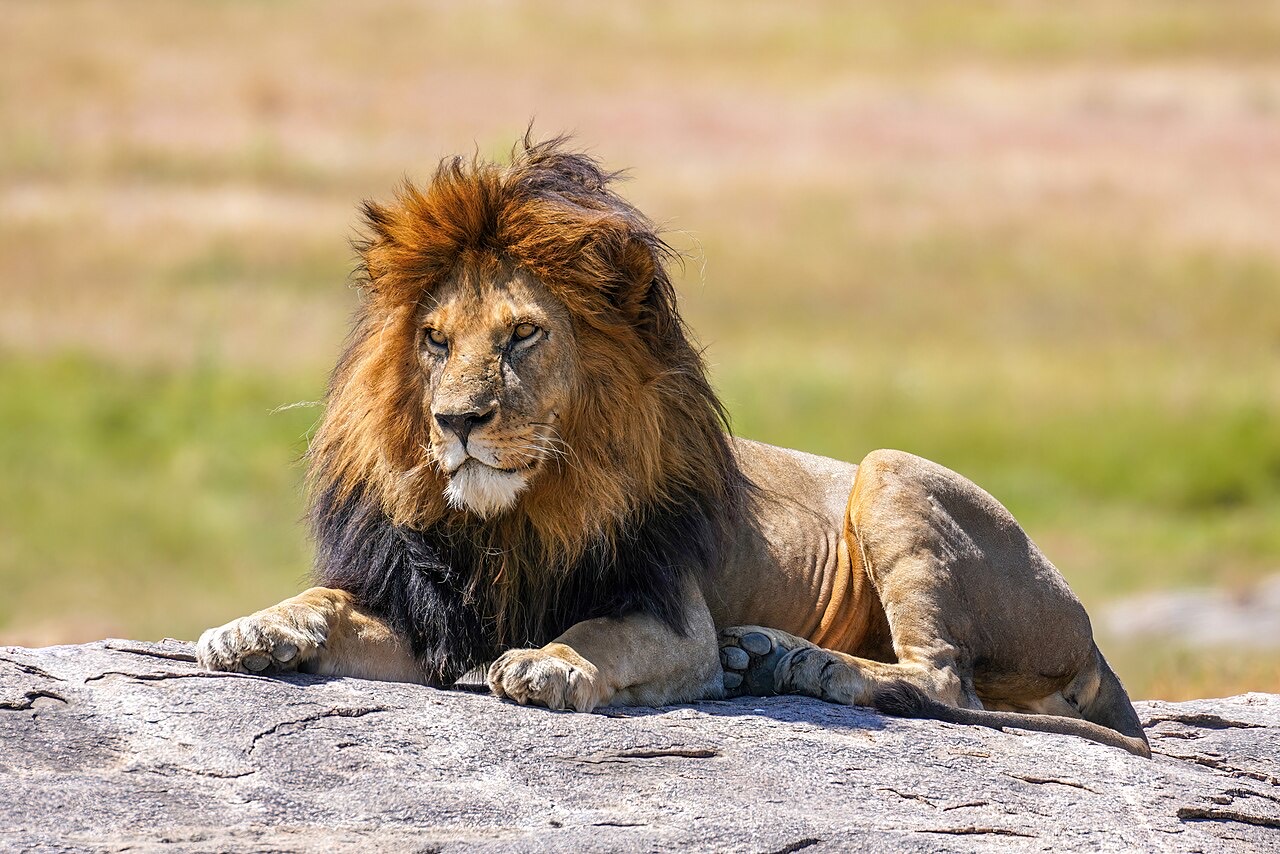
Vulnerable (IUCN 2023)
Lion
Panthera leo (Linnaeus, 1758)
A lion (Panthera leo) is a wild cat listed Vulnerable by the IUCN in 2023, with about 23,000 lions in Africa and about 670 in India. Lions live in prides. They are not domesticated and not tigers. The population is decreasing.
Read the guide →Vulnerable
Mandrill
Mandrillus sphinx (Linnaeus, 1758)
The mandrill is the world’s largest monkey (Mandrillus sphinx), native to rainforests of Cameroon, Gabon, Equatorial Guinea and Congo, and listed Vulnerable on the IUCN Red List because of commercial bushmeat hunting and logging-road access. It is not a baboon. WARN does not run Central African patrols; this page is an educational guide, not a field-programme claim.
Read the guide →
Vulnerable
Marlin
Makaira nigricans (Lacepède, 1802)
The blue marlin (Makaira nigricans) is a Vulnerable billfish of tropical oceans, declining from longline bycatch and overfishing; white and striped marlin face similar pressures.
Read the guide →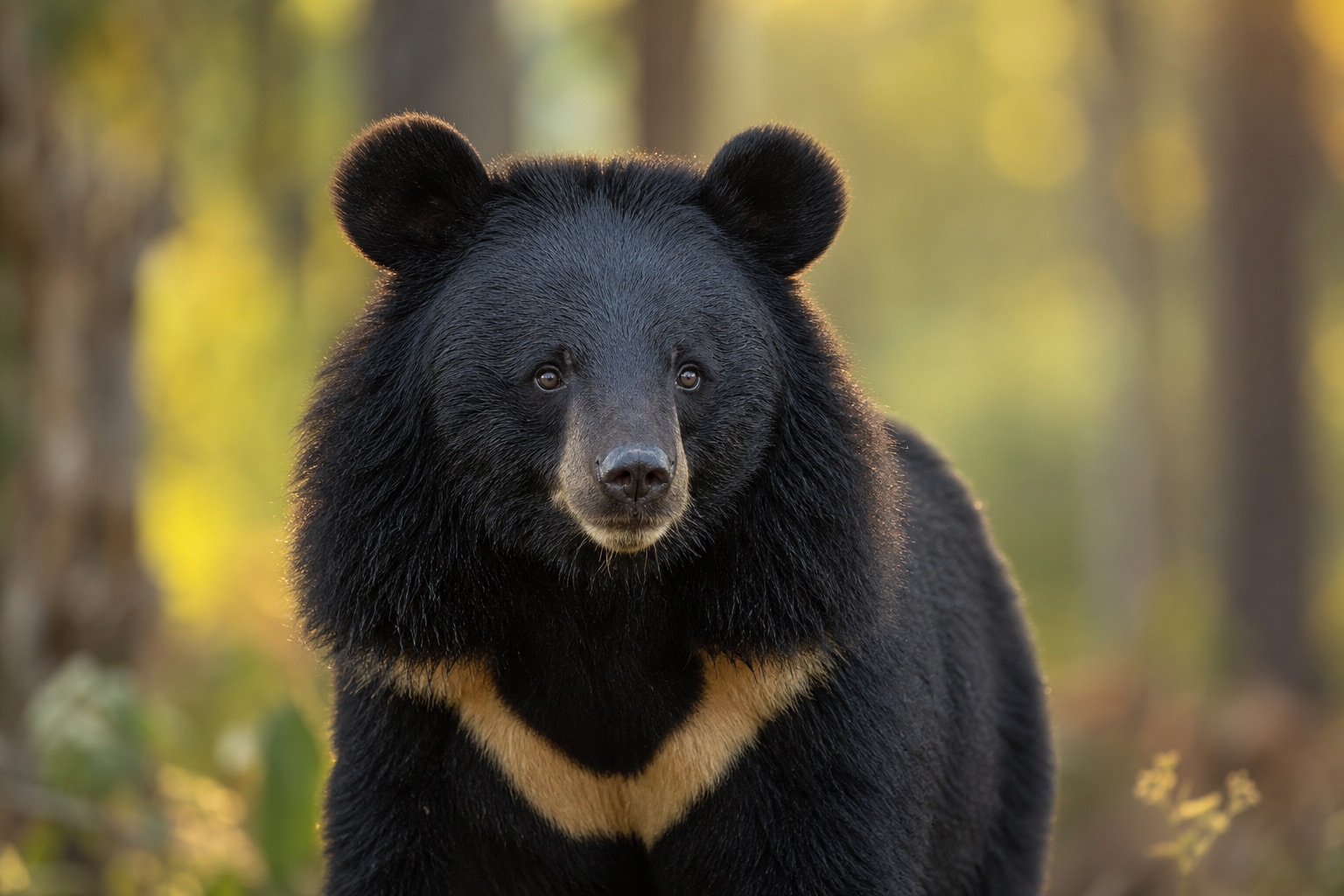
Vulnerable — and the species that overwhelmingly fills bile-farming cages across Asia
Moon Bear
Ursus thibetanus (G. Cuvier, 1823) — family Ursidae
The moon bear (Ursus thibetanus), or Asiatic black bear, is a Vulnerable forest bear of South and East Asia recognised by a white chest V or crescent; it is the species overwhelmingly kept on bile farms in tiny cages for gallbladder extraction, though synthetic substitutes make farmed bile medically unnecessary.
Read the guide →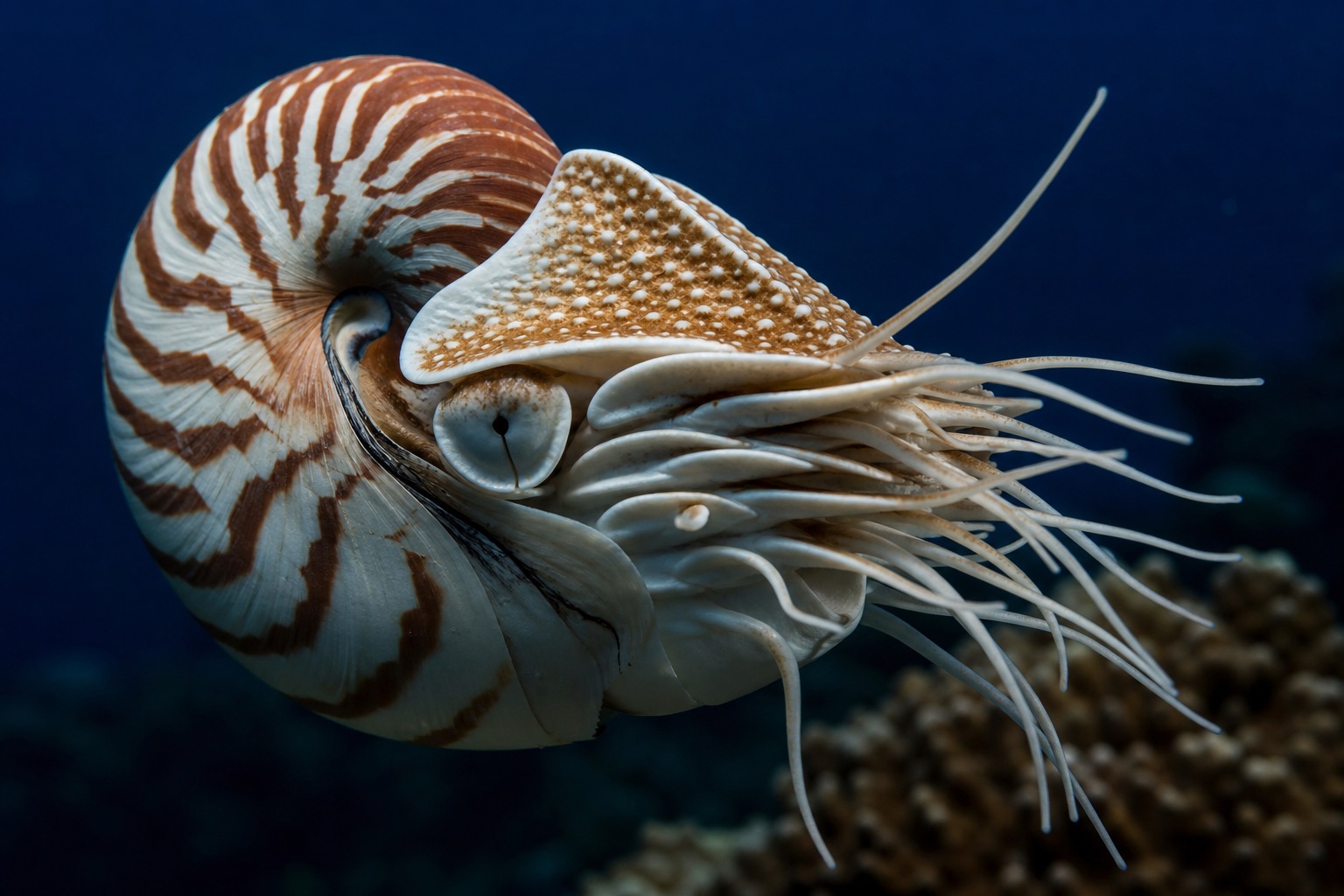
Vulnerable (IUCN 2018) — chambered nautilus; threatened by shell trade and slow reproduction
Nautilus
Nautilus pompilius (Linnaeus, 1758) — family Nautilidae; genus Nautilus among six living nautiloid species
The chambered nautilus (Nautilus pompilius) is a nocturnal Indo-Pacific cephalopod with an external coiled shell and pinhole eyes; it adjusts buoyancy with gas-filled chambers, is listed Vulnerable due to shell trade and slow reproduction, and represents an ancient nautiloid lineage.
Read the guide →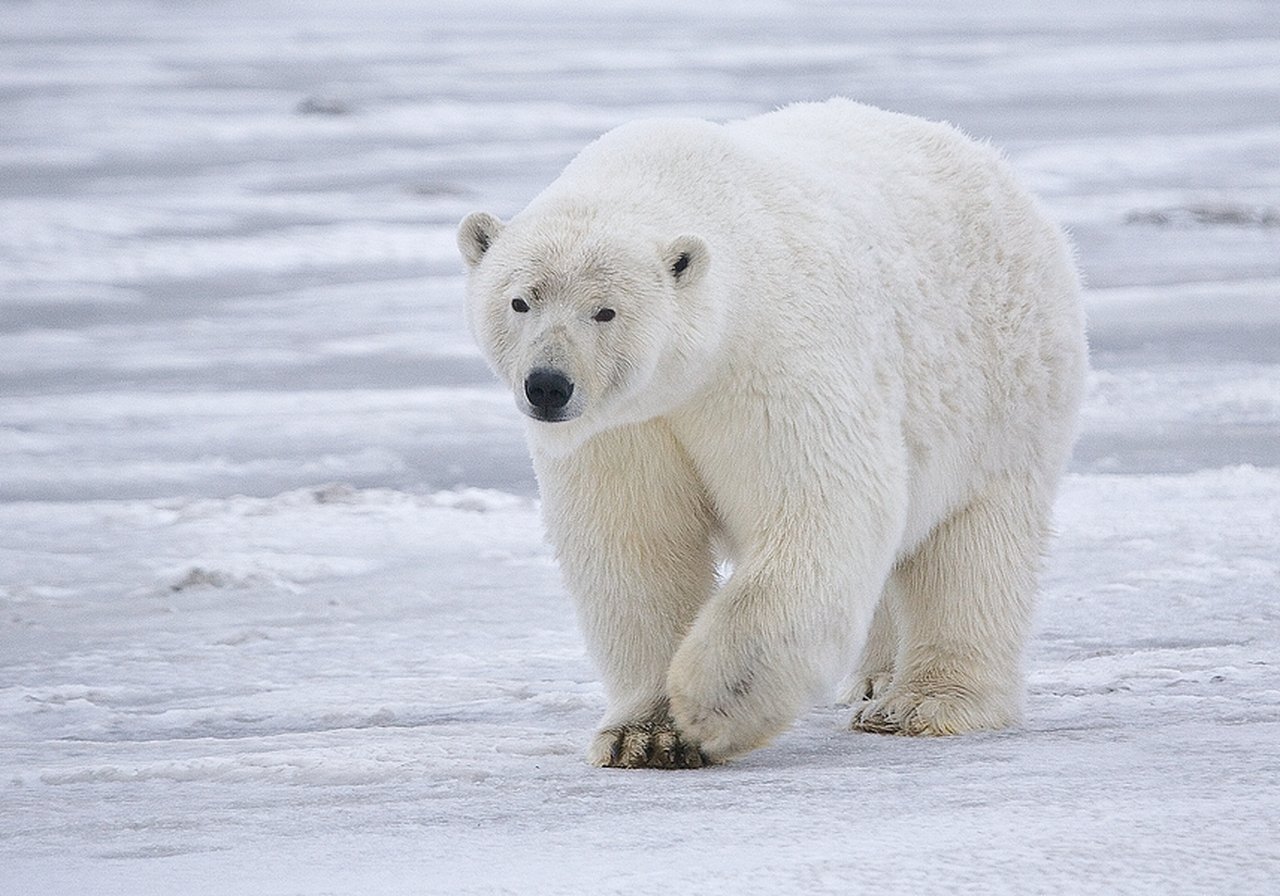
Vulnerable
Polar Bear
Ursus maritimus (Popham, 1774)
The polar bear (Ursus maritimus) is listed as Vulnerable by the IUCN, with an estimated 22,000–31,000 individuals; climate change and the loss of Arctic sea ice are the primary threats to its survival.
Read the guide →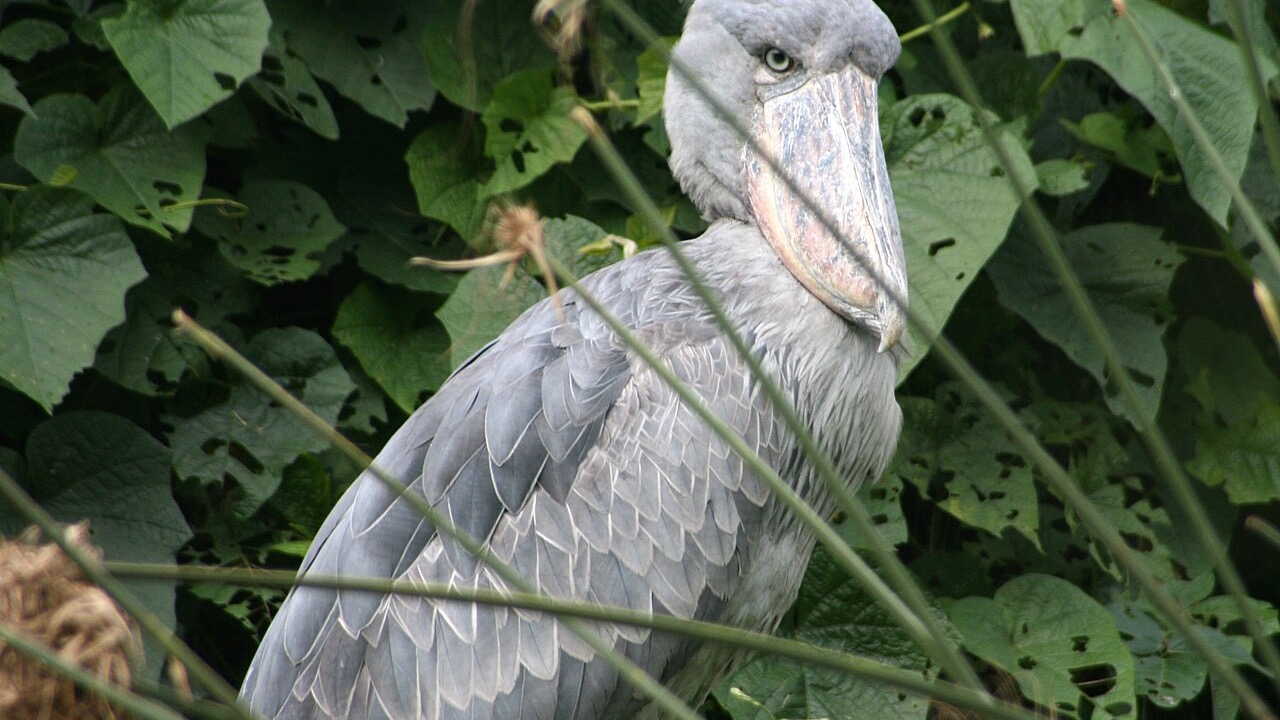
Vulnerable (IUCN, 2018)
Shoebill
Balaeniceps rex
The shoebill (Balaeniceps rex) is a Vulnerable African swamp bird famous for its massive shoe-shaped bill and motionless hunting posture; roughly 5,000–8,000 individuals remain in Central and East African wetlands.
Read the guide →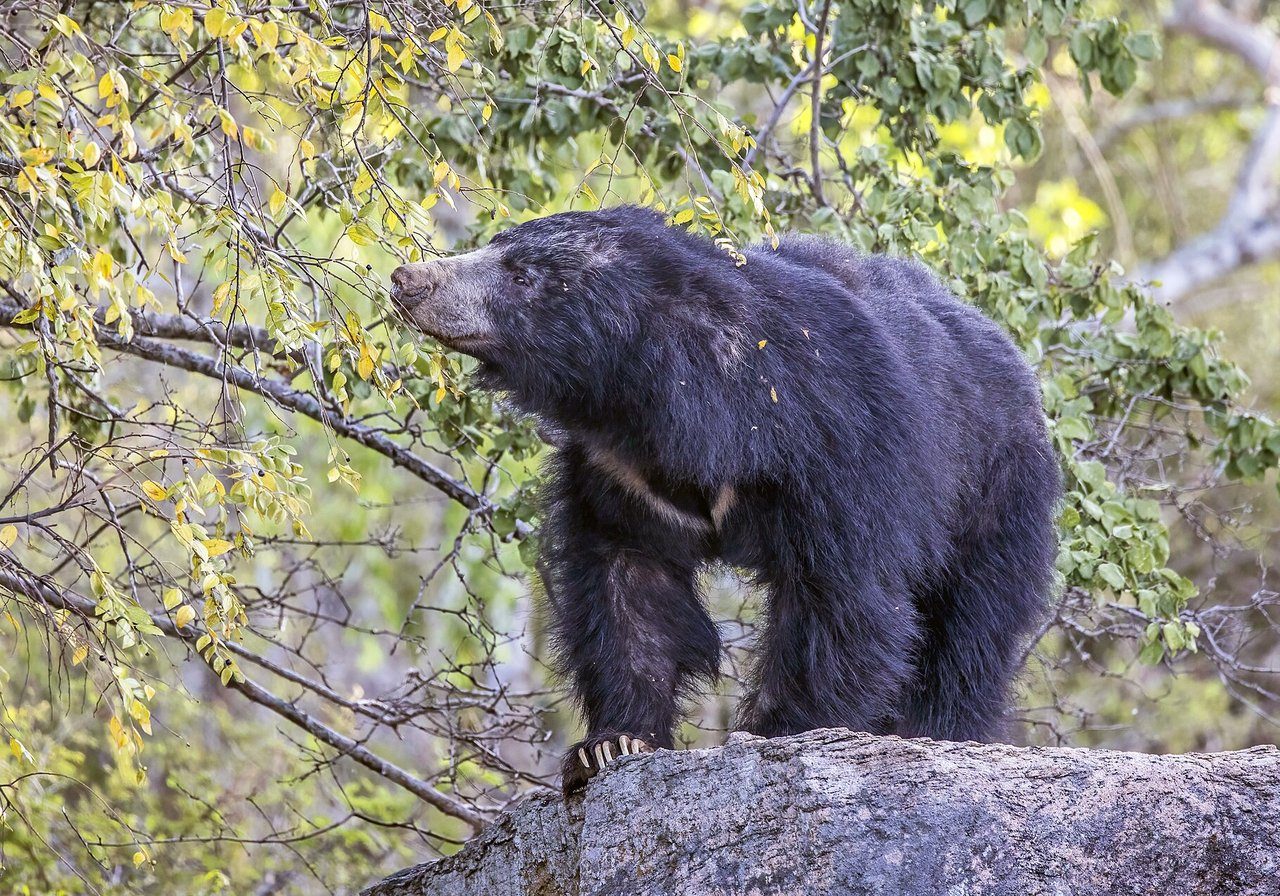
Vulnerable
Sloth Bear
Melursus ursinus (Cuvier, 1793)
The sloth bear (Melursus ursinus) is a Vulnerable myrmecophagous bear of India, Nepal, Sri Lanka and Bhutan — adapted for eating ants and termites with long claws and a tube-like muzzle, threatened by habitat loss and conflict.
Read the guide →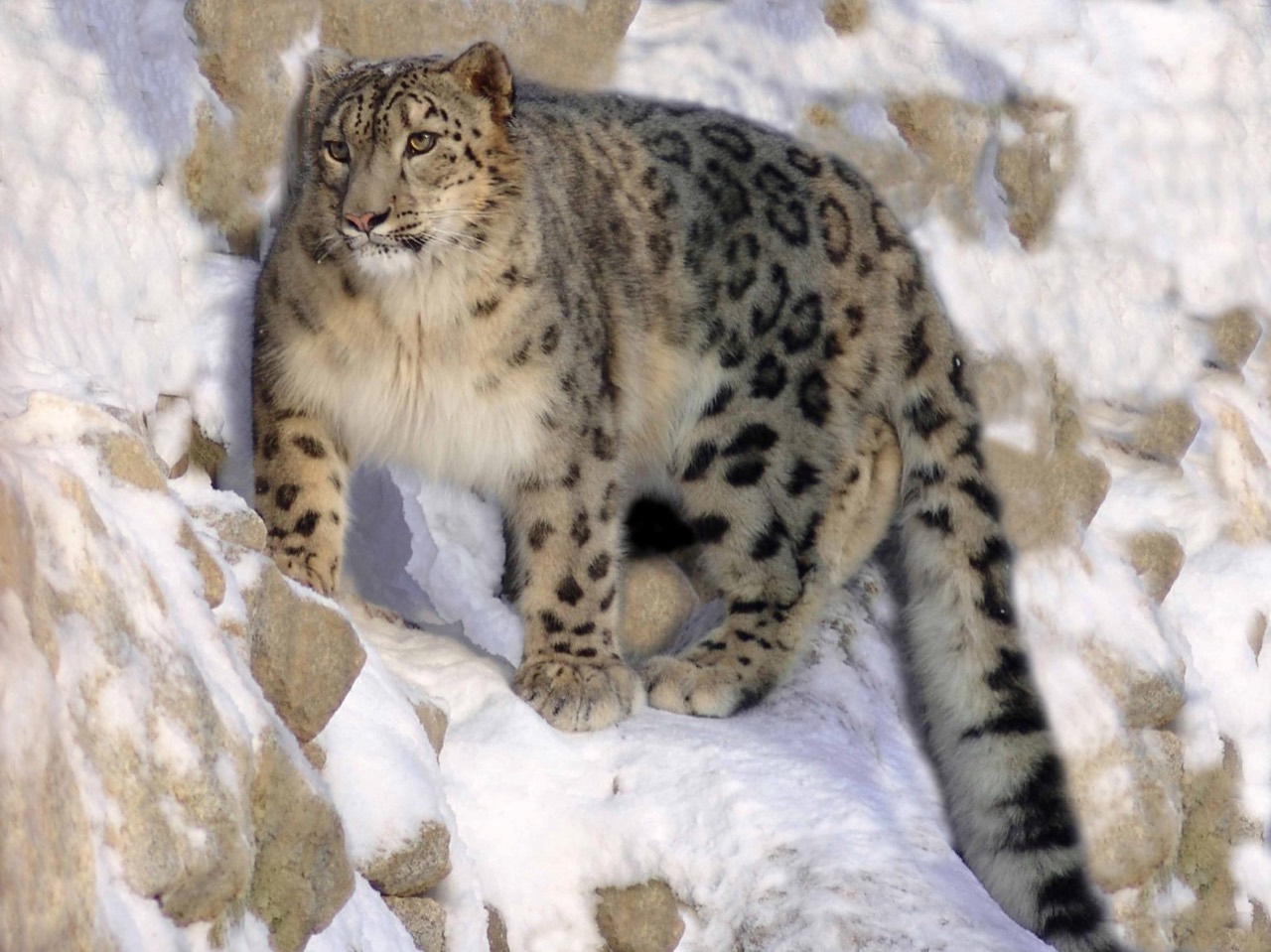
Vulnerable (downlisted from Endangered in 2017) — but fewer than 3,400 mature adults remain
Snow Leopard
Panthera uncia
A snow leopard (Panthera uncia) is a large wild cat native to the high mountains of Central and South Asia, recognised by its pale grey rosette-patterned coat and very long tail, and listed as Vulnerable on the IUCN Red List.
Read the guide →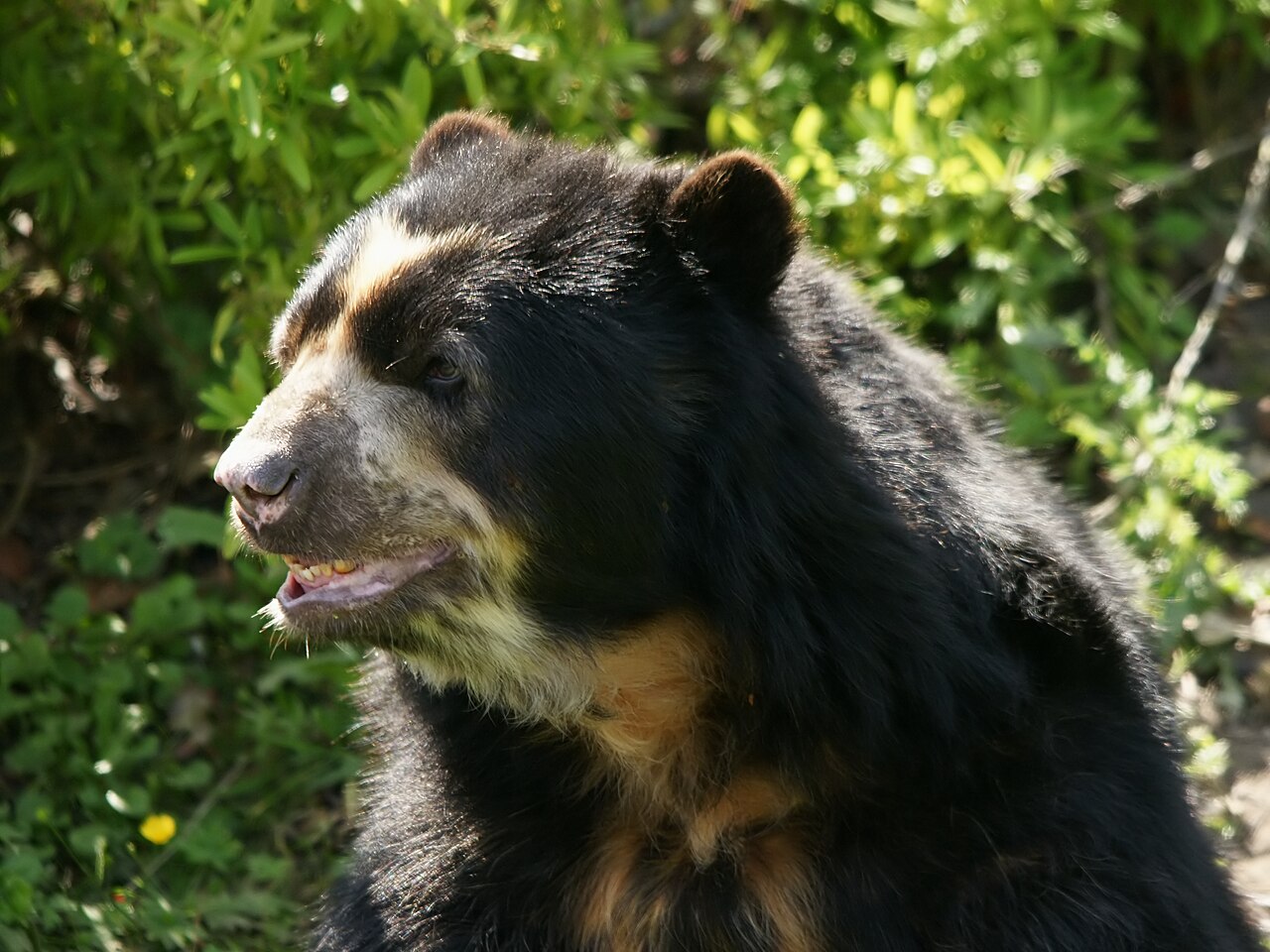
Vulnerable
Spectacled Bear
Tremarctos ornatus (F. Cuvier, 1825)
The spectacled bear is South America's only bear species and the last surviving short-faced bear; the IUCN lists it as Vulnerable, threatened by deforestation, conflict with farmers, and the illegal wildlife trade.
Read the guide →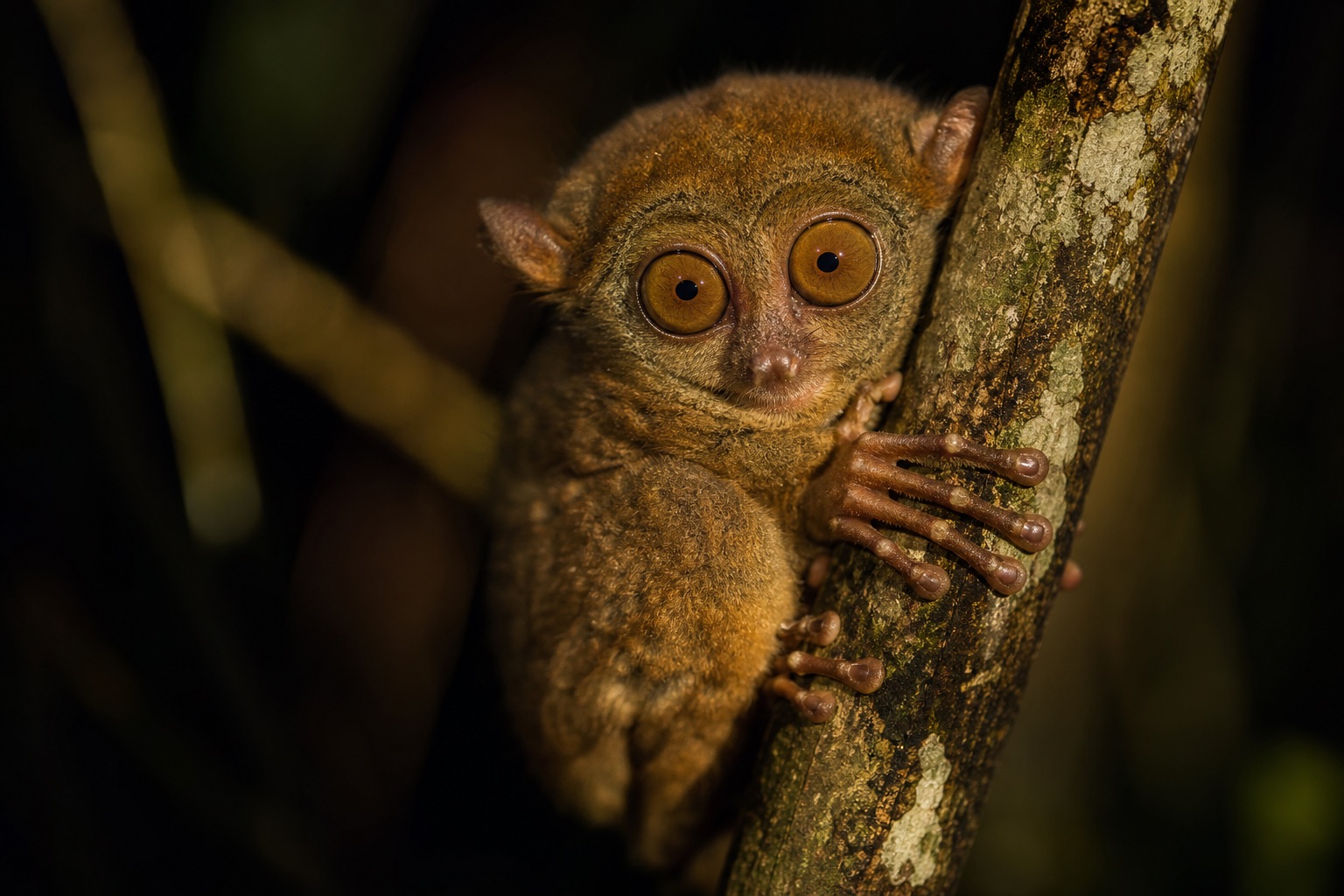
Vulnerable — forest loss on Sulawesi
Spectral Tarsier
Tarsius tarsier (Erxleben, 1777) — family Tarsiidae
The spectral tarsier (Tarsius tarsier) is a tiny nocturnal primate of Sulawesi with eyes larger than its brain, head rotation of nearly 180 degrees, and ultrasonic vocalisations; it is listed Vulnerable as forest is lost across Wallacea.
Read the guide →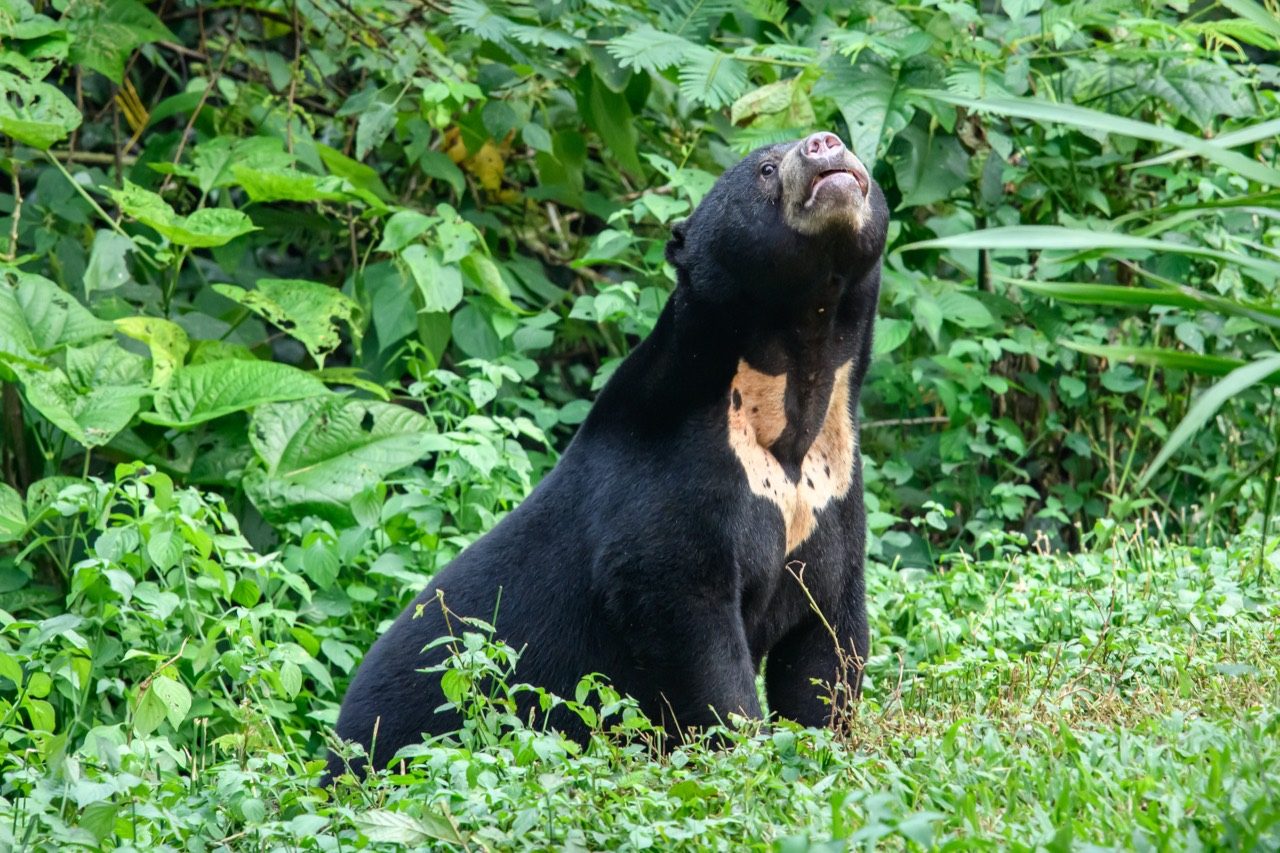
Vulnerable
Sun Bear
Helarctos malayanus (Raffles, 1821)
Sun bears are the world's smallest bears, native to Southeast Asia, and are listed as Vulnerable by the IUCN; they are threatened by deforestation, the pet trade, and the bear bile industry, in which bears are caged for years and milked for bile used in traditional medicine.
Read the guide →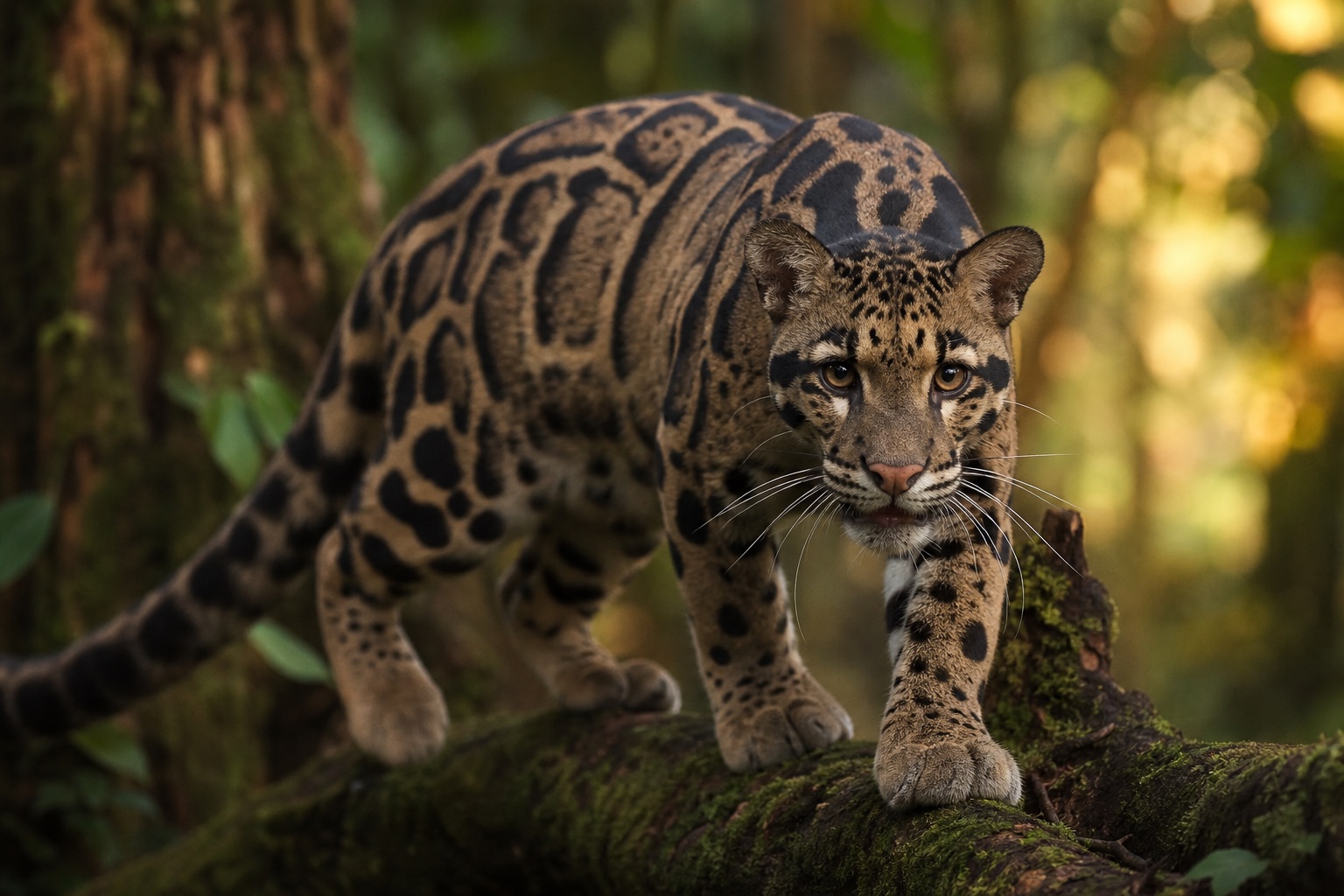
Vulnerable — separate species since 2006; longest canines relative to skull among living cats
Sunda Clouded Leopard
Neofelis diardi (Cuvier, 1823) — family Felidae
The Sunda clouded leopard (Neofelis diardi) is a Vulnerable tree-dwelling cat of Borneo and Sumatra, a separate species since 2006, with the longest canines relative to skull among living cats; oil palm, pulpwood, mining and snaring drive losses.
Read the guide →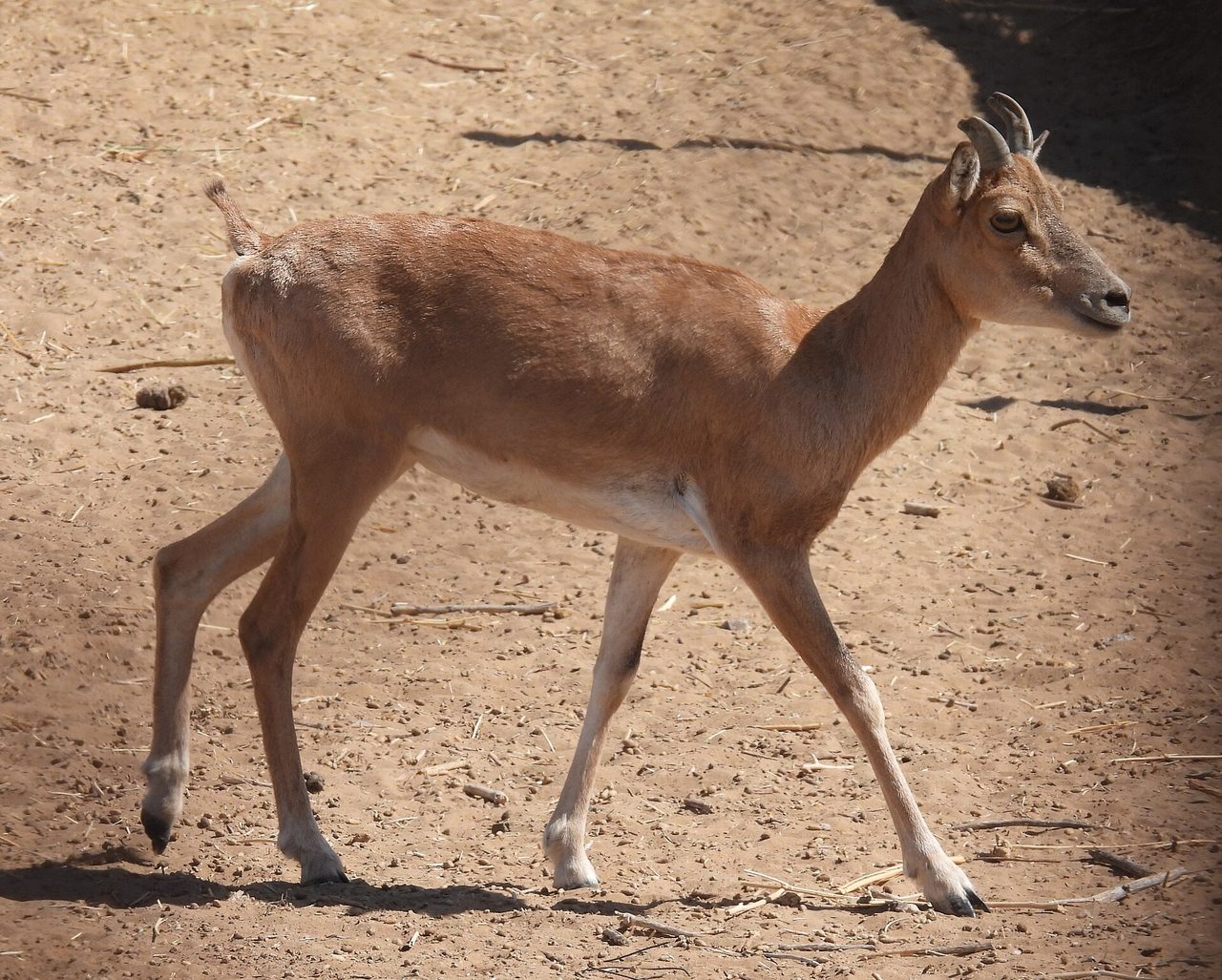
Vulnerable
Urial
Ovis vignei
The urial (Ovis vignei) is a Vulnerable wild sheep of Central and South Asia, with around 30,000 individuals remaining and populations declining across most of its range due to poaching, habitat loss, and livestock competition.
Read the guide →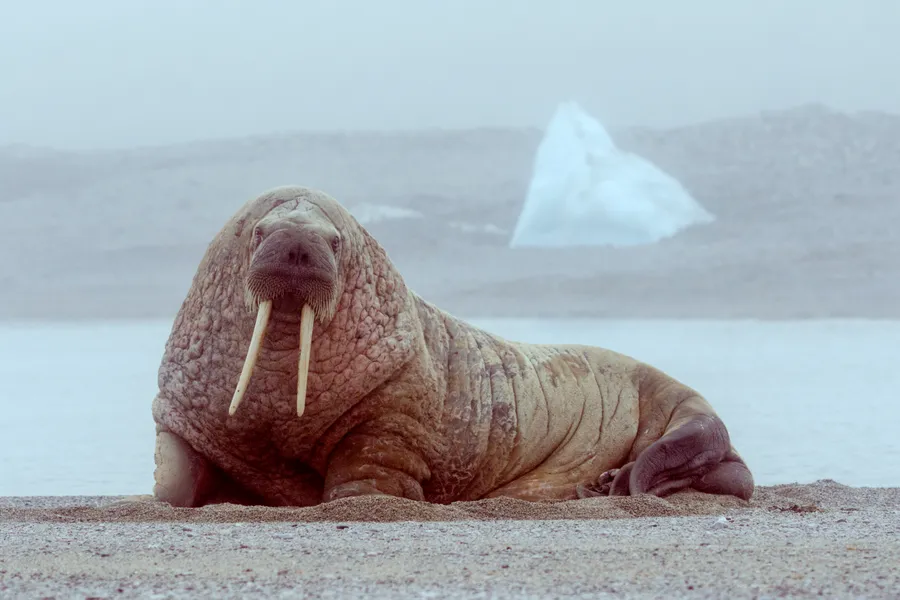
Vulnerable (IUCN, 2021)
Walrus
Odobenus rosmarus
A walrus (Odobenus rosmarus) is a huge Arctic pinniped, or fin-footed marine mammal, famous for its long ivory tusks and bristly whiskered snout. It hauls out on sea ice and dives to the seabed to feed on clams, using sensitive whiskers to find shellfish in dark water.
Read the guide →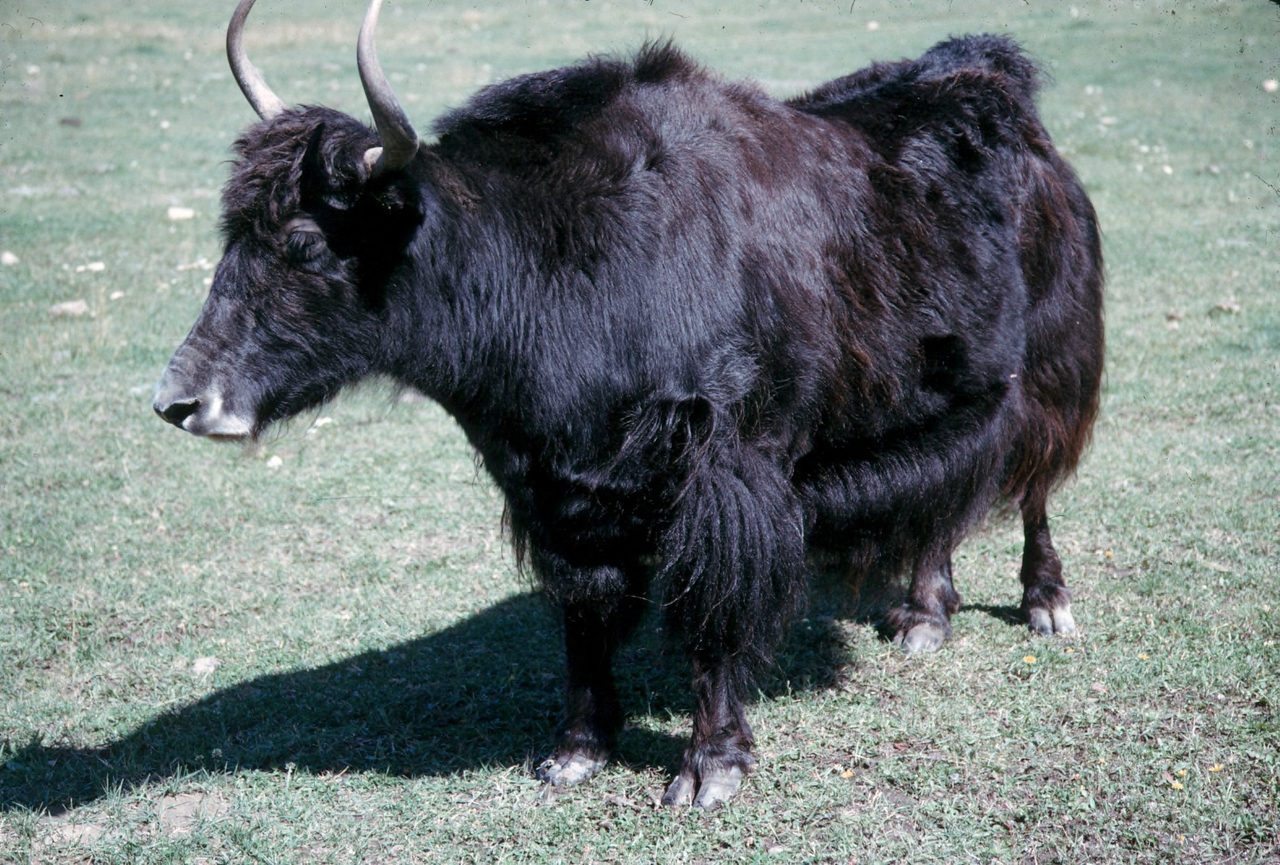
Vulnerable
Yak
Bos mutus (Przewalski, 1883)
The wild yak (Bos mutus) is a Vulnerable high-altitude bovid of the Tibetan Plateau and Himalayas — ancestor of the domestic yak, threatened by hunting, hybridisation and habitat disturbance; remnant populations persist in Pakistan and Nepal.
Read the guide →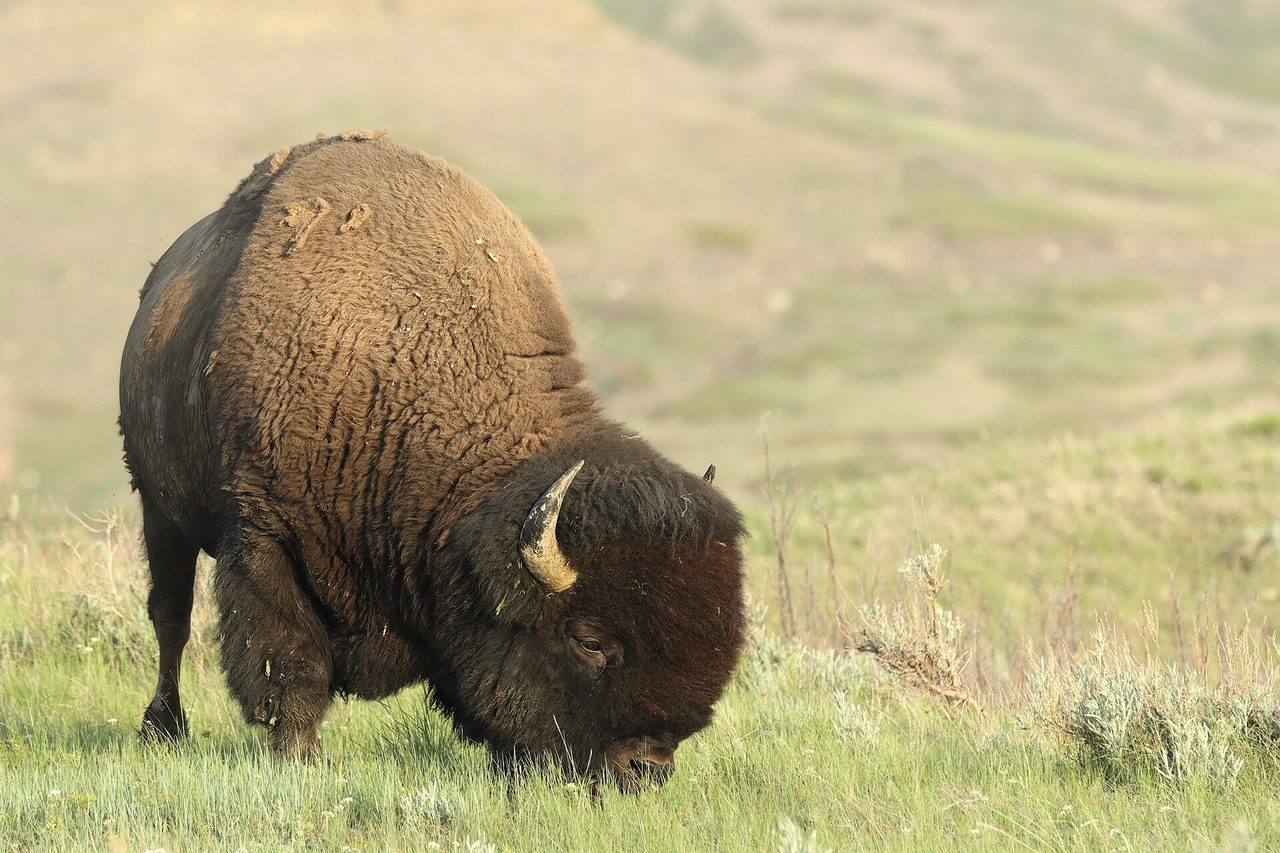
Near Threatened
American Bison
Bison bison
The American bison is the largest land mammal in North America, listed as Near Threatened by the IUCN with an estimated 15,000 truly wild individuals remaining after a dramatic near-extinction in the 19th century.
Read the guide →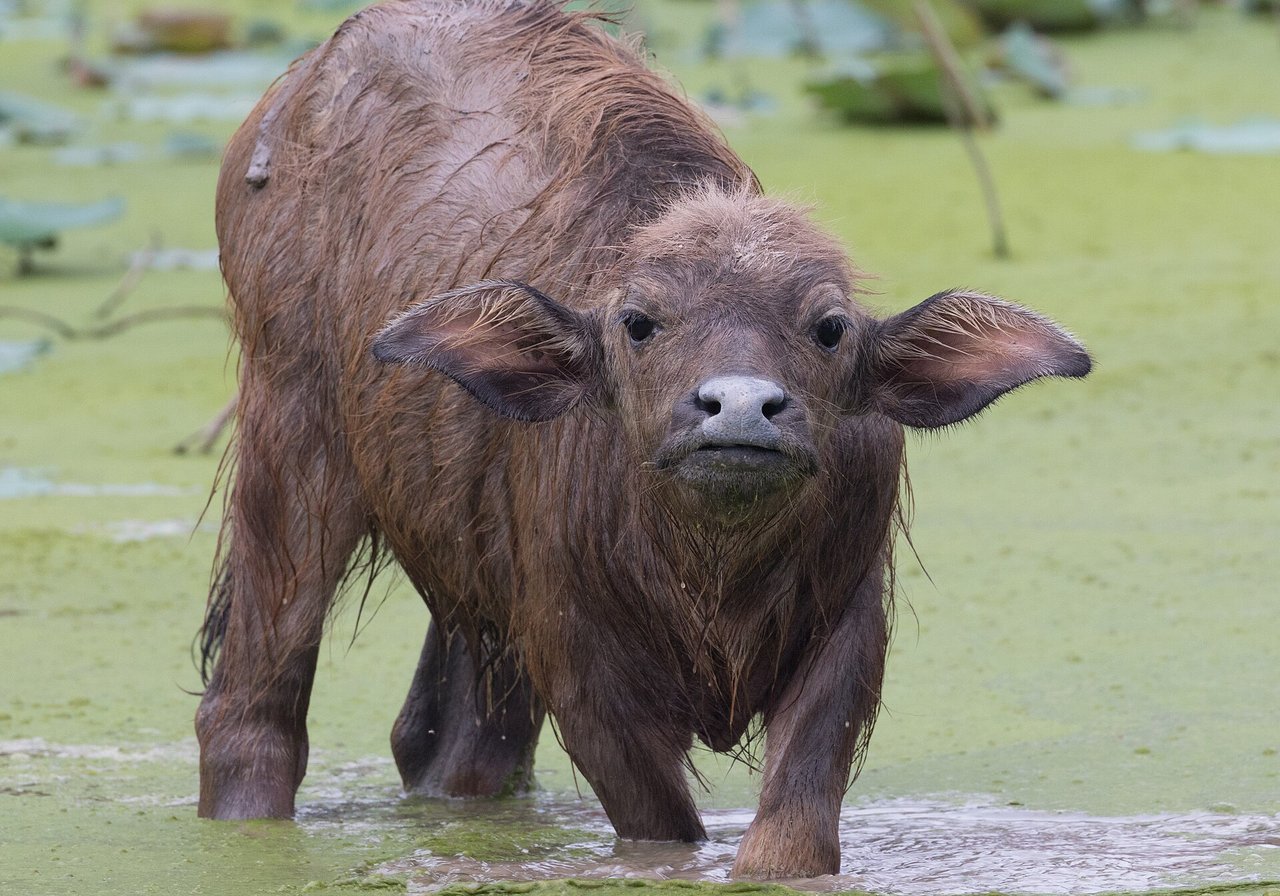
Near Threatened
Buffalo
Syncerus caffer (Sparrman, 1779)
The African buffalo (Syncerus caffer) is a Near Threatened bovid of sub-Saharan Africa — a 900 kg herd grazer and formidable prey for lions, with roughly 400,000 individuals; Asian wild water buffalo is a separate Endangered species.
Read the guide →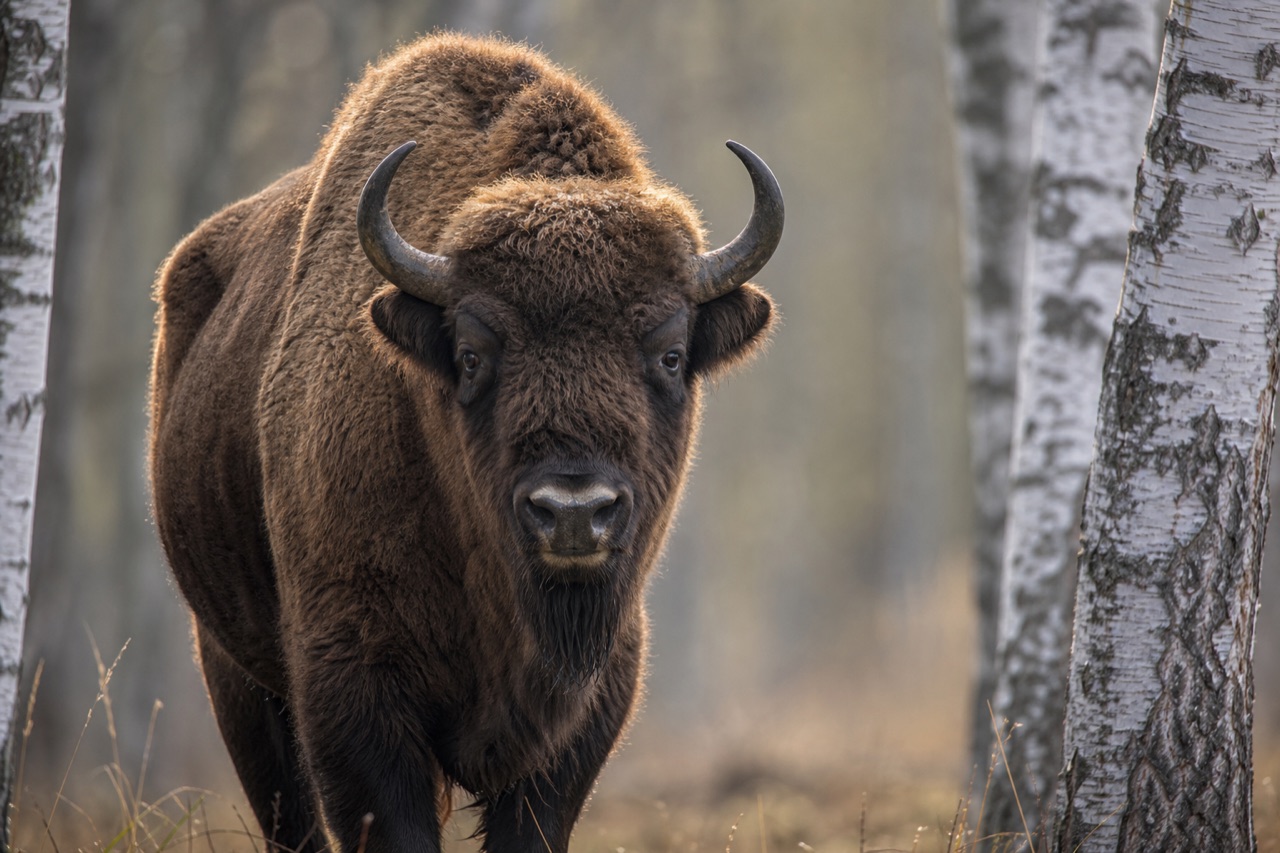
Near Threatened — restored from ~54 captive animals in 1927 to 6,800+ wild
European Bison
Bison bonasus (Linnaeus, 1758) — family Bovidae
The European bison (Bison bonasus) is Europe's largest land mammal, restored from around fifty-four captive animals when the last wild individual died in 1927 to more than 6,800 wild bison today through captive breeding and reintroduction.
Read the guide →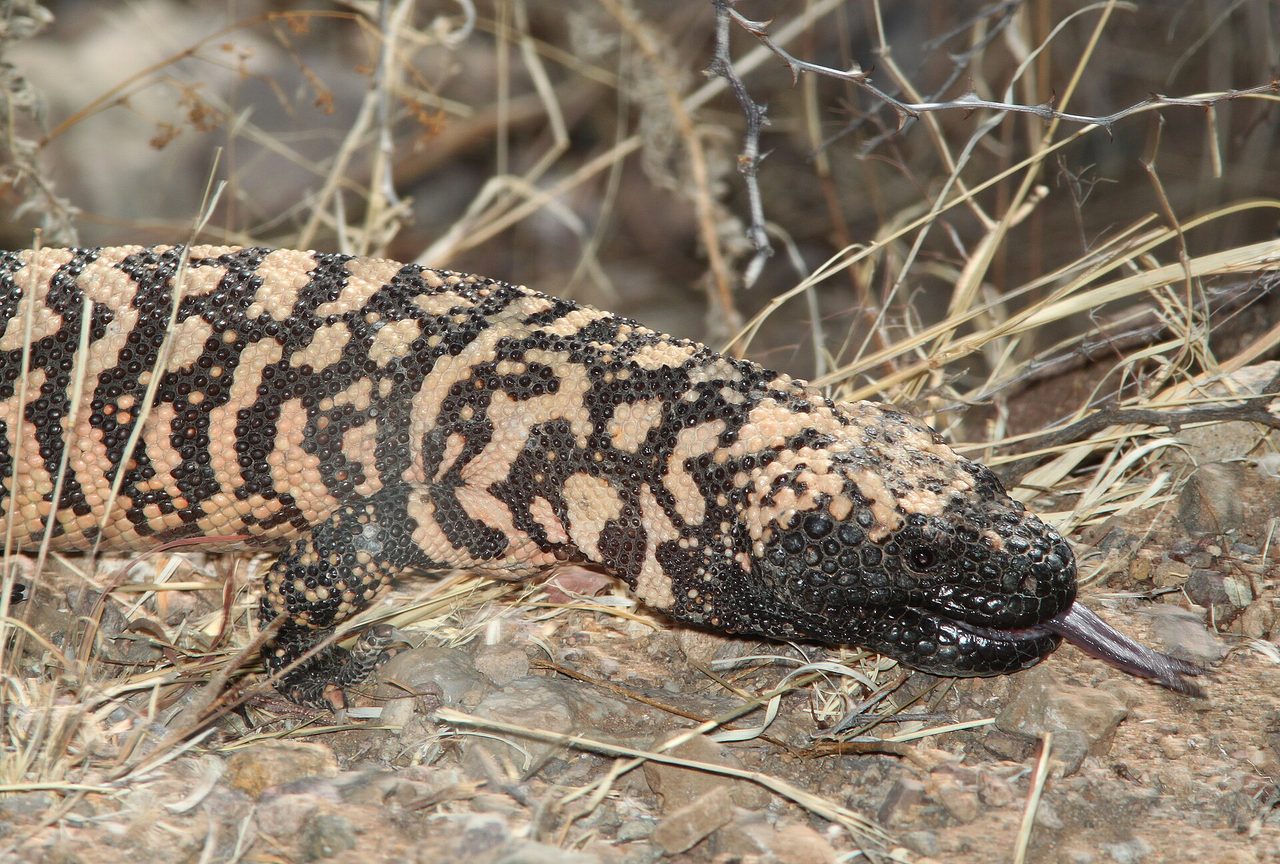
Near Threatened
Gila Monster
Heloderma suspectum
The Gila monster is a heavy, slow-moving venomous lizard of the American Southwest, classified as Near Threatened by the IUCN due to habitat loss, road mortality, and climate-driven changes to its desert home.
Read the guide →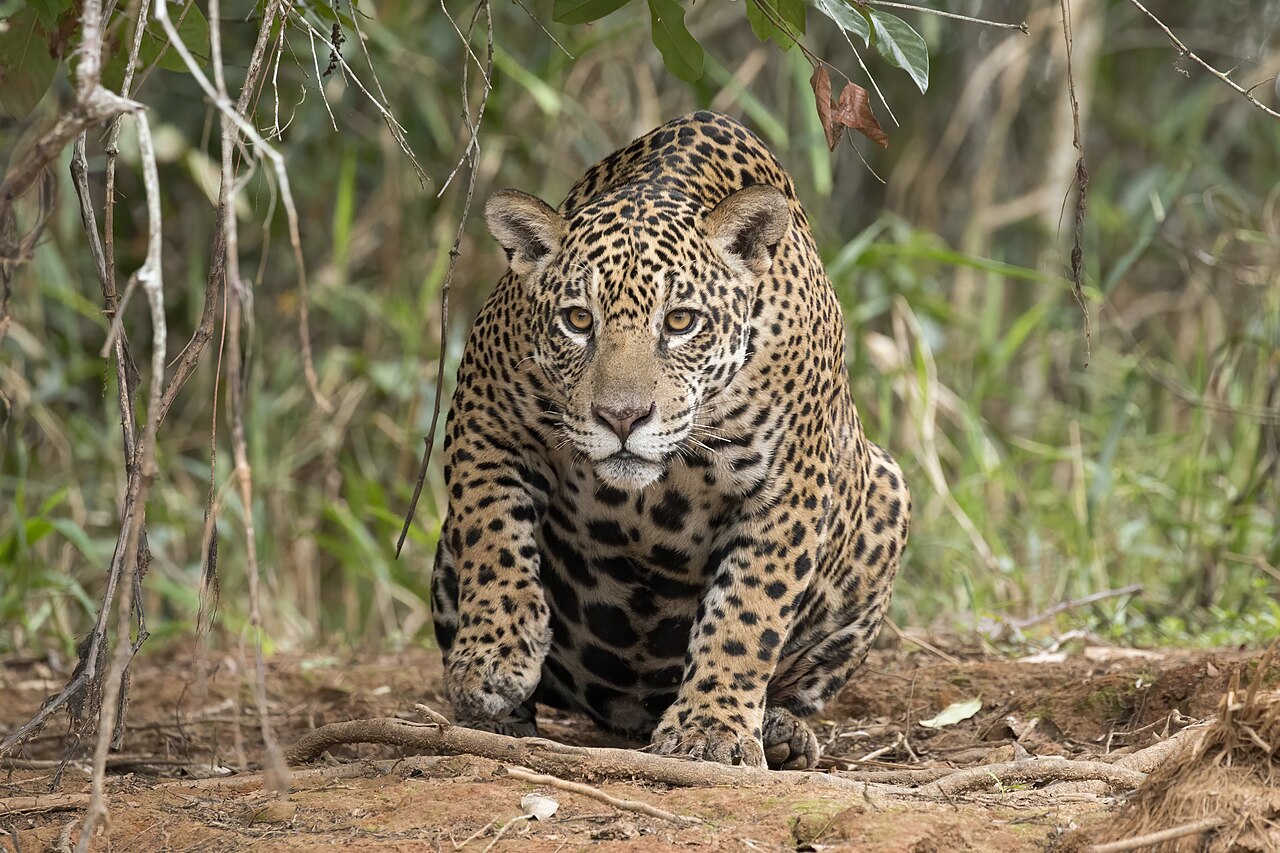
Near Threatened globally — but Endangered or Critically Endangered across most regional populations outside Amazonia
Jaguar
Panthera onca
A jaguar (Panthera onca) is a large spotted big cat native to the Americas — the largest cat on the continent and the third-largest in the world — known for the strongest bite of any big cat and a habit of killing prey by piercing the skull.
Read the guide →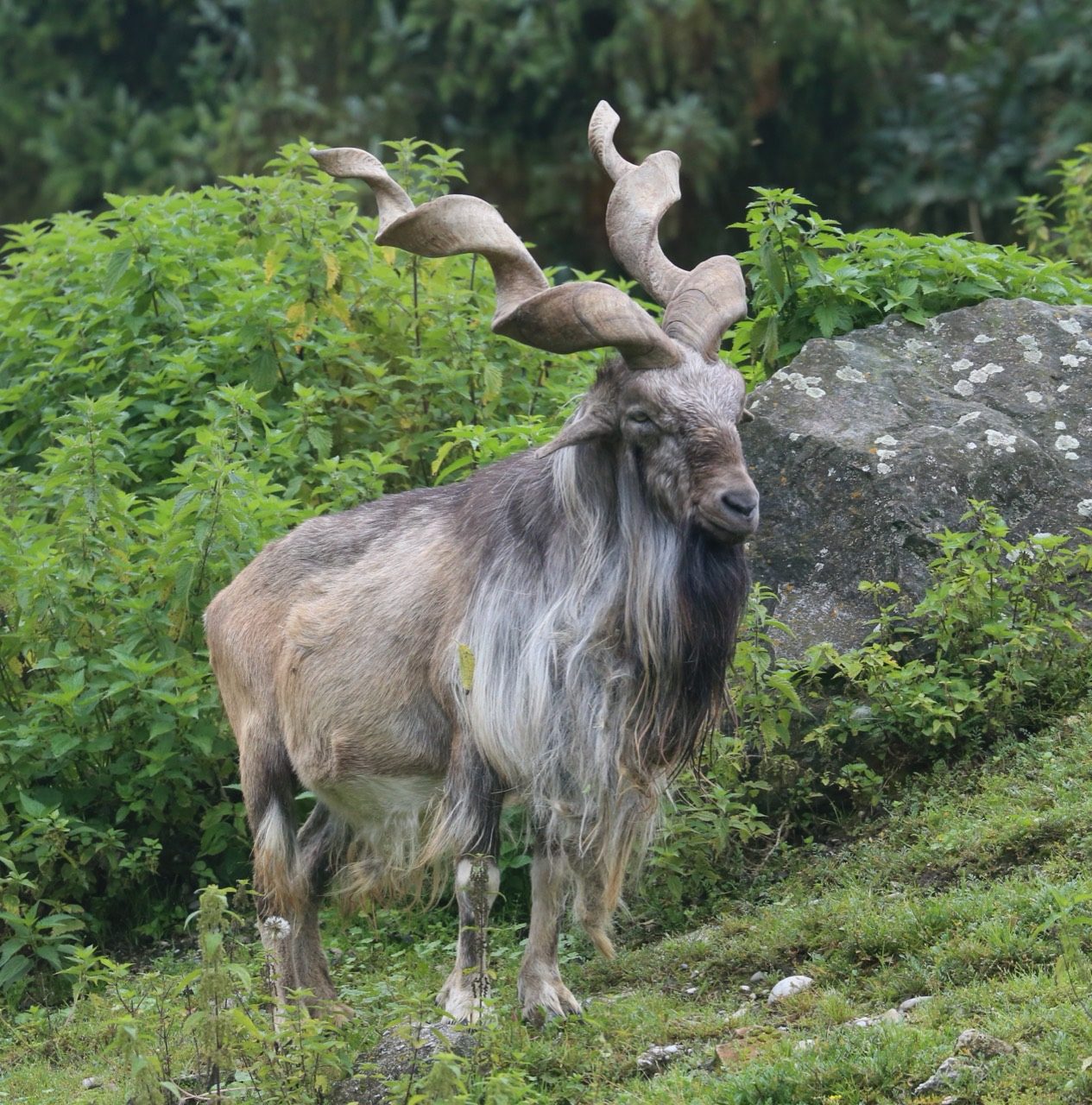
Near Threatened (IUCN, 2015) — a conservation comeback
Markhor
Capra falconeri
A markhor (Capra falconeri) is a large wild goat native to the mountains of Central and South Asia, famous for the males' long, twisting corkscrew horns; it is Pakistan's national animal and is currently listed by the IUCN as Near Threatened.
Read the guide →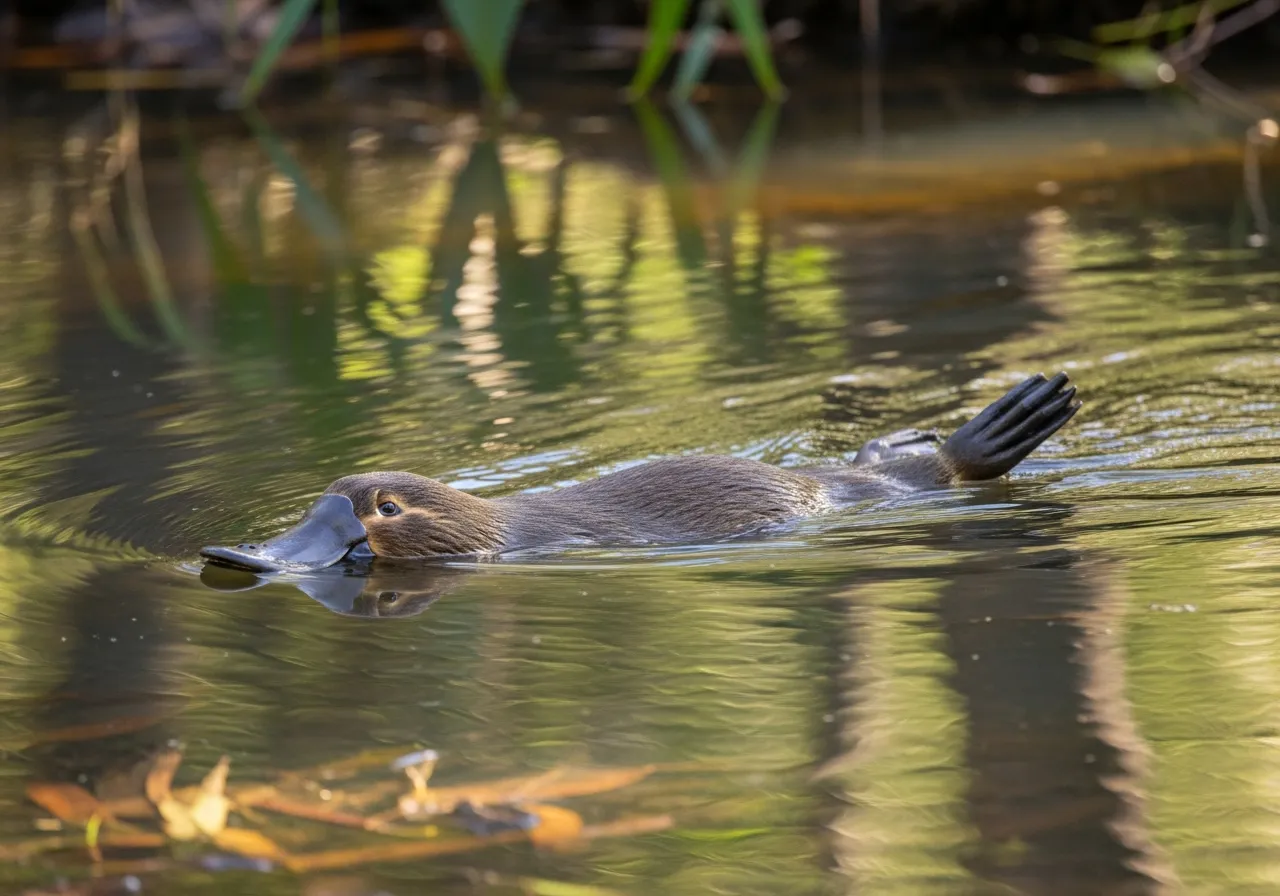
Near Threatened (IUCN, 2016)
Platypus
Ornithorhynchus anatinus
A platypus is a semi-aquatic, egg-laying mammal (a monotreme) native to eastern Australia and Tasmania. It has a duck-like bill, webbed feet and a beaver-like tail, hunts underwater using electroreception, and males carry venomous ankle spurs. It is listed as Near Threatened on the IUCN Red List.
Read the guide →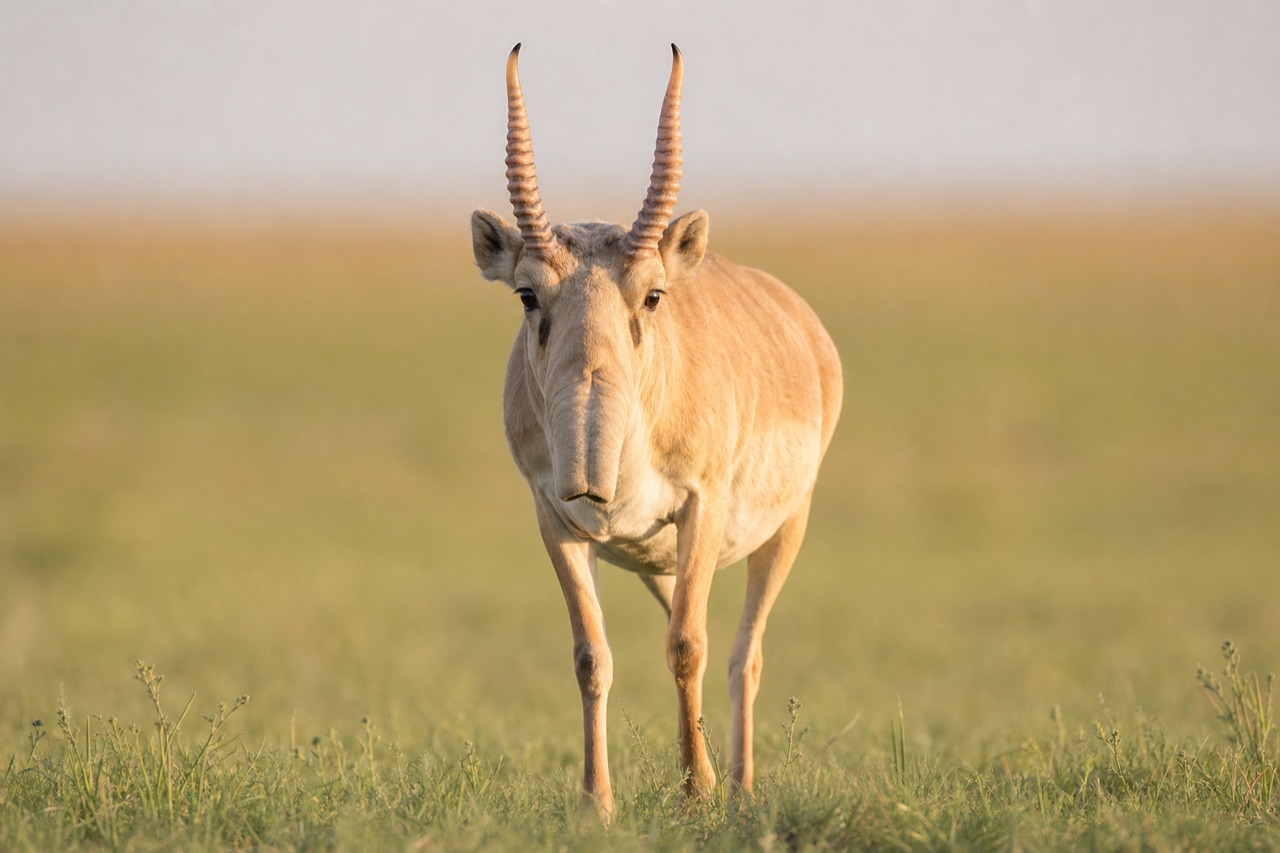
Near Threatened — recovered from Critically Endangered (2023); still vulnerable to mass die-offs
Saiga Antelope
Saiga tatarica (Linnaeus, 1766) — family Bovidae
The saiga antelope (Saiga tatarica) is a Central Asian steppe ungulate with a distinctive trunk-like nose, downlisted to Near Threatened in 2023 after recovery from Critically Endangered, with Kazakhstan holding around 1.9 million animals but remaining vulnerable to mass disease die-offs.
Read the guide →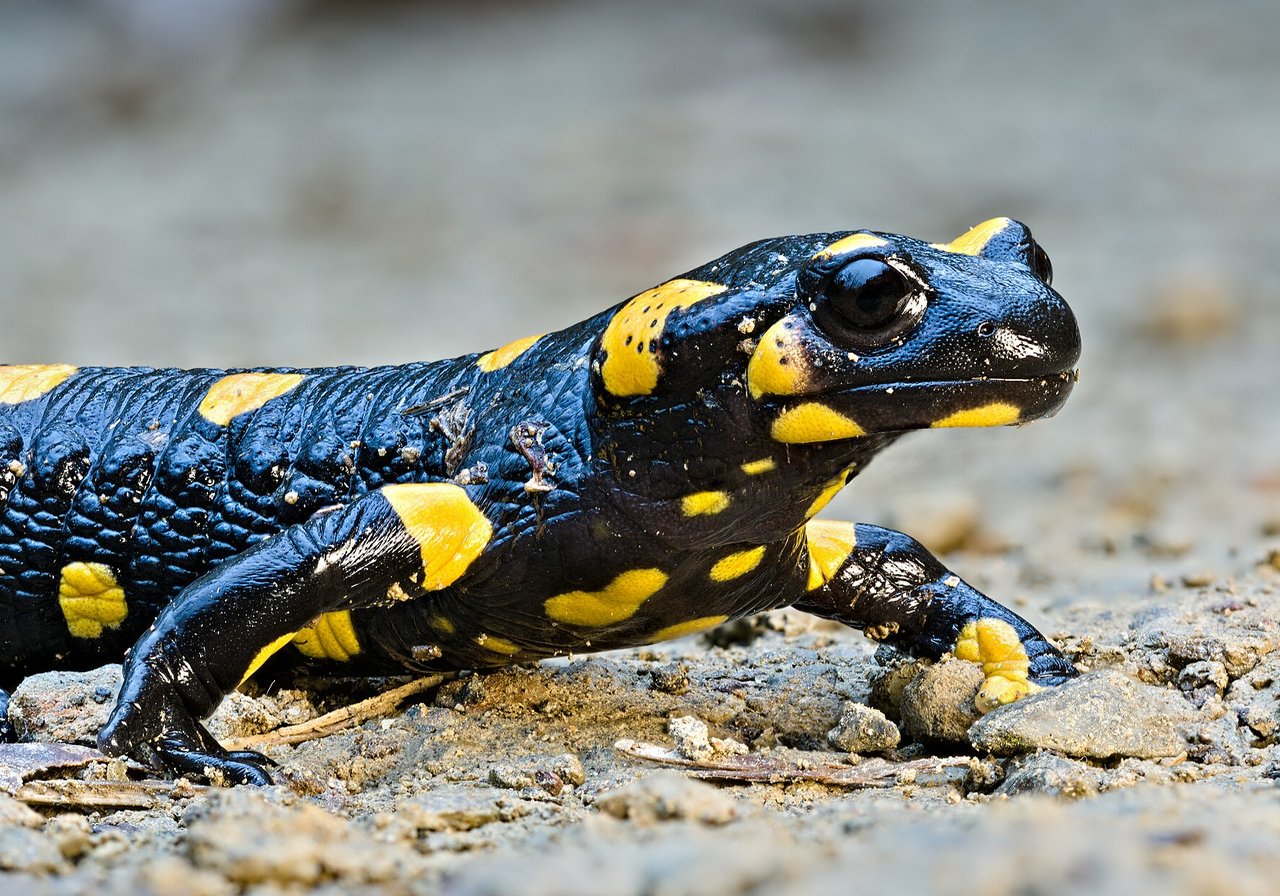
Near Threatened
Salamander
Salamandra salamandra (Linnaeus, 1758)
Salamanders are tailed amphibians of order Caudata; the fire salamander (Salamandra salamandra) is Near Threatened in Europe, threatened by Bsal fungus linked to the pet trade, while many species face habitat loss and overharvesting.
Read the guide →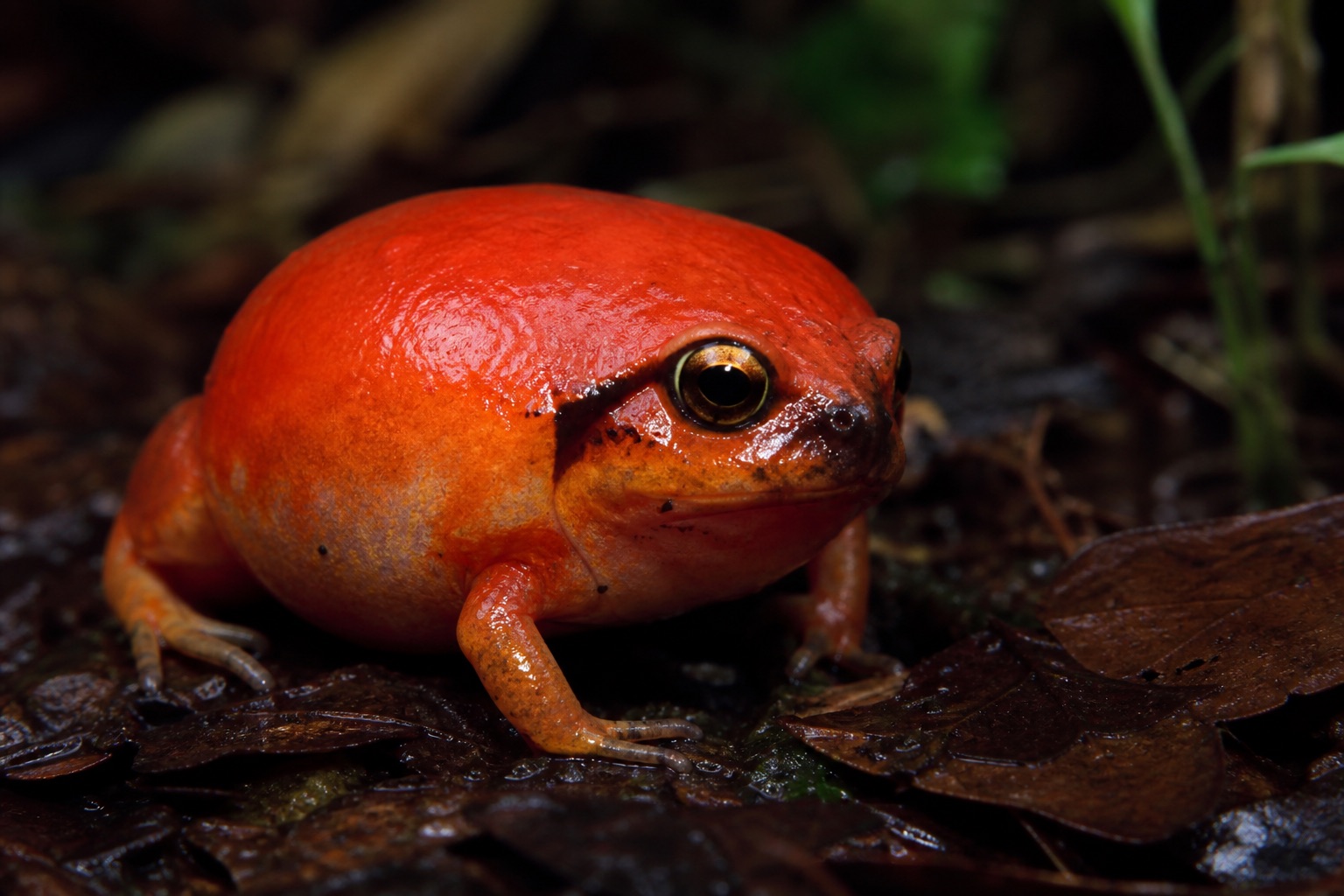
Near Threatened — Dyscophus antongilii; threatened by habitat loss and collection
Tomato Frog
Dyscophus antongilii (Grandidier, 1877) — family Microhylidae
The tomato frog (Dyscophus antongilii) is a bright red microhylid frog endemic to north-eastern Madagascar that secretes a glue-like defensive substance to immobilise predators' mouths; it is listed Near Threatened as an estimated 80–90% of the island's original forest has been lost.
Read the guide →
Least Concern (IUCN, 2016)
Aardvark
Orycteropus afer (Pallas, 1766)
The aardvark (Orycteropus afer) is the only living species of its order, a nocturnal insectivore of sub-Saharan Africa listed as Least Concern; it digs for termites and its burrows shelter dozens of other species.
Read the guide →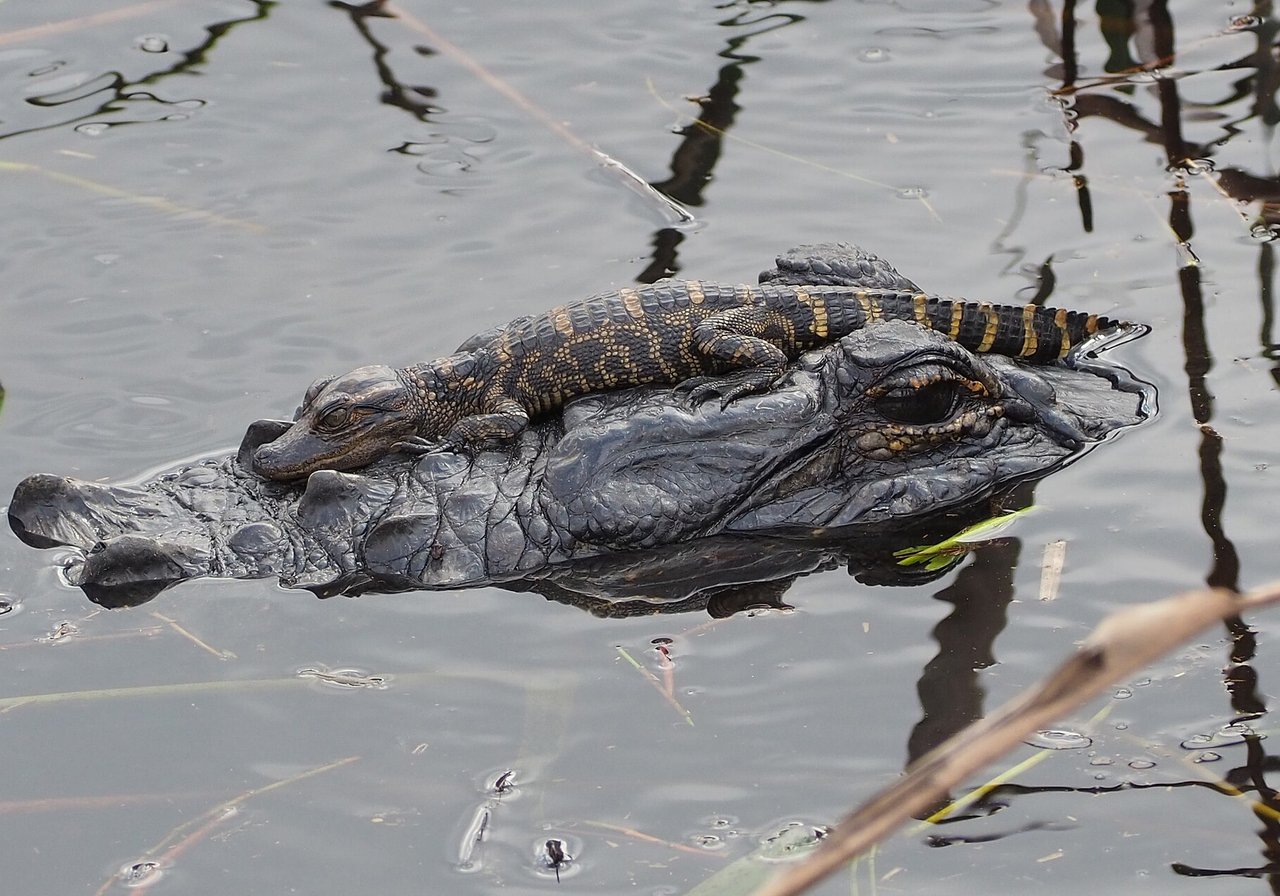
Varies by species (Least Concern to Critically Endangered)
Alligator
Alligator mississippiensis (Daudin, 1802) and Alligator sinensis (Fauvel, 1879)
Alligators are broad-snouted crocodilians with two living species — the recovered American alligator of the US South-east and the Critically Endangered Chinese alligator of the Yangtze — both vital wetland predators whose status ranges from Least Concern to Critically Endangered.
Read the guide →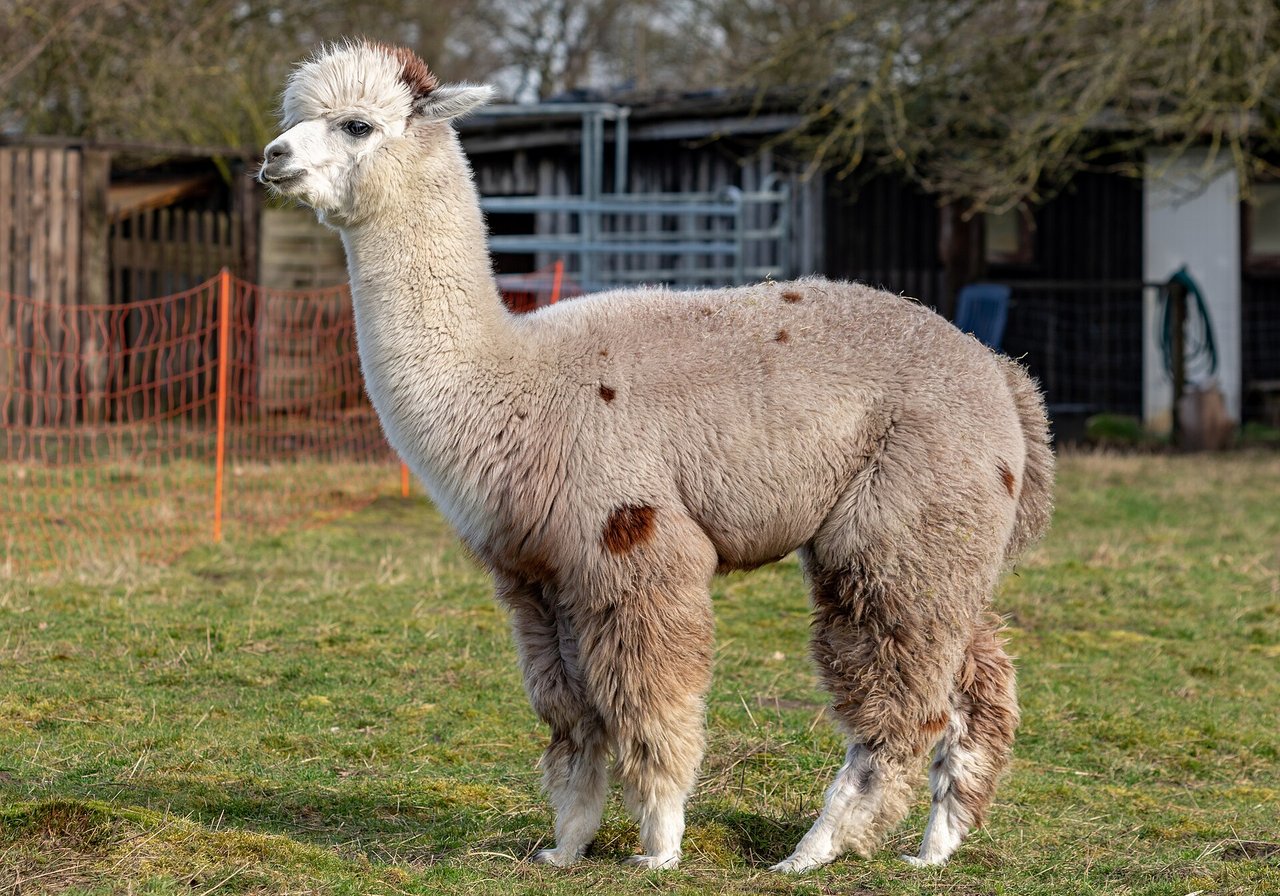
Domesticated — wild ancestor vicuña Least Concern
Alpaca
Vicugna pacos (Linnaeus, 1758)
The alpaca (Vicugna pacos) is a domesticated Andean camelid kept for its fine fleece; descended from the vicuña, it has been farmed for over 6,000 years in Peru, Bolivia and neighbouring countries.
Read the guide →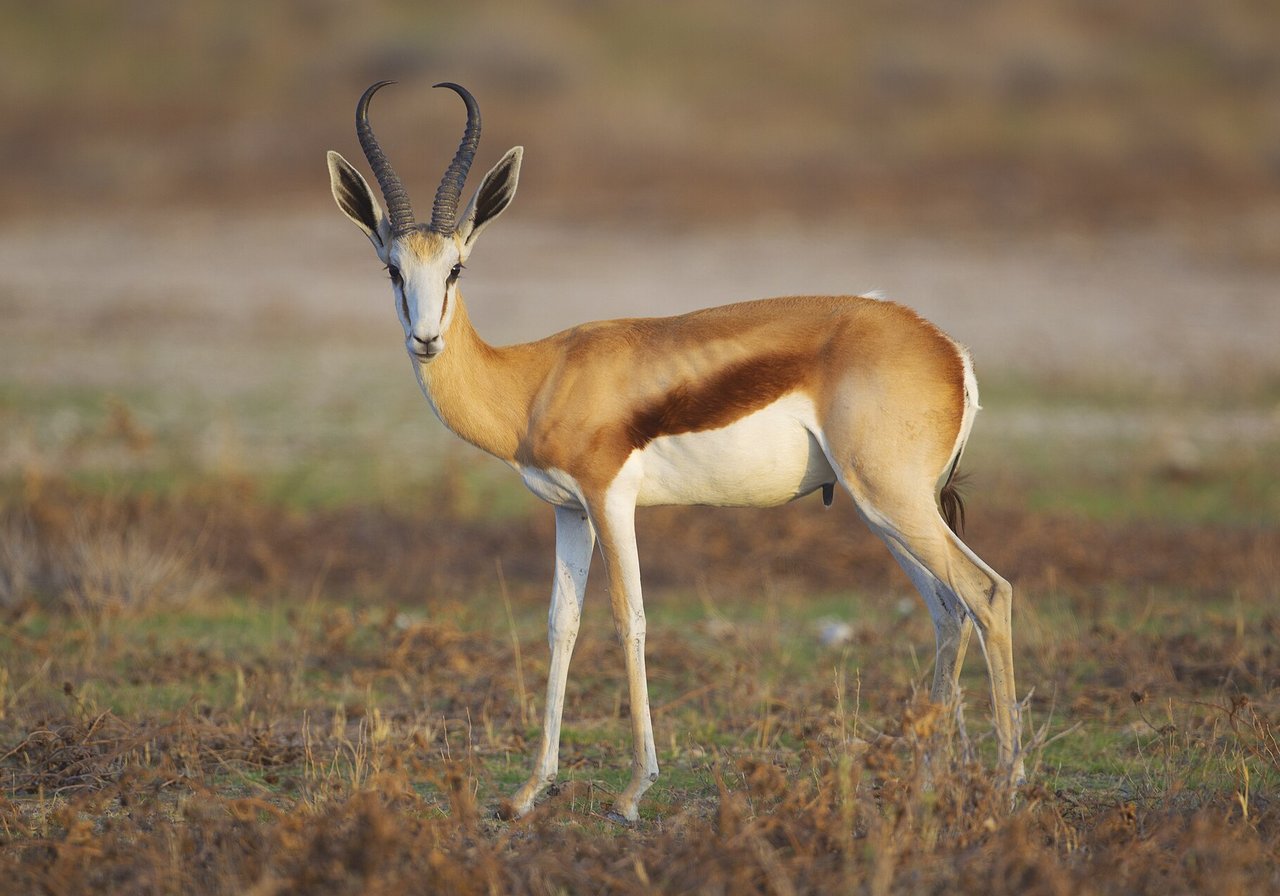
Varies by species (Least Concern to Critically Endangered)
Antelope
Family Bovidae, subfamilies Antilopinae, Alcelaphinae, Hippotraginae and others — ~90 species
Antelope are horned ruminants of the family Bovidae — roughly 90 species across Africa and Asia; African savanna antelope form the prey base for the continent's great predators, with conservation status ranging from abundant to Critically Endangered.
Read the guide →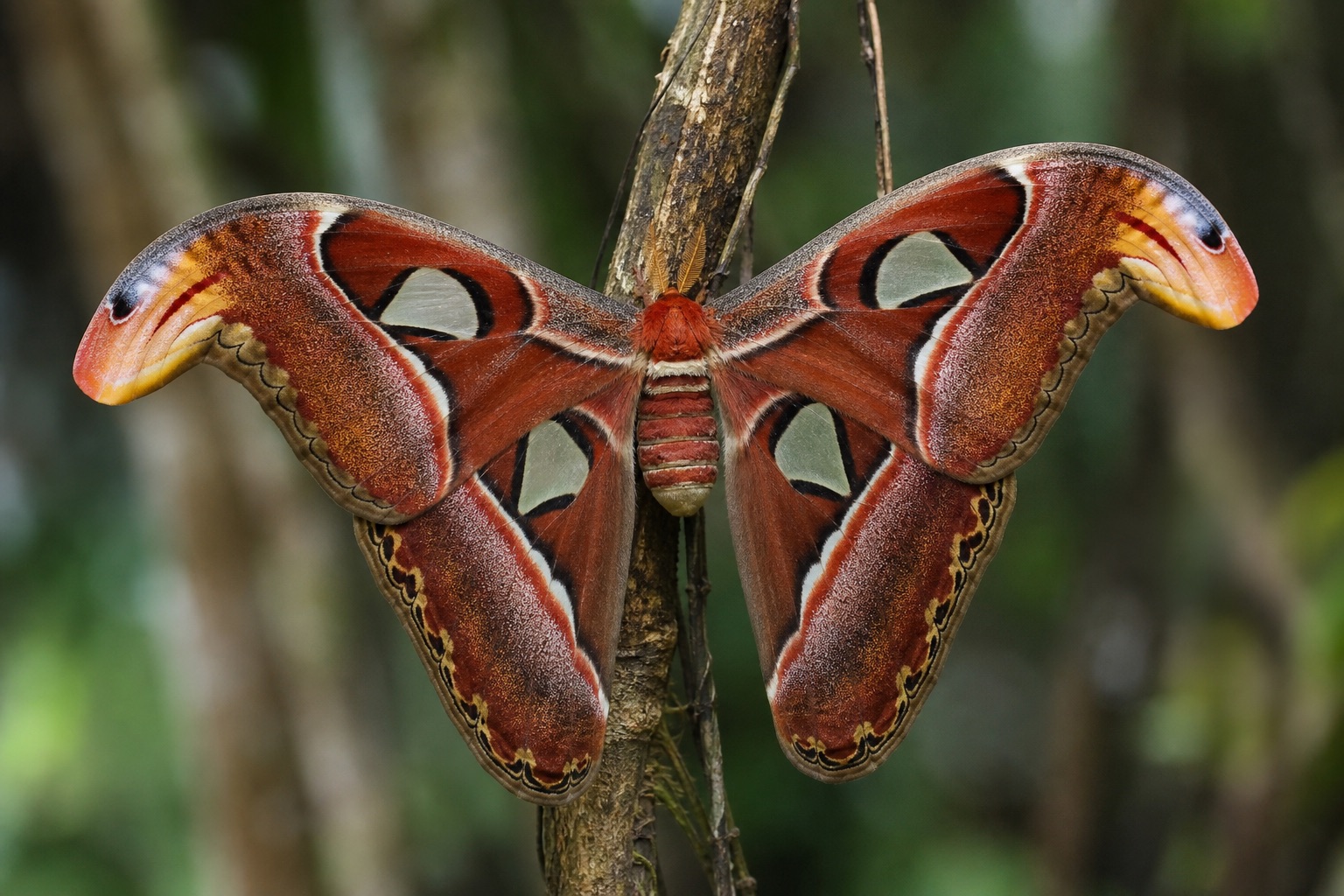
Not Evaluated — widespread but dependent on forest trees amid Sundaland conversion
Atlas Moth
Attacus atlas (Linnaeus, 1758) — family Saturniidae
The atlas moth (Attacus atlas) is one of the world's largest moths, with snake-head wingtips and no functional adult mouthparts — it lives one to two weeks on larval fat while Sundaland forest conversion removes host trees.
Read the guide →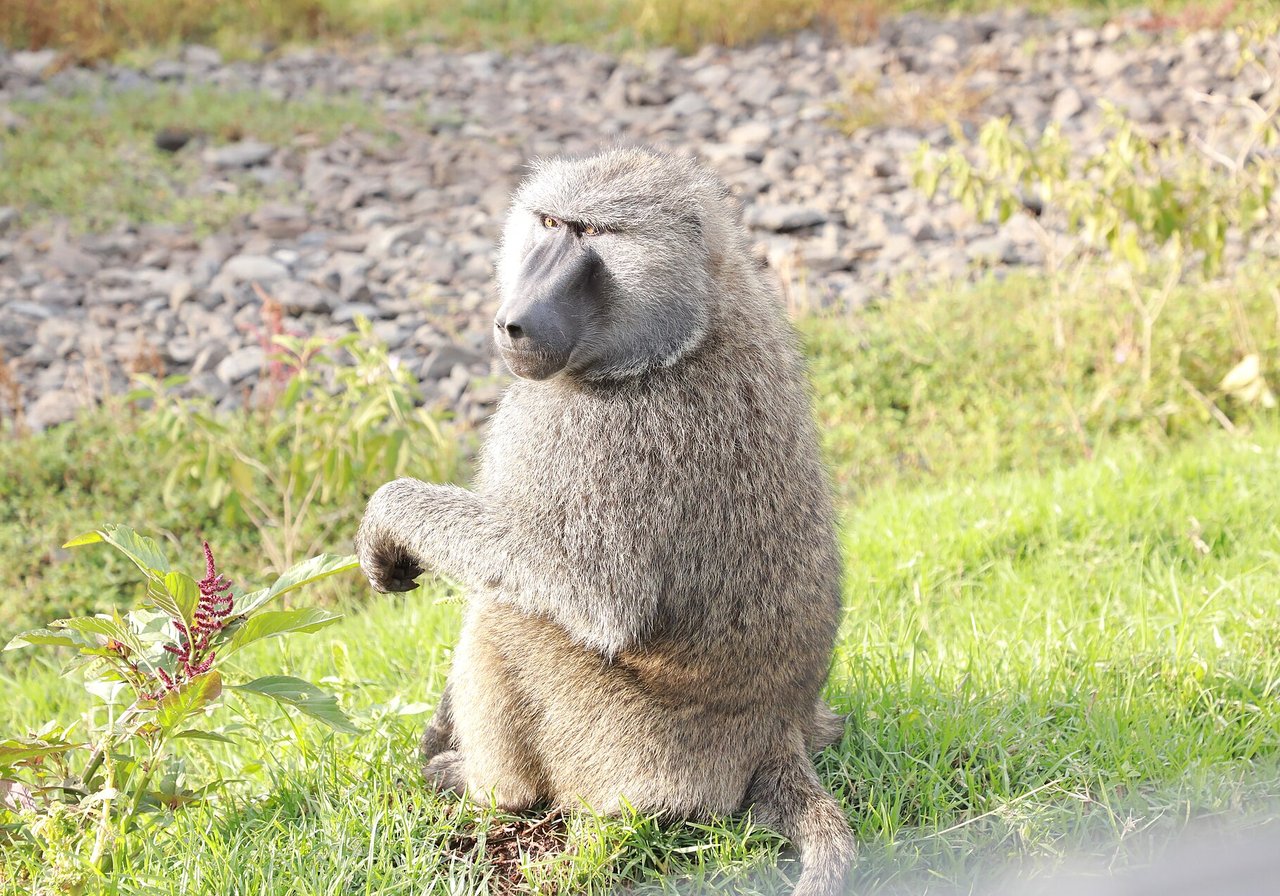
Varies by species (Least Concern to Near Threatened)
Baboon
Genus Papio — 6 species: hamadryas, olive, yellow, chacma, Guinea and Kinda baboon
Baboons are large Old World monkeys of the genus Papio, living in complex social troops across African savanna and desert; most species are Least Concern but face habitat loss and conflict with agriculture.
Read the guide →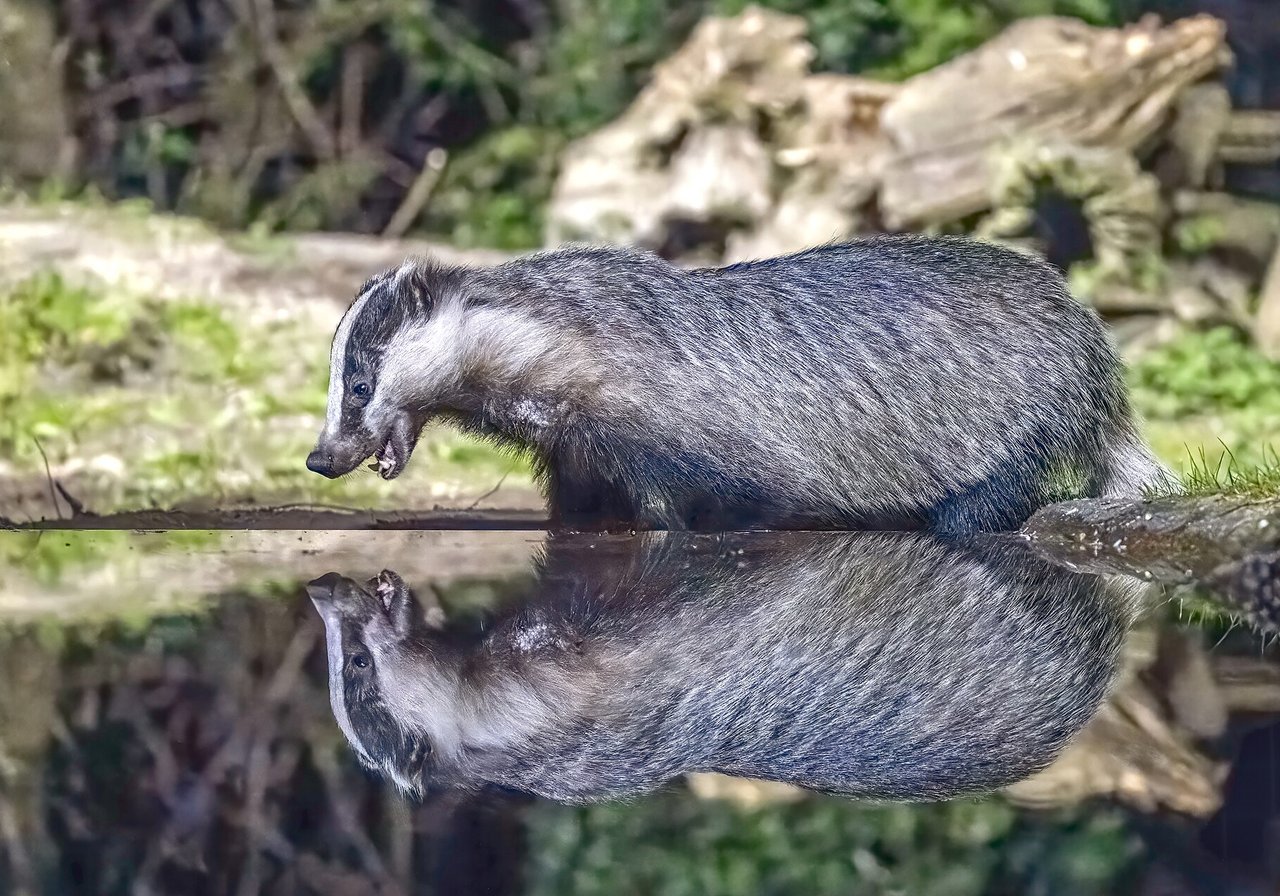
Least Concern (IUCN)
Badger
Meles meles (Linnaeus, 1758)
The European badger (Meles meles) is a Least Concern mustelid of European and Asian woodlands, living in social groups in extensive underground setts and feeding on earthworms, fruit and small vertebrates.
Read the guide →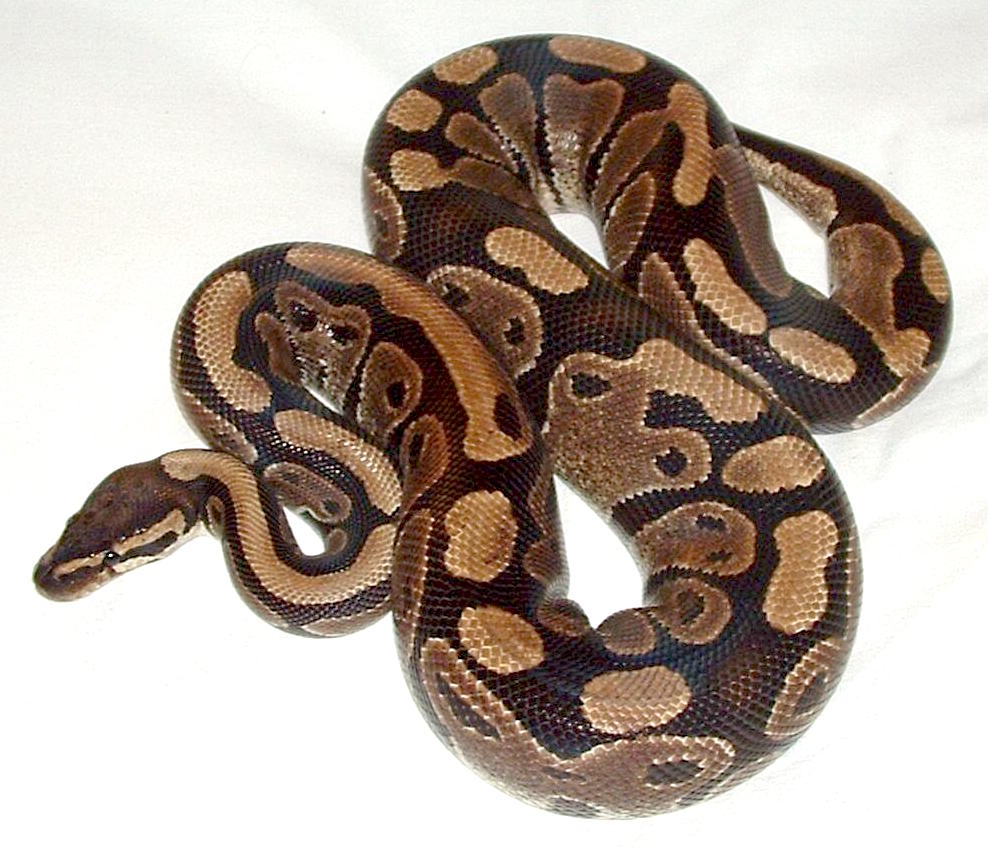
Least Concern (IUCN) but heavily traded; CITES Appendix II
Ball Python
Python regius (Shaw, 1802)
The ball python (Python regius) is a small, docile African snake — Least Concern but heavily traded (CITES Appendix II) — and the world's most popular pet snake; its thousands of 'morphs' are captive-bred colour and pattern forms of one species.
Read the guide →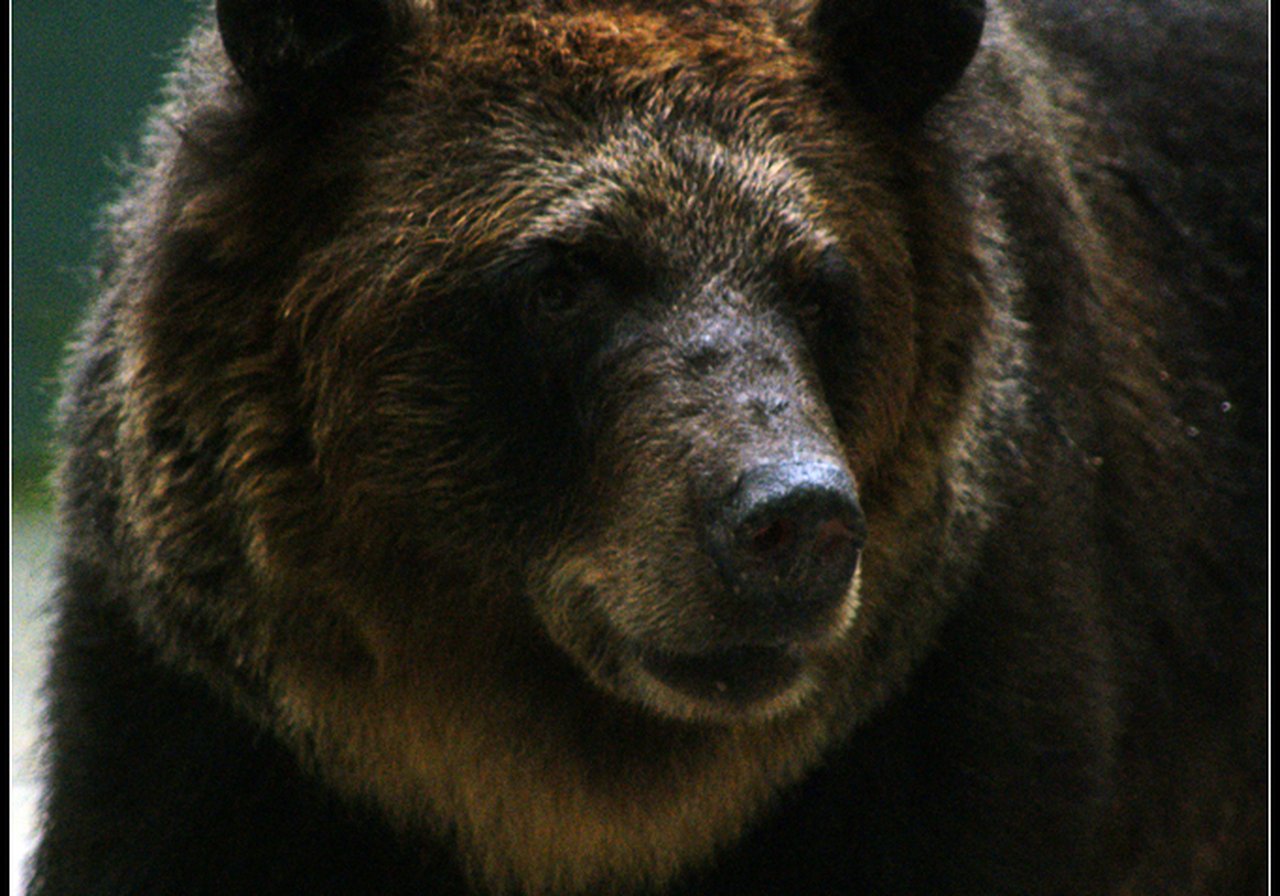
Varies by species (Least Concern to Vulnerable)
Bear
Family Ursidae — 8 living species across North America, South America, Europe and Asia
Bears are eight living species in family Ursidae, not one species. The IUCN does not give bears a single extinction badge. Polar, sun, sloth and spectacled bears are Vulnerable. Giant pandas recovered to Vulnerable. American black bears are abundant. The related appeal explains potential support and the current funding status; this guide does not confirm a WARN grant.
Read the guide →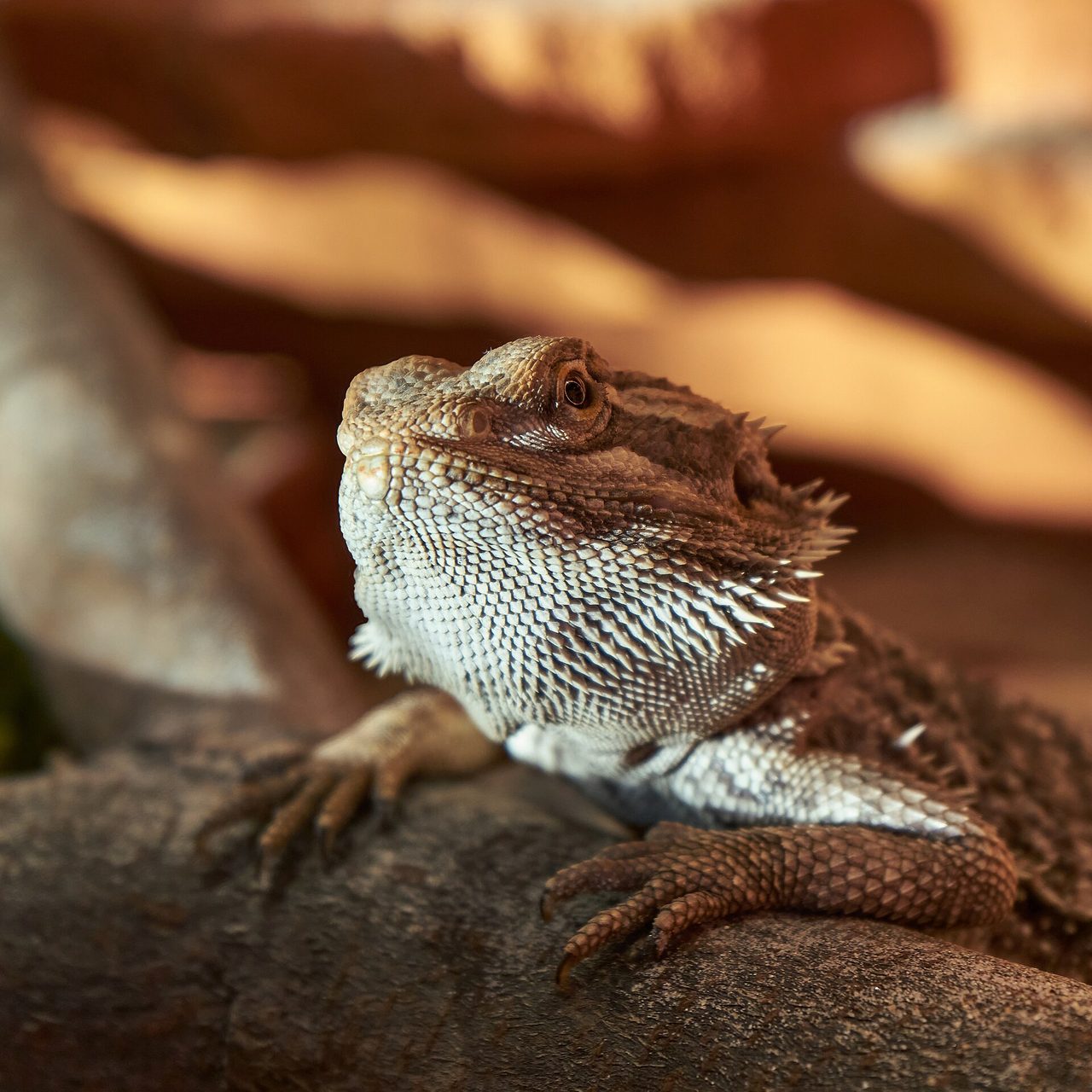
Least Concern (IUCN)
Bearded Dragon
Pogona vitticeps
The central bearded dragon (Pogona vitticeps) is a Least Concern lizard native to the arid scrublands of eastern and central Australia, renowned for its darkening throat pouch and unique ability to have sex determined by either chromosomes or incubation temperature.
Read the guide →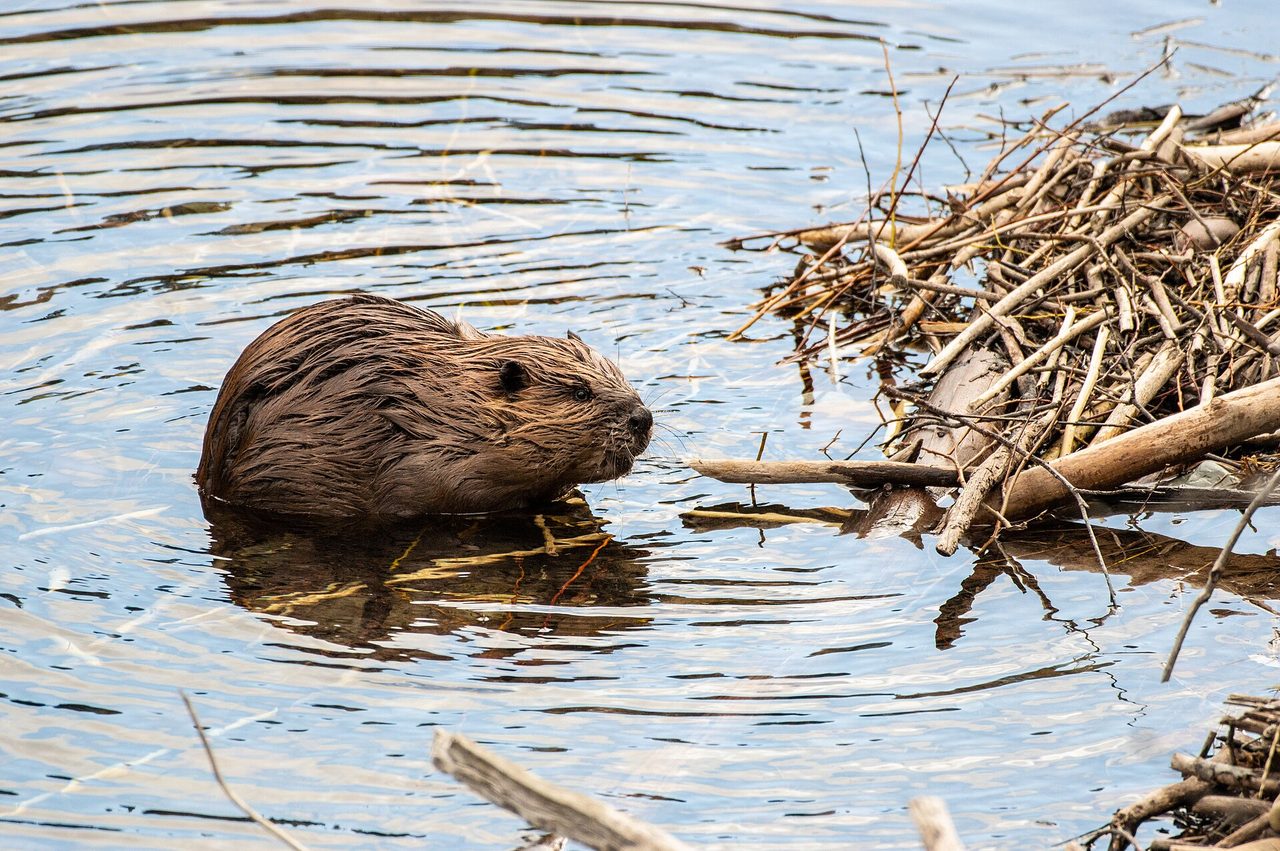
Least Concern (IUCN)
Beaver
Castor fiber (Linnaeus, 1758) and Castor canadensis (Kuhl, 1820)
Beavers are Least Concern rodents of the genus Castor — the Eurasian and American species build dams and lodges that create wetlands supporting fish, birds and amphibians; Eurasian beavers recovered from near extinction through reintroduction.
Read the guide →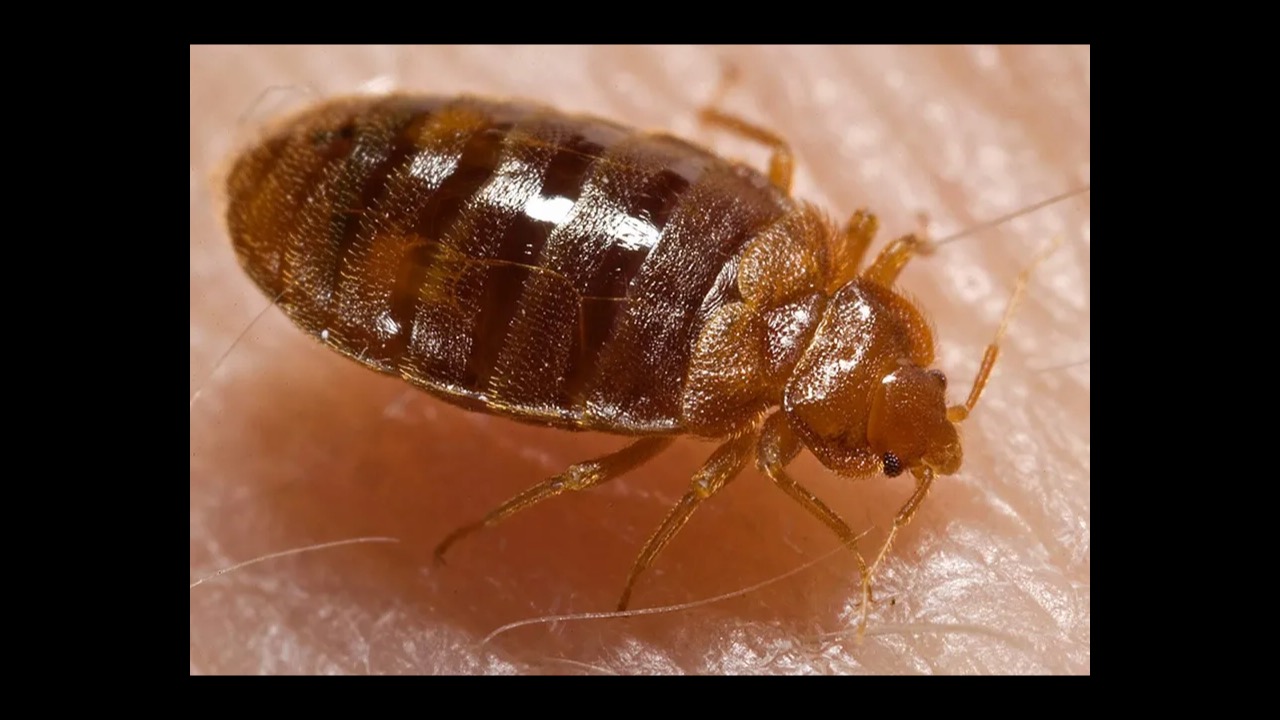
Not Evaluated
Bed Bug
Cimex lectularius
The common bed bug is a small flat insect that feeds exclusively on blood, mainly from humans at night while they sleep. Roughly 5 mm long and reddish-brown, it hides in mattress seams and furniture, resists many pesticides, and has resurged globally in hotels and homes — listed Not Evaluated by IUCN.
Read the guide →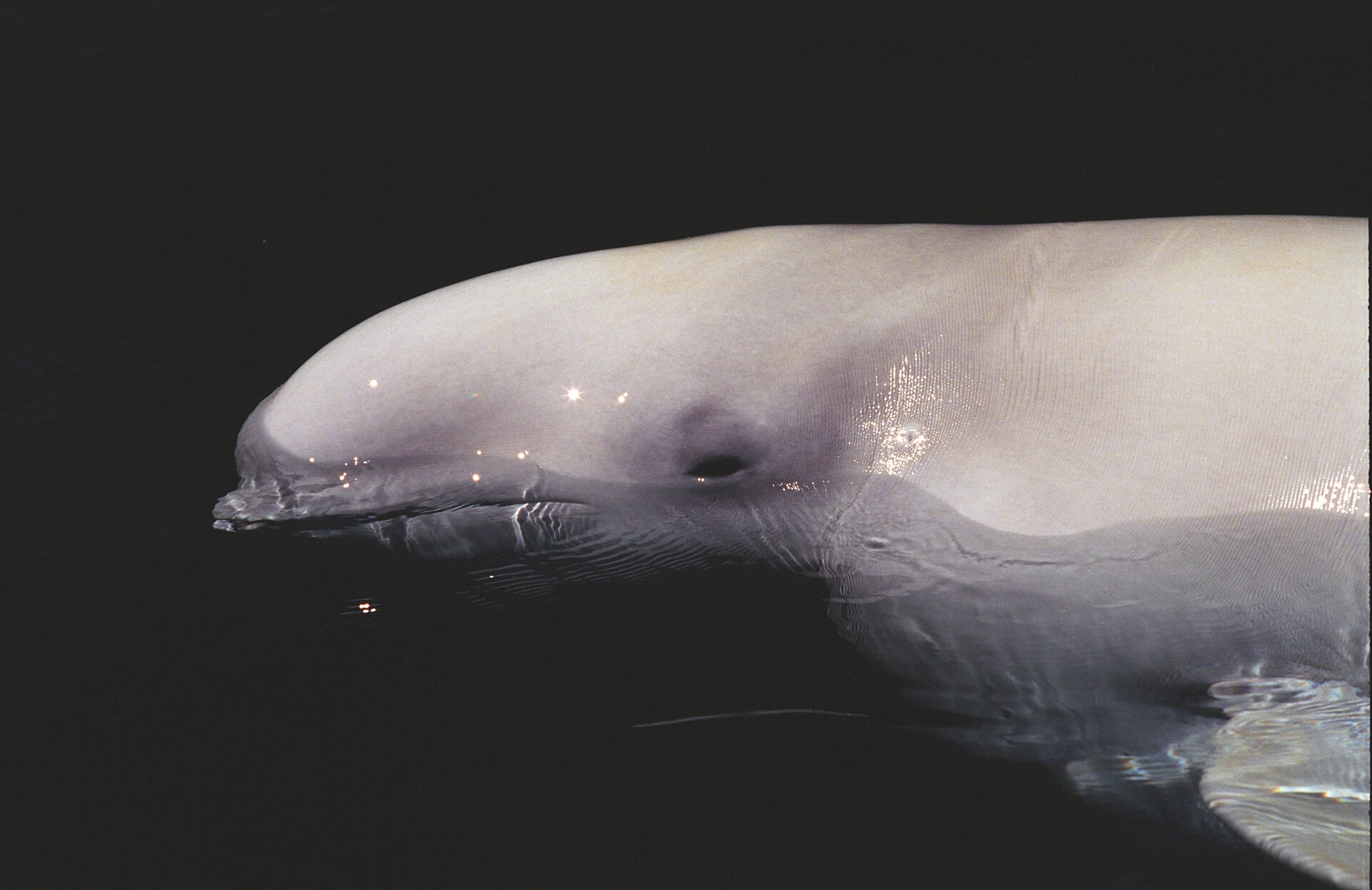
Least Concern (IUCN)
Beluga Whale
Delphinapterus leucas
The beluga whale is a small, all-white Arctic cetacean renowned for its extraordinary vocal range, flexible neck and ability to navigate beneath sea ice, currently assessed as Least Concern overall by the IUCN but with several regional populations in serious decline.
Read the guide →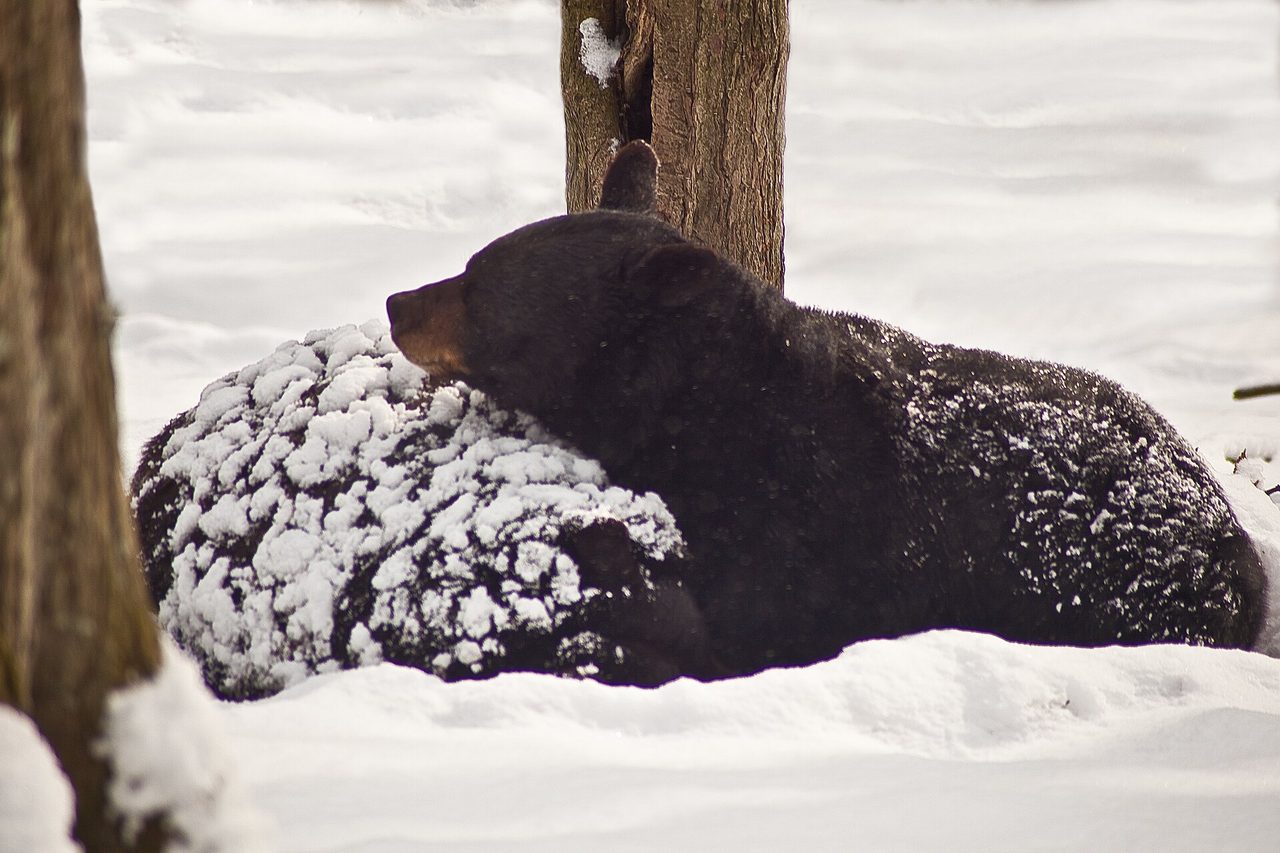
Least Concern (IUCN, 2016)
Black Bear
Ursus americanus (Pallas, 1780)
The American black bear (Ursus americanus) is listed as Least Concern by the IUCN, with an estimated 800,000+ individuals across North America — the continent's most common and widespread bear species.
Read the guide →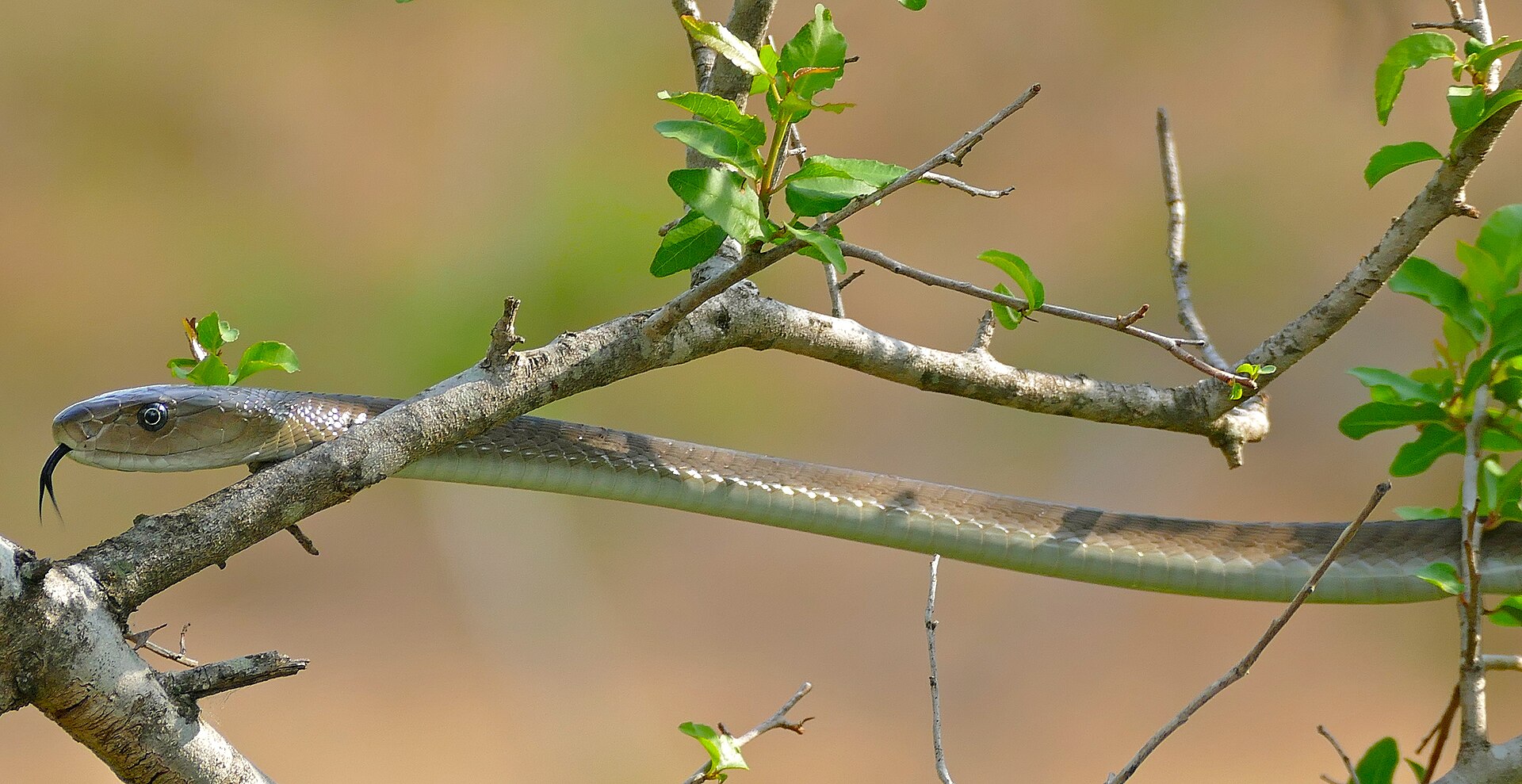
Least Concern (IUCN)
Black Mamba
Dendroaspis polylepis
The black mamba (Dendroaspis polylepis) is the longest venomous snake in Africa, capable of speeds up to 19 km/h, with a potent neurotoxic venom that is nearly 100% fatal if untreated — yet it is listed as Least Concern by the IUCN and remains ecologically important as a predator of rodents and small mammals across sub-Saharan Africa.
Read the guide →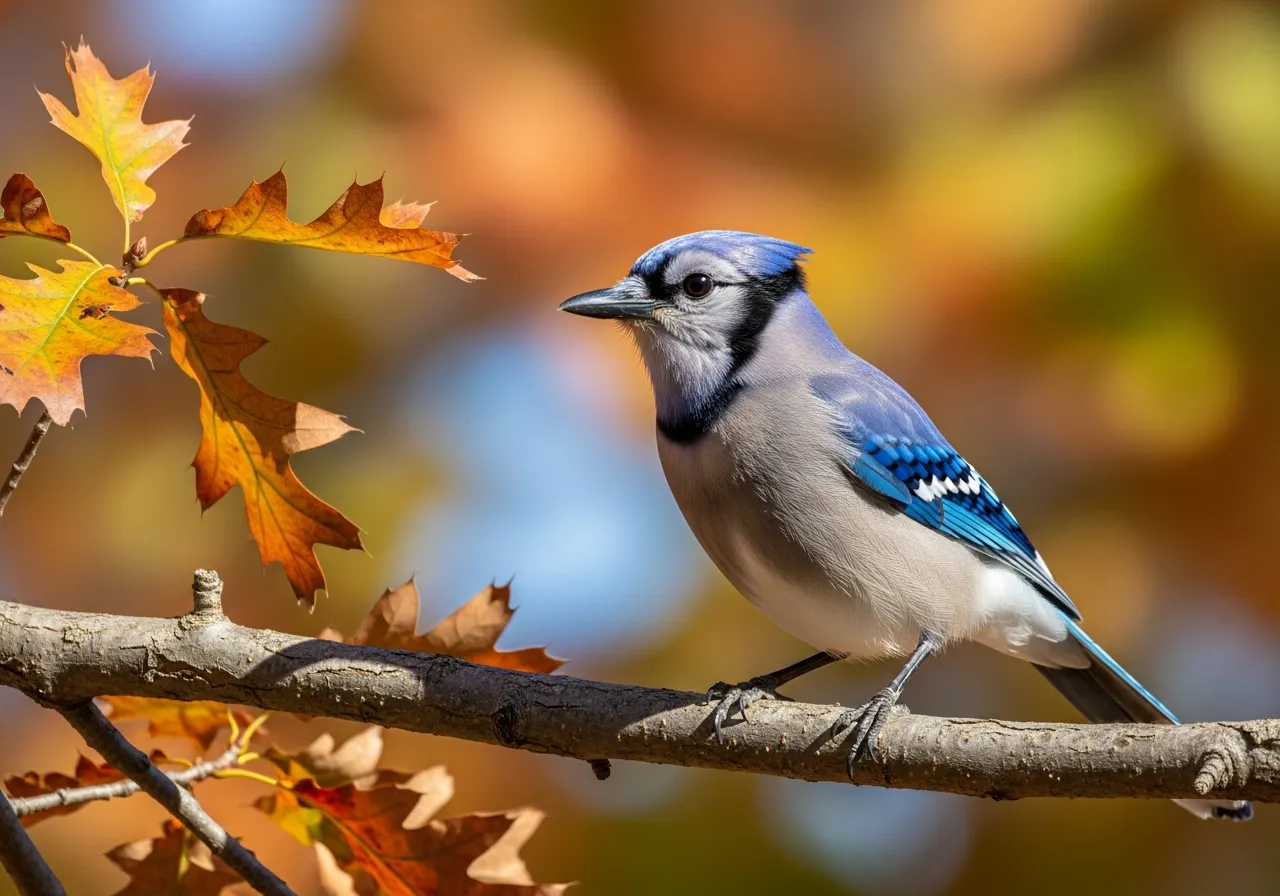
Least Concern (IUCN)
Blue Jay
Cyanocitta cristata
A blue jay (Cyanocitta cristata) is a bold, crested blue songbird of eastern and central North America, and a member of the corvid family alongside crows and ravens. Known for mimicking hawk calls and caching acorns, it is common, intelligent, and listed as Least Concern by the IUCN.
Read the guide →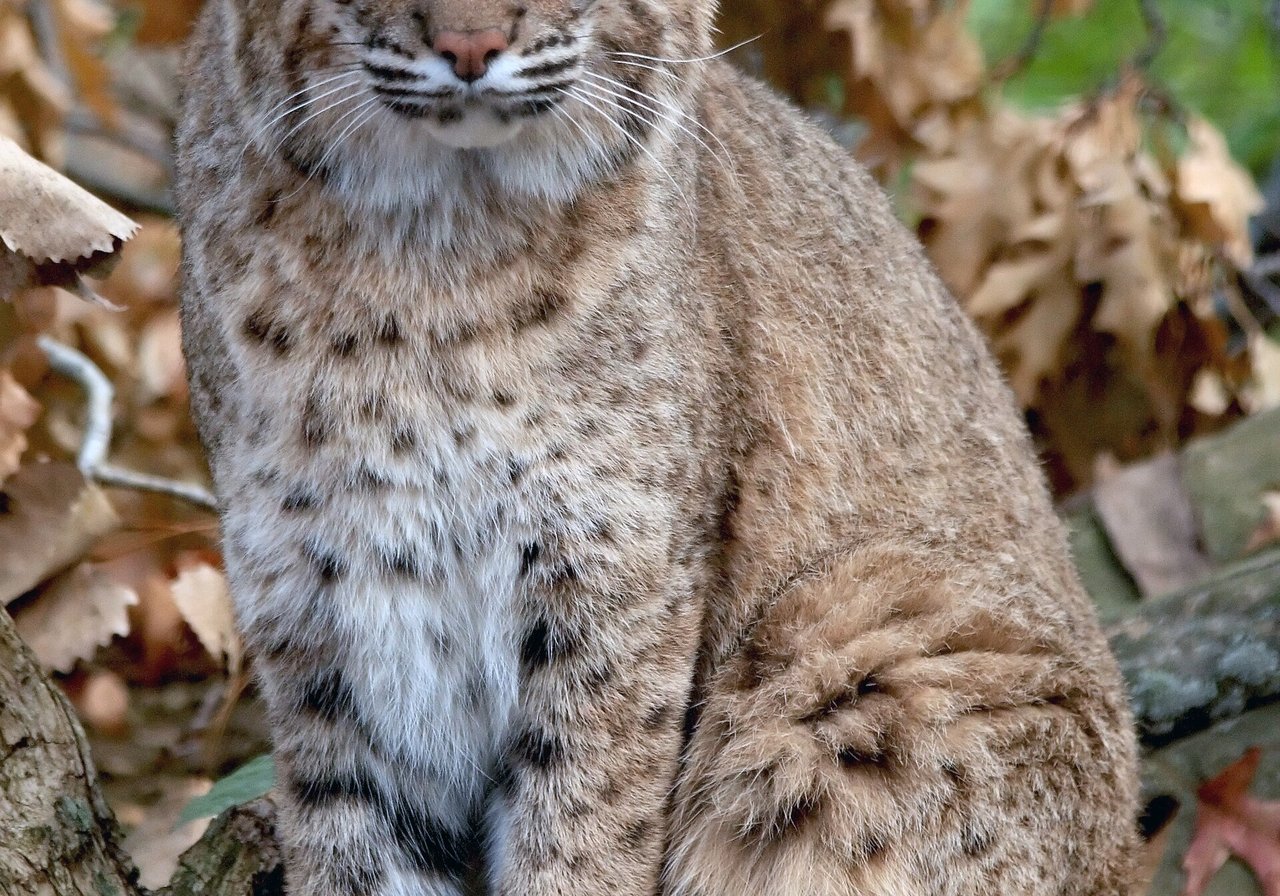
Least Concern (IUCN, 2016)
Bobcat
Lynx rufus (Schreber, 1777)
The bobcat (Lynx rufus) is a medium-sized North American wild cat listed as Least Concern by the IUCN; it is the continent's most widespread and adaptable felid, recognised by its tufted ears, spotted coat and short tail.
Read the guide →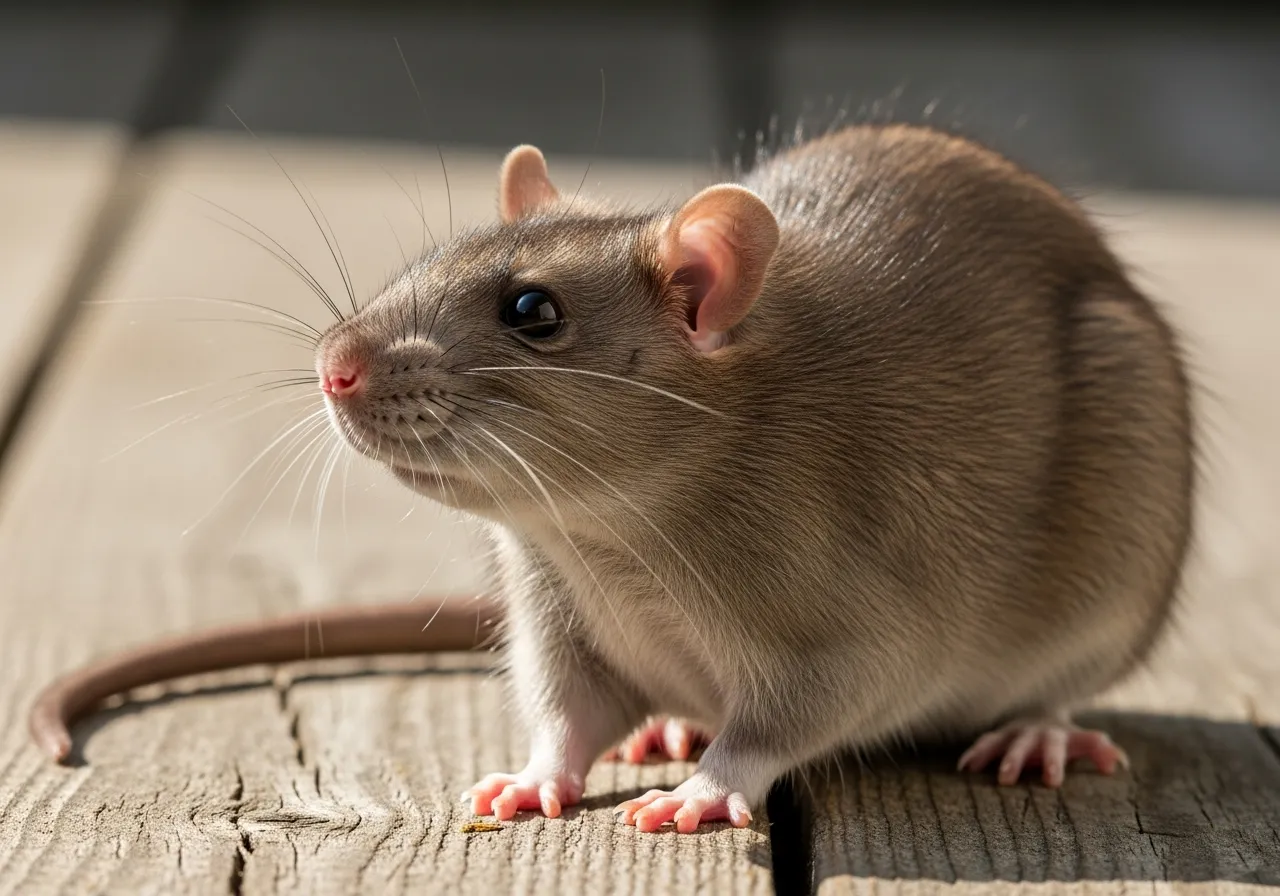
Least Concern (IUCN)
Brown Rat
Rattus norvegicus
A brown rat (Rattus norvegicus) is a large, adaptable rodent that lives alongside humans worldwide. Native to Asia, it has spread to every continent except Antarctica. Highly intelligent and social, it is the wild ancestor of both pet "fancy rats" and laboratory rats, and is listed as Least Concern.
Read the guide →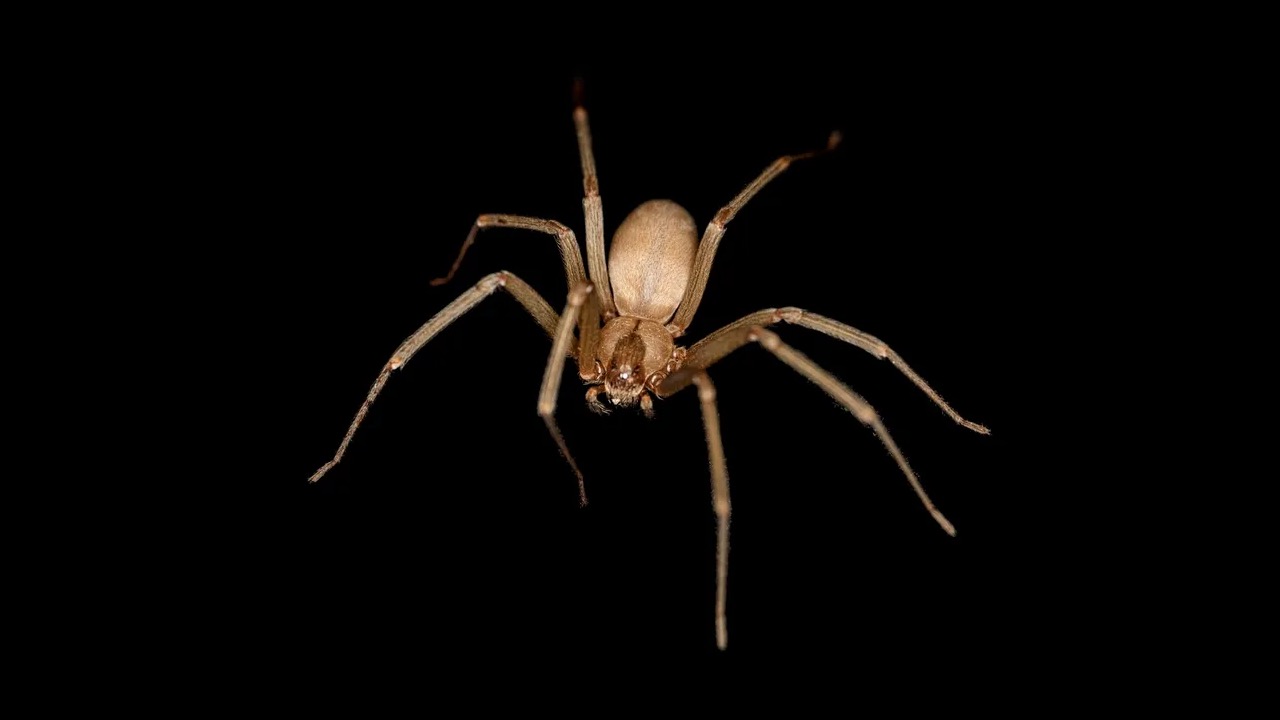
Not Evaluated
Brown Recluse Spider
Loxosceles reclusa
The brown recluse is a small venomous spider named for a violin-shaped mark on its cephalothorax and its shy, reclusive habits. Found mainly in the central and southern United States, it bites rarely but can cause necrotic skin lesions.
Read the guide →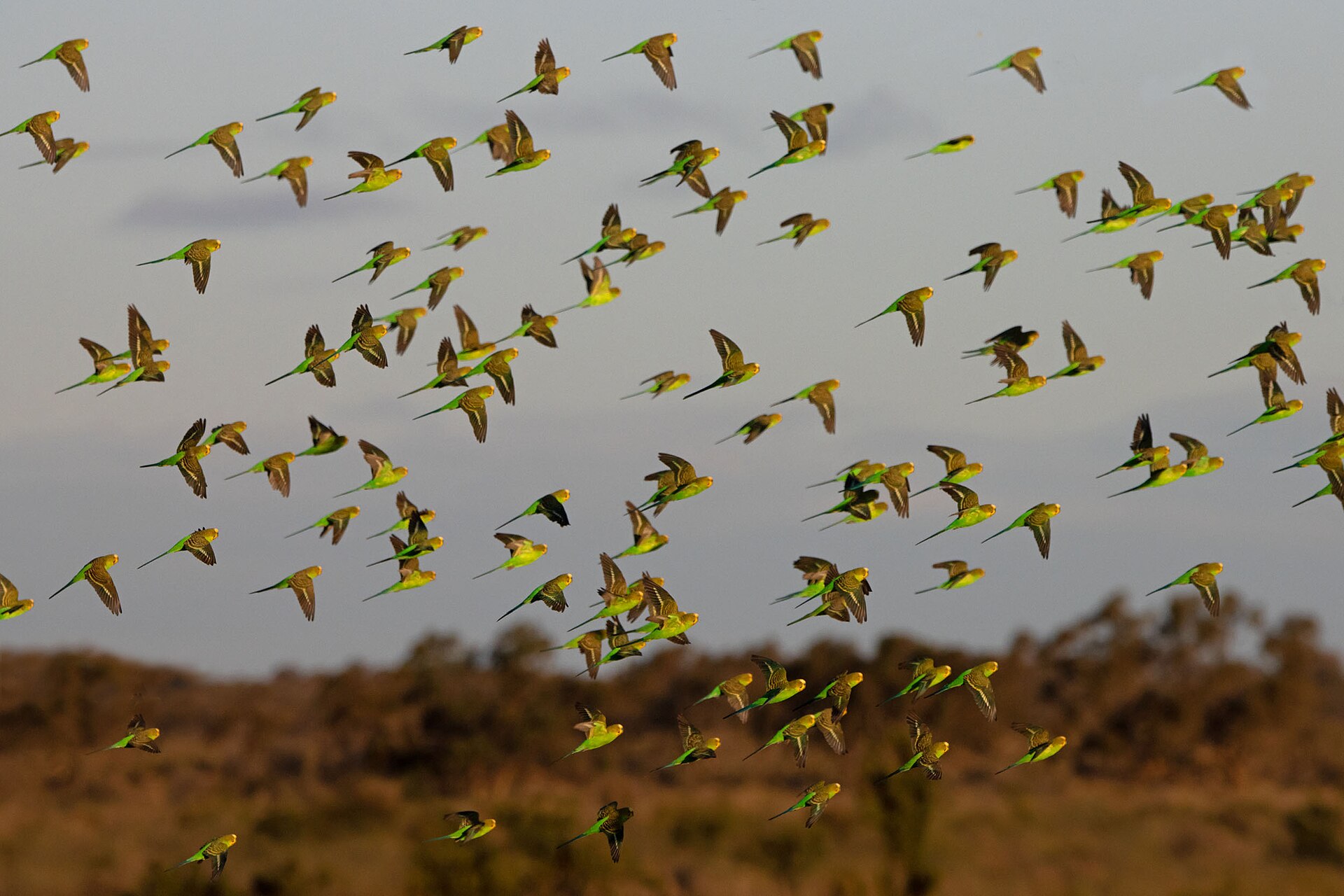
Least Concern (IUCN)
Budgerigar
Melopsittacus undulatus (Shaw, 1805)
The budgerigar (Melopsittacus undulatus) is a small Australian parrot — Least Concern in the wild — famous in captivity but naturally a nomadic flocking bird of the Outback, related to macaws and cockatoos within the parrot order.
Read the guide →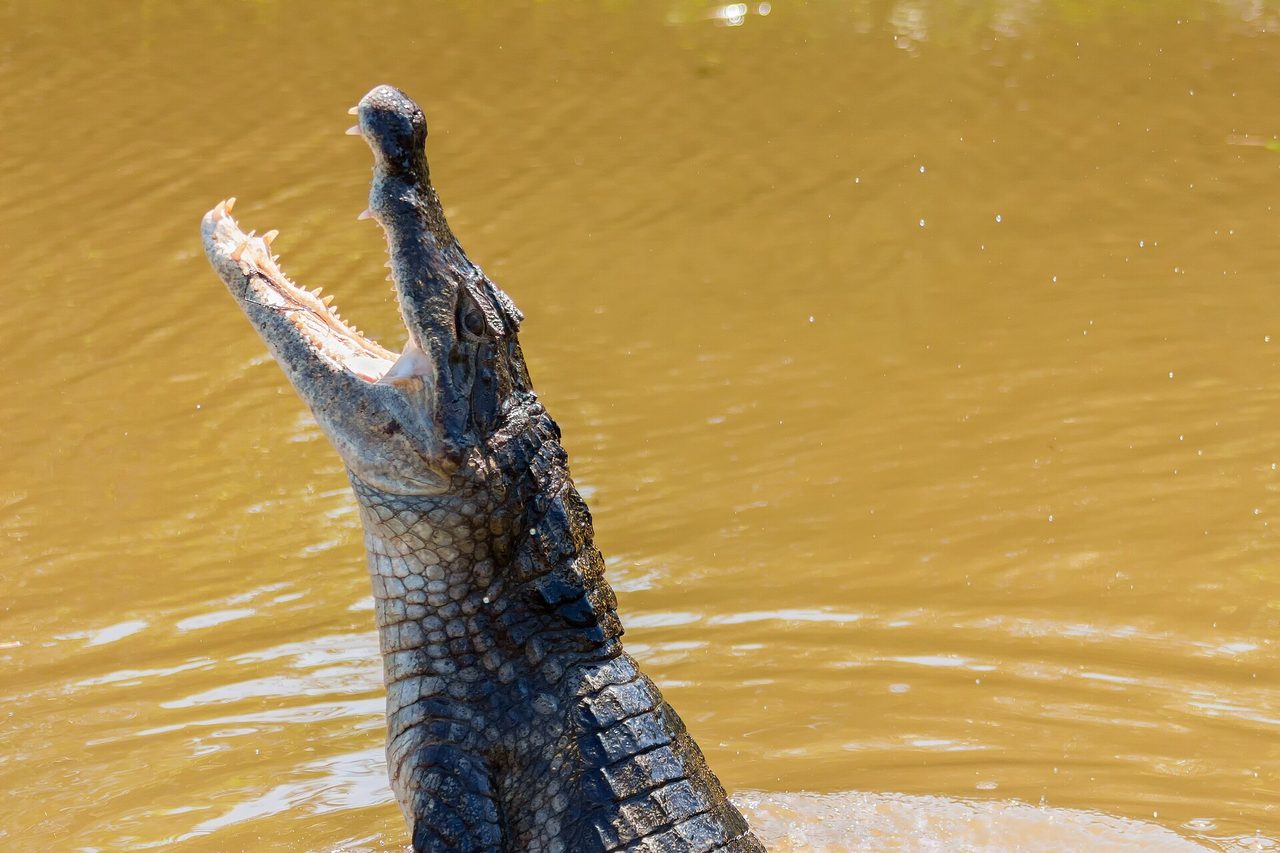
Least Concern (IUCN) — varies by species
Caiman
Caiman crocodilus and relatives (subfamily Caimaninae)
Caimans are freshwater crocodilians native to Central and South America, with the spectacled caiman being the world's most numerous crocodilian — estimated at over one million mature individuals by the IUCN and listed as Least Concern.
Read the guide →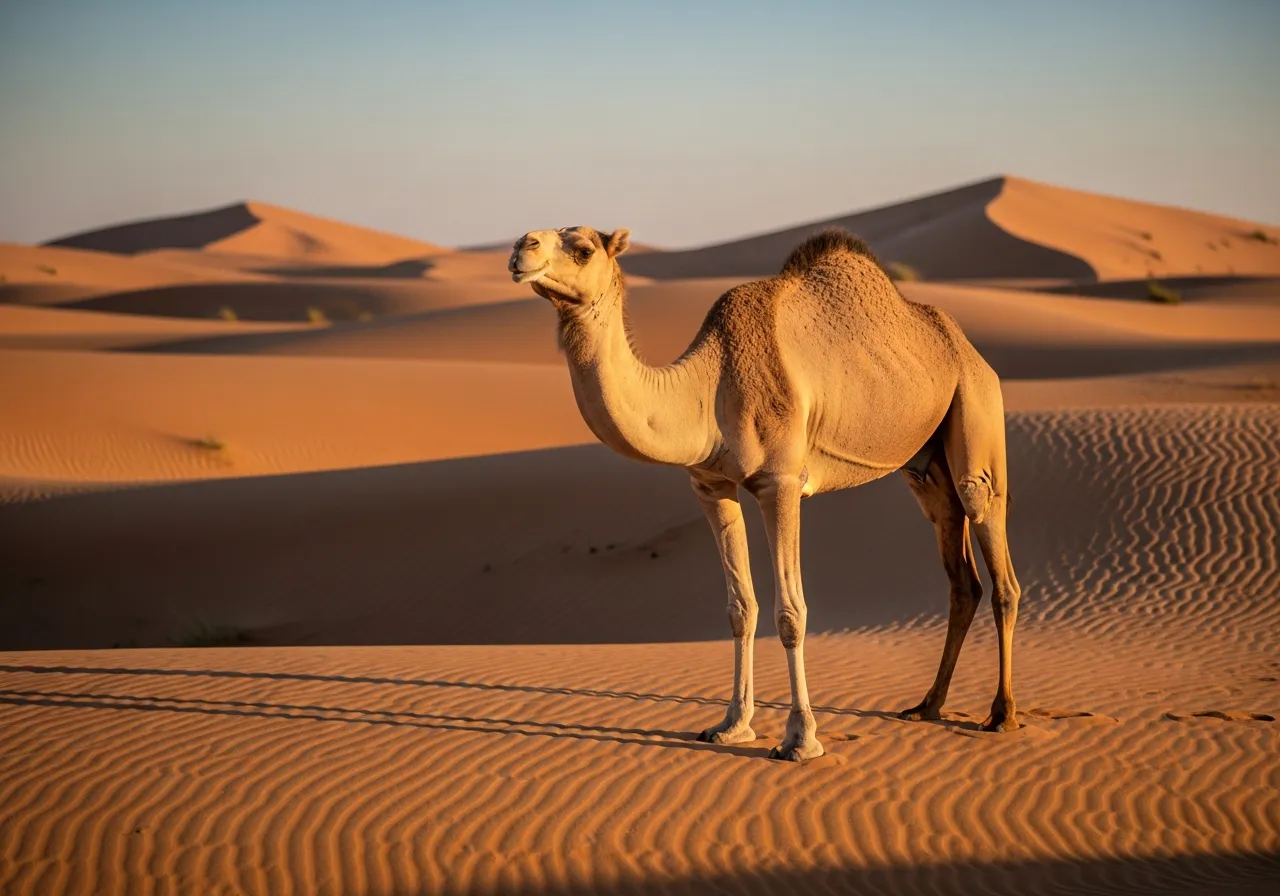
Domestic camels not threatened; the wild Bactrian camel (Camelus ferus) is Critically Endangered
Camel
Camelus dromedarius, C. bactrianus & C. ferus
A camel is a large, hump-backed desert mammal of the genus Camelus. The one-humped dromedary and two-humped Bactrian are domesticated; the wild Bactrian camel is rare. Humps store fat, not water, and remarkable adaptations let camels endure extreme heat and long stretches without drinking.
Read the guide →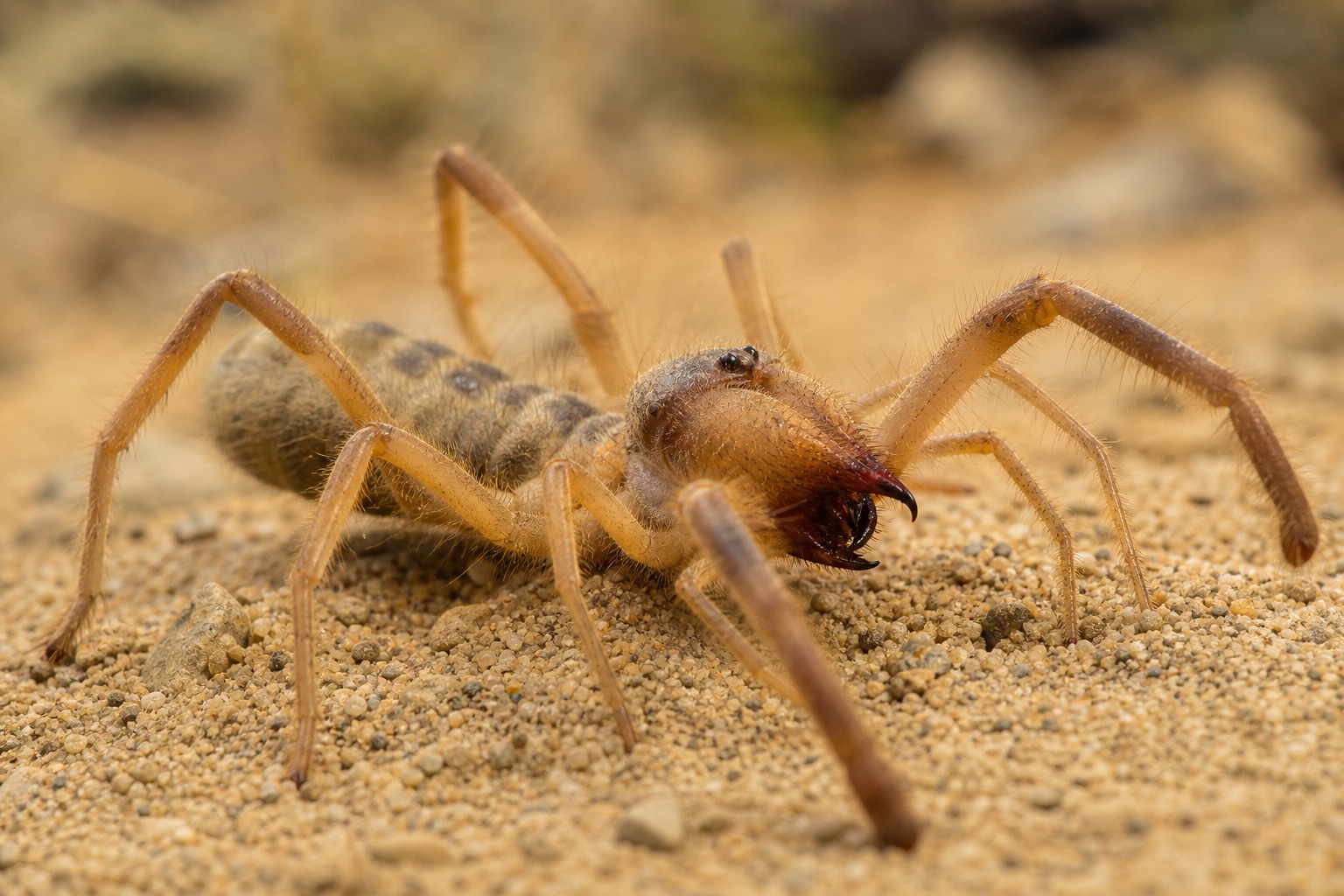
Not Evaluated — an order, not one IUCN taxon; internet myths outrun the animals
Camel Spider
Order Solifugae — about 1,200 described species; not spiders and not camels
Camel spiders are solifugids (order Solifugae) — desert arachnids that are not true spiders, do not spin silk, and lack spider-style venom glands. About 1,200 species are described. Viral claims of dinner-plate size, human sprint speed and flesh-melting venom are false. WARN does not run camel-spider programmes.
Read the guide →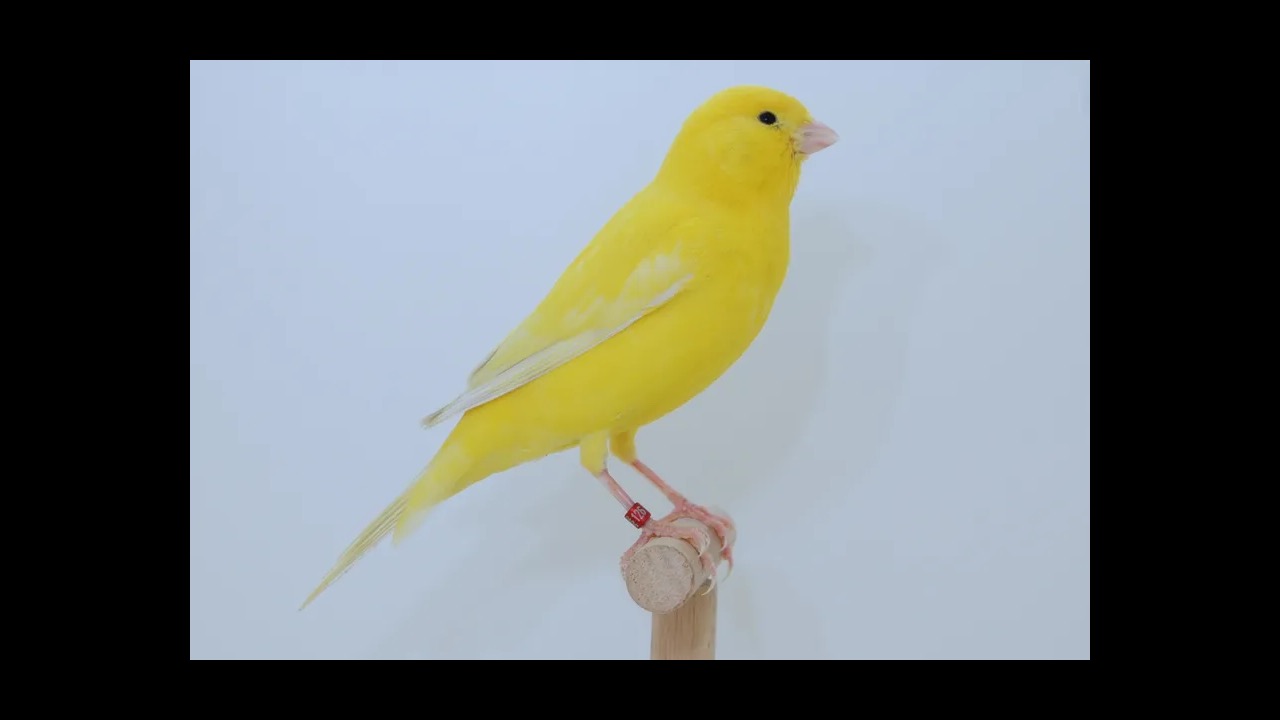
Domesticated species
Canary
Serinus canaria
Canaries are domesticated songbirds descended from wild Atlantic canaries of the Canary Islands, Madeira, and the Azores. Bred for centuries for colour and song, they weigh 15–25 g (0.5–0.9 oz) and are kept in millions of households — while wild populations on their native islands remain Least Concern.
Read the guide →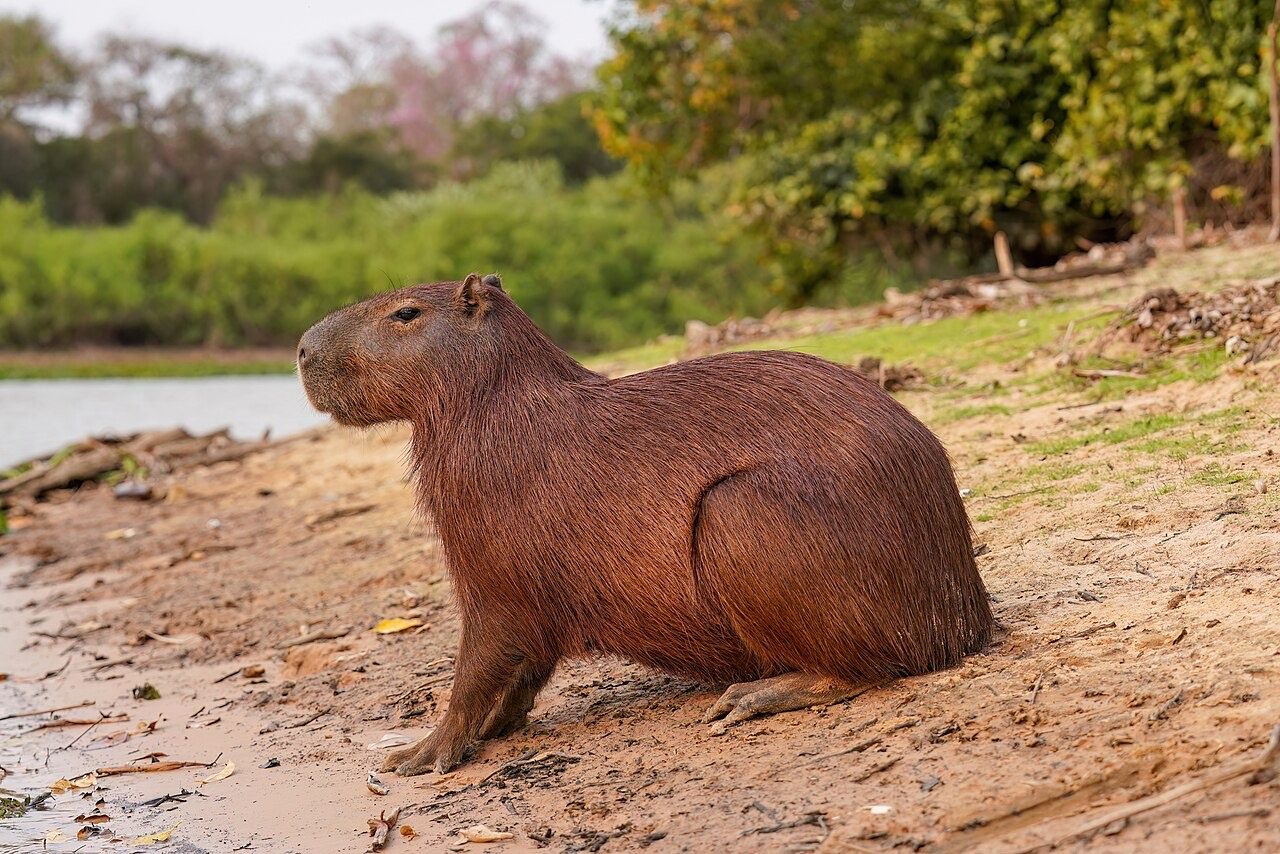
Least Concern (IUCN, 2016) — but locally hunted and traded
Capybara
Hydrochoerus hydrochaeris
A capybara is the world's largest rodent, a semi-aquatic, plant-eating mammal native to South America that can weigh up to about 65 kilograms (140 pounds) and lives in social groups near rivers, lakes and wetlands.
Read the guide →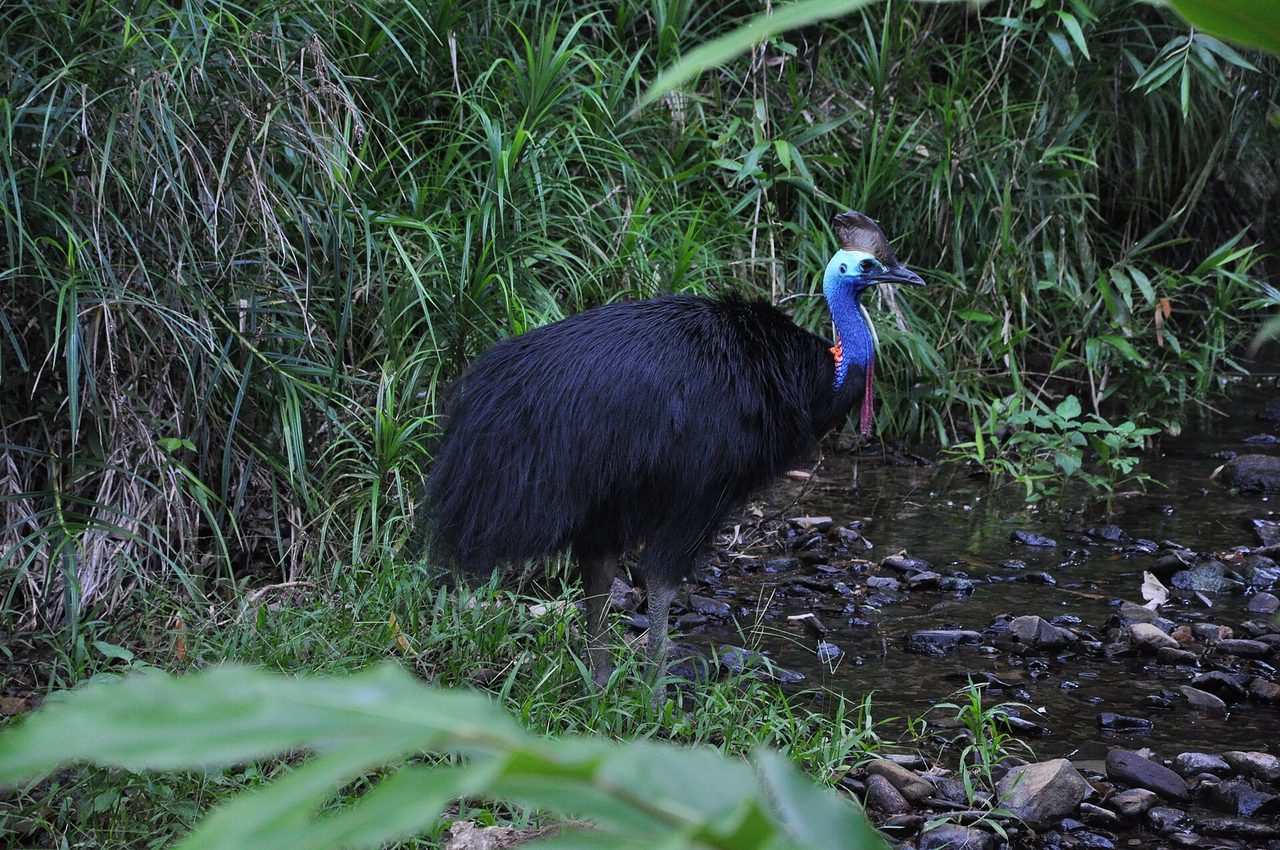
Least Concern (IUCN) — Southern; varies by species
Cassowary
Casuarius spp.
The cassowary is a large, flightless bird native to the rainforests of New Guinea and north-eastern Australia, renowned for its bony head casque, vivid neck colouring, and critical role as a seed disperser for hundreds of tropical plant species.
Read the guide →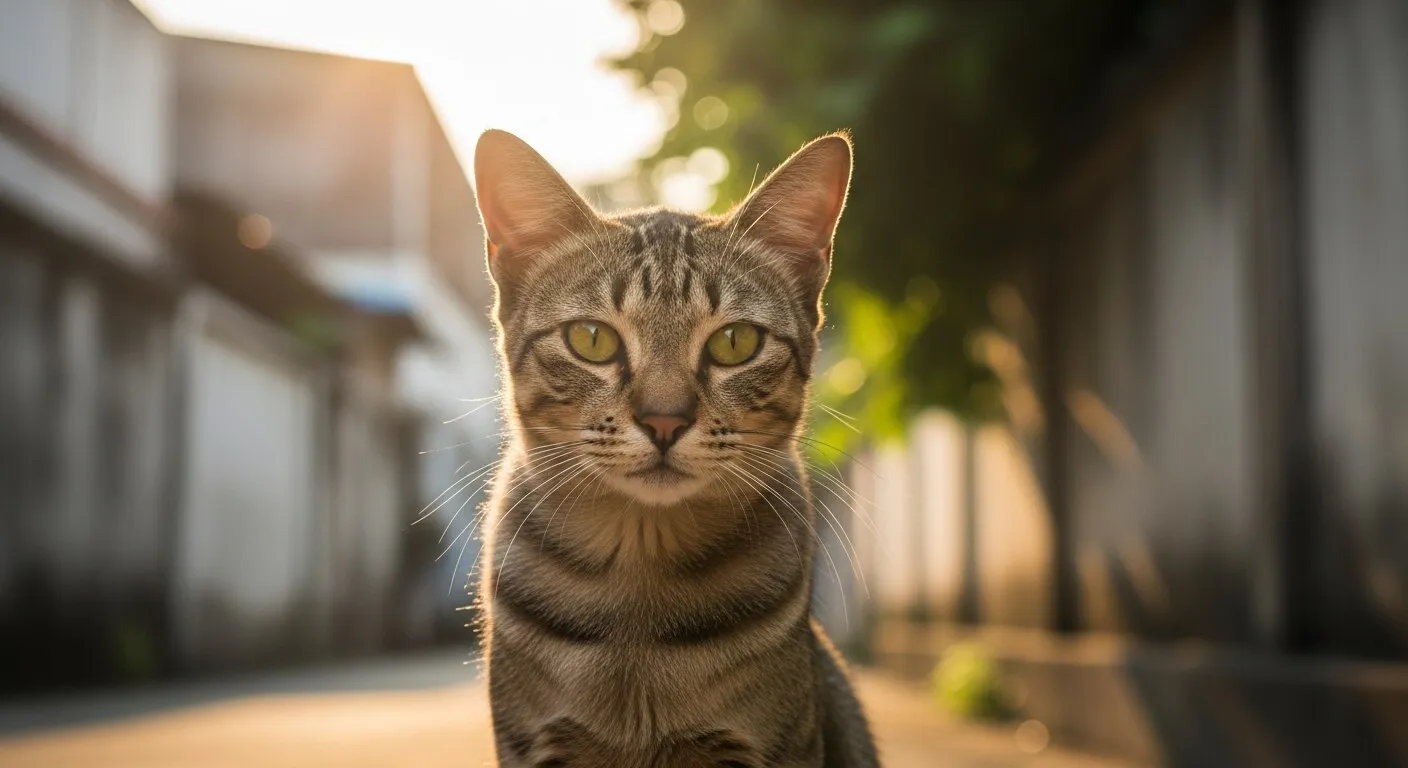
Domesticated — Not Evaluated (IUCN)
Cat
Felis catus (Linnaeus, 1758)
A cat (Felis catus) is a small domesticated carnivorous mammal descended from the African wildcat, kept worldwide as a companion. Every breed is the same species. The IUCN does not assess cats for extinction risk. Community cats are the same species as pets.
Read the guide →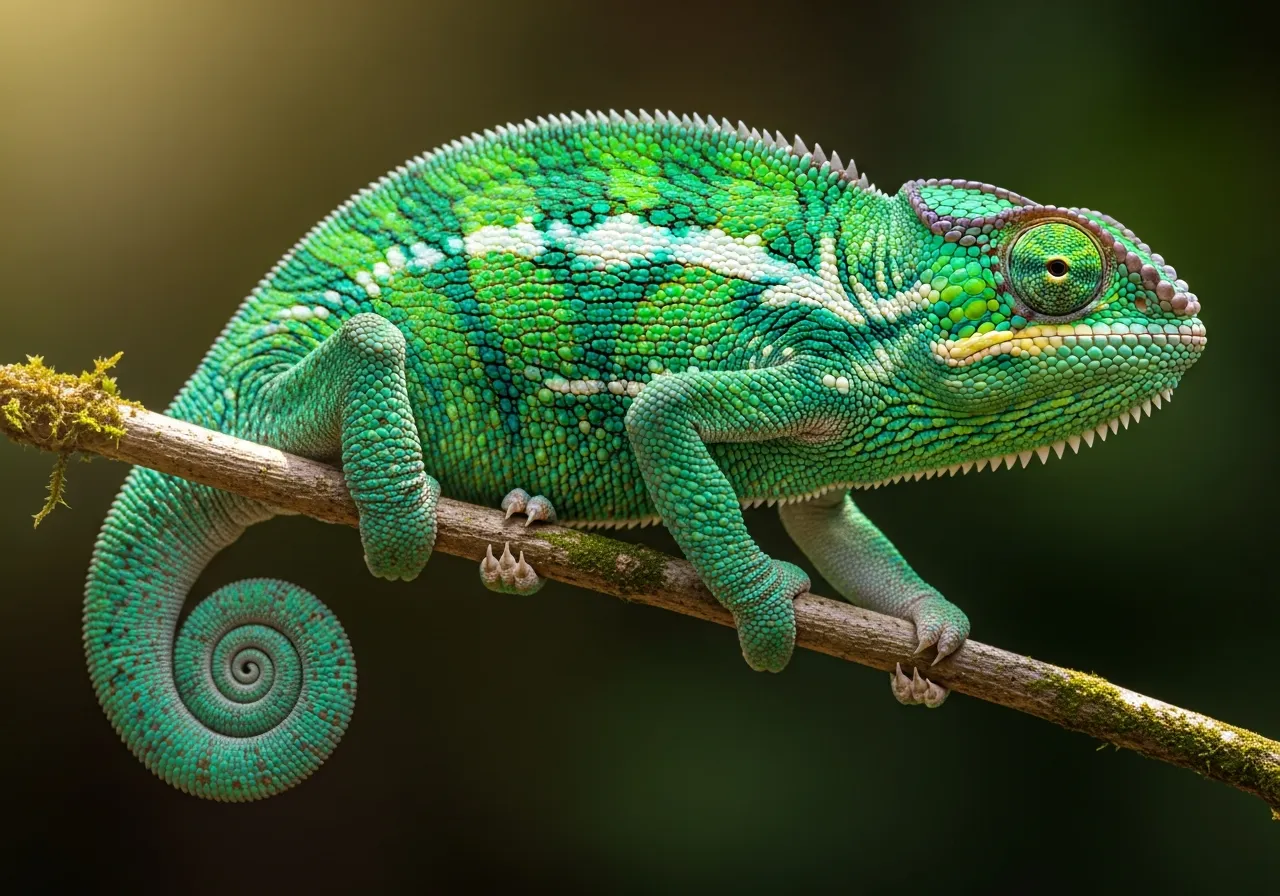
Varies by species; many threatened
Chameleon
Chamaeleonidae
A chameleon is an arboreal lizard of the family Chamaeleonidae, with around 200 species, about half found only in Madagascar. They are known for independently moving eyes, a fast projectile tongue, gripping feet, a prehensile tail and colour change used mainly for communication and temperature control.
Read the guide →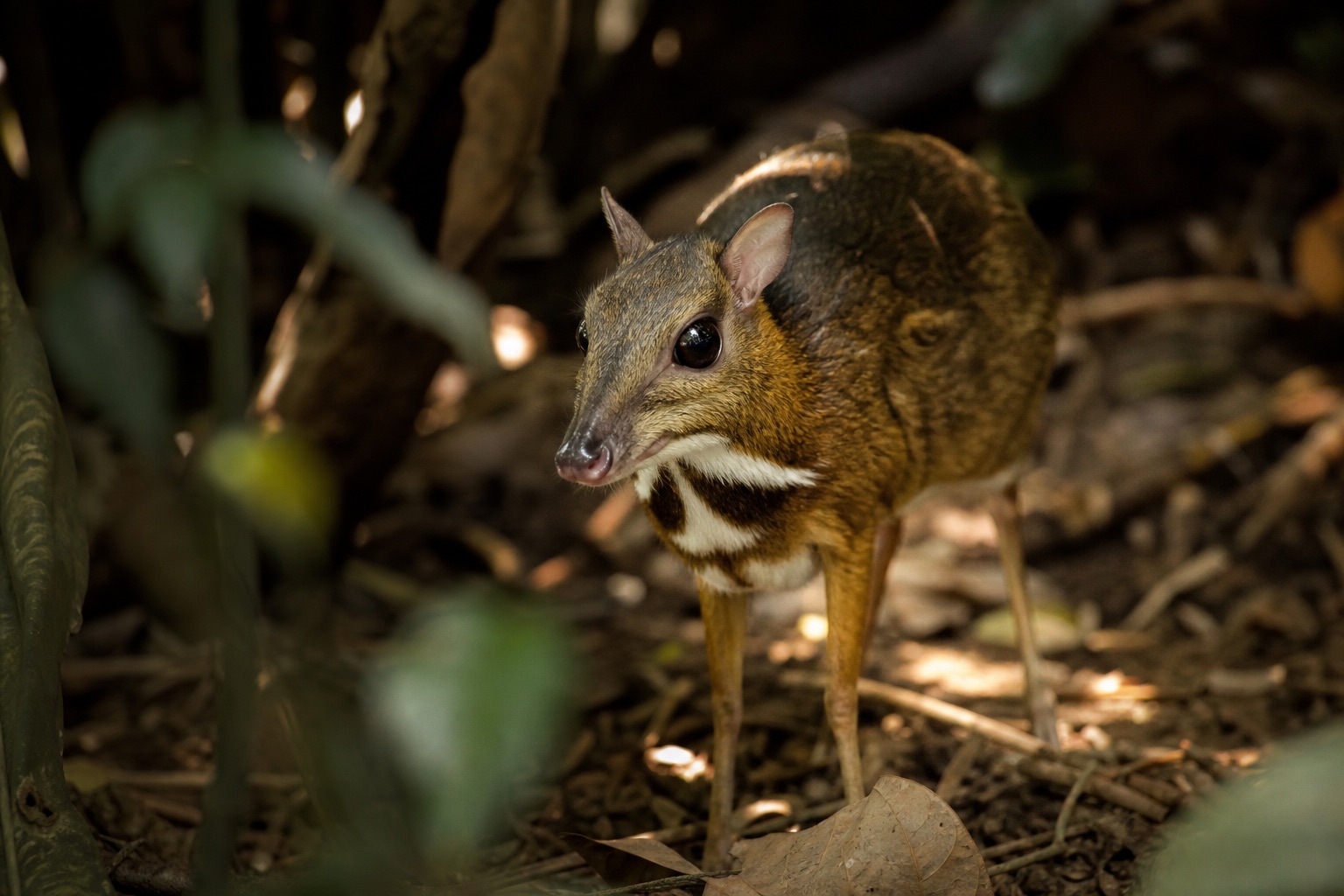
Varies by species — silver-backed chevrotain rediscovered in Vietnam 2019 after decades without records
Chevrotain
Tragulus spp.; silver-backed form Tragulus versicolor (Thomas, 1910) — family Tragulidae
Chevrotains are tiny Tragulidae hoofed mammals called mouse-deer but not related to deer; the silver-backed chevrotain was rediscovered in Vietnam in 2019 on camera trap after decades without confirmed records.
Read the guide →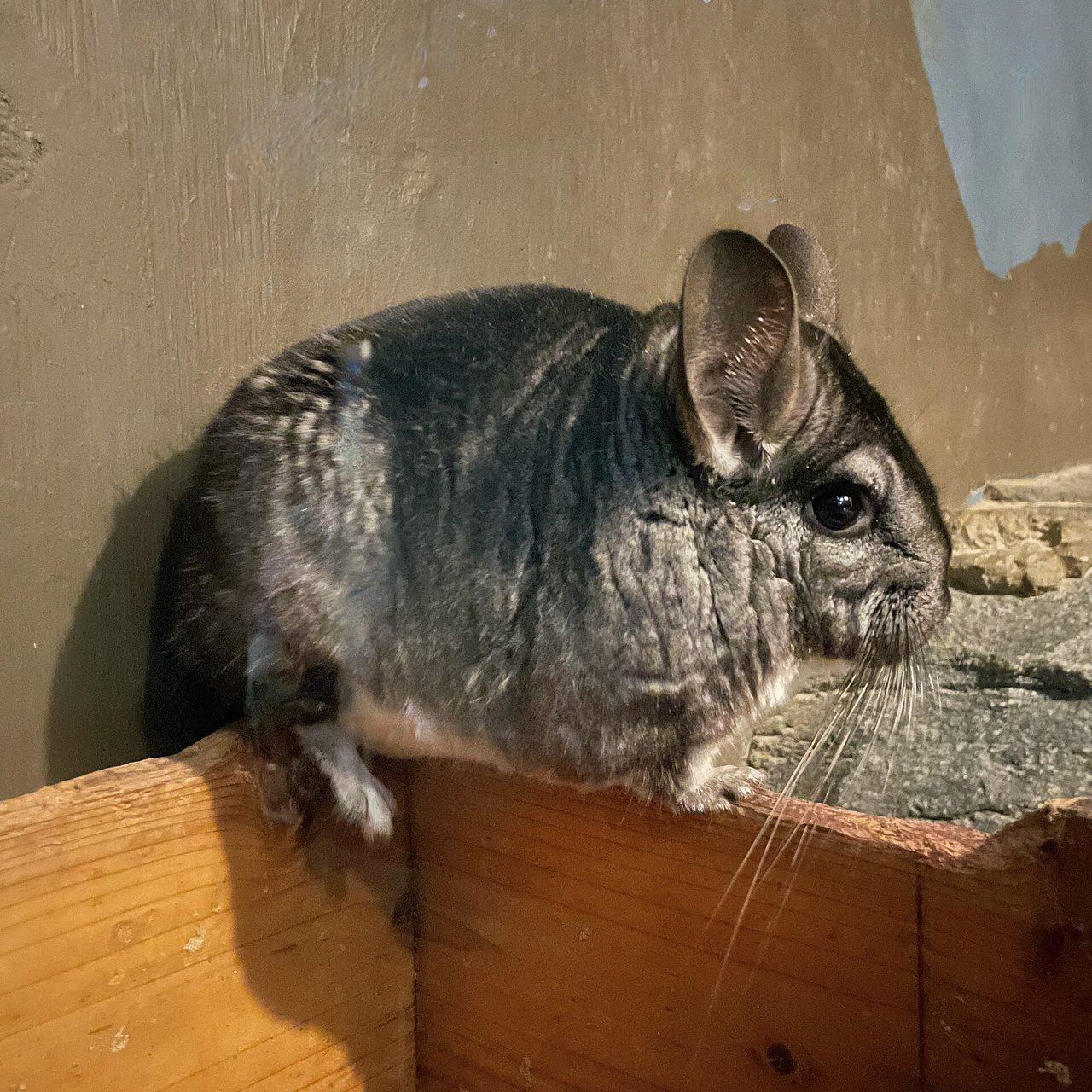
Wild chinchillas Endangered; common as pets
Chinchilla
Chinchilla (genus)
A chinchilla is a small, soft-furred rodent of the genus Chinchilla, native to the Andes mountains of South America. Famous for the densest fur of any land mammal, both wild species are Endangered, yet chinchillas are also bred and kept worldwide as long-lived, dust-bathing pets.
Read the guide →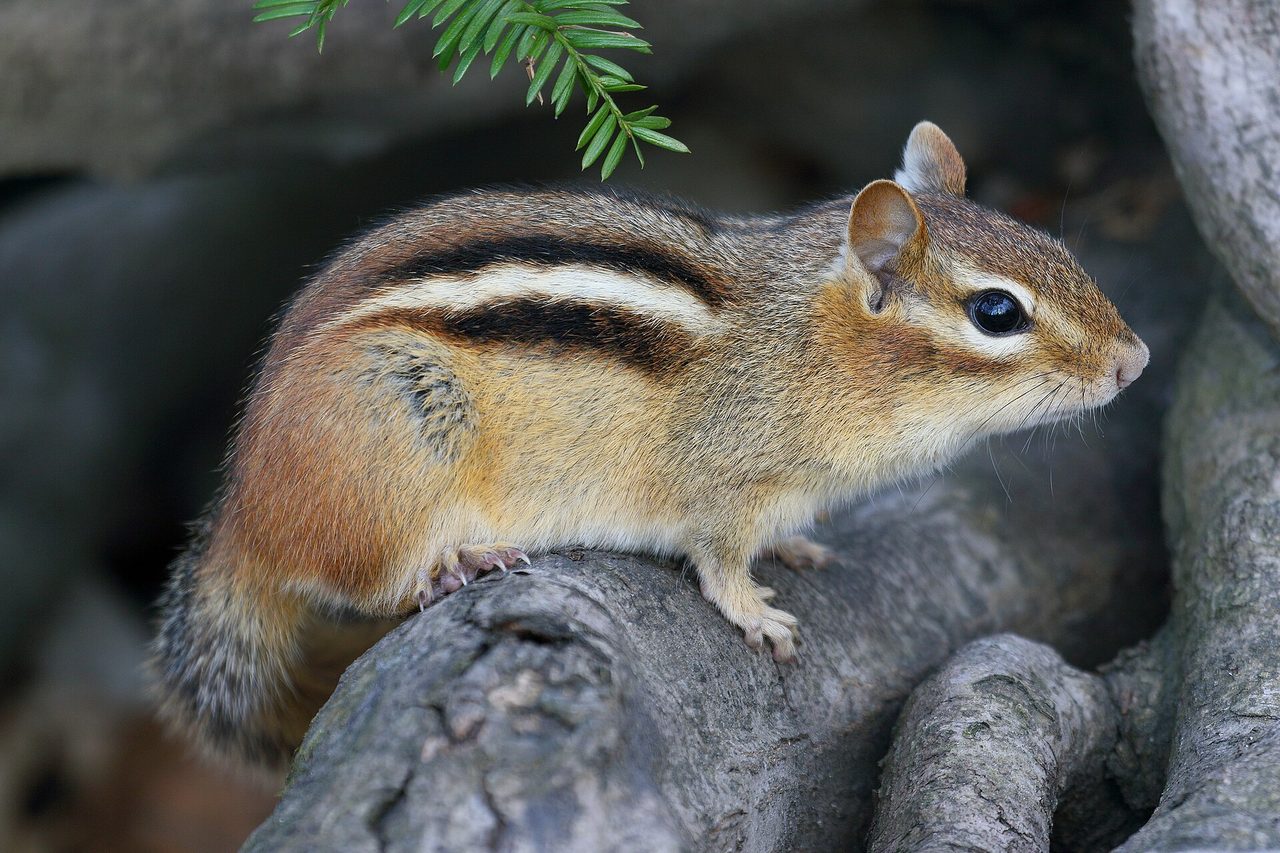
Least Concern (IUCN) — most species; Peñasco subspecies Endangered (US ESA, 2024)
Chipmunk
Tamias striatus (eastern); Neotamias spp. (western); Eutamias sibiricus (Siberian)
Chipmunks are small striped rodents of the subtribe Tamiina — found across North America and in one Asian species — that are mostly Least Concern on the IUCN Red List, though one New Mexico subspecies was listed as Endangered under the US Endangered Species Act in December 2024.
Read the guide →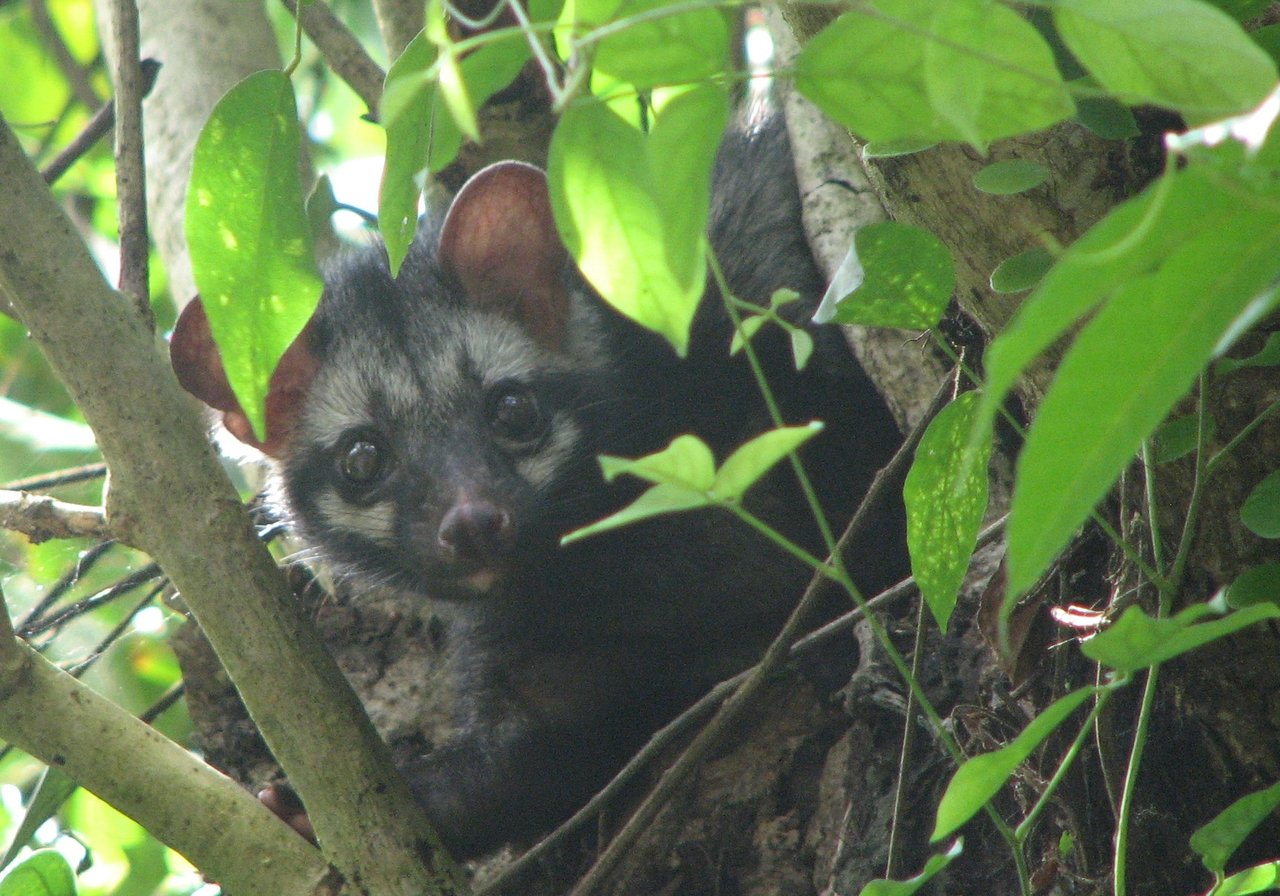
Least Concern (IUCN, 2015) — African civet
Civet
Civettictis civetta (Schreber, 1776)
Civets are nocturnal viverrids of Africa and Asia; the African civet (Civettictis civetta) is Least Concern and widespread across sub-Saharan Africa, though Asian species face habitat loss and civet musk farming raises welfare concerns.
Read the guide →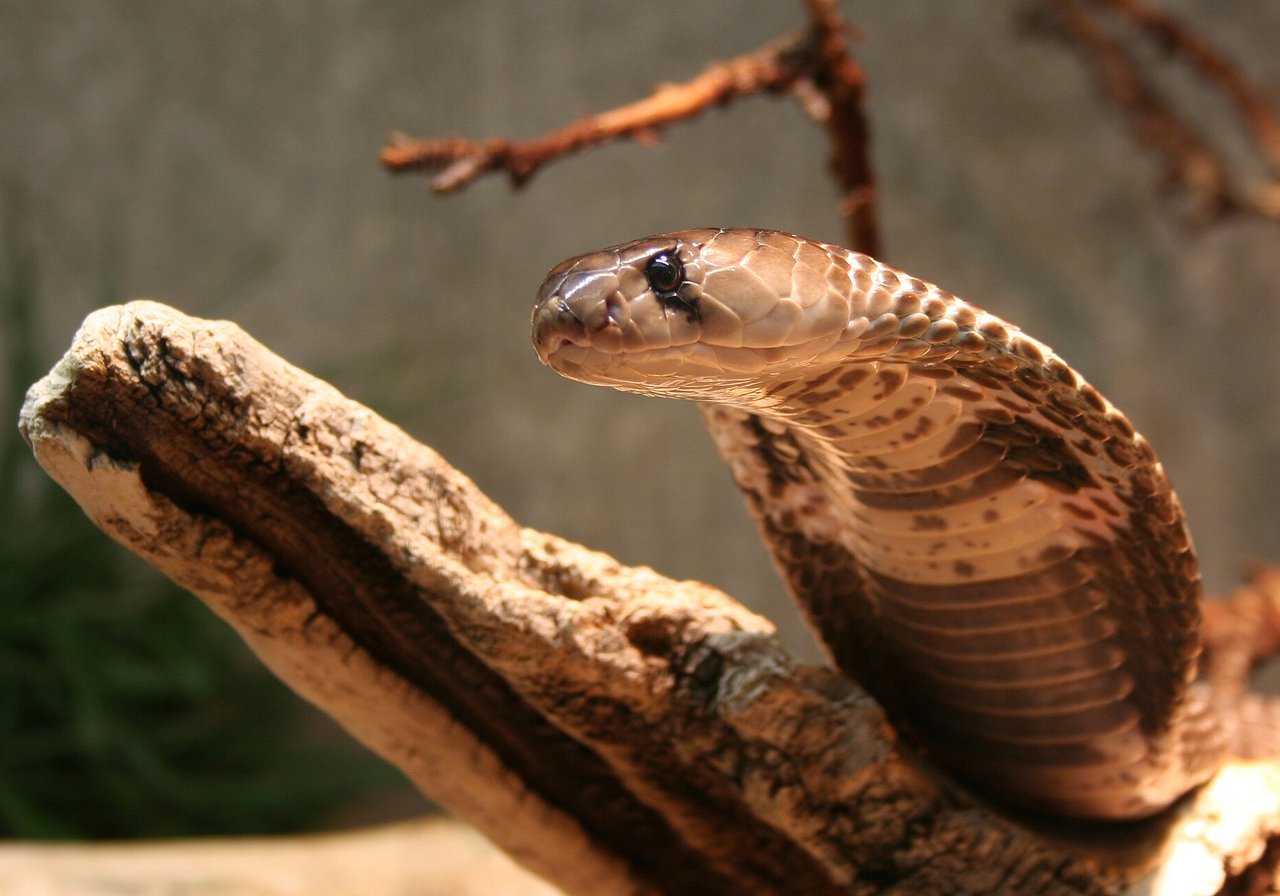
Varies by species (Least Concern to Vulnerable)
Cobra
Multiple elapid genera — Naja (true cobras), Ophiophagus (king cobra) and related hooded species
Cobras are hooded venomous elapid snakes of Africa and Asia — including true cobras (Naja) and the king cobra — neurotoxic predators vital for rodent control but threatened by persecution and habitat loss.
Read the guide →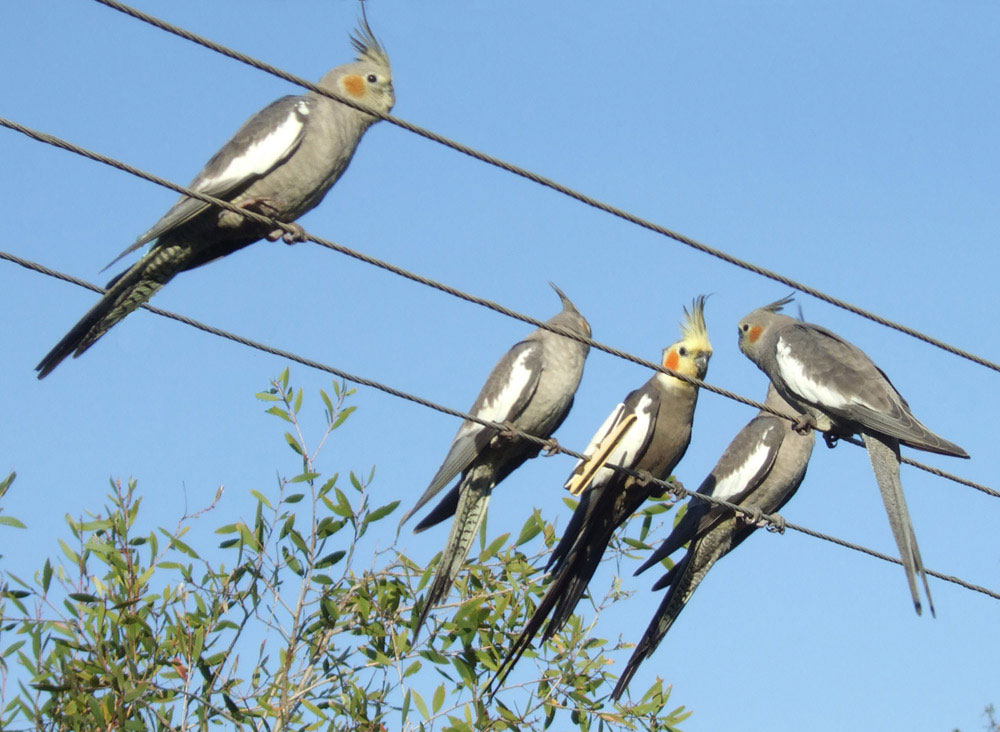
Least Concern (IUCN) — wild cockatiel; abundant across Australia
Cockatiel
Nymphicus hollandicus (Kerr, 1792) — the smallest member of the cockatoo family
The cockatiel (Nymphicus hollandicus) is a small Australian parrot — the smallest cockatoo, Least Concern in the wild — kept worldwide as a gentle pet; its colour 'varieties' are captive-bred mutations of one species.
Read the guide →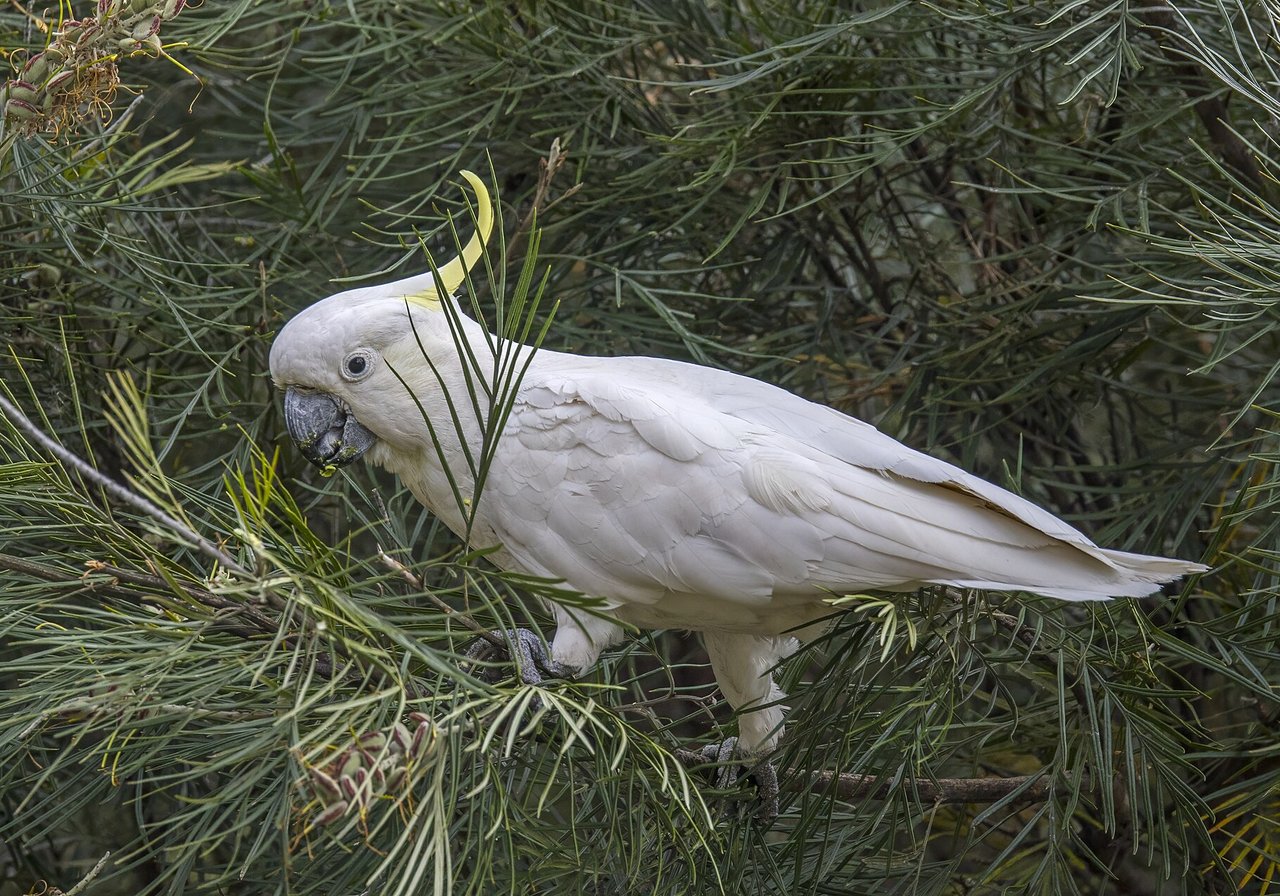
Varies by species (Vulnerable to Critically Endangered)
Cockatoo
Family Cacatuidae — 21 species in 4 genera (Cacatua, Calyptorhynchus, Callocephalon, Nymphicus)
Cockatoos are crested parrots (family Cacatuidae) with 21 species across Australasia — intelligent and long-lived birds threatened by illegal trapping for the pet trade, with several Indonesian species Critically Endangered.
Read the guide →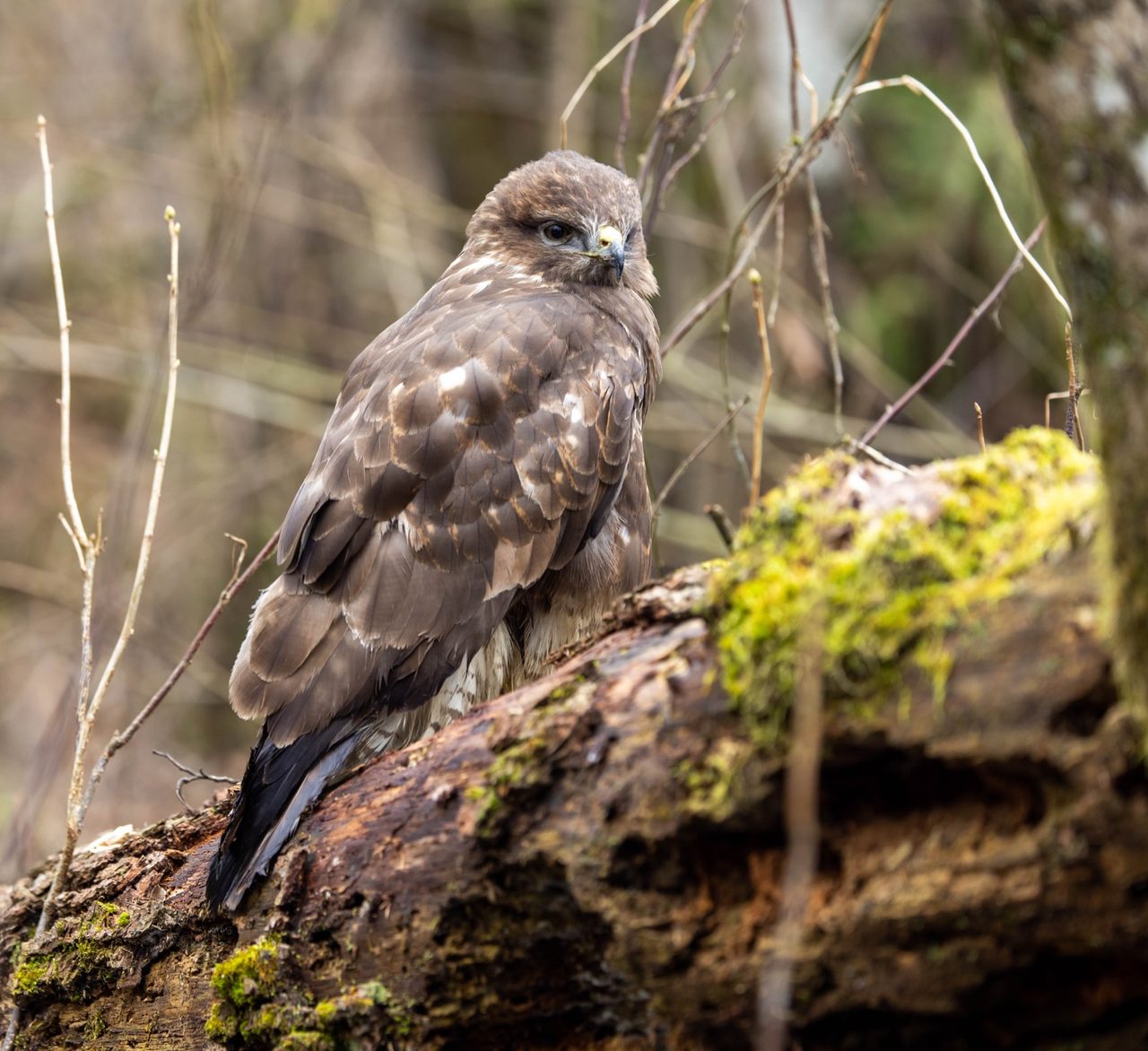
Least Concern (IUCN)
Common Buzzard
Buteo buteo
A common buzzard (Buteo buteo) is a medium-large, broad-winged bird of prey and Britain's most common and widespread raptor. It soars in slow circles, gives a distinctive cat-like mewing call, and hunts small mammals, earthworms and carrion across farmland, woodland and moorland.
Read the guide →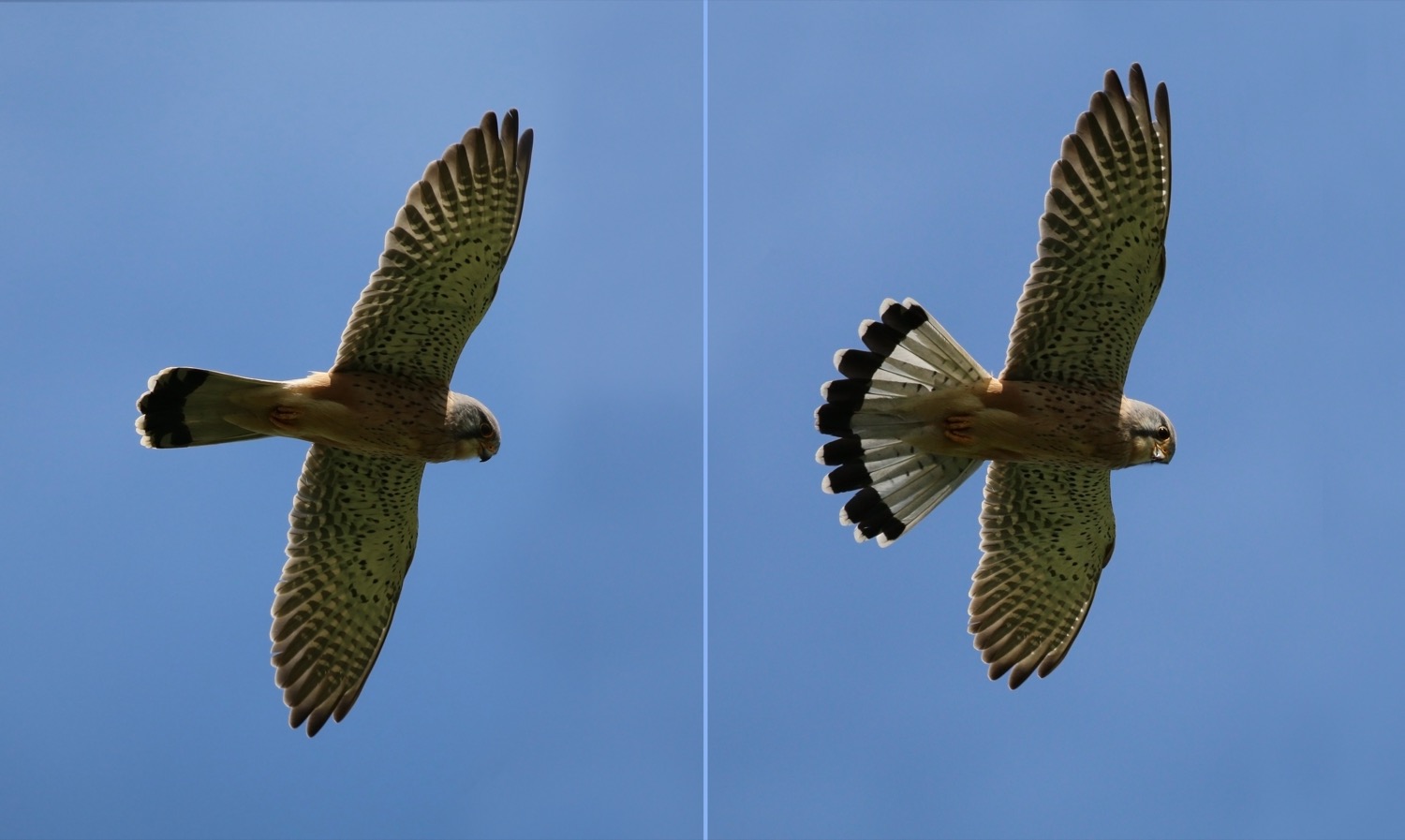
Least Concern (IUCN)
Common Kestrel
Falco tinnunculus
A common kestrel (Falco tinnunculus) is a small falcon of Europe, Asia and Africa, famous for hovering in mid-air to hunt voles, mice and large insects. Reddish-brown above with pointed wings, it can detect ultraviolet light reflected by rodent urine trails. The IUCN lists it as Least Concern.
Read the guide →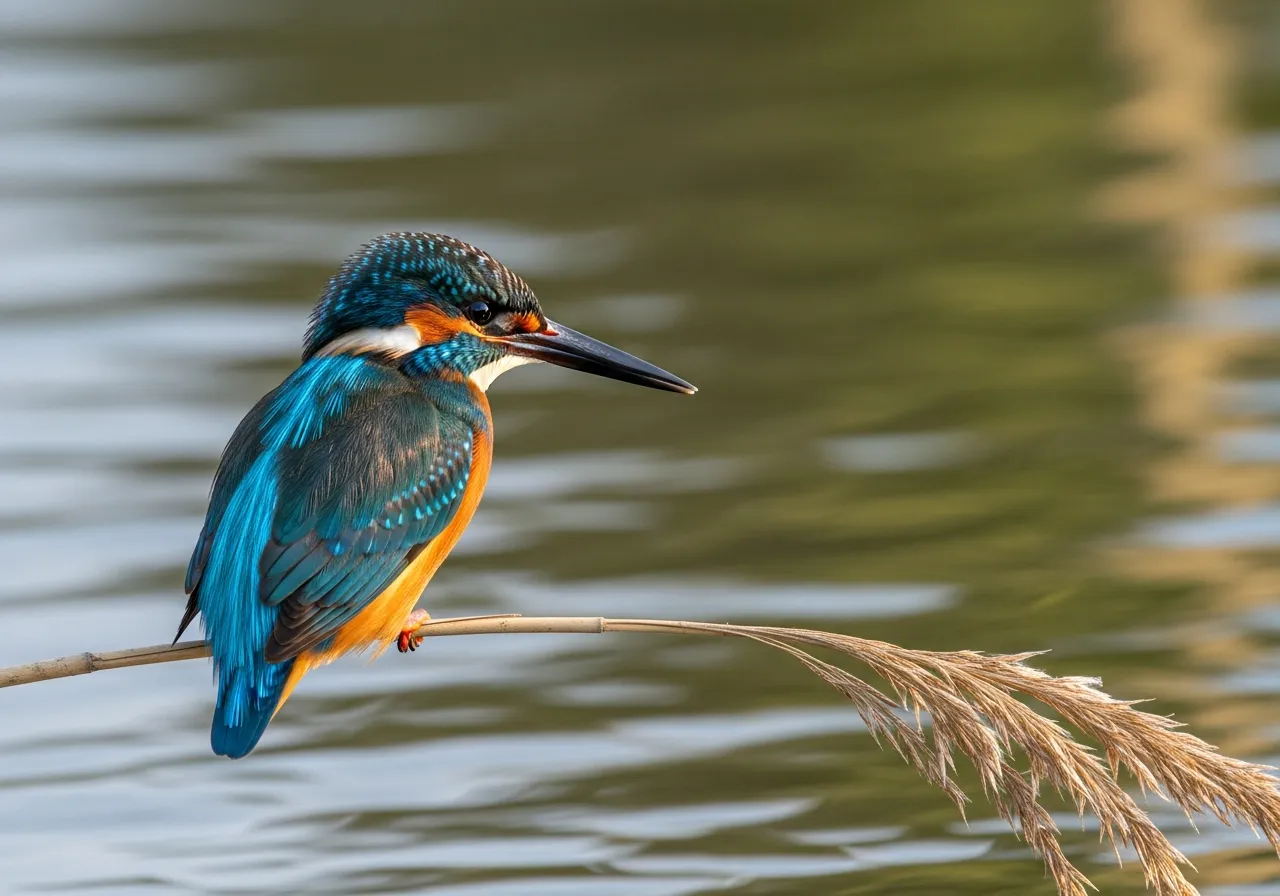
Least Concern (IUCN); not CITES-listed
Common Kingfisher
Alcedo atthis
A kingfisher is a small, brilliantly coloured bird that hunts by diving headfirst into water for fish. The common kingfisher (Alcedo atthis) of Europe, Asia and North Africa is electric-blue above and orange below, with a long, dagger-like bill, and nests in tunnels dug into riverbanks.
Read the guide →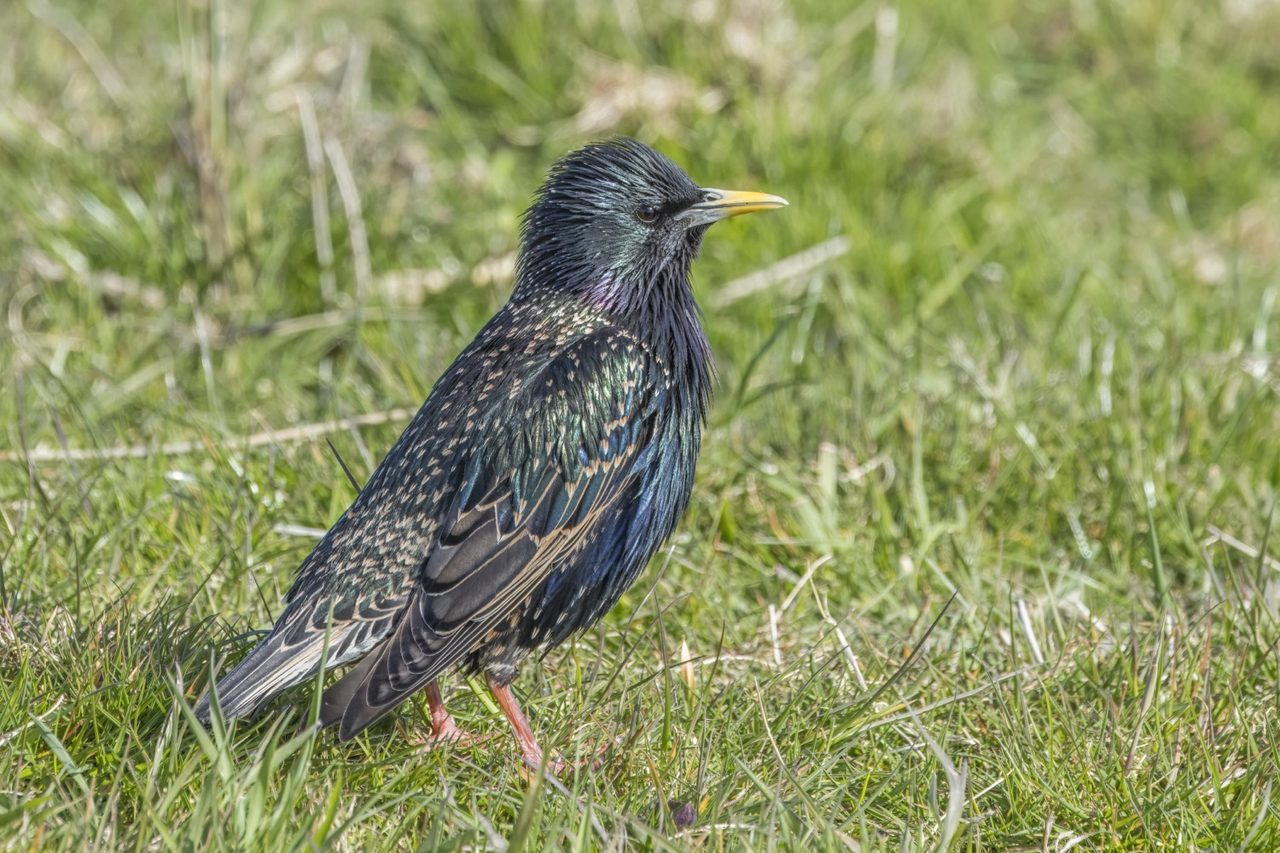
Least Concern (IUCN) globally; UK Red List of conservation concern
Common Starling
Sturnus vulgaris
The common starling (Sturnus vulgaris) is a stocky, glossy black songbird native to Eurasia and North Africa, famous for vast swirling winter flocks called murmurations and for skilled vocal mimicry. Globally common and rated Least Concern, it has declined sharply in Britain and is UK Red-listed.
Read the guide →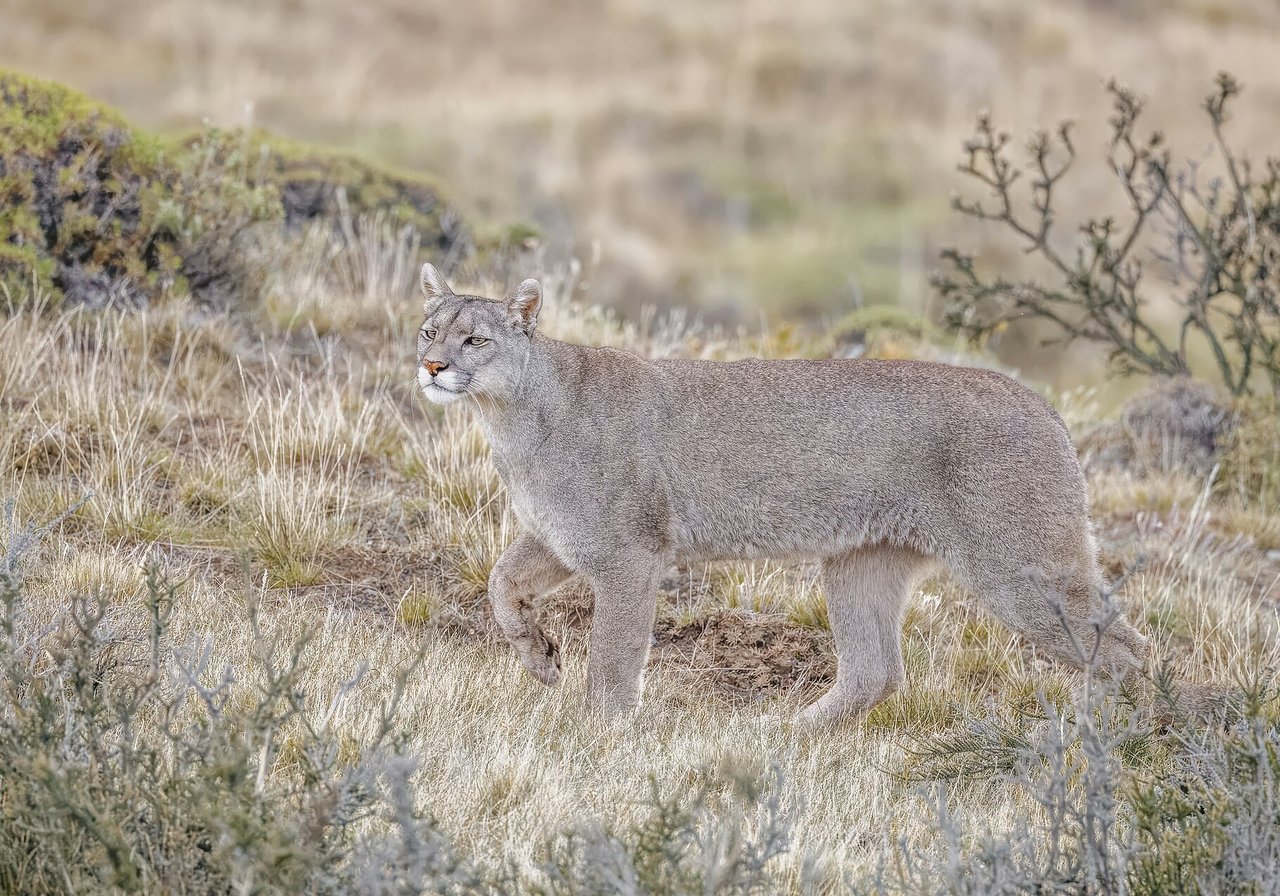
Least Concern (IUCN, 2014)
Cougar
Puma concolor (Linnaeus, 1771)
The cougar (Puma concolor) — also known as puma or mountain lion — is a large solitary cat native to the Americas, listed as Least Concern by the IUCN; it is the most widespread wild cat in the Western Hemisphere but faces habitat loss and human conflict in many regions.
Read the guide →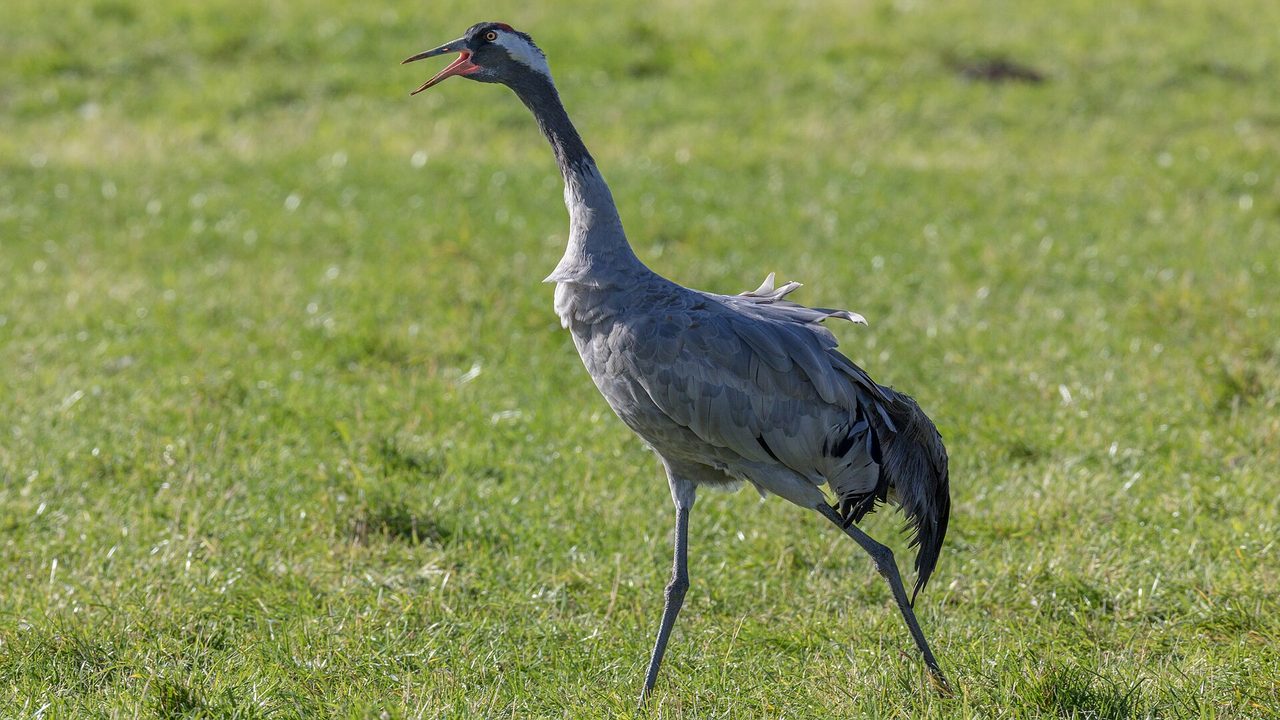
Varies by species (Critically Endangered to Least Concern)
Crane
Family Gruidae
Cranes are a family (Gruidae) of 15 large, long-lived wading birds found on every continent except South America and Antarctica; the family spans conservation statuses from Least Concern (Common Crane, over 700,000 birds) to Critically Endangered (Siberian Crane, roughly 6,500–7,000 birds), making them collectively one of the most threatened bird groups in the world.
Read the guide →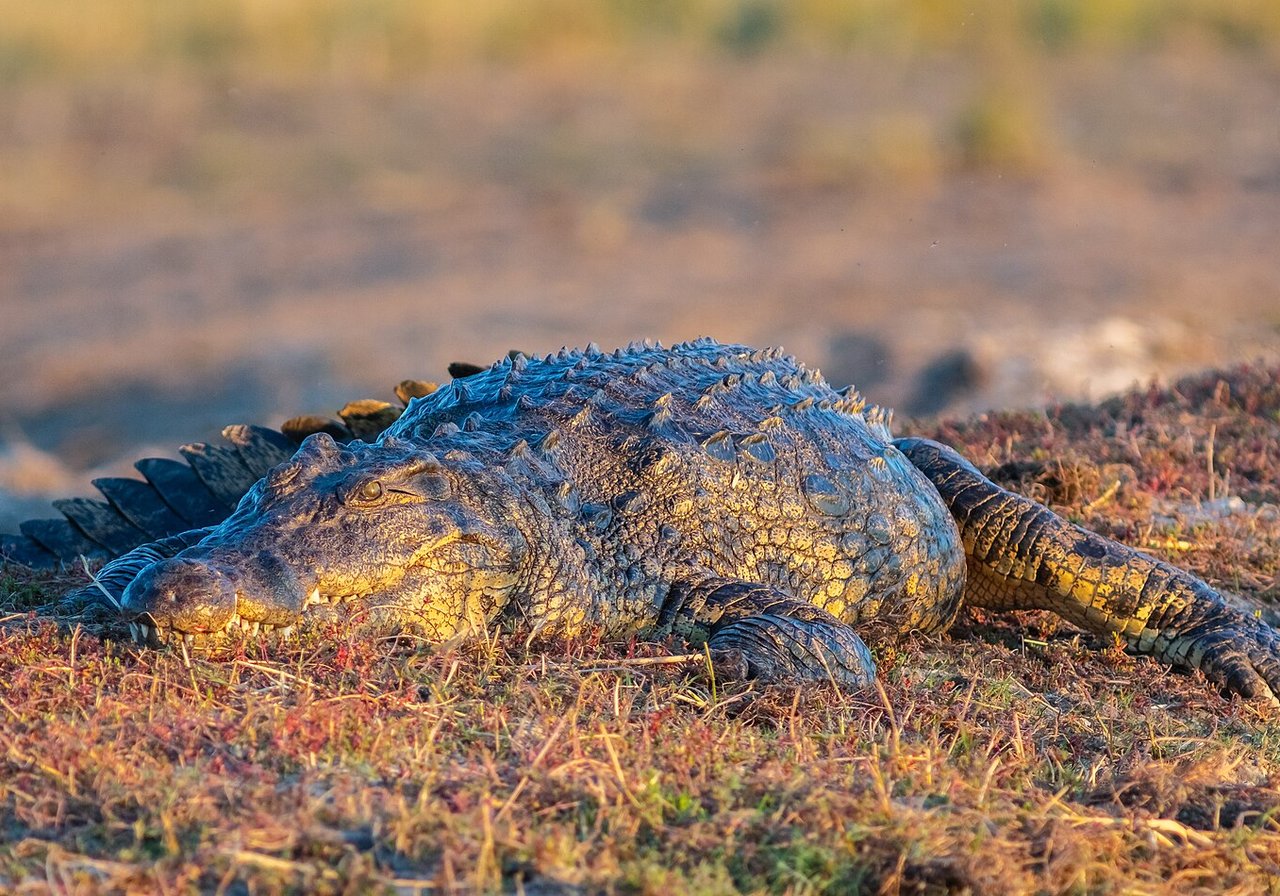
Varies by species (Least Concern to Critically Endangered)
Crocodile
Order Crocodilia — crocodiles, alligators, caimans and gharials
Crocodilians are ~26 species of large aquatic reptiles — crocodiles, alligators, caimans and gharials — with status from Least Concern to Critically Endangered; WARN covers saltwater crocodile and alligator in detail.
Read the guide →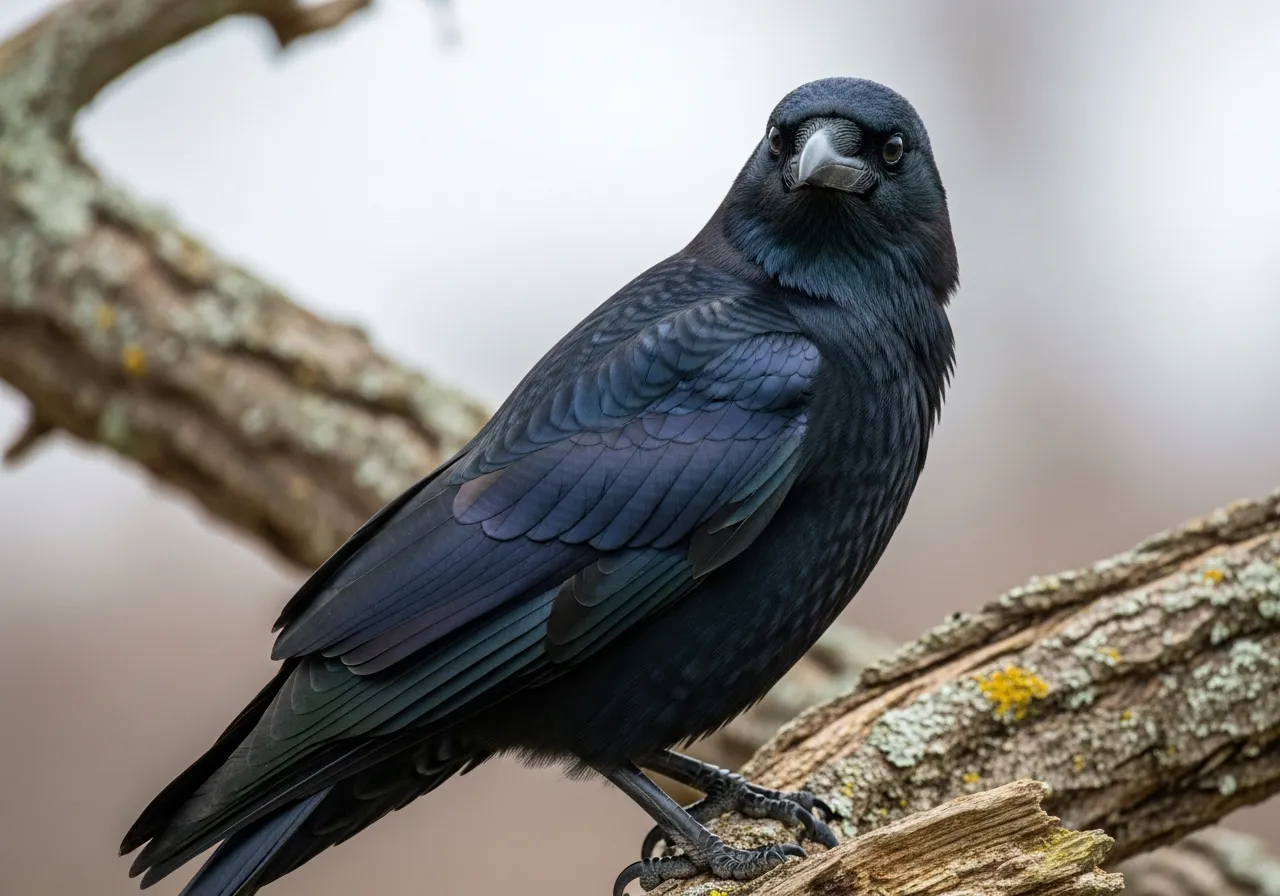
Varies by species; common crows Least Concern (IUCN)
Crow
Corvus
A crow is a medium-to-large, mostly black bird of the genus Corvus, part of the corvid family that includes ravens and jays. Found on most continents, crows are among the world's most intelligent birds — using tools, solving problems and recognising individual human faces.
Read the guide →
Domesticated — Not Evaluated (IUCN)
Dog
Canis lupus familiaris (Linnaeus, 1758)
A dog (Canis lupus familiaris) is a domesticated mammal descended from the grey wolf, kept worldwide as a companion, working and assistance animal. Every breed is the same species. The IUCN does not assess dogs for extinction risk. Street dogs are the same species as pets.
Read the guide →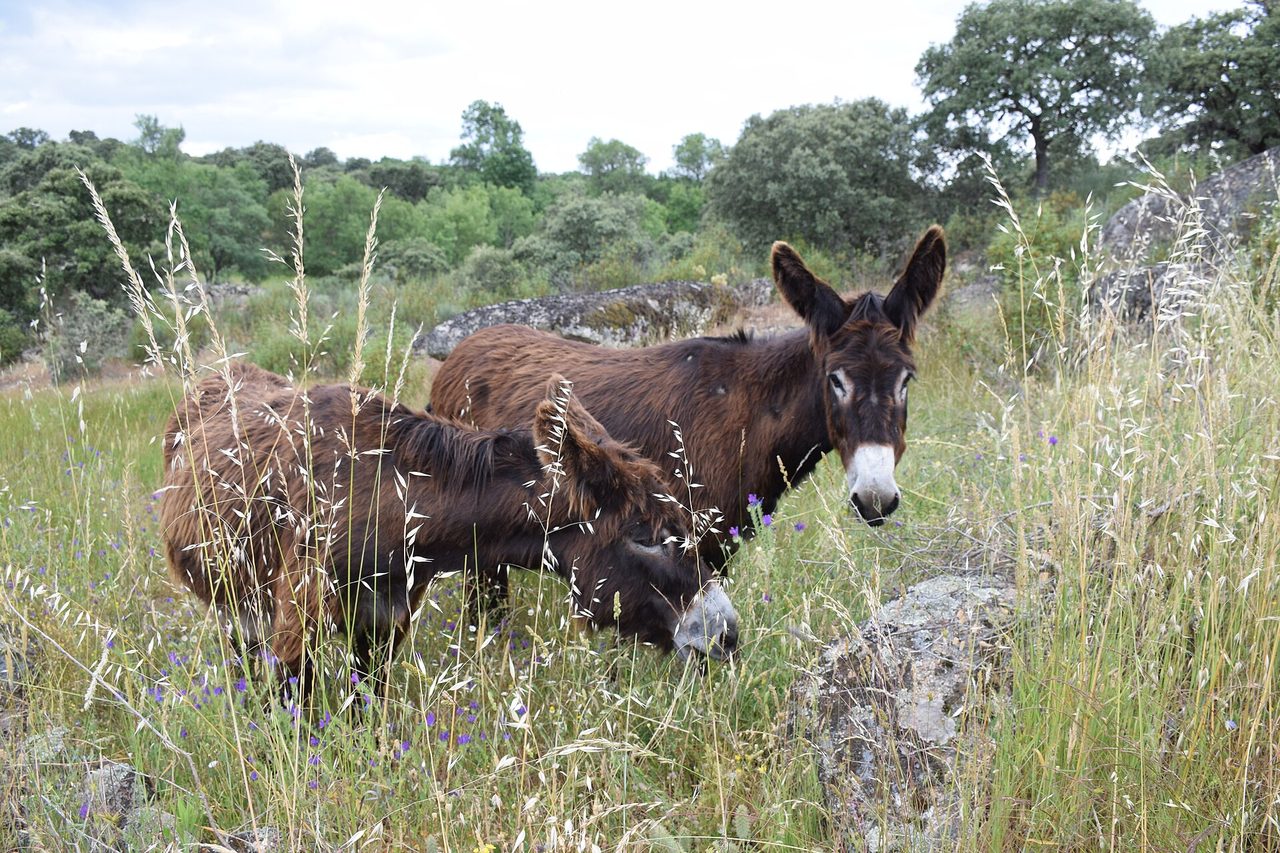
Domestic species; wild ancestor Critically Endangered
Donkey
Equus asinus (Linnaeus, 1758)
Donkeys (Equus asinus) are domestic equids used worldwide for transport and companionship — their wild ancestor is Critically Endangered; millions are killed yearly for the ejiao skin trade.
Read the guide →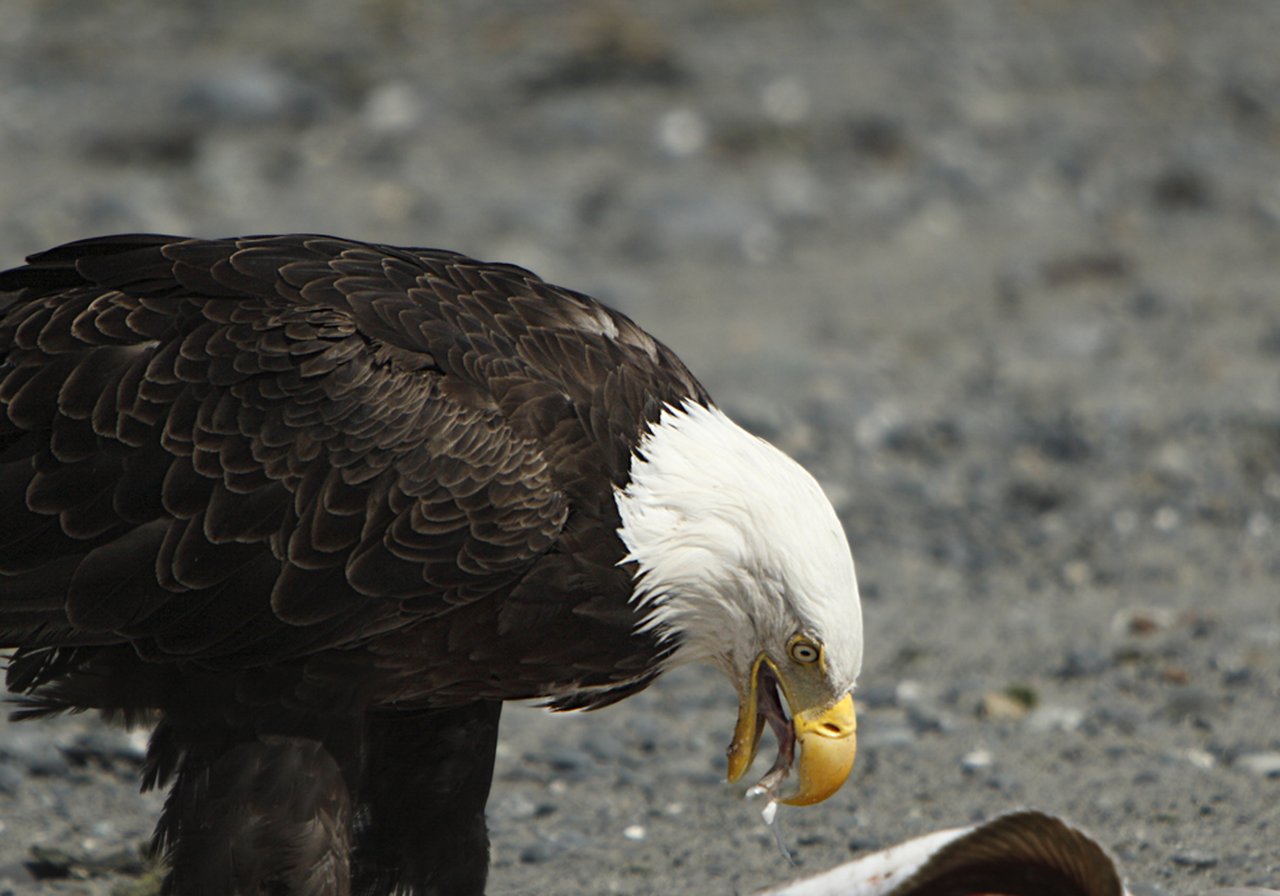
Varies by species (Least Concern to Critically Endangered)
Eagle
Family Accipitridae — ~60 eagle species in genera Aquila, Haliaeetus, Harpia, Pithecophaga and others
Eagles are large birds of prey in the family Accipitridae — roughly 60 species worldwide; they are apex raptors with powerful talons and keen eyesight, with conservation status ranging from recovered (bald eagle) to Critically Endangered (Philippine eagle).
Read the guide →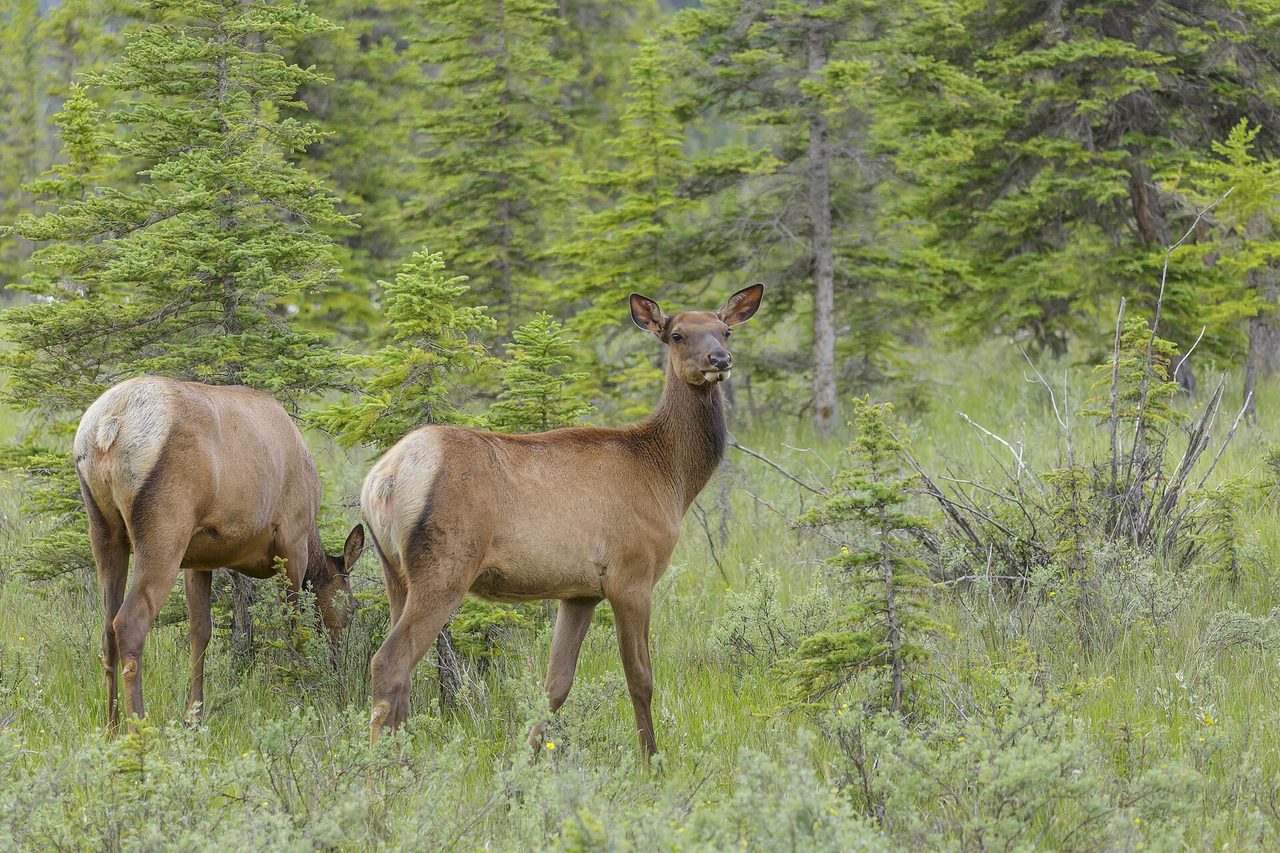
Least Concern (IUCN)
Elk (Wapiti)
Cervus canadensis
The elk (Cervus canadensis) is a Least Concern deer species numbering over one million in North America, renowned for its towering antlers, powerful bugle call, and remarkable recovery from near-extinction in the early twentieth century.
Read the guide →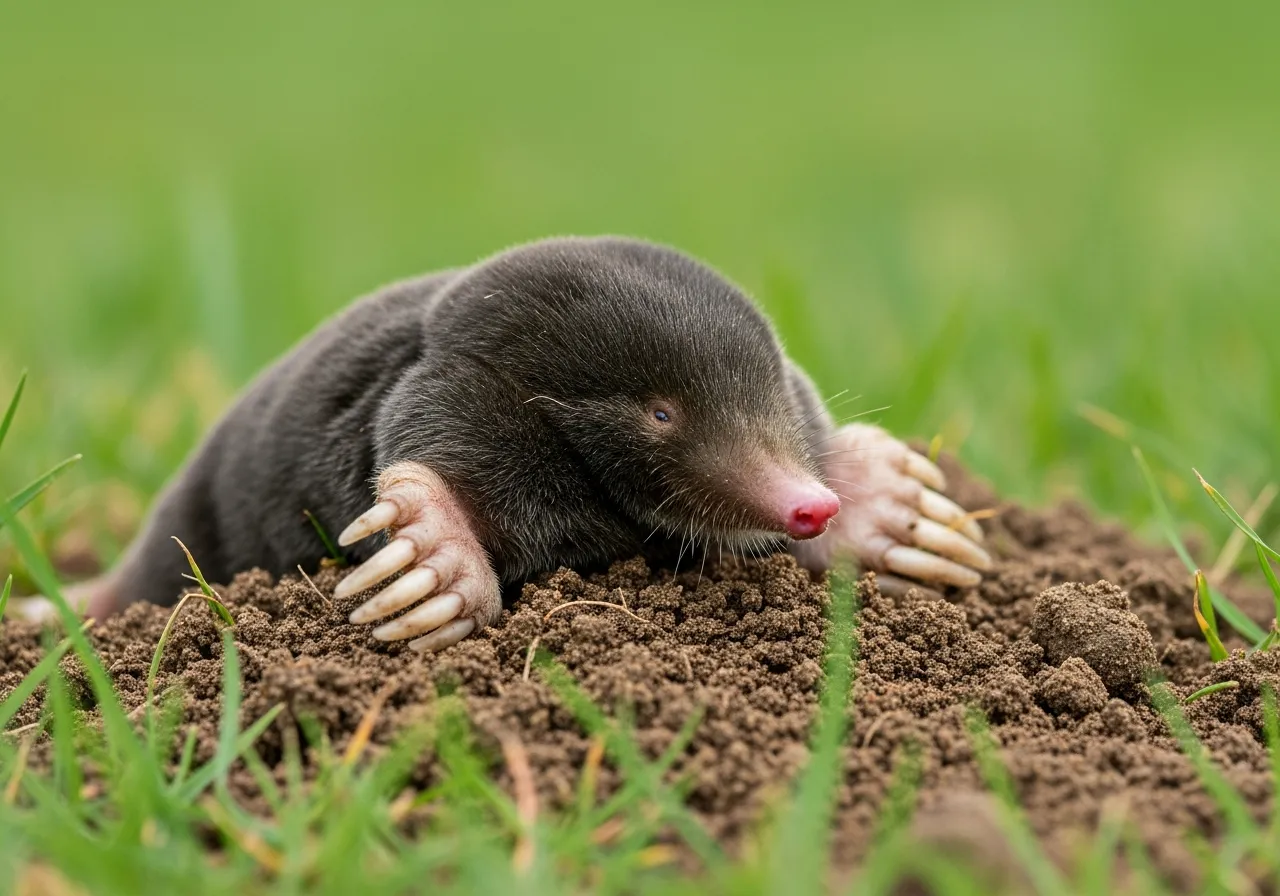
Least Concern (IUCN)
European Mole
Talpa europaea
The European mole (Talpa europaea) is a small, burrowing insectivorous mammal with velvety fur, tiny eyes and powerful spade-like forepaws. It lives almost entirely underground, hunting earthworms in self-dug tunnels across Europe and western Asia, and is best known for the molehills it pushes to the surface.
Read the guide →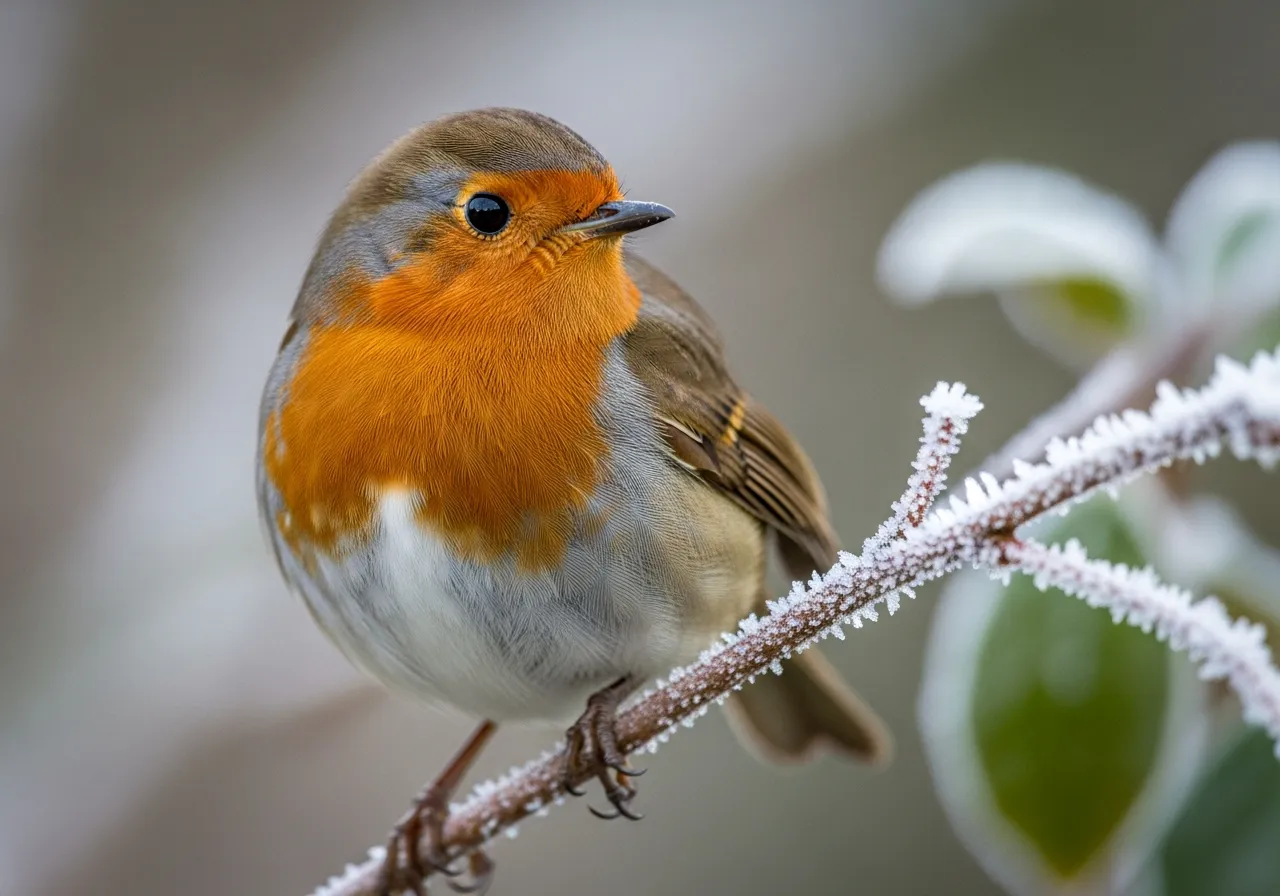
Least Concern (IUCN)
European Robin
Erithacus rubecula
A European robin (Erithacus rubecula) is a small Eurasian songbird with a distinctive orange-red face and breast, brown upperparts and a pale belly. Common in gardens, woods and hedgerows, it is famously territorial, sings year-round and is widely associated with British winters and Christmas.
Read the guide →
Varies by species (Least Concern to Critically Endangered)
Falcon
Family Falconidae — ~65 species in genus Falco and related genera
Falcons are birds of prey in the family Falconidae — roughly 65 species including the peregrine, the fastest animal on Earth at over 320 km/h; most species recovered from DDT declines and are now Least Concern.
Read the guide →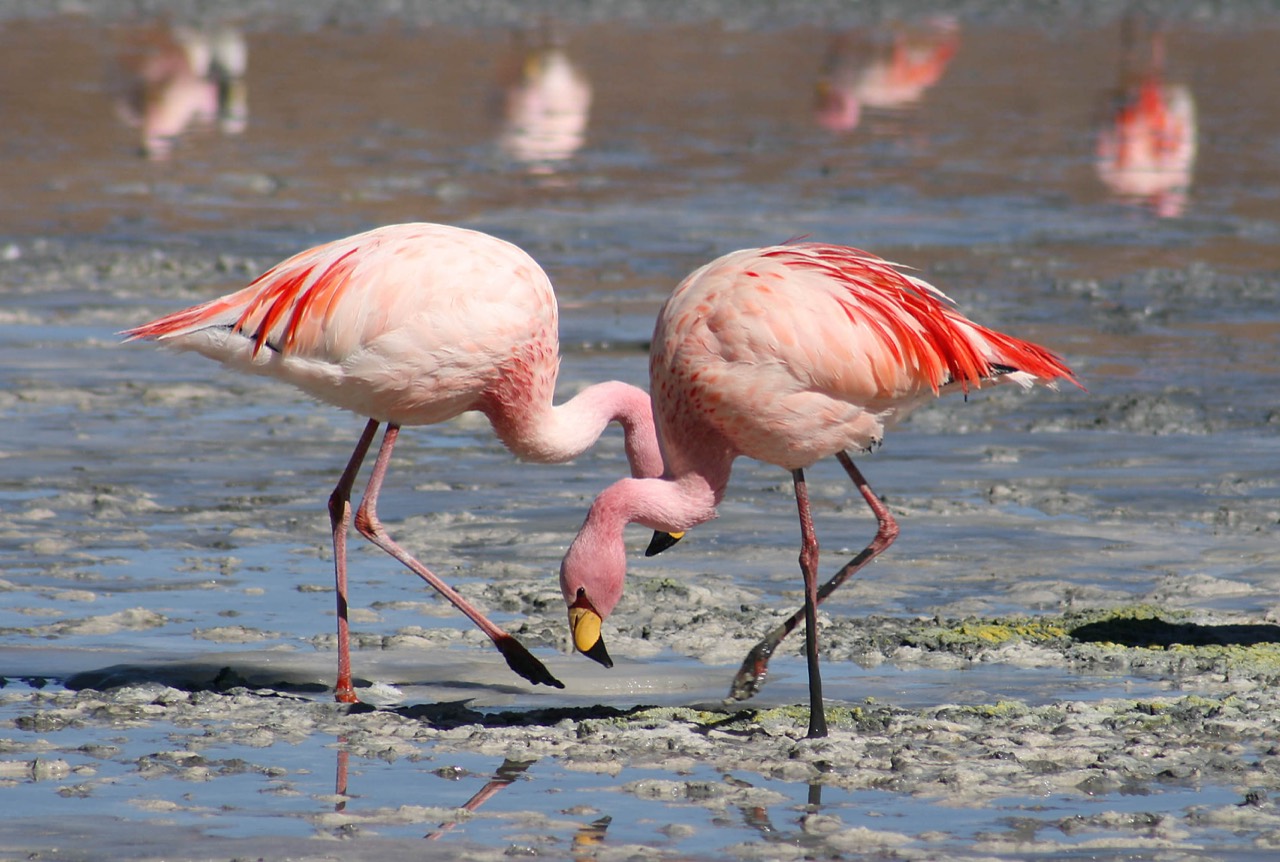
Varies by species (Least Concern to Vulnerable) — not one family badge
Flamingo
Family Phoenicopteridae — six living species in Phoenicopterus, Phoeniconaias and Phoenicoparrus
Flamingos are six species of filter-feeding phoenicopterid birds, not one livestock breed. Pink comes from carotenoids in algae and brine shrimp (Smithsonian National Zoo). Greater flamingo is Least Concern; Andean is Vulnerable. There is no family IUCN badge. WARN does not run flamingo programmes.
Read the guide →
Varies by species (Least Concern to Critically Endangered)
Frog
Anura
A frog is a tailless amphibian of the order Anura, a group of over 7,700 species worldwide that begins life as an aquatic tadpole and is widely used as a bioindicator of environmental health.
Read the guide →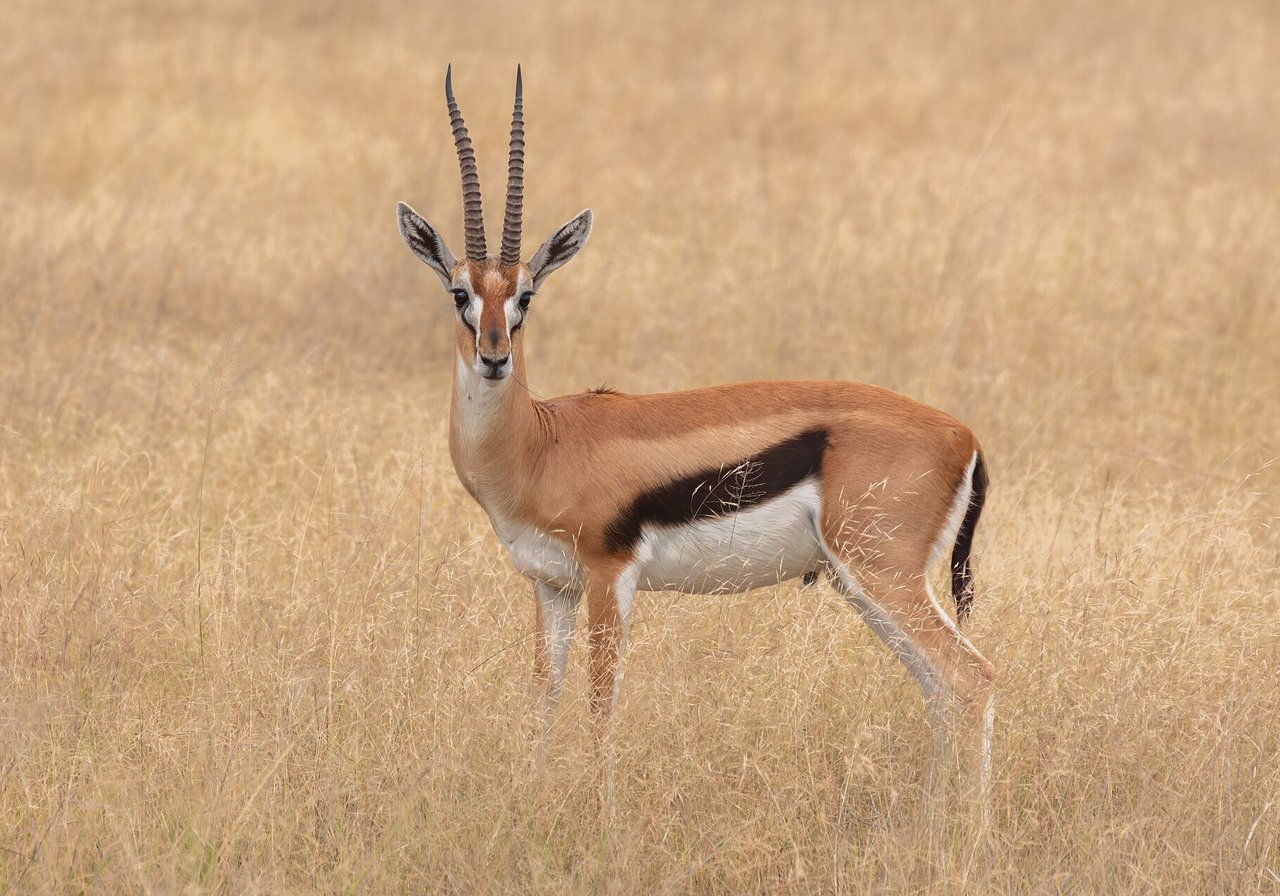
Least Concern (IUCN, 2016) — Thomson's gazelle
Gazelle
Eudorcas thomsonii (Barchell, 1833)
Gazelles are small swift antelopes of Africa and Asia; Thomson's gazelle (Eudorcas thomsonii) of East Africa is Least Concern with roughly 500,000 individuals and is the cheetah's primary prey.
Read the guide →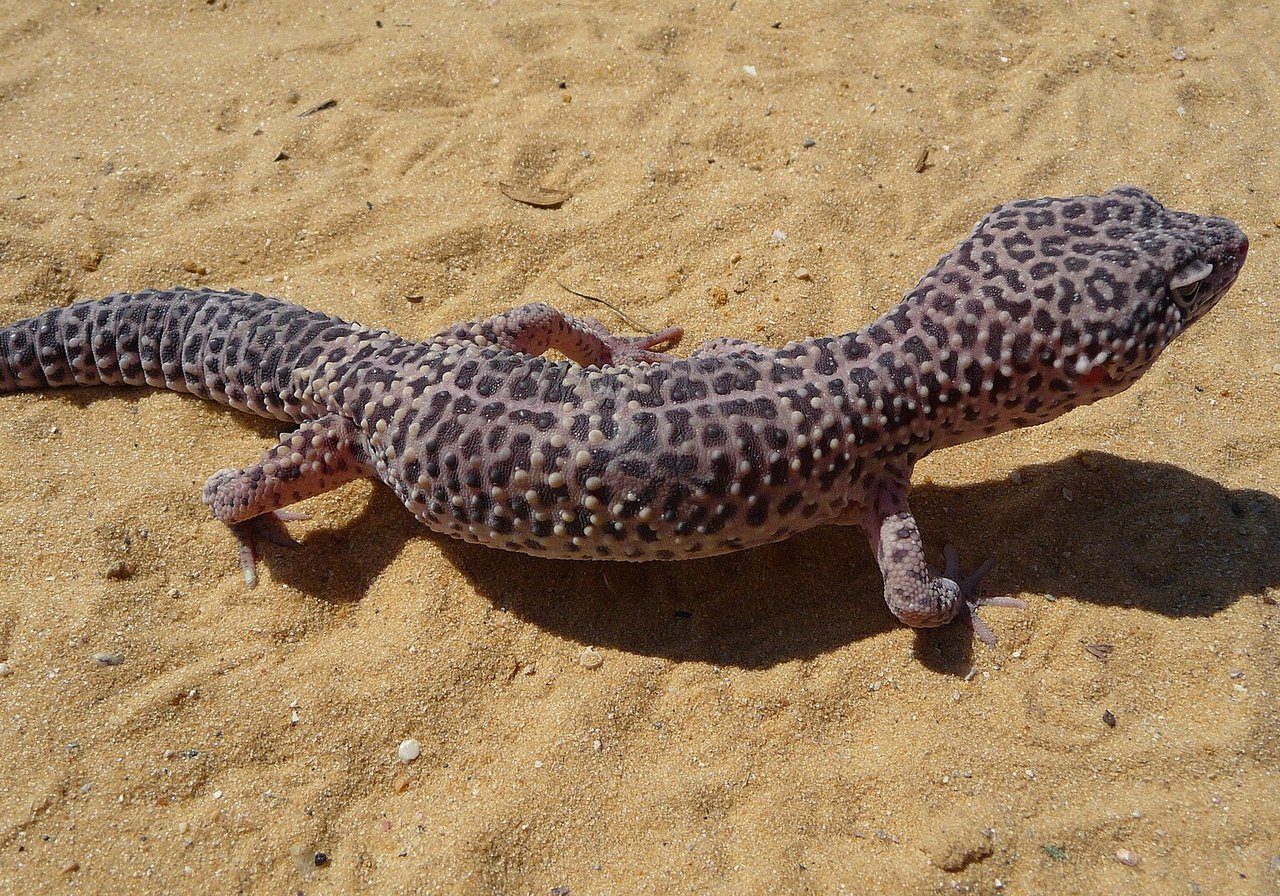
Varies by species (Least Concern to Critically Endangered)
Gecko
Infraorder Gekkota — ~1,500 species across six families worldwide
Geckos are gekkotan lizards with ~1,500 species worldwide — nocturnal climbers often with adhesive toe pads and vocal calls — ecologically valuable insect predators threatened locally by habitat loss and trade.
Read the guide →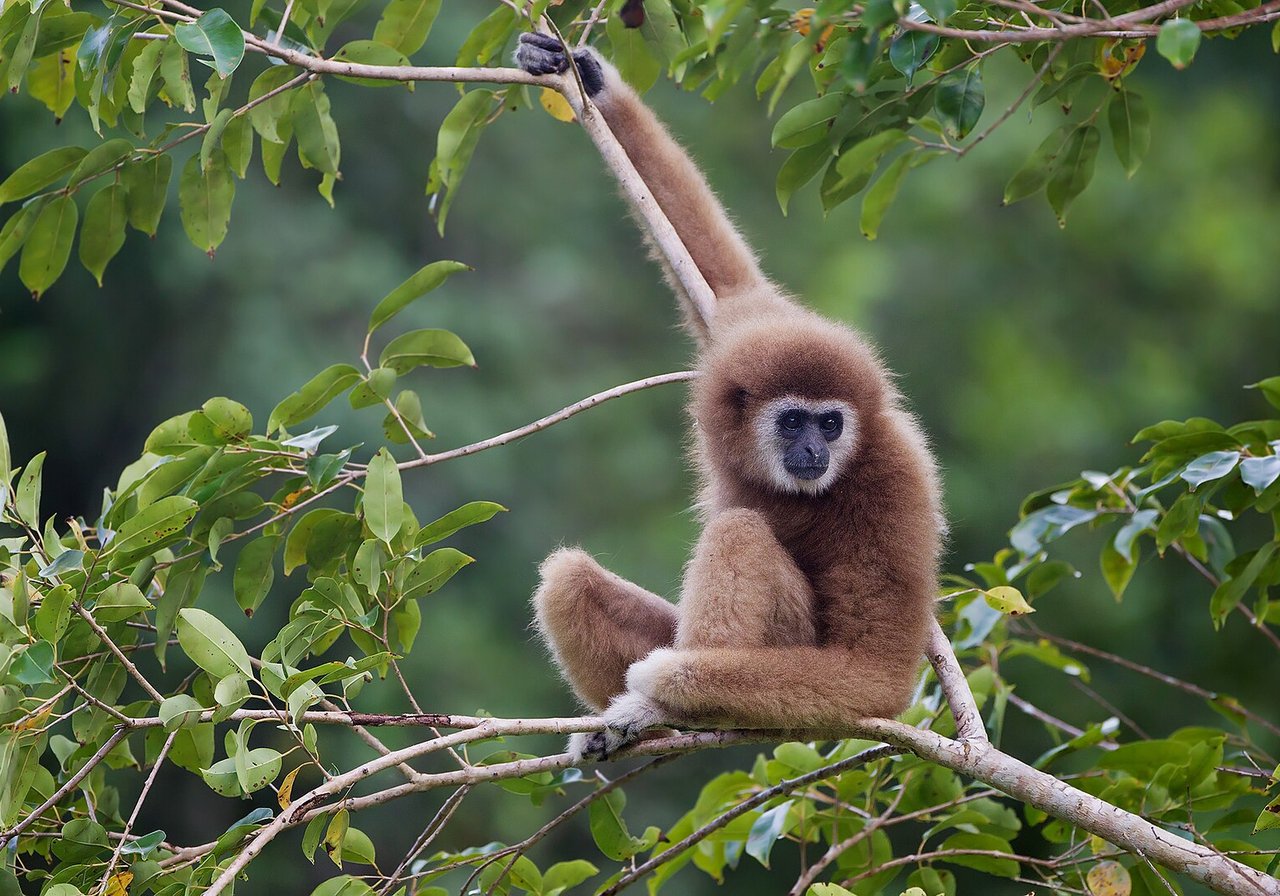
Varies by species (Endangered to Critically Endangered)
Gibbon
Family Hylobatidae — ~20 species in 4 genera (Hylobates, Hoolock, Nomascus, Symphalangus)
Gibbons are tailless lesser apes of South-east Asian rainforest, brachiating through the canopy in monogamous family groups; most species are Endangered or Critically Endangered due to habitat loss and the illegal pet trade.
Read the guide →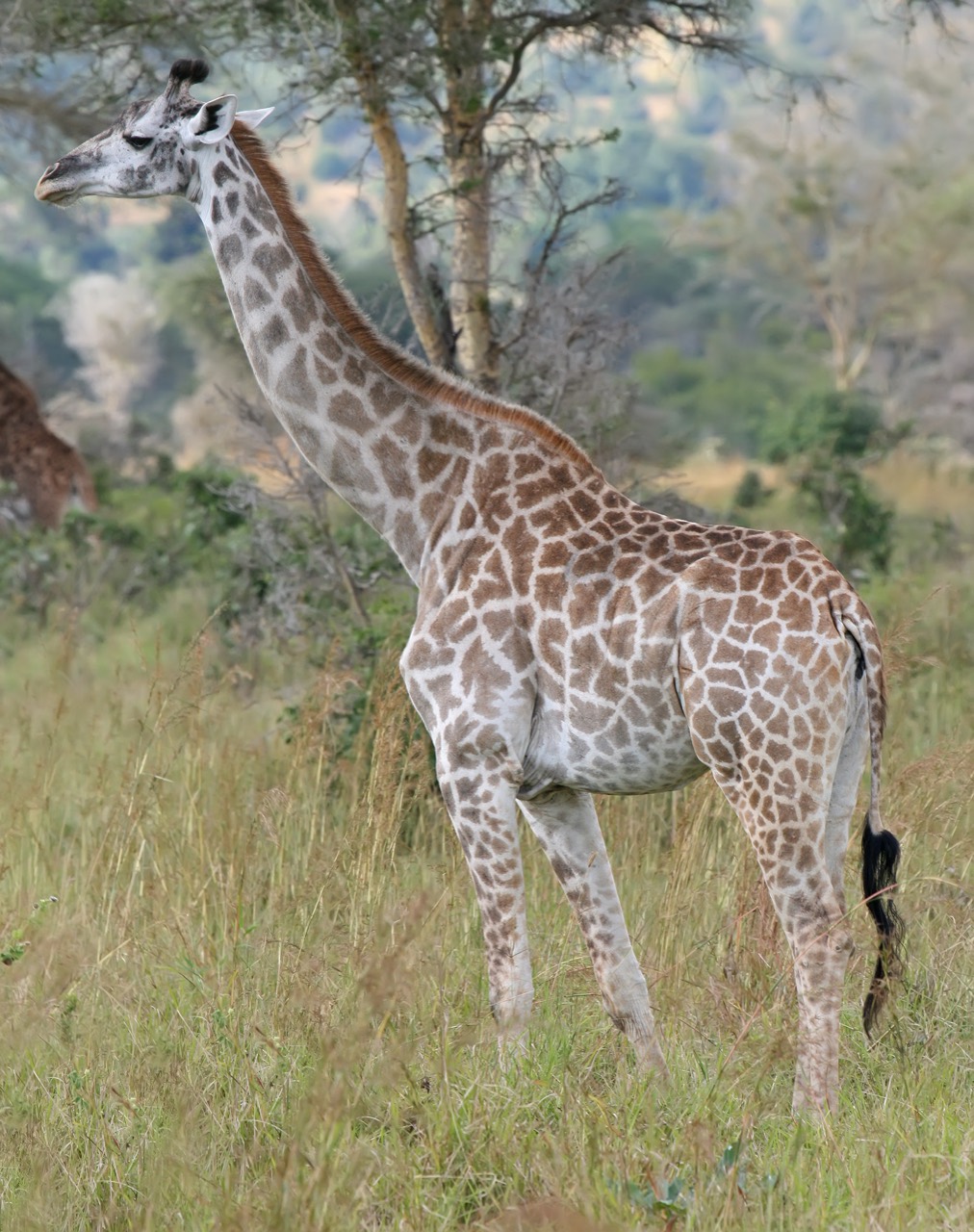
2016 Red List: Vulnerable as one species — four species recognised August 2025; species-level assessments underway
Giraffe
Giraffa spp. — four species (IUCN SSC Giraffe and Okapi Specialist Group, August 2025)
Giraffes are four species of African giraffid (IUCN SSC GOSG, August 2025), not one livestock breed. The 2016 Red List listed the then-single species Vulnerable. Species-level assessments are underway. GCF 2025 compiles about 140,000 animals across Africa — an estimate, not a census. WARN does not run giraffe programmes.
Read the guide →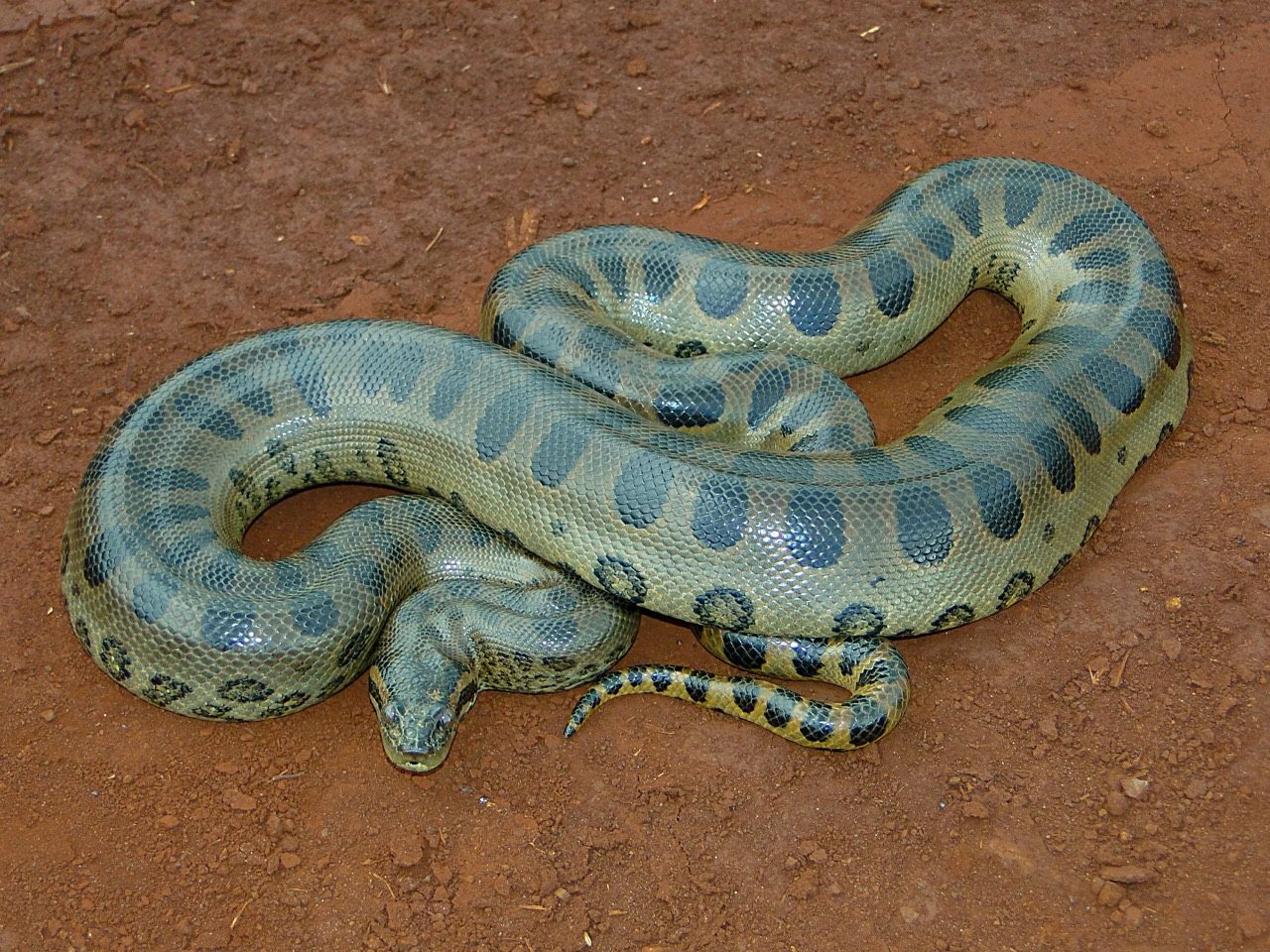
Least Concern (IUCN 2021) — but newly split species means parts of its range are unassessed
Green Anaconda
Eunectes murinus
A Green Anaconda (Eunectes murinus) is a large, non-venomous, semi-aquatic constrictor snake from tropical South America that is the heaviest snake in the world, killing prey by coiling and squeezing rather than biting.
Read the guide →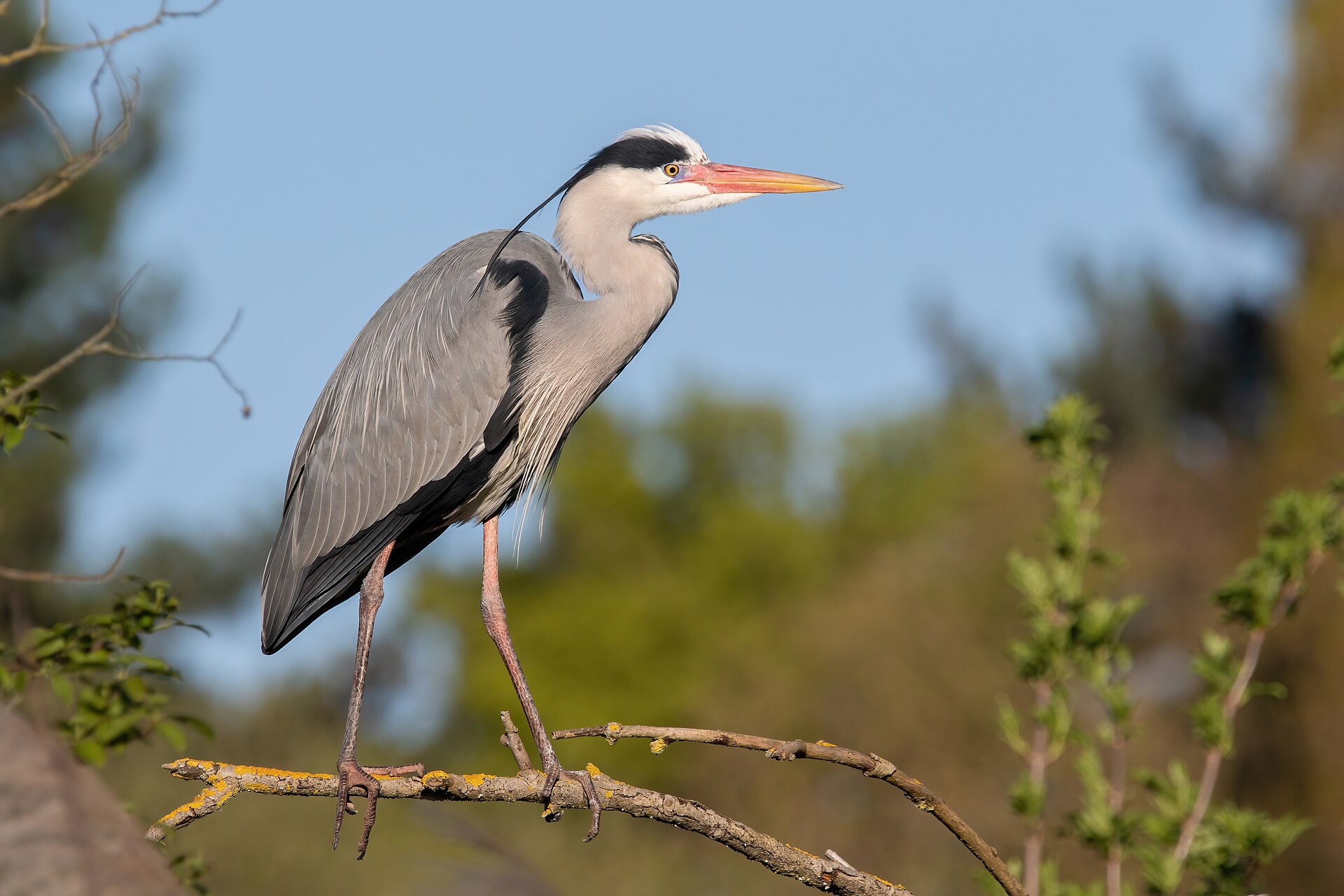
Least Concern (IUCN)
Grey Heron
Ardea cinerea
A heron is a long-legged, long-necked wading bird that hunts in shallow water; the grey heron (Ardea cinerea) is the familiar tall grey species of UK and European rivers, lakes and garden ponds, standing up to a metre high and catching fish and amphibians with its sharp bill.
Read the guide →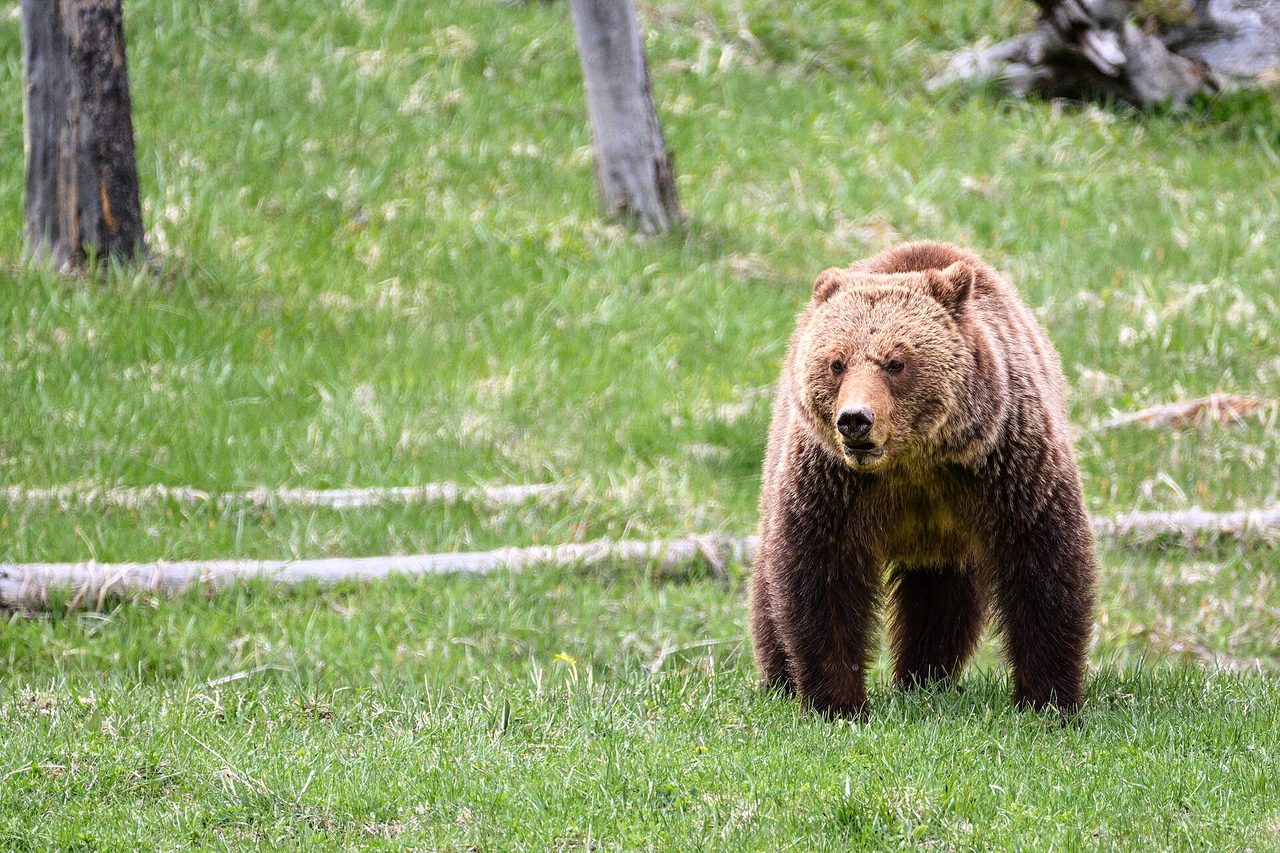
Least Concern brown bear; threatened in parts of USA
Grizzly Bear
Ursus arctos horribilis (Ord, 1815)
The grizzly bear (Ursus arctos horribilis) is a North American brown bear subspecies; the brown bear is Least Concern globally, but grizzlies in the contiguous United States are protected under the Endangered Species Act with roughly 1,900 individuals south of Canada.
Read the guide →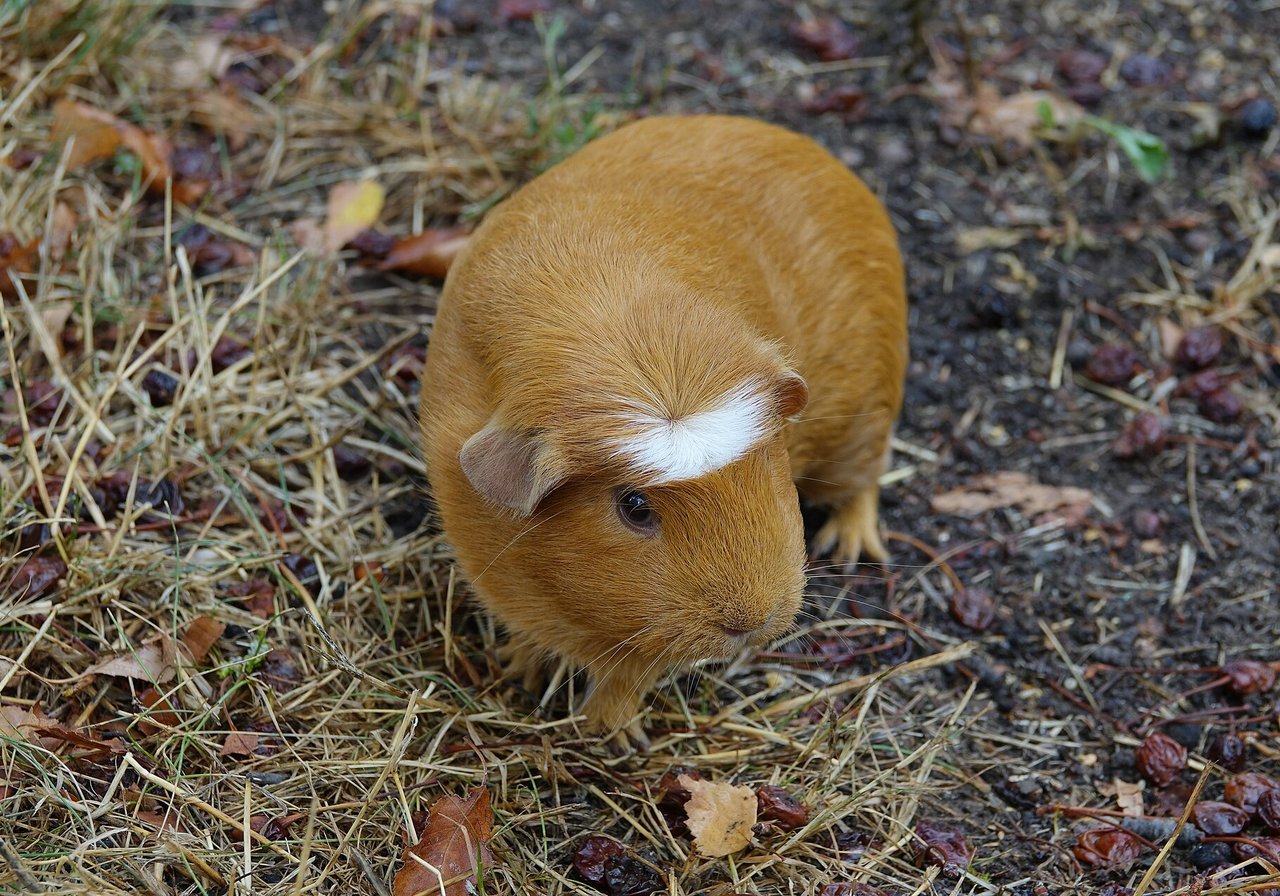
Domesticated — not assessed; wild Cavia aperea Least Concern
Guinea Pig
Cavia porcellus (Linnaeus, 1758)
The guinea pig (Cavia porcellus) is a domesticated South American rodent that must live with companions, needs daily vitamin C and spacious enclosures — not solitary confinement in small hutches.
Read the guide →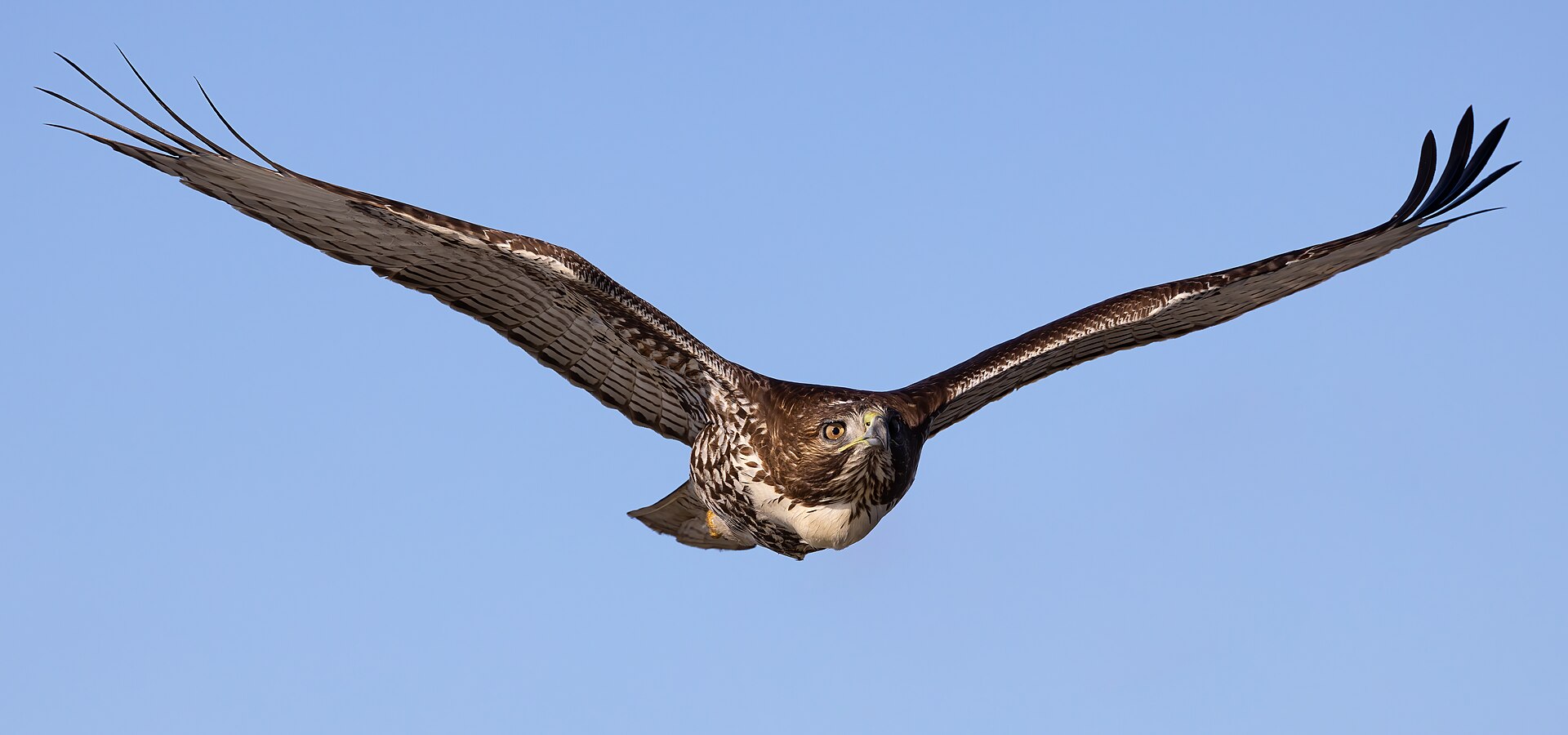
Varies by species (Least Concern to Critically Endangered)
Hawk
Family Accipitridae — ~250 species including buzzards, kites and true hawks (genus Accipiter)
Hawks are birds of prey in the family Accipitridae — roughly 250 species worldwide; they hunt by sight using talons and hooked beaks, with conservation status ranging from abundant to Critically Endangered depending on species.
Read the guide →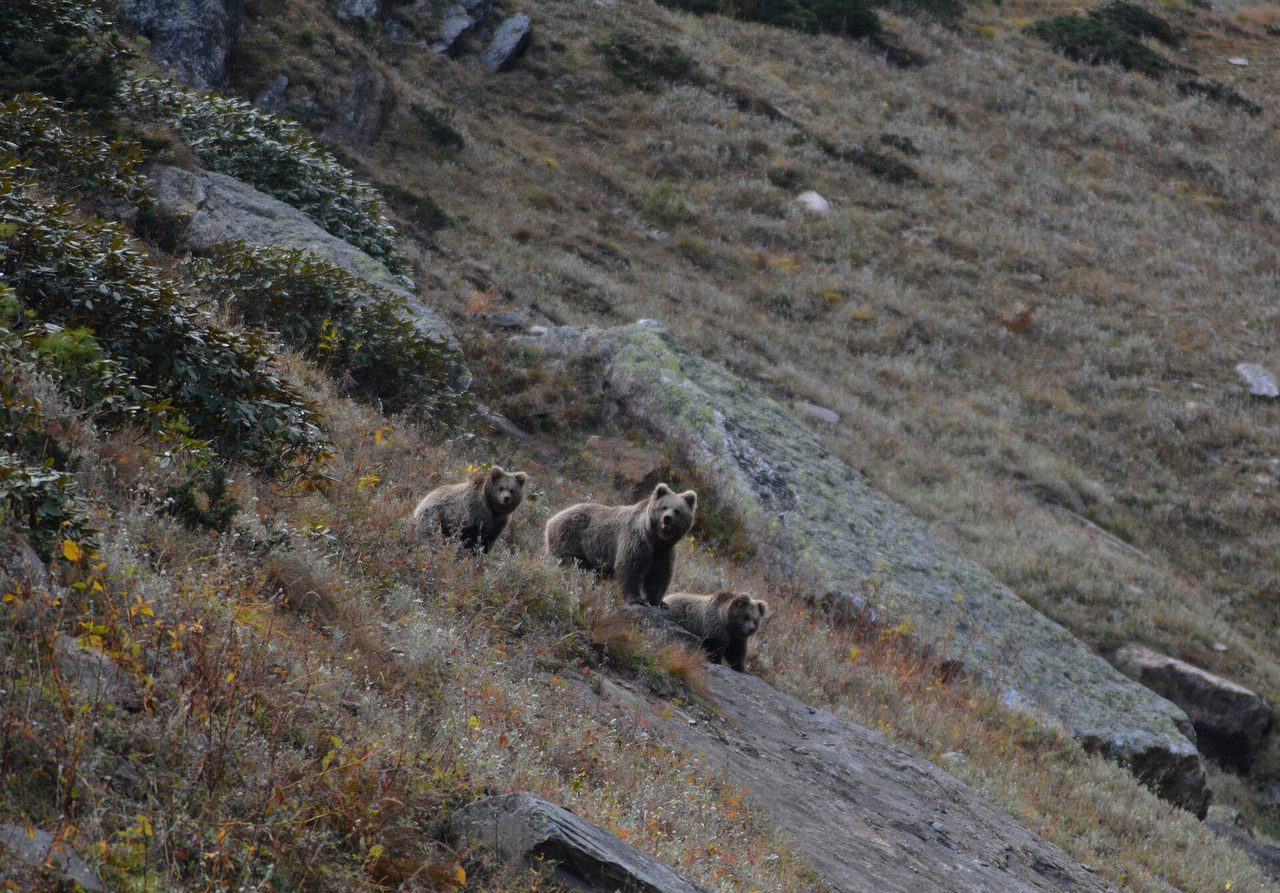
Not separately Red-Listed; locally Critically Endangered in Pakistan
Himalayan Brown Bear
Ursus arctos isabellinus
A Himalayan brown bear (Ursus arctos isabellinus) is a high-altitude subspecies of brown bear native to the western Himalayas of Pakistan, India and Nepal, recognisable by its sandy to reddish-brown coat and considered Critically Endangered within Pakistan even though the wider brown bear species is listed as Least Concern globally.
Read the guide →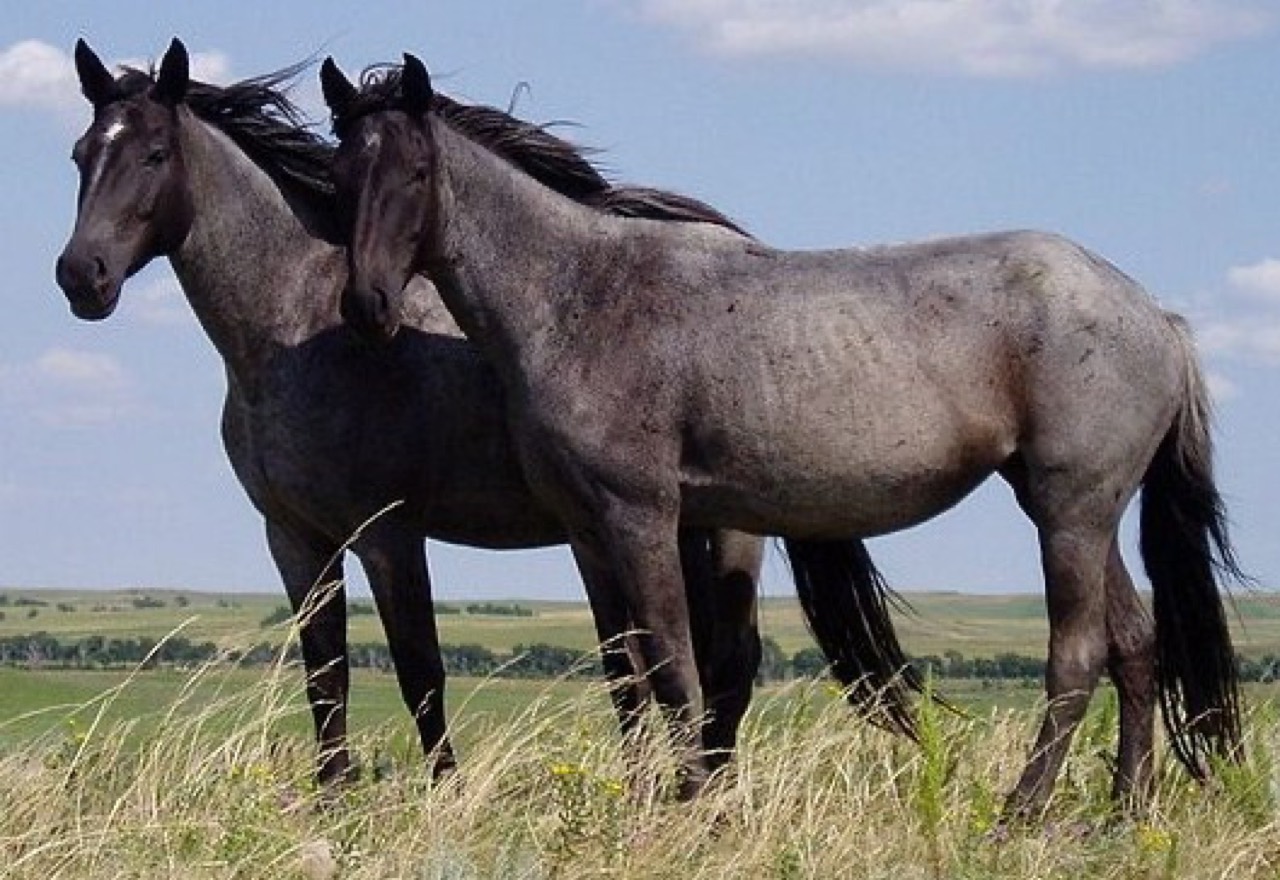
Domesticated — Not Evaluated (IUCN)
Horse
Equus ferus caballus
A horse (Equus ferus caballus) is a domesticated mammal kept worldwide for work, sport and companionship. Every breed is the same subspecies. The IUCN does not assess horses for extinction risk. Working horses are the same species as riding horses.
Read the guide →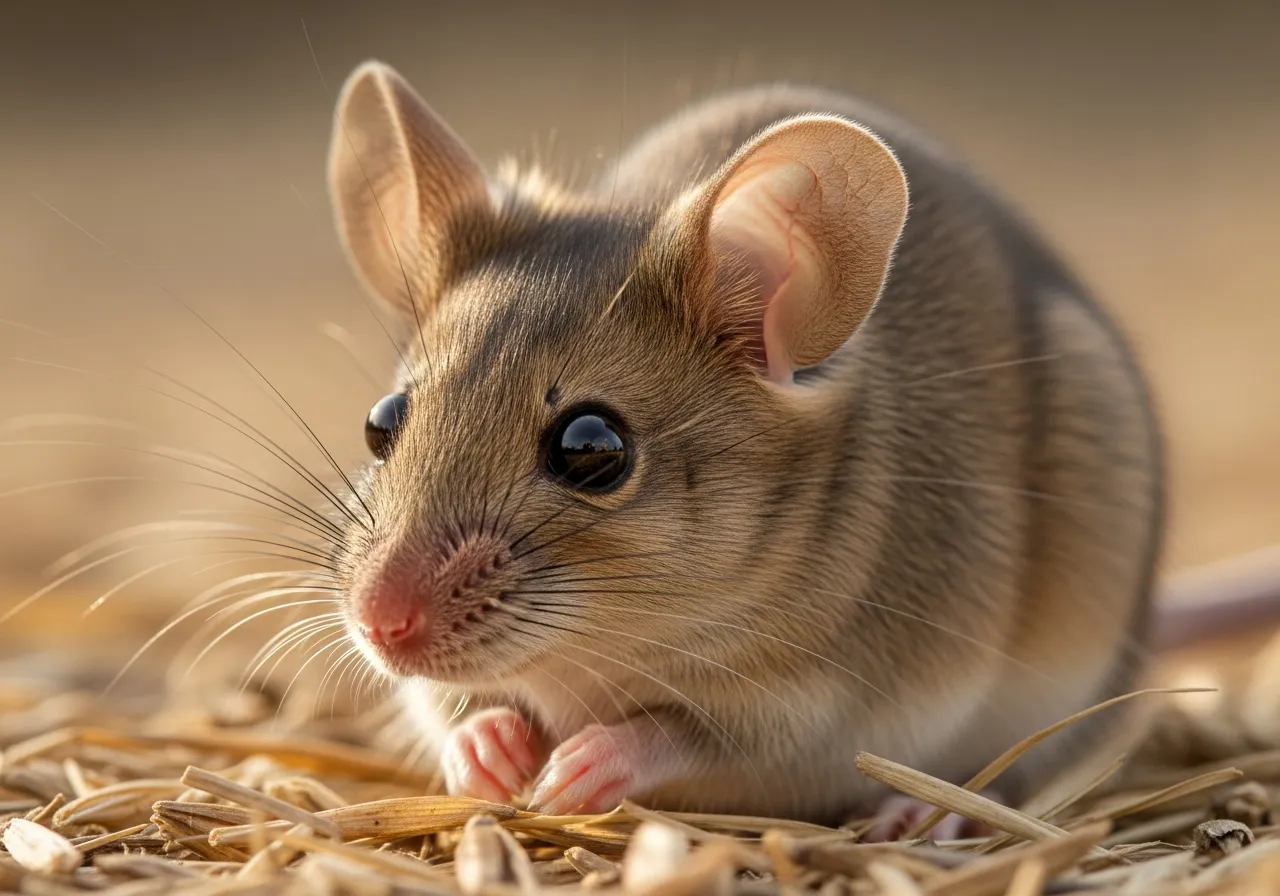
Least Concern (IUCN)
House Mouse
Mus musculus
A house mouse (Mus musculus) is a small grey-brown rodent in the family Muridae, typically 7.5–10 cm long with a long tail and large ears. Native to Asia, it now lives worldwide alongside humans, breeds prolifically, and is the ancestor of pet and laboratory mice.
Read the guide →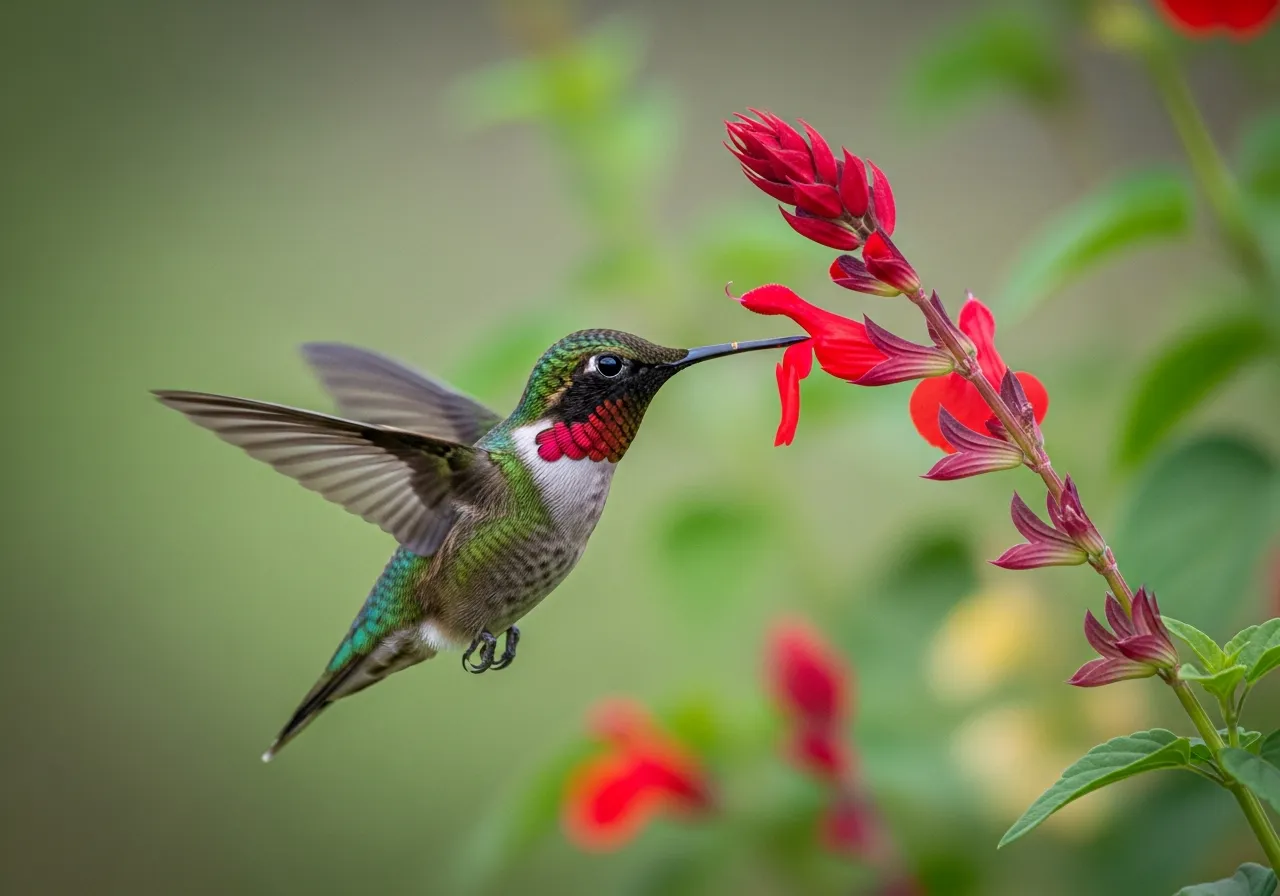
Varies by species; most Least Concern, some Critically Endangered (IUCN)
Hummingbird
Family Trochilidae
A hummingbird is a very small, nectar-feeding bird in the family Trochilidae, found only in the Americas. With more than 360 species, they are the world's smallest birds and the only ones able to hover and fly backwards, beating their wings up to around 50 or more times a second.
Read the guide →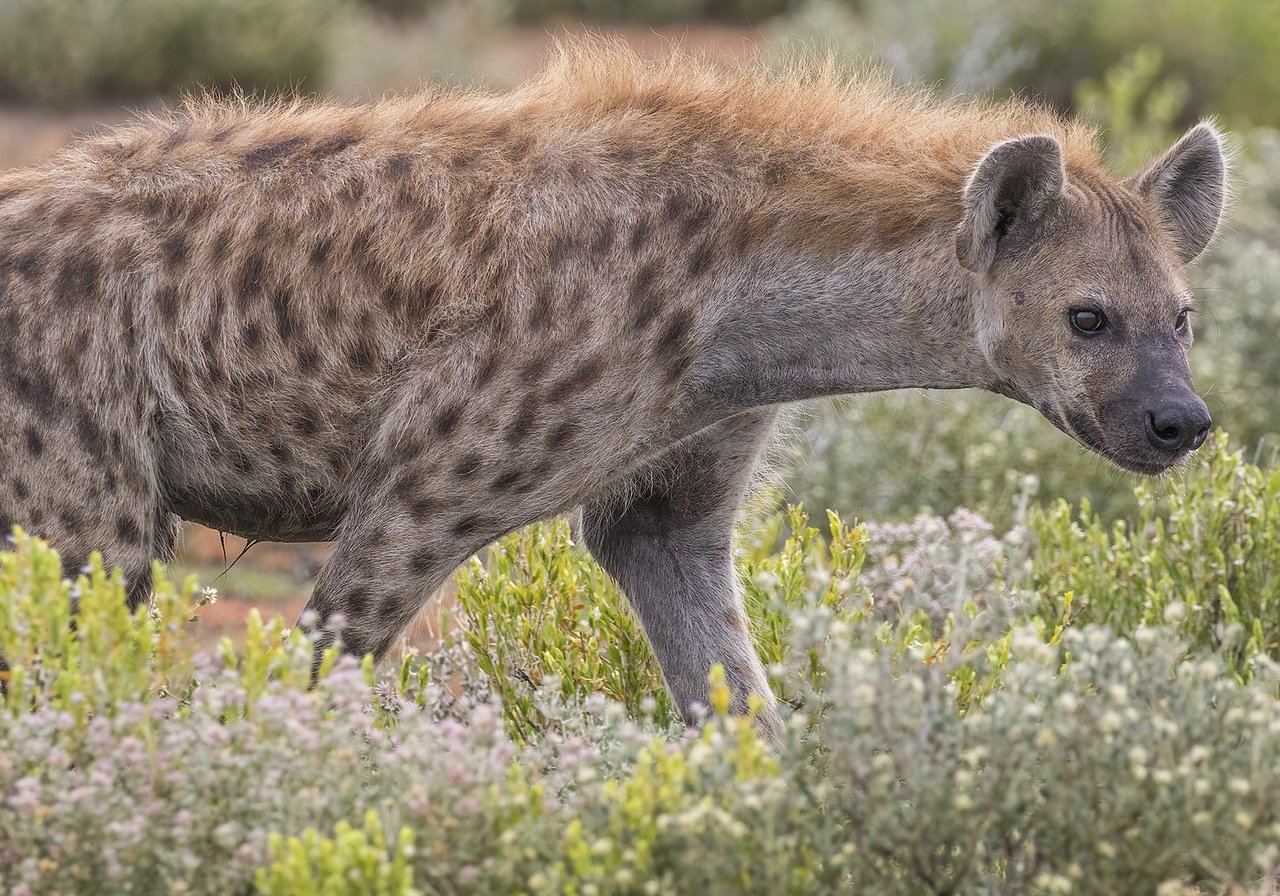
Least Concern (IUCN, 2014) — spotted hyena
Hyena
Crocuta crocuta (Erxleben, 1777)
The spotted hyena (Crocuta crocuta) is Africa's most common large carnivore, living in matriarchal clans on the savanna; listed as Least Concern, it is a skilled hunter — not merely a scavenger — facing persecution and habitat loss.
Read the guide →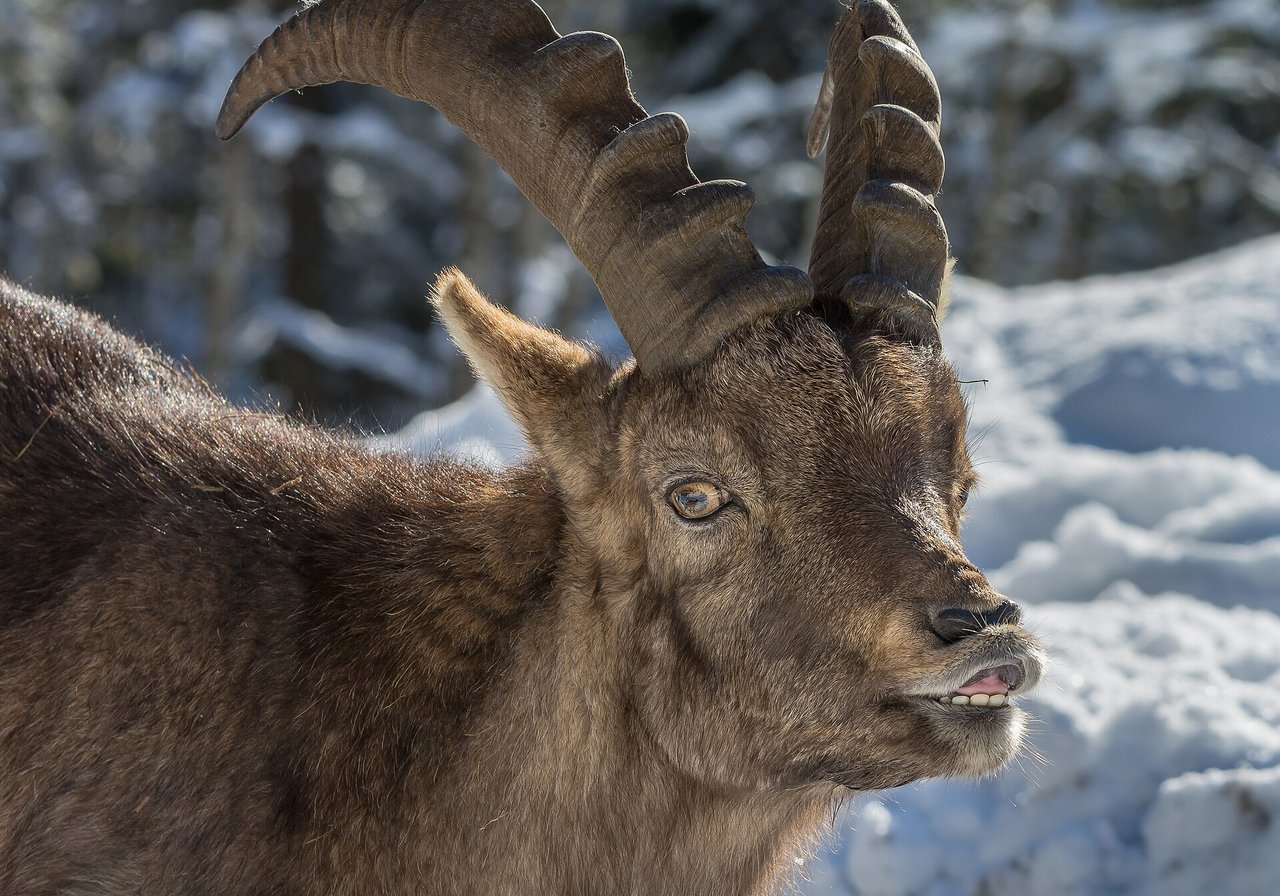
Least Concern (IUCN, 2015) — Alpine ibex
Ibex
Capra ibex (Linnaeus, 1758)
Ibex are wild mountain goats of the genus Capra; the Alpine ibex (Capra ibex) is Least Concern after recovery from near extinction, with males carrying curved horns up to a metre long on cliffs across Europe and Asia.
Read the guide →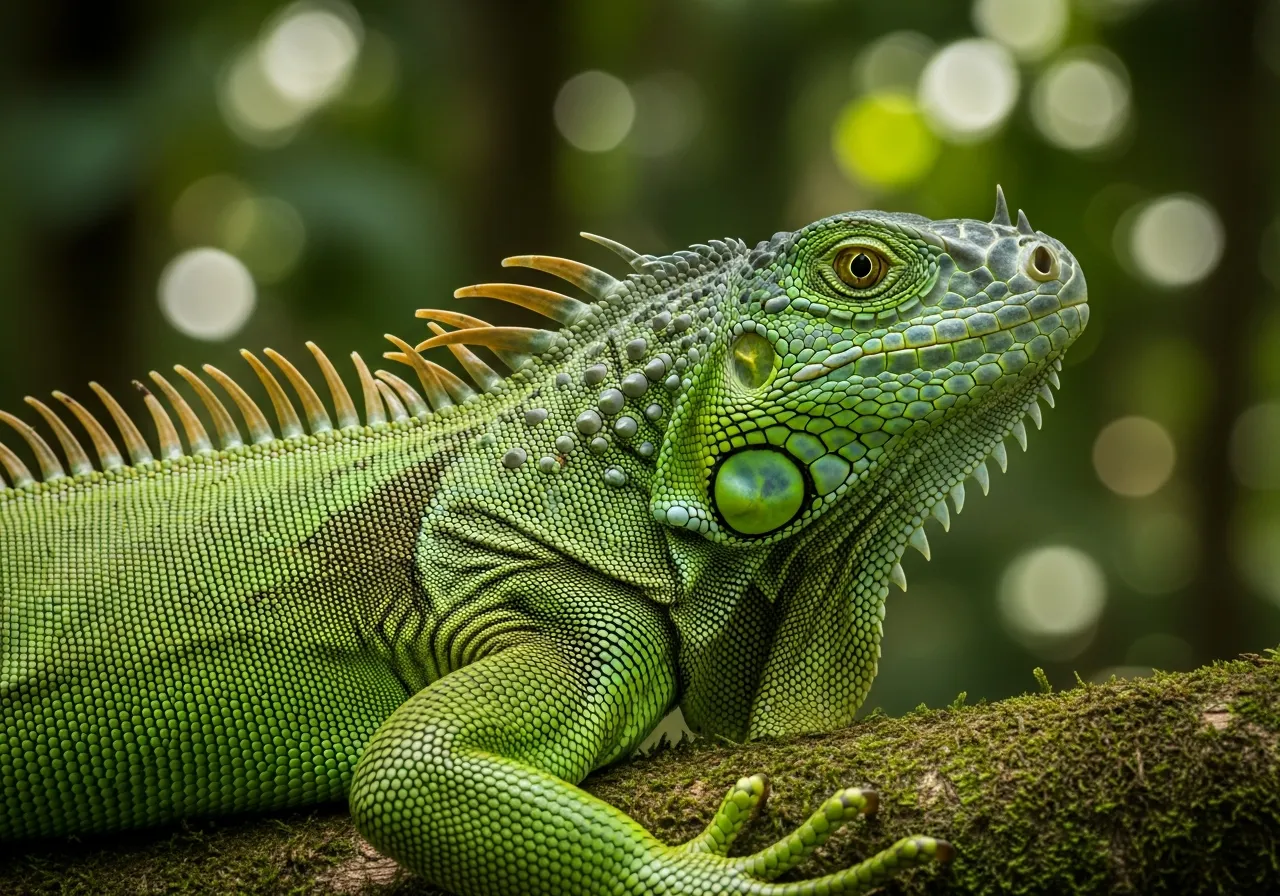
Least Concern (green iguana); other iguana species threatened
Iguana
Iguana iguana
An iguana is a large, mostly herbivorous, tree-dwelling lizard of the Americas. The familiar green iguana (Iguana iguana) reaches about 1.7 metres including its long tail, sports a spiny crest and throat dewlap, and is listed as Least Concern, though several other iguana species are endangered.
Read the guide →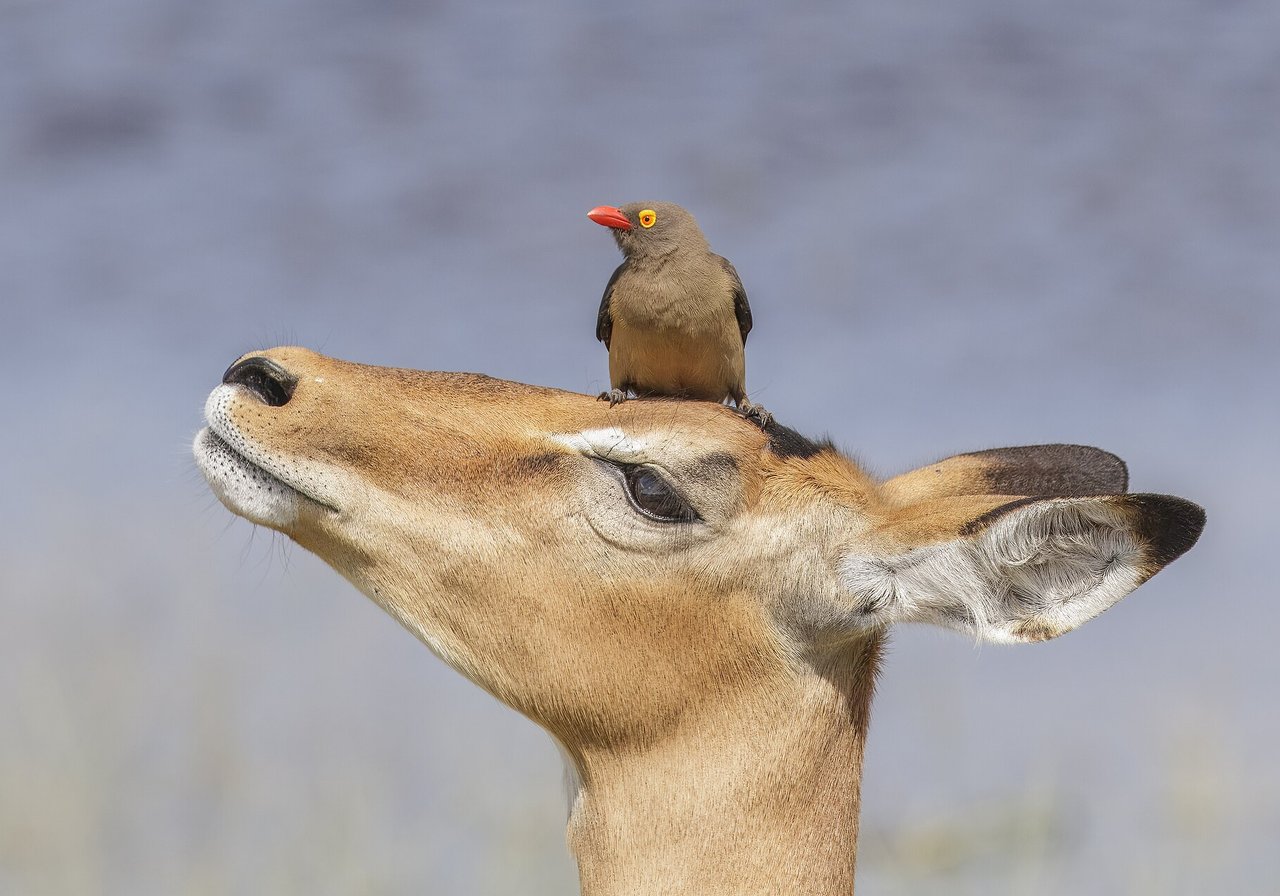
Least Concern (IUCN, 2016)
Impala
Aepyceros melampus (Lichtenstein, 1812)
The impala (Aepyceros melampus) is Africa's most widespread medium-sized antelope, listed as Least Concern; it inhabits savanna woodland across eastern and southern Africa and is a keystone prey species for major predators.
Read the guide →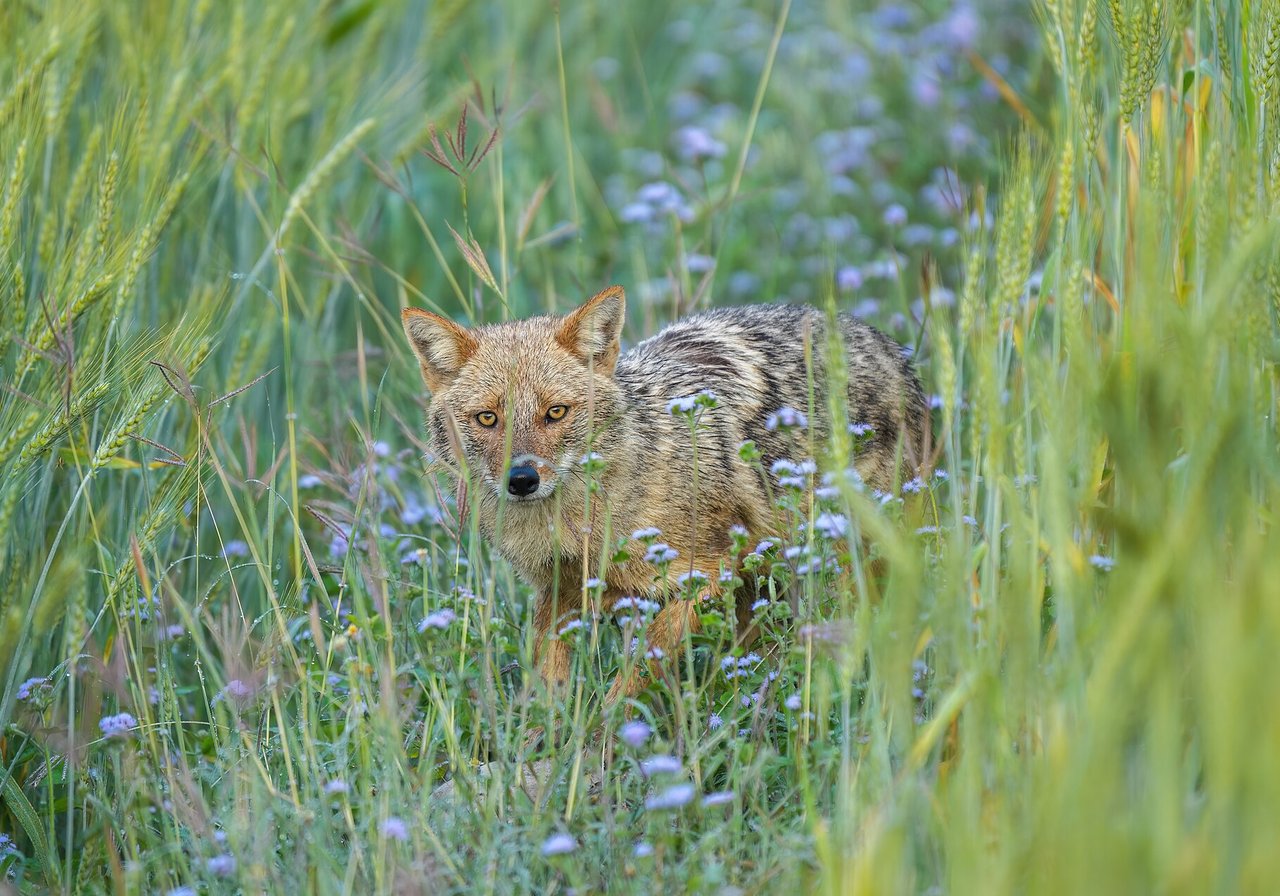
Least Concern (IUCN)
Jackal
Canis aureus (Linnaeus, 1758)
The golden jackal (Canis aureus) is a Least Concern wild canid ranging from Africa through the Middle East to Pakistan and Nepal — an adaptable omnivore of savanna, scrub and farmland.
Read the guide →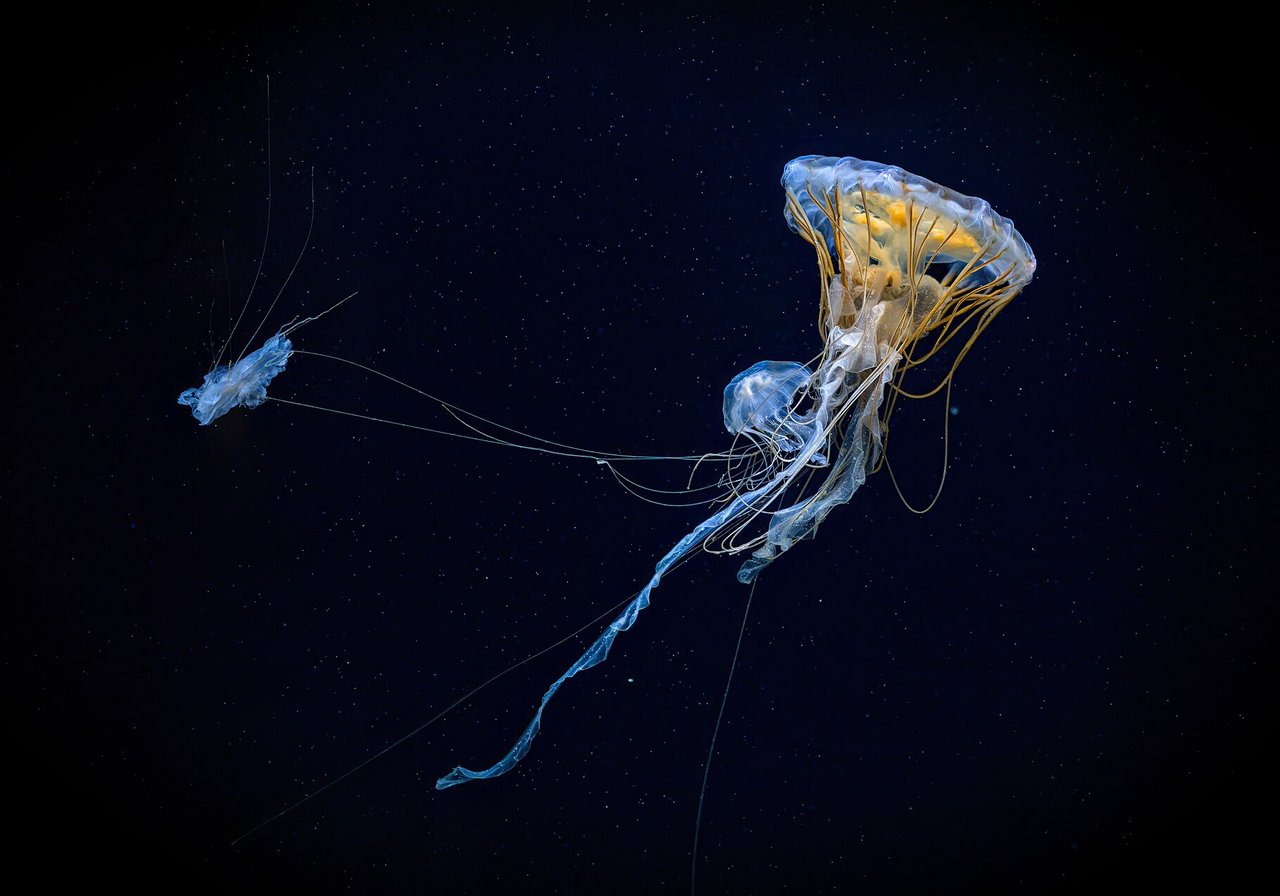
No single IUCN badge — most species unassessed; not a bloom census
Jellyfish
Subphylum Medusozoa — true jellies, box jellies, hydrozoans and stalked jellies; not comb jellies, not the Portuguese man o’ war
Jellyfish are medusozoan cnidarians, not fish. Most species have no IUCN assessment. The Portuguese man o’ war is a siphonophore, not a true jelly. Comb jellies are ctenophores. Turritopsis dohrnii can revert to a polyp but can still be eaten. WARN does not run jellyfish programmes.
Read the guide →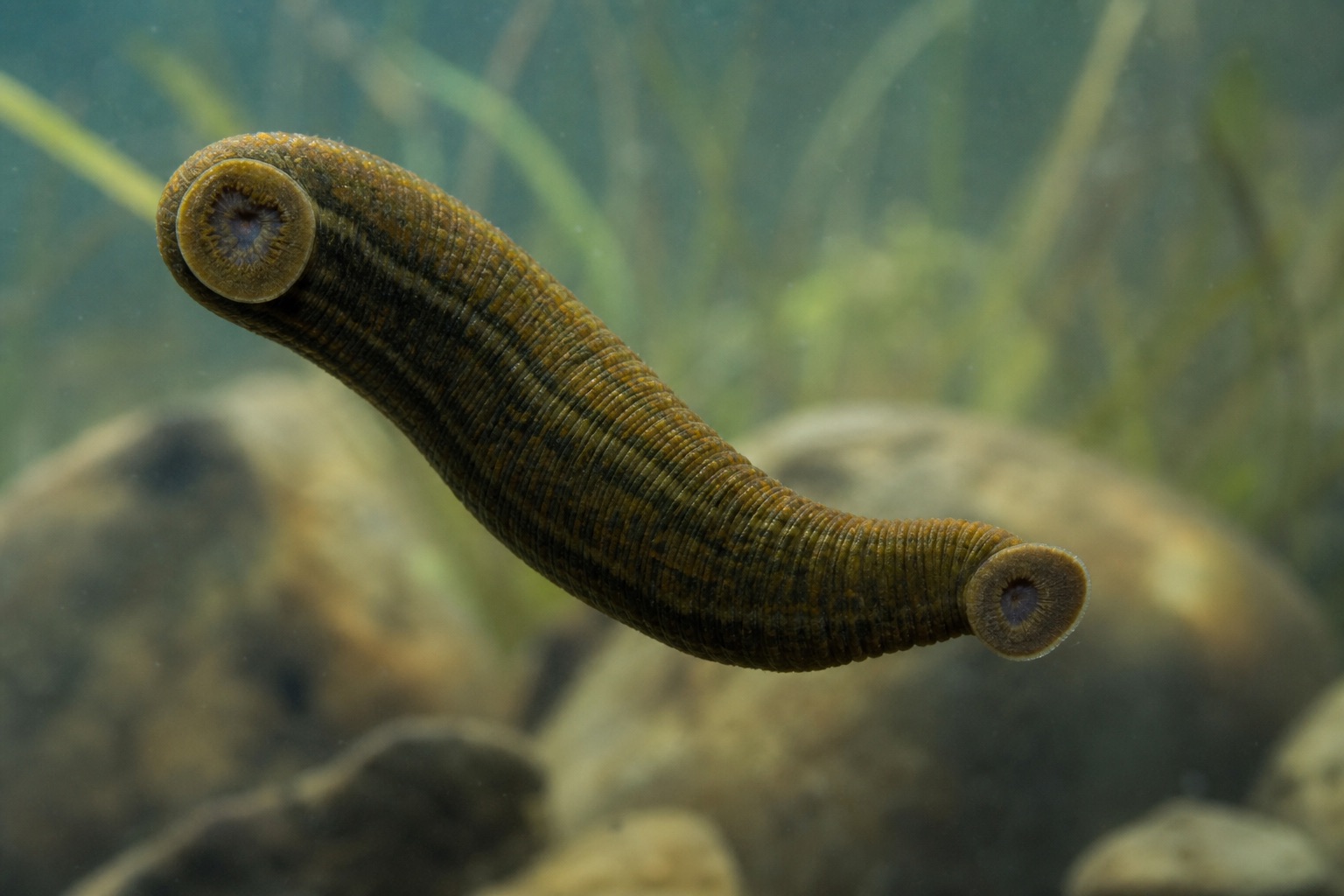
Not one IUCN badge — Hirudo medicinalis is Near Threatened (2014); most leech species are unassessed
Leech
Subclass Hirudinea — hundreds of species; medicinal leech Hirudo medicinalis Linnaeus, 1758
Leeches are segmented annelid worms (Hirudinea), not insects. Many hunt invertebrates; some take blood. The European medicinal leech Hirudo medicinalis is Near Threatened (IUCN 2014) and on CITES Appendix II. Hospitals still use farmed leeches after microsurgery. WARN does not run leech programmes.
Read the guide →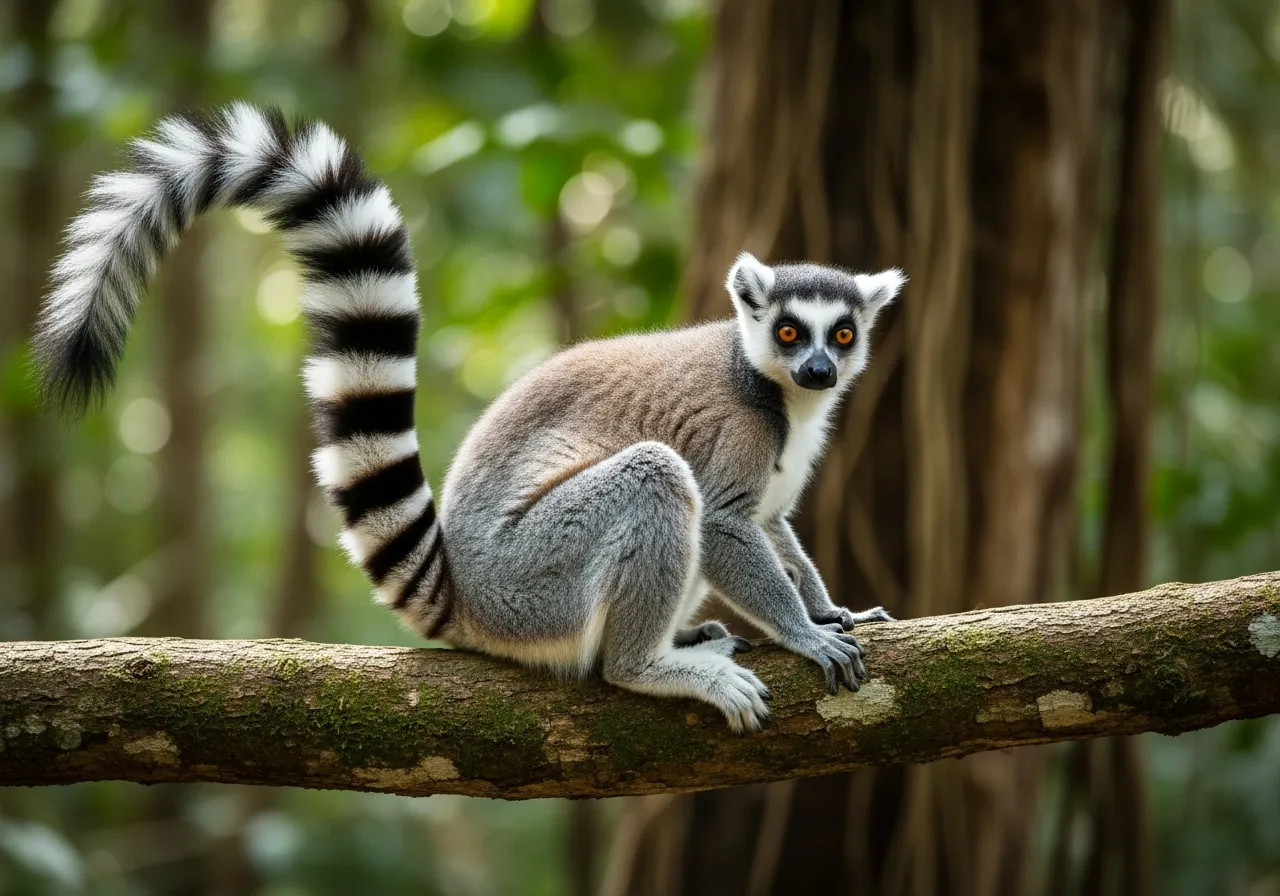
Varies; lemurs are the most endangered mammal group
Lemur
Infraorder Lemuriformes
A lemur is a primate native only to Madagascar and nearby islands, forming the group Lemuriformes. More than 100 species exist, from tiny mouse lemurs to the familiar ring-tailed lemur. Most are tree-dwelling, and lemurs are the most endangered mammal group on Earth.
Read the guide →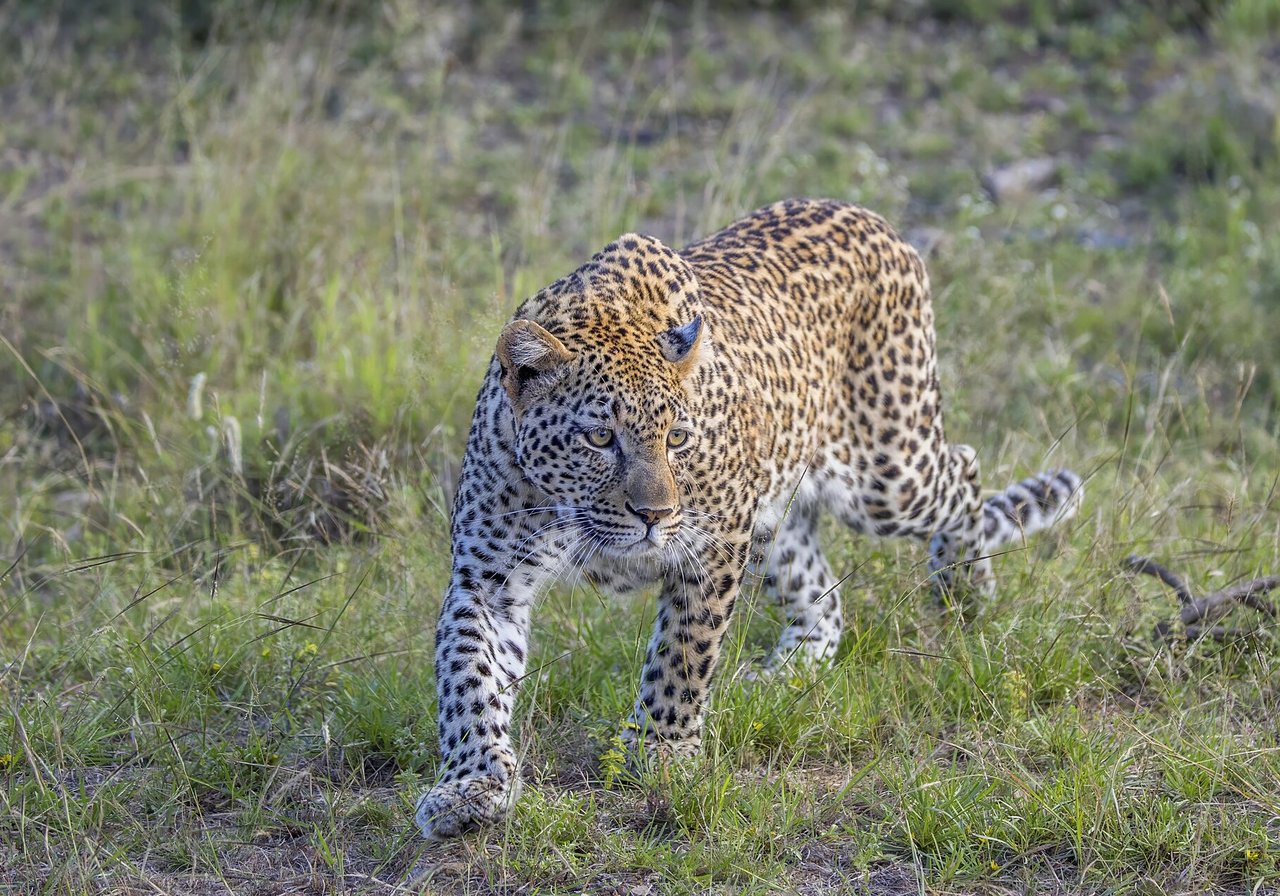
Varies by species (Vulnerable to Endangered)
Leopard
Panthera pardus (Linnaeus, 1758) and clouded-leopard lineage (Neofelis)
Leopards are spotted Panthera cats of Africa and Asia — Vulnerable (Panthera pardus) — plus clouded leopards and snow leopards as distinct species covered in separate WARN guides.
Read the guide →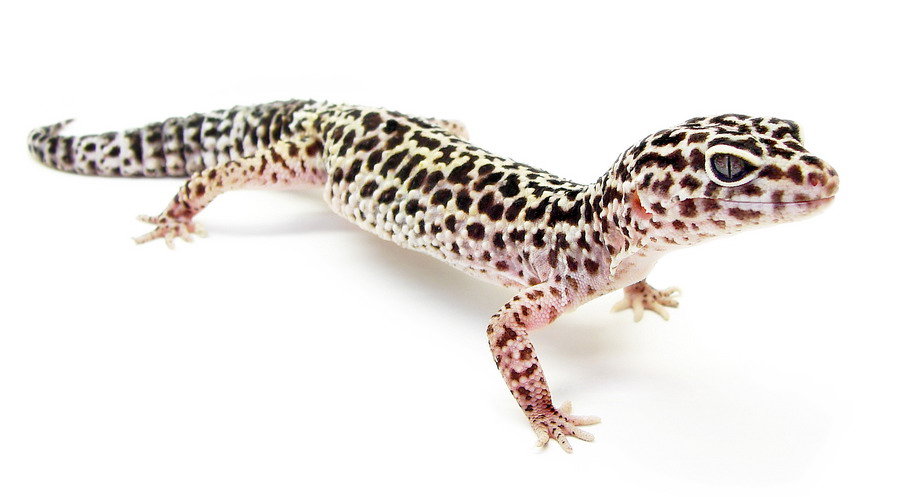
Least Concern (IUCN) — wild leopard gecko
Leopard Gecko
Eublepharis macularius (Blyth, 1854)
The leopard gecko (Eublepharis macularius) is a hardy, ground-dwelling South Asian lizard — Least Concern in the wild — and a popular beginner pet; its many 'morphs' are captive-bred colour and pattern lines of one species.
Read the guide →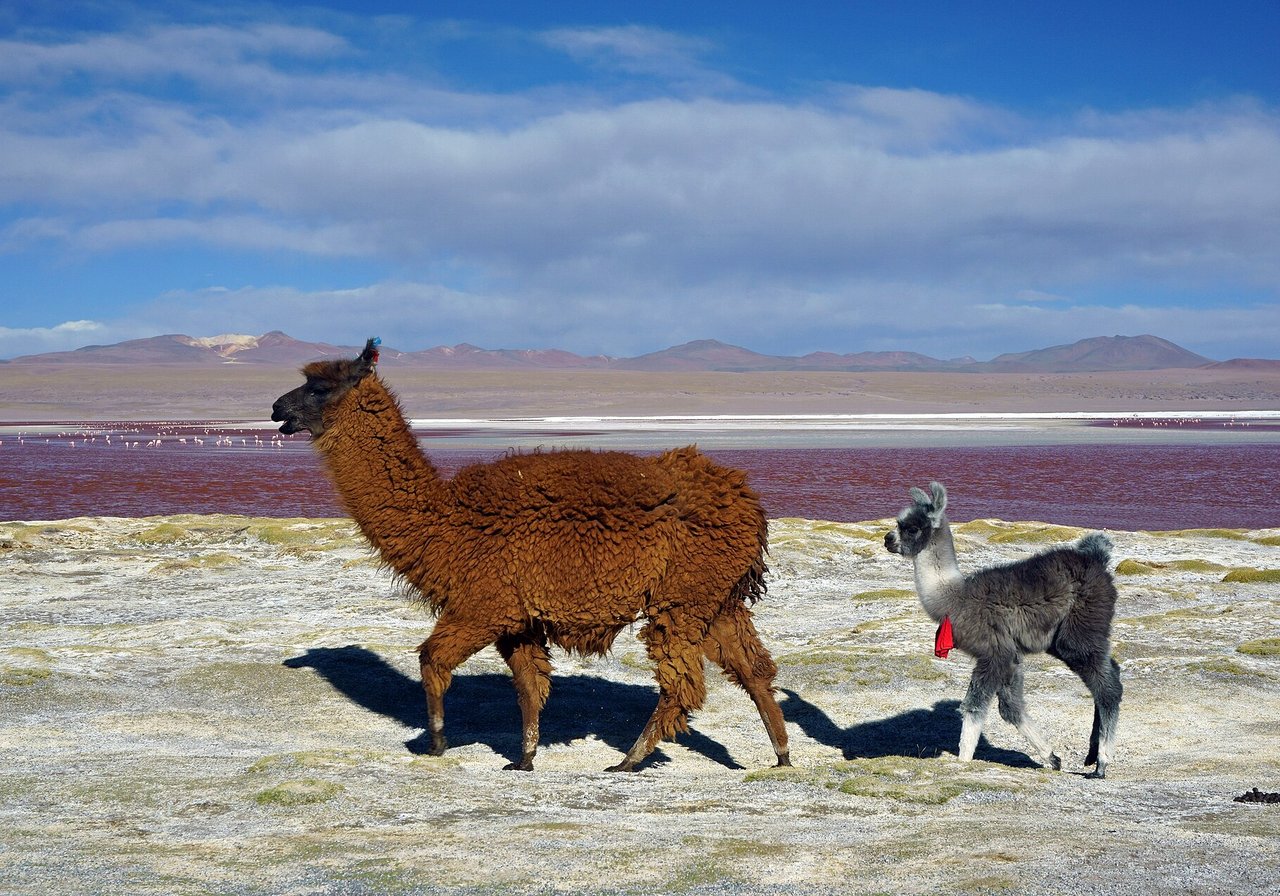
Domesticated — wild ancestor guanaco Least Concern
Llama
Lama glama (Linnaeus, 1758)
The llama (Lama glama) is a domesticated Andean camelid bred for 5,000+ years as a pack animal and fibre source; descended from the guanaco, roughly seven million llamas support highland communities in Peru and Bolivia.
Read the guide →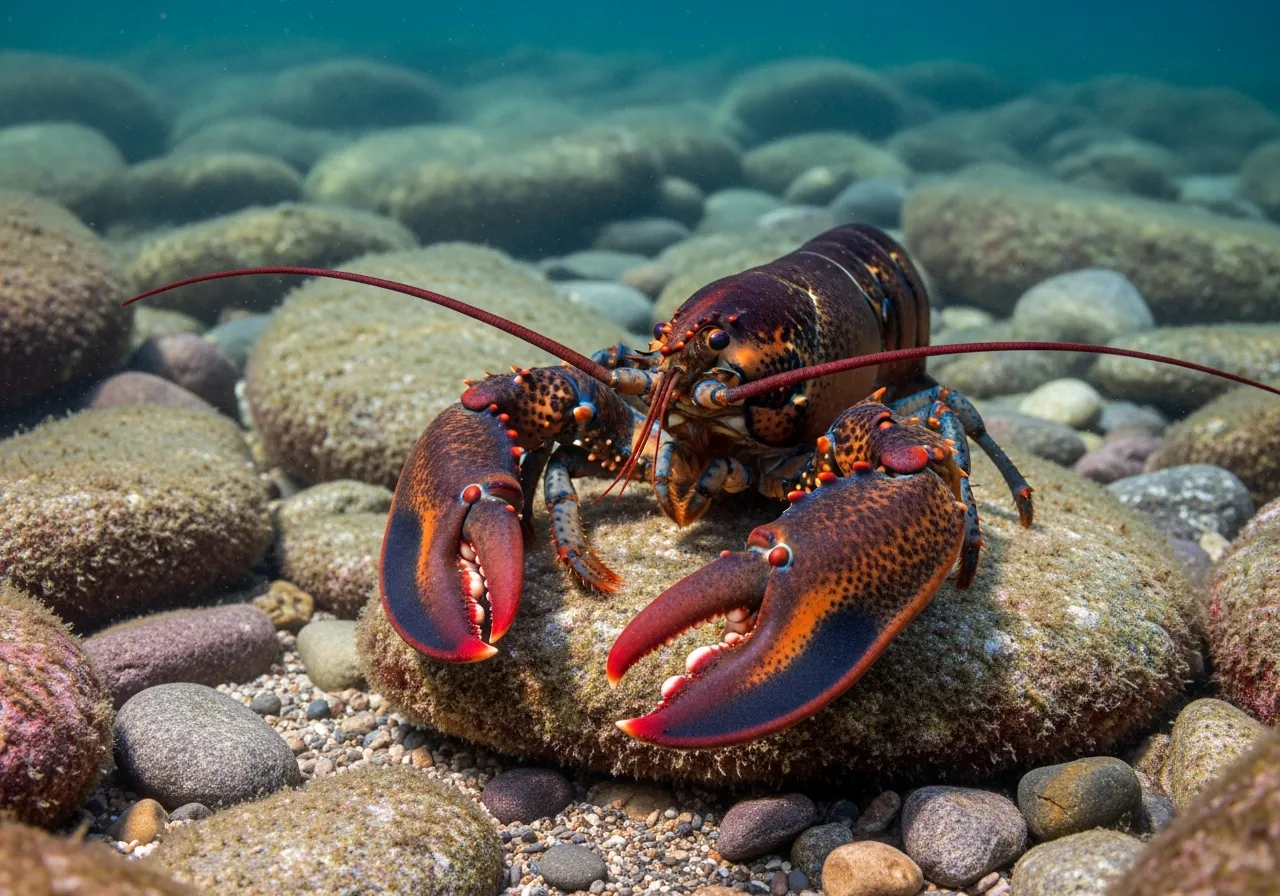
Not a threatened group; some species data deficient
Lobster
Family Nephropidae
A lobster is a large clawed marine crustacean of the family Nephropidae, including the American and European lobsters. It grows by moulting its hard shell, can regenerate lost claws, has blue copper-based blood, and may live an estimated 45 to 50 years in the wild.
Read the guide →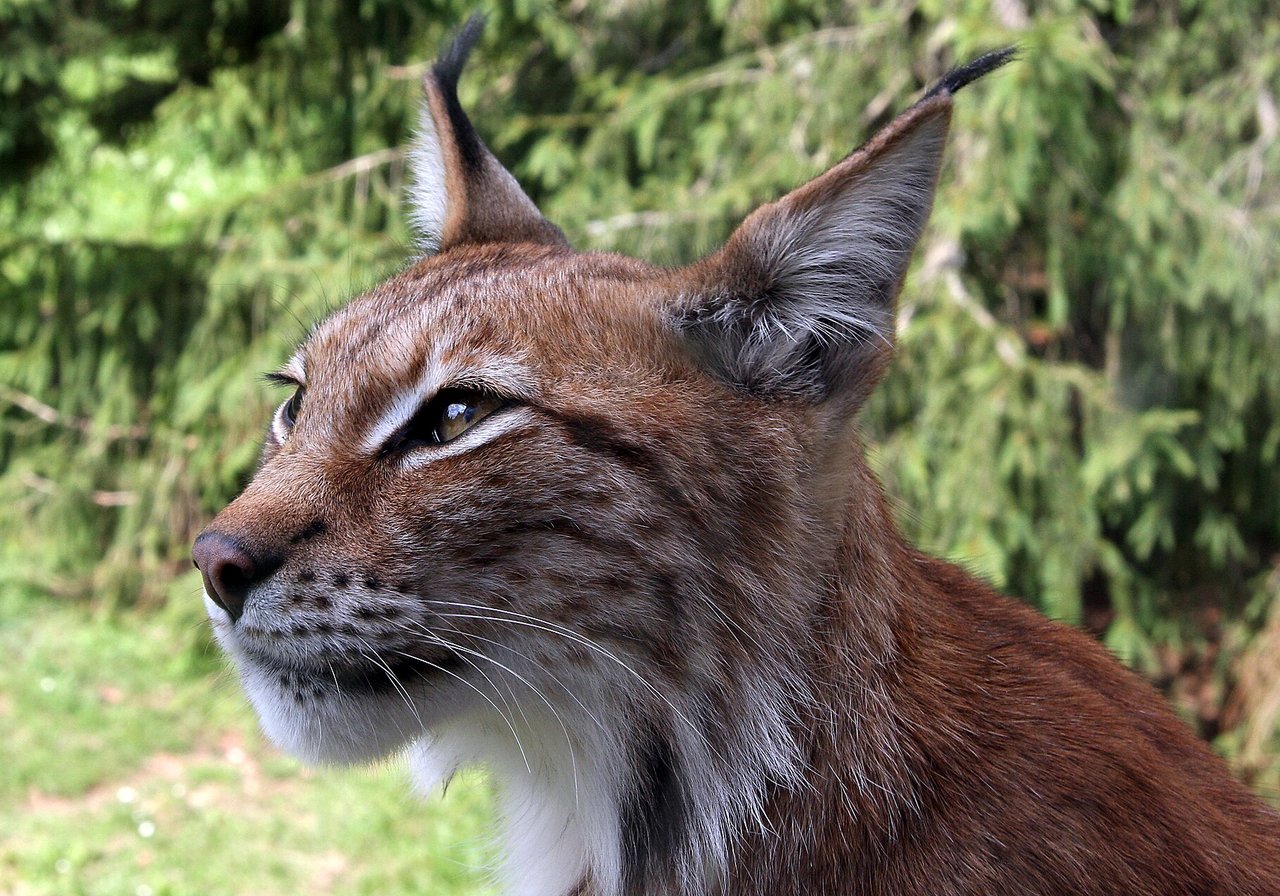
Least Concern (IUCN, 2014)
Lynx
Lynx lynx (Linnaeus, 1758)
The Eurasian lynx (Lynx lynx) is Europe's largest wild cat, listed as Least Concern by the IUCN; it inhabits boreal and temperate forests across Eurasia and has recovered in several western European countries after decades of persecution.
Read the guide →Varies by species (Least Concern to Critically Endangered)
Macaque
Macaca (Lacépède, 1799) — genus, ~23 species
Macaques are a genus of about 23 Old World monkey species native to Asia and North Africa. Conservation status varies from Least Concern to Critically Endangered: lion-tailed, Barbary and Celebes crested macaques are Endangered, while rhesus macaques remain widespread. Habitat loss, the pet and research trades, and urban conflict are the main pressures — not a single genus-wide collapse.
Read the guide →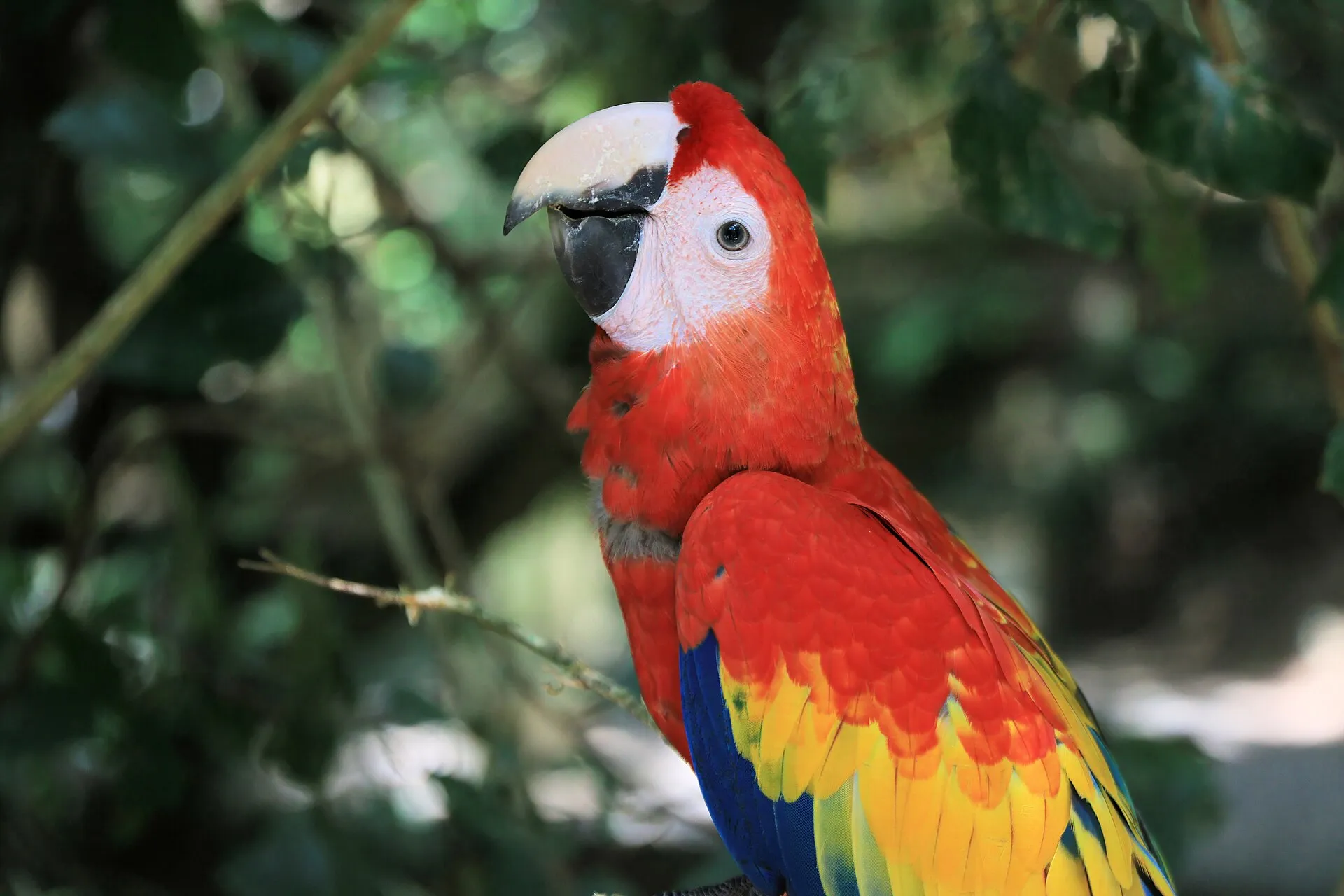
Varies by species: Least Concern to Extinct in the Wild (several Critically Endangered)
Macaw
Tribe Arini (true macaws) — ~18 species across 6 genera: Ara, Anodorhynchus, Cyanopsitta, Primolius, Orthopsittaca, Diopsittaca (family Psittacidae)
Macaws are large, long-tailed tropical parrots native to Central and South America; status varies by species, with several — including the blue-throated and Spix's macaws — Critically Endangered or Extinct in the Wild due to the illegal pet trade and deforestation.
Read the guide →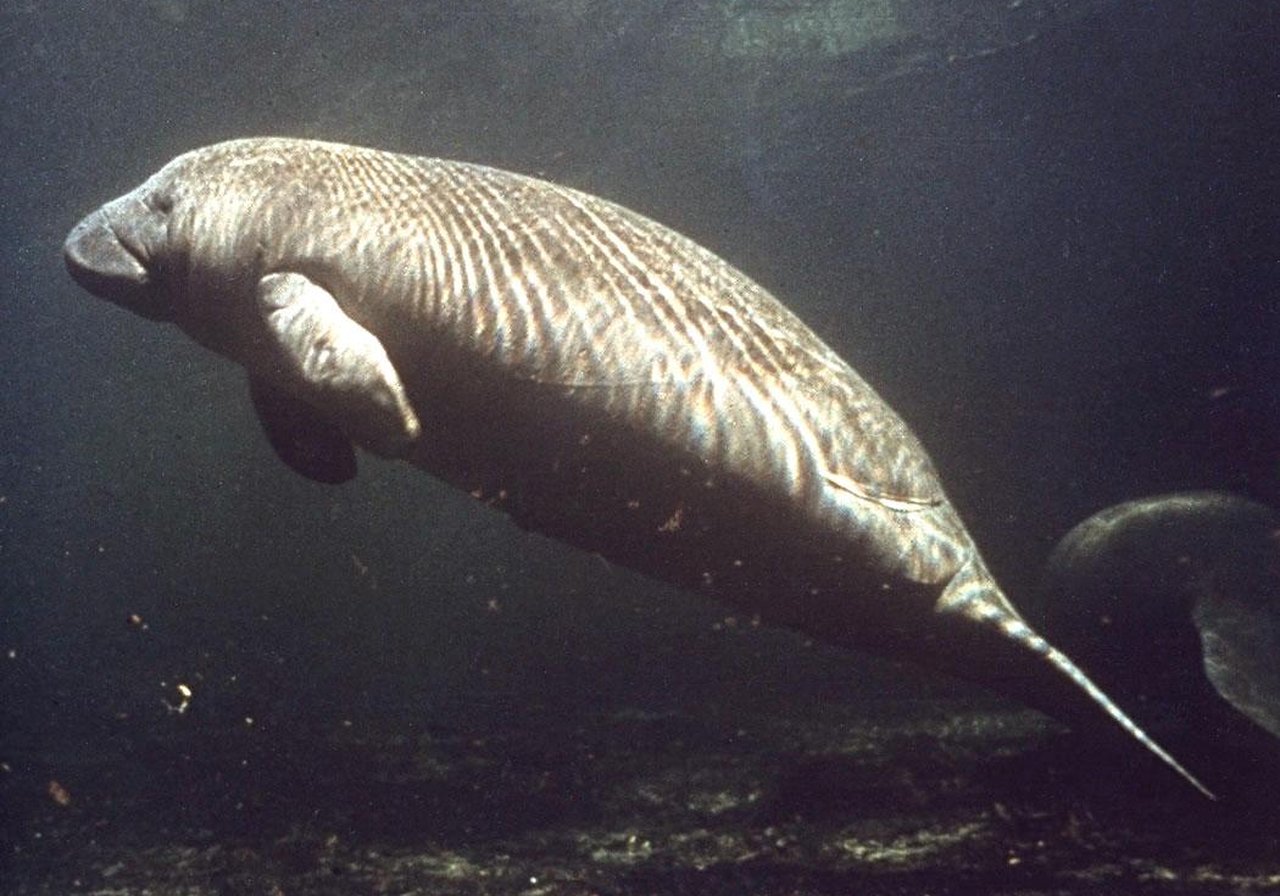
Varies by species (Vulnerable to Endangered)
Manatee
Trichechus manatus, T. inunguis and T. senegalensis — three living species
Manatees are plant-eating sirenians with three species in the Americas and West Africa — slow-moving mammals threatened by boat collisions, habitat loss and pollution, with IUCN status from Vulnerable to Endangered.
Read the guide →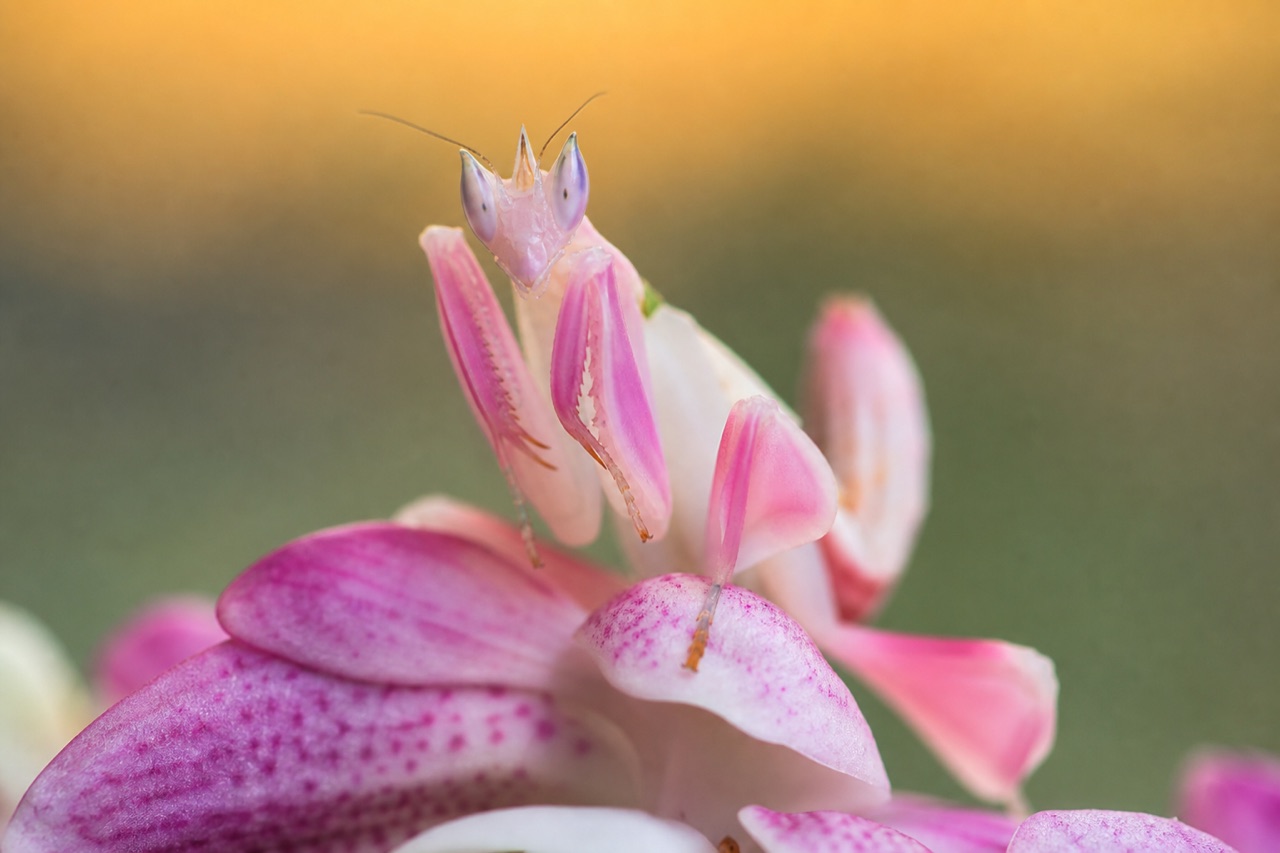
Family page — most species unassessed; narrow-range tropical species face habitat loss
Mantis
Family Mantidae — largest mantis family; roughly 2,300 species in order Mantodea worldwide
Mantids (family Mantidae) are the largest mantis family — roughly 2,300 ambush-predator species with spined raptorial forelegs — and the group most people mean when they say 'praying mantis'; WARN's praying mantis page covers the full order Mantodea.
Read the guide →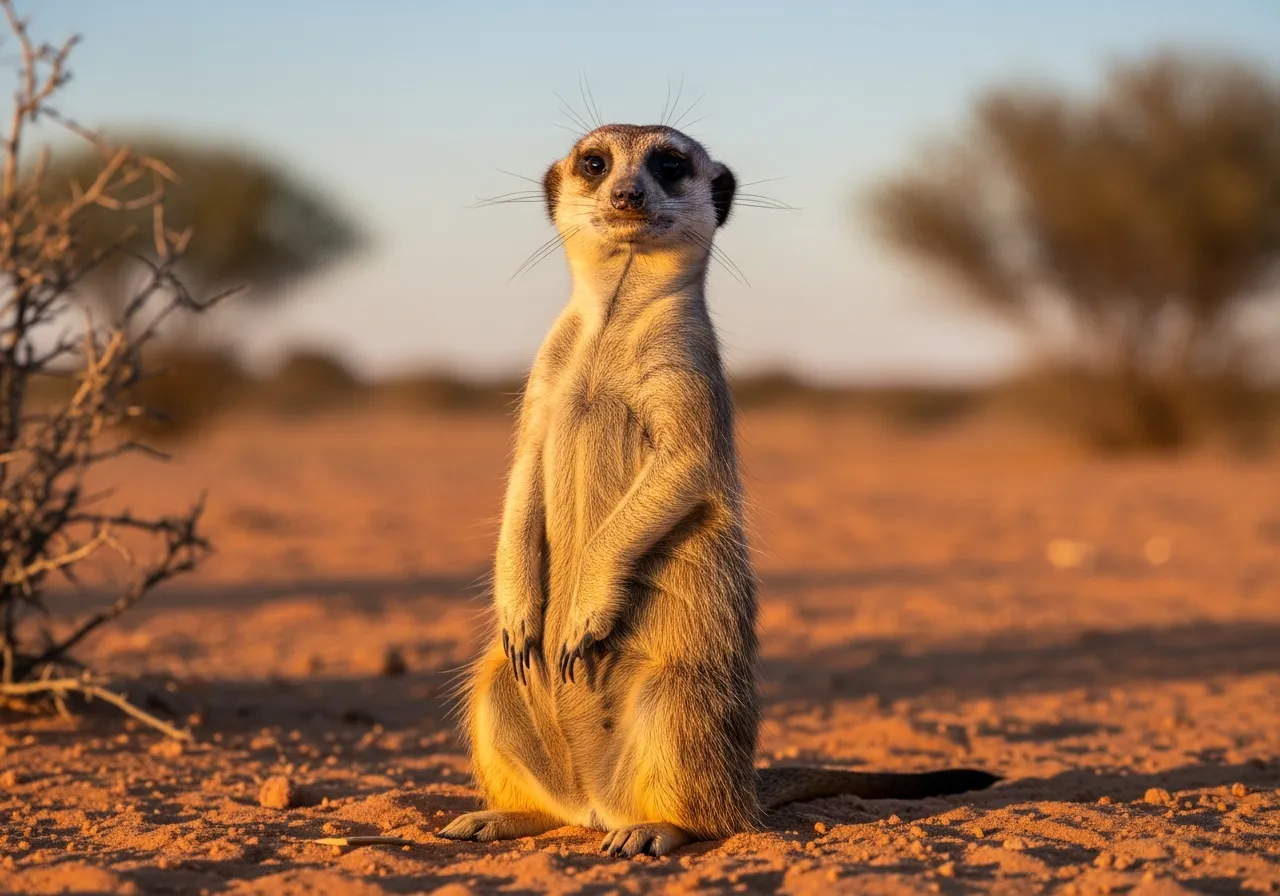
Least Concern (IUCN)
Meerkat
Suricata suricatta
A meerkat (Suricata suricatta) is a small, highly social mongoose native to the arid Kalahari and southern Africa. It lives in cooperative groups of up to about thirty, posts sentinels to watch for predators, and feeds mainly on insects, scorpions and other small prey.
Read the guide →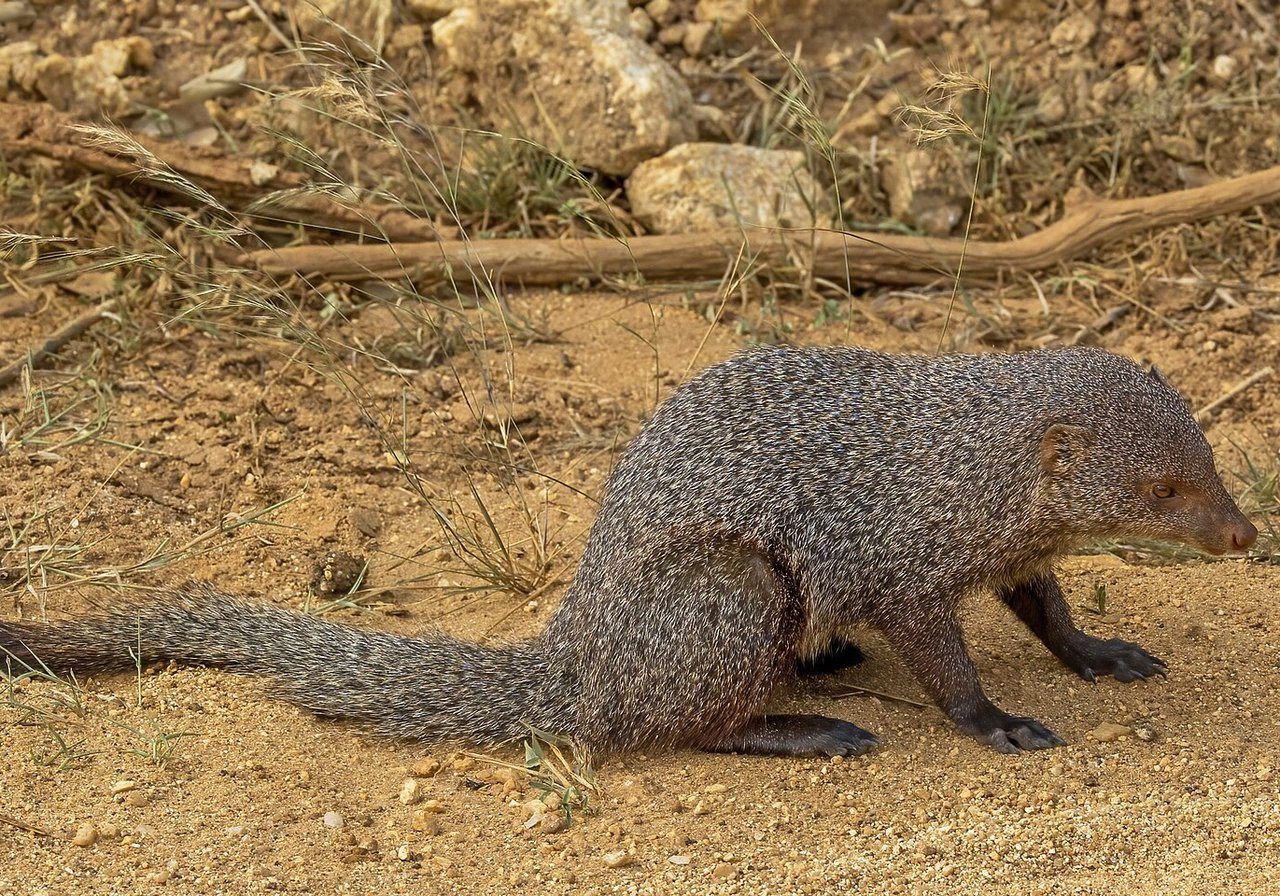
Least Concern (IUCN, 2016) — small Asian mongoose; family Herpestidae
Mongoose
Herpestes javanicus (É. Geoffroy Saint-Hilaire, 1818)
Mongooses are small carnivorans of family Herpestidae — roughly 34 species across Africa and Asia; the small Asian mongoose (Herpestes javanicus) is Least Concern and native from Pakistan to Indonesia, famous for hunting snakes.
Read the guide →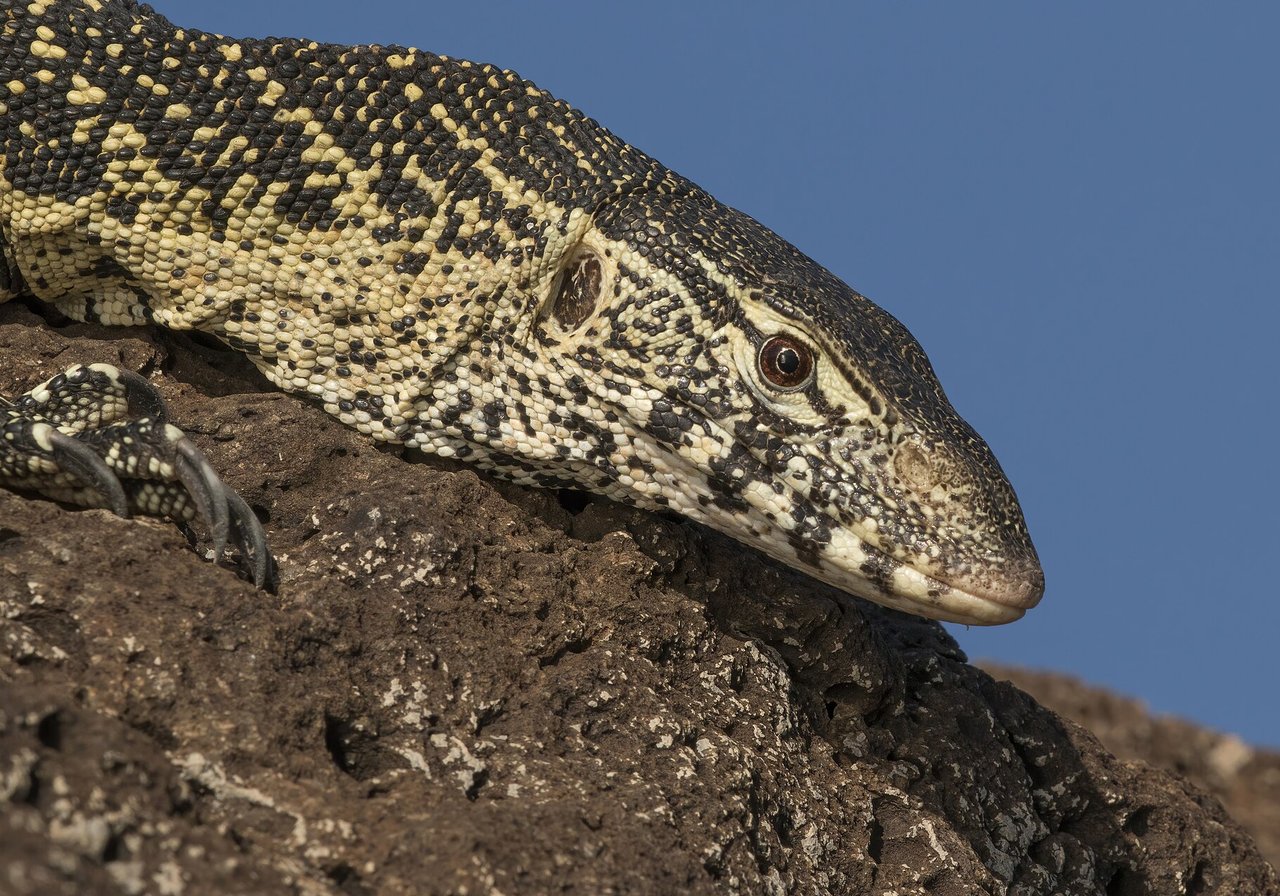
Varies by species (Least Concern to Endangered)
Monitor Lizard
Genus Varanus — ~80 species including Komodo dragon (V. komodoensis)
Monitor lizards (genus Varanus) comprise ~80 species including the Komodo dragon — intelligent predatory reptiles of Africa, Asia and Australasia threatened by trade, hunting and habitat loss.
Read the guide →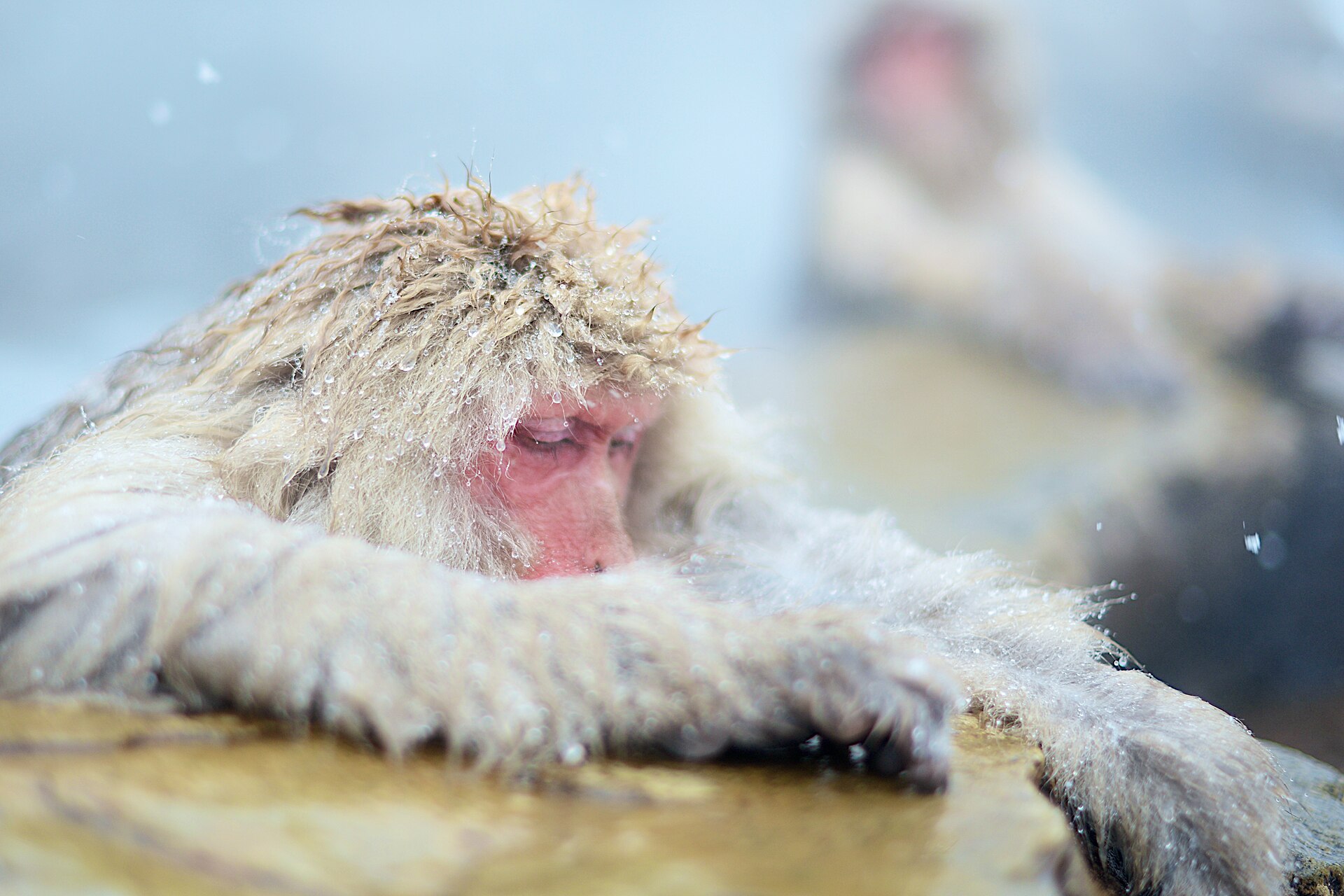
Varies by species (Least Concern to Critically Endangered)
Monkey
Infraorder Simiiformes — ~260+ species in families Cebidae, Callitrichidae, Cercopithecidae and others
Monkeys are tailed simian primates of the Americas, Africa and Asia — roughly 260+ species with forward-facing eyes, grasping hands and complex social groups. They are distinct from tailless apes; status ranges from Least Concern to Critically Endangered, and most species are protected from international trade.
Read the guide →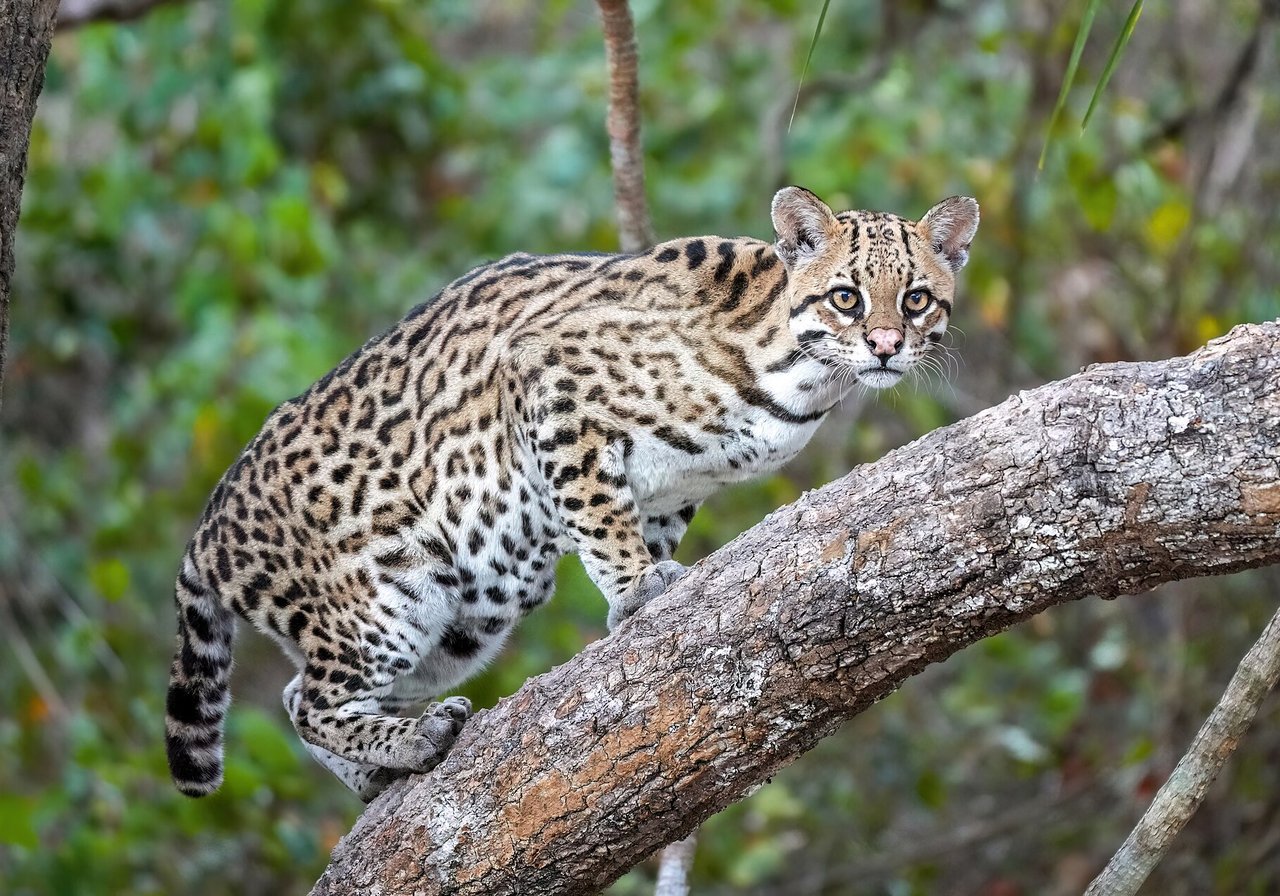
Least Concern (IUCN, 2014)
Ocelot
Leopardus pardalis (Linnaeus, 1758)
The ocelot (Leopardus pardalis) is a spotted wild cat of the Americas, listed as Least Concern by the IUCN but declining locally due to habitat loss and historical over-trapping; a small population persists in southern Texas.
Read the guide →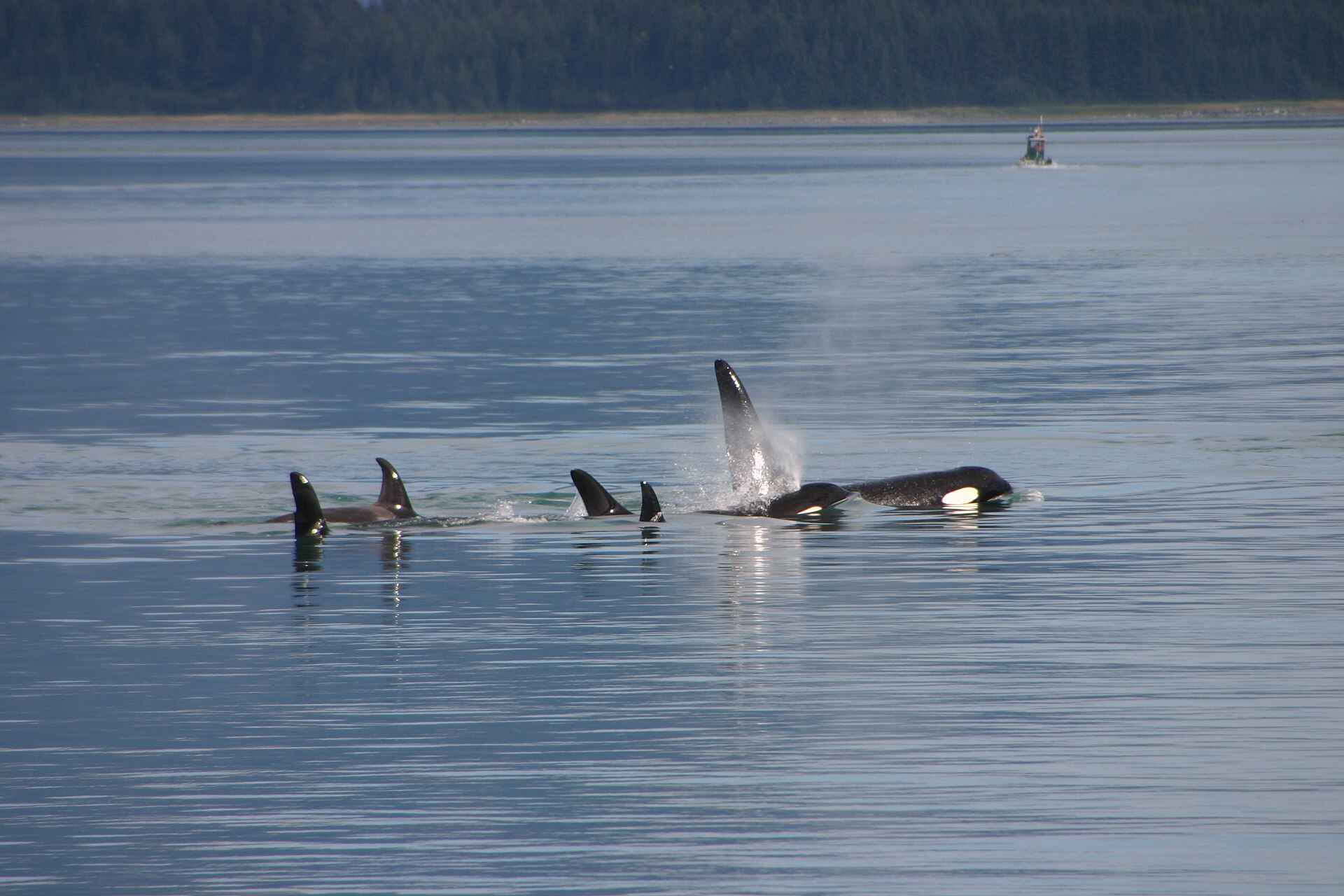
Data Deficient (IUCN global assessment, 2017)
Orca
Orcinus orca (Linnaeus, 1758)
An orca (Orcinus orca), also called a killer whale, is the largest oceanic dolphin, not a baleen whale. The IUCN listed the species Data Deficient in 2017 because the name likely covers more than one taxon. Globally there are at least tens of thousands of mature animals; some regional populations, including US Southern Residents, are Endangered. WARN does not run orca programmes.
Read the guide →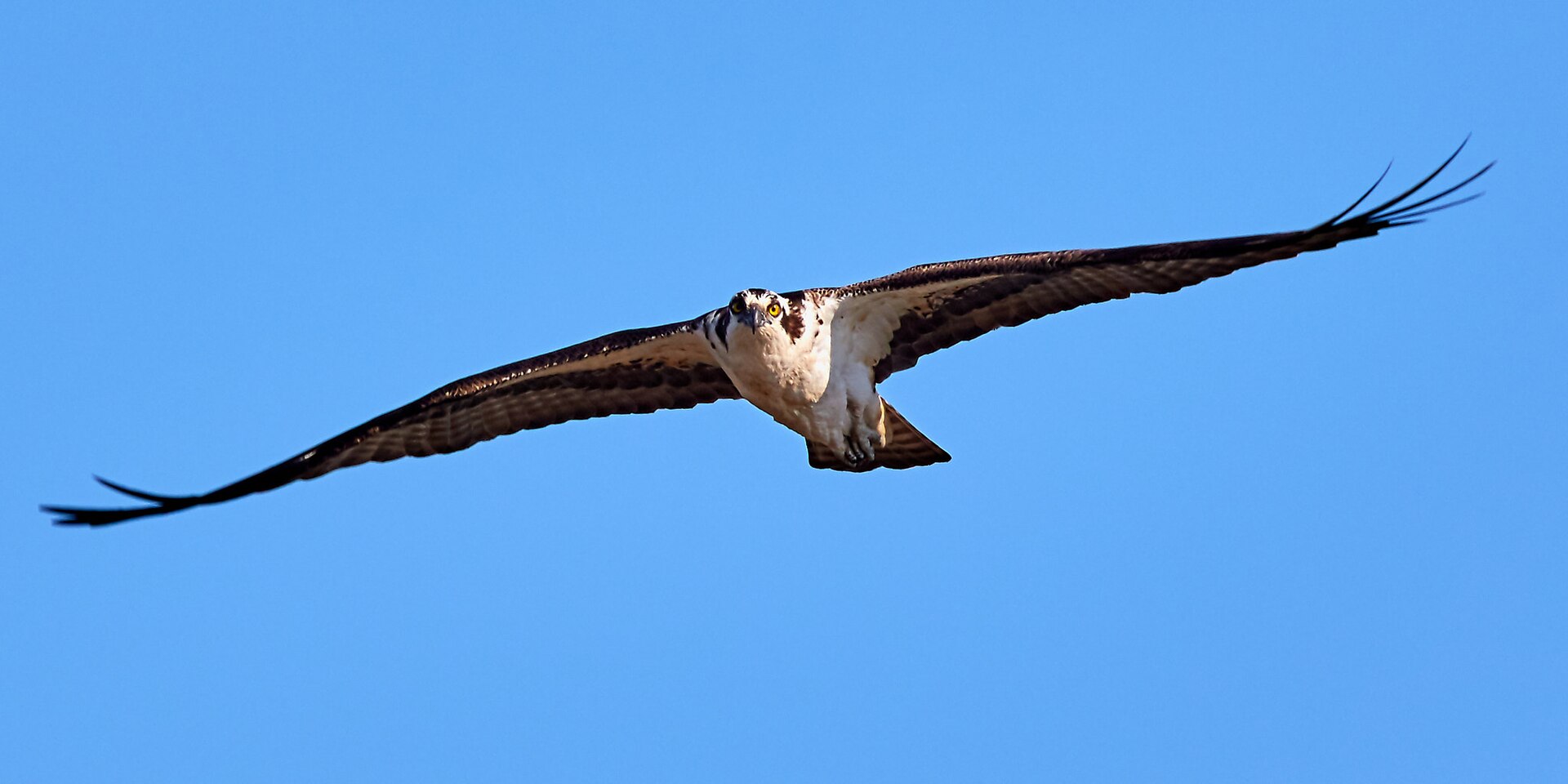
Least Concern (IUCN, 2015)
Osprey
Pandion haliaetus (Linnaeus, 1758)
The osprey (Pandion haliaetus) is a Least Concern fish-eating raptor found worldwide, the only member of family Pandionidae; it recovered from DDT declines and hunts by plunging feet-first into water to catch fish.
Read the guide →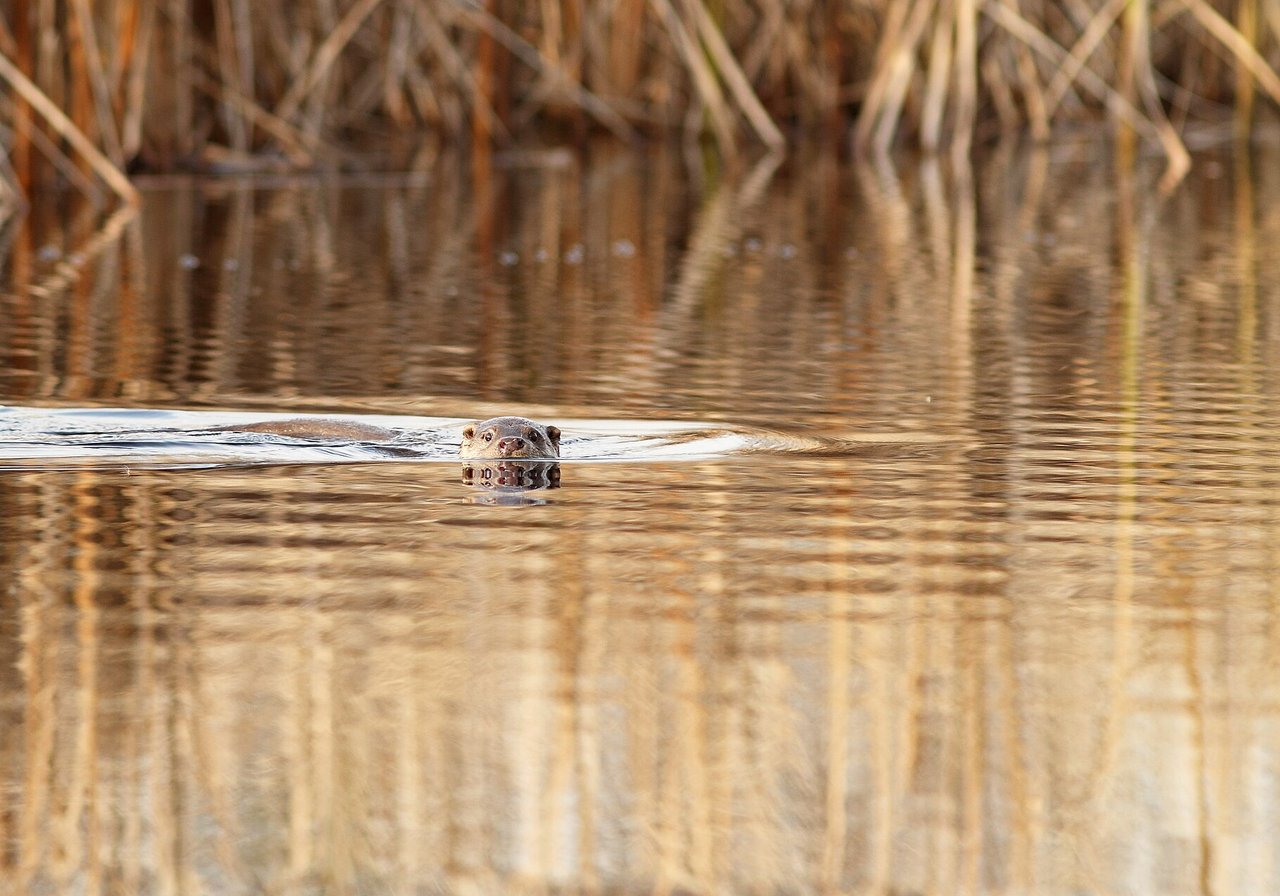
Varies by species (Least Concern to Endangered)
Otter
Subfamily Lutrinae — 13 species of aquatic mustelids worldwide
Otters are 13 species of aquatic mustelids worldwide — from the Endangered giant otter of South America to the recovering sea otter of the Pacific; status ranges from Least Concern to Endangered.
Read the guide →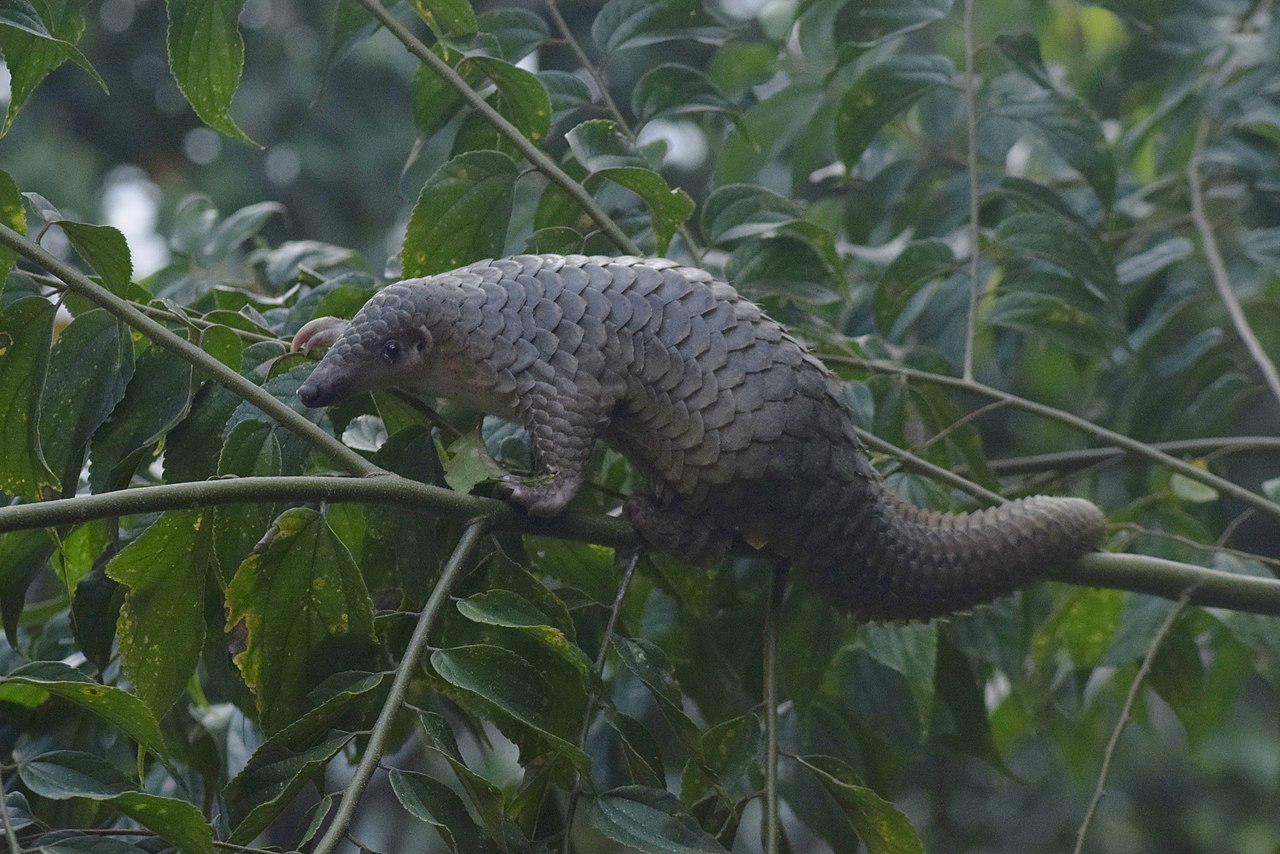
Threatened (Vulnerable–Critically Endangered)
Pangolin
Order Pholidota, family Manidae — eight living species across three genera (Manis, Smutsia, Phataginus)
Pangolins are the world's most heavily trafficked wild mammals; all eight species are threatened by illegal trade in their keratin scales, used in traditional medicine across Asia, with the Chinese and Sunda pangolins now Critically Endangered.
Read the guide →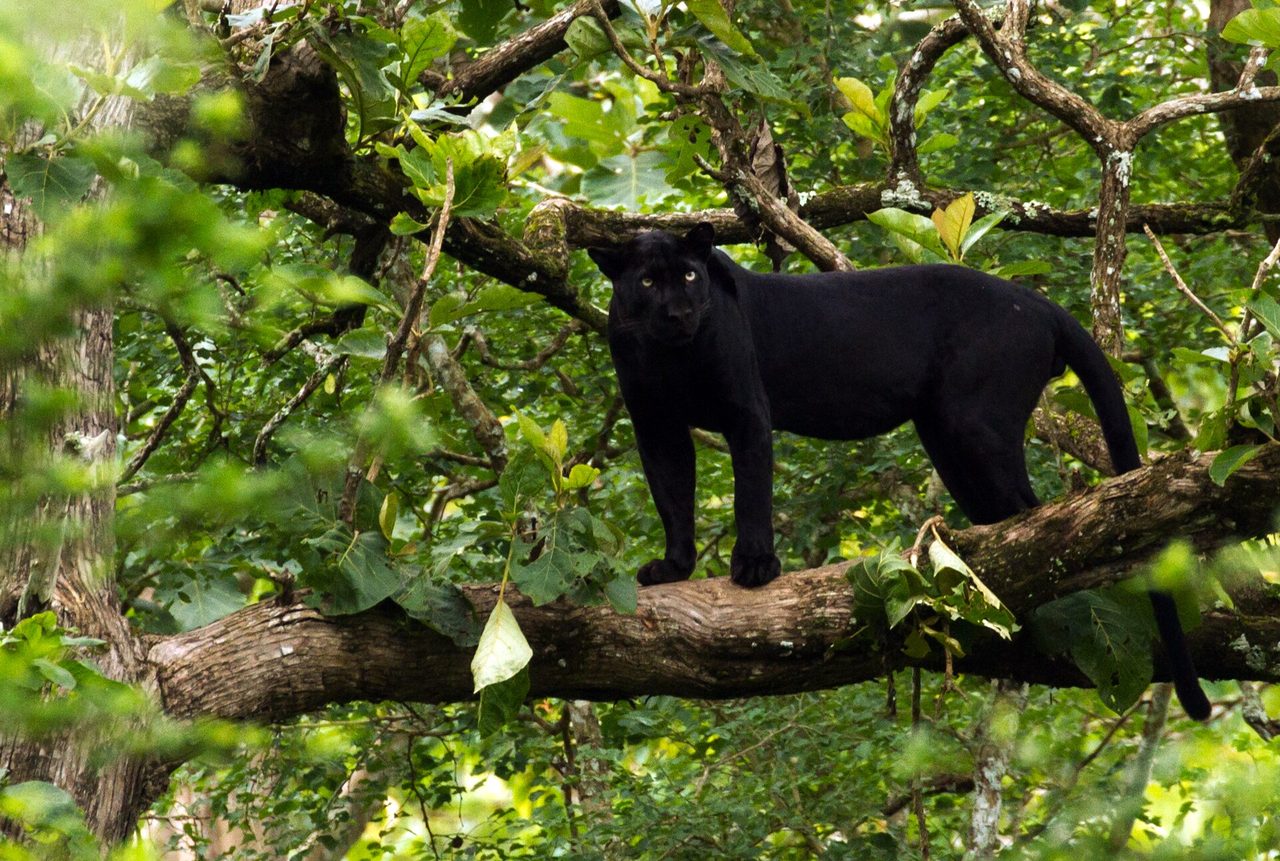
Not a single species — see cougar, jaguar and leopard guides
Panther
Colloquial term — melanistic leopards/jaguars; also used for cougar and jaguar
'Panther' is a colloquial term — not one species — referring to melanistic leopards or jaguars, cougars (including Florida panther) or large cats generally; WARN covers cougar, jaguar and leopard in dedicated guides.
Read the guide →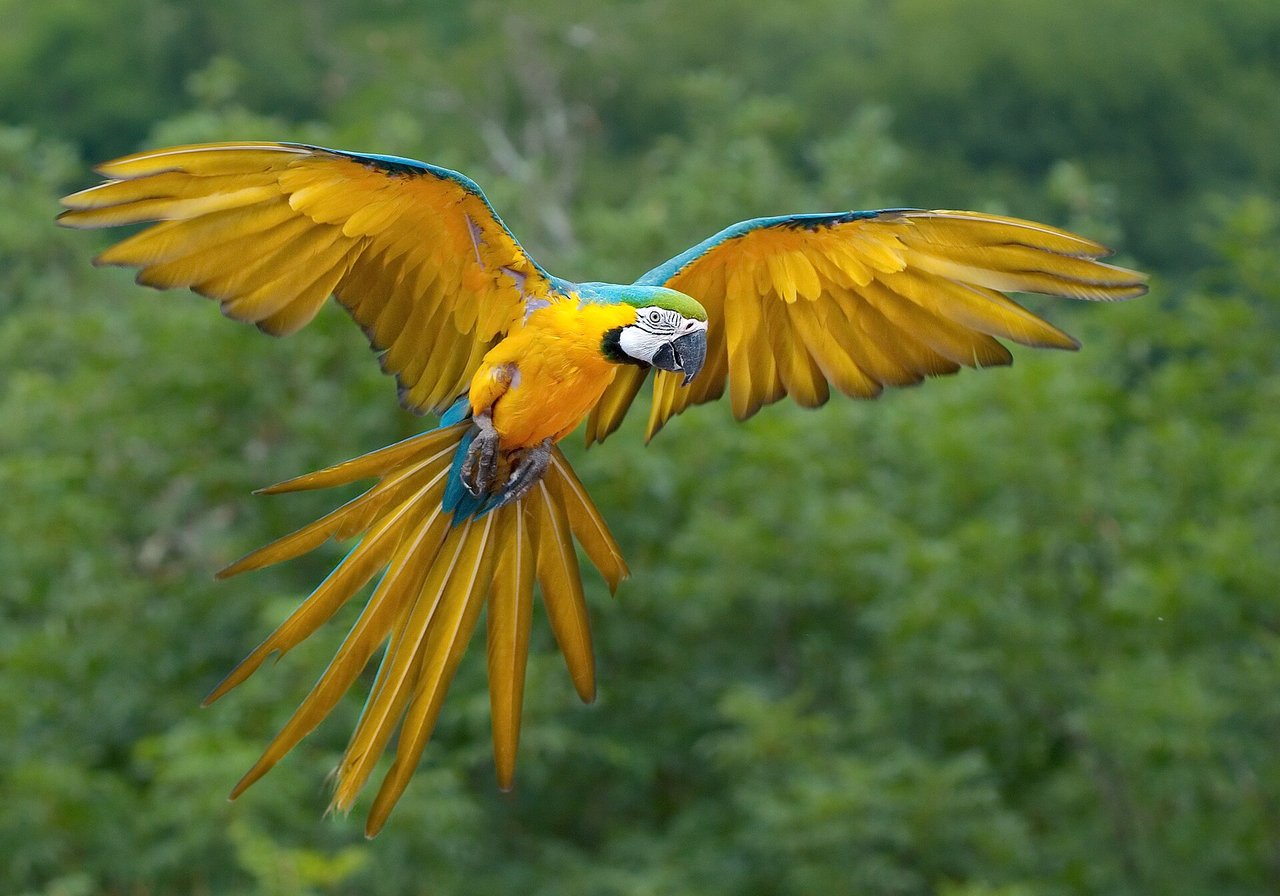
Varies by species (Least Concern to Critically Endangered)
Parrot
Order Psittaciformes — ~400 species in families Psittacidae, Psittaculidae and Cacatuidae
Parrots are tropical and subtropical Psittaciformes — about 400 species including macaws, cockatoos and budgerigars — known for intelligence and longevity; many are threatened by habitat loss and illegal trade, with status ranging from Least Concern to Critically Endangered.
Read the guide →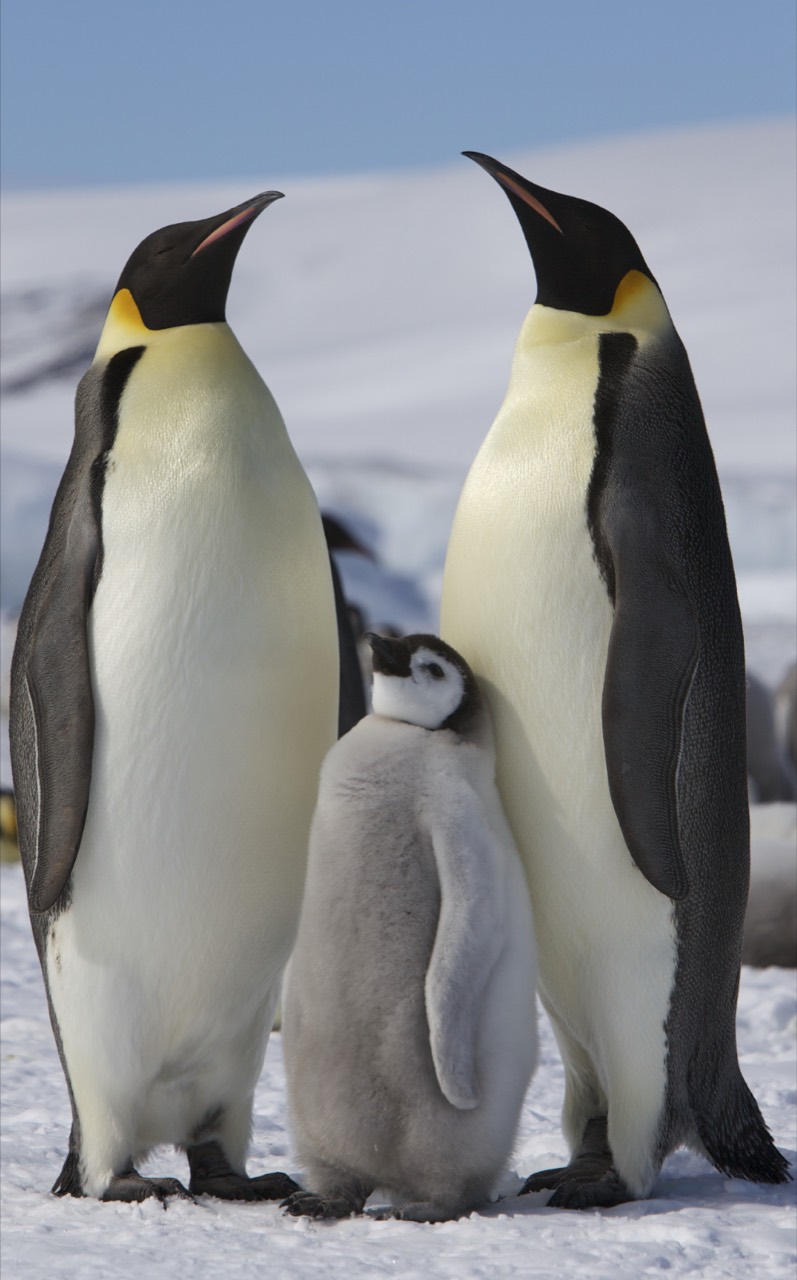
Varies by species (Least Concern to Critically Endangered)
Penguin
Spheniscidae
Penguins are flightless seabirds of the family Spheniscidae with 18 living species, found almost entirely in the Southern Hemisphere; their conservation status ranges from Least Concern to Critically Endangered, with the African penguin now Critically Endangered and the emperor penguin uplisted to Endangered in 2026.
Read the guide →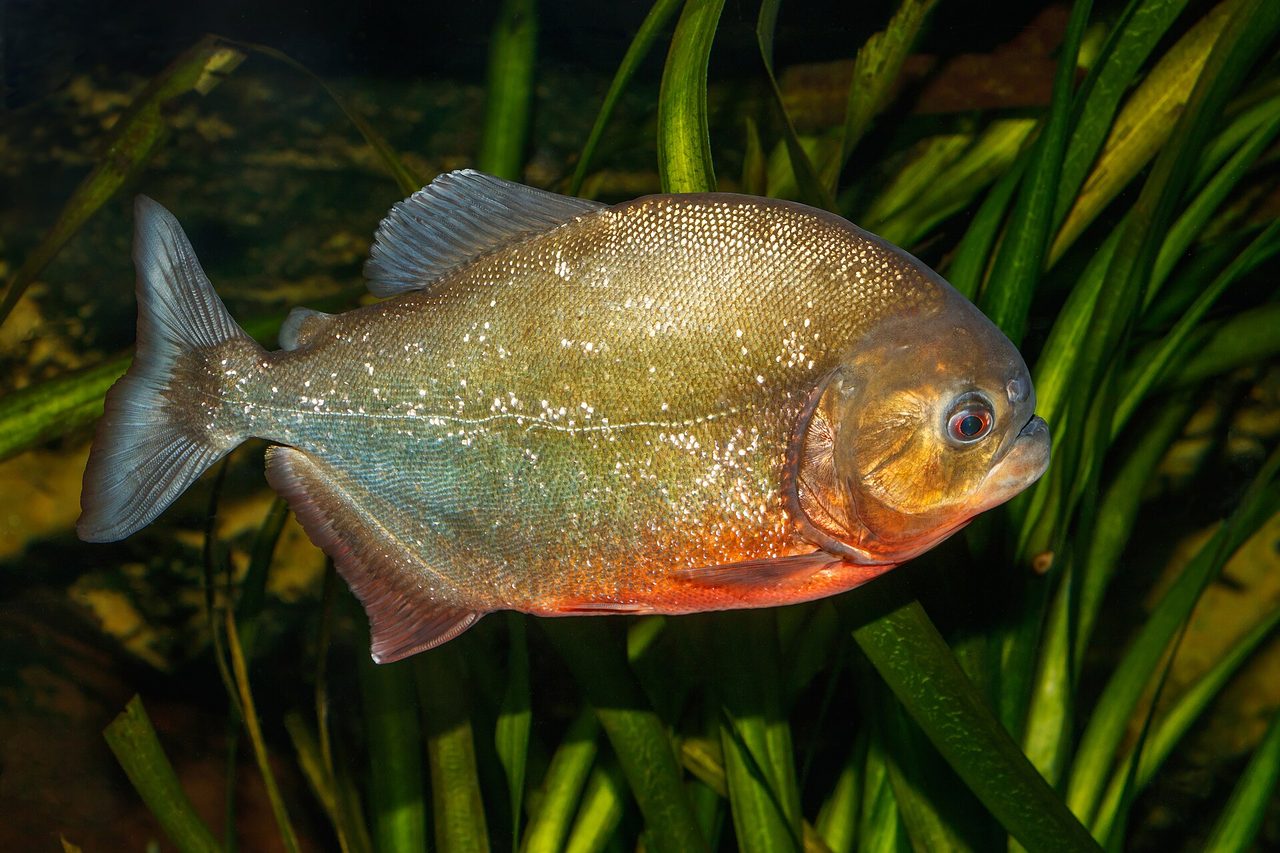
Least Concern (IUCN) — species-level status varies across the genus
Piranha
Pygocentrus nattereri (and relatives in subfamily Serrasalminae)
The piranha is a freshwater fish native to South American river systems, most abundant in the Amazon basin, where it serves as both predator and scavenger; the red-bellied piranha (Pygocentrus nattereri) is rated Least Concern by the IUCN but faces growing pressure from deforestation, dam construction, and mercury pollution across its range.
Read the guide →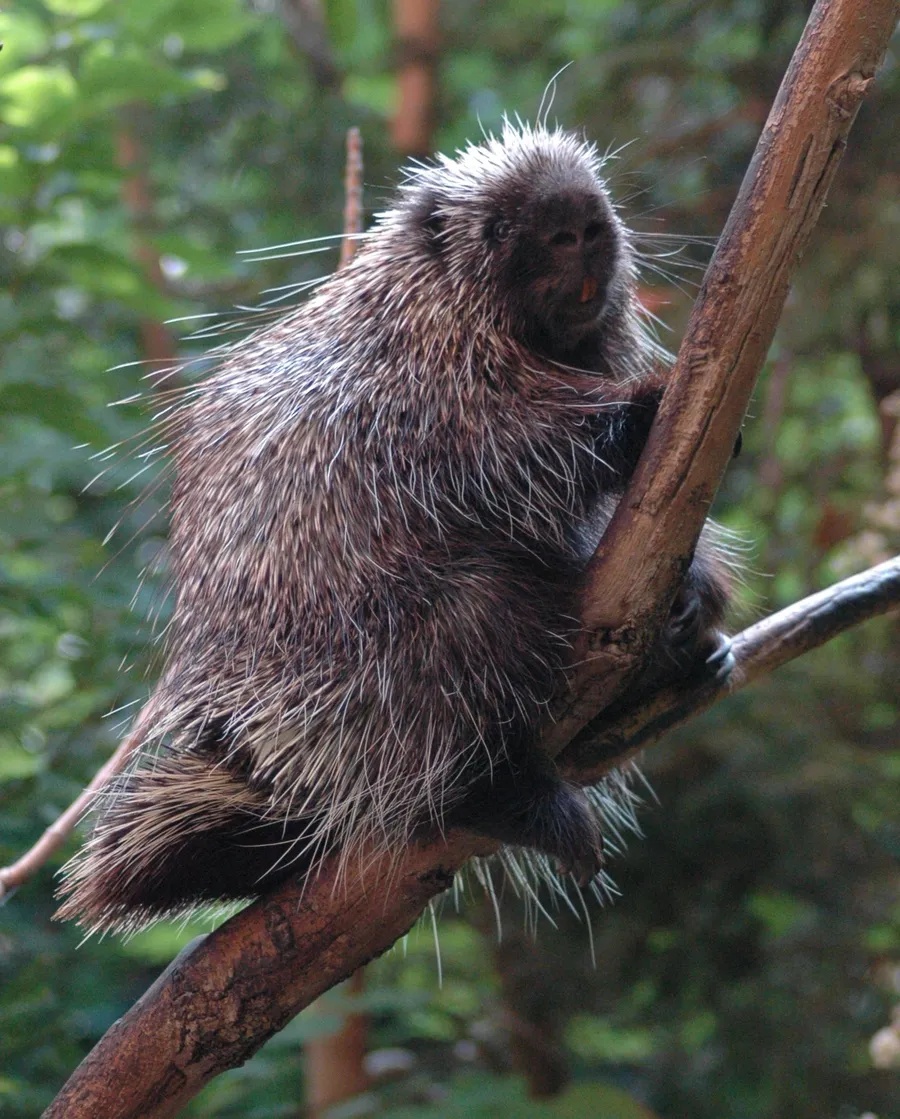
Varies by species; most Least Concern (IUCN)
Porcupine
Hystricidae (Old World) & Erethizontidae (New World)
A porcupine is a large herbivorous rodent covered in sharp quills — stiffened, modified hairs that defend it from predators. About 30 species exist in two distantly related families: Old World porcupines of Africa, Asia and Europe, and tree-climbing New World porcupines of the Americas.
Read the guide →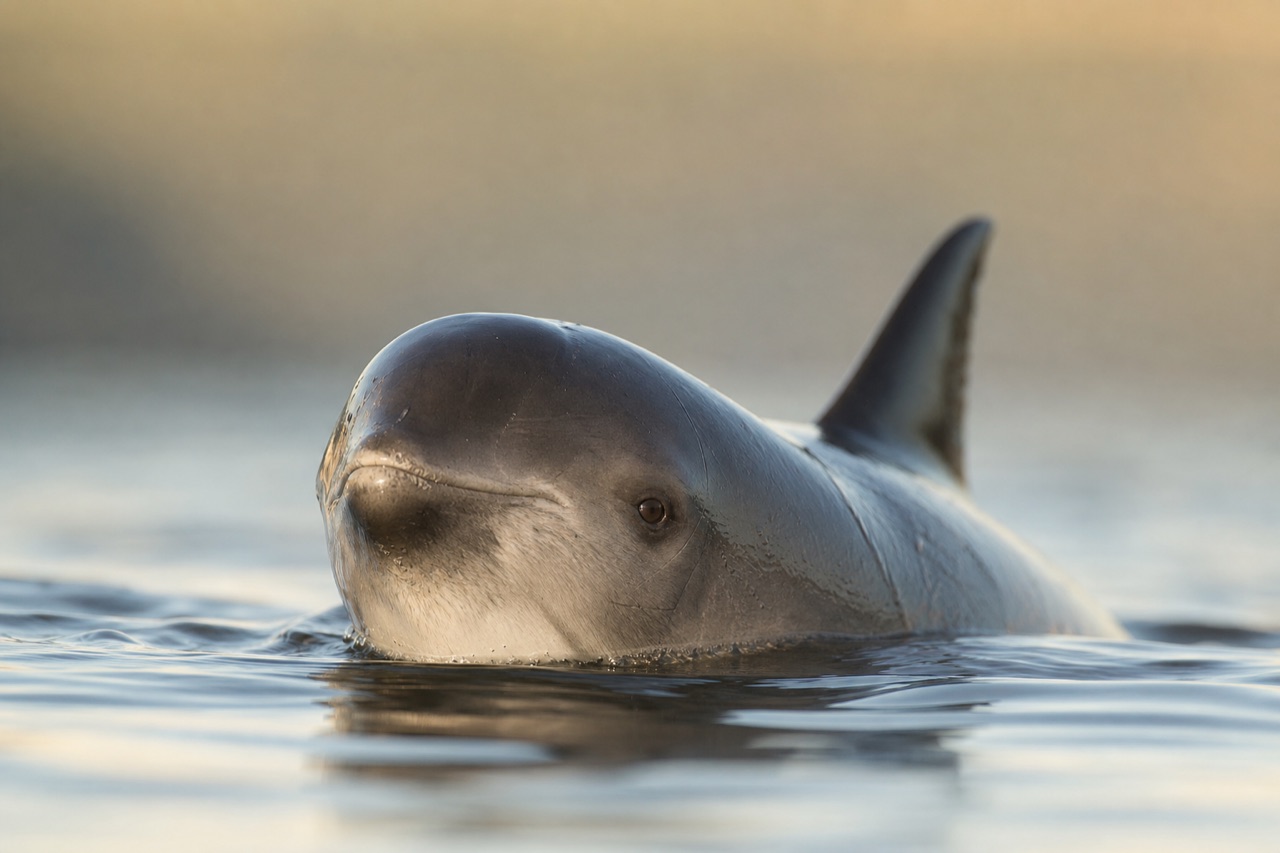
Family page — includes the vaquita, the most endangered marine mammal
Porpoise
Family Phocoenidae — seven species, including Phocoena phocoena
Porpoises are a separate family from dolphins, with blunt beakless heads, triangular dorsal fins and spade-shaped teeth; the family includes the vaquita, the most endangered marine mammal in the world.
Read the guide →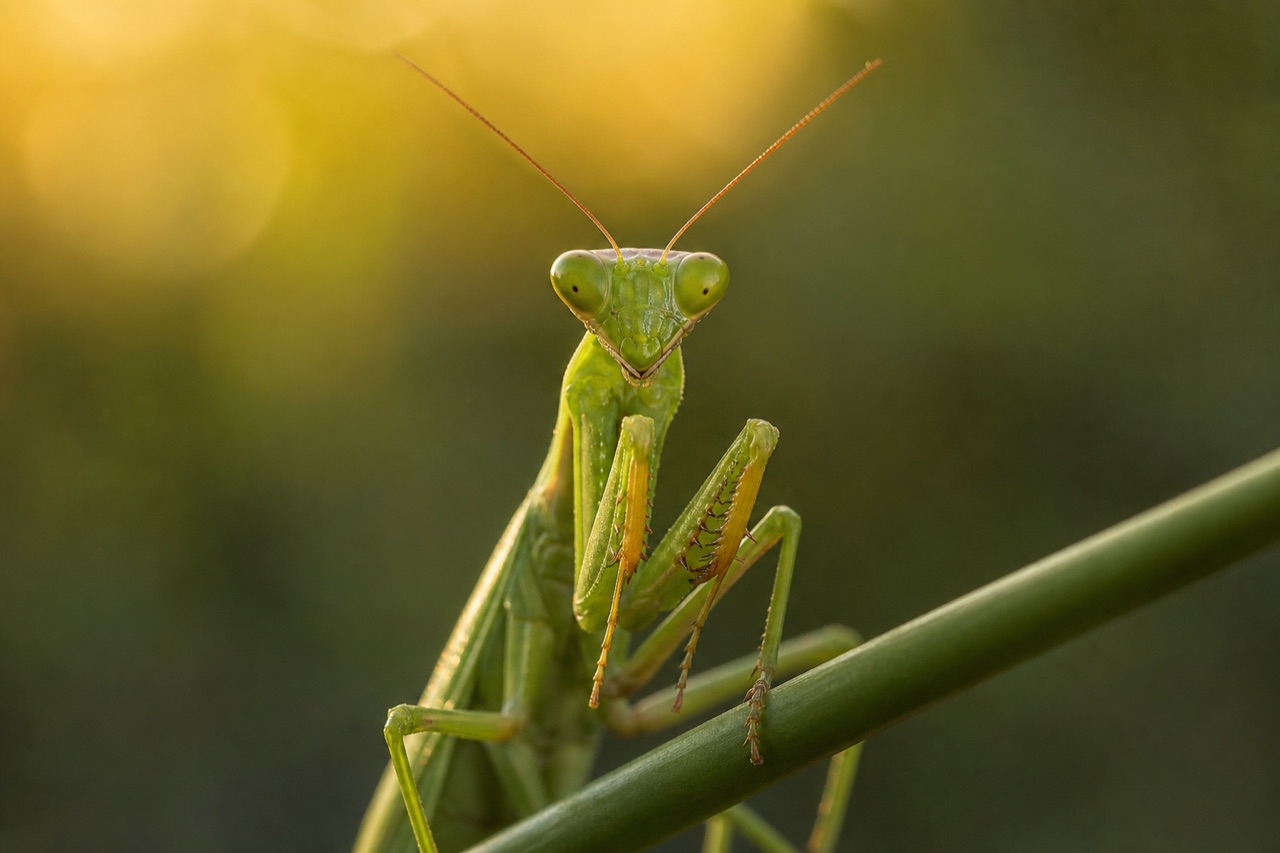
Order page — most species unassessed; a few narrow-range species are threatened
Praying Mantis
Order Mantodea — roughly 2,400 described species in about 460 genera
Praying mantises are ambush-predator insects of the order Mantodea — about 2,400 species — with stereoscopic 3D vision, a head that rotates roughly 180 degrees, and spined forelegs that snap shut on prey in around 50–70 milliseconds.
Read the guide →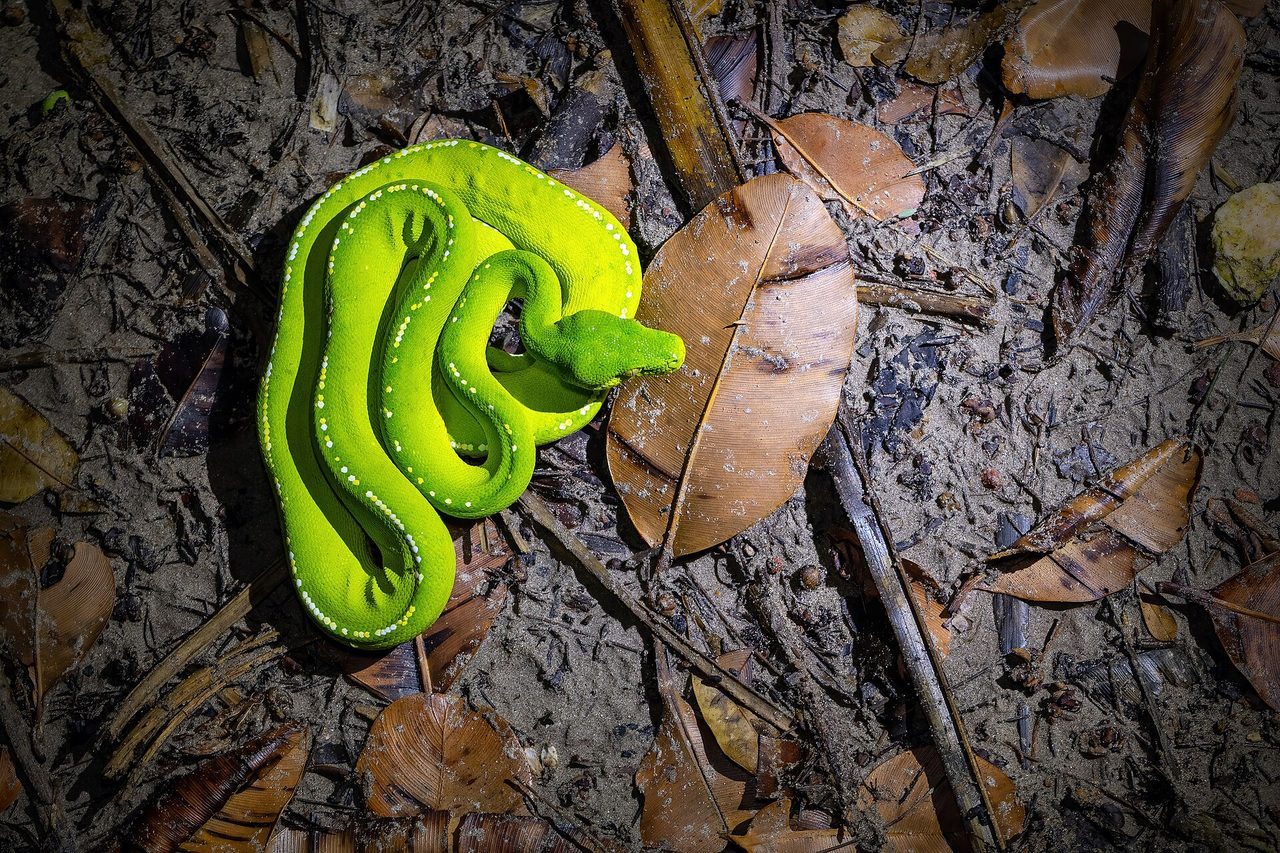
Varies by species (Least Concern to Endangered)
Python
Family Pythonidae — ~40 species native to Africa, Asia and Australia
Pythons are egg-laying constrictors (family Pythonidae) with ~40 species in Africa, Asia and Australia — non-venomous snakes threatened by skin trade, exotic pet demand and habitat loss.
Read the guide →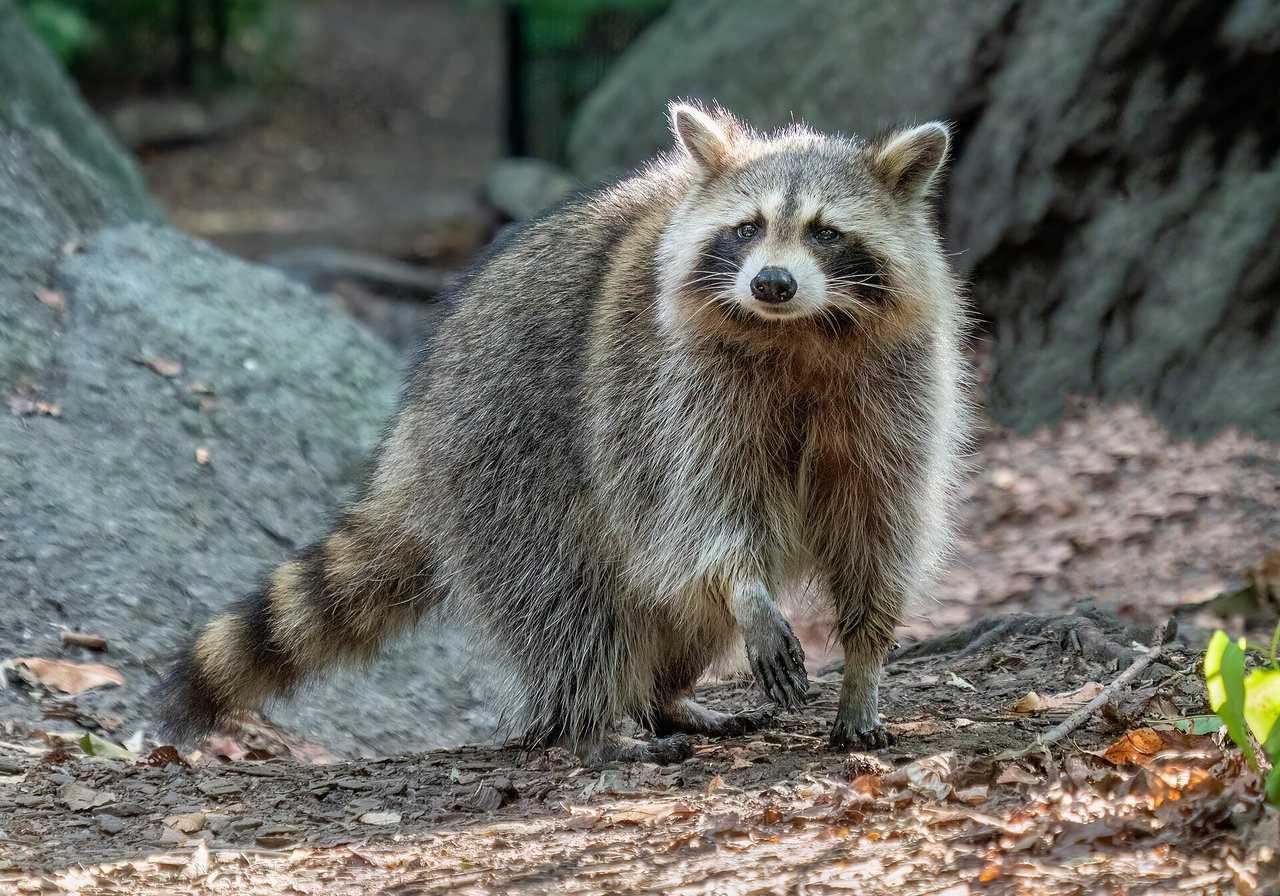
Least Concern (IUCN)
Raccoon
Procyon lotor (Linnaeus, 1758)
The raccoon (Procyon lotor) is a Least Concern omnivorous procyonid native to the Americas, famous for its eye mask, ringed tail and dexterous paws; it thrives in wild and urban habitats and has been introduced to Europe.
Read the guide →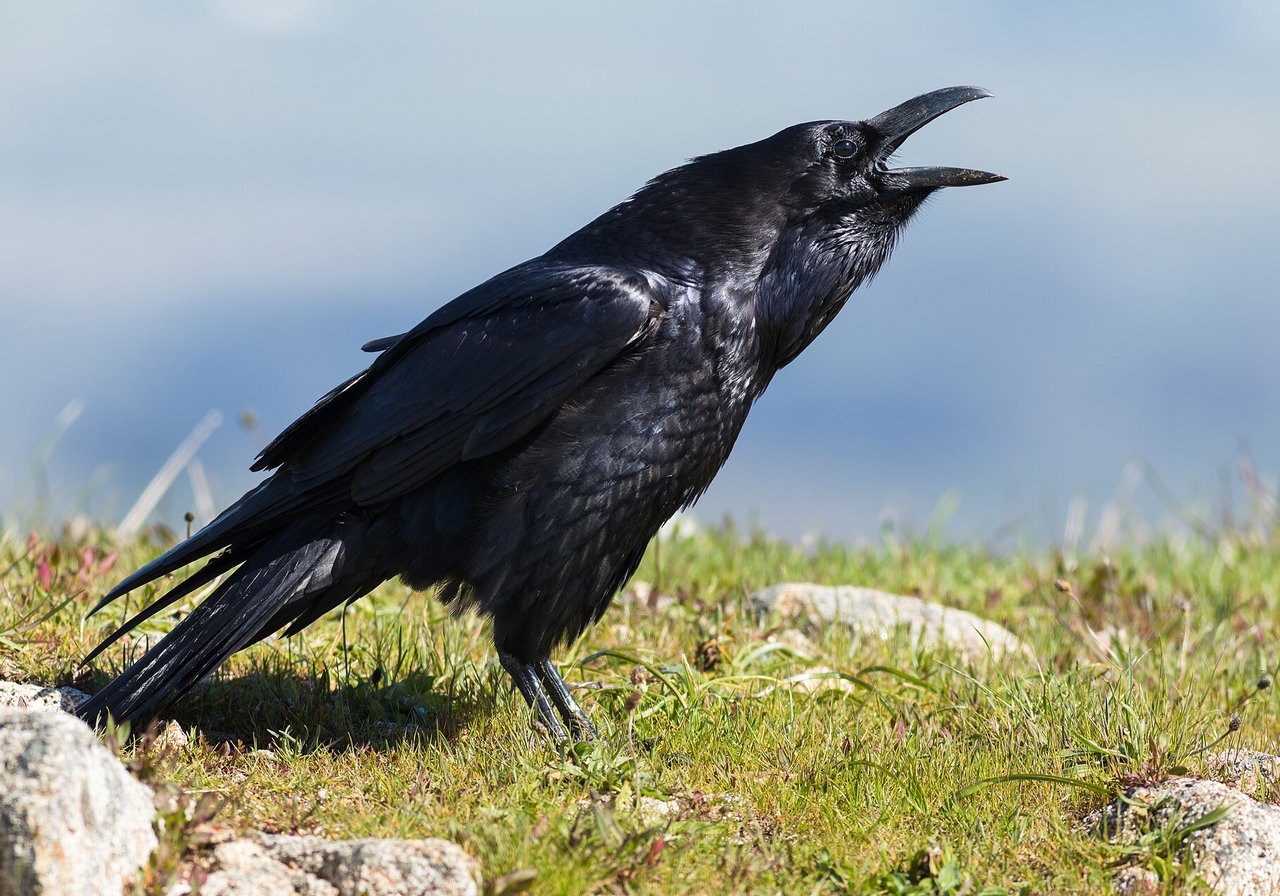
Least Concern (IUCN, 2018)
Raven
Corvus corax (Linnaeus, 1758)
The common raven (Corvus corax) is a Least Concern corvid of the Northern Hemisphere — the largest passerine, renowned for intelligence, tool use and deep cultural significance.
Read the guide →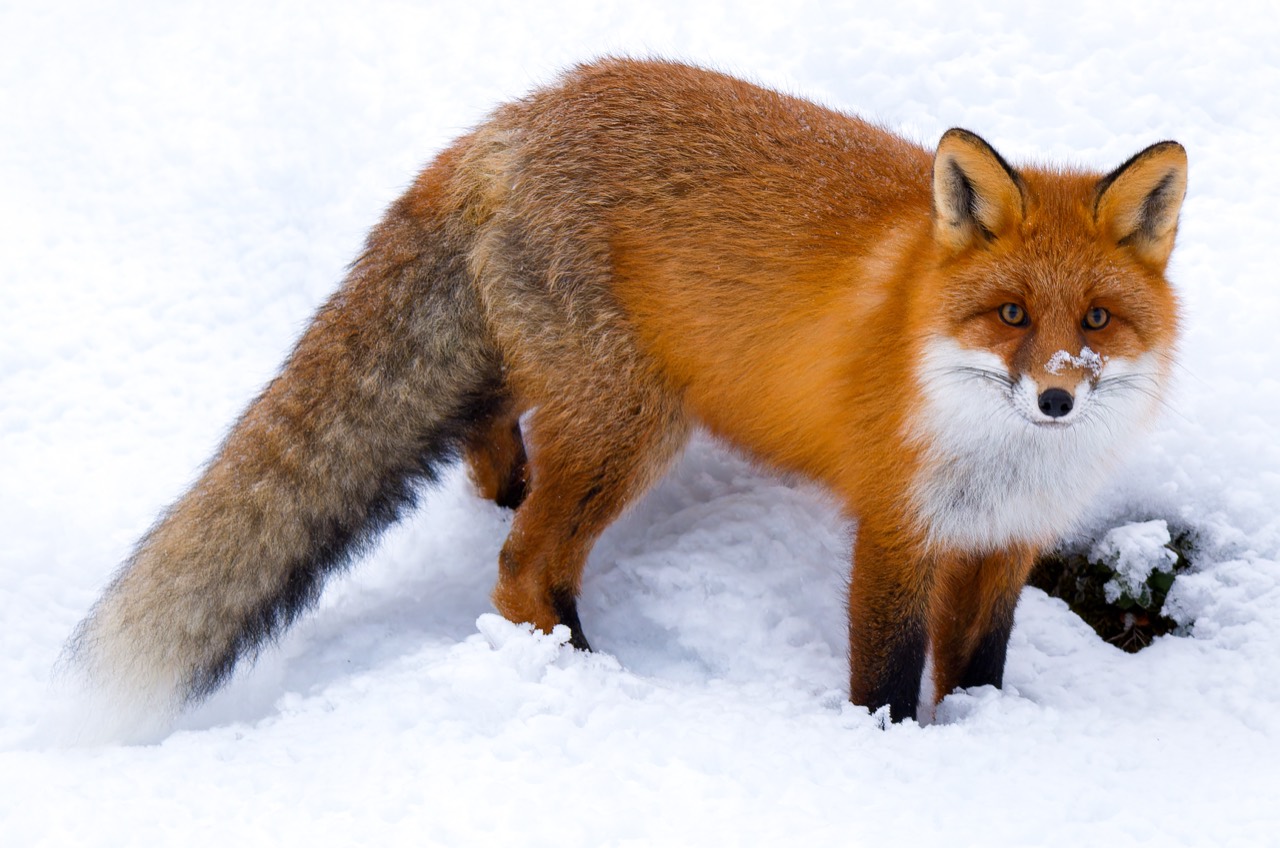
Least Concern (IUCN, 2016) — population stable
Red Fox
Vulpes vulpes
The red fox (Vulpes vulpes) is the world's most widely distributed wild carnivore, living across the Northern Hemisphere; the IUCN lists it as Least Concern with a stable population.
Read the guide →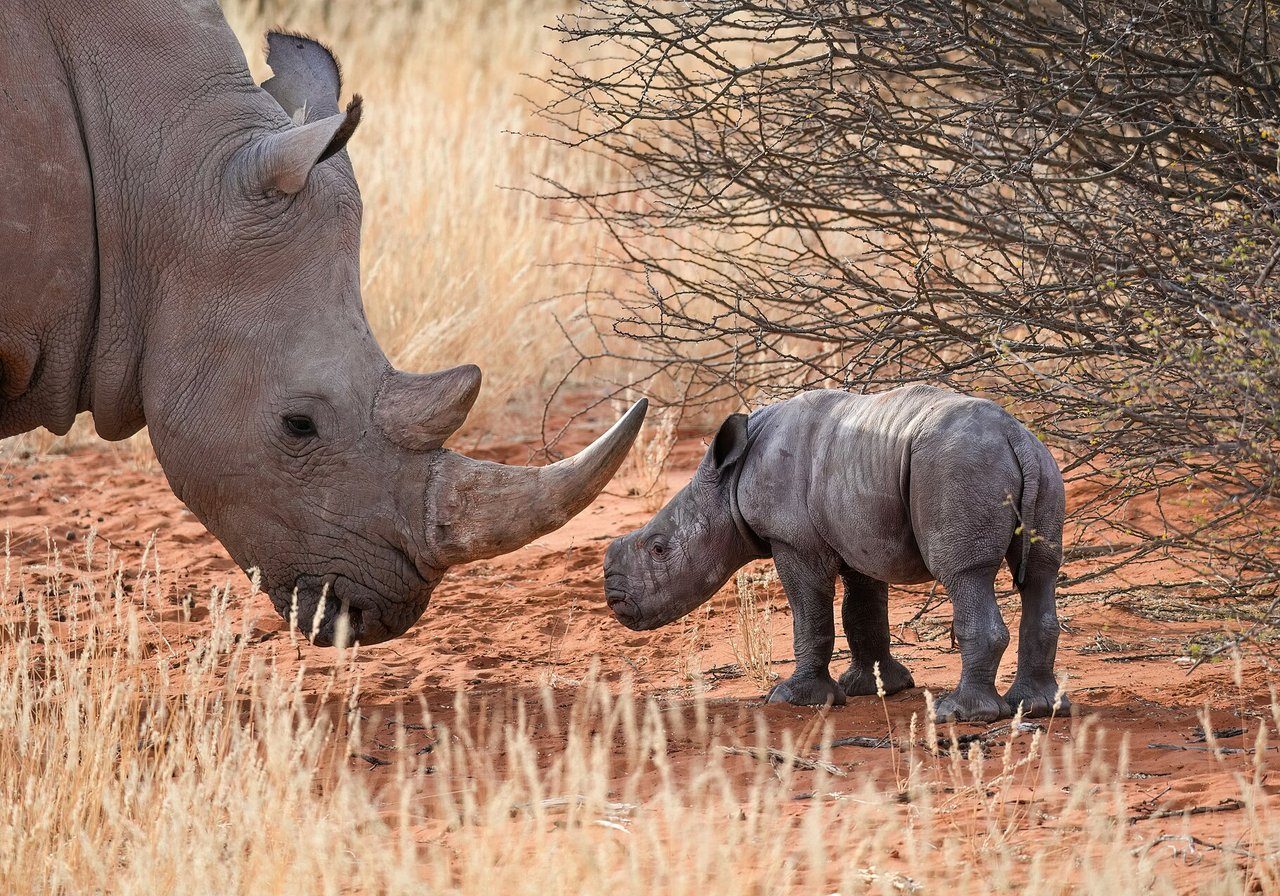
Varies by species (Near Threatened to Critically Endangered)
Rhino
Family Rhinocerotidae — 5 living species in Africa and Asia
Rhinoceroses are five living species of horned megaherbivores in Africa and Asia; all are threatened by poaching for keratin horn, with three species Critically Endangered including the Sumatran rhino with fewer than 50 individuals.
Read the guide →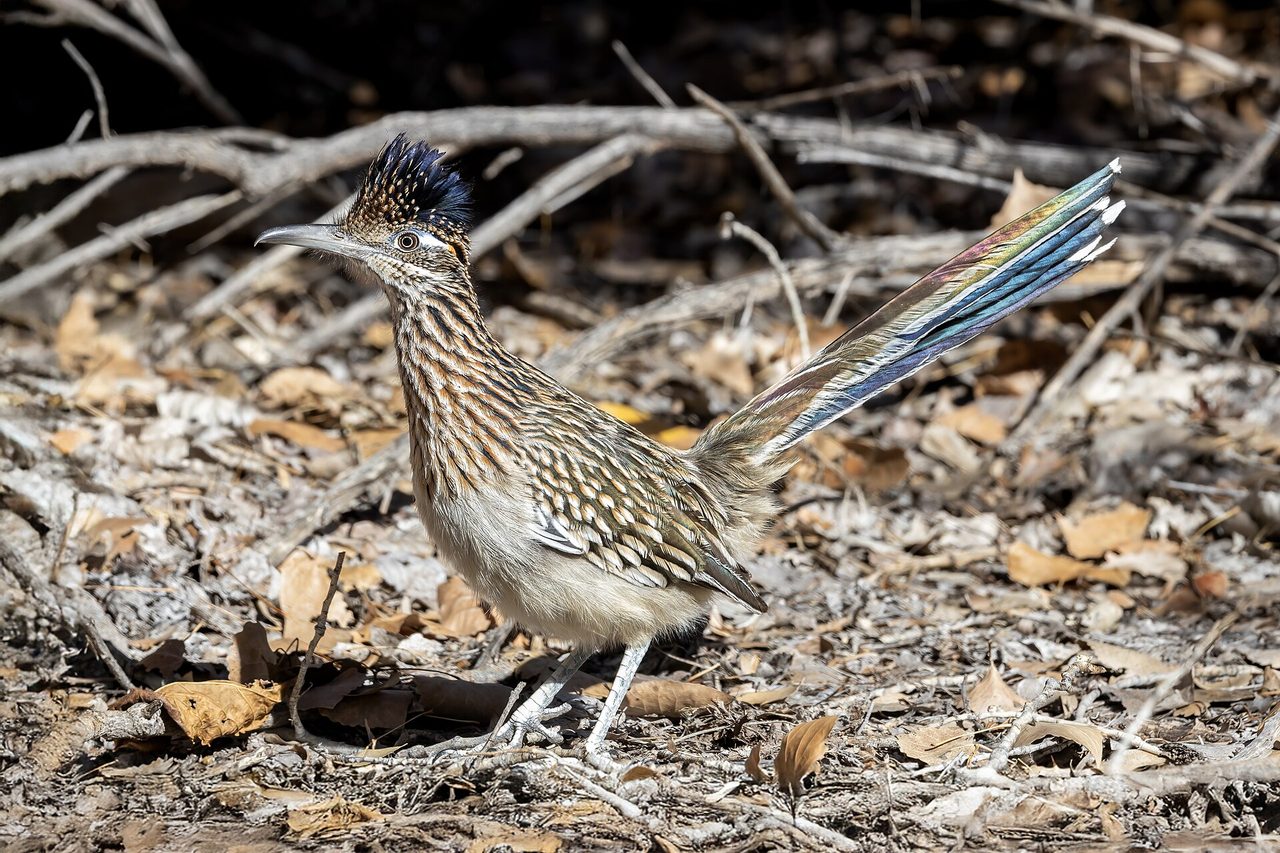
Least Concern (IUCN)
Roadrunner
Geococcyx californianus
The Greater Roadrunner (Geococcyx californianus) is a swift, ground-dwelling cuckoo of the southwestern United States and Mexico, classified as Least Concern on the IUCN Red List with an estimated 1.4 million mature individuals and an increasing global population trend.
Read the guide →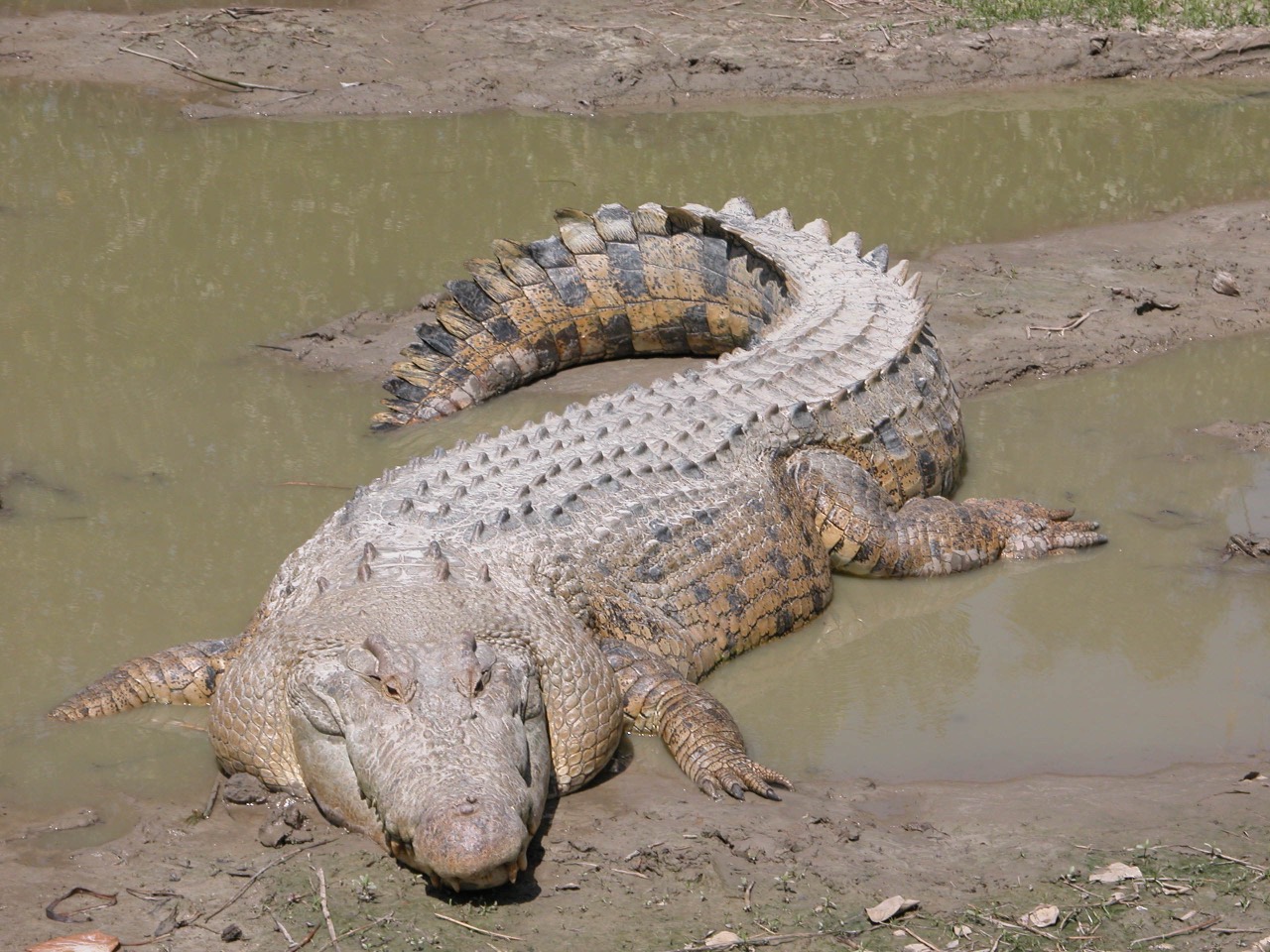
Least Concern globally (IUCN, 2021) — locally depleted in parts of Southeast Asia
Saltwater Crocodile
Crocodylus porosus
The saltwater crocodile (Crocodylus porosus) is the world's largest living reptile, found in the estuaries and mangroves of Southeast Asia and Australasia; it is listed as Least Concern globally by the IUCN, though some local populations remain depleted.
Read the guide →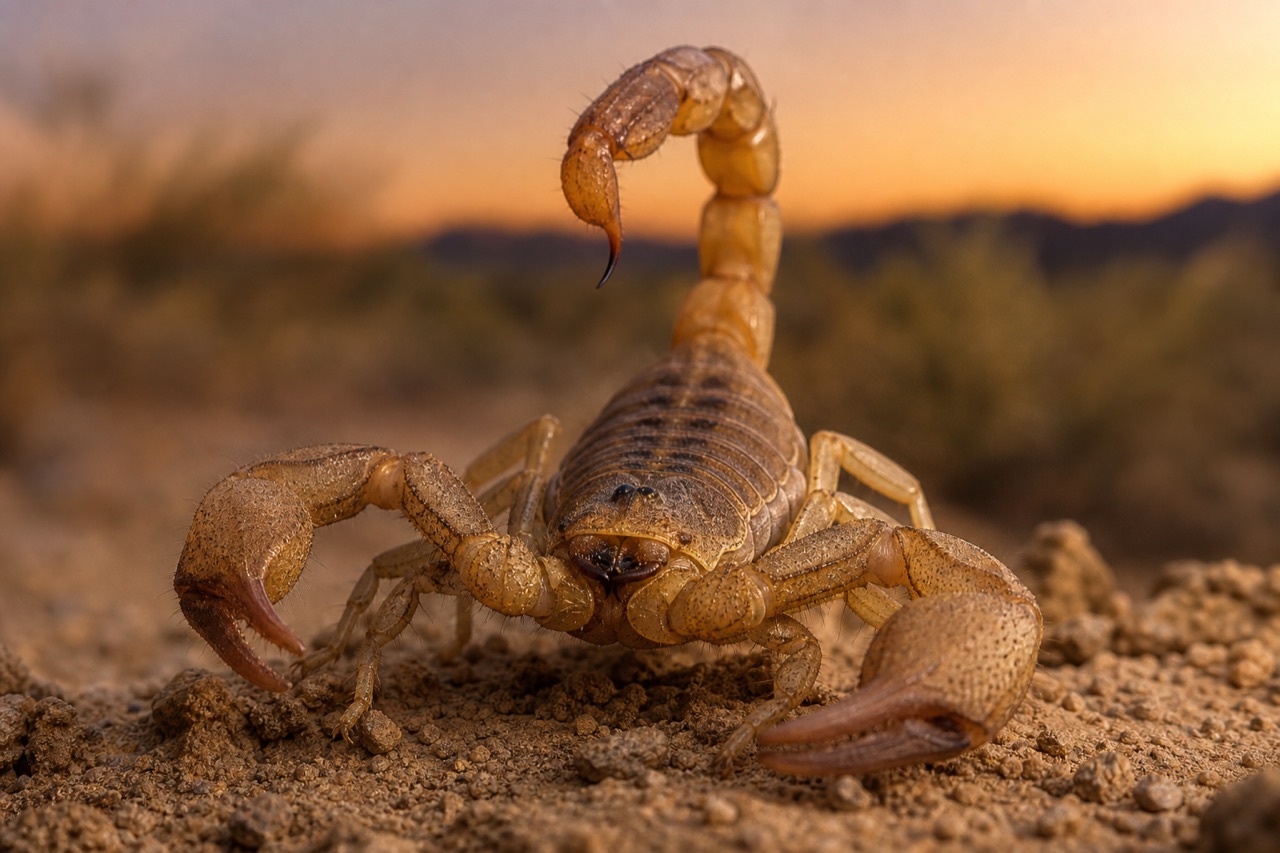
Order page — most species unassessed; several cave and island endemics are threatened
Scorpion
Order Scorpiones — roughly 2,500 described species in about 22 families
Scorpions are arachnids of the order Scorpiones — about 2,500 species — that have existed for over 430 million years, fluoresce under ultraviolet light, and give birth to live young; only around 25 species have venom dangerous to humans.
Read the guide →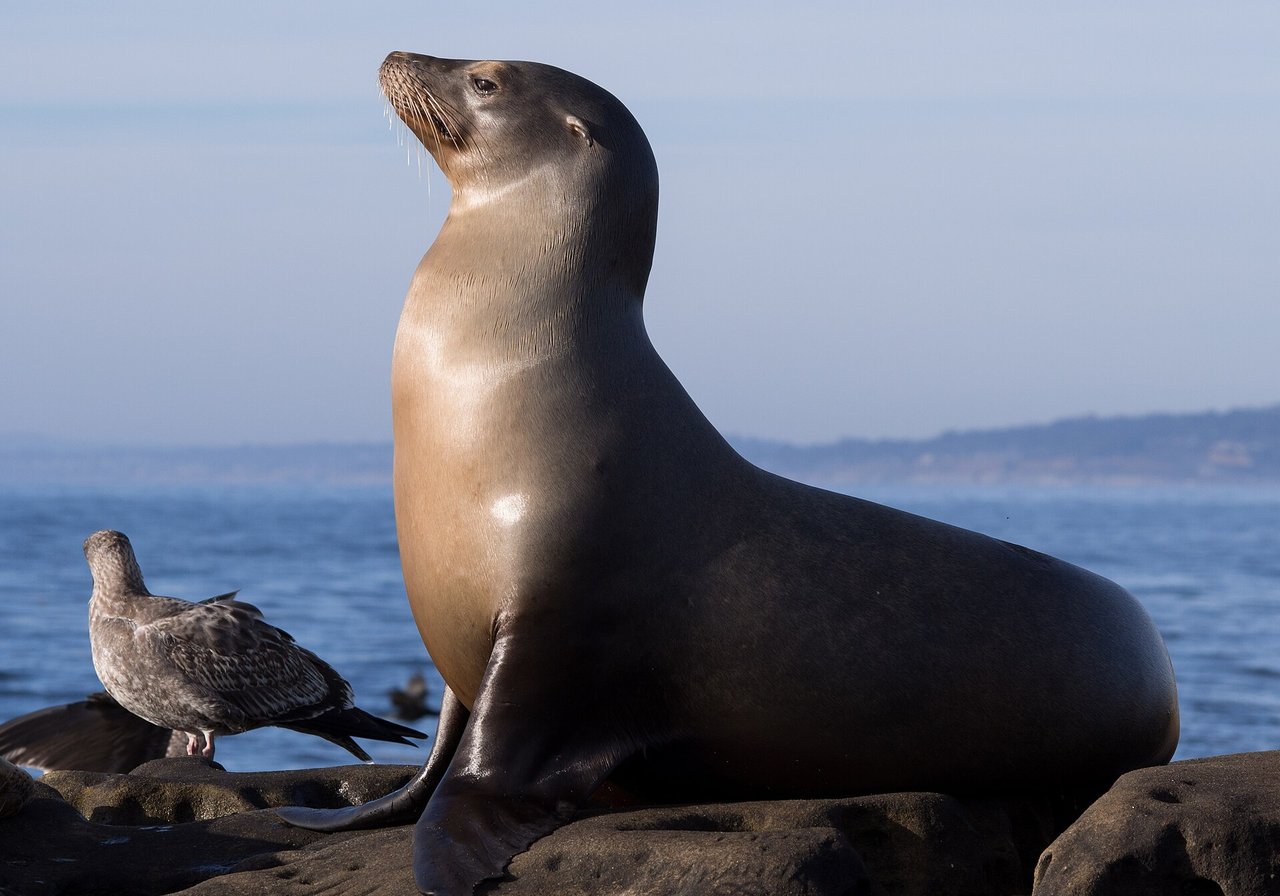
Varies by species (Least Concern to Endangered)
Sea Lion
Family Otariidae — ~16 species of eared seals (sea lions and fur seals)
Sea lions are eared seals (family Otariidae) with visible ear flaps and land agility — about 16 species on Pacific and southern coasts whose IUCN status ranges from Least Concern to Endangered.
Read the guide →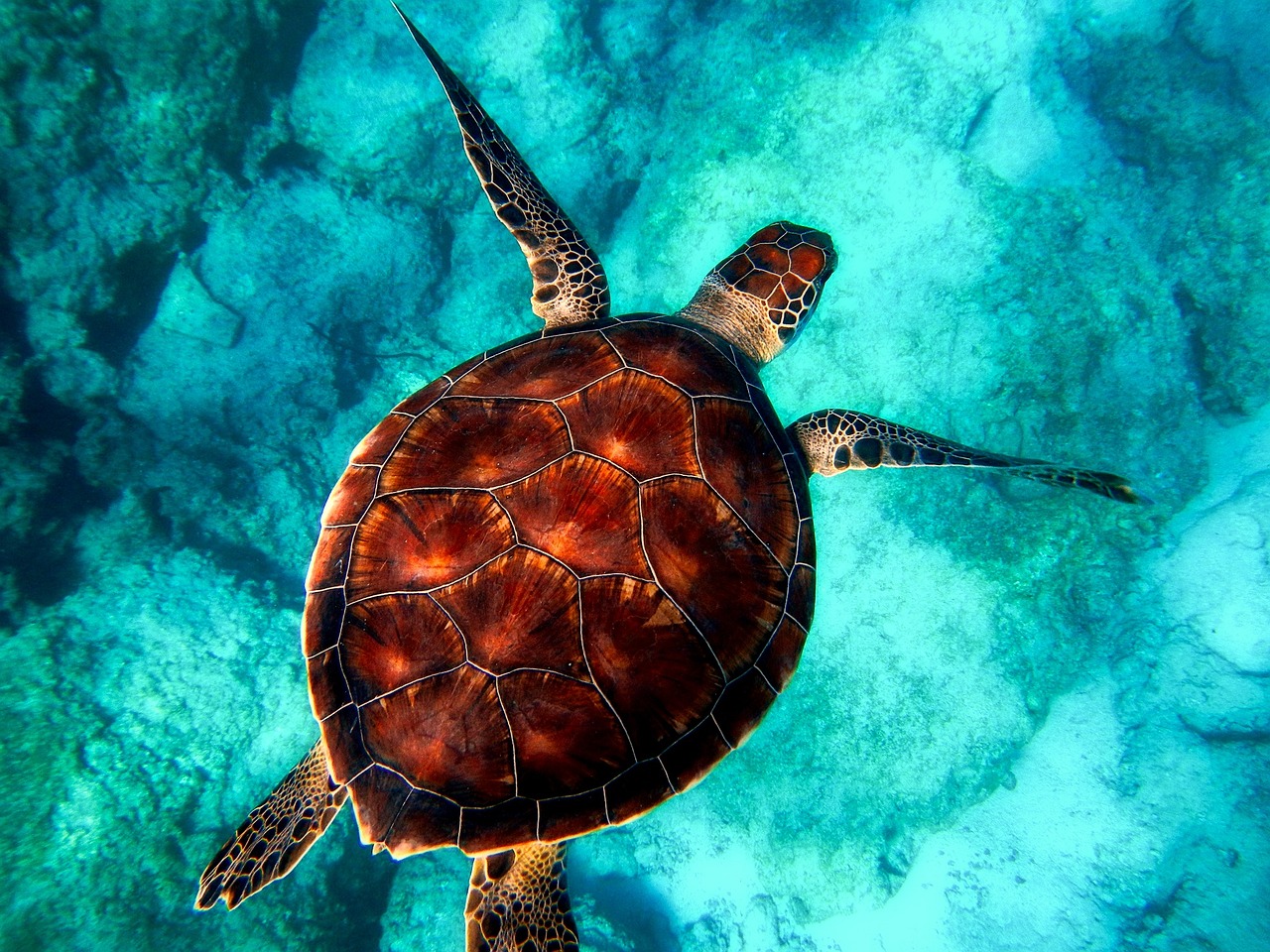
Varies by species (Vulnerable to Critically Endangered)
Sea Turtle
Cheloniidae and Dermochelyidae (superfamily Chelonioidea)
Sea turtles are a group of seven species of large, long-lived marine reptiles whose conservation status ranges from Least Concern to Critically Endangered, with most species threatened by fishing bycatch, egg poaching, plastic pollution and coastal development.
Read the guide →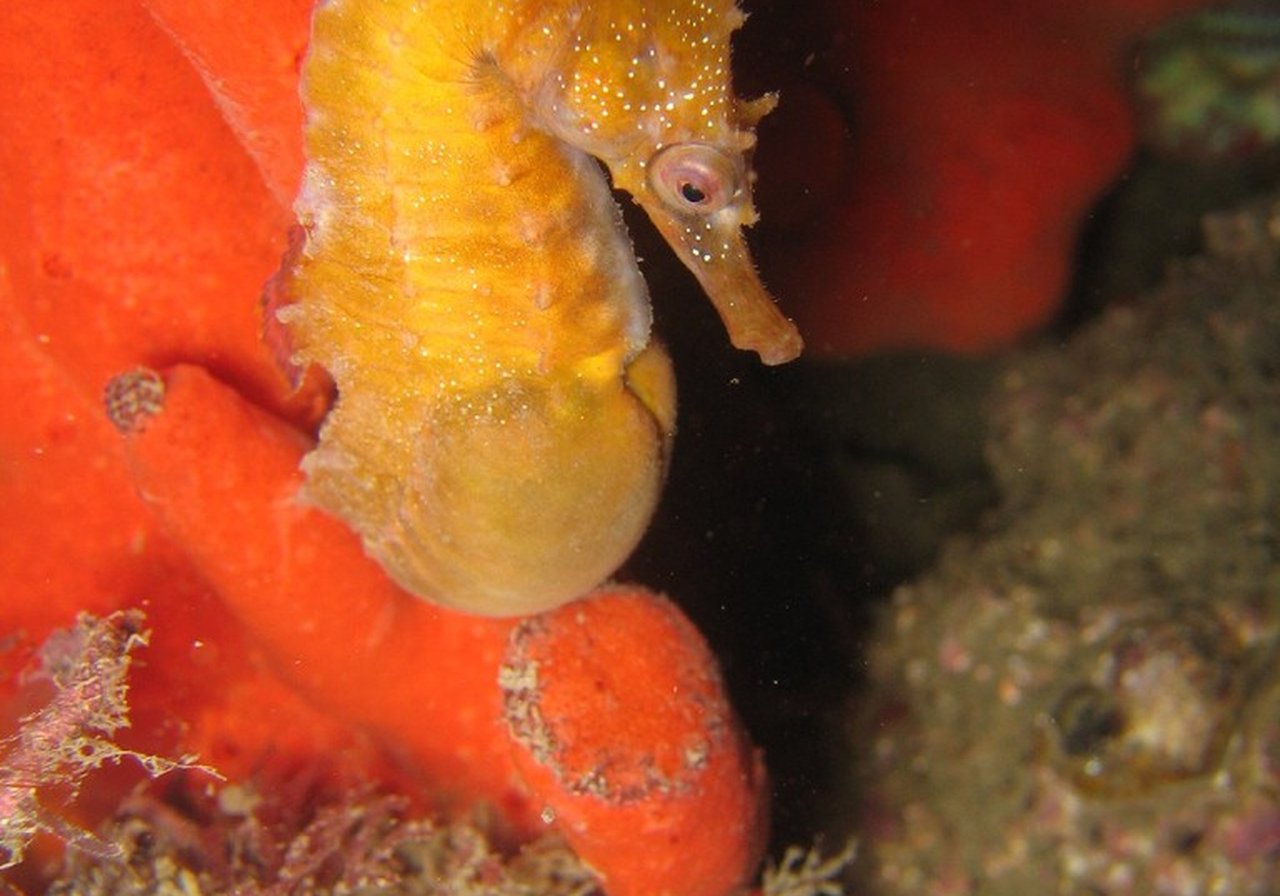
Varies by species (Vulnerable to Endangered)
Seahorse
Genus Hippocampus — ~46 recognised species
Seahorses are upright coastal fish (genus Hippocampus) with ~46 species — males carry eggs in a pouch; many are Vulnerable or Endangered due to habitat loss and huge dried trade for traditional medicine.
Read the guide →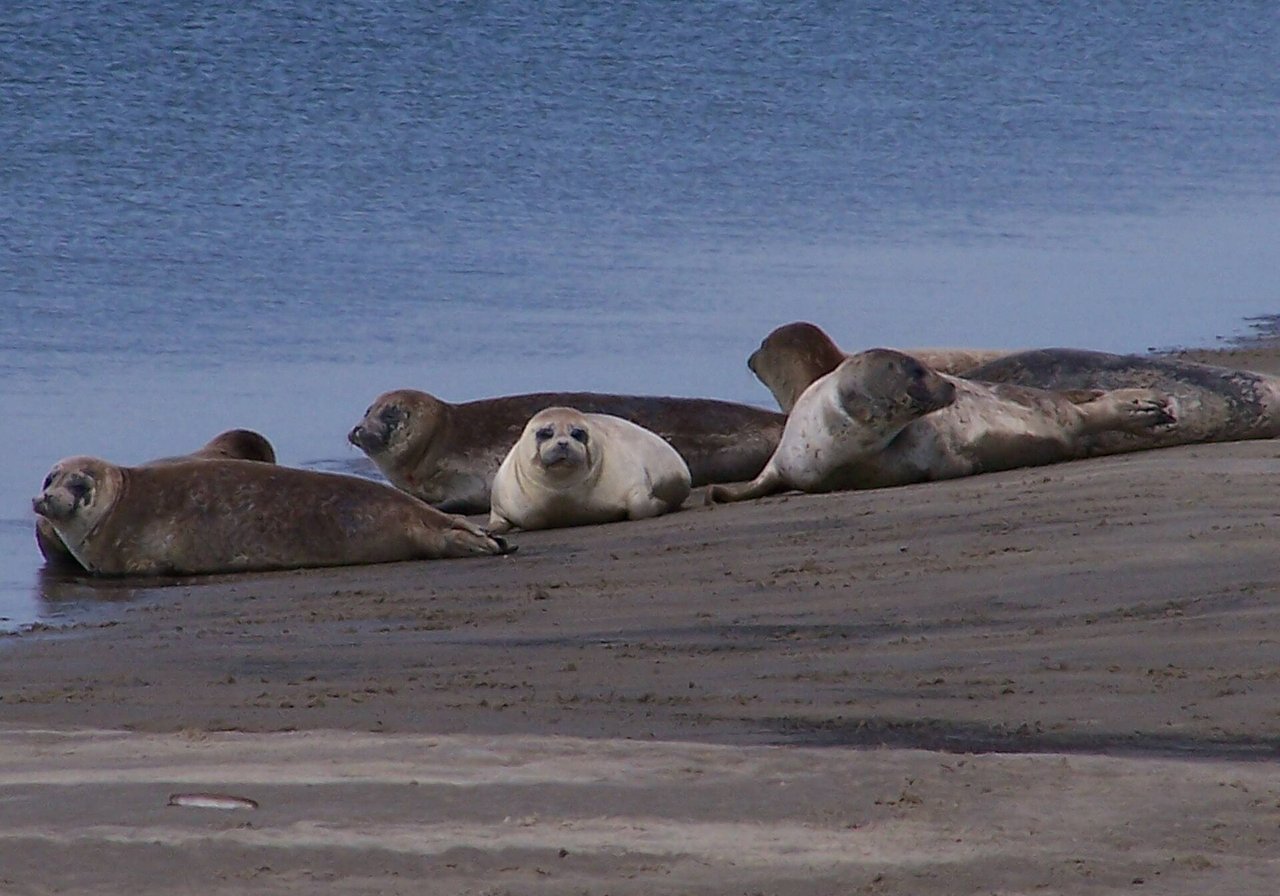
Varies by species (Least Concern to Endangered)
Seal
Family Phocidae — ~19 species of true (earless) seals worldwide
Seals are earless marine mammals (family Phocidae) with about 19 species worldwide — expert divers of polar and temperate seas whose conservation status ranges from abundant to Endangered depending on species and region.
Read the guide →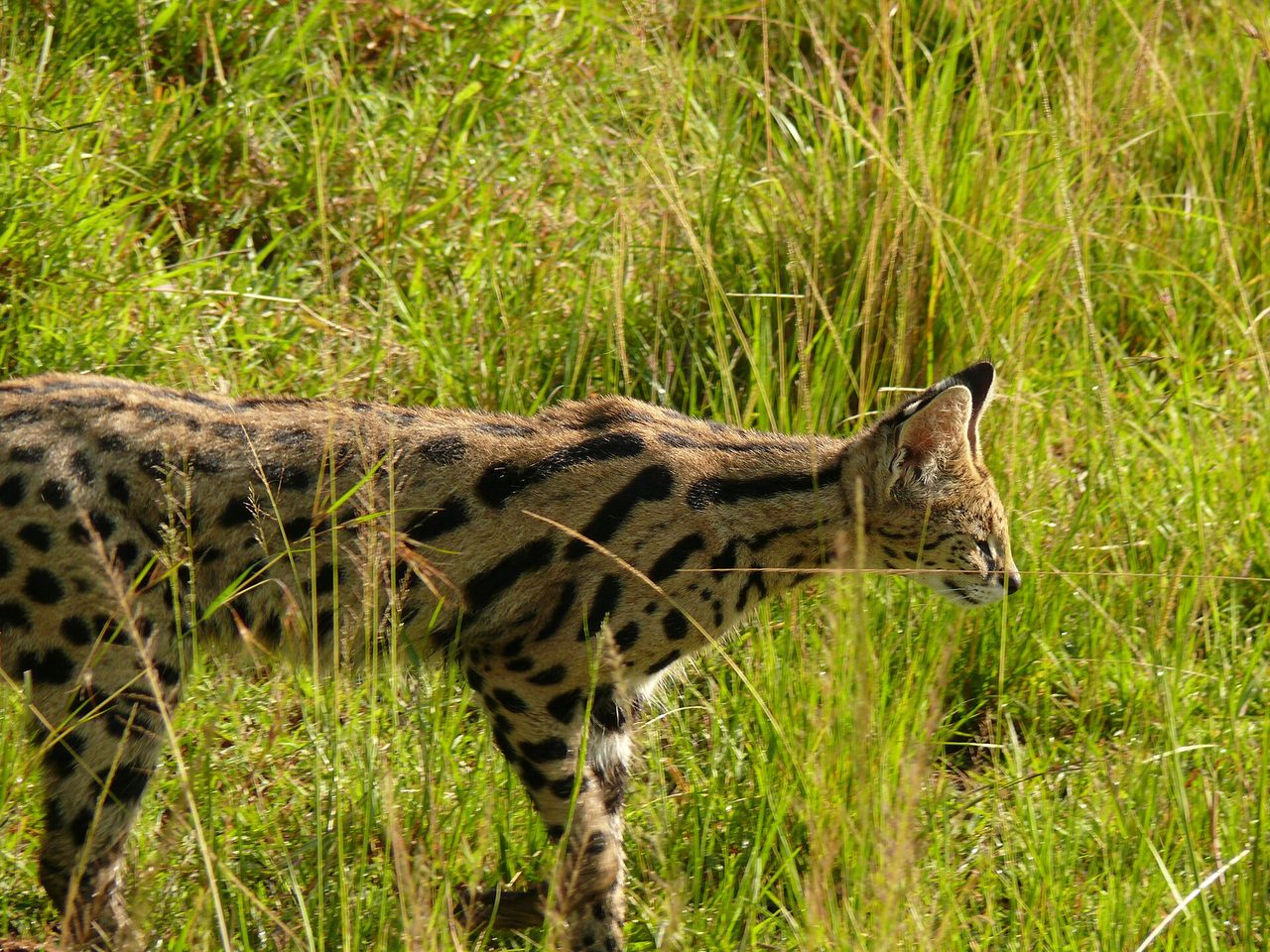
Least Concern (IUCN)
Serval
Leptailurus serval
The serval is a medium-sized African wild cat (Leptailurus serval) renowned for having the largest ears relative to body size of any cat species, a hunting success rate near 50 percent, and the longest legs relative to body size of any wild felid.
Read the guide →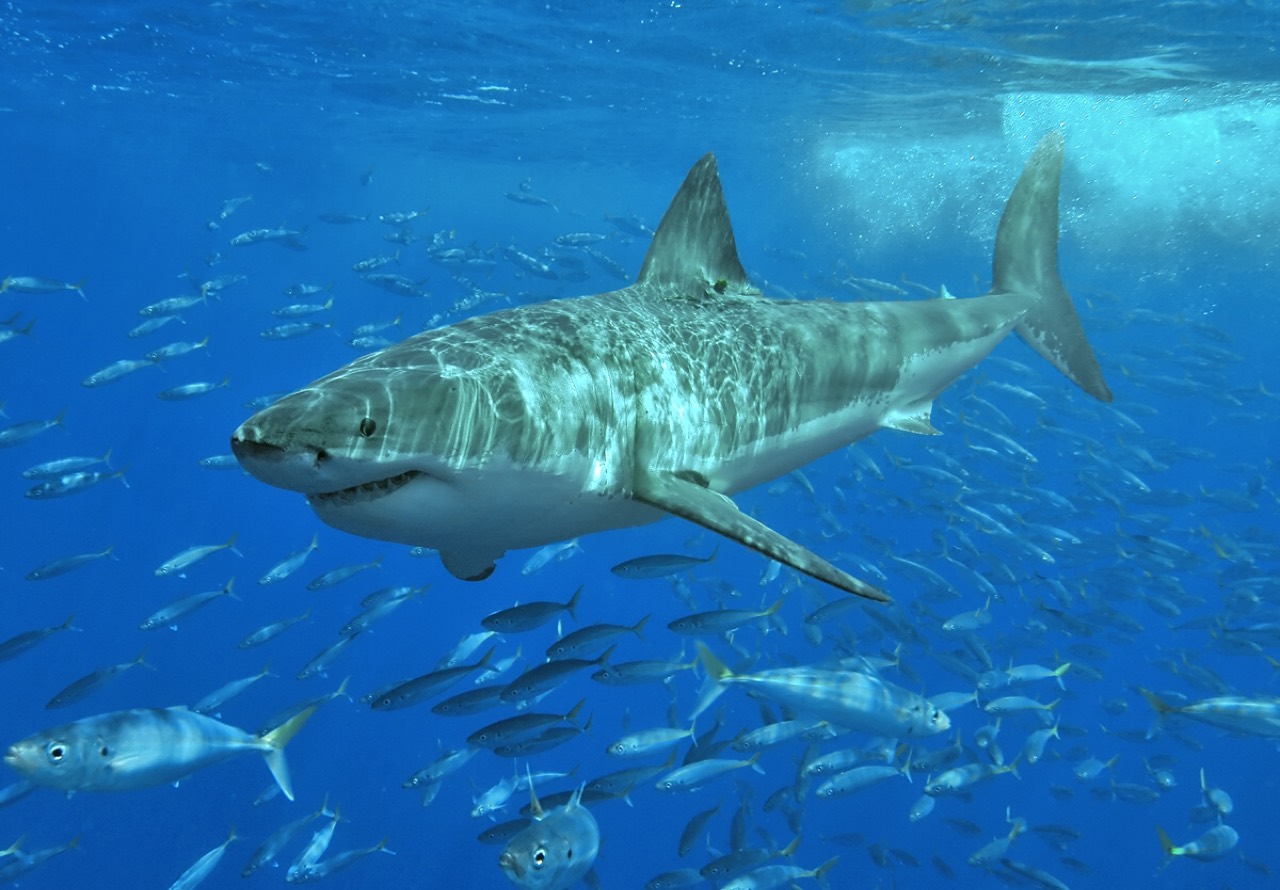
Varies by species (Least Concern to Critically Endangered)
Shark
Selachimorpha (superorder); e.g. great white shark, Carcharodon carcharias (Linnaeus, 1758)
Sharks are more than 500 species of cartilaginous fish, not one species. The IUCN does not give sharks a single extinction badge. About one-third of sharks, rays and chimaeras are threatened, mainly by overfishing. The great white shark is listed Vulnerable.
Read the guide →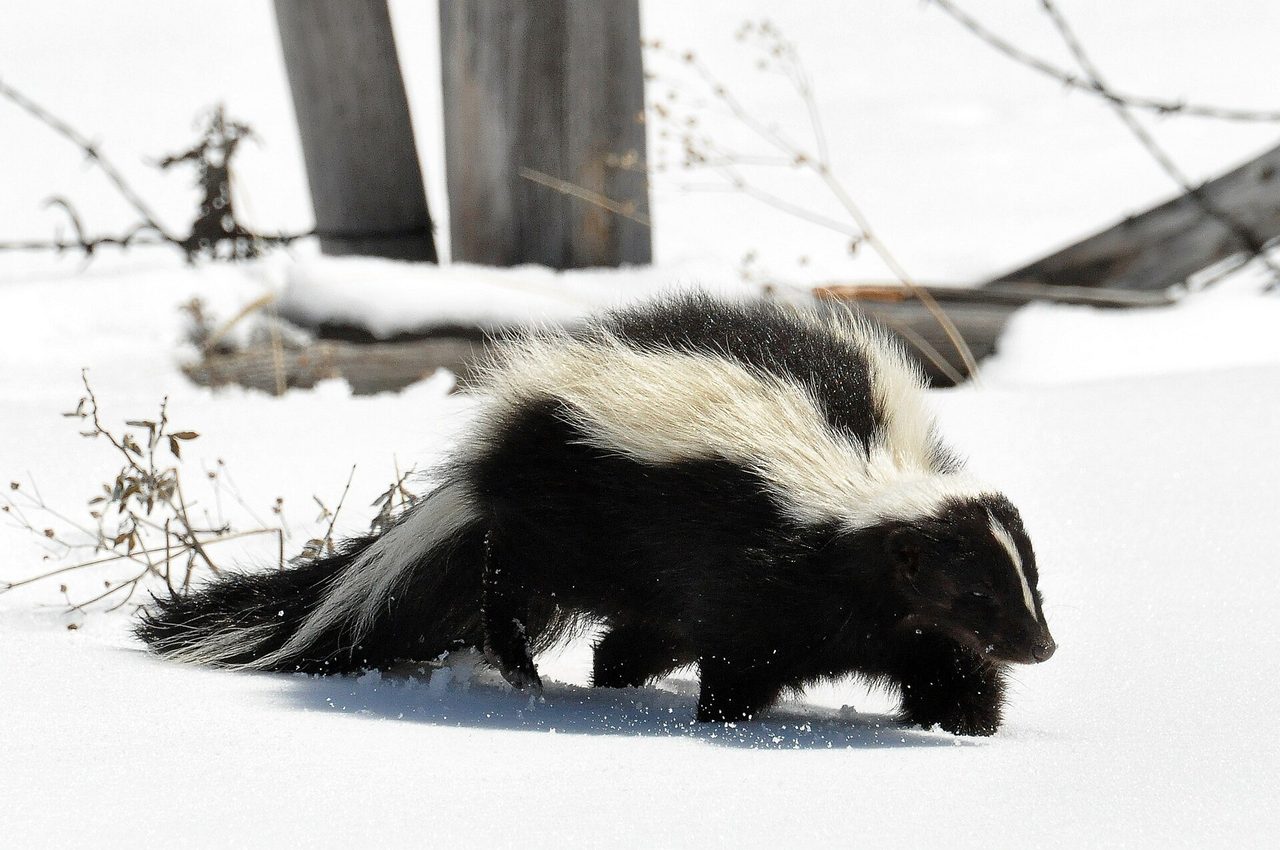
Least Concern (IUCN)
Skunk
Mephitis mephitis (striped skunk); Family Mephitidae
The skunk (family Mephitidae) is a small-to-medium omnivorous mammal found throughout the Americas, best known for its powerful sulphur-compound defensive spray, which it can aim accurately at threats up to six metres away.
Read the guide →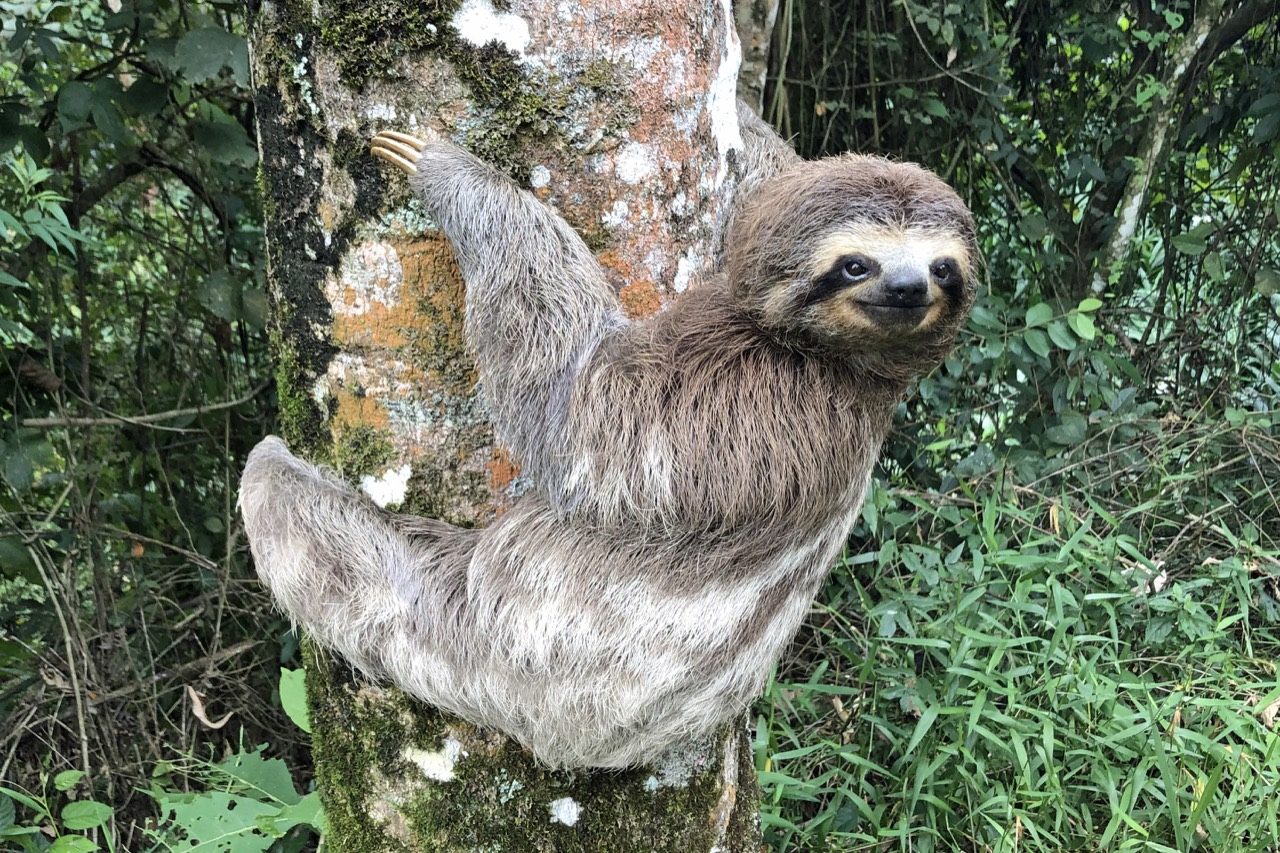
Mixed across species: most Least Concern; maned sloth Endangered; pygmy three-toed sloth Critically Endangered
Sloth
Bradypus & Choloepus spp.
A sloth is a slow-moving, leaf-eating mammal that lives hanging upside down in the trees of Central and South American rainforests. There are six living species in two groups, the three-toed sloths (Bradypus) and two-toed sloths (Choloepus), and they are the slowest mammals on Earth.
Read the guide →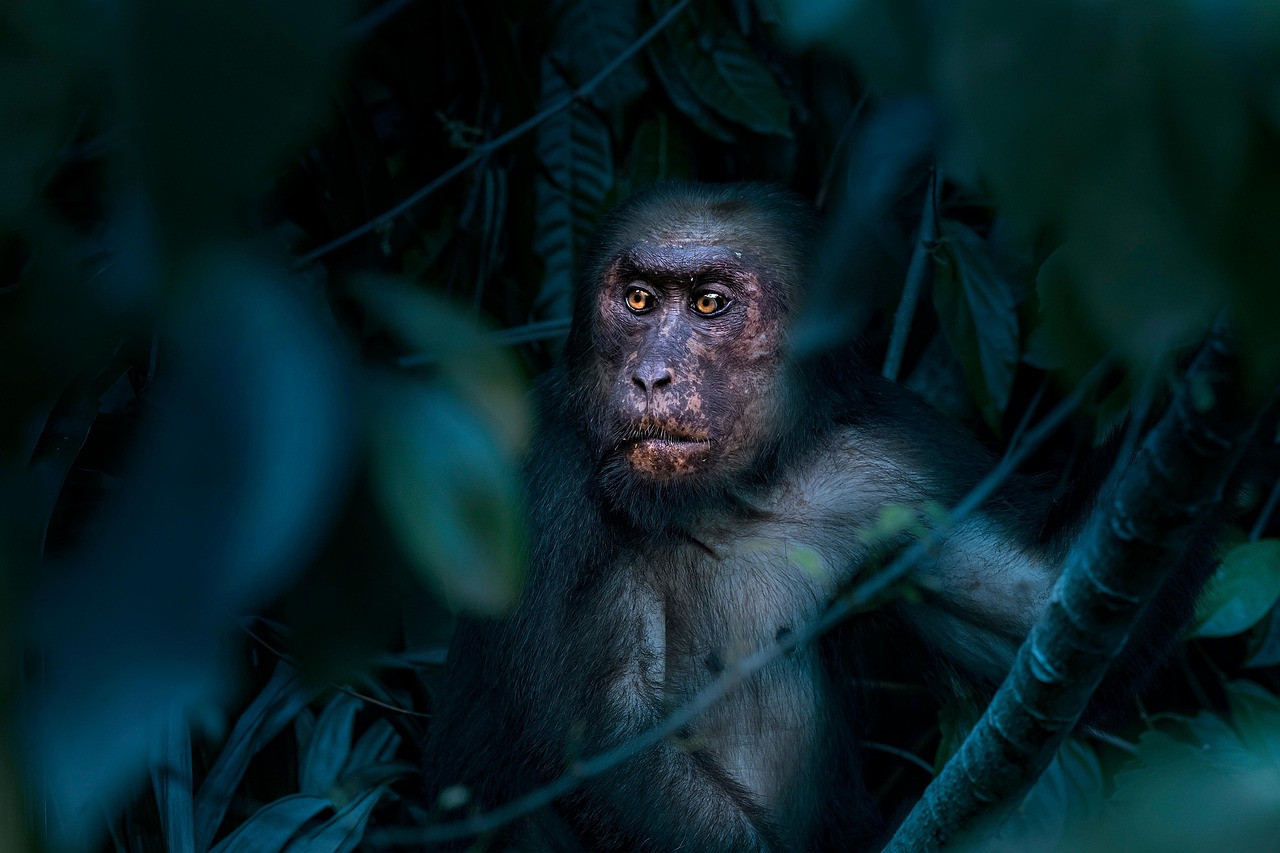
Threatened (Vulnerable–Critically Endangered)
Slow Loris
Nycticebus spp. (and Xanthonycticebus pygmaeus, the pygmy slow loris, since 2022)
Slow lorises are small nocturnal primates from South and Southeast Asia; every species is threatened with extinction — ranging from Vulnerable to Critically Endangered — largely because of the illegal pet trade, which is fuelled in part by viral social media videos.
Read the guide →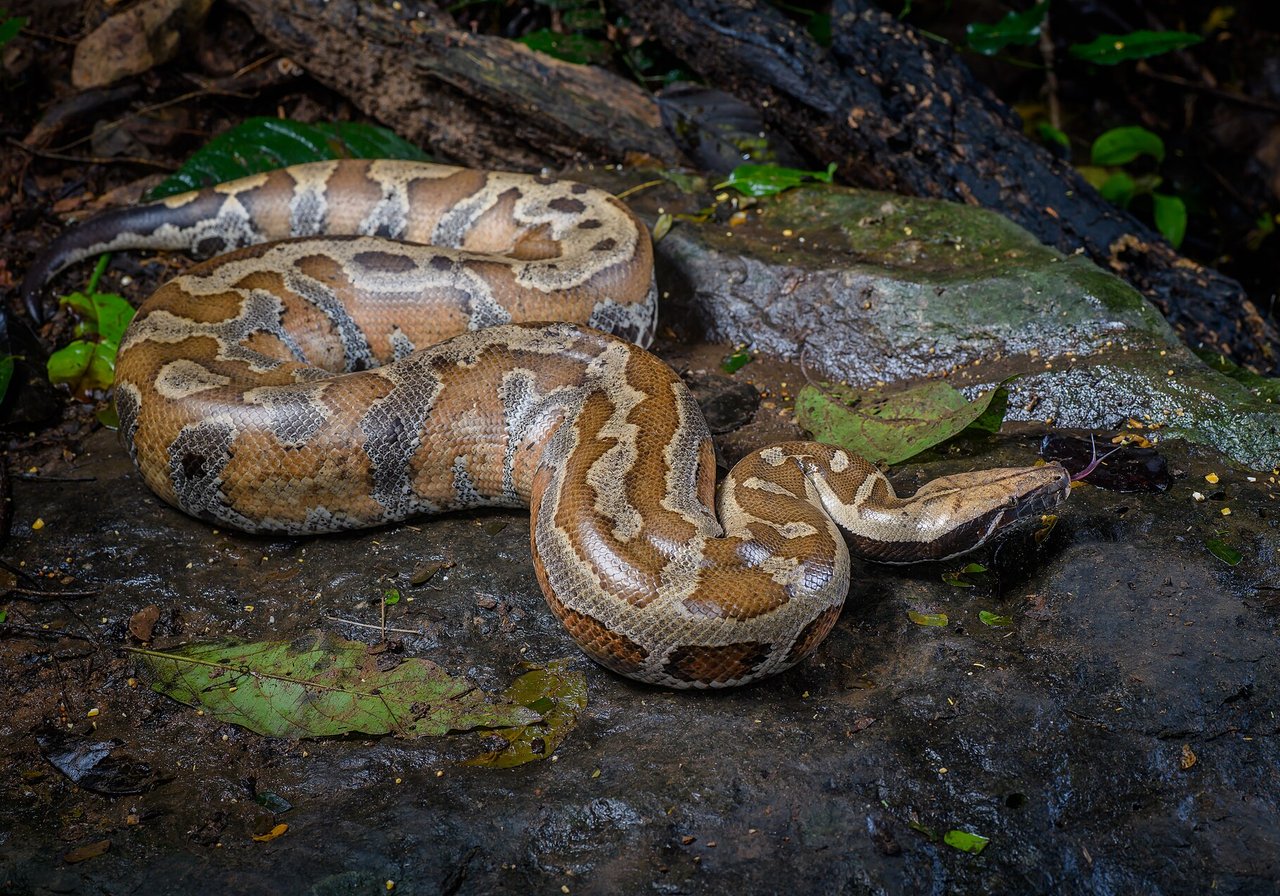
Varies by species (Least Concern to Critically Endangered)
Snake
Suborder Serpentes — ~3,900 species across most continents except Antarctica
Snakes are about 3,900 species of legless reptiles, not one animal. Most are not venomous. The IUCN does not give snakes a single extinction badge. WHO treats snakebite envenoming as a neglected tropical disease. This hub is not the grass-snake guide.
Read the guide →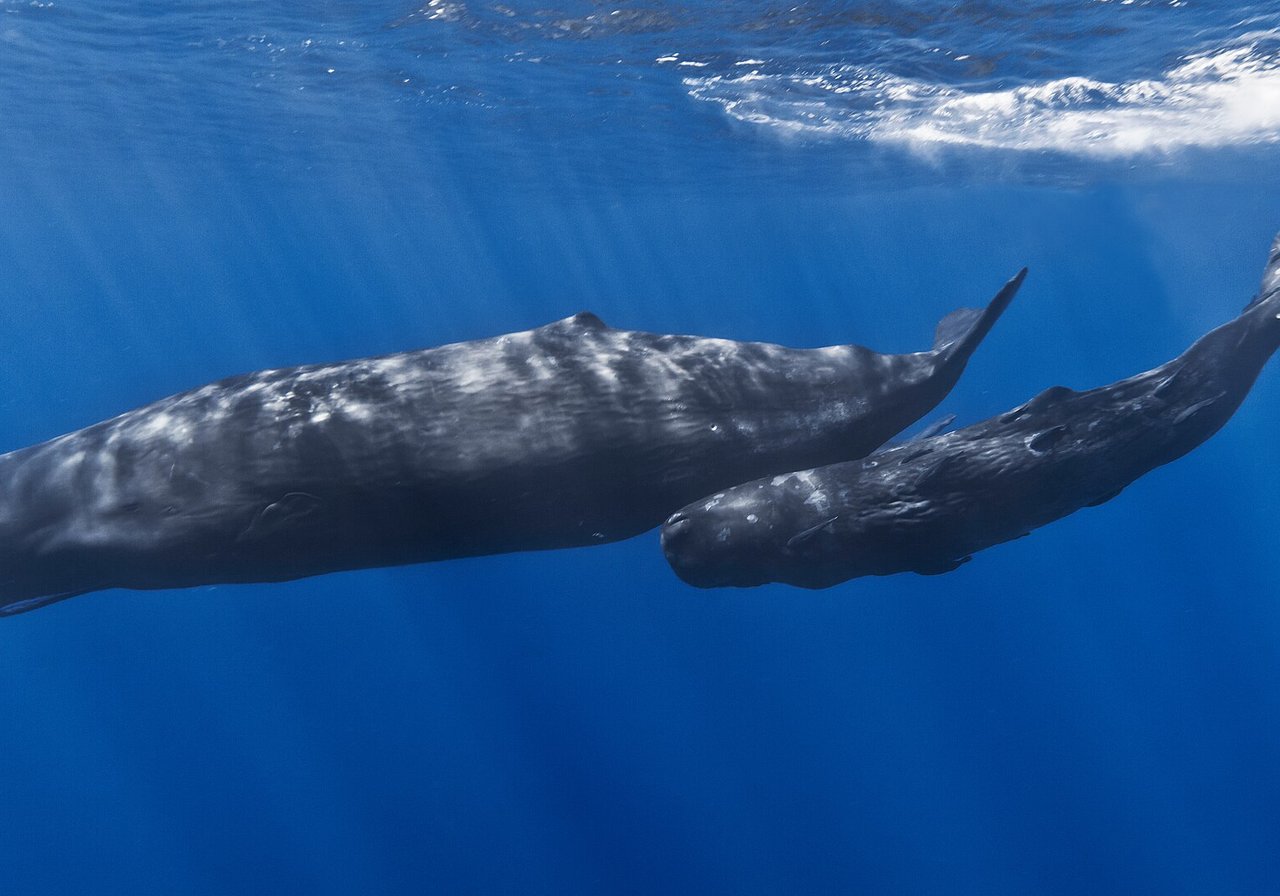
Vulnerable (IUCN)
Sperm Whale
Physeter macrocephalus (Linnaeus, 1758)
The sperm whale (Physeter macrocephalus) is a Vulnerable deep-diving toothed whale — the largest brain of any animal — hunting squid in abyssal depths after centuries of commercial whaling depletion.
Read the guide →Threatened (Vulnerable–Critically Endangered, varies by species)
Spider Monkey
Ateles (Geoffroy, 1806) — family Atelidae, seven species
Spider monkeys are large, long-limbed monkeys of the genus Ateles found in Central and South American rainforests, distinguished by a fully prehensile tail used as a fifth limb and hands that lack a functional thumb. All seven species are threatened, and two — the brown and black-headed spider monkeys — are Critically Endangered.
Read the guide →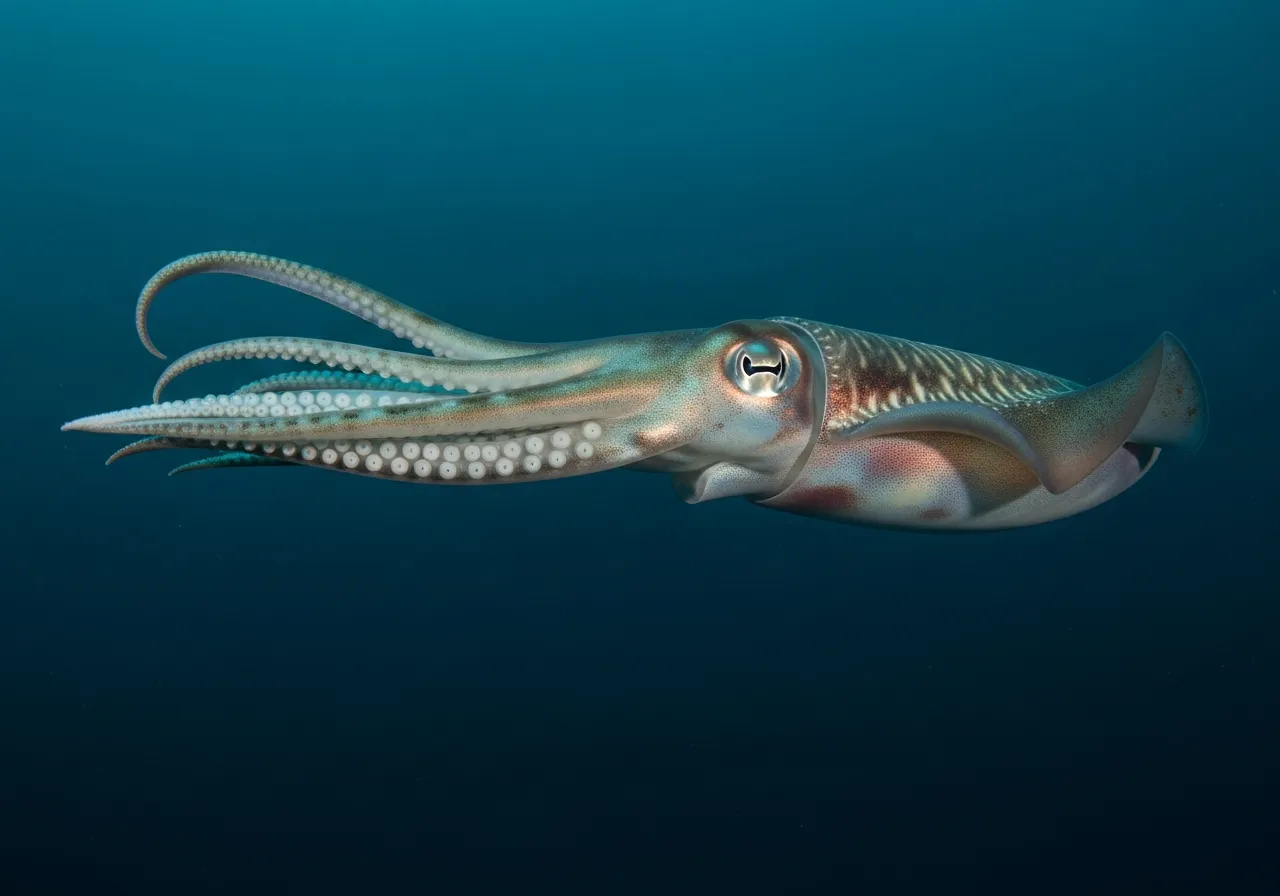
Varies; most Least Concern / Not Evaluated
Squid
Order Teuthida
A squid is a fast-swimming cephalopod mollusc of the order Teuthida, related to octopuses and cuttlefish, with eight arms, two longer feeding tentacles, jet propulsion, ink defence and colour-changing skin; the order includes around 300 species, from tiny pygmy squid to the deep-sea giant squid.
Read the guide →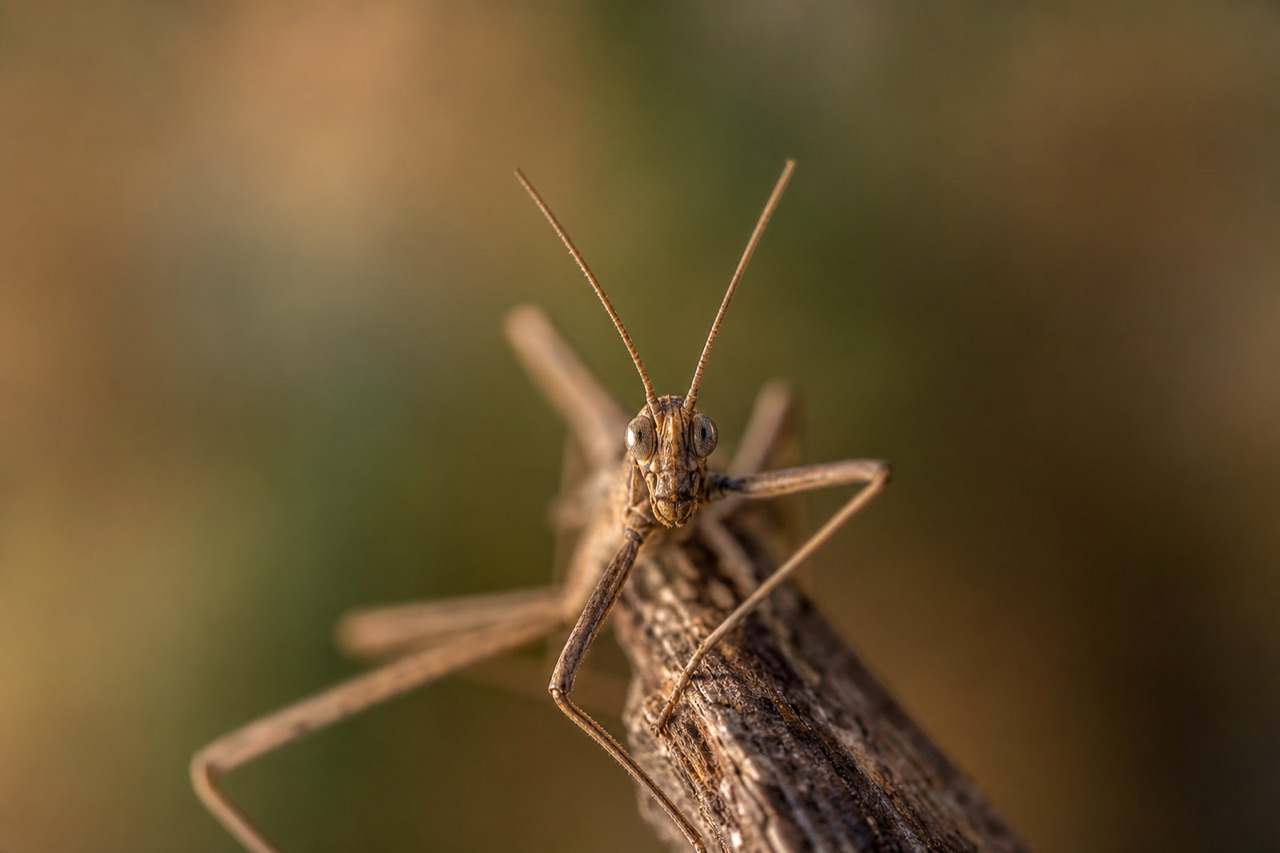
Order page — most species unassessed; island endemics among the most threatened insects
Stick Insect
Order Phasmatodea — over 3,000 described species; masters of plant mimicry
Stick insects (order Phasmatodea) are phytophagous insects with more than 3,000 species, most mimicking twigs or leaves; many reproduce parthenogenetically, and island endemics are among the most threatened insects.
Read the guide →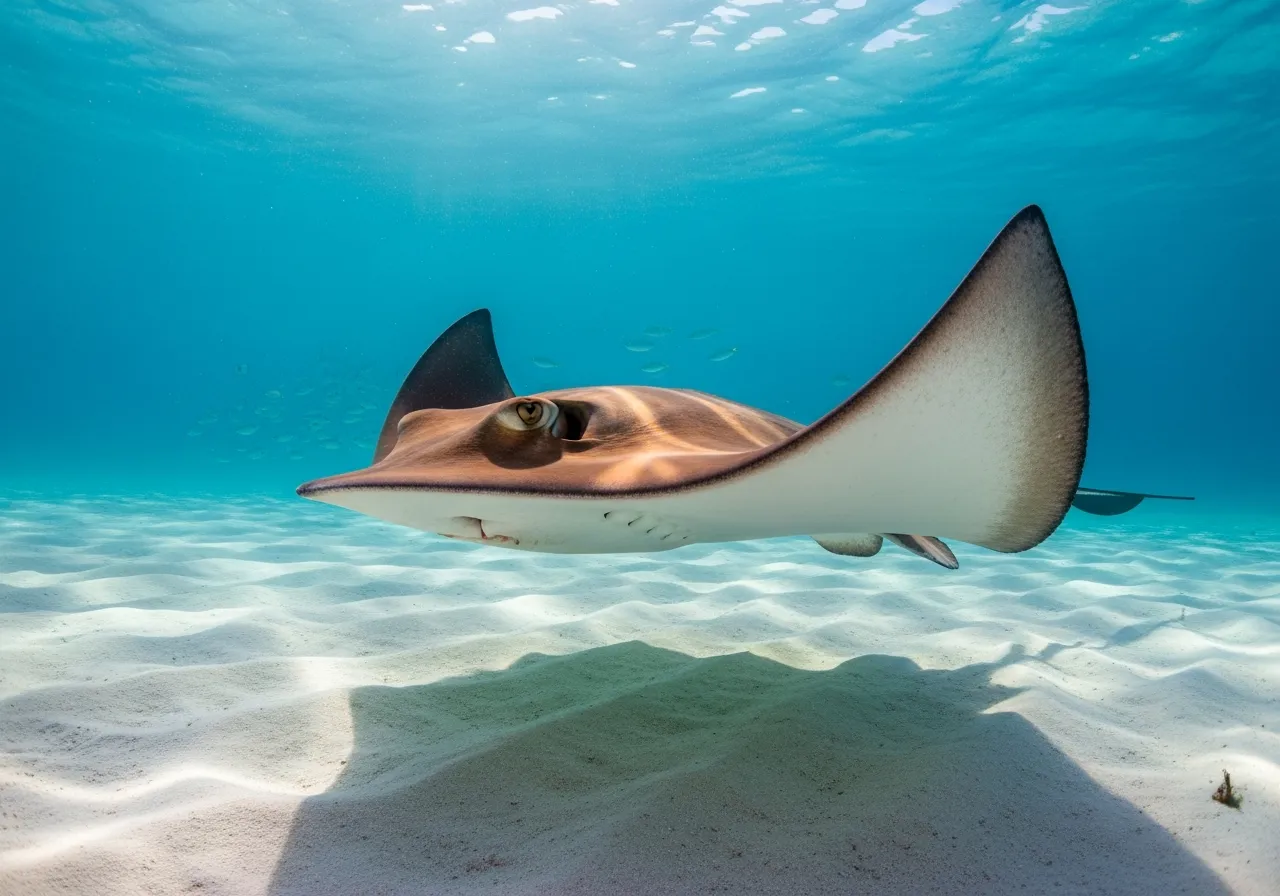
Varies by species; many threatened by overfishing
Stingray
Order Myliobatiformes
A stingray is a flat-bodied cartilaginous fish in the order Myliobatiformes, related to sharks. Its broad pectoral fins form a disc that flaps for swimming, and most species carry a venomous, barbed tail spine used only for defence. Most are bottom-dwelling ambush predators of shellfish.
Read the guide →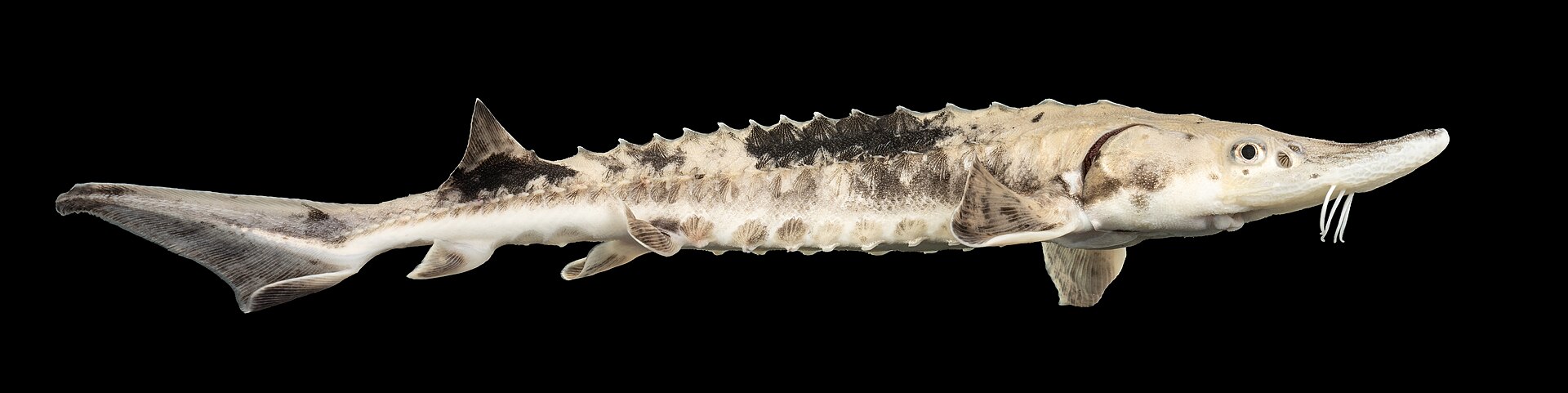
Varies by species — majority Critically Endangered (IUCN)
Sturgeon
Family Acipenseridae
Sturgeons (family Acipenseridae) are ancient, armoured freshwater and anadromous fish of the Northern Hemisphere; they are the most endangered group of animals on Earth, with 17 of 26 surviving species listed as Critically Endangered on the IUCN Red List, driven to the brink by poaching for caviar, dams that block migration, and widespread habitat loss.
Read the guide →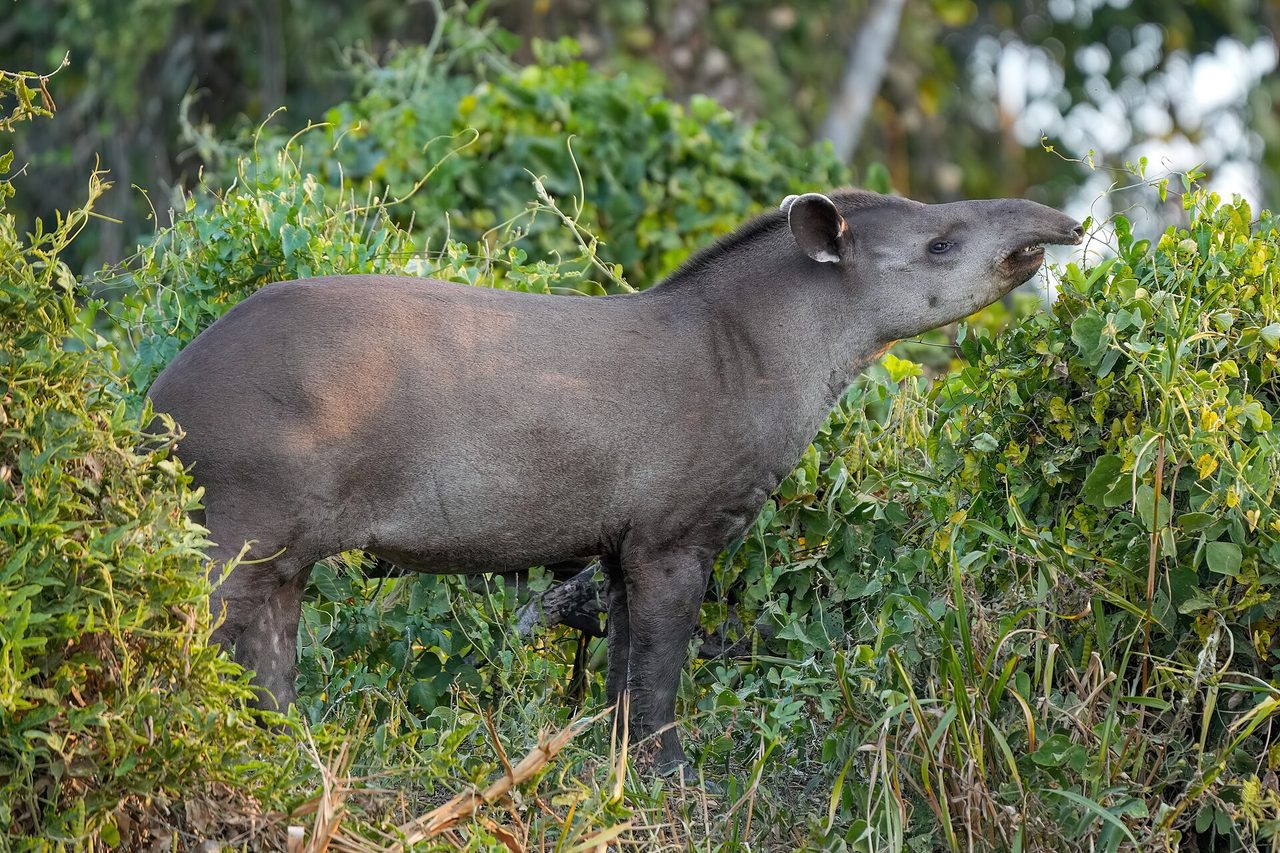
Endangered to Vulnerable (all four species threatened)
Tapir
Family Tapiridae — 4 living species in Asia and the Americas
Tapirs are four threatened species of forest herbivore in Asia and the Americas — all Endangered or Vulnerable — serving as seed dispersers; WARN covers the Malayan tapir in detail.
Read the guide →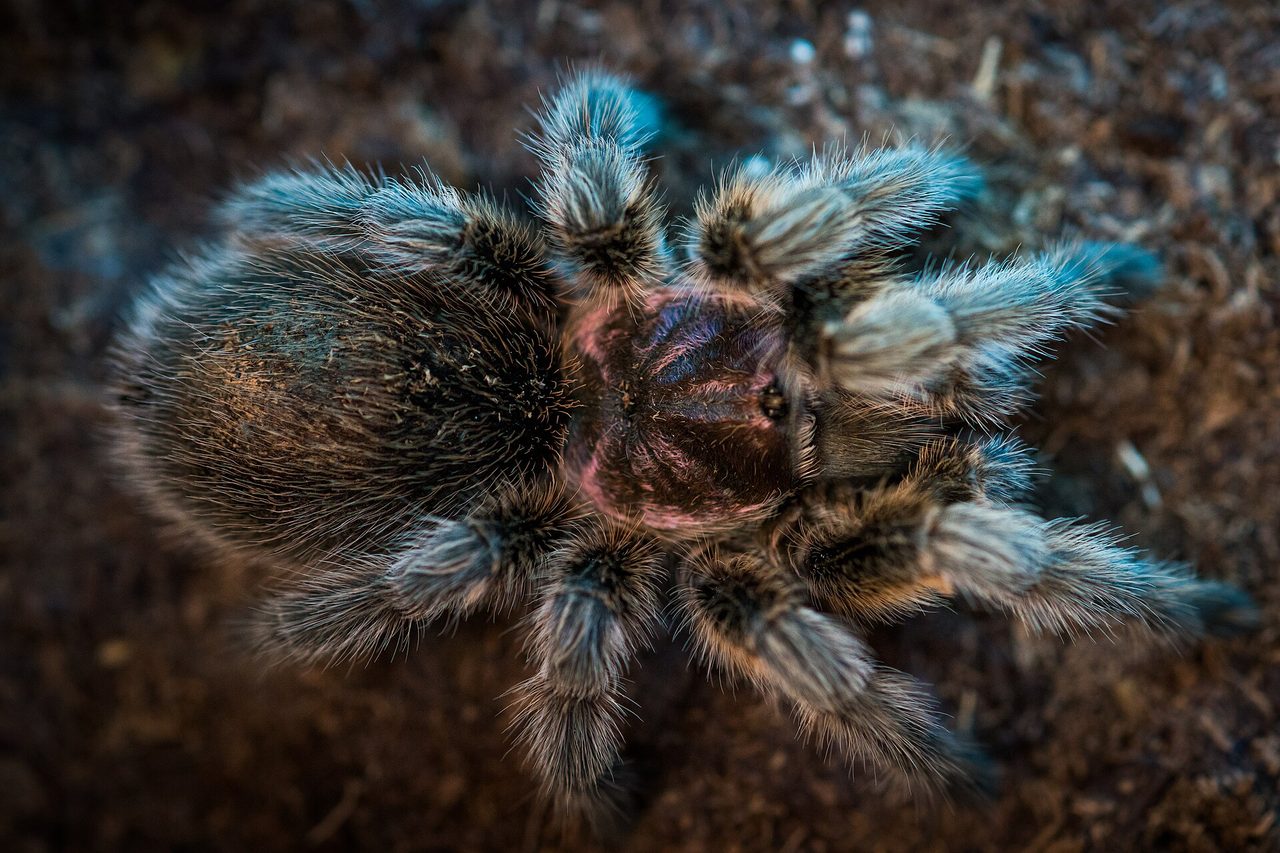
Varies by species — most Not Evaluated; some Critically Endangered (IUCN)
Tarantula
Family Theraphosidae
Tarantulas are large, hairy spiders of the family Theraphosidae, with over 1,180 species found worldwide; while most are not individually evaluated by the IUCN, species such as Poecilotheria tarantulas from India and Sri Lanka are listed as Critically Endangered due to habitat loss and the illegal pet trade.
Read the guide →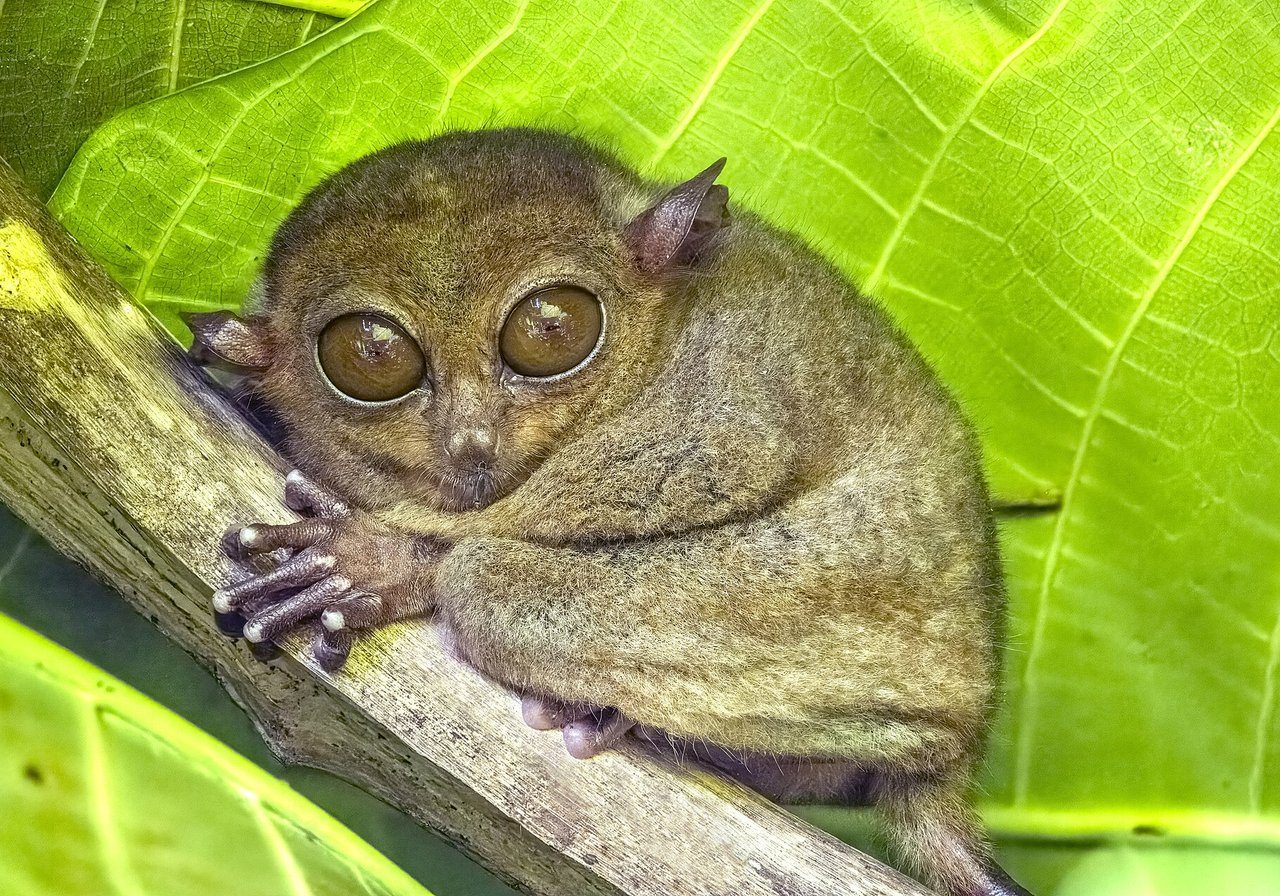
Group guide — status differs by species
Tarsier
Tarsiidae
Tarsiers are small nocturnal primates in the family Tarsiidae, native to parts of Southeast Asia. They hunt animal prey and move through vegetation by clinging and leaping. They are neither monkeys nor lemurs. Conservation status differs by species, from the Near Threatened Philippine tarsier to the Critically Endangered Siau Island tarsier.
Read the guide →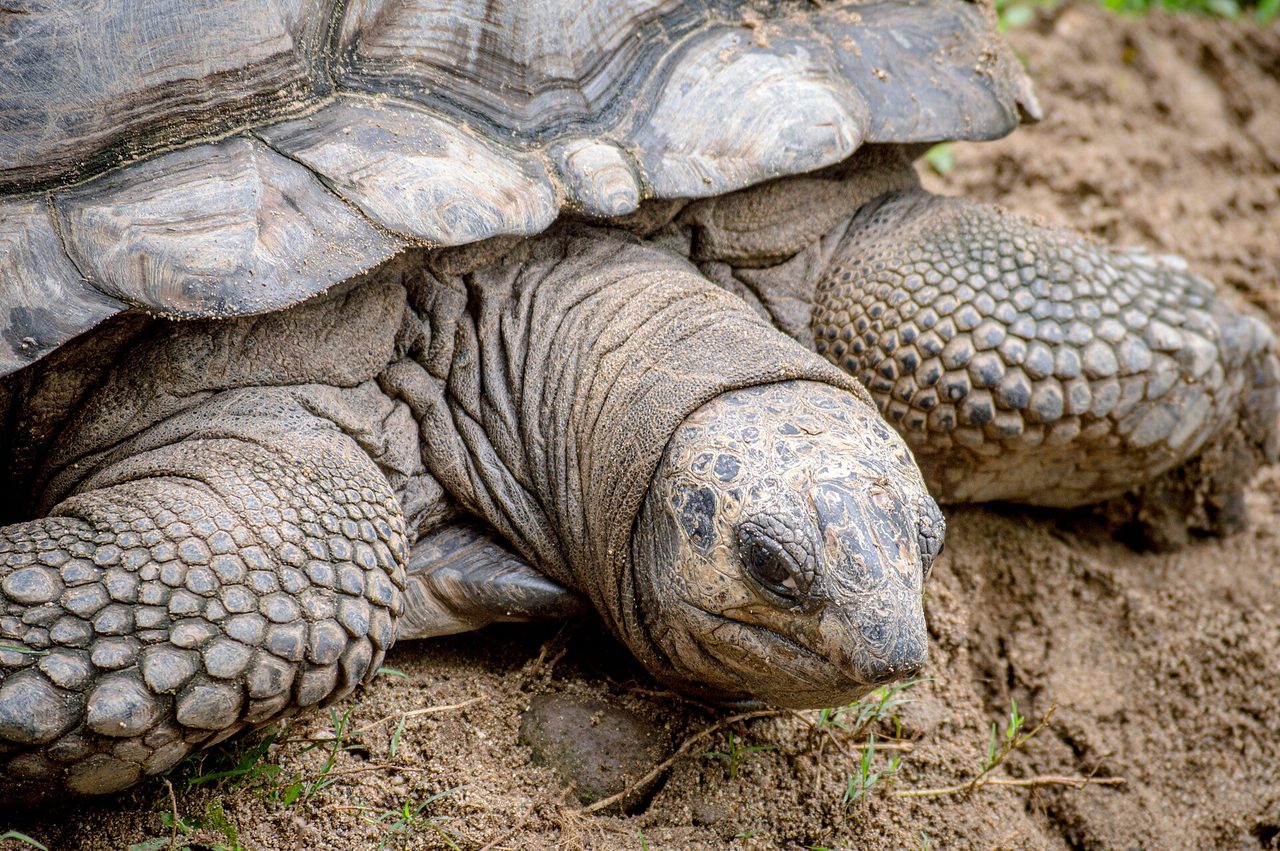
Varies by species — many Critically Endangered (IUCN)
Tortoise
Family Testudinidae
Tortoises (family Testudinidae) are fully terrestrial reptiles found across warm regions worldwide; over 86% of species are threatened or extinct, driven by illegal trade, habitat loss, and the pet industry.
Read the guide →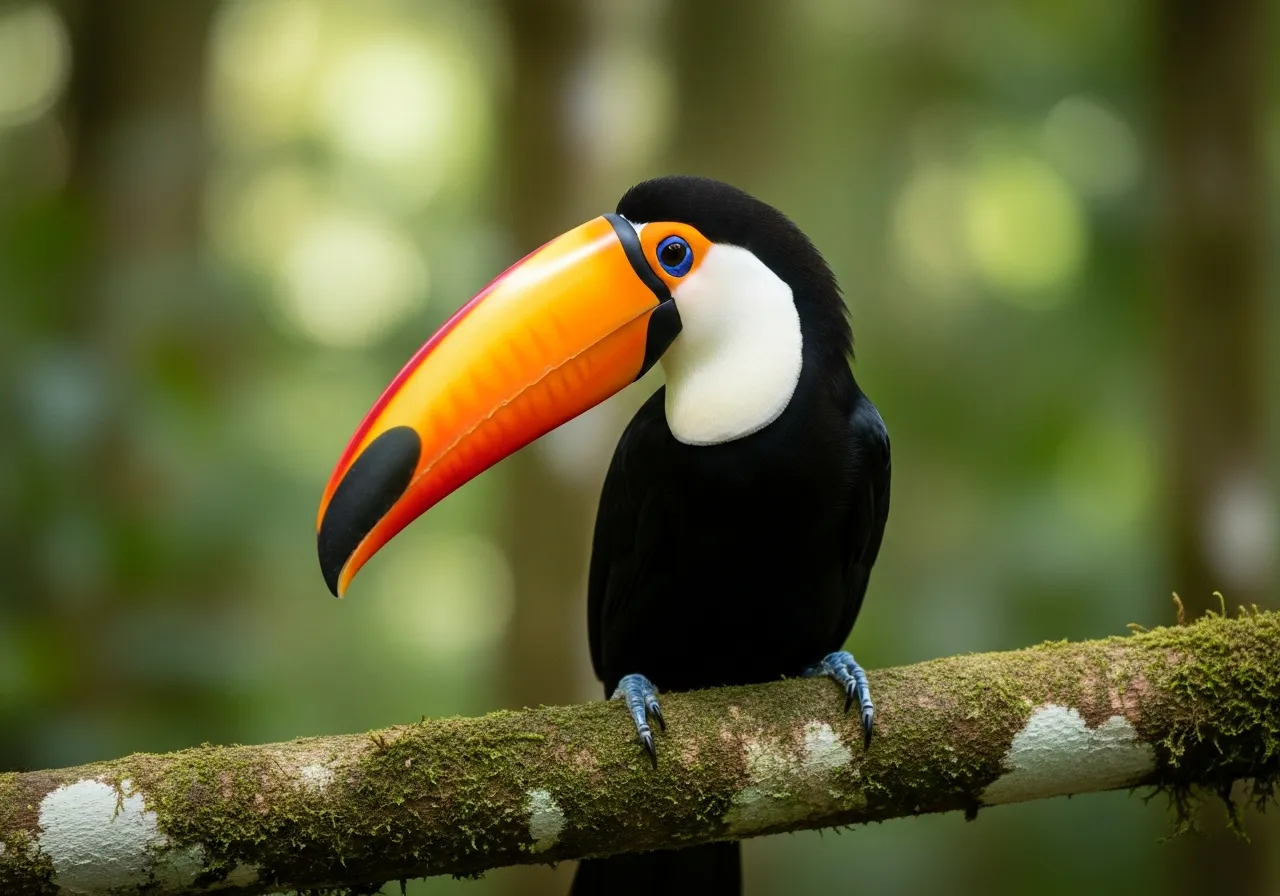
Varies by species; most Least Concern, several Near Threatened or Vulnerable (IUCN)
Toucan
Family Ramphastidae
A toucan is a brightly coloured, fruit-eating rainforest bird of the family Ramphastidae, native to Central and South America. Around 40 species exist, all recognised by an enormous yet lightweight bill used for feeding, display and heat regulation. They are important seed dispersers in tropical forests.
Read the guide →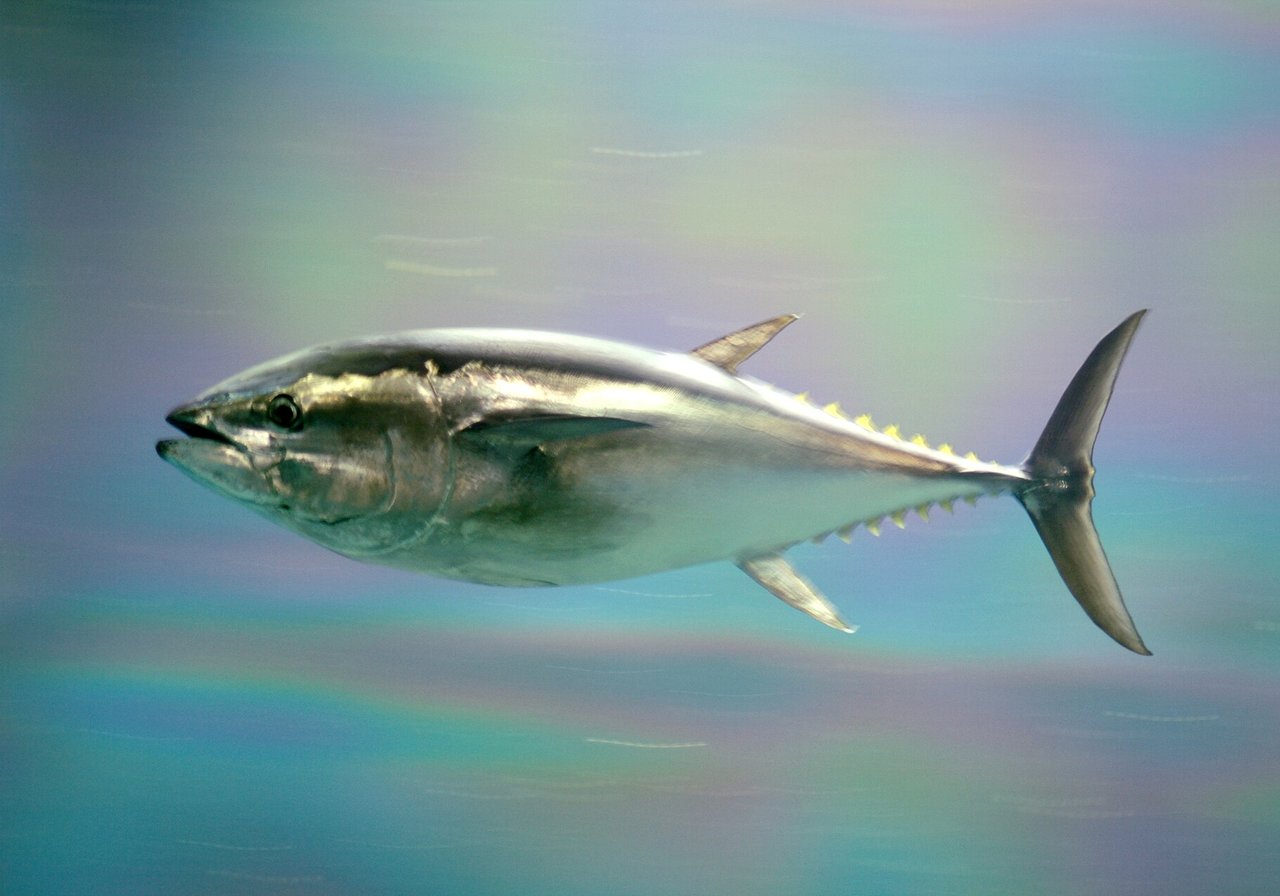
Least Concern (IUCN, 2021) — Southern bluefin Endangered
Tuna
Thunnus thynnus (Linnaeus, 1758)
Atlantic bluefin tuna (Thunnus thynnus) is Least Concern after stock recovery (IUCN, 2021); Southern bluefin is Endangered. Global tuna fisheries face overfishing, bycatch of sharks and turtles, and IUU fishing.
Read the guide →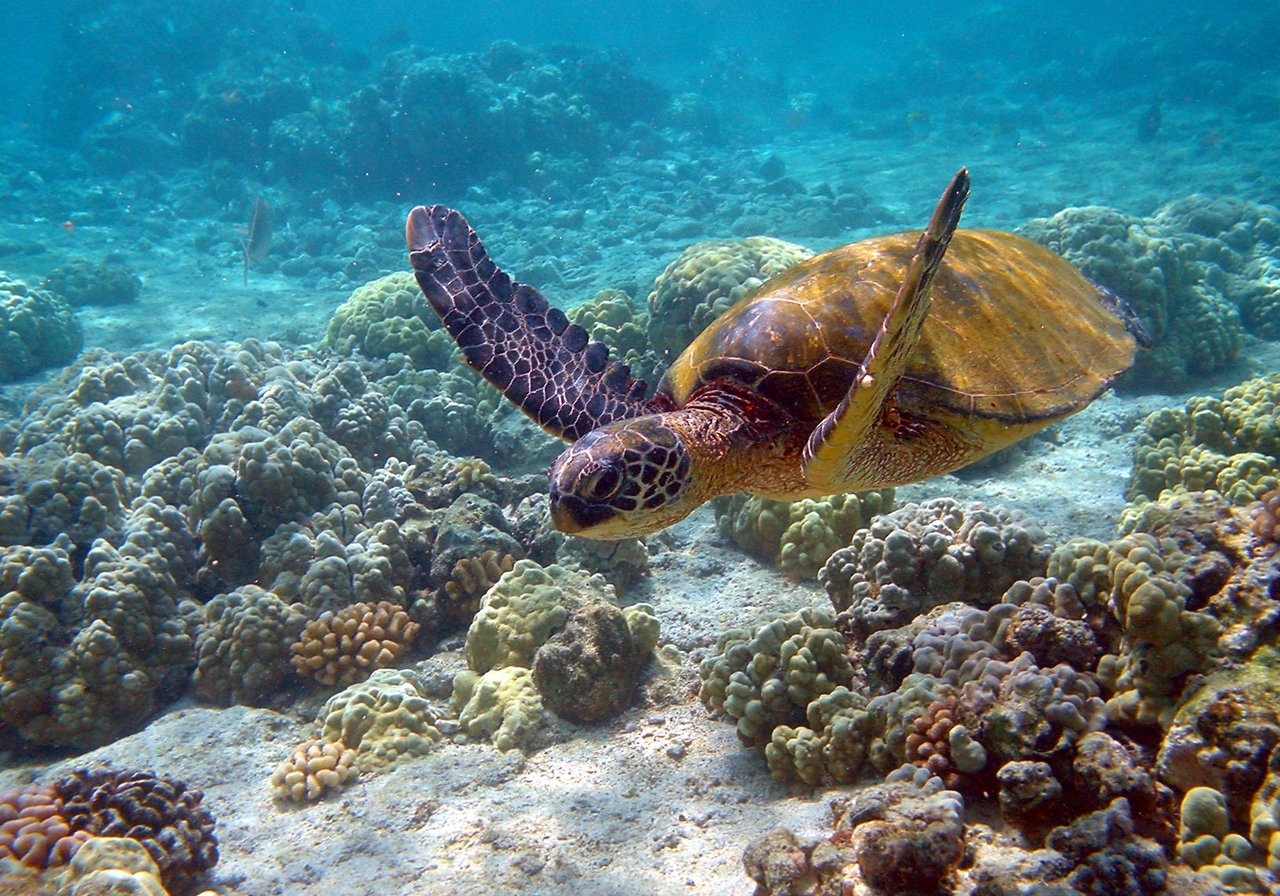
Varies by species (many Vulnerable to Critically Endangered)
Turtle
Order Testudines — ~360 species of turtles, tortoises and terrapins
Turtles (order Testudines) are ~360 species of shelled reptiles — sea turtles, freshwater terrapins and land tortoises — many Vulnerable to Critically Endangered from trade, bycatch and habitat loss.
Read the guide →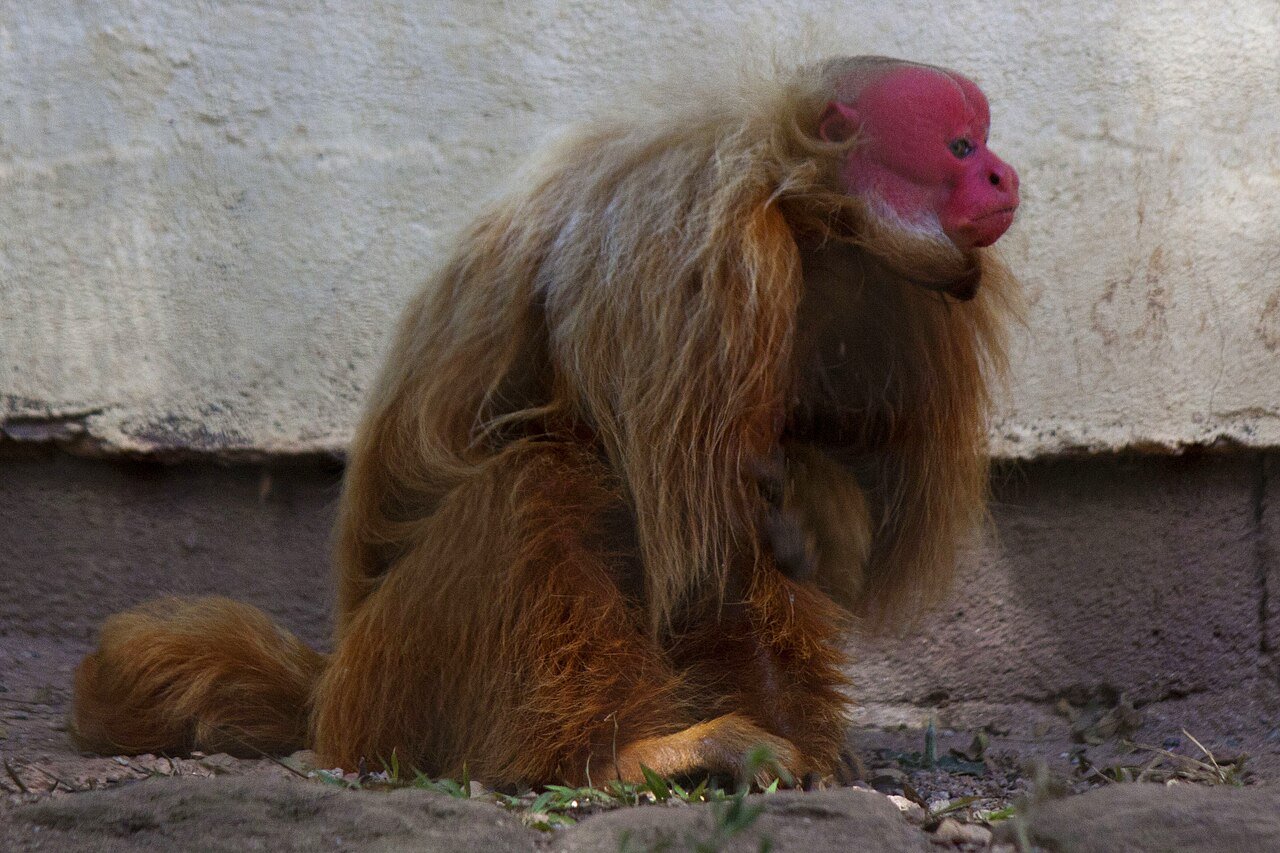
Least Concern (IUCN 2024) — varies by species
Uakari
Cacajao calvus (bald uakari); genus Cacajao
The bald uakari (Cacajao calvus) is a short-tailed, crimson-faced primate found exclusively in the seasonally flooded forests of the western Amazon; its fiery red face signals health to potential mates and makes it one of the most distinctive monkeys in South America.
Read the guide →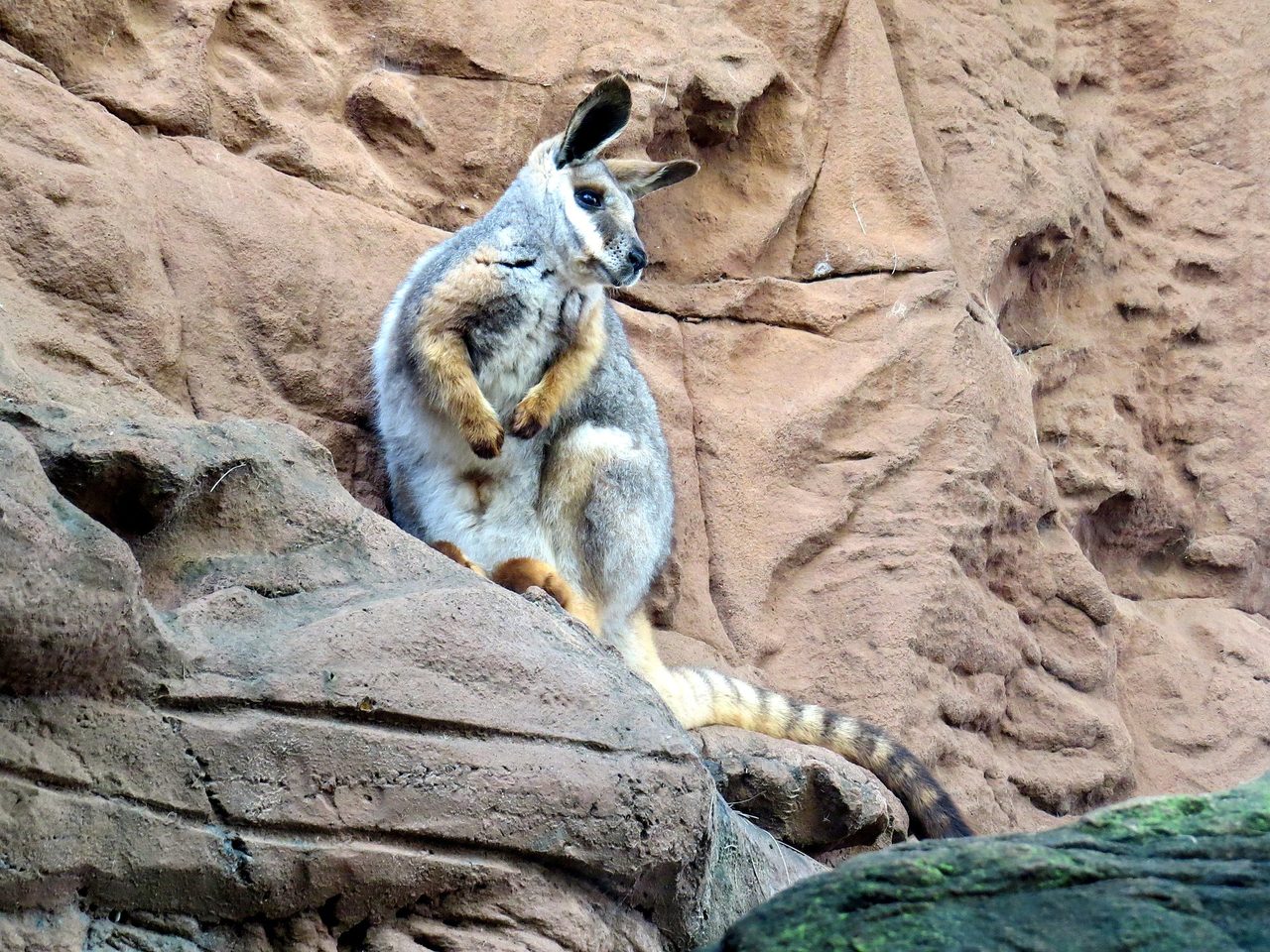
Varies by species — most Least Concern (IUCN); some Near Threatened, Vulnerable or Endangered
Wallaby
Notamacropus spp. (and allied genera)
Wallabies are small-to-medium marsupials native to Australia and New Guinea, closely related to kangaroos, with more than 30 species ranging from common and widespread to Near Threatened, Vulnerable or Endangered depending on the species.
Read the guide →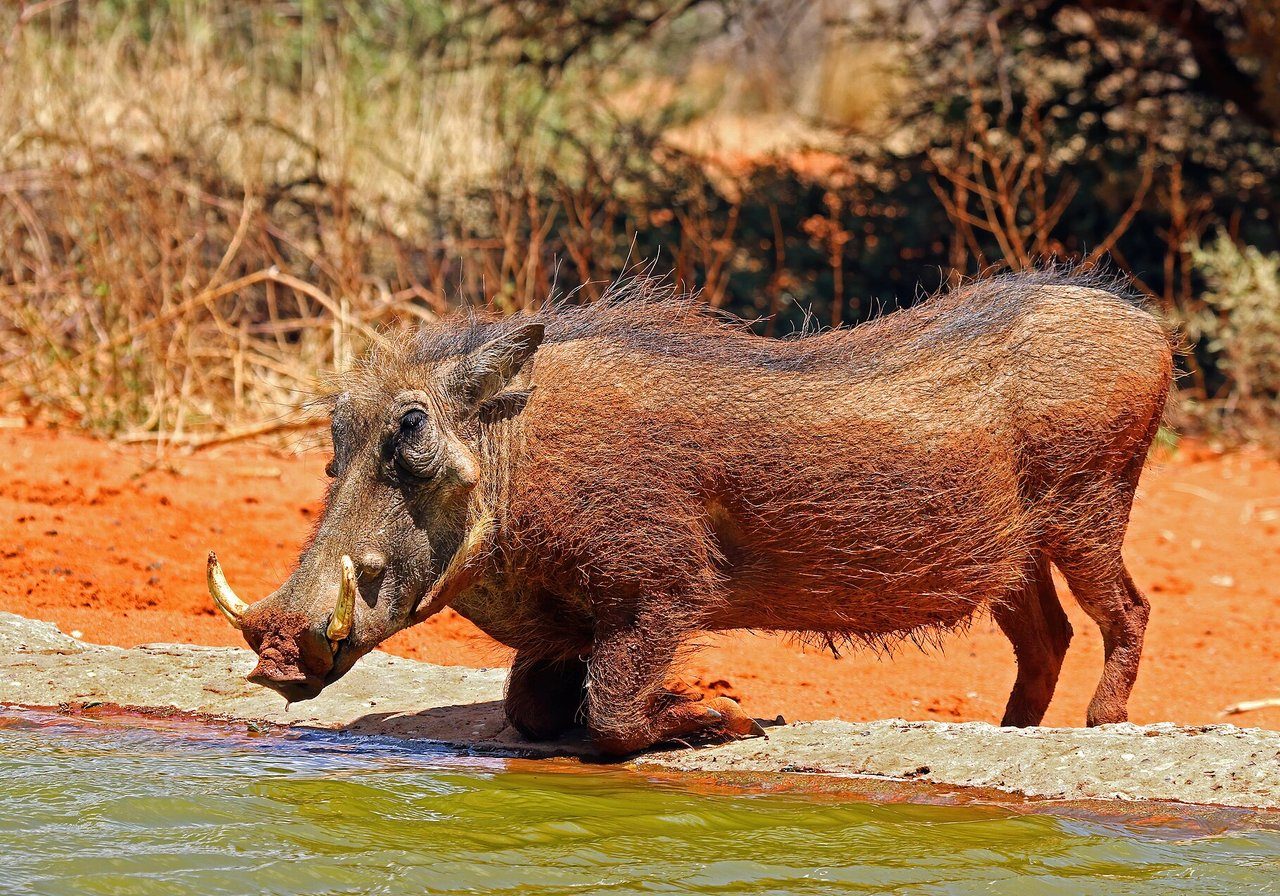
Least Concern (IUCN, 2016)
Warthog
Phacochoerus africanus (Gmelin, 1788)
The common warthog (Phacochoerus africanus) is a grazing wild pig of African savanna, listed as Least Concern; recognisable by facial warts and tusks, it kneels to graze and shelters in burrows when threatened.
Read the guide →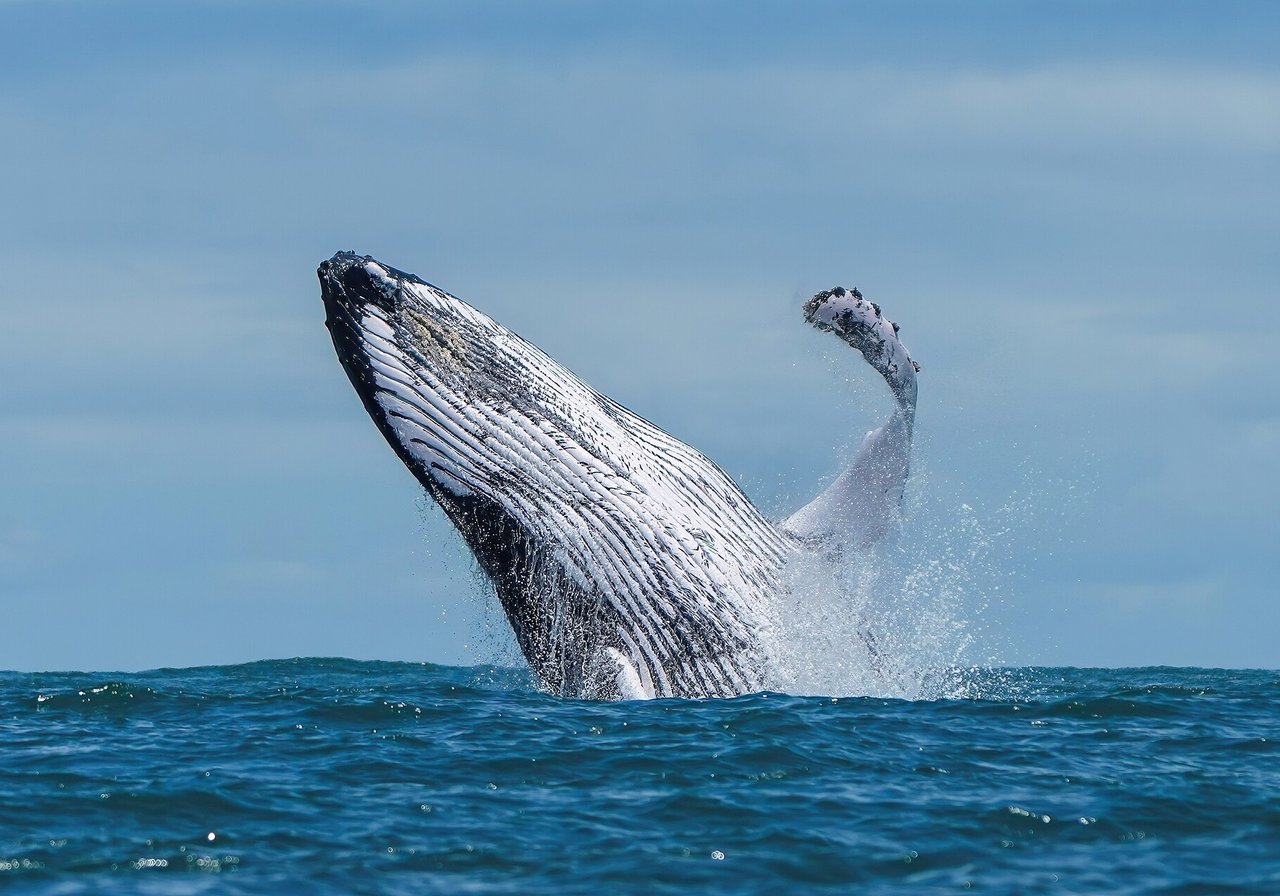
Varies by species (Least Concern to Critically Endangered)
Whale
Infraorder Cetacea — ~90 species of baleen and toothed whales
Whales are cetacean mammals (~90 species) including baleen and toothed forms — from the blue whale to sperm whales and orcas; status ranges from recovering humpbacks to Critically Endangered vaquita and North Atlantic right whale.
Read the guide →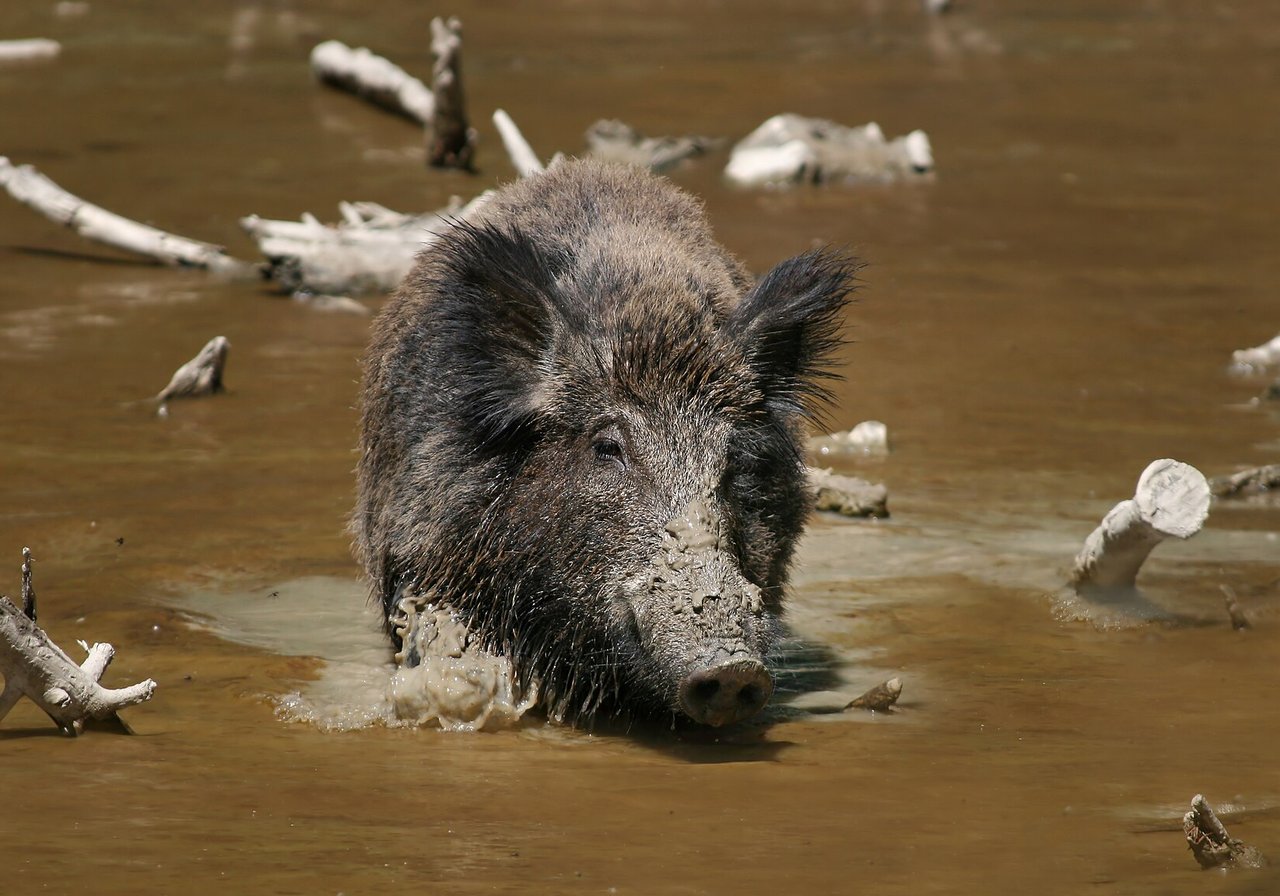
Least Concern (IUCN)
Wild Boar
Sus scrofa (Linnaeus, 1758)
The wild boar (Sus scrofa) is a Least Concern suid native across Europe, Asia and North Africa — ancestor of the domestic pig, widespread from Pakistan to Indonesia and increasing across Europe.
Read the guide →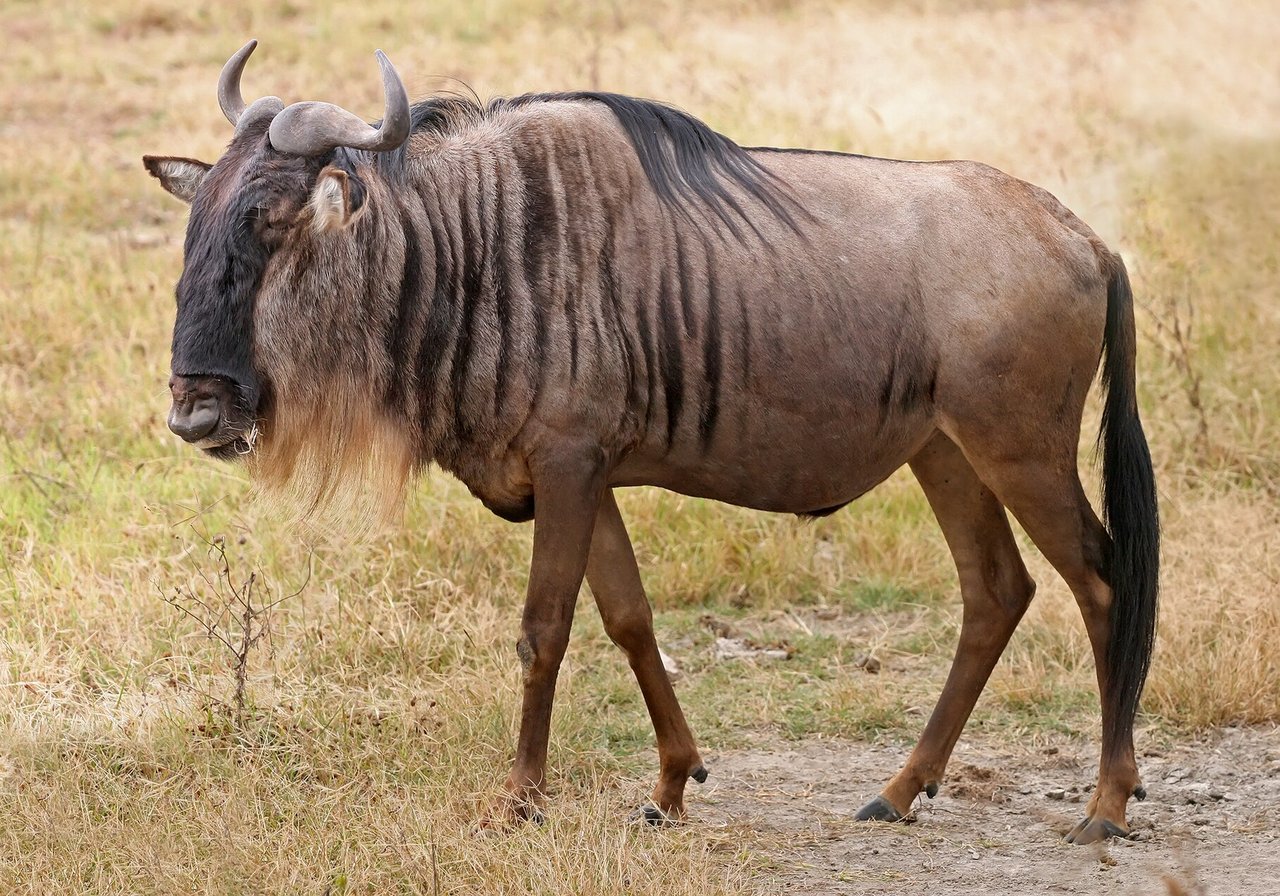
Least Concern (IUCN, 2016)
Wildebeest
Connochaetes taurinus (Burchell, 1823)
The blue wildebeest (Connochaetes taurinus) is a gregarious grazing antelope of African savanna, central to the Great Migration of over a million animals between Serengeti and Maasai Mara; listed as Least Concern but declining outside protected areas.
Read the guide →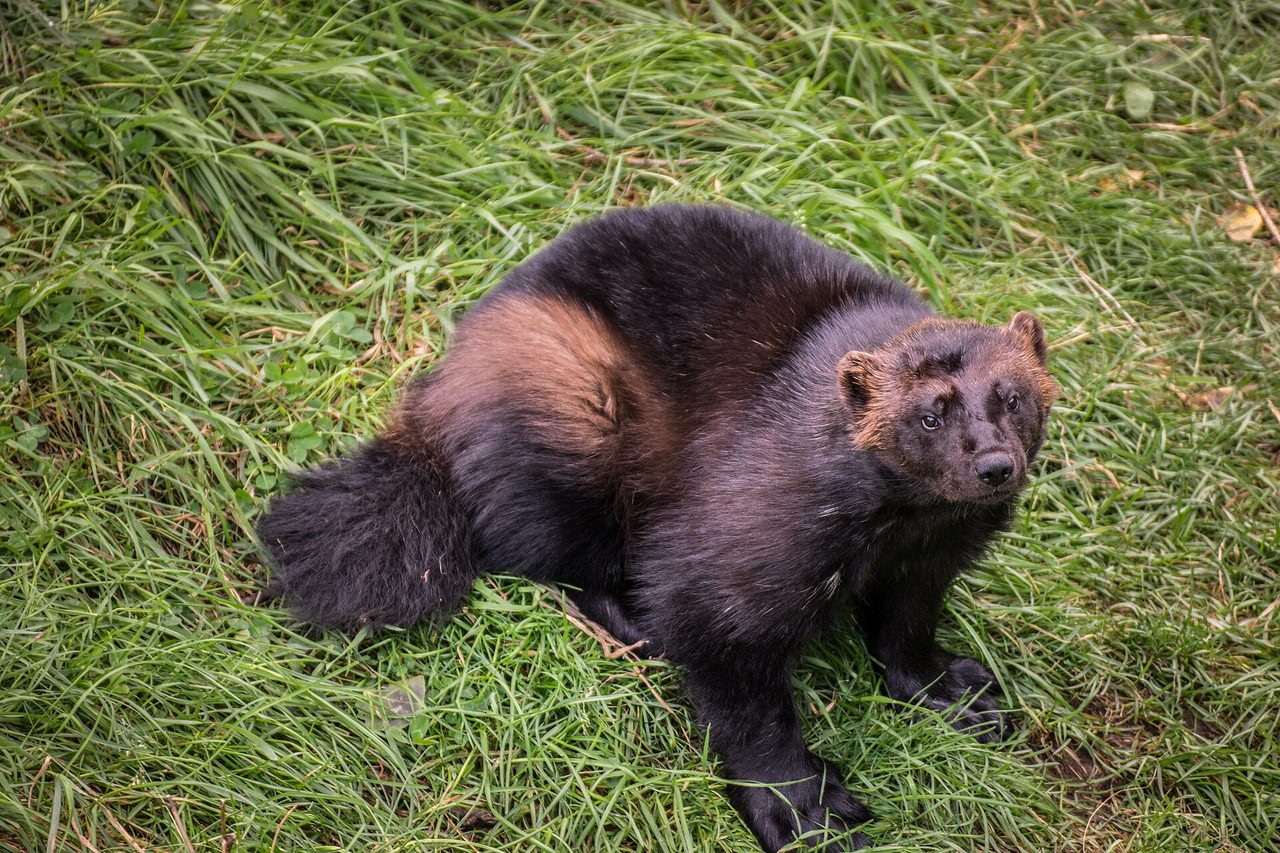
Least Concern (IUCN)
Wolverine
Gulo gulo
The wolverine (Gulo gulo) is a large, powerful member of the weasel family found across boreal and Arctic regions of North America and Eurasia, classified as Least Concern globally by the IUCN but facing serious pressure from climate-driven snowpack loss, trapping, and habitat fragmentation.
Read the guide →
Domesticated — Not Evaluated (wild ancestor Critically Endangered)
Working Donkey
Equus africanus asinus (Linnaeus, 1758)
A working donkey is a domesticated donkey (Equus africanus asinus) used to carry loads, pull carts, or turn mills; it descends from the Critically Endangered African wild ass, and while the species itself is not threatened, individual working donkeys in regions such as Pakistan commonly suffer from overloading, ill-fitting harnesses, and limited veterinary access.
Read the guide →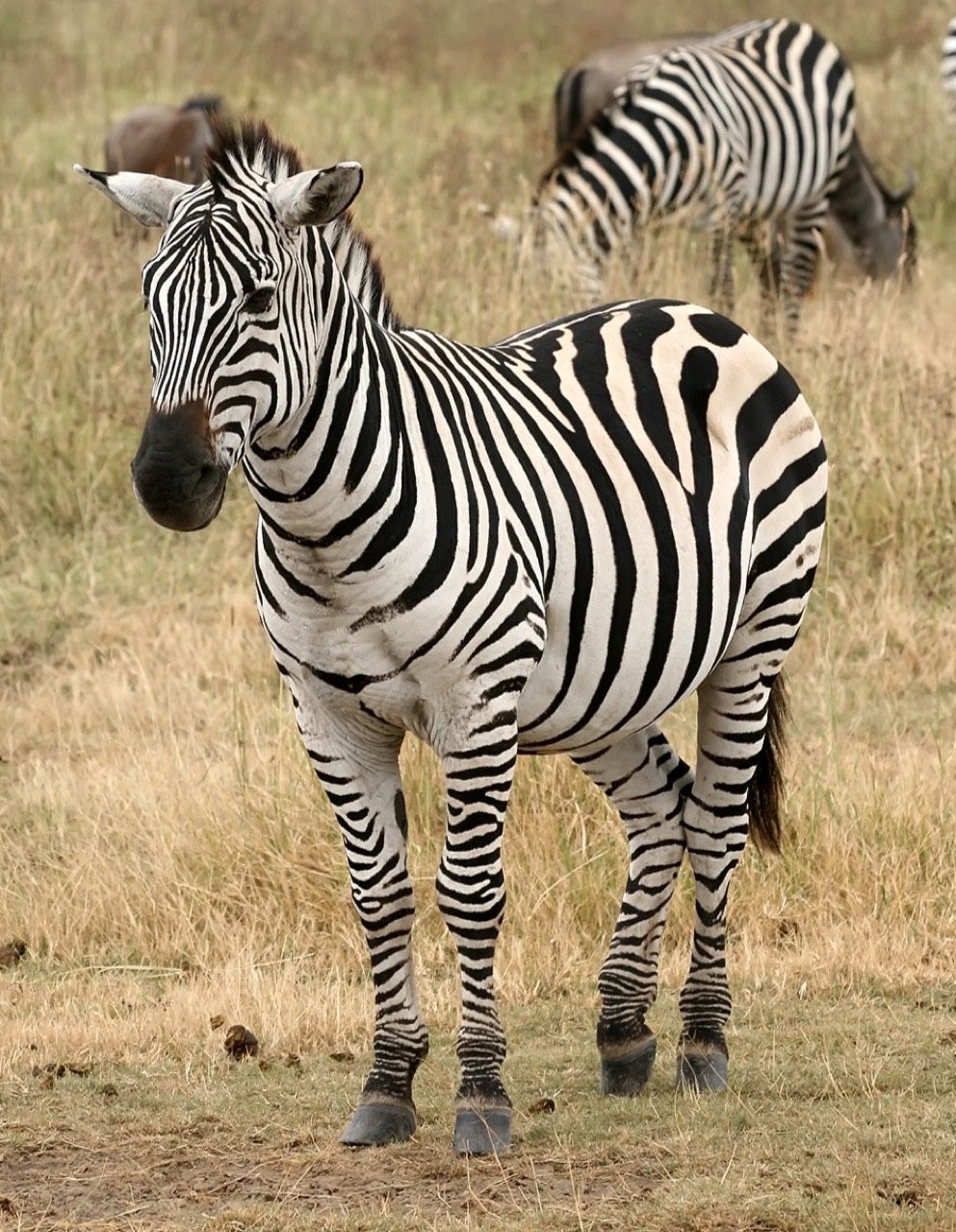
Varies by species (Near Threatened to Endangered)
Zebra
Equus (subgenus Hippotigris) — Equus quagga, Equus zebra, Equus grevyi
A zebra is a striped African member of the horse genus Equus; there are three species — plains, mountain, and Grevy's — ranging from Near Threatened to the Endangered Grevy's zebra, of which fewer than about 2,000 mature animals survive.
Read the guide →