Wildlife Guide · North America
Eastern Box Turtle
Terrapene carolina
North America's hinged turtle
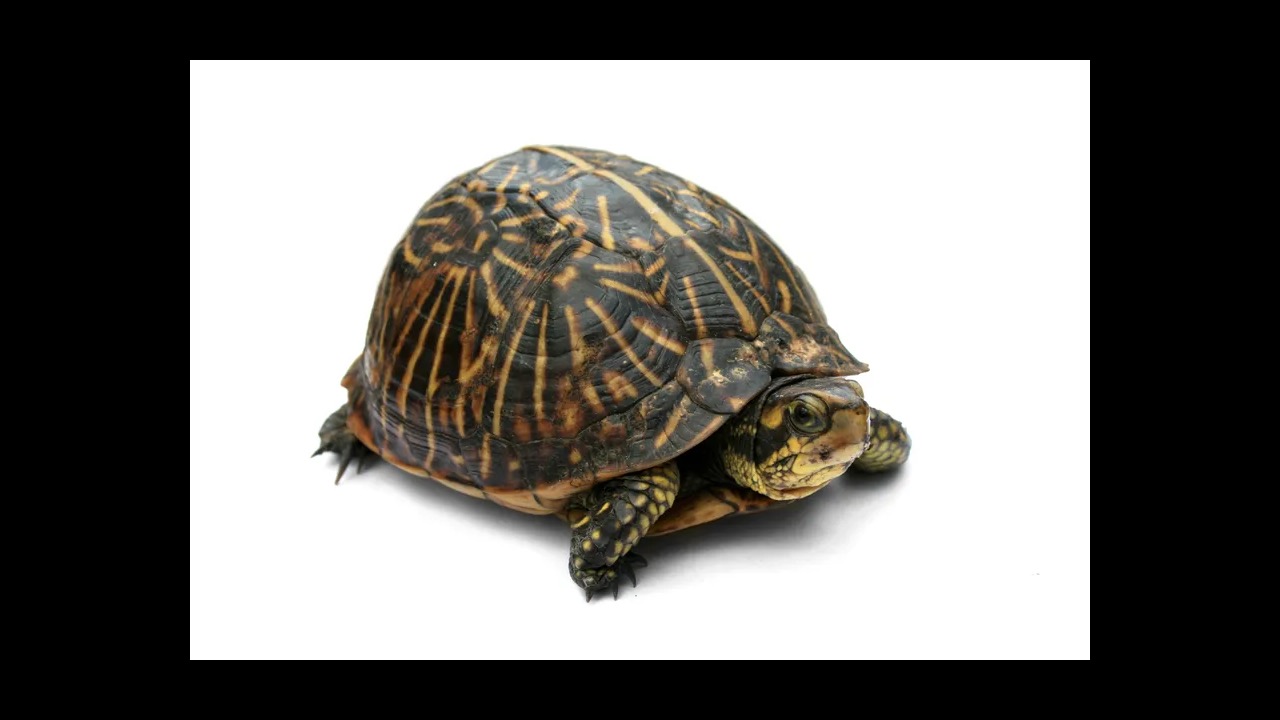
Photo: Unknown authorUnknown author / Wikimedia Commons (Public domain)
In brief
The eastern box turtle (Terrapene carolina) is a small, land-dwelling turtle of the eastern United States, known for the hinged shell it can close like a box for protection. It lives in woodlands, meadows, and wetlands, eating insects, fruit, mushrooms, and carrion.
Also in Animals A to Z · Animals that start with E
By WARN Research & Conservation Team Last updated
The eastern box turtle (Terrapene carolina) is a small, land-dwelling turtle of the eastern United States, known for the hinged shell it can close like a box for protection. It lives in woodlands, meadows, and wetlands, eating insects, fruit, mushrooms, and carrion. Barely 15 cm long and weighing around half a kilogram, it is a famously slow, long-lived reptile that can survive 50 to 100 years. The IUCN lists it as Vulnerable.
0.15 m
Typical length
500 g
Typical weight
0.5 km/h
Top speed
50 yrs
Lifespan
Figures sourced from IUCN Red List — Terrapene carolina, Wikipedia — Eastern Box Turtle, Wikidata — Eastern Box Turtle .
Eastern Box Turtle: Quick Facts
| Scientific name | Terrapene carolina |
|---|---|
| Diet | Omnivore — insects, fruit, mushrooms, and carrion |
| Habitat | Eastern US woodlands, meadows, and wetlands |
| Lifespan | 50–100 years (long-lived turtle) |
| Weight | 0.3–0.6 kg (0.7–1.3 lb); high-domed shell |
| Top speed | Up to 0.5 km/h (0.3 mph); slow walker |
| Conservation status | Vulnerable (IUCN) |
Scientific Classification
| Kingdom | Animalia |
|---|---|
| Phylum | Chordata |
| Class | Reptilia |
| Order | Testudines |
| Family | Emydidae |
| Genus | Terrapene |
Conservation Status
- IUCN Status
- Vulnerable (IUCN Red List category)
- Population
- Global population not compiled for this guide
- Trend
- See the IUCN Red List assessment
- Assessed
- See the IUCN Red List assessment
- CITES
- See CITES appendices
Conservation figures are drawn from the IUCN Red List and CITES; this guide links to the authoritative sources rather than restating population counts.
Key Facts: Eastern Box Turtle
- The box turtle takes its name from the hinge across its lower shell, or plastron, which lets it fold the front and back sections tightly shut.
- Eastern box turtles are omnivores with a varied appetite that changes as they grow.
- The species lives in the woodlands, meadows, and wetlands of the eastern United States, favouring moist, leafy ground with plenty of cover.
The hinged shell
The box turtle takes its name from the hinge across its lower shell, or plastron, which lets it fold the front and back sections tightly shut. Pulled into its high-domed shell, the turtle can seal itself completely inside, leaving no soft parts exposed to a predator. This living armour is its main defence, since it is far too slow to flee from danger. The shell also bears colourful yellow or orange markings that vary from turtle to turtle.
Diet and feeding
Eastern box turtles are omnivores with a varied appetite that changes as they grow. Young turtles lean heavily towards animal prey such as insects, worms, and snails, while adults eat more plant matter, including fruit and mushrooms. They will also scavenge carrion when they find it. Remarkably, box turtles can eat certain fungi that are toxic to humans without coming to harm.
Habitat and home range
The species lives in the woodlands, meadows, and wetlands of the eastern United States, favouring moist, leafy ground with plenty of cover. Individual turtles are strongly tied to a small home range, often only a few hectares, which they may occupy for their entire lives. This deep attachment to home means a turtle moved far away will try to travel back, frequently dying on roads in the attempt. On hot days they shelter in leaf litter, logs, or shallow pools to stay cool and moist.
Longevity and reproduction
Box turtles are among the longest-lived of small reptiles, commonly reaching 50 years and sometimes approaching a century. They mature slowly, often taking several years to reach breeding age. After mating, the female digs a nest in soft soil and lays a small clutch of eggs, then leaves them to incubate unattended. Only a few hatchlings survive to adulthood, so the loss of even a handful of breeding adults can hurt a population.
Hibernation
In the colder parts of its range, the eastern box turtle spends winter in a state of dormancy. As temperatures drop it burrows into loose soil, leaf litter, or the mud of pond edges and slows its body down to survive the freeze. It can even tolerate small amounts of ice forming in its tissues without dying. When the ground warms in spring, the turtle emerges to resume feeding and breeding.
Why it is Vulnerable
The eastern box turtle is listed as Vulnerable by the IUCN, and its slow life history makes it hard to recover from losses. Habitat destruction, road deaths, and collection for the pet trade all take a steady toll on wild populations. Because the turtles breed slowly and rely on many years of adult survival, even modest ongoing losses cause long-term decline. Keeping woodland habitats connected and leaving wild turtles where they are found both help the species persist.
What WARN Does
WARN does not run a dedicated eastern box turtle programme — this guide is part of the World Animal Rescue Network's free educational library. The eastern box turtle faces documented conservation pressure in the wild, which is why clear, sourced public information about it matters. Building public understanding of species like the eastern box turtle supports the broader conservation awareness that underpins WARN's partner-led rescue work across its network.
If clear, science-based wildlife guides like this help you understand and value animals, please consider supporting the World Animal Rescue Network's educational and rescue work so we can keep producing them.
Eastern Box Turtle: Frequently Asked Questions
Why is it called a box turtle?
What do eastern box turtles eat?
How long do box turtles live?
How big do eastern box turtles get?
Why should you not move a box turtle?
Are eastern box turtles endangered?
Where do eastern box turtles live?
Sources & References
Population figures, conservation status and biological facts on this page are drawn from authoritative scientific and intergovernmental sources.
Terms used on this page
Plain-English definitions, from our wildlife and conservation glossary.
Latest Eastern Box Turtle Stories
Quick, fact-checked reads on the eastern box turtle — amazing facts, key questions and the threats it faces.
Species
12 Amazing Facts About Grey Wolves (And Why Alpha Wolves Aren't Real)
A howl that carries 16 km, a pack that is really a family, and the debunked study behind the 'alpha wolf' myth. Twelve verified facts.
Read the storySpecies
12 Amazing Facts About Beavers (Iron in Their Teeth, and They Rebuild Rivers)
Orange iron-hardened incisors, transparent eyelids, and a keystone role that reduces flooding and drought. Twelve facts.
Read the storySpecies
12 Amazing Facts About Wolverines (They Take Down Prey Five Times Their Size)
Frost-resistant fur, jaws that crush frozen bone, and territories the size of small countries. Twelve verified facts.
Read the storyExplore more animals
Discover more animals, their habitats and their conservation status in the WARN wildlife-guide library.
Enjoyed this Eastern Box Turtle guide?
Receive appeal updates, animal-welfare news and published funding reports. Unsubscribe any time.
We only use your address for WARN updates. See our privacy policy.