Conservation status
Endangered Animals
Endangered is the IUCN Red List category for species facing a very high risk of extinction in the wild — one step below Critically Endangered. This collection gathers 33 WARN guides to species currently assessed as Endangered.
By WARN Research & Conservation Team Last updated
This collection links to 33 sourced WARN guides with conservation status, key facts, threats, FAQs and references.
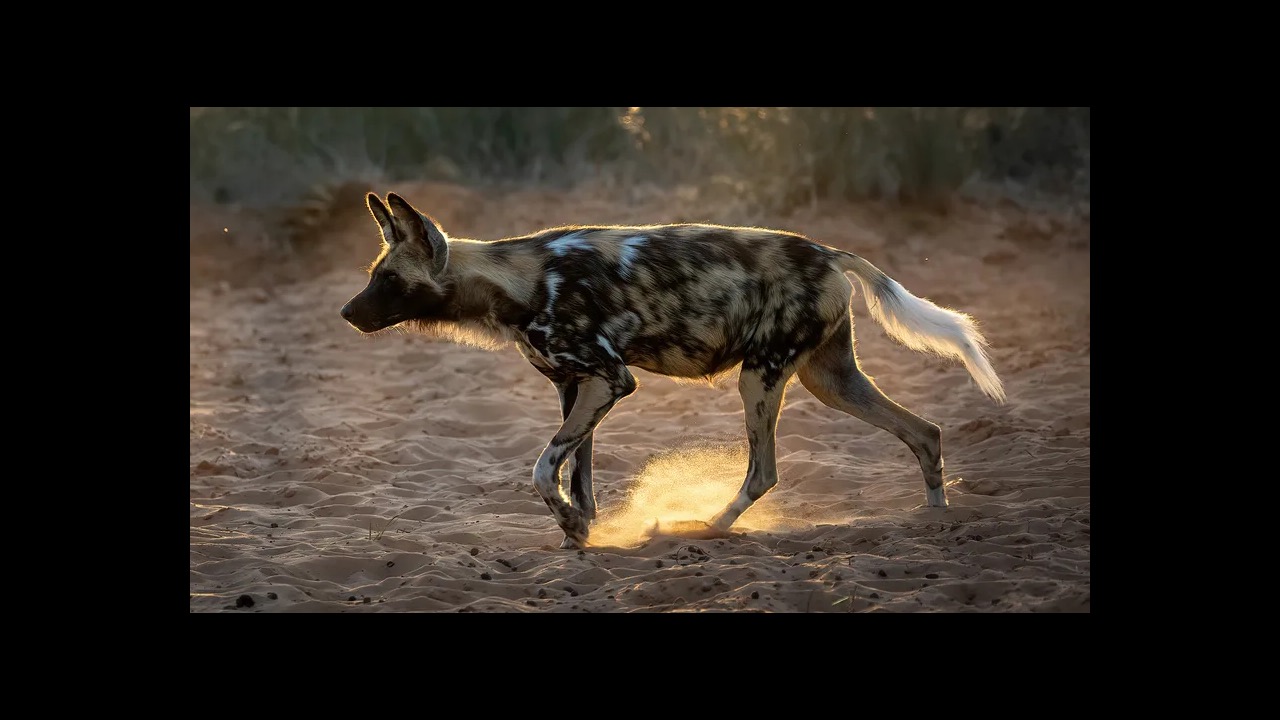
Endangered
African Wild Dog
Lycaon pictus
The African wild dog is a lean, long-legged carnivore of sub-Saharan Africa, famous for its mottled coat of black, tan, and white patches. Weighing 20 to 30 kg and standing about 1.1 m in body length, it is one of the world's most efficient pack hunters, chasing prey at up to 60 km/h.
Read the guide →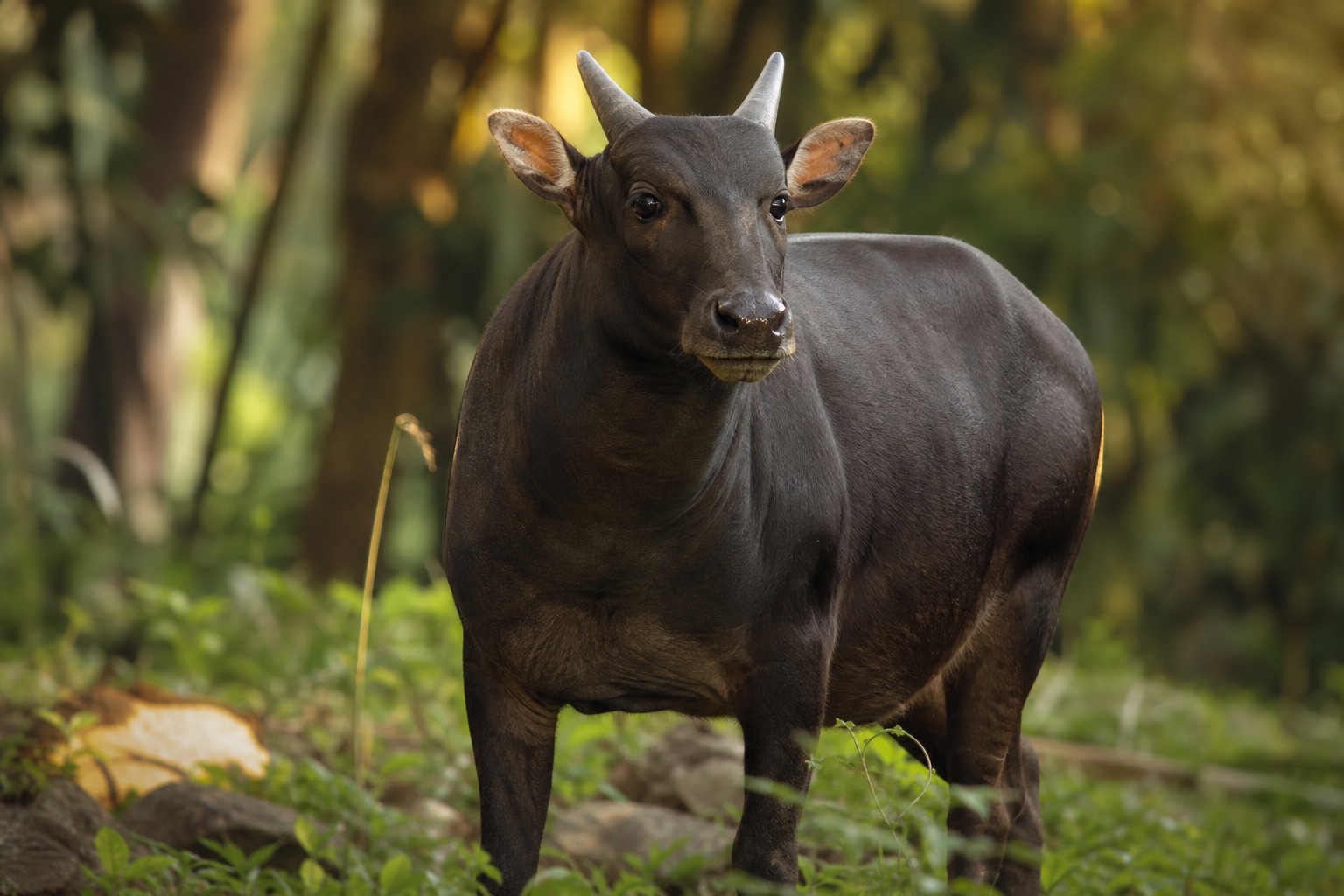
Endangered — both species declining on Sulawesi
Anoa
Bubalus depressicornis and B. quarlesi — dwarf buffalo of Sulawesi
Anoa are dwarf buffalo endemic to Sulawesi, Indonesia — the smallest wild cattle at roughly 90 cm shoulder height — with lowland and mountain species both listed Endangered and declining through hunting and forest loss.
Read the guide →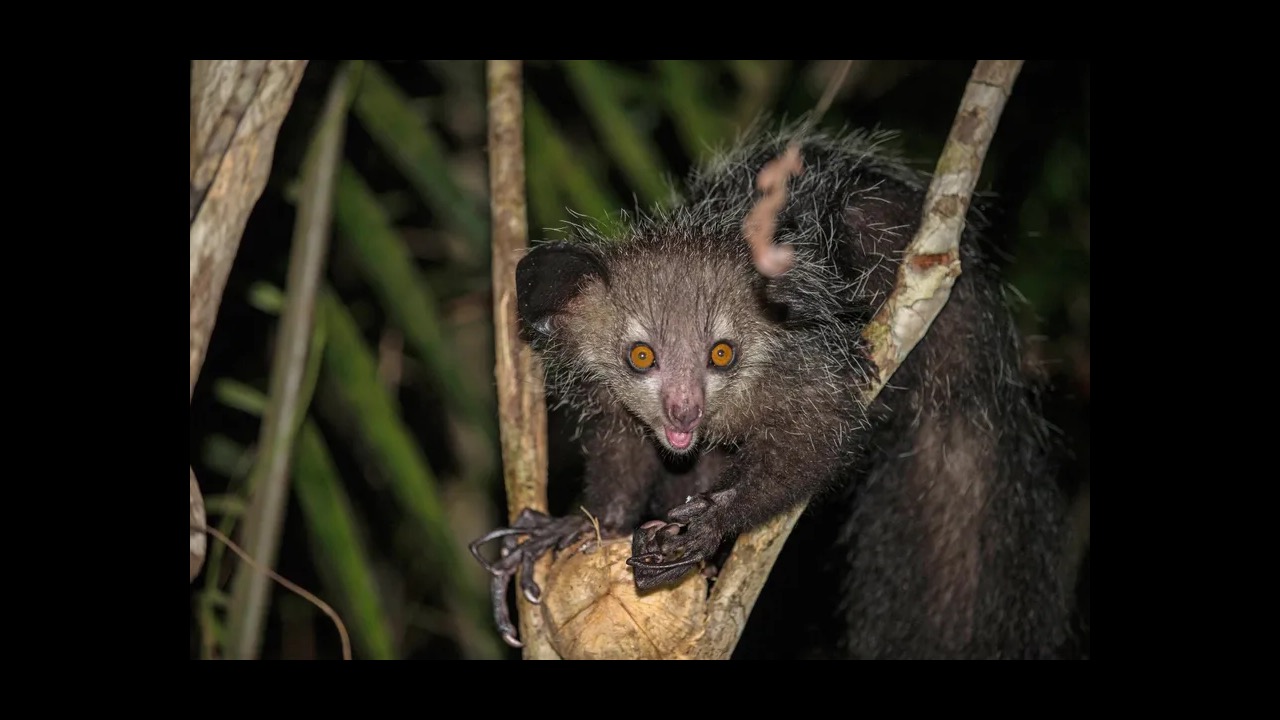
Endangered
Aye-aye
Daubentonia madagascariensis
The aye-aye is a large nocturnal lemur found only in Madagascar, easily recognised by its bushy tail, rodent-like teeth and long, spindly middle finger. It weighs 2 to 3 kg (4.4 to 6.6 lb) and forages alone at night for insect larvae, fruit, nectar and fungi.
Read the guide →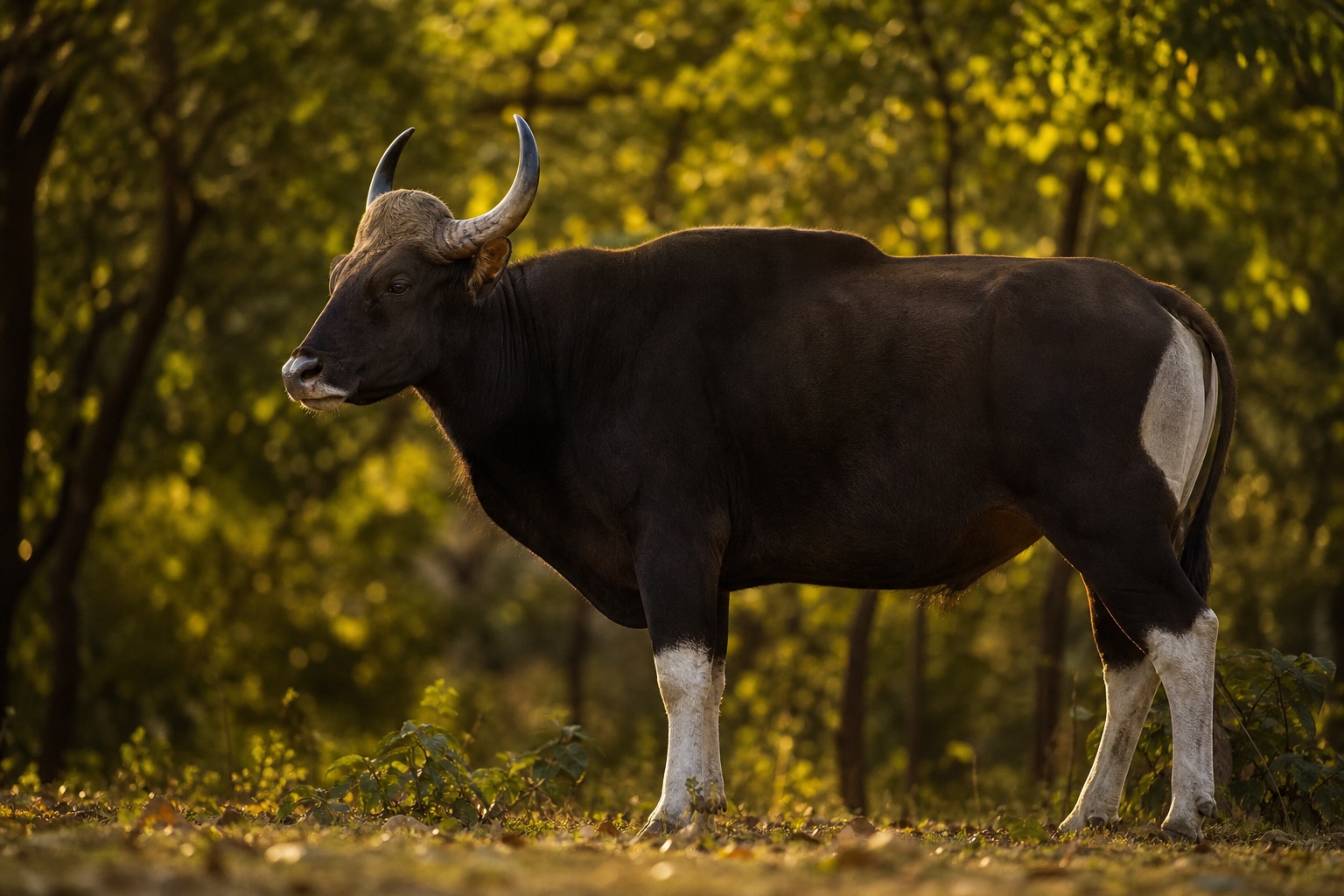
Endangered — first endangered species cloned in 2003; wild herds shrink as forest converts
Banteng
Bos javanicus (Hardwicke, 1825) — family Bovidae
The banteng (Bos javanicus) is an Endangered wild cattle of Southeast Asia; the first Endangered species cloned successfully in 2003, it continues to decline as oil palm, pulpwood, mining and hunting remove forest across Sundaland.
Read the guide →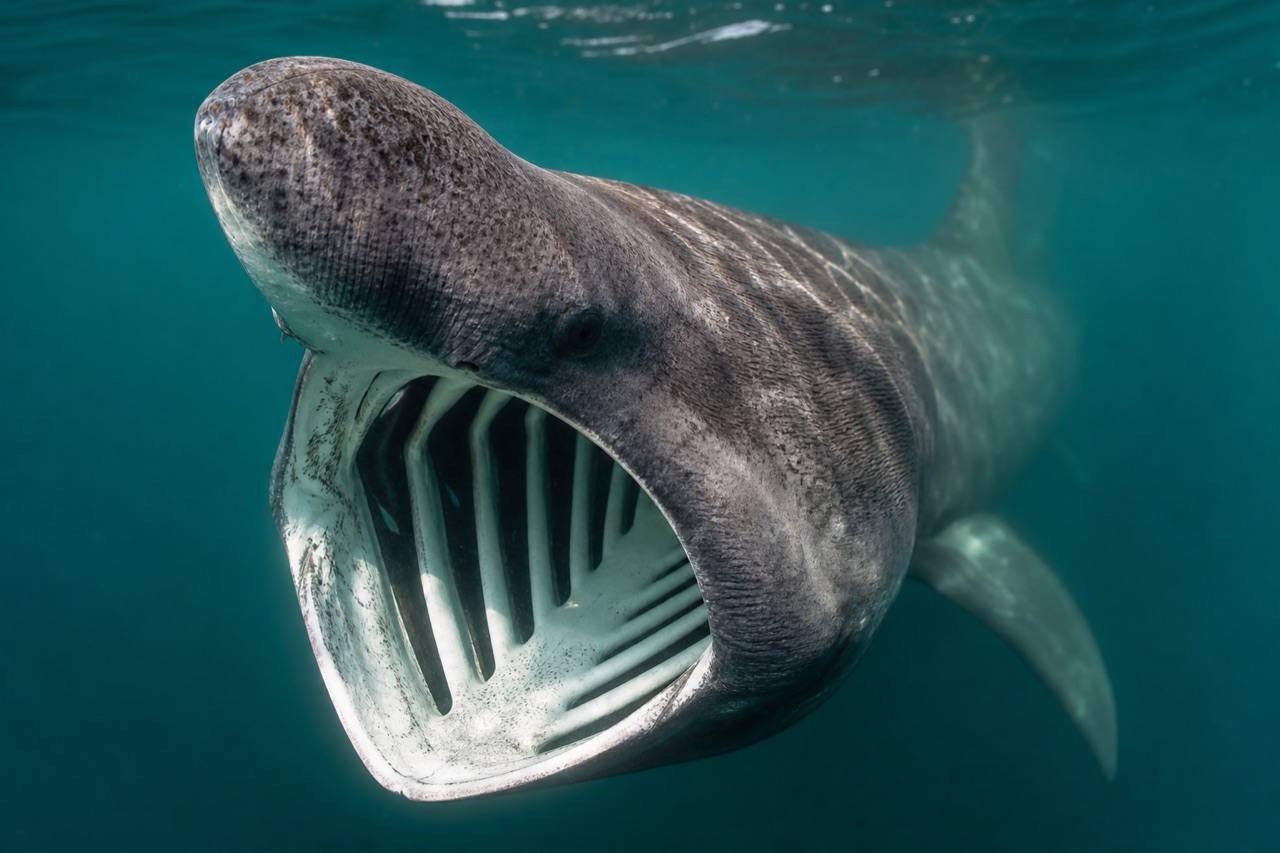
Endangered — the second-largest fish, and harmless
Basking Shark
Cetorhinus maximus (Gunnerus, 1765) — family Cetorhinidae
The basking shark (Cetorhinus maximus) is the second-largest fish on Earth at around 10 metres, an entirely harmless filter feeder that strains plankton at the surface, and is listed as Endangered.
Read the guide →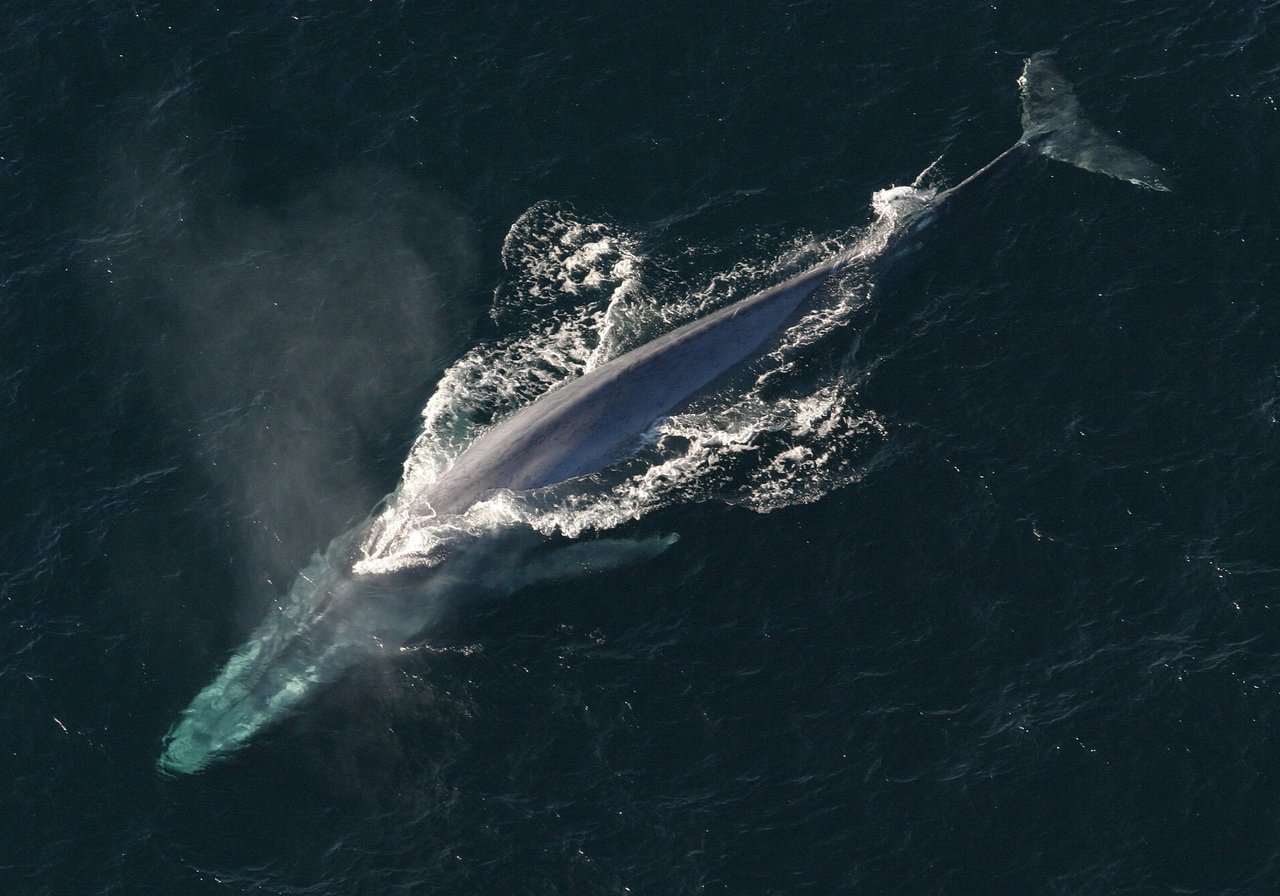
Endangered
Blue Whale
Balaenoptera musculus (Linnaeus, 1758)
The blue whale (Balaenoptera musculus) is the Endangered largest animal on Earth — a krill-filtering baleen whale found in all oceans, recovering slowly after twentieth-century whaling.
Read the guide →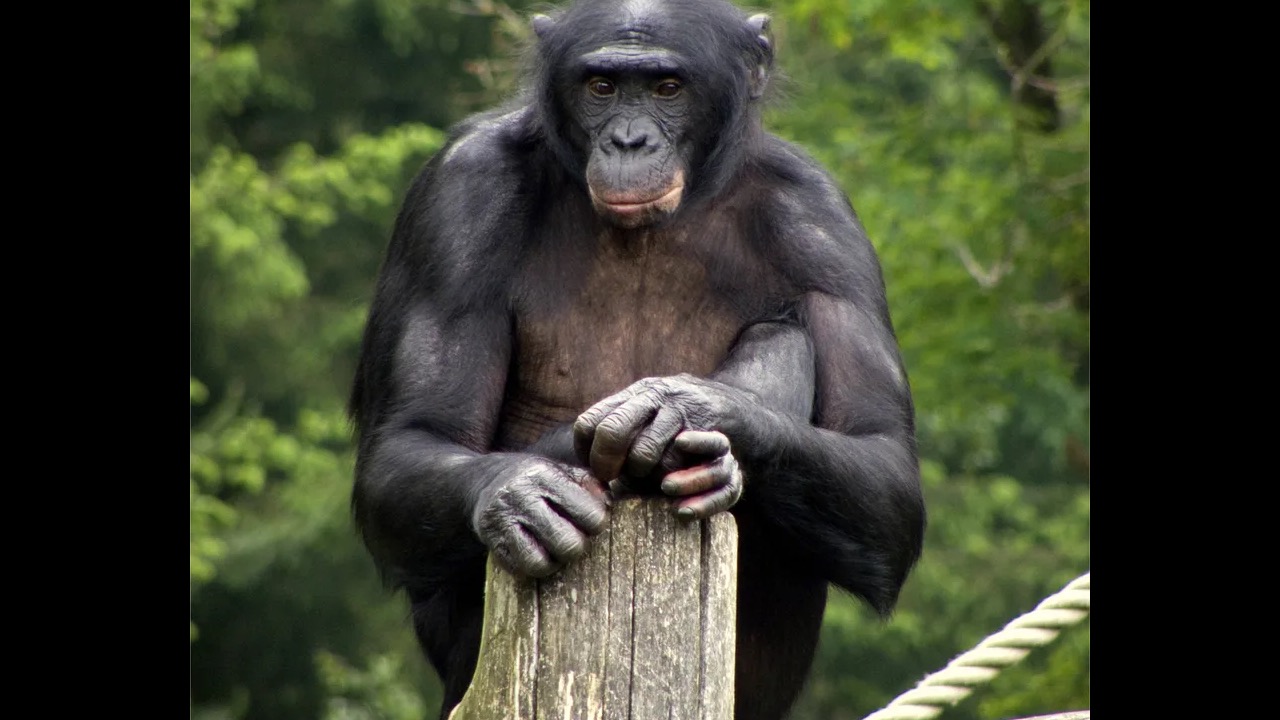
Endangered
Bonobo
Pan paniscus
Bonobos are great apes found only in the Democratic Republic of Congo, closely related to chimpanzees but generally less aggressive, with female-led social bonds and extensive use of social behaviour to resolve conflict. Listed Endangered, they weigh 30–50 kg and face habitat loss and bushmeat hunting.
Read the guide →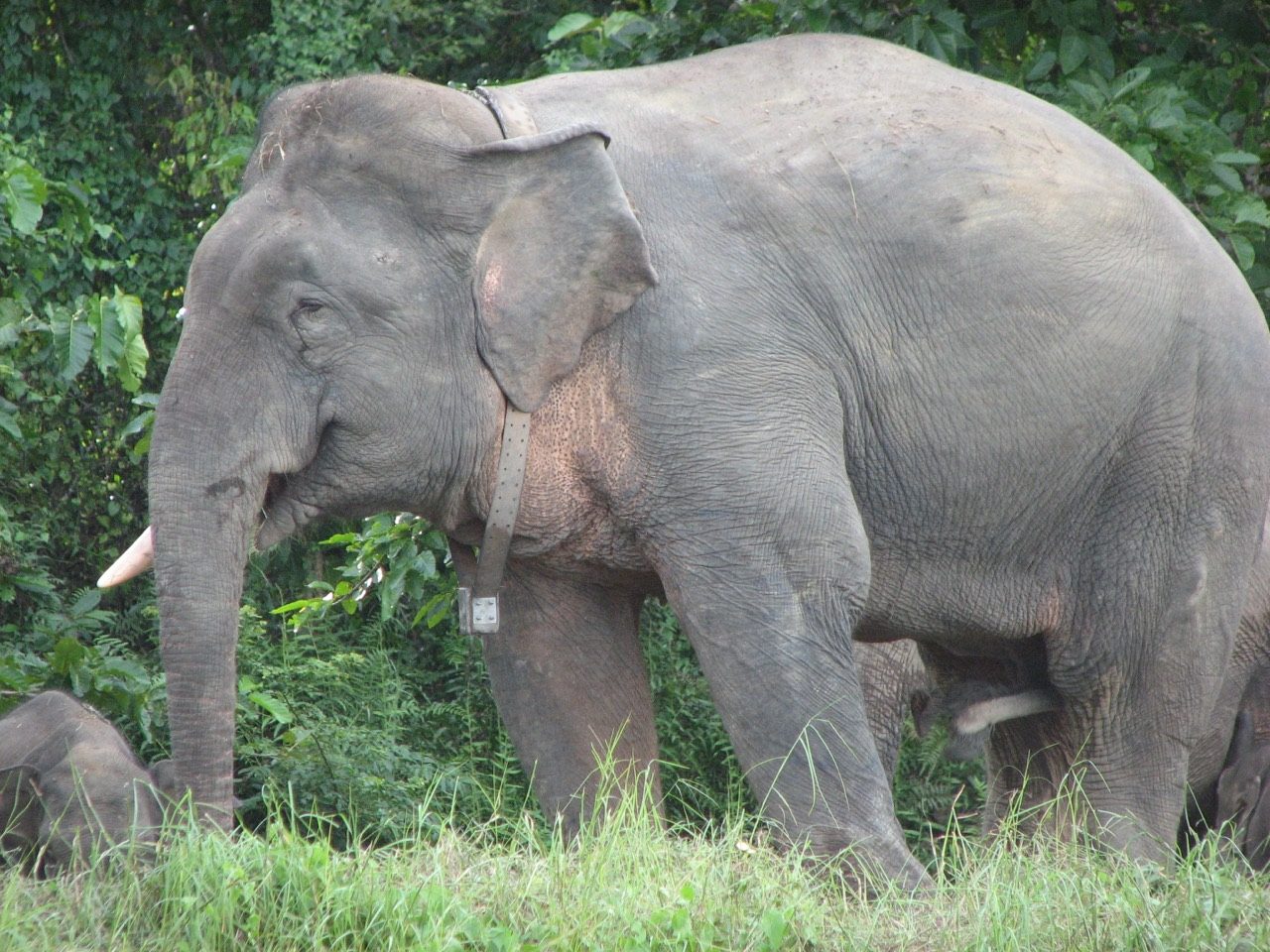
Endangered (subspecies, 2024) — ~1,000 left
Borneo Pygmy Elephant
Elephas maximus borneensis
A Borneo pygmy elephant is the smallest subspecies of Asian elephant (Elephas maximus borneensis), native to the island of Borneo in Sabah, Malaysia and Kalimantan, Indonesia; the IUCN listed it as Endangered in 2024 with about 1,000 left in the wild.
Read the guide →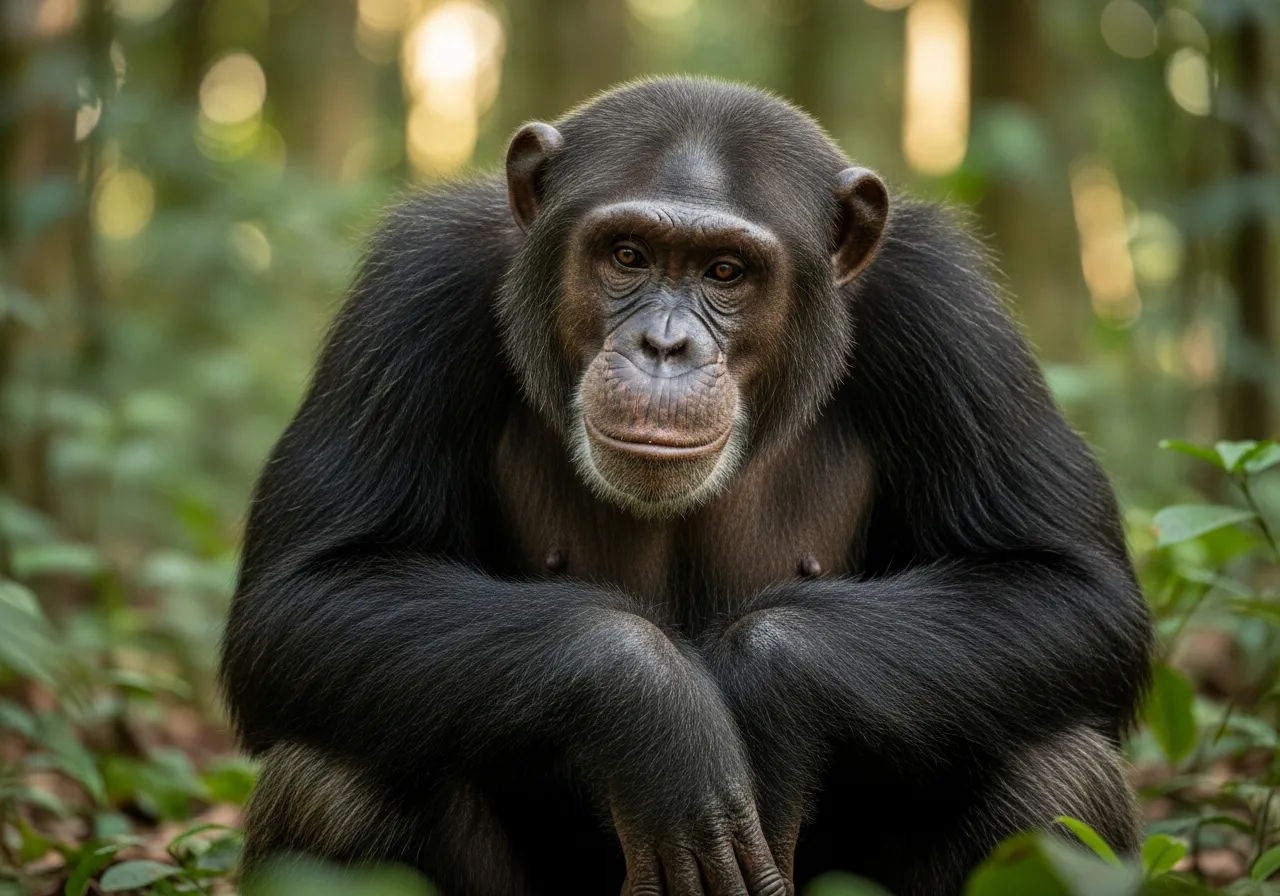
Endangered (IUCN); CITES Appendix I
Chimpanzee
Pan troglodytes
A chimpanzee (Pan troglodytes) is a great ape from the forests and woodlands of equatorial Africa. Along with the bonobo, it is humans' closest living relative, sharing roughly 98-99% of our DNA. Famous for tool use, complex societies and culture, it is classified as Endangered.
Read the guide →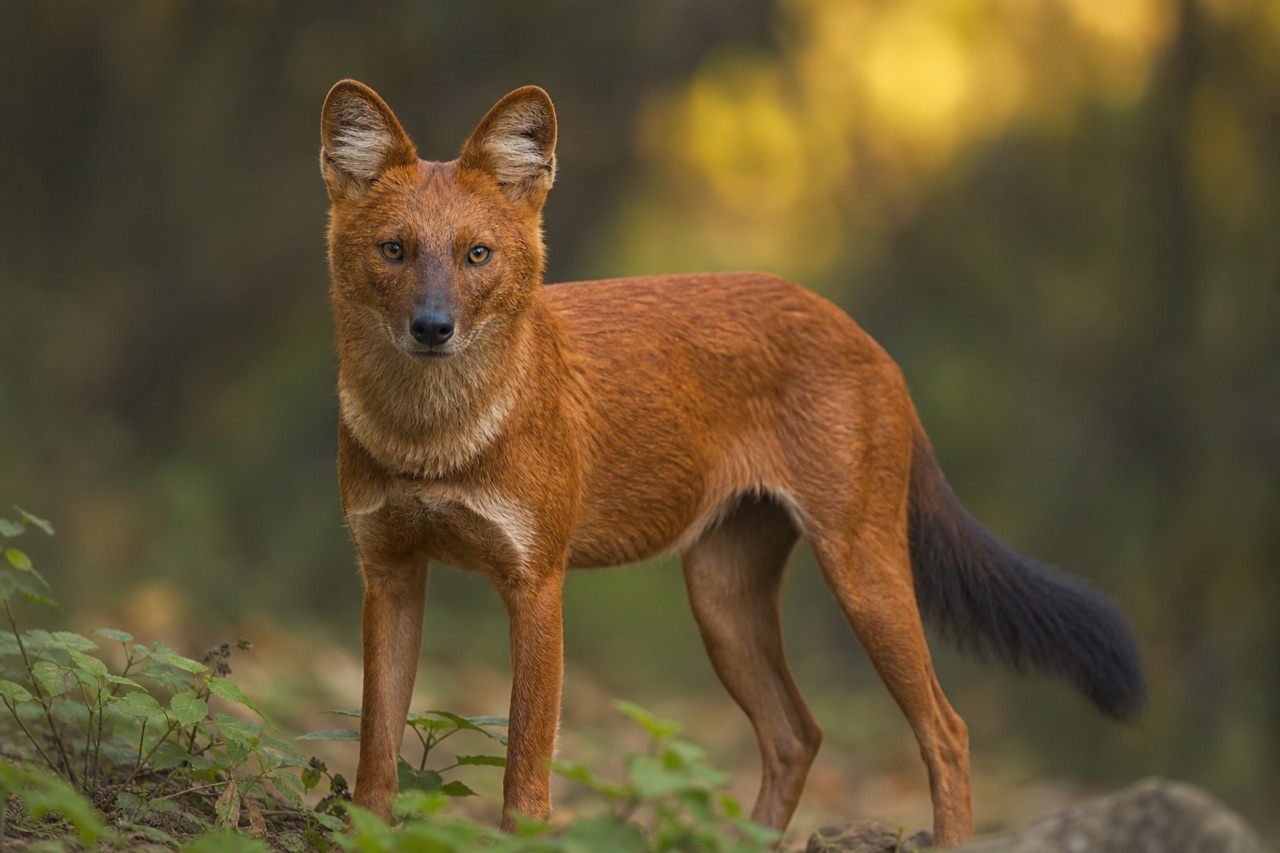
Endangered — declining across South and Southeast Asia
Dhole
Cuon alpinus (Pallas, 1811) — family Canidae
The dhole (Cuon alpinus) is an Endangered wild canid of South and Southeast Asian forests that hunts deer and wild pig in coordinated packs, communicates with whistles rather than barks, and is declining across most of its range.
Read the guide →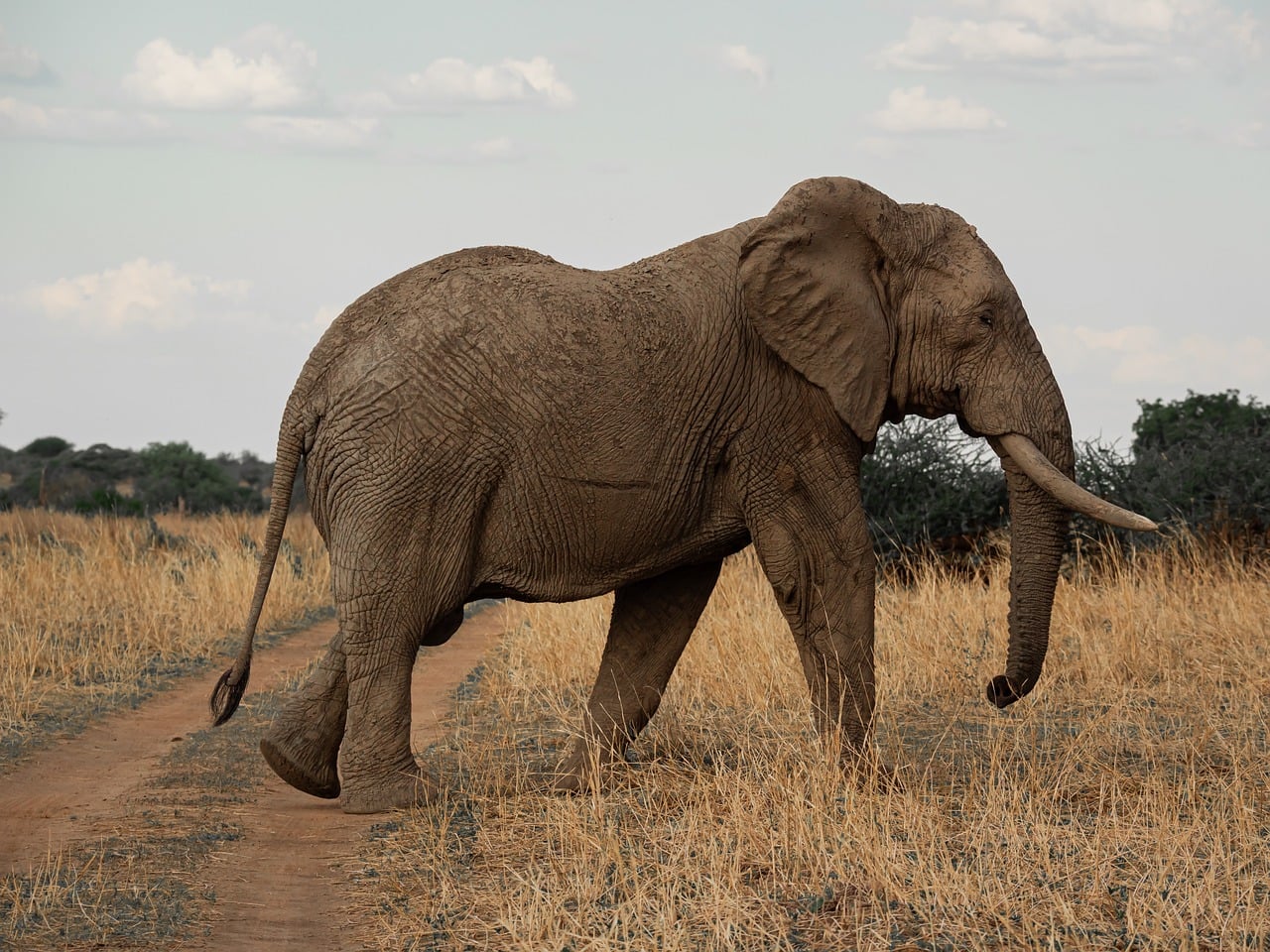
Three living species — Endangered to Critically Endangered (IUCN)
Elephant
Elephantidae — Elephas maximus, Loxodonta africana, Loxodonta cyclotis
Elephants are three living species, not one. Asian and African savanna elephants are Endangered; African forest elephants are Critically Endangered. Gestation is about 22 months. The related appeal explains potential support and the current funding status; this guide does not confirm a WARN grant. Asian elephants have one trunk-tip finger; African elephants have two.
Read the guide →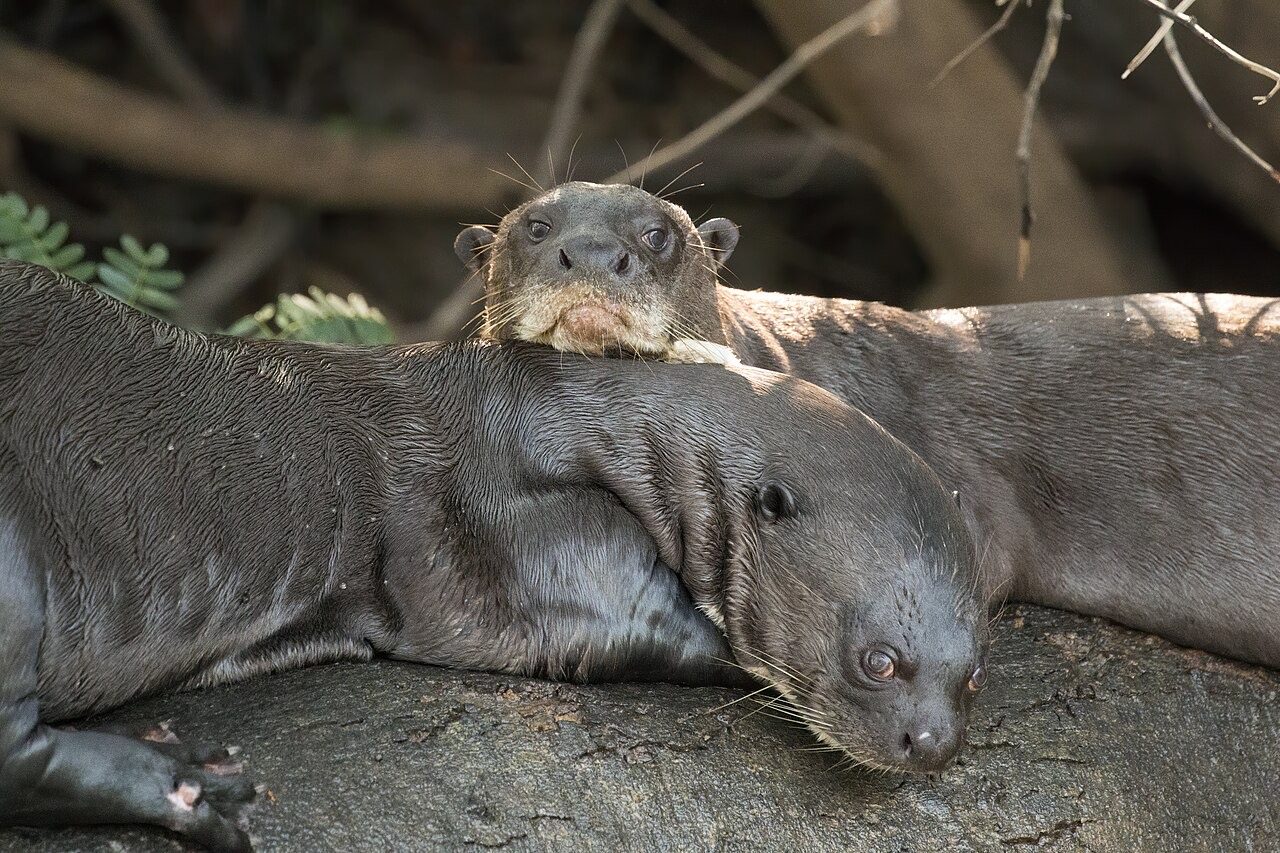
Endangered (IUCN, 2021) — locally extinct or Critically Endangered across much of its former range
Giant Otter
Pteronura brasiliensis
A giant otter (Pteronura brasiliensis) is the world's longest otter, a fish-eating, highly social mammal of South American rivers that grows up to 1.8 metres long and lives in family groups; it is classified as Endangered by the IUCN.
Read the guide →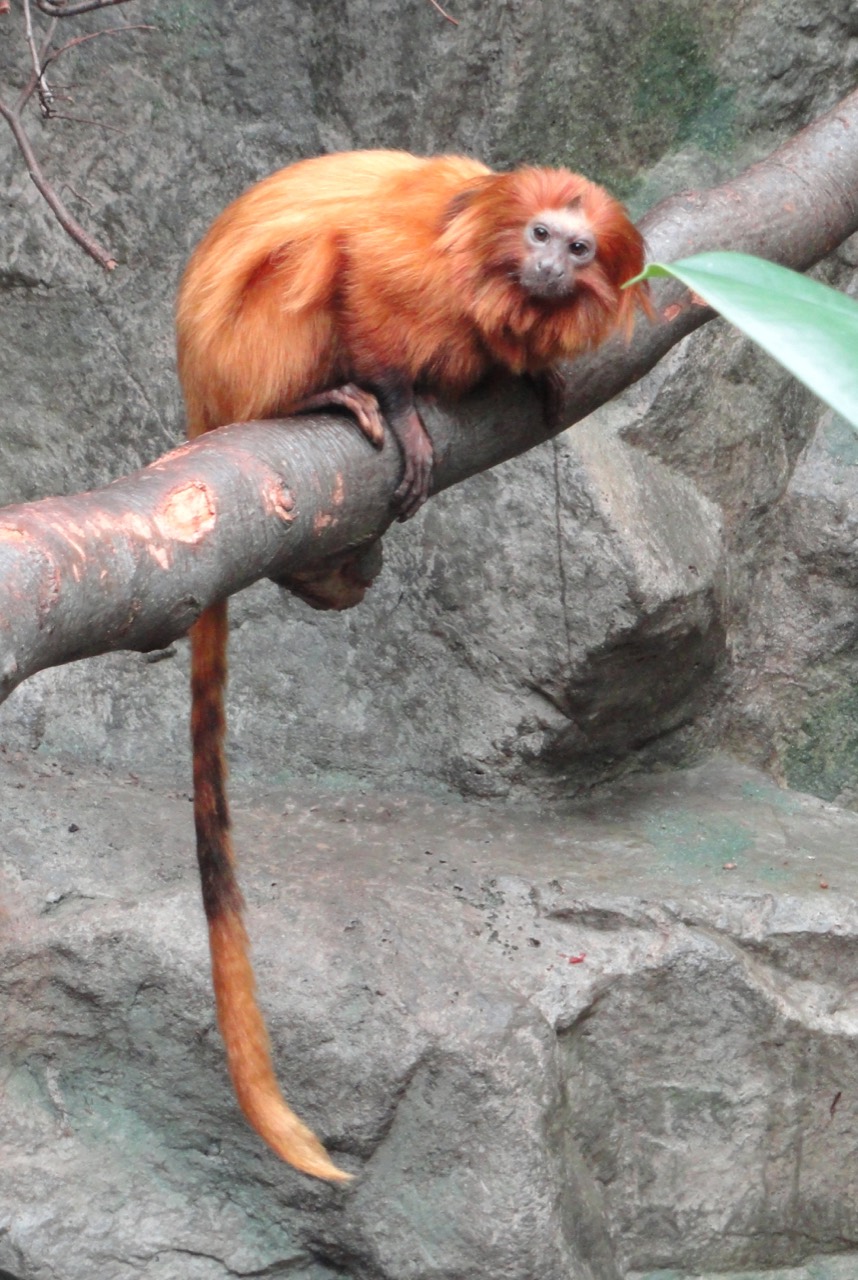
Endangered (conservation comeback)
Golden Lion Tamarin
Leontopithecus rosalia
A golden lion tamarin (Leontopithecus rosalia) is a small, endangered New World monkey with a bright reddish-gold coat and a lion-like mane, native only to the Atlantic Forest of southeastern Brazil.
Read the guide →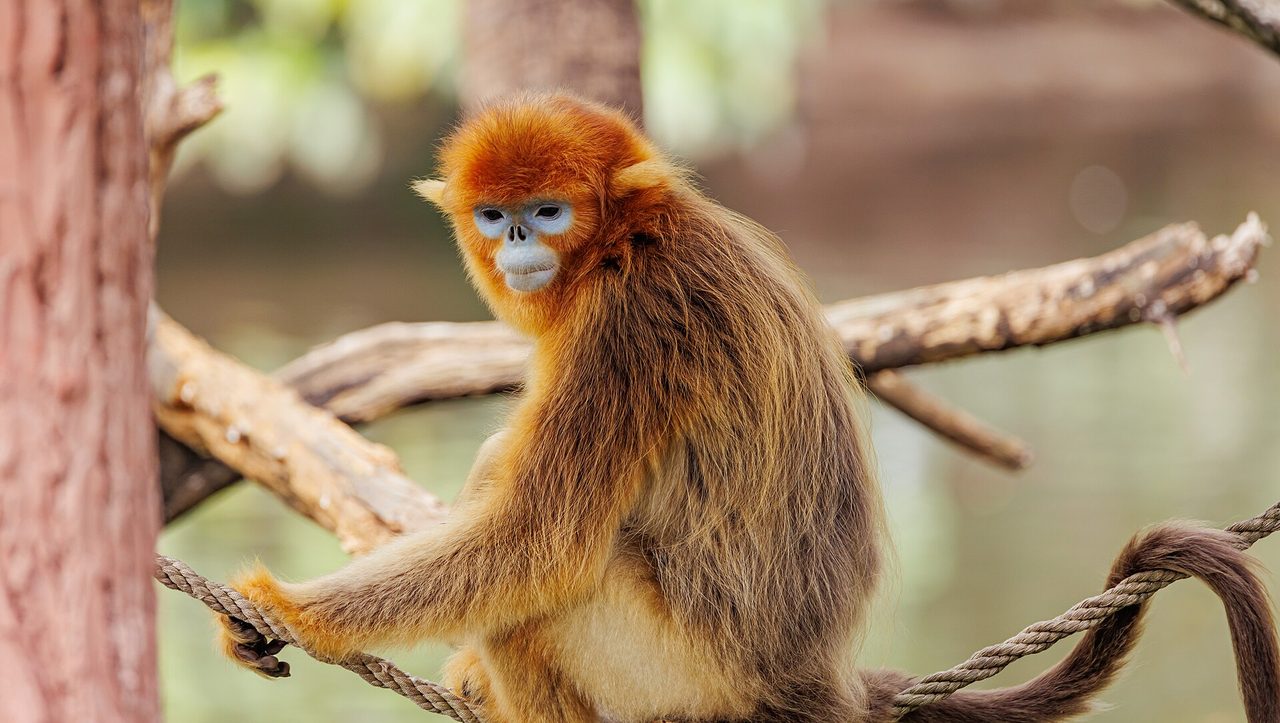
Endangered (IUCN, 2015)
Golden Snub-Nosed Monkey
Rhinopithecus roxellana (Milne-Edwards, 1870)
The golden snub-nosed monkey (Rhinopithecus roxellana) is an Endangered Old World monkey of central China's mountain forests, famous for its golden fur, pale blue face and upturned nose; it lives in large social groups and is protected under CITES Appendix I.
Read the guide →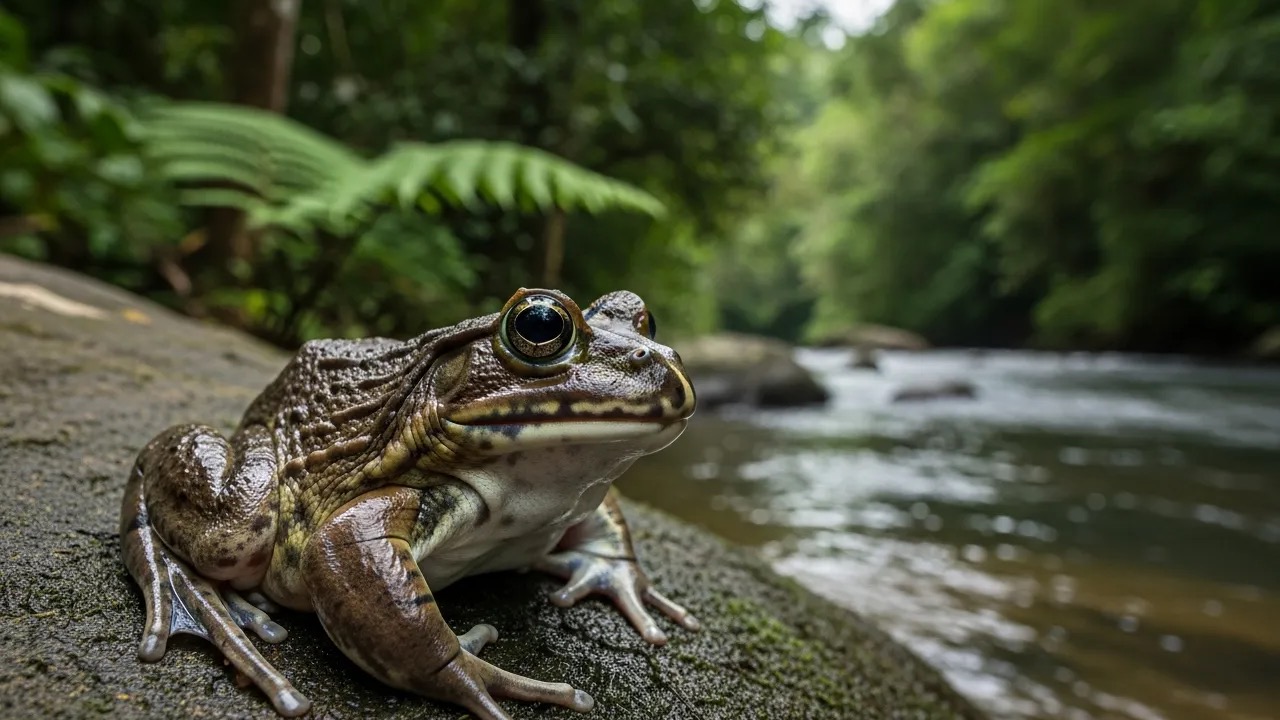
Endangered
Goliath Frog
Conraua goliath
The Goliath frog is the largest living frog, growing up to 32 cm (13 in) long and weighing as much as 3.3 kg (7.3 lb). It lives only in fast-flowing rivers of Cameroon and Equatorial Guinea in West Africa.
Read the guide →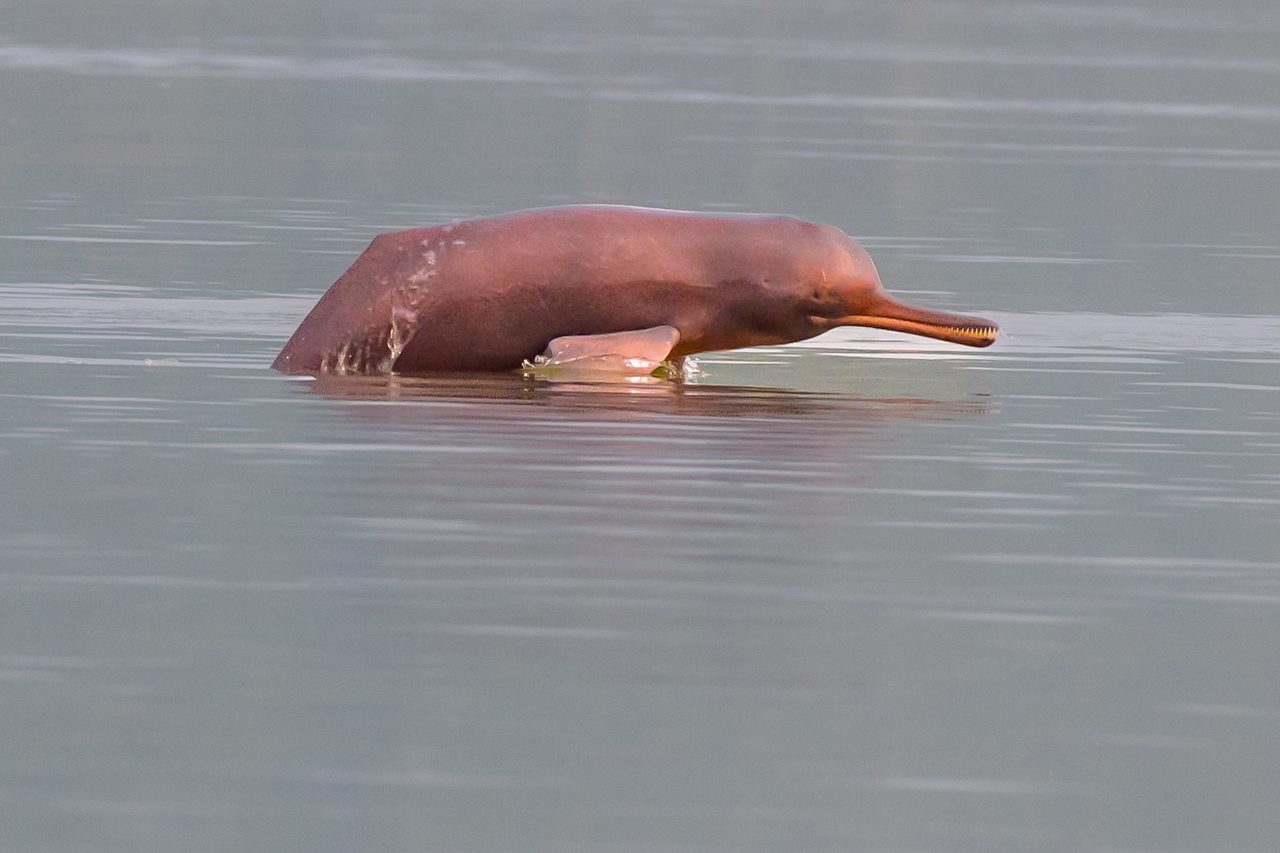
Endangered (IUCN, 2021) — fewer than ~2,000 mature individuals
Indus River Dolphin
Platanista minor
The Indus River dolphin (Platanista minor), or bhulan, is a small, nearly blind freshwater dolphin found only in the Indus River system of Pakistan; it is the national mammal of Pakistan and is classified as Endangered, with fewer than about 2,000 mature individuals remaining.
Read the guide →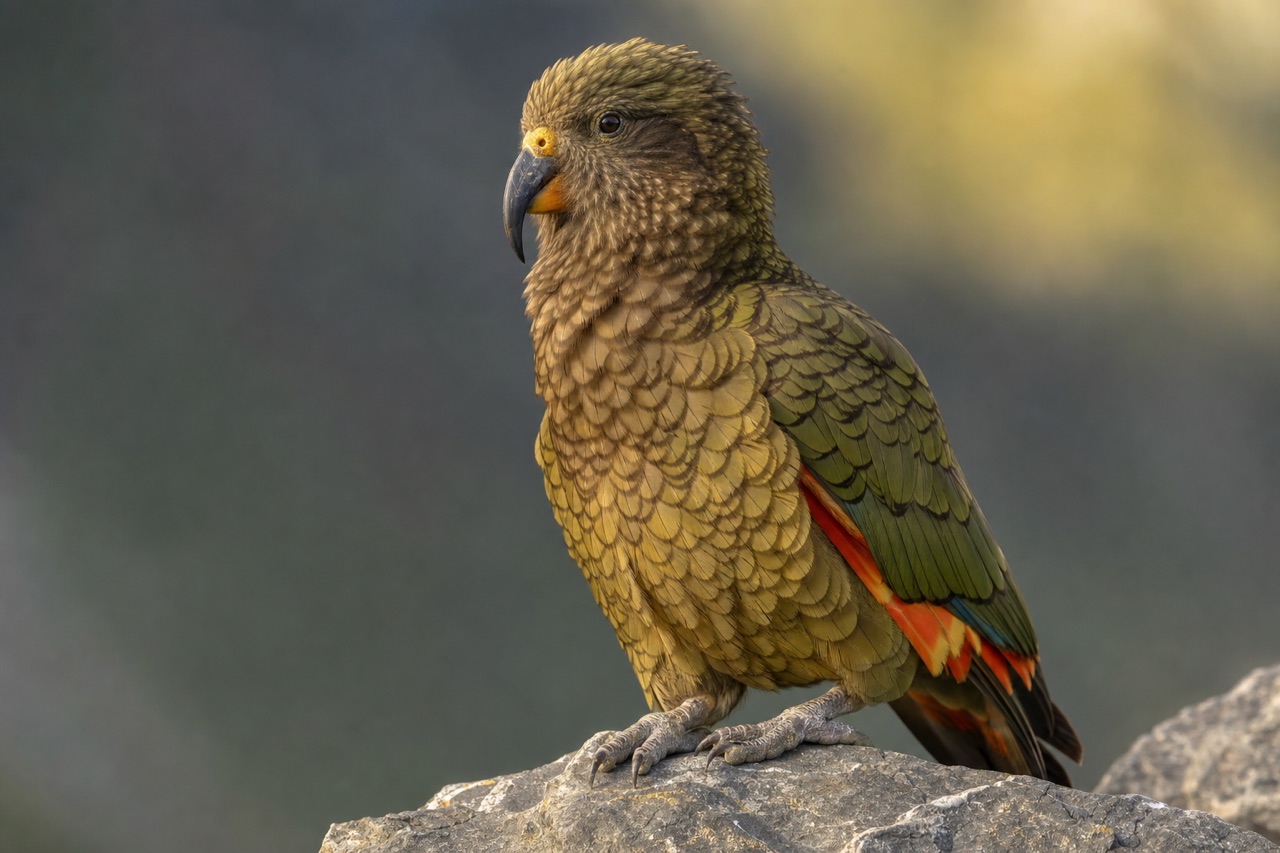
Endangered — the world's only alpine parrot
Kea
Nestor notabilis (Gould, 1856) — family Strigopidae
The kea (Nestor notabilis) is the world's only alpine parrot, native to New Zealand's South Island mountains; it is highly intelligent and inventive, and is listed as Endangered largely because of introduced predators, lead poisoning and human conflict.
Read the guide →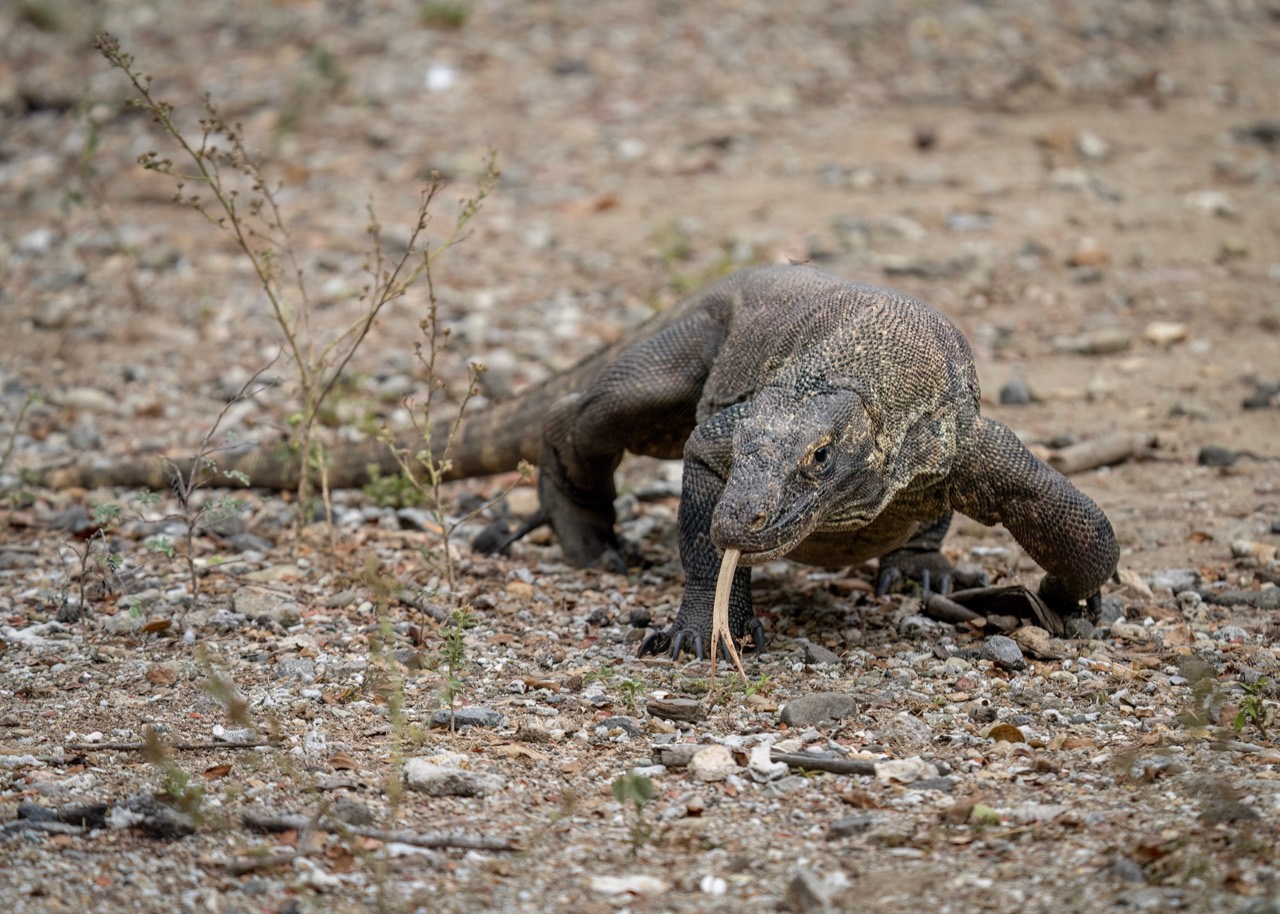
Endangered (IUCN, 2021) — fewer than ~1,400 mature individuals
Komodo Dragon
Varanus komodoensis
A Komodo dragon (Varanus komodoensis) is the world's largest living lizard, a venomous monitor species native to a few islands in eastern Indonesia that can grow to about 3 metres long and 70-90 kilograms.
Read the guide →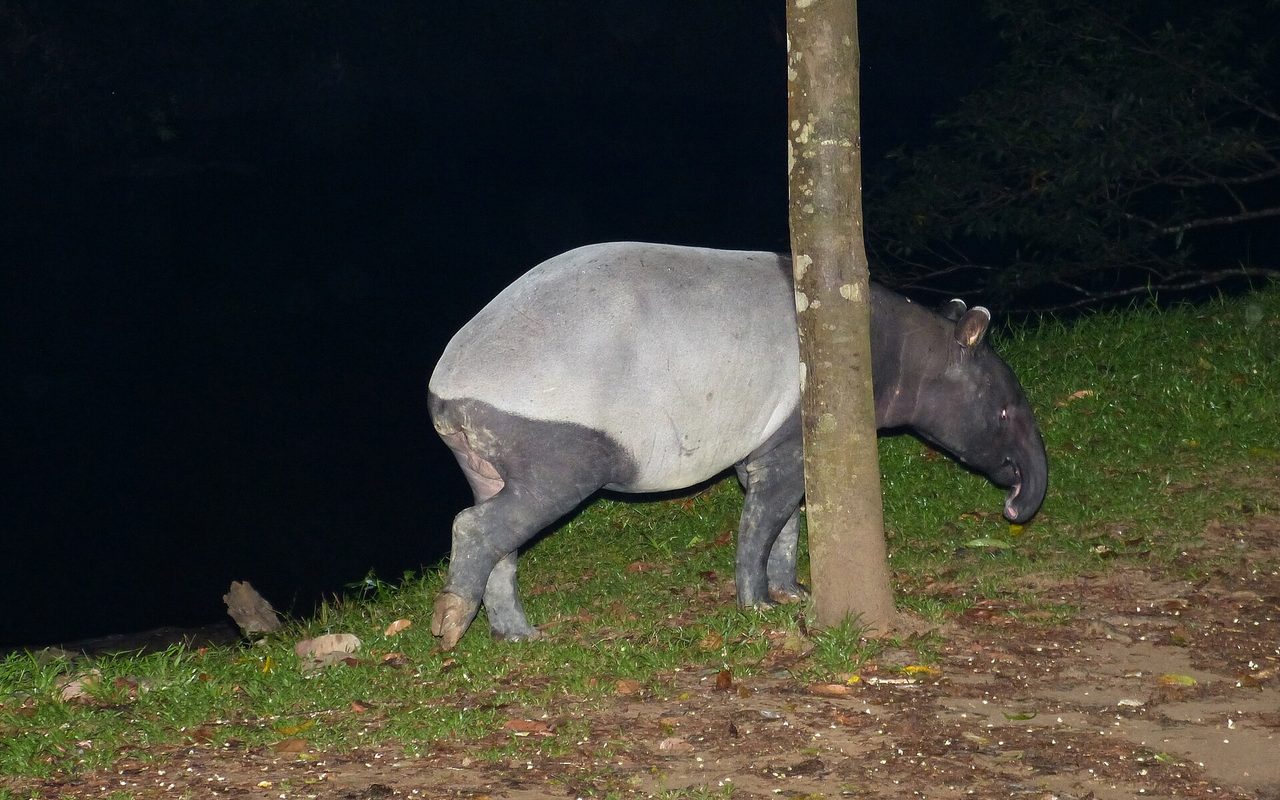
Endangered (IUCN) — fewer than 2,500 mature adults and declining
Malayan Tapir
Tapirus indicus
A Malayan tapir is a large, plant-eating mammal native to the rainforests of Sumatra and Peninsular Malaysia. It is the biggest of the five tapir species and the only tapir found in Asia, recognisable by its black-and-white "saddle" coat and short, flexible snout.
Read the guide →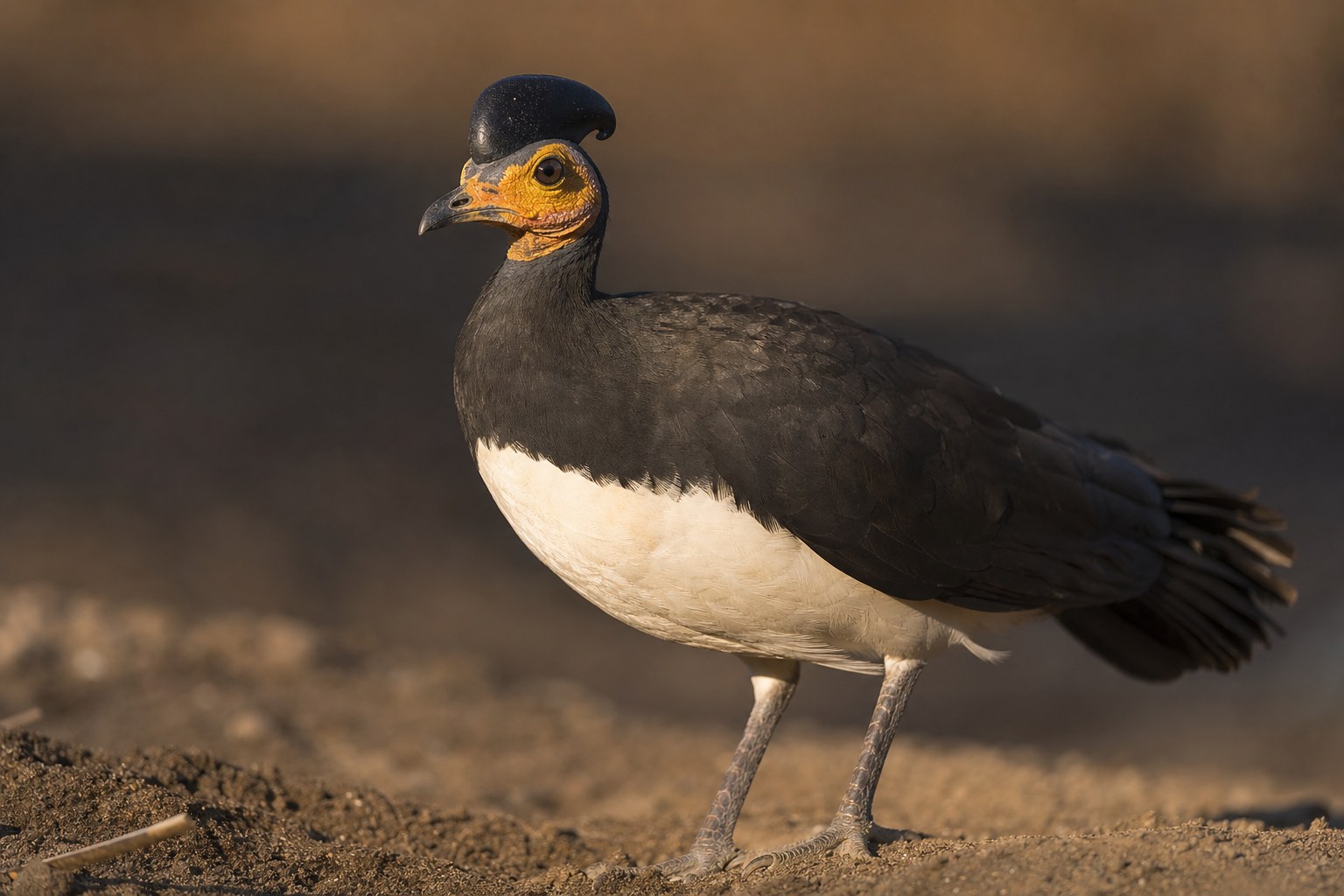
Endangered — nesting grounds lost to development and egg collecting
Maleo
Macrocephalon maleo (Müller, 1840) — family Megapodiidae
The maleo (Macrocephalon maleo) is an Endangered megapode of Sulawesi that buries a single large egg in geothermal or sun-heated sand and abandons it; the chick hatches fully developed and flies the same day without any parental care.
Read the guide →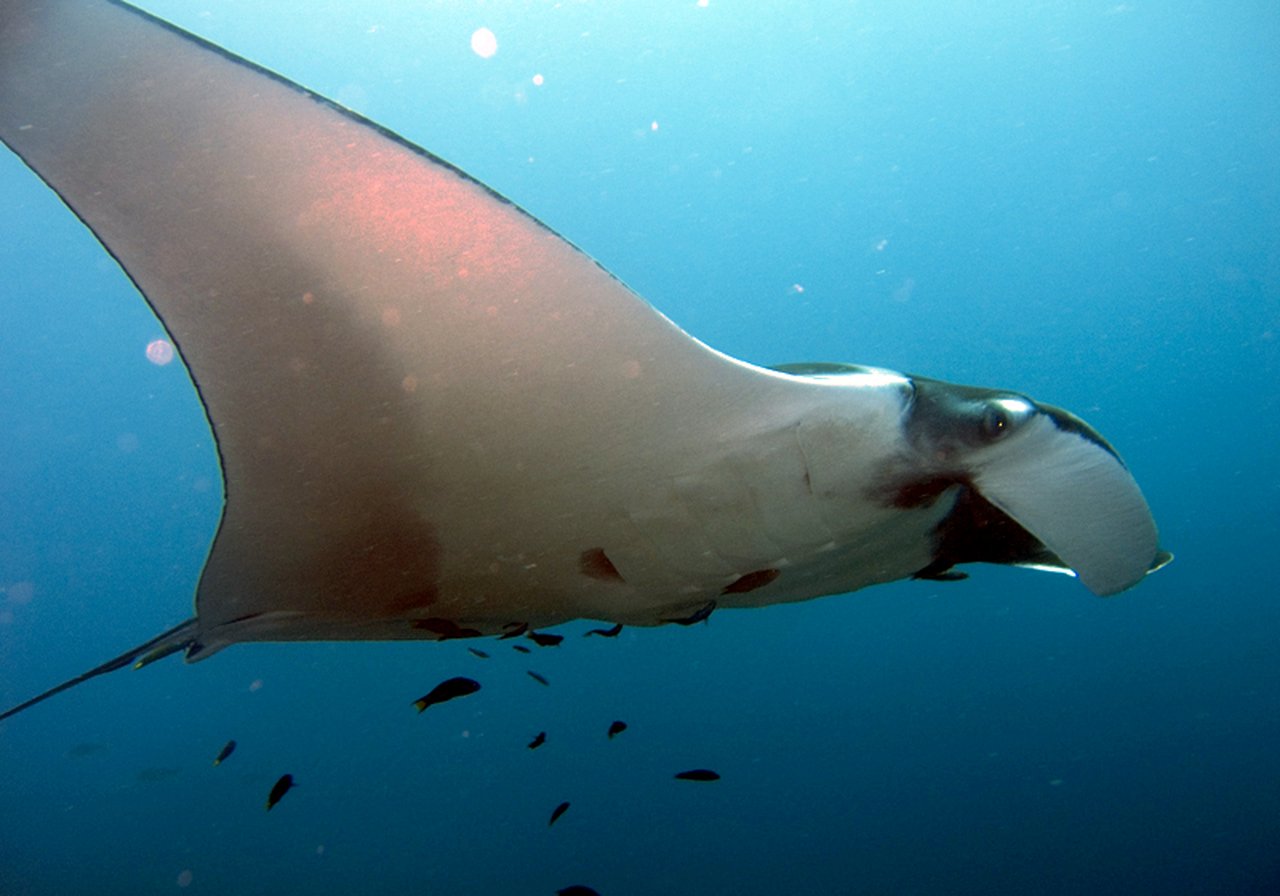
Endangered
Manta Ray
Mobula birostris (giant) and Mobula alfredi (reef manta)
Manta rays are Endangered filter-feeding elasmobranchs — giant and reef species with wingspans up to seven metres — threatened globally by bycatch, gill-plate trade and fisheries.
Read the guide →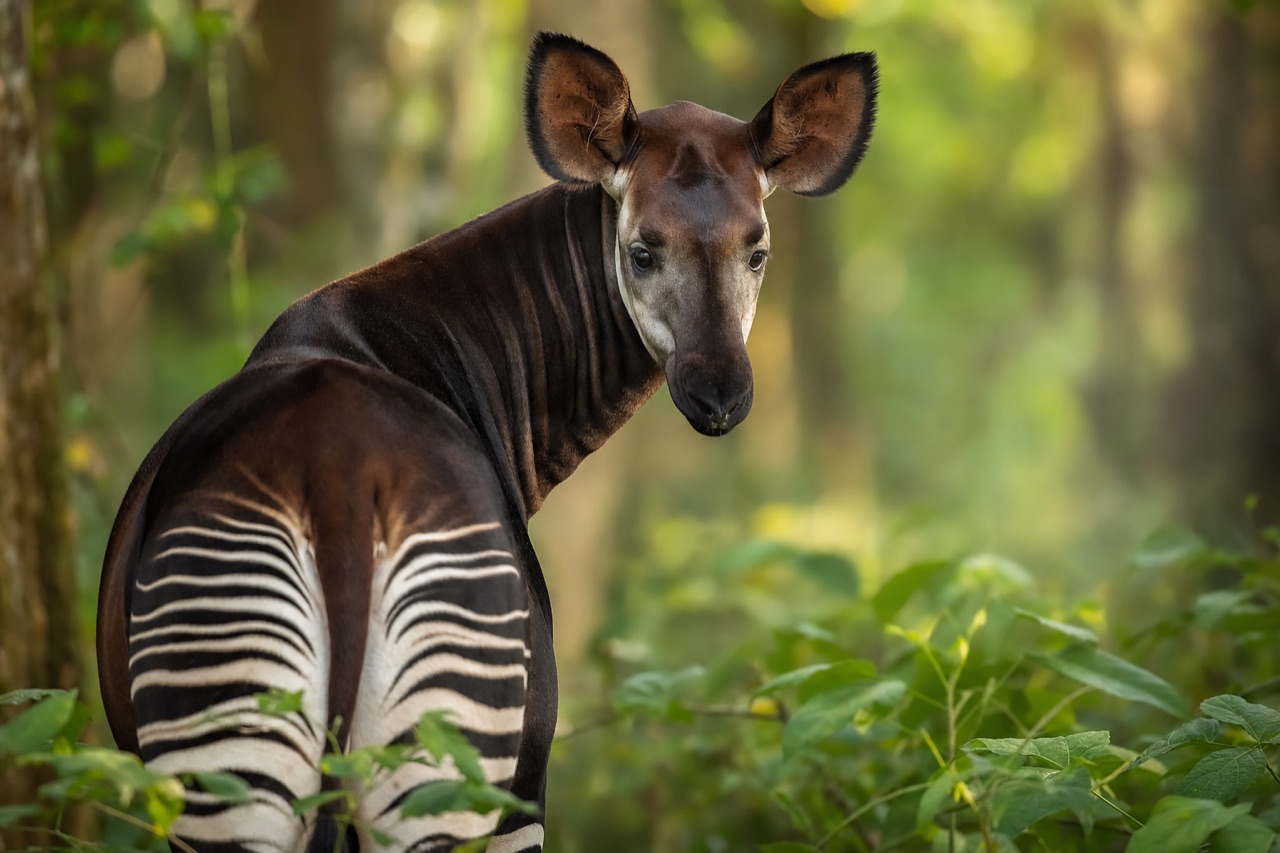
Endangered — restricted entirely to the rainforests of the DRC
Okapi
Okapia johnstoni (Sclater, 1901) — family Giraffidae
The okapi (Okapia johnstoni) is the giraffe's only living relative, a solitary rainforest herbivore found exclusively in the Democratic Republic of the Congo, with striped hindquarters for camouflage and a long dark prehensile tongue.
Read the guide →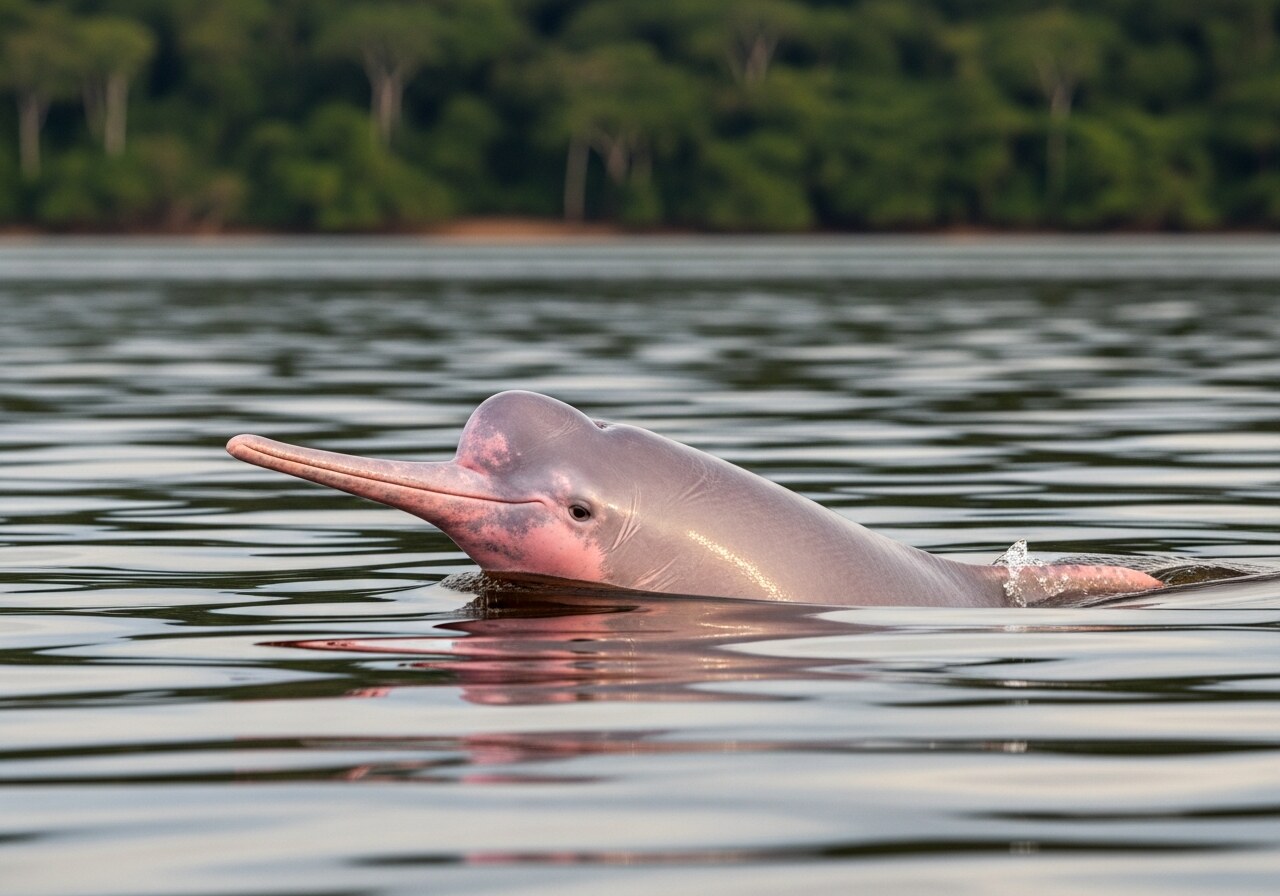
Endangered (IUCN, 2018) — assessed as one species with three subspecies
Pink River Dolphin
Inia geoffrensis
A pink river dolphin (Inia geoffrensis), also called the boto or Amazon river dolphin, is a freshwater toothed whale native to the Amazon and Orinoco river systems of South America. It is the largest river dolphin, named for the pink colouring adults often develop, and is classed as Endangered by the IUCN.
Read the guide →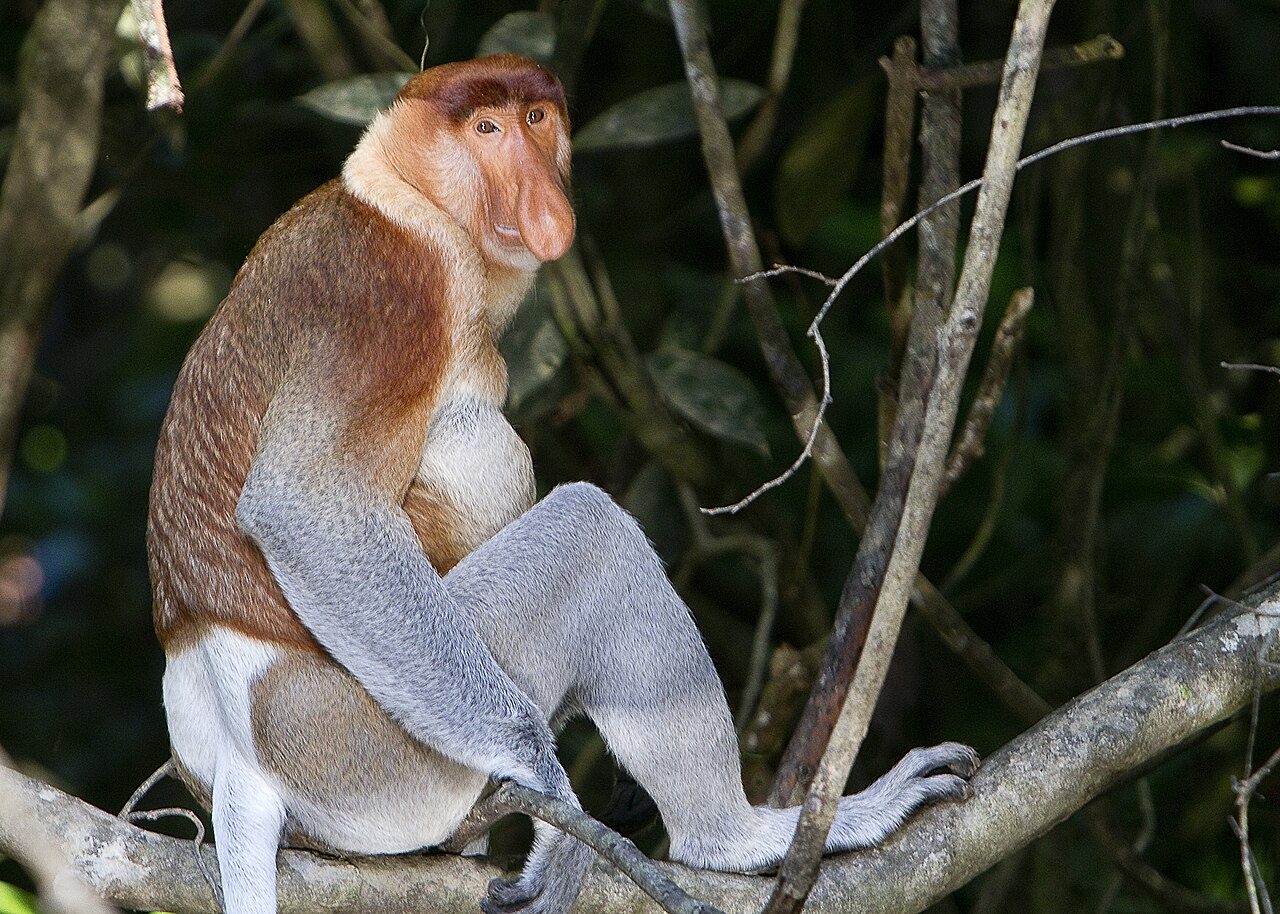
Endangered (IUCN, 2020) - CITES Appendix I
Proboscis Monkey
Nasalis larvatus
A proboscis monkey is a large, reddish-brown Old World monkey found only on the island of Borneo (in Indonesia, Malaysia and Brunei), famous for the male's oversized hanging nose and for living in coastal mangrove and riverside forests; the IUCN classes it as Endangered.
Read the guide →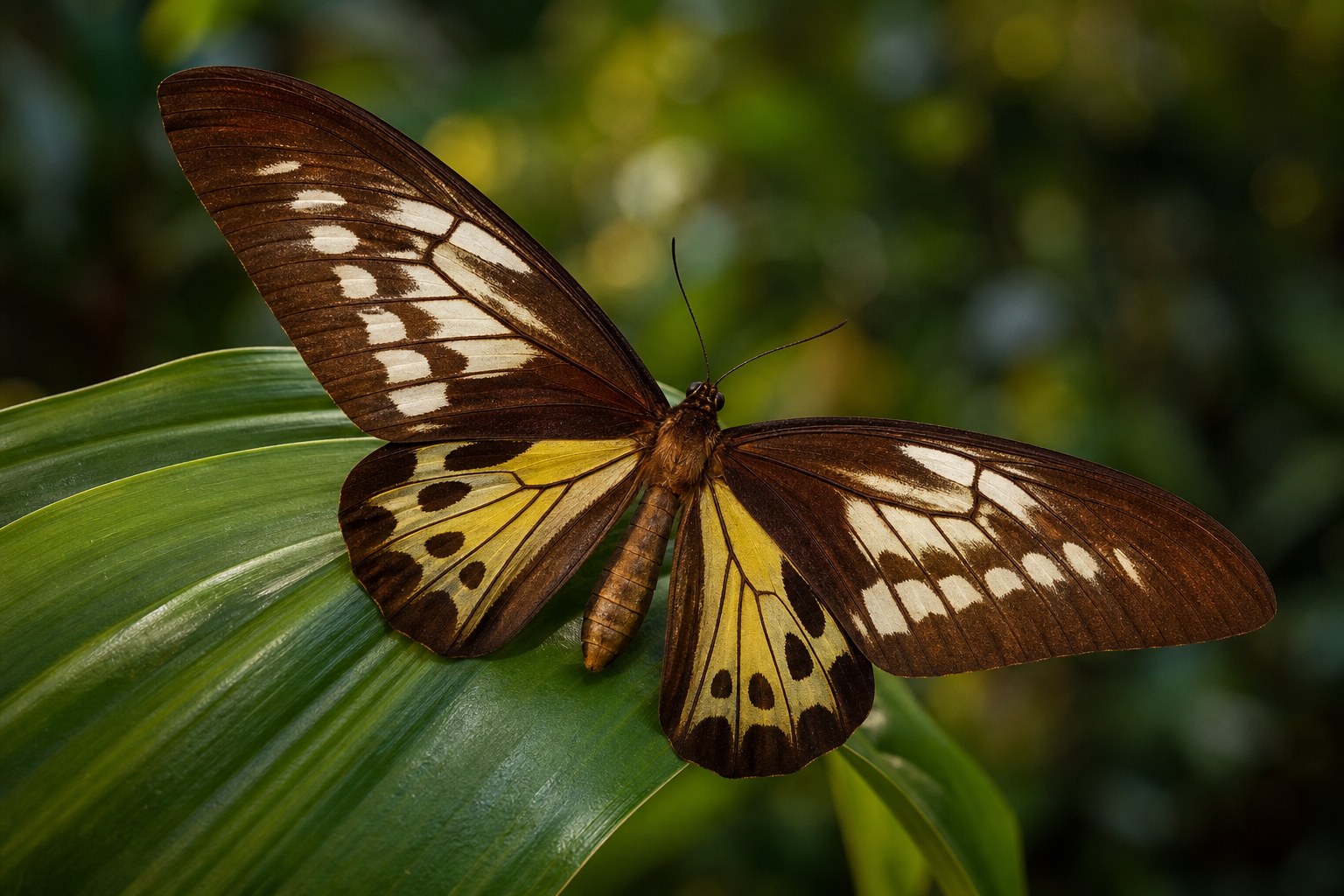
Endangered — restricted range and the only butterfly on CITES Appendix I
Queen Alexandra's Birdwing
Ornithoptera alexandrae (Rothschild, 1907) — family Papilionidae
Queen Alexandra's birdwing (Ornithoptera alexandrae) is the largest butterfly in the world, with females reaching a wingspan of around 28 cm; it is known from lowland rainforest in northern Oro Province, Papua New Guinea, listed Endangered, and is the only butterfly on CITES Appendix I.
Read the guide →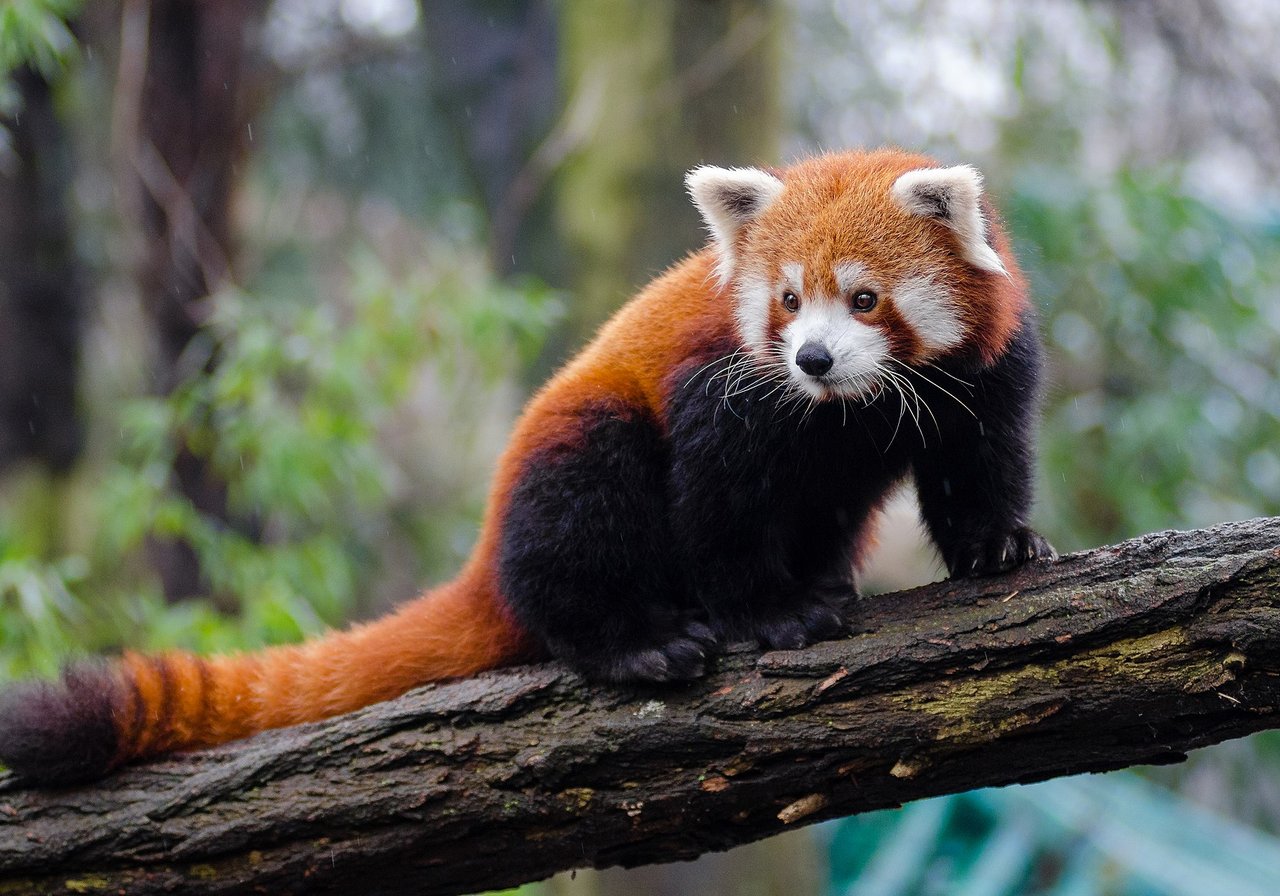
Endangered
Red Panda
Ailurus fulgens (F. Cuvier, 1825)
The red panda (Ailurus fulgens) is an Endangered Himalayan forest mammal unrelated to giant pandas — a bamboo-eating specialist threatened by deforestation, poaching and road deaths across Nepal, India, Bhutan, China and Myanmar.
Read the guide →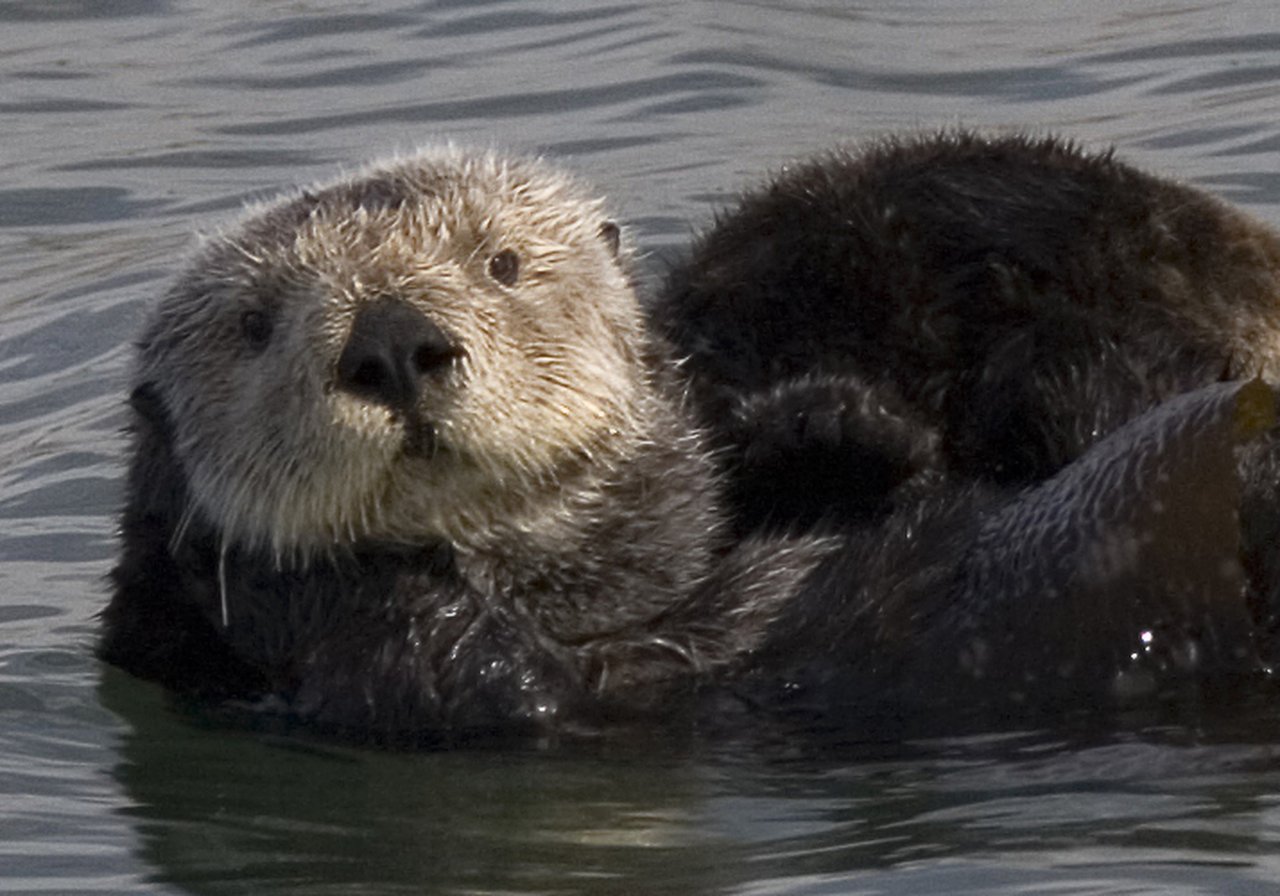
Endangered
Sea Otter
Enhydra lutris (Linnaeus, 1758)
The sea otter (Enhydra lutris) is an Endangered North Pacific keystone predator that maintains kelp forests by controlling sea urchins — insulated by the densest fur of any mammal, not blubber.
Read the guide →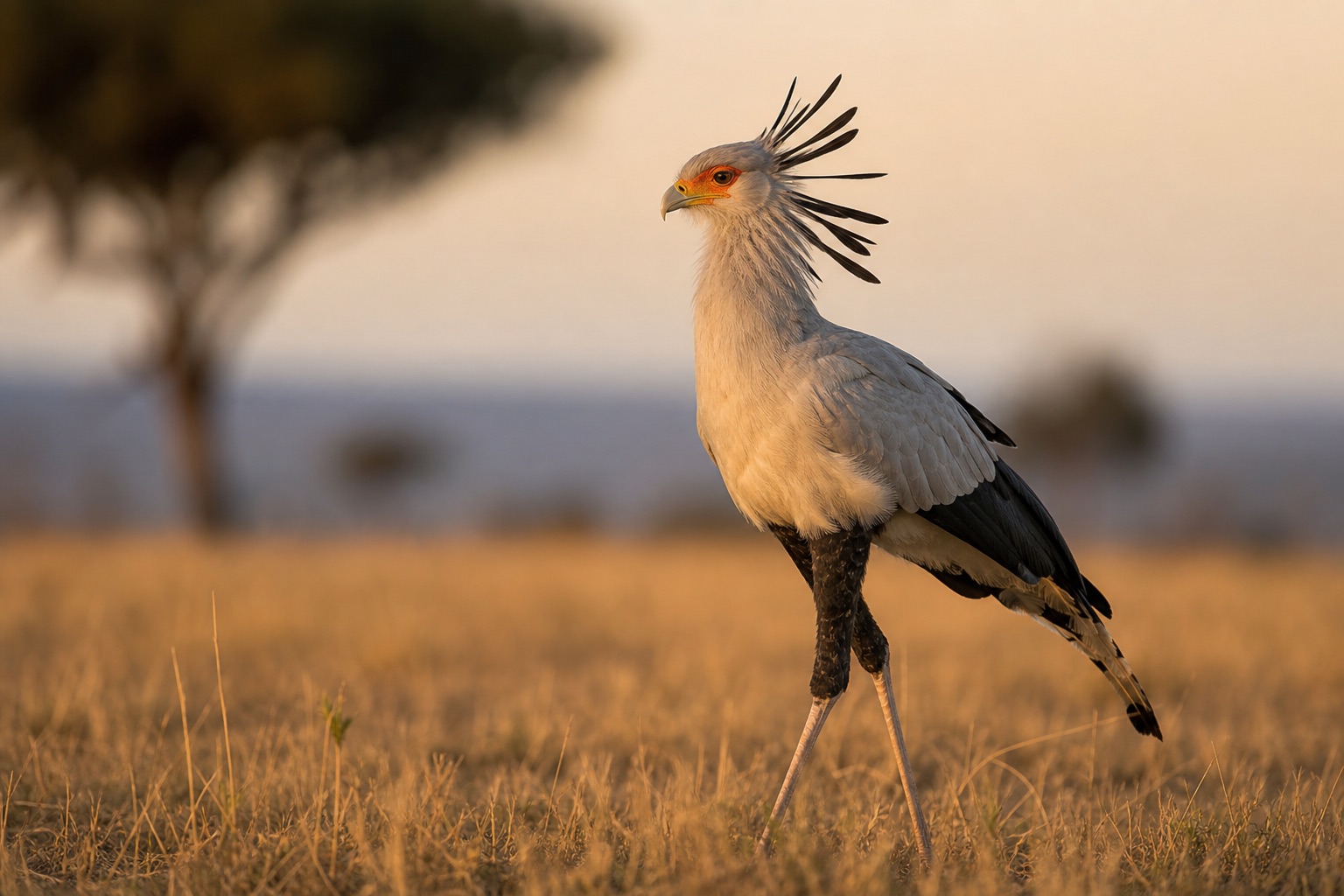
Endangered
Secretary Bird
Sagittarius serpentarius (Miller, 1779) — family Sagittariidae
The secretary bird (Sagittarius serpentarius) is an Endangered African raptor that hunts on foot across savanna, killing snakes and other prey with rapid stamping blows delivered in about 15 milliseconds at force several times its body weight.
Read the guide →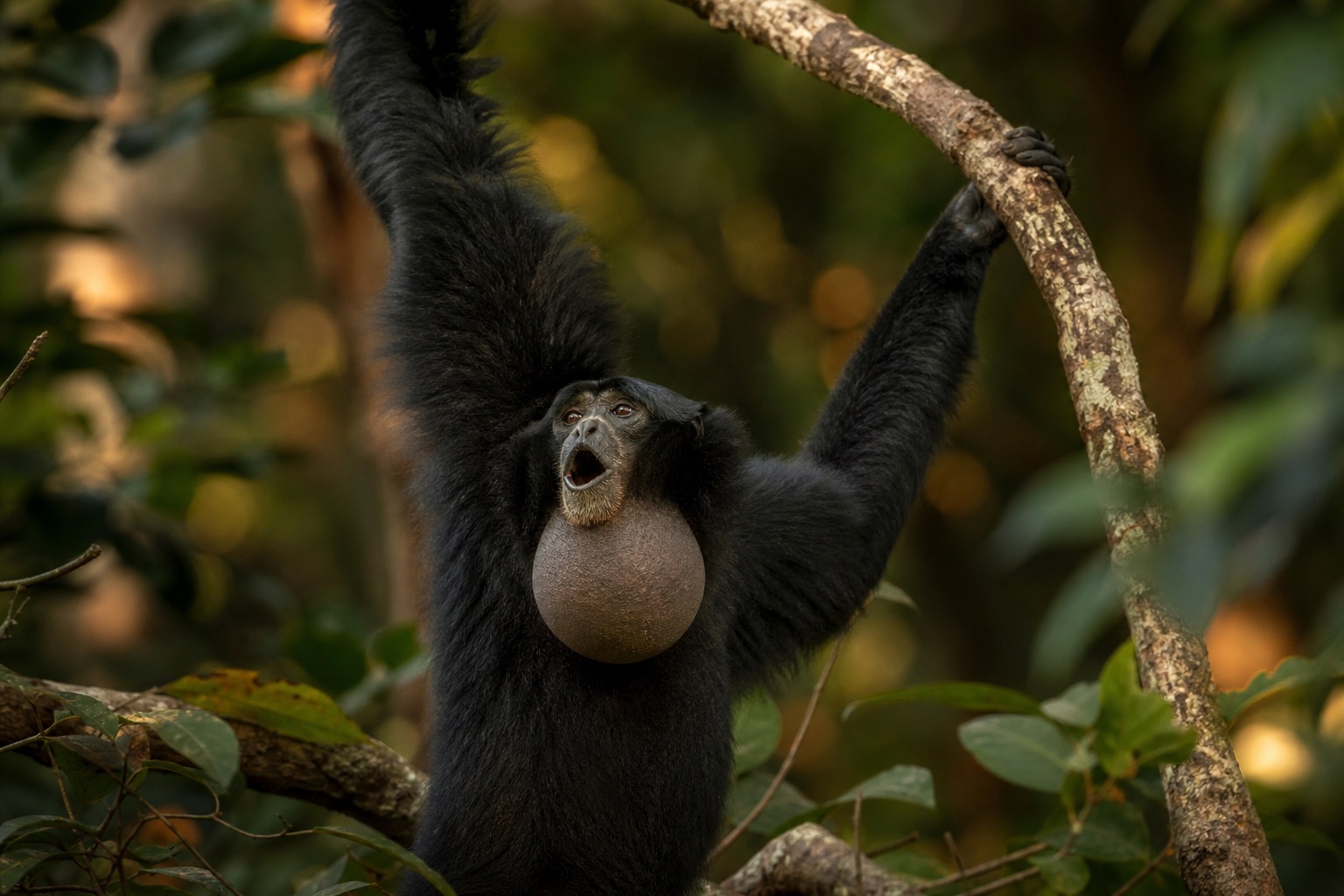
Endangered — loud duets and throat sacs on forests being cleared for plantations
Siamang
Symphalangus syndactylus (Illiger, 1811) — family Hylobatidae
The siamang (Symphalangus syndactylus) is the largest gibbon, Endangered across Sumatra and the Malay Peninsula, known for paired morning duets amplified by an inflatable throat sac; oil palm, pulpwood and mining drive forest loss across its range.
Read the guide →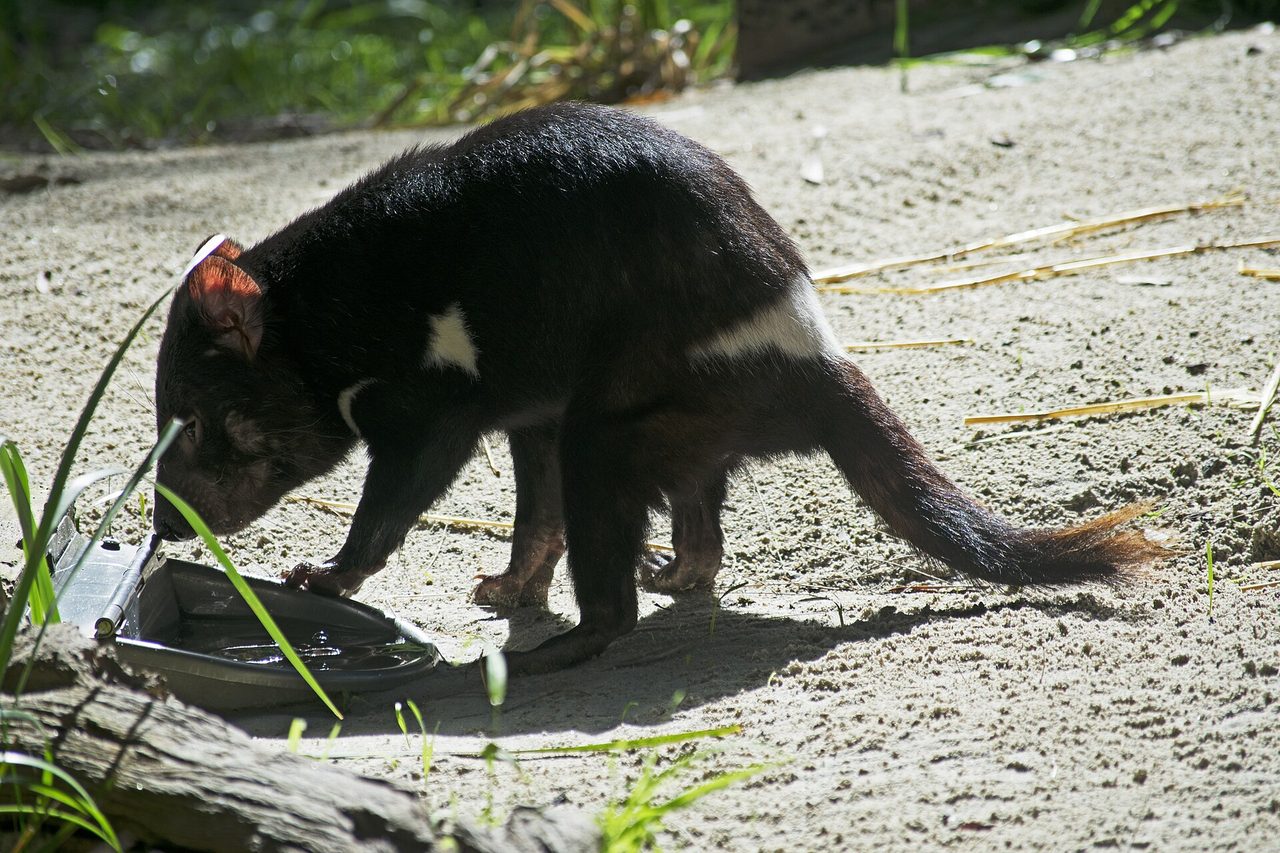
Endangered
Tasmanian Devil
Sarcophilus harrisii
The Tasmanian devil (Sarcophilus harrisii) is an Endangered carnivorous marsupial found only in Tasmania, Australia, whose wild population has plummeted by around 80% since the 1990s due to a transmissible facial cancer called Devil Facial Tumour Disease (DFTD).
Read the guide →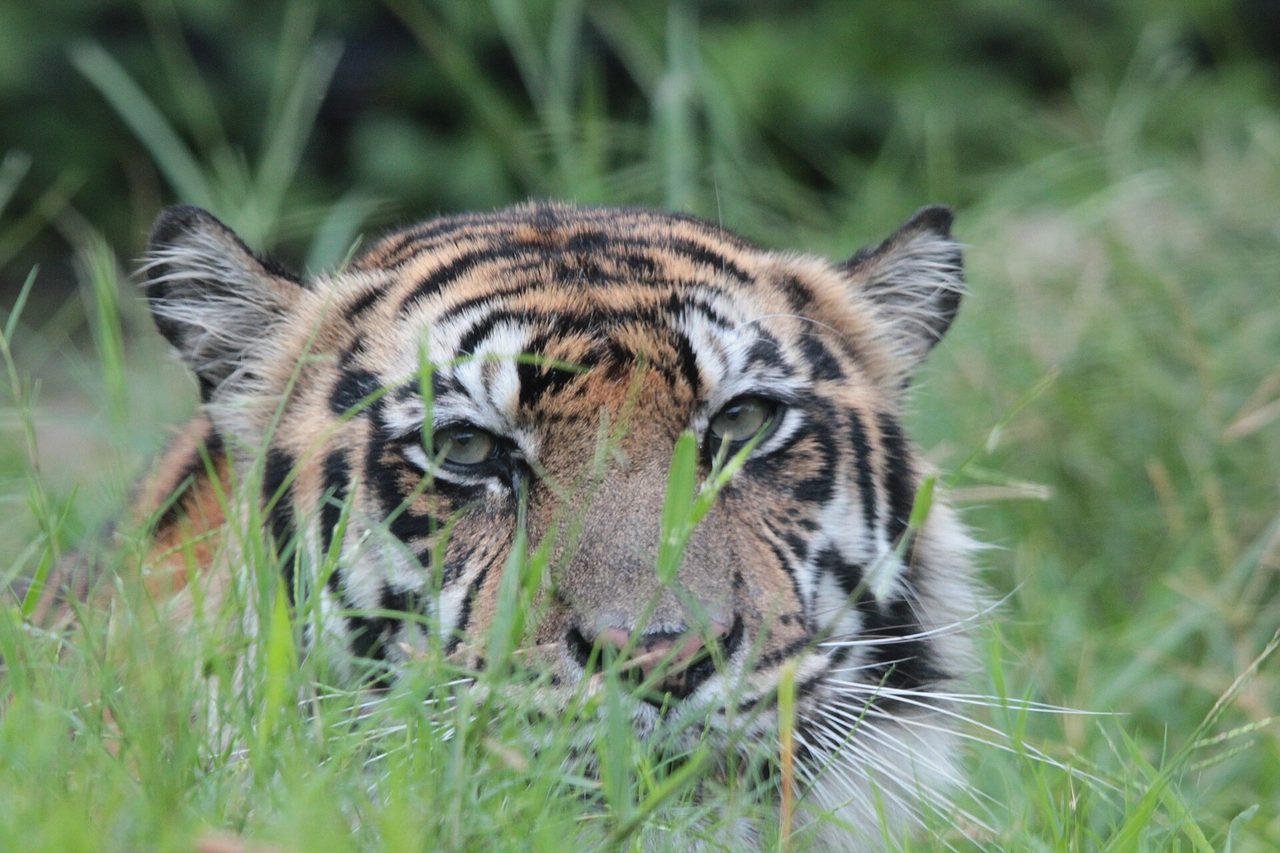
Species Endangered (IUCN 2022); Sumatran and Malayan tigers Critically Endangered
Tiger
Panthera tigris (Linnaeus, 1758)
A tiger (Panthera tigris) is the largest living cat, listed Endangered by the IUCN in 2022. Sumatran and Malayan tigers are Critically Endangered. Fewer than 600 Sumatran tigers and about 80–120 mature Malayan tigers remain. Tigers are not lions. They are solitary forest hunters, not social like African lions.
Read the guide →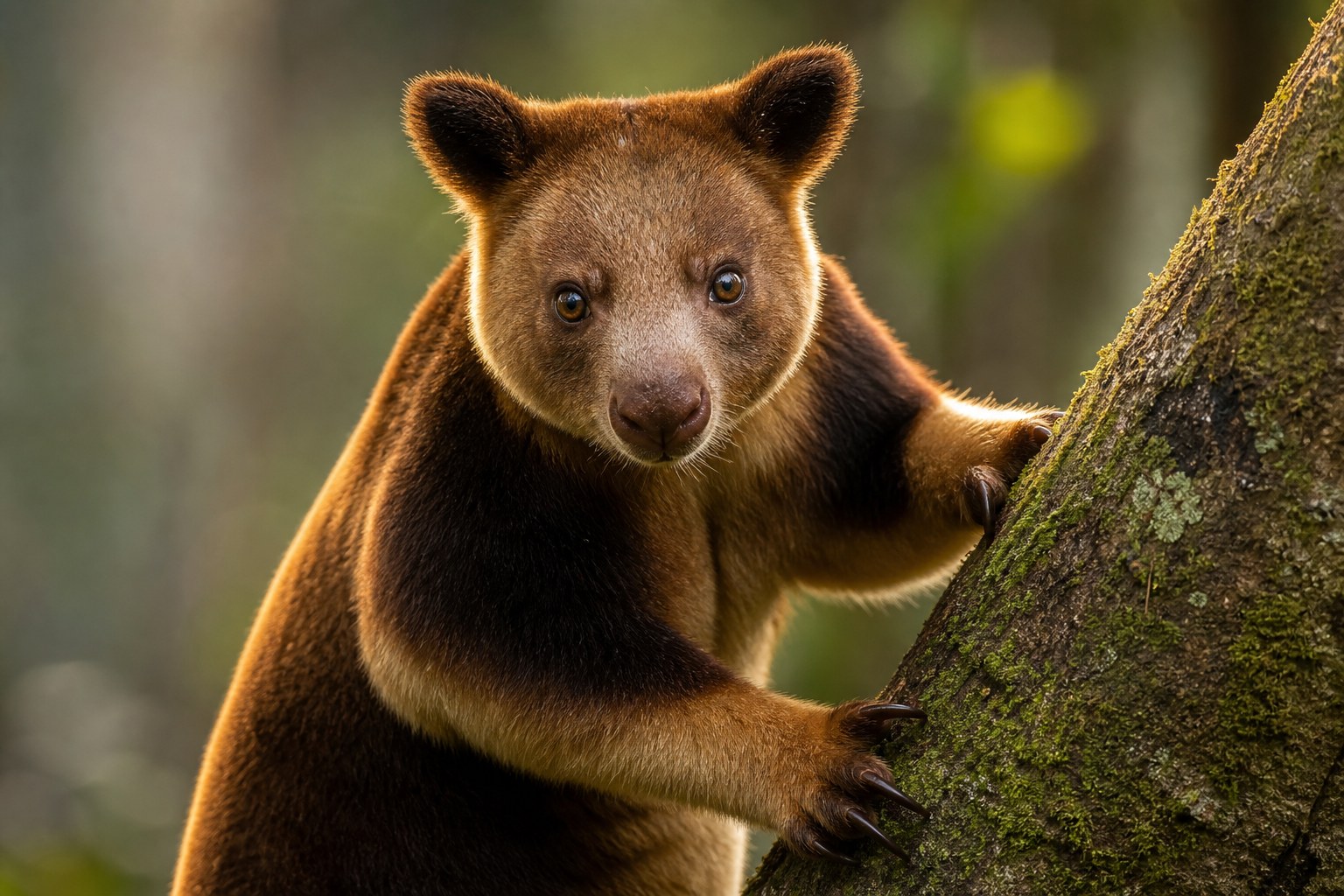
Varies by species — several Endangered or Critically Endangered
Tree Kangaroo
Genus Dendrolagus (Müller, 1840) — around 14 species
Tree kangaroos are around 14 species of marsupial in the genus Dendrolagus that live in the rainforest canopies of New Guinea and far north Queensland; they descend from ground-dwelling kangaroos that returned to the trees, and several species are Endangered or Critically Endangered.
Read the guide →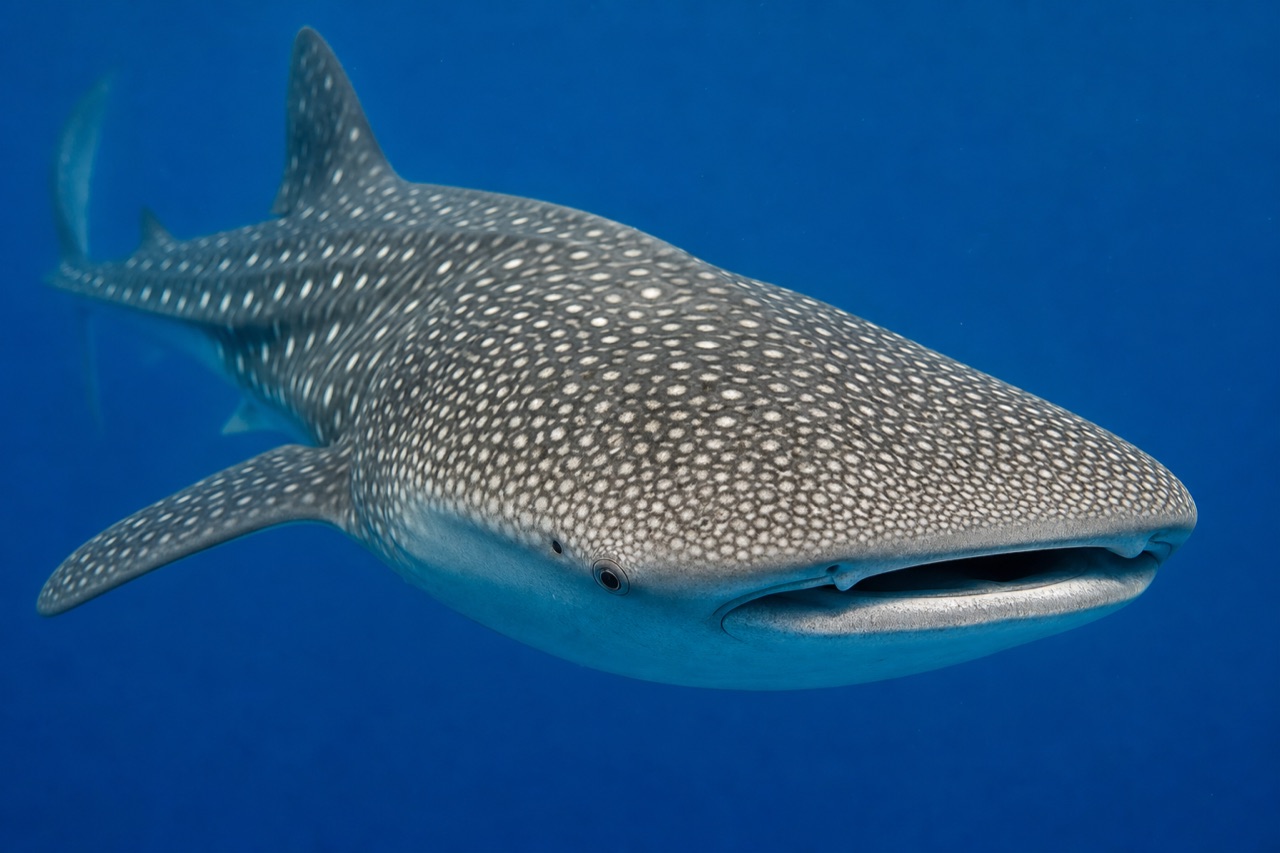
Endangered — the largest fish alive, and a filter feeder
Whale Shark
Rhincodon typus (Smith, 1828) — family Rhincodontidae
The whale shark (Rhincodon typus) is the largest fish on Earth at up to around 18 metres, a filter feeder that eats plankton and small fish, and is listed as Endangered.
Read the guide →