Wildlife Guide · Pakistan & Indonesia
Cat
Felis catus (Linnaeus, 1758)
One species across every breed — companion, colony cat and meat-trade rescue alike.
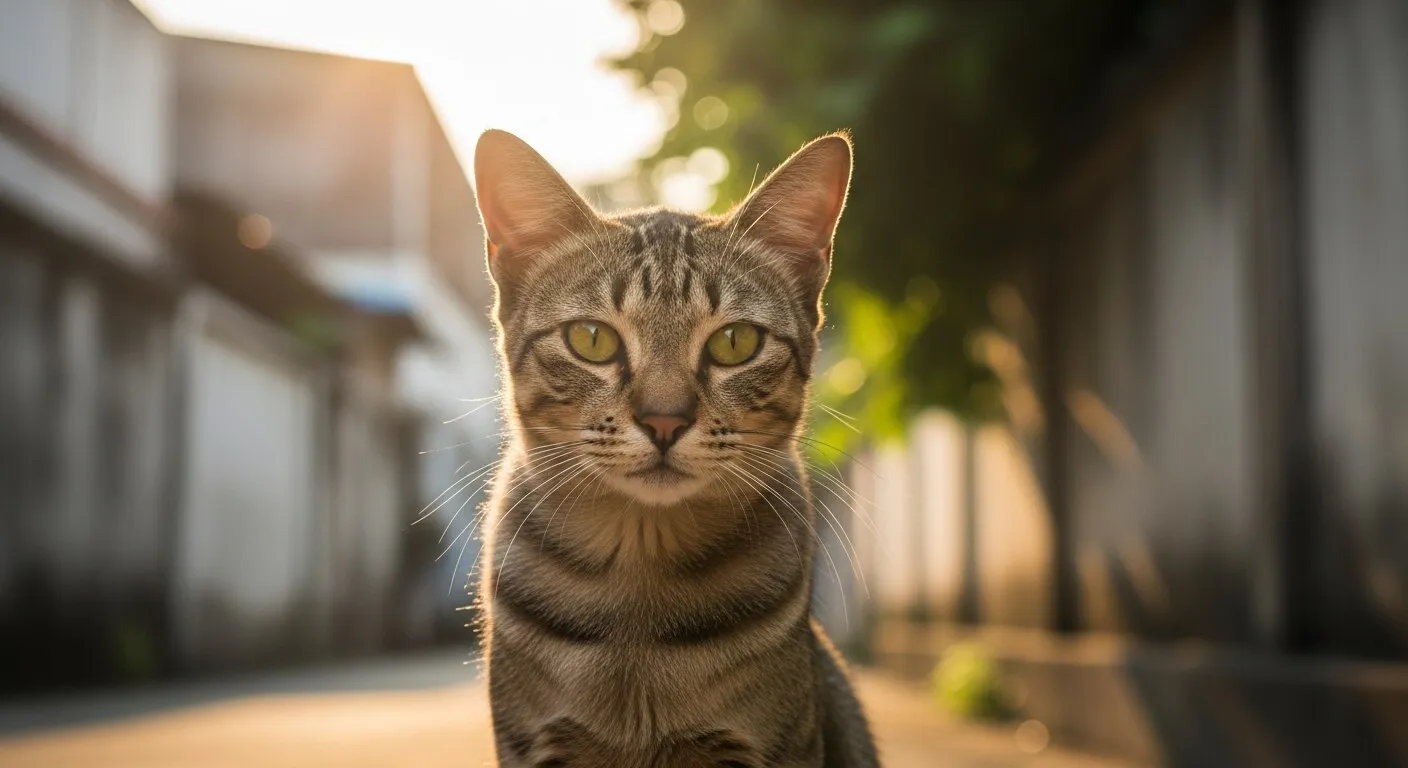
Existing WARN site asset
In brief
A cat (Felis catus) is a small domesticated carnivorous mammal descended from the African wildcat, kept worldwide as a companion. Every breed is the same species. The IUCN does not assess cats for extinction risk. Community cats are the same species as pets.
Also in Animals A to Z · Animals that start with C · Types of cats
How you can help
You can symbolically adopt a cat from £5 a month — a donation to WARN’s dog and cat meat-trade appeal, with a personalised certificate you can keep or give as a gift — or give once to where it is needed most.
By WARN Research & Conservation TeamChecked against Cornell Feline Health Center, IUCN African wildcat assessment and CFA breed nomenclatureLast updated
The domestic cat (Felis catus) is a small obligate carnivore descended from the African wildcat (Felis lybica). It has shared human settlements for roughly 10,000 years, after wildcats were drawn to rodents around early farms in the Near East. Hundreds of millions live as pets; many millions more live as free-roaming community cats. The IUCN Red List does not assess the domesticated form for extinction risk. This page is the species guide: origins, biology, breeds and the cat-versus-wildcat distinction. Trap-neuter-vaccinate-return, meat-trade quarantine and UK rehoming sit on donate to cat charity, sponsor a cat and dog and cat meat trade appeal. Side-by-side with dogs: cat vs dog.
Looking for something specific?
These notes clarify the guide’s scope, common mix-ups and related information.
- Rehoming a cat into a UK home this week — contact a local registered cat rescue for that.
- A named cattery or zoo animal with photo updates. WARN does not offer that.
- Treating the domestic cat as an endangered wild species. It is IUCN Not Evaluated; the ancestor Felis lybica is Least Concern.
- A taxonomy of FIFe categories, coat and household types — use types of cats.
- TNVR programme design, meat-trade raid response or parcel volunteering — use donate to cat charity and dog and cat meat trade appeal.
~10,000 yrs
Approximate length of cat–human domestication
12–18 yrs
Typical lifespan of a well-cared-for pet cat
~63–65 days
Gestation period before kittens are born
45+
Pedigreed breeds recognised by the Cat Fanciers' Association
Figures sourced from Cornell Feline Health Center — feline biology, health and lifespan, IUCN Red List — Felis lybica (African wildcat, Least Concern, 2022; ancestor of the domestic cat), IUCN Red List — categories and criteria (domesticated taxa are not assessed) and other references on this page.
Cat: Quick Facts
| Scientific name | Felis catus (Linnaeus, 1758) |
|---|---|
| Conservation status | Domesticated — Not Evaluated by IUCN (ancestor African wildcat, Felis lybica: Least Concern) |
| Lifespan | ~12–18 years for pet cats; many reach late teens or older |
| Weight range across breeds | ~3–5 kg typical; large breeds such as the Maine Coon can reach 8 kg or more |
| Height (shoulder) | ~23–25 cm (about 9–10 inches) at the shoulder |
| Diet | Obligate carnivore — requires meat-derived nutrients such as taurine and preformed vitamin A |
| Gestation | ~63–65 days (about 60–67 days) |
| Litter size | Typically ~4 kittens (commonly 2–5); several litters possible per year |
| Baby name | Kitten |
| Group name | Clowder (a group of kittens is a litter) |
Scientific Classification
| Kingdom | Animalia |
|---|---|
| Phylum | Chordata |
| Class | Mammalia |
| Order | Carnivora |
| Family | Felidae |
| Genus | Felis |
| Species | Felis catus (Linnaeus, 1758) — domesticated descendant of the African wildcat, Felis lybica |
Conservation Status
- IUCN Status
- Not Evaluated (domesticated)
- Population
- Hundreds of millions kept as pets worldwide, plus many millions of free-roaming community and feral cats
- Trend
- Increasing — the global domestic cat population continues to grow, particularly where free-roaming cats breed unmanaged
- Assessed
- Not applicable — the domesticated form is not assessed; the ancestral African wildcat (Felis lybica) was assessed Least Concern in 2022
- CITES
- Not listed
As a domesticated animal the cat carries no IUCN threat category; conservation concern instead centres on the impact of free-roaming cats on wildlife and on the welfare of unmanaged colonies.
Did you know?
Cats can make over a hundred different vocal sounds, and adult cats meow almost exclusively to communicate with humans rather than with each other — a behaviour they developed specifically through living alongside people.
Key Facts: Cat
- Every cat breed — from a 3 kg domestic shorthair to an 8 kg Maine Coon — belongs to one species, Felis catus, descended from the African wildcat.
- Cats self-domesticated around early farming communities in the Near East roughly 10,000 years ago; most named breeds are only about 150 years old.
- A well-cared-for indoor pet cat commonly lives about 12–18 years; free-roaming and feral cats usually live far shorter lives.
- Cats are obligate carnivores: they must eat meat to obtain taurine, arginine and preformed vitamin A that they cannot make in sufficient amounts from plants.
- The Cat Fanciers' Association recognises more than 45 pedigreed breeds, but most pet cats worldwide are mixed-ancestry domestic shorthairs and longhairs.
- Community cats, colony cats and pedigree pets are the same species. TNVR and meat-trade quarantine sit on /rescue/help-stray-cats-abroad/ and /appeals/dog-cat-meat/, not on this facts page.
How to use this cat species guide
Match the query to the right WARN page. This URL is species facts: what a cat is, lifespan, gestation and the wildcat comparison. Named breeds, community-cat TNVR and UK rehoming are different jobs. Use the table and the links below rather than mixing those intents.
- 1
Confirm the goal
Stay here for what a cat is, diet, lifespan and domestication. UK rehoming is a local registered cat rescue. Community cats abroad are donate to cat charity.
- 2
Compare with the wildcat or the dog if that is the query
Use the on-page table for African wildcat traits. For cat versus dog, open cat vs dog. Domestication, diet and hunting instinct are the honest splits.
- 3
Open a breed guide for a named breed
Breed pages sit under cat. Lists are at cat breeds. Grouping systems — FIFe, coat, household, moggies — are at types of cats. Breed is a rough guide to coat and type — not a guarantee, and not a different species.
- 4
Help community cats through programmes, not parcels
TNVR and meat-trade quarantine are at sponsor a cat and dog and cat meat trade appeal. WARN does not publish a partner-invoiced price for one named cat sterilisation.
What is a cat?
A cat is a small domesticated mammal, Felis catus, descended from the African wildcat. It is kept worldwide as a companion. Every breed, from a Siamese to a Maine Coon, is the same species. The IUCN Red List does not assess cats for extinction risk because they are domesticated.
Linnaeus named the form in 1758. Welfare and humane population management are the relevant concerns, not extinction status. The ancestral African wildcat (Felis lybica) is listed Least Concern. Those are different IUCN jobs.
This page is the species encyclopaedia. Named breeds are under cat. Community cats abroad are at help stray cats abroad. Side-by-side traits with dogs are at cat vs dog.
The related appeal explains potential support and the current funding status; this guide does not confirm a WARN grant. It does not rehome pets in Britain and is not a UK cattery.
Are all cat breeds the same species?
Yes. Every recognised breed and mixed-ancestry domestic cat belongs to one species, Felis catus. A 3 kg domestic shorthair and an 8 kg Maine Coon can interbreed. Breed registries describe type, not a biological split. That is why moggies are not a different species either.
The Cat Fanciers' Association (CFA) recognises more than 45 pedigreed breeds. The International Cat Association (TICA) recognises around 70. Counts move when a registry splits or merges a type. All of them remain cats.
Breed is a rough guide to coat, body type and some health risks — not a guarantee of temperament. Flat-faced Persians and Exotics can have breathing and tear-duct problems. The folded ears of the Scottish Fold are caused by a cartilage condition linked to painful joint disease.
Browse the breed library on this page, or start with lists at cat breeds. Community cats and village cats are the same species as a pedigree pet.
When were cats domesticated?
Cats self-domesticated around early farming settlements in the Near East roughly 10,000 years ago. African wildcats (Felis lybica) were drawn to rodents around stored grain. Tamer cats that tolerated people found a food supply. Genetic studies trace nearly all domestic cats to that Near Eastern wildcat lineage.
Unlike dogs, cats were barely altered in body shape for most of their history. They spread along trade and shipping routes as rodent control, and were revered in ancient Egypt. Deliberate breeding into distinct pedigreed breeds is largely a development of the last 150 years, beginning with the Victorian cat fancy.
That history explains the meow directed at humans, the obligate-carnivore diet, and a hunting instinct that never switched off. See the wildcat table on this page and cat vs dog.
Domestication does not make a community cat a wild species. It remains Felis catus, which is why TNVR is a welfare tool, not a conservation translocation.
How long do cats live?
A well-cared-for indoor pet cat typically lives about 12–18 years, and many reach their late teens or early twenties. Free-roaming and feral cats usually live far shorter lives — often only a few years — because of traffic, disease, parasites and injury. Indoor life is the strongest pattern, not breed marketing.
Veterinary care, weight, dental disease and breed-specific conditions move the range. Flat-faced types often have more medical lives because of airway and tear-duct problems. Mixed-breed cats are not automatically healthier, but they avoid some closed-registry bottlenecks.
Kittens are born blind and deaf, open their eyes at around one to two weeks, and are usually weaned by about eight weeks. A baby cat is called a kitten. A group of cats is a clowder; siblings from one birth are a litter; free-roaming cats sharing territory are a colony.
Lifespan is a species fact. It is not an IUCN generation length for a threatened wild animal. Cats are Not Evaluated because they are domesticated.
How long are cats pregnant?
A cat's gestation lasts about 63–65 days, typically 60–67 days, across breeds. A typical litter is about four kittens, commonly two to five. Unneutered females can produce several litters a year. That calendar is why unplanned colony breeding scales so fast.
Females can reach breeding age by around four to ten months. Shelter intake cannot absorb that arithmetic on its own. Trap-neuter-vaccinate-return (TNVR) is the evidence-based response for community cats. Programme detail is at help stray cats abroad and community cats indonesia, not on this species page.
If you searched "how long are cats pregnant" because you have a pet, speak to a veterinary surgeon. This guide does not replace clinical advice.
What do cats eat?
Cats are obligate carnivores. Their physiology is built around eating animal tissue: they need dietary taurine, arginine, arachidonic acid and preformed vitamin A that they cannot make in sufficient amounts from plants. They cannot thrive on a vegetarian or vegan diet. Dogs digest starches better; cats do not share that adaptation.
Commercial complete diets exist because cats share our kitchens. That split is in the comparison table below and at cat vs dog. Outdoor cats still hunt. The hunting instinct does not switch off when a bowl is full.
Community cats scavenge and hunt. Feeding a colony without TNVR can increase the local population. Pair food with sterilisation, not food alone.
Do not post cat food from Britain to a partner clinic unless that partner has asked for a named item in writing. Money at dog and cat meat trade appeal buys supplies locally.
Are cats dangerous?
Cats can scratch and bite, and they hunt wildlife by instinct whether they are hungry or not. They are not wild predators in the lion sense: they live with people. Honest risk is husbandry, wildlife impact and public health — not a myth that pet cats are harmless outdoors or that colony cats must be culled.
Cats can carry Toxoplasma gondii. Outdoor hunting kills birds, small mammals and reptiles. That is a conservation cost of free-roaming cats, not a reason to treat Felis catus as an invasive "pest species" that must be poisoned. TNVR plus indoor keeping where it is safe is the humane split.
Dogs, not cats, are the main source of human rabies deaths in WHO guidance. Do not copy a 99% dog-mediated rabies claim onto cats. Bite and scratch risk is husbandry and vaccination, not a wild-predator story.
If you asked "are cats dangerous" because of a colony abroad, the programme answer is TNVR coverage, not a one-off clinic day. help stray cats abroad covers that case.
How is a cat different from an African wildcat?
The domestic cat is a tamed descendant of the African wildcat (Felis lybica). Cats live with people, meow mainly to humans, and come in many coat types. Wildcats generally avoid people, keep a sandy striped coat, and hunt for themselves. Gestation is similar. Typical pet lifespan is longer than a wild cat's.
Scientific names: Felis catus versus Felis lybica. The African wildcat is listed Least Concern (IUCN, 2022). The cat is Not Evaluated because it is domesticated. Those are different IUCN jobs, not a ranking of which animal "needs saving" more.
A wildcat is not a large tabby. Keeping a wild felid as a pet is a specialist, often licensed, welfare problem — not a breed choice on this page. Early-generation hybrids with wild cats are a separate welfare issue from CFA-registered Bengals, which are domestic cats.
The comparison table on this page is the at-a-glance split. Dog comparison: cat vs dog.
How many cat breeds are there?
The Cat Fanciers' Association recognises more than 45 pedigreed breeds. The International Cat Association recognises around 70. Counts move when a registry splits or merges a type. The great majority of pet cats worldwide are not pedigreed at all — they are mixed-ancestry domestic shorthairs and longhairs.
All of those names sit on one species. A breed standard is a written description for showing and breeding, not a biological fence. Colony cats and mixed-breed pets are still cats.
This site publishes the most-searched breed guides under cat, with lists at cat breeds. Use those pages for temperament and care sketches. Use this page for the species.
Buying a kitten to "try a breed" fuels poorly bred and trafficked litters. Rescue mixed-breeds are widely available through registered UK cat charities. WARN does not place cats in UK homes.
Should I get a pedigree cat or a rescue mixed-breed?
Choose the cat that matches your home, time and budget — not a marketing story. Pedigree type predicts coat, body shape and some health risks. It does not guarantee temperament. Mixed-breed and rescue cats are the same species and are widely available through registered UK cat rescues.
High-energy types such as the Siamese, Abyssinian and Bengal need play and space. Many companion types need less. Flat-faced Persians and Exotics are popular and medically expensive. Scottish Fold folded ears come with a cartilage disease. Read a breed page on this hub before you pay a breeder.
WARN does not rehome pets in Britain. If the search was "adopt a cat" meaning a household pet, contact a local registered cat rescue. If the search was symbolic adoption for community cats abroad, use adopt a cat symbolically or adopt a cat.
Fuelling unlicensed kitten sales is the option to skip. Match the legal form to the job, then give time, money or both.
Are community cats the same species as pet cats?
Yes. Community cats, street cats, colony cats, feral cats and pedigree pets are all Felis catus. Free-roaming cats are not a wild species and are not IUCN-listed. Many millions live free-roaming lives, especially across South Asia, Southeast Asia, Africa and Latin America.
The crisis is welfare — and, in parts of Southeast Asia, the dog-and-cat meat trade — not extinction. TNVR stabilises colonies. Removing cats without sterilisation leaves a vacuum that new animals fill. WARN's stray-cat guide and community cats indonesia exist so this species page does not pretend to be a TNVR manual.
Meat-trade quarantine is the flagship cat appeal at dog and cat meat trade appeal. Symbolic cat sponsorship is at sponsor a cat. Those URLs fund partner clinics. This URL explains the animal.
Do not fly community cats to Britain as a population strategy. Rehoming cannot absorb city-scale free-roaming cats.
How can I help cats abroad?
Fund partner-led TNVR and meat-trade quarantine rather than posting parcels or volunteering untrained. Give at dog and cat meat trade appeal or sponsor a cat. Prefer money over unsolicited parcels.
A gift of £25 helps fund emergency triage after a seizure. £75 helps fund a week of quarantine for a confiscated animal, as published on the dog-and-cat-meat appeal in August 2026. Figures are illustrations, not a named-cat invoice. WARN does not publish a partner-invoiced price for one named sterilisation. Entry-tier monthly gifts pool; they do not buy one surgery each month.
Read help stray cats abroad, donate to cat charity and community cats indonesia before you pay. US donors: WARN is not a 501(c)(3). See donate to cat charity us.
If you want a UK pet, stop here and call a local cat rescue. If you want international field programmes, stay on the appeal and rescue URLs, not on this facts page alone.
Cat vs. African wildcat at a glance
| Trait | Domestic cat | African wildcat |
|---|---|---|
| Scientific name | Felis catus | Felis lybica |
| Relationship to humans | Domesticated companion | Wild, generally avoids people |
| Typical lifespan | ~12–18 years (pets) | Shorter in the wild |
| Gestation | ~63–65 days | Similar (~60–70 days) |
| Diet | Obligate carnivore; complete commercial diets exist | Obligate carnivore; hunts small prey |
| Breeding | Several litters possible per year | Seasonal, fewer litters |
| IUCN Red List | Not Evaluated (domesticated) | Least Concern (2022) |
Cat Breeds Guide
From the Maine Coon and Ragdoll to the Siamese, Bengal, and 25 more — explore 30 of the most searched cat breeds with temperament, health predispositions, and care tips.
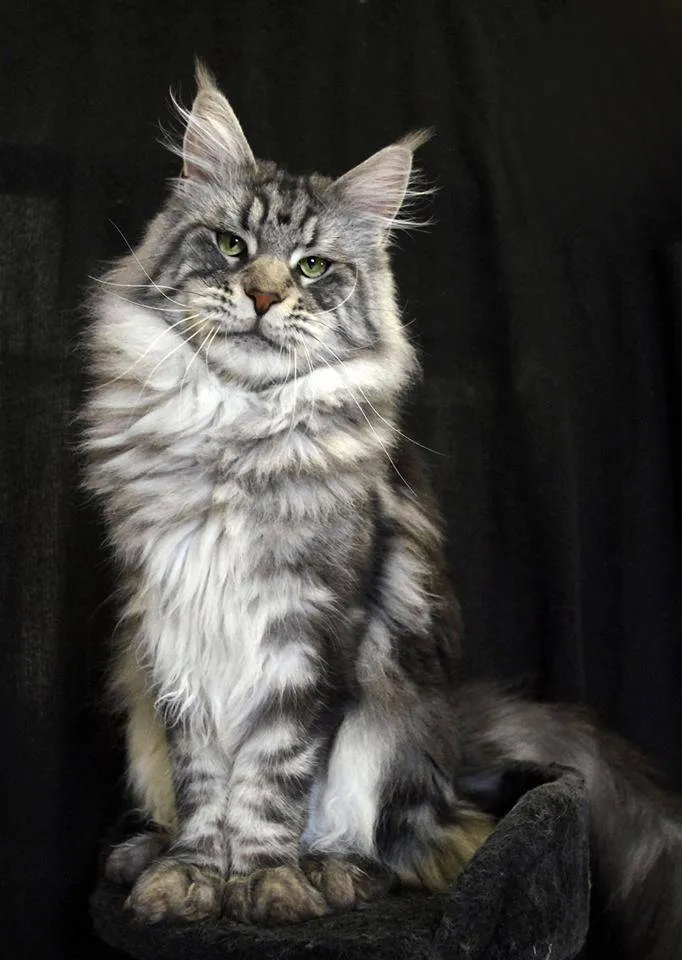
Maine Coon
United States (Maine)
Gentle, sociable, playful

Persian
Iran (Persia)
Quiet, sweet, docile
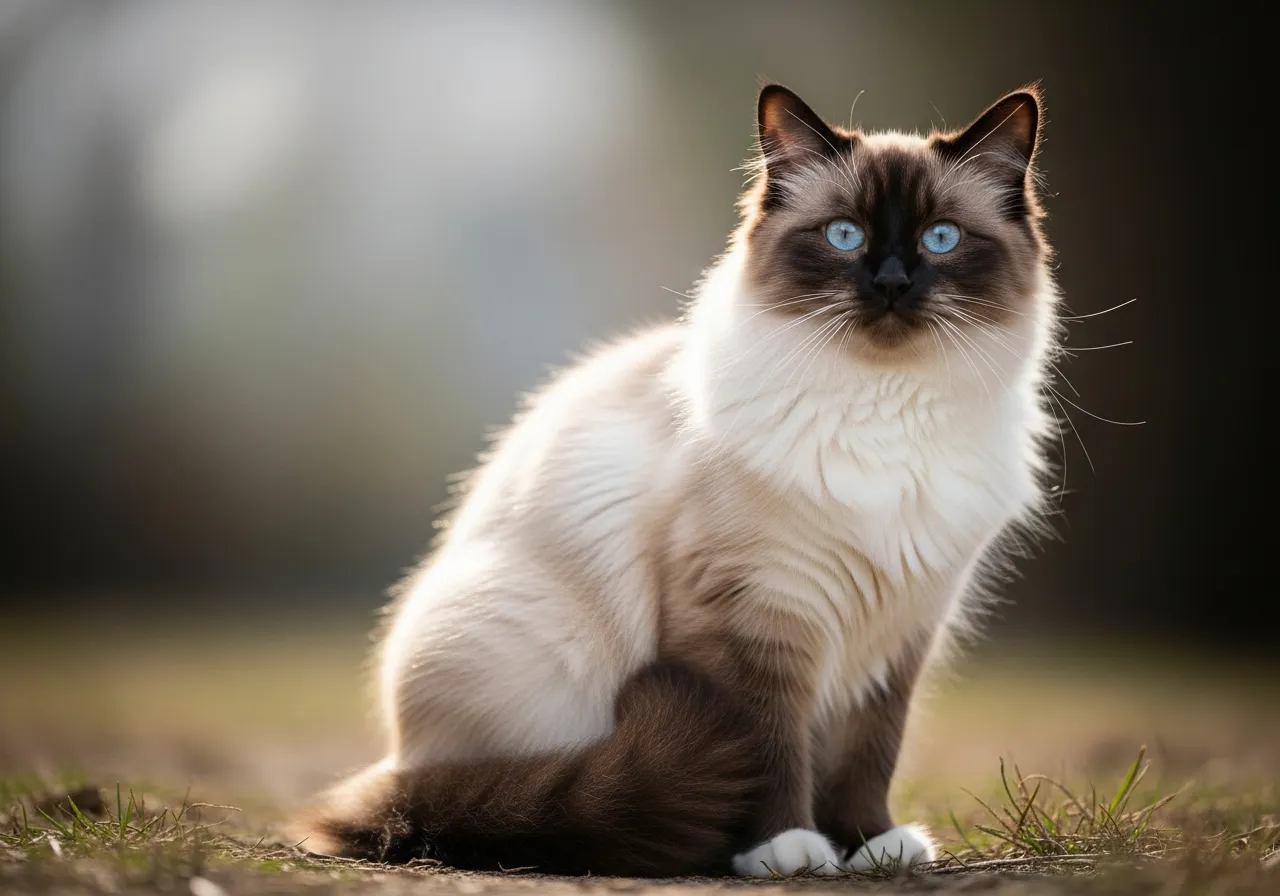
Ragdoll
United States (California)
Docile, affectionate, relaxed

British Shorthair
United Kingdom
Calm, easygoing, loyal
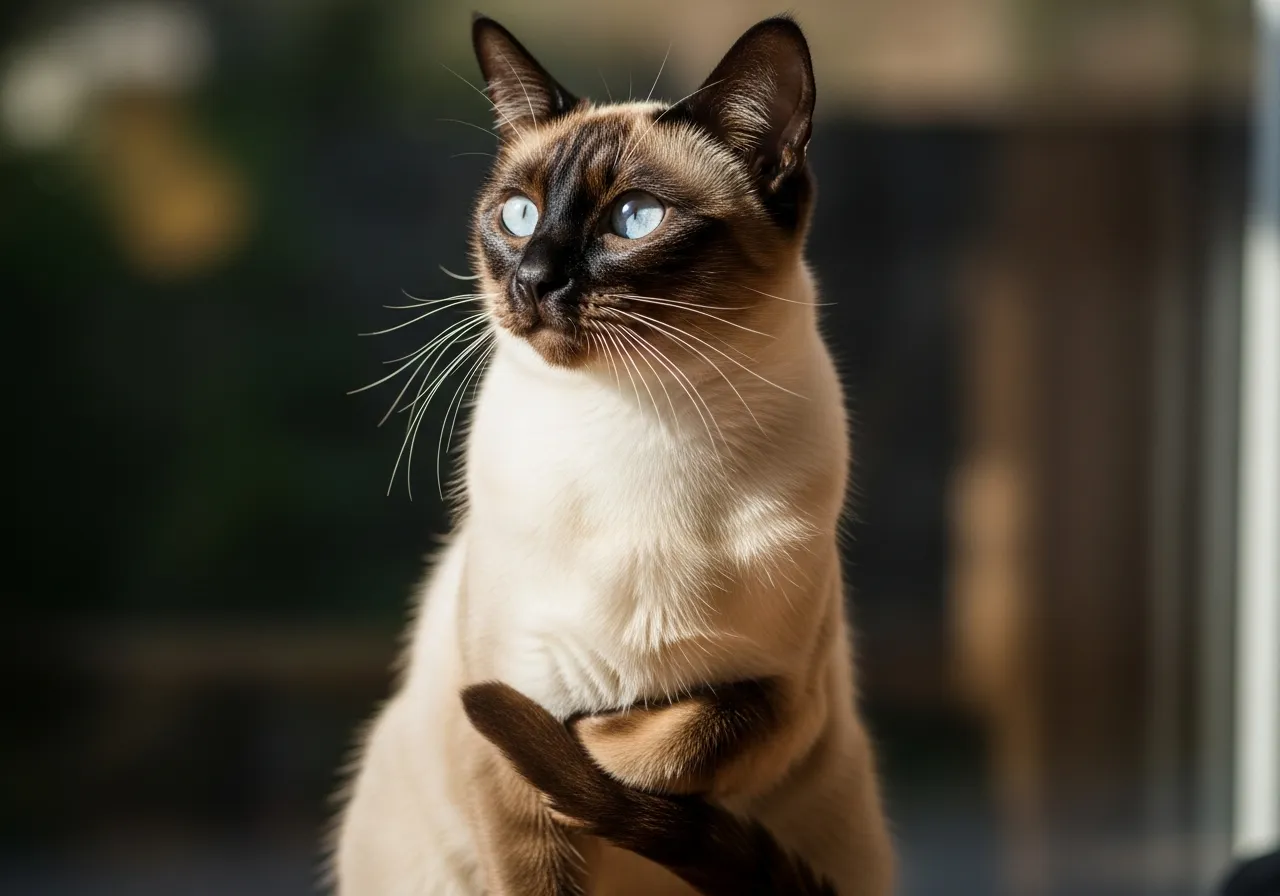
Siamese
Thailand (Siam)
Vocal, social, intelligent

Bengal
United States
Active, playful, curious
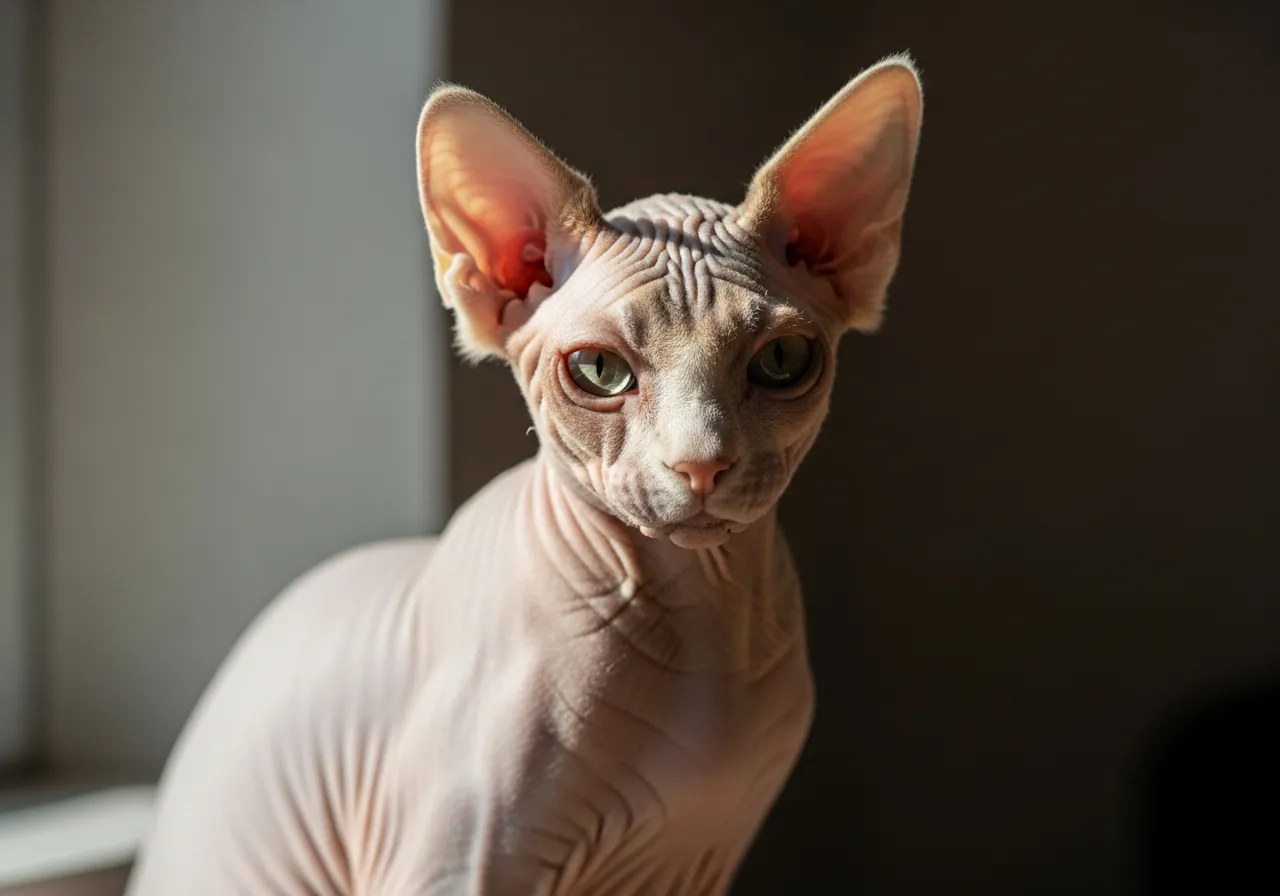
Sphynx
Canada
Affectionate, energetic, mischievous

Scottish Fold
Scotland
Sweet, calm, adaptable
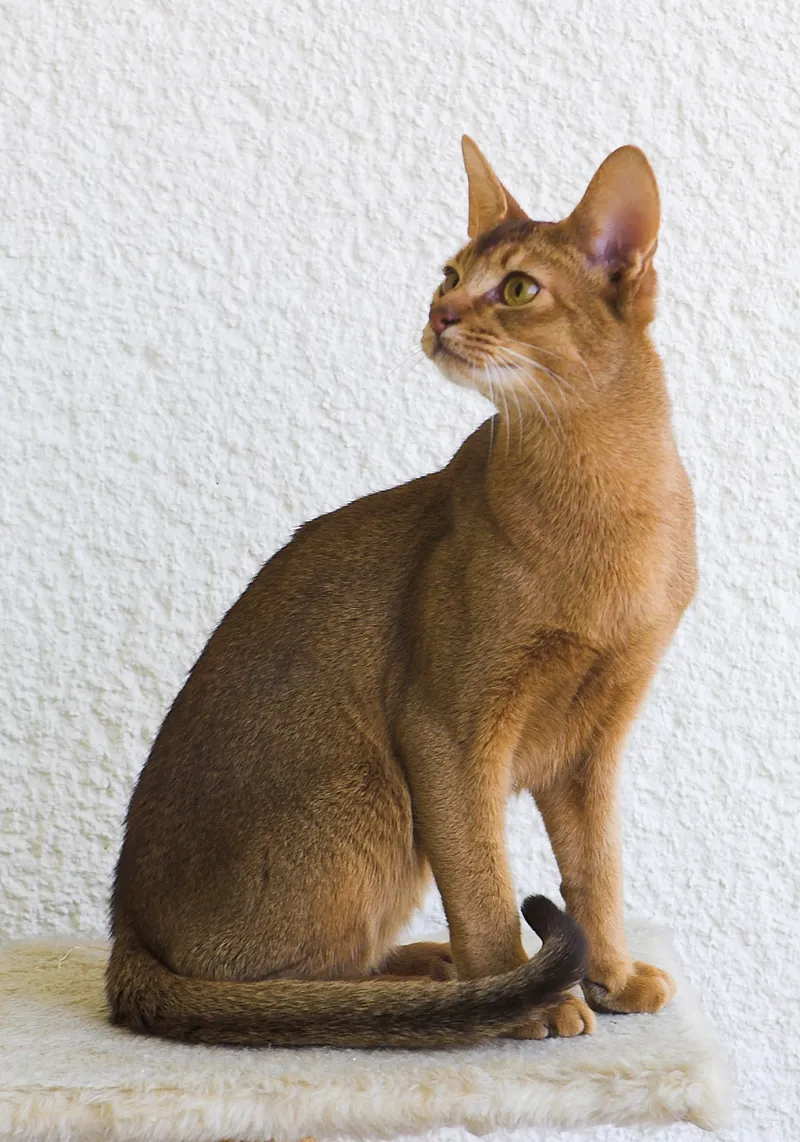
Abyssinian
Southeast Asia and Ethiopia
Active, curious, playful
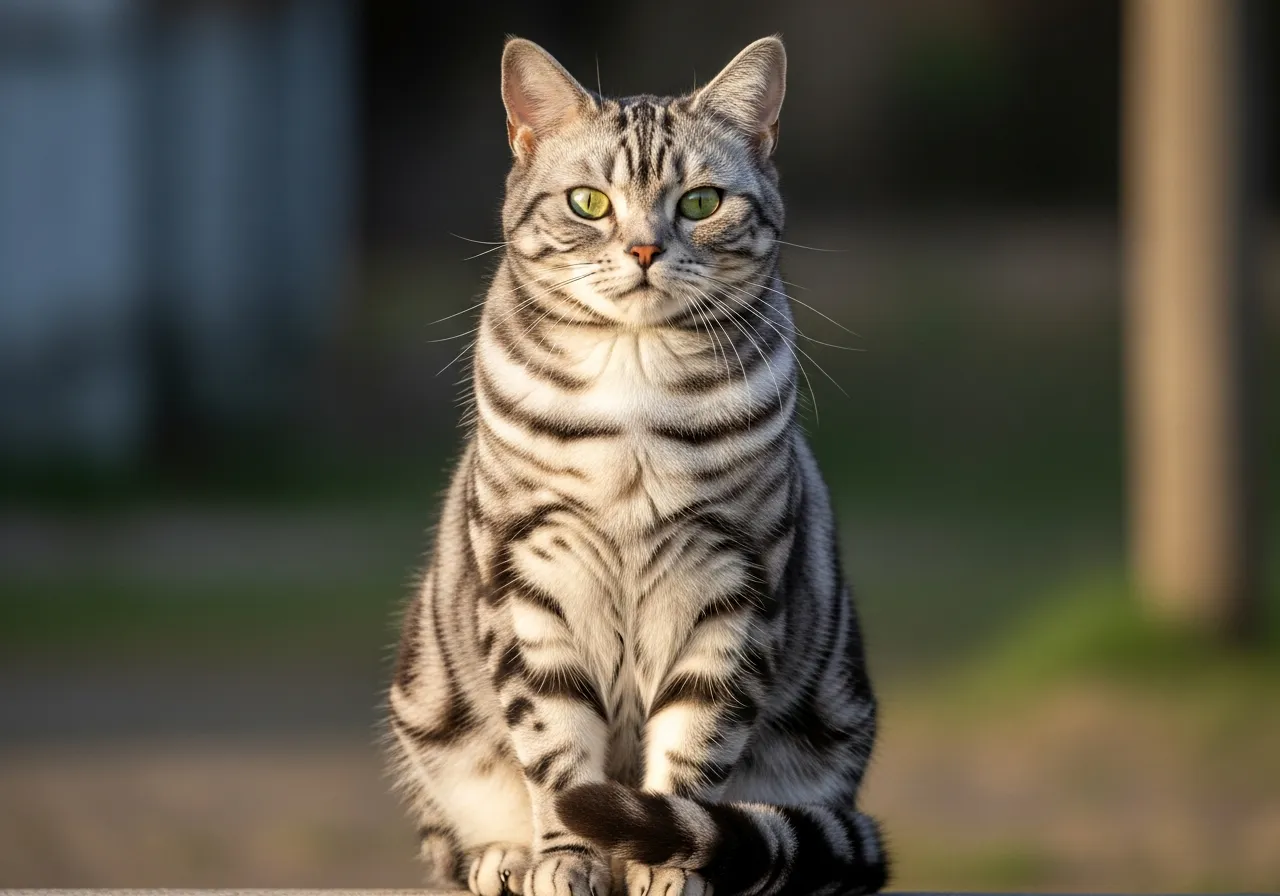
American Shorthair
United States
Easygoing, friendly, adaptable
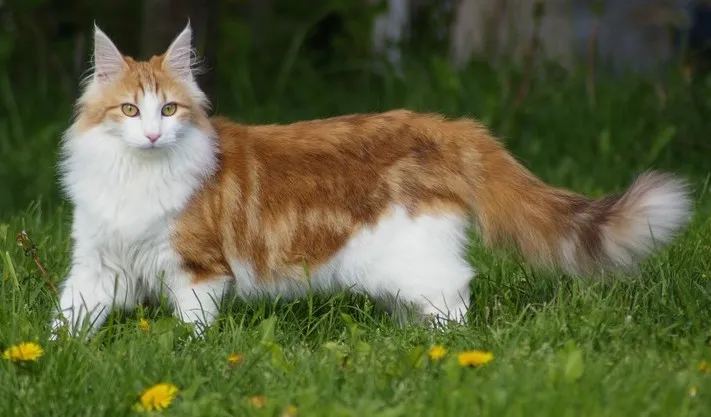
Norwegian Forest Cat
Norway
Independent, gentle, playful
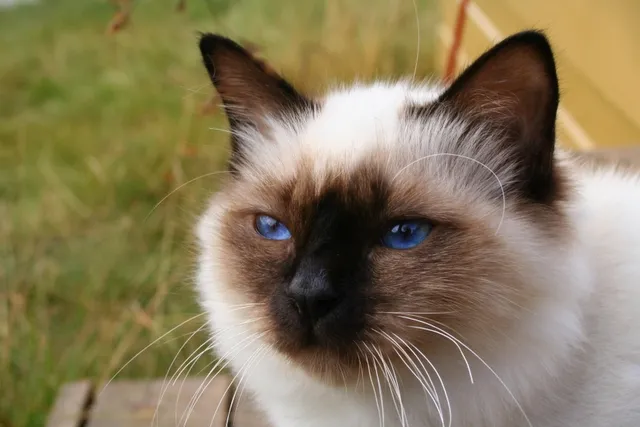
Birman
Burma/France
Gentle, quiet, affectionate
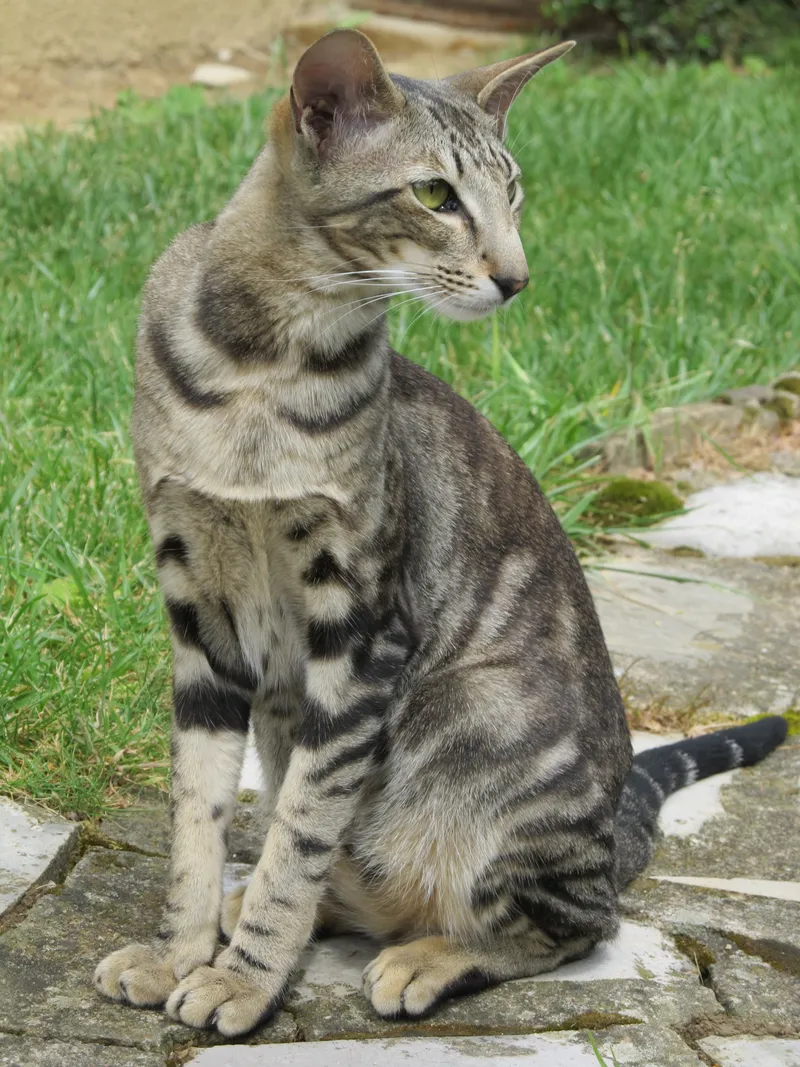
Oriental Shorthair
Thailand/United Kingdom
Vocal, social, intelligent
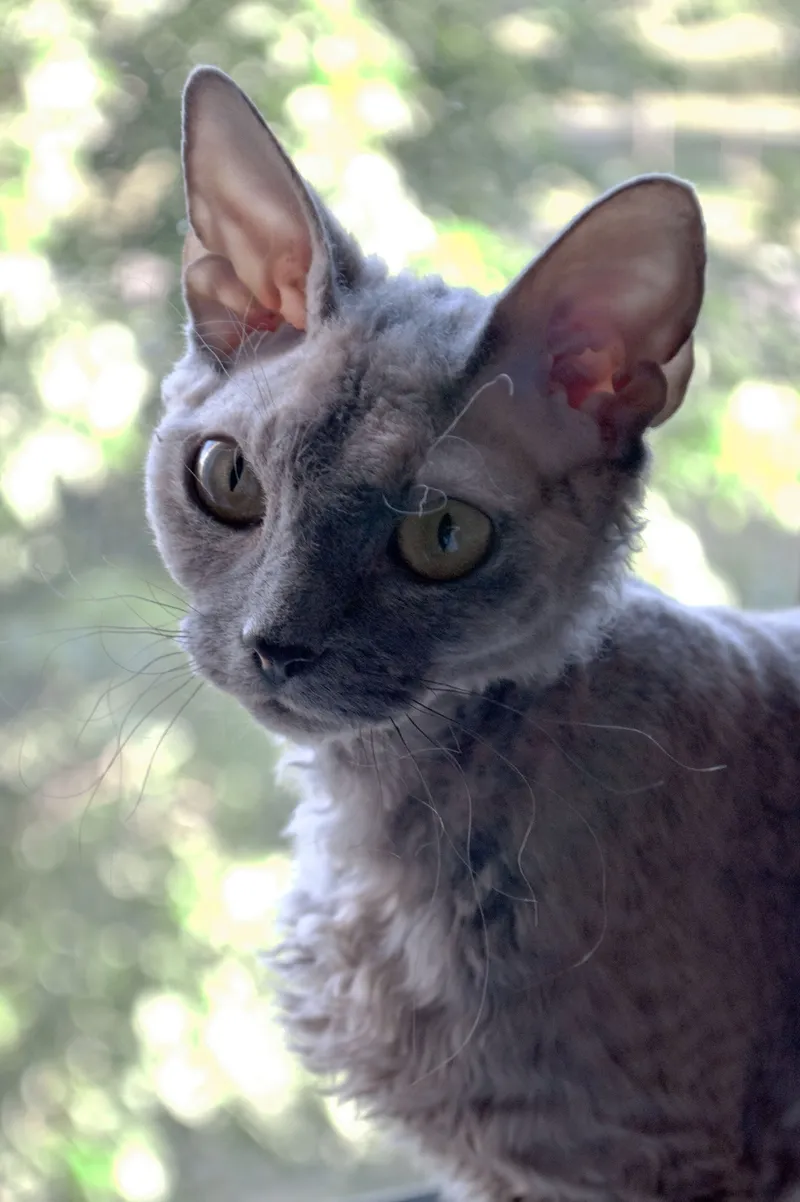
Devon Rex
England
Mischievous, affectionate, playful
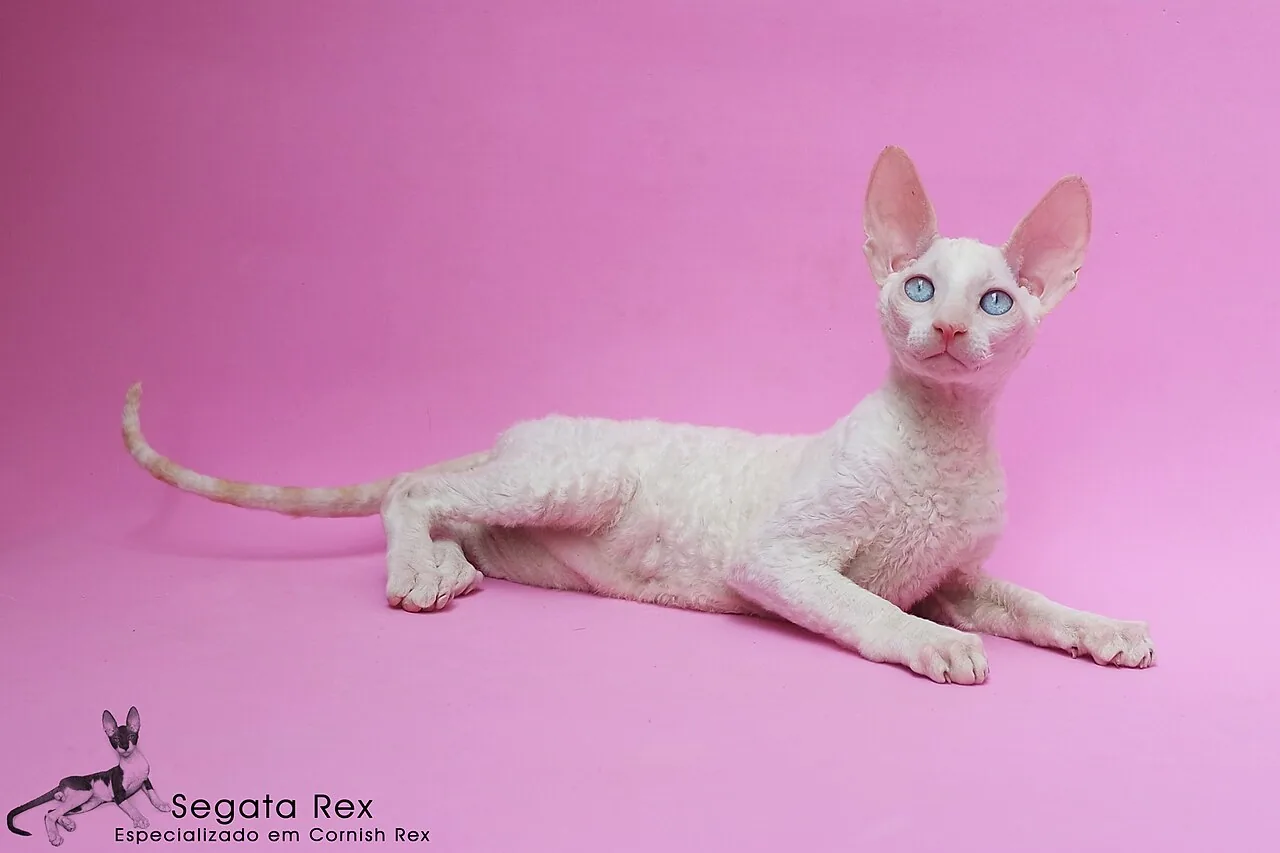
Cornish Rex
England
Active, agile, affectionate
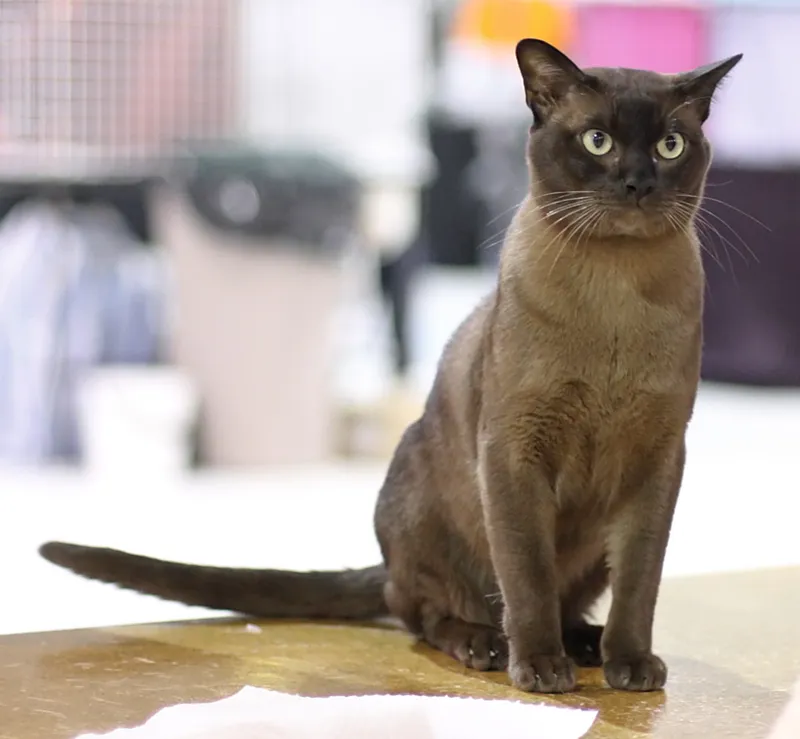
Burmese
Burma/United States
People-oriented, playful, vocal
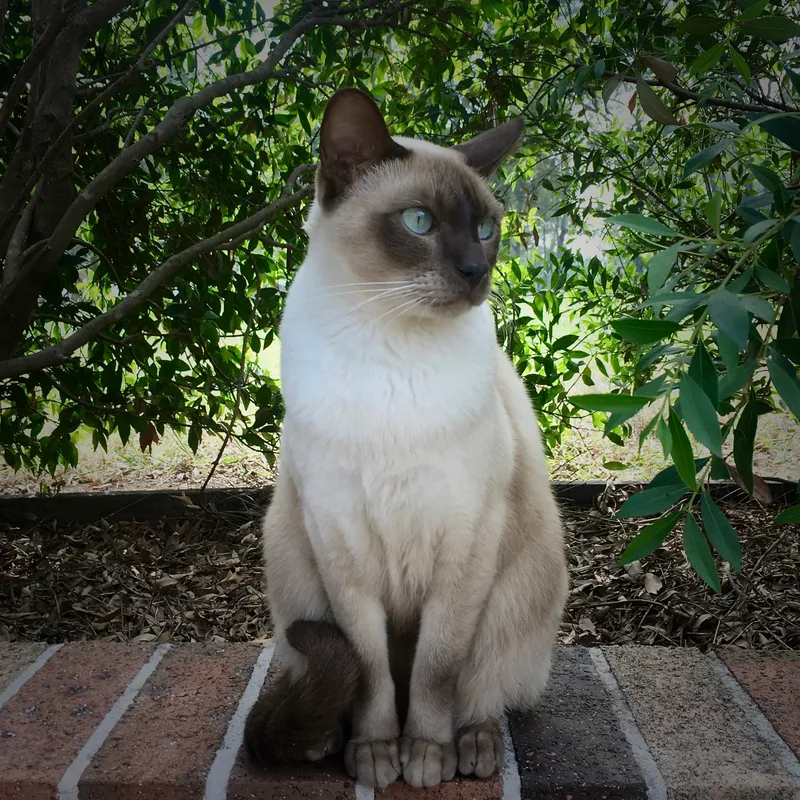
Tonkinese
United States
Social, playful, talkative

Exotic Shorthair
United States
Calm, affectionate, gentle
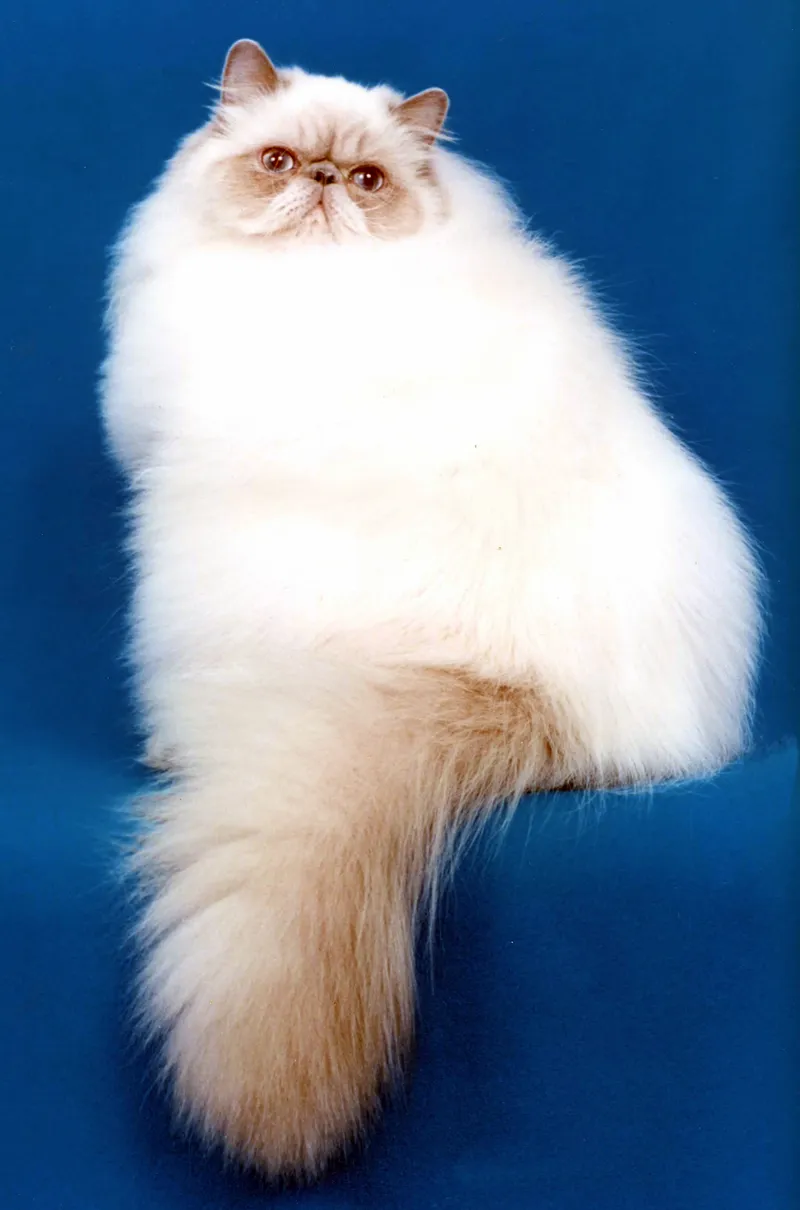
Himalayan
United States
Calm, sweet, indoor-loving
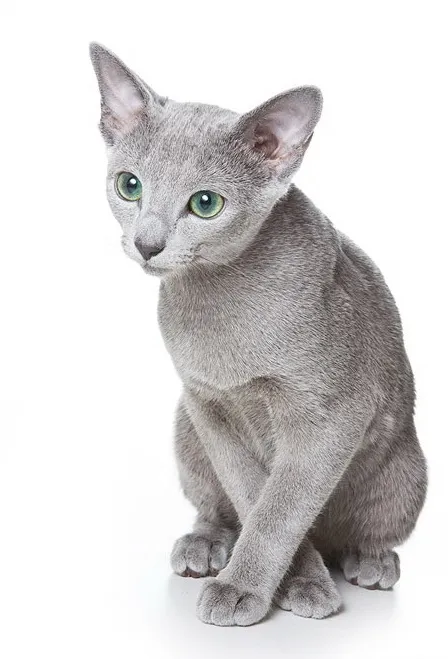
Russian Blue
Russia
Shy, gentle, intelligent
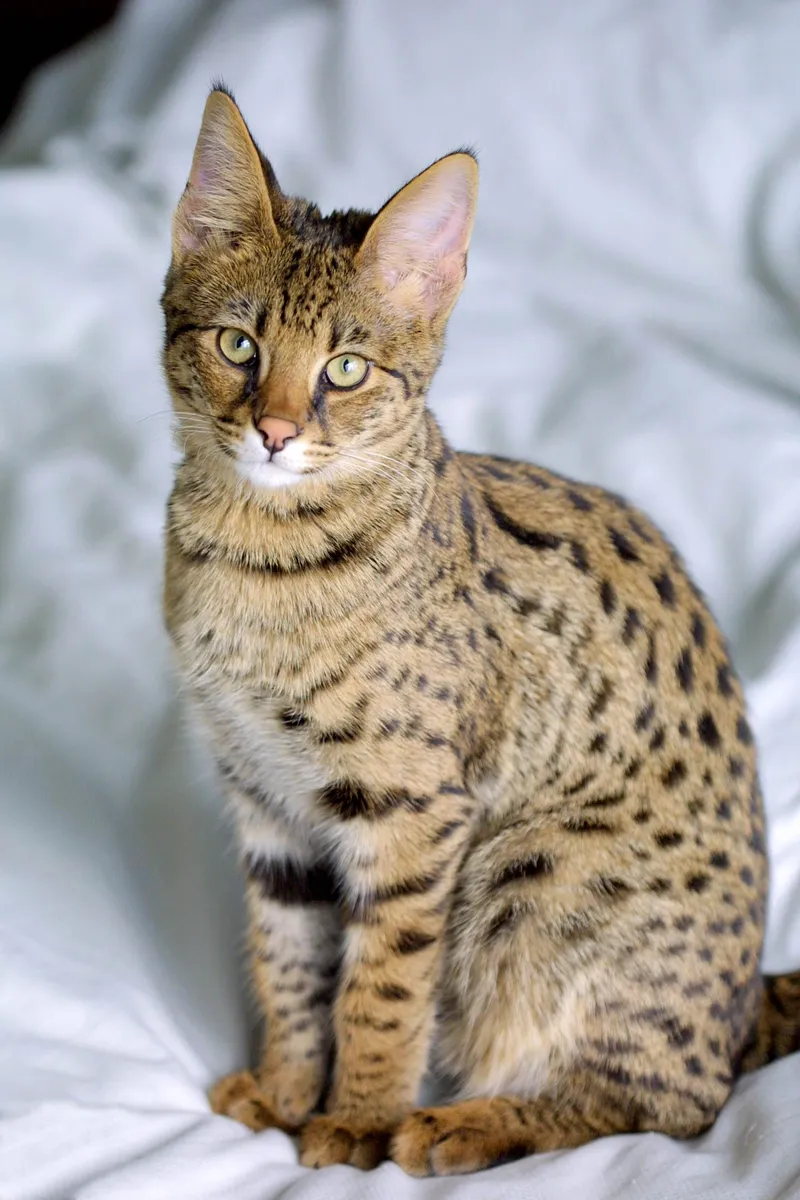
Savannah
United States
Active, adventurous, dog-like
Manx
Isle of Man
Playful, loyal, rabbit-like hop
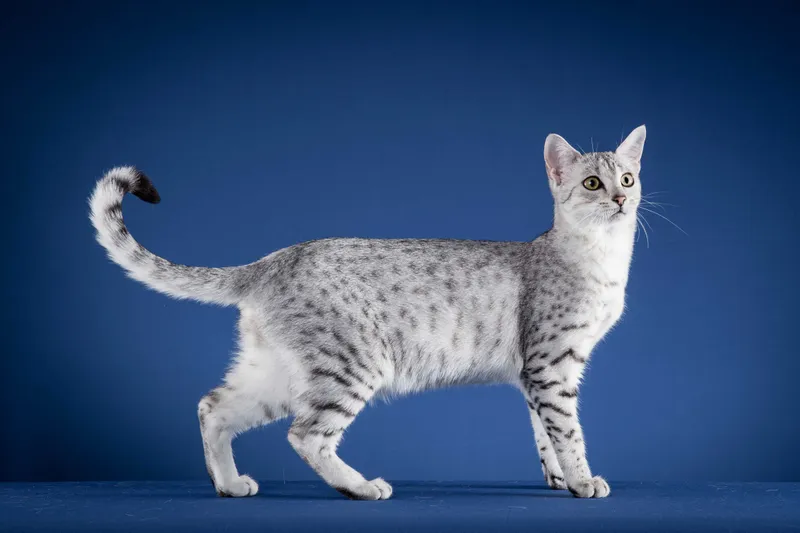
Egyptian Mau
Egypt
Loyal, active, sensitive
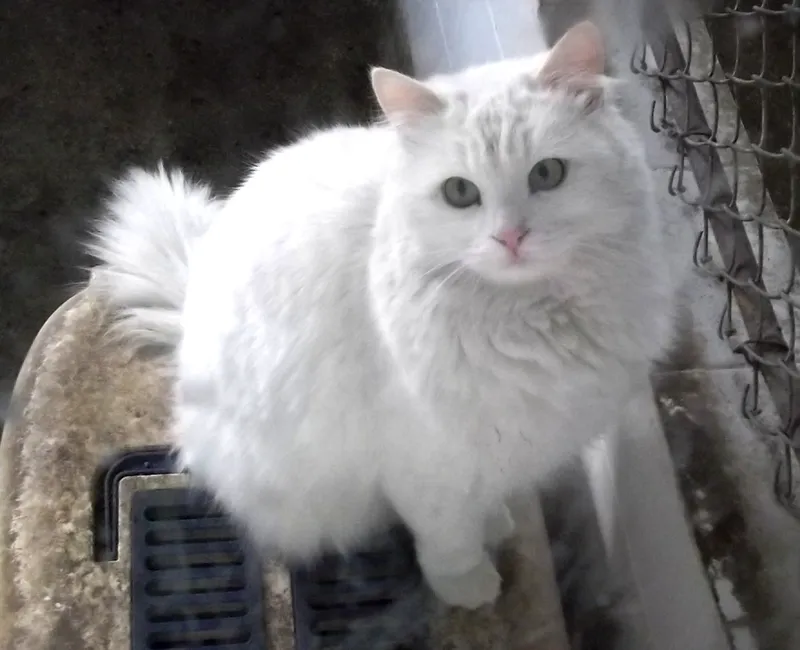
Turkish Angora
Turkey
Elegant, intelligent, playful
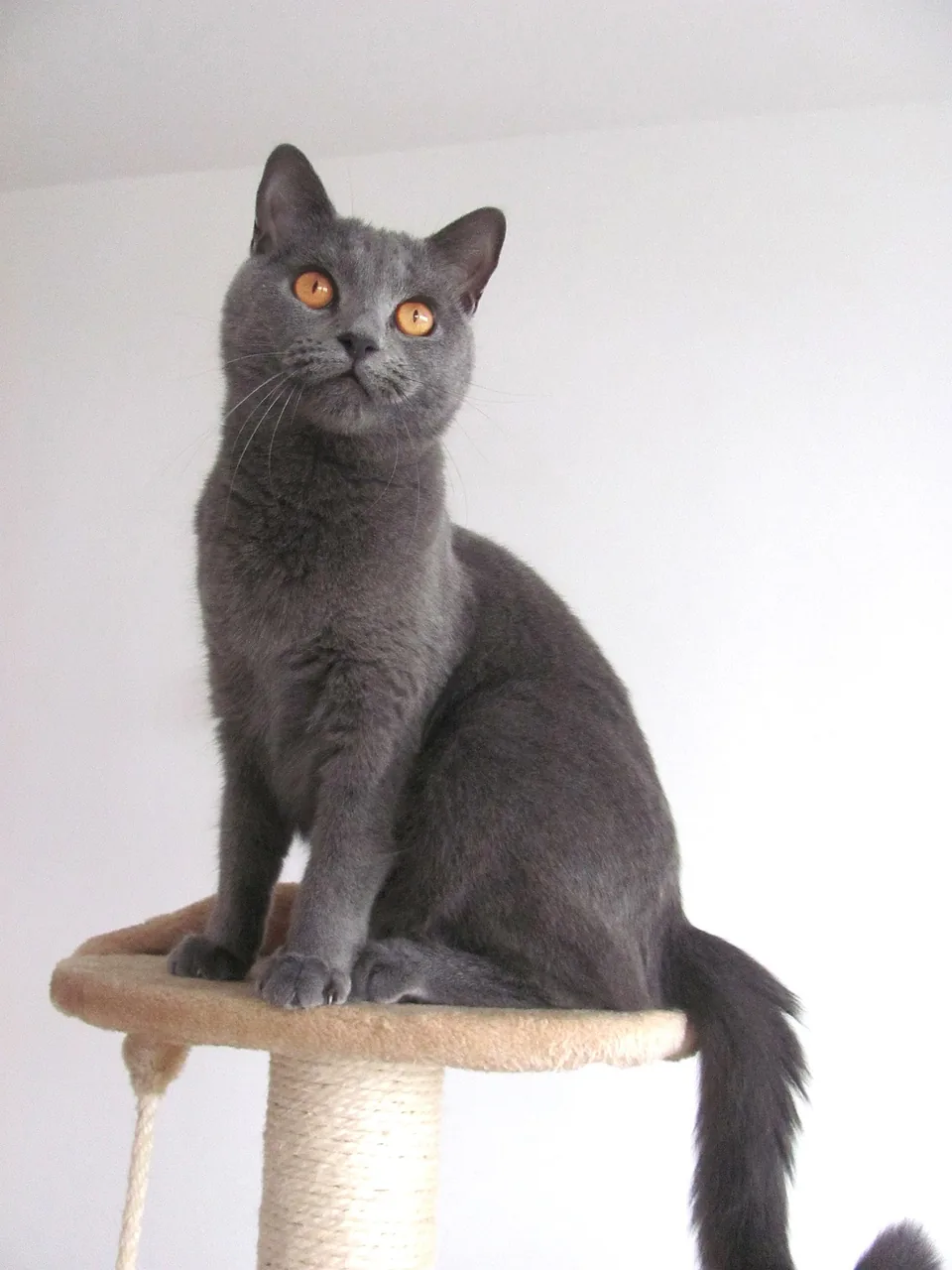
Chartreux
France
Quiet, observant, loyal
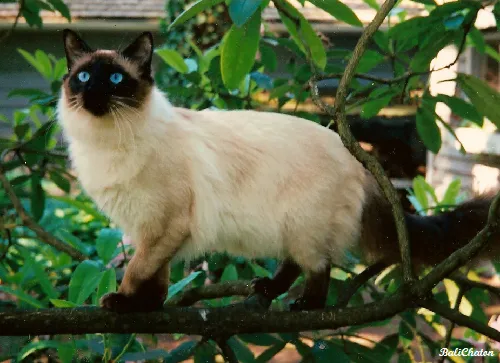
Balinese
United States
Vocal, affectionate, intelligent
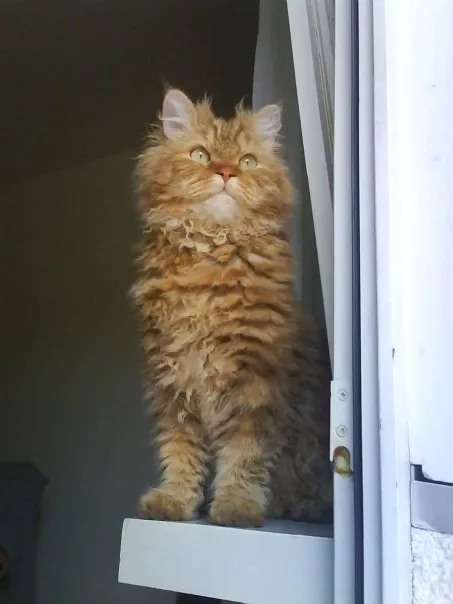
Selkirk Rex
United States
Patient, tolerant, cuddly
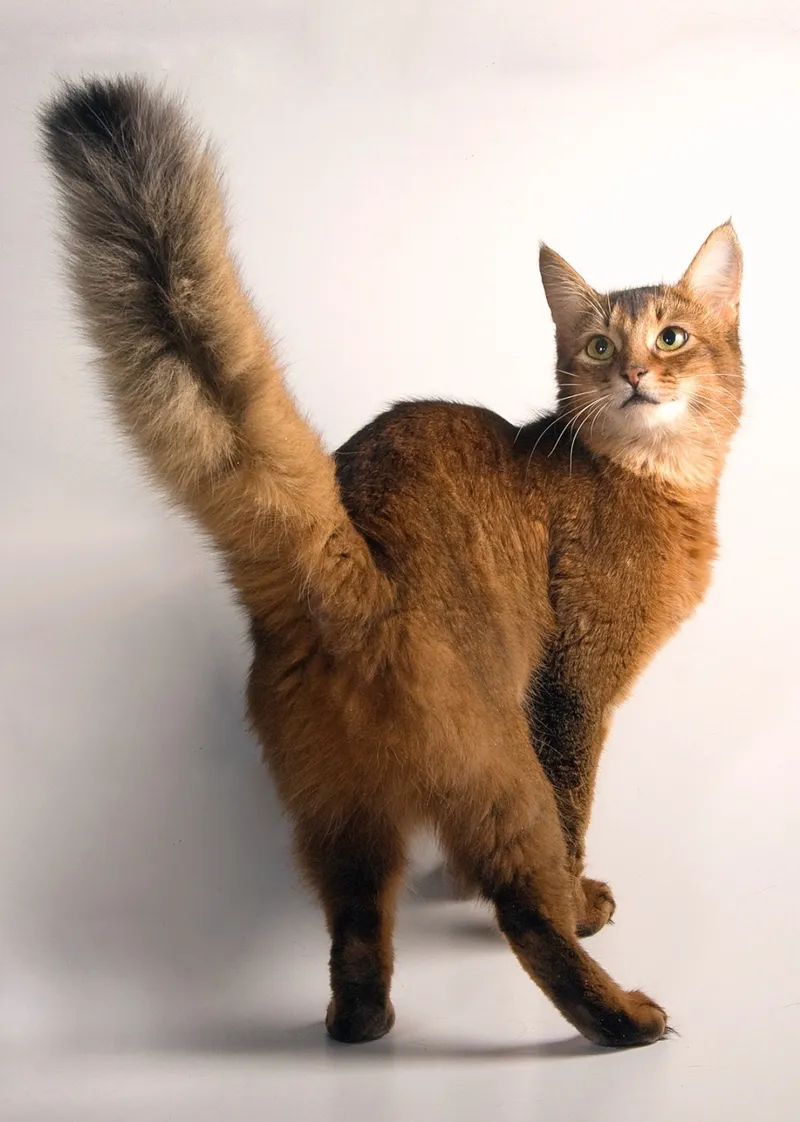
Somali
United States
Active, curious, playful
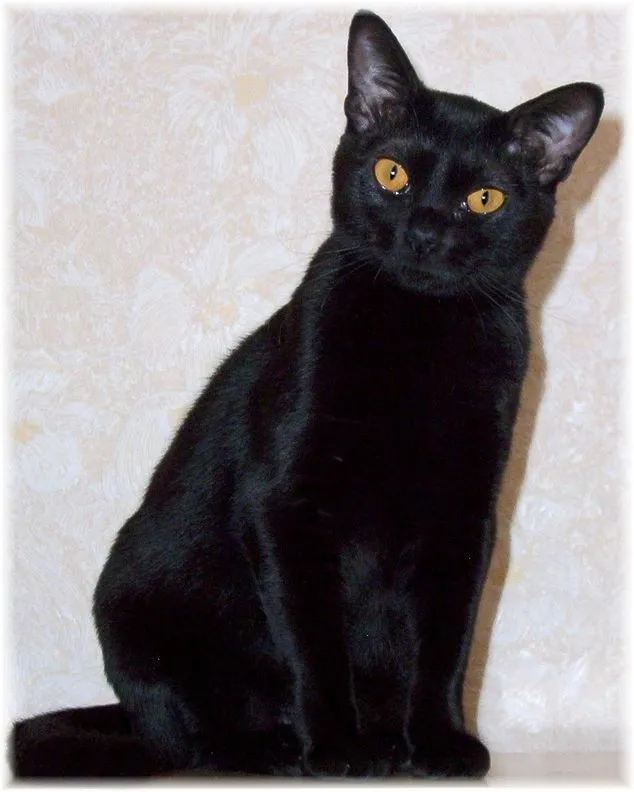
Bombay
United States
Affectionate, social, velcro
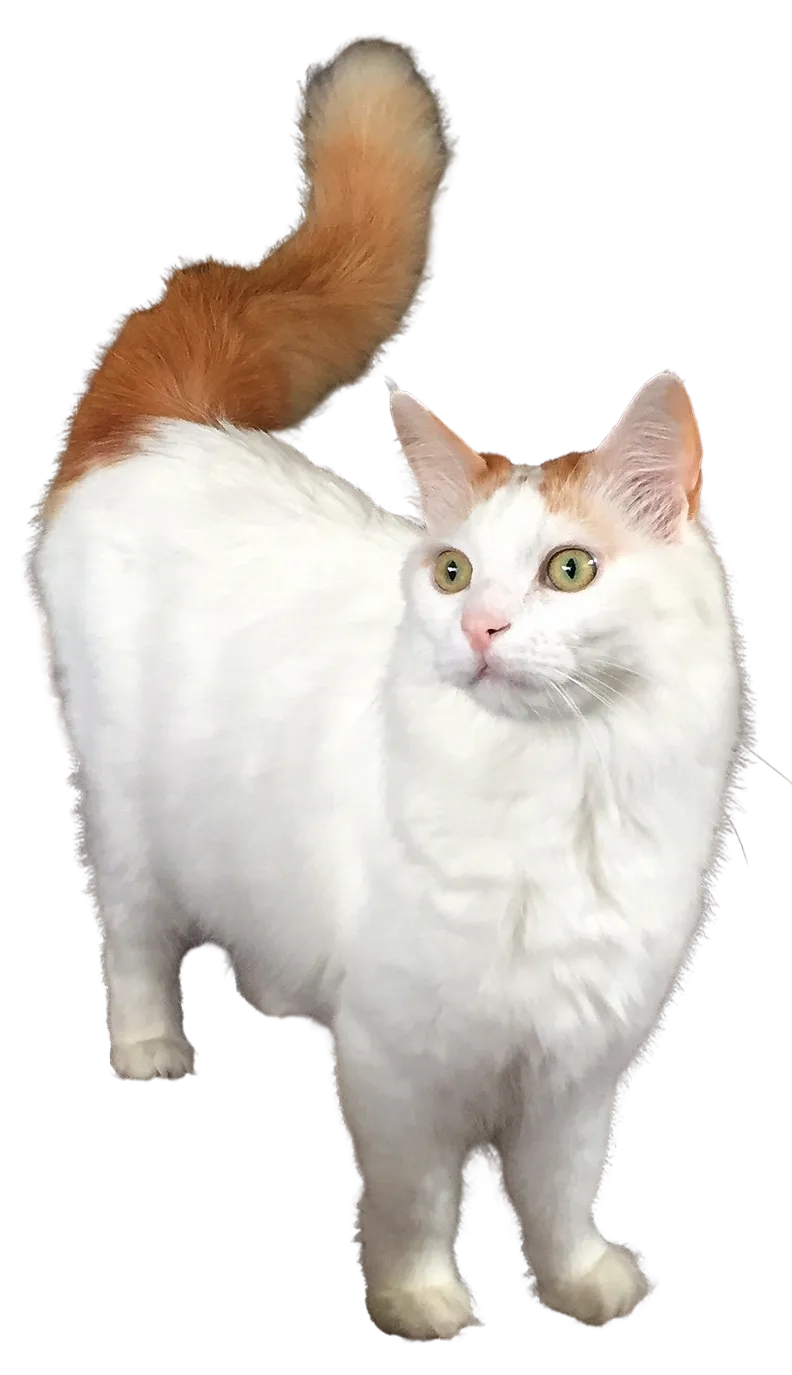
Turkish Van
Turkey
Energetic, water-loving, independent
Looking for a breed to suit a particular household? These lists rank the same guides by popularity, coat length and role — and each one says how it was compiled.
What WARN Does
WARN publishes this guide for education and is developing support through assessed animal-welfare grants. A species range, source citation or photograph does not establish a recipient or funding agreement. Check /about/where-your-money-goes/#grant-register for published grant and payment records; records not yet published must not be read as zero activity. Browse /appeals/ for the purposes currently available to support.
Community cats are the same species as pets. A gift at /appeals/dog-cat-meat helps fund partner-led TNVR and meat-trade quarantine. £25 helps fund emergency triage after a seizure. £75 helps fund a week of quarantine — illustrations, not a named-cat invoice. WARN does not publish a partner-invoiced price for one named sterilisation.
Cat: Frequently Asked Questions
What is a cat?
Are all cat breeds the same species?
When were cats domesticated?
How long do cats live?
How long are cats pregnant?
What do cats eat?
Are cats dangerous?
How is a cat different from an African wildcat?
How many cat breeds are there?
What are the types of cats?
Should I get a pedigree cat or a rescue mixed-breed?
Are community cats the same species as pet cats?
How can I help cats abroad?
Sources & References
Population figures, conservation status and biological facts on this page are drawn from authoritative scientific and intergovernmental sources.
- Cornell Feline Health Center — feline biology, health and lifespan
- IUCN Red List — Felis lybica (African wildcat, Least Concern, 2022; ancestor of the domestic cat)
- IUCN Red List — categories and criteria (domesticated taxa are not assessed)
- GOV.UK Gift Aid — available only on gifts to UK registered charities
- The Cat Fanciers' Association — recognised pedigreed breeds
- American Veterinary Medical Association — pet care and cat health
- Animal Diversity Web — Felis catus (gestation ~60–67 days, litter size, biology)
- Encyclopaedia Britannica — Cat (domestication and biology)
Terms used on this page
Plain-English definitions, from our wildlife and conservation glossary.
Latest Cat Stories
Quick, fact-checked reads on the cat — amazing facts, key questions and the threats it faces.
Species
12 Amazing Facts About Cats You Probably Didn't Know
From a self-righting reflex to a meow invented just for humans, here are 12 surprising, science-backed facts about the domestic cat.
Read the storySpecies
How Long Do Cats Live? Indoor vs Outdoor Cat Lifespan Explained
A well-cared-for indoor cat typically lives 12 to 18 years, and many reach their late teens or beyond. Here's what shapes a cat's lifespan.
Read the storySpecies
Domestic Cat vs Wildcat: What's the Difference?
Your house cat descends from the African wildcat — but the two are not the same animal. Here are the key differences in ancestry, behaviour and status.
Read the storyExplore more animals
Discover more animals, their habitats and their conservation status in the WARN wildlife-guide library.