Wildlife Guide · North America & Europe
Brown Bear
Ursus arctos
The widespread bear of the Northern Hemisphere
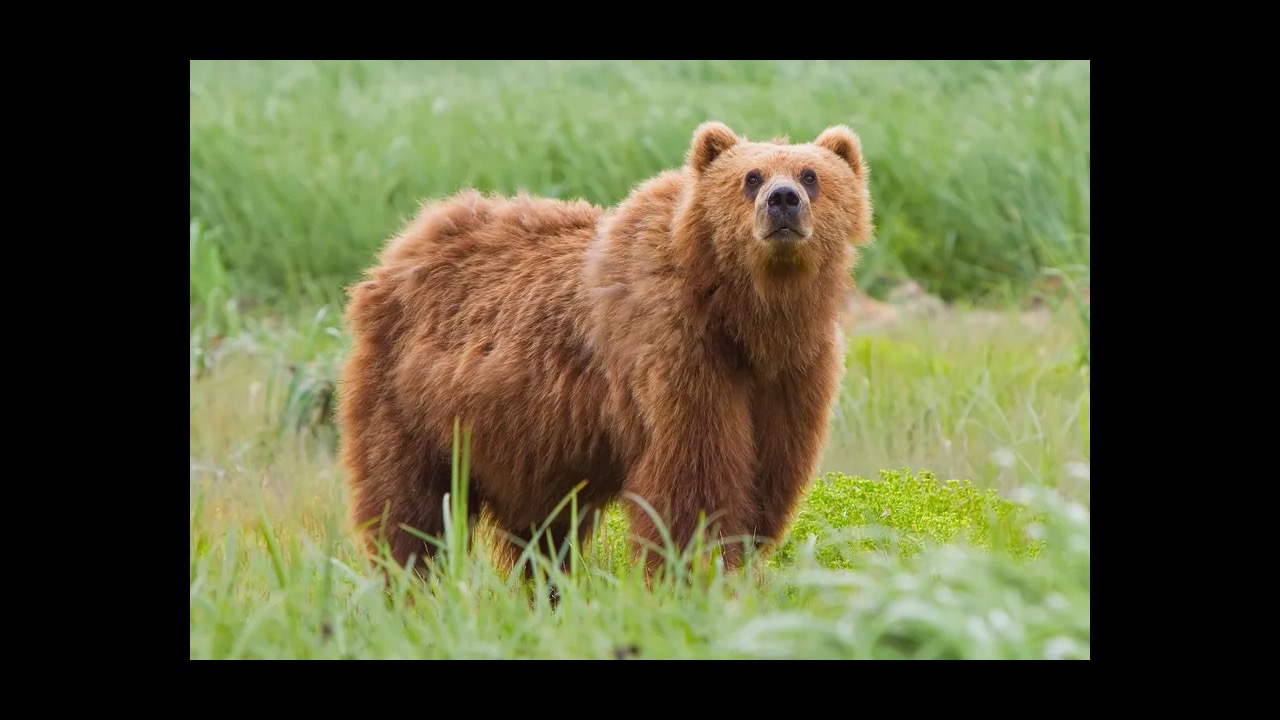
Photo: Wikimedia Commons / Wikimedia Commons (CC BY-SA 3.0)
In brief
The brown bear is one of the world's largest land carnivores, found across North America, Europe, and Asia. Adults typically weigh 130–360 kg (290–800 lb), run up to 56 km/h (35 mph), and hibernate through winter in dens.
Also in Animals A to Z · Animals that start with B
By WARN Research & Conservation Team Last updated
The brown bear is one of the world's largest land carnivores, found across North America, Europe, and Asia. Adults typically weigh 130–360 kg (290–800 lb), run up to 56 km/h (35 mph), and hibernate through winter in dens. Coastal populations that feed heavily on salmon can grow much larger than inland grizzlies.
2.8 m
Typical length
350 kg
Typical weight
56 km/h
Top speed
25 yrs
Lifespan
Figures sourced from IUCN Red List — Brown Bear, Wikipedia — Brown Bear, Wikidata — Brown Bear .
Brown Bear: Quick Facts
| Scientific name | Ursus arctos |
|---|---|
| Diet | Omnivore — berries, fish, roots, insects, and carrion |
| Habitat | Forests, mountains, and tundra across the Northern Hemisphere |
| Lifespan | 20–25 years in the wild (up to 35 in captivity) |
| Weight | 130–600 kg (290–1,320 lb) depending on subspecies and season |
| Top speed | Up to 56 km/h (35 mph) in short bursts |
| Conservation status | Least Concern (IUCN) |
Scientific Classification
| Kingdom | Animalia |
|---|---|
| Phylum | Chordata |
| Class | Mammalia |
| Order | Carnivora |
| Family | Ursidae |
| Genus | Ursus |
Conservation Status
- IUCN Status
- Least Concern (IUCN Red List)
- Population
- See the IUCN Red List assessment
- Trend
- Stable
- Assessed
- 2017
- CITES
- See CITES appendices
Key documented threats: Habitat loss and fragmentation of isolated populations; Human–bear conflict and persecution; Unsustainable hunting in some regions; Infrastructure blocking connectivity.
Key Facts: Brown Bear
- Brown bears are omnivores whose diet shifts with the seasons.
- Pregnant females enter dens in late autumn and give birth during hibernation, usually to one to three cubs that nurse and grow inside the den until spring.
- Brown bears once ranged across much of western North America, Europe, and temperate Asia.
Diet and seasonal feeding
Brown bears are omnivores whose diet shifts with the seasons. In spring they graze on sedges and roots; summer brings berries and insects; autumn is dominated by hyperphagia as bears pack on fat before winter. Coastal bears gather at salmon runs, while inland populations rely more on plants and small mammals.
Hibernation and reproduction
Pregnant females enter dens in late autumn and give birth during hibernation, usually to one to three cubs that nurse and grow inside the den until spring. Hibernation slows heart rate and metabolism dramatically, allowing bears to survive months without eating, drinking, or passing waste.
Range and subspecies
Brown bears once ranged across much of western North America, Europe, and temperate Asia. Today they persist in Scandinavia, the Carpathians, the Rockies, Alaska, and Russia's Kamchatka Peninsula. The North American grizzly and the Kodiak bear are well-known subspecies of Ursus arctos.
Conservation and human conflict
Globally listed Least Concern, brown bears nevertheless face local declines from habitat fragmentation, poaching, and conflict with livestock. Responsible bear-country practices — securing food, carrying deterrents, and giving mothers with cubs space — reduce dangerous encounters.
What WARN Does
WARN does not run a dedicated brown bear programme — this guide is part of the World Animal Rescue Network's free educational library. The brown bear is currently widespread and not globally threatened, and this guide helps readers understand the pressures that can change that. Building public understanding of species like the brown bear supports the broader conservation awareness that underpins WARN's partner-led rescue work across its network.
If clear, science-based wildlife guides like this help you understand and value animals, please consider supporting the World Animal Rescue Network's educational and rescue work so we can keep producing them.
Brown Bear: Frequently Asked Questions
What is the difference between a brown bear and a grizzly bear?
How big do brown bears get?
Do brown bears hibernate?
Are brown bears dangerous to humans?
What do brown bears eat?
Where do brown bears live?
How long do brown bears live?
Sources & References
Population figures, conservation status and biological facts on this page are drawn from authoritative scientific and intergovernmental sources.
Terms used on this page
Plain-English definitions, from our wildlife and conservation glossary.
Latest Brown Bear Stories
Quick, fact-checked reads on the brown bear — amazing facts, key questions and the threats it faces.
Species
Slow Loris: Why the Internet's Favourite Pet Is a Conservation Disaster
The slow loris looks like a cartoon character — and that has nearly destroyed the species. Here is the truth behind the viral videos.
Read the storySpecies
The Snow Leopard: Why the Ghost of the Mountains Is Still Vulnerable
The snow leopard is one of the most elusive big cats on earth, with an estimated 4,000-6,500 individuals across twelve range states — including Pakistan, where WARN is preparing to operate. This briefing explains why the species was downlisted from Endangered to Vulnerable in 2017 and why that is not the success story it sounds like.
Read the storyGuides
Sun Bear vs Moon Bear: The Two Most Trafficked Asian Bears
The sun bear and the Asiatic black bear (moon bear) are the two most commonly trafficked bears in Asia — for the pet trade, for traditional medicine and for bear-bile farming. Here is how to tell them apart.
Read the storyExplore more animals
Discover more animals, their habitats and their conservation status in the WARN wildlife-guide library.
Enjoyed this Brown Bear guide?
Receive appeal updates, animal-welfare news and published funding reports. Unsubscribe any time.
We only use your address for WARN updates. See our privacy policy.