Wildlife Guide · Pakistan
Horse
Equus ferus caballus
One subspecies across every breed — companion, sport horse and working cart horse alike.
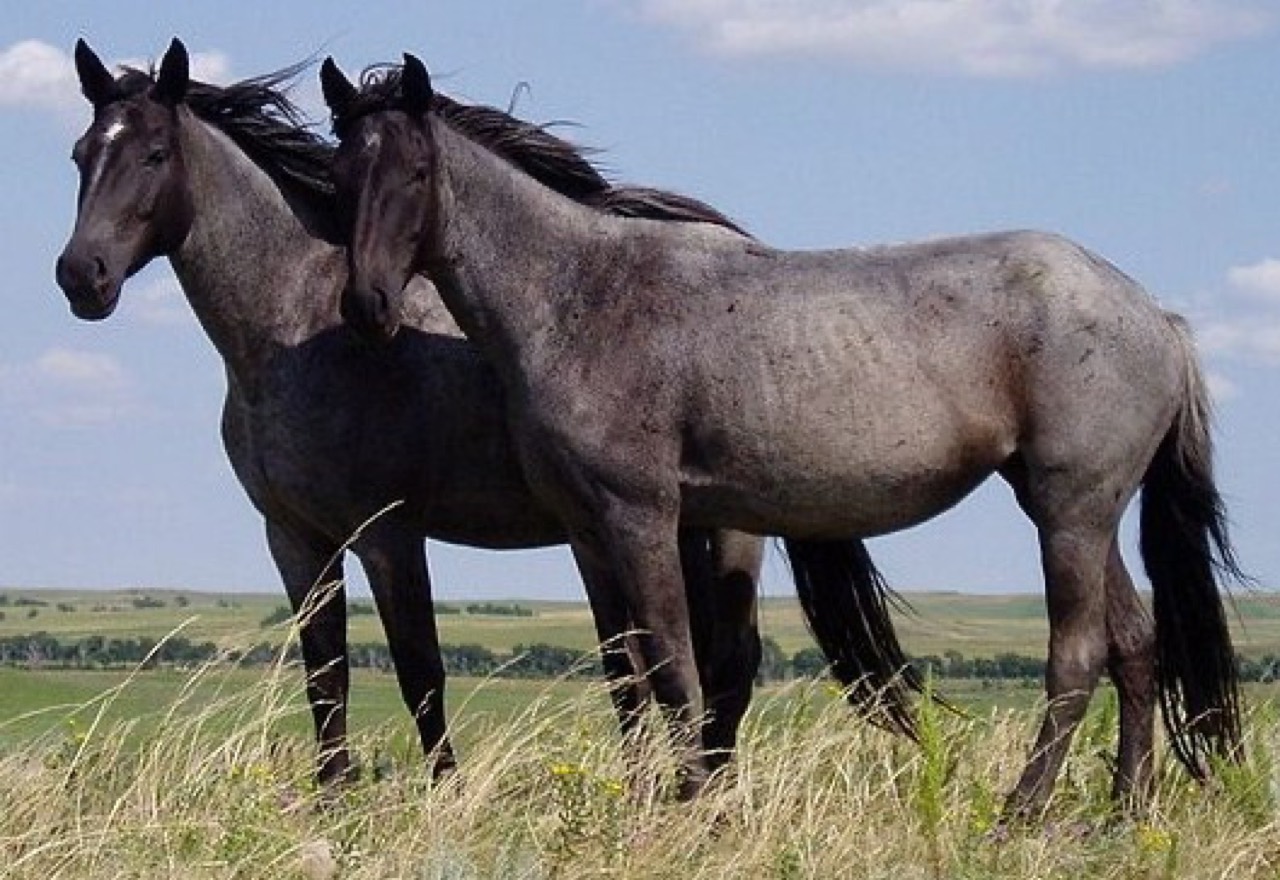
Source: Wikimedia Commons via Wikipedia “Horse”
In brief
A horse (Equus ferus caballus) is a domesticated mammal kept worldwide for work, sport and companionship. Every breed is the same subspecies. The IUCN does not assess horses for extinction risk. Working horses are the same species as riding horses.
Also in Animals A to Z · Animals that start with H · Types of horses
By WARN Research & Conservation TeamChecked against Animal Diversity Web, working-equine welfare literature and GOV.UK Gift Aid rulesLast updated
The horse (Equus ferus caballus) is a domesticated odd-toed ungulate kept worldwide for work, transport, sport and companionship. It is not assessed for extinction risk because it is domesticated. Hundreds of breeds remain one subspecies. The wild Przewalski's horse is a separate, threatened lineage. This page is the species guide: biology, breeds and working-equine welfare. Mobile clinics in Pakistan sit on working horses appeal and donate to help horses abroad. Donkey programmes: working donkeys appeal. Breed lists: horse breeds.
Looking for something specific?
These notes clarify the guide’s scope, common mix-ups and related information.
- Rehoming a horse into a UK yard this week — contact a local registered equine rescue for that.
- A named racing stable or zoo horse with photo updates. WARN does not offer that.
- Treating the domestic horse as an endangered wild species. It is IUCN Not Evaluated; Przewalski's horse is assessed separately.
- Volunteer farriery placements or posting tack from Britain — use working horses appeal for programme grants.
~58M
Domestic horses worldwide
~116M
Working equines (horses, donkeys, mules) globally
~340 days
Typical gestation before a foal is born
25–30 yrs
Typical lifespan of a well-cared-for horse
Figures sourced from Animal Diversity Web — Equus caballus, IUCN Red List — categories and criteria (domesticated taxa are not assessed), GOV.UK Gift Aid — available only on gifts to UK registered charities and other references on this page.
Horse: Quick Facts
| Lifespan | 25–30 years (some reach 40+) |
|---|---|
| Weight | 380–1,000 kg (varies by breed) |
| Size | 14–17 hands (about 142–173 cm) at the withers |
| Diet | Herbivore — grass, hay and forage (~7–11 kg/day) |
| Gestation | About 340 days (range 320–370) |
| Young | Usually a single foal |
| Baby name | Foal (colt if male, filly if female) |
| Group name | Herd (a working group may be called a team) |
| CITES | Not listed (domesticated) |
Scientific Classification
| Kingdom | Animalia |
|---|---|
| Phylum | Chordata |
| Class | Mammalia |
| Order | Perissodactyla |
| Family | Equidae |
| Genus | Equus |
| Species | Equus ferus |
| Subspecies | Equus ferus caballus |
Conservation Status
- IUCN Status
- Not Evaluated (domesticated)
- Population
- ~58 million domestic horses worldwide; ~116 million working equines (horses, donkeys, mules) combined
- Trend
- Stable / abundant
- Assessed
- Not applicable — domesticated form is not assessed
- CITES
- Not listed
The wild Przewalski's horse is assessed separately on the IUCN Red List and is not a domestic riding breed.
Did you know?
Horses can doze standing up because a stay apparatus locks their leg joints, but they still need to lie down for deep REM sleep.
Key Facts: Horse
- Every horse breed belongs to one subspecies, Equus ferus caballus, domesticated several thousand years ago.
- The IUCN does not assess the domestic horse. Przewalski's horse is a separate wild lineage.
- Most horses live about 25–30 years. Gestation is about 11 months, usually a single foal.
- An estimated 116 million working equines — horses, donkeys and mules — still haul loads in lower-income countries.
- The related appeal explains potential support and the current funding status; this guide does not confirm a WARN grant.
- Working horses are the same species as riding horses. The crisis is welfare, not extinction.
How to use this horse species guide
Match the query to the right WARN page. This URL is species facts: what a horse is, lifespan, gestation and the Przewalski comparison. Named breeds, working-equine clinics and UK rehoming are different jobs. Use the table and the links below rather than mixing those intents.
- 1
Confirm the goal
Stay here for biology, domestication and welfare facts. UK rehoming is a local registered equine rescue. Working horses abroad are donate to help horses abroad.
- 2
Compare with Przewalski's horse if that is the query
Use the on-page table. Domestic horses are Not Evaluated. Przewalski's horse is a wild lineage assessed on the Red List. They are not a riding-school breed choice.
- 3
Open a breed list for a named breed
Lists sit at horse breeds. Breed is a rough guide to size and work type — not a different species.
- 4
Help working horses through clinics, not parcels
Pakistan mobile clinics are at working horses appeal. Do not invent a price for one named farrier visit.
What is a horse?
A horse is a domesticated mammal, Equus ferus caballus, kept worldwide for work, transport, sport and companionship. Every breed, from a Shetland to a Shire, is the same subspecies. The IUCN Red List does not assess horses for extinction risk because they are domesticated.
Horses are odd-toed ungulates that bear weight on a single hoof. They are grazing herbivores and intensely social herd animals. A baby is a foal; a young male is a colt; a young female is a filly; a group is a herd.
This page is the species encyclopaedia. Breed lists are at horse breeds. Working-equine clinics are at working horses appeal. Donkeys are a different species at working donkeys appeal.
The related appeal explains potential support and the current funding status; this guide does not confirm a WARN grant. It does not rehome horses in Britain and is not a UK livery yard.
Are all horse breeds the same species?
Yes. Every recognised breed and landrace belongs to Equus ferus caballus. A 380 kg riding horse and a 1,000 kg draught horse can interbreed. Breed registries describe type, not a biological split. Mixed and working types are not a different species.
Hundreds of breeds exist: heavy draught horses such as the Shire, light riding types such as the Arabian and Thoroughbred, and regional ponies. All remain horses.
Breed is a rough guide to size, gait and work — not a guarantee of temperament or soundness. Poor harnessing injures working horses of every type.
Browse lists at horse breeds. A brick-kiln horse in Pakistan is the same subspecies as a UK riding-school pony.
When were horses domesticated?
Horses were domesticated on the Eurasian steppe several thousand years ago, commonly dated around 5,000–6,000 years. The honest answer is a range, not a single year. People then bred horses for riding, packing, ploughing, war and later sport. Most named breeds are far younger than that event.
Most named breeds are far younger than domestication itself. Industrial transport reduced horse numbers in rich countries; working horses remain essential where machines are scarce or expensive.
That history explains herd behaviour, flight instinct and a gut built for trickle-feeding grass. It does not make a cart horse a wild species.
Przewalski's horse never followed the same domestic path. See the comparison table on this page.
How long do horses live?
Most domestic horses live about 25–30 years. Some reach their late 30s or 40s with good dentistry, hooves, weight and veterinary care. Working horses in harsh conditions often live shorter, more medical lives. Age is not a breed promise; it varies with work and care.
Foals are usually standing within an hour and are weaned over months. A group of horses is a herd; a working pair may be called a team.
Dental hooks, laminitis and poorly fitting harnesses shorten lives more often than "old age" as a slogan. Mixed-breed working horses are not automatically healthier.
Lifespan is a species fact. It is not an IUCN generation length. Horses are Not Evaluated because they are domesticated.
How long are horses pregnant?
Equine gestation lasts about 340 days, typically 320–370 days — roughly eleven months. Mares usually carry a single foal. Twins are uncommon and high-risk for mare and foals. That calendar is slow compared with dogs or cats. Foals are usually born one at a time.
A working mare that is in foal still needs feed, rest and hoof care. Overloading pregnant mares is a welfare failure, not a cultural footnote.
If you searched "how long are horses pregnant" because you have a mare, speak to a veterinary surgeon or equine specialist. This guide does not replace clinical advice.
Programme detail for working equines is at working horses appeal, not on this facts page.
What do horses eat?
Horses are herbivores. They trickle-feed grass, hay and other forage — roughly 7–11 kg a day for many adults — and need constant access to clean water. Sudden rich feed causes colic and laminitis. They are not obligate carnivores and not ruminants.
Working horses often fail on calories, dental wear and water, not on "the wrong breed". Shade and rest matter as much as the sack of grain.
Do not post haynets or saddles from Britain unless a named partner has asked in writing. Money at working horses appeal buys supplies locally.
Donkeys have different dietary risk (they fatten more easily). Do not copy horse rations onto donkeys without advice. See working donkeys appeal.
Are horses dangerous?
Horses can kick, strike, crush and bolt. They are prey animals with a strong flight response, not tame toys. Honest risk is handling, training, tack and traffic — not a myth that horses are harmless or that working horses must be beaten into work.
In Britain, riding and yard accidents are a known injury pattern. Abroad, overloaded carts, bald tyres and no brakes injure horses and people together.
This page will not rank breeds as safe or unsafe. A tired, lame cart horse is dangerous because it is exhausted, not because of a bloodline.
If you asked "are horses dangerous" because of a street cart abroad, the programme answer is clinics, farriery and humane harnessing at working horses appeal.
How is a horse different from Przewalski's horse?
The domestic horse is Equus ferus caballus. Przewalski's horse is a wild lineage of Equus ferus, reintroduced after surviving only in captivity. Domestic horses live with people, come in many coat types, and are Not Evaluated. Przewalski's horses generally avoid people, keep a dun wild-type look, and are assessed on the Red List.
They are not a "rare riding breed". Keeping a wild horse as a pet is a specialist conservation problem, not a yard choice on this page.
Gestation is similarly long. Typical domestic lifespan under good care is longer than a wild horse's.
The comparison table on this page is the at-a-glance split. Donkeys and zebras are other equids, not horse breeds.
How many horse breeds are there?
Hundreds of breeds and landraces exist worldwide. Counts move when a registry splits or merges a type. All remain one subspecies. A breed standard is a written description, not a biological fence. Heavy draught types, light riding types and ponies all remain horses.
Heavy draught types were bred for pulling. Light types were bred for speed and riding. Regional ponies were bred for climate and poor forage. Working cart horses are often mixed.
This site lists breeds at horse breeds. Use those pages for type sketches. Use this page for the species.
Buying a foal to "try a breed" without farrier and feed money is how neglect starts. WARN does not place horses in UK homes.
What is a working horse?
A working horse is a domestic horse used for haulage, ploughing, packing or transport — the same subspecies as a riding horse. Tens of millions still work in lower-income countries. Around 116 million working equines include horses, donkeys and mules together.
Brick kilns, markets and water-hauling routes produce predictable injuries: harness wounds, lameness, thinness, heat stress and exhaustion. Practical fixes are farriery, dentistry, water, shade, rest and better-fitting harnesses.
WARN's in-network focus for working horses is Pakistan, at working horses appeal. That is partner-led mobile clinics, not a UK riding-school charity.
Do not fly working horses to Britain as a population strategy. Rehoming cannot absorb city-scale cart horses.
Are horses endangered?
No. The domestic horse is abundant and IUCN Not Evaluated. The welfare crisis is how working horses are treated, not a Red List recovery plan. Przewalski's horse is the wild lineage people confuse with "endangered horses". This page is working-equine welfare, not extinction theatre. This page is working-equine welfare, not extinction theatre.
CITES does not list the domestic horse. Trade in wild equids is a different legal job.
If a fundraiser says horses are "going extinct" to sell a product, read the scientific name. Equus ferus caballus is not a tiger.
WARN's horse work is welfare clinics, not a rewilding release. See newsroom briefing for field context.
How can I help working horses abroad?
Fund partner-led mobile clinics, farriery, wound care and humane harnessing rather than posting tack or volunteering untrained. Give at working horses appeal or donate to help horses abroad.
Figures on appeal pages are illustrations of partner-led costs, not a named-horse invoice. Do not invent a unit cost for one farrier visit. Entry-tier gifts pool.
Read working donkeys appeal if donkeys were the actual query. US donors: WARN is not a 501(c)(3).
If you want a UK horse, stop here and call a local equine rescue. If you want international clinics, stay on the appeal URLs.
Horse vs. Przewalski's horse at a glance
| Trait | Domestic horse | Przewalski's horse |
|---|---|---|
| Scientific name | Equus ferus caballus | Equus ferus przewalskii (wild lineage) |
| Relationship to humans | Domesticated companion and working animal | Wild; reintroduced after captive survival |
| Typical lifespan | ~25–30 years (good care) | Shorter in the wild |
| Gestation | ~340 days | Similar long gestation |
| IUCN Red List | Not Evaluated (domesticated) | Assessed as a wild taxon |
| Coat / type | Hundreds of breed types | Dun wild-type appearance |
Horse Breeds Guide
From the Thoroughbred and Arabian to the Quarter Horse, Friesian, Clydesdale and 20 more — explore 24 of the world's most searched horse breeds with temperament, conformation, common health issues and care guidance.
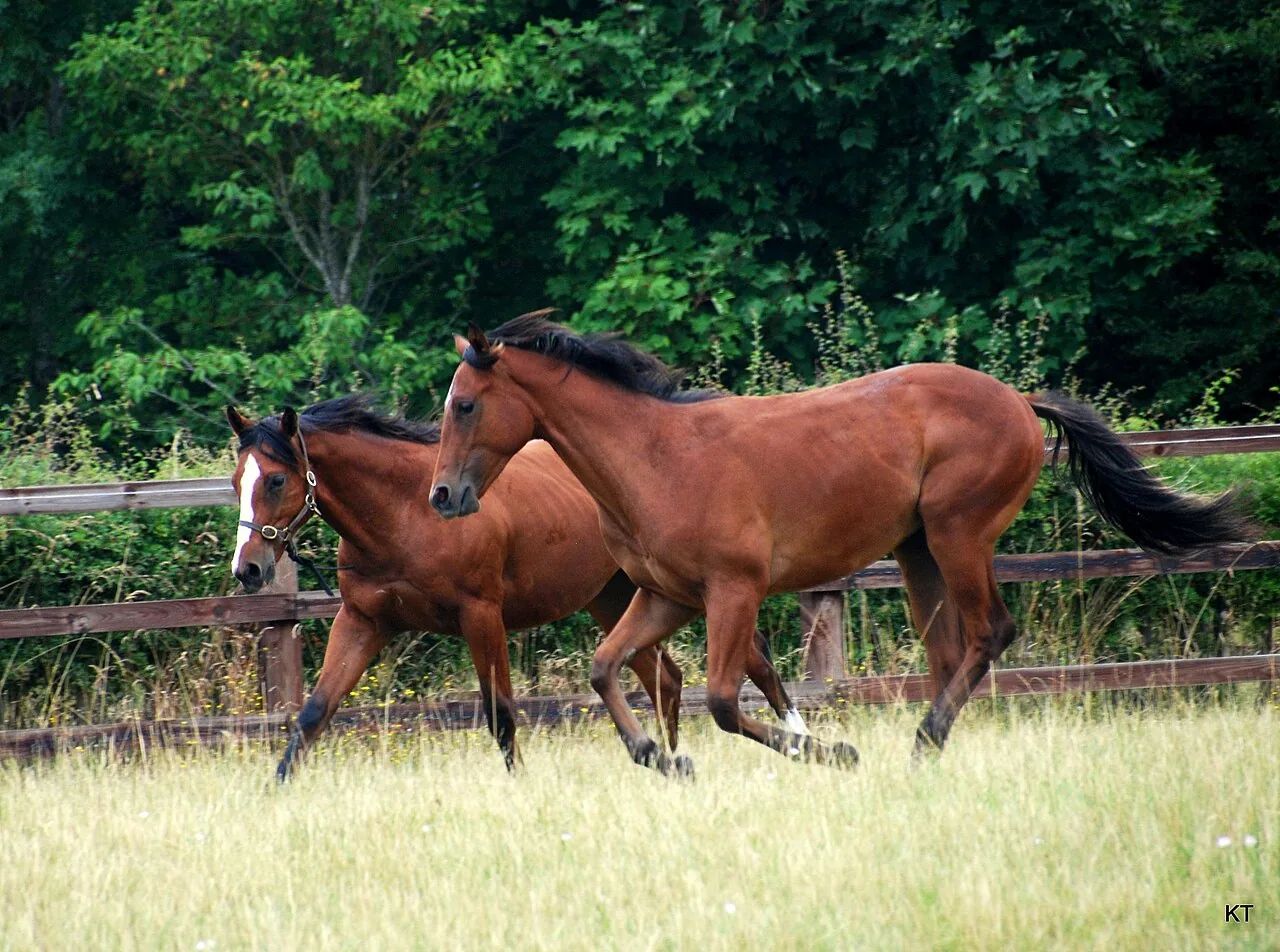
Thoroughbred
England
Energetic, sensitive, athletic
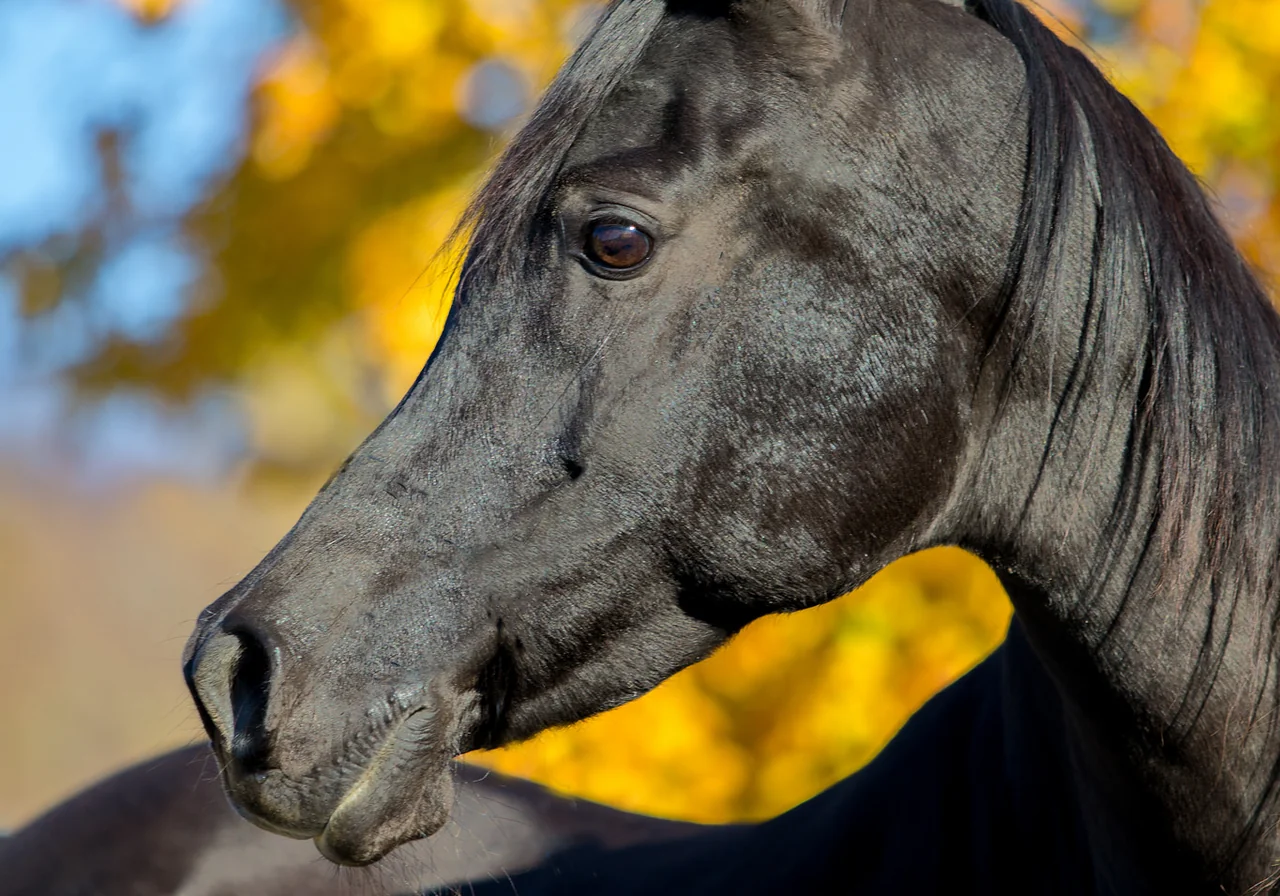
Arabian
Arabian Peninsula
Intelligent, spirited, loyal
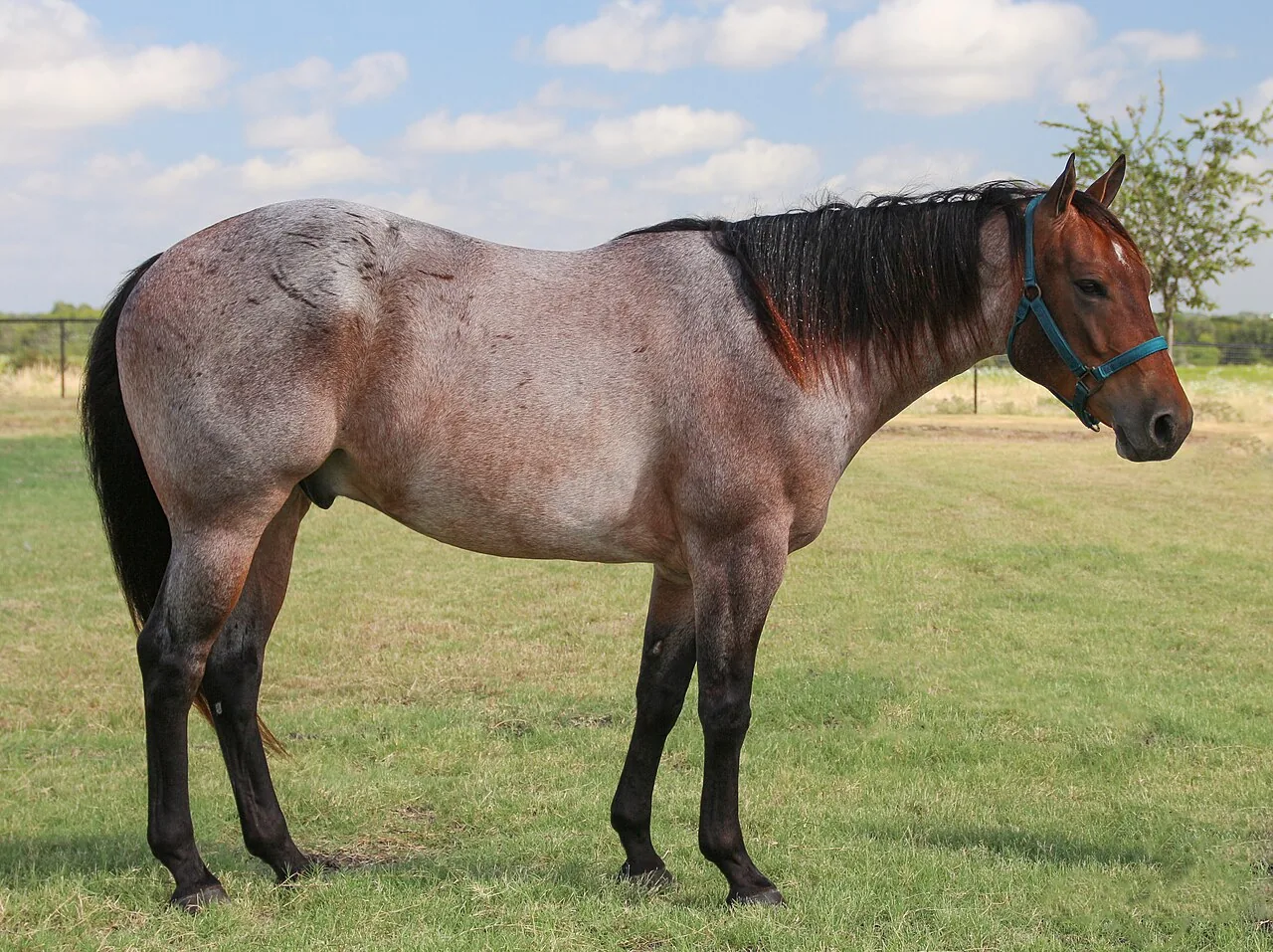
American Quarter Horse
United States
Calm, willing, versatile
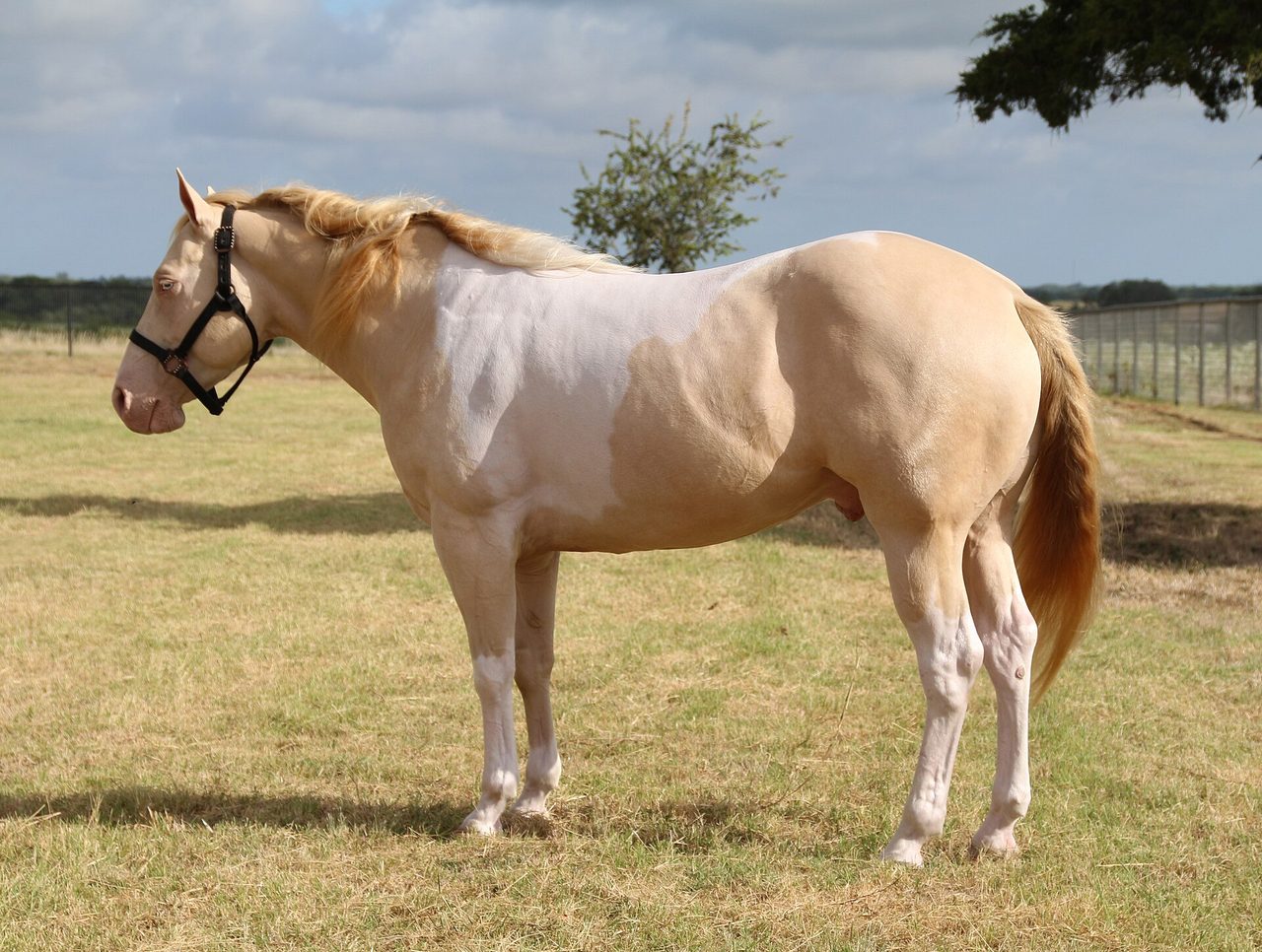
Paint Horse
United States
Intelligent, willing, colourful
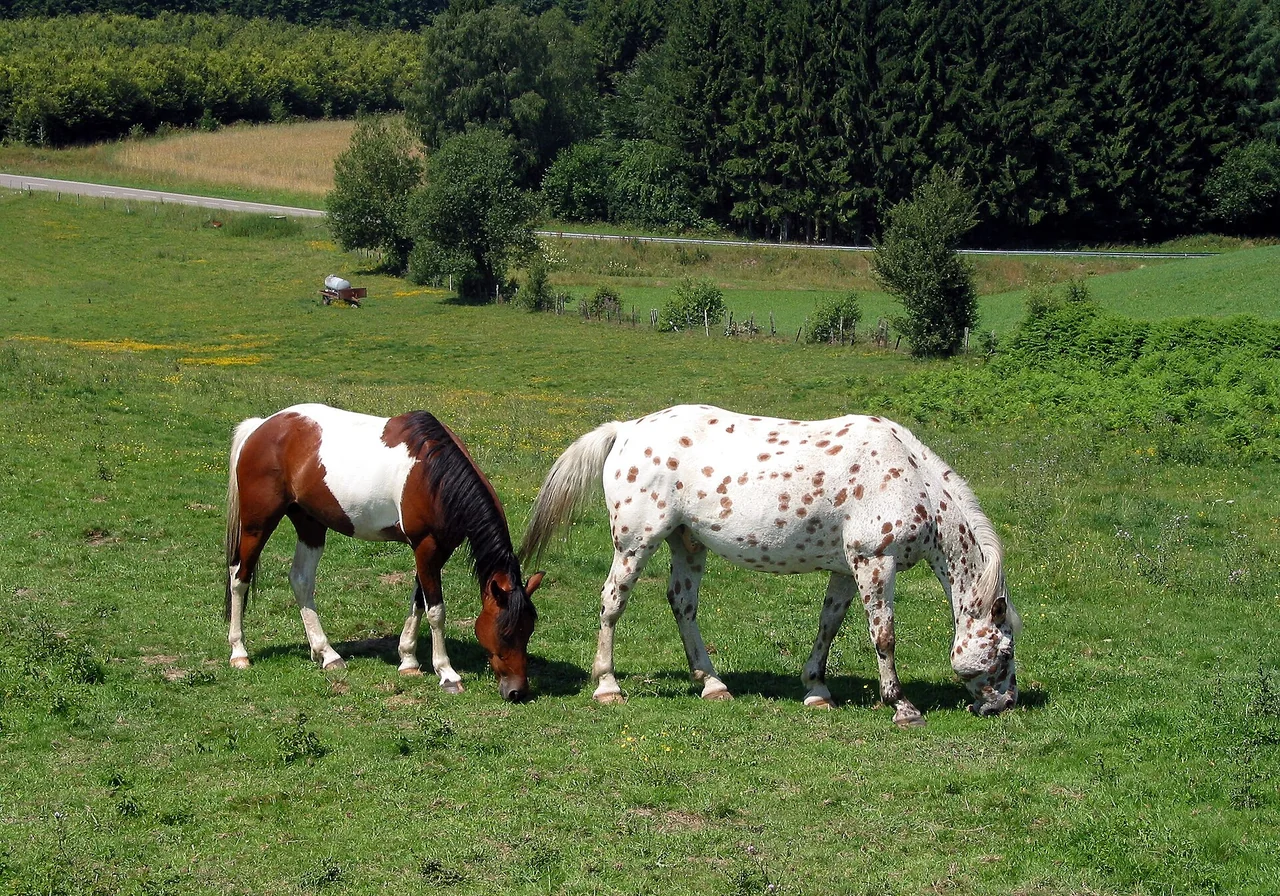
Appaloosa
United States
Hardy, versatile, spotted
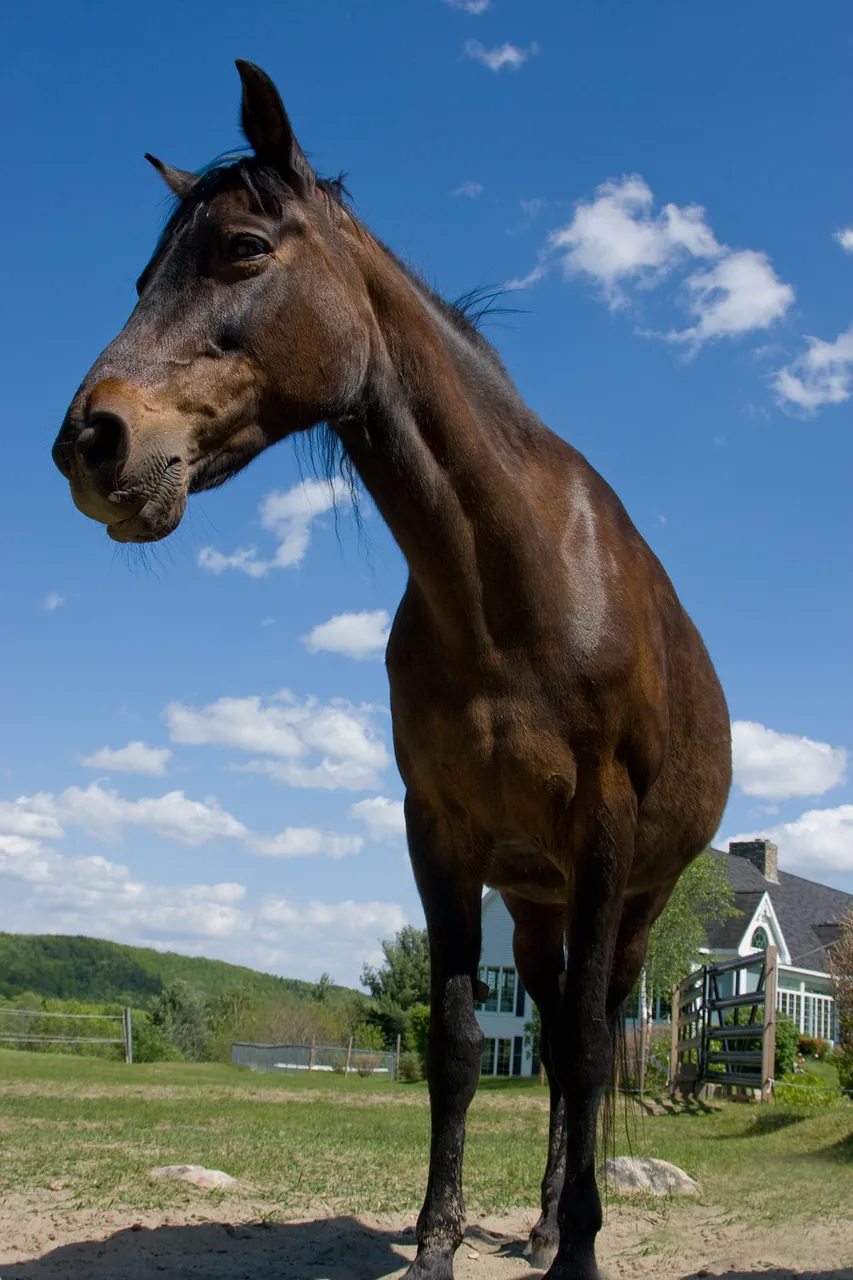
Morgan
United States
Versatile, compact, willing
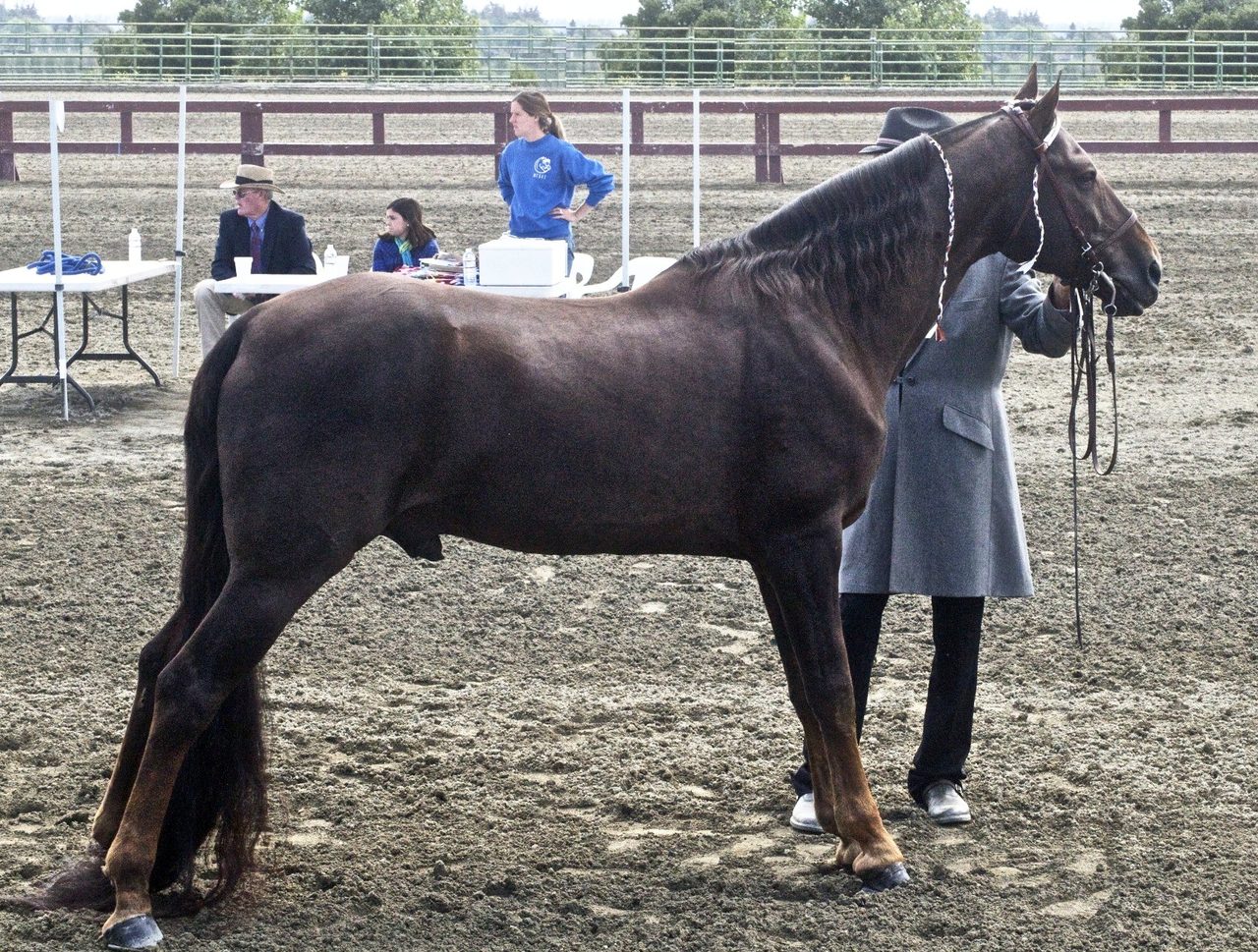
Tennessee Walking Horse
United States
Smooth-gaited, gentle, showy
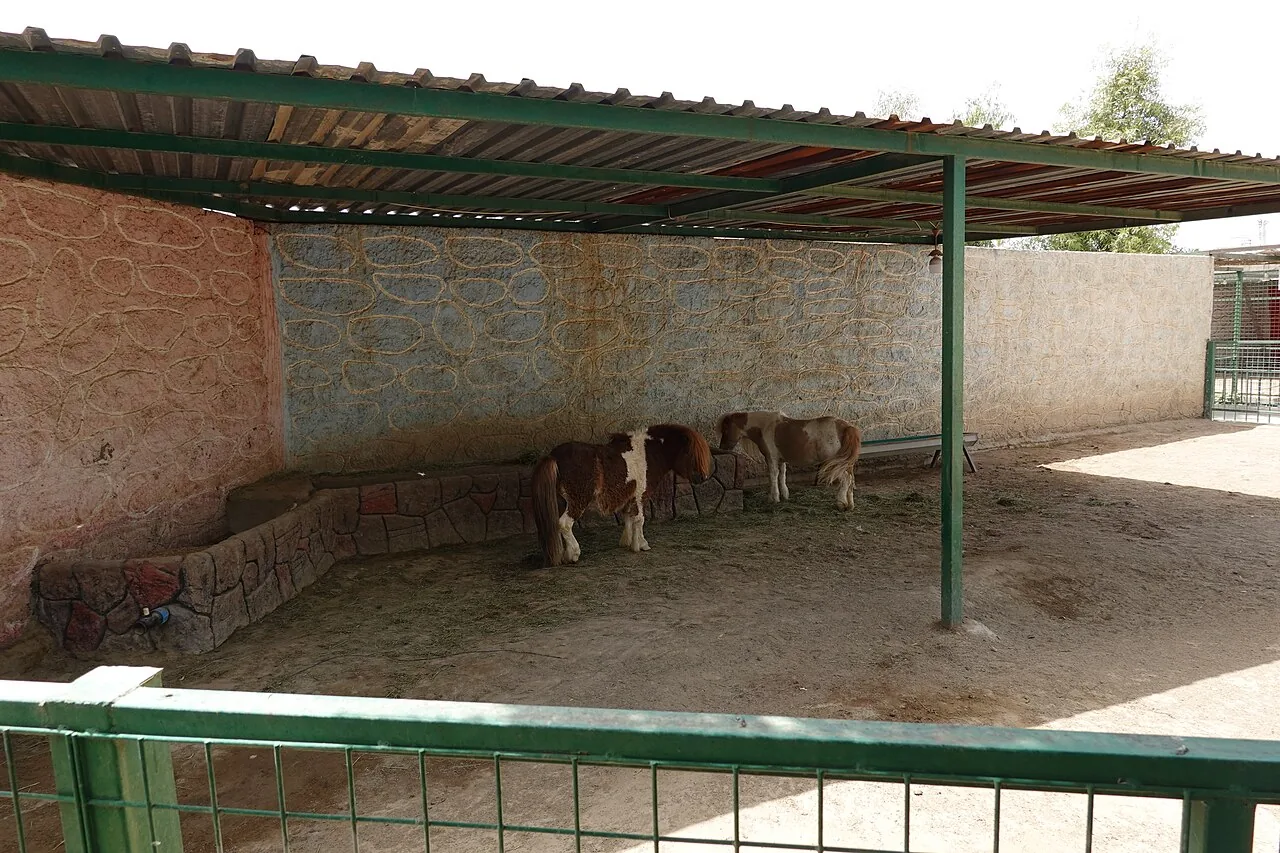
Miniature Horse
United States/Europe
Friendly, curious, hardy
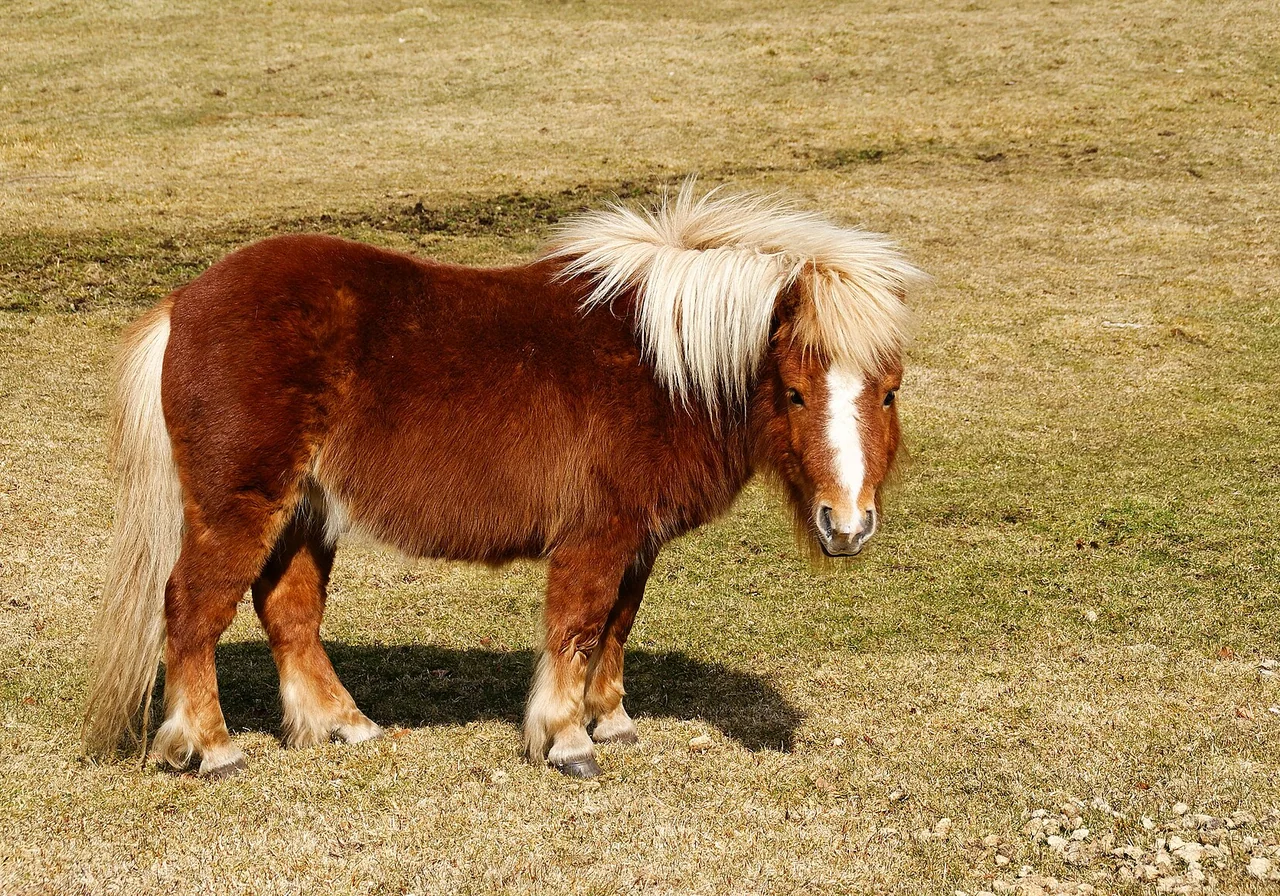
Shetland Pony
Scotland (Shetland Isles)
Hardy, strong, independent
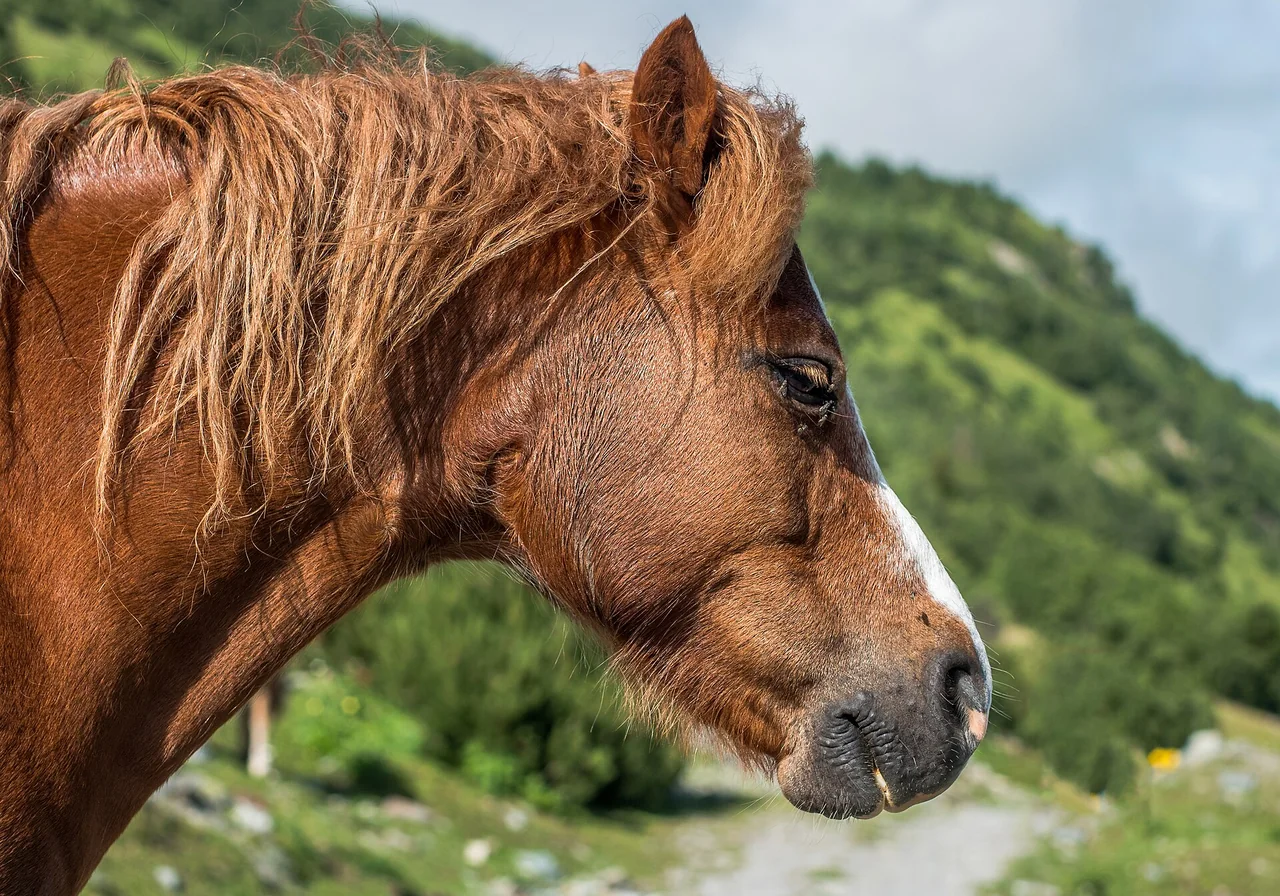
Welsh Pony
Wales
Active, intelligent, hardy
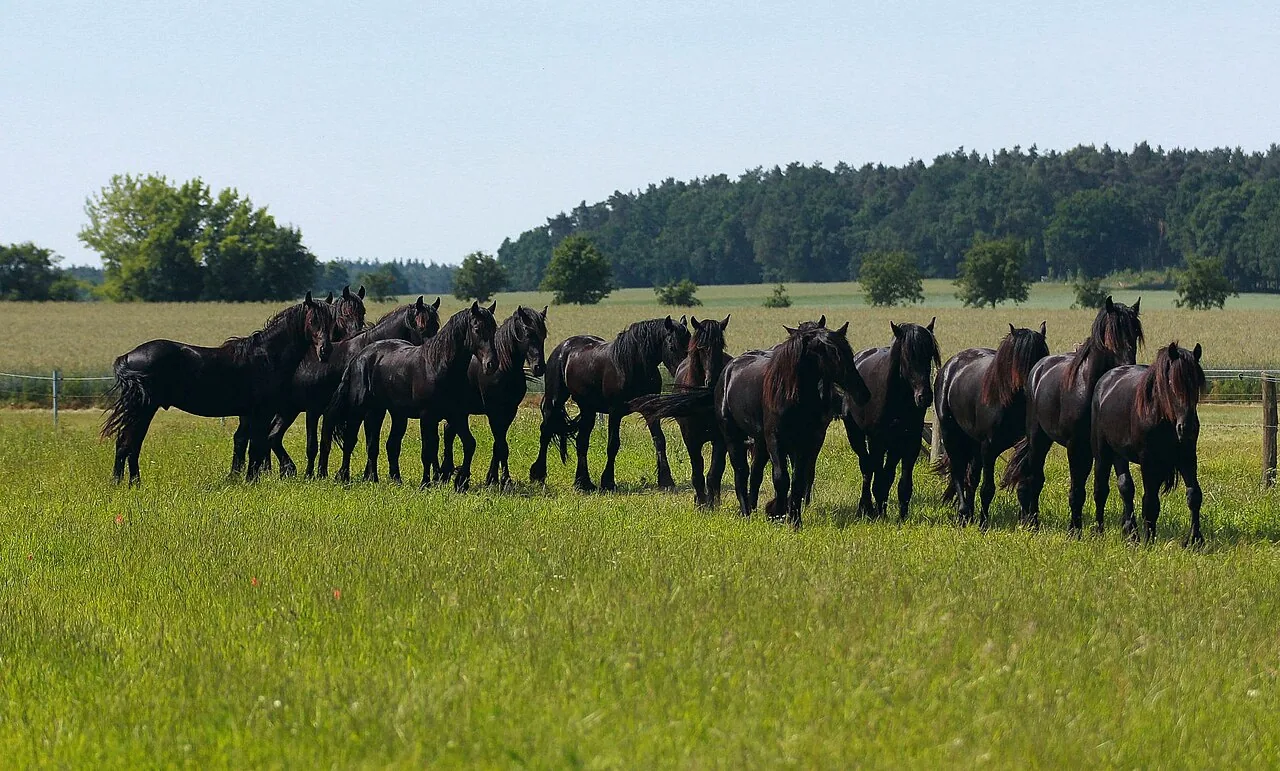
Friesian
Netherlands
Noble, willing, dramatic
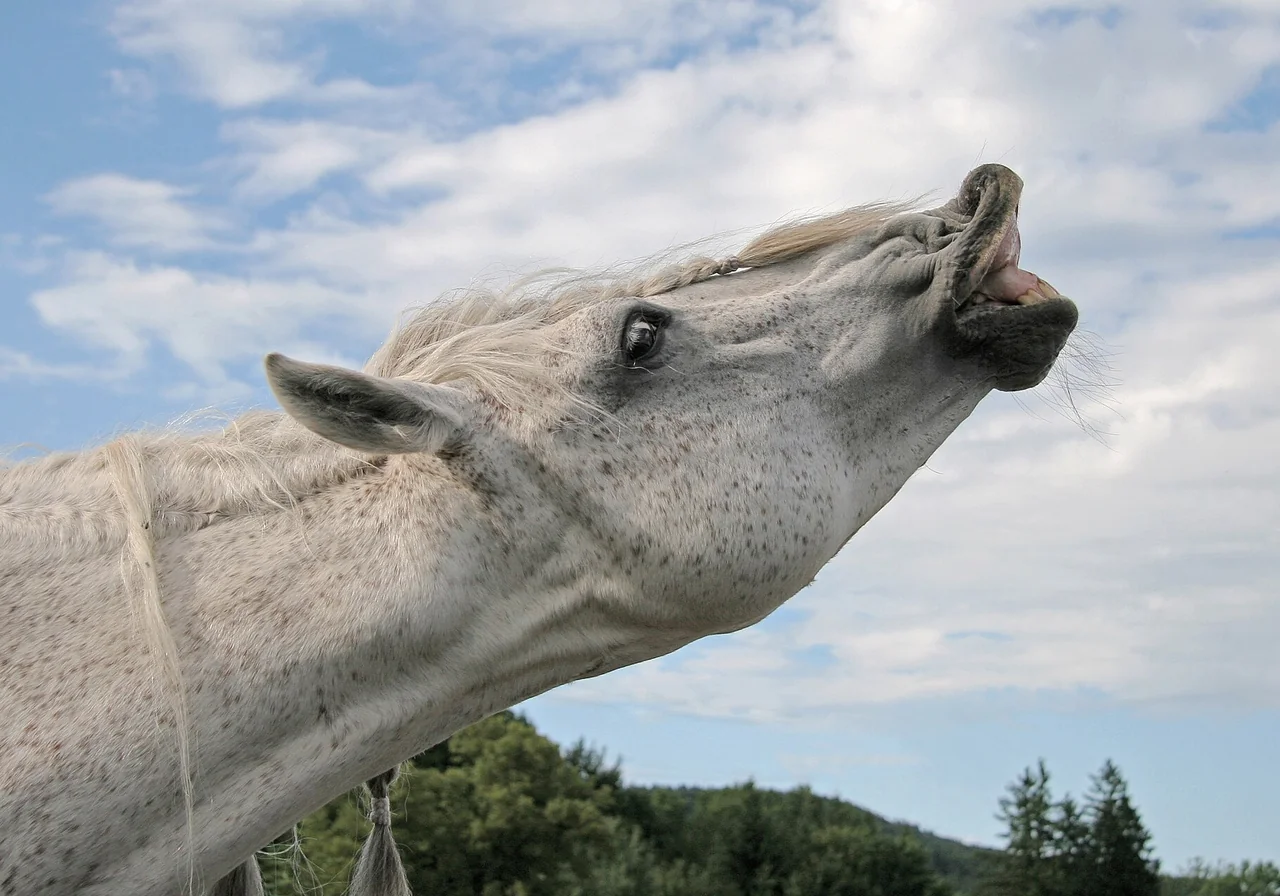
Andalusian
Spain
Proud, agile, trainable
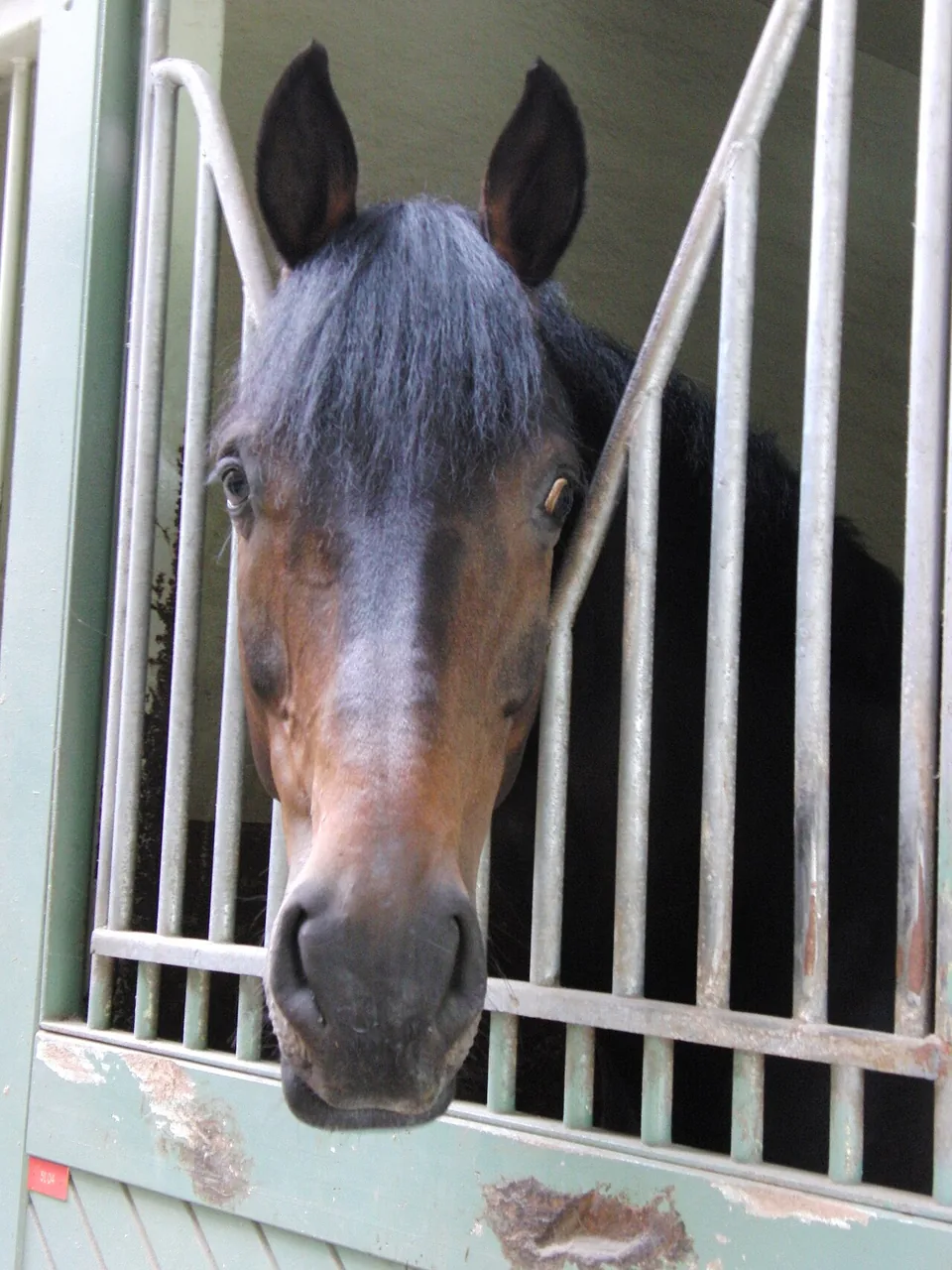
Hanoverian
Germany
Athletic, balanced, rideable
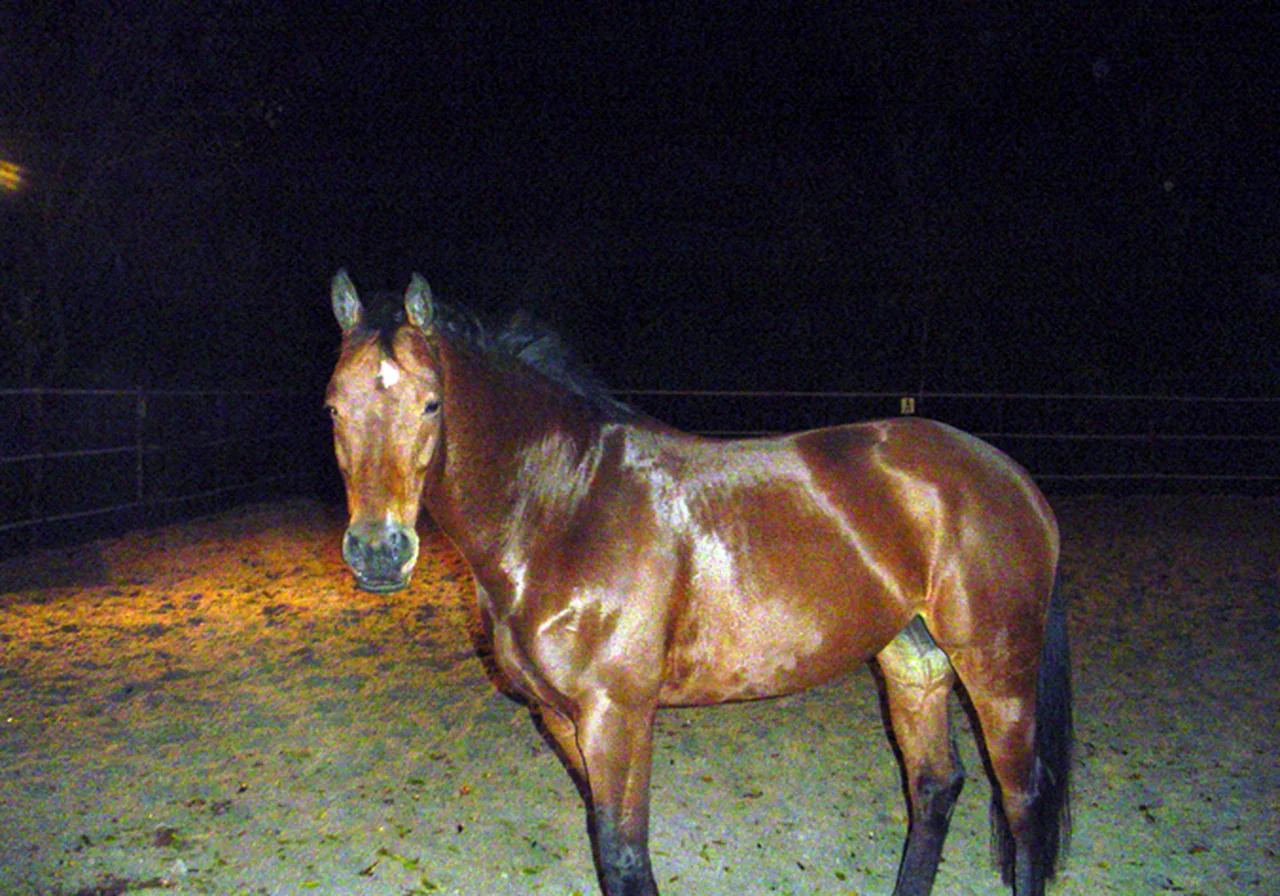
Dutch Warmblood
Netherlands
Powerful, scopey, competitive
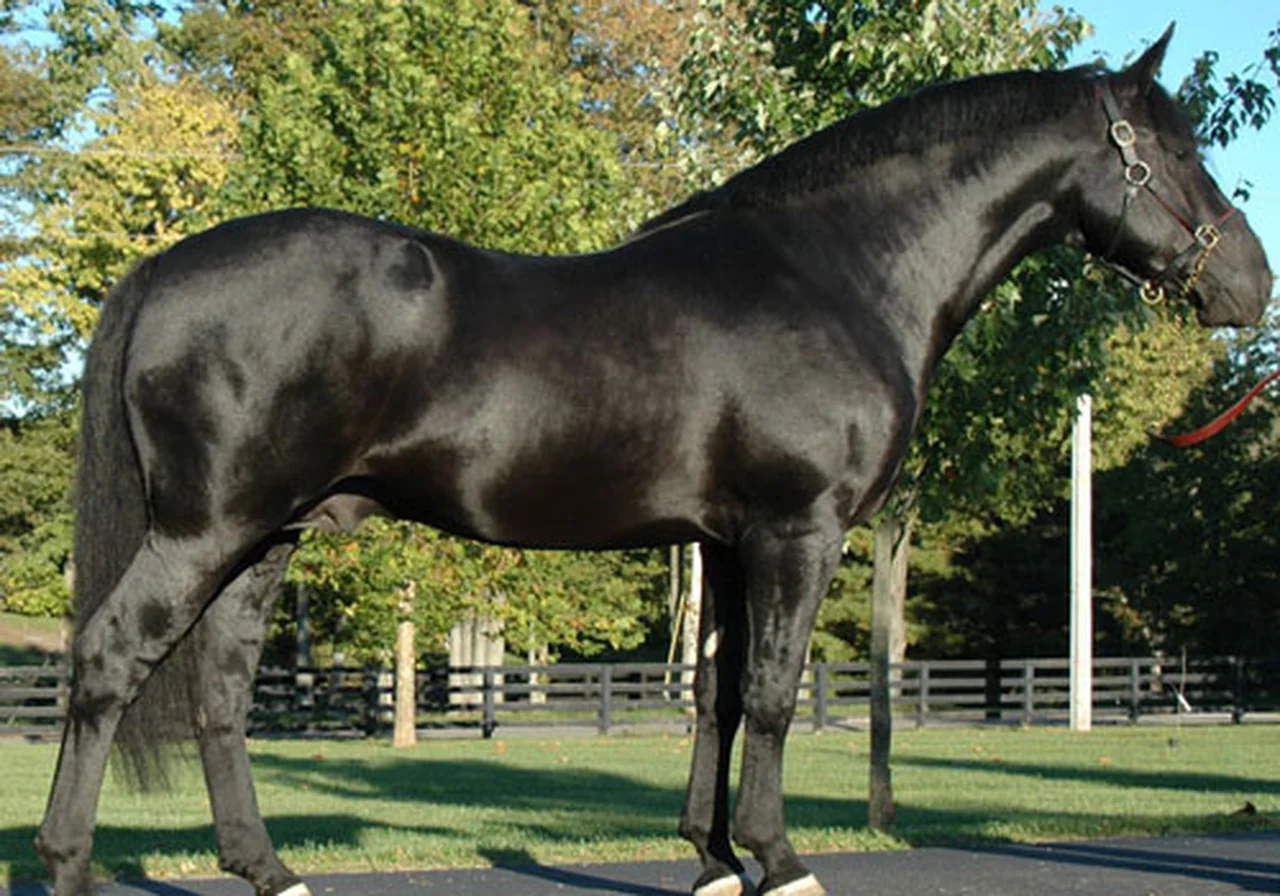
Irish Draught
Ireland
Sensible, strong, versatile
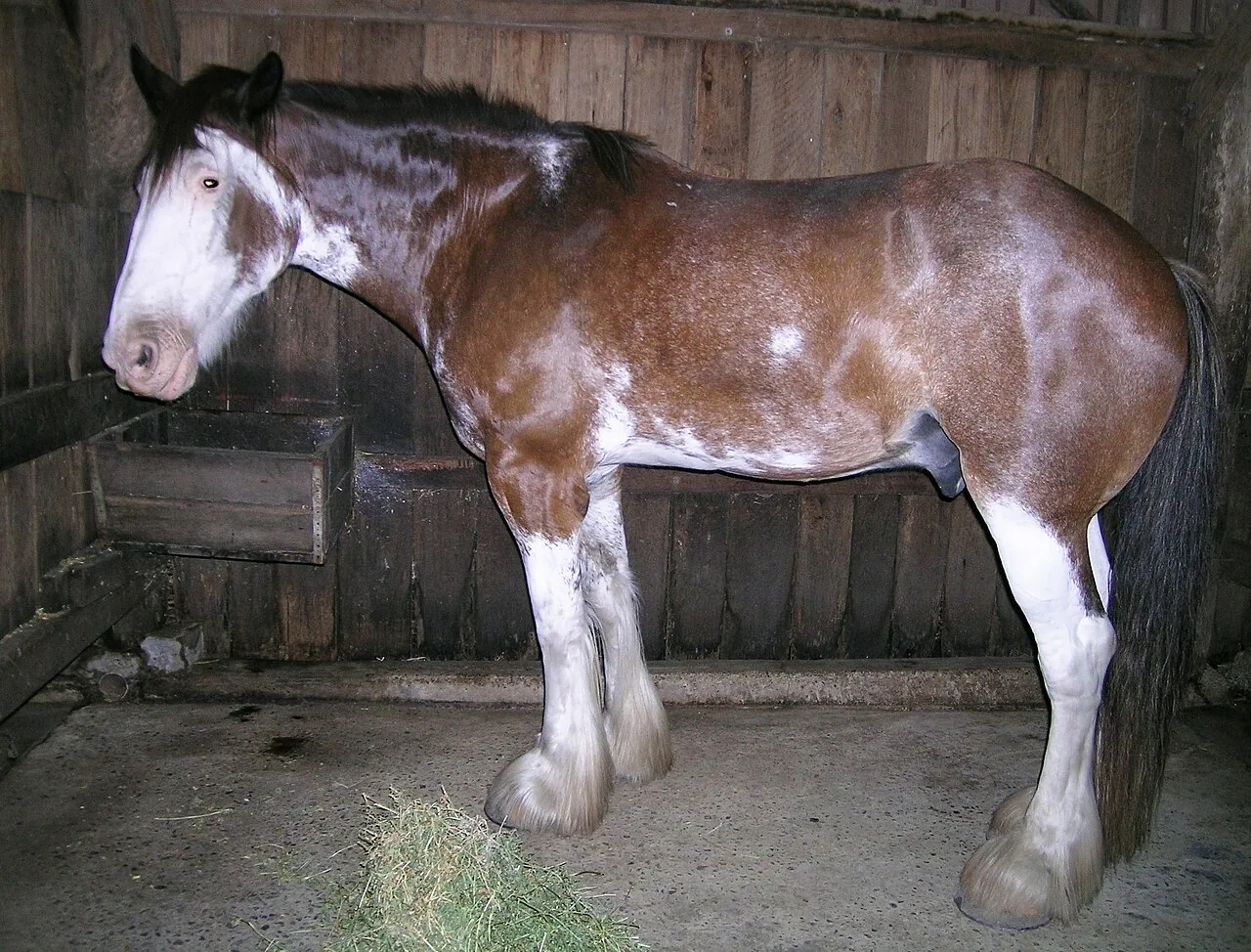
Clydesdale
Scotland
Gentle, feathered, powerful
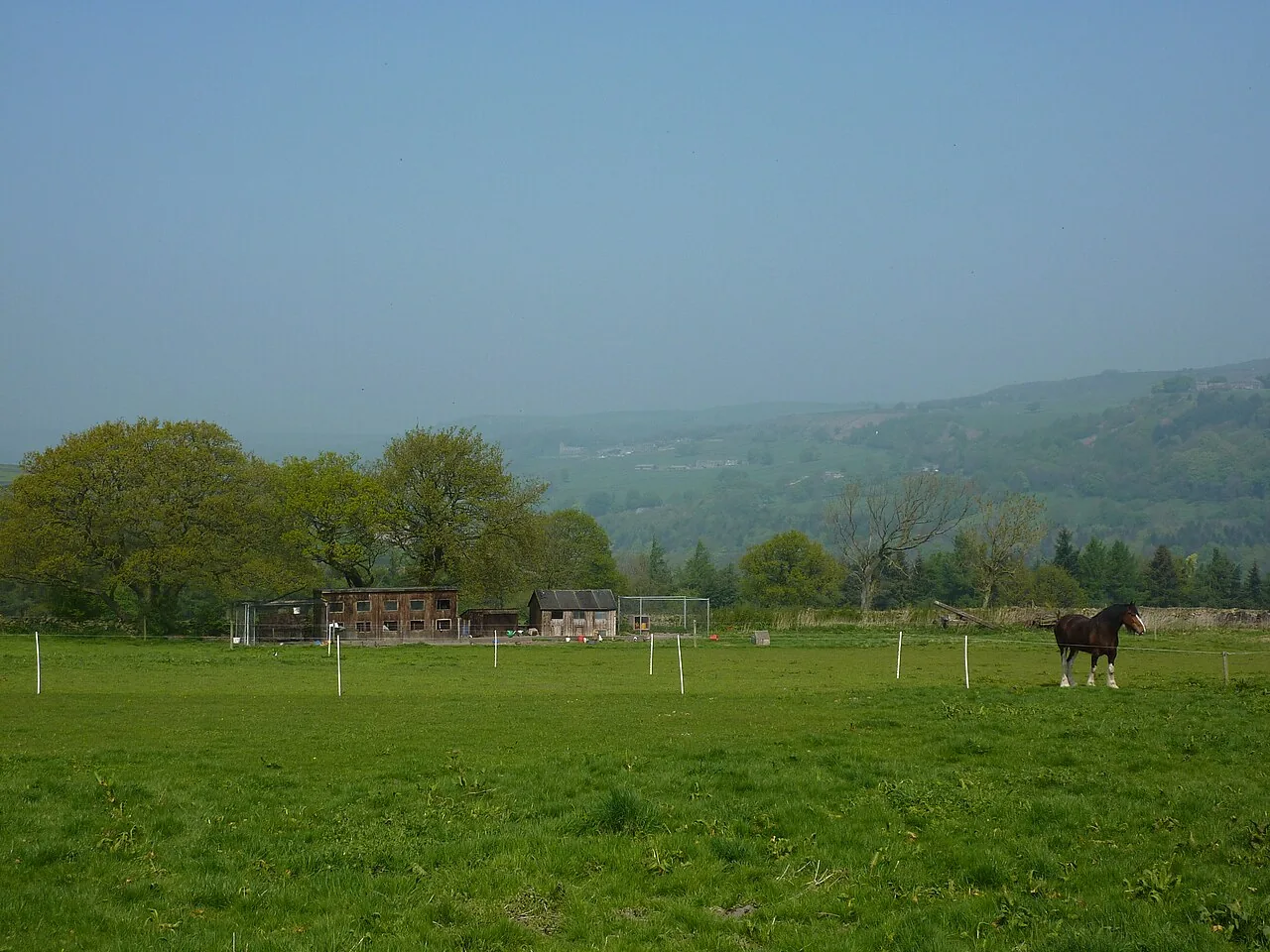
Shire
England
Calm, massive, willing
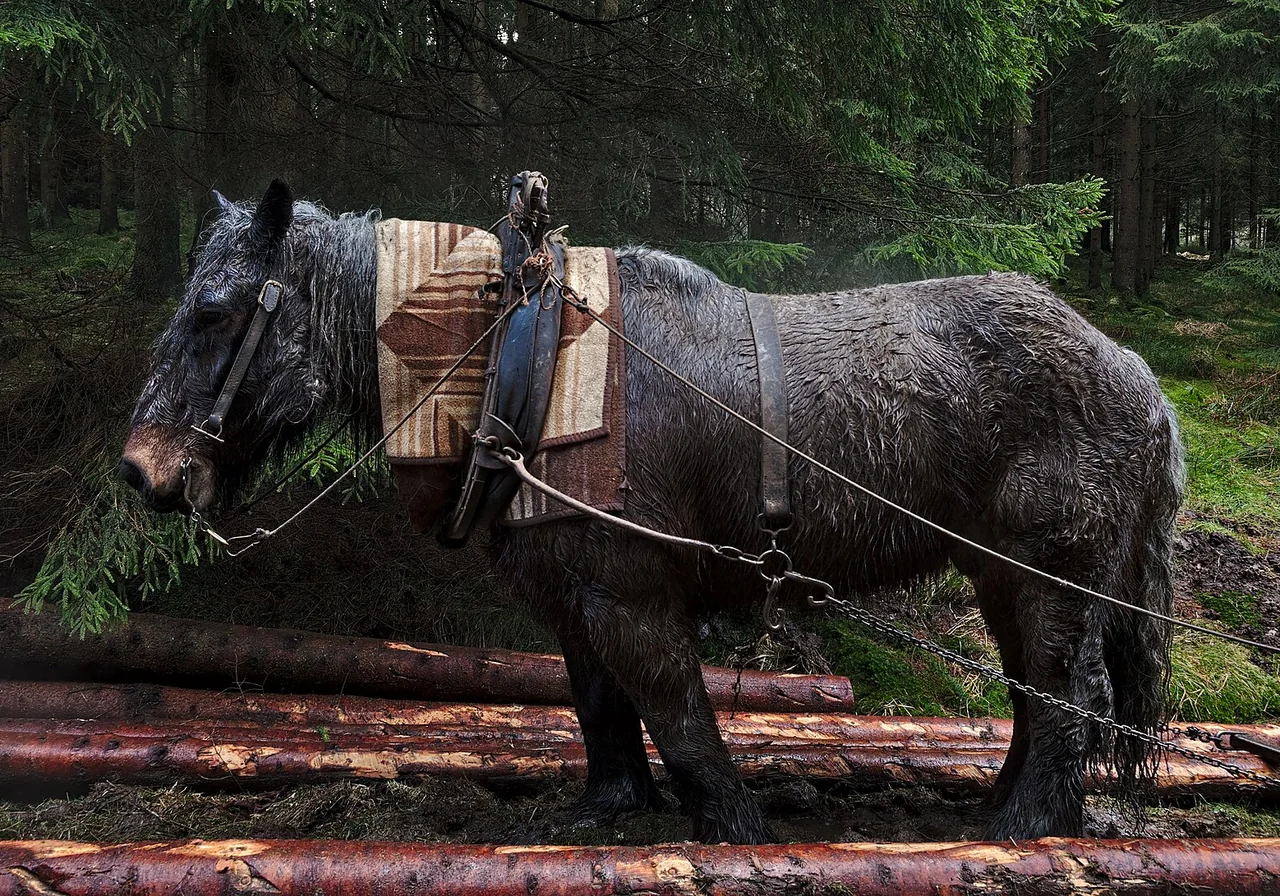
Belgian Draft
Belgium
Strong, steady, docile
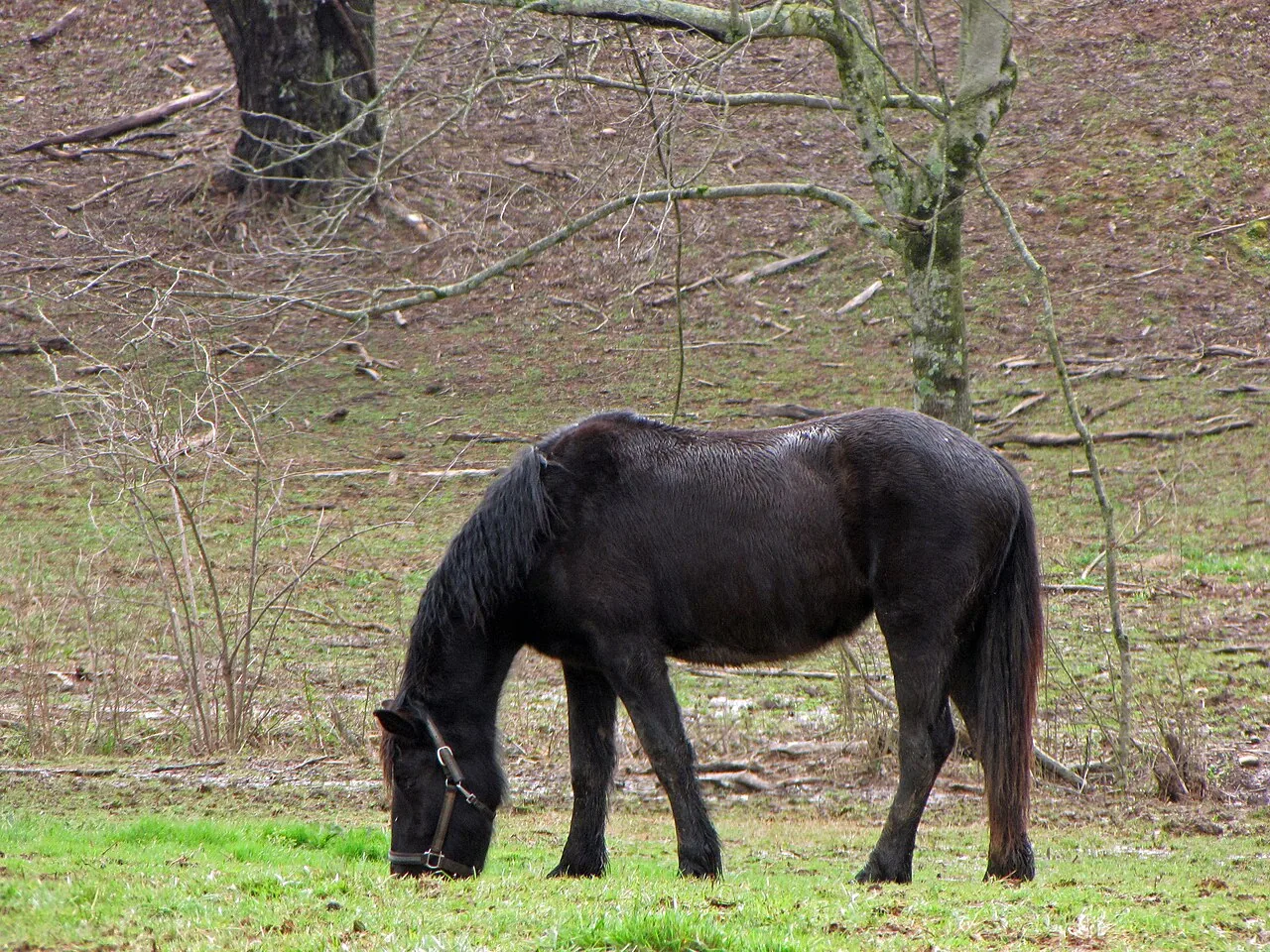
Percheron
France
Intelligent, active draft
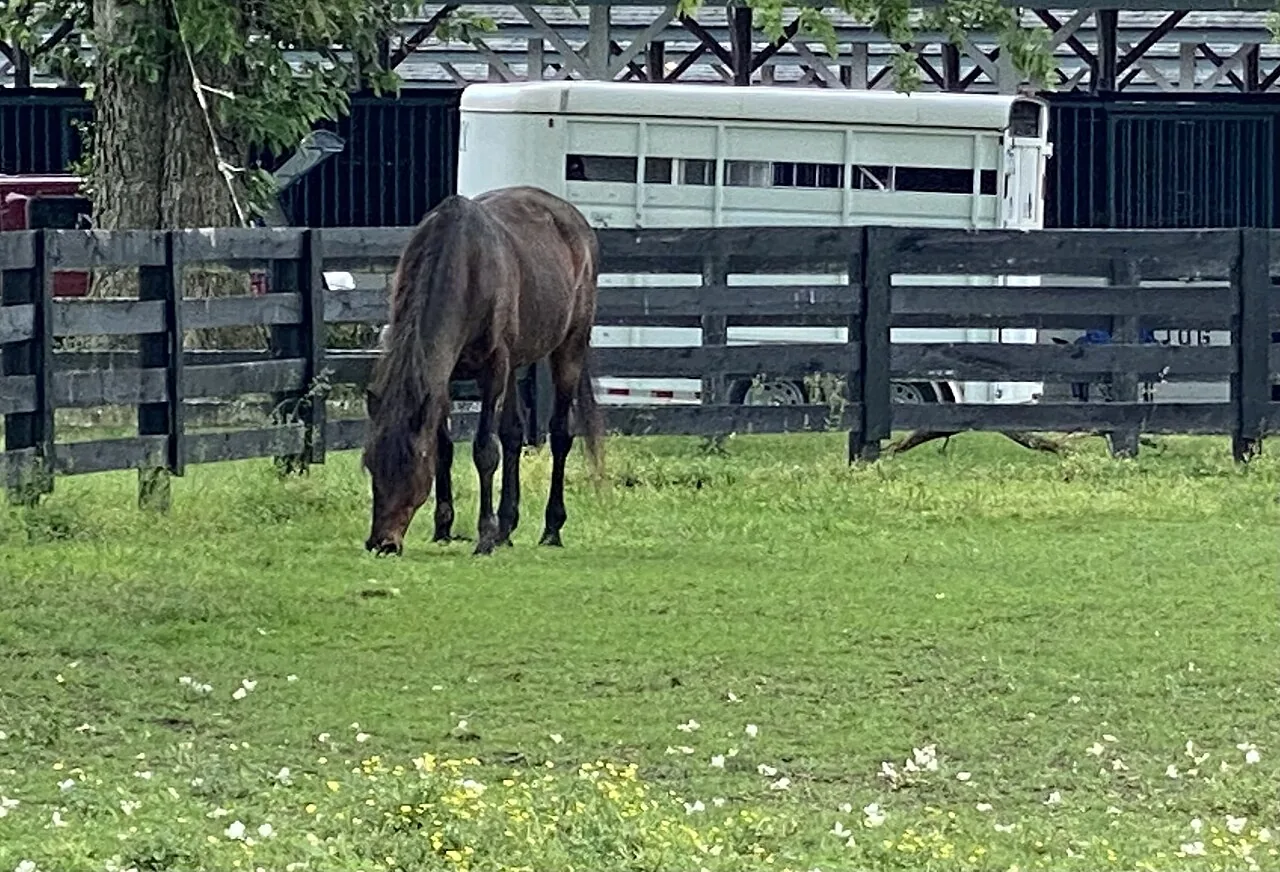
Standardbred
United States
Sensible, gaited or trotter
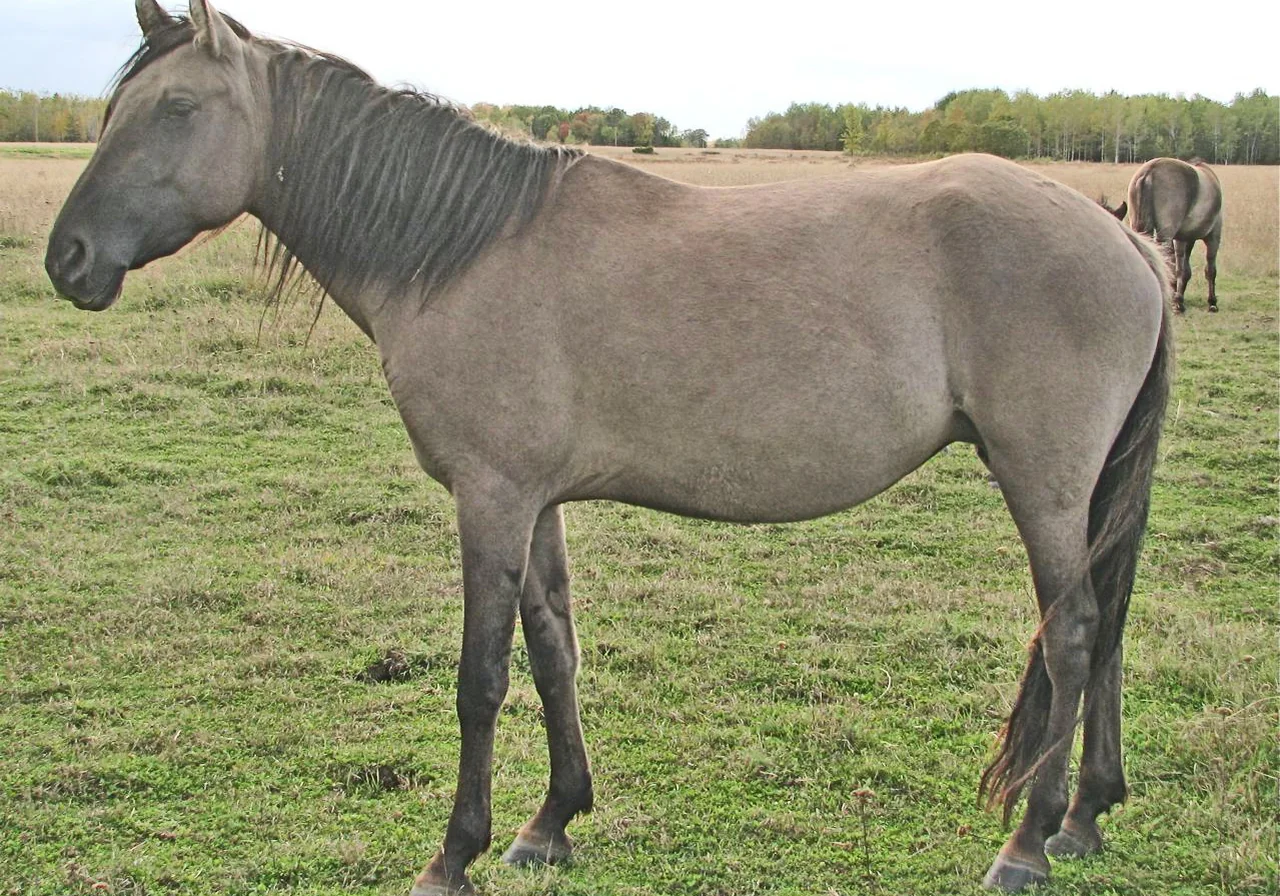
Mustang
United States
Hardy, intelligent, spirited
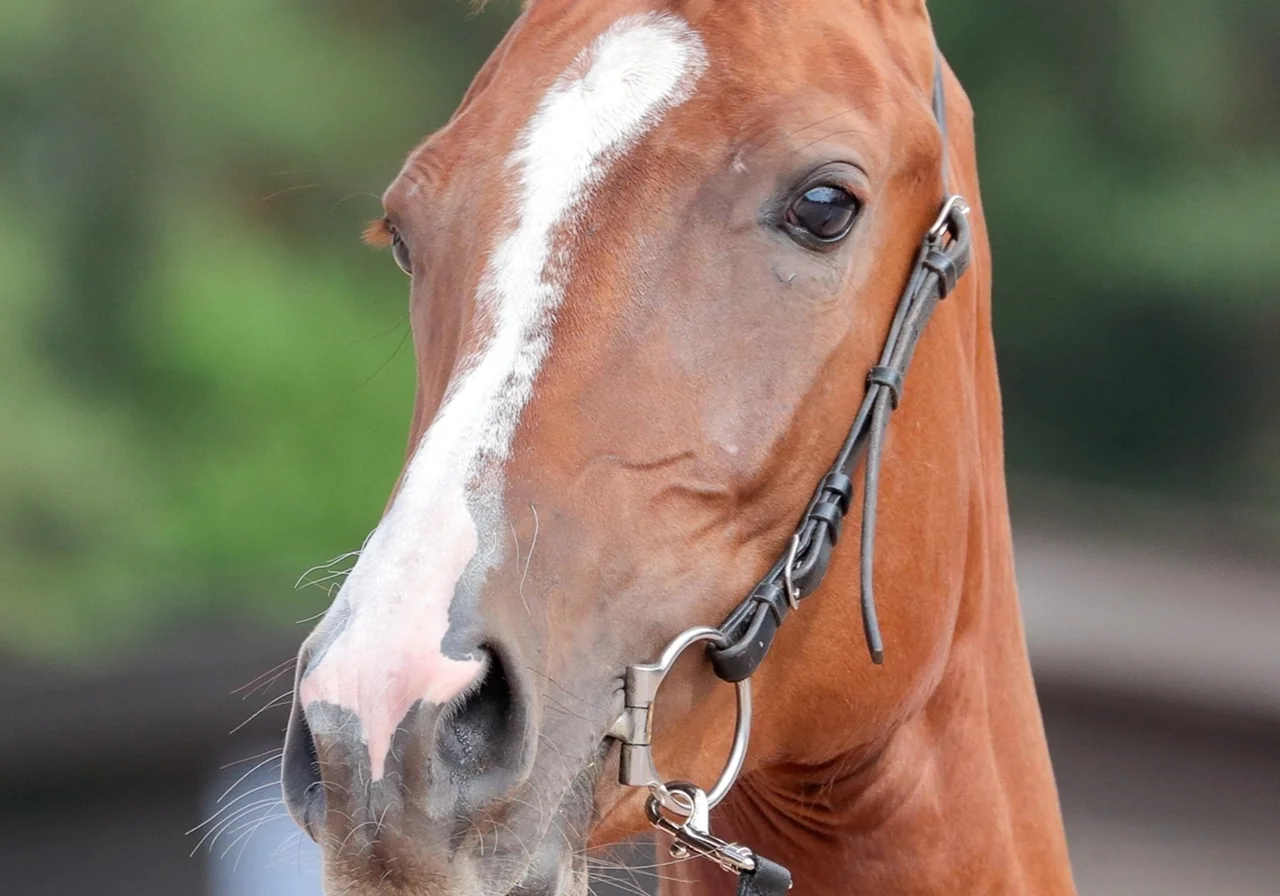
Akhal-Teke
Turkmenistan
Enduring, loyal, hot-blooded
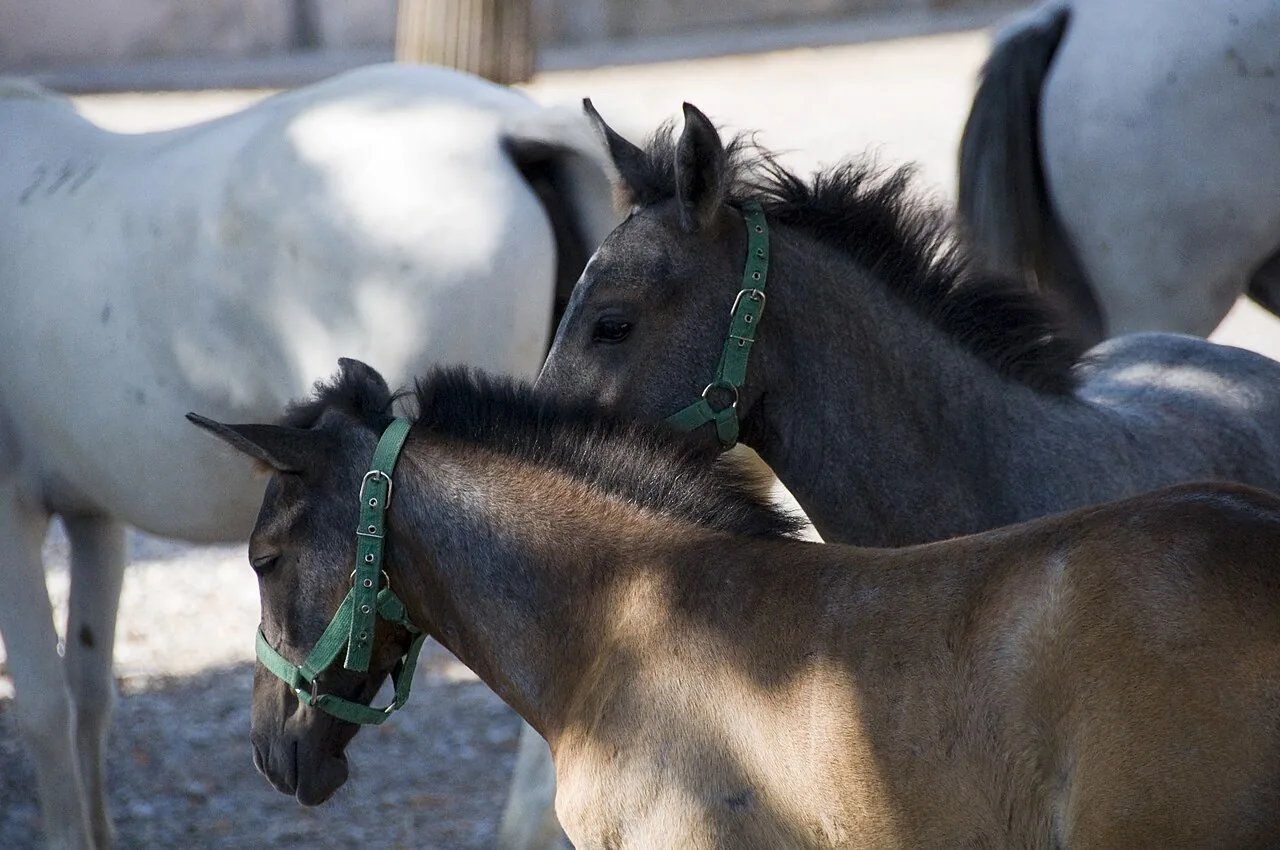
Lipizzan
Austria
Classical, agile, baroque
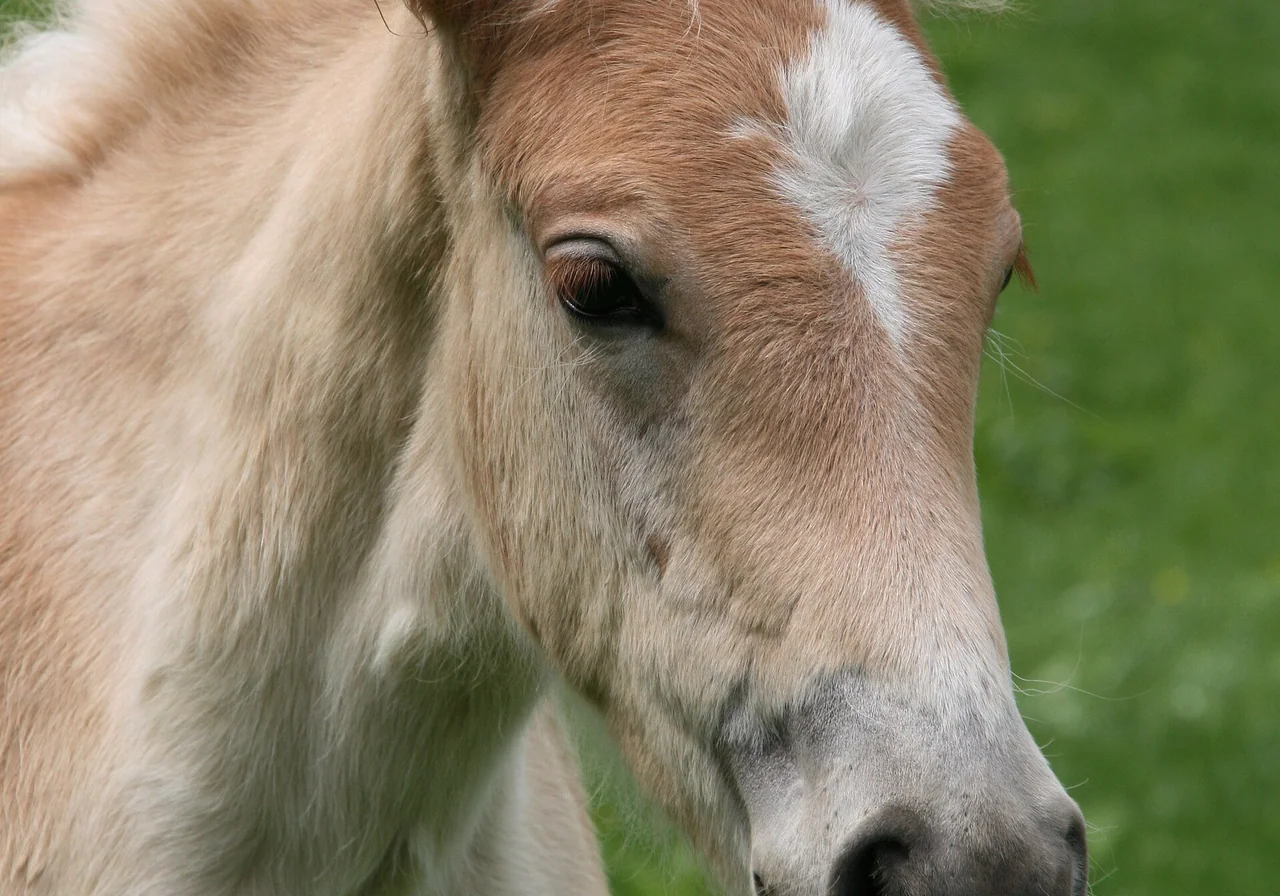
Haflinger
Austria/Italy
Gentle, sure-footed, chestnut
Looking for a breed to suit a particular household? These lists rank the same guides by popularity, type and role — and each one says how it was compiled.
What WARN Does
WARN publishes this guide for education and is developing support through assessed animal-welfare grants. A species range, source citation or photograph does not establish a recipient or funding agreement. Check /about/where-your-money-goes/#grant-register for published grant and payment records; records not yet published must not be read as zero activity. Review /appeals/working-horses/ separately for the appeal purpose and terms.
Working horses are the same species as riding horses. A gift at /appeals/working-horses/ helps fund partner-led mobile clinics, farriery and harness support in Pakistan. Illustrations, not a named-horse invoice.
Horse: Frequently Asked Questions
What is a horse?
Are all horse breeds the same species?
When were horses domesticated?
How long do horses live?
How long are horses pregnant?
What do horses eat?
Are horses dangerous?
How is a horse different from Przewalski's horse?
How many horse breeds are there?
What is a working horse?
Are horses endangered?
How can I help working horses abroad?
Sources & References
Population figures, conservation status and biological facts on this page are drawn from authoritative scientific and intergovernmental sources.
- Animal Diversity Web — Equus caballus
- IUCN Red List — categories and criteria (domesticated taxa are not assessed)
- GOV.UK Gift Aid — available only on gifts to UK registered charities
- Brooke — roles of working horses, donkeys and mules
- PMC — working donkeys and mules in brick kilns
- Encyclopaedia Britannica — Horse
Terms used on this page
Plain-English definitions, from our wildlife and conservation glossary.
Latest Horse Stories
Quick, fact-checked reads on the horse — amazing facts, key questions and the threats it faces.
Briefings
Stray Dog Rescue in Pakistan: Why Mass Culling Cannot Solve Rabies
Tens of thousands of street dogs are killed in Pakistani cities each year — and rabies cases continue to rise. There is a humane alternative that actually works.
Read the storyGuides
How to Adopt a Dog: A Complete Guide to Dog Adoption and Rescue Dogs
Thinking of adopting a dog? Here is the complete guide to dog adoption, what to expect from rescue dogs, how to find a reputable rescue near you — and how to help the street dogs that cannot be adopted out of trouble.
Read the storyGuides
Dog Shelters, Animal Shelters and Dog Rescues: A Guide to Finding and Trusting One
What's the difference between a dog shelter, an animal shelter and a dog rescue? How do you find a good one near you, and what should you look for before you trust them with a rescue dog — or your money?
Read the storyExplore more animals
Discover more animals, their habitats and their conservation status in the WARN wildlife-guide library.