Topics
Sourced explainers on the issues behind the rescue work — what drives them, what the evidence says, and what actually helps.
By WARN Research & Conservation TeamLast updated
In brief
WARN publishes 11 topic explainers covering wildlife trafficking, street-animal welfare, habitat loss and the ethics of animal tourism — each one sourced, and linked to the rescue work and appeals it relates to.
-
Animal rescue in Africa
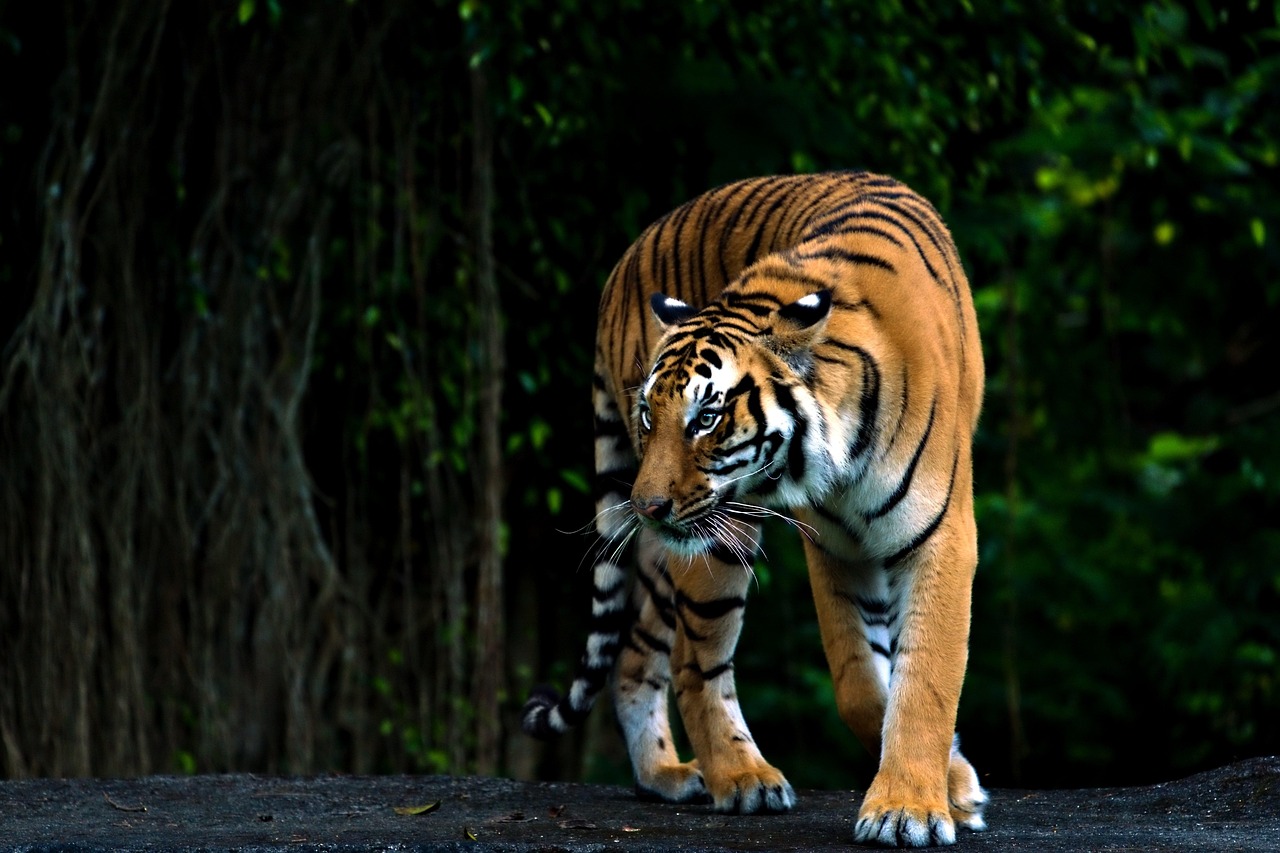
Animal rescue in Africa is dominated by snare removal, anti-poaching support, orphaned-wildlife rehabilitation and human-wildlife conflict mitigation — concentrated in East Africa, including Kenya and Tanzania.
-
Animal rescue in Asia
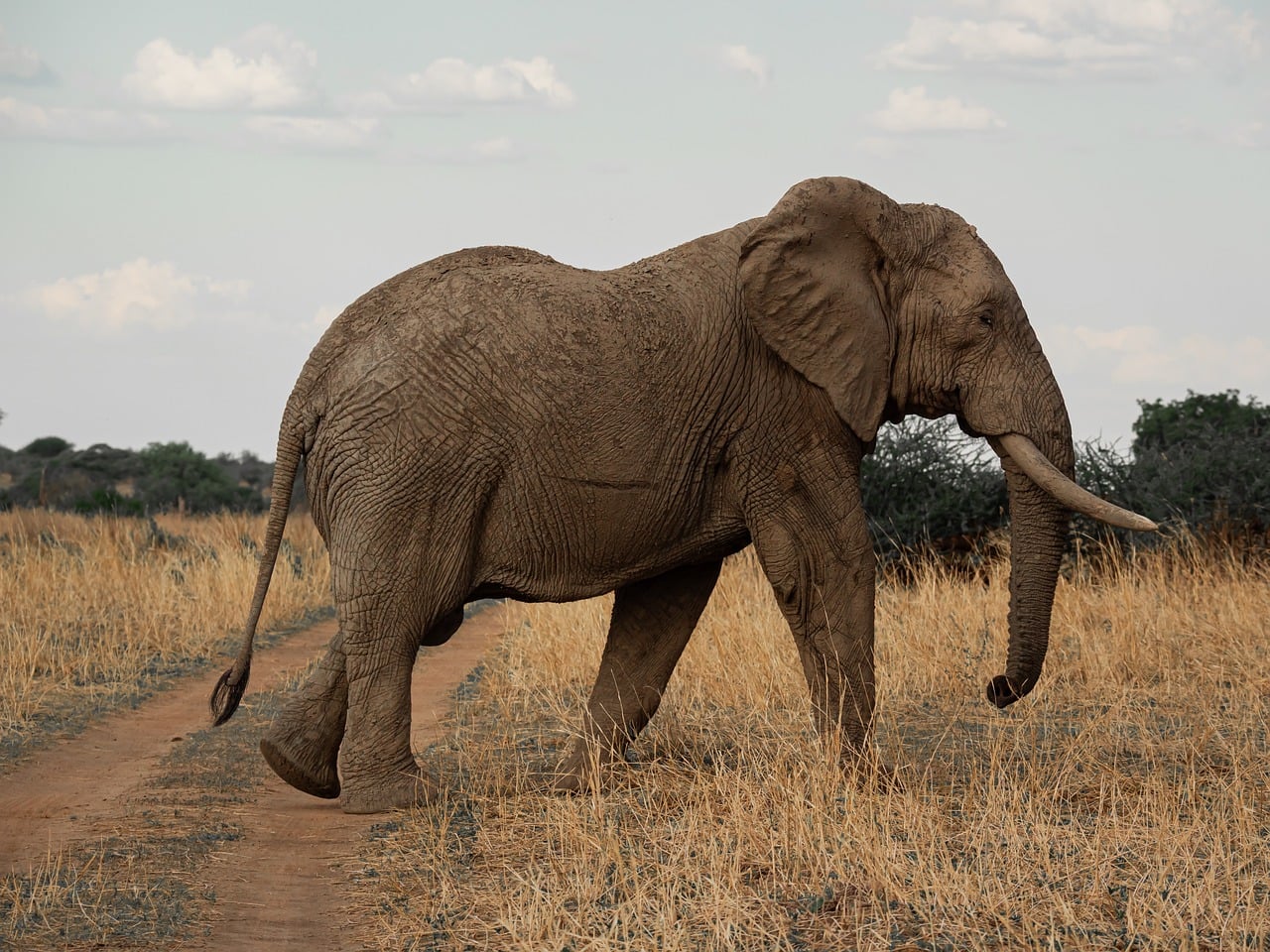
Animal rescue in Asia spans wildlife trafficking interdiction, street-dog welfare, captive-wildlife rehabilitation and disaster response — concentrated across Indonesia, Malaysia, Vietnam, Thailand, Cambodia and Pakistan.
-

Bushmeat and snares
Bushmeat refers to wild animals killed for local consumption; snares are the dominant tool used to catch them. Both are major drivers of biodiversity loss in East Africa, and snares regularly catch non-target species as bycatch.
-
Climate change and wildlife
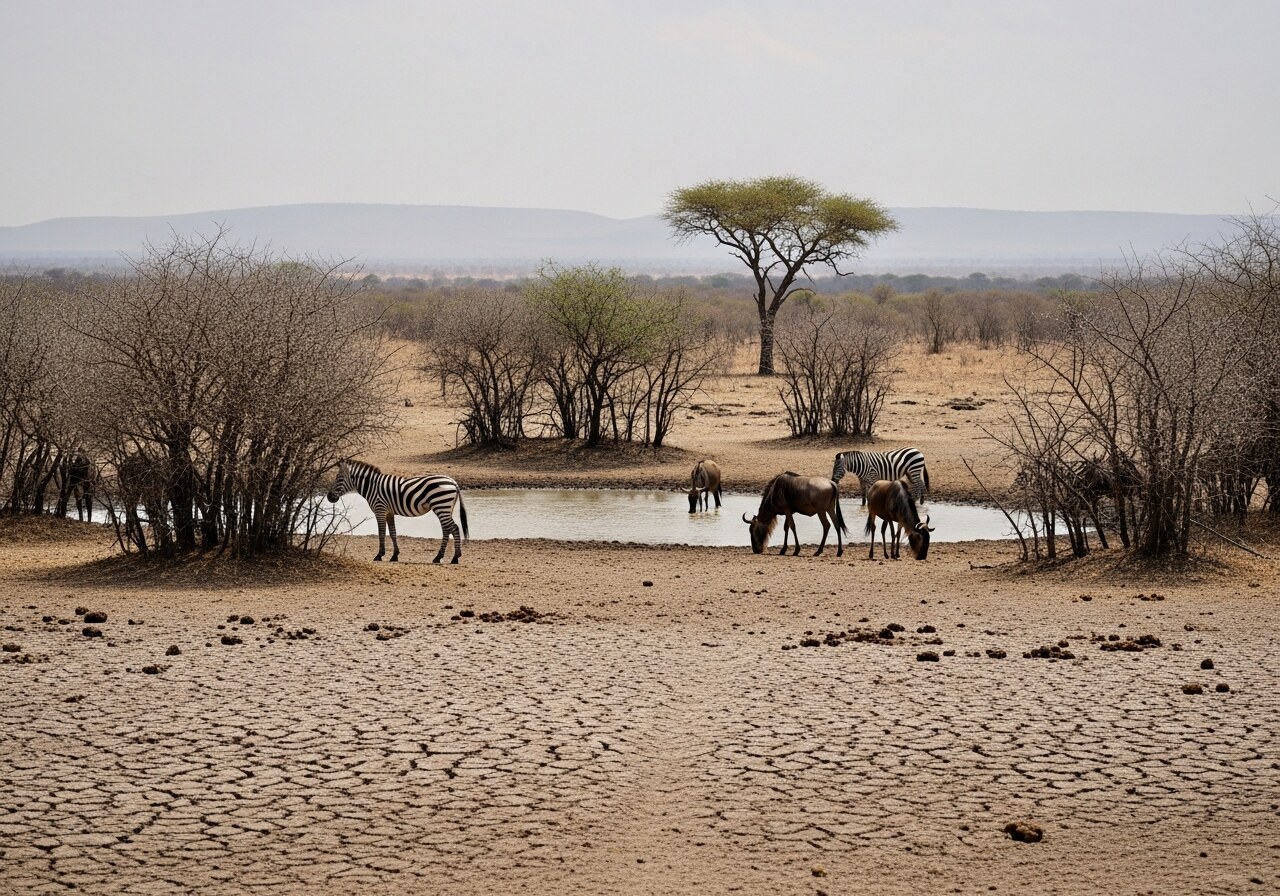
Climate change drives wildlife loss through habitat shifts, drought, fire, sea-level rise, ocean warming and disrupted reproductive seasonality; IUCN now identifies climate change as a leading or contributing threat for an increasing share of species reassessments.
-

Illegal wildlife trade
The illegal wildlife trade is the unlawful capture, transport, sale and possession of wild animals or their parts in violation of national or international (CITES) law, repeatedly identified by UNODC as transnational organised crime.
-

Marine plastic and animals
Marine plastic kills marine animals through entanglement, ingestion, ghost-net bycatch and habitat degradation; UNEP estimates that 11-19 million tonnes of plastic enter the world's oceans each year, with around 80% from land-based sources.
-

Pet trade and exotic pets
The exotic-pet trade encompasses the international and domestic trade in non-domesticated species kept as companion animals; it includes wild-caught and captive-bred parrots, reptiles, primates, big cats and small carnivores, and is a major driver of wild-population decline for many species.
-

The dog and cat meat trade
The dog and cat meat trade in Southeast Asia handles an estimated 10-30 million dogs and several million cats per year, most of them stolen or trapped community animals; it is a serious welfare crisis and a public-health risk implicated in rabies transmission.
-
Wildlife tourism and welfare
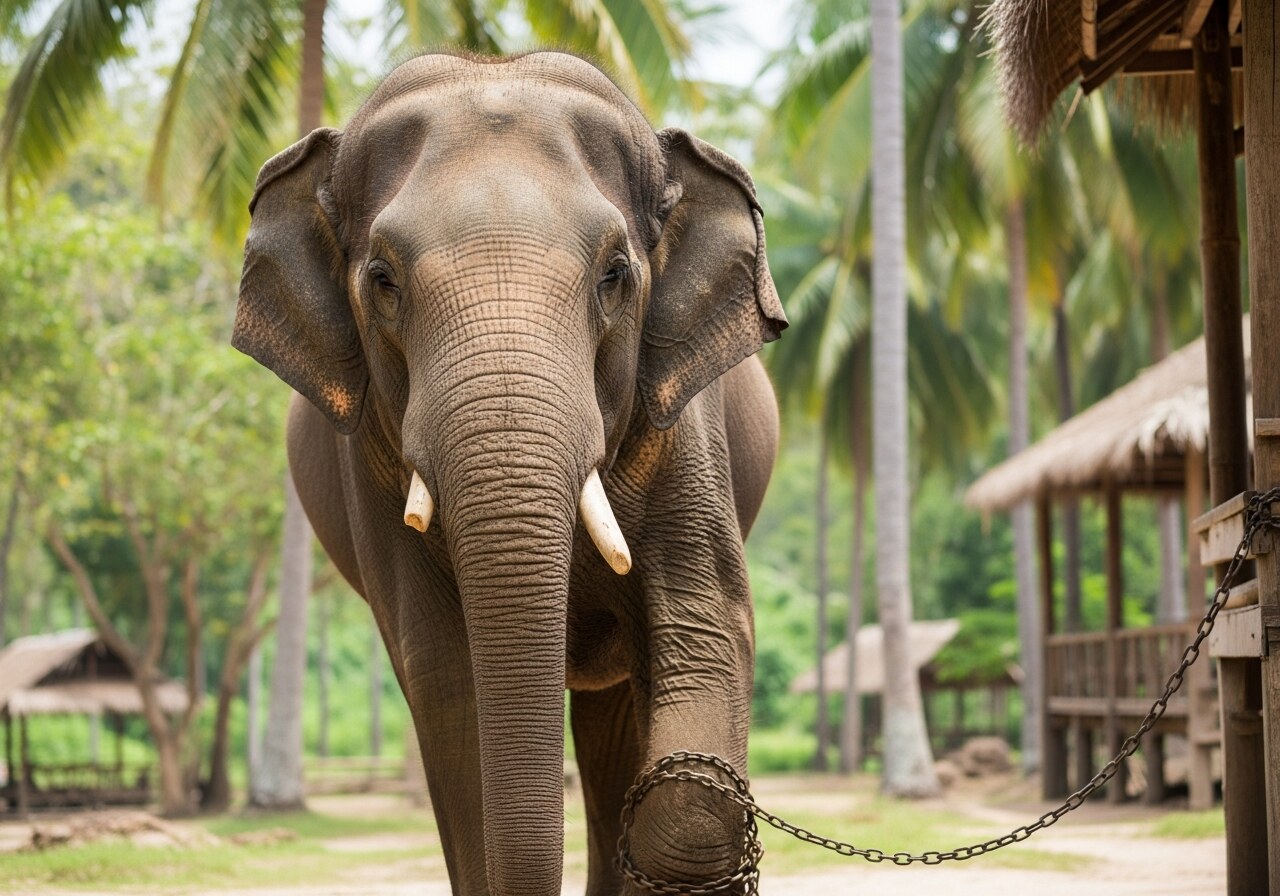
Wildlife tourism covers everything from ethical safari operations to welfare-compromised performance and contact experiences; the clearest welfare test is whether animals are free to perform natural behaviours without enforced human contact, riding, performing or restraint.
-
Wildlife trafficking
Wildlife trafficking is the illegal capture, transport and sale of wild animals or their parts for pets, food, medicine, trophies or ornaments — repeatedly identified by UNODC as a transnational organised crime.
-

Working equines: horses, donkeys and mules
Working equines — horses, donkeys and mules used for transport, agriculture and small-trade haulage — number an estimated 100 million worldwide and are a critical livelihood for low-income households; the most common welfare problems are harness sores, dental disease, parasite burden and lack of access to veterinary care.