Wildlife Guide · Africa & Asia
Hawksbill Sea Turtle
Eretmochelys imbricata
The tortoiseshell turtle
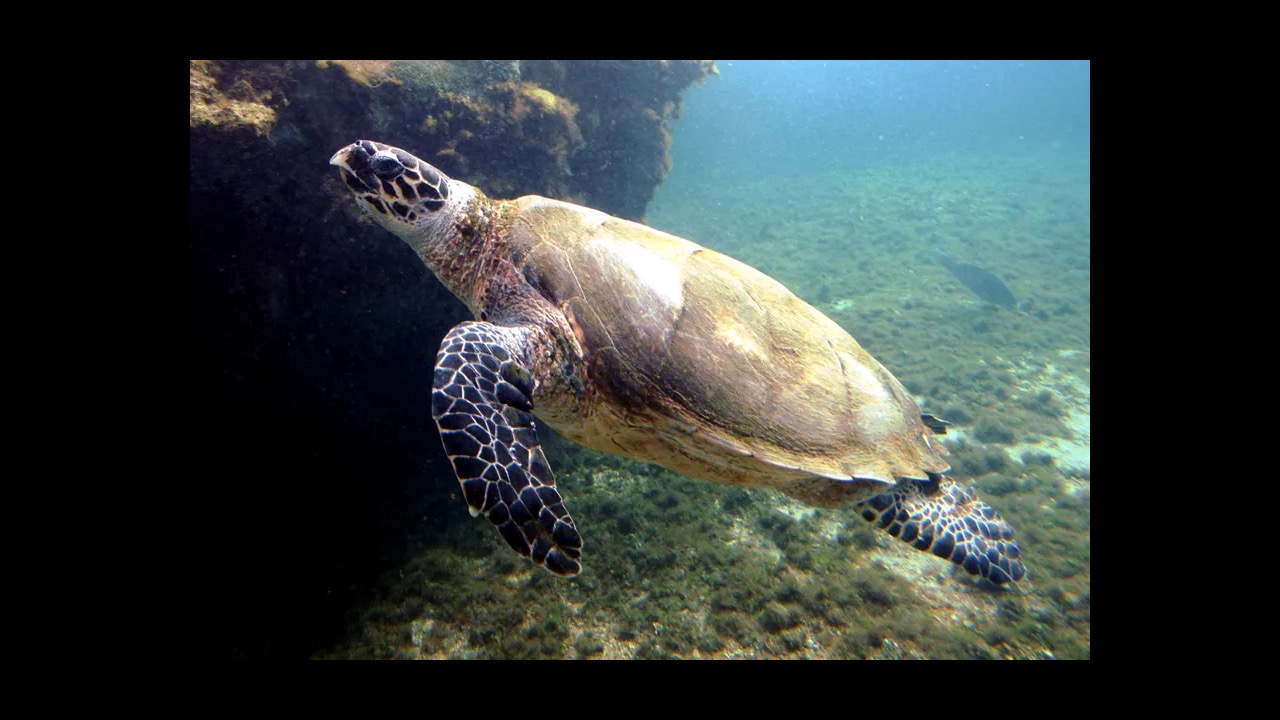
Photo: Thierry Caro / Wikimedia Commons (CC BY-SA 3.0)
In brief
The hawksbill is a small sea turtle of tropical coral reefs worldwide, named for its narrow, bird-like beak. It grows to about 0.9 m (3 ft) and 45 to 90 kg, feeds mainly on sponges, and can swim at up to 24 km/h (15 mph).
Also in Animals A to Z · Animals that start with H
By WARN Research & Conservation Team Last updated
The hawksbill is a small sea turtle of tropical coral reefs worldwide, named for its narrow, bird-like beak. It grows to about 0.9 m (3 ft) and 45 to 90 kg, feeds mainly on sponges, and can swim at up to 24 km/h (15 mph). Hawksbills live 30 to 50 years in the wild and are Critically Endangered, largely because their beautiful shells were harvested for tortoiseshell.
0.9 m
Typical length
80 kg
Typical weight
24 km/h
Top speed
50 yrs
Lifespan
Figures sourced from IUCN Red List — Hawksbill Sea Turtle, Wikipedia — Hawksbill Sea Turtle, Wikidata — Hawksbill Sea Turtle .
Hawksbill Sea Turtle: Quick Facts
| Scientific name | Eretmochelys imbricata |
|---|---|
| Diet | Carnivore — sponges, jellyfish, algae, and anemones |
| Habitat | Tropical coral reefs worldwide |
| Lifespan | 30–50 years in the wild |
| Weight | 45–90 kg (100–200 lb); smaller than loggerheads |
| Top speed | Up to 24 km/h (15 mph) swimming |
| Conservation status | Critically Endangered (IUCN) |
Scientific Classification
| Kingdom | Animalia |
|---|---|
| Phylum | Chordata |
| Class | Reptilia |
| Order | Testudines |
| Family | Cheloniidae |
| Genus | Eretmochelys |
Conservation Status
- IUCN Status
- Critically Endangered (IUCN Red List)
- Population
- See the IUCN Red List assessment
- Trend
- Decreasing
- Assessed
- 2008
- CITES
- See CITES appendices
Key documented threats: Illegal tortoiseshell trade; Fisheries bycatch; Egg harvest; Coral-reef habitat degradation.
Key Facts: Hawksbill Sea Turtle
- The hawksbill is instantly recognised by its overlapping, amber-and-brown scutes, which form the patterned shell long prized as "tortoiseshell".
- Hawksbills are one of the very few animals that eat sponges as the core of their diet, using that narrow beak to reach into reef crevices.
- Hawksbills favour tropical coral reefs, rocky areas, lagoons, and mangrove estuaries across the Atlantic, Indian, and Pacific Oceans.
Appearance and the tortoiseshell shell
The hawksbill is instantly recognised by its overlapping, amber-and-brown scutes, which form the patterned shell long prized as "tortoiseshell". Its jaws taper to a sharp, hooked beak that works like a pair of scissors, and the rear of the shell is serrated like the teeth of a saw. Adults reach around 0.9 m (3 ft) in shell length and 45 to 90 kg, making them smaller than the bulky loggerhead.
A sponge specialist
Hawksbills are one of the very few animals that eat sponges as the core of their diet, using that narrow beak to reach into reef crevices. They also take jellyfish, sea anemones, and algae, and are tolerant of toxins that would poison most predators. By grazing sponges that would otherwise overgrow corals, hawksbills help keep reef surfaces open for reef-building coral.
Coral reef habitat
Hawksbills favour tropical coral reefs, rocky areas, lagoons, and mangrove estuaries across the Atlantic, Indian, and Pacific Oceans. They are strong, agile swimmers that reach speeds of up to 24 km/h (15 mph) and squeeze into tight reef spaces where larger turtles cannot follow. Individuals often show strong fidelity to particular reefs, returning to the same feeding grounds year after year.
Nesting and reproduction
Females come ashore on remote tropical beaches, usually at night, digging a pit and laying clutches that can exceed 100 eggs. The sex of the hatchlings is set by nest temperature, with warmer sand producing more females. Hatchlings emerge after about two months and scramble to the sea, but only a tiny fraction survive to adulthood, and females may not breed until they are decades old.
Why it is Critically Endangered
The hawksbill is listed as Critically Endangered by the IUCN, and its population has fallen sharply over the last century. The main driver was the tortoiseshell trade, which killed vast numbers for jewellery and ornaments, and demand persists illegally today. Habitat loss, coral-reef decline, egg collection, and entanglement in fishing gear continue to threaten the species despite international protection.
Lifespan and slow maturity
Hawksbills are long-lived, reaching 30 to 50 years in the wild, but they mature slowly and reproduce late. This slow life history means populations recover very gradually, so losses from hunting or bycatch take decades to replace. Protecting nesting beaches and reducing illegal shell trade are therefore central to any recovery.
What WARN Does
WARN does not run a dedicated hawksbill sea turtle programme — this guide is part of the World Animal Rescue Network's free educational library. The hawksbill sea turtle faces documented conservation pressure in the wild, which is why clear, sourced public information about it matters. Building public understanding of species like the hawksbill sea turtle supports the broader conservation awareness that underpins WARN's partner-led rescue work across its network.
If clear, science-based wildlife guides like this help you understand and value animals, please consider supporting the World Animal Rescue Network's educational and rescue work so we can keep producing them.
Hawksbill Sea Turtle: Frequently Asked Questions
Why is the hawksbill turtle endangered?
What do hawksbill turtles eat?
How big do hawksbill turtles get?
How long do hawksbill turtles live?
Why is it called a hawksbill turtle?
How fast can a hawksbill turtle swim?
Where do hawksbill sea turtles live?
Are hawksbill sea turtles dangerous?
Sources & References
Population figures, conservation status and biological facts on this page are drawn from authoritative scientific and intergovernmental sources.
Terms used on this page
Plain-English definitions, from our wildlife and conservation glossary.
Latest Hawksbill Sea Turtle Stories
Quick, fact-checked reads on the hawksbill sea turtle — amazing facts, key questions and the threats it faces.
Species
Why Are Sea Turtles Endangered? The Threats — and How to Help
Sea turtles have survived for more than 100 million years, yet within a few human generations most species have been pushed toward extinction. Here is what is driving the decline — bycatch, plastic, poaching and lost nesting beaches — and what actually helps.
Read the storySpecies
Slow Loris: Why the Internet's Favourite Pet Is a Conservation Disaster
The slow loris looks like a cartoon character — and that has nearly destroyed the species. Here is the truth behind the viral videos.
Read the storySpecies
The Snow Leopard: Why the Ghost of the Mountains Is Still Vulnerable
The snow leopard is one of the most elusive big cats on earth, with an estimated 4,000-6,500 individuals across twelve range states — including Pakistan, where WARN is preparing to operate. This briefing explains why the species was downlisted from Endangered to Vulnerable in 2017 and why that is not the success story it sounds like.
Read the storyExplore more animals
Discover more animals, their habitats and their conservation status in the WARN wildlife-guide library.
Enjoyed this Hawksbill Sea Turtle guide?
Receive appeal updates, animal-welfare news and published funding reports. Unsubscribe any time.
We only use your address for WARN updates. See our privacy policy.