Wildlife Guide · Europe & Asia
Earthworm
Lumbricina
The soil engineer that enriches the earth
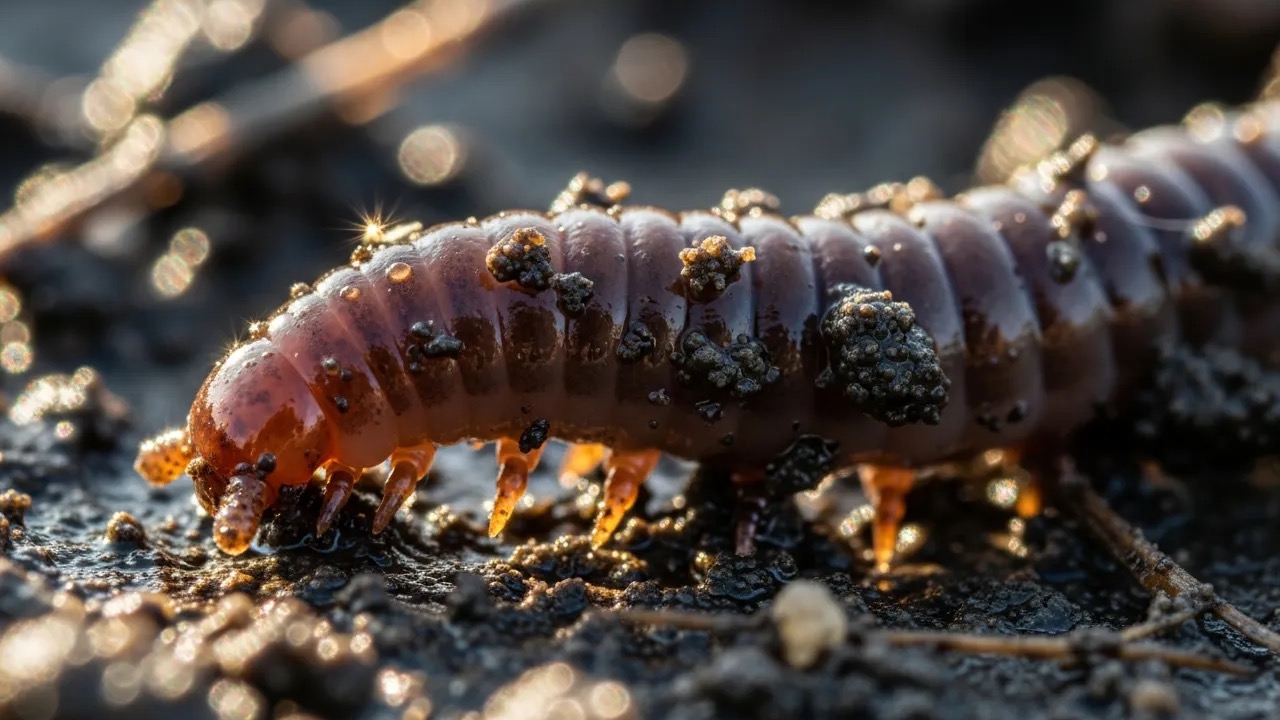
Photo: Rob Hille / Wikimedia Commons (CC BY-SA 3.0)
In brief
Earthworms are segmented worms that burrow through soil, eating organic matter and recycling nutrients as they go. They breathe through their moist skin, have no eyes or lungs, and are hermaphrodites.
Also in Animals A to Z · Animals that start with E
By WARN Research & Conservation Team Last updated
Earthworms are segmented worms that burrow through soil, eating organic matter and recycling nutrients as they go. They breathe through their moist skin, have no eyes or lungs, and are hermaphrodites. By aerating and mixing soil and producing nutrient-rich castings, they are among the most important animals for healthy ground and farming.
0.15 m
Typical length
5 g
Typical weight
0.03 km/h
Top speed
6 yrs
Lifespan
Figures sourced from Wikipedia — Earthworm, Wikidata — Earthworm .
Earthworm: Quick Facts
| Scientific name | Lumbricina (suborder) |
|---|---|
| Diet | Detritivore (decaying plant matter, soil organics) |
| Habitat | Moist soils worldwide |
| Lifespan | 1–6 years (varies by species) |
| Size | Commonly 5–30 cm (2–12 in) long |
| Top speed | Very slow; burrows through soil |
| Conservation status | Least Concern (IUCN, most species) |
Scientific Classification
| Kingdom | Animalia |
|---|---|
| Phylum | Annelida |
| Class | Clitellata |
| Order | Opisthopora |
| Family | Lumbricidae |
| Genus | Lumbricus |
Conservation Status
- IUCN Status
- Least Concern (IUCN Red List category)
- Population
- Global population not compiled for this guide
- Trend
- See the IUCN Red List assessment
- Assessed
- See the IUCN Red List assessment
- CITES
- See CITES appendices
Conservation figures are drawn from the IUCN Red List and CITES; this guide links to the authoritative sources rather than restating population counts.
Key Facts: Earthworm
- An earthworm's body is divided into many ring-like segments, most carrying tiny bristles called setae that grip the soil as it moves.
- As earthworms tunnel and feed, they swallow soil and organic matter and excrete nutrient-rich waste called castings.
- Earthworms are detritivores that feed on decaying leaves, roots, and other organic matter in the soil.
Body and breathing
An earthworm's body is divided into many ring-like segments, most carrying tiny bristles called setae that grip the soil as it moves. It has no eyes, ears, or lungs, and breathes by absorbing oxygen directly through its moist skin. This is why earthworms must stay damp and often come to the surface after heavy rain.
Soil engineers
As earthworms tunnel and feed, they swallow soil and organic matter and excrete nutrient-rich waste called castings. Their burrows loosen and aerate the ground, improve drainage, and mix decaying material deeper into the soil. These actions make earthworms vital for fertile soil and healthy plant growth.
Diet and digestion
Earthworms are detritivores that feed on decaying leaves, roots, and other organic matter in the soil. Because they have no teeth, they swallow small stones and grit that grind food inside a muscular gizzard. Their digestion releases nutrients in a form plants can readily absorb.
Reproduction and regeneration
Earthworms are hermaphrodites, with each worm carrying both male and female organs, but two worms still mate to exchange sperm. After mating, a band on the body called the clitellum forms a cocoon in which the eggs develop. Some species can regrow a lost tail end, though they cannot regenerate a whole new worm from any piece.
What WARN Does
WARN does not run a dedicated earthworm programme — this guide is part of the World Animal Rescue Network's free educational library. The earthworm is currently widespread and not globally threatened, and this guide helps readers understand the pressures that can change that. Building public understanding of species like the earthworm supports the broader conservation awareness that underpins WARN's partner-led rescue work across its network.
If clear, science-based wildlife guides like this help you understand and value animals, please consider supporting the World Animal Rescue Network's educational and rescue work so we can keep producing them.
Earthworm: Frequently Asked Questions
Do earthworms have eyes?
Why are earthworms good for soil?
If you cut an earthworm in half, do both halves survive?
What do earthworms eat?
Why do earthworms come out after rain?
Where do earthworms live?
Are earthworms dangerous?
How long do earthworms live?
How big is an earthworm?
Sources & References
Population figures, conservation status and biological facts on this page are drawn from authoritative scientific and intergovernmental sources.
Terms used on this page
Plain-English definitions, from our wildlife and conservation glossary.
Latest Earthworm Stories
Quick, fact-checked reads on the earthworm — amazing facts, key questions and the threats it faces.
Species
Slow Loris: Why the Internet's Favourite Pet Is a Conservation Disaster
The slow loris looks like a cartoon character — and that has nearly destroyed the species. Here is the truth behind the viral videos.
Read the storySpecies
The Snow Leopard: Why the Ghost of the Mountains Is Still Vulnerable
The snow leopard is one of the most elusive big cats on earth, with an estimated 4,000-6,500 individuals across twelve range states — including Pakistan, where WARN is preparing to operate. This briefing explains why the species was downlisted from Endangered to Vulnerable in 2017 and why that is not the success story it sounds like.
Read the storyGuides
Sun Bear vs Moon Bear: The Two Most Trafficked Asian Bears
The sun bear and the Asiatic black bear (moon bear) are the two most commonly trafficked bears in Asia — for the pet trade, for traditional medicine and for bear-bile farming. Here is how to tell them apart.
Read the storyExplore more animals
Discover more animals, their habitats and their conservation status in the WARN wildlife-guide library.
Enjoyed this Earthworm guide?
Receive appeal updates, animal-welfare news and published funding reports. Unsubscribe any time.
We only use your address for WARN updates. See our privacy policy.