Wildlife Guide · North America
Channel Catfish
Ictalurus punctatus
North America's whiskered bottom feeder
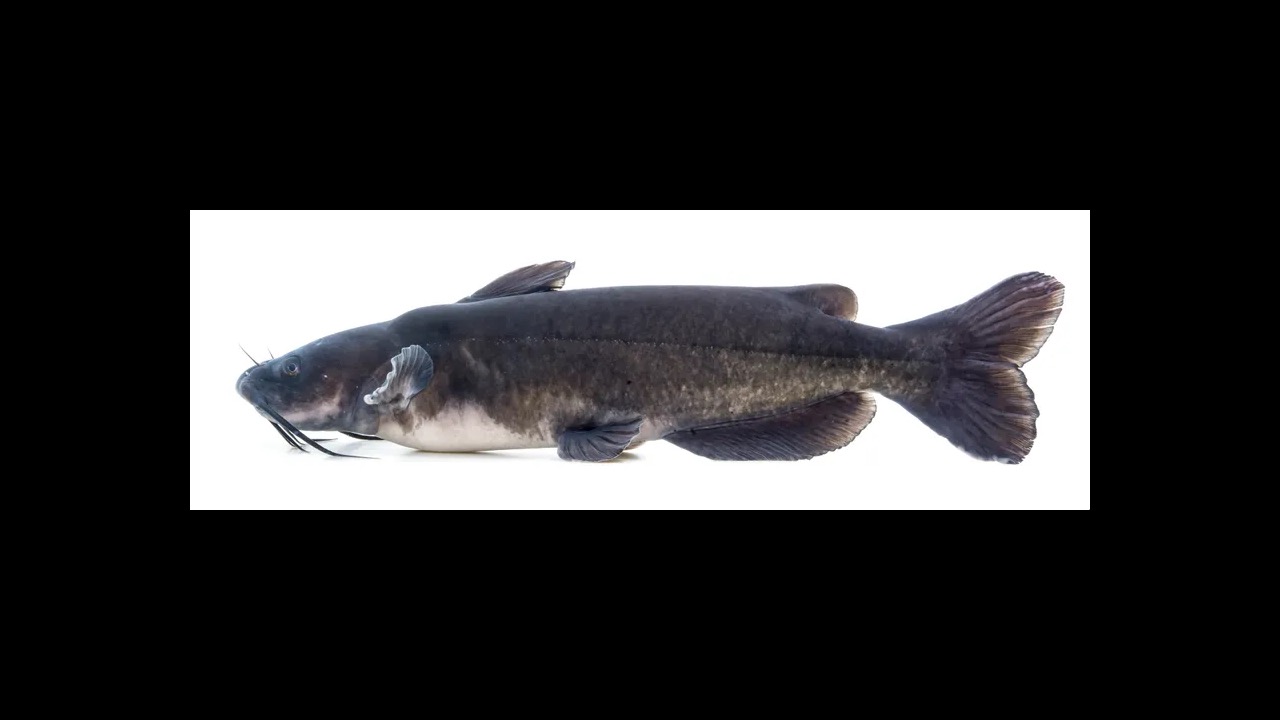
Photo: authors of the images used: HalbsHännile Thomsonmg2000 Guillermo Enrique Terán, Juliano Ferrer, Mauricio Benitez, Felipe Alonso, Gastón Aguilera, Juan Marcos Mirande Luiz Fernando Caserta Tencatt, Maria Elina Bichuette Smithsonian Environmental Research Center Benutzer:Haps ปลาของเอเชียตะวันออกเฉียงใต้แผ่นดินใหญ่ (FiMSeA) Jansen Zuanon & Efrem J. G. Ferreira Chen X-Y, Qin T, Chen Z-Y CONTERALLY at Italian Wikipedia author of the collage: Kostka Martin / Wikimedia Commons (CC BY-SA 4.0)
In brief
The channel catfish is one of the most popular sport and farmed fish in North America, recognised by barbels ('whiskers'), smooth scaleless skin, and a forked tail. Native to central and eastern rivers and lakes, it grows to 10–25 kg (22–55 lb), tastes mild, and uses taste buds across its body to find food.
Also in Animals A to Z · Animals that start with C
By WARN Research & Conservation Team Last updated
The channel catfish is one of the most popular sport and farmed fish in North America, recognised by barbels ('whiskers'), smooth scaleless skin, and a forked tail. Native to central and eastern rivers and lakes, it grows to 10–25 kg (22–55 lb), tastes mild, and uses taste buds across its body to find food.
0.6 m
Typical length
8 kg
Typical weight
8 km/h
Top speed
15 yrs
Lifespan
Figures sourced from IUCN Red List .
Channel Catfish: Quick Facts
| Scientific name | Ictalurus punctatus |
|---|---|
| Diet | Omnivore — insects, fish, plants, and bottom detritus |
| Habitat | Rivers, lakes, and ponds of North America; widely farmed |
| Lifespan | 10–15 years in the wild (longer in captivity) |
| Weight | 1–25 kg (2–55 lb); farmed fish harvested younger |
| Top speed | Moderate swimmer; ambush predator near cover |
| Conservation status | Least Concern (IUCN) |
Scientific Classification
| Kingdom | Animalia |
|---|---|
| Phylum | Chordata |
| Class | Actinopterygii |
| Order | Siluriformes |
| Family | Ictaluridae |
| Genus | Ictalurus |
Conservation Status
- IUCN Status
- Least Concern (IUCN Red List category)
- Population
- Global population not compiled for this guide
- Trend
- See the IUCN Red List assessment
- Assessed
- See the IUCN Red List assessment
- CITES
- See CITES appendices
Conservation figures are drawn from the IUCN Red List and CITES; this guide links to the authoritative sources rather than restating population counts.
Key Facts: Channel Catfish
- Channel catfish have four pairs of barbels around the mouth plus taste buds covering the body — especially the whiskers — allowing them to locate food in murky water at night.
- Sharp spines in the dorsal and pectoral fins can lock in place and inject mild venom, deterring predators and unwary anglers.
- Channel catfish are the top farmed fish species in the United States, raised in ponds across the South for food markets.
Barbels and taste
Channel catfish have four pairs of barbels around the mouth plus taste buds covering the body — especially the whiskers — allowing them to locate food in murky water at night. They are opportunistic bottom feeders eating insects, crayfish, small fish, and plant matter.
Spines and defence
Sharp spines in the dorsal and pectoral fins can lock in place and inject mild venom, deterring predators and unwary anglers. Handling from below and using lip grips reduces sting risk. Spines also help catfish lock into crevices.
Aquaculture and sport fishing
Channel catfish are the top farmed fish species in the United States, raised in ponds across the South for food markets. Anglers target them with stink baits, chicken liver, and cut bait — they fight hard and tolerate low oxygen better than many game fish.
Range and introductions
Native from southern Canada through the Great Lakes and Mississippi basin to Mexico, channel catfish have been stocked widely for fishing and farming. They can outcompete native species where introduced outside their range, requiring careful management.
What WARN Does
WARN does not run a dedicated channel catfish programme — this guide is part of the World Animal Rescue Network's free educational library. The channel catfish is currently widespread and not globally threatened, and this guide helps readers understand the pressures that can change that. Building public understanding of species like the channel catfish supports the broader conservation awareness that underpins WARN's partner-led rescue work across its network.
If clear, science-based wildlife guides like this help you understand and value animals, please consider supporting the World Animal Rescue Network's educational and rescue work so we can keep producing them.
Channel Catfish: Frequently Asked Questions
Are catfish whiskers dangerous?
What do channel catfish eat?
How big do channel catfish get?
Can catfish sting you?
Where are channel catfish found?
Where do channel catfish live?
How long do channel catfish live?
Sources & References
Population figures, conservation status and biological facts on this page are drawn from authoritative scientific and intergovernmental sources.
Terms used on this page
Plain-English definitions, from our wildlife and conservation glossary.
Latest Channel Catfish Stories
Quick, fact-checked reads on the channel catfish — amazing facts, key questions and the threats it faces.
Species
12 Amazing Facts About Grey Wolves (And Why Alpha Wolves Aren't Real)
A howl that carries 16 km, a pack that is really a family, and the debunked study behind the 'alpha wolf' myth. Twelve verified facts.
Read the storySpecies
12 Amazing Facts About Beavers (Iron in Their Teeth, and They Rebuild Rivers)
Orange iron-hardened incisors, transparent eyelids, and a keystone role that reduces flooding and drought. Twelve facts.
Read the storySpecies
12 Amazing Facts About Wolverines (They Take Down Prey Five Times Their Size)
Frost-resistant fur, jaws that crush frozen bone, and territories the size of small countries. Twelve verified facts.
Read the storyExplore more animals
Discover more animals, their habitats and their conservation status in the WARN wildlife-guide library.
Enjoyed this Channel Catfish guide?
Receive appeal updates, animal-welfare news and published funding reports. Unsubscribe any time.
We only use your address for WARN updates. See our privacy policy.