

Wildlife Guides · WARN

Animal & Wildlife Guides

Sourced guides to endangered wildlife and companion animals — facts, conservation status, habitats and practical ways to help. Search by animal name, explore the A–Z encyclopaedia or compare similar species.

491 animal guides 22 guides tagged Critically Endangered 11 regions to browse Updated 8 September 2026

Sourced reference library. Guides cite the IUCN Red List, CITES, BirdLife, WWF and peer-reviewed research where available. Population figures and statuses are listed on each guide.

IUCN status Critically Endangered Endangered Vulnerable Near Threatened

All Wildlife Guides

Filter by animal group, region, IUCN status or topic. Browse animals A–Z · Don't know the name? Start with its features.

Try

Showing 1–20 of 491 guides

More filters: region, status and topic

Regions are broad browsing categories. A group guide may cover species with different conservation assessments; check its sources for the full context.

Animal guides

A friendly mixed-breed (mongrel) dog with a white-and-ginger coat, photographed outdoors
Domesticated

Pakistan · Indonesia

Dog

Canis lupus familiaris (Linnaeus, 1758)

One species across every breed — companion, working dog and street dog alike.

Wildlife tradePoaching
Read the guide
A domestic cat (Felis catus) with alert upright ears resting in soft daylight
Domesticated

Pakistan · Indonesia

Cat

Felis catus (Linnaeus, 1758)

One species across every breed — companion, colony cat and meat-trade rescue alike.

Wildlife tradePoaching
Read the guide
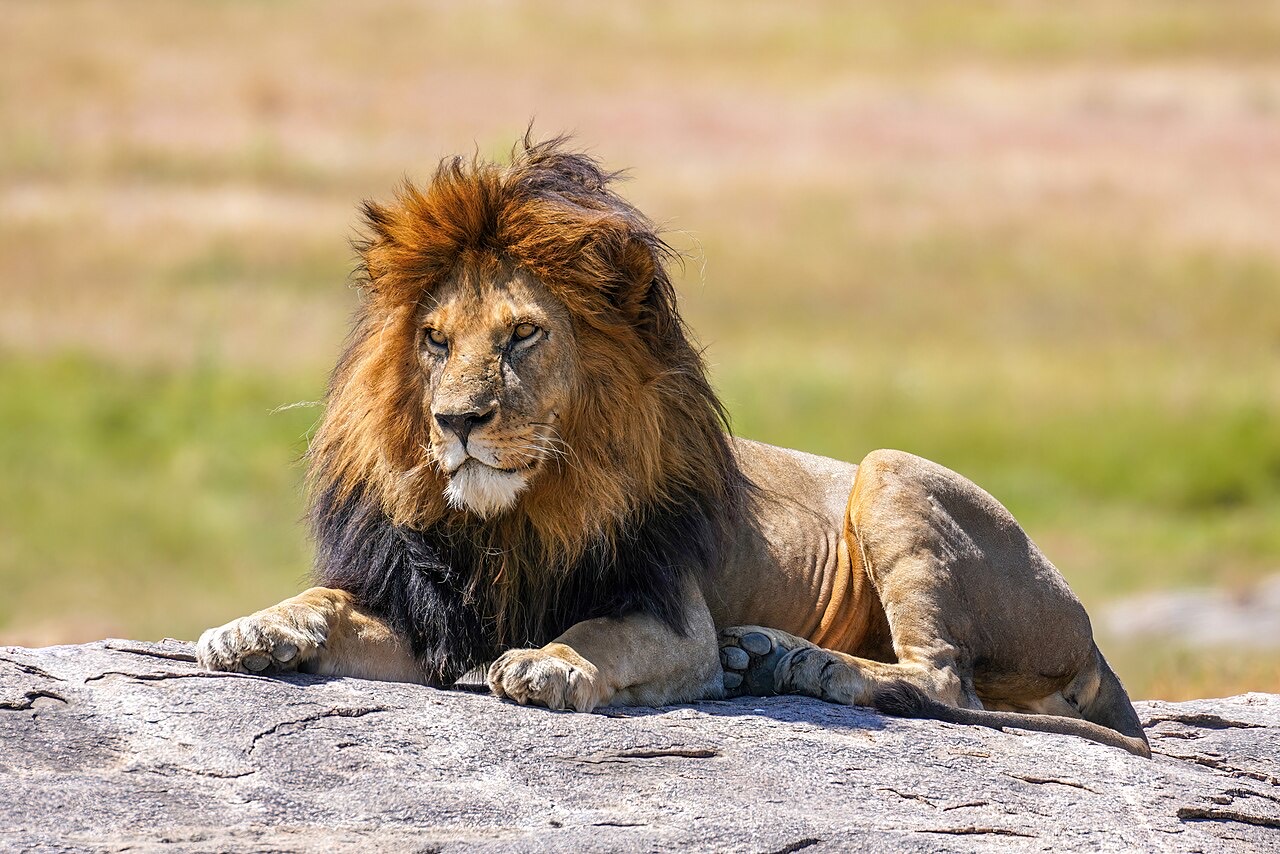
An adult male lion with a dark mane resting on the open grassland of an East African savanna at golden hour, with a lioness nearby.
Vulnerable

Kenya · Tanzania

Lion

Panthera leo (Linnaeus, 1758)

The only social big cat — Vulnerable, declining, and not a domesticated animal.

Habitat lossWildlife trade
Read the guide
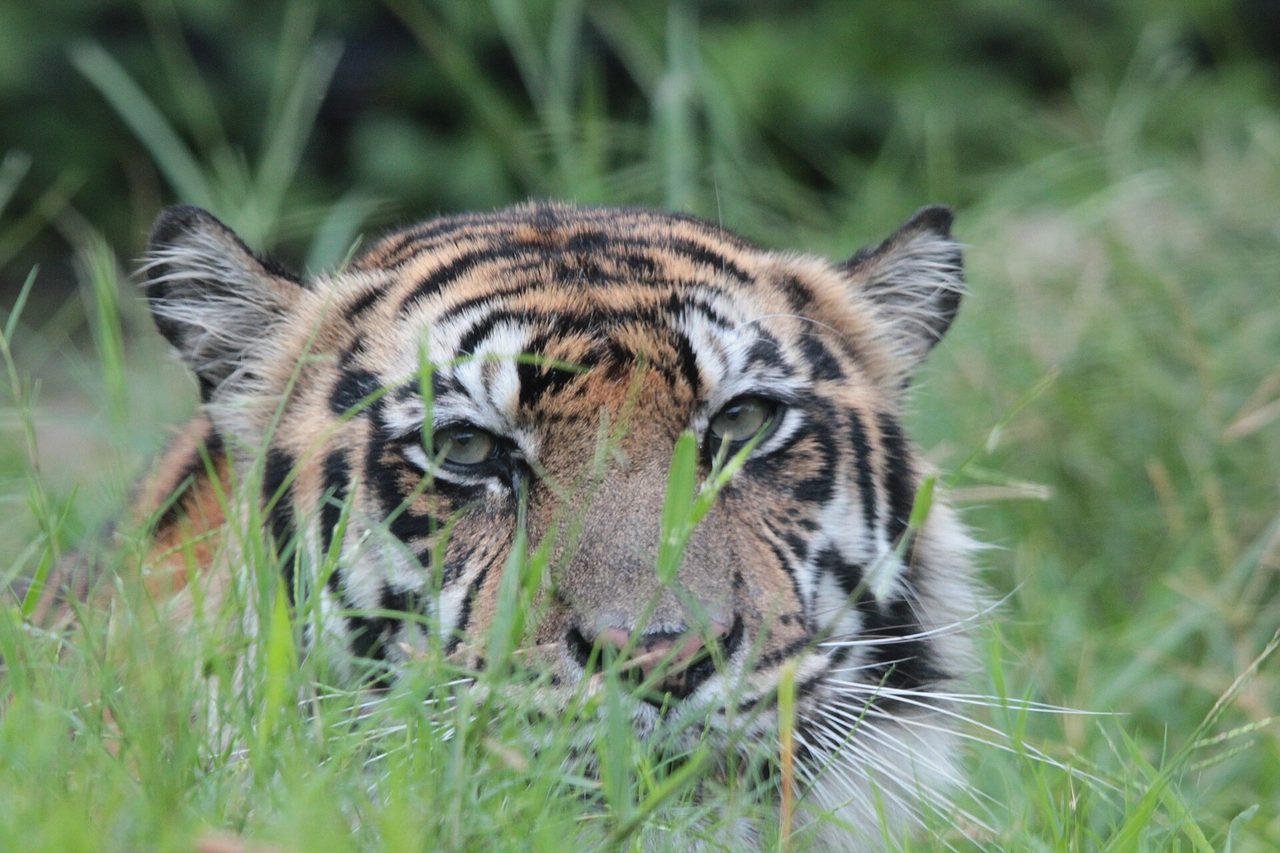
A Sumatran tiger (Panthera tigris sumatrae) crouches low and peers forward through tall green grass, its orange-and-black-striped face and amber eyes clearly visible at close range in a natural jungle setting.
Species Endangered

Indonesia · Malaysia

Tiger

Panthera tigris (Linnaeus, 1758)

Asia's largest cat — Endangered as a species, Critically Endangered in WARN's range countries.

Habitat lossWildlife trade
Read the guide
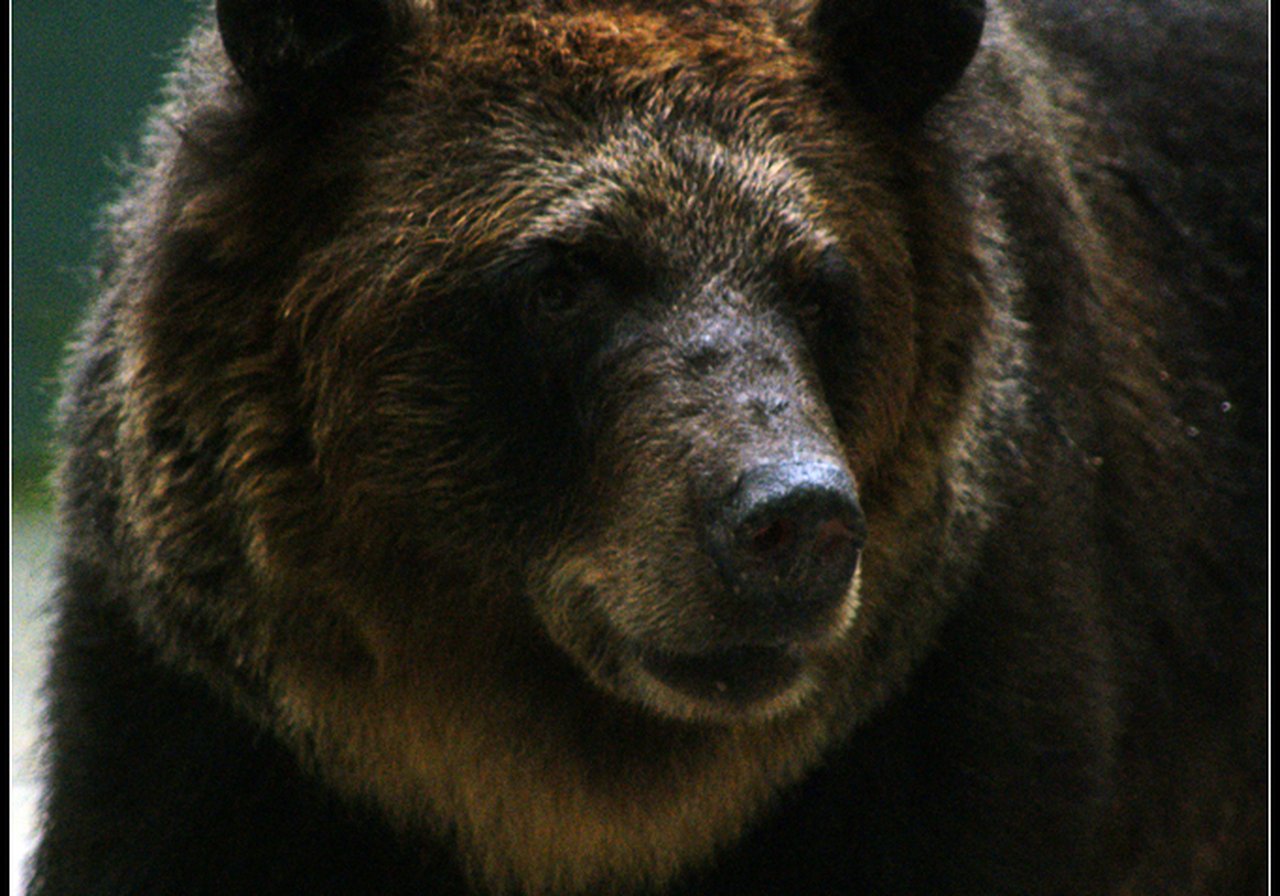
A brown bear standing on a riverbank during salmon season, water dripping from its fur, forested mountains behind.
Varies by species

Indonesia · Malaysia

Bear

Family Ursidae — 8 living species across North America, South America, Europe and Asia

Eight living species — from polar ice to Andean cloud forest, not one Red List badge.

Wildlife tradePoaching
Read the guide
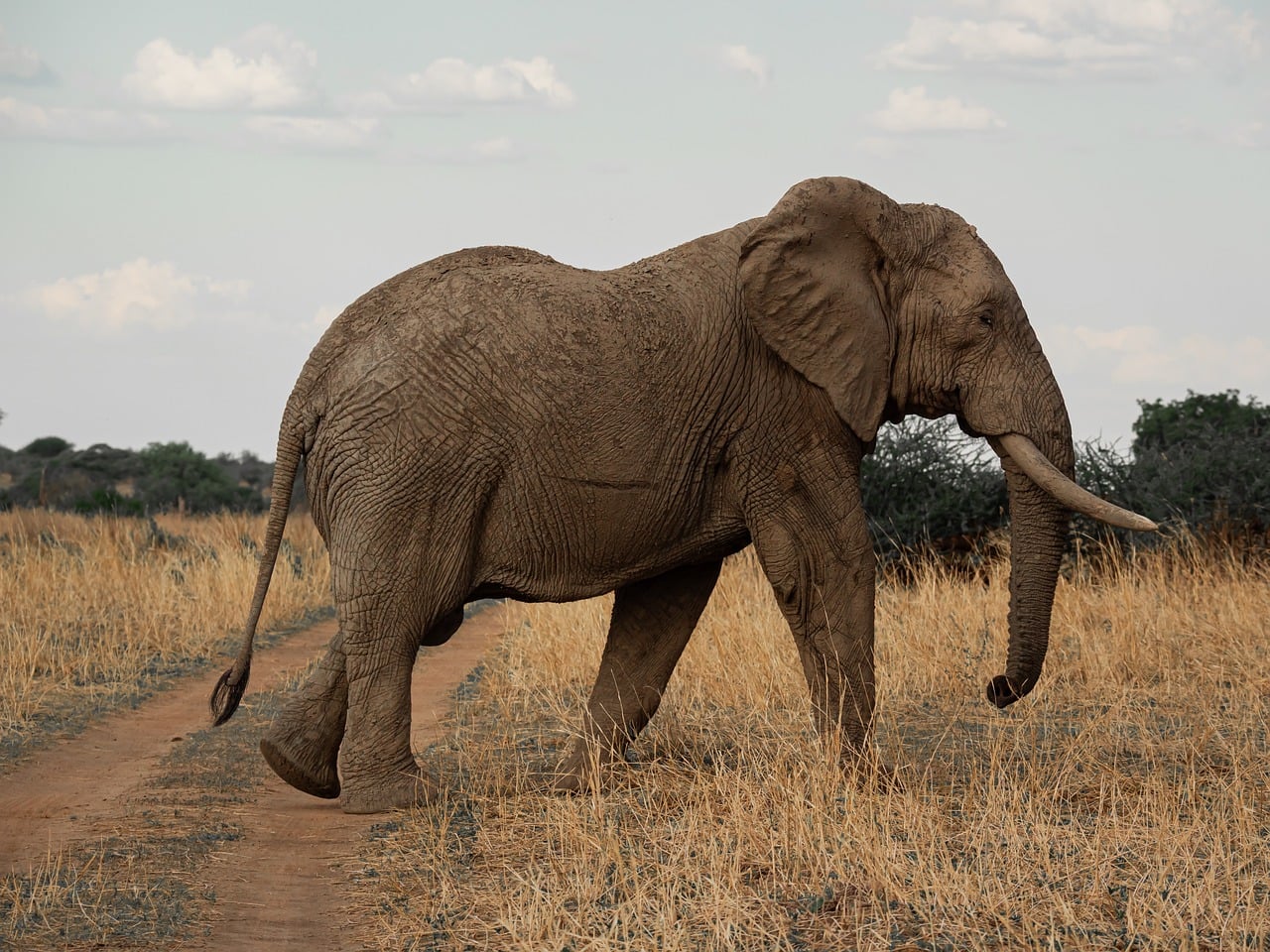
A wild Asian elephant (Elephas maximus) tusker walks through dense forest at Bardiya National Park, Nepal, its small rounded ears and prominently domed skull clearly visible in sharp detail against a backdrop of trees
Three living species

Indonesia · Malaysia

Elephant

Elephantidae — Elephas maximus, Loxodonta africana, Loxodonta cyclotis

Three living species — not one elephant, and not one Red List badge.

Wildlife tradePoaching
Read the guide
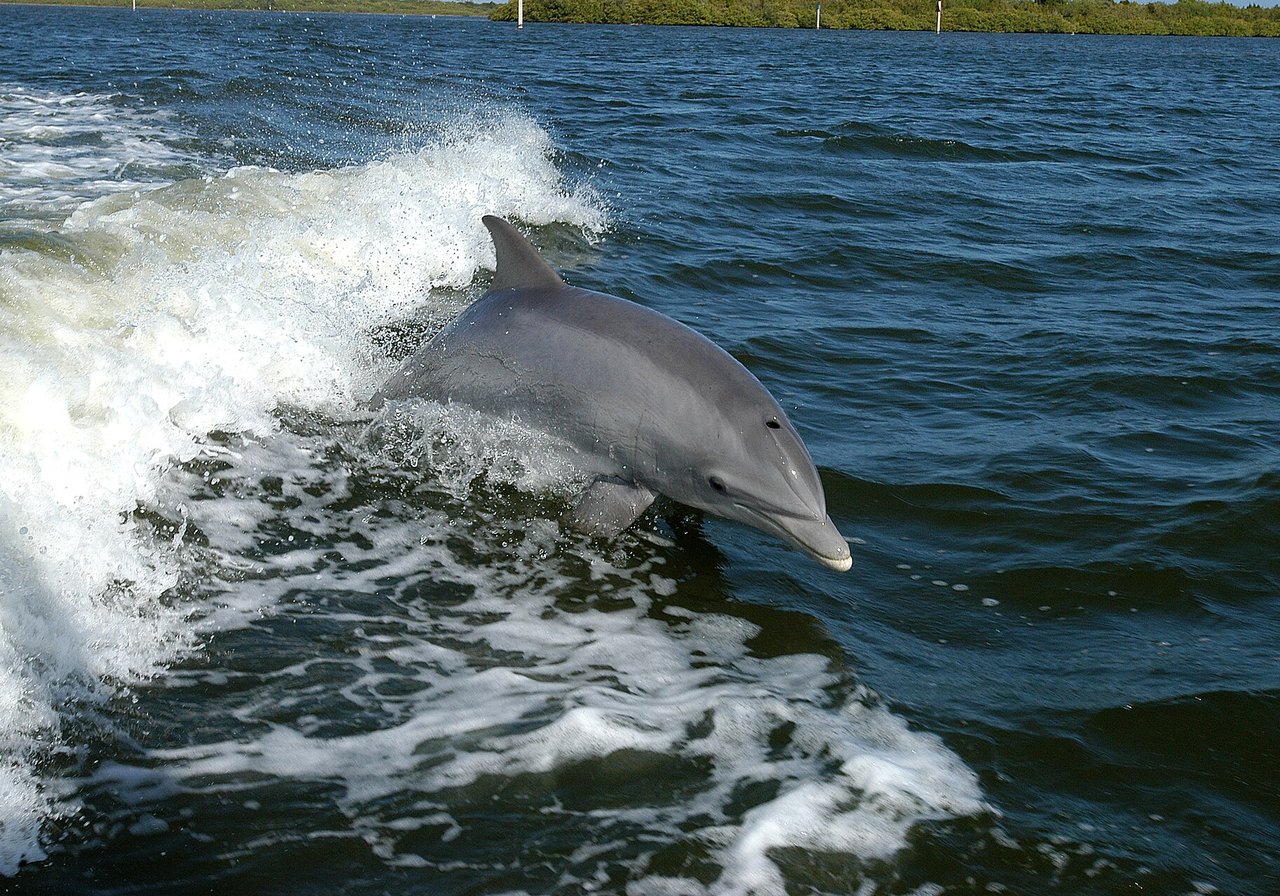
A common bottlenose dolphin breaking the surface with a curved dorsal fin and intelligent dark eye.
Varies by species

All oceans · some rivers (separate WARN river-dolphin guides)

Dolphin

Family Delphinidae — oceanic dolphins including Tursiops truncatus (common bottlenose) and Delphinus delphis (common dolphin)

Oceanic dolphins of the open sea — social, echolocating and not river specialists.

Fishing & bycatchCaptivity & tourism
Read the guide
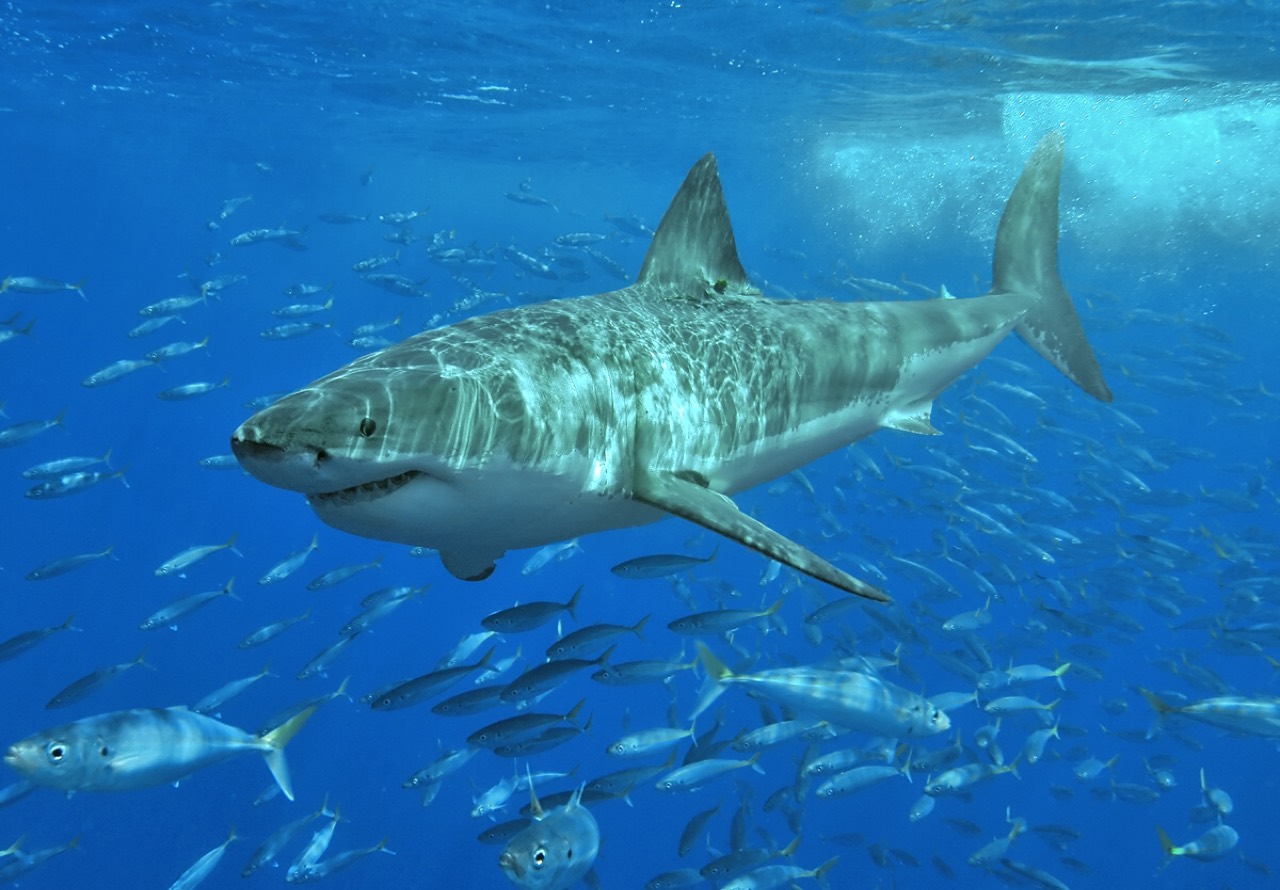
A great white shark swimming near the ocean surface, its grey dorsal side and white underbelly visible in clear blue water
Varies by species

Global oceans

Shark

Selachimorpha (superorder); e.g. great white shark, Carcharodon carcharias (Linnaeus, 1758)

More than 500 species of cartilaginous fish — not one animal, and not one Red List badge.

Habitat lossWildlife trade
Read the guide
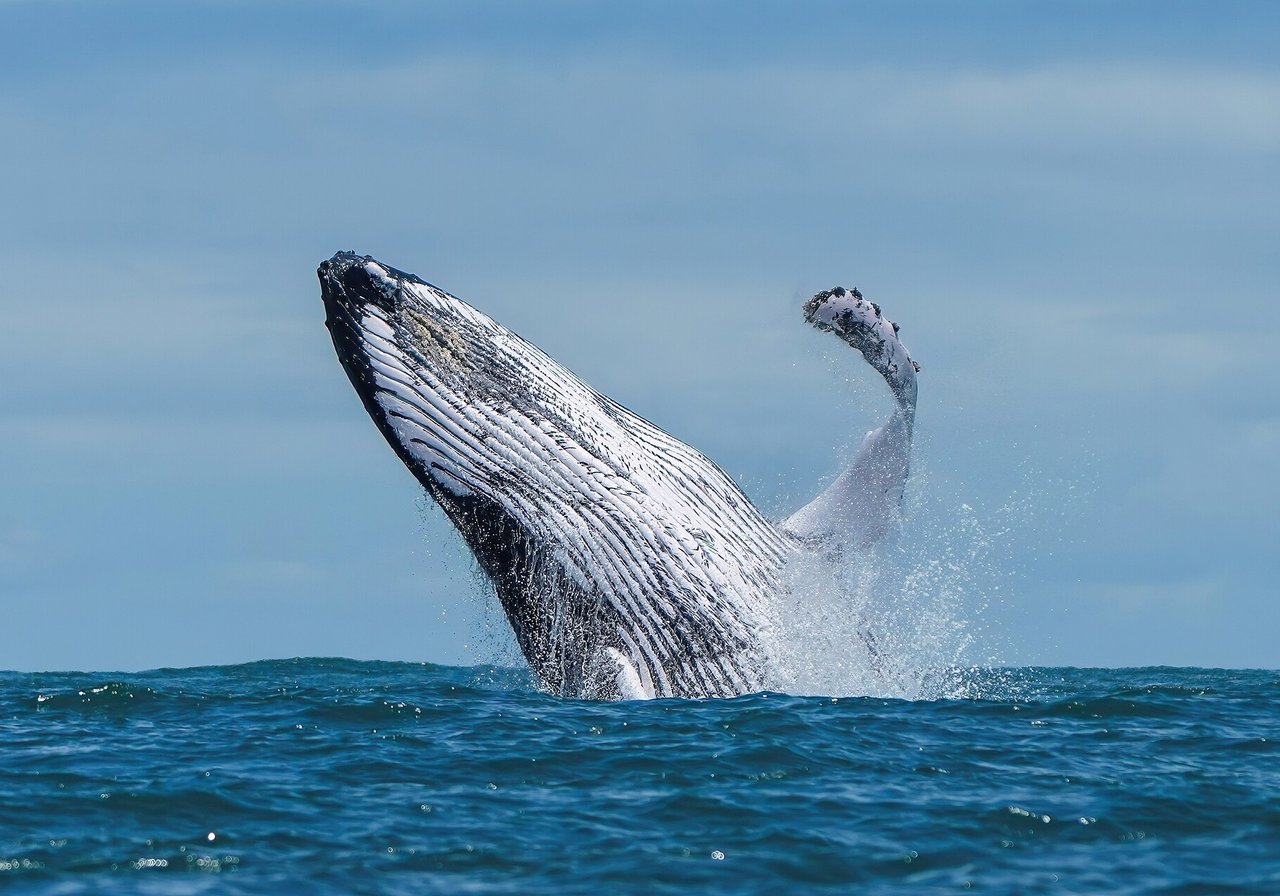
A humpback whale breaching from the ocean, its massive body arching above white spray against a deep blue sea.
Varies by species

All oceans from Arctic to Antarctic

Whale

Infraorder Cetacea — ~90 species of baleen and toothed whales

Giants of the deep — baleen filter-feeders and toothed hunters of every ocean.

Wildlife tradePoaching
Read the guide
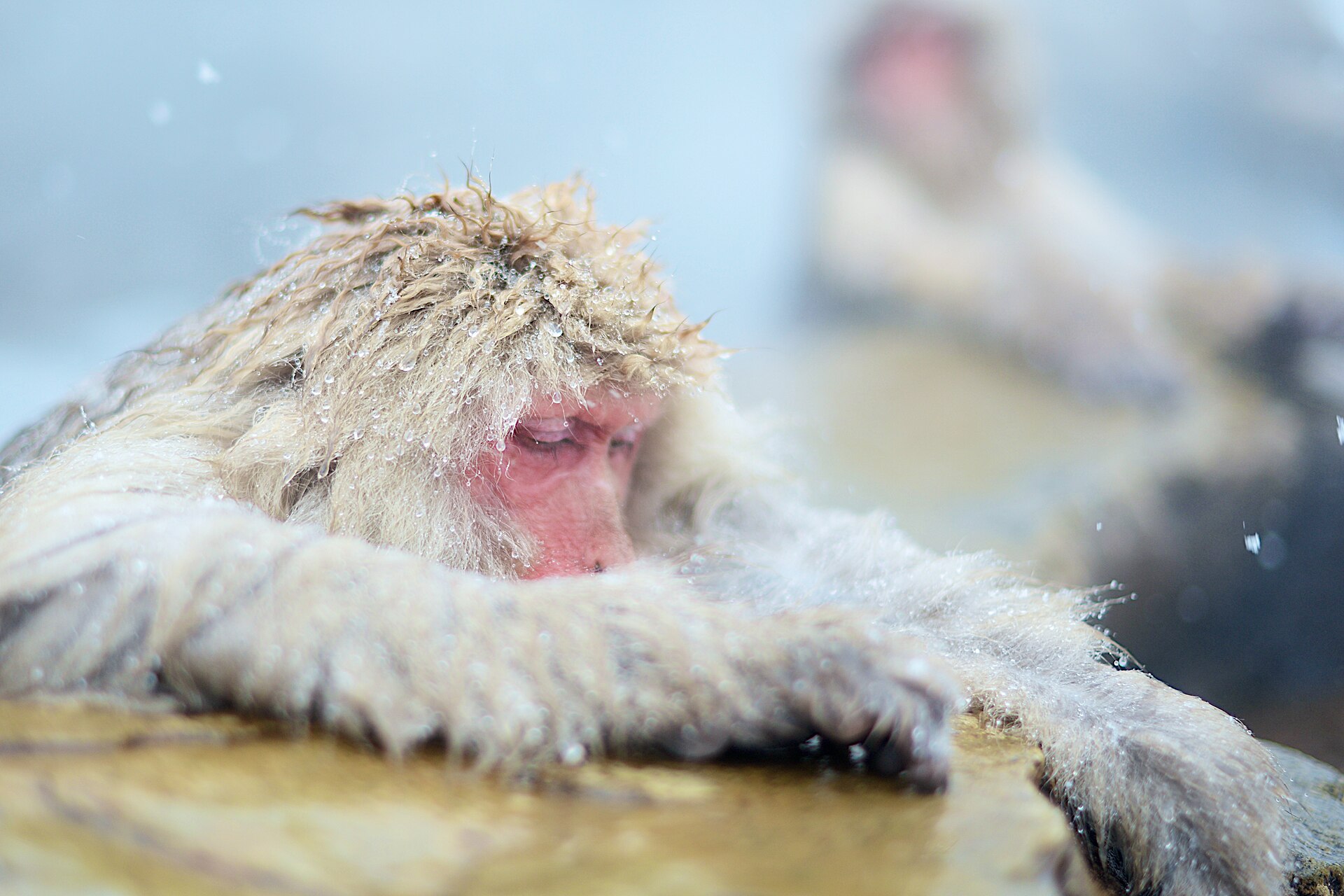
Two Japanese macaques (snow monkeys, Macaca fuscata) resting in a steaming hot spring in winter, snow dusting their thick fur.
Varies by species

Central America · South America

Monkey

Infraorder Simiiformes — ~260+ species in families Cebidae, Callitrichidae, Cercopithecidae and others

Tailed primates of forest, savanna and city — intelligent, social and overwhelmingly wild.

Habitat lossWildlife trade
Read the guide
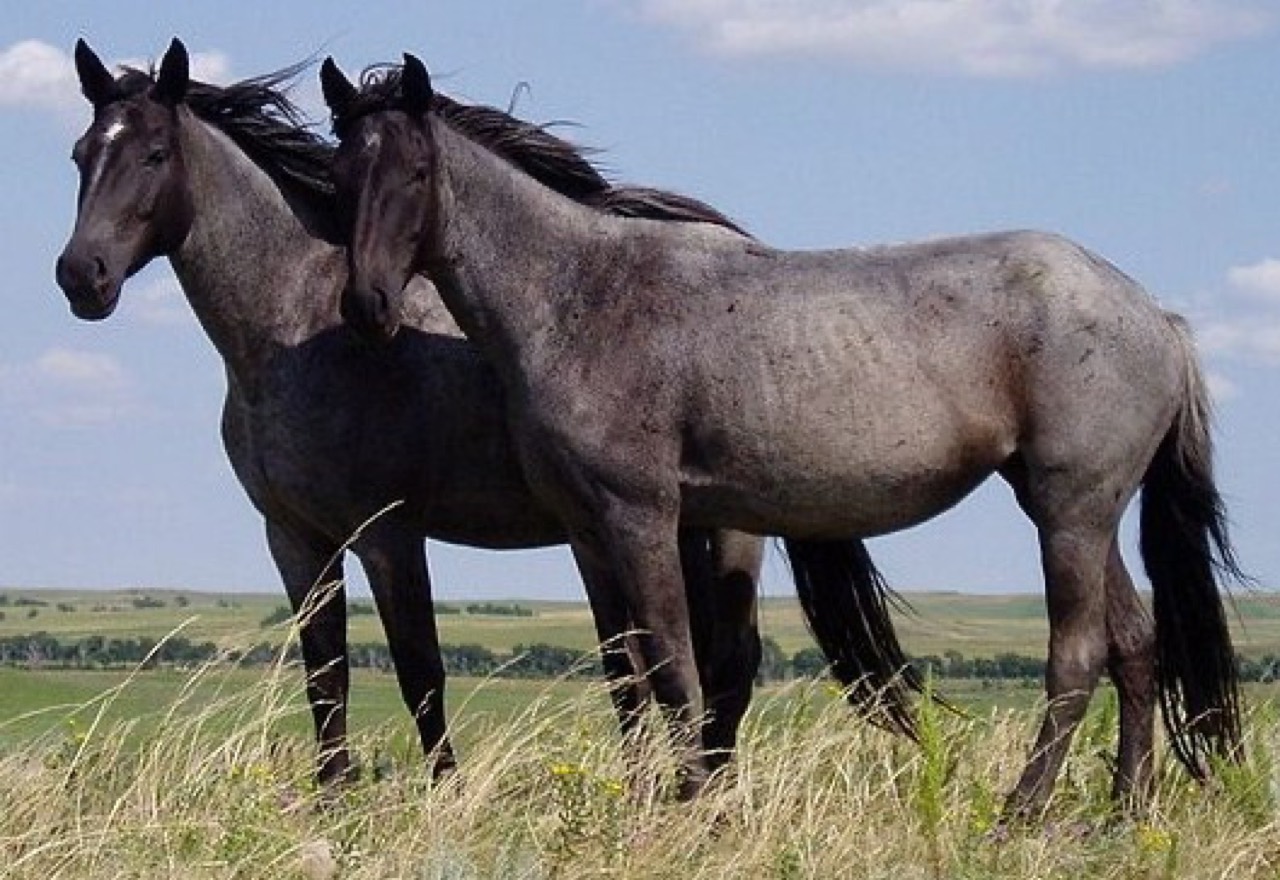
A working horse harnessed to a loaded cart on a dusty road, illustrating the millions of equines that power transport and labour in low-income communities worldwide.
Domesticated

Pakistan

Horse

Equus ferus caballus

One subspecies across every breed — companion, sport horse and working cart horse alike.

Wildlife tradeFishing & bycatch
Read the guide
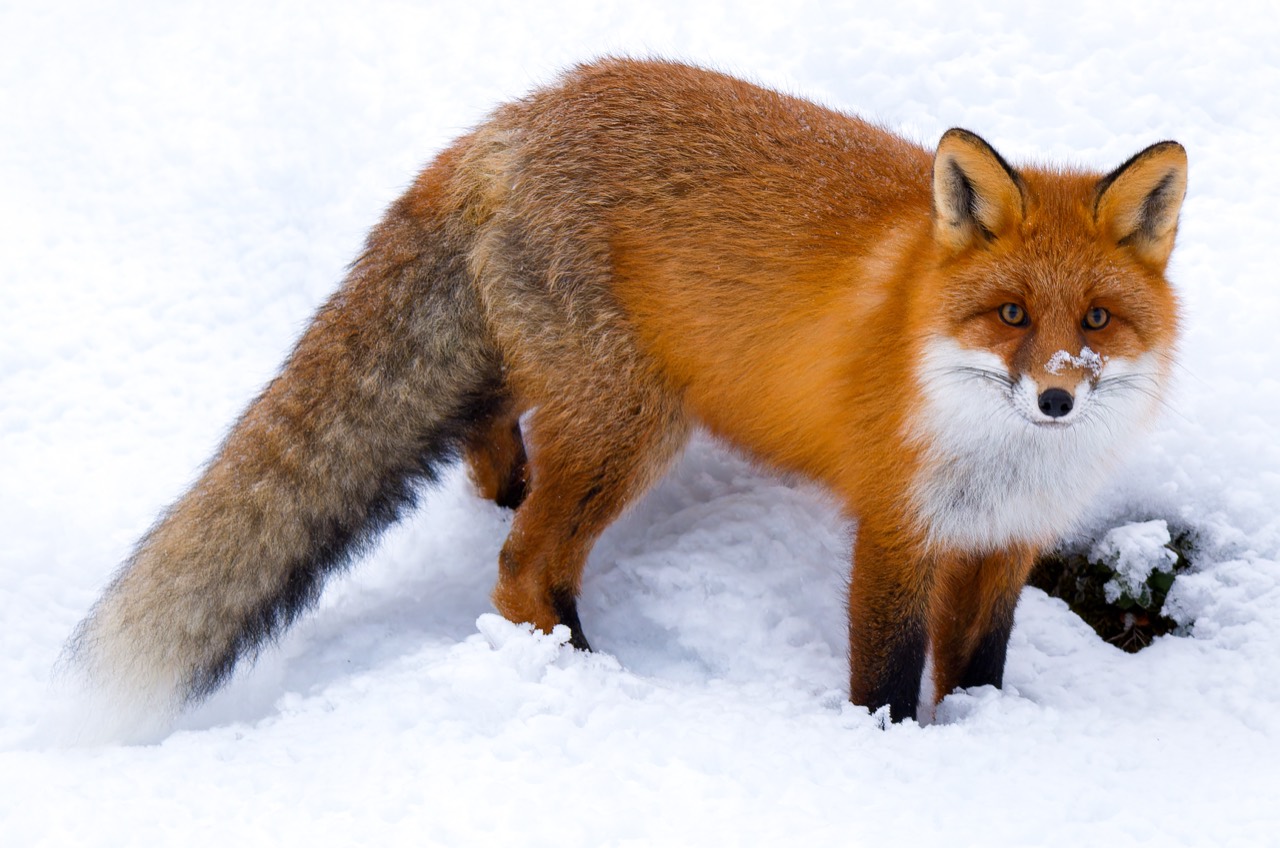
A red fox (Vulpes vulpes) with a rich rust-orange coat, white throat, black legs and a bushy white-tipped tail, standing alert in a grassy clearing.
Least Concern

Northern Hemisphere

Red Fox

Vulpes vulpes

The world's most widespread wild carnivore — equally at home in forests, farmland and city streets.

Wildlife tradeHuman conflict
Read the guide
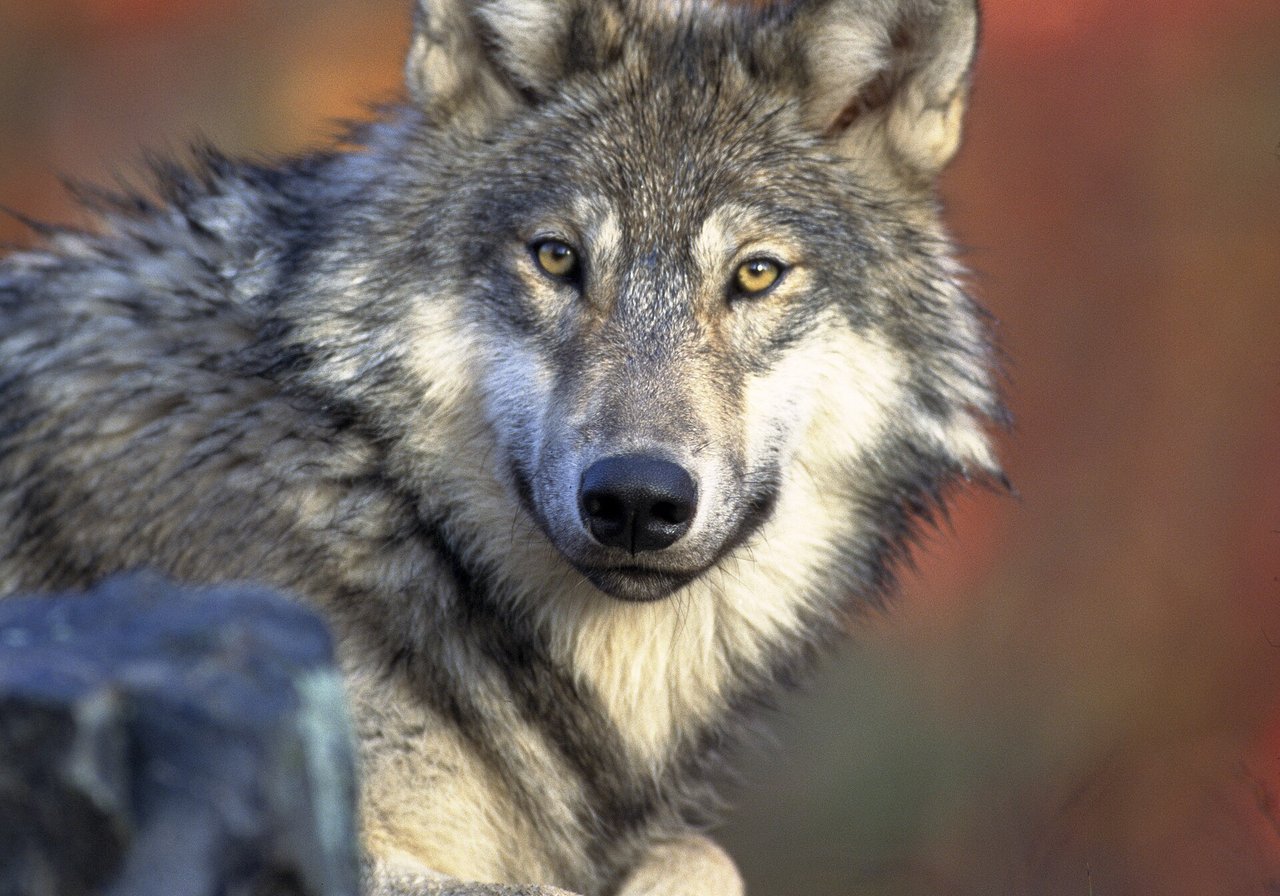
A grey wolf standing alert on a snowy ridge, thick fur ruffed around its face and amber eyes fixed on the horizon.
Least Concern globally

North America · Europe

Wolf

Canis lupus (Linnaeus, 1758) and related subspecies

The wild ancestor of dogs — pack hunters restored to Yellowstone and still persecuted.

Habitat lossPoaching
Read the guide
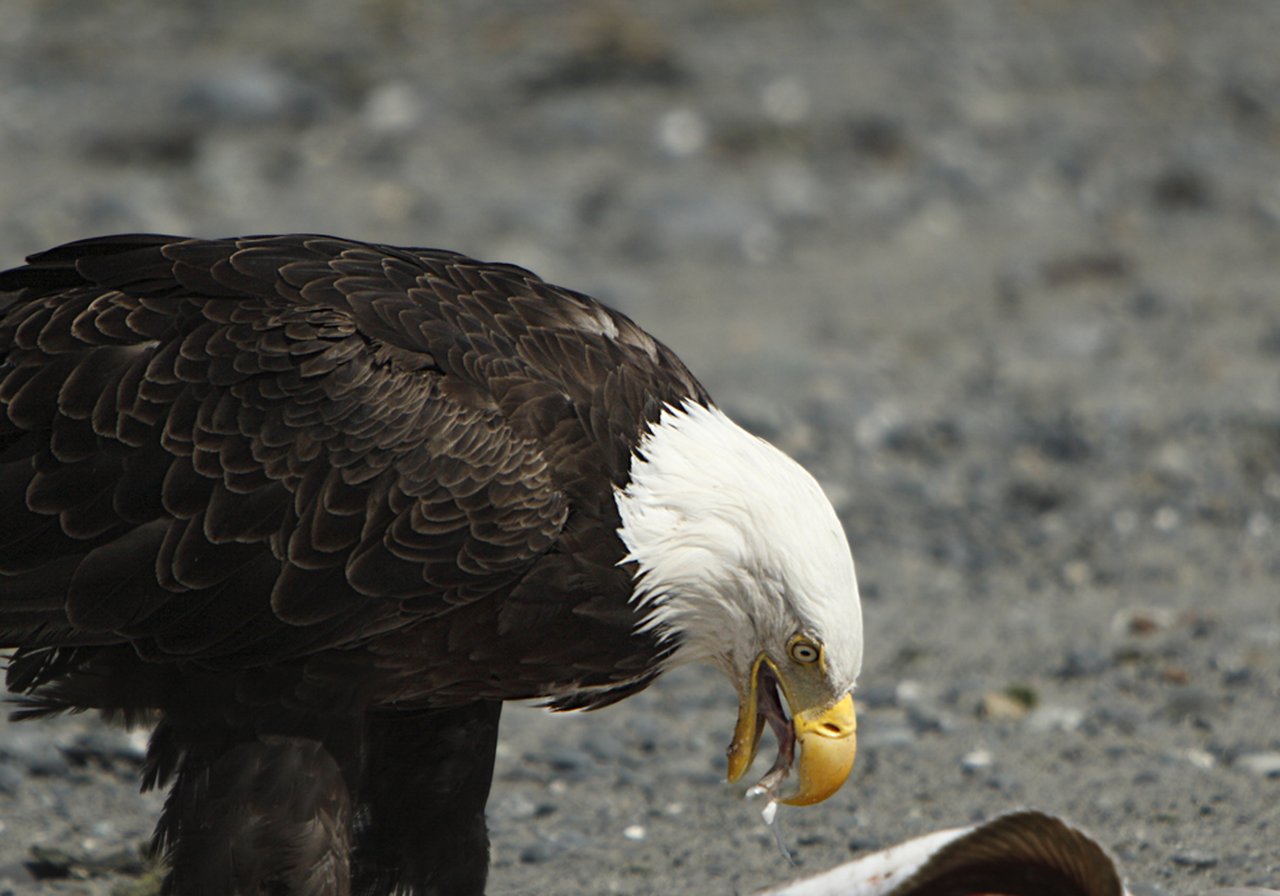
A golden eagle with broad wings and a hooked beak soaring above mountain ridges, its talons tucked beneath its body.
Varies by species

Worldwide except Antarctica

Eagle

Family Accipitridae — ~60 eagle species in genera Aquila, Haliaeetus, Harpia, Pithecophaga and others

The apex raptors of sky and forest — power, vision and cultural reverence on every continent.

Habitat lossWildlife trade
Read the guide
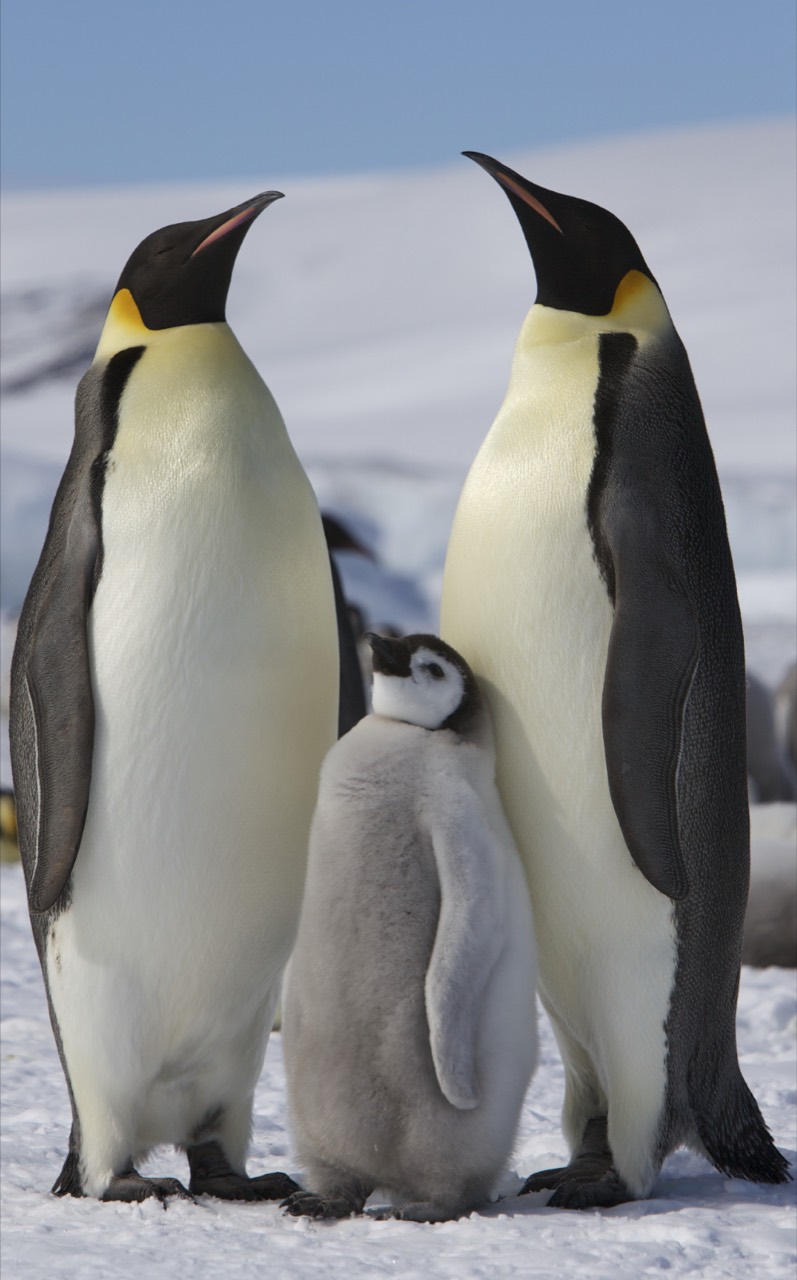
A group of penguins standing on snow and rock at the edge of an icy Antarctic coastline, with several adults and chicks huddled together
Varies by species

Antarctica · Southern Hemisphere

Penguin

Spheniscidae

Flightless seabirds of the southern seas, now squeezed by warming oceans and vanishing ice.

Fishing & bycatchClimate change
Read the guide
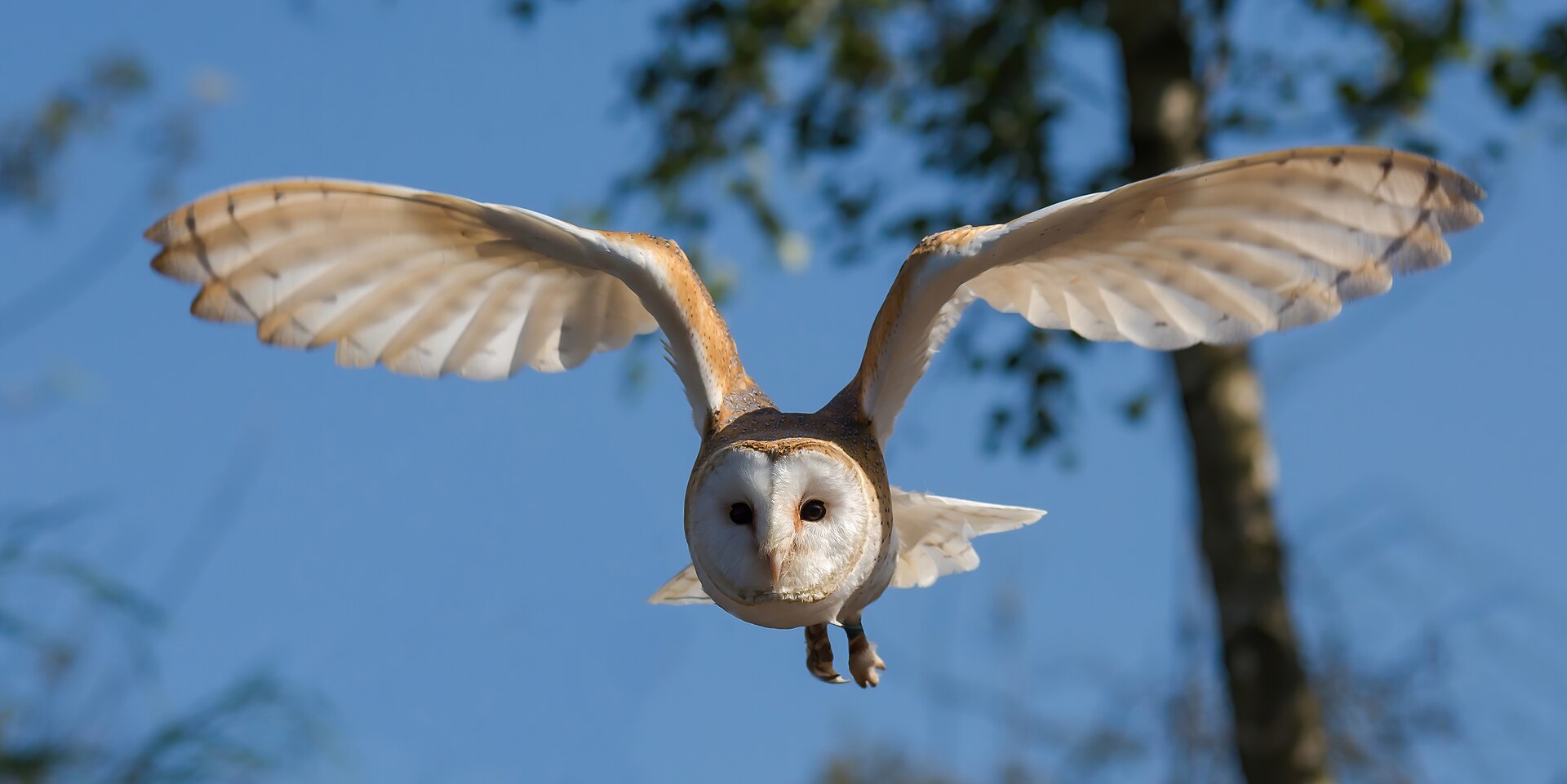
A wild barn owl (Tyto alba) in flight with wings spread and its heart-shaped white facial disc facing forward against a blue sky.
Varies by species

Worldwide

Owl

Strigiformes

Silent-winged night hunters found on almost every continent.

Habitat lossPoaching
Read the guide
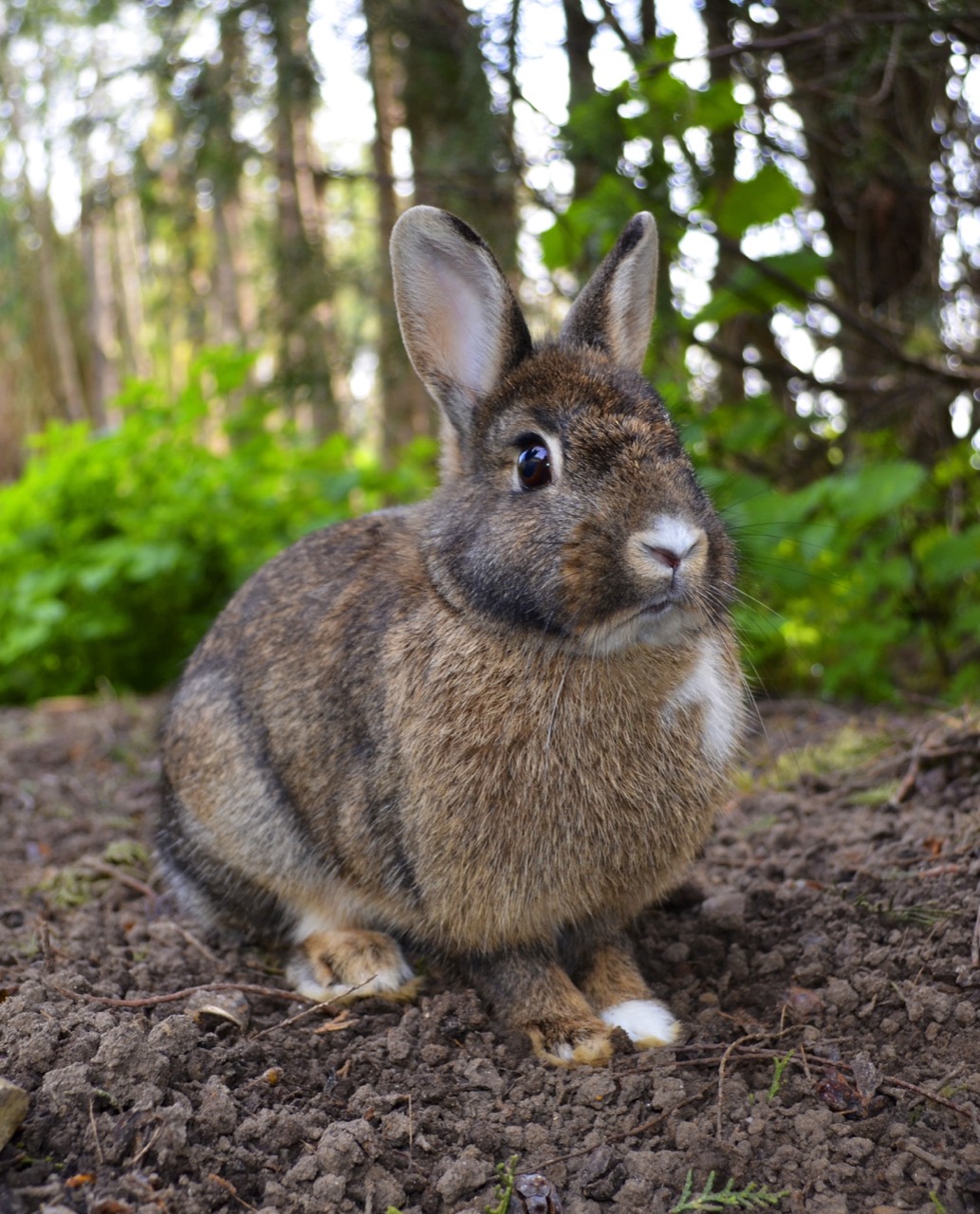
A wild European rabbit with alert upright ears sitting on short grass at dusk, its body turned to show the panoramic eye placement typical of the species.
Varies by species

Worldwide

Rabbit

Leporidae (incl. Oryctolagus cuniculus)

The world's most familiar small herbivore, from backyard hutches to threatened wild burrowers.

Habitat lossPoaching
Read the guide
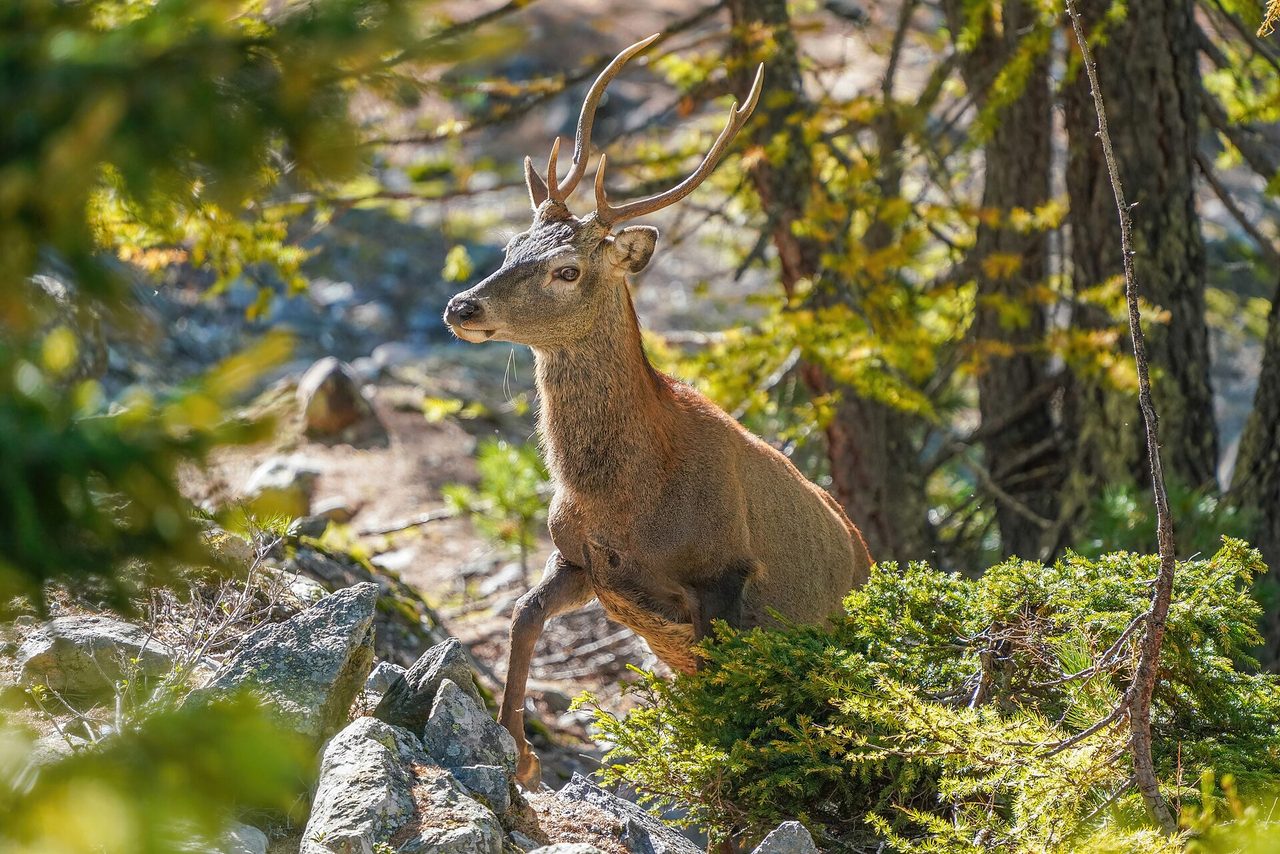
A wild red deer stag (Cervus elaphus) steps through rocky alpine forest in Switzerland, antlers raised, surrounded by pine trees and green shrubs in bright natural light.
Varies by species

Worldwide

Deer

Cervidae

The world's antlered ruminants, from common woodland deer to species that survive only in captivity.

Habitat lossPoaching
Read the guide
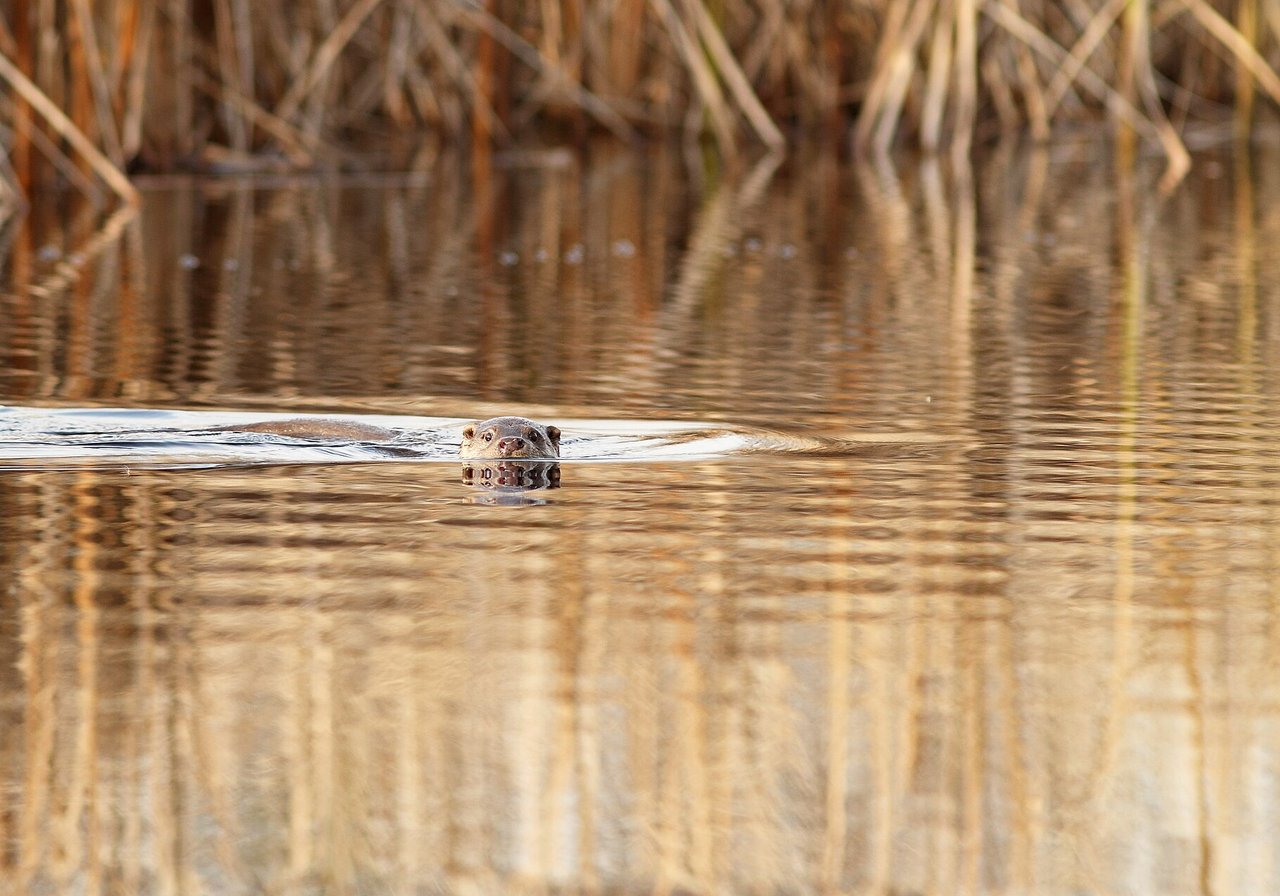
A sleek otter floating on its back in clear river water, holding a small fish between its paws.
Varies by species

Every continent except Australia and Antarctica

Otter

Subfamily Lutrinae — 13 species of aquatic mustelids worldwide

River acrobats and kelp-forest hunters — mustelids built for water on every continent.

Habitat lossWildlife trade
Read the guide
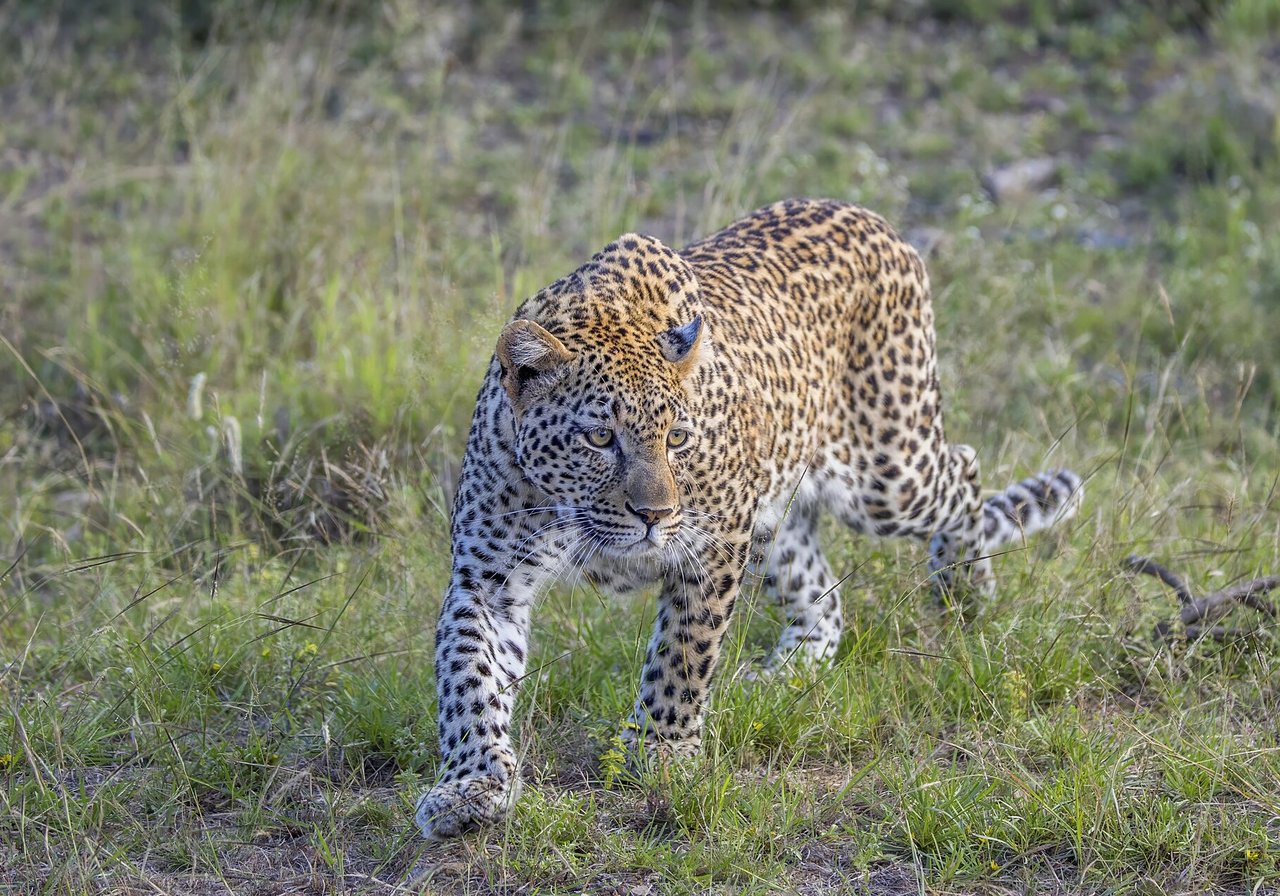
A leopard with golden rosette-spotted coat draped over a tree branch, its muscular tail hanging below the limb.
Varies by species

Africa · Middle East

Leopard

Panthera pardus (Linnaeus, 1758) and clouded-leopard lineage (Neofelis)

The most adaptable big cat — rosetted hunters from African savanna to Himalayan forest.

Habitat lossWildlife trade
Read the guide

Get more from an animal guide

A useful guide explains how an animal lives and how we know. Start with its identity, then connect its habitat, behaviour and conservation needs. These checks help you compare sources and avoid confusing an entire group with a single species.

Names and identification

Common names can describe several species or unrelated animals. A panther may mean a leopard, jaguar or Florida panther; a dromedary is a type of camel. Check the scientific name and the scope of the guide before comparing appearance or measurements.

Understand camels and dromedaries
Range, habitat and behaviour

Range describes where an animal occurs; habitat describes the environments it uses. A country label does not mean it lives everywhere in that country. Diet, movement and social life add context: compare how orangutans use trees with how gorillas move and forage.

Compare orangutans and gorillas

Conservation status and evidence

An extinction-risk category, a population estimate and a population trend answer different questions. Check the species or population assessed, the assessment date and the survey method. A broad guide to turtles or elephants may include several assessments; a small population is not itself a complete risk assessment.

Read the IUCN Red List explainer

Check a surprising fact

A common name can be misleading: jellyfish and starfish are invertebrates, not fish. For size or speed claims, look for units, age, sex and whether a value is a typical range or a measured maximum. Follow the reference instead of assuming that a repeated number is reliable.

NOAA: jellyfish · NOAA: sea stars

Popular animal questions

Concise, sourced answers connected to the deeper WARN species guides and conservation explainers.

More animal answers
Elephants — endangered species donors can help through vetted conservation programmes

Donating

How can I help endangered animals?

Effective help includes donating to vetted field programmes (anti-poaching, habitat protection, rescue triage), avoiding products linked to wildlife trade, choosing certified sustainable commodities and advocating for stronger enforcement — not sharing viral content alone. Helping endangered animals effectively means directing resources to measurable field outcomes — anti-poaching patrols, habitat protection, veterinary triage for seized wildlife — not sharing viral content alone.

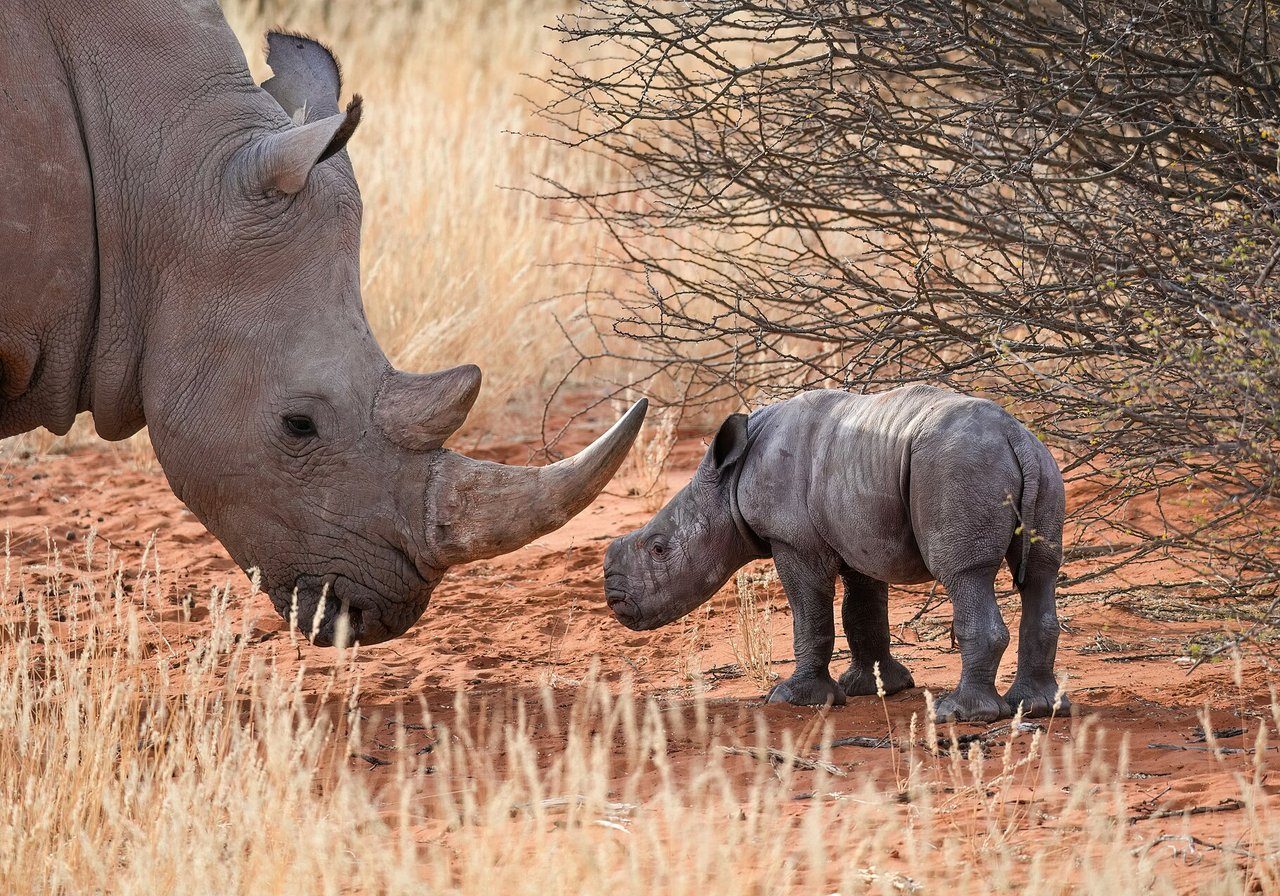
Rhinoceros — IUCN Red List tracks extinction risk for thousands of species

Conservation

What is the IUCN Red List?

The IUCN Red List is the global standard for assessing extinction risk. Expert groups assign each species a category from Least Concern to Extinct based on population size, decline rate and range. The International Union for Conservation of Nature Red List of Threatened Species is the authoritative inventory of extinction risk for plants, fungi and animals worldwide.

Parrot — many species protected under CITES appendices

Conservation

What is CITES?

CITES (the Convention on International Trade in Endangered Species) regulates cross-border trade in wild plants and animals. Appendix I species cannot be commercially traded; Appendix II species need legal-origin permits. The Convention on International Trade in Endangered Species of Wild Fauna and Flora (CITES) is an international treaty signed by more than 180 countries.

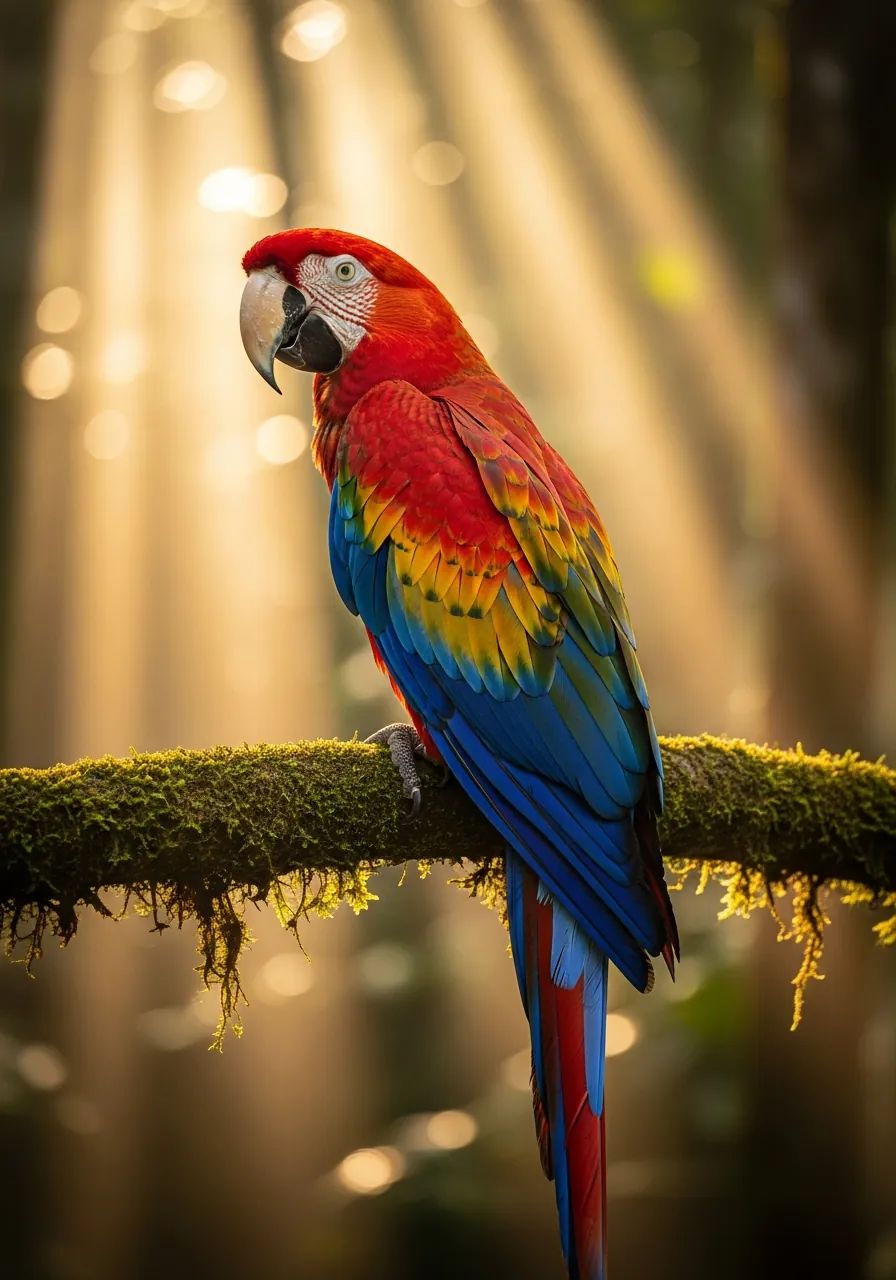
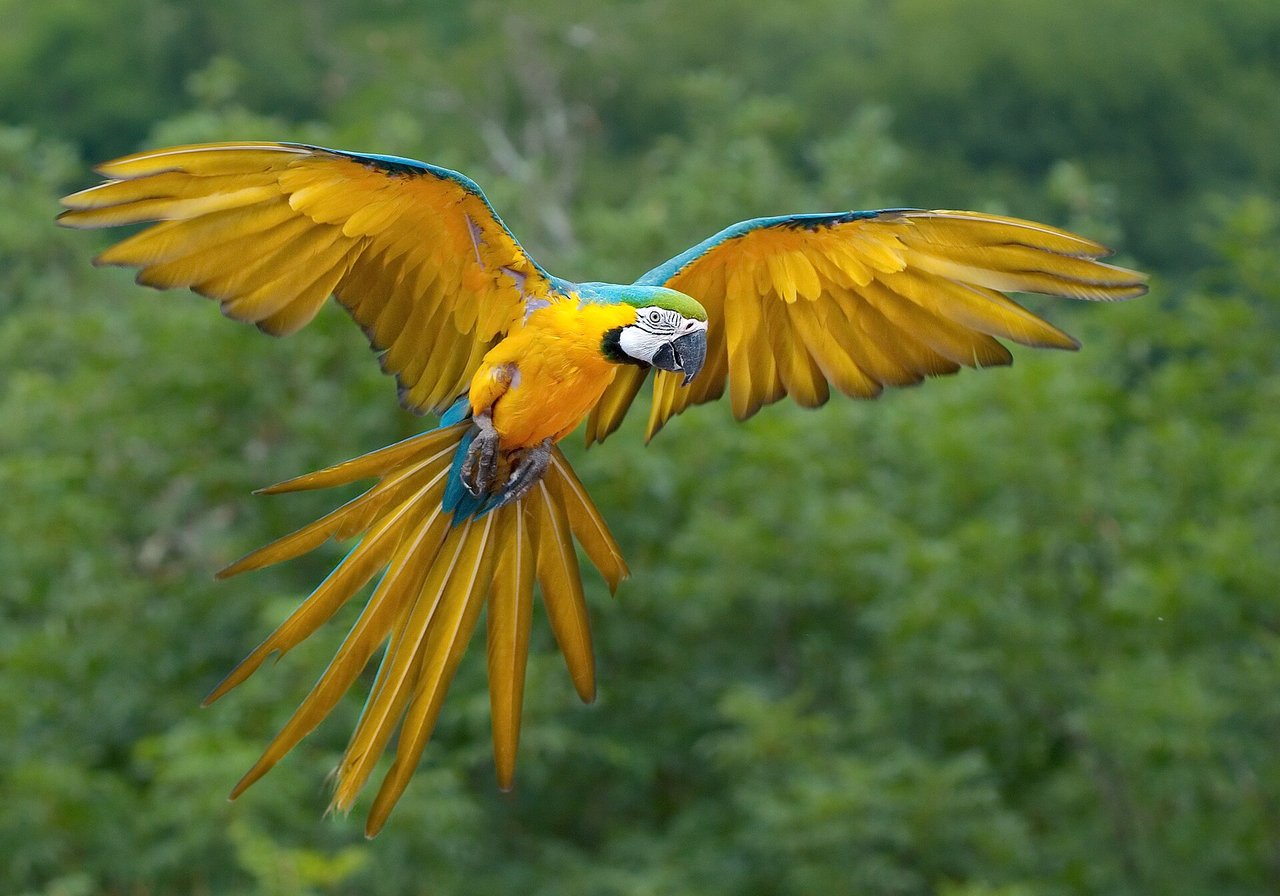
Macaw — among the most trafficked parrot species globally

Trafficking

What are the most trafficked animals?

Pangolins are widely cited as the most trafficked mammal. Parrots, elephants (for ivory), big cats, turtles, reptiles and primates are also among the highest-volume illegal wildlife trades. Trafficking patterns vary by region: pangolins and songbirds in Asia, parrots and jaguars in Latin America, ivory and bushmeat in Africa.

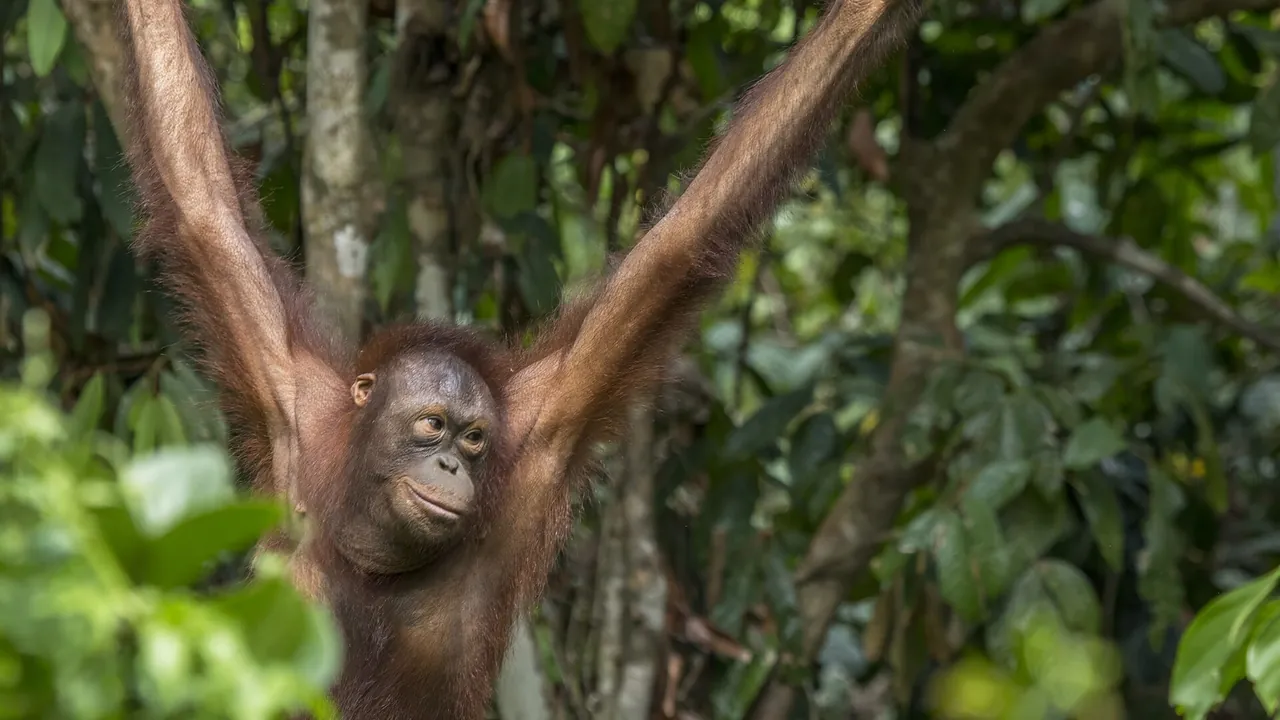
Orangutan — threatened by habitat loss from deforestation

Habitat

What is habitat loss?

Habitat loss is the destruction, fragmentation or degradation of the places where wild species live, feed and breed — through deforestation, urban sprawl, agriculture, dams and pollution. It is a leading driver of extinction worldwide. Habitat loss removes forest, wetland and grassland through deforestation, agriculture, urban sprawl, dams and pollution.

Rainforest habitat — orangutan release in Kalimantan forest

Habitat

Why are rainforests important?

Rainforests store carbon, regulate regional rainfall, harbour roughly half of known terrestrial species and support indigenous communities. Tropical deforestation releases greenhouse gases and drives orangutan, tiger and pangolin declines. Tropical rainforests transpire moisture feeding regional rainfall — Amazon, Congo and Southeast Asian forests act as planetary air conditioners.

Wild tiger — Endangered apex predator threatened by poaching and habitat loss

Conservation

Why are tigers endangered?

Tigers are Endangered on the IUCN Red List — fewer than 4,000 remain in the wild. Habitat loss, poaching for skins and body parts, and conflict with people as forests shrink are the main drivers. All surviving subspecies are threatened.

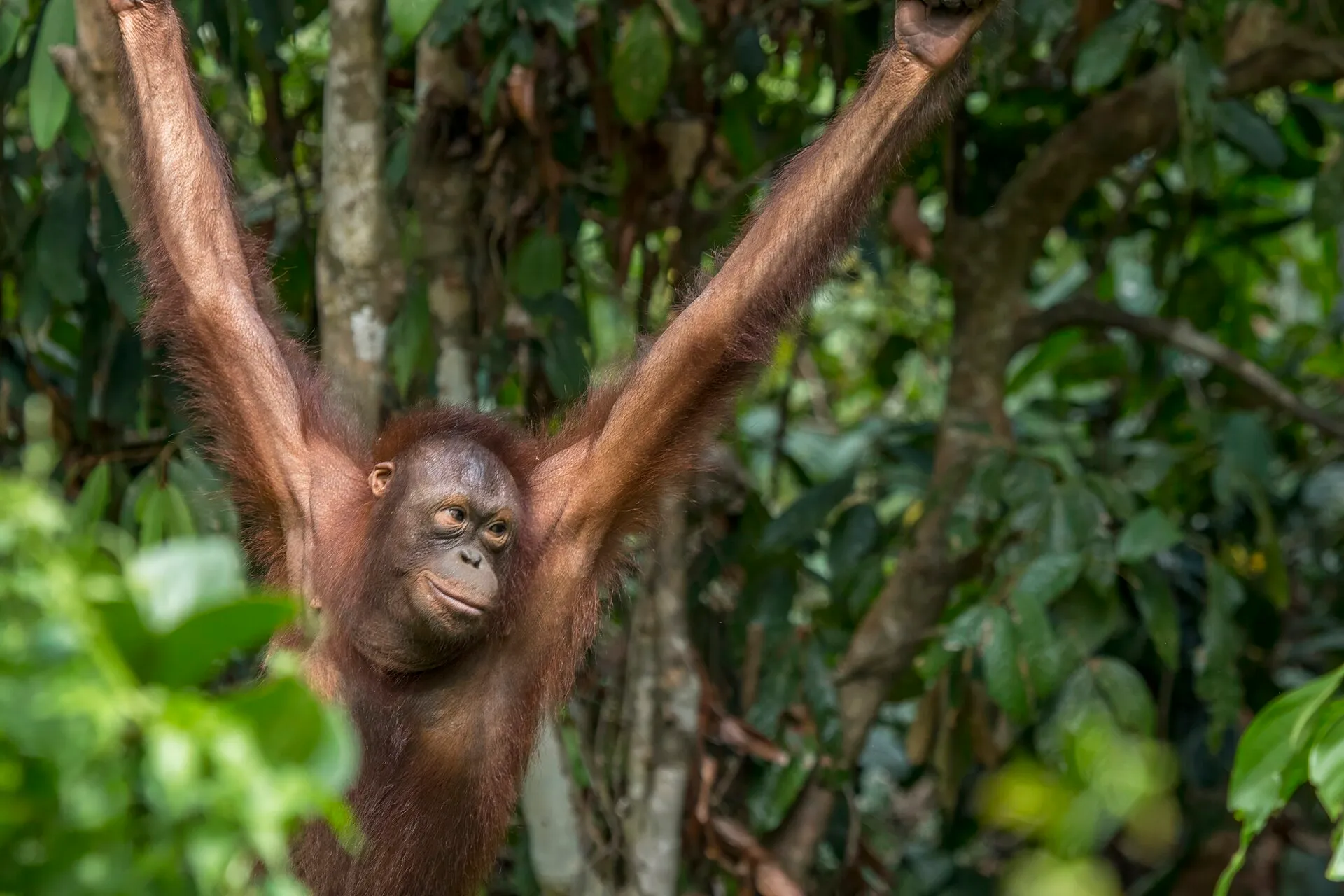
Bornean orangutan moving through tropical rainforest canopy

Wildlife

Why are orangutans endangered?

All three orangutan species are Critically Endangered, mainly because of palm-oil-driven deforestation, illegal logging and the pet trade, which kills mothers to capture infants. Orangutans are Asia’s only great apes — Bornean, Sumatran and Tapanuli species all hold Critically Endangered status on the IUCN Red List.

Why These Animals?

Understanding an animal is a useful first step towards helping it. These guides cover wild species, broader animal groups and companion animals, connecting questions about behaviour and biology with conservation and welfare concerns.

When a guide links to a WARN appeal, read its purpose and funding information before giving. A guide is educational content; a confirmed grant, payment or measured result belongs in the public grant register.

  • Check the evidence

    Follow the guide’s references and check when, where and how a claim was established.

  • Choose appropriate help

    Match the animal’s needs to qualified local expertise and responsible care.

  • Read the funding record

    Distinguish proposed support from an approved grant, a payment or a reported result.

Wildlife Guides: FAQs

What is a WARN wildlife guide?

A WARN wildlife guide is a free reference page about an animal, covering its biology, habitat, conservation or welfare concerns, and related ways to learn or help. Follow the references on the individual guide and check the date and scope of any assessment or population estimate.

How many animals do the wildlife guides cover?

The library currently contains 491 animal guides, including individual species, broader animal groups and companion animals. Separate breed libraries provide more detail. Use the region, animal group and conservation-status filters to explore the collection.

Are the facts in these guides reliable and sourced?

Guides include references to organisations and publications such as the IUCN Red List, CITES, WWF, BirdLife International and the Smithsonian where available. Check the original source and its date for decisions or formal research. If a detail appears incorrect or outdated, use the contact page to request a review.

How does WARN choose which animals to feature?

The collection covers wildlife conservation, animal welfare and common questions about companion animals. Inclusion is an educational choice and does not mean WARN has a funded project or partner for that animal. Check the relevant appeal and grant register for funding information.

Can I cite or use these wildlife guides for research?

Yes. The guides are free to read and reference, with sources listed on each page. They are intended as an accessible, accurate starting point for students, journalists, and supporters researching endangered and at-risk animals.

Ready to Help?

Choose an appeal whose purpose matches the animals you want to help. Read its recipient-selection status and funding terms before donating, or share reliable information to help others learn.