Species guides, rescue stories, and in-depth reporting on the animals WARN works to protect — from wildlife trafficking and street dog welfare to habitat protection and responsible giving.
Search by animal, issue or country, then narrow by category. Stories identify their sources; reporting on another organisation does not mean it is funded by WARN.
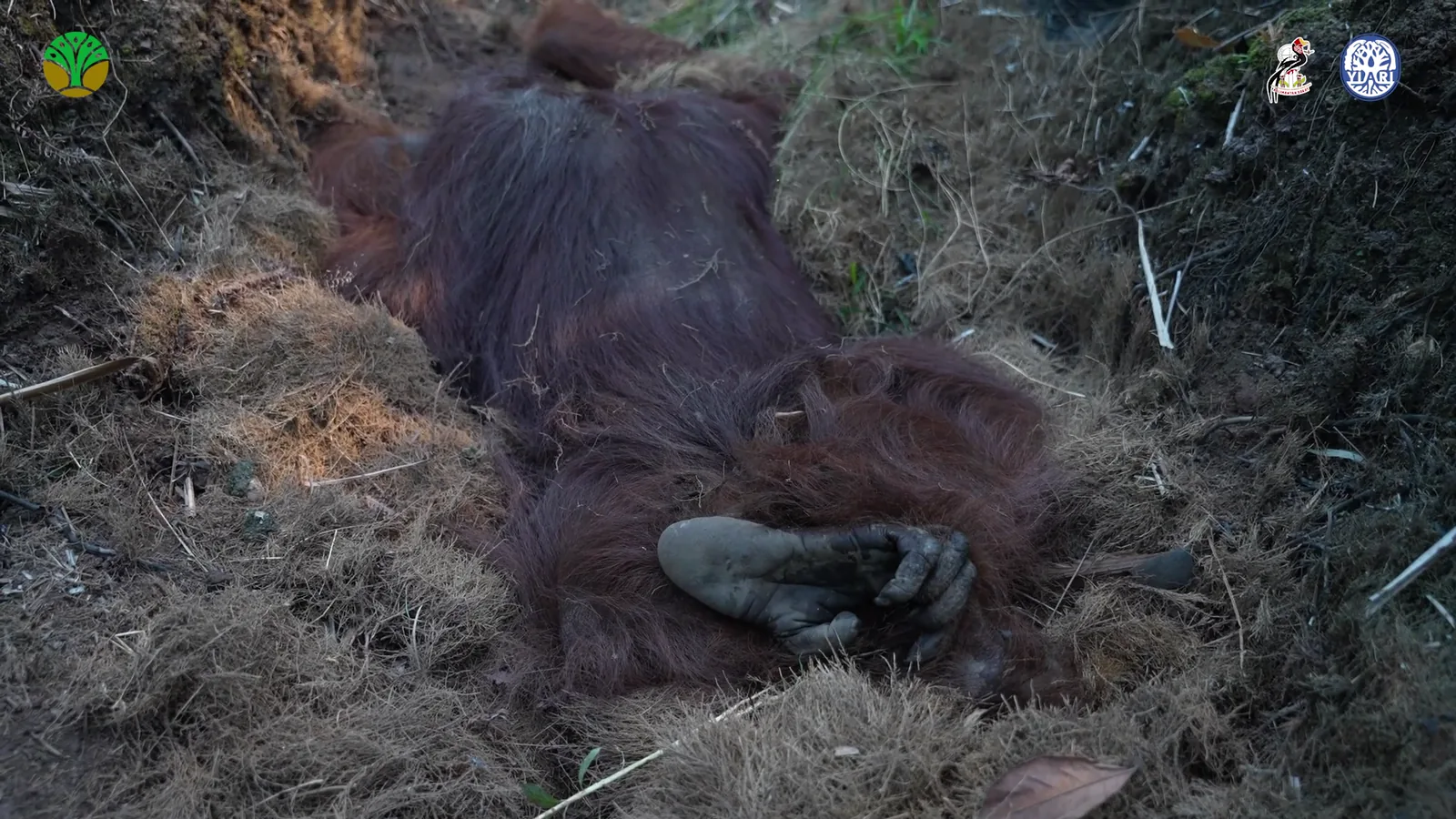
Source: YIARI / BKSDA Kalimantan Barat, original rescue footage, 30 August 2026. Original source
BriefingsSEP 8 2026 · Kalimantan, Indonesia
Kalimantan forest fires 2026: orangutans, smoke and how to help
Dated reports on Kalimantan’s fires, Sampurna and Mama Penja, wildlife response and how to help. Includes IAR’s 27 September 2026 rescue update.
Authorities in southern Vietnam dismantled an alleged cat-theft ring in June 2026, recovering more than 400 live cats and dozens preserved on ice. Nine people were arrested after raids in Tay Ninh Province and Ho Chi Minh City.
Three Bornean orangutans — Bagus, Eboni and Ruby — were released into a protected forest in East Kutai, East Kalimantan, on 23 June 2026, after years of rehabilitation following rescue from the illegal pet trade. All three are Critically Endangered Pongo pygmaeus.
Sea turtles have survived for more than 100 million years, yet within a few human generations most species have been pushed toward extinction. Here is what is driving the decline — bycatch, plastic, poaching and lost nesting beaches — and what actually helps.
A symbolic animal adoption is one of the most meaningful gifts you can give — a present that funds real frontline conservation instead of adding to the clutter. Here is how symbolic adoptions work, what the recipient gets, and how to choose one.
Deforestation kills animals in slow motion. When forests are cleared for agriculture, logging or urban development, the effects on wildlife are immediate, cascading and often irreversible — and they are the direct cause of most of the animal rescue crises WARN responds to across Asia, Africa and South America.
Orangutans are endangered because of a single dominant cause: deforestation. All three remaining species have been reduced to small, fragmented populations in what remains of Borneo's and Sumatra's lowland and peat-swamp forests — and the crisis is getting worse, not better.
Borneo is one of the most biodiverse places on Earth and one of the most rapidly deforested. More than half of the island's lowland forest has been lost in 40 years — a scale of destruction that has produced a permanent wildlife rescue crisis in Indonesia and Malaysia, two of WARN's partner-network countries.
Habitat loss — the destruction, degradation or fragmentation of the natural environments animals depend on — is the single largest driver of wildlife decline and extinction globally. It is the root cause behind most of the rescue crises WARN's programmes are designed to address across Asia, Africa and South America.
Reforestation — the deliberate replanting of trees in degraded or cleared land — is one of the most effective interventions available for wildlife recovery. When done with the right species, in the right places, with long-term management, it can restore habitat corridors, recover biodiversity and give rescued animals somewhere safe to return to.
The Amur leopard is the world's rarest big cat, with fewer than 130 estimated to remain in the wild. It lives in the Russian Far East and northeast China — outside the countries WARN operates in — but its story is a global benchmark for what is possible when rescue, anti-poaching and protected-area work come together.
The giant panda is one of the world's most recognisable endangered animals — and one of its quiet conservation success stories. It lives only in China, outside the countries WARN operates in, but its journey from Endangered to Vulnerable is the clearest evidence we have that the right work, sustained for decades, can save a species.
The issues driving animal suffering worldwide — and what the evidence says about solving them.
Wildlife trafficking
Follow reporting on illegal wildlife trade, enforcement and the welfare of confiscated animals. Our explainers distinguish evidence about particular seizures or species from estimates about a much wider trade. They also explore what professional rehabilitation requires after an animal is removed from trafficking.
Species-specific needs matter when assessing the welfare of animals kept as pets. Read about slow lorises, parrots and other animals, the concerns raised by handling and wildlife selfies, and how to question claims about legal or captive-bred origins. A viral animal video may omit essential context.
Explore veterinary care, vaccination, humane population management and responsible support for street dogs. Our Karachi appeal explains the kinds of professional proposals WARN would assess, including aftercare and reporting. Needs and suitable responses vary between communities.
Read sourced reporting on Kalimantan, alongside guides to the orangutans and other animals affected by habitat pressures. The briefing separates reported events from WARN’s own role and explains why emergency response, rehabilitation and long-term habitat protection are different parts of the work.
Look beyond an urgent headline to understand the intended support, who would deliver it and what records should follow. WARN’s funding information explains recipient assessment and distinguishes a proposed activity from an approved grant, a payment or a measured result.
Explore bird guides covering species, behaviour and conservation concerns, alongside explainers about domestic breeds and their welfare. The appropriate response depends on the animal: a wild bird, a companion parrot and an injured domestic pigeon can need different expertise and support.
The newsroom publishes animal-welfare briefings, conservation reports, species explainers and practical guides. Coverage includes orangutans, wildlife trafficking, habitat loss, street-animal welfare and responsible ways to help. Use the keyword search and category filters to find a topic or country.
Are these stories reports of WARN rescue operations?
A story may describe the work of an independent organisation or summarise published research. Coverage does not establish a WARN partnership, grant or rescue operation. Check the named source, the appeal information and WARN’s public grant register for those distinctions.
How can I check a report or animal fact?
Follow the sources in the article and read their dates and geographic scope. A population estimate, conservation assessment or individual rescue report describes a particular piece of evidence. It should not be assumed to apply to every species, place or year. WARN’s editorial standards explain sourcing and corrections.
Where can I find updates about the Kalimantan fires?
Search for Kalimantan or orangutans to find WARN’s sourced fire briefing, then follow the links to the relevant appeal and organisations publishing their own response information. The appeal explains WARN’s proposed support, recipient selection and fund terms.
Can I help if I cannot donate?
Yes. Share a relevant article with its date and original link, read the source material and direct someone who needs local help to an appropriate organisation. Avoid presenting old footage as a new incident. You can also report a factual error through WARN’s contact page.
How do I find local help for an animal?
Use the rescue guidance and animal-welfare directory to find appropriate local contacts. Confirm the organisation’s location, services and availability directly. WARN publishes information and appeals but does not operate an emergency dispatch service.