Wildlife Guide · Pakistan & Indonesia
Dog
Canis lupus familiaris (Linnaeus, 1758)
One species across every breed — companion, working dog and street dog alike.
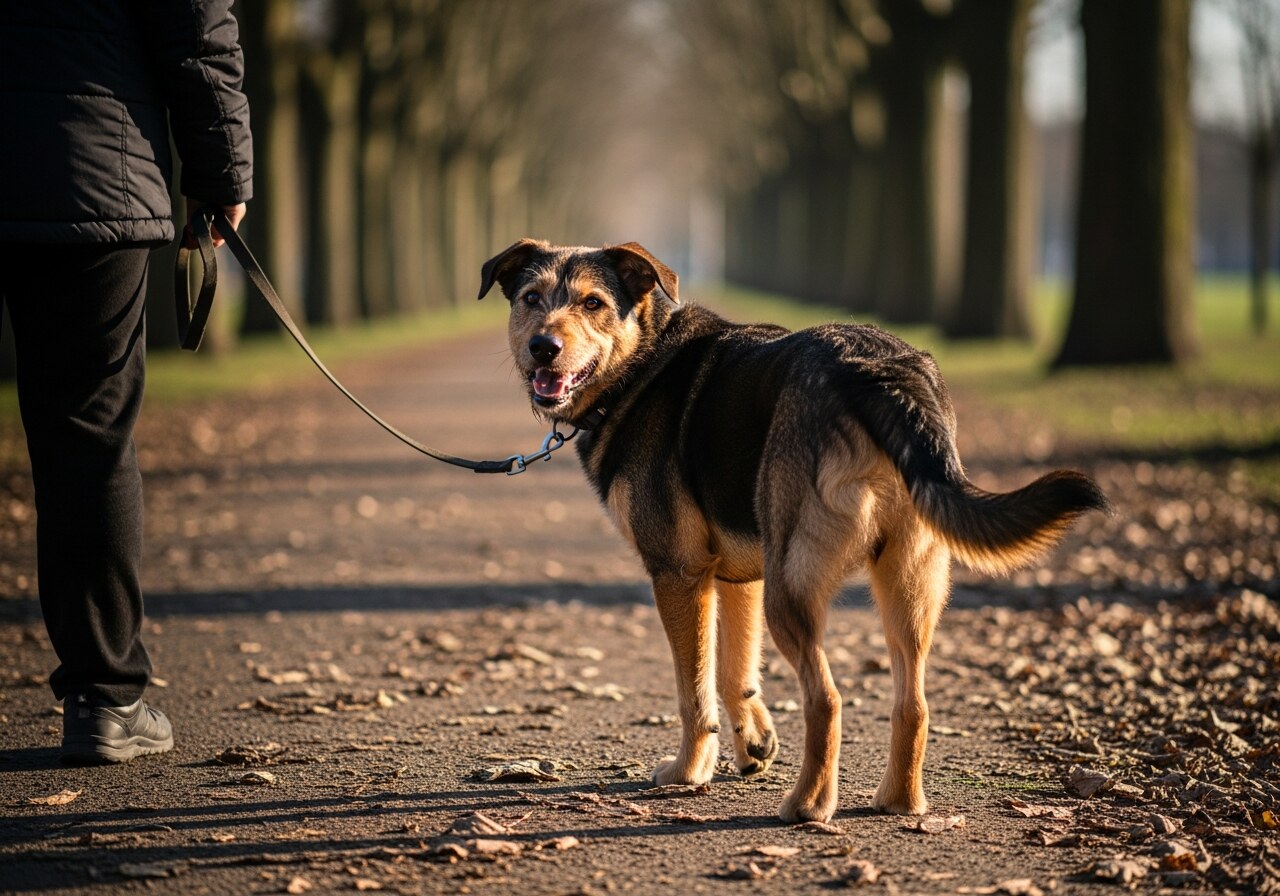
Photo: Jakub Hałun / Wikimedia Commons (CC BY-SA 4.0)
In brief
A dog (Canis lupus familiaris) is a domesticated mammal descended from the grey wolf, kept worldwide as a companion, working and assistance animal. Every breed is the same species. The IUCN does not assess dogs for extinction risk. Street dogs are the same species as pets.
Also in Animals A to Z · Animals that start with D · Types of dogs
How you can help
You can symbolically adopt a dog from £5 a month — a donation to WARN’s Karachi street dogs appeal, with a personalised certificate you can keep or give as a gift — or give once to where it is needed most.
By WARN Research & Conservation TeamChecked against WHO rabies guidance, WOAH and FCI breed nomenclatureLast updated
The domestic dog (Canis lupus familiaris) is a domesticated descendant of the grey wolf and was almost certainly the first animal humans tamed, tens of thousands of years ago. Roughly 900 million dogs live worldwide, from the toy-sized Chihuahua to the Great Dane, all one biological species. The IUCN Red List does not assess dogs for extinction risk because they are domesticated. This page is the species guide: origins, biology, breeds and the dog-versus-wolf distinction. Free-roaming welfare, rabies and CNVR sit on street dog and help street dogs abroad. Side-by-side traits are at dog vs wolf.
Looking for something specific?
These notes clarify the guide’s scope, common mix-ups and related information.
- Rehoming a dog into a UK home this week — contact a local registered rescue for that.
- A named kennel or zoo animal with photo updates. WARN does not offer that.
- Treating the domestic dog as an endangered wild species. It is IUCN Not Evaluated.
- A taxonomy of kennel-club groups, size and working roles — use types of dogs.
- CNVR programme design, culling arguments or parcel volunteering — use street dog and help street dogs abroad.
~900M
Dogs worldwide — the most numerous large carnivore on Earth
~63 days
Gestation period, remarkably consistent across all breeds
10–13 yrs
Typical lifespan, with small breeds often living longest
340+
Breeds recognised by major international registries
Figures sourced from WHO — rabies fact sheet (dog-mediated transmission and vaccination), WOAH — rabies and stray-dog population control, IUCN Red List — categories and criteria (domesticated taxa are not assessed) and other references on this page.
Dog: Quick Facts
| Scientific name | Canis lupus familiaris |
|---|---|
| Lifespan | ~10–13 years (small breeds longer) |
| Weight range | ~1.5 kg (Chihuahua) to 80+ kg (Mastiff) |
| Height range | ~15 cm to 80+ cm at the shoulder |
| Diet | Omnivorous (carnivore-leaning) |
| Gestation | ~63 days (58–68) |
| Litter size | 1–3 (toy breeds) to 10+ (large breeds) |
| Baby name | Puppy |
| Group name | Pack (litter for puppies) |
| Recognised breeds | 400+ worldwide; 340+ via the FCI |
Scientific Classification
| Kingdom | Animalia |
|---|---|
| Phylum | Chordata |
| Class | Mammalia |
| Order | Carnivora |
| Family | Canidae |
| Genus | Canis |
| Species | Canis lupus |
| Subspecies | Canis lupus familiaris |
Conservation Status
- IUCN Status
- Not Evaluated (domesticated)
- Population
- ~900 million worldwide, of which a large share are free-roaming or street dogs
- Trend
- Stable to increasing globally
- Assessed
- Not applicable (domesticated species)
- CITES
- Not listed
As a domesticated animal, the dog is not assessed for extinction risk by the IUCN Red List and is not covered by CITES. Welfare and humane population management — not conservation status — are the relevant concerns.
Did you know?
A dog's sense of smell is so acute that the part of its brain devoted to analysing scent is, proportionally, about 40 times larger than ours — which is why dogs can be trained to detect everything from explosives to certain diseases.
Key Facts: Dog
- Every dog breed — from the 1.5 kg teacup Chihuahua to the 80 kg Mastiff — belongs to one species, Canis lupus familiaris, descended from the grey wolf.
- Dogs were the first domesticated animal, with genetic and fossil evidence pointing to domestication somewhere between roughly 15,000 and 40,000 years ago in Eurasia.
- The average dog lives about 10–13 years; smaller breeds tend to outlive giant breeds, which often reach only 8–10 years.
- Canine gestation lasts about 63 days (typically 58–68), and litter size varies from 1–3 puppies in toy breeds to 10 or more in large breeds.
- Major registries such as the FCI recognise well over 300 breeds, though there are more than 400 breeds and landraces worldwide; all interbreed freely.
- Of the world's ~900 million dogs, a large share are free-roaming or street dogs, especially across South Asia, Southeast Asia, and Latin America — the focus of WARN's welfare work.
How to use this dog species guide
Match the query to the right WARN page. This URL is species facts: what a dog is, lifespan, gestation and the wolf comparison. Named breeds, street-dog CNVR and UK rehoming are different jobs. Use the table and the links below rather than mixing those intents.
- 1
Confirm the goal
Stay here for what a dog is, lifespan, gestation, diet and domestication. UK rehoming is a local registered rescue. Free-roaming dogs abroad are street dog.
- 2
Compare with the wolf if that is the query
Use the on-page table and dog vs wolf. Dogs and grey wolves share an ancestor. Domestication, diet and breeding calendars are the honest splits.
- 3
Open a breed guide for a named breed
Fifty breed pages sit under dog. Grouping systems — FCI, size, working roles, village dogs — are at types of dogs. Breed is a rough guide to size, coat and energy — not a guarantee, and not a different species.
- 4
Help street dogs through programmes, not parcels
CNVR and rabies vaccination are at Karachi street-dog appeal and sponsor a dog. The working figure for one complete CNVR is £75, reviewed 17 July 2026.
What is a dog?
A dog is a domesticated mammal, Canis lupus familiaris, descended from the grey wolf. It is kept worldwide as a companion, working and assistance animal. Every breed, from a Chihuahua to a Great Dane, is the same species. The IUCN Red List does not assess dogs for extinction risk because they are domesticated.
Linnaeus named the form in 1758. Modern genetics treats the dog as a subspecies of the grey wolf (Canis lupus), not a separate wild species awaiting a Red List category. Welfare and humane population management are the relevant concerns, not extinction status.
This page is the species encyclopaedia. Named breeds are under dog. Free-roaming dogs are at street dog. Side-by-side traits with the wolf are at dog vs wolf.
The related appeal explains potential support and the current funding status; this guide does not confirm a WARN grant. It does not rehome pets in Britain and is not a UK kennel.
Are all dog breeds the same species?
Yes. Every recognised breed and landrace belongs to one species, Canis lupus familiaris. A 1.5 kg Chihuahua and an 80 kg Mastiff can interbreed. Breed registries describe type, not a biological split. That is why mixed-breed dogs are not a different species either.
The Fédération Cynologique Internationale (FCI) lists well over 300 breeds. National kennel clubs add and drop names. Worldwide there are more than 400 breeds and landraces. All of them remain dogs.
Breed is a rough guide to size, coat, energy and health risks — not a guarantee of temperament. Flat-faced breeds such as the French Bulldog and Pug are prone to breathing and heat-tolerance problems. That is husbandry, not taxonomy.
Browse the breed library on this page, lists at dog breeds, or the grouping map at types of dogs. Street dogs and village dogs are the same species as a pedigree pet.
When were dogs domesticated?
Dogs were the first domesticated animal. Genetic and fossil evidence points to a split from an extinct grey-wolf population somewhere between about 15,000 and 40,000 years ago in Eurasia, possibly more than once. The honest answer is a range, not a single year.
The leading hypothesis is that less-fearful wolves scavenged around human camps and were favoured for tameness over generations. People then bred dogs for hunting, herding, guarding, hauling and companionship. Most of today's named breeds are only a few centuries old, products of intensive 18th- and 19th-century breeding.
That history explains starch digestion, twice-yearly seasons and the ability to read human gestures — traits that differ from a wild wolf even though the ancestor is shared. See dog vs wolf.
Domestication does not make a street dog a wild species. It remains Canis lupus familiaris, which is why CNVR and rabies vaccination are public-health tools, not conservation translocations.
How long do dogs live?
Most dogs live about 10–13 years. Smaller breeds often reach 14–16 years or more. Giant breeds such as Great Danes typically live only 8–10 years. Body size is the strongest pattern in that spread; it is not a promise for any individual dog.
Veterinary care, weight, dental disease and breed-specific conditions move the range. Brachycephalic (flat-faced) types often have shorter, more medical lives because of airway and heat-tolerance problems. Mixed-breed dogs are not automatically healthier, but they avoid some closed-registry bottlenecks.
Puppies are born blind and deaf, open their eyes at around two weeks, and are usually weaned by six to eight weeks. A baby dog is called a puppy. A group of dogs is most commonly a pack; siblings from one birth are a litter.
Lifespan is a species fact. It is not an IUCN generation length for a threatened wild animal. Dogs are Not Evaluated because they are domesticated.
How long are dogs pregnant?
Canine gestation lasts about 63 days from conception, typically 58–68 days, and is remarkably consistent across breeds. Litter size varies from one to three puppies in toy breeds to ten or more in large breeds. Females usually come into season about twice a year.
That calendar is one reason unplanned breeding scales so fast in free-roaming populations. A village dog that is not neutered can produce several litters across a short life. Shelter intake cannot absorb that arithmetic on its own.
CNVR — catch, neuter, vaccinate, return — is the evidence-based response for street dogs. Programme detail is at street dog and newsroom briefing, not on this species page.
If you searched "how long are dogs pregnant" because you have a pet, speak to a veterinary surgeon. This guide does not replace clinical advice.
What do dogs eat?
Dogs are omnivorous with a carnivore lean. Unlike cats, they digest starches reasonably well — an adaptation to living alongside farming humans. They still need a complete diet with adequate protein, fat and micronutrients; table scraps and bones are not a feeding plan.
Commercial complete diets exist because dogs share our kitchens. Wolves hunt large prey and do not share that starch adaptation in the same way. That split is in the comparison table below and at dog vs wolf.
Street dogs scavenge. Rubbish, market waste and community feeding keep many of the world's free-roaming dogs alive. Feeding without neutering can increase the local population. Pair food with CNVR, not food alone.
Do not post dog food from Britain to a partner clinic unless that partner has asked for a named item in writing. Money at Karachi street-dog appeal buys supplies locally.
Are dogs dangerous?
Dogs can bite, and in rabies-endemic countries they are the main source of human rabies deaths. They are not wild predators in the wolf sense: they live with people. Honest risk is husbandry, vaccination and public health — not a myth that pet dogs are harmless or that street dogs must be culled.
The World Health Organization attributes the large majority of human rabies deaths to dog bites, and up to 99% of transmission in many settings. Mass dog vaccination and CNVR cut that risk. Culling does not. See street dog and WHO's rabies fact sheet in the sources.
In Britain, responsible ownership, training and veterinary care manage bite risk. Breed-specific scare stories are a poor substitute for behaviour and context. This page will not rank breeds as safe or unsafe.
If you asked "are dogs dangerous" because of a street-dog encounter abroad, the programme answer is vaccination coverage, not a one-off clinic day. help street dogs abroad covers that case.
How is a dog different from a grey wolf?
The domestic dog is a tamed subspecies of the grey wolf. Dogs live with people, digest starch better, and can breed up to twice a year. Wolves generally avoid people, hunt large prey, and breed once a season. Gestation is about 63 days in both. Typical pet lifespan is longer than a wild wolf's.
Scientific names: Canis lupus familiaris versus Canis lupus. The grey wolf is listed Least Concern globally. The dog is Not Evaluated because it is domesticated. Those are different IUCN jobs, not a ranking of which animal "needs saving" more.
A wolf is not a large husky. Keeping a wolf or wolf-dog hybrid as a pet is a specialist, often licensed, welfare problem — not a breed choice on this page.
Full comparison: dog vs wolf. Grey wolf biology: grey wolf.
How many dog breeds are there?
There are more than 400 recognised dog breeds and landraces worldwide. The FCI formally recognises over 340. National registries such as the Kennel Club (UK) and the AKC list overlapping but not identical sets. Counts move when a club splits or merges a type.
All of those names sit on one species. A breed standard is a written description for showing and breeding, not a biological fence. Village dogs and mixed-breed pets are still dogs.
This site publishes 50 of the most-searched breed guides under dog, with lists at dog breeds and the grouping map at types of dogs. Use those pages for temperament, care sketches and kennel-club types. Use this page for the species.
Buying a puppy to "try a breed" fuels poorly bred and trafficked litters. Rescue mixed-breeds are widely available through registered UK charities. WARN does not place dogs in UK homes.
Should I get a pedigree dog or a rescue mixed-breed?
Choose the dog that matches your space, time and budget — not a marketing story. Pedigree type predicts size, coat and some health risks. It does not guarantee temperament. Mixed-breed and rescue dogs are the same species and are widely available through registered UK rescues.
High-energy herding and working types need daily work. Many companion types need less. Flat-faced breeds are popular and medically expensive. Read a breed page on this hub before you pay a breeder.
WARN does not rehome pets in Britain. If the search was "adopt a dog" meaning a household pet, contact a local registered rescue. If the search was symbolic adoption for street dogs abroad, use adopt a dog symbolically or adopt a dog.
Fuelling unlicensed puppy sales is the option to skip. Match the legal form to the job, then give time, money or both.
Are street dogs the same species as pet dogs?
Yes. Street dogs, village dogs, community dogs and pedigree pets are all Canis lupus familiaris. Free-roaming dogs are not a wild species and are not IUCN-listed. Roughly 200 million dogs live free-roaming lives; they are a large share of the global dog population, especially across South Asia, Southeast Asia, Africa and Latin America.
The crisis is welfare and rabies, not extinction. WHO-endorsed mass vaccination and CNVR stabilise populations. Culling does not. WARN's street-dog guide and help street dogs abroad exist so this species page does not pretend to be a CNVR manual.
Karachi CNVR is the flagship appeal at Karachi street-dog appeal. Symbolic dog sponsorship is at sponsor a dog. Those URLs fund partner clinics. This URL explains the animal.
Do not fly street dogs to Britain as a population strategy. Rehoming cannot absorb city-scale free-roaming dogs.
How can I help dogs abroad?
Fund partner-led CNVR and rabies vaccination rather than posting parcels or volunteering untrained. Give at Karachi street-dog appeal or sponsor a dog.
A gift of £25 helps vaccinate street dogs against rabies. £75 is the working figure for one complete catch-neuter-vaccinate-return, reviewed 17 July 2026 on the Karachi appeal. Figures are illustrations, not a named-dog invoice. Entry-tier monthly gifts pool; they do not buy one CNVR each month.
Read street dog, help street dogs abroad and donate to dog rescue before you pay. US donors: WARN is not a 501(c)(3). See donate to dog rescue us.
If you want a UK pet, stop here and call a local rescue. If you want international field programmes, stay on the appeal and rescue URLs, not on this facts page alone.
Dog vs. grey wolf at a glance
| Trait | Domestic dog | Grey wolf |
|---|---|---|
| Scientific name | Canis lupus familiaris | Canis lupus |
| Relationship to humans | Domesticated companion | Wild, generally avoids people |
| Typical lifespan | ~10–13 years | ~6–8 years in the wild |
| Gestation | ~63 days | ~63 days |
| Diet | Omnivore-leaning, digests starch well | Carnivore, hunts large prey |
| Breeding | Up to twice a year | Once a year, seasonal |
| IUCN Red List | Not Evaluated (domesticated) | Least Concern globally |
Dog Breeds Guide
From the Labrador Retriever and Golden Retriever to the French Bulldog, German Shepherd, and 45 more — browse 50 of the world's most searched dog breeds with temperament, health, and care guides.

Labrador Retriever
Canada (Newfoundland)
Friendly, outgoing, eager to please
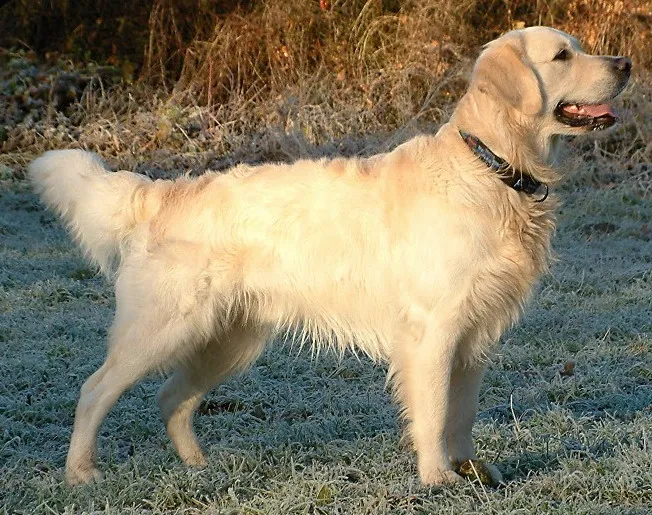
Golden Retriever
Scotland
Gentle, devoted, playful

French Bulldog
France and England
Affectionate, easygoing, alert
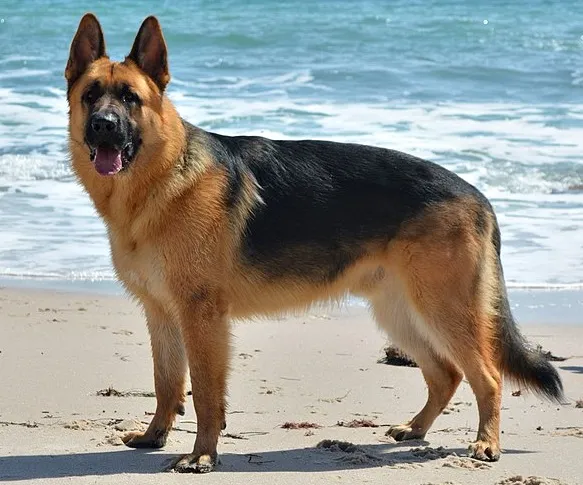
German Shepherd
Germany
Loyal, confident, courageous

Poodle
Germany and France
Intelligent, elegant, eager
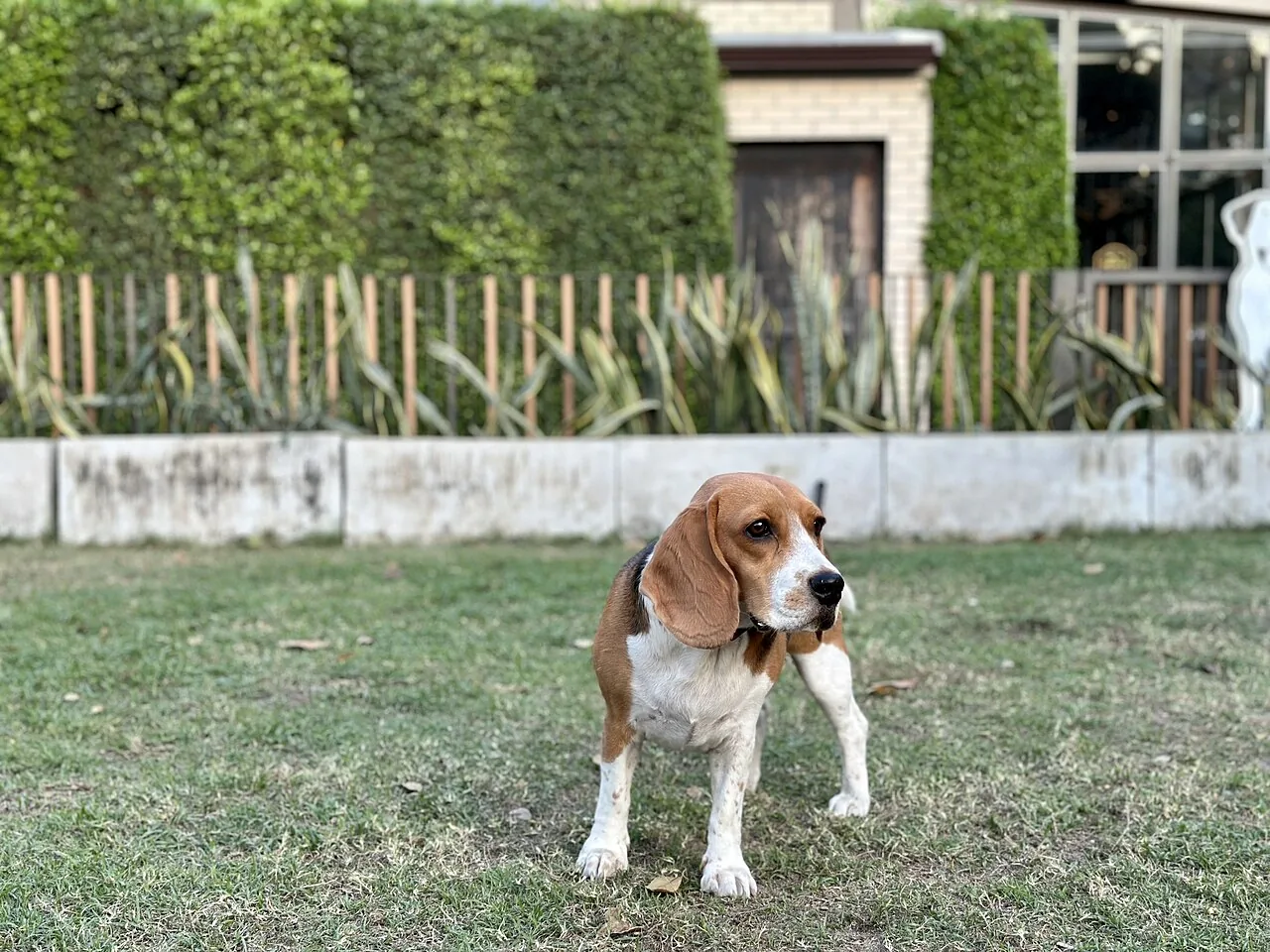
Beagle
England
Merry, curious, friendly

Dachshund
Germany
Spunky, clever, brave
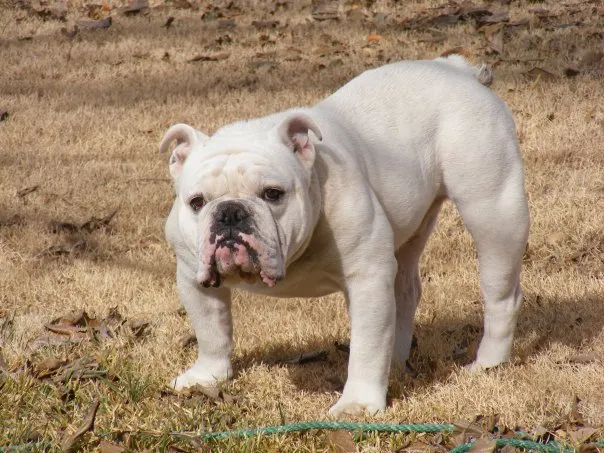
Bulldog
England
Calm, courageous, friendly
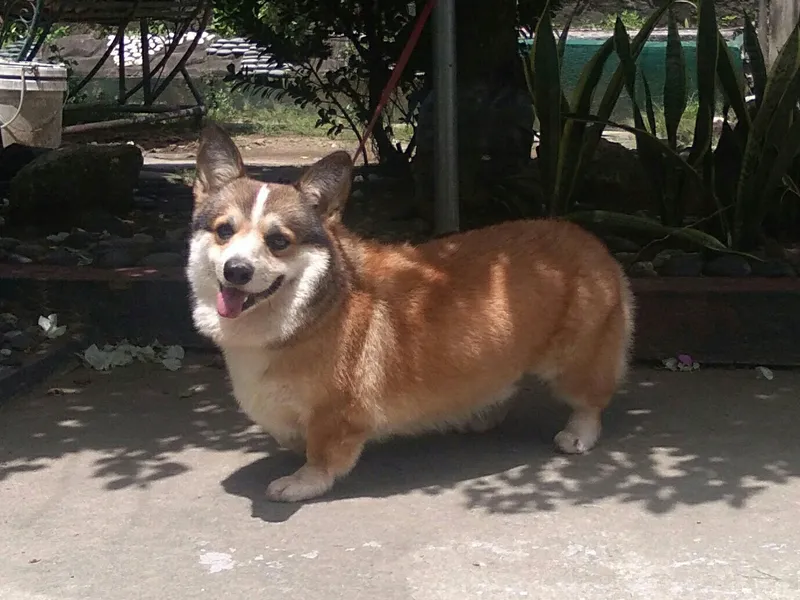
Pembroke Welsh Corgi
Wales
Smart, bold, affectionate
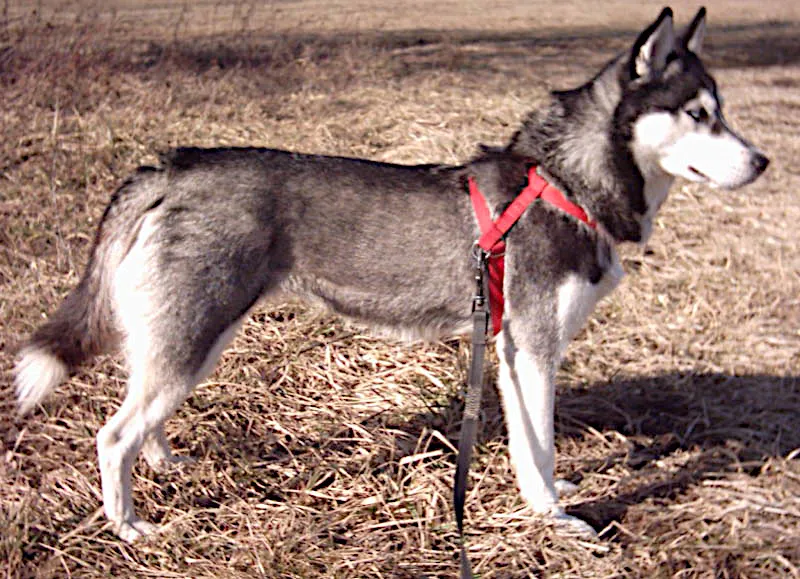
Siberian Husky
Siberia (Russia)
Outgoing, energetic, mischievous

Rottweiler
Germany
Confident, loyal, protective
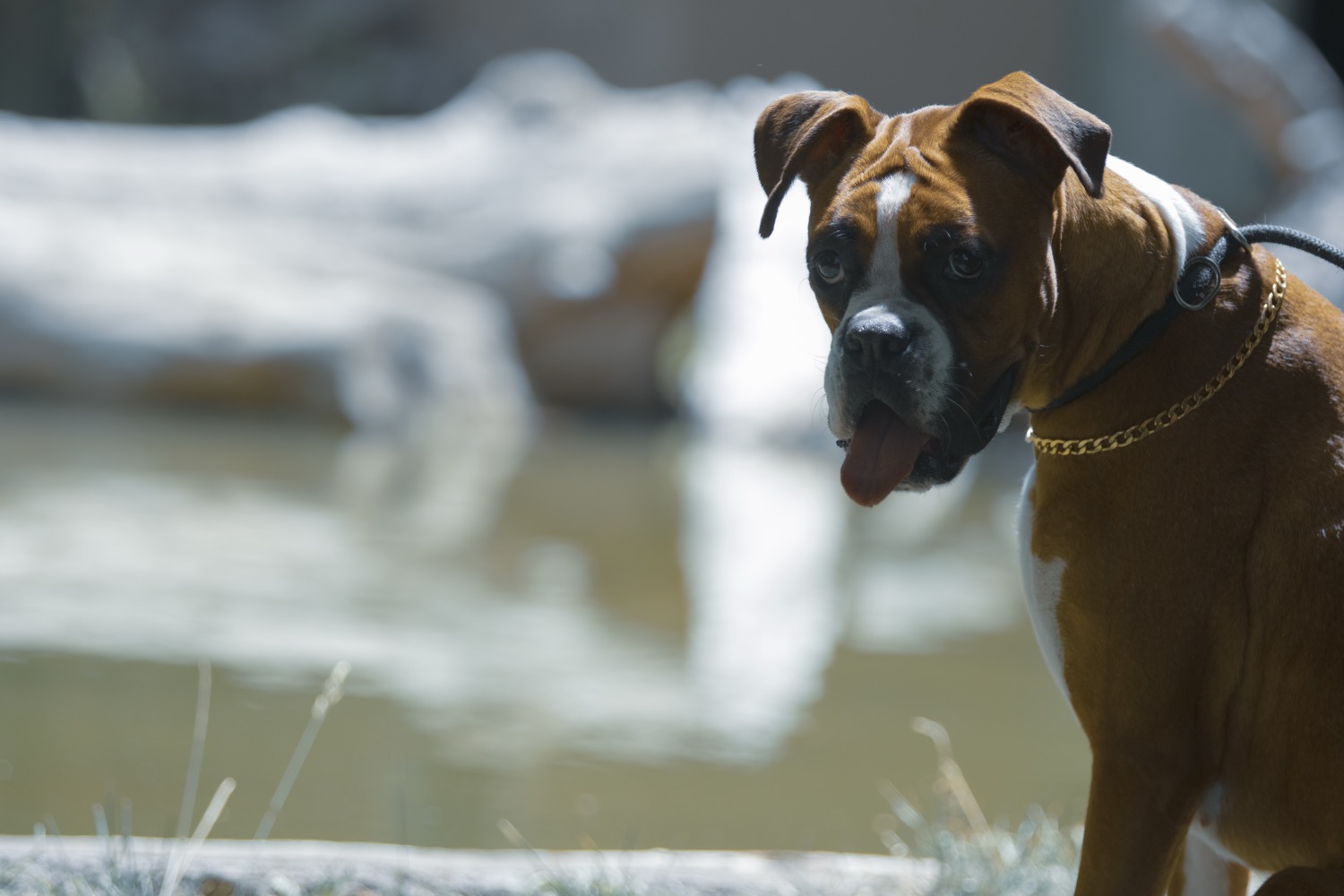
Boxer
Germany
Playful, energetic, loyal
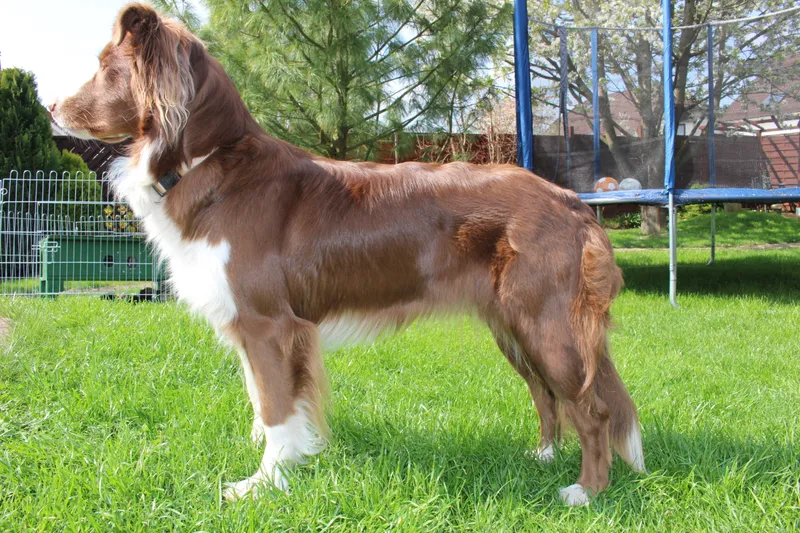
Australian Shepherd
United States
Intelligent, energetic, loyal

Yorkshire Terrier
England
Bold, affectionate, lively

Cavalier King Charles Spaniel
England
Gentle, affectionate, friendly
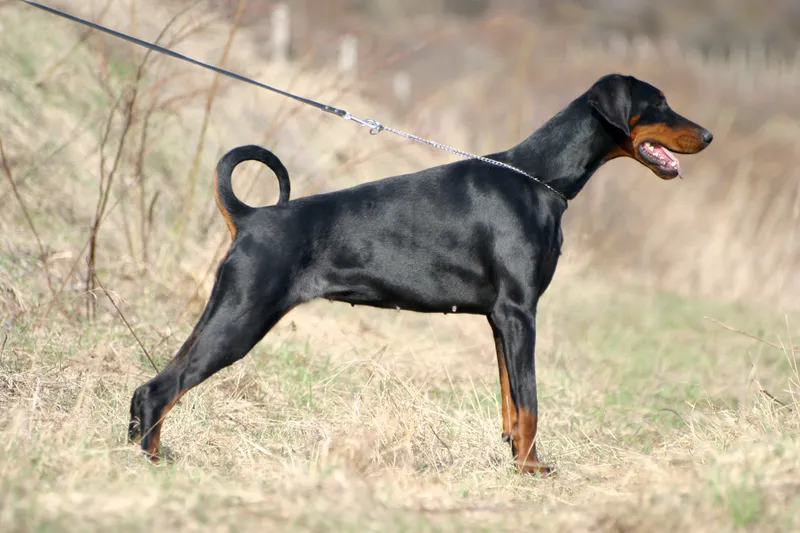
Doberman Pinscher
Germany
Alert, loyal, intelligent
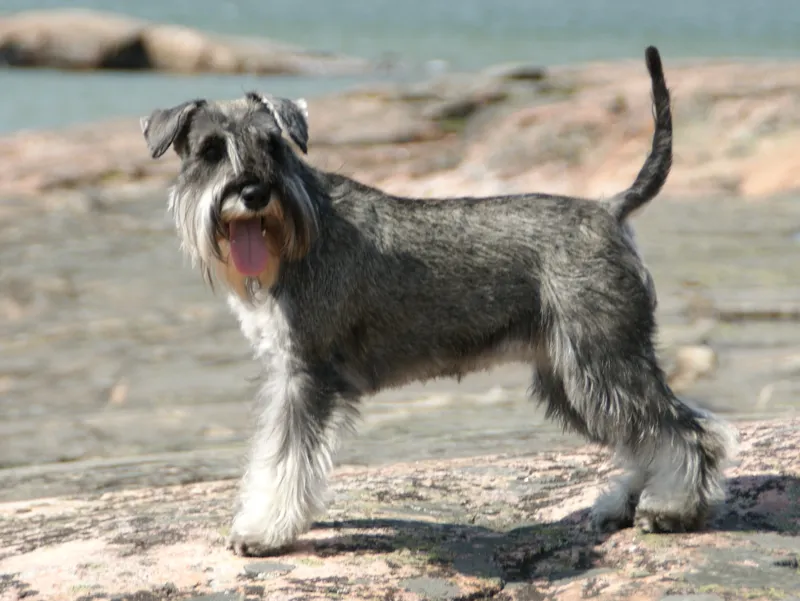
Miniature Schnauzer
Germany
Spirited, friendly, alert
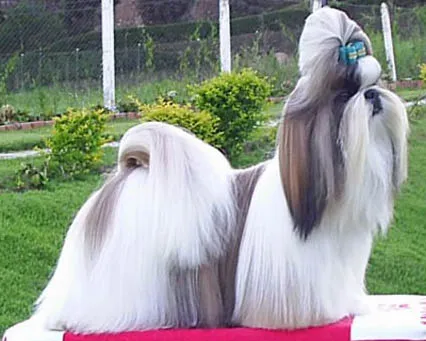
Shih Tzu
Tibet/China
Affectionate, playful, charming
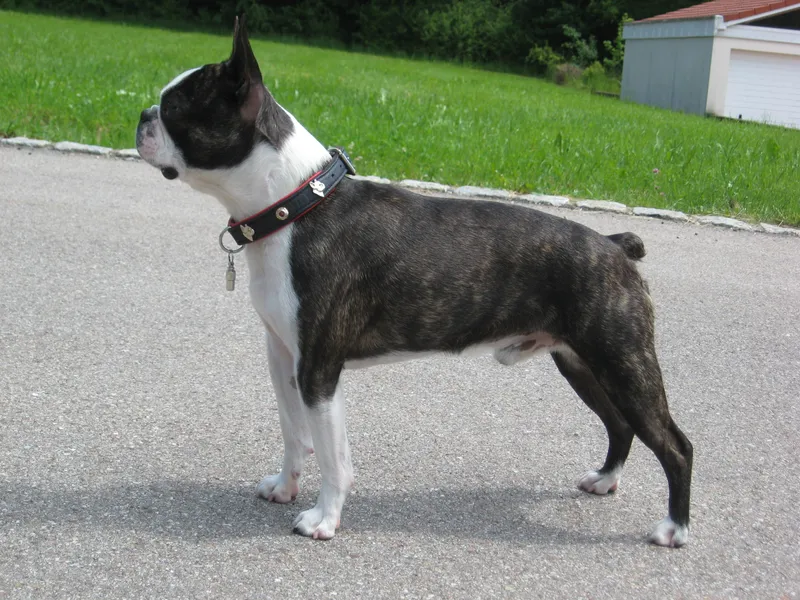
Boston Terrier
United States
Friendly, bright, amusing
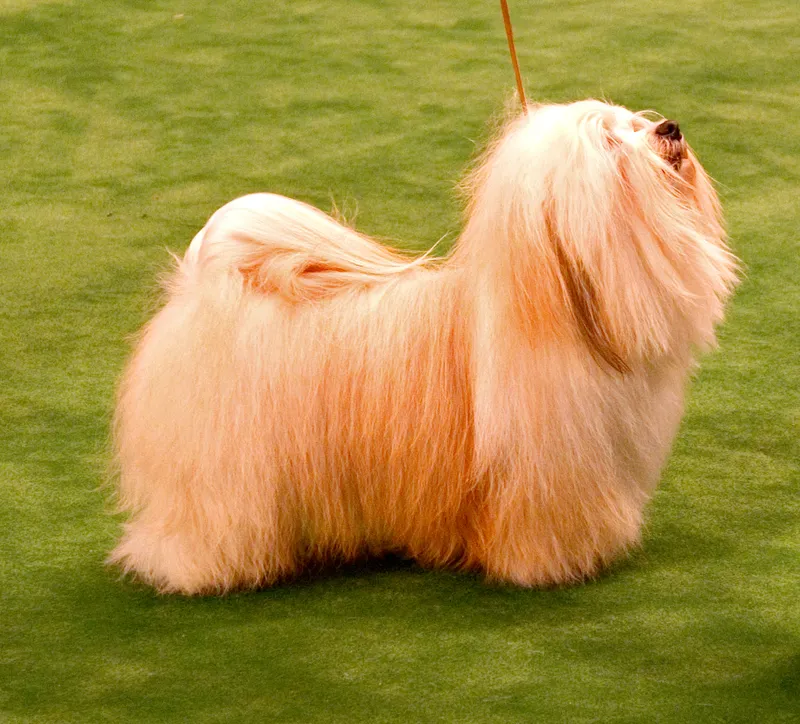
Havanese
Cuba
Cheerful, social, intelligent
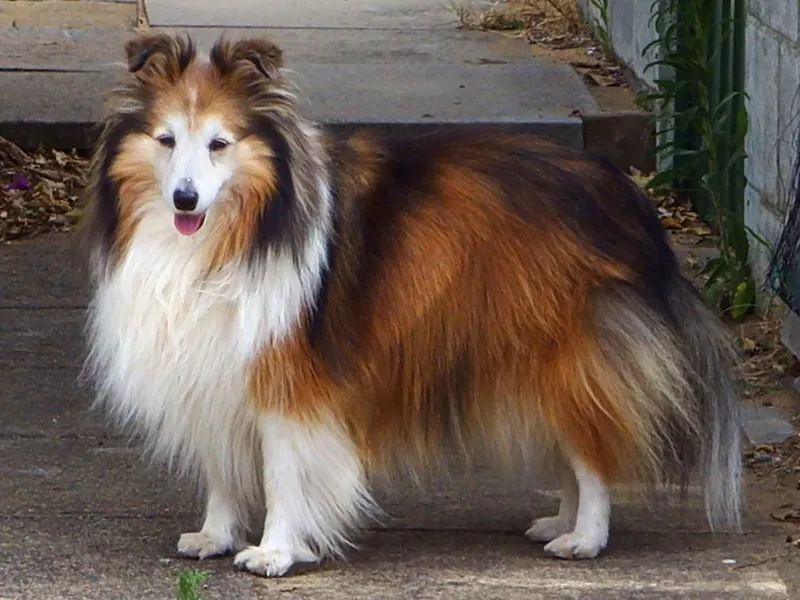
Shetland Sheepdog
Scotland (Shetland)
Intelligent, loyal, vocal
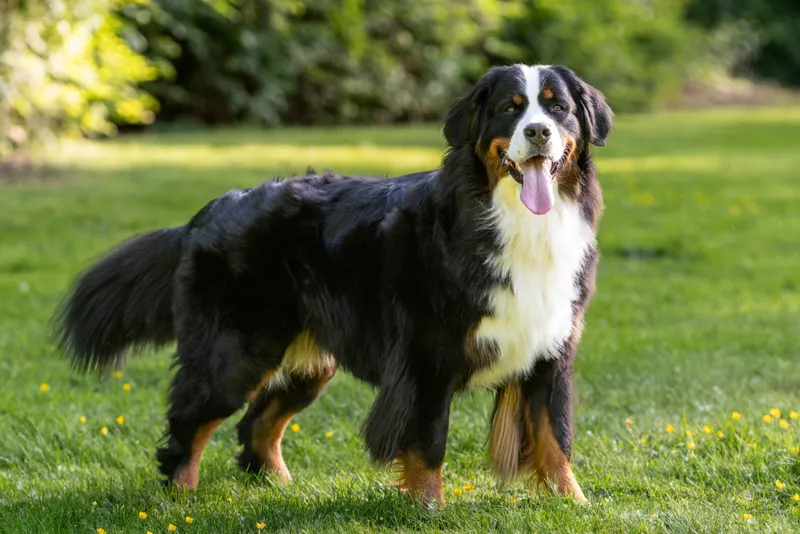
Bernese Mountain Dog
Switzerland
Gentle, calm, devoted
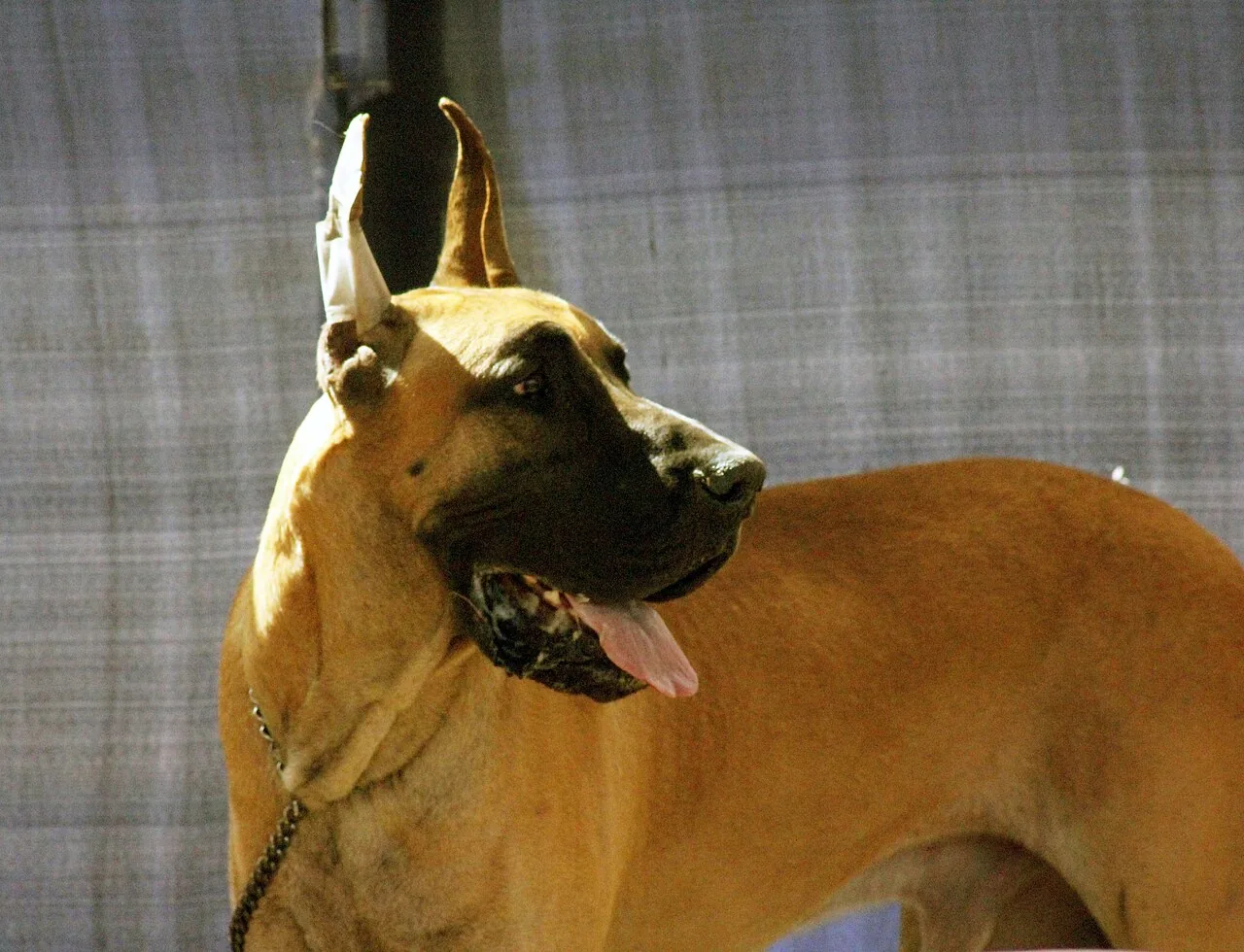
Great Dane
Germany
Gentle, friendly, dignified

Maltese
Malta
Gentle, playful, affectionate

Bichon Frise
Mediterranean
Cheerful, playful, social
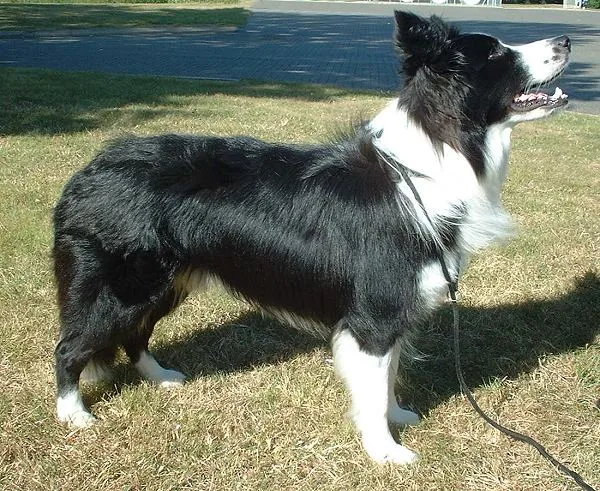
Border Collie
Scotland/England border
Intelligent, energetic, focused

Chihuahua
Mexico
Alert, loyal, sassy
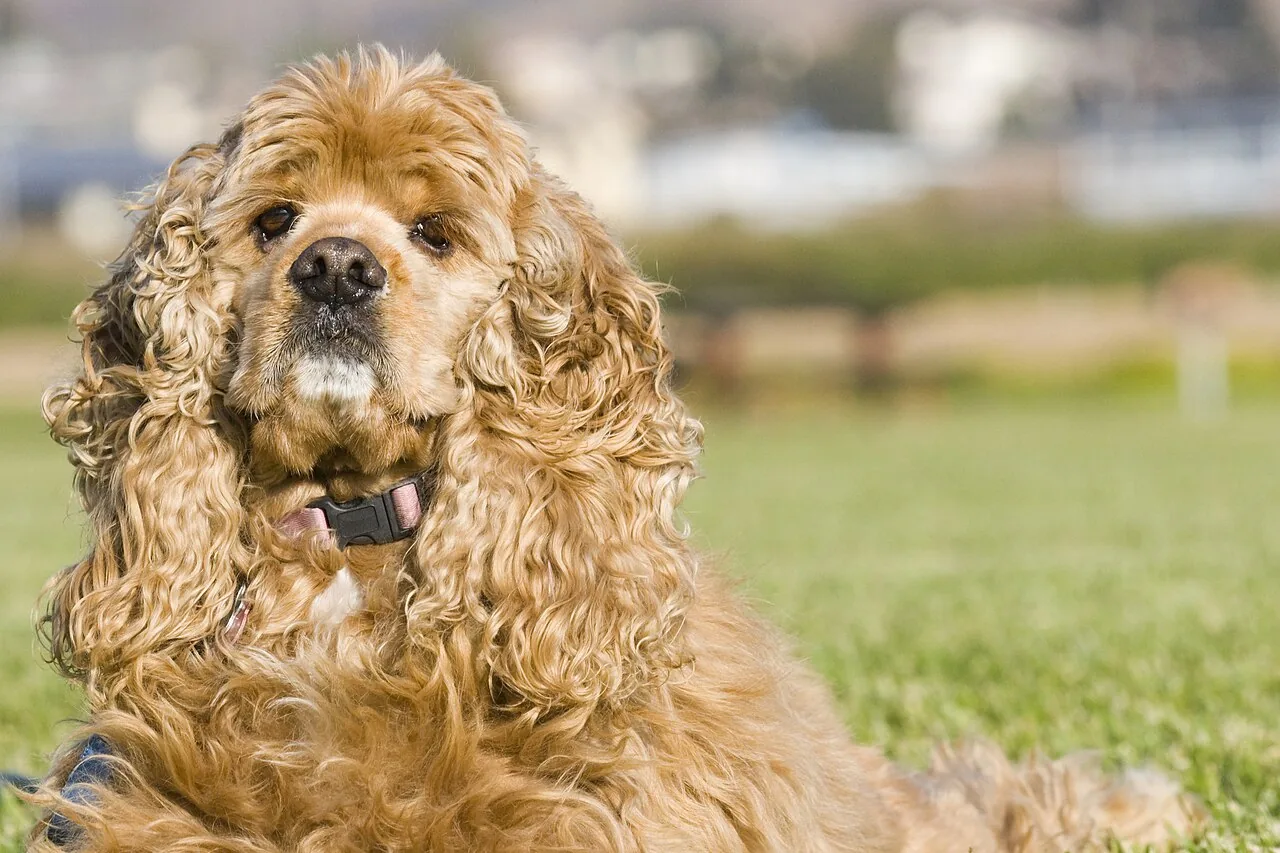
Cocker Spaniel
England/United States
Happy, gentle, merry

Mastiff
England
Calm, loyal, protective
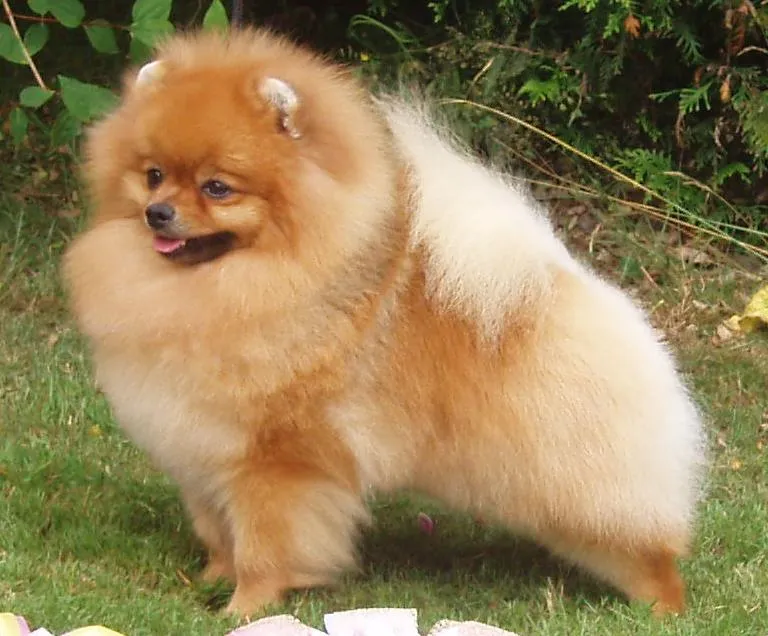
Pomeranian
Germany/Poland
Bold, lively, inquisitive
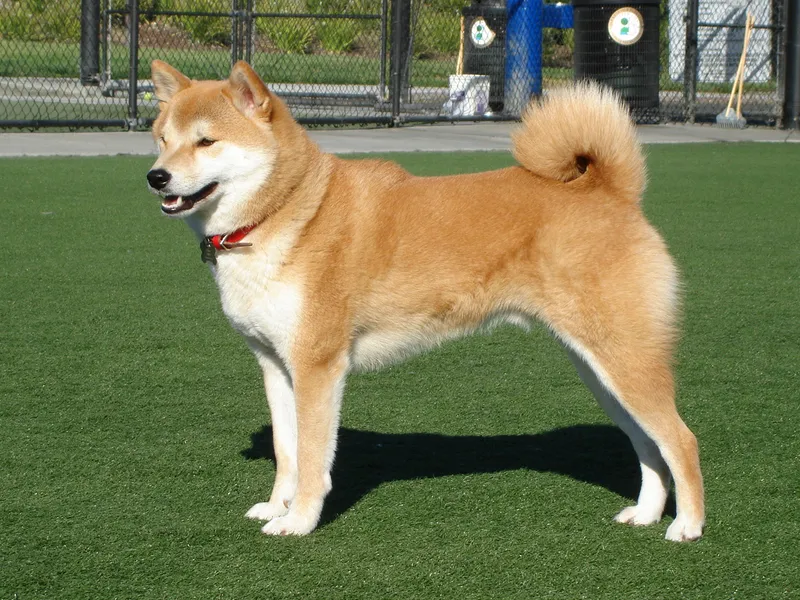
Shiba Inu
Japan
Independent, alert, clean

Vizsla
Hungary
Affectionate, energetic, gentle
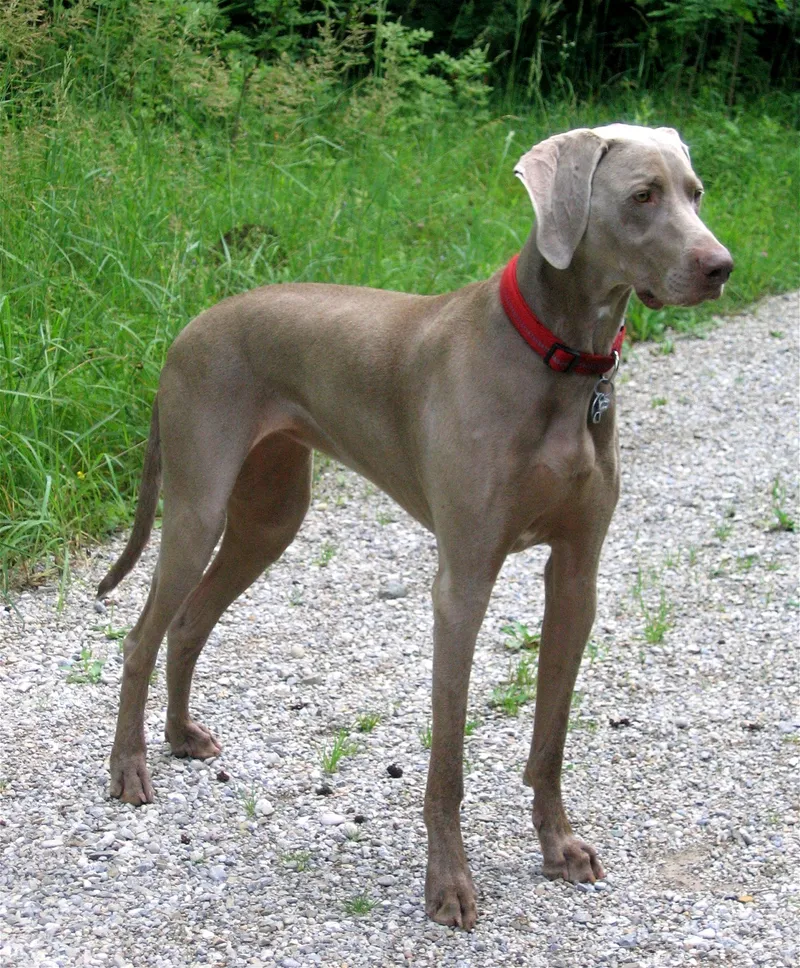
Weimaraner
Germany
Energetic, intelligent, loyal

Rhodesian Ridgeback
Southern Africa
Dignified, loyal, independent
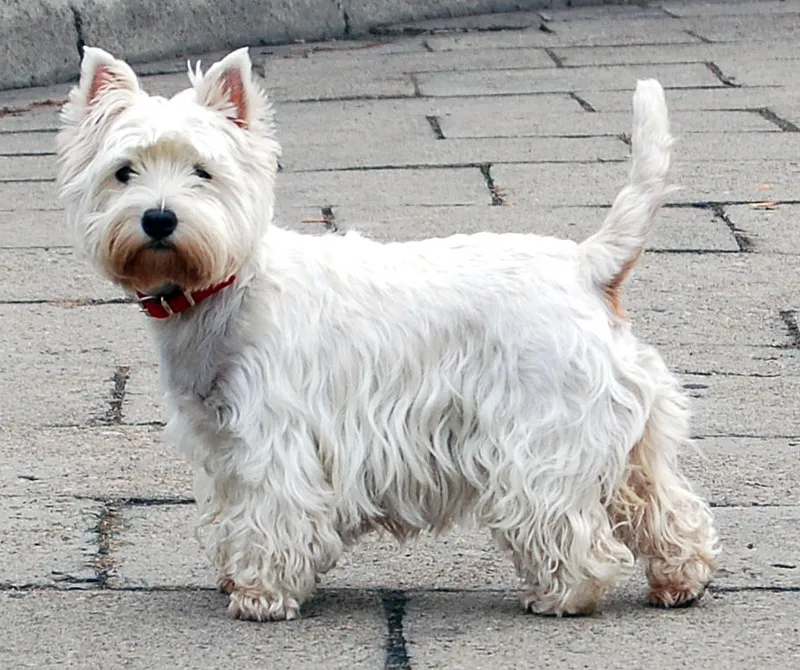
West Highland White Terrier
Scotland
Confident, cheerful, hardy
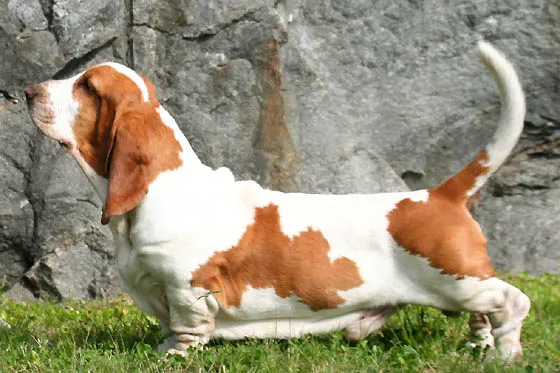
Basset Hound
France
Easygoing, stubborn, friendly
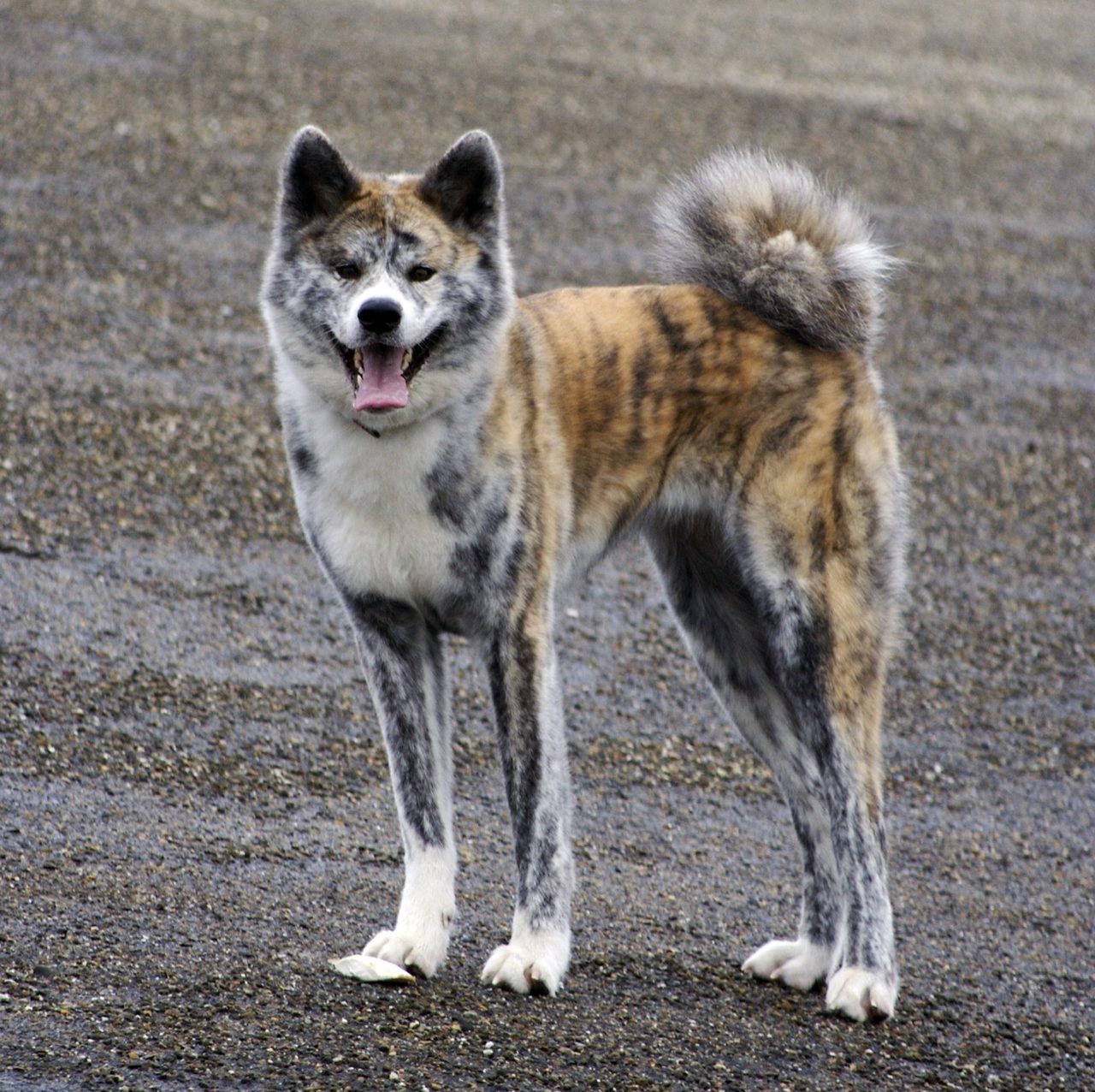
Akita
Japan
Loyal, dignified, reserved
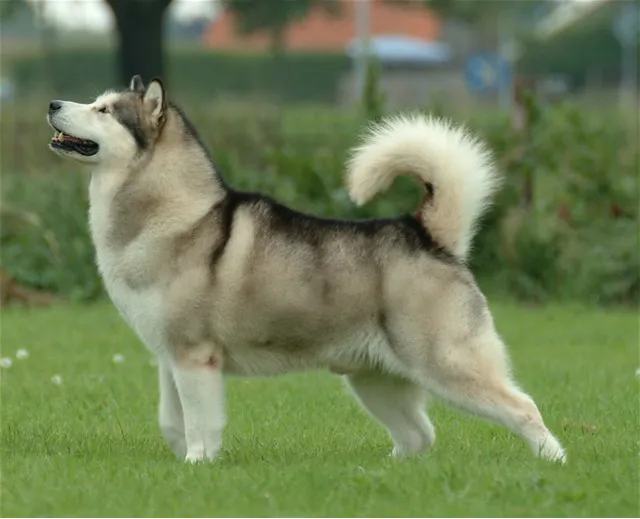
Alaskan Malamute
United States (Alaska)
Affectionate, strong, playful
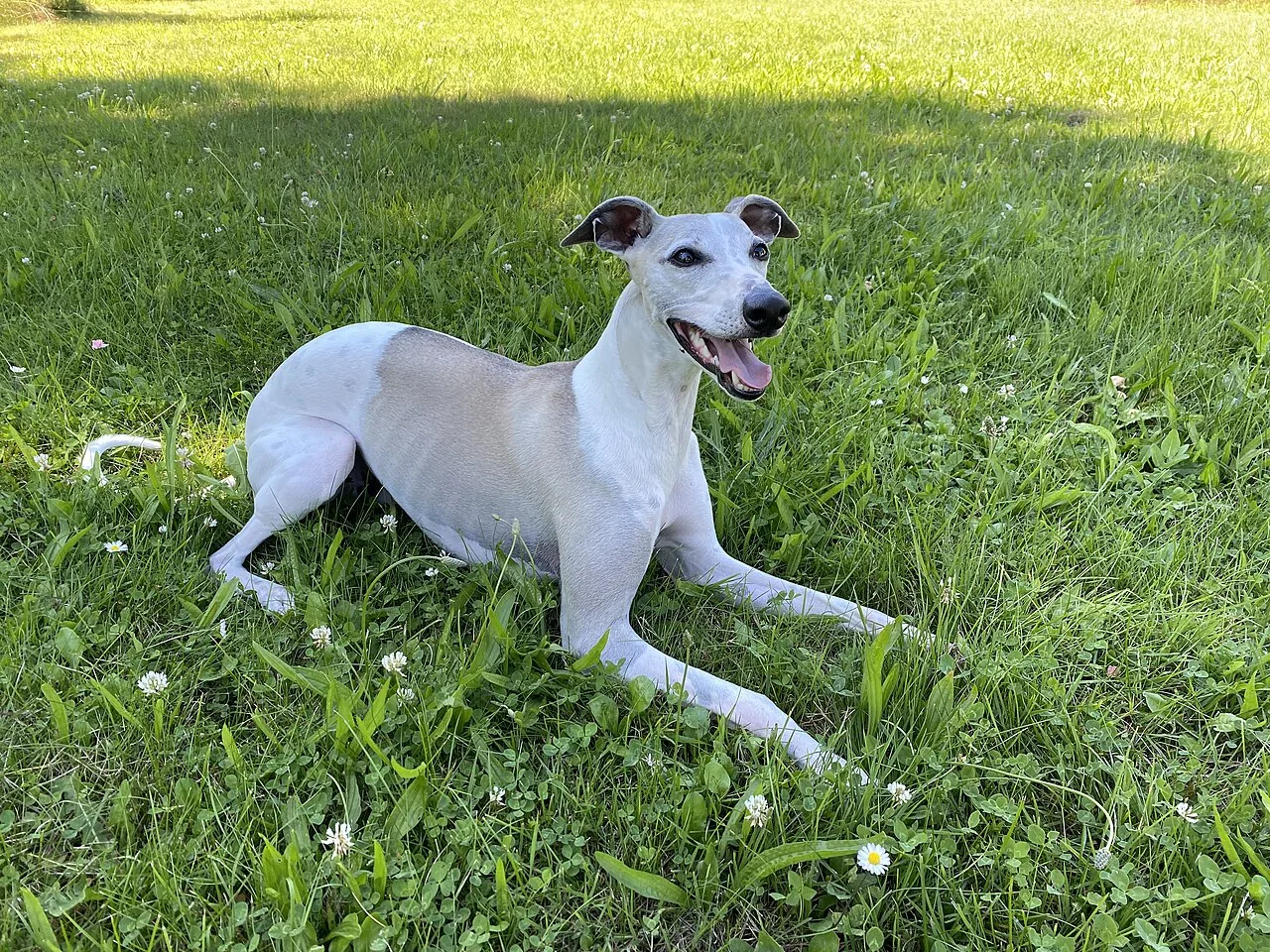
Whippet
England
Gentle, quiet, athletic
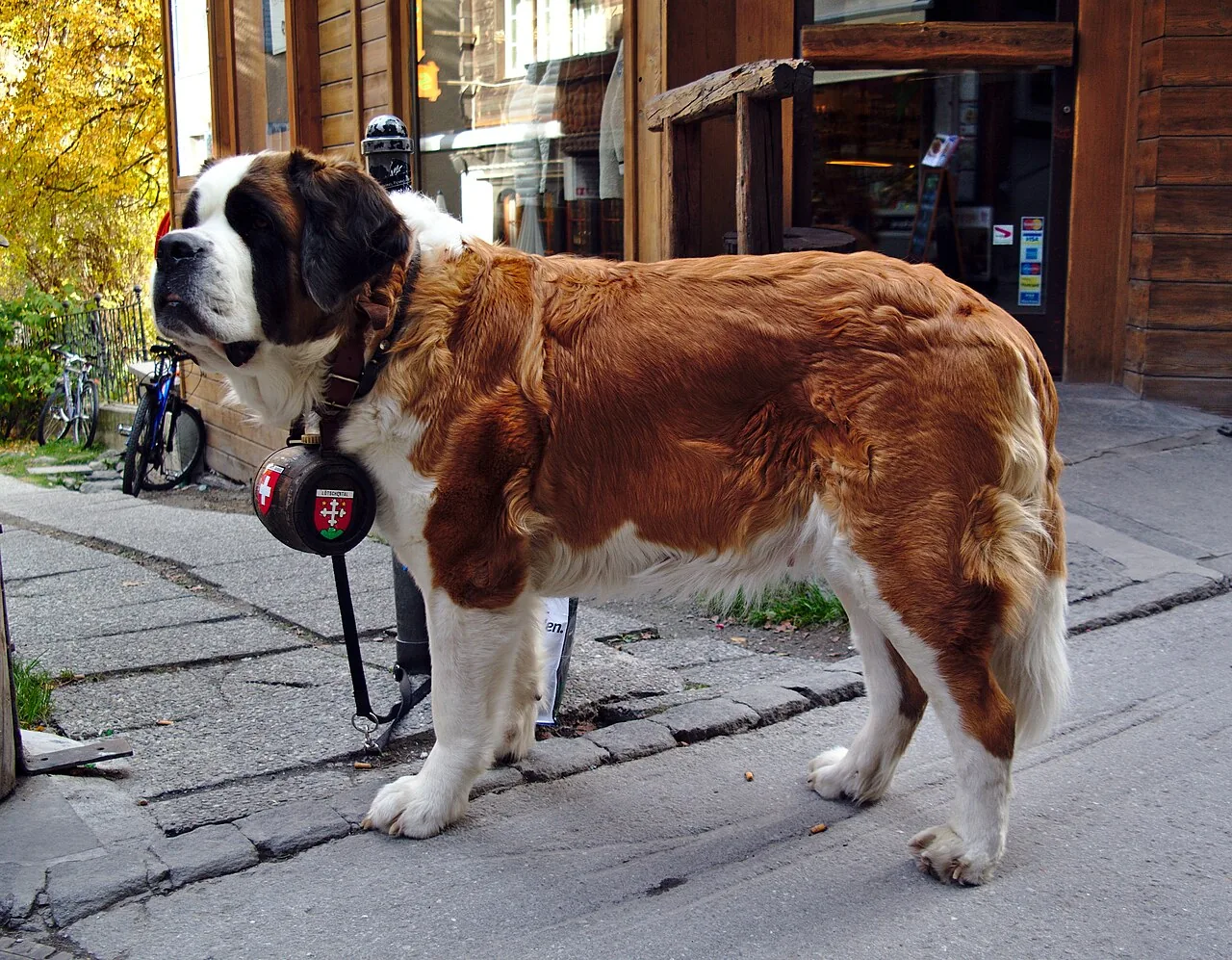
Saint Bernard
Switzerland
Gentle, patient, watchful
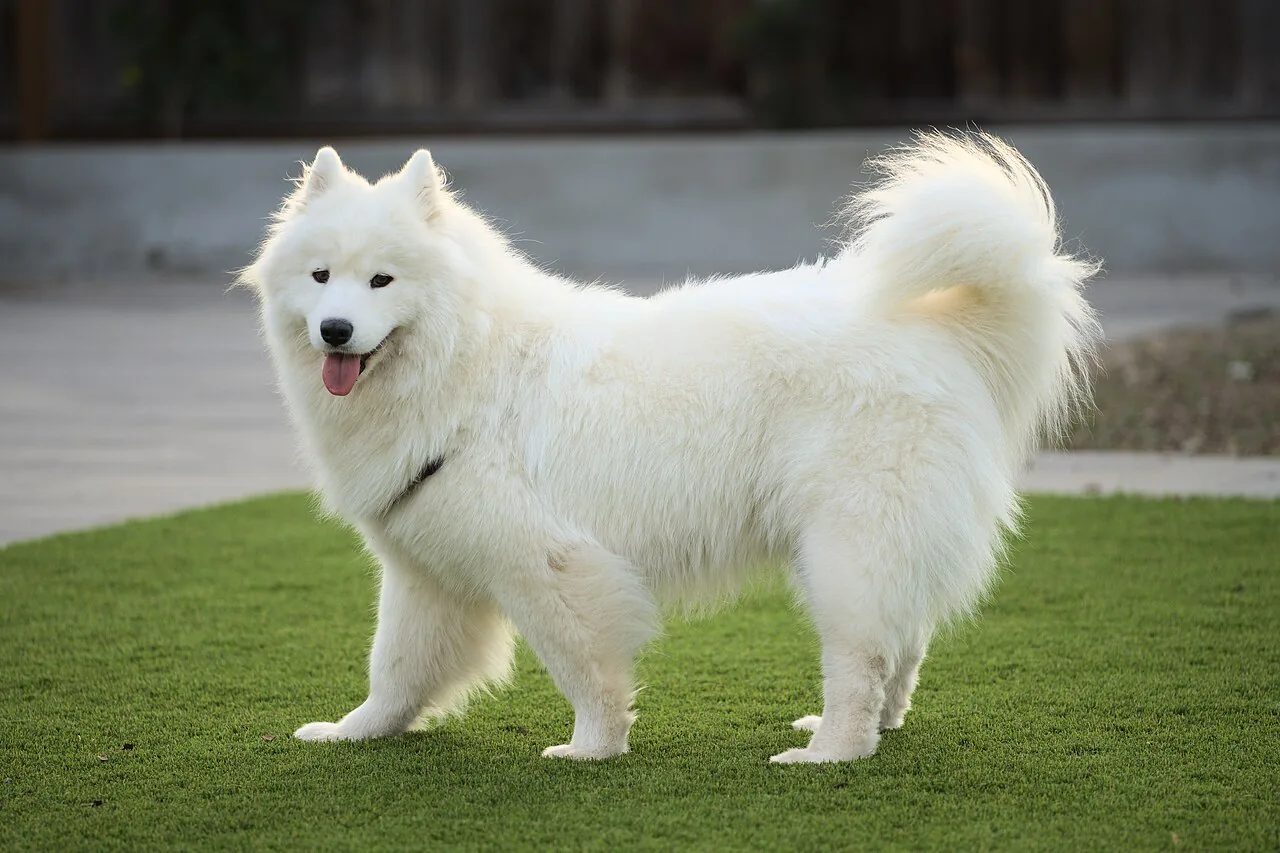
Samoyed
Siberia
Friendly, social, mischievous

Staffordshire Bull Terrier
England
Bold, affectionate, reliable
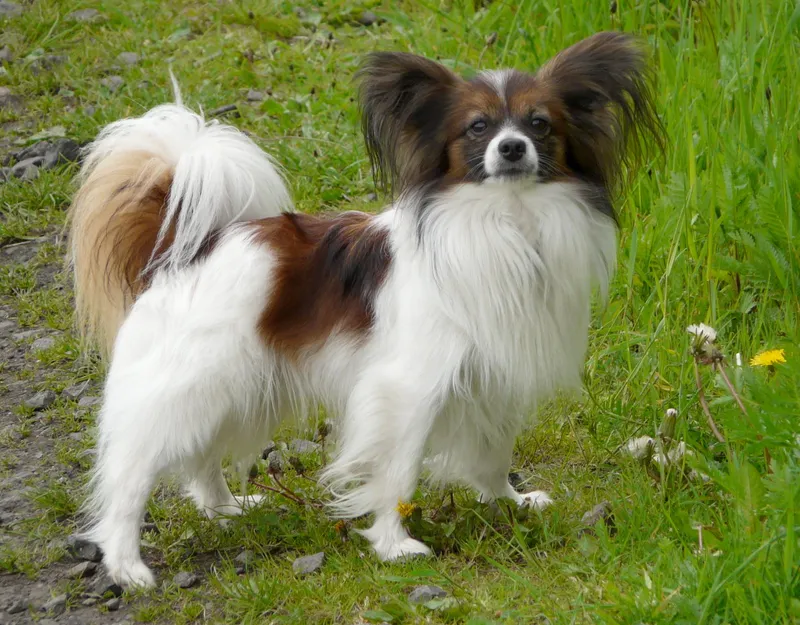
Papillon
France/Belgium
Alert, friendly, intelligent

Bloodhound
Belgium/France
Gentle, stubborn, determined
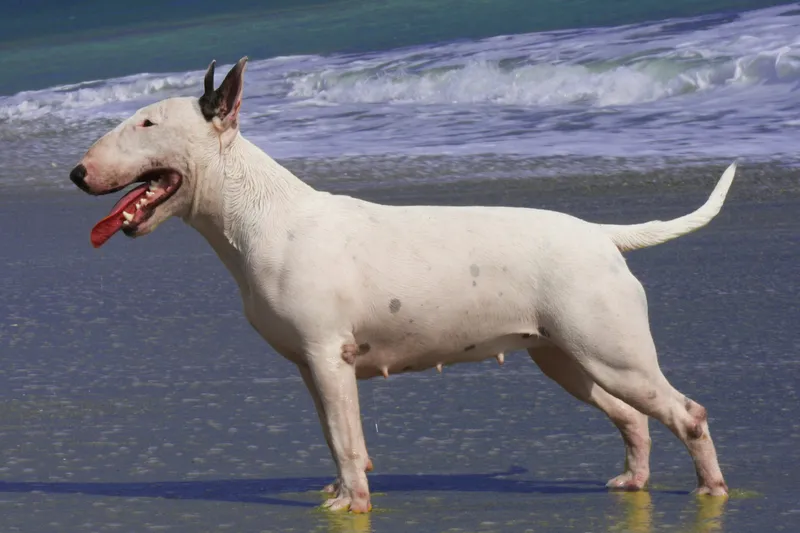
Bull Terrier
England
Playful, stubborn, comical
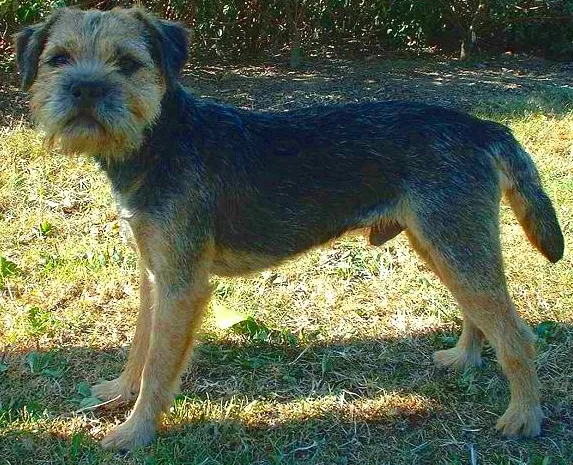
Border Terrier
England/Scotland border
Plucky, affectionate, hardy

English Springer Spaniel
England
Friendly, eager, energetic
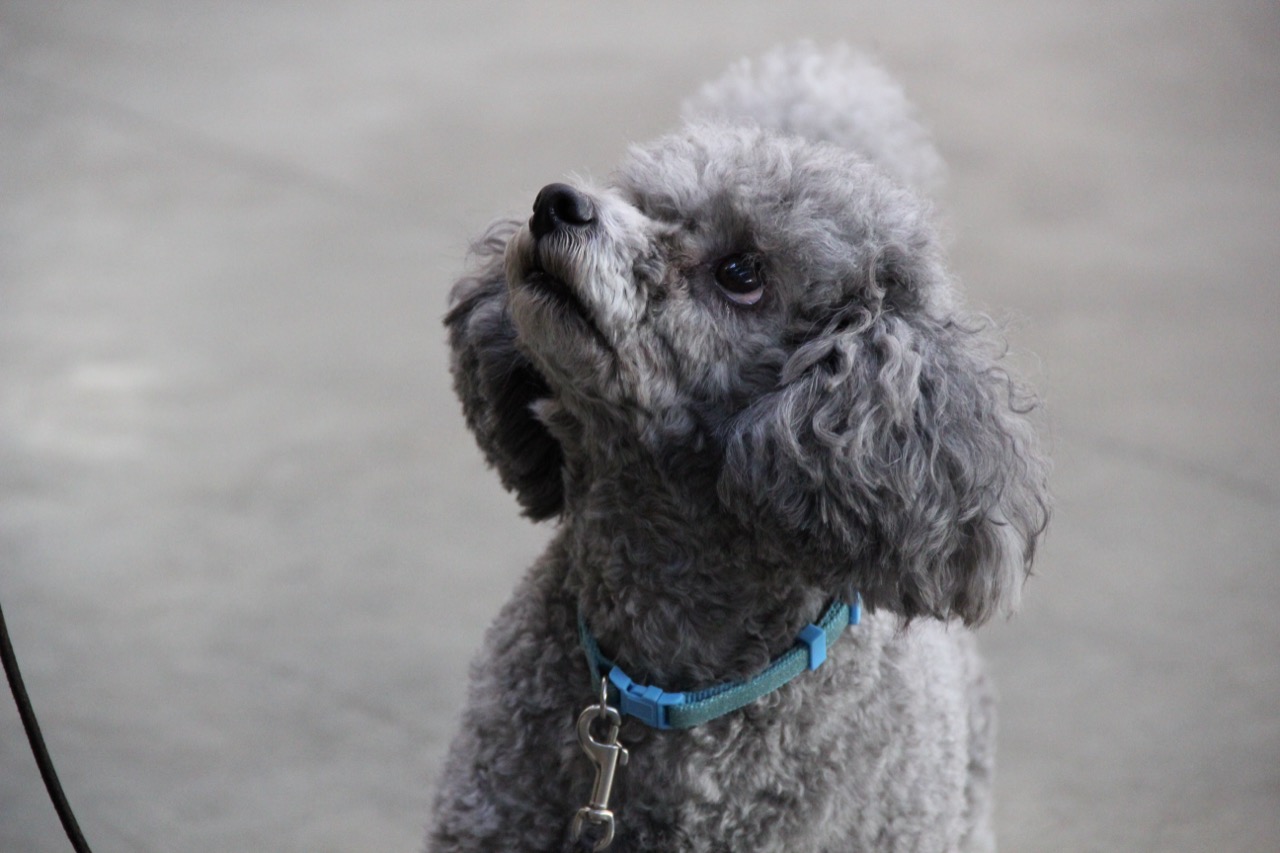
Miniature Poodle
Germany/France
Intelligent, active, proud
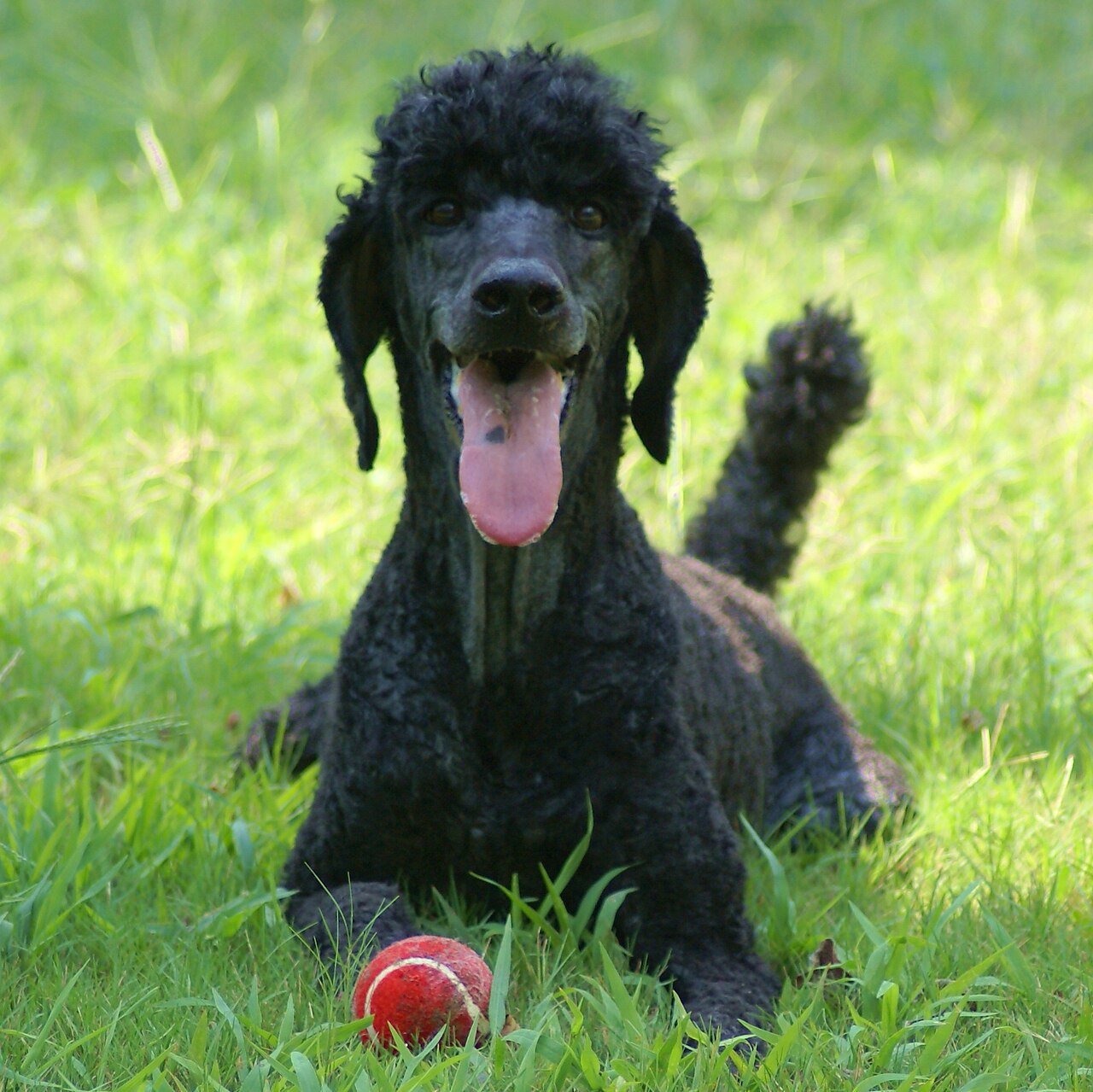
Standard Poodle
Germany/France
Intelligent, active, elegant

American Staffordshire Terrier
United States
Confident, loyal, courageous
Looking for a breed to suit a particular household? These lists rank the same guides by popularity, size and role — and each one says how it was compiled.
What WARN Does
WARN publishes this guide for education and is developing support through assessed animal-welfare grants. A species range, source citation or photograph does not establish a recipient or funding agreement. Check /about/where-your-money-goes/#grant-register for published grant and payment records; records not yet published must not be read as zero activity. Browse /appeals/ for the purposes currently available to support.
Street dogs are the same species as pets. A gift at /appeals/karachi-dogs helps fund WHO-endorsed CNVR and rabies vaccination through partner clinics. £75 is the working figure for one complete CNVR, reviewed 17 July 2026 — illustrations, not a named-dog invoice.
Dog: Frequently Asked Questions
What is a dog?
Are all dog breeds the same species?
When were dogs domesticated?
How long do dogs live?
How long are dogs pregnant?
What do dogs eat?
Are dogs dangerous?
How is a dog different from a grey wolf?
How many dog breeds are there?
Should I get a pedigree dog or a rescue mixed-breed?
Are street dogs the same species as pet dogs?
How can I help dogs abroad?
Sources & References
Population figures, conservation status and biological facts on this page are drawn from authoritative scientific and intergovernmental sources.
- WHO — rabies fact sheet (dog-mediated transmission and vaccination)
- WOAH — rabies and stray-dog population control
- IUCN Red List — categories and criteria (domesticated taxa are not assessed)
- GOV.UK Gift Aid — available only on gifts to UK registered charities
- Fédération Cynologique Internationale (FCI) — recognised breeds
- American Veterinary Medical Association — pet care and dog health
- Cornell University College of Veterinary Medicine — Canine Health Center
- Encyclopaedia Britannica — Dog (reproduction and biology)
Terms used on this page
Plain-English definitions, from our wildlife and conservation glossary.
Latest Dog Stories
Quick, fact-checked reads on the dog — amazing facts, key questions and the threats it faces.
Species
How Fast, Strong and Sharp-Nosed Is a Dog? The Real Numbers
A racing dog hits about 72 km/h, an average bite lands near 235 PSI, and a dog's nose can be tens of thousands of times keener than ours. Here are the verified figures.
Read the storySpecies
Dog vs Wolf: What's the Difference? (Same Species, Different Animal)
Dogs descend from wolves and share almost all their DNA, yet they differ in body, behaviour and brain. Here is how the domestic dog and the grey wolf actually compare.
Read the storySpecies
Are Street Dogs Dangerous? Bites, Rabies and What Actually Works
Most free-roaming dogs are not aggressive, but rabies makes bites a serious risk. Here is the evidence on danger, prevention and why vaccinating dogs beats killing them.
Read the storyExplore more animals
Discover more animals, their habitats and their conservation status in the WARN wildlife-guide library.