Wildlife Guide · North America & Oceans
Northern Elephant Seal
Mirounga angustirostris
The deep-diving seal giant
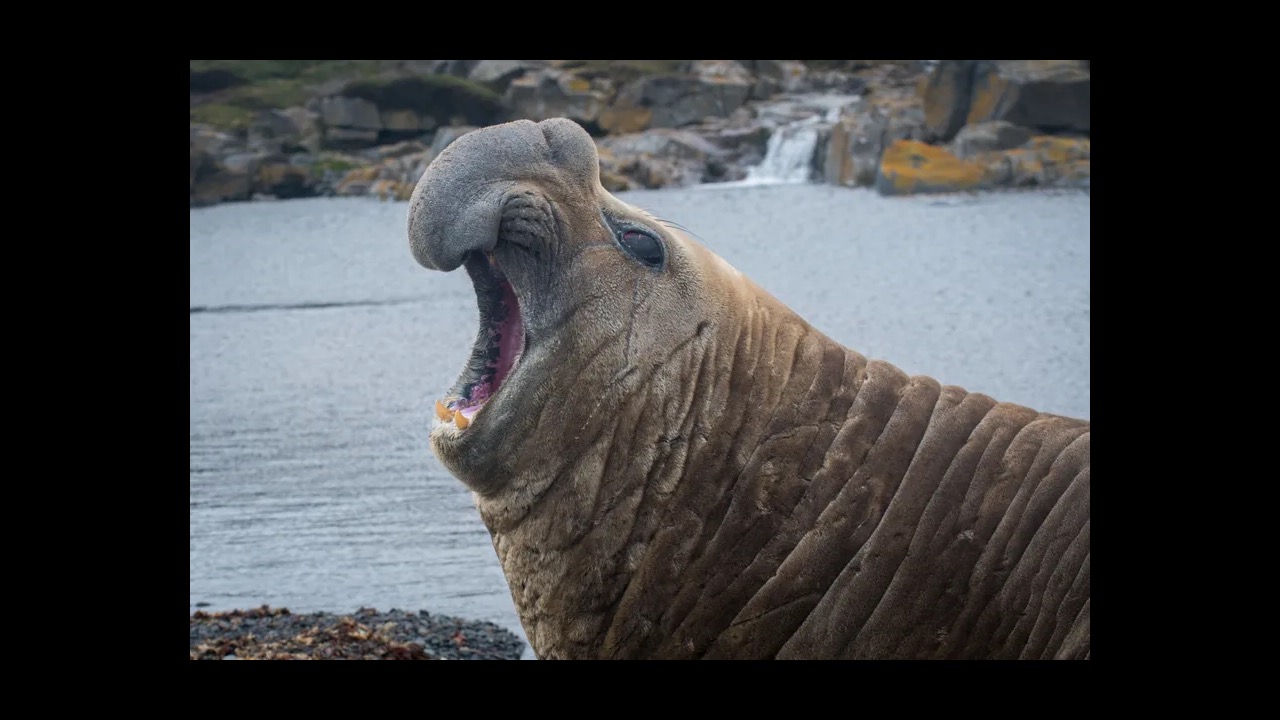
Photo: Muhammad Mahdi Karim Facebook The making of this document was supported by Wikimedia CH. (Submit your project!) For all the files concerned, please see the category Supported by Wikimedia CH. العربية ∙ বাংলা ∙ čeština ∙ Deutsch ∙ English ∙ Esperanto ∙ español ∙ français ∙ galego ∙ हिन्दी ∙ magyar ∙ italiano ∙ 日本語 ∙ македонски ∙ Nederlands ∙ português do Brasil ∙ rumantsch ∙ русский ∙ sicilianu ∙ slovenščina ∙ தமிழ் ∙ українська ∙ 中文 ∙ +/− / Wikimedia Commons (GFDL 1.2)
In brief
The northern elephant seal (Mirounga angustirostris) is a huge deep-diving seal of the eastern Pacific, breeding on beaches in California and Mexico and feeding far offshore. Bulls are enormous, reaching around 3.5 m long and weighing anywhere from 400 to 2,300 kg, far heavier than females.
Also in Animals A to Z · Animals that start with N
By WARN Research & Conservation Team Last updated
The northern elephant seal (Mirounga angustirostris) is a huge deep-diving seal of the eastern Pacific, breeding on beaches in California and Mexico and feeding far offshore. Bulls are enormous, reaching around 3.5 m long and weighing anywhere from 400 to 2,300 kg, far heavier than females. They dive for squid and deep-sea fish and typically live 11 to 13 years. The species is listed as Least Concern.
3.5 m
Typical length
900 kg
Typical weight
16 km/h
Top speed
13 yrs
Lifespan
Figures sourced from IUCN Red List — Mirounga angustirostris, Wikipedia — Northern Elephant Seal, Wikidata — Northern Elephant Seal .
Northern Elephant Seal: Quick Facts
| Scientific name | Mirounga angustirostris |
|---|---|
| Diet | Carnivore — squid, deep-sea fish, and rays |
| Habitat | Offshore Pacific and breeding beaches of California and Mexico |
| Lifespan | 11–13 years in the wild (females longer than bulls) |
| Weight | 400–2,300 kg (880–5,070 lb); bulls vastly heavier |
| Top speed | Up to 16 km/h (10 mph) on land; strong swimmer |
| Conservation status | Least Concern (IUCN) |
Scientific Classification
| Kingdom | Animalia |
|---|---|
| Phylum | Chordata |
| Class | Mammalia |
| Order | Carnivora |
| Family | Phocidae |
| Genus | Mirounga |
Conservation Status
- IUCN Status
- Least Concern (IUCN Red List category)
- Population
- Global population not compiled for this guide
- Trend
- See the IUCN Red List assessment
- Assessed
- See the IUCN Red List assessment
- CITES
- See CITES appendices
Conservation figures are drawn from the IUCN Red List and CITES; this guide links to the authoritative sources rather than restating population counts.
Key Facts: Northern Elephant Seal
- Northern elephant seals are named for the large, inflatable snout of adult males, which resembles a short trunk and hangs over the mouth.
- Few mammals dive as deeply or for as long as the northern elephant seal.
- Elephant seals are carnivores that feed mainly on squid, deep-sea fish, and occasionally rays and small sharks.
Size and the elephant-like nose
Northern elephant seals are named for the large, inflatable snout of adult males, which resembles a short trunk and hangs over the mouth. Bulls are among the largest of all seals, growing to roughly 3.5 m and weighing from 400 kg up to about 2,300 kg, while females are far smaller. Males use the trunk-like proboscis as a resonating chamber, producing deep, clattering roars that carry across a crowded breeding beach. This dramatic size difference between the sexes is one of the most extreme of any mammal.
Record-breaking diving
Few mammals dive as deeply or for as long as the northern elephant seal. Individuals routinely descend hundreds of metres and can reach depths beyond 1,500 m, staying submerged for 20 minutes or more between short breaths at the surface. They spend most of the year at sea, diving almost continuously day and night to hunt in the cold, dark water column. Special adaptations, including large blood volume and oxygen-rich muscle, let them stay under far longer than their lung capacity alone would allow.
Diet and hunting at depth
Elephant seals are carnivores that feed mainly on squid, deep-sea fish, and occasionally rays and small sharks. They hunt in the twilight and dark zones of the open ocean, using sensitive whiskers and large eyes to detect prey where little light reaches. Because they feed far offshore and deep down, they rarely compete with coastal fisheries. A foraging seal may travel thousands of kilometres across the Pacific during a single trip to sea.
Breeding beaches and battles
Each winter, northern elephant seals haul out on beaches in California and Baja California, Mexico, to breed. Dominant bulls fight for control of harems of females, rearing up and slamming their chests and necks together in bloody clashes. Females give birth to a single pup and nurse it on extremely rich milk for about a month before returning to sea. Only the largest, most dominant males win the right to mate, so the winners father a large share of the pups.
Recovery from near-extinction
The northern elephant seal is a rare conservation success story. Hunted relentlessly for its blubber oil in the nineteenth century, the species was reduced to perhaps fewer than 100 animals before protection began. Given legal protection by Mexico and later the United States, the population has rebounded into the hundreds of thousands and is now listed as Least Concern by the IUCN. Because all living individuals descend from that tiny remnant, however, the species carries very low genetic diversity.
Time on land and moulting
Although superb swimmers, elephant seals are ungainly on land, hauling themselves along at up to about 16 km/h in short bursts. They come ashore twice a year: once to breed and again to moult, when they shed skin and fur in large patches during a so-called catastrophic moult. During these weeks on land they fast, living off stored blubber rather than feeding. Between these visits they are almost entirely oceanic, returning to the same beaches year after year.
What WARN Does
WARN does not run a dedicated northern elephant seal programme — this guide is part of the World Animal Rescue Network's free educational library. The northern elephant seal is currently widespread and not globally threatened, and this guide helps readers understand the pressures that can change that. Building public understanding of species like the northern elephant seal supports the broader conservation awareness that underpins WARN's partner-led rescue work across its network.
If clear, science-based wildlife guides like this help you understand and value animals, please consider supporting the World Animal Rescue Network's educational and rescue work so we can keep producing them.
Northern Elephant Seal: Frequently Asked Questions
How big is a northern elephant seal?
How deep can elephant seals dive?
What do elephant seals eat?
Where do northern elephant seals live?
Why are they called elephant seals?
Are northern elephant seals endangered?
How long do northern elephant seals live?
Sources & References
Population figures, conservation status and biological facts on this page are drawn from authoritative scientific and intergovernmental sources.
Terms used on this page
Plain-English definitions, from our wildlife and conservation glossary.
Latest Northern Elephant Seal Stories
Quick, fact-checked reads on the northern elephant seal — amazing facts, key questions and the threats it faces.
Species
Why Are Sea Turtles Endangered? The Threats — and How to Help
Sea turtles have survived for more than 100 million years, yet within a few human generations most species have been pushed toward extinction. Here is what is driving the decline — bycatch, plastic, poaching and lost nesting beaches — and what actually helps.
Read the storySpecies
12 Amazing Facts About the Humpback Whale, the Ocean's Great Singer
From hours-long songs that only males sing to flippers longer than any other whale, here are 12 genuinely surprising facts about the humpback whale.
Read the storySpecies
How Big Is a Humpback Whale? Size, Weight and Strength Explained
Humpback whales reach 14 to 16 metres and weigh up to 30 tonnes, with the longest flippers of any whale. Here's how their size, weight and power really compare.
Read the storyExplore more animals
Discover more animals, their habitats and their conservation status in the WARN wildlife-guide library.
Enjoyed this Northern Elephant Seal guide?
Receive appeal updates, animal-welfare news and published funding reports. Unsubscribe any time.
We only use your address for WARN updates. See our privacy policy.