Wildlife Guide · Indonesia & Malaysia
Snake
Suborder Serpentes — ~3,900 species across most continents except Antarctica
Legless reptiles — about 3,900 species, mostly harmless, often killed out of fear.
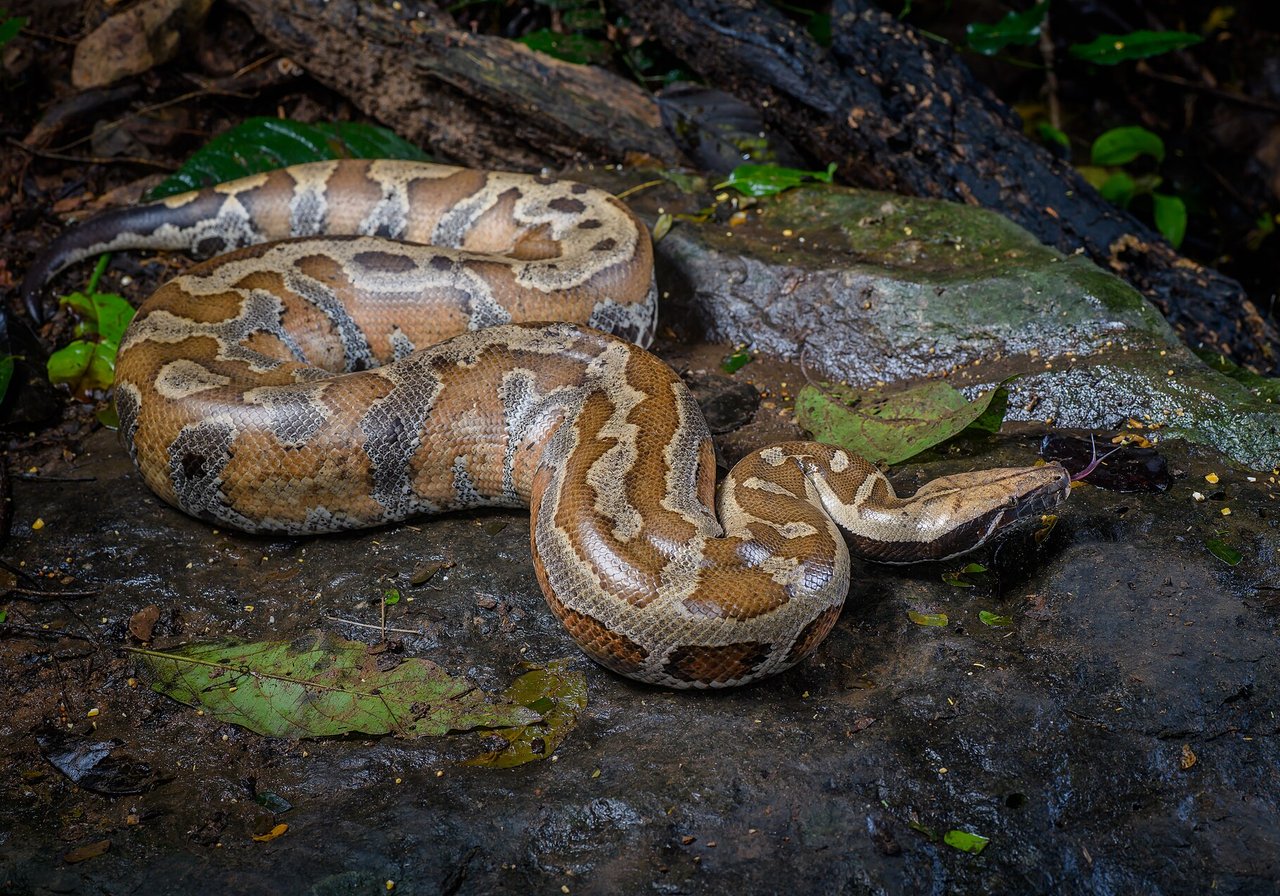
Source: Wikimedia Commons
In brief
Snakes are about 3,900 species of legless reptiles, not one animal. Most are not venomous. The IUCN does not give snakes a single extinction badge. WHO treats snakebite envenoming as a neglected tropical disease. This hub is not the grass-snake guide.
Also in Animals A to Z · Animals that start with S
By WARN Research & Conservation Team Checked against WHO snakebite envenoming fact sheet, IUCN reptile assessments and Britannica Last updated
Snakes are legless reptiles of suborder Serpentes, with roughly 3,900 species on every continent except Antarctica. Most are harmless to people; about 600 are venomous and roughly 200 cause significant medical harm. This page is the group hub, not a grass-snake or python species page. Grass snakes: grass snake. Pythons: python. Cobras: cobra. Rattlesnakes: rattlesnake. Anacondas: anaconda. WARN does not run a snakebite hospital. Habitat grants: habitat protection appeal. WHO snakebite is a public-health story, not a WARN clinic.
Looking for something specific?
These notes clarify the guide’s scope, common mix-ups and related information.
- A single IUCN category for every snake. Status is species by species.
- A named pet snake with photo updates. WARN does not offer that.
- The European grass snake page — that is grass snake.
- Antivenom manufacturing or hospital volunteering. WARN does not run that.
3,900+
Recognised snake species
~600
Venomous species (most medically significant ~200)
~20%
Rough share of snake species threatened
CITES
Many species regulated in international trade
Figures sourced from WHO — snakebite envenoming fact sheet, IUCN Red List — reptile assessments, IUCN Red List — categories and criteria and other references on this page.
Snake: Quick Facts
| Species count | ~3,900 worldwide |
|---|---|
| Venomous | ~600 species; ~200 medically significant |
| Limbs | Absent (vestigial spurs in some boas/pythons) |
| Diet | Carnivorous — prey swallowed whole |
| Distinct guide | Grass snake (European species) |
Scientific Classification
| Kingdom | Animalia |
|---|---|
| Phylum | Chordata |
| Class | Reptilia |
| Order | Squamata |
| Suborder | Serpentes |
Conservation Status
- IUCN Status
- No single IUCN category. An estimated 20 percent of snake species are threatened; many lack formal assessment.
- Population
- Varies by species — from abundant to fewer than 100 individuals
- Trend
- Decreasing for many forest and wetland species
- Assessed
- Varies (IUCN Red List ongoing)
- CITES
- Many species on CITES Appendix I or II
WHO snakebite envenoming is a public-health crisis distinct from IUCN listings. WARN does not run antivenom manufacturing.
Did you know?
Snakes smell with their tongues: a forked tip delivers scent particles to the vomeronasal organ in the roof of the mouth.
Key Facts: Snake
- About 3,900 snake species exist. Most are not venomous and not a single IUCN taxon.
- WHO treats snakebite envenoming as a neglected tropical disease. Fear-killing is not the public-health answer.
- Snakes lack eyelids and external ears; lizards typically have both. That is the lizard split.
- Habitat loss, roads, persecution and the skin and pet trades drive declines.
- Named guides exist for grass snake, python, cobra, rattlesnake and anaconda.
- WARN does not run antivenom labs. Habitat appeals are the honest WARN door.
How to use this snake species guide
Match the query to the right WARN page. This URL is the snake group hub: what a snake is, venom, WHO snakebite and the lizard comparison. Named species, pet shops and UK adders are different jobs. Use the table and the links below rather than mixing those intents.
- 1
Confirm the species
Stay here for snakes as a group. Grass snake, python, cobra, rattlesnake and anaconda have dedicated guides.
- 2
Separate venom from danger
Most snakes are non-venomous. Medically important bites cluster in tropical Asia and Africa. Killing every snake does not replace antivenom access.
- 3
Do not keep wild-caught pets
Precise heat, humidity and diet make most species poor pets. Never release an unwanted snake into a non-native habitat.
- 4
Help through honest programmes
WARN does not manufacture antivenom. Habitat grants: habitat protection appeal.
What is a snake?
A snake is a legless reptile in suborder Serpentes. It is not one species. About 3,900 described species live on every continent except Antarctica, and they are absent from places such as Ireland, Iceland and New Zealand. The IUCN does not give "snake" a single Red List category.
Snakes swallowed their lizard ancestors' legs over evolutionary time. Some boas and pythons still show vestigial spurs. They smell with forked tongues and swallow prey whole.
This page is the group encyclopaedia. Grass snakes: grass snake. Pythons: python.
WARN publishes education for partner countries with rich snake faunas. It does not run a herpetological hospital.
How many snake species are there?
Roughly 3,900 recognised species, and new ones are still described, especially in the tropics. They range from threadsnakes as thin as a spaghetti strand to reticulated pythons more than six metres long and green anacondas among the heaviest. There is no single snake size, diet or lifespan.
A baby is usually called a hatchling or neonate; a group of eggs is a clutch. There is no single "snake size".
Use named guides when you have a species. This hub will not pretend a corn snake and a king cobra share one care sheet.
Counts move with taxonomy. That is normal, not a scandal.
Are most snakes venomous?
No. About 600 species are venomous; roughly 200 cause significant medical harm to people. Most snakes flee or hide. Venom evolved mainly to subdue prey, not to hunt humans. Killing every snake in a village does not replace boots, lighting and antivenom.
Elapids (cobras, mambas, coral snakes) often use neurotoxins. Vipers often use haemotoxins. Colubrids include many harmless species and some rear-fanged snakes.
Killing every snake in a village does not replace boots, lighting and antivenom. It does remove rodent control.
Cobra detail: cobra. Rattlesnake detail: rattlesnake.
What do snakes eat?
All snakes are carnivores. Prey includes rodents, birds, eggs, amphibians, fish, other reptiles or invertebrates depending on species. They swallow prey whole. Constriction stops blood flow; venom chemically disables prey. A well-fed pet snake is not a wild diet sheet.
A well-fed pet snake is not a wild diet. Wild snakes hunt on their own schedule.
Community "feeding" of wild snakes is usually a bad idea. Do not post frozen rodents from Britain to a partner. WARN has no snake-feeding programme.
Rodent control is why many farmers later regret a massacre of harmless colubrids.
Are snakes dangerous?
Some are. Most are not. Medically important bites kill and disable tens of thousands of people a year, concentrated in tropical Asia, Africa and Latin America — WHO treats snakebite envenoming as a neglected tropical disease. That is not a reason to kill grass snakes in Britain.
Give wild snakes space. Do not handle unknown species. Wear boots in tall grass in range countries. Learn local species rather than swinging a stick at every shed skin.
A swapped FAQ that dumps the hub one-liner into "where do snakes live" helps nobody. Habitat is not a kilogram.
This page will not rank which snake is "the deadliest" as clickbait.
How long do snakes live?
It varies by species, climate and whether the animal is wild or captive. Many small wild snakes live only a few years. Large constrictors in managed care can live two decades or more. There is no honest single number for "how long do snakes live".
If a source does not name the species, treat the figure as marketing.
Hatchlings of many species are independent immediately. Parental care is the exception (some pythons brood eggs).
Lifespan is not an IUCN generation length for the whole suborder.
How big is a snake?
From about 10 cm Barbados threadsnakes to reticulated pythons over 6 m and green anacondas among the heaviest snakes, sometimes quoted around 200 kg at the extreme. Most species people meet are under two metres. Do not use an anaconda weight as the weight of "a snake".
Do not use an anaconda weight as the weight of "a snake". Always name the species.
Anaconda guide: anaconda. Python guide: python.
Giant-snake clickbait is a poor substitute for local ID.
How is a snake different from a lizard?
Snakes lack movable eyelids and external ear openings; most lizards have both. Snakes have a single row of wide belly scales and extremely kinetic skulls for swallowing large prey. Limbs are absent (except vestigial spurs in some boas and pythons). Both are squamate reptiles.
A slow worm is a legless lizard, not a snake. It has eyelids.
The comparison table on this page is the at-a-glance split.
A snake is not an eel. Eels are fishes.
Why are snakes important?
They eat rodents and other prey, and they are themselves prey for raptors and mammals. Removing snakes often increases pest damage. They are also cultural symbols and a medical resource — snake venoms have informed drug research — which is not a reason to keep a wild cobra in a flat.
Threatened species still need habitat even if they scare people.
Fear-driven killing is a conservation and public-health failure at once.
Habitat grants: habitat protection appeal. That is not an antivenom factory.
What is snakebite envenoming?
WHO describes snakebite envenoming as a neglected tropical disease. Tens of thousands of people die each year, and more are left disabled, mostly in rural tropical Asia and Africa where antivenom is scarce and expensive. First aid myths (tourniquets, cutting, sucking) often make outcomes worse.
The answer is health-system access, correct antivenom, education and boots — not eradicating snakes.
WARN does not manufacture antivenom and does not claim a hospital programme. This hub cites WHO so the query gets a sourced public-health answer.
If you were bitten, this page is not clinical advice. Seek emergency care.
Are snakes good pets?
Most species are not. They need species-specific heat gradients, humidity, hiding places and diets. Ball pythons dominate the pet trade and still suffer in poor setups. Giant pythons outgrow homes. Wild-caught animals fuel trafficking. Never release an unwanted pet snake.
Never release an unwanted snake. Invasive Burmese pythons in Florida show the cost.
WARN does not sell snakes and does not rehome pets in Britain.
If you want a companion animal, a registered rescue cat or dog is the honest UK path — not a king cobra.
How can I help snakes?
Learn local species, do not kill non-venomous snakes, keep yards clear of rodent attractants, and support habitat protection. WARN does not run antivenom manufacturing.
If you still want to give to WARN, habitat protection appeal is the honest door. That is not a named-snake sponsorship.
Read grass snake or python when the query was a specific animal.
If you want a UK pet, stop here. If you want habitat grants, use the appeal URL.
Snake vs lizard at a glance
| Trait | Snake | Typical lizard |
|---|---|---|
| Eyelids | Fused transparent scale (no blink) | Movable eyelids in most species |
| External ears | Absent | Usually present |
| Limbs | None (spurs in some boas/pythons) | Usually four; some legless lizards exist |
| Jaw | Highly kinetic; swallows large prey whole | Less kinetic |
| IUCN Red List | Species by species — no group badge | Species by species |
| Example confusion | Slow worm is a legless lizard | Not a snake |
Snake Species Guide
From the ball python and king cobra to the corn snake, boa constrictor, rattlesnake and green anaconda — explore 12 of the world's most searched snake species with range, venom, ecology and conservation context.
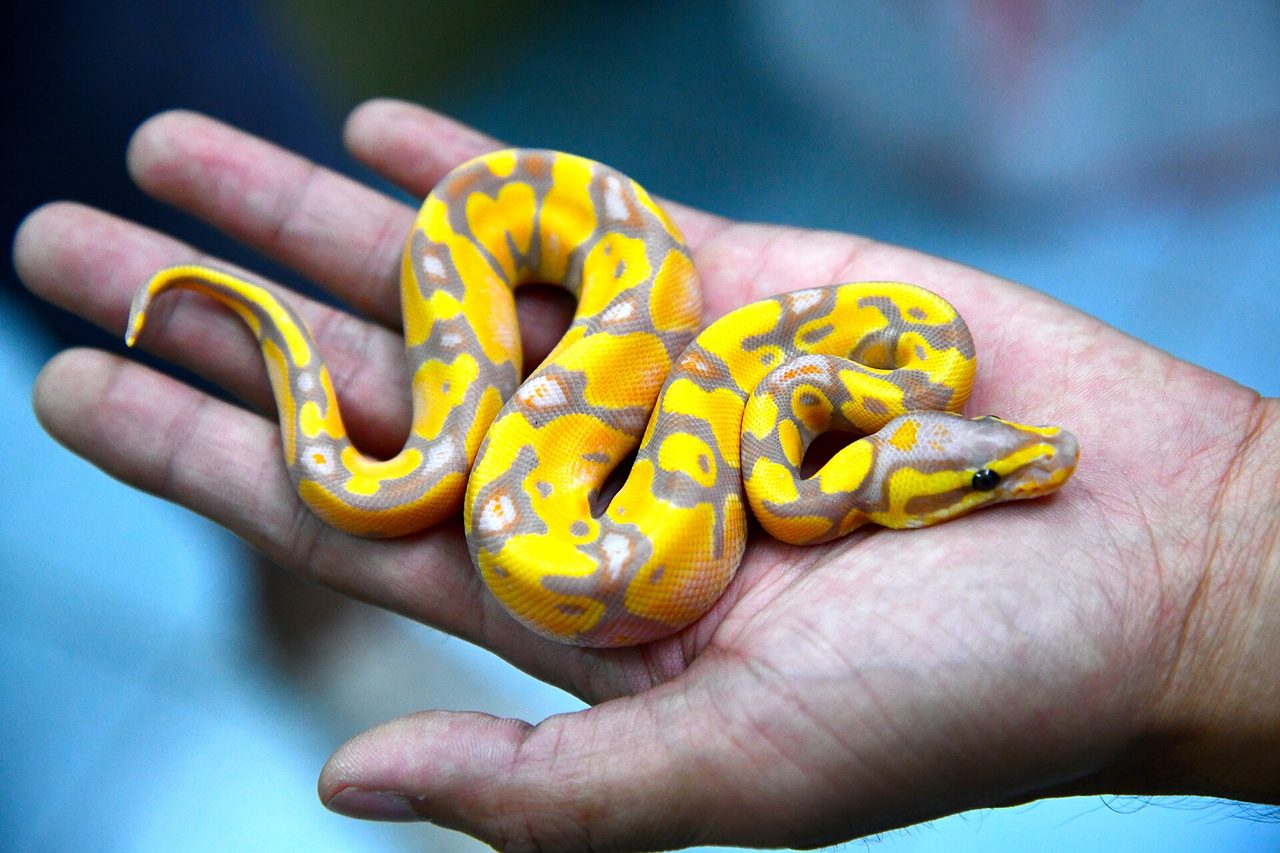
Ball Python
West & Central Africa
Docile, nocturnal, defensive curl
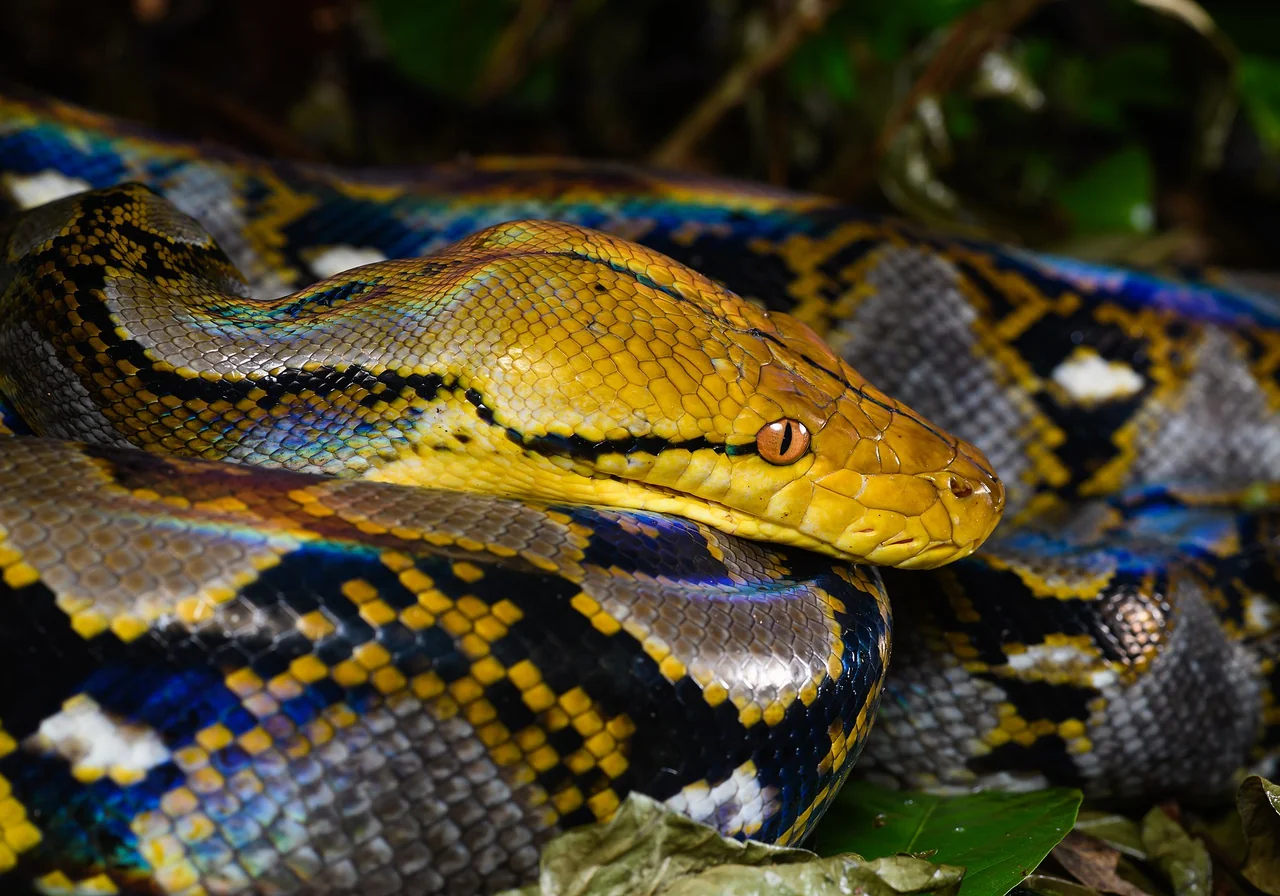
Reticulated Python
South-east Asia
Powerful constrictor, aquatic when young
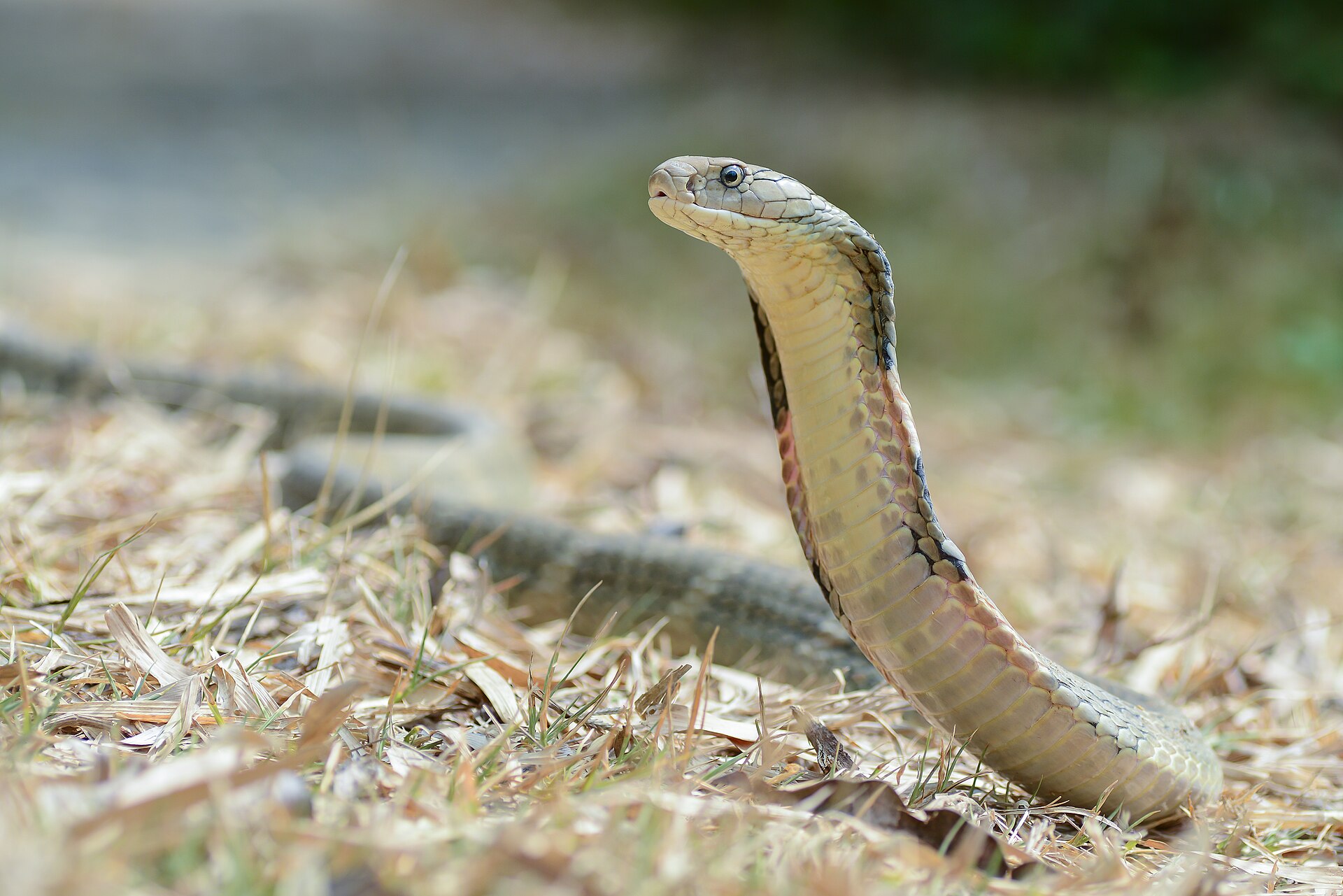
King Cobra
South & South-east Asia
Elapid, nest-guarding, iconic hood
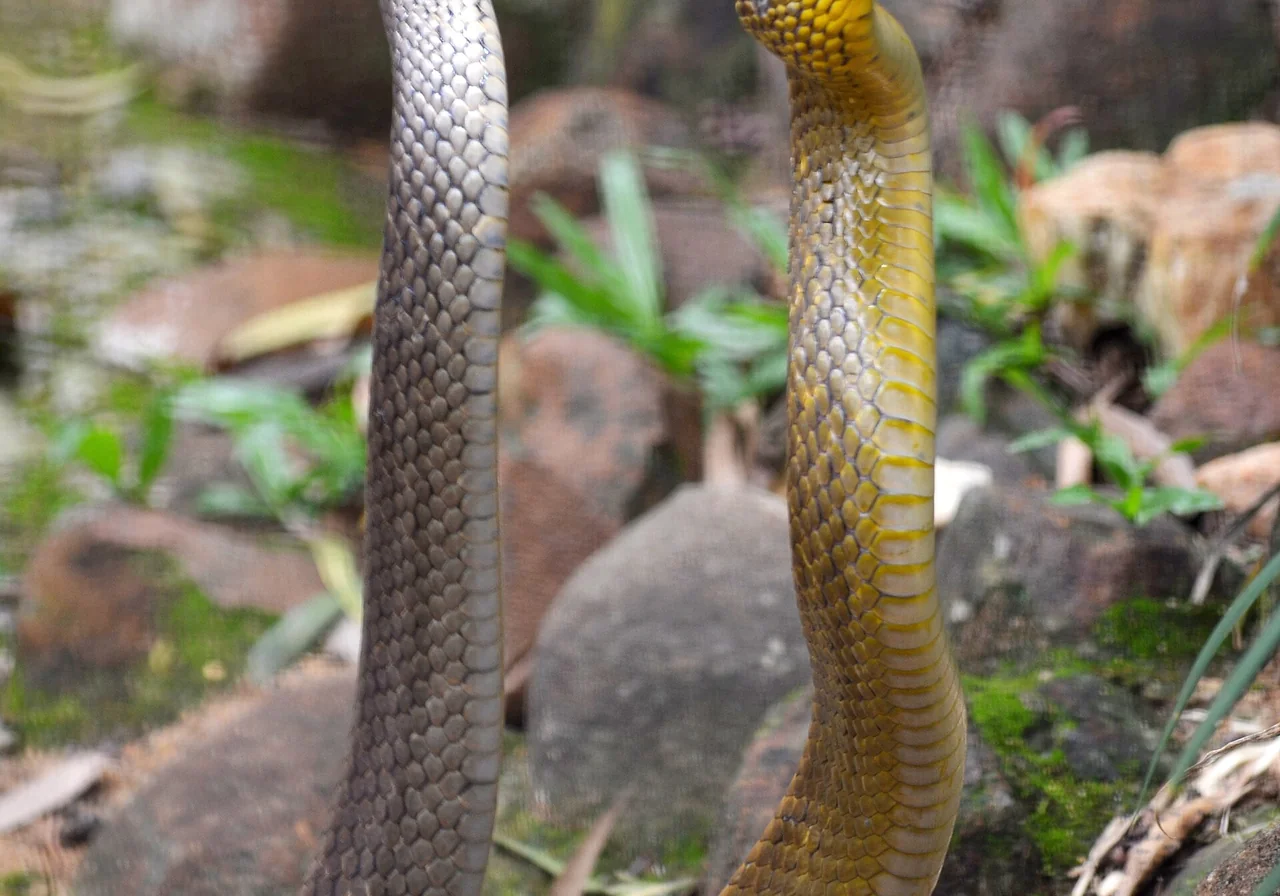
Indian Cobra
India, Pakistan, Bangladesh, Sri Lanka
Venomous, hood display, synanthropic
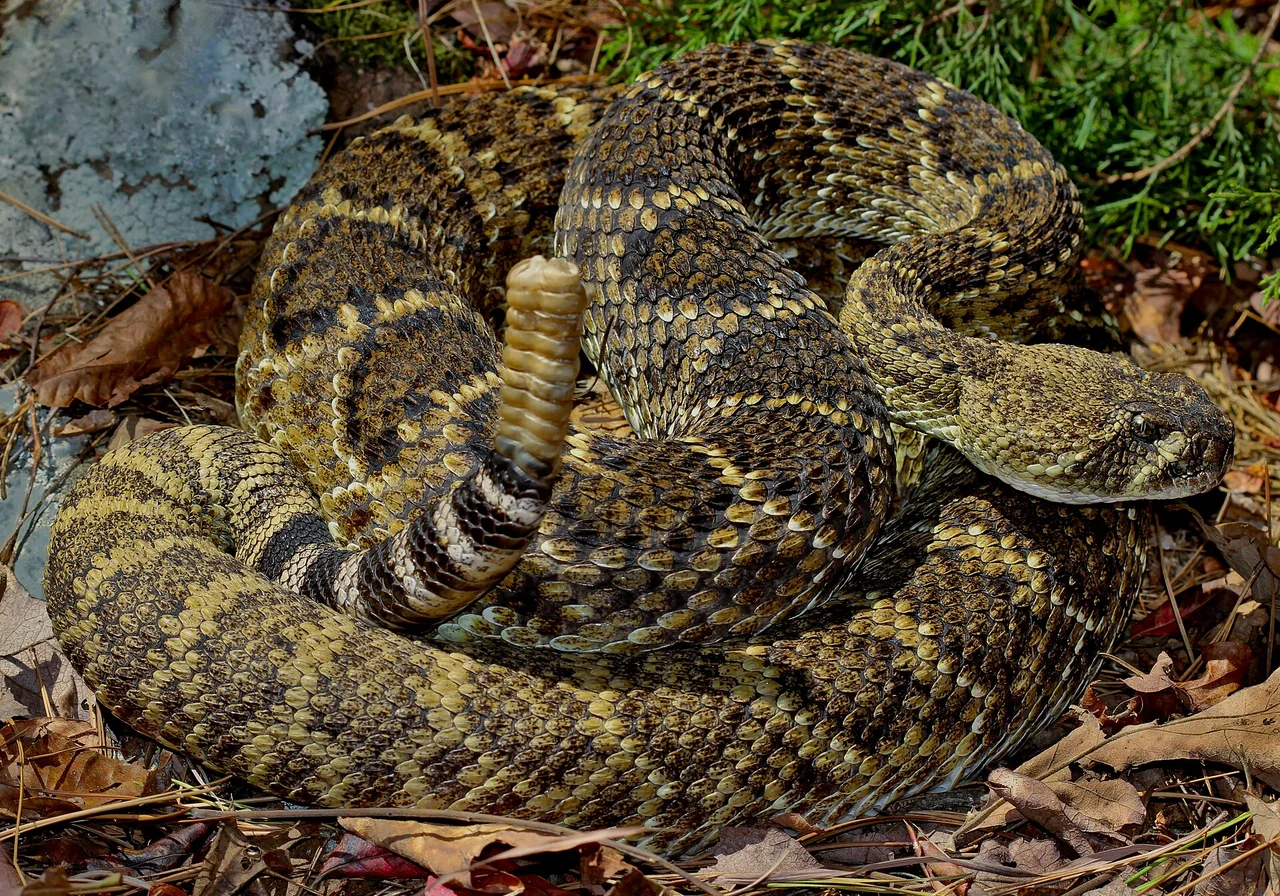
Western Diamondback Rattlesnake
South-western United States, Mexico
Venomous, rattling warning, ambush predator
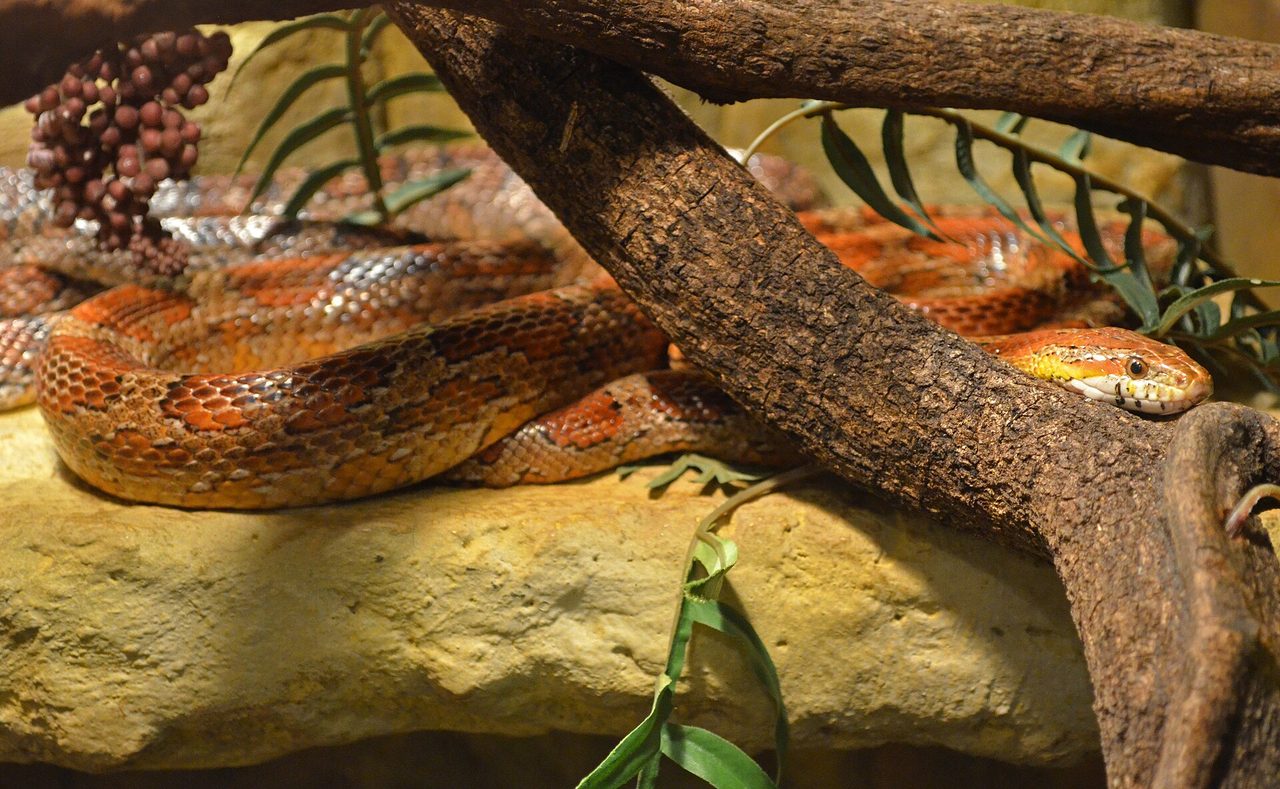
Corn Snake
South-eastern United States
Docile colubrid, popular in captivity
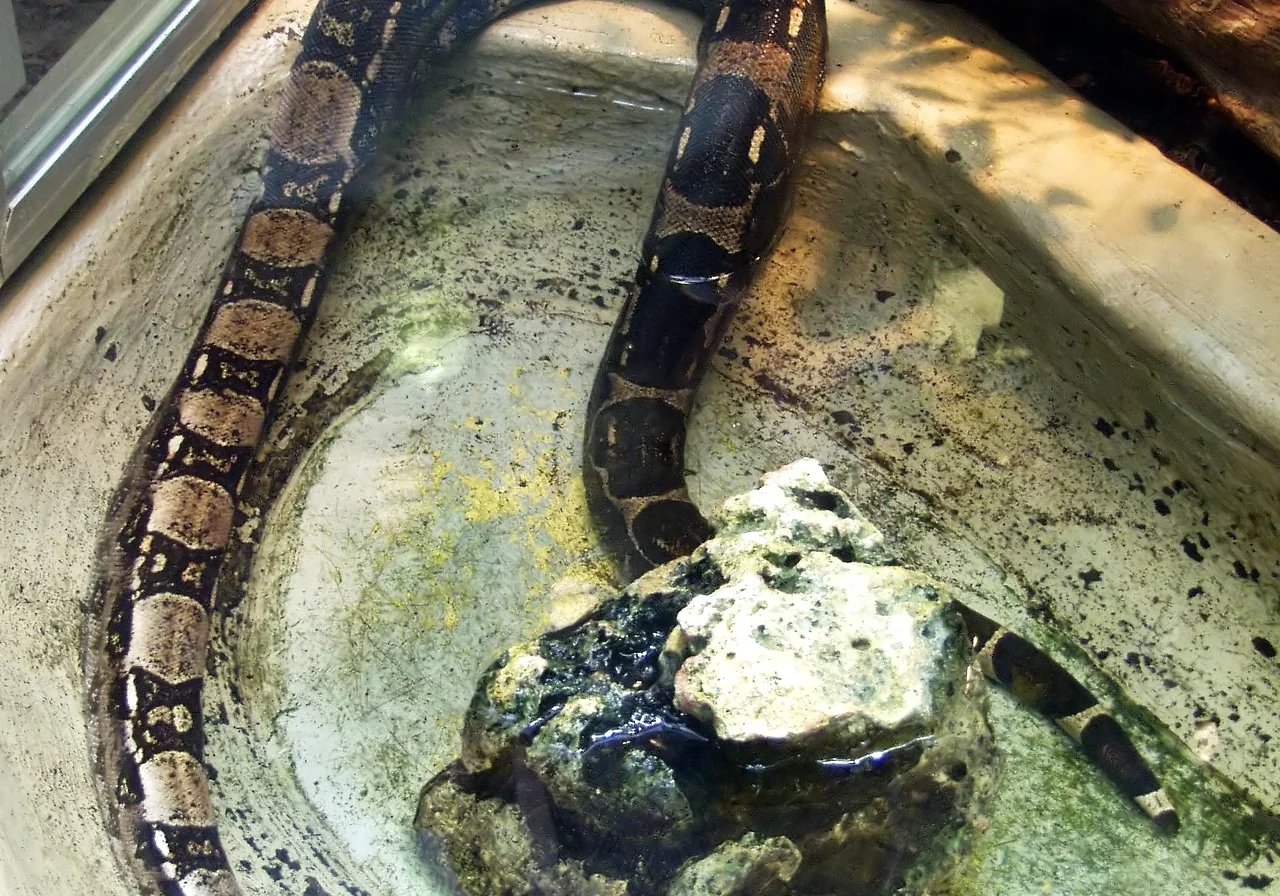
Boa Constrictor
Central & South America
Slow constrictor, live-bearing
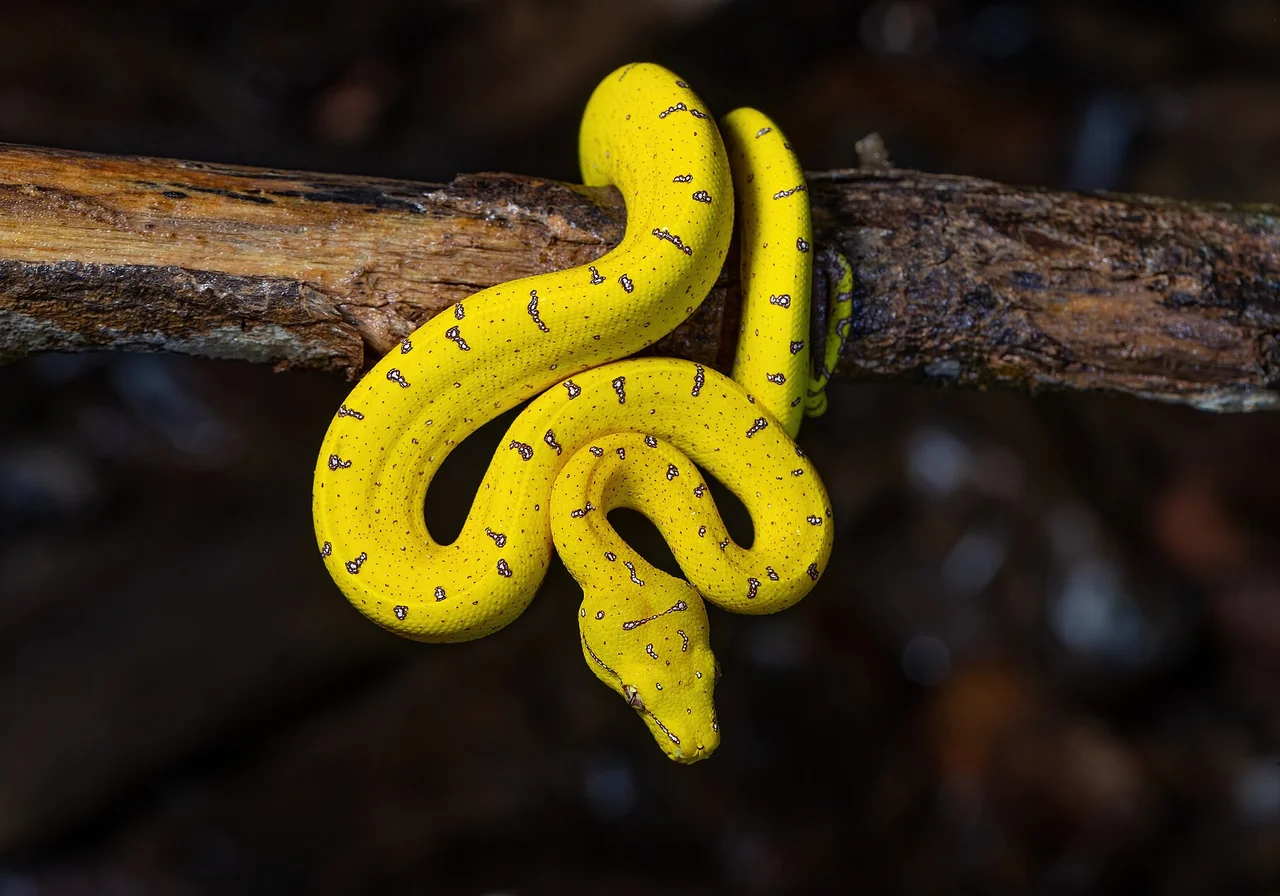
Green Tree Python
New Guinea, Indonesia, Australia
Arboreal, striking from branches
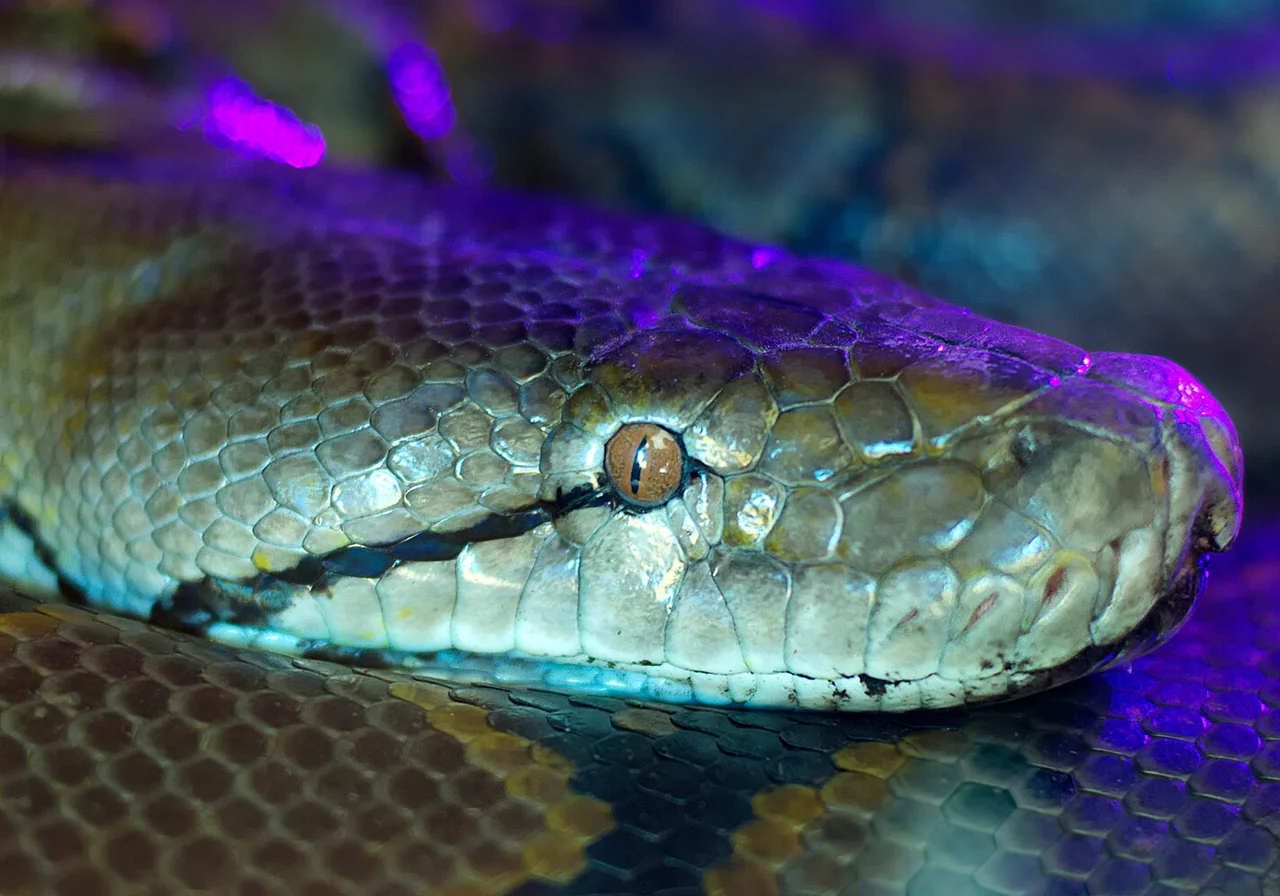
Burmese Python
South-east Asia
Powerful constrictor, invasive in Florida
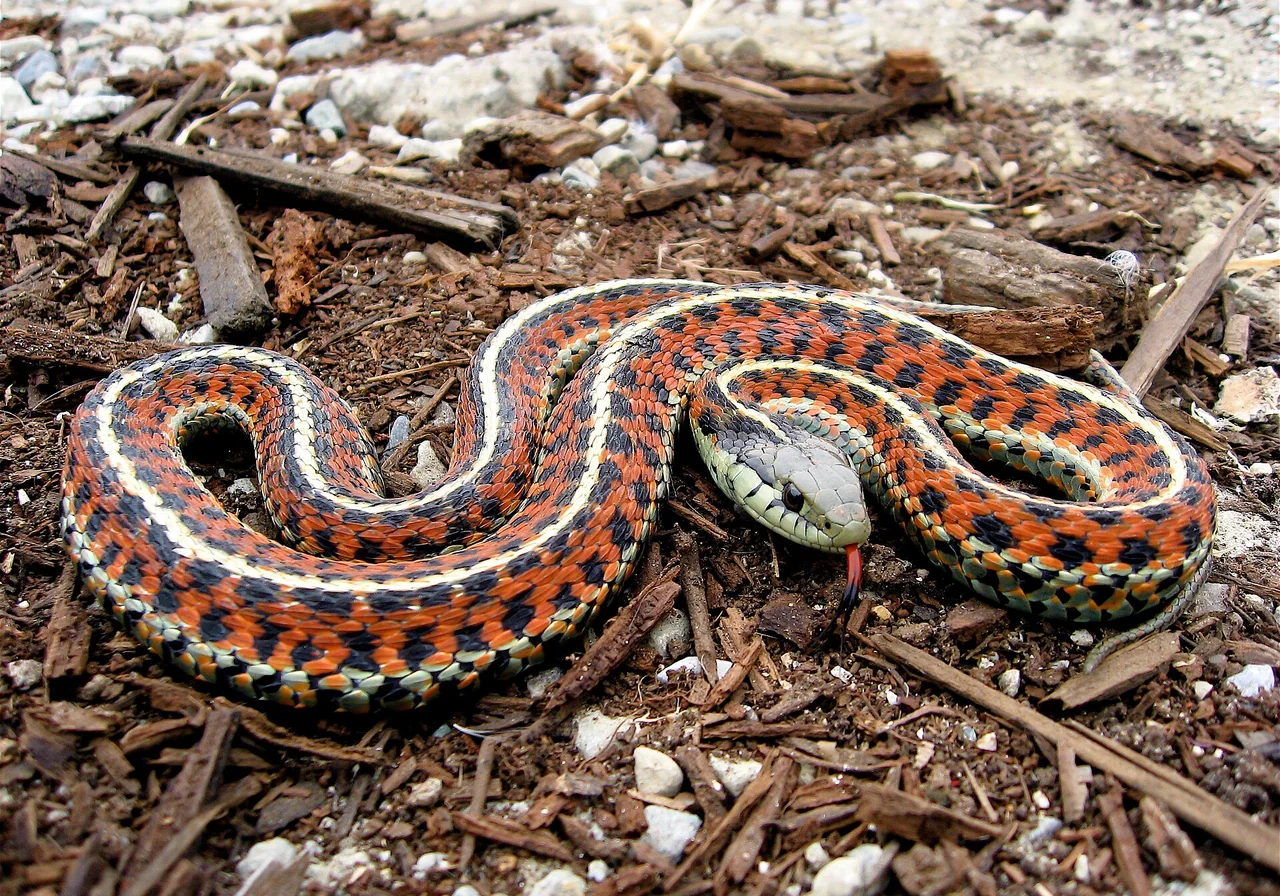
Eastern Garter Snake
North America
Harmless, active, semi-aquatic
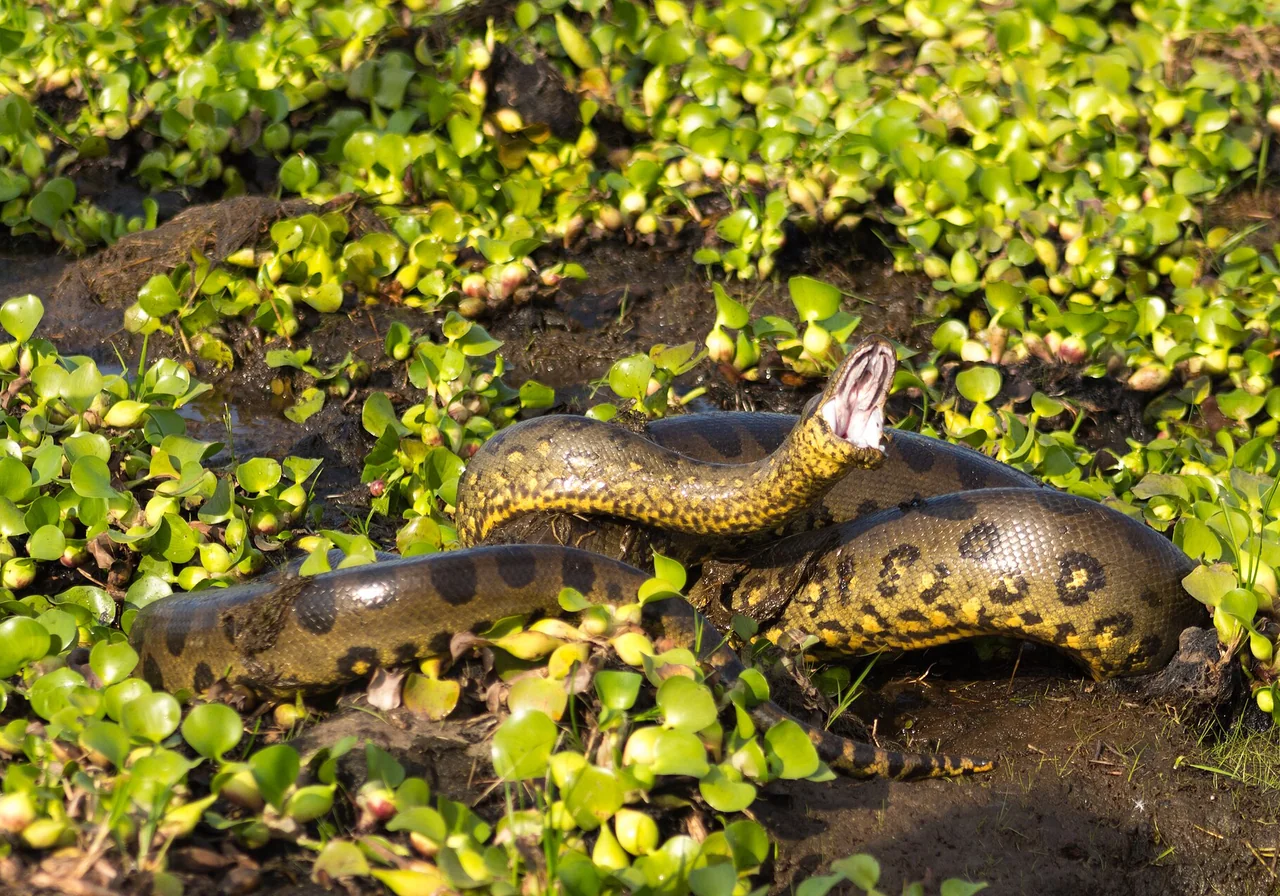
Green Anaconda
Amazon & Orinoco basins
Aquatic constrictor, heavy-bodied
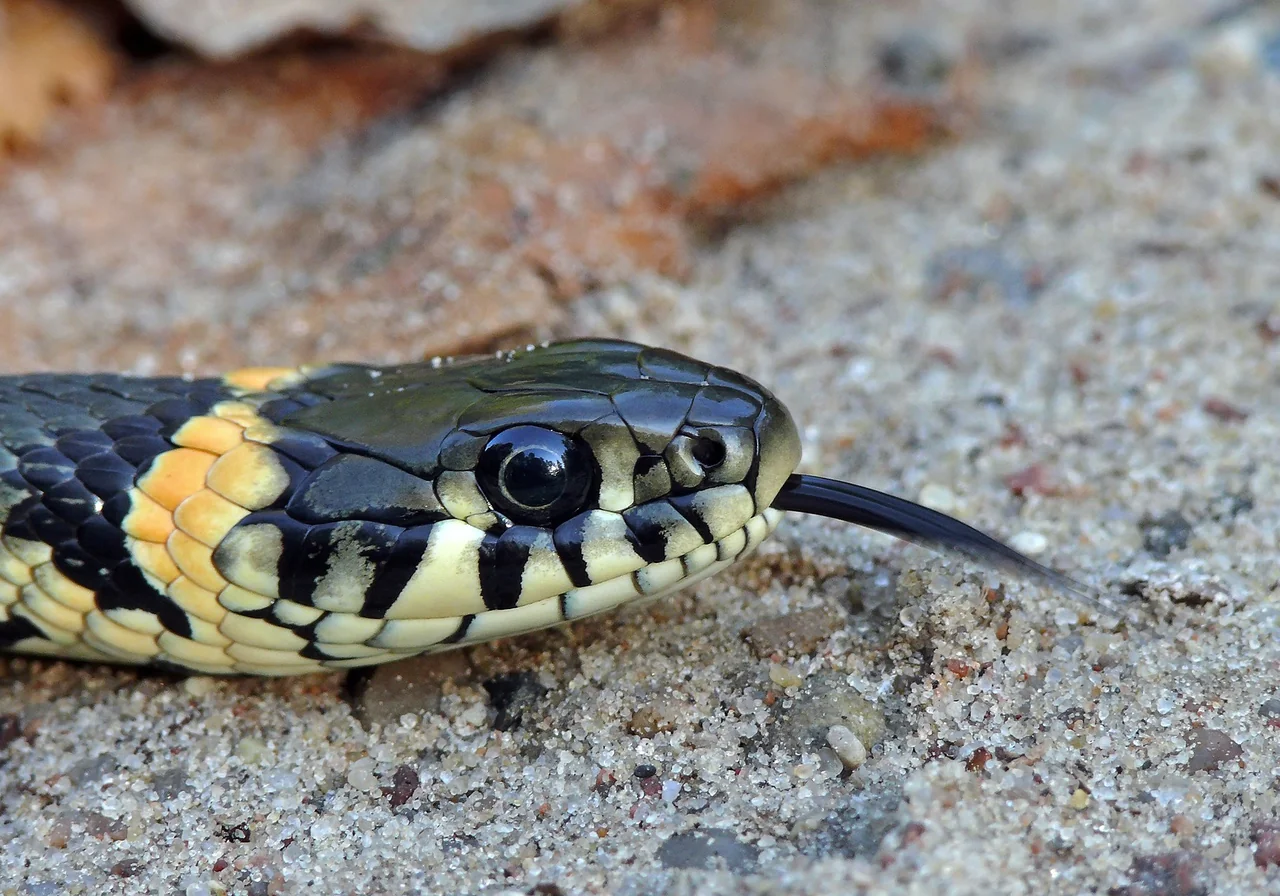
Grass Snake
Europe, Western Asia
Harmless, semi-aquatic, plays dead
What WARN Does
WARN does not manufacture antivenom or run snakebite hospitals. This hub is education for partner countries with rich snake faunas, where persecution is common. Habitat grants sit at /appeals/habitats/. Named species guides carry the detail this page must not fake.
WARN does not manufacture antivenom. A gift at /appeals/habitats/ supports habitat protection grants. Not a named-snake invoice. Named species guides carry python, cobra and grass-snake detail.
Snake: Frequently Asked Questions
What is a snake?
How many snake species are there?
Are most snakes venomous?
What do snakes eat?
Are snakes dangerous?
How long do snakes live?
How big is a snake?
How is a snake different from a lizard?
Why are snakes important?
What is snakebite envenoming?
Are snakes good pets?
How can I help snakes?
Sources & References
Population figures, conservation status and biological facts on this page are drawn from authoritative scientific and intergovernmental sources.
Terms used on this page
Plain-English definitions, from our wildlife and conservation glossary.
Latest Snake Stories
Quick, fact-checked reads on the snake — amazing facts, key questions and the threats it faces.
Briefings
Kalimantan forest fires 2026: orangutans, smoke and how to help
Dated reports on Kalimantan’s fires, Sampurna and Mama Penja, wildlife response and how to help. Includes IAR’s 27 September 2026 rescue update.
Read the storyBriefings
Three Rehabilitated Orangutans Released Back Into the Wild in East Kalimantan
Three Bornean orangutans — Bagus, Eboni and Ruby — were released into a protected forest in East Kutai, East Kalimantan, on 23 June 2026, after years of rehabilitation following rescue from the illegal pet trade. All three are Critically Endangered Pongo pygmaeus.
Read the storySpecies
Why Are Orangutans Endangered? Palm Oil, Deforestation and the Rescue Crisis in Borneo
Orangutans are endangered because of a single dominant cause: deforestation. All three remaining species have been reduced to small, fragmented populations in what remains of Borneo's and Sumatra's lowland and peat-swamp forests — and the crisis is getting worse, not better.
Read the storyExplore more animals
Discover more animals, their habitats and their conservation status in the WARN wildlife-guide library.