Wildlife Guide · Africa & Asia
Bed Bug
Cimex lectularius
The blood-feeding pest of mattresses worldwide
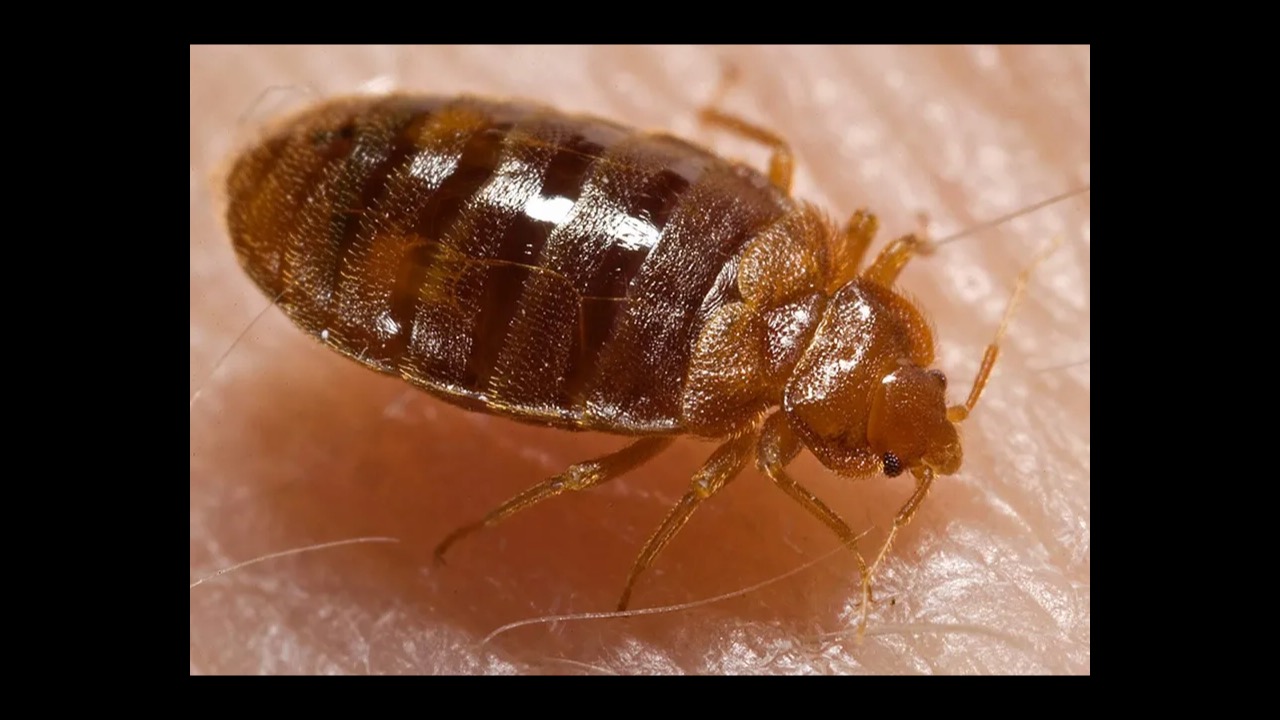
Photo: R-E-AL (talk | contribs | Gallery) (German Wikipedia) / Wikimedia Commons (CC BY-SA 3.0)
In brief
The common bed bug is a small flat insect that feeds exclusively on blood, mainly from humans at night while they sleep. Roughly 5 mm long and reddish-brown, it hides in mattress seams and furniture, resists many pesticides, and has resurged globally in hotels and homes — listed Not Evaluated by IUCN.
Also in Animals A to Z · Animals that start with B
By WARN Research & Conservation Team Last updated
The common bed bug is a small flat insect that feeds exclusively on blood, mainly from humans at night while they sleep. Roughly 5 mm long and reddish-brown, it hides in mattress seams and furniture, resists many pesticides, and has resurged globally in hotels and homes — listed Not Evaluated by IUCN.
0.005 m
Typical length
0 g
Typical weight
0.06 km/h
Top speed
1 yrs
Lifespan
Figures sourced from Wikipedia — Bed Bug, Wikidata — Bed Bug .
Bed Bug: Quick Facts
| Scientific name | Cimex lectularius |
|---|---|
| Diet | Blood — primarily human; also bats and birds in wild settings |
| Habitat | Human dwellings, hotels, dormitories, and bedding worldwide |
| Lifespan | 6–12 months; can survive months without feeding |
| Weight | 5–7 mg (0.000005–0.000007 kg) when unfed |
| Top speed | Crawls ~1 m per minute; does not fly or jump |
| Conservation status | Not Evaluated (IUCN) |
Scientific Classification
| Kingdom | Animalia |
|---|---|
| Phylum | Arthropoda |
| Class | Insecta |
| Order | Hemiptera |
| Family | Cimicidae |
| Genus | Cimex |
Conservation Status
- IUCN Status
- Not Evaluated (IUCN Red List category)
- Population
- Global population not compiled for this guide
- Trend
- See the IUCN Red List assessment
- Assessed
- See the IUCN Red List assessment
- CITES
- See CITES appendices
Conservation figures are drawn from the IUCN Red List and CITES; this guide links to the authoritative sources rather than restating population counts.
Key Facts: Bed Bug
- Bed bugs emerge from hiding in darkness, attracted by carbon dioxide and body heat.
- Bed bugs nearly disappeared in wealthy countries after DDT use mid-century but resurged since the 1990s with international travel, pesticide resistance, and reduced use of broad-spectrum insecticides.
- Signs include rusty spots (faecal stains), shed skins, and a sweet musty odour in heavy infestations.
Nocturnal blood feeding
Bed bugs emerge from hiding in darkness, attracted by carbon dioxide and body heat. They pierce skin with elongated mouthparts, feed for 5–10 minutes, then retreat to cracks. Bites often appear in lines or clusters but reactions vary — some people show no marks.
Resurgence and resistance
Bed bugs nearly disappeared in wealthy countries after DDT use mid-century but resurged since the 1990s with international travel, pesticide resistance, and reduced use of broad-spectrum insecticides. They spread via luggage, furniture, and clothing.
Detection and treatment
Signs include rusty spots (faecal stains), shed skins, and a sweet musty odour in heavy infestations. Heat treatment above 50°C kills all life stages. Professional extermination often combines heat, steam, encasements, and targeted insecticides.
Health impacts
Bed bugs are not known to transmit disease to humans despite blood feeding. Bites cause itching, allergic reactions, and psychological distress — anxiety and sleep loss are common during infestations. Not Evaluated by IUCN as a human-associated pest.
What WARN Does
WARN does not run a dedicated bed bug programme — this guide is part of the World Animal Rescue Network's free educational library. The bed bug is currently widespread and not globally threatened, and this guide helps readers understand the pressures that can change that. Building public understanding of species like the bed bug supports the broader conservation awareness that underpins WARN's partner-led rescue work across its network.
If clear, science-based wildlife guides like this help you understand and value animals, please consider supporting the World Animal Rescue Network's educational and rescue work so we can keep producing them.
Bed Bug: Frequently Asked Questions
Do bed bugs spread disease?
How do you get bed bugs?
Can bed bugs fly?
How do you kill bed bugs?
What do bed bugs eat?
Where do bed bugs live?
Are bed bugs dangerous?
How long do bed bugs live?
How big is a bed bug?
Sources & References
Population figures, conservation status and biological facts on this page are drawn from authoritative scientific and intergovernmental sources.
Terms used on this page
Plain-English definitions, from our wildlife and conservation glossary.
Latest Bed Bug Stories
Quick, fact-checked reads on the bed bug — amazing facts, key questions and the threats it faces.
Species
Slow Loris: Why the Internet's Favourite Pet Is a Conservation Disaster
The slow loris looks like a cartoon character — and that has nearly destroyed the species. Here is the truth behind the viral videos.
Read the storySpecies
The Snow Leopard: Why the Ghost of the Mountains Is Still Vulnerable
The snow leopard is one of the most elusive big cats on earth, with an estimated 4,000-6,500 individuals across twelve range states — including Pakistan, where WARN is preparing to operate. This briefing explains why the species was downlisted from Endangered to Vulnerable in 2017 and why that is not the success story it sounds like.
Read the storyGuides
Sun Bear vs Moon Bear: The Two Most Trafficked Asian Bears
The sun bear and the Asiatic black bear (moon bear) are the two most commonly trafficked bears in Asia — for the pet trade, for traditional medicine and for bear-bile farming. Here is how to tell them apart.
Read the storyExplore more animals
Discover more animals, their habitats and their conservation status in the WARN wildlife-guide library.
Enjoyed this Bed Bug guide?
Receive appeal updates, animal-welfare news and published funding reports. Unsubscribe any time.
We only use your address for WARN updates. See our privacy policy.