Wildlife Guide · Africa
Black Rhinoceros
Diceros bicornis
Africa's hook-lipped browser in crisis
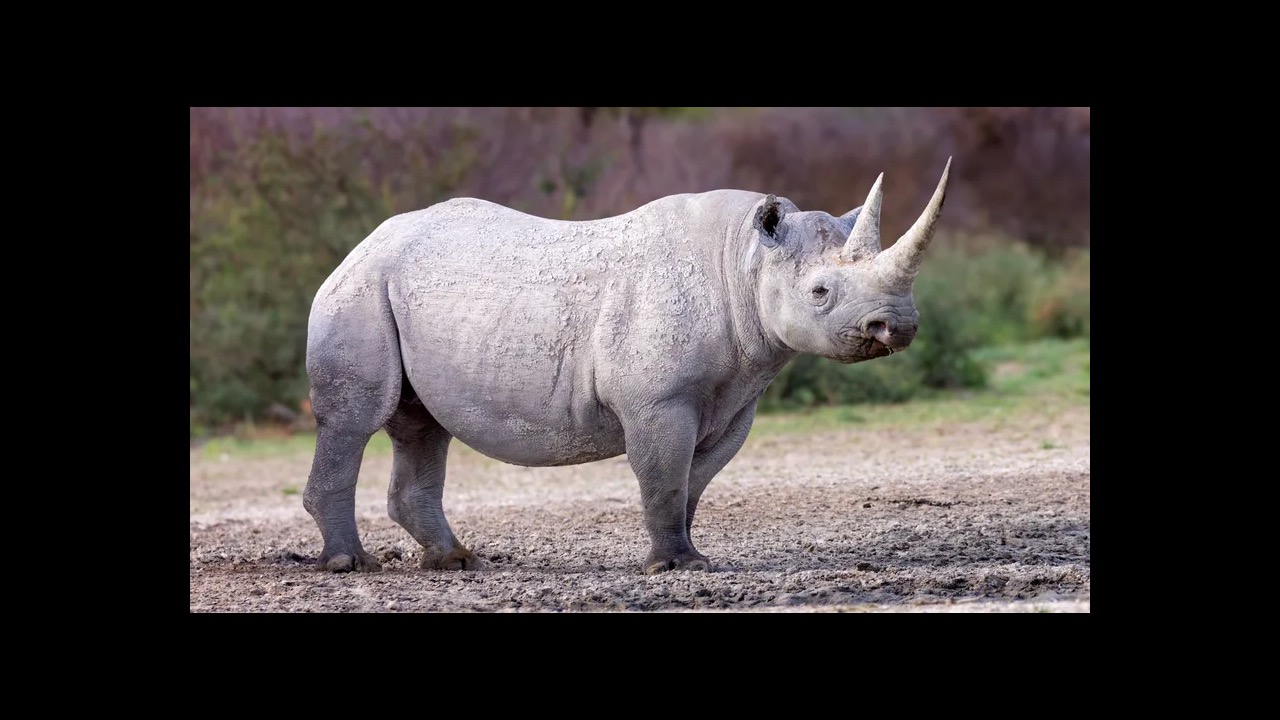
Photo: Jon Bodsworth / Wikimedia Commons (Copyrighted free use)
In brief
The black rhinoceros is a large African rhino with a hooked upper lip for browsing shrubs, weighing 800–1,400 kg (1,750–3,100 lb) despite its name referring to soil colour, not hide. Critically endangered from poaching for horn, fewer than 6,500 remain across scattered eastern and southern African reserves.
Also in Animals A to Z · Animals that start with B
How you can help
You can support the related appeal — read its purpose, recipient status and fund terms first — or give once to where it is needed most. Sharing accurate information helps too.
By WARN Research & Conservation Team Last updated
The black rhinoceros is a large African rhino with a hooked upper lip for browsing shrubs, weighing 800–1,400 kg (1,750–3,100 lb) despite its name referring to soil colour, not hide. Critically endangered from poaching for horn, fewer than 6,500 remain across scattered eastern and southern African reserves.
3.5 m
Typical length
1100 kg
Typical weight
55 km/h
Top speed
45 yrs
Lifespan
Figures sourced from IUCN Red List — Black Rhinoceros, Wikipedia — Black Rhinoceros, Wikidata — Black Rhinoceros .
Black Rhinoceros: Quick Facts
| Scientific name | Diceros bicornis |
|---|---|
| Diet | Herbivore — leaves, branches, and woody browse |
| Habitat | Savannas, scrub, and dry woodland of eastern and southern Africa |
| Lifespan | 35–50 years in the wild |
| Weight | 800–1,400 kg (1,750–3,100 lb) |
| Top speed | Up to 55 km/h (34 mph) in charge |
| Conservation status | Critically Endangered (IUCN) |
Scientific Classification
| Kingdom | Animalia |
|---|---|
| Phylum | Chordata |
| Class | Mammalia |
| Order | Perissodactyla |
| Family | Rhinocerotidae |
| Genus | Diceros |
Conservation Status
- IUCN Status
- Critically Endangered (IUCN Red List)
- Population
- See the IUCN Red List assessment
- Trend
- Increasing
- Assessed
- 2020
- CITES
- See CITES appendices
Key documented threats: Poaching for horn; Illegal horn trade; Small, fragmented populations.
Key Facts: Black Rhinoceros
- The prehensile pointed upper lip lets black rhinos strip leaves from thorny acacia and succulents that grass-eating white rhinos cannot exploit.
- Black rhinos are more solitary and aggressive than white rhinos, with bulls maintaining territories and cows accompanying calves.
- Rhino horn — made of keratin like fingernails — is illegally traded for traditional medicine and status symbols, driving poaching despite international bans.
How does a black rhino eat?
The prehensile pointed upper lip lets black rhinos strip leaves from thorny acacia and succulents that grass-eating white rhinos cannot exploit. They have poor eyesight but acute hearing and smell, charging threats they detect downwind. The hooked lip is the field mark that matters: if the animal is ploughing grass with a square mouth, it is a white rhino.
Are black rhinos solitary?
Black rhinos are more solitary and aggressive than white rhinos, with bulls maintaining territories and cows accompanying calves. Mothers are fiercely protective — most human injuries involve surprised animals on foot. Poor eyesight plus a willingness to charge is why walking safari rules exist. They are not mindless; they are defending space they cannot see clearly.
Why were black rhinos poached?
Rhino horn — made of keratin like fingernails — is illegally traded for traditional medicine and status symbols, driving poaching despite international bans. Black rhino numbers crashed 96% between 1970 and 1990; recovery is slow but ongoing in well-guarded reserves. Horn has no proven medicinal value. Demand, not biology, is the reason the species came so close to extinction.
Where are black rhinos recovering?
Intensive anti-poaching, dehorning programmes, and translocations support populations in Namibia, Kenya, South Africa, and Tanzania. Critically Endangered globally, the species illustrates both the devastation of illegal wildlife trade and the impact of committed conservation funding.The related appeal explains potential support and the current funding status; this guide does not confirm a WARN grant. Presence on that list is not the same as a dedicated black-rhino field unit.
Does WARN run a black rhino programme?
WARN does not operate a dedicated black rhinoceros field programme. The rhino appeal funds partner-led anti-poaching and veterinary response in South Africa, Kenya, India, Nepal and Indonesia — countries that hold rhino species, including black rhinos in Kenya and South Africa. This guide remains an educational profile; it does not claim WARN rangers in every reserve named above.
What WARN Does
WARN publishes this guide for education and is developing support through assessed animal-welfare grants. A species range, source citation or photograph does not establish a recipient or funding agreement. Check /about/where-your-money-goes/#grant-register for published grant and payment records; records not yet published must not be read as zero activity. Browse /appeals/ for the purposes currently available to support.
If clear, science-based wildlife guides like this help you understand and value animals, please consider supporting the World Animal Rescue Network's educational and rescue work so we can keep producing them.
How can I help save the black rhinoceros?
Explore practical ways to support the black rhinoceros, from everyday choices and sharing reliable information to reviewing a related appeal before giving.
Explore ways to support
Read the related appeal’s purpose, recipient status and fund terms. Choose an affordable gift after checking what is proposed and what has been reported.
Ease the pressures
Avoid the wildlife trade and souvenirs, never buy wild animals as pets, and choose sustainable, habitat-friendly products — the threats behind the black rhinoceros's decline fall when demand does.
Spread the word
Share accurate, sourced information about the black rhinoceros. Wider awareness is what turns concern into lasting protection.
Black Rhinoceros: Frequently Asked Questions
How can I help save the black rhinoceros?
Black rhino vs white rhino?
How many black rhinos are left?
Why are rhinos poached?
Are black rhinos dangerous?
Where do black rhinos live?
What do black rhinos eat?
How long do black rhinos live?
How big is a black rhino?
Sources & References
Population figures, conservation status and biological facts on this page are drawn from authoritative scientific and intergovernmental sources.
Terms used on this page
Plain-English definitions, from our wildlife and conservation glossary.
Latest Black Rhinoceros Stories
Quick, fact-checked reads on the black rhinoceros — amazing facts, key questions and the threats it faces.
Guides
Pangolin Species Explained: All Eight of the World's Most Trafficked Mammal
There are eight pangolin species — four in Africa and four in Asia. All eight are trafficked. Here is the briefing.
Read the storySpecies
Tiger vs Lion: 7 Key Differences Between the Two Biggest Cats
Tigers are bigger, stripier and solitary; lions are social and live in prides. Here's how the two largest cats really differ in size, habitat and behaviour.
Read the storySpecies
Asian vs African Elephant: 7 Key Differences
Ears, back shape, tusks and size all set Asian and African elephants apart. Here is a clear, science-backed guide to telling the world's three elephant species apart.
Read the storyExplore more animals
Discover more animals, their habitats and their conservation status in the WARN wildlife-guide library.
Enjoyed this Black Rhinoceros guide?
Receive appeal updates, animal-welfare news and published funding reports. Unsubscribe any time.
We only use your address for WARN updates. See our privacy policy.