Wildlife Guide · Africa & Asia
Largemouth Bass
Micropterus salmoides
America's favourite freshwater game fish
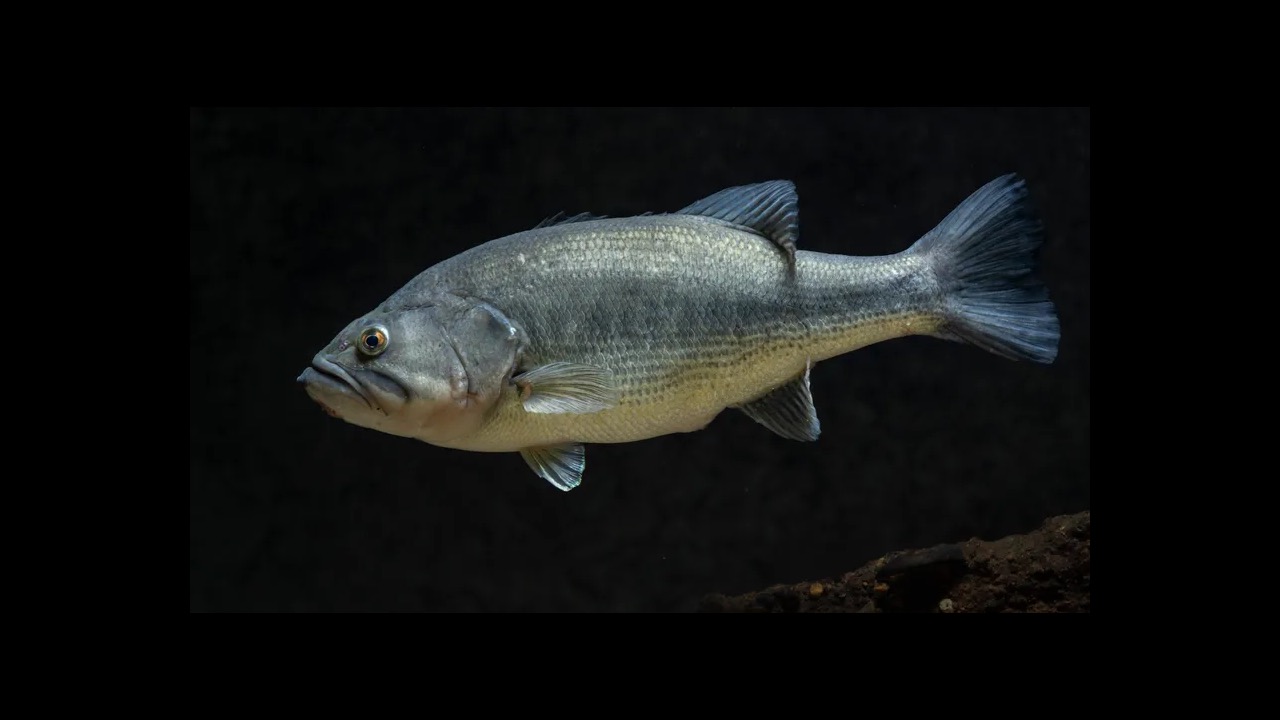
Photo: USFWS Mountain Prairie / Wikimedia Commons (Public domain)
In brief
The largemouth bass is a top predator in North American lakes and rivers, named for a jaw extending past the eye. Prized by anglers worldwide, it strikes lures aggressively, grows to 10 kg (22 lb) in rich waters, and has been stocked on every continent except Antarctica for sport fishing.
Also in Animals A to Z · Animals that start with L
By WARN Research & Conservation Team Last updated
The largemouth bass is a top predator in North American lakes and rivers, named for a jaw extending past the eye. Prized by anglers worldwide, it strikes lures aggressively, grows to 10 kg (22 lb) in rich waters, and has been stocked on every continent except Antarctica for sport fishing.
0.45 m
Typical length
2 kg
Typical weight
20 km/h
Top speed
14 yrs
Lifespan
Figures sourced from IUCN Red List .
Largemouth Bass: Quick Facts
| Scientific name | Micropterus salmoides |
|---|---|
| Diet | Carnivore — fish, crayfish, frogs, and insects |
| Habitat | Warm lakes, ponds, reservoirs, and slow rivers with cover |
| Lifespan | 10–16 years in the wild |
| Weight | 0.5–10 kg (1–22 lb); most caught fish 1–3 kg |
| Top speed | Explosive ambush strikes from cover |
| Conservation status | Least Concern (IUCN) |
Scientific Classification
| Kingdom | Animalia |
|---|---|
| Phylum | Chordata |
| Class | Actinopterygii |
| Order | Perciformes |
| Family | Centrarchidae |
| Genus | Micropterus |
Conservation Status
- IUCN Status
- Least Concern (IUCN Red List category)
- Population
- Global population not compiled for this guide
- Trend
- See the IUCN Red List assessment
- Assessed
- See the IUCN Red List assessment
- CITES
- See CITES appendices
Conservation figures are drawn from the IUCN Red List and CITES; this guide links to the authoritative sources rather than restating population counts.
Key Facts: Largemouth Bass
- Largemouth bass hide among lily pads, fallen timber, and weed beds, exploding forward to engulf prey with a cavernous mouth that gives the species its name.
- Male bass build and defend circular nests in shallow gravel or sand during spring.
- Bass tournaments across the United States draw millions of participants and television audiences.
Ambush predator
Largemouth bass hide among lily pads, fallen timber, and weed beds, exploding forward to engulf prey with a cavernous mouth that gives the species its name. They are visual hunters, striking artificial lures that mimic wounded minnows, frogs, and worms.
Nest guarding males
Male bass build and defend circular nests in shallow gravel or sand during spring. They fan silt away, guard eggs against sunfish and crayfish, and protect fry for days after hatching — one of the most dedicated parental behaviours among popular game fish.
Global sport fishing icon
Bass tournaments across the United States draw millions of participants and television audiences. Stocking programmes introduced largemouth bass to Japan, South Africa, and Europe, where they sometimes disrupt native fish communities in warm still waters.
Management and ecology
Native and Least Concern in North America, largemouth bass regulate populations of smaller fish and crayfish. Fisheries managers adjust size and bag limits to maintain trophy fisheries. Invasive where introduced outside their native warm-water range.
What WARN Does
WARN does not run a dedicated largemouth bass programme — this guide is part of the World Animal Rescue Network's free educational library. The largemouth bass is currently widespread and not globally threatened, and this guide helps readers understand the pressures that can change that. Building public understanding of species like the largemouth bass supports the broader conservation awareness that underpins WARN's partner-led rescue work across its network.
If clear, science-based wildlife guides like this help you understand and value animals, please consider supporting the World Animal Rescue Network's educational and rescue work so we can keep producing them.
Largemouth Bass: Frequently Asked Questions
How big do largemouth bass get?
What do largemouth bass eat?
Where are largemouth bass native?
Largemouth vs smallmouth bass?
Are largemouth bass good to eat?
Where do largemouth bass live?
Are largemouth bass dangerous?
How long do largemouth bass live?
Sources & References
Population figures, conservation status and biological facts on this page are drawn from authoritative scientific and intergovernmental sources.
Terms used on this page
Plain-English definitions, from our wildlife and conservation glossary.
Latest Largemouth Bass Stories
Quick, fact-checked reads on the largemouth bass — amazing facts, key questions and the threats it faces.
Species
Slow Loris: Why the Internet's Favourite Pet Is a Conservation Disaster
The slow loris looks like a cartoon character — and that has nearly destroyed the species. Here is the truth behind the viral videos.
Read the storySpecies
The Snow Leopard: Why the Ghost of the Mountains Is Still Vulnerable
The snow leopard is one of the most elusive big cats on earth, with an estimated 4,000-6,500 individuals across twelve range states — including Pakistan, where WARN is preparing to operate. This briefing explains why the species was downlisted from Endangered to Vulnerable in 2017 and why that is not the success story it sounds like.
Read the storyGuides
Sun Bear vs Moon Bear: The Two Most Trafficked Asian Bears
The sun bear and the Asiatic black bear (moon bear) are the two most commonly trafficked bears in Asia — for the pet trade, for traditional medicine and for bear-bile farming. Here is how to tell them apart.
Read the storyExplore more animals
Discover more animals, their habitats and their conservation status in the WARN wildlife-guide library.
Enjoyed this Largemouth Bass guide?
Receive appeal updates, animal-welfare news and published funding reports. Unsubscribe any time.
We only use your address for WARN updates. See our privacy policy.