Wildlife Guide · Europe & North America
Atlantic Cod
Gadus morhua
The fish that built Atlantic nations
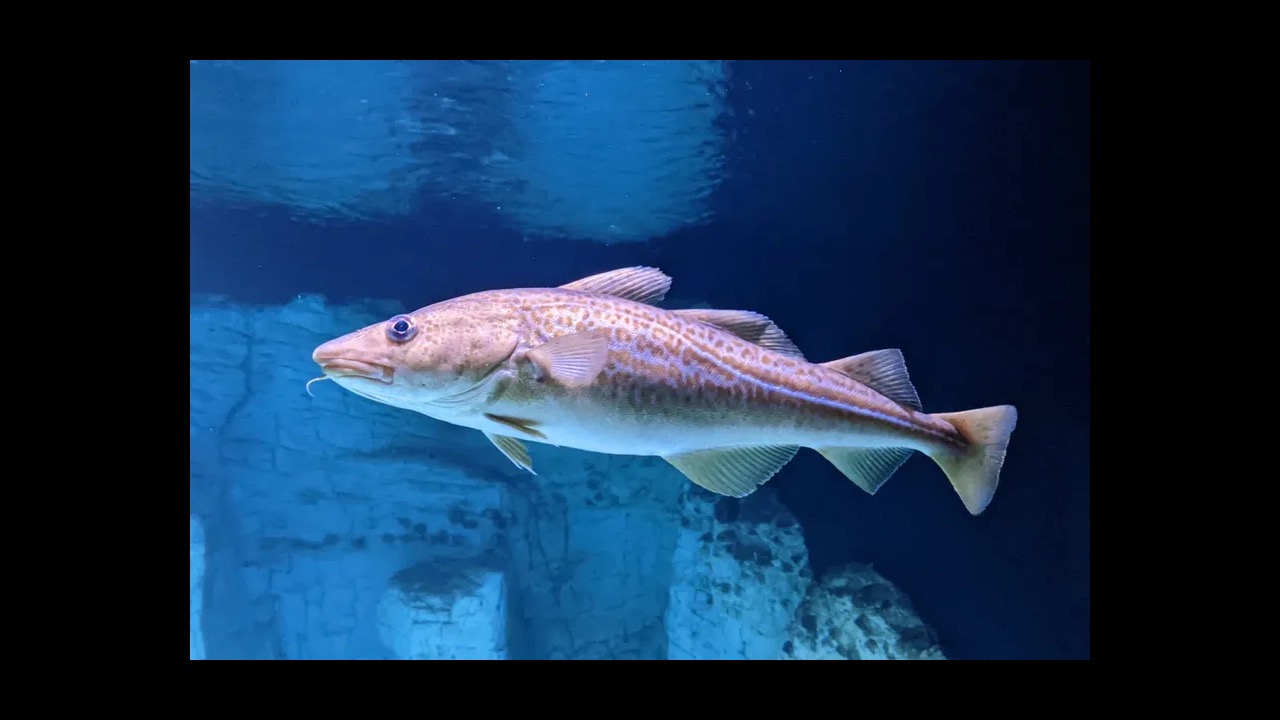
Photo: Hans-Petter Fjeld / Wikimedia Commons (CC BY-SA 2.5)
In brief
Atlantic cod is a cold-water groundfish that shaped the economies of Newfoundland, Iceland, and New England for centuries before overfishing collapsed many stocks. Growing to 40 kg (88 lb) and living 25 years, it supports fisheries where recovered and remains Vulnerable in the northwest Atlantic.
Also in Animals A to Z · Animals that start with A
By WARN Research & Conservation Team Last updated
Atlantic cod is a cold-water groundfish that shaped the economies of Newfoundland, Iceland, and New England for centuries before overfishing collapsed many stocks. Growing to 40 kg (88 lb) and living 25 years, it supports fisheries where recovered and remains Vulnerable in the northwest Atlantic.
0.8 m
Typical length
5 kg
Typical weight
15 km/h
Top speed
20 yrs
Lifespan
Figures sourced from IUCN Red List .
Atlantic Cod: Quick Facts
| Scientific name | Gadus morhua |
|---|---|
| Diet | Carnivore — fish, crustaceans, and worms |
| Habitat | Cold continental shelf waters of the North Atlantic |
| Lifespan | Up to 25 years in the wild |
| Weight | 2–40 kg (4–88 lb); most market fish 2–8 kg |
| Top speed | Steady swimmer; schooling migrations |
| Conservation status | Vulnerable (IUCN) |
Scientific Classification
| Kingdom | Animalia |
|---|---|
| Phylum | Chordata |
| Class | Actinopterygii |
| Order | Gadiformes |
| Family | Gadidae |
| Genus | Gadus |
Conservation Status
- IUCN Status
- Vulnerable (IUCN Red List category)
- Population
- Global population not compiled for this guide
- Trend
- See the IUCN Red List assessment
- Assessed
- See the IUCN Red List assessment
- CITES
- See CITES appendices
Conservation figures are drawn from the IUCN Red List and CITES; this guide links to the authoritative sources rather than restating population counts.
Key Facts: Atlantic Cod
- Northwest Atlantic cod stocks crashed in 1992 when Canada's Grand Banks fishery closed — one of history's most famous fishery collapses after centuries of seemingly unlimited harvest.
- A whisker-like barbel on the chin helps cod detect prey on the seafloor — worms, crabs, and smaller fish.
- Fish and chips, bacalao, and lutefisk all depend on cod.
Historic fishery collapse
Northwest Atlantic cod stocks crashed in 1992 when Canada's Grand Banks fishery closed — one of history's most famous fishery collapses after centuries of seemingly unlimited harvest. Recovery has been partial and slow, illustrating how even prolific species can be depleted.
Barbel and bottom feeding
A whisker-like barbel on the chin helps cod detect prey on the seafloor — worms, crabs, and smaller fish. Cod migrate between shallow spawning grounds and deeper feeding areas, historically forming dense shoals that made them easy targets for trawlers.
Cultural and culinary importance
Fish and chips, bacalao, and lutefisk all depend on cod. Basque and Viking fishermen pursued cod across the Atlantic for centuries before modern industrial trawling. Cod liver oil supplied vitamin D to generations of children.
Modern management
Listed Vulnerable, Atlantic cod fisheries are now regulated with quotas, closed areas, and gear restrictions. Icelandic and Northeast Arctic stocks are healthier than Northwest Atlantic populations. Climate change shifts spawning grounds northward, complicating recovery.
What WARN Does
WARN does not run a dedicated atlantic cod programme — this guide is part of the World Animal Rescue Network's free educational library. The atlantic cod faces documented conservation pressure in the wild, which is why clear, sourced public information about it matters. Building public understanding of species like the atlantic cod supports the broader conservation awareness that underpins WARN's partner-led rescue work across its network.
If clear, science-based wildlife guides like this help you understand and value animals, please consider supporting the World Animal Rescue Network's educational and rescue work so we can keep producing them.
Atlantic Cod: Frequently Asked Questions
Why did cod collapse?
Is cod still overfished?
What is bacalao?
How big do Atlantic cod get?
Where do Atlantic cod live?
What do atlantic cods eat?
Are atlantic cods dangerous?
How long do atlantic cods live?
Sources & References
Population figures, conservation status and biological facts on this page are drawn from authoritative scientific and intergovernmental sources.
Terms used on this page
Plain-English definitions, from our wildlife and conservation glossary.
Latest Atlantic Cod Stories
Quick, fact-checked reads on the atlantic cod — amazing facts, key questions and the threats it faces.
Species
Why Are Sea Turtles Endangered? The Threats — and How to Help
Sea turtles have survived for more than 100 million years, yet within a few human generations most species have been pushed toward extinction. Here is what is driving the decline — bycatch, plastic, poaching and lost nesting beaches — and what actually helps.
Read the storySpecies
12 Amazing Facts About the Humpback Whale, the Ocean's Great Singer
From hours-long songs that only males sing to flippers longer than any other whale, here are 12 genuinely surprising facts about the humpback whale.
Read the storySpecies
How Big Is a Humpback Whale? Size, Weight and Strength Explained
Humpback whales reach 14 to 16 metres and weigh up to 30 tonnes, with the longest flippers of any whale. Here's how their size, weight and power really compare.
Read the storyExplore more animals
Discover more animals, their habitats and their conservation status in the WARN wildlife-guide library.
Enjoyed this Atlantic Cod guide?
Receive appeal updates, animal-welfare news and published funding reports. Unsubscribe any time.
We only use your address for WARN updates. See our privacy policy.