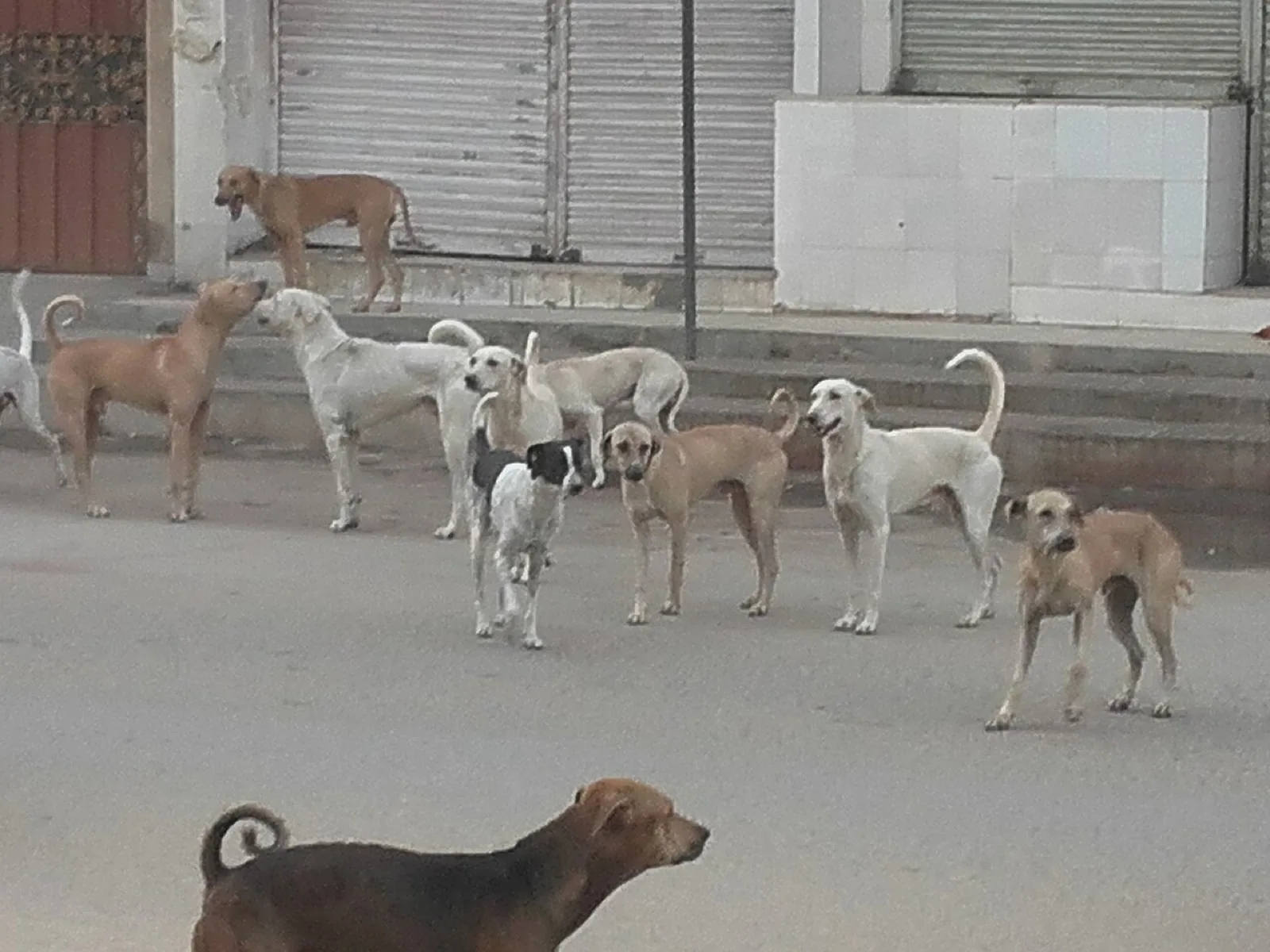
Street-dog welfare · Karachi, Pakistan
Karachi Street Dogs
Explore humane street-dog care in Karachi, including vaccination, neutering and treatment, and understand the proposed support before donating.
Explore appeal →Kalimantan, Indonesia · Featured appeal
Forest and peatland fires threaten orangutans, other wildlife and their habitat in Indonesian Borneo. WARN is raising funds for eligible organisations responding locally. Grant recipients have not yet been selected.
In WARN’s update of 8 September 2026, staff reported meetings with organisations in Indonesia to understand needs and possible support. Funding shortfalls had been raised in those discussions. This remains the latest confirmed staff update published here; it does not establish continuing meetings, a selected recipient or a completed grant.
Can’t donate? Share the appeal.
Evidence checked
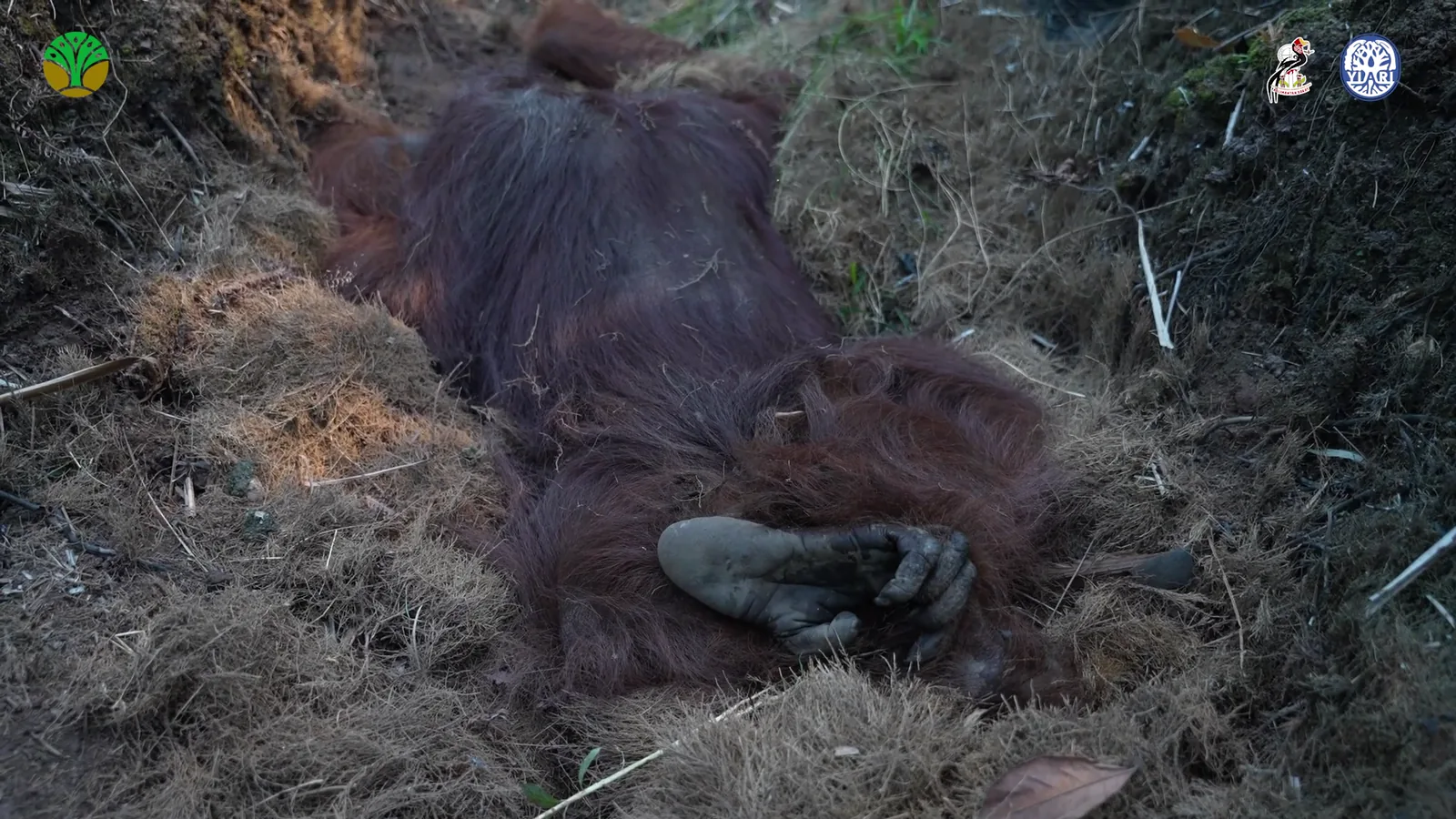
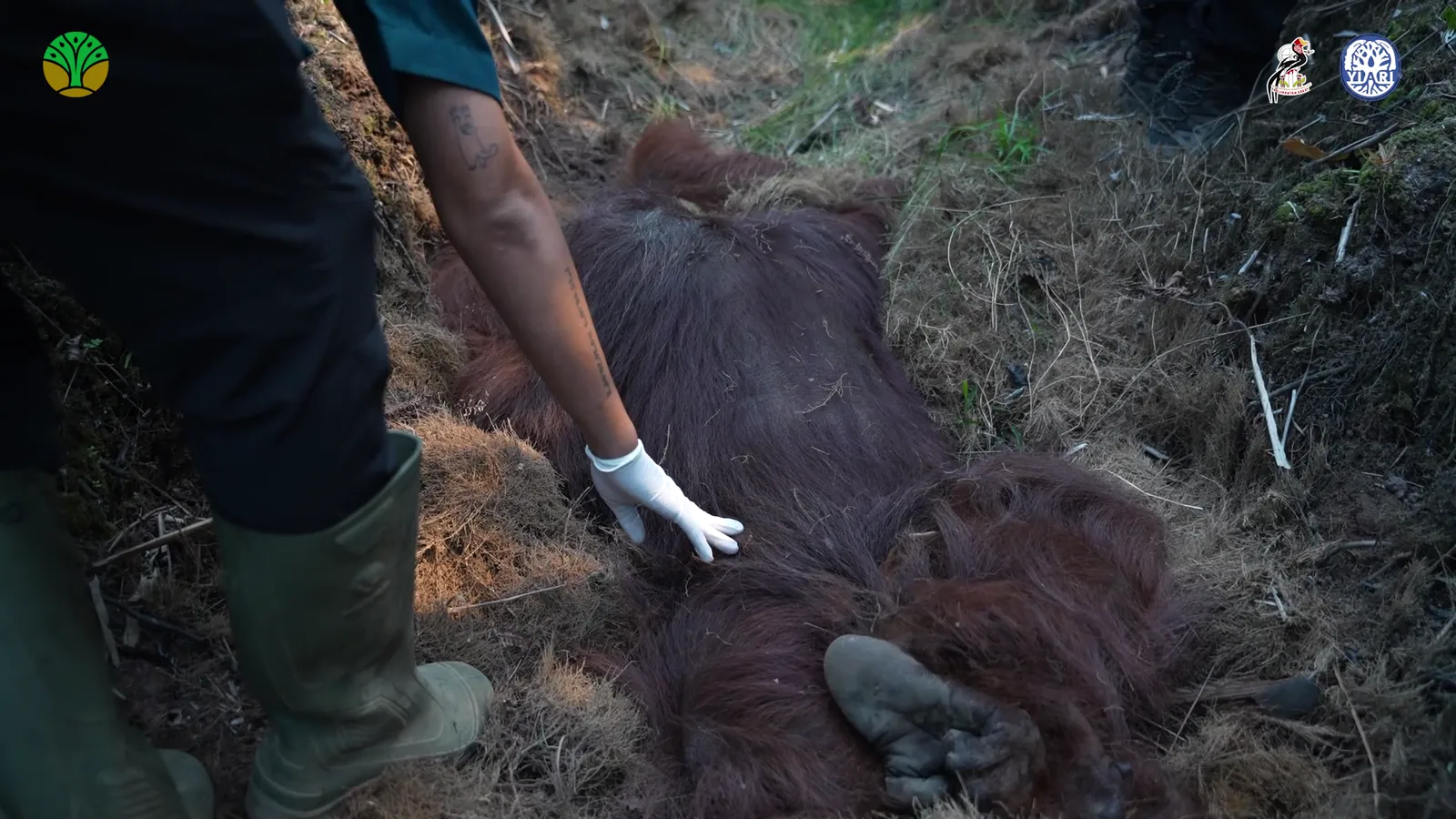
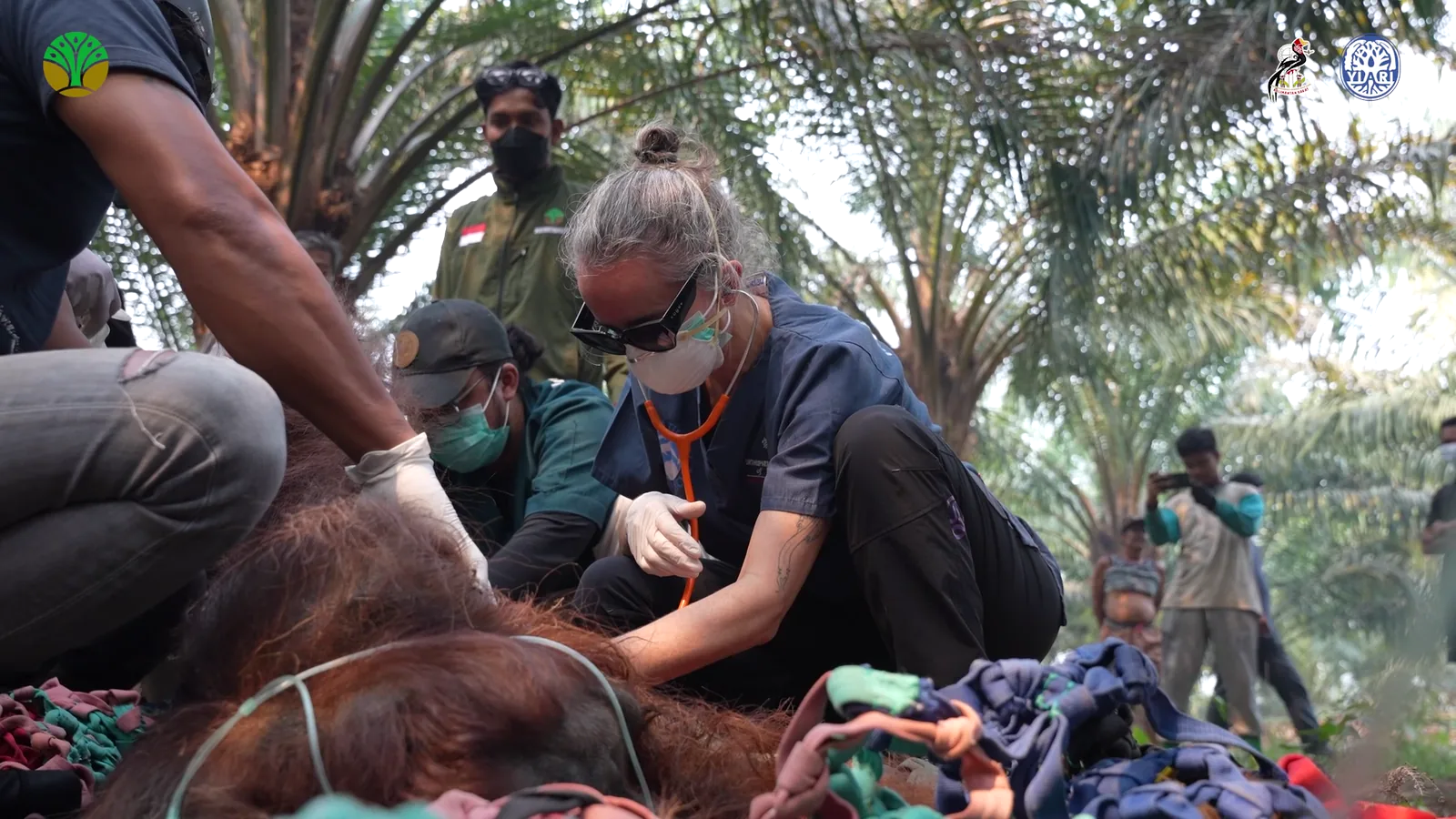
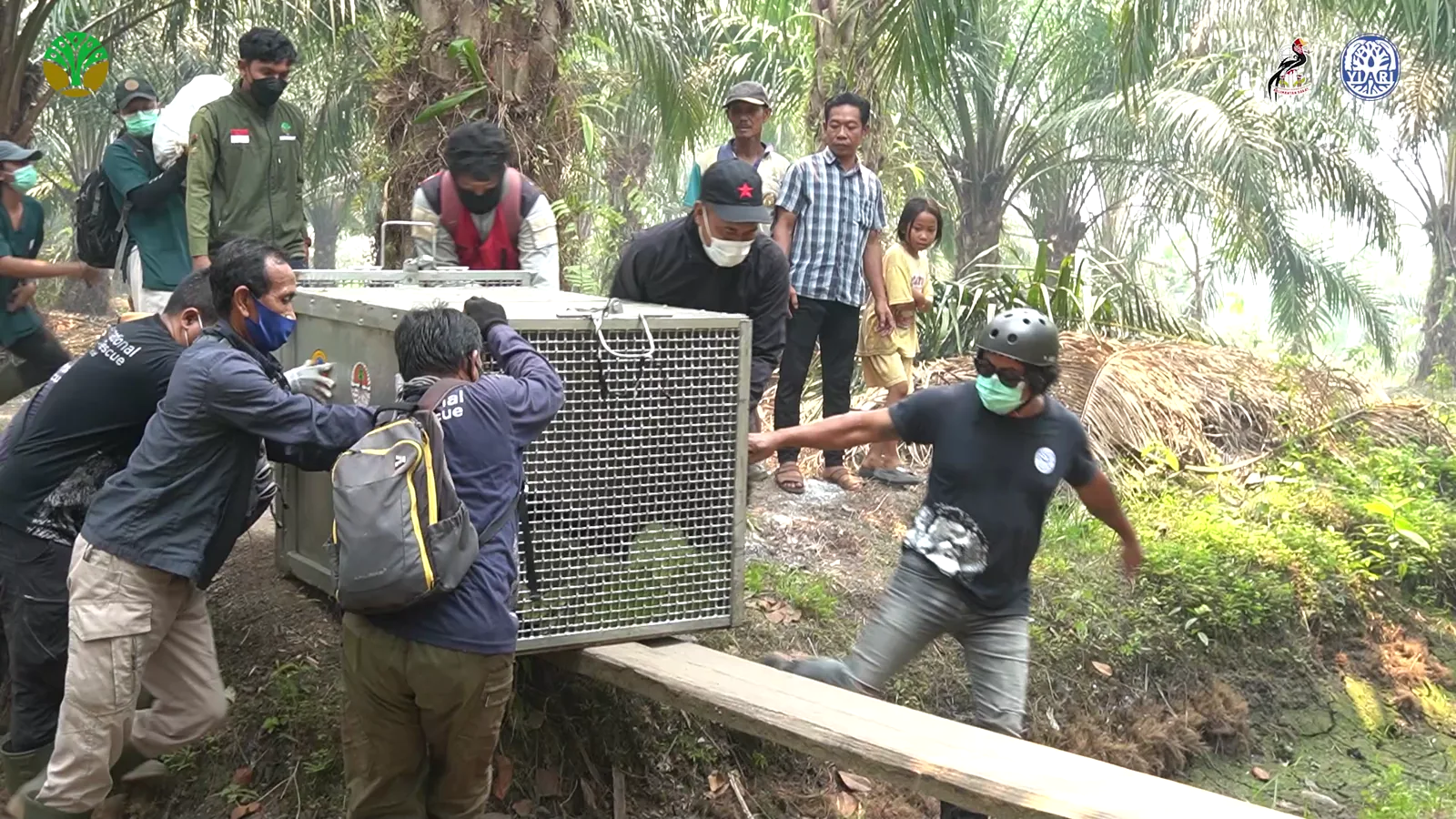
Sampurna died later that day despite treatment. Authorities identified smoke exposure as a suspected contributing factor. Official report
Source: YIARI / BKSDA Kalimantan Barat, original rescue footage, 30 August 2026.
Sampurna during the rescue response in Ketapang, West Kalimantan, on 30 August 2026. These chronological frames show him already lying down, receiving treatment and being transported. WARN did not carry out this rescue.
Original source and media credit Permission and reuse information Selected still frames from the original footage, shown in sequence. No generated imagery. 00:10World Animal Rescue Network CIC · Company 17298990. Not a registered charity.
Learn moreUnderstand the recipient status, charges and permitted uses before you give.
Learn moreRead the sources and distinguish planned work from grants actually paid.
Learn moreWays to help today
From £5 a month, with a personalised digital certificate. Eight animals to choose from.
Choose an animal →Put someone’s name on the certificate. Digital, so there is no postal deadline.
Browse gifts →Regular support helps WARN plan. Choose your amount; cancel future payments any time.
Give monthly →Any amount, where it is needed most or to a named appeal. Secure Stripe checkout.
Donate →World Animal Rescue Network
WARN brings people closer to animal welfare through clear information and support for eligible organisations with local expertise. We are building our grant-making work, and we explain the status of each appeal openly.
Meet WARNSourced wildlife guides and dated public reports help you make an informed choice.
Choose unrestricted support or read the terms of a specific appeal.
Targets, published results and grant records are clearly distinguished.
Use our rescue information and directory to identify local support.
Other ways to help
Street-dog welfare · Karachi, Pakistan
Explore humane street-dog care in Karachi, including vaccination, neutering and treatment, and understand the proposed support before donating.
Explore appeal →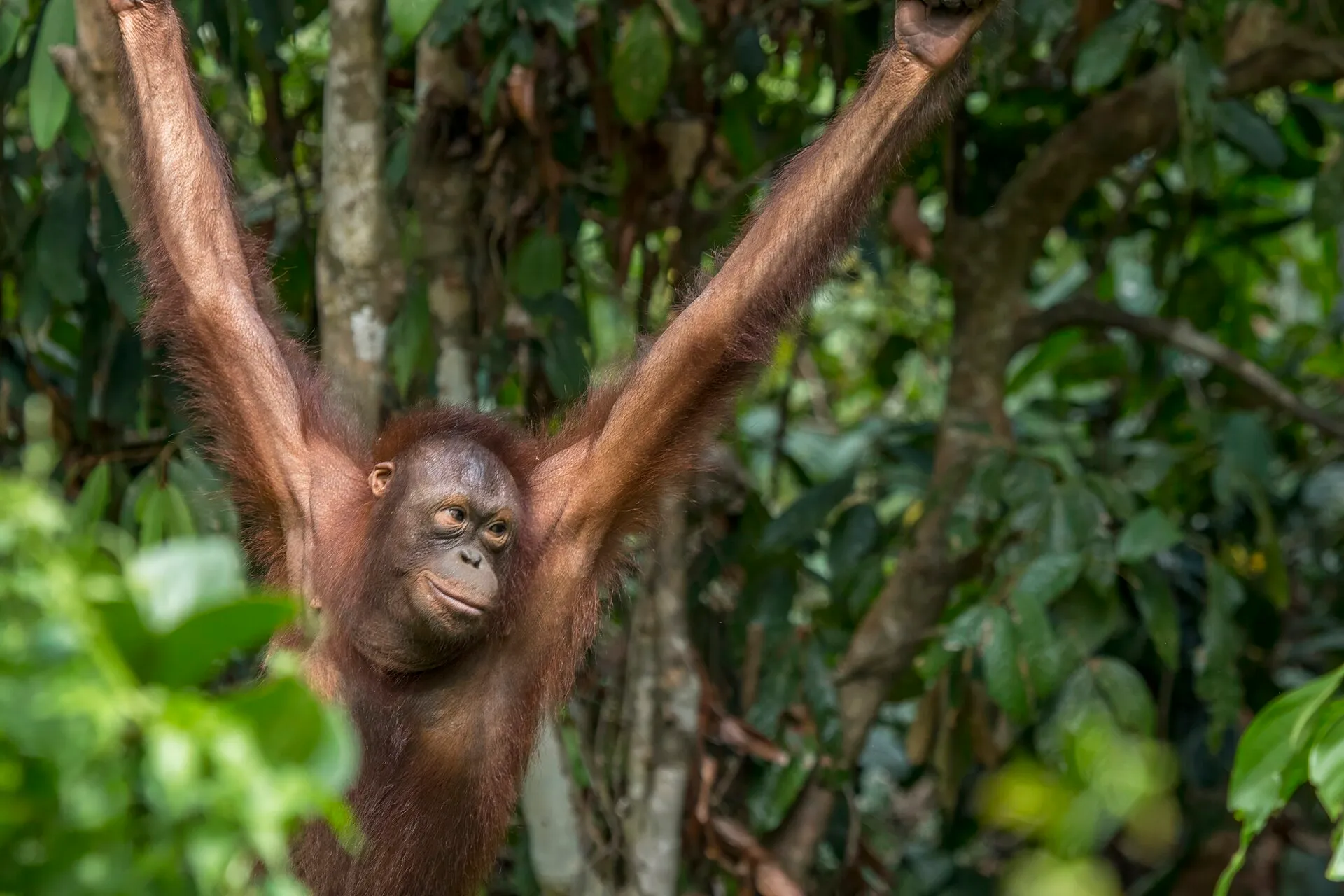
Orangutans · Borneo and Sumatra
Explore how to help orangutans, compare donation purposes and symbolic adoption, and find practical ways to share and protect forests.
Explore appeal →
Working-donkey welfare · Pakistan
Explore veterinary and hoof care, suitable harnesses and practical owner support for working donkeys, with clear proposed grant purposes.
Explore appeal →Accountability matters
Our programme allocation is a target, not a completed result. We explain charges, how recipients are assessed and which grant records have been published.
The newsroom
Briefings ·
Dated reports on Kalimantan’s fires, Sampurna and Mama Penja, wildlife response and how to help. Includes IAR’s 27 September 2026 rescue update.
Reports ·
The IUCN Red List has now assessed 175,909 species, and more than 49,500 of them are threatened with extinction — 28% of everything assessed. But the headline number is routinely misread. Here is what it counts, what it leaves out, and why the true total is almost certainly higher.
Reports ·
WWF's Living Planet Report found a 73% average decline in monitored wildlife populations between 1970 and 2020. It is one of the most cited and most misquoted statistics in conservation. It does not mean the world has lost 73% of its wildlife.
Animal awareness calendar
5 Jan
Thousands of parrots are taken from the wild for the pet trade every year. Help fund quarantine, rehabilitation and sanctuary care.
Explore ways to help3rd Saturday
The most trafficked mammal on Earth needs funded rescue, veterinary triage and safe release.
Explore ways to help3 Mar
Explore wildlife guides covering habitats, behaviour, conservation and practical ways to help.
Explore ways to help23 Mar
Moon bears suffer in bile farms and the pet trade. Fund sanctuary capacity and veterinary care.
Explore ways to help4 Apr
Street dogs need CNVR — humane catch, neuter, vaccinate, release — not culls. Fund the teams proving it works.
Explore ways to help8 May
Working donkeys need appropriate nutrition, harnesses, rest and access to veterinary care. Explore the welfare needs behind this appeal.
Explore ways to help31 May
Wild-caught parrots fill the pet trade. Fund rescue, quarantine and rehabilitation through partner sanctuaries.
Explore ways to help16 Jun
Plastic, bycatch and nest loss threaten every sea turtle species. Fund rescue and nest protection.
Explore ways to help29 Jul
Habitat loss, illegal trade and conflict threaten wild tigers. Explore conservation and welfare needs.
Explore ways to help12 Aug
Fund conflict response, sanctuary care and an end to exploitative tourism for elephants.
Explore ways to help19 Aug
Orangutans stranded by deforestation need rescue, forest school and release. Fund the journey.
Explore ways to help22 Sep
Poaching still drives rhino decline. Fund protection and rescue where support is needed.
Explore ways to help28 Sep
Vaccinating street dogs is the proven, humane route to ending rabies — for dogs and people.
Explore ways to help4 Oct
One day for every animal. Explore current appeals and read the funding terms before choosing where to give.
Explore ways to help27 Oct
Cats Protection started the day because black and black-and-white cats often wait longer to be rehomed. Find a local rescue, or give a symbolic cat adoption.
Explore ways to help29 Nov
Jaguars lose habitat and face retaliation killings. Fund coexistence and rescue across their range.
Explore ways to helpTuesday after US Thanksgiving
A global day of giving. Compare every way to give — once, monthly, as a gift or without money — before you choose.
Explore ways to help10 Dec
End the year by funding frontline rescue — the most direct gift an animal lover can give.
Explore ways to helpPrint, explore and try a family-friendly forest quiz.
Spots, speed and two very different lives.
An island-by-island guide to tiny nocturnal hunters.
Xerus names, burrows and the science of tail shade.
Understand the breed and the needs of rescued birds.
Breed types, markings and welfare-led care.
The desert specialist behind the enormous ears.
WARN is a community interest company building support for animal welfare through public education and grants to eligible organisations. We do not operate our own rescue centres. Each appeal explains its purpose and recipient status.
Forest and peatland fires threaten orangutans, other wildlife and their habitat in Indonesian Borneo. WARN is raising funds for eligible organisations responding locally. Grant recipients have not yet been selected.
Our current target is to allocate 80% of unrestricted donations to programme delivery, 12% to fundraising and communications and 8% to governance and operations. These are targets, not achieved spending. Gifts to a named appeal follow its published terms.
WARN is registered as World Animal Rescue Network CIC, company 17298990. It is a CIC, not a registered charity, and does not offer Gift Aid.
Receive appeal updates, animal-welfare news and published funding reports. Unsubscribe any time.
We only use your address for WARN updates. See our privacy policy.