Wildlife Guide · Europe & North America
Grey Seal
Halichoerus grypus
The horse-faced seal of the Atlantic
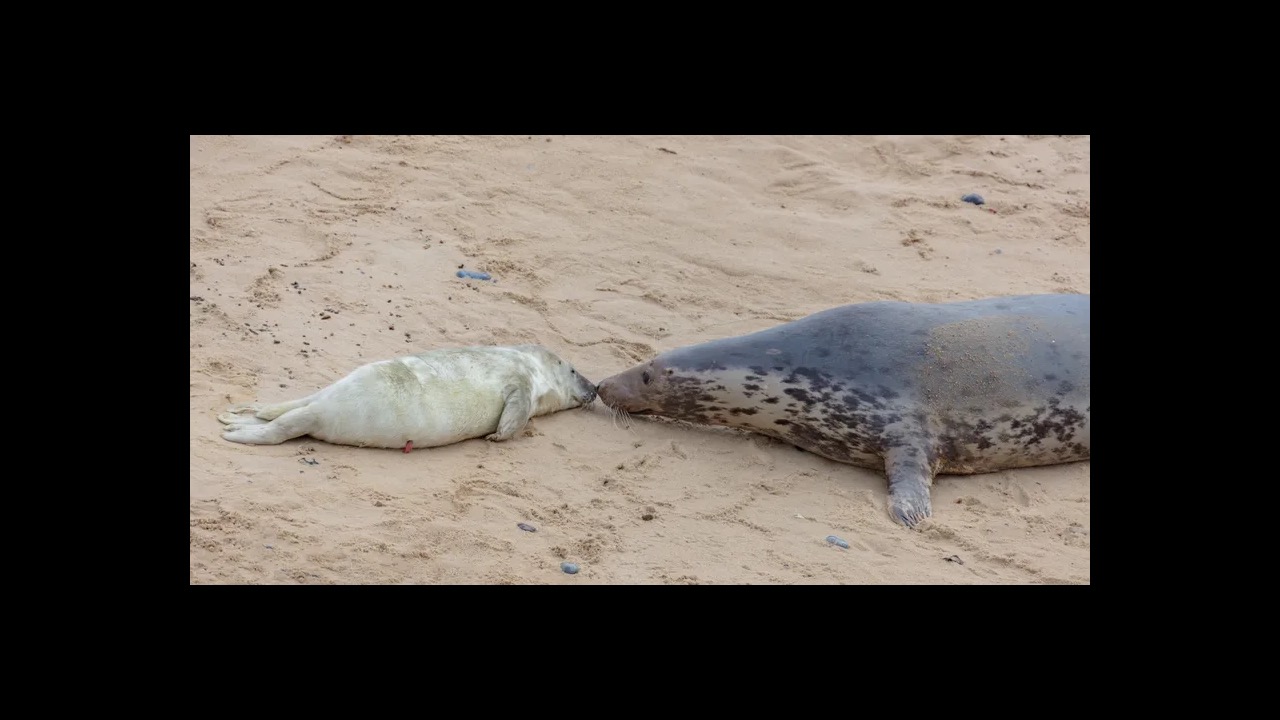
Photo: Diego Delso / Wikimedia Commons (CC BY-SA 4.0)
In brief
The grey seal (Halichoerus grypus) is a large North Atlantic seal named for its long, horse-like muzzle. It swims after fish, squid, and crustaceans along rocky coasts, islands, and ice edges, and a big bull can weigh up to 230 kg.
Also in Animals A to Z · Animals that start with G
By WARN Research & Conservation Team Last updated
The grey seal (Halichoerus grypus) is a large North Atlantic seal named for its long, horse-like muzzle. It swims after fish, squid, and crustaceans along rocky coasts, islands, and ice edges, and a big bull can weigh up to 230 kg. Powerful swimmers, grey seals reach about 24 km/h in the water and can live 25 to 35 years. The IUCN lists the species as Least Concern.
2.3 m
Typical length
230 kg
Typical weight
24 km/h
Top speed
35 yrs
Lifespan
Figures sourced from IUCN Red List — Halichoerus grypus, Wikipedia — Grey Seal, Wikidata — Grey Seal .
Grey Seal: Quick Facts
| Scientific name | Halichoerus grypus |
|---|---|
| Diet | Carnivore — fish, squid, and crustaceans |
| Habitat | North Atlantic coasts, islands, and ice edges |
| Lifespan | 25–35 years in the wild |
| Weight | 100–230 kg (220–510 lb); males larger |
| Top speed | Up to 24 km/h (15 mph) swimming |
| Conservation status | Least Concern (IUCN) |
Scientific Classification
| Kingdom | Animalia |
|---|---|
| Phylum | Chordata |
| Class | Mammalia |
| Order | Carnivora |
| Family | Phocidae |
| Genus | Halichoerus |
Conservation Status
- IUCN Status
- Least Concern (IUCN Red List category)
- Population
- Global population not compiled for this guide
- Trend
- See the IUCN Red List assessment
- Assessed
- See the IUCN Red List assessment
- CITES
- See CITES appendices
Conservation figures are drawn from the IUCN Red List and CITES; this guide links to the authoritative sources rather than restating population counts.
Key Facts: Grey Seal
- Grey seals are strong, agile swimmers, driving themselves through the water with their hind flippers at speeds of up to 24 km/h.
- As carnivores, grey seals take a wide range of fish, along with squid and crustaceans.
- Grey seals are easily confused with the smaller common (harbour) seal, but a few features set them apart.
Swimming and diving
Grey seals are strong, agile swimmers, driving themselves through the water with their hind flippers at speeds of up to 24 km/h. They routinely dive to depths of tens of metres and can stay submerged for well over ten minutes while hunting on or near the seabed. A thick layer of blubber keeps them warm in cold Atlantic water and stores energy for the breeding season. On land they are far clumsier, hauling out onto rocks and beaches to rest, moult, and breed.
Diet and hunting
As carnivores, grey seals take a wide range of fish, along with squid and crustaceans. Sandeels, cod, and other bottom-dwelling fish feature heavily in the diet, and prey choice shifts with the seasons and what is locally abundant. Sensitive whiskers help them detect the movements of fish in dark or murky water. A large adult may eat several kilograms of food each day to fuel its bulk.
Telling grey seals apart
Grey seals are easily confused with the smaller common (harbour) seal, but a few features set them apart. The grey seal has a long, straight, horse-like muzzle with nostrils that sit almost parallel, whereas the common seal has a shorter, dog-like face and V-shaped nostrils. Grey seals are also noticeably bigger, with bulls far larger than cows. Coat patterns are blotchy rather than neatly spotted.
Breeding colonies and pups
Grey seals gather in large, noisy colonies to breed, with bulls competing to control stretches of beach and the females on them. Each cow gives birth to a single pup with a fluffy white coat, which she nurses on extremely rich milk. The pup piles on weight rapidly over about three weeks, then is weaned abruptly and left to moult its white fur and take to the sea on its own. Adults may live 25 to 35 years, so a colony contains many long-established animals.
Where grey seals live
Grey seals are animals of North Atlantic coasts, islands, and ice edges, on both the European and North American sides of the ocean. The coasts of Britain and Ireland are a global stronghold, holding a large share of the world's grey seals, which makes them a familiar sight to UK sea-watchers. They favour remote rocky shores, sandbanks, and offshore islands where they can haul out undisturbed. Individuals may range widely at sea between these haul-out sites.
Conservation
The grey seal is listed as Least Concern by the IUCN, and numbers in the North Atlantic have generally been stable or increasing. In Britain the species is legally protected, and its populations have grown since the days of heavy hunting. Entanglement in fishing gear, disturbance at breeding beaches, and conflict with fisheries remain the main concerns. Careful monitoring of colonies helps track the health of the wider population.
What WARN Does
WARN does not run a dedicated grey seal programme — this guide is part of the World Animal Rescue Network's free educational library. The grey seal is currently widespread and not globally threatened, and this guide helps readers understand the pressures that can change that. Building public understanding of species like the grey seal supports the broader conservation awareness that underpins WARN's partner-led rescue work across its network.
If clear, science-based wildlife guides like this help you understand and value animals, please consider supporting the World Animal Rescue Network's educational and rescue work so we can keep producing them.
Grey Seal: Frequently Asked Questions
How fast can a grey seal swim?
What do grey seals eat?
How can you tell a grey seal from a common seal?
How big do grey seals get?
Where do grey seals live in the UK?
How long do grey seals live?
Are grey seals dangerous?
Sources & References
Population figures, conservation status and biological facts on this page are drawn from authoritative scientific and intergovernmental sources.
Terms used on this page
Plain-English definitions, from our wildlife and conservation glossary.
Latest Grey Seal Stories
Quick, fact-checked reads on the grey seal — amazing facts, key questions and the threats it faces.
Species
12 Amazing Facts About Grey Wolves (And Why Alpha Wolves Aren't Real)
A howl that carries 16 km, a pack that is really a family, and the debunked study behind the 'alpha wolf' myth. Twelve verified facts.
Read the storySpecies
12 Amazing Facts About Flamingos (They Are Born Grey and Eat Upside Down)
Pink from diet, a bill that filters upside down, and milk produced by both parents. Twelve verified flamingo facts.
Read the storySpecies
12 Amazing Facts About Beavers (Iron in Their Teeth, and They Rebuild Rivers)
Orange iron-hardened incisors, transparent eyelids, and a keystone role that reduces flooding and drought. Twelve facts.
Read the storyExplore more animals
Discover more animals, their habitats and their conservation status in the WARN wildlife-guide library.
Enjoyed this Grey Seal guide?
Receive appeal updates, animal-welfare news and published funding reports. Unsubscribe any time.
We only use your address for WARN updates. See our privacy policy.