Wildlife Guide · Africa & Europe
Canary
Serinus canaria
The singing island finch of parlours worldwide
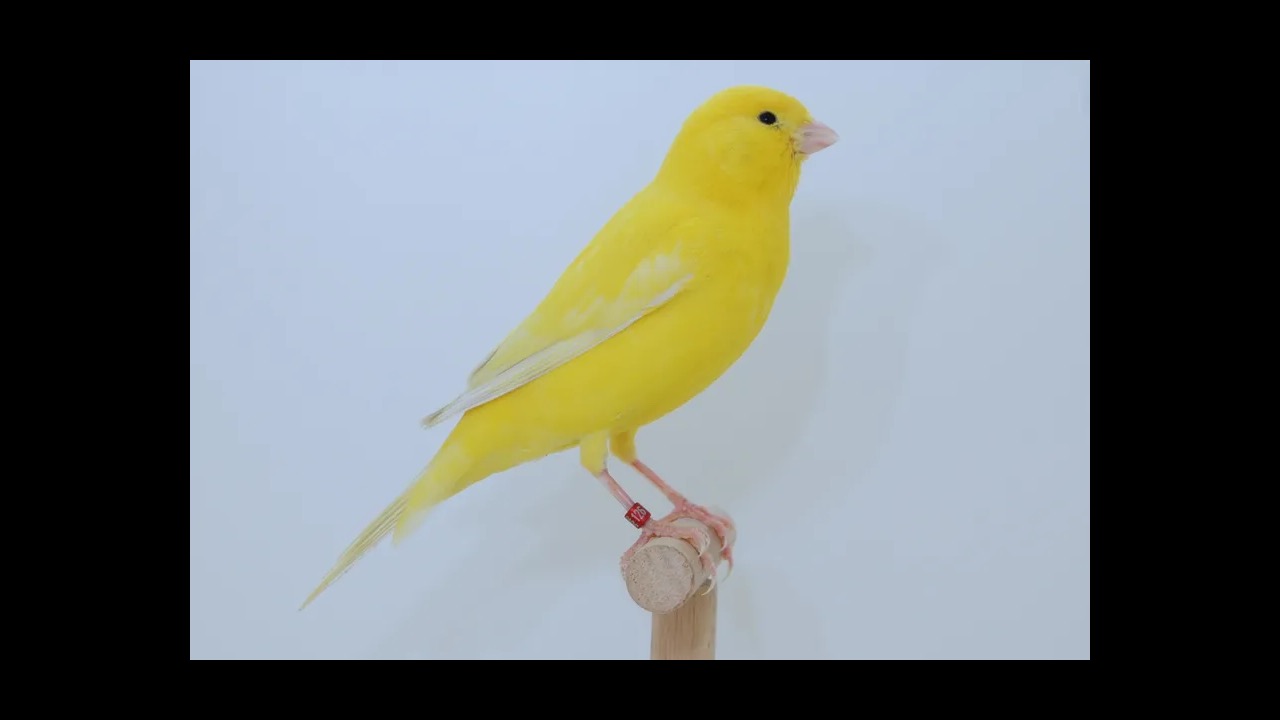
Photo: NEWSchr / Wikimedia Commons (CC BY-SA 4.0)
In brief
Canaries are domesticated songbirds descended from wild Atlantic canaries of the Canary Islands, Madeira, and the Azores. Bred for centuries for colour and song, they weigh 15–25 g (0.5–0.9 oz) and are kept in millions of households — while wild populations on their native islands remain Least Concern.
Also in Animals A to Z · Animals that start with C
By WARN Research & Conservation Team Last updated
Canaries are domesticated songbirds descended from wild Atlantic canaries of the Canary Islands, Madeira, and the Azores. Bred for centuries for colour and song, they weigh 15–25 g (0.5–0.9 oz) and are kept in millions of households — while wild populations on their native islands remain Least Concern.
0.13 m
Typical length
20 g
Typical weight
40 km/h
Top speed
10 yrs
Lifespan
Figures sourced from IUCN Red List .
Canary: Quick Facts
| Scientific name | Serinus canaria |
|---|---|
| Diet | Herbivore — seeds, greens, and egg food during breeding |
| Habitat | Domestic cages and aviaries; wild on Atlantic islands |
| Lifespan | 7–12 years in captivity; similar in the wild |
| Weight | 15–25 g (0.5–0.9 oz) |
| Top speed | Active flier in aviaries; wild birds migrate locally |
| Conservation status | Domesticated (IUCN) |
Scientific Classification
| Kingdom | Animalia |
|---|---|
| Phylum | Chordata |
| Class | Aves |
| Order | Passeriformes |
| Family | Fringillidae |
| Genus | Serinus |
Conservation Status
- IUCN Status
- Domesticated species (not a wild IUCN category)
- Population
- Global population not compiled for this guide
- Trend
- See the IUCN Red List assessment
- Assessed
- See the IUCN Red List assessment
- CITES
- See CITES appendices
Conservation figures are drawn from the IUCN Red List and CITES; this guide links to the authoritative sources rather than restating population counts.
Key Facts: Canary
- Spanish and European breeders selected canaries for song quality from the 1500s onward, producing roller, timbrado, and American singer varieties with distinct melodies.
- Wild Serinus canaria on the Canary Islands, Madeira, and the Azores are streaky greenish-yellow finches of open woodland and coast.
- Canaries were used in British coal mines until 1986 to detect carbon monoxide — birds succumb to toxic gas faster than humans, giving miners warning to evacuate.
Domestication for song
Spanish and European breeders selected canaries for song quality from the 1500s onward, producing roller, timbrado, and American singer varieties with distinct melodies. Male canaries sing to defend territory and attract mates — hens chirp but typically do not produce elaborate song.
Wild Atlantic canary
Wild Serinus canaria on the Canary Islands, Madeira, and the Azores are streaky greenish-yellow finches of open woodland and coast. They were trapped and exported until captive breeding supplanted wild collection. Island populations remain secure.
Coal mine sentinel
Canaries were used in British coal mines until 1986 to detect carbon monoxide — birds succumb to toxic gas faster than humans, giving miners warning to evacuate. The phrase 'canary in a coal mine' now means an early warning indicator for any danger.
Modern pet care
Pet canaries need spacious cages, varied seed diet with fresh greens, and safe flying time. Colour-fed red factors require dietary carotenoids. They are hardy but sensitive to drafts, fumes, and sudden diet changes — popular beginner birds when basic needs are met.
What WARN Does
WARN does not run a dedicated canary programme — this guide is part of the World Animal Rescue Network's free educational library. The canary is a domesticated animal rather than a wild-rescue species, but understanding its needs supports responsible animal welfare. Building public understanding of species like the canary supports the broader conservation awareness that underpins WARN's partner-led rescue work across its network.
If clear, science-based wildlife guides like this help you understand and value animals, please consider supporting the World Animal Rescue Network's educational and rescue work so we can keep producing them.
Canary: Frequently Asked Questions
Do only male canaries sing?
Where do wild canaries live?
Why were canaries used in coal mines?
How long do canaries live?
Are canaries finches?
What do canaries eat?
Are canaries dangerous?
How big is a canary?
Sources & References
Population figures, conservation status and biological facts on this page are drawn from authoritative scientific and intergovernmental sources.
Terms used on this page
Plain-English definitions, from our wildlife and conservation glossary.
Latest Canary Stories
Quick, fact-checked reads on the canary — amazing facts, key questions and the threats it faces.
Guides
Pangolin Species Explained: All Eight of the World's Most Trafficked Mammal
There are eight pangolin species — four in Africa and four in Asia. All eight are trafficked. Here is the briefing.
Read the storySpecies
Tiger vs Lion: 7 Key Differences Between the Two Biggest Cats
Tigers are bigger, stripier and solitary; lions are social and live in prides. Here's how the two largest cats really differ in size, habitat and behaviour.
Read the storySpecies
Asian vs African Elephant: 7 Key Differences
Ears, back shape, tusks and size all set Asian and African elephants apart. Here is a clear, science-backed guide to telling the world's three elephant species apart.
Read the storyExplore more animals
Discover more animals, their habitats and their conservation status in the WARN wildlife-guide library.
Enjoyed this Canary guide?
Receive appeal updates, animal-welfare news and published funding reports. Unsubscribe any time.
We only use your address for WARN updates. See our privacy policy.