Region
Animals in Asia
Asia holds many of the species most affected by wildlife trafficking, pet trade demand and habitat loss. This collection gathers 185 WARN guides to animals found across South Asia, Southeast Asia and nearby range countries.
By WARN Research & Conservation Team Last updated
This collection links to 185 sourced WARN guides with conservation status, key facts, threats, FAQs and references.
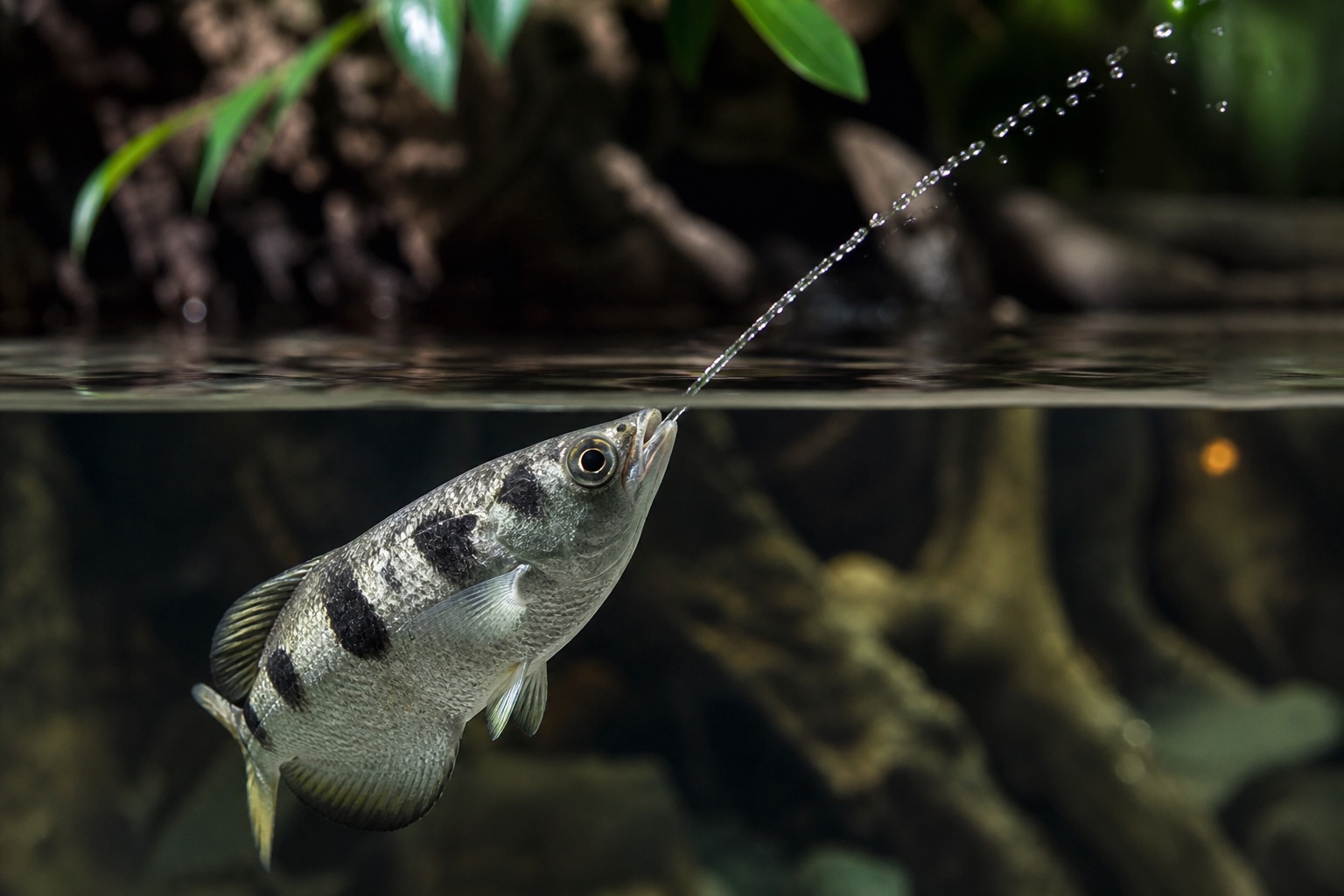
Least Concern — mangrove and estuary habitats under pressure across Southeast Asia
Archerfish
Toxotes jaculatrix (Pallas, 1767) — family Toxotidae
The banded archerfish (Toxotes jaculatrix) is a brackish-water fish of Indo-Pacific mangroves that knocks down aerial prey by spitting a targeted water jet, compensating for optical refraction at the surface; it grows to about 20–30 cm and is listed as Least Concern.
Read the guide →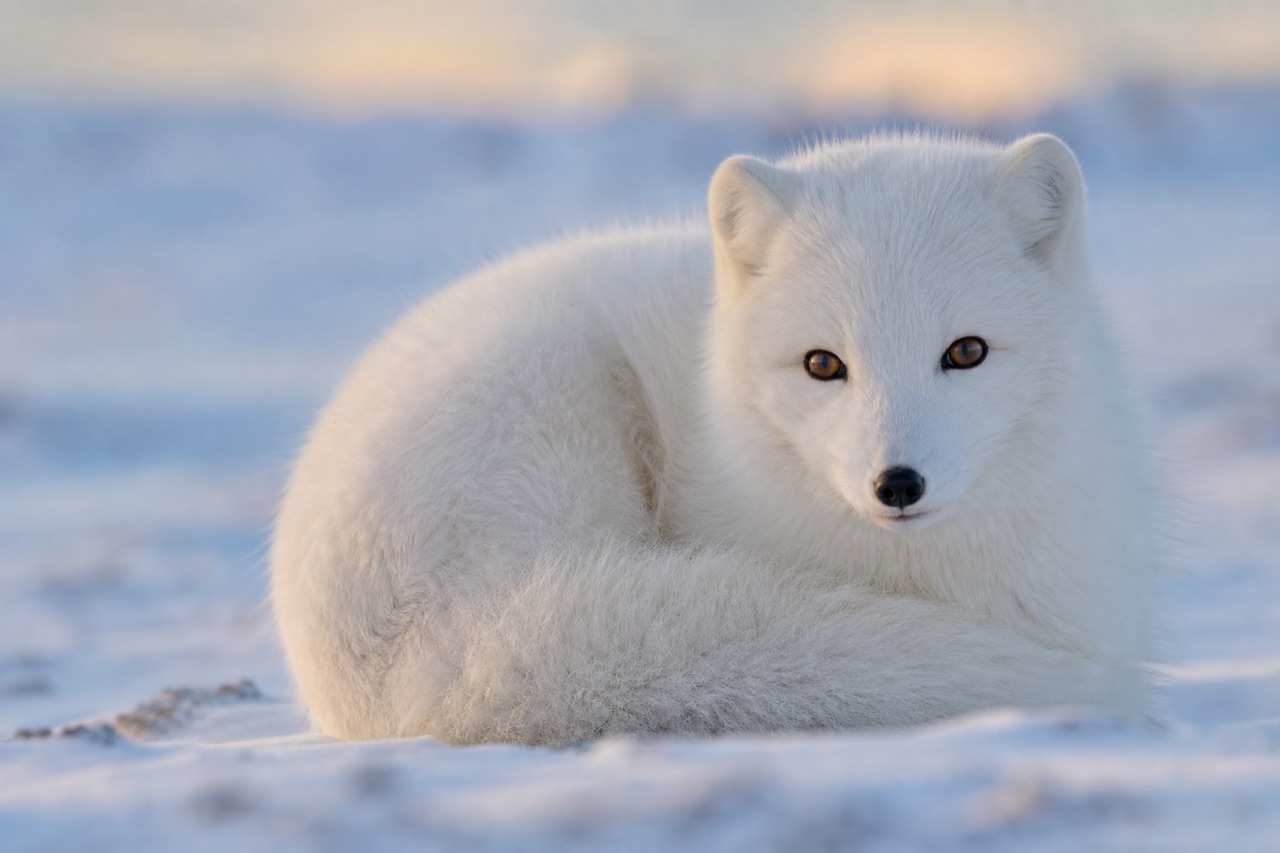
Least Concern globally; the Scandinavian population remains critically small
Arctic Fox
Vulpes lagopus (Linnaeus, 1758) — family Canidae
The Arctic fox (Vulpes lagopus) has the warmest coat of any mammal, does not begin shivering until around −40°C, and changes from a brown-grey summer coat to thick white winter fur; its main modern threat is the red fox expanding north.
Read the guide →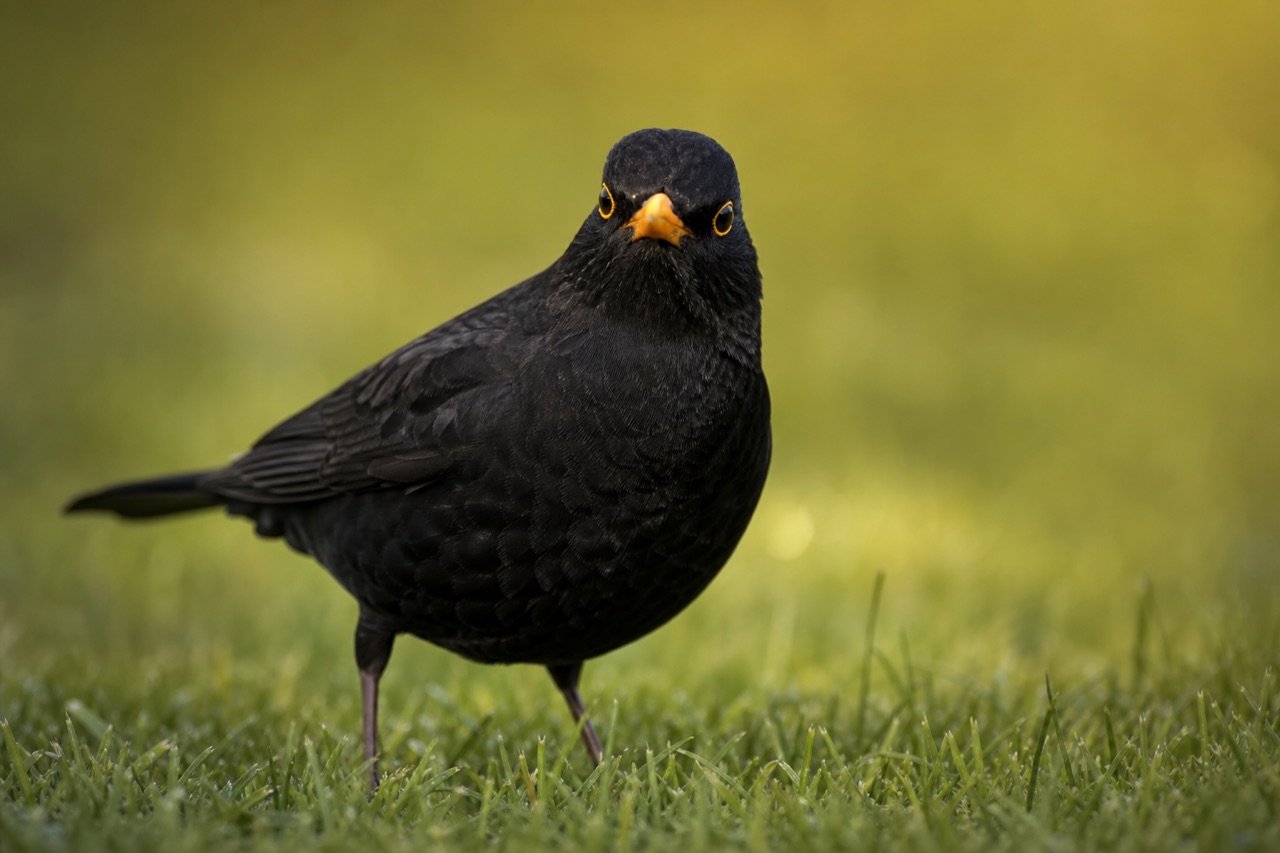
Least Concern — abundant in gardens; nests suffer heavy predation from cats
Blackbird
Turdus merula (Linnaeus, 1758) — family Turdidae
The Eurasian blackbird (Turdus merula) is a common British garden thrush; males are black with an orange bill, females are brown, and pairs nest in hedges and shrubs while feeding on worms, insects and berries — with domestic cats among the main causes of nest failure.
Read the guide →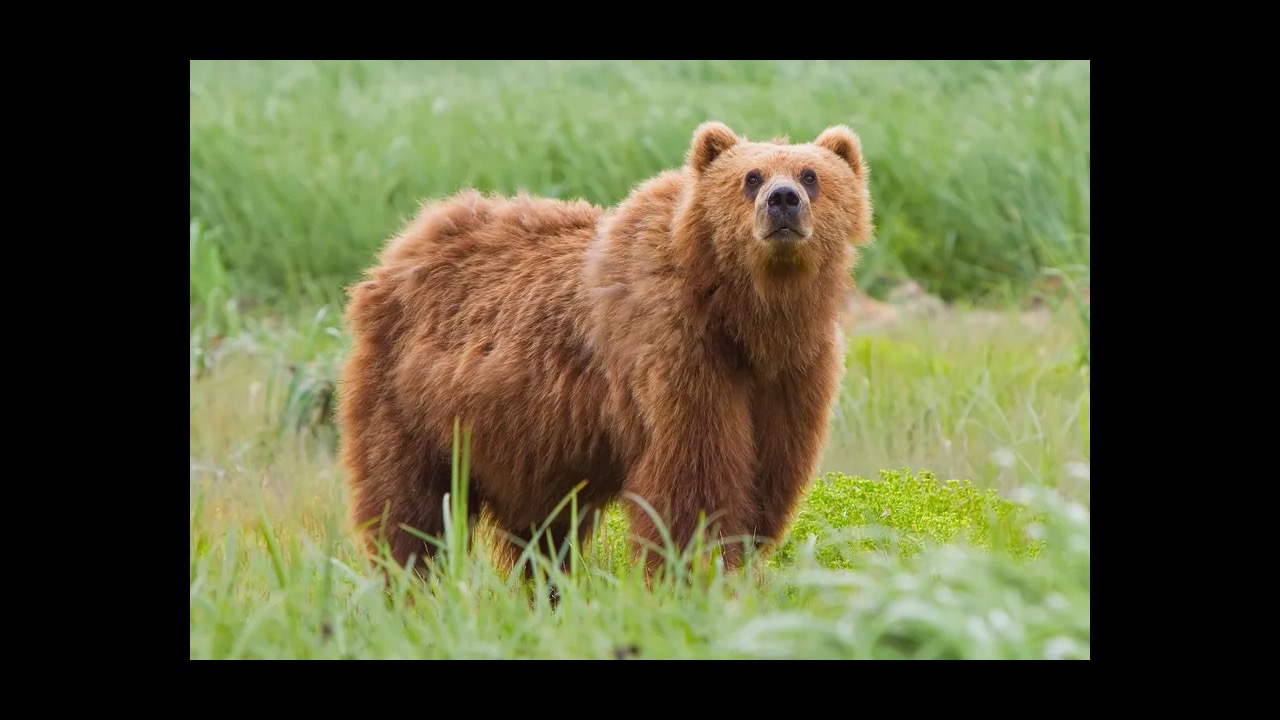
Least Concern
Brown Bear
Ursus arctos
The brown bear is one of the world's largest land carnivores, found across North America, Europe, and Asia. Adults typically weigh 130–360 kg (290–800 lb), run up to 56 km/h (35 mph), and hibernate through winter in dens.
Read the guide →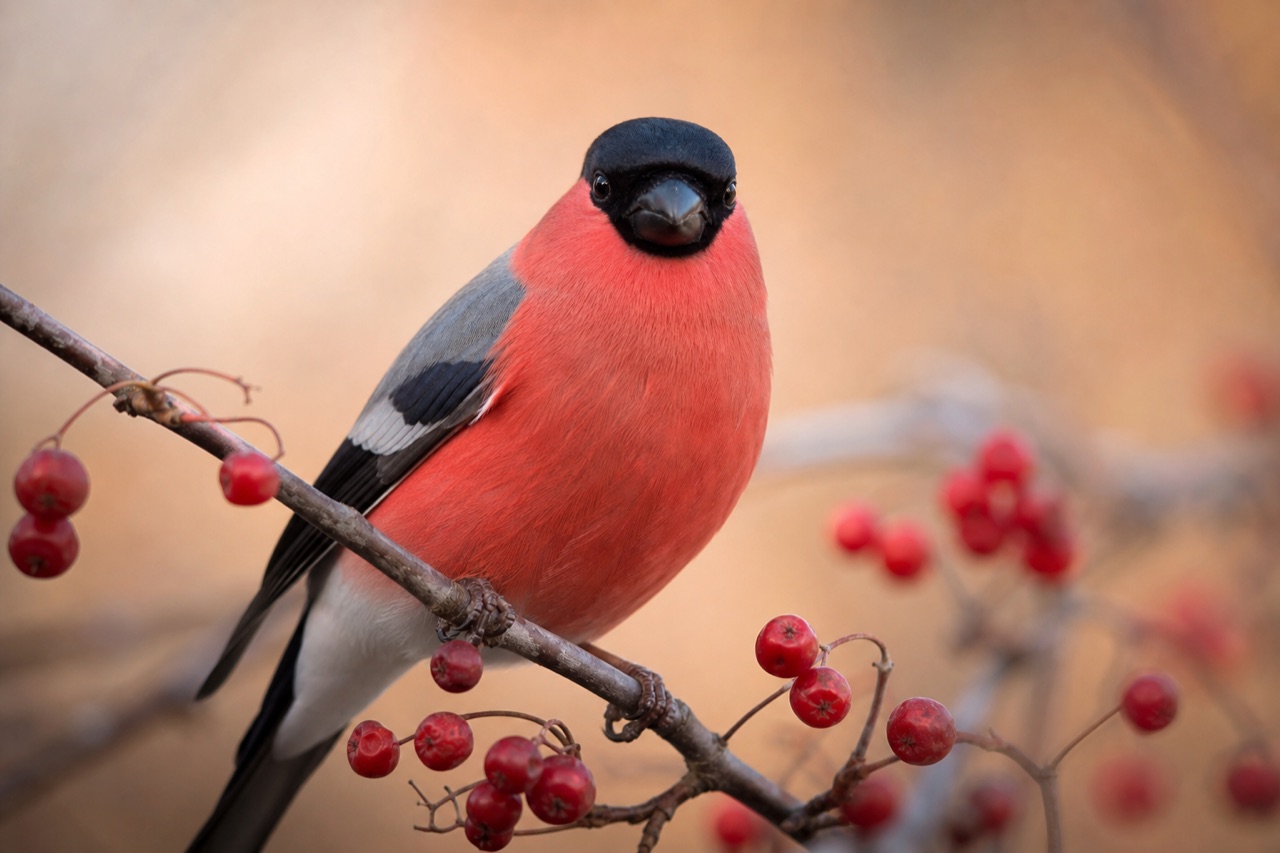
Least Concern — shy garden visitor; orchard bud-feeding brings local conflict
Bullfinch
Pyrrhula pyrrhula (Linnaeus, 1758) — family Fringillidae
The bullfinch (Pyrrhula pyrrhula) is a shy, rosy-pink finch with a broad bill adapted for clipping fruit-tree buds in late winter; it visits gardens near scrub and orchards locally rather than abundantly, and orchard bud damage brings historical conflict with fruit growers.
Read the guide →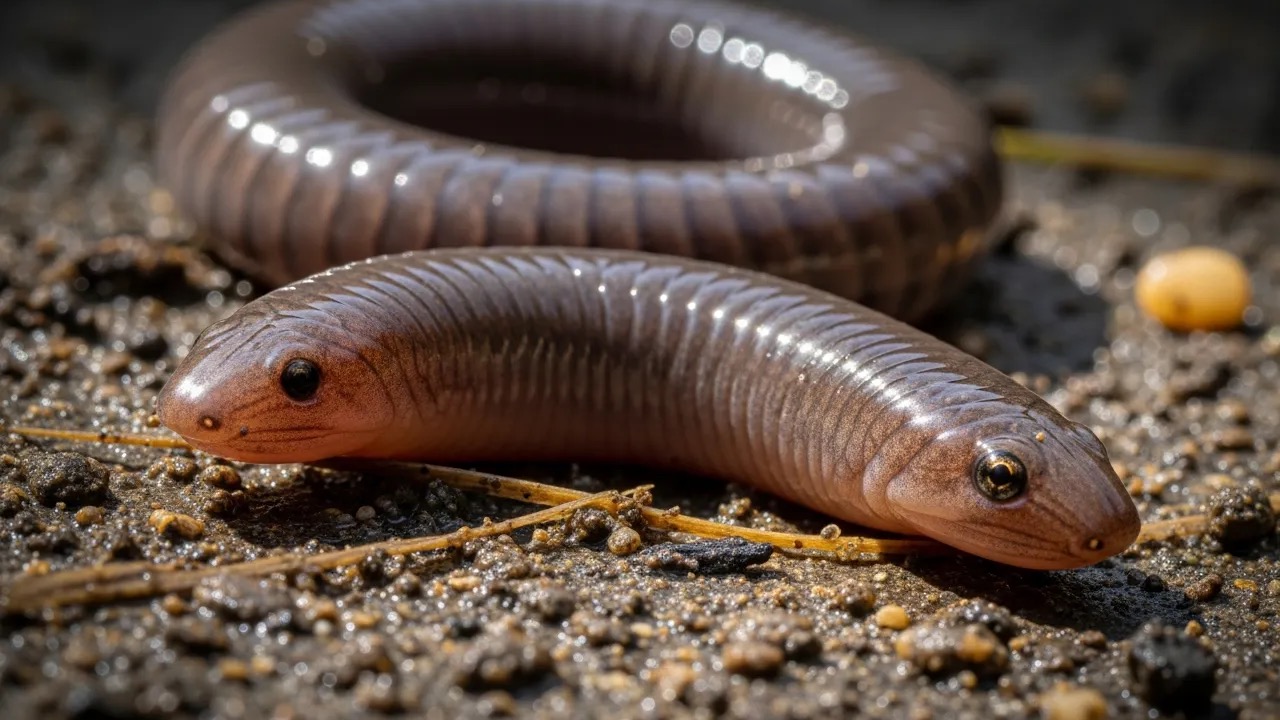
Least Concern
Caecilian
Gymnophiona
Caecilians are a group of limbless, worm-like amphibians that live mostly hidden in damp soil and leaf litter across the tropics of Africa, Asia, and the Americas. They range from a few centimeters to over 1.5 m (5 ft) long, have tiny or skin-covered eyes, and rely on a pair of sensory tentacles to find prey underground.
Read the guide →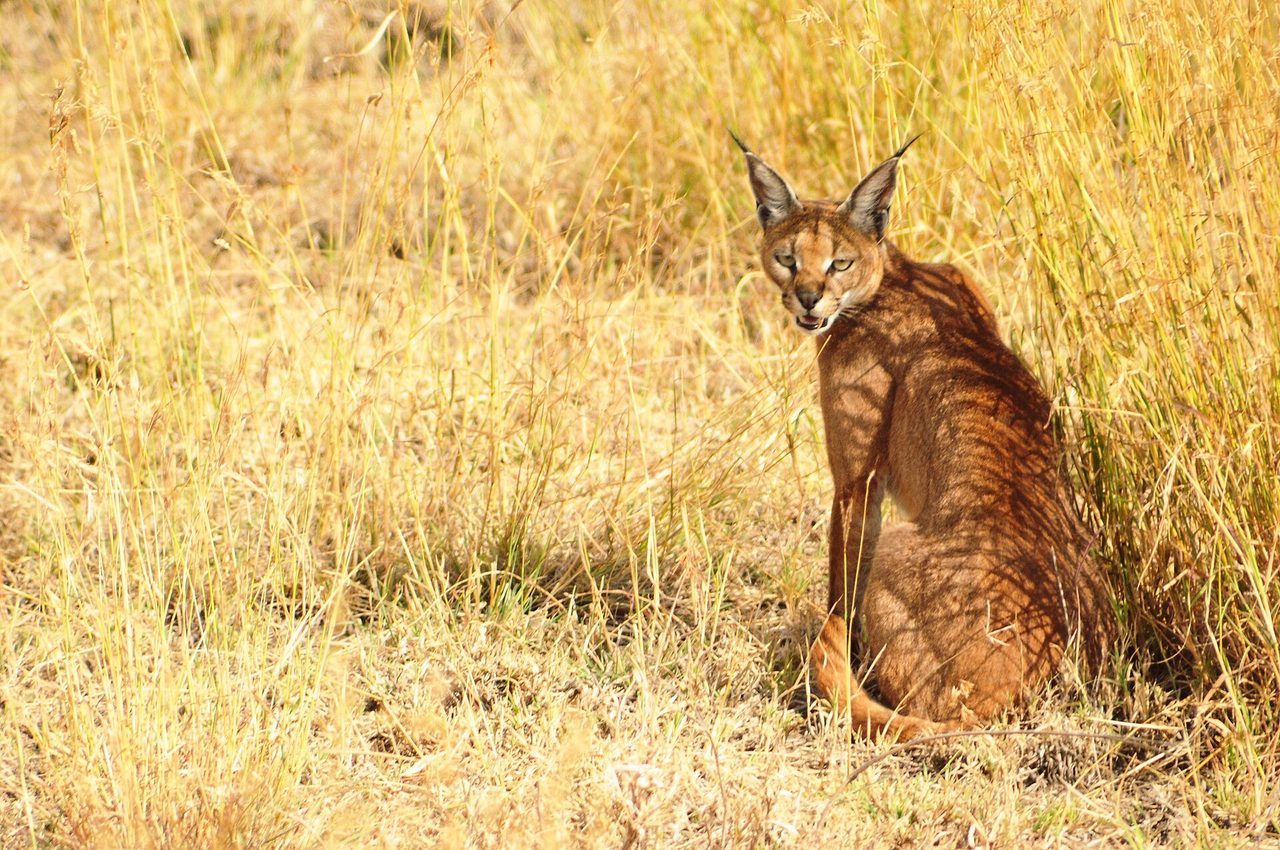
Least Concern (IUCN 2016) — CITES I in Asia, II in Africa; nationally listed CR in Pakistan and Morocco
Caracal
Caracal caracal (Schreber, 1776)
A caracal (Caracal caracal) is a medium wild cat of Africa and western Asia, not a true lynx. IUCN listed it Least Concern in 2016. Asian populations are CITES Appendix I; African populations are Appendix II. Least Concern is not a licence to keep one as a pet. WARN does not run caracal programmes.
Read the guide →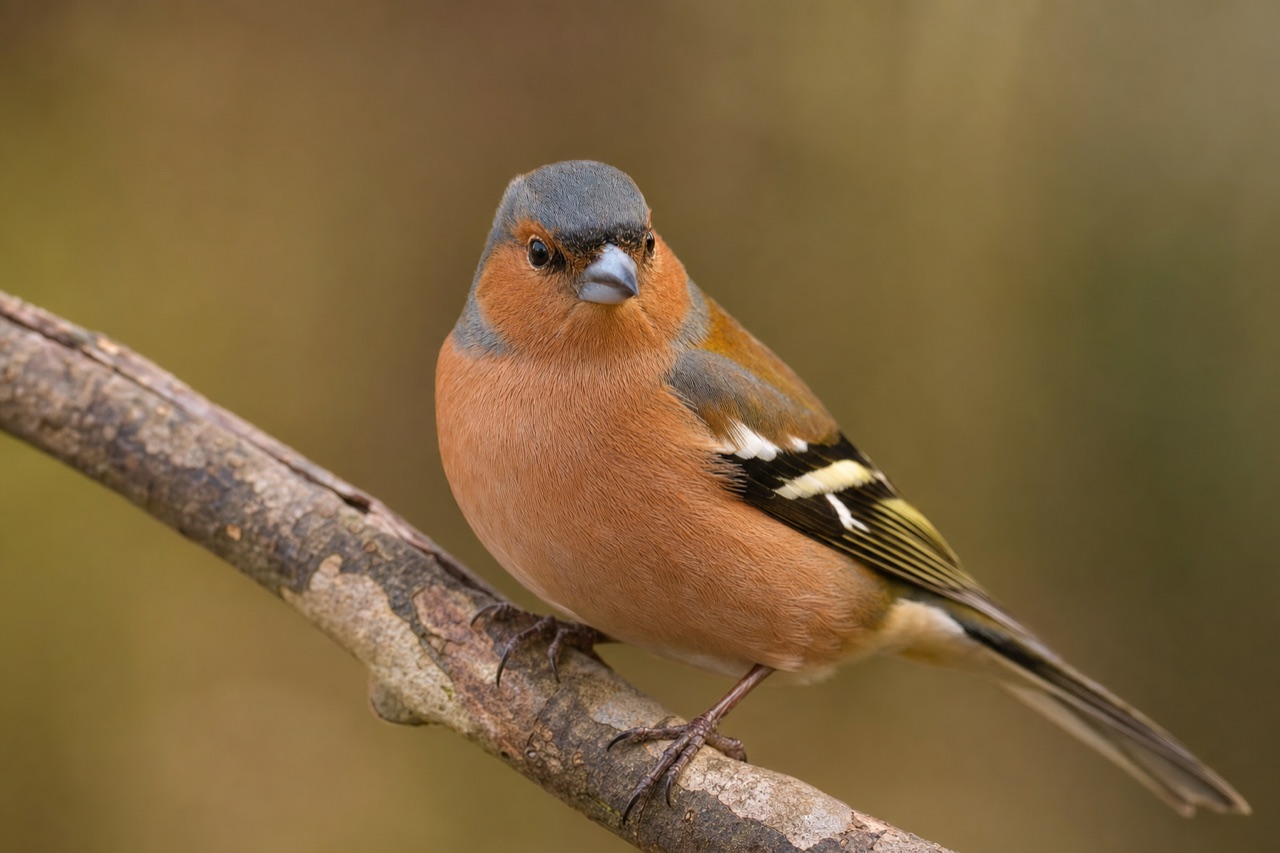
Least Concern — Britain's commonest finch; feeder spillage specialist
Chaffinch
Fringilla coelebs (Linnaeus, 1758) — family Fringillidae
The chaffinch (Fringilla coelebs) is Britain's commonest finch — a pink-breasted male in spring, brown female year-round, feeding on invertebrates in summer and seed beneath garden feeders in winter, with a loud cascading song from treetops.
Read the guide →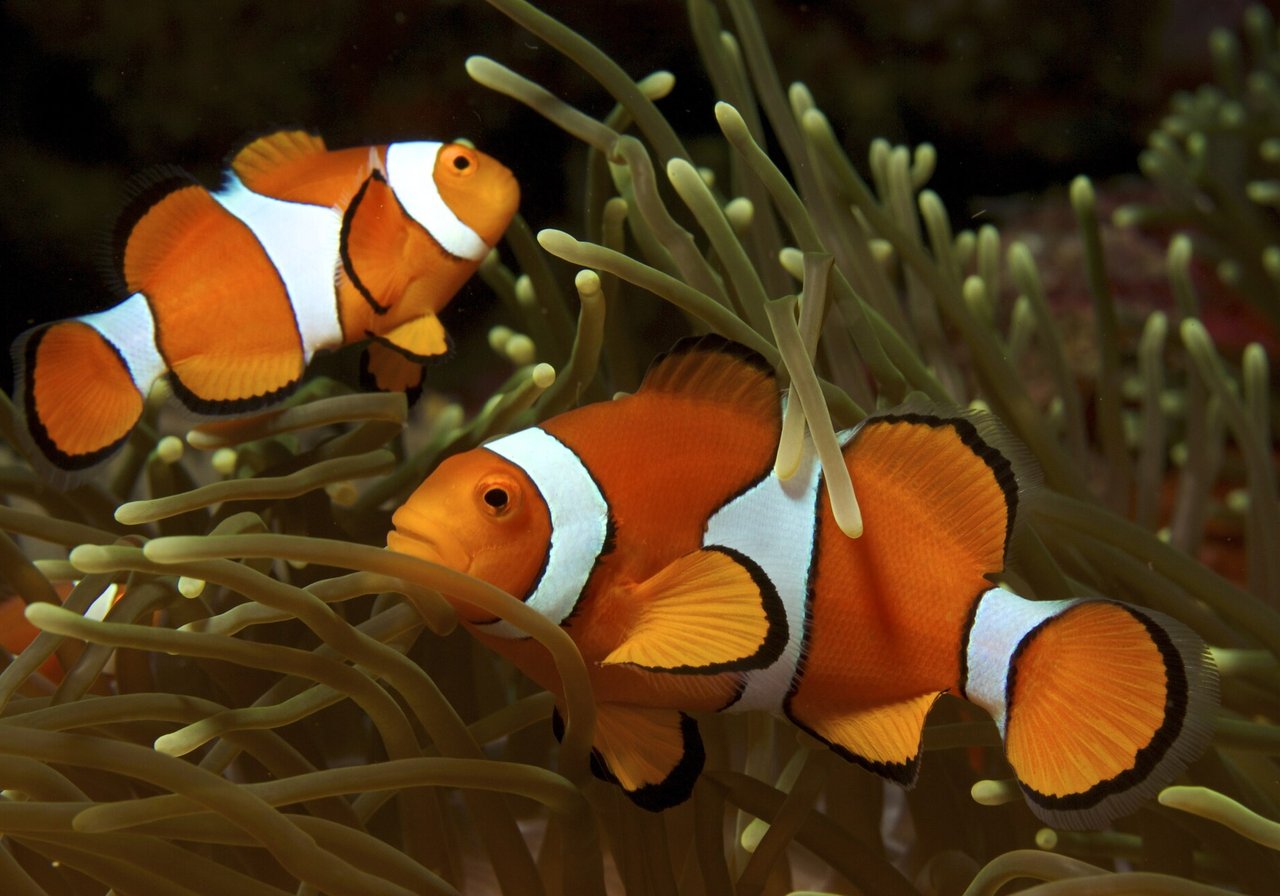
Least Concern (IUCN 2021) — reef- and anemone-dependent; not a hatchery free-for-all
Clownfish
Amphiprion ocellaris (Cuvier, 1830) — genus Amphiprion, about 30 anemonefish species
The ocellaris clownfish (Amphiprion ocellaris) is an Indo-Pacific anemonefish listed Least Concern by IUCN in 2021. About 30 Amphiprion species exist. They live in host anemones, change sex from male to female, and depend on reefs. Least Concern is not a wild-collection permit. WARN does not run clownfish programmes.
Read the guide →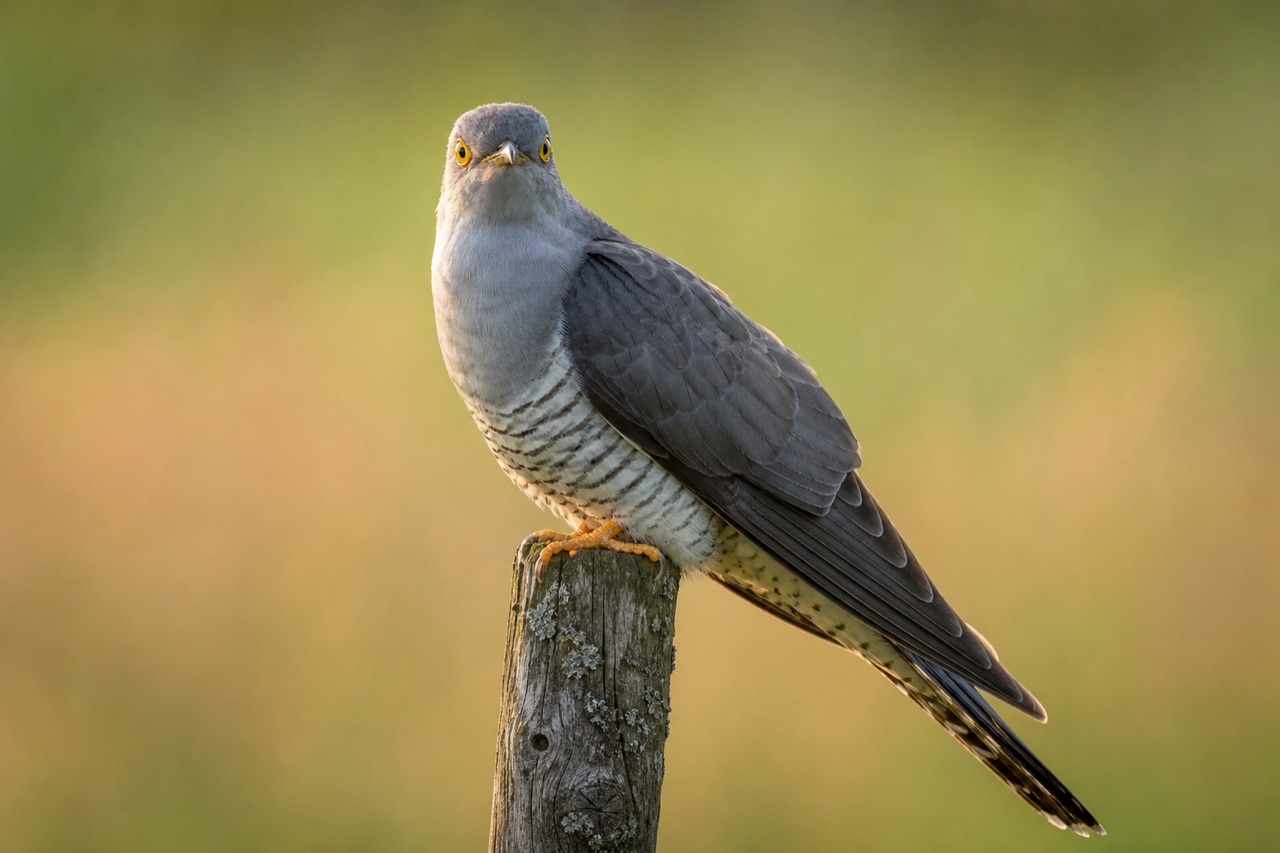
Least Concern globally — Red-listed in Britain after steep breeding decline
Cuckoo
Cuculus canorus (Linnaeus, 1758) — family Cuculidae
The common cuckoo (Cuculus canorus) is a brood-parasitic migrant whose male's two-note call marks British spring; females lay in other birds' nests, and British breeding numbers have declined steeply — Red-listed — linked to caterpillar loss and migration pressures.
Read the guide →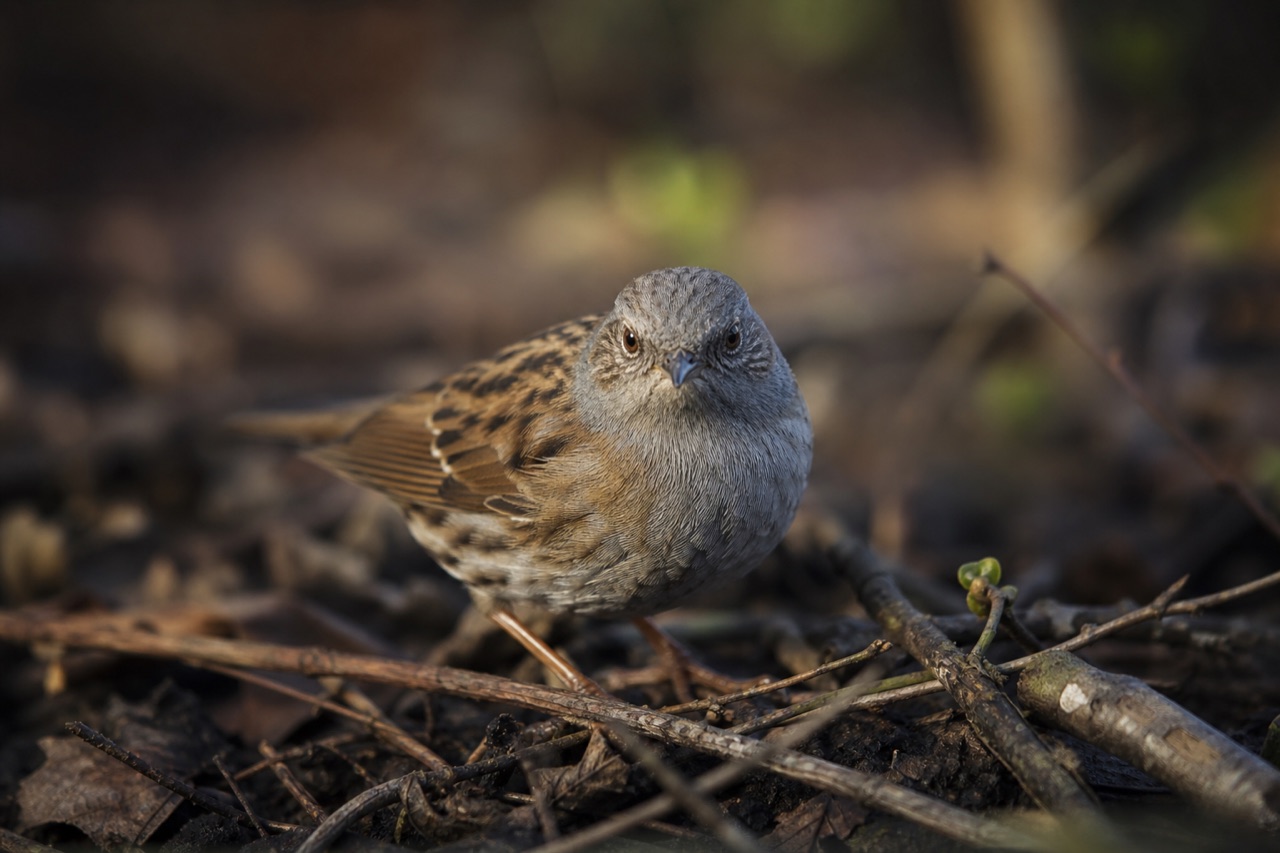
Least Concern — the quiet hedge bird with complicated breeding behaviour
Dunnock
Prunella modularis (Linnaeus, 1758) — family Prunellidae
The dunnock (Prunella modularis) is a small streaky brown hedge bird that forages on the ground beneath garden shrubs, sings a thin reeling warble, and is known for complex breeding arrangements — multiple males or females sharing territories — while depending on dense cover and cat-safe hedges.
Read the guide →
Family overview — status varies; greenfinch declined from trichomonosis, chaffinch and goldfinch remain common
Finch
Fringillidae — family of seed-eating passerines including Fringilla, Carduelis, Pyrrhula and related genera
Finches are seed-eating birds in the family Fringillidae with conical bills adapted for husking seeds; British garden species include chaffinch, goldfinch, greenfinch and bullfinch, with population trends varying from abundant to disease-affected.
Read the guide →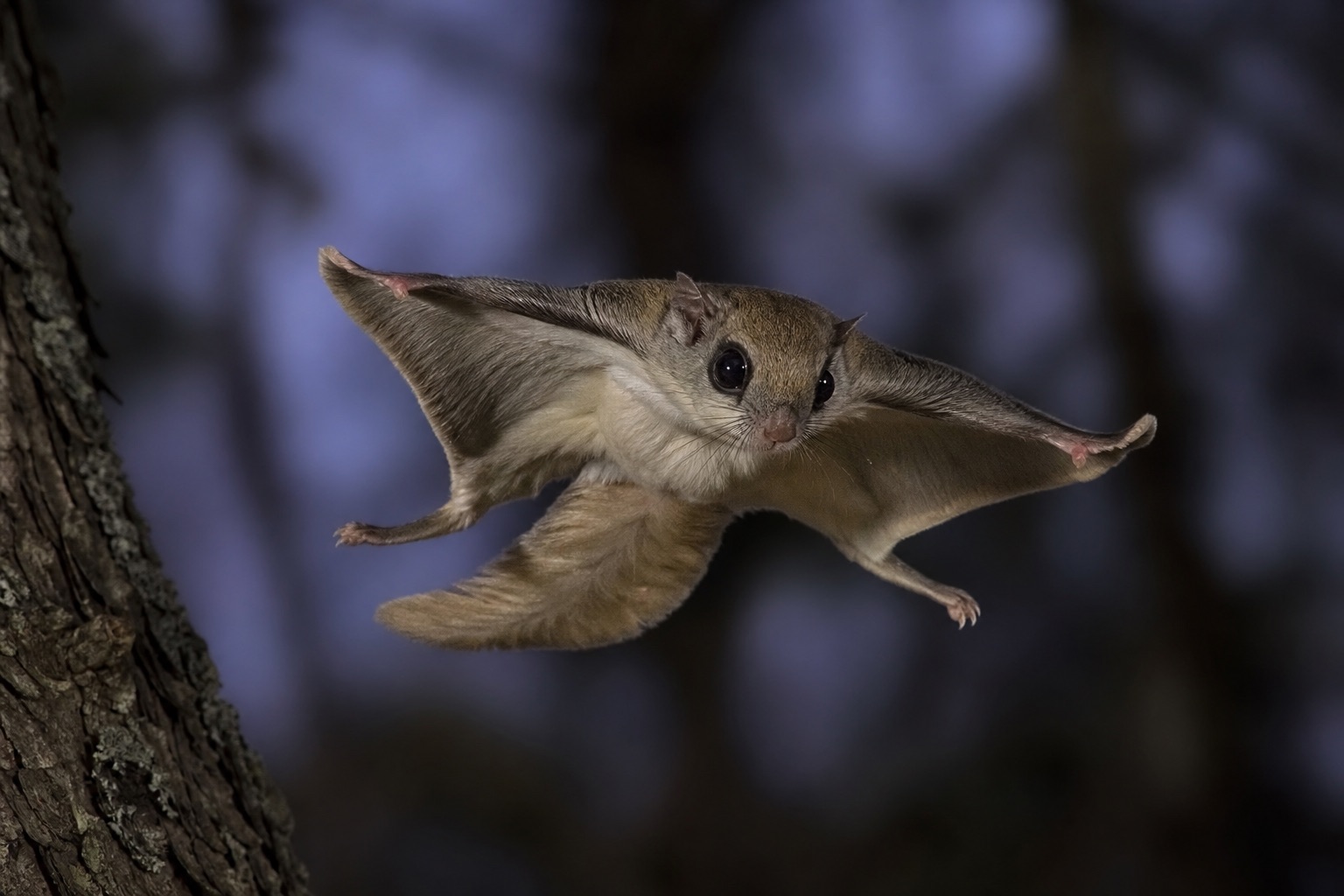
Varies by species — North American Glaucomys species Least Concern; some Asian giants threatened
Flying Squirrel
Tribe Pteromyini — over 50 species in the squirrel family Sciuridae
Flying squirrels are over 50 species of nocturnal gliding rodents with a skin membrane between wrists and ankles; they cannot truly fly, and a 2019 study found that all three North American Glaucomys species fluoresce pink under ultraviolet light.
Read the guide →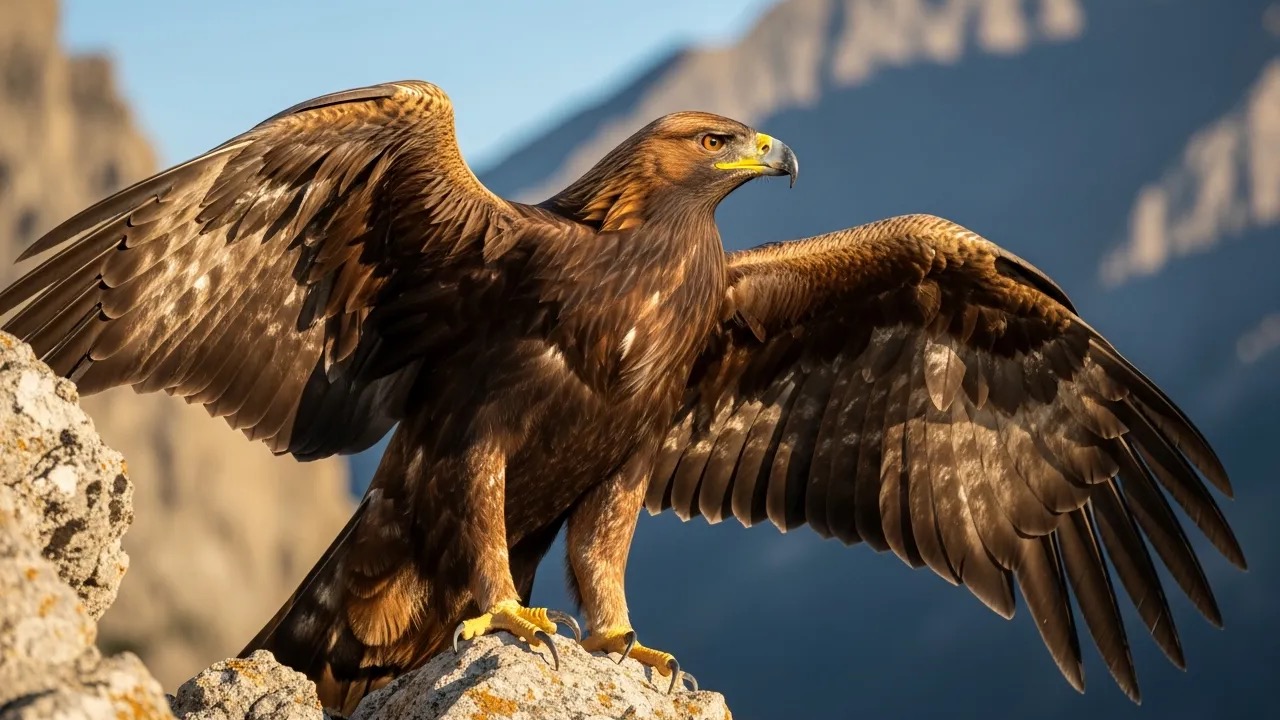
Least Concern
Golden Eagle
Aquila chrysaetos
The golden eagle (Aquila chrysaetos) is one of the largest and fastest birds of prey, found across the mountains, open hills, and tundra of the Northern Hemisphere. It weighs around 4.5 kg with a wingspan of 1.8 to 2.3 m, and in a hunting dive it can exceed 240 km/h (150 mph).
Read the guide →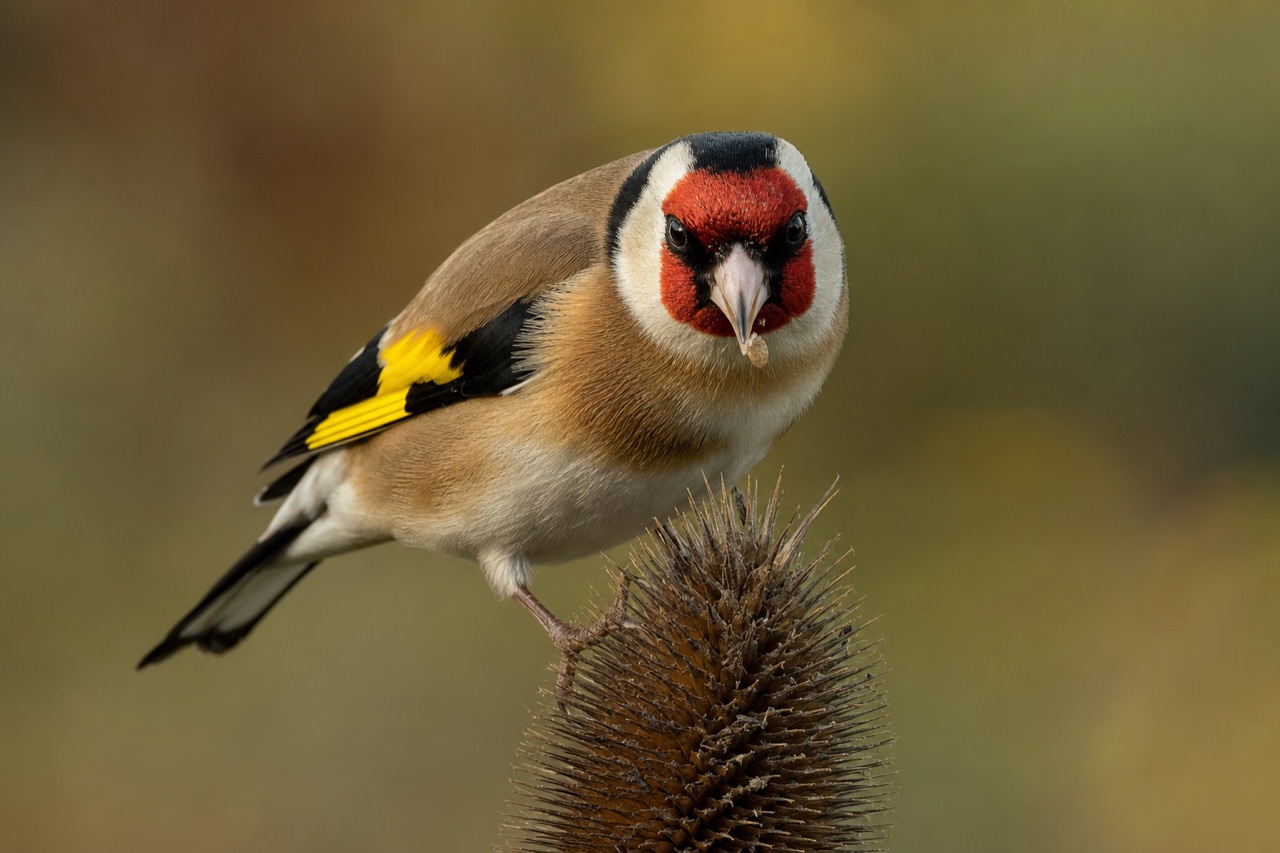
Least Concern — increasing in British gardens where nyjer and sunflower feeders are provided
Goldfinch
Carduelis carduelis (Linnaeus, 1758) — family Fringillidae
The European goldfinch (Carduelis carduelis) is a seed-eating finch with a red face and yellow wing bars; in Britain it has increased in gardens where nyjer and sunflower feeders are provided, nesting high in trees while feeding in sociable flocks at specialist seed feeders.
Read the guide →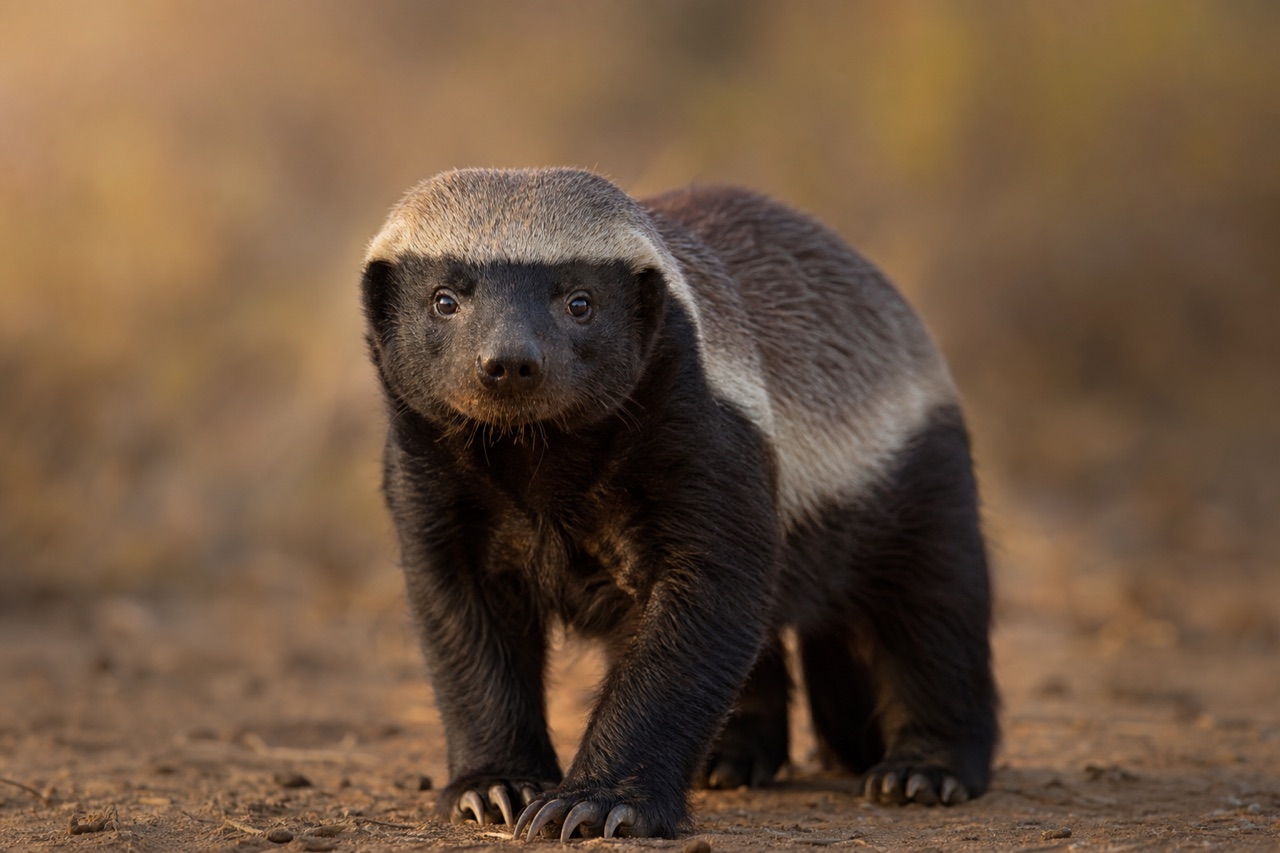
Least Concern — widespread but persecuted and declining locally
Honey Badger
Mellivora capensis (Schreber, 1776) — family Mustelidae
The honey badger (Mellivora capensis) is a stocky African and Asian mustelid with exceptionally thick, loose skin that lets it twist within its own hide when gripped, a partial tolerance to snake venom, and well-documented problem-solving and escape ability.
Read the guide →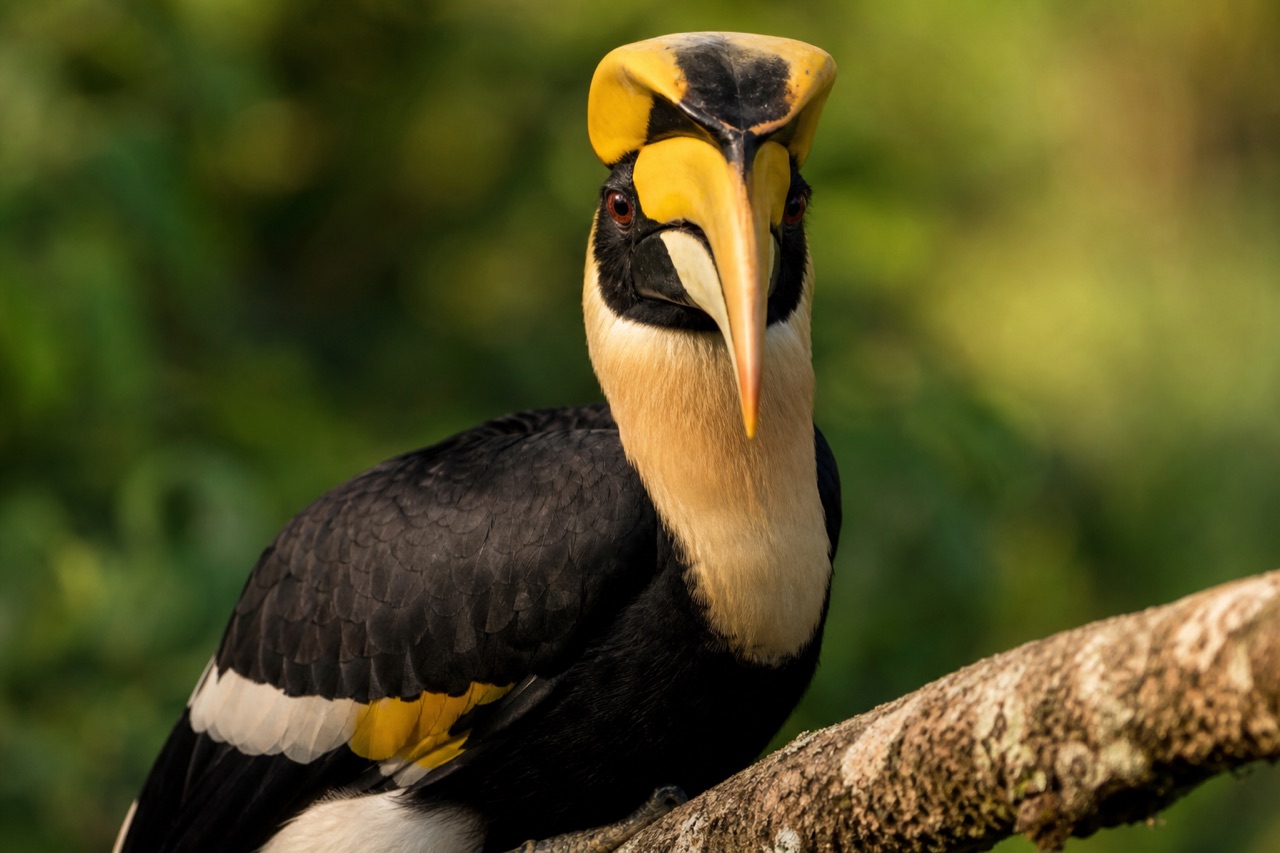
Family overview — status varies; several species Vulnerable to Critically Endangered from forest loss
Hornbill
Bucerotidae — family of tropical birds including Buceros, Anthracoceros and related genera
Hornbills are tropical forest birds of Africa and Asia with massive casqued bills; females seal themselves in tree-cavity nests, species disperse forest seeds, and family status ranges from Least Concern to Critically Endangered through logging, hunting and casque trade.
Read the guide →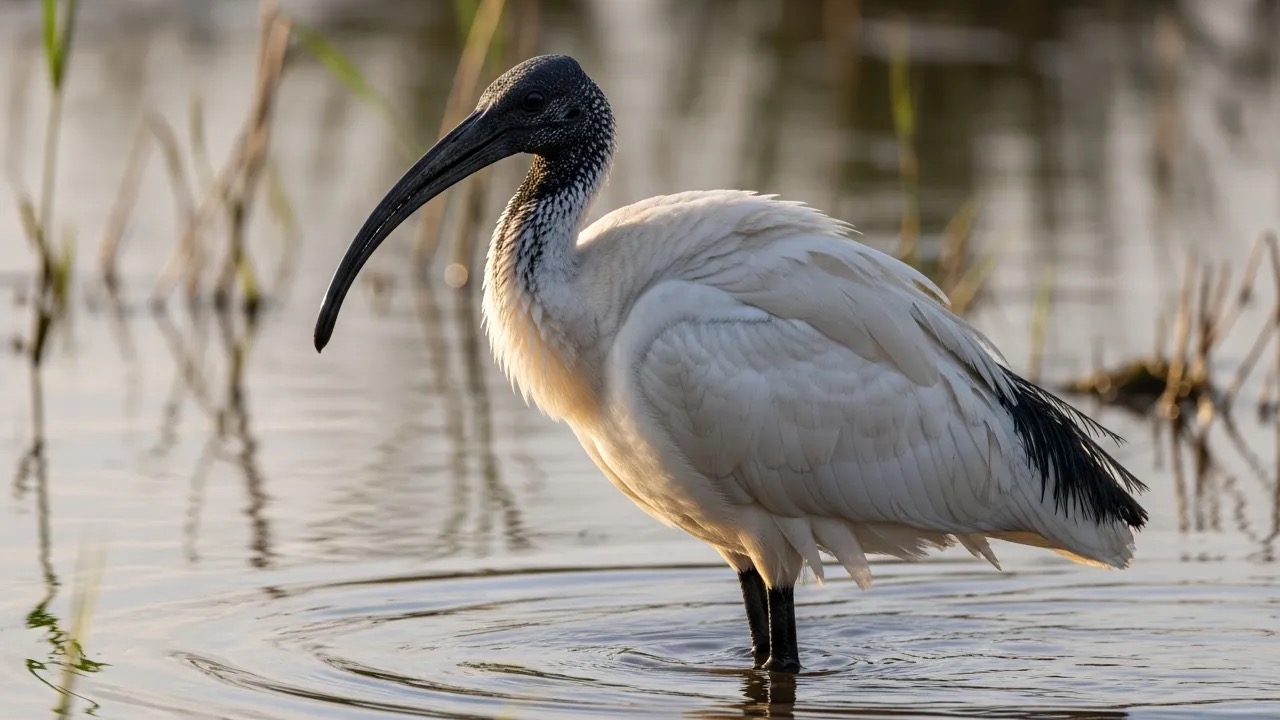
Least Concern
Ibis
Threskiornis aethiopicus
An ibis is a long-legged wading bird with a distinctive long, down-curved bill used to probe mud and shallow water for food. The sacred ibis was revered in ancient Egypt.
Read the guide →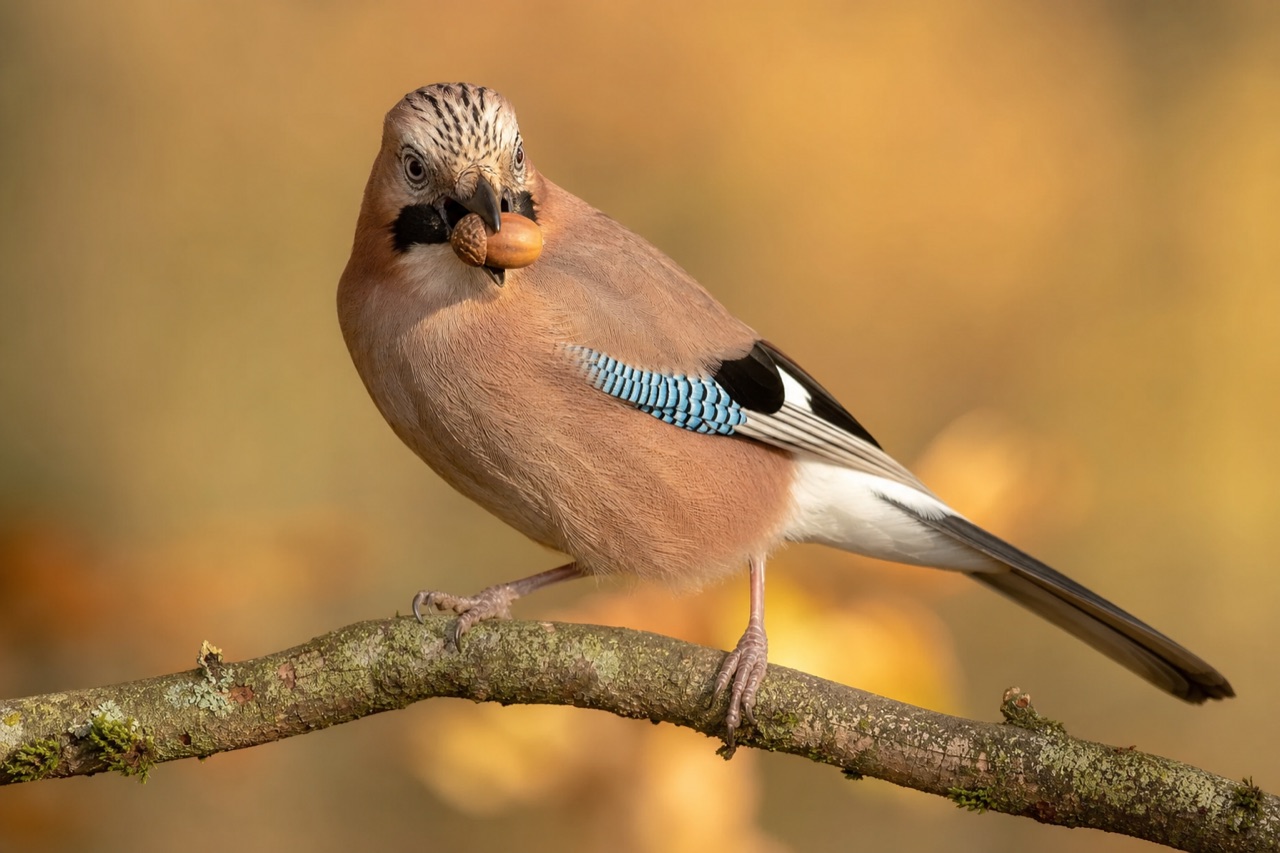
Least Concern — shy woodland corvid; acorn caching shapes oak regeneration
Jay
Garrulus glandarius (Linnaeus, 1758) — family Corvidae
The Eurasian jay (Garrulus glandarius) is a pink-brown woodland corvid with a blue wing patch, known for its harsh screech, secretive habits and autumn acorn caching that helps regenerate oak woodland across Britain and temperate Eurasia.
Read the guide →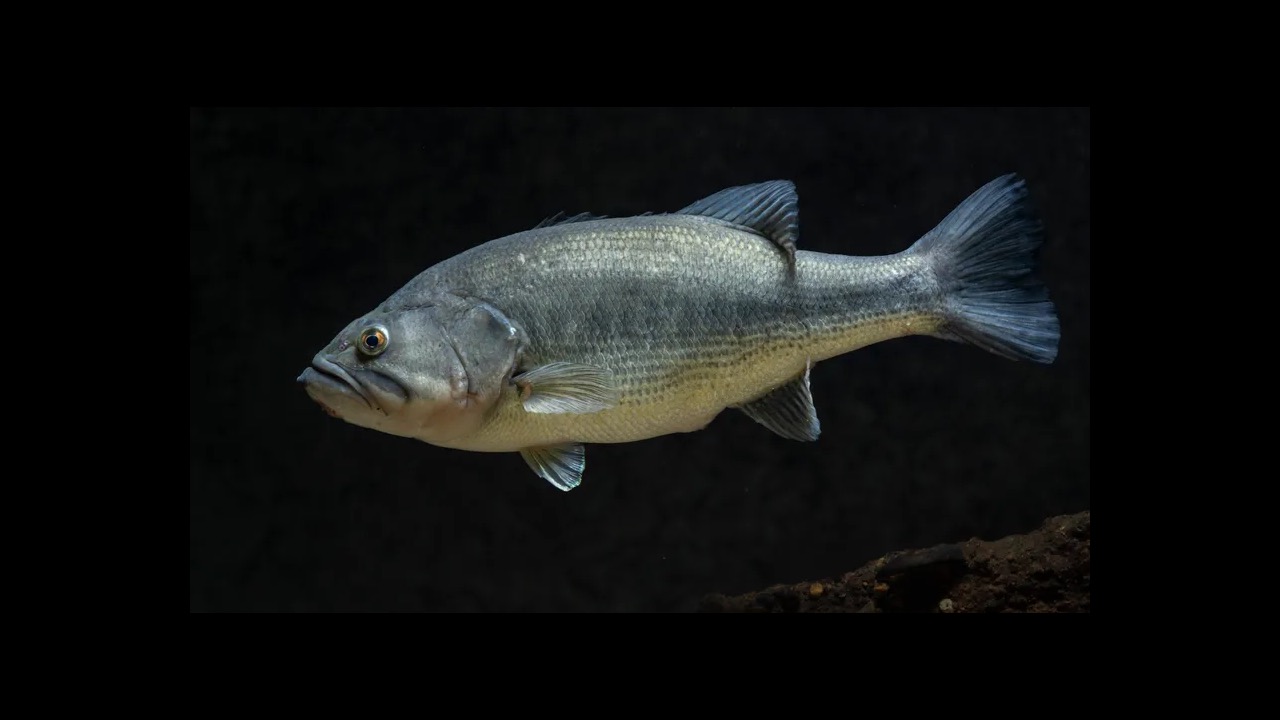
Least Concern
Largemouth Bass
Micropterus salmoides
The largemouth bass is a top predator in North American lakes and rivers, named for a jaw extending past the eye. Prized by anglers worldwide, it strikes lures aggressively, grows to 10 kg (22 lb) in rich waters, and has been stocked on every continent except Antarctica for sport fishing.
Read the guide →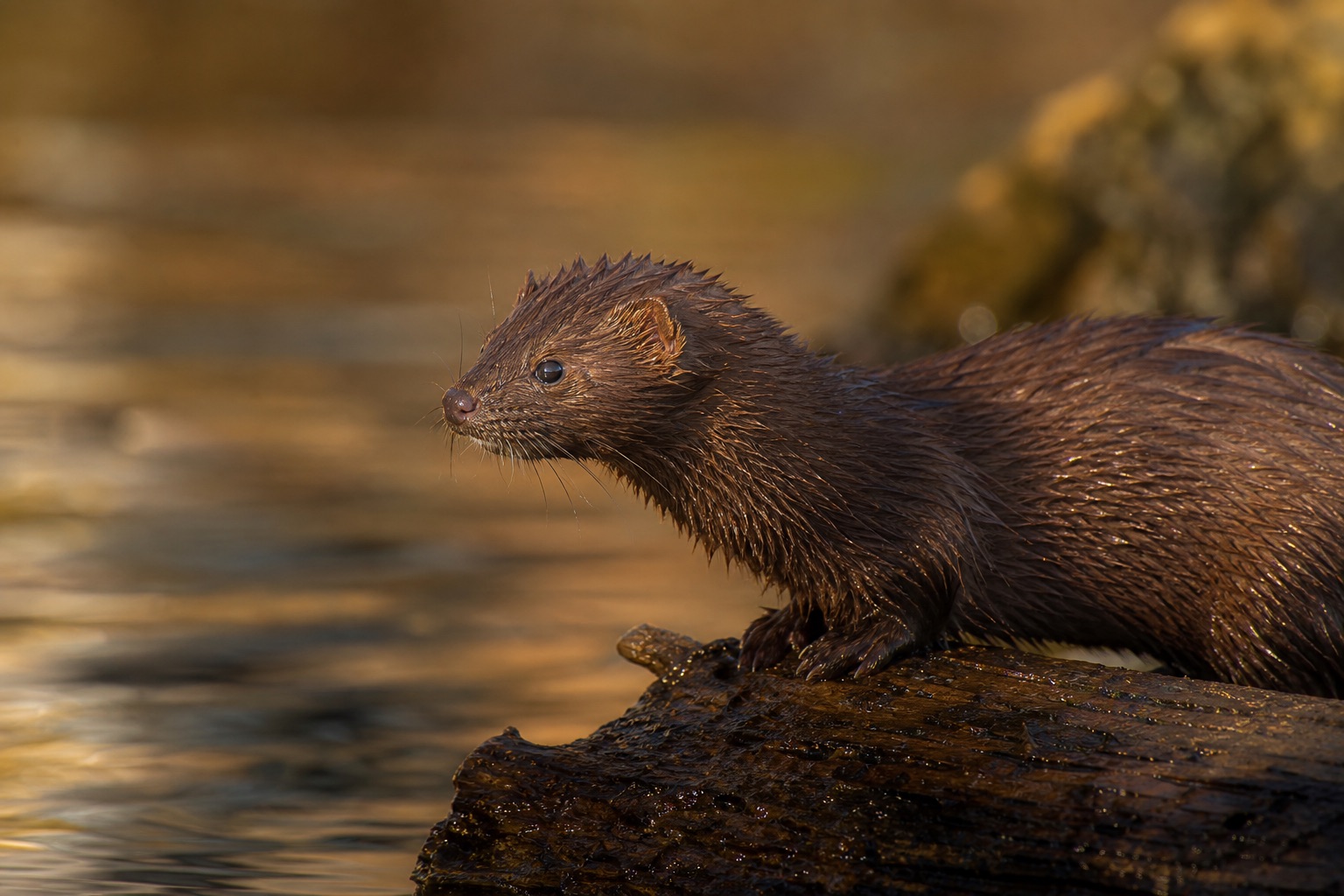
Least Concern in native North America — invasive and ecologically destructive across much of Europe
Mink
Neogale vison (Schreber, 1777) — family Mustelidae
The American mink (Neogale vison) is a semi-aquatic mustelid listed Least Concern in native North America but invasive across Europe after fur-farm escapes, where it devastated water vole populations and displaced the Critically Endangered European mink.
Read the guide →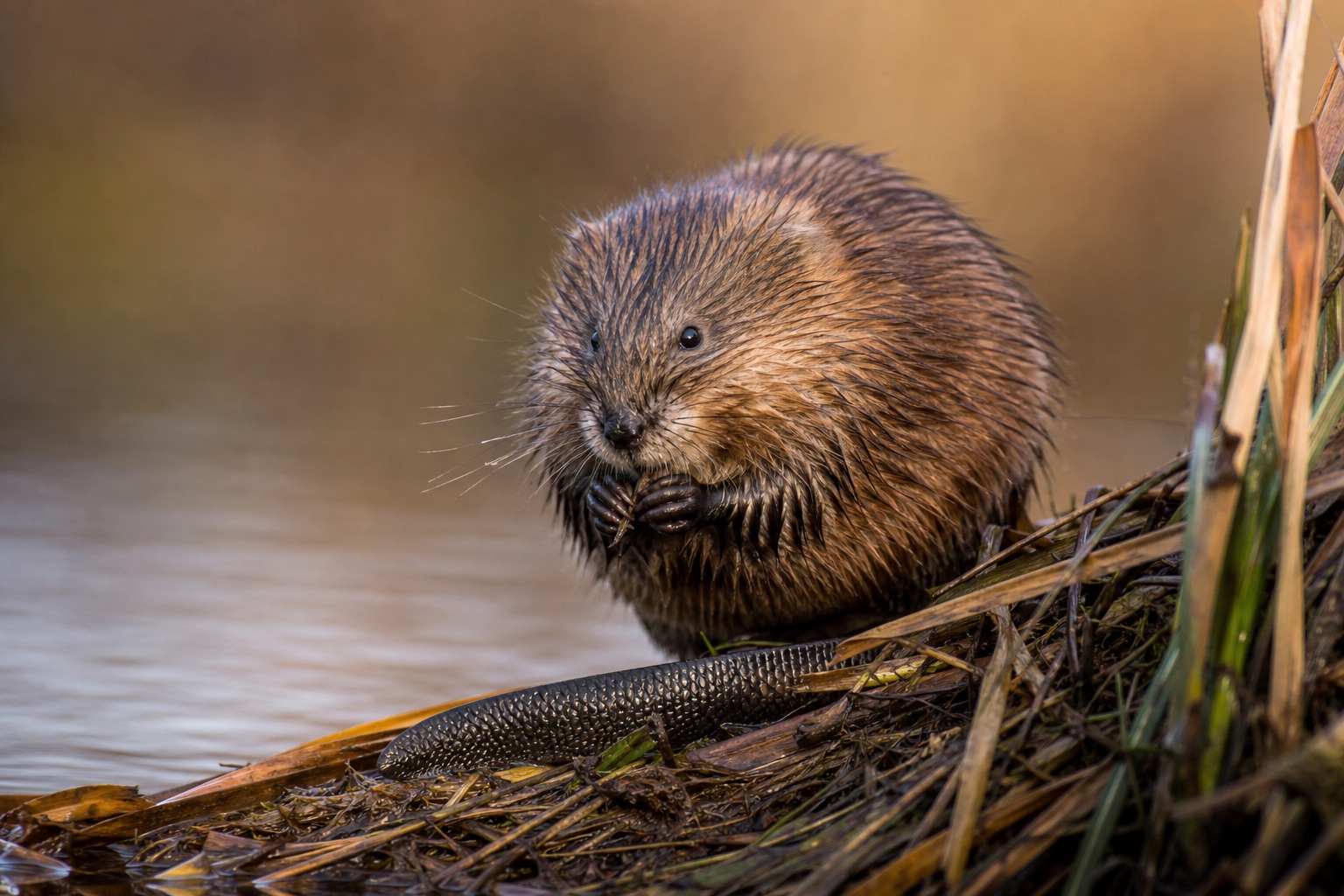
Least Concern natively — invasive and EU-listed across much of Europe
Muskrat
Ondatra zibethicus (Linnaeus, 1766) — family Cricetidae
The muskrat (Ondatra zibethicus) is a large semiaquatic rodent native to North American wetlands and listed Least Concern there; introduced to Europe from 1905 for fur farming, it burrows into dikes and river banks and is an EU-listed invasive species.
Read the guide →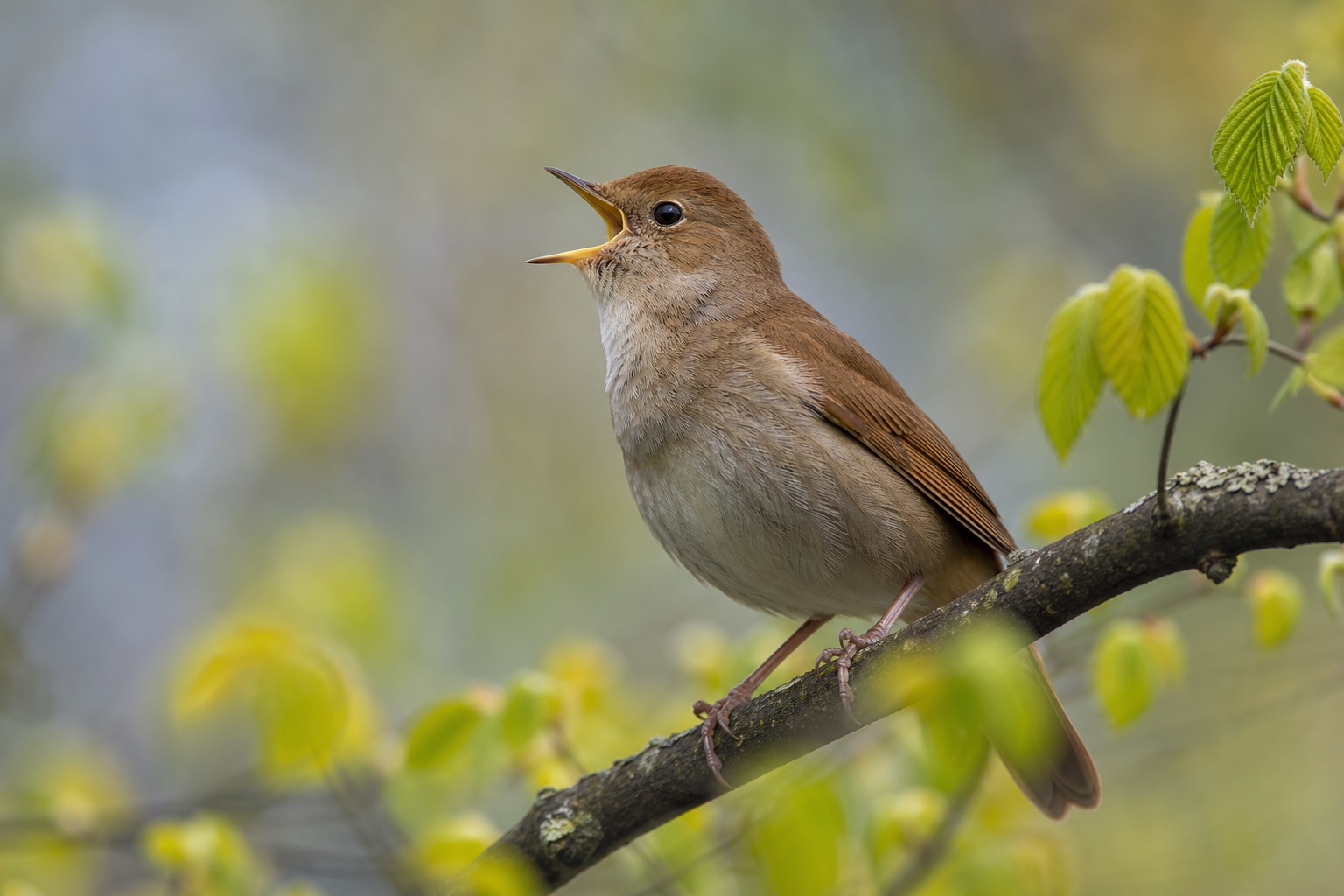
Least Concern globally — but red-listed and steeply declining in Britain
Nightingale
Luscinia megarhynchos (Brehm, 1831) — family Muscicapidae
The common nightingale (Luscinia megarhynchos) is a small brown migratory songbird of European and western Asian scrub, famous for one of the richest avian songs; it winters in sub-Saharan Africa and is steeply declining in Britain despite a Least Concern global listing.
Read the guide →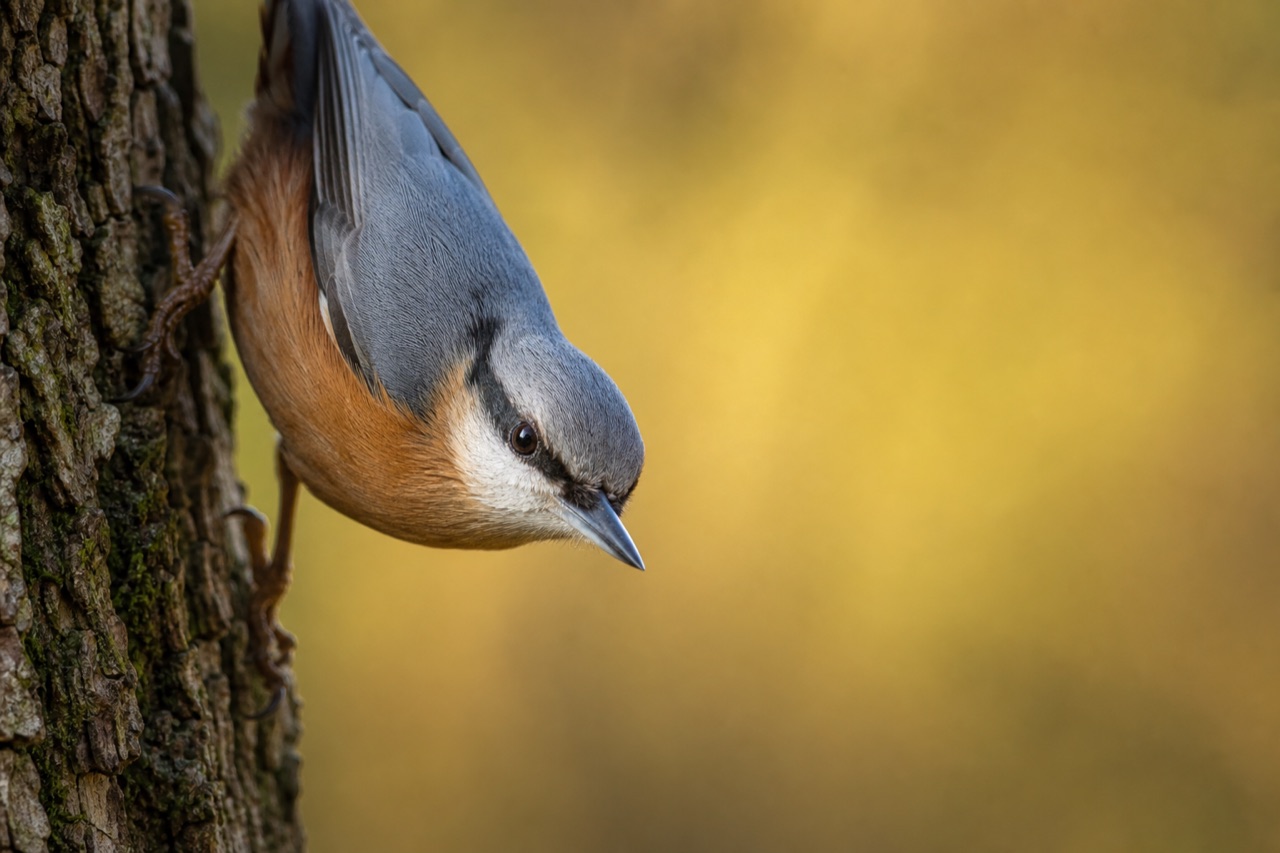
Least Concern — the bird that walks head-first down tree trunks
Nuthatch
Sitta europaea (Linnaeus, 1758) — family Sittidae
The Eurasian nuthatch (Sitta europaea) is a compact woodland bird that climbs tree trunks in any direction including head-first, nests in tree holes often narrowed with mud, and visits garden feeders where mature trees lie near deciduous woodland.
Read the guide →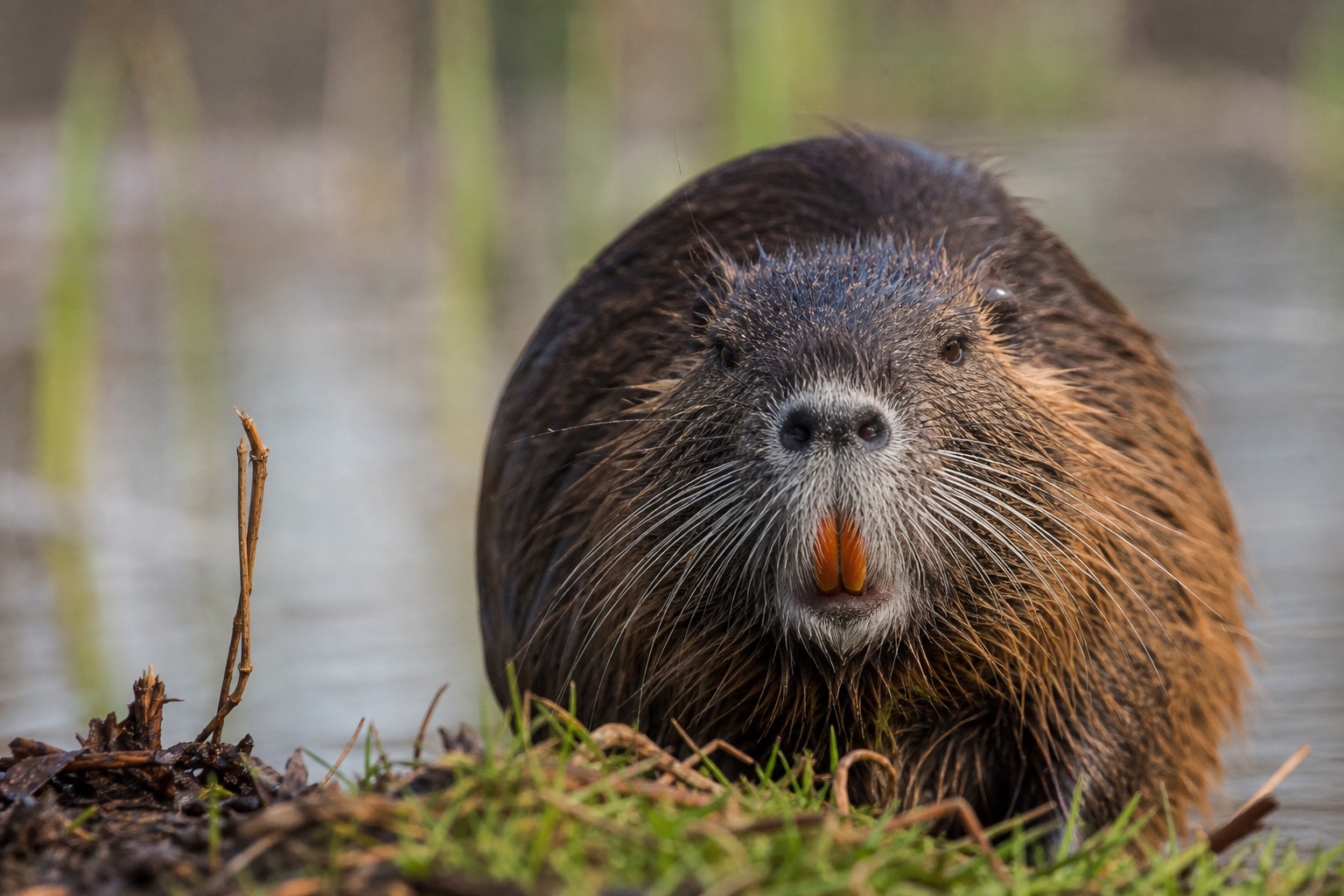
Least Concern in native South America — among the world's worst invasive mammals elsewhere
Nutria
Myocastor coypus (Molina, 1782) — family Myocastoridae
The nutria or coypu (Myocastor coypus) is a large semiaquatic rodent Least Concern in native South America but listed among the world's worst invasive species after fur-farm escapes — it destroys wetlands, undermines banks and was eradicated from Britain by 1989.
Read the guide →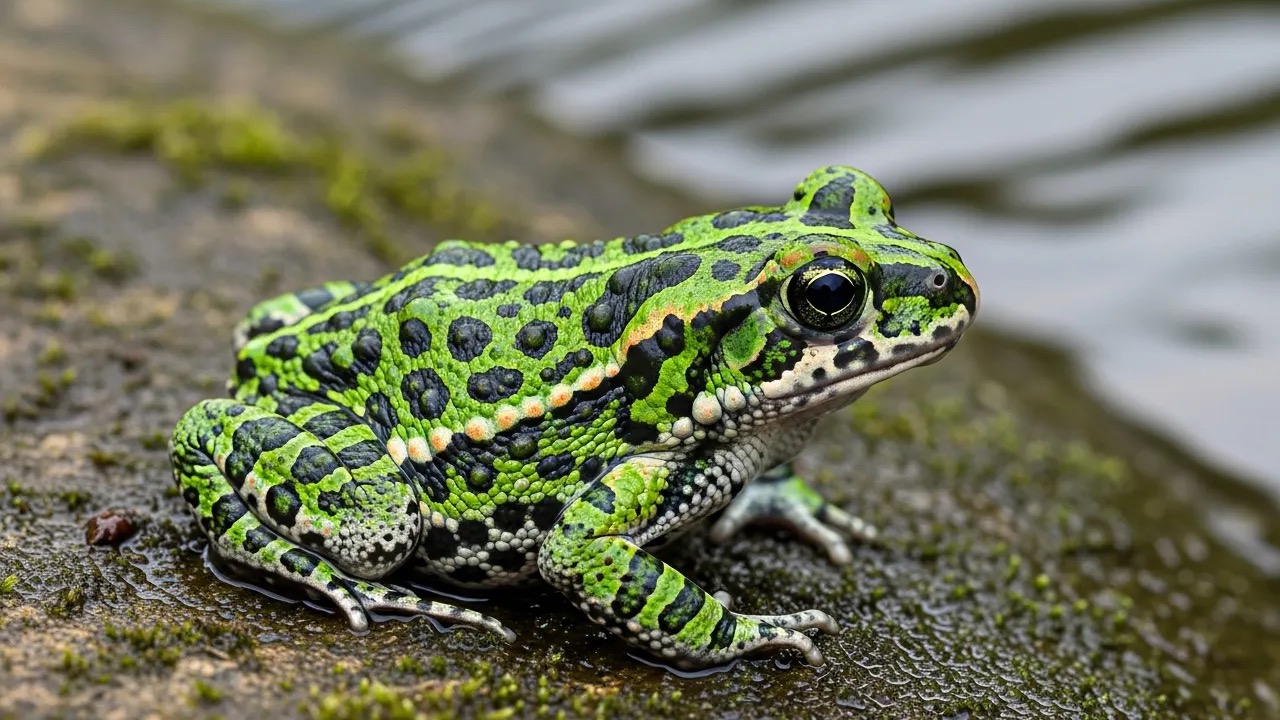
Least Concern
Oriental Fire-bellied Toad
Bombina orientalis
The Oriental fire-bellied toad is a small, semi-aquatic amphibian from East Asia, recognized by its green and black back and its vivid red-and-black underside. When threatened, it arches its body to flash the bright belly, warning predators that its skin is toxic.
Read the guide →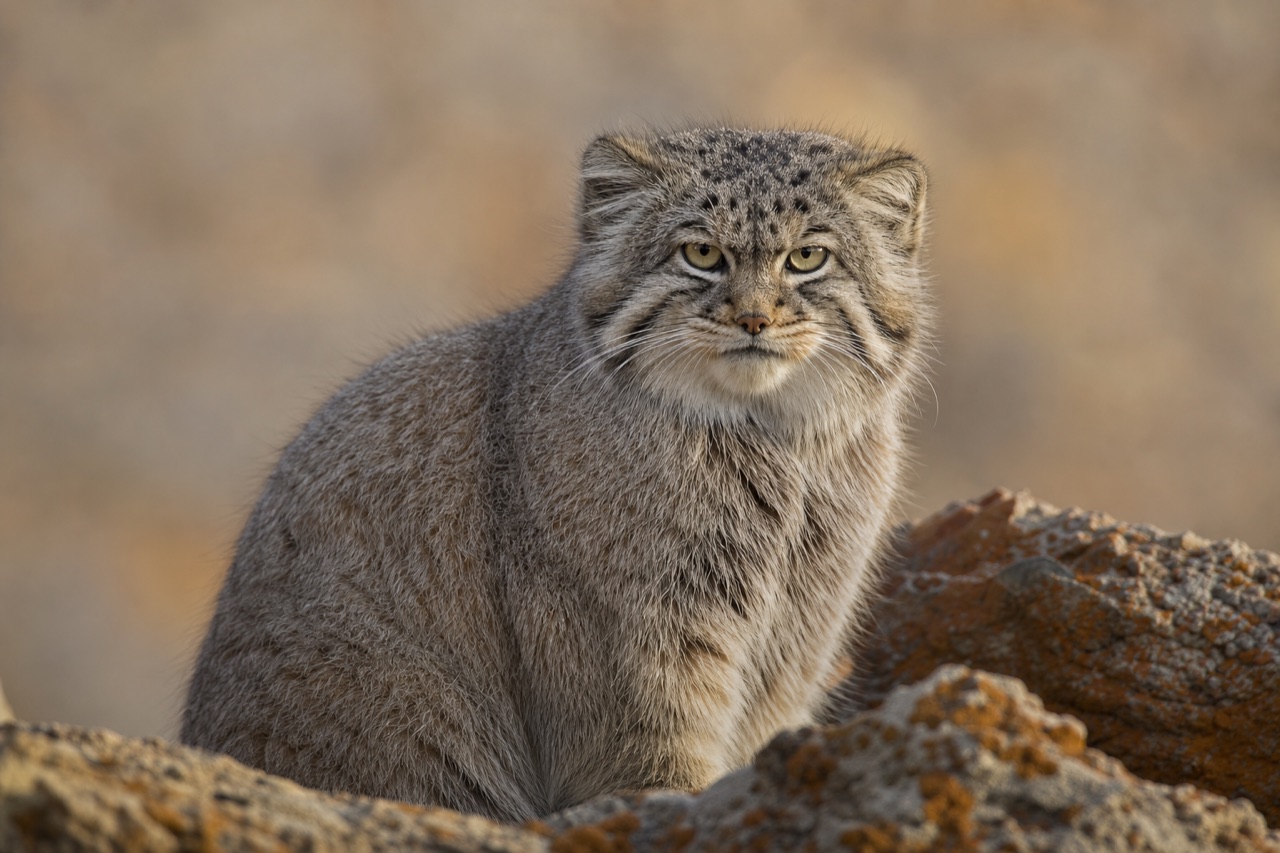
Least Concern — secretive, patchily distributed and poorly surveyed
Pallas's Cat
Otocolobus manul (Pallas, 1776) — family Felidae
Pallas's cat (Otocolobus manul) is a small, densely furred wild cat of Central Asian steppe and semi-desert, with a flat round face, circular pupils and an ambush-hunting lifestyle focused on pikas and small rodents.
Read the guide →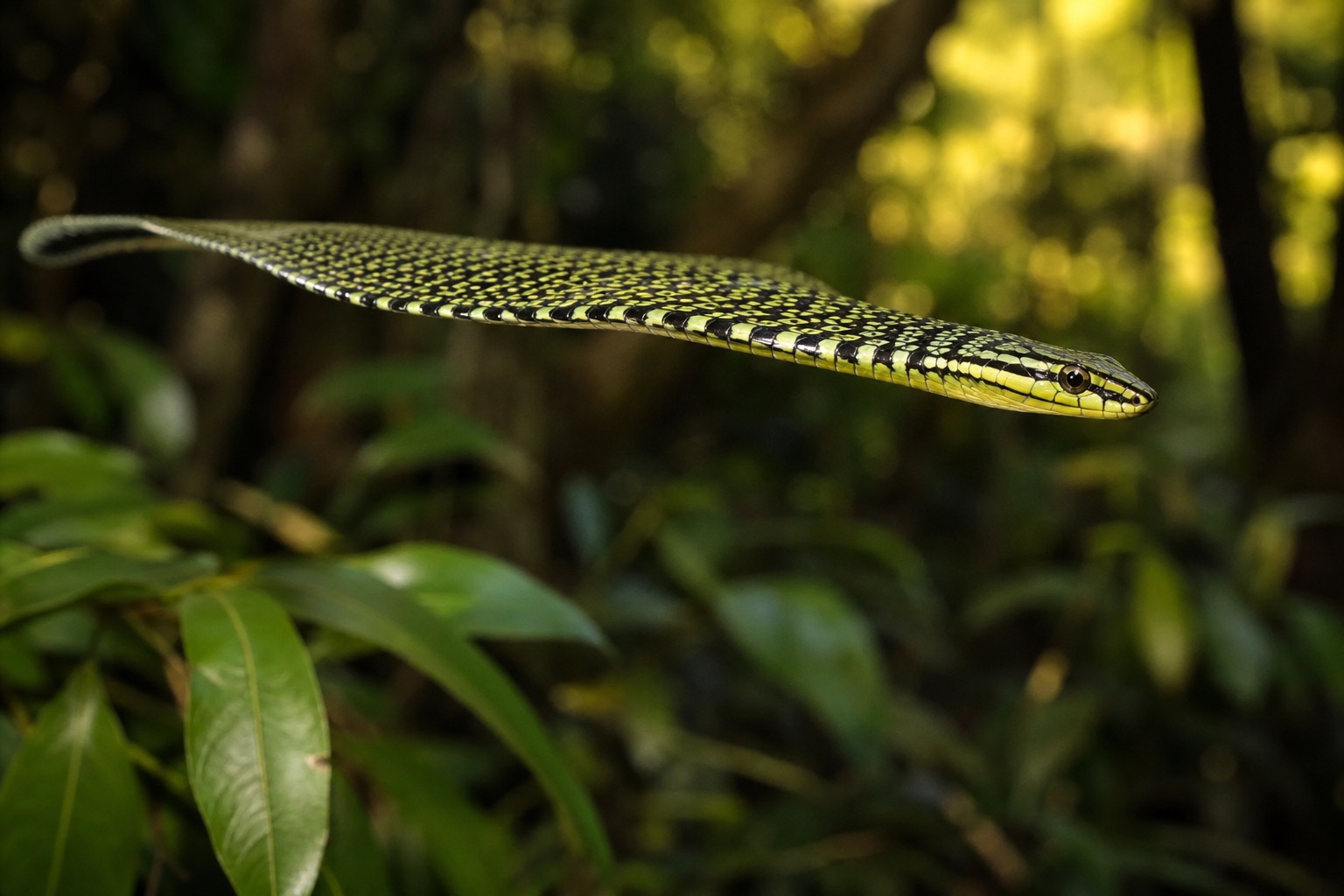
Least Concern — glides between trees on forests fragmented by plantations and mining
Paradise Flying Snake
Chrysopelea paradisi (Boie & Boie, 1827) — family Colubridae
The paradise flying snake (Chrysopelea paradisi) glides between trees by flattening its body into a concave aerofoil and undulating mid-air; it is Least Concern but loses connectivity as Sundaland forest converts for oil palm, pulpwood and mining.
Read the guide →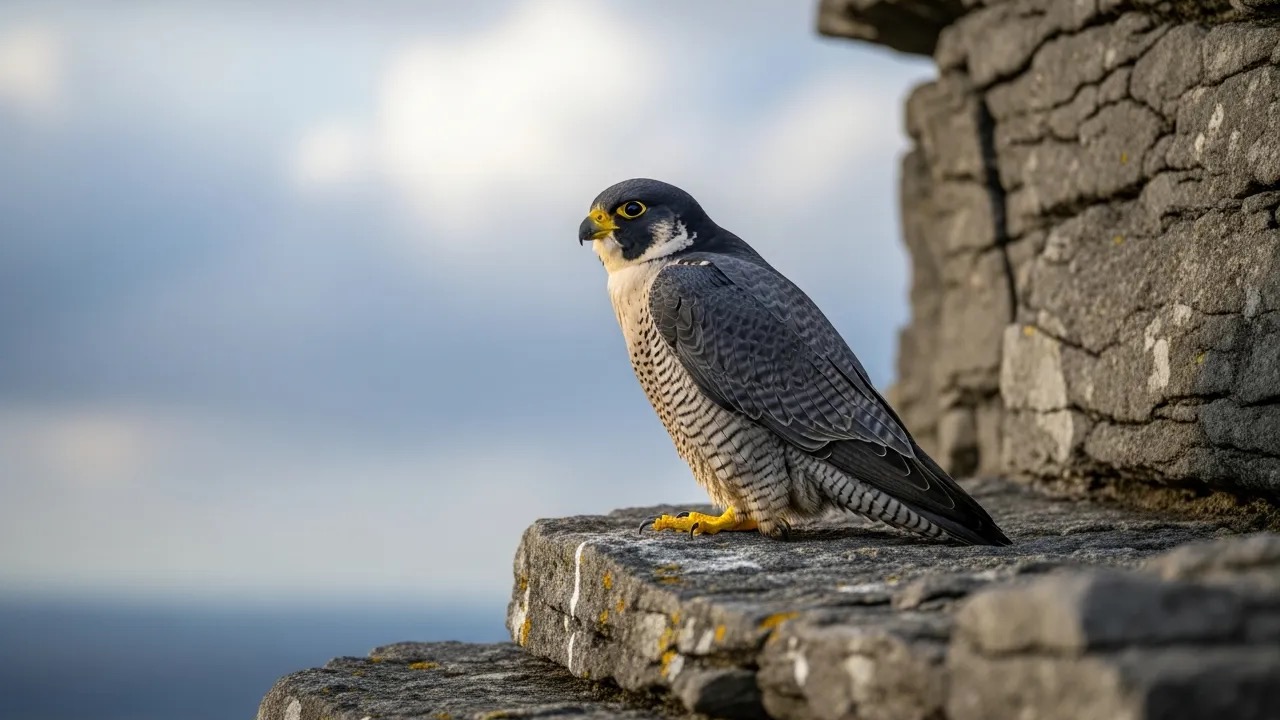
Least Concern
Peregrine Falcon
Falco peregrinus
The peregrine falcon (Falco peregrinus) is a crow-sized bird of prey found on every continent except Antarctica, making it one of the most widespread birds in the world. It hunts other birds in mid-air and is the fastest animal on the planet, reaching over 380 km/h (240 mph) in a hunting dive.
Read the guide →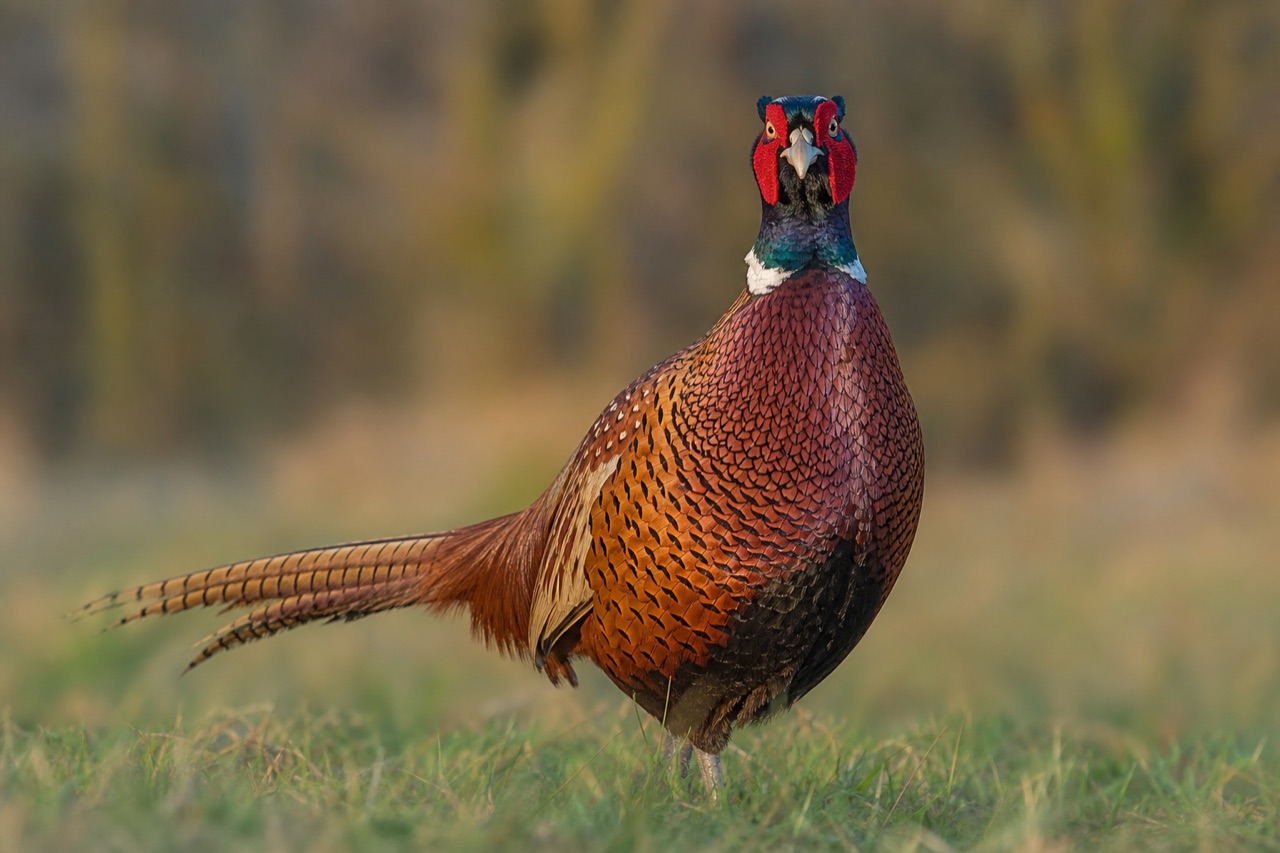
Least Concern — native to Asia; introduced to Britain as a gamebird; millions released annually for shooting
Pheasant
Phasianus colchicus (Linnaeus, 1758) — family Phasianidae
The common pheasant (Phasianus colchicus) is a large Asian gamebird introduced to Britain for shooting; males are brightly coloured with a long barred tail, females are mottled brown, and millions are released annually — making road deaths, cat predation on chicks and fence entanglement common in rural gardens and lanes.
Read the guide →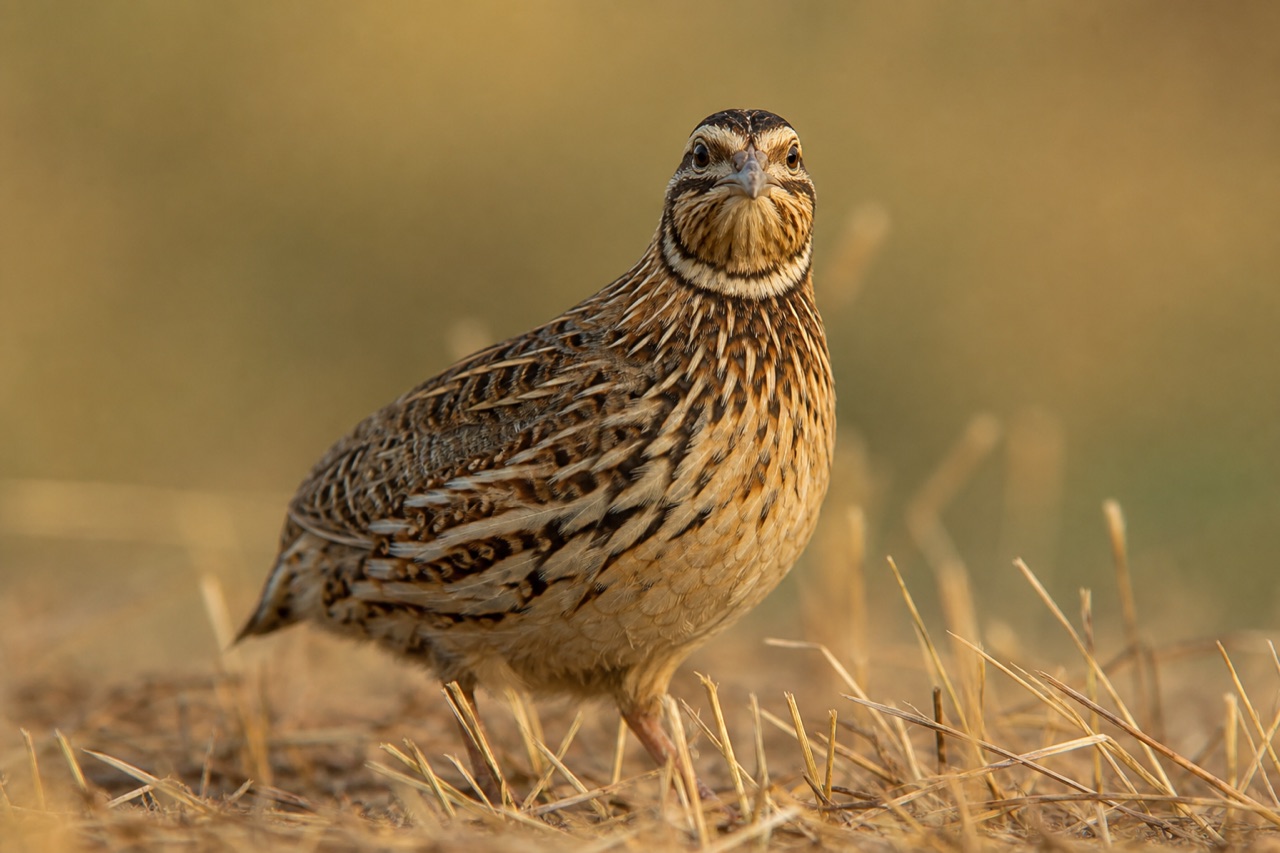
Family overview — common quail is a scarce British breeder and summer visitor; Japanese quail domesticated
Quail
Phasianidae — family including Coturnix quail and related small gamebirds
Quails are small cryptic gamebirds; the common quail (Coturnix coturnix) is a scarce British summer visitor heard calling from arable crops, while the Japanese quail is domesticated for eggs and meat — both in family Phasianidae with grouse and pheasant.
Read the guide →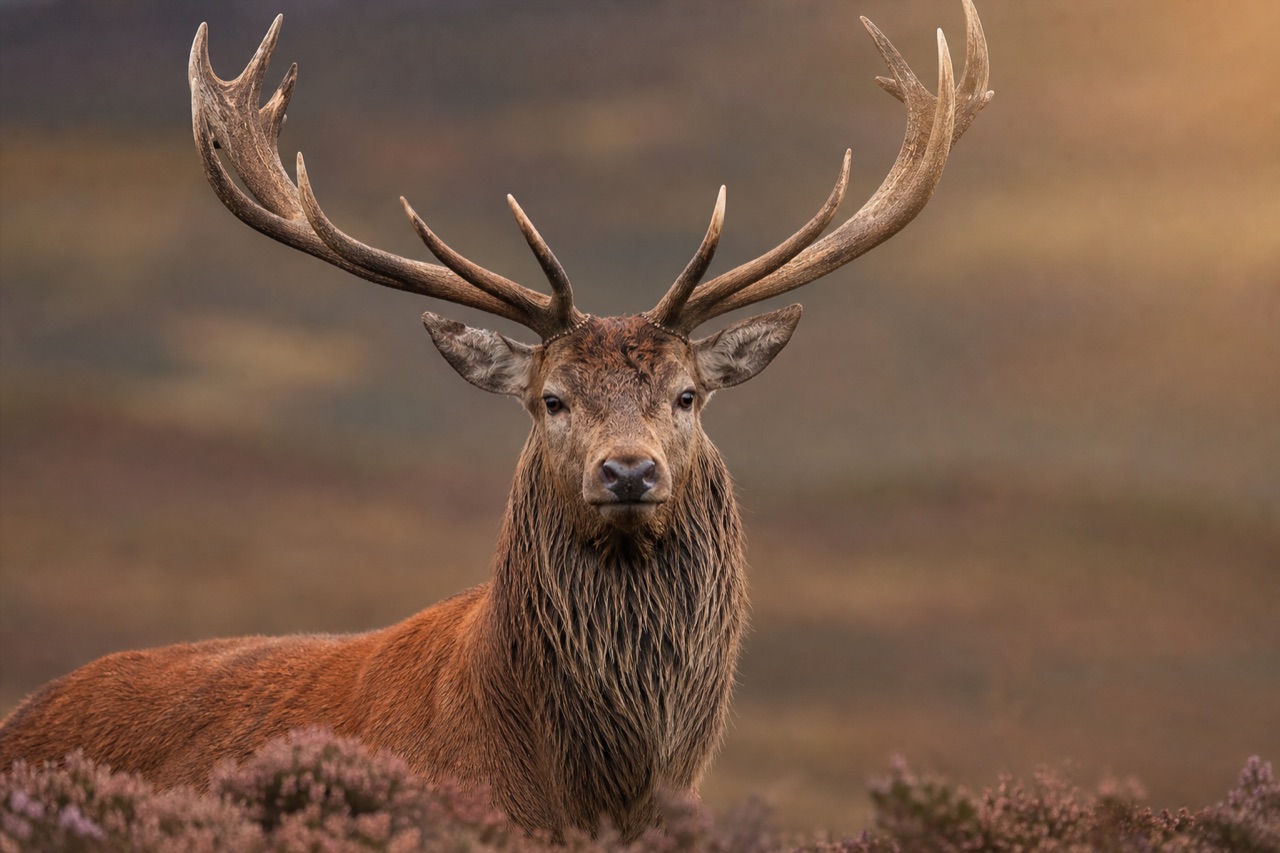
Least Concern globally — some island subspecies threatened; wapiti often split as C. canadensis
Red Deer
Cervus elaphus (Linnaeus, 1758) — family Cervidae
The red deer (Cervus elaphus) is a large Eurasian cervid — stags with branched antlers, autumn rut, Least Concern globally — closely related to North American elk and widely introduced outside native range.
Read the guide →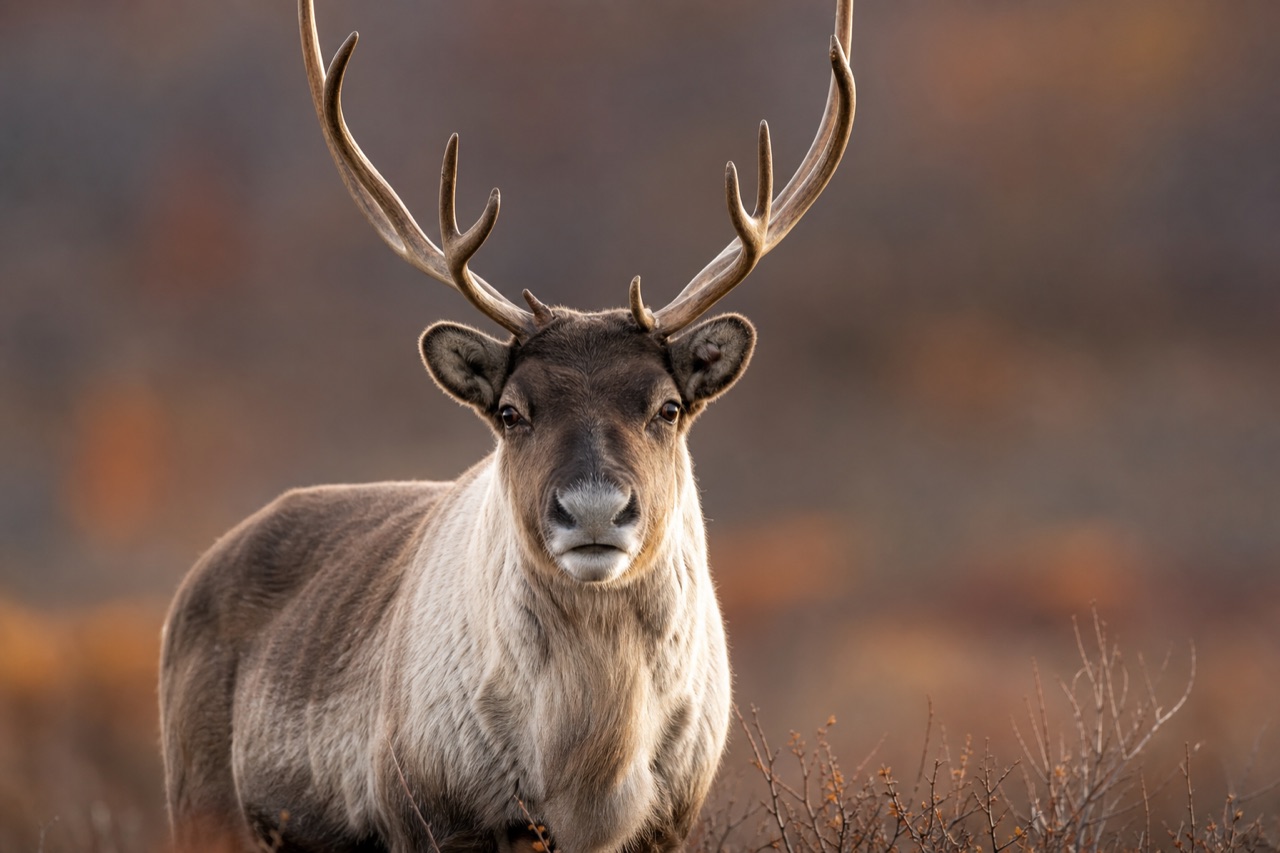
Least Concern — some subpopulations declining; caribou and reindeer are the same species
Reindeer
Rangifer tarandus (Linnaeus, 1758) — family Cervidae
Reindeer (Rangifer tarandus) are Arctic and subarctic deer in which both sexes grow antlers; the Eurasian name reindeer and the North American name caribou refer to the same species, with some Eurasian populations herded and most North American ones wild.
Read the guide →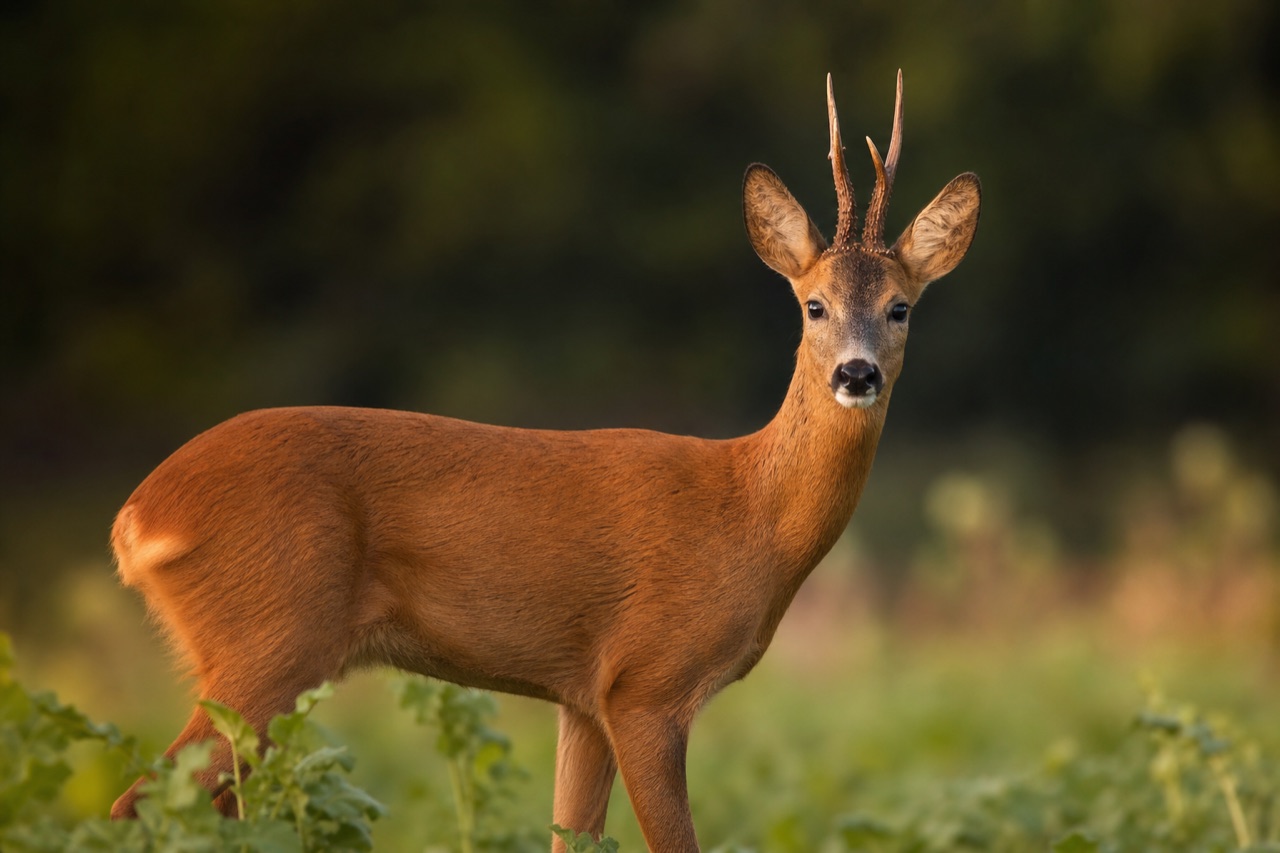
Least Concern — widespread and expanding in much of Europe
Roe Deer
Capreolus capreolus (Linnaeus, 1758) — family Cervidae
The roe deer (Capreolus capreolus) is a small European deer with short antlers, delayed implantation after a summer rut, and solitary fawns hidden in vegetation — Least Concern and expanding across much of its range.
Read the guide →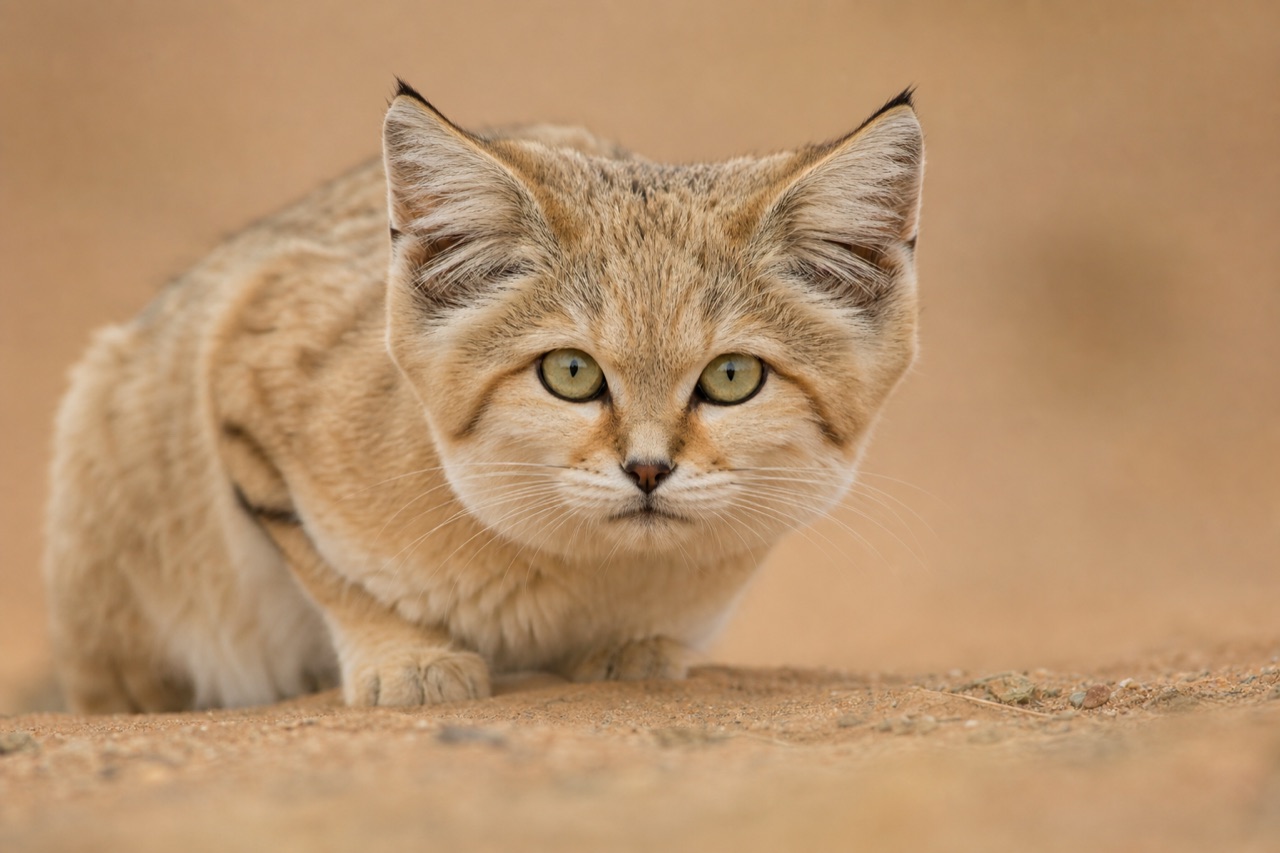
Least Concern — poorly known and difficult to survey in desert habitat
Sand Cat
Felis margarita (Harrison, 1968) — family Felidae
The sand cat (Felis margarita) is a small pale desert felid of the Sahara, Arabian Peninsula and Central Asia, adapted to extreme aridity with fur-covered footpads, large ears for heat dissipation and the ability to survive without drinking free water.
Read the guide →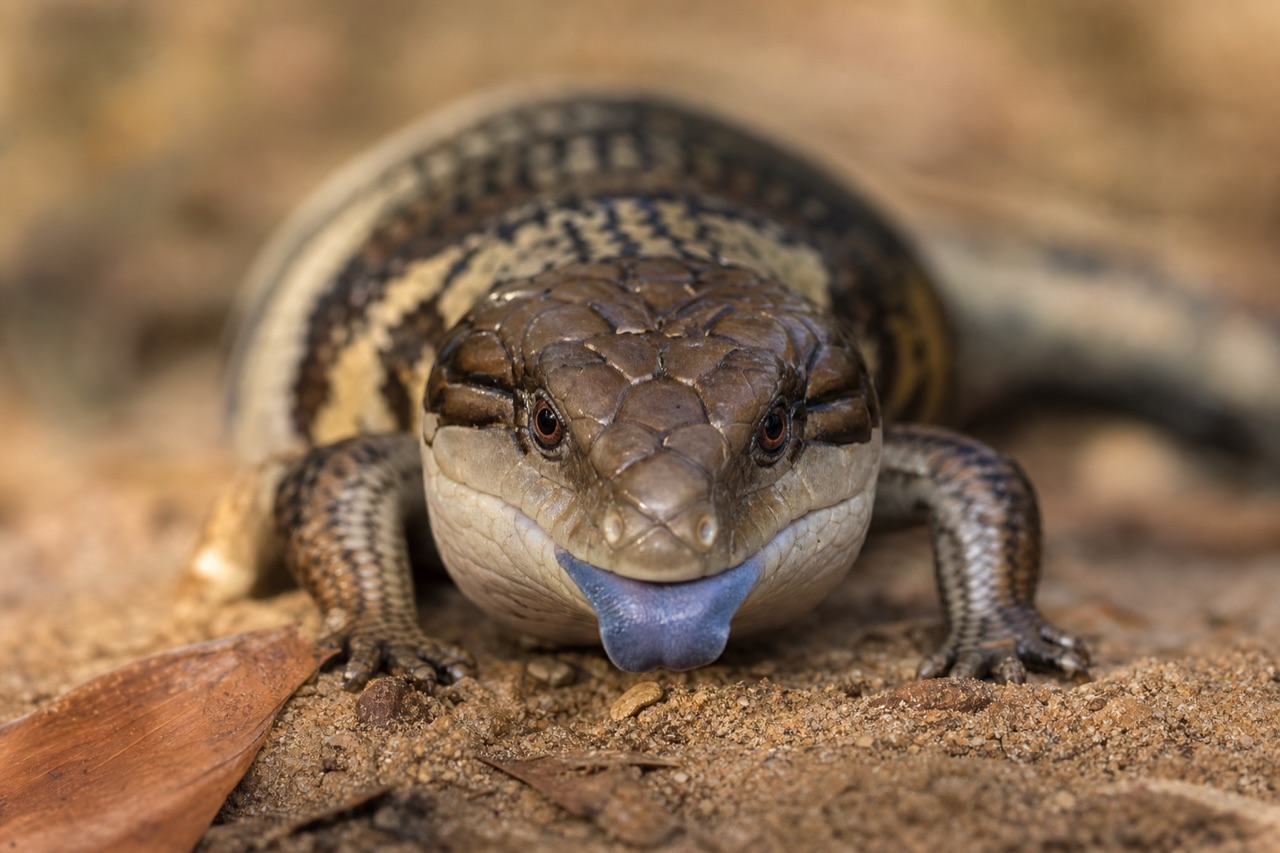
Varies by species — several island endemics Critically Endangered
Skink
Family Scincidae (Gray, 1825) — over 1,700 species
Skinks are over 1,700 species of lizards in the family Scincidae, found on every continent except Antarctica; they are recognisable by smooth overlapping scales and reduced limbs, and limb loss has evolved independently many times within the family.
Read the guide →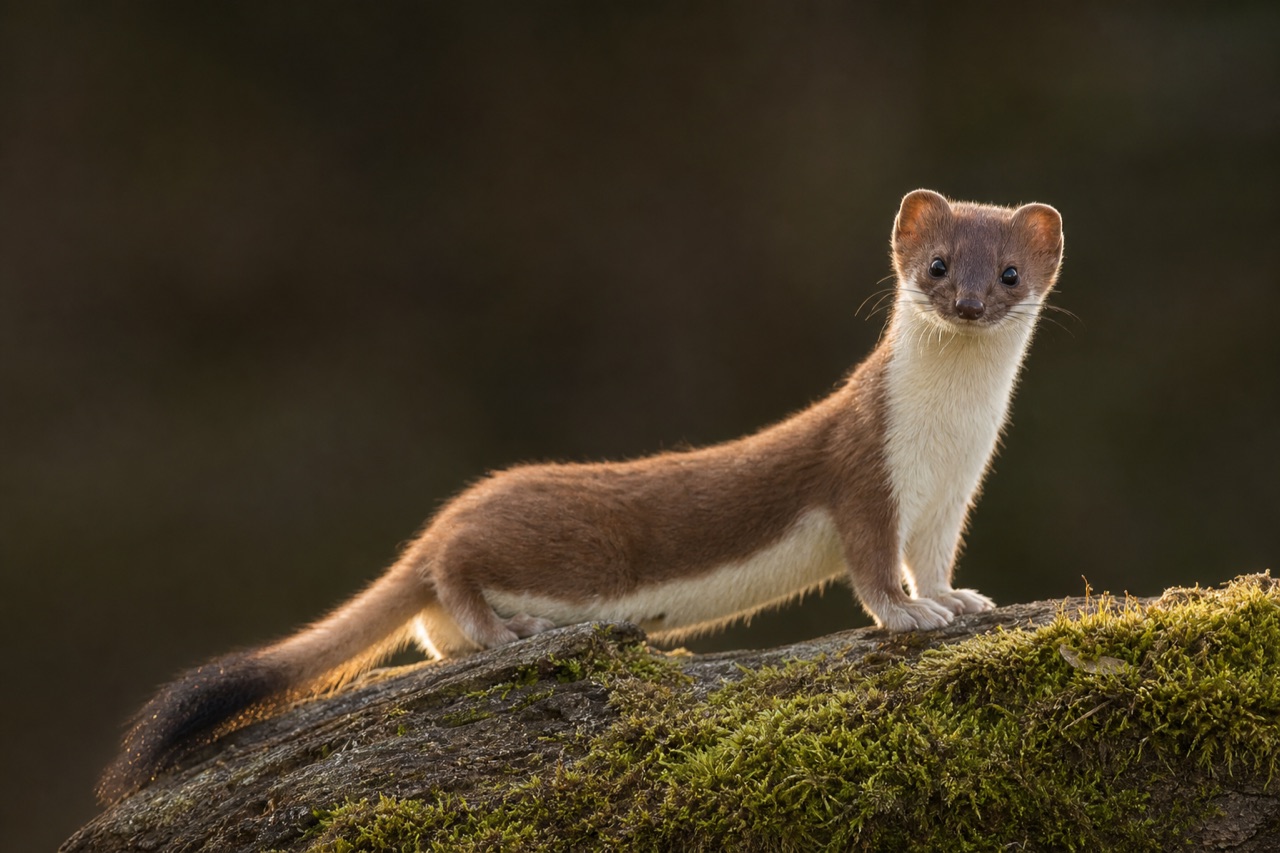
Least Concern — widespread; white winter coat prized as ermine fur
Stoat
Mustela erminea (Linnaeus, 1758) — family Mustelidae
The stoat (Mustela erminea) is a small mustelid of Eurasia and North America that turns white in winter except for a black-tipped tail, hunts prey far larger than itself including rabbits, and was introduced to New Zealand where it is now a major invasive predator.
Read the guide →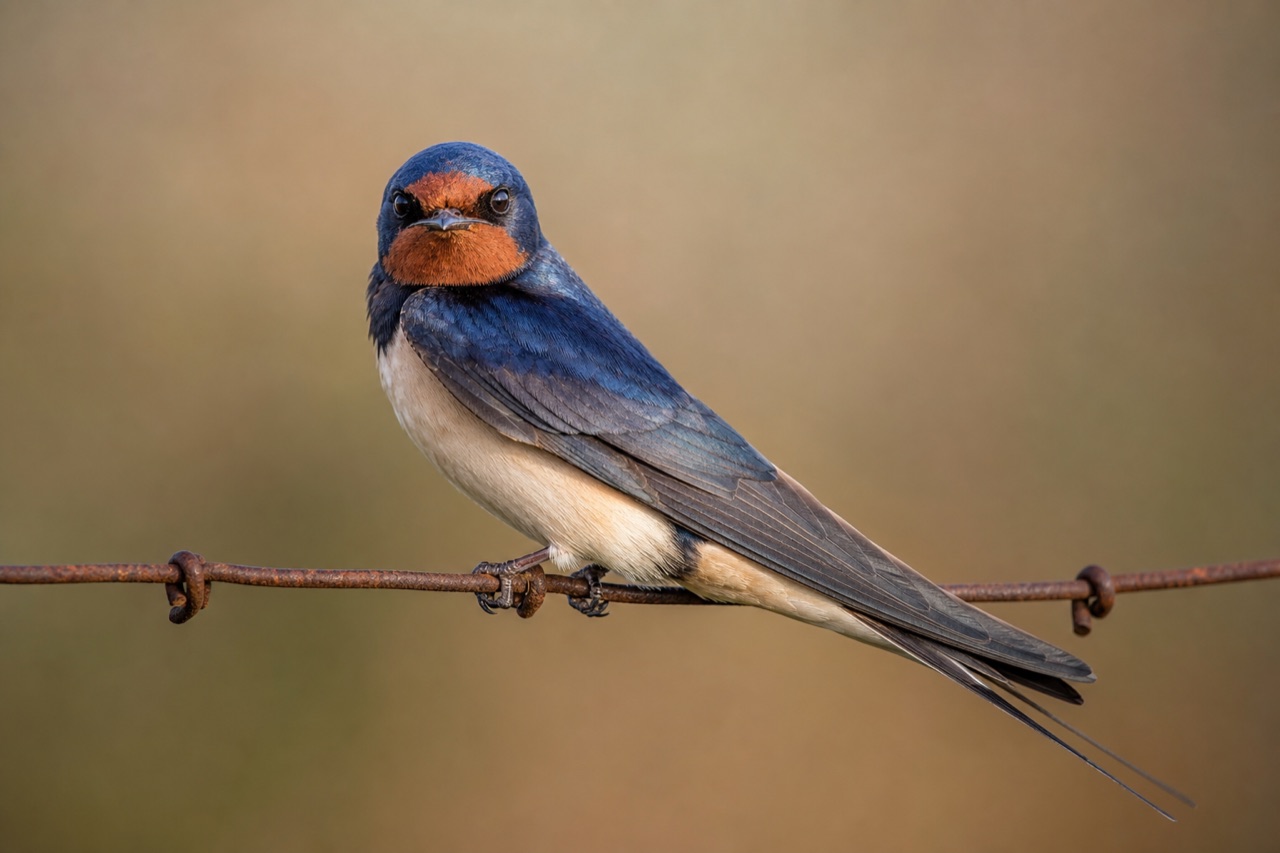
Least Concern — widespread migrant; long-term declines linked to farmland and insect loss
Swallow
Hirundo rustica (Linnaeus, 1758) — family Hirundinidae
The barn swallow (Hirundo rustica) is a long-distance migrant that breeds across the Northern Hemisphere and winters in Africa, South Asia or South America; in Britain it nests in mud cups under eaves and barns and feeds entirely on flying insects caught in agile aerial pursuit.
Read the guide →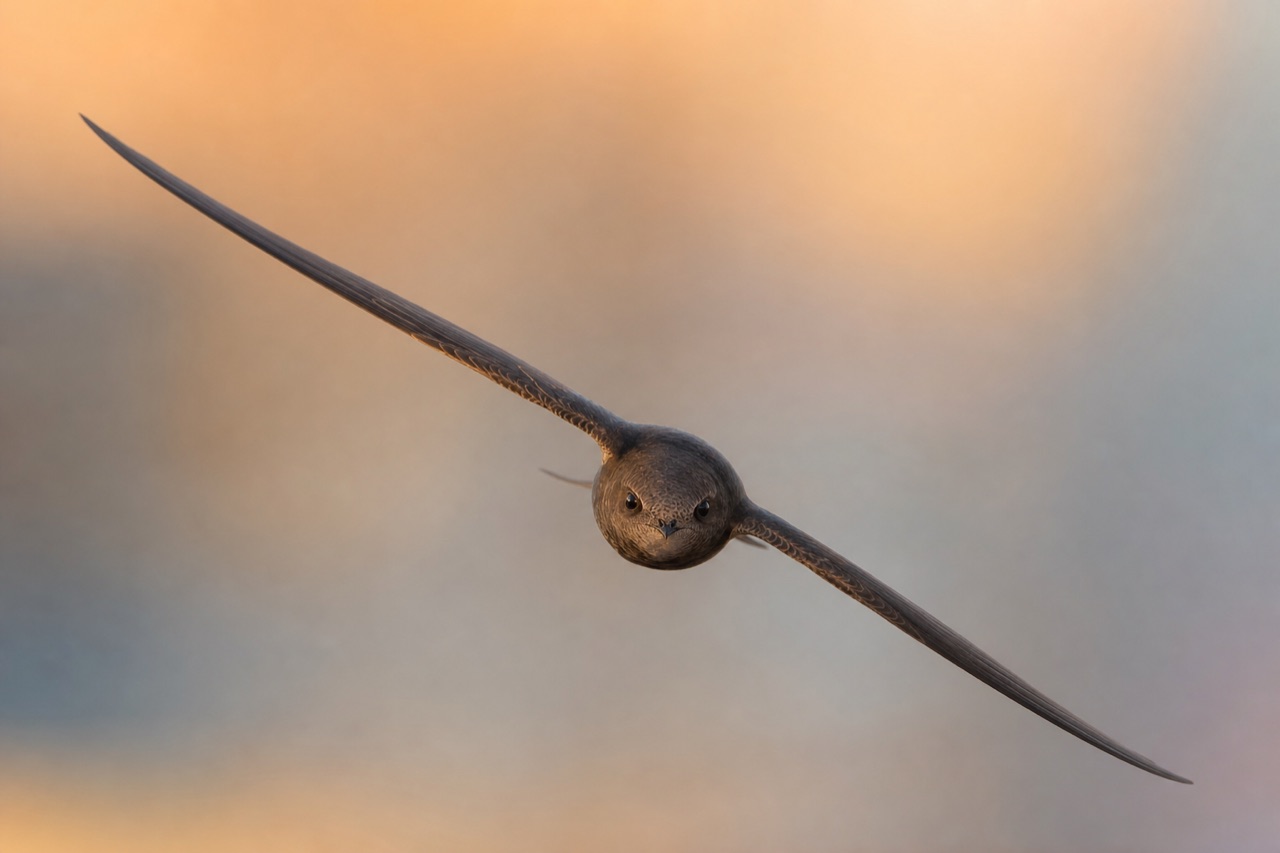
Least Concern globally — Amber-listed in Britain; screaming parties over rooftops
Swift
Apus apus (Linnaeus, 1758) — family Apodidae
The common swift (Apus apus) spends almost its entire life on the wing, nesting in cavities under eaves and screaming over rooftops in summer; British numbers have declined as building renovation seals nest holes — Amber-listed.
Read the guide →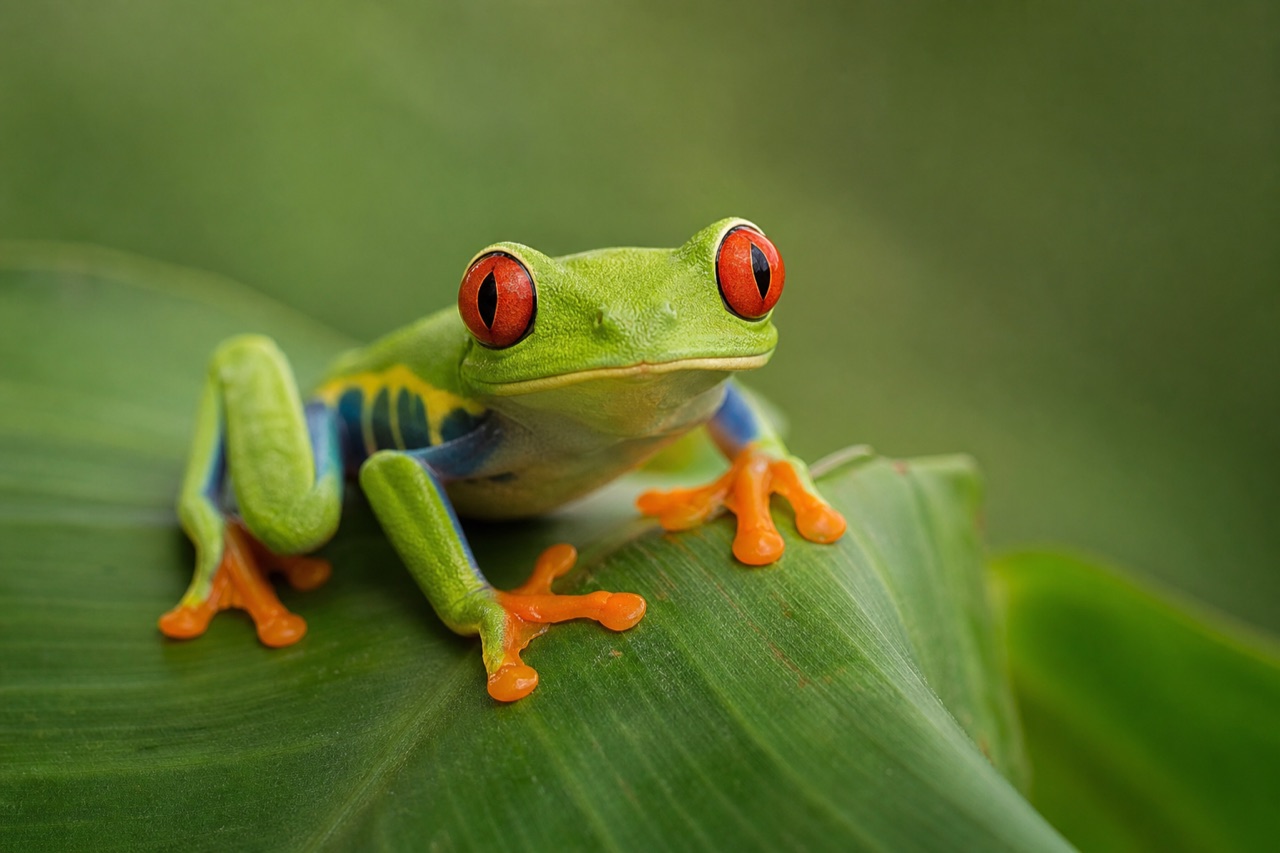
Varies by species — many Least Concern, some Critically Endangered
Tree Frog
Family Hylidae (Rafinesque, 1815) and related arboreal families — over 800 species
Tree frogs are over 800 species of arboreal frogs, mainly in the family Hylidae, that climb using adhesive toe pads which work by wet adhesion — a thin layer of mucus creating surface tension against the surface rather than suction.
Read the guide →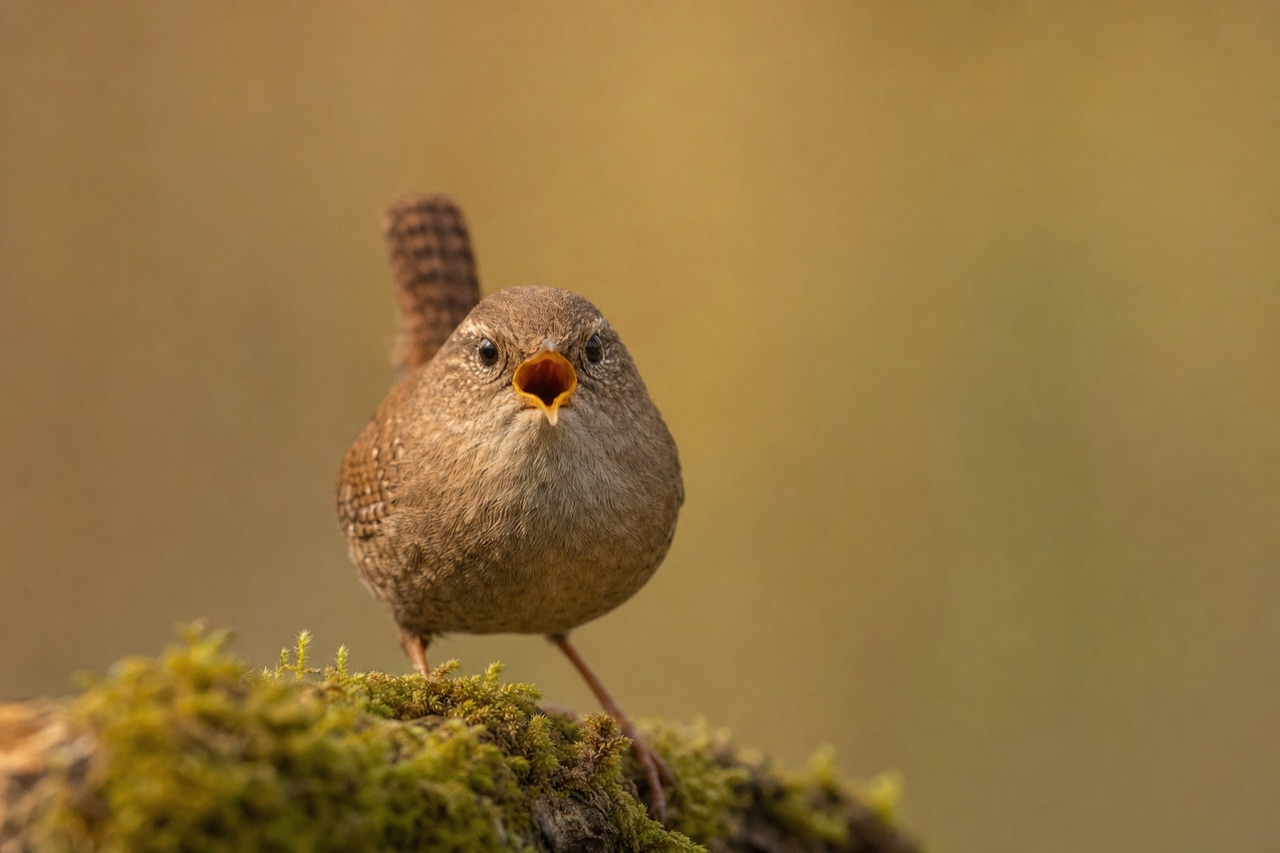
Least Concern — Britain's commonest breeding bird by territory count; vulnerable to hard winters
Wren
Troglodytes troglodytes (Linnaeus, 1758) — family Troglodytidae
The Eurasian wren (Troglodytes troglodytes) is a tiny insectivorous bird and Britain's most numerous breeding species by territory; it sings at extraordinary volume from dense cover, nests in cavities and small nest boxes, and suffers heavy mortality in hard winters without sheltered feeding.
Read the guide →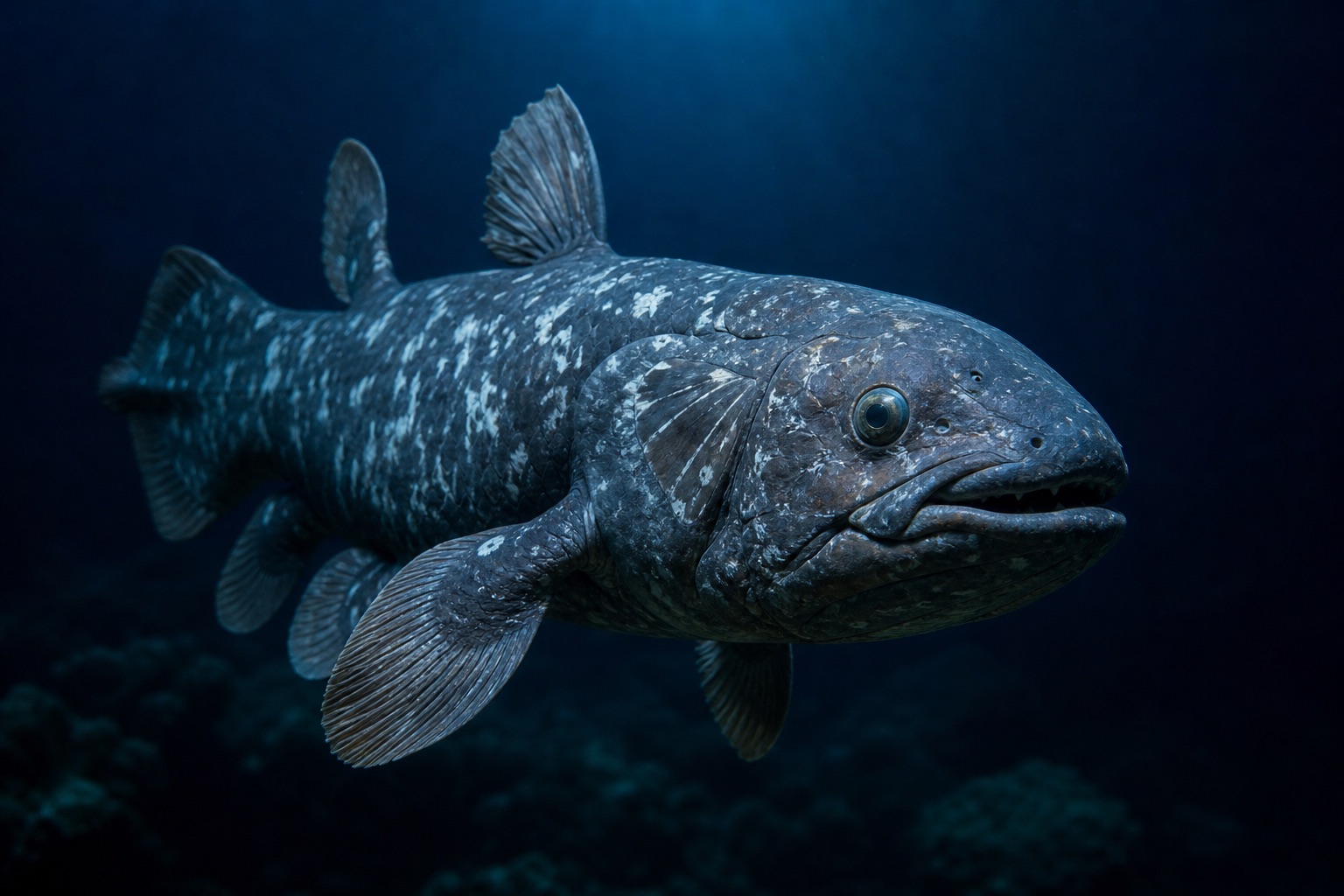
Critically Endangered (West Indian Ocean coelacanth) — the Indonesian species is Vulnerable
Coelacanth
Latimeria spp. — coelacanthiform lobe-finned fishes (two living species)
The coelacanth is a lobe-finned deep-sea fish in the genus Latimeria, known from fossils and assumed extinct until a living specimen was landed off South Africa on 22 December 1938; two species survive in the western Indian Ocean and Indonesia and are listed as Critically Endangered and Vulnerable respectively.
Read the guide →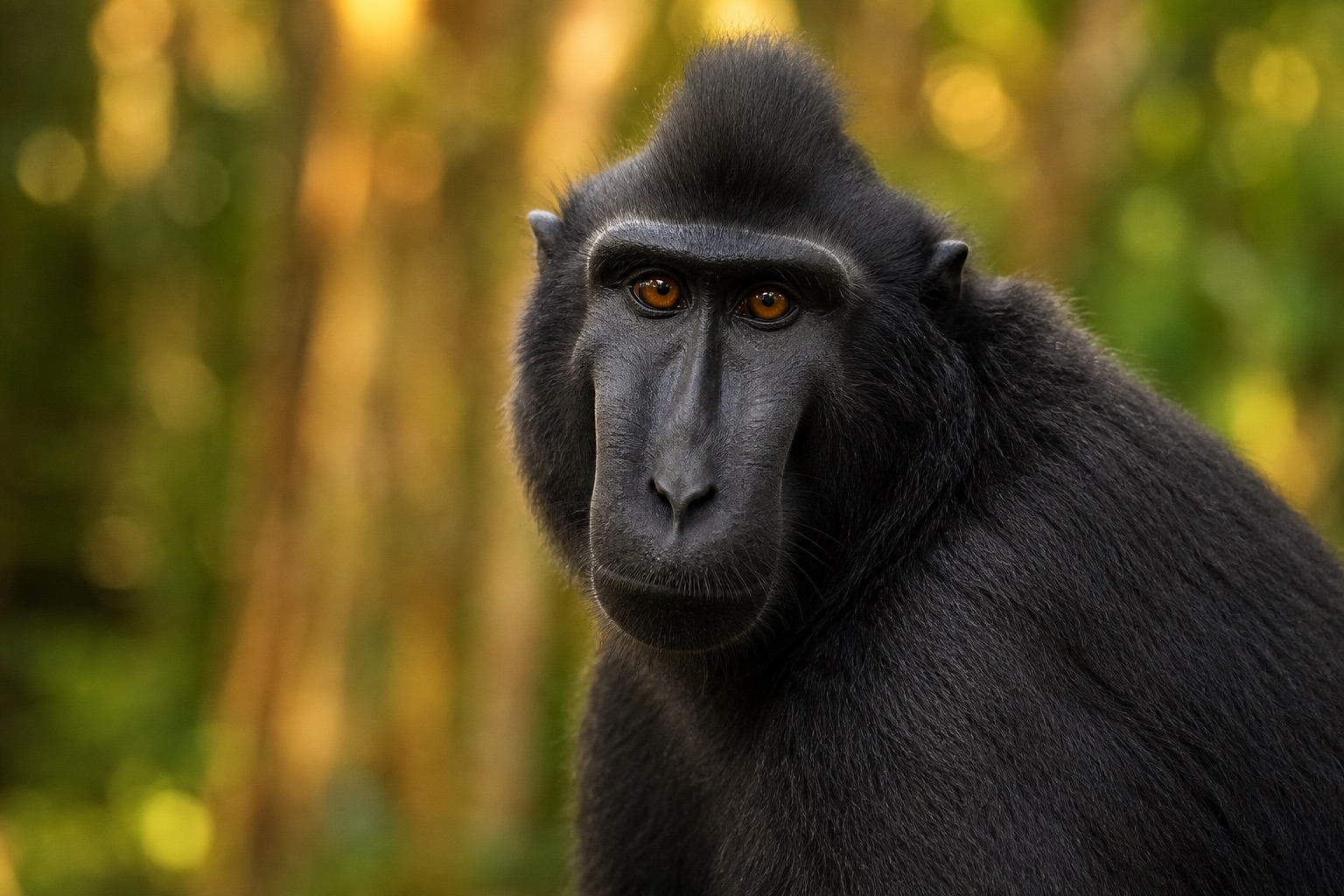
Critically Endangered — fewer than expected remain on Sulawesi
Crested Black Macaque
Macaca nigra (Desmarest, 1822) — family Cercopithecidae
The crested black macaque (Macaca nigra) is a Critically Endangered all-black monkey endemic to northeastern Sulawesi, threatened by hunting and forest loss; it became famous through 2011 selfie photographs, but copyright law does not protect the species from decline.
Read the guide →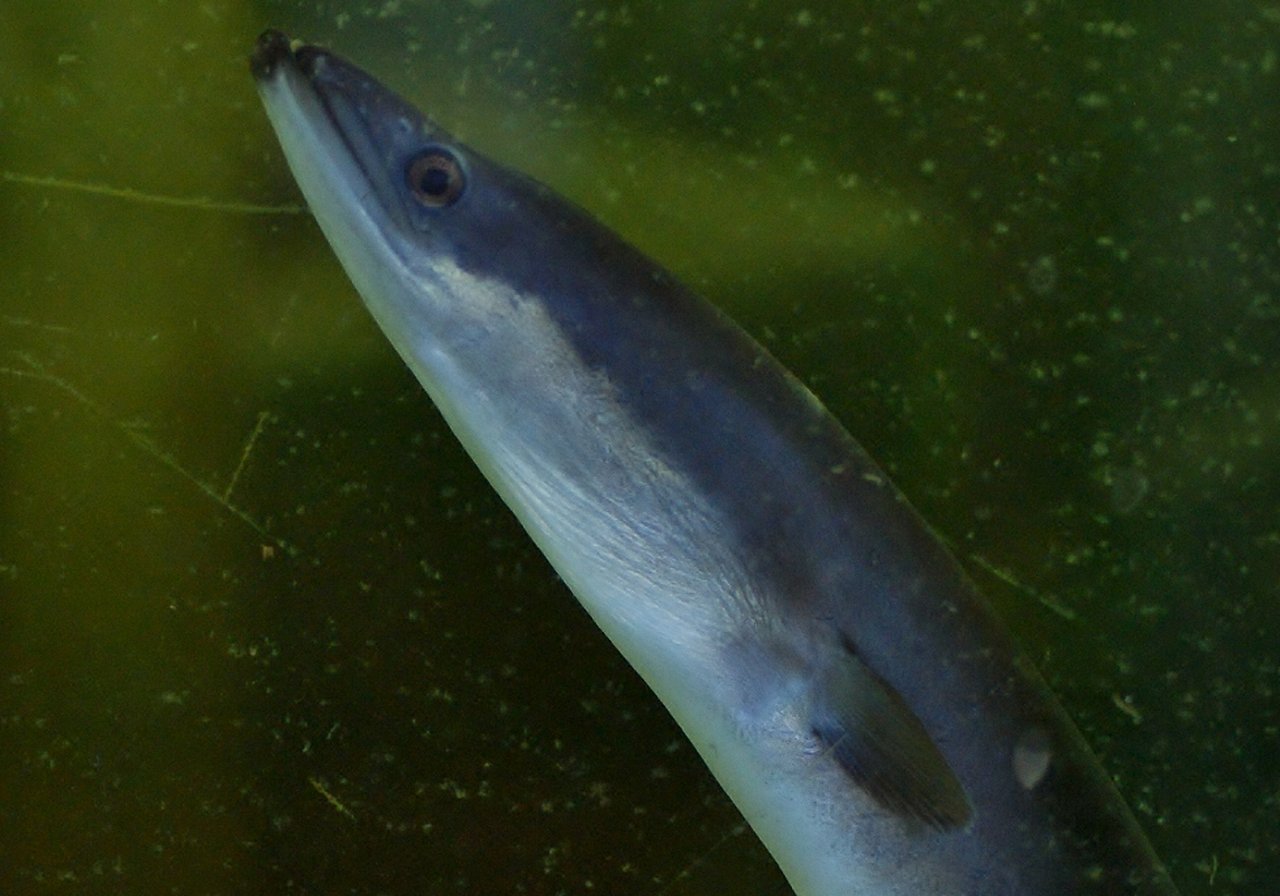
Critically Endangered
Eel
Anguilla anguilla (Linnaeus, 1758)
The European eel (Anguilla anguilla) is a Critically Endangered catadromous fish spawning in the Sargasso Sea; populations have declined over 90% since the 1970s from dams, pollution, fisheries and illegal trade.
Read the guide →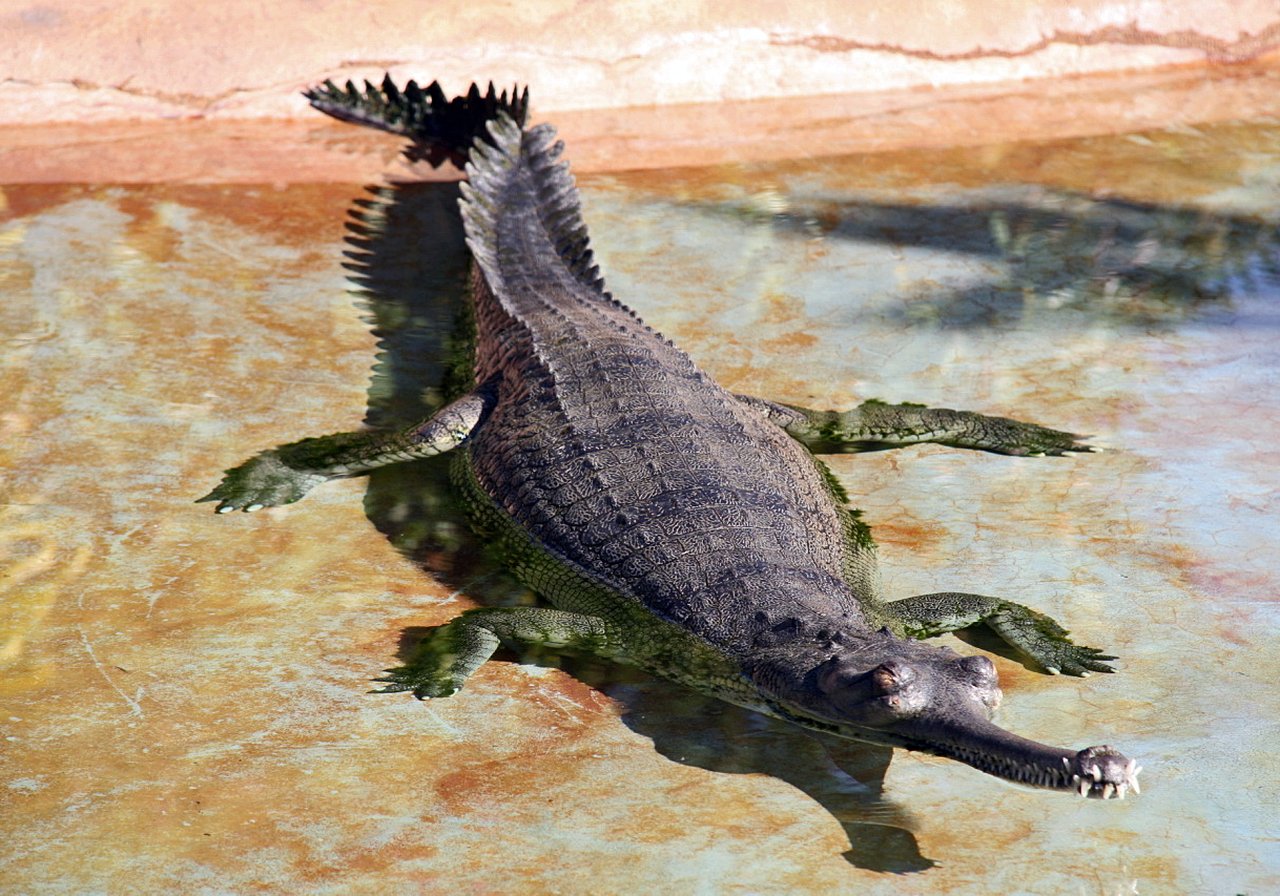
Critically Endangered
Gharial
Gavialis gangeticus (Gmelin, 1789)
The gharial (Gavialis gangeticus) is a Critically Endangered fish-eating crocodilian of India and Nepal with fewer than 900 mature individuals remaining; river damming, sand mining and pollution are the primary threats.
Read the guide →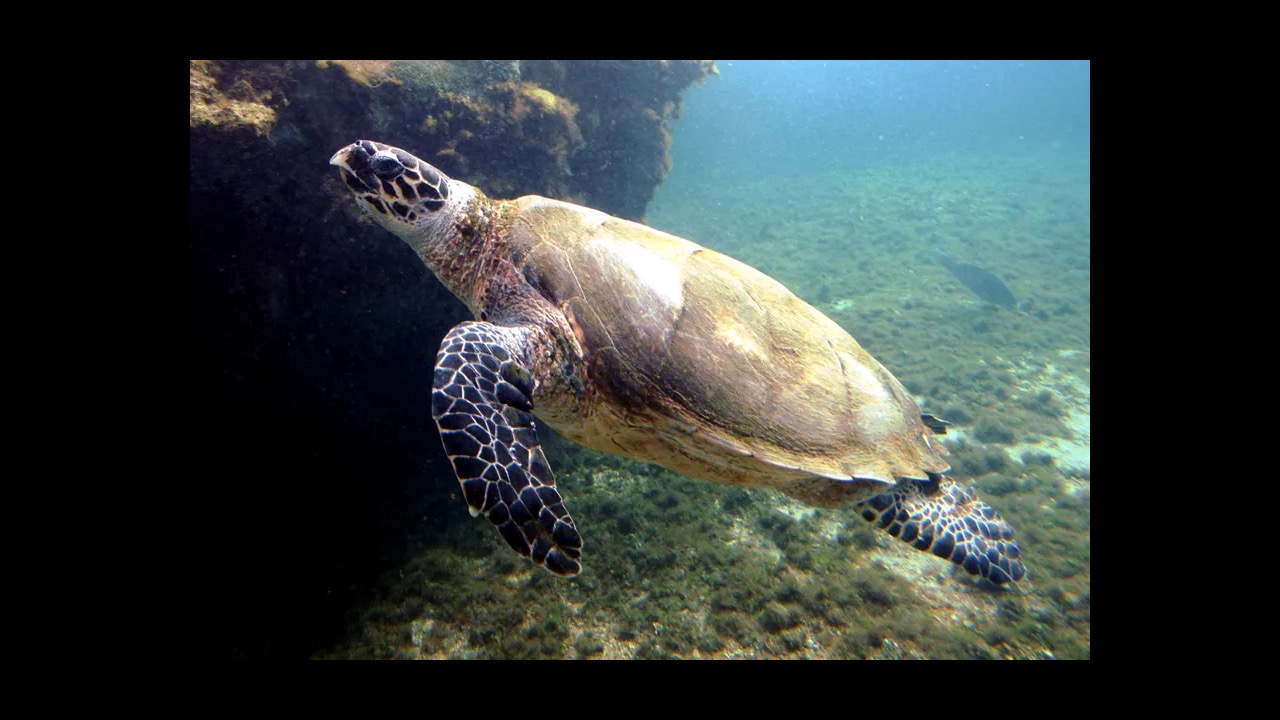
Critically Endangered
Hawksbill Sea Turtle
Eretmochelys imbricata
The hawksbill is a small sea turtle of tropical coral reefs worldwide, named for its narrow, bird-like beak. It grows to about 0.9 m (3 ft) and 45 to 90 kg, feeds mainly on sponges, and can swim at up to 24 km/h (15 mph).
Read the guide →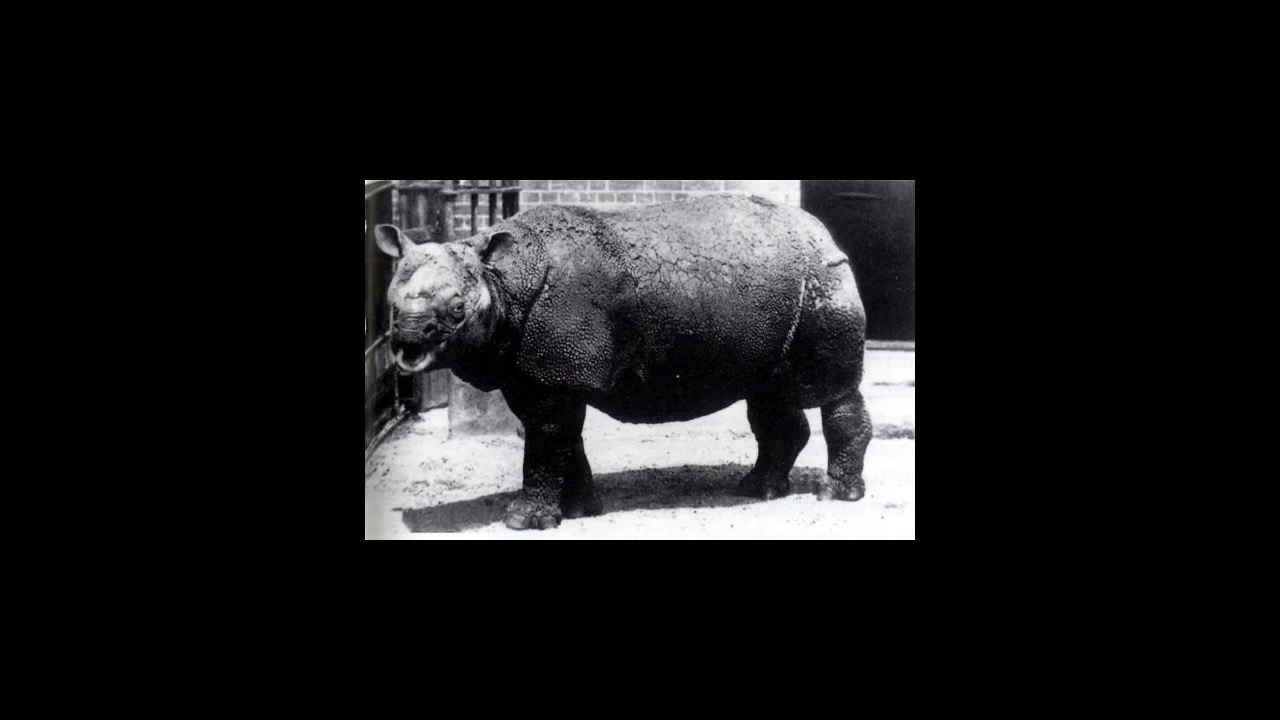
Critically Endangered
Javan Rhino
Rhinoceros sondaicus
The Javan rhinoceros is the rarest of all rhino species, with roughly 70 individuals surviving in a single national park on Java, Indonesia. Smaller than the Indian rhino at 900–2,300 kg (2,000–5,000 lb), it has a single horn and nearly hairless grey skin, and is Critically Endangered from historic hunting and tiny range.
Read the guide →
Critically Endangered — Attenborough's echidna unrecorded for decades until 2023
Long-beaked Echidna
Genus Zaglossus — three species; Attenborough's long-beaked echidna Z. attenboroughi
Long-beaked echidnas (genus Zaglossus) are egg-laying monotreme mammals of New Guinea highland forest; Attenborough's long-beaked echidna was not recorded for roughly sixty years until camera-trap images in 2023, and the genus is Critically Endangered.
Read the guide →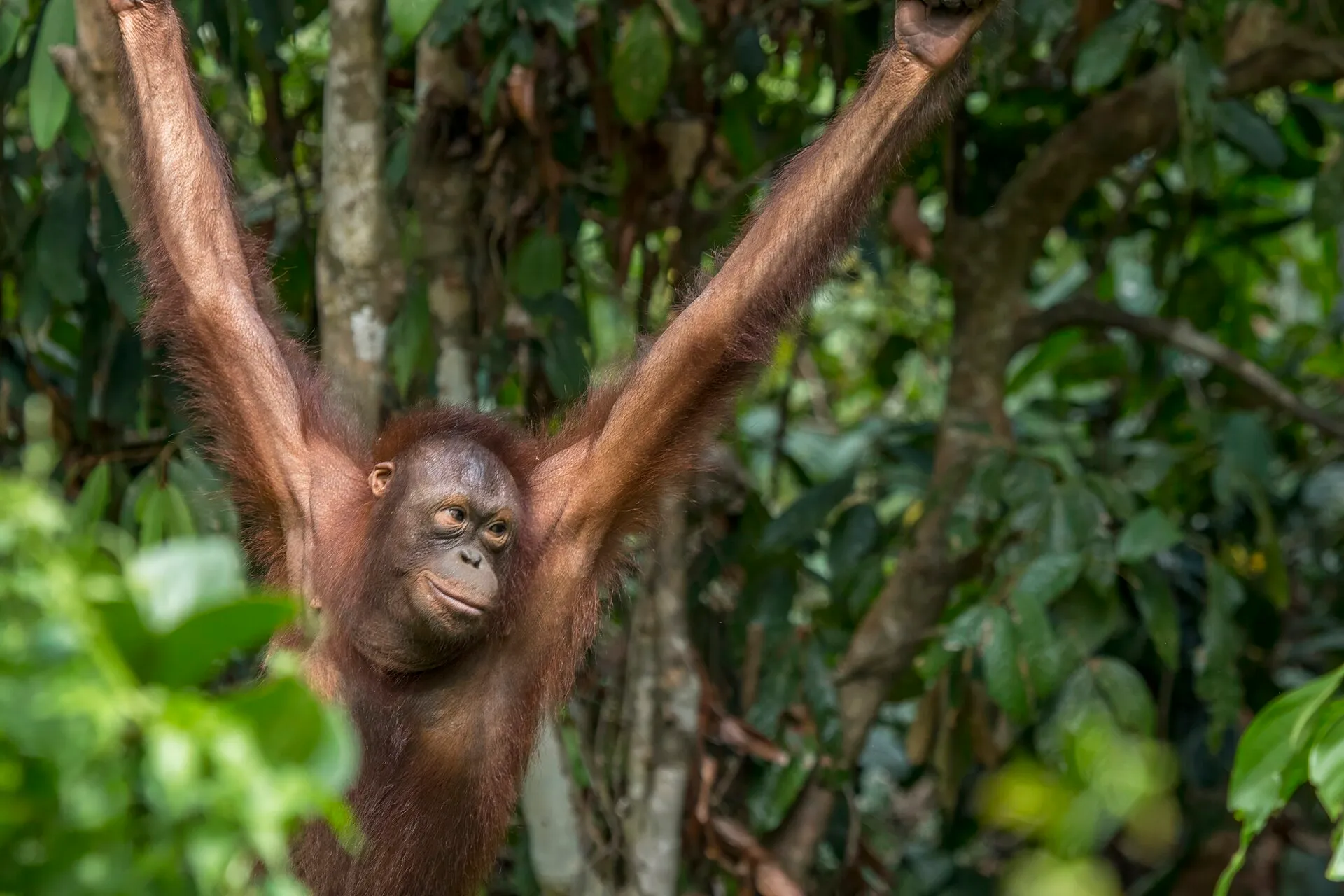
Critically Endangered
Orangutan
Pongo pygmaeus (Linnaeus, 1760), Pongo abelii (Lesson, 1827), Pongo tapanuliensis (Nurcahyo, Meijaard et al., 2017)
Orangutans are Critically Endangered great apes found only in Borneo and Sumatra; all three species — Bornean, Sumatran, and Tapanuli — face extinction driven mainly by habitat loss from palm oil and logging, plus the illegal pet trade.
Read the guide →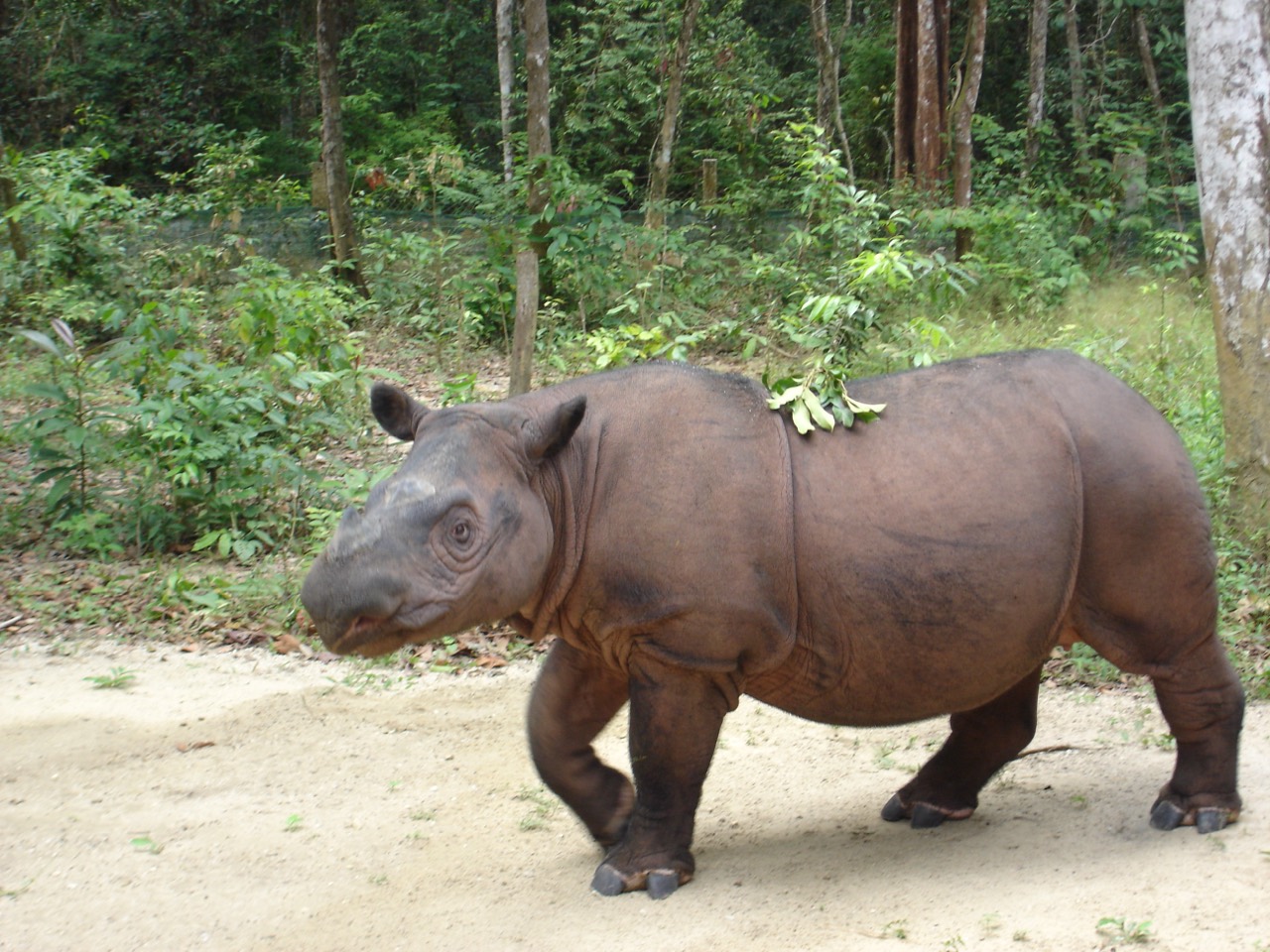
Critically Endangered — fewer than ~50 left
Sumatran Rhino
Dicerorhinus sumatrensis
A Sumatran rhino is the smallest, hairiest living rhinoceros — a two-horned, rainforest-dwelling species of Indonesia and the only surviving member of the genus Dicerorhinus, now Critically Endangered with fewer than roughly 50 individuals left.
Read the guide →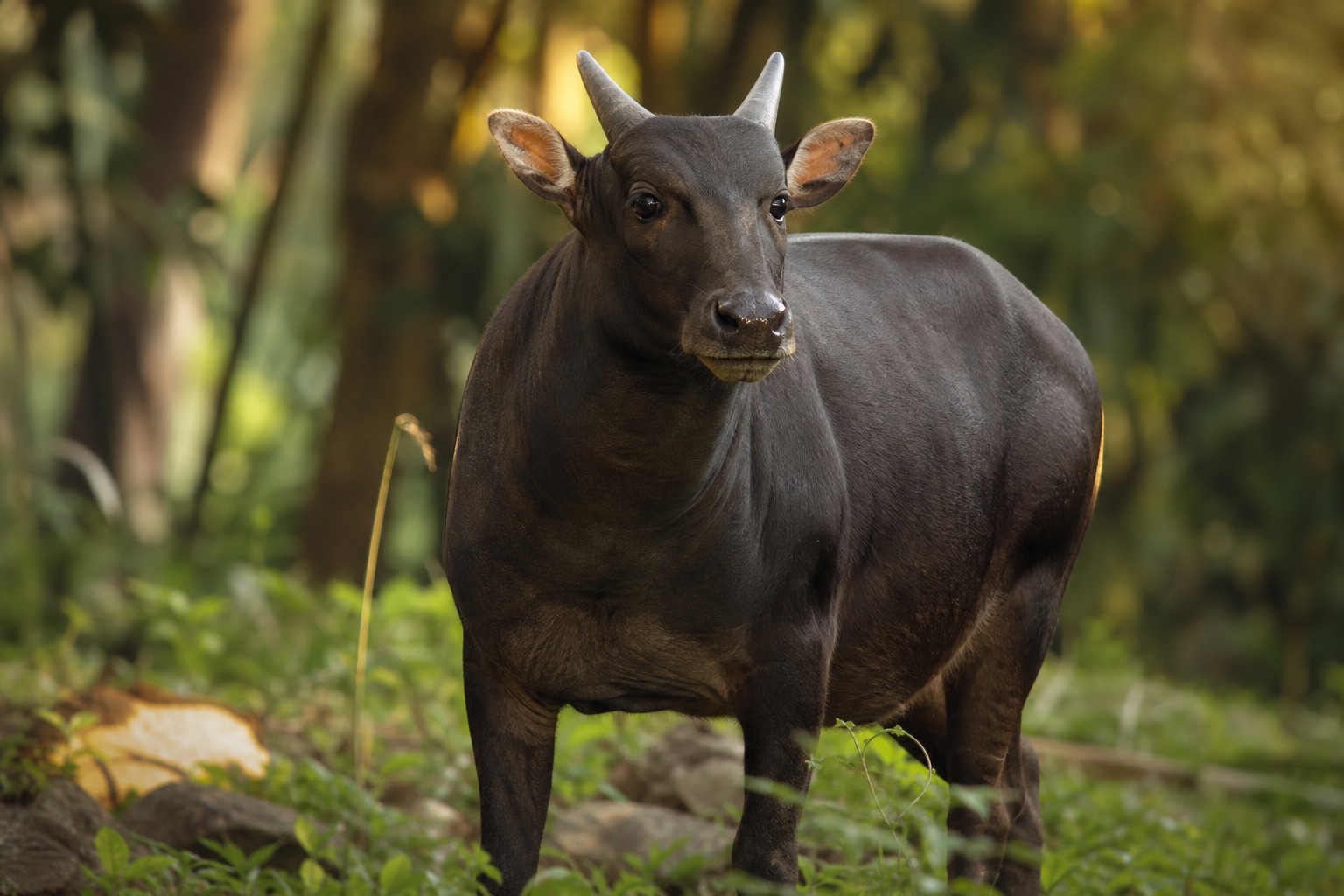
Endangered — both species declining on Sulawesi
Anoa
Bubalus depressicornis and B. quarlesi — dwarf buffalo of Sulawesi
Anoa are dwarf buffalo endemic to Sulawesi, Indonesia — the smallest wild cattle at roughly 90 cm shoulder height — with lowland and mountain species both listed Endangered and declining through hunting and forest loss.
Read the guide →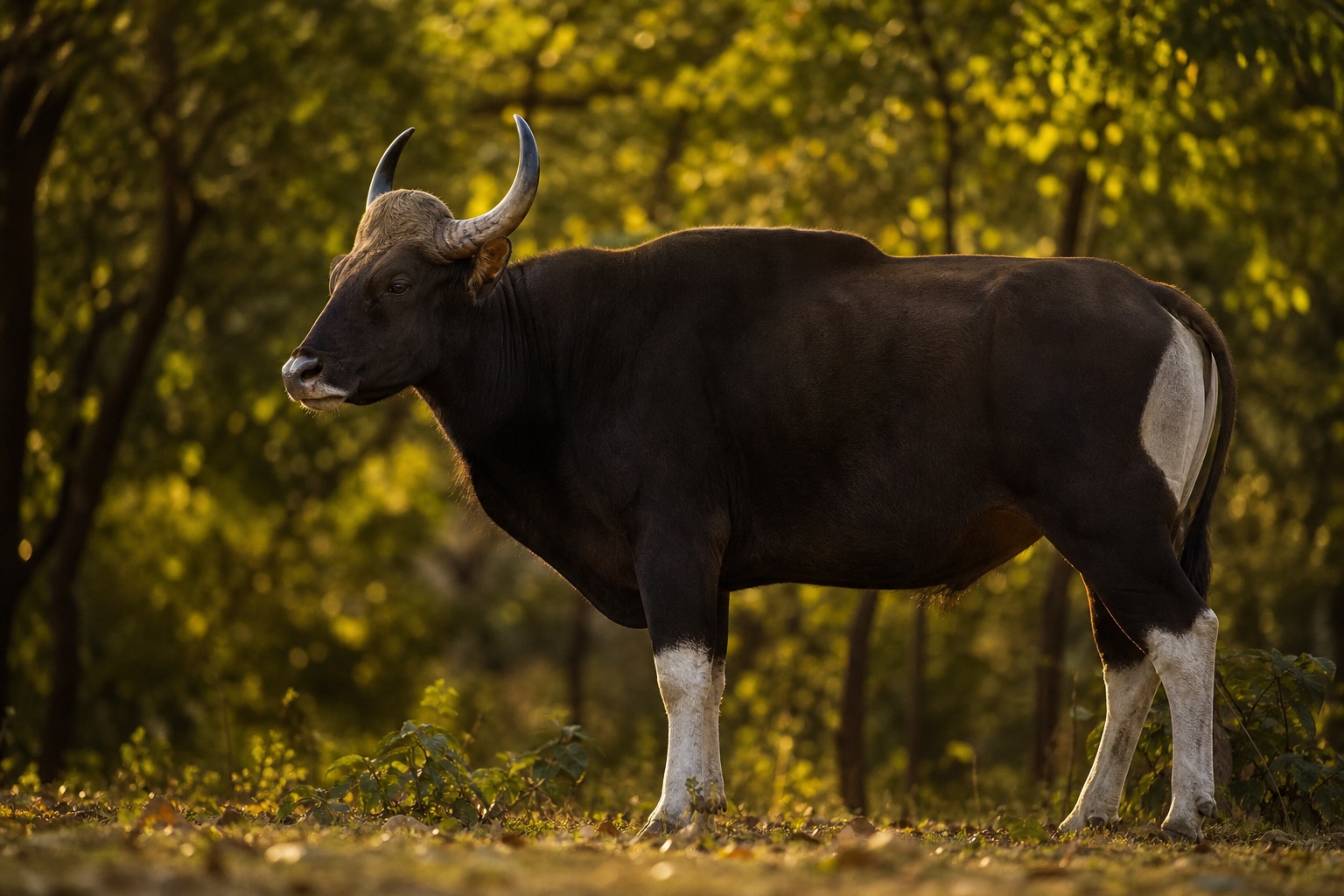
Endangered — first endangered species cloned in 2003; wild herds shrink as forest converts
Banteng
Bos javanicus (Hardwicke, 1825) — family Bovidae
The banteng (Bos javanicus) is an Endangered wild cattle of Southeast Asia; the first Endangered species cloned successfully in 2003, it continues to decline as oil palm, pulpwood, mining and hunting remove forest across Sundaland.
Read the guide →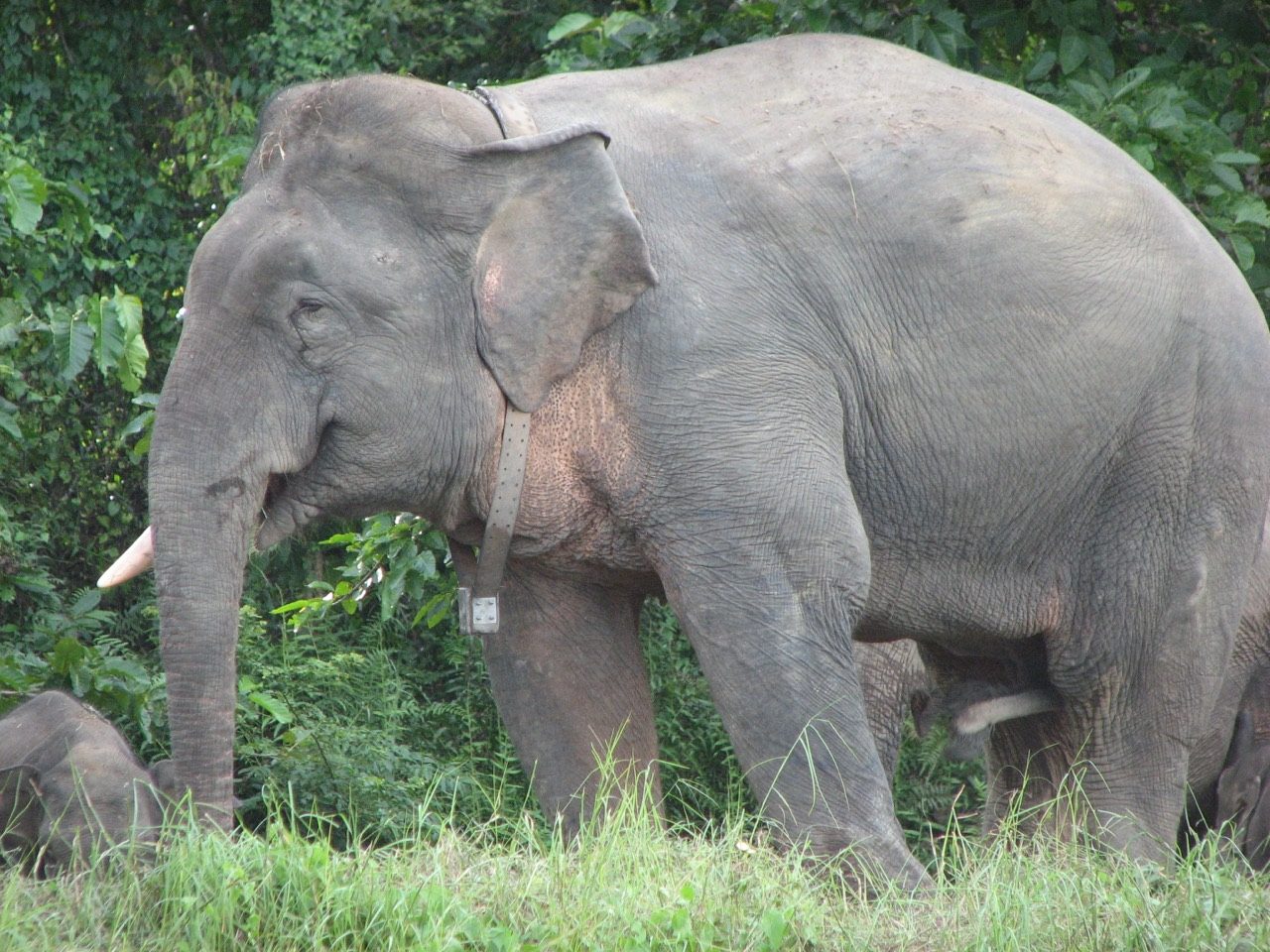
Endangered (subspecies, 2024) — ~1,000 left
Borneo Pygmy Elephant
Elephas maximus borneensis
A Borneo pygmy elephant is the smallest subspecies of Asian elephant (Elephas maximus borneensis), native to the island of Borneo in Sabah, Malaysia and Kalimantan, Indonesia; the IUCN listed it as Endangered in 2024 with about 1,000 left in the wild.
Read the guide →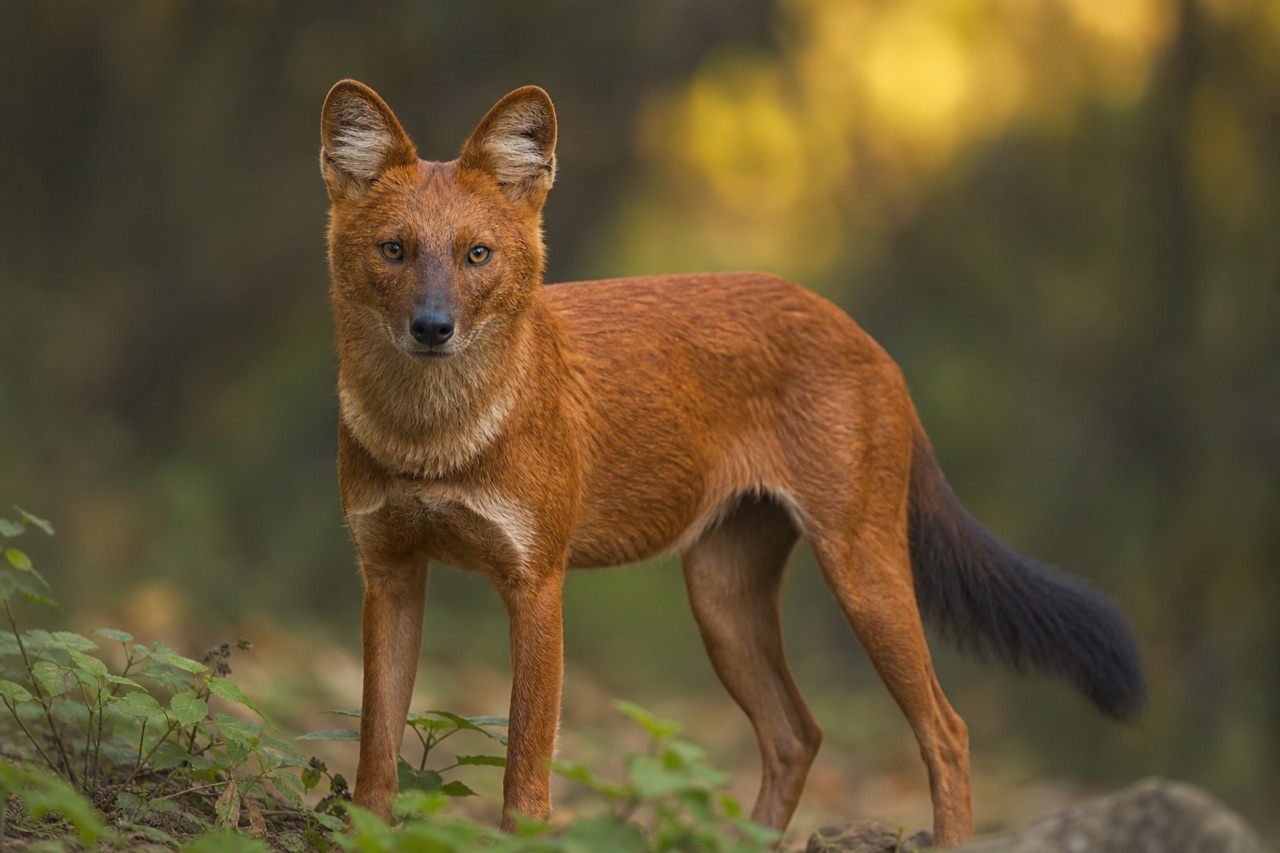
Endangered — declining across South and Southeast Asia
Dhole
Cuon alpinus (Pallas, 1811) — family Canidae
The dhole (Cuon alpinus) is an Endangered wild canid of South and Southeast Asian forests that hunts deer and wild pig in coordinated packs, communicates with whistles rather than barks, and is declining across most of its range.
Read the guide →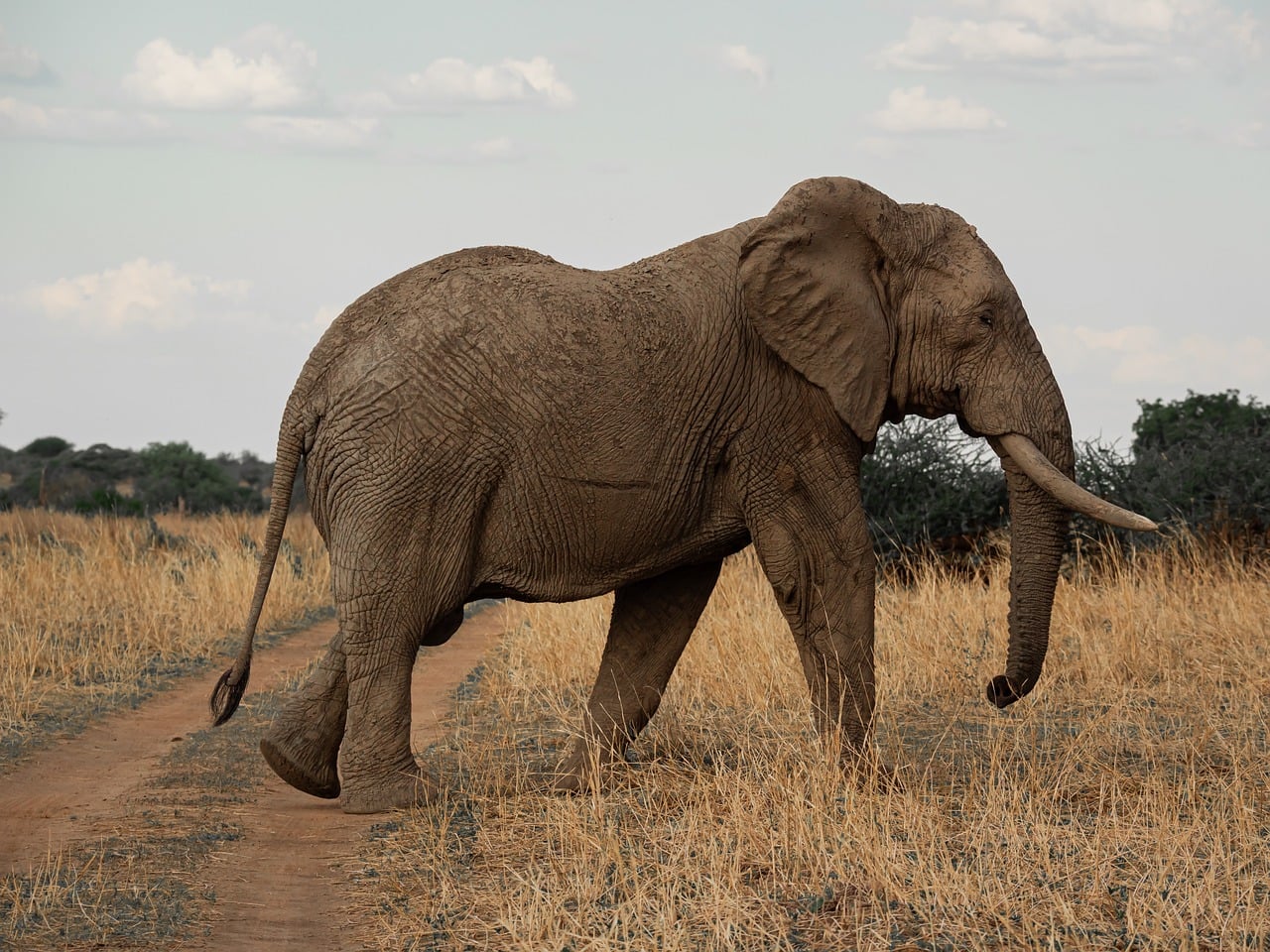
Three living species — Endangered to Critically Endangered (IUCN)
Elephant
Elephantidae — Elephas maximus, Loxodonta africana, Loxodonta cyclotis
Elephants are three living species, not one. Asian and African savanna elephants are Endangered; African forest elephants are Critically Endangered. Gestation is about 22 months. The related appeal explains potential support and the current funding status; this guide does not confirm a WARN grant. Asian elephants have one trunk-tip finger; African elephants have two.
Read the guide →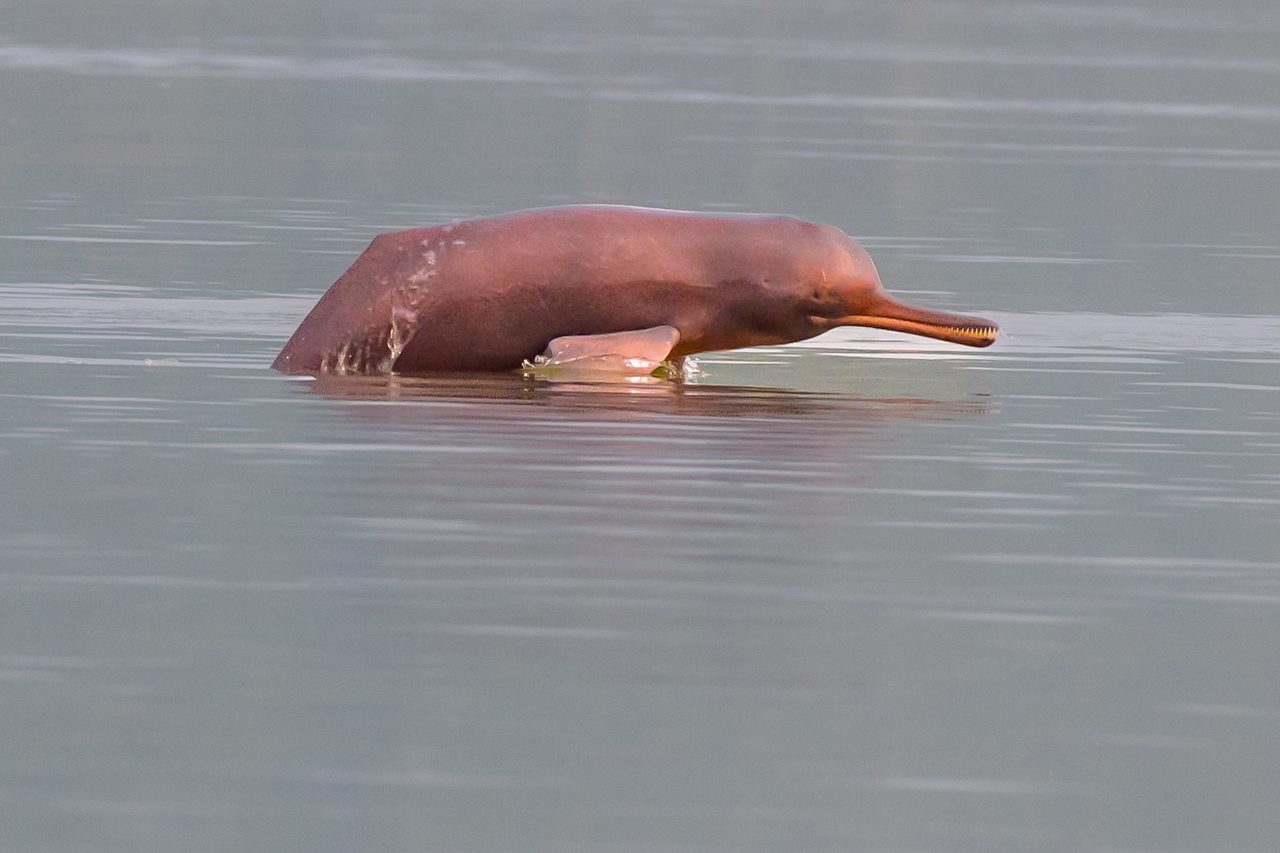
Endangered (IUCN, 2021) — fewer than ~2,000 mature individuals
Indus River Dolphin
Platanista minor
The Indus River dolphin (Platanista minor), or bhulan, is a small, nearly blind freshwater dolphin found only in the Indus River system of Pakistan; it is the national mammal of Pakistan and is classified as Endangered, with fewer than about 2,000 mature individuals remaining.
Read the guide →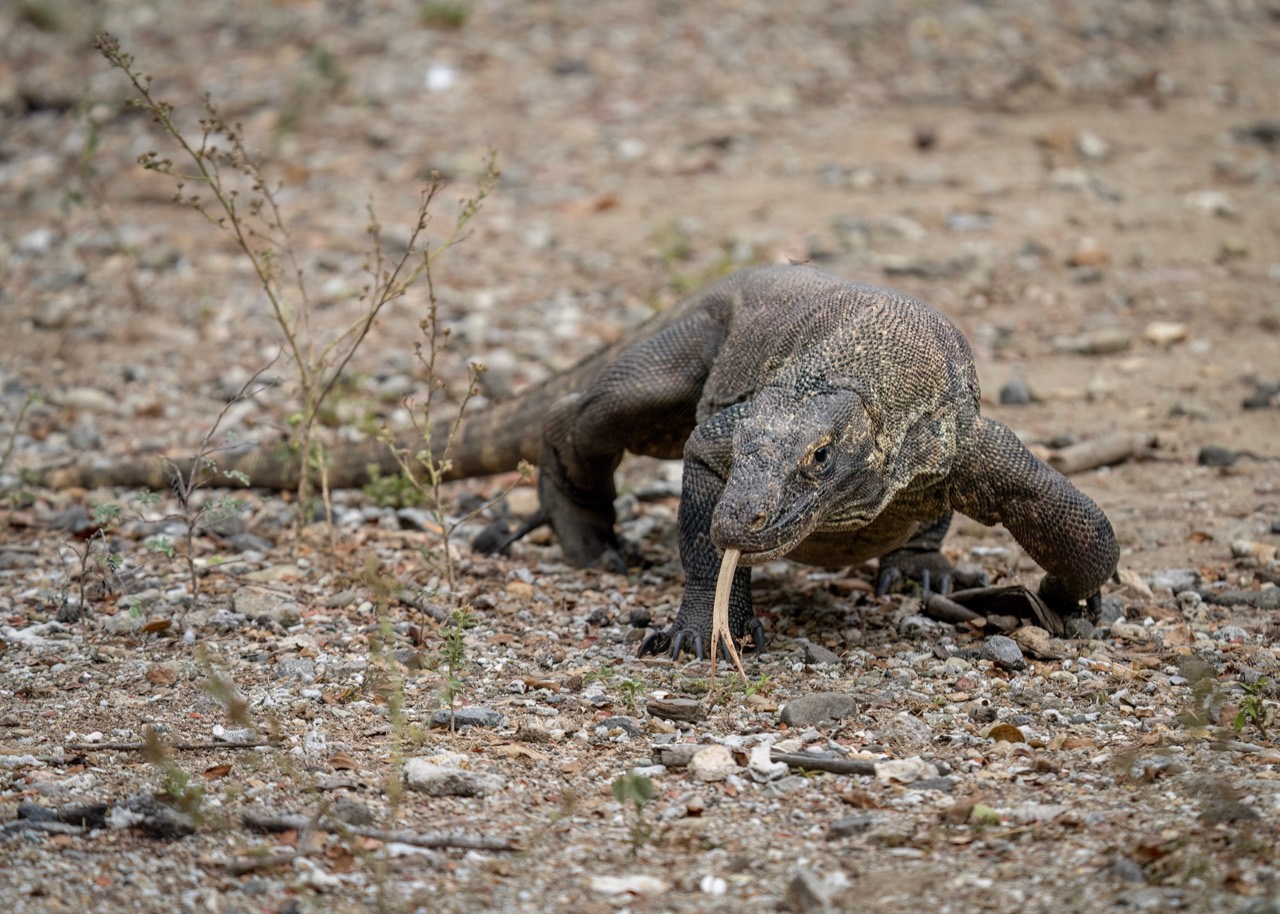
Endangered (IUCN, 2021) — fewer than ~1,400 mature individuals
Komodo Dragon
Varanus komodoensis
A Komodo dragon (Varanus komodoensis) is the world's largest living lizard, a venomous monitor species native to a few islands in eastern Indonesia that can grow to about 3 metres long and 70-90 kilograms.
Read the guide →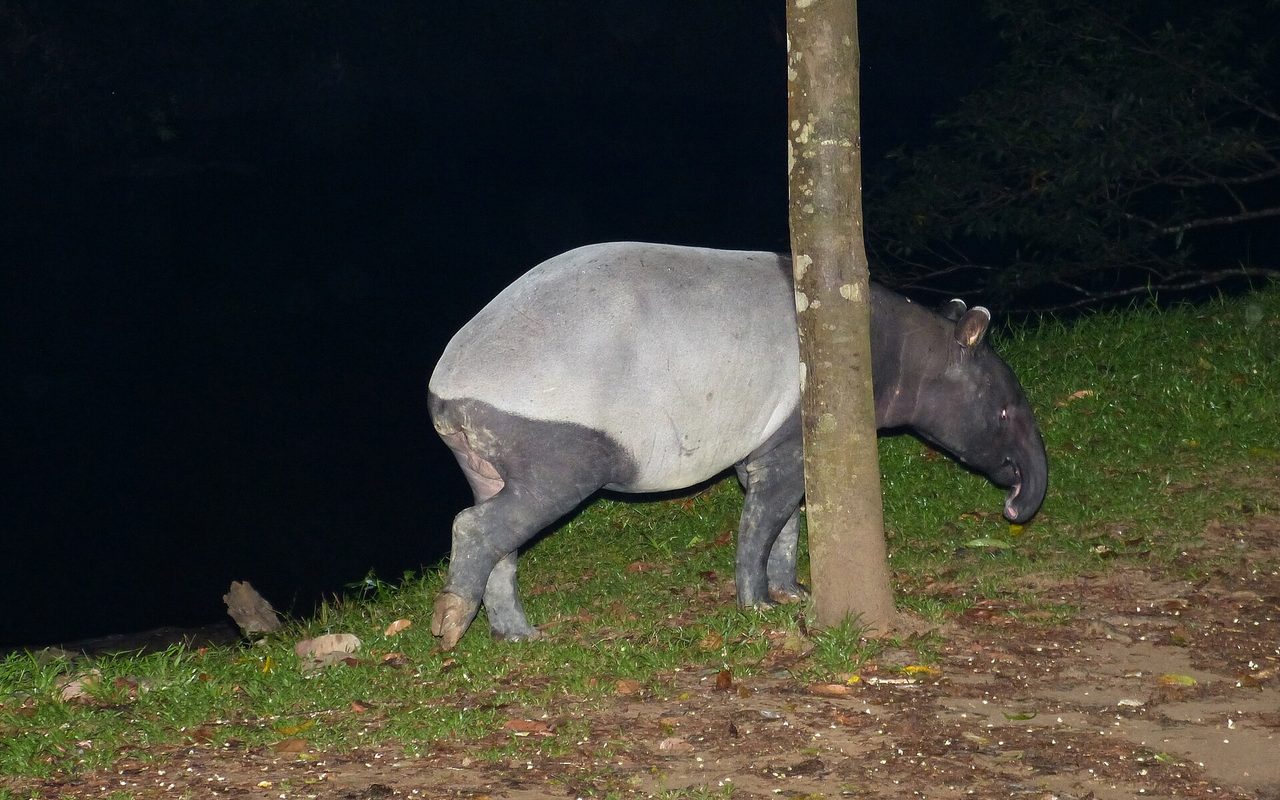
Endangered (IUCN) — fewer than 2,500 mature adults and declining
Malayan Tapir
Tapirus indicus
A Malayan tapir is a large, plant-eating mammal native to the rainforests of Sumatra and Peninsular Malaysia. It is the biggest of the five tapir species and the only tapir found in Asia, recognisable by its black-and-white "saddle" coat and short, flexible snout.
Read the guide →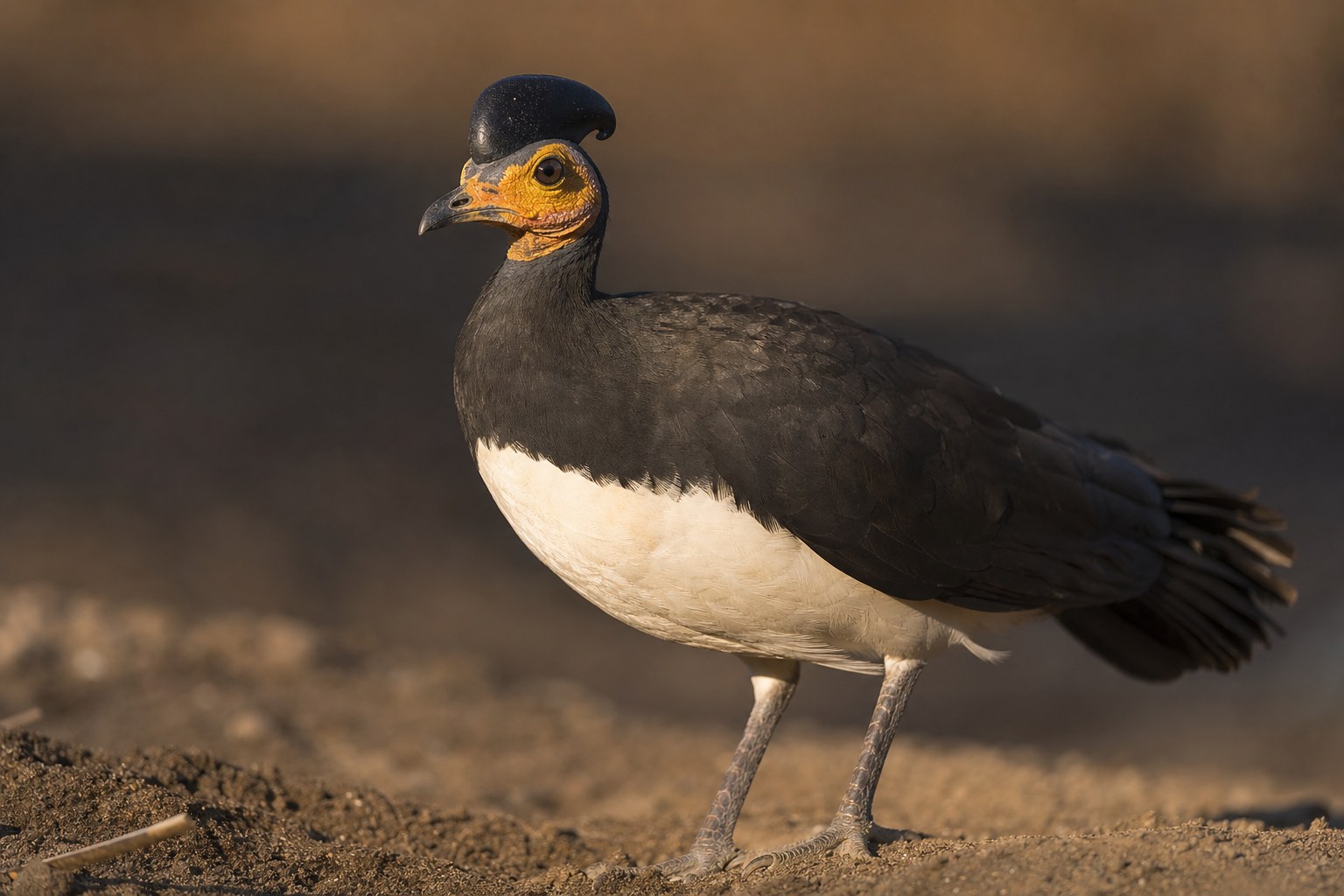
Endangered — nesting grounds lost to development and egg collecting
Maleo
Macrocephalon maleo (Müller, 1840) — family Megapodiidae
The maleo (Macrocephalon maleo) is an Endangered megapode of Sulawesi that buries a single large egg in geothermal or sun-heated sand and abandons it; the chick hatches fully developed and flies the same day without any parental care.
Read the guide →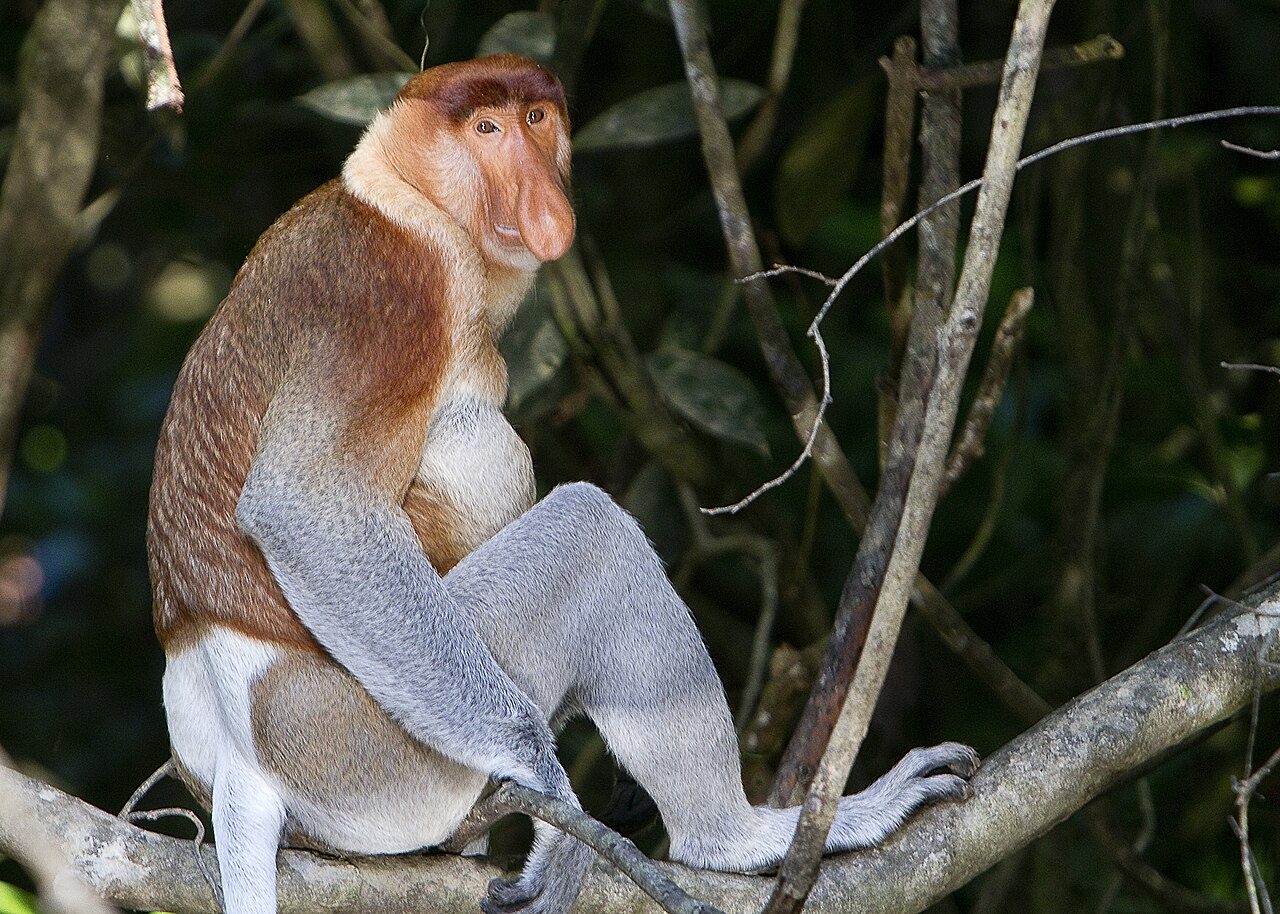
Endangered (IUCN, 2020) - CITES Appendix I
Proboscis Monkey
Nasalis larvatus
A proboscis monkey is a large, reddish-brown Old World monkey found only on the island of Borneo (in Indonesia, Malaysia and Brunei), famous for the male's oversized hanging nose and for living in coastal mangrove and riverside forests; the IUCN classes it as Endangered.
Read the guide →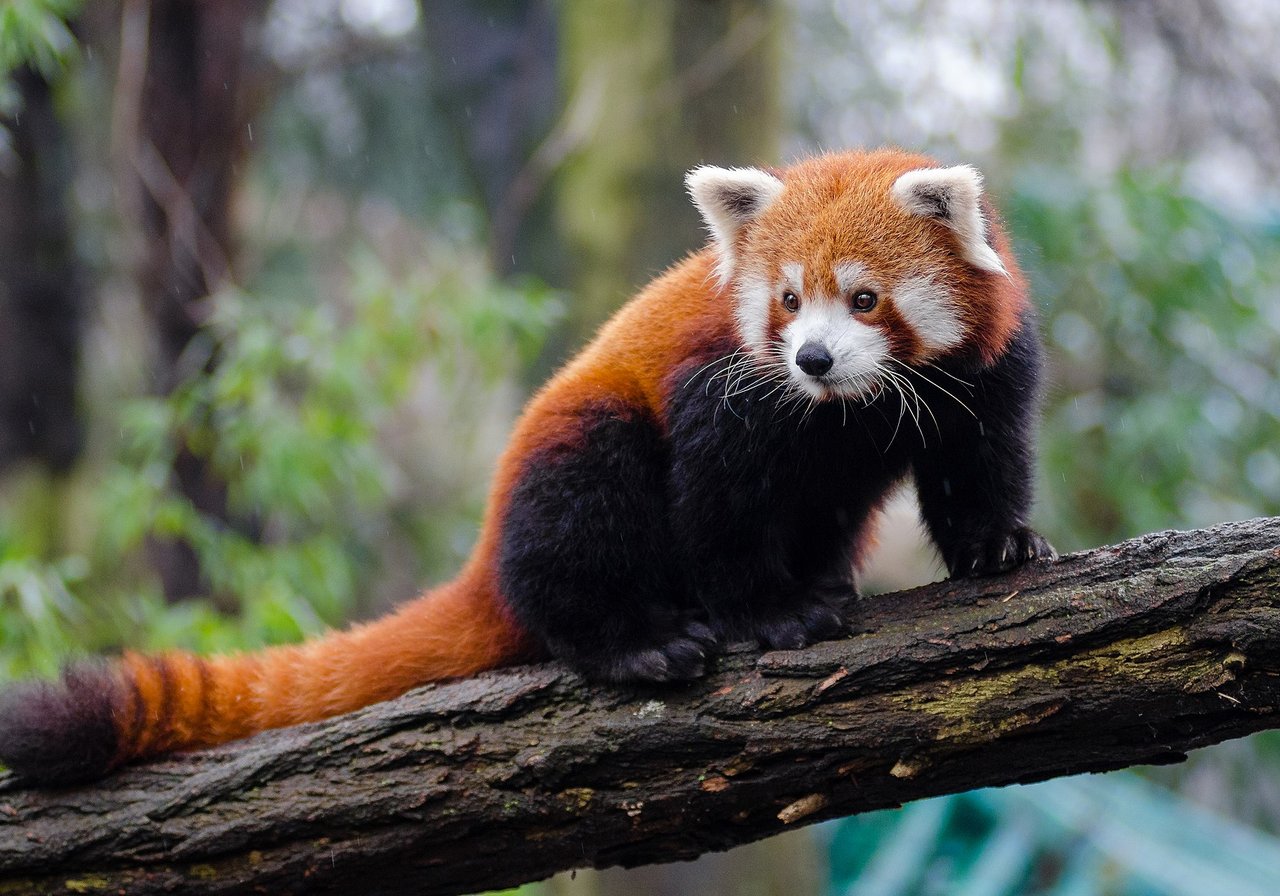
Endangered
Red Panda
Ailurus fulgens (F. Cuvier, 1825)
The red panda (Ailurus fulgens) is an Endangered Himalayan forest mammal unrelated to giant pandas — a bamboo-eating specialist threatened by deforestation, poaching and road deaths across Nepal, India, Bhutan, China and Myanmar.
Read the guide →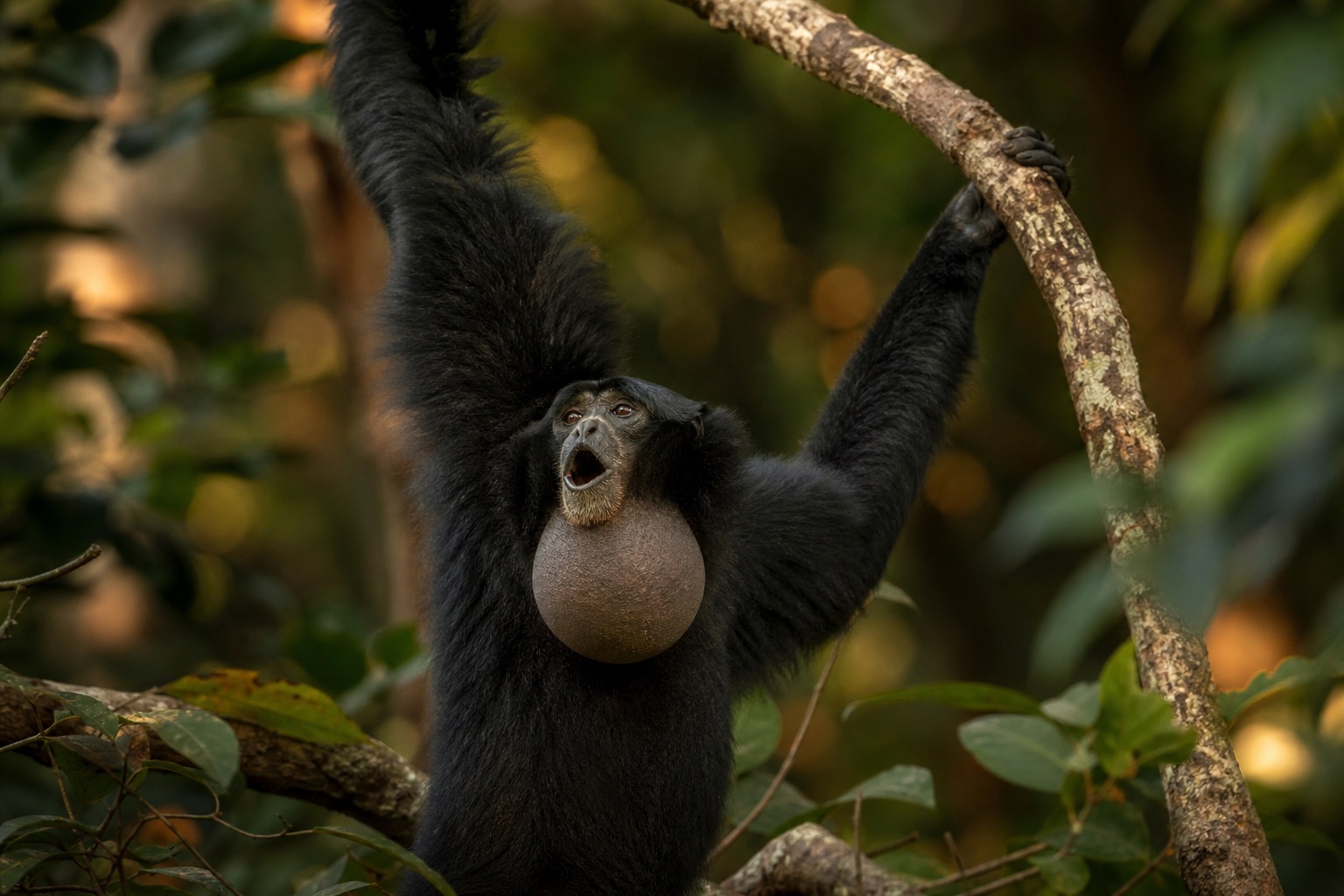
Endangered — loud duets and throat sacs on forests being cleared for plantations
Siamang
Symphalangus syndactylus (Illiger, 1811) — family Hylobatidae
The siamang (Symphalangus syndactylus) is the largest gibbon, Endangered across Sumatra and the Malay Peninsula, known for paired morning duets amplified by an inflatable throat sac; oil palm, pulpwood and mining drive forest loss across its range.
Read the guide →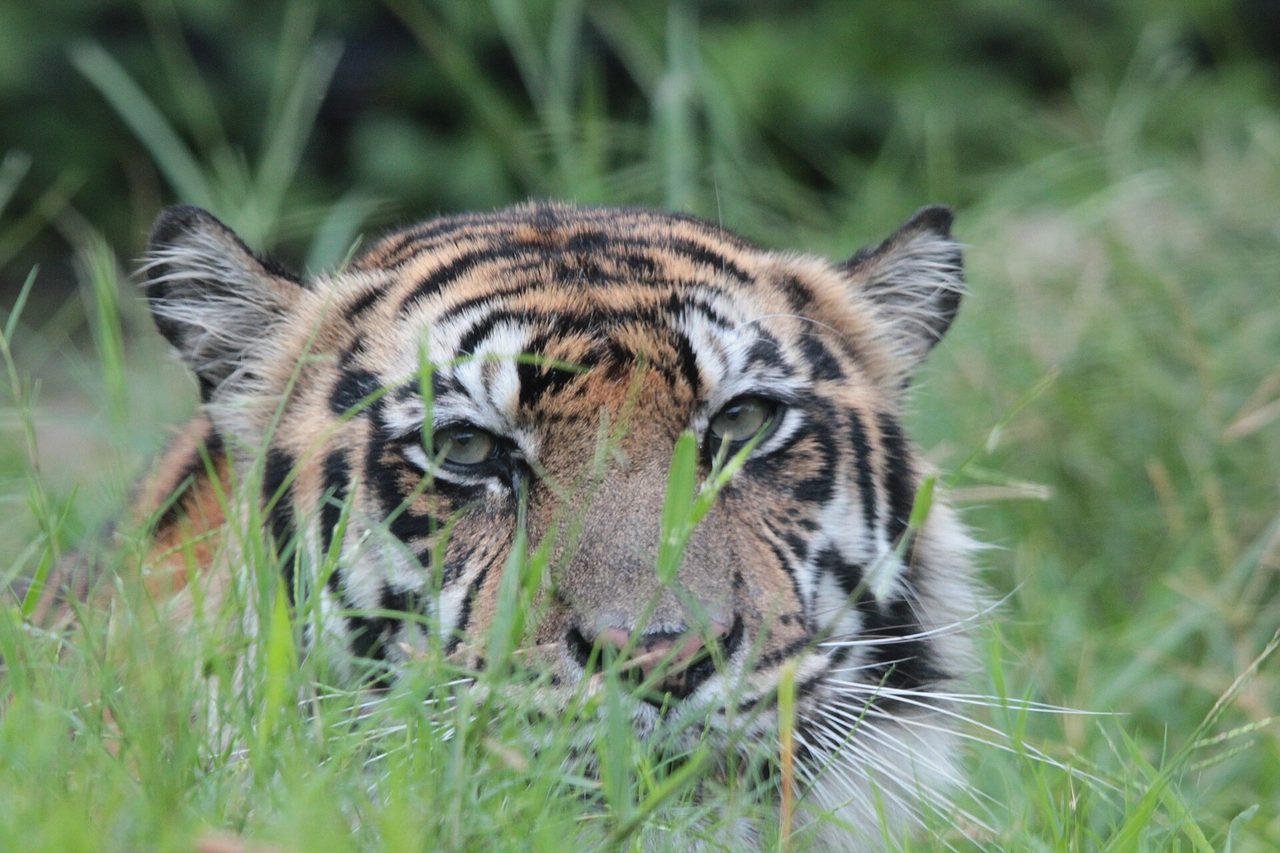
Species Endangered (IUCN 2022); Sumatran and Malayan tigers Critically Endangered
Tiger
Panthera tigris (Linnaeus, 1758)
A tiger (Panthera tigris) is the largest living cat, listed Endangered by the IUCN in 2022. Sumatran and Malayan tigers are Critically Endangered. Fewer than 600 Sumatran tigers and about 80–120 mature Malayan tigers remain. Tigers are not lions. They are solitary forest hunters, not social like African lions.
Read the guide →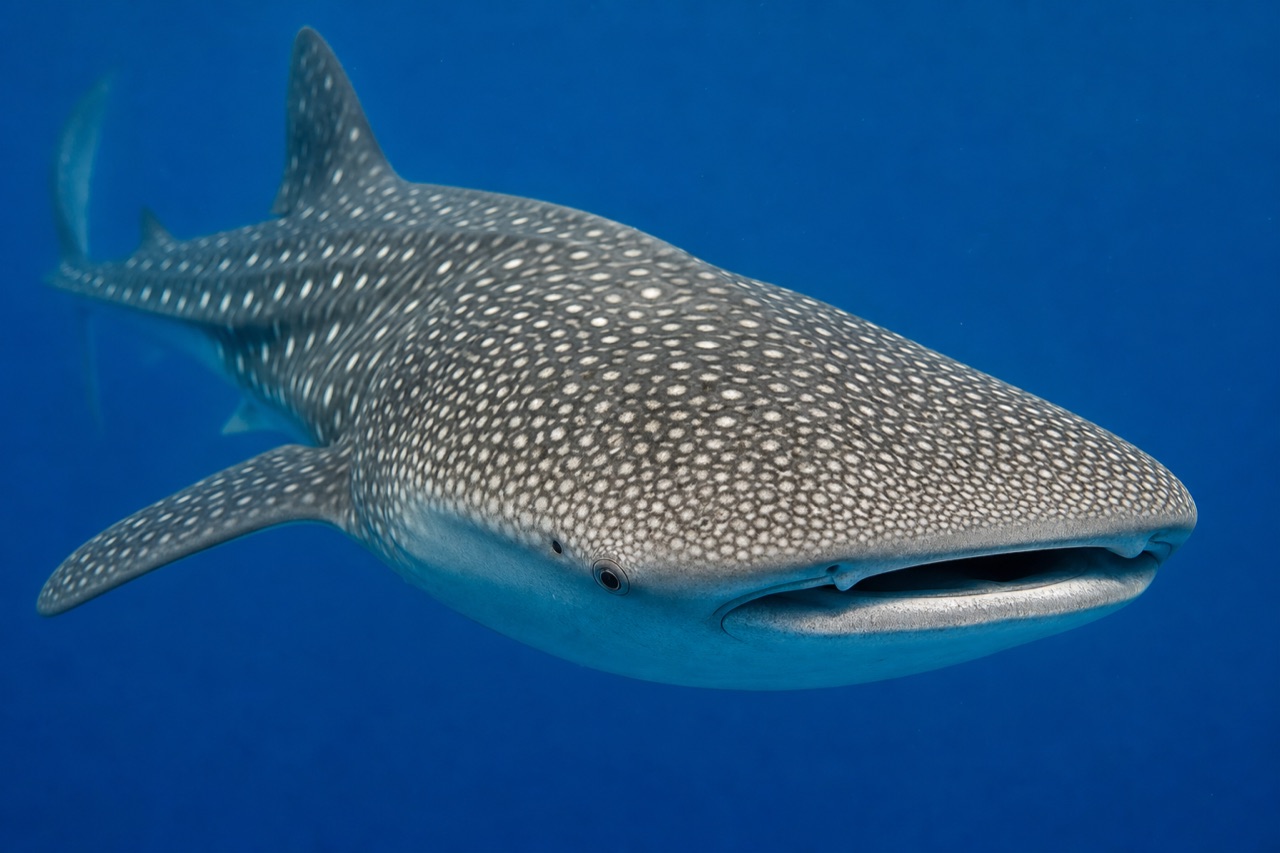
Endangered — the largest fish alive, and a filter feeder
Whale Shark
Rhincodon typus (Smith, 1828) — family Rhincodontidae
The whale shark (Rhincodon typus) is the largest fish on Earth at up to around 18 metres, a filter feeder that eats plankton and small fish, and is listed as Endangered.
Read the guide →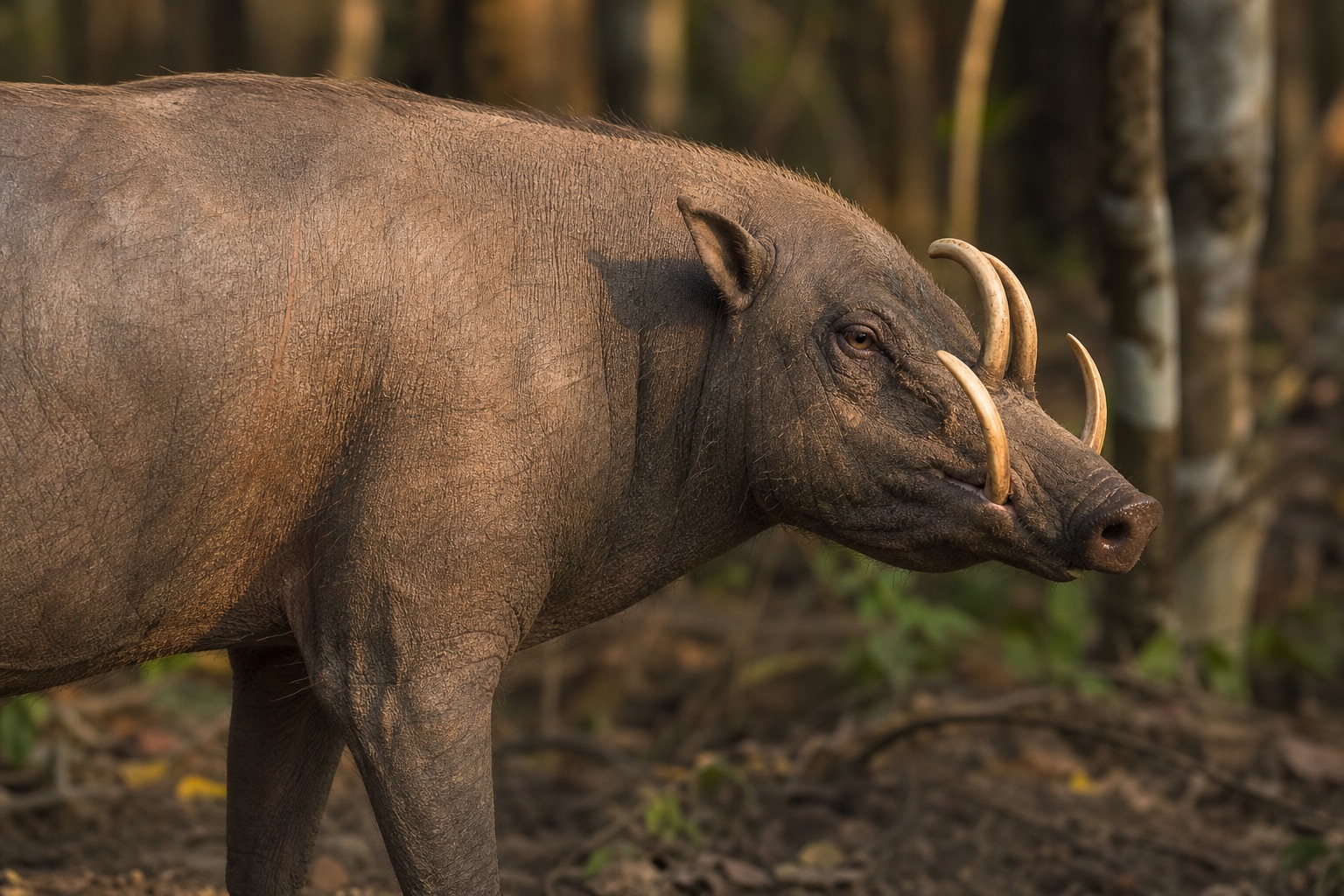
Vulnerable — hunting and forest loss across Sulawesi
Babirusa
Babyrousa babyrussa and related species — family Suidae
Babirusas are forest pigs of Sulawesi and Wallacea whose males grow upper canines that pierce the snout roof and curve upward; they are listed Vulnerable, threatened by hunting and forest loss.
Read the guide →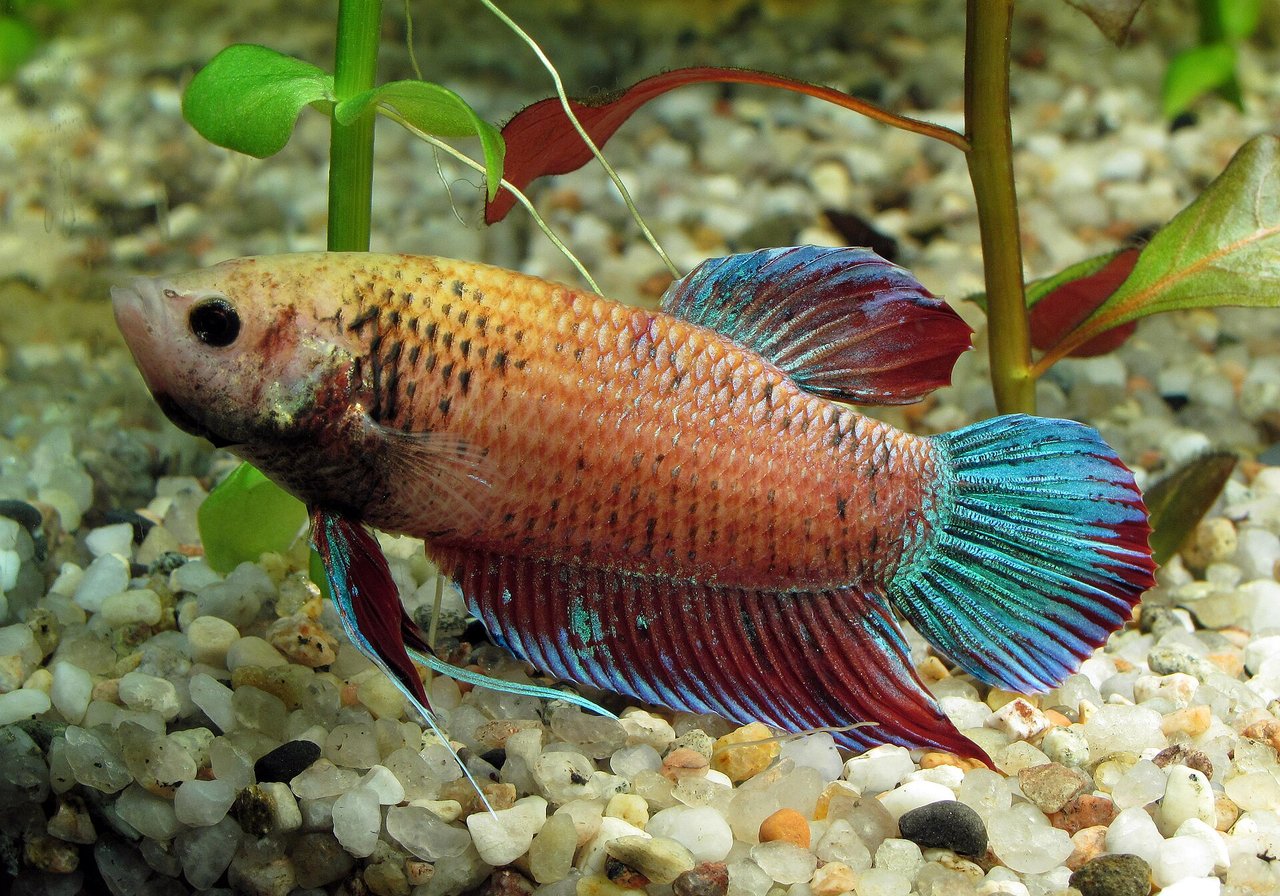
Vulnerable (IUCN, 2011) — wild populations in Thailand threatened
Betta
Betta splendens (Regan, 1910)
Betta splendens is a Vulnerable labyrinth fish of South-east Asian rice paddies — males are territorial; pet bettas need heated filtered tanks of at least 15–20 litres, not unheated bowls or vases.
Read the guide →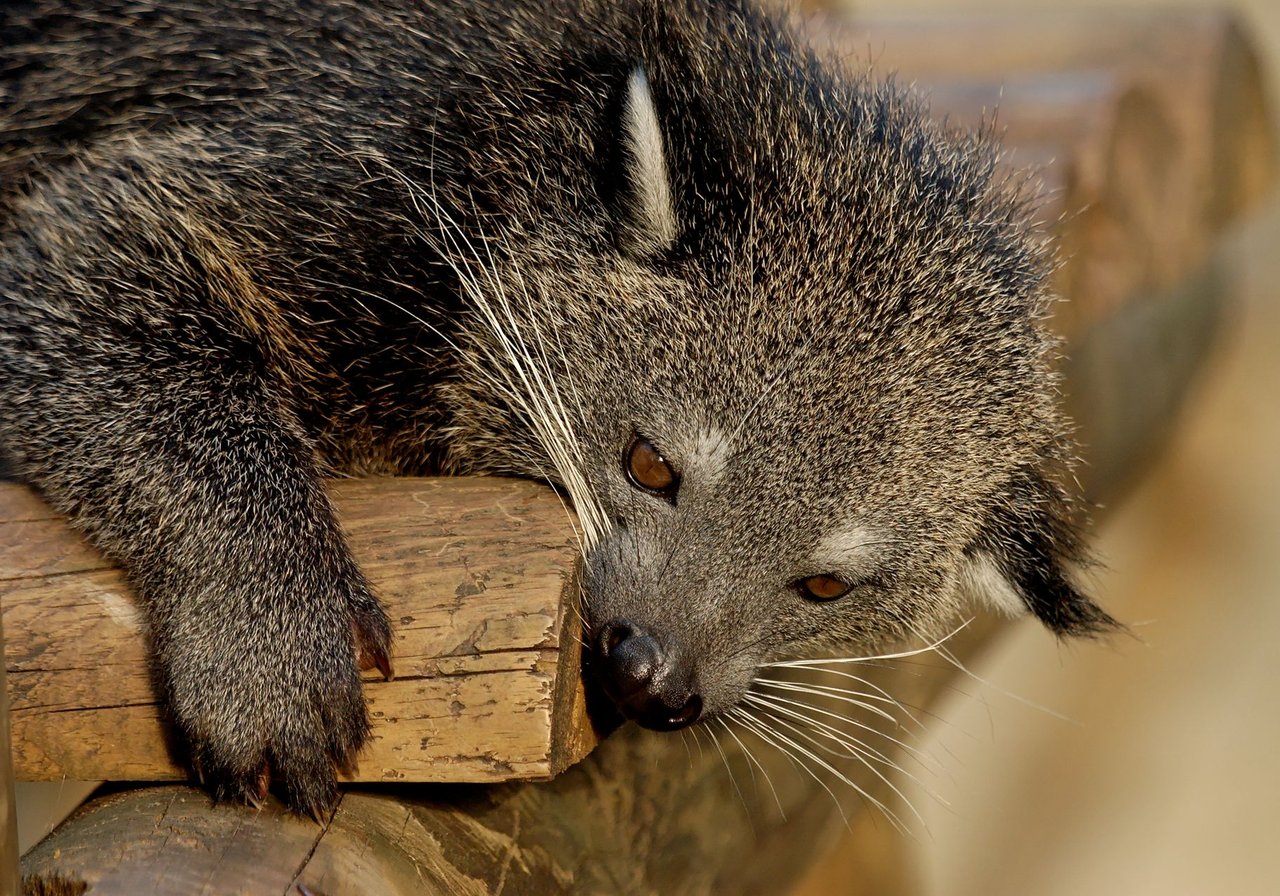
Vulnerable
Binturong
Arctictis binturong (Raffles, 1821)
The binturong (Arctictis binturong) is a Vulnerable tree-dwelling viverrid of South-east Asian rainforest, the only Old World mammal with a fully prehensile tail; it is threatened by deforestation and the illegal pet trade.
Read the guide →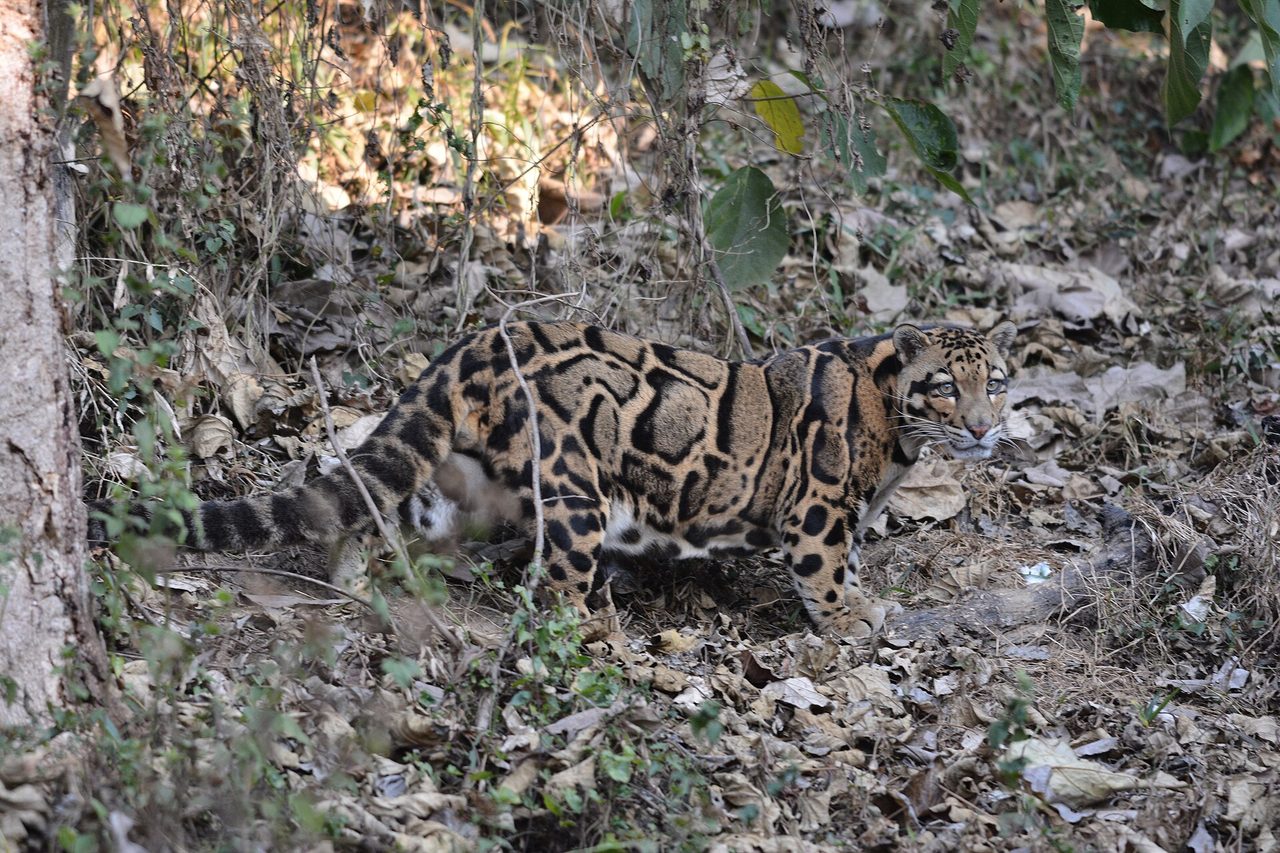
Vulnerable (both species) — island subspecies assessed Endangered
Clouded Leopard
Neofelis nebulosa & Neofelis diardi
A clouded leopard is a medium-sized arboreal wild cat native to the forests of Asia, recognised by its cloud-shaped coat patches and famous for having the longest canine teeth relative to body size of any living cat; two species exist, the mainland (Neofelis nebulosa) and Sunda (Neofelis diardi) clouded leopards, both listed as Vulnerable.
Read the guide →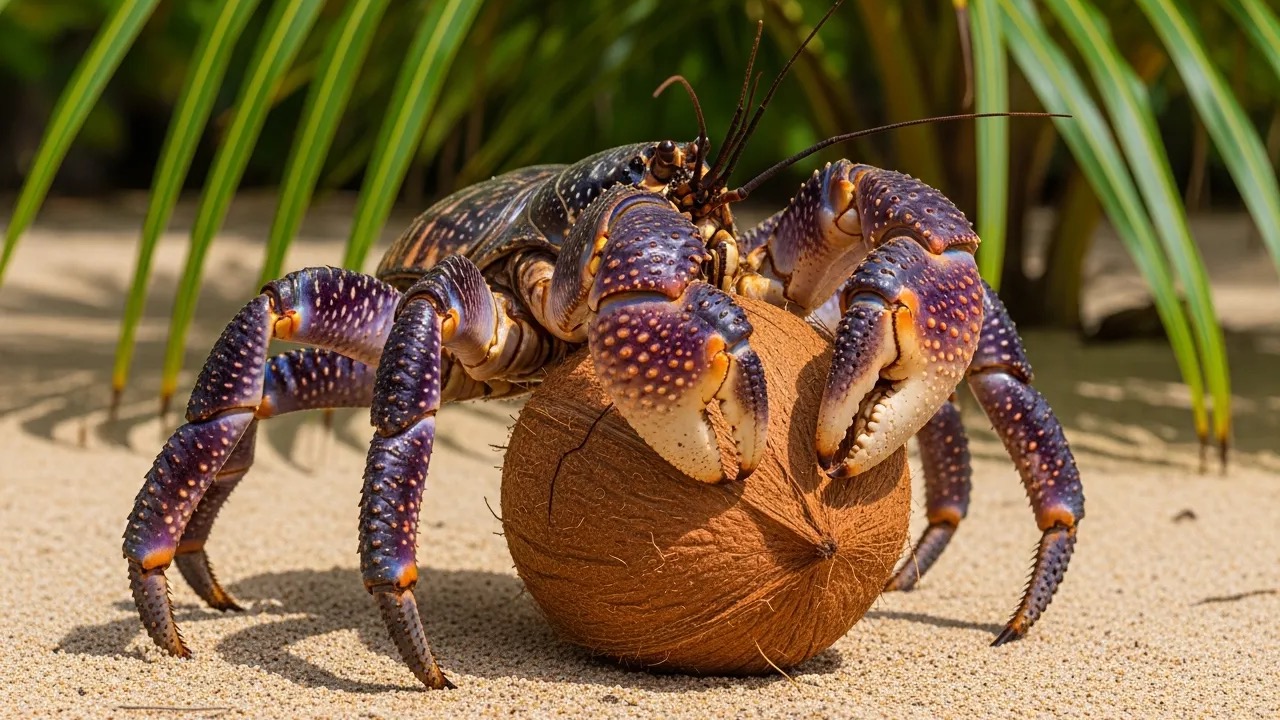
Vulnerable
Coconut Crab
Birgus latro
The coconut crab (Birgus latro) is the world's largest land-living arthropod, a giant terrestrial hermit crab found on tropical islands across the Indo-Pacific. Adults reach a leg span of about 1 m (3 ft) and weigh up to roughly 4 kg (9 lb).
Read the guide →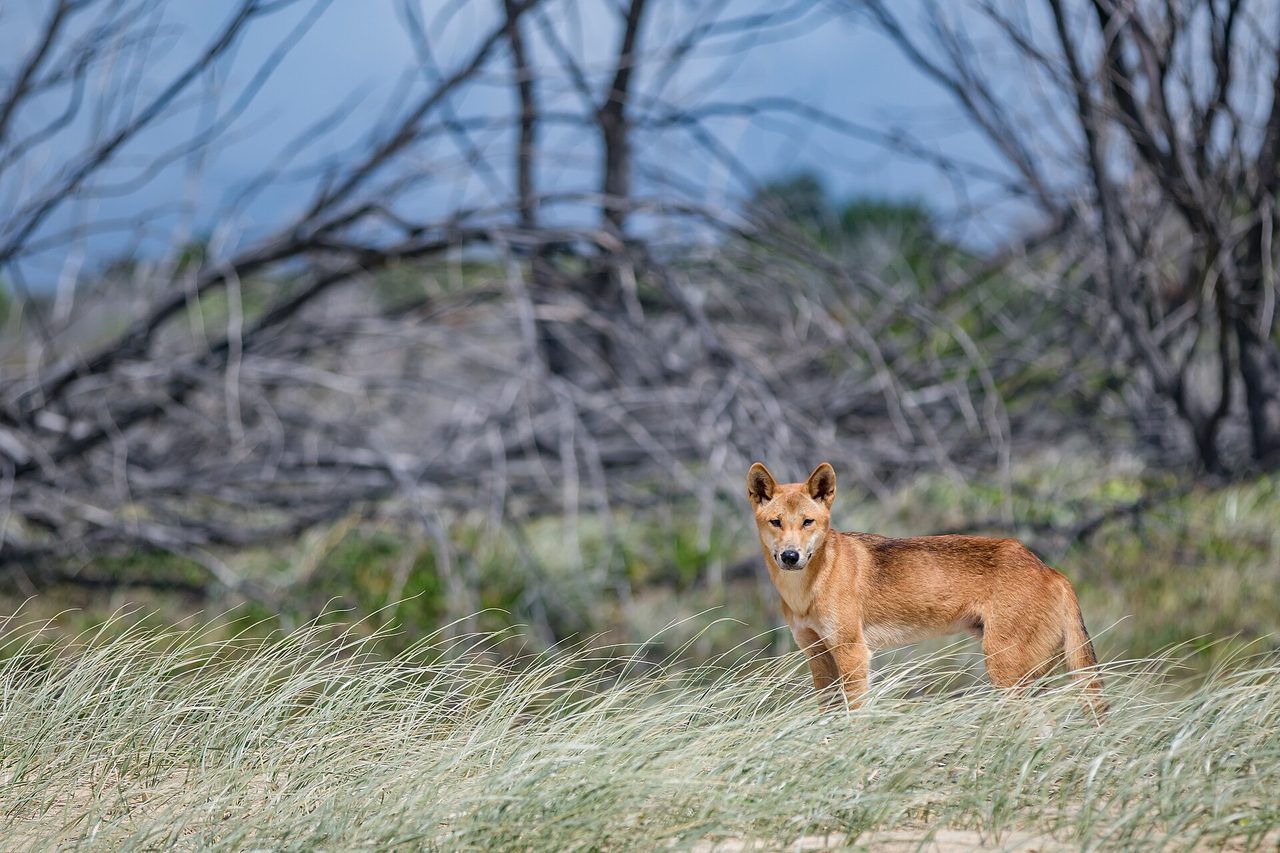
Vulnerable (historical IUCN 2008; removed from Red List 2019)
Dingo
Canis lupus dingo
The dingo is Australia's native wild dog and apex predator, historically classified as Vulnerable due to widespread persecution and hybridisation with domestic dogs — though it was removed from the IUCN Red List in 2019 following taxonomic reclassification, and new genomic research suggests pure dingoes are more numerous than previously feared.
Read the guide →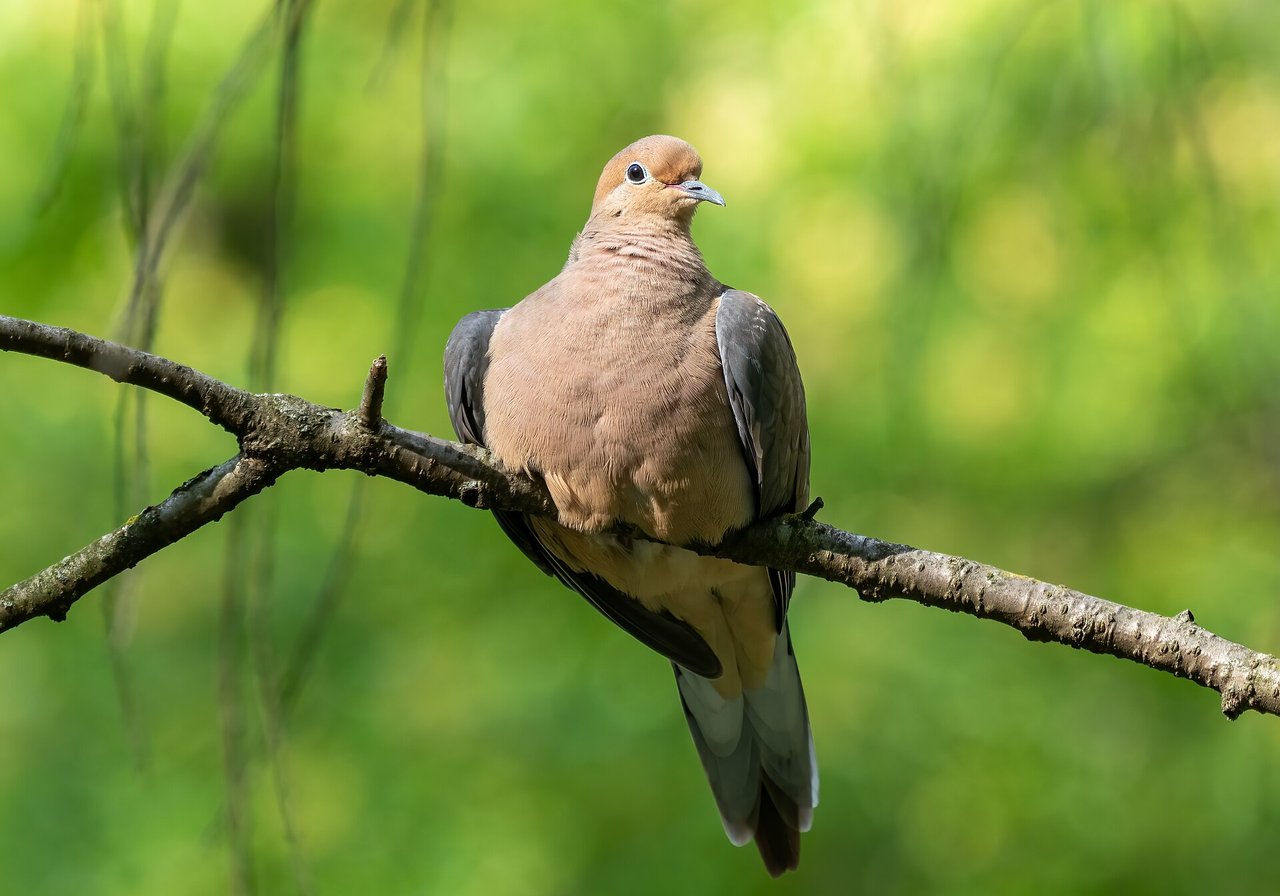
Vulnerable
Dove
Streptopelia turtur (Linnaeus, 1758)
The European turtle dove (Streptopelia turtur) is a Vulnerable migratory columbid of European woodland and farmland, declining by roughly 80% since 1970 due to habitat loss, hunting and agricultural intensification.
Read the guide →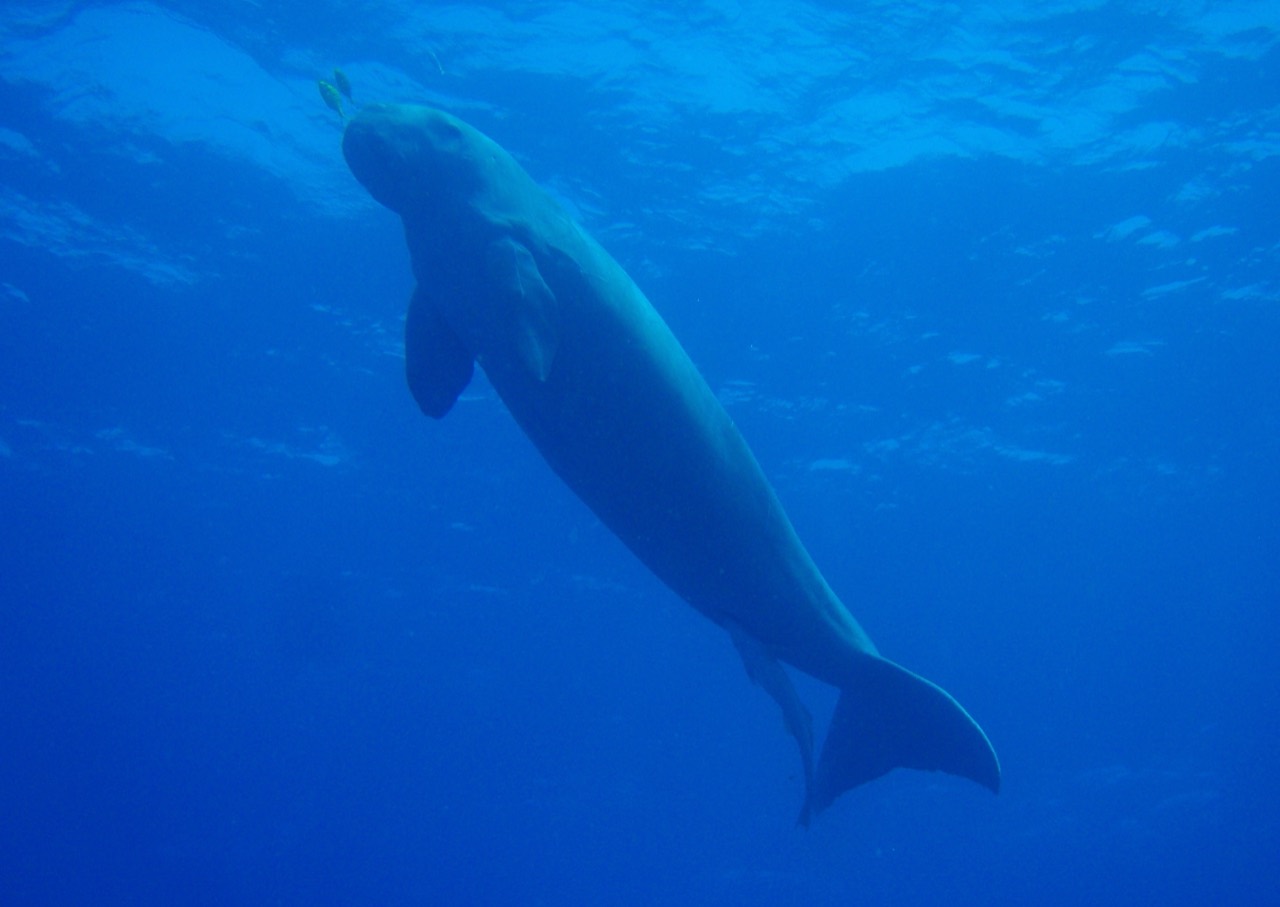
Vulnerable globally — but Critically Endangered in East Africa and Japan's Nansei Islands, and Endangered in New Caledonia
Dugong
Dugong dugon
A dugong is a large, plant-eating marine mammal of the order Sirenia (the "sea cows"), reaching about 3 metres long, that lives entirely in warm coastal seas and feeds almost exclusively on seagrass.
Read the guide →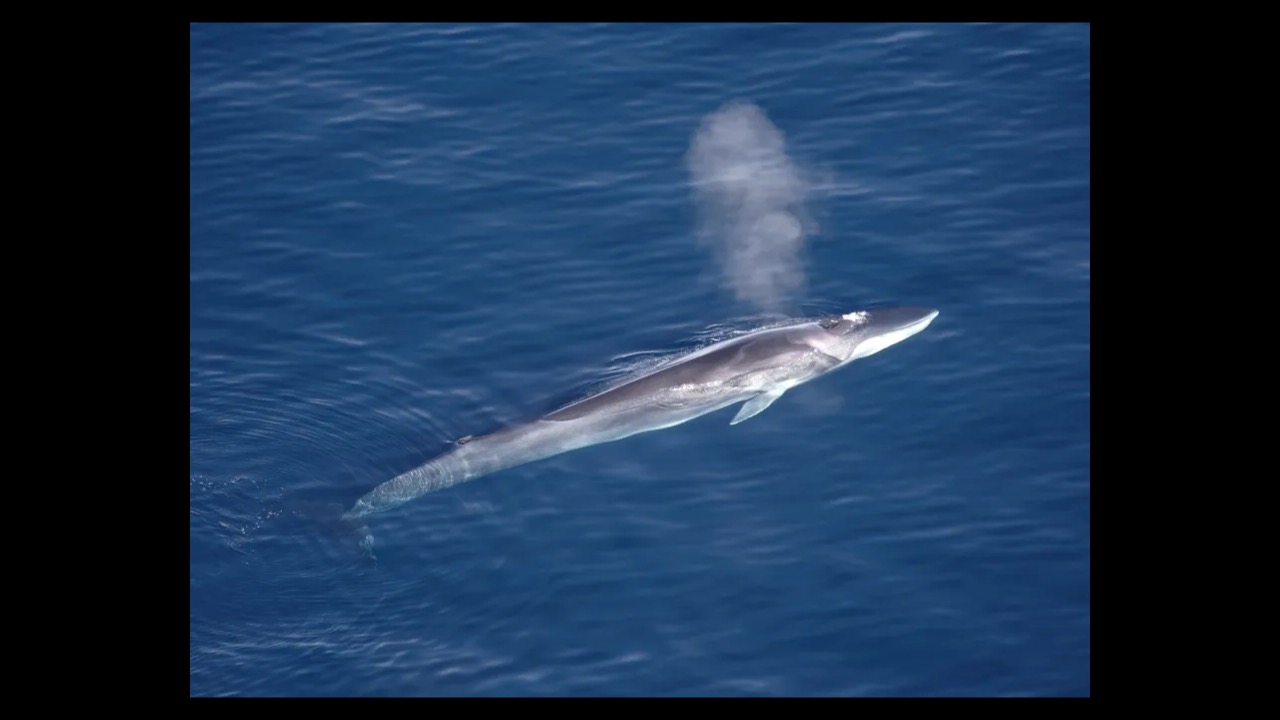
Vulnerable
Fin Whale
Balaenoptera physalus
The fin whale is the second-largest animal on Earth after the blue whale, reaching 25 m (82 ft) and 70 tonnes with an asymmetric jaw colouring. A fast baleen whale capable of 40 km/h bursts, it filters krill and small fish and is listed Vulnerable after decades of commercial whaling.
Read the guide →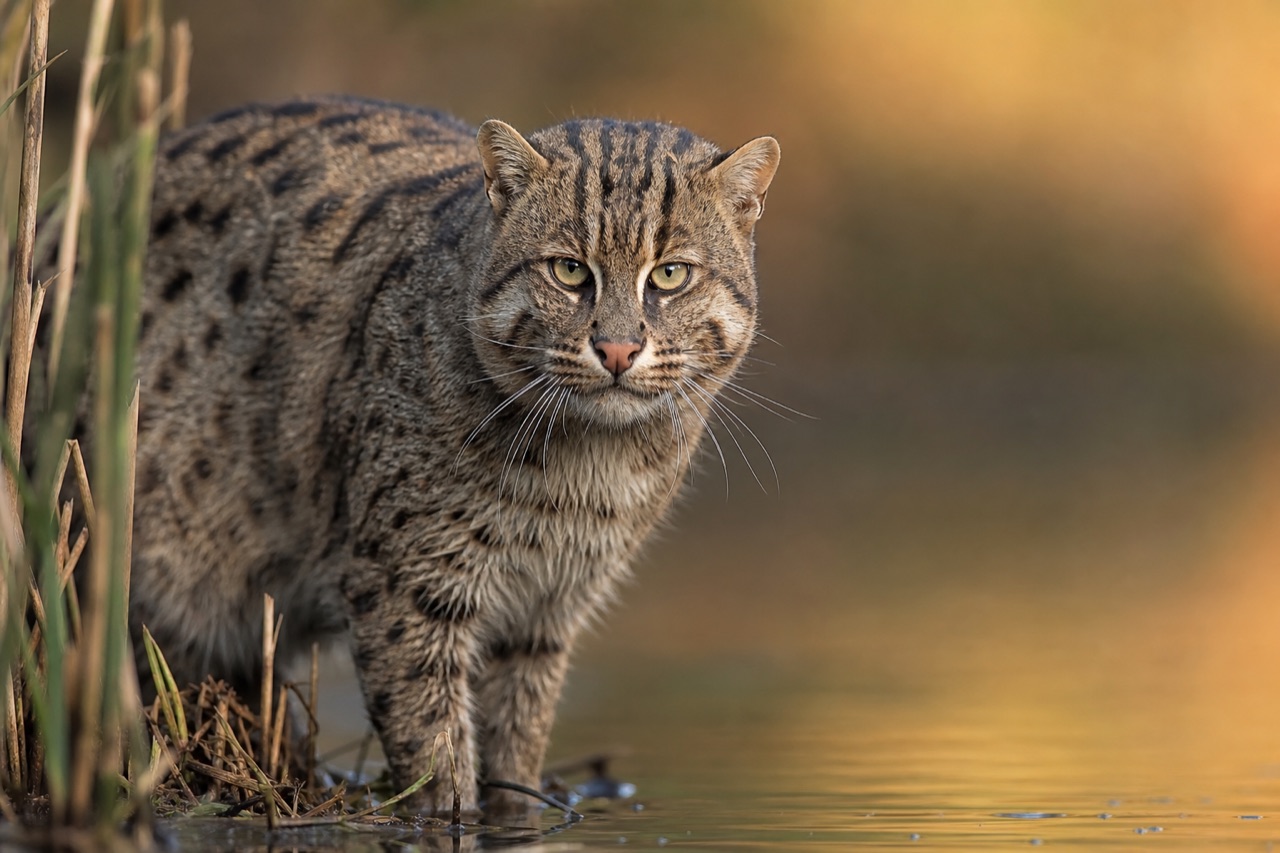
Vulnerable — wetland loss is the primary threat across South and Southeast Asia
Fishing Cat
Prionailurus viverrinus (Bennett, 1833) — family Felidae
The fishing cat (Prionailurus viverrinus) is a Vulnerable wetland felid of South and Southeast Asia that swims and dives to catch fish, with partially webbed toes and a stocky build adapted to marsh, mangrove and reedbed habitat.
Read the guide →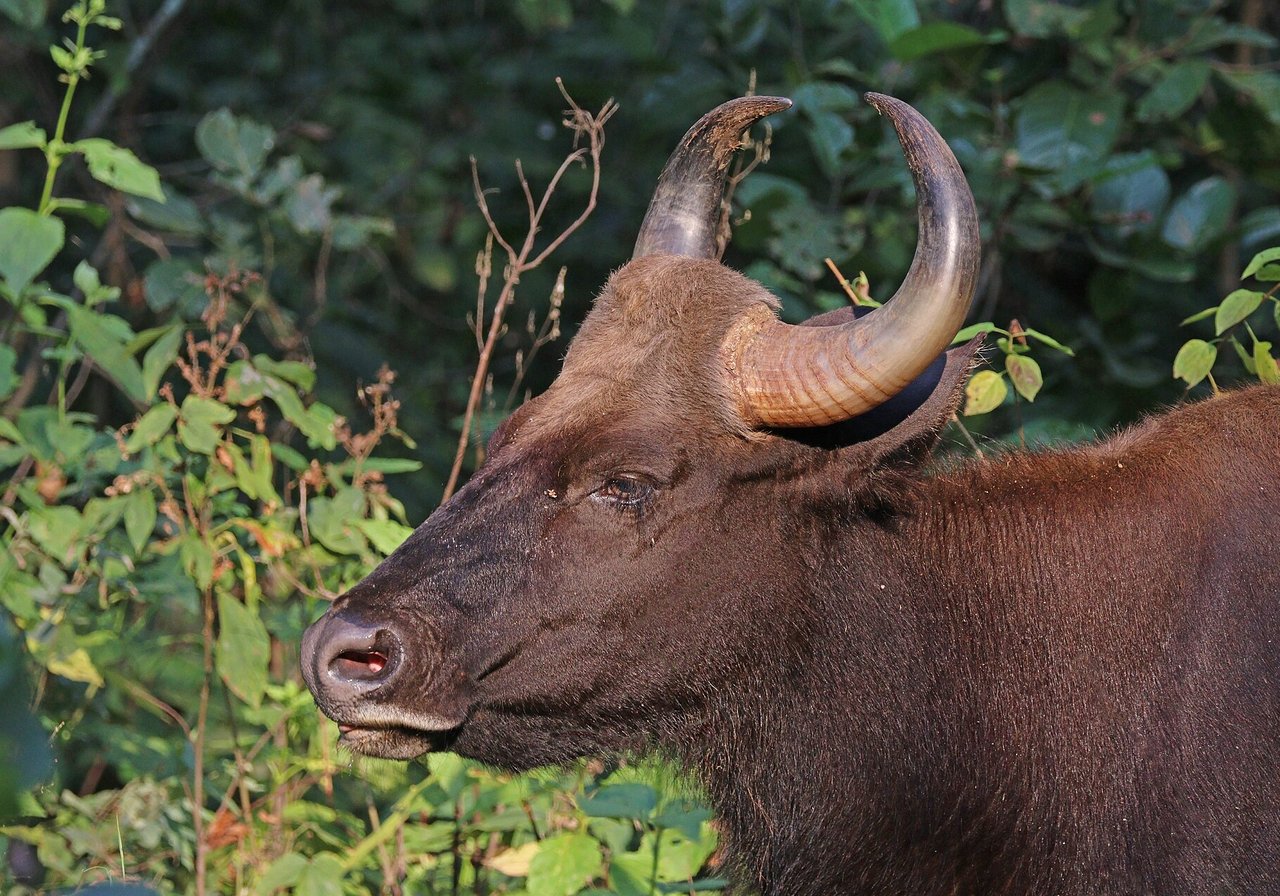
Vulnerable
Gaur
Bos gaurus (Hamilton, 1827)
The gaur (Bos gaurus) is a Vulnerable forest bovid — the largest wild cattle species, ranging from India through Malaysia; threatened by habitat loss, bushmeat hunting and agricultural encroachment.
Read the guide →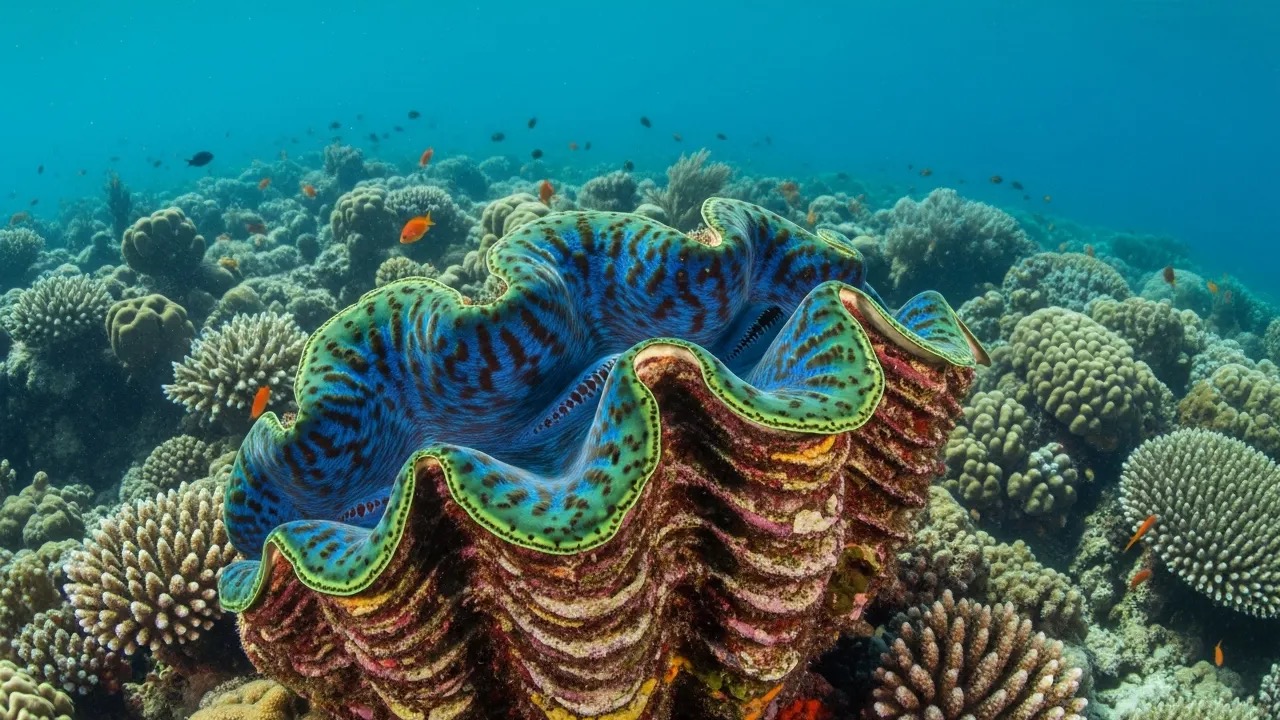
Vulnerable
Giant Clam
Tridacna gigas
The giant clam is the largest living bivalve mollusk, growing over 1.2 m (4 ft) wide and weighing more than 200 kg (440 lb). It lives anchored to coral reefs in the warm Indo-Pacific, where it feeds partly by filtering water and partly through algae living in its colorful tissue.
Read the guide →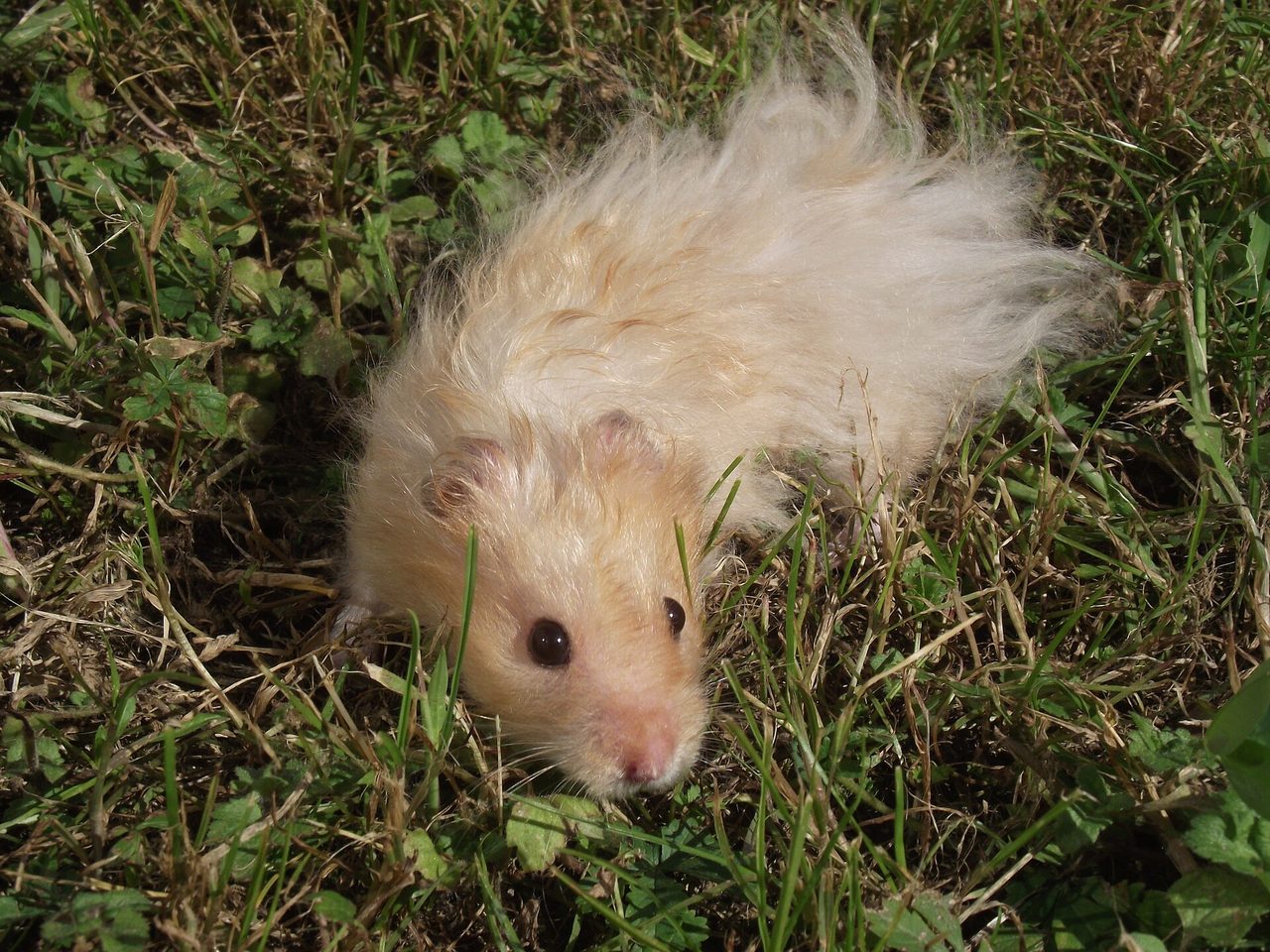
Wild Syrian hamster Vulnerable; dwarf species vary — pets are domestic lines
Hamster
Multiple species — Mesocricetus auratus (Syrian), Phodopus spp. (dwarf) and others
Hamsters are nocturnal cricetine rodents — Syrian hamsters must live alone; dwarf species may tolerate pairs. Wild Syrian hamsters are Vulnerable; pet welfare requires large enclosures, deep bedding and wheels with a straight back.
Read the guide →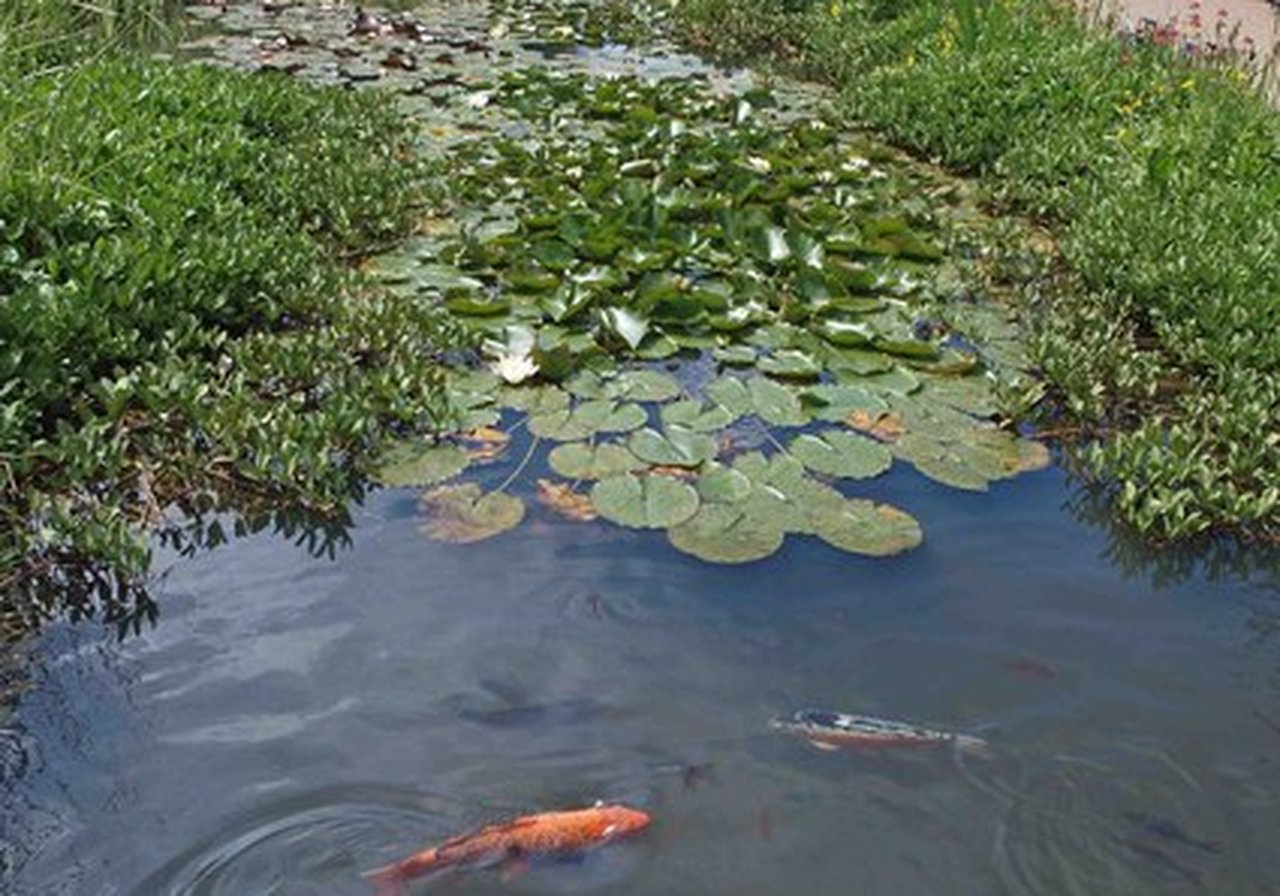
Wild common carp Vulnerable in native range; koi are domestic ornamental lines
Koi
Cyprinus carpio haematopterus — ornamental domestic carp (Cyprinus carpio)
Koi are ornamental domestic carp bred for pond display — wild Cyprinus carpio is Vulnerable; koi need large filtered ponds, quarantine and never release into wild waterways.
Read the guide →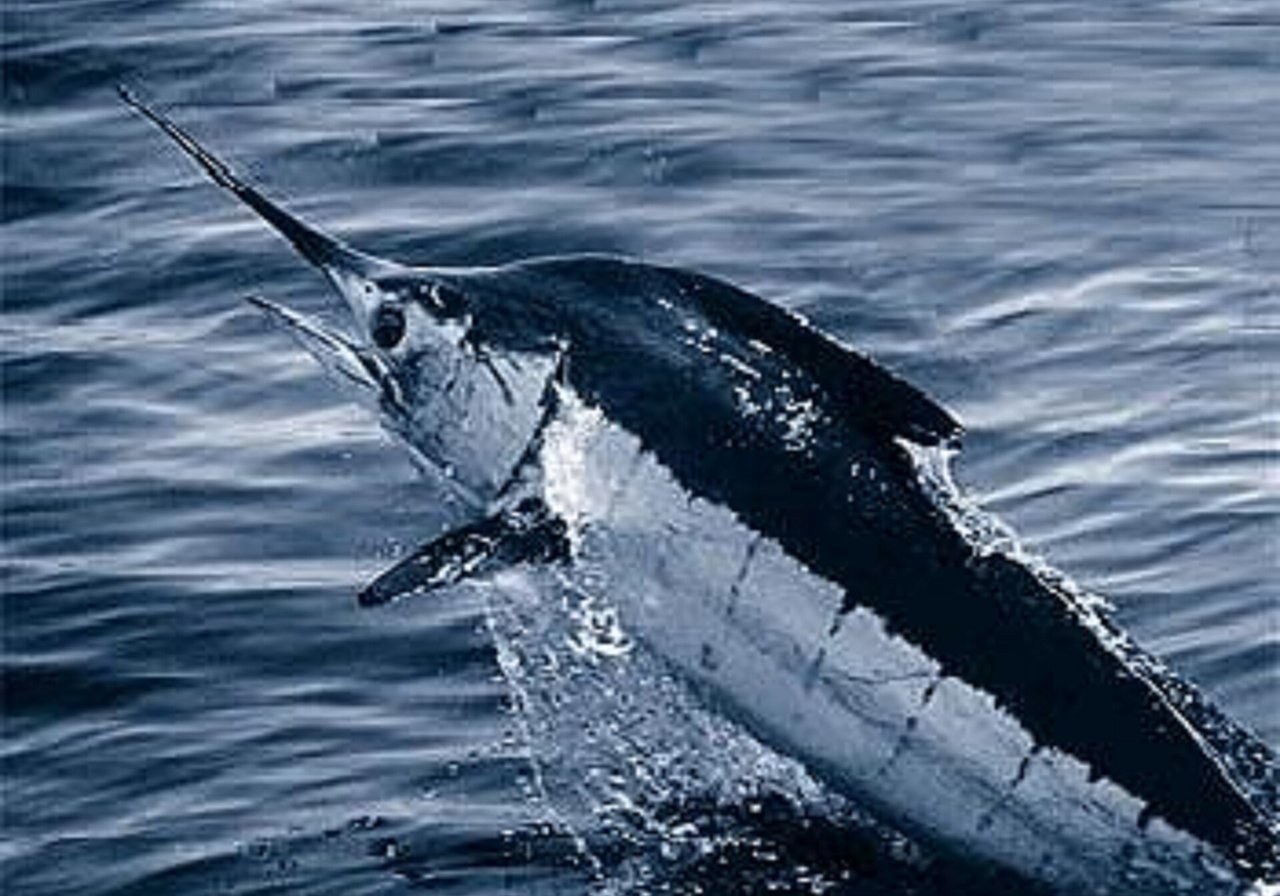
Vulnerable
Marlin
Makaira nigricans (Lacepède, 1802)
The blue marlin (Makaira nigricans) is a Vulnerable billfish of tropical oceans, declining from longline bycatch and overfishing; white and striped marlin face similar pressures.
Read the guide →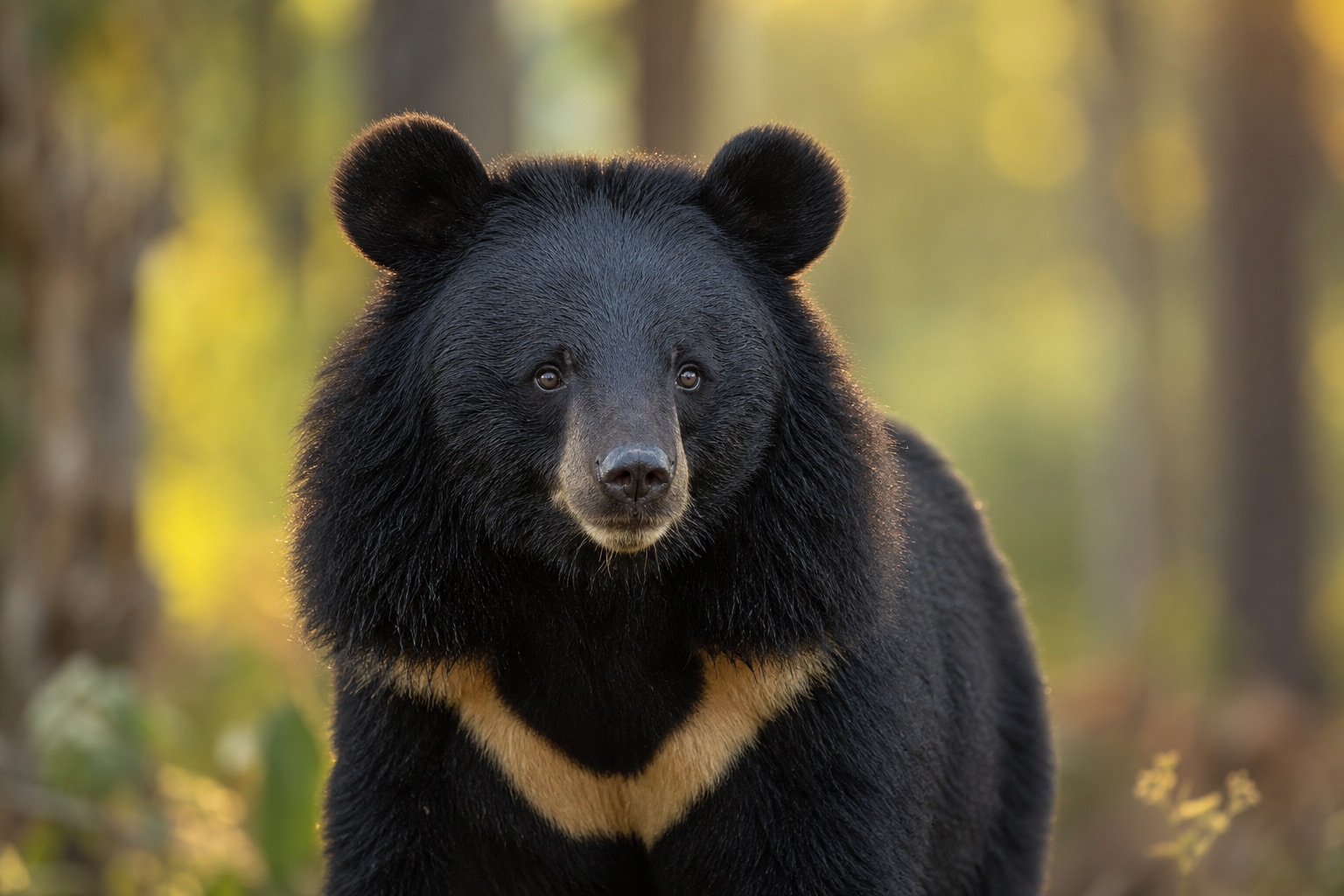
Vulnerable — and the species that overwhelmingly fills bile-farming cages across Asia
Moon Bear
Ursus thibetanus (G. Cuvier, 1823) — family Ursidae
The moon bear (Ursus thibetanus), or Asiatic black bear, is a Vulnerable forest bear of South and East Asia recognised by a white chest V or crescent; it is the species overwhelmingly kept on bile farms in tiny cages for gallbladder extraction, though synthetic substitutes make farmed bile medically unnecessary.
Read the guide →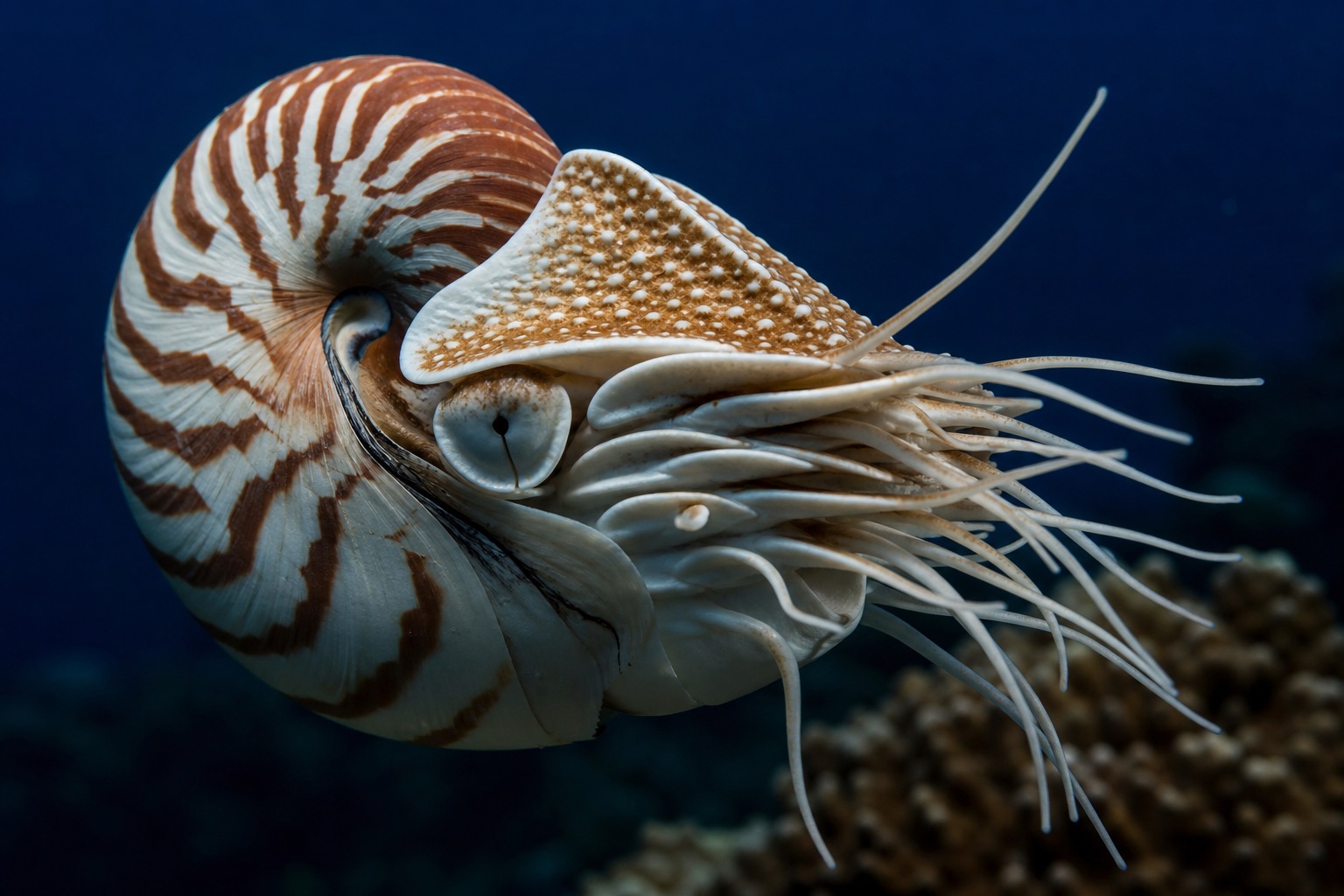
Vulnerable (IUCN 2018) — chambered nautilus; threatened by shell trade and slow reproduction
Nautilus
Nautilus pompilius (Linnaeus, 1758) — family Nautilidae; genus Nautilus among six living nautiloid species
The chambered nautilus (Nautilus pompilius) is a nocturnal Indo-Pacific cephalopod with an external coiled shell and pinhole eyes; it adjusts buoyancy with gas-filled chambers, is listed Vulnerable due to shell trade and slow reproduction, and represents an ancient nautiloid lineage.
Read the guide →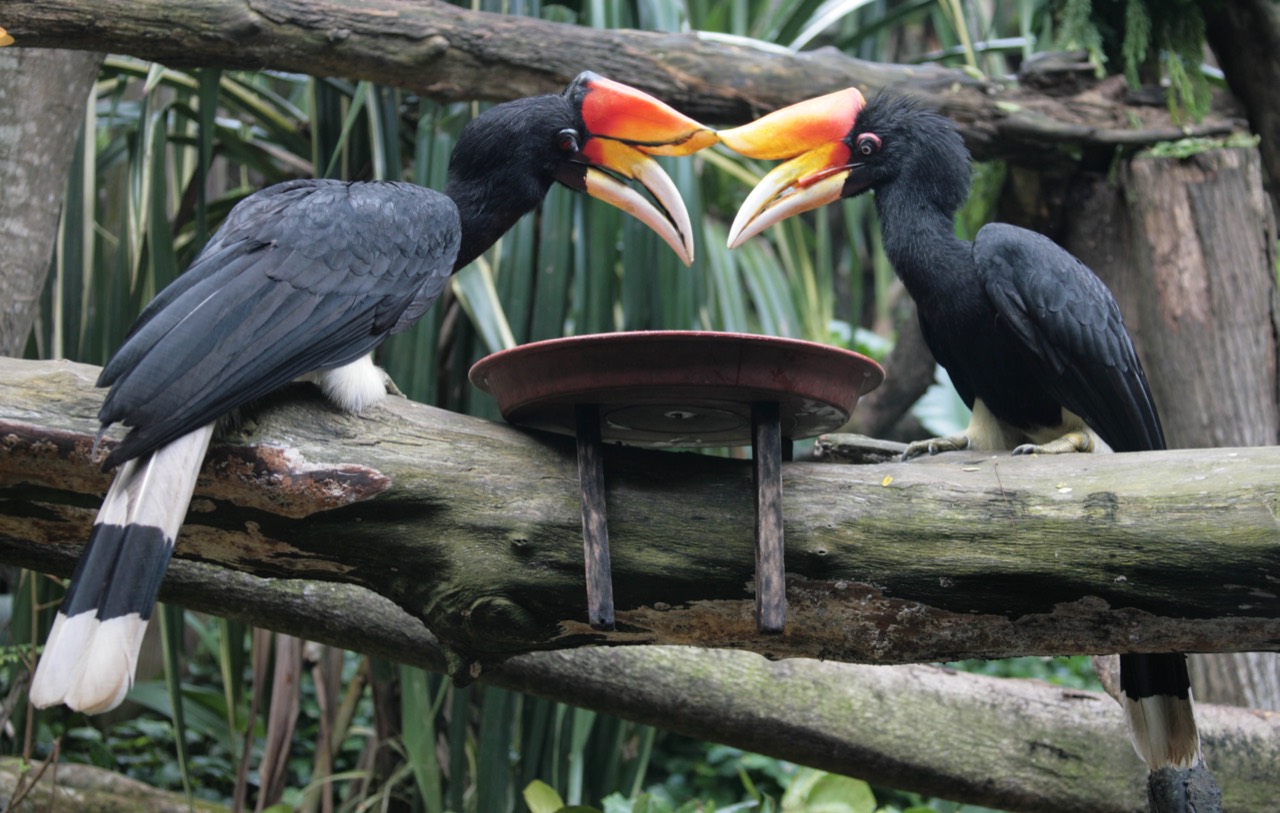
Vulnerable (IUCN 2018) — uplisted from Near Threatened
Rhinoceros Hornbill
Buceros rhinoceros
A Rhinoceros Hornbill is a large black-and-white rainforest bird (Buceros rhinoceros) native to Southeast Asia, named for the big curved orange casque above its bill; the IUCN classes it as Vulnerable.
Read the guide →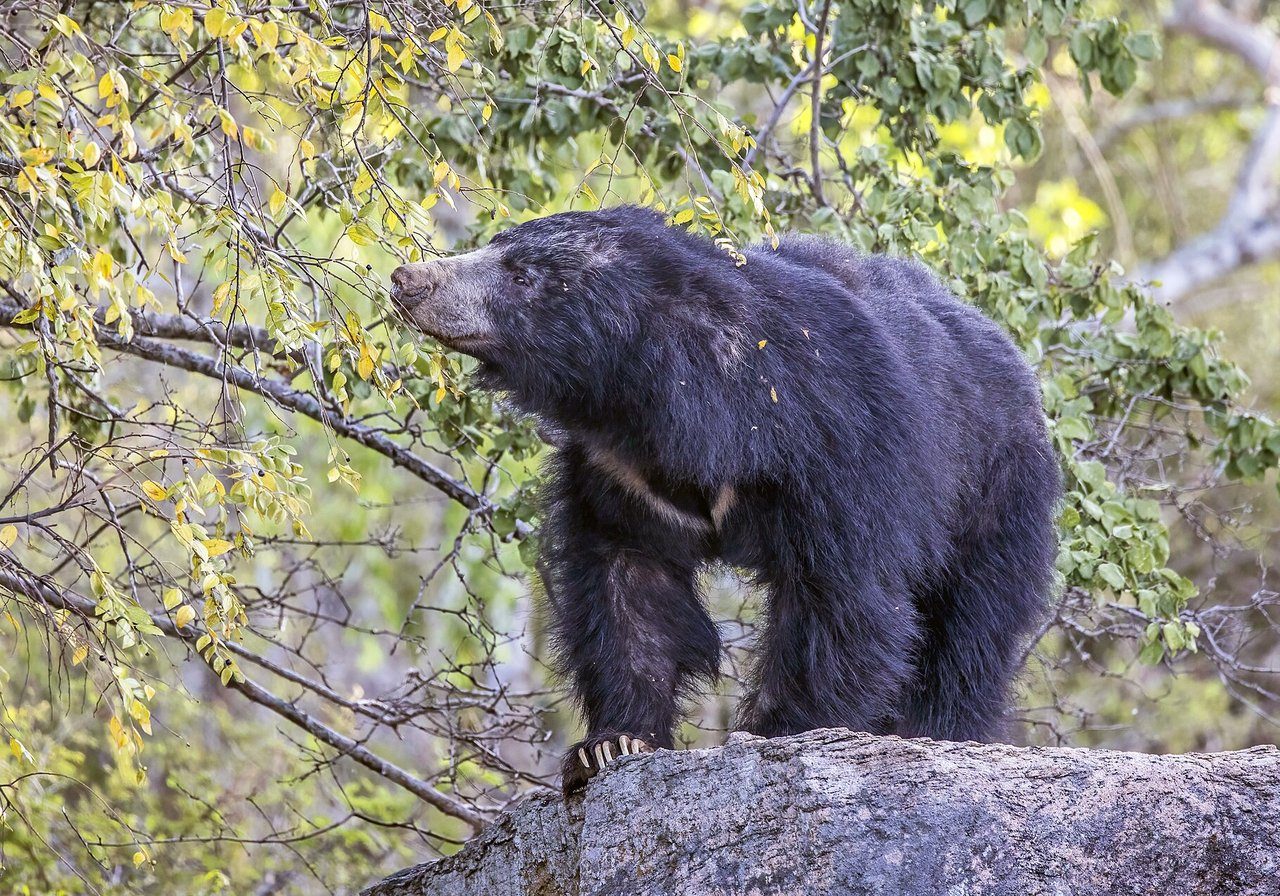
Vulnerable
Sloth Bear
Melursus ursinus (Cuvier, 1793)
The sloth bear (Melursus ursinus) is a Vulnerable myrmecophagous bear of India, Nepal, Sri Lanka and Bhutan — adapted for eating ants and termites with long claws and a tube-like muzzle, threatened by habitat loss and conflict.
Read the guide →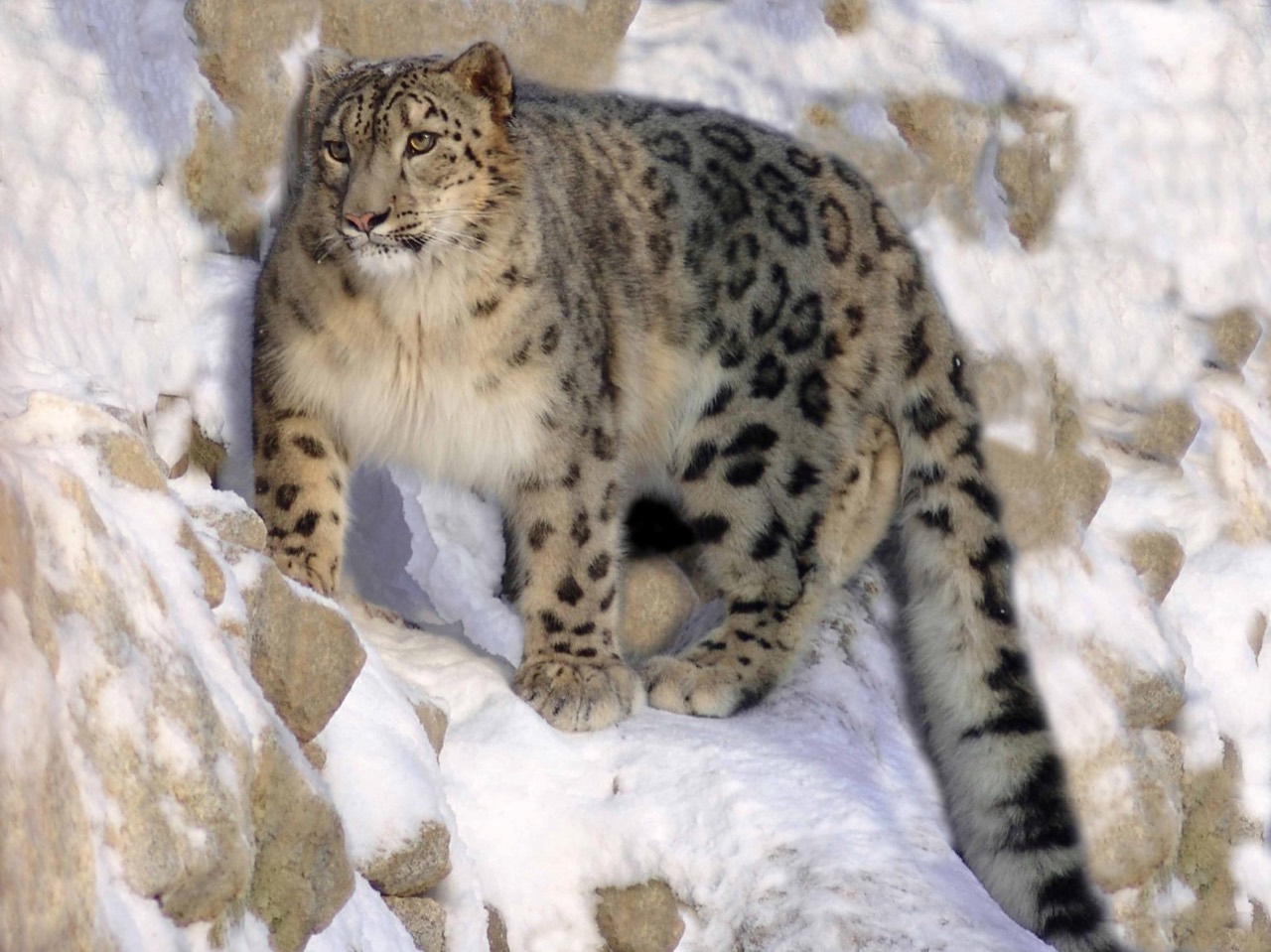
Vulnerable (downlisted from Endangered in 2017) — but fewer than 3,400 mature adults remain
Snow Leopard
Panthera uncia
A snow leopard (Panthera uncia) is a large wild cat native to the high mountains of Central and South Asia, recognised by its pale grey rosette-patterned coat and very long tail, and listed as Vulnerable on the IUCN Red List.
Read the guide →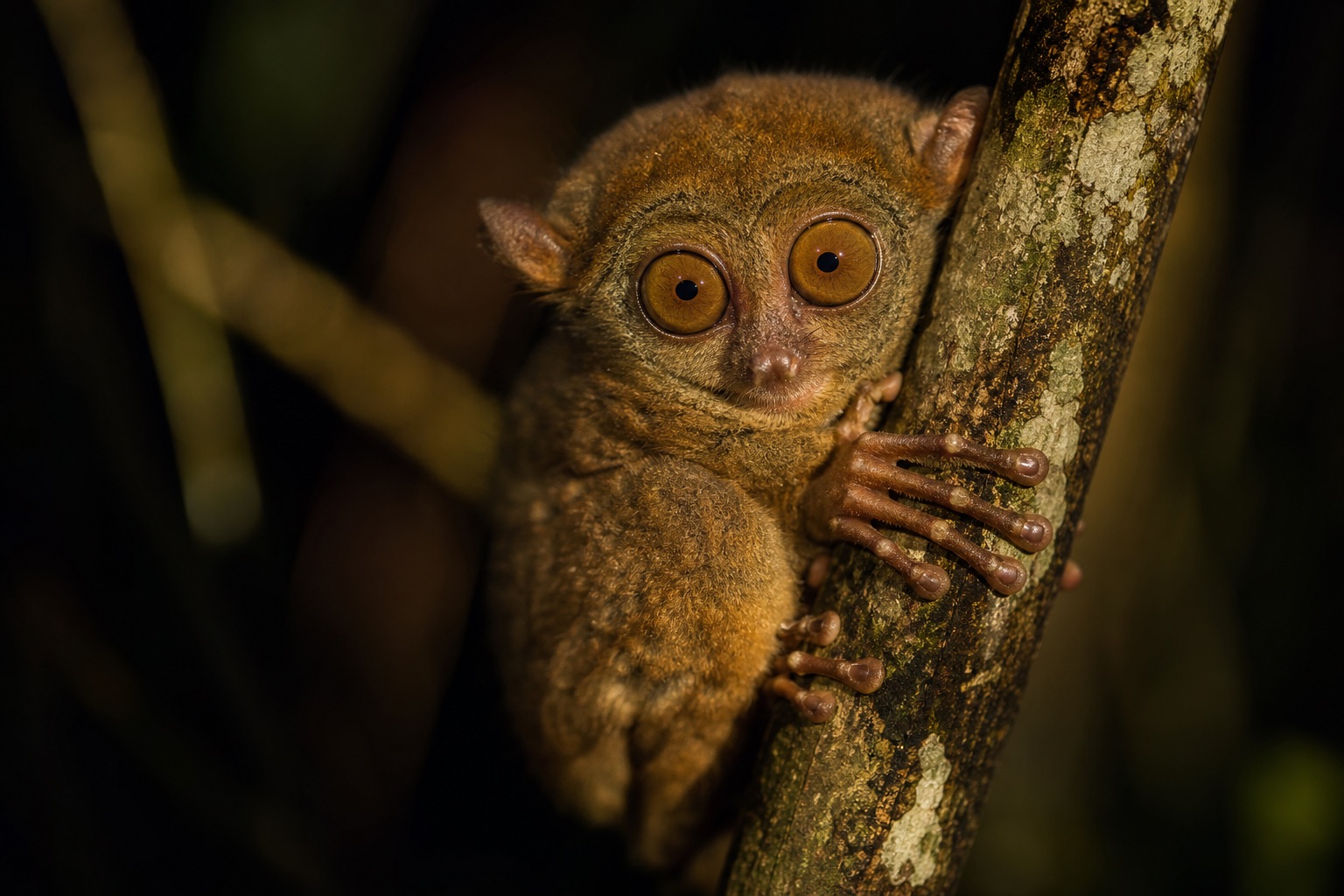
Vulnerable — forest loss on Sulawesi
Spectral Tarsier
Tarsius tarsier (Erxleben, 1777) — family Tarsiidae
The spectral tarsier (Tarsius tarsier) is a tiny nocturnal primate of Sulawesi with eyes larger than its brain, head rotation of nearly 180 degrees, and ultrasonic vocalisations; it is listed Vulnerable as forest is lost across Wallacea.
Read the guide →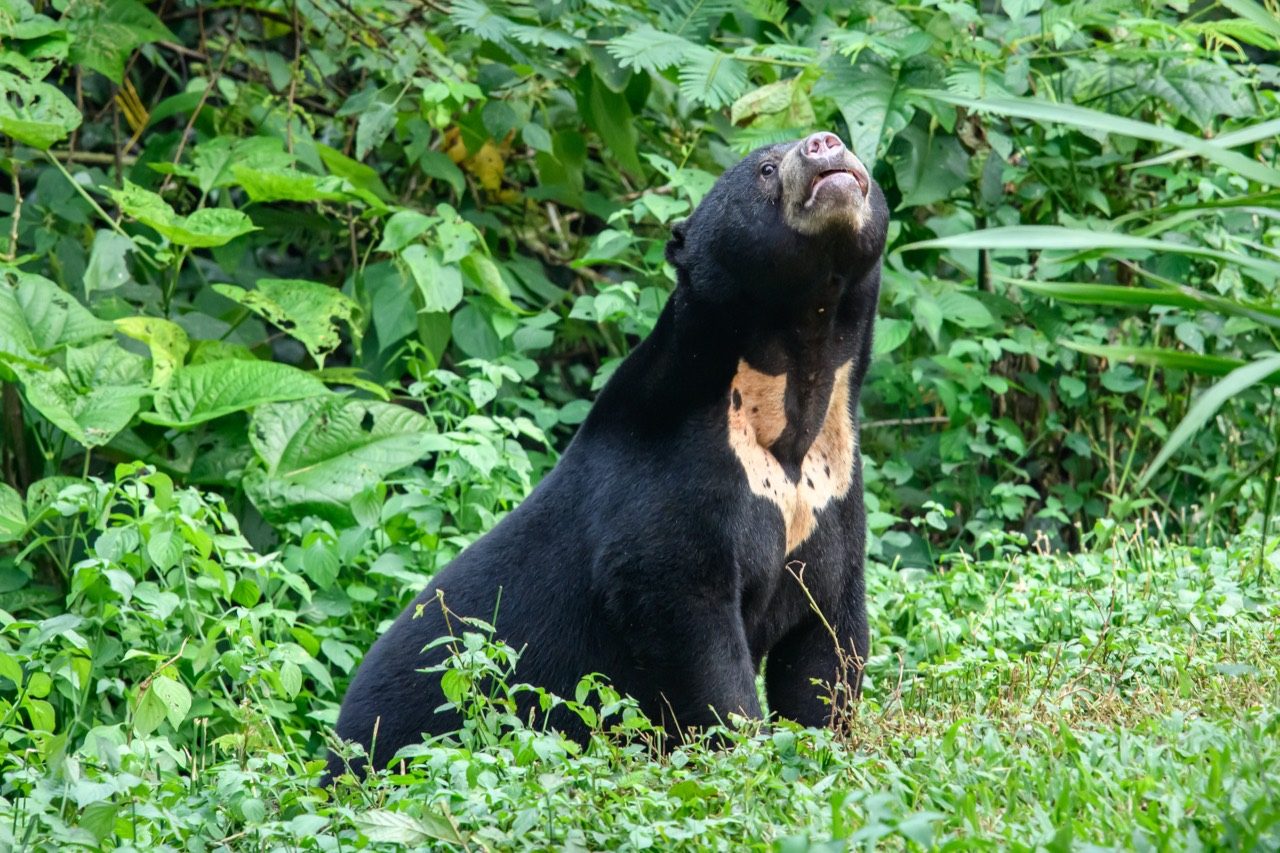
Vulnerable
Sun Bear
Helarctos malayanus (Raffles, 1821)
Sun bears are the world's smallest bears, native to Southeast Asia, and are listed as Vulnerable by the IUCN; they are threatened by deforestation, the pet trade, and the bear bile industry, in which bears are caged for years and milked for bile used in traditional medicine.
Read the guide →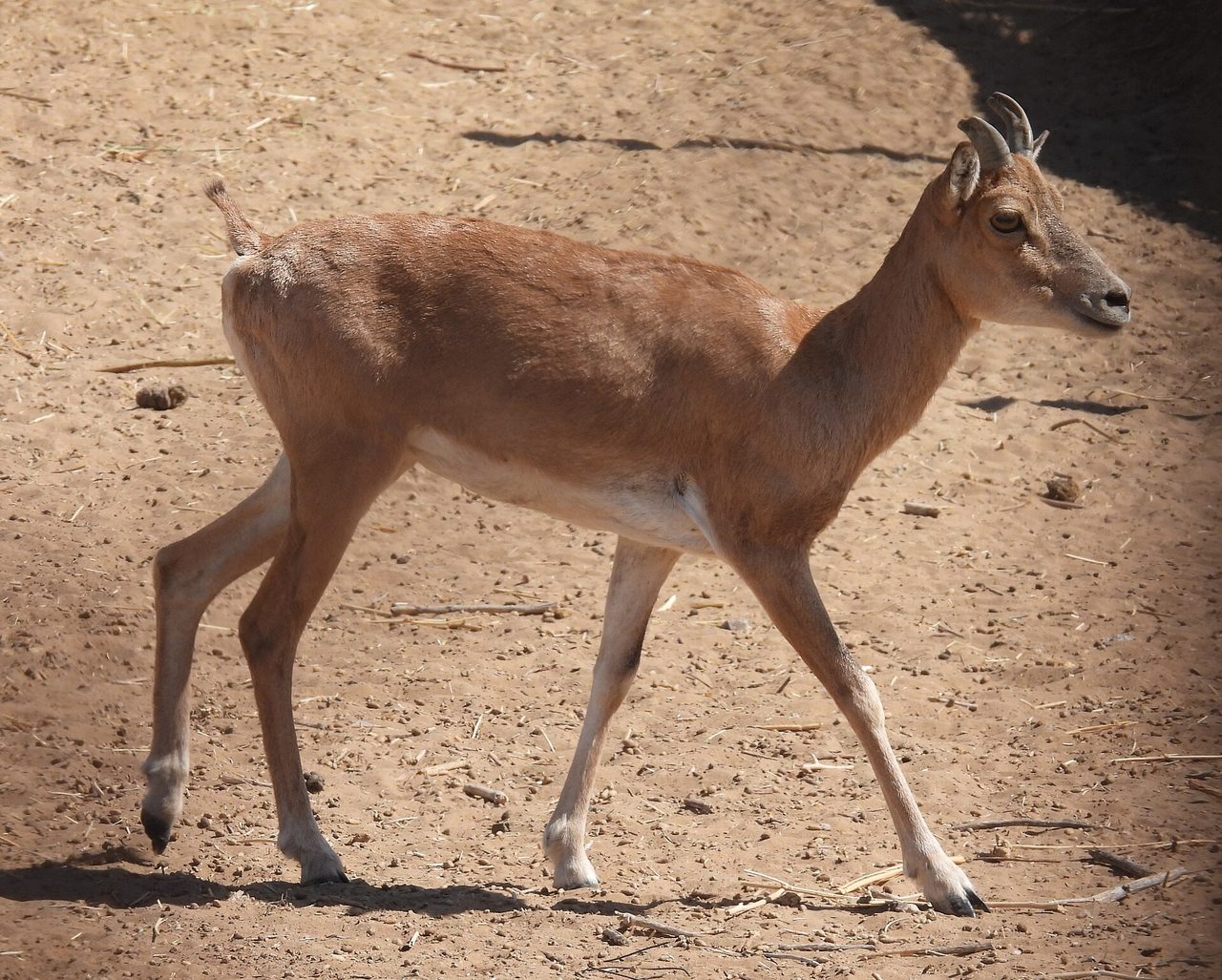
Vulnerable
Urial
Ovis vignei
The urial (Ovis vignei) is a Vulnerable wild sheep of Central and South Asia, with around 30,000 individuals remaining and populations declining across most of its range due to poaching, habitat loss, and livestock competition.
Read the guide →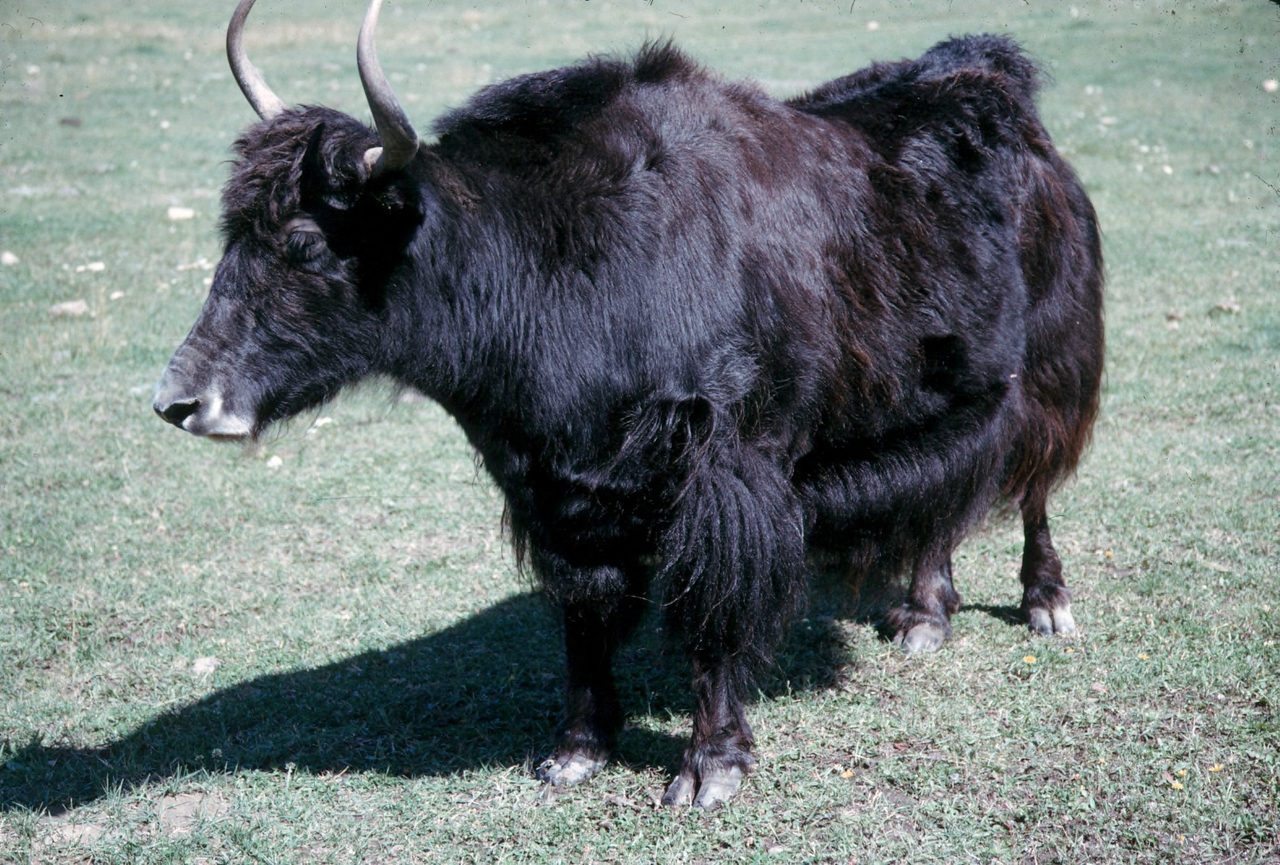
Vulnerable
Yak
Bos mutus (Przewalski, 1883)
The wild yak (Bos mutus) is a Vulnerable high-altitude bovid of the Tibetan Plateau and Himalayas — ancestor of the domestic yak, threatened by hunting, hybridisation and habitat disturbance; remnant populations persist in Pakistan and Nepal.
Read the guide →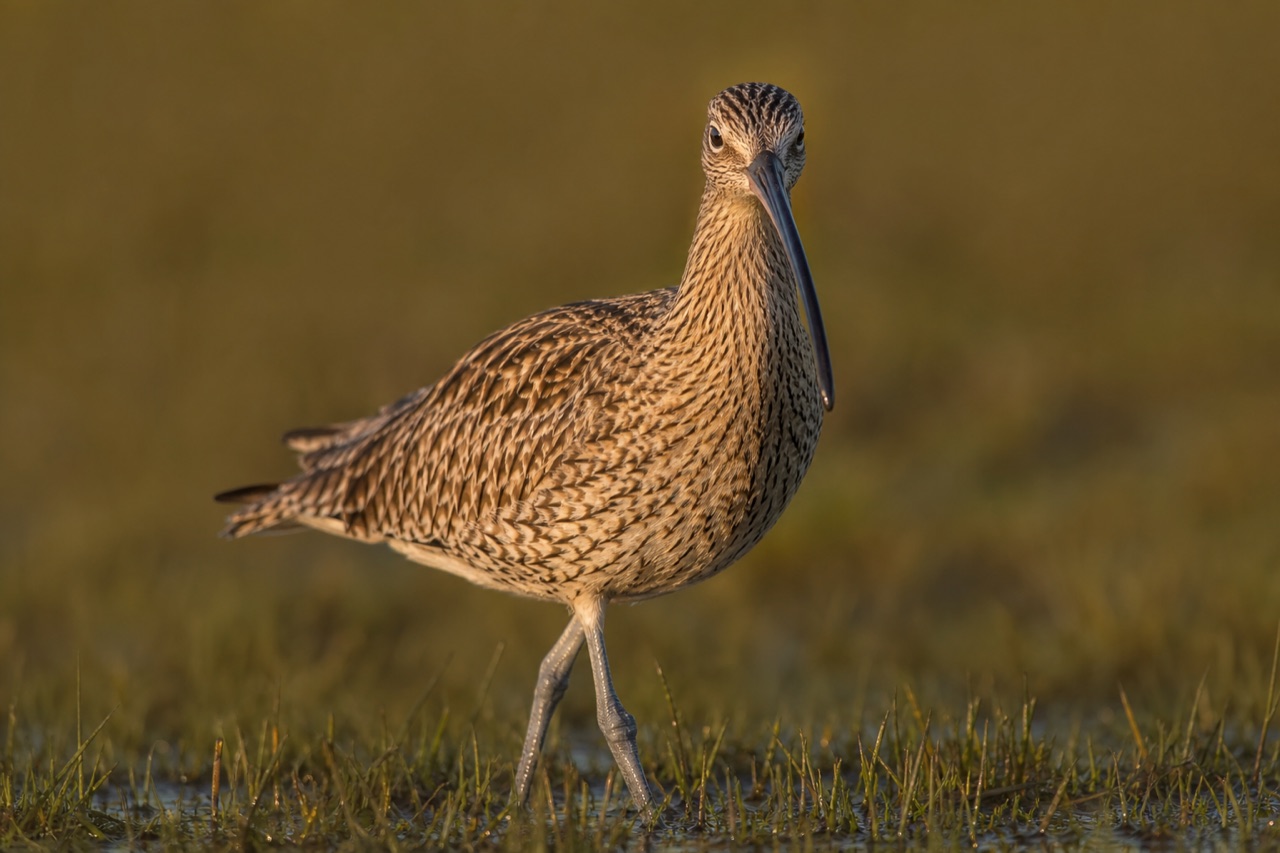
Near Threatened globally — Red-listed in Britain after catastrophic breeding decline
Curlew
Numenius arquata (Linnaeus, 1758) — family Scolopacidae
The Eurasian curlew (Numenius arquata) is a large wader with a long downcurved bill and bubbling call, breeding on moor and wet grassland; British numbers have fallen catastrophically — Red-listed — and the species is Near Threatened globally.
Read the guide →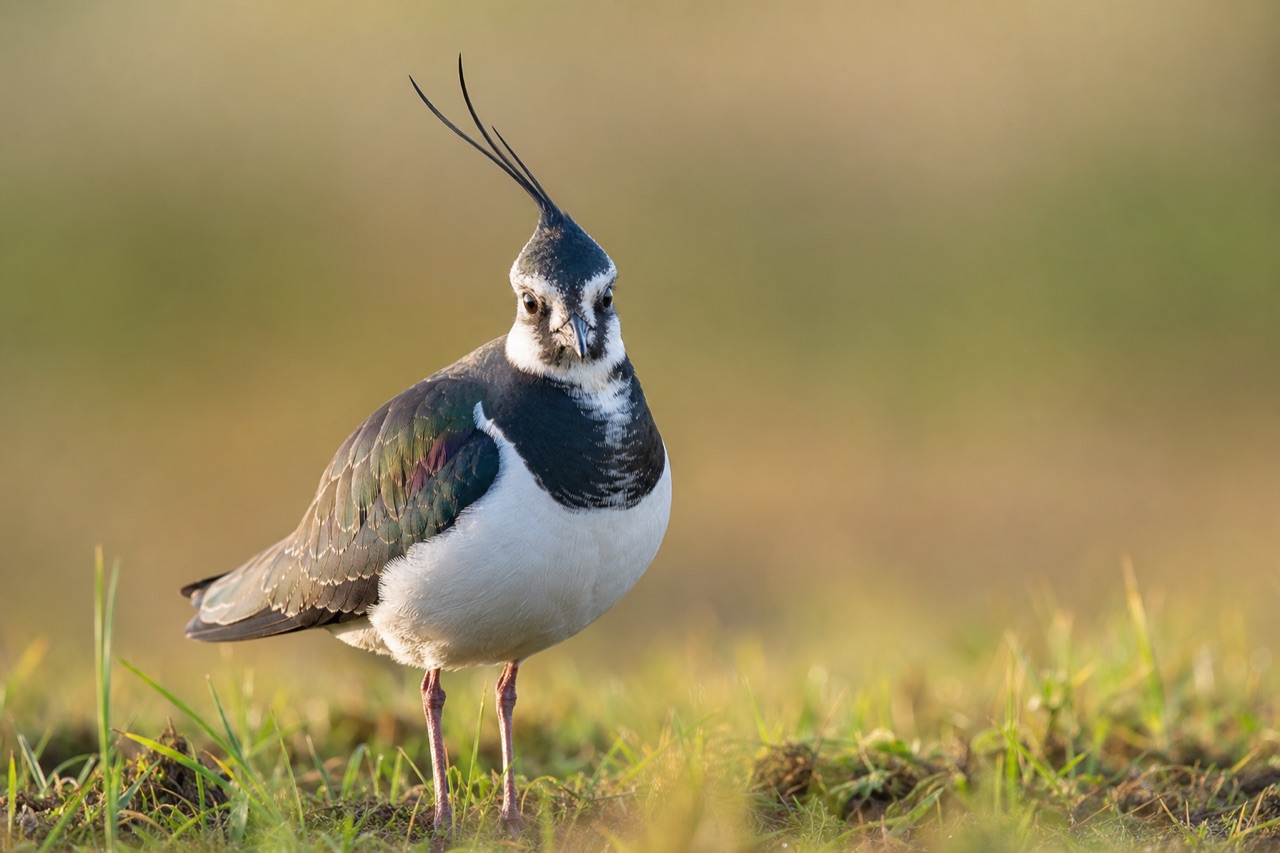
Near Threatened globally — Red-listed in Britain after steep farmland breeding decline
Lapwing
Vanellus vanellus (Linnaeus, 1758) — family Charadriidae
The northern lapwing (Vanellus vanellus) is a crested farmland wader with peewit call and tumbling display; British breeding numbers have fallen steeply — Red-listed — as wet meadows drained and spring nesting habitat vanished, and the species is Near Threatened globally.
Read the guide →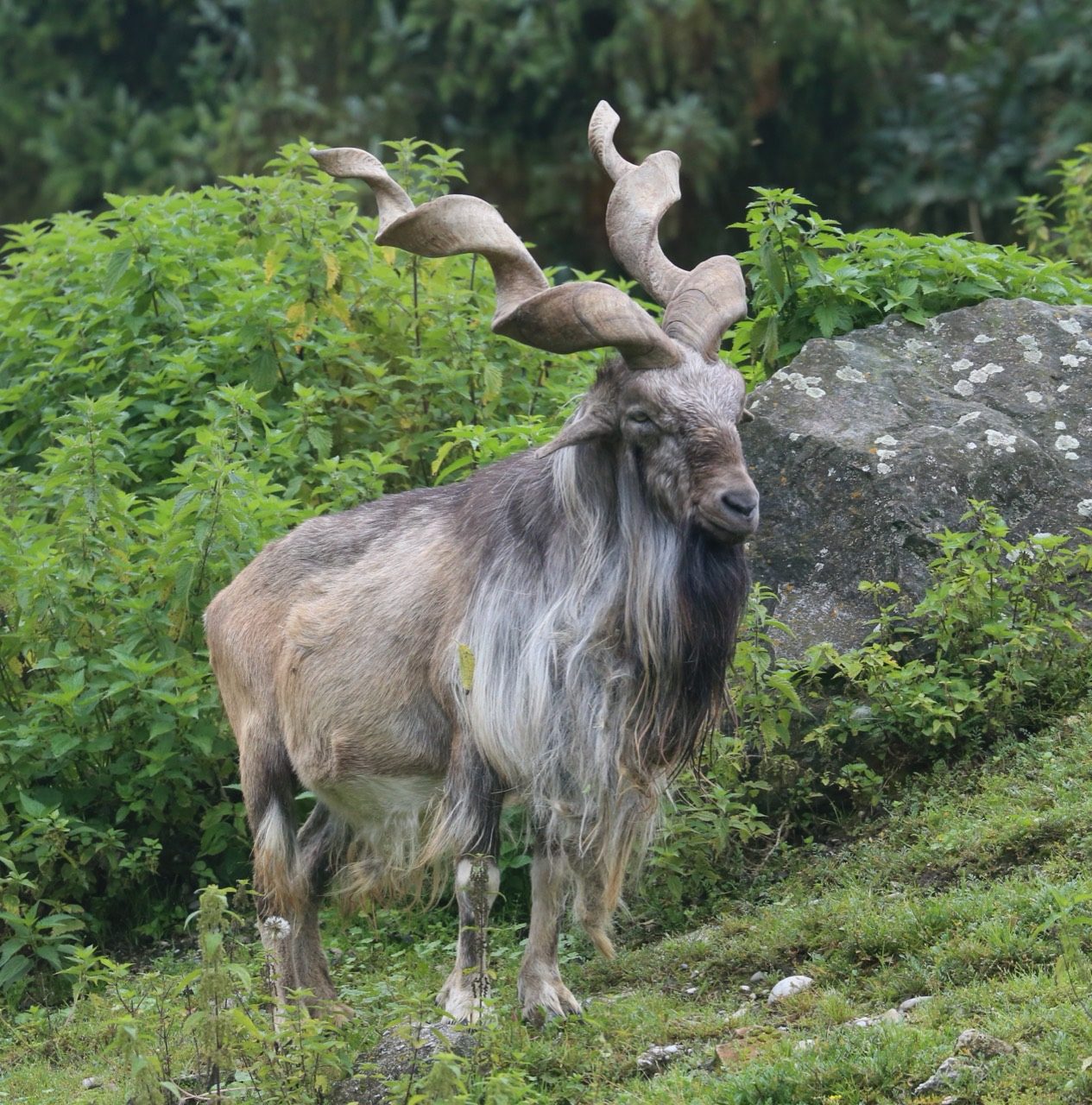
Near Threatened (IUCN, 2015) — a conservation comeback
Markhor
Capra falconeri
A markhor (Capra falconeri) is a large wild goat native to the mountains of Central and South Asia, famous for the males' long, twisting corkscrew horns; it is Pakistan's national animal and is currently listed by the IUCN as Near Threatened.
Read the guide →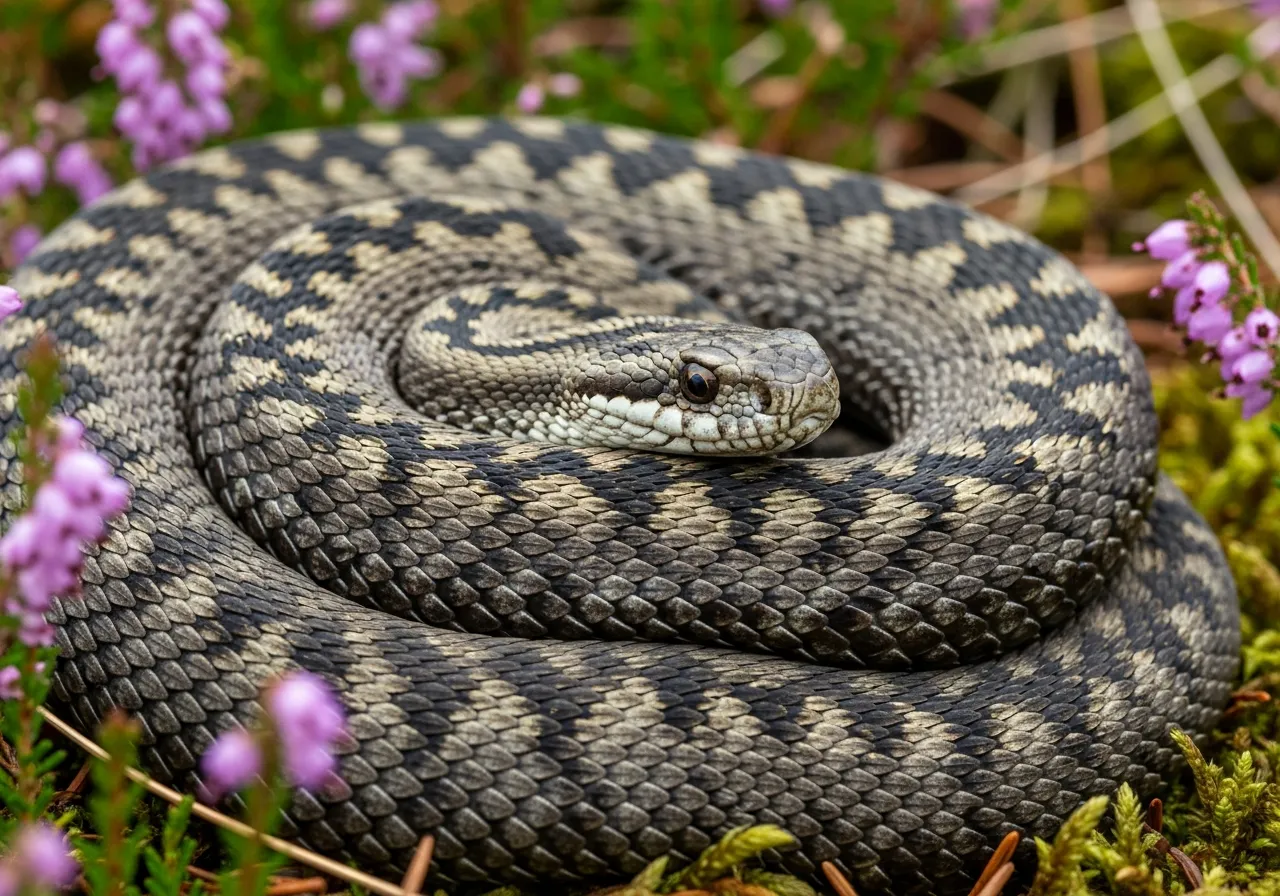
Least Concern (IUCN, 2021); declining and legally protected in the UK
Adder
Vipera berus
An adder (Vipera berus) is a small venomous snake of Europe and Asia, identified by a dark zigzag stripe along its back. It is Britain's only venomous snake, hunts small mammals and lizards, and is shy, biting humans only in defence.
Read the guide →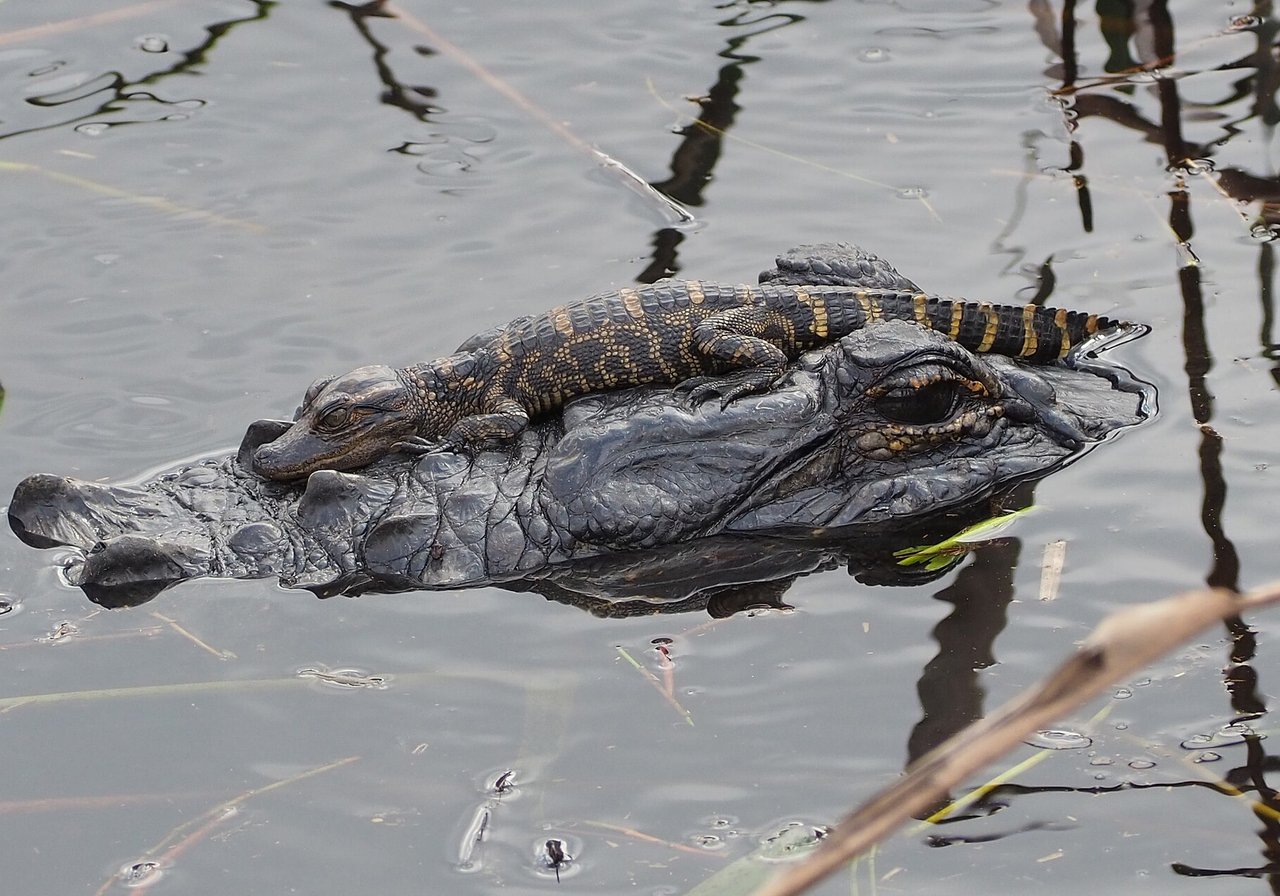
Varies by species (Least Concern to Critically Endangered)
Alligator
Alligator mississippiensis (Daudin, 1802) and Alligator sinensis (Fauvel, 1879)
Alligators are broad-snouted crocodilians with two living species — the recovered American alligator of the US South-east and the Critically Endangered Chinese alligator of the Yangtze — both vital wetland predators whose status ranges from Least Concern to Critically Endangered.
Read the guide →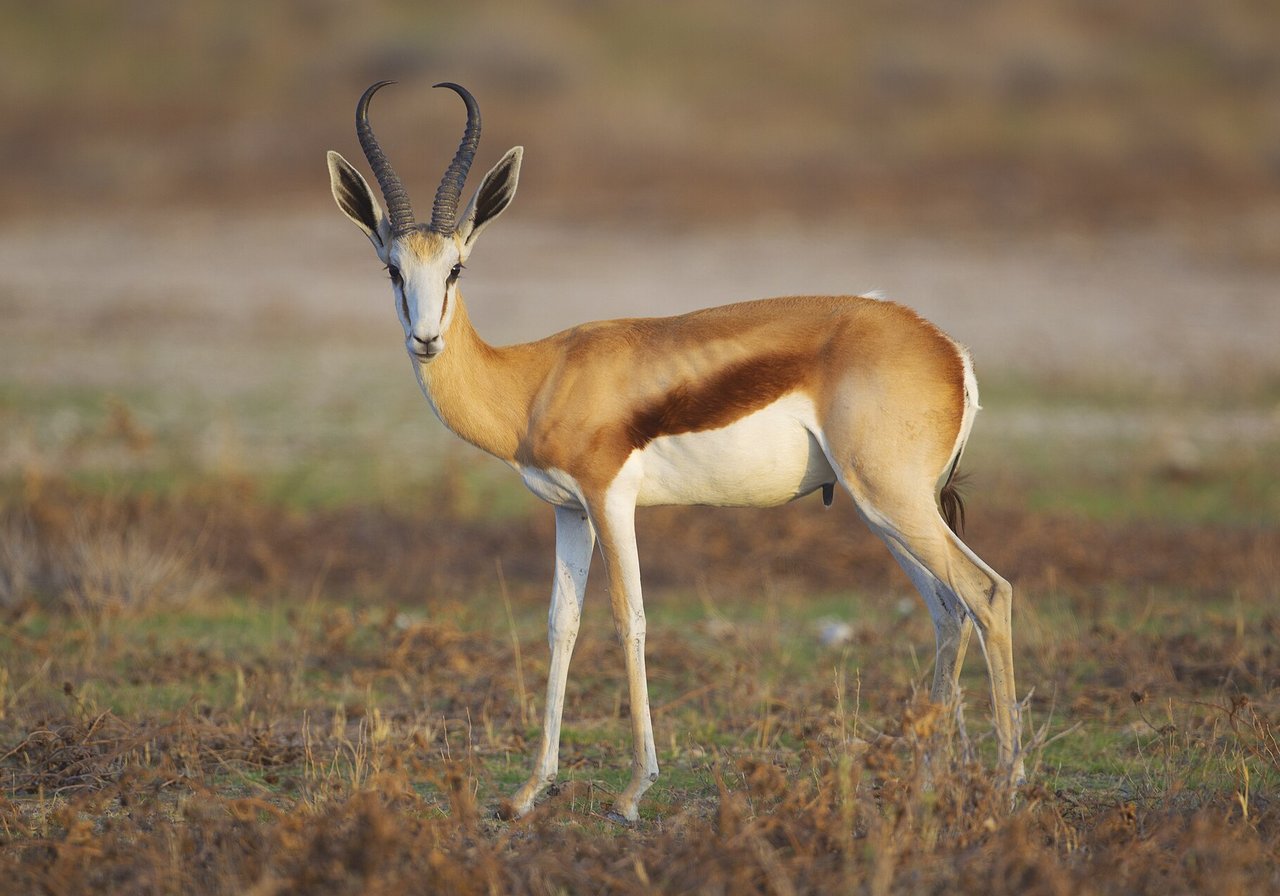
Varies by species (Least Concern to Critically Endangered)
Antelope
Family Bovidae, subfamilies Antilopinae, Alcelaphinae, Hippotraginae and others — ~90 species
Antelope are horned ruminants of the family Bovidae — roughly 90 species across Africa and Asia; African savanna antelope form the prey base for the continent's great predators, with conservation status ranging from abundant to Critically Endangered.
Read the guide →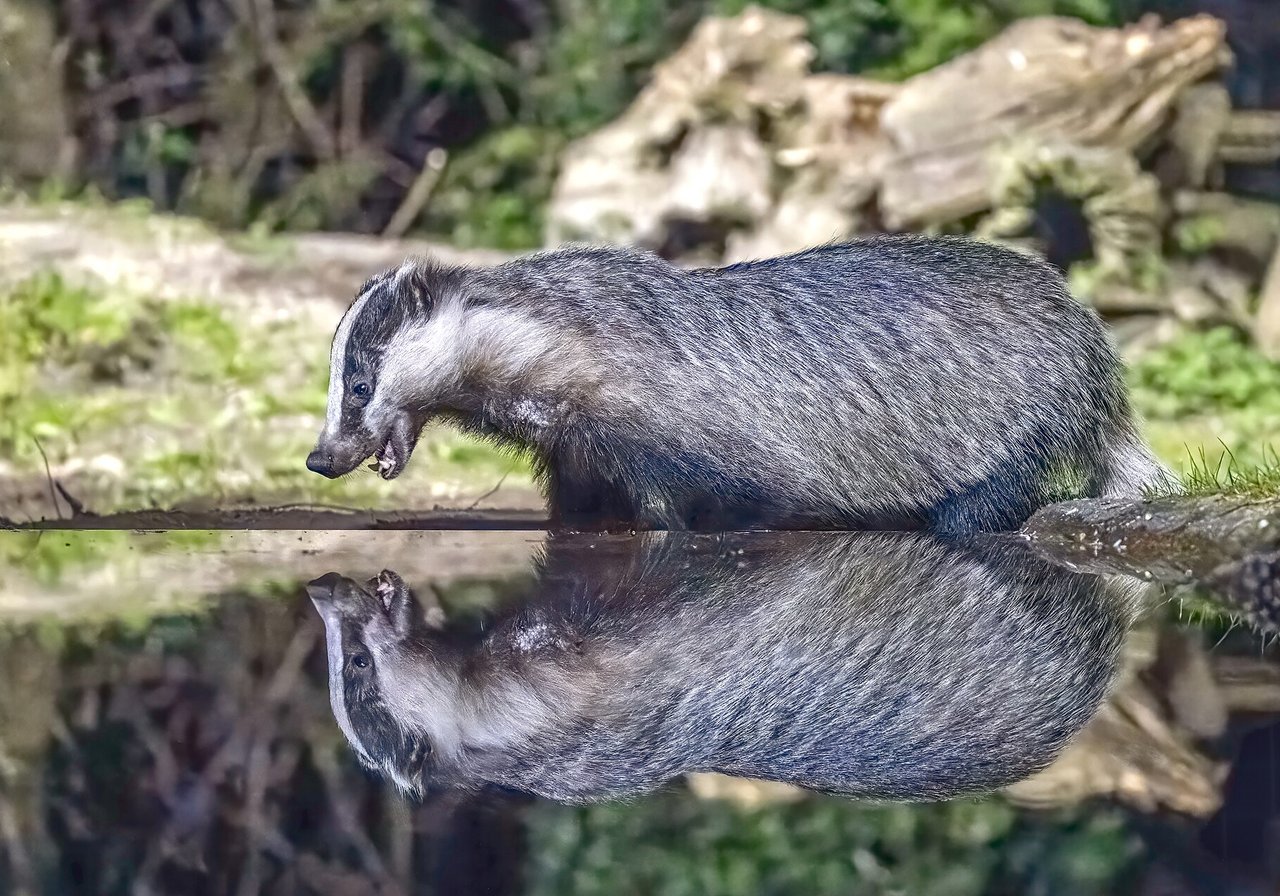
Least Concern (IUCN)
Badger
Meles meles (Linnaeus, 1758)
The European badger (Meles meles) is a Least Concern mustelid of European and Asian woodlands, living in social groups in extensive underground setts and feeding on earthworms, fruit and small vertebrates.
Read the guide →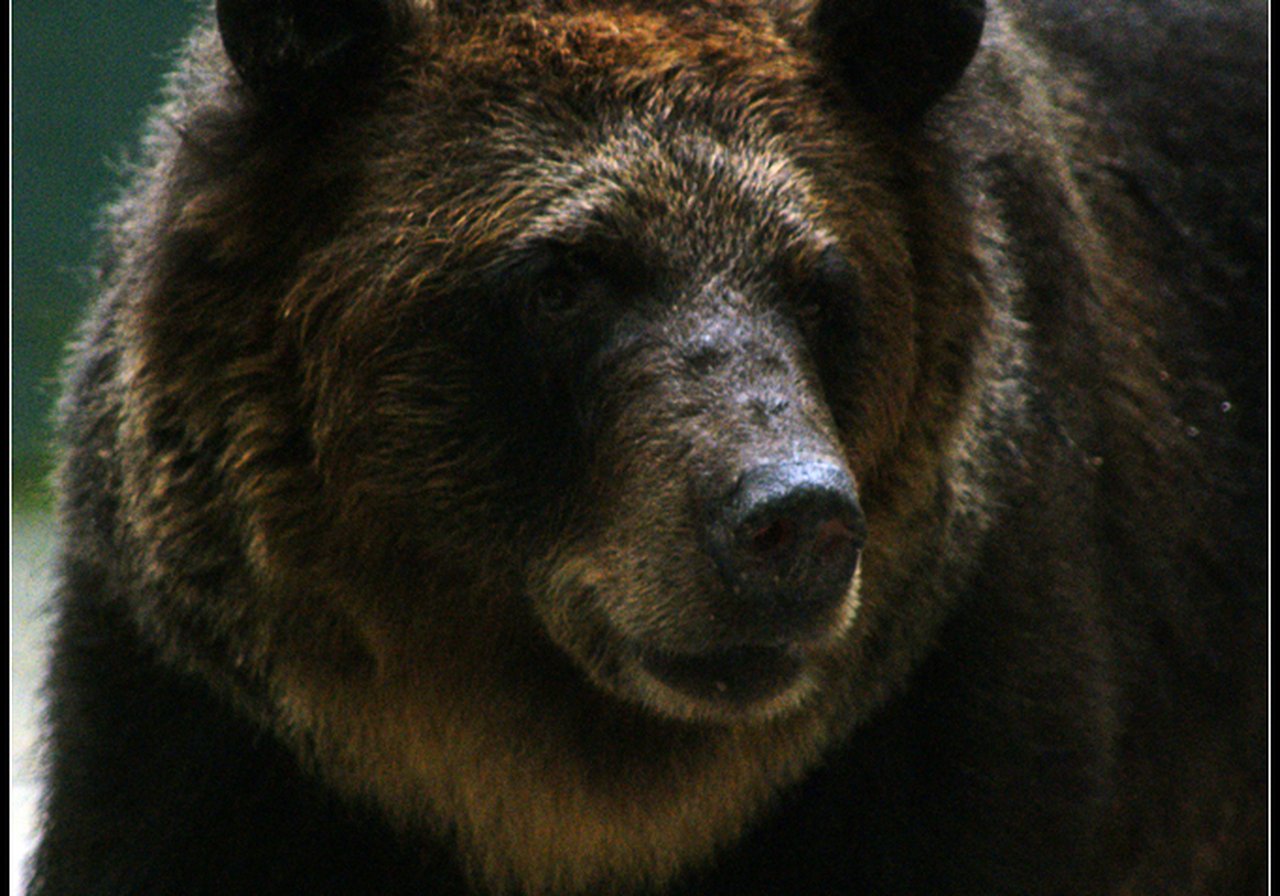
Varies by species (Least Concern to Vulnerable)
Bear
Family Ursidae — 8 living species across North America, South America, Europe and Asia
Bears are eight living species in family Ursidae, not one species. The IUCN does not give bears a single extinction badge. Polar, sun, sloth and spectacled bears are Vulnerable. Giant pandas recovered to Vulnerable. American black bears are abundant. The related appeal explains potential support and the current funding status; this guide does not confirm a WARN grant.
Read the guide →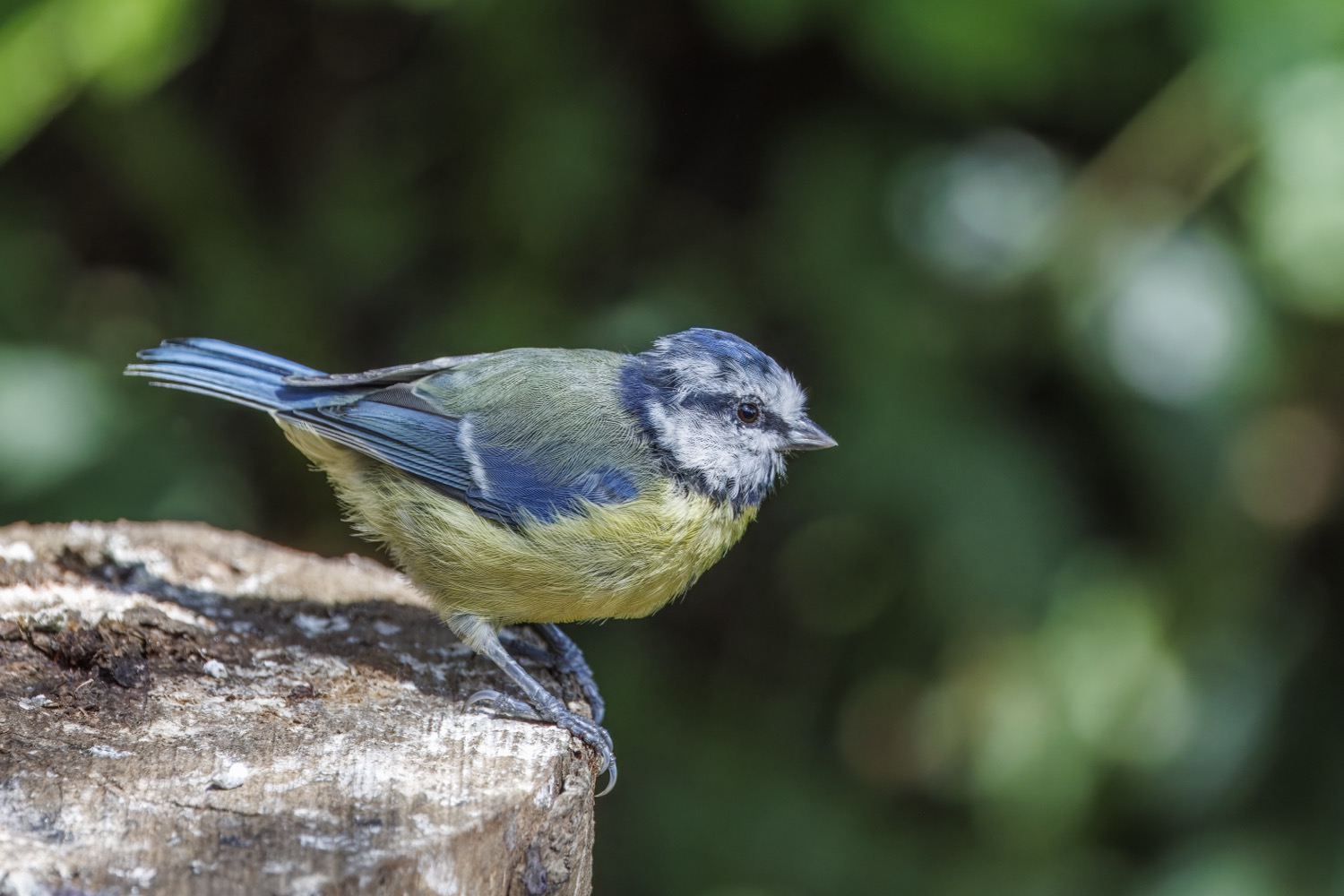
Least Concern (IUCN)
Blue Tit
Cyanistes caeruleus
A blue tit (Cyanistes caeruleus) is a small European songbird with a blue cap and wings, white cheeks and a yellow breast. Weighing about 11 grams, it is a common, acrobatic garden-feeder visitor across Britain, Ireland and much of Europe, and an IUCN Least Concern species.
Read the guide →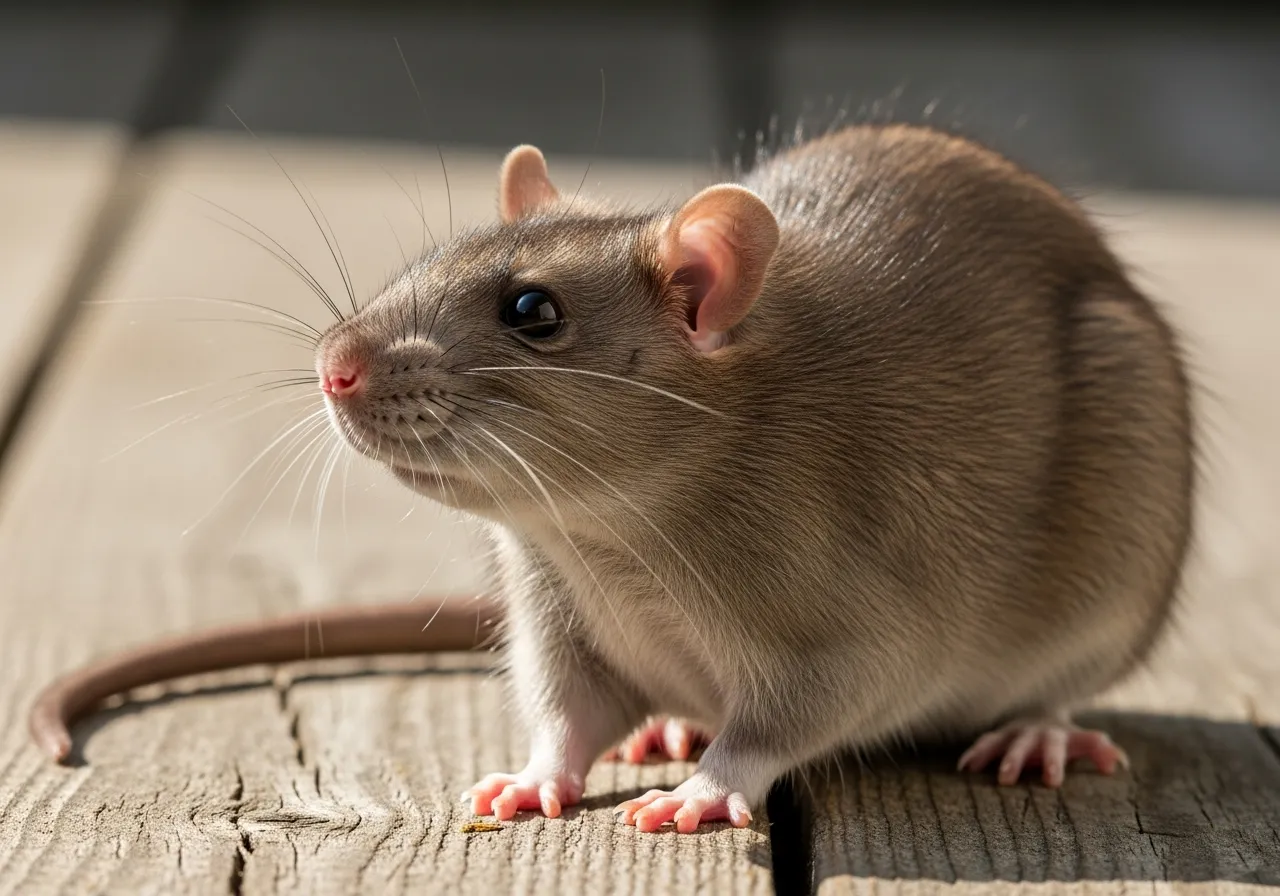
Least Concern (IUCN)
Brown Rat
Rattus norvegicus
A brown rat (Rattus norvegicus) is a large, adaptable rodent that lives alongside humans worldwide. Native to Asia, it has spread to every continent except Antarctica. Highly intelligent and social, it is the wild ancestor of both pet "fancy rats" and laboratory rats, and is listed as Least Concern.
Read the guide →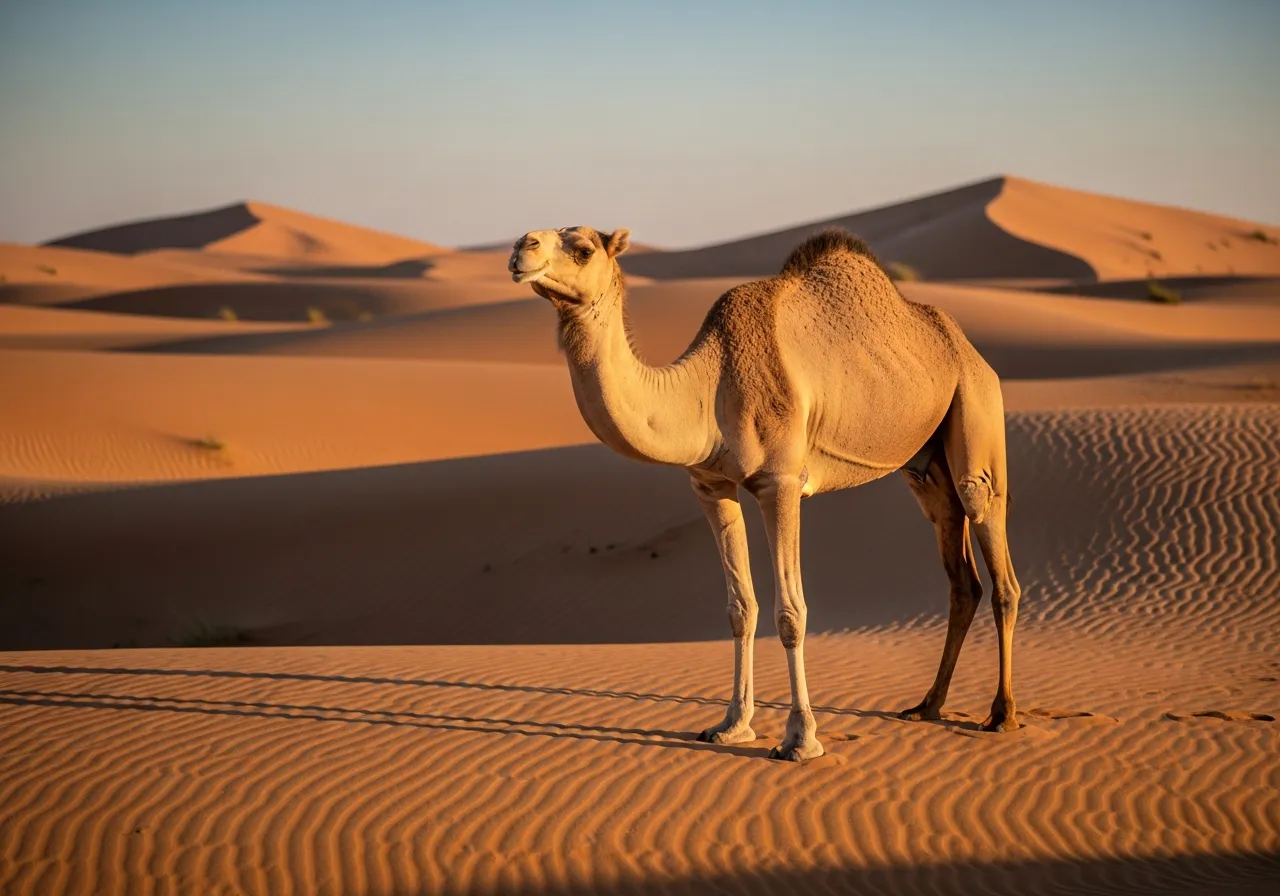
Domestic camels not threatened; the wild Bactrian camel (Camelus ferus) is Critically Endangered
Camel
Camelus dromedarius, C. bactrianus & C. ferus
A camel is a large, hump-backed desert mammal of the genus Camelus. The one-humped dromedary and two-humped Bactrian are domesticated; the wild Bactrian camel is rare. Humps store fat, not water, and remarkable adaptations let camels endure extreme heat and long stretches without drinking.
Read the guide →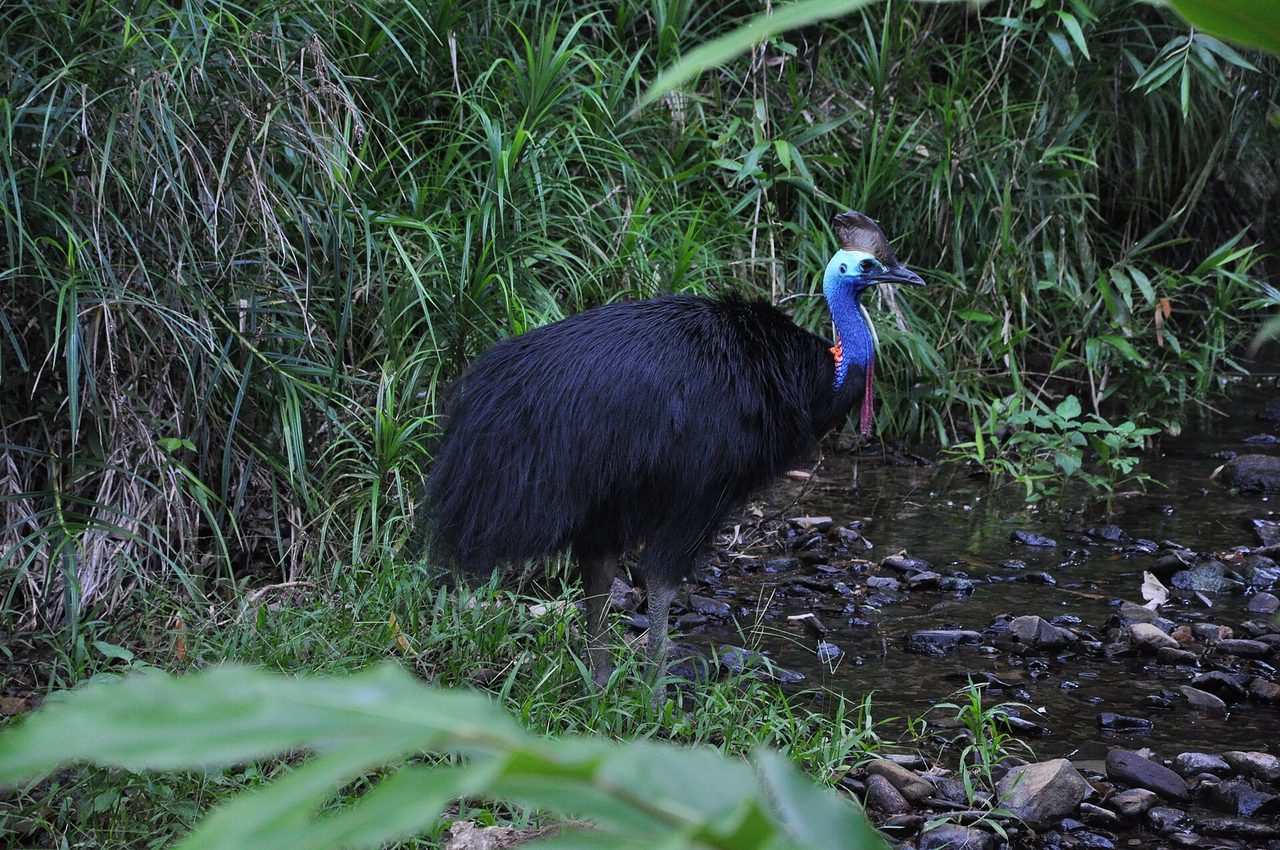
Least Concern (IUCN) — Southern; varies by species
Cassowary
Casuarius spp.
The cassowary is a large, flightless bird native to the rainforests of New Guinea and north-eastern Australia, renowned for its bony head casque, vivid neck colouring, and critical role as a seed disperser for hundreds of tropical plant species.
Read the guide →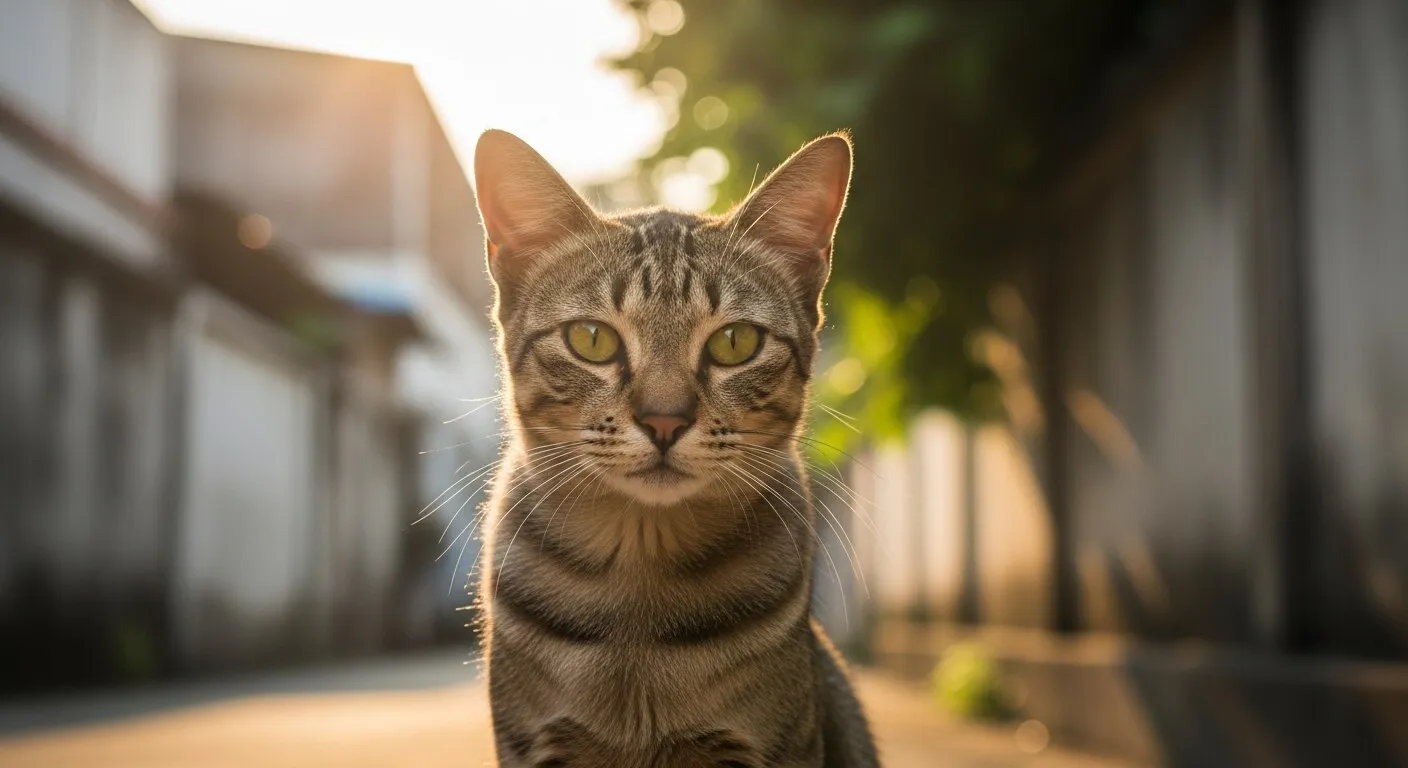
Domesticated — Not Evaluated (IUCN)
Cat
Felis catus (Linnaeus, 1758)
A cat (Felis catus) is a small domesticated carnivorous mammal descended from the African wildcat, kept worldwide as a companion. Every breed is the same species. The IUCN does not assess cats for extinction risk. Community cats are the same species as pets.
Read the guide →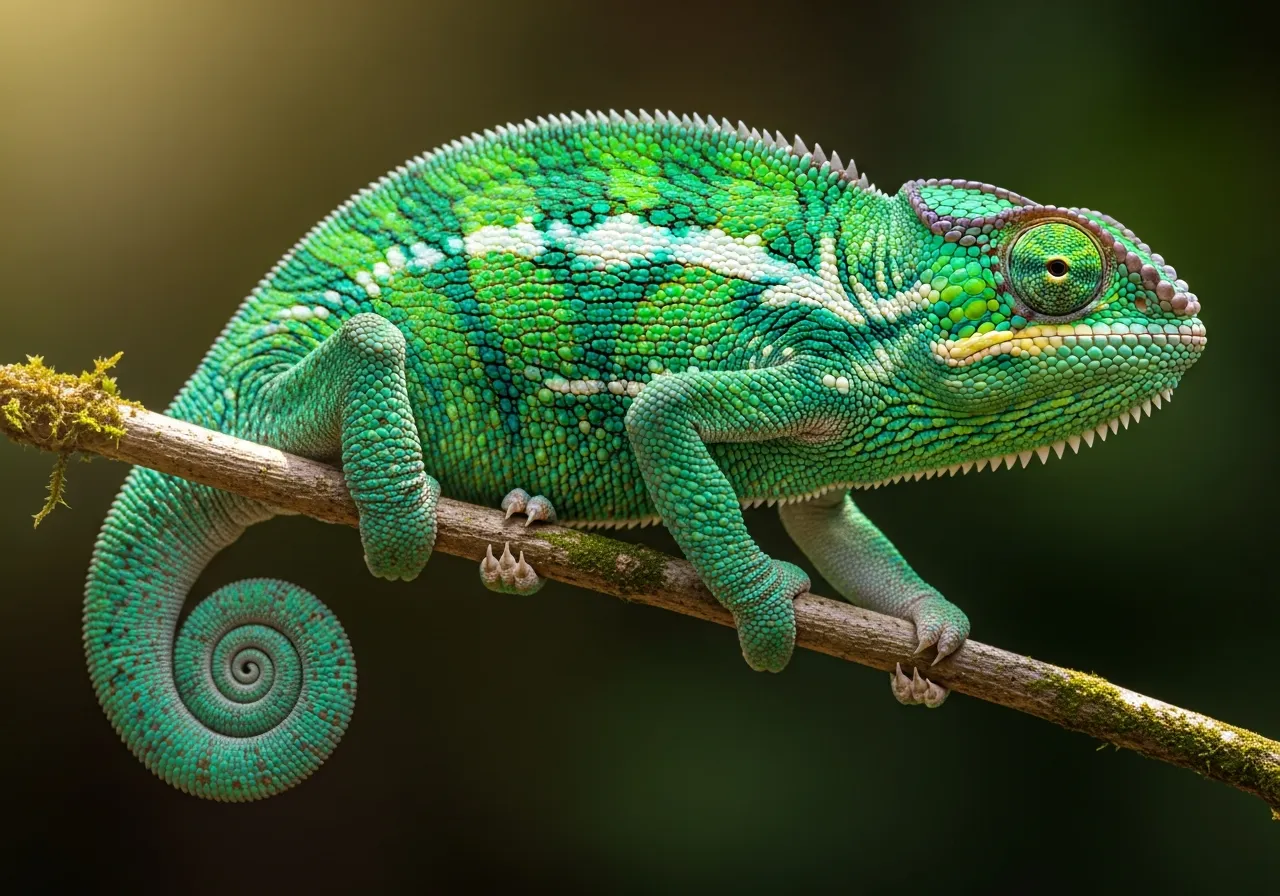
Varies by species; many threatened
Chameleon
Chamaeleonidae
A chameleon is an arboreal lizard of the family Chamaeleonidae, with around 200 species, about half found only in Madagascar. They are known for independently moving eyes, a fast projectile tongue, gripping feet, a prehensile tail and colour change used mainly for communication and temperature control.
Read the guide →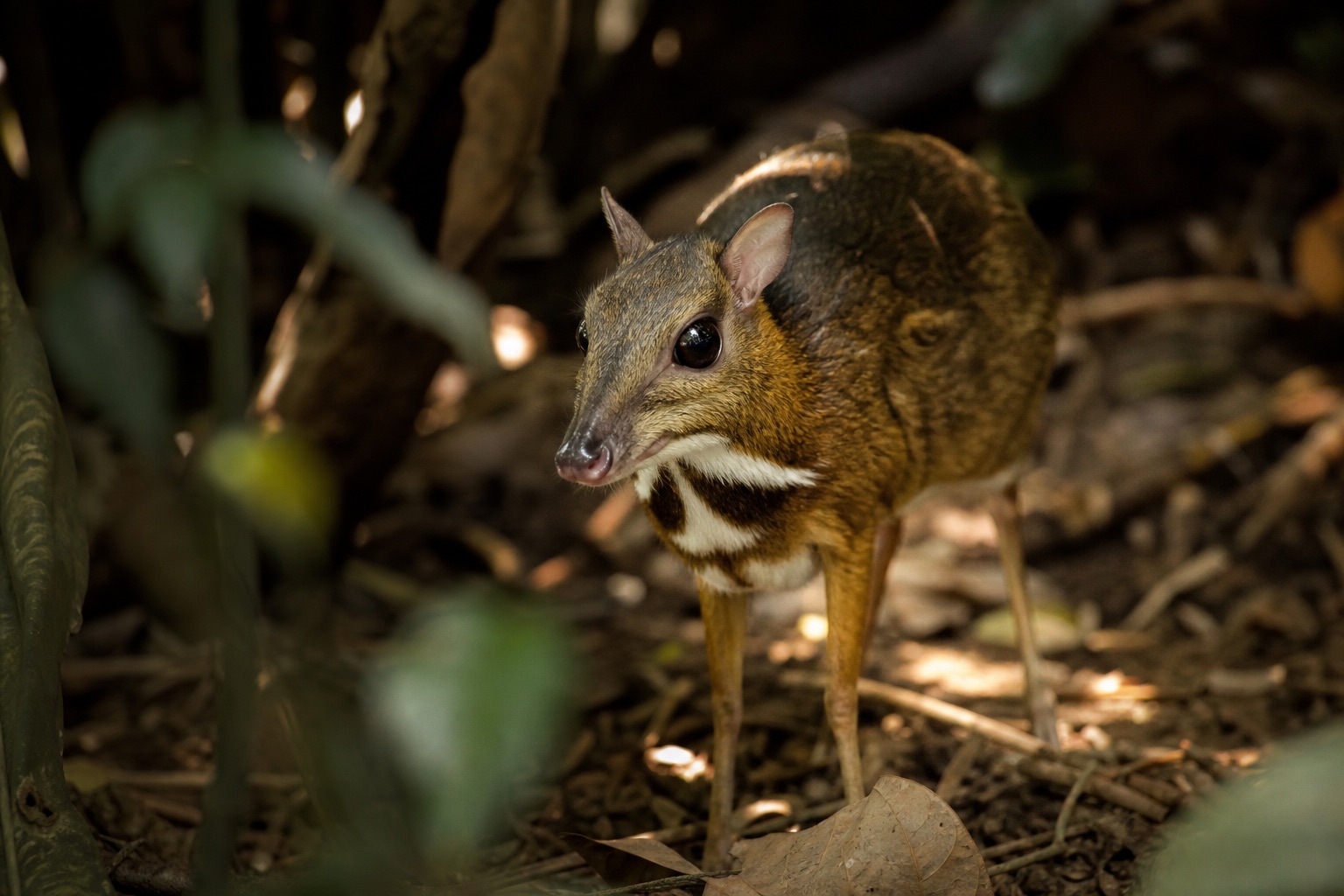
Varies by species — silver-backed chevrotain rediscovered in Vietnam 2019 after decades without records
Chevrotain
Tragulus spp.; silver-backed form Tragulus versicolor (Thomas, 1910) — family Tragulidae
Chevrotains are tiny Tragulidae hoofed mammals called mouse-deer but not related to deer; the silver-backed chevrotain was rediscovered in Vietnam in 2019 on camera trap after decades without confirmed records.
Read the guide →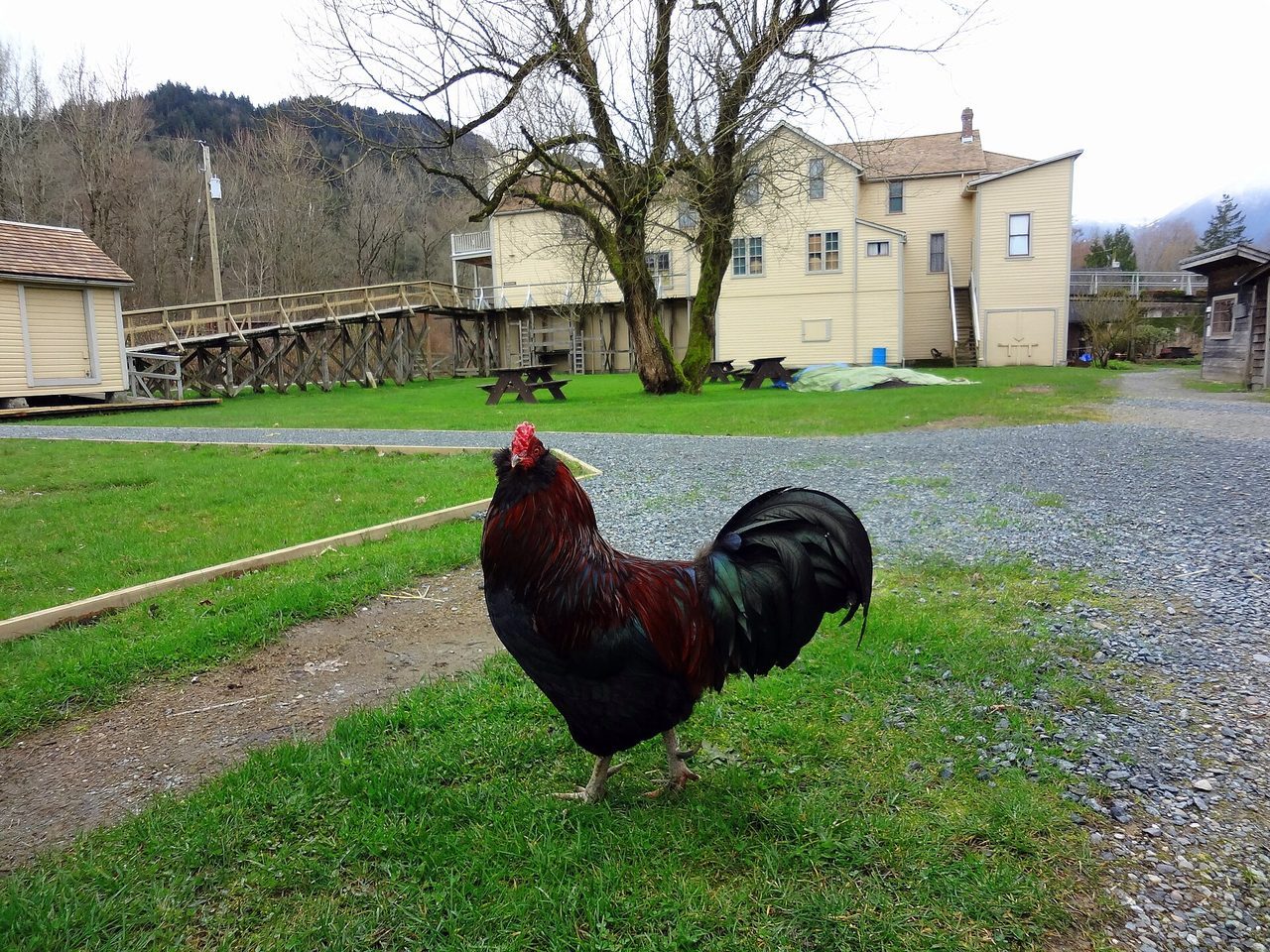
Domesticated — wild red junglefowl Least Concern (IUCN)
Chicken
Gallus gallus domesticus — descended from red junglefowl (Gallus gallus)
Chickens (Gallus gallus domesticus) descend from Least Concern red junglefowl — the world's commonest bird, raised for meat and eggs; backyard companions need space, dust baths and predator-safe housing unlike industrial systems.
Read the guide →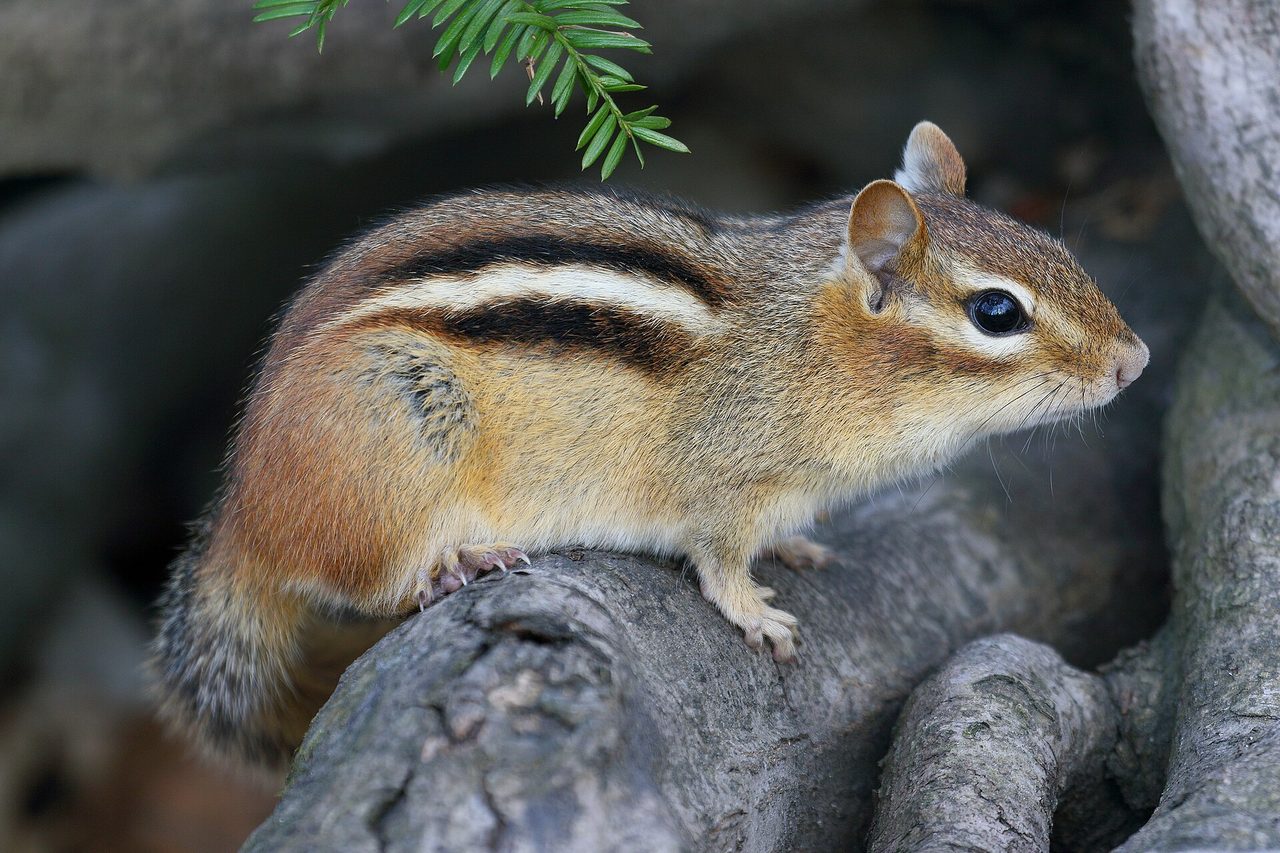
Least Concern (IUCN) — most species; Peñasco subspecies Endangered (US ESA, 2024)
Chipmunk
Tamias striatus (eastern); Neotamias spp. (western); Eutamias sibiricus (Siberian)
Chipmunks are small striped rodents of the subtribe Tamiina — found across North America and in one Asian species — that are mostly Least Concern on the IUCN Red List, though one New Mexico subspecies was listed as Endangered under the US Endangered Species Act in December 2024.
Read the guide →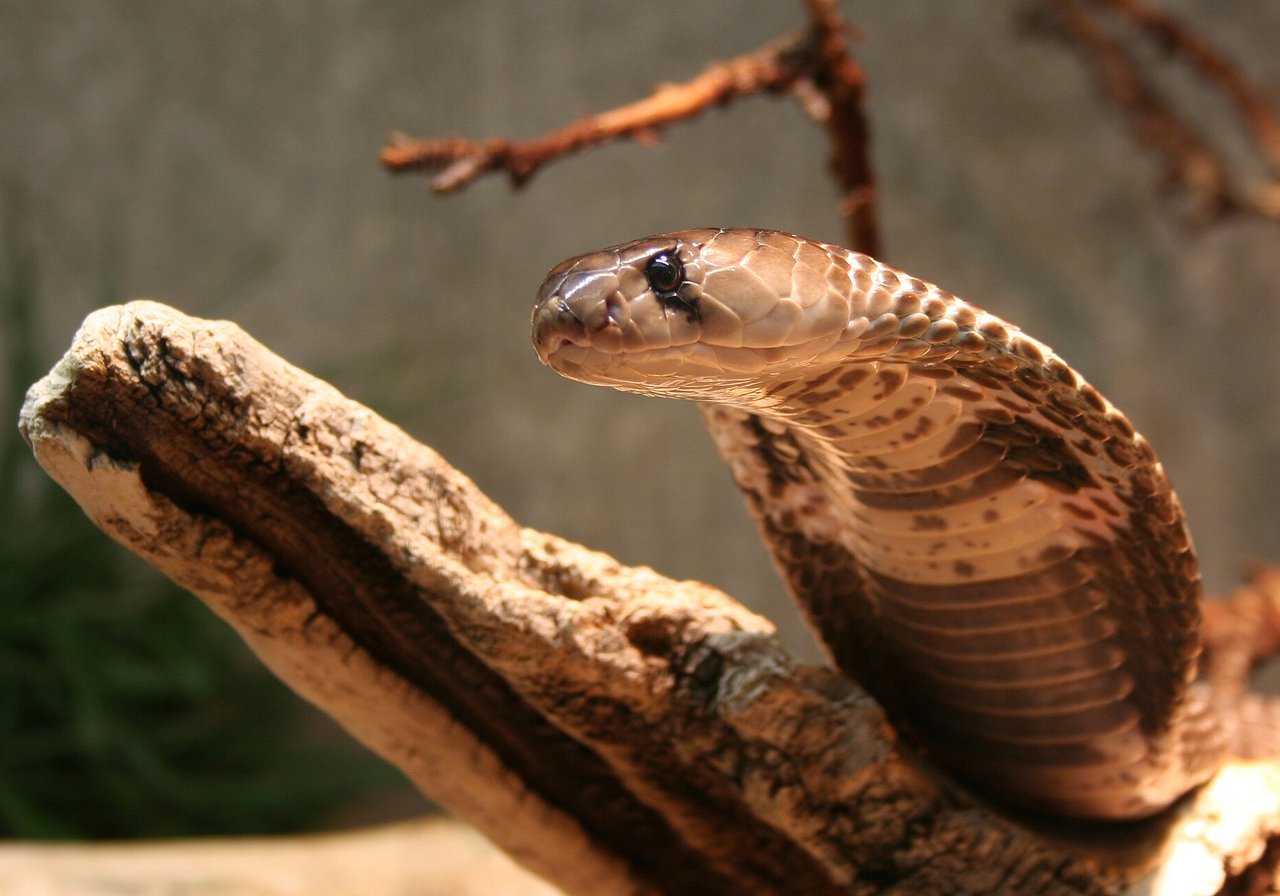
Varies by species (Least Concern to Vulnerable)
Cobra
Multiple elapid genera — Naja (true cobras), Ophiophagus (king cobra) and related hooded species
Cobras are hooded venomous elapid snakes of Africa and Asia — including true cobras (Naja) and the king cobra — neurotoxic predators vital for rodent control but threatened by persecution and habitat loss.
Read the guide →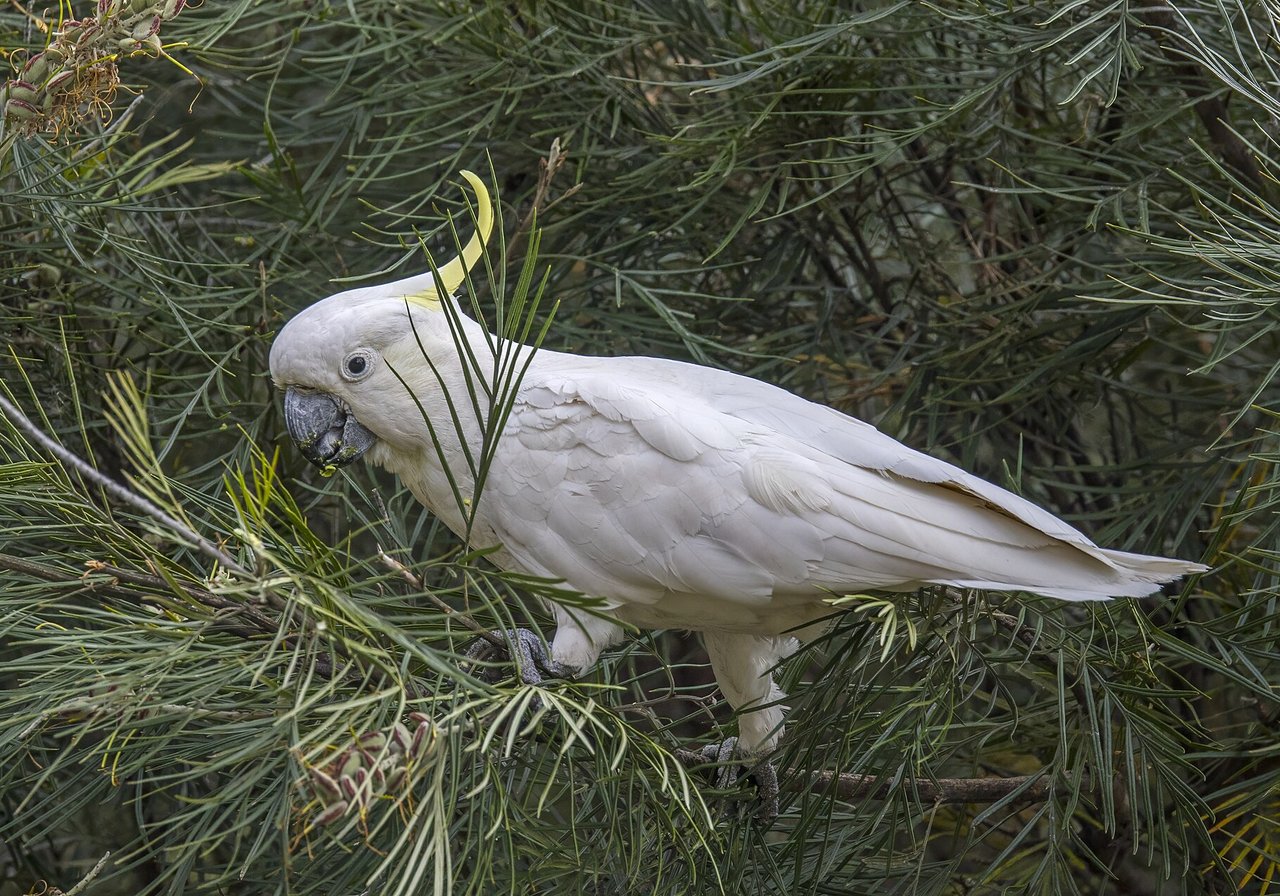
Varies by species (Vulnerable to Critically Endangered)
Cockatoo
Family Cacatuidae — 21 species in 4 genera (Cacatua, Calyptorhynchus, Callocephalon, Nymphicus)
Cockatoos are crested parrots (family Cacatuidae) with 21 species across Australasia — intelligent and long-lived birds threatened by illegal trapping for the pet trade, with several Indonesian species Critically Endangered.
Read the guide →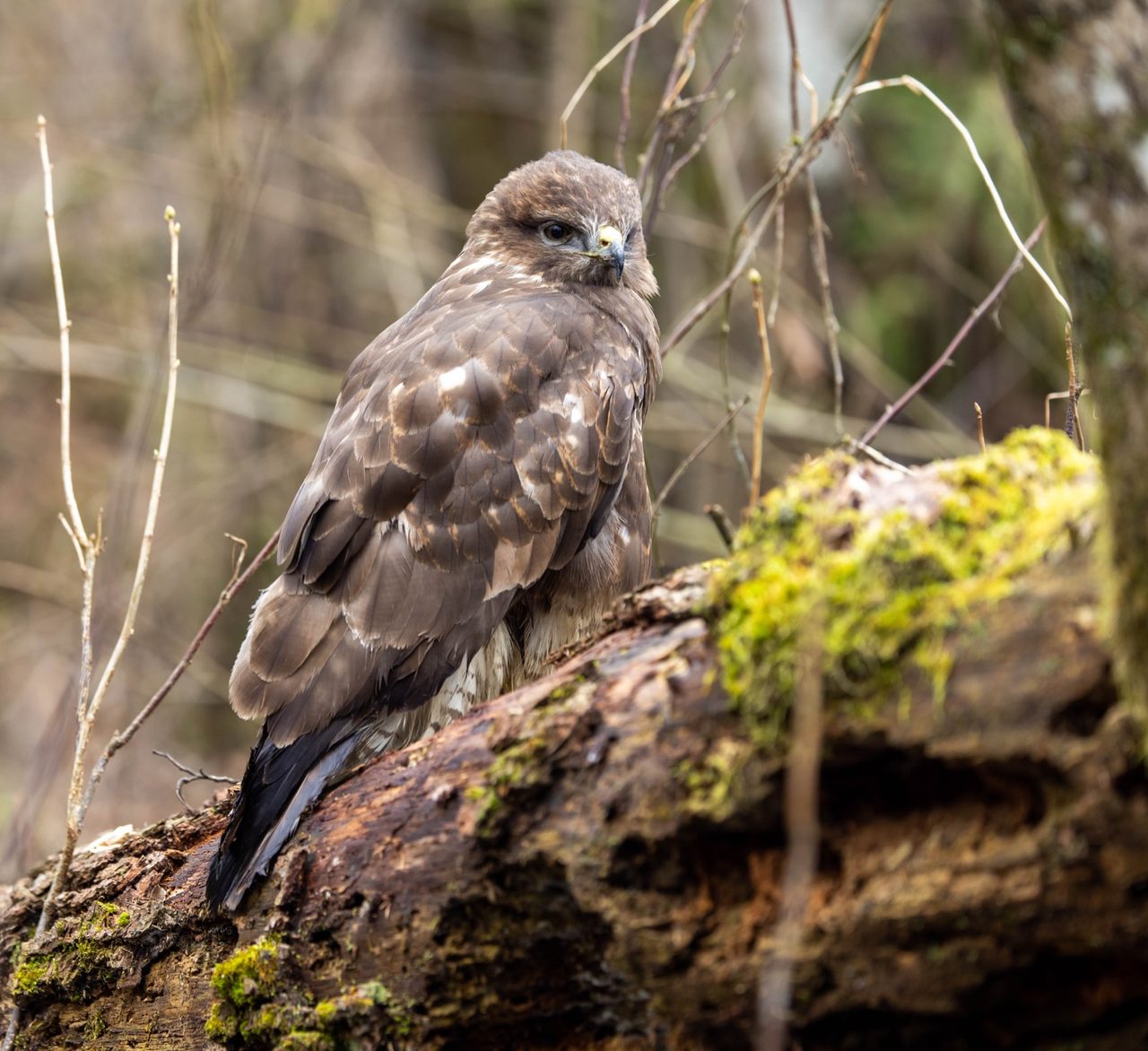
Least Concern (IUCN)
Common Buzzard
Buteo buteo
A common buzzard (Buteo buteo) is a medium-large, broad-winged bird of prey and Britain's most common and widespread raptor. It soars in slow circles, gives a distinctive cat-like mewing call, and hunts small mammals, earthworms and carrion across farmland, woodland and moorland.
Read the guide →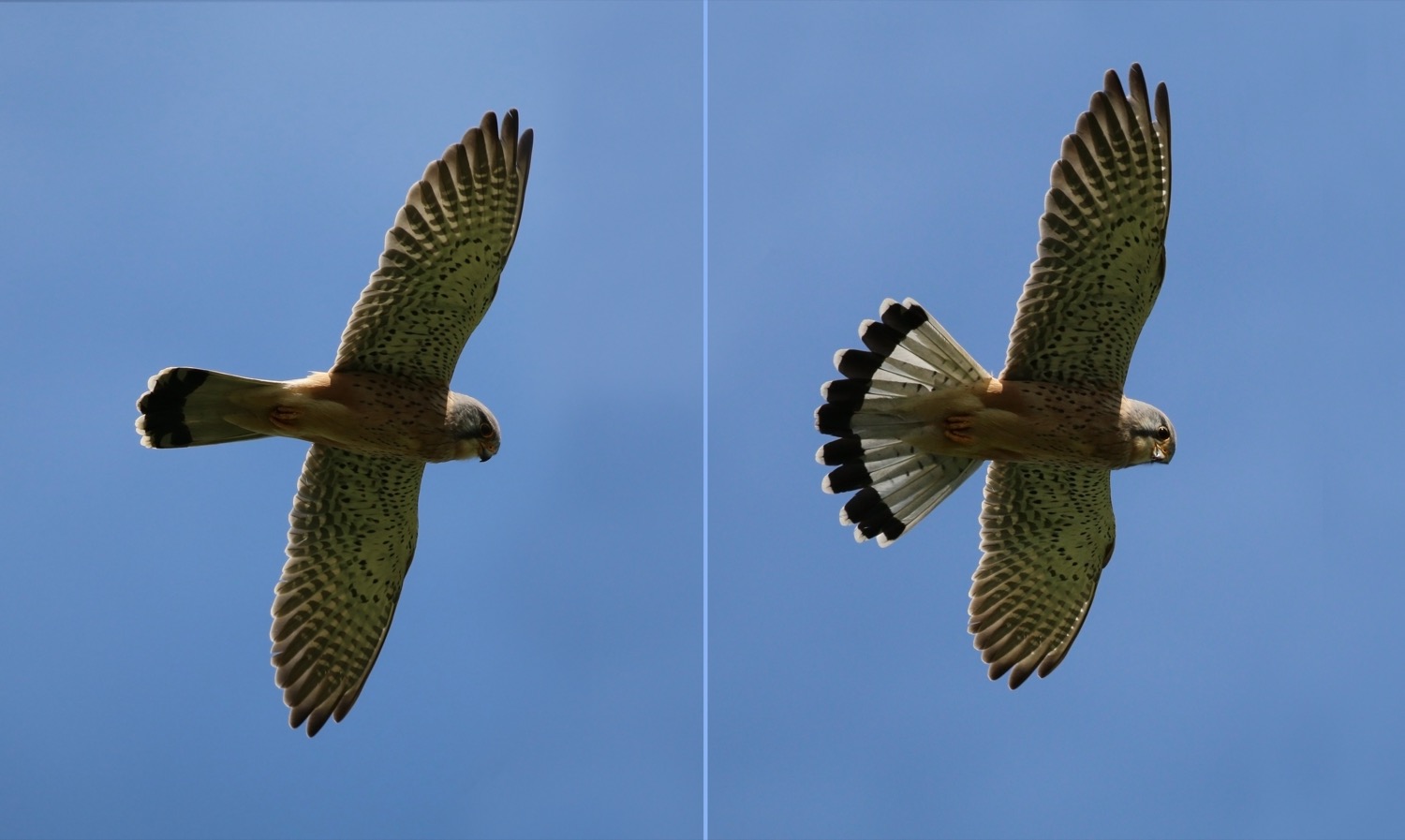
Least Concern (IUCN)
Common Kestrel
Falco tinnunculus
A common kestrel (Falco tinnunculus) is a small falcon of Europe, Asia and Africa, famous for hovering in mid-air to hunt voles, mice and large insects. Reddish-brown above with pointed wings, it can detect ultraviolet light reflected by rodent urine trails. The IUCN lists it as Least Concern.
Read the guide →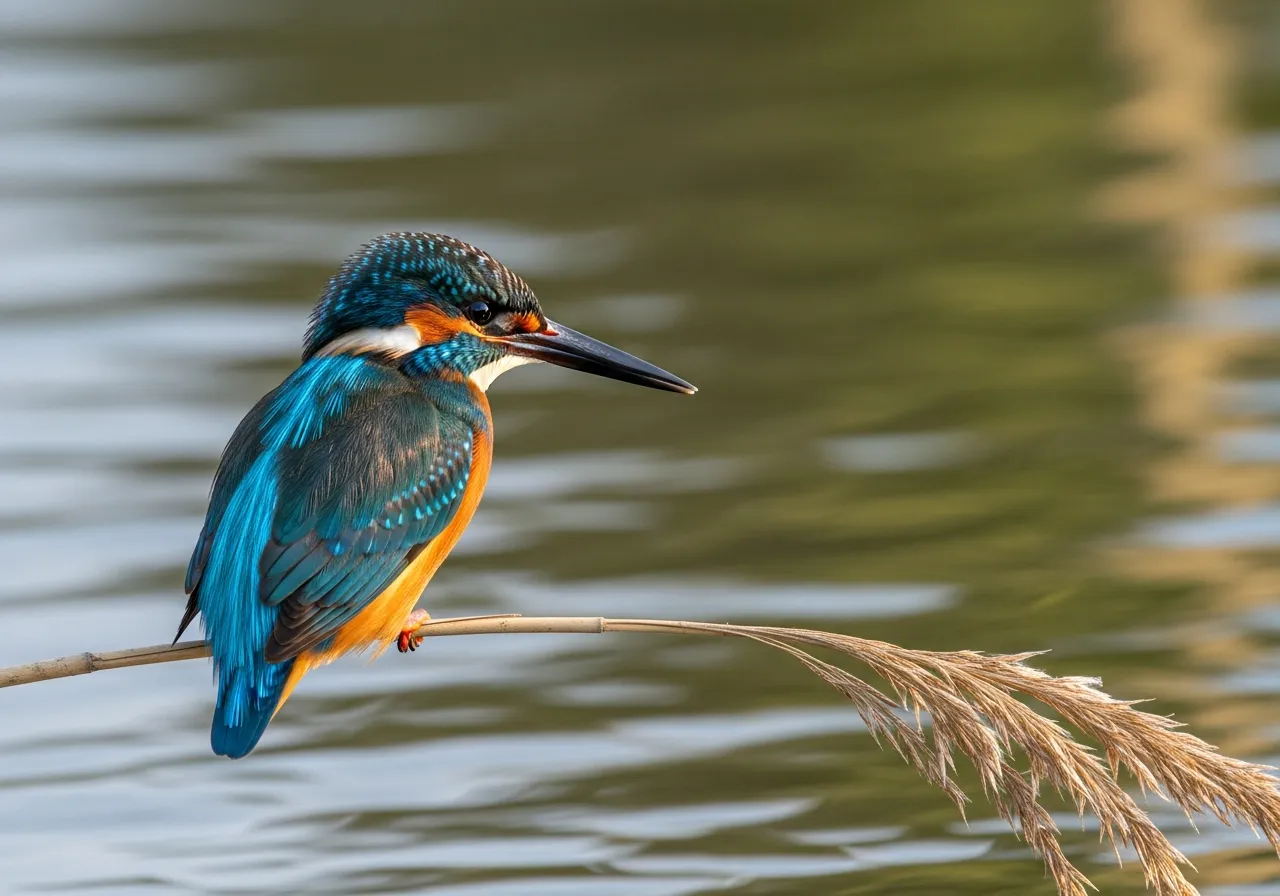
Least Concern (IUCN); not CITES-listed
Common Kingfisher
Alcedo atthis
A kingfisher is a small, brilliantly coloured bird that hunts by diving headfirst into water for fish. The common kingfisher (Alcedo atthis) of Europe, Asia and North Africa is electric-blue above and orange below, with a long, dagger-like bill, and nests in tunnels dug into riverbanks.
Read the guide →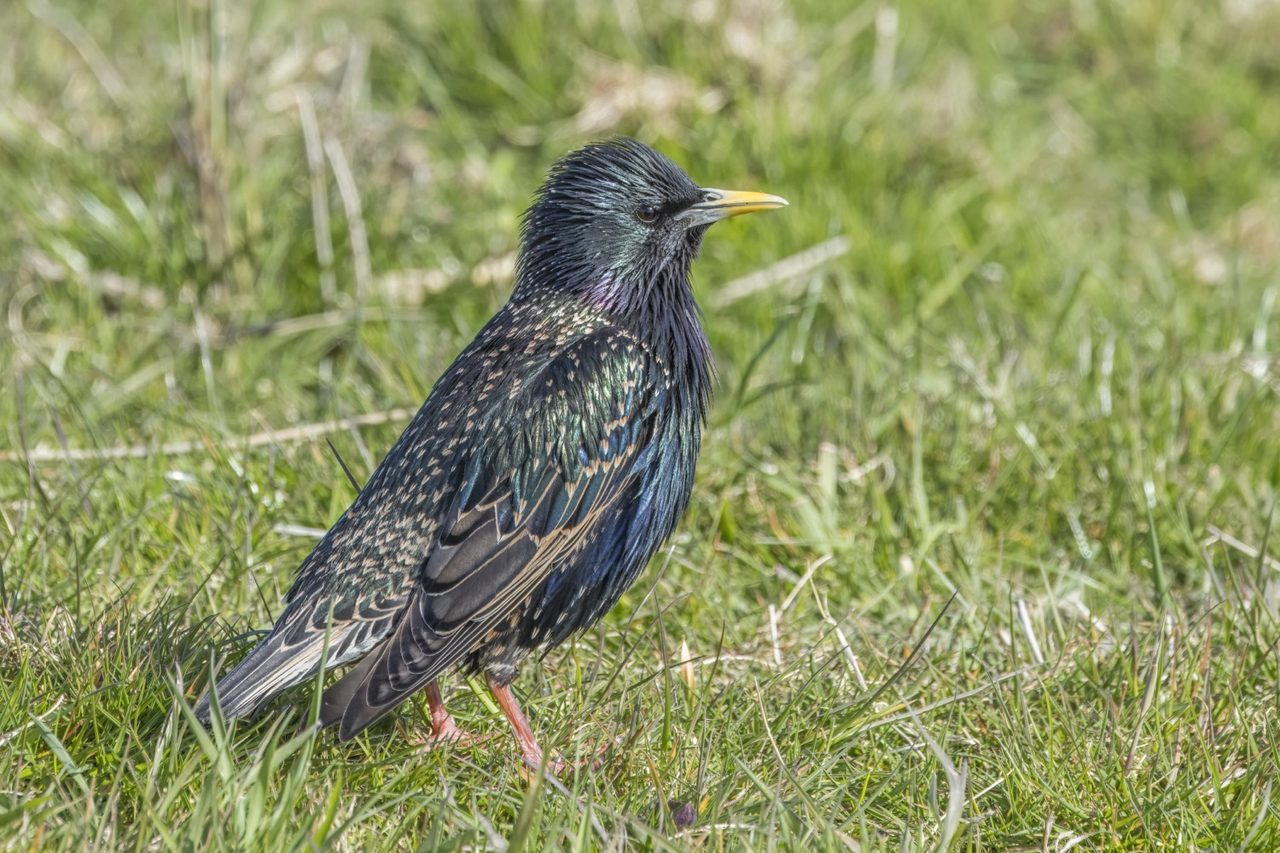
Least Concern (IUCN) globally; UK Red List of conservation concern
Common Starling
Sturnus vulgaris
The common starling (Sturnus vulgaris) is a stocky, glossy black songbird native to Eurasia and North Africa, famous for vast swirling winter flocks called murmurations and for skilled vocal mimicry. Globally common and rated Least Concern, it has declined sharply in Britain and is UK Red-listed.
Read the guide →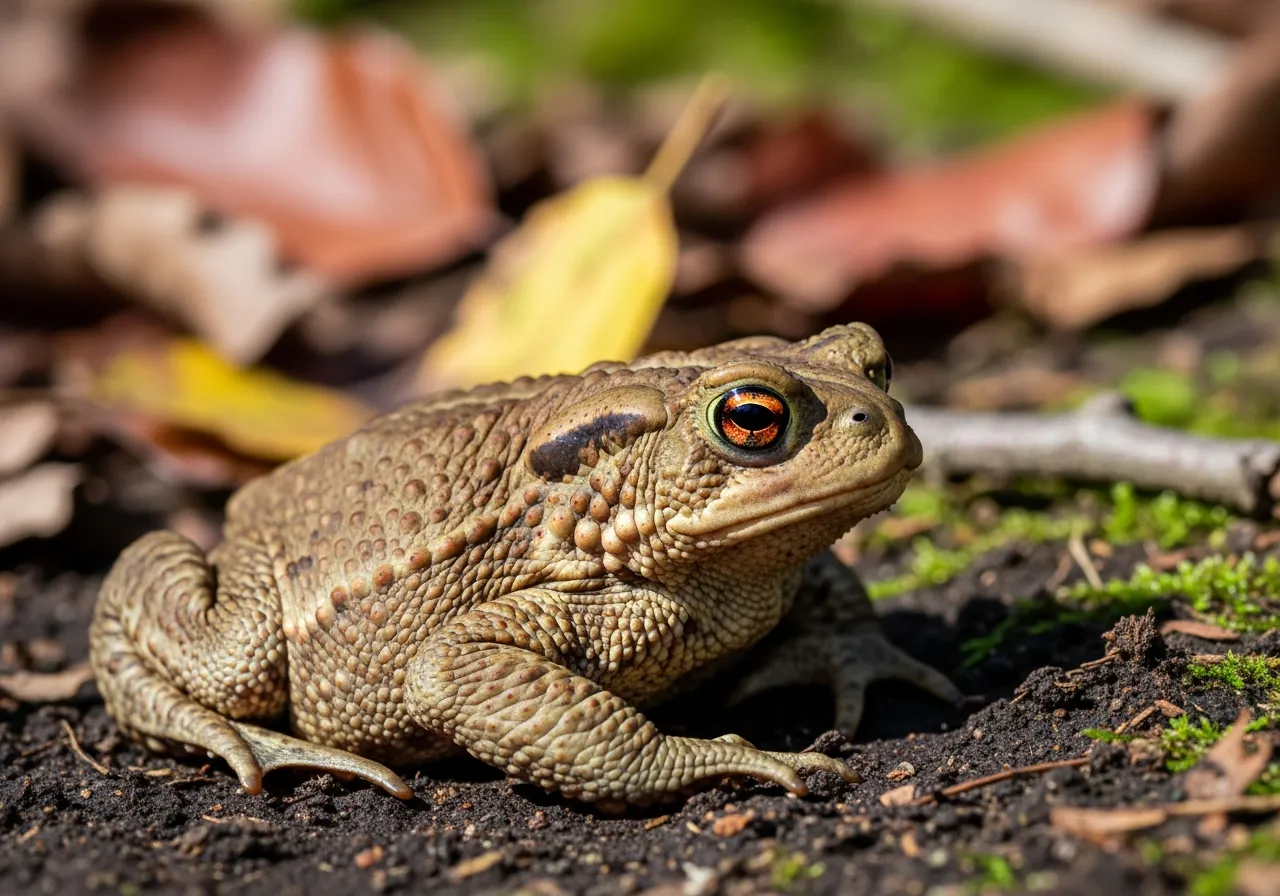
Least Concern (IUCN), but declining in parts of the UK
Common Toad
Bufo bufo
A toad is a tail-less amphibian, typified by the common toad (Bufo bufo), with dry, warty skin, short legs and toxin-secreting parotoid glands behind the eyes. Unlike frogs, toads usually walk rather than leap, live mostly on land, and return to ponds each spring to breed.
Read the guide →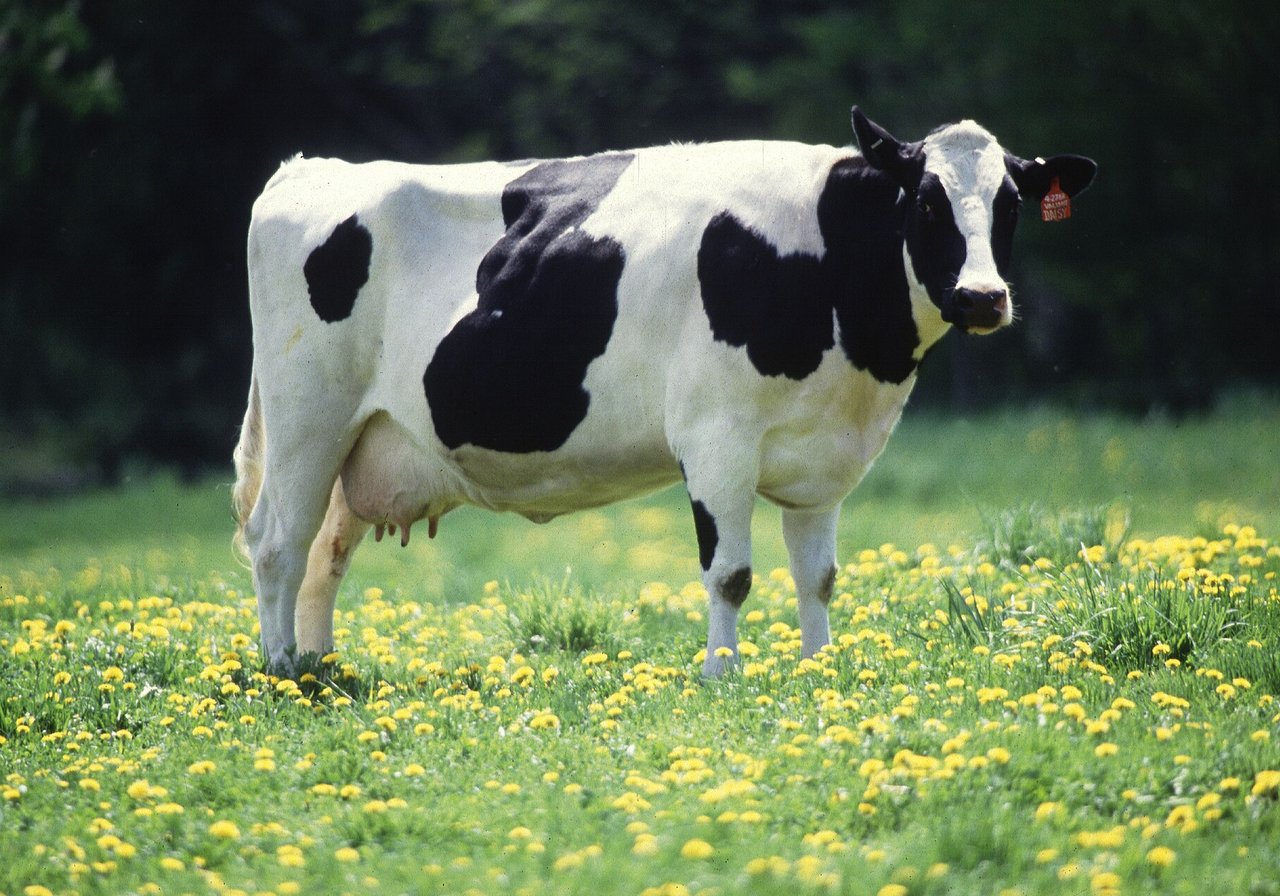
Domesticated — wild aurochs (Bos primigenius) extinct since 1627
Cow
Bos taurus (Linnaeus, 1758) — domestic cattle; wild aurochs extinct
Cattle (Bos taurus) are domesticated descendants of extinct aurochs — social herd animals raised for milk and meat; industrial systems impose calf separation, repeated pregnancy and early culling despite natural lifespans of 15–20 years.
Read the guide →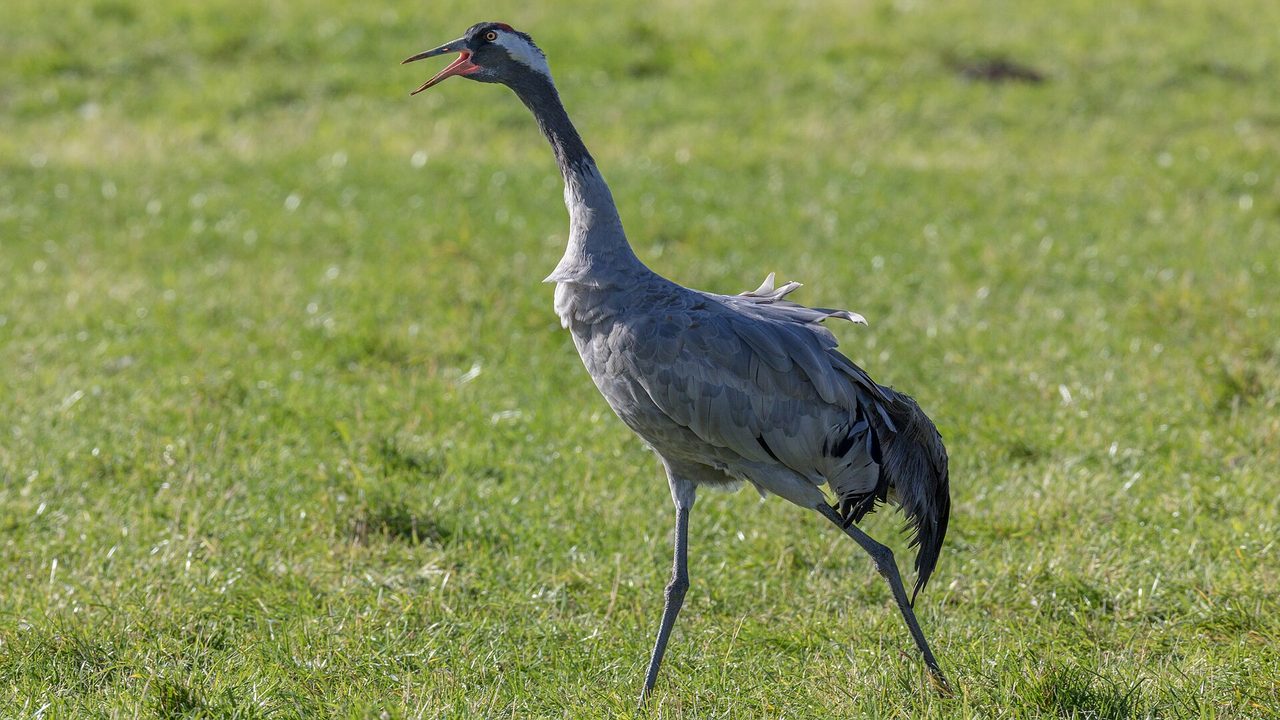
Varies by species (Critically Endangered to Least Concern)
Crane
Family Gruidae
Cranes are a family (Gruidae) of 15 large, long-lived wading birds found on every continent except South America and Antarctica; the family spans conservation statuses from Least Concern (Common Crane, over 700,000 birds) to Critically Endangered (Siberian Crane, roughly 6,500–7,000 birds), making them collectively one of the most threatened bird groups in the world.
Read the guide →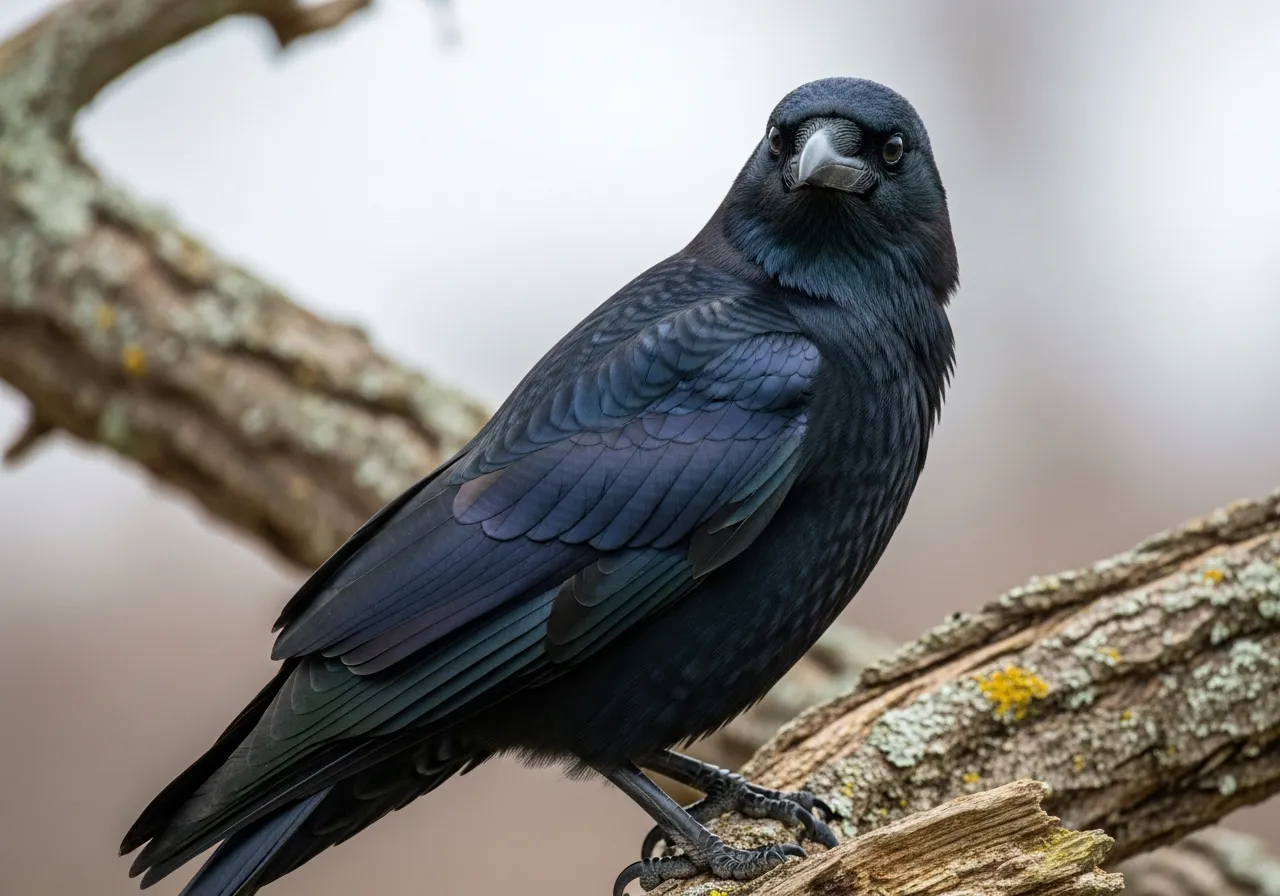
Varies by species; common crows Least Concern (IUCN)
Crow
Corvus
A crow is a medium-to-large, mostly black bird of the genus Corvus, part of the corvid family that includes ravens and jays. Found on most continents, crows are among the world's most intelligent birds — using tools, solving problems and recognising individual human faces.
Read the guide →
Domesticated — Not Evaluated (IUCN)
Dog
Canis lupus familiaris (Linnaeus, 1758)
A dog (Canis lupus familiaris) is a domesticated mammal descended from the grey wolf, kept worldwide as a companion, working and assistance animal. Every breed is the same species. The IUCN does not assess dogs for extinction risk. Street dogs are the same species as pets.
Read the guide →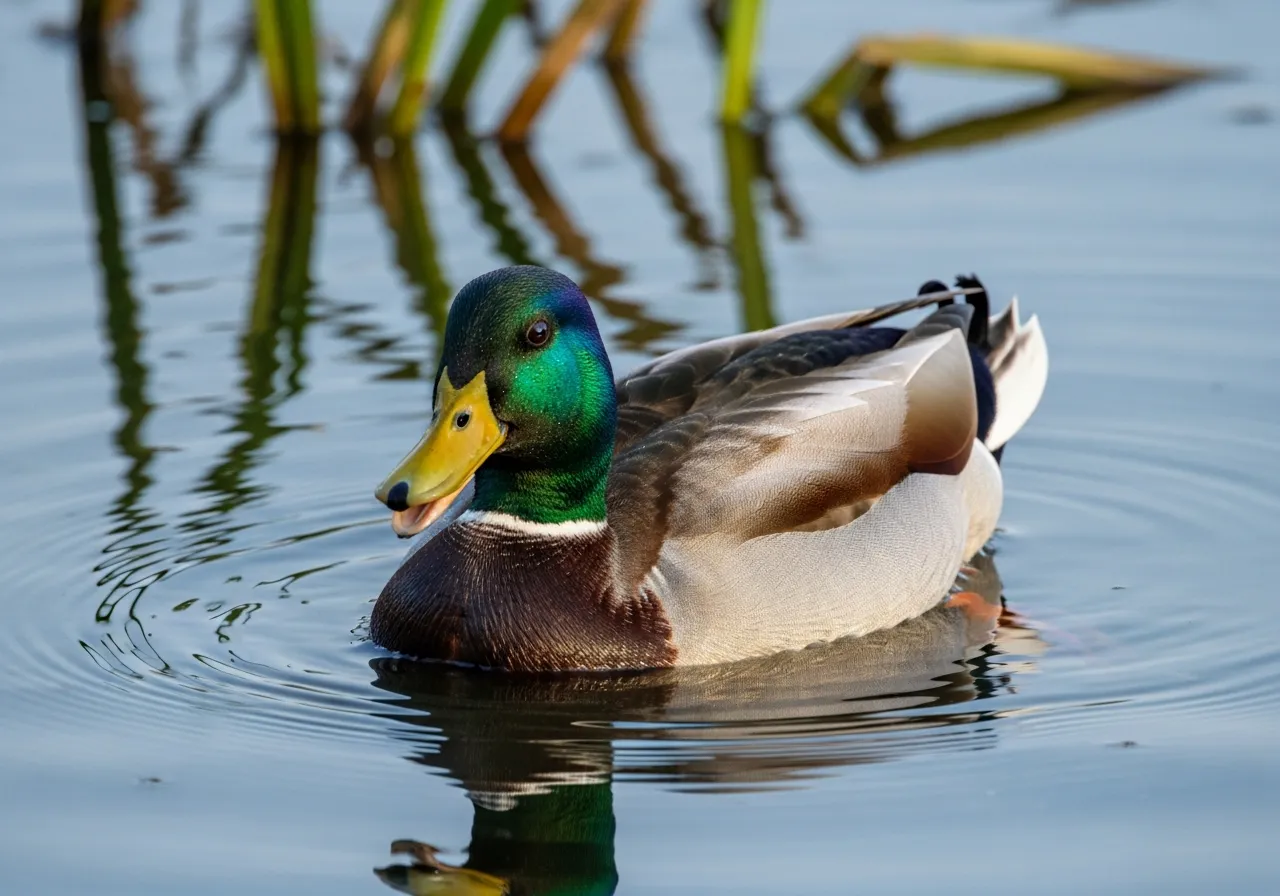
Varies; common species Least Concern
Duck
Family Anatidae (e.g. Anas platyrhynchos)
A duck is a waterbird in the family Anatidae — smaller and shorter-necked than its relatives the geese and swans. Ducks have a broad flat bill, webbed feet and waterproof feathers, live on fresh and salt water worldwide, and feed by dabbling at the surface or diving underwater.
Read the guide →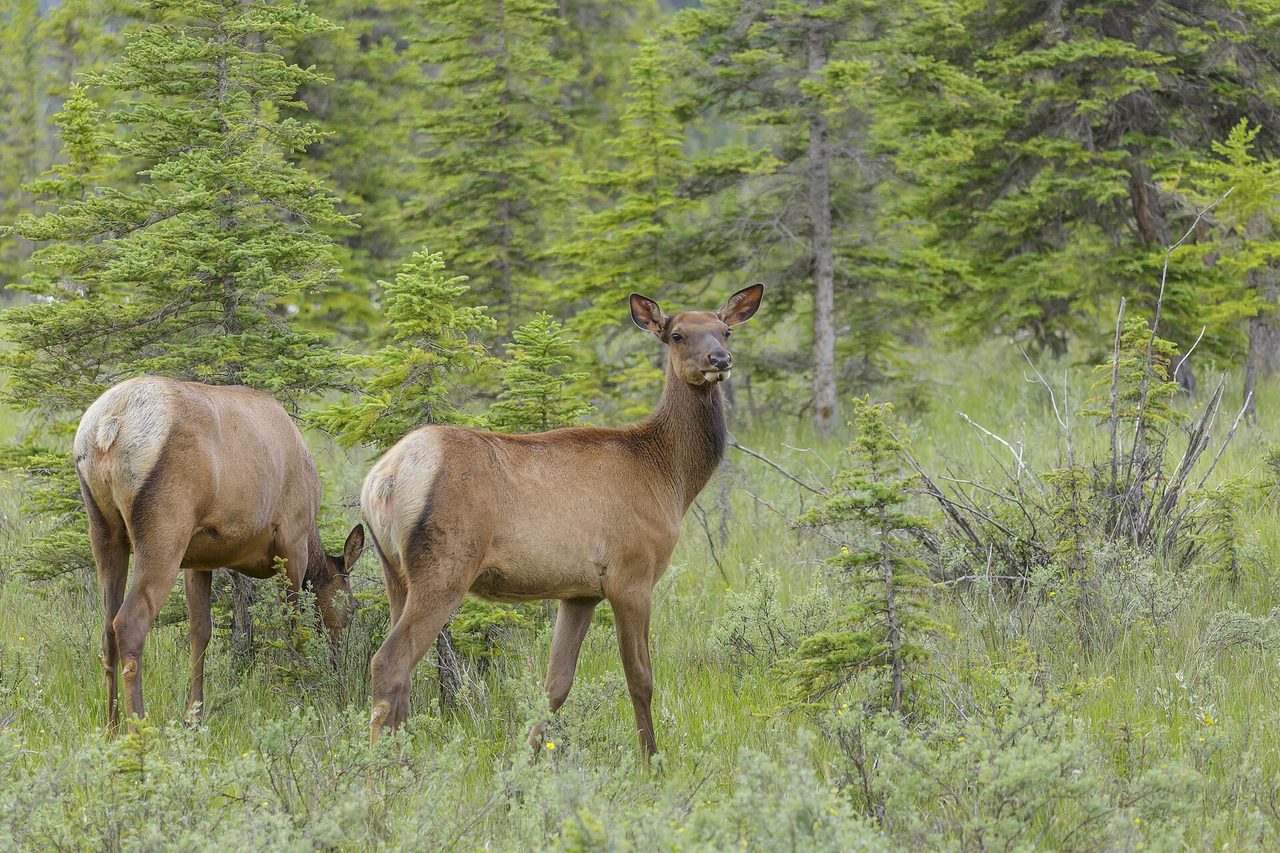
Least Concern (IUCN)
Elk (Wapiti)
Cervus canadensis
The elk (Cervus canadensis) is a Least Concern deer species numbering over one million in North America, renowned for its towering antlers, powerful bugle call, and remarkable recovery from near-extinction in the early twentieth century.
Read the guide →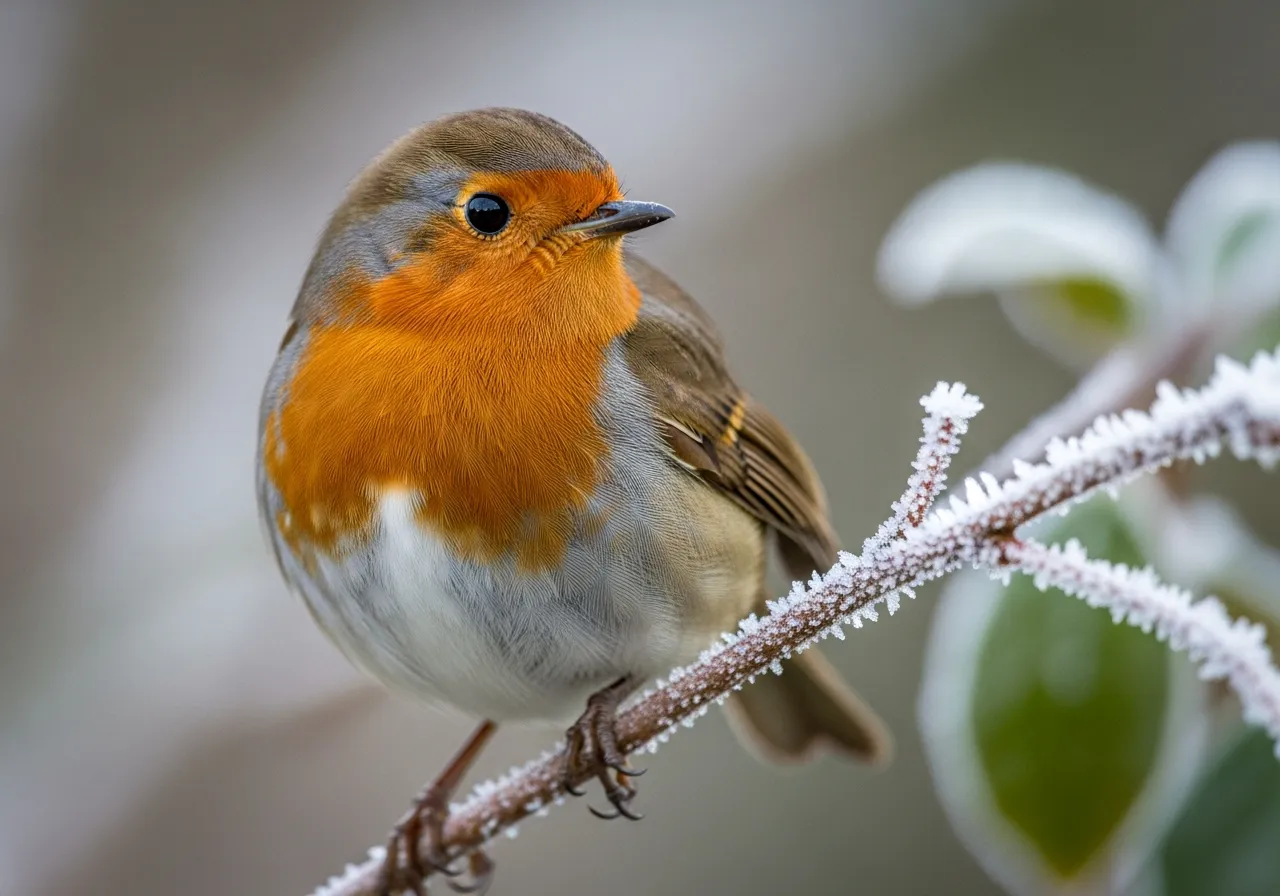
Least Concern (IUCN)
European Robin
Erithacus rubecula
A European robin (Erithacus rubecula) is a small Eurasian songbird with a distinctive orange-red face and breast, brown upperparts and a pale belly. Common in gardens, woods and hedgerows, it is famously territorial, sings year-round and is widely associated with British winters and Christmas.
Read the guide →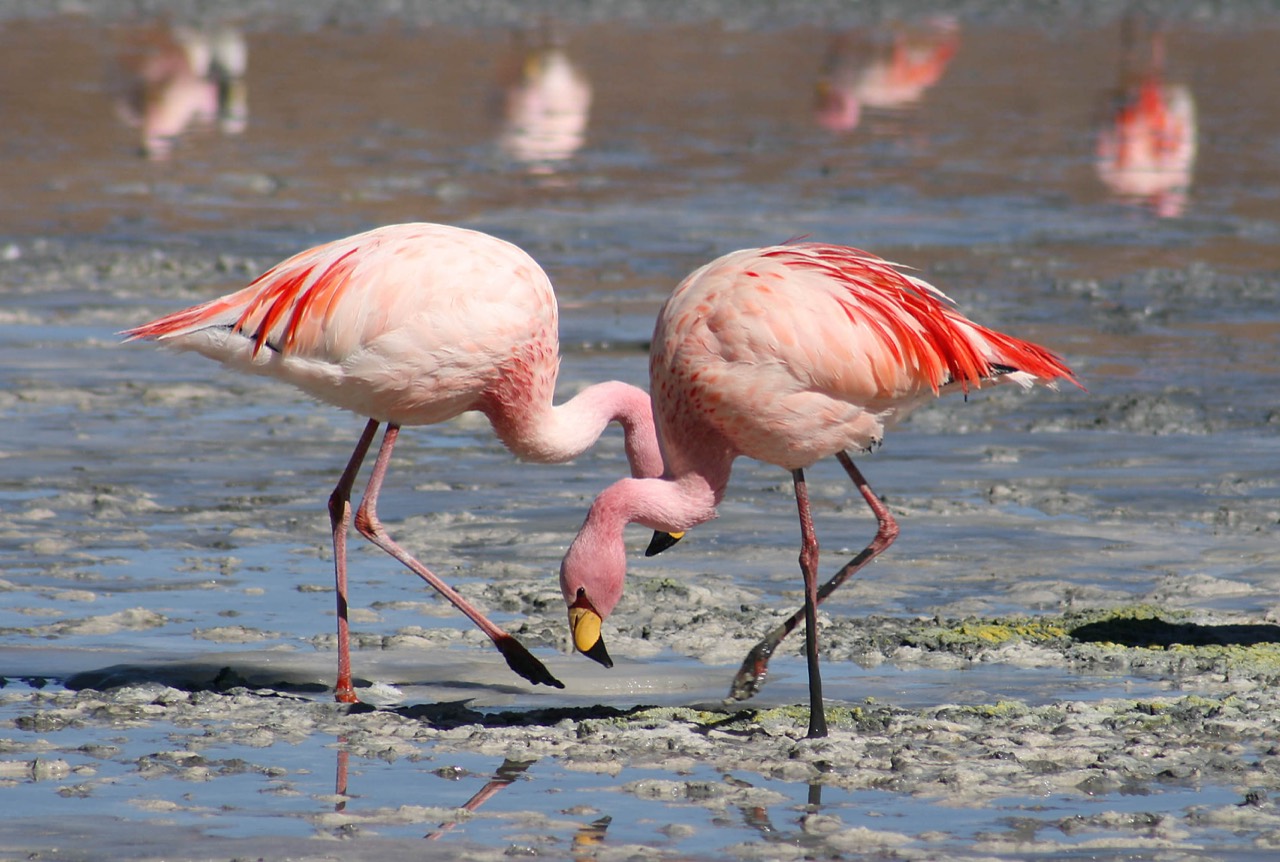
Varies by species (Least Concern to Vulnerable) — not one family badge
Flamingo
Family Phoenicopteridae — six living species in Phoenicopterus, Phoeniconaias and Phoenicoparrus
Flamingos are six species of filter-feeding phoenicopterid birds, not one livestock breed. Pink comes from carotenoids in algae and brine shrimp (Smithsonian National Zoo). Greater flamingo is Least Concern; Andean is Vulnerable. There is no family IUCN badge. WARN does not run flamingo programmes.
Read the guide →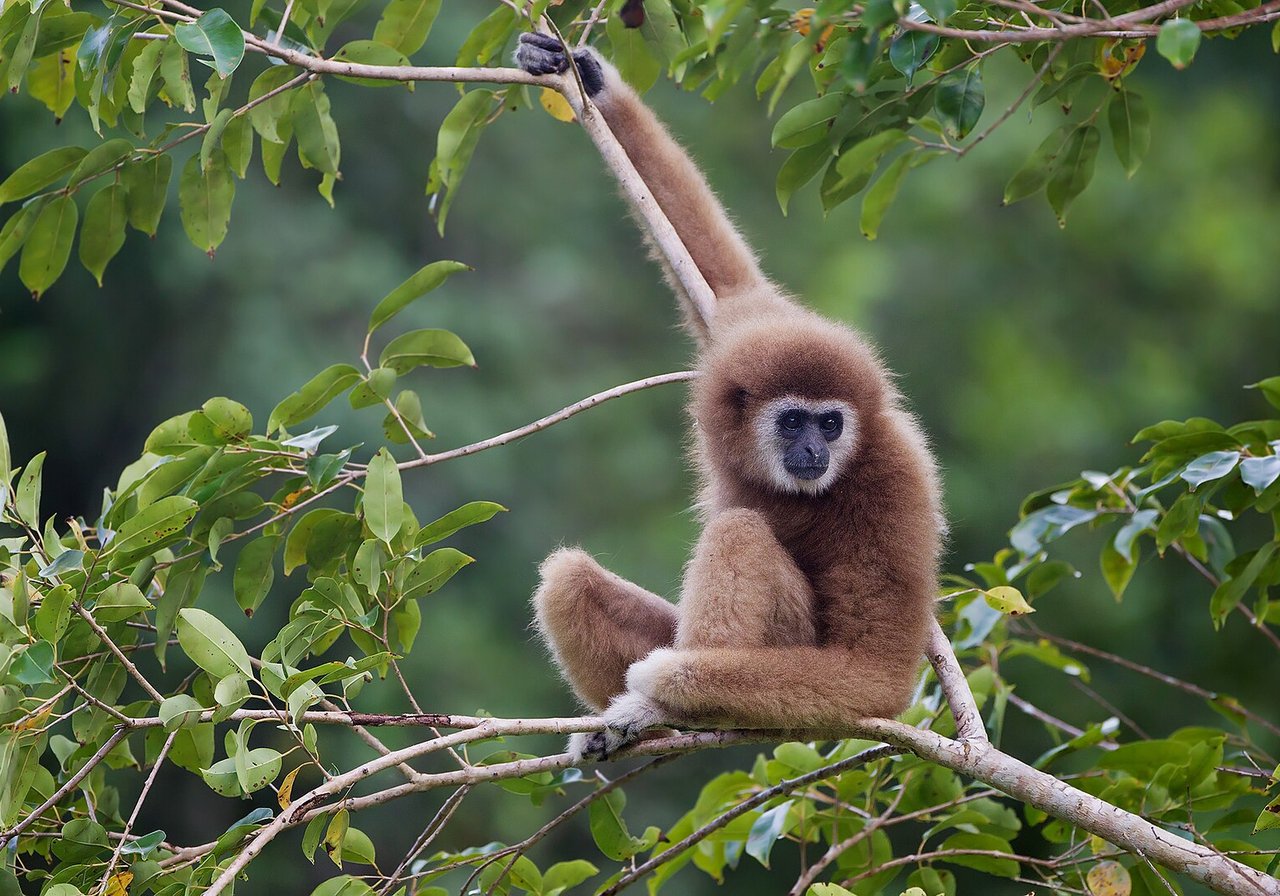
Varies by species (Endangered to Critically Endangered)
Gibbon
Family Hylobatidae — ~20 species in 4 genera (Hylobates, Hoolock, Nomascus, Symphalangus)
Gibbons are tailless lesser apes of South-east Asian rainforest, brachiating through the canopy in monogamous family groups; most species are Endangered or Critically Endangered due to habitat loss and the illegal pet trade.
Read the guide →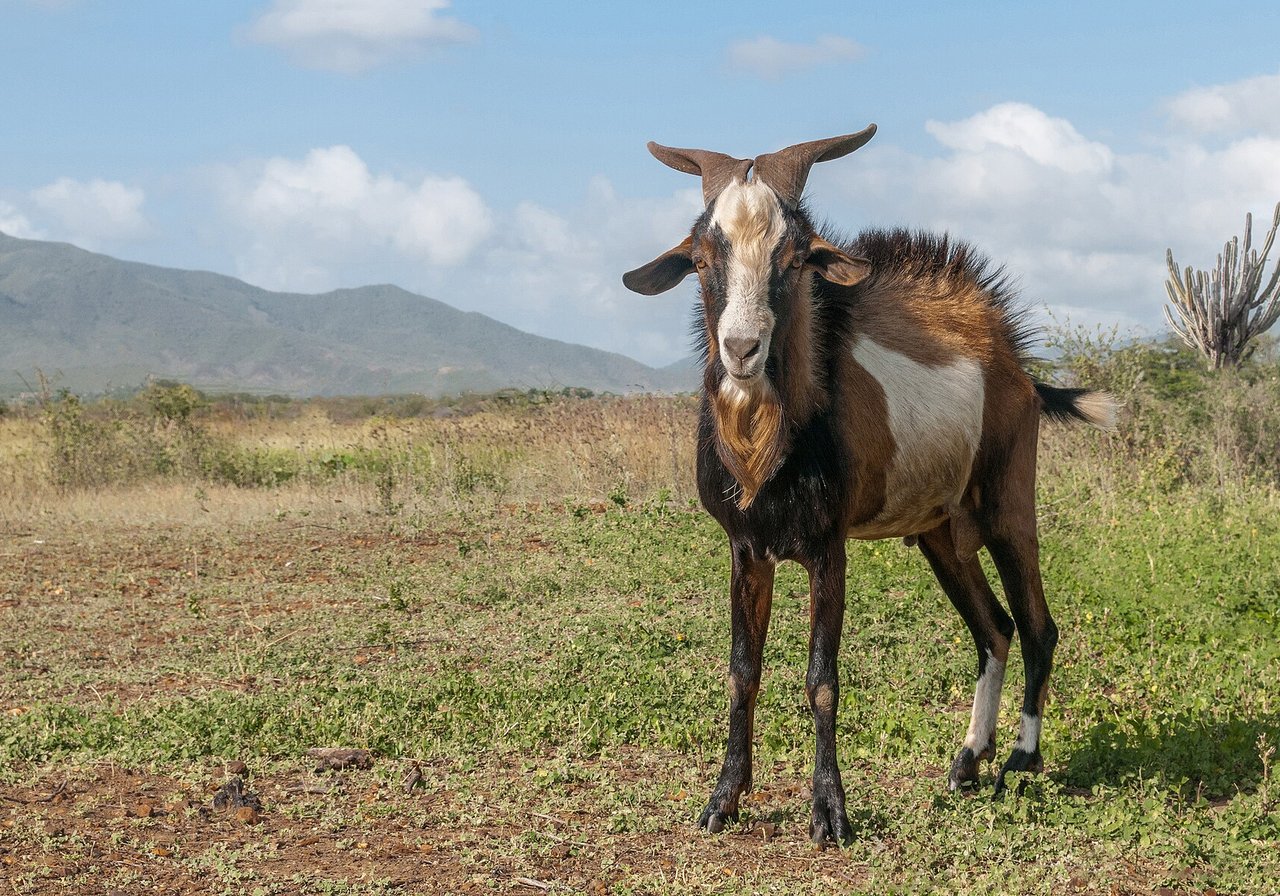
Domesticated — wild bezoar (Capra aegagrus) Near Threatened
Goat
Capra hircus (Linnaeus, 1758) — domestic goat; wild bezoar ibex ancestor
Goats (Capra hircus) are intelligent browsing livestock domesticated from Near Threatened bezoar ibex — need companions, climbing enrichment and hoof care; tethering and solitary keeping cause severe welfare harm.
Read the guide →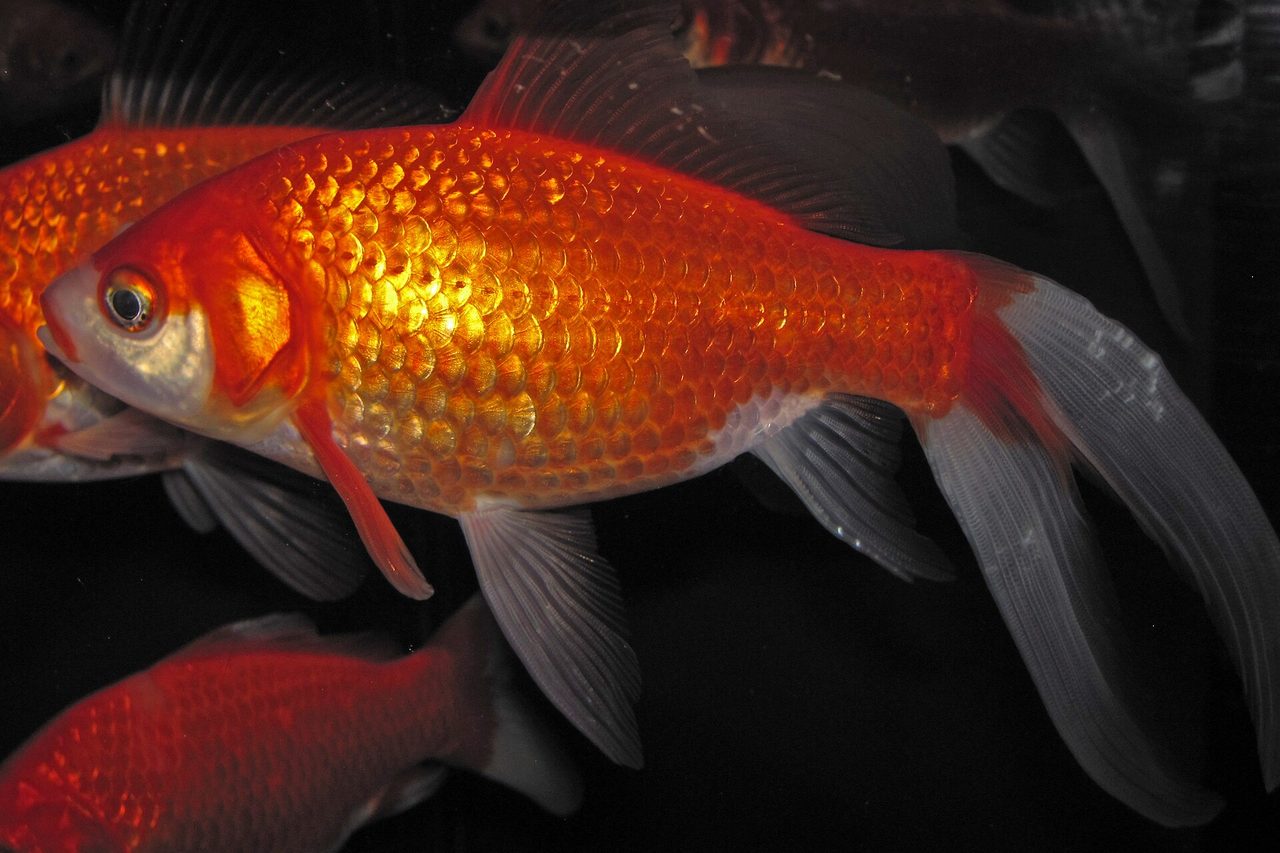
Domesticated — feral populations invasive; wild Carassius species Least Concern
Goldfish
Carassius auratus (Linnaeus, 1758)
Goldfish (Carassius auratus) are domesticated East Asian carp relatives needing filtered tanks of 150+ litres per fancy fish — not bowls; released fish become invasive ecosystem pests.
Read the guide →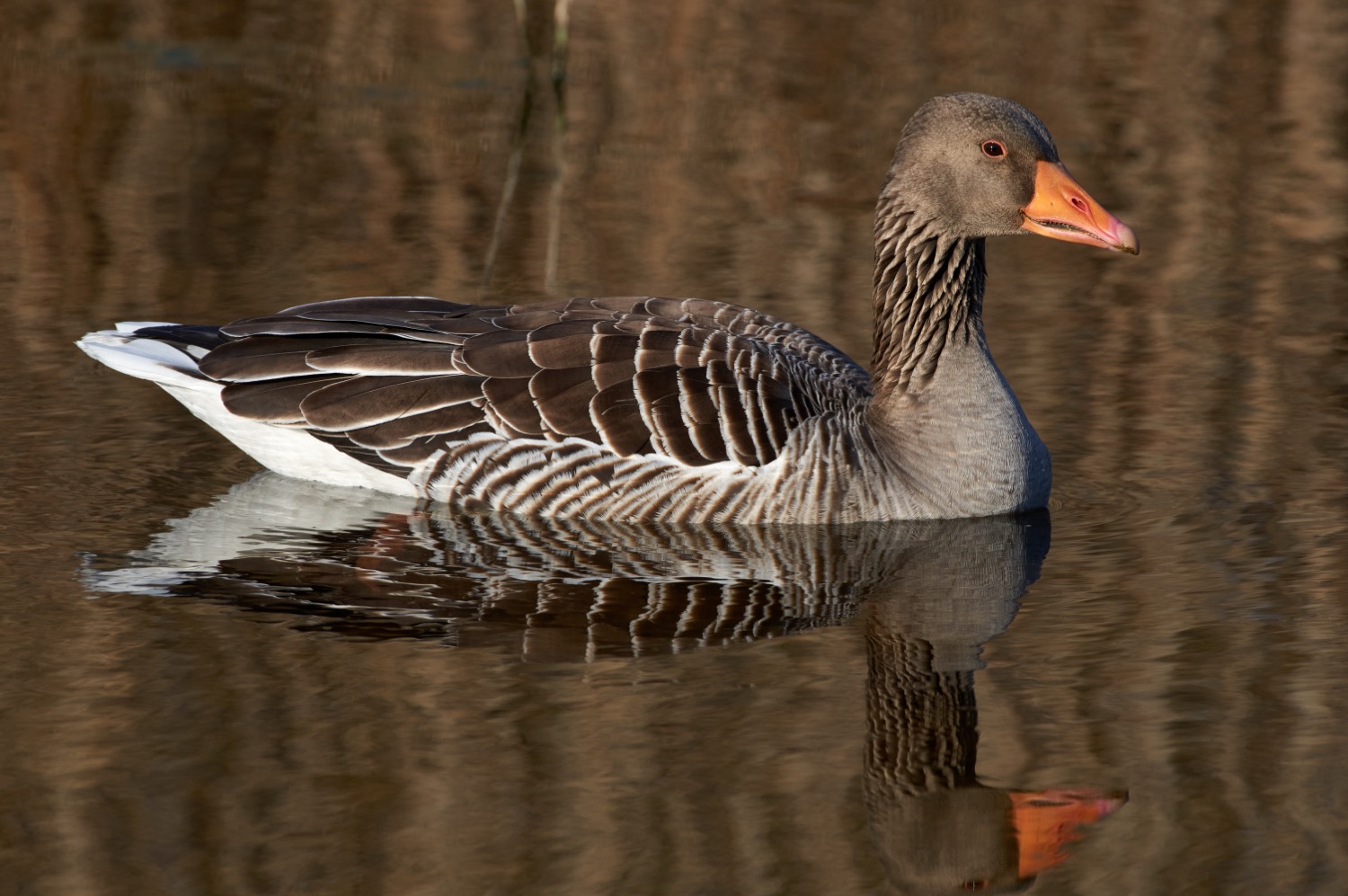
Varies; common species Least Concern (IUCN)
Goose
Family Anatidae (Anser and Branta)
A goose is a large, social grazing waterfowl in the family Anatidae, split mainly into grey and white geese (Anser) and black geese (Branta). Bigger than ducks, geese feed on grass, form lifelong pair bonds and migrate long distances in energy-saving V-formations.
Read the guide →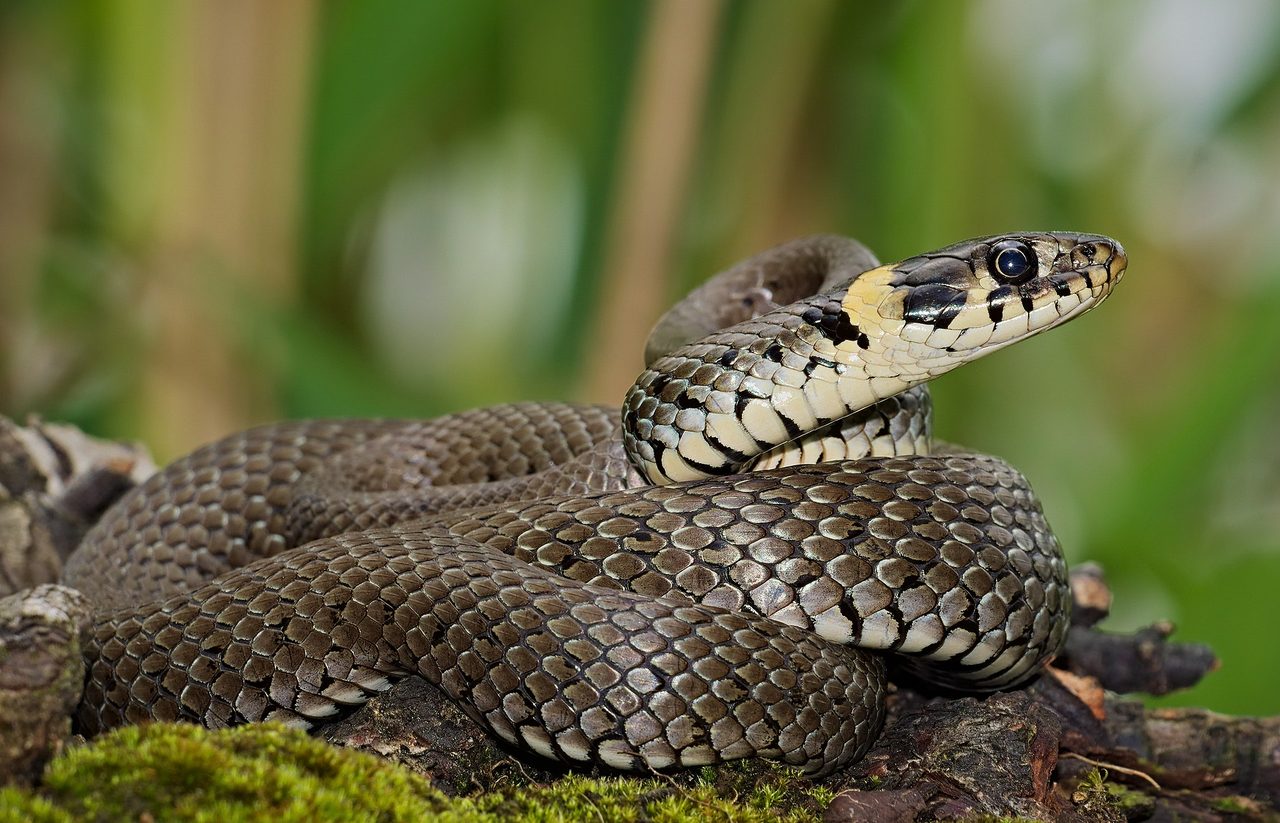
Least Concern (IUCN); protected in the UK
Grass Snake
Natrix helvetica / Natrix natrix
A grass snake is a large, harmless, non-venomous snake of Europe and western Asia (Natrix helvetica and Natrix natrix). It is Britain's largest snake, lives near water, swims well, eats mostly amphibians, and is recognised by a yellow-and-black collar behind the head.
Read the guide →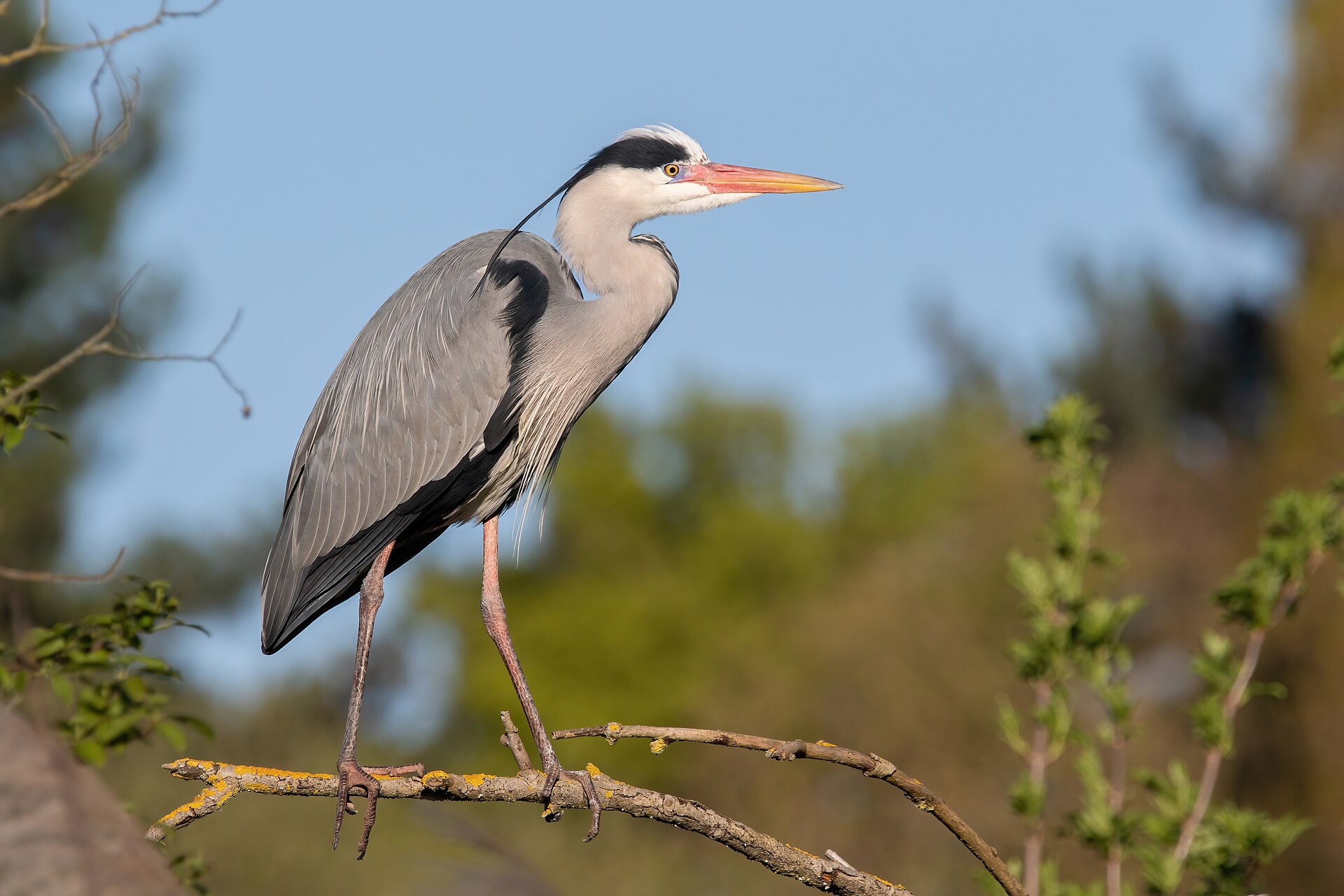
Least Concern (IUCN)
Grey Heron
Ardea cinerea
A heron is a long-legged, long-necked wading bird that hunts in shallow water; the grey heron (Ardea cinerea) is the familiar tall grey species of UK and European rivers, lakes and garden ponds, standing up to a metre high and catching fish and amphibians with its sharp bill.
Read the guide →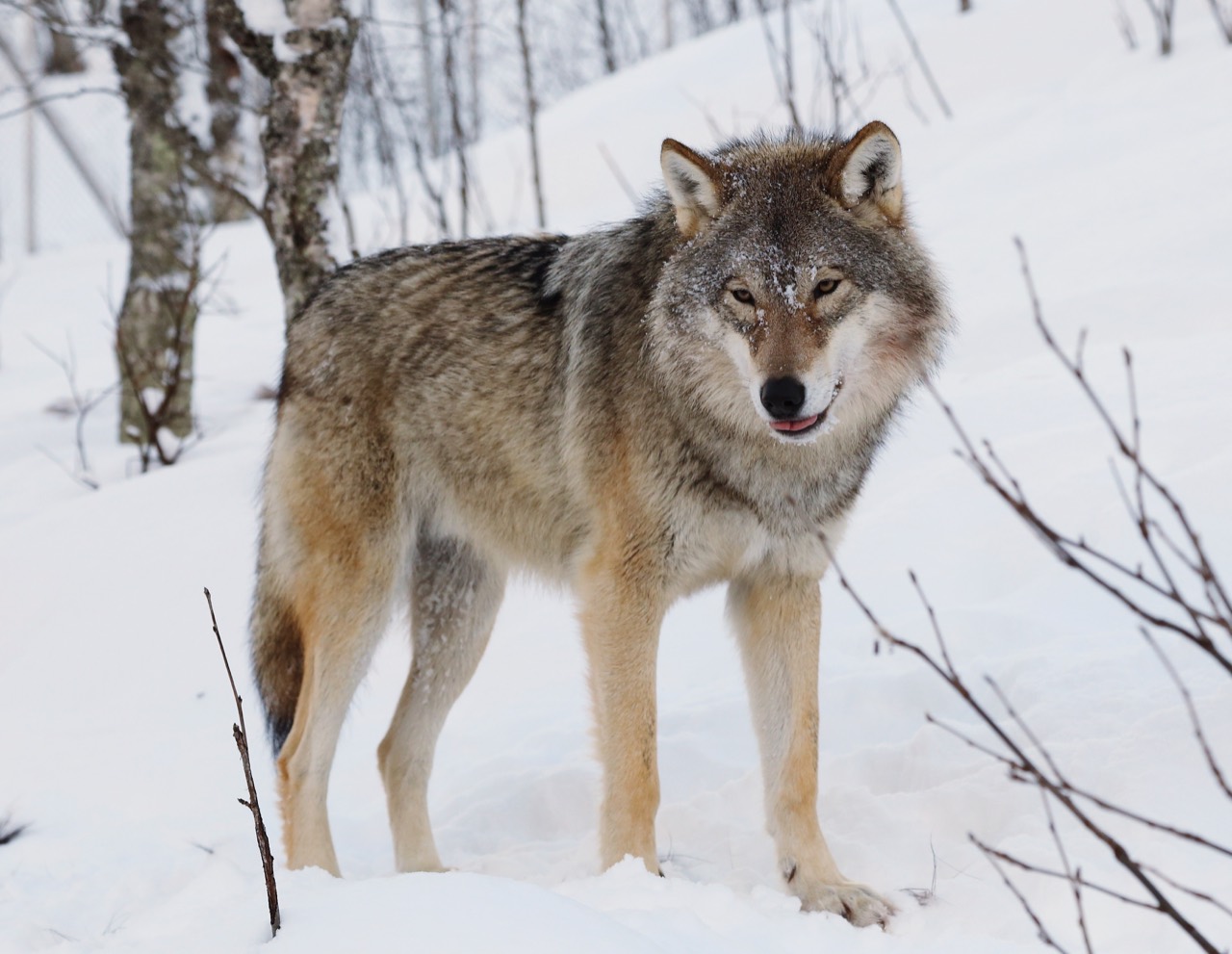
Least Concern globally (locally Endangered or extirpated in many regions)
Grey Wolf
Canis lupus
The grey wolf (Canis lupus) is the largest wild dog and the ancestor of the domestic dog; it is listed as Least Concern globally with an estimated 200,000–250,000 in the wild, but remains locally endangered or extinct across much of its former range.
Read the guide →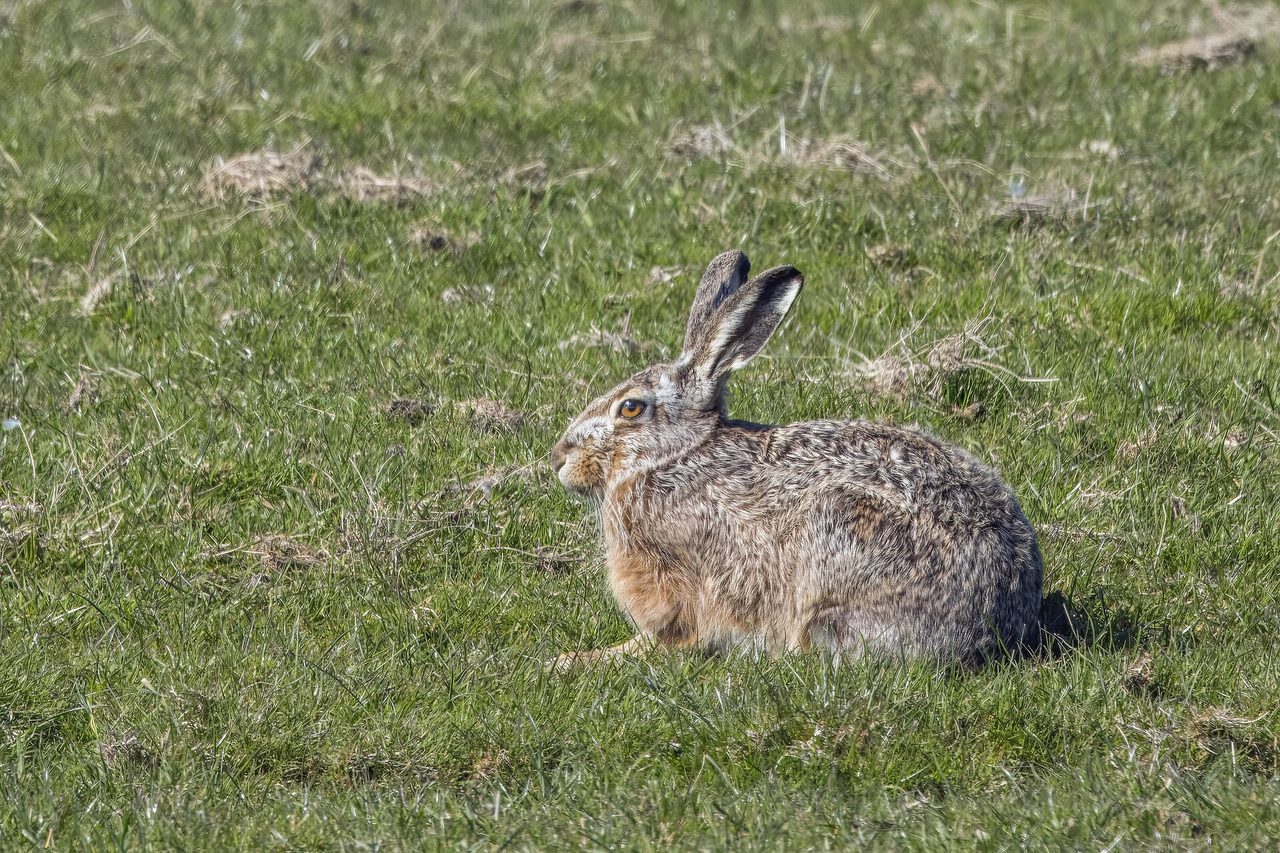
Least Concern — most species (IUCN); some regional populations declining
Hare
Lepus spp. (European hare: Lepus europaeus)
Hares (genus Lepus, ~32 species) are large, fast-running lagomorphs found across Europe, Asia, Africa, and the Americas, most classified as Least Concern by the IUCN, though European hare populations have declined significantly since the 1960s due to agricultural intensification.
Read the guide →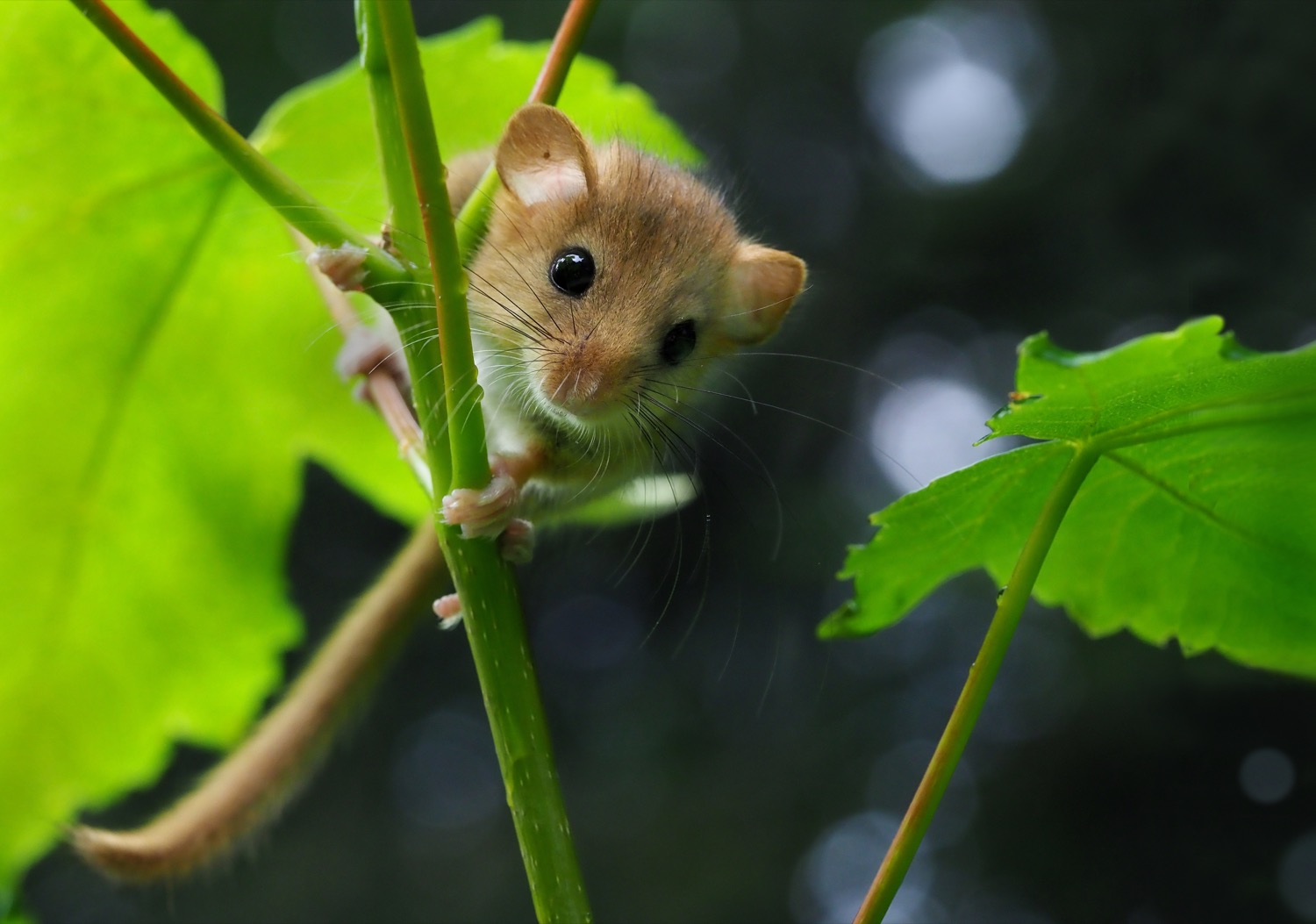
Least Concern globally; protected and declining in the UK
Hazel Dormouse
Muscardinus avellanarius
The hazel dormouse (Muscardinus avellanarius) is a small golden-brown European rodent, weighing about 17-20 g, that lives in woodland and hedgerows. Nocturnal and arboreal, it eats flowers, fruit, nuts and insects, and hibernates for roughly half the year, from autumn until spring.
Read the guide →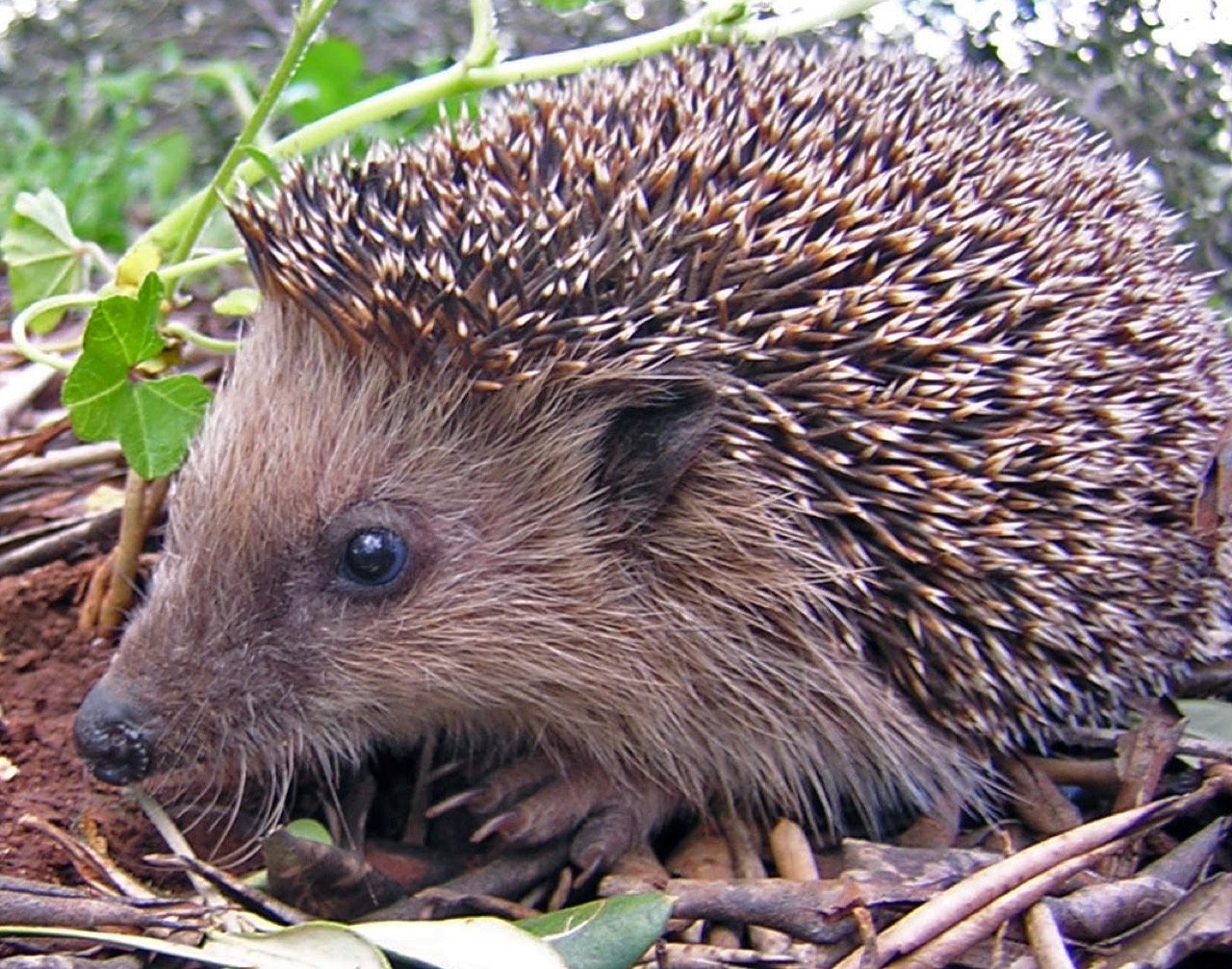
Varies by species (Least Concern to Endangered); the widespread European hedgehog is now Near Threatened
Hedgehog
Erinaceinae
A hedgehog is a small spiny insectivorous mammal of the subfamily Erinaceinae; there are 17 species across Europe, Asia and Africa, and the widespread European hedgehog was listed as Near Threatened on the IUCN Red List in 2024 after sharp declines.
Read the guide →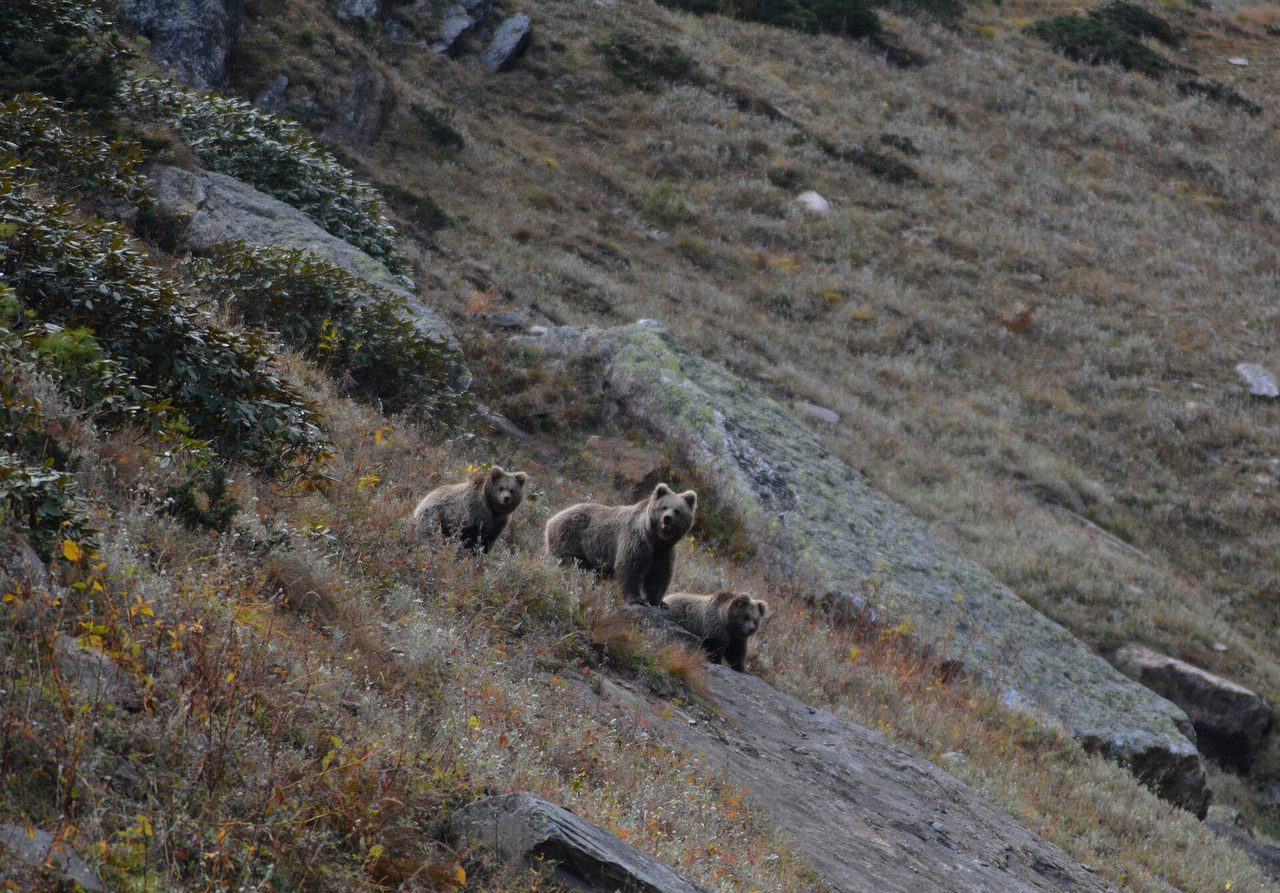
Not separately Red-Listed; locally Critically Endangered in Pakistan
Himalayan Brown Bear
Ursus arctos isabellinus
A Himalayan brown bear (Ursus arctos isabellinus) is a high-altitude subspecies of brown bear native to the western Himalayas of Pakistan, India and Nepal, recognisable by its sandy to reddish-brown coat and considered Critically Endangered within Pakistan even though the wider brown bear species is listed as Least Concern globally.
Read the guide →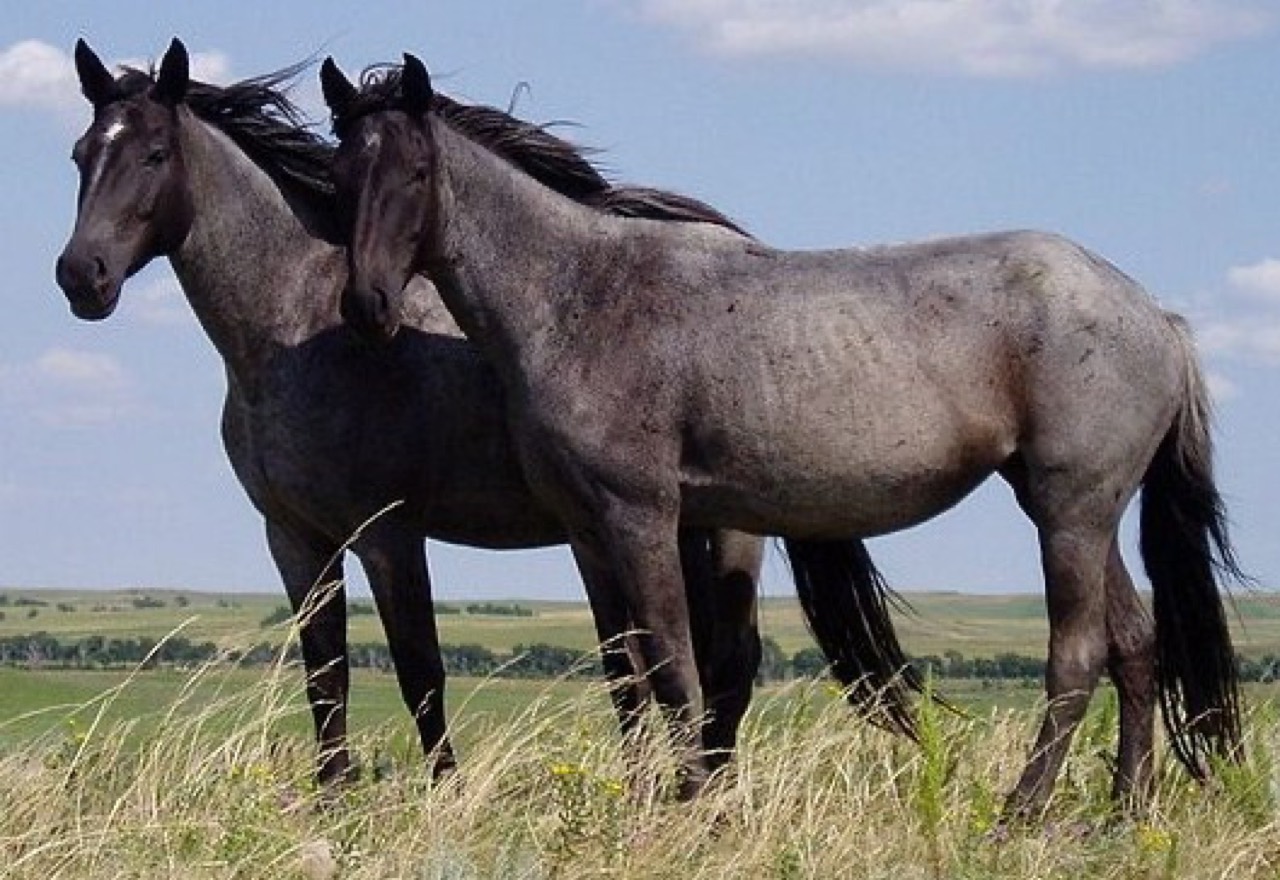
Domesticated — Not Evaluated (IUCN)
Horse
Equus ferus caballus
A horse (Equus ferus caballus) is a domesticated mammal kept worldwide for work, sport and companionship. Every breed is the same subspecies. The IUCN does not assess horses for extinction risk. Working horses are the same species as riding horses.
Read the guide →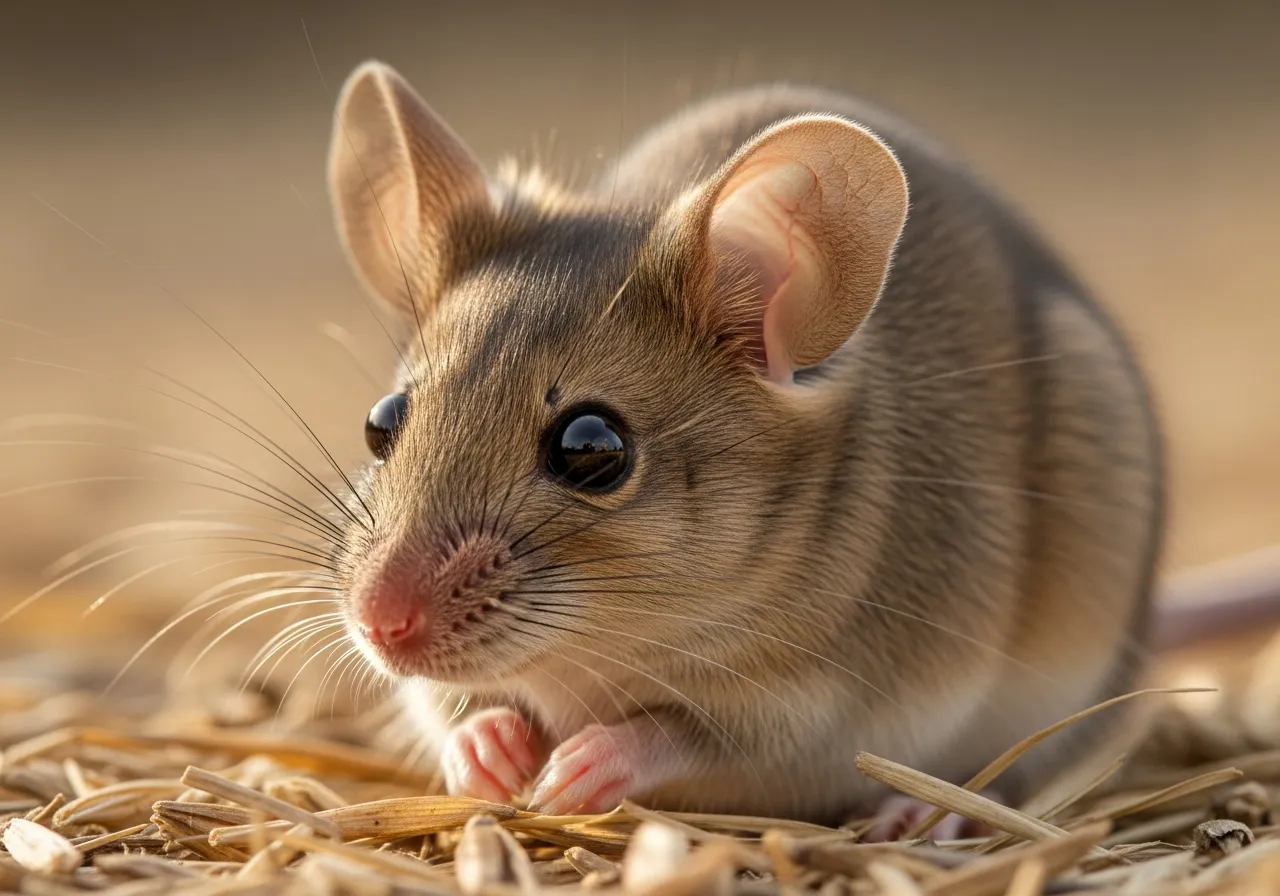
Least Concern (IUCN)
House Mouse
Mus musculus
A house mouse (Mus musculus) is a small grey-brown rodent in the family Muridae, typically 7.5–10 cm long with a long tail and large ears. Native to Asia, it now lives worldwide alongside humans, breeds prolifically, and is the ancestor of pet and laboratory mice.
Read the guide →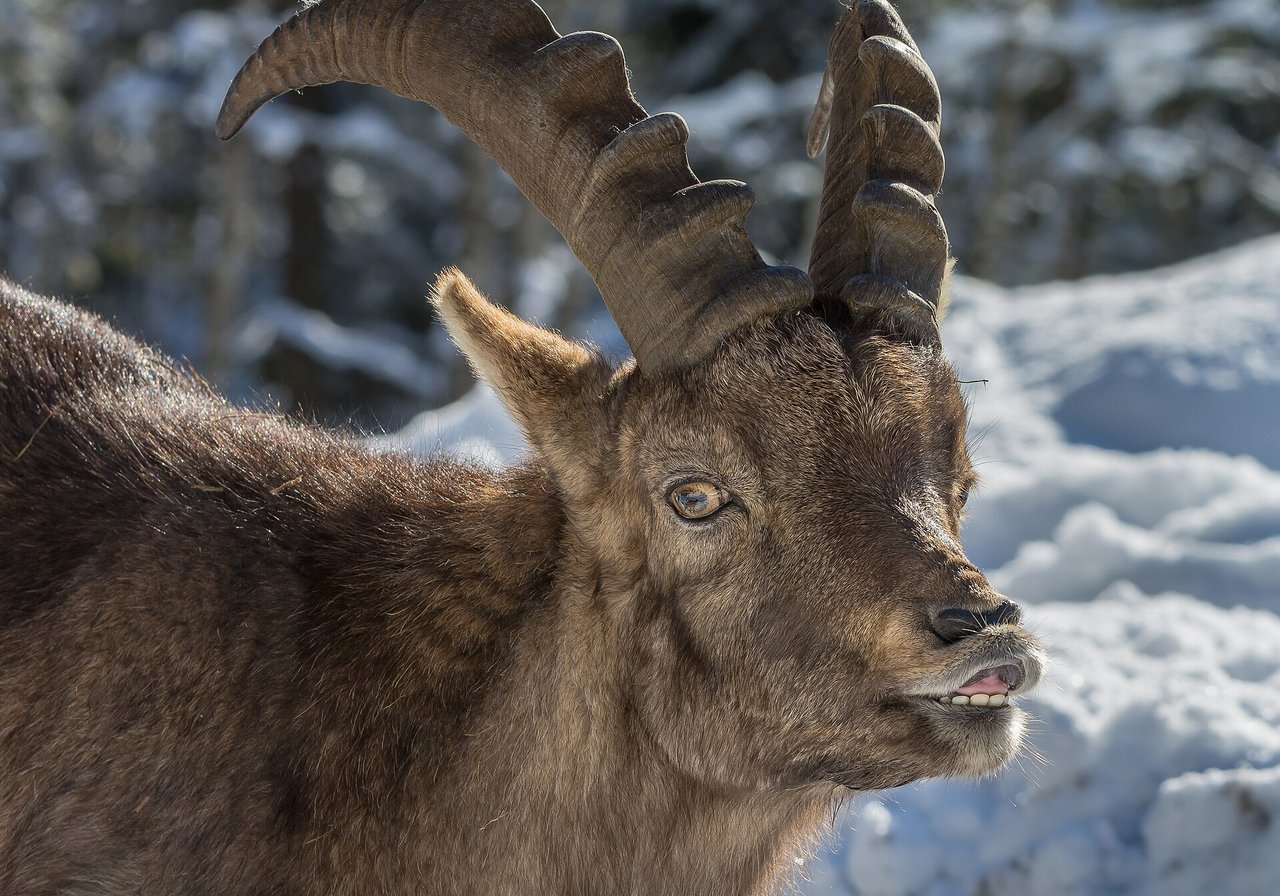
Least Concern (IUCN, 2015) — Alpine ibex
Ibex
Capra ibex (Linnaeus, 1758)
Ibex are wild mountain goats of the genus Capra; the Alpine ibex (Capra ibex) is Least Concern after recovery from near extinction, with males carrying curved horns up to a metre long on cliffs across Europe and Asia.
Read the guide →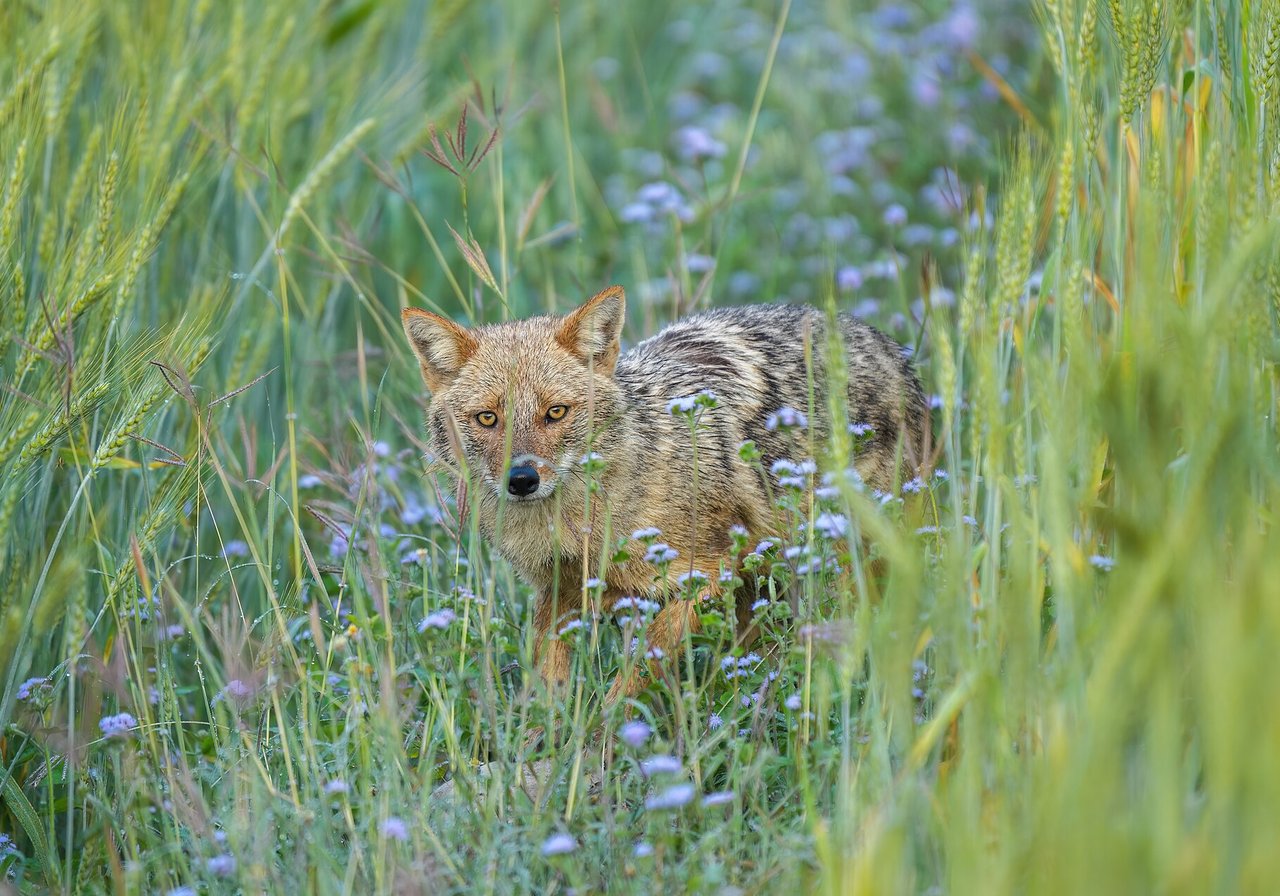
Least Concern (IUCN)
Jackal
Canis aureus (Linnaeus, 1758)
The golden jackal (Canis aureus) is a Least Concern wild canid ranging from Africa through the Middle East to Pakistan and Nepal — an adaptable omnivore of savanna, scrub and farmland.
Read the guide →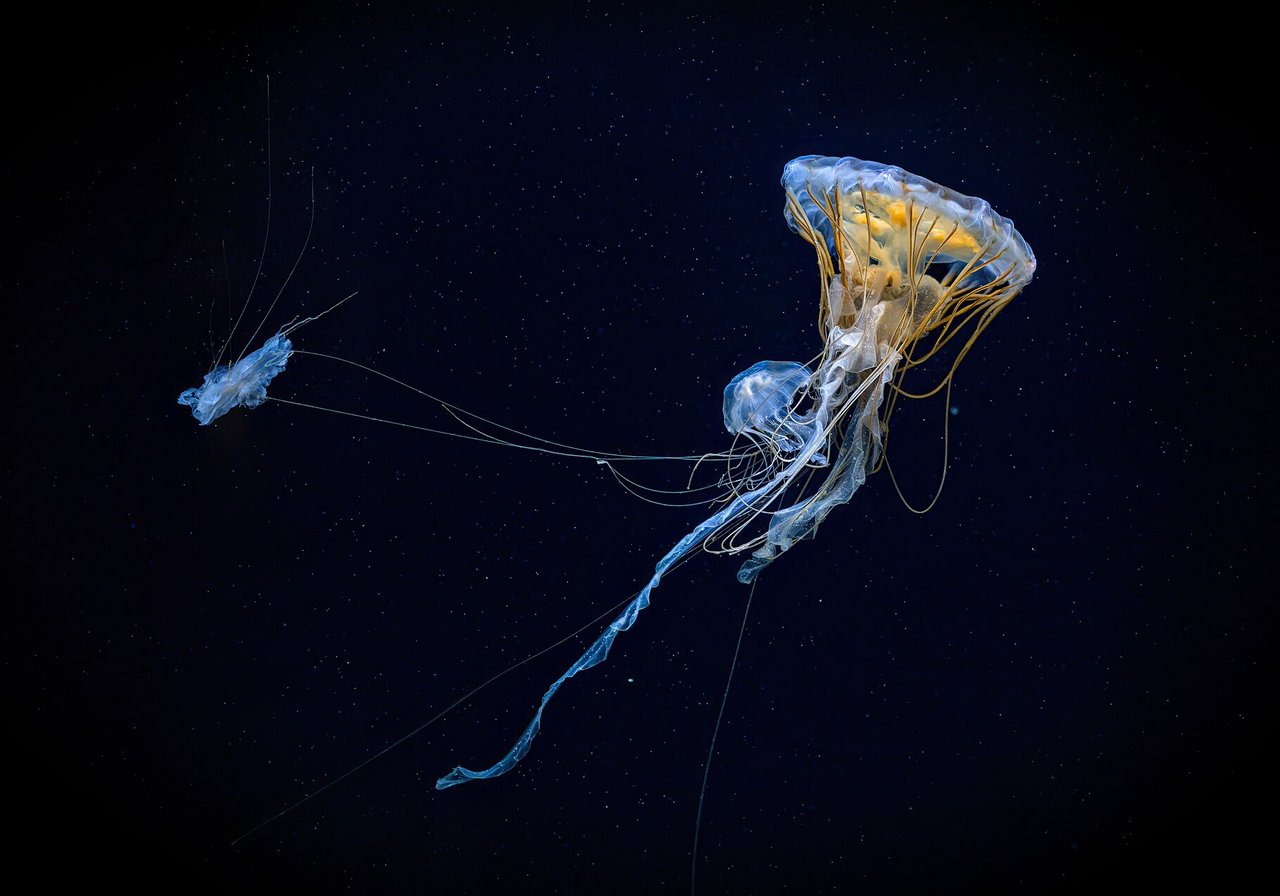
No single IUCN badge — most species unassessed; not a bloom census
Jellyfish
Subphylum Medusozoa — true jellies, box jellies, hydrozoans and stalked jellies; not comb jellies, not the Portuguese man o’ war
Jellyfish are medusozoan cnidarians, not fish. Most species have no IUCN assessment. The Portuguese man o’ war is a siphonophore, not a true jelly. Comb jellies are ctenophores. Turritopsis dohrnii can revert to a polyp but can still be eaten. WARN does not run jellyfish programmes.
Read the guide →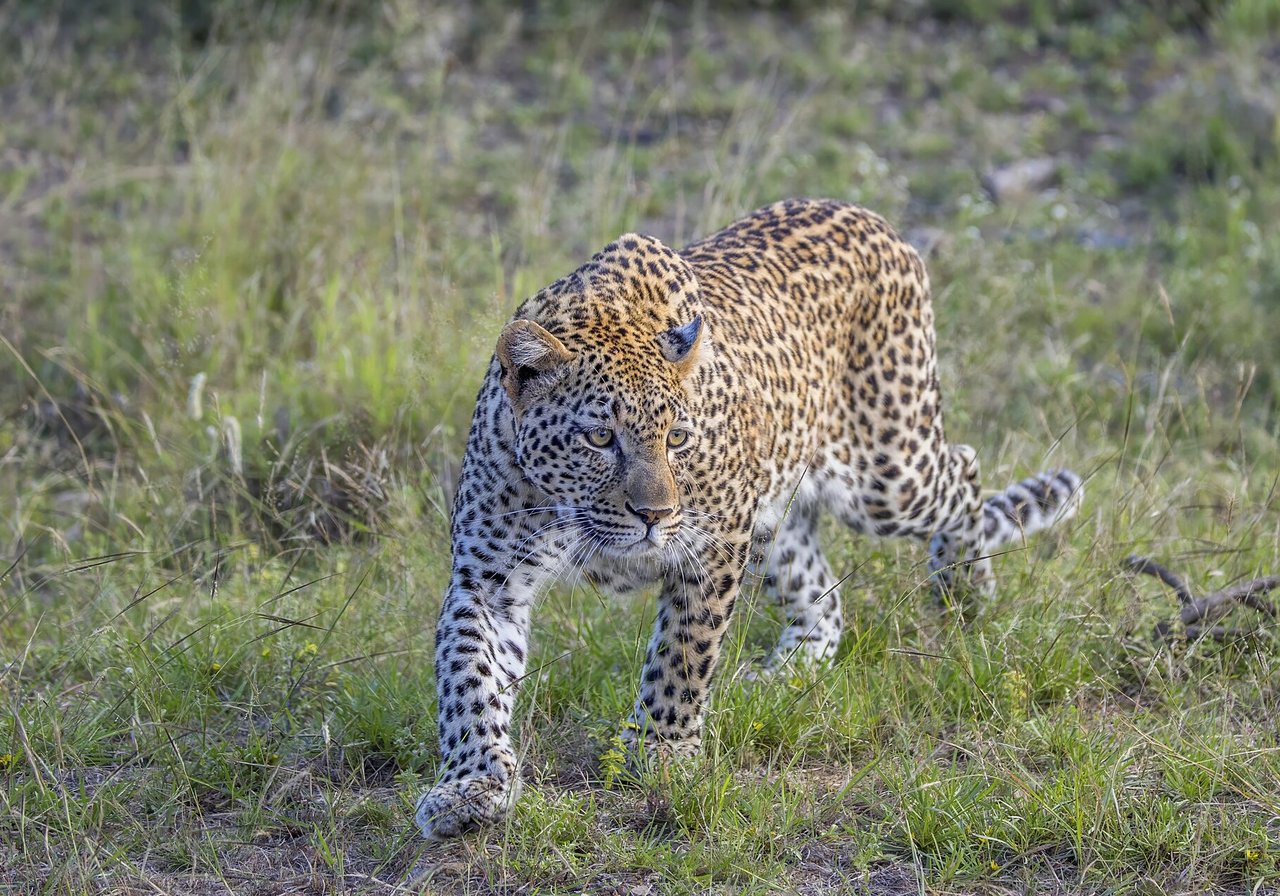
Varies by species (Vulnerable to Endangered)
Leopard
Panthera pardus (Linnaeus, 1758) and clouded-leopard lineage (Neofelis)
Leopards are spotted Panthera cats of Africa and Asia — Vulnerable (Panthera pardus) — plus clouded leopards and snow leopards as distinct species covered in separate WARN guides.
Read the guide →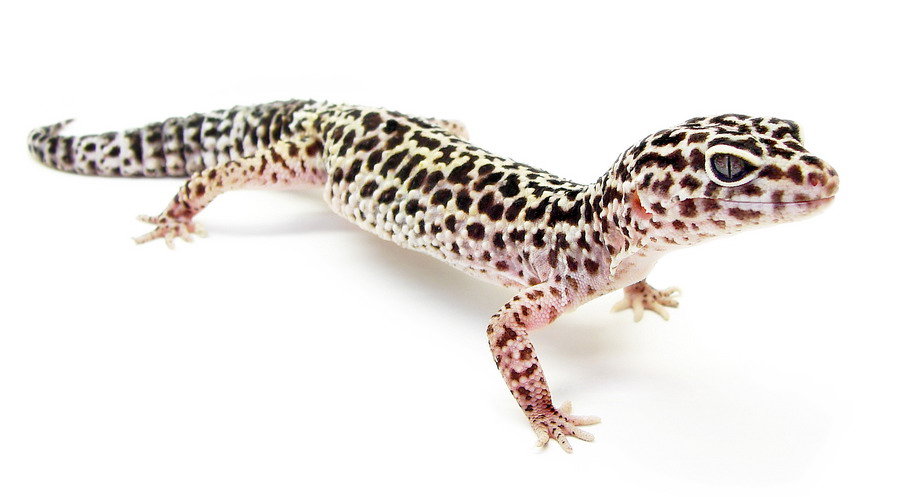
Least Concern (IUCN) — wild leopard gecko
Leopard Gecko
Eublepharis macularius (Blyth, 1854)
The leopard gecko (Eublepharis macularius) is a hardy, ground-dwelling South Asian lizard — Least Concern in the wild — and a popular beginner pet; its many 'morphs' are captive-bred colour and pattern lines of one species.
Read the guide →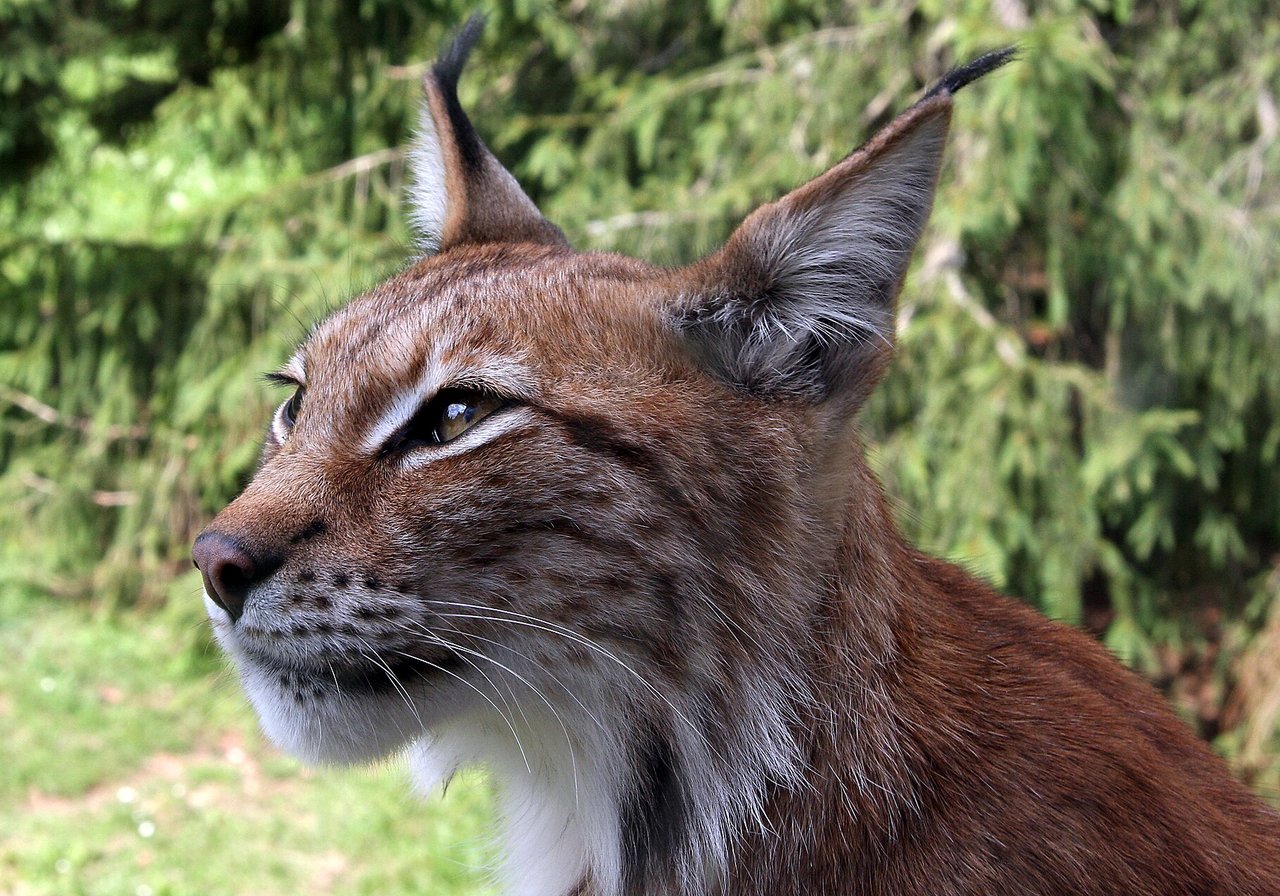
Least Concern (IUCN, 2014)
Lynx
Lynx lynx (Linnaeus, 1758)
The Eurasian lynx (Lynx lynx) is Europe's largest wild cat, listed as Least Concern by the IUCN; it inhabits boreal and temperate forests across Eurasia and has recovered in several western European countries after decades of persecution.
Read the guide →Varies by species (Least Concern to Critically Endangered)
Macaque
Macaca (Lacépède, 1799) — genus, ~23 species
Macaques are a genus of about 23 Old World monkey species native to Asia and North Africa. Conservation status varies from Least Concern to Critically Endangered: lion-tailed, Barbary and Celebes crested macaques are Endangered, while rhesus macaques remain widespread. Habitat loss, the pet and research trades, and urban conflict are the main pressures — not a single genus-wide collapse.
Read the guide →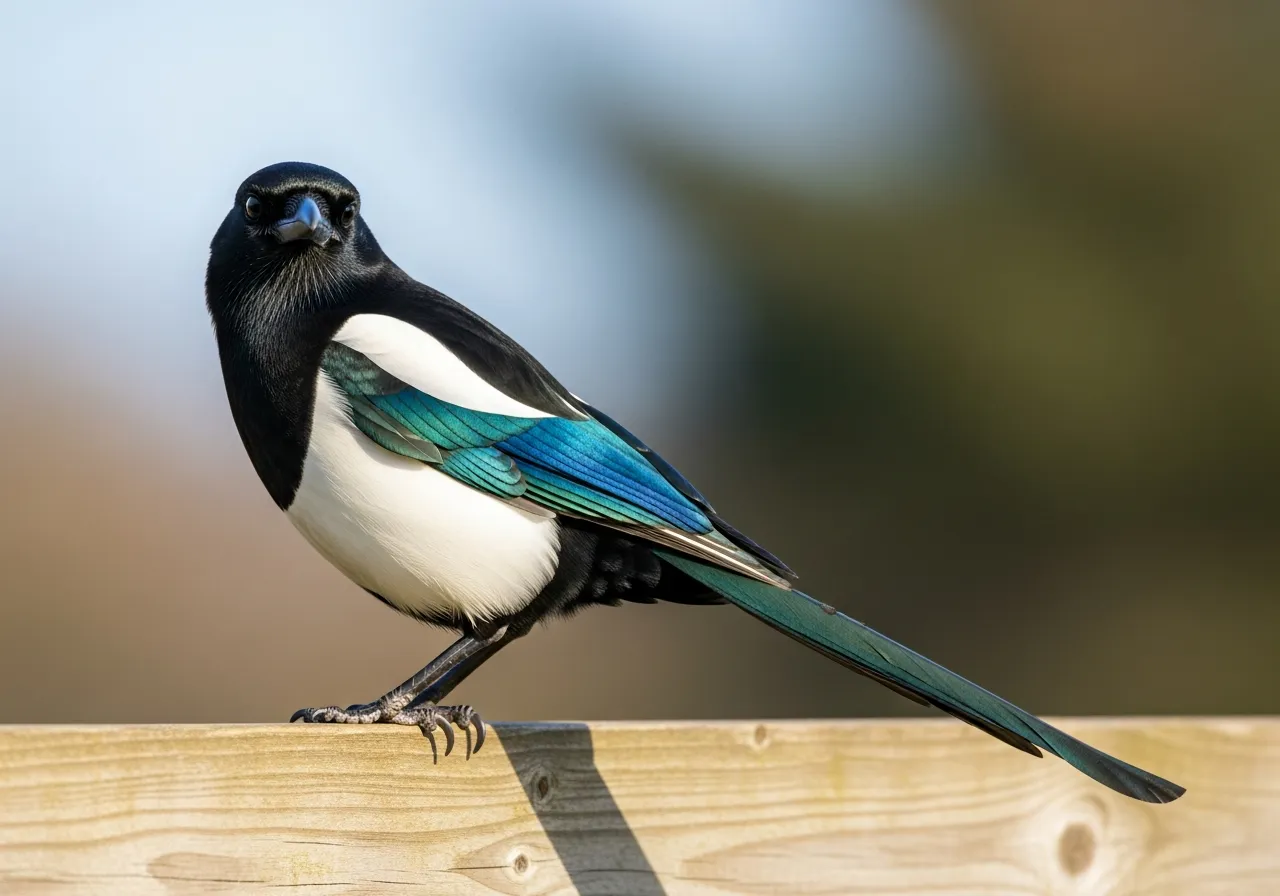
Least Concern (IUCN)
Magpie
Pica pica
A magpie is a large black-and-white bird in the crow family (Corvidae). The Eurasian magpie, Pica pica, is famous for its long iridescent tail, loud chattering call and exceptional intelligence — it is one of the few non-mammals known to recognise itself in a mirror.
Read the guide →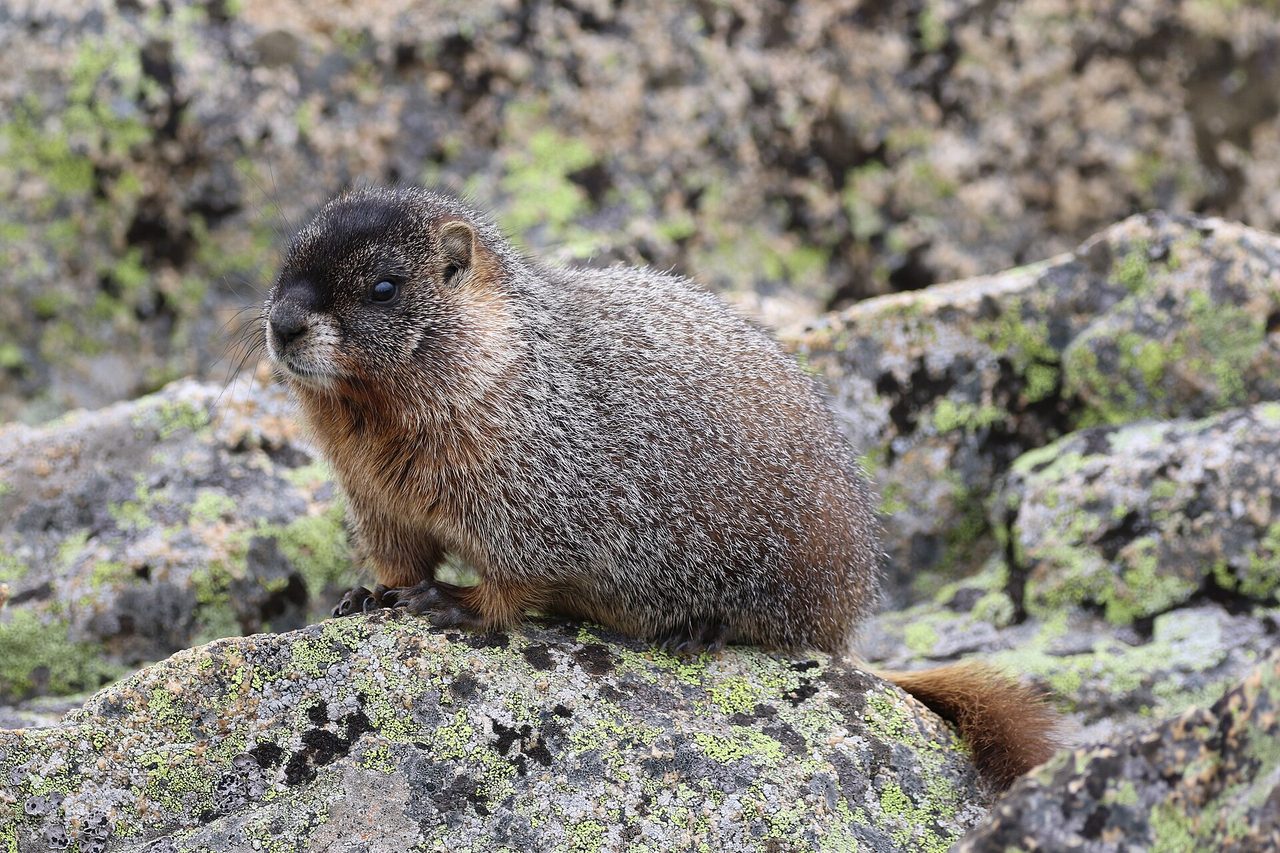
Varies by species — most Least Concern (IUCN); Vancouver Island marmot Critically Endangered; Mongolian marmot Endangered
Marmot
Marmota (genus)
Marmots are large, burrowing ground squirrels of the genus Marmota found across mountain and steppe habitats in North America and Eurasia; most of the 15 species are Least Concern, though the Vancouver Island marmot is Critically Endangered and the Mongolian marmot is Endangered.
Read the guide →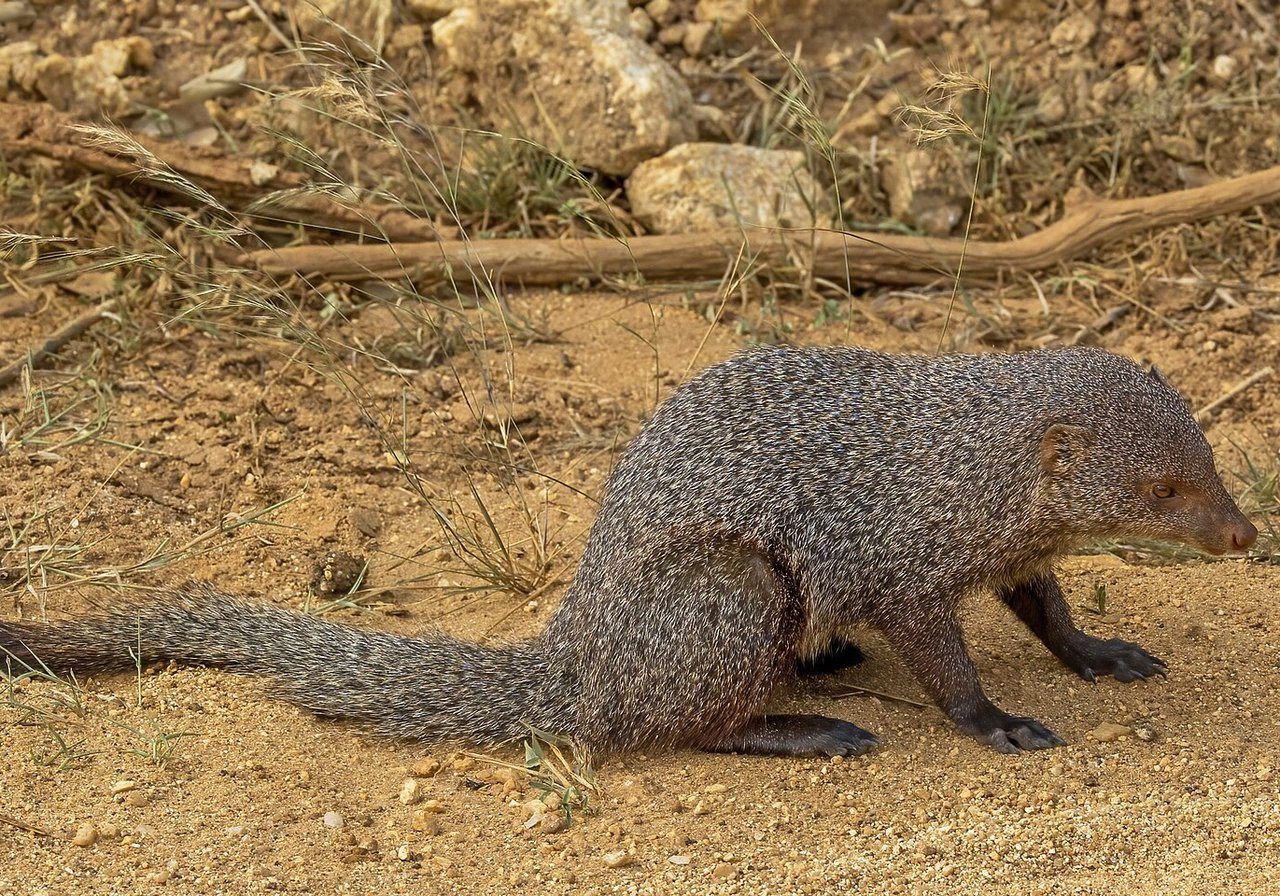
Least Concern (IUCN, 2016) — small Asian mongoose; family Herpestidae
Mongoose
Herpestes javanicus (É. Geoffroy Saint-Hilaire, 1818)
Mongooses are small carnivorans of family Herpestidae — roughly 34 species across Africa and Asia; the small Asian mongoose (Herpestes javanicus) is Least Concern and native from Pakistan to Indonesia, famous for hunting snakes.
Read the guide →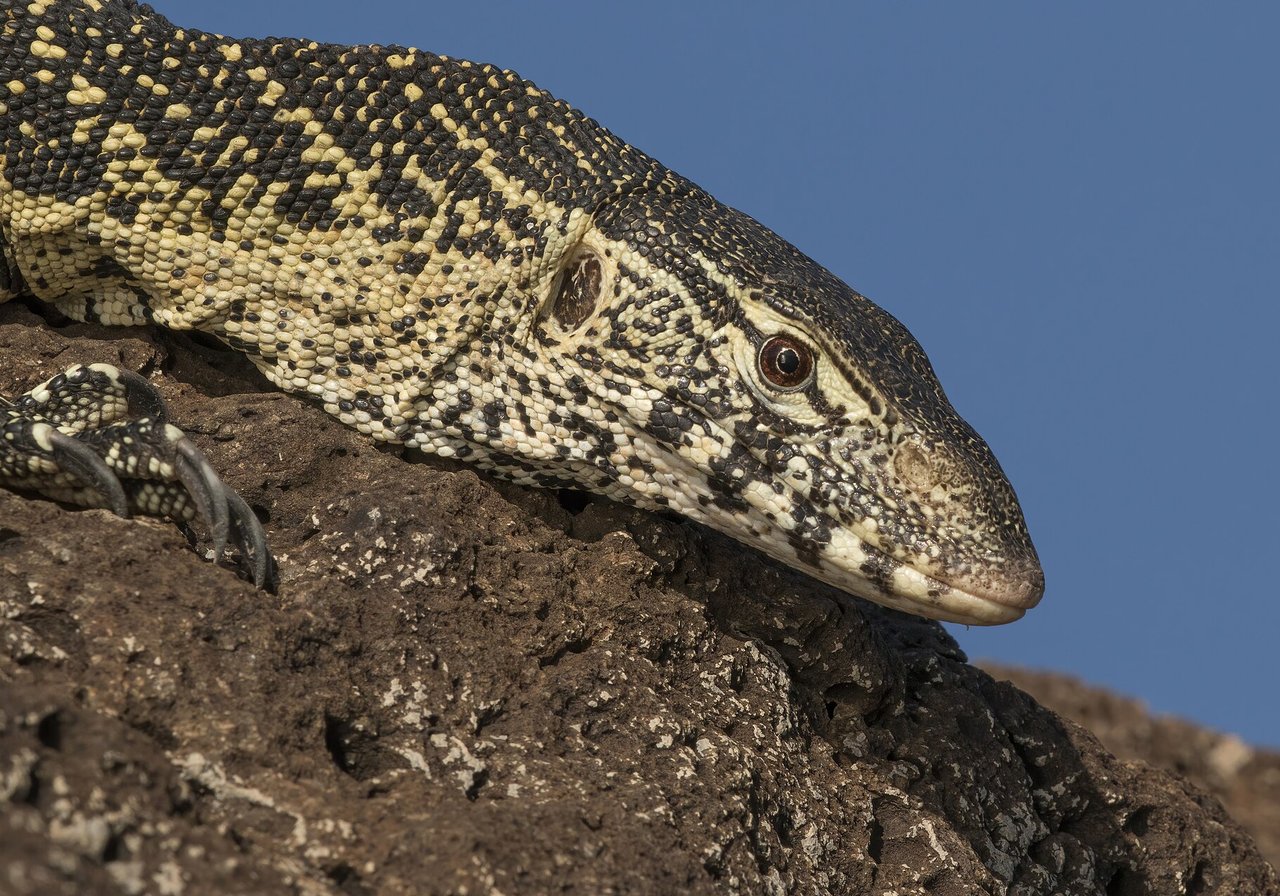
Varies by species (Least Concern to Endangered)
Monitor Lizard
Genus Varanus — ~80 species including Komodo dragon (V. komodoensis)
Monitor lizards (genus Varanus) comprise ~80 species including the Komodo dragon — intelligent predatory reptiles of Africa, Asia and Australasia threatened by trade, hunting and habitat loss.
Read the guide →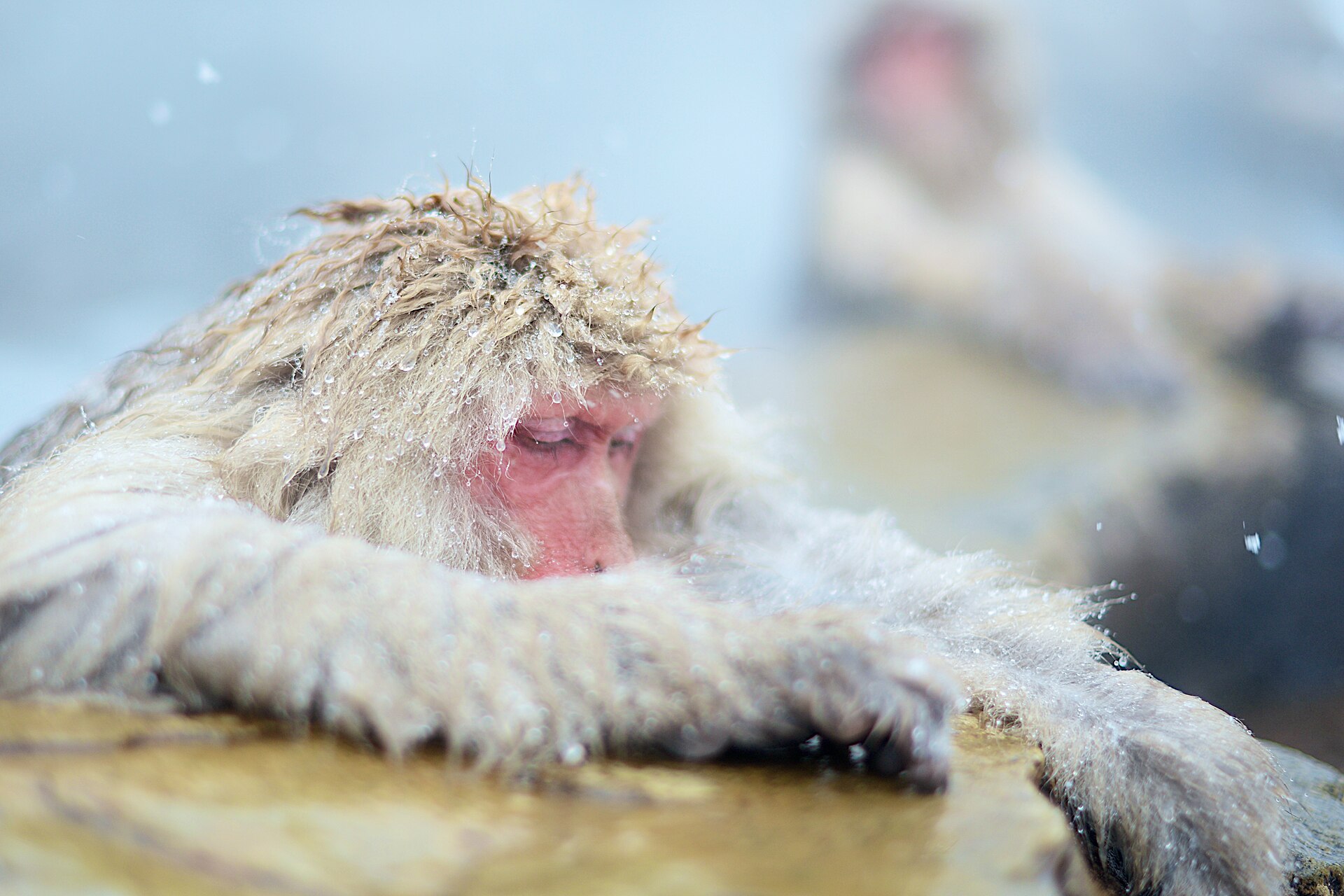
Varies by species (Least Concern to Critically Endangered)
Monkey
Infraorder Simiiformes — ~260+ species in families Cebidae, Callitrichidae, Cercopithecidae and others
Monkeys are tailed simian primates of the Americas, Africa and Asia — roughly 260+ species with forward-facing eyes, grasping hands and complex social groups. They are distinct from tailless apes; status ranges from Least Concern to Critically Endangered, and most species are protected from international trade.
Read the guide →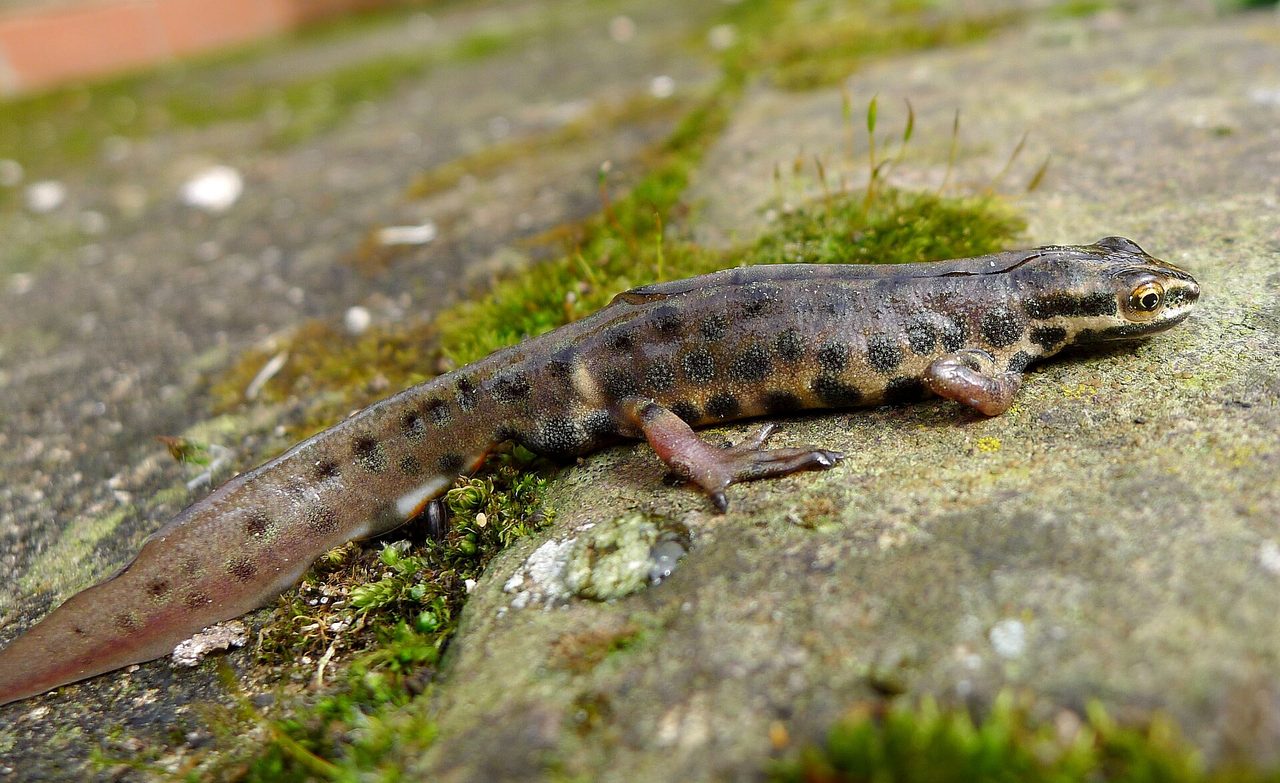
Most species Least Concern; the great crested newt is protected in the UK
Newt
Subfamily Pleurodelinae
A newt is a small semi-aquatic salamander in the subfamily Pleurodelinae. Newts alternate between water and land, breeding in ponds in spring and feeding on insects and other invertebrates. They are famous for regenerating lost limbs and organs, and many produce defensive skin toxins.
Read the guide →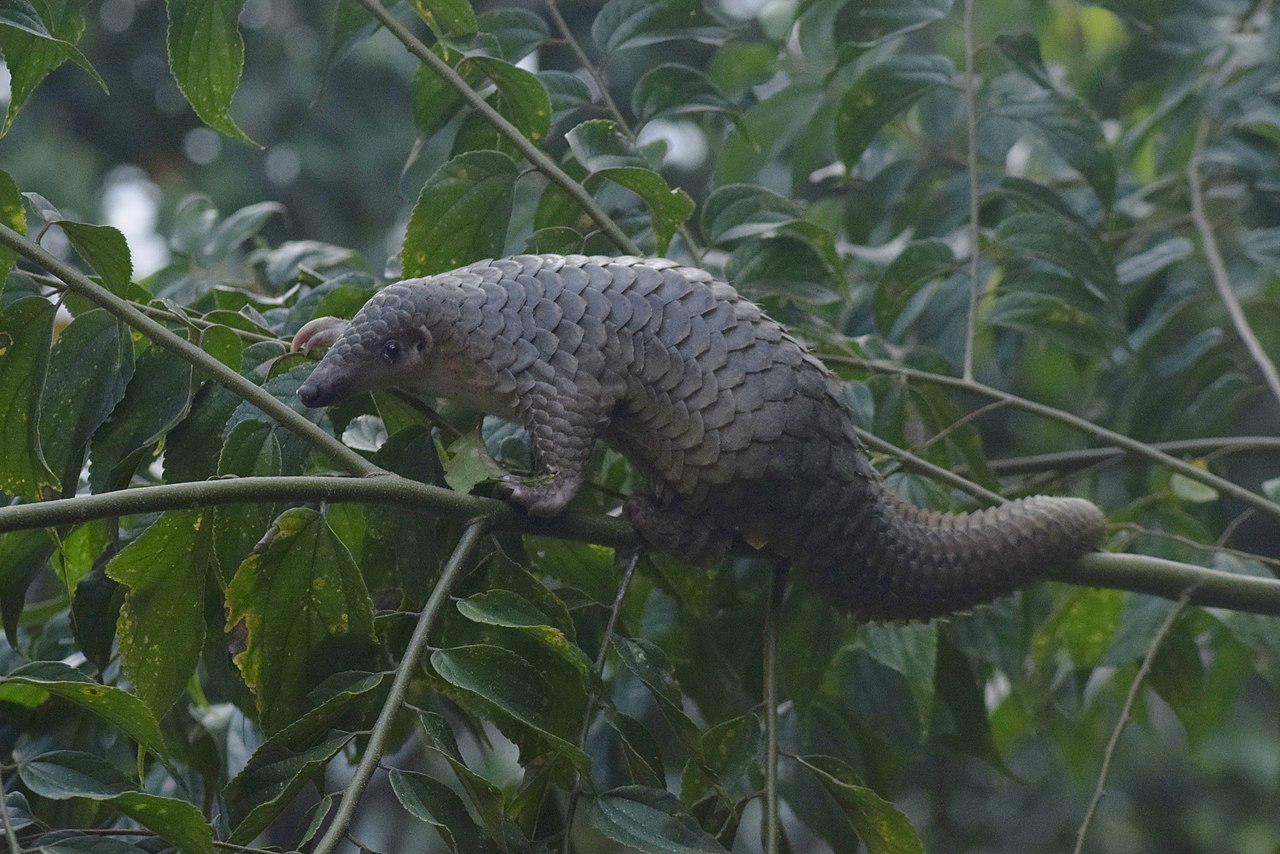
Threatened (Vulnerable–Critically Endangered)
Pangolin
Order Pholidota, family Manidae — eight living species across three genera (Manis, Smutsia, Phataginus)
Pangolins are the world's most heavily trafficked wild mammals; all eight species are threatened by illegal trade in their keratin scales, used in traditional medicine across Asia, with the Chinese and Sunda pangolins now Critically Endangered.
Read the guide →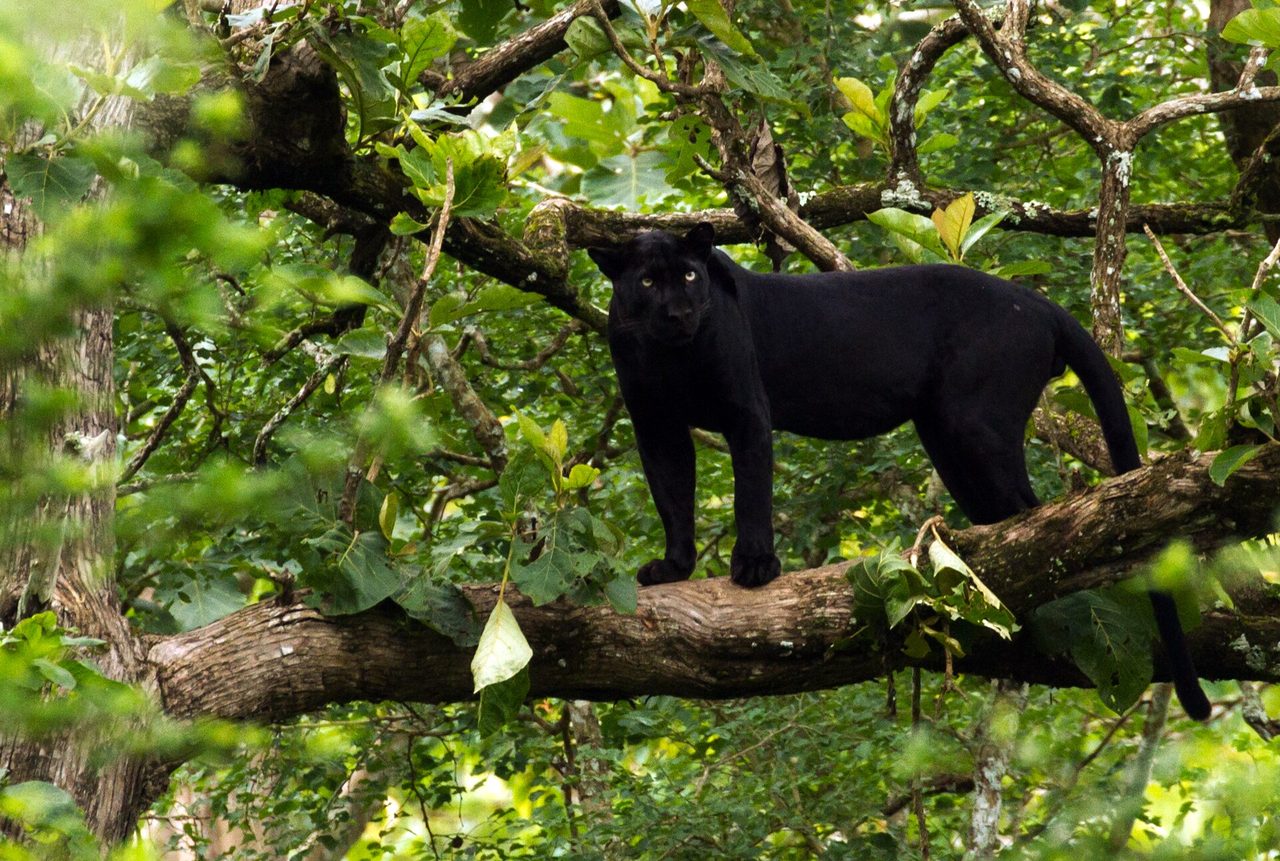
Not a single species — see cougar, jaguar and leopard guides
Panther
Colloquial term — melanistic leopards/jaguars; also used for cougar and jaguar
'Panther' is a colloquial term — not one species — referring to melanistic leopards or jaguars, cougars (including Florida panther) or large cats generally; WARN covers cougar, jaguar and leopard in dedicated guides.
Read the guide →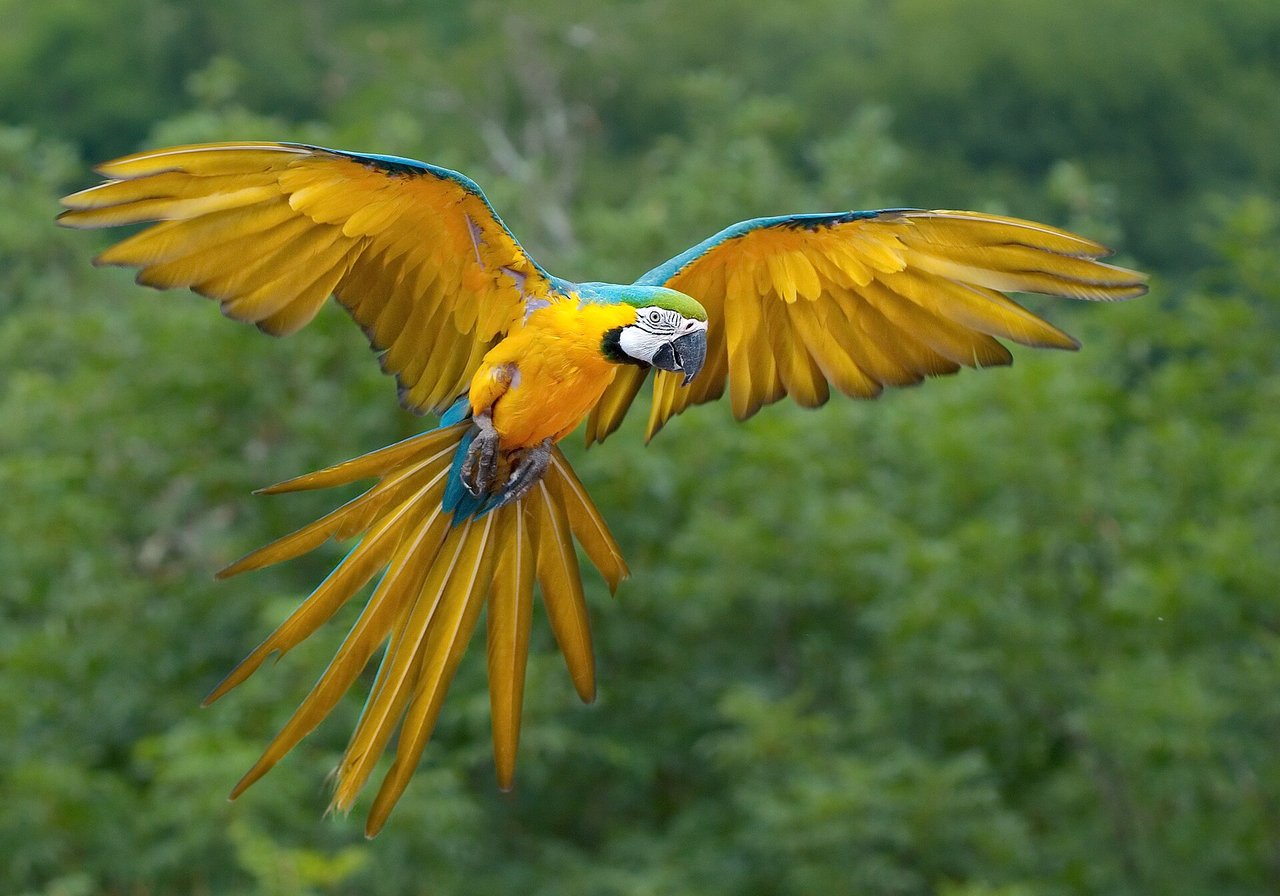
Varies by species (Least Concern to Critically Endangered)
Parrot
Order Psittaciformes — ~400 species in families Psittacidae, Psittaculidae and Cacatuidae
Parrots are tropical and subtropical Psittaciformes — about 400 species including macaws, cockatoos and budgerigars — known for intelligence and longevity; many are threatened by habitat loss and illegal trade, with status ranging from Least Concern to Critically Endangered.
Read the guide →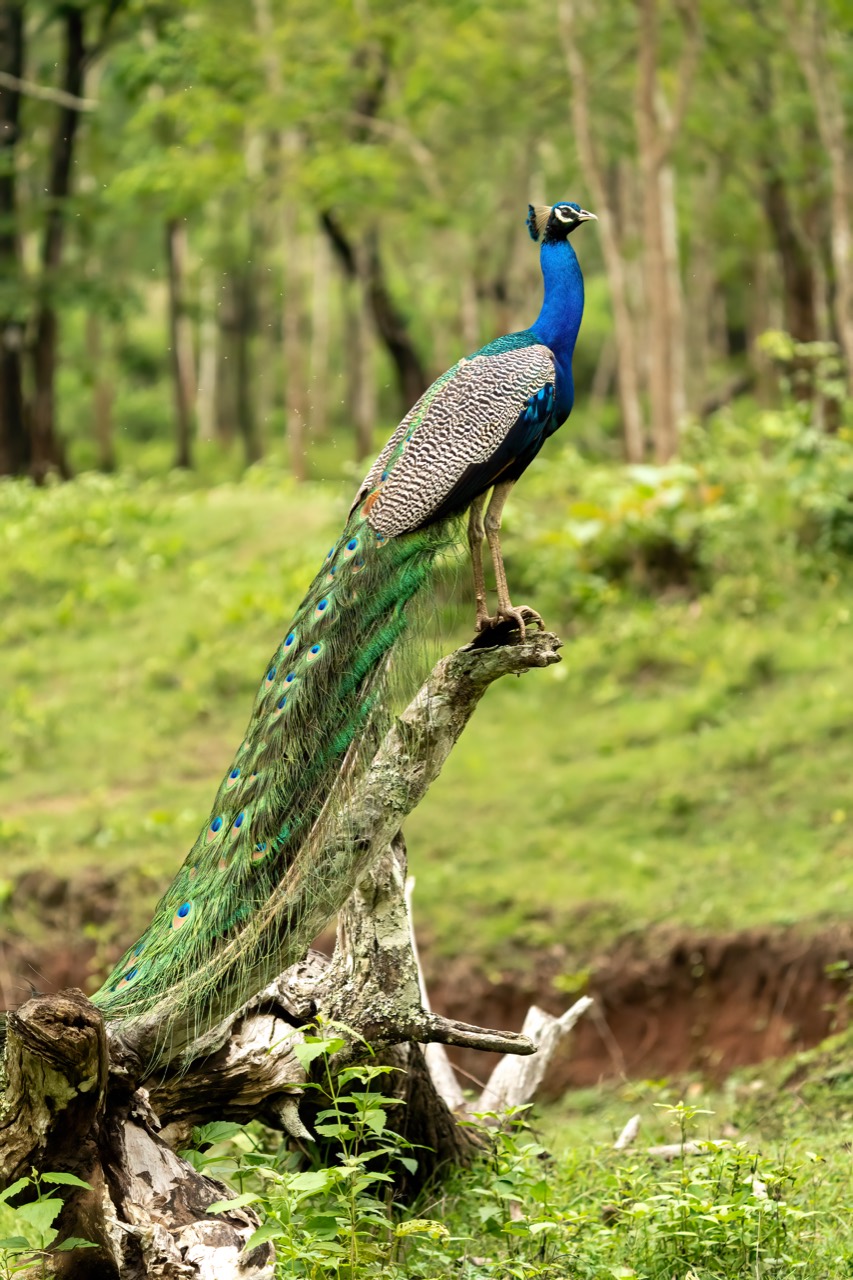
Varies by species (Least Concern to Endangered)
Peacock
Pavo cristatus
A peacock is the male of the peafowl, a large ground-dwelling pheasant whose shimmering, eyespotted tail train is fanned out to attract mates; the Indian peafowl is Least Concern, but the green peafowl is Endangered.
Read the guide →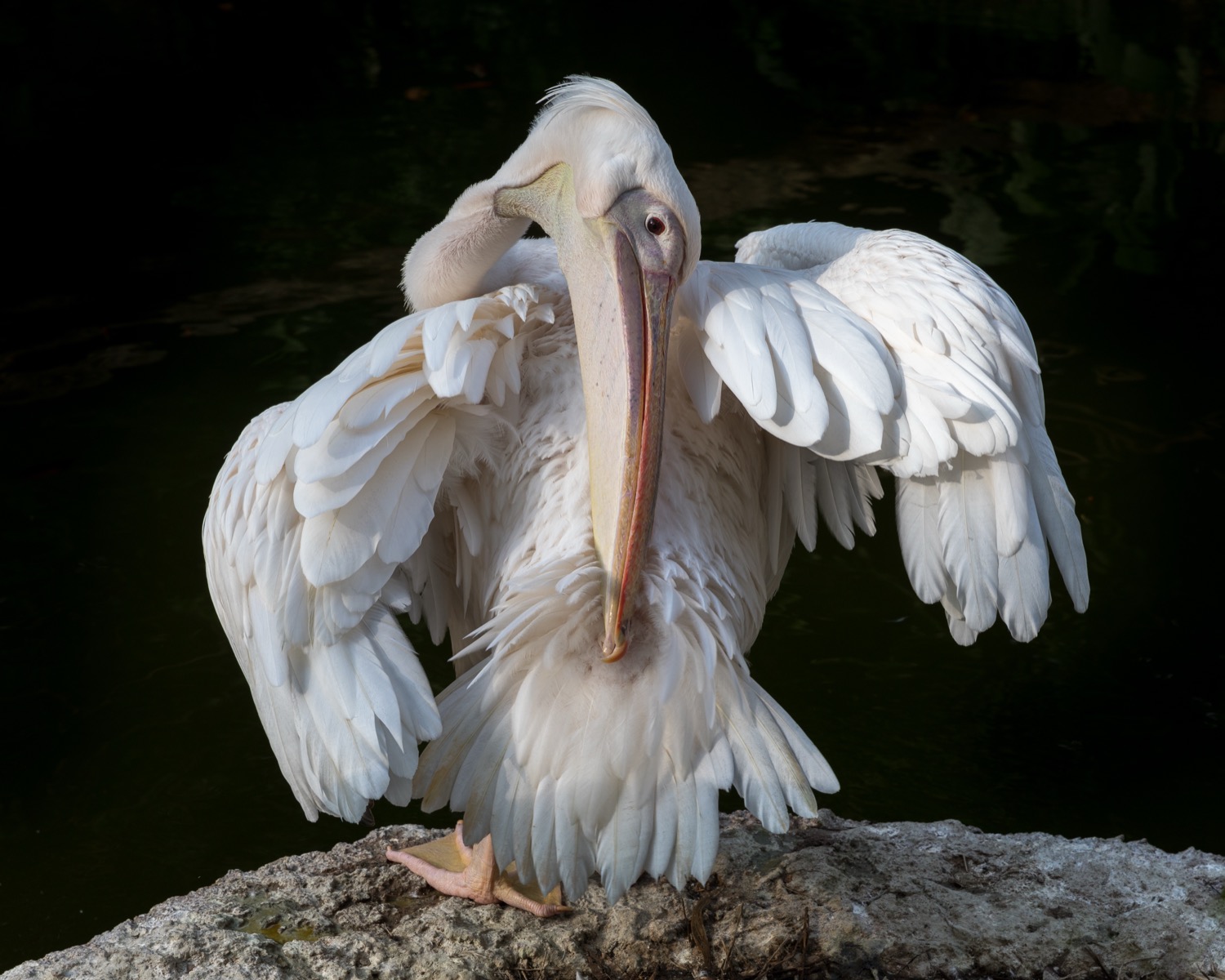
Varies by species; most Least Concern, some Near Threatened (IUCN)
Pelican
Pelecanus (family Pelecanidae)
A pelican is a large waterbird of the family Pelecanidae, recognised by its long bill and the expandable skin pouch beneath it, which it uses to scoop up fish. There are eight species in the genus Pelecanus, living on coasts and inland waters across every continent except Antarctica.
Read the guide →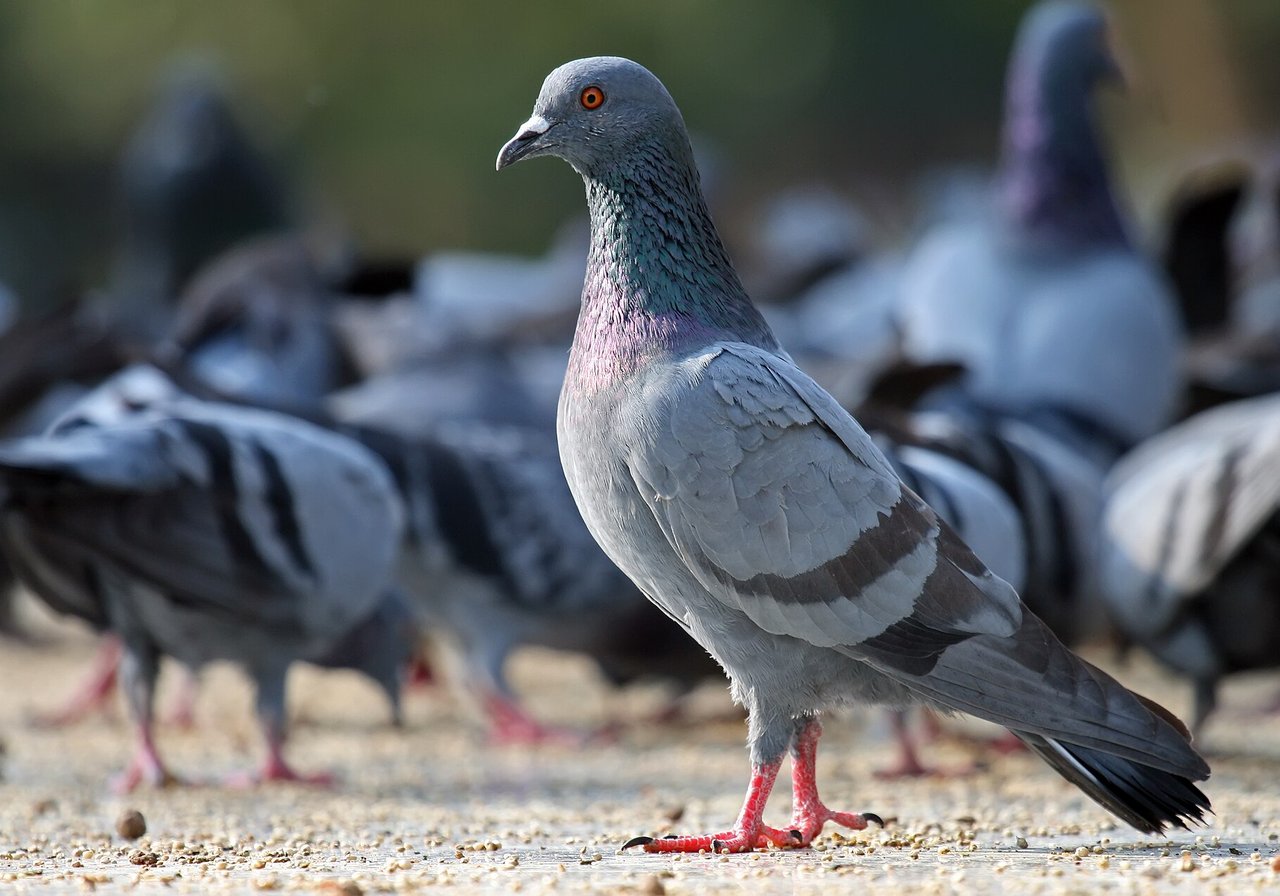
Least Concern (IUCN, 2016) — wild rock pigeon
Pigeon
Columba livia (Linnaeus, 1758)
The rock pigeon (Columba livia) is a Least Concern columbid native to Europe, North Africa and western Asia, now feral in cities worldwide; it is the wild ancestor of domestic racing and homing pigeons.
Read the guide →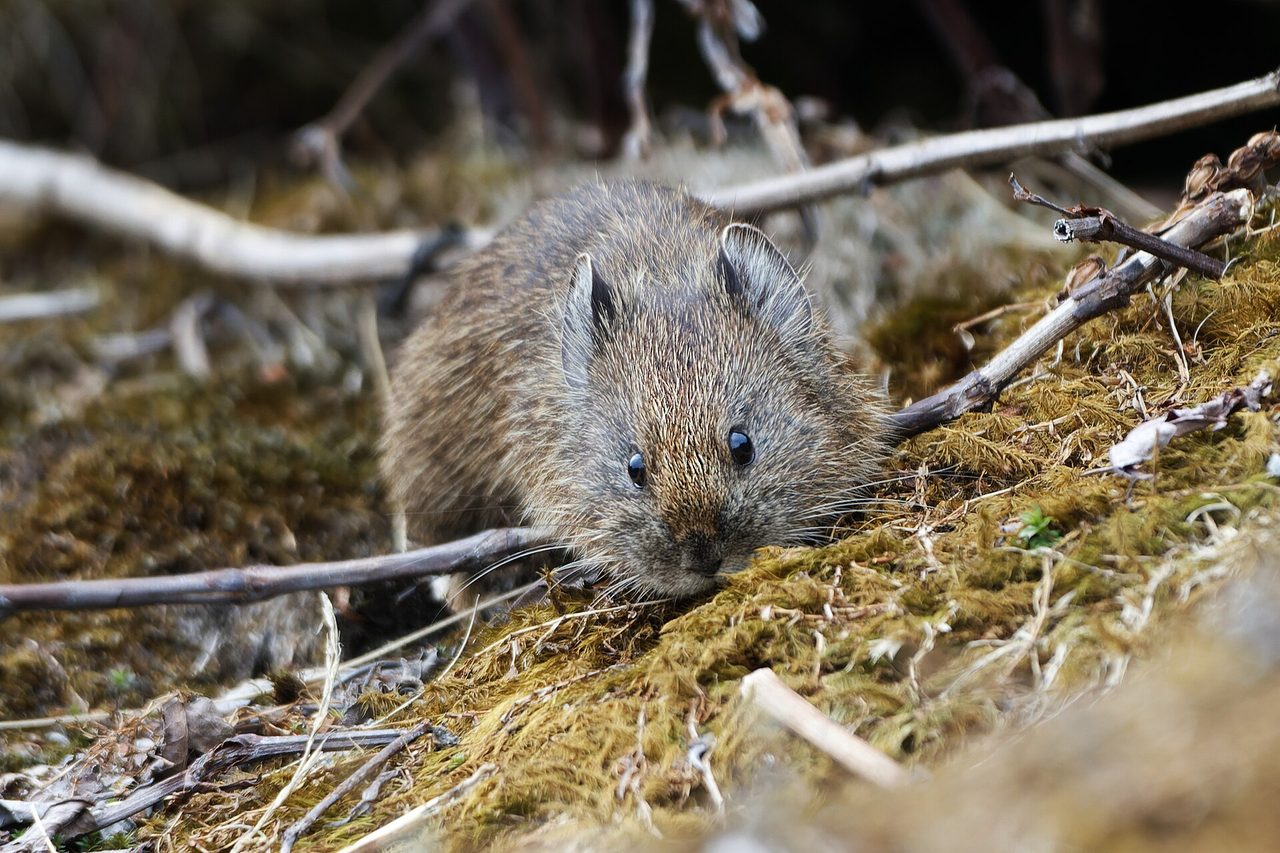
Varies by species (Least Concern to Endangered — IUCN)
Pika
Ochotona spp.
Pikas (genus Ochotona) are small, round-eared alpine mammals related to rabbits that live on cold, rocky mountain slopes across Asia and western North America, where they are threatened by rising temperatures that their heat-sensitive bodies cannot tolerate.
Read the guide →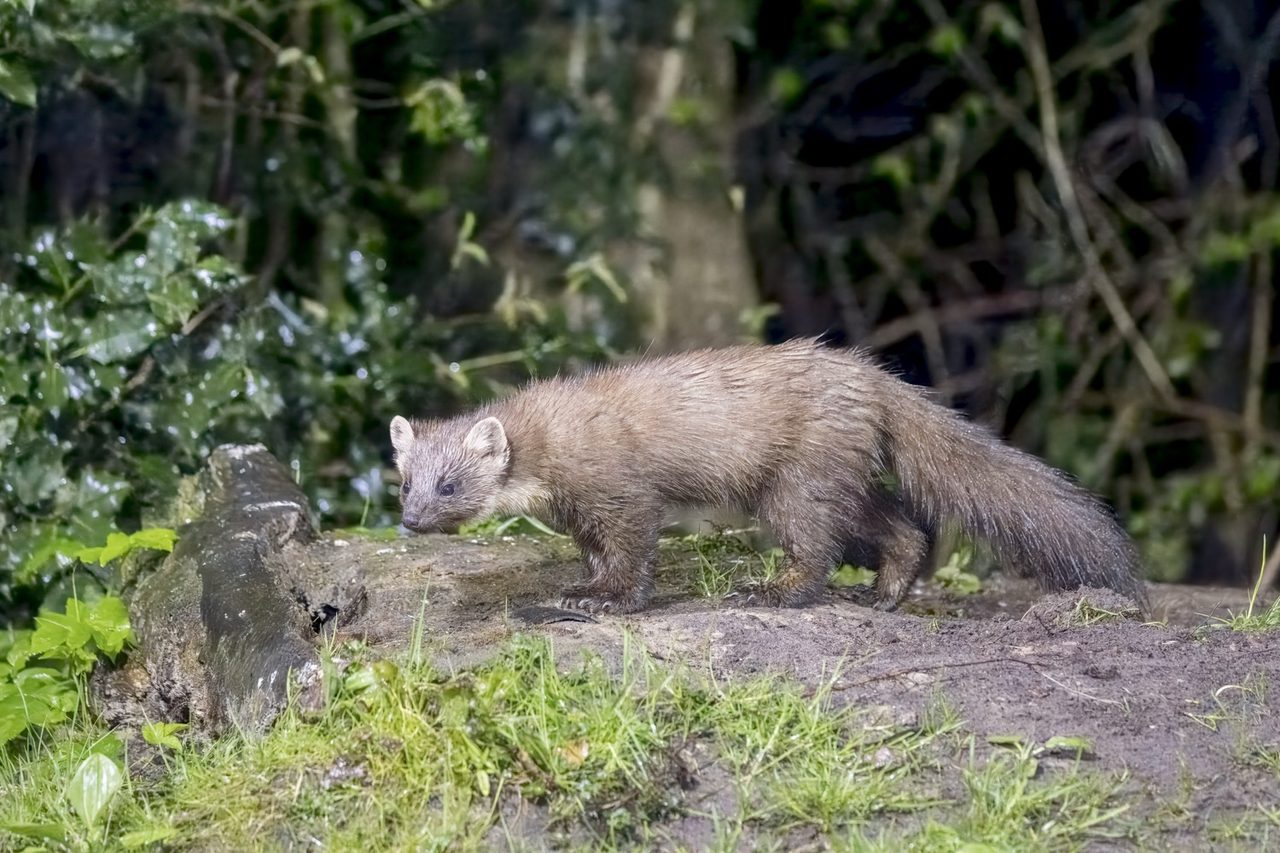
Least Concern (IUCN)
Pine Marten
Martes martes
A pine marten (Martes martes) is a cat-sized, tree-climbing member of the weasel family native to European and western Asian woodland. Chestnut-brown with a cream throat bib and bushy tail, it is rare in much of Britain but recovering, and is globally classed as Least Concern by the IUCN.
Read the guide →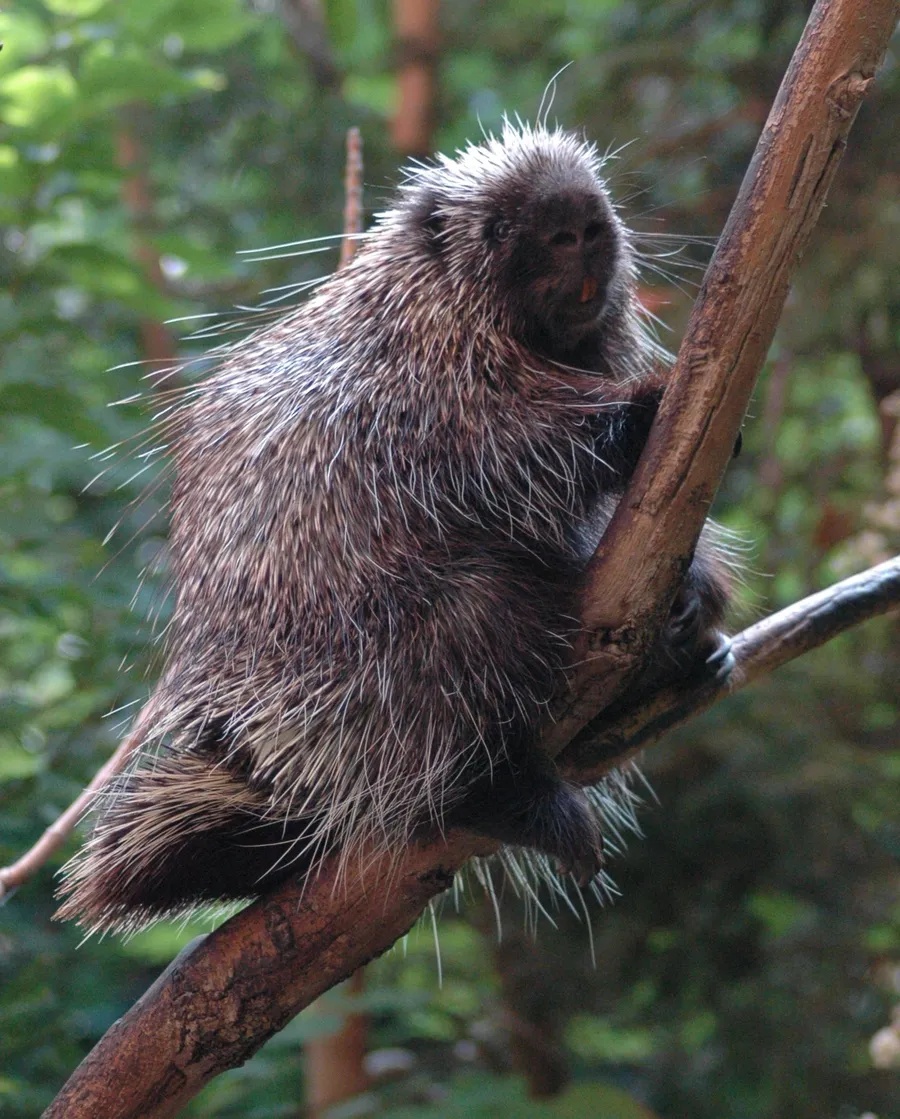
Varies by species; most Least Concern (IUCN)
Porcupine
Hystricidae (Old World) & Erethizontidae (New World)
A porcupine is a large herbivorous rodent covered in sharp quills — stiffened, modified hairs that defend it from predators. About 30 species exist in two distantly related families: Old World porcupines of Africa, Asia and Europe, and tree-climbing New World porcupines of the Americas.
Read the guide →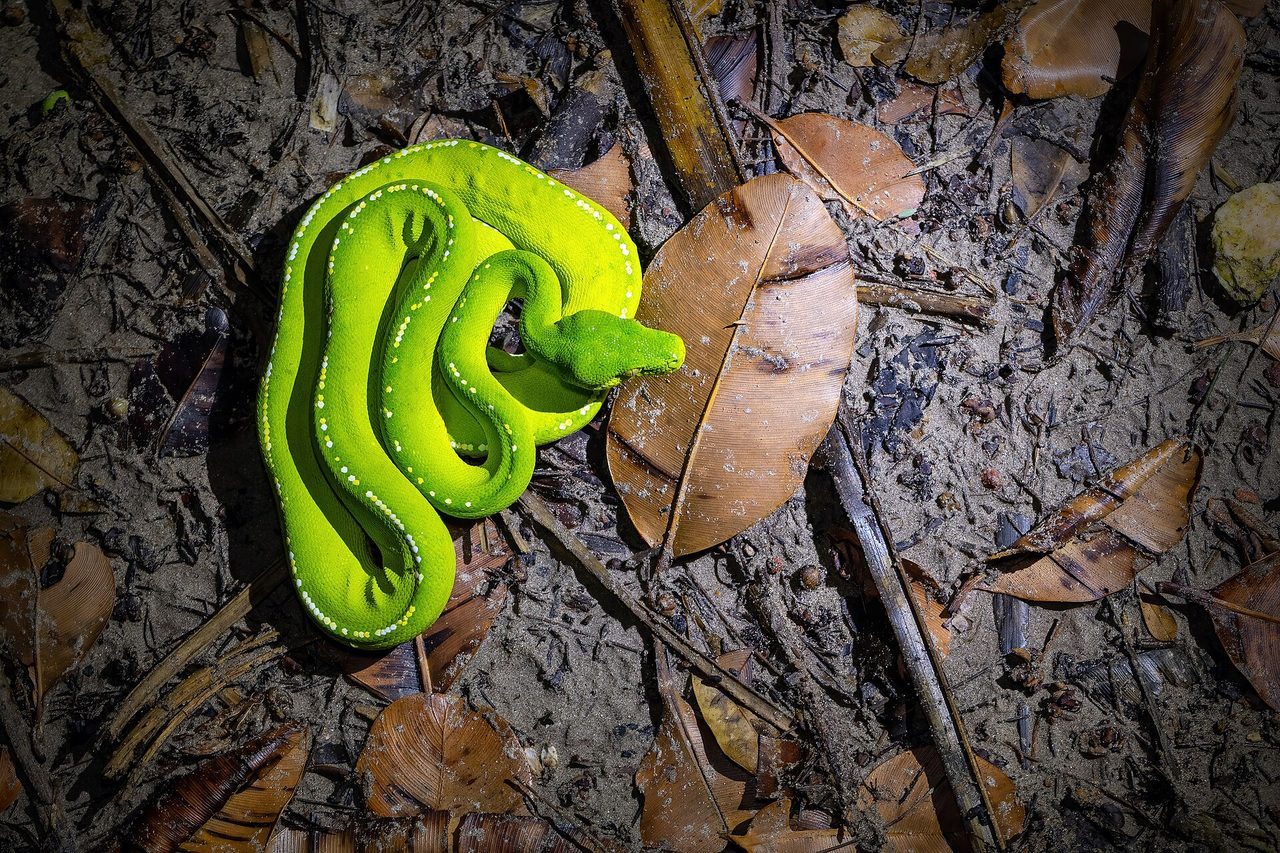
Varies by species (Least Concern to Endangered)
Python
Family Pythonidae — ~40 species native to Africa, Asia and Australia
Pythons are egg-laying constrictors (family Pythonidae) with ~40 species in Africa, Asia and Australia — non-venomous snakes threatened by skin trade, exotic pet demand and habitat loss.
Read the guide →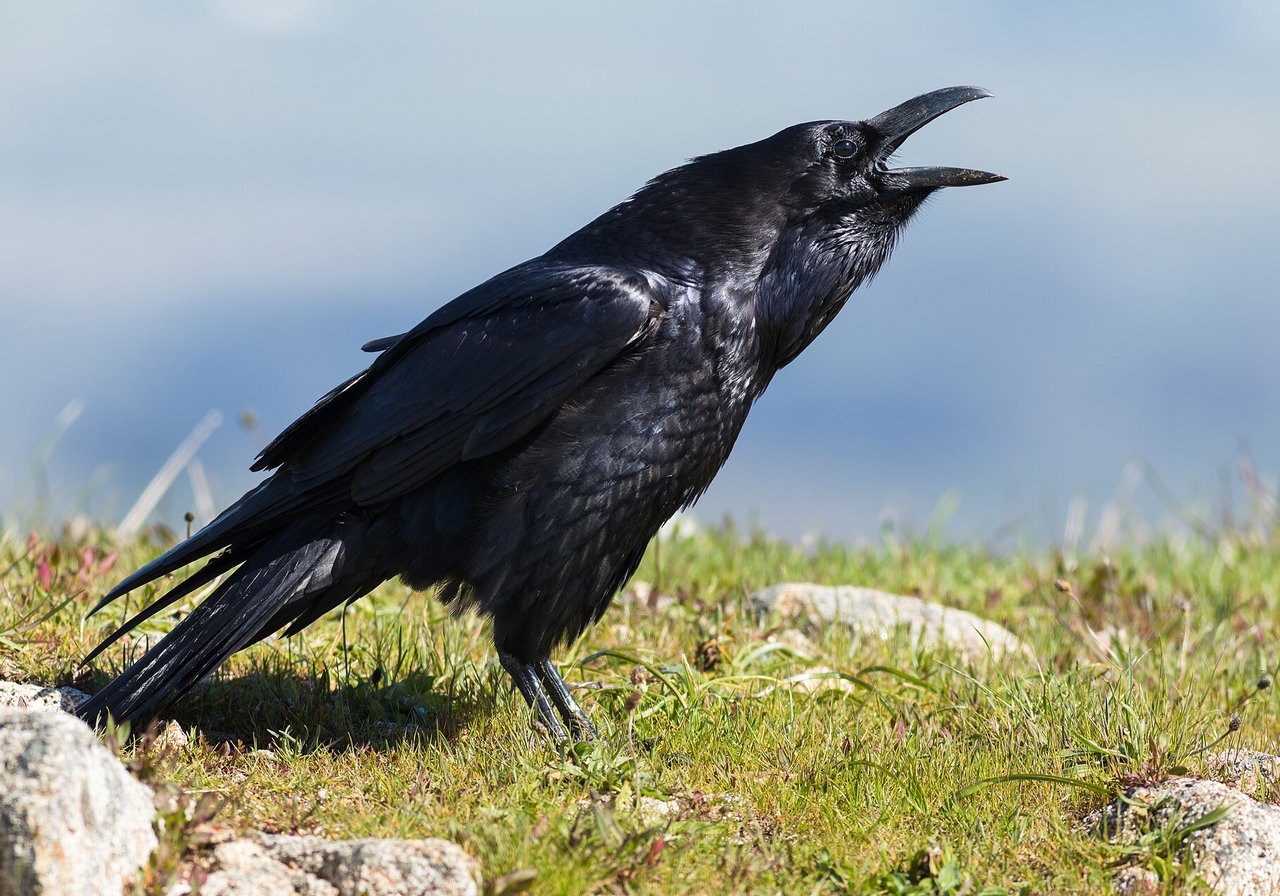
Least Concern (IUCN, 2018)
Raven
Corvus corax (Linnaeus, 1758)
The common raven (Corvus corax) is a Least Concern corvid of the Northern Hemisphere — the largest passerine, renowned for intelligence, tool use and deep cultural significance.
Read the guide →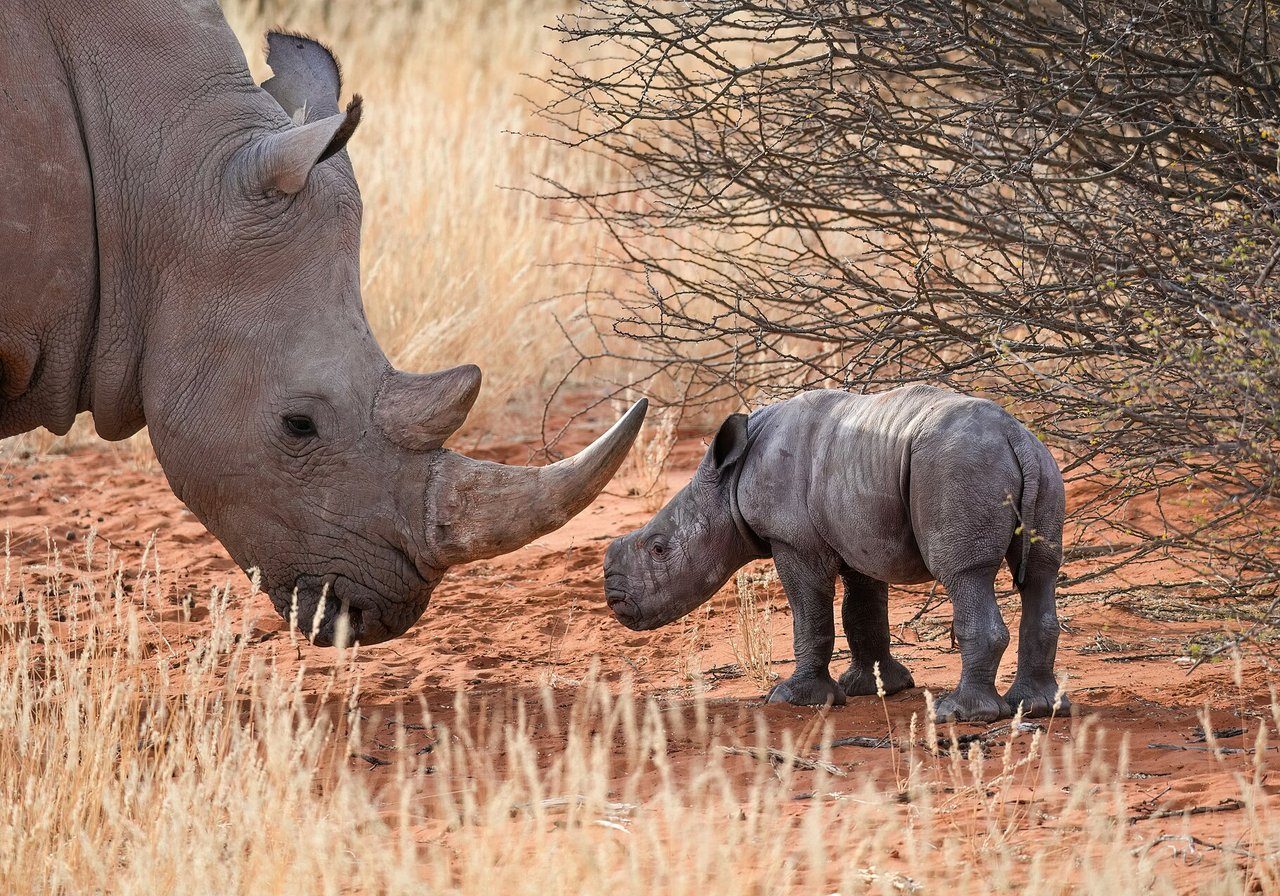
Varies by species (Near Threatened to Critically Endangered)
Rhino
Family Rhinocerotidae — 5 living species in Africa and Asia
Rhinoceroses are five living species of horned megaherbivores in Africa and Asia; all are threatened by poaching for keratin horn, with three species Critically Endangered including the Sumatran rhino with fewer than 50 individuals.
Read the guide →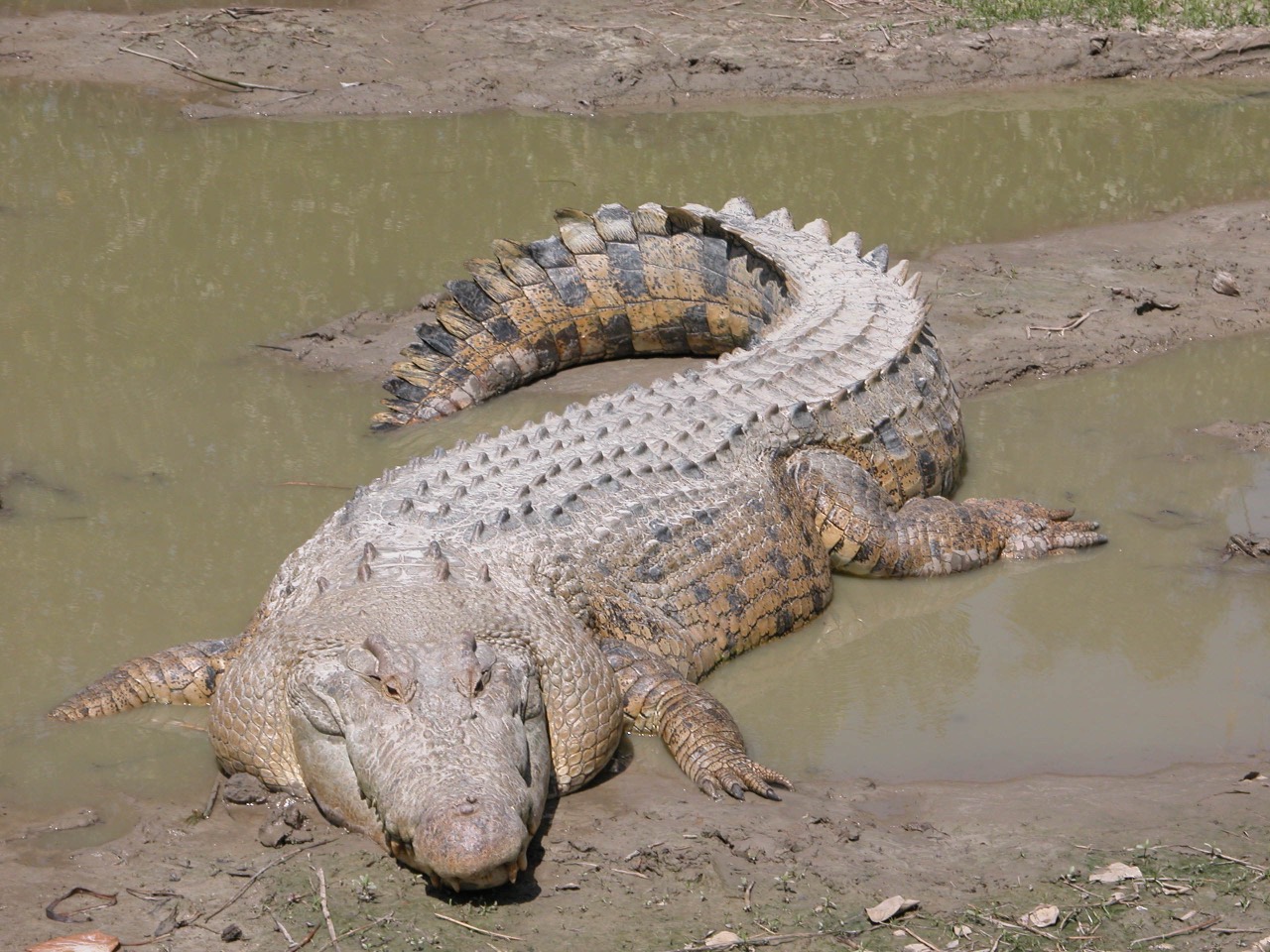
Least Concern globally (IUCN, 2021) — locally depleted in parts of Southeast Asia
Saltwater Crocodile
Crocodylus porosus
The saltwater crocodile (Crocodylus porosus) is the world's largest living reptile, found in the estuaries and mangroves of Southeast Asia and Australasia; it is listed as Least Concern globally by the IUCN, though some local populations remain depleted.
Read the guide →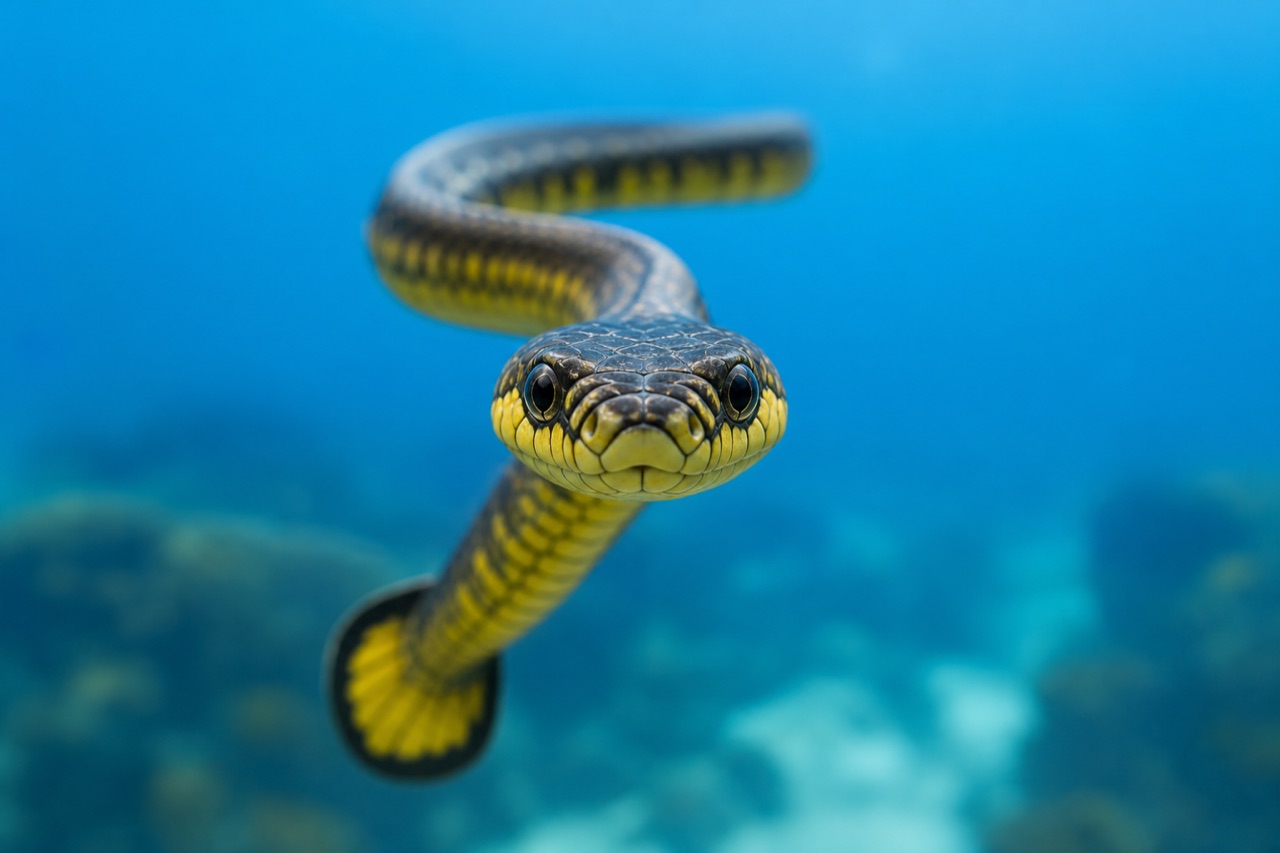
Group page — most species unassessed; some face bycatch and habitat degradation
Sea Snake
Subfamily Hydrophiinae — roughly 70 species of fully marine elapid snakes
Sea snakes (subfamily Hydrophiinae) are roughly 70 species of fully marine venomous elapid with paddle tails and salt-excreting glands — among the most venomous snakes, generally inoffensive to humans, and vulnerable to trawl bycatch.
Read the guide →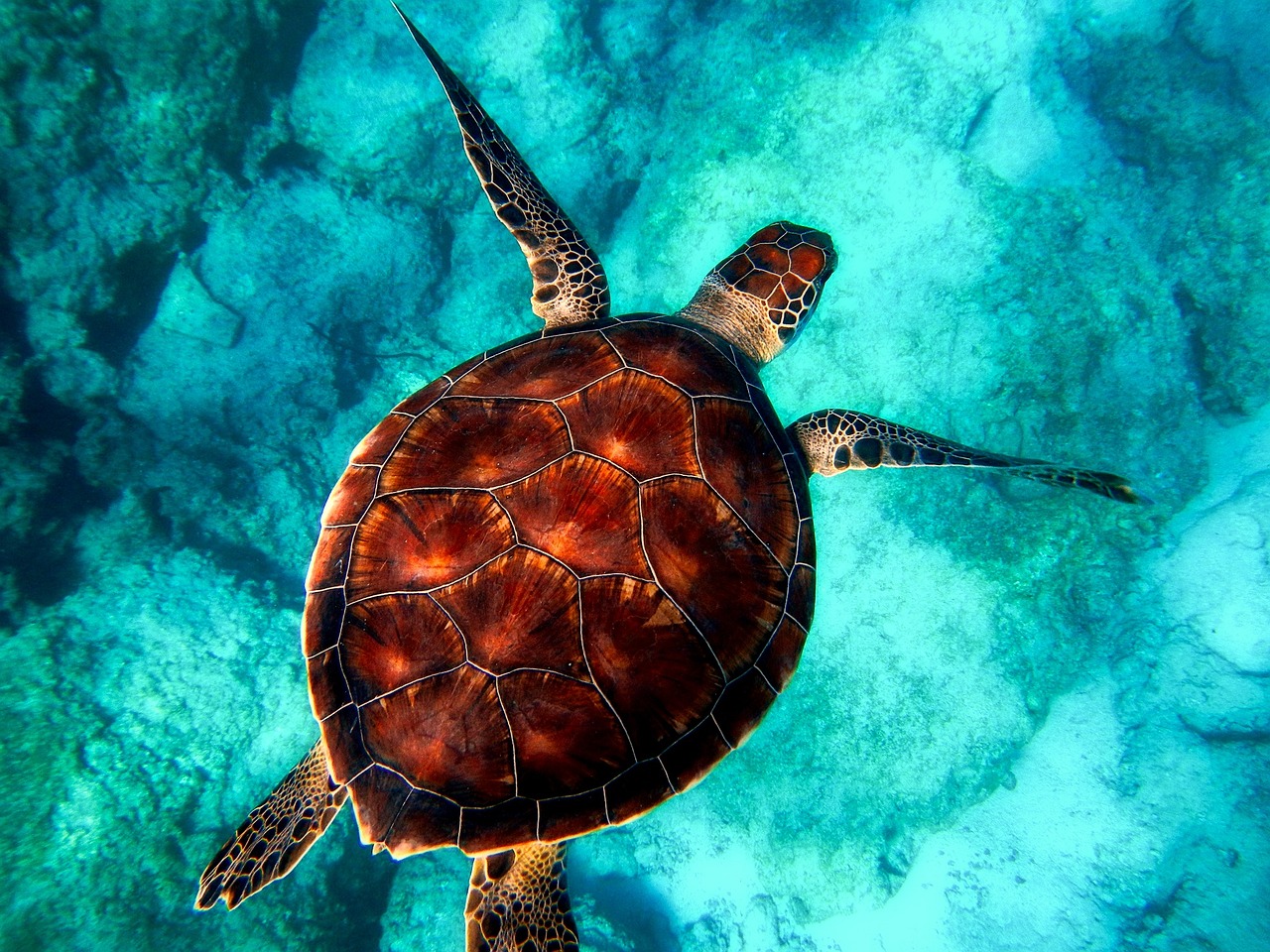
Varies by species (Vulnerable to Critically Endangered)
Sea Turtle
Cheloniidae and Dermochelyidae (superfamily Chelonioidea)
Sea turtles are a group of seven species of large, long-lived marine reptiles whose conservation status ranges from Least Concern to Critically Endangered, with most species threatened by fishing bycatch, egg poaching, plastic pollution and coastal development.
Read the guide →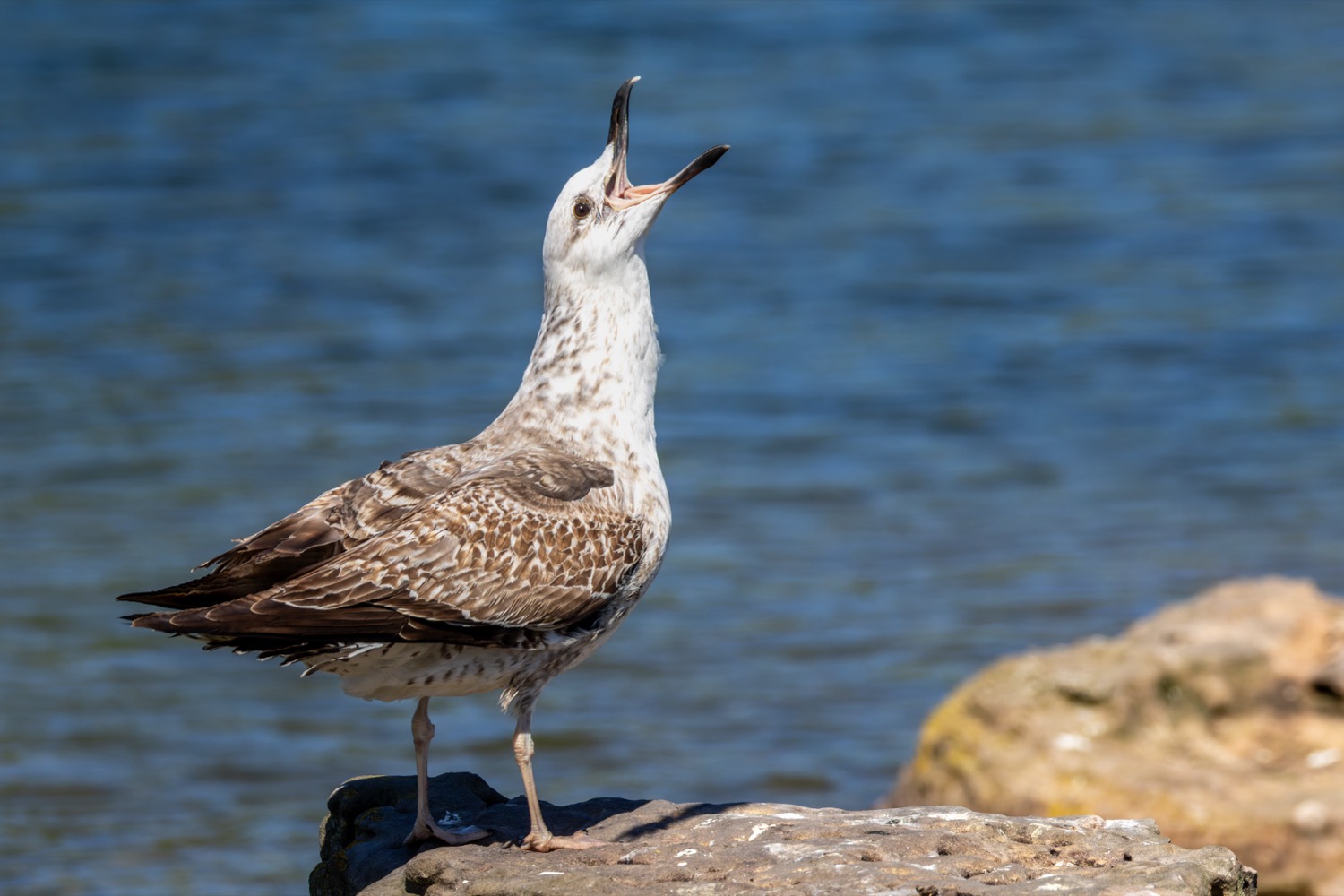
Varies by species; most Least Concern (IUCN)
Seagull (Gull)
Family Laridae
A seagull is any of around 50 species of gull, seabirds in the family Laridae. Typically white and grey with black wingtips and webbed feet, gulls are adaptable, intelligent coastal birds that scavenge, fish and increasingly thrive in towns and cities worldwide.
Read the guide →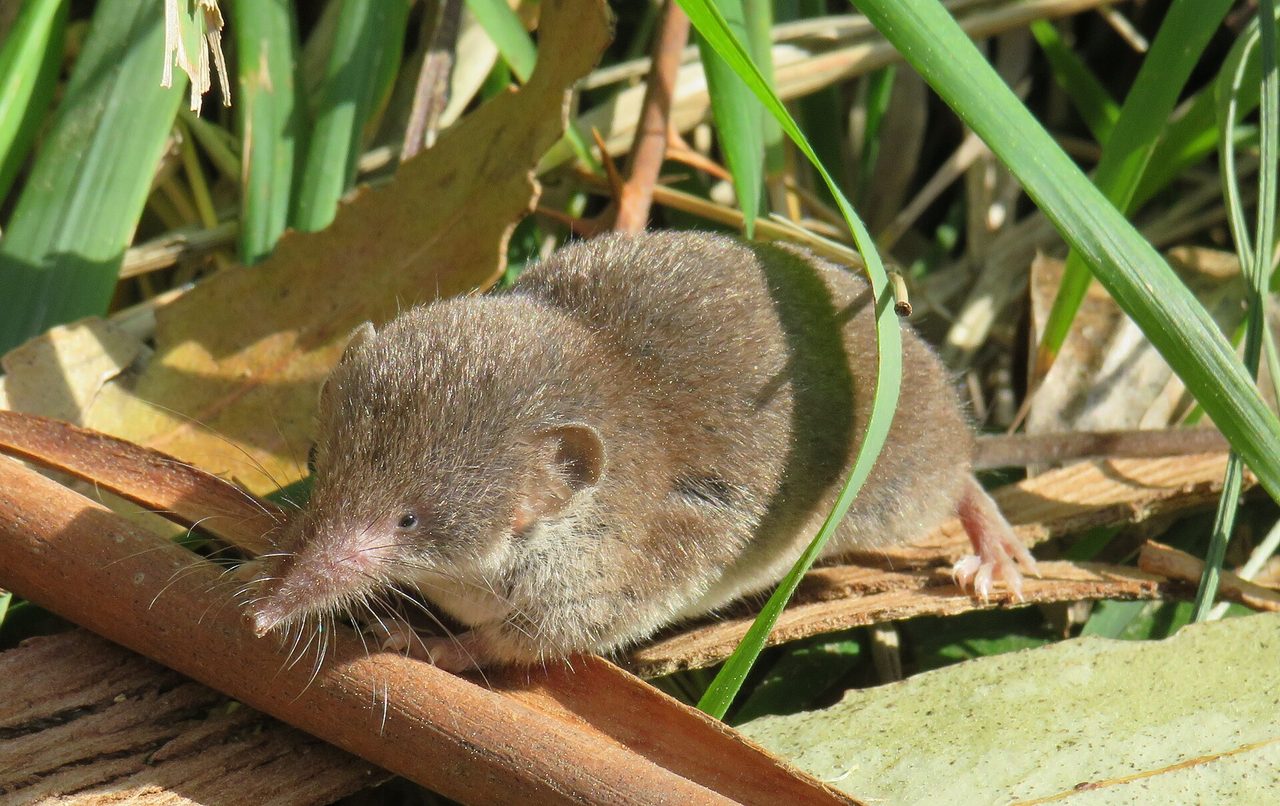
Varies by species; most Least Concern (IUCN)
Shrew
Soricidae
A shrew is a small insect-eating mammal of the family Soricidae, with a long pointed snout, tiny eyes and velvety fur. Though mouse-like, shrews are not rodents but relatives of moles and hedgehogs, and are known for their extremely high metabolism and near-constant feeding.
Read the guide →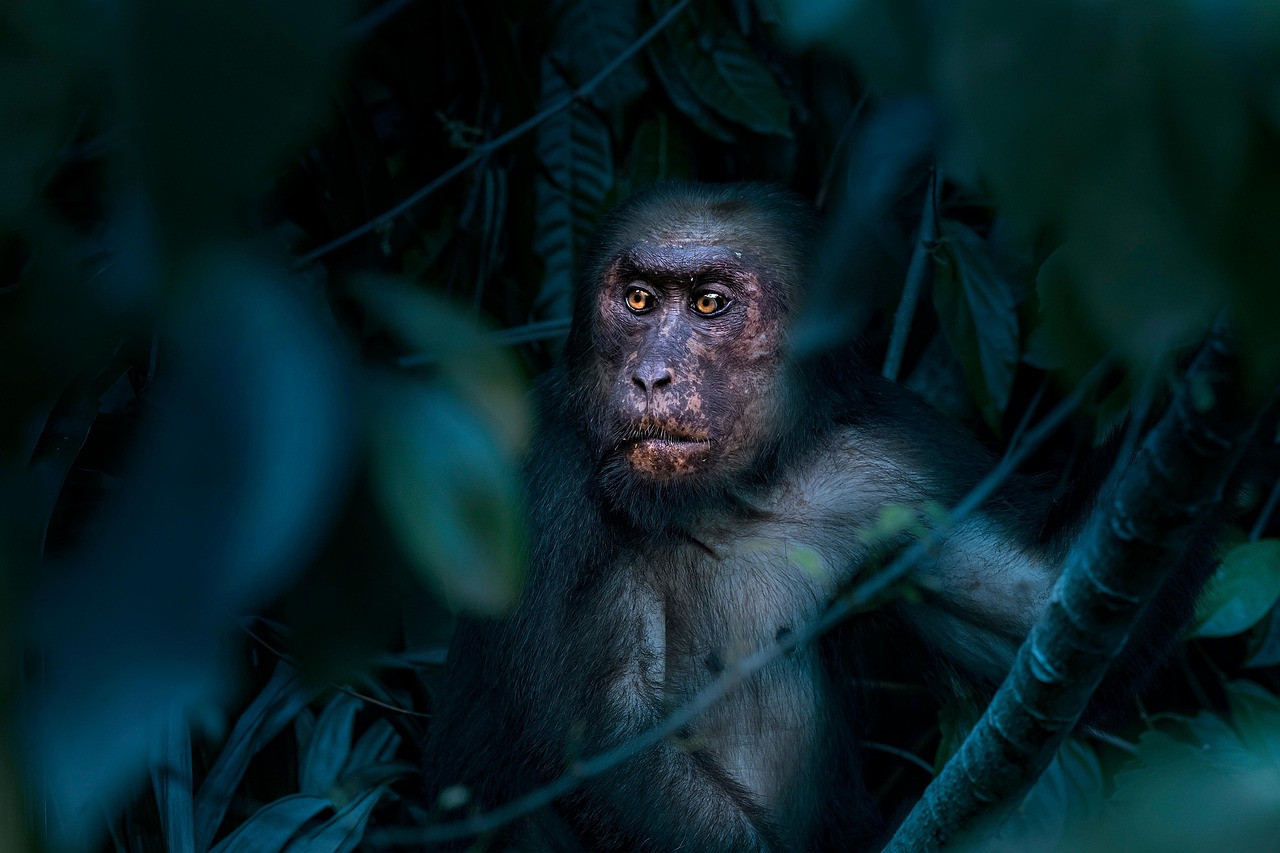
Threatened (Vulnerable–Critically Endangered)
Slow Loris
Nycticebus spp. (and Xanthonycticebus pygmaeus, the pygmy slow loris, since 2022)
Slow lorises are small nocturnal primates from South and Southeast Asia; every species is threatened with extinction — ranging from Vulnerable to Critically Endangered — largely because of the illegal pet trade, which is fuelled in part by viral social media videos.
Read the guide →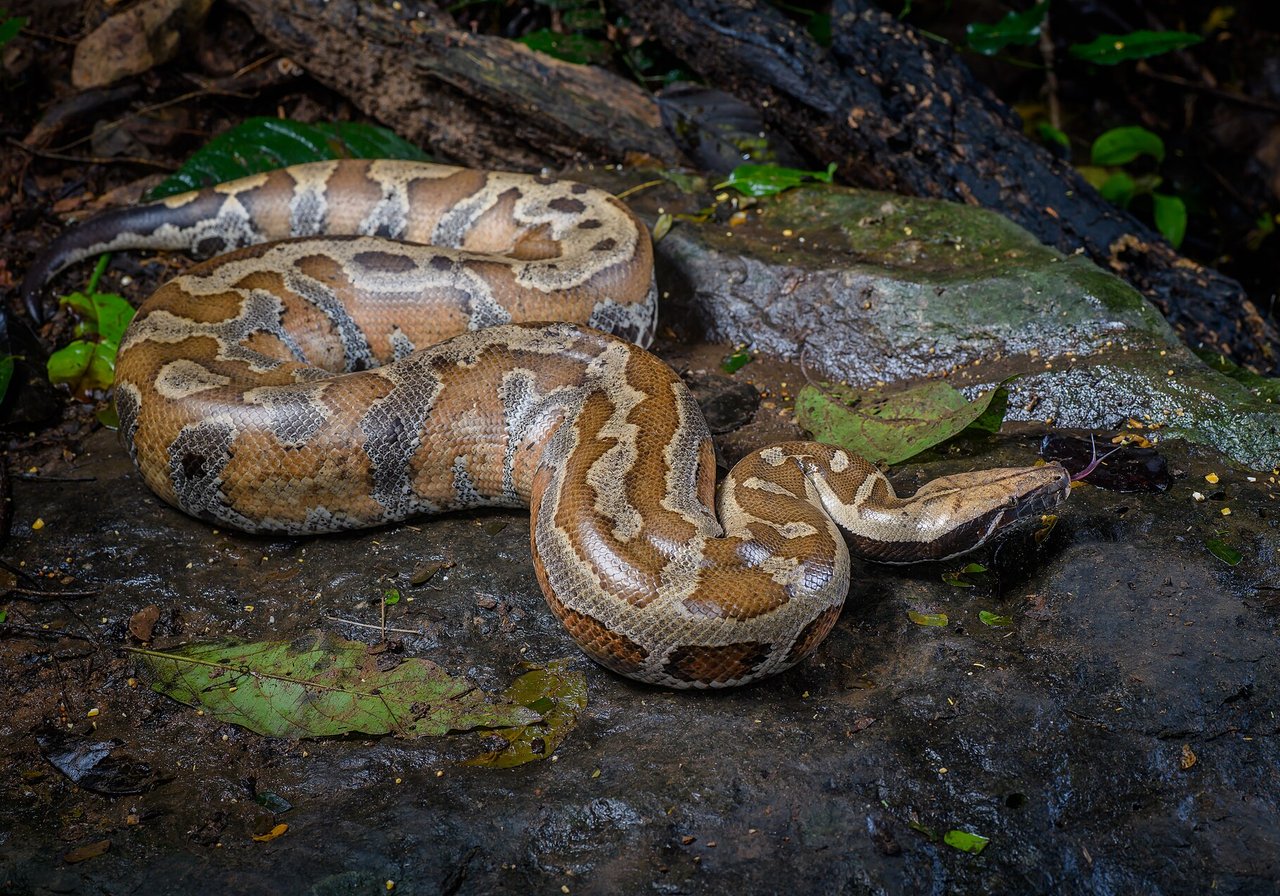
Varies by species (Least Concern to Critically Endangered)
Snake
Suborder Serpentes — ~3,900 species across most continents except Antarctica
Snakes are about 3,900 species of legless reptiles, not one animal. Most are not venomous. The IUCN does not give snakes a single extinction badge. WHO treats snakebite envenoming as a neglected tropical disease. This hub is not the grass-snake guide.
Read the guide →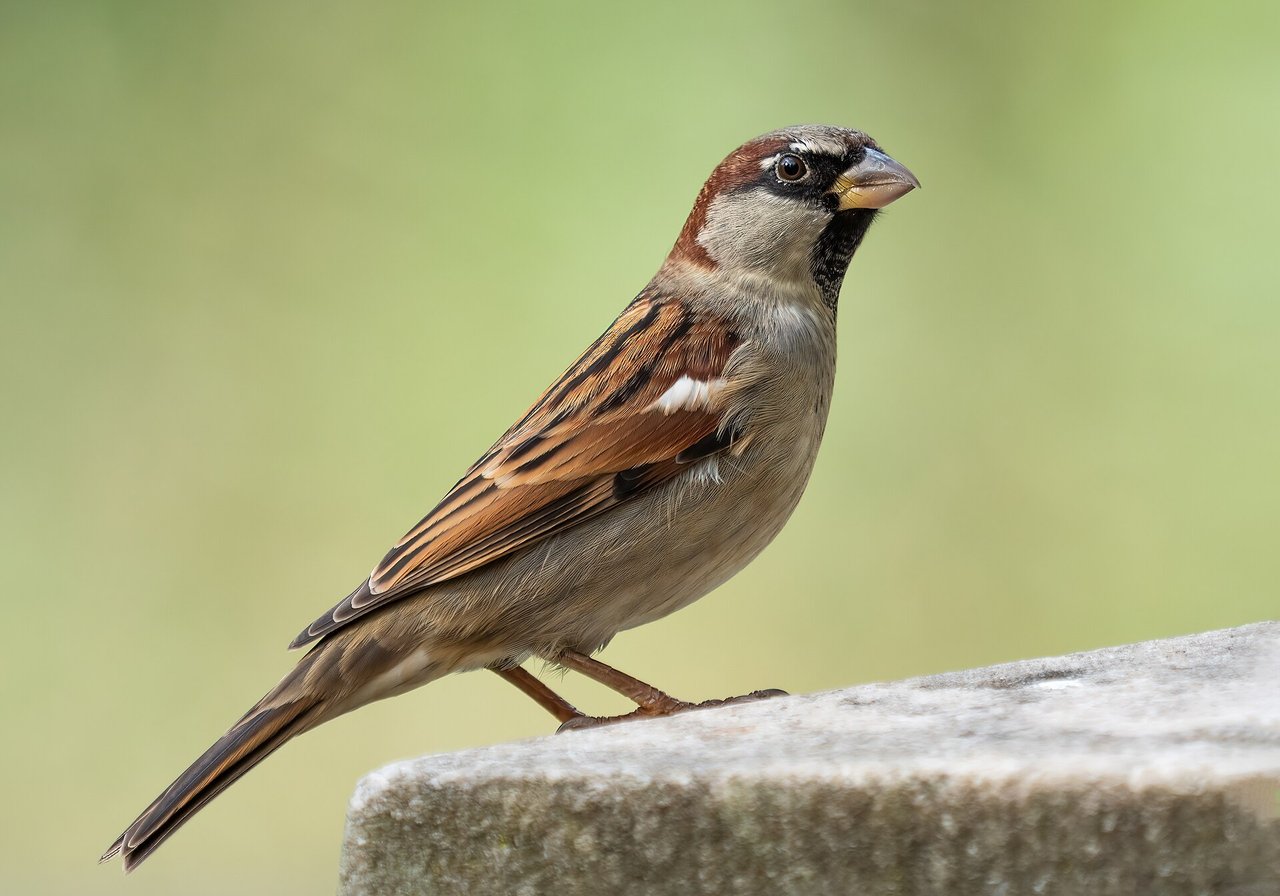
Least Concern (IUCN, 2018) — steep decline in parts of Europe
Sparrow
Passer domesticus (Linnaeus, 1758)
The house sparrow (Passer domesticus) is a Least Concern passerine found on every continent except Antarctica; globally abundant but declined by over 70% in urban Britain since the 1970s.
Read the guide →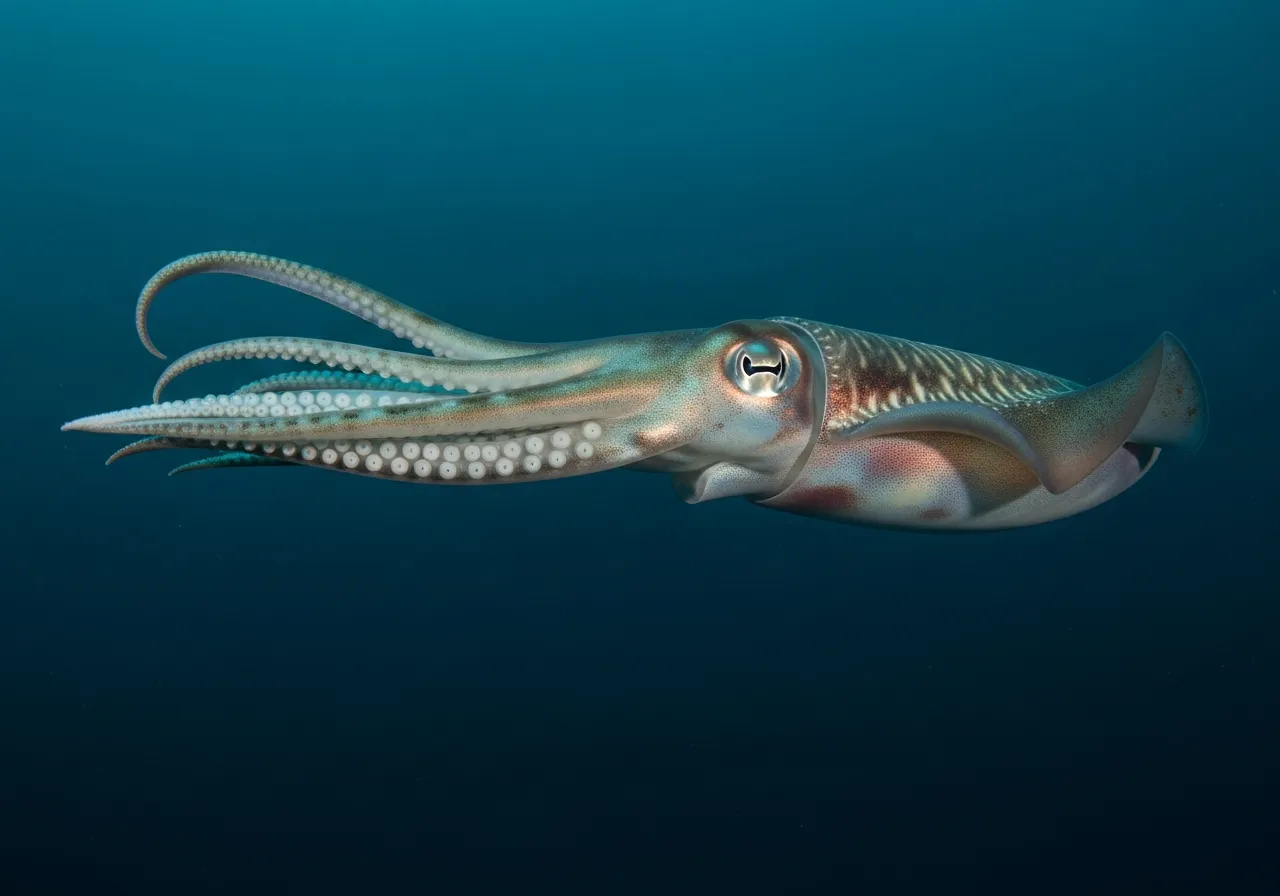
Varies; most Least Concern / Not Evaluated
Squid
Order Teuthida
A squid is a fast-swimming cephalopod mollusc of the order Teuthida, related to octopuses and cuttlefish, with eight arms, two longer feeding tentacles, jet propulsion, ink defence and colour-changing skin; the order includes around 300 species, from tiny pygmy squid to the deep-sea giant squid.
Read the guide →
Varies; most Not Evaluated (some, e.g. the sunflower sea star, Critically Endangered)
Starfish (Sea Star)
Class Asteroidea
A starfish, or sea star, is a marine invertebrate in the class Asteroidea (about 1,900 species). It is an echinoderm, not a fish, with radial symmetry, a central disc and usually five arms lined with tube feet. Many can regenerate lost arms and feed by everting their stomach.
Read the guide →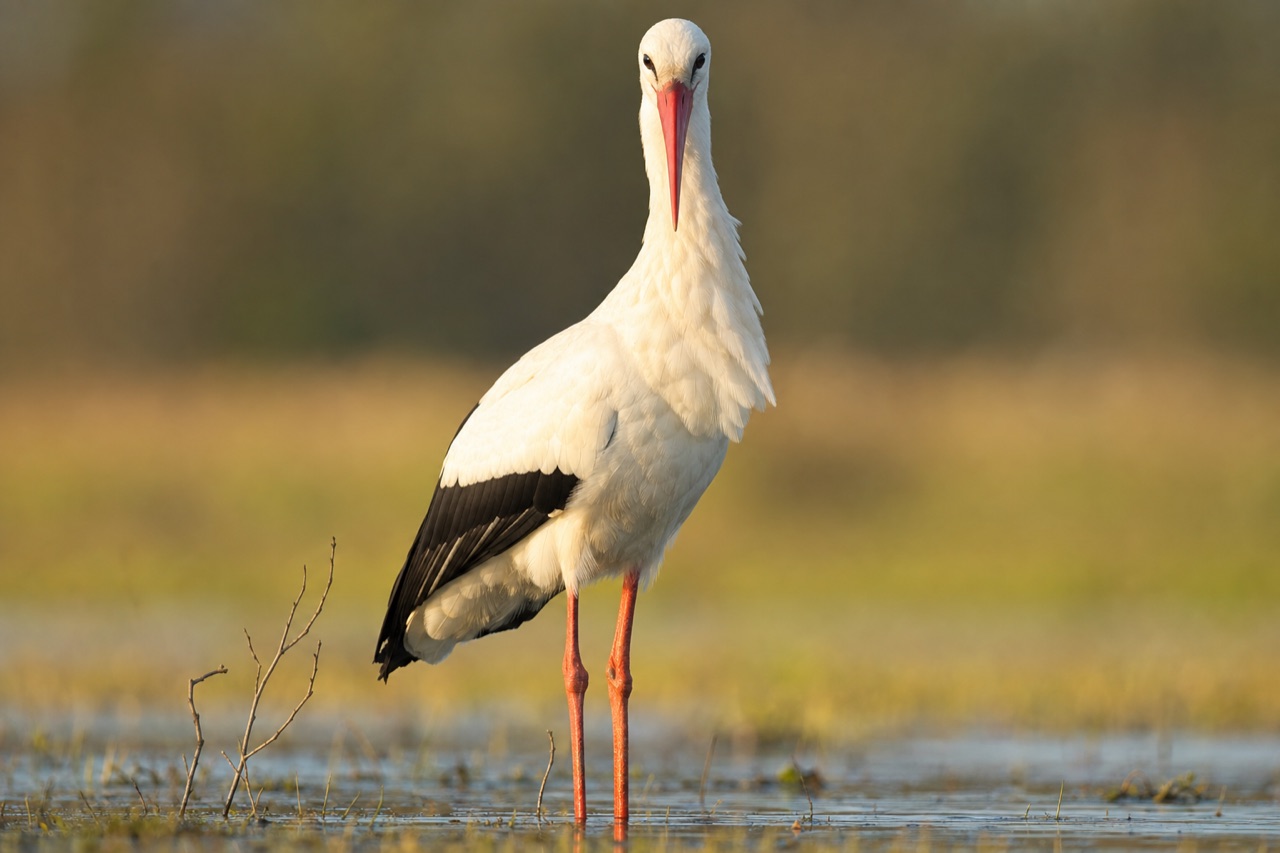
Family page — status ranges from Least Concern to Endangered by species
Stork
Family Ciconiidae — 19 species in 6 genera
Storks are large wading birds of the family Ciconiidae — 19 species — that soar on thermals rather than flapping, and most of which are effectively voiceless, communicating by clattering their bills.
Read the guide →
Domesticated — Not Evaluated (IUCN)
Street Dog
Canis lupus familiaris (Linnaeus, 1758)
An estimated 200 million street dogs live worldwide; they are the same species as pet dogs (Canis lupus familiaris), and WHO-endorsed Catch-Neuter-Vaccinate-Return programmes are the proven humane way to reduce their numbers and control rabies, whereas culling does not work.
Read the guide →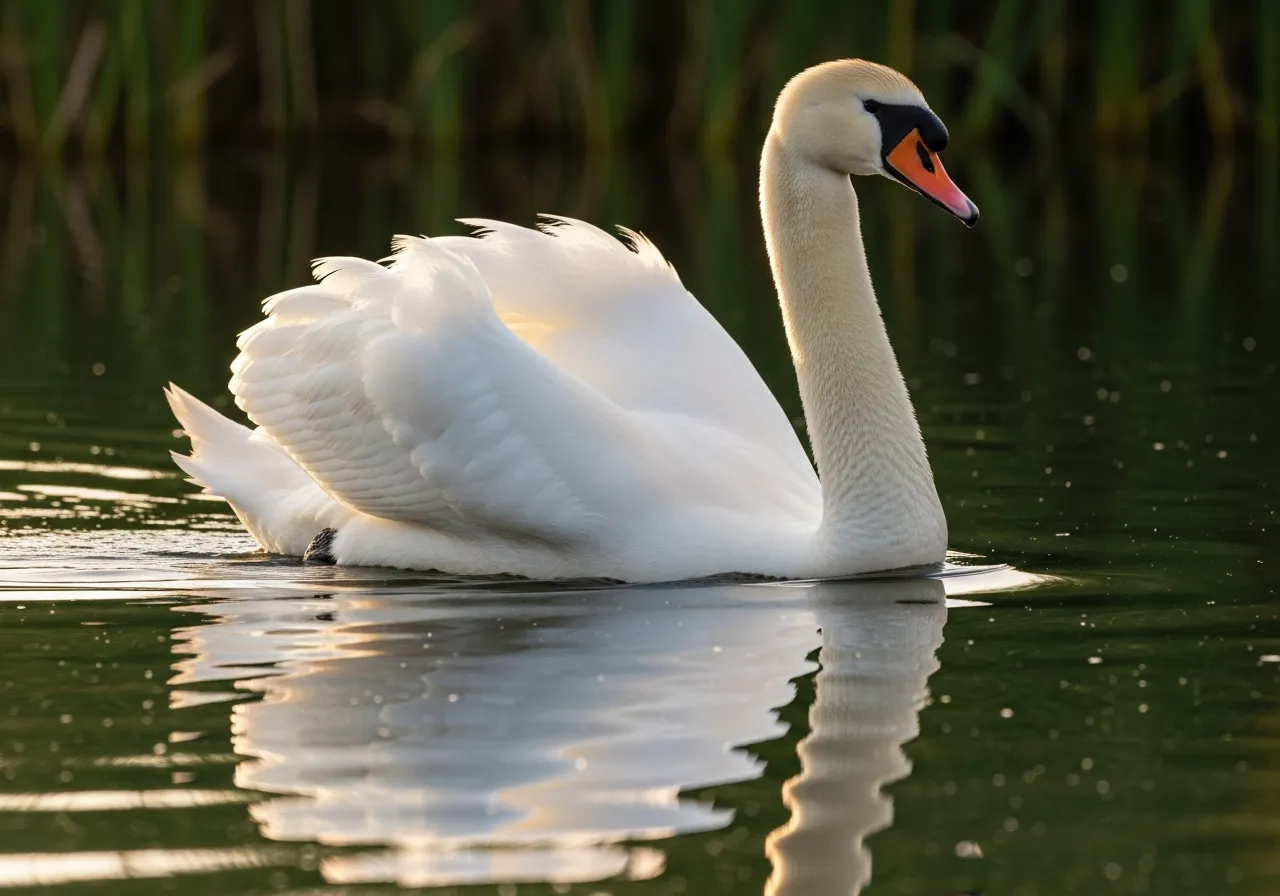
Most species Least Concern (IUCN)
Swan
Cygnus
A swan is a large, long-necked waterbird of the genus Cygnus and the biggest member of the duck and goose family. There are six living species worldwide. Swans feed mainly on aquatic plants, form strong, often lifelong pair bonds, and are renowned for their graceful appearance.
Read the guide →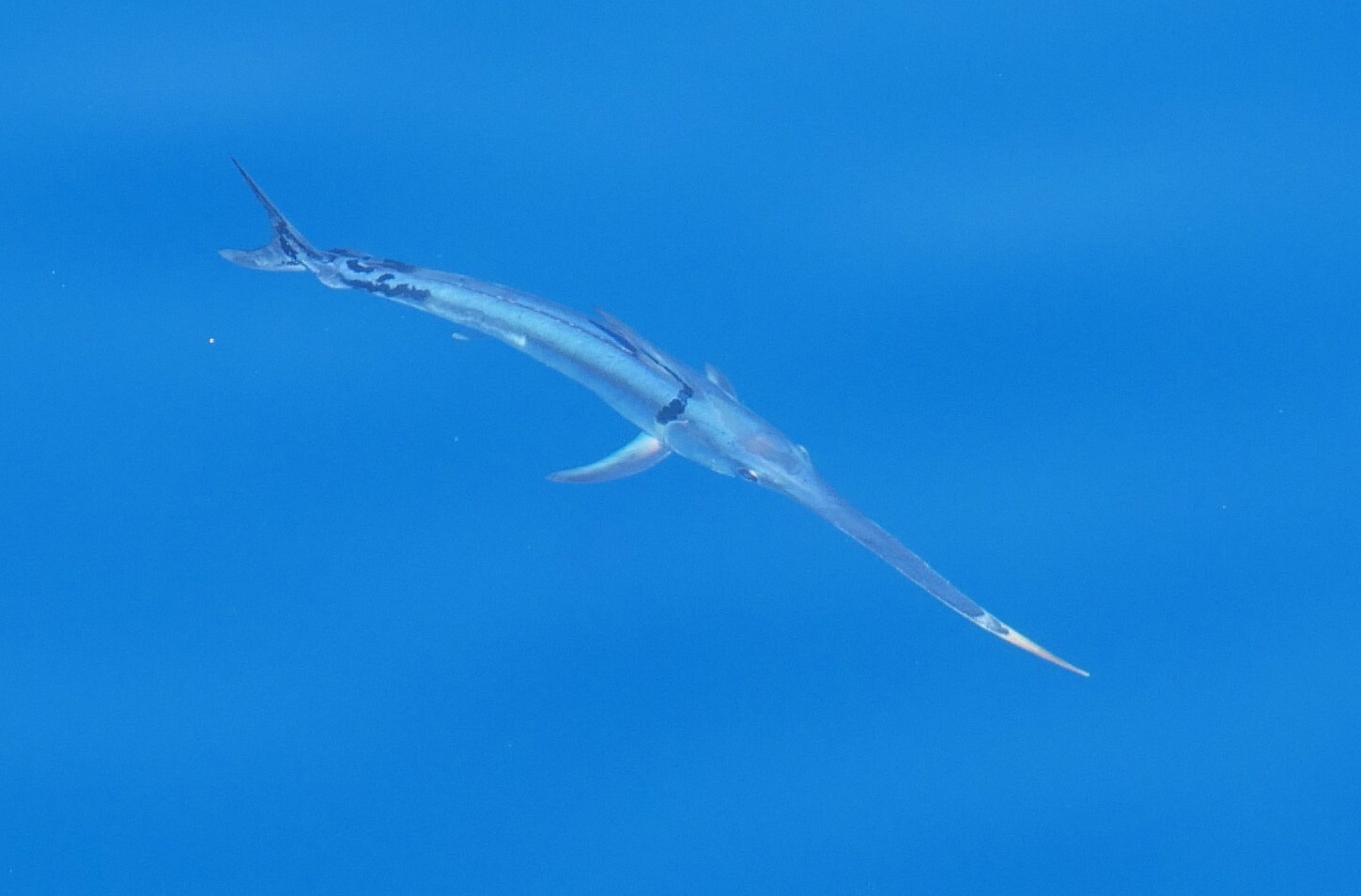
Least Concern (IUCN, 2021) — overfished in parts of range
Swordfish
Xiphias gladius (Linnaeus, 1758)
The swordfish (Xiphias gladius) is a Least Concern billfish of global oceans, managed in the Atlantic but overfished in the Mediterranean; longline fisheries cause shark and turtle bycatch.
Read the guide →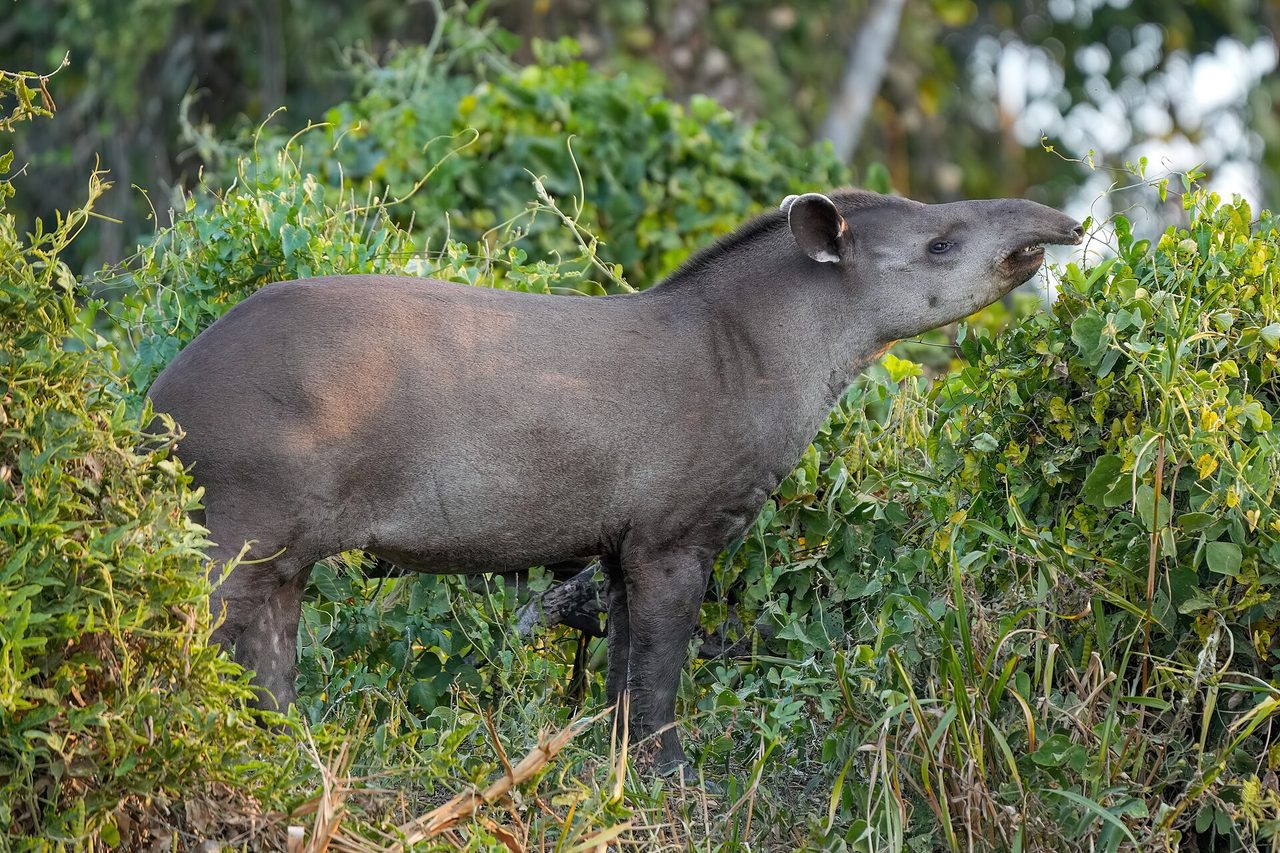
Endangered to Vulnerable (all four species threatened)
Tapir
Family Tapiridae — 4 living species in Asia and the Americas
Tapirs are four threatened species of forest herbivore in Asia and the Americas — all Endangered or Vulnerable — serving as seed dispersers; WARN covers the Malayan tapir in detail.
Read the guide →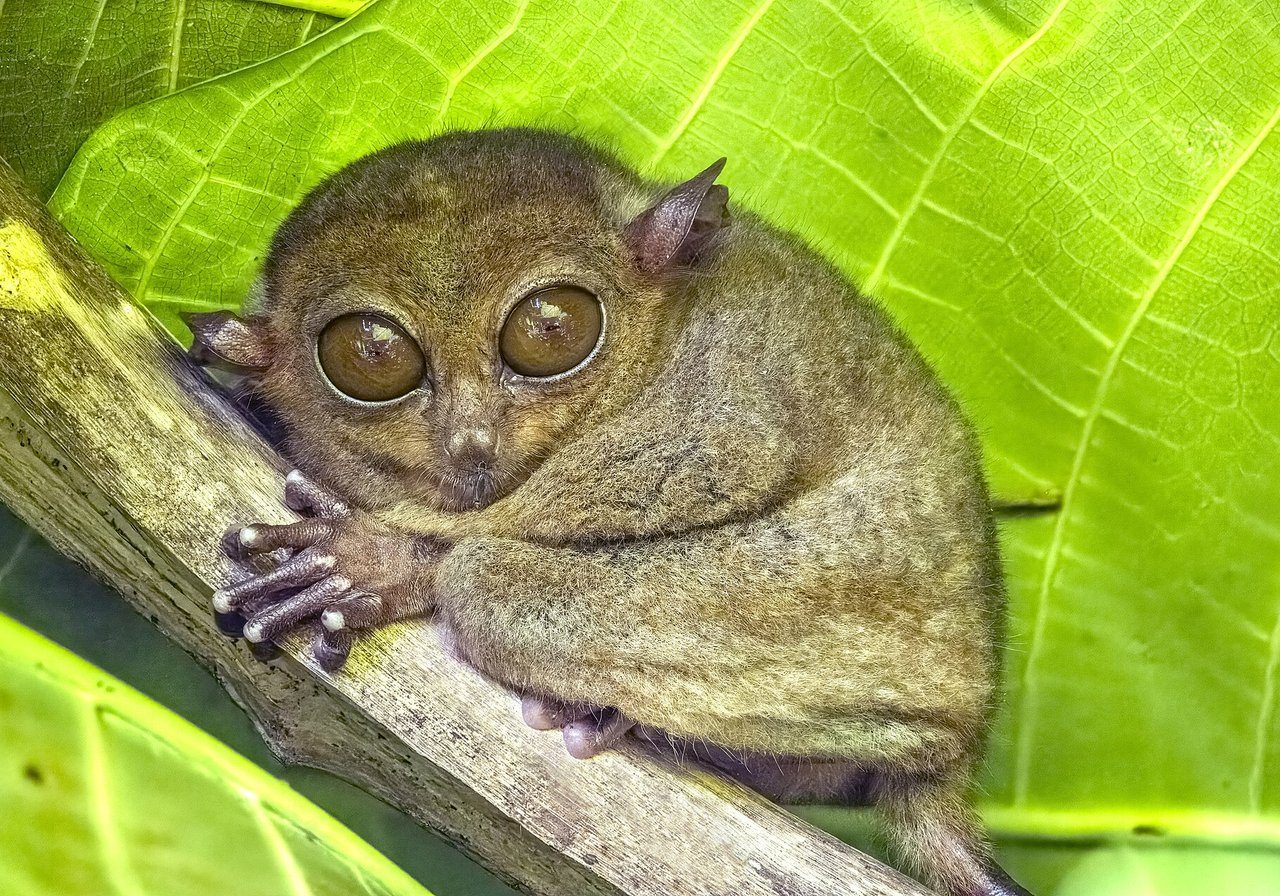
Group guide — status differs by species
Tarsier
Tarsiidae
Tarsiers are small nocturnal primates in the family Tarsiidae, native to parts of Southeast Asia. They hunt animal prey and move through vegetation by clinging and leaping. They are neither monkeys nor lemurs. Conservation status differs by species, from the Near Threatened Philippine tarsier to the Critically Endangered Siau Island tarsier.
Read the guide →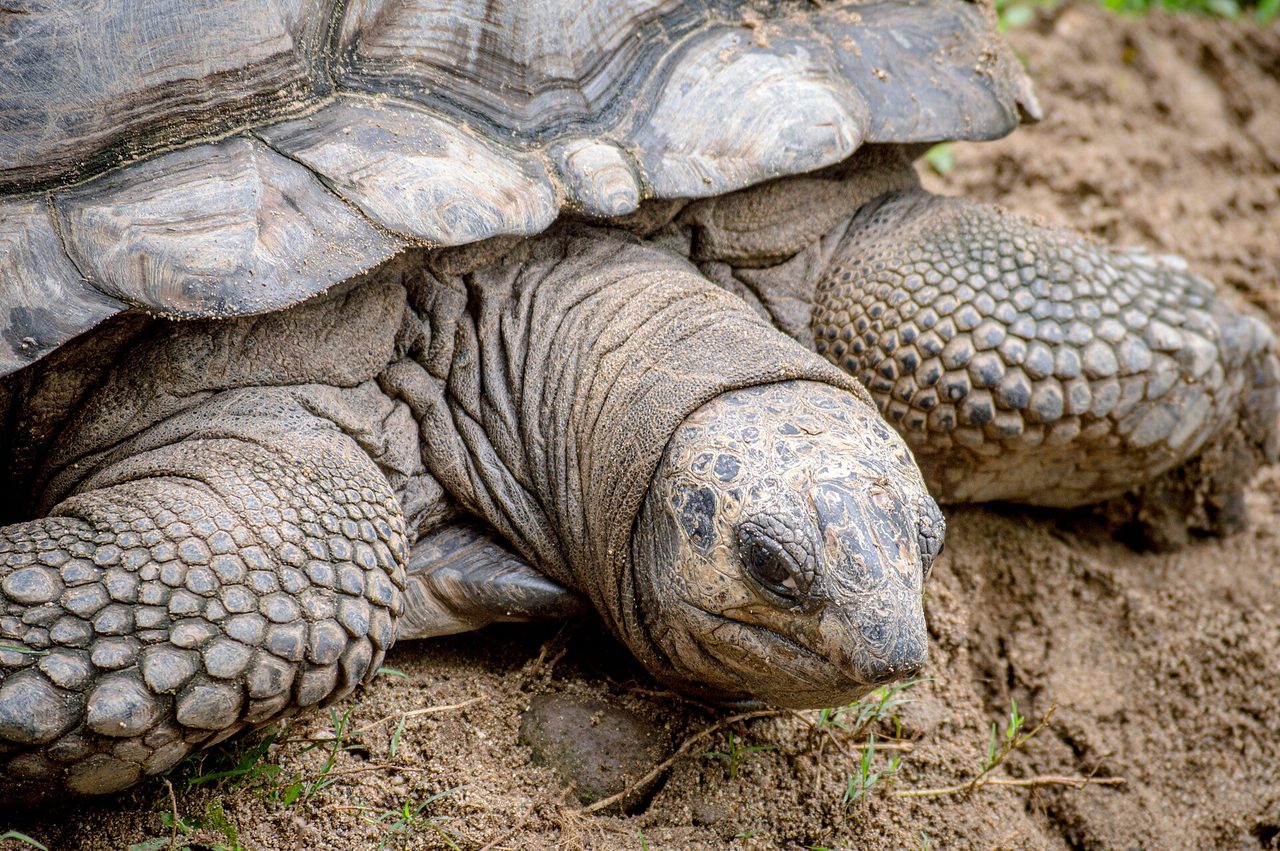
Varies by species — many Critically Endangered (IUCN)
Tortoise
Family Testudinidae
Tortoises (family Testudinidae) are fully terrestrial reptiles found across warm regions worldwide; over 86% of species are threatened or extinct, driven by illegal trade, habitat loss, and the pet industry.
Read the guide →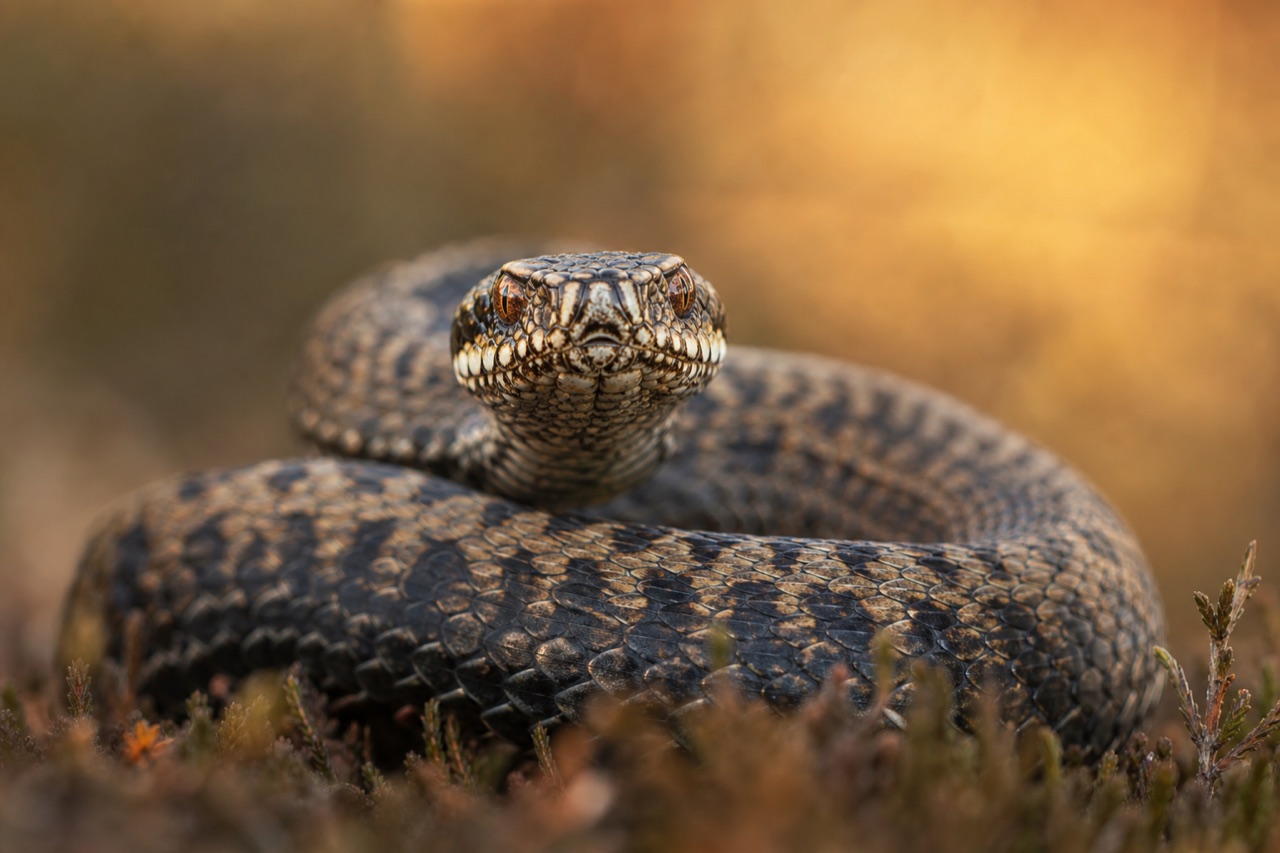
Family page — status varies; many species Least Concern, some island endemics threatened
Viper
Family Viperidae — pit vipers and true vipers; roughly 350 species worldwide
Vipers (family Viperidae) are roughly 350 species of venomous snake with hinged solenoglyph fangs and ambush hunting — including adders, rattlesnakes and fer-de-lance — responsible for a major share of global snakebite envenomation.
Read the guide →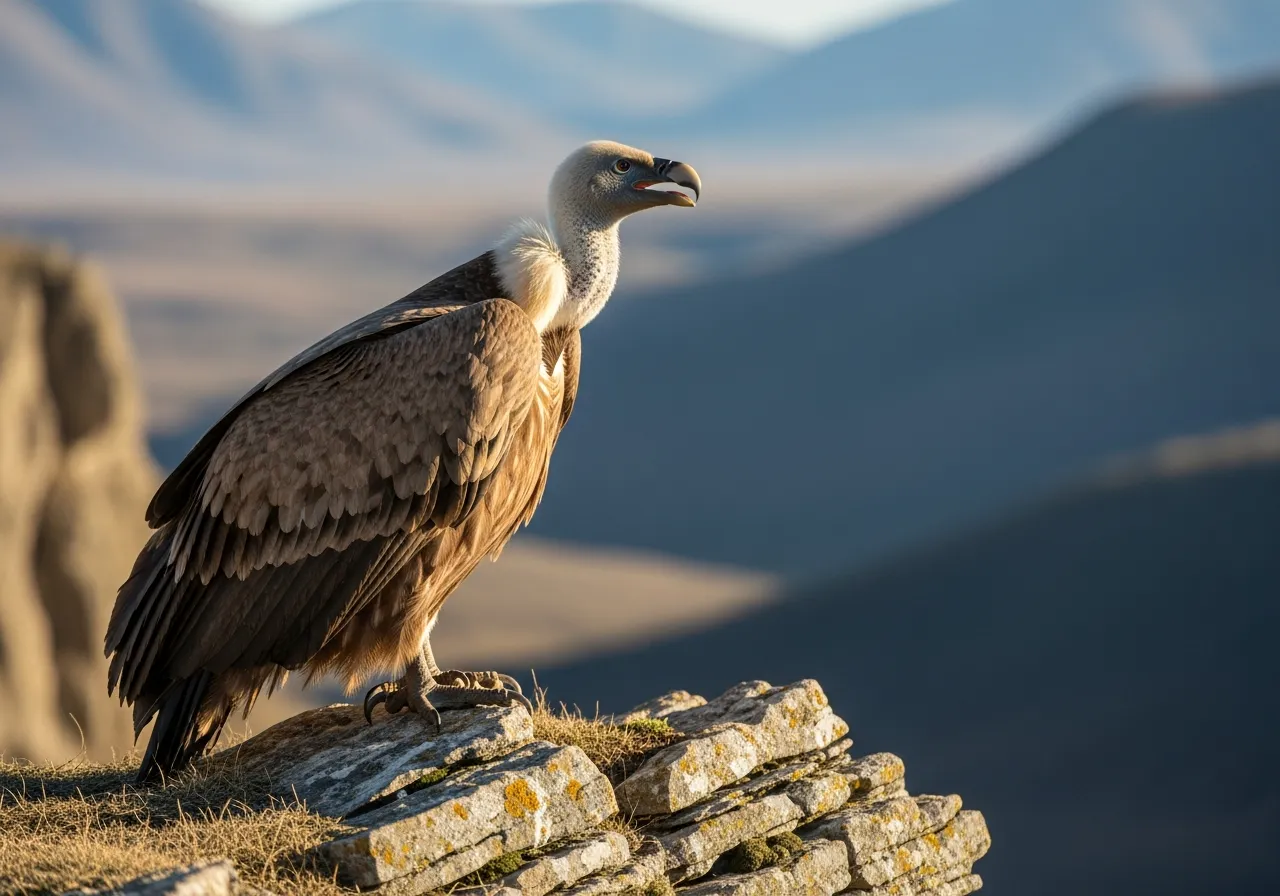
Varies; many Old World vultures Critically Endangered
Vulture
Old World vultures (family Accipitridae) and New World vultures (family Cathartidae)
A vulture is a large scavenging bird of prey that feeds mainly on carrion. There are two unrelated groups: Old World vultures of Africa, Asia and Europe, and New World vultures of the Americas, which evolved similar features independently. Most have a bald head and soar to find food.
Read the guide →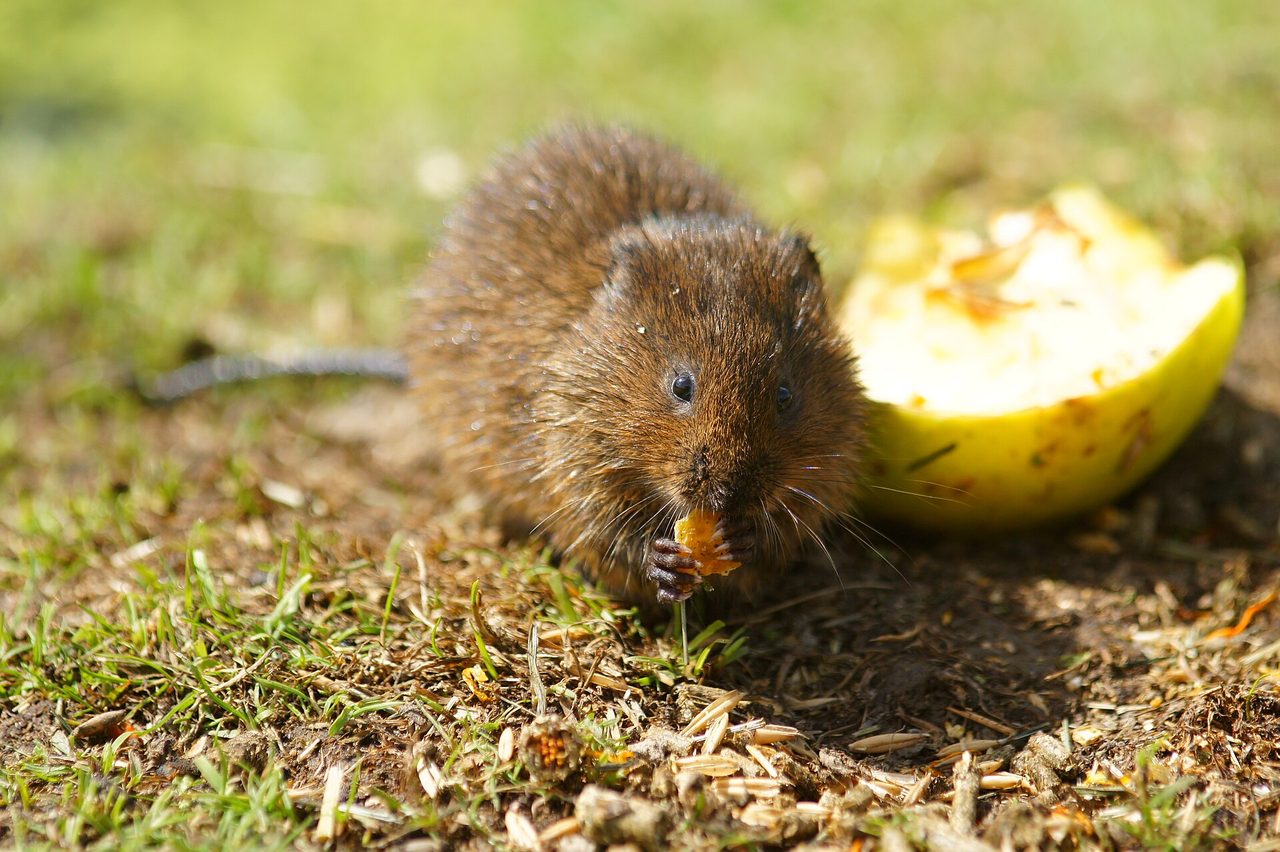
Least Concern globally; rapidly declining in the UK
Water Vole
Arvicola amphibius
A water vole (Arvicola amphibius) is a large, semi-aquatic rodent found along rivers, ditches and reed beds across Europe and western Asia. With chestnut fur, a blunt muzzle and a furry tail, it is a true vole — not a rat — and the inspiration for "Ratty" in The Wind in the Willows.
Read the guide →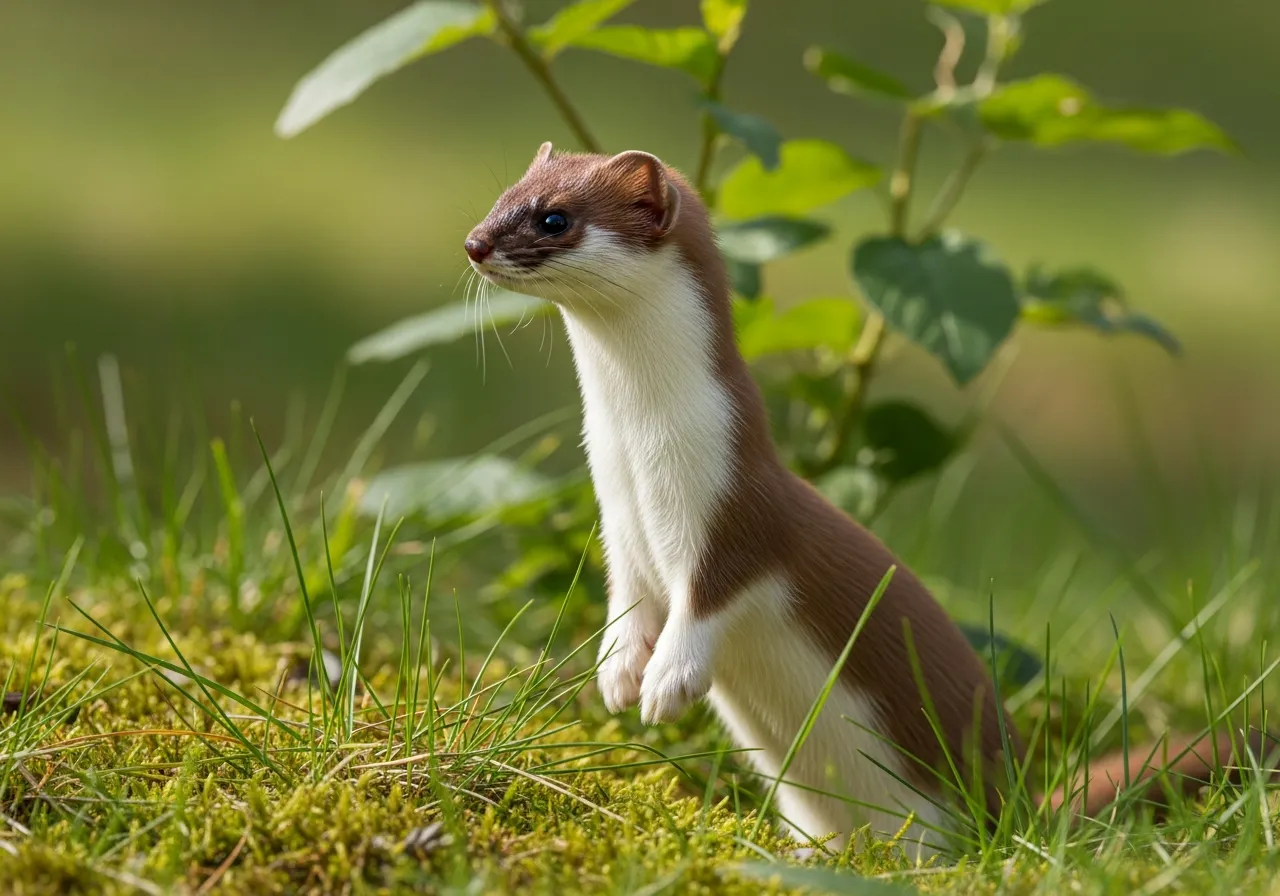
Least Concern (IUCN, 2016 assessment)
Weasel
Mustela nivalis
A weasel (Mustela nivalis), or least weasel, is the world's smallest carnivorous mammal: a slim, agile, short-legged hunter with a brown back and pale belly. Found across Europe, Asia and North America, it preys mainly on mice and voles, chasing them into their own burrows.
Read the guide →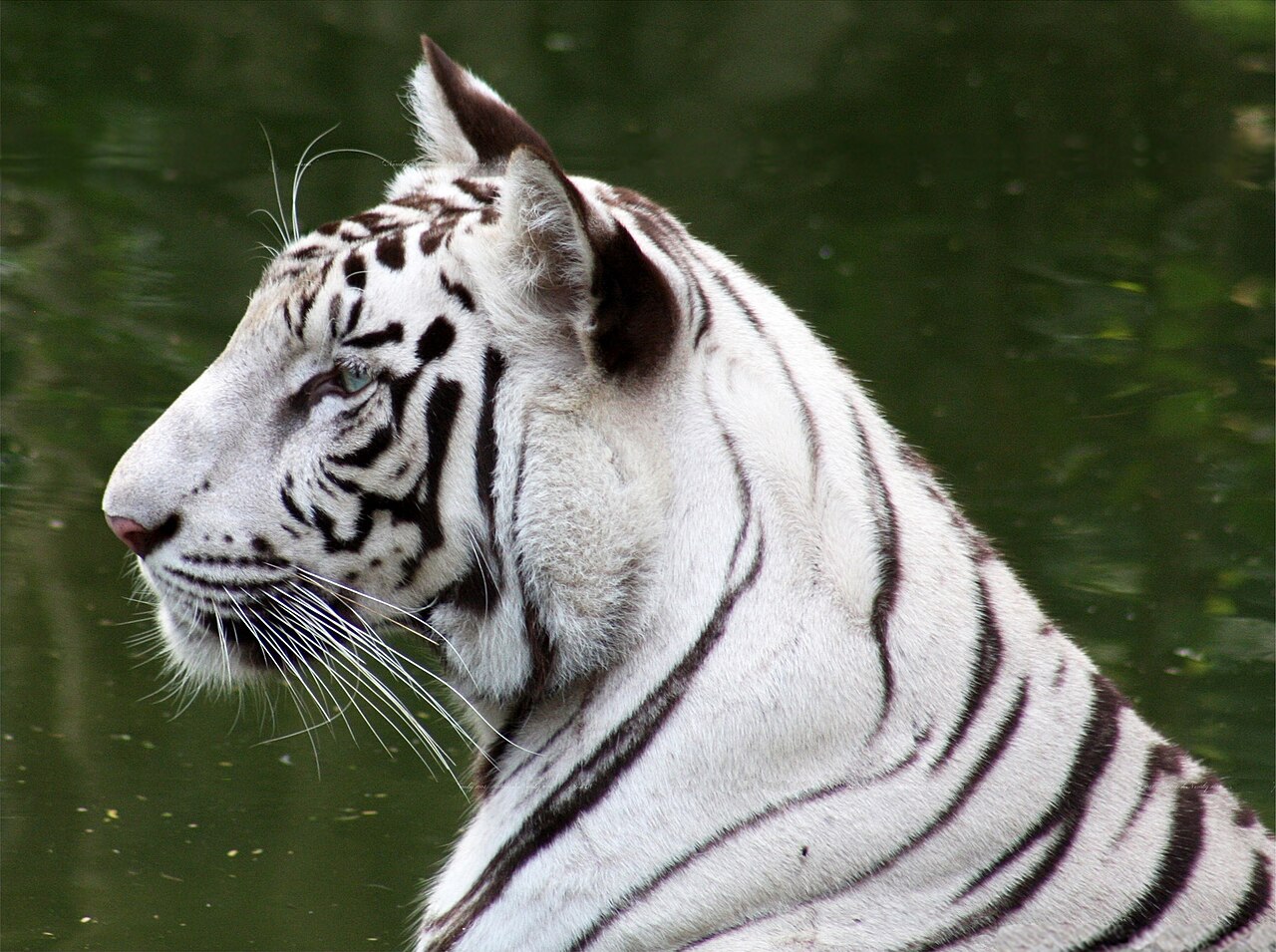
Colour morph; tiger species assessed separately
White Tiger
Panthera tigris — white colour morph
A white tiger is a colour variant of Panthera tigris, not a separate species. Its pale coat is associated with a recessive SLC45A2 variant. White tigers have no separate IUCN assessment; the tiger species is Endangered.
Read the guide →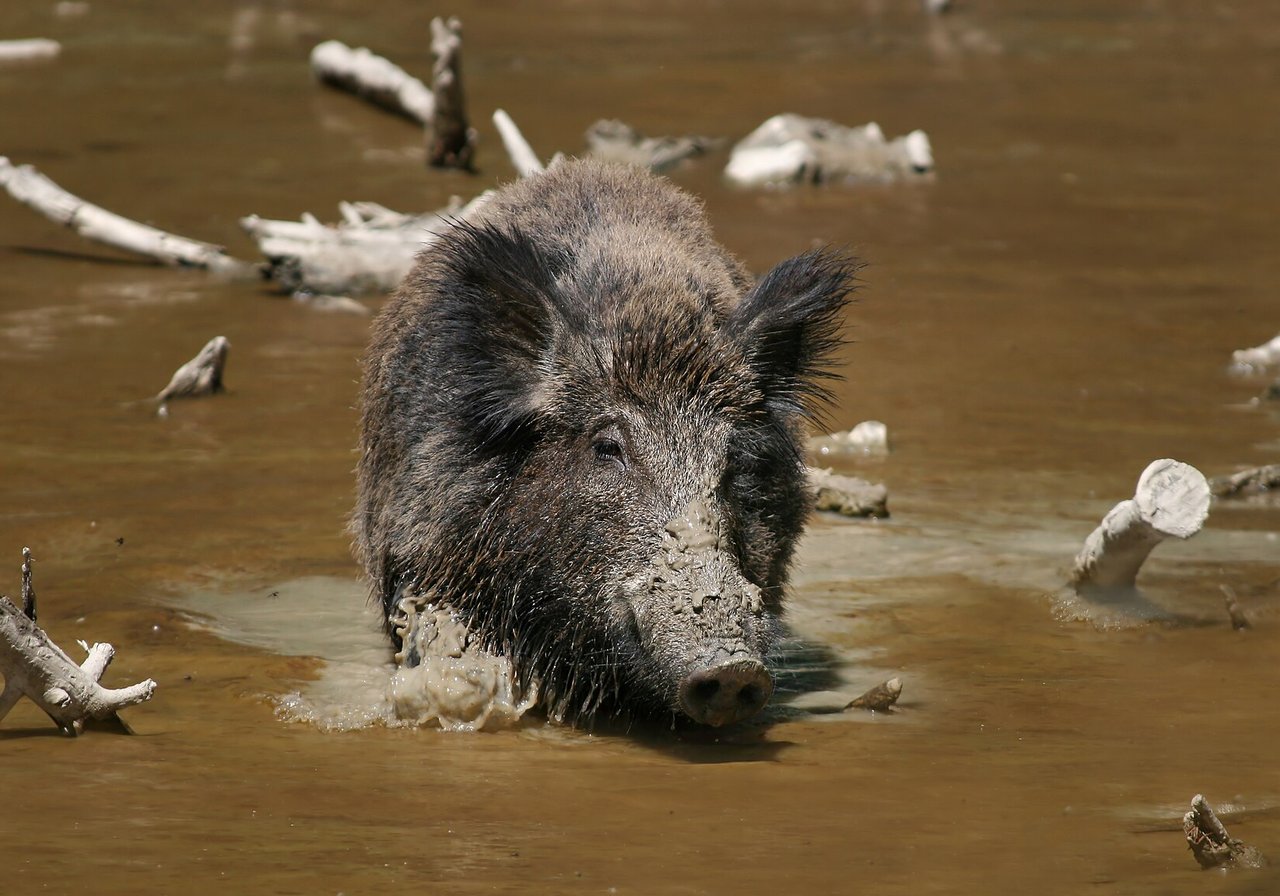
Least Concern (IUCN)
Wild Boar
Sus scrofa (Linnaeus, 1758)
The wild boar (Sus scrofa) is a Least Concern suid native across Europe, Asia and North Africa — ancestor of the domestic pig, widespread from Pakistan to Indonesia and increasing across Europe.
Read the guide →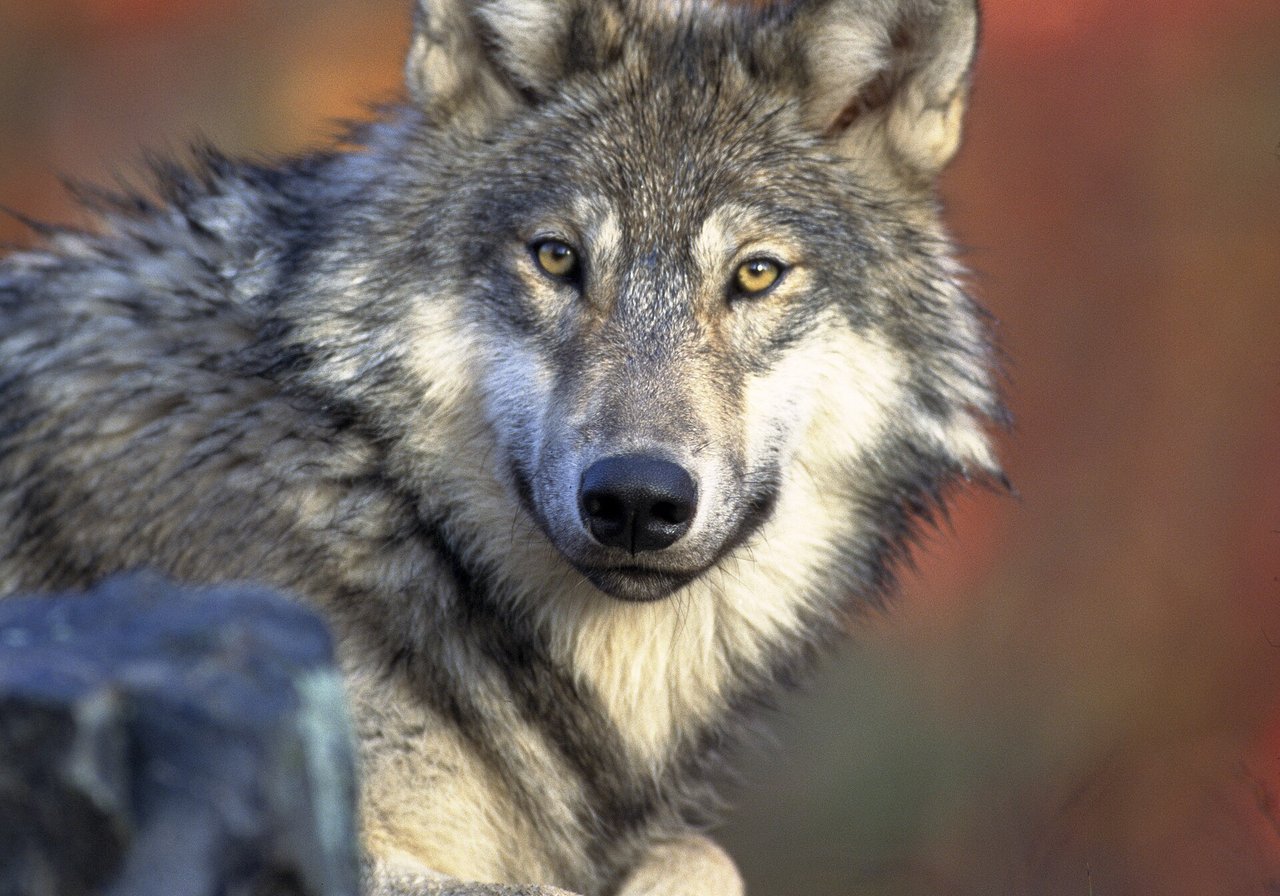
Least Concern globally (IUCN); regional populations vary
Wolf
Canis lupus (Linnaeus, 1758) and related subspecies
The grey wolf (Canis lupus) is a Least Concern pack-hunting canid of the Northern Hemisphere and wild ancestor of dogs — regionally extirpated in much of Europe and North America but recovering where reintroduced.
Read the guide →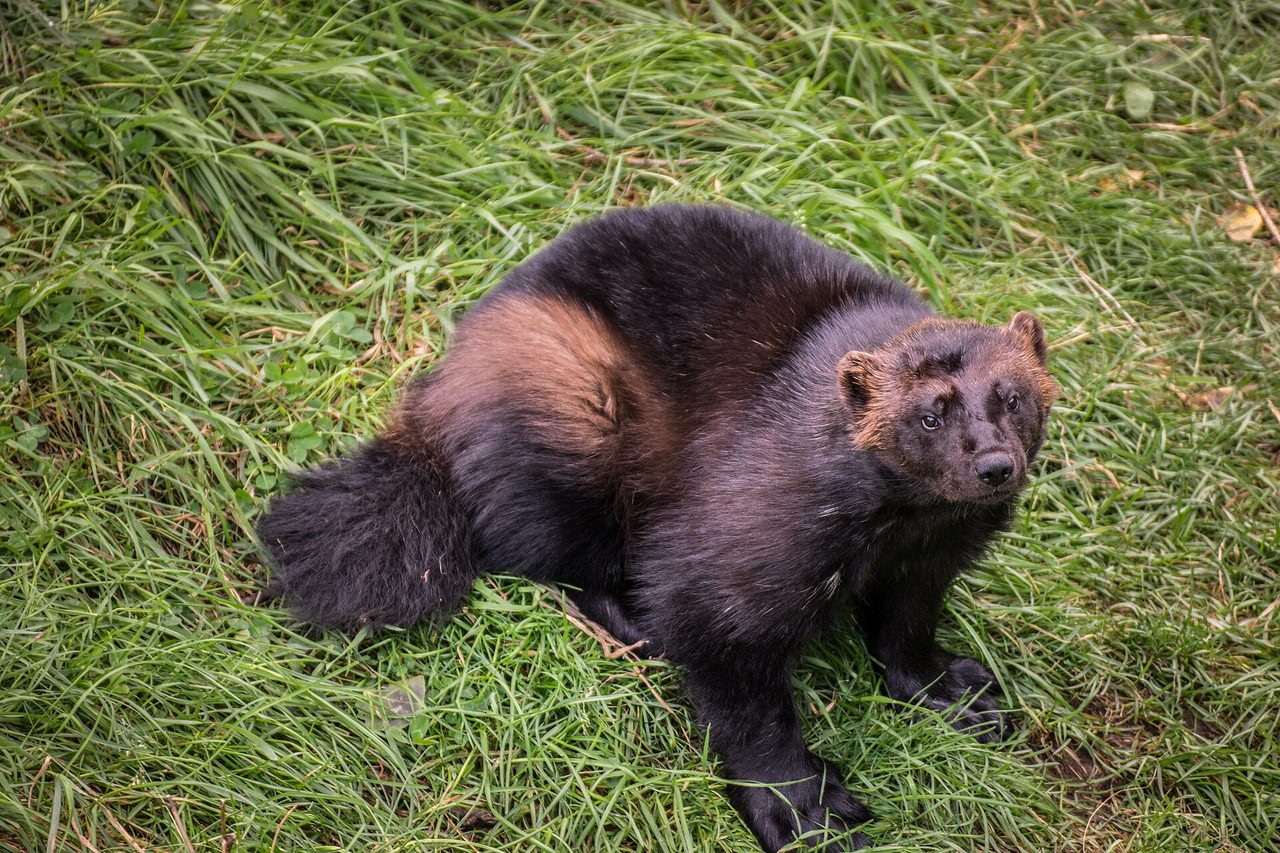
Least Concern (IUCN)
Wolverine
Gulo gulo
The wolverine (Gulo gulo) is a large, powerful member of the weasel family found across boreal and Arctic regions of North America and Eurasia, classified as Least Concern globally by the IUCN but facing serious pressure from climate-driven snowpack loss, trapping, and habitat fragmentation.
Read the guide →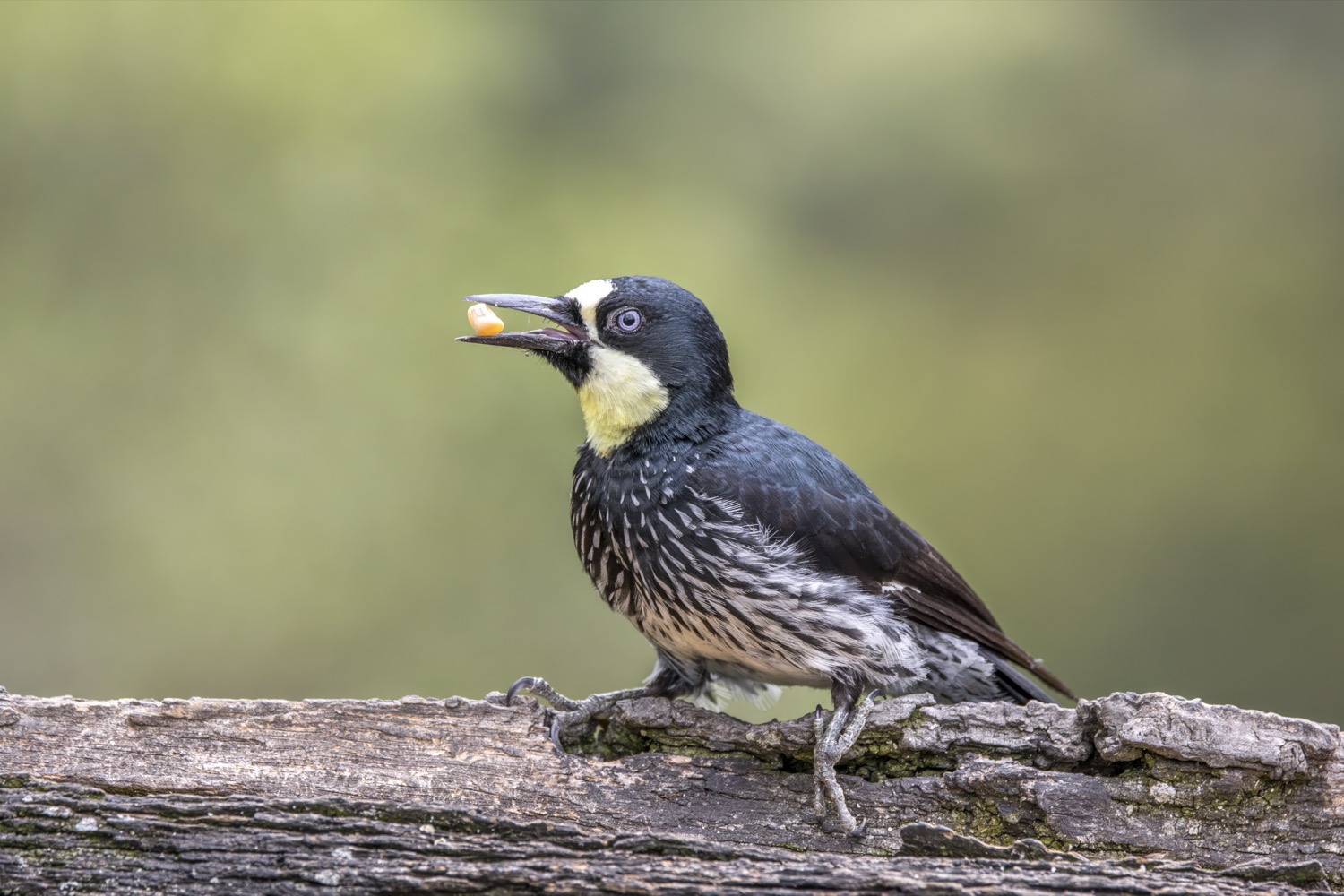
Varies by species; most Least Concern
Woodpecker
Picidae
A woodpecker is a tree-climbing bird of the family Picidae, with around 240 species worldwide. It uses a chisel-like bill to drum and excavate wood, aided by a shock-absorbing skull, gripping zygodactyl feet, a stiff propping tail and a long, barbed tongue for extracting insects.
Read the guide →
Domesticated — Not Evaluated (wild ancestor Critically Endangered)
Working Donkey
Equus africanus asinus (Linnaeus, 1758)
A working donkey is a domesticated donkey (Equus africanus asinus) used to carry loads, pull carts, or turn mills; it descends from the Critically Endangered African wild ass, and while the species itself is not threatened, individual working donkeys in regions such as Pakistan commonly suffer from overloading, ill-fitting harnesses, and limited veterinary access.
Read the guide →