Region
Animals in Europe
Europe is one of the most densely settled continents, and much of its wildlife lives alongside farmland, towns and managed forest. This collection gathers 116 WARN guides to animals found across Britain, Scandinavia, mainland Europe and the Mediterranean.
By WARN Research & Conservation TeamLast updated
This collection links to 116 sourced WARN guides with conservation status, key facts, threats, FAQs and references.
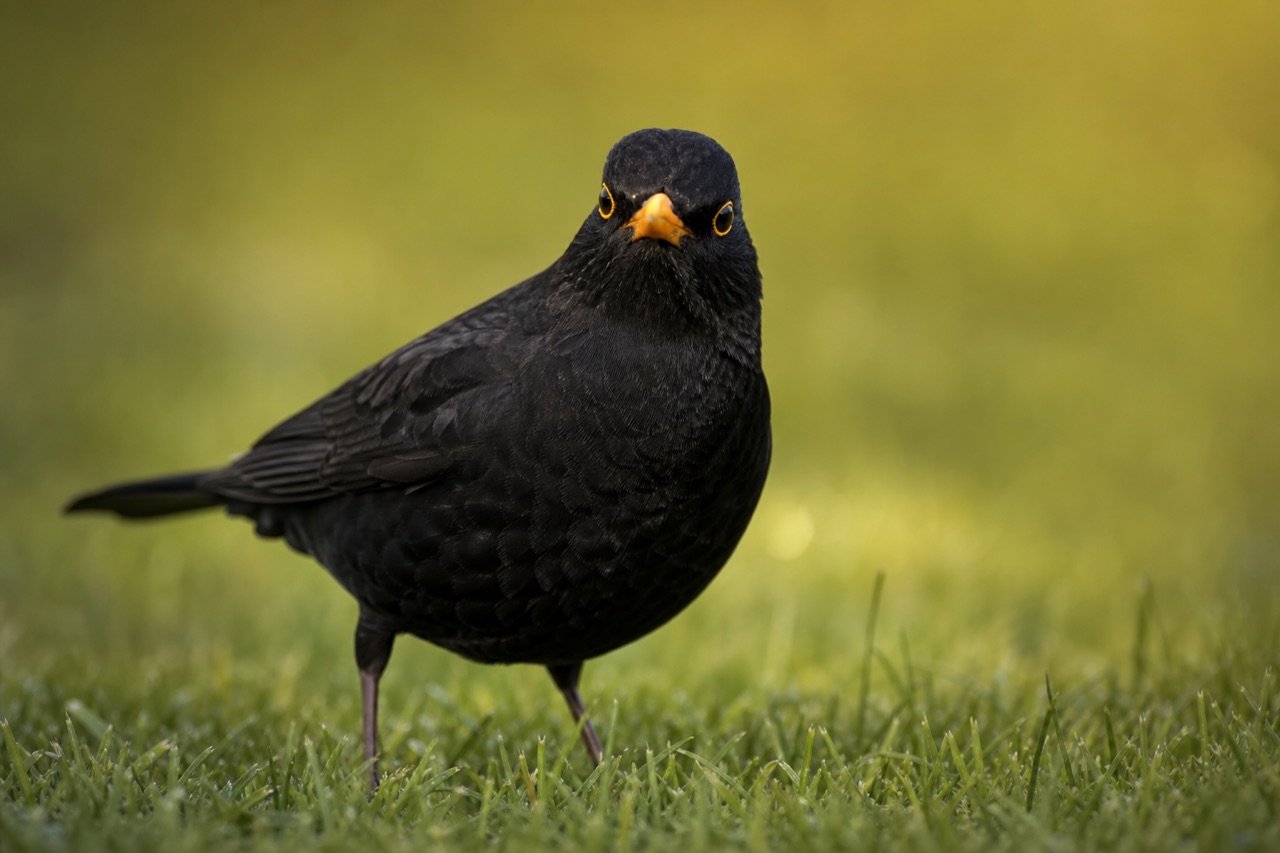
Least Concern — abundant in gardens; nests suffer heavy predation from cats
Blackbird
Turdus merula (Linnaeus, 1758) — family Turdidae
The Eurasian blackbird (Turdus merula) is a common British garden thrush; males are black with an orange bill, females are brown, and pairs nest in hedges and shrubs while feeding on worms, insects and berries — with domestic cats among the main causes of nest failure.
Read the guide →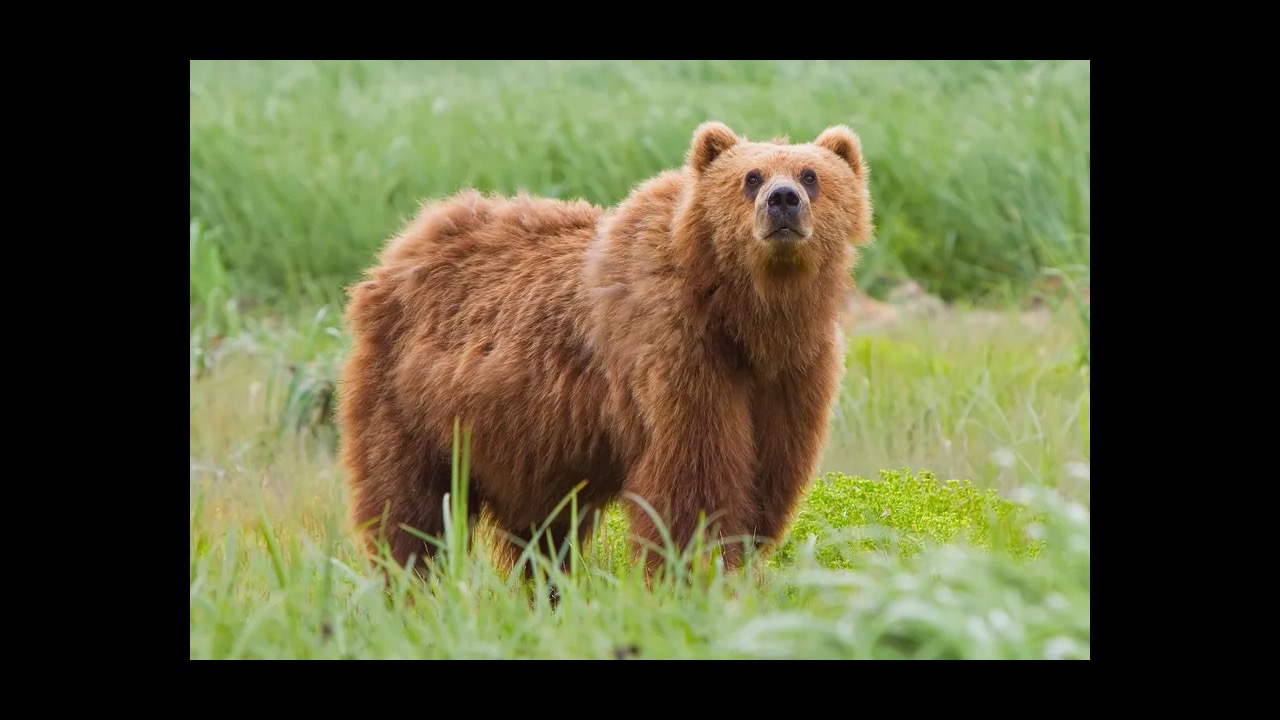
Least Concern
Brown Bear
Ursus arctos
The brown bear is one of the world's largest land carnivores, found across North America, Europe, and Asia. Adults typically weigh 130–360 kg (290–800 lb), run up to 56 km/h (35 mph), and hibernate through winter in dens.
Read the guide →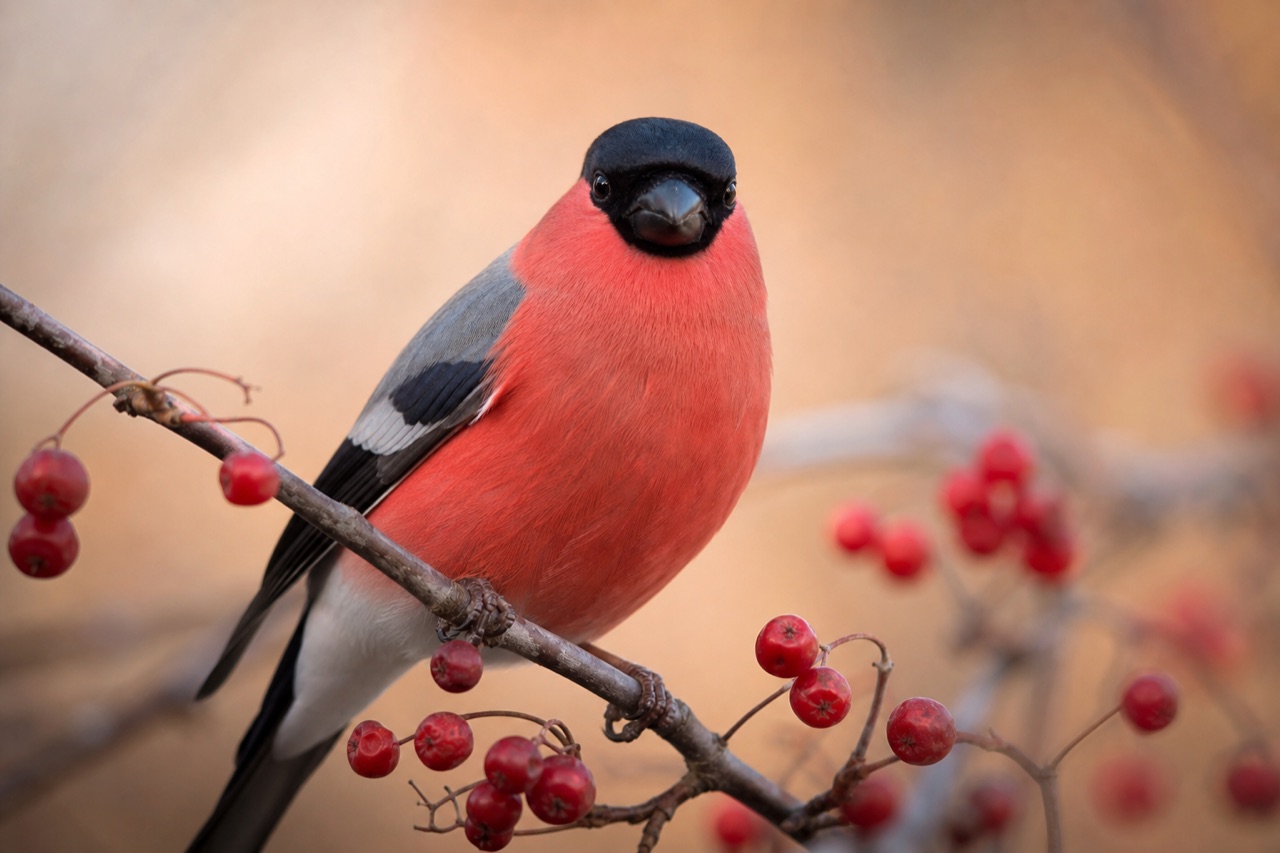
Least Concern — shy garden visitor; orchard bud-feeding brings local conflict
Bullfinch
Pyrrhula pyrrhula (Linnaeus, 1758) — family Fringillidae
The bullfinch (Pyrrhula pyrrhula) is a shy, rosy-pink finch with a broad bill adapted for clipping fruit-tree buds in late winter; it visits gardens near scrub and orchards locally rather than abundantly, and orchard bud damage brings historical conflict with fruit growers.
Read the guide →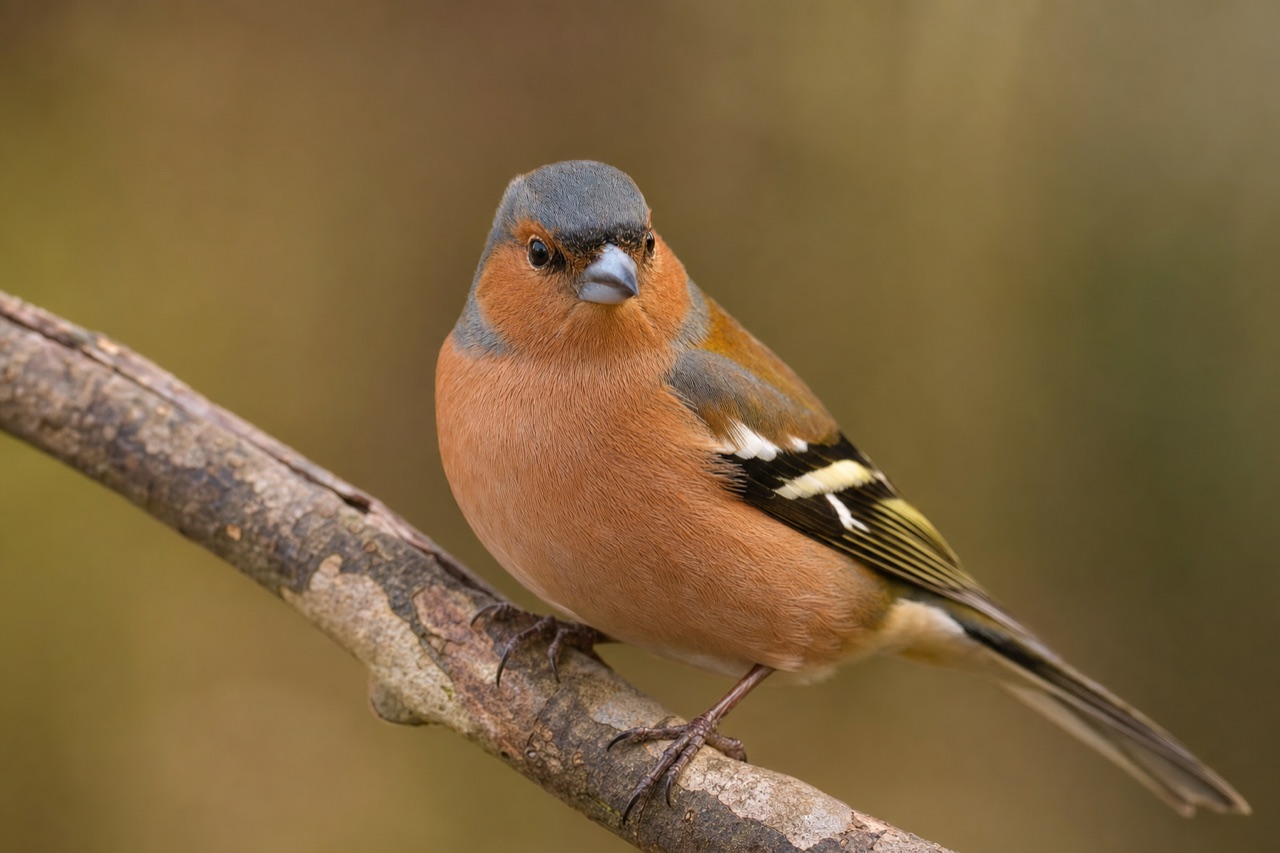
Least Concern — Britain's commonest finch; feeder spillage specialist
Chaffinch
Fringilla coelebs (Linnaeus, 1758) — family Fringillidae
The chaffinch (Fringilla coelebs) is Britain's commonest finch — a pink-breasted male in spring, brown female year-round, feeding on invertebrates in summer and seed beneath garden feeders in winter, with a loud cascading song from treetops.
Read the guide →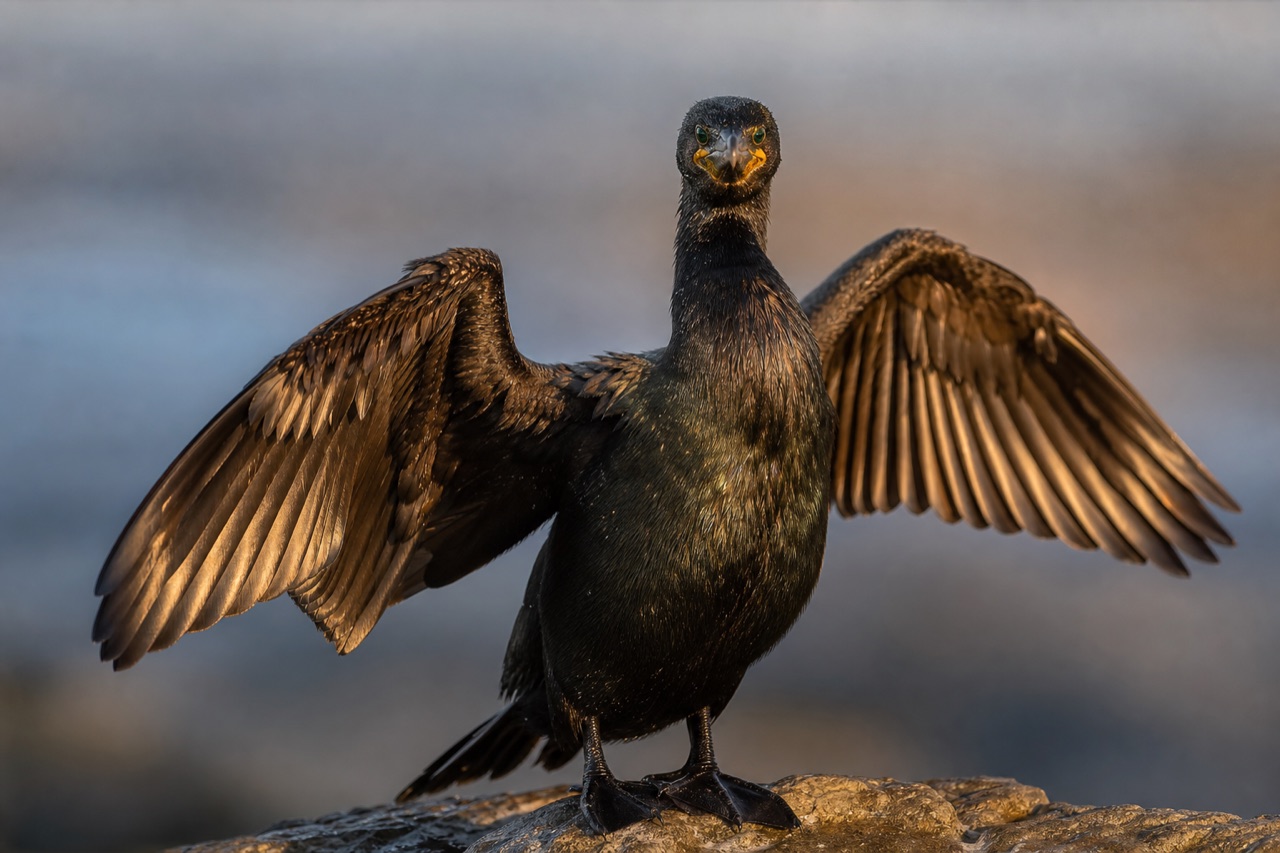
Least Concern — fish-eating diver; conflict with fisheries but populations recovering in Europe
Cormorant
Phalacrocorax carbo (Linnaeus, 1758) — family Phalacrocoracidae
The great cormorant (Phalacrocorax carbo) is a large black fish-eating bird that dives underwater, dries its wings after swimming, nests in tree or cliff colonies, and is widespread on British coasts and inland waters — with local conflict over fish consumption.
Read the guide →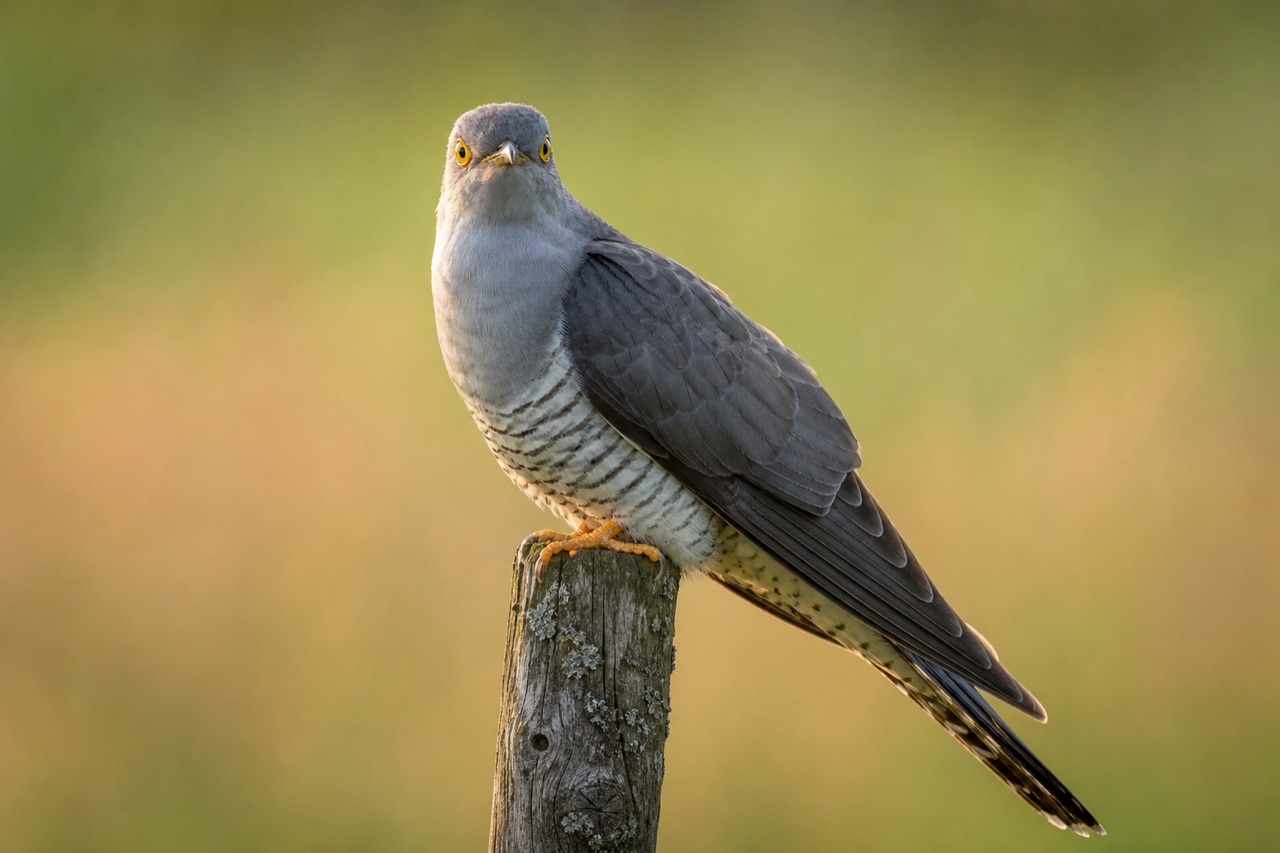
Least Concern globally — Red-listed in Britain after steep breeding decline
Cuckoo
Cuculus canorus (Linnaeus, 1758) — family Cuculidae
The common cuckoo (Cuculus canorus) is a brood-parasitic migrant whose male's two-note call marks British spring; females lay in other birds' nests, and British breeding numbers have declined steeply — Red-listed — linked to caterpillar loss and migration pressures.
Read the guide →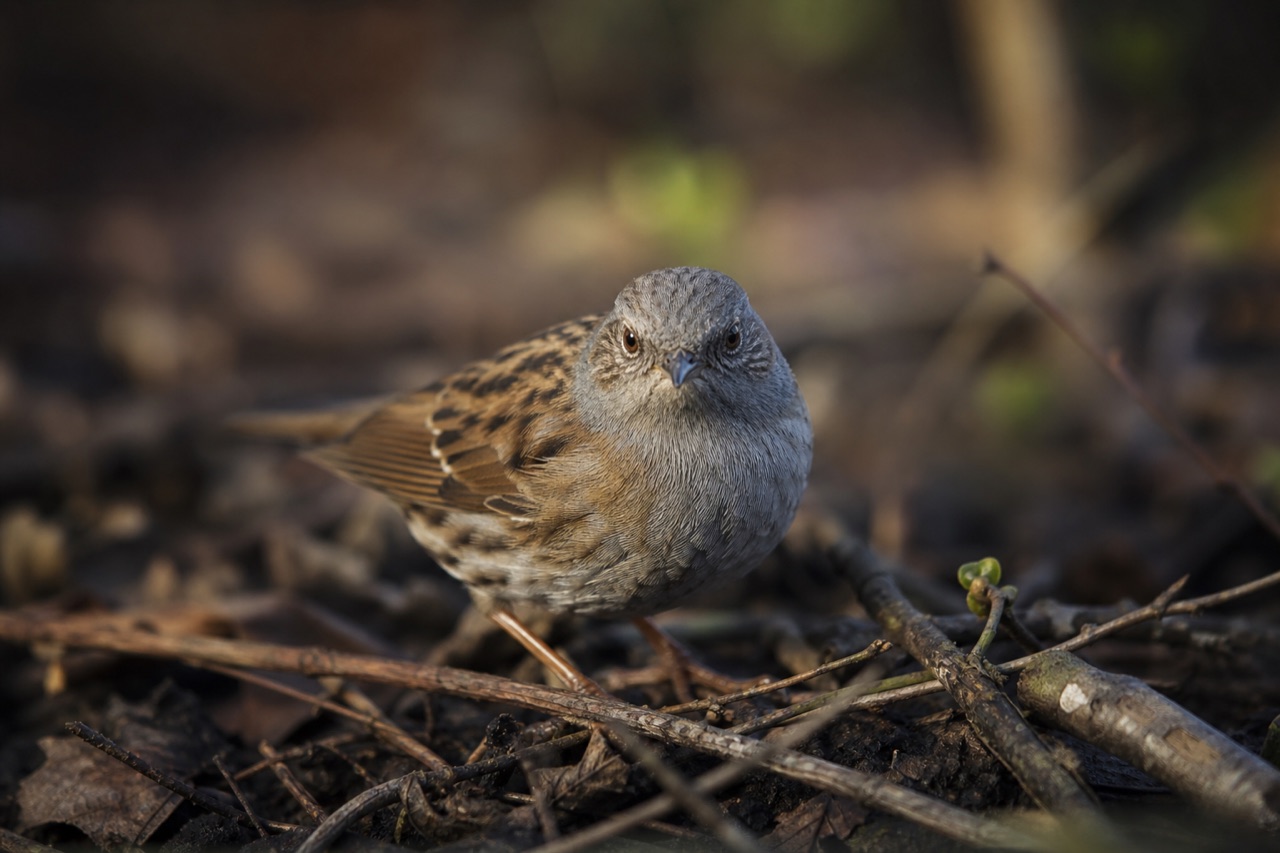
Least Concern — the quiet hedge bird with complicated breeding behaviour
Dunnock
Prunella modularis (Linnaeus, 1758) — family Prunellidae
The dunnock (Prunella modularis) is a small streaky brown hedge bird that forages on the ground beneath garden shrubs, sings a thin reeling warble, and is known for complex breeding arrangements — multiple males or females sharing territories — while depending on dense cover and cat-safe hedges.
Read the guide →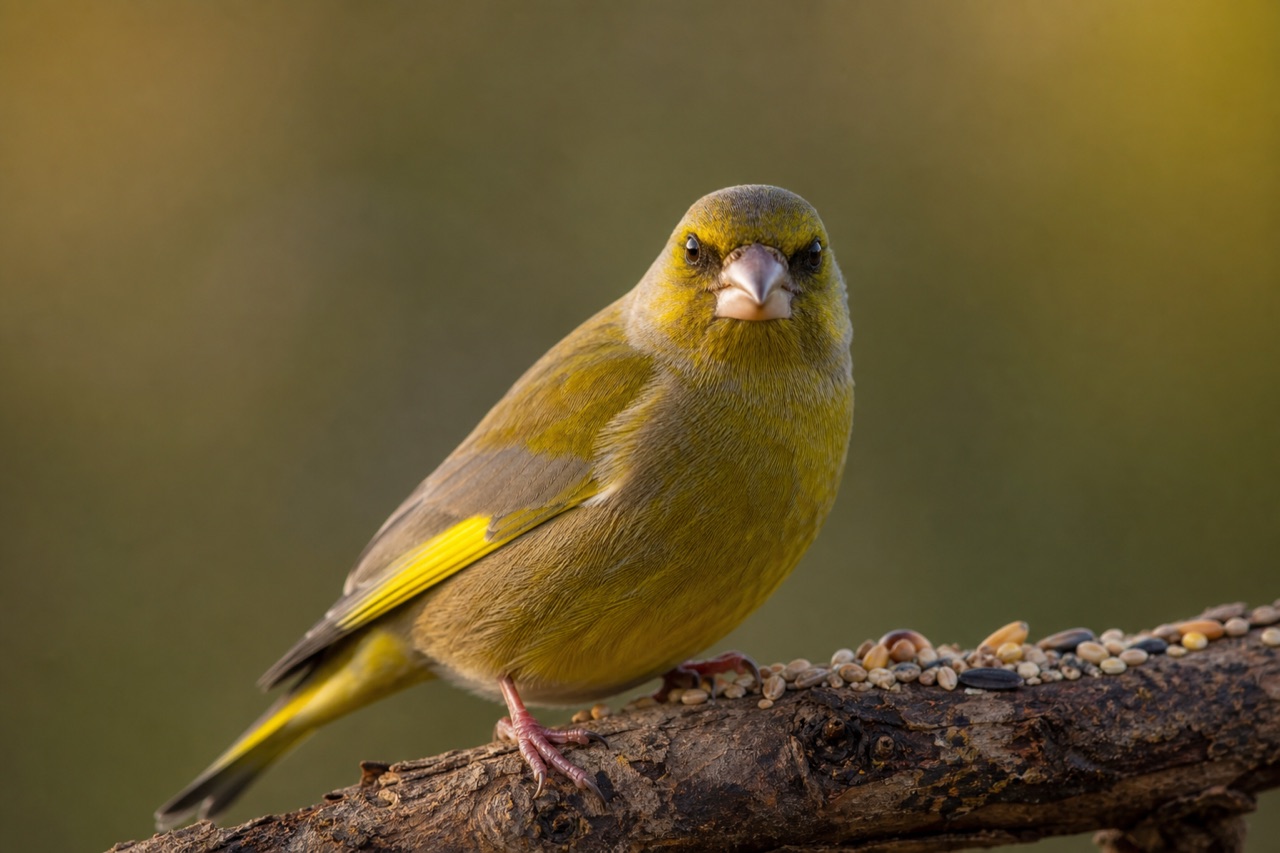
Family overview — status varies; greenfinch declined from trichomonosis, chaffinch and goldfinch remain common
Finch
Fringillidae — family of seed-eating passerines including Fringilla, Carduelis, Pyrrhula and related genera
Finches are seed-eating birds in the family Fringillidae with conical bills adapted for husking seeds; British garden species include chaffinch, goldfinch, greenfinch and bullfinch, with population trends varying from abundant to disease-affected.
Read the guide →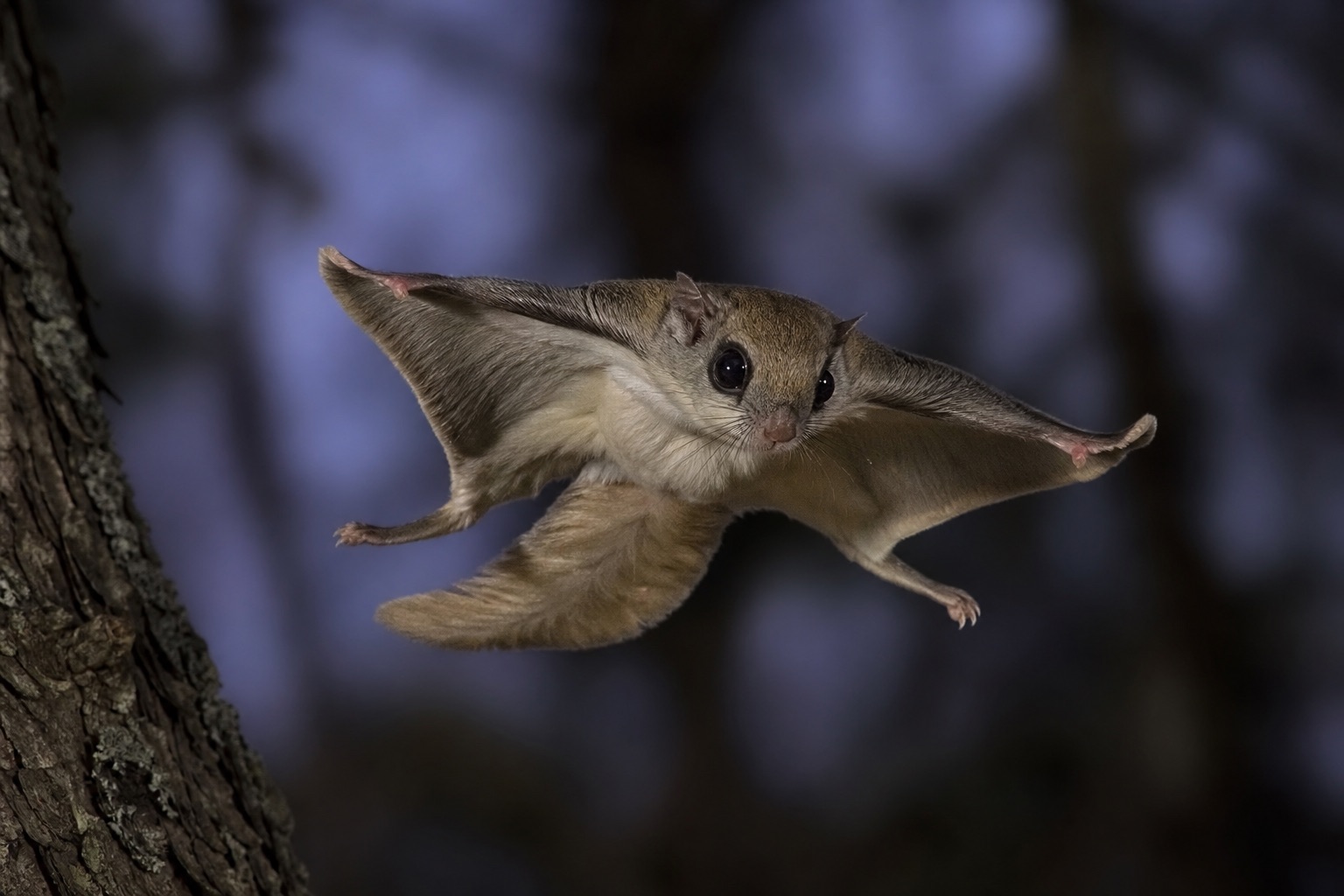
Varies by species — North American Glaucomys species Least Concern; some Asian giants threatened
Flying Squirrel
Tribe Pteromyini — over 50 species in the squirrel family Sciuridae
Flying squirrels are over 50 species of nocturnal gliding rodents with a skin membrane between wrists and ankles; they cannot truly fly, and a 2019 study found that all three North American Glaucomys species fluoresce pink under ultraviolet light.
Read the guide →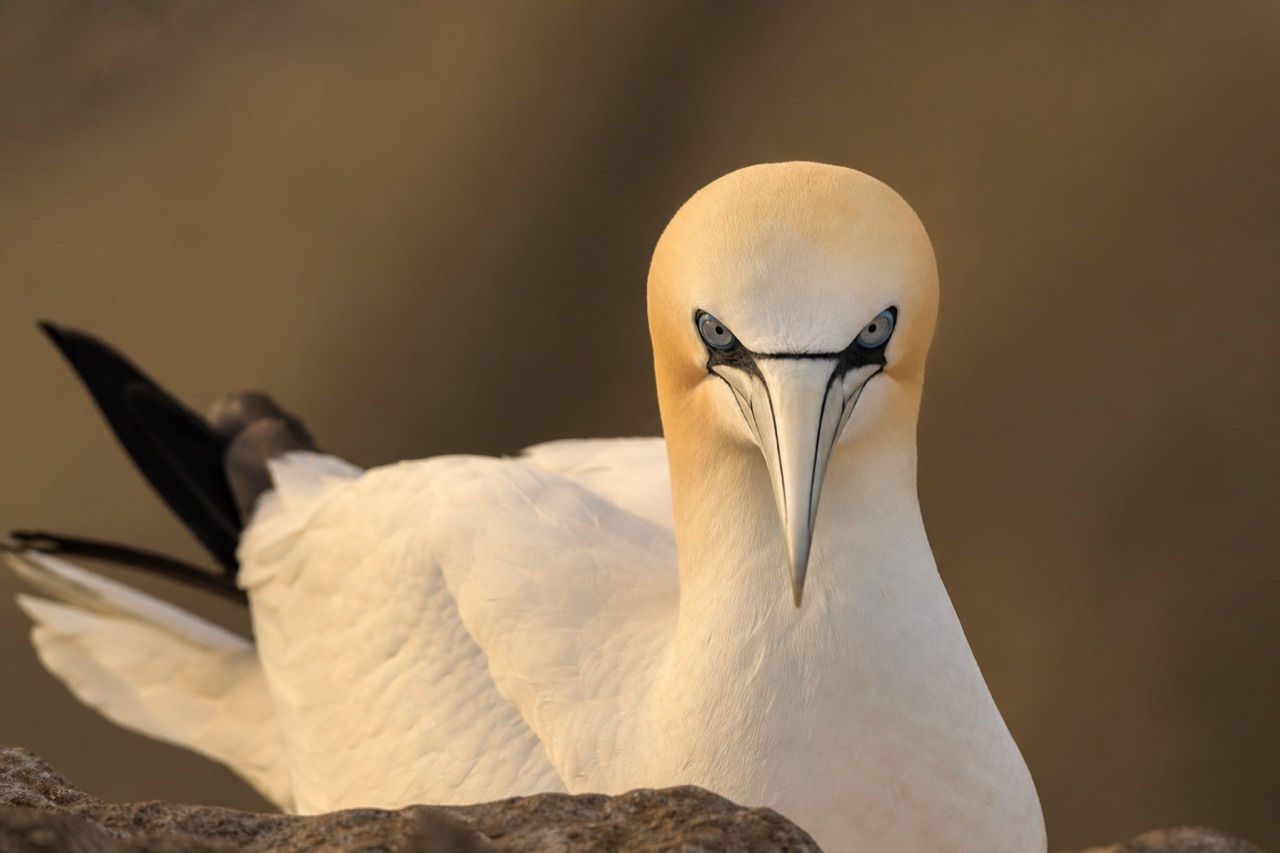
Least Concern — North Atlantic plunge-diver; large colonies on British cliffs
Gannet
Morus bassanus (Linnaeus, 1758) — family Sulidae
The northern gannet (Morus bassanus) is a large white North Atlantic seabird that plunge-dives from height to catch fish; Britain holds major cliff colonies including Bass Rock and Bempton, with breeding success linked to sandeel and pelagic fish availability.
Read the guide →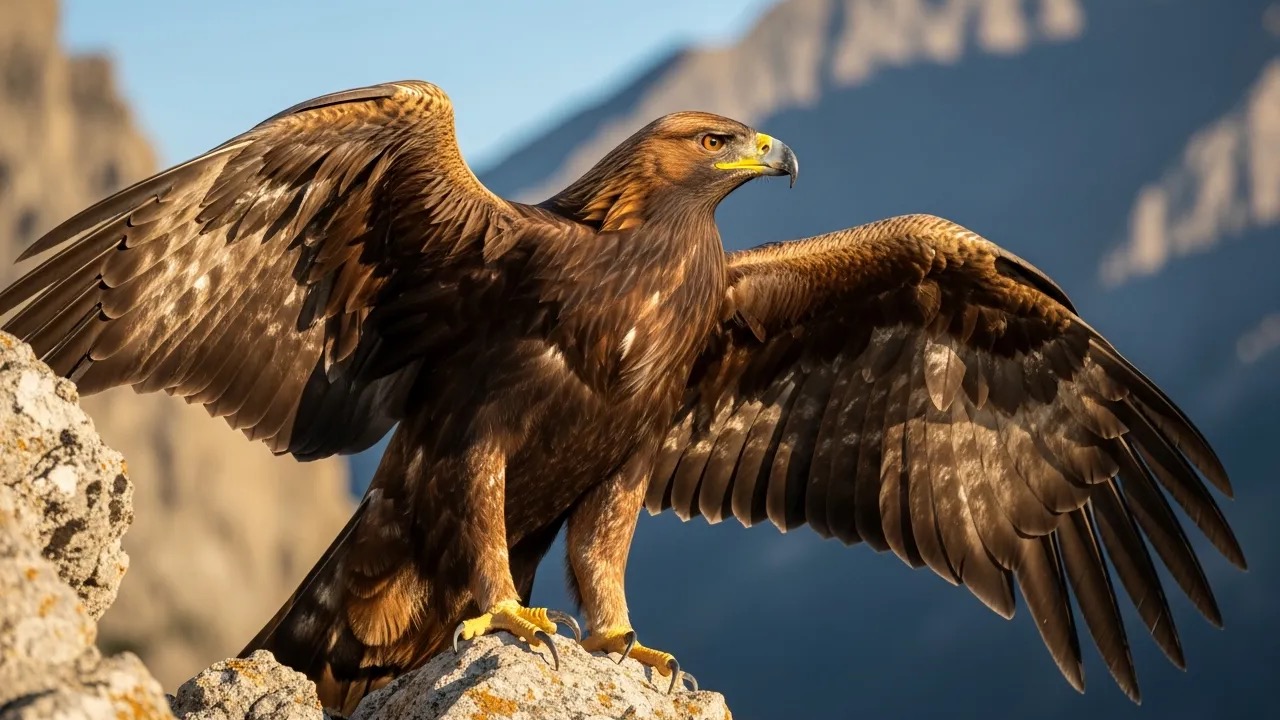
Least Concern
Golden Eagle
Aquila chrysaetos
The golden eagle (Aquila chrysaetos) is one of the largest and fastest birds of prey, found across the mountains, open hills, and tundra of the Northern Hemisphere. It weighs around 4.5 kg with a wingspan of 1.8 to 2.3 m, and in a hunting dive it can exceed 240 km/h (150 mph).
Read the guide →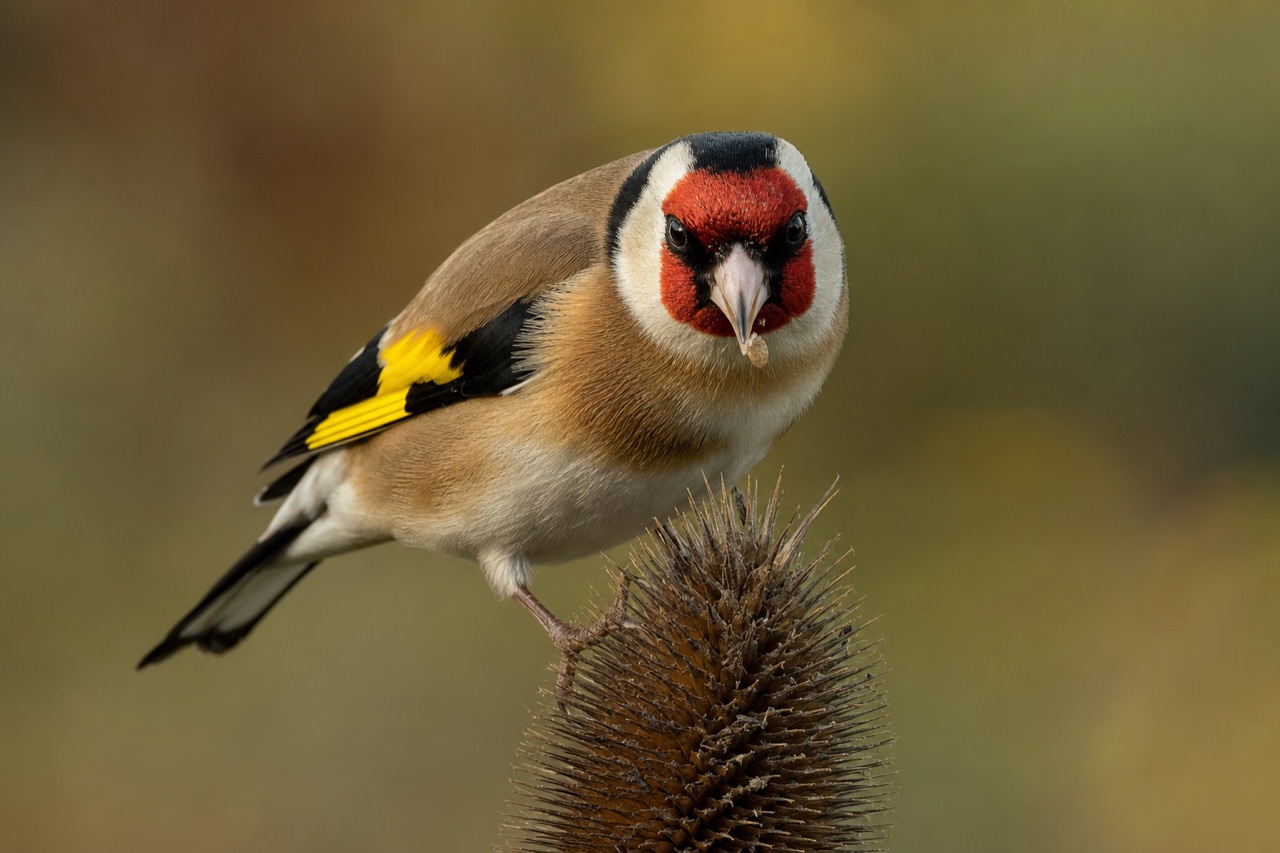
Least Concern — increasing in British gardens where nyjer and sunflower feeders are provided
Goldfinch
Carduelis carduelis (Linnaeus, 1758) — family Fringillidae
The European goldfinch (Carduelis carduelis) is a seed-eating finch with a red face and yellow wing bars; in Britain it has increased in gardens where nyjer and sunflower feeders are provided, nesting high in trees while feeding in sociable flocks at specialist seed feeders.
Read the guide →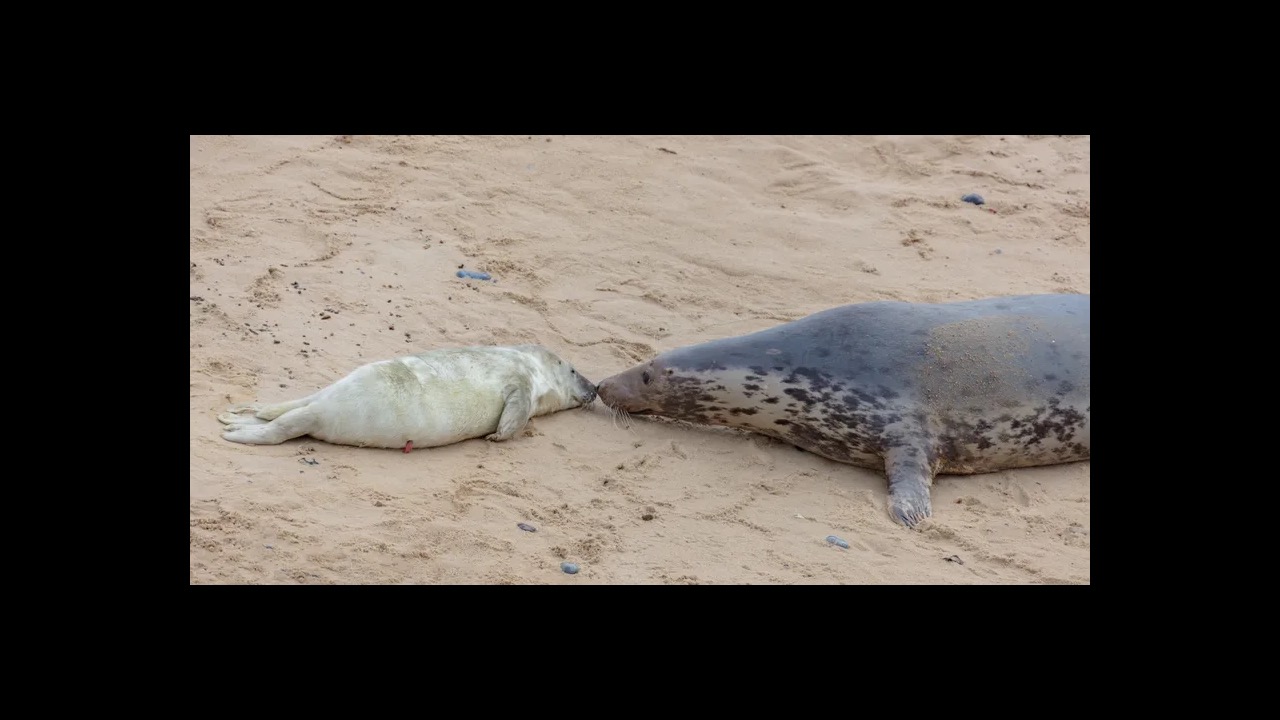
Least Concern
Grey Seal
Halichoerus grypus
The grey seal (Halichoerus grypus) is a large North Atlantic seal named for its long, horse-like muzzle. It swims after fish, squid, and crustaceans along rocky coasts, islands, and ice edges, and a big bull can weigh up to 230 kg.
Read the guide →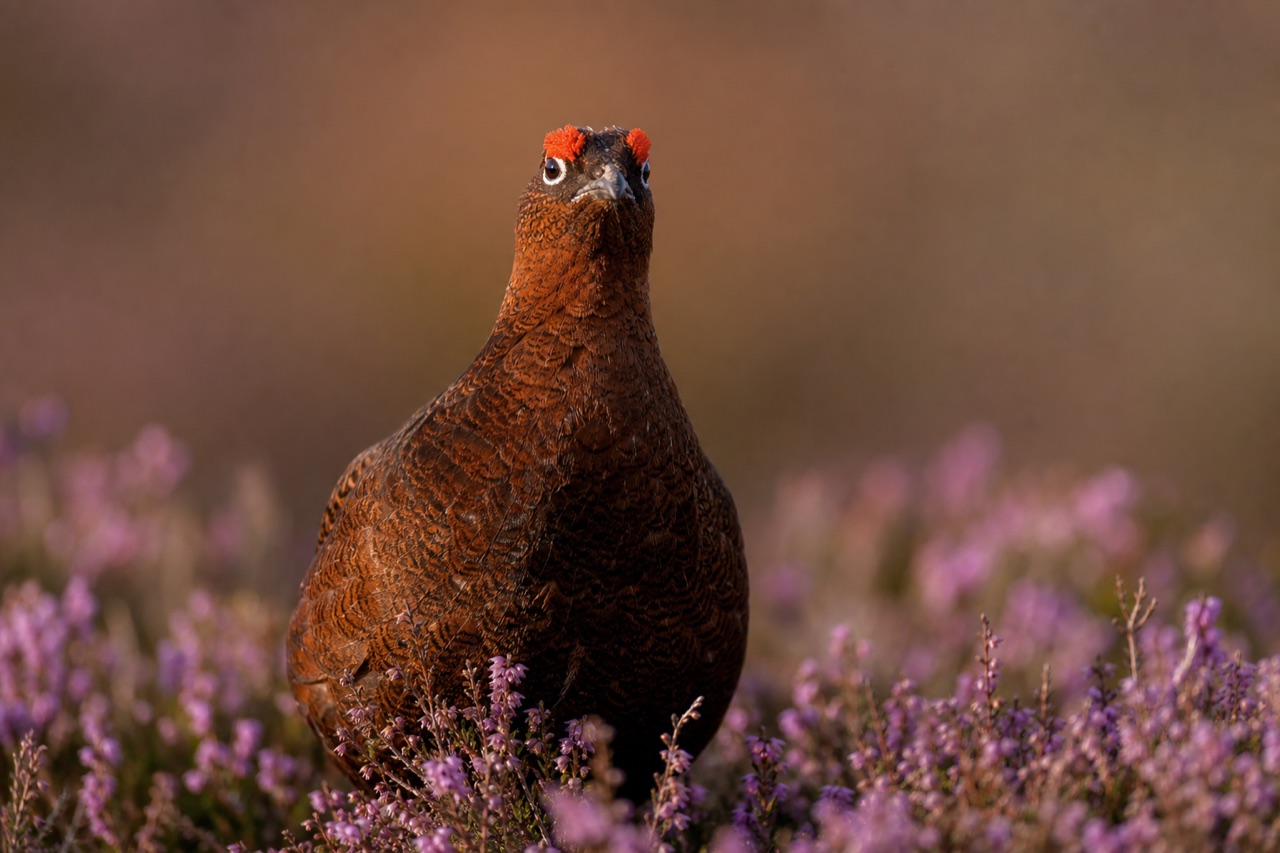
Family overview — red grouse widespread on UK moors; black grouse and capercaillie declined
Grouse
Tetraoninae — subfamily of Phasianidae including Lagopus, Tetrao and Lyrurus
Grouse are moorland and forest gamebirds; Britain holds red grouse on heather moors, declining black grouse with lek displays, and capercaillie in Scottish pine forest — status ranges from shooting-abundant to Critically Endangered as British breeders.
Read the guide →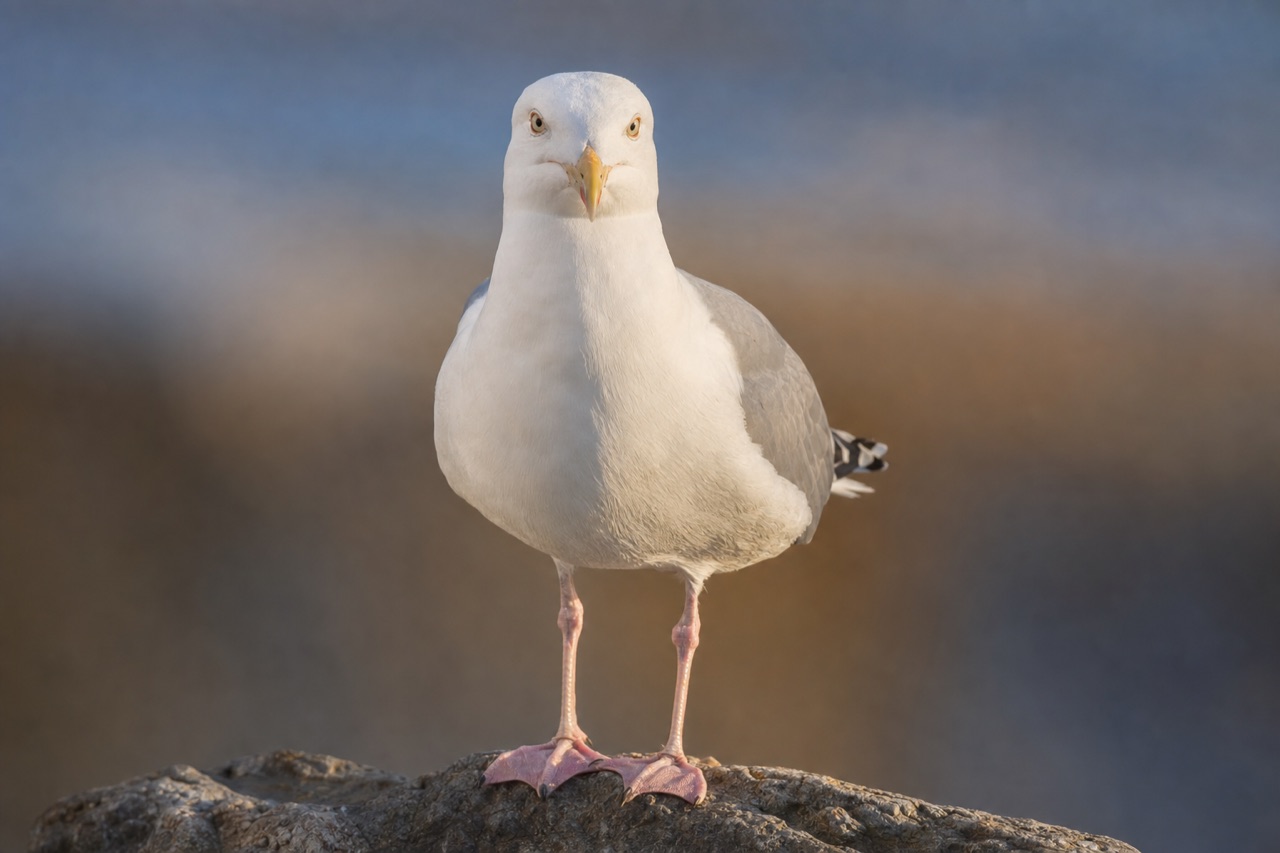
Family overview — no species called 'seagull'; several UK species Red-listed including kittiwake
Gull
Laridae — family of gulls, terns and skimmers including Larus, Chroicocephalus and related genera
Gulls belong to the family Laridae — there is no species called 'seagull'; British gulls include herring, lesser black-backed, black-headed and kittiwake, with several Red-listed or declining while remaining common in urban and coastal settings.
Read the guide →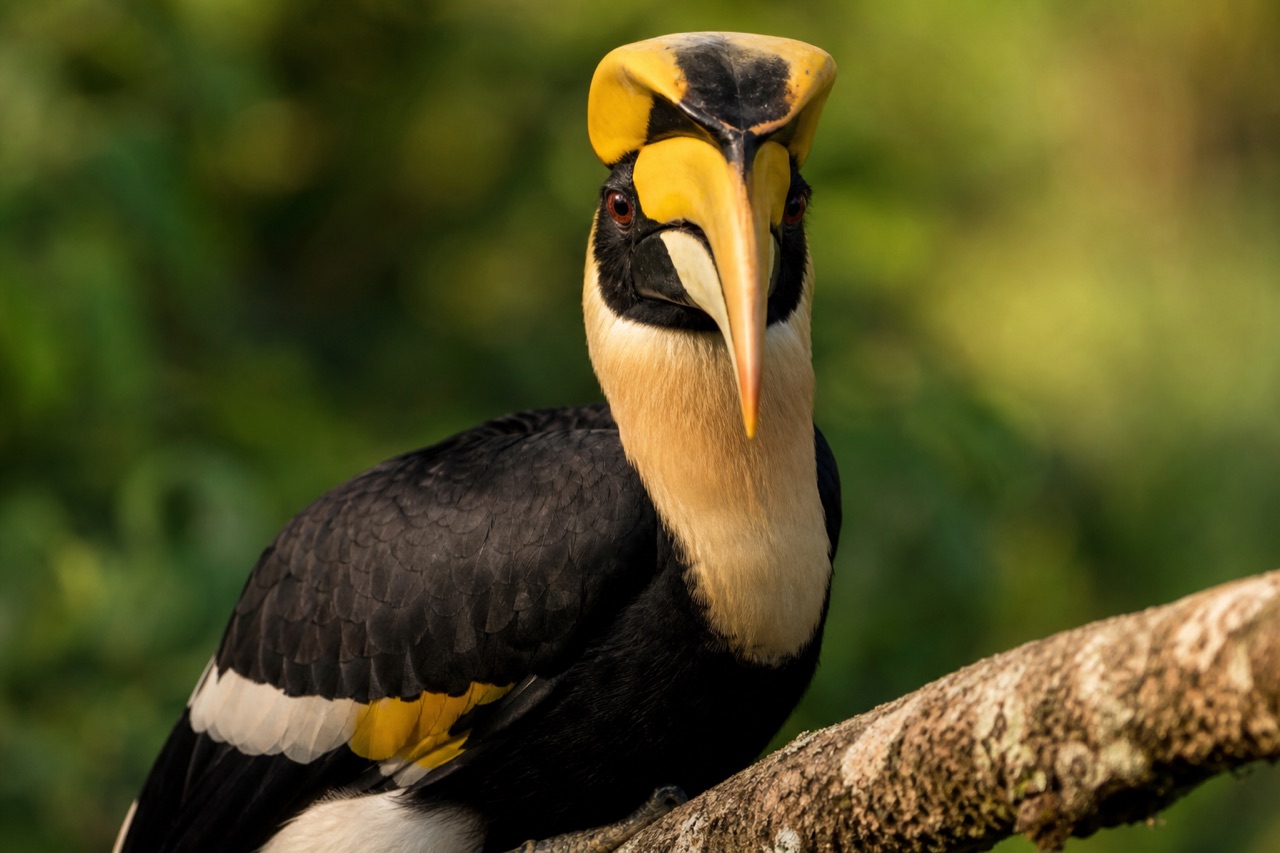
Family overview — status varies; several species Vulnerable to Critically Endangered from forest loss
Hornbill
Bucerotidae — family of tropical birds including Buceros, Anthracoceros and related genera
Hornbills are tropical forest birds of Africa and Asia with massive casqued bills; females seal themselves in tree-cavity nests, species disperse forest seeds, and family status ranges from Least Concern to Critically Endangered through logging, hunting and casque trade.
Read the guide →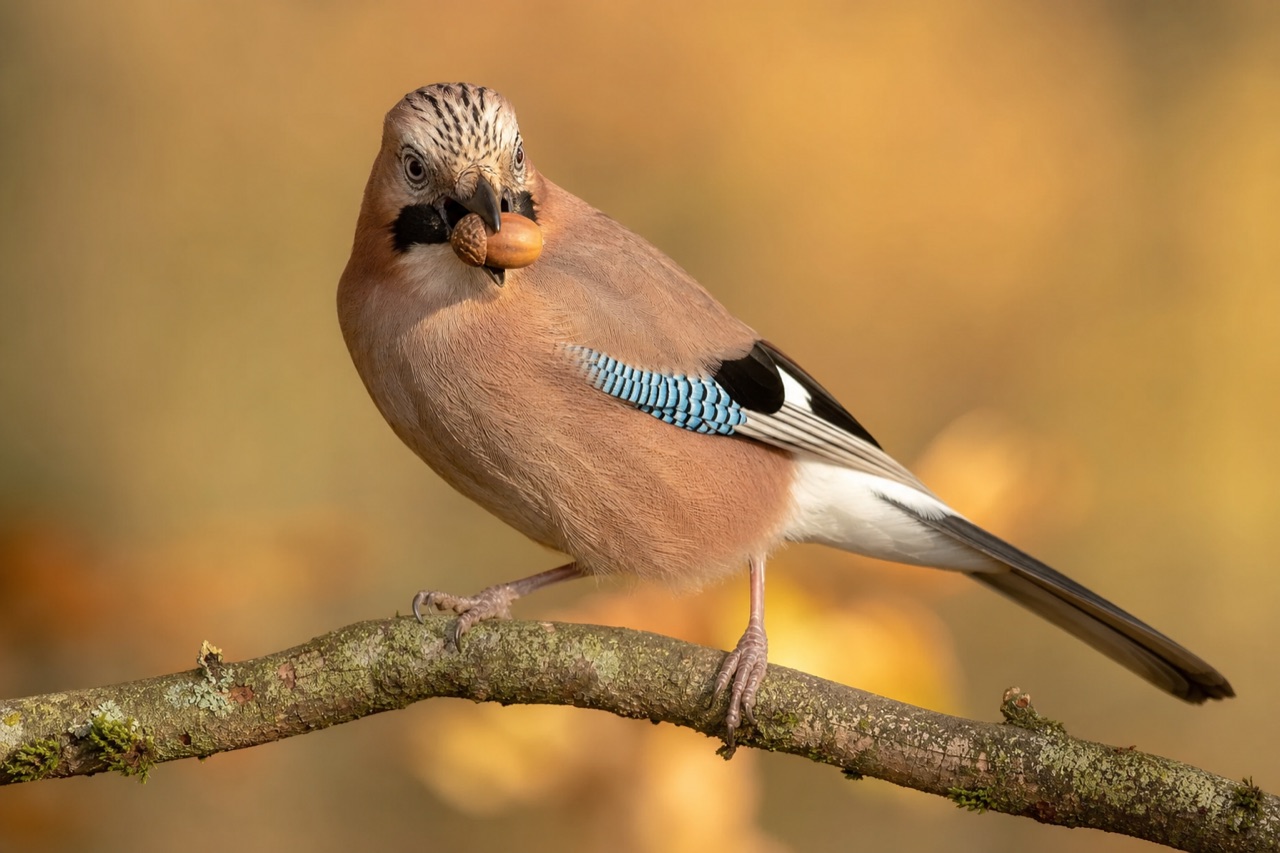
Least Concern — shy woodland corvid; acorn caching shapes oak regeneration
Jay
Garrulus glandarius (Linnaeus, 1758) — family Corvidae
The Eurasian jay (Garrulus glandarius) is a pink-brown woodland corvid with a blue wing patch, known for its harsh screech, secretive habits and autumn acorn caching that helps regenerate oak woodland across Britain and temperate Eurasia.
Read the guide →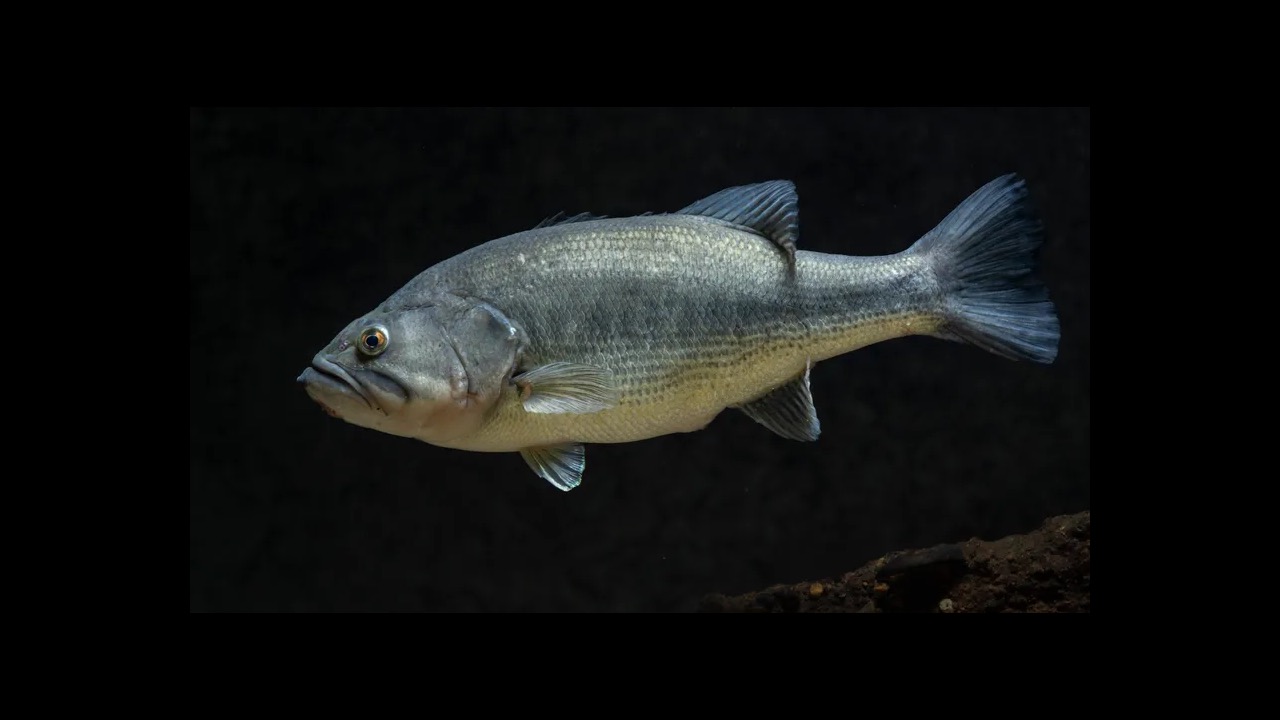
Least Concern
Largemouth Bass
Micropterus salmoides
The largemouth bass is a top predator in North American lakes and rivers, named for a jaw extending past the eye. Prized by anglers worldwide, it strikes lures aggressively, grows to 10 kg (22 lb) in rich waters, and has been stocked on every continent except Antarctica for sport fishing.
Read the guide →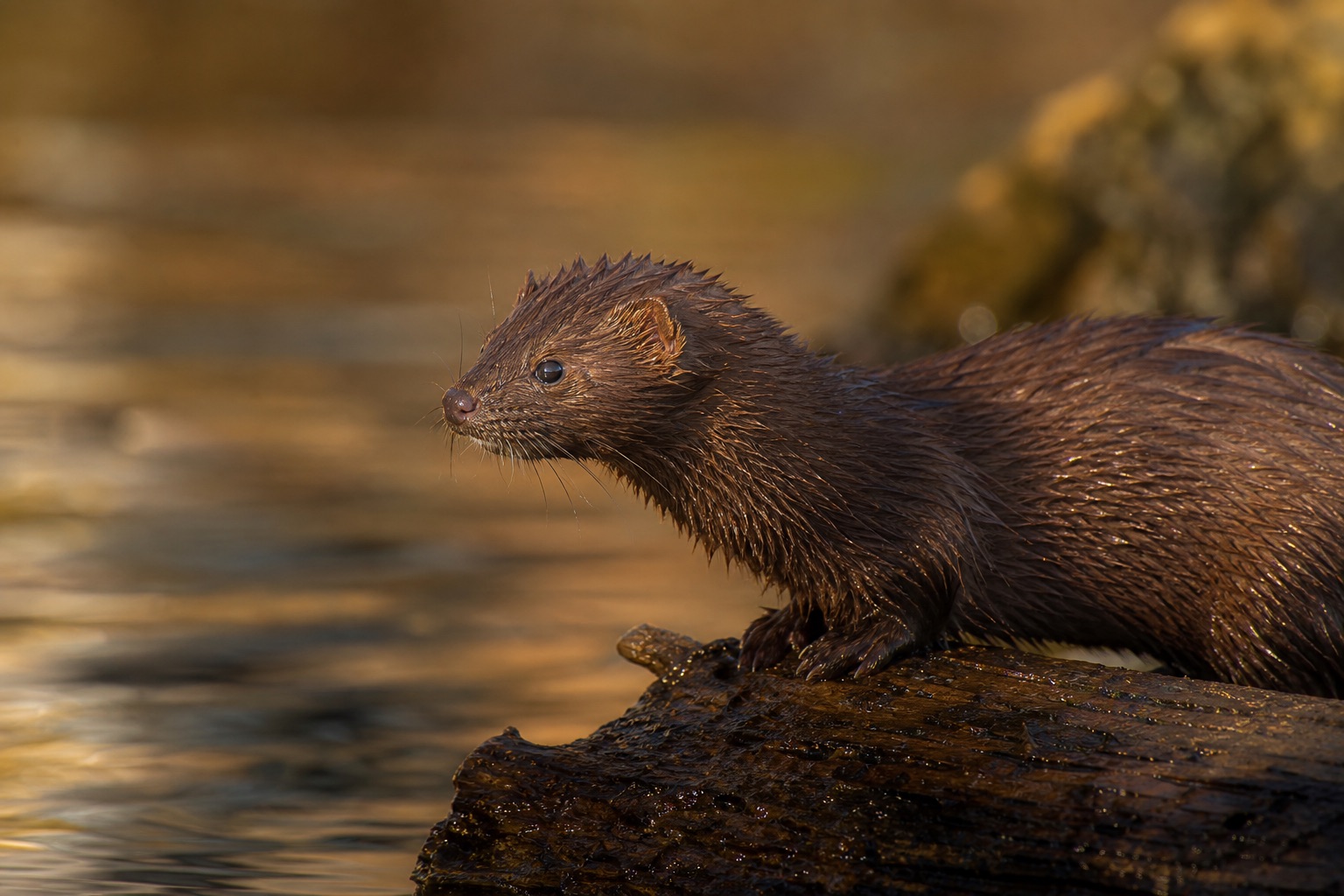
Least Concern in native North America — invasive and ecologically destructive across much of Europe
Mink
Neogale vison (Schreber, 1777) — family Mustelidae
The American mink (Neogale vison) is a semi-aquatic mustelid listed Least Concern in native North America but invasive across Europe after fur-farm escapes, where it devastated water vole populations and displaced the Critically Endangered European mink.
Read the guide →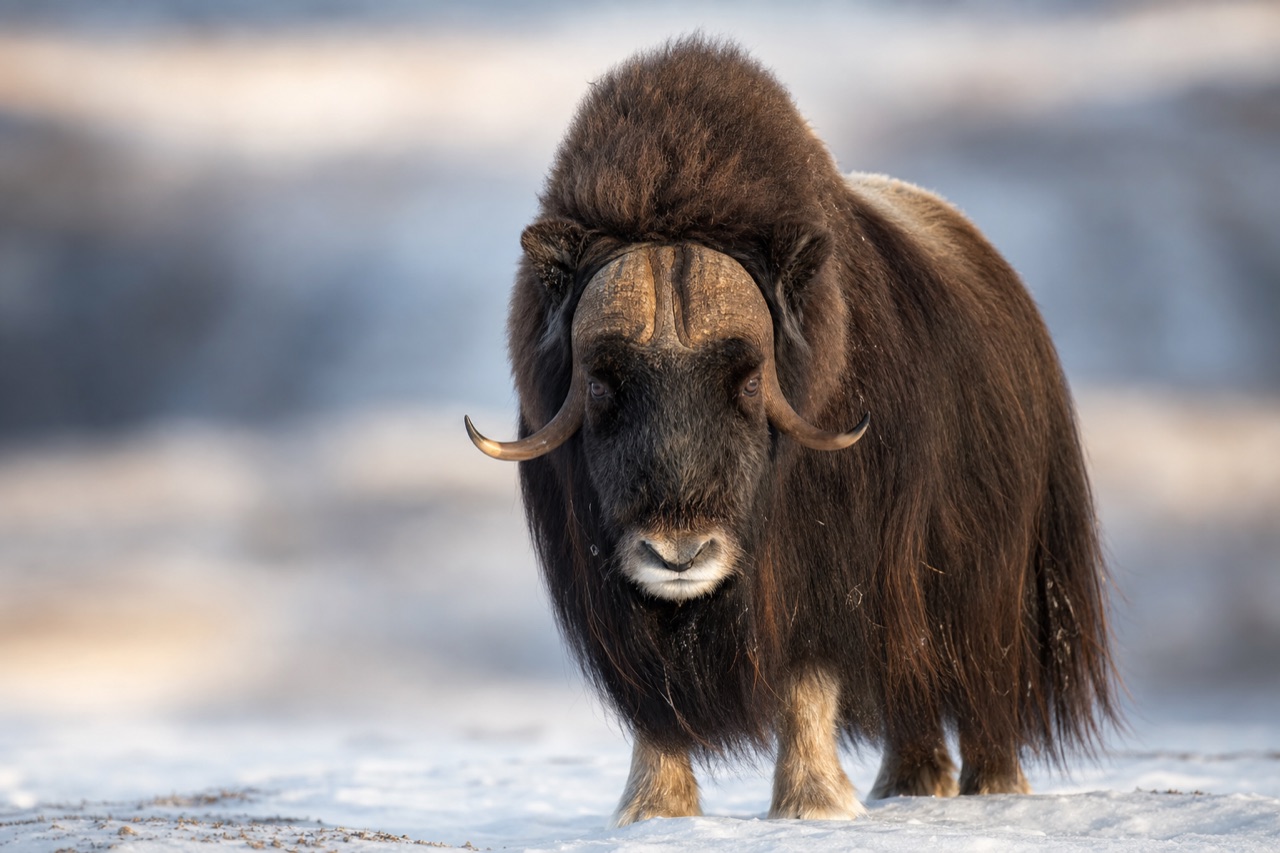
Least Concern — recovered from near extinction; climate change threatens Arctic habitat
Muskox
Ovibos moschatus (Zimmermann, 1780) — family Bovidae
The muskox (Ovibos moschatus) is an Arctic bovid with a shaggy coat, curved horns and defensive circle formation — recovered from near extinction and now Least Concern, but vulnerable to rapid Arctic climate change.
Read the guide →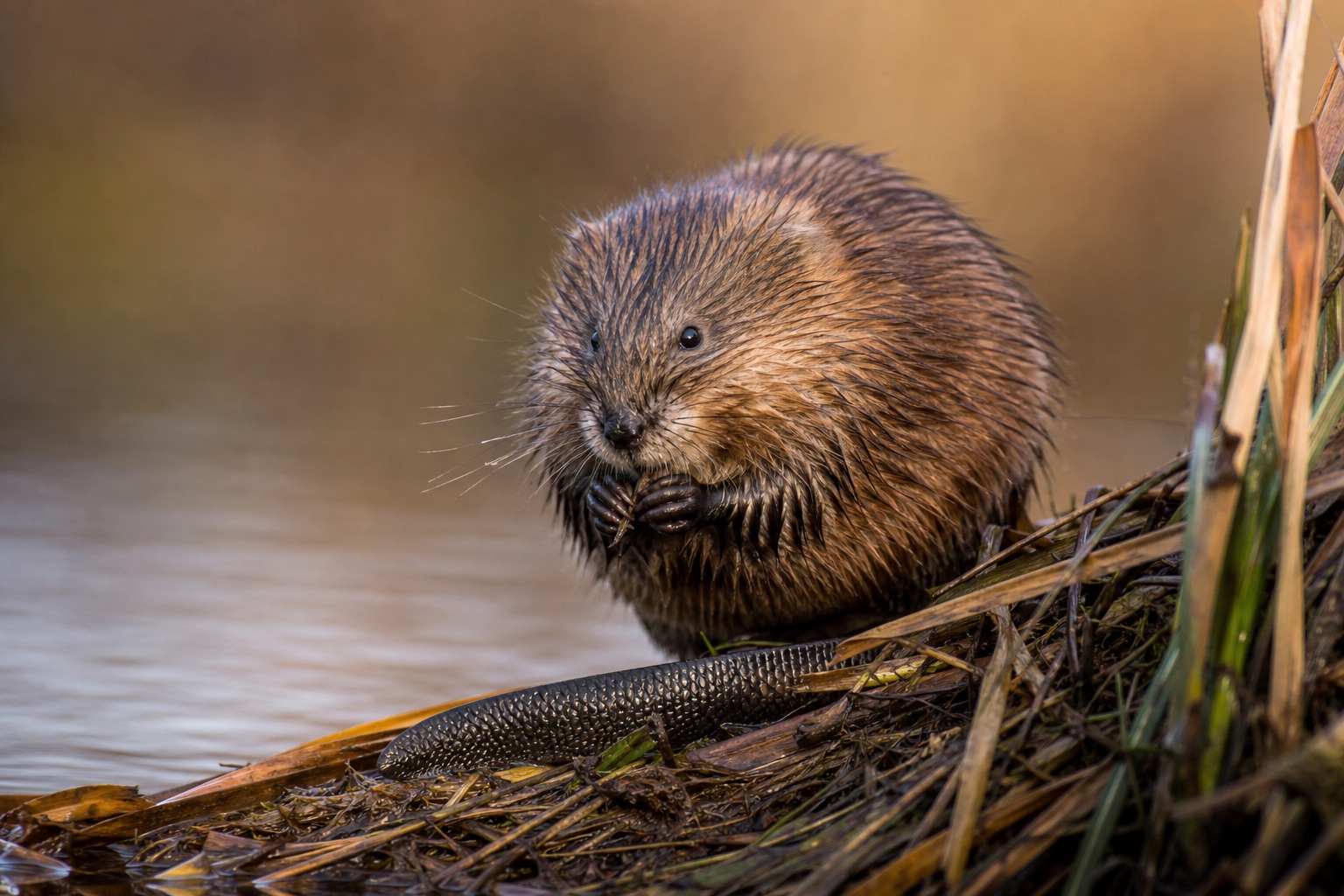
Least Concern natively — invasive and EU-listed across much of Europe
Muskrat
Ondatra zibethicus (Linnaeus, 1766) — family Cricetidae
The muskrat (Ondatra zibethicus) is a large semiaquatic rodent native to North American wetlands and listed Least Concern there; introduced to Europe from 1905 for fur farming, it burrows into dikes and river banks and is an EU-listed invasive species.
Read the guide →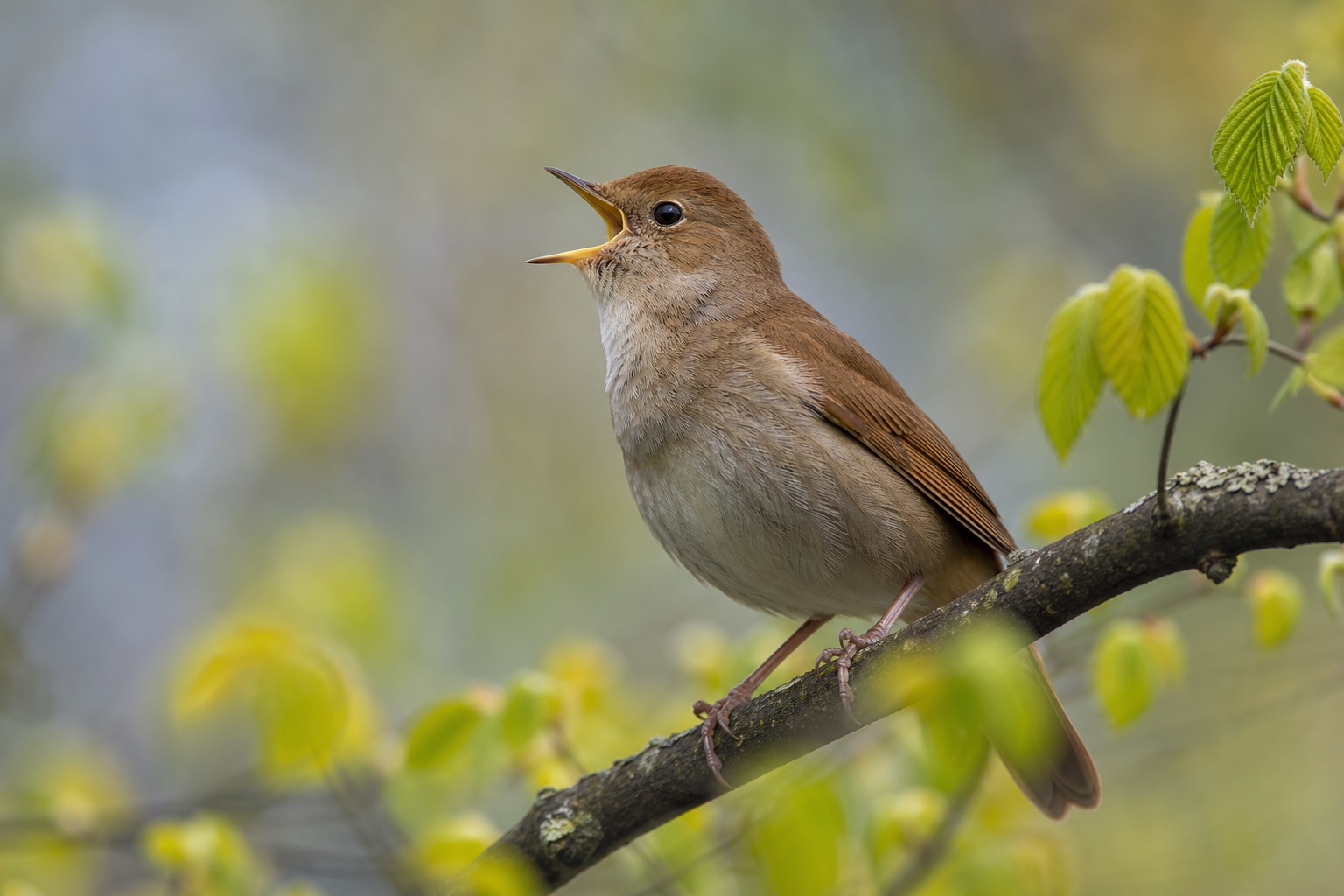
Least Concern globally — but red-listed and steeply declining in Britain
Nightingale
Luscinia megarhynchos (Brehm, 1831) — family Muscicapidae
The common nightingale (Luscinia megarhynchos) is a small brown migratory songbird of European and western Asian scrub, famous for one of the richest avian songs; it winters in sub-Saharan Africa and is steeply declining in Britain despite a Least Concern global listing.
Read the guide →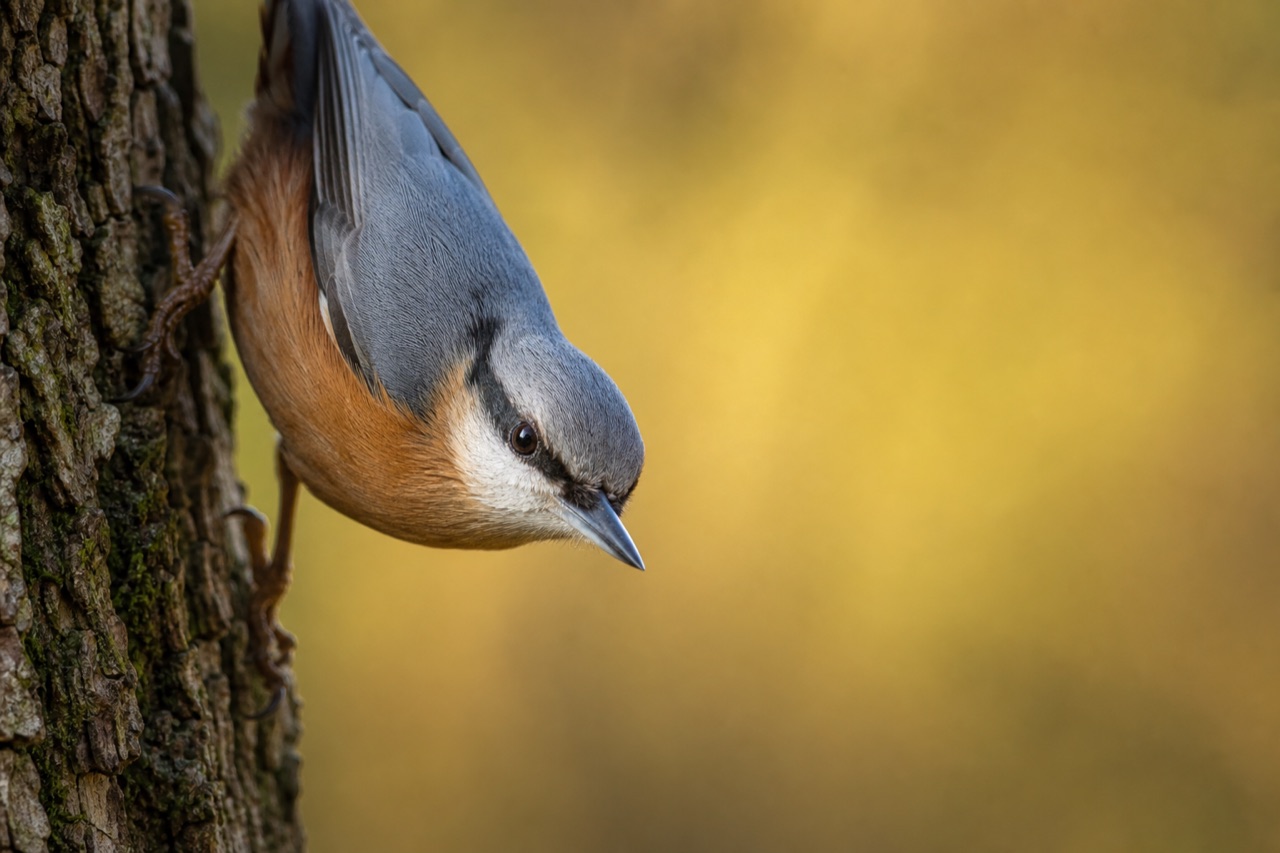
Least Concern — the bird that walks head-first down tree trunks
Nuthatch
Sitta europaea (Linnaeus, 1758) — family Sittidae
The Eurasian nuthatch (Sitta europaea) is a compact woodland bird that climbs tree trunks in any direction including head-first, nests in tree holes often narrowed with mud, and visits garden feeders where mature trees lie near deciduous woodland.
Read the guide →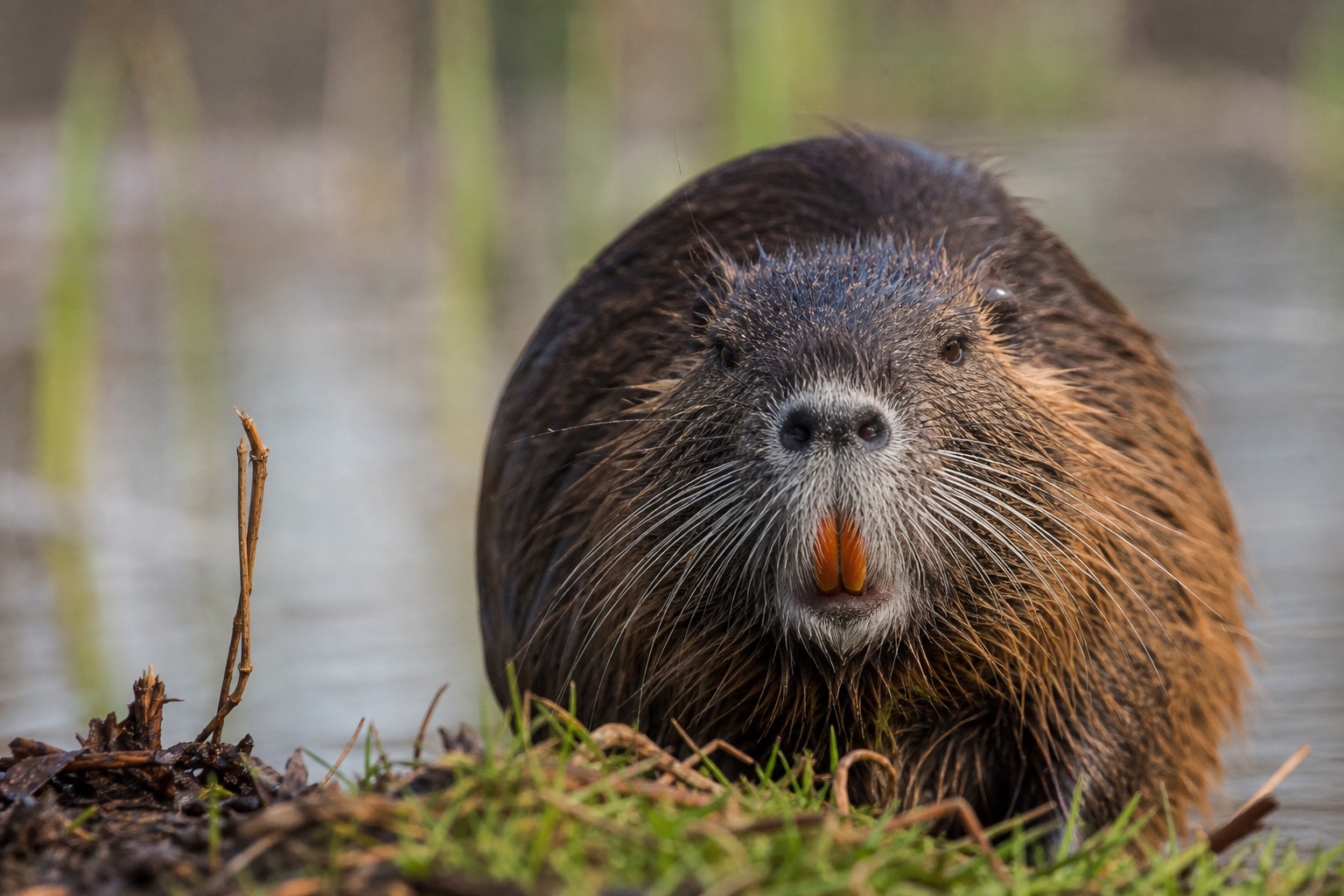
Least Concern in native South America — among the world's worst invasive mammals elsewhere
Nutria
Myocastor coypus (Molina, 1782) — family Myocastoridae
The nutria or coypu (Myocastor coypus) is a large semiaquatic rodent Least Concern in native South America but listed among the world's worst invasive species after fur-farm escapes — it destroys wetlands, undermines banks and was eradicated from Britain by 1989.
Read the guide →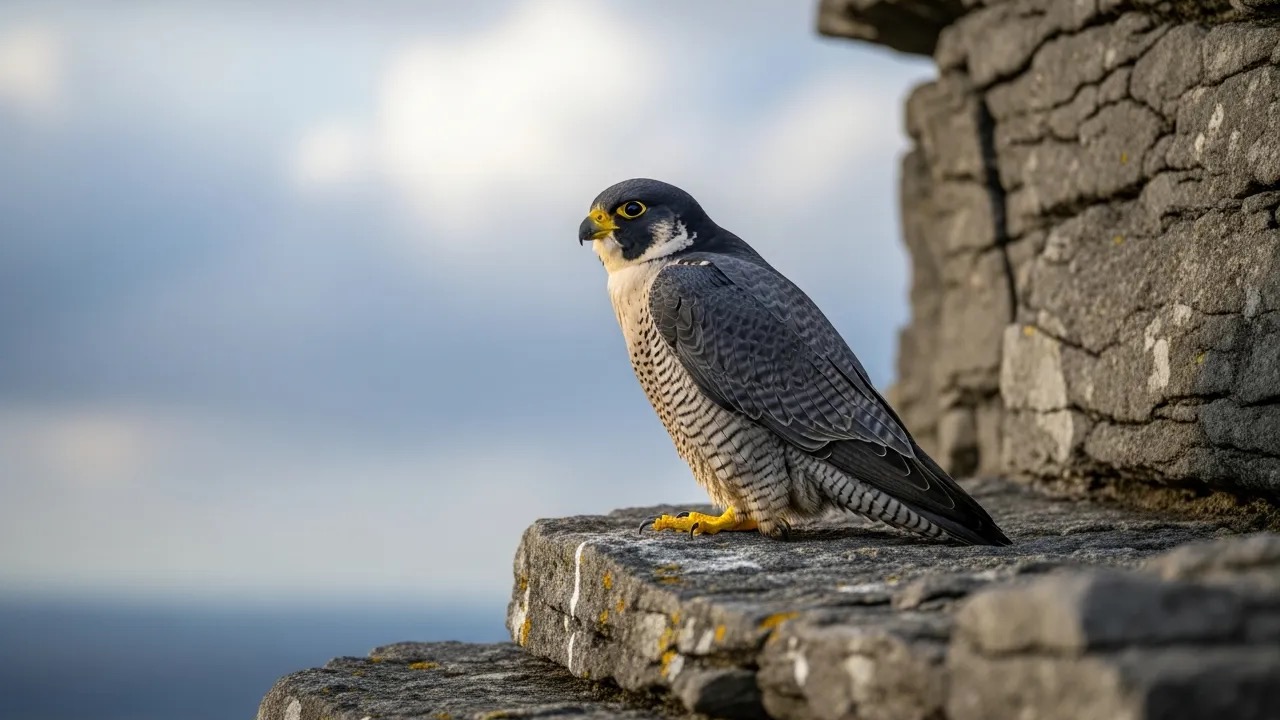
Least Concern
Peregrine Falcon
Falco peregrinus
The peregrine falcon (Falco peregrinus) is a crow-sized bird of prey found on every continent except Antarctica, making it one of the most widespread birds in the world. It hunts other birds in mid-air and is the fastest animal on the planet, reaching over 380 km/h (240 mph) in a hunting dive.
Read the guide →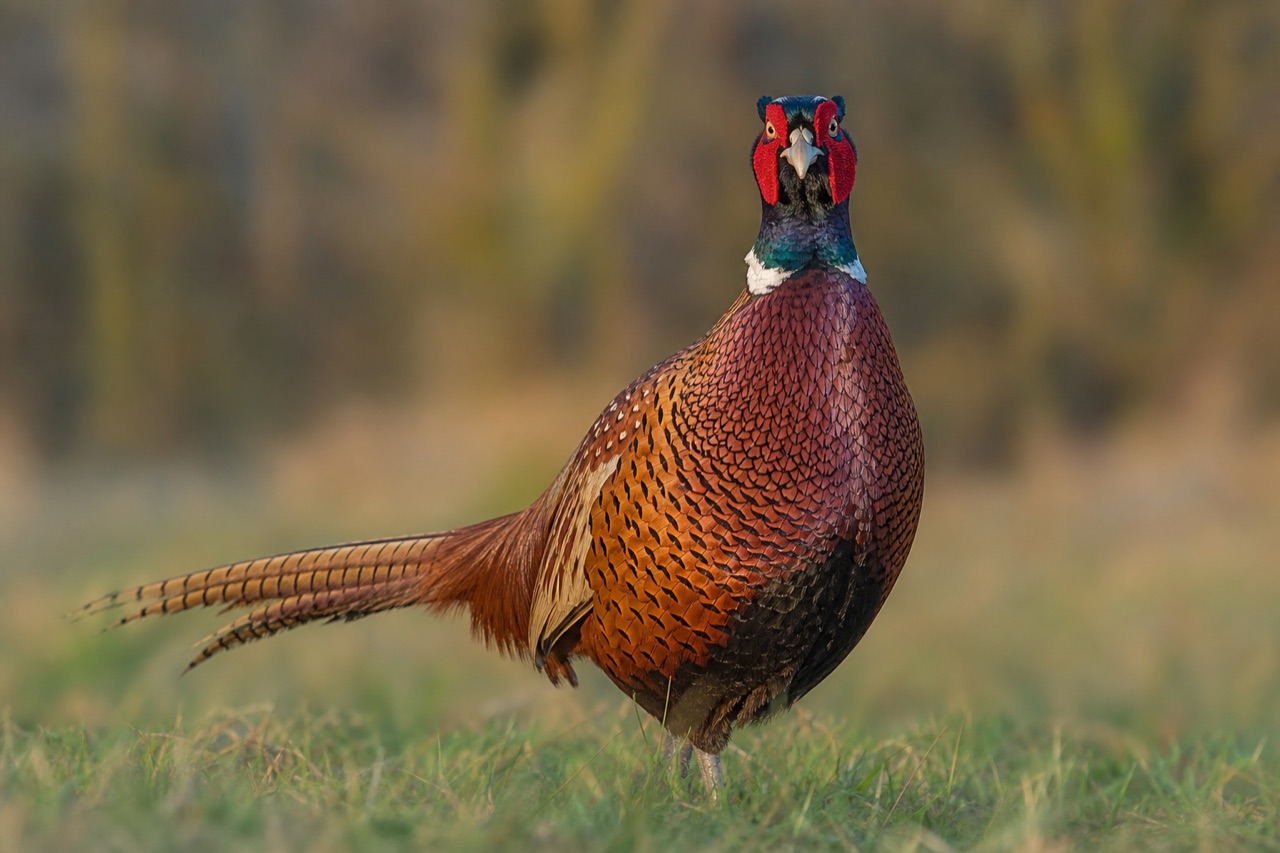
Least Concern — native to Asia; introduced to Britain as a gamebird; millions released annually for shooting
Pheasant
Phasianus colchicus (Linnaeus, 1758) — family Phasianidae
The common pheasant (Phasianus colchicus) is a large Asian gamebird introduced to Britain for shooting; males are brightly coloured with a long barred tail, females are mottled brown, and millions are released annually — making road deaths, cat predation on chicks and fence entanglement common in rural gardens and lanes.
Read the guide →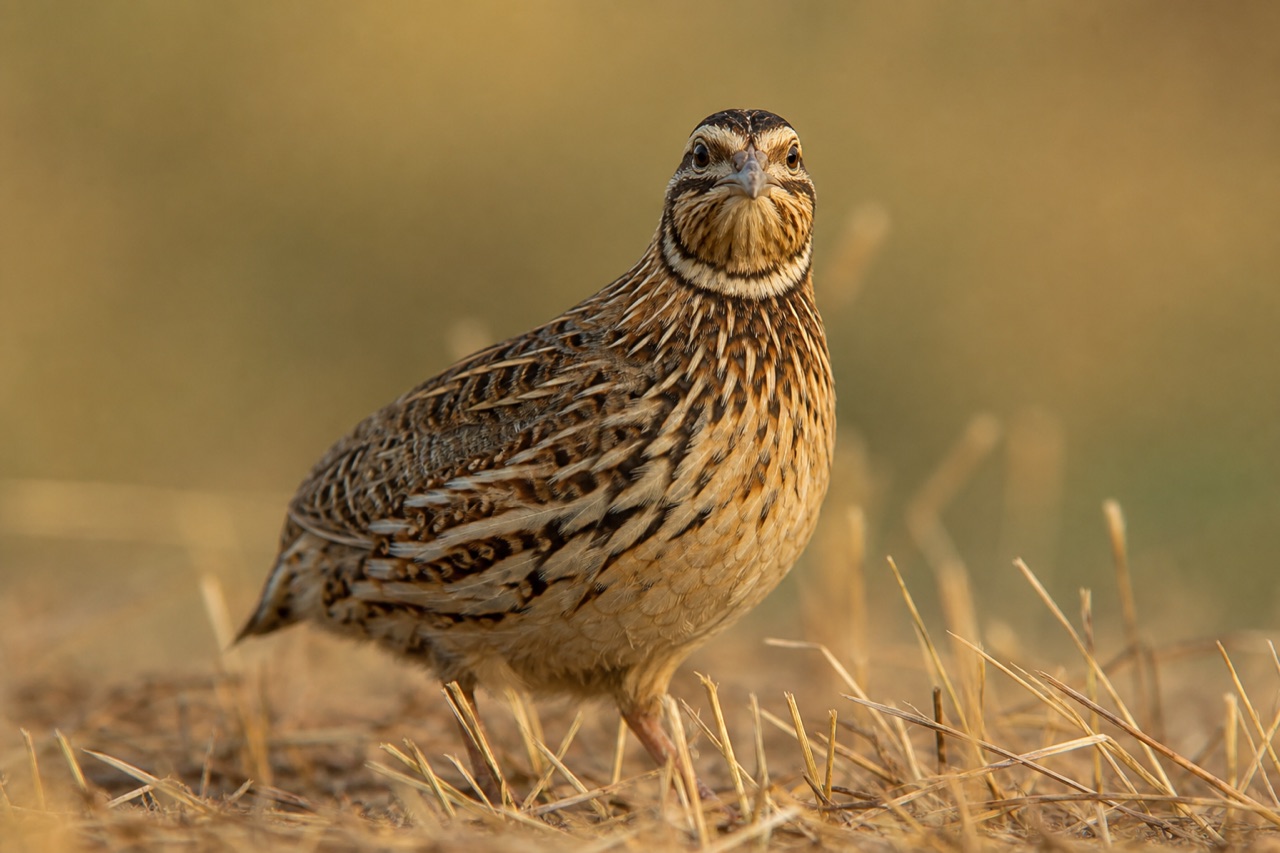
Family overview — common quail is a scarce British breeder and summer visitor; Japanese quail domesticated
Quail
Phasianidae — family including Coturnix quail and related small gamebirds
Quails are small cryptic gamebirds; the common quail (Coturnix coturnix) is a scarce British summer visitor heard calling from arable crops, while the Japanese quail is domesticated for eggs and meat — both in family Phasianidae with grouse and pheasant.
Read the guide →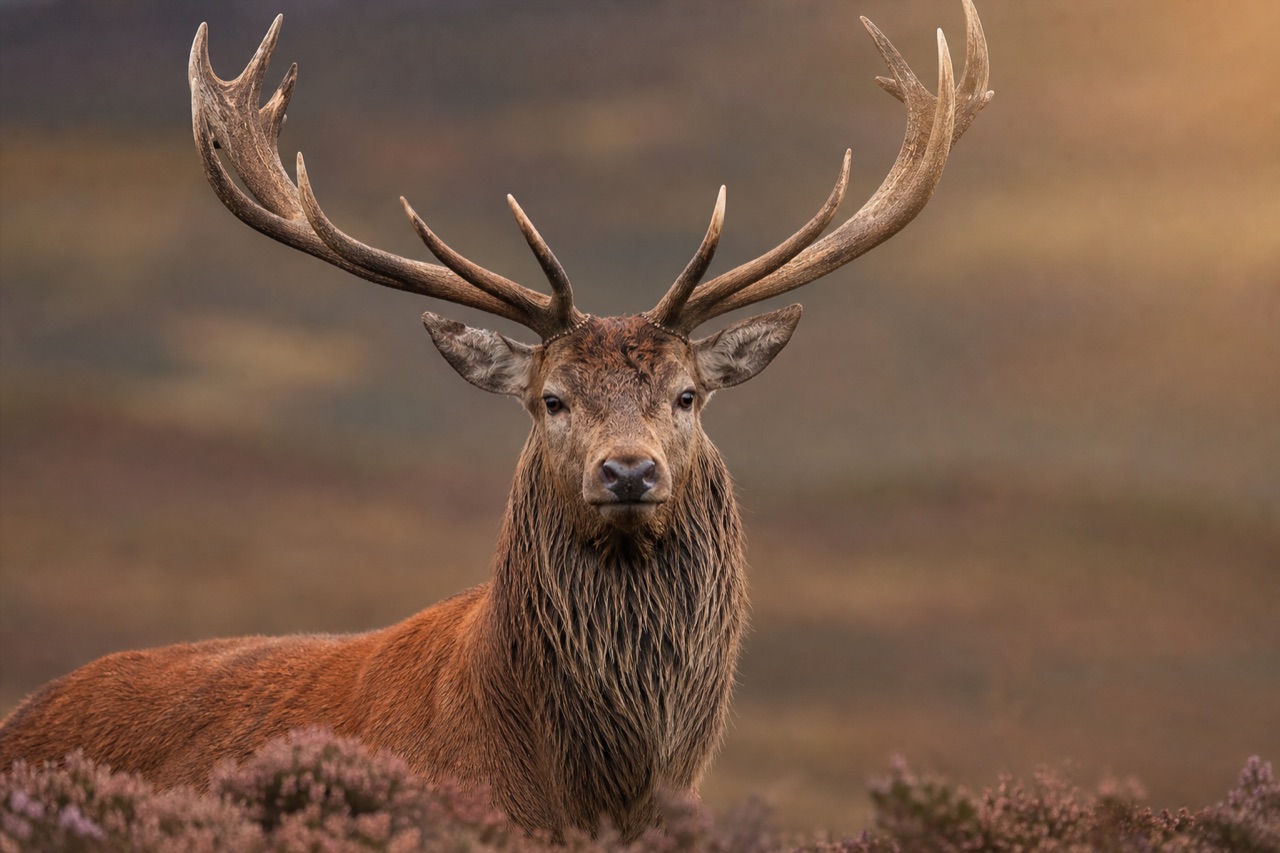
Least Concern globally — some island subspecies threatened; wapiti often split as C. canadensis
Red Deer
Cervus elaphus (Linnaeus, 1758) — family Cervidae
The red deer (Cervus elaphus) is a large Eurasian cervid — stags with branched antlers, autumn rut, Least Concern globally — closely related to North American elk and widely introduced outside native range.
Read the guide →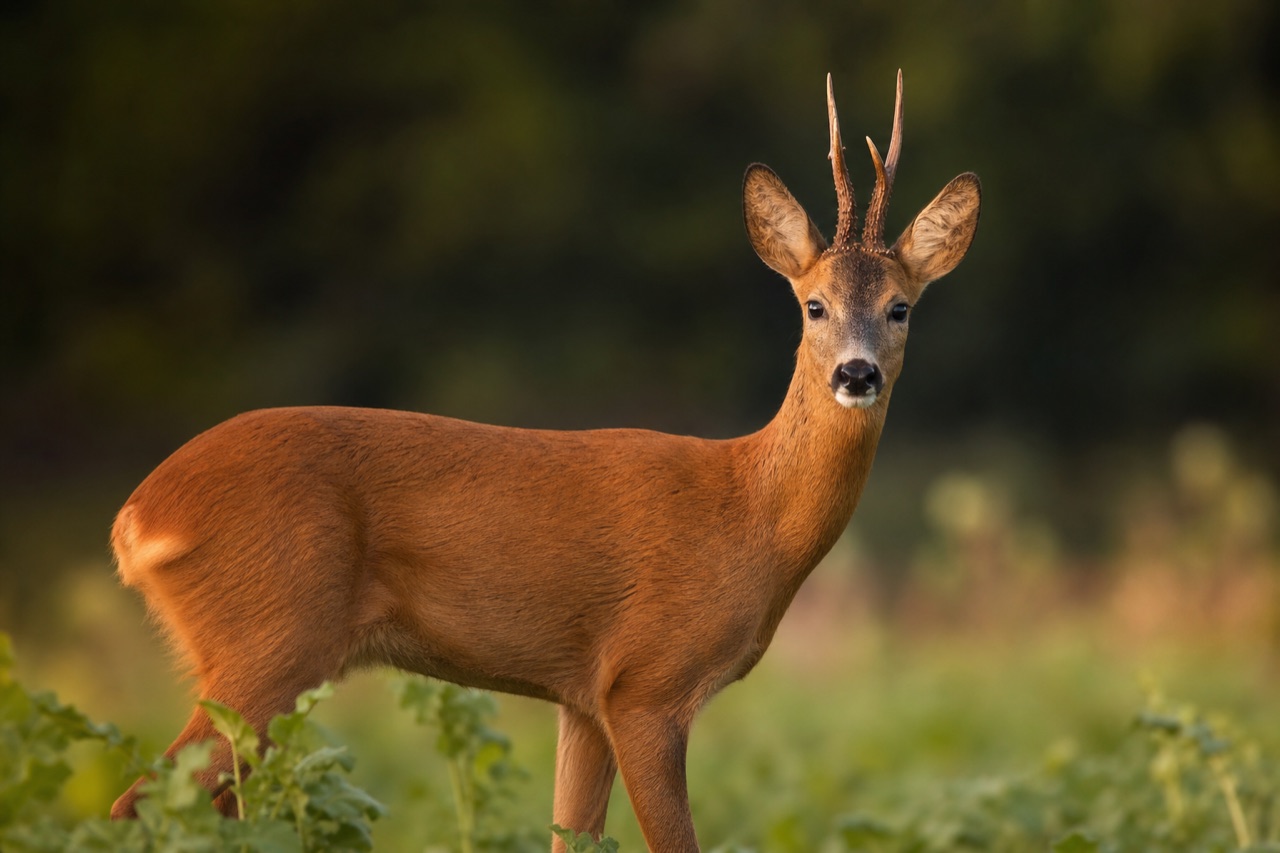
Least Concern — widespread and expanding in much of Europe
Roe Deer
Capreolus capreolus (Linnaeus, 1758) — family Cervidae
The roe deer (Capreolus capreolus) is a small European deer with short antlers, delayed implantation after a summer rut, and solitary fawns hidden in vegetation — Least Concern and expanding across much of its range.
Read the guide →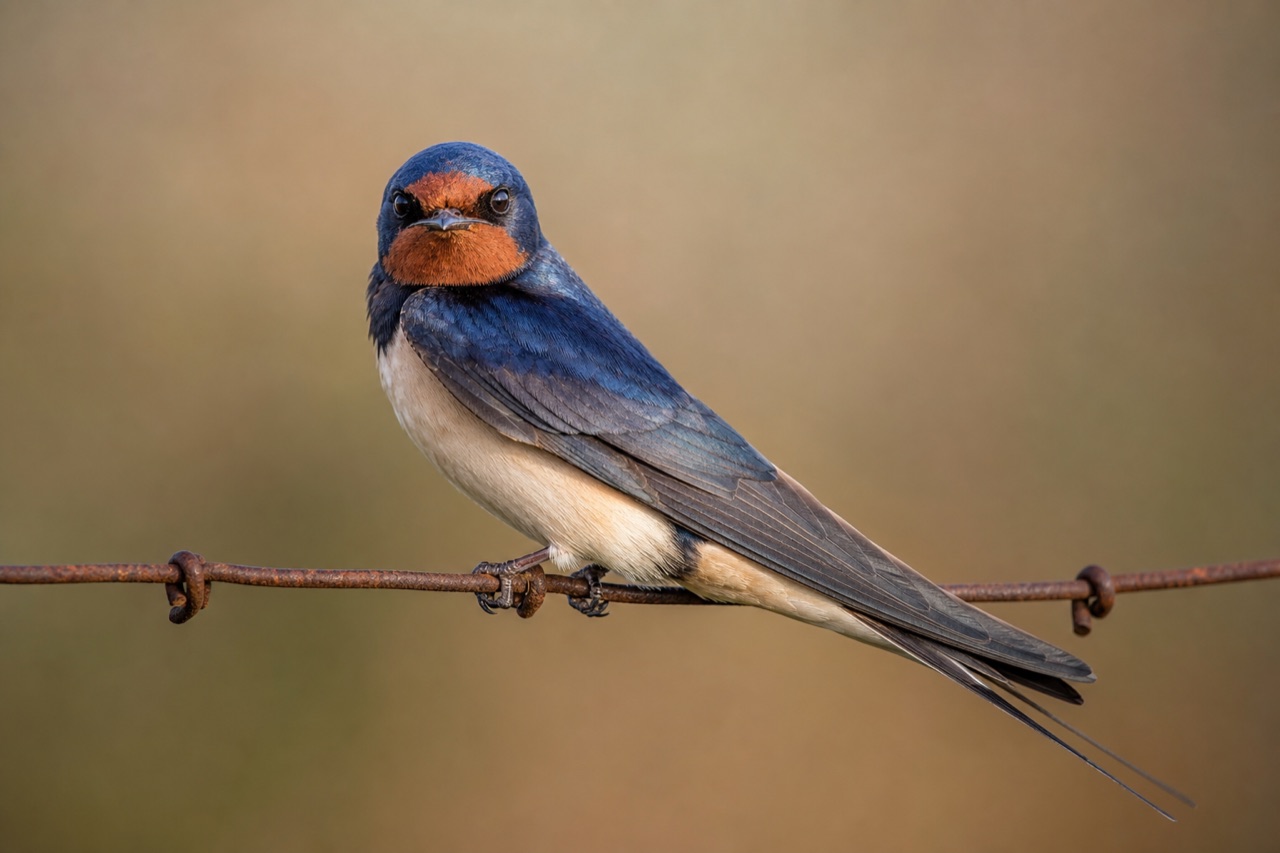
Least Concern — widespread migrant; long-term declines linked to farmland and insect loss
Swallow
Hirundo rustica (Linnaeus, 1758) — family Hirundinidae
The barn swallow (Hirundo rustica) is a long-distance migrant that breeds across the Northern Hemisphere and winters in Africa, South Asia or South America; in Britain it nests in mud cups under eaves and barns and feeds entirely on flying insects caught in agile aerial pursuit.
Read the guide →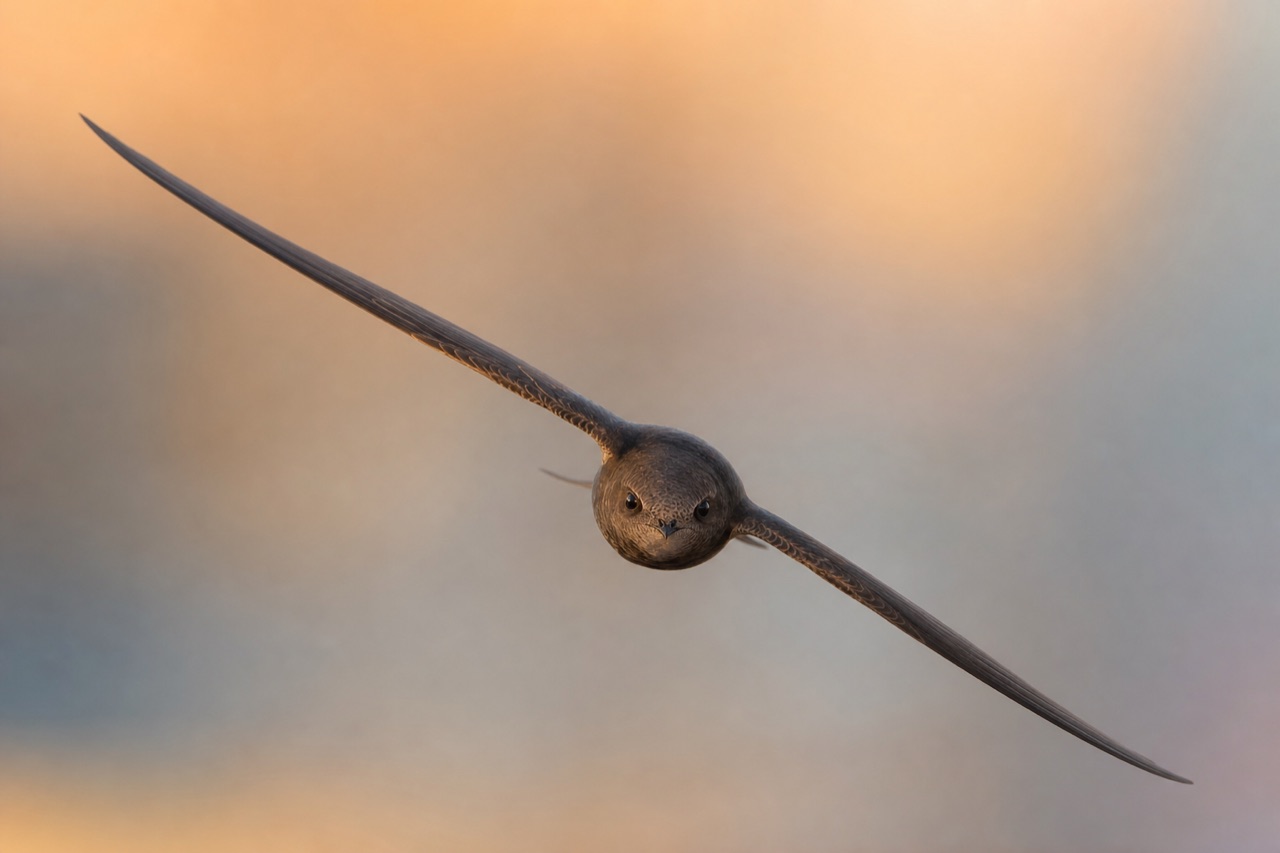
Least Concern globally — Amber-listed in Britain; screaming parties over rooftops
Swift
Apus apus (Linnaeus, 1758) — family Apodidae
The common swift (Apus apus) spends almost its entire life on the wing, nesting in cavities under eaves and screaming over rooftops in summer; British numbers have declined as building renovation seals nest holes — Amber-listed.
Read the guide →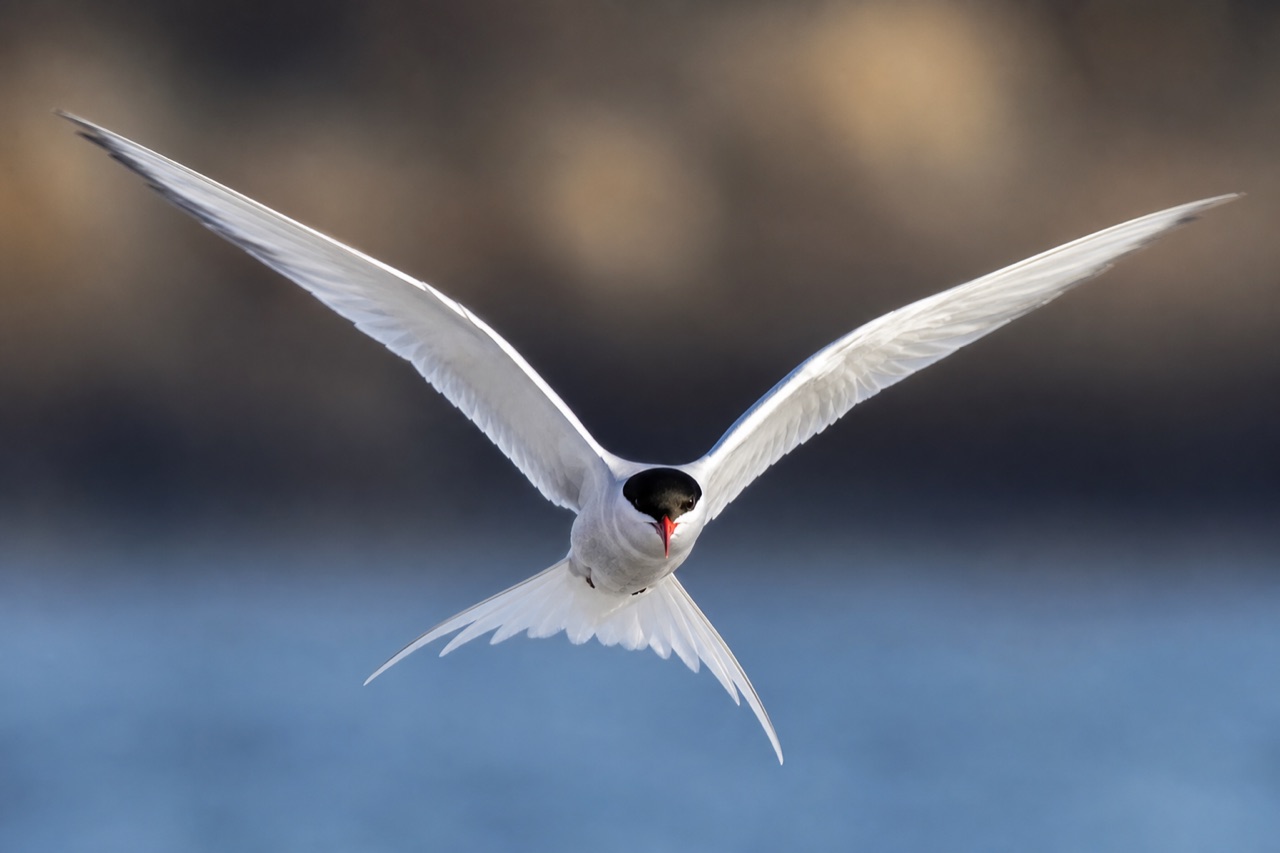
Family overview — common tern widespread; Arctic tern makes longest migration of any bird
Tern
Sterninae — subfamily of Laridae including Sterna, Thalasseus and related genera
Terns are fork-tailed seabirds that plunge-dive for fish; British species include common, Arctic, little, sandwich and rare roseate tern — with Arctic tern undertaking the longest migration of any bird from breeding grounds to Antarctic winter.
Read the guide →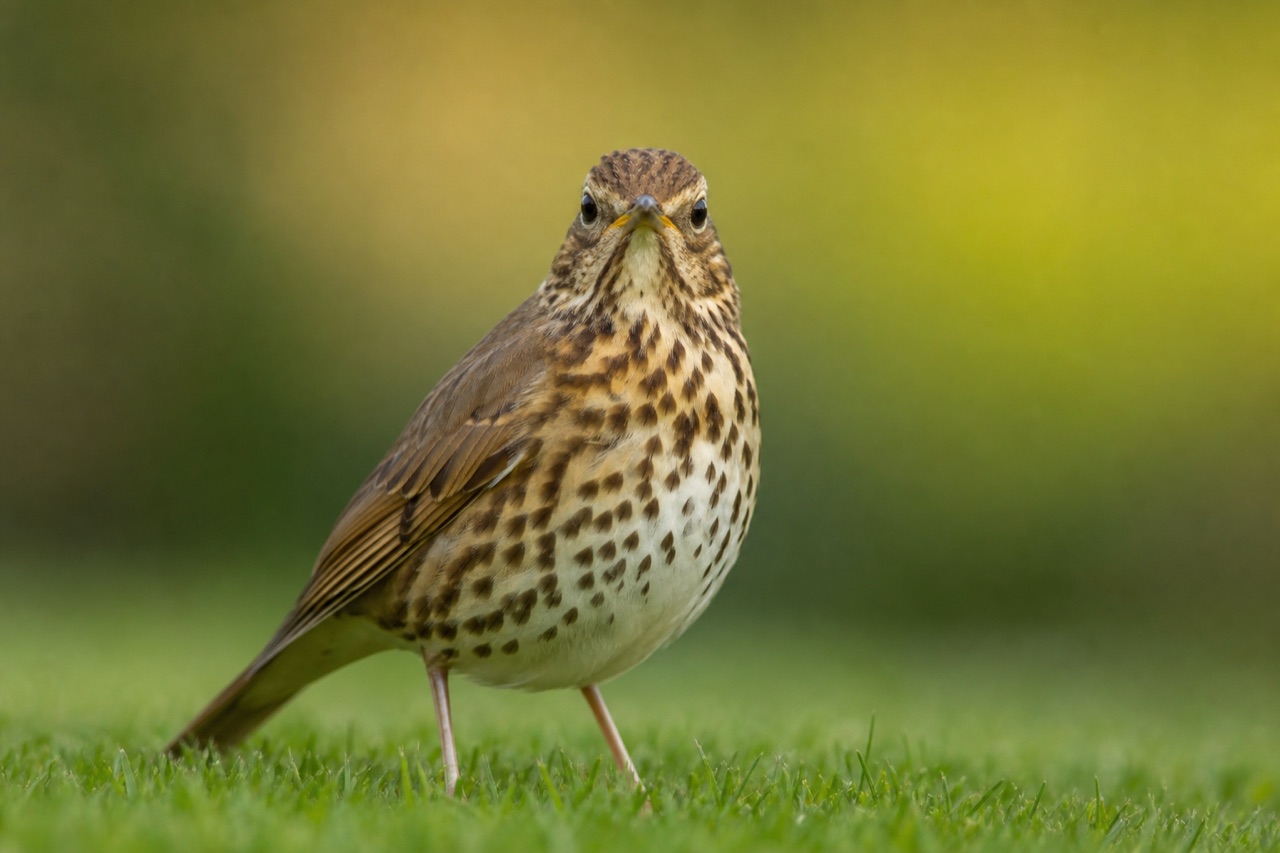
Family overview — status varies by species; song thrush Red-listed in Britain, blackbird abundant
Thrush
Turdidae — family of passerine birds including Turdus, Catharus and related genera
Thrushes are medium-sized birds in the family Turdidae; British garden members include blackbird, song thrush, mistle thrush and winter-visiting redwing and fieldfare — ground feeders that hunt worms and berries, with conservation status varying from abundant to Red-listed.
Read the guide →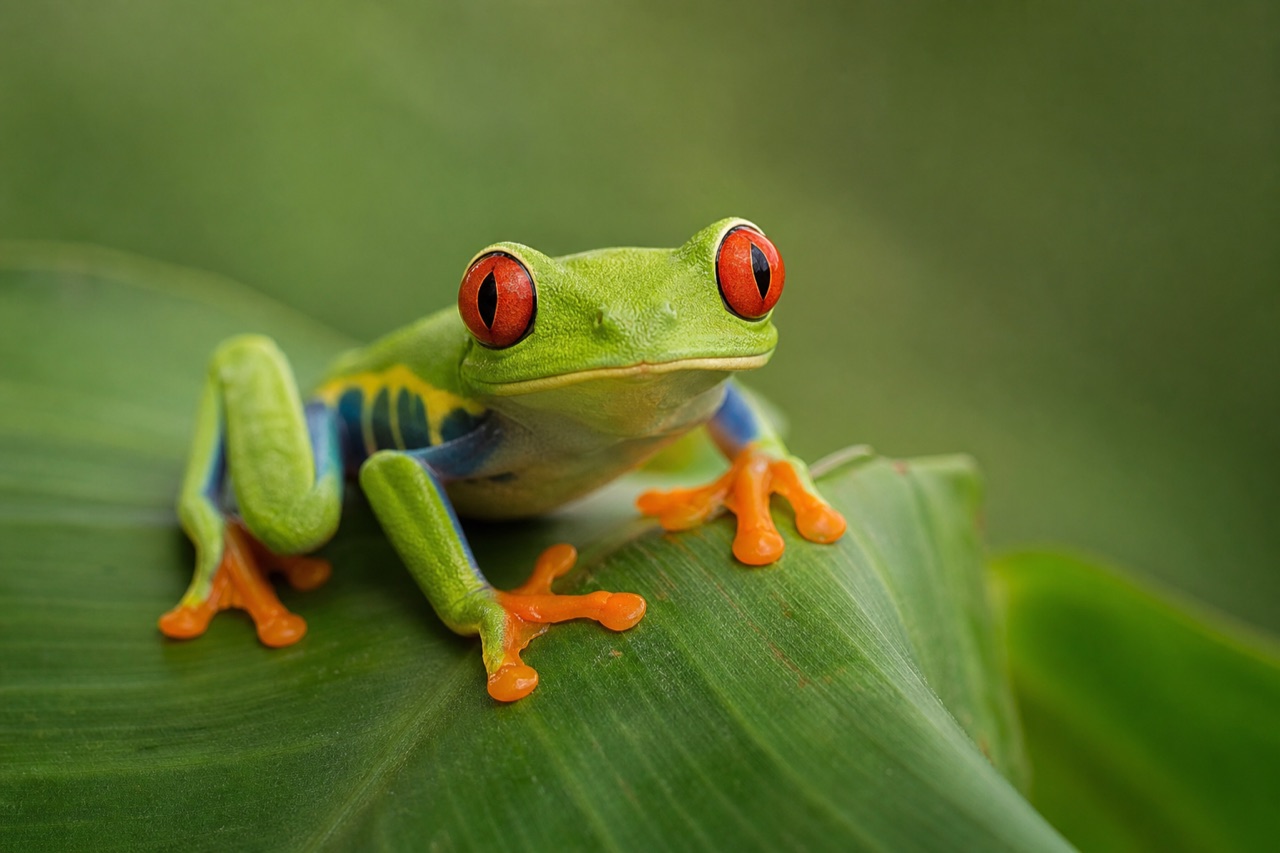
Varies by species — many Least Concern, some Critically Endangered
Tree Frog
Family Hylidae (Rafinesque, 1815) and related arboreal families — over 800 species
Tree frogs are over 800 species of arboreal frogs, mainly in the family Hylidae, that climb using adhesive toe pads which work by wet adhesion — a thin layer of mucus creating surface tension against the surface rather than suction.
Read the guide →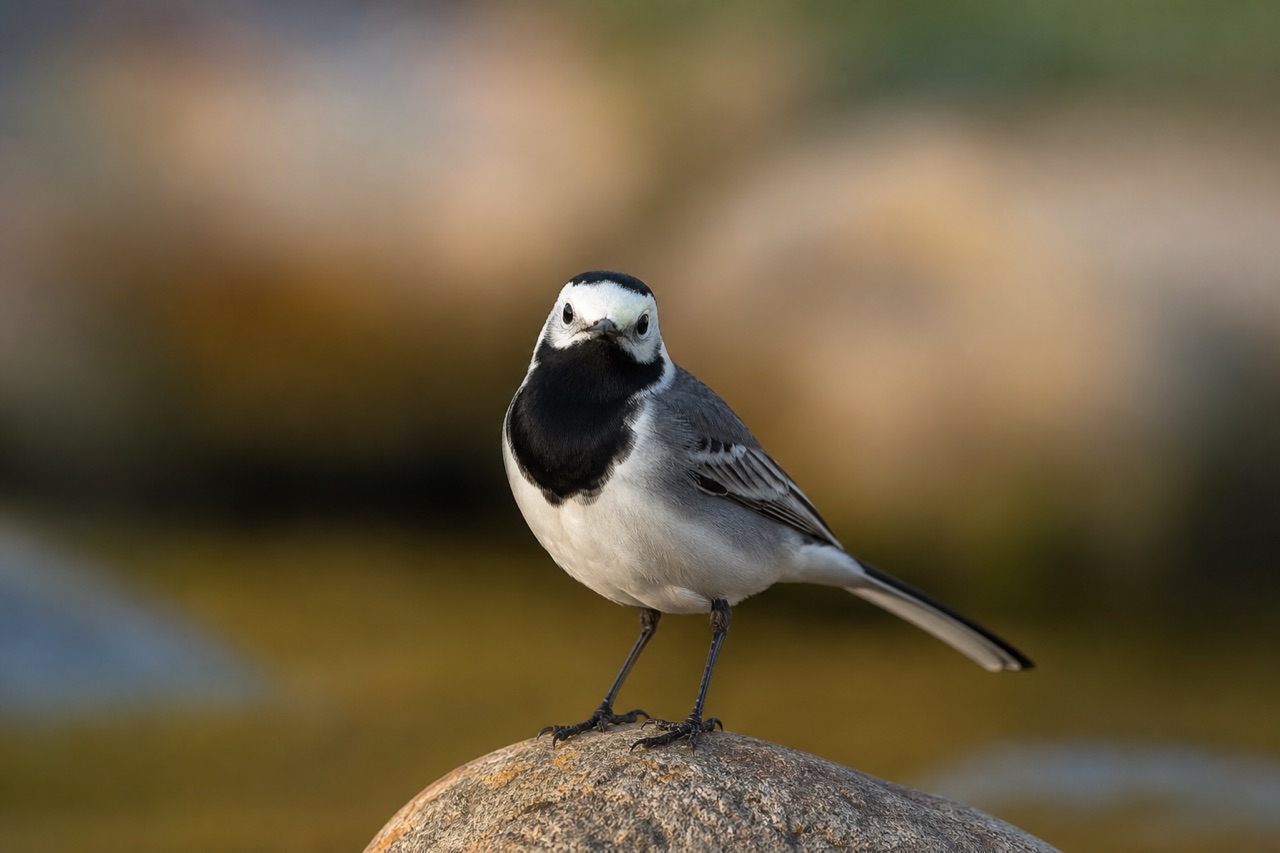
Family overview — pied and grey wagtails common; yellow wagtail declined as breeding bird
Wagtail
Motacillidae — family including Motacilla wagtails and Anthus pipits
Wagtails are slender insect-eating birds that constantly pump their long tails; British species include the black-and-white pied wagtail on lawns and rooftops, the yellow-bellied grey wagtail beside water, and the declining yellow wagtail of wet grassland.
Read the guide →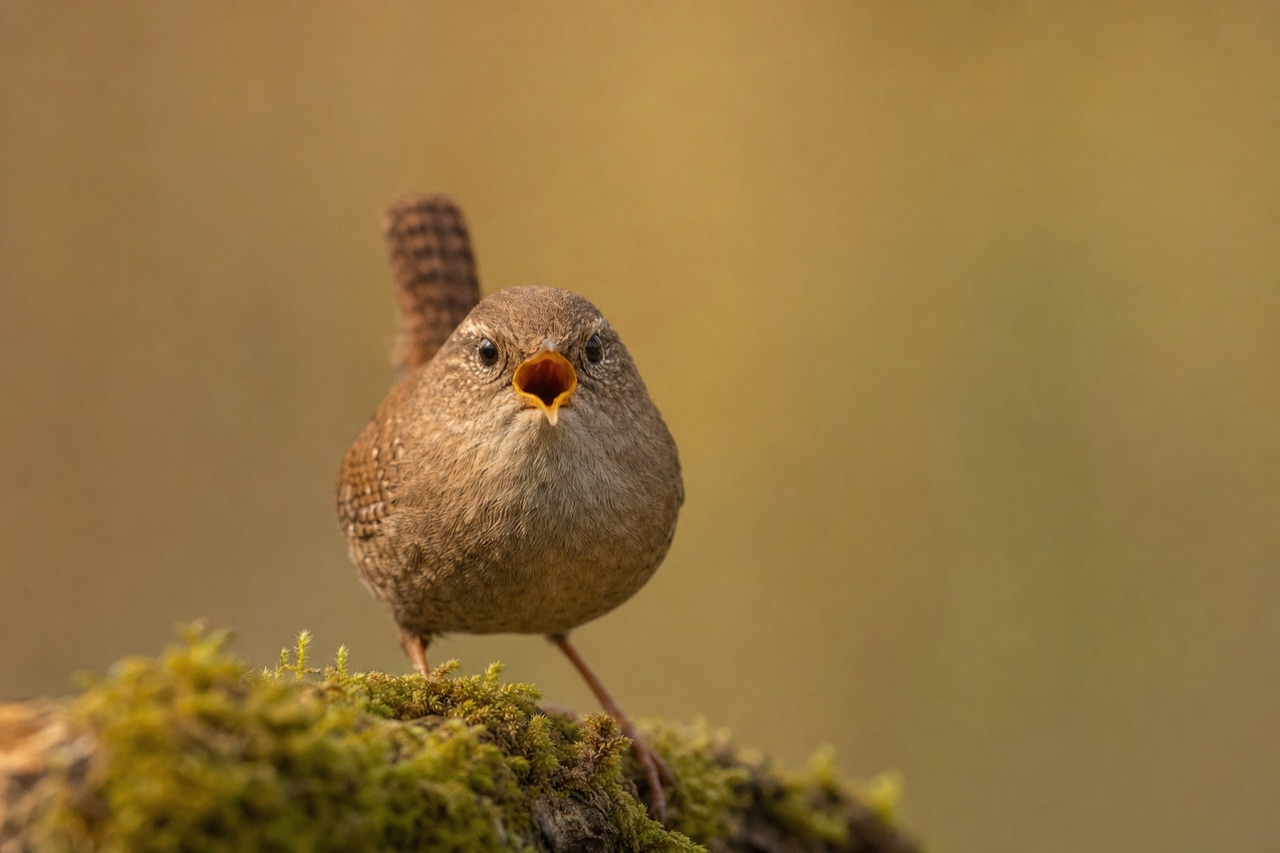
Least Concern — Britain's commonest breeding bird by territory count; vulnerable to hard winters
Wren
Troglodytes troglodytes (Linnaeus, 1758) — family Troglodytidae
The Eurasian wren (Troglodytes troglodytes) is a tiny insectivorous bird and Britain's most numerous breeding species by territory; it sings at extraordinary volume from dense cover, nests in cavities and small nest boxes, and suffers heavy mortality in hard winters without sheltered feeding.
Read the guide →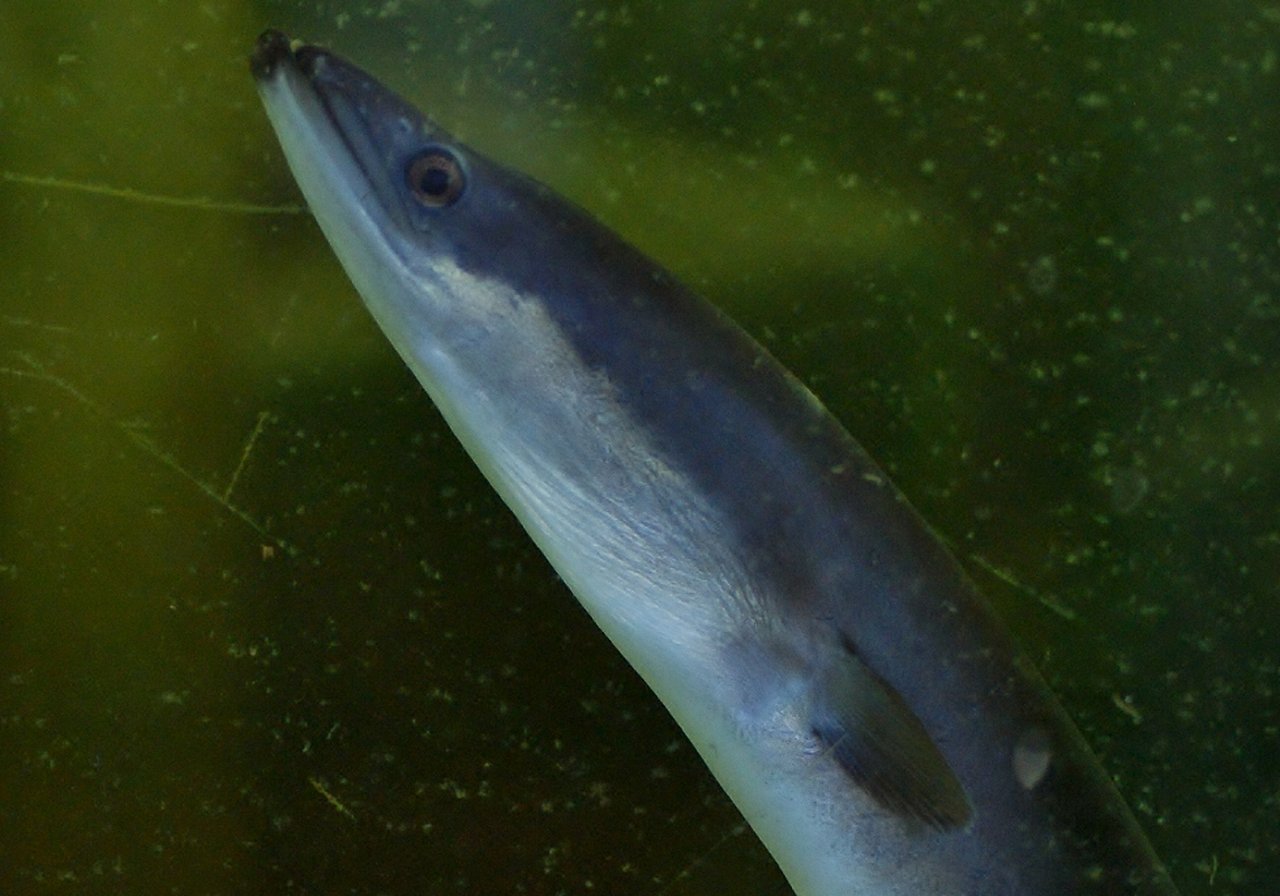
Critically Endangered
Eel
Anguilla anguilla (Linnaeus, 1758)
The European eel (Anguilla anguilla) is a Critically Endangered catadromous fish spawning in the Sargasso Sea; populations have declined over 90% since the 1970s from dams, pollution, fisheries and illegal trade.
Read the guide →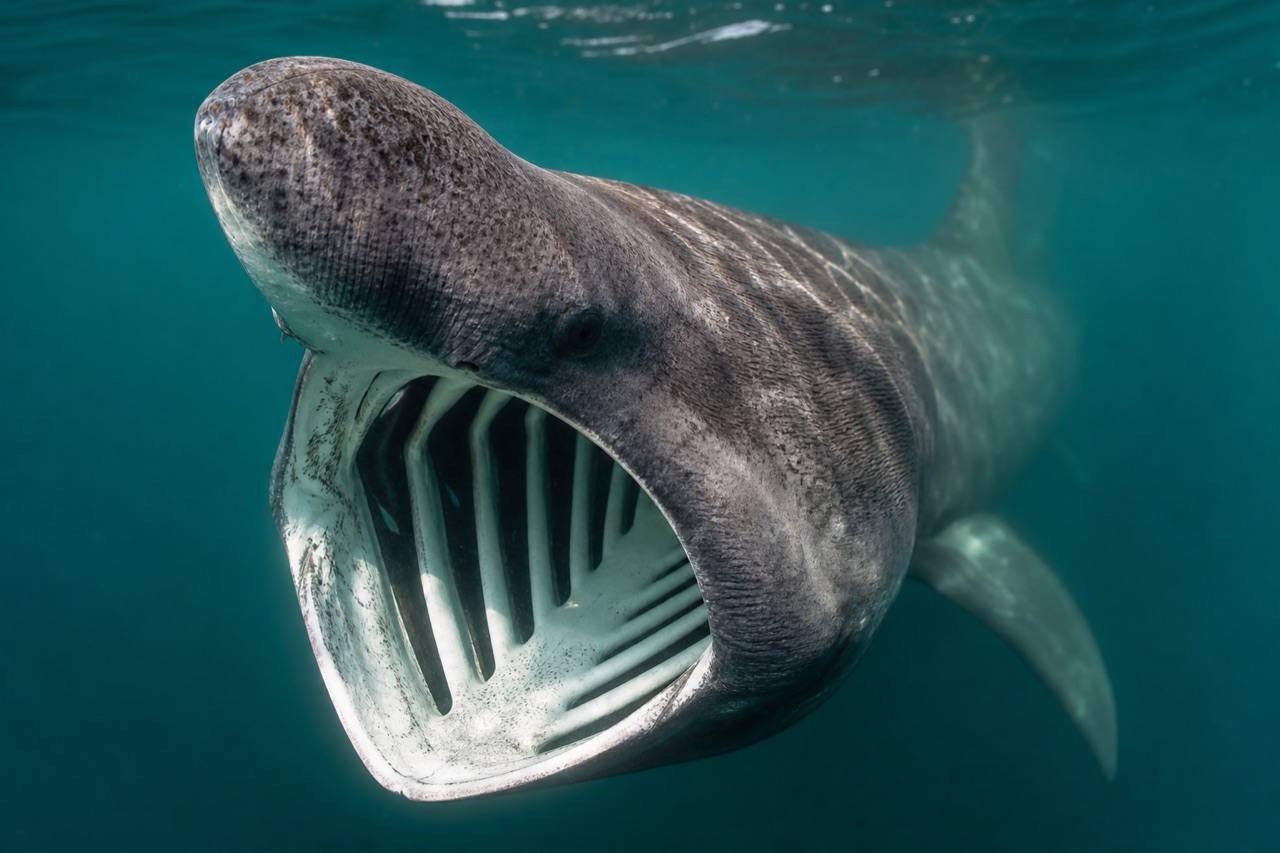
Endangered — the second-largest fish, and harmless
Basking Shark
Cetorhinus maximus (Gunnerus, 1765) — family Cetorhinidae
The basking shark (Cetorhinus maximus) is the second-largest fish on Earth at around 10 metres, an entirely harmless filter feeder that strains plankton at the surface, and is listed as Endangered.
Read the guide →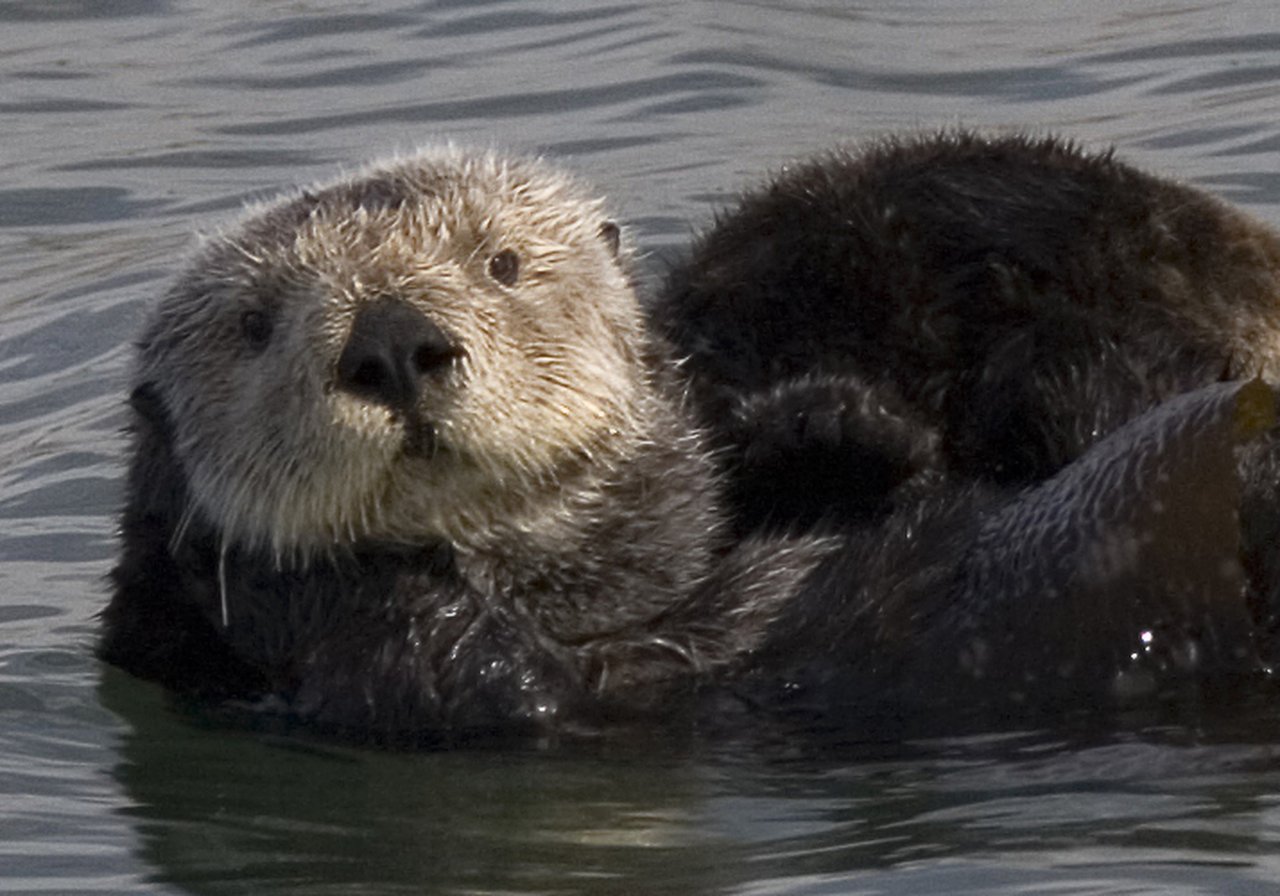
Endangered
Sea Otter
Enhydra lutris (Linnaeus, 1758)
The sea otter (Enhydra lutris) is an Endangered North Pacific keystone predator that maintains kelp forests by controlling sea urchins — insulated by the densest fur of any mammal, not blubber.
Read the guide →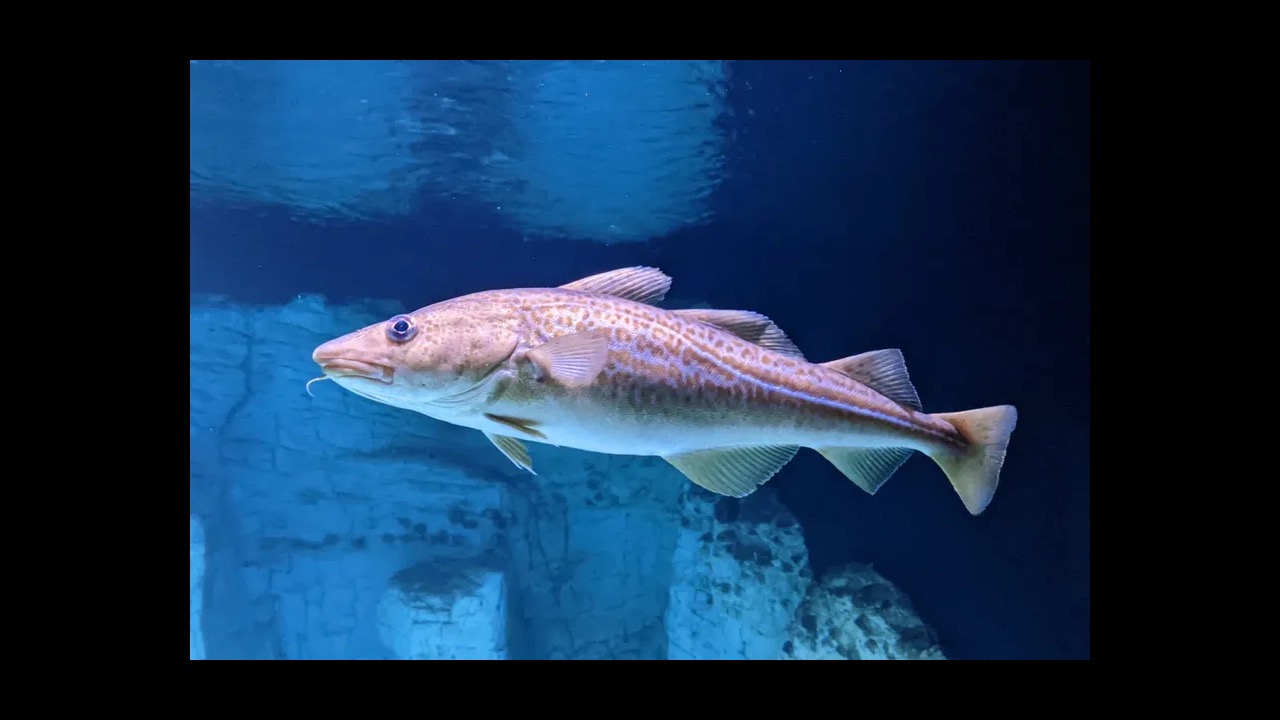
Vulnerable
Atlantic Cod
Gadus morhua
Atlantic cod is a cold-water groundfish that shaped the economies of Newfoundland, Iceland, and New England for centuries before overfishing collapsed many stocks. Growing to 40 kg (88 lb) and living 25 years, it supports fisheries where recovered and remains Vulnerable in the northwest Atlantic.
Read the guide →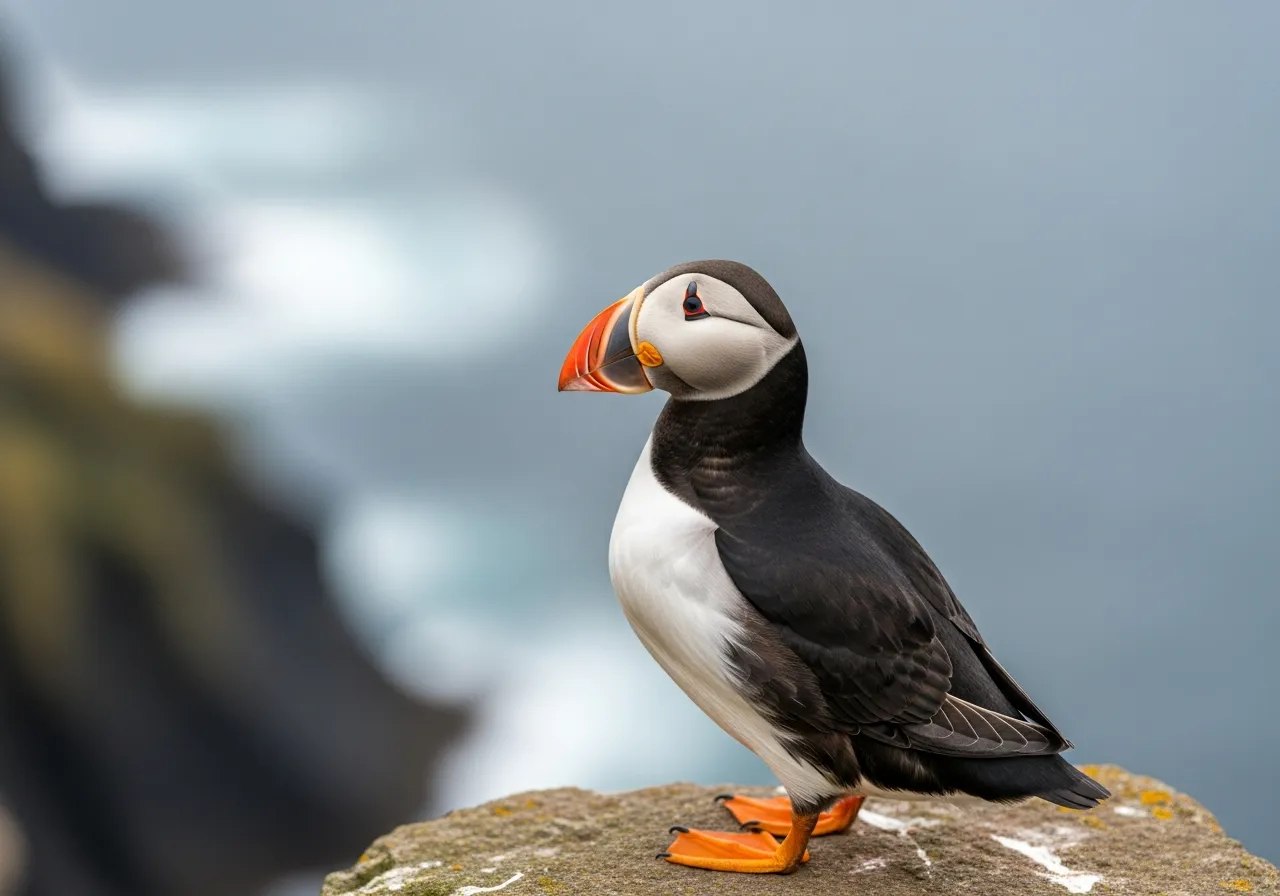
Vulnerable (IUCN, 2021)
Atlantic Puffin
Fratercula arctica
A puffin is a small North Atlantic seabird of the auk family, best known as the Atlantic puffin (Fratercula arctica). Nicknamed the "sea parrot" for its large, colourful striped bill, it nests in clifftop burrows in summer and spends the winter alone far out at sea.
Read the guide →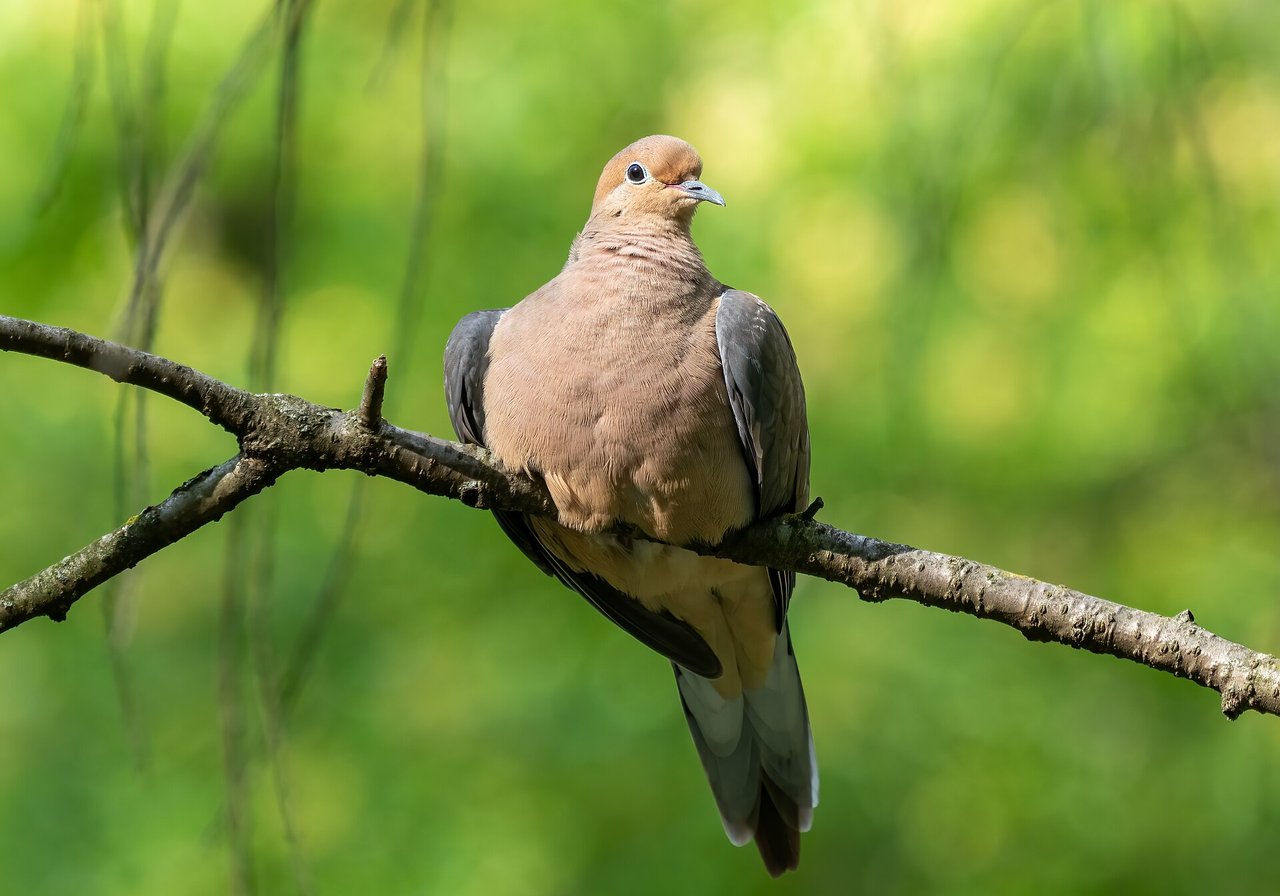
Vulnerable
Dove
Streptopelia turtur (Linnaeus, 1758)
The European turtle dove (Streptopelia turtur) is a Vulnerable migratory columbid of European woodland and farmland, declining by roughly 80% since 1970 due to habitat loss, hunting and agricultural intensification.
Read the guide →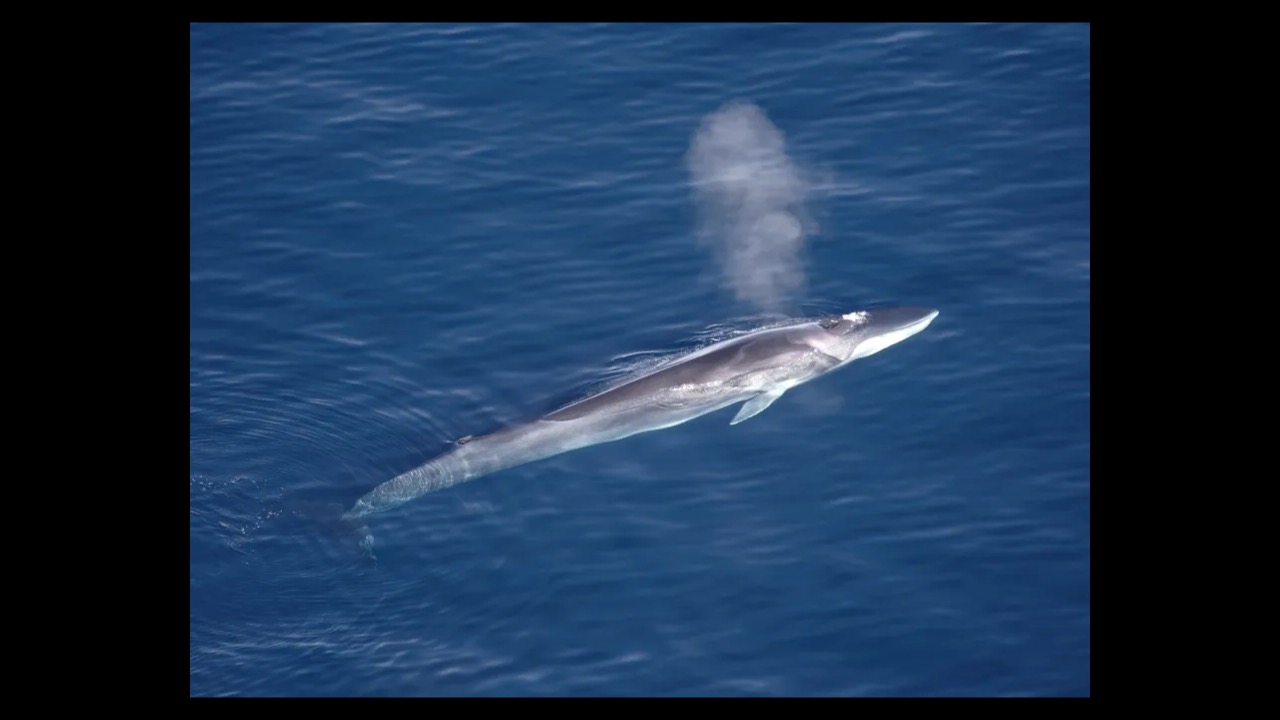
Vulnerable
Fin Whale
Balaenoptera physalus
The fin whale is the second-largest animal on Earth after the blue whale, reaching 25 m (82 ft) and 70 tonnes with an asymmetric jaw colouring. A fast baleen whale capable of 40 km/h bursts, it filters krill and small fish and is listed Vulnerable after decades of commercial whaling.
Read the guide →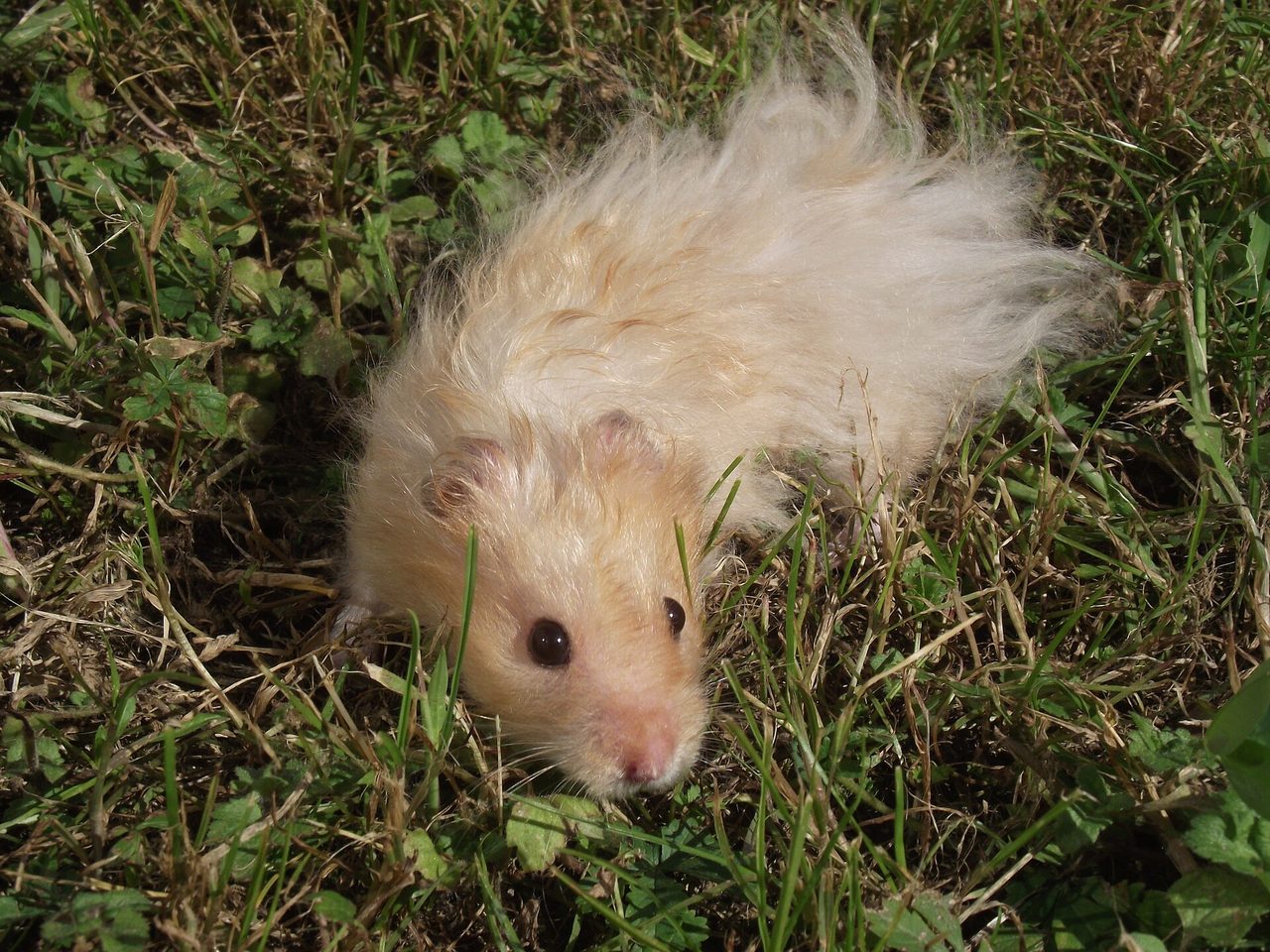
Wild Syrian hamster Vulnerable; dwarf species vary — pets are domestic lines
Hamster
Multiple species — Mesocricetus auratus (Syrian), Phodopus spp. (dwarf) and others
Hamsters are nocturnal cricetine rodents — Syrian hamsters must live alone; dwarf species may tolerate pairs. Wild Syrian hamsters are Vulnerable; pet welfare requires large enclosures, deep bedding and wheels with a straight back.
Read the guide →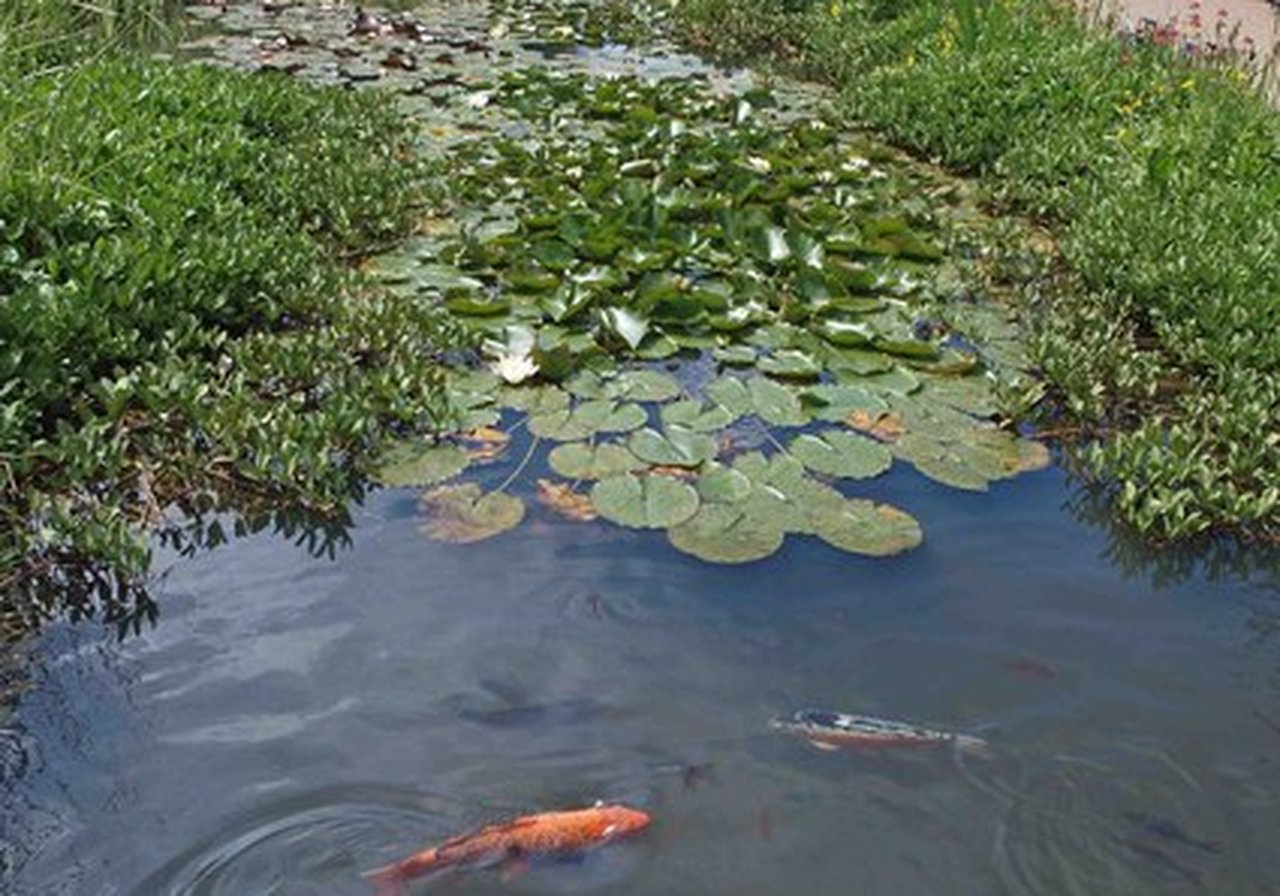
Wild common carp Vulnerable in native range; koi are domestic ornamental lines
Koi
Cyprinus carpio haematopterus — ornamental domestic carp (Cyprinus carpio)
Koi are ornamental domestic carp bred for pond display — wild Cyprinus carpio is Vulnerable; koi need large filtered ponds, quarantine and never release into wild waterways.
Read the guide →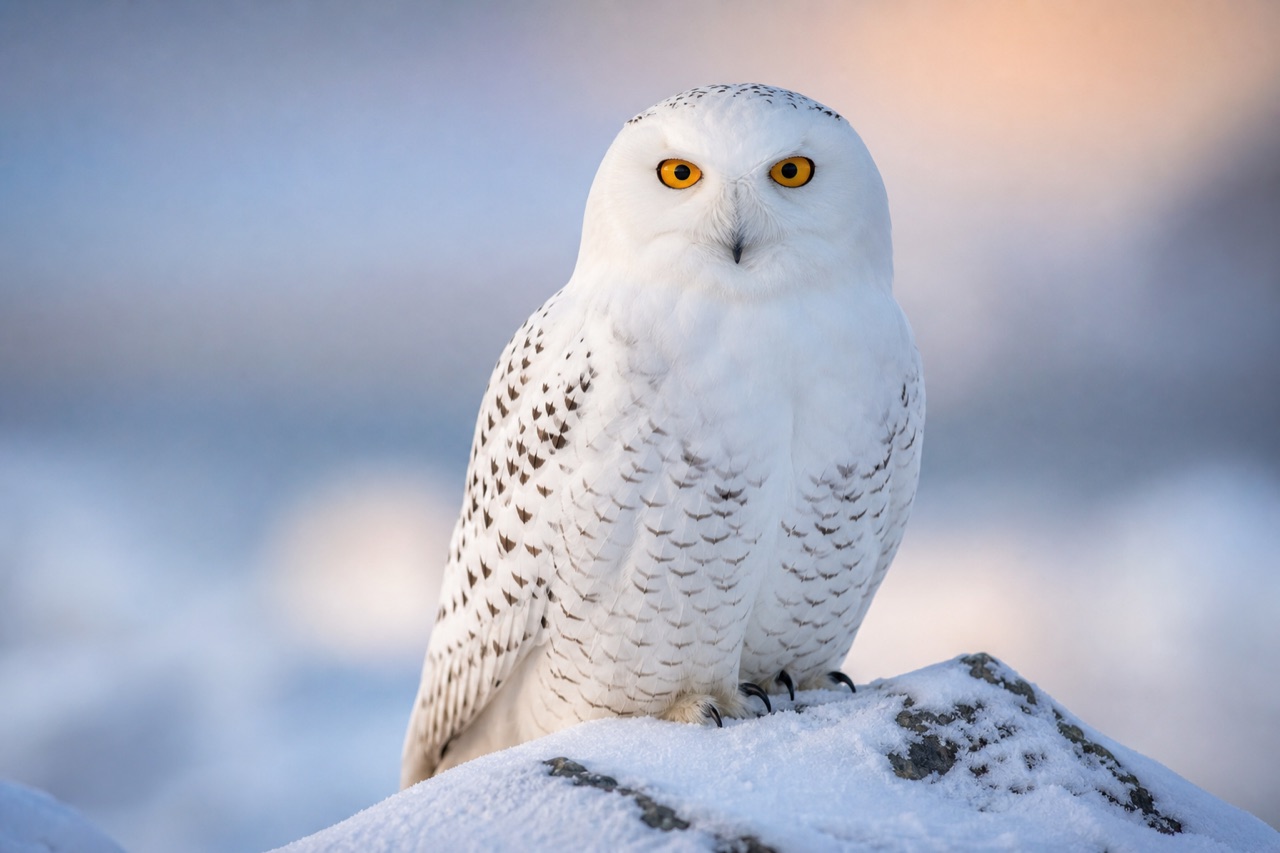
Vulnerable — reassessed in 2017 after population estimates were revised sharply downward
Snowy Owl
Bubo scandiacus (Linnaeus, 1758) — family Strigidae
The snowy owl (Bubo scandiacus) is a large, mainly white Arctic owl that hunts by day and is nomadic rather than territorial; its breeding success tracks lemming abundance, and it was reclassified as Vulnerable in 2017.
Read the guide →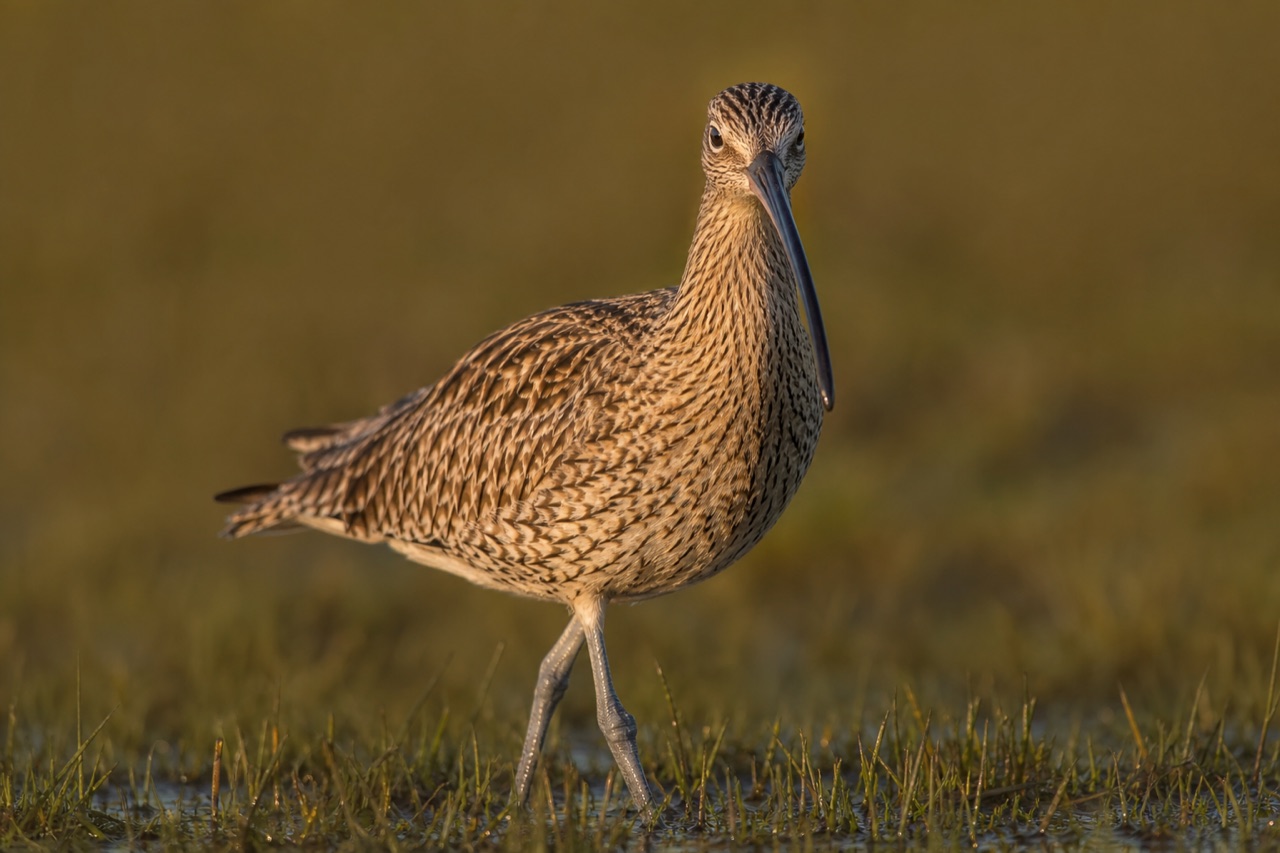
Near Threatened globally — Red-listed in Britain after catastrophic breeding decline
Curlew
Numenius arquata (Linnaeus, 1758) — family Scolopacidae
The Eurasian curlew (Numenius arquata) is a large wader with a long downcurved bill and bubbling call, breeding on moor and wet grassland; British numbers have fallen catastrophically — Red-listed — and the species is Near Threatened globally.
Read the guide →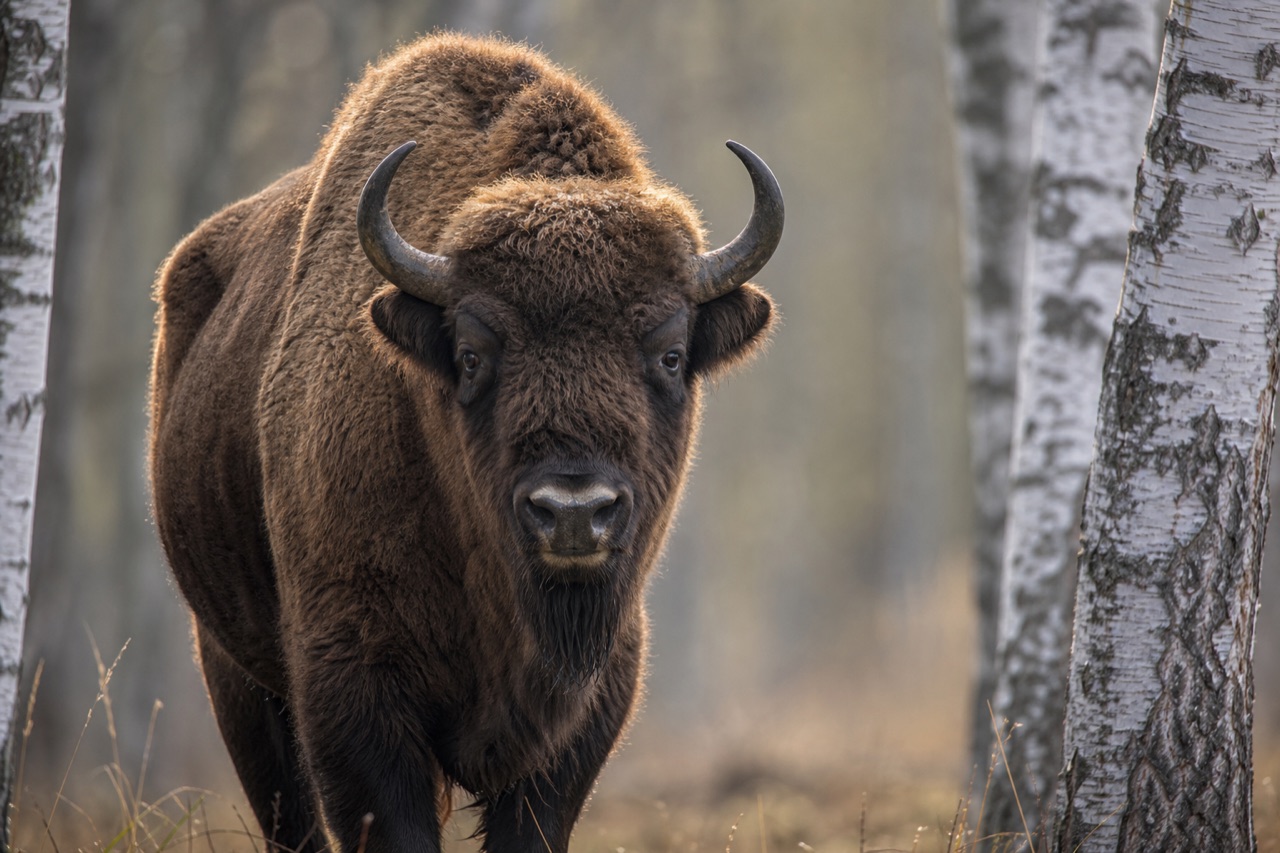
Near Threatened — restored from ~54 captive animals in 1927 to 6,800+ wild
European Bison
Bison bonasus (Linnaeus, 1758) — family Bovidae
The European bison (Bison bonasus) is Europe's largest land mammal, restored from around fifty-four captive animals when the last wild individual died in 1927 to more than 6,800 wild bison today through captive breeding and reintroduction.
Read the guide →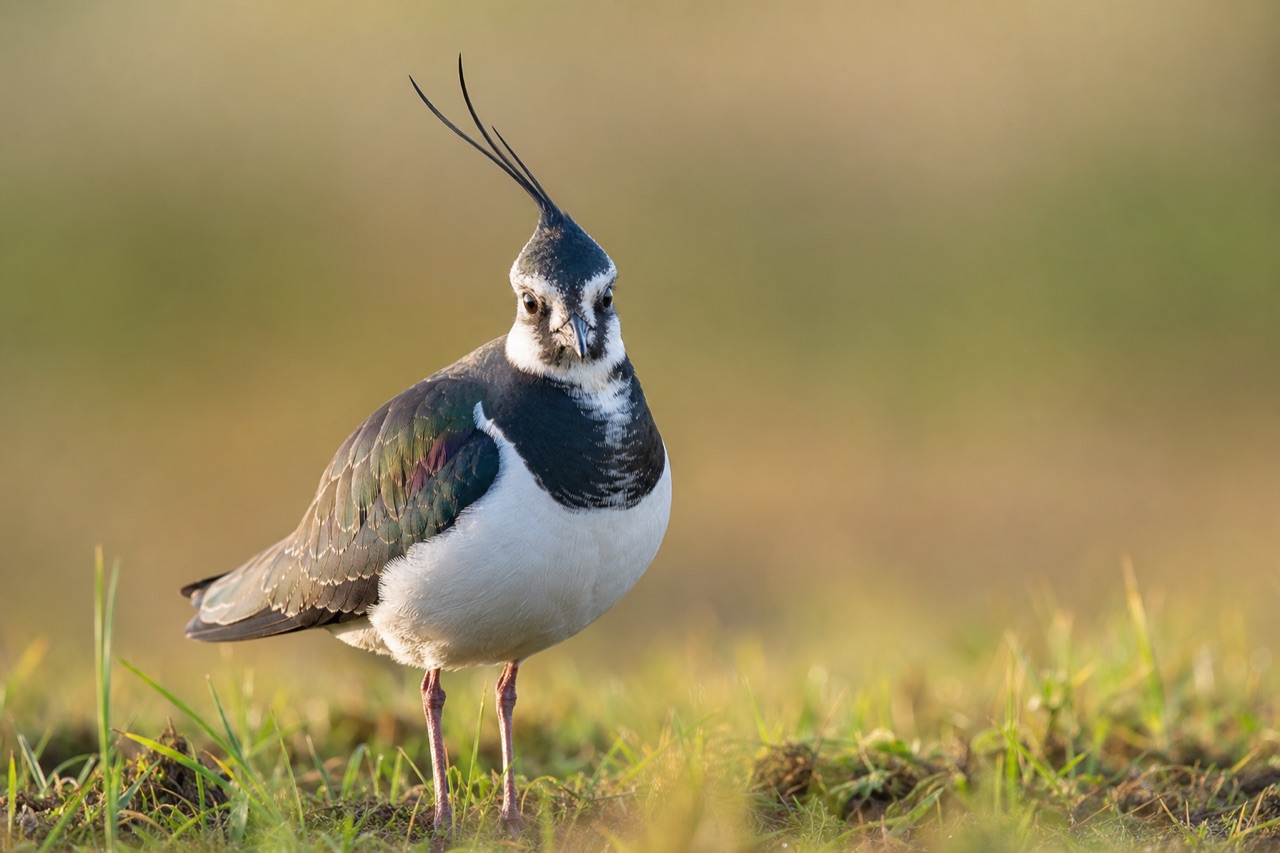
Near Threatened globally — Red-listed in Britain after steep farmland breeding decline
Lapwing
Vanellus vanellus (Linnaeus, 1758) — family Charadriidae
The northern lapwing (Vanellus vanellus) is a crested farmland wader with peewit call and tumbling display; British breeding numbers have fallen steeply — Red-listed — as wet meadows drained and spring nesting habitat vanished, and the species is Near Threatened globally.
Read the guide →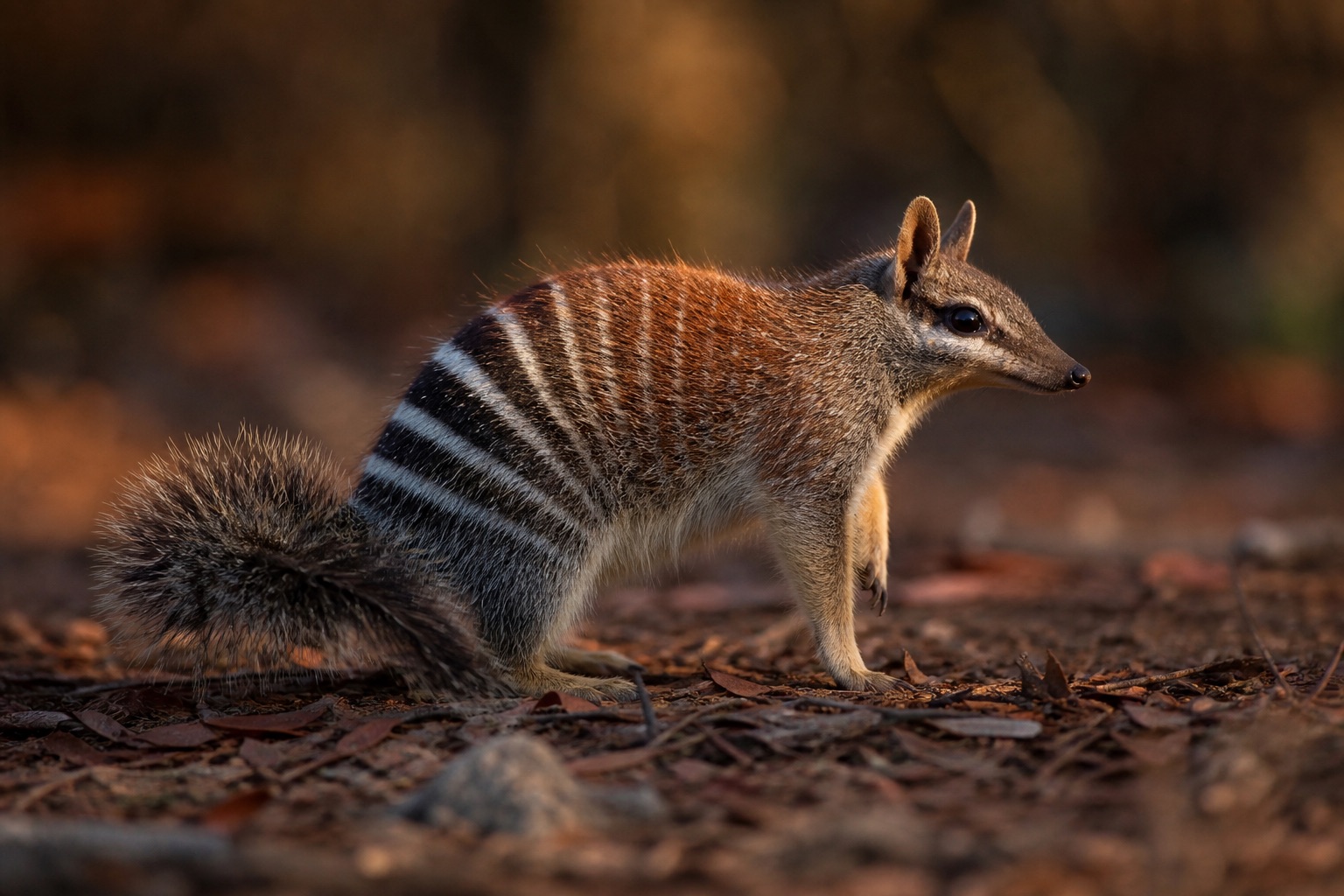
Near Threatened on the IUCN Red List since July 2026 — still Endangered under Australian federal law
Numbat
Myrmecobius fasciatus (Waterhouse, 1836) — family Myrmecobiidae
The numbat (Myrmecobius fasciatus) is a diurnal marsupial of south-western Australia that eats almost exclusively termites using a long sticky tongue; after falling to roughly 300 animals in the 1970s, recovery efforts have raised numbers to an estimated 2,000–3,000 and the IUCN downlisted it to Near Threatened in 2026.
Read the guide →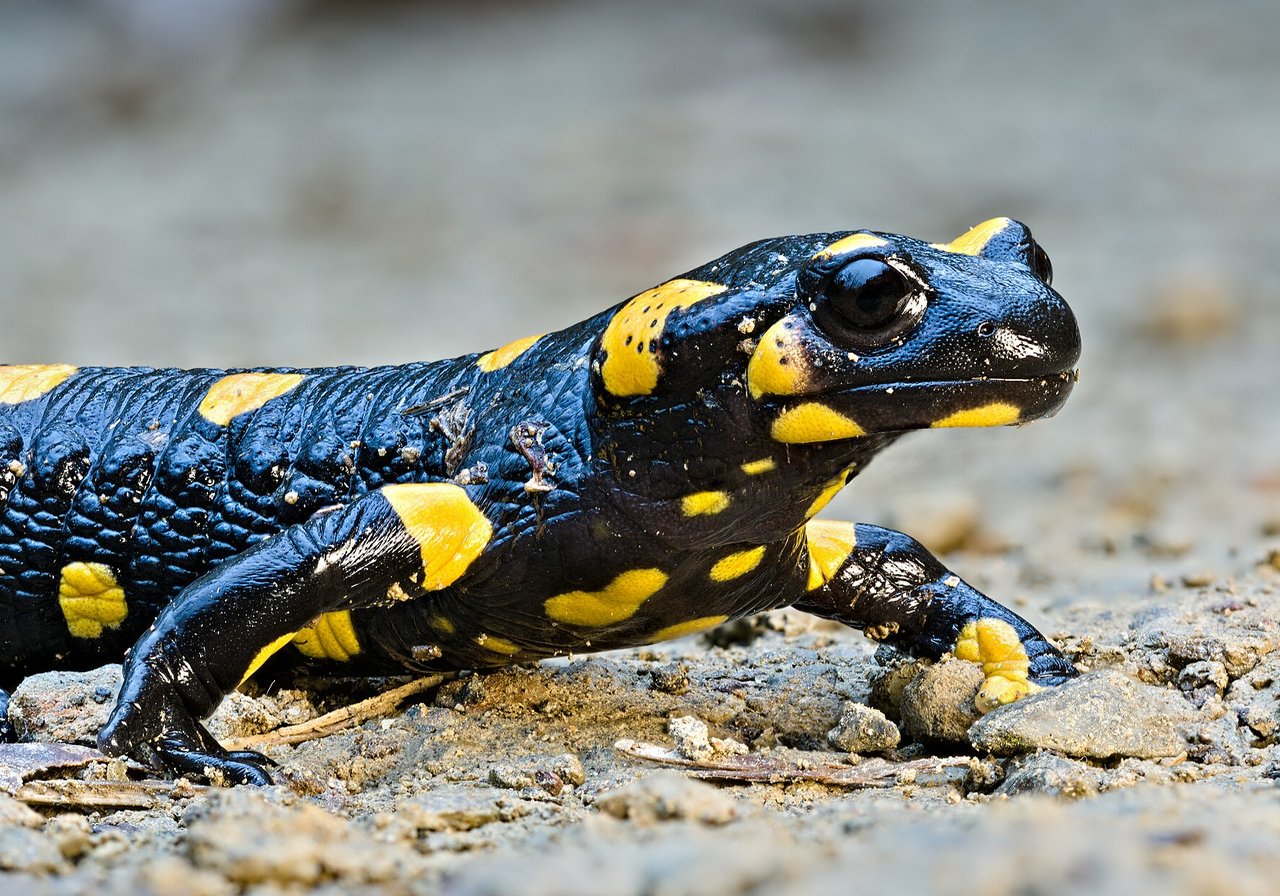
Near Threatened
Salamander
Salamandra salamandra (Linnaeus, 1758)
Salamanders are tailed amphibians of order Caudata; the fire salamander (Salamandra salamandra) is Near Threatened in Europe, threatened by Bsal fungus linked to the pet trade, while many species face habitat loss and overharvesting.
Read the guide →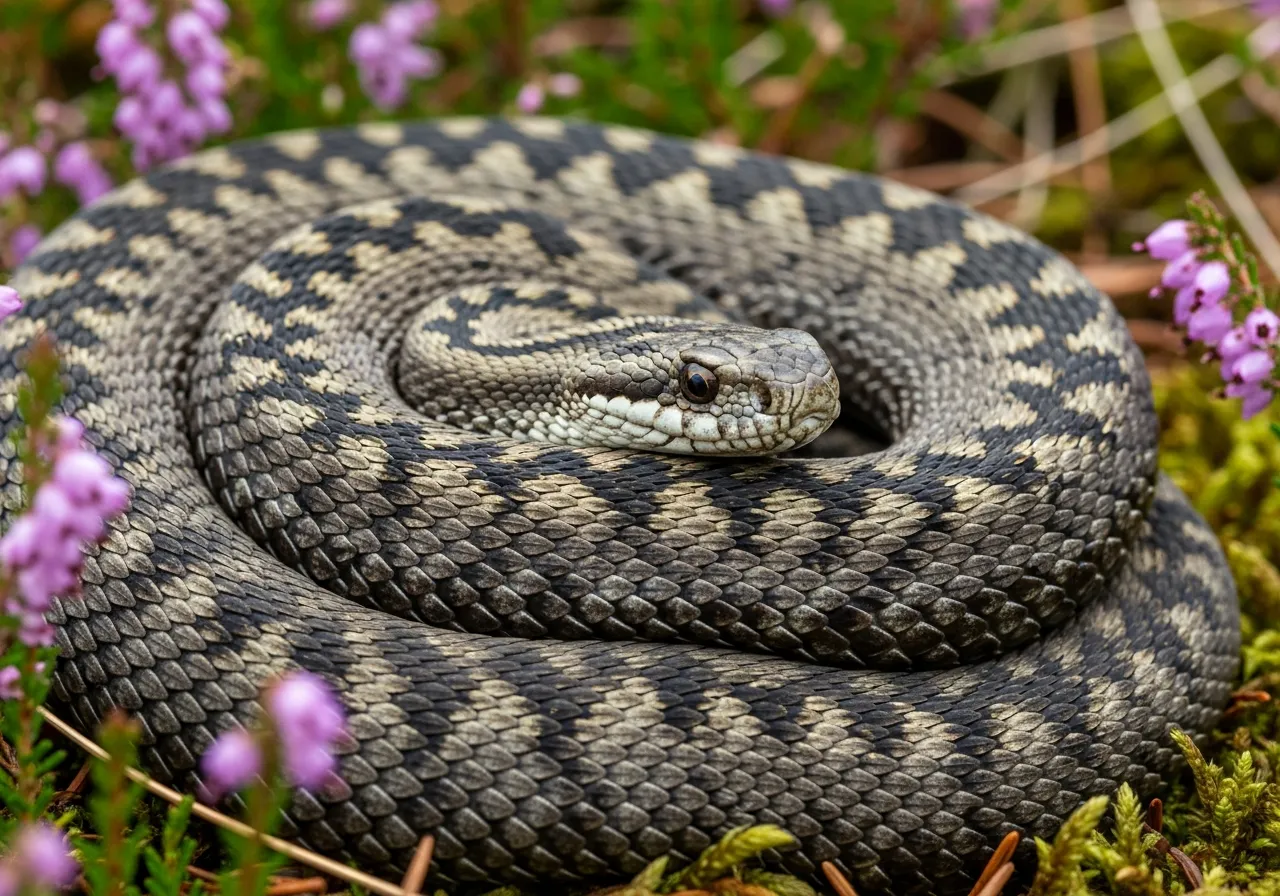
Least Concern (IUCN, 2021); declining and legally protected in the UK
Adder
Vipera berus
An adder (Vipera berus) is a small venomous snake of Europe and Asia, identified by a dark zigzag stripe along its back. It is Britain's only venomous snake, hunts small mammals and lizards, and is shy, biting humans only in defence.
Read the guide →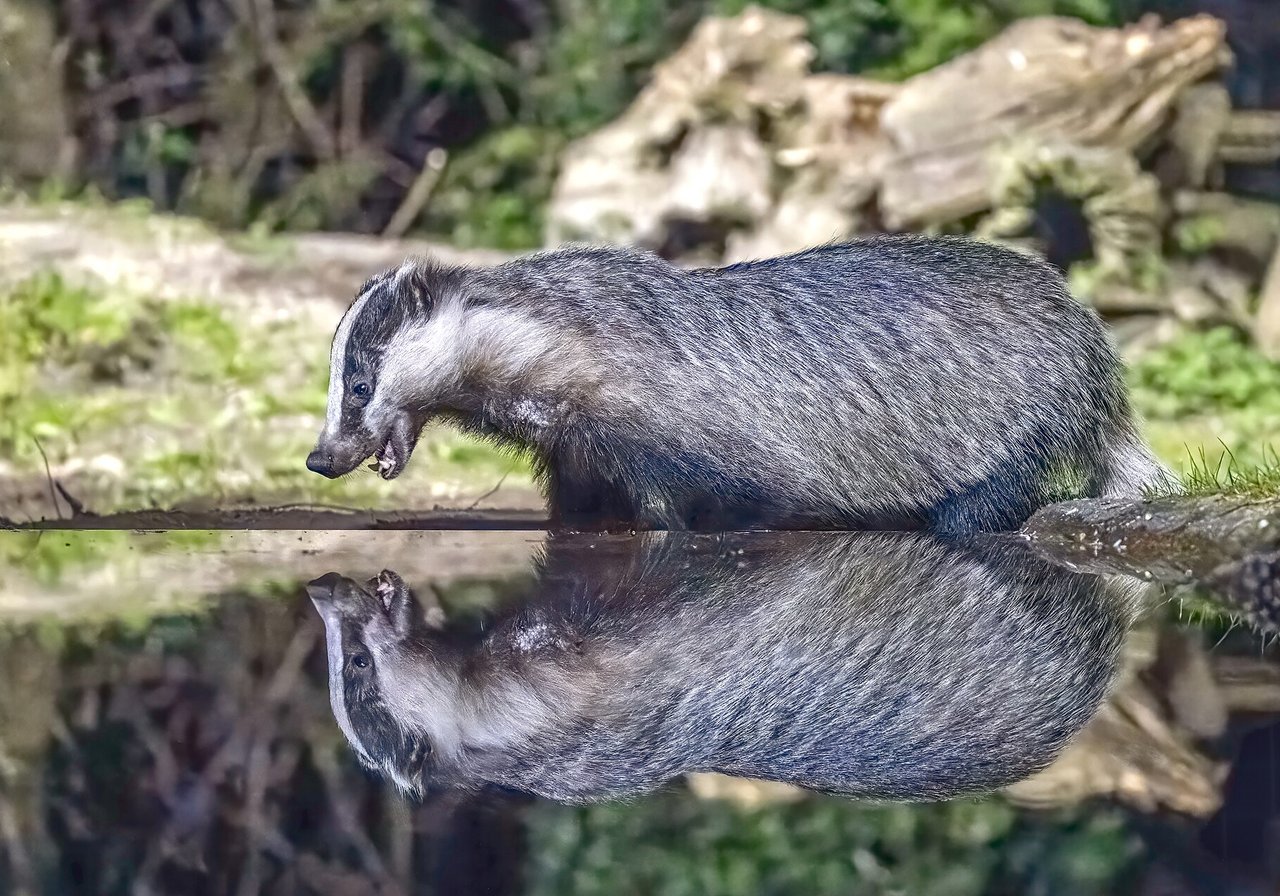
Least Concern (IUCN)
Badger
Meles meles (Linnaeus, 1758)
The European badger (Meles meles) is a Least Concern mustelid of European and Asian woodlands, living in social groups in extensive underground setts and feeding on earthworms, fruit and small vertebrates.
Read the guide →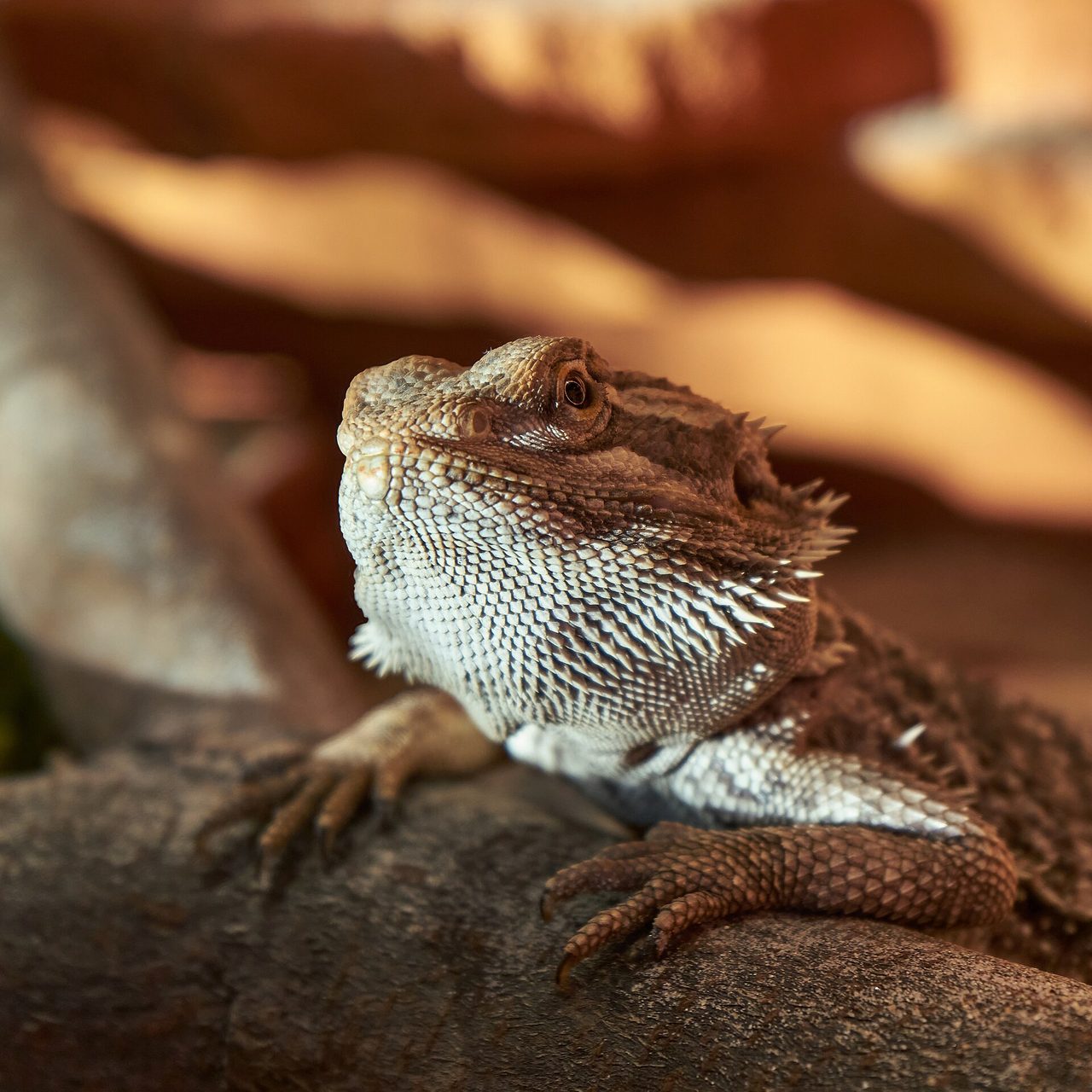
Least Concern (IUCN)
Bearded Dragon
Pogona vitticeps
The central bearded dragon (Pogona vitticeps) is a Least Concern lizard native to the arid scrublands of eastern and central Australia, renowned for its darkening throat pouch and unique ability to have sex determined by either chromosomes or incubation temperature.
Read the guide →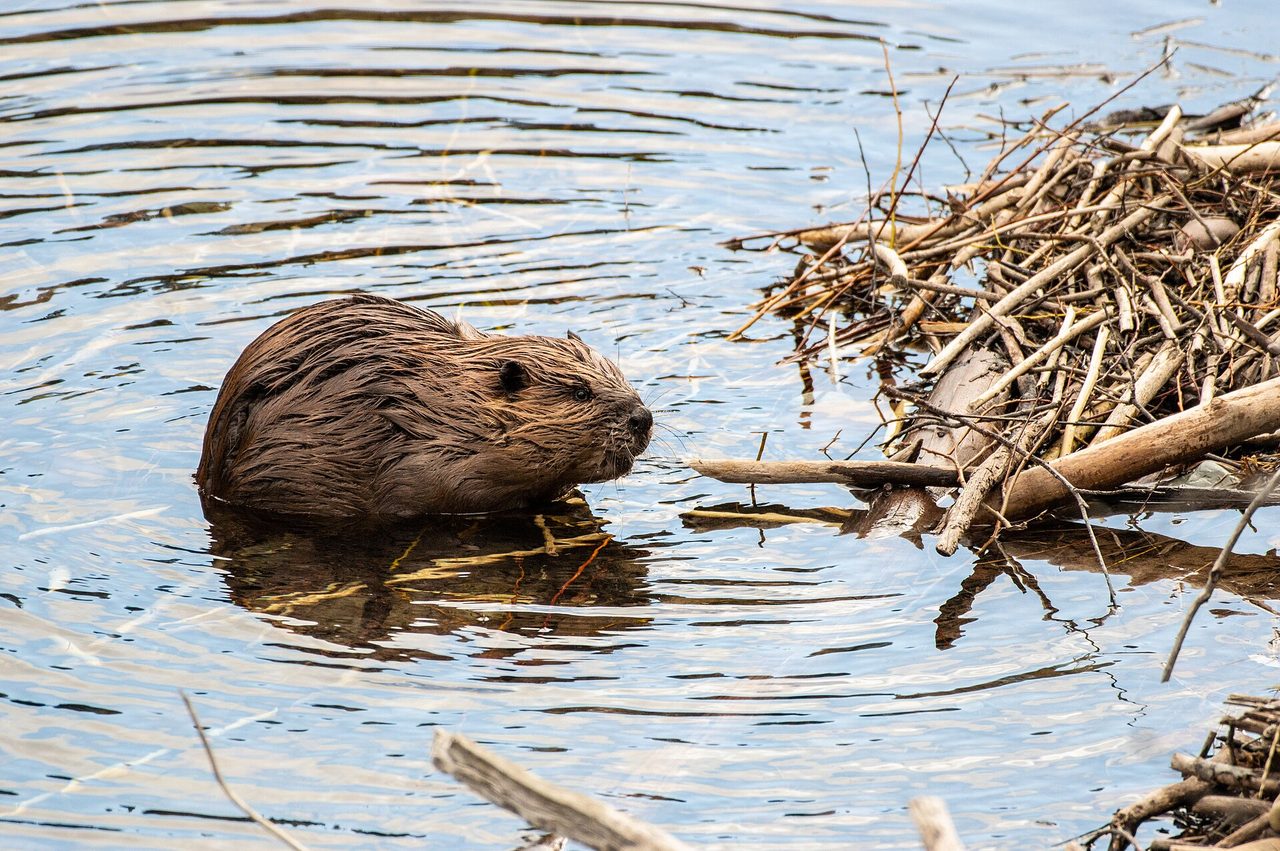
Least Concern (IUCN)
Beaver
Castor fiber (Linnaeus, 1758) and Castor canadensis (Kuhl, 1820)
Beavers are Least Concern rodents of the genus Castor — the Eurasian and American species build dams and lodges that create wetlands supporting fish, birds and amphibians; Eurasian beavers recovered from near extinction through reintroduction.
Read the guide →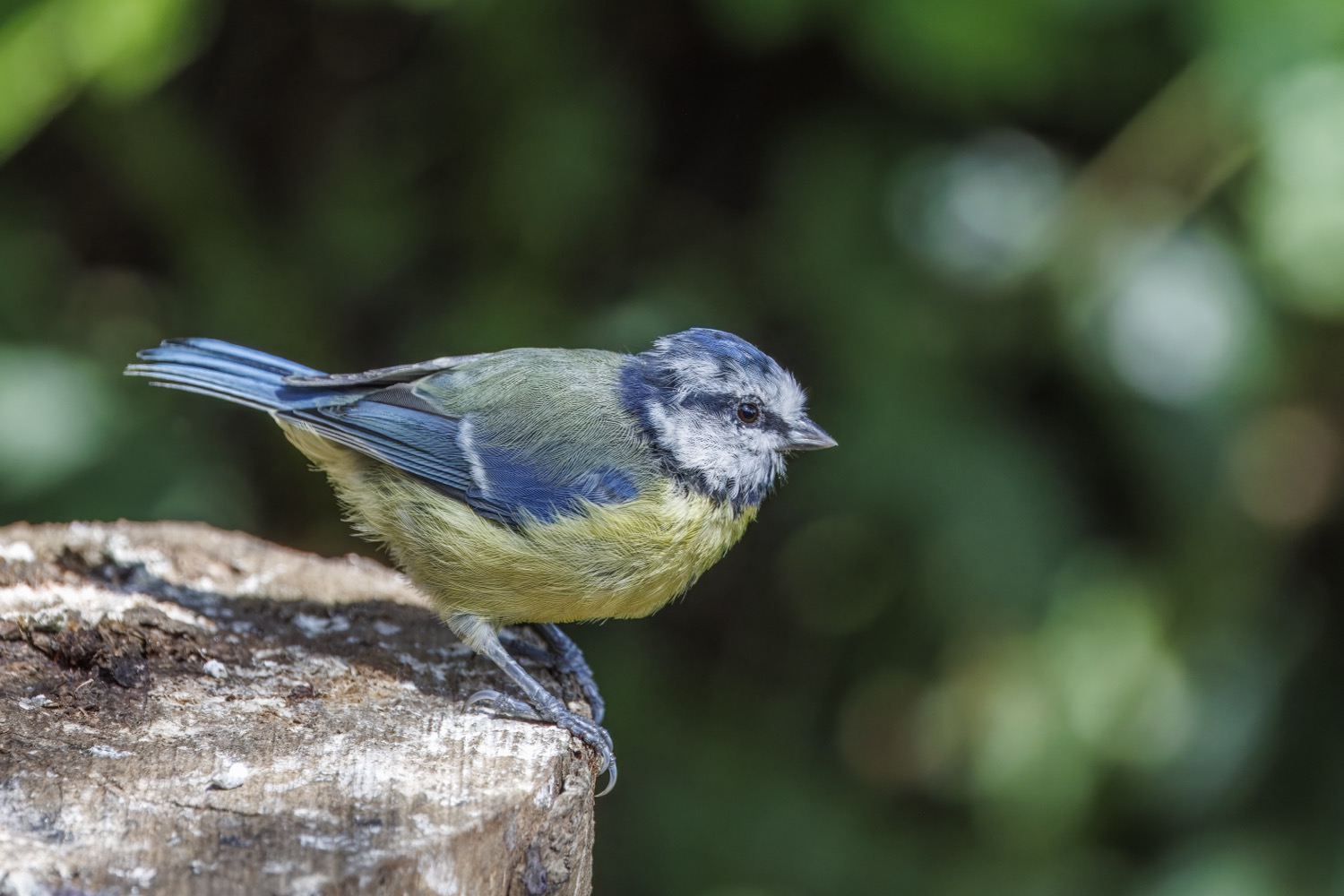
Least Concern (IUCN)
Blue Tit
Cyanistes caeruleus
A blue tit (Cyanistes caeruleus) is a small European songbird with a blue cap and wings, white cheeks and a yellow breast. Weighing about 11 grams, it is a common, acrobatic garden-feeder visitor across Britain, Ireland and much of Europe, and an IUCN Least Concern species.
Read the guide →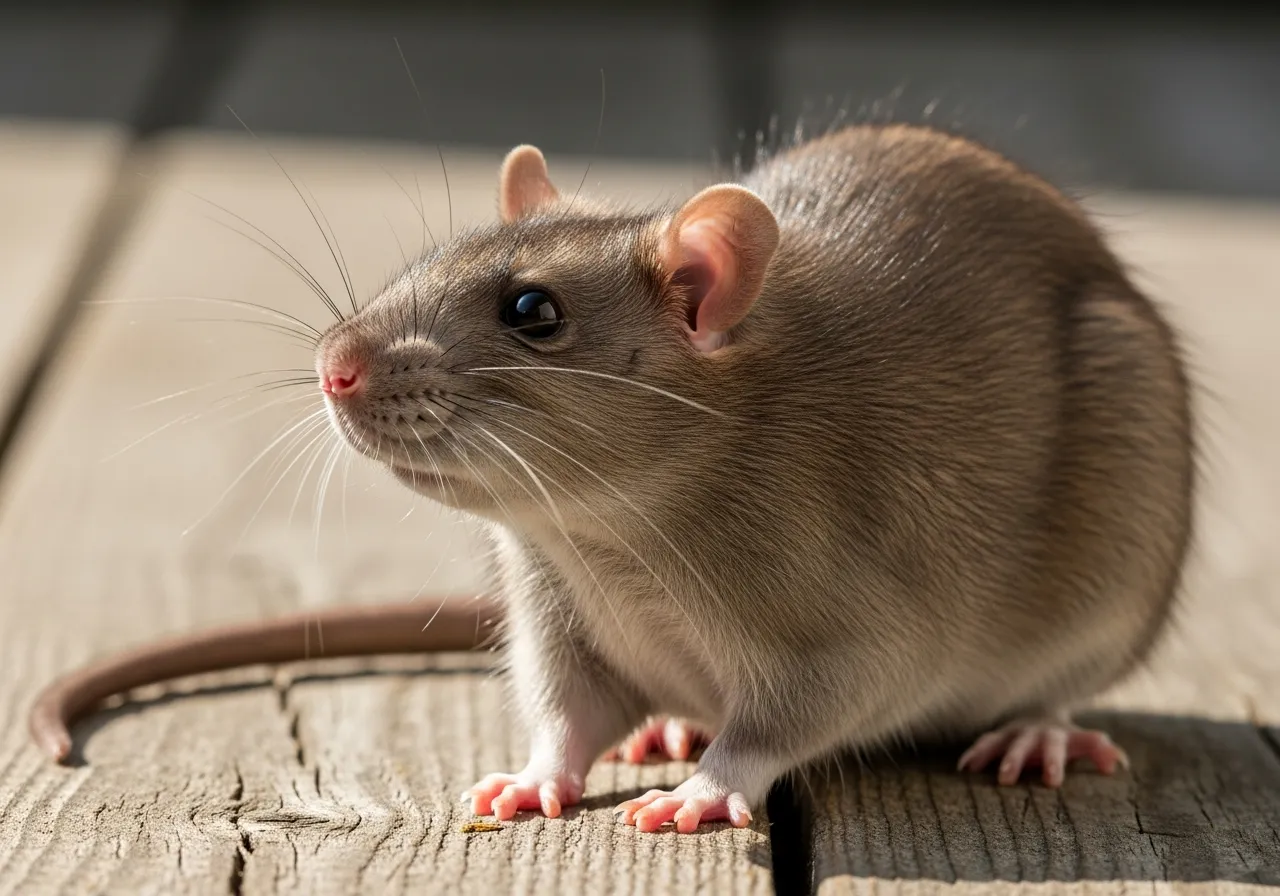
Least Concern (IUCN)
Brown Rat
Rattus norvegicus
A brown rat (Rattus norvegicus) is a large, adaptable rodent that lives alongside humans worldwide. Native to Asia, it has spread to every continent except Antarctica. Highly intelligent and social, it is the wild ancestor of both pet "fancy rats" and laboratory rats, and is listed as Least Concern.
Read the guide →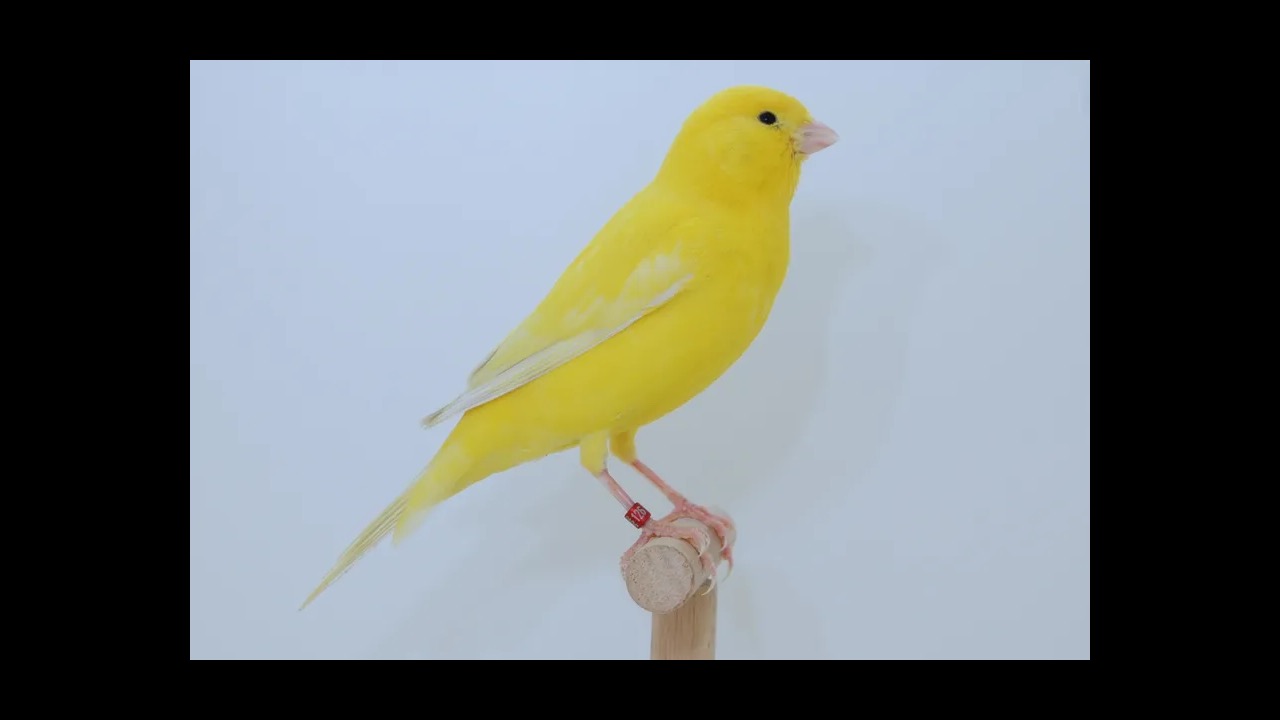
Domesticated species
Canary
Serinus canaria
Canaries are domesticated songbirds descended from wild Atlantic canaries of the Canary Islands, Madeira, and the Azores. Bred for centuries for colour and song, they weigh 15–25 g (0.5–0.9 oz) and are kept in millions of households — while wild populations on their native islands remain Least Concern.
Read the guide →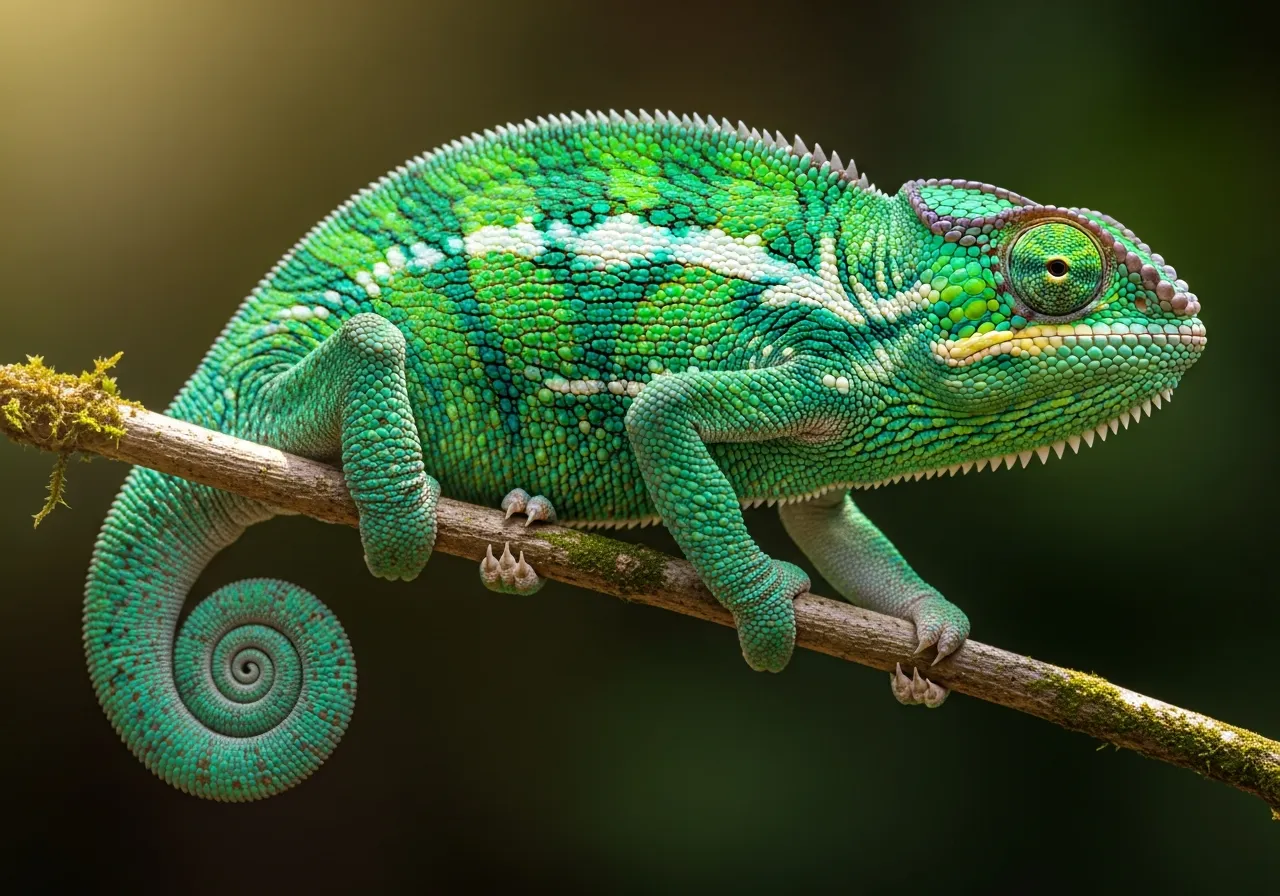
Varies by species; many threatened
Chameleon
Chamaeleonidae
A chameleon is an arboreal lizard of the family Chamaeleonidae, with around 200 species, about half found only in Madagascar. They are known for independently moving eyes, a fast projectile tongue, gripping feet, a prehensile tail and colour change used mainly for communication and temperature control.
Read the guide →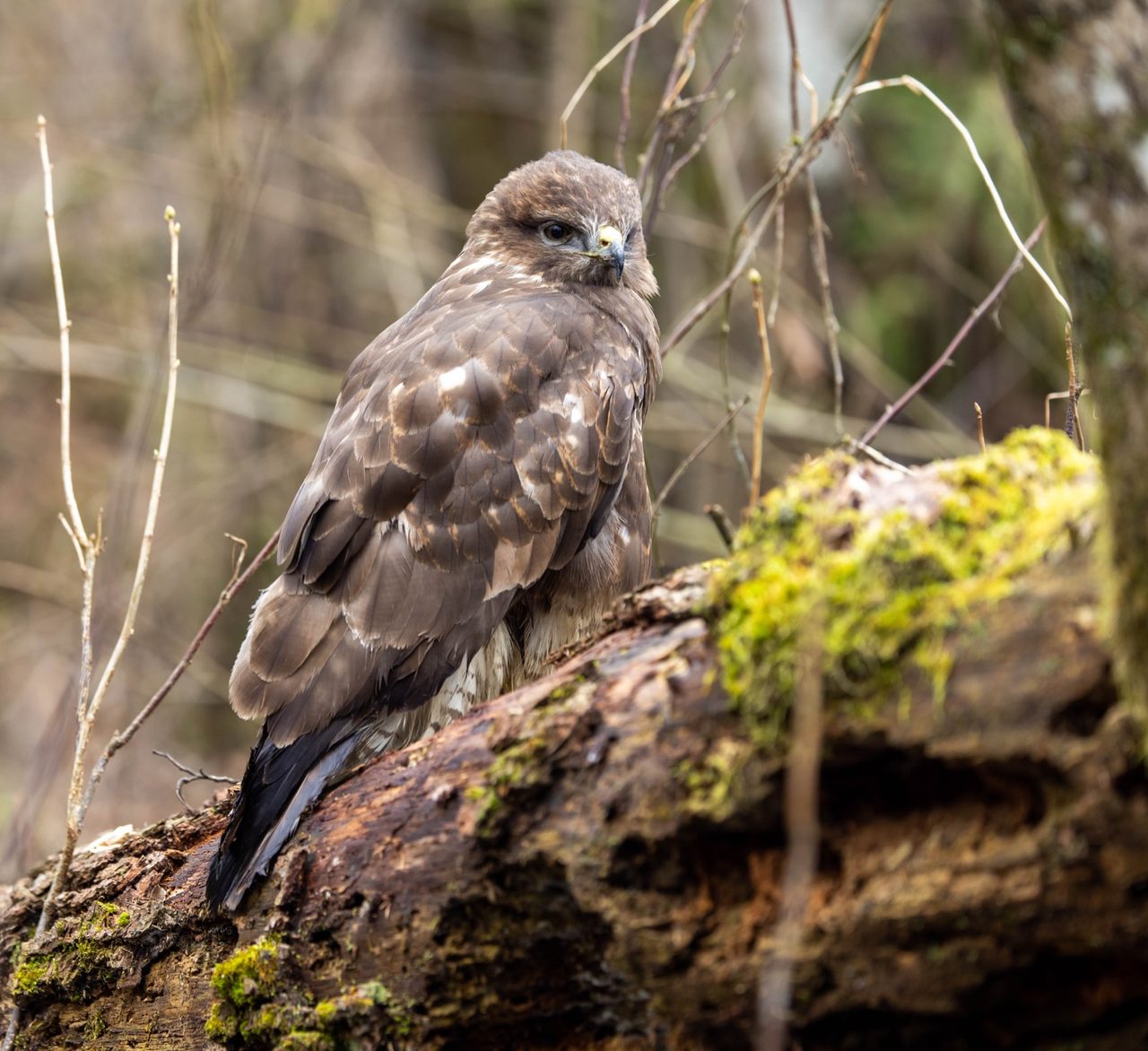
Least Concern (IUCN)
Common Buzzard
Buteo buteo
A common buzzard (Buteo buteo) is a medium-large, broad-winged bird of prey and Britain's most common and widespread raptor. It soars in slow circles, gives a distinctive cat-like mewing call, and hunts small mammals, earthworms and carrion across farmland, woodland and moorland.
Read the guide →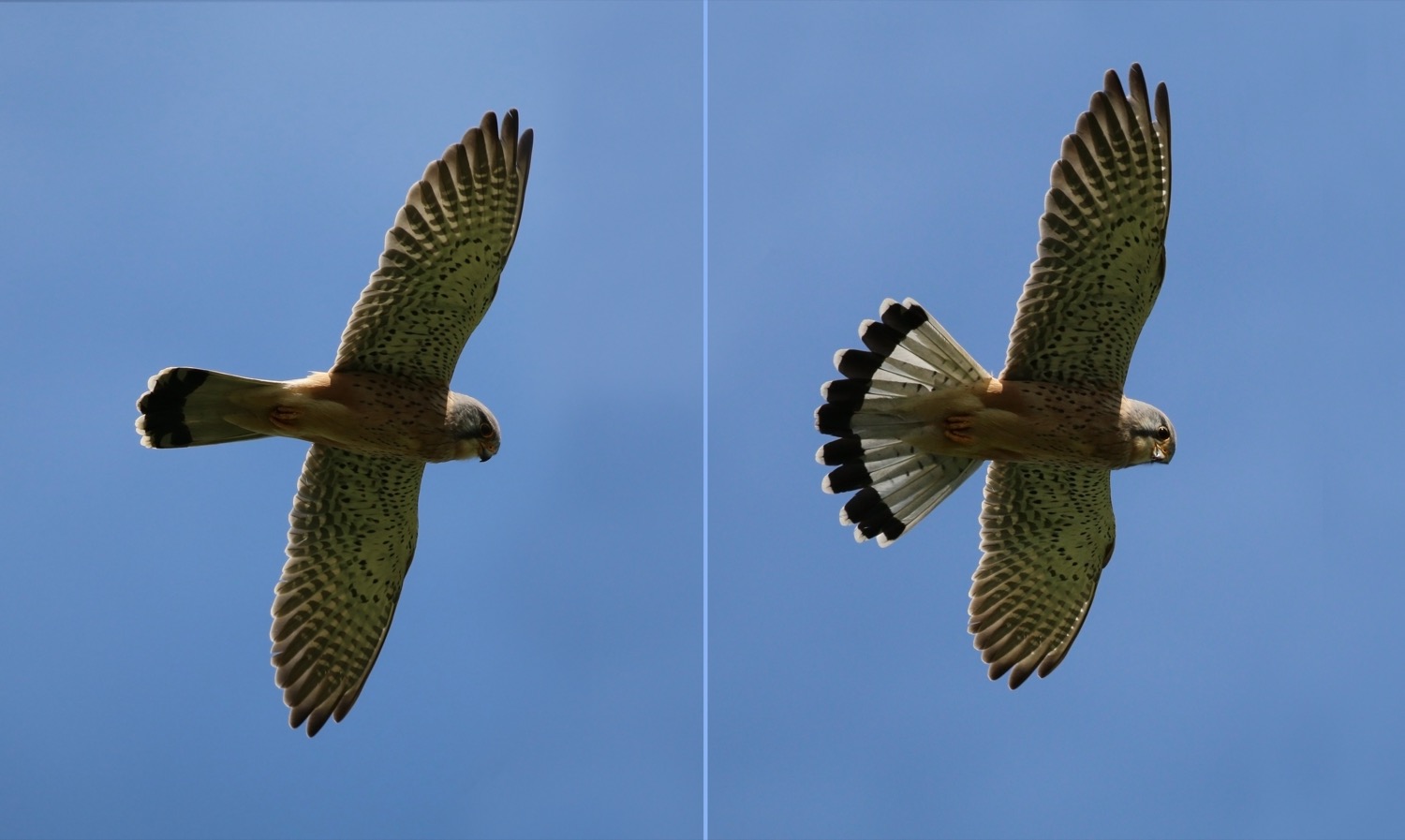
Least Concern (IUCN)
Common Kestrel
Falco tinnunculus
A common kestrel (Falco tinnunculus) is a small falcon of Europe, Asia and Africa, famous for hovering in mid-air to hunt voles, mice and large insects. Reddish-brown above with pointed wings, it can detect ultraviolet light reflected by rodent urine trails. The IUCN lists it as Least Concern.
Read the guide →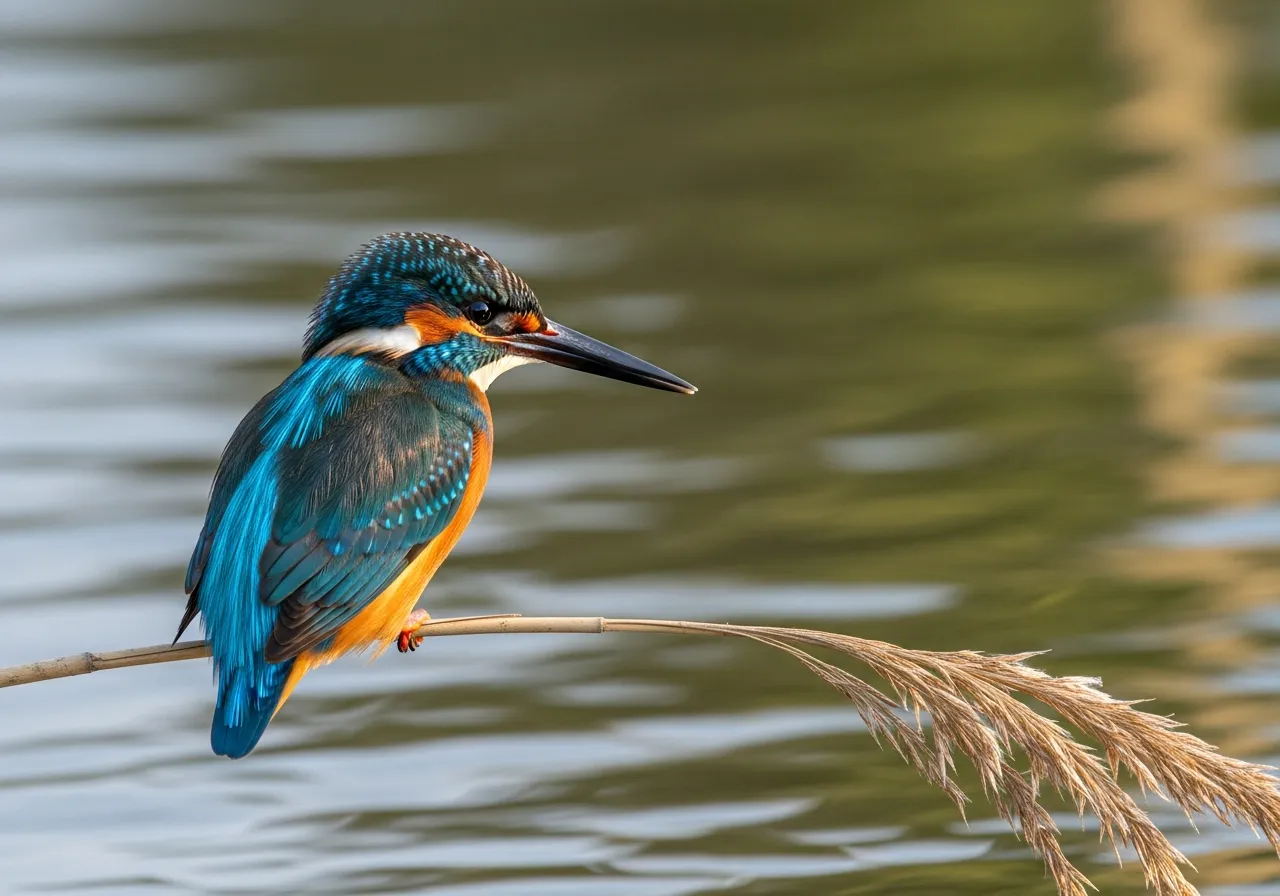
Least Concern (IUCN); not CITES-listed
Common Kingfisher
Alcedo atthis
A kingfisher is a small, brilliantly coloured bird that hunts by diving headfirst into water for fish. The common kingfisher (Alcedo atthis) of Europe, Asia and North Africa is electric-blue above and orange below, with a long, dagger-like bill, and nests in tunnels dug into riverbanks.
Read the guide →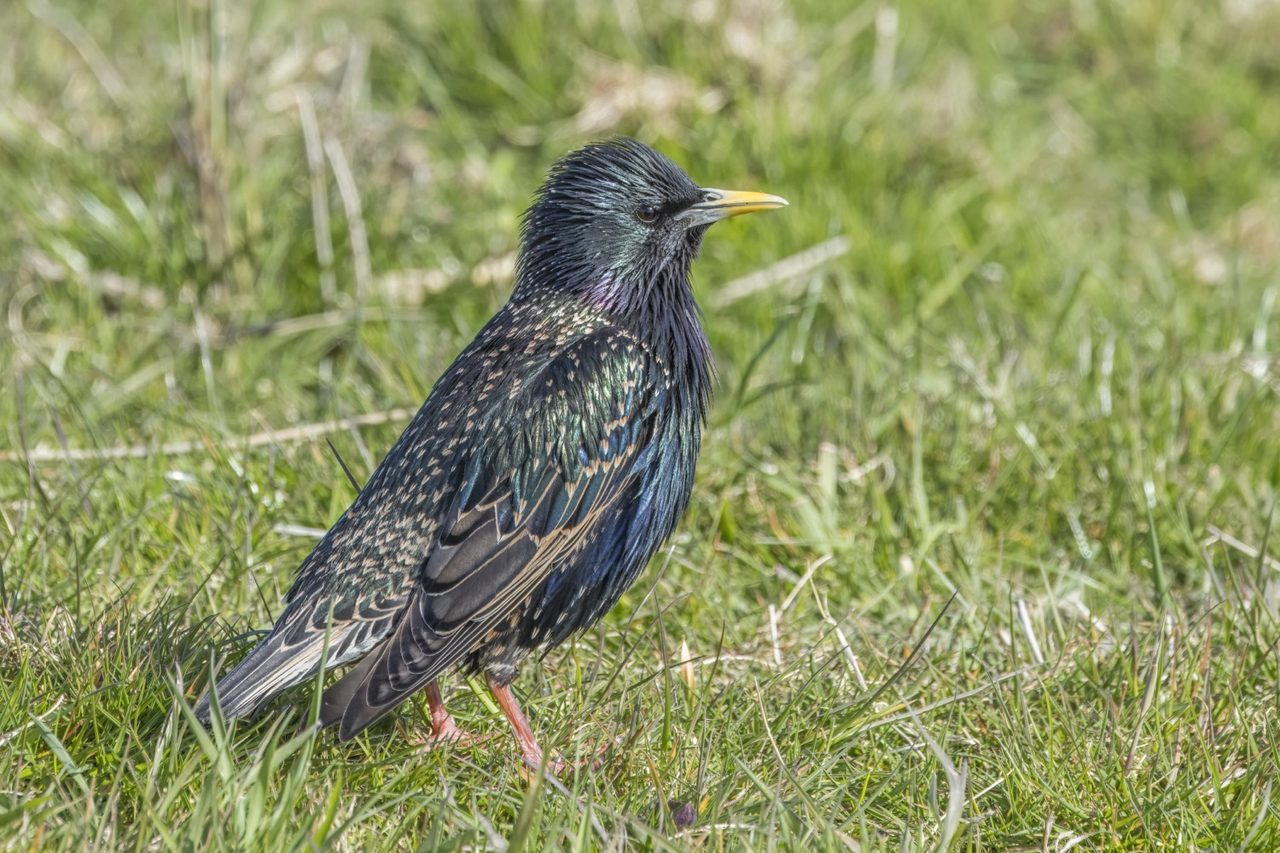
Least Concern (IUCN) globally; UK Red List of conservation concern
Common Starling
Sturnus vulgaris
The common starling (Sturnus vulgaris) is a stocky, glossy black songbird native to Eurasia and North Africa, famous for vast swirling winter flocks called murmurations and for skilled vocal mimicry. Globally common and rated Least Concern, it has declined sharply in Britain and is UK Red-listed.
Read the guide →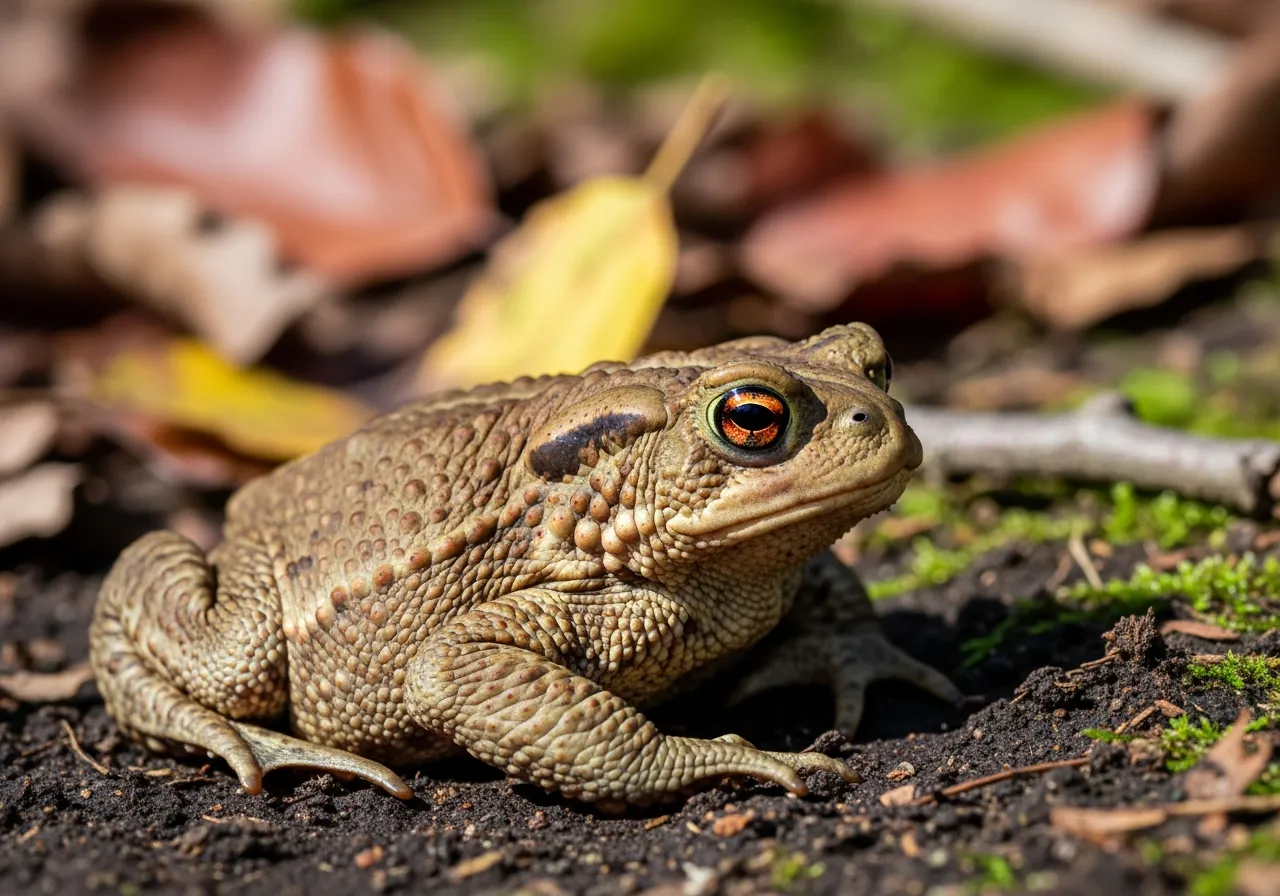
Least Concern (IUCN), but declining in parts of the UK
Common Toad
Bufo bufo
A toad is a tail-less amphibian, typified by the common toad (Bufo bufo), with dry, warty skin, short legs and toxin-secreting parotoid glands behind the eyes. Unlike frogs, toads usually walk rather than leap, live mostly on land, and return to ponds each spring to breed.
Read the guide →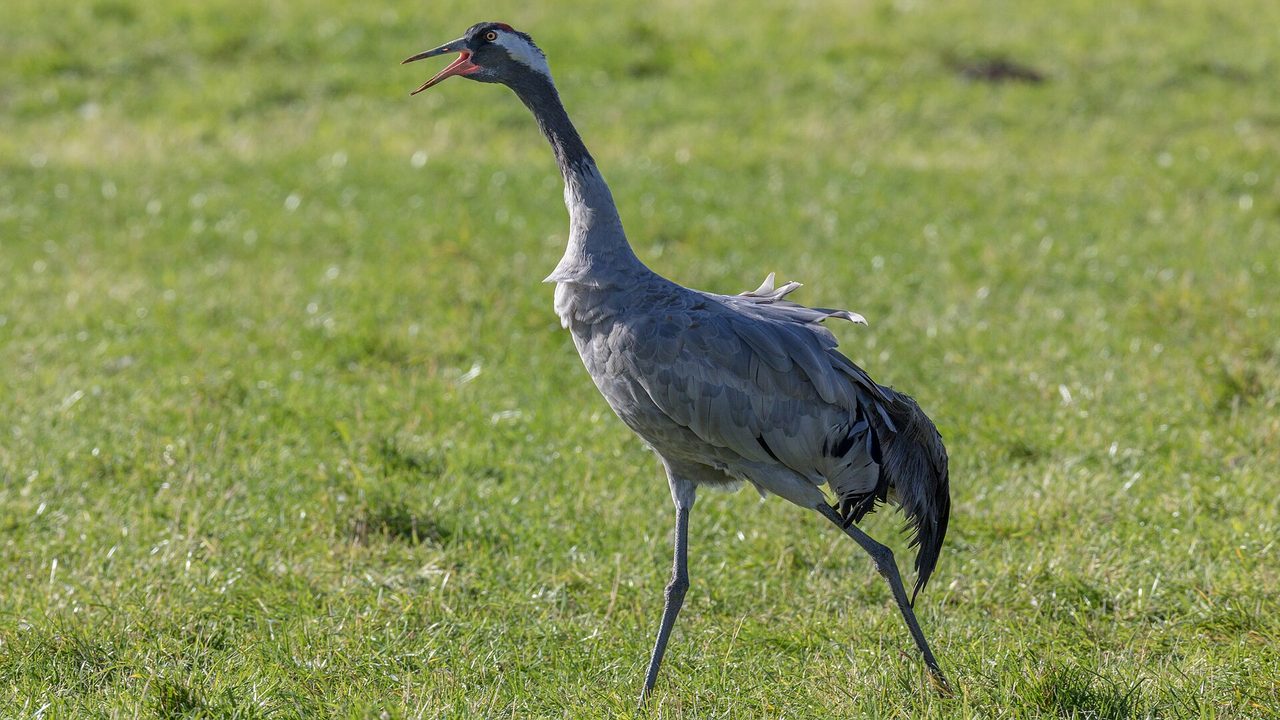
Varies by species (Critically Endangered to Least Concern)
Crane
Family Gruidae
Cranes are a family (Gruidae) of 15 large, long-lived wading birds found on every continent except South America and Antarctica; the family spans conservation statuses from Least Concern (Common Crane, over 700,000 birds) to Critically Endangered (Siberian Crane, roughly 6,500–7,000 birds), making them collectively one of the most threatened bird groups in the world.
Read the guide →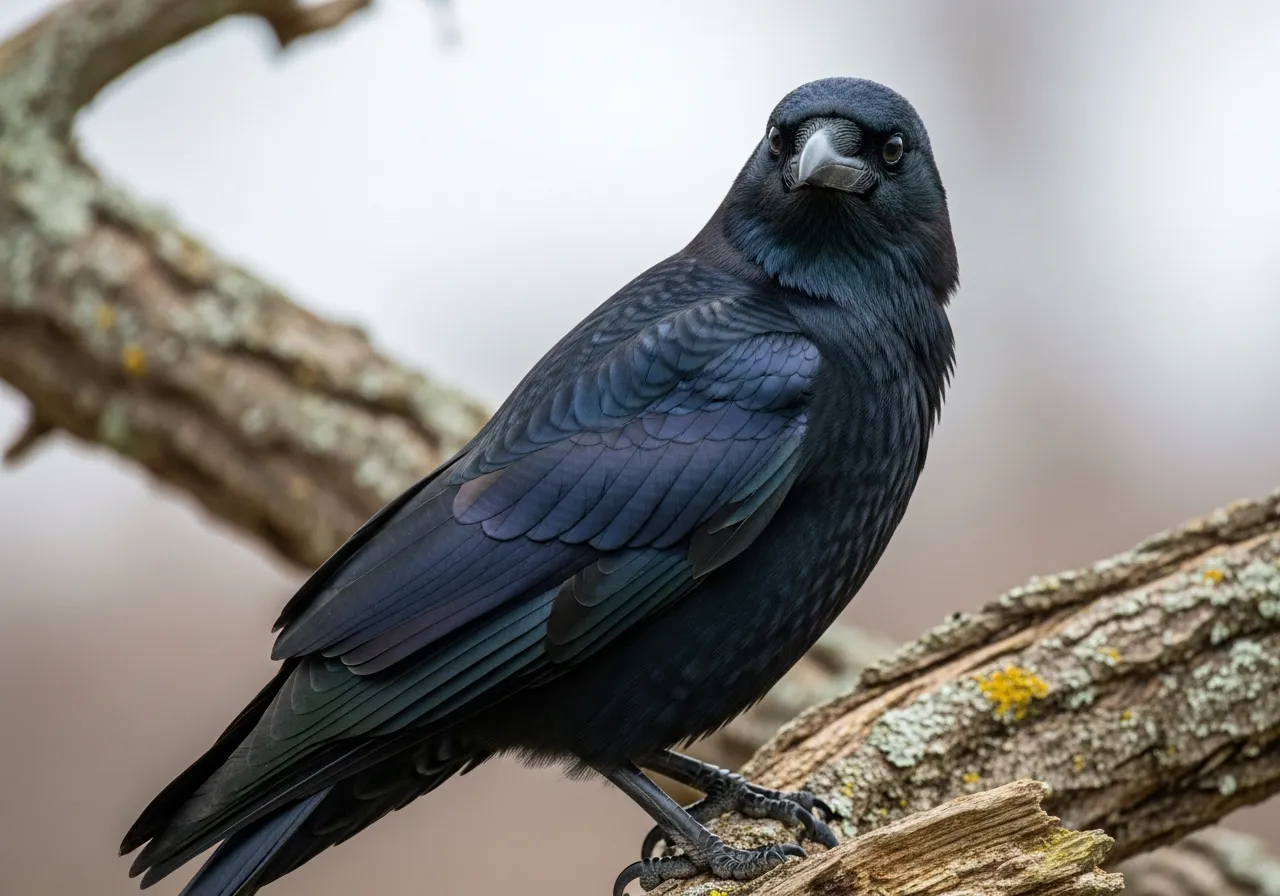
Varies by species; common crows Least Concern (IUCN)
Crow
Corvus
A crow is a medium-to-large, mostly black bird of the genus Corvus, part of the corvid family that includes ravens and jays. Found on most continents, crows are among the world's most intelligent birds — using tools, solving problems and recognising individual human faces.
Read the guide →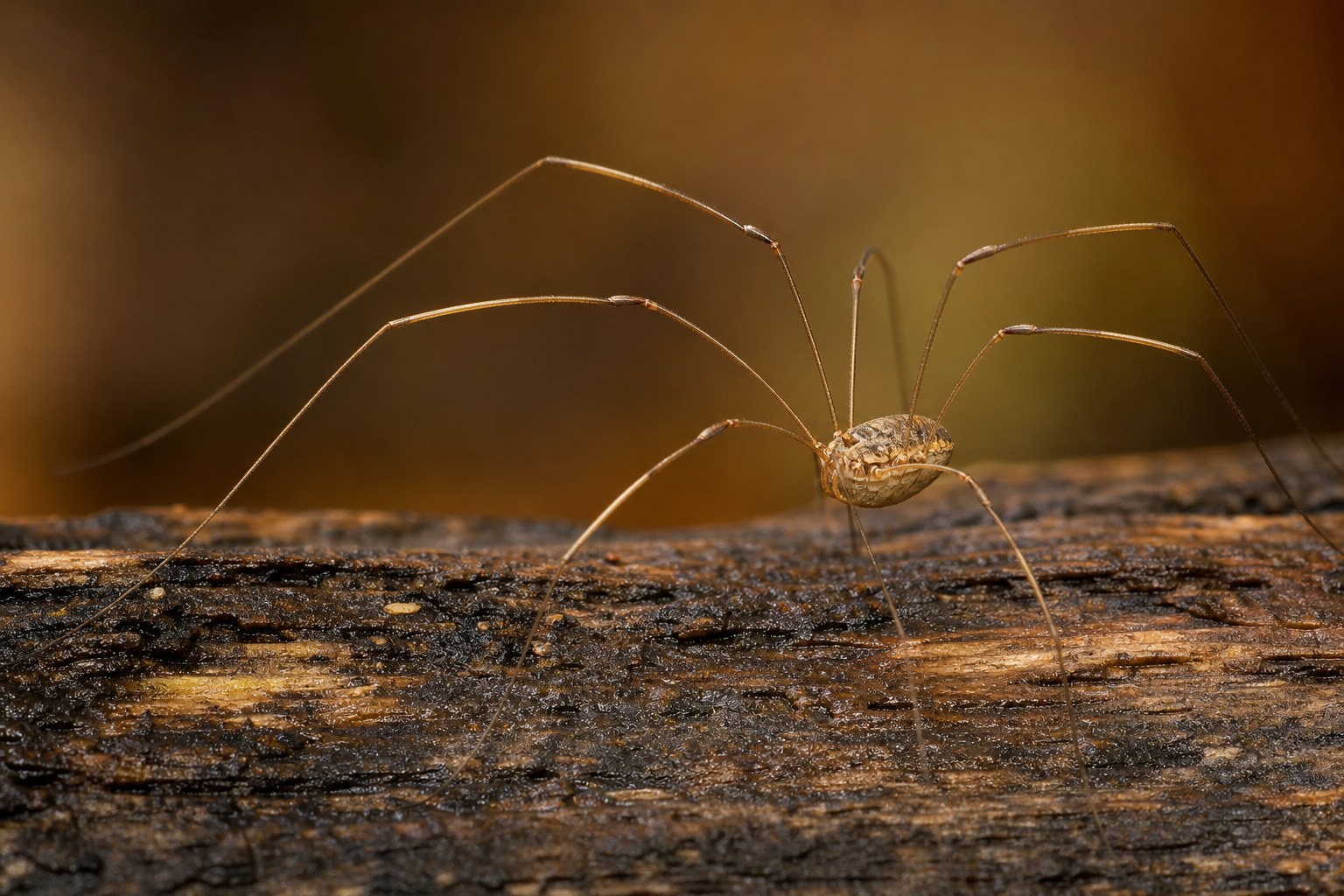
Not Evaluated as a group — most species unassessed; common cellar spiders and harvestmen are widespread
Daddy Longlegs
Name shared by Pholcidae (cellar spiders), Opiliones (harvestmen) and sometimes Tipulidae (crane flies)
Daddy longlegs is a shared common name for cellar spiders (Pholcidae), harvestmen (Opiliones) and sometimes crane flies; none is the world's most venomous spider — harvestmen have no venom, cellar-spider venom is not medically significant to humans, and crane flies have none.
Read the guide →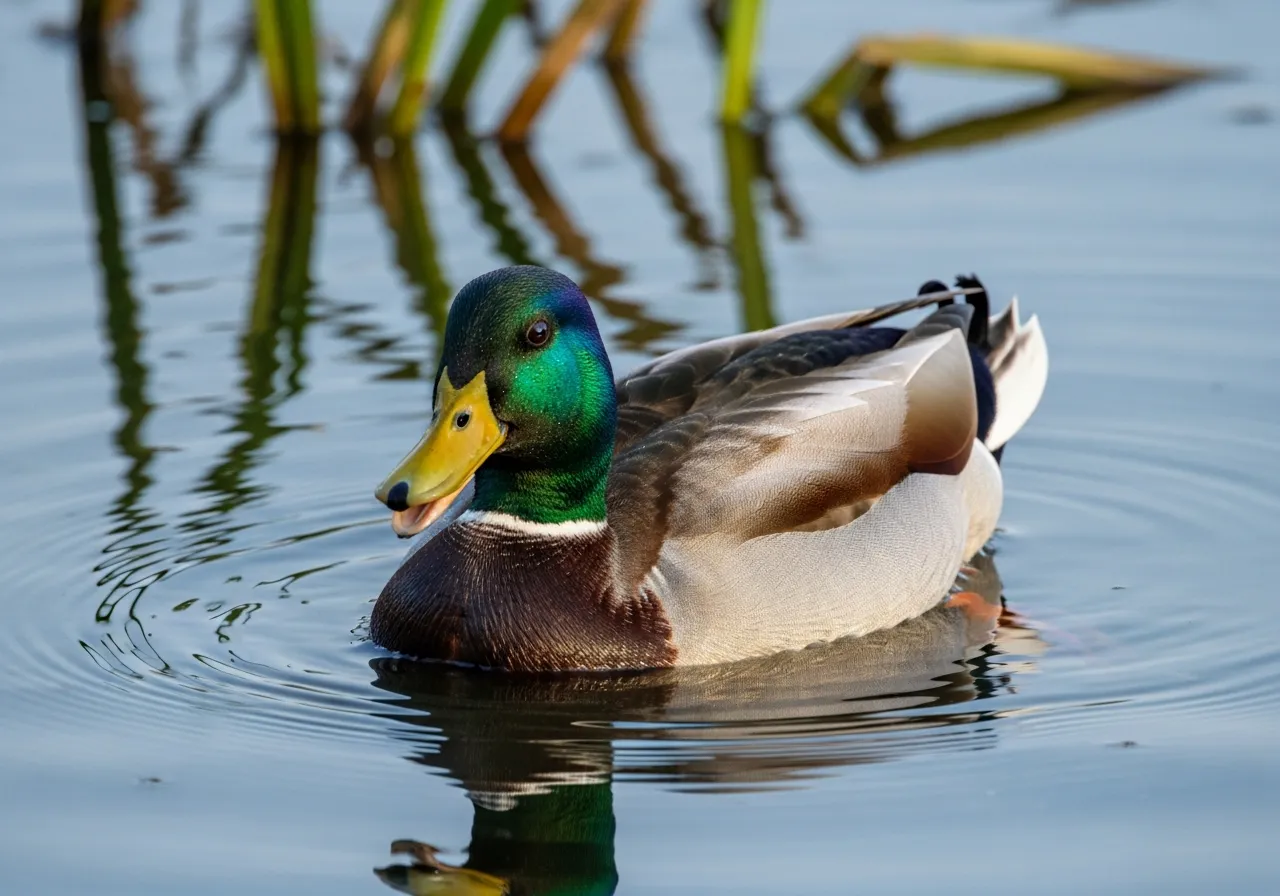
Varies; common species Least Concern
Duck
Family Anatidae (e.g. Anas platyrhynchos)
A duck is a waterbird in the family Anatidae — smaller and shorter-necked than its relatives the geese and swans. Ducks have a broad flat bill, webbed feet and waterproof feathers, live on fresh and salt water worldwide, and feed by dabbling at the surface or diving underwater.
Read the guide →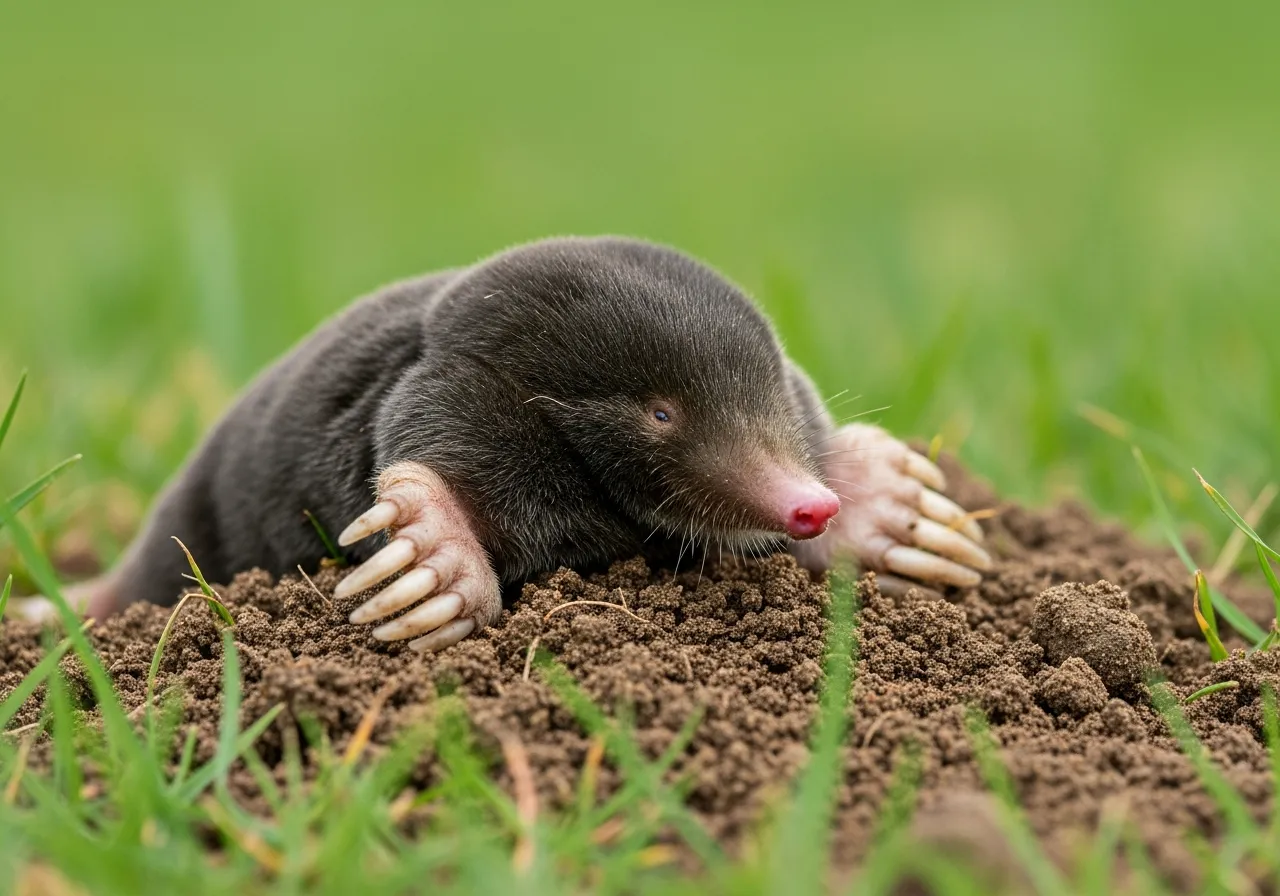
Least Concern (IUCN)
European Mole
Talpa europaea
The European mole (Talpa europaea) is a small, burrowing insectivorous mammal with velvety fur, tiny eyes and powerful spade-like forepaws. It lives almost entirely underground, hunting earthworms in self-dug tunnels across Europe and western Asia, and is best known for the molehills it pushes to the surface.
Read the guide →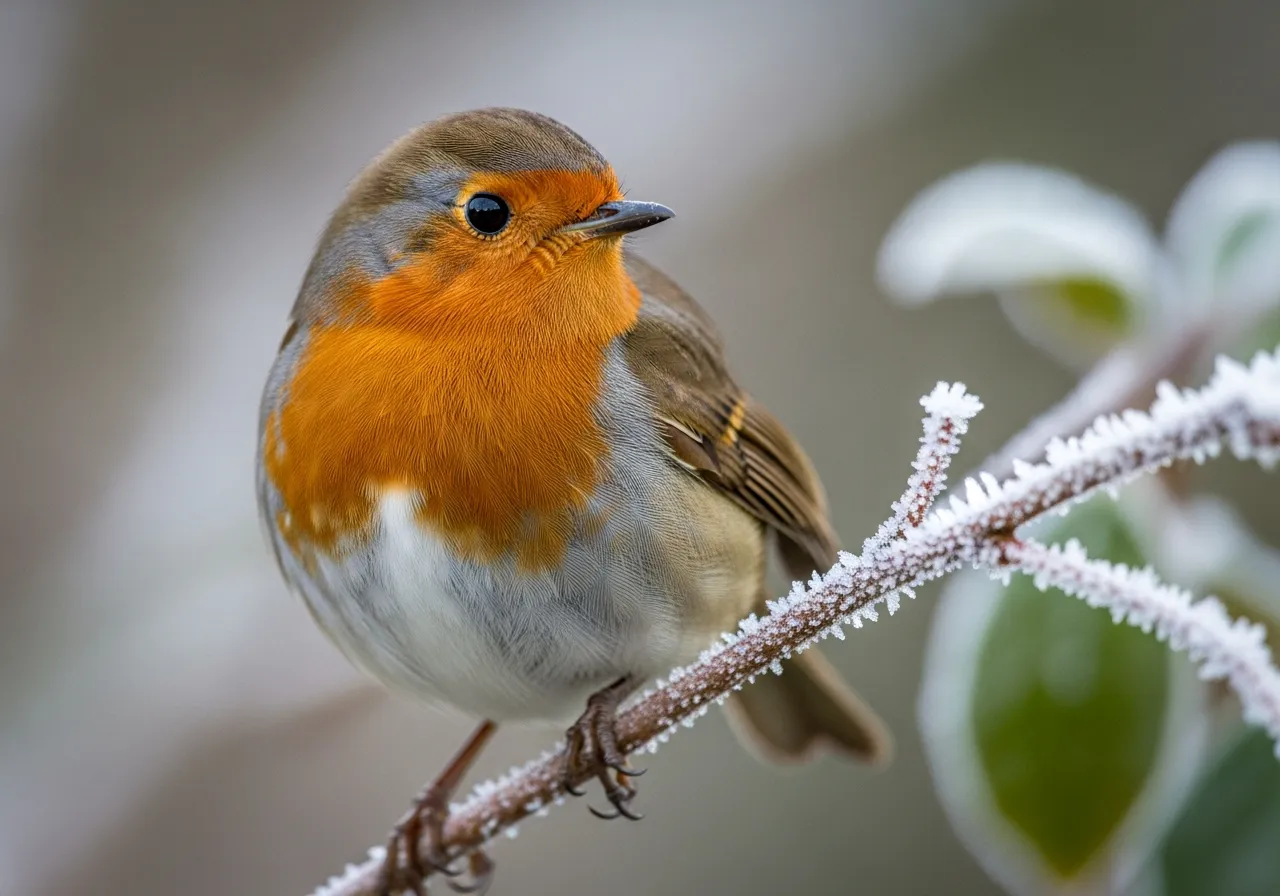
Least Concern (IUCN)
European Robin
Erithacus rubecula
A European robin (Erithacus rubecula) is a small Eurasian songbird with a distinctive orange-red face and breast, brown upperparts and a pale belly. Common in gardens, woods and hedgerows, it is famously territorial, sings year-round and is widely associated with British winters and Christmas.
Read the guide →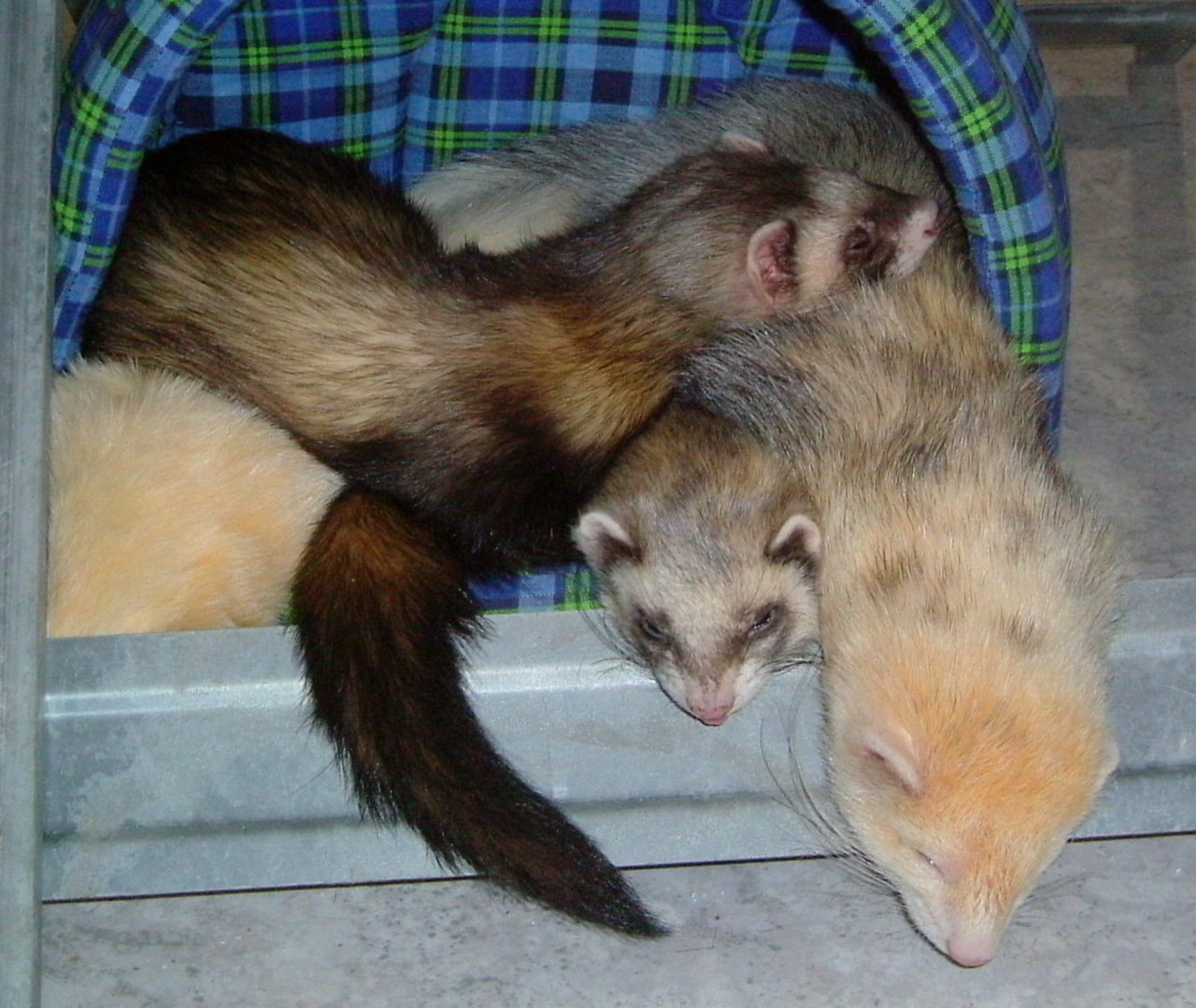
Domesticated; not a threatened species
Ferret
Mustela furo
A ferret (Mustela furo) is a domesticated member of the weasel family, bred from the European polecat about 2,500 years ago. Long-bodied, playful and carnivorous, it has long been used to hunt rabbits and is today a popular household pet, typically living seven to ten years.
Read the guide →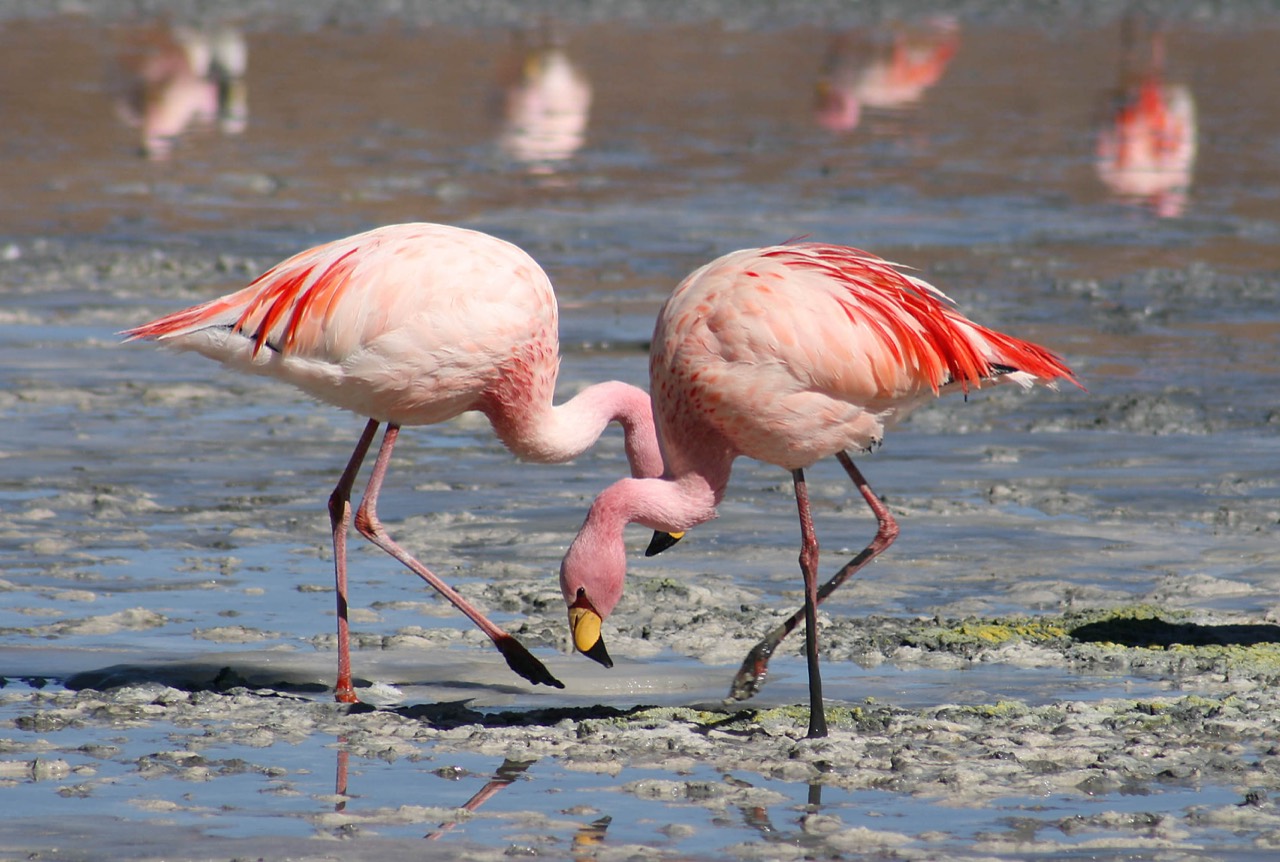
Varies by species (Least Concern to Vulnerable) — not one family badge
Flamingo
Family Phoenicopteridae — six living species in Phoenicopterus, Phoeniconaias and Phoenicoparrus
Flamingos are six species of filter-feeding phoenicopterid birds, not one livestock breed. Pink comes from carotenoids in algae and brine shrimp (Smithsonian National Zoo). Greater flamingo is Least Concern; Andean is Vulnerable. There is no family IUCN badge. WARN does not run flamingo programmes.
Read the guide →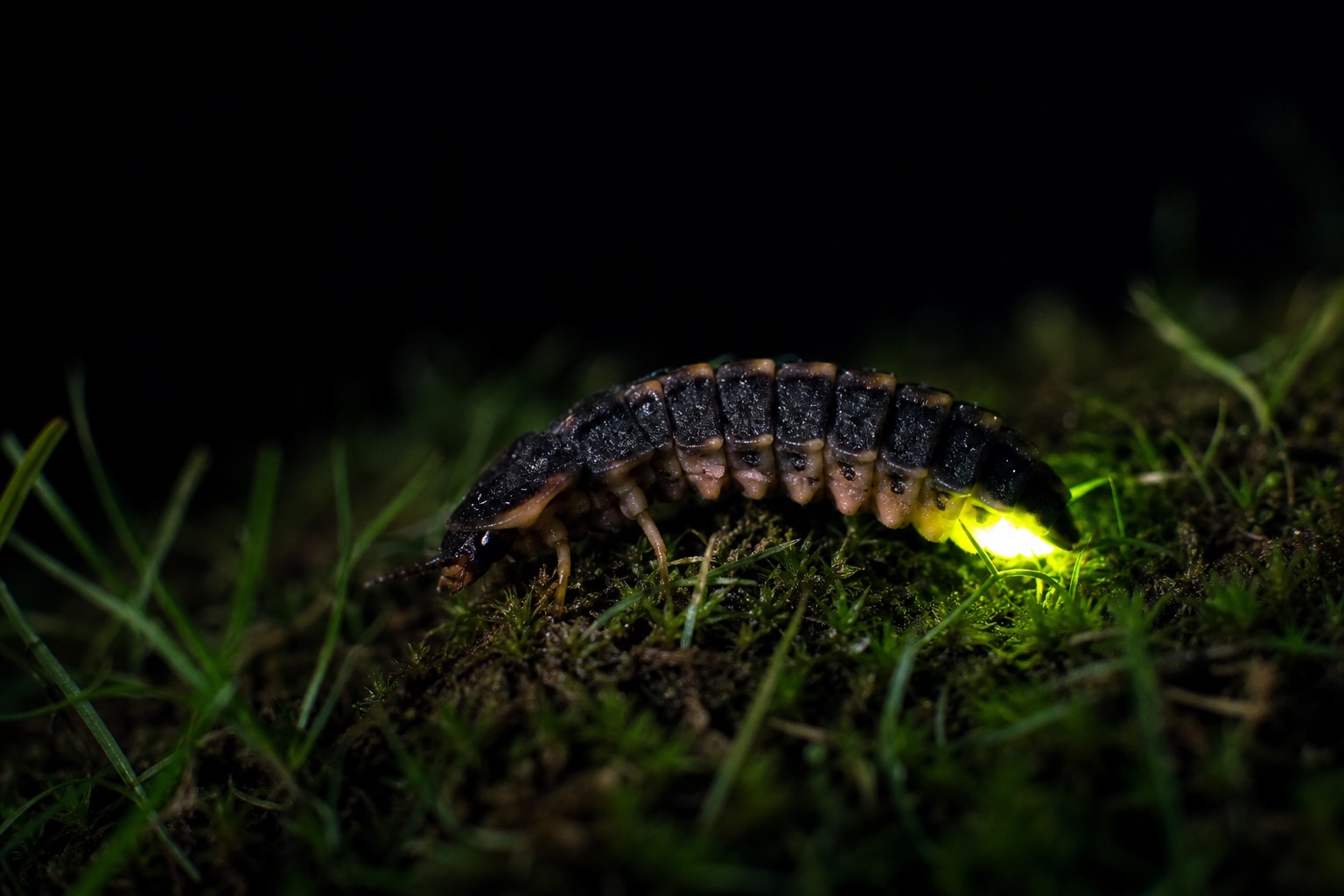
Not Evaluated — European glow-worm declining in parts of Britain; New Zealand cave species locally protected
Glow-worm
Lampyris noctiluca (Linnaeus, 1767) in Britain; Arachnocampa luminosa (Skuse, 1890) in New Zealand — unrelated animals sharing one name
Glow-worm is not one animal: in Britain and Europe it usually means the beetle Lampyris noctiluca, whose larviform female glows green to attract mates; in New Zealand it means the fungus gnat Arachnocampa luminosa, whose larvae glow in caves to lure prey into silk traps.
Read the guide →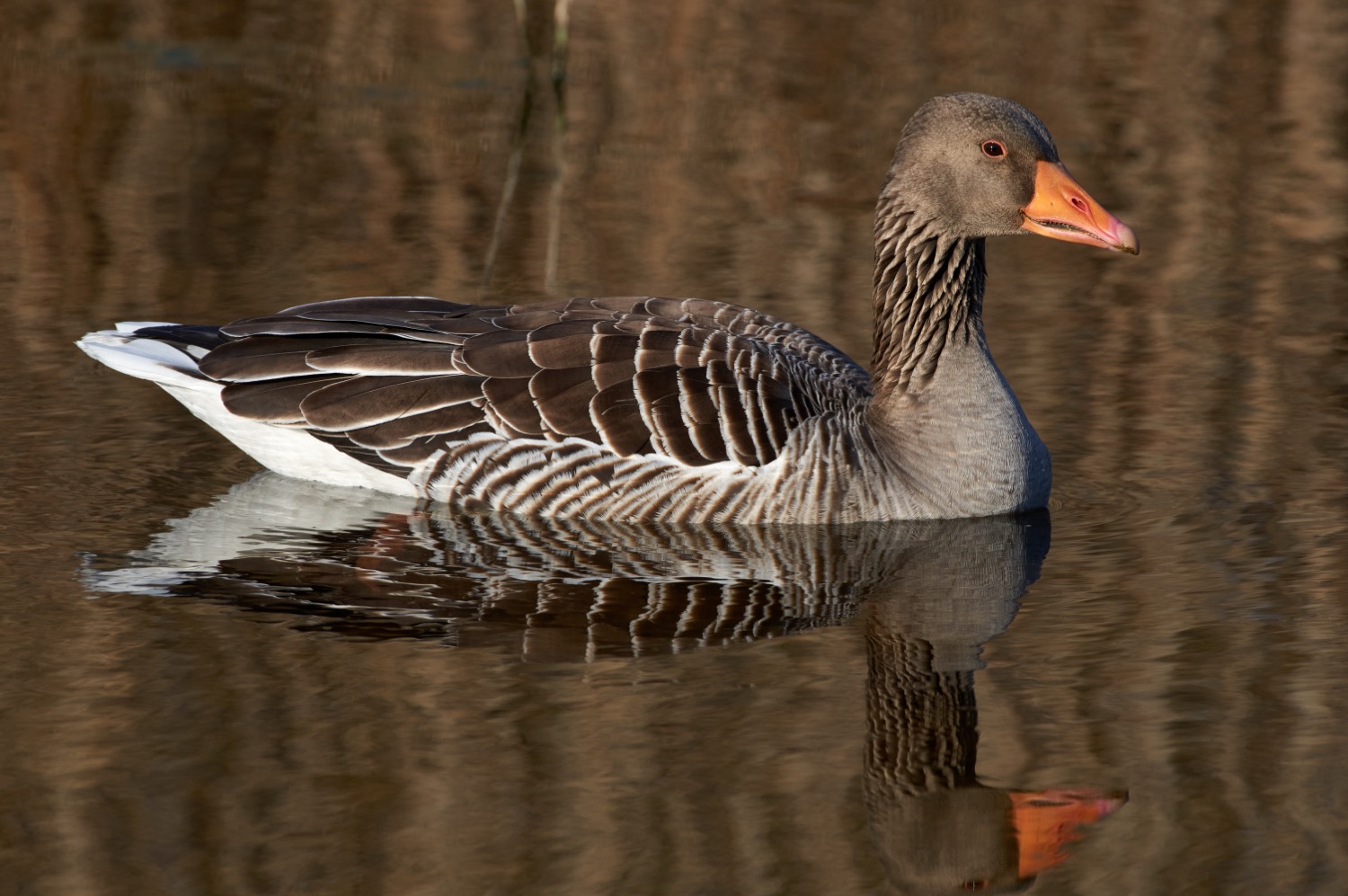
Varies; common species Least Concern (IUCN)
Goose
Family Anatidae (Anser and Branta)
A goose is a large, social grazing waterfowl in the family Anatidae, split mainly into grey and white geese (Anser) and black geese (Branta). Bigger than ducks, geese feed on grass, form lifelong pair bonds and migrate long distances in energy-saving V-formations.
Read the guide →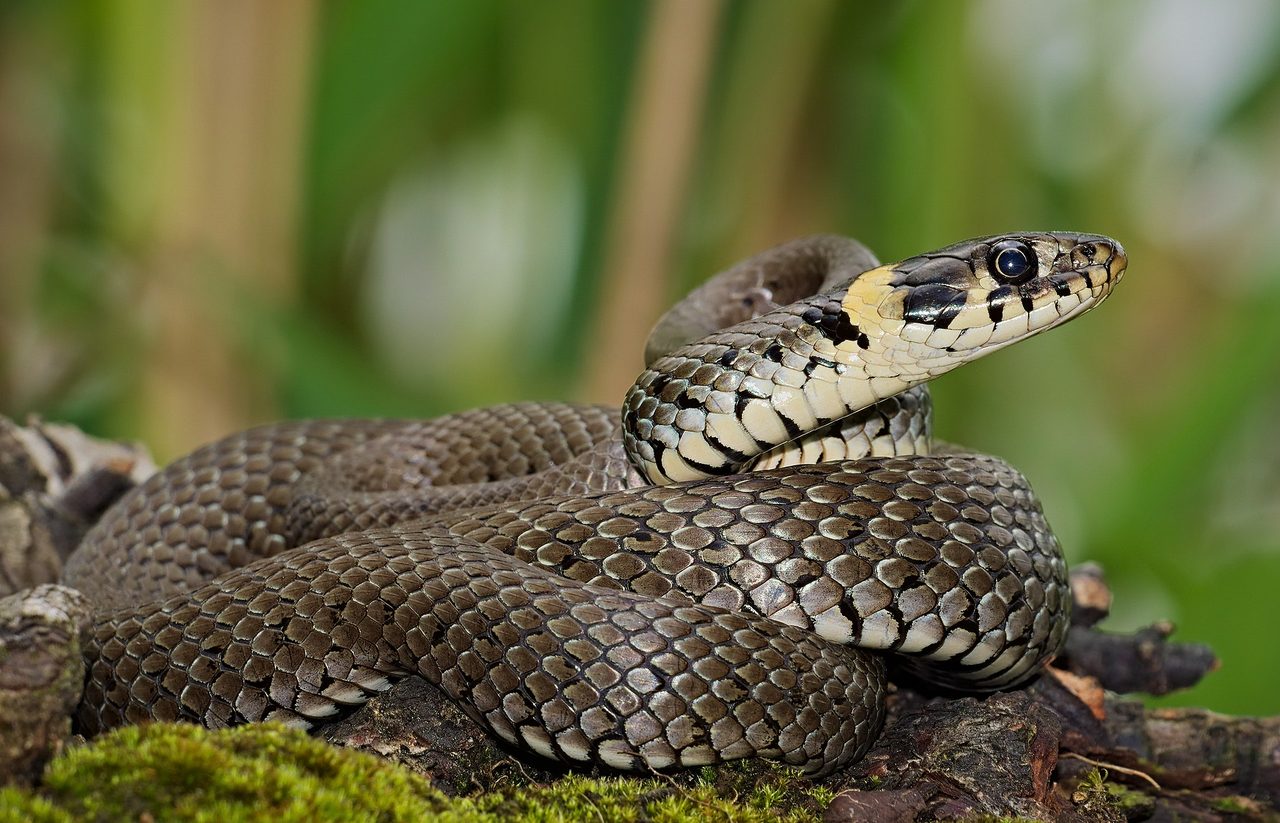
Least Concern (IUCN); protected in the UK
Grass Snake
Natrix helvetica / Natrix natrix
A grass snake is a large, harmless, non-venomous snake of Europe and western Asia (Natrix helvetica and Natrix natrix). It is Britain's largest snake, lives near water, swims well, eats mostly amphibians, and is recognised by a yellow-and-black collar behind the head.
Read the guide →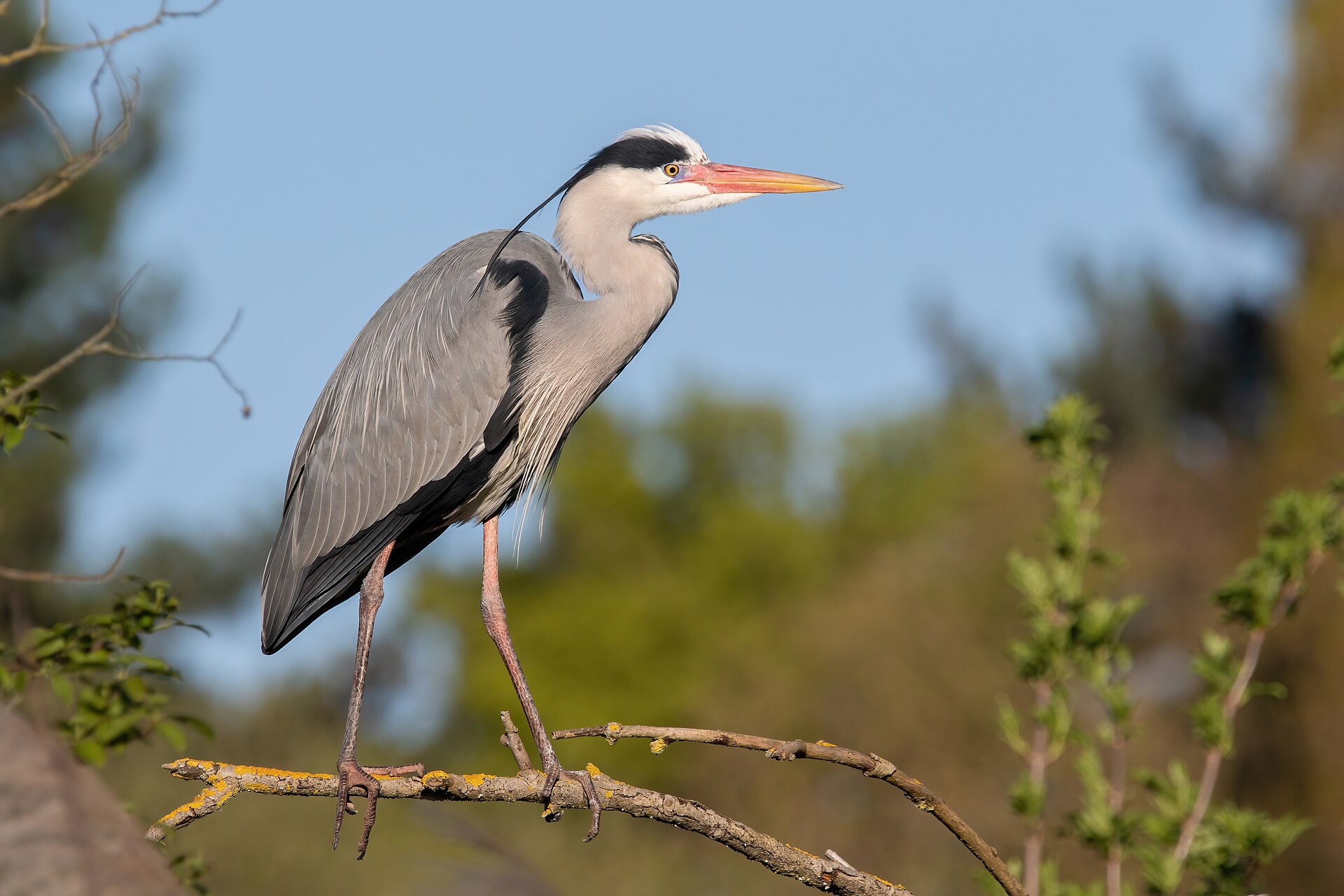
Least Concern (IUCN)
Grey Heron
Ardea cinerea
A heron is a long-legged, long-necked wading bird that hunts in shallow water; the grey heron (Ardea cinerea) is the familiar tall grey species of UK and European rivers, lakes and garden ponds, standing up to a metre high and catching fish and amphibians with its sharp bill.
Read the guide →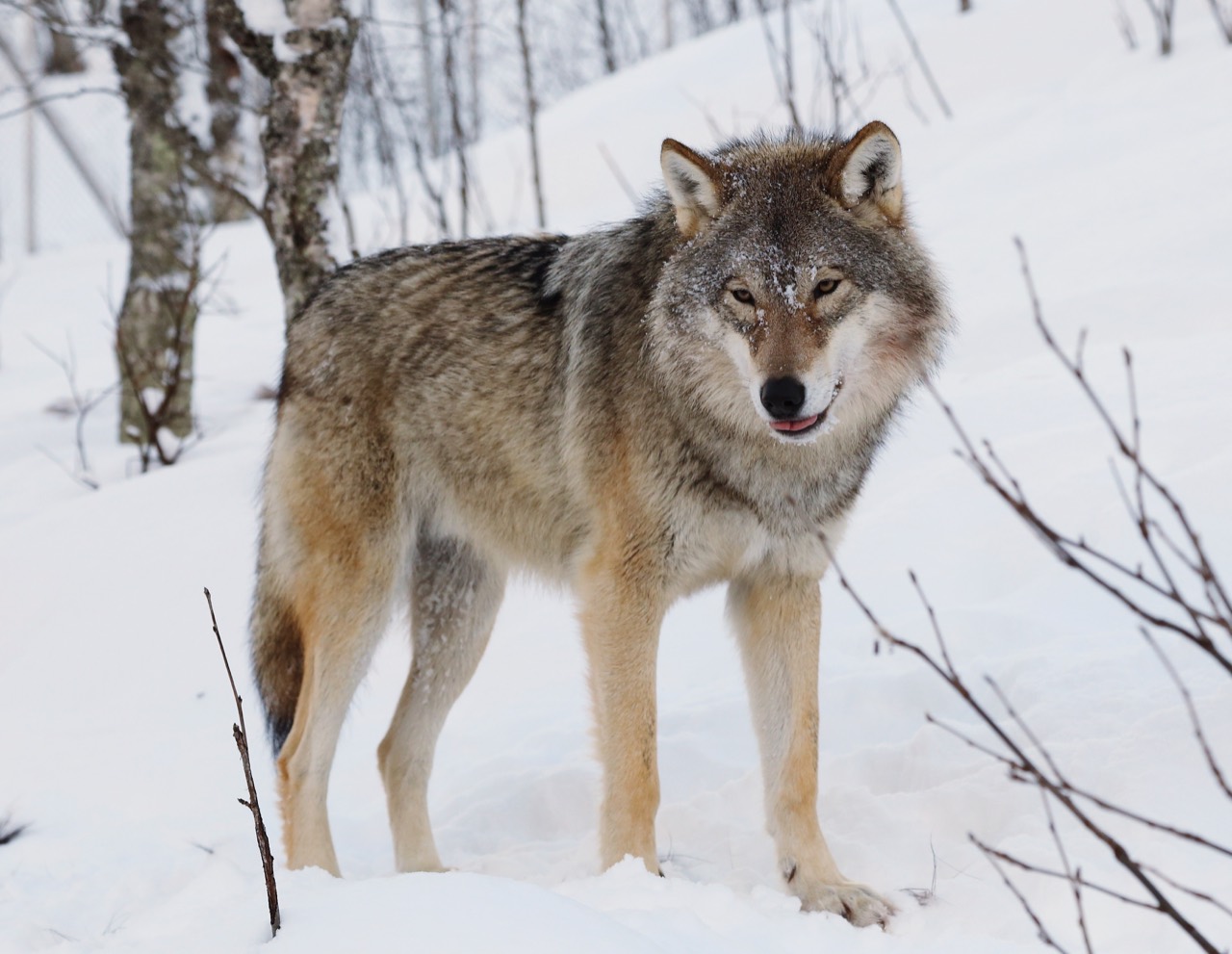
Least Concern globally (locally Endangered or extirpated in many regions)
Grey Wolf
Canis lupus
The grey wolf (Canis lupus) is the largest wild dog and the ancestor of the domestic dog; it is listed as Least Concern globally with an estimated 200,000–250,000 in the wild, but remains locally endangered or extinct across much of its former range.
Read the guide →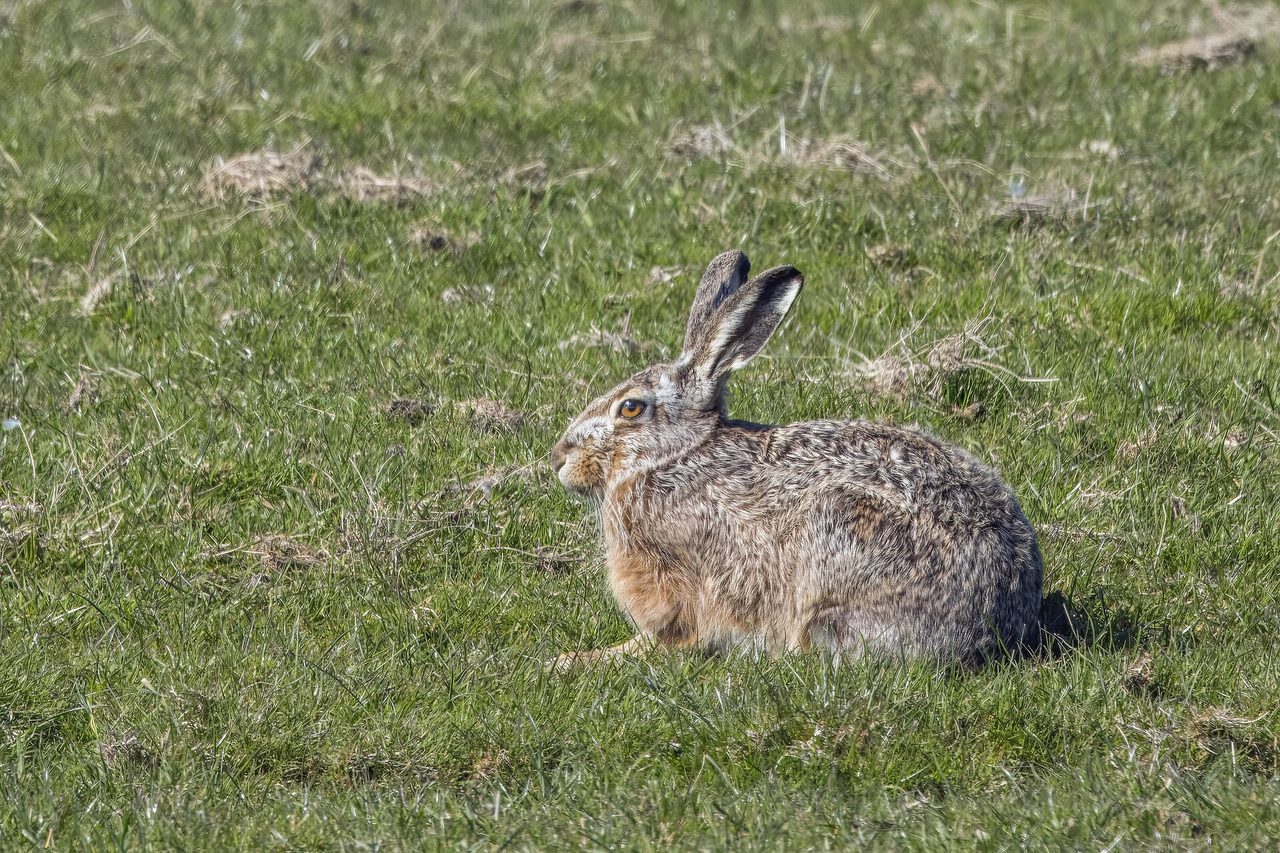
Least Concern — most species (IUCN); some regional populations declining
Hare
Lepus spp. (European hare: Lepus europaeus)
Hares (genus Lepus, ~32 species) are large, fast-running lagomorphs found across Europe, Asia, Africa, and the Americas, most classified as Least Concern by the IUCN, though European hare populations have declined significantly since the 1960s due to agricultural intensification.
Read the guide →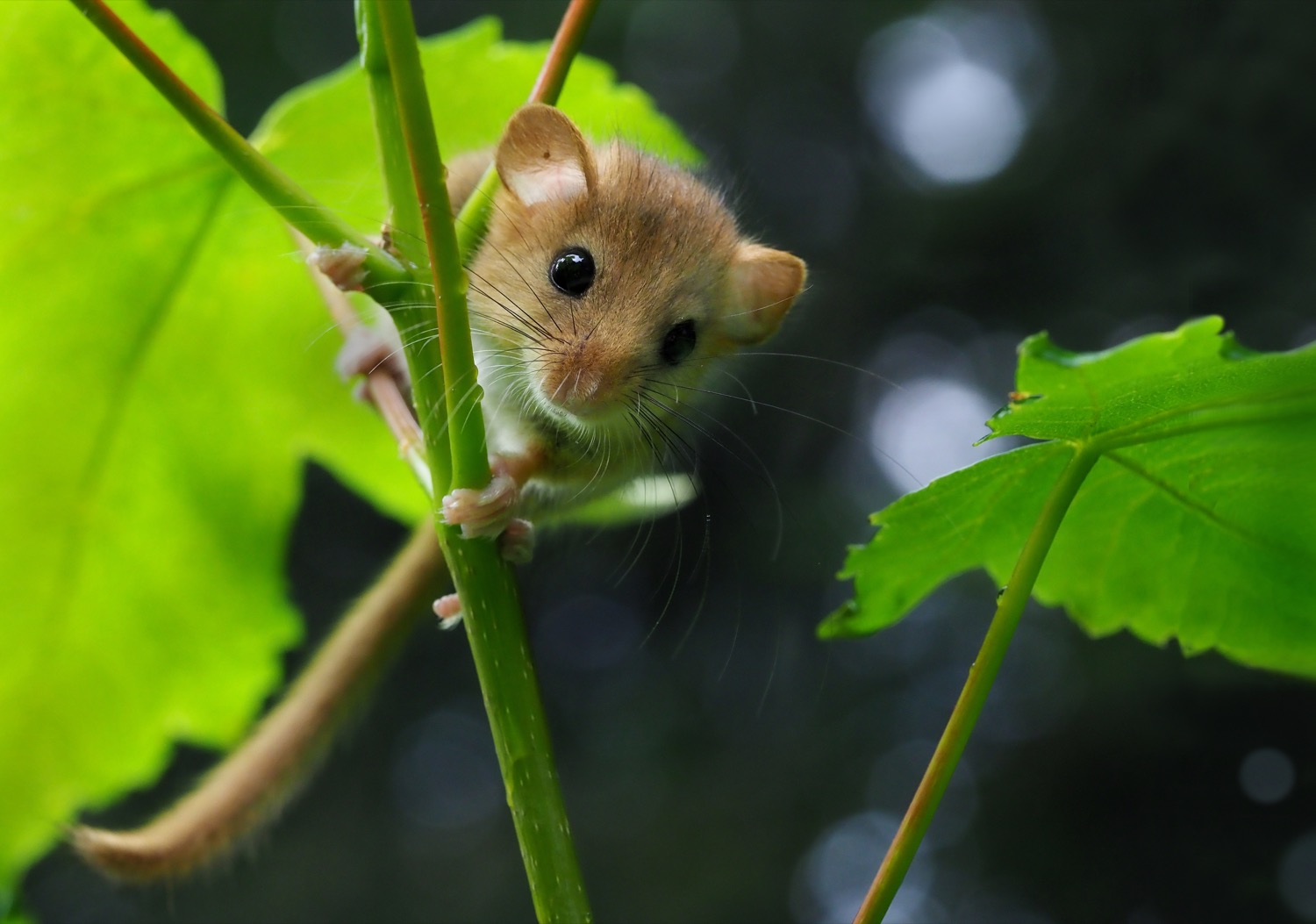
Least Concern globally; protected and declining in the UK
Hazel Dormouse
Muscardinus avellanarius
The hazel dormouse (Muscardinus avellanarius) is a small golden-brown European rodent, weighing about 17-20 g, that lives in woodland and hedgerows. Nocturnal and arboreal, it eats flowers, fruit, nuts and insects, and hibernates for roughly half the year, from autumn until spring.
Read the guide →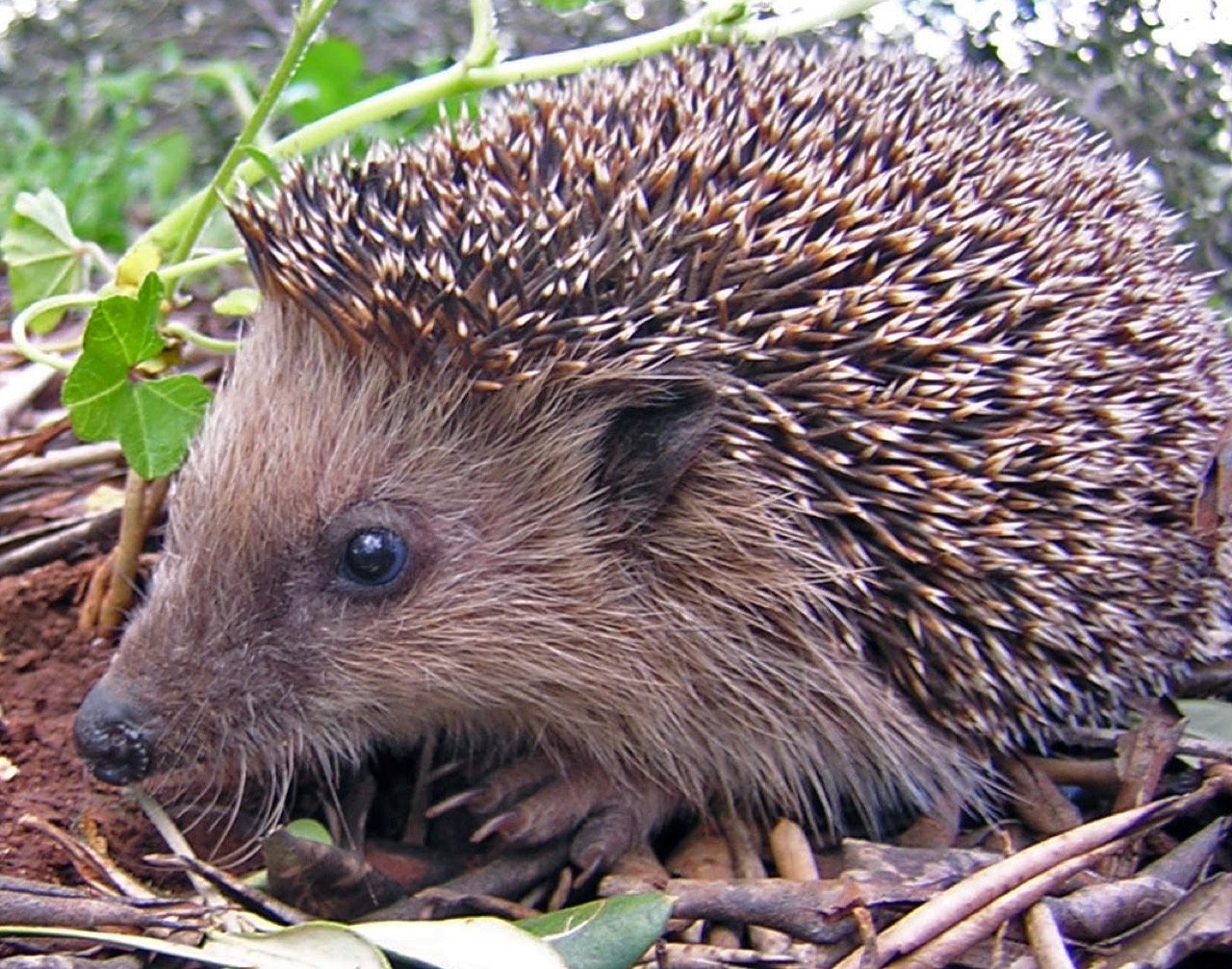
Varies by species (Least Concern to Endangered); the widespread European hedgehog is now Near Threatened
Hedgehog
Erinaceinae
A hedgehog is a small spiny insectivorous mammal of the subfamily Erinaceinae; there are 17 species across Europe, Asia and Africa, and the widespread European hedgehog was listed as Near Threatened on the IUCN Red List in 2024 after sharp declines.
Read the guide →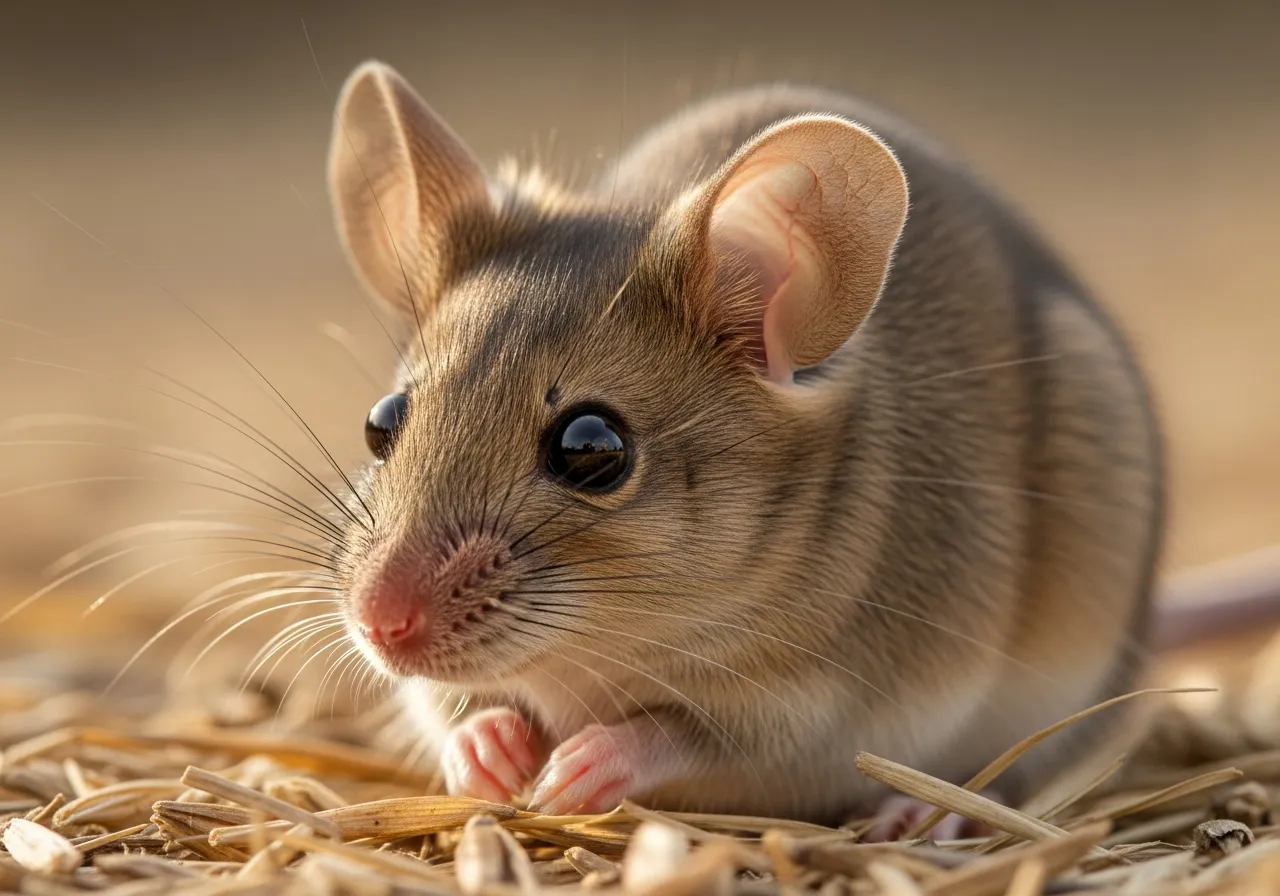
Least Concern (IUCN)
House Mouse
Mus musculus
A house mouse (Mus musculus) is a small grey-brown rodent in the family Muridae, typically 7.5–10 cm long with a long tail and large ears. Native to Asia, it now lives worldwide alongside humans, breeds prolifically, and is the ancestor of pet and laboratory mice.
Read the guide →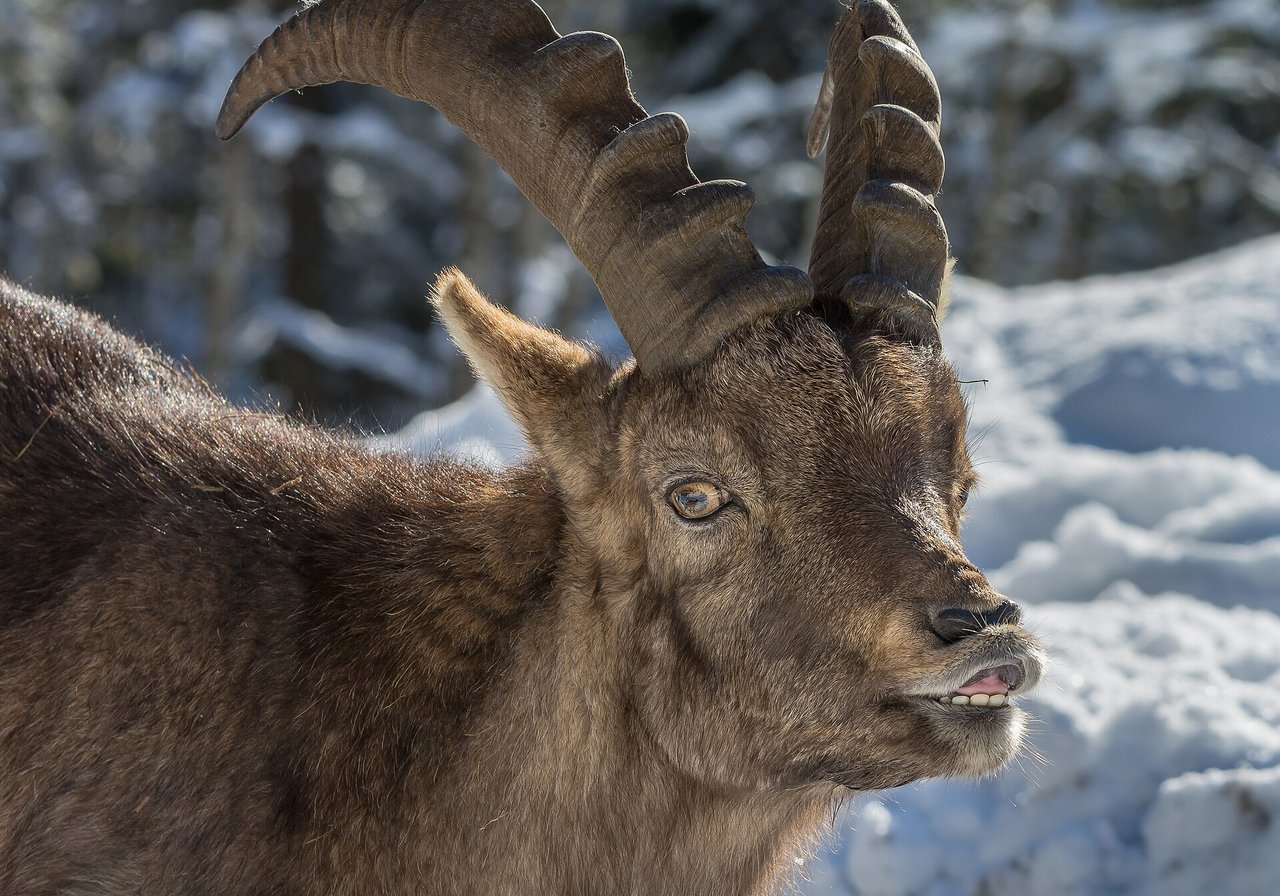
Least Concern (IUCN, 2015) — Alpine ibex
Ibex
Capra ibex (Linnaeus, 1758)
Ibex are wild mountain goats of the genus Capra; the Alpine ibex (Capra ibex) is Least Concern after recovery from near extinction, with males carrying curved horns up to a metre long on cliffs across Europe and Asia.
Read the guide →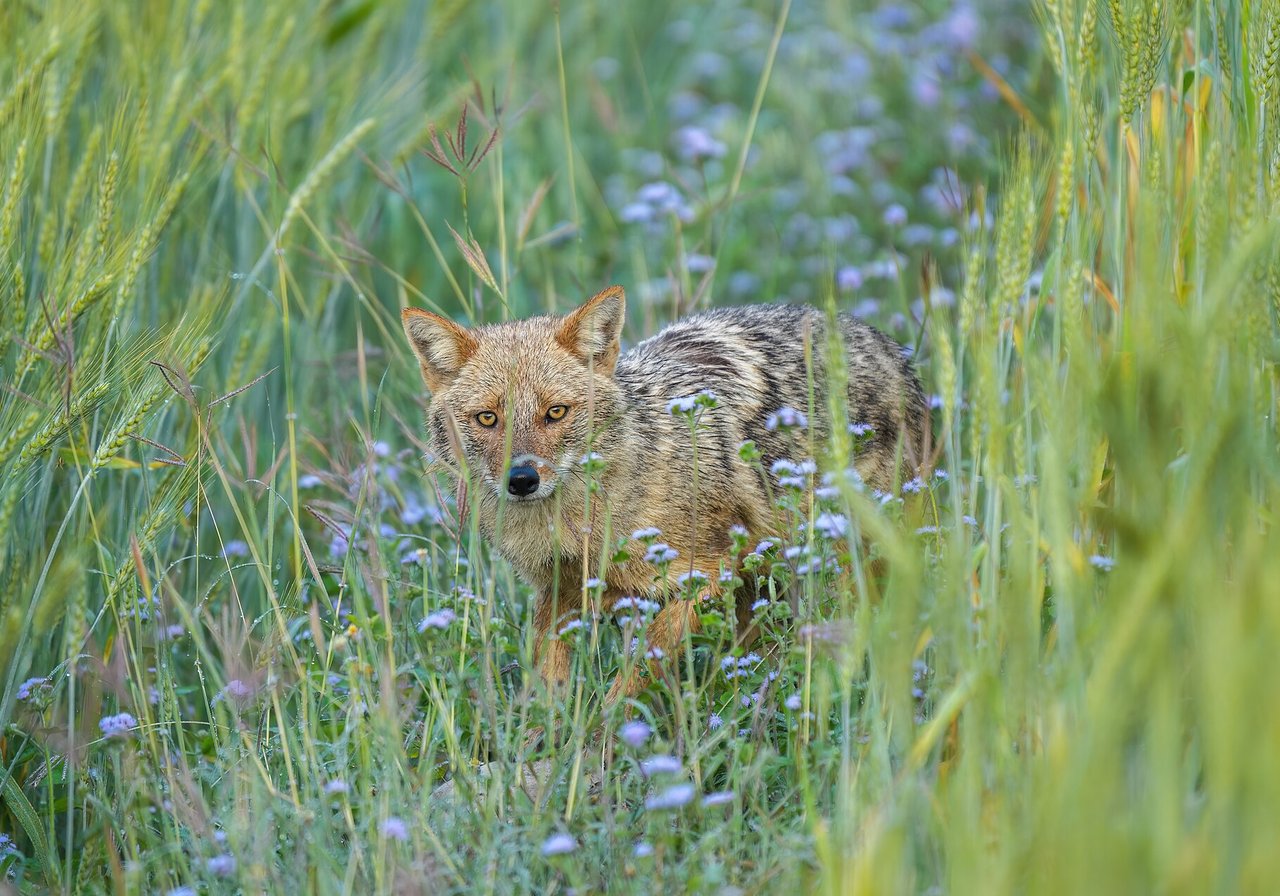
Least Concern (IUCN)
Jackal
Canis aureus (Linnaeus, 1758)
The golden jackal (Canis aureus) is a Least Concern wild canid ranging from Africa through the Middle East to Pakistan and Nepal — an adaptable omnivore of savanna, scrub and farmland.
Read the guide →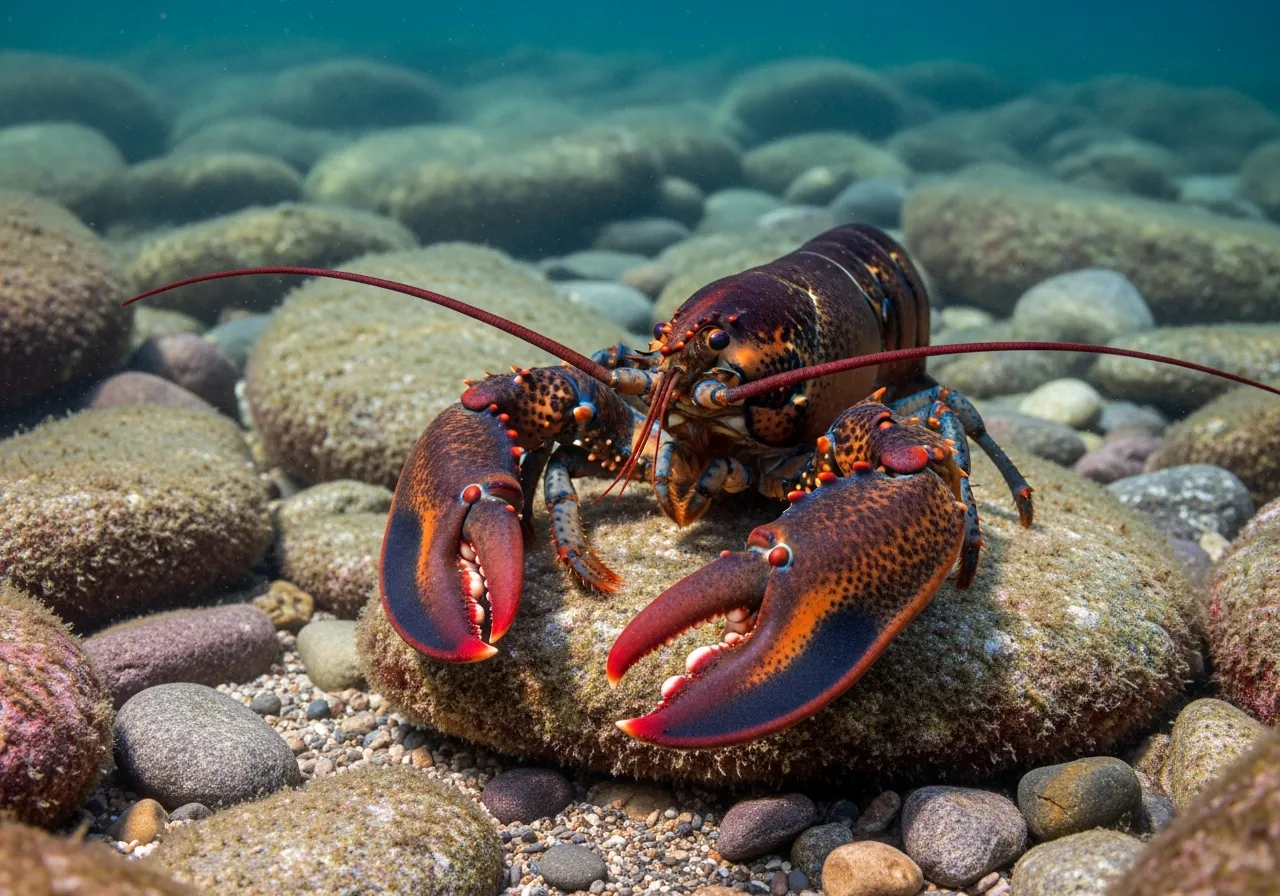
Not a threatened group; some species data deficient
Lobster
Family Nephropidae
A lobster is a large clawed marine crustacean of the family Nephropidae, including the American and European lobsters. It grows by moulting its hard shell, can regenerate lost claws, has blue copper-based blood, and may live an estimated 45 to 50 years in the wild.
Read the guide →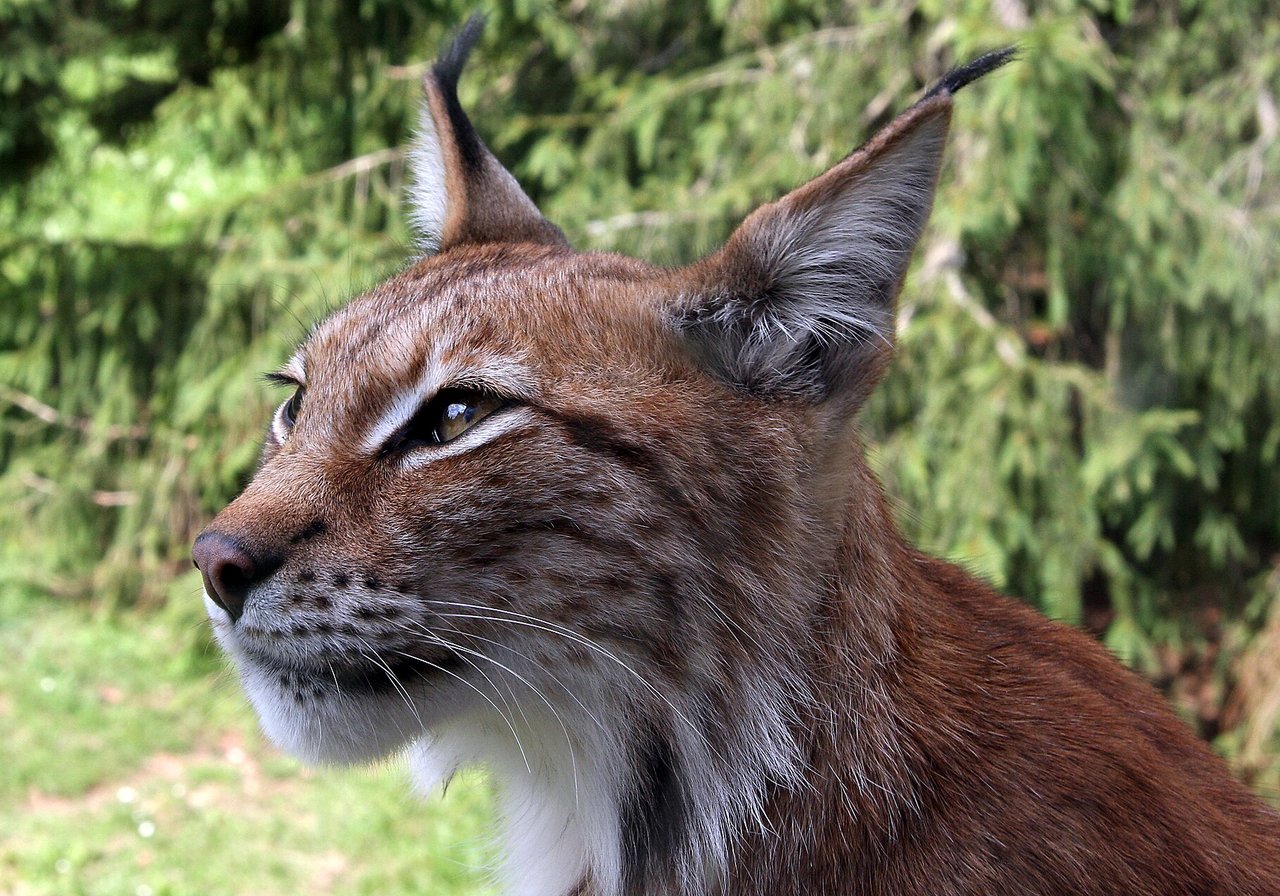
Least Concern (IUCN, 2014)
Lynx
Lynx lynx (Linnaeus, 1758)
The Eurasian lynx (Lynx lynx) is Europe's largest wild cat, listed as Least Concern by the IUCN; it inhabits boreal and temperate forests across Eurasia and has recovered in several western European countries after decades of persecution.
Read the guide →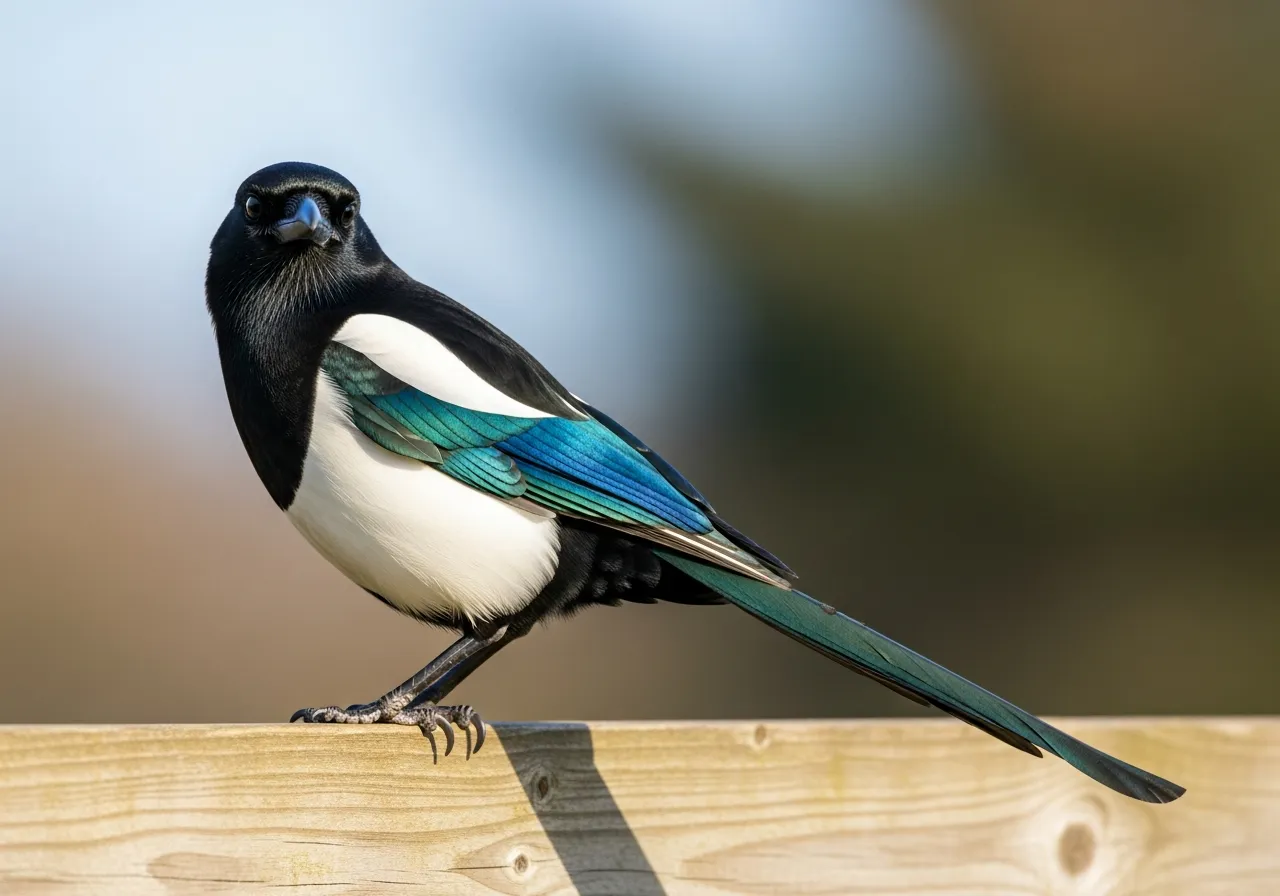
Least Concern (IUCN)
Magpie
Pica pica
A magpie is a large black-and-white bird in the crow family (Corvidae). The Eurasian magpie, Pica pica, is famous for its long iridescent tail, loud chattering call and exceptional intelligence — it is one of the few non-mammals known to recognise itself in a mirror.
Read the guide →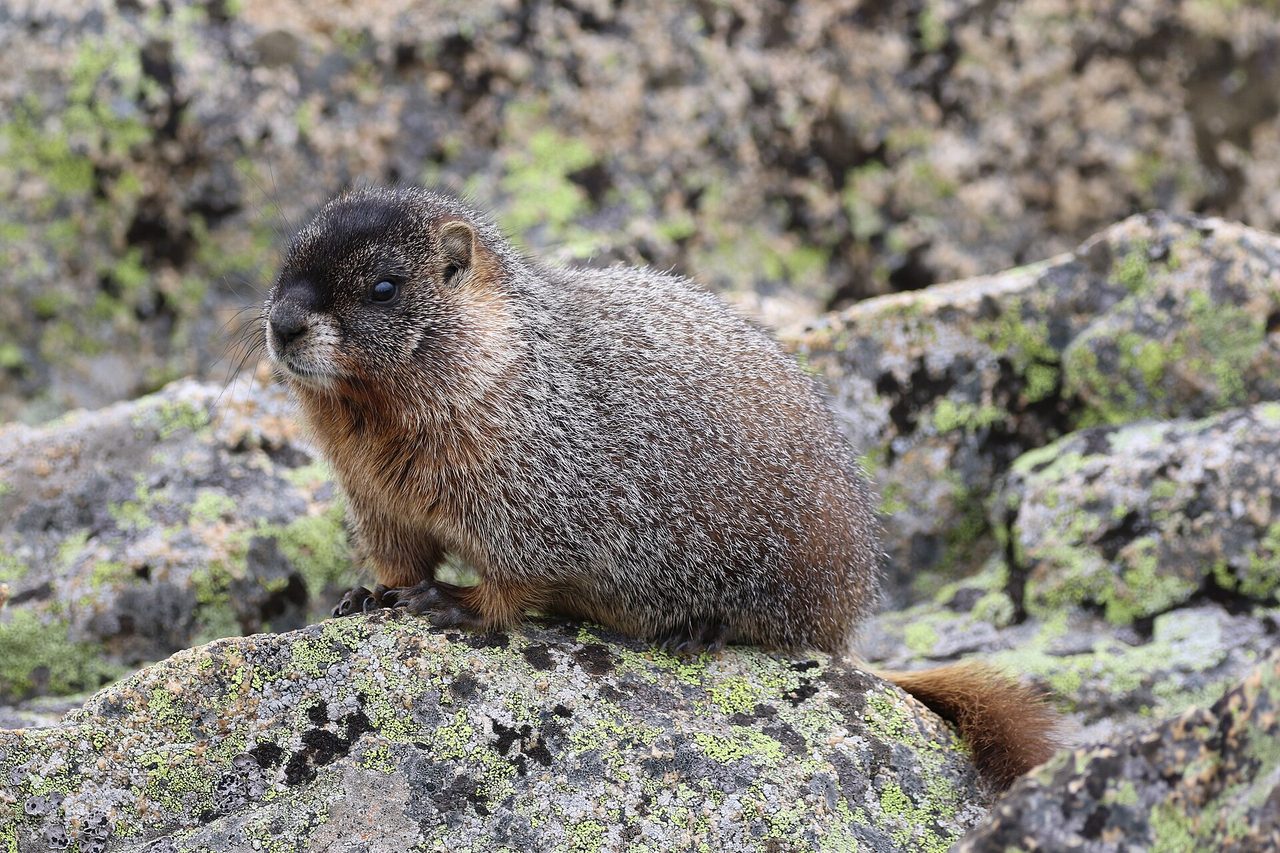
Varies by species — most Least Concern (IUCN); Vancouver Island marmot Critically Endangered; Mongolian marmot Endangered
Marmot
Marmota (genus)
Marmots are large, burrowing ground squirrels of the genus Marmota found across mountain and steppe habitats in North America and Eurasia; most of the 15 species are Least Concern, though the Vancouver Island marmot is Critically Endangered and the Mongolian marmot is Endangered.
Read the guide →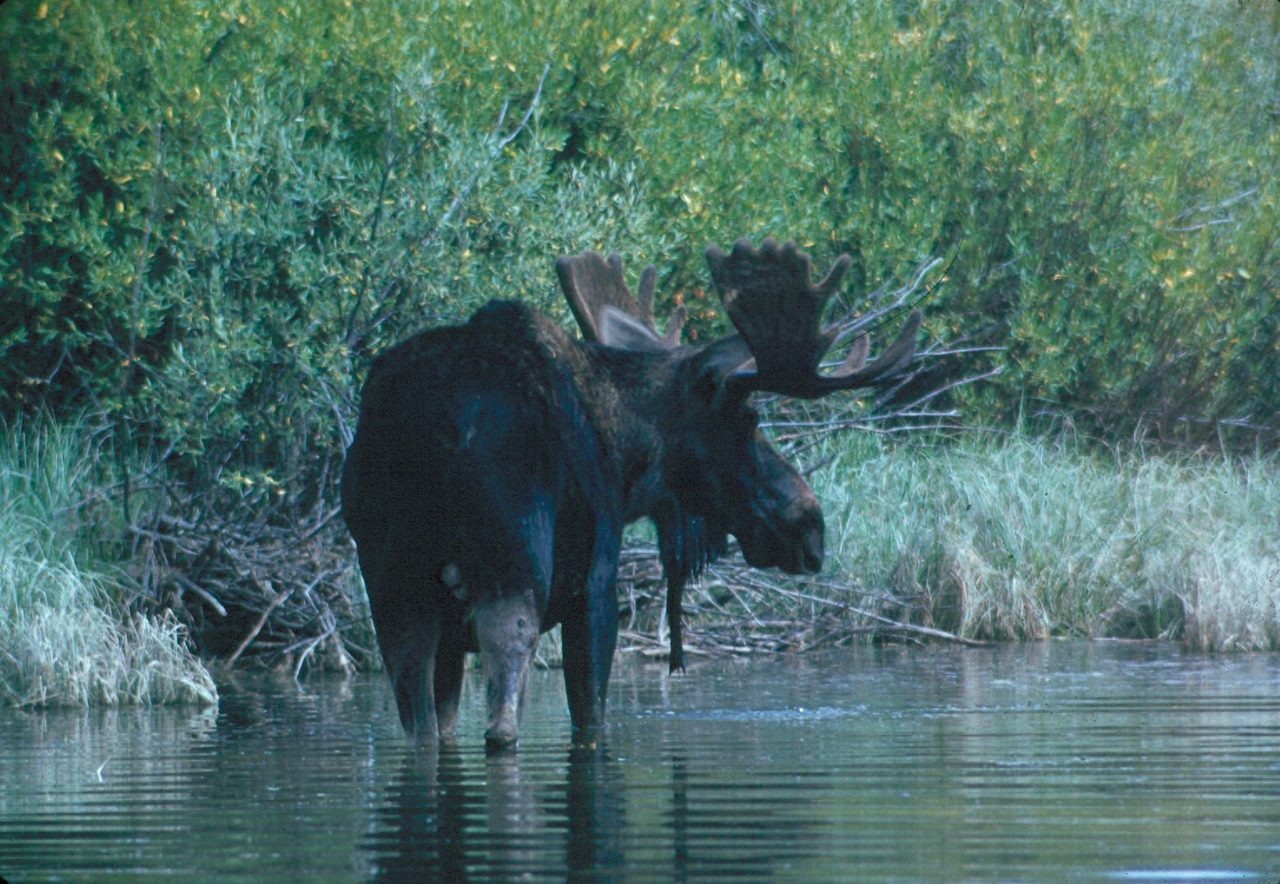
Least Concern (IUCN)
Moose
Alces alces
The moose (Alces alces) is the world's largest deer, standing up to 2.1 m (7 ft) at the shoulder and weighing up to 771 kg (1,700 lb), found across the boreal forests of North America, Northern Europe, and Russia.
Read the guide →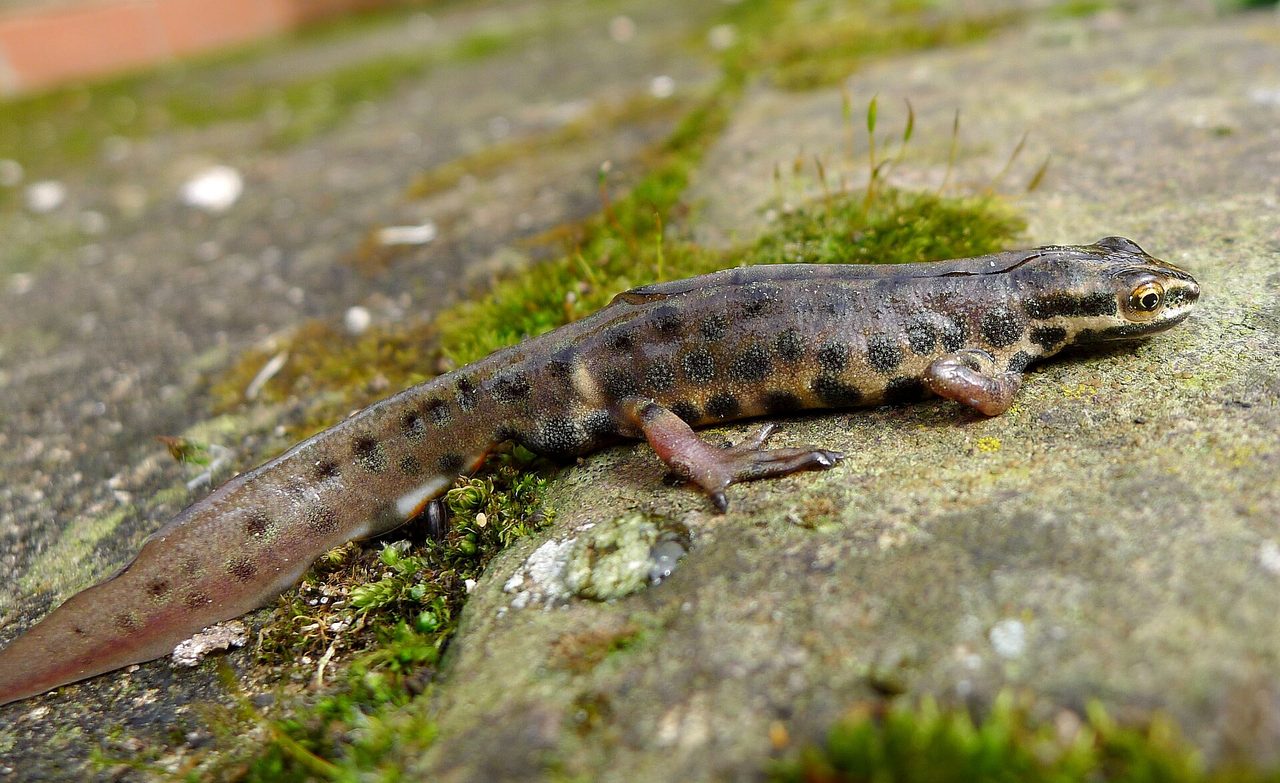
Most species Least Concern; the great crested newt is protected in the UK
Newt
Subfamily Pleurodelinae
A newt is a small semi-aquatic salamander in the subfamily Pleurodelinae. Newts alternate between water and land, breeding in ponds in spring and feeding on insects and other invertebrates. They are famous for regenerating lost limbs and organs, and many produce defensive skin toxins.
Read the guide →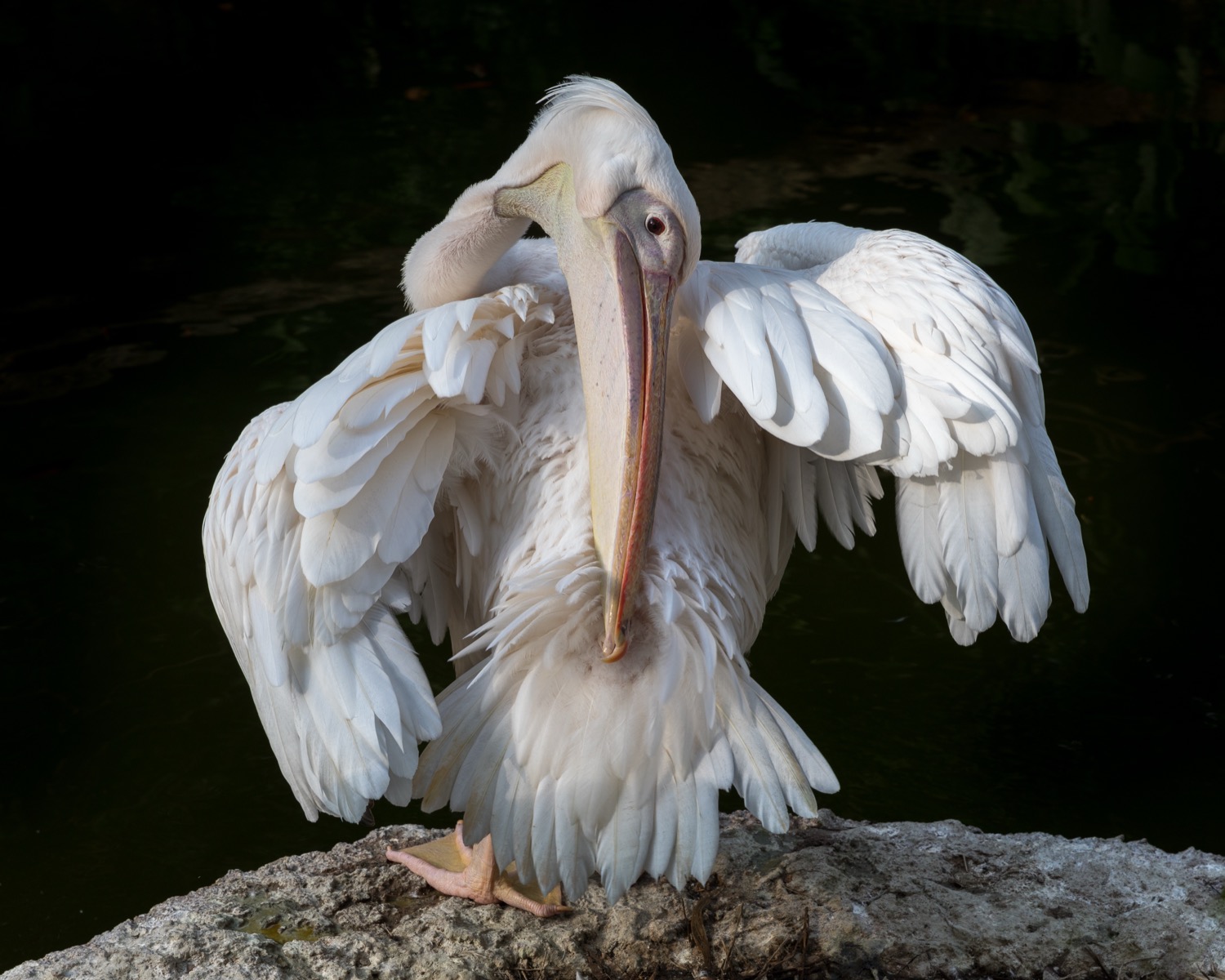
Varies by species; most Least Concern, some Near Threatened (IUCN)
Pelican
Pelecanus (family Pelecanidae)
A pelican is a large waterbird of the family Pelecanidae, recognised by its long bill and the expandable skin pouch beneath it, which it uses to scoop up fish. There are eight species in the genus Pelecanus, living on coasts and inland waters across every continent except Antarctica.
Read the guide →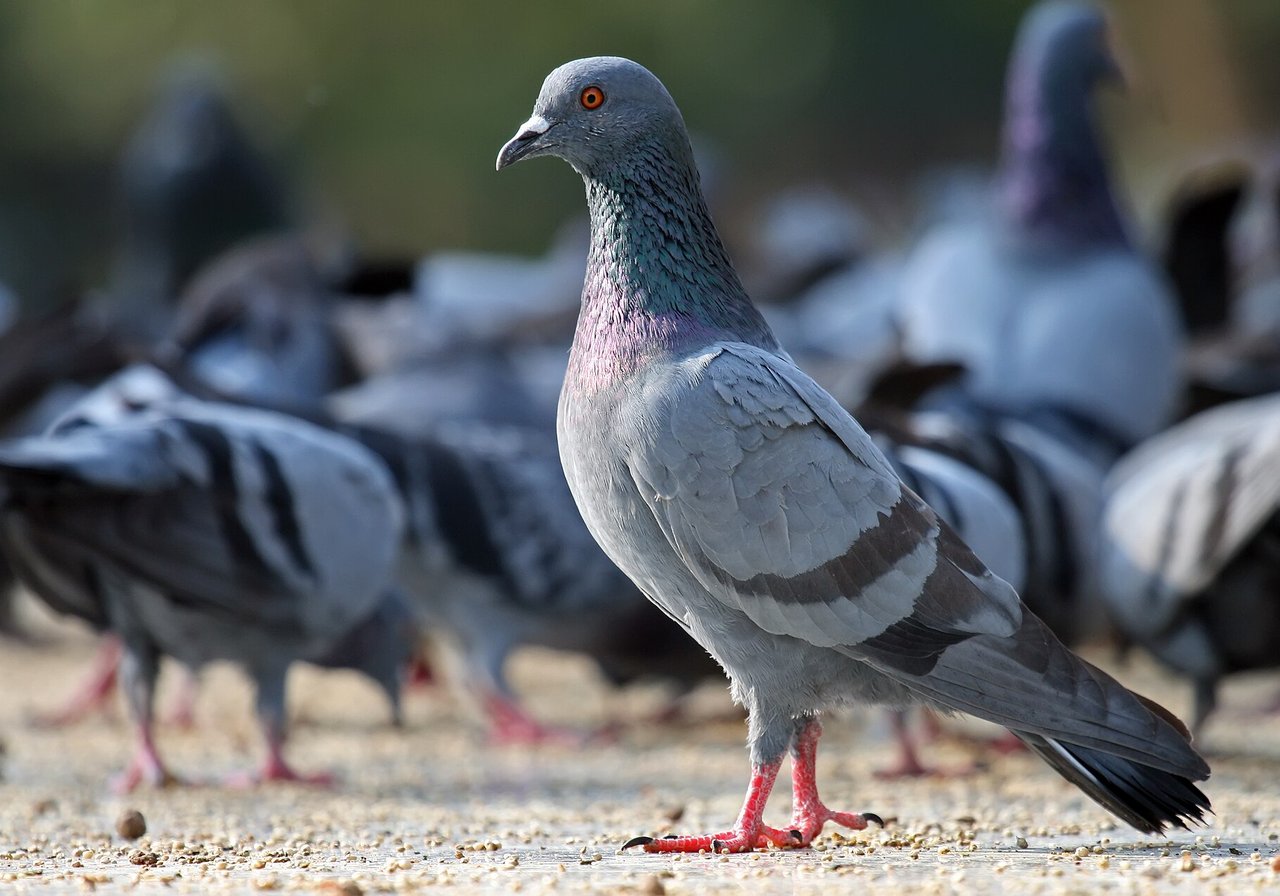
Least Concern (IUCN, 2016) — wild rock pigeon
Pigeon
Columba livia (Linnaeus, 1758)
The rock pigeon (Columba livia) is a Least Concern columbid native to Europe, North Africa and western Asia, now feral in cities worldwide; it is the wild ancestor of domestic racing and homing pigeons.
Read the guide →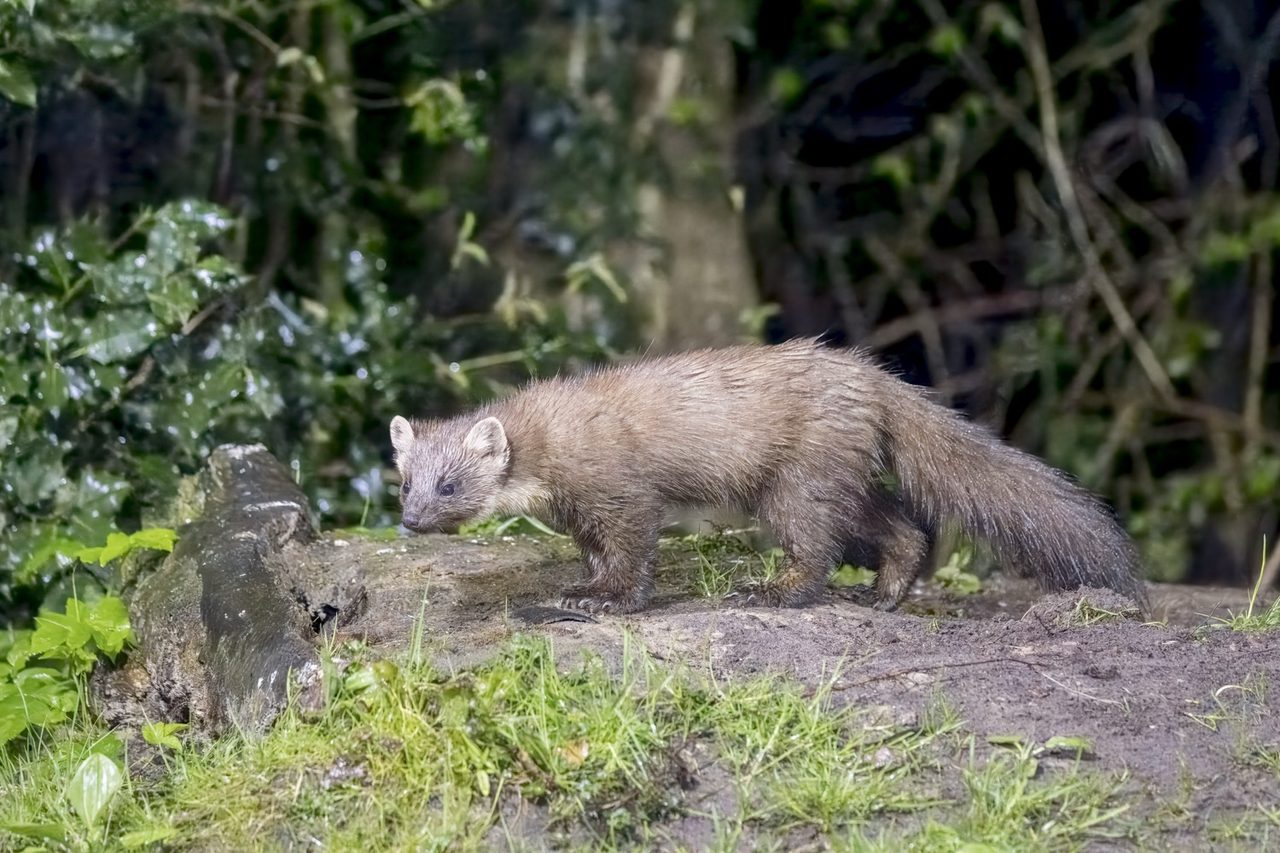
Least Concern (IUCN)
Pine Marten
Martes martes
A pine marten (Martes martes) is a cat-sized, tree-climbing member of the weasel family native to European and western Asian woodland. Chestnut-brown with a cream throat bib and bushy tail, it is rare in much of Britain but recovering, and is globally classed as Least Concern by the IUCN.
Read the guide →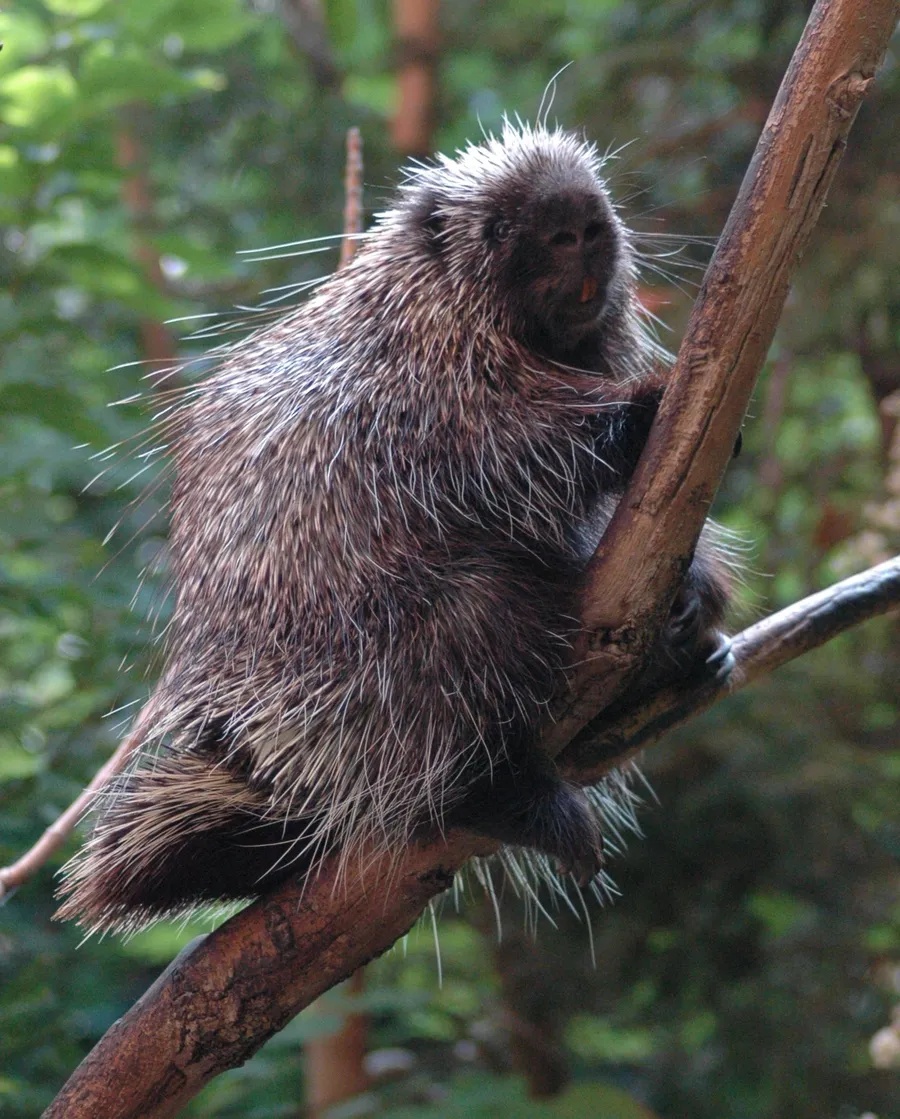
Varies by species; most Least Concern (IUCN)
Porcupine
Hystricidae (Old World) & Erethizontidae (New World)
A porcupine is a large herbivorous rodent covered in sharp quills — stiffened, modified hairs that defend it from predators. About 30 species exist in two distantly related families: Old World porcupines of Africa, Asia and Europe, and tree-climbing New World porcupines of the Americas.
Read the guide →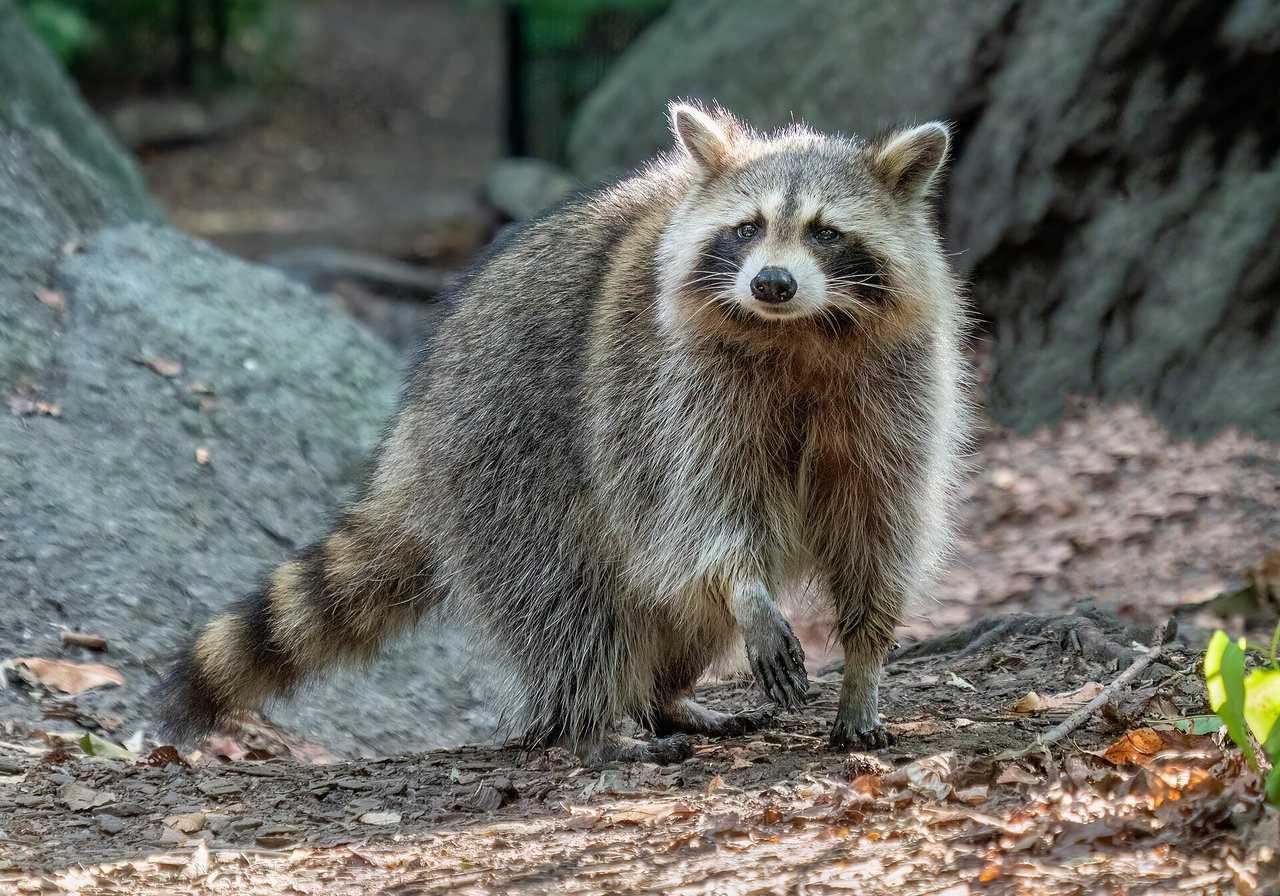
Least Concern (IUCN)
Raccoon
Procyon lotor (Linnaeus, 1758)
The raccoon (Procyon lotor) is a Least Concern omnivorous procyonid native to the Americas, famous for its eye mask, ringed tail and dexterous paws; it thrives in wild and urban habitats and has been introduced to Europe.
Read the guide →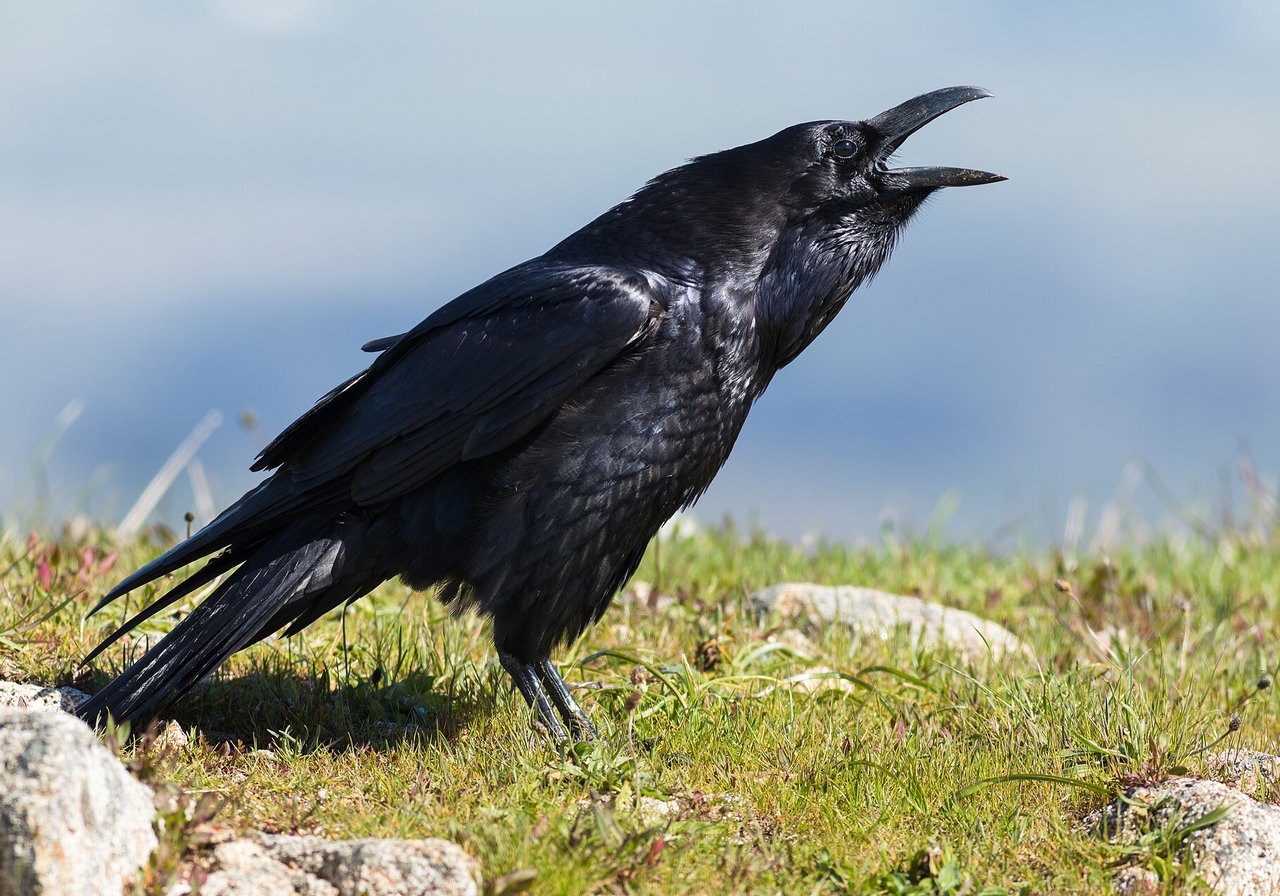
Least Concern (IUCN, 2018)
Raven
Corvus corax (Linnaeus, 1758)
The common raven (Corvus corax) is a Least Concern corvid of the Northern Hemisphere — the largest passerine, renowned for intelligence, tool use and deep cultural significance.
Read the guide →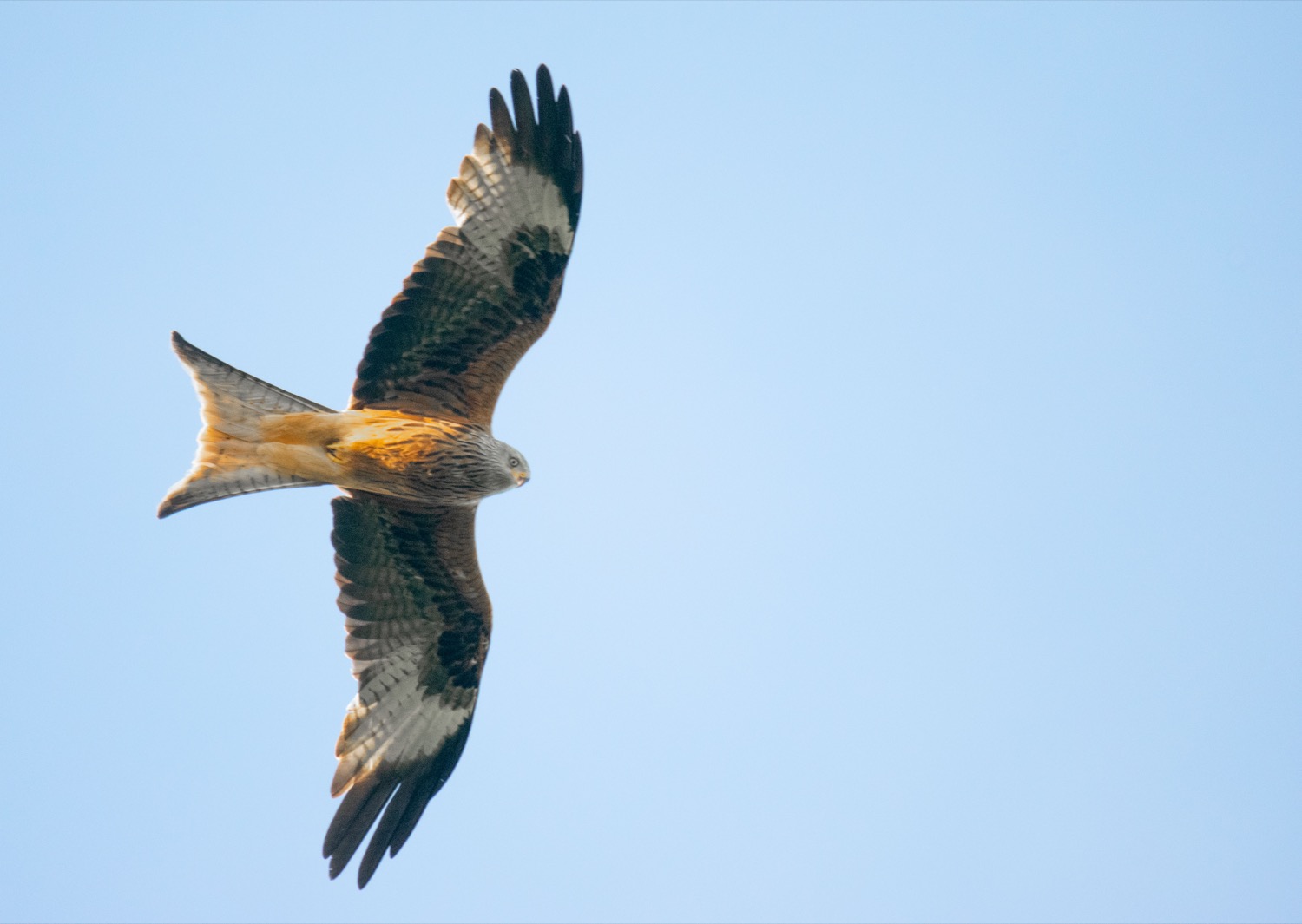
Least Concern (IUCN, 2020); formerly Near Threatened
Red Kite
Milvus milvus
A red kite (Milvus milvus) is a medium-large European bird of prey with rufous-brown plumage, long angled wings and a distinctive deeply forked tail. Mainly a scavenger feeding on carrion, it is famous in Britain for its dramatic recovery from near-extinction through legal protection and reintroduction.
Read the guide →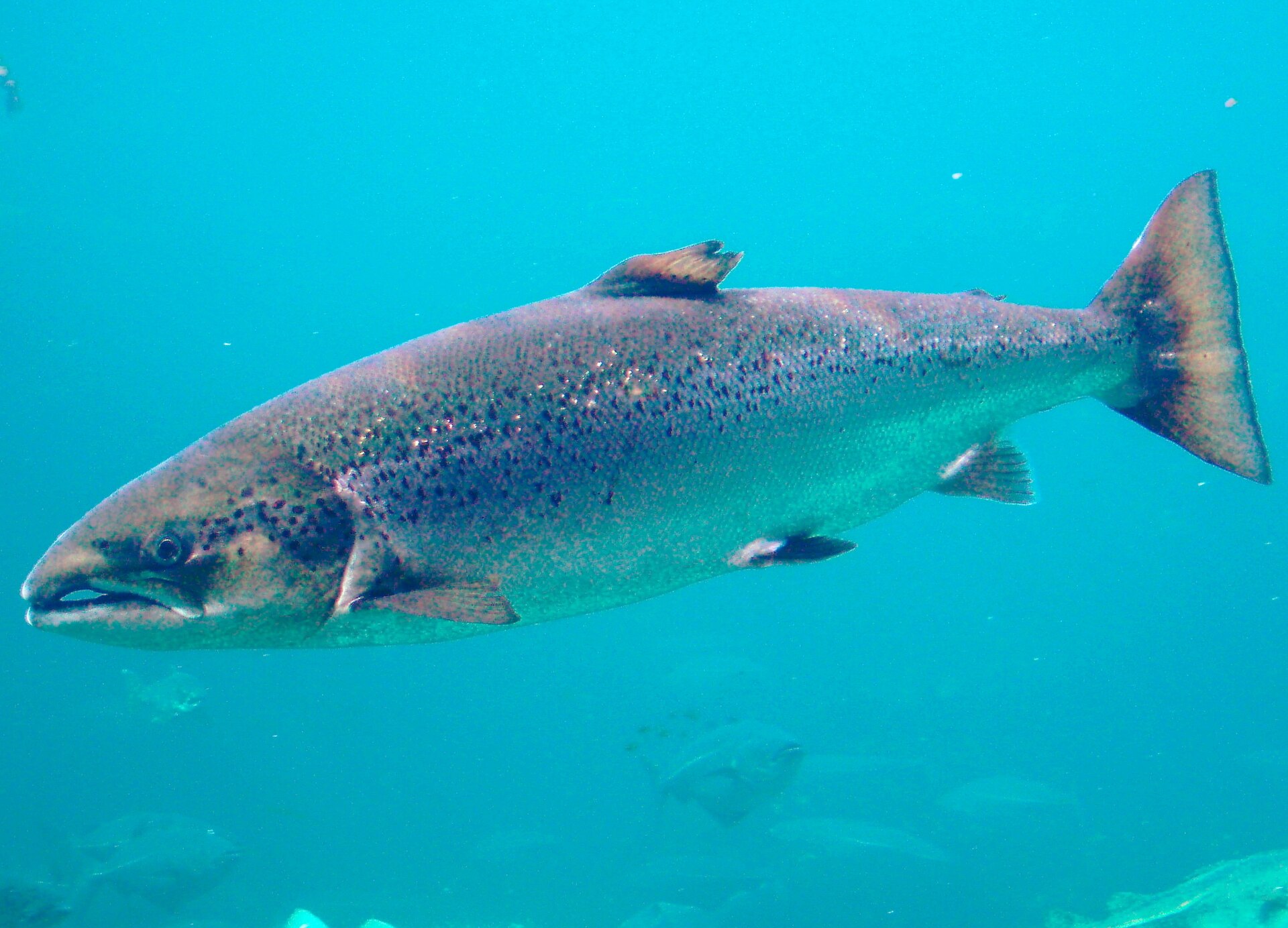
Least Concern globally (IUCN, 2018) — Endangered in parts of range
Salmon
Salmo salar (Linnaeus, 1758)
The Atlantic salmon (Salmo salar) is Least Concern globally but Endangered in much of its southern range; anadromous fish threatened by dams, aquaculture, sea lice, overfishing and river pollution.
Read the guide →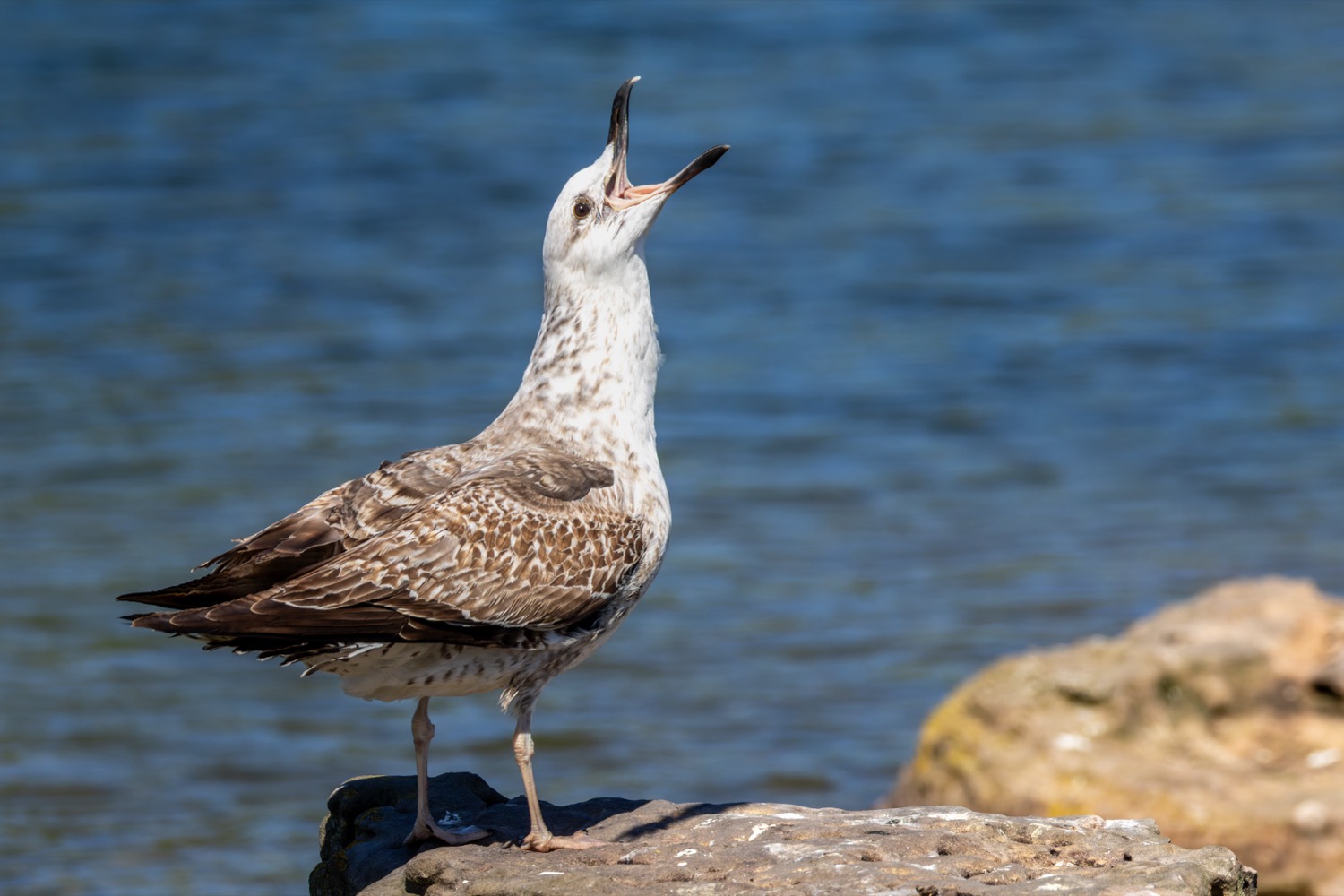
Varies by species; most Least Concern (IUCN)
Seagull (Gull)
Family Laridae
A seagull is any of around 50 species of gull, seabirds in the family Laridae. Typically white and grey with black wingtips and webbed feet, gulls are adaptable, intelligent coastal birds that scavenge, fish and increasingly thrive in towns and cities worldwide.
Read the guide →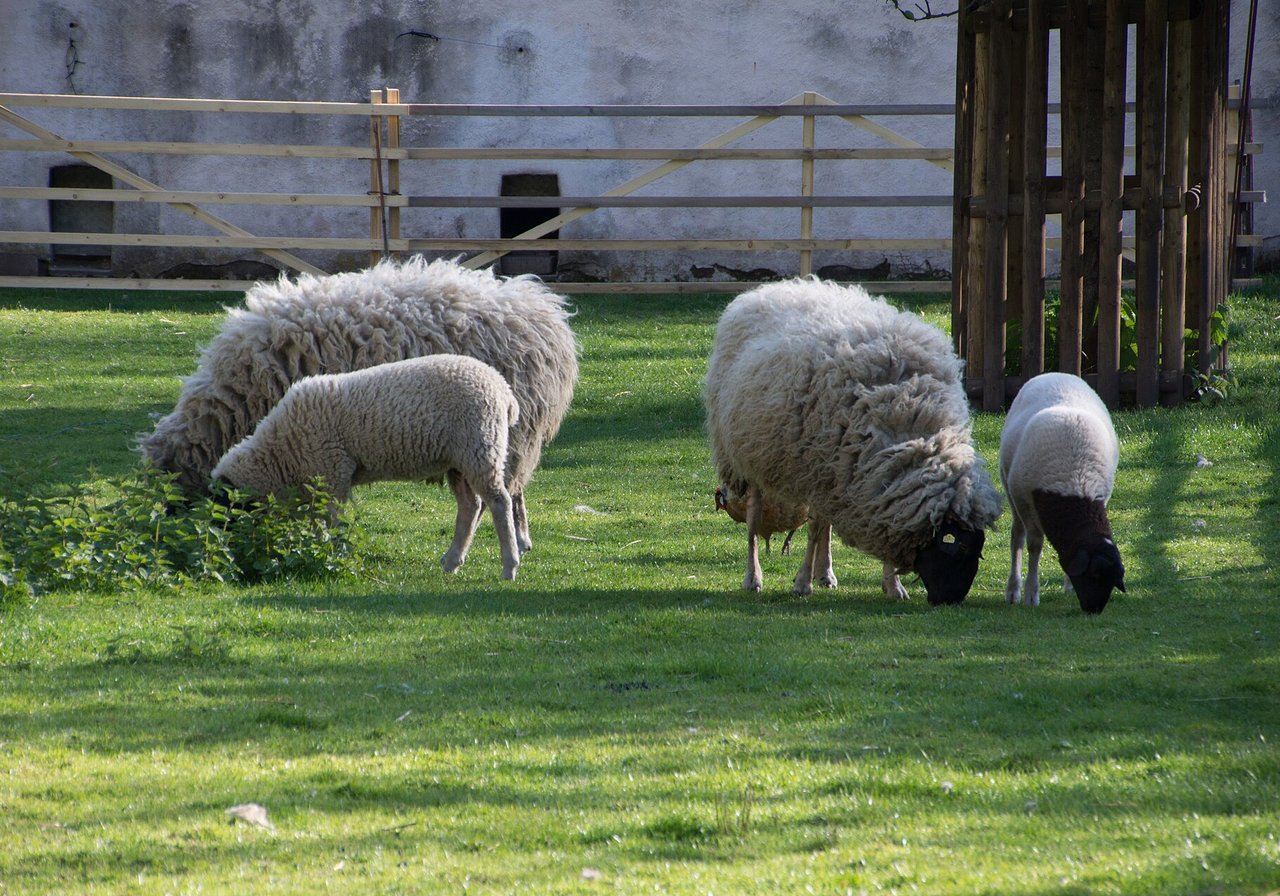
Domesticated — wild mouflon (Ovis gmelini) Near Threatened
Sheep
Ovis aries (Linnaeus, 1758) — domestic sheep; wild mouflon ancestor
Sheep (Ovis aries) are flock livestock domesticated from wild mouflon — social prey animals needing companions; commercial wool and lamb systems impose tail docking, transport stress and predator culls.
Read the guide →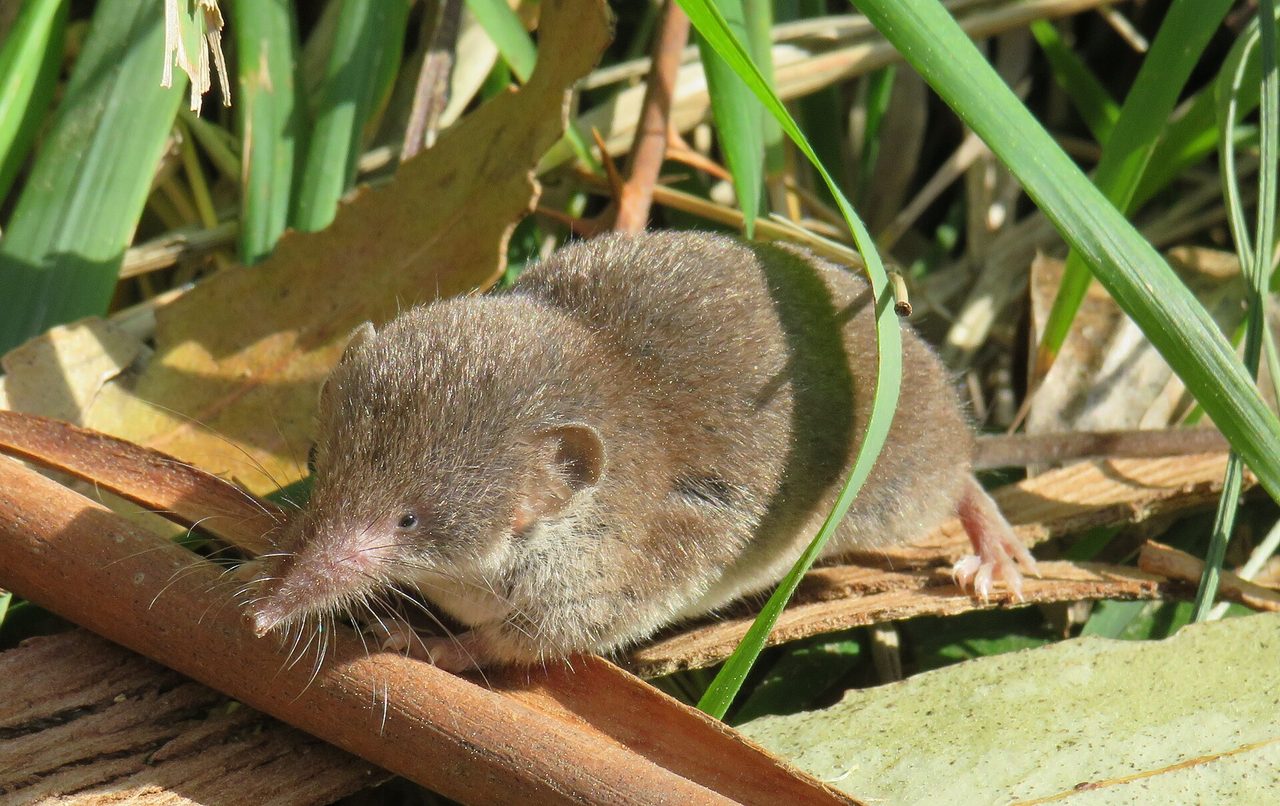
Varies by species; most Least Concern (IUCN)
Shrew
Soricidae
A shrew is a small insect-eating mammal of the family Soricidae, with a long pointed snout, tiny eyes and velvety fur. Though mouse-like, shrews are not rodents but relatives of moles and hedgehogs, and are known for their extremely high metabolism and near-constant feeding.
Read the guide →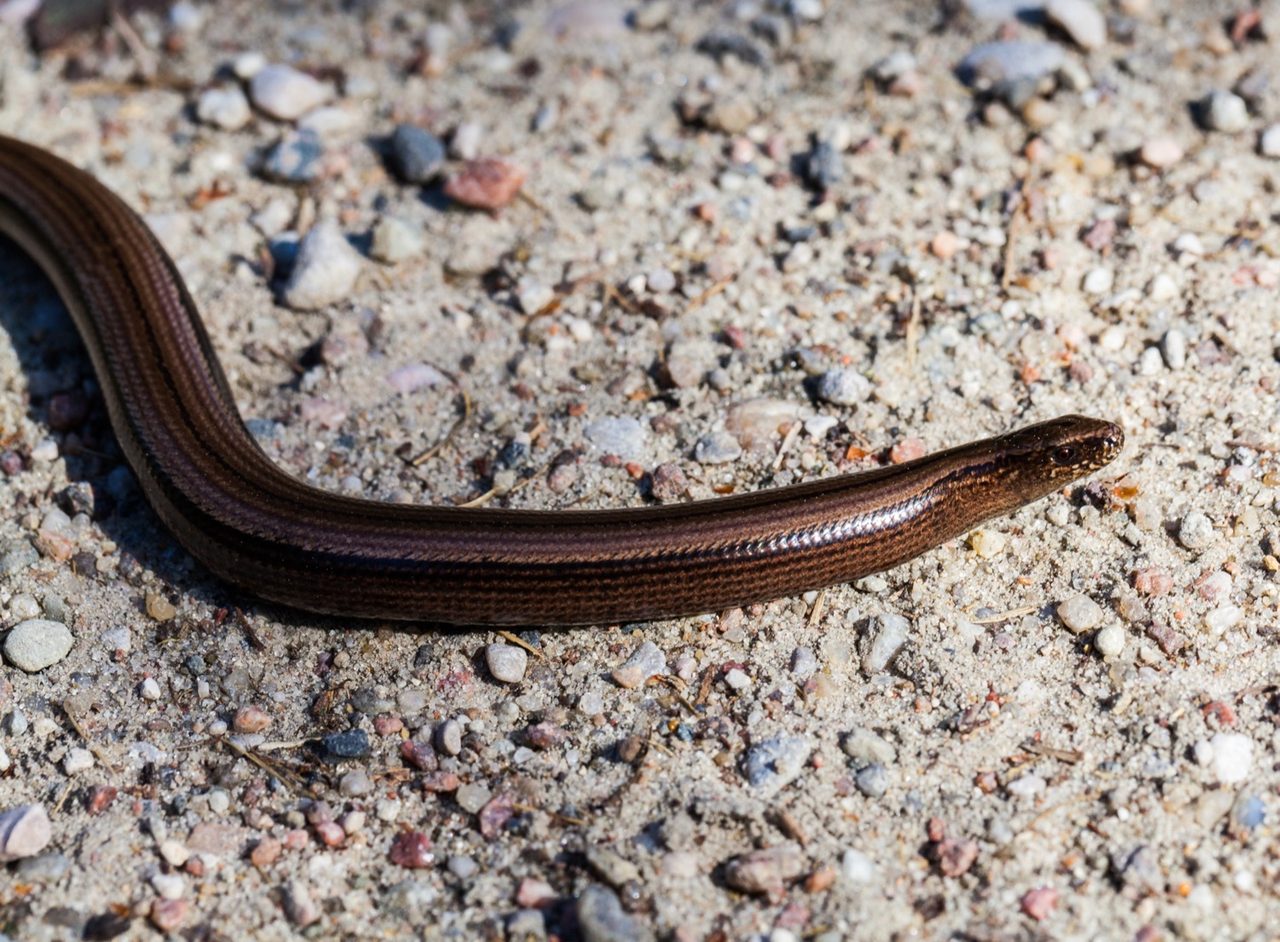
Least Concern (IUCN); legally protected in the UK
Slow Worm
Anguis fragilis
A slow worm (Anguis fragilis) is a legless lizard native to Britain and Europe. Though snake-like, it is a true lizard: it can blink with movable eyelids and shed its tail to escape predators. It lives in gardens and grassland, eating slugs, snails and worms.
Read the guide →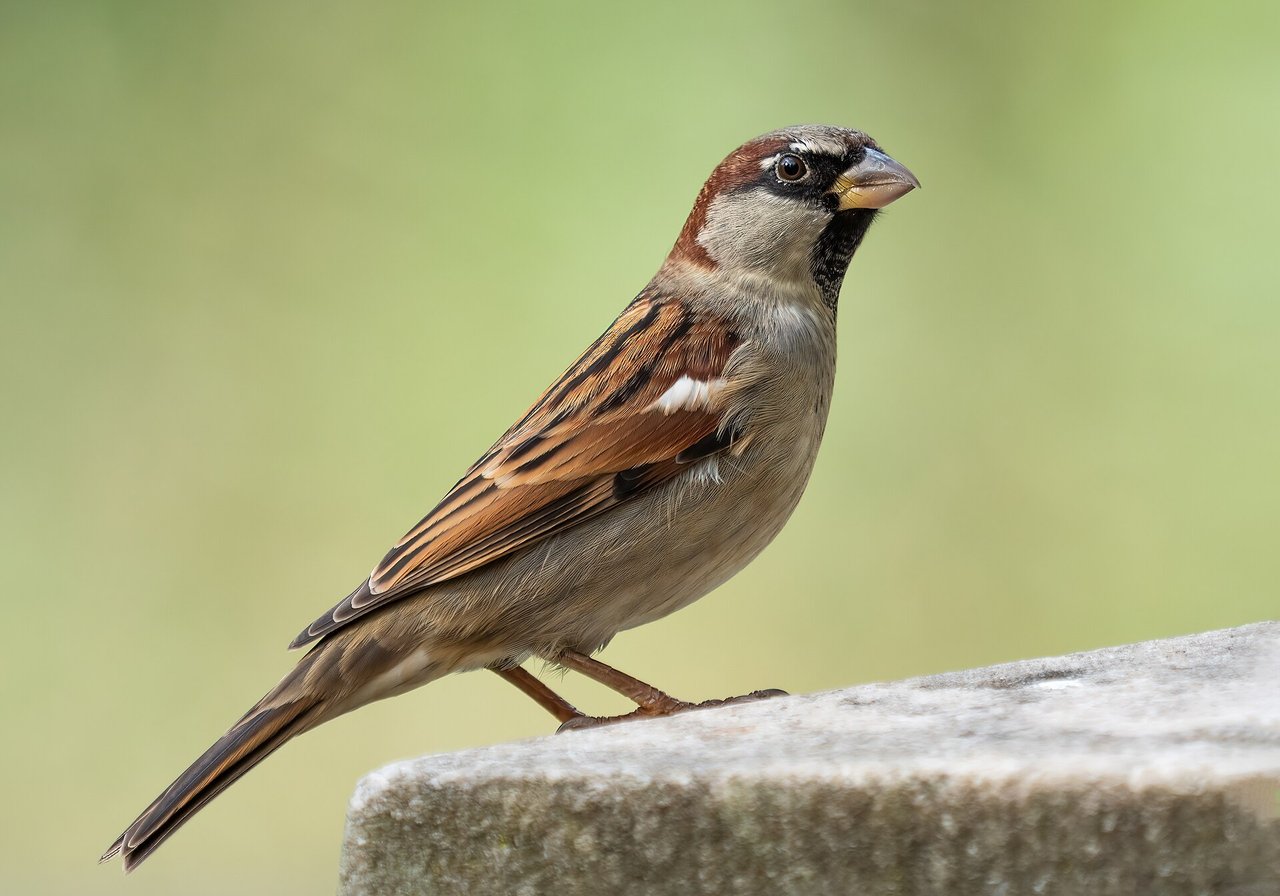
Least Concern (IUCN, 2018) — steep decline in parts of Europe
Sparrow
Passer domesticus (Linnaeus, 1758)
The house sparrow (Passer domesticus) is a Least Concern passerine found on every continent except Antarctica; globally abundant but declined by over 70% in urban Britain since the 1970s.
Read the guide →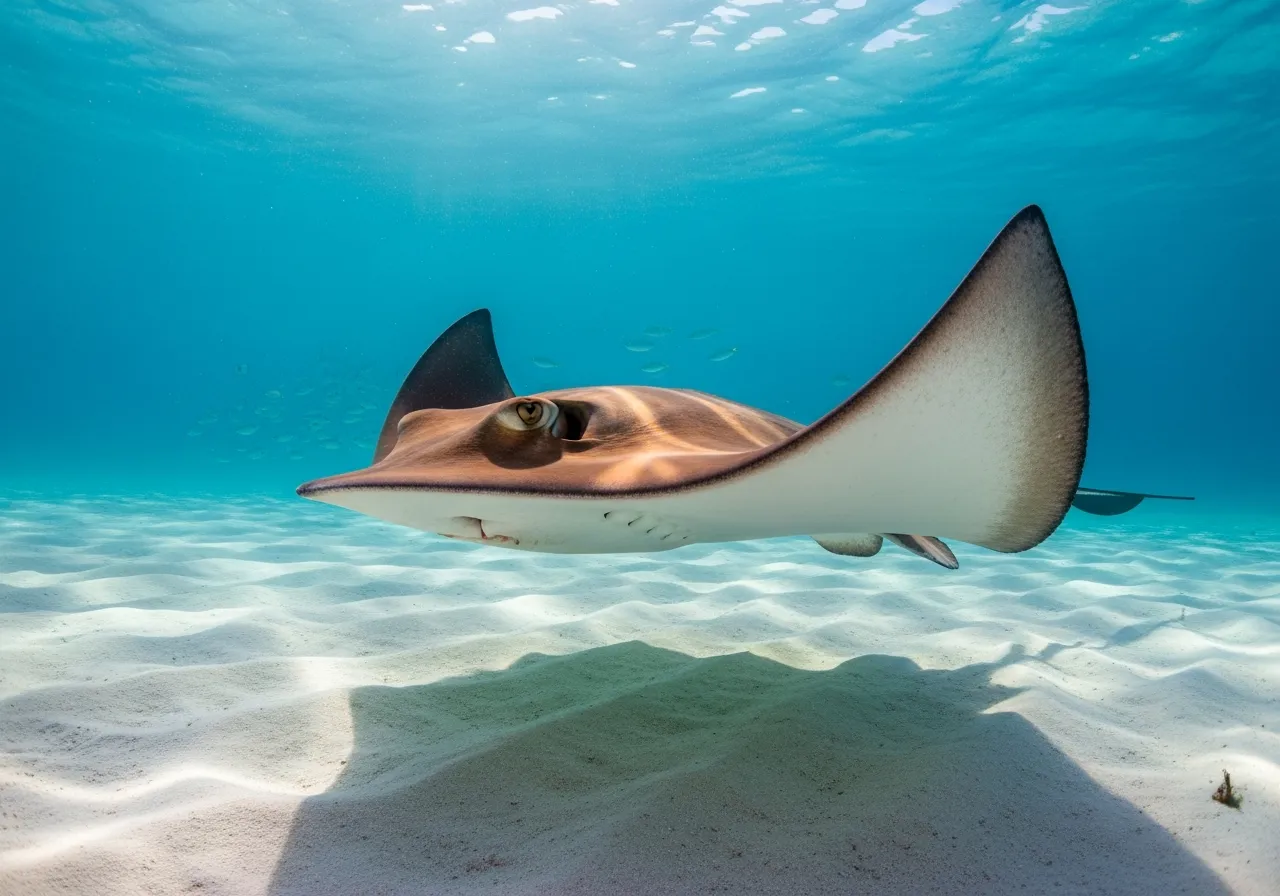
Varies by species; many threatened by overfishing
Stingray
Order Myliobatiformes
A stingray is a flat-bodied cartilaginous fish in the order Myliobatiformes, related to sharks. Its broad pectoral fins form a disc that flaps for swimming, and most species carry a venomous, barbed tail spine used only for defence. Most are bottom-dwelling ambush predators of shellfish.
Read the guide →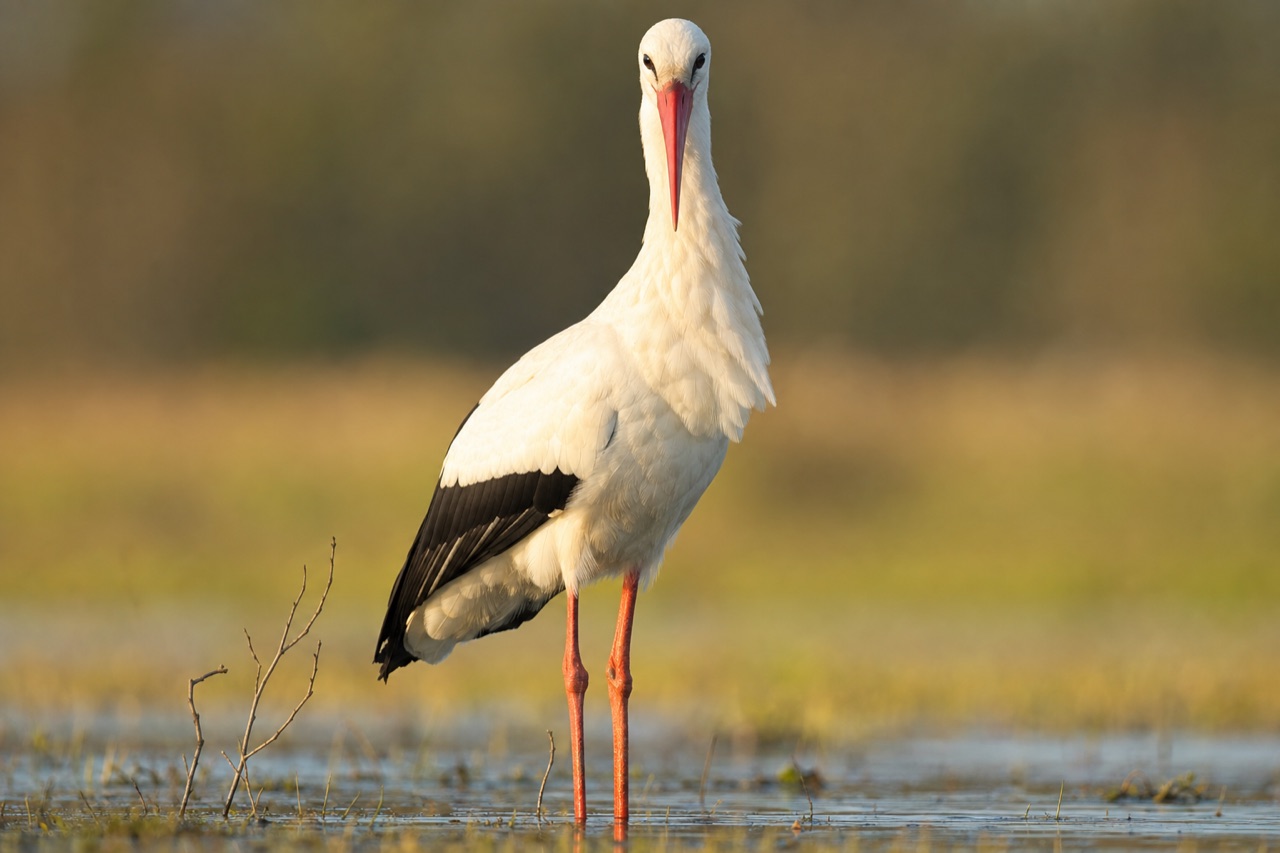
Family page — status ranges from Least Concern to Endangered by species
Stork
Family Ciconiidae — 19 species in 6 genera
Storks are large wading birds of the family Ciconiidae — 19 species — that soar on thermals rather than flapping, and most of which are effectively voiceless, communicating by clattering their bills.
Read the guide →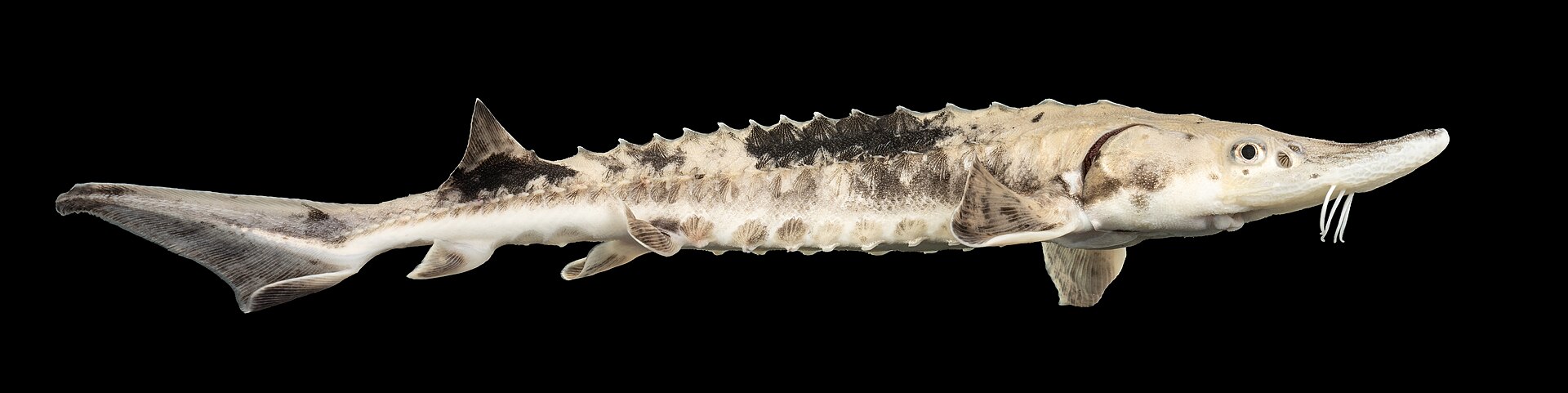
Varies by species — majority Critically Endangered (IUCN)
Sturgeon
Family Acipenseridae
Sturgeons (family Acipenseridae) are ancient, armoured freshwater and anadromous fish of the Northern Hemisphere; they are the most endangered group of animals on Earth, with 17 of 26 surviving species listed as Critically Endangered on the IUCN Red List, driven to the brink by poaching for caviar, dams that block migration, and widespread habitat loss.
Read the guide →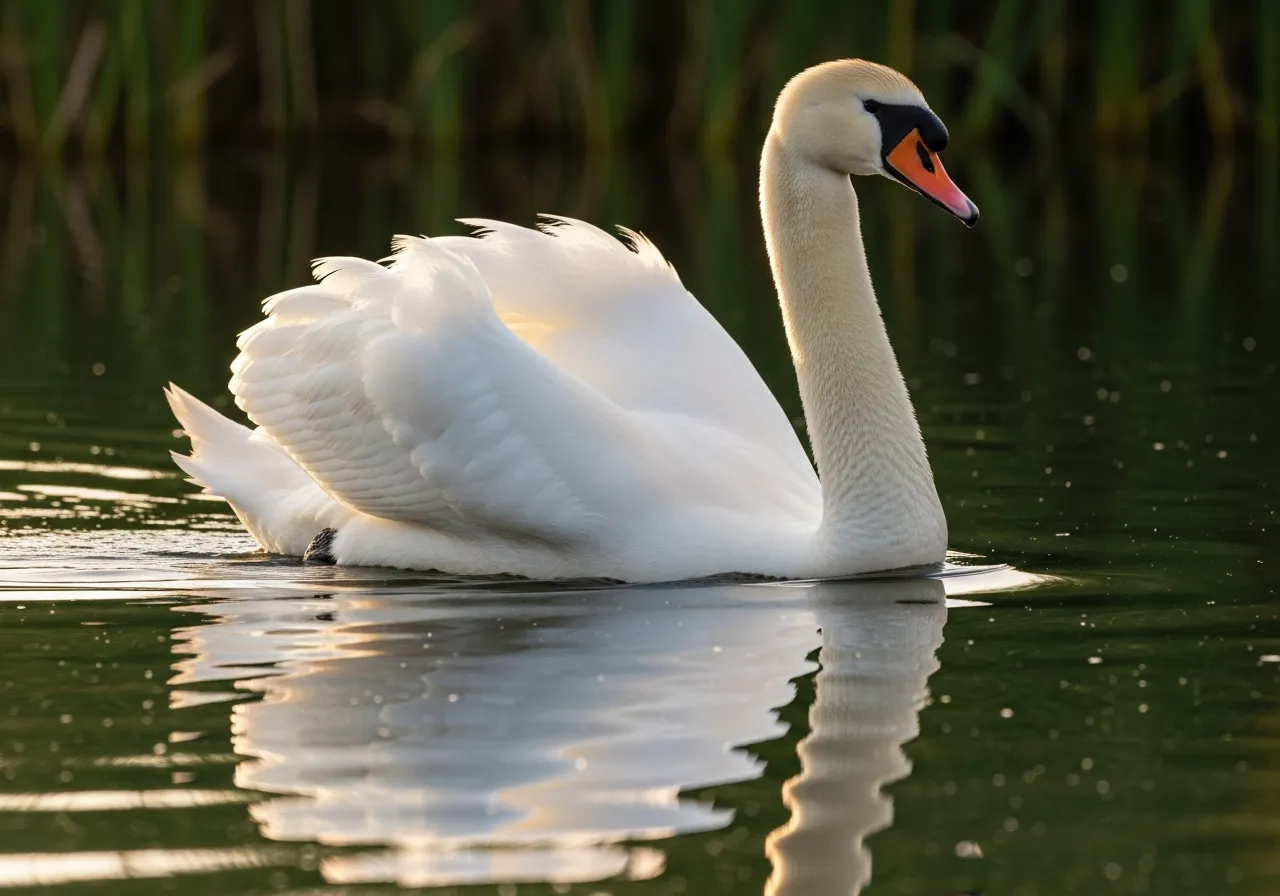
Most species Least Concern (IUCN)
Swan
Cygnus
A swan is a large, long-necked waterbird of the genus Cygnus and the biggest member of the duck and goose family. There are six living species worldwide. Swans feed mainly on aquatic plants, form strong, often lifelong pair bonds, and are renowned for their graceful appearance.
Read the guide →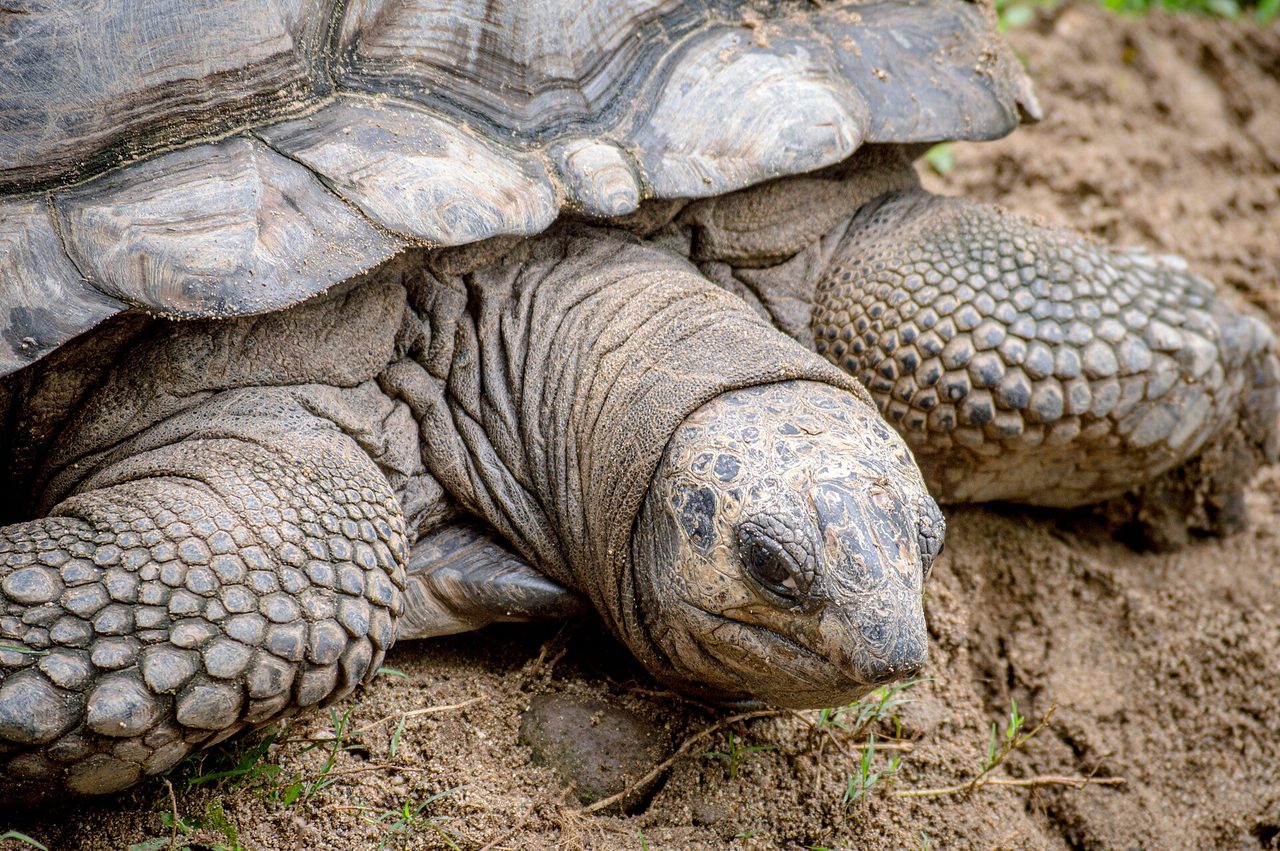
Varies by species — many Critically Endangered (IUCN)
Tortoise
Family Testudinidae
Tortoises (family Testudinidae) are fully terrestrial reptiles found across warm regions worldwide; over 86% of species are threatened or extinct, driven by illegal trade, habitat loss, and the pet industry.
Read the guide →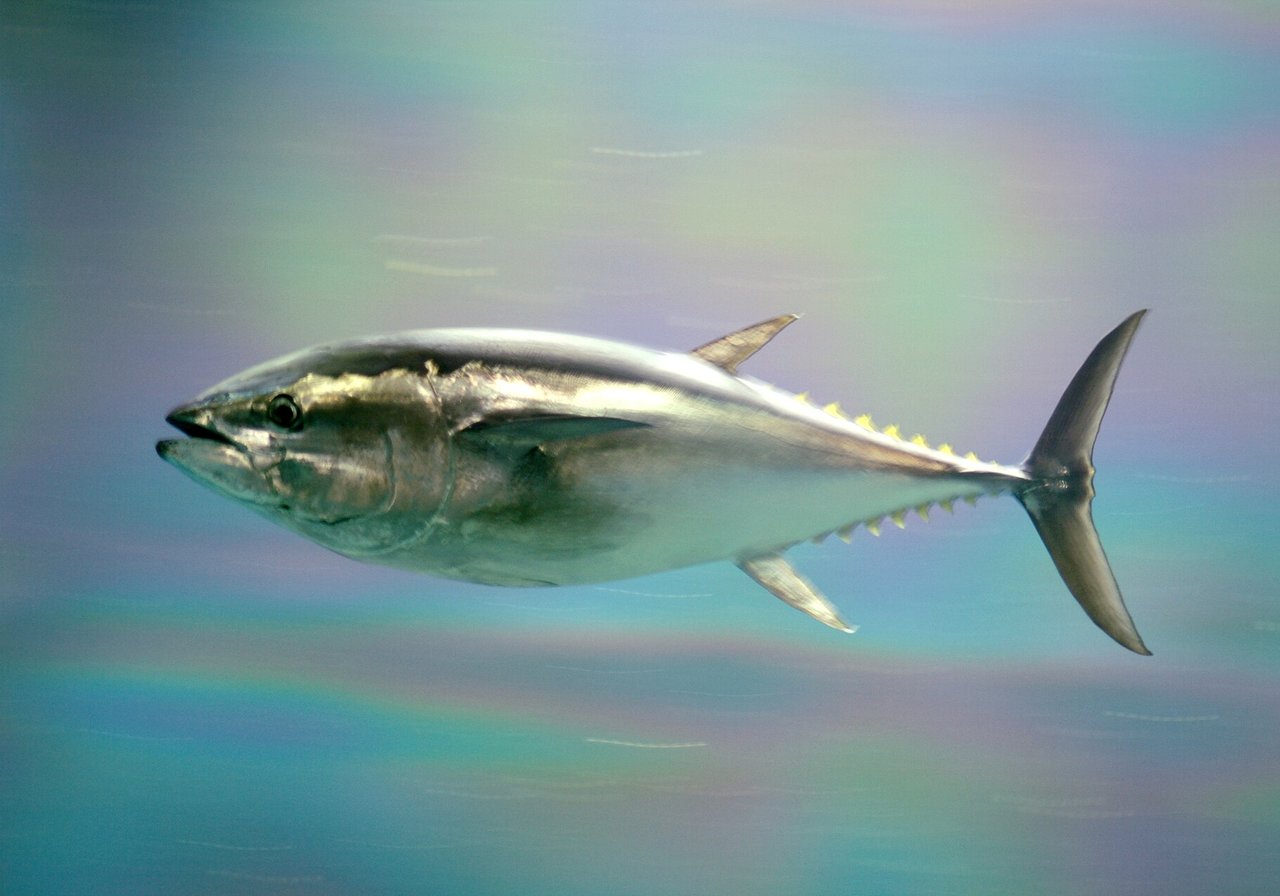
Least Concern (IUCN, 2021) — Southern bluefin Endangered
Tuna
Thunnus thynnus (Linnaeus, 1758)
Atlantic bluefin tuna (Thunnus thynnus) is Least Concern after stock recovery (IUCN, 2021); Southern bluefin is Endangered. Global tuna fisheries face overfishing, bycatch of sharks and turtles, and IUU fishing.
Read the guide →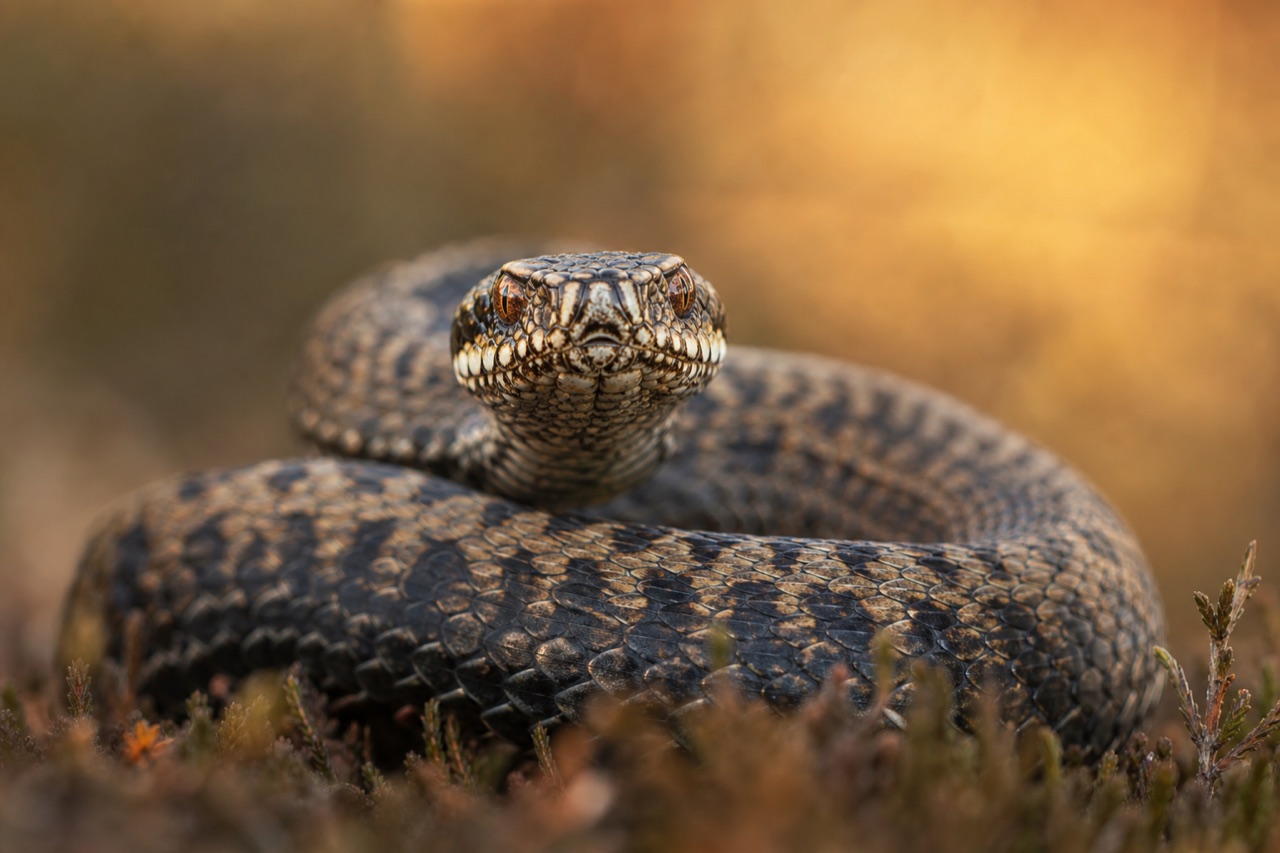
Family page — status varies; many species Least Concern, some island endemics threatened
Viper
Family Viperidae — pit vipers and true vipers; roughly 350 species worldwide
Vipers (family Viperidae) are roughly 350 species of venomous snake with hinged solenoglyph fangs and ambush hunting — including adders, rattlesnakes and fer-de-lance — responsible for a major share of global snakebite envenomation.
Read the guide →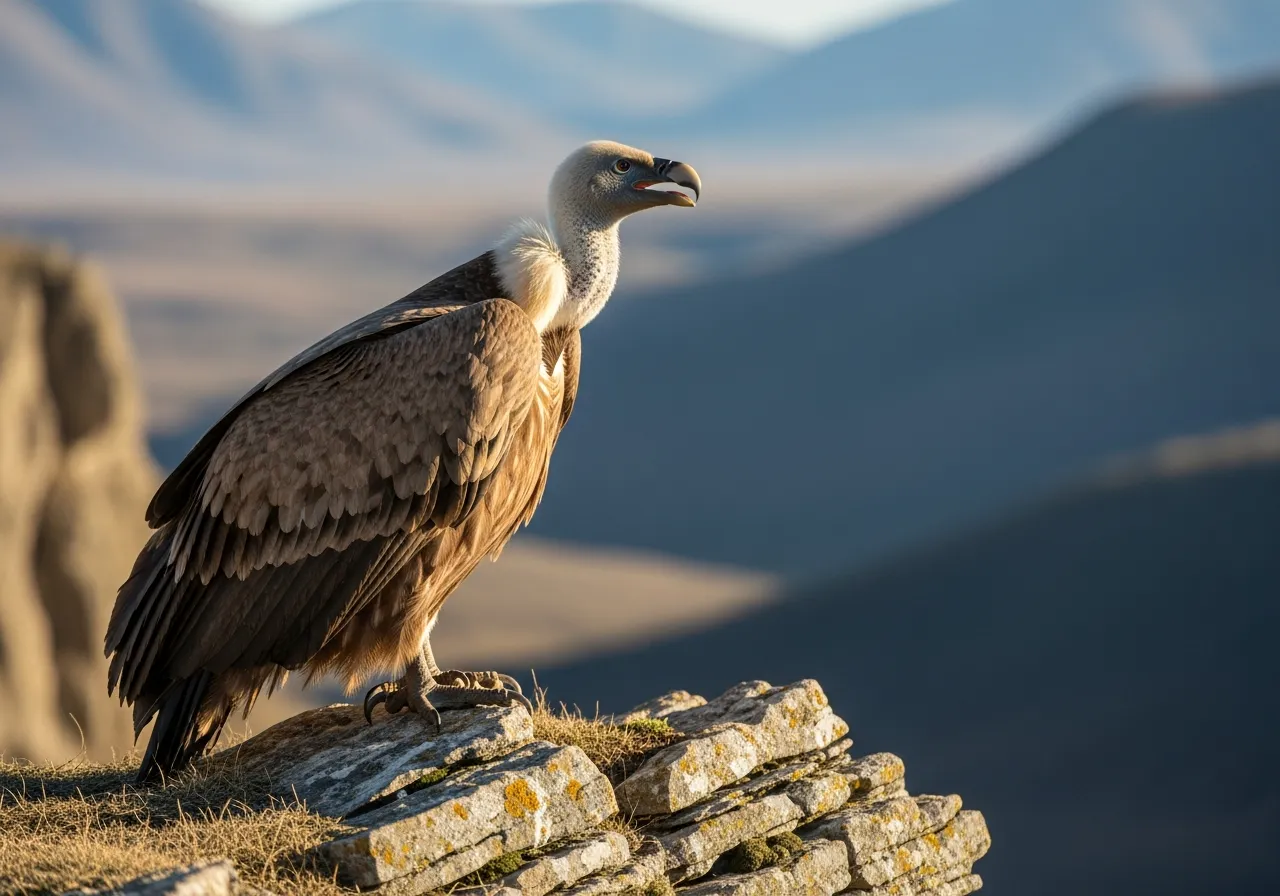
Varies; many Old World vultures Critically Endangered
Vulture
Old World vultures (family Accipitridae) and New World vultures (family Cathartidae)
A vulture is a large scavenging bird of prey that feeds mainly on carrion. There are two unrelated groups: Old World vultures of Africa, Asia and Europe, and New World vultures of the Americas, which evolved similar features independently. Most have a bald head and soar to find food.
Read the guide →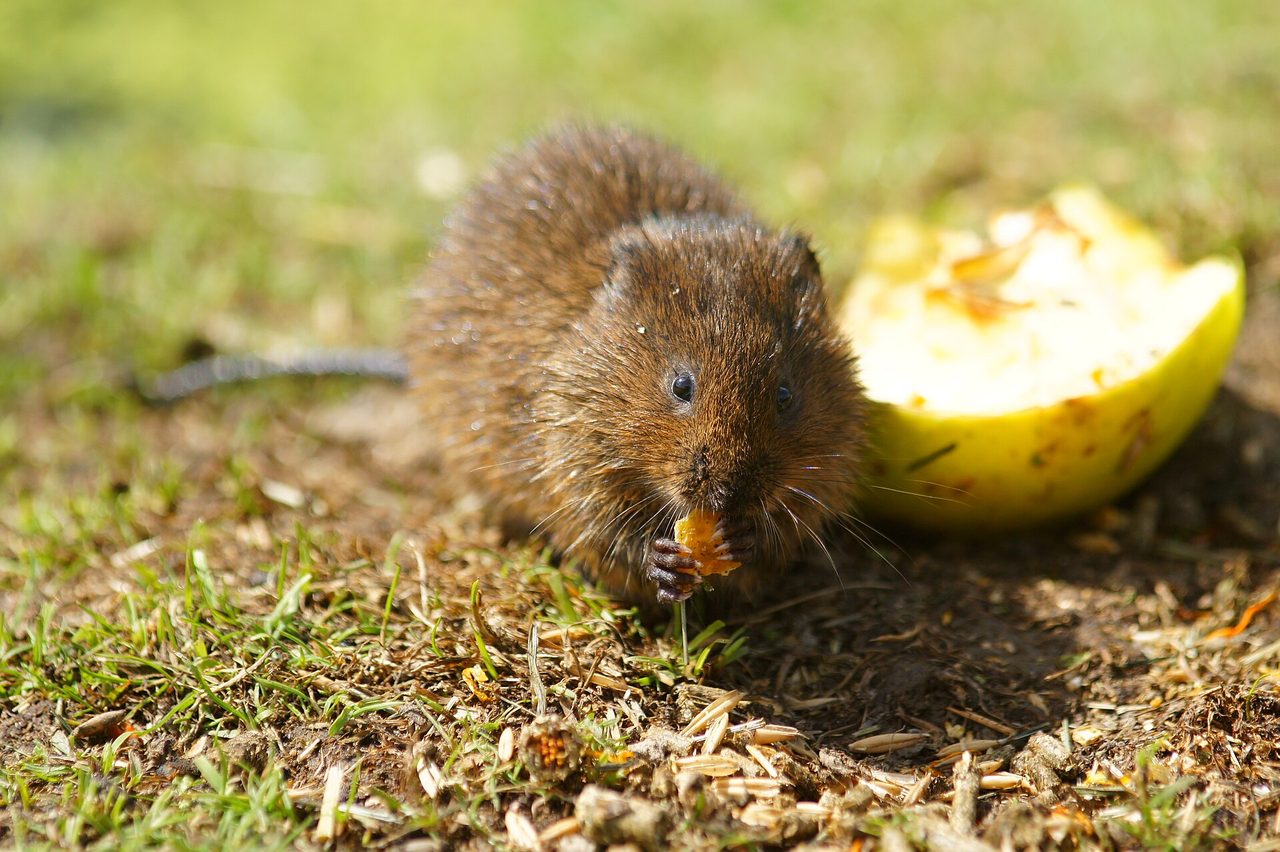
Least Concern globally; rapidly declining in the UK
Water Vole
Arvicola amphibius
A water vole (Arvicola amphibius) is a large, semi-aquatic rodent found along rivers, ditches and reed beds across Europe and western Asia. With chestnut fur, a blunt muzzle and a furry tail, it is a true vole — not a rat — and the inspiration for "Ratty" in The Wind in the Willows.
Read the guide →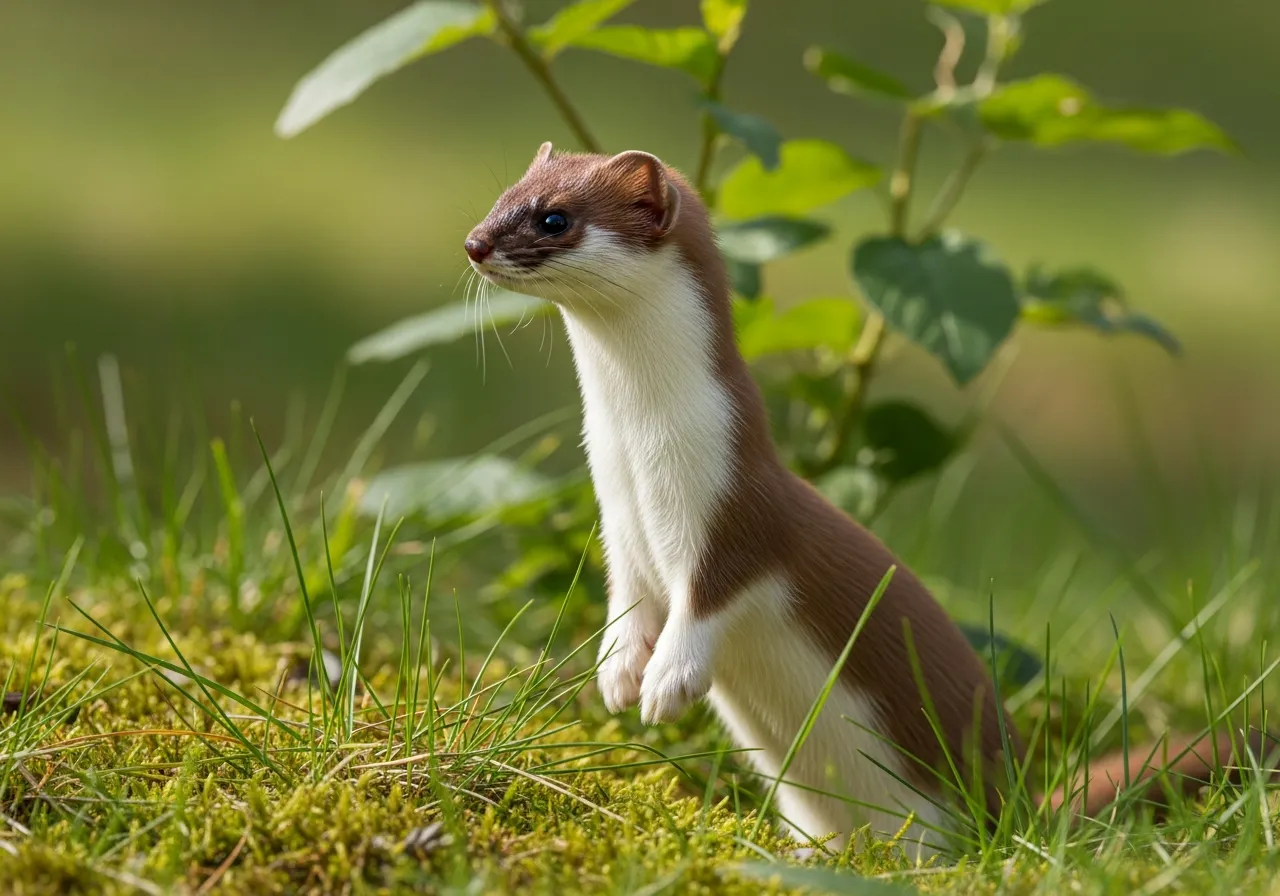
Least Concern (IUCN, 2016 assessment)
Weasel
Mustela nivalis
A weasel (Mustela nivalis), or least weasel, is the world's smallest carnivorous mammal: a slim, agile, short-legged hunter with a brown back and pale belly. Found across Europe, Asia and North America, it preys mainly on mice and voles, chasing them into their own burrows.
Read the guide →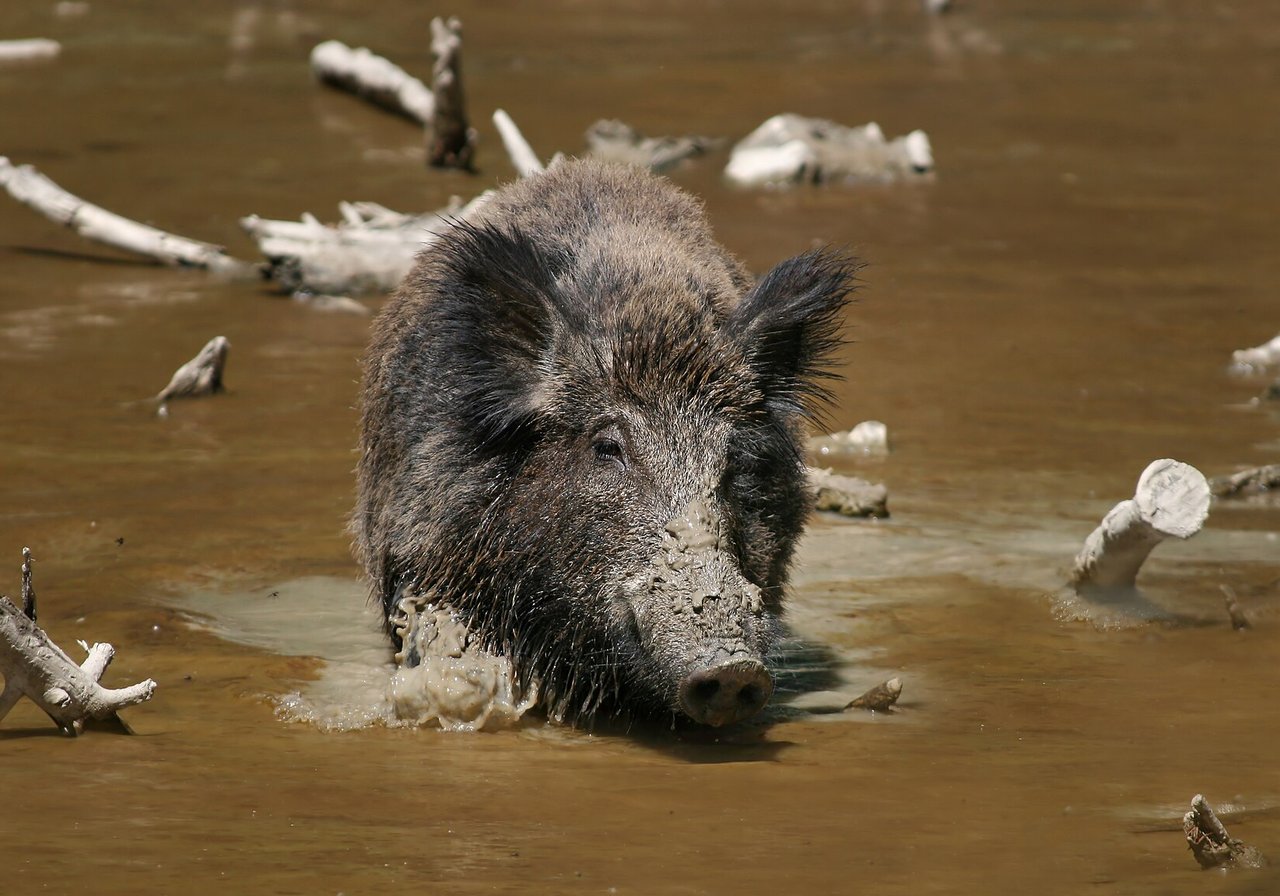
Least Concern (IUCN)
Wild Boar
Sus scrofa (Linnaeus, 1758)
The wild boar (Sus scrofa) is a Least Concern suid native across Europe, Asia and North Africa — ancestor of the domestic pig, widespread from Pakistan to Indonesia and increasing across Europe.
Read the guide →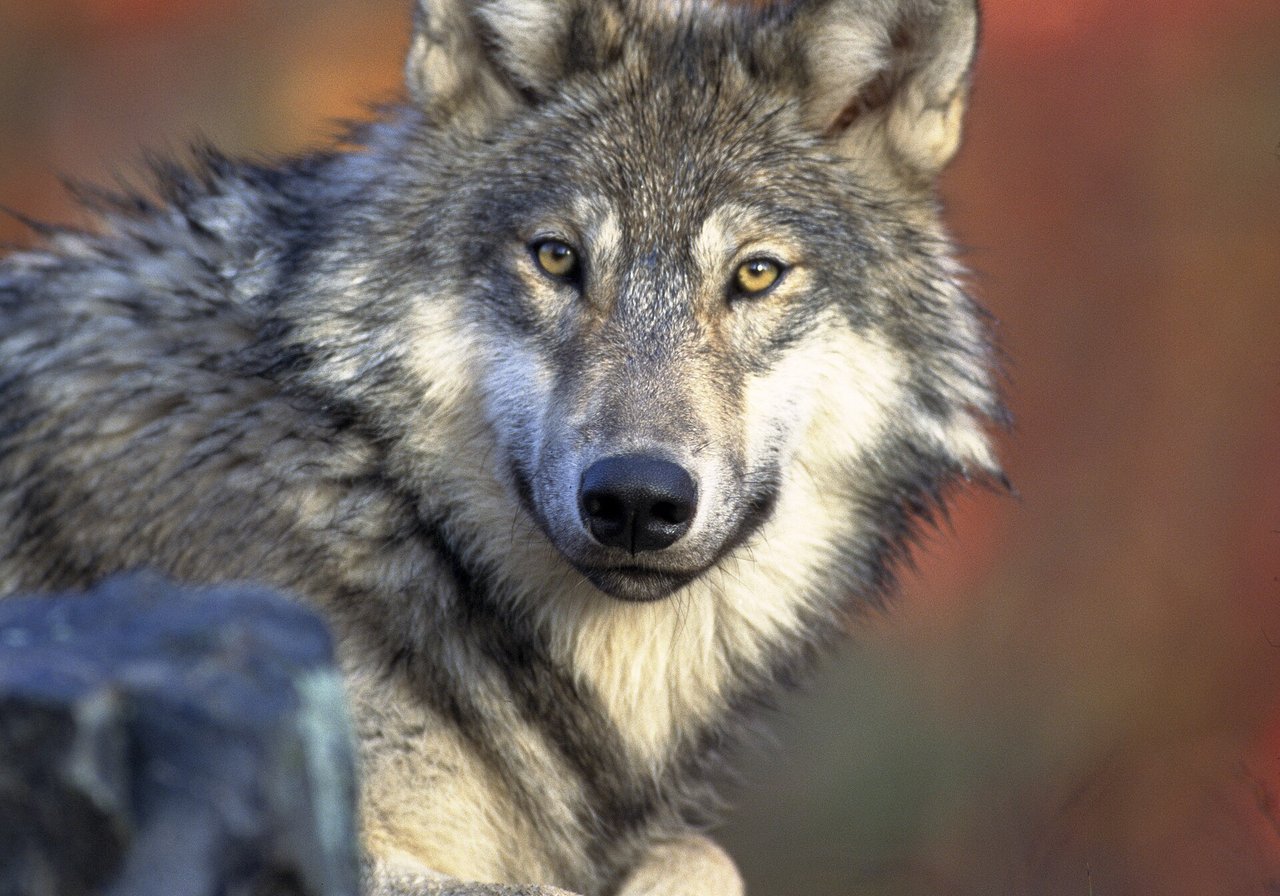
Least Concern globally (IUCN); regional populations vary
Wolf
Canis lupus (Linnaeus, 1758) and related subspecies
The grey wolf (Canis lupus) is a Least Concern pack-hunting canid of the Northern Hemisphere and wild ancestor of dogs — regionally extirpated in much of Europe and North America but recovering where reintroduced.
Read the guide →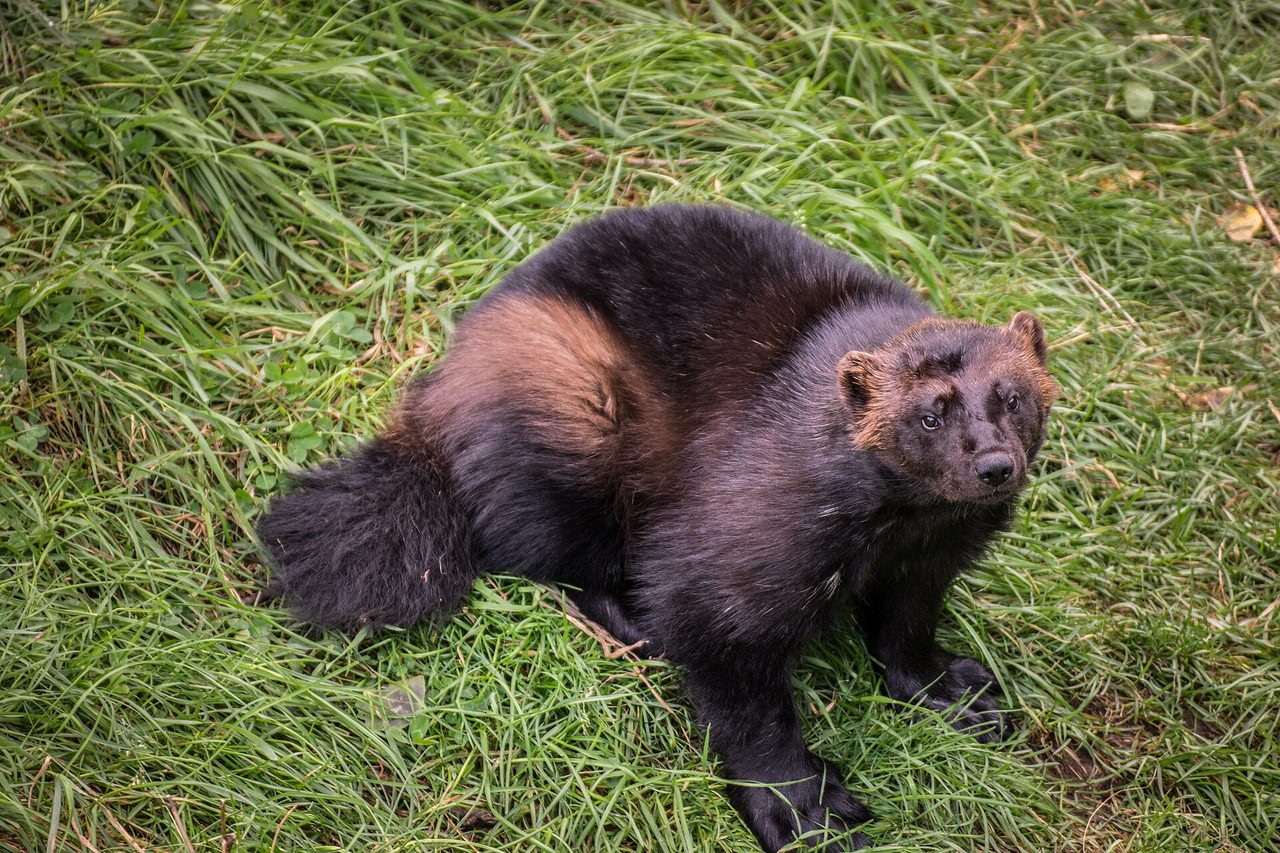
Least Concern (IUCN)
Wolverine
Gulo gulo
The wolverine (Gulo gulo) is a large, powerful member of the weasel family found across boreal and Arctic regions of North America and Eurasia, classified as Least Concern globally by the IUCN but facing serious pressure from climate-driven snowpack loss, trapping, and habitat fragmentation.
Read the guide →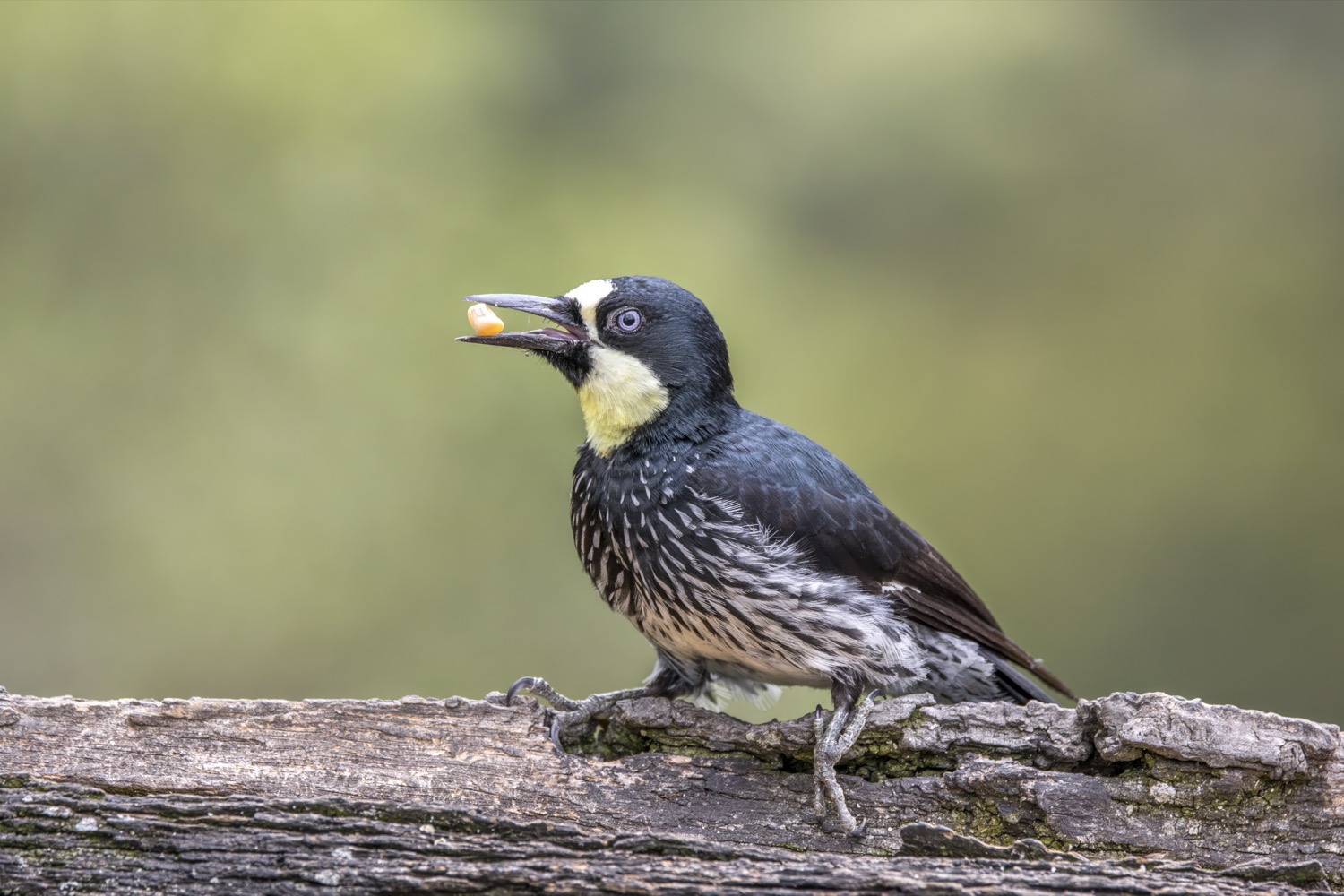
Varies by species; most Least Concern
Woodpecker
Picidae
A woodpecker is a tree-climbing bird of the family Picidae, with around 240 species worldwide. It uses a chisel-like bill to drum and excavate wood, aided by a shock-absorbing skull, gripping zygodactyl feet, a stiff propping tail and a long, barbed tongue for extracting insects.
Read the guide →