Wildlife Guide · Open ground, water margins and rooftops worldwide & British species include pied, grey and yellow wagtails
Wagtail
Motacillidae — family including Motacilla wagtails and Anthus pipits
The tail that bobs on every lawn — three wagtails, one habit.
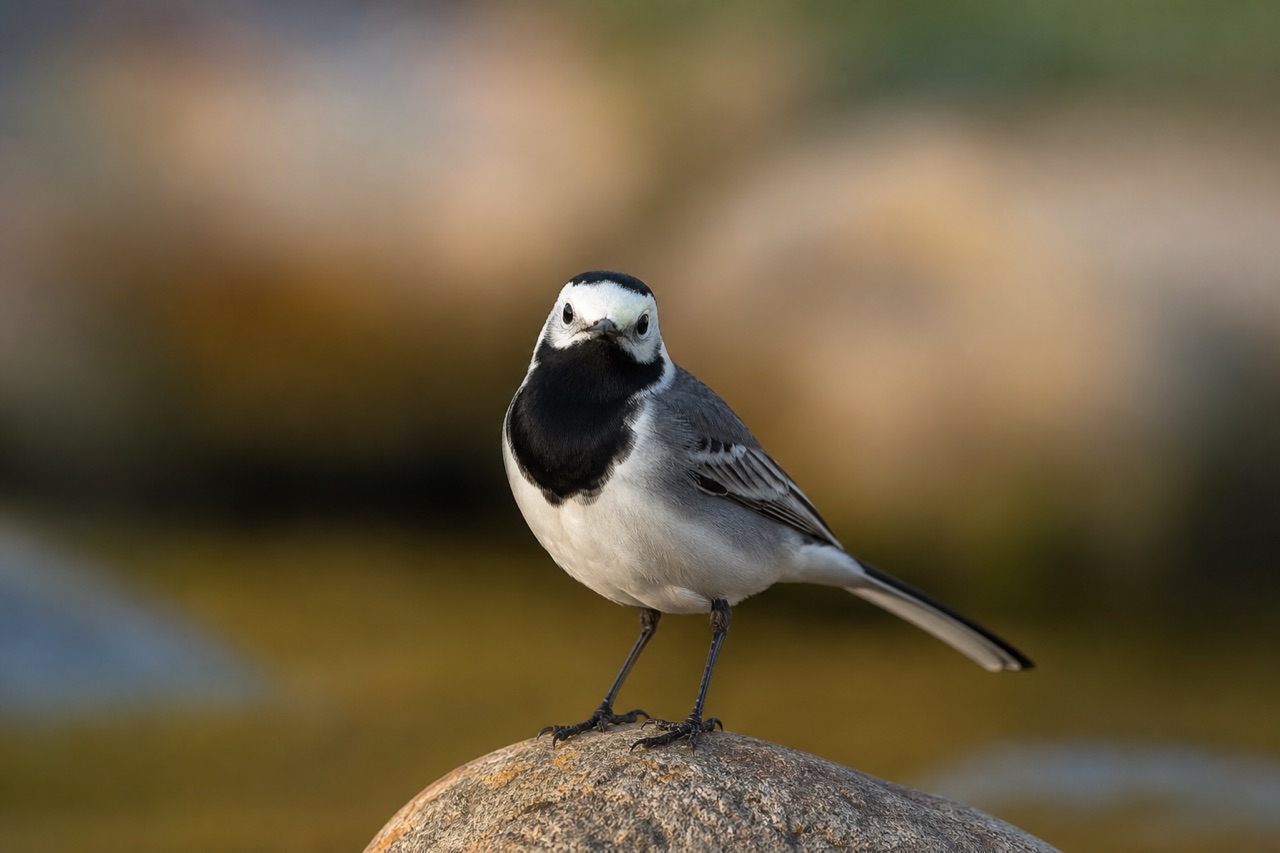
AI-generated educational wildlife portrait — World Animal Rescue Network · AI visualisation, not a photograph
In brief
Wagtails are slender insect-eating birds that constantly pump their long tails; British species include the black-and-white pied wagtail on lawns and rooftops, the yellow-bellied grey wagtail beside water, and the declining yellow wagtail of wet grassland.
Also in Animals A to Z · Animals that start with W
By WARN Research & Conservation Team Last updated
Wagtails are slender ground birds named for a constant habit: pumping the long tail up and down as they walk. In Britain three species matter for gardeners and general searchers: the pied wagtail (Motacilla alba yarrellii — the black-and-white British race), the grey wagtail (Motacilla cinerea — yellow below, grey above, beside water) and the yellow wagtail (Motacilla flava — a declining farmland breeder, olive-yellow, now rare in many former range areas). All wagtails feed on the ground or at water's edge, taking insects, spiders and small invertebrates. Pied wagtails are the most urban-tolerant — nesting in wall cavities, behind climbing plants and on flat rooftops, and gathering to roost communally in town centre trees in winter. Grey wagtails need running or standing water nearby. Yellow wagtails need rough, wet grassland — a habitat type that has contracted sharply on farmland. Searching 'wagtail' without naming the species is common — the tail-pump is the shared signature. A family-level guide sets the frame before choosing pied (garden and roof), grey (stream and pond edge) or yellow (farmland, now scarce). The behaviour that names them is visible in every species — but the habitat each needs splits sharply once you look beyond the bobbing tail.
Tail pump
Constant bobbing — the wagtail signature
3 British species
Pied, grey and yellow wagtail
Roof nester
Pied wagtail nests on buildings and flat roofs
Yellow declined
Farmland yellow wagtail lost much breeding range
Figures sourced from IUCN Red List — Motacilla alba, BTO — BirdFacts: Pied Wagtail .
Wagtail: Quick Facts
| Signature behaviour | Constant tail pumping while walking |
|---|---|
| Pied wagtail | Black-and-white; lawns, roofs, urban roosts |
| Grey wagtail | Yellow below, grey above; beside water |
| Yellow wagtail | Olive-yellow; wet grassland; declined in Britain |
| Diet | Insects and invertebrates — not seed |
| Pied nest site | Wall cavities, roofs, building gaps |
| Main garden species | Pied wagtail |
Scientific Classification
| Kingdom | Animalia |
|---|---|
| Phylum | Chordata |
| Class | Aves |
| Order | Passeriformes |
| Family | Motacillidae |
| British genera | Motacilla (wagtails), Anthus (pipits) |
| British wagtails | Pied, grey and yellow wagtail |
Conservation Status
- IUCN Status
- Least Concern
- Population
- Pied and grey wagtails widespread; yellow wagtail declined as British breeder
- Trend
- Pied stable; grey stable in much of range; yellow wagtail decreasing in Britain
- Assessed
- Varies by species
- CITES
- Not listed (family overview)
Yellow wagtail has lost much lowland breeding range in Britain through wet grassland loss. Pied and grey wagtails remain common in suitable habitat.
Did you know?
Pied wagtails gather in communal winter roosts — sometimes hundreds of birds in a single town-centre tree on a cold evening.
Key Facts: Wagtail
- Wagtails pump their long tails constantly while walking — the behaviour that names them.
- Pied wagtail is black-and-white, nests on buildings and roosts communally in towns in winter.
- Grey wagtail has yellow underparts and grey back — lives beside streams, rivers and garden ponds.
- Yellow wagtail is olive-yellow, breeds in wet grassland and has declined sharply as a British breeder.
- All feed on insects and invertebrates on ground or at water margin — not seed feeders.
- Pied wagtails on lawns indicate insect-rich short grass; cats kill them at ground level.
- Family Motacillidae also includes pipits — similar ground birds without the bold tail-pump.
Pied wagtail — the garden and rooftop species
The pied wagtail is the wagtail most people see. Black cap, white face, black breast and white belly in the male; females and juveniles have more grey. It runs across lawns, car parks and pavements, tail pumping, picking insects from the surface. In flight it is graceful, long-tailed, calling a sharp 'chissick'.
Pied wagtails nest in cavities — holes in walls, gaps behind climbing plants, open-fronted sites on flat roofs and occasionally nest boxes with large entrances. Urban pairs raise broods on insects gathered from paved areas and short grass. In winter, pied wagtails gather in communal roosts — sometimes large numbers in town centre trees or reedbeds — a spectacle unnoticed by most passers-by. Roost sites are traditional, used year after year.
Garden ponds attract pied wagtails for drinking and bathing as well as feeding on insects at the margin. They do not use seed feeders. A pied wagtail on the lawn is hunting — often flies, beetles and larvae — and indicates insect activity worth preserving. Pesticide-treated lawns and sterile gravel drives remove the food source even when water is provided.
Pied wagtails often nest in unexpected urban sites — behind lifted roof tiles, in gaps between stacked pallets, in unused boats and on industrial estate ledges. The species' tolerance of human structure makes it one of the few birds that genuinely thrives in town centres where insect prey persists on pavements and in car parks.
Grey wagtail — beside the water
The grey wagtail is more colourful than its name suggests: grey back, black throat bib in breeding male, and bright yellow on breast and belly. It is tied to water — streams, rivers, canal margins, garden ponds with running water or overflow — where it picks insects from wet rocks and muddy banks.
Grey wagtails nest in bankside crevices, behind waterfalls, under bridges and in stone walls beside water. A garden with a wildlife pond and rocky margin may host a pair if a stream or river lies nearby. They are less urban than pied wagtails but increasingly use garden ponds in suburban areas with connected watercourses. The yellow breast makes them easier to identify than the name implies.
Winter grey wagtails move to lower ground and sometimes join urban roosts, but they remain water-associated year-round. Loss of clean running water — pollution, culverting, canalisation — reduces grey wagtail habitat directly. A grey wagtail on a garden pond is a sign that water quality and insect life at the margin are sufficient to support a specialist.
Grey wagtails follow rivers upstream into upland valleys in summer and descend to lowland in winter — a garden pond on a river-connected suburban stream may host grey wagtails year-round if water quality supports aquatic invertebrates. They pick insects from wet masonry, waterfall splash zones and sluice gates as readily as natural rock.
Yellow wagtail — the farmland loss story
The yellow wagtail is an olive-yellow bird of wet grassland, meadows and livestock pasture — often nesting near cattle or horses where insects are disturbed. It is a summer migrant to Britain, wintering in Africa, and has declined sharply as a breeding bird as wet meadows were drained, grassland intensified and livestock numbers fell in lowland England.
Yellow wagtails are now scarce or absent across much of former range in southern and eastern England. Where they persist — parts of the Midlands, East Anglia, coastal grazing marsh — they remain tied to rough, damp grassland with livestock. They are not garden birds in the pied wagtail sense. A yellow wagtail record in a suburban garden is usually a passage migrant, not a breeder.
The yellow wagtail decline connects wagtails to farmland conservation — the same story as curlew and lapwing at a smaller scale. A family guide that includes yellow wagtail carries the warning that not all wagtails live on suburban lawns. Searching 'wagtail' from a fen or grazing marsh may mean a bird in serious decline, not the pied wagtail on your patio.
Yellow wagtail identification depends on call and habitat as much as plumage — the yellow wash below and olive back distinguish it from grey wagtail, but habitat separates them instantly: wet grassland with livestock for yellow, water margin for grey, open paved ground for pied. A wagtail on a lawn is never a yellow wagtail.
Tail-pumping, pipits and garden practice
The tail-pump is thought to flush insects, signal alertness to predators and communicate with mates — possibly all three. Wagtails share the family Motacillidae with pipits (Anthus), which walk open ground without the exaggerated tail movement. Meadow pipits on moorland are often confused with wagtails by beginners; the tail habit separates them instantly.
Garden support for pied wagtails: maintain insect-rich lawn without unnecessary pesticides, provide shallow water for drinking and bathing, avoid sealing every wall cavity if safe to leave access, and keep cats indoors when wagtails feed on open lawn. Grey wagtails benefit from unpolluted pond and stream margins; yellow wagtails need farmland beyond most gardens.
All three British wagtails are Least Concern globally, but yellow wagtail breeding range loss in Britain is serious at the national level. The wagtail at your feet is likely a pied wagtail — and the tail that bobs is asking for insects, water and a cat-free lawn. That is a simpler ask than yellow wagtail needs, but no less important for the bird actually on your paving stones.
Wagtails do not benefit from nyjer, peanuts or fat balls — insect-rich habitat and shallow water are the entire provision. Reducing pesticide use on garden lawns and allowing moss and short vegetation at pond margins supports pied and grey wagtails without any feeder investment.
What WARN Does
WARN publishes free, sourced species education for birds people name by behaviour before species. 'Wagtail' means tail-pumping ground hunters — pied on your lawn, grey by the pond, yellow on wet grassland that is disappearing.
If this guide helps you understand wildlife and the pressures it faces, a gift to WARN supports habitat protection and free public education in our partner countries.
Wagtail: Frequently Asked Questions
Why do wagtails wag their tails?
What is the difference between pied and grey wagtail?
Do wagtails use bird feeders?
Where do pied wagtails nest?
What do wagtails eat?
Where do wagtails live?
Are wagtails dangerous?
How long do wagtails live?
How big are wagtails?
Sources & References
Population figures, conservation status and biological facts on this page are drawn from authoritative scientific and intergovernmental sources.
Terms used on this page
Plain-English definitions, from our wildlife and conservation glossary.
Explore more animals
Discover more animals, their habitats and their conservation status in the WARN wildlife-guide library.
Enjoyed this Wagtail guide?
Receive appeal updates, animal-welfare news and published funding reports. Unsubscribe any time.
We only use your address for WARN updates. See our privacy policy.