Region
Animals in Africa
Africa holds some of the most heavily poached and most closely monitored wildlife on earth. This collection gathers 122 WARN guides to animals found across sub-Saharan Africa, the Sahel, North Africa and Madagascar.
By WARN Research & Conservation TeamLast updated
This collection links to 122 sourced WARN guides with conservation status, key facts, threats, FAQs and references.
Least Concern
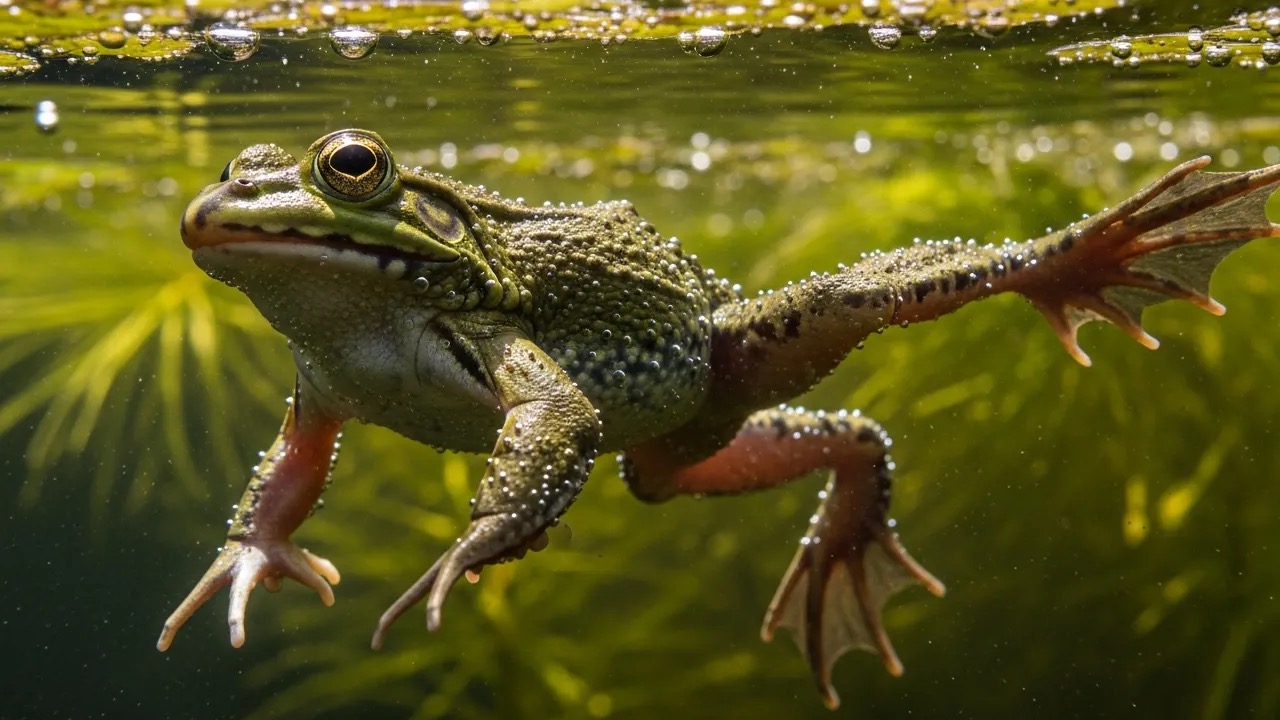
African Clawed Frog
Xenopus laevis
The African clawed frog is a fully aquatic frog from sub-Saharan Africa, named for the small dark claws on its hind feet. It has a flat body, no tongue or visible eardrum, and uses sensitive fingers and a lateral-line system to find food in murky water.
Read the guide →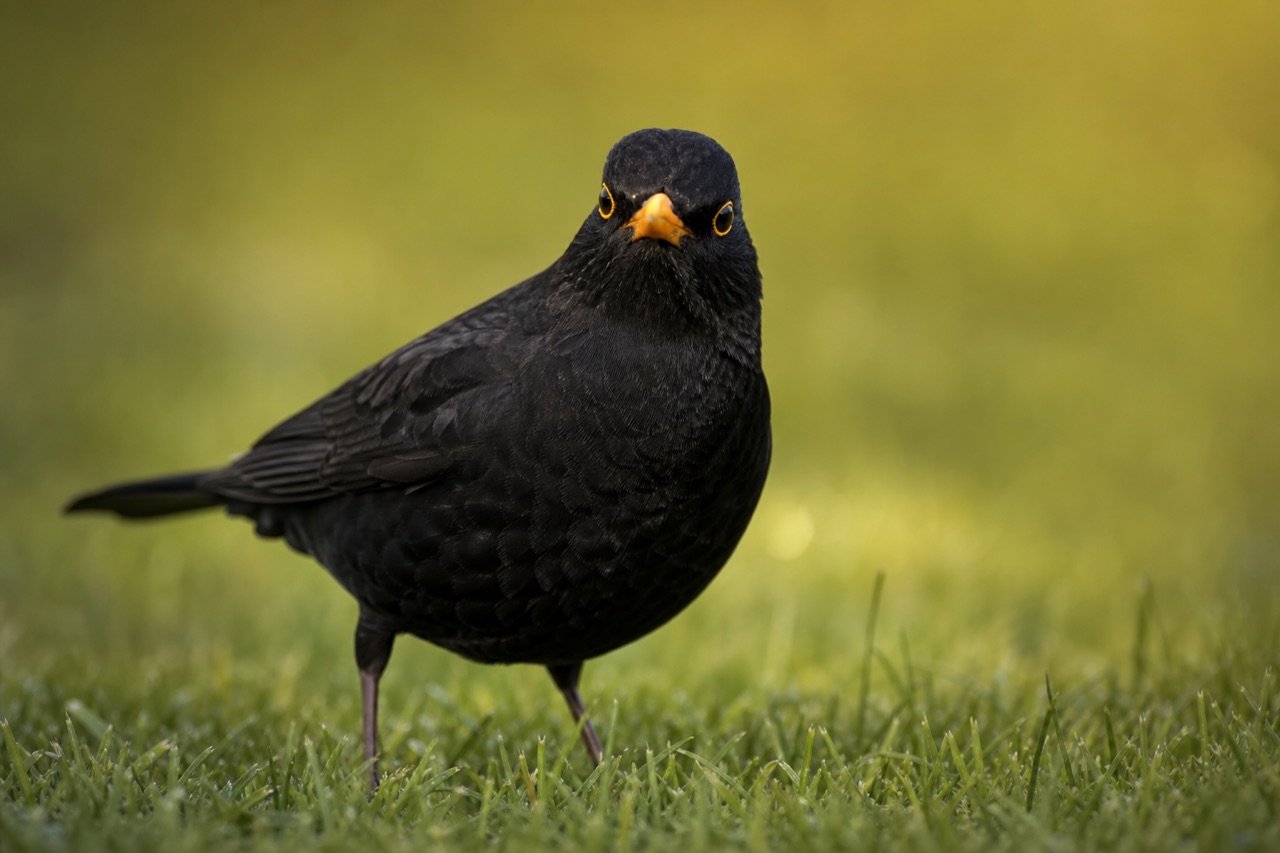
Least Concern — abundant in gardens; nests suffer heavy predation from cats
Blackbird
Turdus merula (Linnaeus, 1758) — family Turdidae
The Eurasian blackbird (Turdus merula) is a common British garden thrush; males are black with an orange bill, females are brown, and pairs nest in hedges and shrubs while feeding on worms, insects and berries — with domestic cats among the main causes of nest failure.
Read the guide →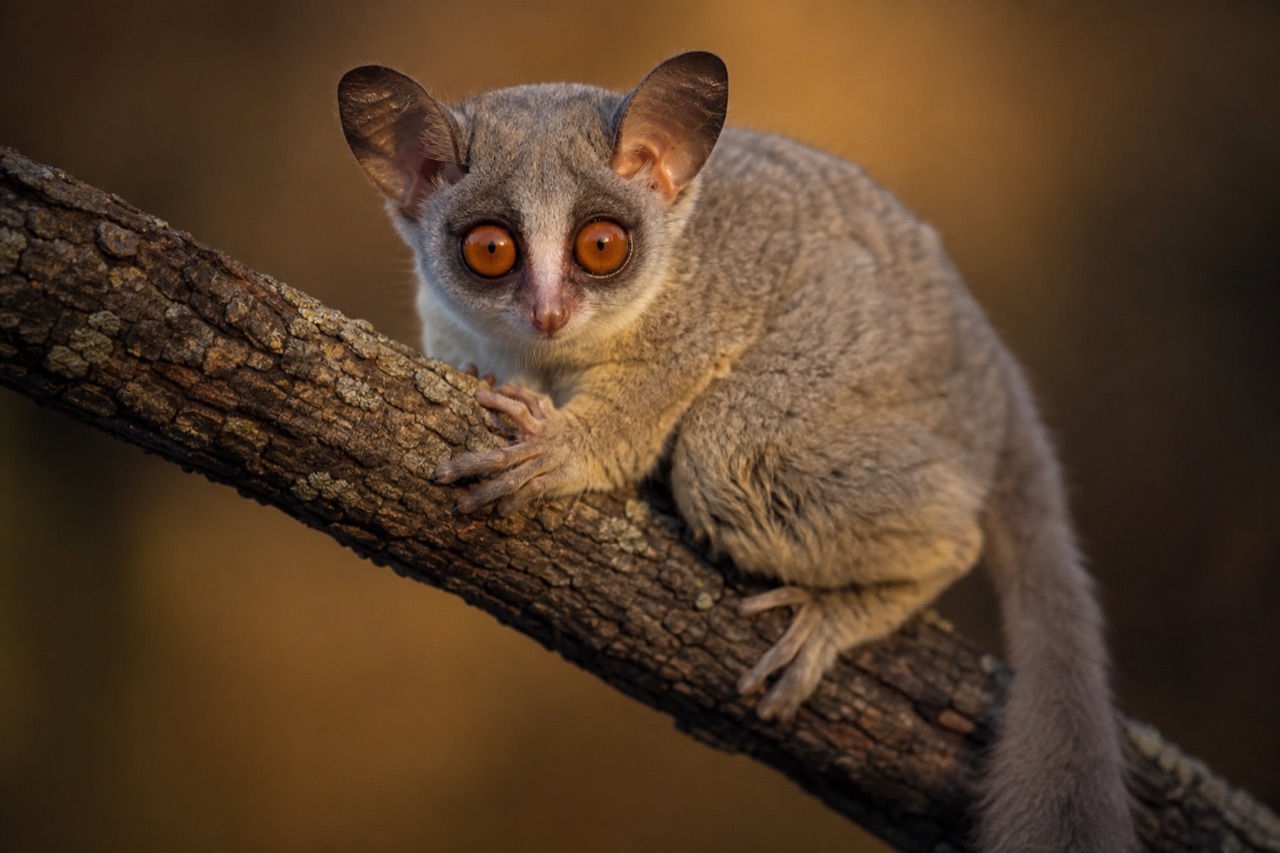
Least Concern — nocturnal primate with enormous eyes and powerful hind-leg leaps
Bushbaby
Galago senegalensis (É. Geoffroy, 1796) — family Galagidae
Bushbabies (family Galagidae) are small nocturnal primates of sub-Saharan Africa; the Senegal bushbaby (Galago senegalensis) weighs under 300 g, has eyes roughly the size of its brain, and can leap six metres between branches.
Read the guide →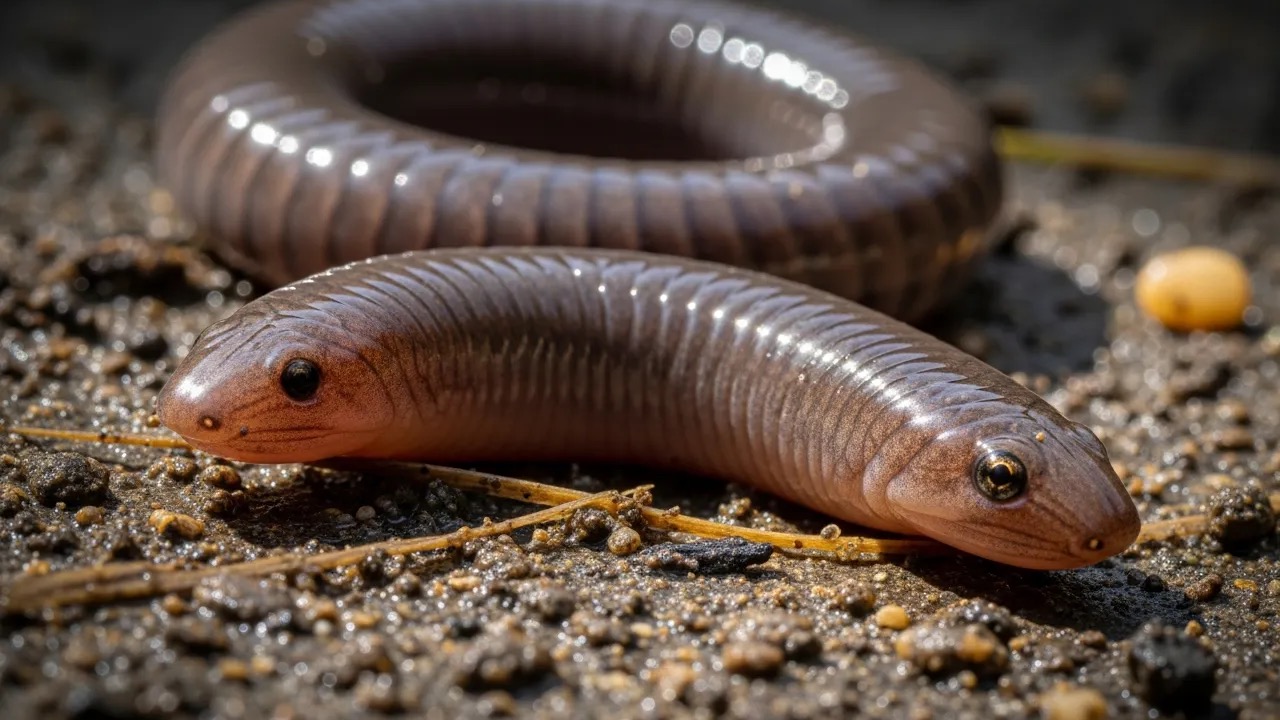
Least Concern
Caecilian
Gymnophiona
Caecilians are a group of limbless, worm-like amphibians that live mostly hidden in damp soil and leaf litter across the tropics of Africa, Asia, and the Americas. They range from a few centimeters to over 1.5 m (5 ft) long, have tiny or skin-covered eyes, and rely on a pair of sensory tentacles to find prey underground.
Read the guide →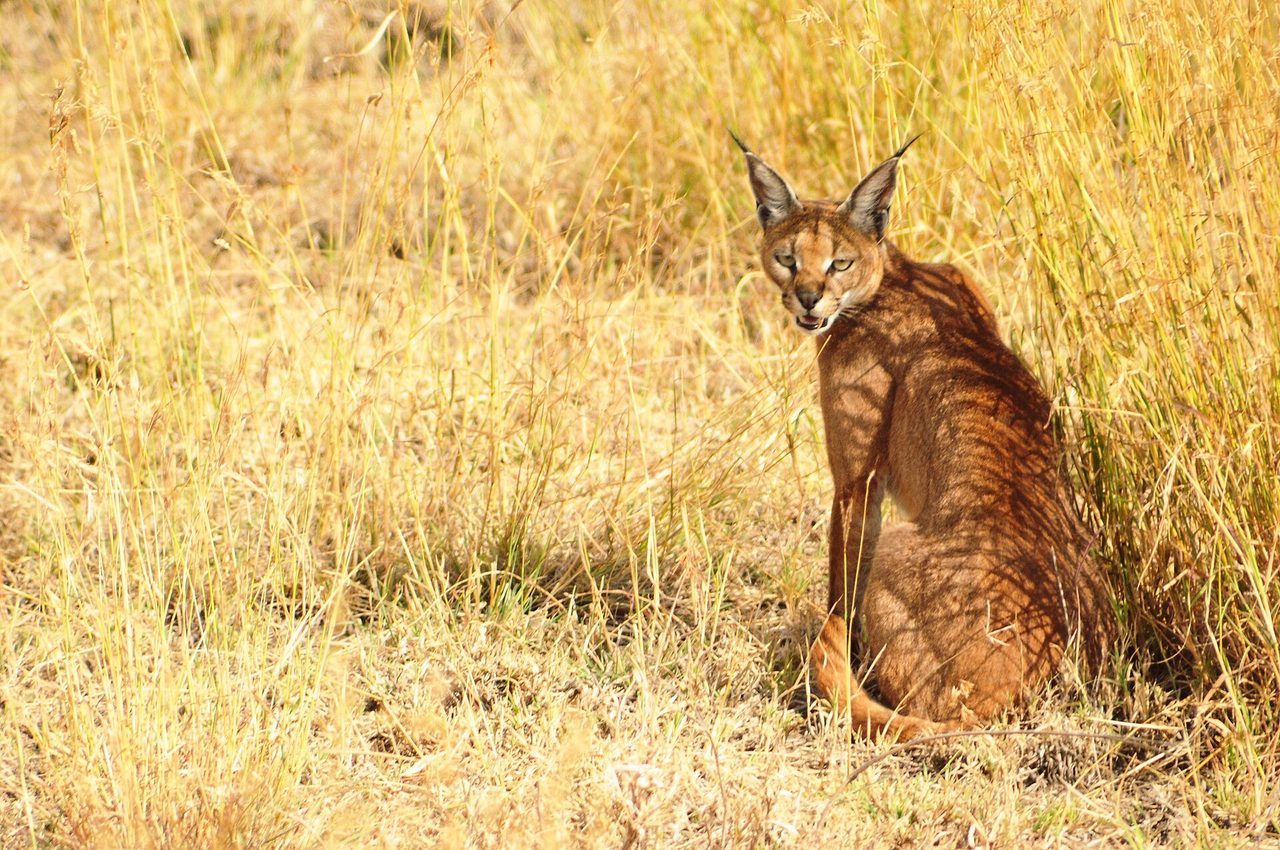
Least Concern (IUCN 2016) — CITES I in Asia, II in Africa; nationally listed CR in Pakistan and Morocco
Caracal
Caracal caracal (Schreber, 1776)
A caracal (Caracal caracal) is a medium wild cat of Africa and western Asia, not a true lynx. IUCN listed it Least Concern in 2016. Asian populations are CITES Appendix I; African populations are Appendix II. Least Concern is not a licence to keep one as a pet. WARN does not run caracal programmes.
Read the guide →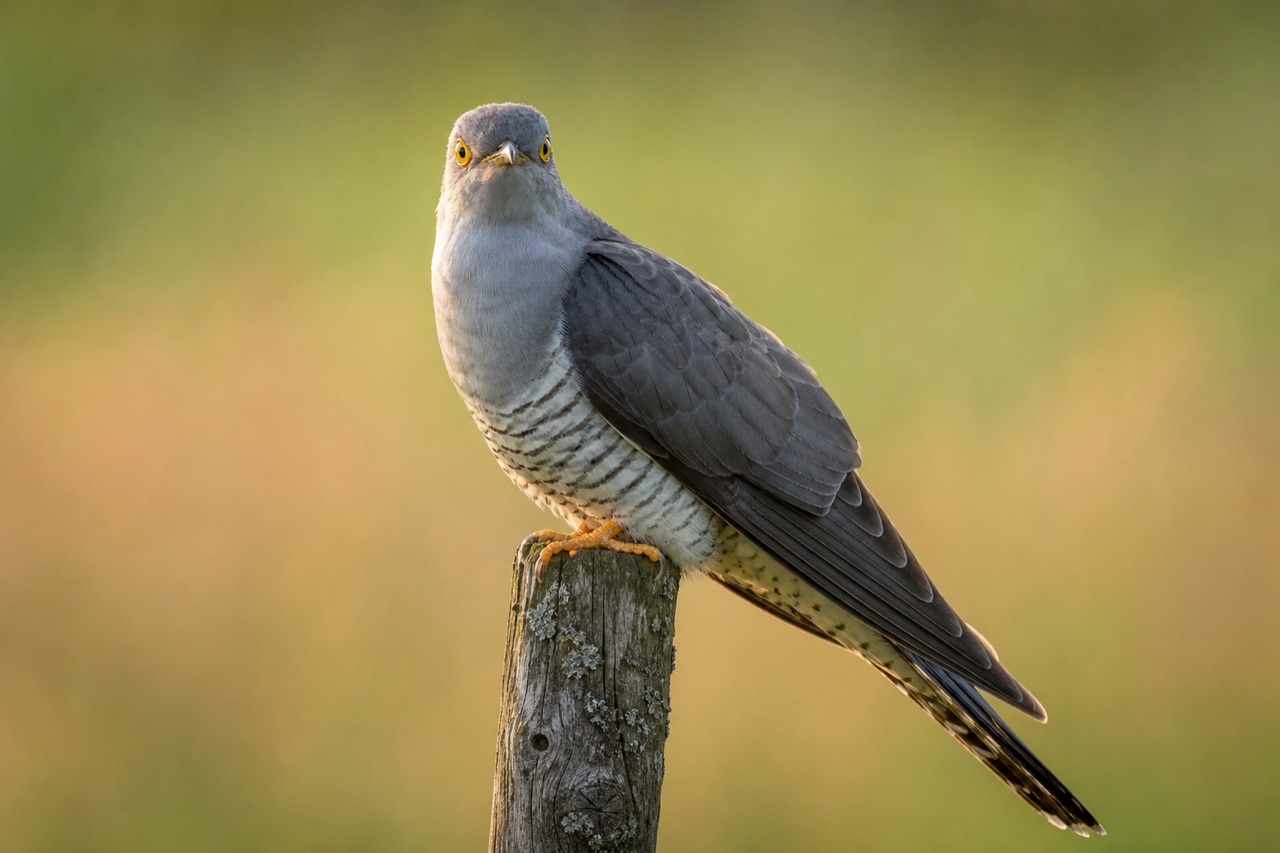
Least Concern globally — Red-listed in Britain after steep breeding decline
Cuckoo
Cuculus canorus (Linnaeus, 1758) — family Cuculidae
The common cuckoo (Cuculus canorus) is a brood-parasitic migrant whose male's two-note call marks British spring; females lay in other birds' nests, and British breeding numbers have declined steeply — Red-listed — linked to caterpillar loss and migration pressures.
Read the guide →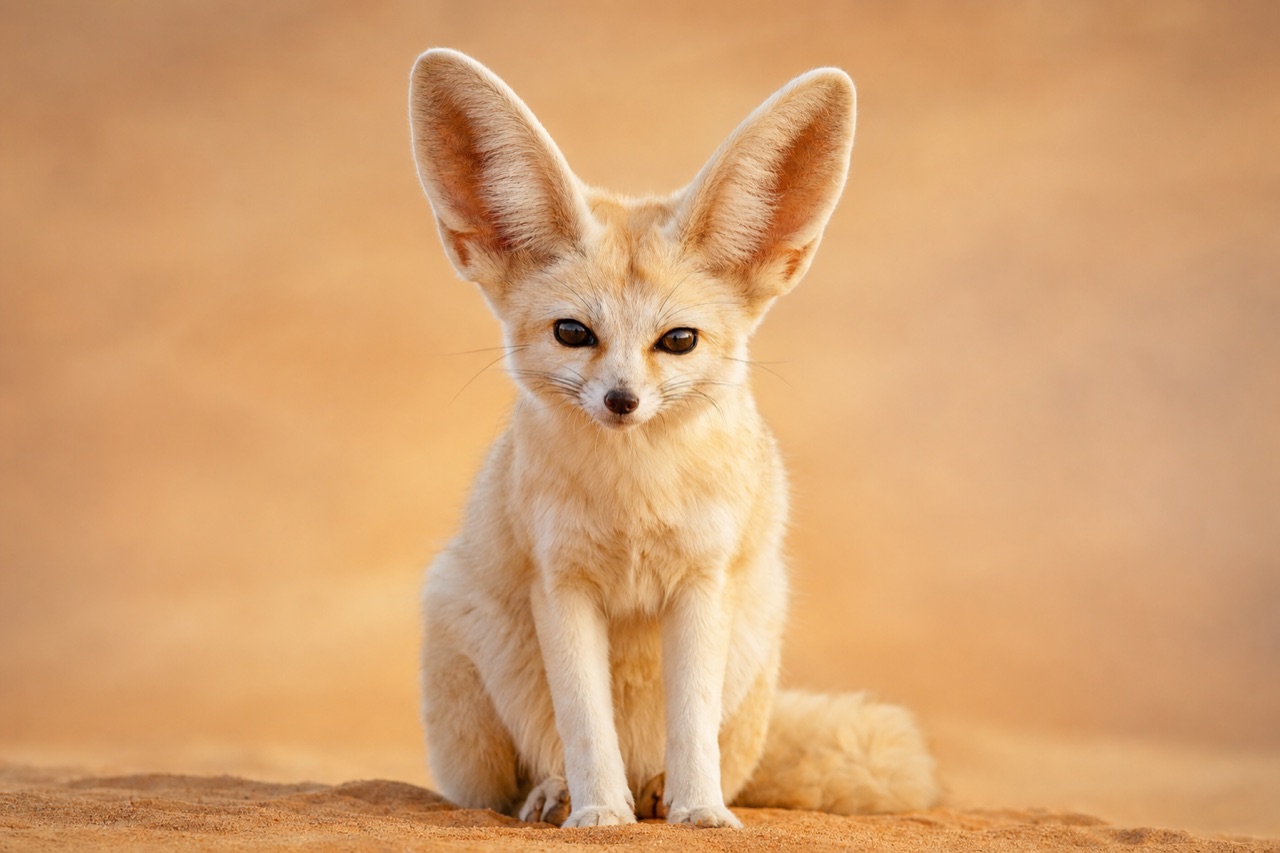
Least Concern (IUCN 2015) — CITES Appendix II; pet-trade capture is a local pressure
Fennec Fox
Vulpes zerda (Zimmermann, 1780)
A fennec fox (Vulpes zerda) is a small Saharan canid, listed Least Concern by the IUCN in 2015 and on CITES Appendix II. Oversized ears shed heat and find prey under sand. It can live without drinking free water. Least Concern is not a licence to keep one as a house pet. WARN does not run fennec programmes.
Read the guide →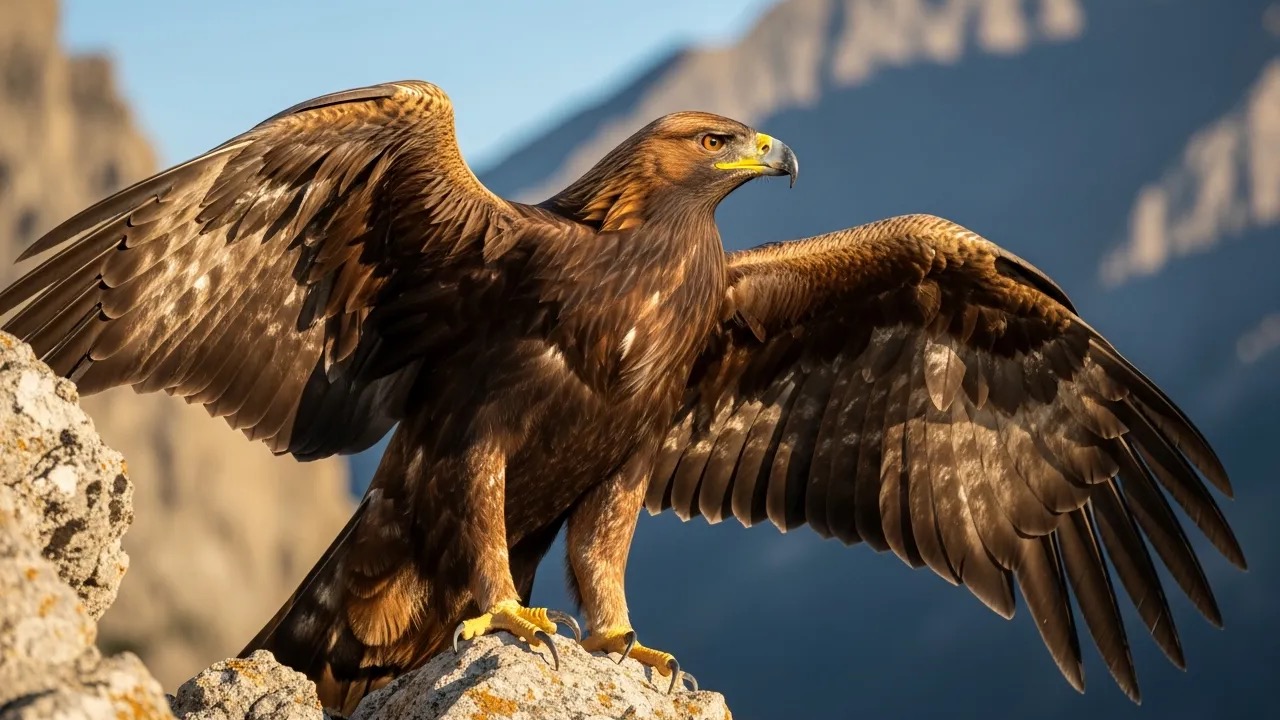
Least Concern
Golden Eagle
Aquila chrysaetos
The golden eagle (Aquila chrysaetos) is one of the largest and fastest birds of prey, found across the mountains, open hills, and tundra of the Northern Hemisphere. It weighs around 4.5 kg with a wingspan of 1.8 to 2.3 m, and in a hunting dive it can exceed 240 km/h (150 mph).
Read the guide →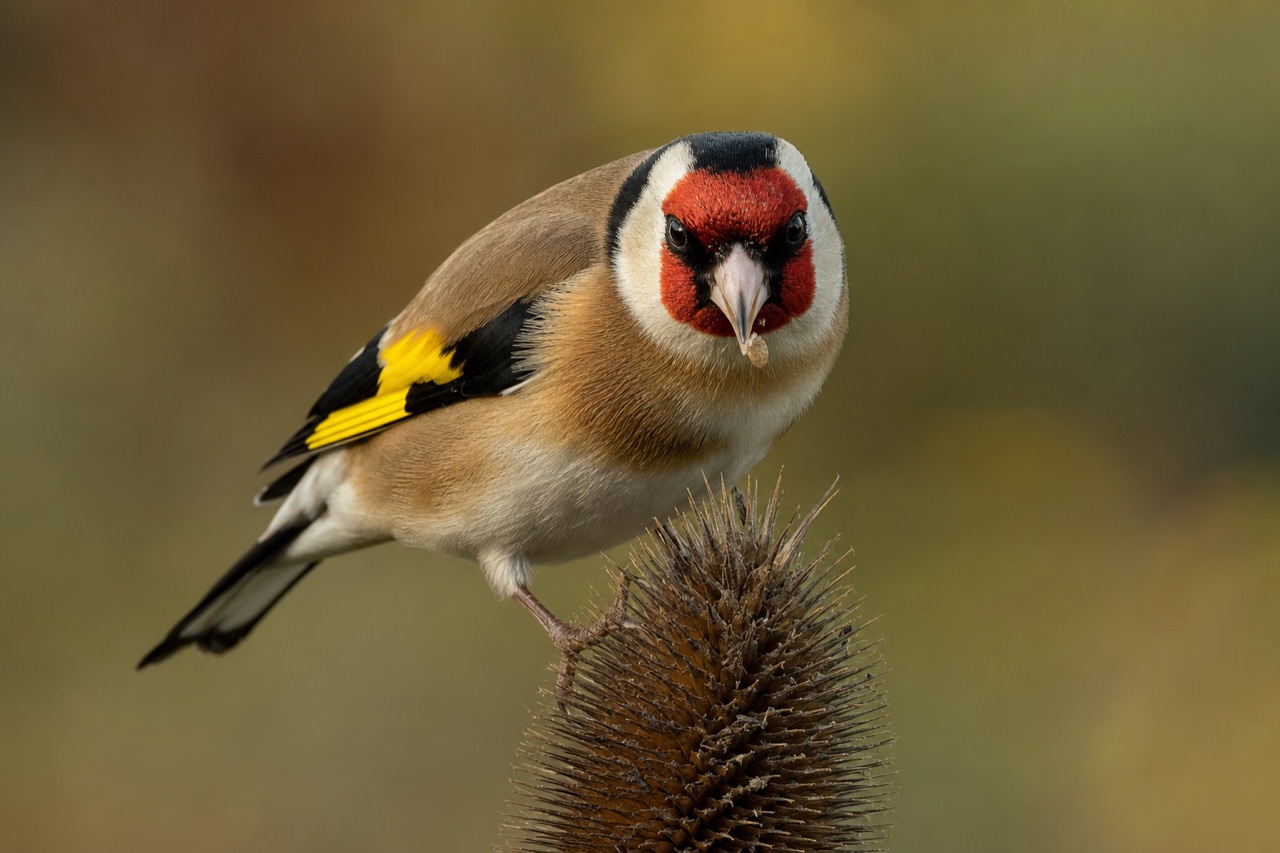
Least Concern — increasing in British gardens where nyjer and sunflower feeders are provided
Goldfinch
Carduelis carduelis (Linnaeus, 1758) — family Fringillidae
The European goldfinch (Carduelis carduelis) is a seed-eating finch with a red face and yellow wing bars; in Britain it has increased in gardens where nyjer and sunflower feeders are provided, nesting high in trees while feeding in sociable flocks at specialist seed feeders.
Read the guide →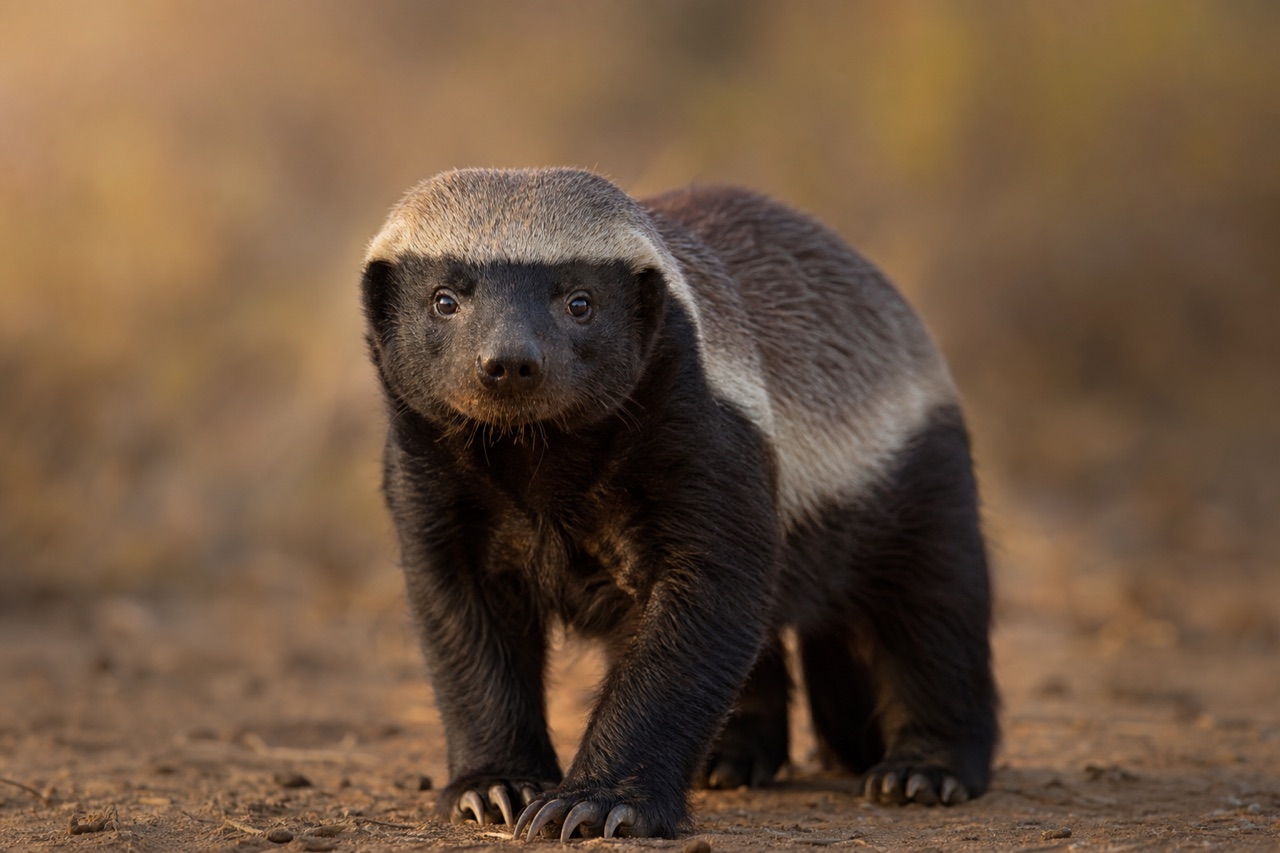
Least Concern — widespread but persecuted and declining locally
Honey Badger
Mellivora capensis (Schreber, 1776) — family Mustelidae
The honey badger (Mellivora capensis) is a stocky African and Asian mustelid with exceptionally thick, loose skin that lets it twist within its own hide when gripped, a partial tolerance to snake venom, and well-documented problem-solving and escape ability.
Read the guide →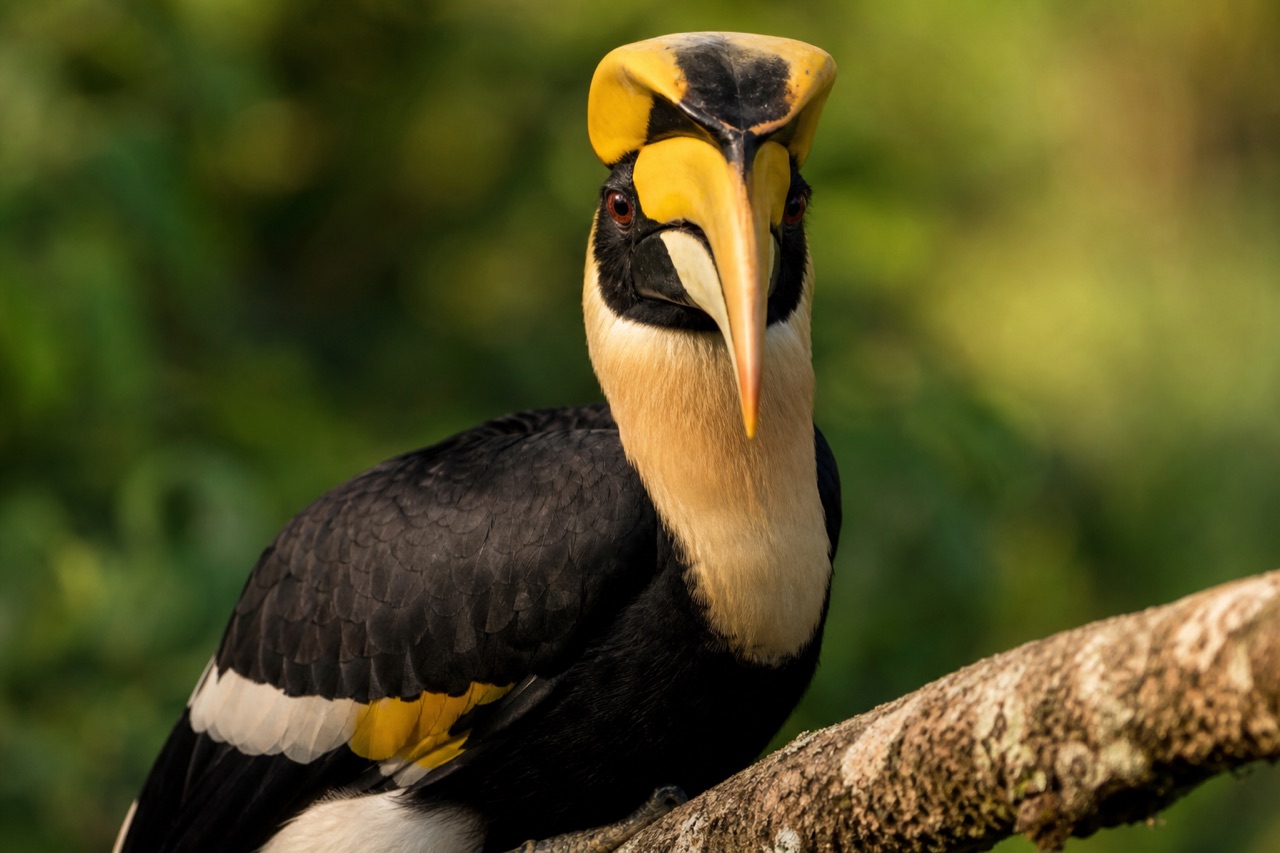
Family overview — status varies; several species Vulnerable to Critically Endangered from forest loss
Hornbill
Bucerotidae — family of tropical birds including Buceros, Anthracoceros and related genera
Hornbills are tropical forest birds of Africa and Asia with massive casqued bills; females seal themselves in tree-cavity nests, species disperse forest seeds, and family status ranges from Least Concern to Critically Endangered through logging, hunting and casque trade.
Read the guide →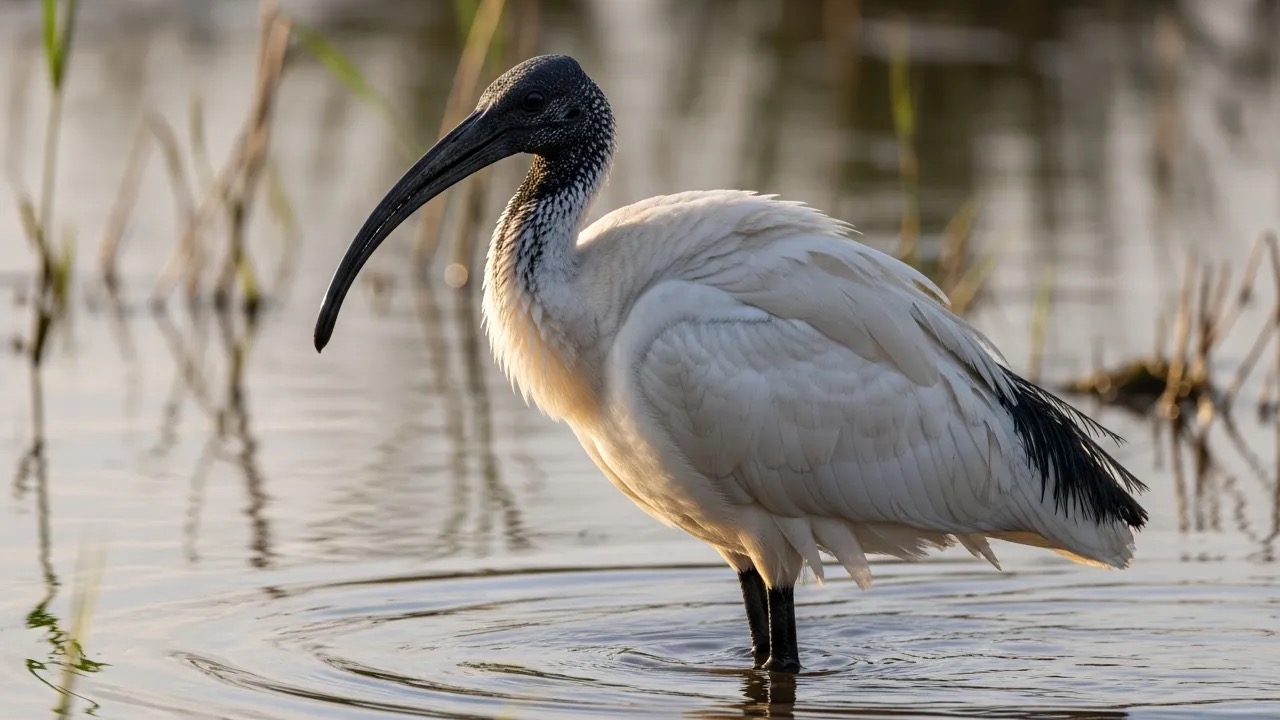
Least Concern
Ibis
Threskiornis aethiopicus
An ibis is a long-legged wading bird with a distinctive long, down-curved bill used to probe mud and shallow water for food. The sacred ibis was revered in ancient Egypt.
Read the guide →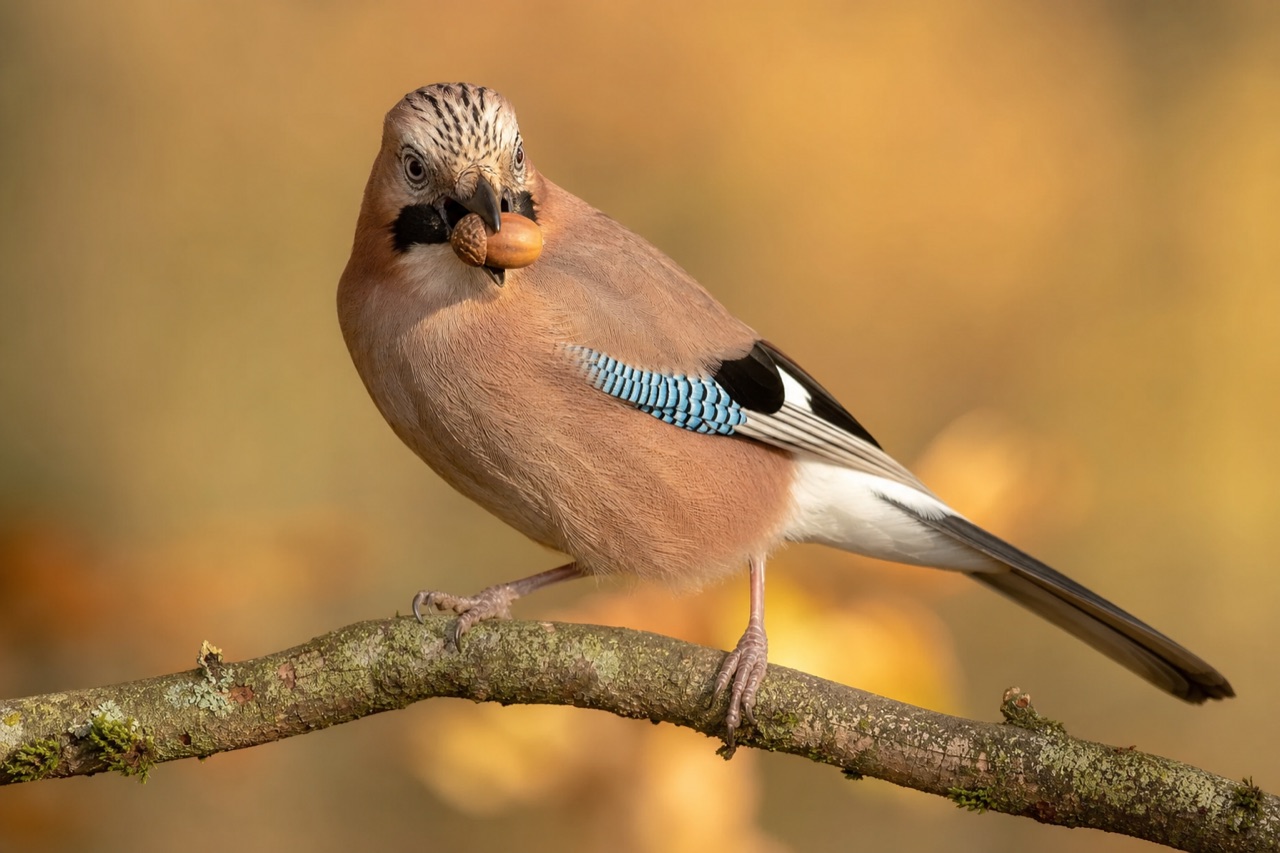
Least Concern — shy woodland corvid; acorn caching shapes oak regeneration
Jay
Garrulus glandarius (Linnaeus, 1758) — family Corvidae
The Eurasian jay (Garrulus glandarius) is a pink-brown woodland corvid with a blue wing patch, known for its harsh screech, secretive habits and autumn acorn caching that helps regenerate oak woodland across Britain and temperate Eurasia.
Read the guide →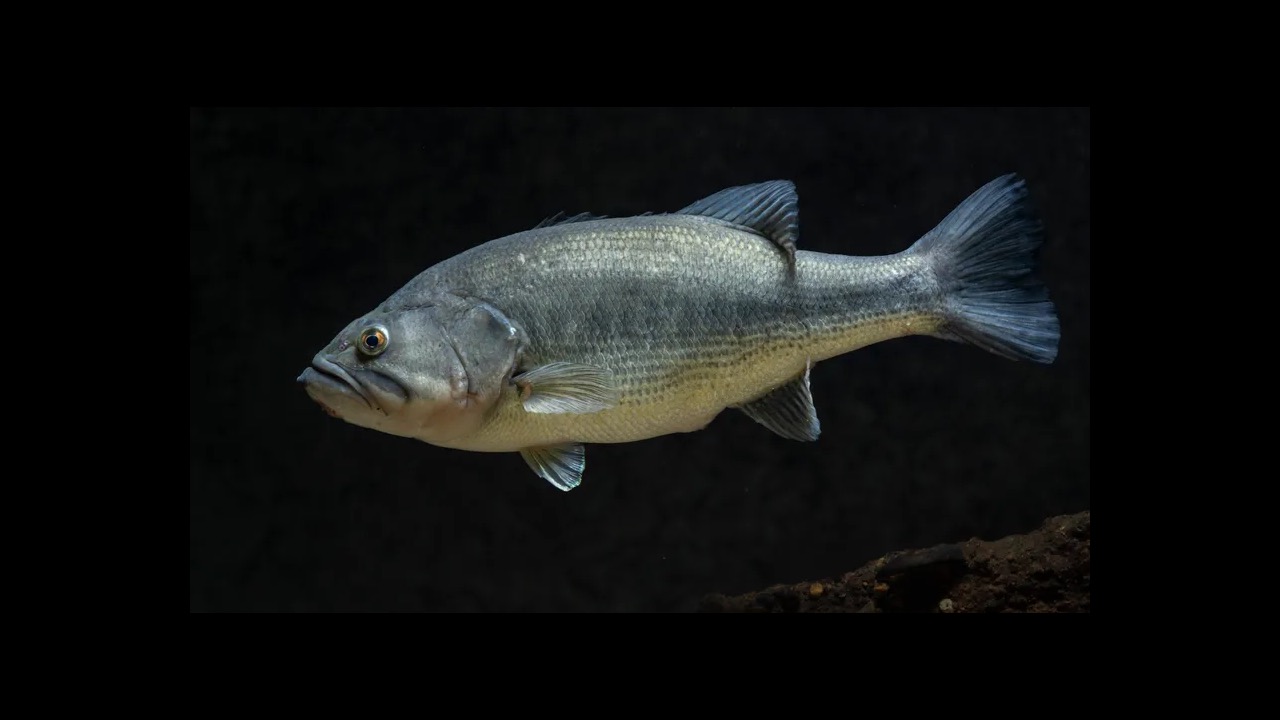
Least Concern
Largemouth Bass
Micropterus salmoides
The largemouth bass is a top predator in North American lakes and rivers, named for a jaw extending past the eye. Prized by anglers worldwide, it strikes lures aggressively, grows to 10 kg (22 lb) in rich waters, and has been stocked on every continent except Antarctica for sport fishing.
Read the guide →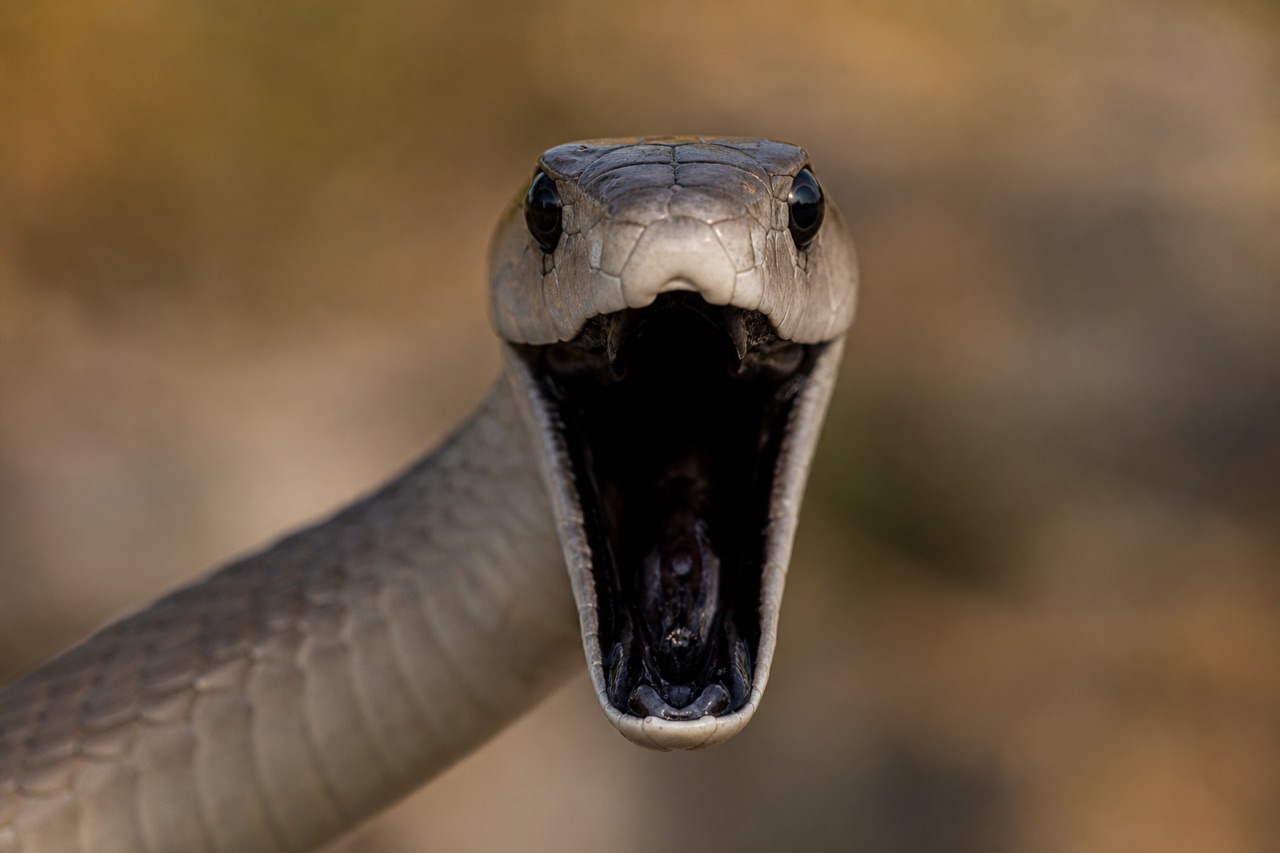
Least Concern — black mamba assessed; all four species widespread in suitable habitat
Mamba
Genus Dendroaspis — four species of African elapid; black mamba D. polylepis is the largest venomous snake in Africa
Mambas (genus Dendroaspis) are four species of fast African elapid snake with potent neurotoxic venom; the black mamba is the largest venomous snake in Africa despite its name referring to mouth colour, not skin.
Read the guide →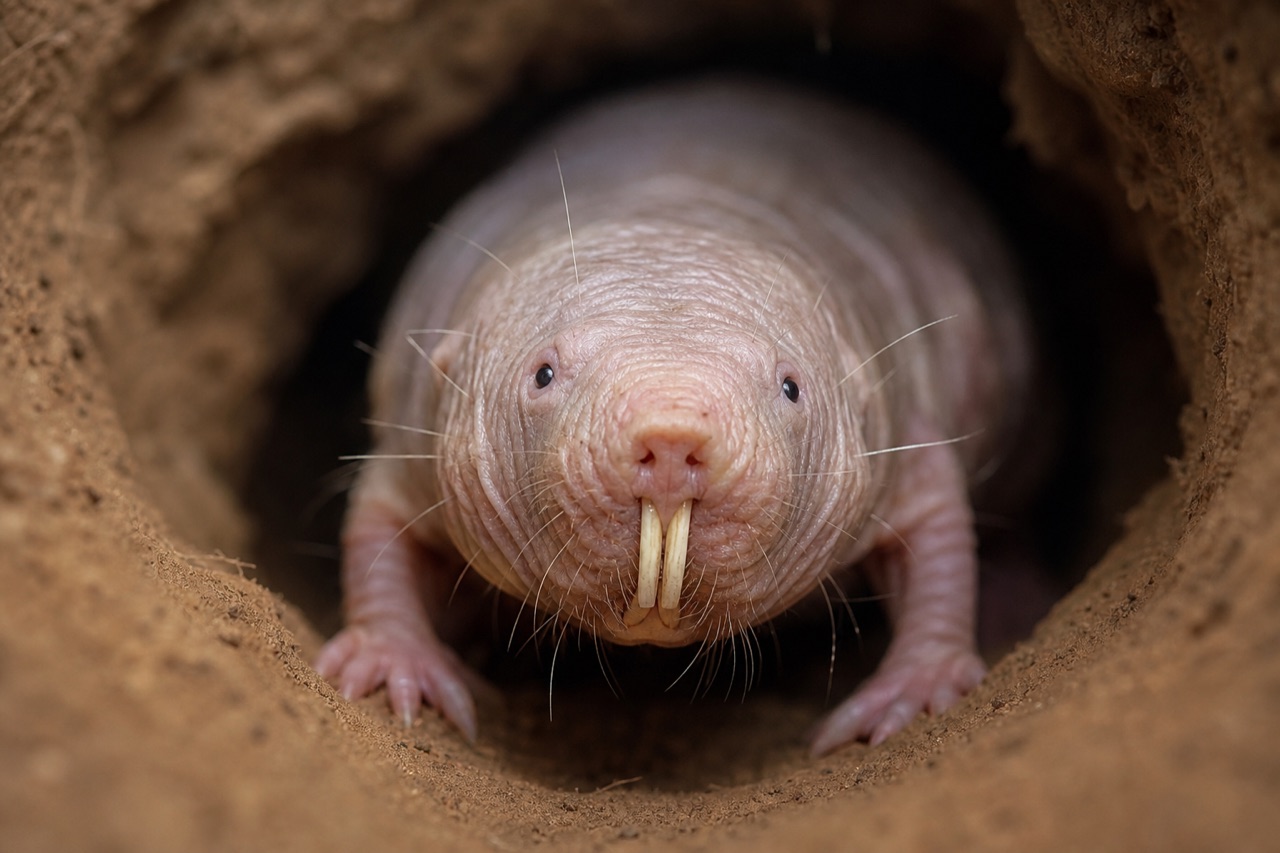
Least Concern — eusocial mammal with exceptional pain and cancer resistance
Naked Mole-Rat
Heterocephalus glaber (Rüppell, 1842) — family Heterocephalidae
The naked mole-rat (Heterocephalus glaber) is a eusocial East African rodent that lives in insect-like colonies with a breeding queen, tolerates extreme hypoxia and carbon dioxide, shows negligible ageing, resists cancer, and lacks normal acid pain sensation.
Read the guide →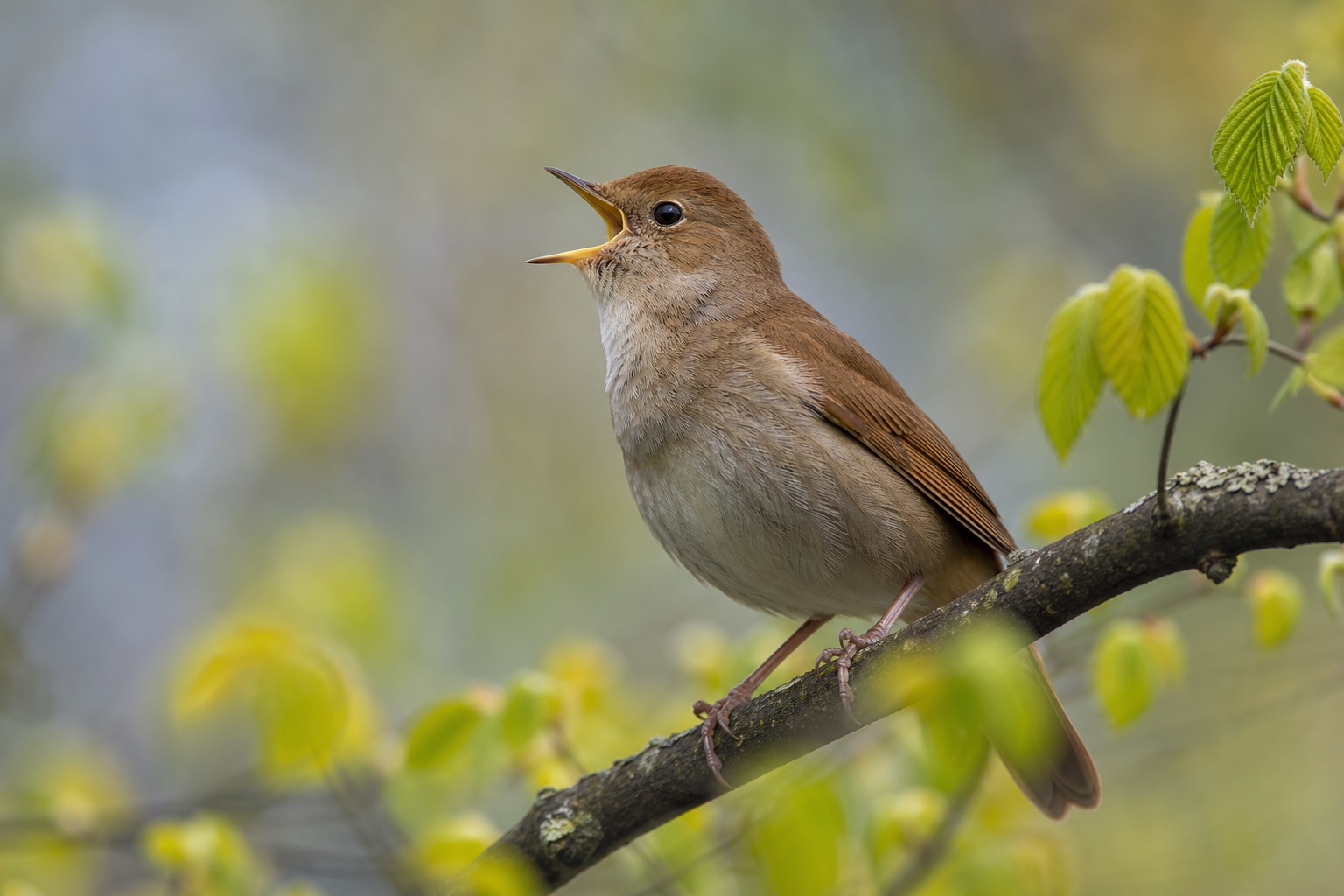
Least Concern globally — but red-listed and steeply declining in Britain
Nightingale
Luscinia megarhynchos (Brehm, 1831) — family Muscicapidae
The common nightingale (Luscinia megarhynchos) is a small brown migratory songbird of European and western Asian scrub, famous for one of the richest avian songs; it winters in sub-Saharan Africa and is steeply declining in Britain despite a Least Concern global listing.
Read the guide →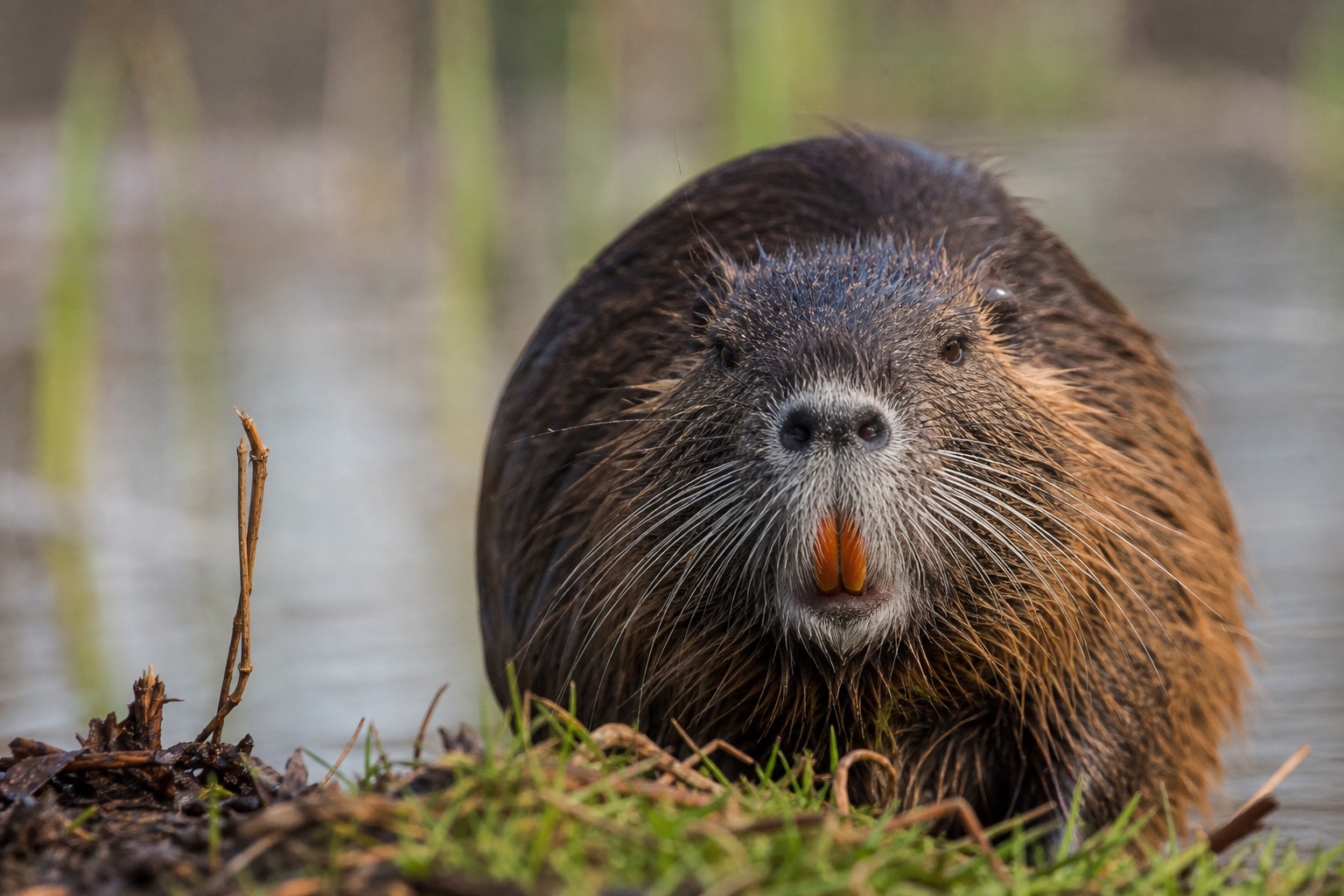
Least Concern in native South America — among the world's worst invasive mammals elsewhere
Nutria
Myocastor coypus (Molina, 1782) — family Myocastoridae
The nutria or coypu (Myocastor coypus) is a large semiaquatic rodent Least Concern in native South America but listed among the world's worst invasive species after fur-farm escapes — it destroys wetlands, undermines banks and was eradicated from Britain by 1989.
Read the guide →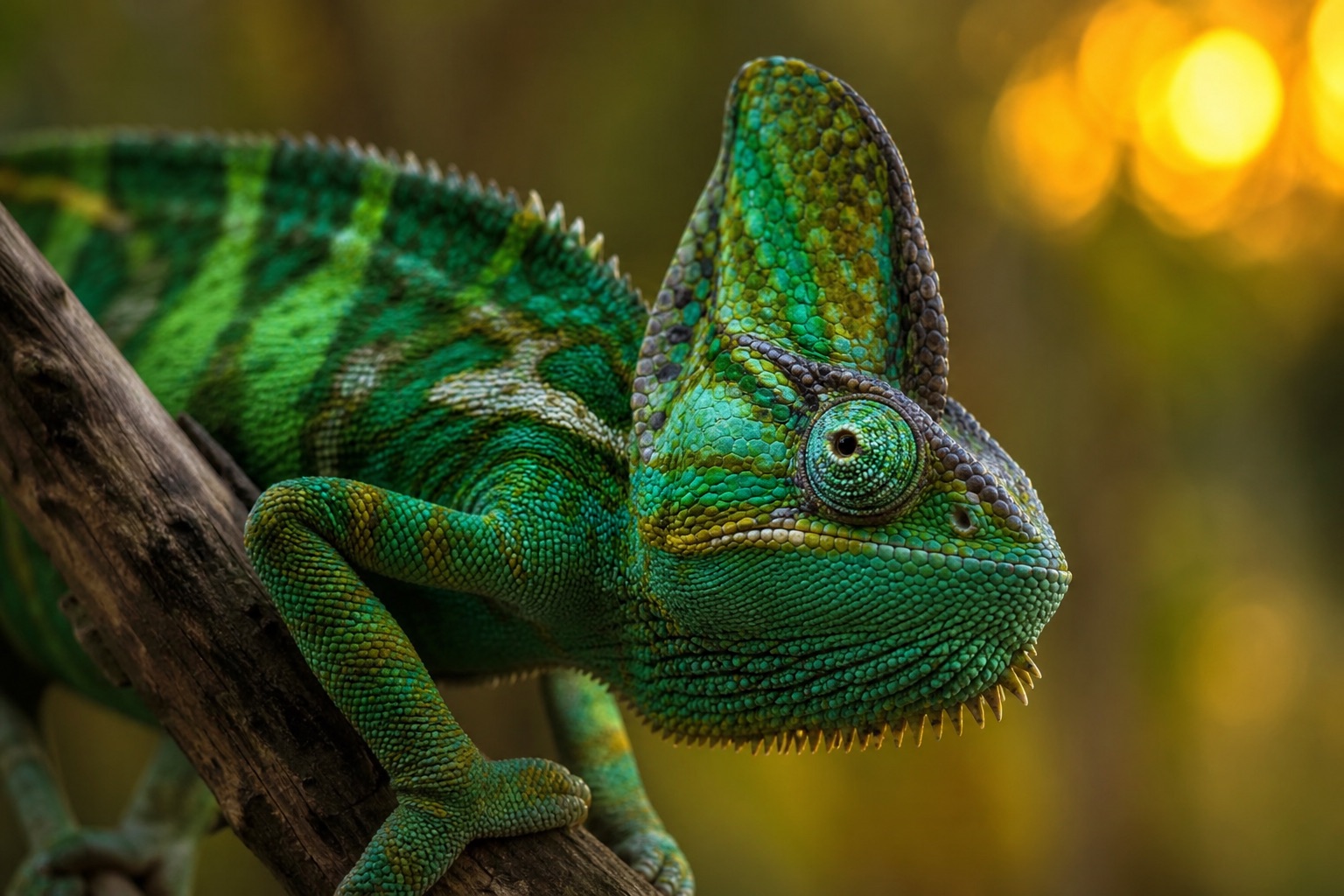
Least Concern — but heavily collected for the pet trade from wild populations
Panther Chameleon
Furcifer pardalis (Cuvier, 1829) — family Chamaeleonidae
The panther chameleon (Furcifer pardalis) is a large colourful chameleon of northern Madagascar whose males display vivid geographic colour morphs; colour change is driven by mood and signalling via nanocrystal structural colour, not camouflage, and the species is heavily traded despite Least Concern listing.
Read the guide →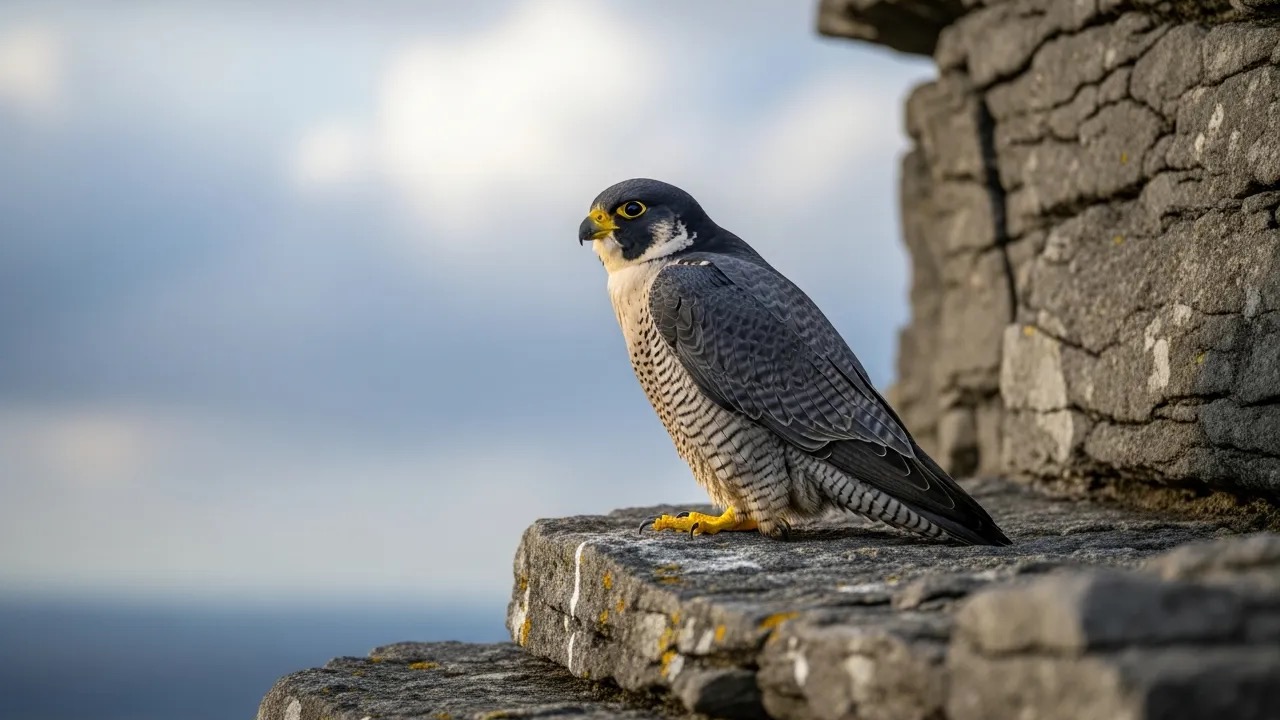
Least Concern
Peregrine Falcon
Falco peregrinus
The peregrine falcon (Falco peregrinus) is a crow-sized bird of prey found on every continent except Antarctica, making it one of the most widespread birds in the world. It hunts other birds in mid-air and is the fastest animal on the planet, reaching over 380 km/h (240 mph) in a hunting dive.
Read the guide →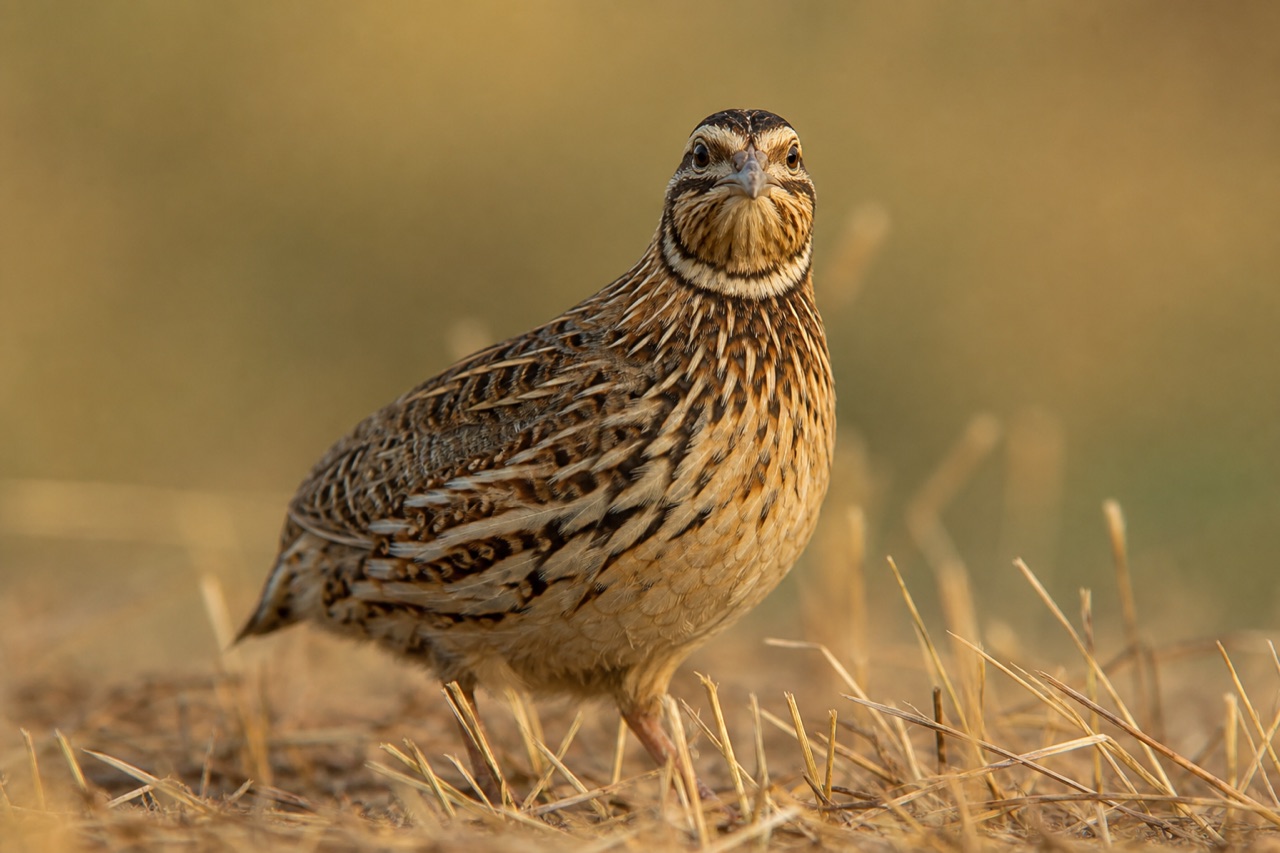
Family overview — common quail is a scarce British breeder and summer visitor; Japanese quail domesticated
Quail
Phasianidae — family including Coturnix quail and related small gamebirds
Quails are small cryptic gamebirds; the common quail (Coturnix coturnix) is a scarce British summer visitor heard calling from arable crops, while the Japanese quail is domesticated for eggs and meat — both in family Phasianidae with grouse and pheasant.
Read the guide →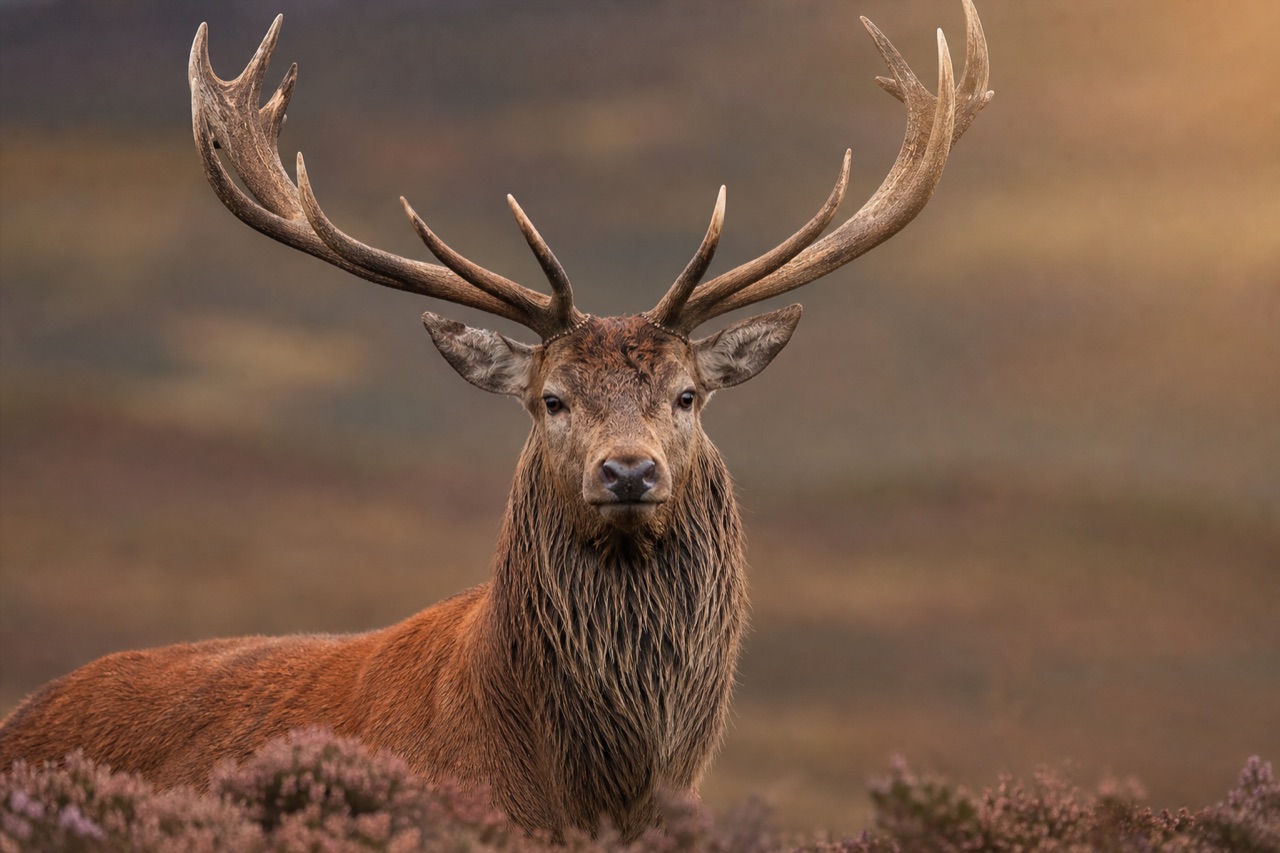
Least Concern globally — some island subspecies threatened; wapiti often split as C. canadensis
Red Deer
Cervus elaphus (Linnaeus, 1758) — family Cervidae
The red deer (Cervus elaphus) is a large Eurasian cervid — stags with branched antlers, autumn rut, Least Concern globally — closely related to North American elk and widely introduced outside native range.
Read the guide →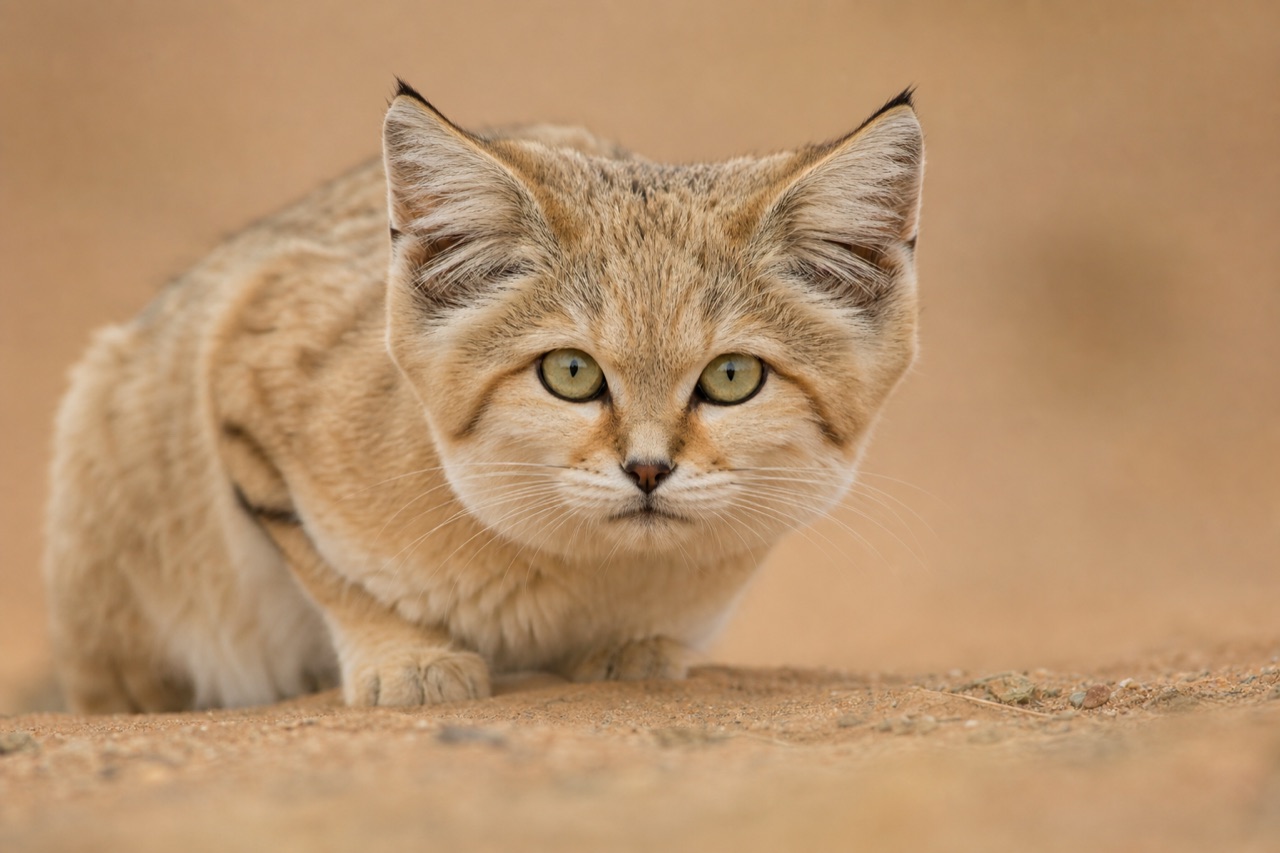
Least Concern — poorly known and difficult to survey in desert habitat
Sand Cat
Felis margarita (Harrison, 1968) — family Felidae
The sand cat (Felis margarita) is a small pale desert felid of the Sahara, Arabian Peninsula and Central Asia, adapted to extreme aridity with fur-covered footpads, large ears for heat dissipation and the ability to survive without drinking free water.
Read the guide →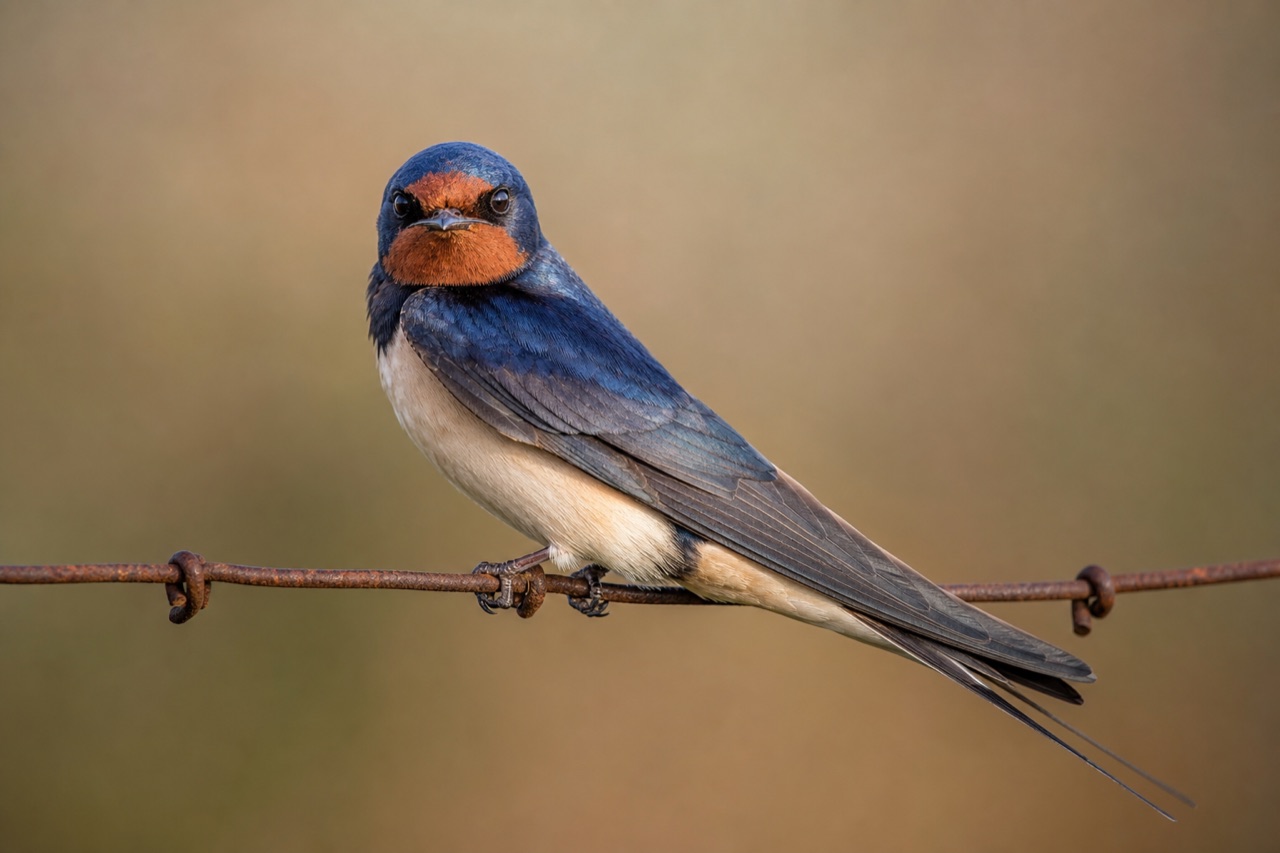
Least Concern — widespread migrant; long-term declines linked to farmland and insect loss
Swallow
Hirundo rustica (Linnaeus, 1758) — family Hirundinidae
The barn swallow (Hirundo rustica) is a long-distance migrant that breeds across the Northern Hemisphere and winters in Africa, South Asia or South America; in Britain it nests in mud cups under eaves and barns and feeds entirely on flying insects caught in agile aerial pursuit.
Read the guide →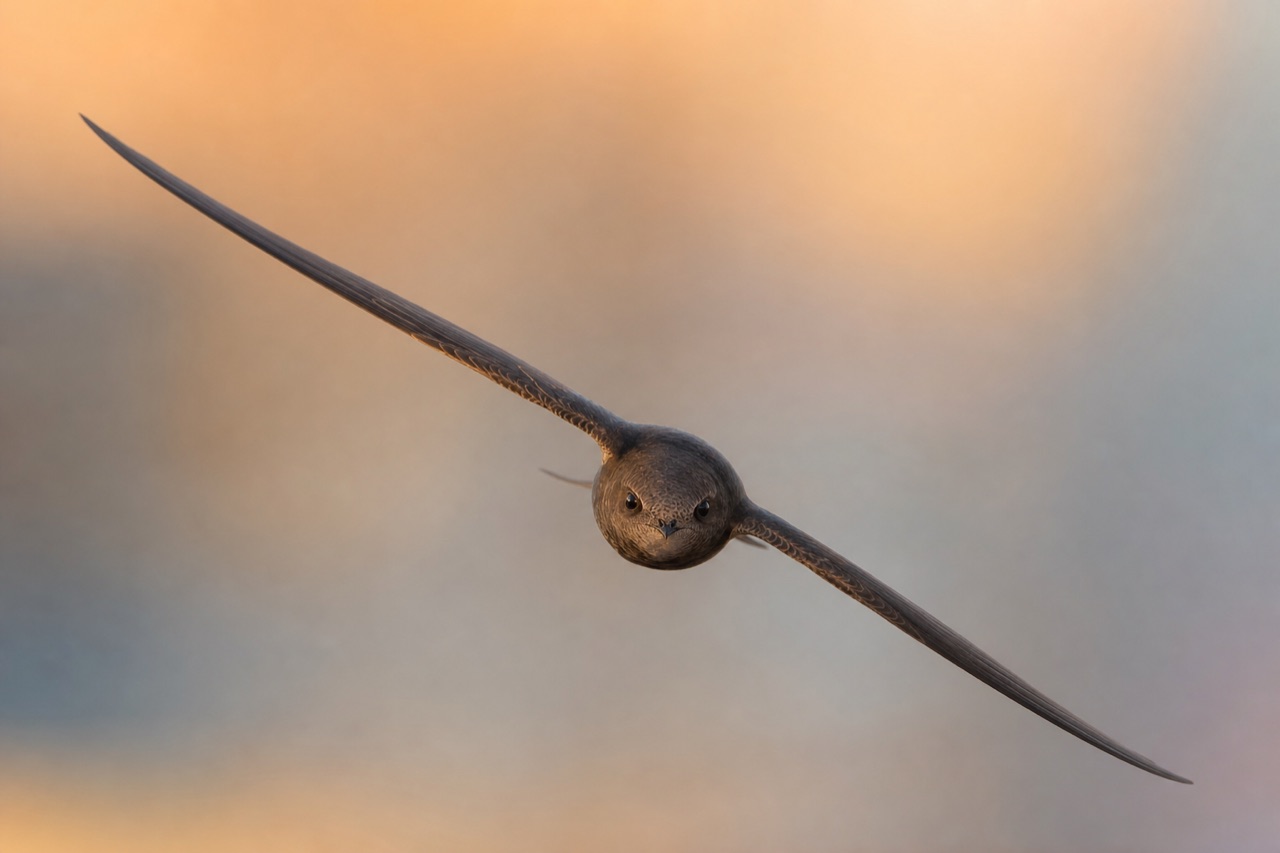
Least Concern globally — Amber-listed in Britain; screaming parties over rooftops
Swift
Apus apus (Linnaeus, 1758) — family Apodidae
The common swift (Apus apus) spends almost its entire life on the wing, nesting in cavities under eaves and screaming over rooftops in summer; British numbers have declined as building renovation seals nest holes — Amber-listed.
Read the guide →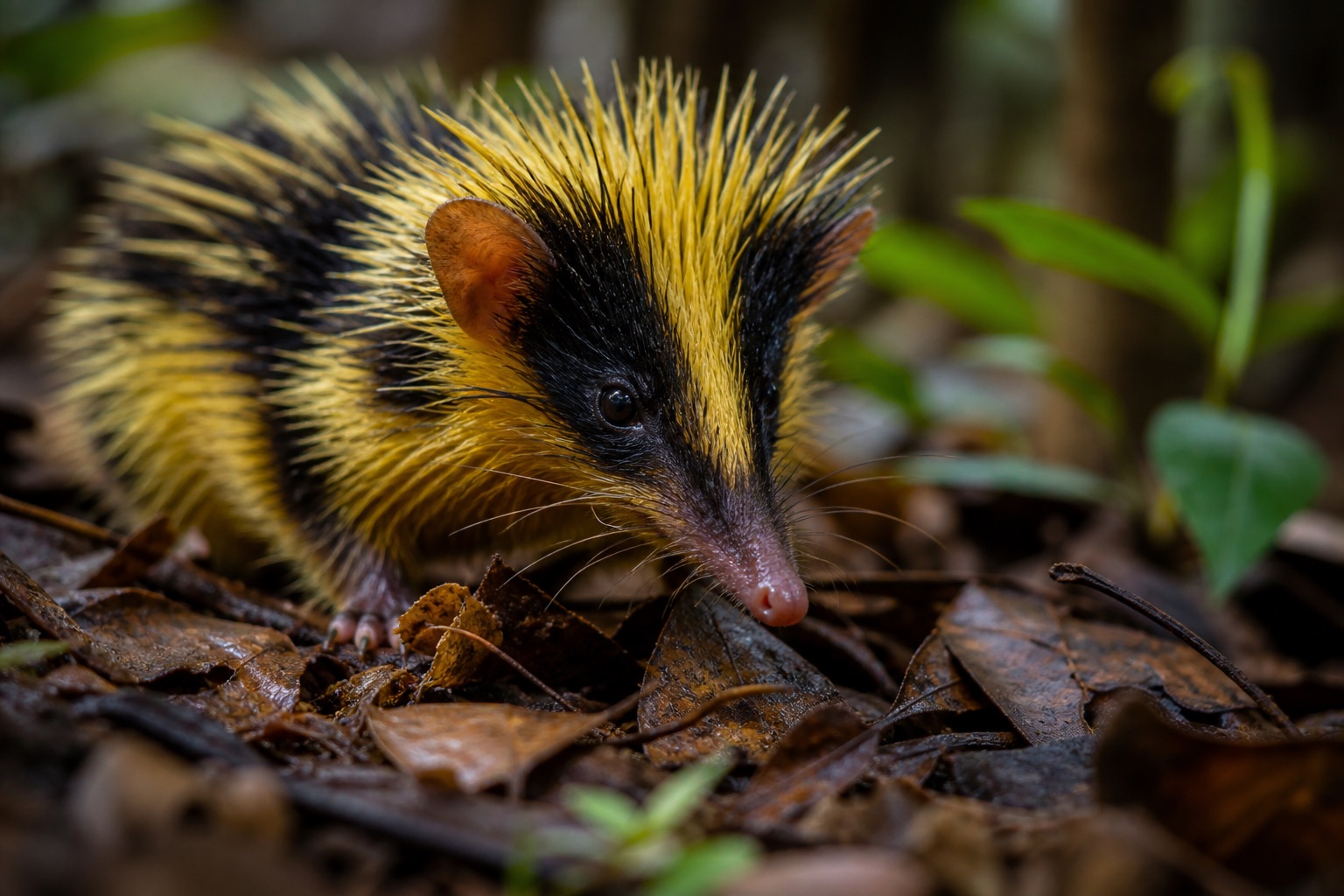
Varies by species — the lowland streaked tenrec is Least Concern but the family shows extreme adaptive radiation
Tenrec
Order Tenrecidae — around 30 species in Madagascar and the Comoros
Tenrecs are around 30 species of mammal in the family Tenrecidae, an adaptive radiation endemic to Madagascar; the lowland streaked tenrec is the only mammal known to stridulate with quills, and the family persists as an estimated 80–90% of Madagascar's original forest has been lost.
Read the guide →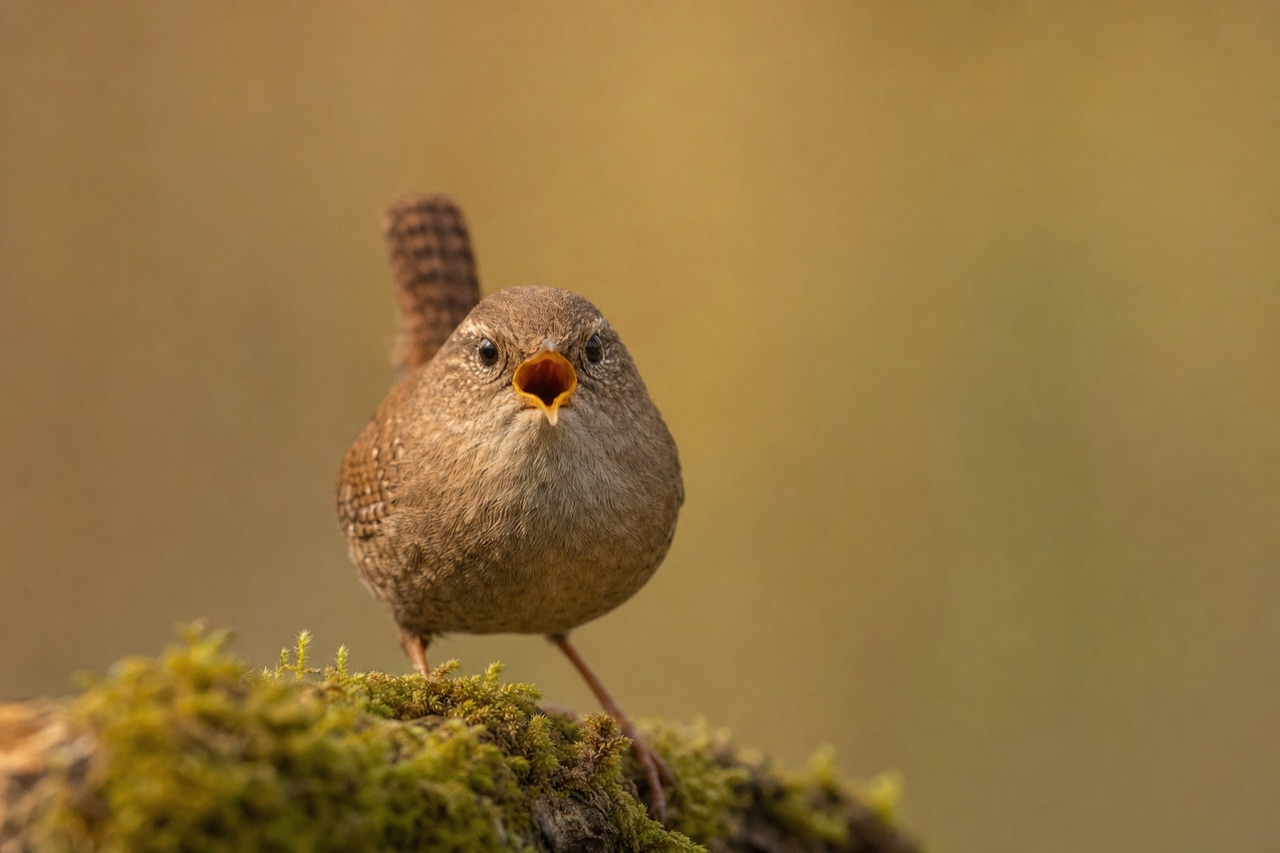
Least Concern — Britain's commonest breeding bird by territory count; vulnerable to hard winters
Wren
Troglodytes troglodytes (Linnaeus, 1758) — family Troglodytidae
The Eurasian wren (Troglodytes troglodytes) is a tiny insectivorous bird and Britain's most numerous breeding species by territory; it sings at extraordinary volume from dense cover, nests in cavities and small nest boxes, and suffers heavy mortality in hard winters without sheltered feeding.
Read the guide →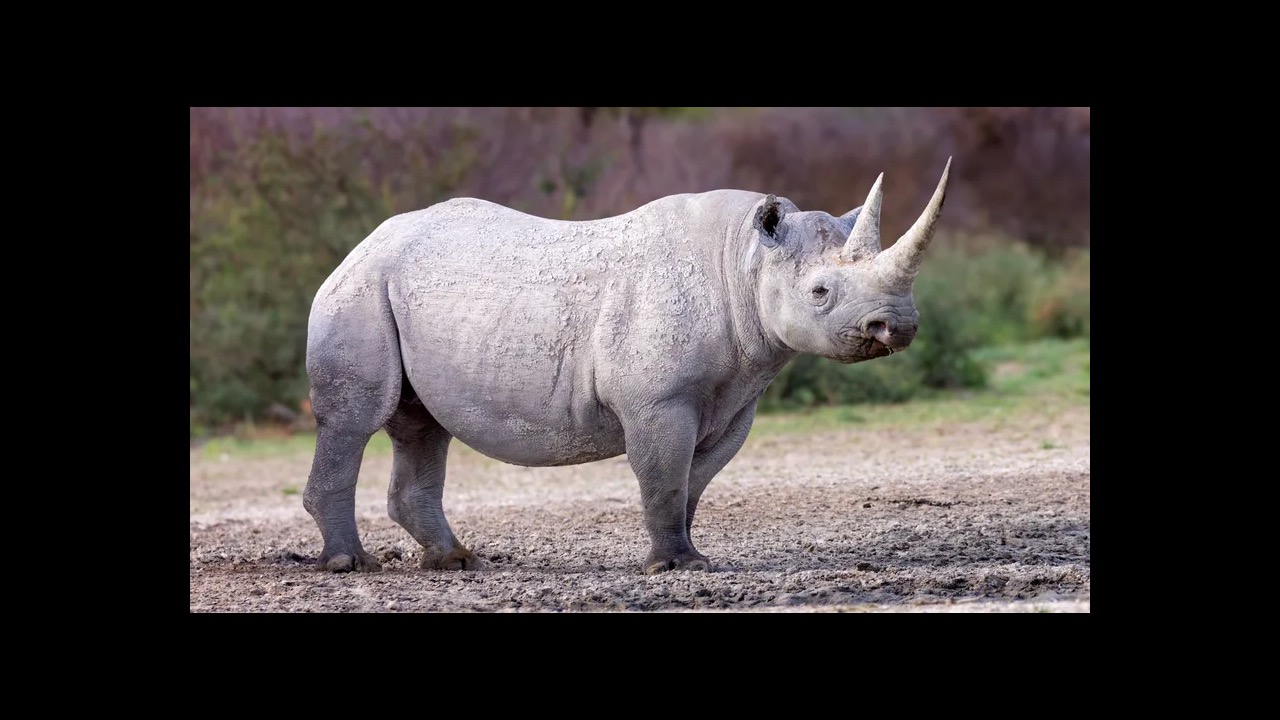
Critically Endangered
Black Rhinoceros
Diceros bicornis
The black rhinoceros is a large African rhino with a hooked upper lip for browsing shrubs, weighing 800–1,400 kg (1,750–3,100 lb) despite its name referring to soil colour, not hide. Critically endangered from poaching for horn, fewer than 6,500 remain across scattered eastern and southern African reserves.
Read the guide →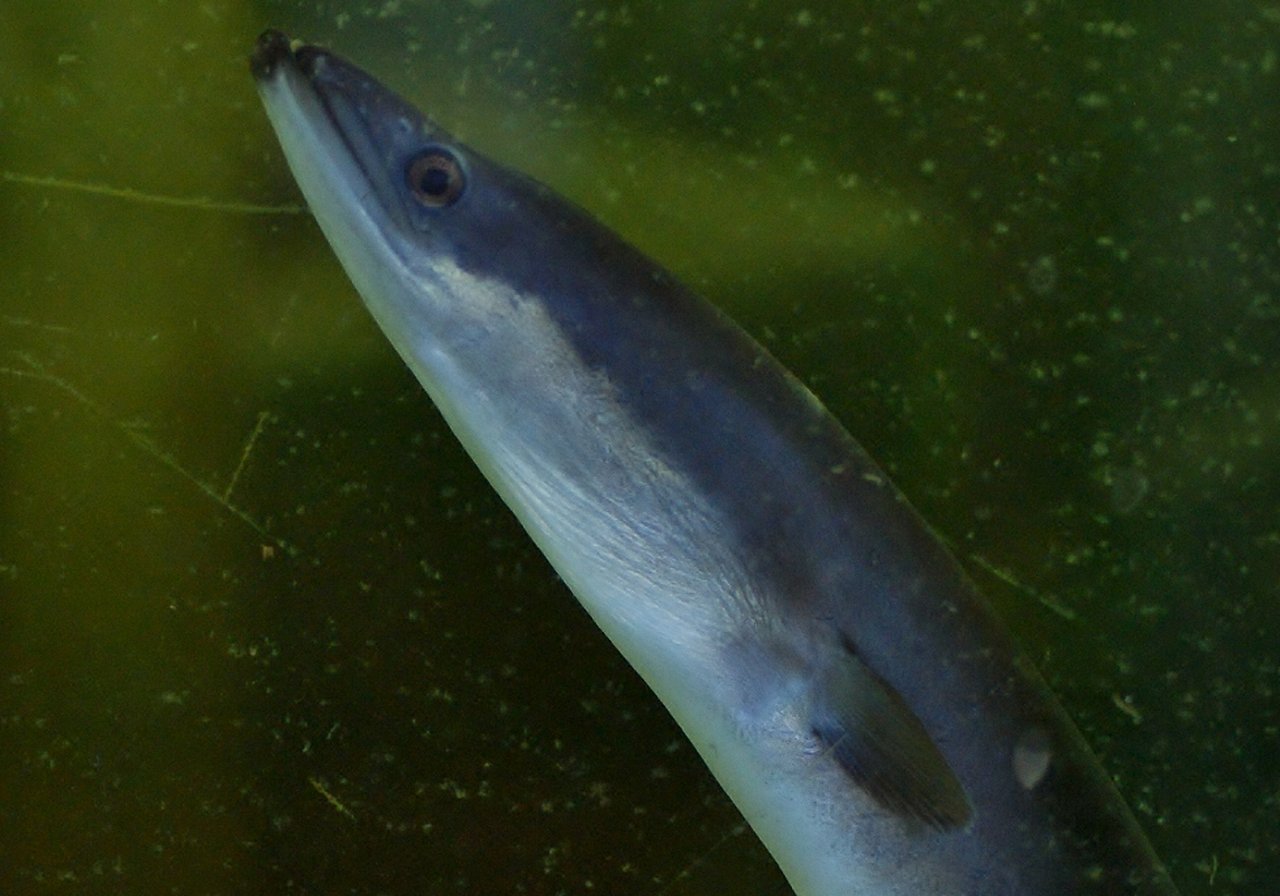
Critically Endangered
Eel
Anguilla anguilla (Linnaeus, 1758)
The European eel (Anguilla anguilla) is a Critically Endangered catadromous fish spawning in the Sargasso Sea; populations have declined over 90% since the 1970s from dams, pollution, fisheries and illegal trade.
Read the guide →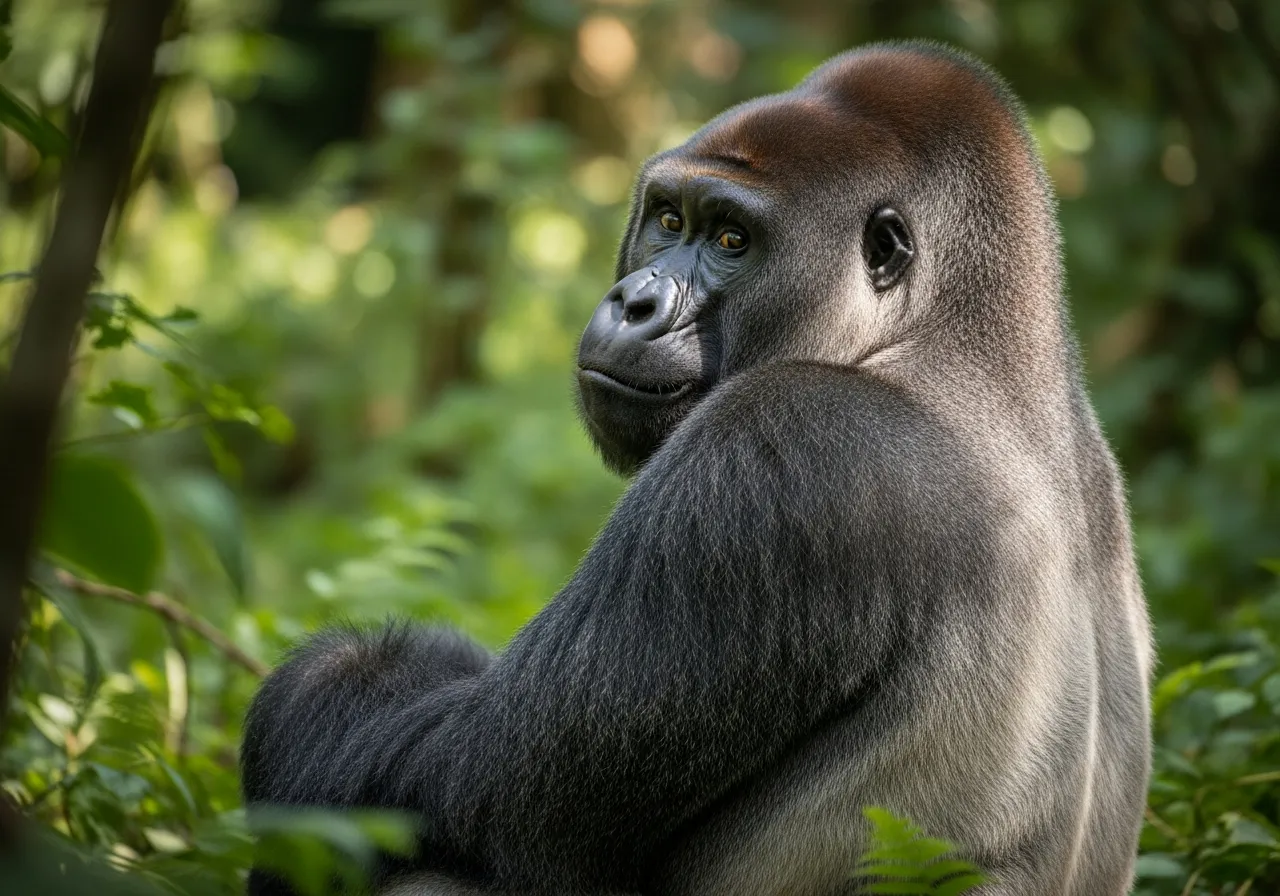
Critically Endangered (both species)
Gorilla
Gorilla gorilla (Savage, 1847) — Western Gorilla; Gorilla beringei (Matschie, 1903) — Eastern Gorilla
A gorilla is the largest living primate, a ground-dwelling, mostly plant-eating great ape native to the forests of equatorial Africa. There are two Critically Endangered species — the Western and Eastern gorilla — and gorillas share roughly 98% of their DNA with humans.
Read the guide →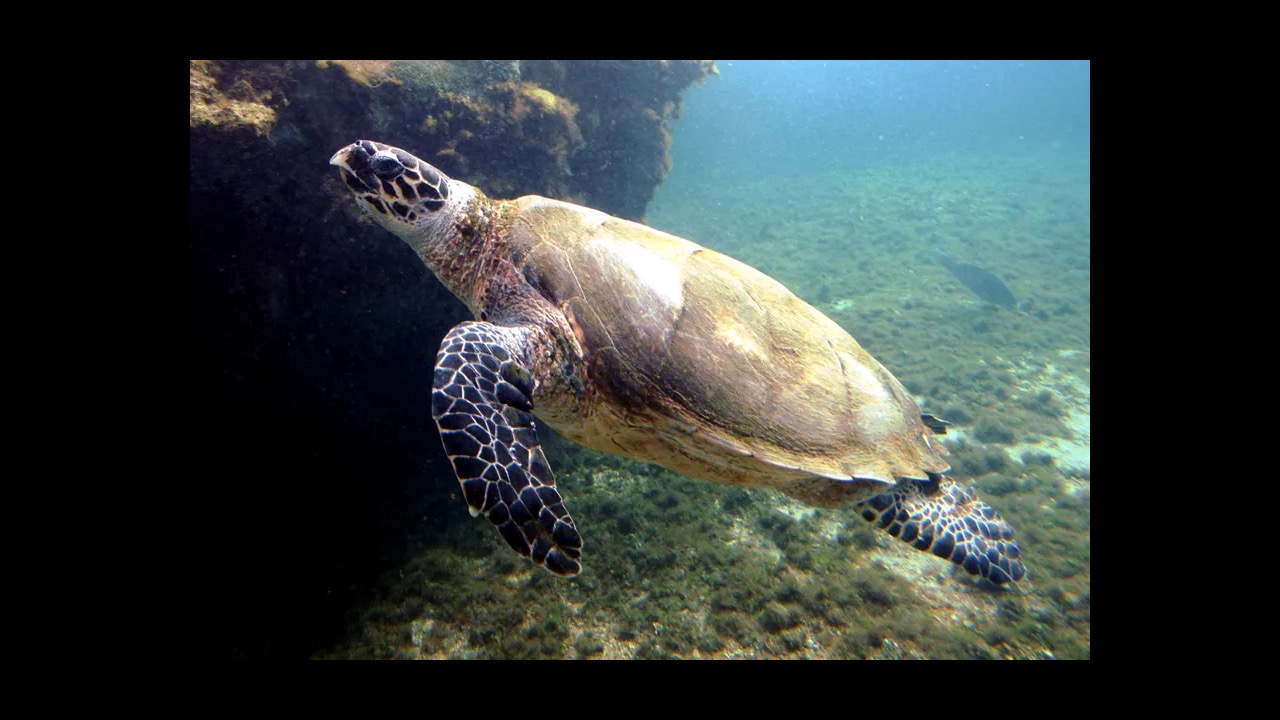
Critically Endangered
Hawksbill Sea Turtle
Eretmochelys imbricata
The hawksbill is a small sea turtle of tropical coral reefs worldwide, named for its narrow, bird-like beak. It grows to about 0.9 m (3 ft) and 45 to 90 kg, feeds mainly on sponges, and can swim at up to 24 km/h (15 mph).
Read the guide →Critically Endangered
Indri
Indri indri (Gmelin, 1788)
The indri is the largest living lemur, endemic to eastern Madagascar and listed Critically Endangered on the IUCN Red List (2020, decreasing). It lives in monogamous family groups, sings across the canopy, and has never been kept successfully in captivity, so survival depends on protecting remaining forest — not on zoo breeding.
Read the guide →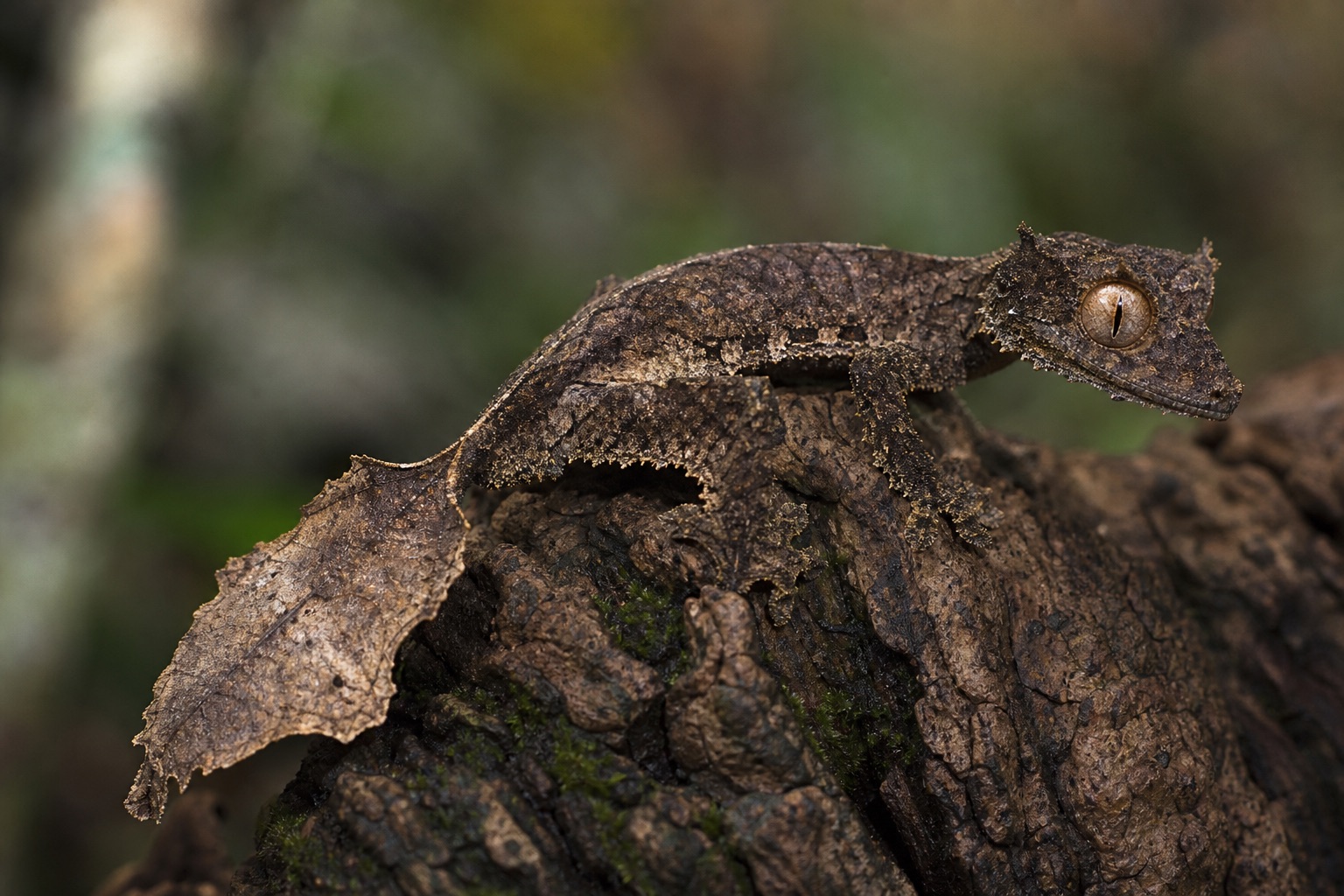
Critically Endangered — several Uroplatus species at risk; all CITES Appendix II
Leaf-Tailed Gecko
Uroplatus phantasticus (Boulenger, 1888) — genus Uroplatus, around 20 species
Leaf-tailed geckos (genus Uroplatus) are around 20 species of gecko endemic to Madagascar, camouflaged as dead leaves with a skin fringe that eliminates shadow; several are Critically Endangered, and the pet trade adds pressure as an estimated 80–90% of the island's original forest has been lost.
Read the guide →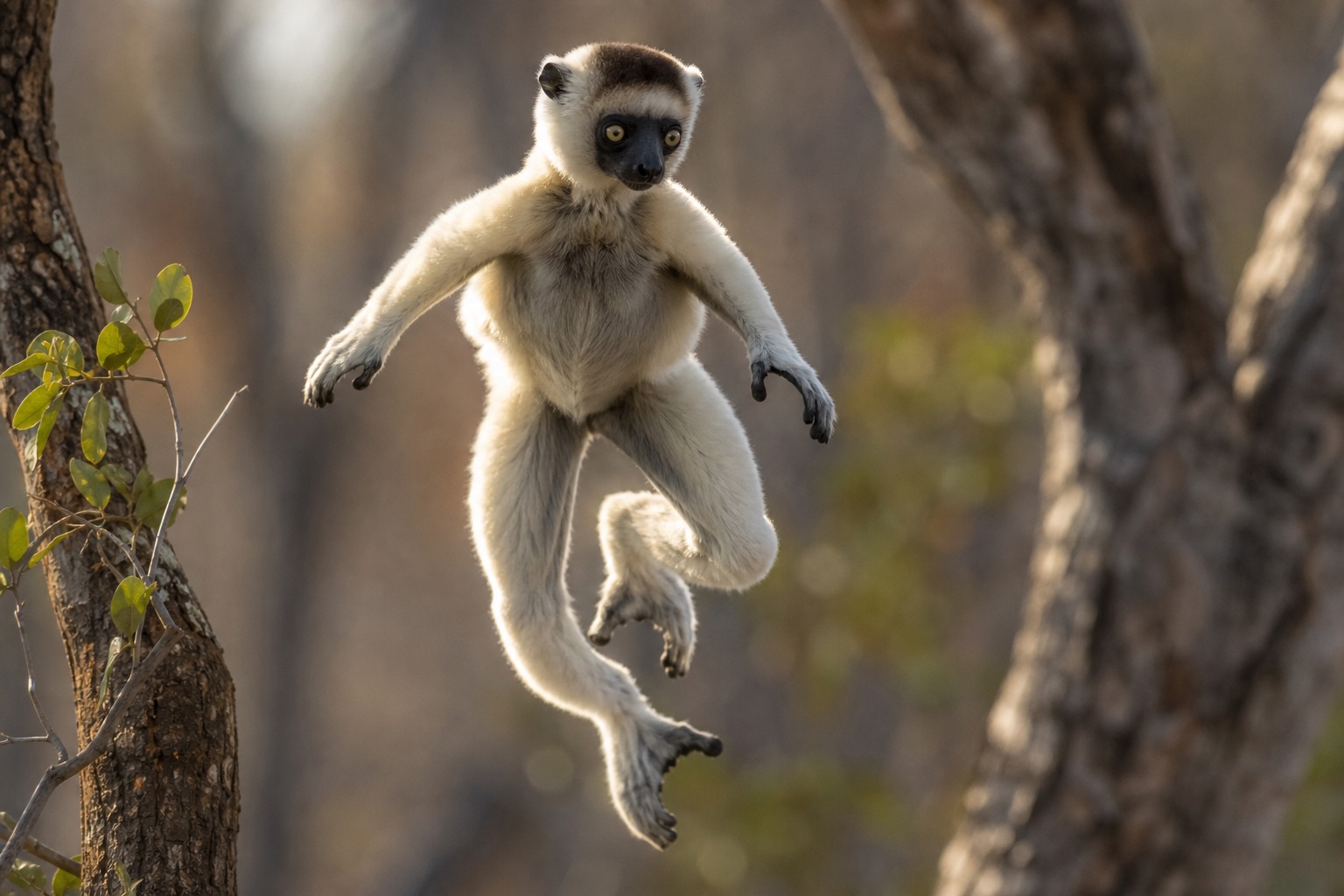
Varies by species — several Critically Endangered, others Vulnerable or Endangered
Sifaka
Genus Propithecus — nine recognised species
Sifakas are nine species of lemur in the genus Propithecus, found only in Madagascar, famous for sideways bipedal hopping on the ground; several species are Critically Endangered as an estimated 80–90% of the island's original forest has been lost to tavy, charcoal production and the pet trade.
Read the guide →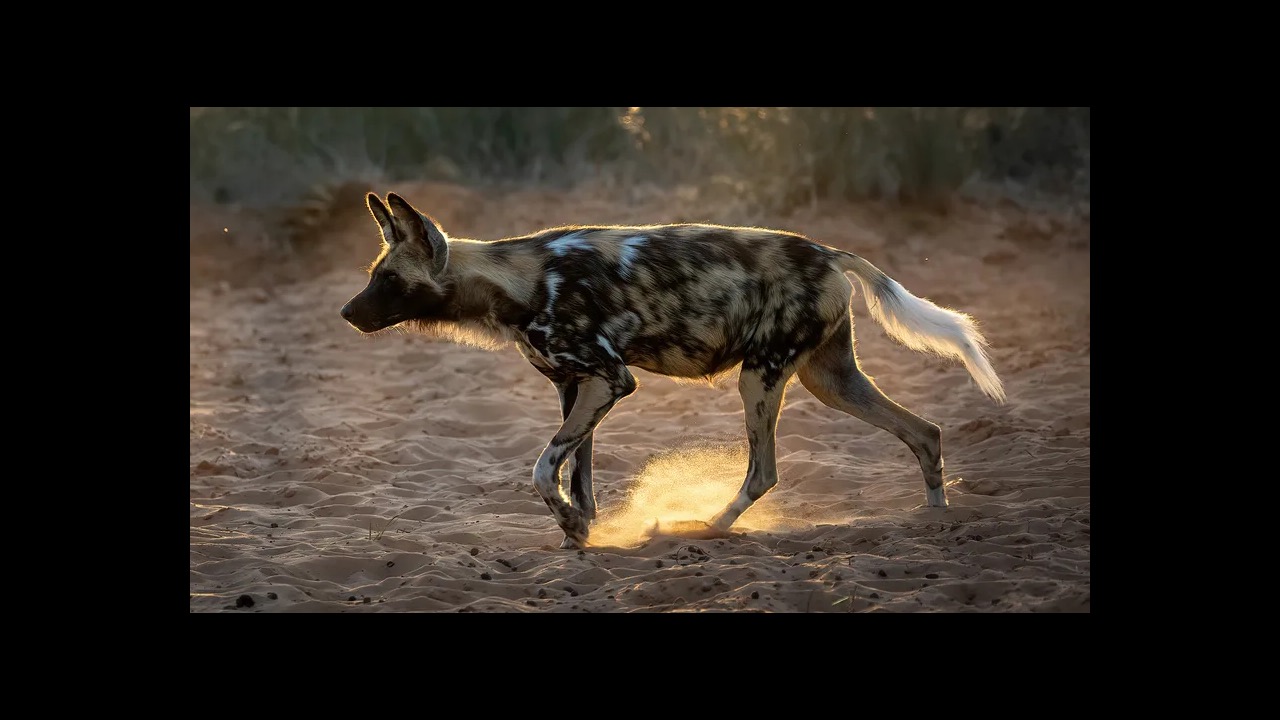
Endangered
African Wild Dog
Lycaon pictus
The African wild dog is a lean, long-legged carnivore of sub-Saharan Africa, famous for its mottled coat of black, tan, and white patches. Weighing 20 to 30 kg and standing about 1.1 m in body length, it is one of the world's most efficient pack hunters, chasing prey at up to 60 km/h.
Read the guide →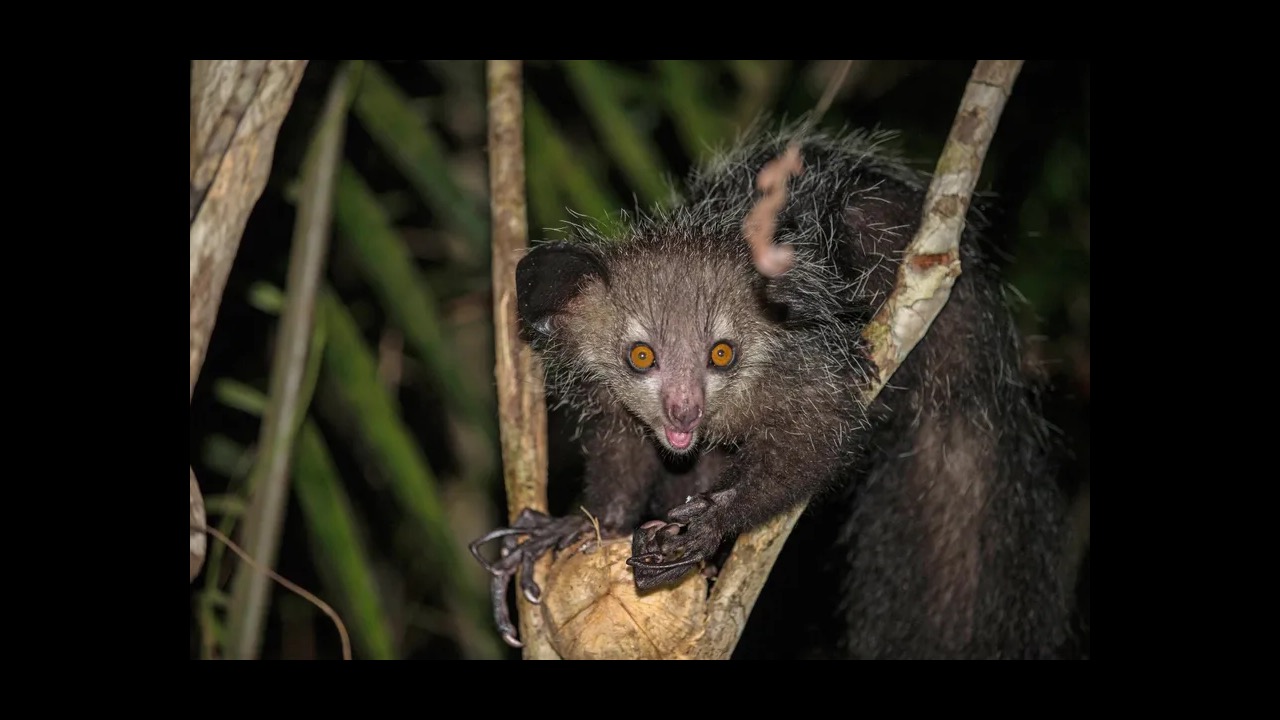
Endangered
Aye-aye
Daubentonia madagascariensis
The aye-aye is a large nocturnal lemur found only in Madagascar, easily recognised by its bushy tail, rodent-like teeth and long, spindly middle finger. It weighs 2 to 3 kg (4.4 to 6.6 lb) and forages alone at night for insect larvae, fruit, nectar and fungi.
Read the guide →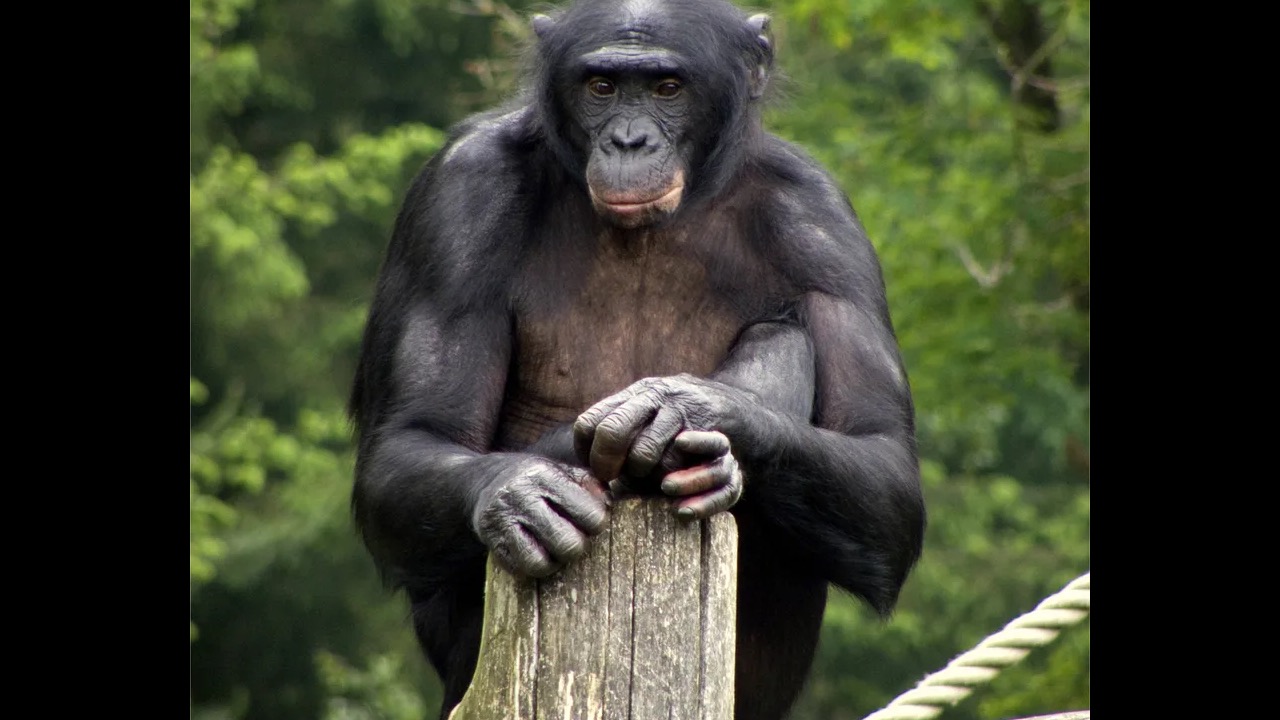
Endangered
Bonobo
Pan paniscus
Bonobos are great apes found only in the Democratic Republic of Congo, closely related to chimpanzees but generally less aggressive, with female-led social bonds and extensive use of social behaviour to resolve conflict. Listed Endangered, they weigh 30–50 kg and face habitat loss and bushmeat hunting.
Read the guide →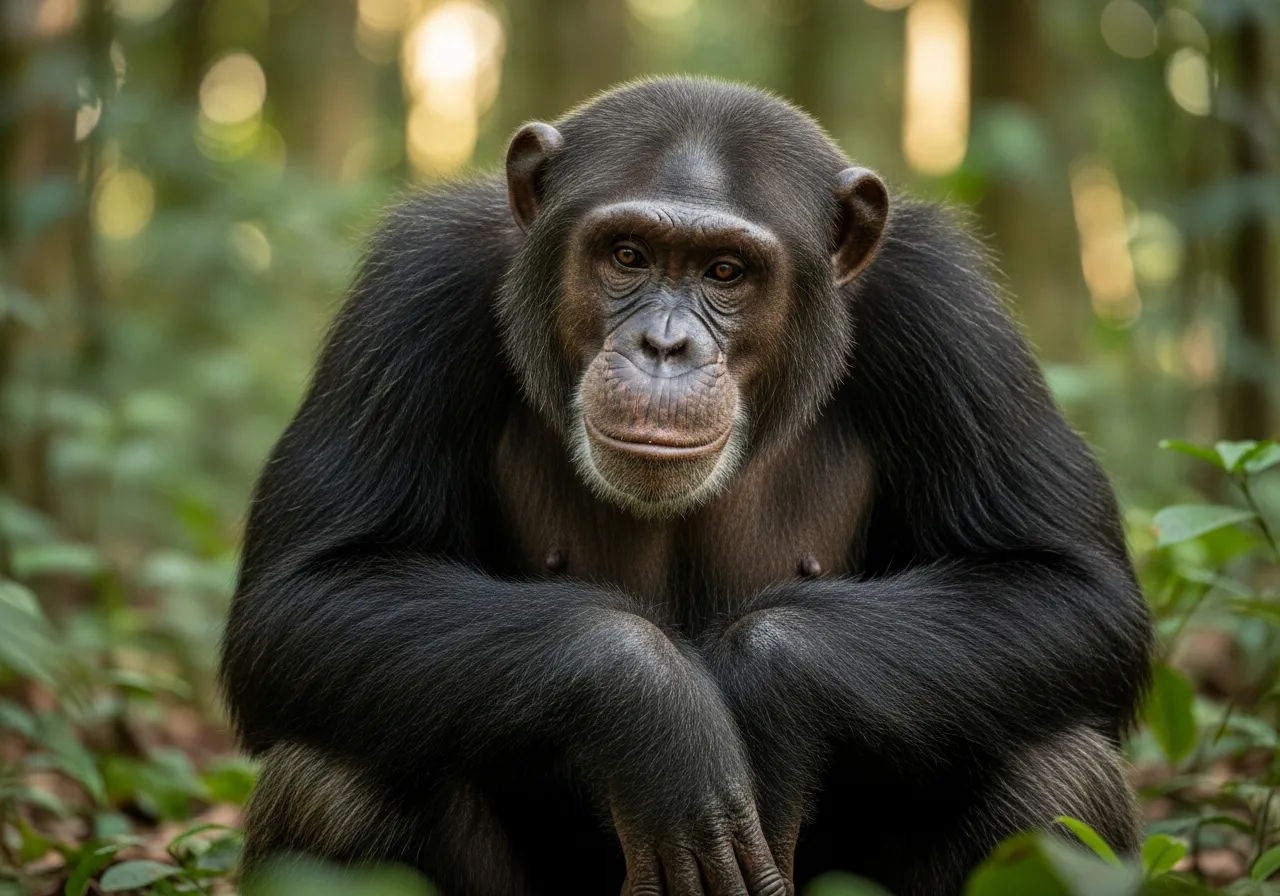
Endangered (IUCN); CITES Appendix I
Chimpanzee
Pan troglodytes
A chimpanzee (Pan troglodytes) is a great ape from the forests and woodlands of equatorial Africa. Along with the bonobo, it is humans' closest living relative, sharing roughly 98-99% of our DNA. Famous for tool use, complex societies and culture, it is classified as Endangered.
Read the guide →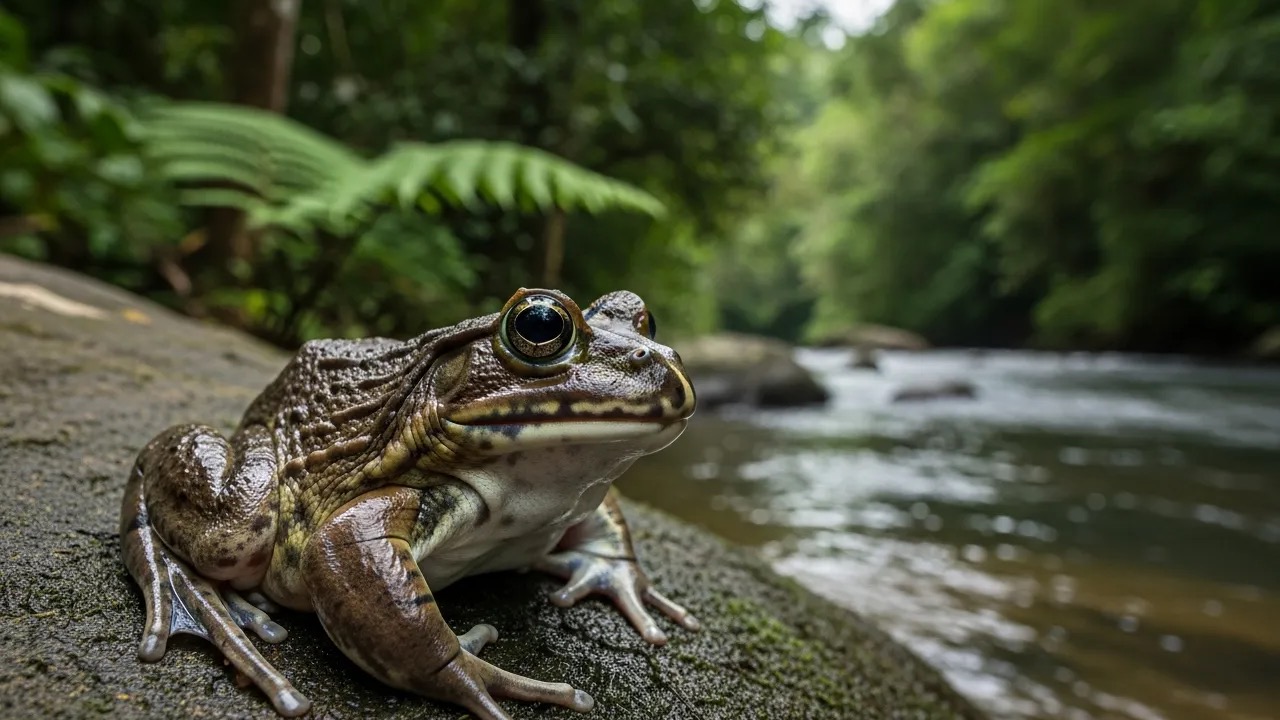
Endangered
Goliath Frog
Conraua goliath
The Goliath frog is the largest living frog, growing up to 32 cm (13 in) long and weighing as much as 3.3 kg (7.3 lb). It lives only in fast-flowing rivers of Cameroon and Equatorial Guinea in West Africa.
Read the guide →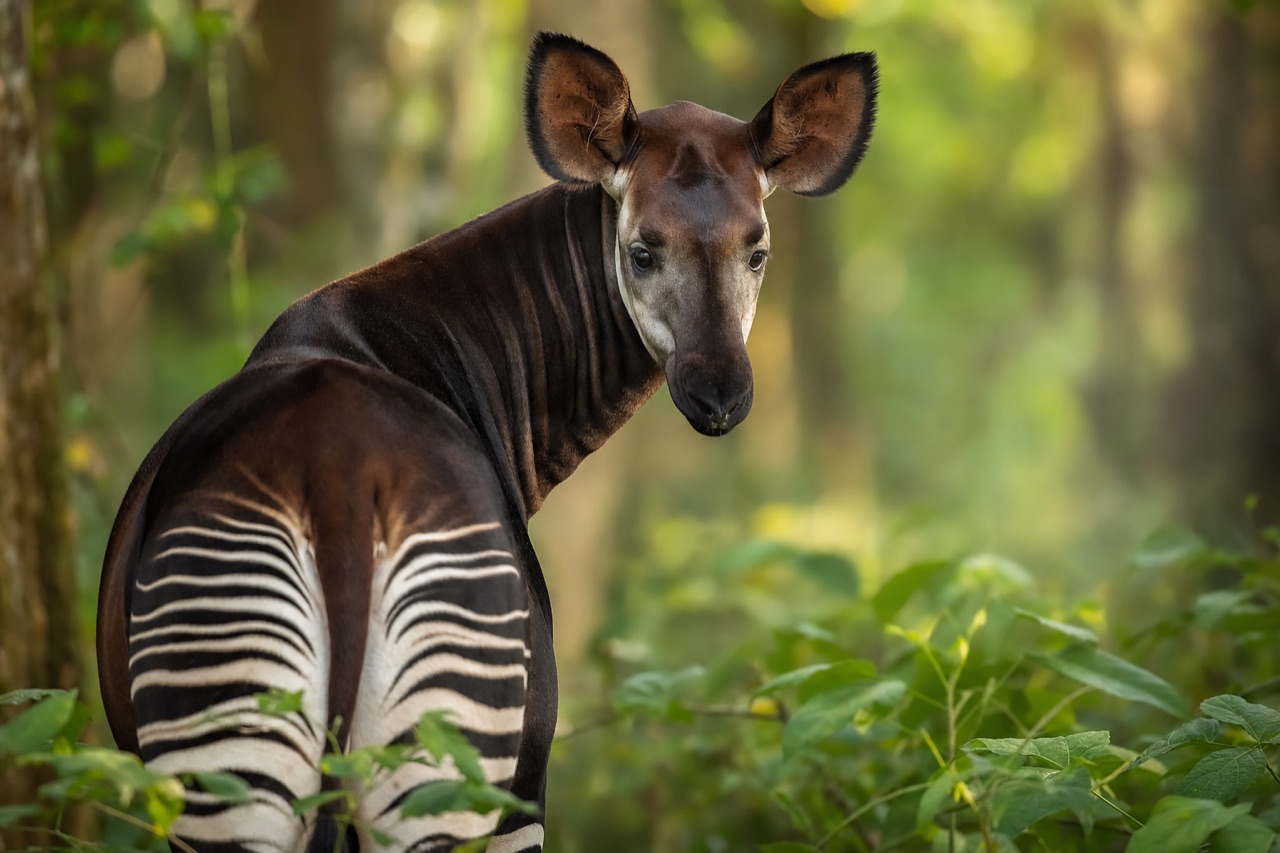
Endangered — restricted entirely to the rainforests of the DRC
Okapi
Okapia johnstoni (Sclater, 1901) — family Giraffidae
The okapi (Okapia johnstoni) is the giraffe's only living relative, a solitary rainforest herbivore found exclusively in the Democratic Republic of the Congo, with striped hindquarters for camouflage and a long dark prehensile tongue.
Read the guide →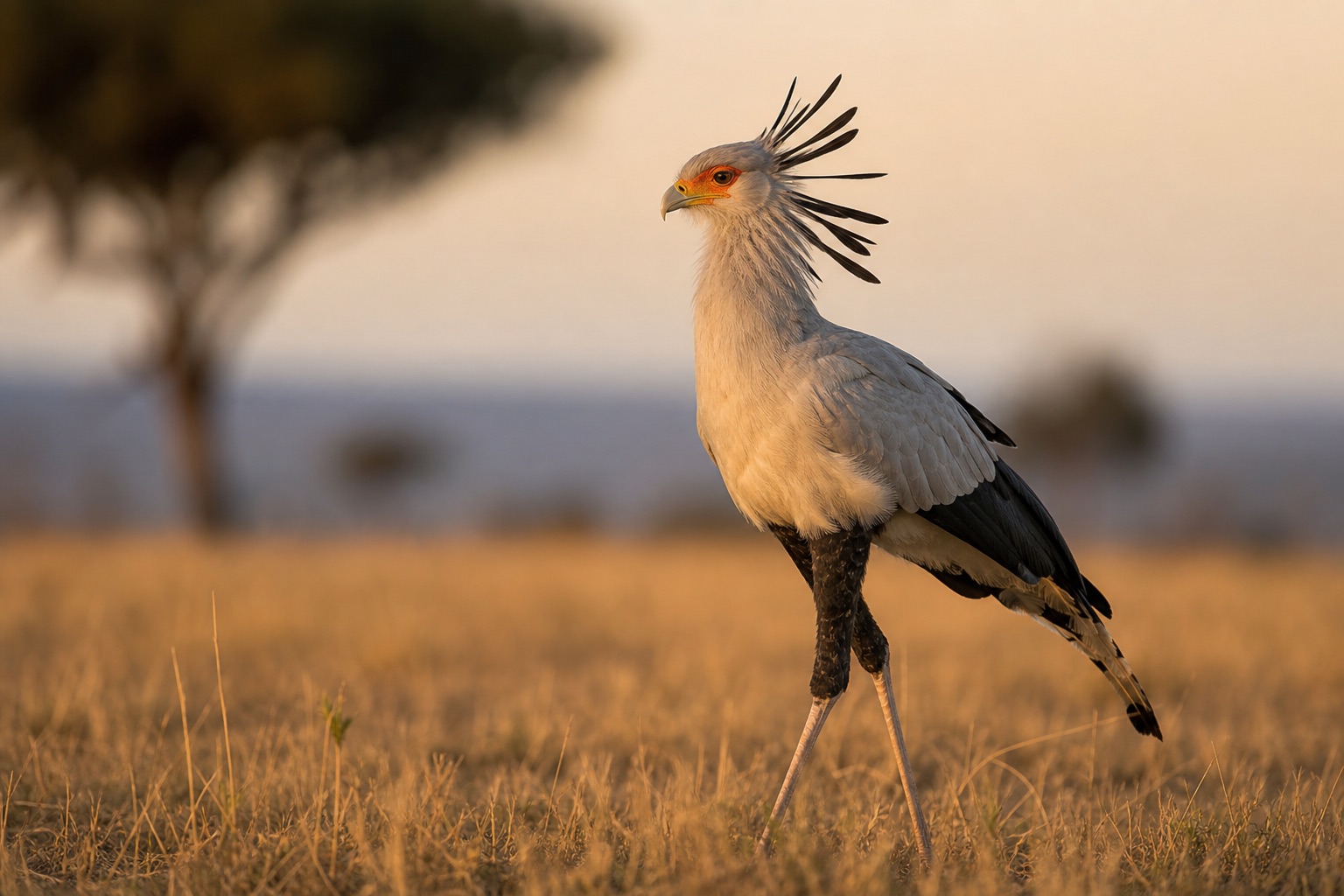
Endangered
Secretary Bird
Sagittarius serpentarius (Miller, 1779) — family Sagittariidae
The secretary bird (Sagittarius serpentarius) is an Endangered African raptor that hunts on foot across savanna, killing snakes and other prey with rapid stamping blows delivered in about 15 milliseconds at force several times its body weight.
Read the guide →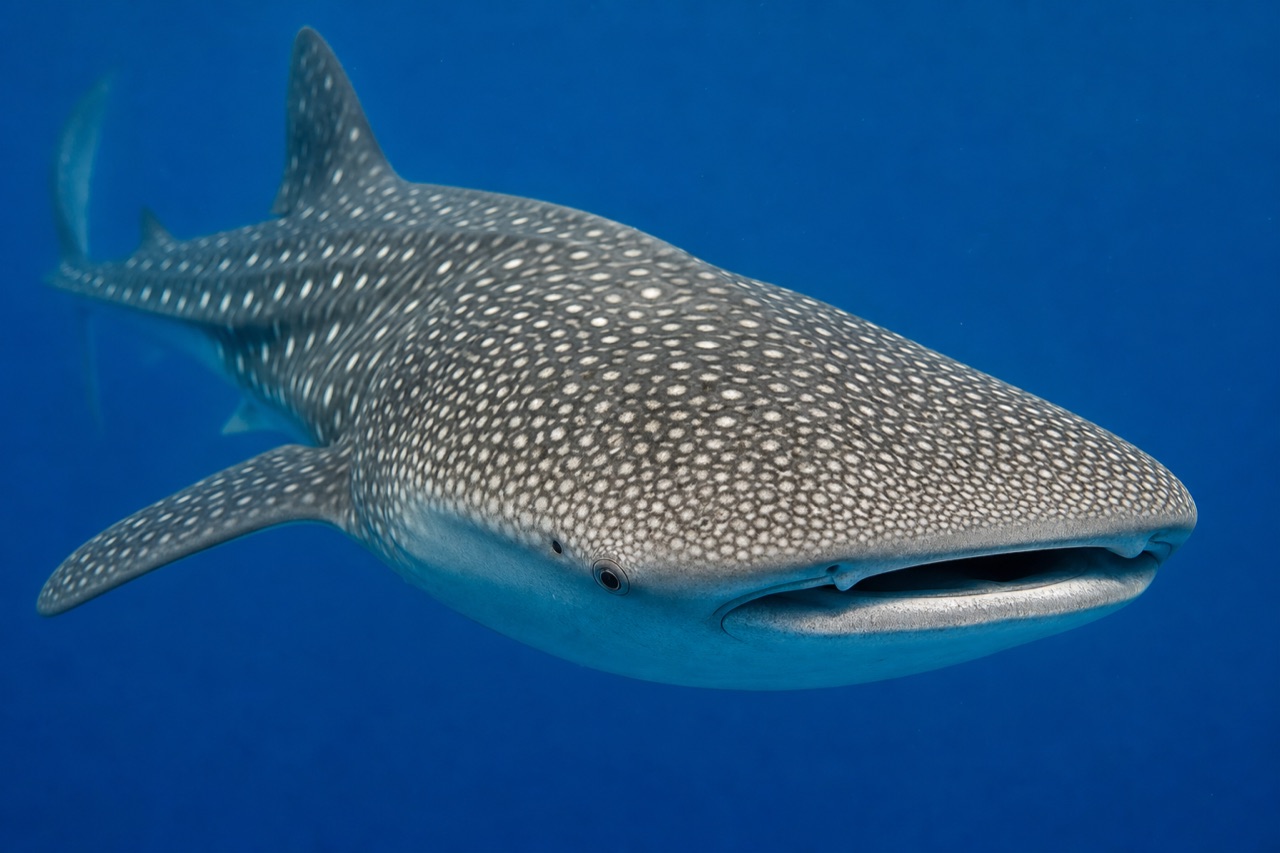
Endangered — the largest fish alive, and a filter feeder
Whale Shark
Rhincodon typus (Smith, 1828) — family Rhincodontidae
The whale shark (Rhincodon typus) is the largest fish on Earth at up to around 18 metres, a filter feeder that eats plankton and small fish, and is listed as Endangered.
Read the guide →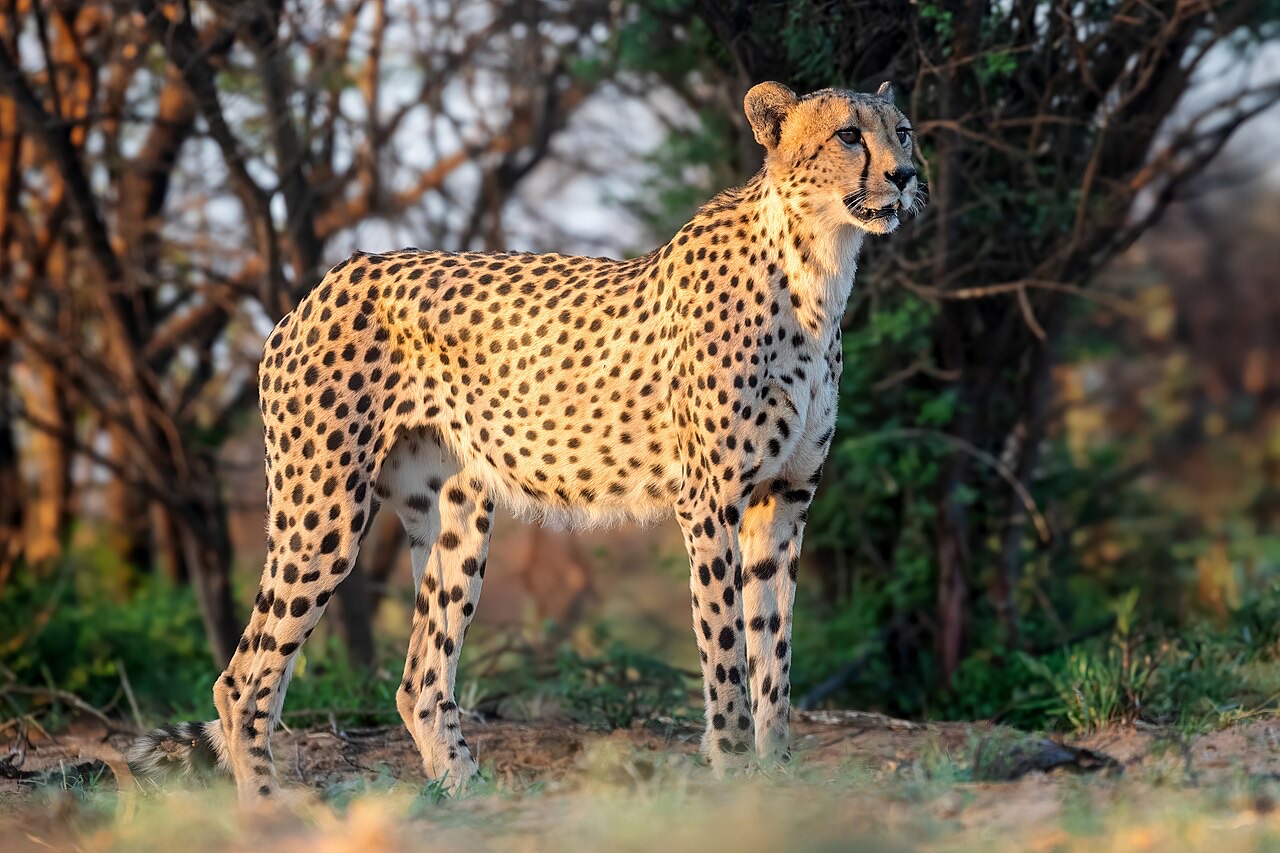
Vulnerable
Cheetah
Acinonyx jubatus
The cheetah (Acinonyx jubatus) is the fastest land animal, reaching roughly 100-120 km/h (about 60-75 mph) in short bursts, and is classified as Vulnerable by the IUCN, with the Asiatic cheetah in Iran listed as Critically Endangered.
Read the guide →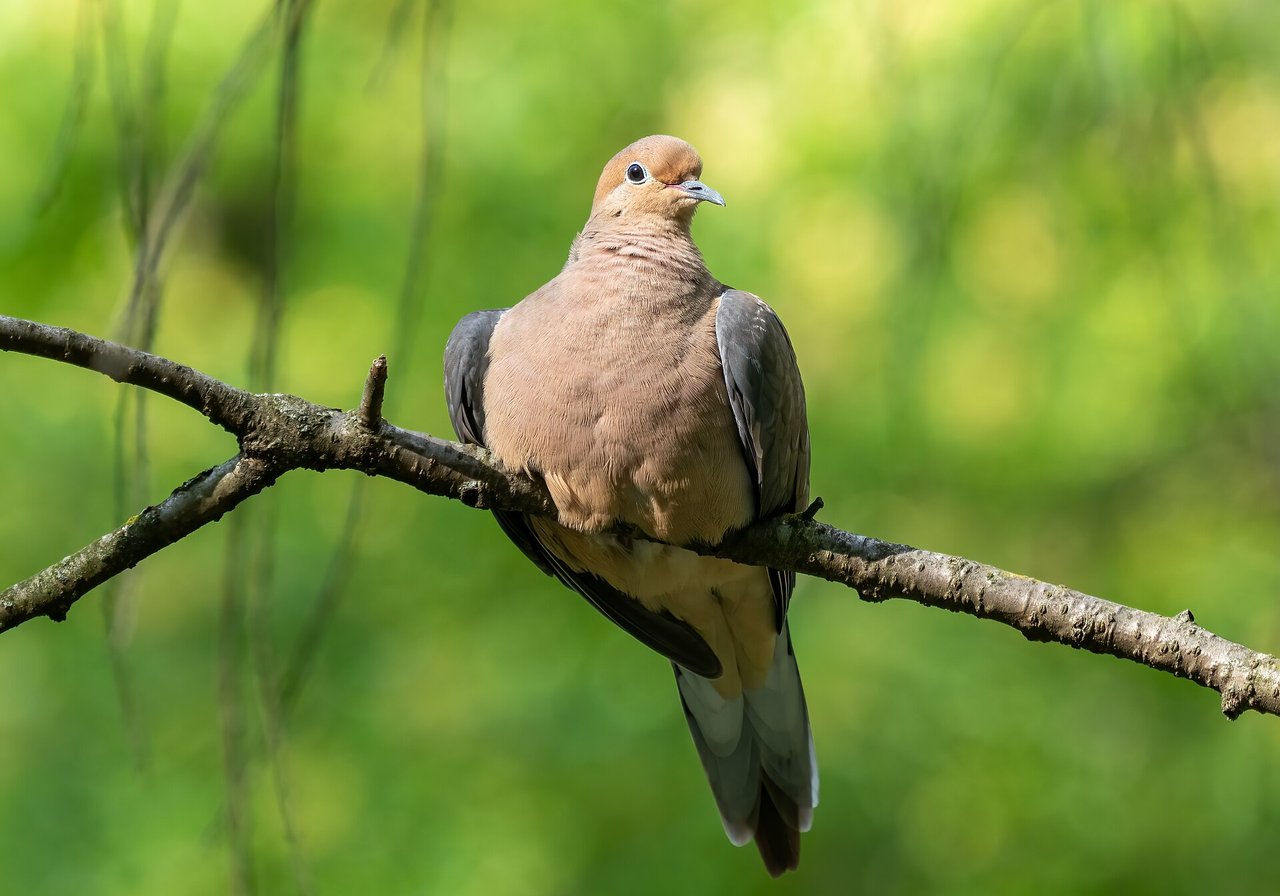
Vulnerable
Dove
Streptopelia turtur (Linnaeus, 1758)
The European turtle dove (Streptopelia turtur) is a Vulnerable migratory columbid of European woodland and farmland, declining by roughly 80% since 1970 due to habitat loss, hunting and agricultural intensification.
Read the guide →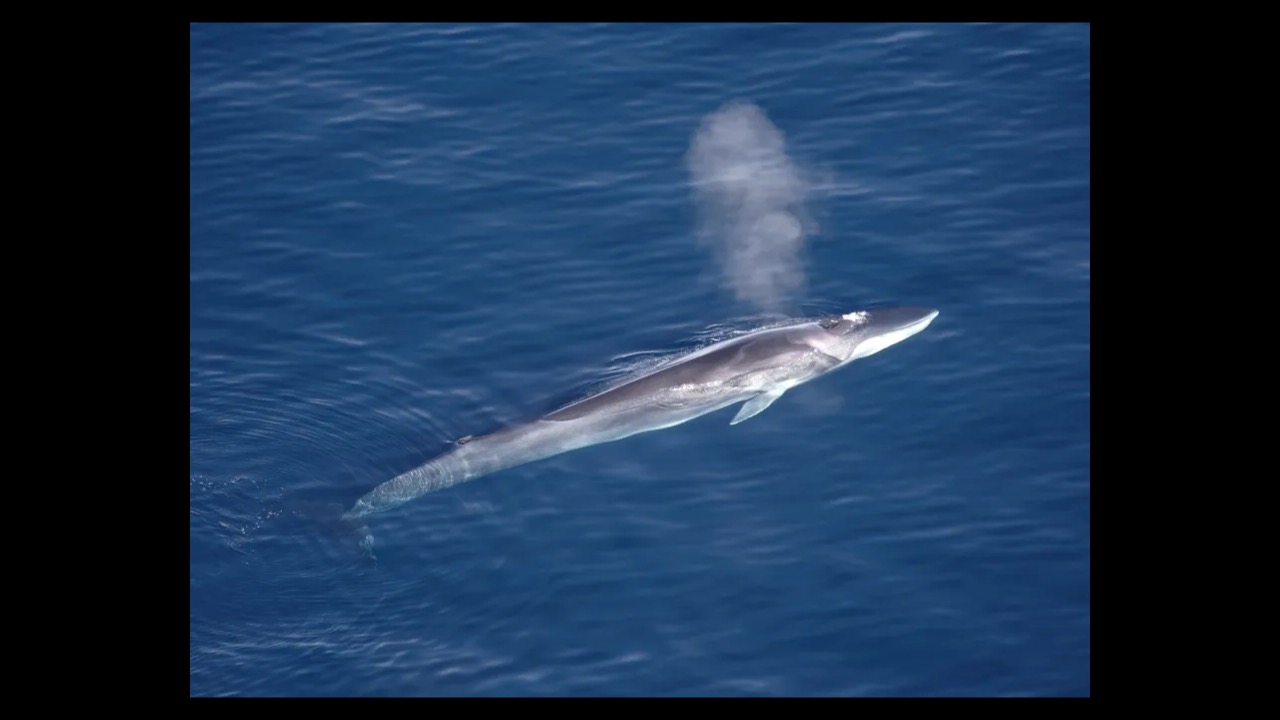
Vulnerable
Fin Whale
Balaenoptera physalus
The fin whale is the second-largest animal on Earth after the blue whale, reaching 25 m (82 ft) and 70 tonnes with an asymmetric jaw colouring. A fast baleen whale capable of 40 km/h bursts, it filters krill and small fish and is listed Vulnerable after decades of commercial whaling.
Read the guide →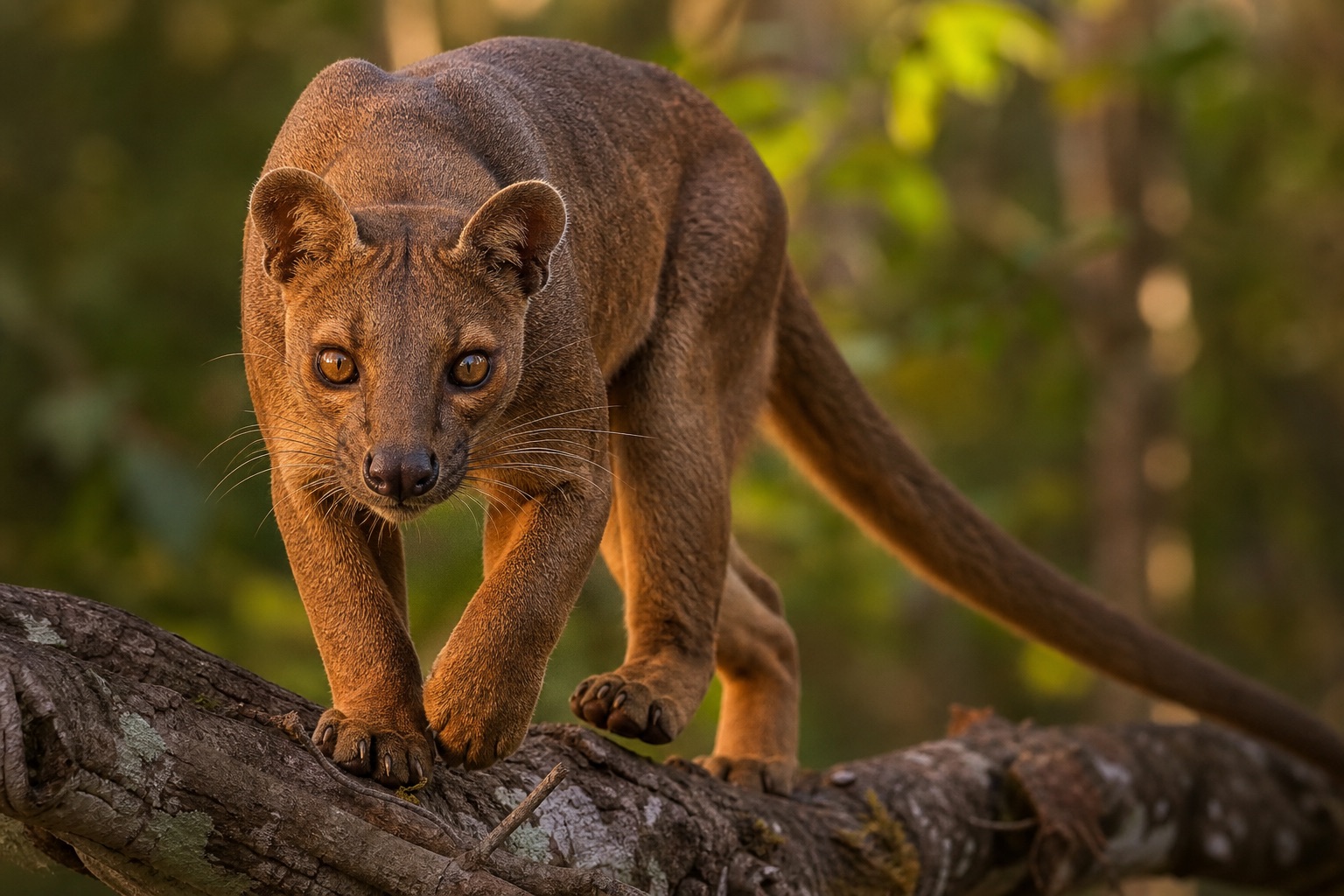
Vulnerable — Madagascar's largest native carnivore, declining as forest fragments
Fossa
Cryptoprocta ferox (Bennett, 1833) — family Eupleridae
The fossa (Cryptoprocta ferox) is Madagascar's largest native carnivore and apex predator, cat-like in appearance but a euplerid mongoose relative; it hunts lemurs in the canopy, is listed Vulnerable, and declines as an estimated 80–90% of Madagascar's original forest has been lost.
Read the guide →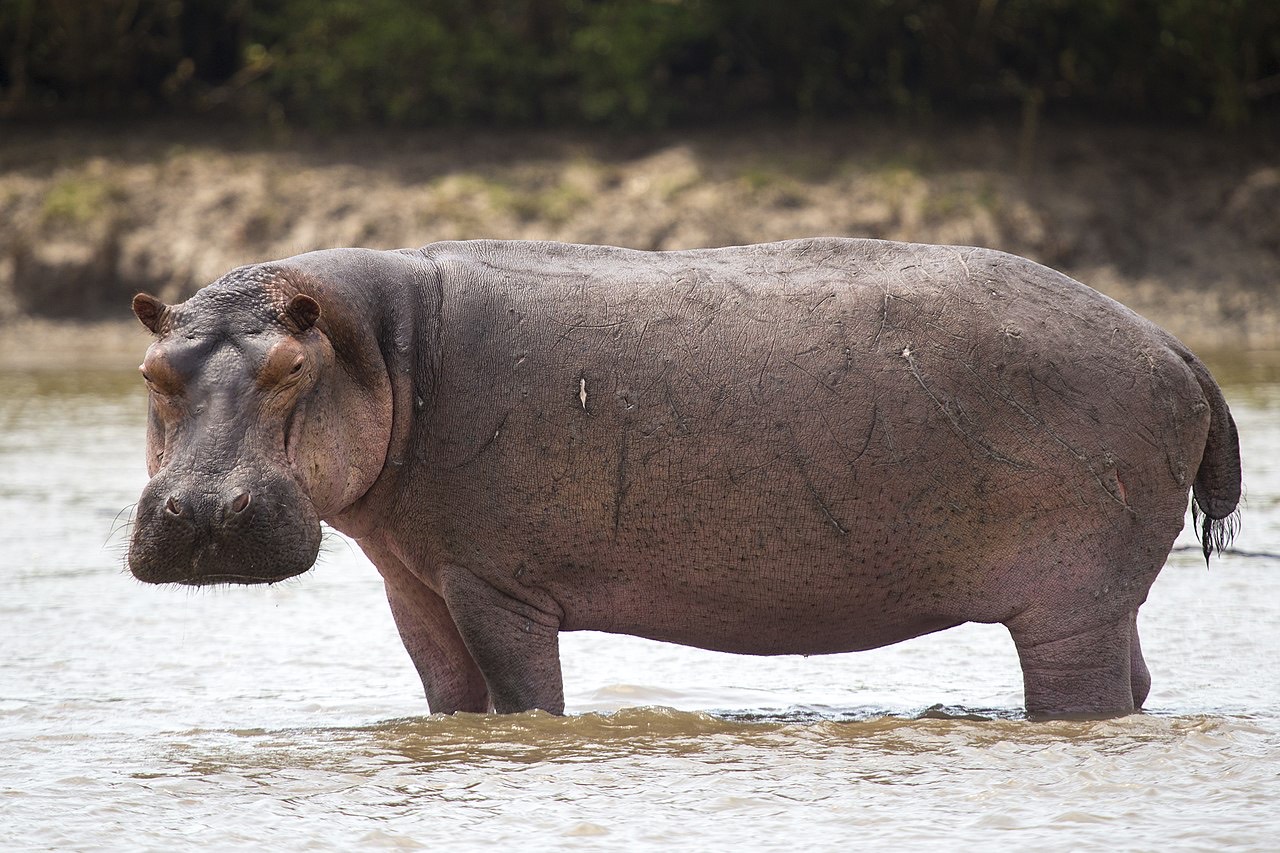
Vulnerable
Hippopotamus
Hippopotamus amphibius
The hippopotamus (Hippopotamus amphibius) is a large semi-aquatic African mammal listed as Vulnerable by the IUCN, with roughly 115,000-130,000 individuals remaining and a declining population driven by habitat loss and demand for its tooth ivory.
Read the guide →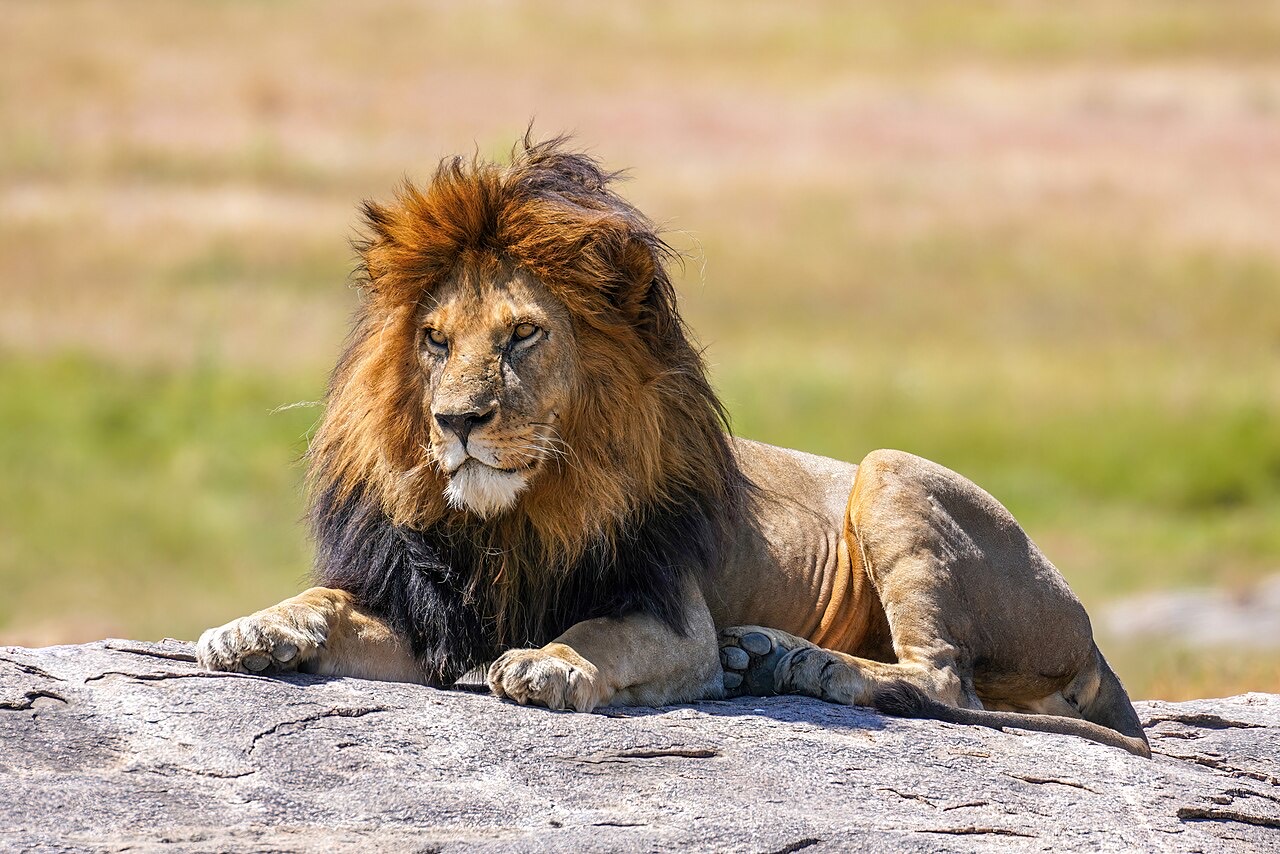
Vulnerable (IUCN 2023)
Lion
Panthera leo (Linnaeus, 1758)
A lion (Panthera leo) is a wild cat listed Vulnerable by the IUCN in 2023, with about 23,000 lions in Africa and about 670 in India. Lions live in prides. They are not domesticated and not tigers. The population is decreasing.
Read the guide →Vulnerable
Mandrill
Mandrillus sphinx (Linnaeus, 1758)
The mandrill is the world’s largest monkey (Mandrillus sphinx), native to rainforests of Cameroon, Gabon, Equatorial Guinea and Congo, and listed Vulnerable on the IUCN Red List because of commercial bushmeat hunting and logging-road access. It is not a baboon. WARN does not run Central African patrols; this page is an educational guide, not a field-programme claim.
Read the guide →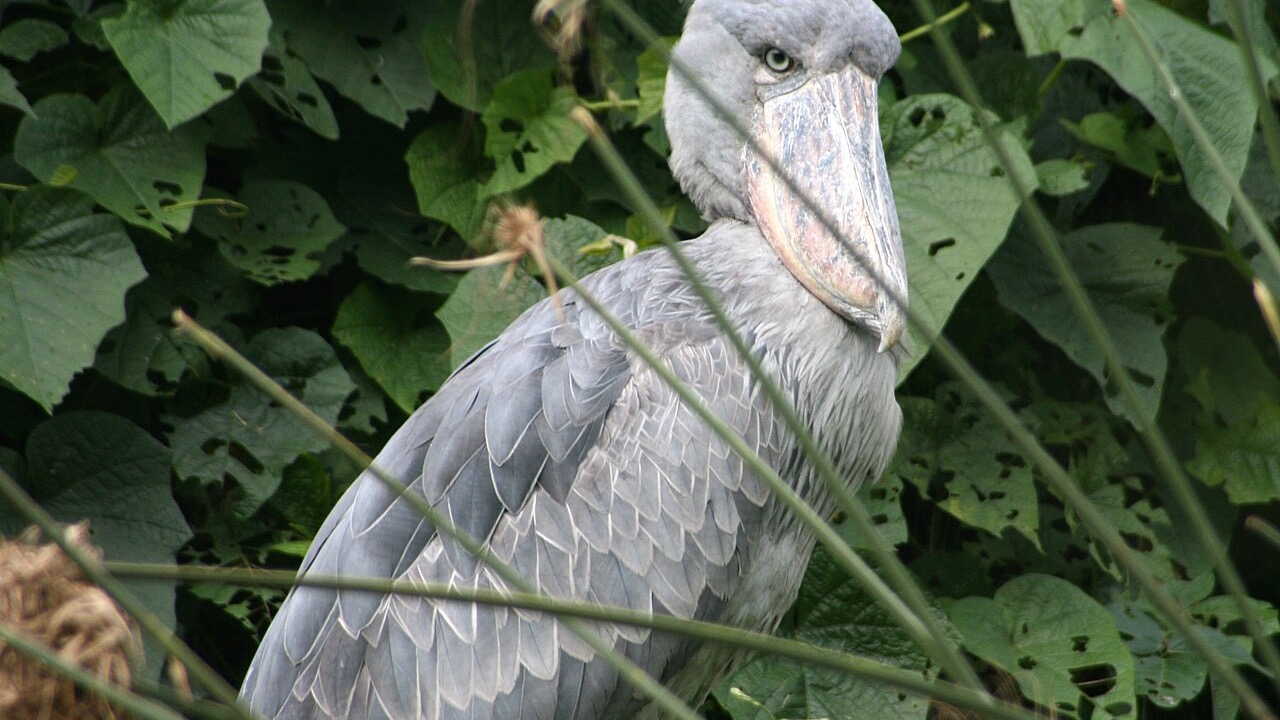
Vulnerable (IUCN, 2018)
Shoebill
Balaeniceps rex
The shoebill (Balaeniceps rex) is a Vulnerable African swamp bird famous for its massive shoe-shaped bill and motionless hunting posture; roughly 5,000–8,000 individuals remain in Central and East African wetlands.
Read the guide →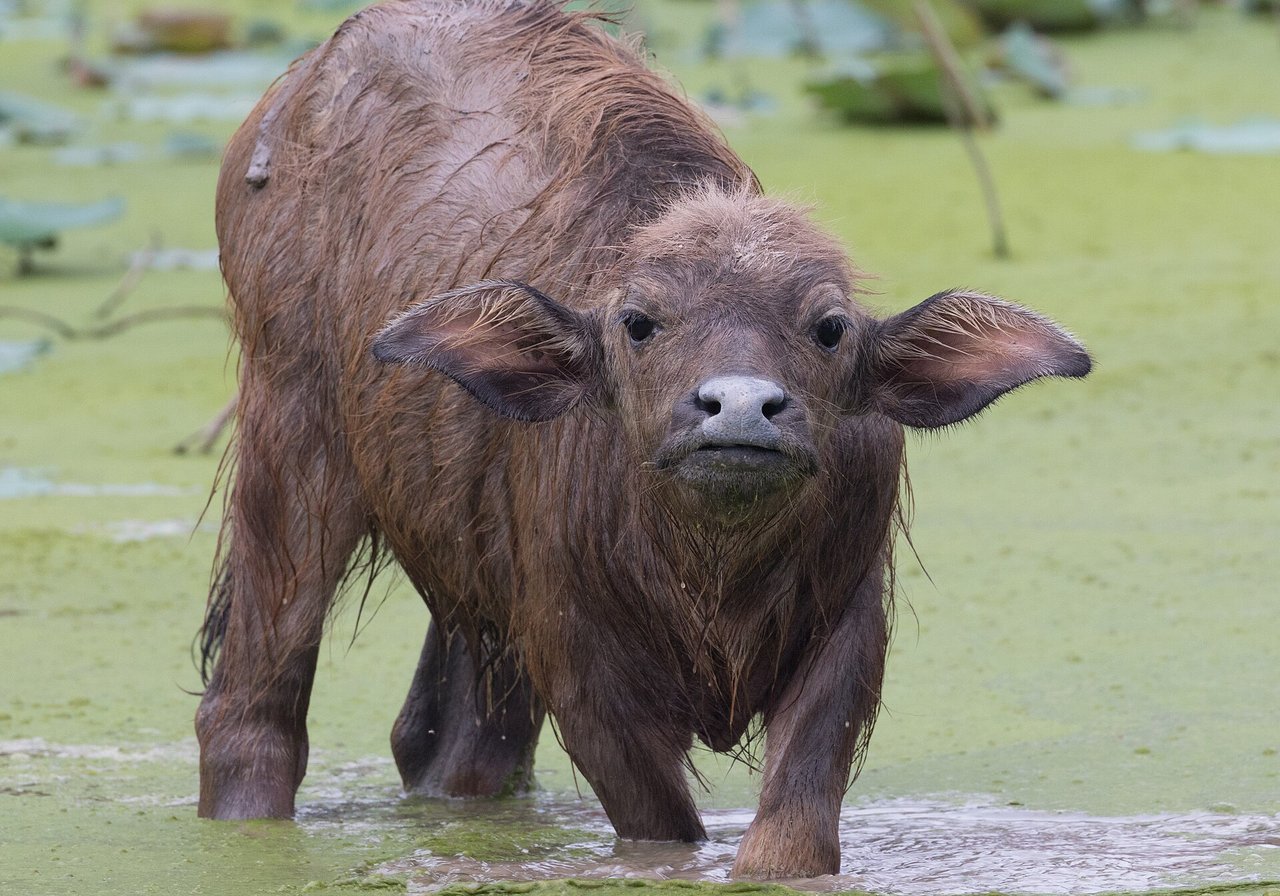
Near Threatened
Buffalo
Syncerus caffer (Sparrman, 1779)
The African buffalo (Syncerus caffer) is a Near Threatened bovid of sub-Saharan Africa — a 900 kg herd grazer and formidable prey for lions, with roughly 400,000 individuals; Asian wild water buffalo is a separate Endangered species.
Read the guide →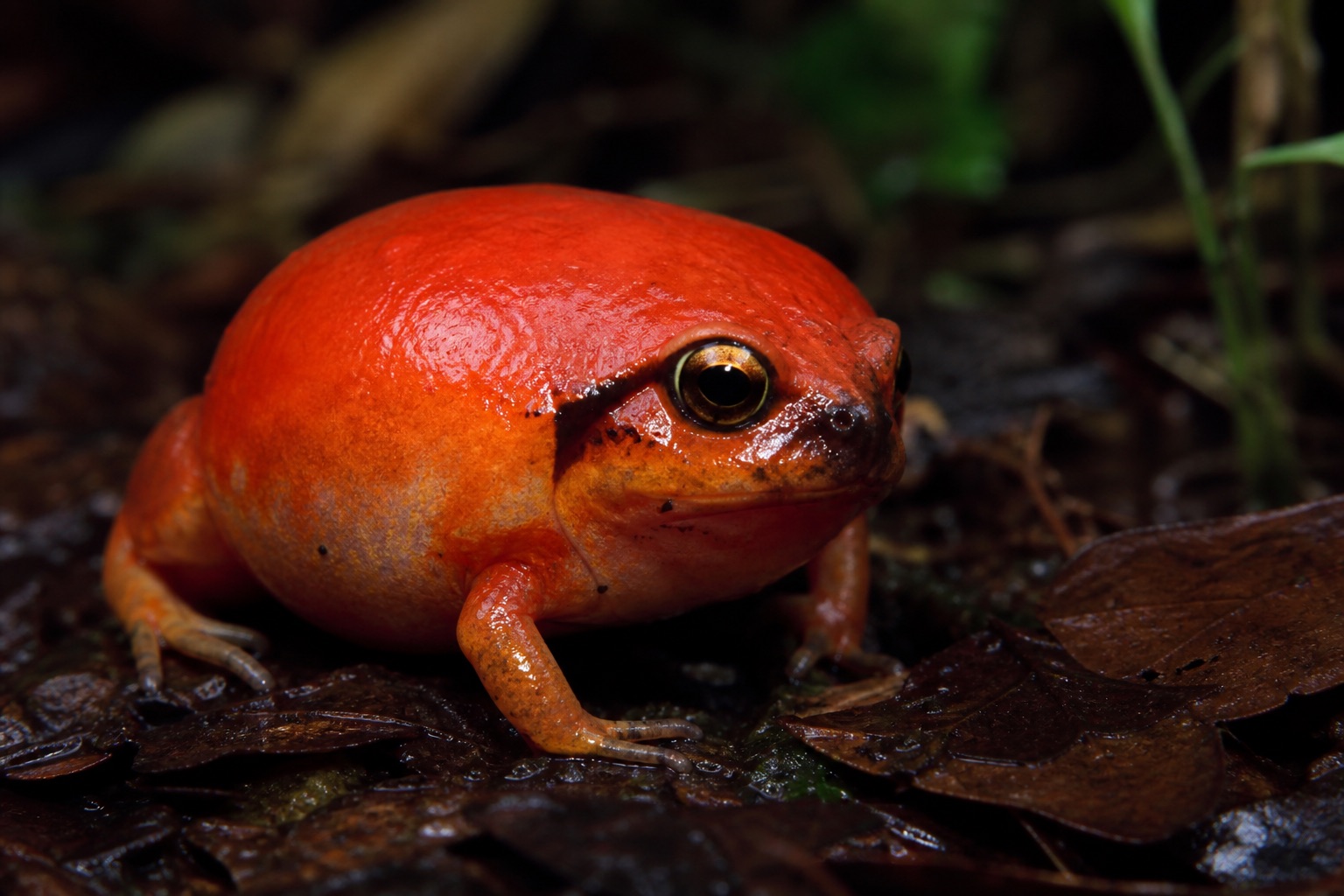
Near Threatened — Dyscophus antongilii; threatened by habitat loss and collection
Tomato Frog
Dyscophus antongilii (Grandidier, 1877) — family Microhylidae
The tomato frog (Dyscophus antongilii) is a bright red microhylid frog endemic to north-eastern Madagascar that secretes a glue-like defensive substance to immobilise predators' mouths; it is listed Near Threatened as an estimated 80–90% of the island's original forest has been lost.
Read the guide →
Least Concern (IUCN, 2016)
Aardvark
Orycteropus afer (Pallas, 1766)
The aardvark (Orycteropus afer) is the only living species of its order, a nocturnal insectivore of sub-Saharan Africa listed as Least Concern; it digs for termites and its burrows shelter dozens of other species.
Read the guide →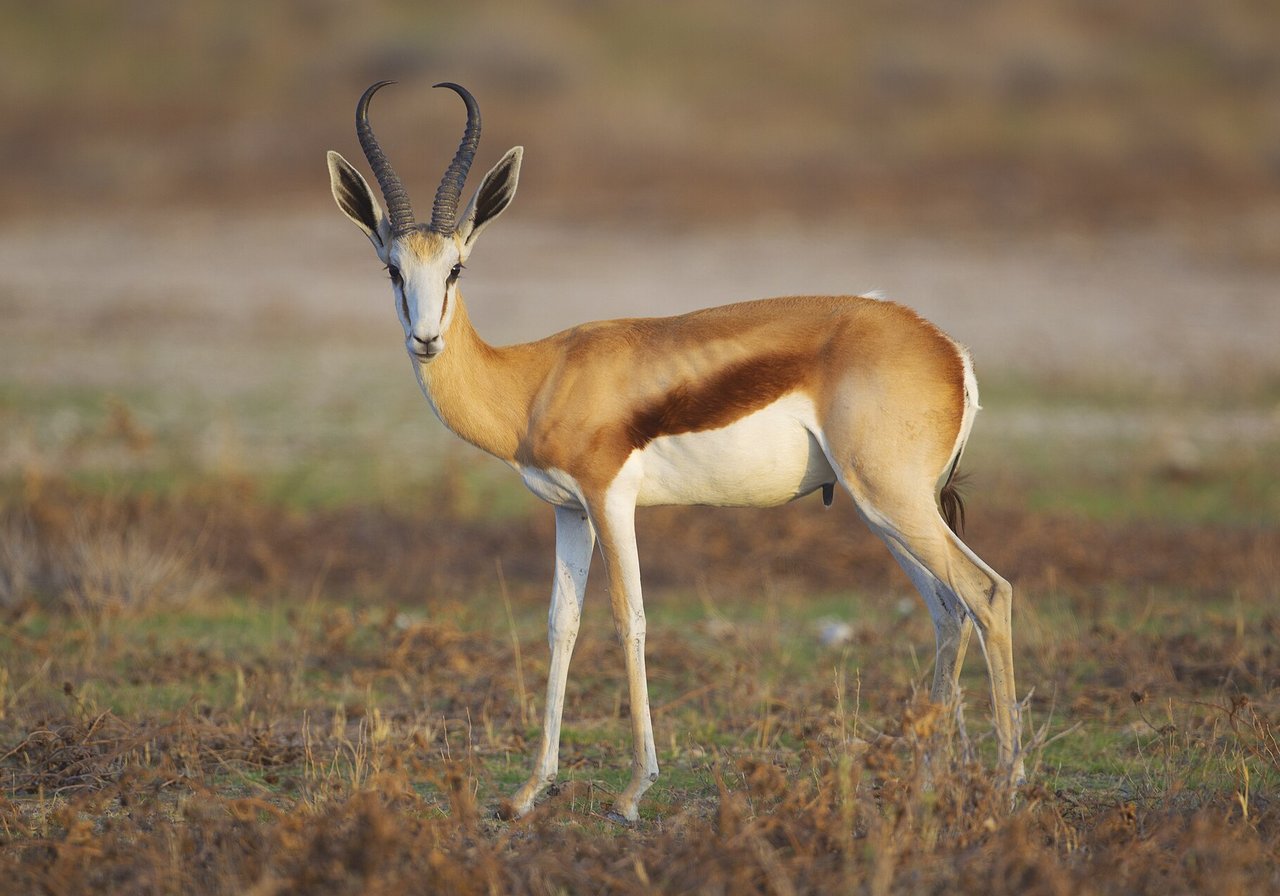
Varies by species (Least Concern to Critically Endangered)
Antelope
Family Bovidae, subfamilies Antilopinae, Alcelaphinae, Hippotraginae and others — ~90 species
Antelope are horned ruminants of the family Bovidae — roughly 90 species across Africa and Asia; African savanna antelope form the prey base for the continent's great predators, with conservation status ranging from abundant to Critically Endangered.
Read the guide →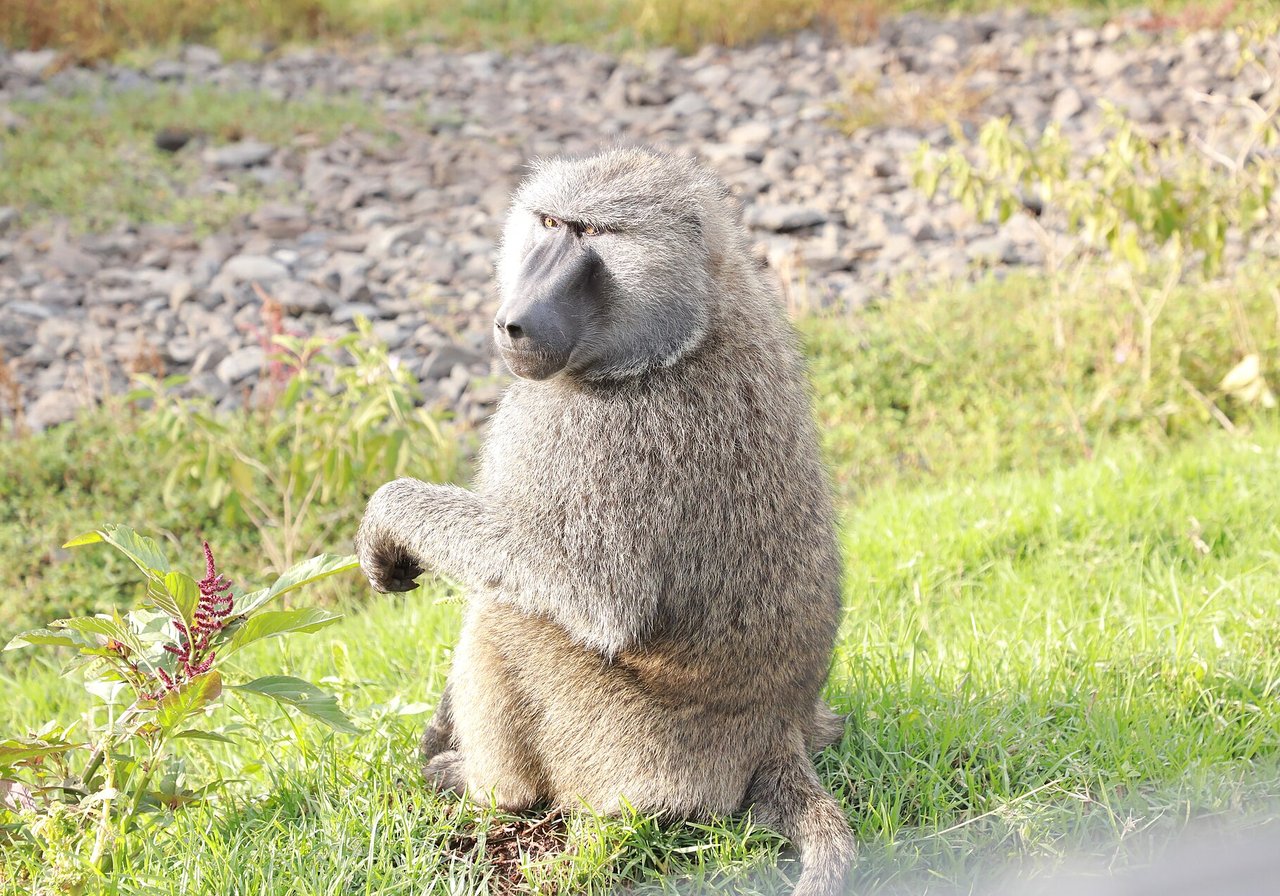
Varies by species (Least Concern to Near Threatened)
Baboon
Genus Papio — 6 species: hamadryas, olive, yellow, chacma, Guinea and Kinda baboon
Baboons are large Old World monkeys of the genus Papio, living in complex social troops across African savanna and desert; most species are Least Concern but face habitat loss and conflict with agriculture.
Read the guide →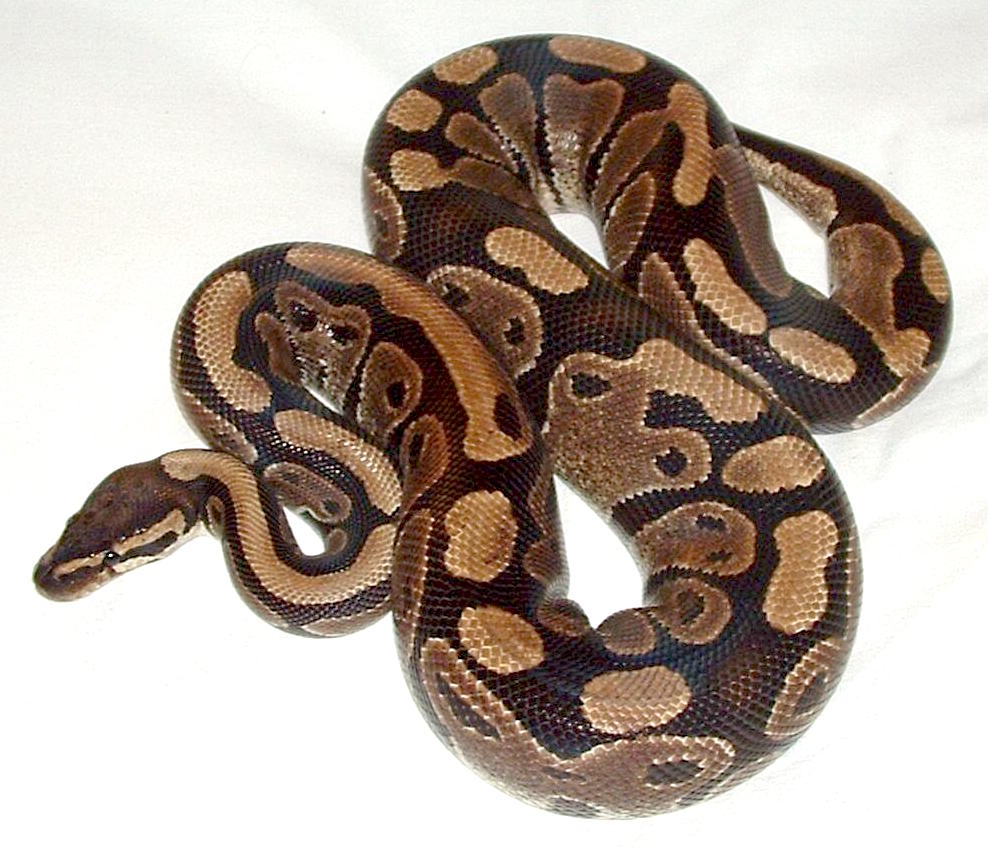
Least Concern (IUCN) but heavily traded; CITES Appendix II
Ball Python
Python regius (Shaw, 1802)
The ball python (Python regius) is a small, docile African snake — Least Concern but heavily traded (CITES Appendix II) — and the world's most popular pet snake; its thousands of 'morphs' are captive-bred colour and pattern forms of one species.
Read the guide →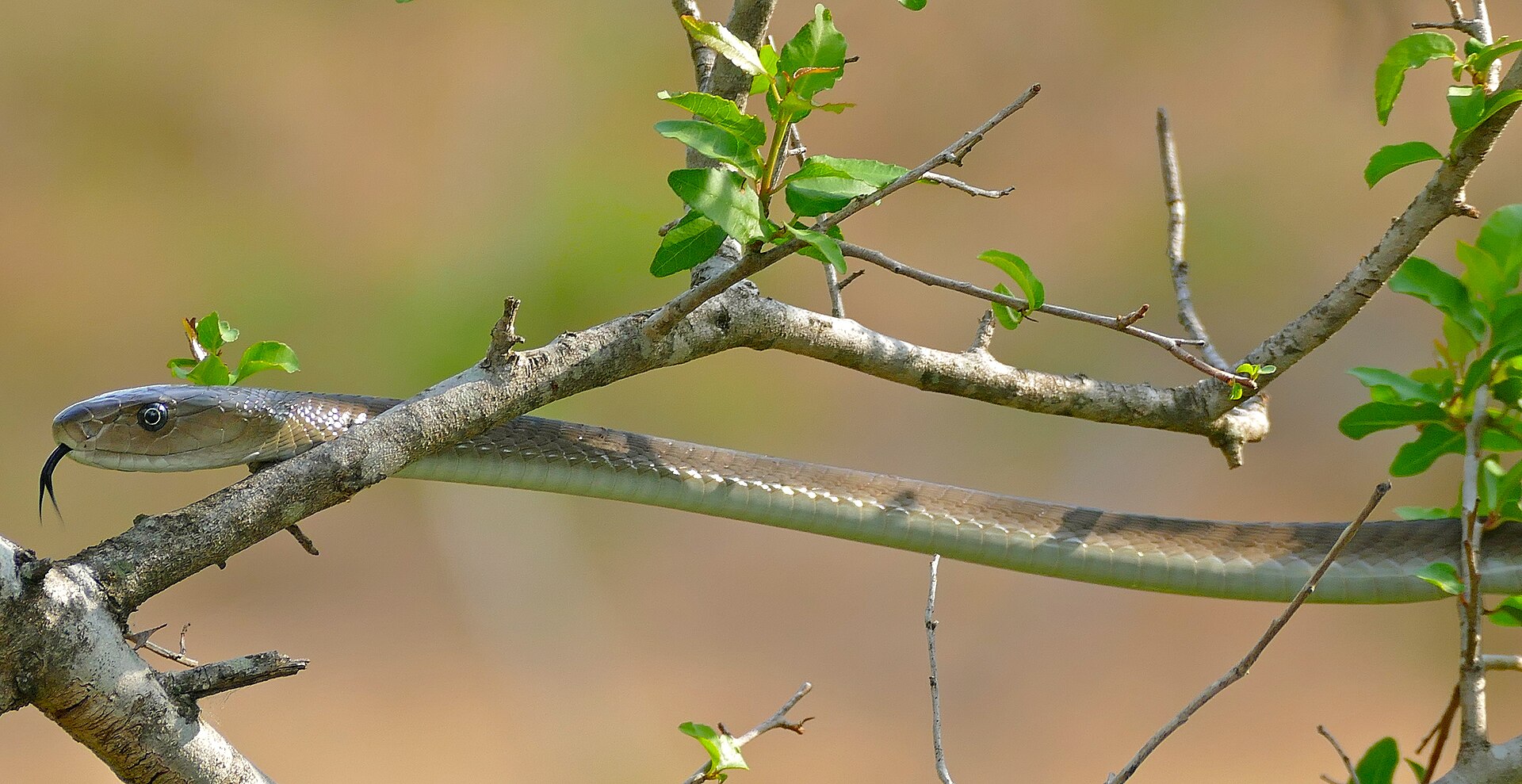
Least Concern (IUCN)
Black Mamba
Dendroaspis polylepis
The black mamba (Dendroaspis polylepis) is the longest venomous snake in Africa, capable of speeds up to 19 km/h, with a potent neurotoxic venom that is nearly 100% fatal if untreated — yet it is listed as Least Concern by the IUCN and remains ecologically important as a predator of rodents and small mammals across sub-Saharan Africa.
Read the guide →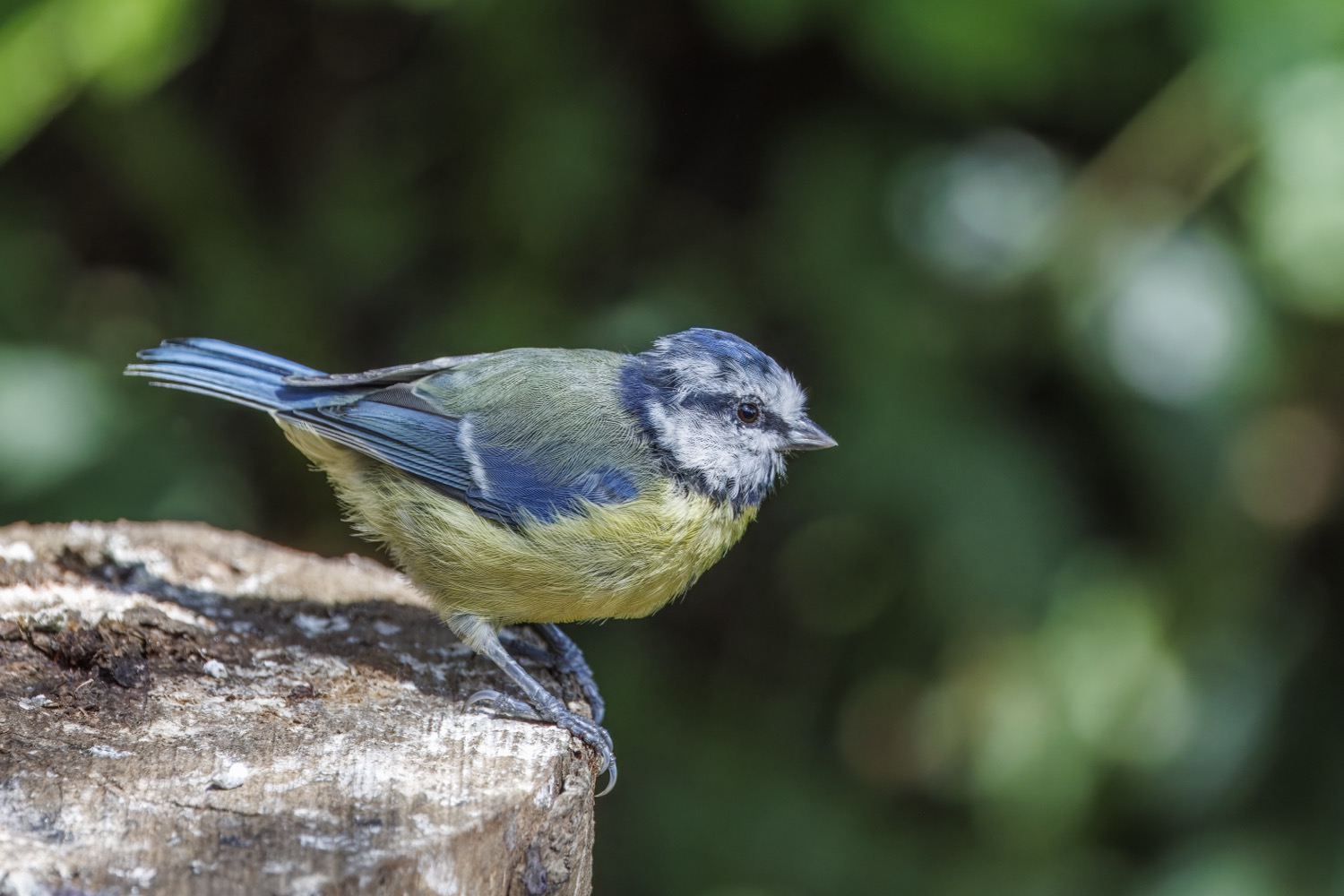
Least Concern (IUCN)
Blue Tit
Cyanistes caeruleus
A blue tit (Cyanistes caeruleus) is a small European songbird with a blue cap and wings, white cheeks and a yellow breast. Weighing about 11 grams, it is a common, acrobatic garden-feeder visitor across Britain, Ireland and much of Europe, and an IUCN Least Concern species.
Read the guide →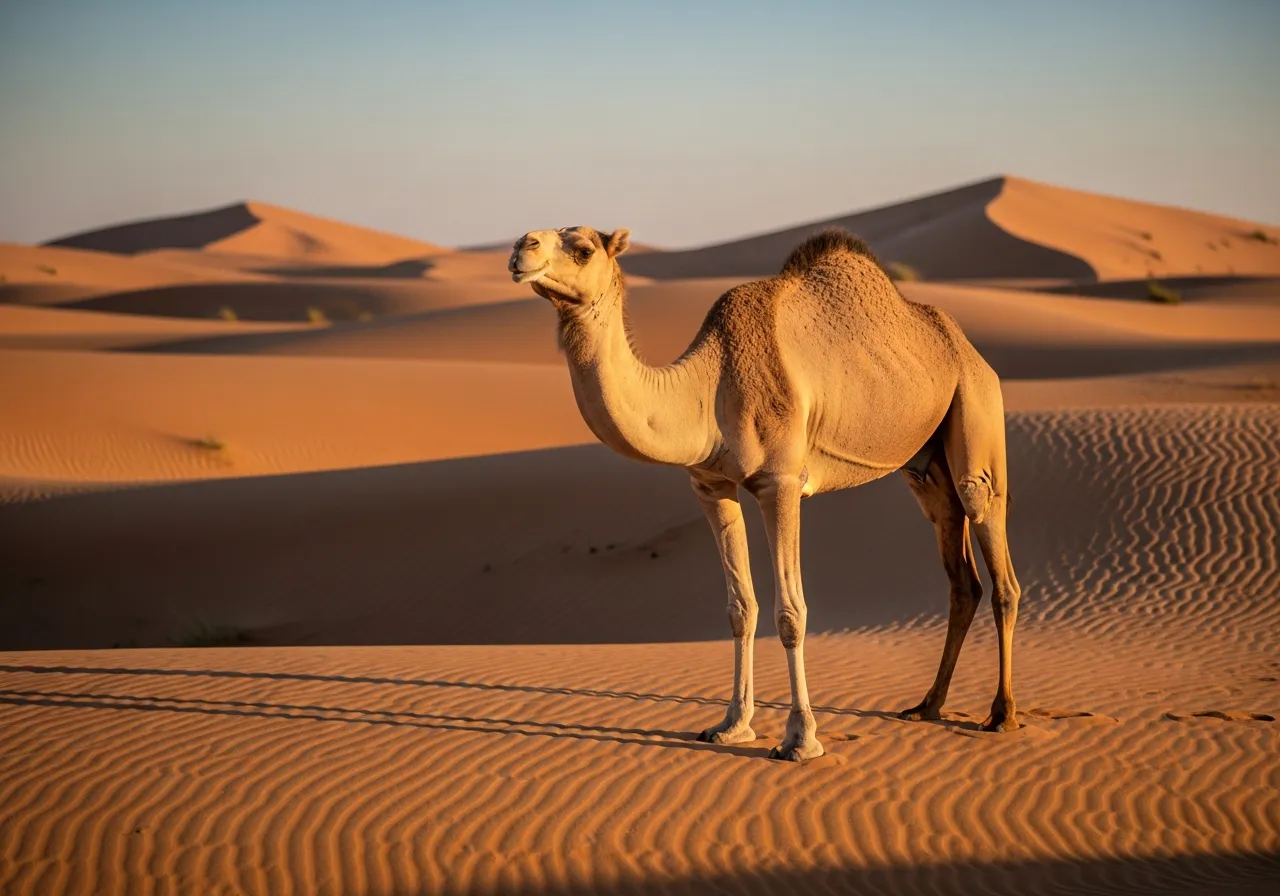
Domestic camels not threatened; the wild Bactrian camel (Camelus ferus) is Critically Endangered
Camel
Camelus dromedarius, C. bactrianus & C. ferus
A camel is a large, hump-backed desert mammal of the genus Camelus. The one-humped dromedary and two-humped Bactrian are domesticated; the wild Bactrian camel is rare. Humps store fat, not water, and remarkable adaptations let camels endure extreme heat and long stretches without drinking.
Read the guide →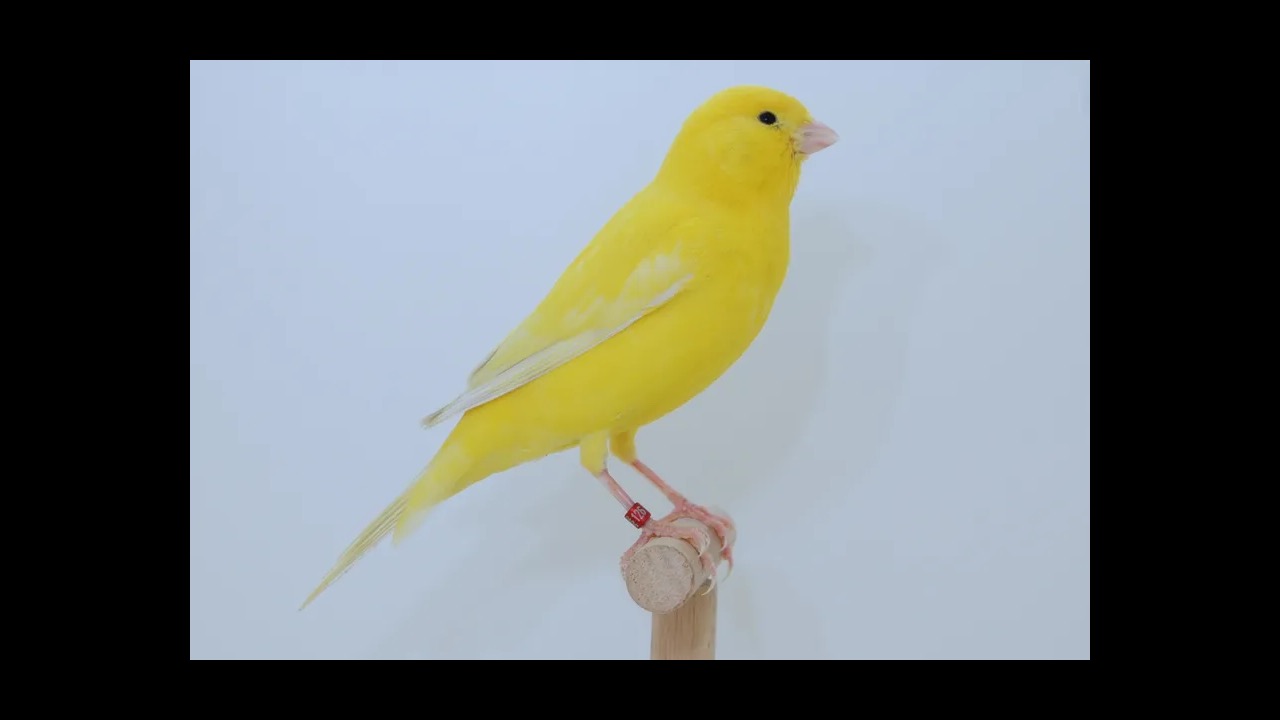
Domesticated species
Canary
Serinus canaria
Canaries are domesticated songbirds descended from wild Atlantic canaries of the Canary Islands, Madeira, and the Azores. Bred for centuries for colour and song, they weigh 15–25 g (0.5–0.9 oz) and are kept in millions of households — while wild populations on their native islands remain Least Concern.
Read the guide →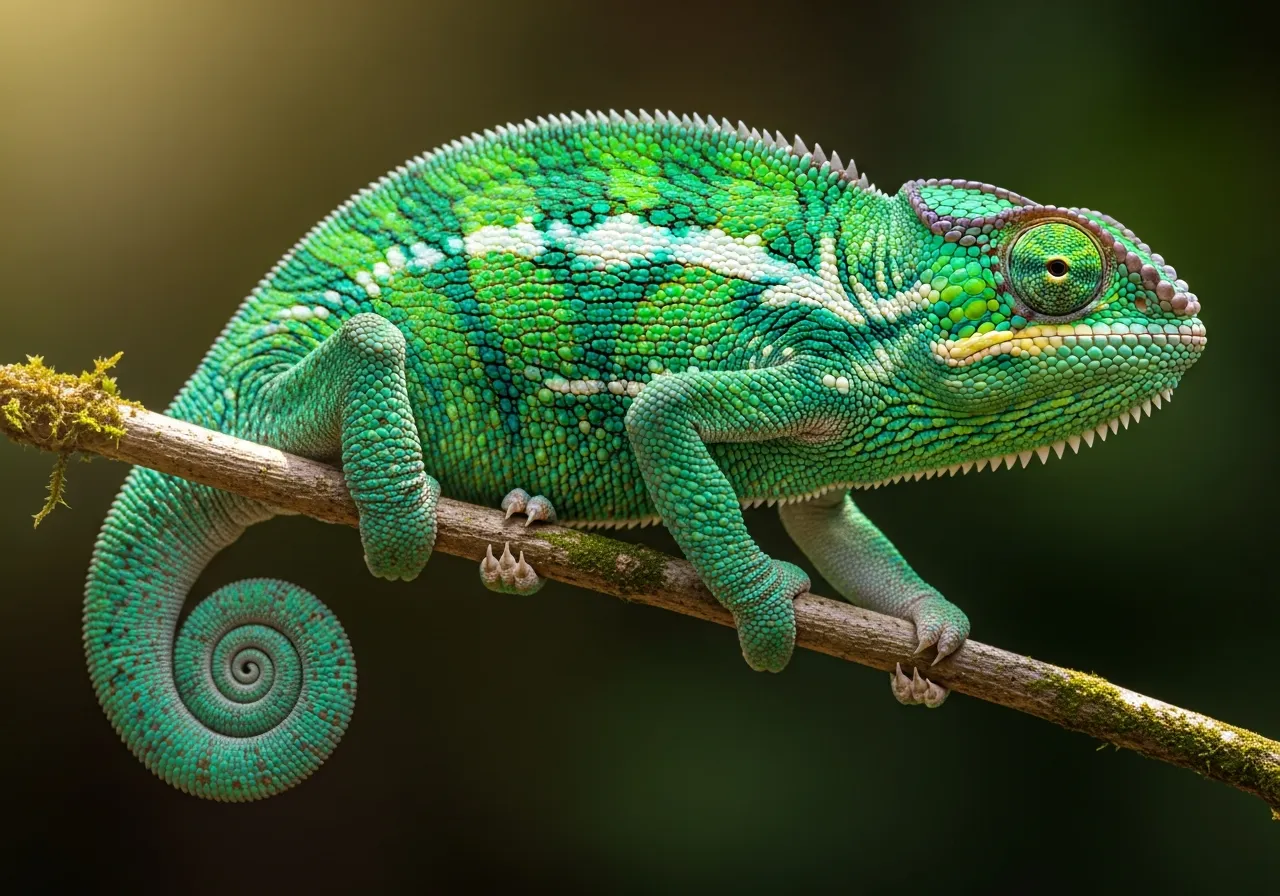
Varies by species; many threatened
Chameleon
Chamaeleonidae
A chameleon is an arboreal lizard of the family Chamaeleonidae, with around 200 species, about half found only in Madagascar. They are known for independently moving eyes, a fast projectile tongue, gripping feet, a prehensile tail and colour change used mainly for communication and temperature control.
Read the guide →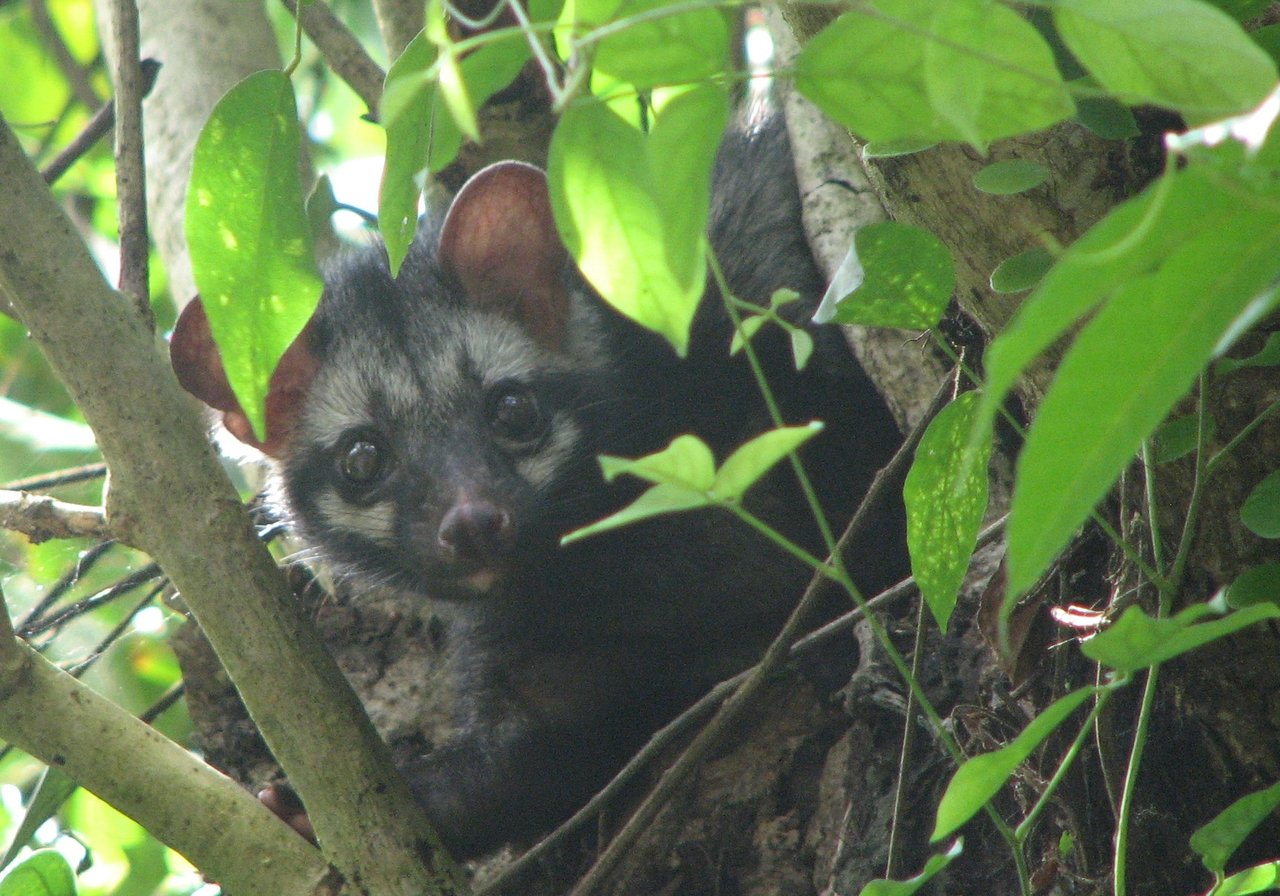
Least Concern (IUCN, 2015) — African civet
Civet
Civettictis civetta (Schreber, 1776)
Civets are nocturnal viverrids of Africa and Asia; the African civet (Civettictis civetta) is Least Concern and widespread across sub-Saharan Africa, though Asian species face habitat loss and civet musk farming raises welfare concerns.
Read the guide →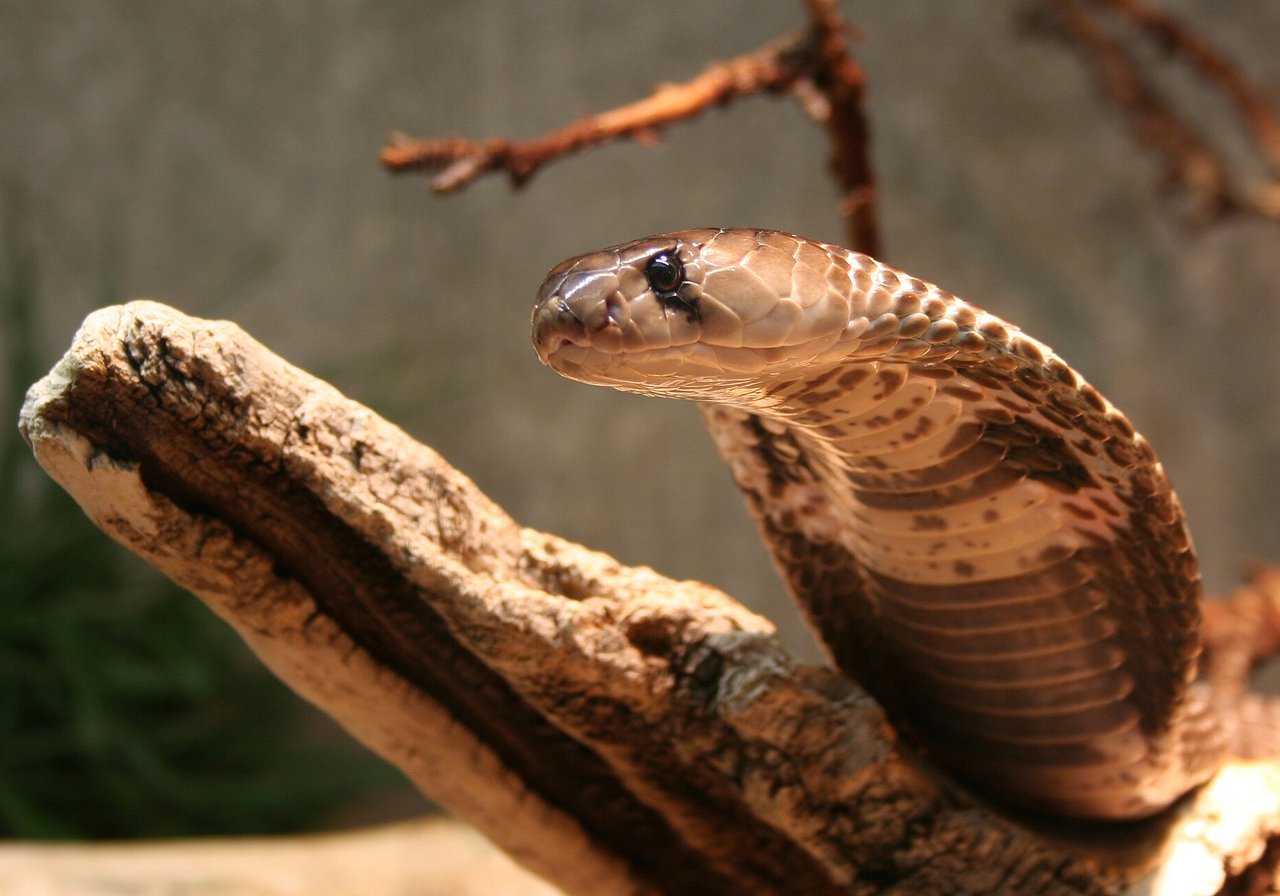
Varies by species (Least Concern to Vulnerable)
Cobra
Multiple elapid genera — Naja (true cobras), Ophiophagus (king cobra) and related hooded species
Cobras are hooded venomous elapid snakes of Africa and Asia — including true cobras (Naja) and the king cobra — neurotoxic predators vital for rodent control but threatened by persecution and habitat loss.
Read the guide →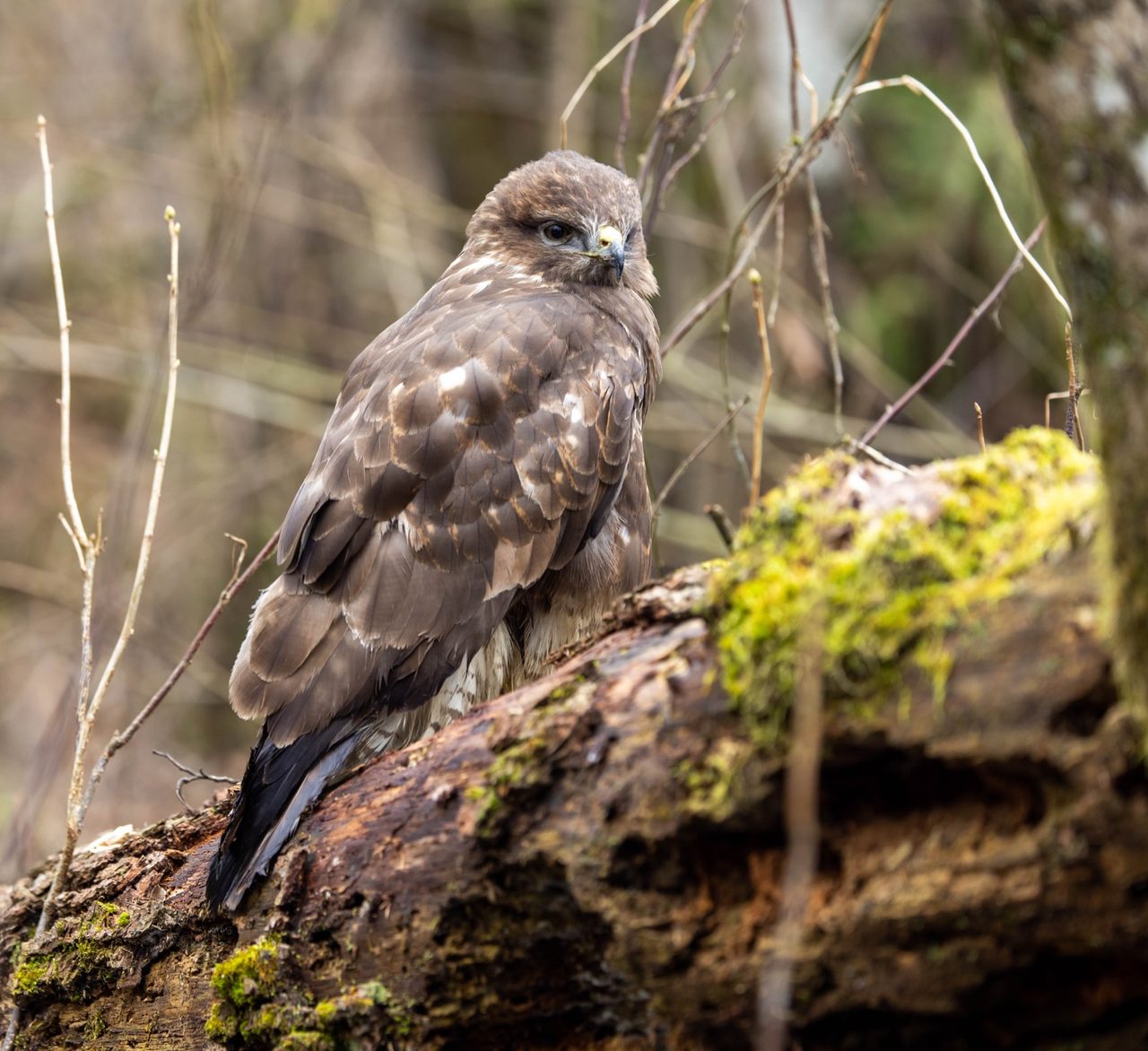
Least Concern (IUCN)
Common Buzzard
Buteo buteo
A common buzzard (Buteo buteo) is a medium-large, broad-winged bird of prey and Britain's most common and widespread raptor. It soars in slow circles, gives a distinctive cat-like mewing call, and hunts small mammals, earthworms and carrion across farmland, woodland and moorland.
Read the guide →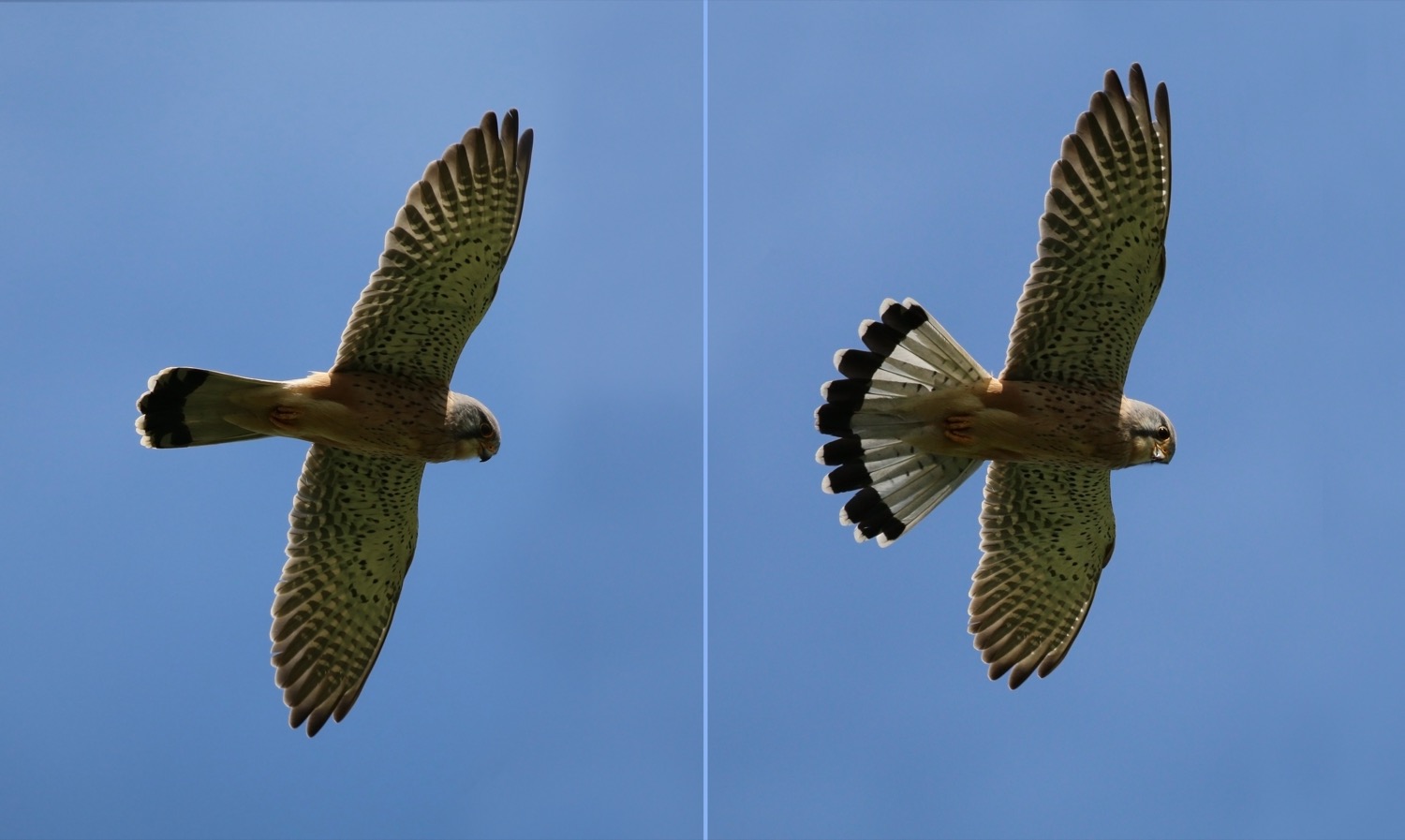
Least Concern (IUCN)
Common Kestrel
Falco tinnunculus
A common kestrel (Falco tinnunculus) is a small falcon of Europe, Asia and Africa, famous for hovering in mid-air to hunt voles, mice and large insects. Reddish-brown above with pointed wings, it can detect ultraviolet light reflected by rodent urine trails. The IUCN lists it as Least Concern.
Read the guide →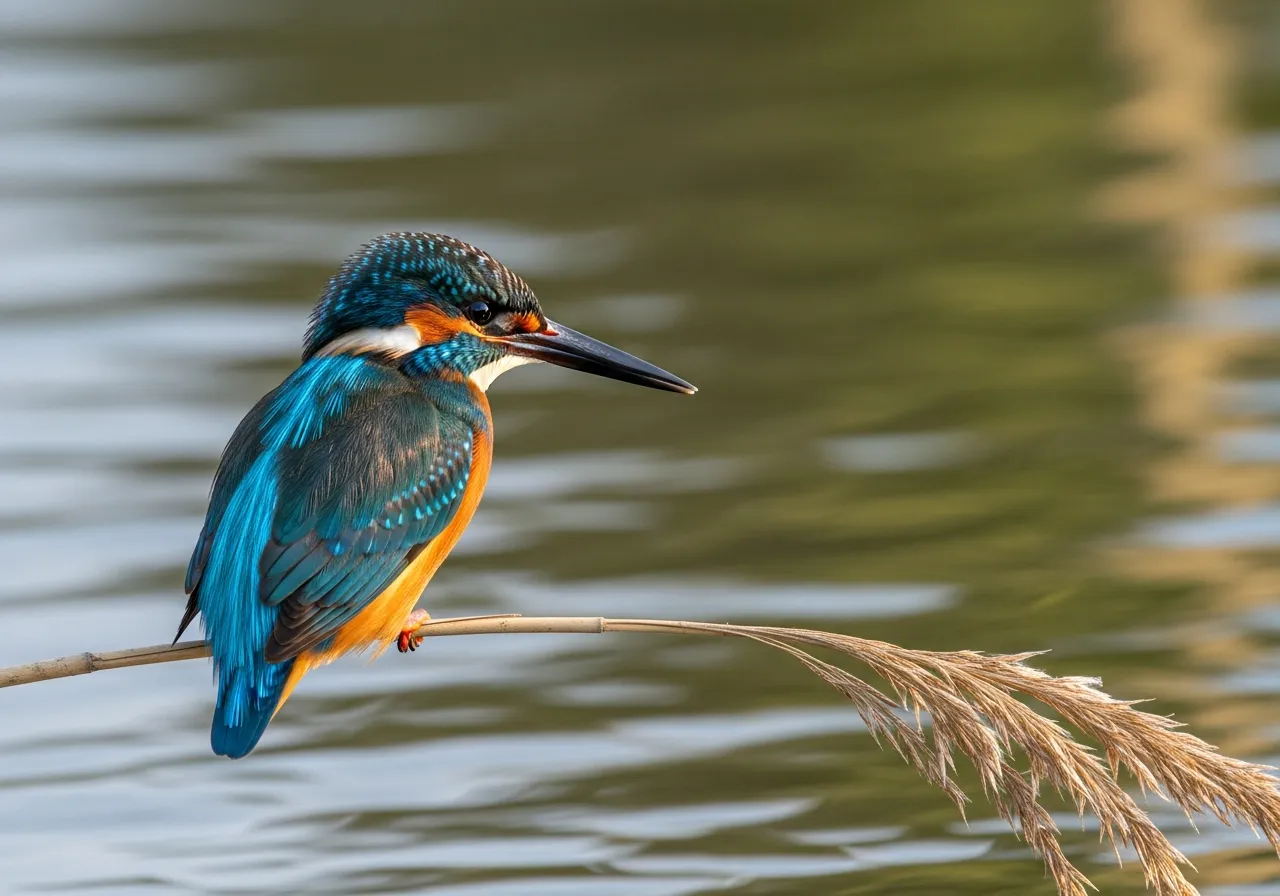
Least Concern (IUCN); not CITES-listed
Common Kingfisher
Alcedo atthis
A kingfisher is a small, brilliantly coloured bird that hunts by diving headfirst into water for fish. The common kingfisher (Alcedo atthis) of Europe, Asia and North Africa is electric-blue above and orange below, with a long, dagger-like bill, and nests in tunnels dug into riverbanks.
Read the guide →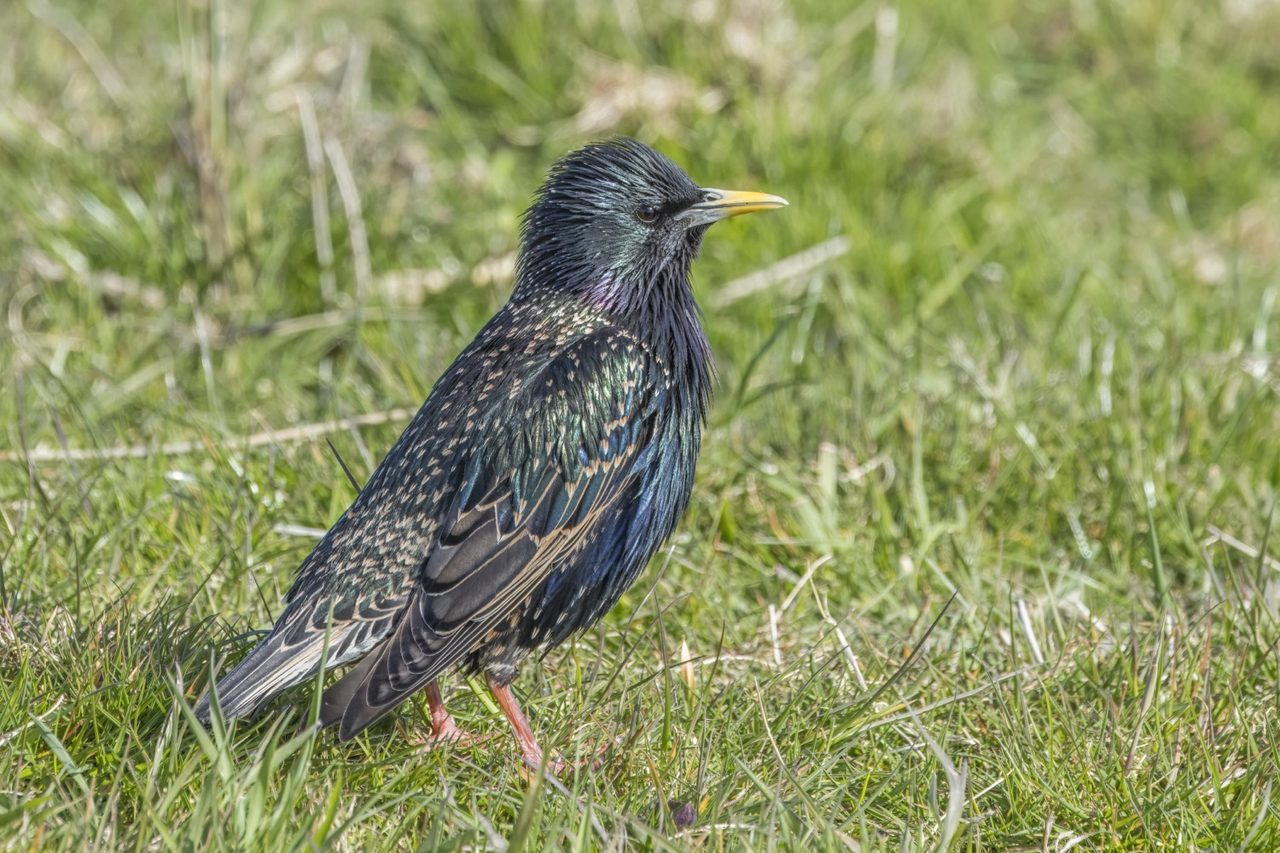
Least Concern (IUCN) globally; UK Red List of conservation concern
Common Starling
Sturnus vulgaris
The common starling (Sturnus vulgaris) is a stocky, glossy black songbird native to Eurasia and North Africa, famous for vast swirling winter flocks called murmurations and for skilled vocal mimicry. Globally common and rated Least Concern, it has declined sharply in Britain and is UK Red-listed.
Read the guide →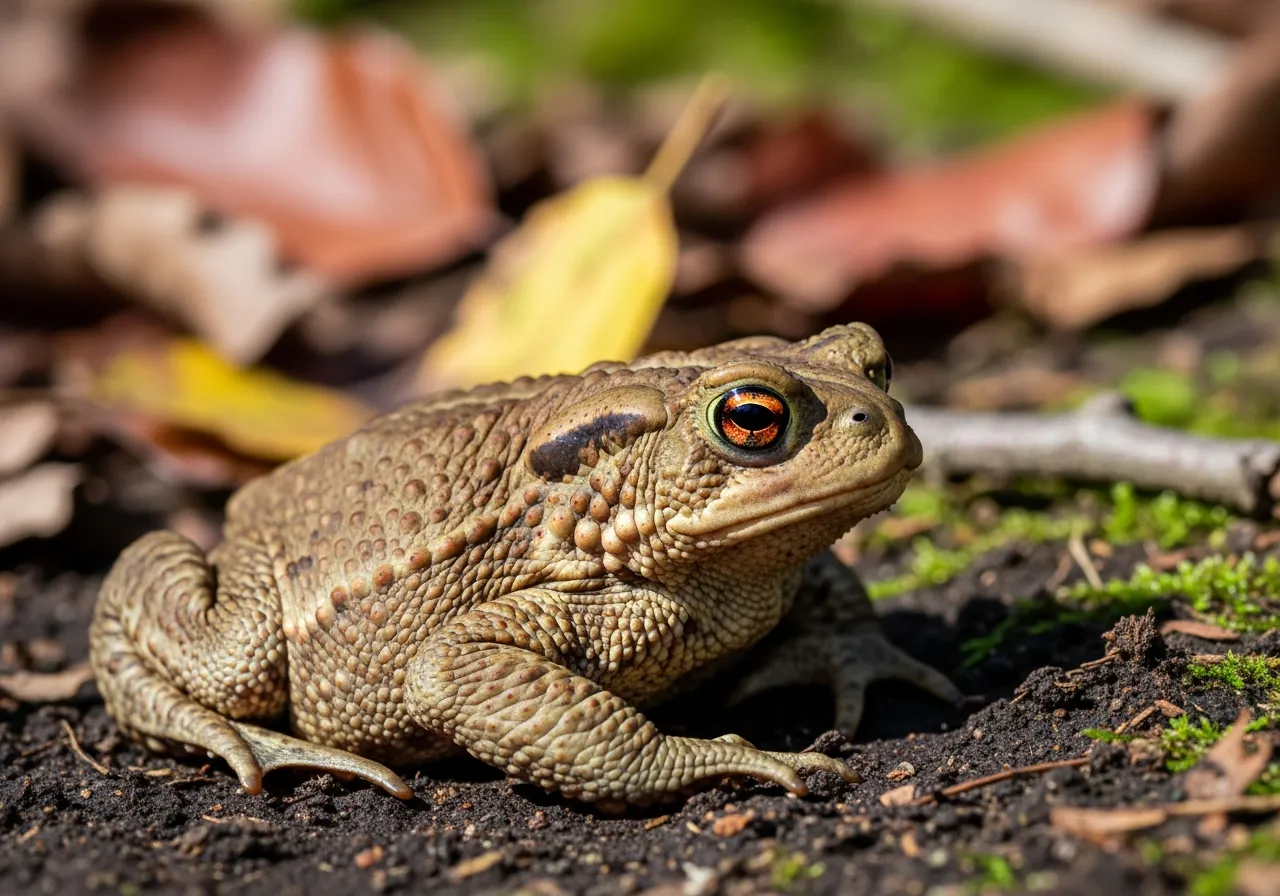
Least Concern (IUCN), but declining in parts of the UK
Common Toad
Bufo bufo
A toad is a tail-less amphibian, typified by the common toad (Bufo bufo), with dry, warty skin, short legs and toxin-secreting parotoid glands behind the eyes. Unlike frogs, toads usually walk rather than leap, live mostly on land, and return to ponds each spring to breed.
Read the guide →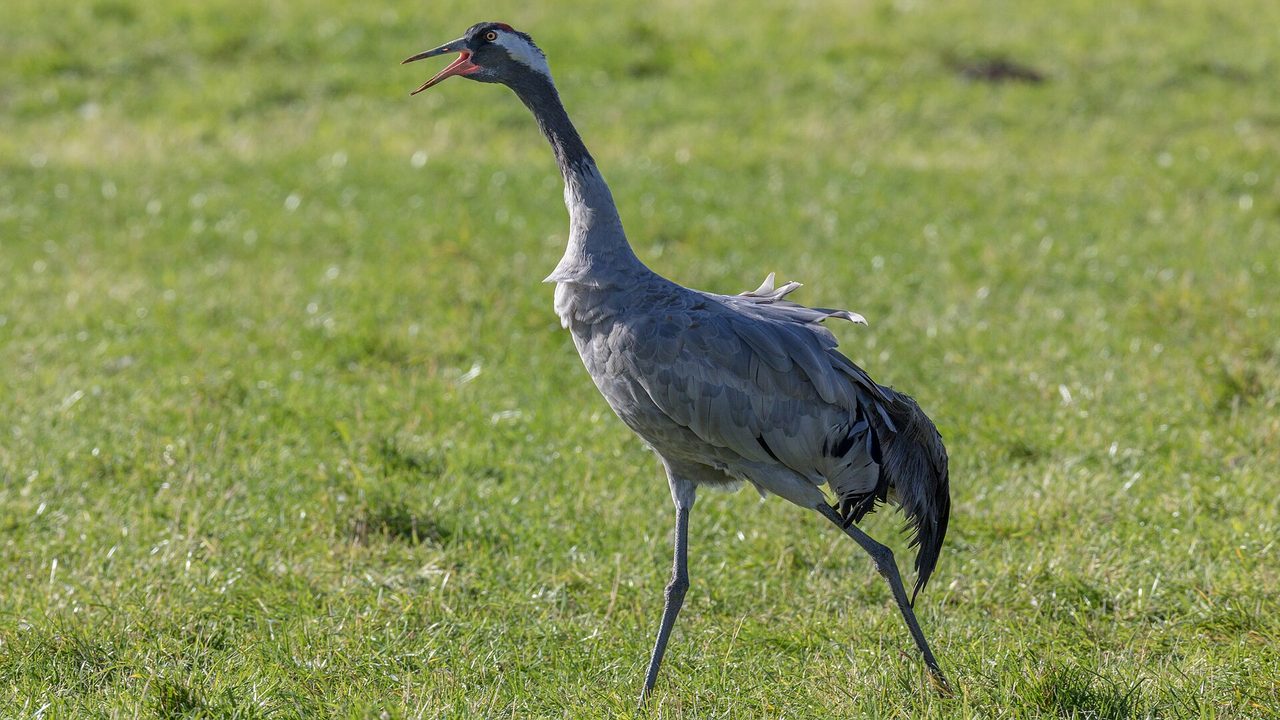
Varies by species (Critically Endangered to Least Concern)
Crane
Family Gruidae
Cranes are a family (Gruidae) of 15 large, long-lived wading birds found on every continent except South America and Antarctica; the family spans conservation statuses from Least Concern (Common Crane, over 700,000 birds) to Critically Endangered (Siberian Crane, roughly 6,500–7,000 birds), making them collectively one of the most threatened bird groups in the world.
Read the guide →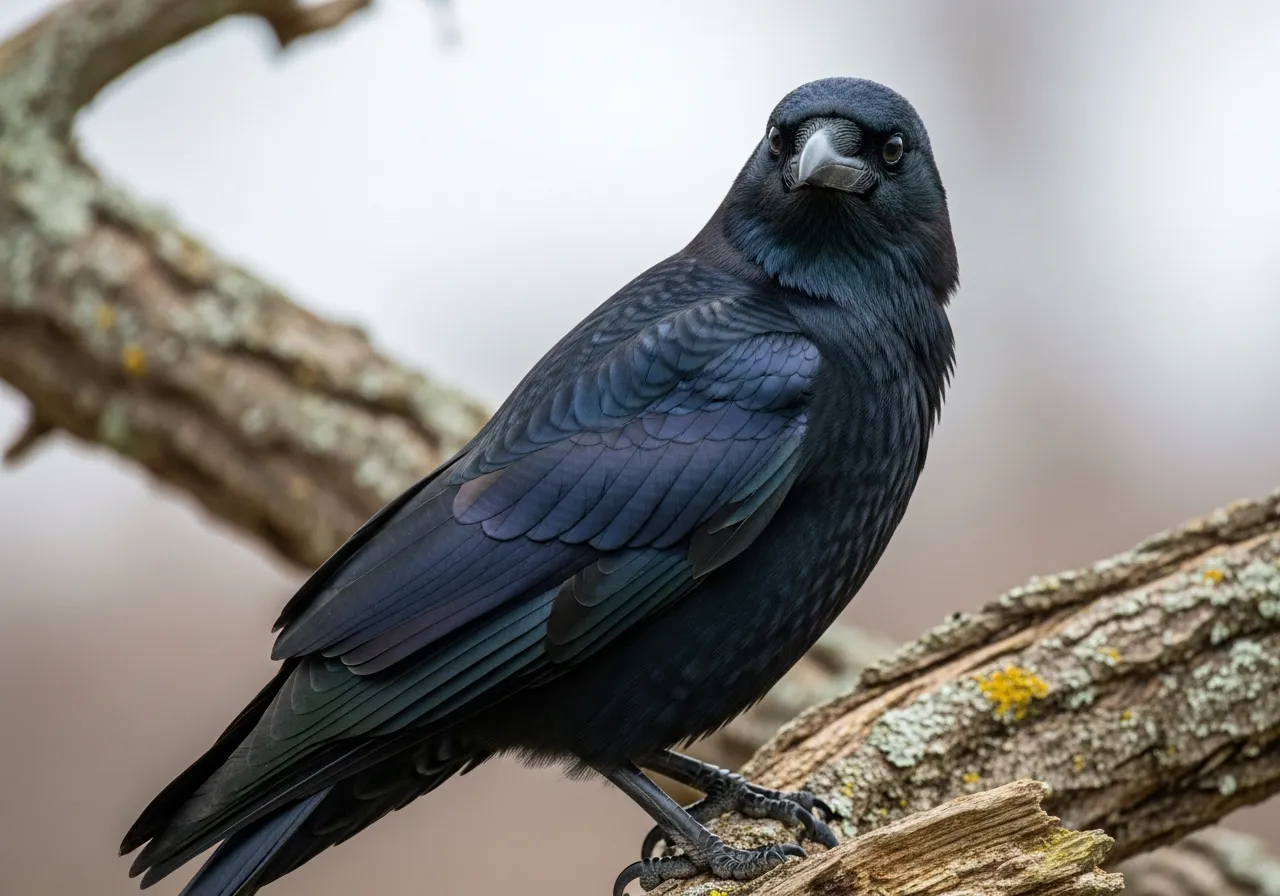
Varies by species; common crows Least Concern (IUCN)
Crow
Corvus
A crow is a medium-to-large, mostly black bird of the genus Corvus, part of the corvid family that includes ravens and jays. Found on most continents, crows are among the world's most intelligent birds — using tools, solving problems and recognising individual human faces.
Read the guide →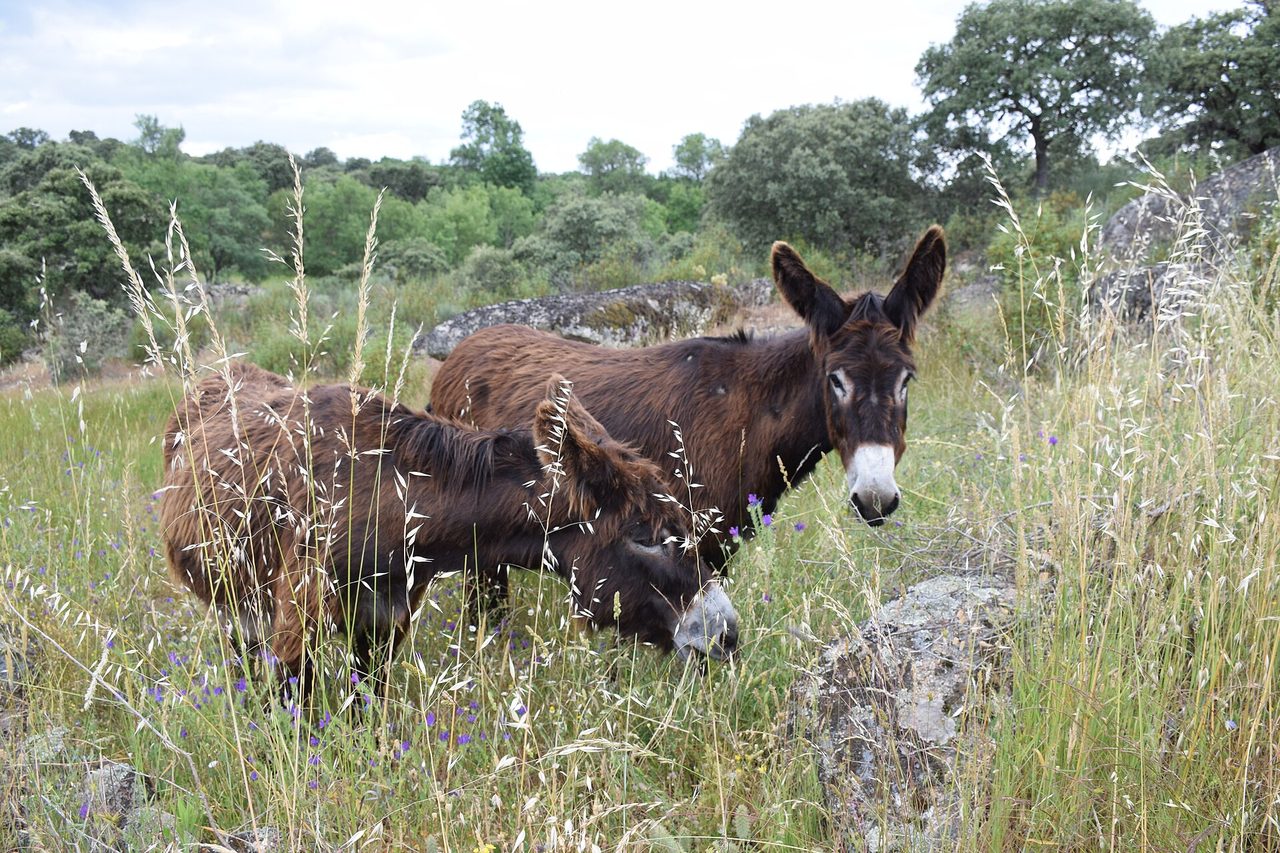
Domestic species; wild ancestor Critically Endangered
Donkey
Equus asinus (Linnaeus, 1758)
Donkeys (Equus asinus) are domestic equids used worldwide for transport and companionship — their wild ancestor is Critically Endangered; millions are killed yearly for the ejiao skin trade.
Read the guide →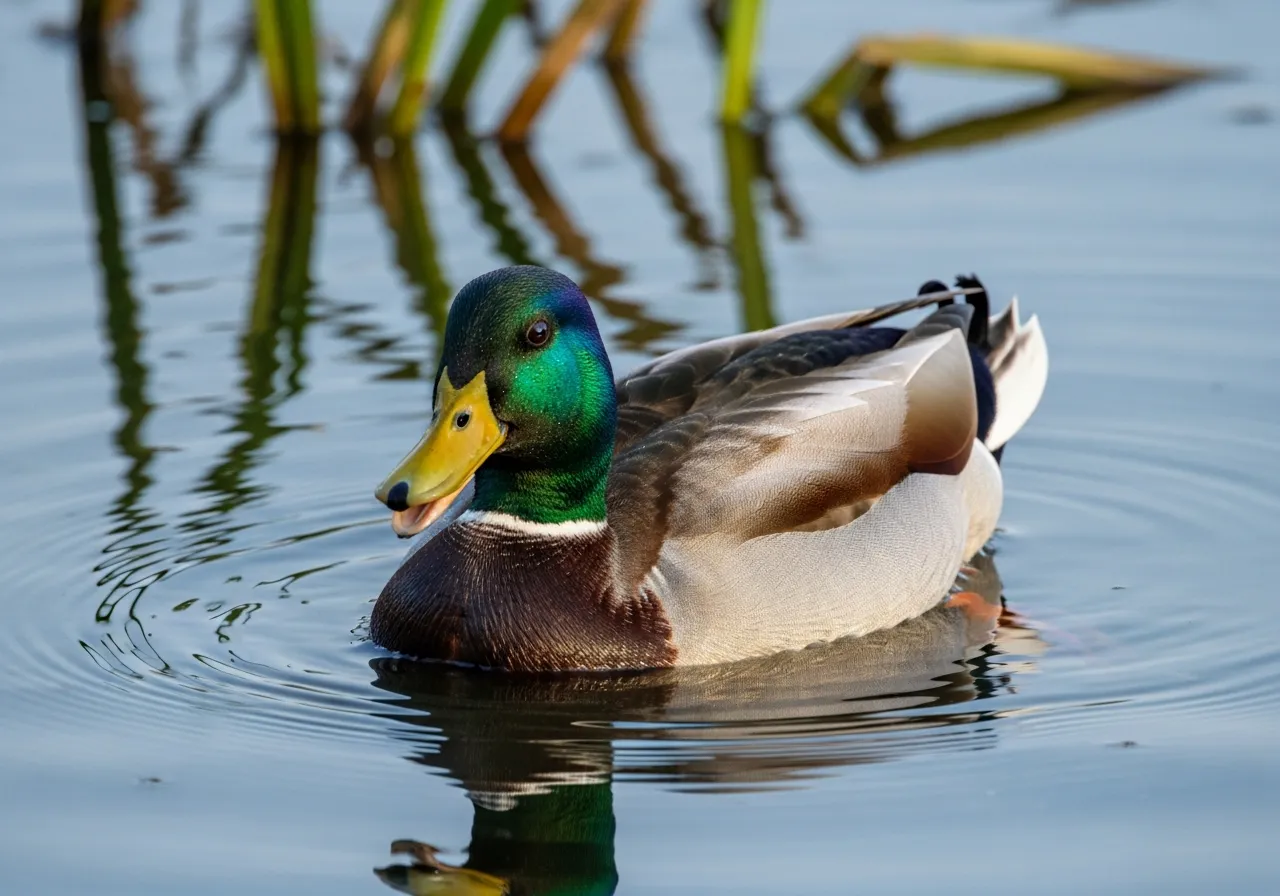
Varies; common species Least Concern
Duck
Family Anatidae (e.g. Anas platyrhynchos)
A duck is a waterbird in the family Anatidae — smaller and shorter-necked than its relatives the geese and swans. Ducks have a broad flat bill, webbed feet and waterproof feathers, live on fresh and salt water worldwide, and feed by dabbling at the surface or diving underwater.
Read the guide →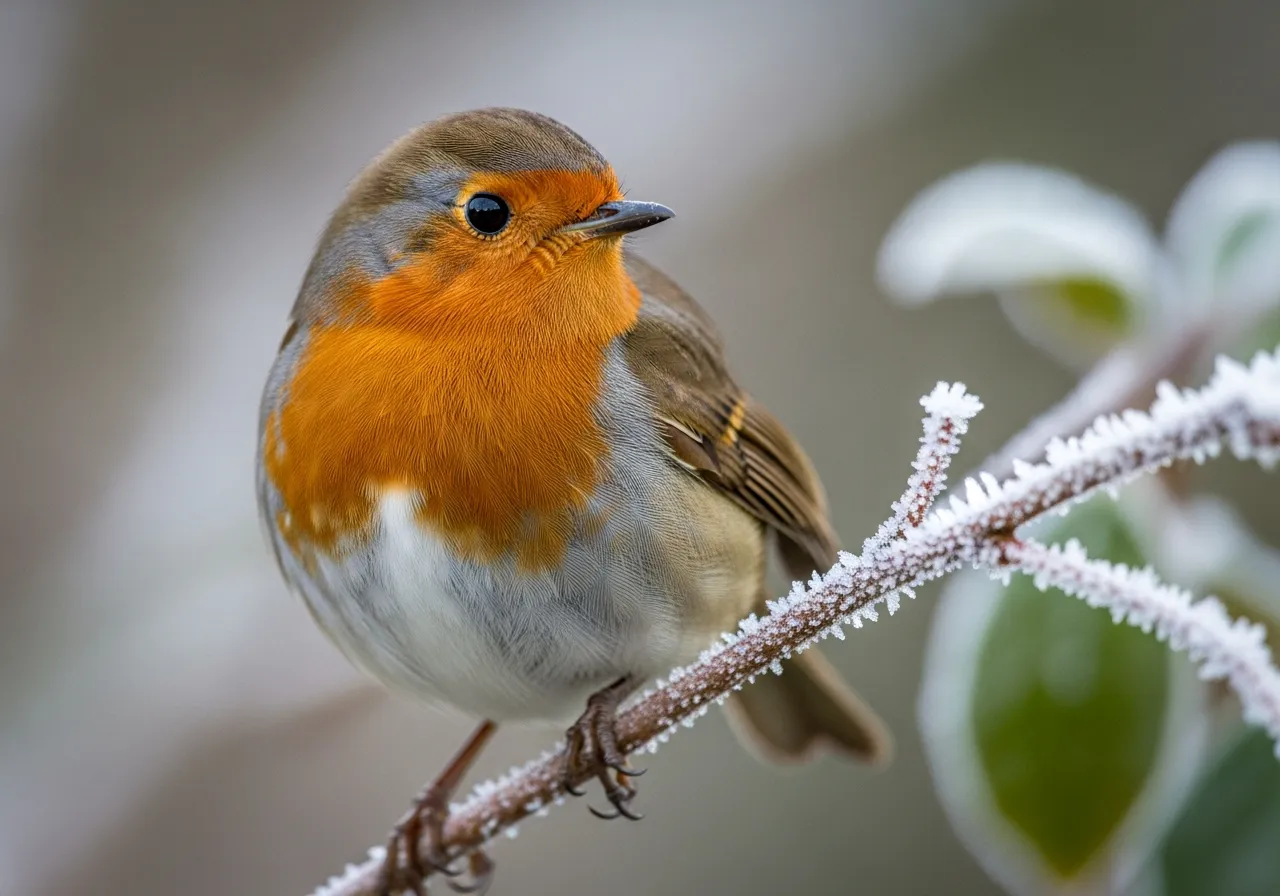
Least Concern (IUCN)
European Robin
Erithacus rubecula
A European robin (Erithacus rubecula) is a small Eurasian songbird with a distinctive orange-red face and breast, brown upperparts and a pale belly. Common in gardens, woods and hedgerows, it is famously territorial, sings year-round and is widely associated with British winters and Christmas.
Read the guide →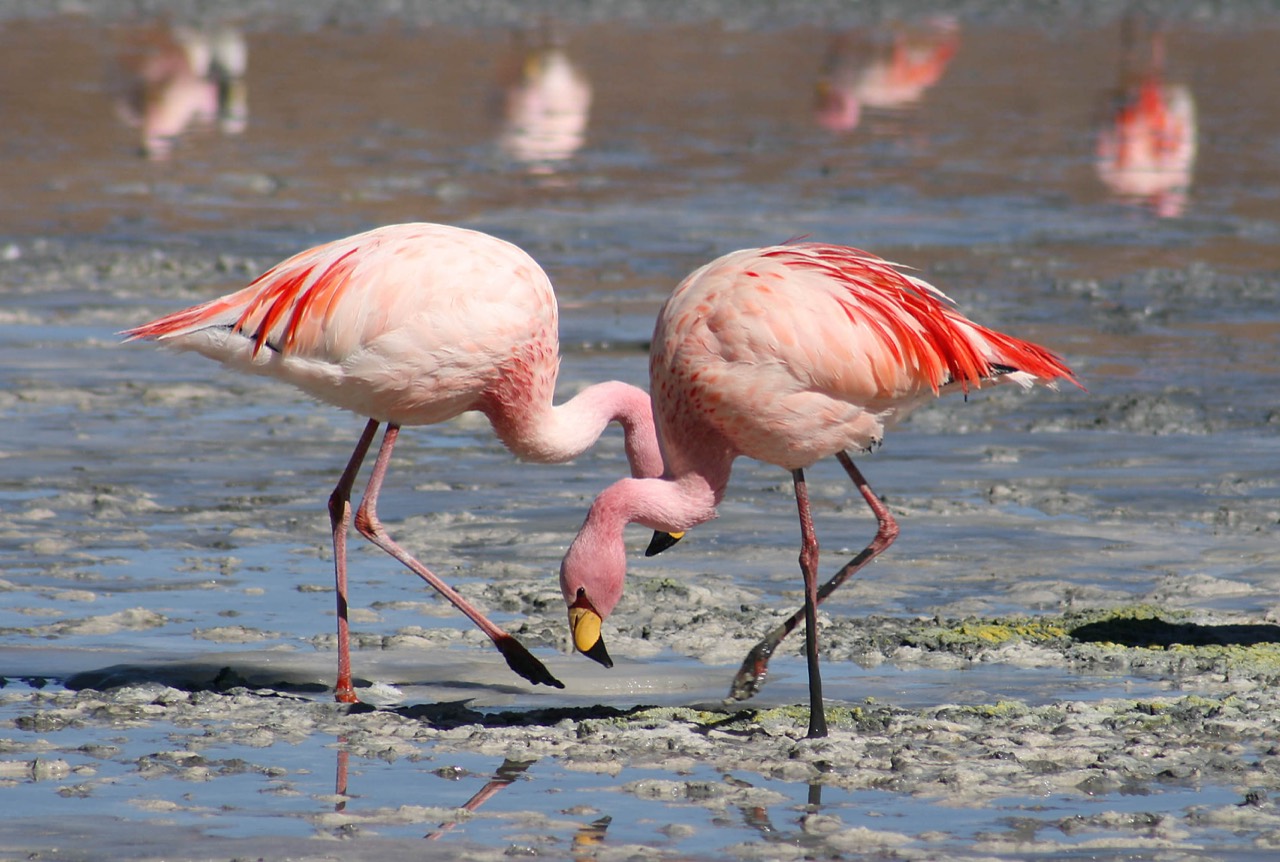
Varies by species (Least Concern to Vulnerable) — not one family badge
Flamingo
Family Phoenicopteridae — six living species in Phoenicopterus, Phoeniconaias and Phoenicoparrus
Flamingos are six species of filter-feeding phoenicopterid birds, not one livestock breed. Pink comes from carotenoids in algae and brine shrimp (Smithsonian National Zoo). Greater flamingo is Least Concern; Andean is Vulnerable. There is no family IUCN badge. WARN does not run flamingo programmes.
Read the guide →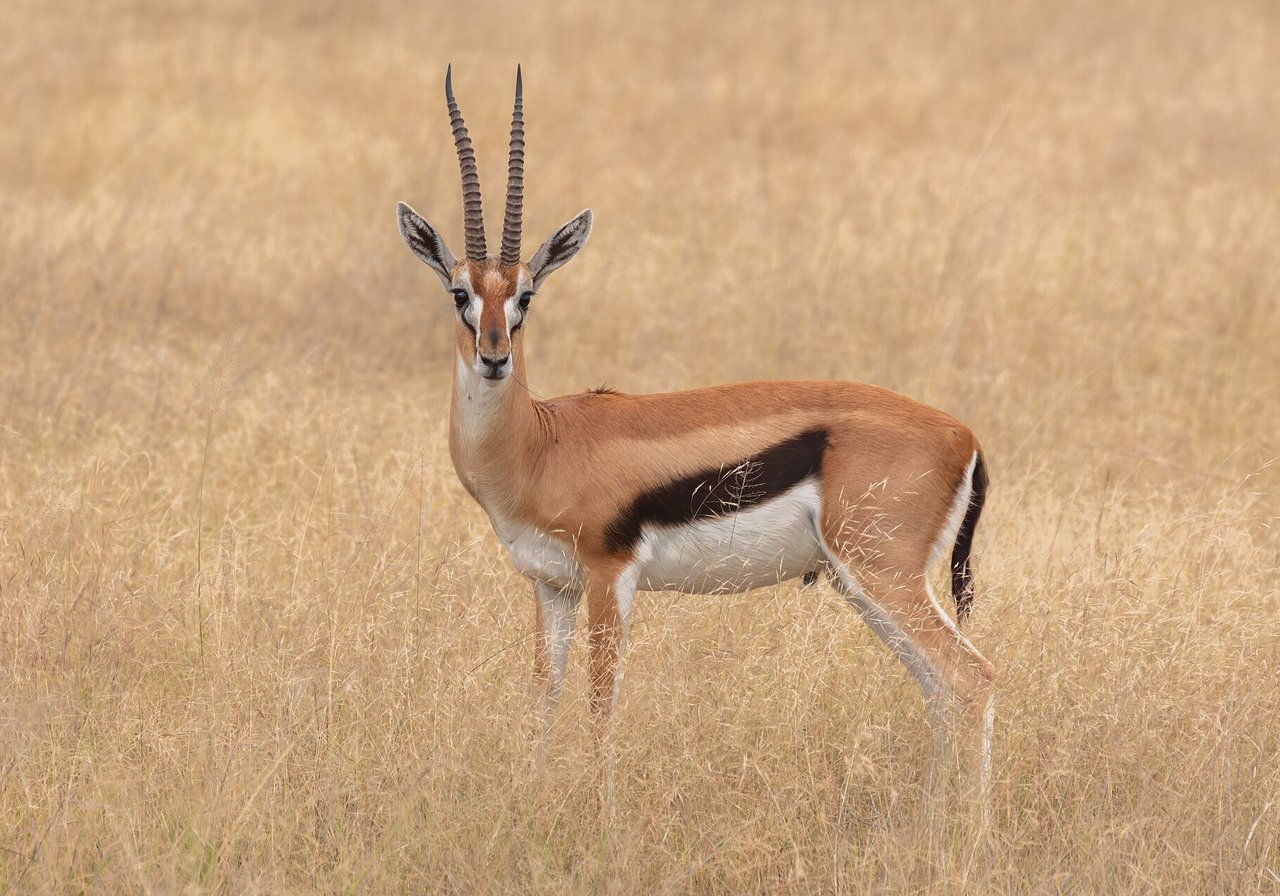
Least Concern (IUCN, 2016) — Thomson's gazelle
Gazelle
Eudorcas thomsonii (Barchell, 1833)
Gazelles are small swift antelopes of Africa and Asia; Thomson's gazelle (Eudorcas thomsonii) of East Africa is Least Concern with roughly 500,000 individuals and is the cheetah's primary prey.
Read the guide →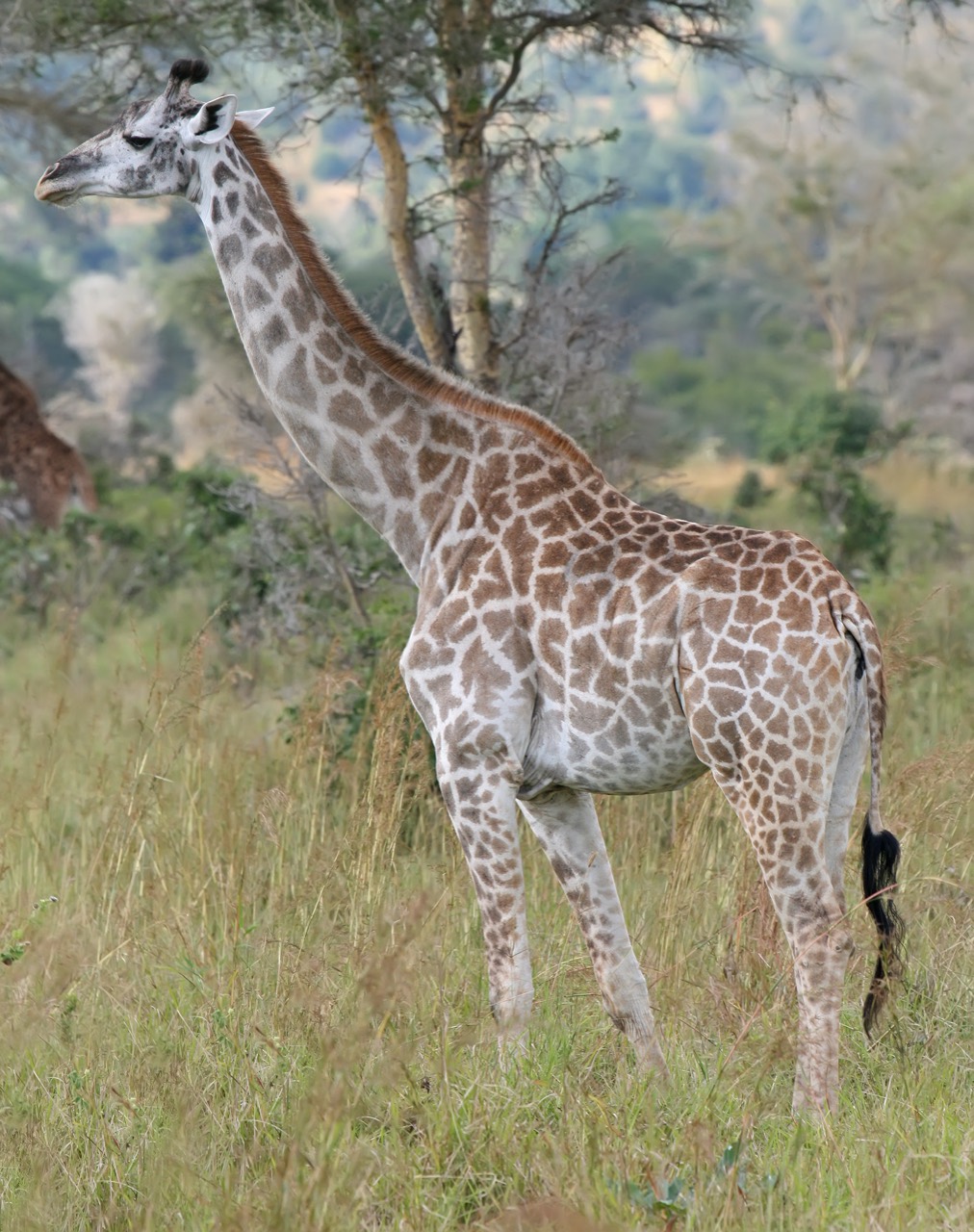
2016 Red List: Vulnerable as one species — four species recognised August 2025; species-level assessments underway
Giraffe
Giraffa spp. — four species (IUCN SSC Giraffe and Okapi Specialist Group, August 2025)
Giraffes are four species of African giraffid (IUCN SSC GOSG, August 2025), not one livestock breed. The 2016 Red List listed the then-single species Vulnerable. Species-level assessments are underway. GCF 2025 compiles about 140,000 animals across Africa — an estimate, not a census. WARN does not run giraffe programmes.
Read the guide →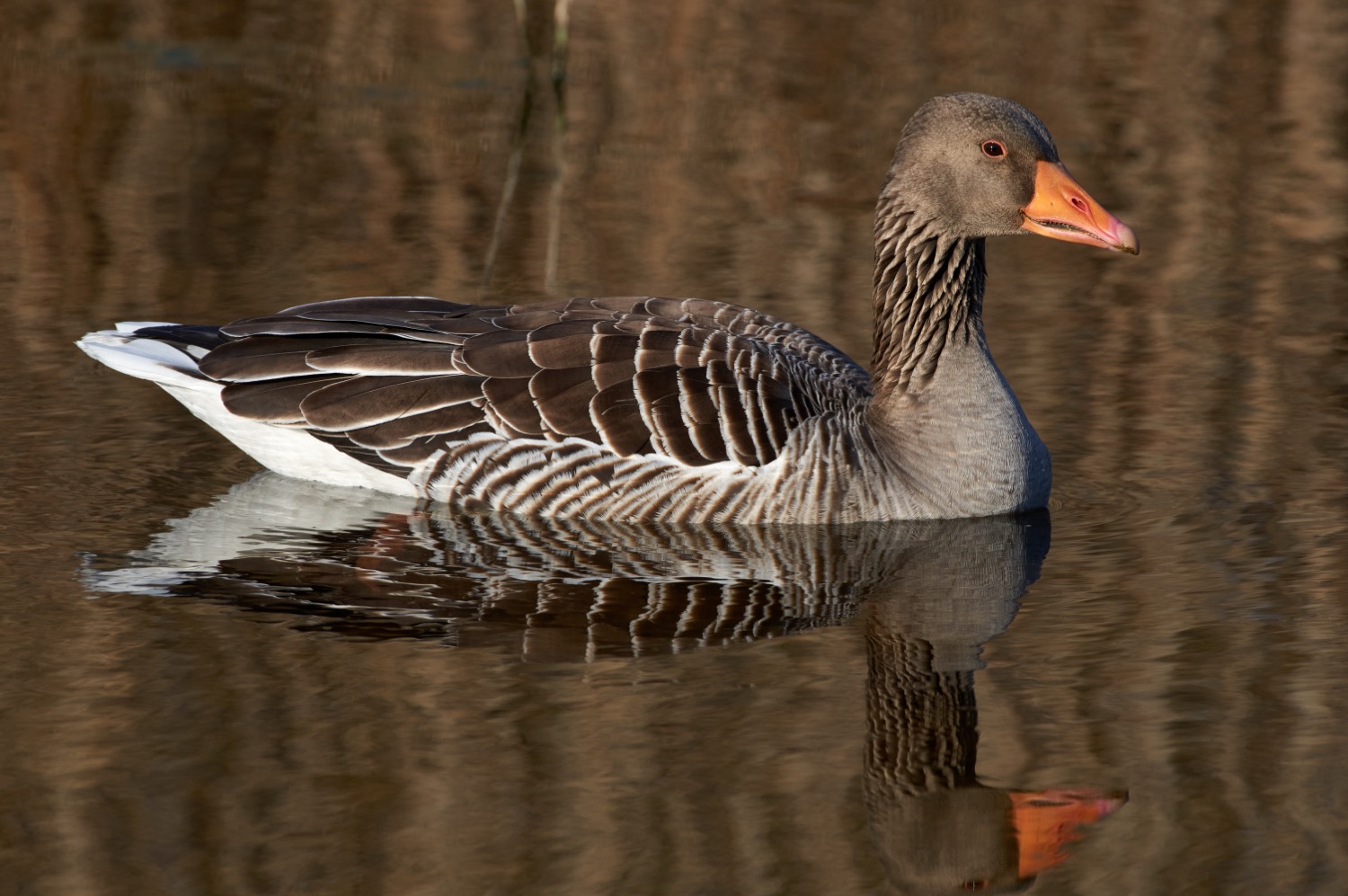
Varies; common species Least Concern (IUCN)
Goose
Family Anatidae (Anser and Branta)
A goose is a large, social grazing waterfowl in the family Anatidae, split mainly into grey and white geese (Anser) and black geese (Branta). Bigger than ducks, geese feed on grass, form lifelong pair bonds and migrate long distances in energy-saving V-formations.
Read the guide →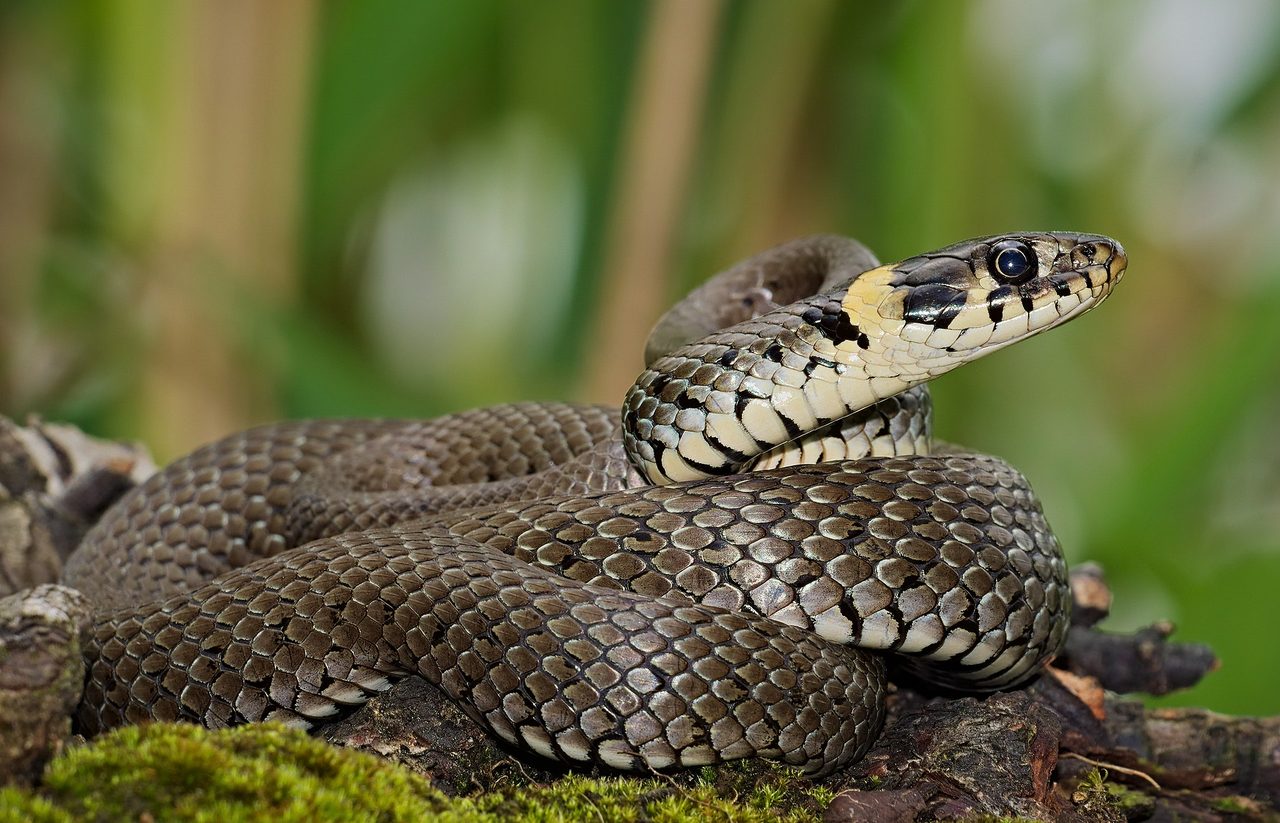
Least Concern (IUCN); protected in the UK
Grass Snake
Natrix helvetica / Natrix natrix
A grass snake is a large, harmless, non-venomous snake of Europe and western Asia (Natrix helvetica and Natrix natrix). It is Britain's largest snake, lives near water, swims well, eats mostly amphibians, and is recognised by a yellow-and-black collar behind the head.
Read the guide →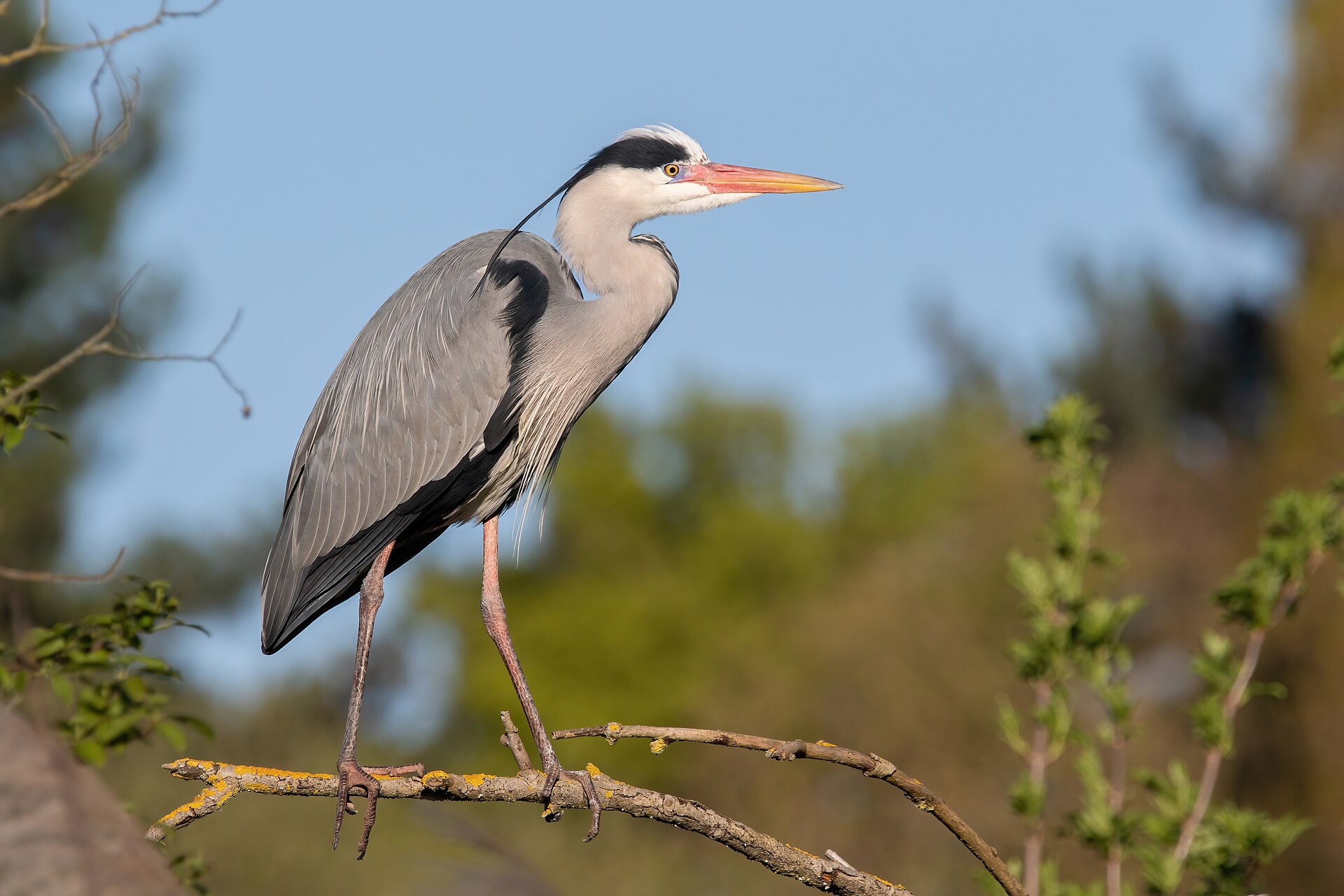
Least Concern (IUCN)
Grey Heron
Ardea cinerea
A heron is a long-legged, long-necked wading bird that hunts in shallow water; the grey heron (Ardea cinerea) is the familiar tall grey species of UK and European rivers, lakes and garden ponds, standing up to a metre high and catching fish and amphibians with its sharp bill.
Read the guide →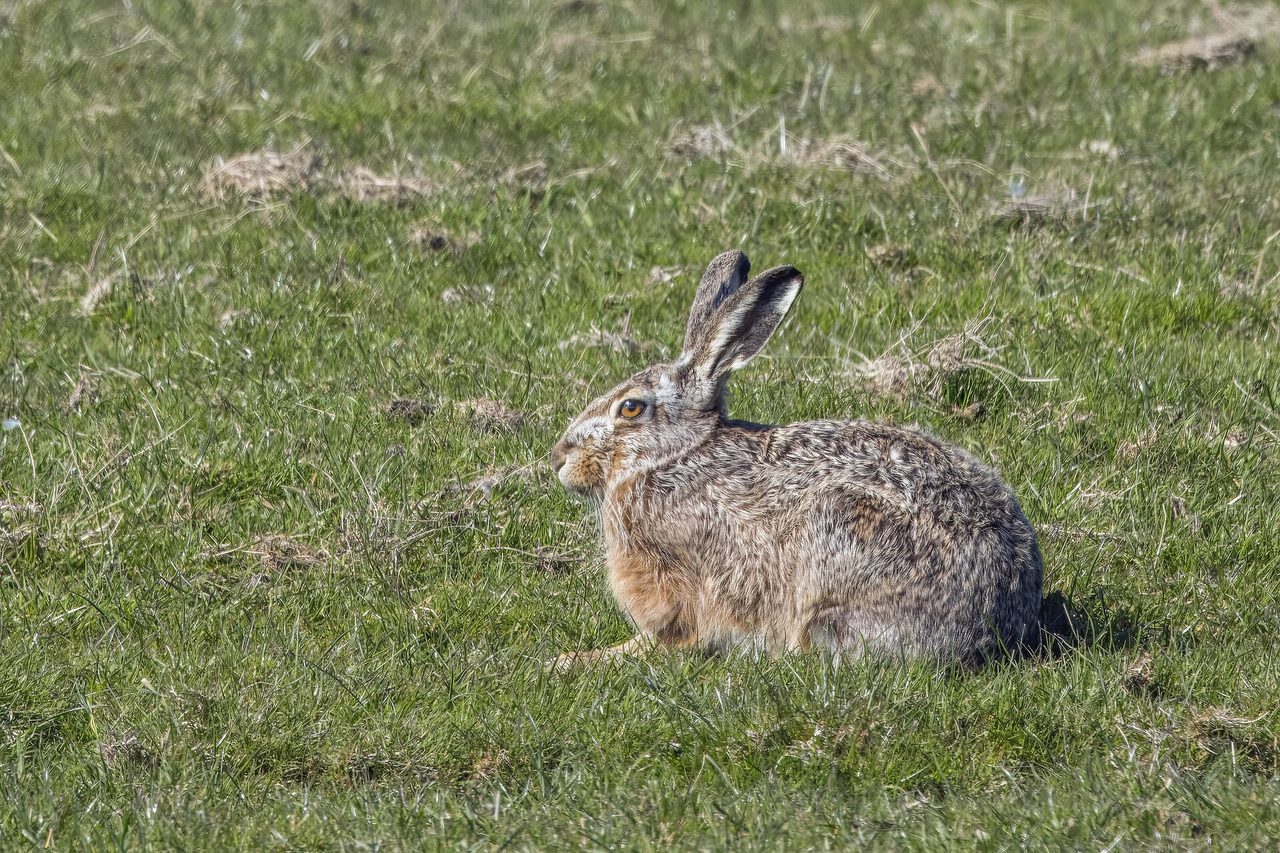
Least Concern — most species (IUCN); some regional populations declining
Hare
Lepus spp. (European hare: Lepus europaeus)
Hares (genus Lepus, ~32 species) are large, fast-running lagomorphs found across Europe, Asia, Africa, and the Americas, most classified as Least Concern by the IUCN, though European hare populations have declined significantly since the 1960s due to agricultural intensification.
Read the guide →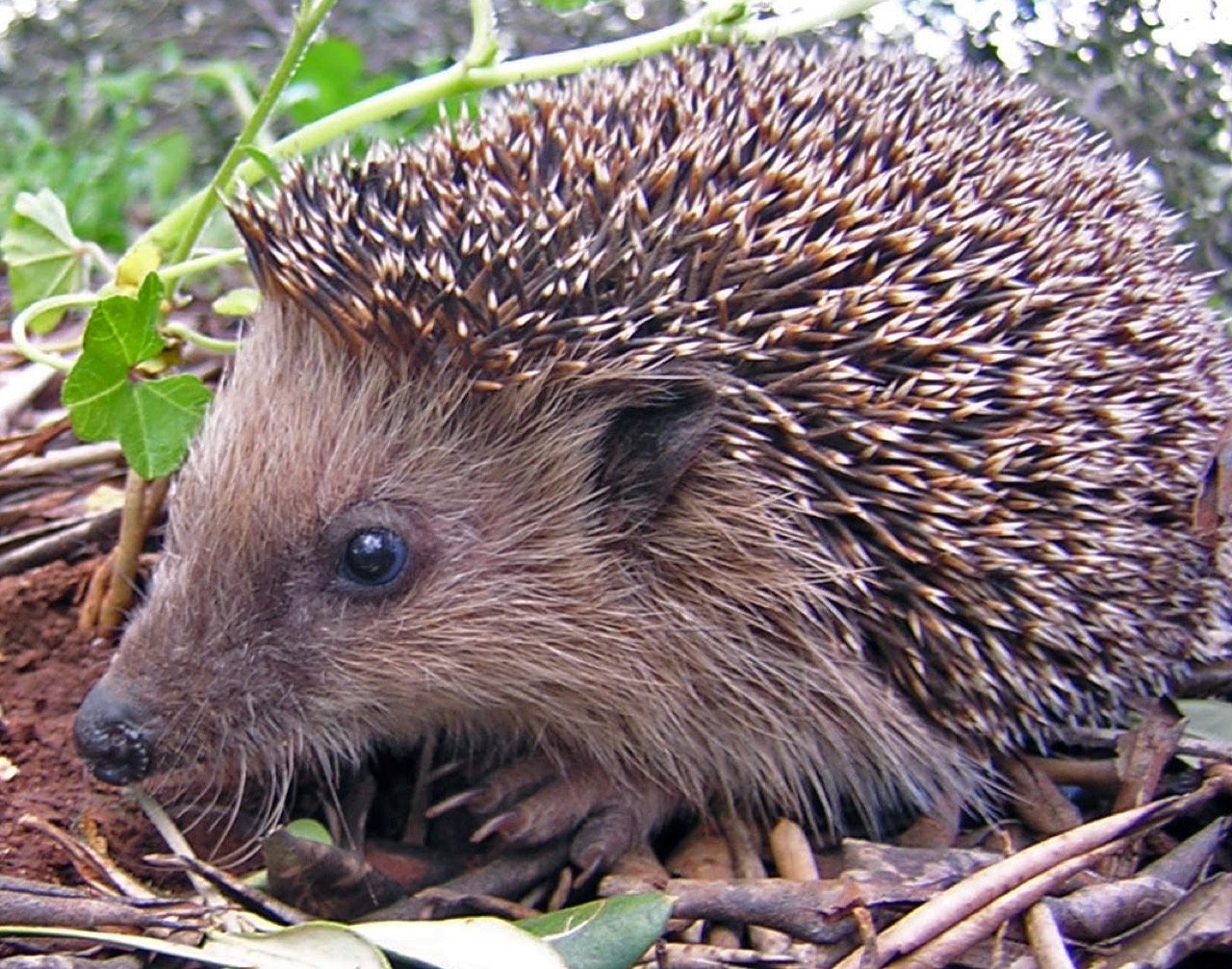
Varies by species (Least Concern to Endangered); the widespread European hedgehog is now Near Threatened
Hedgehog
Erinaceinae
A hedgehog is a small spiny insectivorous mammal of the subfamily Erinaceinae; there are 17 species across Europe, Asia and Africa, and the widespread European hedgehog was listed as Near Threatened on the IUCN Red List in 2024 after sharp declines.
Read the guide →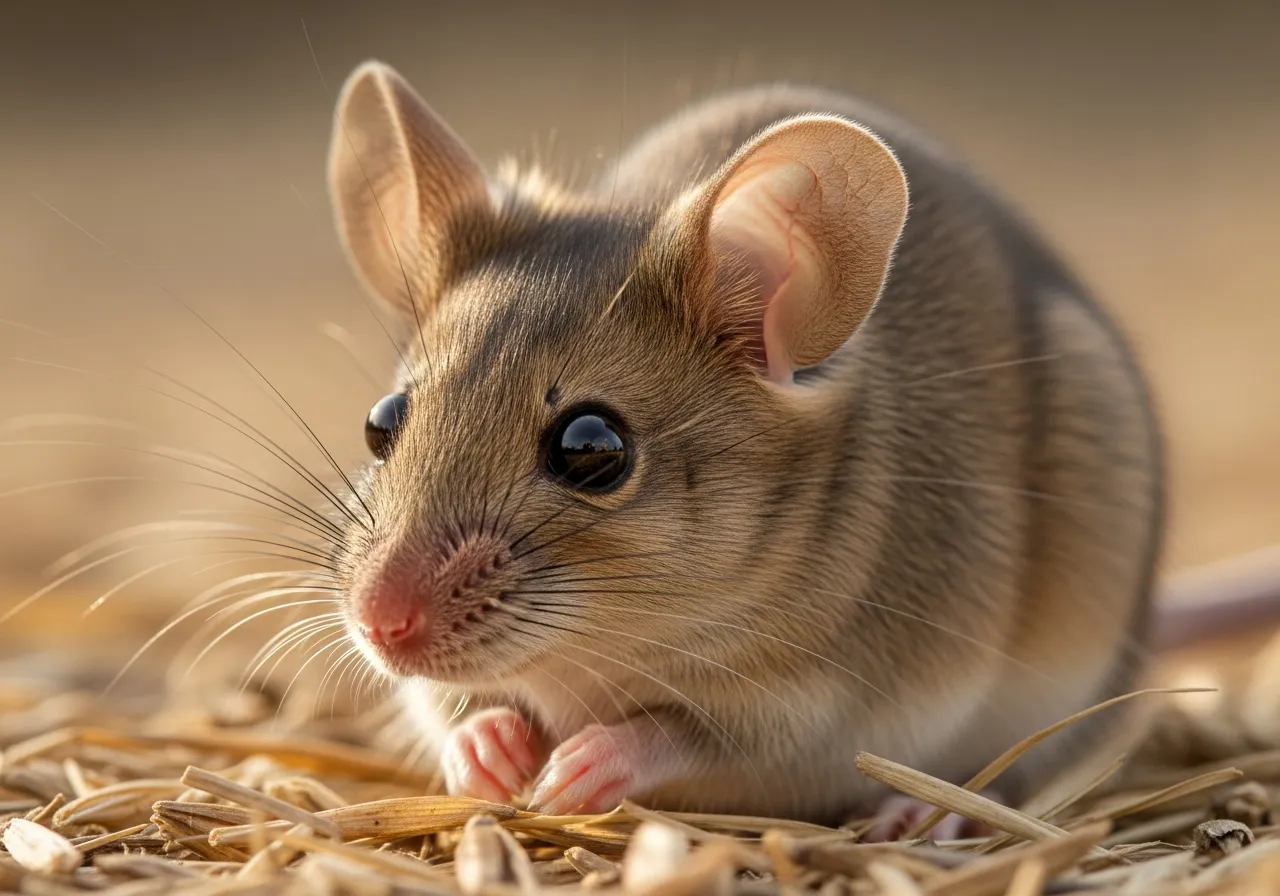
Least Concern (IUCN)
House Mouse
Mus musculus
A house mouse (Mus musculus) is a small grey-brown rodent in the family Muridae, typically 7.5–10 cm long with a long tail and large ears. Native to Asia, it now lives worldwide alongside humans, breeds prolifically, and is the ancestor of pet and laboratory mice.
Read the guide →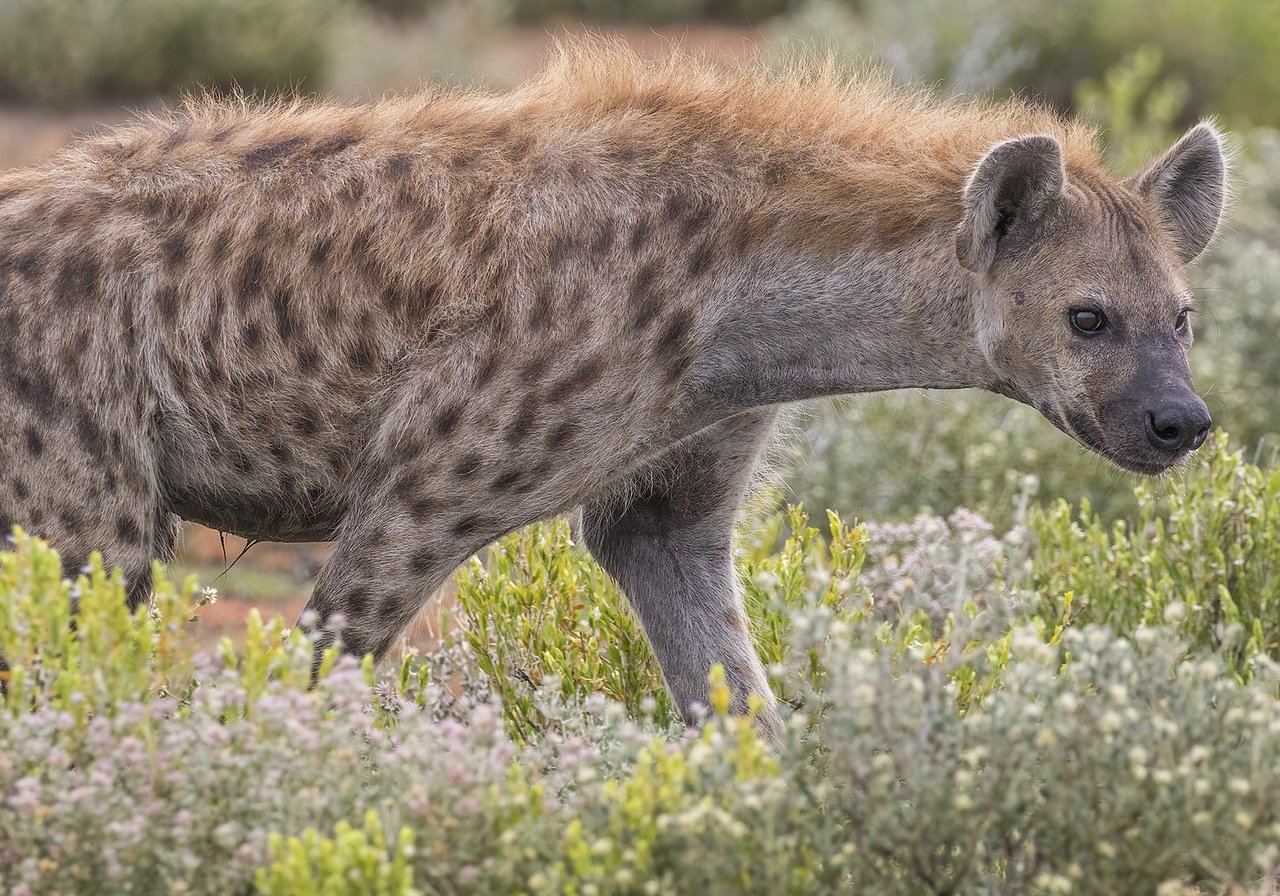
Least Concern (IUCN, 2014) — spotted hyena
Hyena
Crocuta crocuta (Erxleben, 1777)
The spotted hyena (Crocuta crocuta) is Africa's most common large carnivore, living in matriarchal clans on the savanna; listed as Least Concern, it is a skilled hunter — not merely a scavenger — facing persecution and habitat loss.
Read the guide →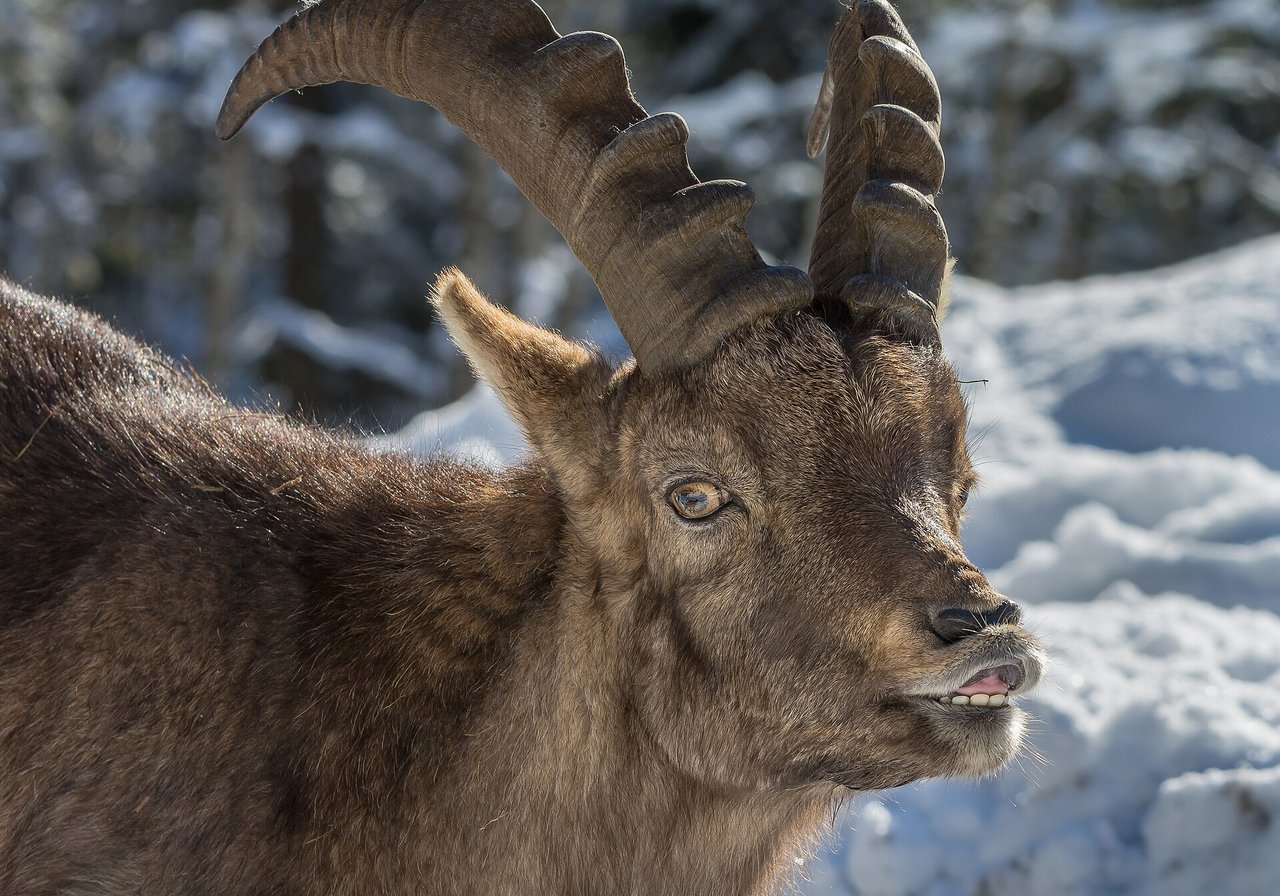
Least Concern (IUCN, 2015) — Alpine ibex
Ibex
Capra ibex (Linnaeus, 1758)
Ibex are wild mountain goats of the genus Capra; the Alpine ibex (Capra ibex) is Least Concern after recovery from near extinction, with males carrying curved horns up to a metre long on cliffs across Europe and Asia.
Read the guide →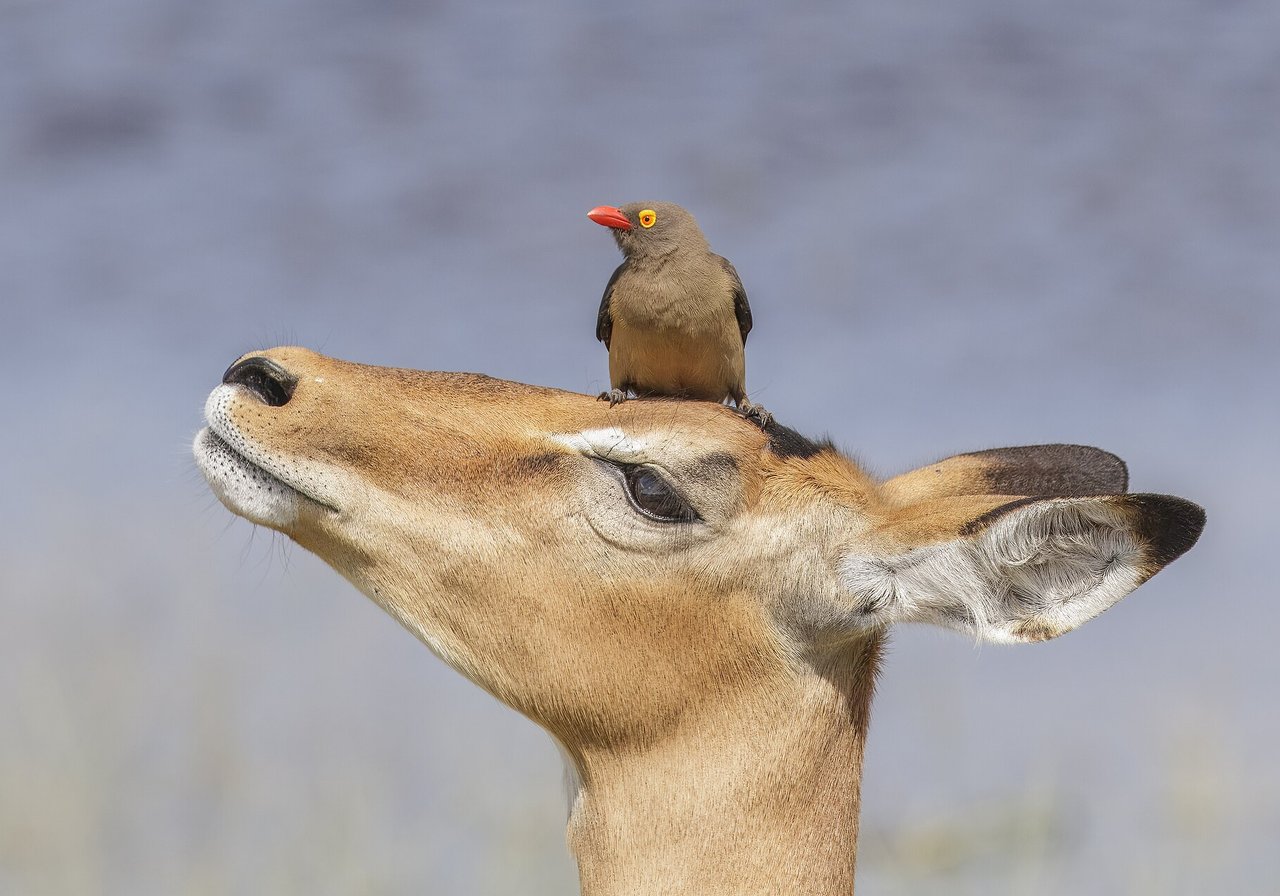
Least Concern (IUCN, 2016)
Impala
Aepyceros melampus (Lichtenstein, 1812)
The impala (Aepyceros melampus) is Africa's most widespread medium-sized antelope, listed as Least Concern; it inhabits savanna woodland across eastern and southern Africa and is a keystone prey species for major predators.
Read the guide →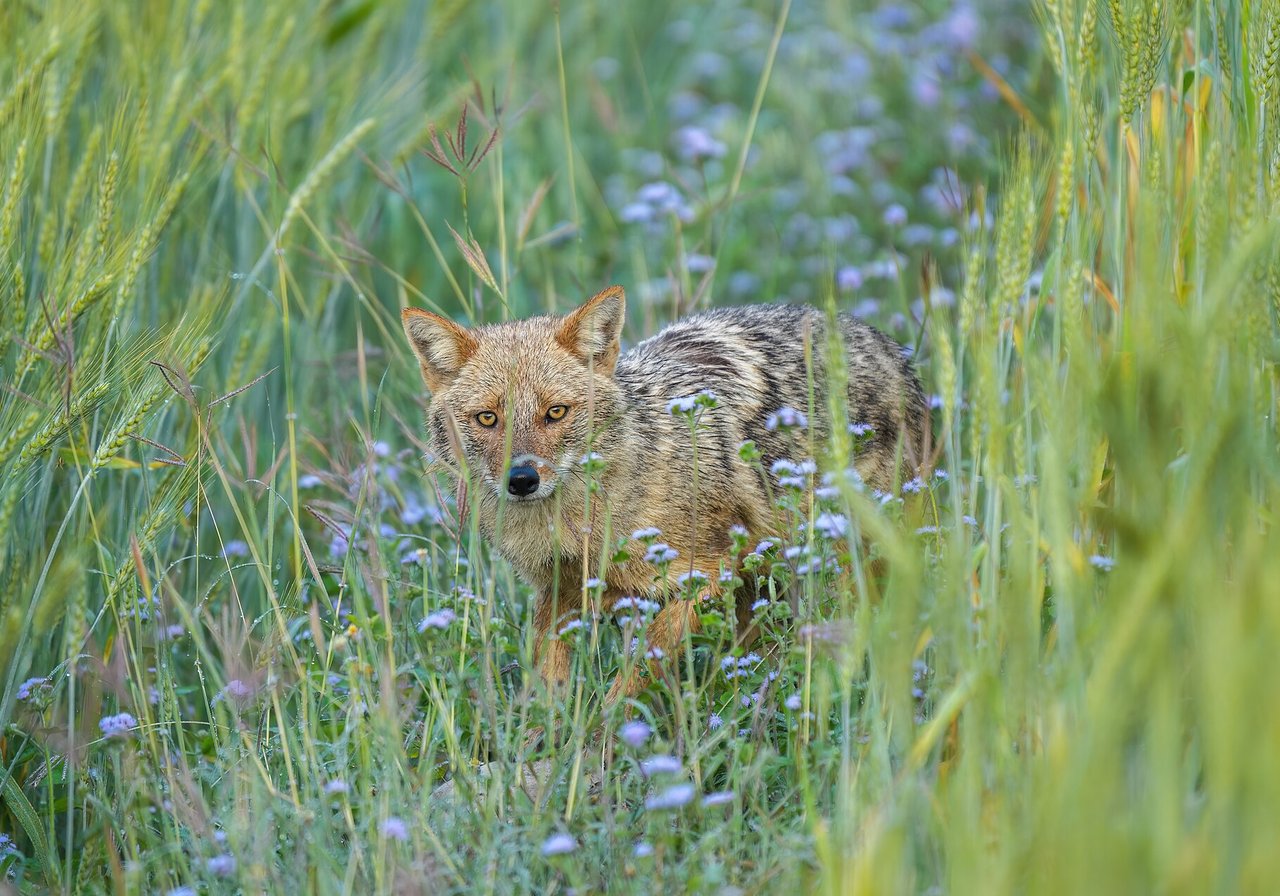
Least Concern (IUCN)
Jackal
Canis aureus (Linnaeus, 1758)
The golden jackal (Canis aureus) is a Least Concern wild canid ranging from Africa through the Middle East to Pakistan and Nepal — an adaptable omnivore of savanna, scrub and farmland.
Read the guide →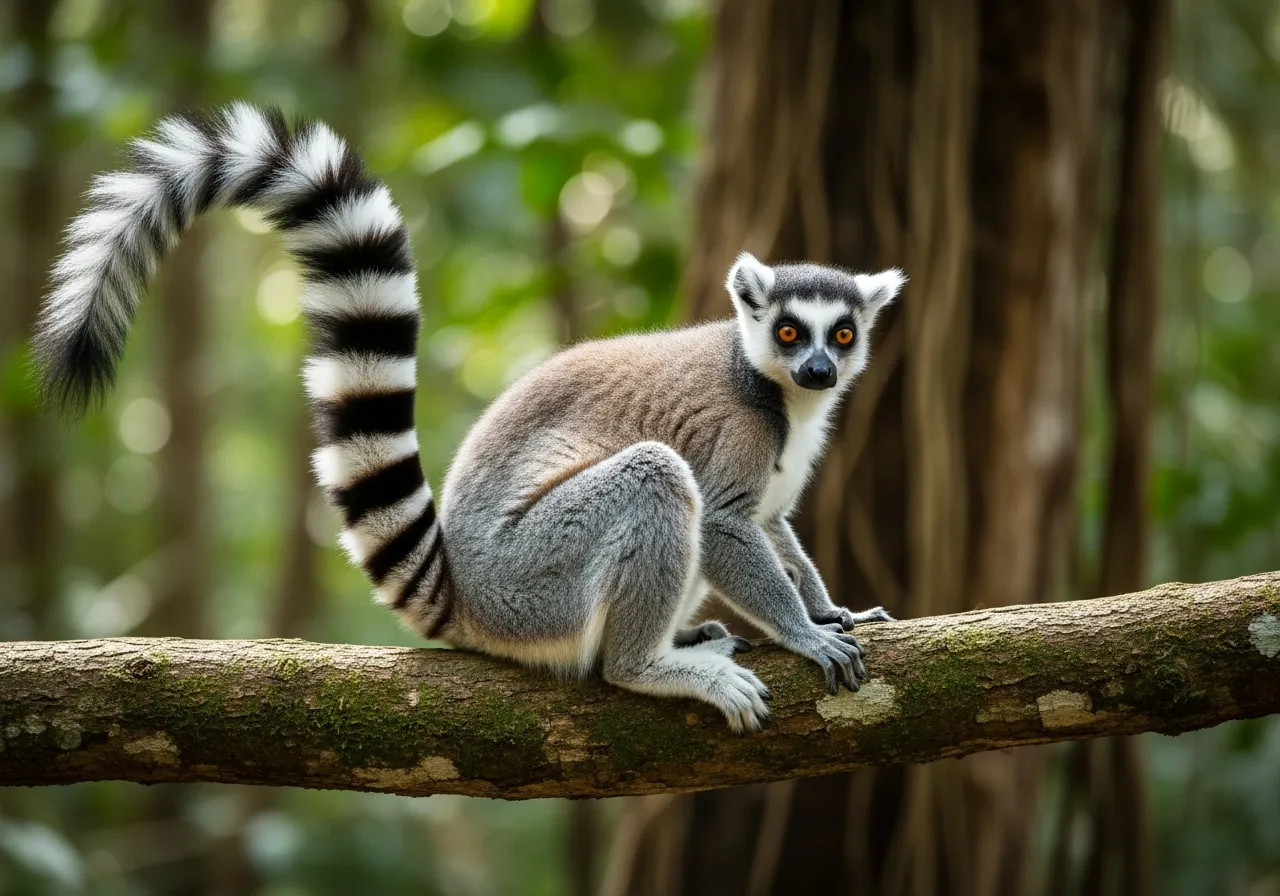
Varies; lemurs are the most endangered mammal group
Lemur
Infraorder Lemuriformes
A lemur is a primate native only to Madagascar and nearby islands, forming the group Lemuriformes. More than 100 species exist, from tiny mouse lemurs to the familiar ring-tailed lemur. Most are tree-dwelling, and lemurs are the most endangered mammal group on Earth.
Read the guide →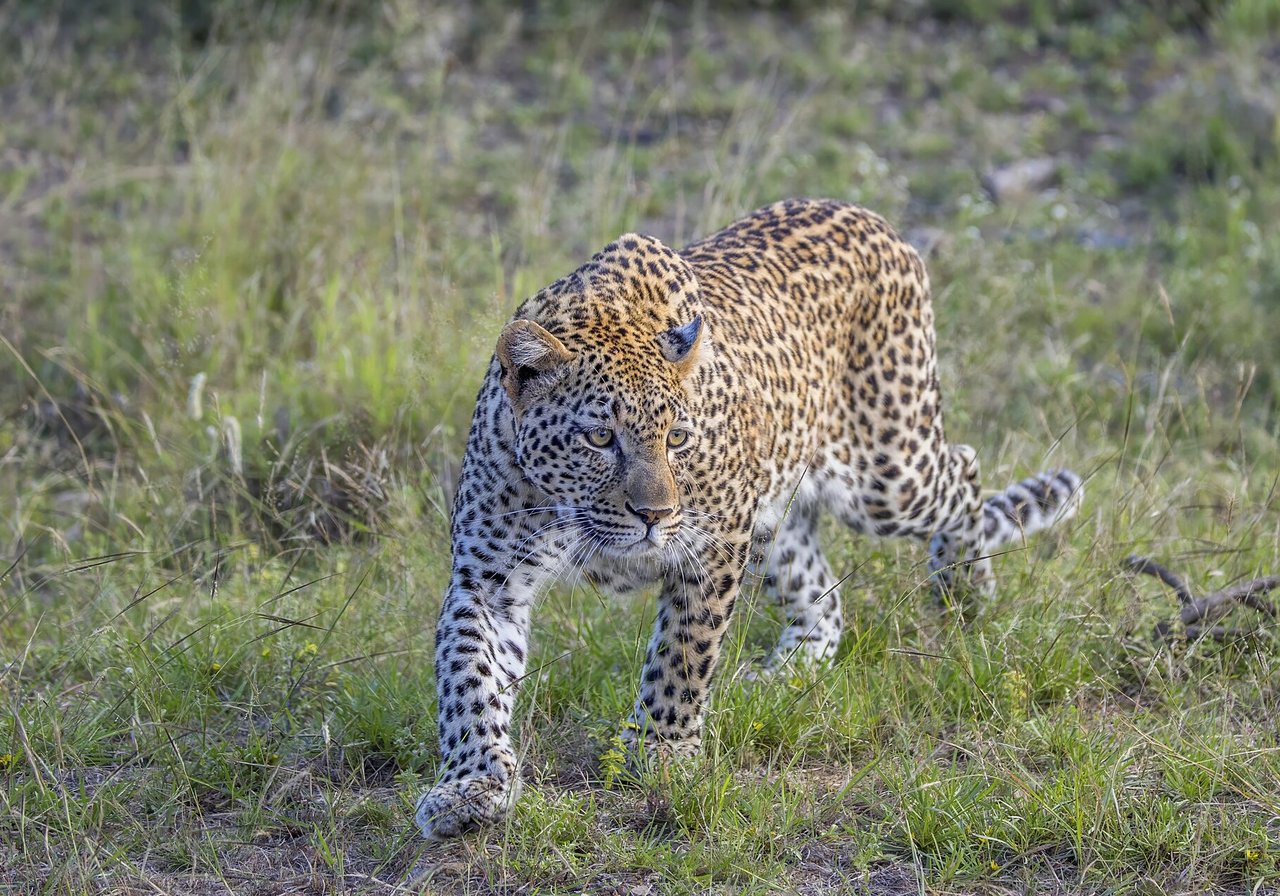
Varies by species (Vulnerable to Endangered)
Leopard
Panthera pardus (Linnaeus, 1758) and clouded-leopard lineage (Neofelis)
Leopards are spotted Panthera cats of Africa and Asia — Vulnerable (Panthera pardus) — plus clouded leopards and snow leopards as distinct species covered in separate WARN guides.
Read the guide →Varies by species (Least Concern to Critically Endangered)
Macaque
Macaca (Lacépède, 1799) — genus, ~23 species
Macaques are a genus of about 23 Old World monkey species native to Asia and North Africa. Conservation status varies from Least Concern to Critically Endangered: lion-tailed, Barbary and Celebes crested macaques are Endangered, while rhesus macaques remain widespread. Habitat loss, the pet and research trades, and urban conflict are the main pressures — not a single genus-wide collapse.
Read the guide →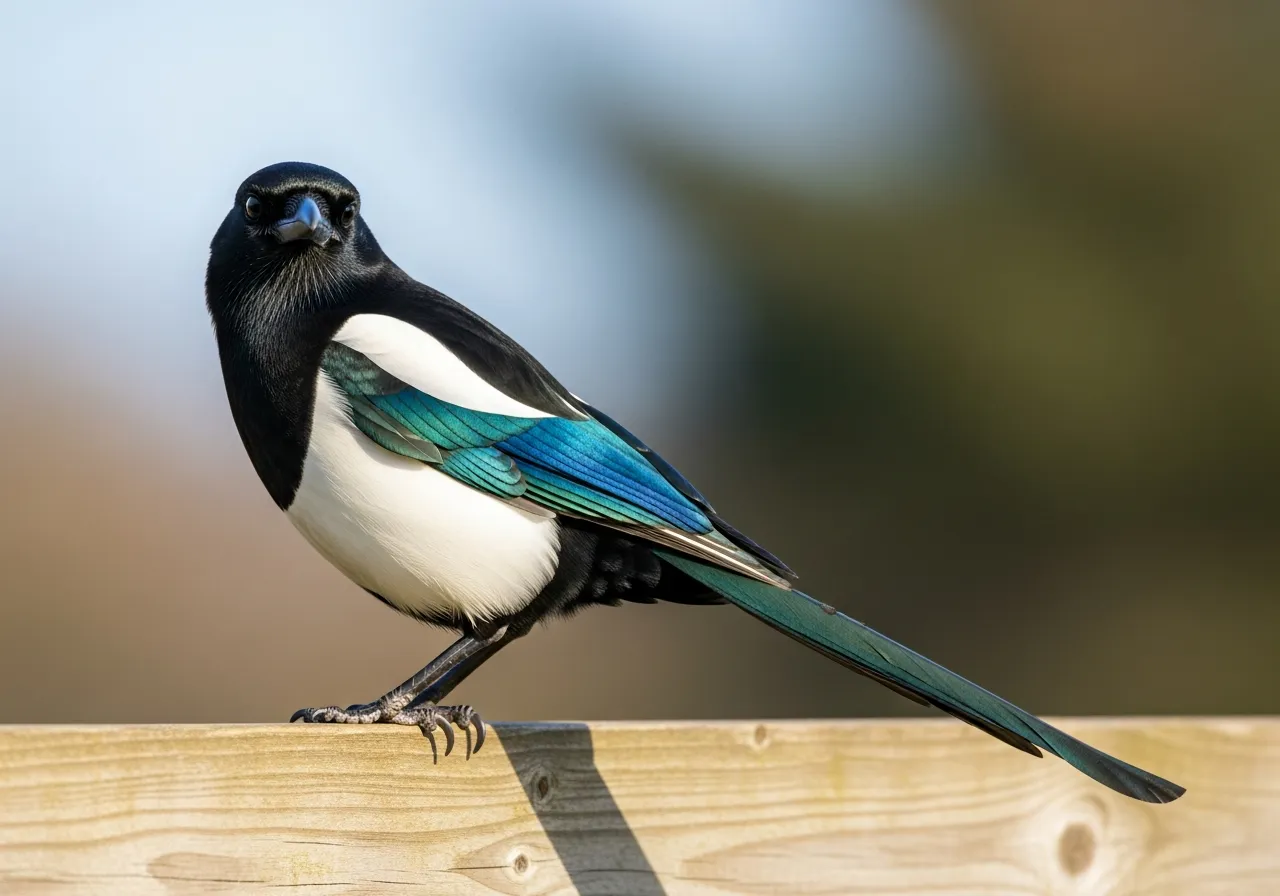
Least Concern (IUCN)
Magpie
Pica pica
A magpie is a large black-and-white bird in the crow family (Corvidae). The Eurasian magpie, Pica pica, is famous for its long iridescent tail, loud chattering call and exceptional intelligence — it is one of the few non-mammals known to recognise itself in a mirror.
Read the guide →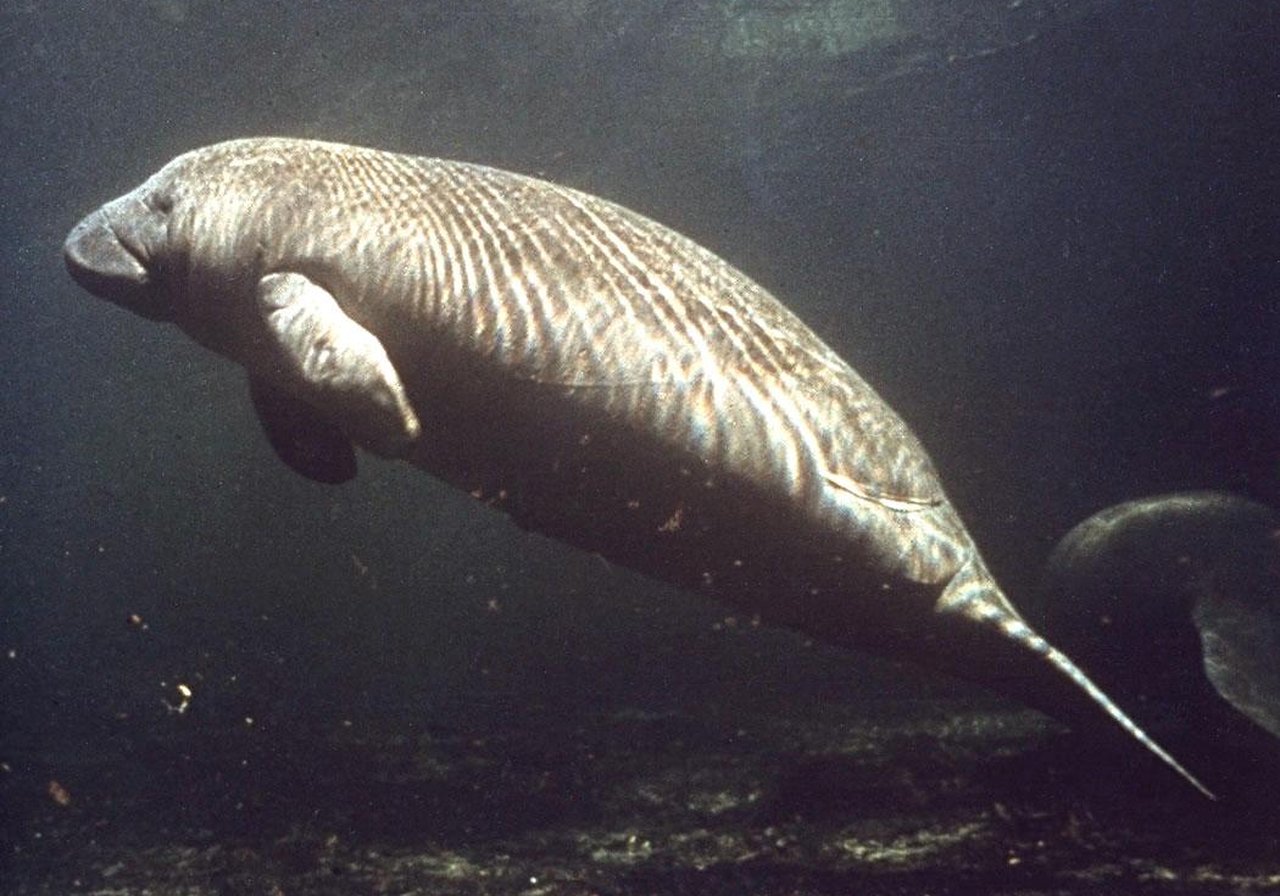
Varies by species (Vulnerable to Endangered)
Manatee
Trichechus manatus, T. inunguis and T. senegalensis — three living species
Manatees are plant-eating sirenians with three species in the Americas and West Africa — slow-moving mammals threatened by boat collisions, habitat loss and pollution, with IUCN status from Vulnerable to Endangered.
Read the guide →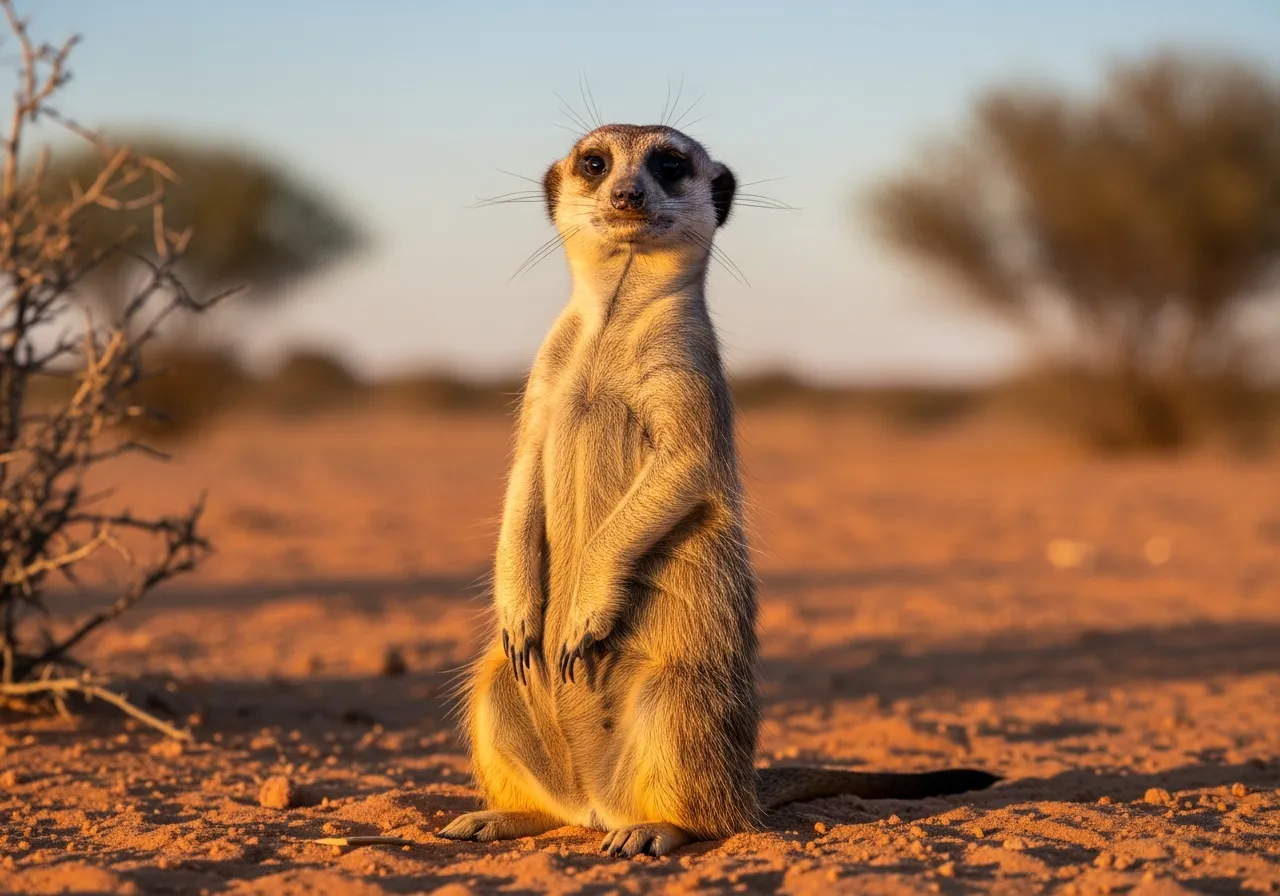
Least Concern (IUCN)
Meerkat
Suricata suricatta
A meerkat (Suricata suricatta) is a small, highly social mongoose native to the arid Kalahari and southern Africa. It lives in cooperative groups of up to about thirty, posts sentinels to watch for predators, and feeds mainly on insects, scorpions and other small prey.
Read the guide →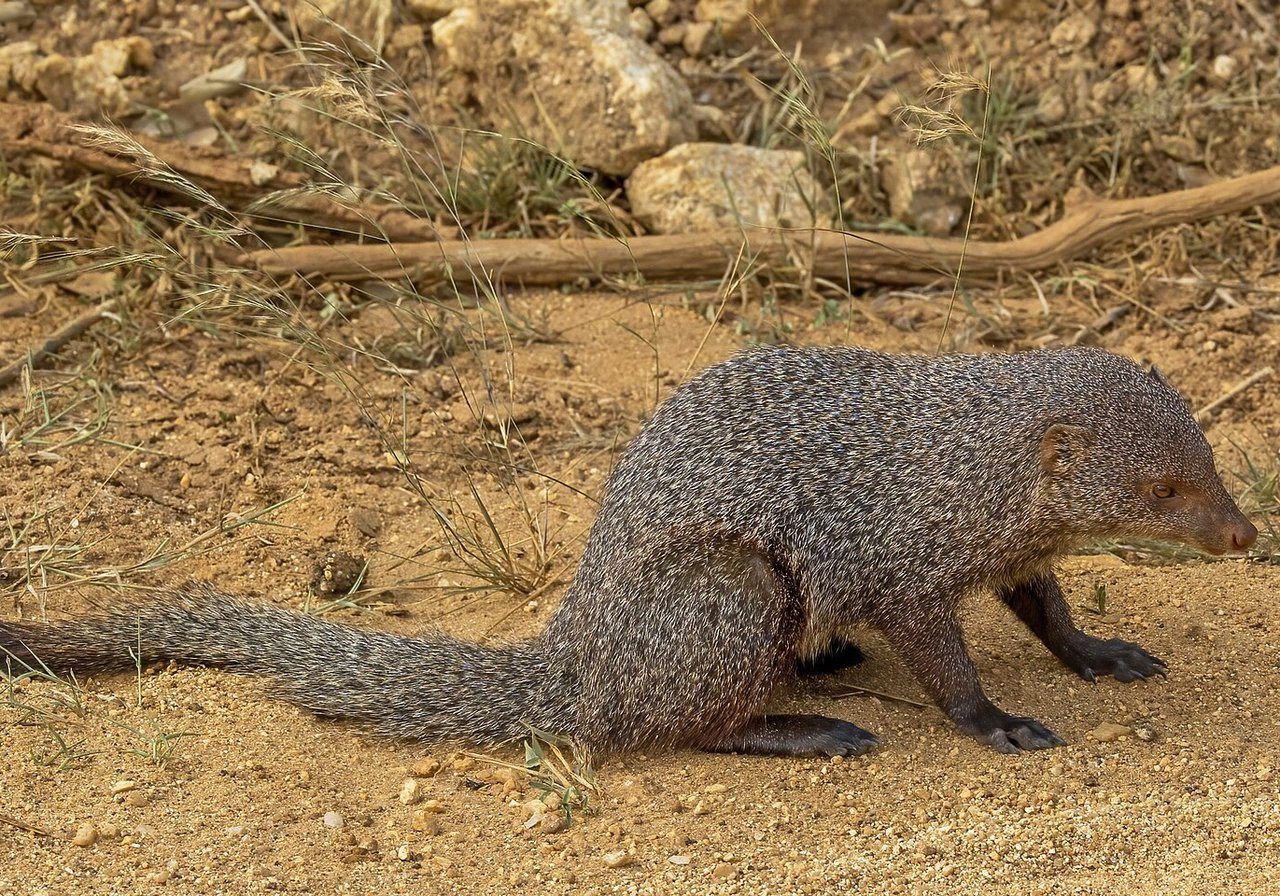
Least Concern (IUCN, 2016) — small Asian mongoose; family Herpestidae
Mongoose
Herpestes javanicus (É. Geoffroy Saint-Hilaire, 1818)
Mongooses are small carnivorans of family Herpestidae — roughly 34 species across Africa and Asia; the small Asian mongoose (Herpestes javanicus) is Least Concern and native from Pakistan to Indonesia, famous for hunting snakes.
Read the guide →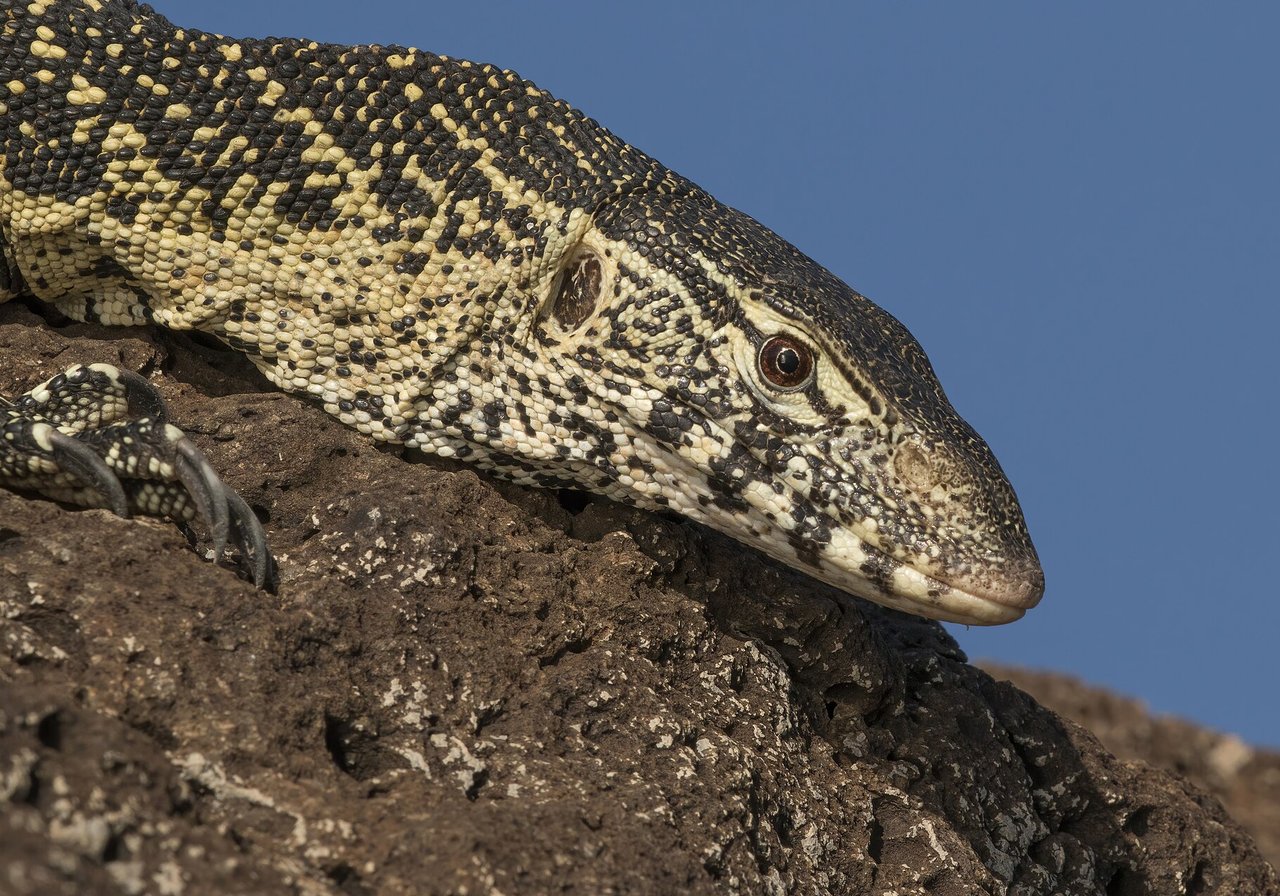
Varies by species (Least Concern to Endangered)
Monitor Lizard
Genus Varanus — ~80 species including Komodo dragon (V. komodoensis)
Monitor lizards (genus Varanus) comprise ~80 species including the Komodo dragon — intelligent predatory reptiles of Africa, Asia and Australasia threatened by trade, hunting and habitat loss.
Read the guide →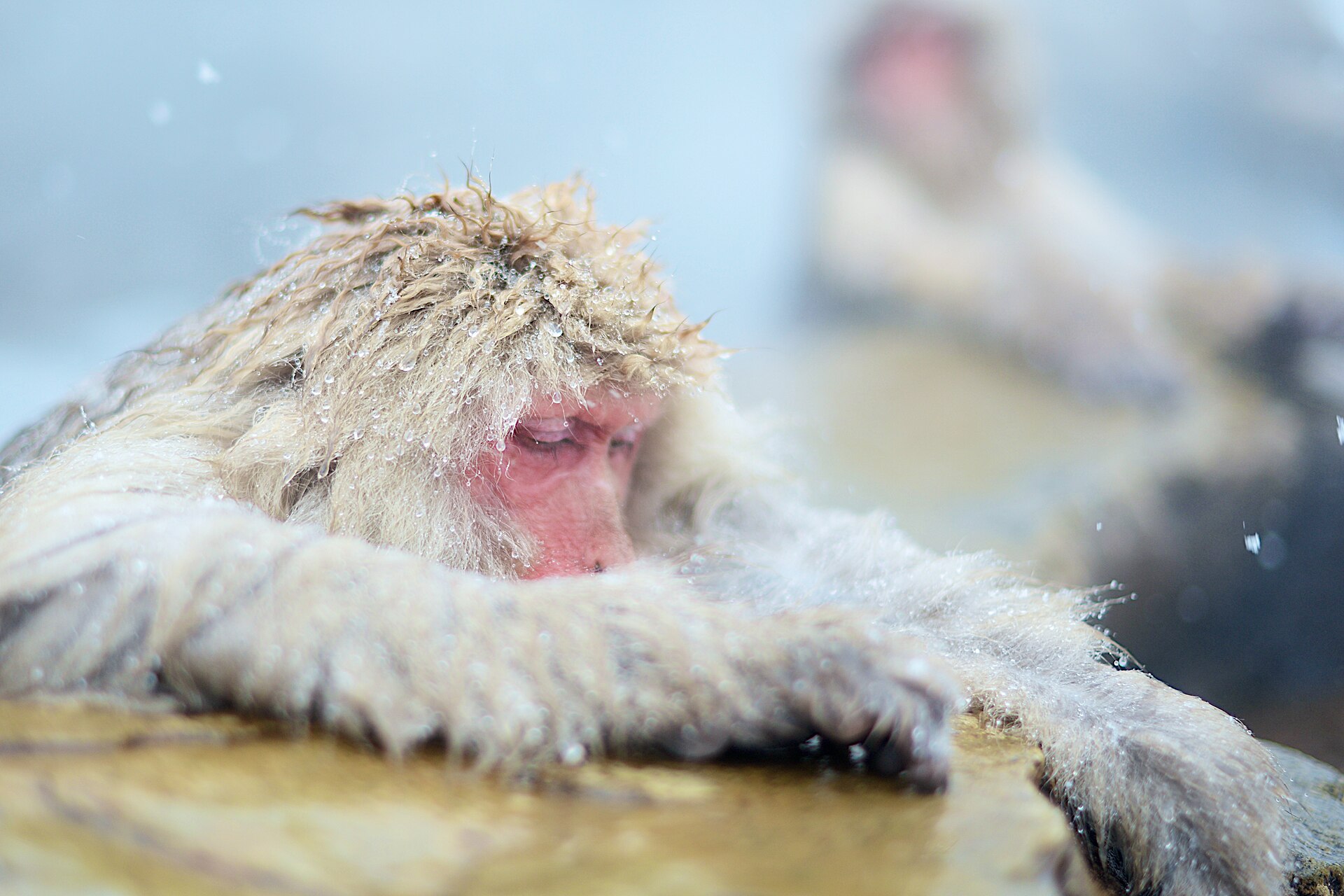
Varies by species (Least Concern to Critically Endangered)
Monkey
Infraorder Simiiformes — ~260+ species in families Cebidae, Callitrichidae, Cercopithecidae and others
Monkeys are tailed simian primates of the Americas, Africa and Asia — roughly 260+ species with forward-facing eyes, grasping hands and complex social groups. They are distinct from tailless apes; status ranges from Least Concern to Critically Endangered, and most species are protected from international trade.
Read the guide →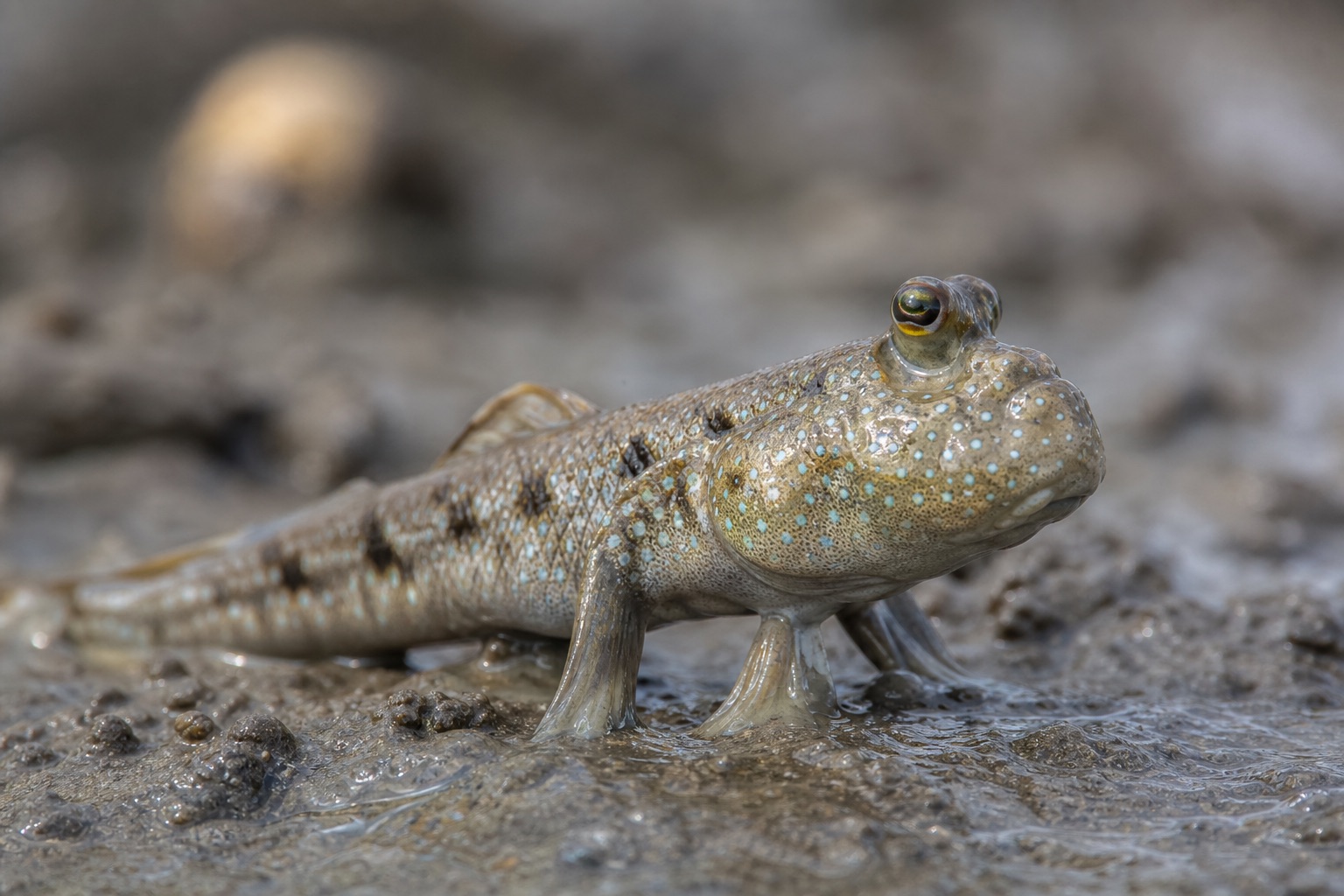
Not Evaluated for most species — mangrove specialists tied to habitat under clearance pressure
Mudskipper
Periophthalmus spp. — family Oxudercidae (formerly Gobiidae)
Mudskippers (Periophthalmus and related genera) are intertidal fish that walk on pectoral fins, breathe air through skin and mouth lining, and live on mangrove mudflats in the Indo-Pacific; they spend most of active life out of water and are not assessed as a group on the IUCN Red List.
Read the guide →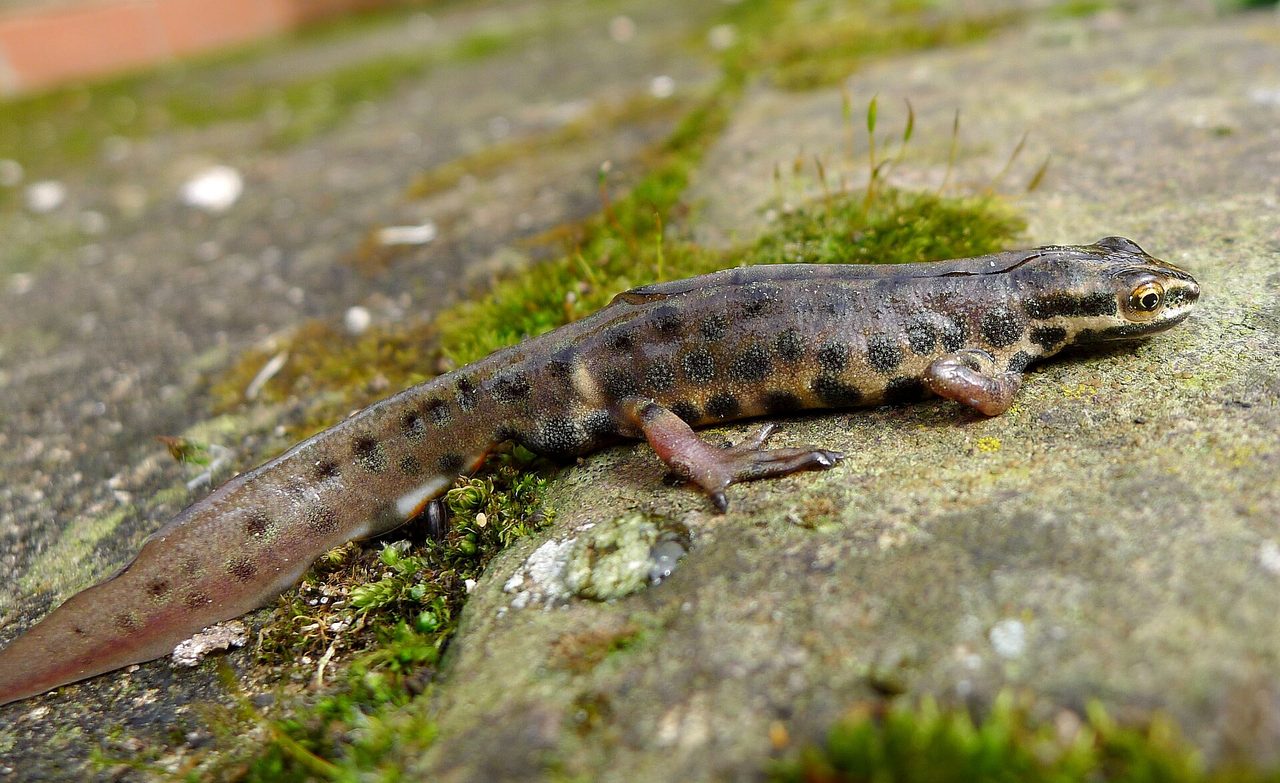
Most species Least Concern; the great crested newt is protected in the UK
Newt
Subfamily Pleurodelinae
A newt is a small semi-aquatic salamander in the subfamily Pleurodelinae. Newts alternate between water and land, breeding in ponds in spring and feeding on insects and other invertebrates. They are famous for regenerating lost limbs and organs, and many produce defensive skin toxins.
Read the guide →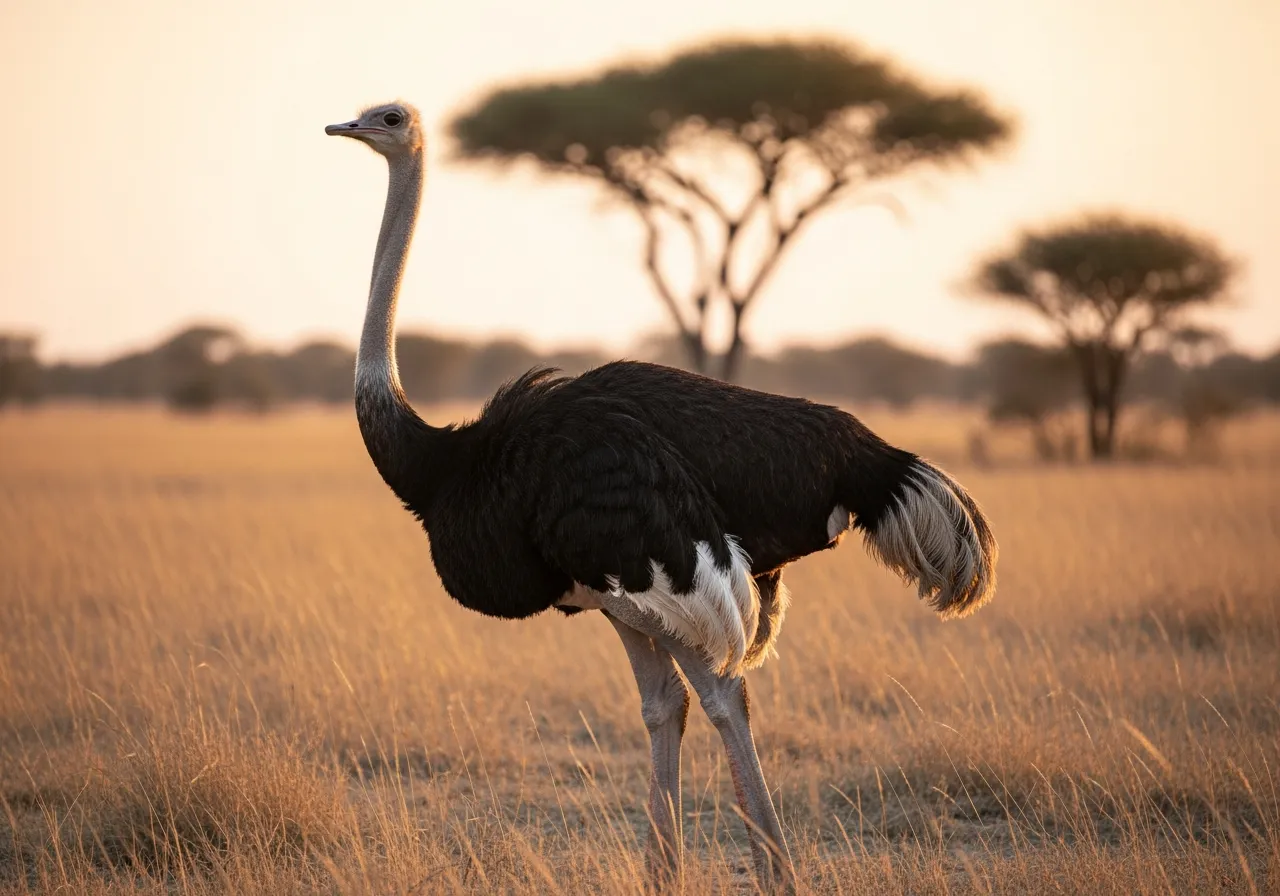
Least Concern (IUCN) — common ostrich; the separate Somali ostrich is Vulnerable
Ostrich
Struthio camelus
An ostrich (Struthio camelus) is the world's largest and heaviest living bird, a flightless African species standing over two metres tall. Built for running rather than flight, it is the fastest bird on land at around 70 km/h and lays the biggest eggs of any living bird.
Read the guide →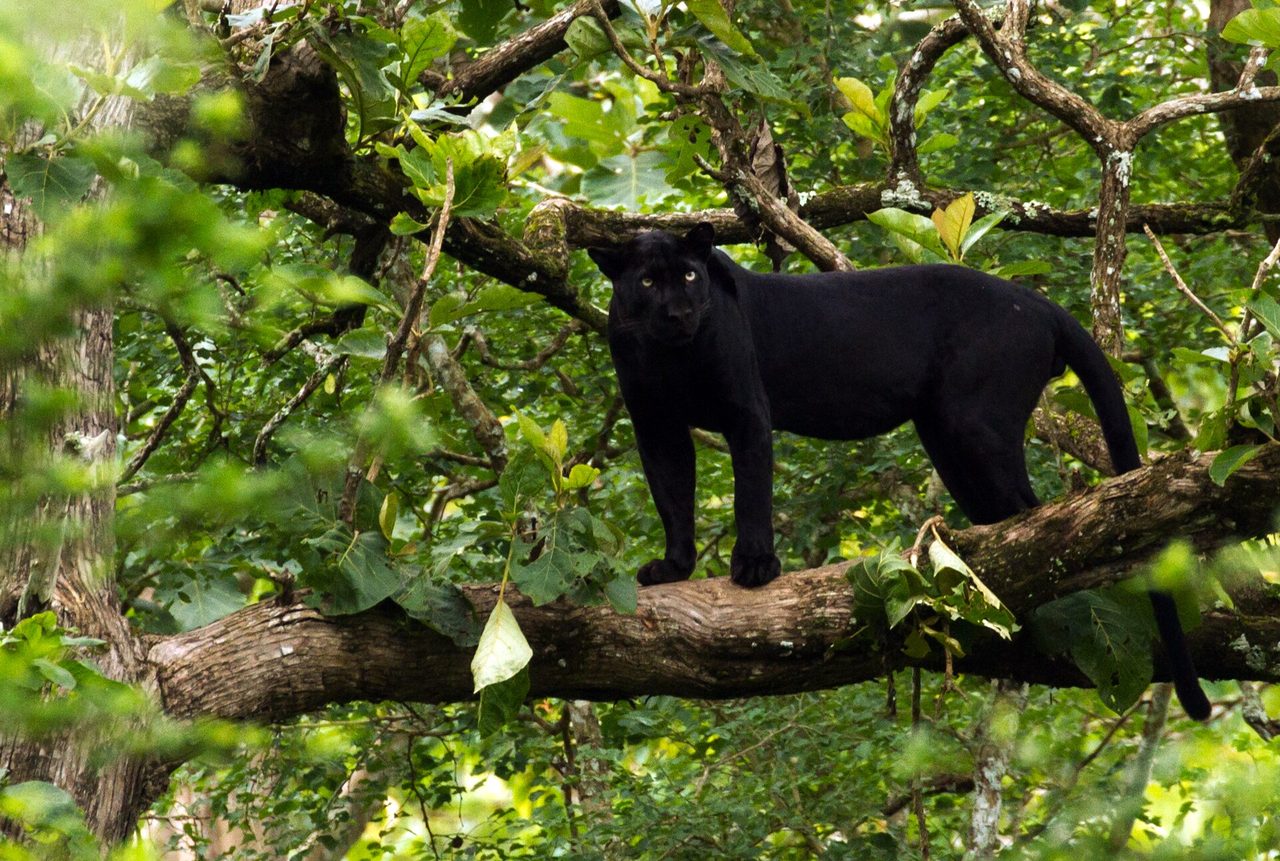
Not a single species — see cougar, jaguar and leopard guides
Panther
Colloquial term — melanistic leopards/jaguars; also used for cougar and jaguar
'Panther' is a colloquial term — not one species — referring to melanistic leopards or jaguars, cougars (including Florida panther) or large cats generally; WARN covers cougar, jaguar and leopard in dedicated guides.
Read the guide →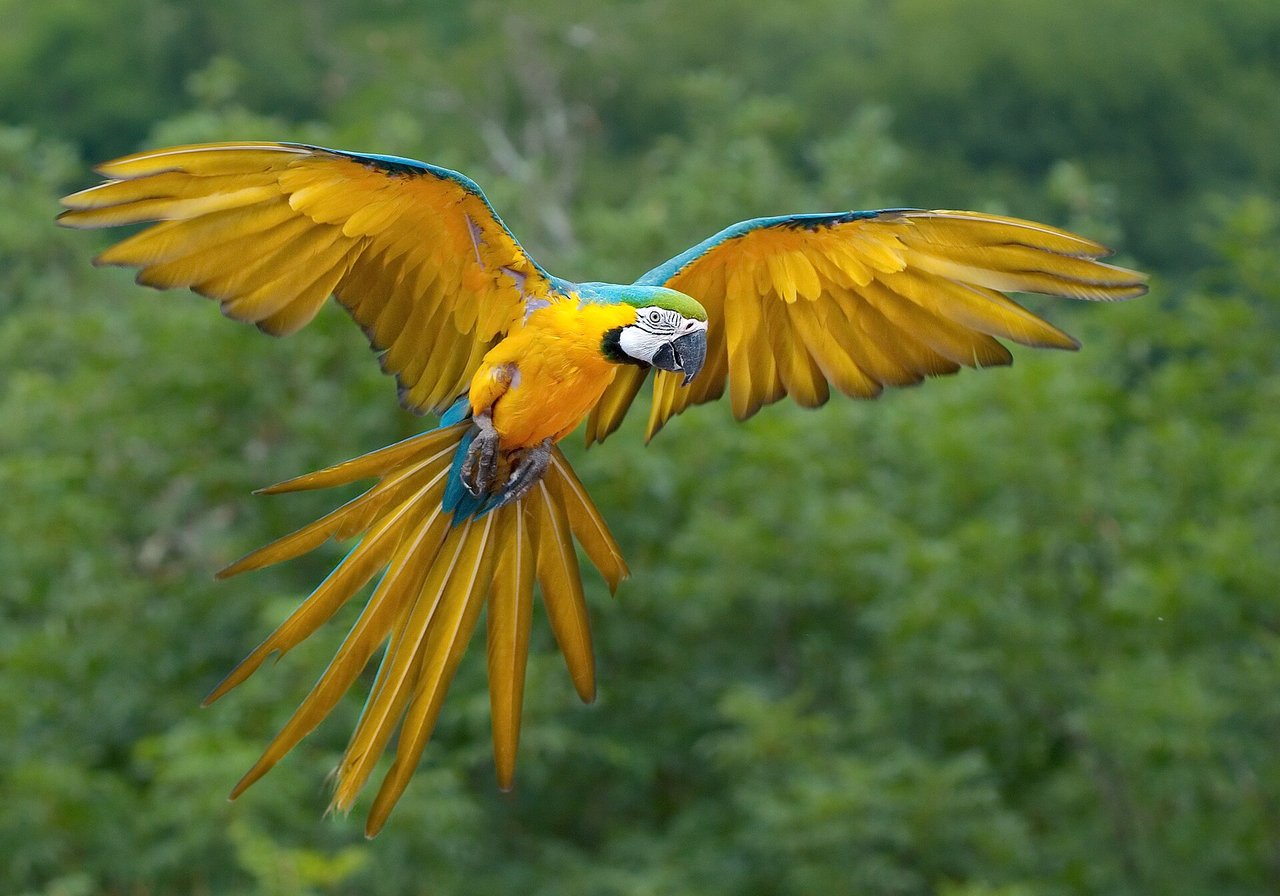
Varies by species (Least Concern to Critically Endangered)
Parrot
Order Psittaciformes — ~400 species in families Psittacidae, Psittaculidae and Cacatuidae
Parrots are tropical and subtropical Psittaciformes — about 400 species including macaws, cockatoos and budgerigars — known for intelligence and longevity; many are threatened by habitat loss and illegal trade, with status ranging from Least Concern to Critically Endangered.
Read the guide →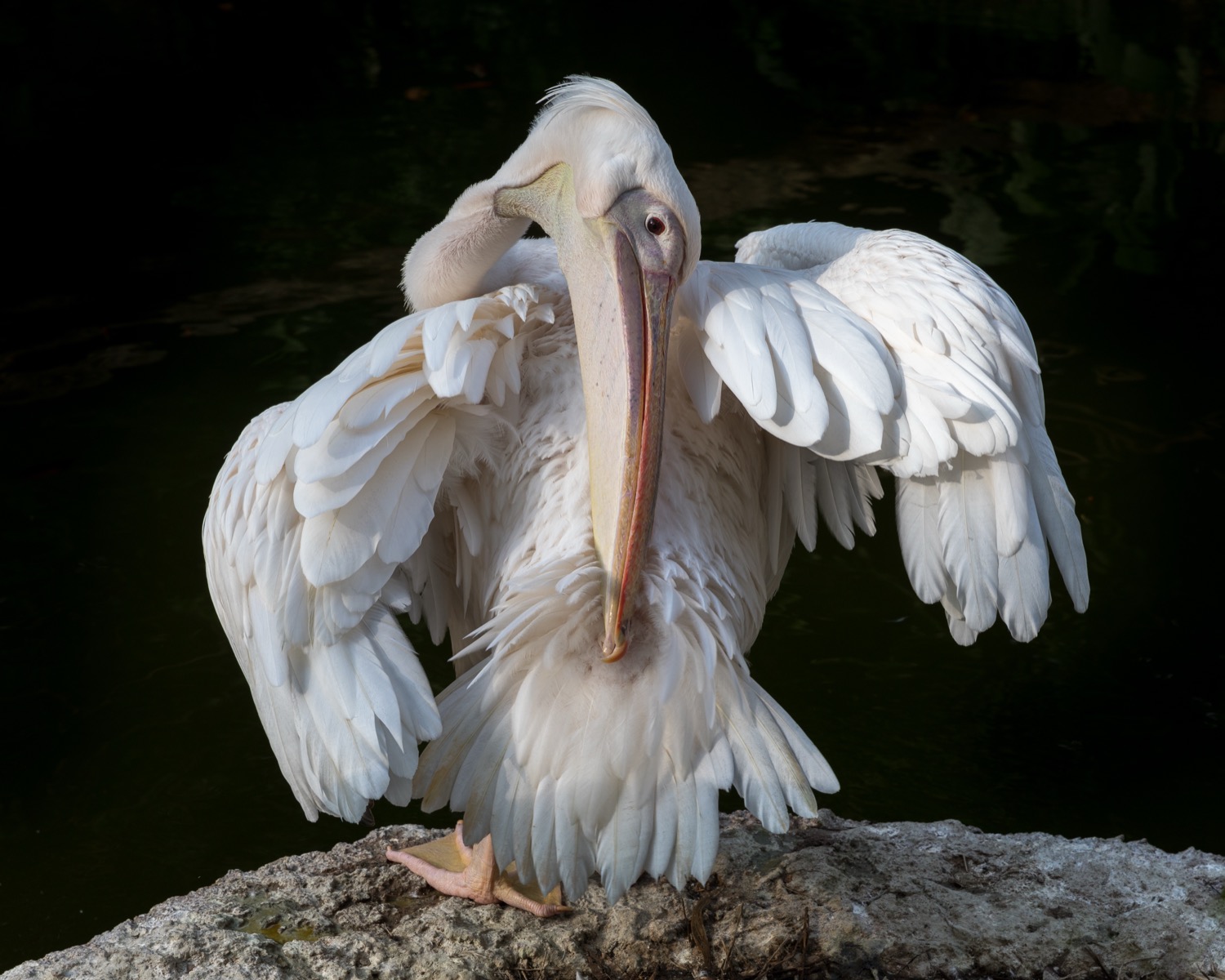
Varies by species; most Least Concern, some Near Threatened (IUCN)
Pelican
Pelecanus (family Pelecanidae)
A pelican is a large waterbird of the family Pelecanidae, recognised by its long bill and the expandable skin pouch beneath it, which it uses to scoop up fish. There are eight species in the genus Pelecanus, living on coasts and inland waters across every continent except Antarctica.
Read the guide →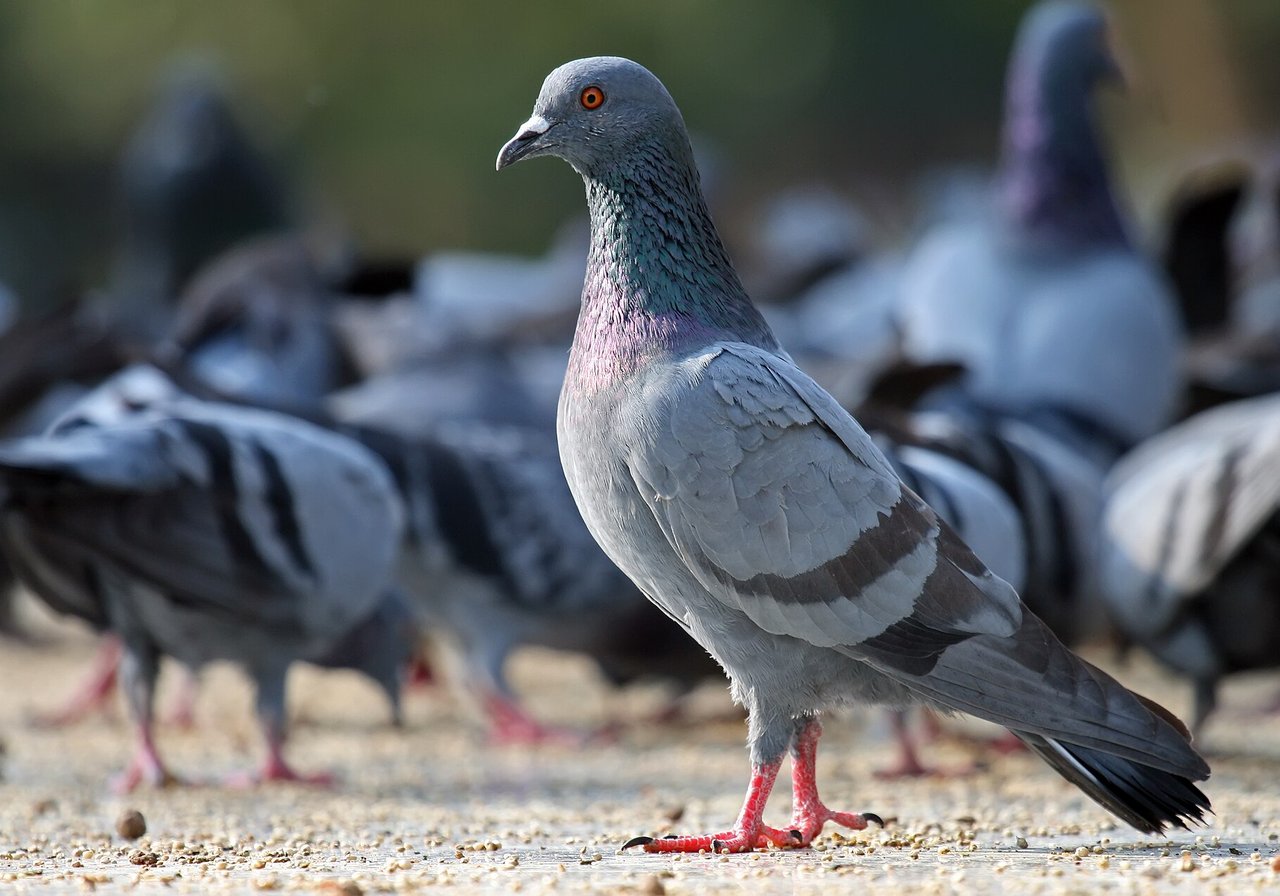
Least Concern (IUCN, 2016) — wild rock pigeon
Pigeon
Columba livia (Linnaeus, 1758)
The rock pigeon (Columba livia) is a Least Concern columbid native to Europe, North Africa and western Asia, now feral in cities worldwide; it is the wild ancestor of domestic racing and homing pigeons.
Read the guide →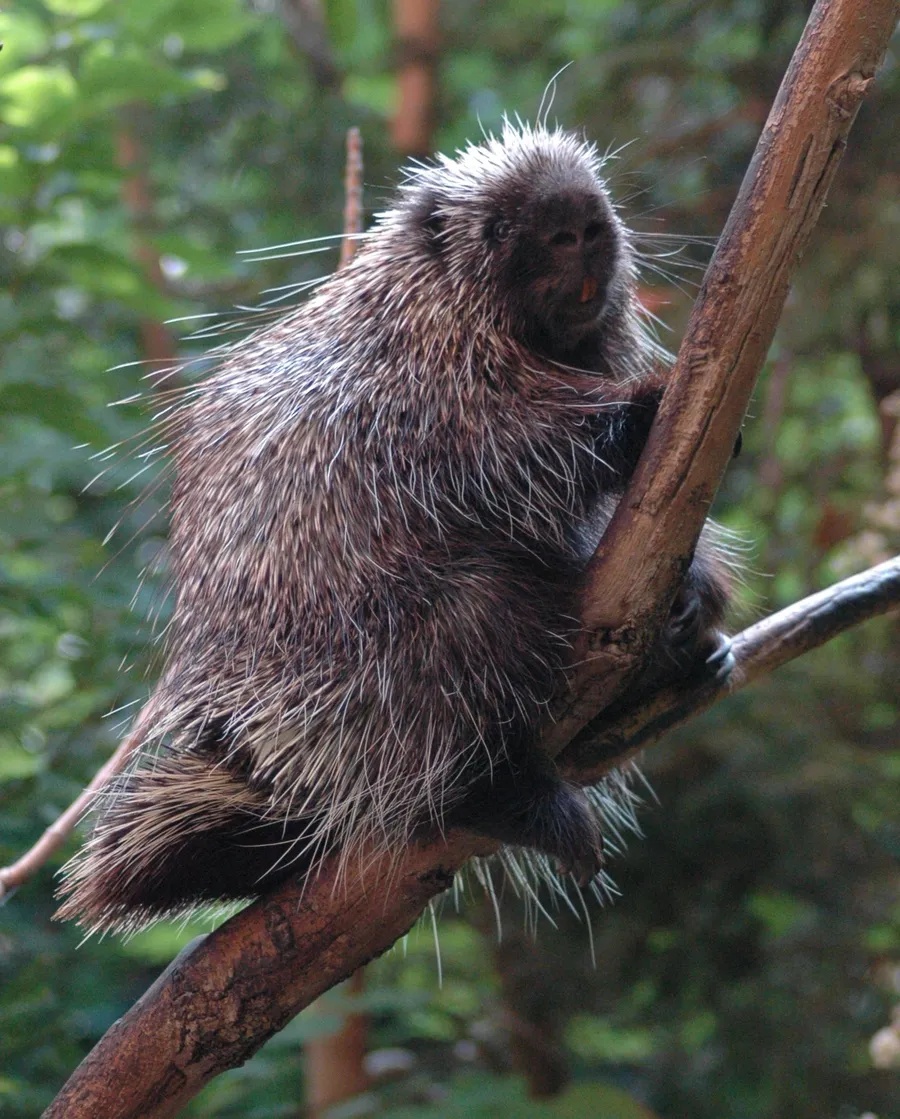
Varies by species; most Least Concern (IUCN)
Porcupine
Hystricidae (Old World) & Erethizontidae (New World)
A porcupine is a large herbivorous rodent covered in sharp quills — stiffened, modified hairs that defend it from predators. About 30 species exist in two distantly related families: Old World porcupines of Africa, Asia and Europe, and tree-climbing New World porcupines of the Americas.
Read the guide →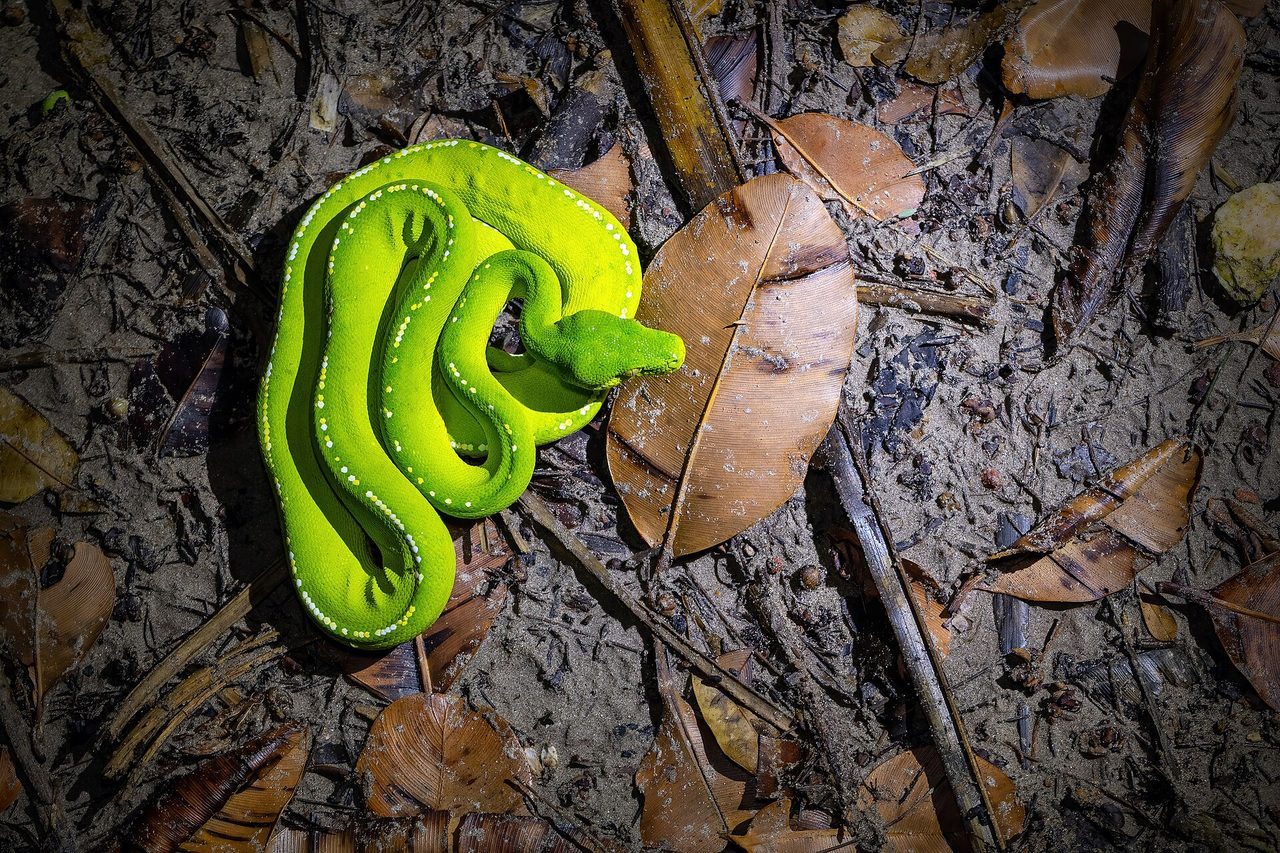
Varies by species (Least Concern to Endangered)
Python
Family Pythonidae — ~40 species native to Africa, Asia and Australia
Pythons are egg-laying constrictors (family Pythonidae) with ~40 species in Africa, Asia and Australia — non-venomous snakes threatened by skin trade, exotic pet demand and habitat loss.
Read the guide →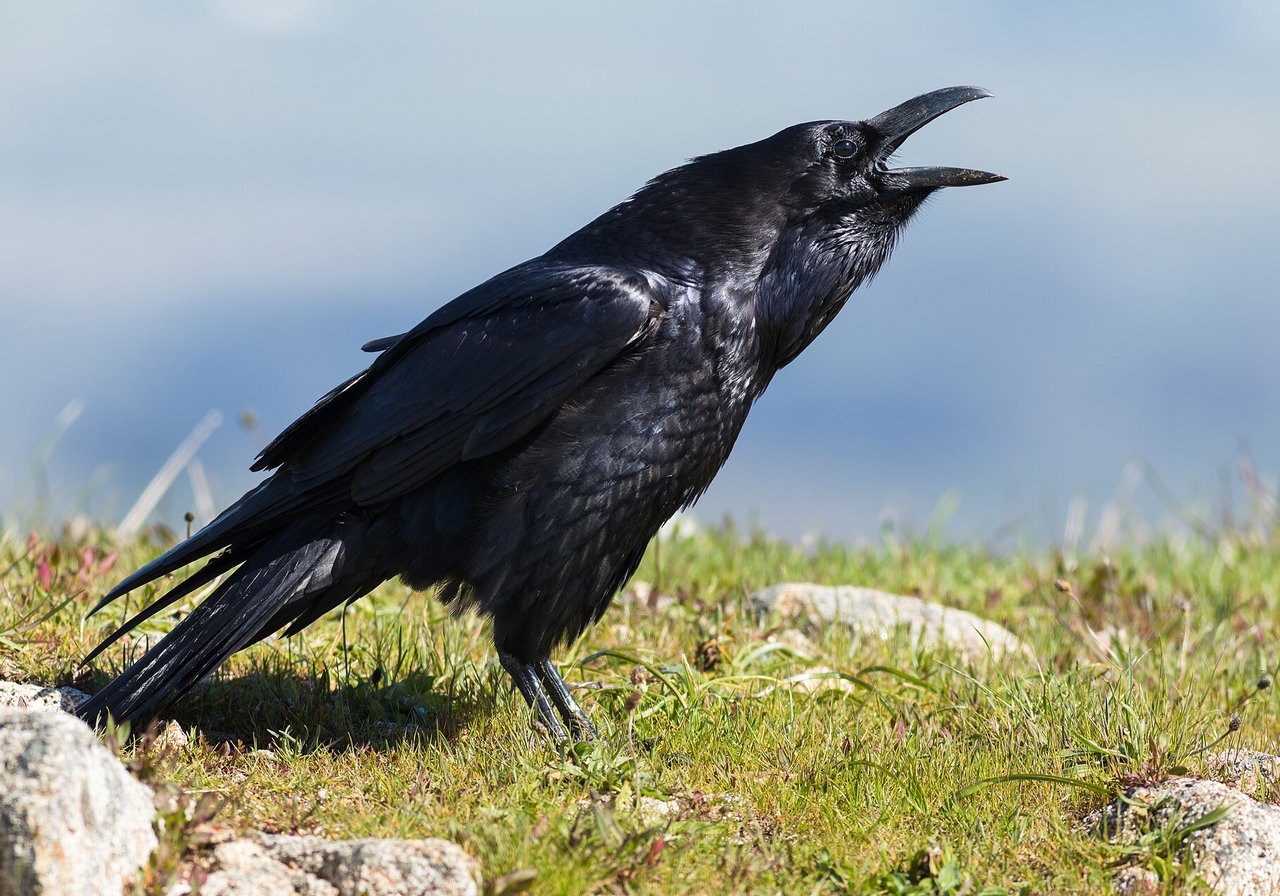
Least Concern (IUCN, 2018)
Raven
Corvus corax (Linnaeus, 1758)
The common raven (Corvus corax) is a Least Concern corvid of the Northern Hemisphere — the largest passerine, renowned for intelligence, tool use and deep cultural significance.
Read the guide →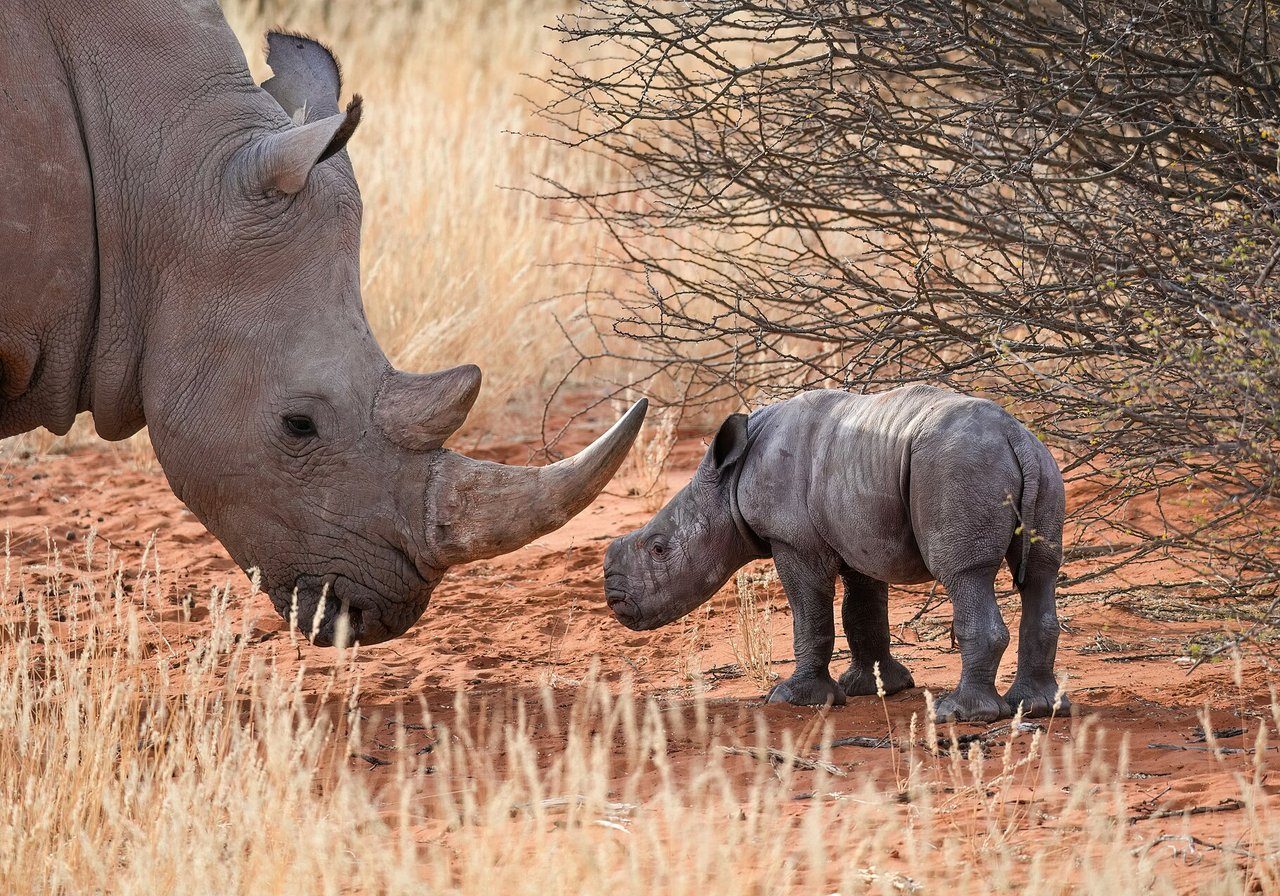
Varies by species (Near Threatened to Critically Endangered)
Rhino
Family Rhinocerotidae — 5 living species in Africa and Asia
Rhinoceroses are five living species of horned megaherbivores in Africa and Asia; all are threatened by poaching for keratin horn, with three species Critically Endangered including the Sumatran rhino with fewer than 50 individuals.
Read the guide →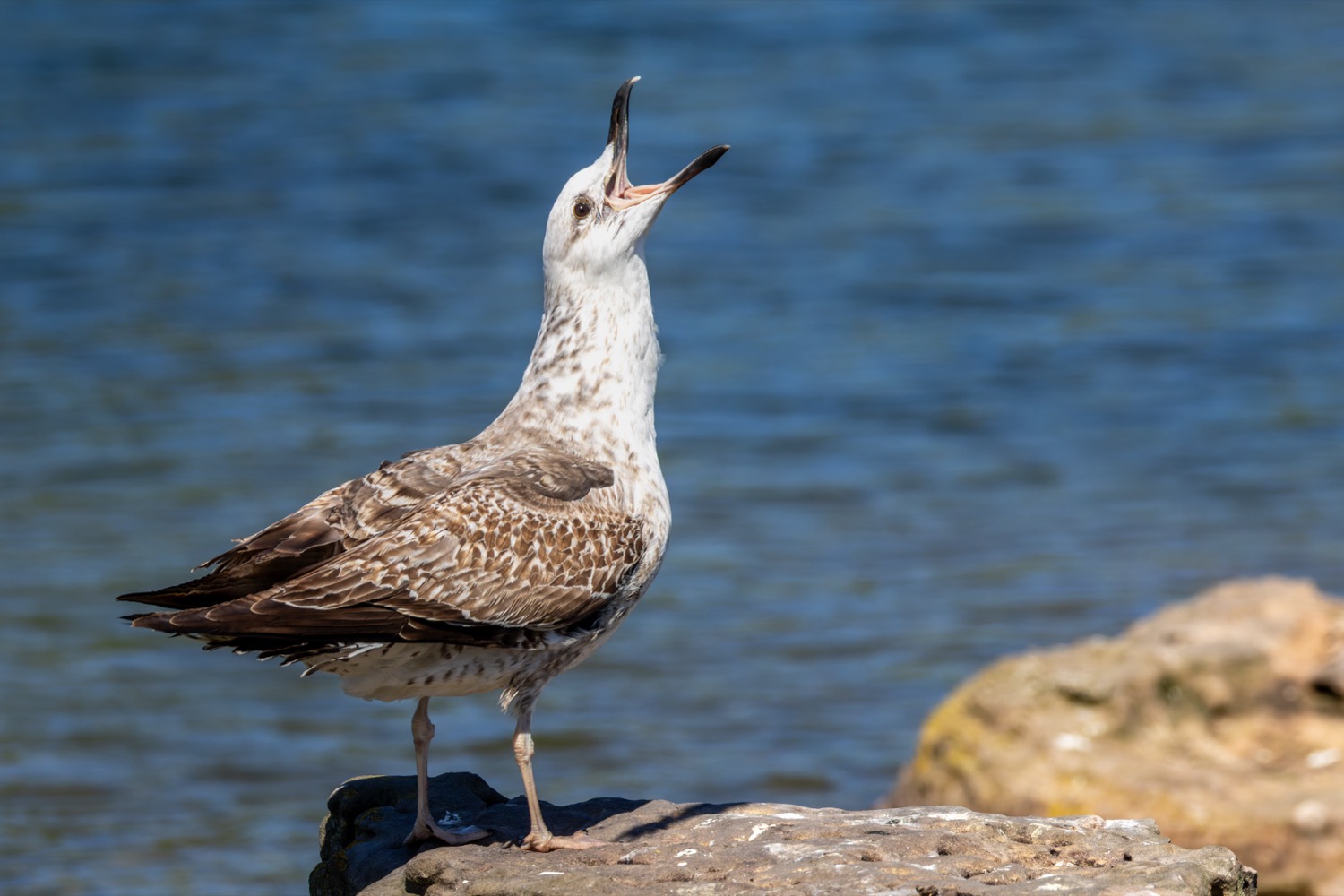
Varies by species; most Least Concern (IUCN)
Seagull (Gull)
Family Laridae
A seagull is any of around 50 species of gull, seabirds in the family Laridae. Typically white and grey with black wingtips and webbed feet, gulls are adaptable, intelligent coastal birds that scavenge, fish and increasingly thrive in towns and cities worldwide.
Read the guide →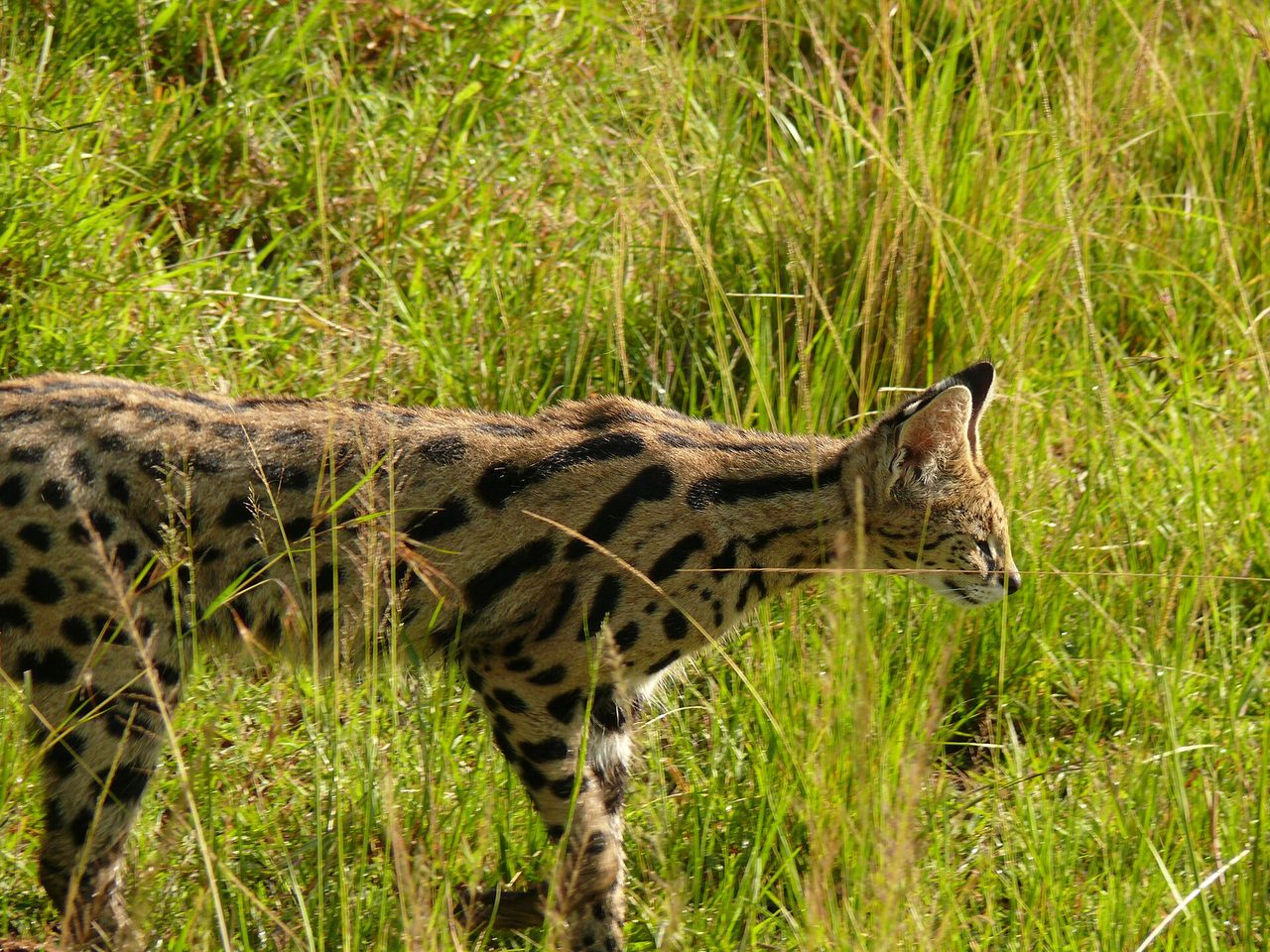
Least Concern (IUCN)
Serval
Leptailurus serval
The serval is a medium-sized African wild cat (Leptailurus serval) renowned for having the largest ears relative to body size of any cat species, a hunting success rate near 50 percent, and the longest legs relative to body size of any wild felid.
Read the guide →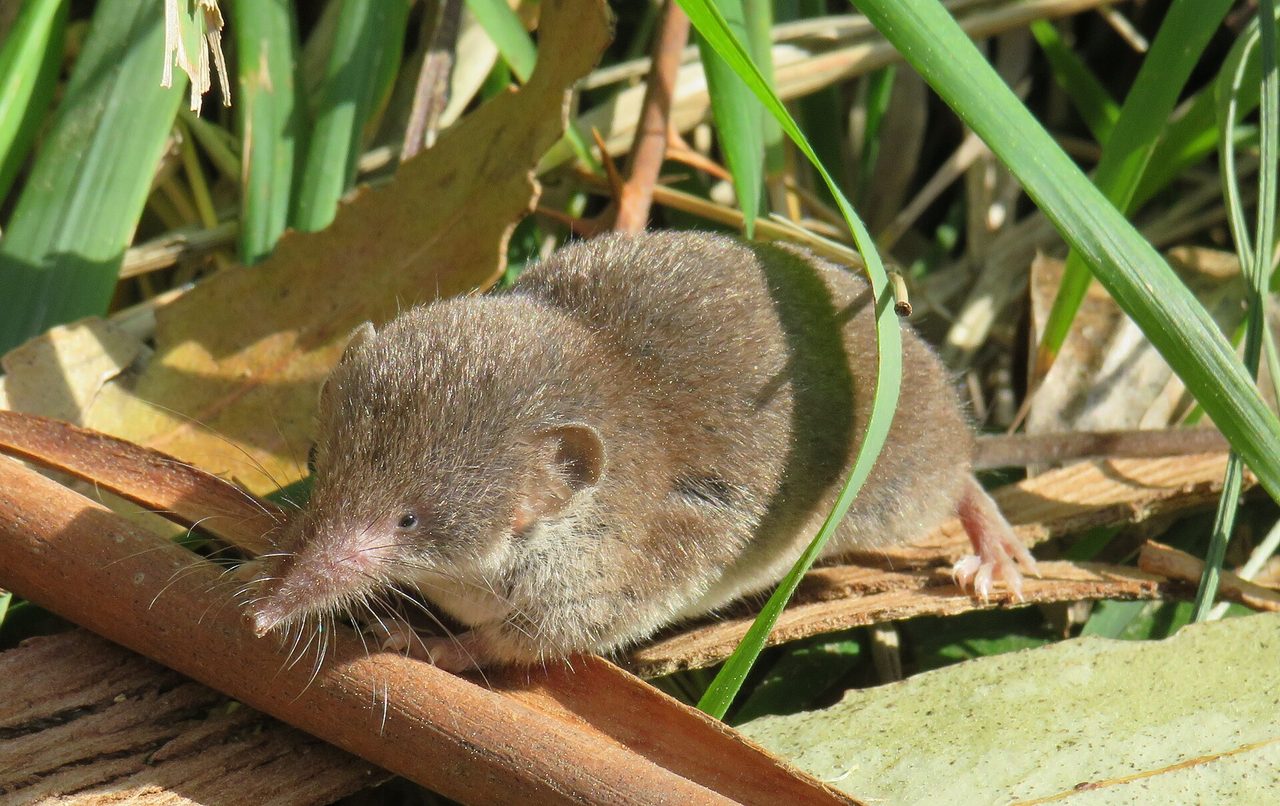
Varies by species; most Least Concern (IUCN)
Shrew
Soricidae
A shrew is a small insect-eating mammal of the family Soricidae, with a long pointed snout, tiny eyes and velvety fur. Though mouse-like, shrews are not rodents but relatives of moles and hedgehogs, and are known for their extremely high metabolism and near-constant feeding.
Read the guide →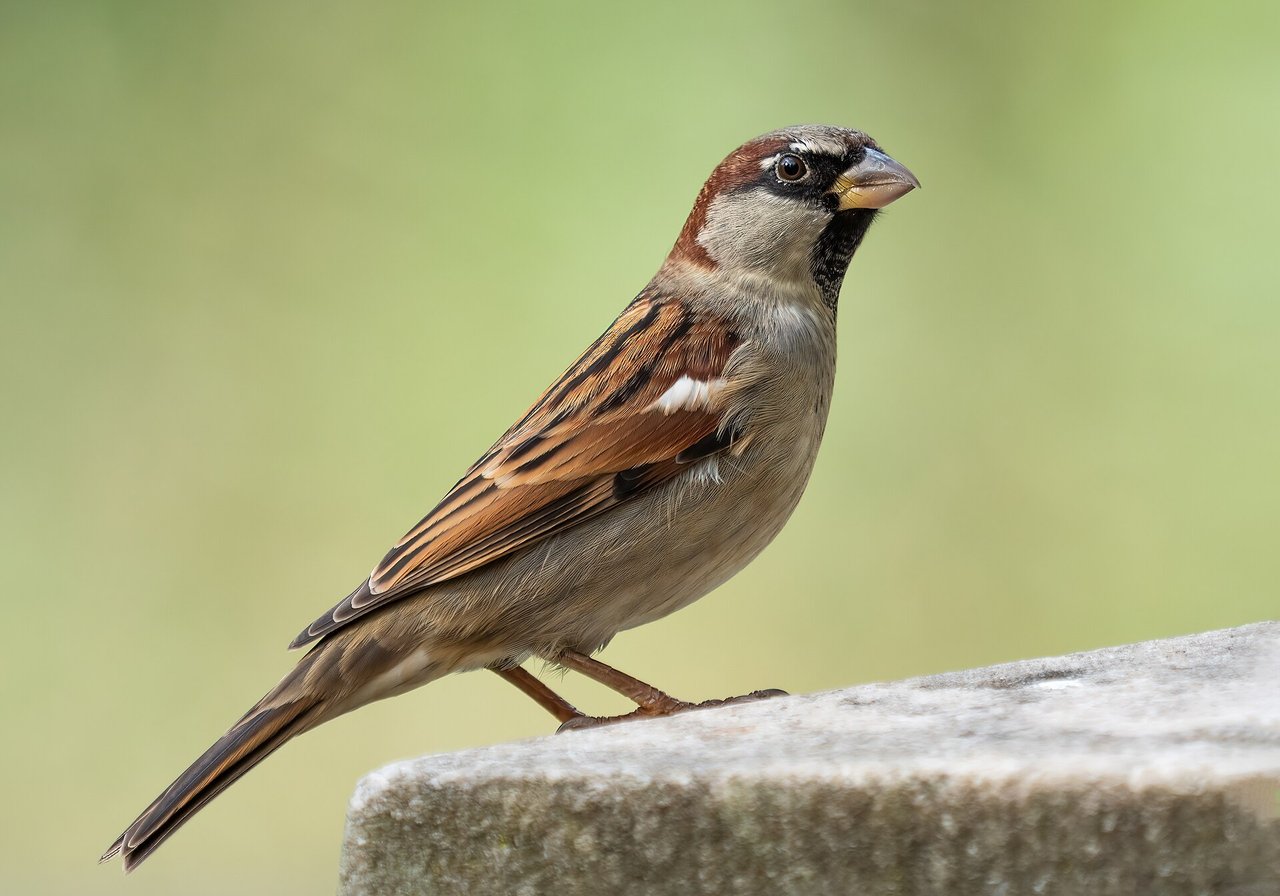
Least Concern (IUCN, 2018) — steep decline in parts of Europe
Sparrow
Passer domesticus (Linnaeus, 1758)
The house sparrow (Passer domesticus) is a Least Concern passerine found on every continent except Antarctica; globally abundant but declined by over 70% in urban Britain since the 1970s.
Read the guide →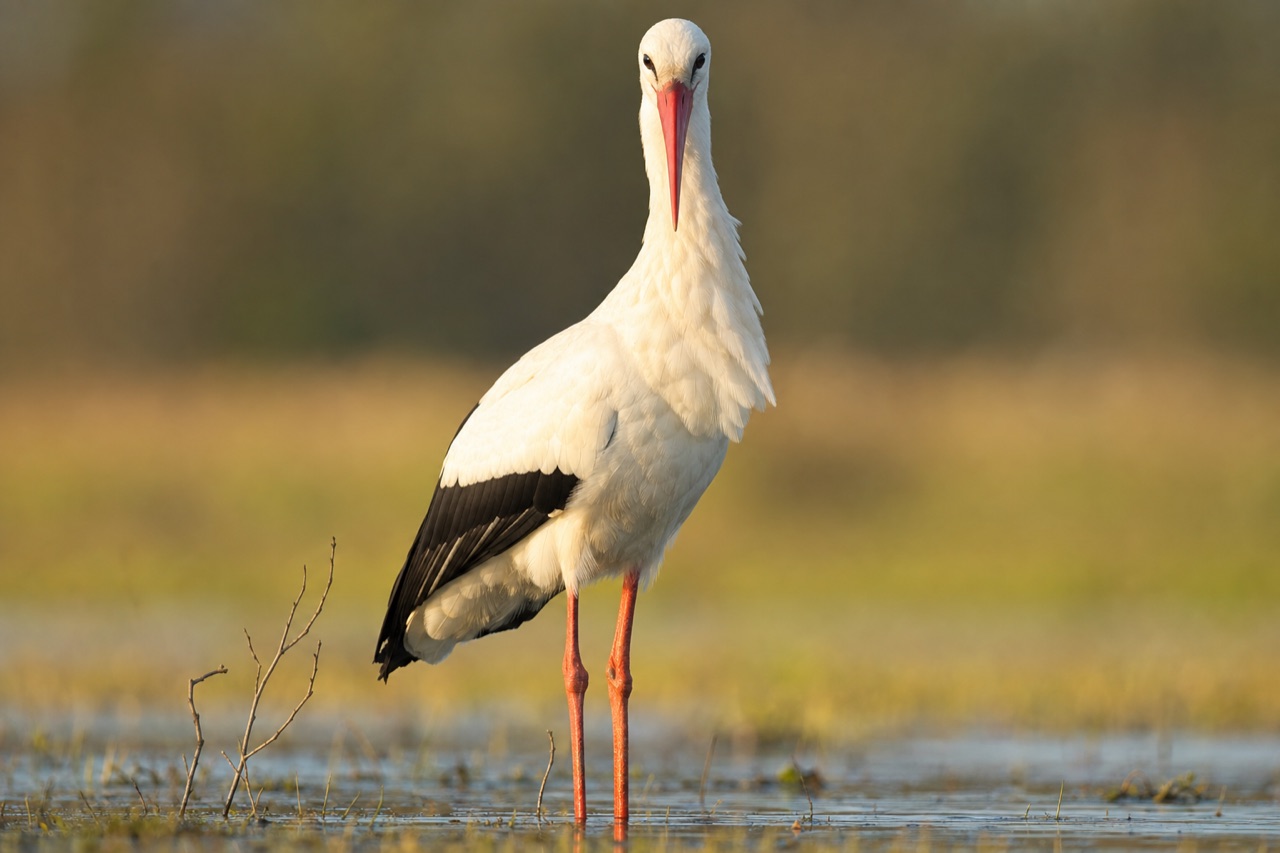
Family page — status ranges from Least Concern to Endangered by species
Stork
Family Ciconiidae — 19 species in 6 genera
Storks are large wading birds of the family Ciconiidae — 19 species — that soar on thermals rather than flapping, and most of which are effectively voiceless, communicating by clattering their bills.
Read the guide →
Domesticated — Not Evaluated (IUCN)
Street Dog
Canis lupus familiaris (Linnaeus, 1758)
An estimated 200 million street dogs live worldwide; they are the same species as pet dogs (Canis lupus familiaris), and WHO-endorsed Catch-Neuter-Vaccinate-Return programmes are the proven humane way to reduce their numbers and control rabies, whereas culling does not work.
Read the guide →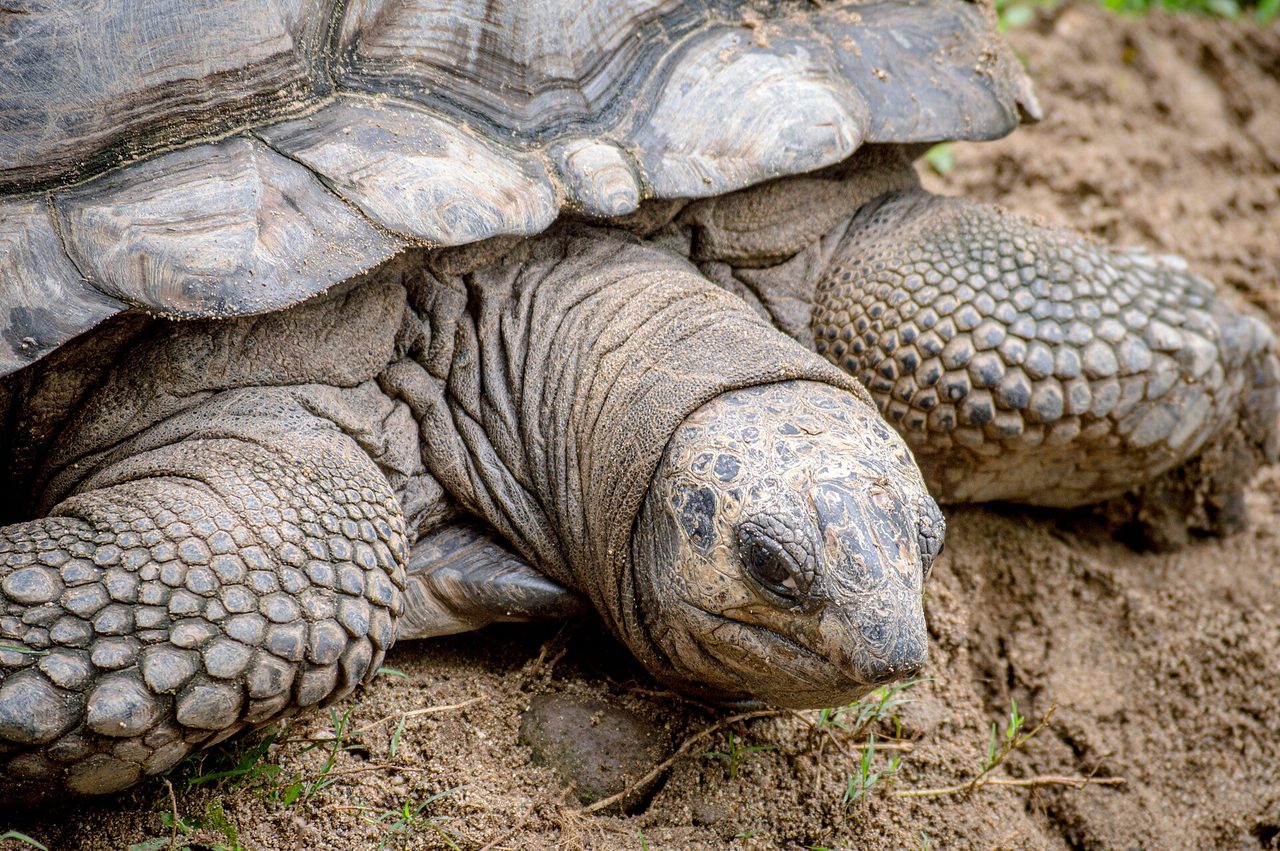
Varies by species — many Critically Endangered (IUCN)
Tortoise
Family Testudinidae
Tortoises (family Testudinidae) are fully terrestrial reptiles found across warm regions worldwide; over 86% of species are threatened or extinct, driven by illegal trade, habitat loss, and the pet industry.
Read the guide →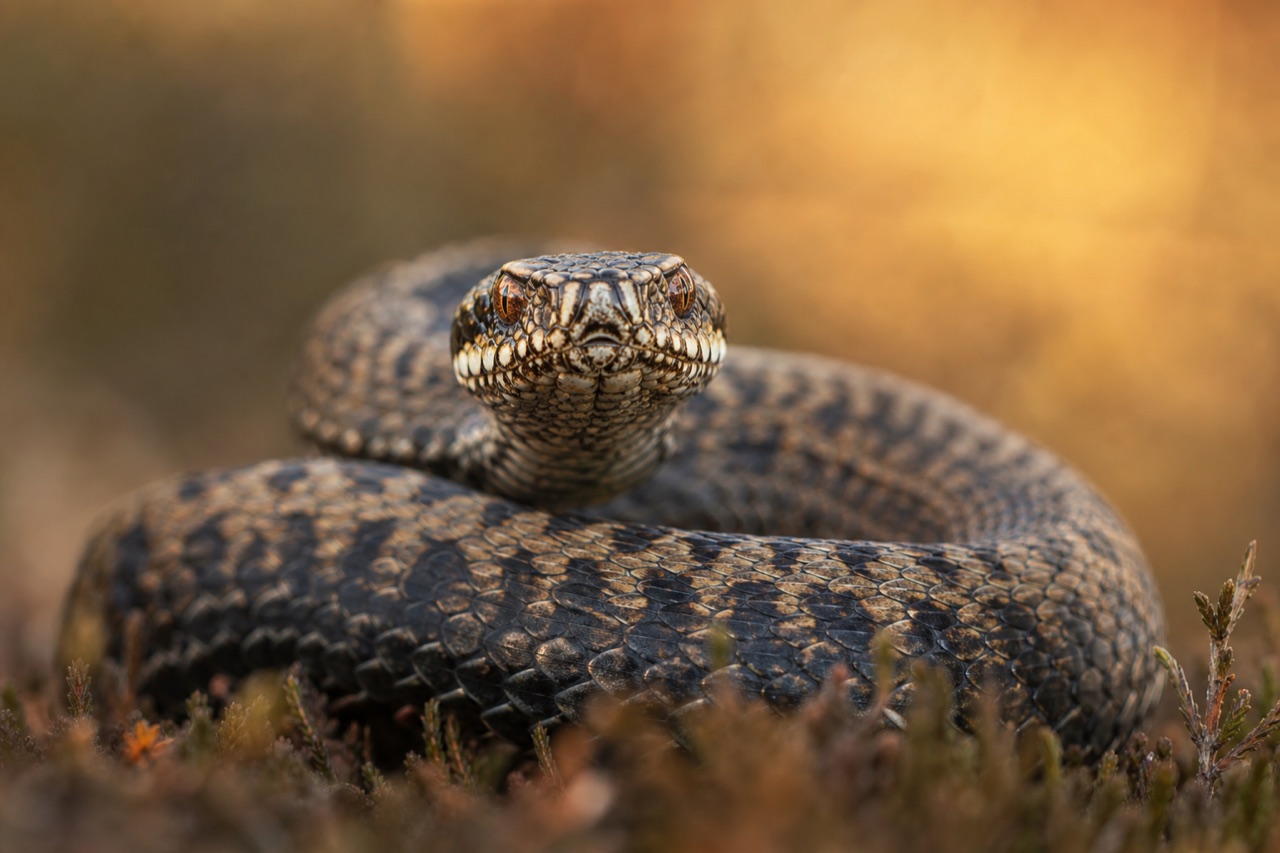
Family page — status varies; many species Least Concern, some island endemics threatened
Viper
Family Viperidae — pit vipers and true vipers; roughly 350 species worldwide
Vipers (family Viperidae) are roughly 350 species of venomous snake with hinged solenoglyph fangs and ambush hunting — including adders, rattlesnakes and fer-de-lance — responsible for a major share of global snakebite envenomation.
Read the guide →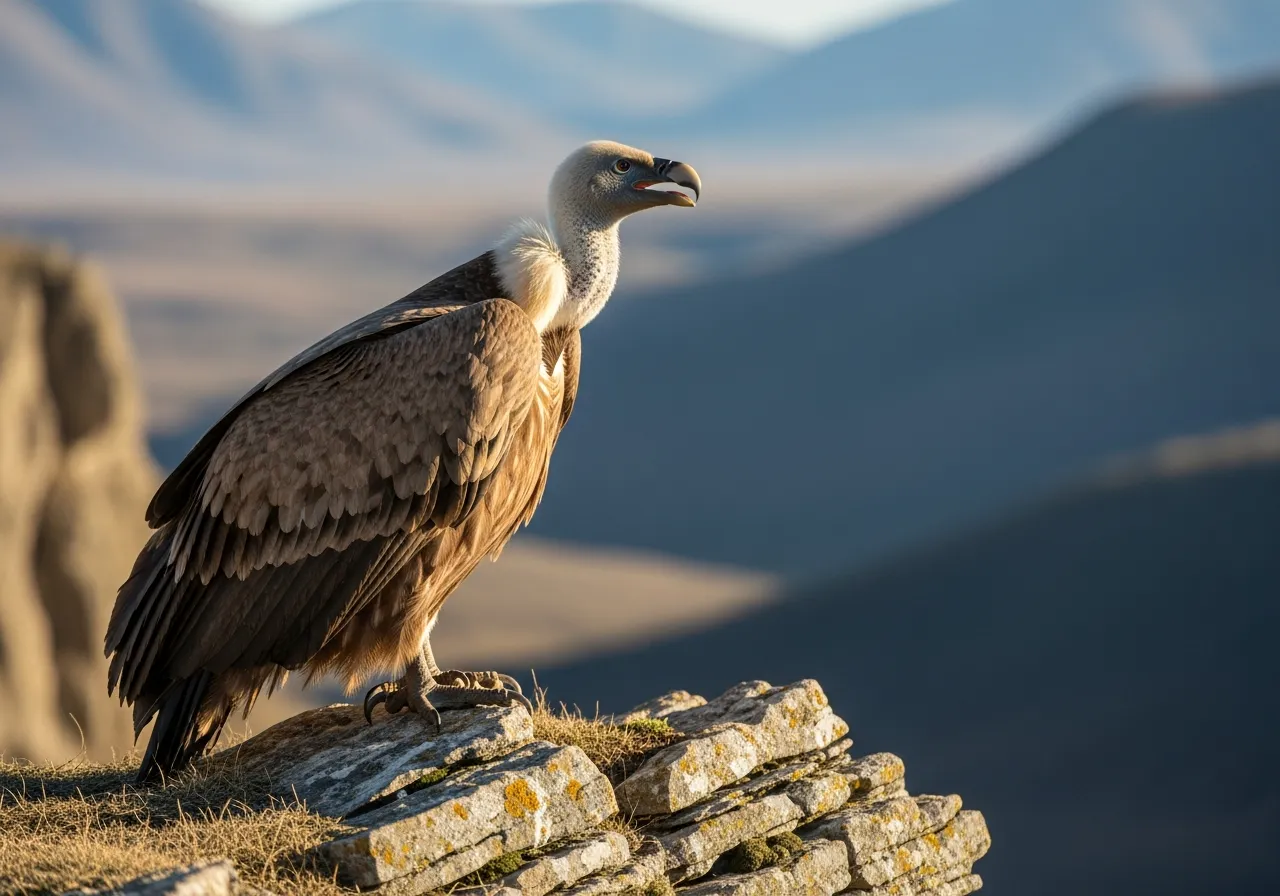
Varies; many Old World vultures Critically Endangered
Vulture
Old World vultures (family Accipitridae) and New World vultures (family Cathartidae)
A vulture is a large scavenging bird of prey that feeds mainly on carrion. There are two unrelated groups: Old World vultures of Africa, Asia and Europe, and New World vultures of the Americas, which evolved similar features independently. Most have a bald head and soar to find food.
Read the guide →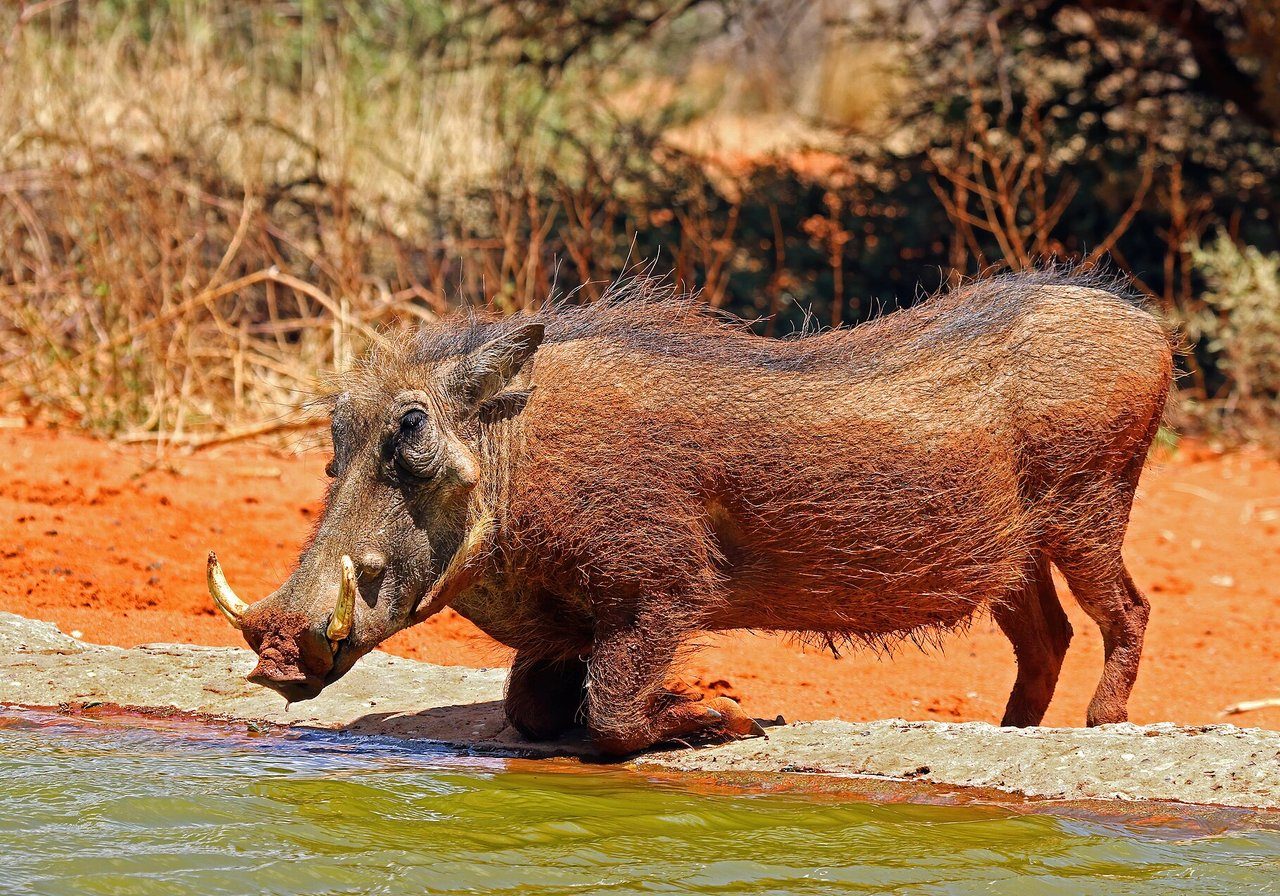
Least Concern (IUCN, 2016)
Warthog
Phacochoerus africanus (Gmelin, 1788)
The common warthog (Phacochoerus africanus) is a grazing wild pig of African savanna, listed as Least Concern; recognisable by facial warts and tusks, it kneels to graze and shelters in burrows when threatened.
Read the guide →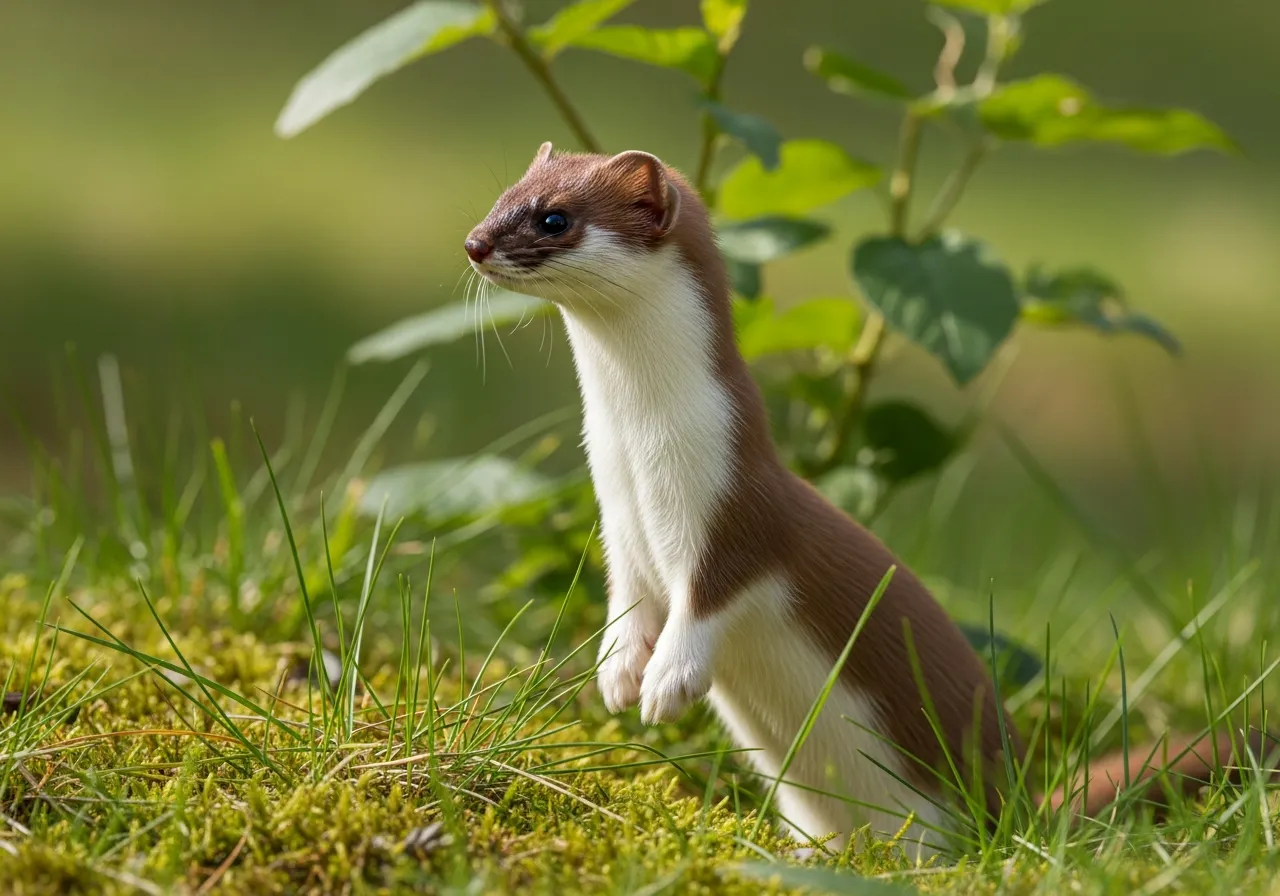
Least Concern (IUCN, 2016 assessment)
Weasel
Mustela nivalis
A weasel (Mustela nivalis), or least weasel, is the world's smallest carnivorous mammal: a slim, agile, short-legged hunter with a brown back and pale belly. Found across Europe, Asia and North America, it preys mainly on mice and voles, chasing them into their own burrows.
Read the guide →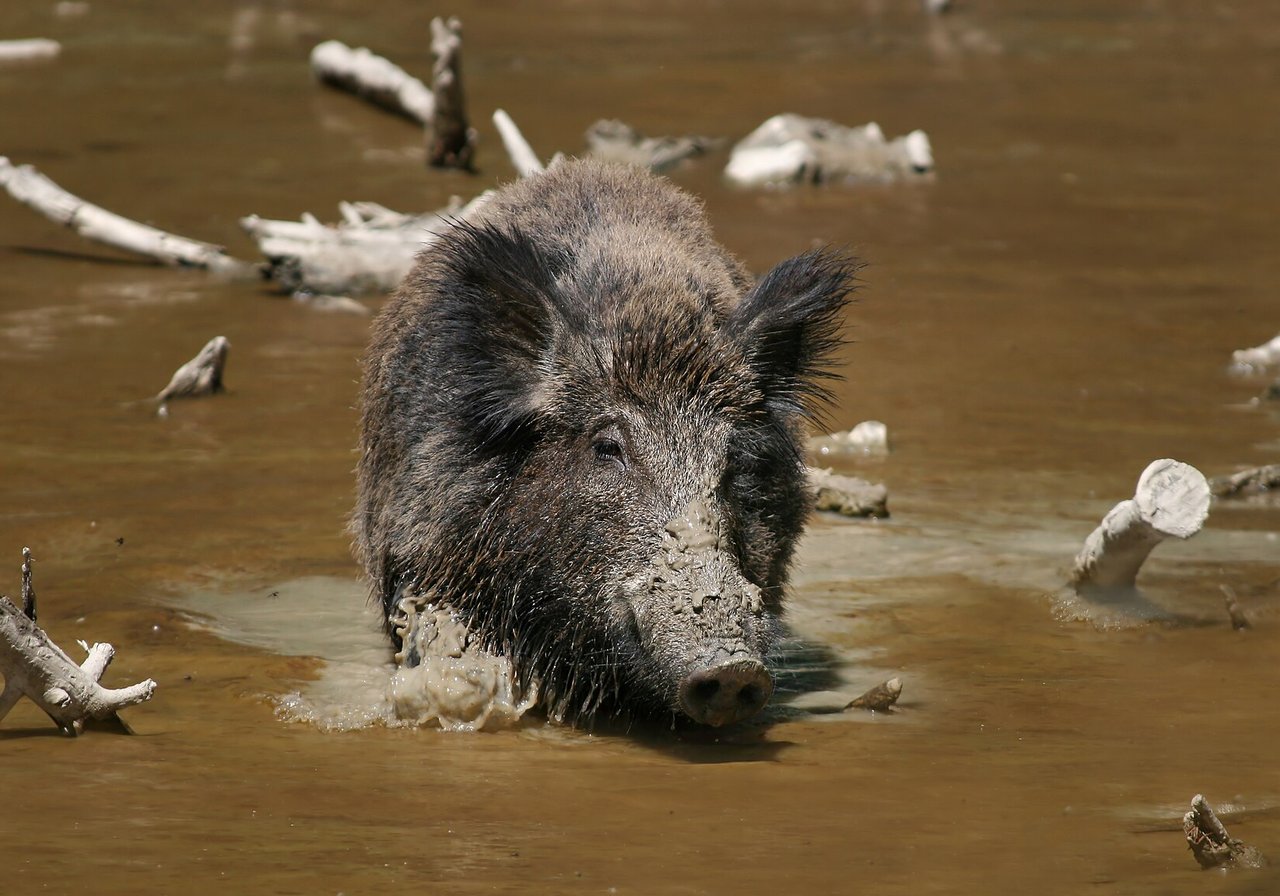
Least Concern (IUCN)
Wild Boar
Sus scrofa (Linnaeus, 1758)
The wild boar (Sus scrofa) is a Least Concern suid native across Europe, Asia and North Africa — ancestor of the domestic pig, widespread from Pakistan to Indonesia and increasing across Europe.
Read the guide →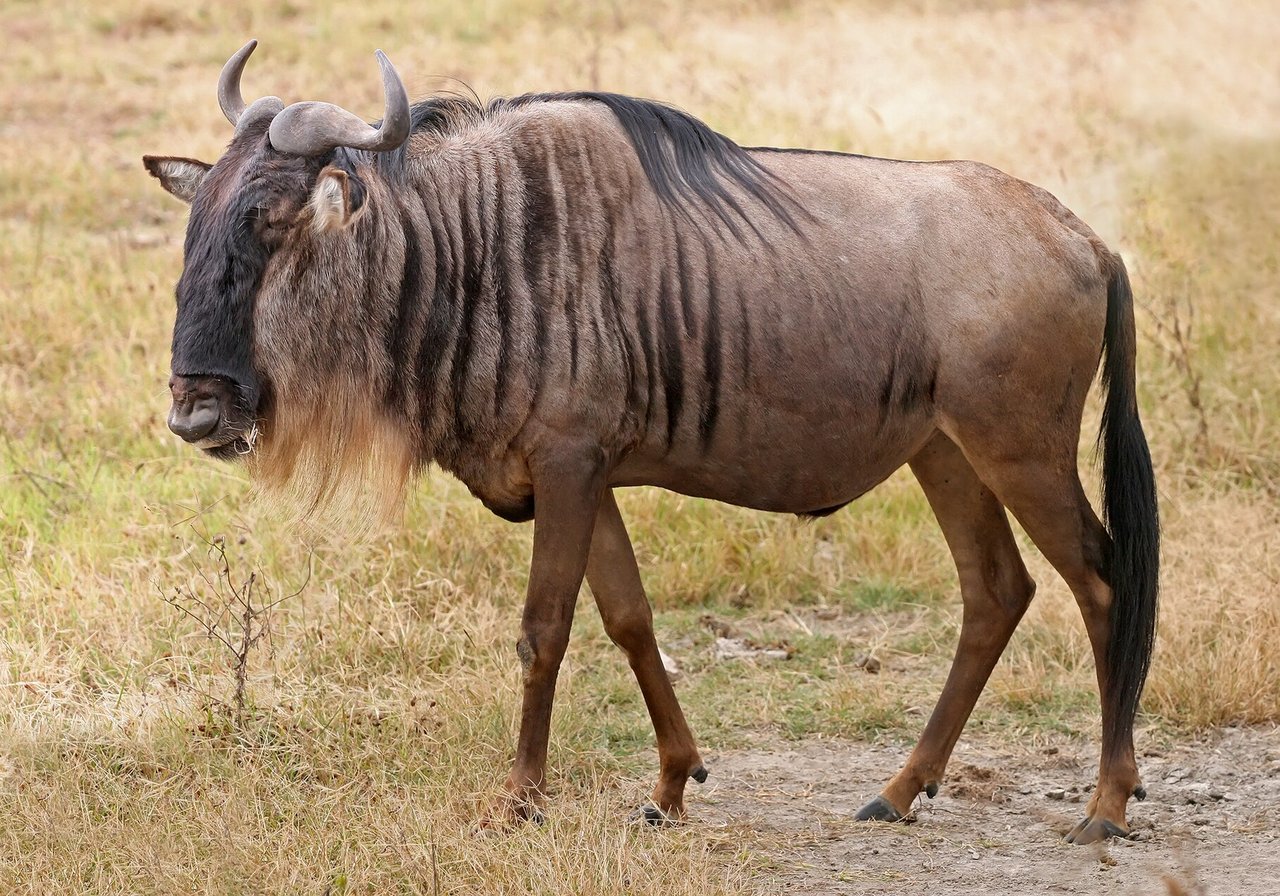
Least Concern (IUCN, 2016)
Wildebeest
Connochaetes taurinus (Burchell, 1823)
The blue wildebeest (Connochaetes taurinus) is a gregarious grazing antelope of African savanna, central to the Great Migration of over a million animals between Serengeti and Maasai Mara; listed as Least Concern but declining outside protected areas.
Read the guide →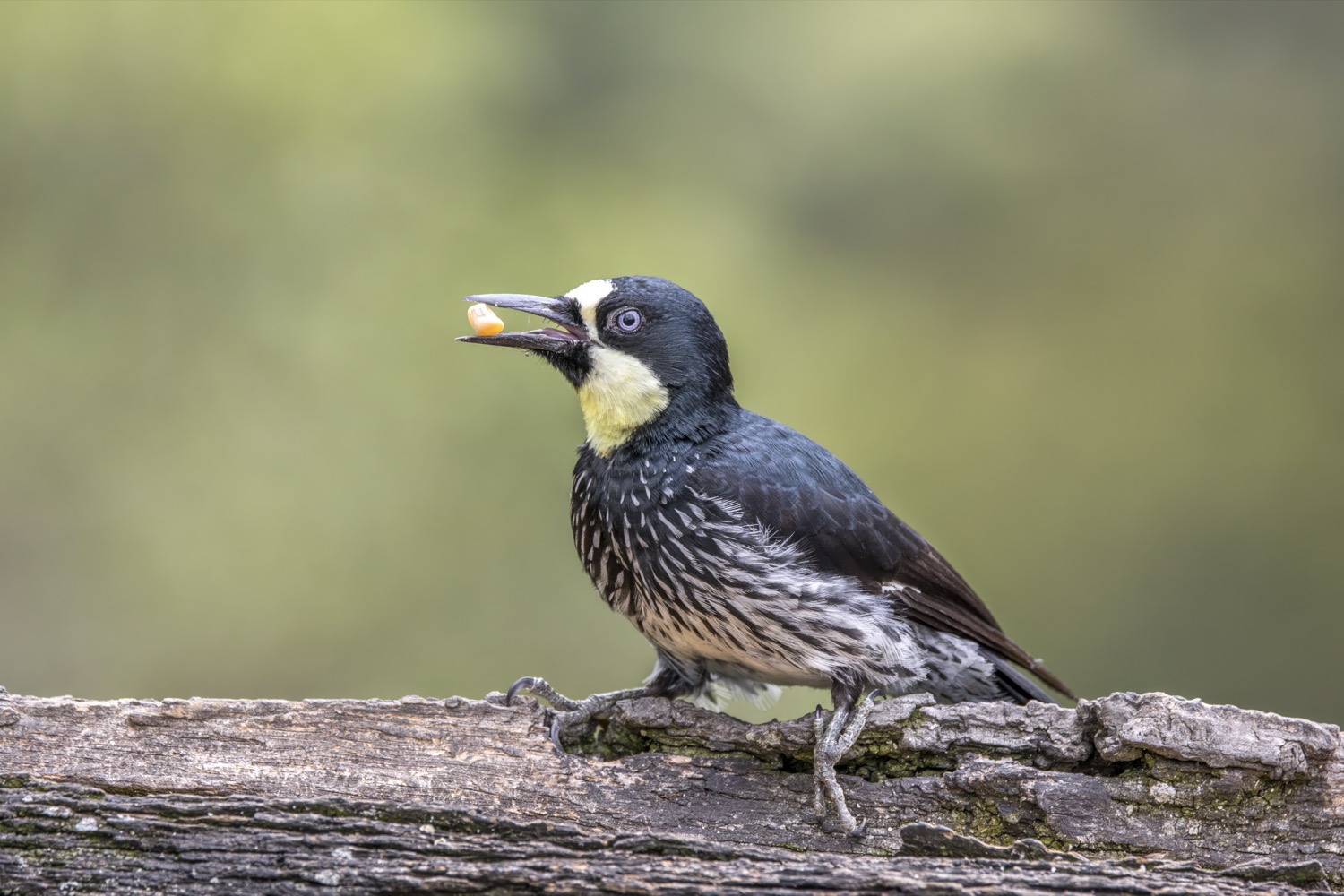
Varies by species; most Least Concern
Woodpecker
Picidae
A woodpecker is a tree-climbing bird of the family Picidae, with around 240 species worldwide. It uses a chisel-like bill to drum and excavate wood, aided by a shock-absorbing skull, gripping zygodactyl feet, a stiff propping tail and a long, barbed tongue for extracting insects.
Read the guide →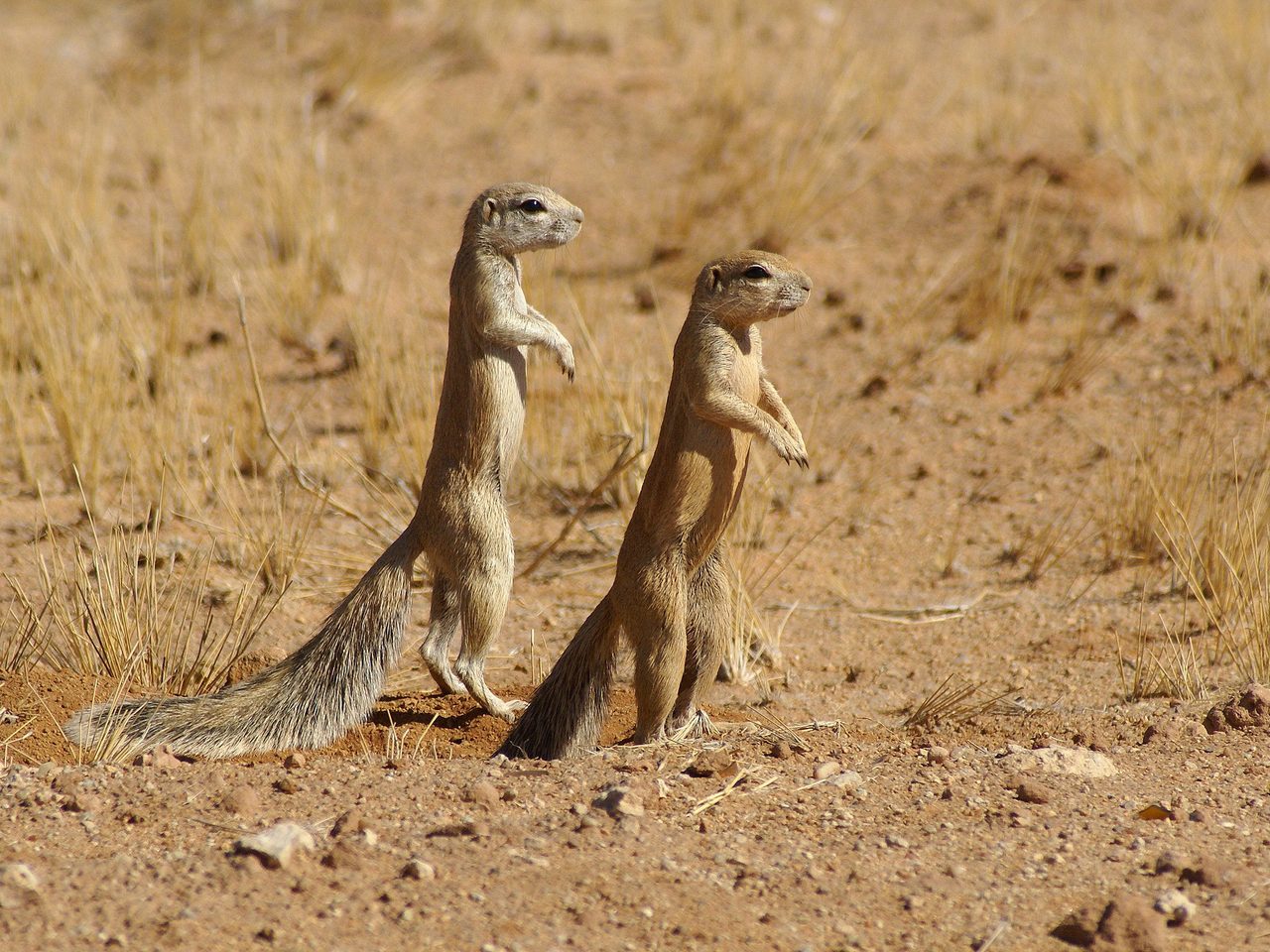
Group guide — check the individual species
Xerus & African Ground Squirrels
Xerus, Euxerus and Geosciurus
“Xerus” is commonly used for several African ground squirrels. Current mammal taxonomy keeps the unstriped ground squirrel as Xerus rutilus, places the striped ground squirrel in Euxerus, and puts the Cape and Damara ground squirrels in Geosciurus. The famous parasol-tail research concerns the Cape ground squirrel.
Read the guide →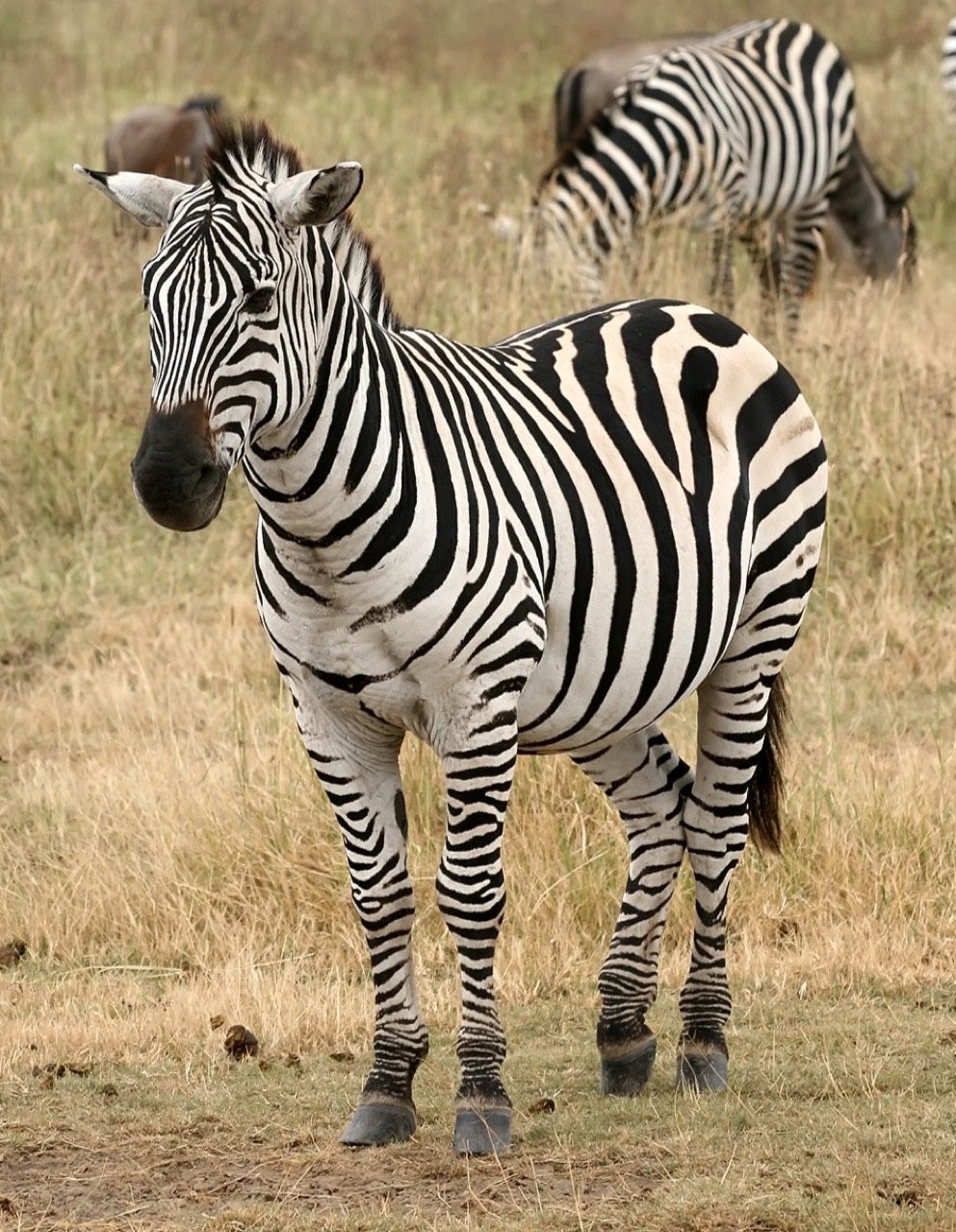
Varies by species (Near Threatened to Endangered)
Zebra
Equus (subgenus Hippotigris) — Equus quagga, Equus zebra, Equus grevyi
A zebra is a striped African member of the horse genus Equus; there are three species — plains, mountain, and Grevy's — ranging from Near Threatened to the Endangered Grevy's zebra, of which fewer than about 2,000 mature animals survive.
Read the guide →