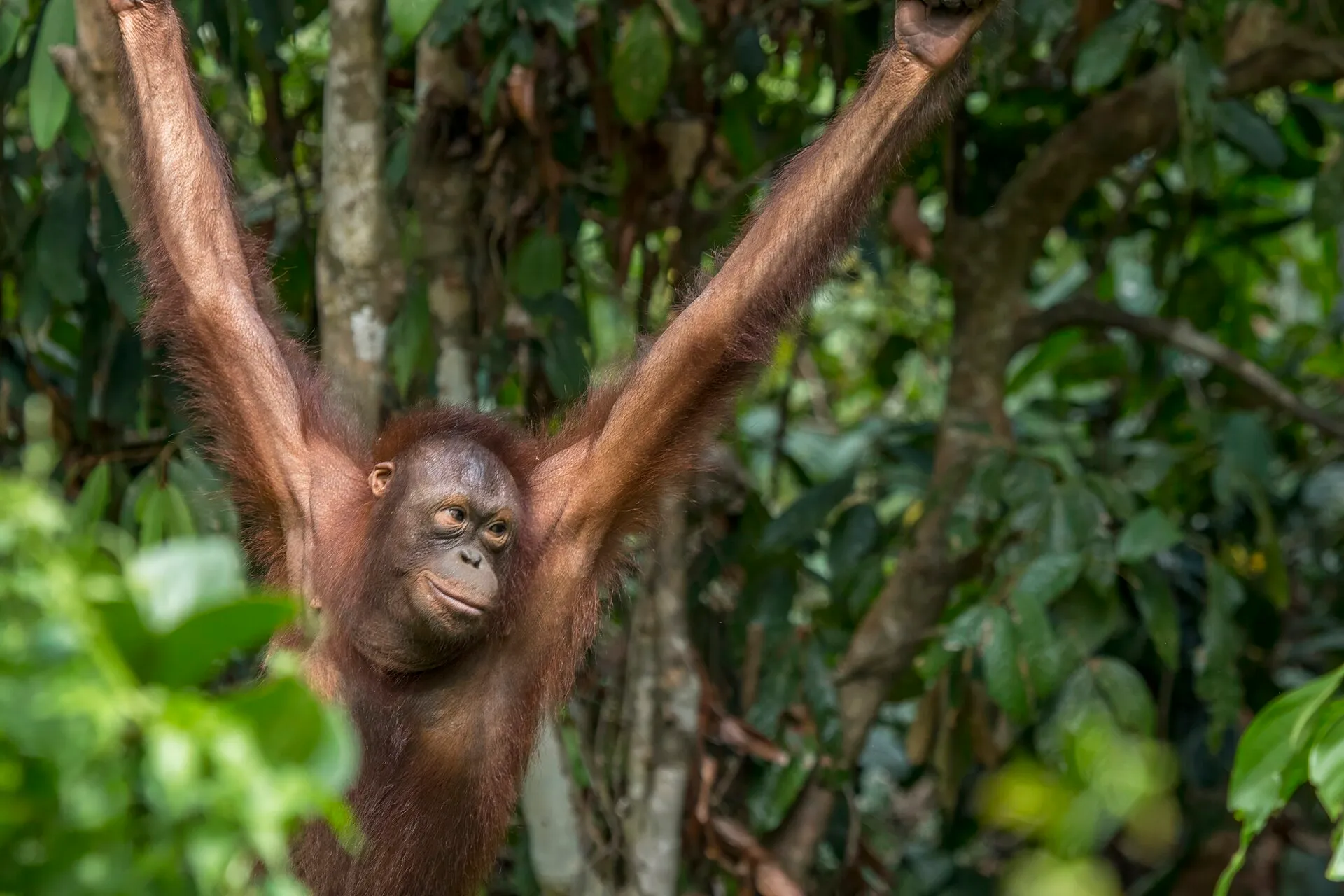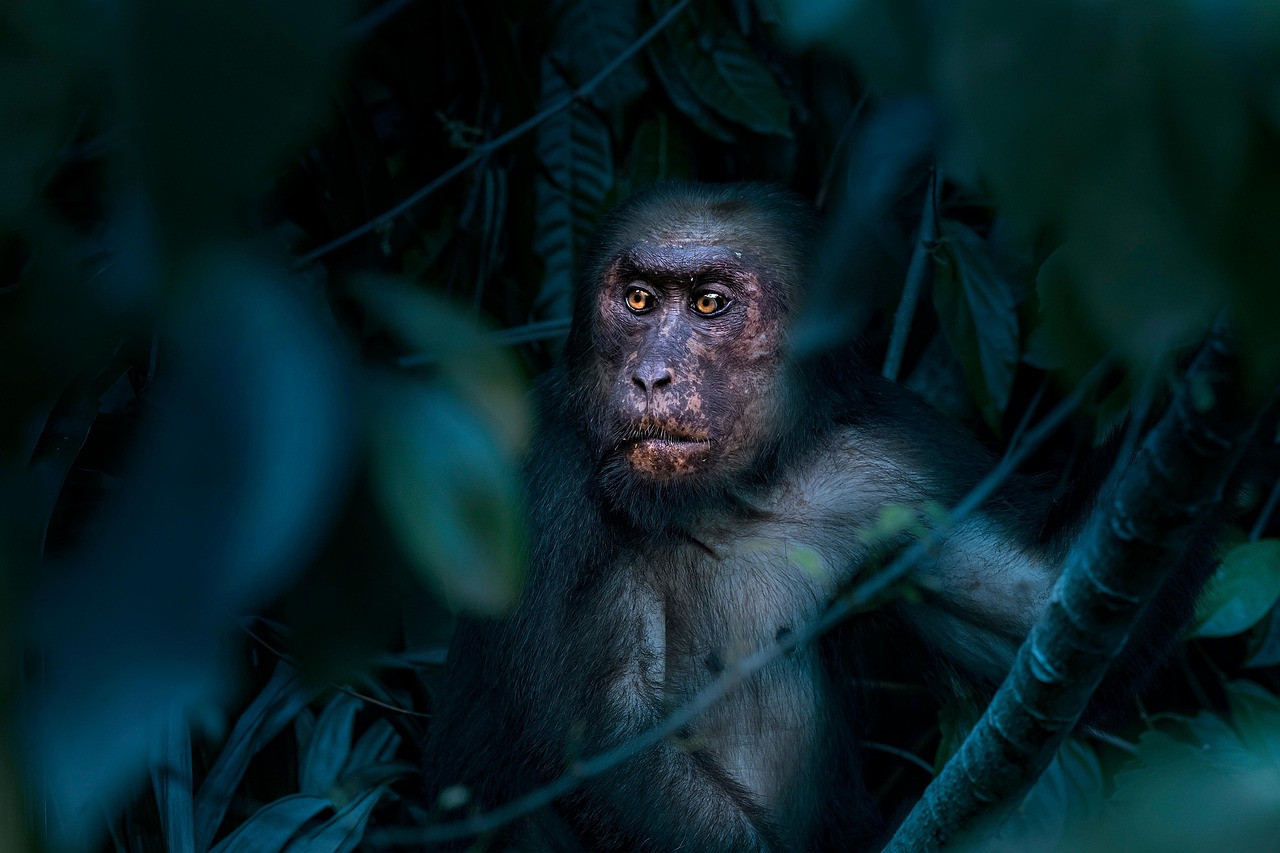
Slow loris clinging to a tree branch at night
Species

· SOUTHEAST ASIA · 6 min read

Slow Loris: Why the Internet's Favourite Pet Is a Conservation Disaster

In brief

The slow loris looks like a cartoon character — and that has nearly destroyed the species. Here is the truth behind the viral videos. This briefing covers this subject in SOUTHEAST ASIA.

The slow loris is a small nocturnal primate native to South and Southeast Asia. It is also one of the most exploited animals on the internet. Viral videos of pet lorises being "tickled" have driven an underground trade that is pushing every loris species toward extinction.

What should you know about the problem?

  • There are eight recognised species of slow loris, and all are protected under CITES Appendix I.
  • The slow loris is the only venomous primate in the world — its bite can cause anaphylactic shock in humans.
  • To make lorises "safe" as pets, traffickers clip the animals' teeth with nail clippers, without anaesthetic. Many die from infection.
  • The "tickling" behaviour shown in viral videos is in fact a defensive posture — the loris raises its arms to access venom glands.

Why they cannot be pets?

Lorises are nocturnal, solitary, slow-metabolising specialists. They cannot tolerate bright light, daytime activity, or social handling. A loris kept in a household will typically suffer obesity, metabolic bone disease, severe stress, and dental infection — even with the best intentions. There is no humane way to keep one as a pet.

What WARN is preparing to do?

Our Southeast Asia programmes will fund triage, rehabilitation, and soft-release of confiscated lorises in Indonesia and Thailand, along with a public-awareness campaign asking influencers and platforms to stop amplifying loris pet content. We need your help to get this work off the ground.

Is it true that there are eight recognised species of slow loris, and all are protected under CITES Appendix I?

There are eight recognised species of slow loris, and all are protected under CITES Appendix I. There are eight recognised species of slow loris, and all are protected under CITES Appendix I is one of the details people actually search for about this subject.

Is it true that the slow loris is the only venomous primate in the world — its bite can cause anaphylactic shock in humans?

The slow loris is the only venomous primate in the world — its bite can cause anaphylactic shock in humans. That scale is ecology, not a pet-shop talking point. this subject needs room to use a body like that in SOUTHEAST ASIA, which is why habitat fragmentation hits so hard.

Is it true that to make lorises "safe" as pets, traffickers clip the animals' teeth with nail clippers, without anaesthetic. Many die from infection?

To make lorises "safe" as pets, traffickers clip the animals' teeth with nail clippers, without anaesthetic. Many die from infection. Many die from infection is one of the details people actually search for about this subject. It holds as a field note from SOUTHEAST ASIA; it is not a care sheet and not a substitute for the species guide.

Is it true that the "tickling" behaviour shown in viral videos is in fact a defensive posture — the loris raises its arms to access venom glands?

The "tickling" behaviour shown in viral videos is in fact a defensive posture — the loris raises its arms to access venom glands. The "tickling" behaviour shown in viral videos is in fact a defensive posture — the loris raises its arms to access venom glands is one of the details people actually search for about this subject.

What is this briefing not?

This briefing is not a substitute for the full this subject wildlife guide, not a pet-care manual, and not a first-person field dispatch. It is a desk-researched explainer for people who searched a specific question about this subject. The setting is SOUTHEAST ASIA.

Slow Loris: Why the Internet's Favourite Pet Is a Conservation Disaster sits in the newsroom as a species explainer. It is not a Field notes dispatch from a partner clinic, and it is not a reason to keep this subject. Location context: SOUTHEAST ASIA.

Who should skip this page?

Skip this page if you wanted a complete IUCN-style species profile, veterinary advice, or permission to keep this subject as a pet. You will not find those here. Read the wildlife guide next if you need status, range and sources in one place.

Skip it if you needed veterinary instructions, a travel itinerary, or a fundraising story dressed up as science. The skip is the point: a page that cannot say no is not a guide.

How does this briefing compare to the full species guide?

This page answers the search in the headline. The wildlife guide answers status, threats, and what is actually known. Use both; do not cite the listicle as if it were the Red List. The slow loris looks like a cartoon character — and that has nearly destroyed the species.

What is the catch with a short wildlife briefing?

The catch with wildlife listicles is that a true fact can still be the wrong takeaway. “Amazing” is not the same as “safe to keep”, and a number without a source is trivia. Every figure on this page should be read against the cited IUCN or zoo pages, not against a screenshot.

Factory “12 facts” pages elsewhere on the web pad the same three sentences. Here each heading is a real question, each answer is meant to stand alone, and the sources at the end are the audit trail. If a number is not on this page or in those sources, we did not invent it.

What should you do after reading this?

Use this briefing to answer the question in the title, then go to the species guide for status and sources. If you want to help this subject, fund habitat and enforcement — do not buy the animal. The slow loris looks like a cartoon character — and that has nearly destroyed the species.

If you want to support WARN’s partner work, donate knowing we are a community interest company, not a registered charity. If you want the animal itself, you have the wrong page.

Read the verdict on the first screen, the skip-if before you share the page, and the sources at the end before you quote a number. That is the whole contract of this briefing.

What do people ask about this briefing?

Is this this subject briefing a complete species guide?
No. It is a newsroom explainer for a specific search. Status, range and the full source list live on the wildlife guide where one exists. The briefing is set in SOUTHEAST ASIA. The slow loris looks like a cartoon character — and that has nearly destroyed the species.
Should you keep a this subject as a pet after reading this?
No. Amazing facts are not a care plan. Wild animals belong in wild habitat; buying one, posing with one, or sharing selling ads all worsen the trade. Location context on this page is SOUTHEAST ASIA. The slow loris looks like a cartoon character — and that has nearly destroyed the species.
Who should skip this this subject page?
Anyone who needed veterinary advice, a full IUCN profile, or permission to handle the animal. This page will tell you to leave if that is you. The slow loris looks like a cartoon character — and that has nearly destroyed the species.
What is the one-line answer on this subject?
The slow loris looks like a cartoon character — and that has nearly destroyed the species. Here is the truth behind the viral videos. This briefing is set in SOUTHEAST ASIA. It is not a pet-care page and not a field dispatch.
Where is this this subject briefing set?
The location context is SOUTHEAST ASIA. That is geography for the story, not a claim that WARN runs a programme in every place named. The slow loris looks like a cartoon character — and that has nearly destroyed the species.
Where does WARN work on this subject?
Only claim a programme where this site already names one. This briefing is desk research about this subject in SOUTHEAST ASIA; it does not invent a field team to match the headline. Read the species guide and appeals for funded work.
W

WARN Research & Conservation Team

World Animal Rescue Network

Published Updated 6 min read · 1,112 words
Share
Support animal rescue