The words animal sanctuary, animal shelter and animal rescue are used interchangeably online — on donation pages, in charity names, in news stories — but they describe meaningfully different things. Understanding the difference helps you support the right organisation for the cause you care about, and it helps you understand what the animals in each type of facility actually need.
What is an animal sanctuary?
An animal sanctuary is a facility that provides permanent, lifetime care for animals that cannot be rehomed. The animals who live in sanctuaries are not available for adoption — they will spend the rest of their lives at the sanctuary, cared for by staff and volunteers, in an environment designed to meet their physical and psychological needs as well as possible given their situation.
Animals end up in sanctuaries for many reasons. They may be too old to adapt to a new home. They may have injuries or medical needs that most families cannot manage. They may have been wild-born — primates, big cats, bears, elephants — and cannot safely live with humans or return to the wild. They may have been so severely traumatised that the process of rehoming would cause them serious harm.
The defining feature of a sanctuary is that the animals' welfare is the goal, not their placement. A sanctuary's residents are not "waiting" — they have arrived. The job is to make the rest of their life as good as it can possibly be.
Animal sanctuary vs animal shelter: the key difference
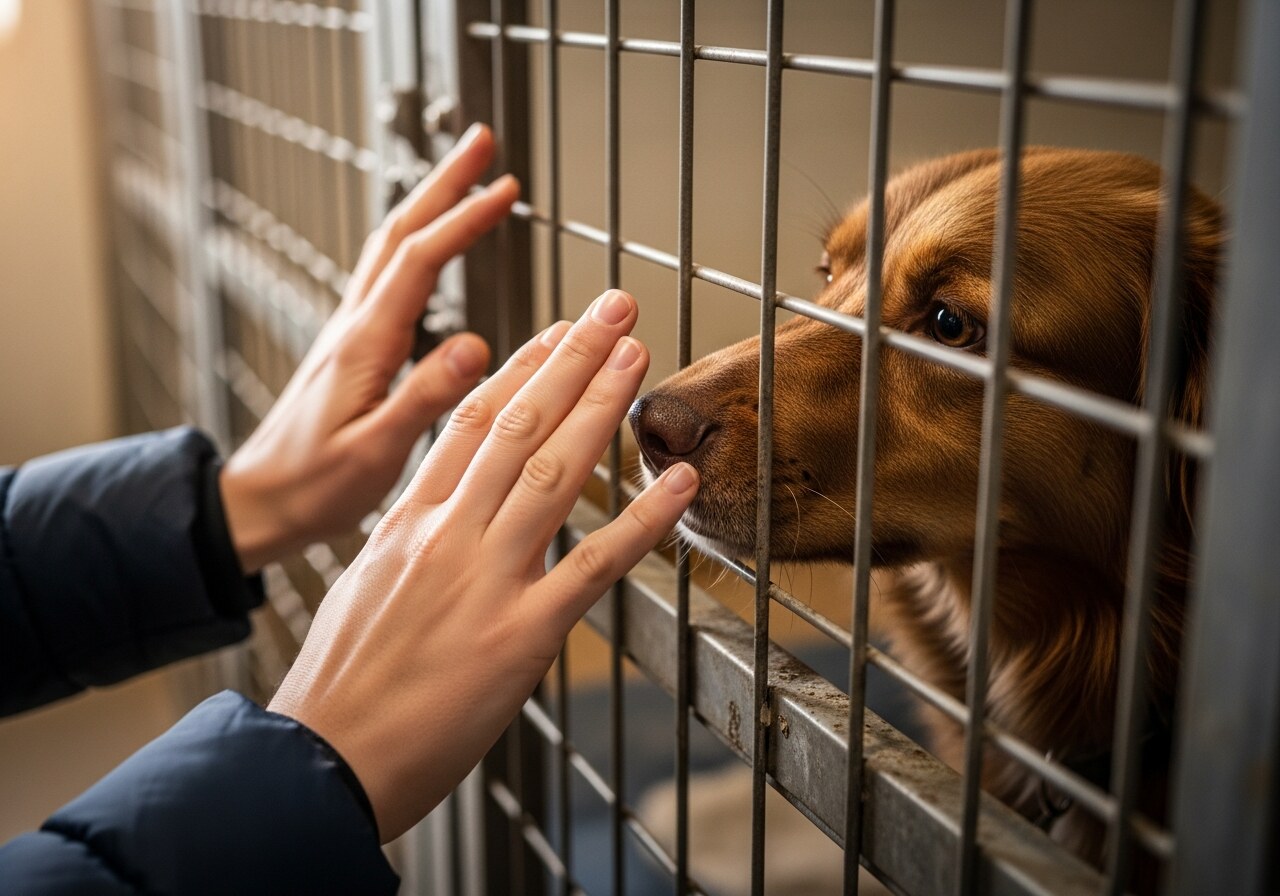
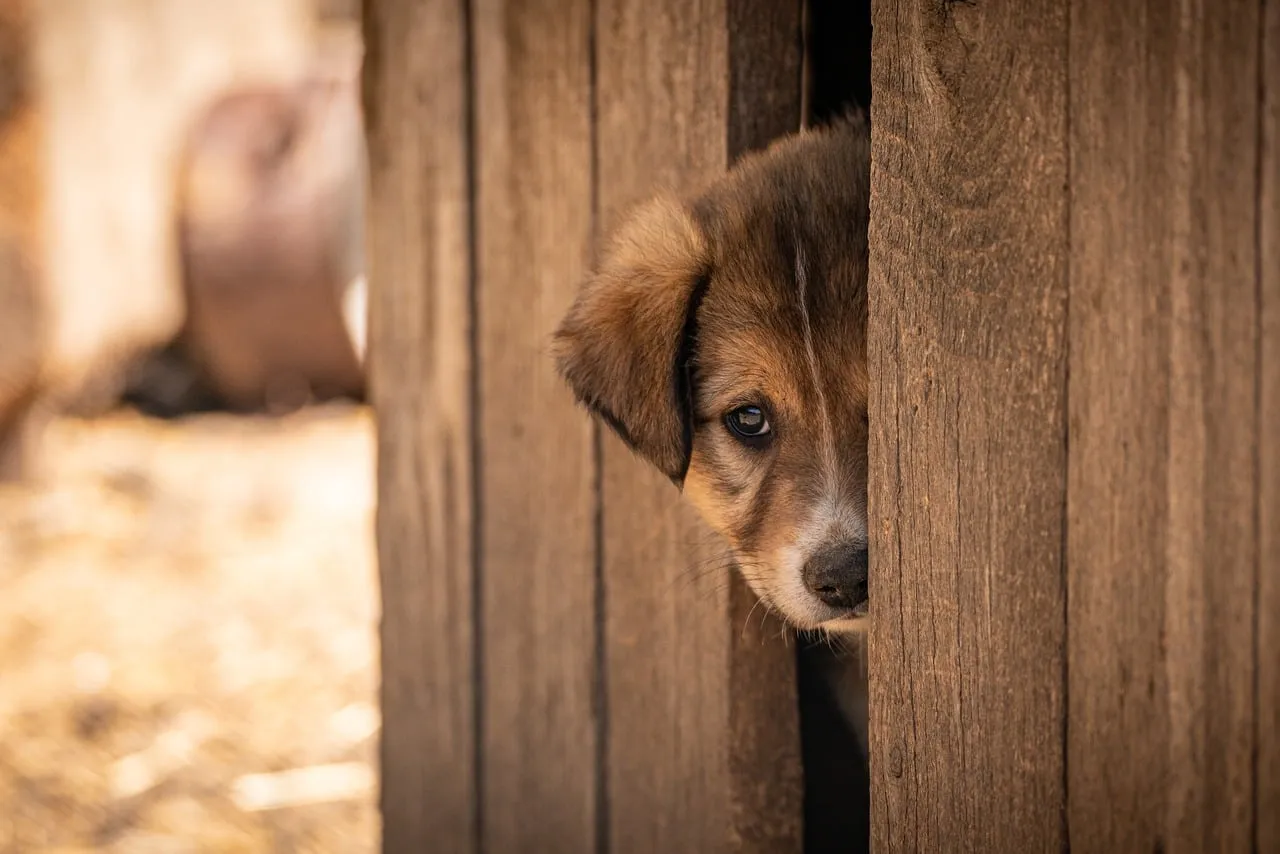
A shelter takes in stray, abandoned or surrendered animals and works to place them in new homes. Shelters are measured by their rehoming rates. The better shelters provide enrichment, behavioural support and veterinary care to maximise each animal's chances of finding a good home as quickly as possible.
A sanctuary takes in animals who have either failed to find a home after extensive time in a shelter, or who were never candidates for rehoming in the first place. Sanctuaries are measured by the quality of life they provide — not by how many animals they move on.
Many organisations do both: they operate as a rescue and shelter for animals that can be rehomed, and as a sanctuary for those that cannot. The two functions often sit side by side within the same charity, which is why the terminology gets blurred.
Animal sanctuary vs animal rescue
A rescue is an active operation — it goes into dangerous situations and removes animals. Street cull operations, hoarding cases, disaster zones, illegal wildlife trade interceptions. The rescued animals then go through rehabilitation and, if possible, rehoming.
A sanctuary is the destination for animals that have been through rescue and rehabilitation, but for whom no suitable home exists. The two functions are complementary. Without sanctuaries, many rescued animals would have nowhere to go after rehabilitation — which means rescue operations could not take them in the first place.
What animals live in sanctuaries?
UK animal sanctuaries
Most UK animal sanctuaries focus on species that fall outside the mainstream dog-and-cat welfare system. Horses and donkeys are common — animals from neglect or overwork situations that cannot be ridden or driven. Farm animals rescued from slaughter or hoarding: pigs, goats, sheep, cattle. Small animals with high needs: elderly rabbits, guinea pigs with chronic conditions, birds requiring specialist care.
Some UK organisations, such as the Donkey Sanctuary in Devon, focus entirely on one species. Others, like Wythall Animal Sanctuary in the West Midlands, care for a range of smaller animals including rabbits, guinea pigs and birds alongside dogs and cats.
International animal sanctuaries
Internationally, sanctuaries often exist specifically for animals confiscated from the illegal wildlife trade or removed from abusive tourist attractions. This includes:
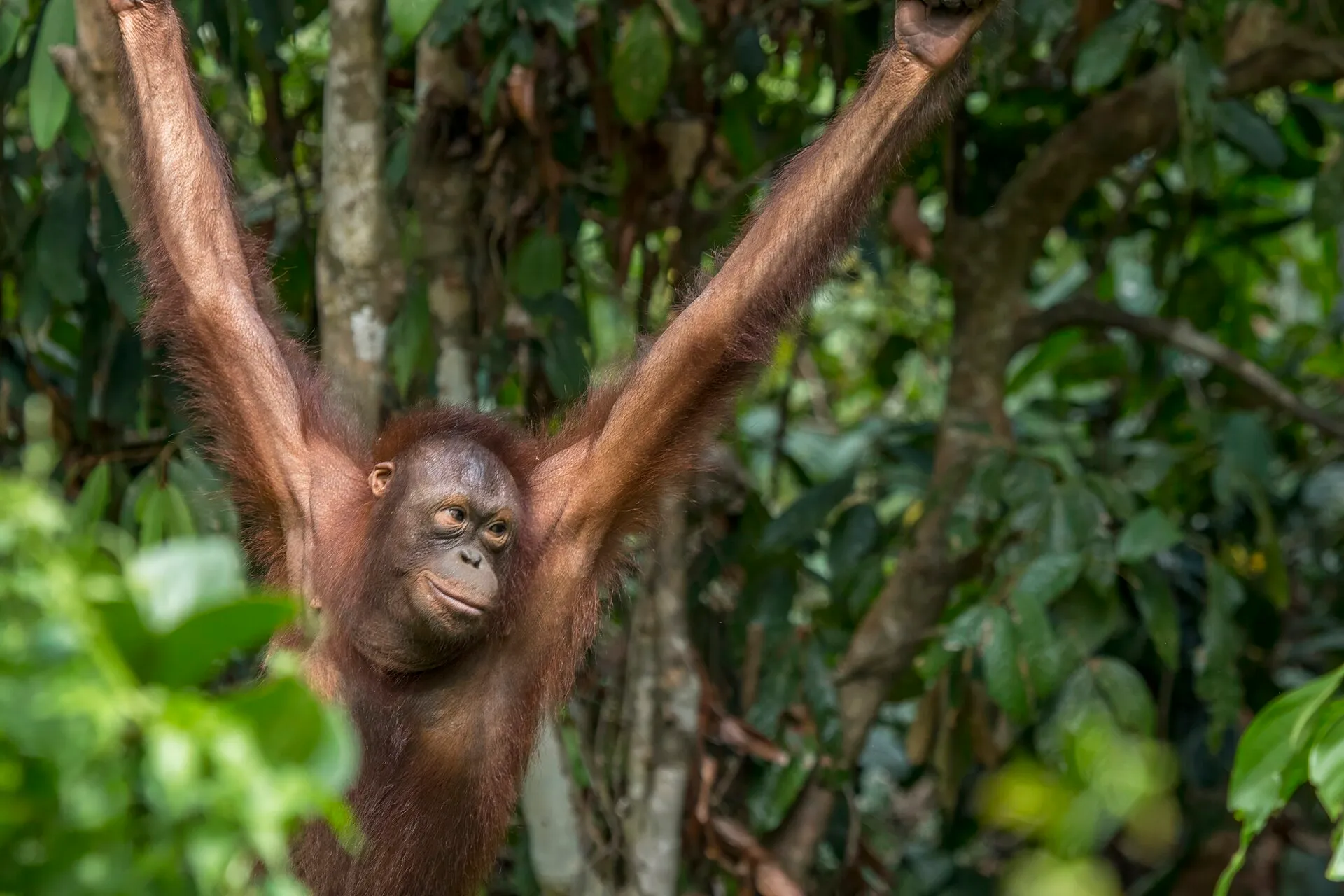
- Primates — orangutans, chimpanzees, capuchins, slow lorises confiscated from pet trade or palm-oil habitat clearance
- Big cats — lions and tigers rescued from canned hunting operations or private ownership
- Bears — Asiatic black bears (moon bears) rescued from bear bile farms in Vietnam and China
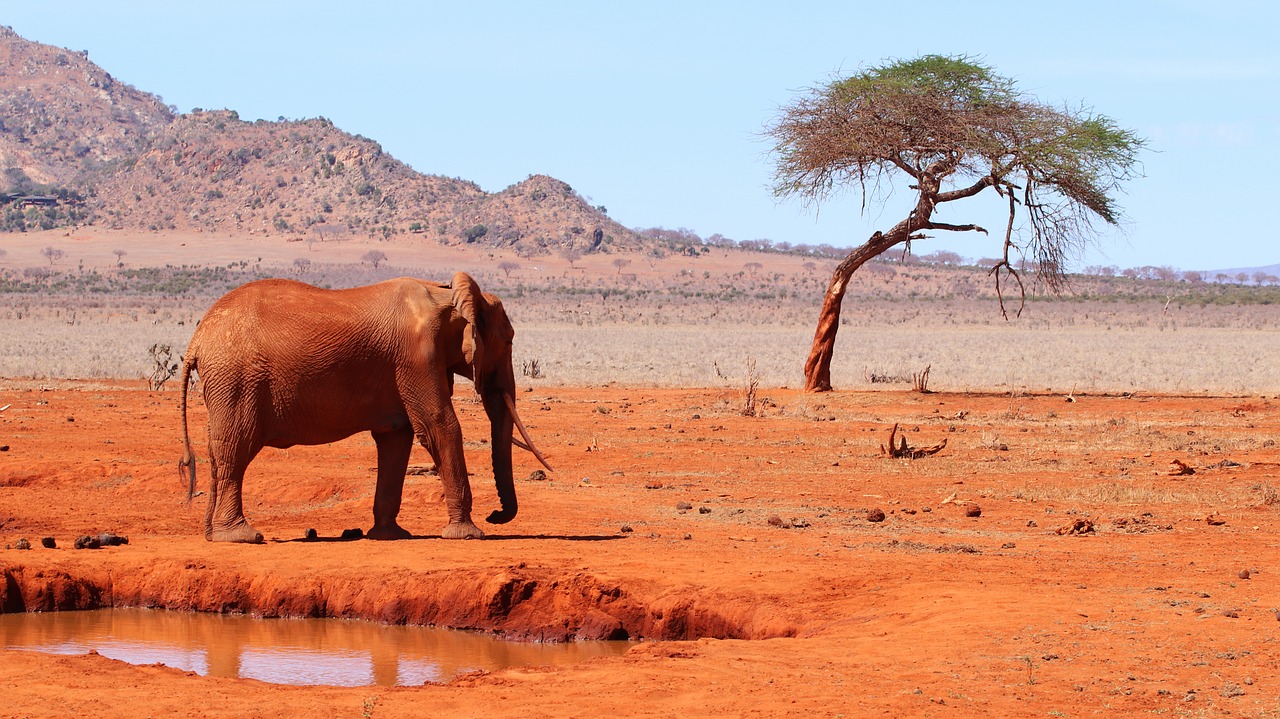
- Elephants — removed from logging operations or tourist entertainment
- Parrots and macaws — confiscated from trafficking operations across South America
These animals almost never return to the wild. They have been through too much, or were born in captivity, or their wild habitat no longer safely exists. For them, a high-quality international sanctuary is the best possible outcome.
How to support an animal sanctuary
Animal sponsorship
The most popular form of sanctuary support is animal sponsorship — sometimes called adoption sponsorship or "sponsor a resident". You make a regular monthly contribution (typically a small amount) and it funds a named animal's food, veterinary care, enrichment and habitat maintenance. In return, you receive updates about your sponsored animal. The animal does not come to live with you — they stay at the sanctuary — but your money directly pays for their daily life.
Sponsorship is particularly powerful because it provides sanctuaries with predictable, recurring income that allows them to plan veterinary treatment and staffing. A one-off donation is valuable, but monthly sponsors are what keep sanctuary doors open year after year.
Volunteering
Many UK sanctuaries welcome volunteers for tasks that do not involve direct animal contact — maintenance, administration, events, social media, fundraising. Some offer animal care volunteering for experienced handlers. International sanctuaries often run structured volunteer programmes, though these should be chosen carefully: any programme that allows close contact with wild animals (holding primates, riding elephants) is likely prioritising visitor experience over animal welfare.
Leaving a legacy
A gift in a will — a legacy donation — is one of the most significant things a supporter can do for a sanctuary. Sanctuaries carry long-term commitments: an orangutan rescued today may live for another 40 years. Legacy gifts provide the financial foundation for that kind of long-term care.
Where WARN's sanctuary work fits in
World Animal Rescue Network is building towards sanctuary capacity in several of our planned programme countries for 2026. In each case, sanctuary care is the final destination for animals that our field rescue operations bring out of dangerous situations but for whom release is not possible — confiscated parrots, slow lorises, orangutans, primates removed from the pet trade. Without sanctuary partnerships and capacity, field rescue cannot function: there is nowhere to take the animals once they are safe.
If you would like to support WARN's sanctuary development work, sponsoring an animal through our launch-stage programme directly funds the rehabilitation and sanctuary housing of our first case animals, or make a one-off donation to support our field teams and veterinary capacity.
We need your support to make this happen
World Animal Rescue Network is at the launch stage of this work. We do not yet have rescue numbers to share — and that is exactly why your support matters now. Every donation helps us put trained teams on the ground, secure veterinary supplies and equipment, and reach the first animals before they are lost.
Donate today to fund our first deployments, or sponsor an animal to back a specific species through rehabilitation. You can also join the network as a volunteer, fundraiser, or monthly supporter.