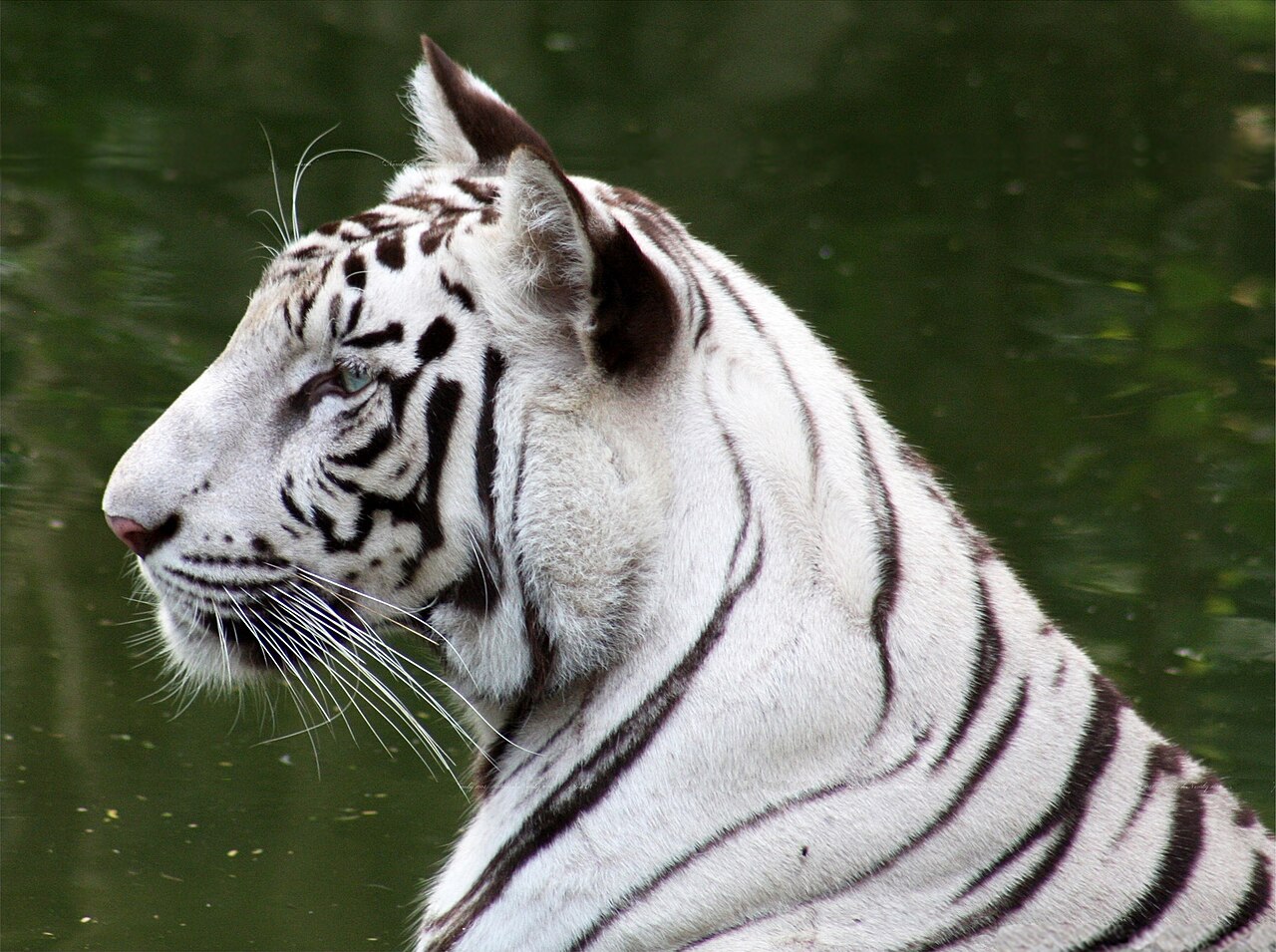
Lion vs tiger: what actually separates them
Both are Panthera, both are apex predators, and they overlap almost nowhere in the wild. Here is how they differ. See the lion guide and tiger guide for full profiles.
Size: the tiger wins
The largest tigers — Amur tigers — can exceed 300 kg. A very large male lion tops out nearer 225 kg. Tigers are also longer in the body and heavier-boned.
Social life: the lion is unique
Lions live in prides of related females plus a male coalition. Tigers are solitary outside mating and cub-rearing, holding individual territories they patrol alone. This is the single biggest behavioural difference between them.
Habitat and hunting
Lions hunt open savanna and grassland, often cooperatively, in daylight as well as at night. Tigers hunt dense forest, mangrove and grassland alone, relying on cover, stalking to very close range and striking once.
Coat and camouflage
Tiger stripes break up the outline in tall grass and dappled forest. Lion coats are plain tawny, matching dry open ground; only cubs show faint spotting.
Water
Tigers swim readily and use rivers to cool down and to move between forest patches. Most lions avoid deep water, though some populations cross rivers when they must.
Range and status
Lions are found across fragmented parts of sub-Saharan Africa plus one Indian population. Tigers survive in scattered Asian forests, with the Sumatran and Malayan populations Critically Endangered. Both have lost the great majority of their historic range.
Which would win?
It is the most-asked question and the least useful one. The two species barely meet in the wild, and any staged comparison tells you about captivity, not about either animal. What matters for both is habitat, prey and the pressure of living alongside people.
WARN funds partner teams protecting both. See the tiger appeal and the lion appeal.
Read the full tiger wildlife guide for IUCN status, population context and sources — or donate to WARN to help fund the partner teams protecting wildlife on the ground.