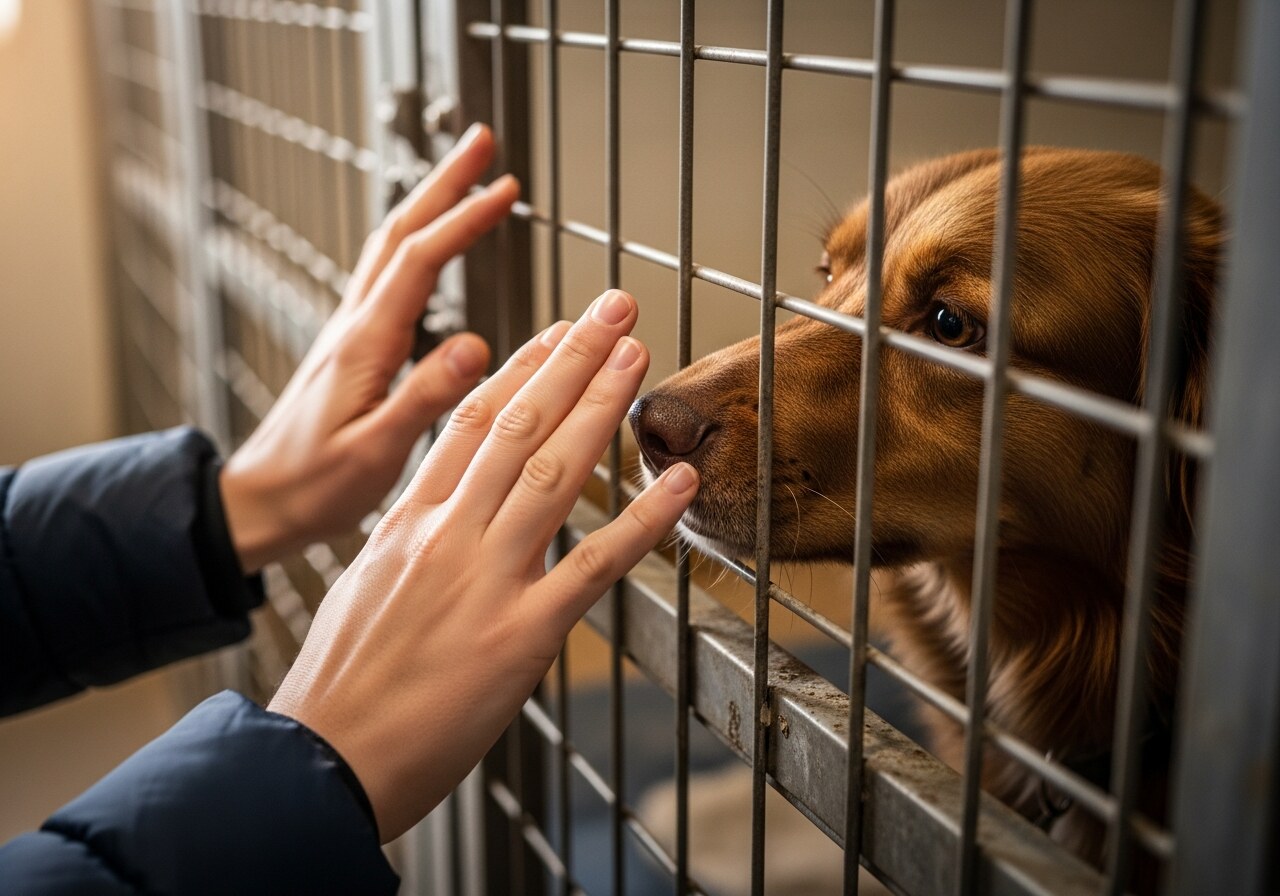
Fostering a rescue dog is one of the most effective things an individual can do for animal welfare — and one of the most underused. Shelters and rescue centres across the UK are short of foster carers. Every dog in a foster home frees up a kennel space for another animal, gives the fostered dog a much better chance of successful adoption, and costs the rescue organisation far less per day than kennel care.
If you have ever thought about getting a dog but are not ready for a permanent commitment, fostering is the obvious place to start. This guide covers everything you need to know.
What does fostering a dog involve?
When you foster a rescue dog, you temporarily take the dog into your home while the rescue organisation finds them a permanent family. You provide:
- A safe, comfortable home environment
- Daily walks, exercise and mental stimulation
- Basic training reinforcement (sit, lead walking, house training)
- Socialisation and routine — the things that make a dog adoptable
- Honest feedback to the rescue about the dog's behaviour and needs
The rescue organisation provides:
- Veterinary care — vaccinations, treatments, neutering if needed
- Usually food and basic supplies
- Support and advice from experienced staff or coordinators
- The adoption process — finding and vetting the permanent home
Why fostering makes such a big difference
Research consistently shows that dogs in home environments are less stressed, display their true personality more accurately, and are more successfully matched with adoptive families than dogs assessed only in kennels. A kennel is a noisy, unfamiliar, socially isolating environment — many dogs shut down or become anxious in kennels even if they are calm and friendly in a home.
When a rescue can accurately describe a dog's behaviour with children, with cats, on a lead, when left alone, and with visitors — because a foster carer has lived with the dog and reported back — the adoption match is far more likely to stick. That matters enormously: failed adoptions are stressful for the dog, expensive for the rescue, and demoralising for the family.
The 3-3-3 rule for foster dogs
The 3-3-3 rule — first 3 days, first 3 weeks, first 3 months — is a widely used framework for understanding how a rescue dog settles into a new environment. It applies equally to foster placements and permanent adoptions:
- Days 1–3: The dog is overwhelmed. They may be quiet, shut down, not eating well, not playing. This is normal. Give them a safe space, keep things calm, do not push interaction.
- Weeks 1–3: The dog begins to understand the routine — when walks happen, when mealtimes are, who is in the household. They start to show more of their personality. Some testing of boundaries is normal.
- Months 1–3: The dog feels genuinely at home. Their full personality is visible. This is the most accurate picture of who they are and how they will behave in a permanent home.
For foster carers, the 3-3-3 rule is a useful reminder that what you see in week one is not what you will see in month two. Be patient. The dog is processing an enormous amount of change.
How to become a dog foster carer in the UK
Step 1: Choose a rescue organisation
National organisations with large foster networks include Dogs Trust, Many Tears Animal Rescue, RSPCA and Blue Cross. Smaller local rescues often also have foster programmes and may be more flexible about placement types. You can search for registered rescue charities on the Charity Commission website and contact them directly.
Step 2: Apply
Most rescues have an online application form asking about your home, your experience with dogs, your working hours, your other pets and any children. Be honest — the more accurately the rescue understands your household, the better the match they can make.
Step 3: Home check
Most UK rescues require a home visit before approving a foster placement. A coordinator will check that your home is safe for a dog — secure garden, no obvious hazards — and discuss what type of dog would suit your household.
Step 4: Matching
The rescue will propose a dog for you based on your application. You are not obliged to accept every dog offered — if a proposed placement does not feel right, say so. A good rescue will work with you to find a dog that suits both of you.
What if you cannot keep the dog when the placement ends?
Fostering is always temporary unless you choose to adopt. When a permanent home is found, the rescue will manage the transition. If your circumstances change during a placement, contact your rescue coordinator as early as possible — they will arrange alternative care. You are not trapped.
What happens when animals cannot be fostered out of trouble
For millions of dogs around the world, the UK foster model is not available. Street dogs in Pakistan, dogs in the Southeast Asian meat trade, free-roaming dogs in cities without rescue infrastructure — no foster network reaches them. What reaches them is in-country rescue and welfare intervention: vaccination, neutering, emergency extraction, and field medicine run by organisations working in those countries.
If you want to support dogs that no UK foster programme can reach, donating to WARN or sponsoring a rescue dog through our launch-stage programme directly funds the international equivalent of what UK foster carers do every day — giving a dog the care and stability they need to survive.
Help the rescue dogs WARN is being built for
WARN's launch programme in Karachi will fund partner dog rescues and the animal shelter capacity they urgently need — humane catch-neuter-vaccinate-return work, veterinary care for injured street dogs, and responsible in-country adoption of rescue dogs into safe Pakistani homes.
Read the Karachi street dogs appeal for the full plan, or donate today to fund our first surgeries, vaccinations and shelter weeks. Every pound helps another rescue dog get a fair start.