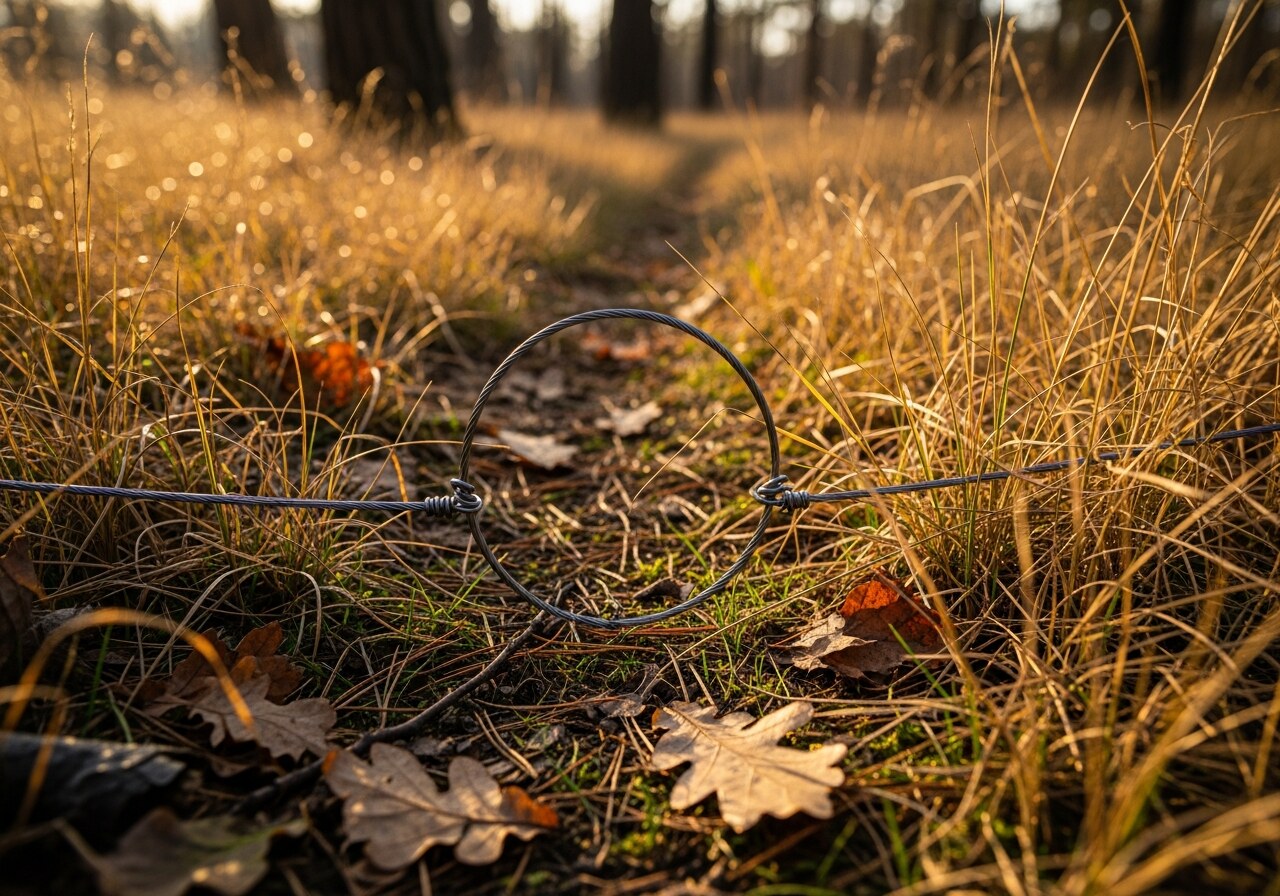
Cambodia faces what biologists now call the "empty forest syndrome": large stretches of mature forest where the trees still stand, but the animals are gone. The primary cause is widespread snaring using cheap motorcycle-cable wire.
What should you know about the problem?
- Researchers estimate that millions of snares have been set across the Lower Mekong region in recent years.
- Snares are indiscriminate — they catch pangolins, sun bears, leopards, elephants, and gaur in equal measure.
- A single snare costs less than US $0.50 to set and can remain functional for years.
- Many trapped animals die slowly from dehydration or wound infection before they are found.
How we tackle it?
Snare removal is one of the highest-impact conservation interventions available. It requires trained patrol teams, GPS mapping of snare hotspots, and veterinary triage capacity to treat animals found alive in snares. Where local communities depend on subsistence hunting, alternative-livelihood programmes are equally important — patrolling alone cannot solve the issue.
What WARN is preparing to do?
Our Cambodia programme will fund and train de-snaring patrols in priority protected areas, support evidence collection for prosecutions, and provide veterinary triage for animals found alive. We also plan to support community programmes that reduce subsistence-snaring pressure over the long term. We need your help to launch this.
Is it true that we need your support to make this happen?
World Animal Rescue Network is at the launch stage of this work. We do not yet have rescue numbers to share — and that is exactly why your support matters now. Every donation helps us put trained teams on the ground, secure veterinary supplies and equipment, and reach the first animals before they are lost.
Donate today to fund our first deployments, or sponsor an animal to back a specific species through rehabilitation. You can also join the network as a volunteer, fundraiser, or monthly supporter.
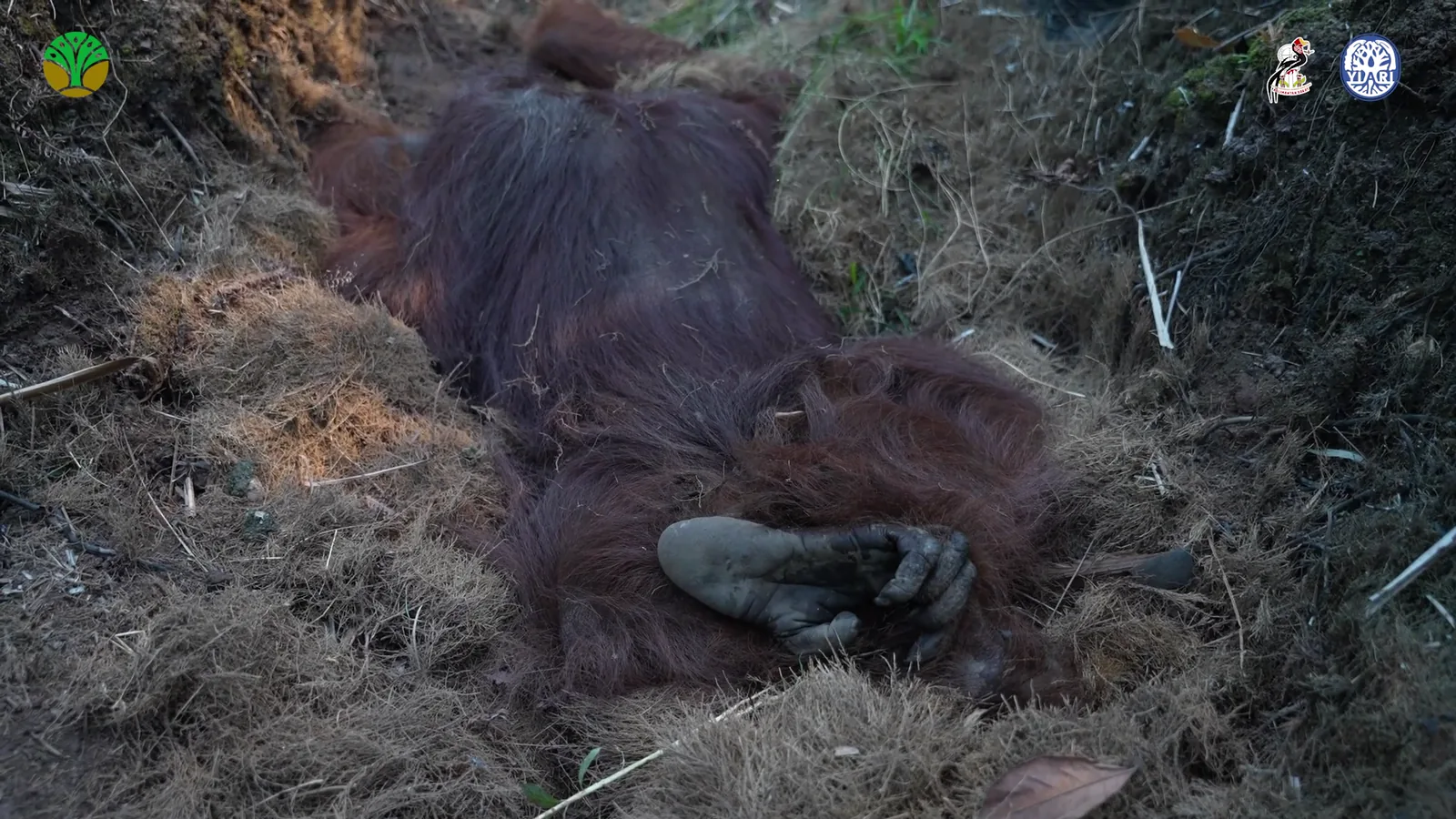
Is it true that researchers estimate that millions of snares have been set across the Lower Mekong region in recent years?
Researchers estimate that millions of snares have been set across the Lower Mekong region in recent years. Researchers estimate that millions of snares have been set across the Lower Mekong region in recent years is one of the details people actually search for about this subject.
Is it true that snares are indiscriminate — they catch pangolins, sun bears, leopards, elephants, and gaur in equal measure?
Snares are indiscriminate — they catch pangolins, sun bears, leopards, elephants, and gaur in equal measure. Snares are indiscriminate — they catch pangolins, sun bears, leopards, elephants, and gaur in equal measure is one of the details people actually search for about this subject.
Is it true that a single snare costs less than US $0.50 to set and can remain functional for years?
A single snare costs less than US $0.50 to set and can remain functional for years. 50 to set and can remain functional for years is one of the details people actually search for about this subject. It holds as a field note from MONDULKIRI; it is not a care sheet and not a substitute for the species guide.
Is it true that many trapped animals die slowly from dehydration or wound infection before they are found?
Many trapped animals die slowly from dehydration or wound infection before they are found. Many trapped animals die slowly from dehydration or wound infection before they are found is one of the details people actually search for about this subject. It holds as a field note from MONDULKIRI; it is not a care sheet and not a substitute for the species guide.
What is this briefing not?
This briefing is not a substitute for the full this subject wildlife guide, not a pet-care manual, and not a first-person field dispatch. It is a desk-researched explainer for people who searched a specific question about this subject. The setting is MONDULKIRI, CAMBODIA.
The Silent Killer: Why Snare Wires Are Emptying Cambodia's Forests sits in the newsroom as a briefings explainer. It is not a Field notes dispatch from a partner clinic, and it is not a reason to keep this subject. Location context: MONDULKIRI, CAMBODIA.
Who should skip this page?
Skip this page if you wanted a complete IUCN-style species profile, veterinary advice, or permission to keep this subject as a pet. You will not find those here. Read the wildlife guide next if you need status, range and sources in one place.
Skip it if you needed veterinary instructions, a travel itinerary, or a fundraising story dressed up as science. The skip is the point: a page that cannot say no is not a guide.
How does this briefing compare to the full species guide?
This page answers the search in the headline. The wildlife guide answers status, threats, and what is actually known. Use both; do not cite the listicle as if it were the Red List. Cambodia's eastern forests are riddled with wire snares.
What is the catch with a short wildlife briefing?
The catch with wildlife listicles is that a true fact can still be the wrong takeaway. “Amazing” is not the same as “safe to keep”, and a number without a source is trivia. Every figure on this page should be read against the cited IUCN or zoo pages, not against a screenshot.
Factory “12 facts” pages elsewhere on the web pad the same three sentences. Here each heading is a real question, each answer is meant to stand alone, and the sources at the end are the audit trail. If a number is not on this page or in those sources, we did not invent it.
What should you do after reading this?
Use this briefing to answer the question in the title, then go to the species guide for status and sources. If you want to help this subject, fund habitat and enforcement — do not buy the animal. Cambodia's eastern forests are riddled with wire snares.
If you want to support WARN’s partner work, donate knowing we are a community interest company, not a registered charity. If you want the animal itself, you have the wrong page.
Read the verdict on the first screen, the skip-if before you share the page, and the sources at the end before you quote a number. That is the whole contract of this briefing.