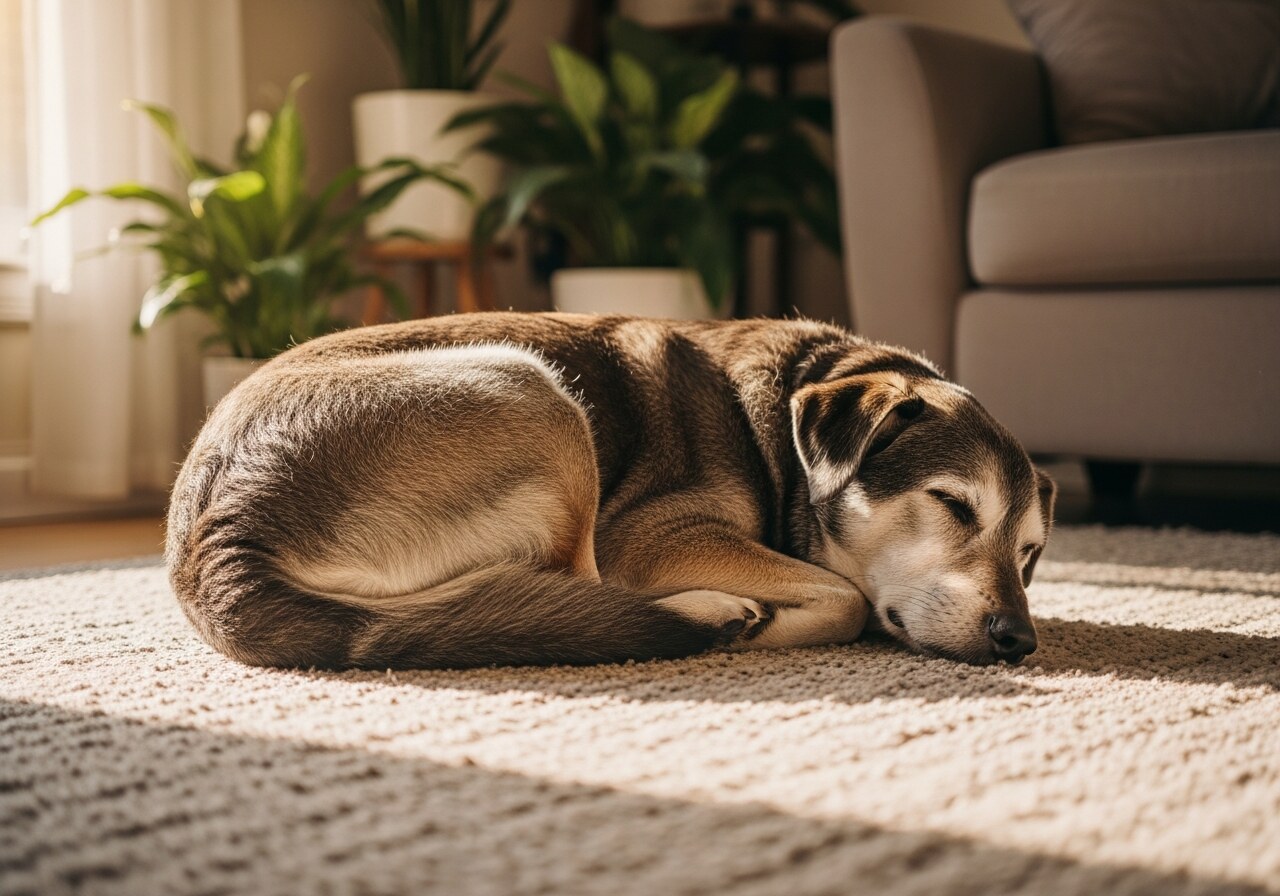
Dog rehoming is the process of moving a dog from one home to another, usually because the first owner can no longer keep them. Done well, it is one of the kindest things a person can do for a dog. Done badly — through free online listings, casual handovers and no follow-up — it puts the dog directly in harm's way. This guide explains how to rehome a dog responsibly, how to take one on, and what to look for in a credible rehoming organisation.
When dog rehoming is the right answer
There are good reasons to rehome a dog: a change of family circumstances, a new baby with a severe allergy, a serious illness, a relocation that genuinely cannot accommodate the dog. There are also reasons that, in our experience, are worth pausing on. Many "behaviour" problems — pulling on the lead, jumping up, mild separation anxiety — are very fixable with the right trainer, and many dogs are rehomed when they could have stayed. If you are not sure, talk to a registered dog rescue first; most will offer behaviour advice for free.
How to rehome a dog responsibly
- Contact a registered dog rescue or dog shelter. Search "dog rehoming near me" and shortlist the registered charities. Many UK rescues prioritise owner-surrender cases because they know the dog's history and can match them more accurately.
- Be honest about your dog. Write down everything — health, training, history with children and other animals, fears, favourite things. The more honest you are, the better the rescue can match.
- Allow the rescue to do its work. A good rescue will assess your dog, place them in foster or kennels, screen potential adopters, do home checks and use an adoption contract. Do not be tempted to handle the rehoming privately to save time.
- Avoid "free to a good home" listings. They are one of the highest-risk routes for a dog, regularly used by people looking for cheap breeding stock, bait dogs or resale.
- Accept the goodbye. A responsible rehoming organisation will usually tell you when the dog is settled, but they may not share full ongoing details. That protects the new owners and the dog.
How to adopt a rehomed dog
If you are at the other end — looking to take on a rehomed rescue dog — the process mirrors any other dog adoption. Search "dog rehoming near me", apply to a registered dog rescue, complete a home check, meet the dog, sign the adoption contract and pay the adoption fee. Most rehomed rescue dogs settle beautifully if you give them the 3-3-3 timeline: three days of decompression, three weeks of settling, three months of fully relaxing.
What to avoid
- Free online listings. Gumtree-style "free to a good home" dog listings are the single most dangerous route for a rehomed dog.
- Same-day rehoming. Responsible rehoming takes weeks, not minutes.
- No contract. Without an adoption contract you have no recourse and the dog has no protection.
- No vet history. A reputable dog rescue will know exactly when the rescue dog was last vaccinated, neutered and seen by a vet.
- Pressure to take a deposit before meeting. Always meet the dog first.
International dog rehoming: why it is rarely the answer
It is increasingly common to see street dogs from Pakistan, Romania, Greece or Sri Lanka being rehomed to the UK. We understand the impulse — these are rescue dogs in obvious need. But long-distance rehoming is stressful for the dog, expensive to organise, and only helps one animal at a time. In cities like Karachi, where hundreds of thousands of street dogs live with no veterinary cover, the same money funds dozens of rescue dogs through neutering, vaccination and local rehoming inside Pakistan — a far better outcome at scale.
Where WARN fits in
World Animal Rescue Network is a UK not-for-profit in its launch stage. We do not run UK dog rehoming and we do not arrange international rescue-dog imports. Where we focus is funding partner dog rescues and animal shelter capacity in the cities that need it most — starting with Karachi, where our planned programme will fund veterinary care, expand shelter capacity, back catch-neuter-vaccinate-return work, and support responsible in-country adoption of rescue dogs into safe Pakistani homes.
If you are rehoming a dog in the UK or looking to take one on, please use a registered UK rescue. If you can also help the rescue dogs in cities with almost no shelter at all, please consider backing our Karachi appeal below.
If rehoming follows a loss
Sometimes rehoming a dog follows the death of another animal in the household, or a major change after losing a pet. If that is part of what brought you here, our pet loss support guide and in memory giving page may be useful.
Help the rescue dogs WARN is being built for
WARN's launch programme in Karachi will fund partner dog rescues and the animal shelter capacity they urgently need — humane catch-neuter-vaccinate-return work, veterinary care for injured street dogs, and responsible in-country adoption of rescue dogs into safe Pakistani homes.
Read the Karachi street dogs appeal for the full plan, or donate today to fund our first surgeries, vaccinations and shelter weeks. Every pound helps another rescue dog get a fair start.