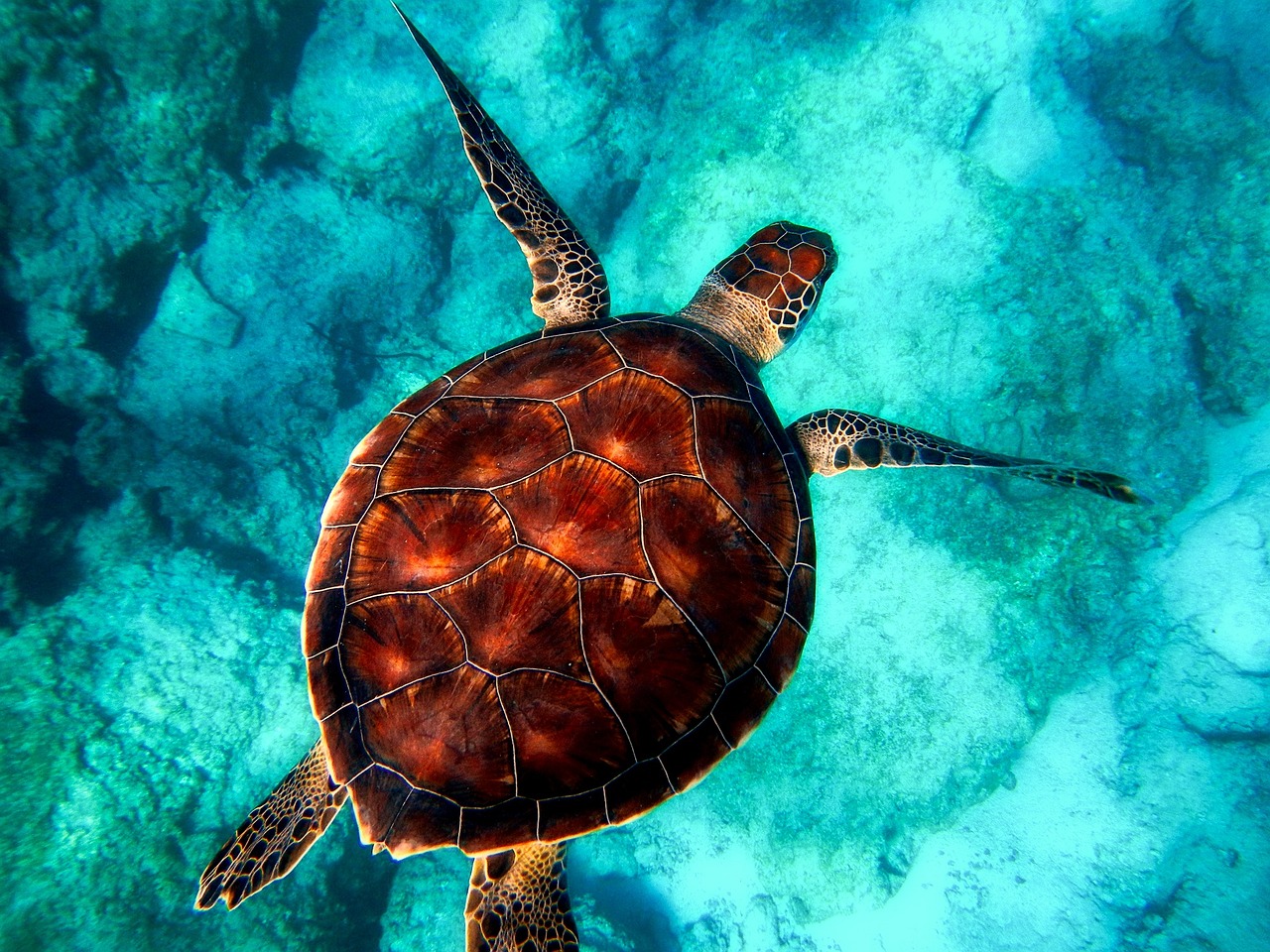
Meet the dugong: the sea's gentlest grazer
The dugong (Dugong dugon) is one of the strangest and most charming animals in the ocean: a barrel-bodied, plant-eating mammal that spends its whole life at sea, grazing meadows of seagrass in the warm shallows of the Indian and Pacific Oceans. It is the last surviving member of its entire family, and it has been mistaken for a mermaid for as long as sailors have crossed its path. Here are twelve facts that capture why this gentle giant matters — and why it needs our help.
12 amazing dugong facts
- It is the only truly vegetarian marine mammal. The dugong feeds almost entirely on seagrass, making it the single herbivore among the world's sea mammals.
- It is the last of its line. The dugong is the only living species in the family Dugongidae — every close relative is extinct.
- It probably inspired mermaid legends. Its order, Sirenia, is named after the Sirens of Greek myth; sailors really did mistake these surfacing grazers for "ladies of the sea."
- It can live around 70 years. The oldest reliably aged dugong was 73 — older than many of the people working to save the species.
- It eats enormous amounts of plants. An adult can consume tens of kilograms of fresh seagrass every day, uprooting whole plants and leaving distinctive feeding trails across the seabed.
- It grows to about 3 metres long. Most weigh 250–400 kg, but exceptional individuals have topped 1,000 kg.
- It has a dolphin-like tail. Unlike its manatee cousins' rounded paddle, the dugong sports a fluked, dolphin-style tail.
- Its snout is a built-in plough. A sharply downturned, bristled muzzle lets it root seagrass straight off the seabed.
- It is a slow mover. Dugongs cruise at roughly 10 km/h and surface every few minutes to breathe.
- It breeds very slowly. Females carry a single calf for 13–15 months and may wait several years between births.
- It is loosely related to elephants. Sirenians and elephants share ancient common ancestry on the mammal family tree.
- It is globally Vulnerable. The IUCN Red List rates the dugong Vulnerable with a decreasing population trend.
Why these facts matter
Each of these quirks — the slow breeding, the single diet, the dependence on shallow coastal meadows — is also a vulnerability. A dugong that lives for decades and raises few calves cannot bounce back quickly from losses to fishing nets or vanishing seagrass. You can explore the full story in our dugong species guide, and the partner teams supported through a small gift to WARN help protect the coastal meadows these animals cannot live without.
Read the full Dugong wildlife guide for the facts, IUCN status and conservation context — or donate to WARN to help fund the local partners protecting this species.