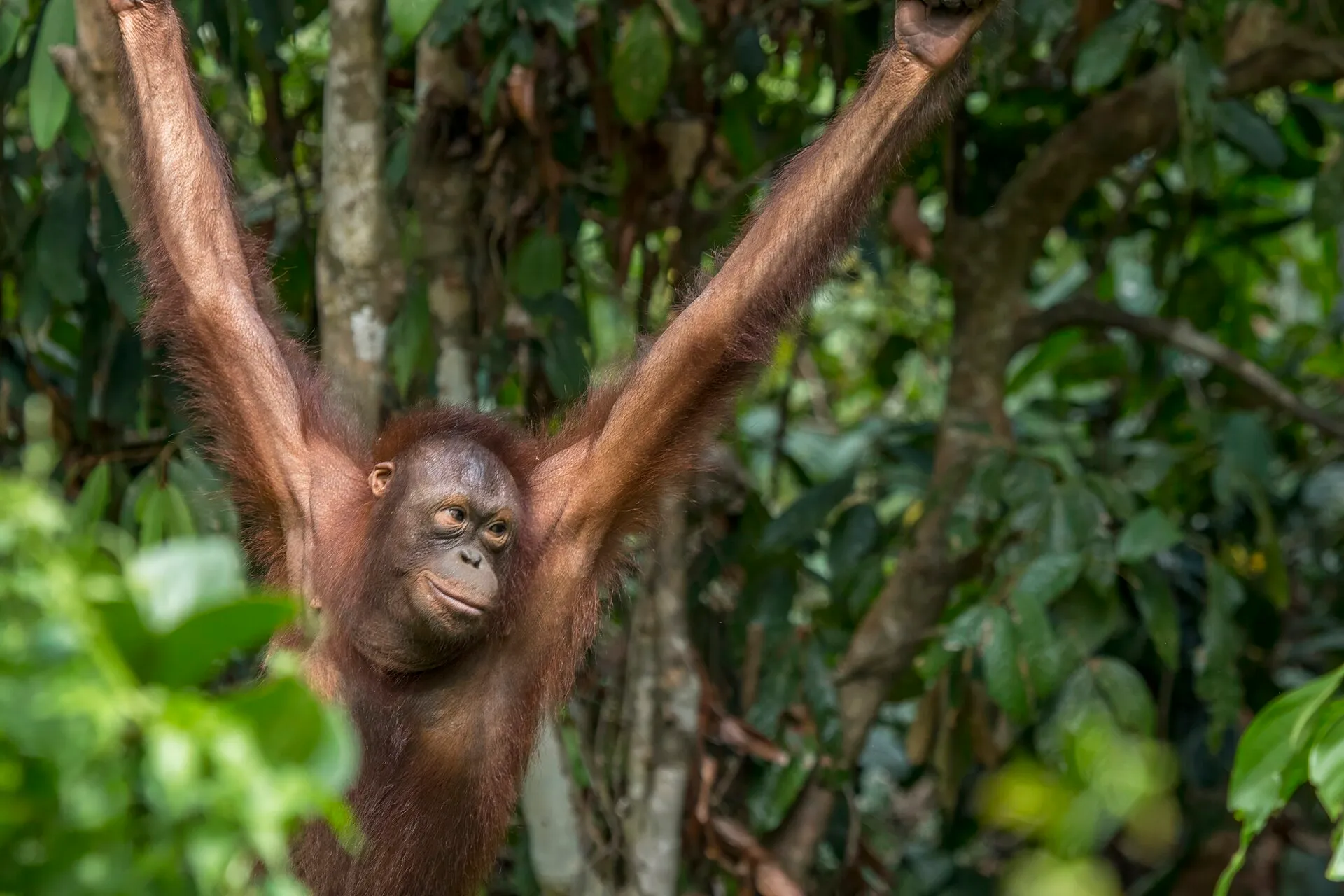
Overseas wildlife volunteering is one of the most popular forms of voluntourism in the UK. It is also, in too many cases, a welfare disaster dressed up as conservation. Tiger-cub feeding, lion-cub petting, elephant-bathing — these placements look like rescue and are, in the worst cases, the consumer-facing end of the canned-hunting and captive-breeding industries.
WARN is preparing to operate in several countries where ethical wildlife volunteering also exists. This guide is how to find it.
Bring a useful skill
- Veterinary nursing or veterinary medicine. Most useful skill in a rescue setting.
- Animal husbandry. Cleaning, feeding, basic enrichment.
- Construction and maintenance. Sanctuaries always need fences, enclosures and water systems repaired.
- Education and community engagement. Local-language education is best done by local educators — non-local volunteers usually add value as funders or trainers, not deliverers.
- Photography, writing, web work, accountancy. Sanctuaries are NGOs and need NGO skills.
Red flags
- Cub feeding, hand-rearing, bathing. No legitimate sanctuary lets paying volunteers handle infant wild animals.
- Photo packages. If you can pay extra for selfies with the animals, the operation is welfare-compromised.
- Volunteer-as-keeper structures. If volunteers are responsible for life-or-death animal care, the sanctuary is under-staffed.
- No published charitable registration. Established sanctuaries can produce their registration documents on request.
Cost transparency
Pay-to-volunteer placements typically cost £500-2,000+ per week. A defensible operation publishes how that fee is split between accommodation, food, training, sanctuary support and operator margin. If you cannot get that breakdown, walk away.
What WARN supports
WARN does not operate its own overseas volunteer programme. We support partner sanctuaries that meet the criteria above. As we launch, we will publish a list of accredited partner placements that British supporters can apply to directly. See our get involved page for the current status.
We need your support to make this happen
World Animal Rescue Network is at the launch stage of this work. We do not yet have rescue numbers to share — and that is exactly why your support matters now. Every donation helps us put trained teams on the ground, secure veterinary supplies and equipment, and reach the first animals before they are lost.
Donate today to fund our first deployments, or sponsor an animal to back a specific species through rehabilitation. You can also join the network as a volunteer, fundraiser, or monthly supporter.
_Sepilok.jpg)