If you are looking for an animal rescue near you — to adopt a dog or cat, to surrender an animal, to volunteer, or to donate — this guide gives you the tools to find a reputable organisation and avoid the small number of bad actors in the sector.
How to find a registered animal rescue near you
The Charity Commission register
The most reliable starting point in England and Wales is the Charity Commission register at register-of-charities.charitycommission.gov.uk. Search for charities in your postcode area with "animal" or "rescue" in their name or objects. Every legitimate UK animal charity is registered — if an organisation is not on the register, be very cautious about donating.
In Scotland, use the OSCR register (oscr.org.uk). In Northern Ireland, use the CCNI register (charitycommissionni.org.uk).
National rescue networks
The largest national organisations — Dogs Trust, RSPCA, Battersea, Cats Protection, Blue Cross — all have local branches, centres or foster networks. If you are open to any dog or cat rather than a specific type, these organisations have the widest selection and the most rigorous adoption processes.
Breed-specific rescues
For almost every dog breed and many cat breeds, there are specialist breed rescues staffed by people who know the breed well. Breed rescues often have animals in foster homes rather than kennels, which means better behavioural assessments and more honest animal profiles. The Kennel Club maintains a directory of breed rescue contacts.
Local independent rescues
Smaller local rescues — sometimes run from private homes, sometimes with small shelter facilities — can be excellent. They often have more flexibility on adoption criteria and more detailed knowledge of individual animals. Always verify their charity registration before donating.
What to look for in a reputable rescue
Transparent health and welfare standards
A reputable rescue will health-check, vaccinate, microchip and neuter every animal before adoption. They will tell you about known medical issues and current medications. They will not knowingly place a sick or untreated animal.
Honest animal profiles
Look for profiles that mention challenges as well as positives. A rescue that describes every dog as "great with children, cats and other dogs, loves cuddles, easy to walk" is not giving you accurate information. Real rescue animals have real histories and real quirks. Honest profiles — "needs to be the only pet", "still working on lead manners", "better with older children" — are a sign of a well-run organisation.
A proper adoption process
Reputable rescues require an adoption application and almost always conduct a home visit before approving an adoption. This is for the animal's benefit, not to be obstructive. They will also have a return policy — if the adoption does not work out for any reason, they will take the animal back.
Clear fee structure
Adoption fees exist to cover some of the rescue's costs: veterinary treatment, neutering, microchipping, transport. A rescue should be able to explain what the fee covers. The fee should not be a profit margin.
Red flags to avoid
- No charity registration — check before you donate or adopt
- Pressure to adopt quickly or no time to visit the animal more than once
- Animals for "sale" with no welfare-based adoption process
- No home check or application process for high-need animals
- Cash-only donations with no receipts or paper trail
- Animals in poor condition with no veterinary records offered
- Online-only operations where you cannot visit and meet the animal
Different types of rescue and what they do
| Type | Focus | Best for |
|---|---|---|
| General shelter | All species, usually dogs and cats | Adopters open to any animal |
| Breed rescue | One breed or type | Adopters committed to a specific breed |
| Foster network | Animals placed in homes rather than kennels | Better behavioural profiles; good for nervous dogs |
| Wildlife rescue | Injured or orphaned wild animals | People who find injured wildlife; not adoption-based |
| International rescue | Animals in countries with no UK-equivalent rescue infrastructure | Donors who want to help animals abroad |
What about the animals no local rescue can reach?
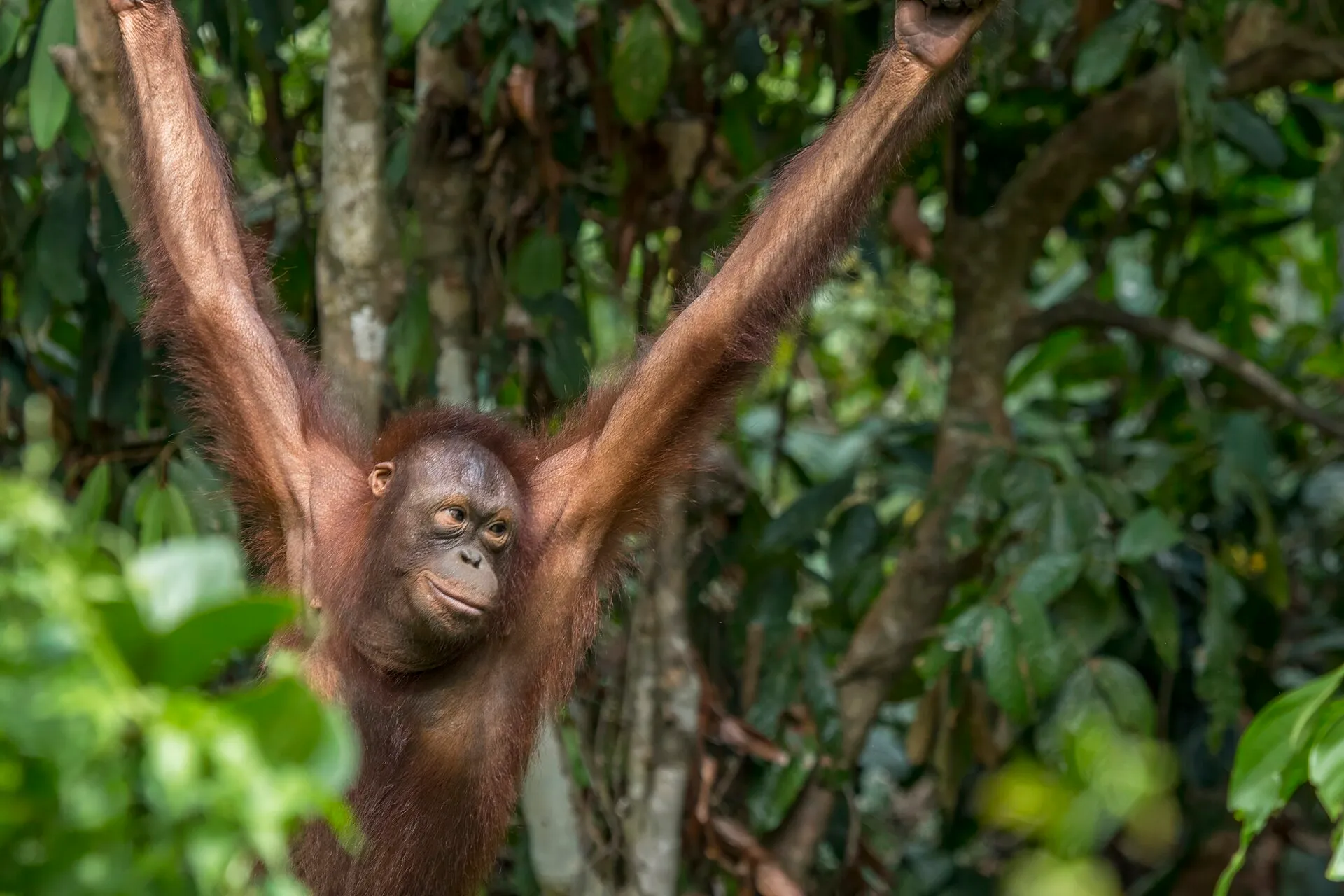
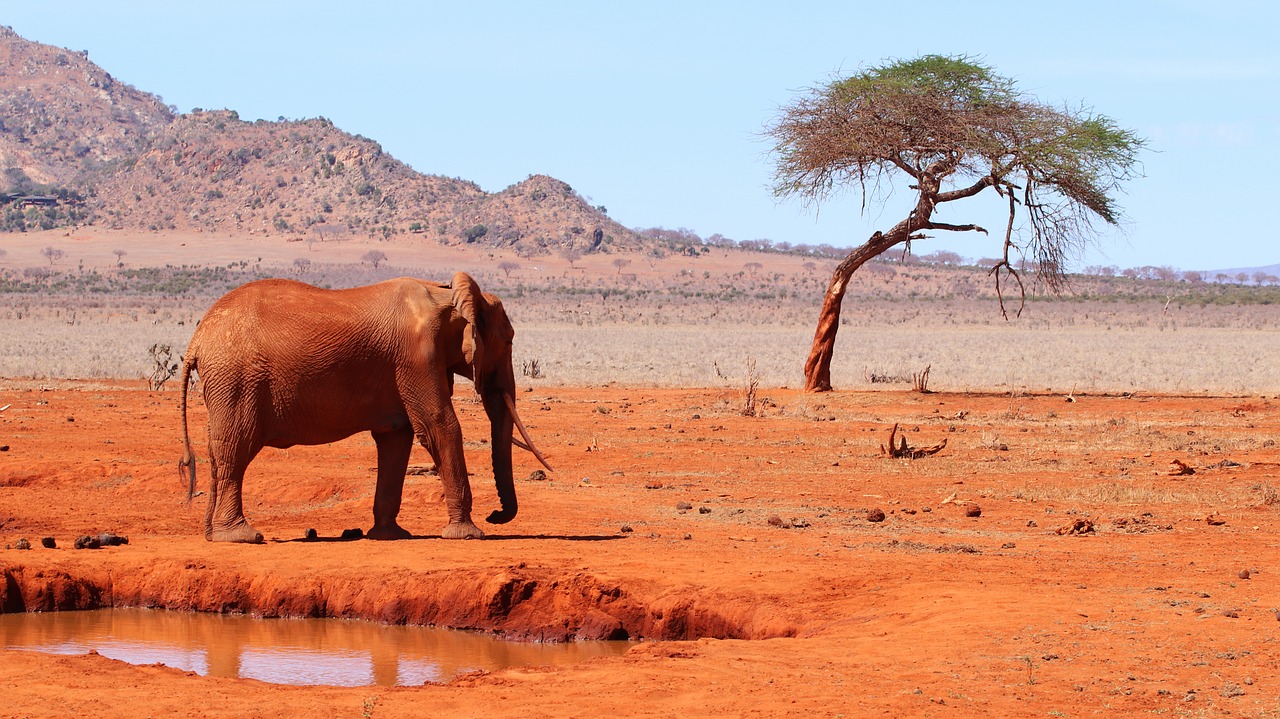
Every UK animal rescue operates within its catchment area. Their animals come from UK streets, UK homes and UK surrenders. The millions of street dogs in South Asia, the dogs and cats caught in the Southeast Asian meat trade, the slow lorises being sold as pets in Indonesia, the snared wild dogs in East Africa — none of these animals are reachable by any UK local rescue, no matter how good it is.
If you already support a UK rescue and want to extend your giving to animals that no local charity can reach, international field rescue charities fill that gap. World Animal Rescue Network is a registered global not-for-profit animal welfare organisation built specifically for that purpose — for animals too far away, too wild, or too numerous for the UK rehoming model to help.
You can donate to WARN to fund our first international deployments, or read our UK animal charities guide to understand how the different types of organisation fit together.
We need your support to make this happen
World Animal Rescue Network is at the launch stage of this work. We do not yet have rescue numbers to share — and that is exactly why your support matters now. Every donation helps us put trained teams on the ground, secure veterinary supplies and equipment, and reach the first animals before they are lost.
Donate today to fund our first deployments, or sponsor an animal to back a specific species through rehabilitation. You can also join the network as a volunteer, fundraiser, or monthly supporter.