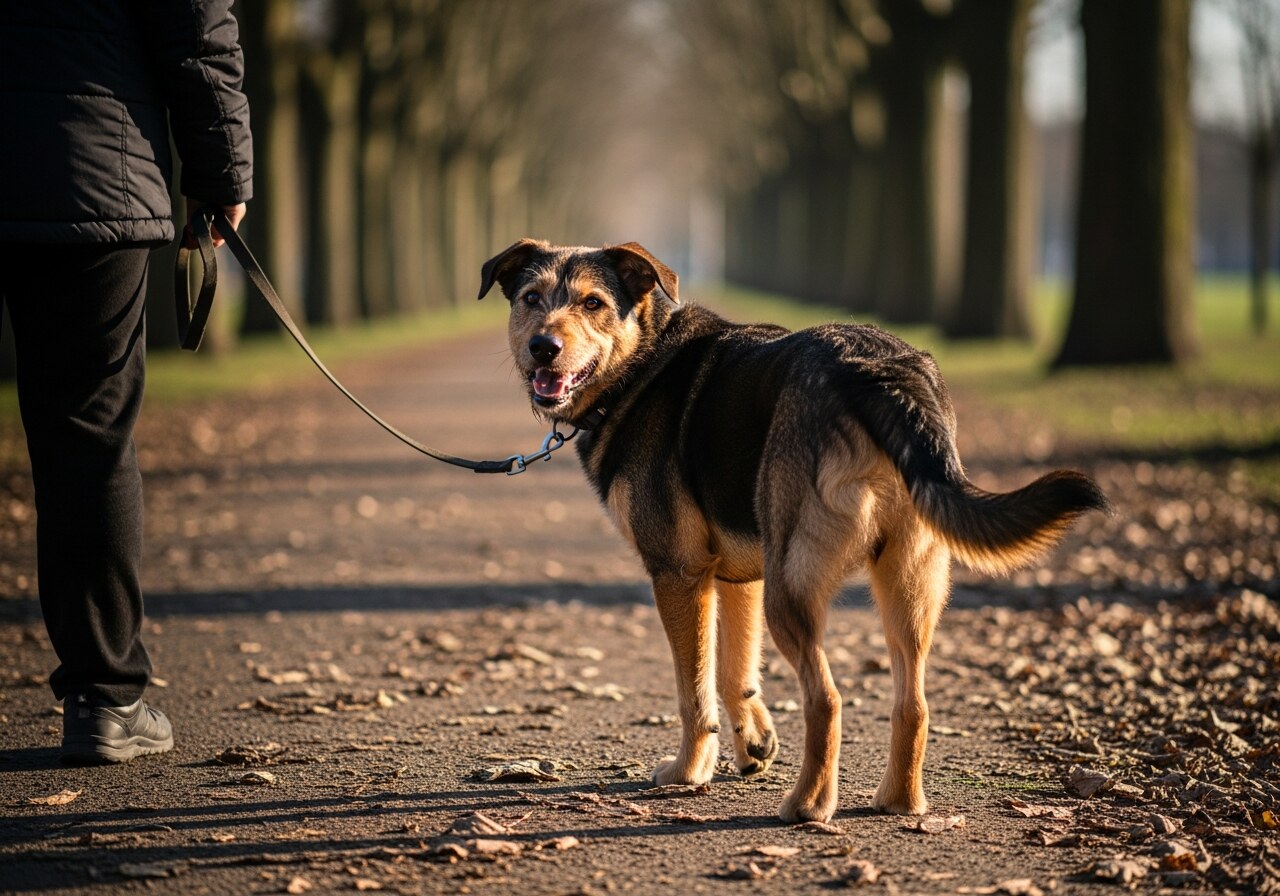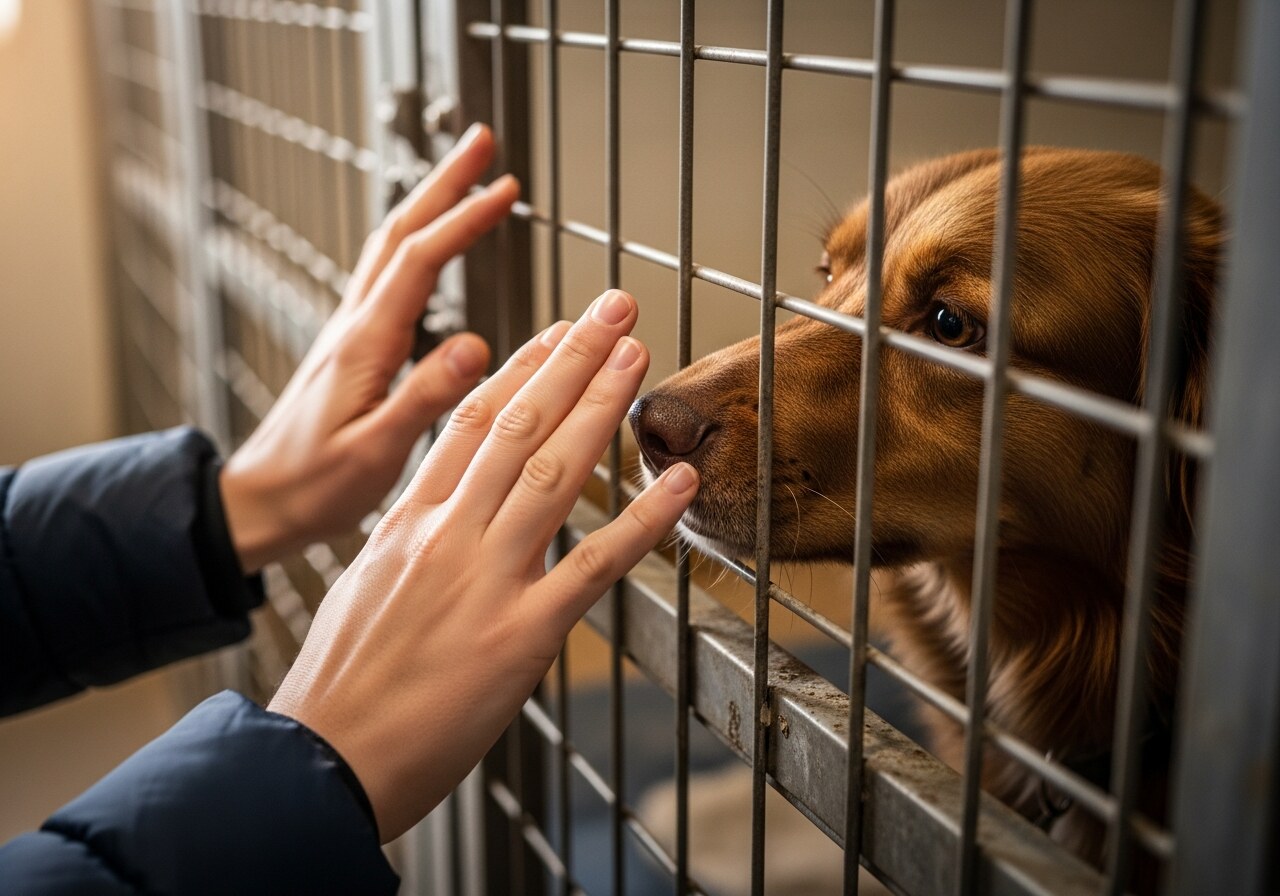
You are on holiday. You see a thin, injured, friendly dog outside your guesthouse. What do you do?
This guide is the honest answer. WARN is being built to fund the kind of in-country programmes that make this question answerable at scale; in the meantime, here is what we recommend to British travellers.
Understand what you are looking at
In most countries where WARN is preparing to operate, dogs in public spaces are not strays in the British sense. They are community dogs — descended from generations of dogs born on the street, often bonded to a territory and to specific feeders, frequently named and recognised by neighbours. Removing them is rarely welfare-positive: a relocated community dog is a stressed, isolated dog with no territorial claim and no food source.
What helps
- Support the local CNVR programme financially. The catch-neuter-vaccinate-return model — endorsed by WHO and WOAH — is the only approach with strong evidence of reducing dog populations humanely while preventing dog-mediated human rabies.
- Report injured or sick animals to a local rescue. Use the venue, hotel or guesthouse to find a contact — many established rescues have WhatsApp hotlines.
- Feed sensibly if you choose to. Plain meat, plain rice, plain water. No chocolate, no spiced food, no leaving food in plastic that the dog will eat.
- Donate to a registered dog welfare charity working in that country — your money goes 10-100x further than your time.
What does not help
- Calling animal control. In many countries this still means culling.
- "Rescuing" the dog back to the UK. The DEFRA import requirements involve rabies titre testing, microchipping, tapeworm treatment, EU-compliant pet passports and minimum waiting periods of three months or more after vaccination. Costs typically run £1,500-3,500 per dog including transport. The same money funds dozens of in-country surgeries.
- Removing the dog from its territory. Even short-term — you are taking a community member out of a working ecosystem.
If the dog is in genuine medical emergency
Call a local rescue if there is one. If not, the venue staff can usually direct you to a veterinarian who will treat strays. Offer to pay for the treatment — typical costs are a tiny fraction of UK equivalents. Then return the dog to where you found it.
Your own rabies risk
WHO estimates around 59,000 human rabies deaths each year worldwide, almost all from dog bites. Pre-travel rabies vaccination is strongly recommended for the countries WARN works in. Any dog bite or scratch requires immediate post-exposure prophylaxis (PEP). Do not delay.
Help the rescue dogs WARN is being built for
WARN's launch programme in Karachi will fund partner dog rescues and the animal shelter capacity they urgently need — humane catch-neuter-vaccinate-return work, veterinary care for injured street dogs, and responsible in-country adoption of rescue dogs into safe Pakistani homes.
Read the Karachi street dogs appeal for the full plan, or donate today to fund our first surgeries, vaccinations and shelter weeks. Every pound helps another rescue dog get a fair start.