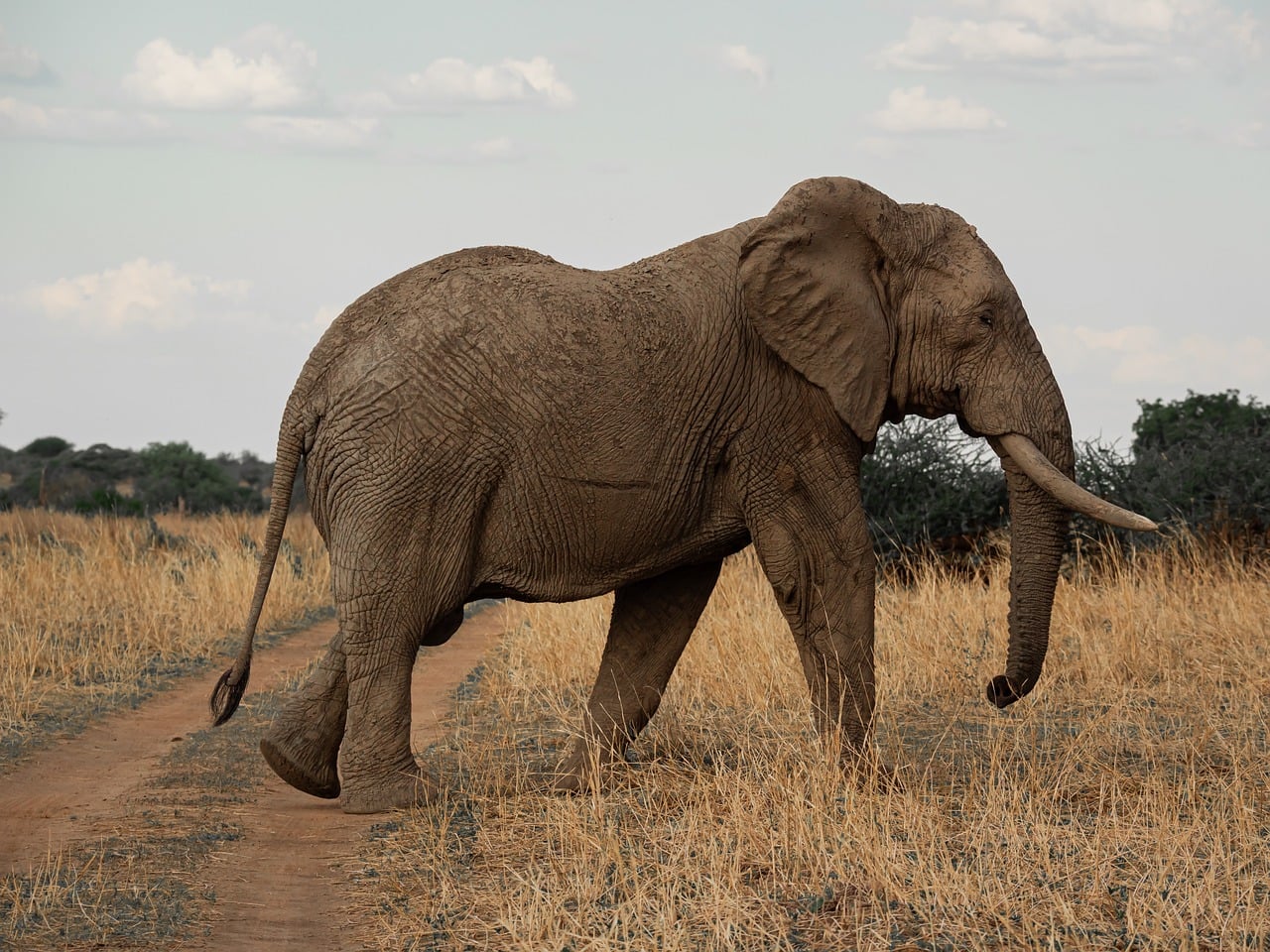
African elephants crossing shrinking East African savannah — their range contracting as habitat is lost to agriculture and human settlement
Briefings

· GLOBAL · 11 min read

Habitat Loss and Wildlife Extinction: The Single Biggest Threat to Wild Animals

In brief

Habitat loss — the destruction, degradation or fragmentation of natural environments — is the single largest cause of wildlife extinction risk globally, responsible for more species decline than hunting, pollution and climate change combined. Habitat loss — the destruction, degradation or fragmentation of the natural environments animals depend on — is the single largest driver of wildlife decline and extinction globally.

What are the key takeaways from this briefing?

  • The IUCN identifies habitat loss as the leading threat for the majority of the world's Critically Endangered species.
  • The world loses 10 million hectares of forest per year — an area approximately the size of Iceland — according to FAO data.
  • Habitat fragmentation is often more damaging long-term than outright clearance, because it isolates populations and prevents genetic exchange.
  • The five main causes of habitat loss are: agricultural expansion, logging, infrastructure development, urban growth, and climate-driven habitat shifts.
  • Habitat restoration — at scale and using native species — can reverse population declines, but requires sustained long-term investment.

Habitat loss is the single largest driver of wildlife decline and extinction globally. More species face elevated risk because of habitat loss than because of hunting, pollution, invasive species and climate change combined — and the rate of loss is accelerating, not slowing.

What is habitat loss?

Habitat loss occurs when natural environments that animals depend on — forests, wetlands, grasslands, savannahs, coral reefs — are destroyed, degraded or fragmented by human activity or environmental change, making them unable to support the species that once lived there. It takes three main forms:

  • Habitat destruction — outright clearance, such as forest conversion to farmland or peatland drainage for plantation development.
  • Habitat degradation — partial damage that reduces habitat quality, such as selective logging, pollution or invasive species introduction, leaving a reduced or lower-quality version of the original ecosystem.
  • Habitat fragmentation — breaking continuous habitat into isolated patches, often more damaging long-term than either destruction or degradation because it cuts populations off from each other, preventing genetic exchange and seasonal migration.

What should you know about the scale of the crisis?

The numbers are well documented and alarming. The world loses 10 million hectares of forest every year, according to the UN Food and Agriculture Organisation. That is an area roughly the size of Iceland disappearing from the map annually. Globally, an estimated 75% of the land surface has been significantly altered by human activity. The IUCN lists habitat loss as the leading threat for the majority of Critically Endangered species on its Red List.

What should you know about the five main causes?

  • Agricultural expansion — the single dominant cause globally. Cattle ranching in the Amazon, oil palm in Borneo, soybean cultivation in the Cerrado, charcoal agriculture in East Africa. Food systems are the primary engine of habitat loss.
  • Commercial logging — both legal and illegal timber extraction removes individual old trees, fragments forest structure and opens roads that become corridors for further encroachment.
  • Infrastructure development — roads, dams, mines and urban growth directly destroy habitat and create linear barriers that fragment populations.
  • Urban and suburban growth — expanding cities consume habitat at the edges and generate secondary impacts through pollution and increased human-wildlife interface.
  • Climate-driven habitat shifts — as temperatures rise and rainfall patterns change, some habitats become climatically unsuitable for the species they supported. Coral bleaching is the most dramatic example; glacier retreat is destroying the freshwater habitats of mountain species.

How habitat loss drives wildlife into rescue centres?

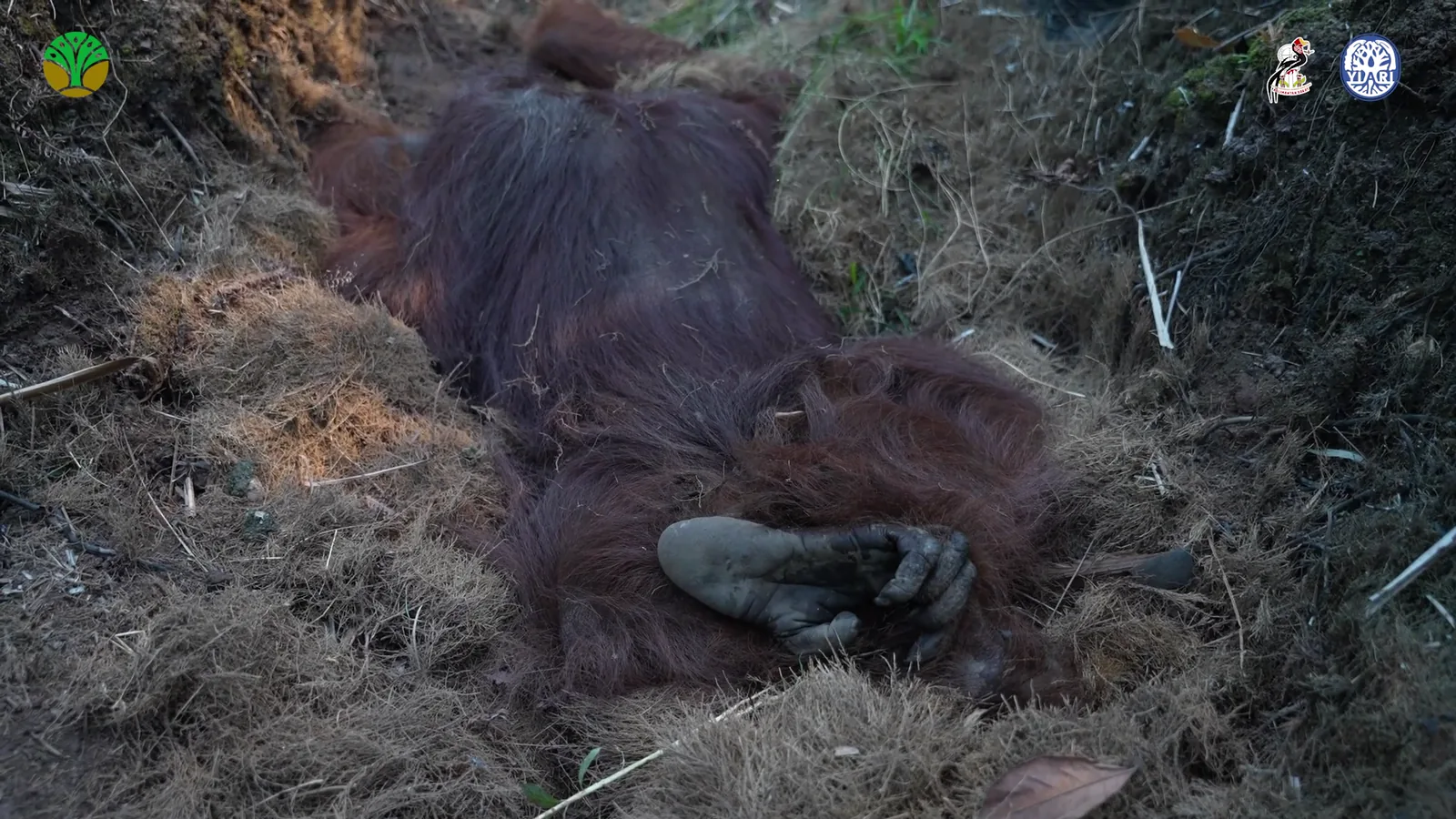
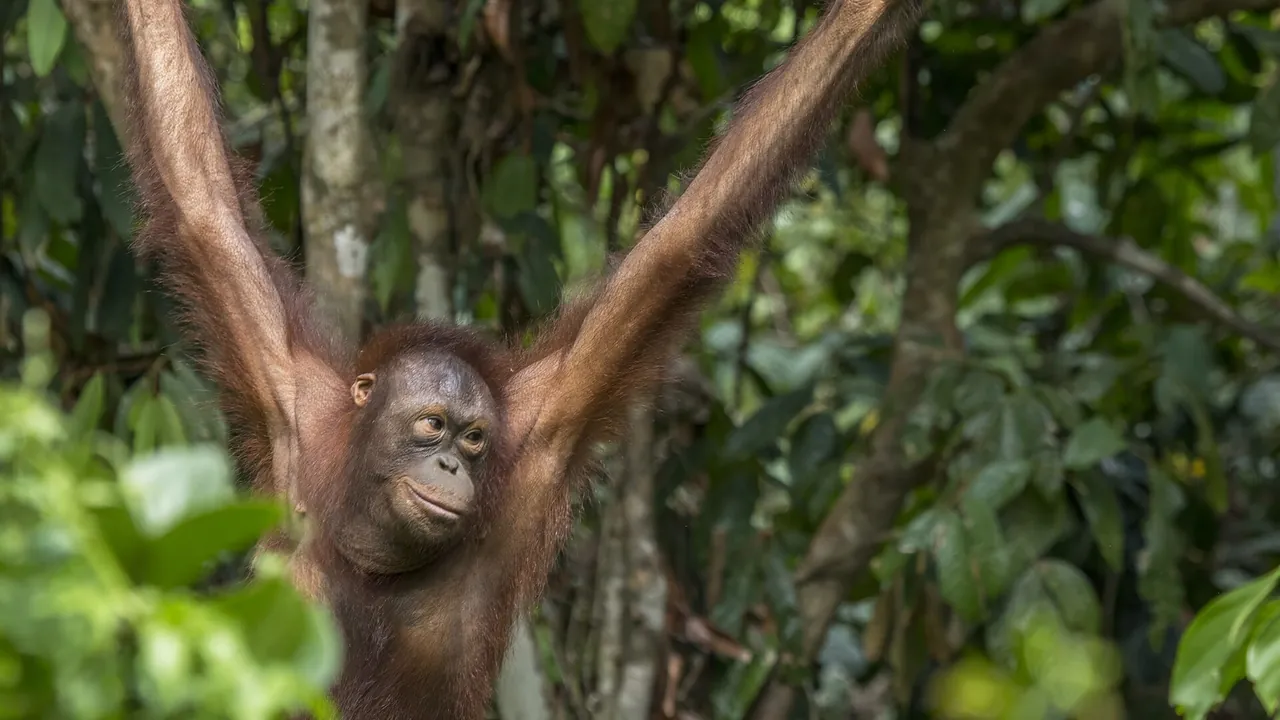
Across WARN's partner network and planned expansion regions, habitat loss is the underlying driver of animal welfare crises. In Indonesia and Malaysia — both in WARN's network — Bornean orangutans displaced by plantation expansion arrive at rescue centres underweight, injured or orphaned. In Colombia, parrots and Andean bears displaced from deforested Amazon forest are captured by traffickers. In wider regions such as Kenya, Tanzania and Peru, savannah fragmentation and forest clearance drive the same crisis. The link between habitat loss and rescue demand is direct and measurable.

Can the damage be reversed?

Yes — but not quickly, cheaply or without sustained effort. Reforestation using native species, active habitat management, community-based protection and long-term monitoring can restore ecosystem function and enable wildlife population recovery. Animals do return to restored corridors. Camera-trap data from reforestation projects consistently records increasing wildlife use within 18–24 months of restoration beginning. But restoration takes decades to complete and requires continuous protection from re-encroachment. WARN's Restore Natural Habitats appeal funds exactly this kind of sustained, community-based habitat work in all of our partner-network countries.

Is it true that the IUCN identifies habitat loss as the leading threat for the majority of the world's Critically Endangered species?

The IUCN identifies habitat loss as the leading threat for the majority of the world's Critically Endangered species. A fact list is not an IUCN assessment. Habitat destruction still needs habitat, enforcement and honest funding — see the full species guide rather than stopping at trivia.

Is it true that the world loses 10 million hectares of forest per year — an area approximately the size of Iceland — according to FAO data?

The world loses 10 million hectares of forest per year — an area approximately the size of Iceland — according to FAO data. That scale is ecology, not a pet-shop talking point. Habitat destruction needs room to use a body like that in GLOBAL, which is why habitat fragmentation hits so hard.

Is it true that habitat fragmentation is often more damaging long-term than outright clearance, because it isolates populations and prevents genetic exchange?

Habitat fragmentation is often more damaging long-term than outright clearance, because it isolates populations and prevents genetic exchange. That scale is ecology, not a pet-shop talking point. Habitat destruction needs room to use a body like that in GLOBAL, which is why habitat fragmentation hits so hard.

Is it true that the five main causes of habitat loss are: agricultural expansion, logging, infrastructure development, urban growth, and climate-driven habitat shifts?

The five main causes of habitat loss are: agricultural expansion, logging, infrastructure development, urban growth, and climate-driven habitat shifts. A fact list is not an IUCN assessment. Habitat destruction still needs habitat, enforcement and honest funding — see the full species guide rather than stopping at trivia.

Is it true that habitat restoration — at scale and using native species — can reverse population declines, but requires sustained long-term investment?

Habitat restoration — at scale and using native species — can reverse population declines, but requires sustained long-term investment. That scale is ecology, not a pet-shop talking point. Habitat destruction needs room to use a body like that in GLOBAL, which is why habitat fragmentation hits so hard.

Is it true that habitat destruction — outright clearance, such as forest conversion to farmland or peatland drainage for plantation development?

Habitat destruction — outright clearance, such as forest conversion to farmland or peatland drainage for plantation development. A fact list is not an IUCN assessment. Habitat destruction still needs habitat, enforcement and honest funding — see the full species guide rather than stopping at trivia.

Is it true that habitat degradation — partial damage that reduces habitat quality, such as selective logging, pollution or invasive species introduction, leaving a reduced or lower-quality version of the original ecosystem?

Habitat degradation — partial damage that reduces habitat quality, such as selective logging, pollution or invasive species introduction, leaving a reduced or lower-quality version of the original ecosystem. A fact list is not an IUCN assessment. Habitat destruction still needs habitat, enforcement and honest funding — see the full species guide rather than stopping at trivia.

Is it true that habitat fragmentation — breaking continuous habitat into isolated patches, often more damaging long-term than either destruction or degradation because it cuts populations off from each other, preventing genetic exchange and seasonal migration?

Habitat fragmentation — breaking continuous habitat into isolated patches, often more damaging long-term than either destruction or degradation because it cuts populations off from each other, preventing genetic exchange and seasonal migration. That scale is ecology, not a pet-shop talking point. Habitat destruction needs room to use a body like that in GLOBAL, which is why habitat fragmentation hits so hard.

Is it true that agricultural expansion — the single dominant cause globally. Cattle ranching in the Amazon, oil palm in Borneo, soybean cultivation in the Cerrado, charcoal agriculture in East Africa. Food systems are the primary engine of habitat loss?

Agricultural expansion — the single dominant cause globally. Cattle ranching in the Amazon, oil palm in Borneo, soybean cultivation in the Cerrado, charcoal agriculture in East Africa. Food systems are the primary engine of habitat loss. A fact list is not an IUCN assessment.

Is it true that commercial logging — both legal and illegal timber extraction removes individual old trees, fragments forest structure and opens roads that become corridors for further encroachment?

Commercial logging — both legal and illegal timber extraction removes individual old trees, fragments forest structure and opens roads that become corridors for further encroachment. Commercial logging — both legal and illegal timber extraction removes individual old trees, fragments forest structure and opens roads that become corridors for further encroachment is one of the details people actually search for about Habitat destruction.

Is it true that infrastructure development — roads, dams, mines and urban growth directly destroy habitat and create linear barriers that fragment populations?

Infrastructure development — roads, dams, mines and urban growth directly destroy habitat and create linear barriers that fragment populations. A fact list is not an IUCN assessment. Habitat destruction still needs habitat, enforcement and honest funding — see the full species guide rather than stopping at trivia.

What is this briefing not?

This briefing is not a substitute for the full Habitat destruction wildlife guide, not a pet-care manual, and not a first-person field dispatch. It is a desk-researched explainer for people who searched a specific question about Habitat destruction. The setting is GLOBAL.

Habitat Loss and Wildlife Extinction: The Single Biggest Threat to Wild Animals sits in the newsroom as a briefings explainer. It is not a Field notes dispatch from a partner clinic, and it is not a reason to keep Habitat destruction. Location context: GLOBAL.

Who should skip this page?

Skip this page if you wanted a complete IUCN-style species profile, veterinary advice, or permission to keep Habitat destruction as a pet. You will not find those here. Read the wildlife guide next if you need status, range and sources in one place.

Skip it if you needed veterinary instructions, a travel itinerary, or a fundraising story dressed up as science. The skip is the point: a page that cannot say no is not a guide.

How does this briefing compare to the full species guide?

This page answers the search in the headline. The wildlife guide answers status, threats, and what is actually known. Use both; do not cite the listicle as if it were the Red List. Habitat loss — the destruction, degradation or fragmentation of the natural environments animals depend on — is the single largest driver of wildlife decline and extinction globally.

Claims this briefing actually stands behind
Takeaway
The IUCN identifies habitat loss as the leading threat for the majority of the world's Critically Endangered species.
The world loses 10 million hectares of forest per year — an area approximately the size of Iceland — according to FAO data.
Habitat fragmentation is often more damaging long-term than outright clearance, because it isolates populations and prevents genetic exchange.
The five main causes of habitat loss are: agricultural expansion, logging, infrastructure development, urban growth, and climate-driven habitat shifts.

What is the catch with a short wildlife briefing?

The catch with wildlife listicles is that a true fact can still be the wrong takeaway. “Amazing” is not the same as “safe to keep”, and a number without a source is trivia. Every figure on this page should be read against the cited IUCN or zoo pages, not against a screenshot.

Factory “12 facts” pages elsewhere on the web pad the same three sentences. Here each heading is a real question, each answer is meant to stand alone, and the sources at the end are the audit trail. If a number is not on this page or in those sources, we did not invent it.

What should you do after reading this?

Use this briefing to answer the question in the title, then go to the species guide for status and sources. If you want to help Habitat destruction, fund habitat and enforcement — do not buy the animal. Habitat loss — the destruction, degradation or fragmentation of natural environments — is the single largest cause of wildlife extinction risk globally, responsible for more species decline than hunting, pollution and climate change combined.

If you want to support WARN’s partner work, donate knowing we are a community interest company, not a registered charity. If you want the animal itself, you have the wrong page.

Read the verdict on the first screen, the skip-if before you share the page, and the sources at the end before you quote a number. That is the whole contract of this briefing.

What do people ask about this briefing?

What is habitat loss?
Habitat loss occurs when natural environments that animals depend on — forests, wetlands, grasslands, coral reefs — are destroyed, degraded or fragmented by human activity or environmental change, making them unable to support the species that once lived there. Habitat loss — the destruction, degradation or fragmentation of the natural environments animals depend on — is the single largest driver of wildlife decline and extinction globally.
What are the main causes of habitat loss?
The five main causes are: agricultural expansion (the dominant cause globally), commercial logging, infrastructure development (roads, dams, mines), urban growth, and climate-driven habitat shifts such as coral bleaching and glacier retreat. Habitat loss — the destruction, degradation or fragmentation of the natural environments animals depend on — is the single largest driver of wildlife decline and extinction globally.
How does habitat loss lead to extinction?
Habitat loss reduces population size below viable levels, eliminates genetic diversity through inbreeding, cuts animals off from food and mates, and often leaves animals in human-adjacent areas where they face hunting and conflict. The combination is lethal at the species level over decades.
Which habitats are being lost fastest?
Tropical forests — particularly in Southeast Asia, the Amazon Basin and Central Africa — are being lost at the fastest rates. Freshwater wetlands, temperate grasslands and coastal mangroves are also disappearing rapidly. Habitat loss — the destruction, degradation or fragmentation of the natural environments animals depend on — is the single largest driver of wildlife decline and extinction globally.
Is this Habitat destruction briefing a complete species guide?
No. It is a newsroom explainer for a specific search. Status, range and the full source list live on the wildlife guide where one exists. The briefing is set in GLOBAL. Habitat loss — the destruction, degradation or fragmentation of the natural environments animals depend on — is the single largest driver of wildlife decline and extinction globally.
Should you keep a Habitat destruction as a pet after reading this?
No. Amazing facts are not a care plan. Wild animals belong in wild habitat; buying one, posing with one, or sharing selling ads all worsen the trade. Location context on this page is GLOBAL. Habitat loss — the destruction, degradation or fragmentation of the natural environments animals depend on — is the single largest driver of wildlife decline and extinction globally.
Who should skip this Habitat destruction page?
Anyone who needed veterinary advice, a full IUCN profile, or permission to handle the animal. This page will tell you to leave if that is you. Habitat loss — the destruction, degradation or fragmentation of the natural environments animals depend on — is the single largest driver of wildlife decline and extinction globally.
What is the one-line answer on Habitat destruction?
Habitat loss — the destruction, degradation or fragmentation of natural environments — is the single largest cause of wildlife extinction risk globally, responsible for more species decline than hunting, pollution and climate change combined. This briefing is set in GLOBAL.
W

WARN Research & Conservation Team

World Animal Rescue Network

Published Updated 11 min read · 2,105 words
Share
Support animal rescue