
Why the distinction matters
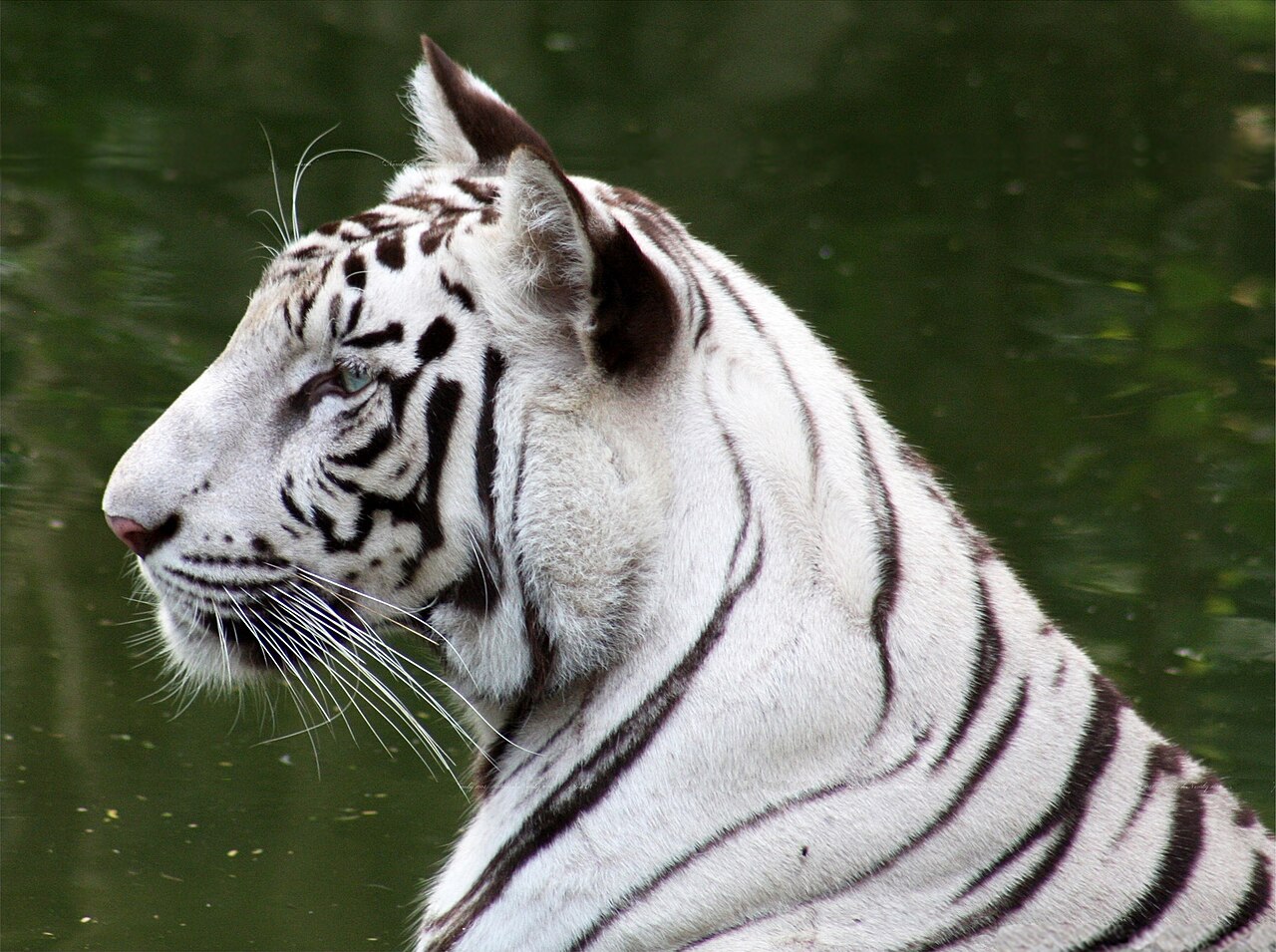
A white tiger is a colour morph of Panthera tigris. Recessive inheritance does not require closely related parents. Our white tiger guide explains the genetics, historical records and conservation status in detail.
For a visitor or donor, the next question is what an organisation actually does for animals. A striking cub photograph can attract attention without explaining its breeding decisions, lifetime-care responsibilities or benefit to wild populations. Those details should be available before the photograph becomes the reason to buy a ticket or give money.
What the policy and research cover
AZA’s rare-alleles white paper distinguishes intentional breeding for unusual phenotypes from appropriate rescue and care. It is a policy for its accredited institutions; describing it as a worldwide legal ban would overstate its scope.
A 2026 study of colour morphs in Thai zoos also examined exhibit information and visitor interactions. Its defined sample helps readers scrutinise conservation messaging, but it cannot diagnose every tiger or establish conditions at every facility worldwide.
Five questions to ask before supporting a facility
- What is the purpose? A rescue, an education programme and managed conservation breeding need different evidence. Ask which activity your payment supports.
- How are animals acquired? Look for a clear admissions and breeding policy. A rescue claim should explain the animal’s history to the extent that disclosure is appropriate.
- How is care assessed? Ask about qualified veterinary oversight, behavioural monitoring, housing and opportunities for animals to withdraw from public view.
- What happens as the animal ages? Lifetime care needs suitable facilities, staffing and a realistic funding plan after an animal stops drawing attention as a cub.
- What can be verified? Accreditation, published reports and named programme objectives should be specific and current. A logo or a vague statement about conservation is not a substitute for those records.
Judge care without diagnosing an animal from a photograph
A coat colour does not tell a visitor whether an individual is healthy, related to a particular founder or receiving suitable care. Equally, a relaxed-looking photograph does not establish good welfare. Reliable conclusions need an appropriate assessment and context.
If you see something concerning, record what you actually observed and contact the relevant authority. Do not enter an enclosure or attempt to remove an animal. When discussing concerns publicly, distinguish direct observations from assumptions and avoid identifying a facility as abusive solely because it houses a white tiger.
How WARN’s tiger appeal relates to this issue
The tiger appeal sets out WARN’s proposed funding purpose. This briefing does not offer sponsorship of a named white tiger, confirm a sanctuary placement or establish a payment to a rescue organisation. Read the appeal terms, recipient-selection process and published grant records when deciding whether to give.
If you cannot donate, share the sourced guide and encourage people to check a venue’s purpose and care standards. Explain why care for an existing animal matters while breeding more animals for a marketable colour needs separate scrutiny.
Correction and review
Updated on 8 September 2026. This revision removes unsupported claims about every living white tiger’s ancestry, a definitive global wild count, universal health outcomes and a single captive founder. It also replaces the previous photograph’s unverified permission claim with a documented Creative Commons image.