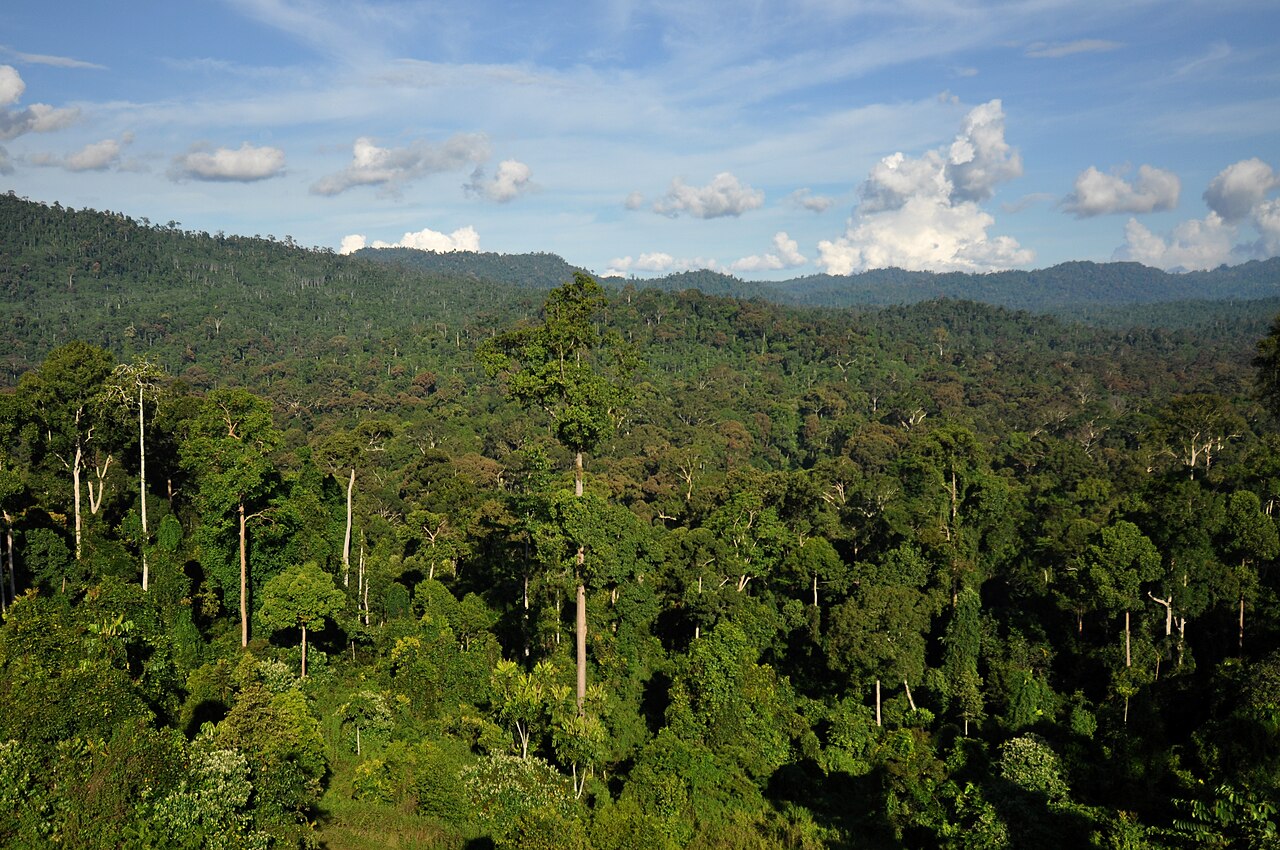
Dense tropical rainforest canopy in Borneo — critical habitat for orangutans and thousands of threatened species
Briefings

· GLOBAL · 11 min read

How Does Deforestation Affect Animals? The Real Costs of Habitat Loss

In brief

Deforestation affects animals by destroying and fragmenting their habitat, eliminating food sources, blocking migration routes, and driving displaced wildlife into contact with humans and traffickers — leading directly to population collapse, rescue demand, and extinction risk. Deforestation kills animals in slow motion.

What are the key takeaways from this briefing?

  • Habitat loss from deforestation is the single largest driver of wildlife decline globally — responsible for more species being at risk than any other factor.
  • Habitat fragmentation — where forest is broken into isolated patches — is often more damaging long-term than outright clearance, cutting animals off from mates, food and migration routes.
  • In Borneo, orangutans displaced by palm-oil plantation expansion are the direct source of most rescue intake at WARN's partner centres in Indonesia and Malaysia.
  • Deforestation and wildlife trafficking are directly linked: animals forced out of forest into human settlements are far easier to capture and sell.
  • Reforestation is proven to work, but requires sustained community-based effort and long-term funding.

Deforestation kills animals in slow motion. When forests are cleared for agriculture, logging or urban development, the effects on wildlife are immediate, cascading and often irreversible — and they are the direct cause of most of the rescue crises WARN responds to across Asia, Africa and South America.

Is it true that the direct impacts: death, displacement and capture?

The most immediate effect of deforestation is outright habitat destruction. Animals living in a section of forest that is cleared face three choices: die, migrate, or adapt. Most cannot adapt quickly enough. Many cannot migrate because surrounding habitat is already degraded or fragmented. The result, for millions of individual animals every year, is death.

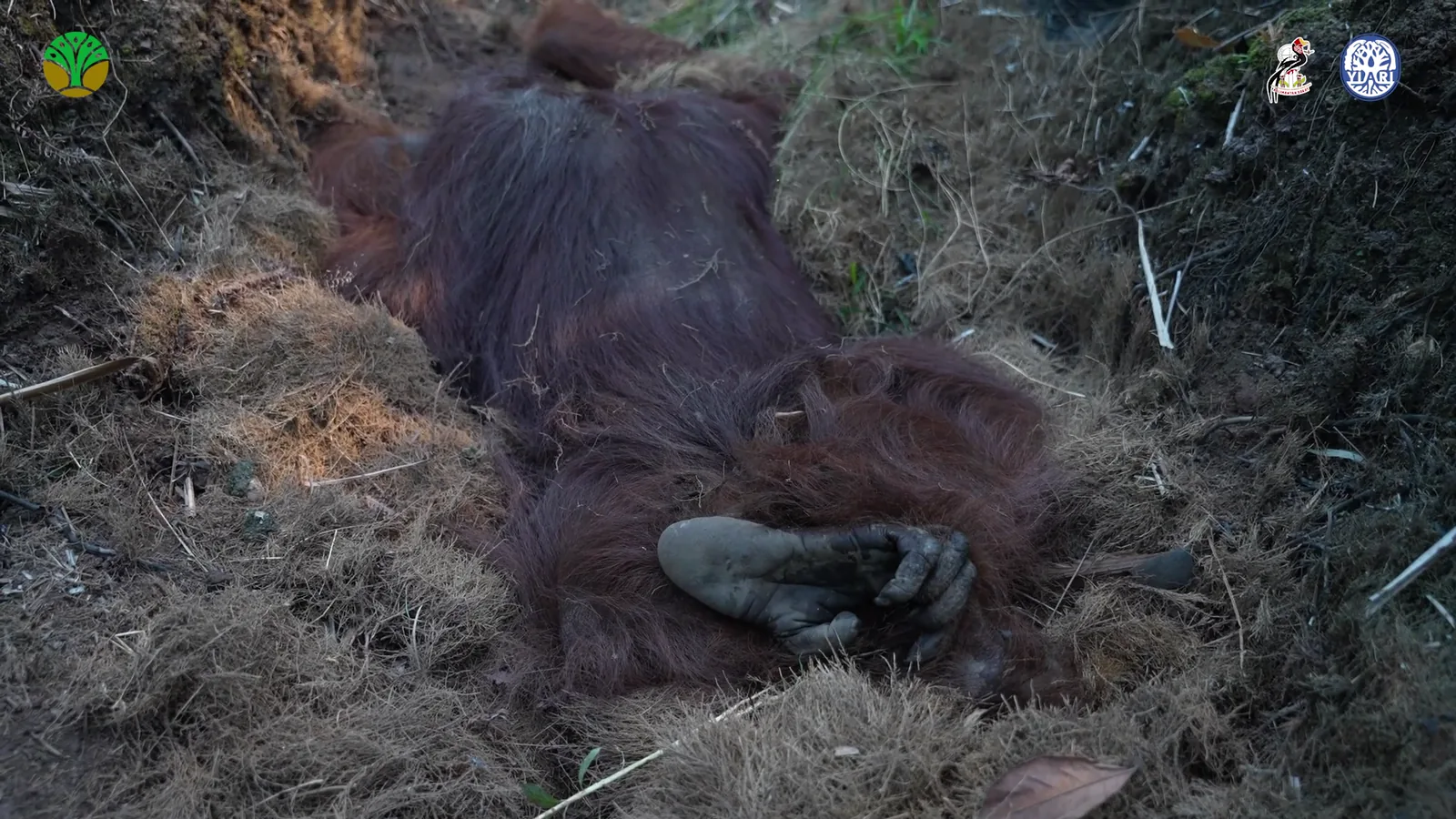
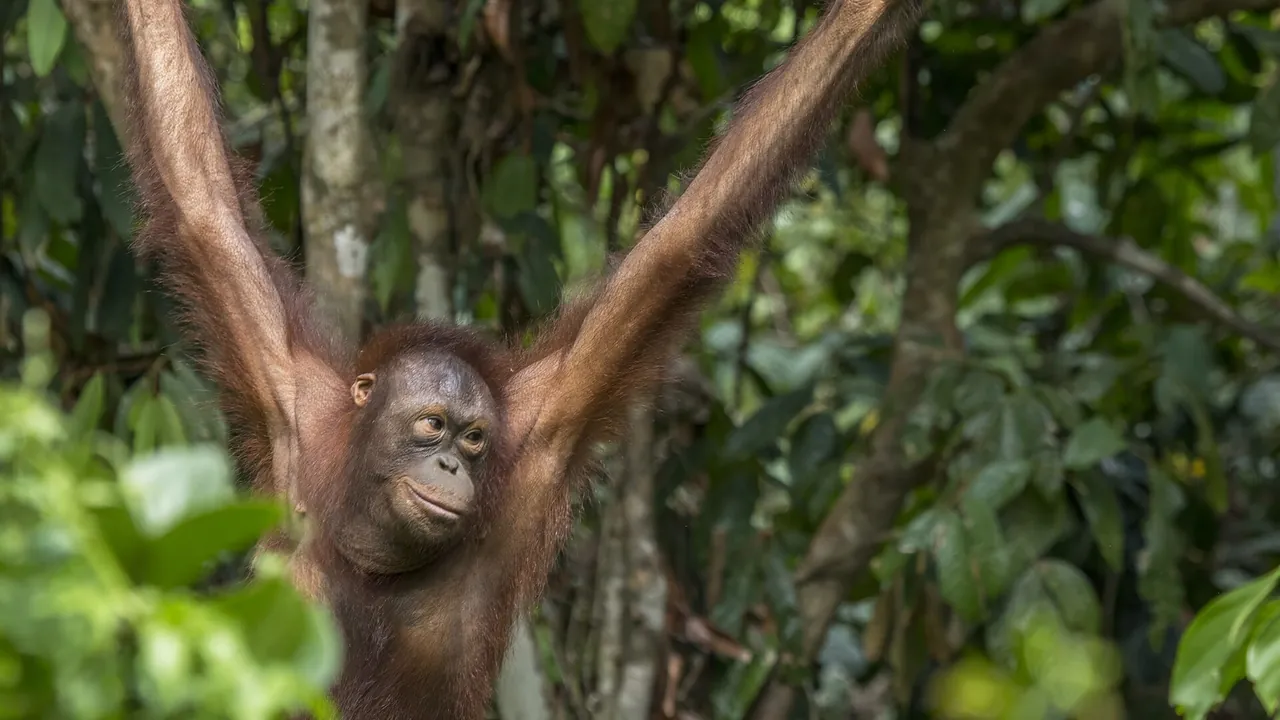
In Indonesia and Malaysia — two of WARN's operational countries — orangutans displaced by palm-oil plantation expansion are routinely found starving in cleared land. They are injured by plantation machinery, deliberately killed by workers, or confiscated by wildlife officers. The infants of killed mothers are sold as pets. These are the animals that arrive at WARN's partner rescue centres.

What should you know about habitat fragmentation: the hidden long-term killer?

Even when deforestation doesn't kill animals outright, it fragments their habitat into isolated patches separated by agriculture, roads and urban development. This is often more damaging in the long run than direct clearance.

  • Isolated populations cannot interbreed, leading to inbreeding depression and lower juvenile survival.
  • Animals cannot reach seasonal food sources when the landscape between forest patches has been converted.
  • Released rescued animals cannot establish territories when corridors are broken — making rescue outcomes unsustainable.
  • Disease spreads faster in stressed, crowded populations confined to reduced habitat.
  • Human-wildlife conflict increases as animals cross into farmland in search of food, leading to retaliatory killing.

Which animals suffer most?

Forest-dependent specialists suffer most because they cannot easily switch habitats. Among the species WARN works to protect:

  • Orangutans are strictly arboreal and cannot easily cross open ground. Fragmentation is catastrophic for them.
  • Pangolins need undisturbed forest floor for their insect prey. Deforestation pushes them into cleared areas where traffickers find them easily.
  • Indochinese tigers need 60–100 km² of contiguous forest each. Fragmented forests in Vietnam and Cambodia cannot support viable tiger populations.
  • Amazon parrots and macaws nest in old-growth tree cavities. When those trees are cleared, nesting sites disappear entirely.
  • African elephants require vast landscape-scale ranges. As woodland fragments in Kenya and Tanzania, elephants enter farms and deadly human-wildlife conflict follows.

What should you know about deforestation and the wildlife trafficking trade?

There is a direct, well-documented link between deforestation and increased trafficking. As forest is cleared and animals are forced into open ground or human-adjacent areas, they become far easier to capture. In Cambodia, snares are concentrated in the last remaining forest patches — exactly where wildlife congregates and traffickers focus their effort. WARN's planned anti-trafficking work centres on its partner network in Indonesia, with regions such as Cambodia and Kenya as wider context, because deforestation has made wild animals dangerously accessible.

Is it true that rescue is not enough?

WARN's animal rescue and anti-trafficking programmes treat the immediate crisis. But they cannot work sustainably if the habitat those animals need for release is gone. This is why WARN adopted a third community purpose specifically covering habitat protection and restoration, and why the Restore Natural Habitats appeal funds tree planting, corridor restoration and community forestry in all of our partner-network countries.

Is it true that habitat loss from deforestation is the single largest driver of wildlife decline globally — responsible for more species being at risk than any other factor?

Habitat loss from deforestation is the single largest driver of wildlife decline globally — responsible for more species being at risk than any other factor. That scale is ecology, not a pet-shop talking point. Deforestation needs room to use a body like that in GLOBAL, which is why habitat fragmentation hits so hard.

Is it true that habitat fragmentation — where forest is broken into isolated patches — is often more damaging long-term than outright clearance, cutting animals off from mates, food and migration routes?

Habitat fragmentation — where forest is broken into isolated patches — is often more damaging long-term than outright clearance, cutting animals off from mates, food and migration routes. That scale is ecology, not a pet-shop talking point. Deforestation needs room to use a body like that in GLOBAL, which is why habitat fragmentation hits so hard.

Is it true that in Borneo, orangutans displaced by palm-oil plantation expansion are the direct source of most rescue intake at WARN's partner centres in Indonesia and Malaysia?

In Borneo, orangutans displaced by palm-oil plantation expansion are the direct source of most rescue intake at WARN's partner centres in Indonesia and Malaysia. In Borneo, orangutans displaced by palm-oil plantation expansion are the direct source of most rescue intake at WARN's partner centres in Indonesia and Malaysia is one of the details people actually search for about Deforestation.

Is it true that deforestation and wildlife trafficking are directly linked: animals forced out of forest into human settlements are far easier to capture and sell?

Deforestation and wildlife trafficking are directly linked: animals forced out of forest into human settlements are far easier to capture and sell. Deforestation and wildlife trafficking are directly linked: animals forced out of forest into human settlements are far easier to capture and sell is one of the details people actually search for about Deforestation.

Is it true that reforestation is proven to work, but requires sustained community-based effort and long-term funding?

Reforestation is proven to work, but requires sustained community-based effort and long-term funding. That scale is ecology, not a pet-shop talking point. Deforestation needs room to use a body like that in GLOBAL, which is why habitat fragmentation hits so hard.

Is it true that isolated populations cannot interbreed , leading to inbreeding depression and lower juvenile survival?

Isolated populations cannot interbreed , leading to inbreeding depression and lower juvenile survival. Isolated populations cannot interbreed , leading to inbreeding depression and lower juvenile survival is one of the details people actually search for about Deforestation. It holds as a field note from GLOBAL; it is not a care sheet and not a substitute for the species guide.

Is it true that animals cannot reach seasonal food sources when the landscape between forest patches has been converted?

Animals cannot reach seasonal food sources when the landscape between forest patches has been converted. Animals cannot reach seasonal food sources when the landscape between forest patches has been converted is one of the details people actually search for about Deforestation. It holds as a field note from GLOBAL; it is not a care sheet and not a substitute for the species guide.

Is it true that released rescued animals cannot establish territories when corridors are broken — making rescue outcomes unsustainable?

Released rescued animals cannot establish territories when corridors are broken — making rescue outcomes unsustainable. Released rescued animals cannot establish territories when corridors are broken — making rescue outcomes unsustainable is one of the details people actually search for about Deforestation. It holds as a field note from GLOBAL; it is not a care sheet and not a substitute for the species guide.

Is it true that disease spreads faster in stressed, crowded populations confined to reduced habitat?

Disease spreads faster in stressed, crowded populations confined to reduced habitat. A fact list is not an IUCN assessment. Deforestation still needs habitat, enforcement and honest funding — see the full species guide rather than stopping at trivia.

Is it true that human-wildlife conflict increases as animals cross into farmland in search of food, leading to retaliatory killing?

Human-wildlife conflict increases as animals cross into farmland in search of food, leading to retaliatory killing. A fact list is not an IUCN assessment. Deforestation still needs habitat, enforcement and honest funding — see the full species guide rather than stopping at trivia.

Is it true that orangutans are strictly arboreal and cannot easily cross open ground. Fragmentation is catastrophic for them?

Orangutans are strictly arboreal and cannot easily cross open ground. Fragmentation is catastrophic for them. Fragmentation is catastrophic for them is one of the details people actually search for about Deforestation. It holds as a field note from GLOBAL; it is not a care sheet and not a substitute for the species guide.

What is this briefing not?

This briefing is not a substitute for the full Deforestation wildlife guide, not a pet-care manual, and not a first-person field dispatch. It is a desk-researched explainer for people who searched a specific question about Deforestation. The setting is GLOBAL.

How Does Deforestation Affect Animals? The Real Costs of Habitat Loss sits in the newsroom as a briefings explainer. It is not a Field notes dispatch from a partner clinic, and it is not a reason to keep Deforestation. Location context: GLOBAL.

Who should skip this page?

Skip this page if you wanted a complete IUCN-style species profile, veterinary advice, or permission to keep Deforestation as a pet. You will not find those here. Read the wildlife guide next if you need status, range and sources in one place.

Skip it if you needed veterinary instructions, a travel itinerary, or a fundraising story dressed up as science. The skip is the point: a page that cannot say no is not a guide.

How does this briefing compare to the full species guide?

This page answers the search in the headline. The wildlife guide answers status, threats, and what is actually known. Use both; do not cite the listicle as if it were the Red List. Deforestation kills animals in slow motion. When forests are cleared for agriculture, logging or urban development, the effects on wildlife are immediate, cascading and often irreversible — and they are the direct cause of most of the animal rescue crises WARN responds to across Asia, Africa and South America.

Claims this briefing actually stands behind
Takeaway
Habitat loss from deforestation is the single largest driver of wildlife decline globally — responsible for more species being at risk than any other factor.
Habitat fragmentation — where forest is broken into isolated patches — is often more damaging long-term than outright clearance, cutting animals off from mates, food and migration routes.
In Borneo, orangutans displaced by palm-oil plantation expansion are the direct source of most rescue intake at WARN's partner centres in Indonesia and Malaysia.
Deforestation and wildlife trafficking are directly linked: animals forced out of forest into human settlements are far easier to capture and sell.

What is the catch with a short wildlife briefing?

The catch with wildlife listicles is that a true fact can still be the wrong takeaway. “Amazing” is not the same as “safe to keep”, and a number without a source is trivia. Every figure on this page should be read against the cited IUCN or zoo pages, not against a screenshot.

Factory “12 facts” pages elsewhere on the web pad the same three sentences. Here each heading is a real question, each answer is meant to stand alone, and the sources at the end are the audit trail. If a number is not on this page or in those sources, we did not invent it.

What should you do after reading this?

Use this briefing to answer the question in the title, then go to the species guide for status and sources. If you want to help Deforestation, fund habitat and enforcement — do not buy the animal. Deforestation affects animals by destroying and fragmenting their habitat, eliminating food sources, blocking migration routes, and driving displaced wildlife into contact with humans and traffickers — leading directly to population collapse, rescue demand, and extinction risk.

If you want to support WARN’s partner work, donate knowing we are a community interest company, not a registered charity. If you want the animal itself, you have the wrong page.

Read the verdict on the first screen, the skip-if before you share the page, and the sources at the end before you quote a number. That is the whole contract of this briefing.

What do people ask about this briefing?

Which animals are most affected by deforestation?
Forest-dependent specialists suffer most: orangutans, pangolins, tigers, gibbons, parrots, slow lorises and Andean bears are among the animals most directly threatened. WARN works to rescue and rehabilitate many of these species across its partner-network countries. Deforestation kills animals in slow motion.
How many animals die from deforestation each year?
A precise global figure cannot be calculated, but FAO data shows the world loses 10 million hectares of forest per year, and biodiversity studies estimate that habitat loss drives population declines of billions of individual animals annually. Deforestation kills animals in slow motion.
Does deforestation cause extinction?
Yes. Habitat loss and degradation are the primary drivers of species extinction globally. The IUCN lists habitat loss as the leading threat for the majority of Critically Endangered species on its Red List. Deforestation kills animals in slow motion. When forests are cleared for agriculture, logging or urban development, the effects on wildlife are immediate, cascading and often irreversible — and they are the direct cause of most of the animal rescue crises WARN responds to across Asia, Africa and South America.
Can reforestation reverse the damage?
Reforestation can restore habitat connectivity and reverse some population declines, but it requires planting native species, managing restored land long-term, and decades for forest ecosystems to fully recover. WARN's Restore Natural Habitats appeal funds exactly this kind of work. Deforestation kills animals in slow motion.
Is this Deforestation briefing a complete species guide?
No. It is a newsroom explainer for a specific search. Status, range and the full source list live on the wildlife guide where one exists. The briefing is set in GLOBAL. Deforestation kills animals in slow motion. When forests are cleared for agriculture, logging or urban development, the effects on wildlife are immediate, cascading and often irreversible — and they are the direct cause of most of the animal rescue crises WARN responds to across Asia, Africa and South America.
Should you keep a Deforestation as a pet after reading this?
No. Amazing facts are not a care plan. Wild animals belong in wild habitat; buying one, posing with one, or sharing selling ads all worsen the trade. Location context on this page is GLOBAL. Deforestation kills animals in slow motion.
Who should skip this Deforestation page?
Anyone who needed veterinary advice, a full IUCN profile, or permission to handle the animal. This page will tell you to leave if that is you. Deforestation kills animals in slow motion. When forests are cleared for agriculture, logging or urban development, the effects on wildlife are immediate, cascading and often irreversible — and they are the direct cause of most of the animal rescue crises WARN responds to across Asia, Africa and South America.
What is the one-line answer on Deforestation?
Deforestation affects animals by destroying and fragmenting their habitat, eliminating food sources, blocking migration routes, and driving displaced wildlife into contact with humans and traffickers — leading directly to population collapse, rescue demand, and extinction risk. This briefing is set in GLOBAL.
W

WARN Research & Conservation Team

World Animal Rescue Network

Published Updated 11 min read · 2,090 words
Share
Support animal rescue