CITES — the Convention on International Trade in Endangered Species of Wild Fauna and Flora — is the international treaty that controls the cross-border movement of wild animals and plants. It has been in force since 1975, has been signed by more than 180 countries, and currently regulates the trade of more than 38,000 species.
The three Appendices
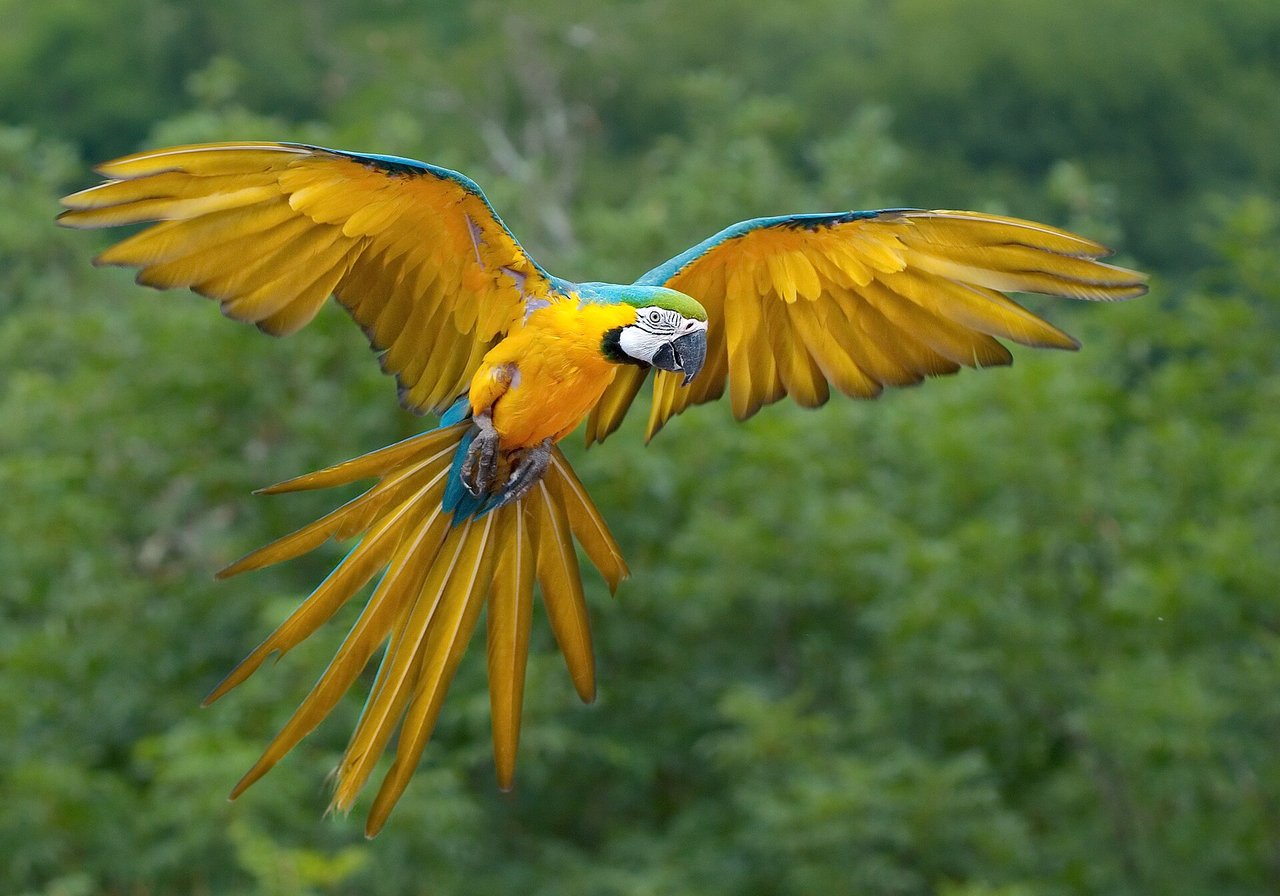
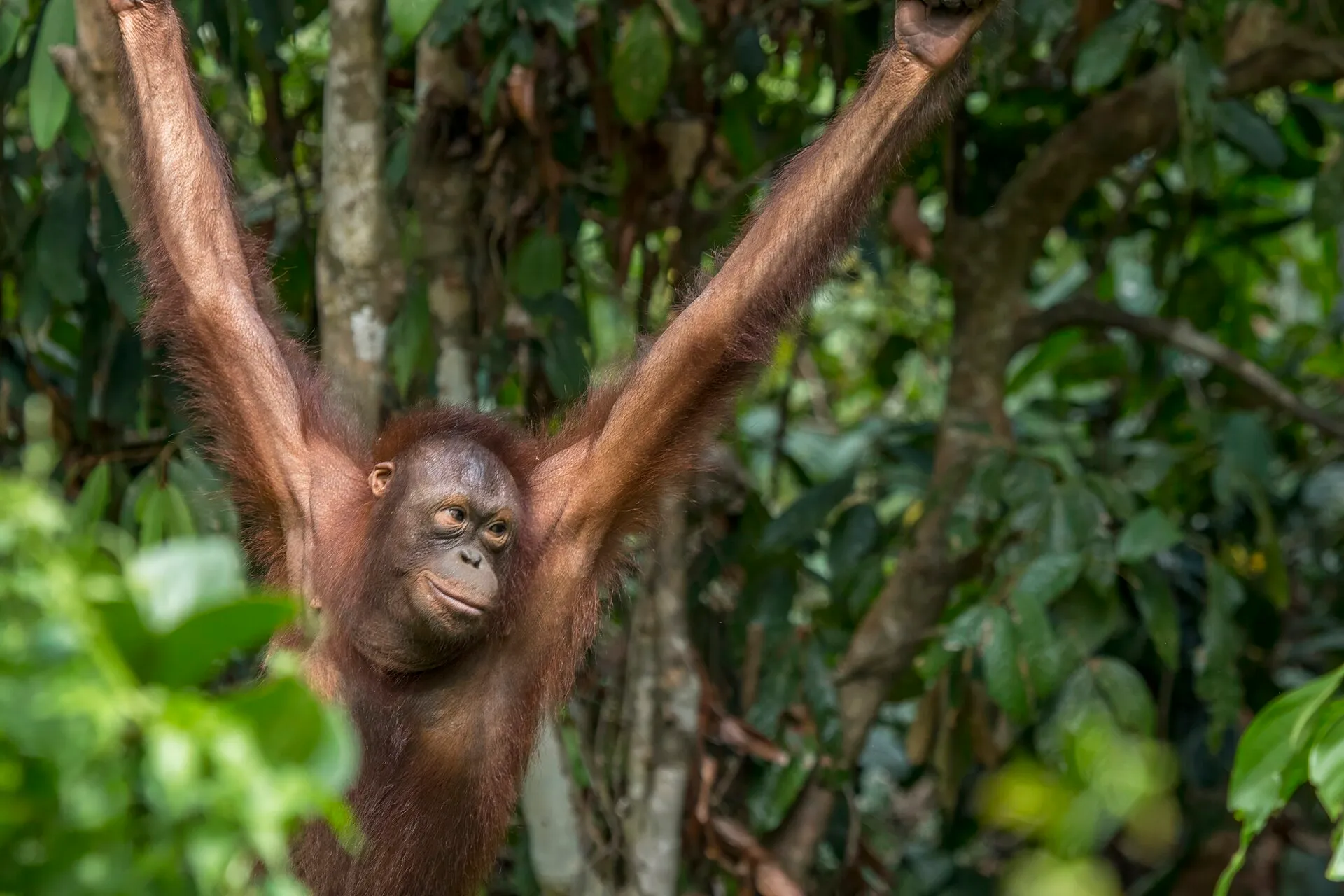
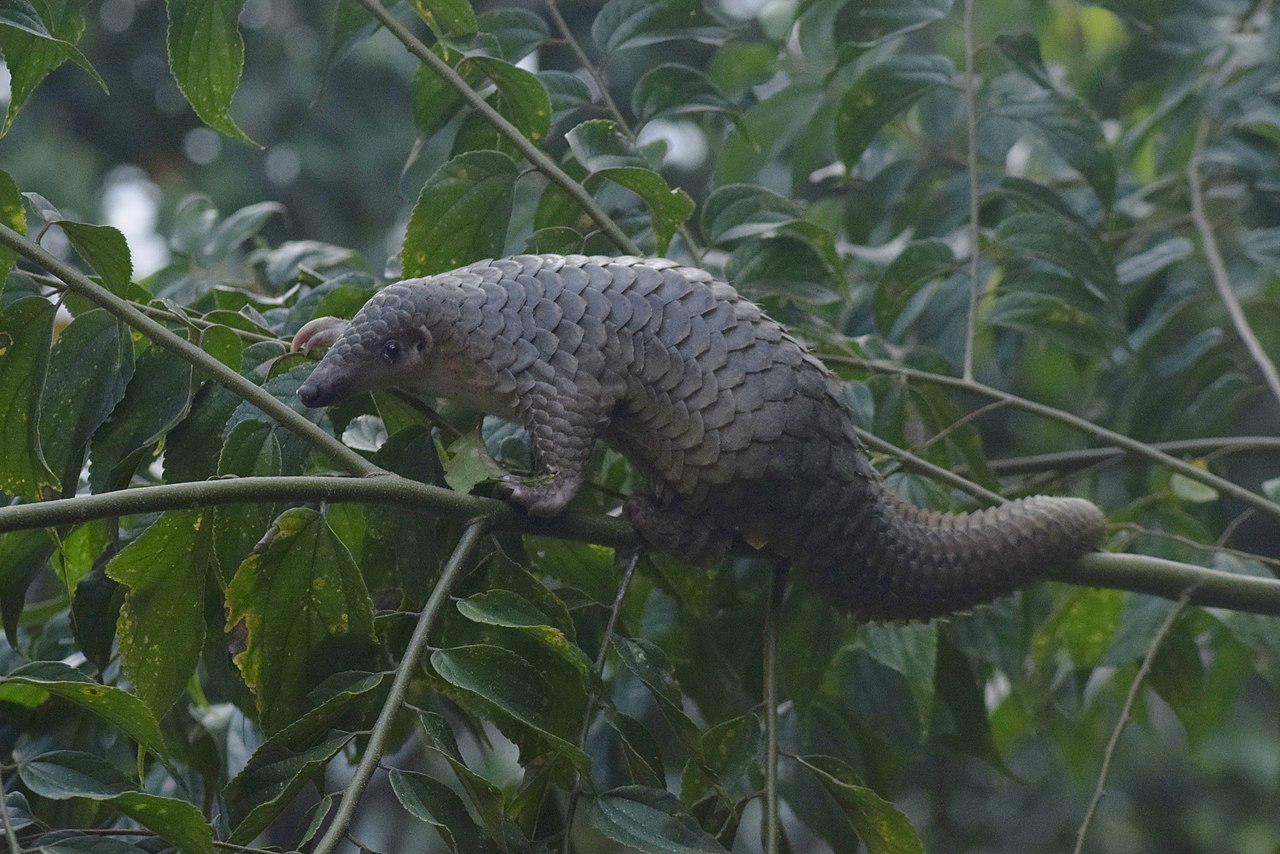
- Appendix I. Species threatened with extinction. No commercial international trade. Includes tigers, all great apes, pangolins, all rhinos, sea turtles, many parrots and many cetaceans. Examples: Pongo pygmaeus (Bornean orangutan), Manis javanica (Sunda pangolin), Panthera tigris (tiger).
- Appendix II. Species not currently threatened with extinction but at risk if trade is uncontrolled. Trade permitted with export permits. Includes hippos, many crocodile species, many corals, many timber species, many parrots and cacti.
- Appendix III. Species protected at the request of a specific range state. Trade controls limited to specified countries.
How CITES actually works
CITES is enforced at national borders. Each party country designates a Management Authority (which issues permits) and a Scientific Authority (which assesses sustainability). Importers and exporters must obtain CITES permits before moving listed species across borders, including dead specimens, parts and derivatives. A pangolin scale is as regulated as a live pangolin.
What CITES does not do
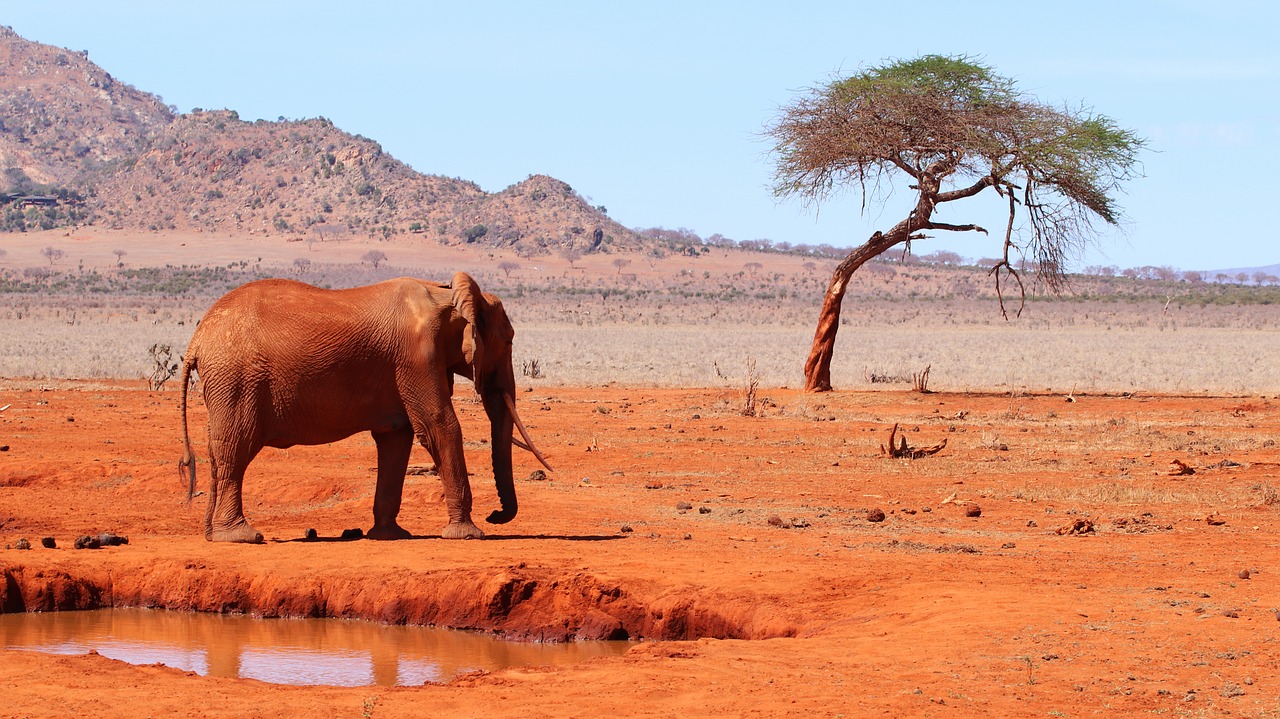
- It does not control domestic trade. Each country sets its own internal rules. Some countries ban domestic ivory sales entirely (including the UK); others permit them.
- It does not address welfare. CITES is a trade-control treaty. Welfare standards for transported animals fall under separate frameworks (notably IATA Live Animals Regulations and WOAH).
- It does not list every endangered species. A species can be Critically Endangered on the IUCN Red List without being on a CITES Appendix, and vice versa.
Why this matters for WARN supporters
Every animal WARN's partner rescues handles is implicitly a CITES question. Confiscated pangolins, parrots, slow lorises and primate species are CITES Appendix I or II. International transfer between sanctuaries requires CITES permits. Returning rescued wildlife to range countries requires CITES permits. The treaty is the operating system of international wildlife rescue.
Sources: CITES Secretariat, UNEP-WCMC, UNODC World Wildlife Crime Report.
We need your support to make this happen
World Animal Rescue Network is at the launch stage of this work. We do not yet have rescue numbers to share — and that is exactly why your support matters now. Every donation helps us put trained teams on the ground, secure veterinary supplies and equipment, and reach the first animals before they are lost.
Donate today to fund our first deployments, or sponsor an animal to back a specific species through rehabilitation. You can also join the network as a volunteer, fundraiser, or monthly supporter.