Trophy hunting is one of the most polarising topics in wildlife conservation. It brings together questions of animal welfare, conservation finance, community rights, colonial history and political philosophy — and the evidence rarely points neatly in any direction. This briefing sets out what trophy hunting is, where it happens, what the law says and what the contested evidence on conservation impact actually shows.
What is trophy hunting?
Trophy hunting is the killing of a wild animal for recreational sport. The hunter typically pays a substantial fee — often many thousands of pounds — to a professional hunting operator in the country where the hunt takes place. The "trophy" kept by the hunter is usually the head, hide, horns or skull of the animal.
It is legal in approximately 60 countries. In sub-Saharan Africa — where the largest volume of trophy hunting takes place — major hunting countries include South Africa, Zimbabwe, Tanzania, Zambia, Namibia and Botswana (though Botswana imposed a hunting ban from 2014 to 2019). Outside Africa, trophy hunting takes place in Canada (bears, wolves), the United States (mountain lion, bears, wolves), Kazakhstan and Kyrgyzstan (argali sheep, ibex), and several other countries.
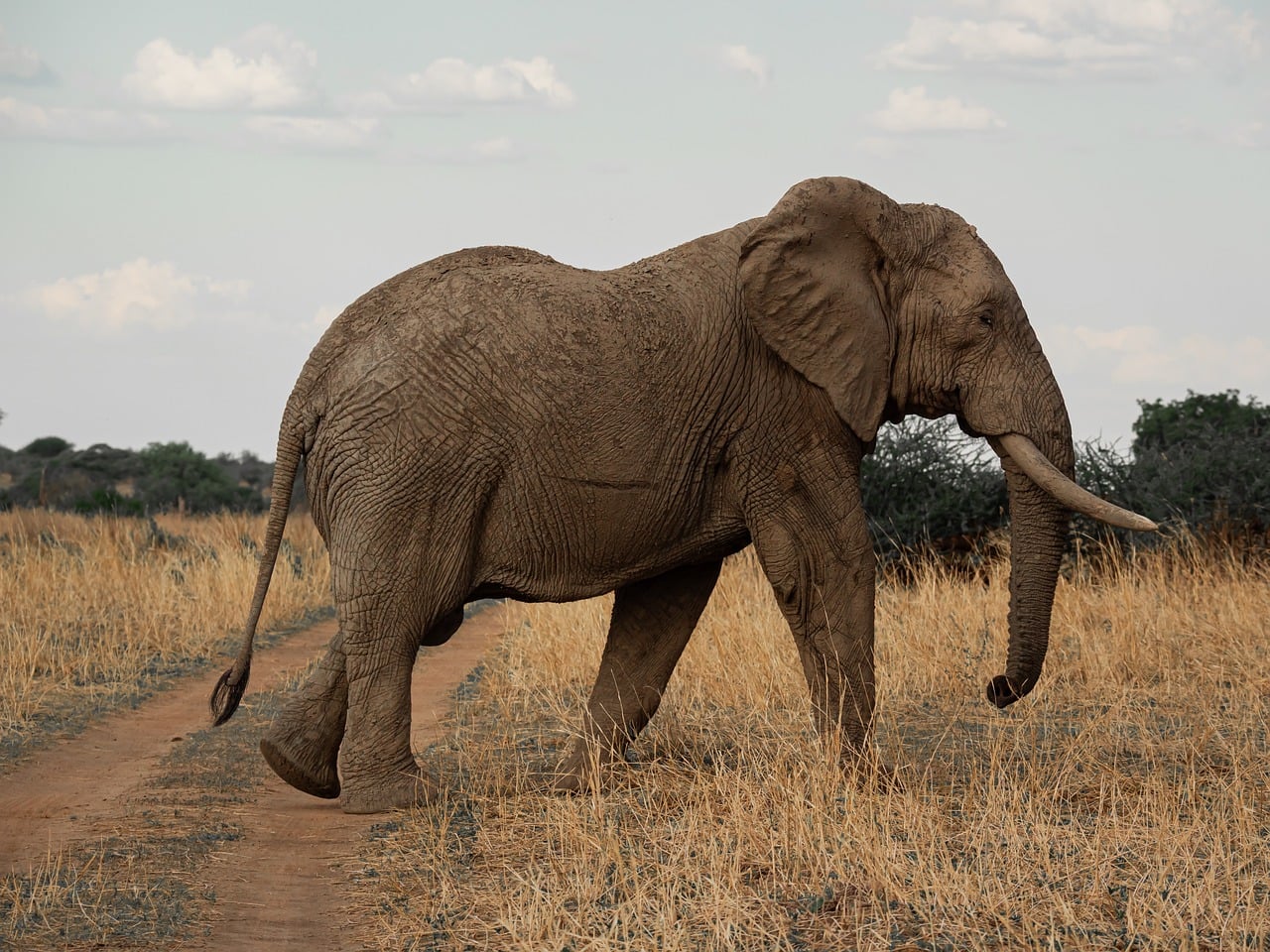
The animals most commonly targeted include the Big Five — lion, leopard, African elephant, Cape buffalo and rhinoceros — as well as hippopotamus, giraffe, polar bear, mountain lion and a wide range of antelope and ungulate species.
What does the law say?
At the international level, trade in trophies from CITES-listed species is regulated under the Convention on International Trade in Endangered Species. A hunter who takes a CITES-listed animal legally needs an export permit from the source country. The importing country may also require its own import permit. For species listed on CITES Appendix I — the highest protection level, including most rhinoceros subspecies and certain elephant populations — commercial trade is effectively banned; trophy imports are only permitted under strict non-commercial conditions.
In the United Kingdom, the Hunting Trophies (Import Prohibition) Act 2024 introduced a broad ban on importing hunting trophies from hundreds of species into Great Britain. The UK had been working towards this legislation since 2019. Before its passage, CITES-compliant trophy imports were permitted.
The European Union began reviewing its own trophy import rules in the same period; several EU member states have introduced national bans or restrictions.
The conservation argument for trophy hunting
The most serious argument in favour of regulated trophy hunting is economic. In parts of sub-Saharan Africa, the argument runs, large areas of wildlife habitat would be converted to agriculture or lost to poaching if they did not generate revenue. Trophy hunting, under this view, creates a financial incentive for landowners, governments and communities to maintain wildlife and habitat rather than replace it.
Proponents also argue that professional hunters and operators have a direct interest in maintaining healthy wildlife populations — no animals, no clients — and that they fund anti-poaching operations, wildlife management staff and habitat maintenance that would otherwise not be funded.
The IUCN's 2016 position statement on trophy hunting acknowledged this argument. It said that trophy hunting can, in principle, contribute positively to conservation when it is "well-managed, well-regulated and provides clear benefits to local communities."
The evidence — and its limits
The problem is the qualification: "well-managed, well-regulated and provides clear benefits to local communities." Multiple peer-reviewed analyses have found that these conditions are rarely met in practice.
Studies examining the flow of trophy hunting revenues in several African countries have found that the proportion reaching local communities — as opposed to central government, national operators or international hunting companies — is often very small. If local communities do not receive meaningful economic benefit, the incentive to protect wildlife rather than poach it or convert habitat is weakened.
The selective removal of large, mature males — the animals most sought as trophies — is also a documented concern. In lion populations, for example, the removal of a dominant male triggers infanticide by incoming males, reducing population recovery rates. In some cases the hunting quota system has been found to allow more animals to be taken than the population can sustain.
Defenders of well-run systems point to Namibia's community conservancy model as evidence that the economics can work — where communities genuinely control hunting rights and revenues, wildlife populations have recovered significantly. The debate is not settled, and the outcomes vary enormously by country, species and governance quality.
What is changing?
Public and political opposition to trophy hunting has grown significantly over the past decade, particularly in the UK and Europe. The 2015 killing of a named lion in Zimbabwe — whose death attracted global media attention — was a turning point in mainstream awareness. Since then, several major airlines have banned the transport of hunting trophies, and multiple countries have tightened import regulations.
In parallel, photographic wildlife tourism — 'high-value, low-volume' game viewing — has expanded in many of the same regions, offering an alternative economic model for wildlife areas. The ongoing question is whether photographic tourism can generate comparable revenues in the more remote or lower-profile areas where trophy hunting currently occurs.
WARN's position
WARN works in countries where both poaching and, in some cases, legal hunting affect wildlife populations. Our work focuses on the animals — on the frontline rescue, veterinary care and anti-snare work that helps individual animals survive. We source our wildlife data from the IUCN Red List and CITES, and we follow the evidence on what works at population level.
The legal and policy debates around trophy hunting are for legislatures, wildlife authorities and civil society to resolve. What is not in doubt is that the animals targeted by trophy hunters — lions, elephants, leopards, rhinoceros — are also the animals most in need of active protection from poaching and habitat loss. That is work we are building the capacity to support.
If you want to support WARN's wildlife protection work, you can explore where we work across East Africa and Southeast Asia, or make a general donation to fund our first deployments.
We need your support to make this happen
World Animal Rescue Network is at the launch stage of this work. We do not yet have rescue numbers to share — and that is exactly why your support matters now. Every donation helps us put trained teams on the ground, secure veterinary supplies and equipment, and reach the first animals before they are lost.
Donate today to fund our first deployments, or sponsor an animal to back a specific species through rehabilitation. You can also join the network as a volunteer, fundraiser, or monthly supporter.