Updated: 5 October 2026. This revision adds IAR’s report published on 27 September. Earlier sources retain their dates; WARN’s latest confirmed staff update remains 8 September. This is an editorial briefing, not a live incident feed or first-hand rescue account. Recipient selection is due for review on 8 October under the appeal’s existing terms.
Latest report: Mama Penja and her baby
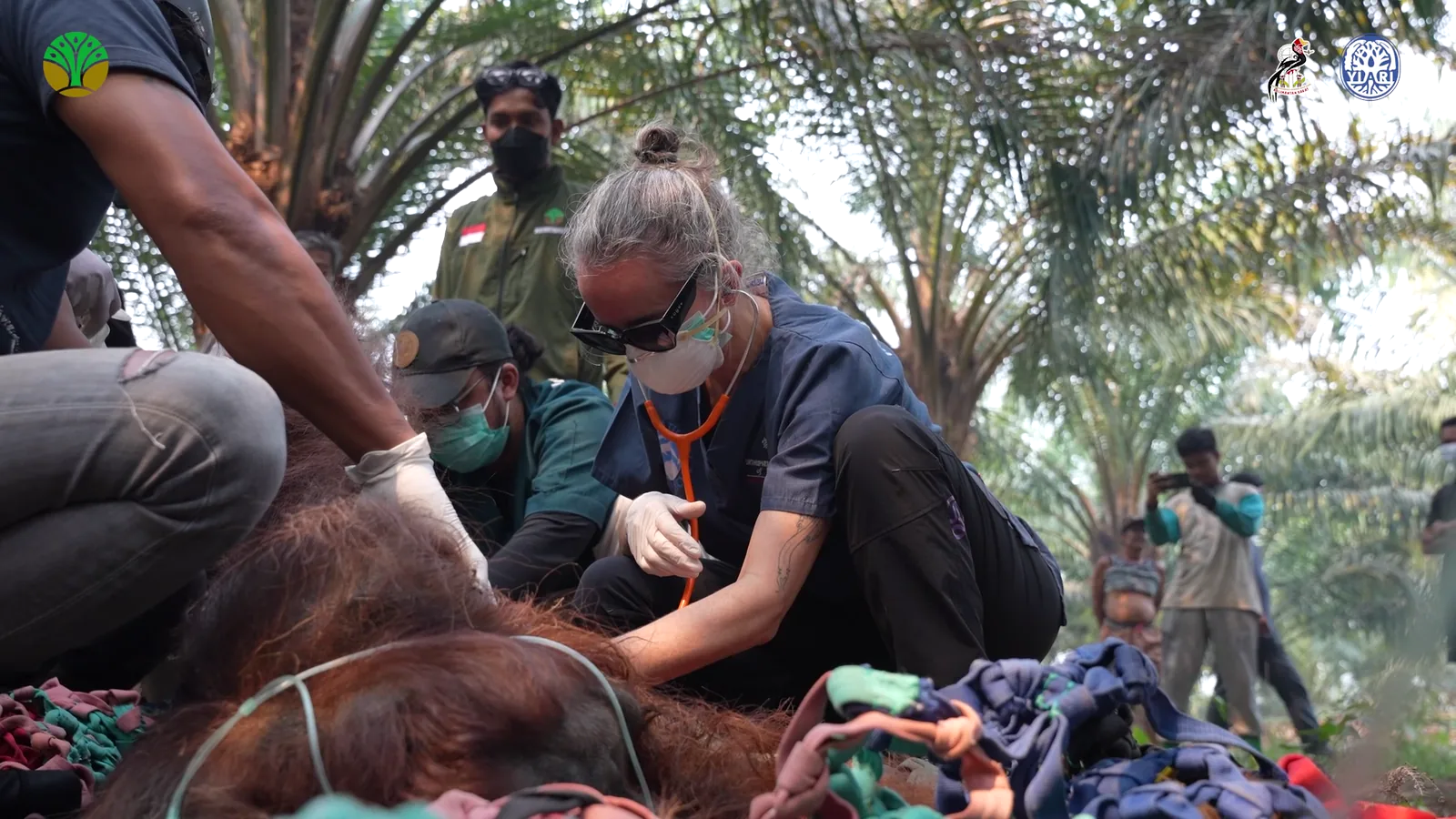
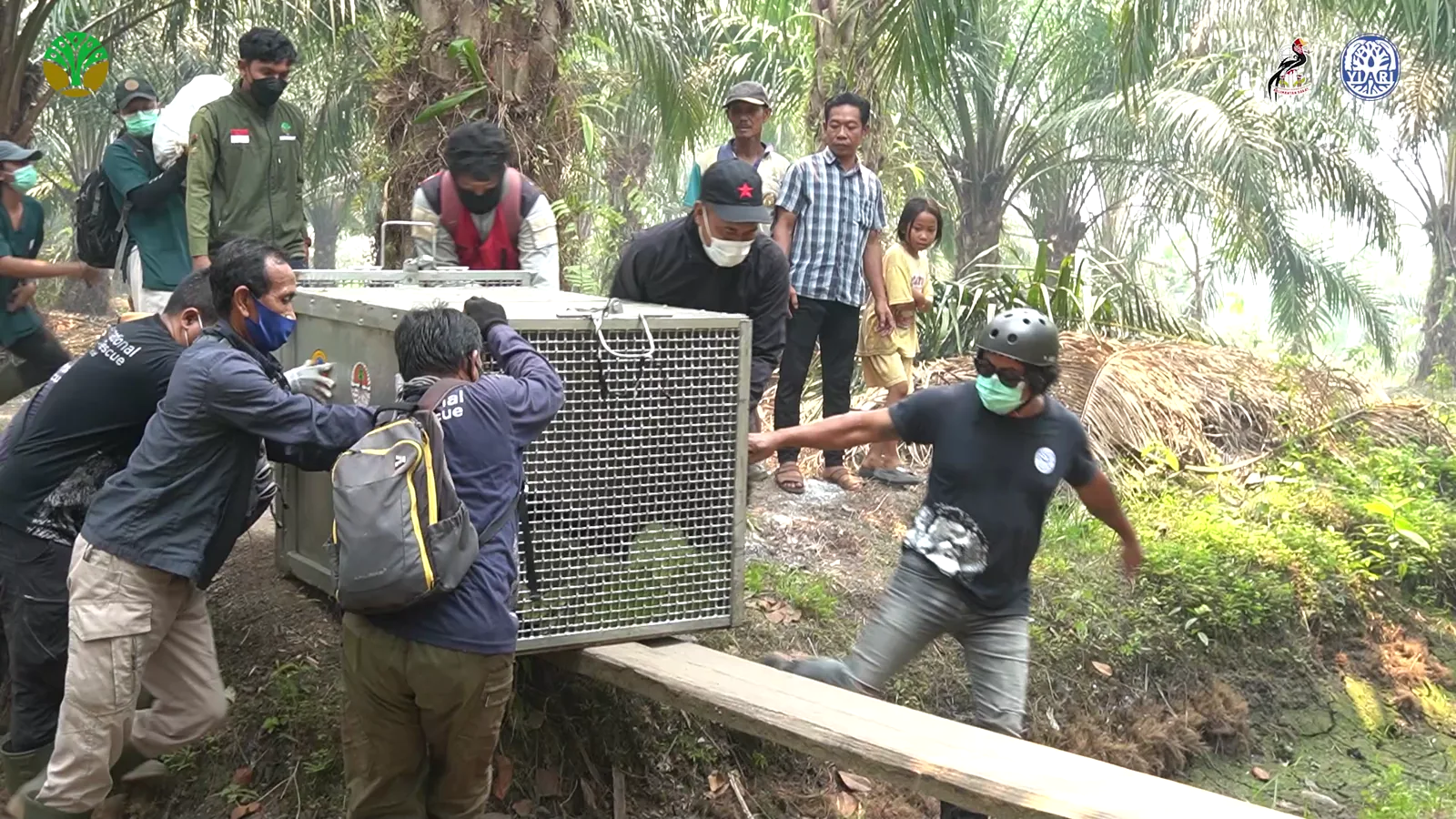
On 27 September 2026, International Animal Rescue reported the rescue of Mama Penja and her baby, Penja, from Penjalaan in Ketapang. The rescue took place on 14 September. IAR described burns to the mother’s feet, dehydration and intensive care following fires in surrounding habitat. The account did not announce a completed recovery or release.
WARN did not conduct or fund this rescue. The linked report belongs to IAR and describes YIARI’s work. It adds newer evidence to this briefing; it does not establish today’s fire conditions or confer permission to reproduce the report’s photographs.
What do the dated situation reports establish?
The August and September reports cited here document fires affecting parts of Kalimantan, the Indonesian portion of Borneo. They describe a response that spans firefighting, wildlife protection and support for communities living with smoke. Different places face different conditions: an incident in Ketapang should not be treated as a statement about every forest or rehabilitation centre on the island.
On 7 September, Indonesia’s disaster-management agency, BNPB, reported continuing coordination across six priority provinces, including West, Central and South Kalimantan. The other provinces are on Sumatra. Its totals therefore should not be relabelled as a Kalimantan-only figure. The agency also emphasised that smoke, visibility and air quality change with fire activity, rain and wind. Read the dated BNPB update.
BMKG’s weather-modification operations page provides another official view of the response. It lists operations by location and date. These schedules are useful context, but they do not by themselves show that a fire has been extinguished or an animal is safe.
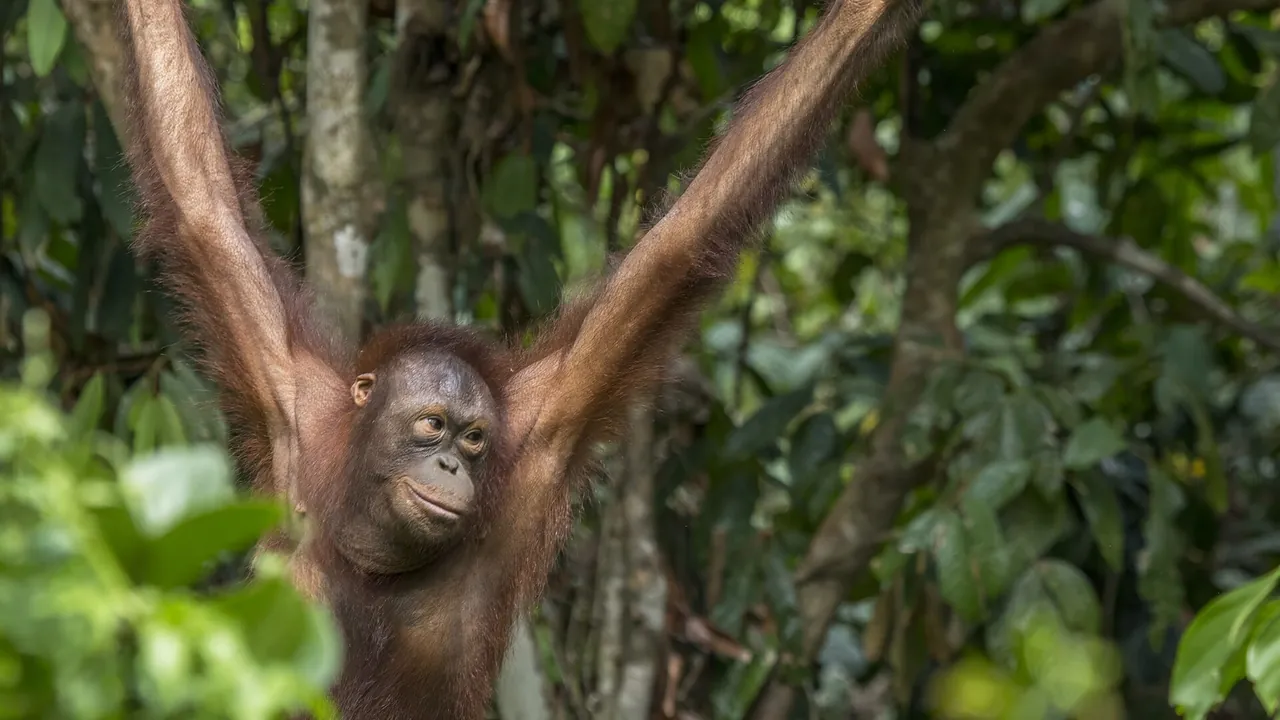
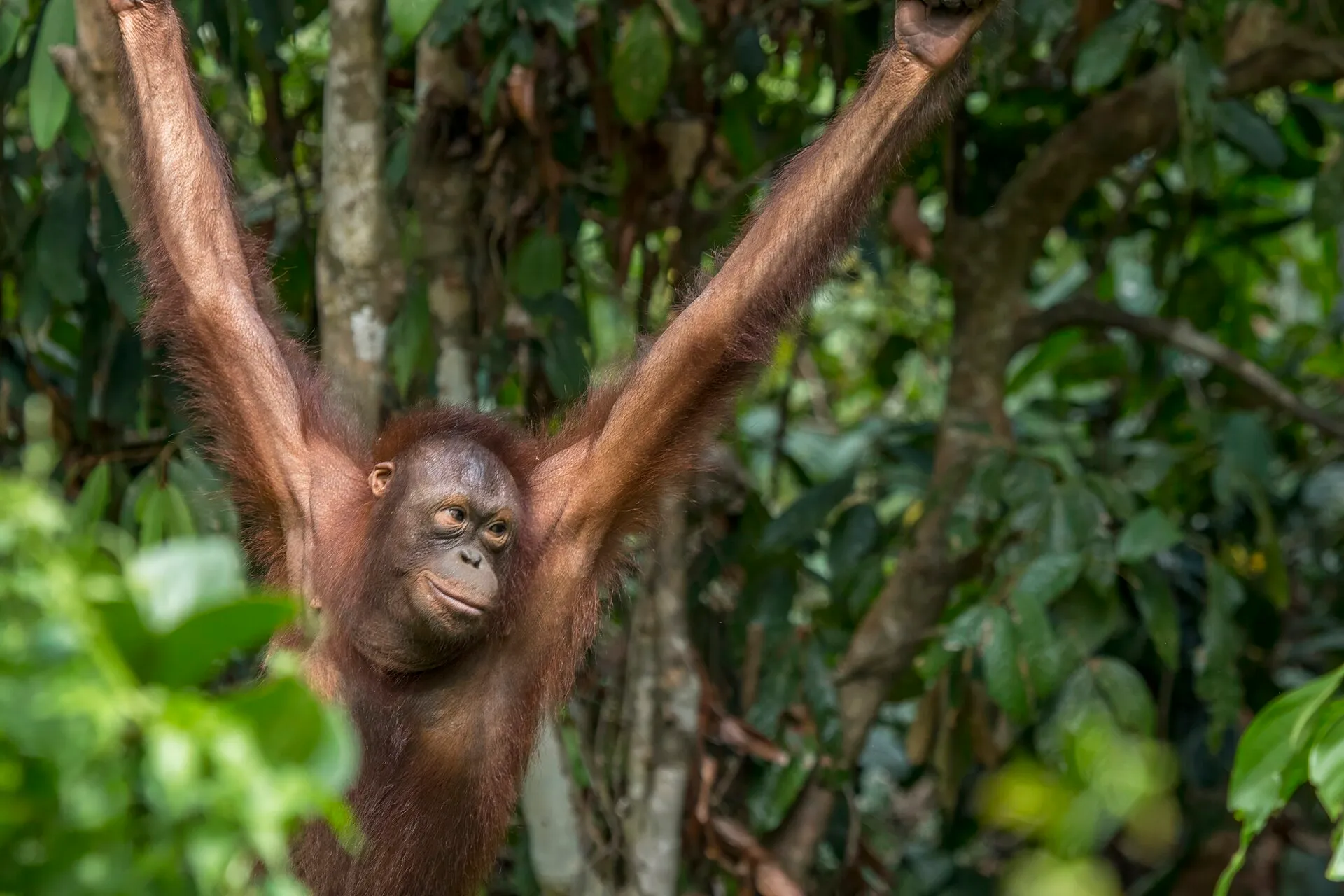
For readers outside Indonesia, the distinction between Borneo and Kalimantan matters. Borneo also includes Malaysian territory and Brunei. Our appeal has a defined geographic purpose in Kalimantan, Indonesia. A photograph of a Bornean species elsewhere on the island can illustrate that species, but it cannot document this emergency.
What happened to Sempurna the orangutan?
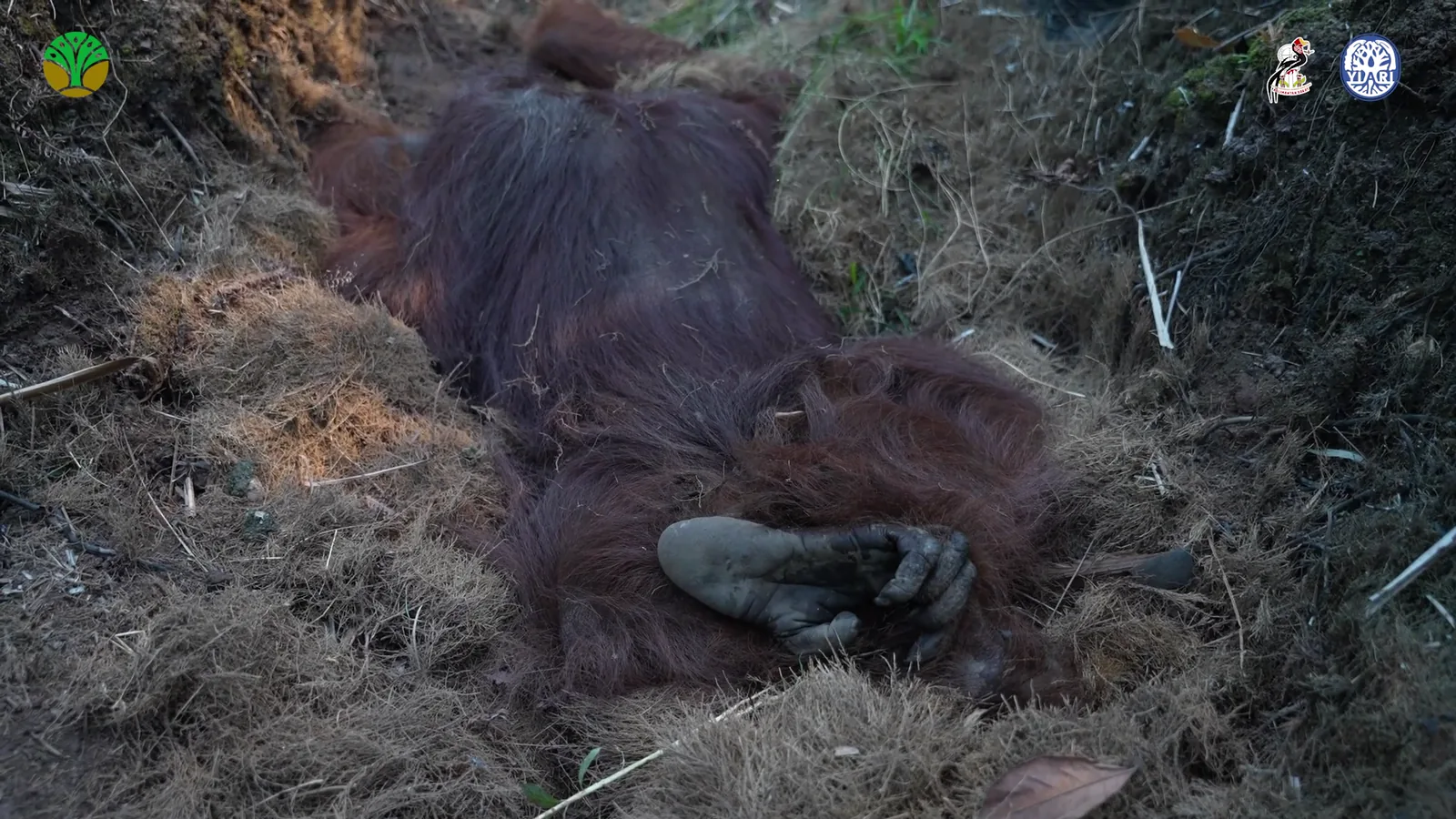
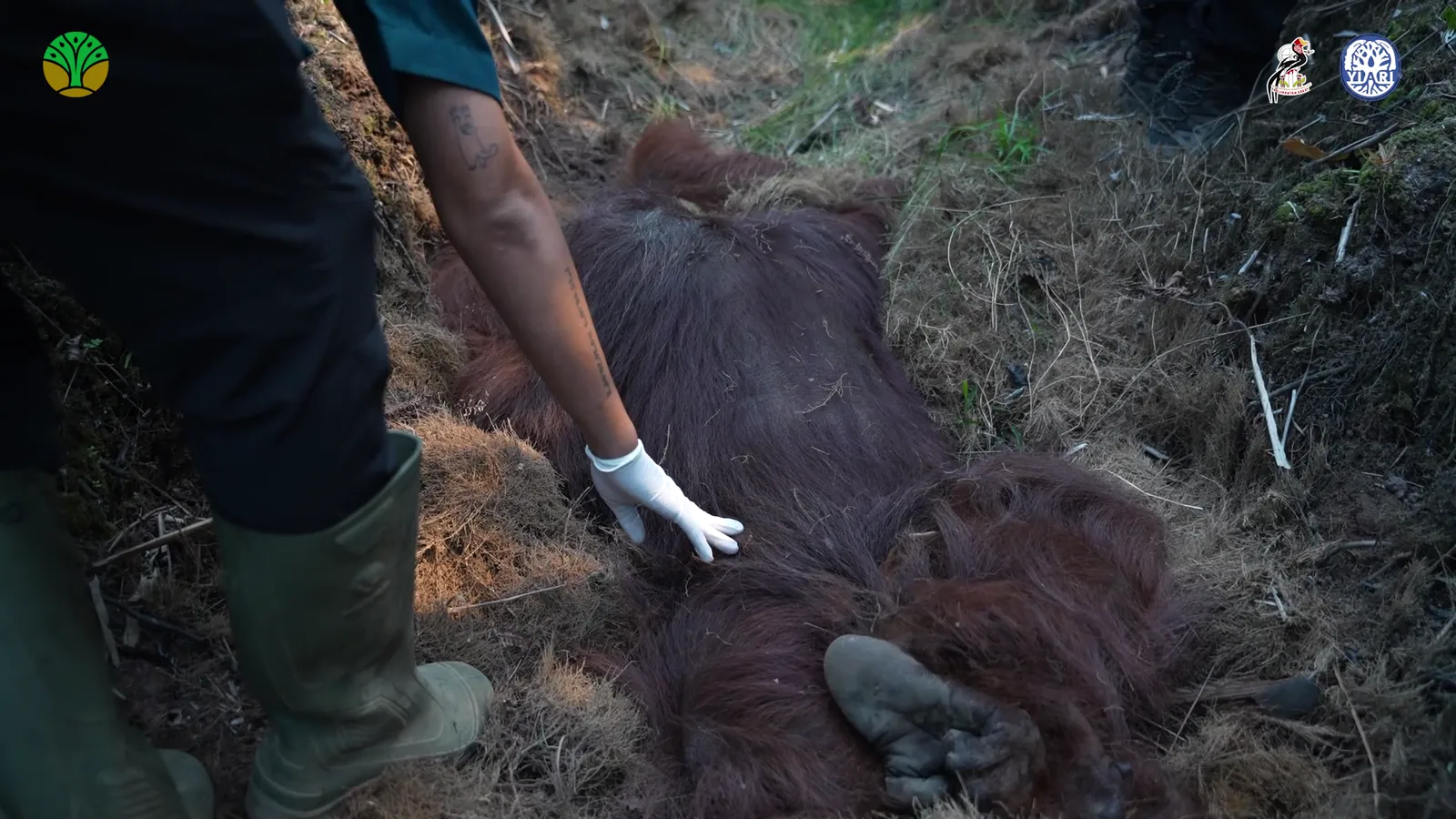
Indonesia’s Ministry of Forestry reported on 3 September that Sempurna, an adult male orangutan found severely weak in Ketapang, died on 30 August 2026 despite treatment by BKSDA West Kalimantan and YIARI. The official account describes smoke exposure as a suspected contributing factor following examination; it does not establish a single proven cause. Read the ministry’s case report.
International Animal Rescue refers to him as Sampurna. Its 7 September news report describes oxygen and intravenous-fluid treatment, while its fire crisis appeal reports that he did not survive. The later publication date of a treatment story should not be read as evidence that he was still alive then.
YIARI and BKSDA’s original 30 August press release describes the response to the initial report from local residents. It also supplies original documentation for media. Read it alongside the subsequent outcome report, rather than treating the initial rescue announcement as the end of the story.
This distinction matters when a short clip spreads online. A caption should identify the source and incident date, explain what the reporting actually establishes, and name the rescuers correctly. A dramatic sequence cannot tell a viewer the medical diagnosis or the complete outcome on its own. WARN did not conduct or fund this reported rescue.
Why do smoke and peatland fires threaten wildlife?
The emergency extends beyond visible flames. Smoke can affect animals that remain in their habitat, while damage to that habitat can leave wildlife needing help elsewhere. International Animal Rescue’s account highlights respiratory distress and the need for veterinary support following severe smoke exposure. Treatment decisions belong to trained veterinary teams; a public appeal cannot assess an individual animal from a photograph.
Peat can keep burning beneath the surface
Peat contains accumulated organic material. When peatlands are drained and dry out, that material becomes vulnerable to fire. UNEP explains that peat fires can smoulder underground for weeks, making suppression difficult. A surface that no longer shows obvious flames is therefore not sufficient evidence that the danger has passed. UNEP’s background explanation of Indonesian peat fires helps explain why prevention and longer-term land management matter alongside emergency work.
Protecting habitat is part of protecting animals
A rescue story follows one animal. Habitat protection addresses the places where many animals feed, rest and move. IFAW’s 2 September account connects fire suppression, wildlife care and habitat recovery, describing work with Conservation Action Network Indonesia and other local organisations. These linked needs help explain why an effective response can involve equipment, transport and monitoring as well as direct treatment.
To understand the animals behind the headlines, explore our orangutan guide and proboscis monkey guide. Those species profiles provide background; they are not a list of animals confirmed injured in this incident.
Who is responding on the ground?
Public reporting identifies government agencies, conservation organisations and community teams. Their roles differ, and their updates should be read in that context. Linking to their work here acknowledges the source; it does not imply a partnership, endorsement or funding agreement with WARN.
- BKSDA and conservation partners: the Ministry of Forestry’s 5 September statement describes strengthened wildlife-response cooperation in Central Kalimantan, including veterinary capacity and respiratory-care equipment. Read the official response update.
- YIARI and International Animal Rescue: IAR’s public appeal describes fire response and care for affected orangutans in West Kalimantan. Readers can consult its original appeal and updates directly.
- IFAW-supported local organisations: IFAW reports grants for local fire response, rescue and rehabilitation. Those are IFAW’s reported grants and its recipients’ work. Read its account.
- BOS Foundation: its 2 September fire-prevention report describes community patrols, equipment and peatland management around Mantangai.
- Borneo Nature Foundation: its firefighting and prevention appeal sets out its own response and support needs in Central Kalimantan.
Coordination is valuable because donations should address an identified gap. A team may need operating resources for existing equipment, specialist clinical capacity or practical support to continue monitoring. The appropriate contribution depends on the organisation’s current assessment and ability to deliver it.
Why prevention still matters during an emergency
It is understandable to respond first to an animal visibly in distress. Prevention deserves attention too. A 2024 United Nations Indonesia account describes a UNEP project bringing local participants together around fire prevention, including work in Central Kalimantan. It is background evidence about preparedness, not a report of WARN activity or proof that today’s fires are controlled.
For WARN’s proposed support, this means asking about useful work across response, recovery and prevention. An eligible grant needs a defined purpose and evidence that the organisation can carry it out. The most useful contribution may change as an emergency develops; the fund terms explain the limits within which our Kalimantan appeal can respond to those changes.
What is WARN doing in Indonesia?
WARN update, 8 September 2026: In WARN’s update of 8 September 2026, staff reported meetings with organisations in Indonesia to understand needs and possible support. Funding shortfalls had been raised in those discussions. This remains the latest confirmed staff update published here; it does not establish continuing meetings, a selected recipient or a completed grant.
WARN is raising funds through the Kalimantan Wildlife Fire Appeal for eligible wildlife-related response, recovery and prevention. The appeal explains proposed uses, the assessment process and the status of recipient selection. The organisations mentioned in this briefing are not automatically candidates, selected recipients or WARN-funded teams.
We will distinguish an approved grant from an actual payment and from a recipient’s reported results. Our grant register shows published records when they are available. Missing records mean information has not been published; they should not be interpreted as a verified zero balance or a completed outcome.
This is a starting point supporters can assess. Read how recipients are selected and where your money goes to understand the checks and reporting commitments alongside the appeal.
How can you help wildlife affected by the Kalimantan fires?
Read the purpose before making a donation
The Kalimantan appeal’s fund terms cover eligible work, actual processing and transfer charges, recipient assessment, review dates and what happens if a suitable use cannot be agreed. The appeal accepts one-off gifts. It does not promise that a chosen amount will rescue a specific animal, and its terms differ from WARN’s unrestricted programme-allocation target.
A smaller total may support a smaller eligible contribution. If immediate response is no longer useful, the stated purpose also allows appropriate fire recovery or prevention in Kalimantan. The published review and refund commitment is part of the decision to give, rather than something supporters must discover later.
Choose the route you understand
Supporters can read WARN’s appeal or visit the original organisations linked above to understand their own programmes and fundraising terms. Whichever route you choose, check who receives your payment, what it is intended to support and how you can find future updates. An organisation’s inclusion in a news story does not establish how a different organisation will spend your gift.
Help turn concern into informed support
Read the current evidence, recipient status and fund terms, then decide whether the Kalimantan fund is right for you.
Explore the Kalimantan Wildlife Fire Appeal · Share the appeal
Cannot donate? Share information people can trust
Sharing can introduce the situation to people who have not seen it and may be able to help. You can share this article or use the appeal’s prepared message. Keep the source date, geographic context and recipient status attached. A clear message does not need a shocking image to explain why support matters.
Before reposting a photograph or video, check its original source, location, date and reuse terms. Do not describe stock imagery, an older incident or another organisation’s rescue as current WARN work. If an original report corrects a name, diagnosis or outcome, update the accompanying caption too. A link to the original account is often the clearest way to preserve context.
What if you find an animal affected by fire?
Do not enter an unsafe area or try to handle distressed wildlife yourself. The Ministry of Forestry’s case report directs people to BKSDA West Kalimantan and provides a separate Ketapang contact. Use the contacts in the official report and follow the responder’s instructions. For other locations, our animal rescue help finder and organisation directory provide starting points.
WARN’s website is not an emergency dispatch service. A donation, contact form or social-media post does not summon a rescue team. In an immediate local emergency, contact the appropriate local service directly.
How this briefing was checked
We reviewed the sources below on 8 September 2026, separating government incident reports, organisations’ accounts of their own work, background science and WARN’s confirmed meeting update. We have not independently audited responders’ figures or used their work as WARN’s impact. The featured media carries its own source and context. An illustrative species photograph is not evidence of this incident; the original rescuers’ account is linked in the sources. If you can substantiate a correction, please contact the editorial team; our editorial standards explain how we handle corrections.