The short answer
Measured against its body size, the jaguar (Panthera onca) has the most powerful bite of any big cat. While a tiger or lion produces a higher bite force in absolute numbers, the jaguar is roughly half a tiger's weight yet bites with comparable force, giving it the best bite-to-body ratio of the big cats. That advantage is recognised by Guinness World Records as the highest bite force of any big cat in proportion to body size.
Why the jaguar bites so hard
The strength comes from anatomy. A jaguar has a short, deep skull and wide cheekbones (zygomatic arches) that anchor unusually large jaw muscles. Its canines are shorter and thicker than a lion's or tiger's, and its jaws are slightly shorter relative to its weight, which increases leverage. The result is a compact, high-pressure crushing tool rather than a long grabbing bite. See the full anatomy in our jaguar species guide.
What that bite lets it do
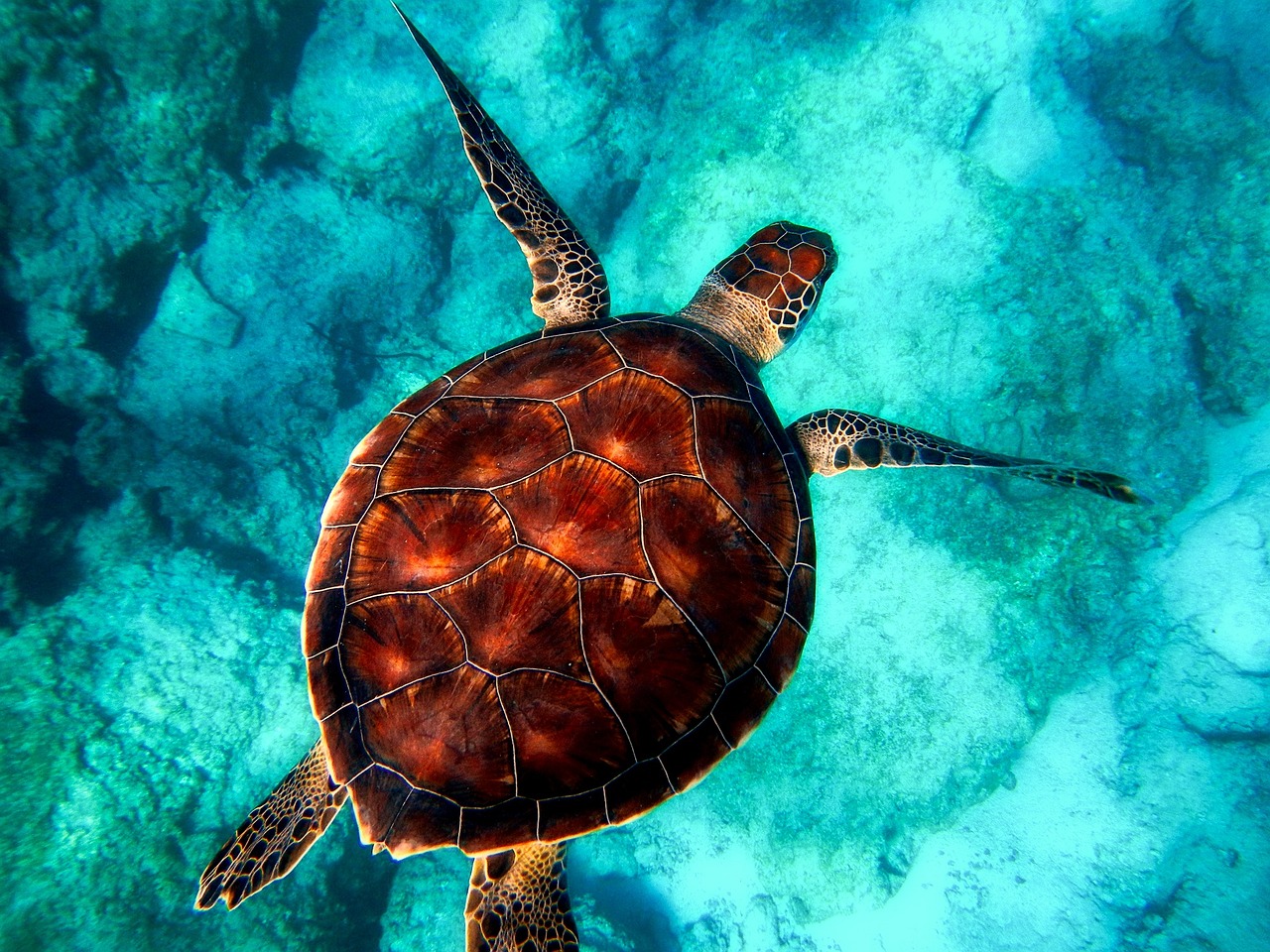
This is where the jaguar stands apart from other cats. Most big cats kill large prey by clamping the throat to suffocate it. A jaguar frequently does something else entirely: it bites straight through the skull, delivering a fast, lethal puncture to the brain. The same jaws let it crack open the bony armour of a caiman and crush the shell of a river turtle, opening up prey that almost no other predator can tackle. Jaguars have more than 85 recorded prey species, and this bite is a big reason why.
Is a jaguar's bite dangerous to people?
In theory the jaws are formidable, but in practice jaguars avoid humans and attacks are extremely rare. Conflict almost always involves livestock rather than people. Where ranchers and big cats overlap, locally led teams help prevent and tolerate losses so that retaliation killings fall - patient work you can support through our Jaguar Appeal.
Read the full Jaguar wildlife guide for the facts, IUCN status and conservation context — or donate to WARN to help fund the local partners protecting this species.