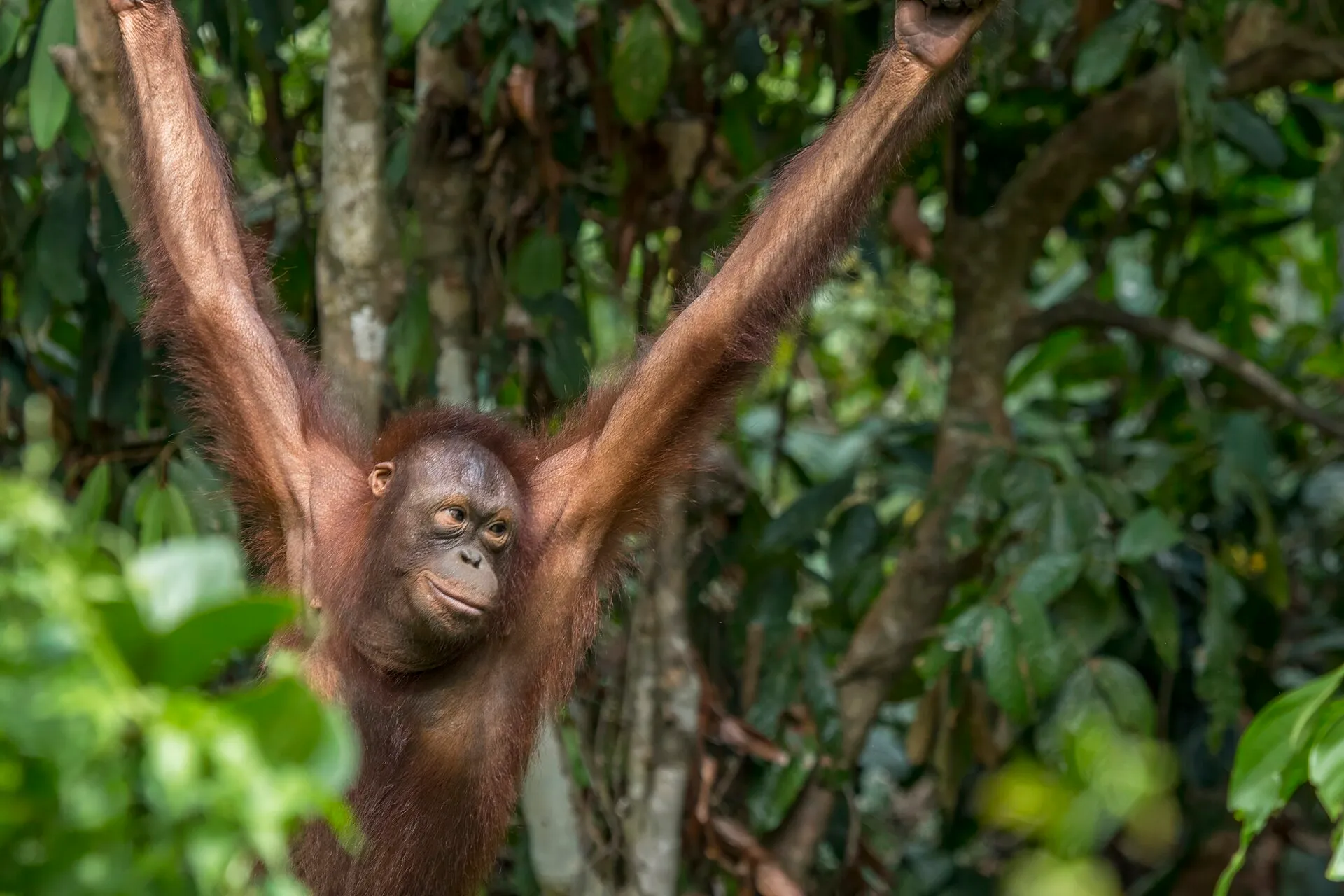
People searching how much it costs to rescue an orangutan usually want a retail number. The honest answer is that rescue is a chain, and WARN will not invent a unit price to win the click.
Emergency extraction and triage, years of forest-school rehabilitation, and soft-release monitoring are different bills. Previously published day-rates on this site disagreed with each other and were never confirmed by a partner invoice — they are not repeated here as “£X funds one orangutan” claims. Contribution tiers on the orangutan appeal help fund the chain.
Stage 1: Emergency rescue
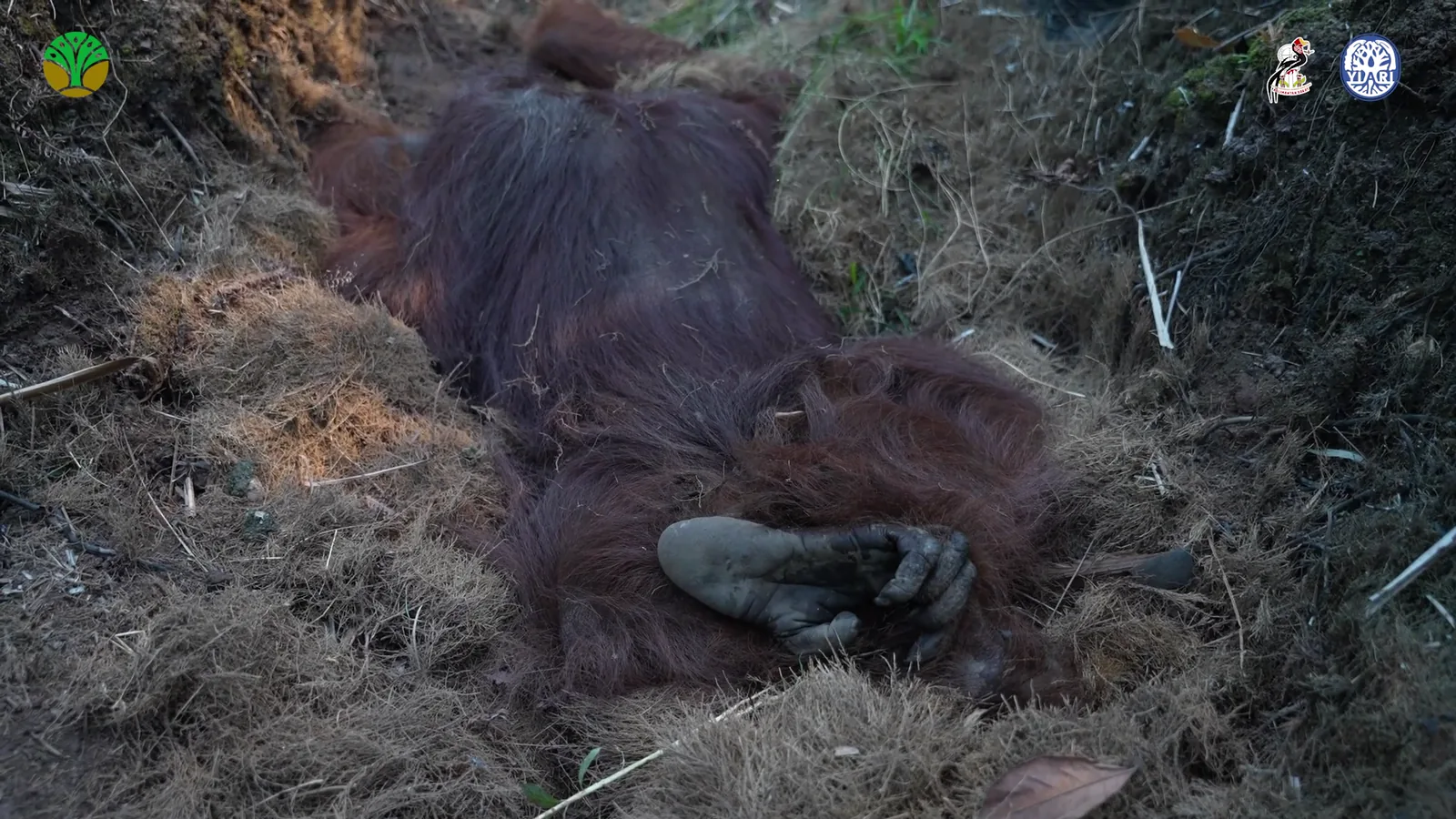
When forest is cleared or an infant is confiscated from the pet trade, field teams must locate, sedate and transport the animal. Veterinary triage — fluids, wound care, disease screening — happens immediately. This stage is real and costly; it is not the whole story.
Stage 2: Forest-school rehabilitation
Orphaned infants cannot survive without years of substitute care. Forest school teaches climbing, foraging and nest-building across staged outdoor enclosures, with as little human bonding as possible so release remains possible. This is the long, expensive phase — not a weekend.
Stage 3: Soft release and monitoring
Released orangutans need post-release tracking to confirm they are feeding, nesting and avoiding conflict. Many confiscated infants never reach this stage. Field monitoring is staff time and logistics, not a photo opportunity.
How to help from the UK
Support the orangutan appeal, read orangutan rescue in Indonesia, or start a symbolic orangutan adoption. One-off gifts and monthly giving both fund partner programmes. WARN is a registered global not-for-profit animal welfare organisation, not a charity, so it cannot claim Gift Aid. Read the orangutan appeal purpose, recipient status and published grant records before giving.
We need your support to make this happen
World Animal Rescue Network is at the launch stage of this work. We do not yet have rescue numbers to share — and that is exactly why your support matters now. Every donation helps us put trained teams on the ground, secure veterinary supplies and equipment, and reach the first animals before they are lost.
Donate today to fund our first deployments, or sponsor an animal to back a specific species through rehabilitation. You can also join the network as a volunteer, fundraiser, or monthly supporter.
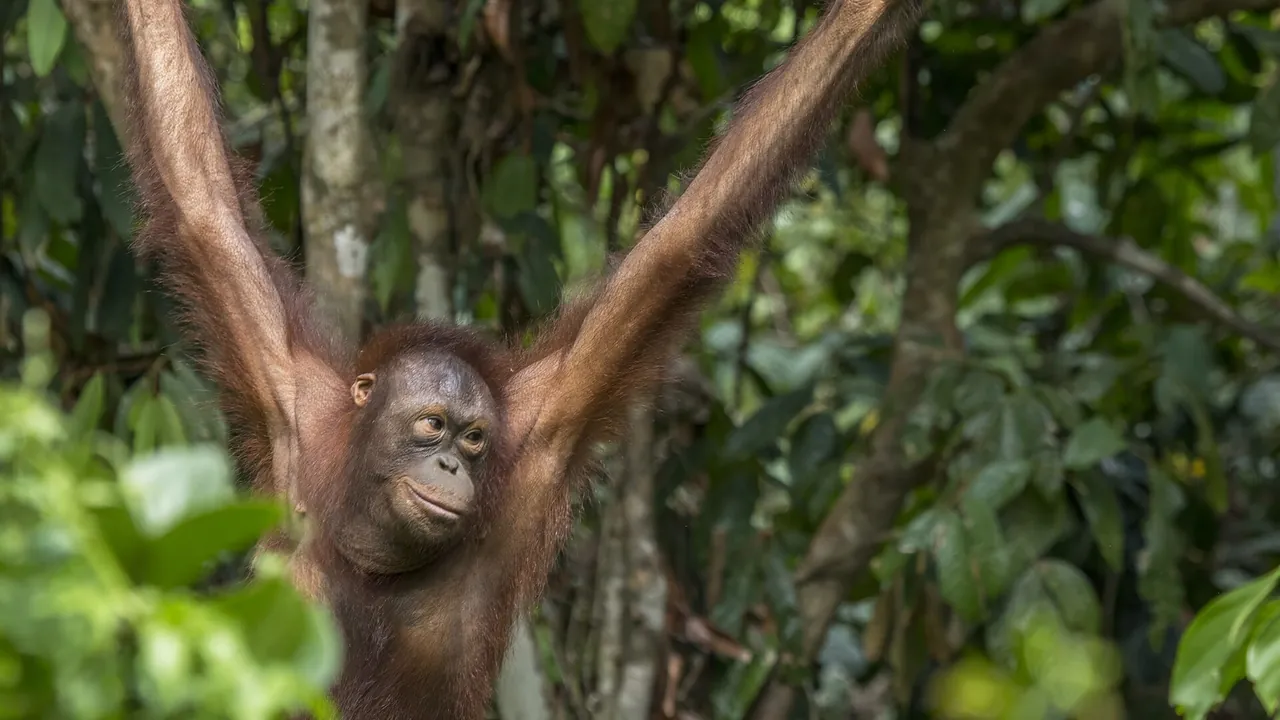
_Sepilok.jpg)