Wildlife tourism is one of the largest sources of conservation funding worldwide, and one of the largest sources of welfare-compromised captive-wildlife exploitation. Both statements are true. The challenge for the ethical traveller is telling them apart.
WARN is preparing to operate in Thailand, one of the centres of the global wildlife-tourism debate. This checklist is what we tell our own partners to use.
Red flags — avoid entirely
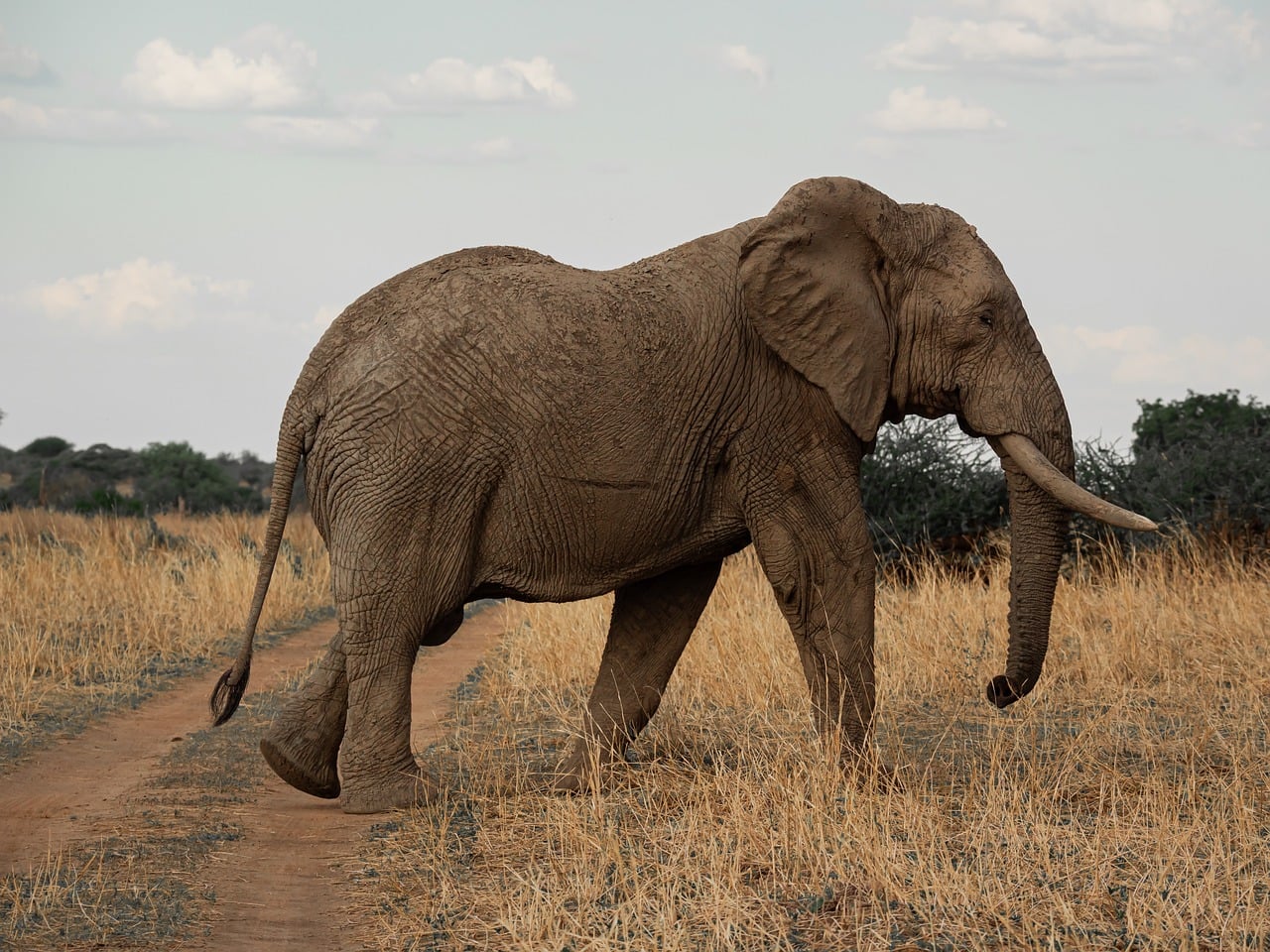
- Riding wild species. Elephants, ostriches, camels in tourism settings — all welfare-compromised.
- Touching, hugging or holding wild species. Tigers, lions, monkeys, slow lorises, sloths, baby crocodiles. The animals are usually sedated, hand-reared away from mothers, or trained with aversive methods.
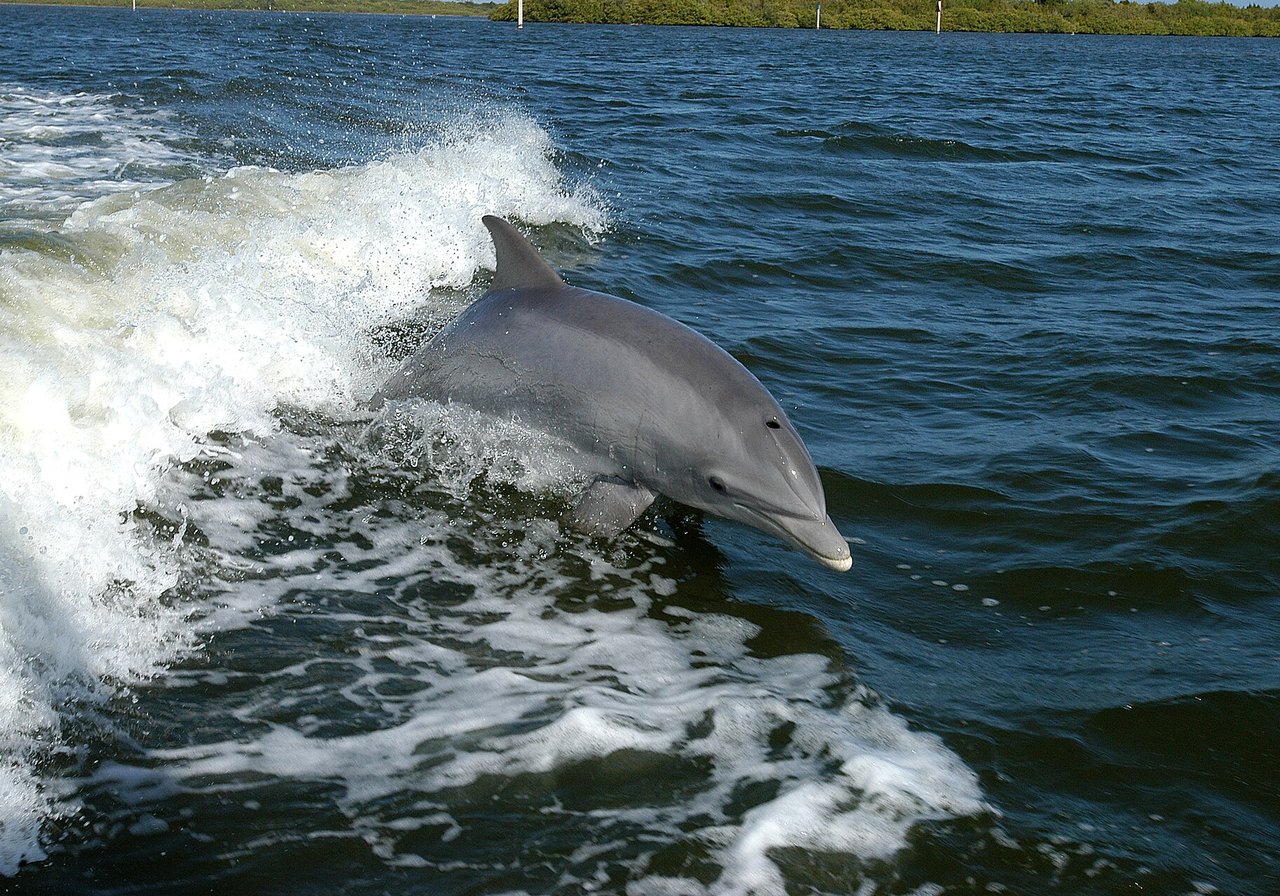
- Performance shows. Dolphin shows, elephant football, monkey shows. Welfare science has been clear on these for decades.
- Walking-with experiences. Walking-with-lions, walking-with-cheetahs operations are typically a feeder system for the captive-breeding industry.
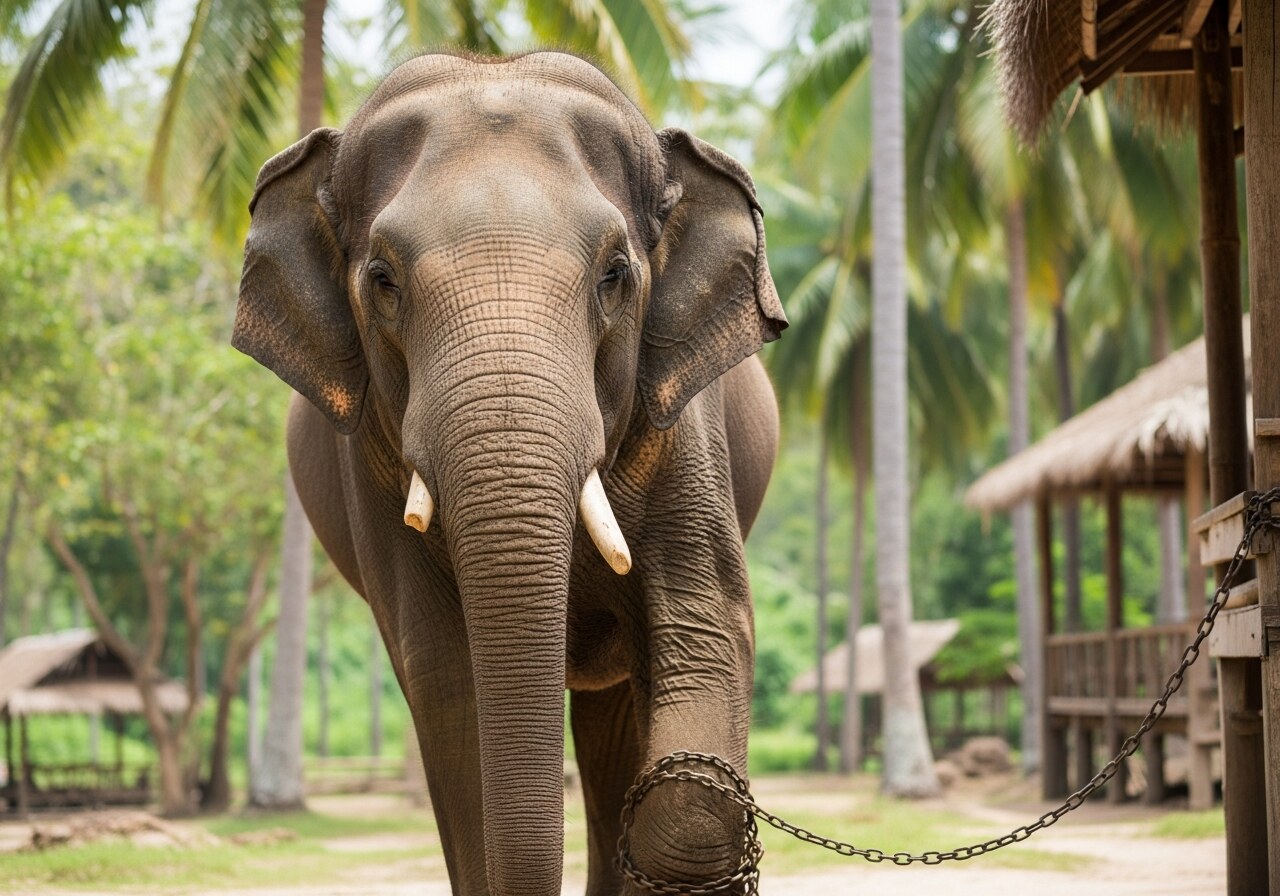
- Bathing-with-elephants. Increasingly recognised as welfare-compromised even at facilities calling themselves sanctuaries — the elephants are typically restrained or trained into compliance.
Green flags — these are usually fine
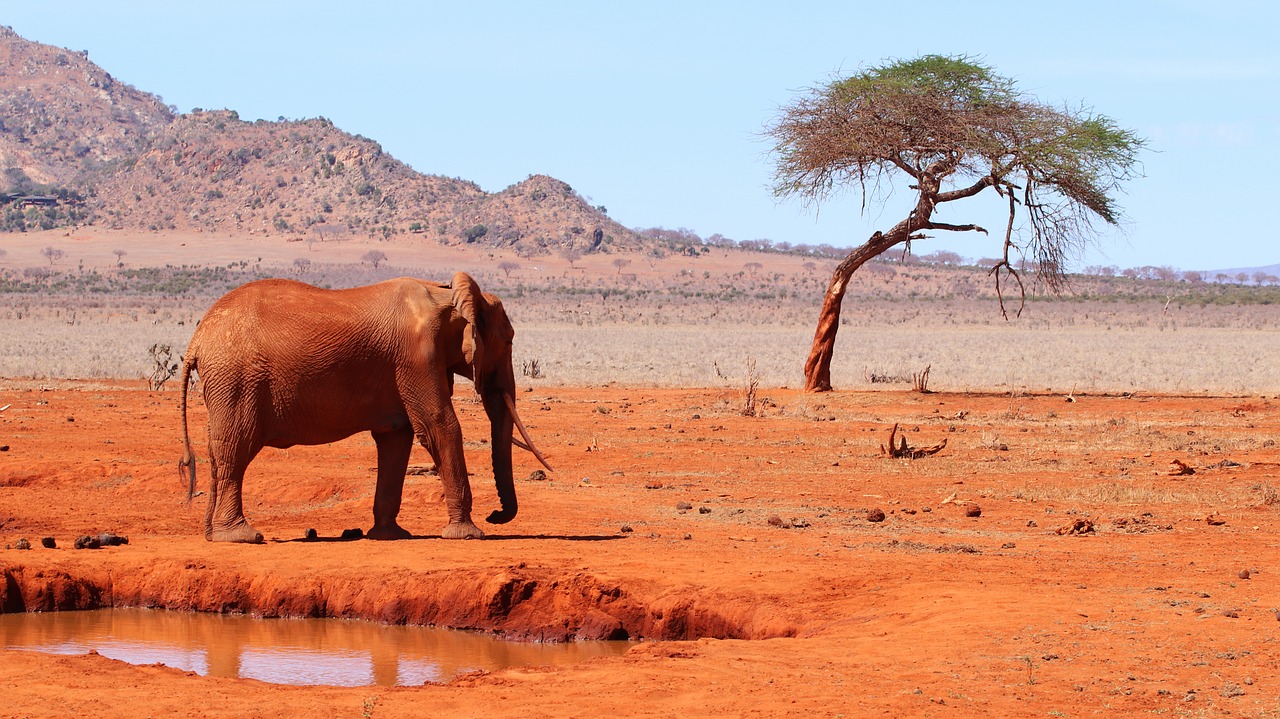
- Observation from a distance, with the animal free to leave.
- Genuine non-contact sanctuaries — animals retire there for life, with no riding, touching or performance.
- Wild safaris and birding in established national parks, with experienced guides.
- Marine snorkelling in areas without baiting or feeding.
Questions to ask before booking
- "Are animals chained, restrained or in performance shows?" If yes, do not book.
- "Is touching or riding offered?" If yes, do not book.
- "What happens to the animals at the end of their working life?" If the answer is unclear, do not book.
- "Is the facility accredited by an external welfare body?" GFAS and similar accreditations exist for a reason.
- "What proportion of revenue funds animal care?" Reputable sanctuaries can answer this.
How WARN fits in
WARN is being built to support genuine non-contact captive-wildlife sanctuary work in Thailand and Cambodia — for elephants who can no longer work, for confiscated trafficked species, for animals who cannot be safely returned to the wild. We will publish our partner sanctuary criteria as our 2026 operations come online.
Sources: WOAH captive-wildlife welfare guidance, World Animal Protection captive-wildlife reports, UNEP responsible-tourism guidance.
We need your support to make this happen
World Animal Rescue Network is at the launch stage of this work. We do not yet have rescue numbers to share — and that is exactly why your support matters now. Every donation helps us put trained teams on the ground, secure veterinary supplies and equipment, and reach the first animals before they are lost.
Donate today to fund our first deployments, or sponsor an animal to back a specific species through rehabilitation. You can also join the network as a volunteer, fundraiser, or monthly supporter.