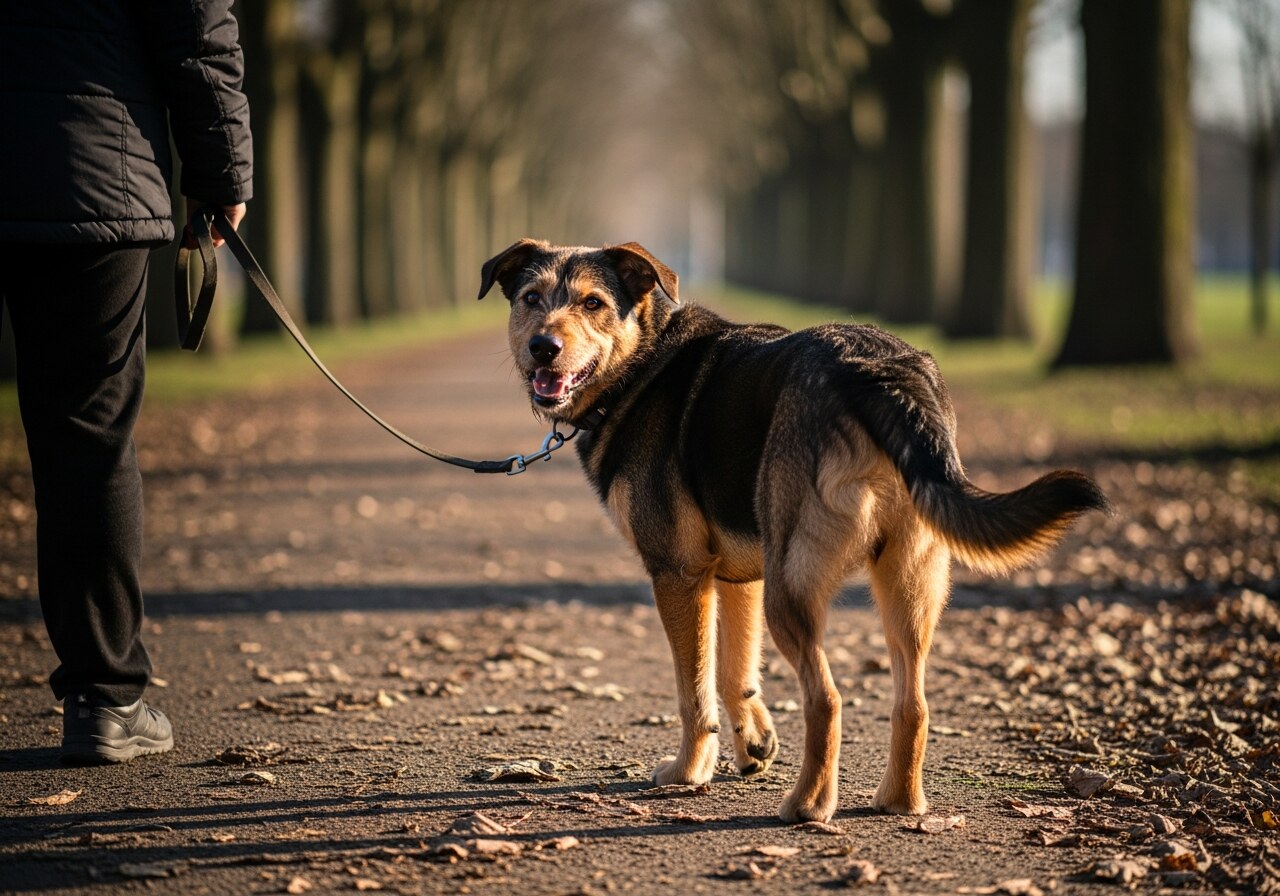
Street dogs resting in shade after CNVR marking in Karachi
Guides

· KARACHI, PAKISTAN · 4 min read

What Is CNVR and Why Do Donors Fund It?

In brief

CNVR (Catch-Neuter-Vaccinate-Return) is the WHO-endorsed method for managing street dog populations: dogs are humanely caught, neutered, vaccinated against rabies, ear-notched and returned to their territory — stabilising populations and breaking rabies transmission without culling. Catch-Neuter-Vaccinate-Return is the WHO-endorsed humane alternative to street dog culling.

What are the key takeaways from this briefing?

  • CNVR is endorsed by WHO, WOAH and FAO as the humane alternative to mass culling.
  • Neutering stops breeding; vaccination builds herd immunity against rabies.
  • Returned dogs hold their territory, preventing unvaccinated replacements (the vacuum effect).
  • At scale over 3–5 years, CNVR reduces populations and dog-mediated human rabies deaths.
  • UK donors fund partner-led CNVR in Pakistan through WARN's Karachi street dogs appeal.

CNVR — Catch-Neuter-Vaccinate-Return — is the internationally endorsed method for managing free-roaming dog populations humanely. It is the answer when someone asks how to help street dogs without mass killing, and it is the programme UK donors fund when they support WARN's Karachi street dogs appeal.

What CNVR involves

  1. Catch — Dogs are humanely caught using soft nets and trained handlers.
  2. Neuter — Sterilisation surgery under anaesthetic prevents further litters.
  3. Vaccinate — Every dog receives a rabies jab, building the herd immunity WHO says is needed to stop human deaths.
  4. Return — Dogs are ear-notched for identification and returned to their territory, where they remain familiar community guardians.

Why donors fund CNVR

Pakistan holds an estimated 20 million free-roaming dogs and reports among Asia's highest human rabies death tolls. Mass culling removes visible dogs but does not reduce breeding or vaccinate replacements — the vacuum effect fills vacated territories with unvaccinated animals within weeks. CNVR breaks that cycle.

Cities including Jaipur, Chennai and Bali have shown what sustained CNVR achieves: stabilised populations and eliminated dog-mediated rabies. The model works when funding and political will hold steady — which is exactly what donor gifts to partner clinics provide.

Where to give

Read the full Karachi street dogs appeal, the rescue guide street dog rescue in Pakistan, or help dogs in Karachi. Donate to fund CNVR clinic days, or explore symbolic dog adoption from £5/month.

When is CNVR the wrong tool?

CNVR is for free-roaming community dogs. It is not a rehoming pipeline, not a UK kennel plan, and not a reason to skip rabies vaccine before you travel.

Injured, aggressive or non-releasable dogs still need shelter beds. CNVR is the street-scale tool; clinics and kennels are the exception tool. Mixing them up is how cities build pounds and still have rabies.

If you want a named dog in a pen, a local shelter sponsorship is the product. WARN’s dog gift is pooled camps — /sponsor/dog/.

What does WARN actually fund in Karachi?

Partner-led catch-neuter-vaccinate-return and rabies vaccination, not a WARN-owned hospital. Pakistan is the in-network focus. Culls have not stopped the deaths.

Published working figures already on the Karachi appeal: £75 helps fund one full CNVR pathway; about £3.25 is the all-in vaccination equivalent we use so we do not overstate dogs-per-pound. Field costs move with fuel, security and drugs, so we round impact down.

WHO’s coverage target is about 70% of the dog population, repeated. That is why monthly gifts matter more than a single heroic weekend. Returned, ear-notched dogs hold territory so unvaccinated replacements do not flood in — the vacuum effect is the whole argument against culling.

Jaipur, Chennai and Bali are the comparison cities in the literature, not WARN field offices. We cite them as evidence that the method works when funding holds, not as places we claim to run.

Karachi’s street population is not a kennel waiting list. Estimates for the city run from tens of thousands to hundreds of thousands depending on ward and season; Pakistan as a whole is often put near 20 million free-roaming dogs. What changes rabies risk is coverage, not a headline headcount. That is why the appeal buys clinic days and vaccine, and why the monthly dog guide exists — so the same streets get a second and third round instead of a single photogenic Saturday.

Which CNVR claims should you challenge?

One-camp miracles, named-dog theatre, and “cull plus vaccine” hybrids.

  • One weekend will finish rabies. Coverage has to be rebuilt as puppies are born. That is a multi-year budget. Monthly sponsorship exists for that reason.
  • CNVR without return. If dogs are not returned to the same streets, you have catch-and-remove, which recreates the vacuum.
  • Vaccine-only with culling. Killing the vaccinated population wastes the coverage you just paid for.
  • Gift Aid on the jab. Legal identity: /about/registration-status/.

Where do you check out?

Monthly on the dog sponsor guide. One-off clinic days on the Karachi appeal. Symbolic-adoption language on /adopt/dog/.

Sponsor a dog. Karachi appeal. Help street dogs abroad. Culling briefing.

What do people ask about this briefing?

What does CNVR stand for?
Catch-Neuter-Vaccinate-Return. Dogs are humanely caught, sterilised under anaesthetic, vaccinated against rabies, marked with an ear notch and returned to their territory.
Why do donors fund CNVR instead of shelters?
Shelters cannot absorb city-scale street dog populations. CNVR stabilises the whole population — neutering stops breeding and vaccination breaks rabies chains — while shelters handle injured or non-releasable cases.
Does CNVR work in Pakistan?
Pakistan reports an estimated 2,000–5,000 human rabies deaths per year. Periodic culls have failed to reduce numbers or stop rabies. CNVR is the evidence-based alternative WHO recommends.
How much does one CNVR procedure cost?
A single catch-neuter-vaccinate-return typically costs roughly £50–£100 depending on location and clinic scale. WARN's Karachi appeal tiers start from £25 for vaccinating five dogs or £75 for one full CNVR procedure.
Can UK donors fund CNVR abroad?
Yes. WARN welcomes UK supporters for partner-led CNVR in Pakistan. WARN cannot claim Gift Aid as it is not a registered charity, but gifts are receipted and directed to frontline clinics.
Is CNVR the same as TNVR for cats?
Same logic, different species and handling. Dogs: catch-neuter-vaccinate-return, often with an ear notch. Community cats: trap-neuter-vaccinate-return, often with an ear tip. Cat checkout is /sponsor/cat/ (/sponsor/cat/) — and WARN will not quote a confirmed cat sterilisation invoice until a partner bill exists.
Why return the dog to the street?
Because that street is its territory and food source. Removing it opens a gap for an unvaccinated dog. Return plus notch plus vaccine is the point, not a failure to “finish the rescue”.
How many years does CNVR take?
Cities that broke dog-mediated rabies did it with sustained coverage over years, not a single campaign. Donors who want a one-week transformation will be disappointed; donors who want a calendar are the ones clinics can use.
Can I watch a camp as a visitor?
No. Surgery and catching are not tourism. Fund it, do not film it. Volunteer tourism on a net line is how dogs and people get bitten.
W

WARN Research & Conservation Team

World Animal Rescue Network

Published Updated 4 min read · 759 words
Share
Support Street Dog Rescue