"Endangered" and "Critically Endangered" are used interchangeably by most charity fundraising — including, in the past, by us. They are not the same thing. The IUCN Red List defines them very precisely.
Critically Endangered (CR)
The highest threat category before Extinct in the Wild. A species qualifies if it meets any of the following (simplified):
- Population decline of 80% or more over three generations or ten years (whichever is longer).
- Wild population fewer than 250 mature individuals, and continuing decline.
- Wild population fewer than 50 mature individuals.
- Quantitative analysis showing 50%+ probability of extinction within ten years or three generations.
Examples WARN cites: Javan rhino, Sumatran rhino, Amur leopard, Sumatran tiger, Sunda pangolin, African forest elephant, West African lion, Hawksbill sea turtle.
Endangered (EN)
One category below CR. A species qualifies if it meets any of (simplified):
- Population decline of 50% or more over three generations or ten years.
- Wild population fewer than 2,500 mature individuals, and continuing decline.
- Quantitative analysis showing 20%+ probability of extinction within 20 years or five generations.
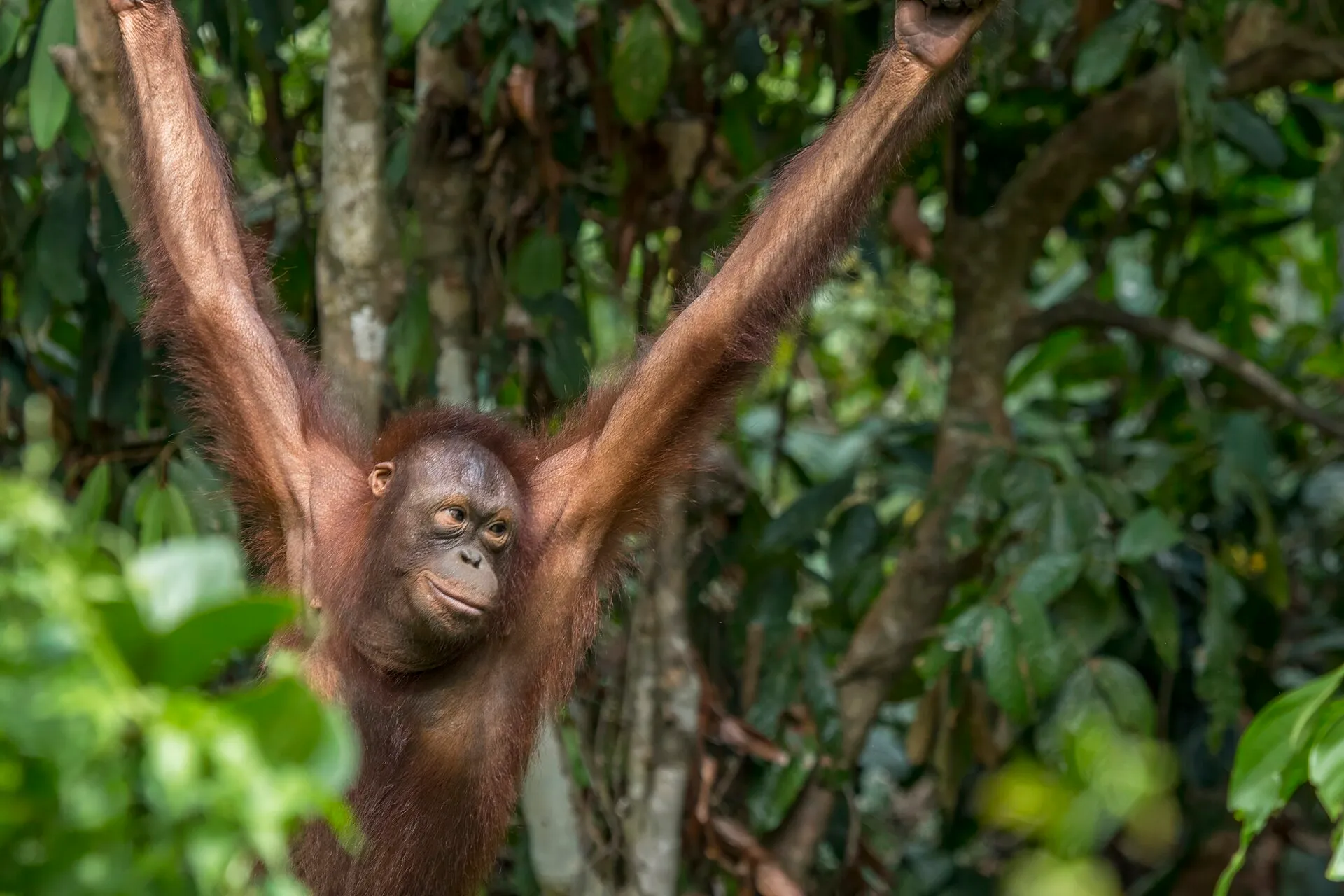
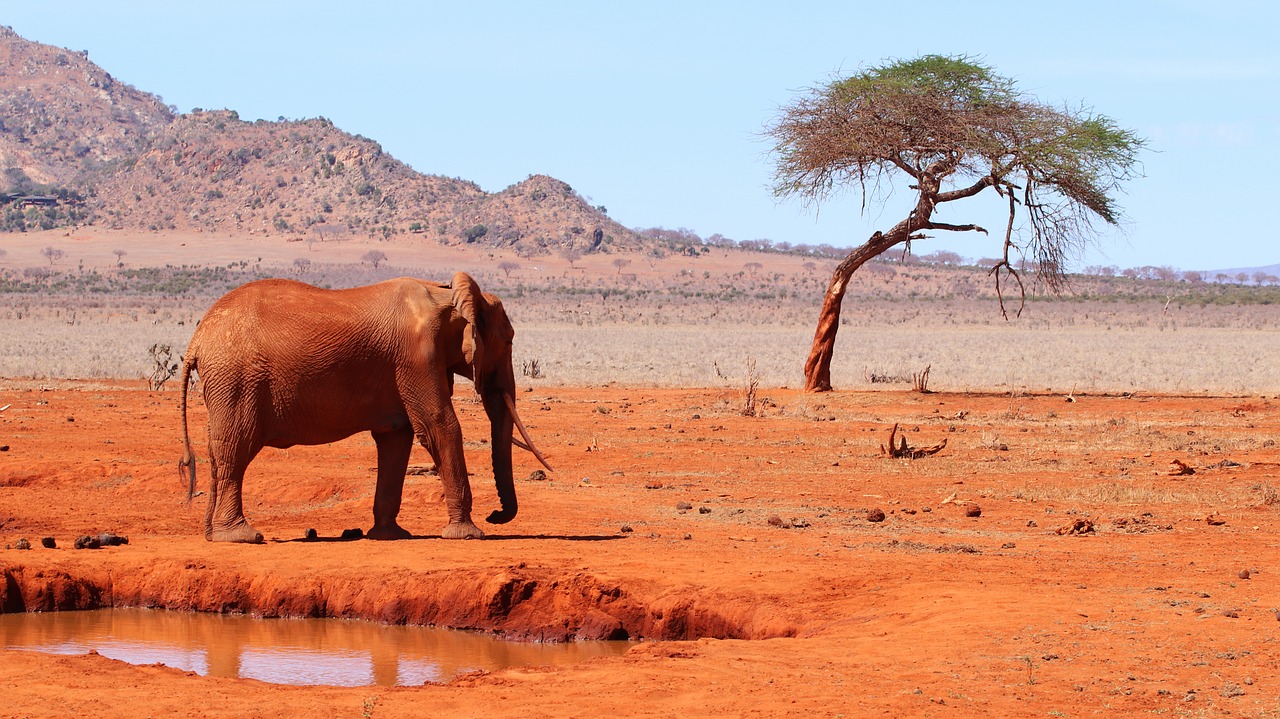
Examples WARN cites: Asian elephant, African savanna elephant, Bornean orangutan, Sumatran orangutan, African wild dog, Komodo dragon.
Why the distinction matters
The categories are designed to be policy-relevant. A Critically Endangered species typically needs emergency intervention — captive-breeding insurance populations, intensive anti-poaching, sometimes translocation. An Endangered species typically still has wild range and a recoverable population if the threats are addressed.
This matters for fundraising honesty. When a charity says "this Endangered species is on the brink of extinction," that is often technically untrue — the Critically Endangered category is the brink-of-extinction category. We try not to write that way at WARN. The species we cover are accurately categorised because the IUCN's categories are the standard, not because rounding everything up to Critically Endangered sells more.
Sources: IUCN Red List Categories and Criteria (v3.1).
We need your support to make this happen
World Animal Rescue Network is at the launch stage of this work. We do not yet have rescue numbers to share — and that is exactly why your support matters now. Every donation helps us put trained teams on the ground, secure veterinary supplies and equipment, and reach the first animals before they are lost.
Donate today to fund our first deployments, or sponsor an animal to back a specific species through rehabilitation. You can also join the network as a volunteer, fundraiser, or monthly supporter.