The IUCN Red List of Threatened Species is the world's most authoritative measure of extinction risk. It is maintained by the International Union for Conservation of Nature, has assessed more than 160,000 species, and is the source WARN cites for almost every species status on this site.
The nine categories
- EX — Extinct. No reasonable doubt that the last individual has died.
- EW — Extinct in the Wild. Survives only in captivity or in introduced populations.
- CR — Critically Endangered. Facing an extremely high risk of extinction in the wild.
- EN — Endangered. Facing a very high risk of extinction in the wild.
- VU — Vulnerable. Facing a high risk of extinction in the wild.
- NT — Near Threatened. Close to qualifying for a threatened category.
- LC — Least Concern. Widespread and abundant.
- DD — Data Deficient. Insufficient information to assess.
- NE — Not Evaluated. Not yet assessed.
See our explainer on Endangered vs Critically Endangered for a deeper look at the difference between the threat categories.
How the categories are decided
Each species is assessed against quantitative criteria — population size, rate of decline, geographic range, fragmentation — by specialist groups of biologists. Assessments are reviewed every 5-10 years (more frequently for species of high conservation interest).
What the Red List is not
- It is not a legal framework. A Critically Endangered listing does not by itself prohibit trade or hunting — that requires CITES, national wildlife law and protected-area designation.
- It is not a funding decision. Many of the most-endangered species receive less conservation funding than well-known charismatic species in lower categories.
- It is not complete. Most invertebrates, fungi and plants are under-assessed or unassessed.
Recent assessments WARN cites often
- African forest elephant — Critically Endangered (2021).
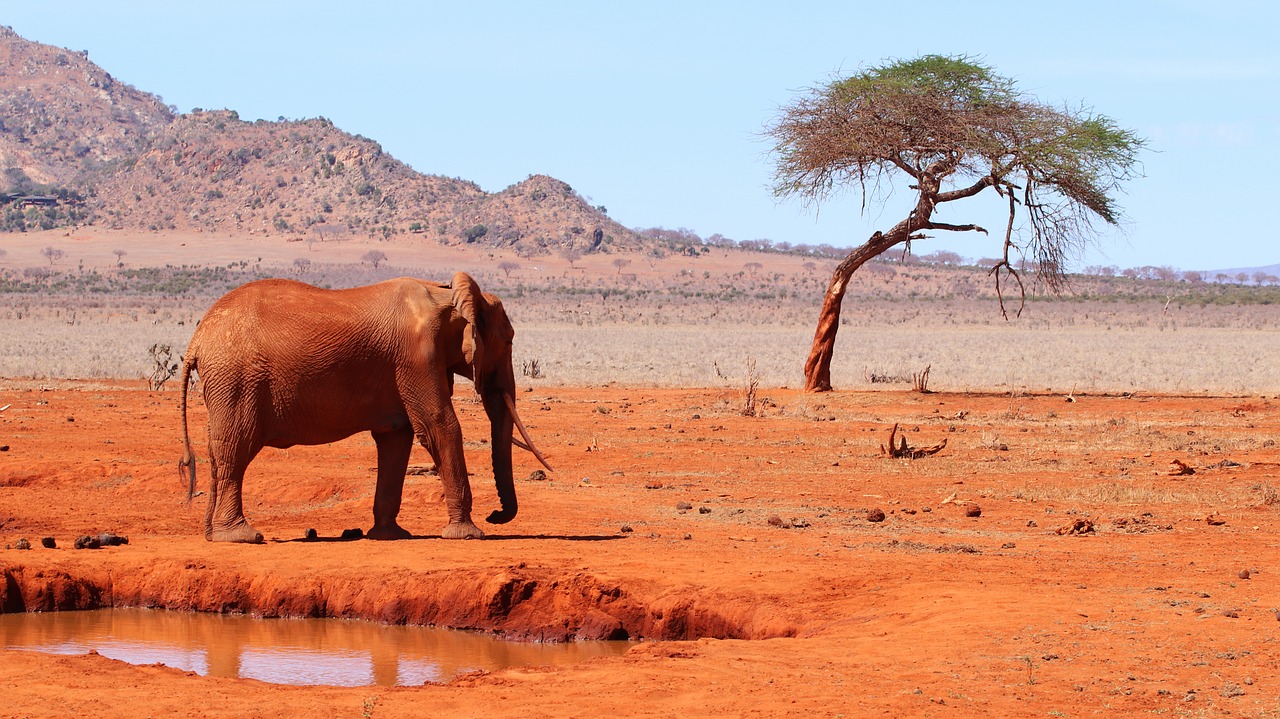
- African savanna elephant — Endangered (2021).
- Komodo dragon — Endangered (2021).
- Snow leopard — Vulnerable (2017, downlisted from Endangered).
Sources: IUCN Red List of Threatened Species, IUCN SSC Species Survival Commission.
We need your support to make this happen
World Animal Rescue Network is at the launch stage of this work. We do not yet have rescue numbers to share — and that is exactly why your support matters now. Every donation helps us put trained teams on the ground, secure veterinary supplies and equipment, and reach the first animals before they are lost.
Donate today to fund our first deployments, or sponsor an animal to back a specific species through rehabilitation. You can also join the network as a volunteer, fundraiser, or monthly supporter.