A confiscated bag of pangolin scales held by an enforcement officer for evidence
Guides

· GLOBAL · 5 min read

How to Spot Illegal Wildlife Products in Markets, Shops and Online

In brief

The main categories of illegal wildlife products encountered by British travellers are ivory, tortoiseshell, big-cat skins and teeth, traditional-medicine animal parts, coral and shells, hardwood items, exotic-leather products from CITES species, and any live wildlife or wildlife eggs — almost all of which require CITES permits even to import legally.

What are the key takeaways from this briefing?

  • All ivory, including "antique" ivory, is heavily restricted under UK law (Ivory Act 2018).
  • Tortoiseshell is from real sea turtles (Hawksbill) and is CITES Appendix I — never legal to buy.
  • Any souvenir made from coral, shell, hardwood, exotic skin or animal part may require CITES permits.
  • Traditional-medicine products listing bear, tiger, pangolin or rhino are illegal — substitute claims are usually false.
  • Live wildlife or eggs are almost never legal to take across a border without permits.

Most British travellers who end up unwittingly trafficking an illegal wildlife product do so as a souvenir buyer in a foreign market. Customs seizures at UK airports include carved ivory, tortoiseshell jewellery, big-cat teeth, traditional-medicine packages and reptile-skin handbags every week of the year.

This guide is a practical primer. The legal authority is CITES — the Convention on International Trade in Endangered Species — which controls trade in 38,000+ animal and plant species through three Appendices.

The high-risk product categories

  • Ivory. Elephant, hippo, walrus, narwhal. The UK Ivory Act 2018 makes most ivory sales illegal even within the UK. Antique-claim ivory is almost always either modern or from another protected species.
  • Tortoiseshell. Real tortoiseshell jewellery is from the Hawksbill sea turtle — Critically Endangered, CITES Appendix I. Any honey-amber-coloured "tortoiseshell" item should be assumed illegal.
  • Big-cat parts. Skins, teeth, claws, bones. All major big cats (tiger, leopard, snow leopard, jaguar, cheetah) are CITES-listed; trafficking is a UNODC enforcement priority.
  • Traditional-medicine animal parts. Bear-bile products, tiger-bone wine, pangolin scales, rhino-horn powder. Almost universally illegal to import.
  • Coral, shell and marine items. Several coral species and many large molluscs are CITES Appendix II. The giant clam is restricted.
  • Hardwood and rosewood. Many tropical hardwoods used in carvings and musical instruments are CITES Appendix II.
  • Exotic leather. Crocodile, python, monitor lizard — most CITES Appendix II and require export permits.
  • Live wildlife and eggs. Parrots, reptiles, primates, eggs — almost never legal to remove from a country without permits.

How to handle it on the day

If a vendor cannot produce a CITES permit, do not buy. If you have already bought something and are unsure, declare it on arrival in the UK — declared and surrendered items typically result in confiscation only; undeclared items can mean fines and prosecution.

If you see organised trafficking

See our guide to reporting wildlife trafficking for the practical steps.

Sources: CITES, UNODC, UK Border Force, NWCU.

When is this not a shopping guide?

If you already bought the item, this page is about declaring it, not hiding it. If you want a legal souvenir, skip ivory, tortoiseshell, teeth, “traditional medicine” animal parts, and live animals.

CITES covers more than 38,000 species. A stall that cannot produce a permit is not giving you a bargain; it is giving you a seizure risk. See what CITES is for the treaty, and how to report if the stall is organised crime rather than a mistaken carving.

UK Ivory Act 2018 is stricter than “CITES might allow an antique”. Most ivory sales inside the UK are illegal even when the seller says Victorian.

What should you actually look at on the stall?

Material, species story, and paperwork. Honey-amber “tortoiseshell” is hawksbill until proven otherwise. Powdered horn, scale and bile are not supplements.

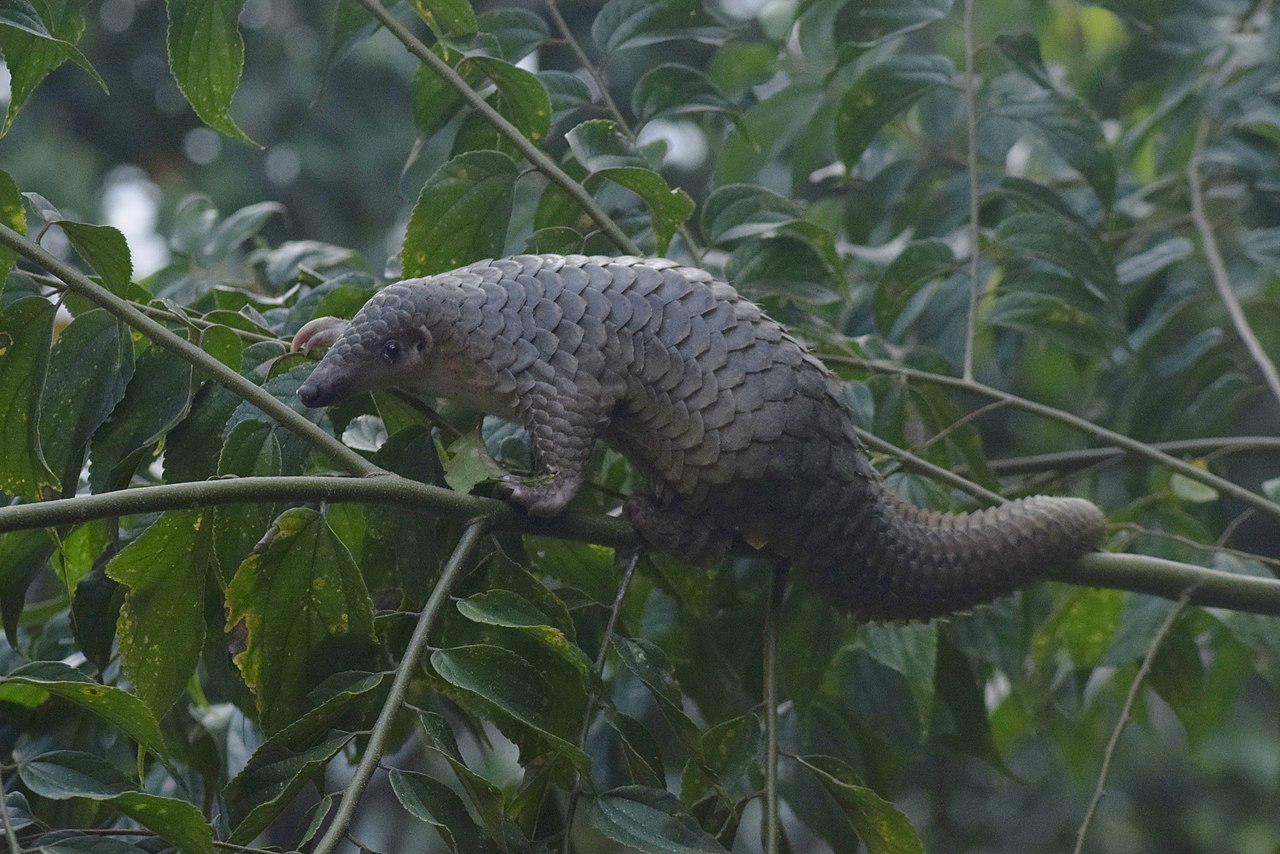
Ivory: elephant, hippo, walrus, narwhal. Cross-hatch grain on a cut surface is a classic tell; plastic fakes exist, but you are not a lab. If it might be ivory, do not buy. Tortoiseshell: hawksbill sea turtle, CITES Appendix I, Critically Endangered. Big-cat teeth and claws: all the big cats WARN writes about are listed. Pangolin-scale jewellery and “armour” are keratin from the most trafficked mammal group — eight species, all Appendix I.

Traditional-medicine packaging that lists bear, tiger, pangolin or rhino is an import problem even when the stall says “herbal substitute”. Coral, giant clam, rosewood carvings and python bags often need Appendix II permits. Live birds, reptiles, primates and eggs almost never travel legally in a suitcase.

Already bought and unsure? Declare on arrival in the UK. Declared items are typically seized; undeclared items can mean a fine or a prosecution. Do not post it home to dodge the channel.

Online listings are now a large share of exotic-pet and product trade. Screenshot the URL, the seller name, the price and the date, report to the platform, then to TRAFFIC. Do not bid “to save it”. The same rule as a night market: payment is the incentive.

Which seller lines are meaningless?

Antique, farmed, shed, and “my uncle’s permit” are the four most common stories. None of them are a CITES form.

  • Antique ivory. The Ivory Act 2018 leaves very narrow exceptions. A market stall is not one of them.
  • Farmed crocodile. Some crocodilian trade is legal with permits. No permit, no sale. Ask to see the paper, not the story.
  • Shed horn or scale. Rhino horn and pangolin scale in trade are almost never “found”. Treat them as poached.
  • For the children. A carved animal for a child is still a specimen. Customs does not grade by sentiment.

What if the stall is clearly trafficking, not souvenirs?

Do not buy. Report. Then fund the species that gets seized into empty rooms.

How to report. Pangolin, tiger, parrot and slow loris appeals live under /appeals/.

Legal identity: /about/registration-status/.

What do people ask about this briefing?

Is it illegal to buy ivory abroad and bring it to the UK?
Assume yes. CITES and the UK Ivory Act 2018 make most ivory imports and sales illegal. Antique claims are usually wrong or apply to a different species. If you already have it, declare it — do not pack it under clothes.
How can I tell tortoiseshell from plastic?
You often cannot in a market. Real tortoiseshell is hawksbill turtle, Appendix I. If it looks like honey-amber shell, do not buy. A false negative still funds a Critically Endangered species.
Are pangolin-scale products ever legal?
Not in commercial international trade. All eight pangolin species are CITES Appendix I. Scales are keratin with no demonstrated medicine. A bracelet is a seizure.
What about rosewood carvings and coral jewellery?
Many tropical hardwoods and corals are Appendix II. Legal trade needs export permits. A beach stall with no paper is not a permit. When unsure, walk away.
Can I bring a live parrot or tortoise home?
Almost never without permits you will not have as a tourist. Live wildlife and eggs are a trafficking pattern, not a pet-shop impulse. Use a registered local rescue if you want a companion animal at home.
What if I already bought something?
Declare it to Border Force on arrival. Surrender is better than concealment. Then read how to report (/newsroom/how-to-report-wildlife-trafficking/) if the seller was clearly running a trade, not a one-off carving.
Does “traditional medicine” make it legal?
No. Bear bile, tiger bone, pangolin scale and rhino horn remain controlled or banned regardless of the label. Synthetic and herbal alternatives exist for the few compounds that ever had a clinical use.
Where can I read the treaty rules?
Start with what is CITES (/newsroom/what-is-cites/) and the CITES Appendices. UK Border Force and the National Wildlife Crime Unit handle the import and in-country side.
W

WARN Research & Conservation Team

World Animal Rescue Network

Published Updated 5 min read · 899 words
Share

Popular questions

Fast answers connected to this guide, with sources and links into WARN's wider rescue and welfare library.

Search answers
Parrot — many species protected under CITES appendices

Conservation

What is CITES?

CITES (the Convention on International Trade in Endangered Species) regulates cross-border trade in wild plants and animals. Appendix I species cannot be commercially traded; Appendix II species need legal-origin permits. The Convention on International Trade in Endangered Species of Wild Fauna and Flora (CITES) is an international treaty signed by more than 180 countries.

Parrot — frequently offered in illegal online wildlife trade listings

Trafficking

How do I report wildlife trafficking?

Report suspected wildlife crime to your national wildlife enforcement unit or police. In the UK, contact the National Wildlife Crime Unit; internationally, use CITES authority contacts or INTERPOL’s reporting channels where available. Suspected wildlife trafficking should be reported to national wildlife enforcement or police — in the UK, the National Wildlife Crime Unit.

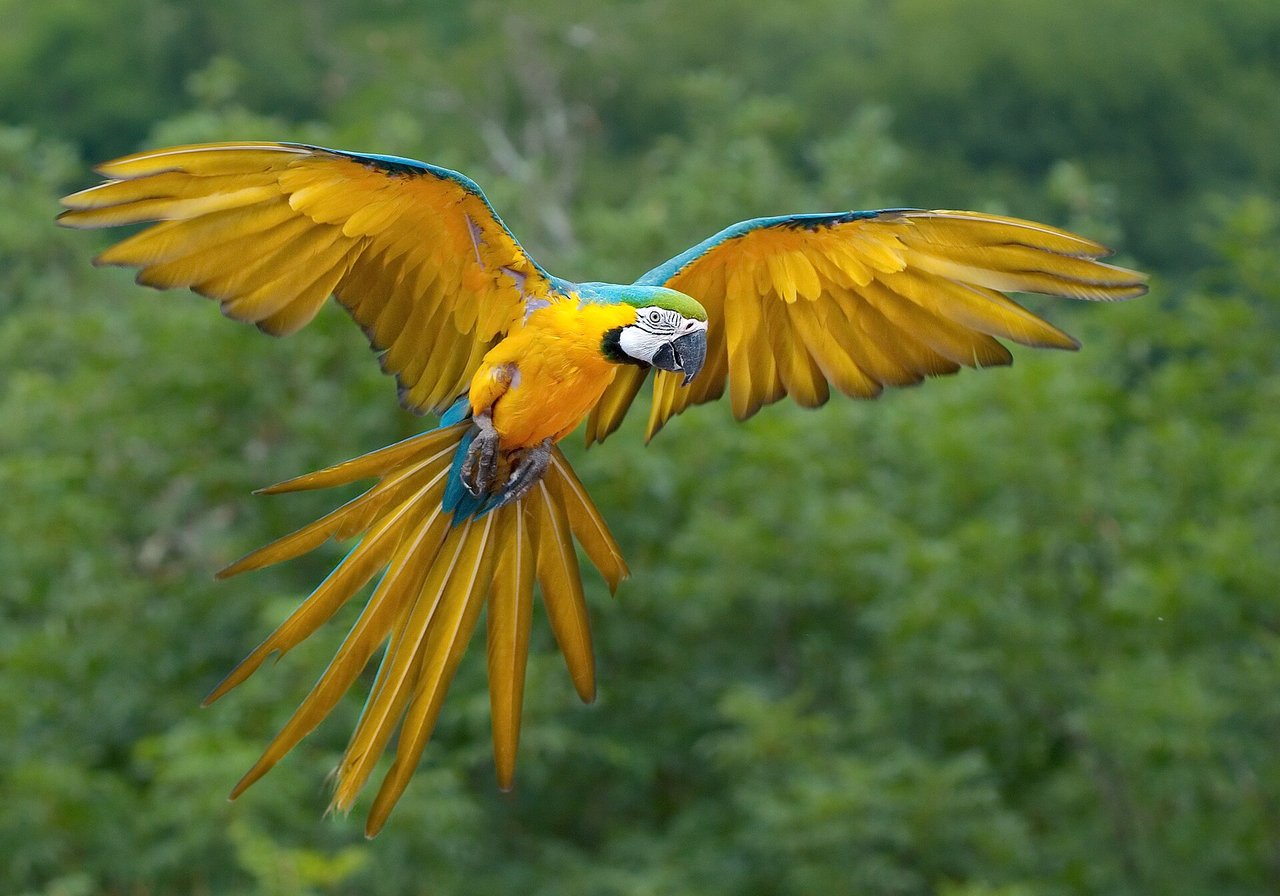
Macaw — among the most trafficked parrot species globally

Trafficking

What are the most trafficked animals?

Pangolins are widely cited as the most trafficked mammal. Parrots, elephants (for ivory), big cats, turtles, reptiles and primates are also among the highest-volume illegal wildlife trades. Trafficking patterns vary by region: pangolins and songbirds in Asia, parrots and jaguars in Latin America, ivory and bushmeat in Africa.

Slow loris — commonly trafficked for the illegal exotic pet trade

Trafficking

What is wildlife trafficking?

Wildlife trafficking is the illegal capture, transport, sale or possession of wild animals or their parts — for pets, food, medicine, trophies or ornaments. UNODC classifies it as a major transnational organised crime. Wildlife trafficking moves live animals, ivory, pangolin scales, parrots, big-cat parts and reptiles across borders for pets, food, medicine, trophies and ornaments.

Support animal rescue