Region
Animals in North America
North America spans Arctic tundra, boreal forest, prairie, desert and subtropical wetland. This collection gathers 107 WARN guides to animals found across Canada, the United States, Mexico and Greenland.
By WARN Research & Conservation TeamLast updated
This collection links to 107 sourced WARN guides with conservation status, key facts, threats, FAQs and references.
Least Concern
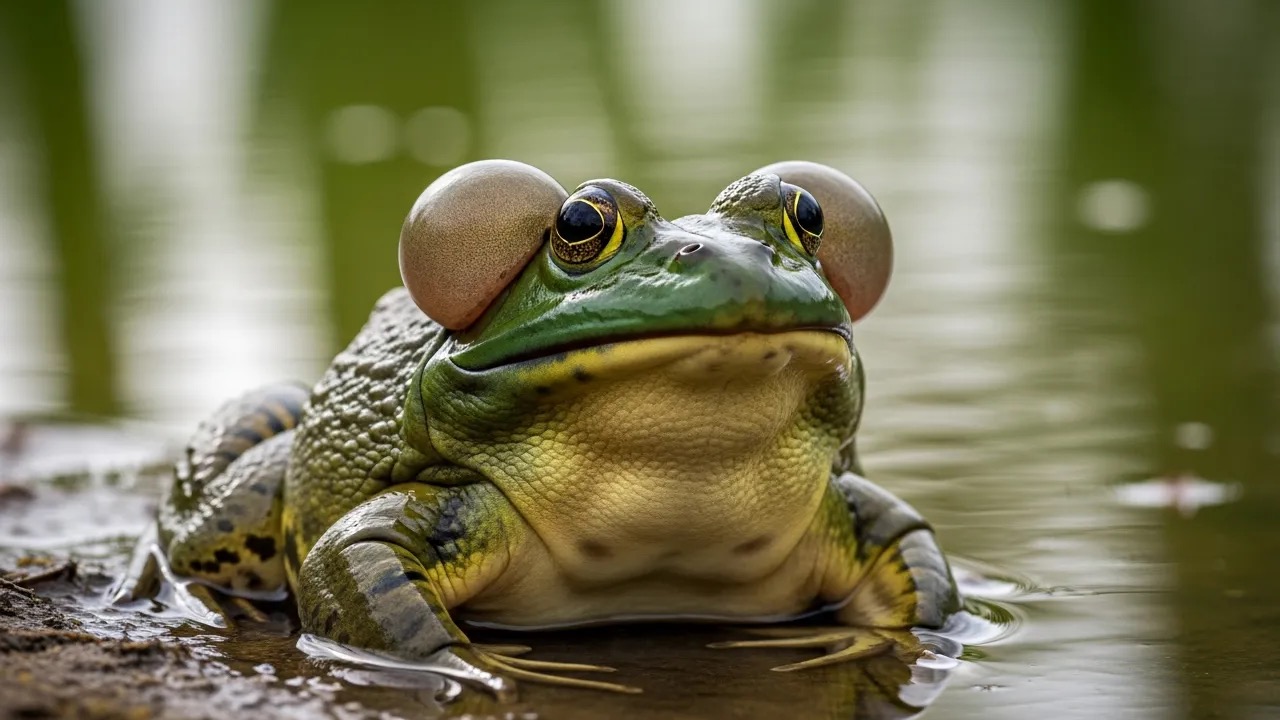
American Bullfrog
Lithobates catesbeianus
The American bullfrog (Lithobates catesbeianus) is North America's largest frog, reaching 9 to 20 cm in body length and weighing up to about 0.5 kg. It lives in and around ponds, lakes, marshes and slow streams, where the male's deep, resonant call carries far across the water.
Read the guide →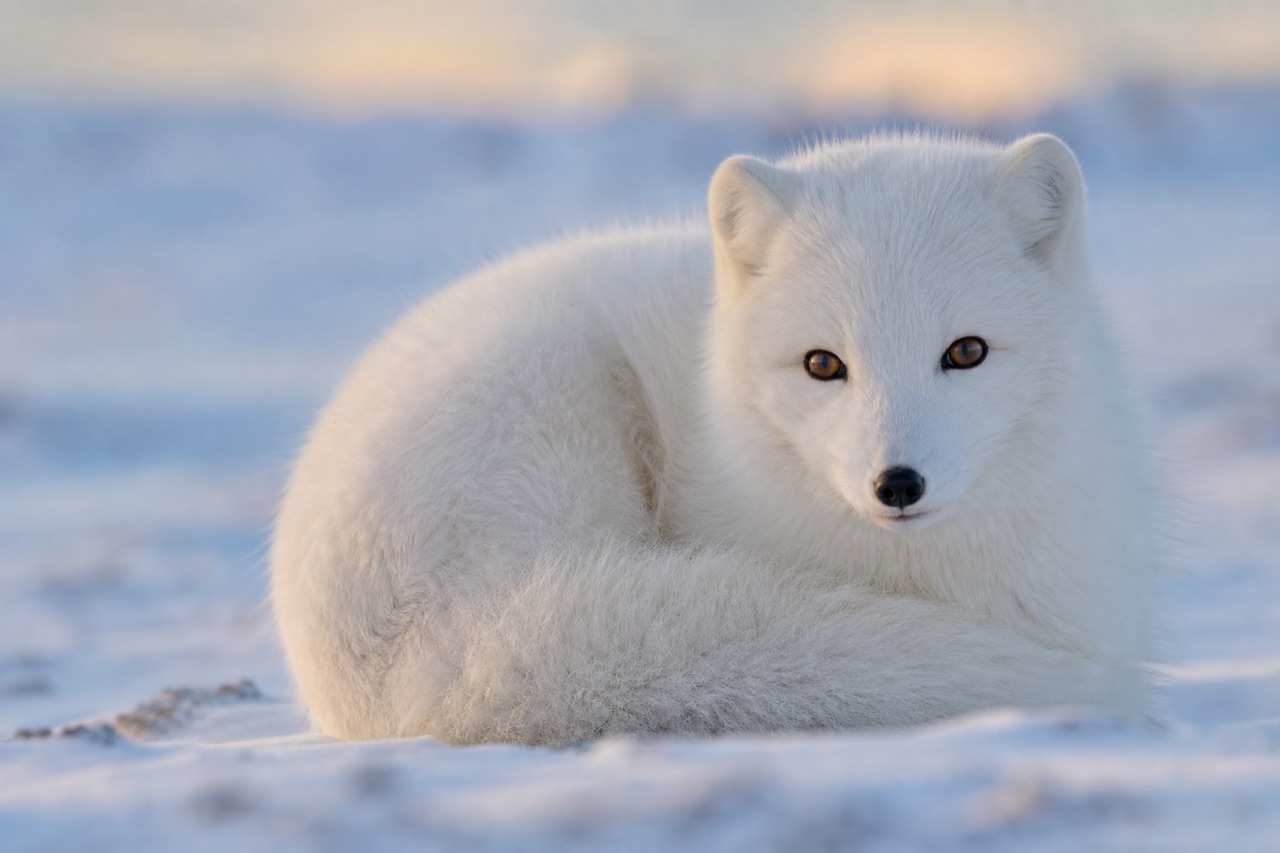
Least Concern globally; the Scandinavian population remains critically small
Arctic Fox
Vulpes lagopus (Linnaeus, 1758) — family Canidae
The Arctic fox (Vulpes lagopus) has the warmest coat of any mammal, does not begin shivering until around −40°C, and changes from a brown-grey summer coat to thick white winter fur; its main modern threat is the red fox expanding north.
Read the guide →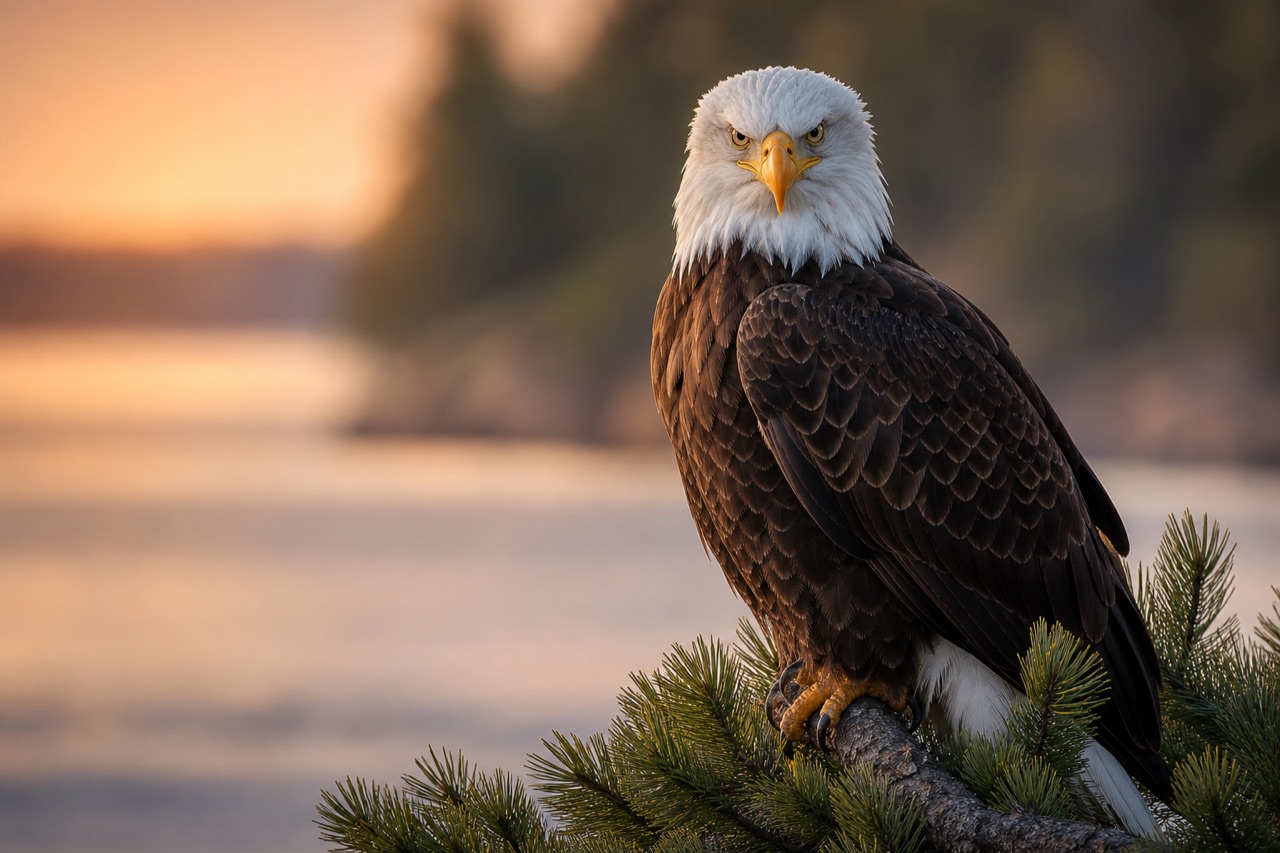
Least Concern — recovered from near-extirpation in the contiguous United States
Bald Eagle
Haliaeetus leucocephalus (Linnaeus, 1766) — family Accipitridae
The bald eagle (Haliaeetus leucocephalus) is a large North American fish eagle that recovered from roughly 400 nesting pairs in the contiguous United States in the 1960s to tens of thousands today, after DDT was banned and legal protection was strengthened.
Read the guide →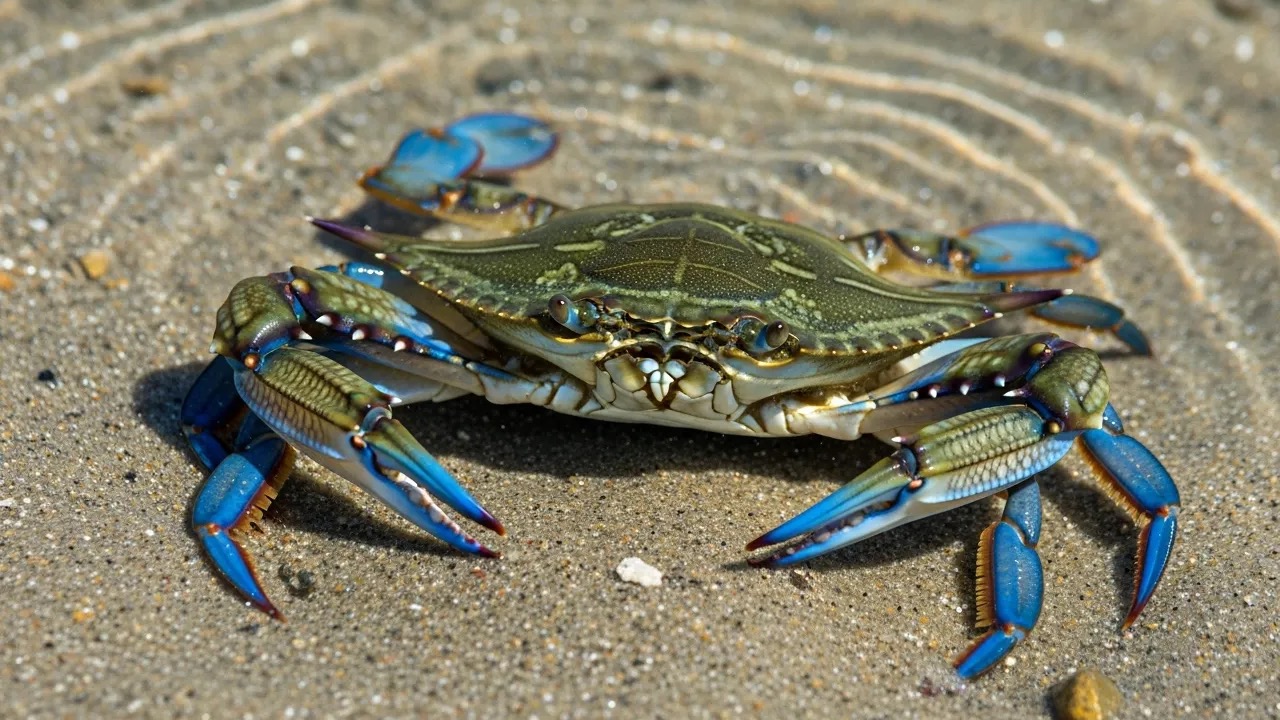
Least Concern
Blue Crab
Callinectes sapidus
The blue crab (Callinectes sapidus) is a swift swimming crab of the western Atlantic, abundant in the brackish estuaries of the United States east coast and Gulf of Mexico. It has a broad shell up to about 23 cm (9 in) across and a pair of flattened rear legs that let it swim sideways through the water.
Read the guide →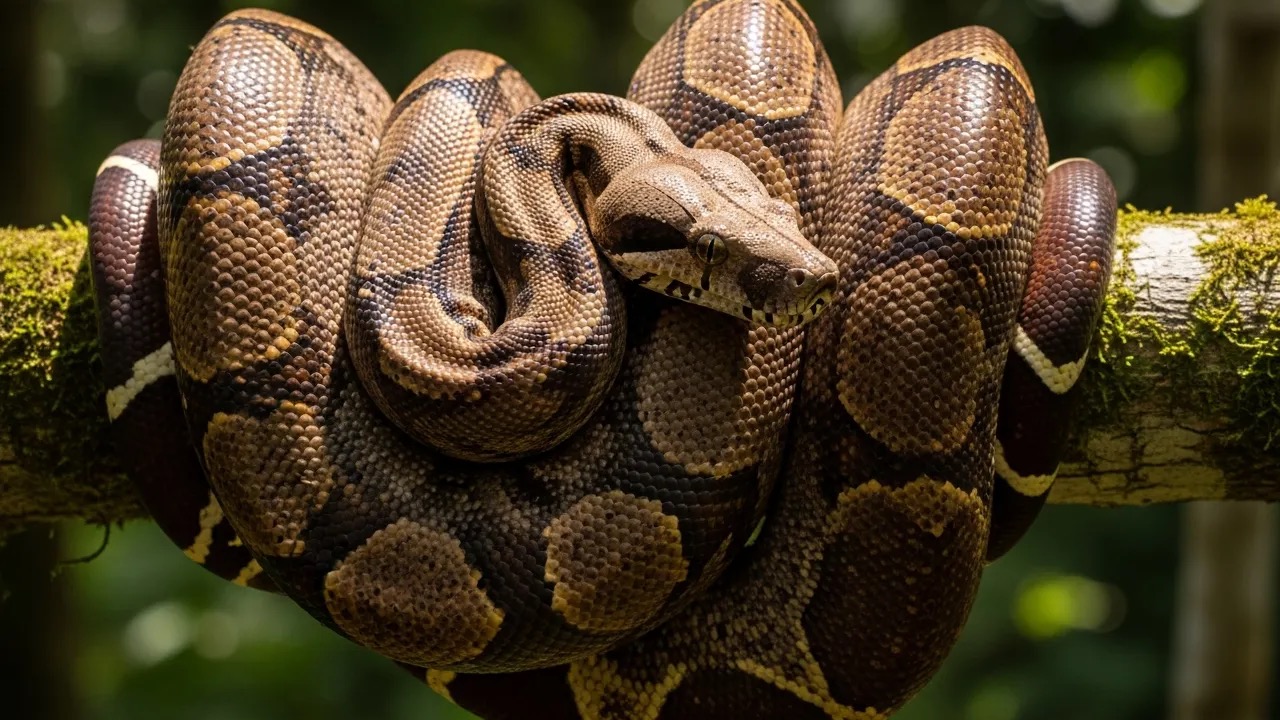
Least Concern
Boa Constrictor
Boa constrictor
The boa constrictor (Boa constrictor) is a large, heavy-bodied, non-venomous snake native to tropical forests, savannas, and deserts across Central and South America. It typically reaches 2 to 3 m and weighs around 10 to 15 kg, killing prey not with venom but by coiling around it and squeezing until it can no longer breathe.
Read the guide →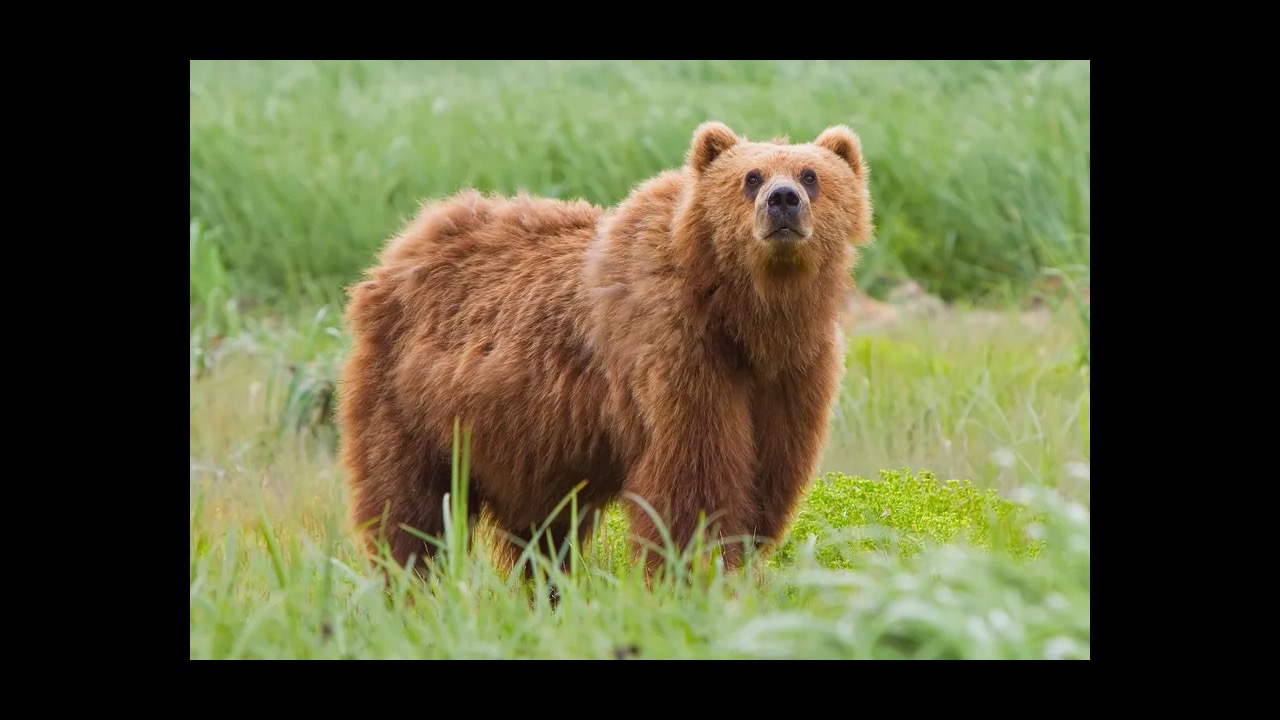
Least Concern
Brown Bear
Ursus arctos
The brown bear is one of the world's largest land carnivores, found across North America, Europe, and Asia. Adults typically weigh 130–360 kg (290–800 lb), run up to 56 km/h (35 mph), and hibernate through winter in dens.
Read the guide →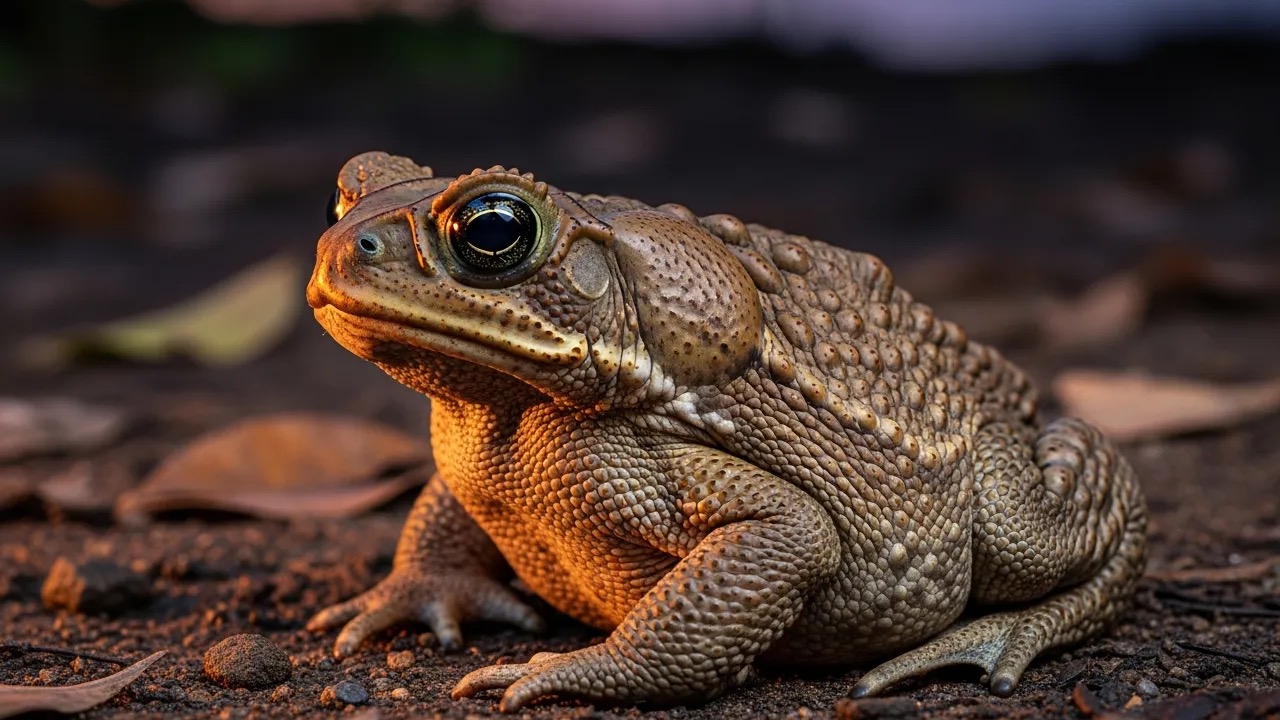
Least Concern
Cane Toad
Rhinella marina
The cane toad is a large, warty terrestrial toad native to the Americas, reaching up to 1 kg (2.2 lb). It secretes a powerful toxin from glands on its shoulders and is famous as a destructive invasive species in Australia, where it was introduced in 1935.
Read the guide →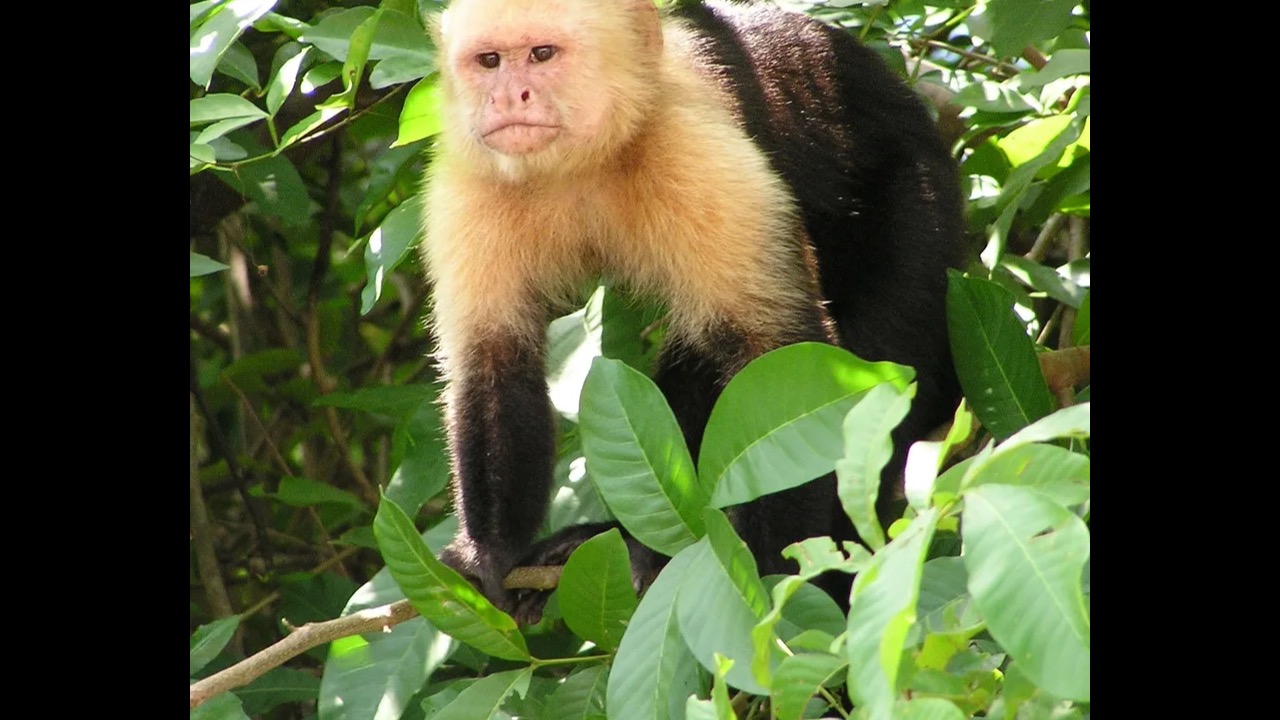
Least Concern
Capuchin Monkey
Cebus capucinus
The capuchin is a small, highly intelligent New World monkey found in the tropical forests of Central America and northwest South America. Weighing about 3 to 4 kg and measuring roughly half a metre in body length, it is an agile tree-dweller that uses its prehensile tail for balance.
Read the guide →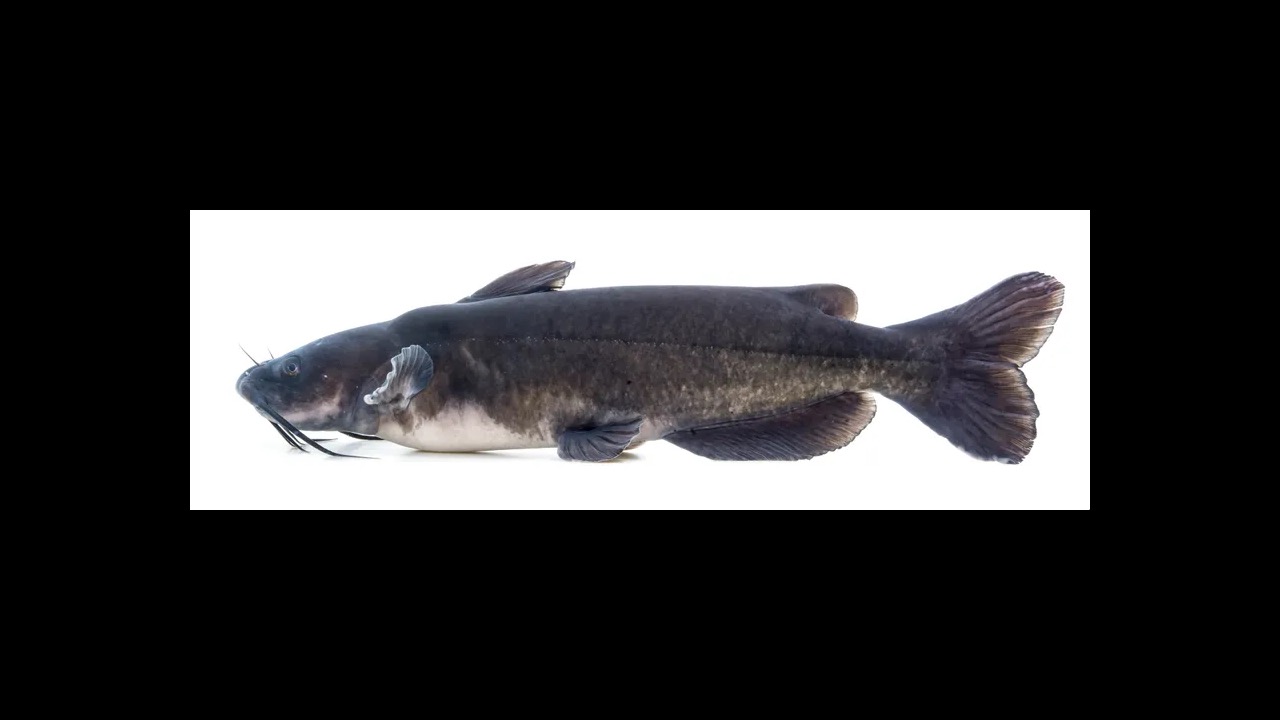
Least Concern
Channel Catfish
Ictalurus punctatus
The channel catfish is one of the most popular sport and farmed fish in North America, recognised by barbels ('whiskers'), smooth scaleless skin, and a forked tail. Native to central and eastern rivers and lakes, it grows to 10–25 kg (22–55 lb), tastes mild, and uses taste buds across its body to find food.
Read the guide →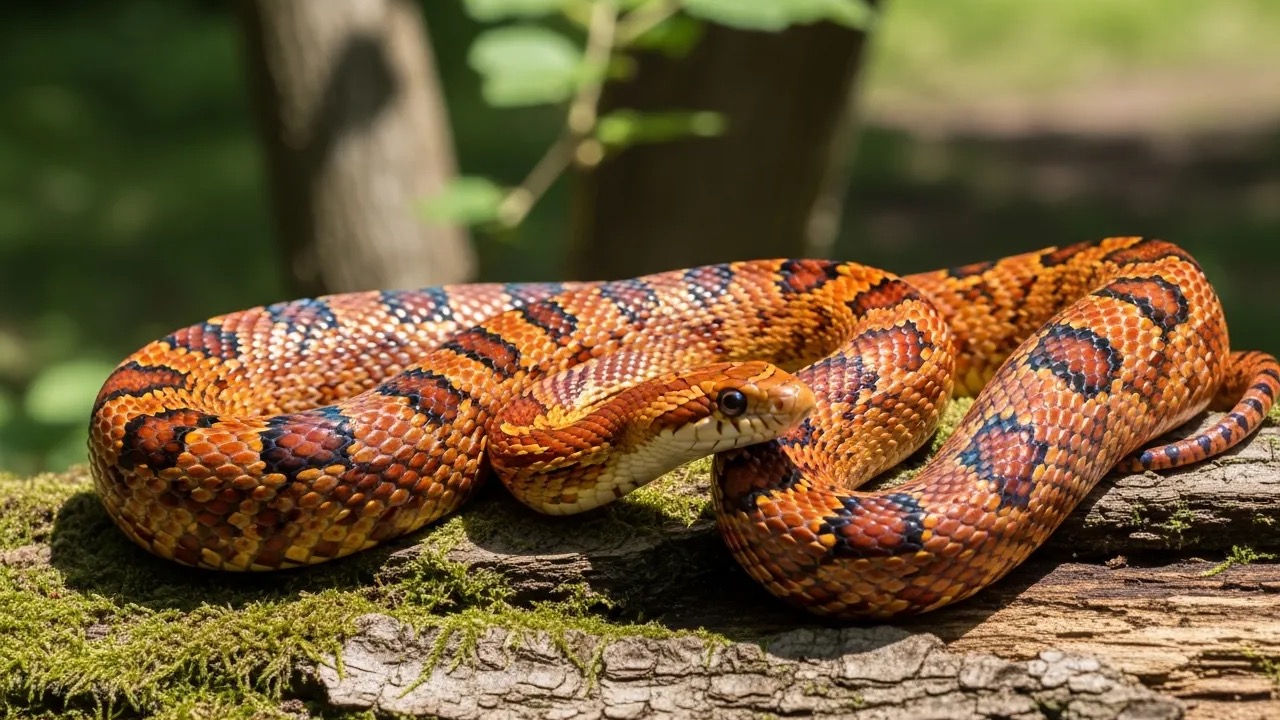
Least Concern
Corn Snake
Pantherophis guttatus
The corn snake (Pantherophis guttatus) is a gentle, colourful North American rat snake and one of the most popular pet snakes in the world. Native to the fields, woodlands and farmland of the southeastern United States, it grows to around 1.4 m (up to about 1.8 m) and is a non-venomous constrictor that hunts rodents.
Read the guide →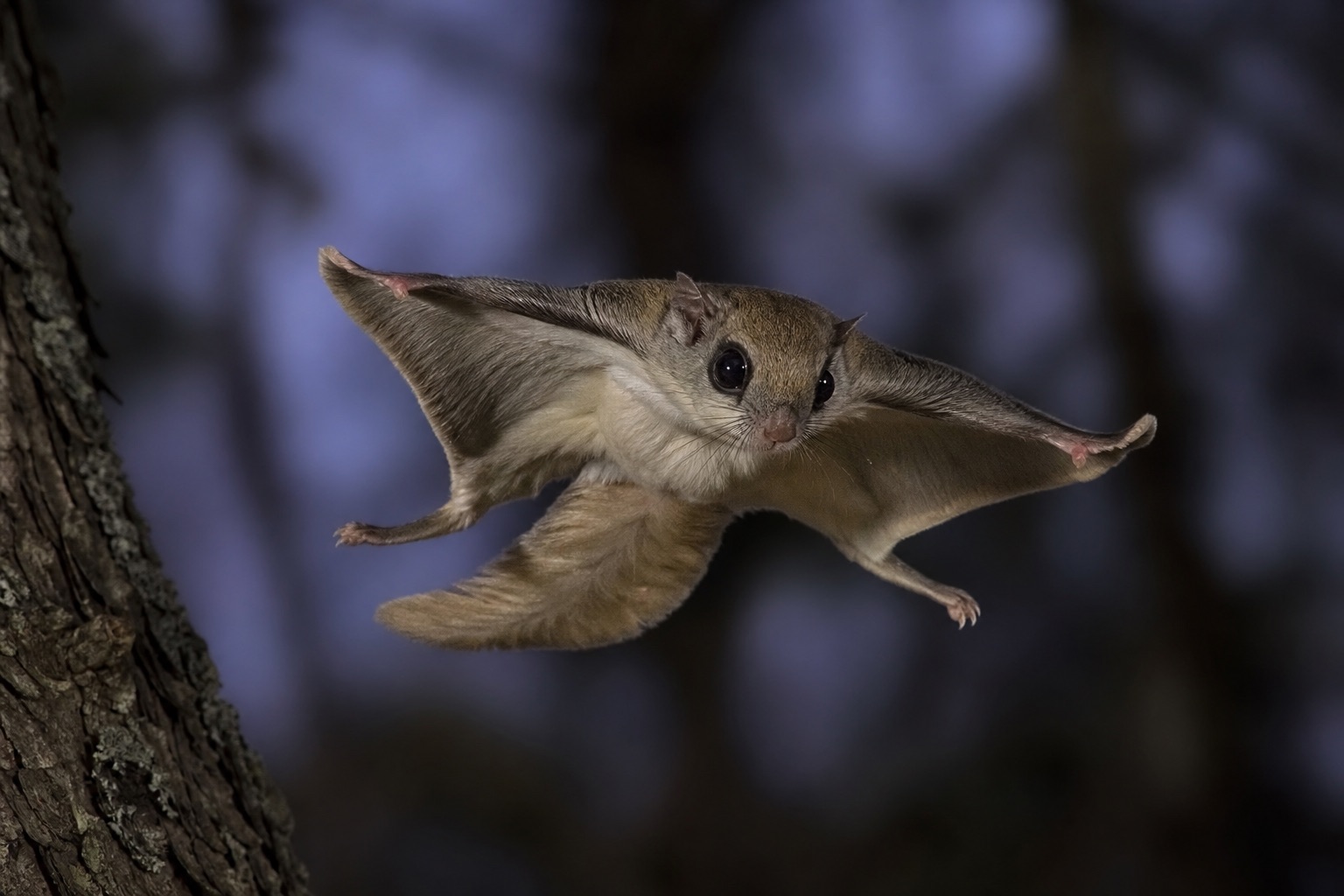
Varies by species — North American Glaucomys species Least Concern; some Asian giants threatened
Flying Squirrel
Tribe Pteromyini — over 50 species in the squirrel family Sciuridae
Flying squirrels are over 50 species of nocturnal gliding rodents with a skin membrane between wrists and ankles; they cannot truly fly, and a 2019 study found that all three North American Glaucomys species fluoresce pink under ultraviolet light.
Read the guide →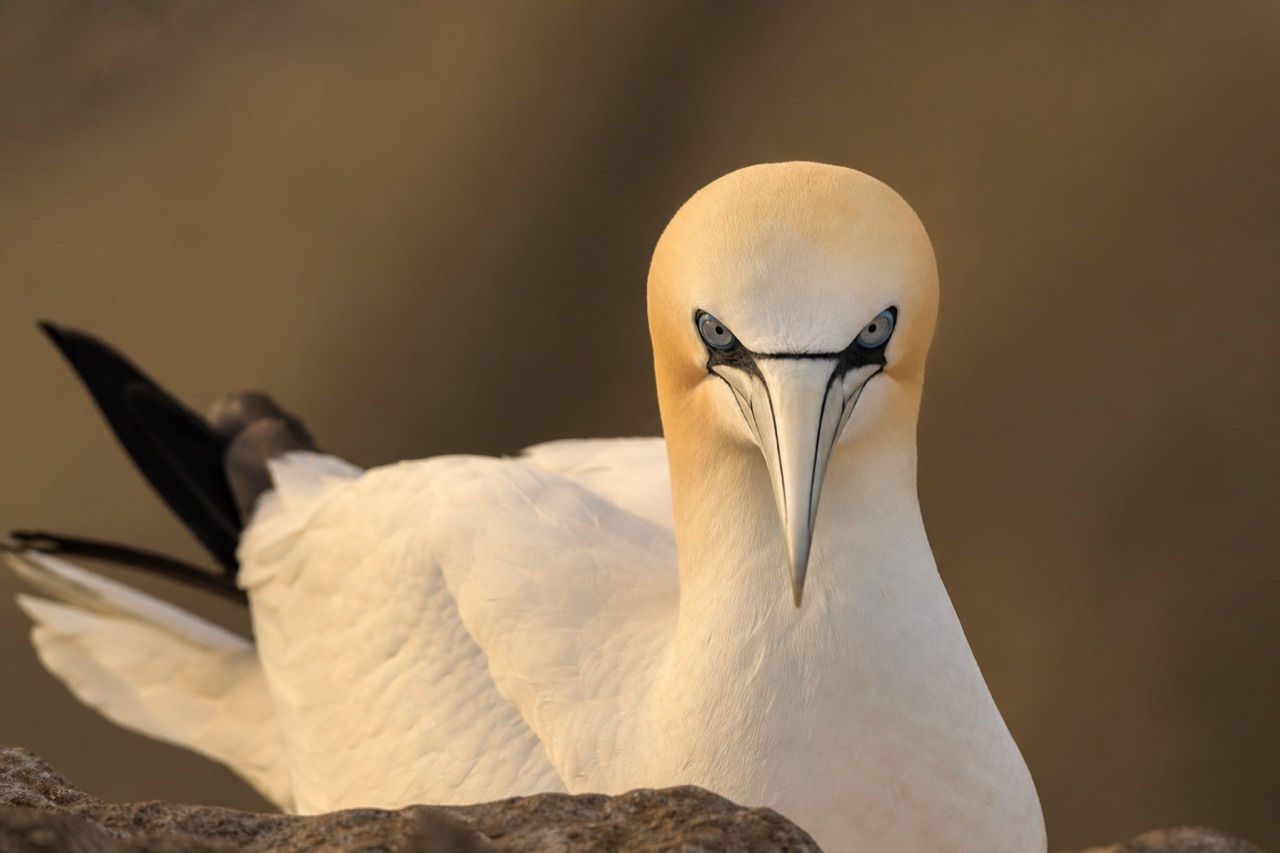
Least Concern — North Atlantic plunge-diver; large colonies on British cliffs
Gannet
Morus bassanus (Linnaeus, 1758) — family Sulidae
The northern gannet (Morus bassanus) is a large white North Atlantic seabird that plunge-dives from height to catch fish; Britain holds major cliff colonies including Bass Rock and Bempton, with breeding success linked to sandeel and pelagic fish availability.
Read the guide →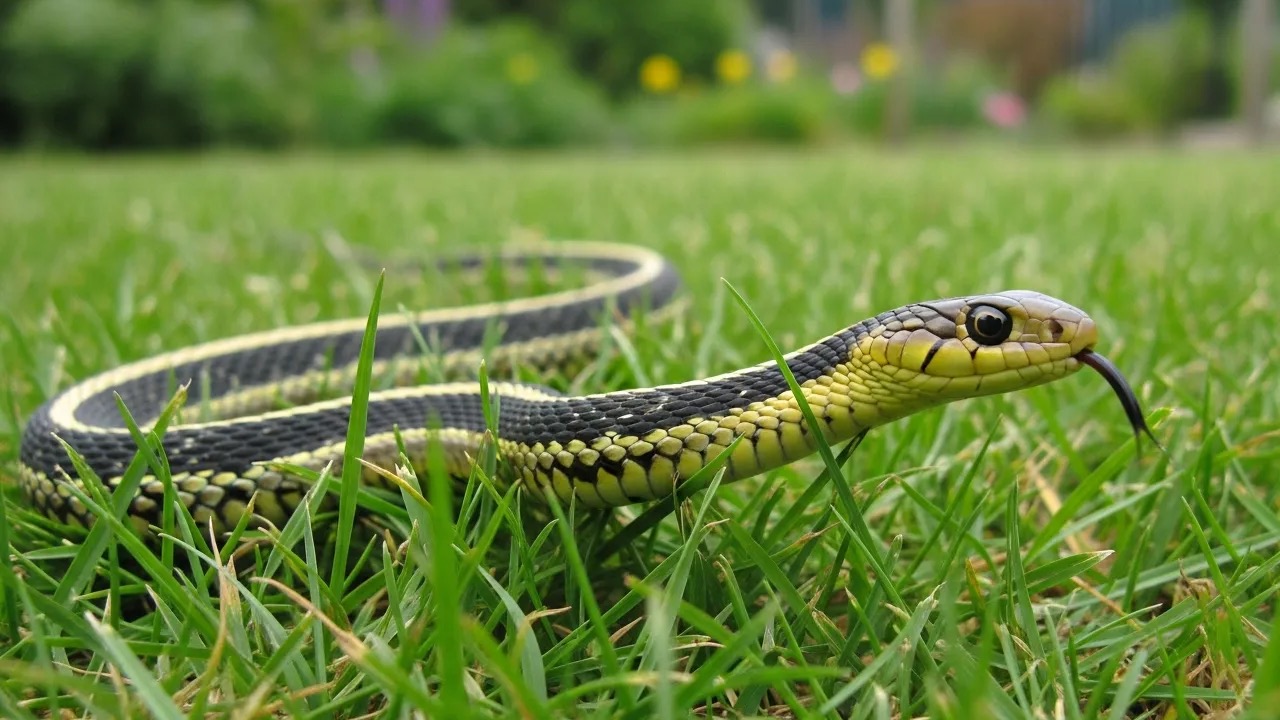
Least Concern
Garter Snake
Thamnophis sirtalis
The garter snake is one of the most common and widespread snakes in North America, found in meadows, marshes, woodlands, and gardens from Canada to Mexico. It is a slender snake, typically 0.5 to 1.3 m long and about 150 g, usually striped in yellow or green along a darker body.
Read the guide →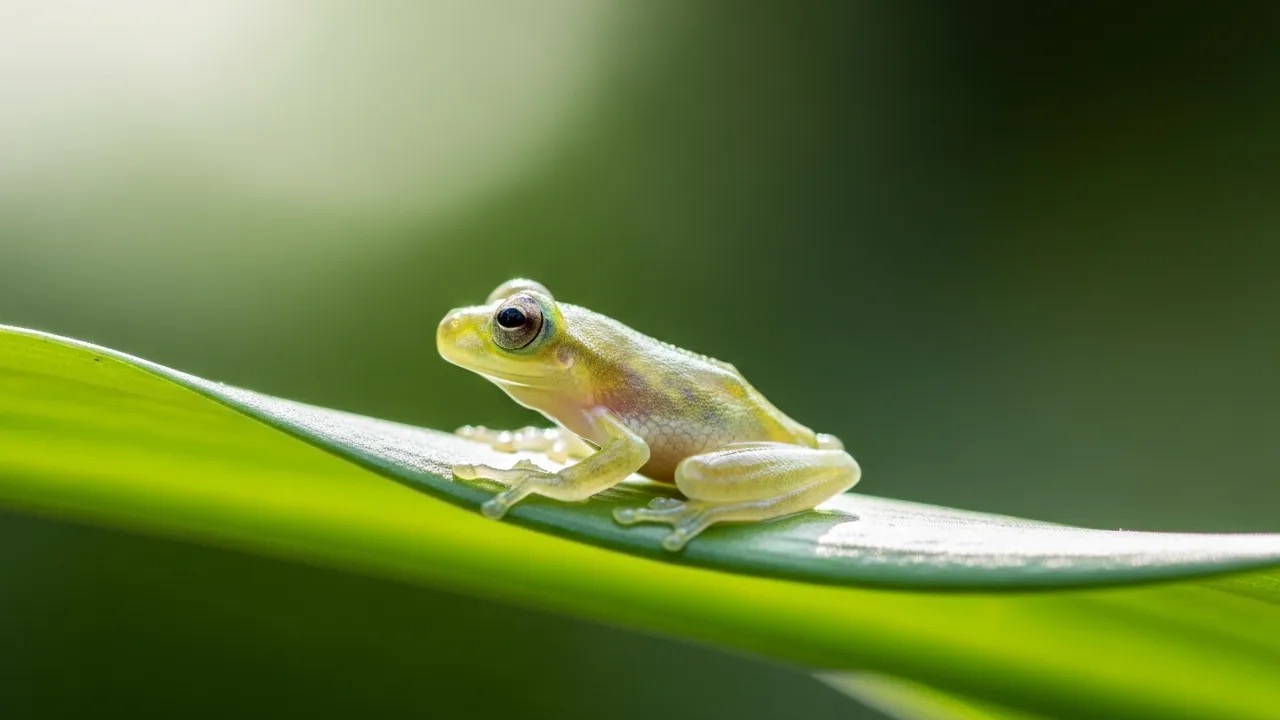
Least Concern
Glass Frog
Hyalinobatrachium valerioi
Glass frogs are small tree frogs of Central and South American rainforests, famous for the translucent skin on their bellies that reveals their internal organs and beating heart. They are nocturnal, arboreal, and care for their eggs on leaves above streams.
Read the guide →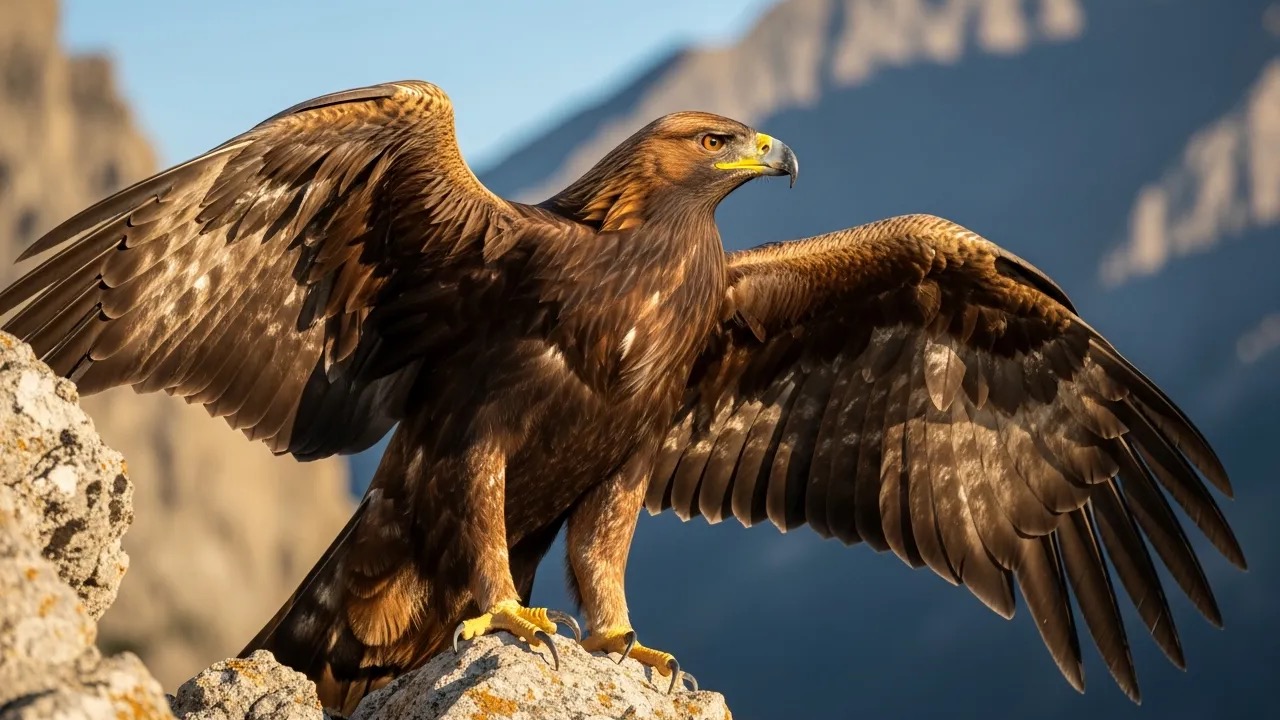
Least Concern
Golden Eagle
Aquila chrysaetos
The golden eagle (Aquila chrysaetos) is one of the largest and fastest birds of prey, found across the mountains, open hills, and tundra of the Northern Hemisphere. It weighs around 4.5 kg with a wingspan of 1.8 to 2.3 m, and in a hunting dive it can exceed 240 km/h (150 mph).
Read the guide →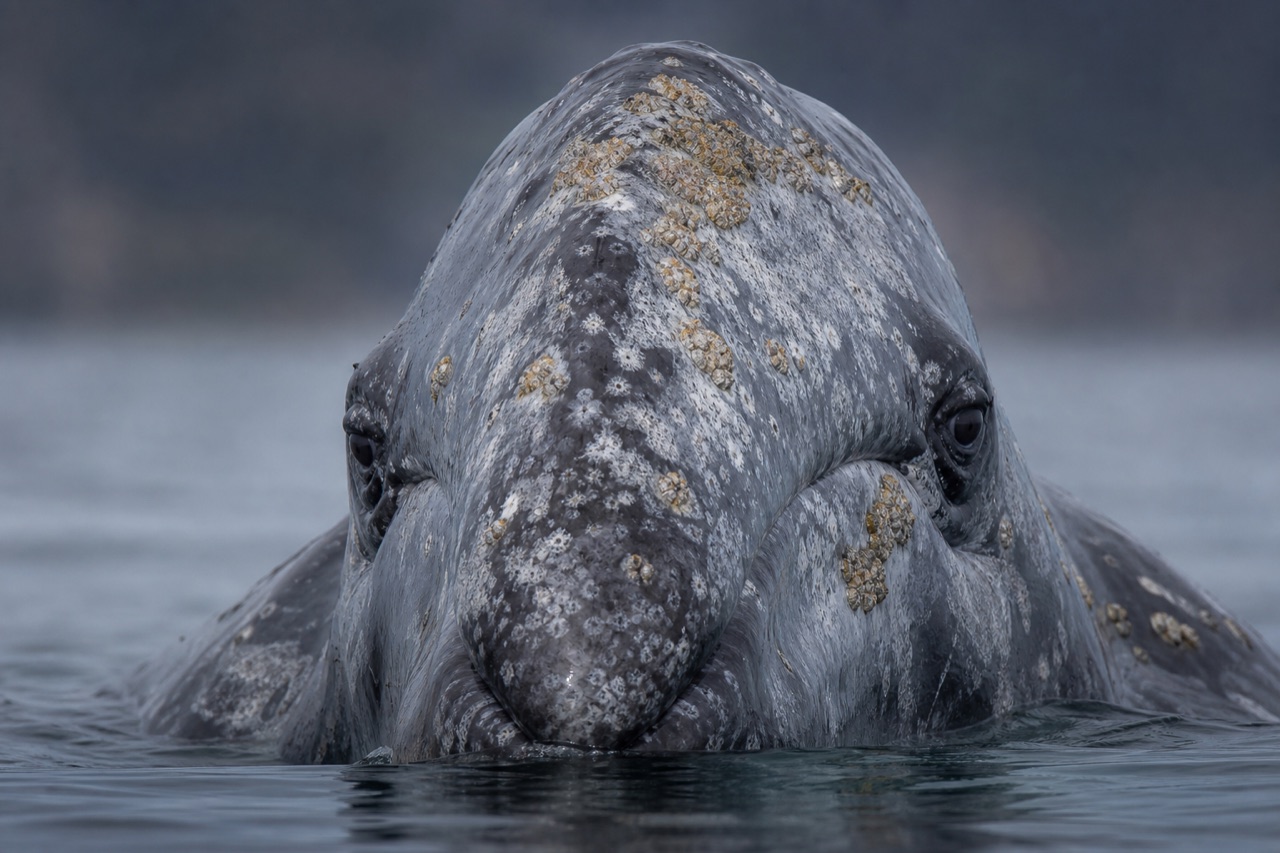
Least Concern overall; the western Pacific population is Critically Endangered
Gray Whale
Eschrichtius robustus (Lilljeborg, 1861) — family Eschrichtiidae
The gray whale migrates up to around 20,000 km a year between Arctic feeding grounds and Mexican calving lagoons, and is the only baleen whale that feeds mainly by rolling on the seabed to filter sediment.
Read the guide →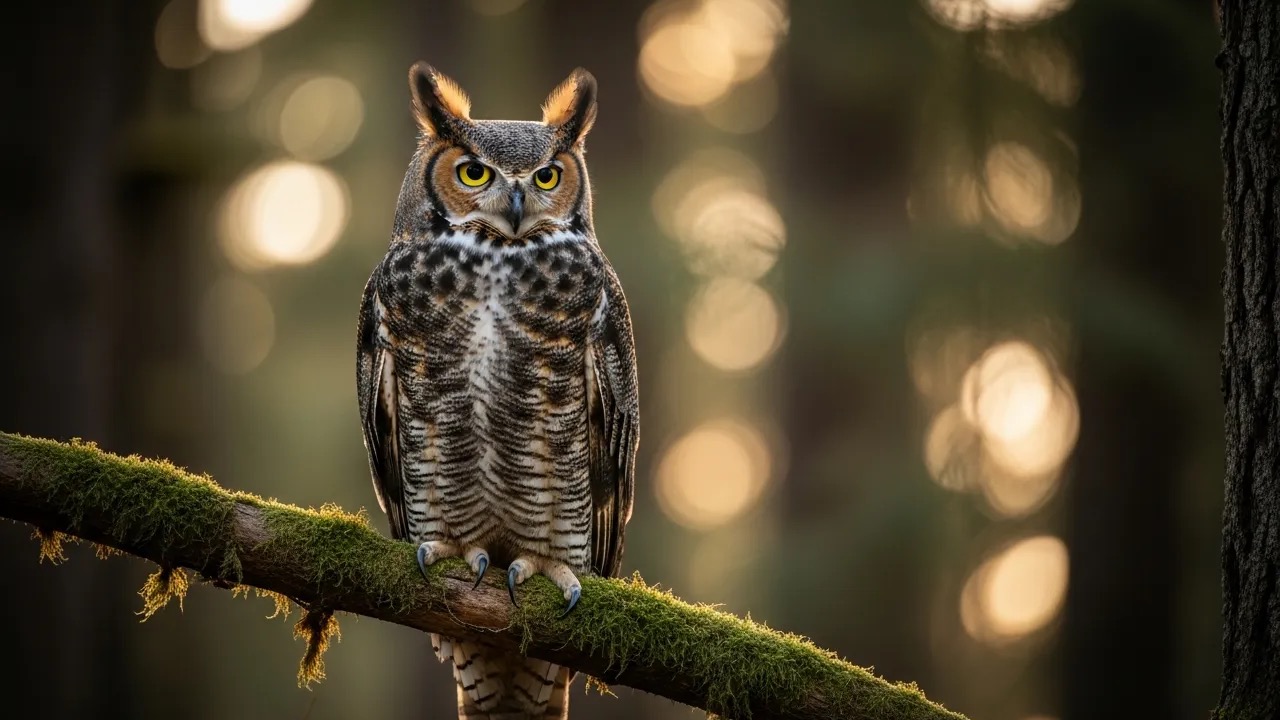
Least Concern
Great Horned Owl
Bubo virginianus
The great horned owl is a large, powerful owl found throughout the Americas, named for the tufts of feathers on its head that look like horns or ears. A fierce nocturnal predator with crushing talons, it hunts a wide range of prey, even skunks and other raptors.
Read the guide →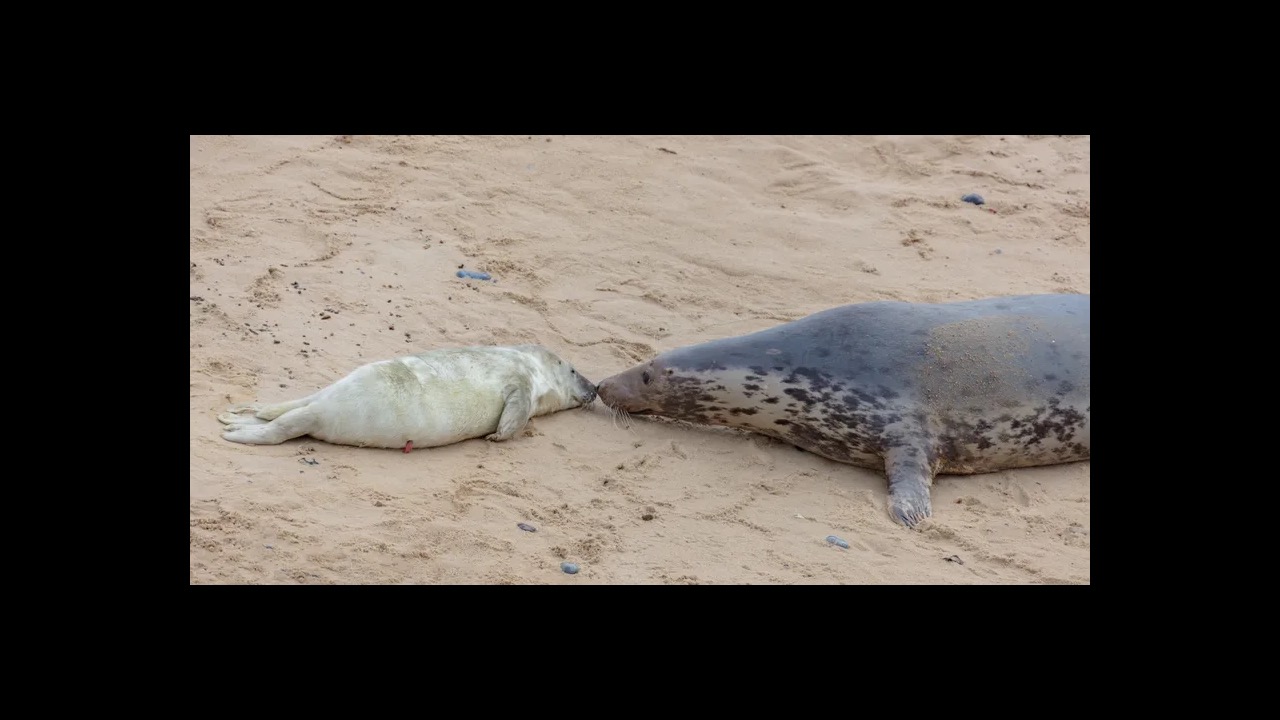
Least Concern
Grey Seal
Halichoerus grypus
The grey seal (Halichoerus grypus) is a large North Atlantic seal named for its long, horse-like muzzle. It swims after fish, squid, and crustaceans along rocky coasts, islands, and ice edges, and a big bull can weigh up to 230 kg.
Read the guide →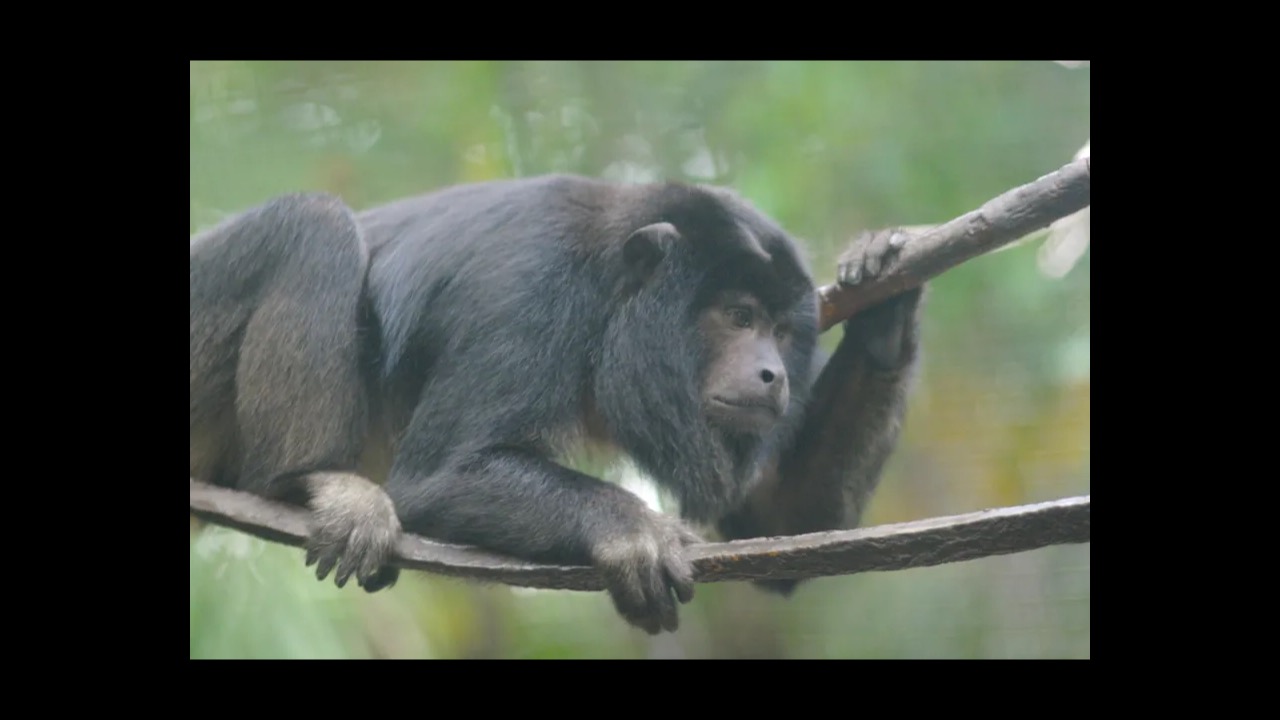
Least Concern
Howler Monkey
Alouatta spp.
The howler monkey is a large, leaf-eating New World primate famous for having one of the loudest calls of any land animal in the Americas. Living in the tropical forests of Central and South America, it weighs around 5 to 10 kg and spends almost its whole life high in the canopy.
Read the guide →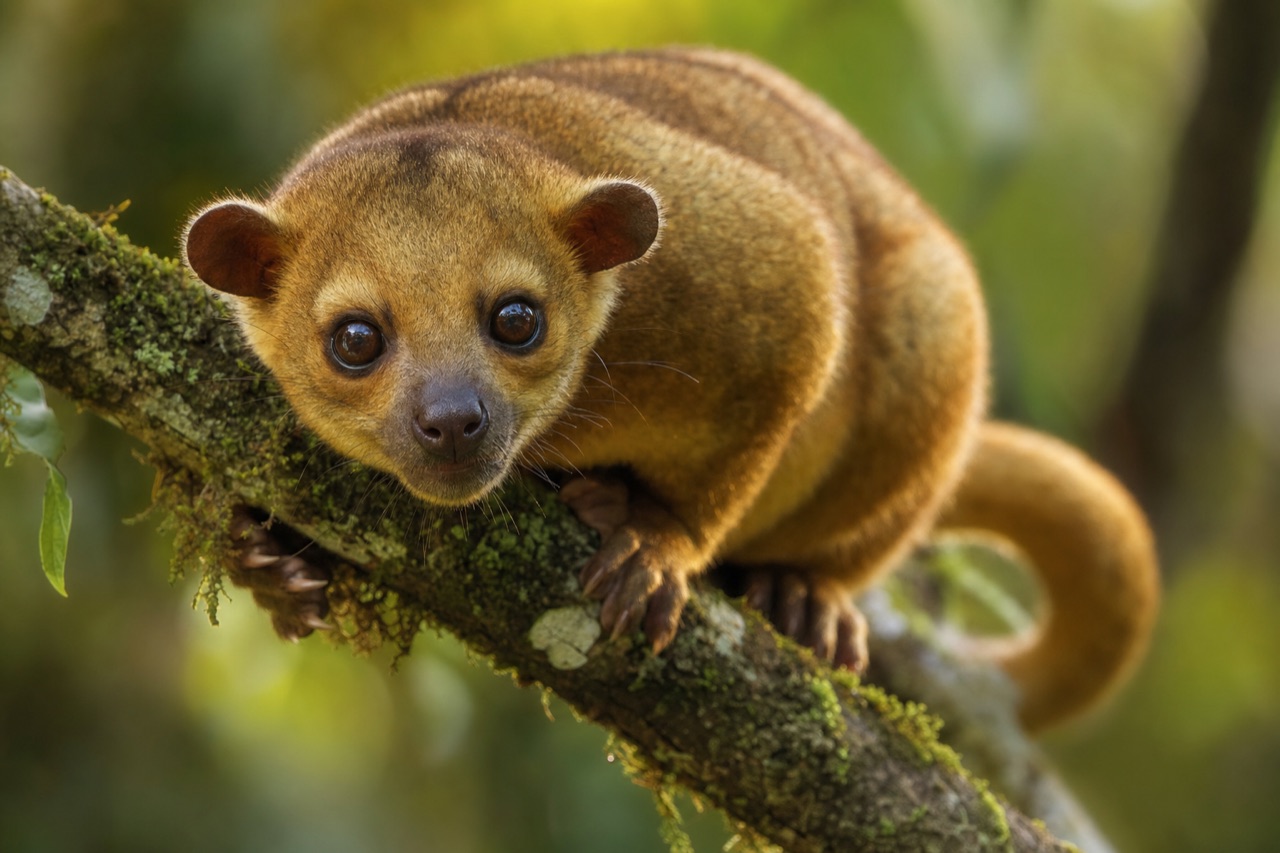
Least Concern (IUCN 2016) — CITES Appendix III (Honduras); pet-trade capture is a local pressure
Kinkajou
Potos flavus (Schreber, 1774)
A kinkajou (Potos flavus) is a nocturnal Neotropical procyonid, not a primate or a bear. IUCN listed it Least Concern in 2016. It has a fully prehensile tail and a diet about 90% fruit. Least Concern is not a licence to keep one as a house pet. WARN does not run kinkajou programmes.
Read the guide →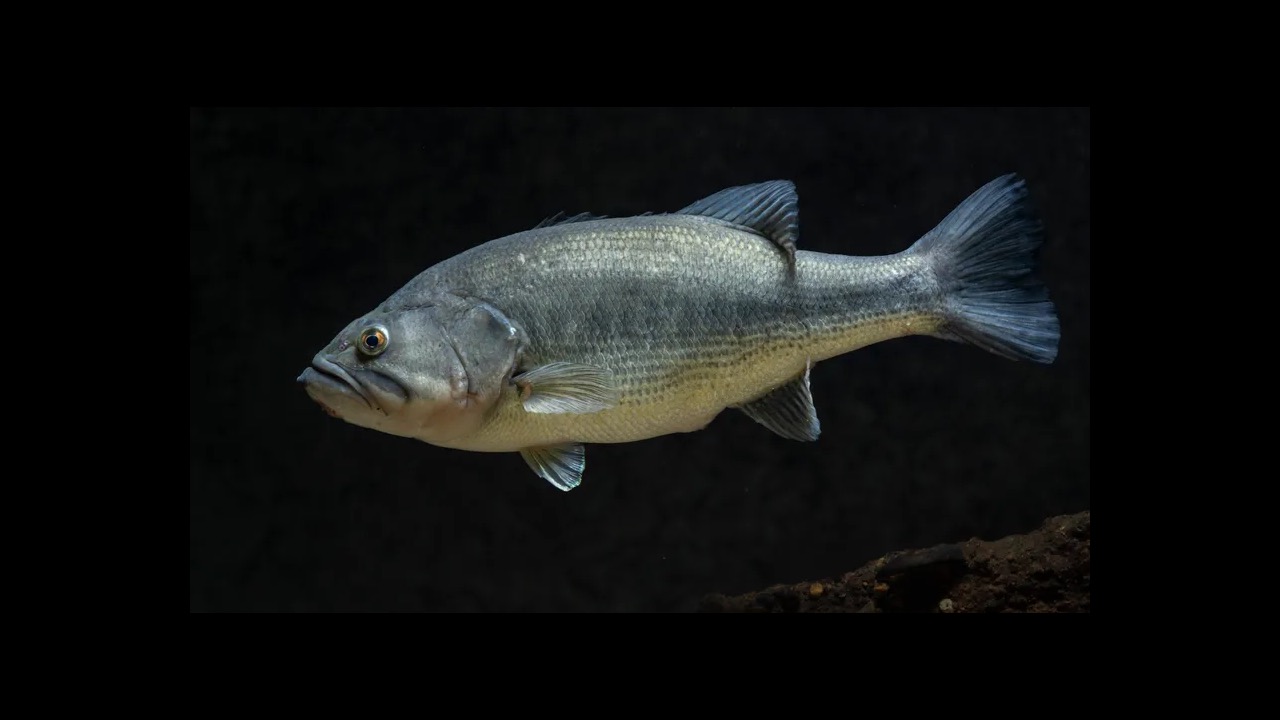
Least Concern
Largemouth Bass
Micropterus salmoides
The largemouth bass is a top predator in North American lakes and rivers, named for a jaw extending past the eye. Prized by anglers worldwide, it strikes lures aggressively, grows to 10 kg (22 lb) in rich waters, and has been stocked on every continent except Antarctica for sport fishing.
Read the guide →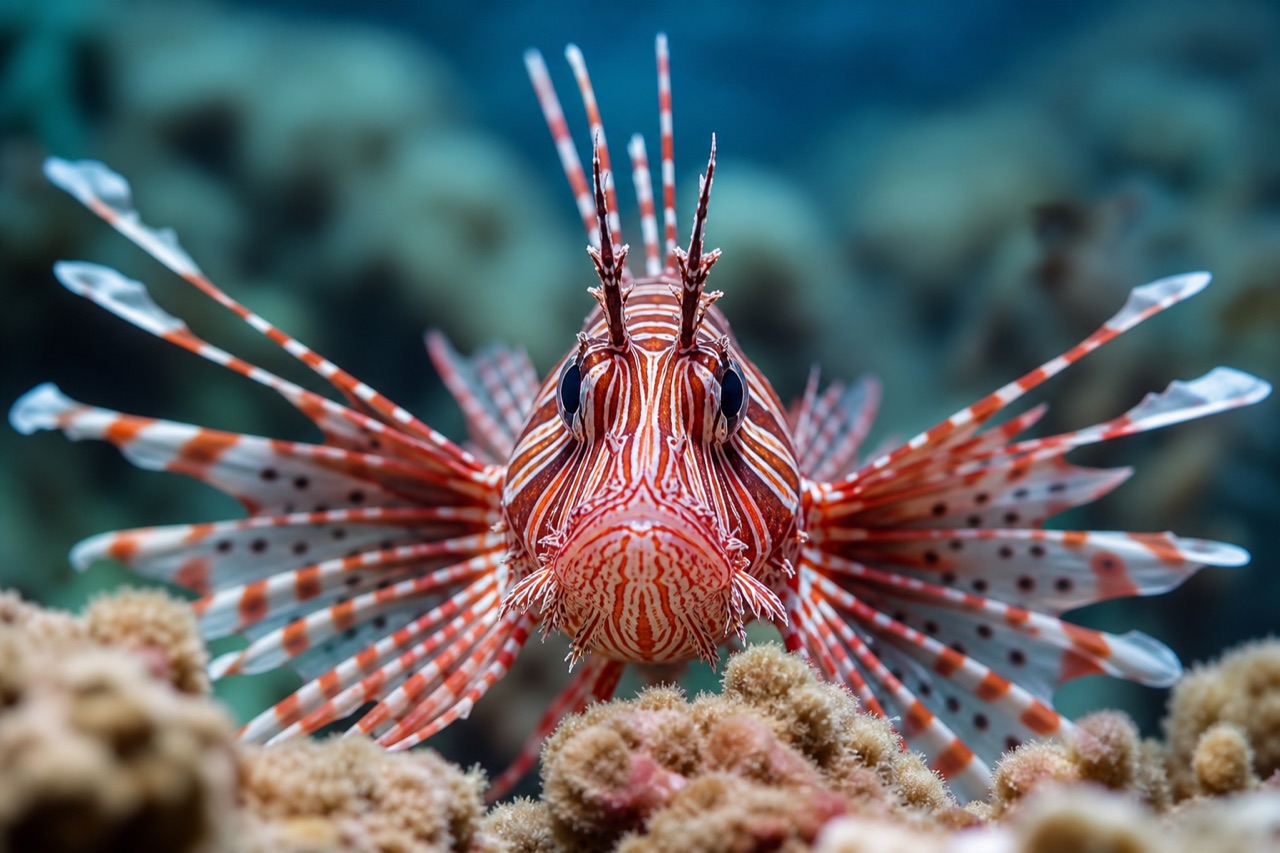
Least Concern in native range — invasive Atlantic populations are a major ecological case study
Lionfish
Genus Pterois — red lionfish P. volitans and devil firefish P. miles invasive in the Atlantic
Lionfish (genus Pterois) are venomous Indo-Pacific reef fish whose red lionfish and devil firefish became invasive in the Atlantic from the 1980s — unchecked by predators, they devastate native reef fish communities.
Read the guide →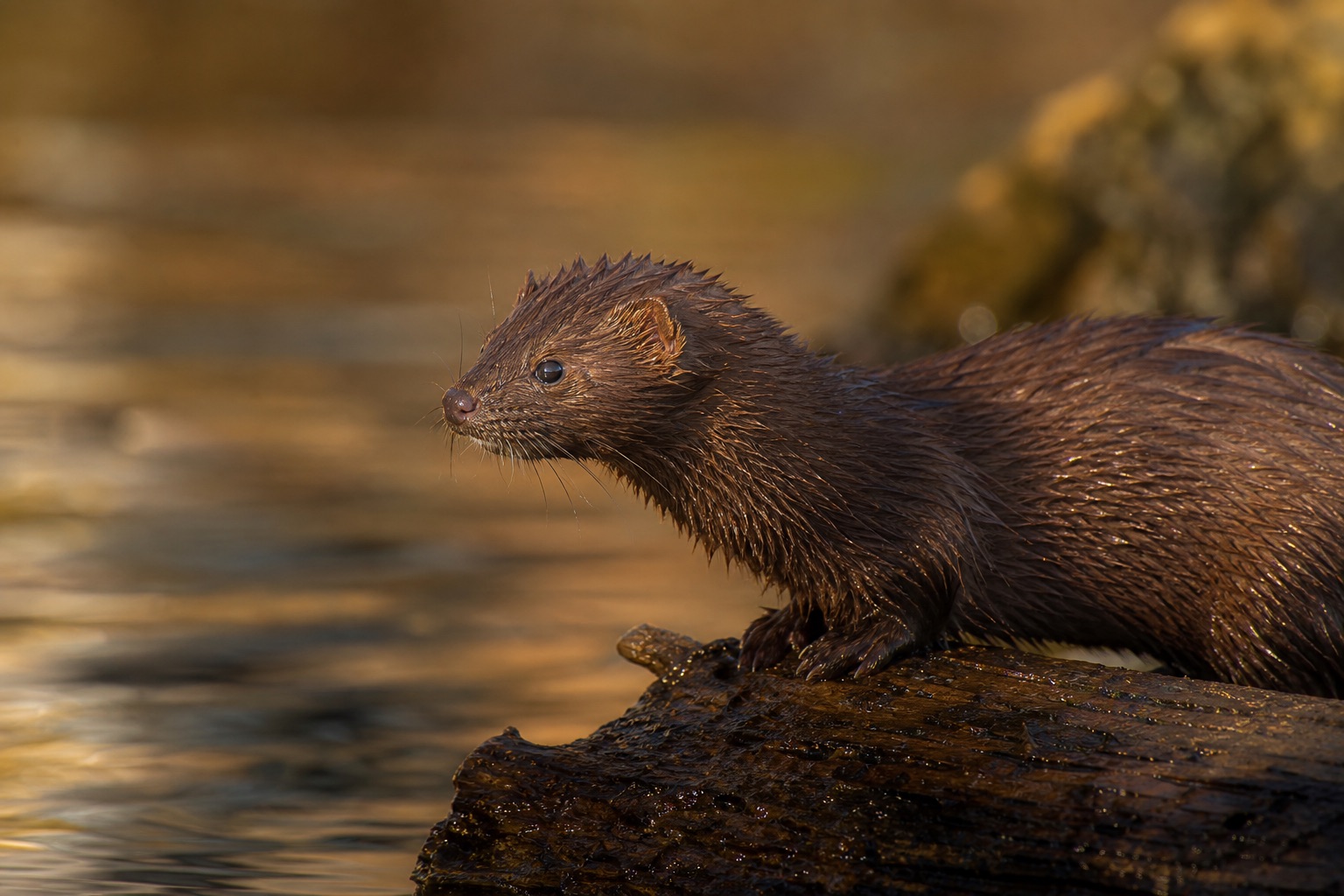
Least Concern in native North America — invasive and ecologically destructive across much of Europe
Mink
Neogale vison (Schreber, 1777) — family Mustelidae
The American mink (Neogale vison) is a semi-aquatic mustelid listed Least Concern in native North America but invasive across Europe after fur-farm escapes, where it devastated water vole populations and displaced the Critically Endangered European mink.
Read the guide →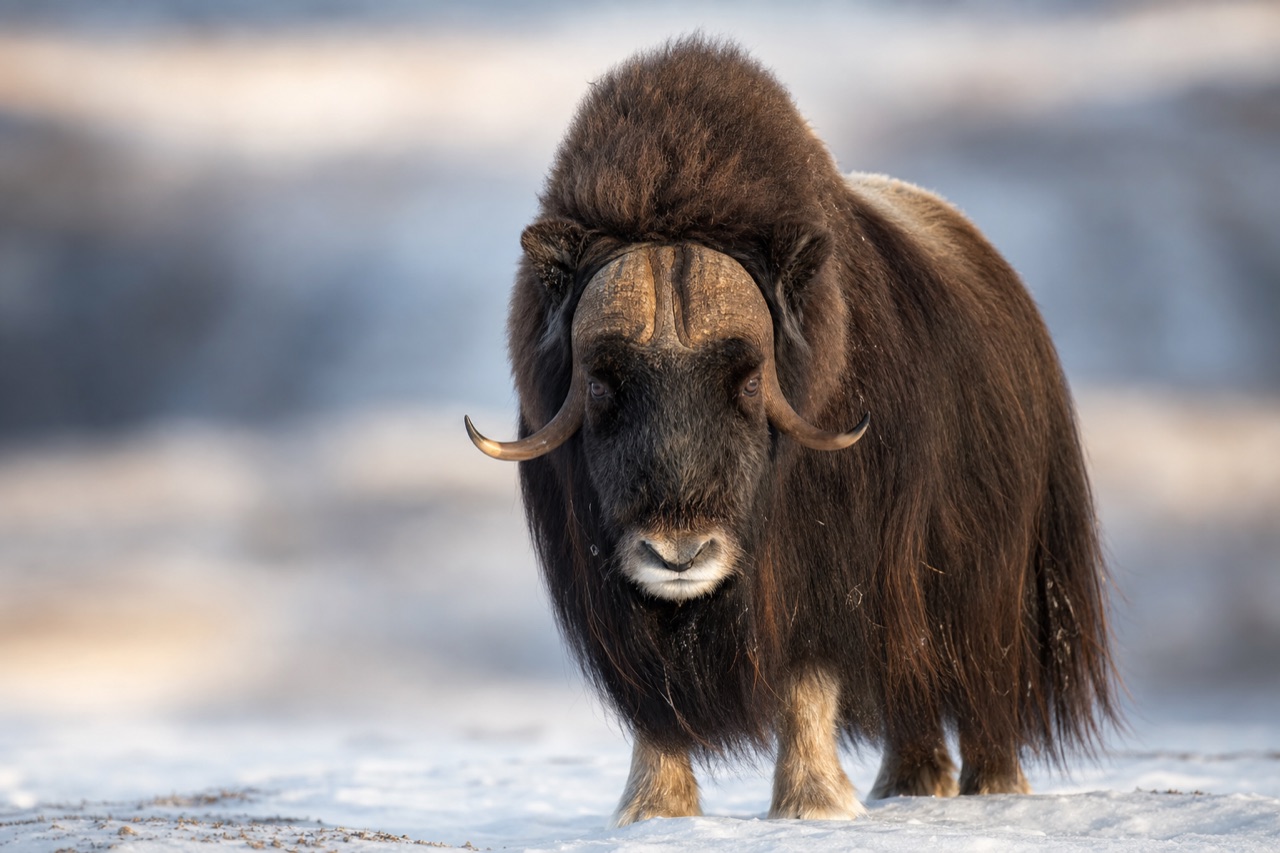
Least Concern — recovered from near extinction; climate change threatens Arctic habitat
Muskox
Ovibos moschatus (Zimmermann, 1780) — family Bovidae
The muskox (Ovibos moschatus) is an Arctic bovid with a shaggy coat, curved horns and defensive circle formation — recovered from near extinction and now Least Concern, but vulnerable to rapid Arctic climate change.
Read the guide →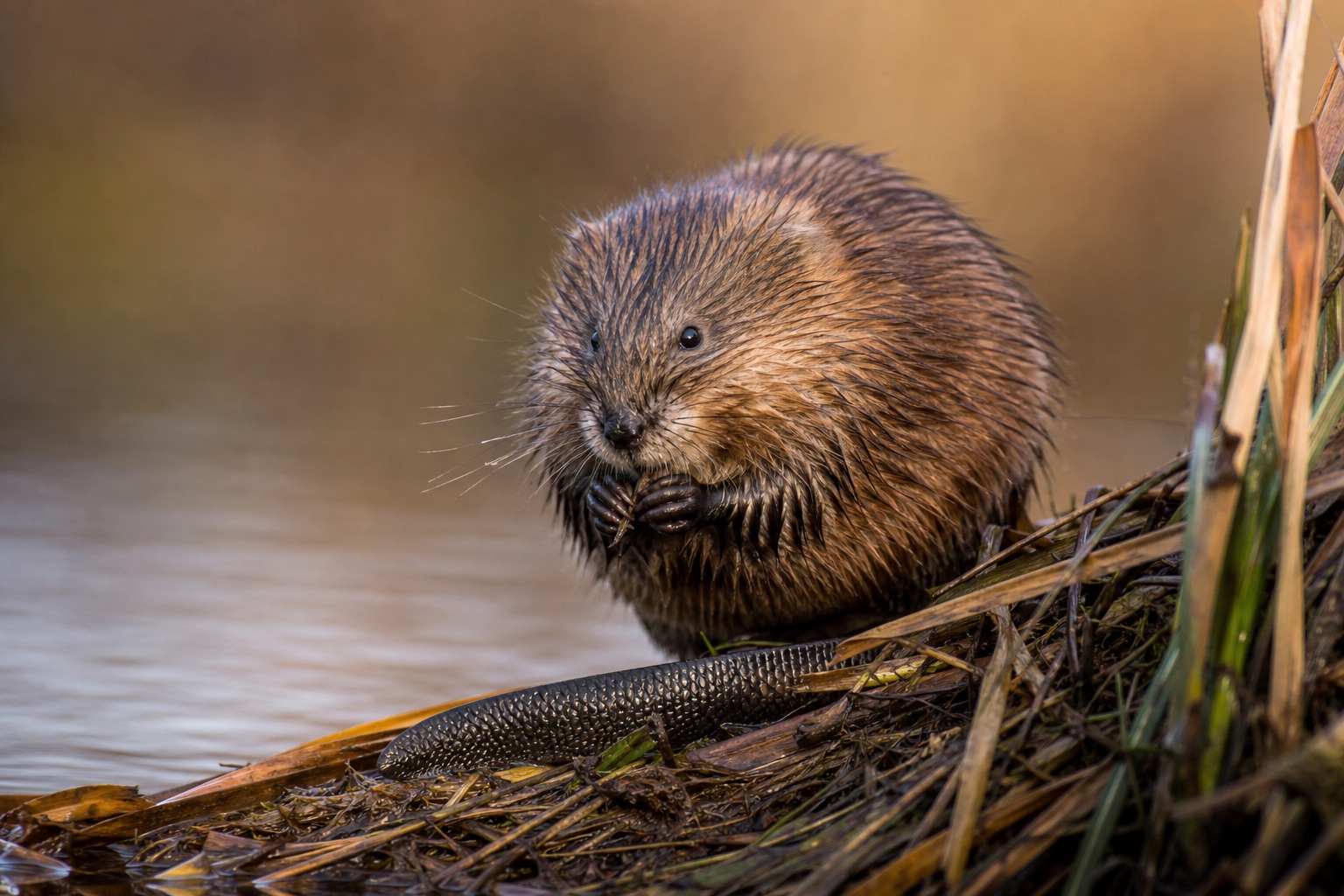
Least Concern natively — invasive and EU-listed across much of Europe
Muskrat
Ondatra zibethicus (Linnaeus, 1766) — family Cricetidae
The muskrat (Ondatra zibethicus) is a large semiaquatic rodent native to North American wetlands and listed Least Concern there; introduced to Europe from 1905 for fur farming, it burrows into dikes and river banks and is an EU-listed invasive species.
Read the guide →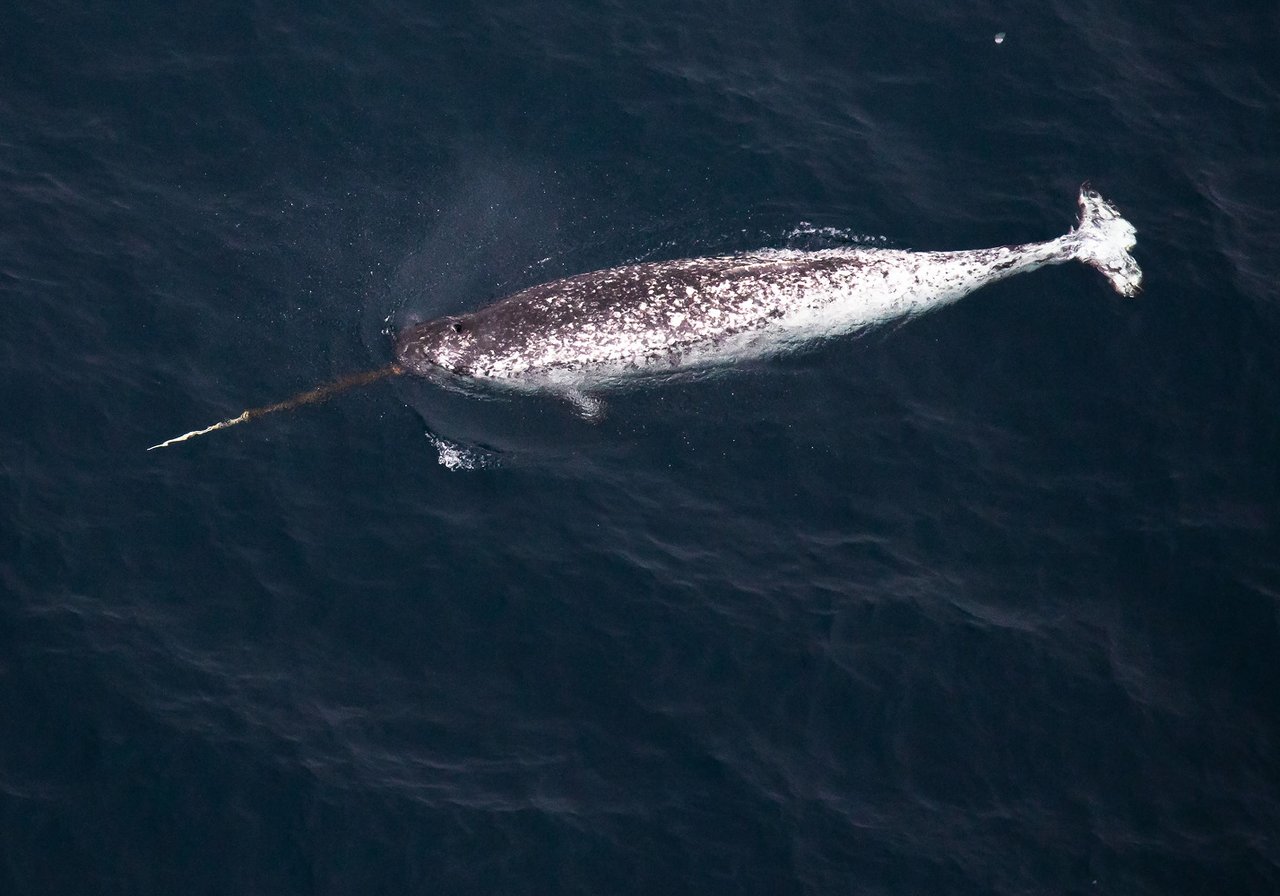
Least Concern (IUCN 2017) — CITES Appendix II; COSEWIC Not at Risk (2024); ice and noise still matter
Narwhal
Monodon monoceros (Linnaeus, 1758)
A narwhal (Monodon monoceros) is an Arctic toothed whale. The tusk is a left canine tooth, not a horn. IUCN listed it Least Concern in 2017. CITES Appendix II. NOAA cites dives deeper than 1,800 metres. Least Concern is not a collecting permit for ivory. WARN does not run narwhal programmes.
Read the guide →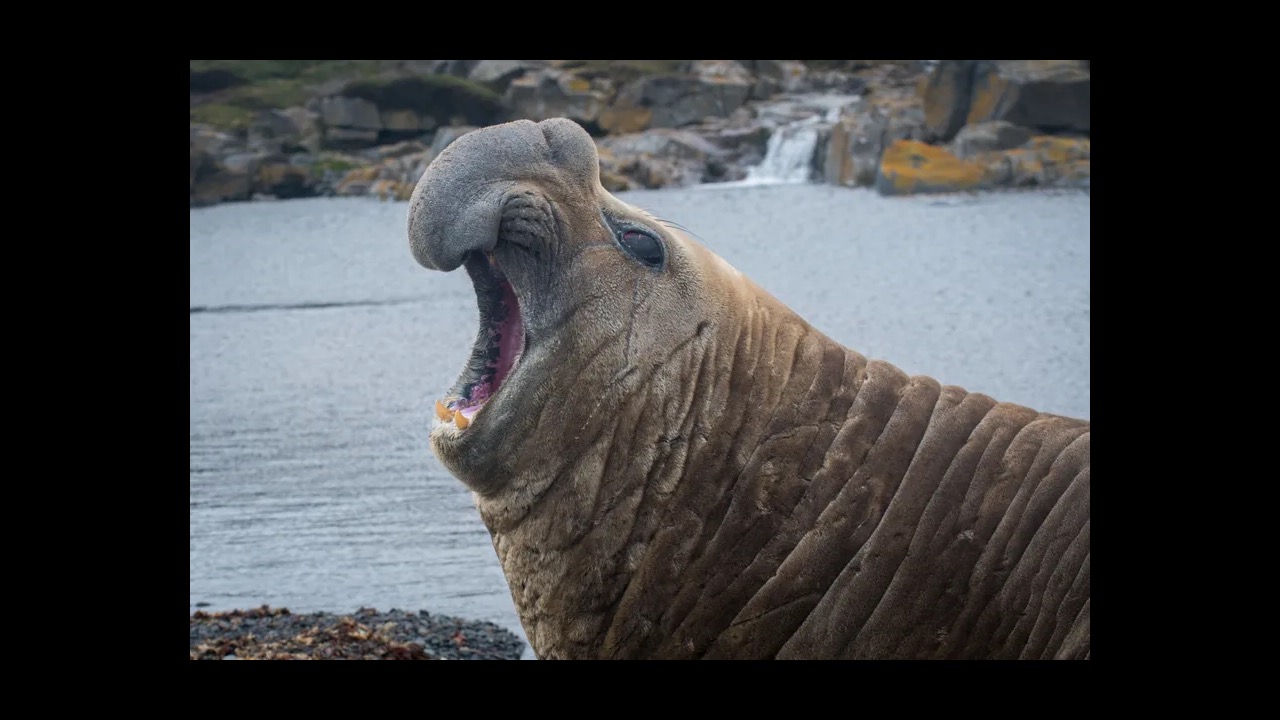
Least Concern
Northern Elephant Seal
Mirounga angustirostris
The northern elephant seal (Mirounga angustirostris) is a huge deep-diving seal of the eastern Pacific, breeding on beaches in California and Mexico and feeding far offshore. Bulls are enormous, reaching around 3.5 m long and weighing anywhere from 400 to 2,300 kg, far heavier than females.
Read the guide →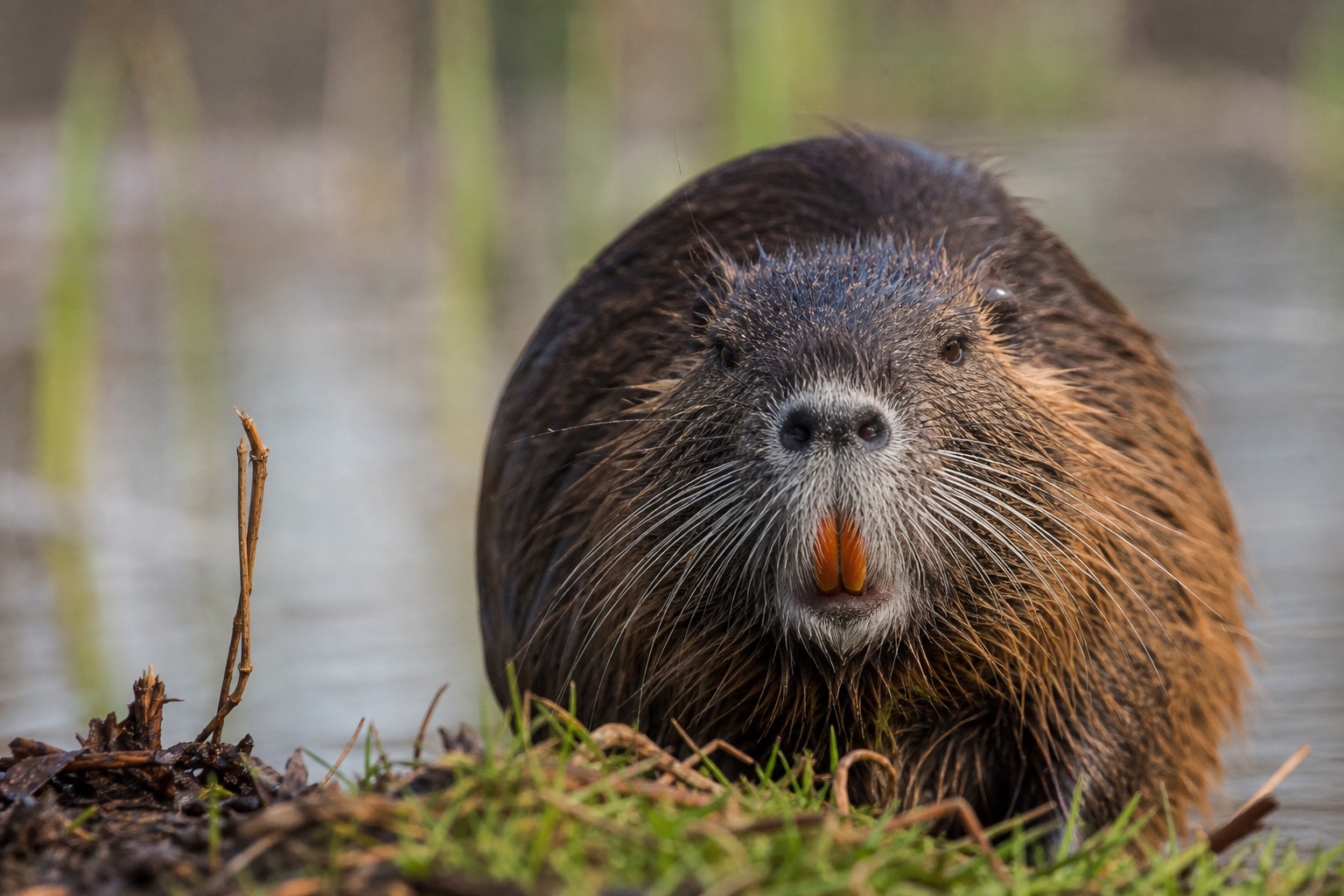
Least Concern in native South America — among the world's worst invasive mammals elsewhere
Nutria
Myocastor coypus (Molina, 1782) — family Myocastoridae
The nutria or coypu (Myocastor coypus) is a large semiaquatic rodent Least Concern in native South America but listed among the world's worst invasive species after fur-farm escapes — it destroys wetlands, undermines banks and was eradicated from Britain by 1989.
Read the guide →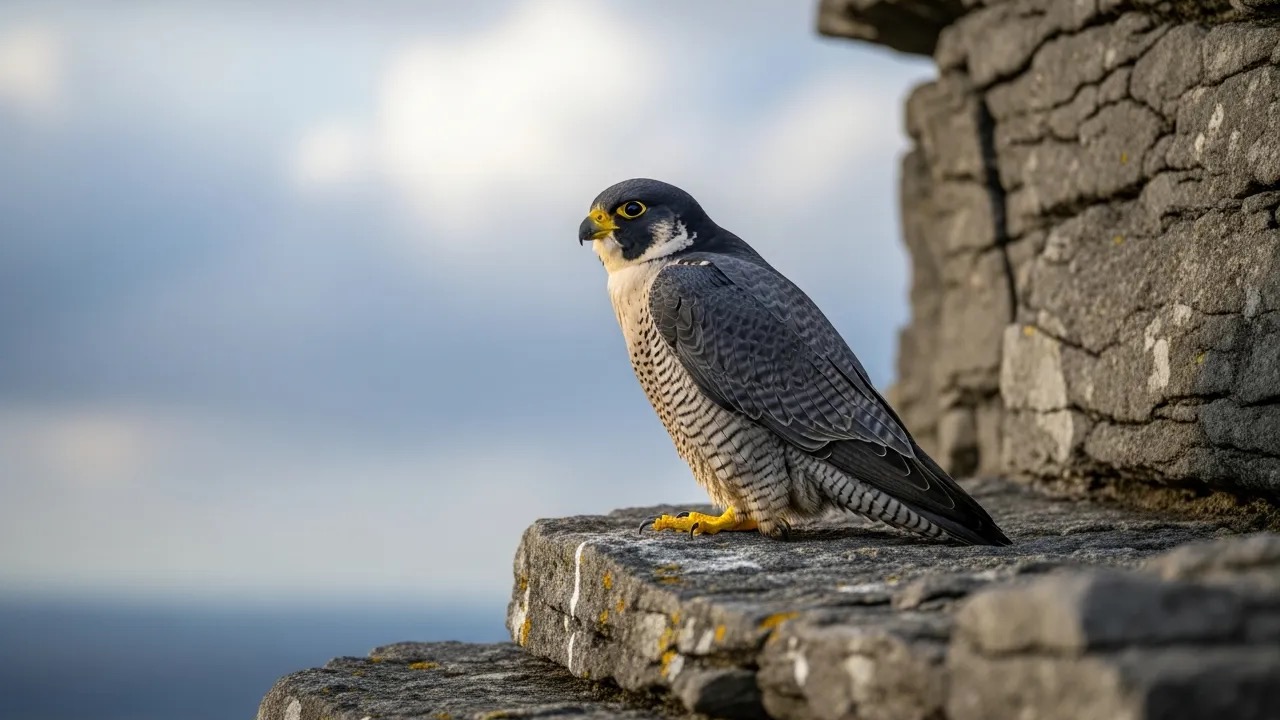
Least Concern
Peregrine Falcon
Falco peregrinus
The peregrine falcon (Falco peregrinus) is a crow-sized bird of prey found on every continent except Antarctica, making it one of the most widespread birds in the world. It hunts other birds in mid-air and is the fastest animal on the planet, reaching over 380 km/h (240 mph) in a hunting dive.
Read the guide →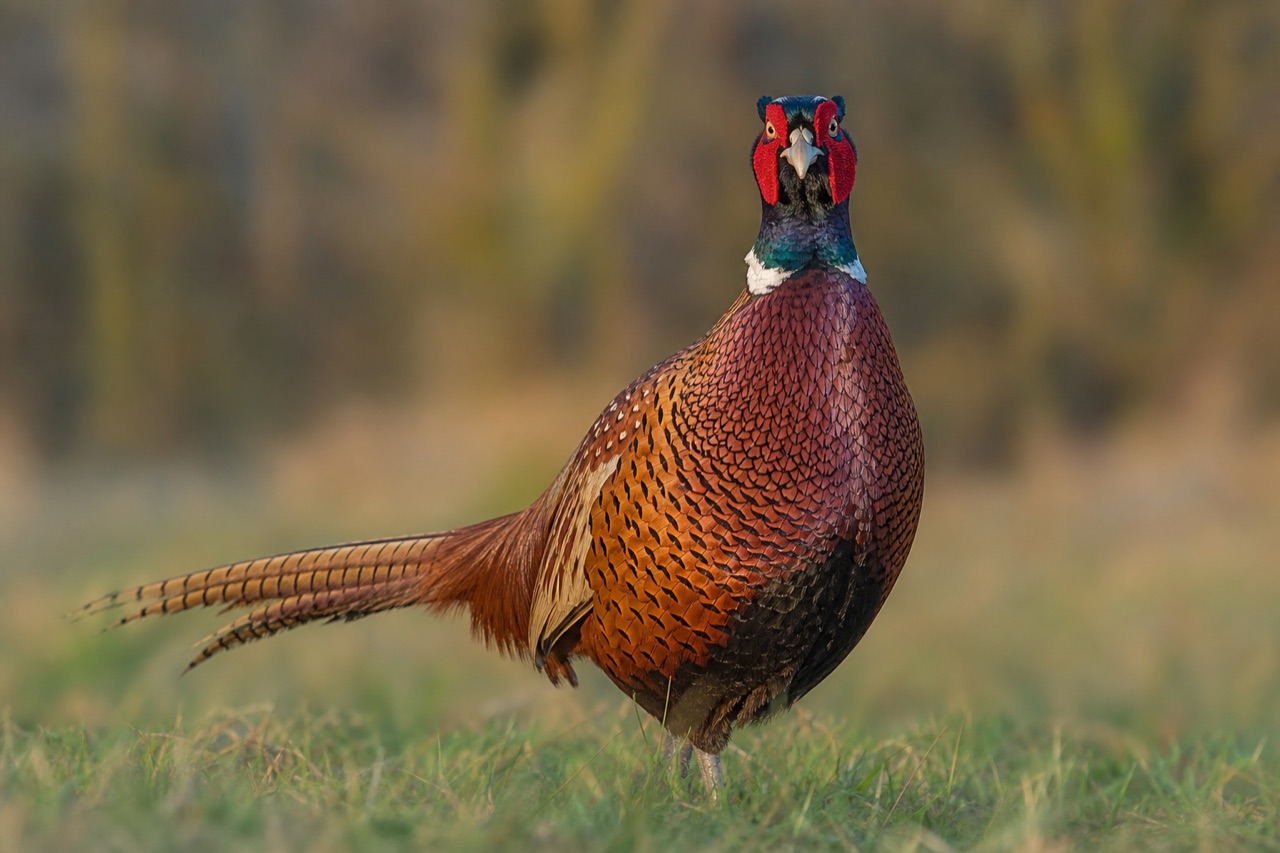
Least Concern — native to Asia; introduced to Britain as a gamebird; millions released annually for shooting
Pheasant
Phasianus colchicus (Linnaeus, 1758) — family Phasianidae
The common pheasant (Phasianus colchicus) is a large Asian gamebird introduced to Britain for shooting; males are brightly coloured with a long barred tail, females are mottled brown, and millions are released annually — making road deaths, cat predation on chicks and fence entanglement common in rural gardens and lanes.
Read the guide →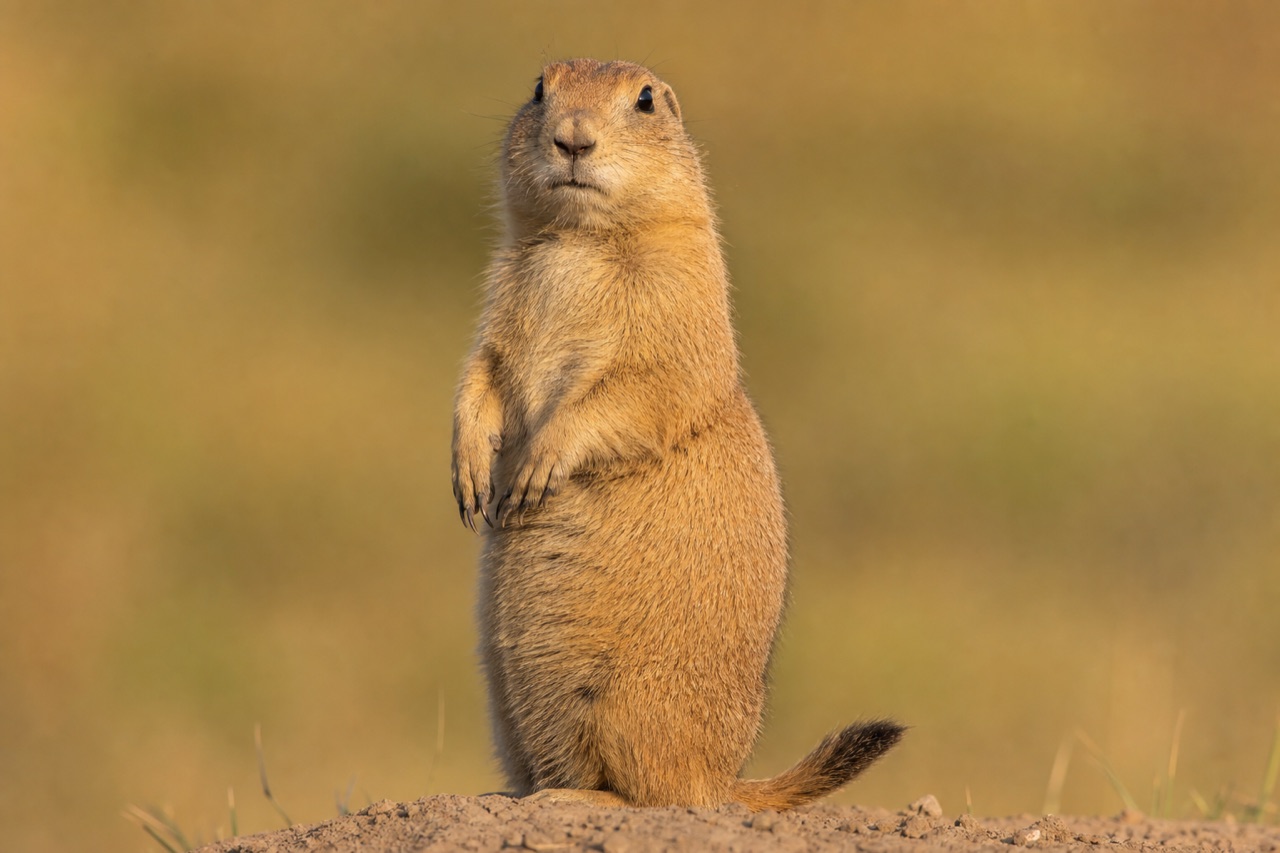
Varies by species — Utah and black-tailed prairie dogs Least Concern; white-tailed and Gunnison's Near Threatened or Vulnerable
Prairie Dog
Genus Cynomys — five species of North American ground squirrel
Prairie dogs (genus Cynomys) are five species of social North American ground squirrel whose colony burrows keystone the Great Plains prairie — reduced to a fraction of historic range by poisoning, plague and habitat loss.
Read the guide →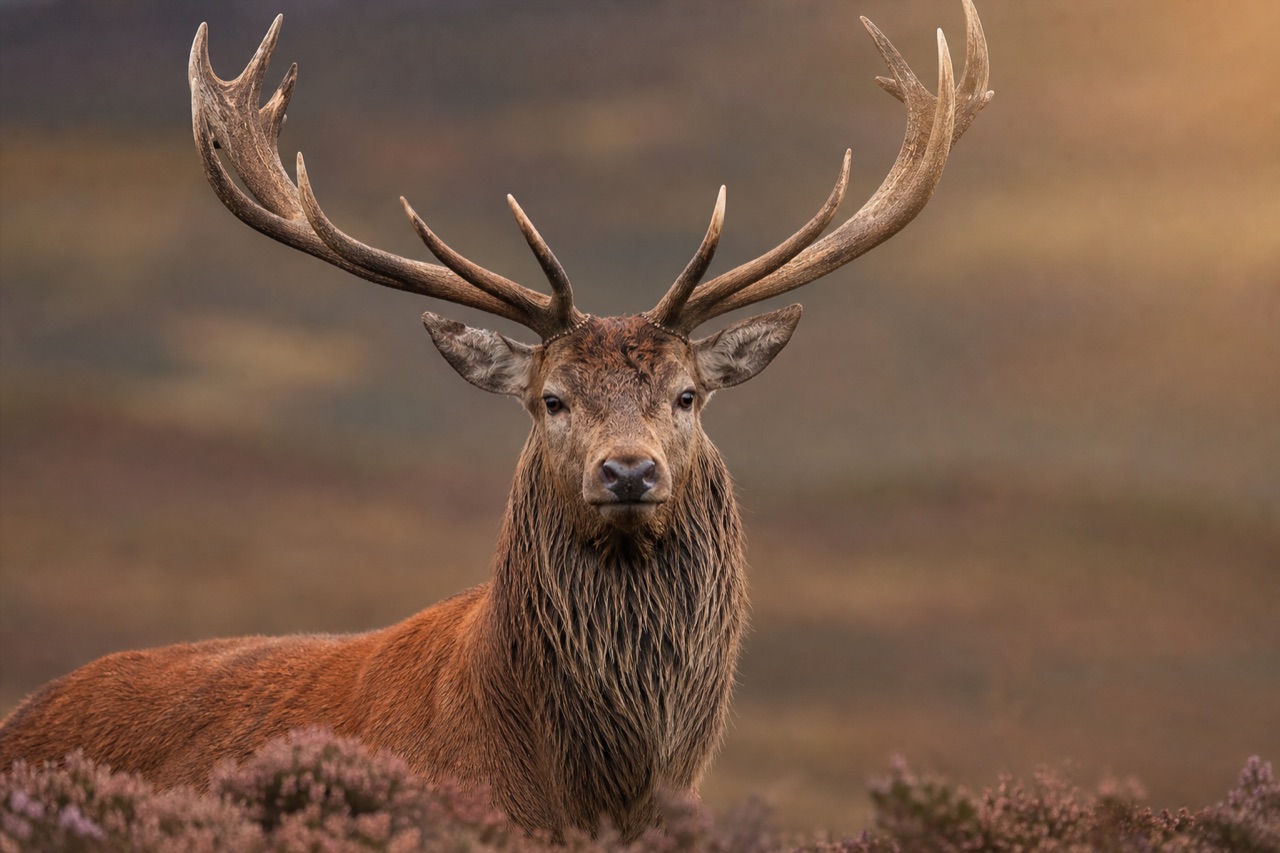
Least Concern globally — some island subspecies threatened; wapiti often split as C. canadensis
Red Deer
Cervus elaphus (Linnaeus, 1758) — family Cervidae
The red deer (Cervus elaphus) is a large Eurasian cervid — stags with branched antlers, autumn rut, Least Concern globally — closely related to North American elk and widely introduced outside native range.
Read the guide →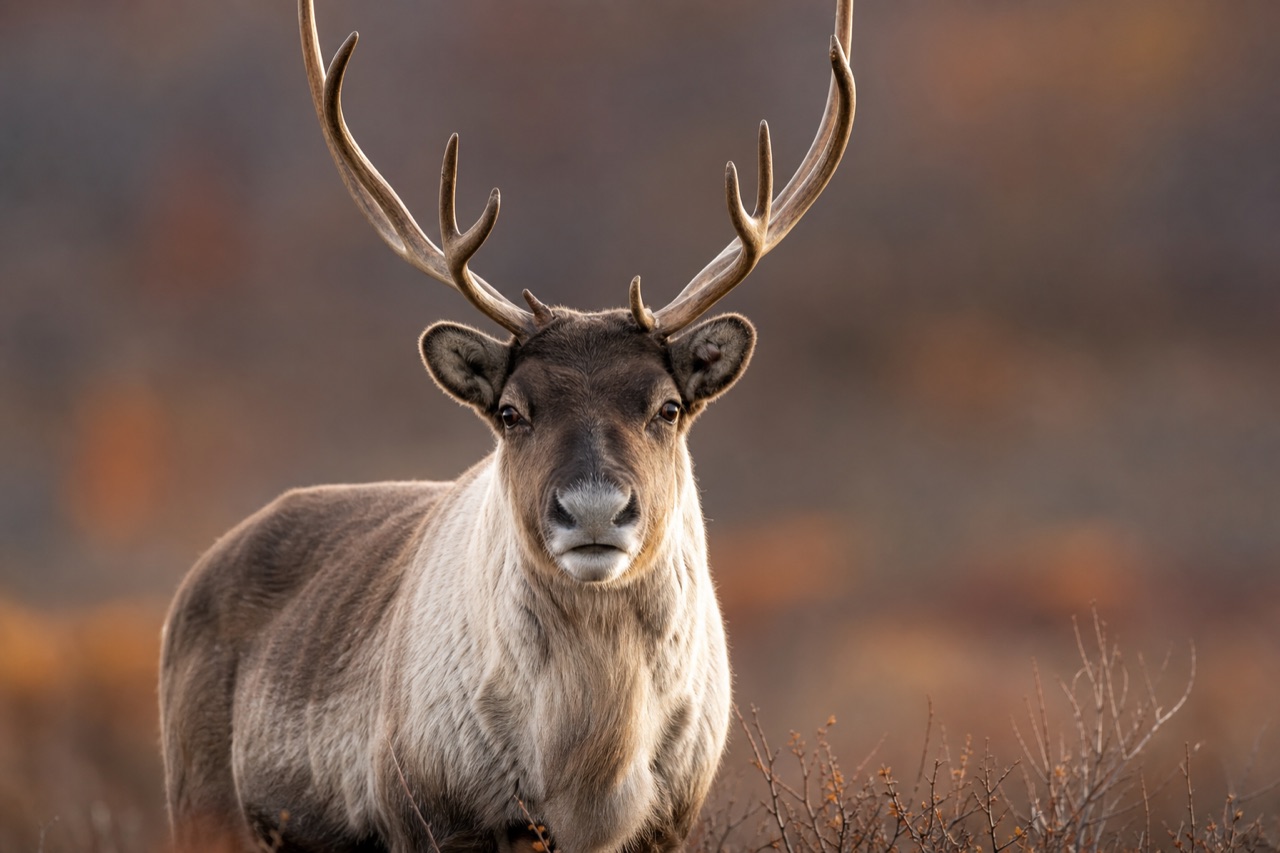
Least Concern — some subpopulations declining; caribou and reindeer are the same species
Reindeer
Rangifer tarandus (Linnaeus, 1758) — family Cervidae
Reindeer (Rangifer tarandus) are Arctic and subarctic deer in which both sexes grow antlers; the Eurasian name reindeer and the North American name caribou refer to the same species, with some Eurasian populations herded and most North American ones wild.
Read the guide →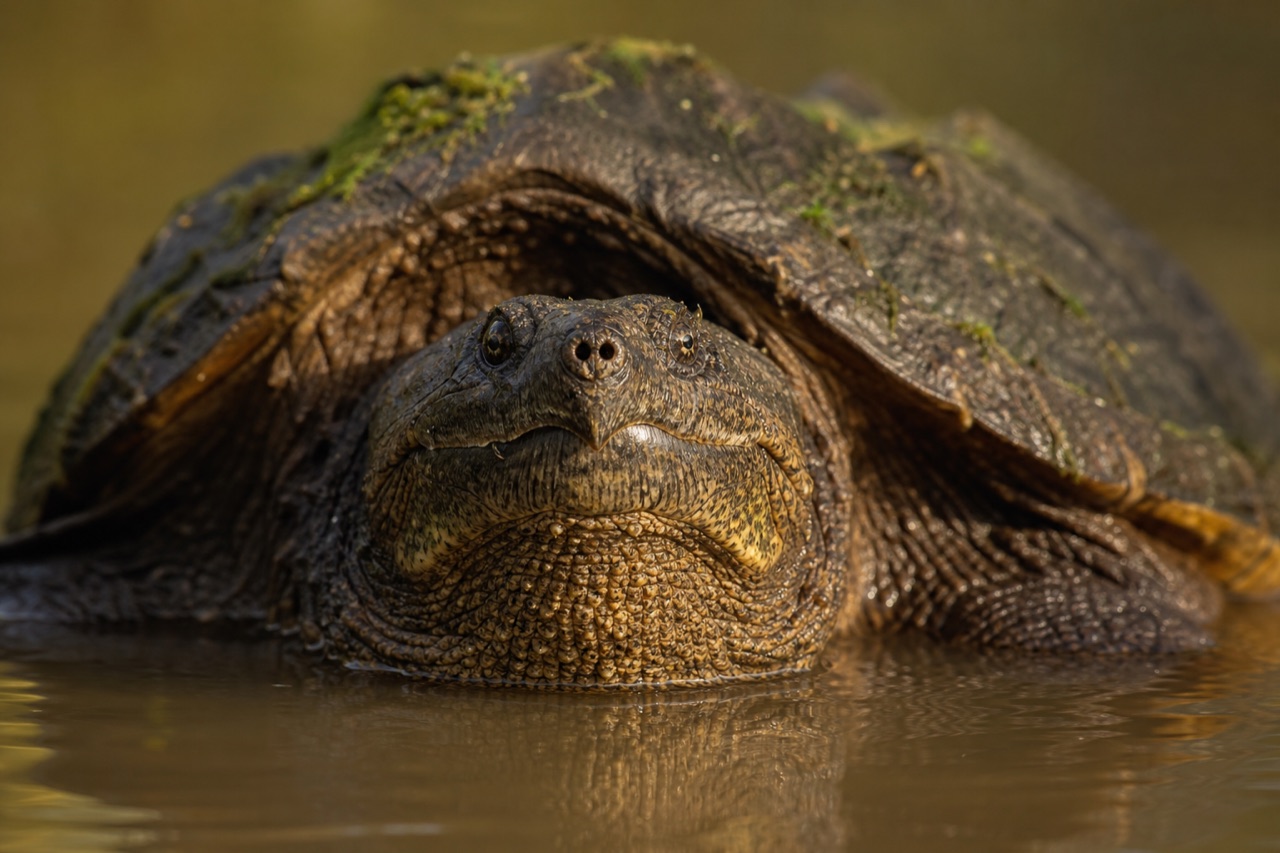
Common snapping turtle Least Concern; alligator snapping turtle Vulnerable
Snapping Turtle
Chelydra serpentina (Linnaeus, 1758) and Macrochelys temminckii (Troost, 1835)
Snapping turtles are two North American freshwater species — the common snapping turtle and the larger alligator snapping turtle, which lures fish with a worm-shaped appendage on its tongue; both are far less dangerous than their reputation, with bite forces well below those of a large dog.
Read the guide →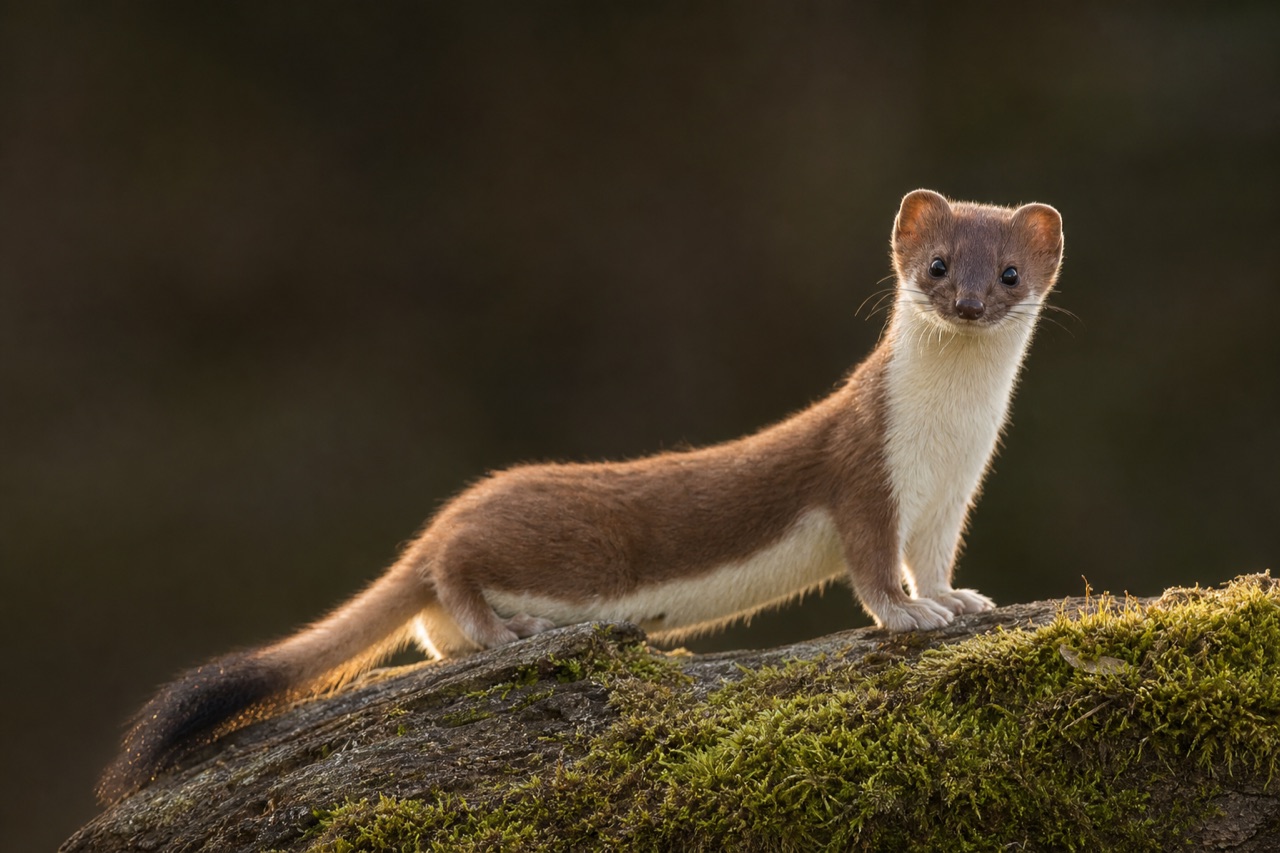
Least Concern — widespread; white winter coat prized as ermine fur
Stoat
Mustela erminea (Linnaeus, 1758) — family Mustelidae
The stoat (Mustela erminea) is a small mustelid of Eurasia and North America that turns white in winter except for a black-tipped tail, hunts prey far larger than itself including rabbits, and was introduced to New Zealand where it is now a major invasive predator.
Read the guide →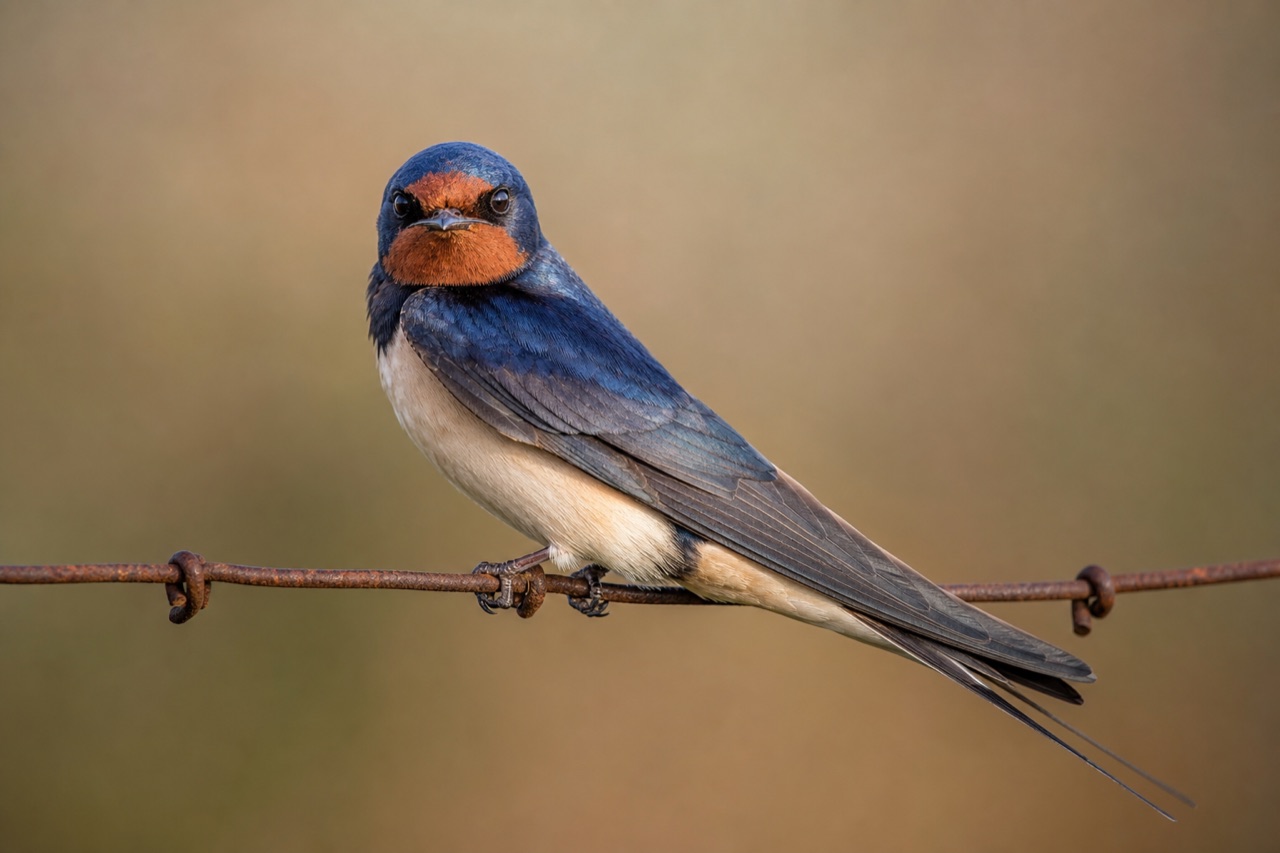
Least Concern — widespread migrant; long-term declines linked to farmland and insect loss
Swallow
Hirundo rustica (Linnaeus, 1758) — family Hirundinidae
The barn swallow (Hirundo rustica) is a long-distance migrant that breeds across the Northern Hemisphere and winters in Africa, South Asia or South America; in Britain it nests in mud cups under eaves and barns and feeds entirely on flying insects caught in agile aerial pursuit.
Read the guide →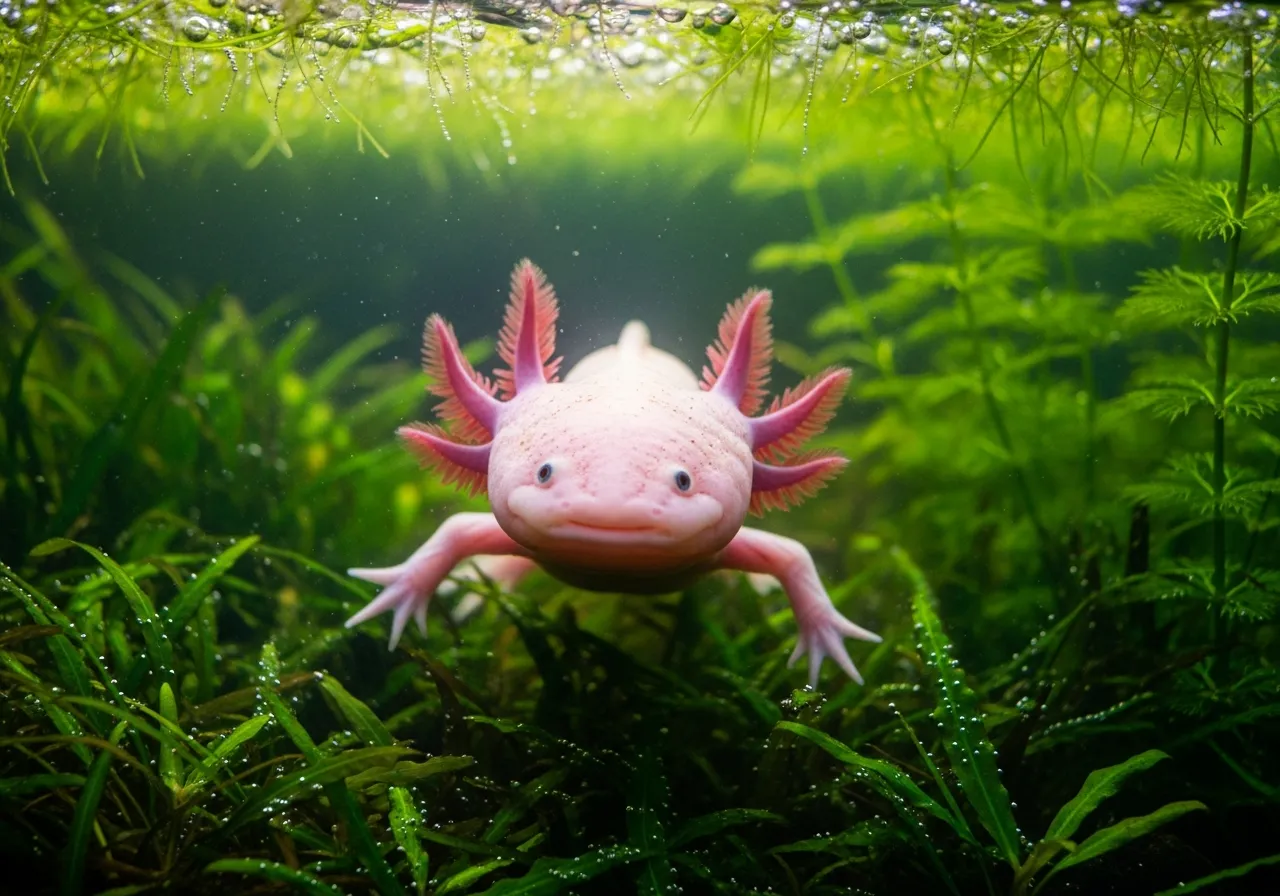
Critically Endangered (IUCN, 2020) in the wild
Axolotl
Ambystoma mexicanum
An axolotl (Ambystoma mexicanum) is a neotenic salamander from the Xochimilco canals near Mexico City that stays aquatic and larval-looking for life, keeping external gills. Famous for regenerating limbs, organs and brain tissue, it is Critically Endangered in the wild yet common in captivity.
Read the guide →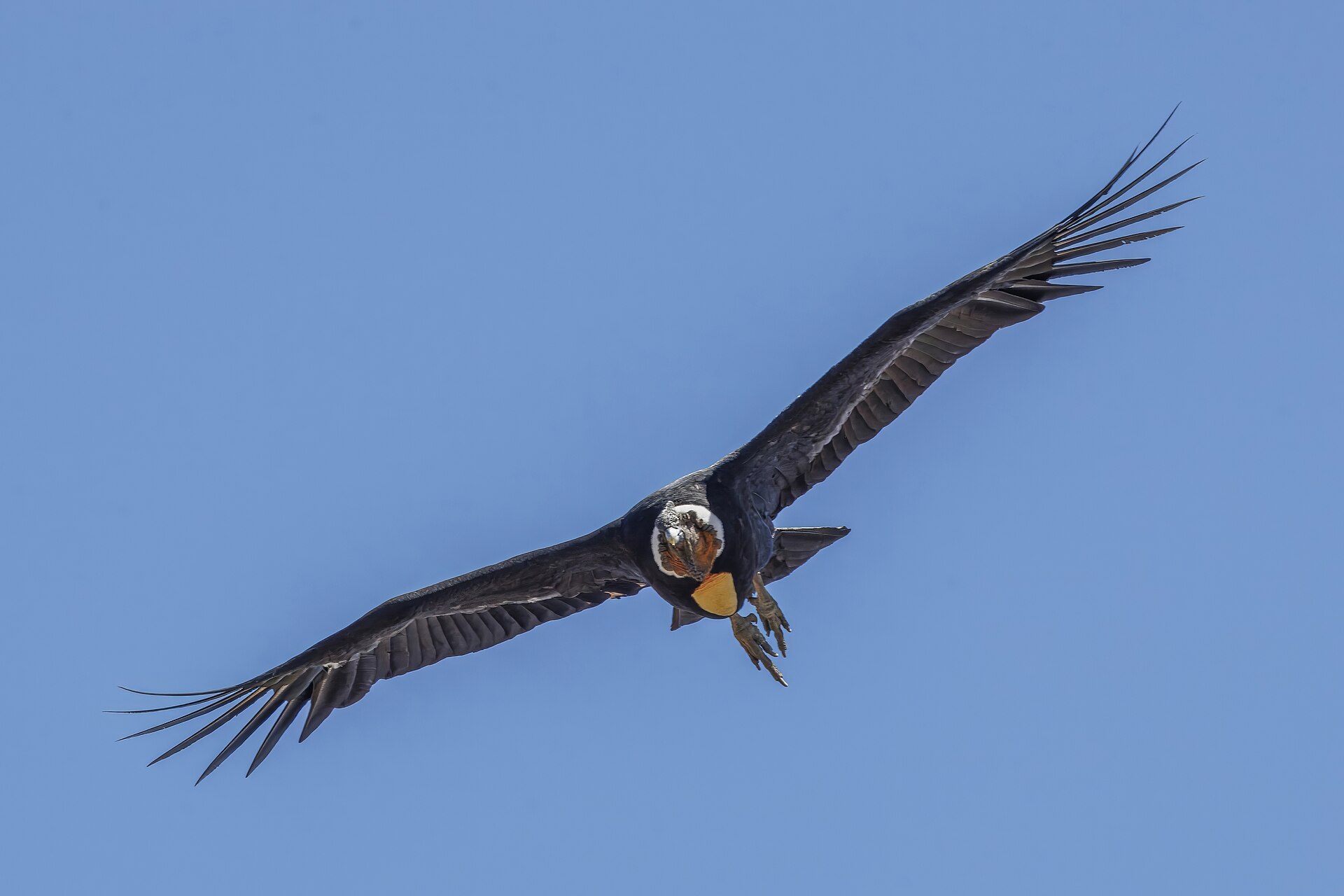
Varies by species: Andean Condor — Vulnerable (IUCN); California Condor — Critically Endangered (IUCN)
Condor
Vultur gryphus (Andean) / Gymnogyps californianus (California)
Condors are the largest flying land birds in the Western Hemisphere: the Andean condor (Vultur gryphus) is listed as Vulnerable by the IUCN with roughly 6,700 mature individuals remaining, while the California condor (Gymnogyps californianus) is Critically Endangered but recovering, with approximately 607 birds alive as of 2025 thanks to an intensive captive-breeding and reintroduction programme that saved it from a low of just 22 birds in 1982.
Read the guide →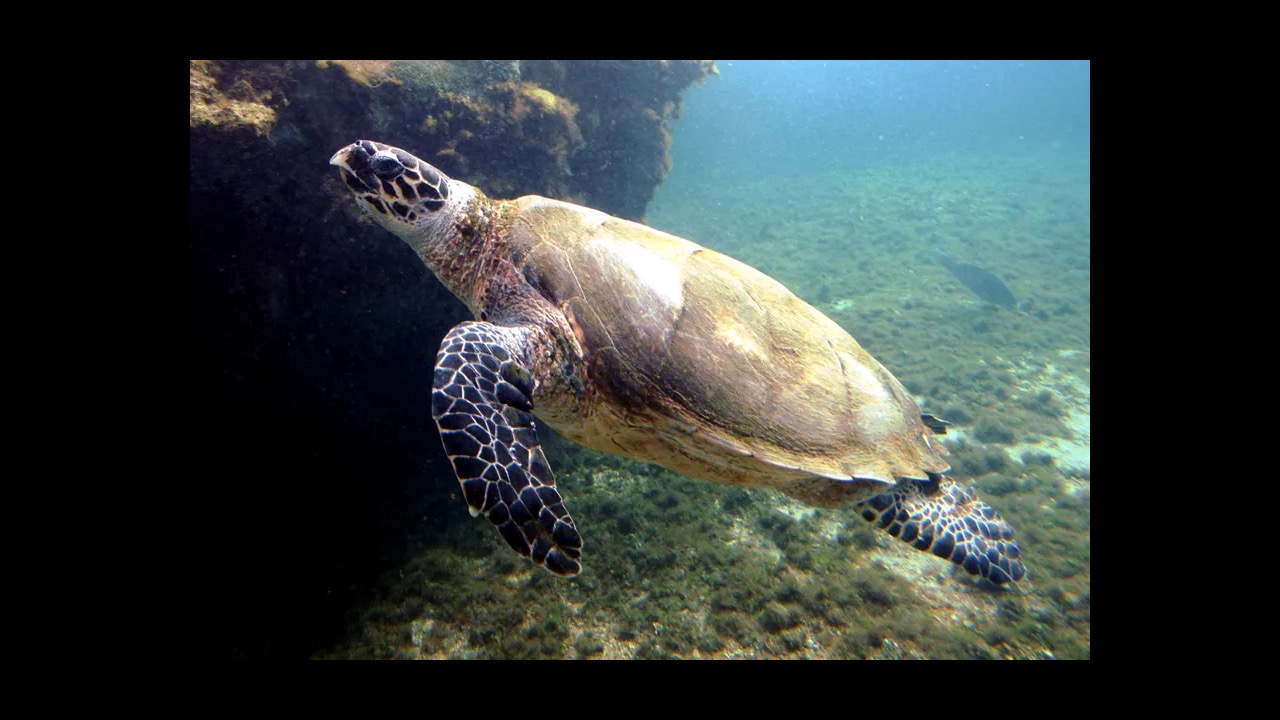
Critically Endangered
Hawksbill Sea Turtle
Eretmochelys imbricata
The hawksbill is a small sea turtle of tropical coral reefs worldwide, named for its narrow, bird-like beak. It grows to about 0.9 m (3 ft) and 45 to 90 kg, feeds mainly on sponges, and can swim at up to 24 km/h (15 mph).
Read the guide →
Critically Endangered
Vaquita
Phocoena sinus
The vaquita (Phocoena sinus) is the world's rarest marine mammal, a small porpoise found only in Mexico's Gulf of California, with fewer than ten individuals remaining as of 2025 due to drowning in illegal gillnets.
Read the guide →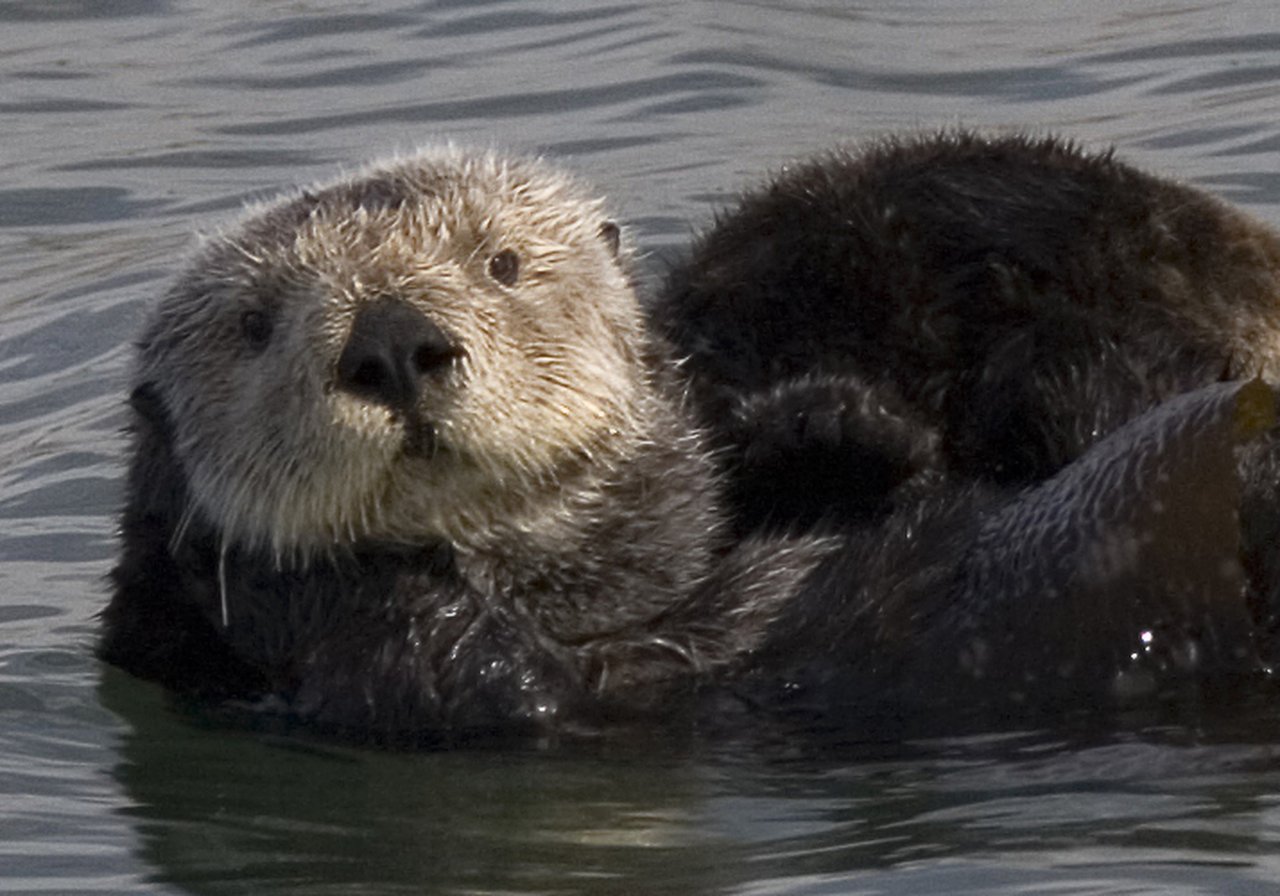
Endangered
Sea Otter
Enhydra lutris (Linnaeus, 1758)
The sea otter (Enhydra lutris) is an Endangered North Pacific keystone predator that maintains kelp forests by controlling sea urchins — insulated by the densest fur of any mammal, not blubber.
Read the guide →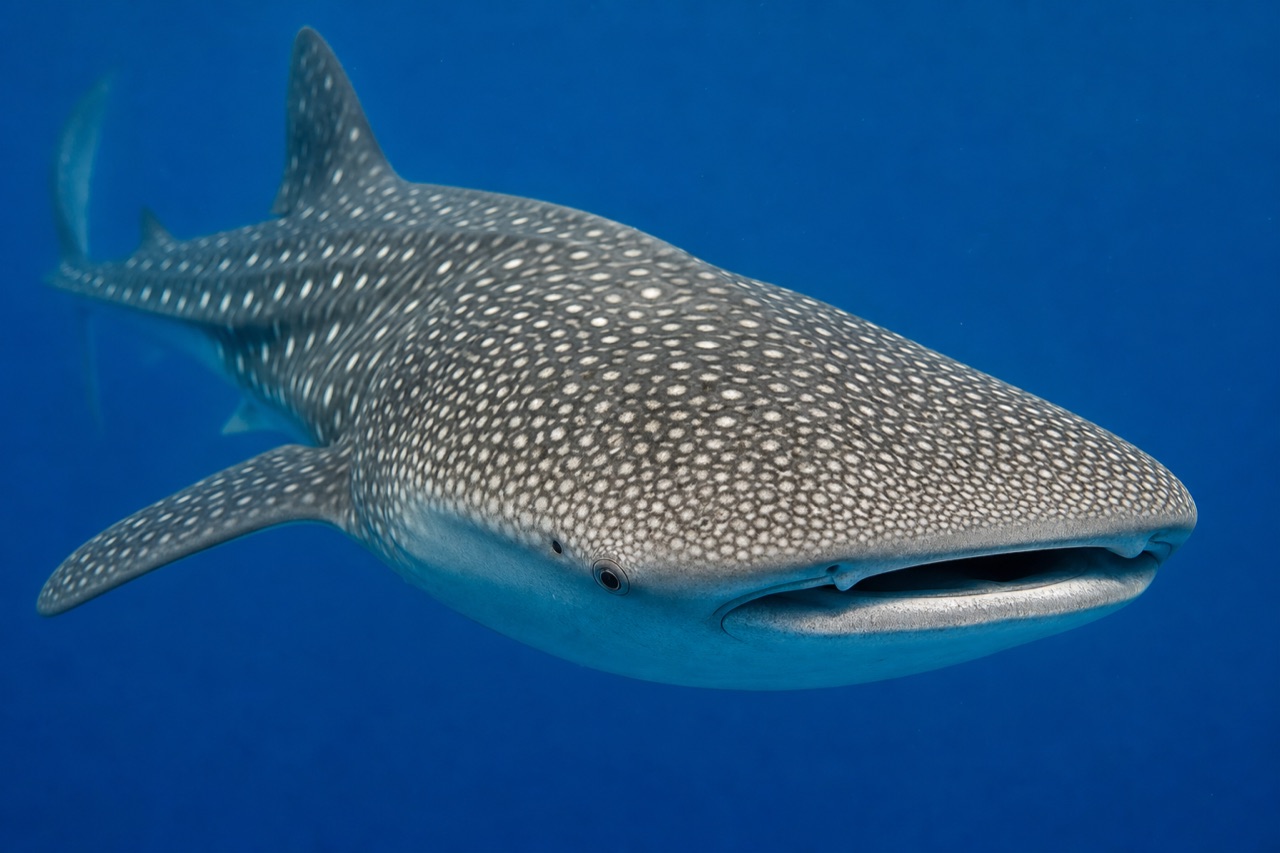
Endangered — the largest fish alive, and a filter feeder
Whale Shark
Rhincodon typus (Smith, 1828) — family Rhincodontidae
The whale shark (Rhincodon typus) is the largest fish on Earth at up to around 18 metres, a filter feeder that eats plankton and small fish, and is listed as Endangered.
Read the guide →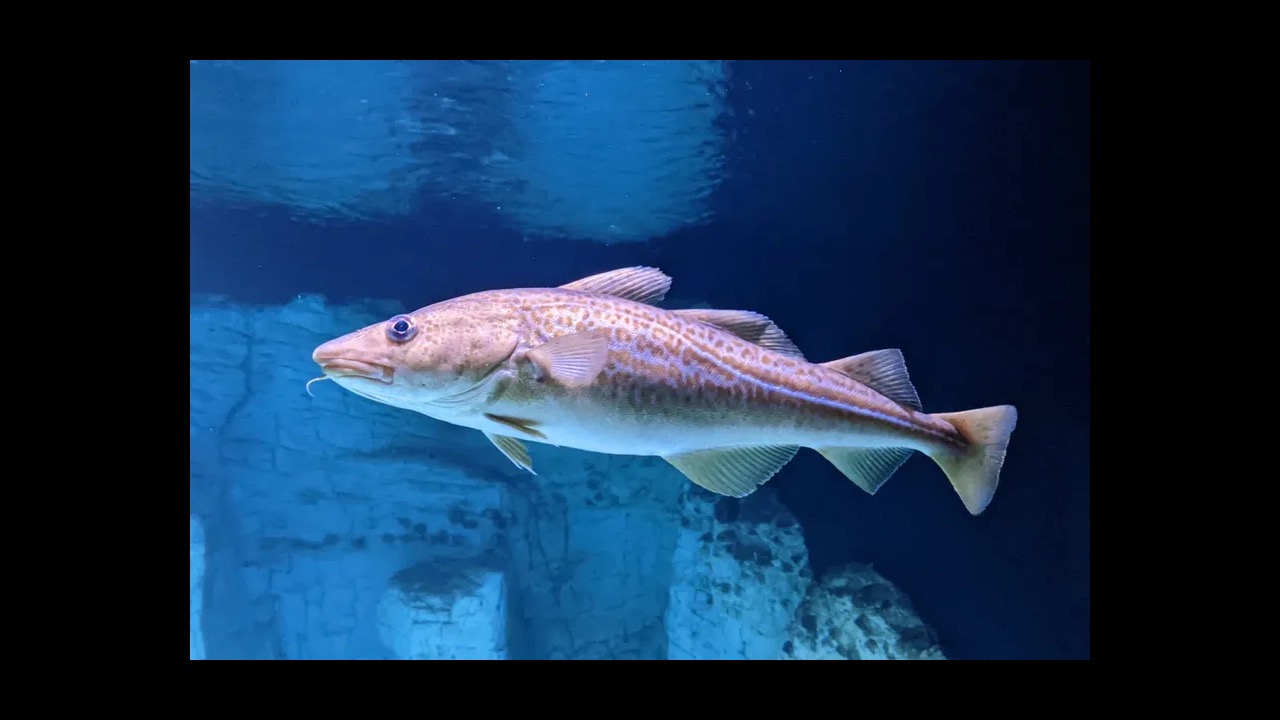
Vulnerable
Atlantic Cod
Gadus morhua
Atlantic cod is a cold-water groundfish that shaped the economies of Newfoundland, Iceland, and New England for centuries before overfishing collapsed many stocks. Growing to 40 kg (88 lb) and living 25 years, it supports fisheries where recovered and remains Vulnerable in the northwest Atlantic.
Read the guide →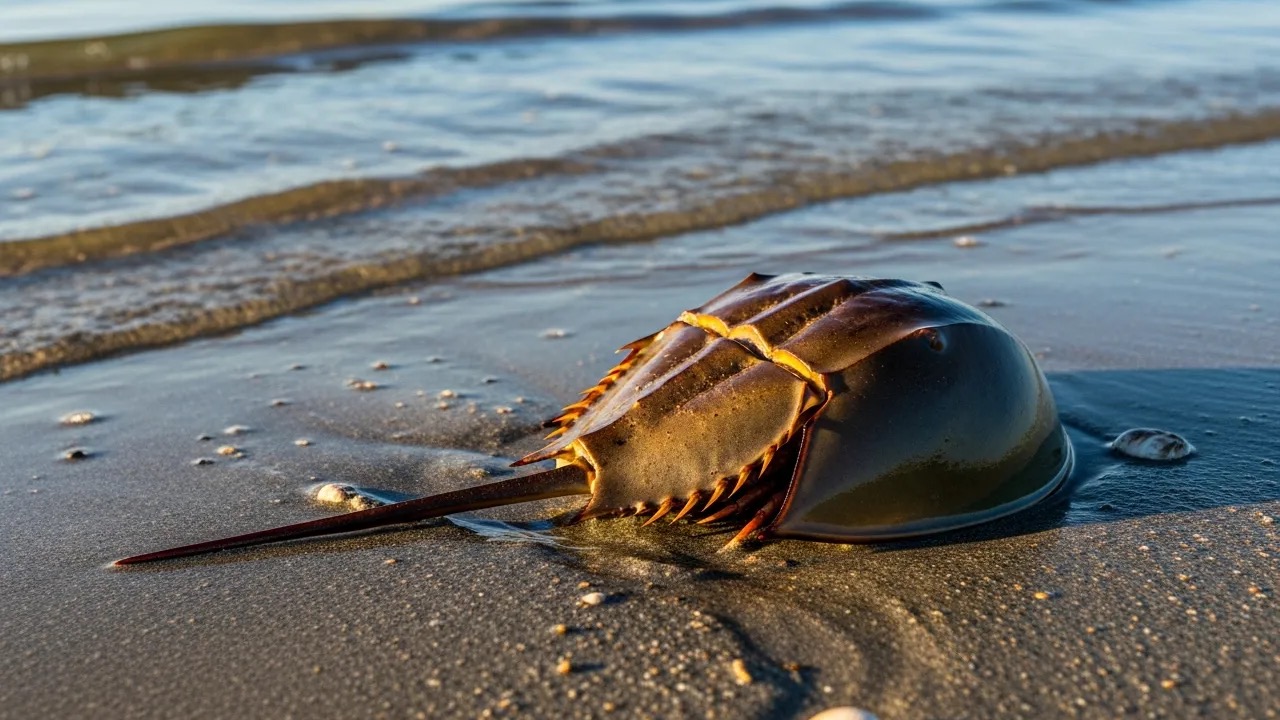
Vulnerable
Atlantic Horseshoe Crab
Limulus polyphemus
The Atlantic horseshoe crab (Limulus polyphemus) is an ancient marine arthropod, more closely related to spiders and scorpions than to true crabs. It has a domed horseshoe-shaped shell, a long spike-like tail, and reaches about 60 cm (24 in) including the tail.
Read the guide →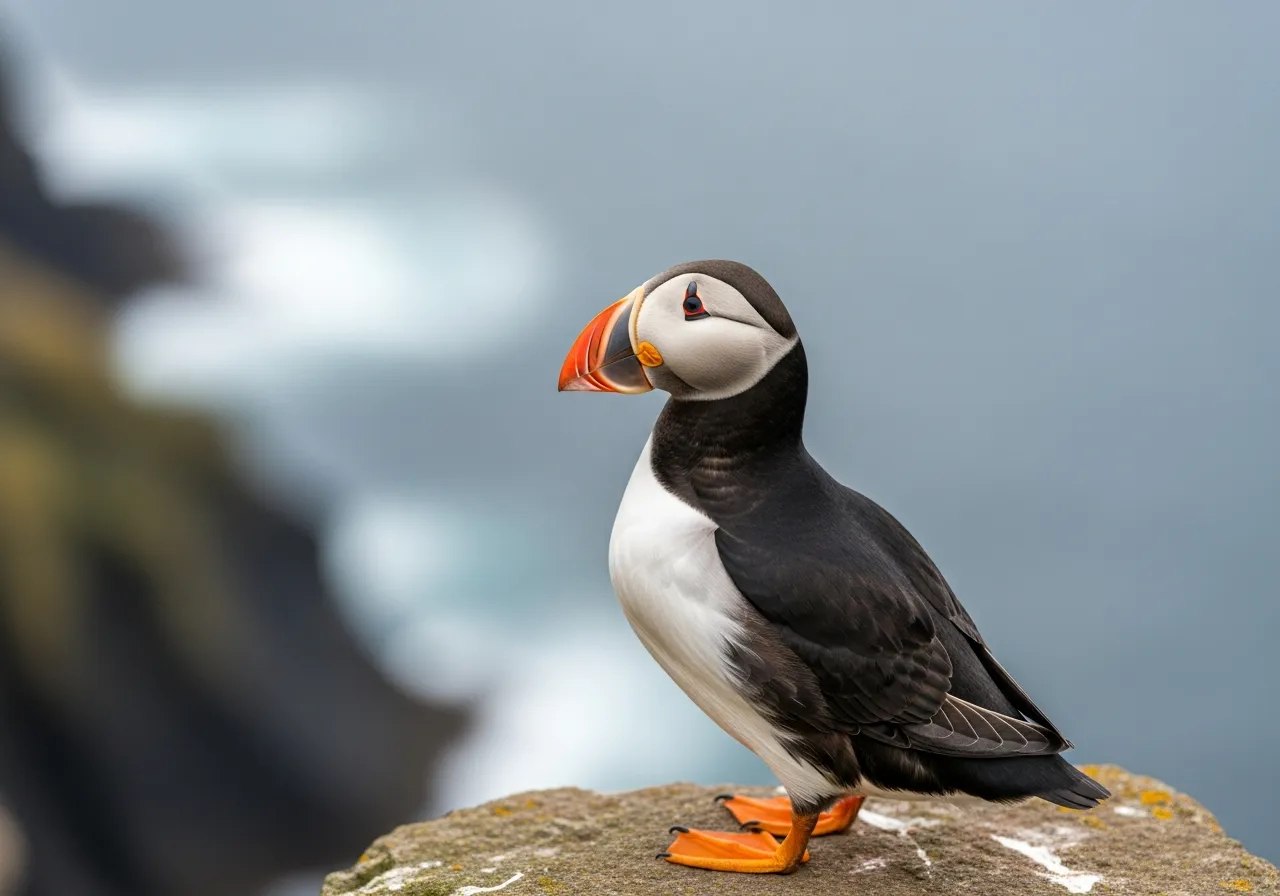
Vulnerable (IUCN, 2021)
Atlantic Puffin
Fratercula arctica
A puffin is a small North Atlantic seabird of the auk family, best known as the Atlantic puffin (Fratercula arctica). Nicknamed the "sea parrot" for its large, colourful striped bill, it nests in clifftop burrows in summer and spends the winter alone far out at sea.
Read the guide →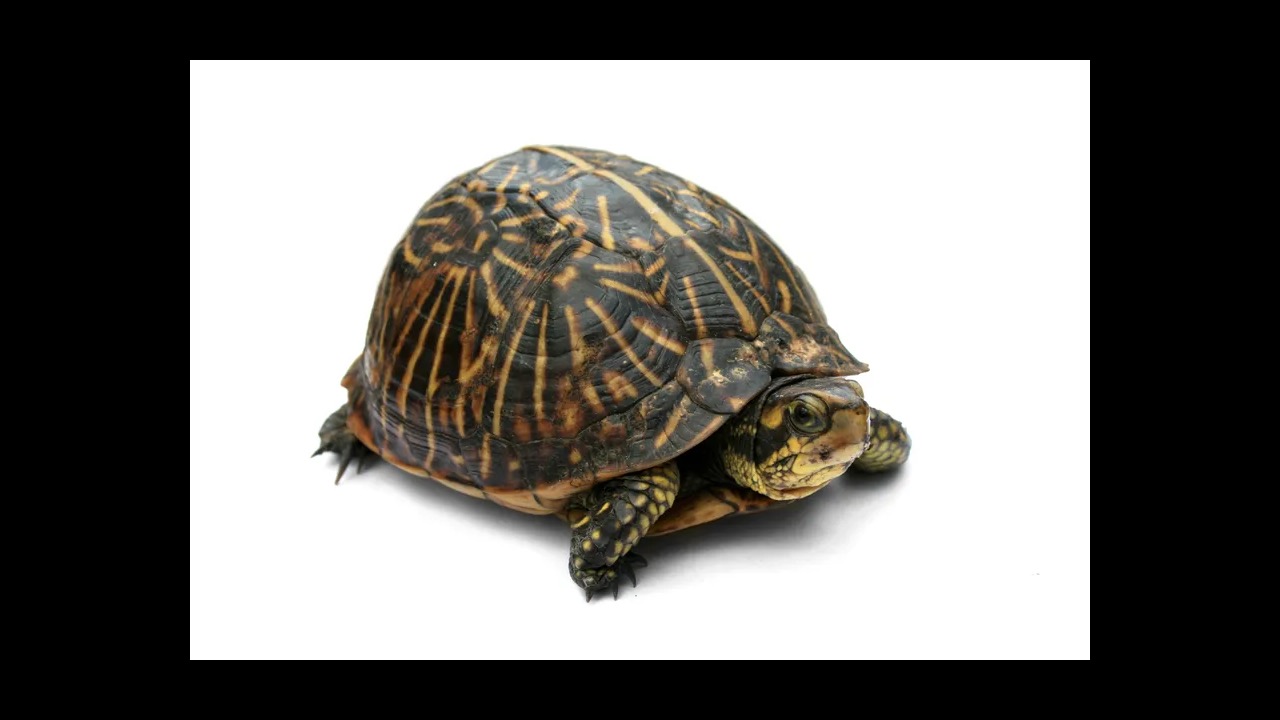
Vulnerable
Eastern Box Turtle
Terrapene carolina
The eastern box turtle (Terrapene carolina) is a small, land-dwelling turtle of the eastern United States, known for the hinged shell it can close like a box for protection. It lives in woodlands, meadows, and wetlands, eating insects, fruit, mushrooms, and carrion.
Read the guide →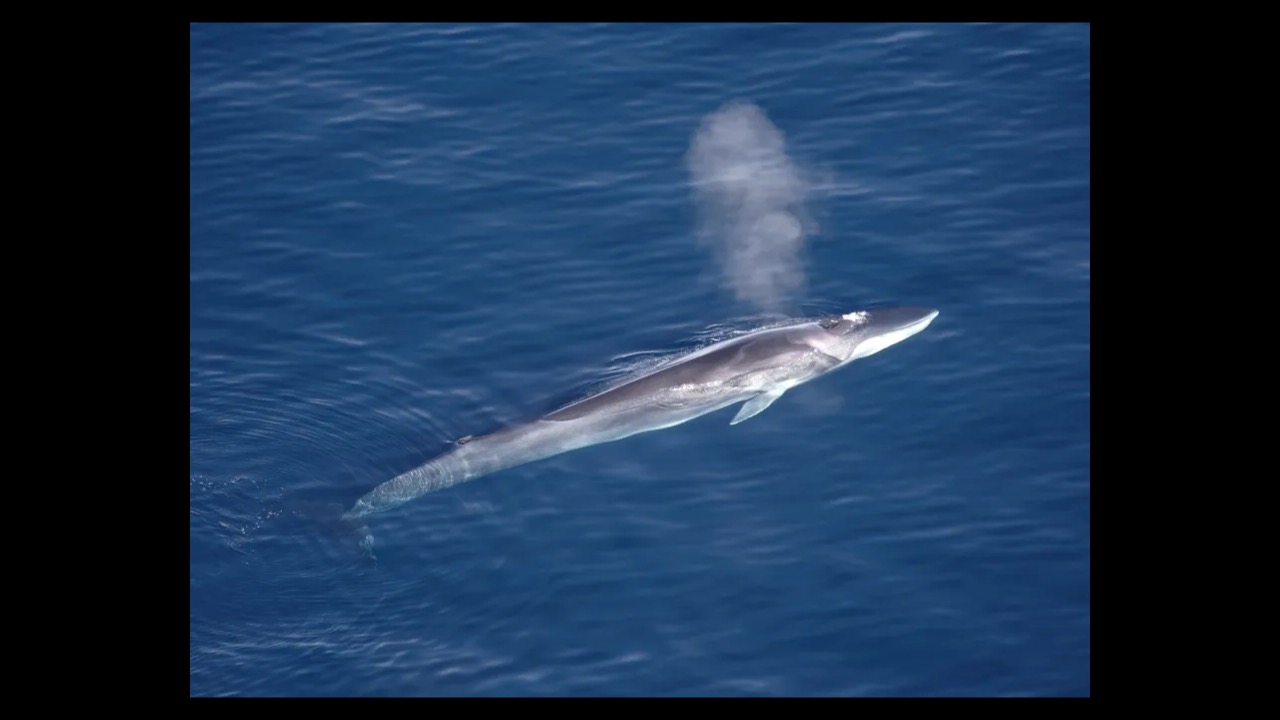
Vulnerable
Fin Whale
Balaenoptera physalus
The fin whale is the second-largest animal on Earth after the blue whale, reaching 25 m (82 ft) and 70 tonnes with an asymmetric jaw colouring. A fast baleen whale capable of 40 km/h bursts, it filters krill and small fish and is listed Vulnerable after decades of commercial whaling.
Read the guide →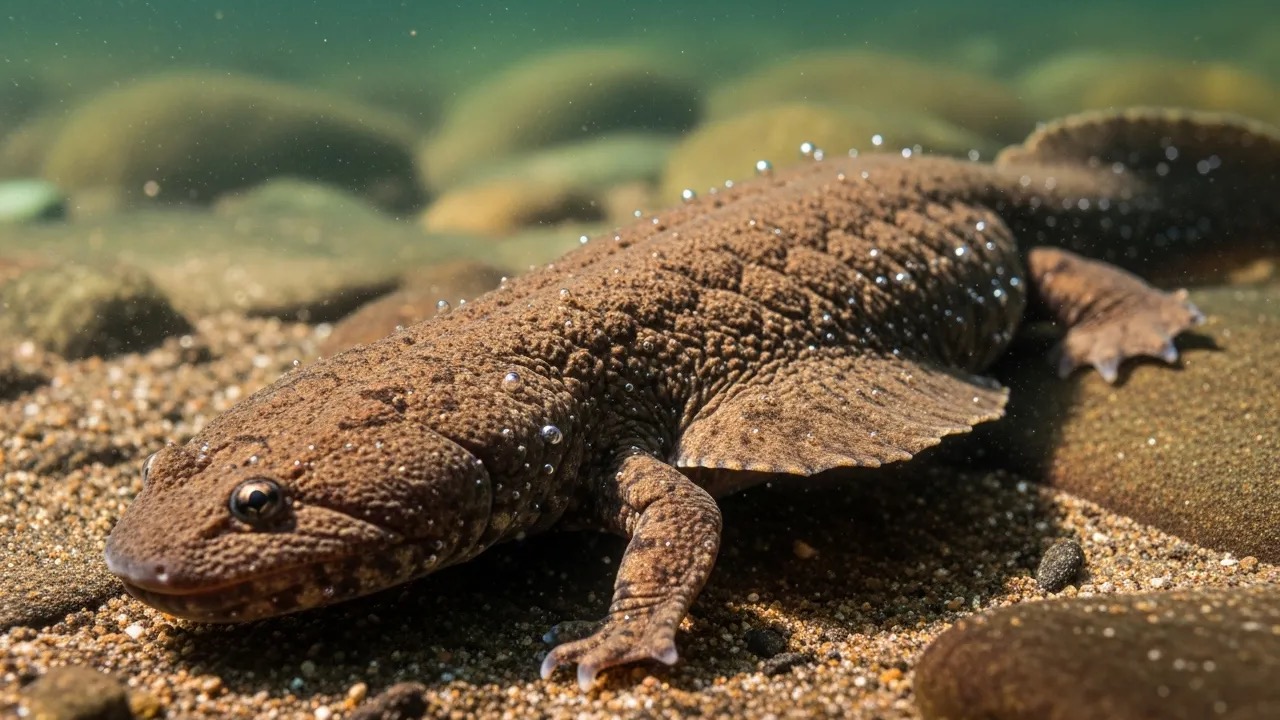
Vulnerable
Hellbender
Cryptobranchus alleganiensis
The hellbender is the largest salamander in North America, reaching up to 74 cm (29 in) long. It is fully aquatic, living its whole life in clean, fast-flowing streams where it breathes mainly through the wrinkled folds of its skin.
Read the guide →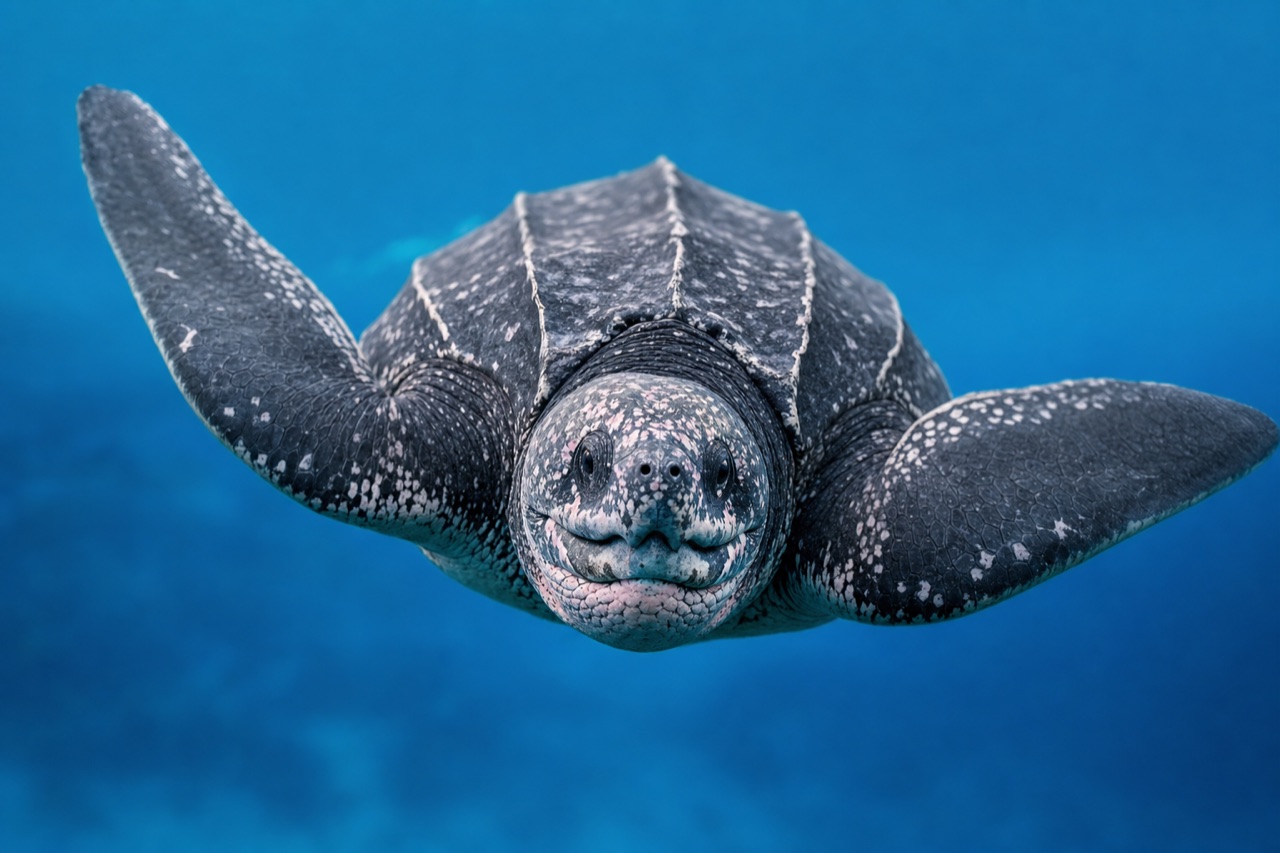
Vulnerable globally — Pacific subpopulations Critically Endangered
Leatherback Turtle
Dermochelys coriacea (Vandelli, 1761) — family Dermochelyidae
The leatherback is the world's largest turtle at up to 700 kg, the only sea turtle without a hard shell, and the deepest-diving reptile at over 1,200 m; it feeds almost entirely on jellyfish and is Vulnerable globally, with Pacific subpopulations Critically Endangered.
Read the guide →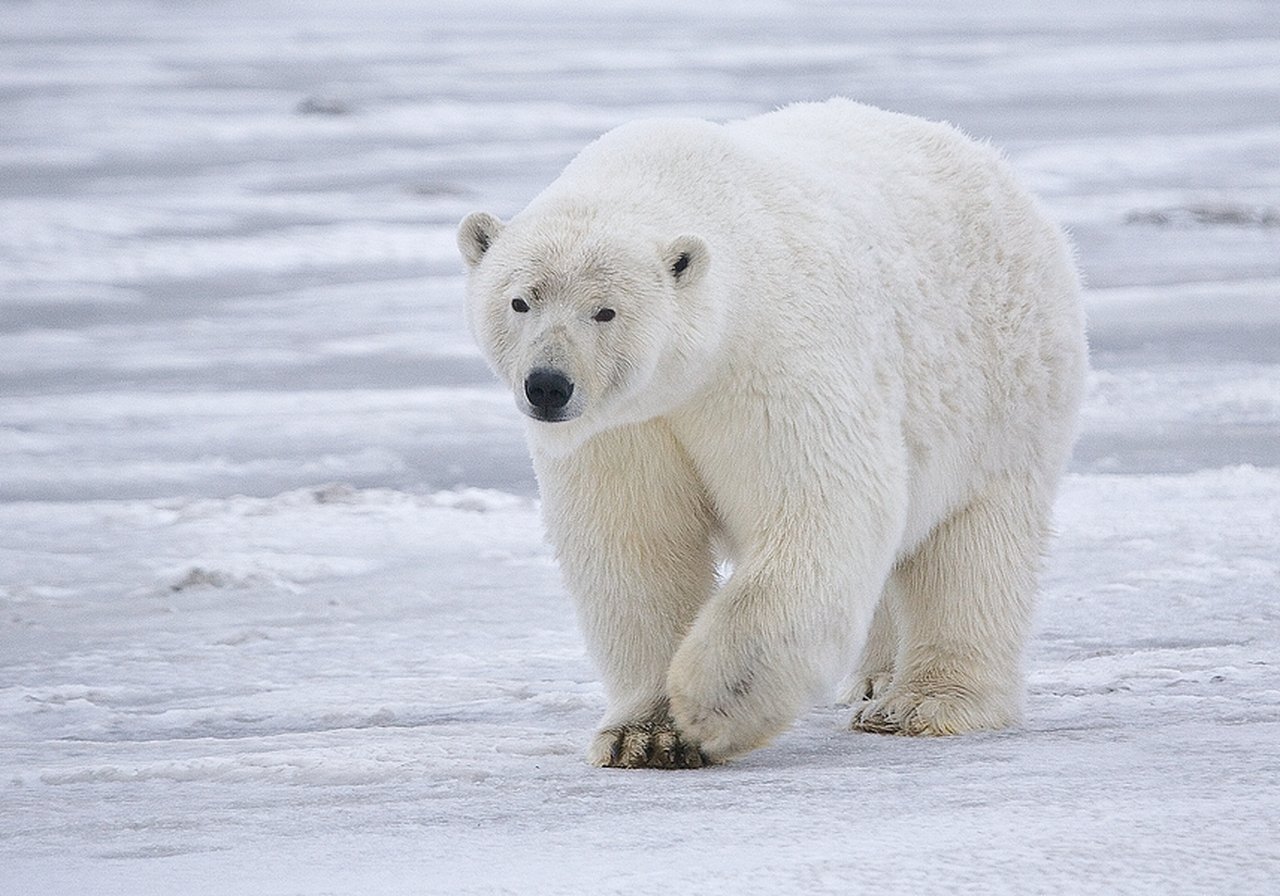
Vulnerable
Polar Bear
Ursus maritimus (Popham, 1774)
The polar bear (Ursus maritimus) is listed as Vulnerable by the IUCN, with an estimated 22,000–31,000 individuals; climate change and the loss of Arctic sea ice are the primary threats to its survival.
Read the guide →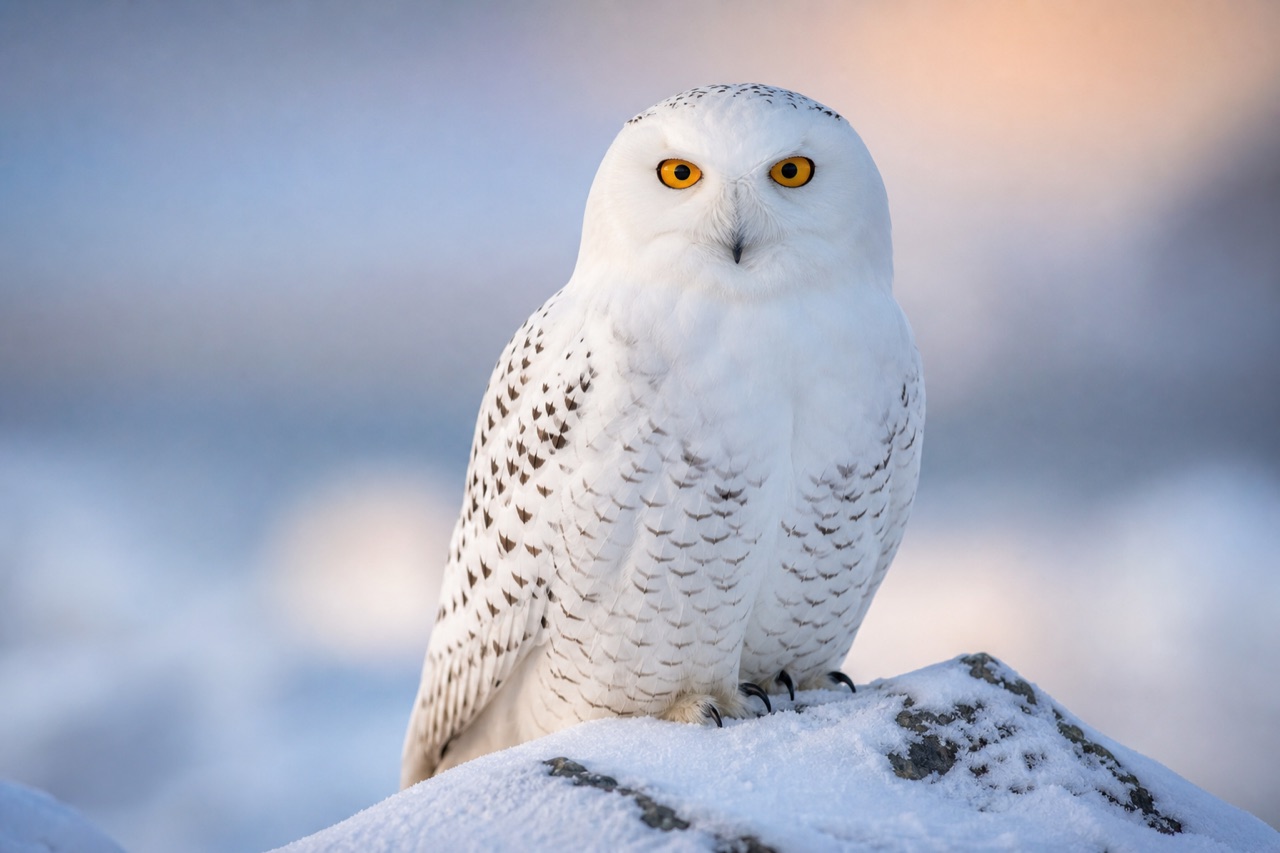
Vulnerable — reassessed in 2017 after population estimates were revised sharply downward
Snowy Owl
Bubo scandiacus (Linnaeus, 1758) — family Strigidae
The snowy owl (Bubo scandiacus) is a large, mainly white Arctic owl that hunts by day and is nomadic rather than territorial; its breeding success tracks lemming abundance, and it was reclassified as Vulnerable in 2017.
Read the guide →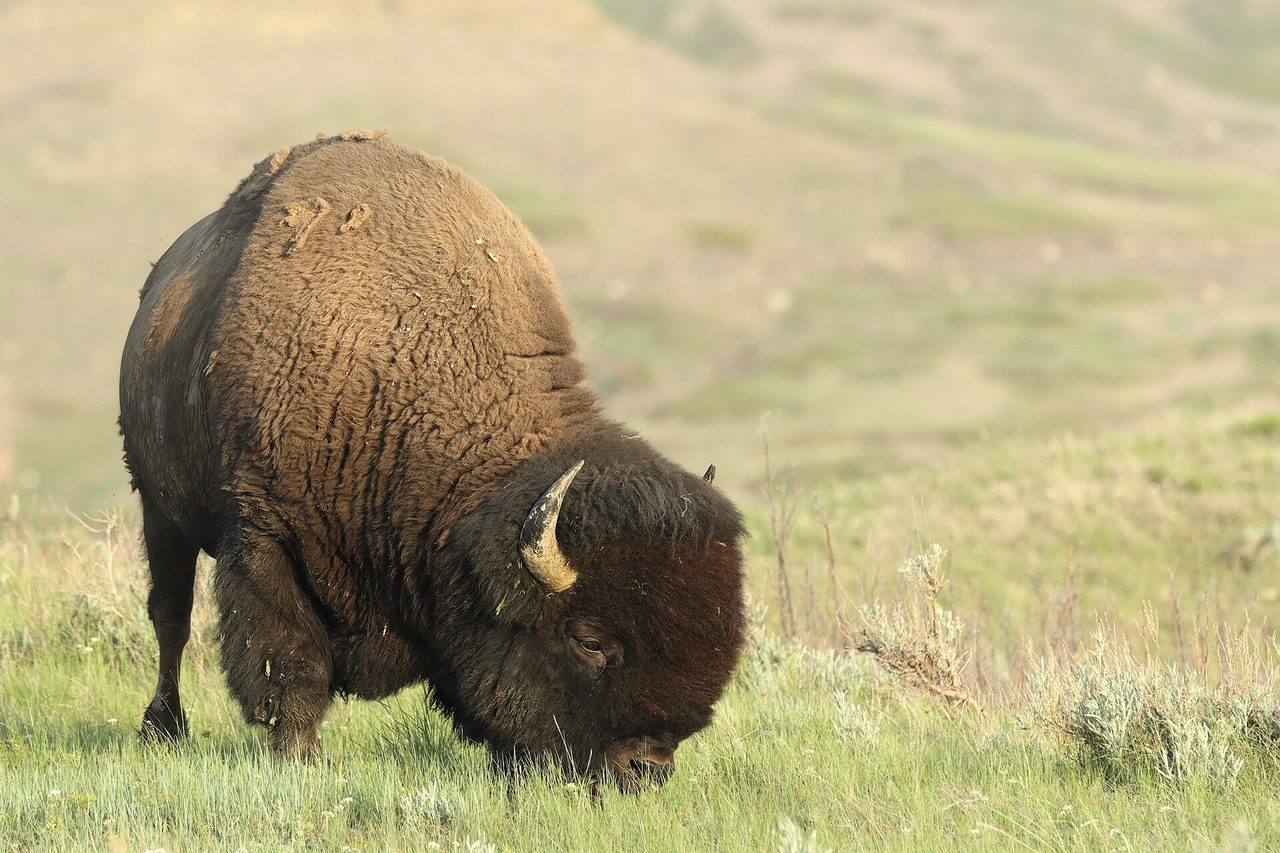
Near Threatened
American Bison
Bison bison
The American bison is the largest land mammal in North America, listed as Near Threatened by the IUCN with an estimated 15,000 truly wild individuals remaining after a dramatic near-extinction in the 19th century.
Read the guide →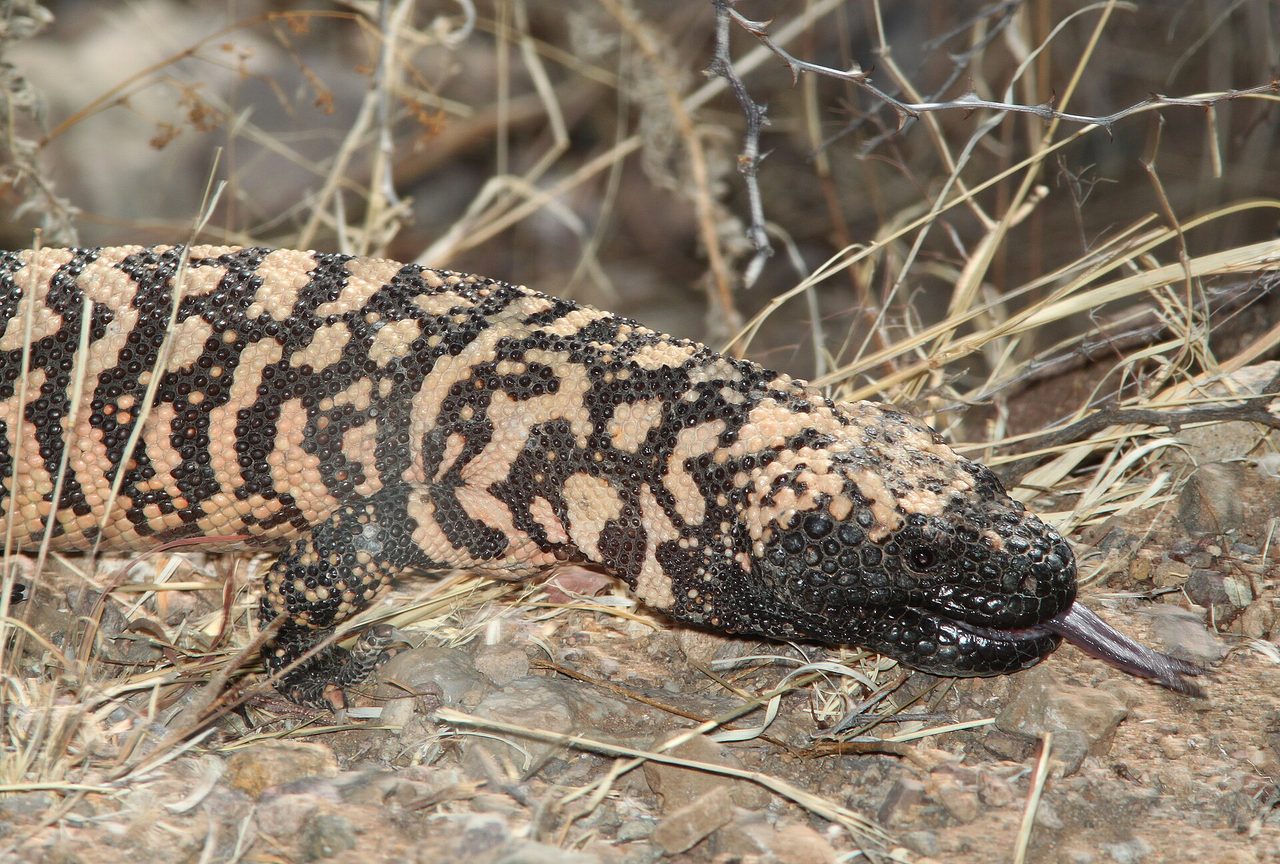
Near Threatened
Gila Monster
Heloderma suspectum
The Gila monster is a heavy, slow-moving venomous lizard of the American Southwest, classified as Near Threatened by the IUCN due to habitat loss, road mortality, and climate-driven changes to its desert home.
Read the guide →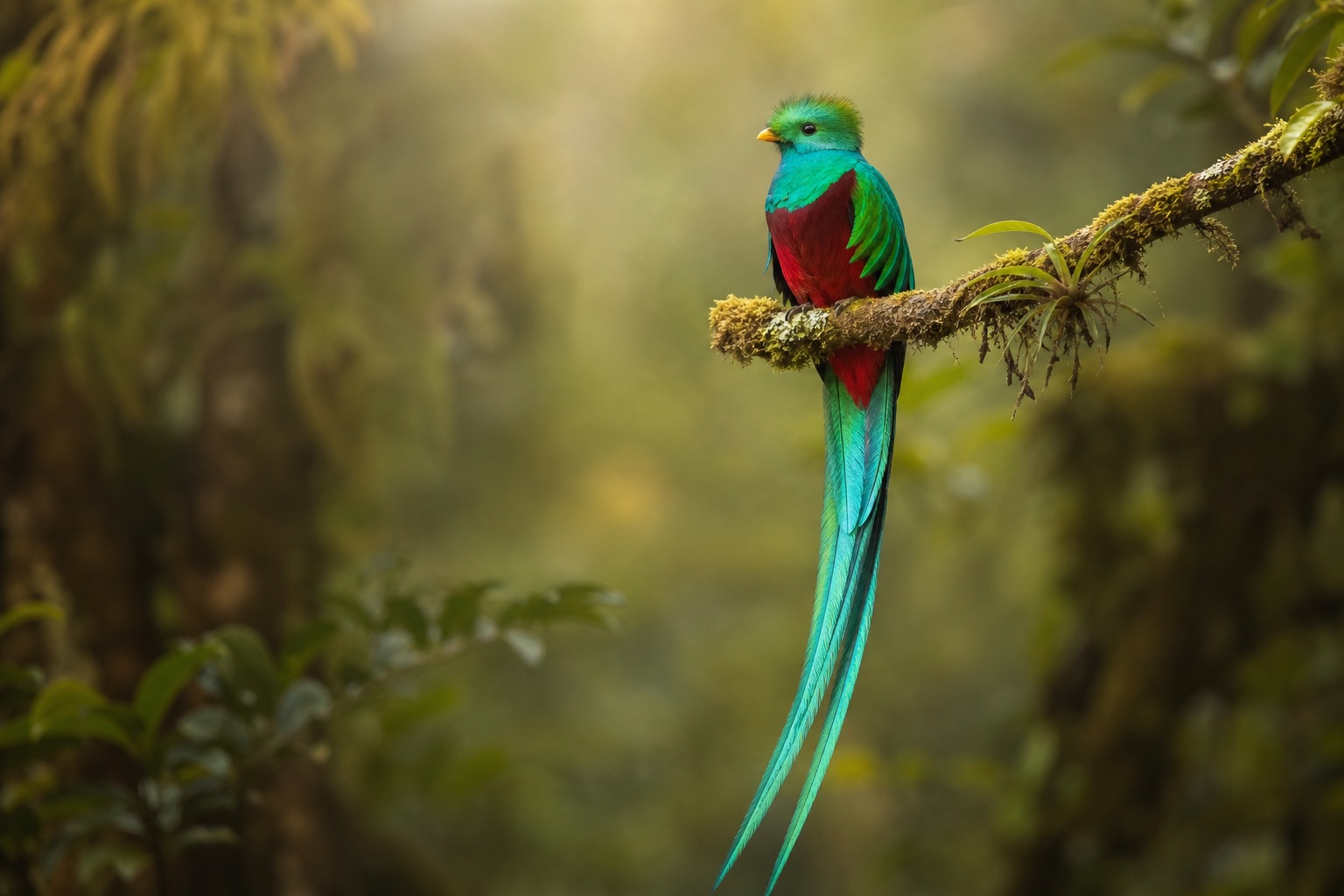
Near Threatened
Quetzal
Pharomachrus mocinno (de la Llave, 1832) — family Trogonidae
The resplendent quetzal (Pharomachrus mocinno) is a Near Threatened cloud-forest trogon of Central America whose males carry iridescent green plumage and long tail streamers; revered in Maya and Aztec culture, it is difficult to maintain in captivity but has been bred successfully in modern facilities.
Read the guide →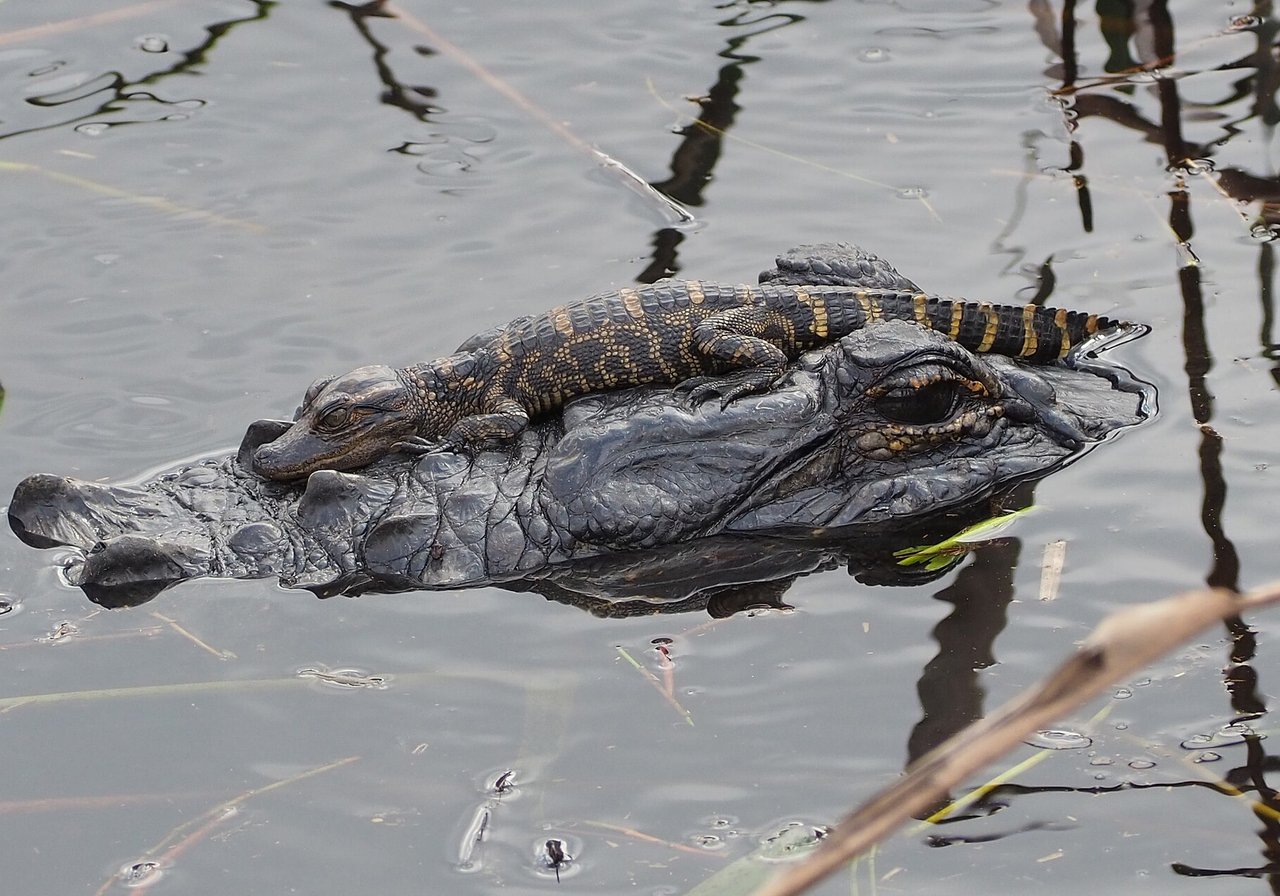
Varies by species (Least Concern to Critically Endangered)
Alligator
Alligator mississippiensis (Daudin, 1802) and Alligator sinensis (Fauvel, 1879)
Alligators are broad-snouted crocodilians with two living species — the recovered American alligator of the US South-east and the Critically Endangered Chinese alligator of the Yangtze — both vital wetland predators whose status ranges from Least Concern to Critically Endangered.
Read the guide →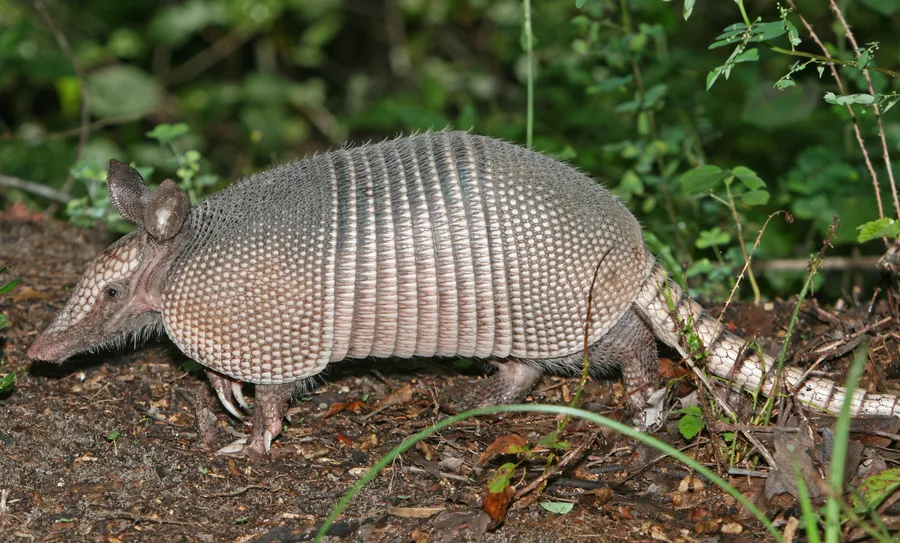
Varies; nine-banded armadillo Least Concern (IUCN)
Armadillo
Dasypus novemcinctus and relatives (order Cingulata)
An armadillo is a small to medium New World mammal of the order Cingulata, protected by a distinctive shell of bony plates covered in leathery skin. Around 20 species live across the Americas, digging burrows and feeding mainly on insects, grubs and other invertebrates.
Read the guide →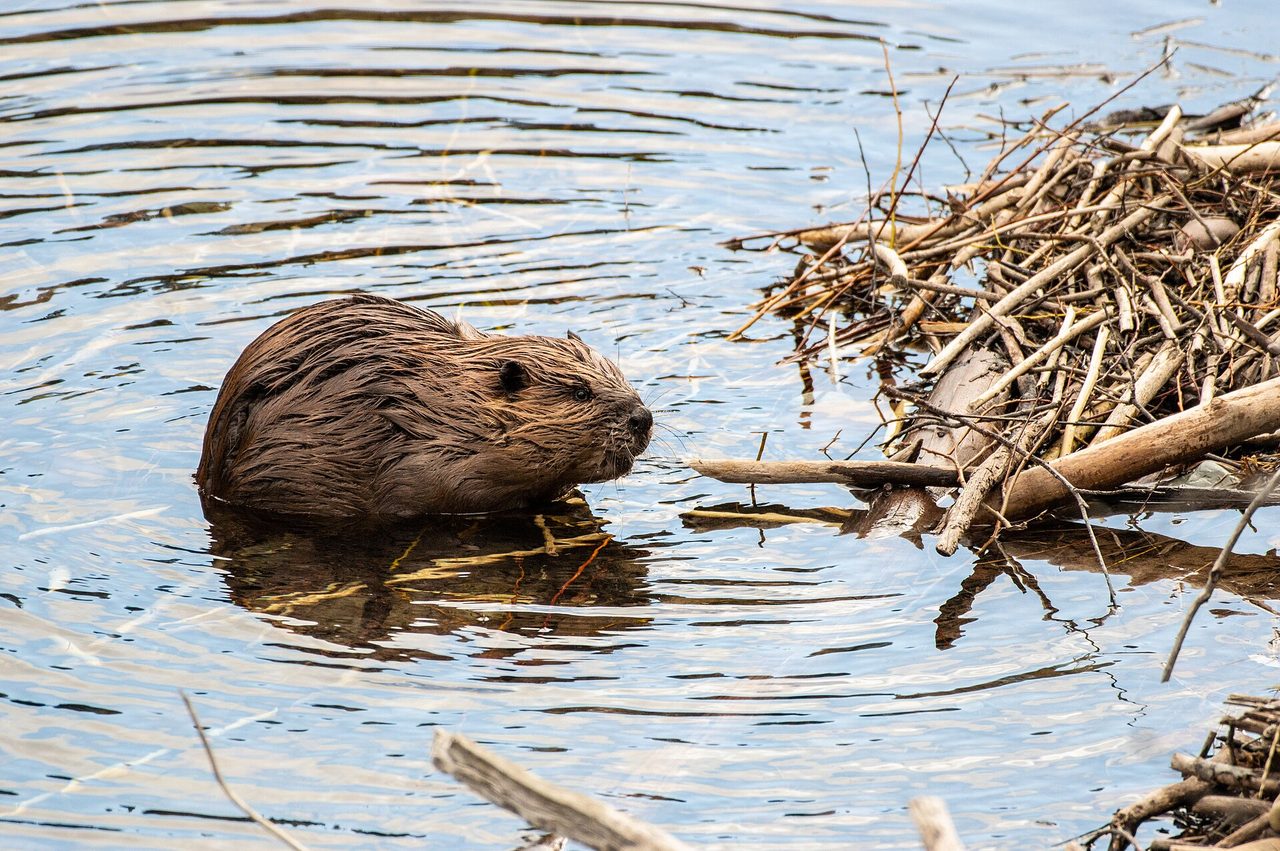
Least Concern (IUCN)
Beaver
Castor fiber (Linnaeus, 1758) and Castor canadensis (Kuhl, 1820)
Beavers are Least Concern rodents of the genus Castor — the Eurasian and American species build dams and lodges that create wetlands supporting fish, birds and amphibians; Eurasian beavers recovered from near extinction through reintroduction.
Read the guide →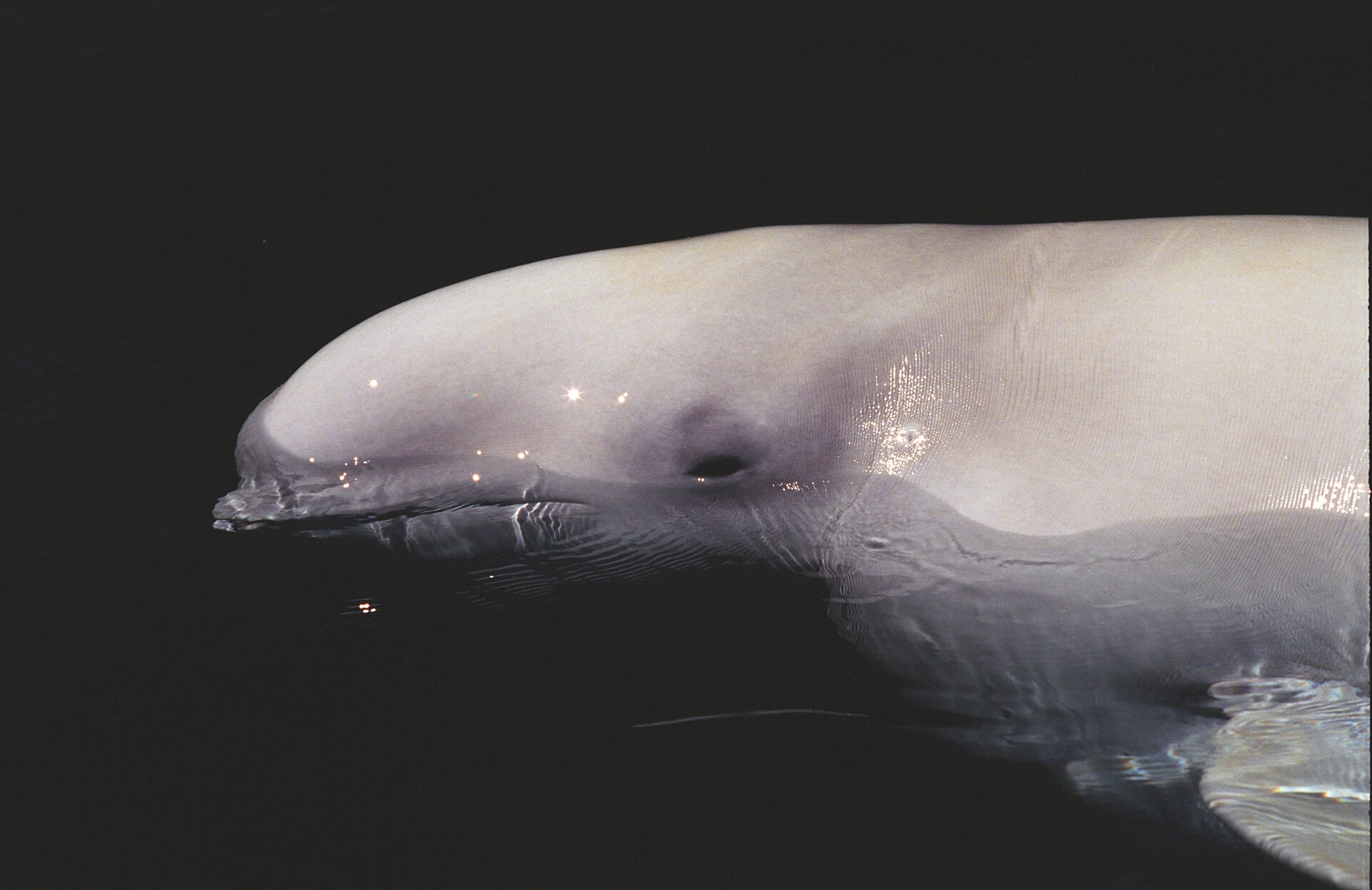
Least Concern (IUCN)
Beluga Whale
Delphinapterus leucas
The beluga whale is a small, all-white Arctic cetacean renowned for its extraordinary vocal range, flexible neck and ability to navigate beneath sea ice, currently assessed as Least Concern overall by the IUCN but with several regional populations in serious decline.
Read the guide →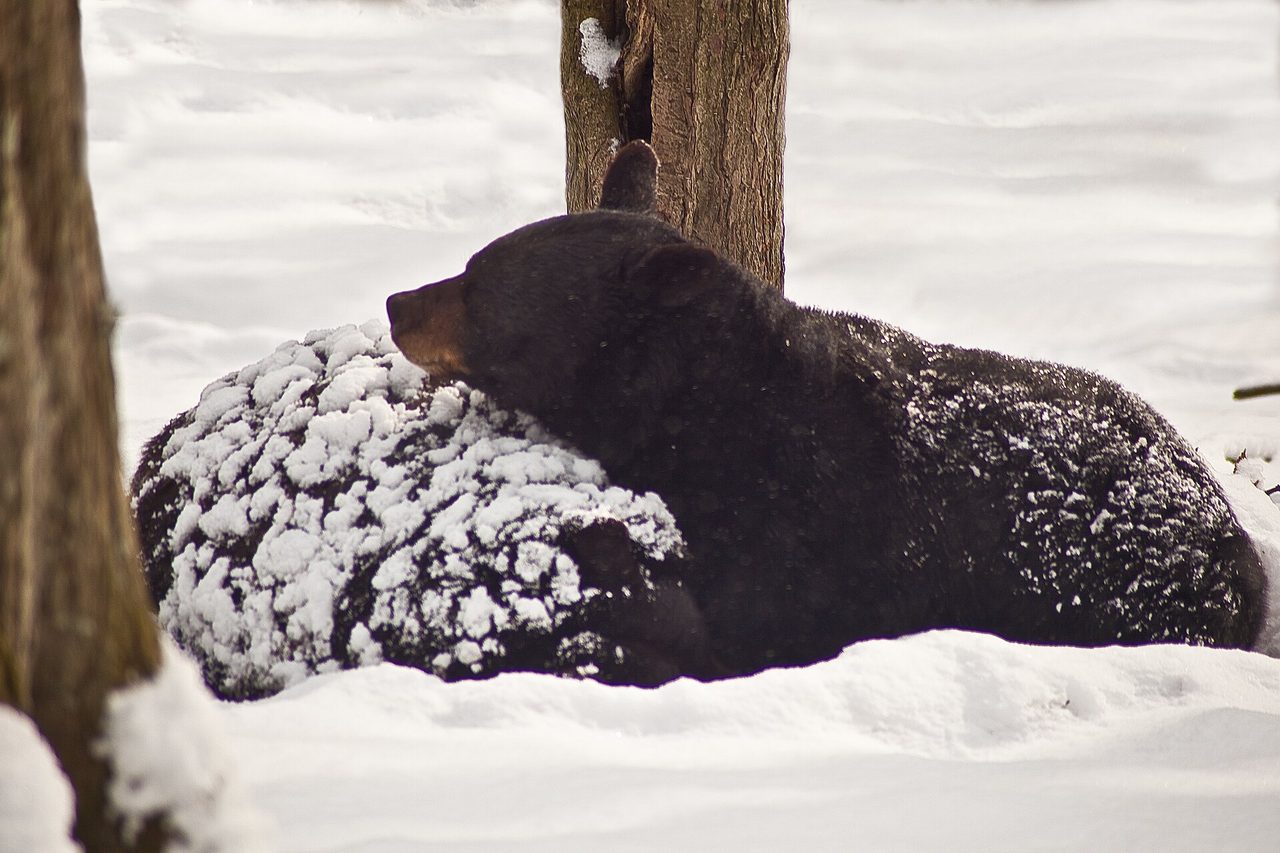
Least Concern (IUCN, 2016)
Black Bear
Ursus americanus (Pallas, 1780)
The American black bear (Ursus americanus) is listed as Least Concern by the IUCN, with an estimated 800,000+ individuals across North America — the continent's most common and widespread bear species.
Read the guide →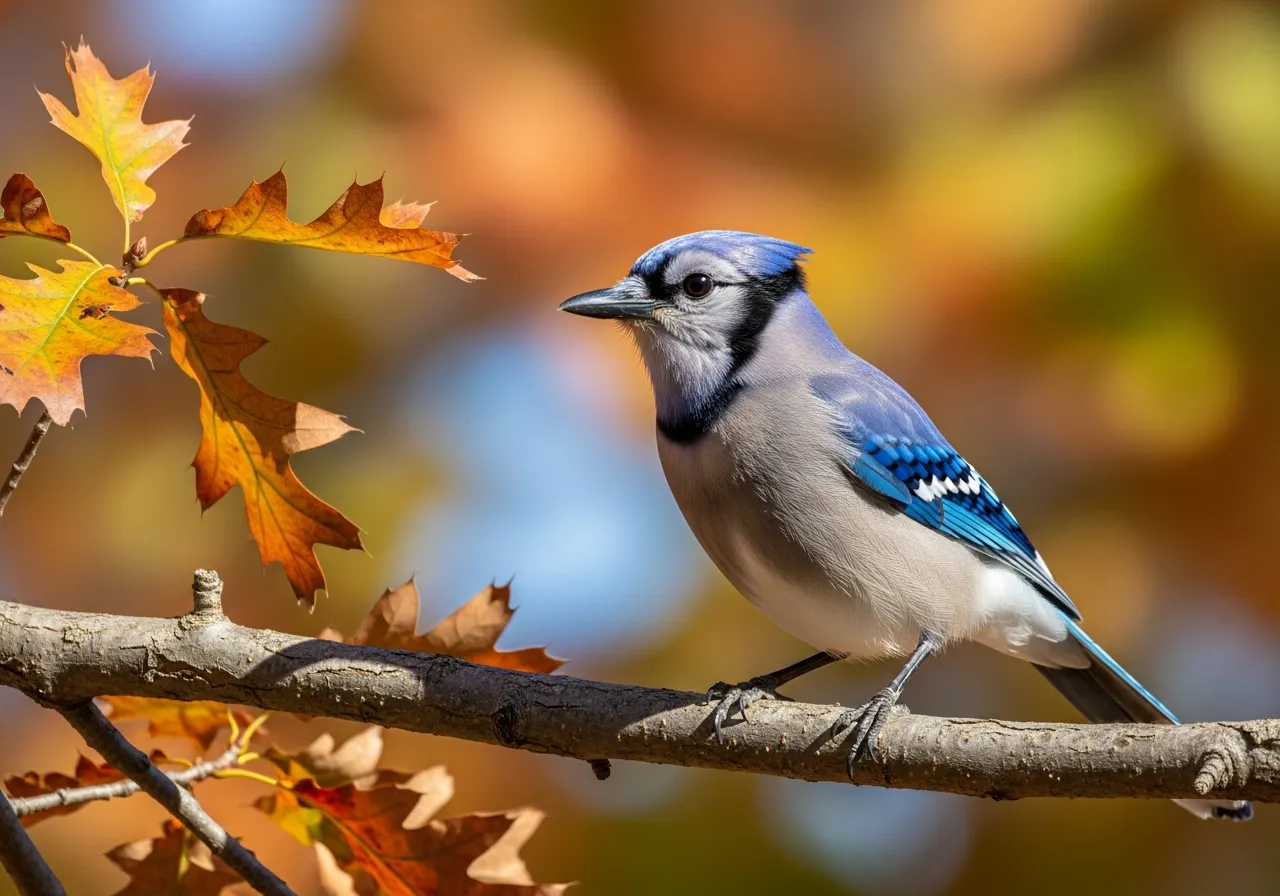
Least Concern (IUCN)
Blue Jay
Cyanocitta cristata
A blue jay (Cyanocitta cristata) is a bold, crested blue songbird of eastern and central North America, and a member of the corvid family alongside crows and ravens. Known for mimicking hawk calls and caching acorns, it is common, intelligent, and listed as Least Concern by the IUCN.
Read the guide →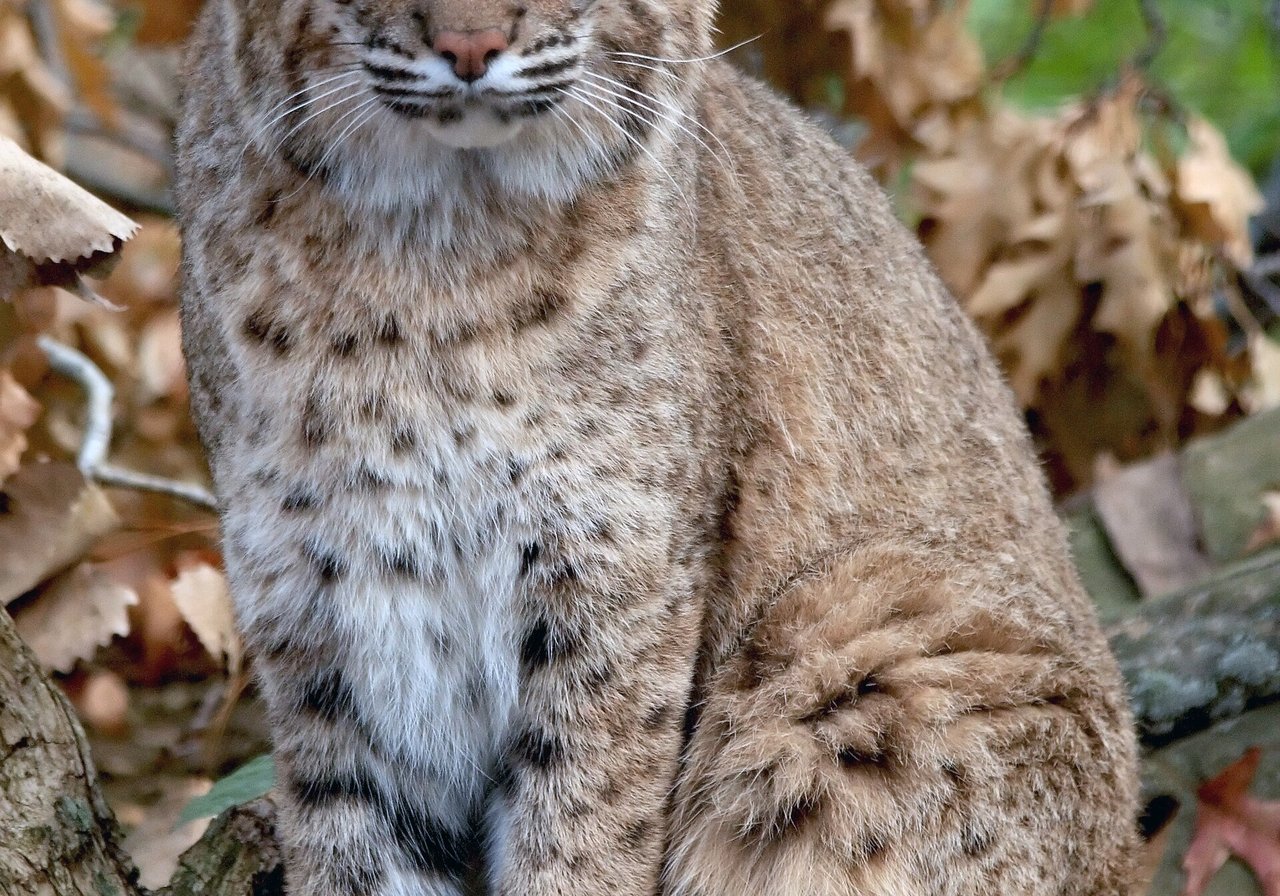
Least Concern (IUCN, 2016)
Bobcat
Lynx rufus (Schreber, 1777)
The bobcat (Lynx rufus) is a medium-sized North American wild cat listed as Least Concern by the IUCN; it is the continent's most widespread and adaptable felid, recognised by its tufted ears, spotted coat and short tail.
Read the guide →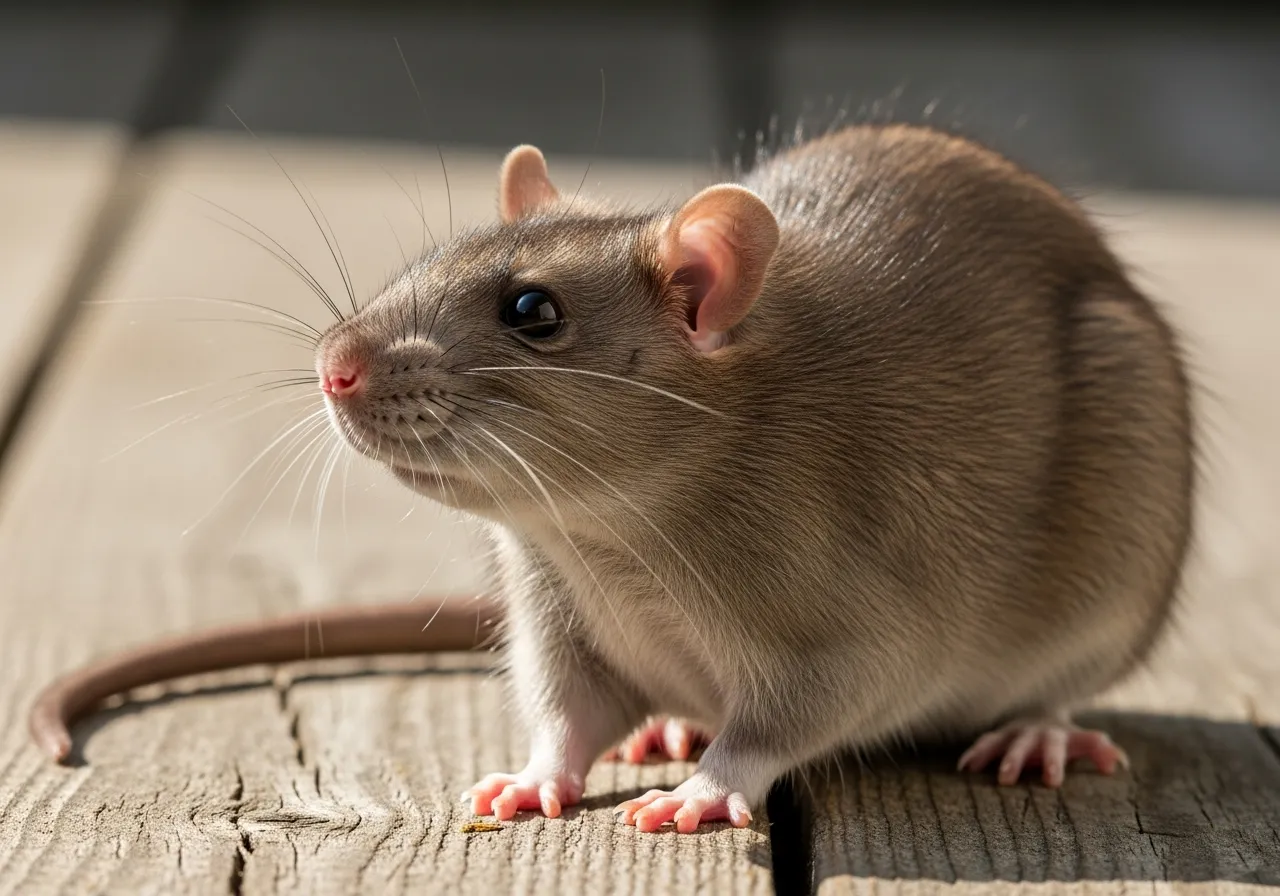
Least Concern (IUCN)
Brown Rat
Rattus norvegicus
A brown rat (Rattus norvegicus) is a large, adaptable rodent that lives alongside humans worldwide. Native to Asia, it has spread to every continent except Antarctica. Highly intelligent and social, it is the wild ancestor of both pet "fancy rats" and laboratory rats, and is listed as Least Concern.
Read the guide →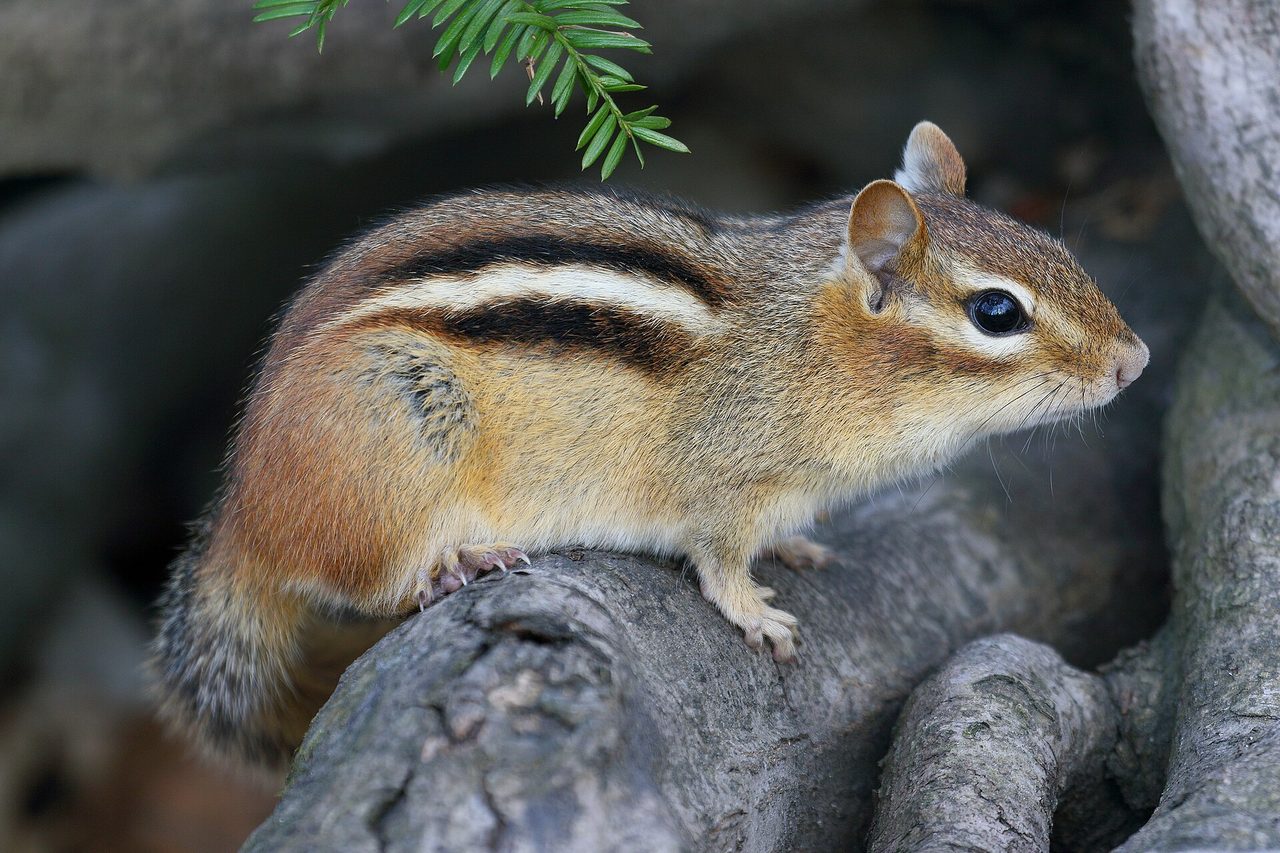
Least Concern (IUCN) — most species; Peñasco subspecies Endangered (US ESA, 2024)
Chipmunk
Tamias striatus (eastern); Neotamias spp. (western); Eutamias sibiricus (Siberian)
Chipmunks are small striped rodents of the subtribe Tamiina — found across North America and in one Asian species — that are mostly Least Concern on the IUCN Red List, though one New Mexico subspecies was listed as Endangered under the US Endangered Species Act in December 2024.
Read the guide →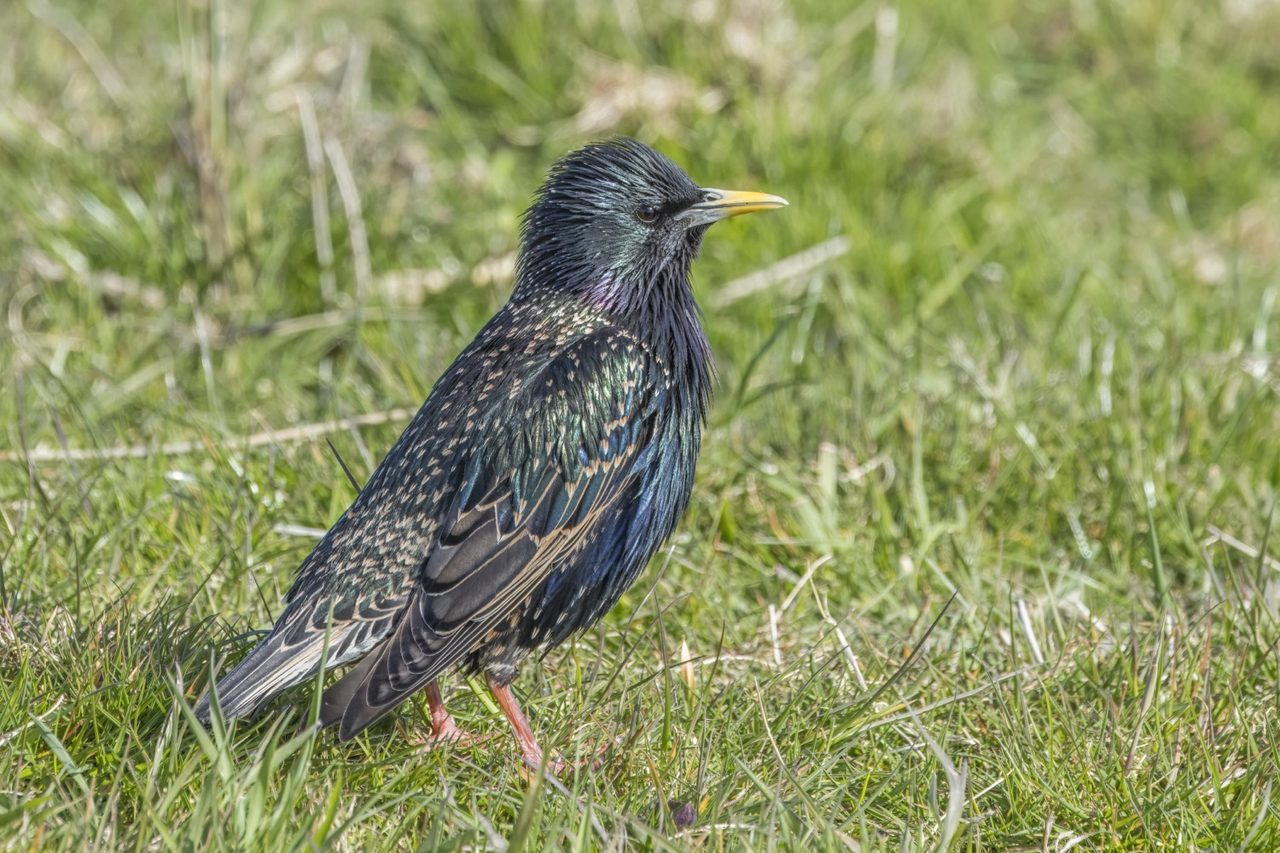
Least Concern (IUCN) globally; UK Red List of conservation concern
Common Starling
Sturnus vulgaris
The common starling (Sturnus vulgaris) is a stocky, glossy black songbird native to Eurasia and North Africa, famous for vast swirling winter flocks called murmurations and for skilled vocal mimicry. Globally common and rated Least Concern, it has declined sharply in Britain and is UK Red-listed.
Read the guide →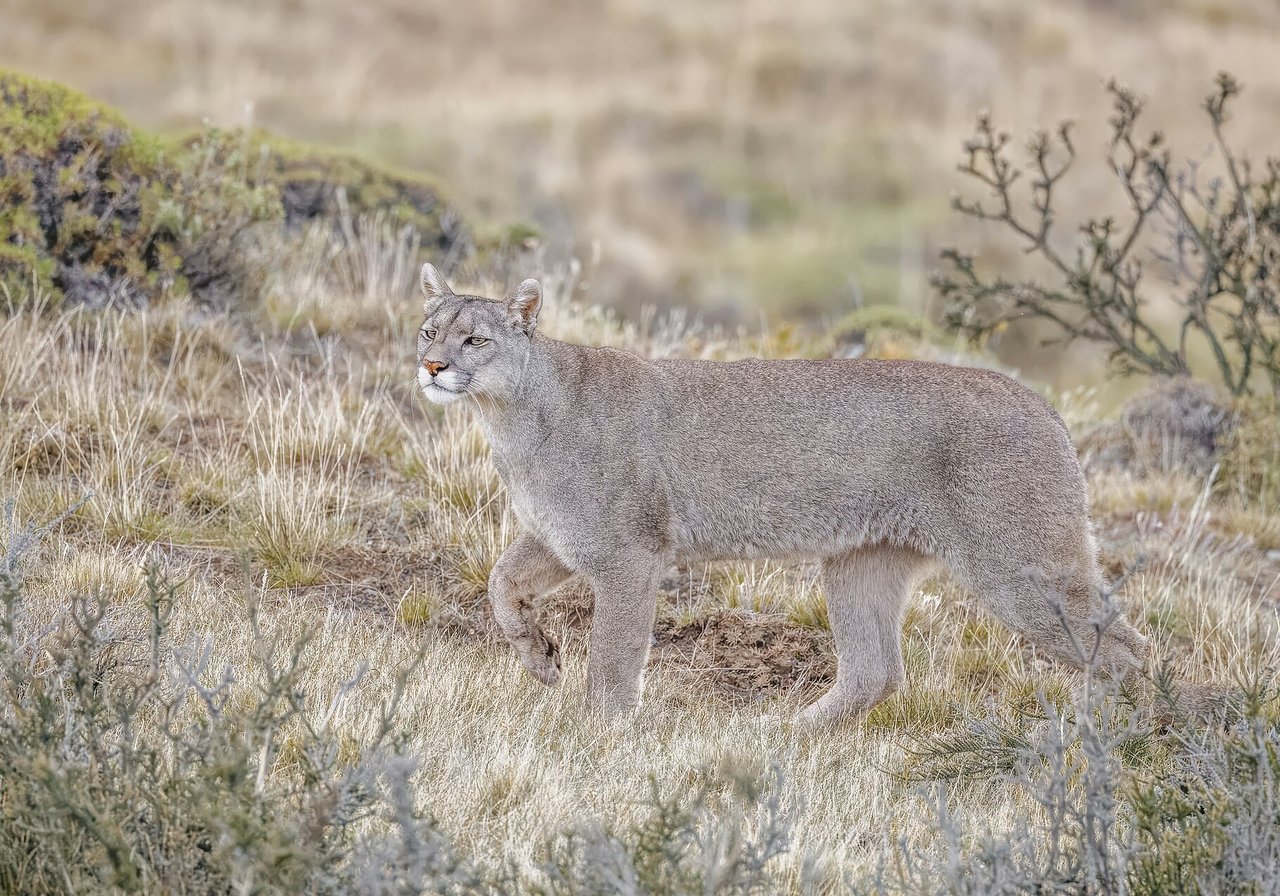
Least Concern (IUCN, 2014)
Cougar
Puma concolor (Linnaeus, 1771)
The cougar (Puma concolor) — also known as puma or mountain lion — is a large solitary cat native to the Americas, listed as Least Concern by the IUCN; it is the most widespread wild cat in the Western Hemisphere but faces habitat loss and human conflict in many regions.
Read the guide →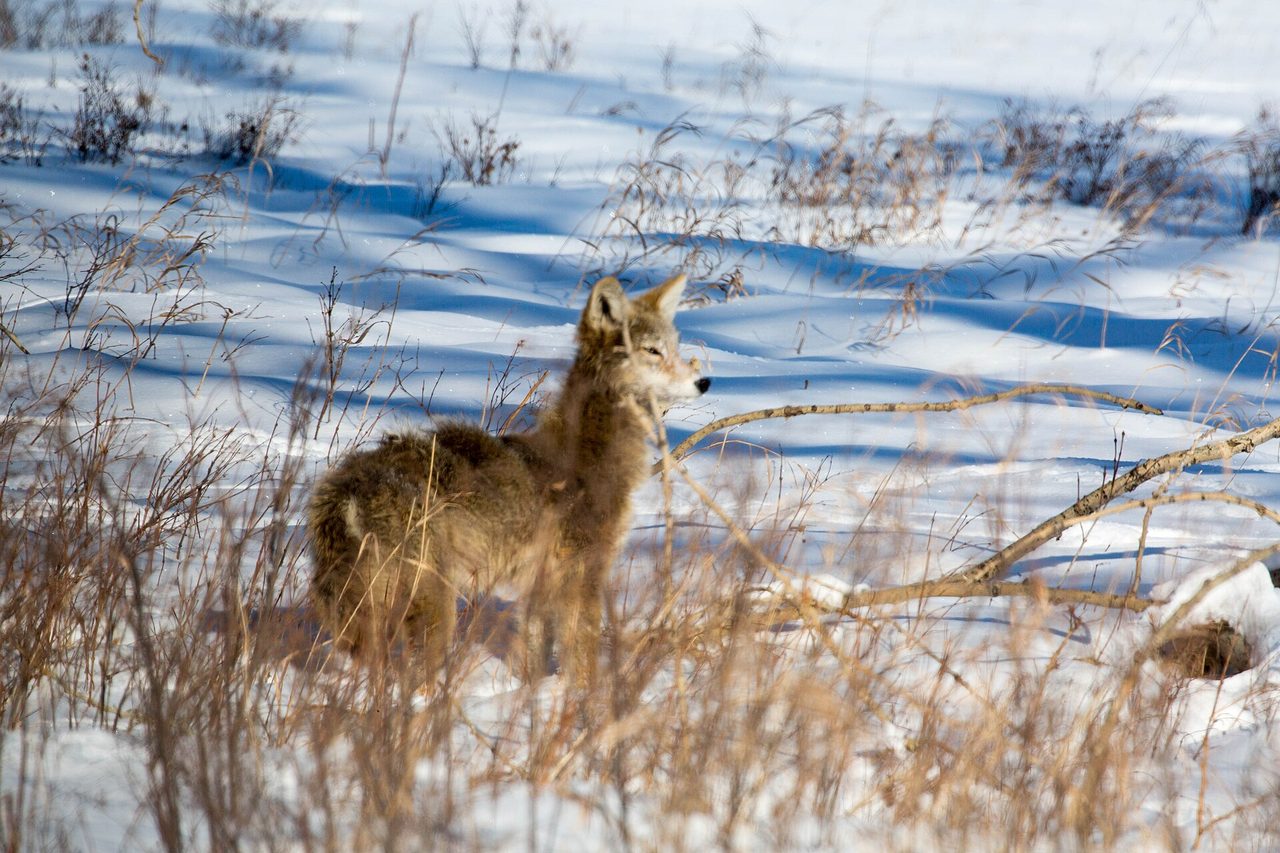
Least Concern (IUCN)
Coyote
Canis latrans
The coyote (Canis latrans) is a highly adaptable wild canid found across North and Central America — from Alaska to Panama — where it plays a vital role controlling rodent populations and is classified as Least Concern by the IUCN with a stable and expanding population.
Read the guide →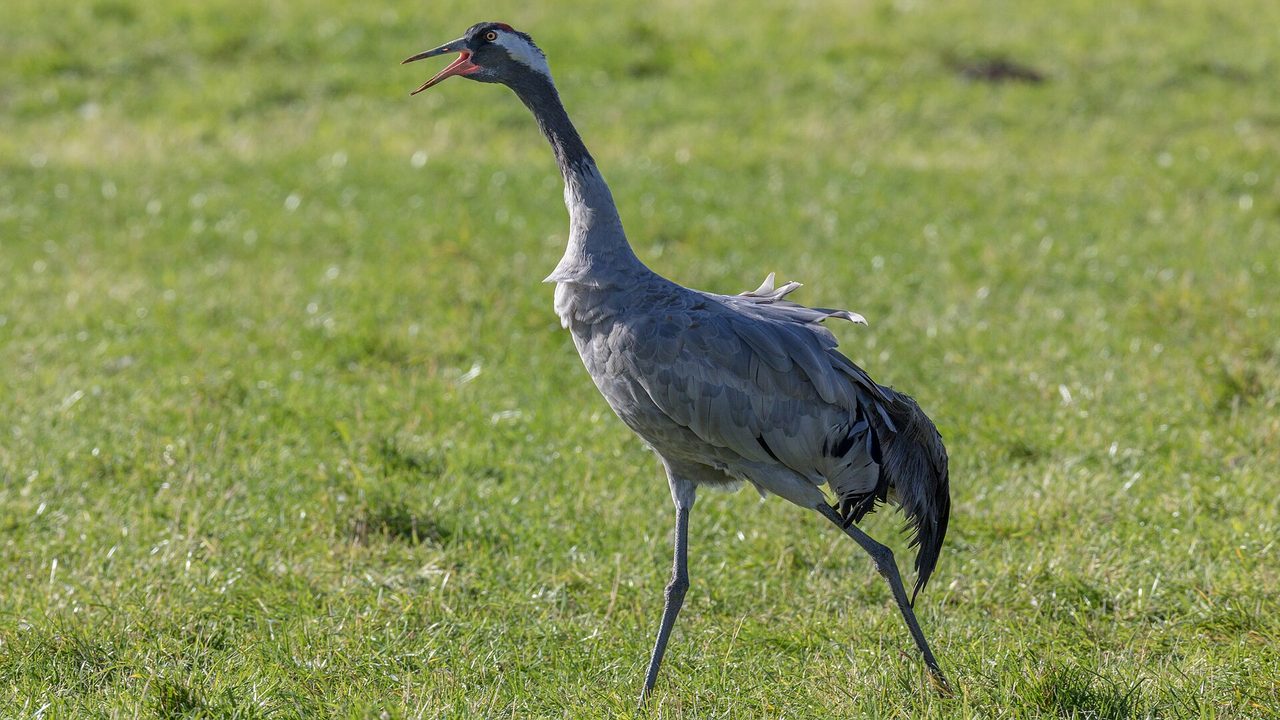
Varies by species (Critically Endangered to Least Concern)
Crane
Family Gruidae
Cranes are a family (Gruidae) of 15 large, long-lived wading birds found on every continent except South America and Antarctica; the family spans conservation statuses from Least Concern (Common Crane, over 700,000 birds) to Critically Endangered (Siberian Crane, roughly 6,500–7,000 birds), making them collectively one of the most threatened bird groups in the world.
Read the guide →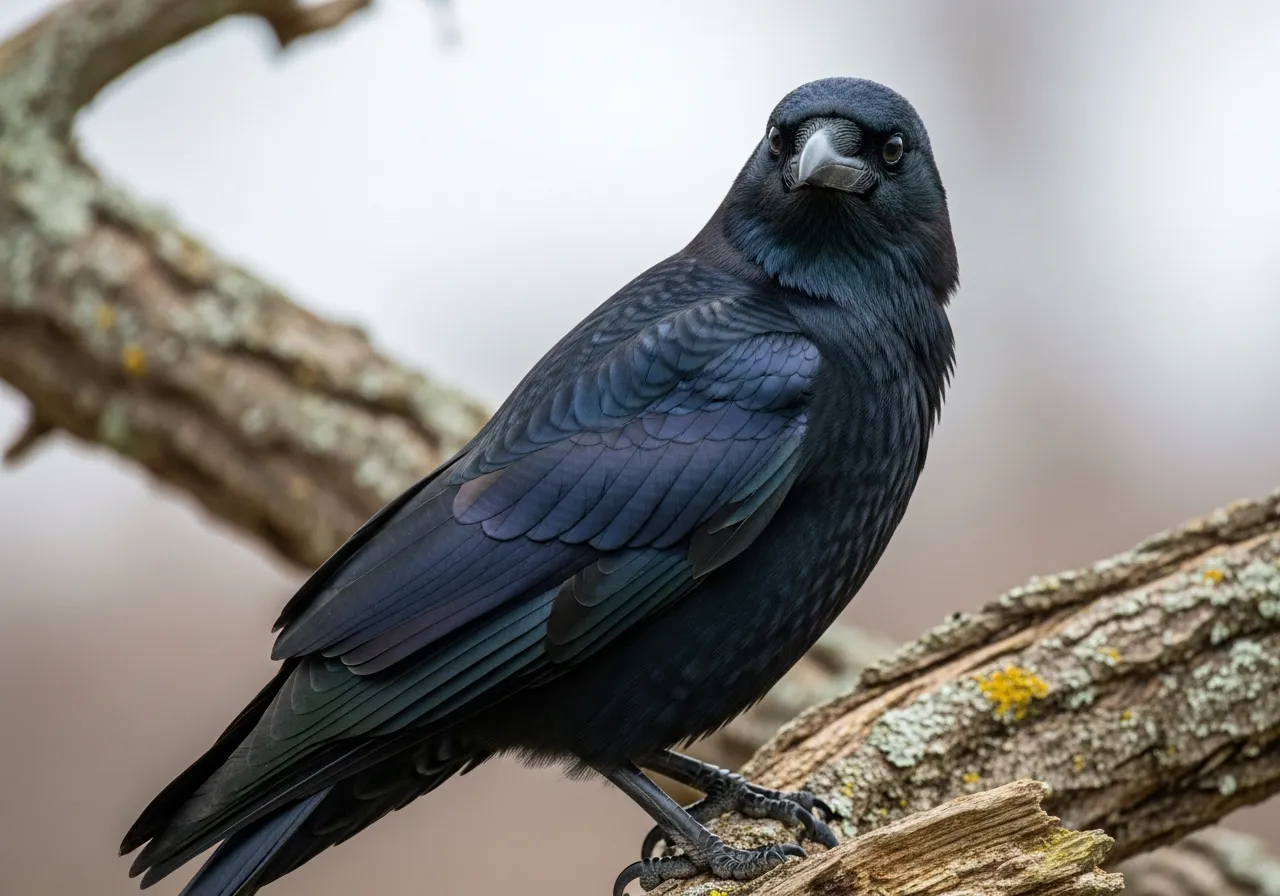
Varies by species; common crows Least Concern (IUCN)
Crow
Corvus
A crow is a medium-to-large, mostly black bird of the genus Corvus, part of the corvid family that includes ravens and jays. Found on most continents, crows are among the world's most intelligent birds — using tools, solving problems and recognising individual human faces.
Read the guide →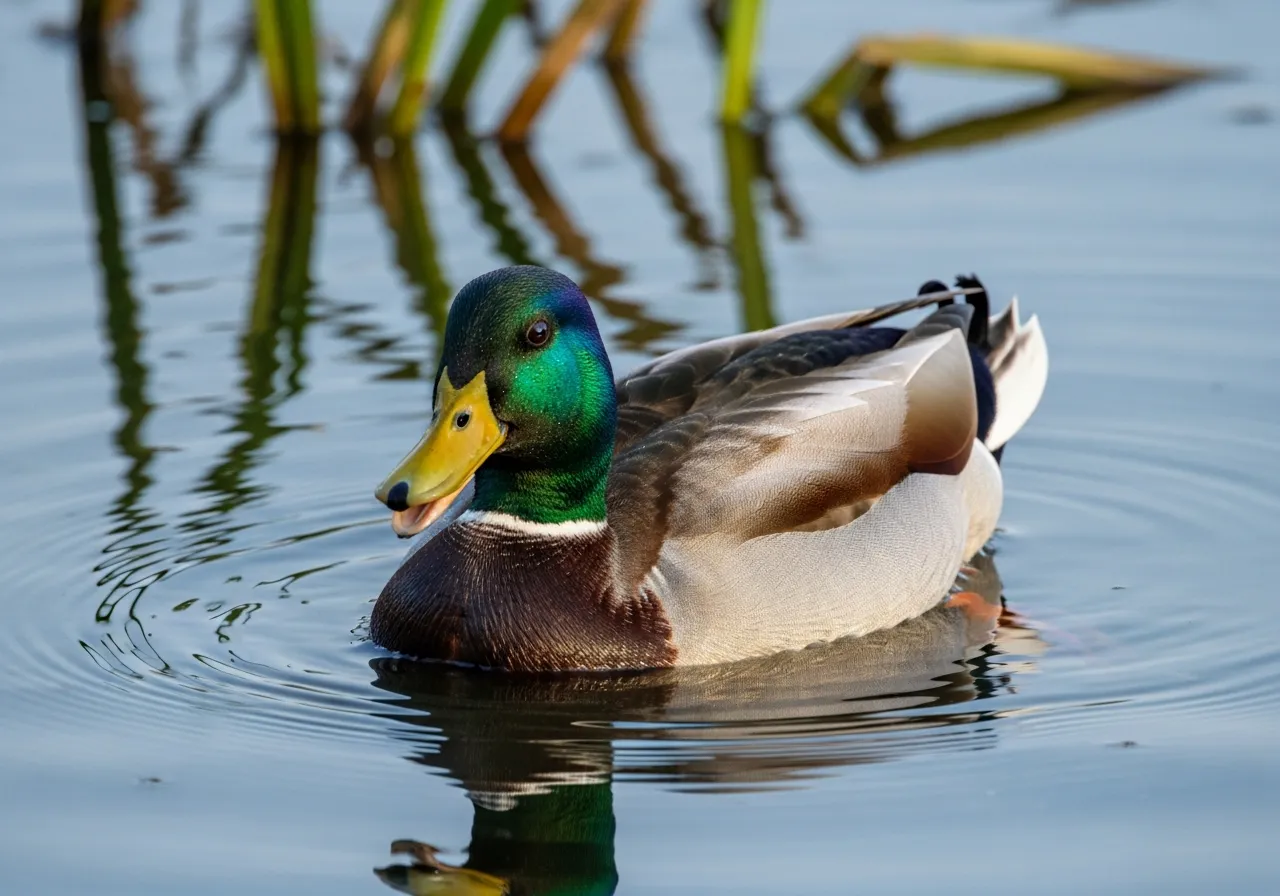
Varies; common species Least Concern
Duck
Family Anatidae (e.g. Anas platyrhynchos)
A duck is a waterbird in the family Anatidae — smaller and shorter-necked than its relatives the geese and swans. Ducks have a broad flat bill, webbed feet and waterproof feathers, live on fresh and salt water worldwide, and feed by dabbling at the surface or diving underwater.
Read the guide →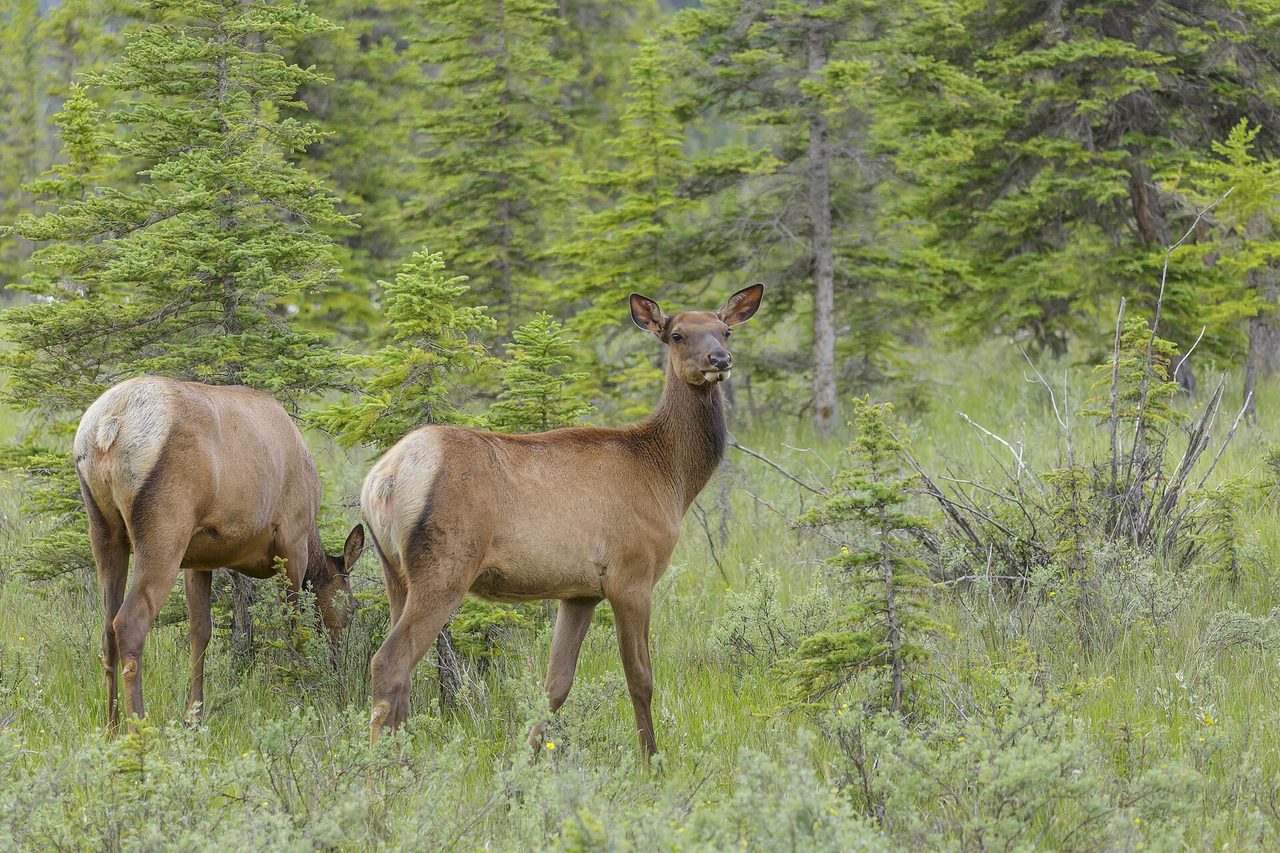
Least Concern (IUCN)
Elk (Wapiti)
Cervus canadensis
The elk (Cervus canadensis) is a Least Concern deer species numbering over one million in North America, renowned for its towering antlers, powerful bugle call, and remarkable recovery from near-extinction in the early twentieth century.
Read the guide →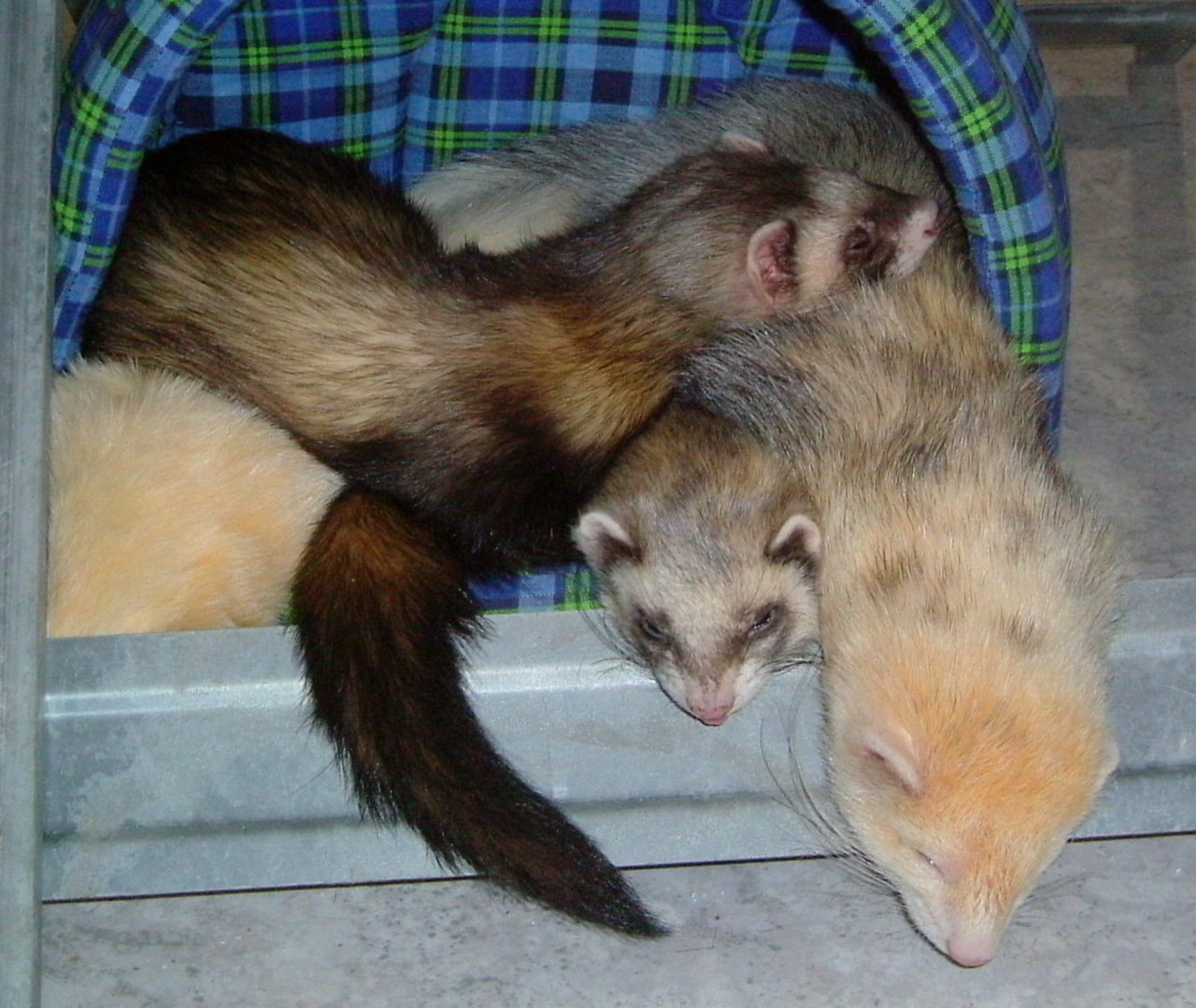
Domesticated; not a threatened species
Ferret
Mustela furo
A ferret (Mustela furo) is a domesticated member of the weasel family, bred from the European polecat about 2,500 years ago. Long-bodied, playful and carnivorous, it has long been used to hunt rabbits and is today a popular household pet, typically living seven to ten years.
Read the guide →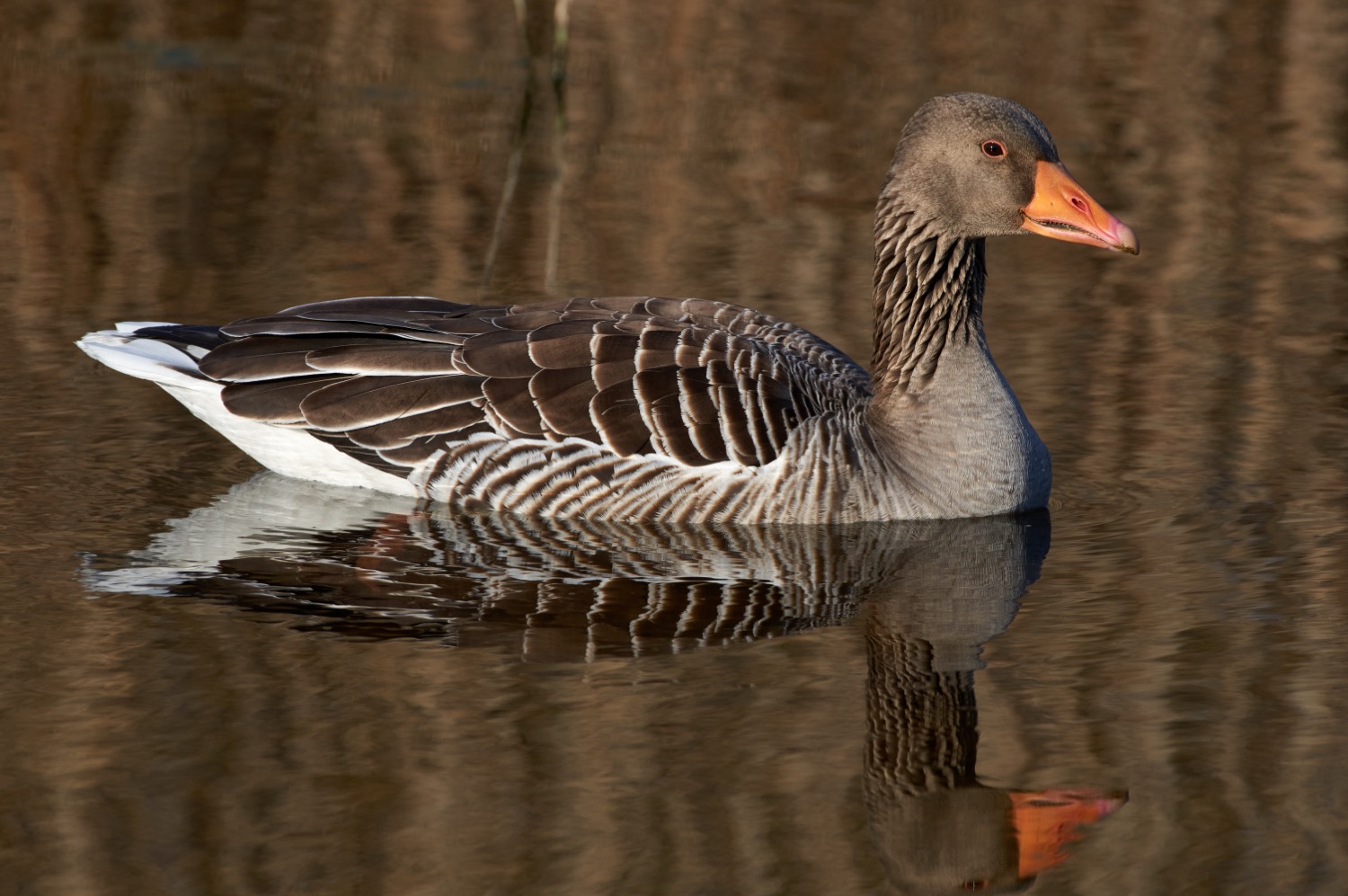
Varies; common species Least Concern (IUCN)
Goose
Family Anatidae (Anser and Branta)
A goose is a large, social grazing waterfowl in the family Anatidae, split mainly into grey and white geese (Anser) and black geese (Branta). Bigger than ducks, geese feed on grass, form lifelong pair bonds and migrate long distances in energy-saving V-formations.
Read the guide →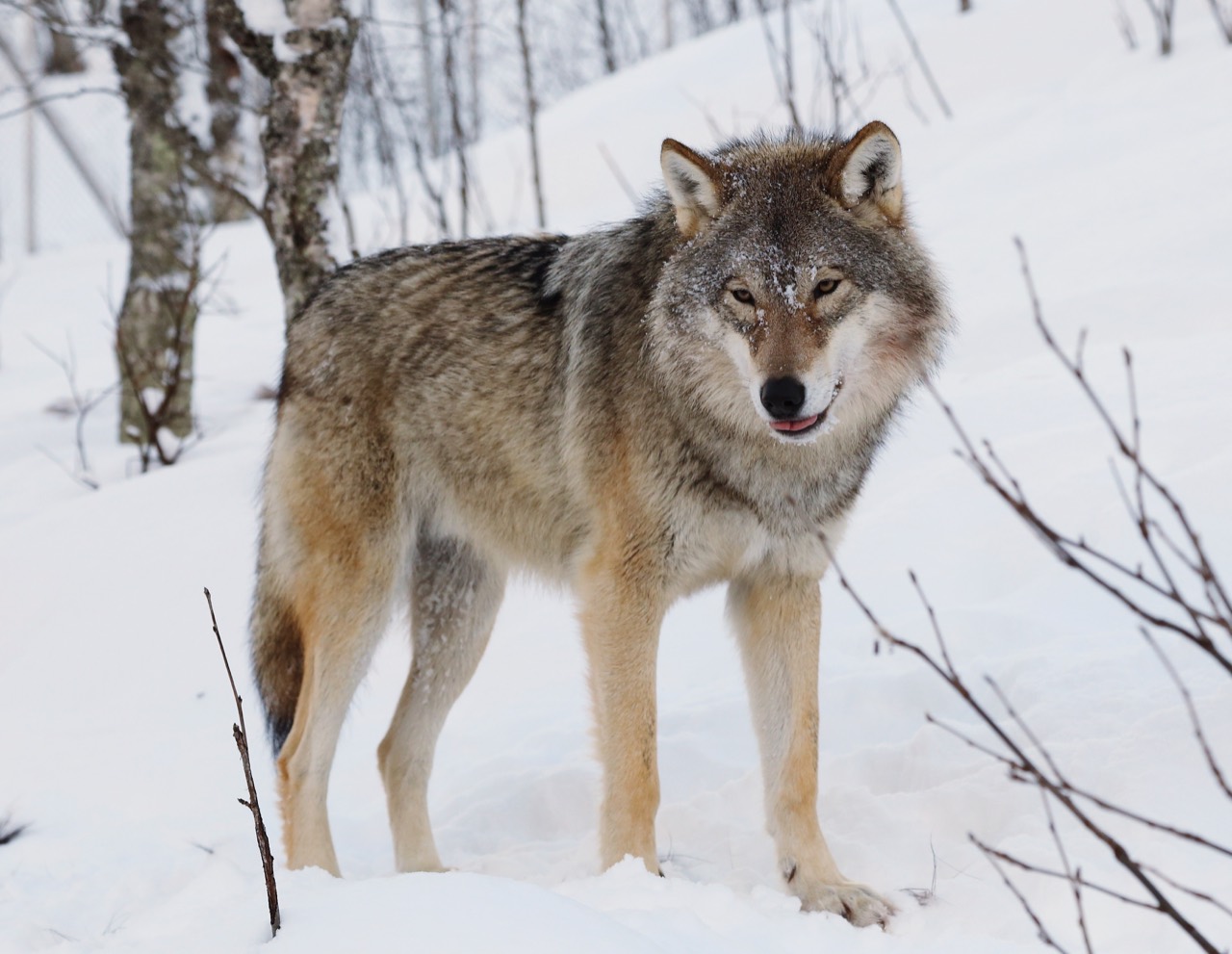
Least Concern globally (locally Endangered or extirpated in many regions)
Grey Wolf
Canis lupus
The grey wolf (Canis lupus) is the largest wild dog and the ancestor of the domestic dog; it is listed as Least Concern globally with an estimated 200,000–250,000 in the wild, but remains locally endangered or extinct across much of its former range.
Read the guide →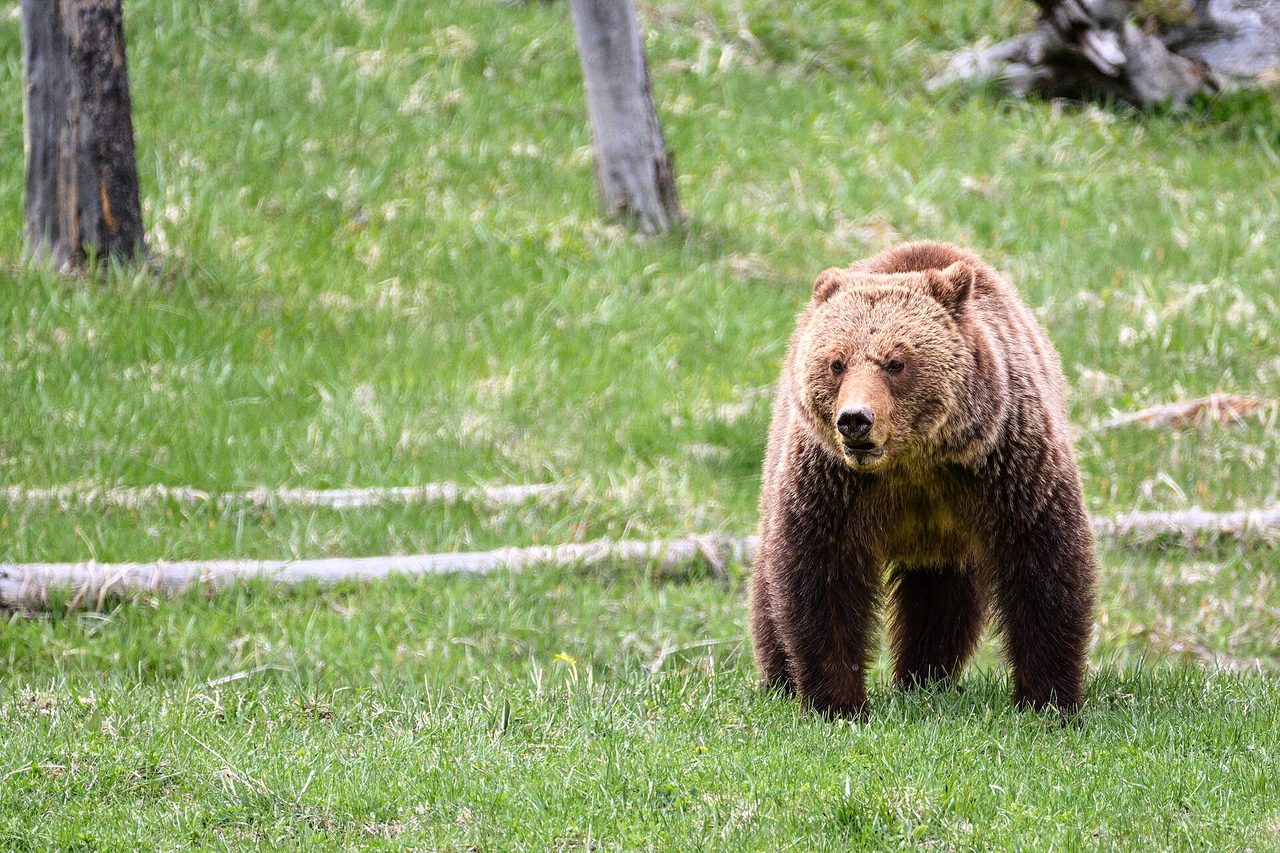
Least Concern brown bear; threatened in parts of USA
Grizzly Bear
Ursus arctos horribilis (Ord, 1815)
The grizzly bear (Ursus arctos horribilis) is a North American brown bear subspecies; the brown bear is Least Concern globally, but grizzlies in the contiguous United States are protected under the Endangered Species Act with roughly 1,900 individuals south of Canada.
Read the guide →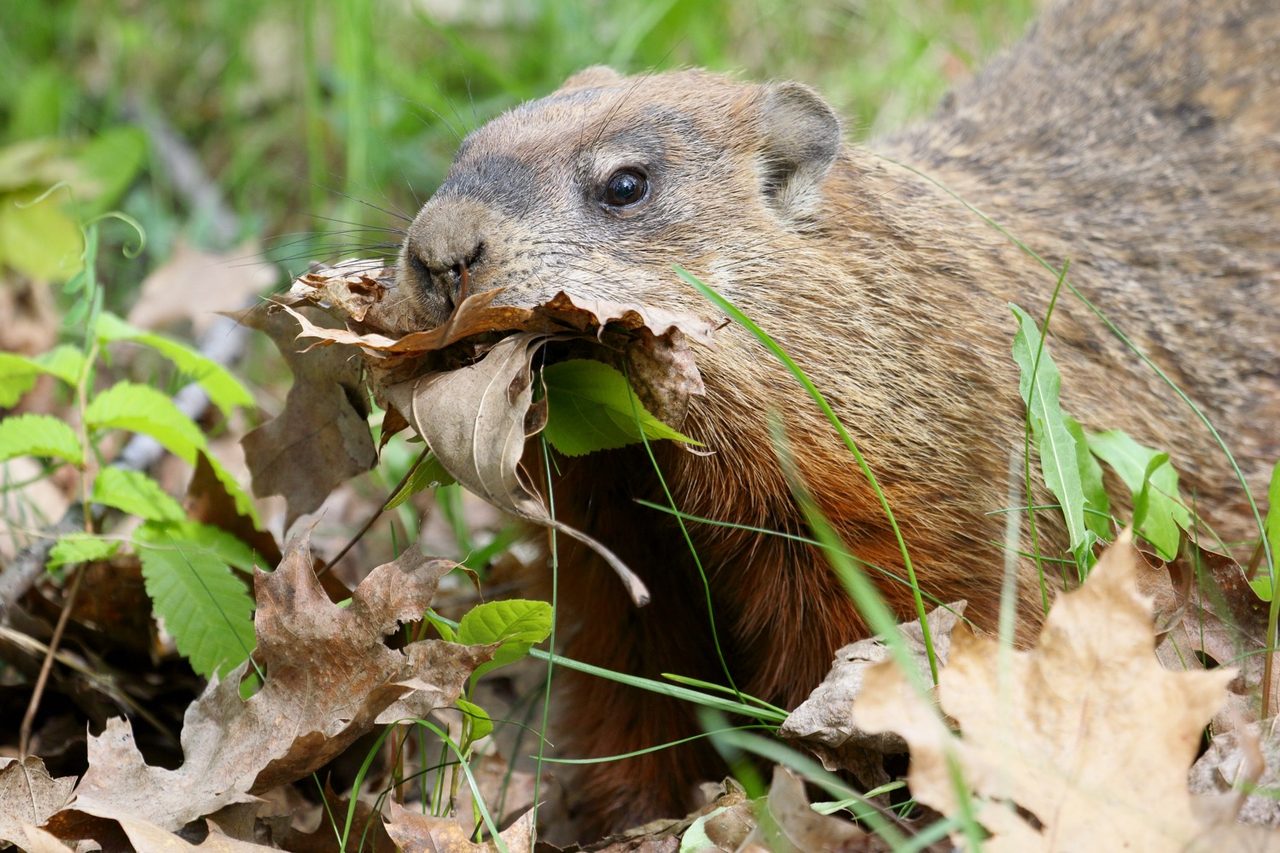
Least Concern (IUCN)
Groundhog
Marmota monax
A groundhog (Marmota monax) is a large North American ground squirrel, or marmot, in the squirrel family. A stout, powerful burrower and true hibernator weighing up to about 6 kilograms, it lives across the eastern United States and Canada and is famous for Groundhog Day.
Read the guide →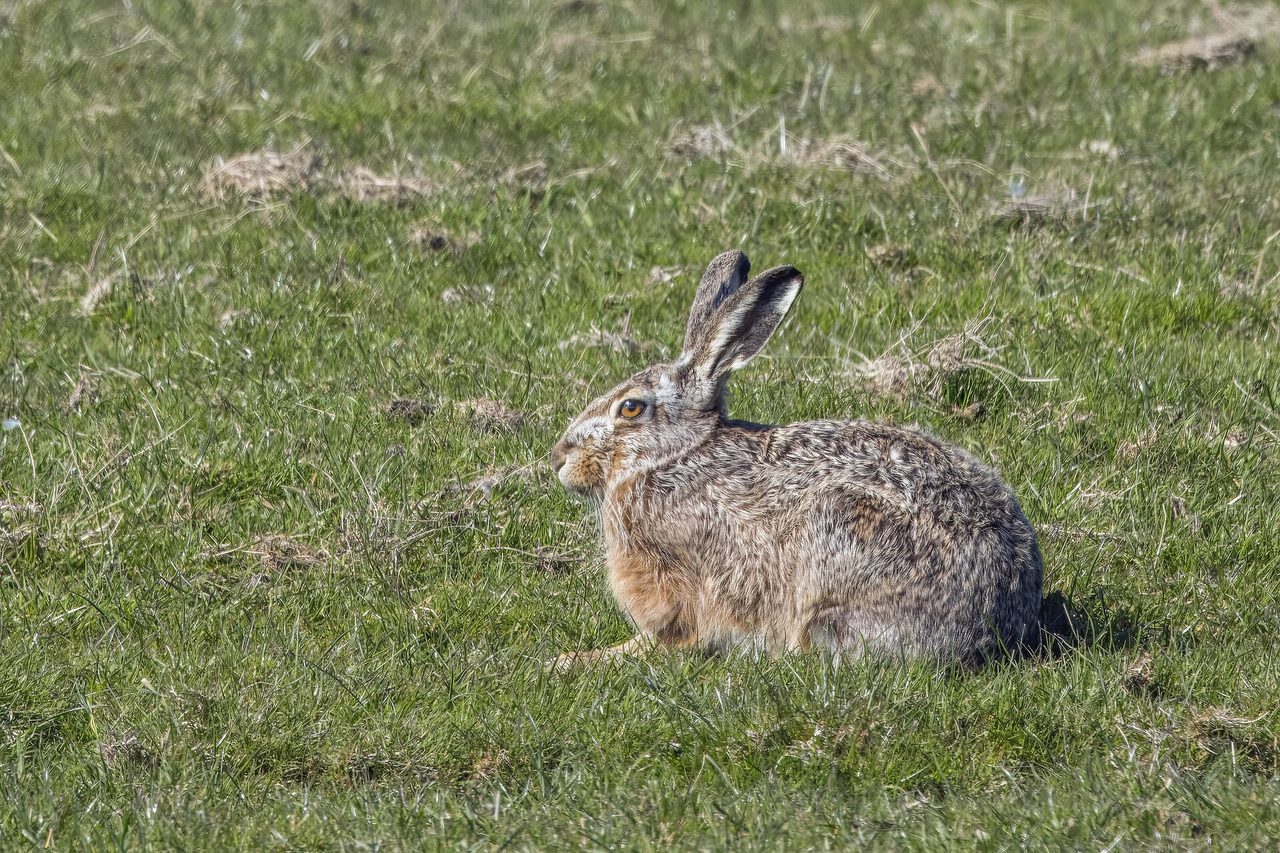
Least Concern — most species (IUCN); some regional populations declining
Hare
Lepus spp. (European hare: Lepus europaeus)
Hares (genus Lepus, ~32 species) are large, fast-running lagomorphs found across Europe, Asia, Africa, and the Americas, most classified as Least Concern by the IUCN, though European hare populations have declined significantly since the 1960s due to agricultural intensification.
Read the guide →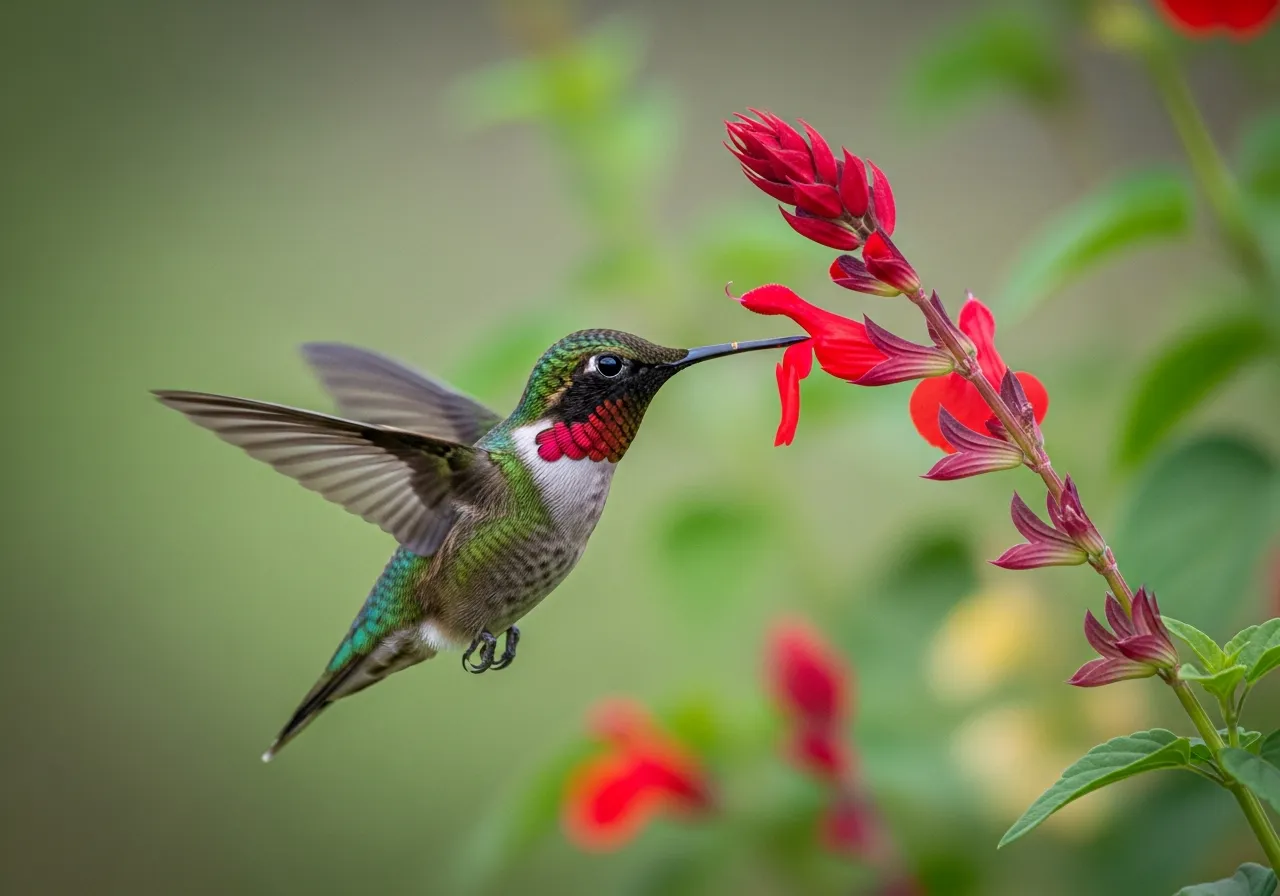
Varies by species; most Least Concern, some Critically Endangered (IUCN)
Hummingbird
Family Trochilidae
A hummingbird is a very small, nectar-feeding bird in the family Trochilidae, found only in the Americas. With more than 360 species, they are the world's smallest birds and the only ones able to hover and fly backwards, beating their wings up to around 50 or more times a second.
Read the guide →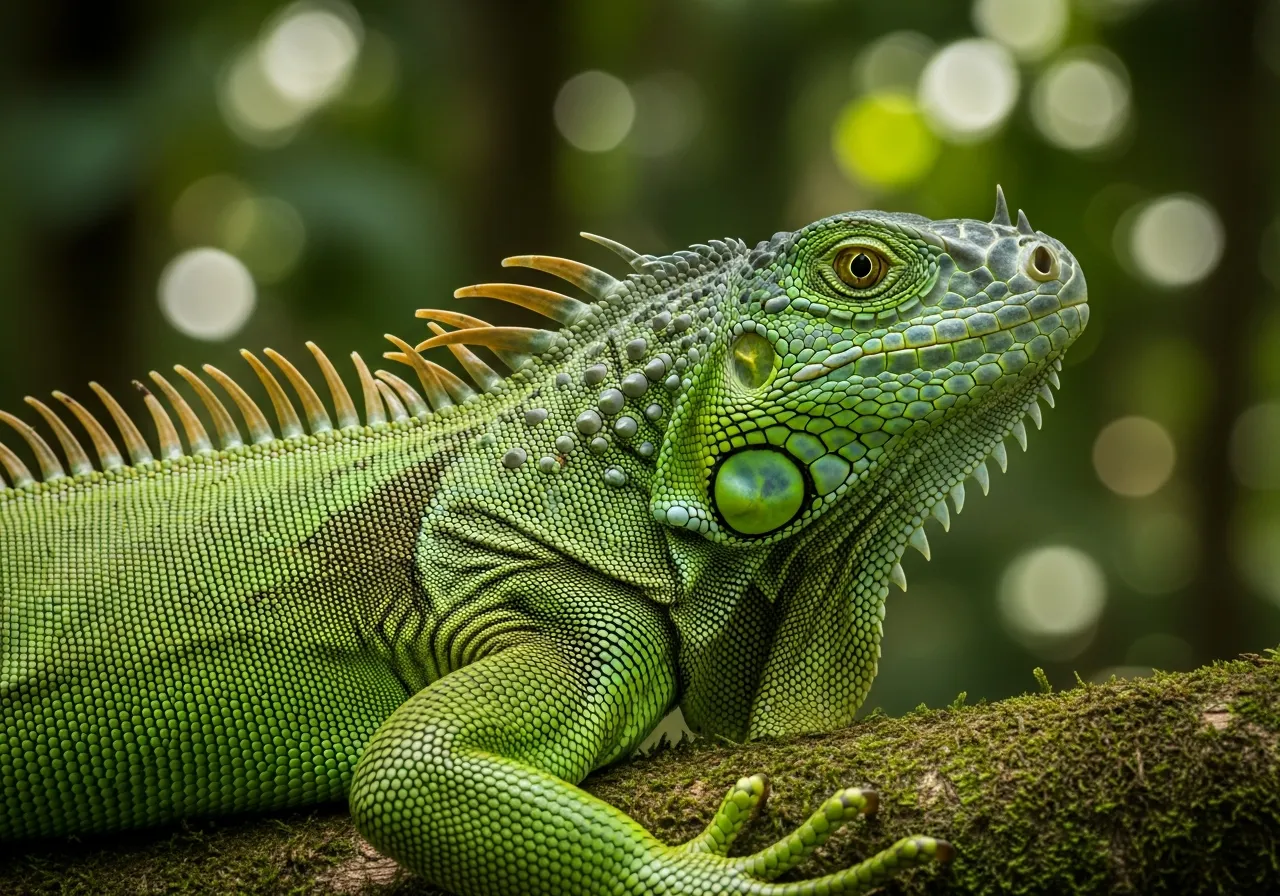
Least Concern (green iguana); other iguana species threatened
Iguana
Iguana iguana
An iguana is a large, mostly herbivorous, tree-dwelling lizard of the Americas. The familiar green iguana (Iguana iguana) reaches about 1.7 metres including its long tail, sports a spiny crest and throat dewlap, and is listed as Least Concern, though several other iguana species are endangered.
Read the guide →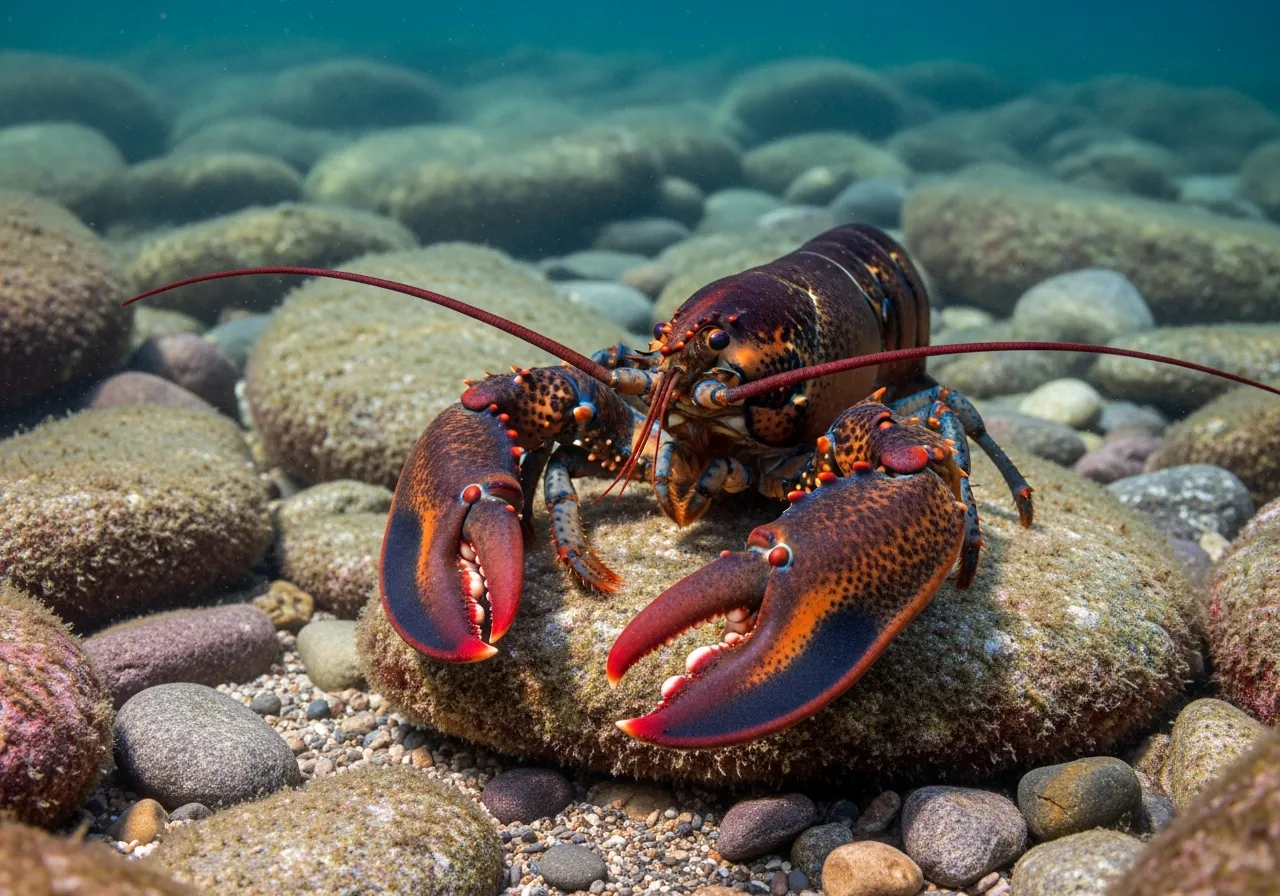
Not a threatened group; some species data deficient
Lobster
Family Nephropidae
A lobster is a large clawed marine crustacean of the family Nephropidae, including the American and European lobsters. It grows by moulting its hard shell, can regenerate lost claws, has blue copper-based blood, and may live an estimated 45 to 50 years in the wild.
Read the guide →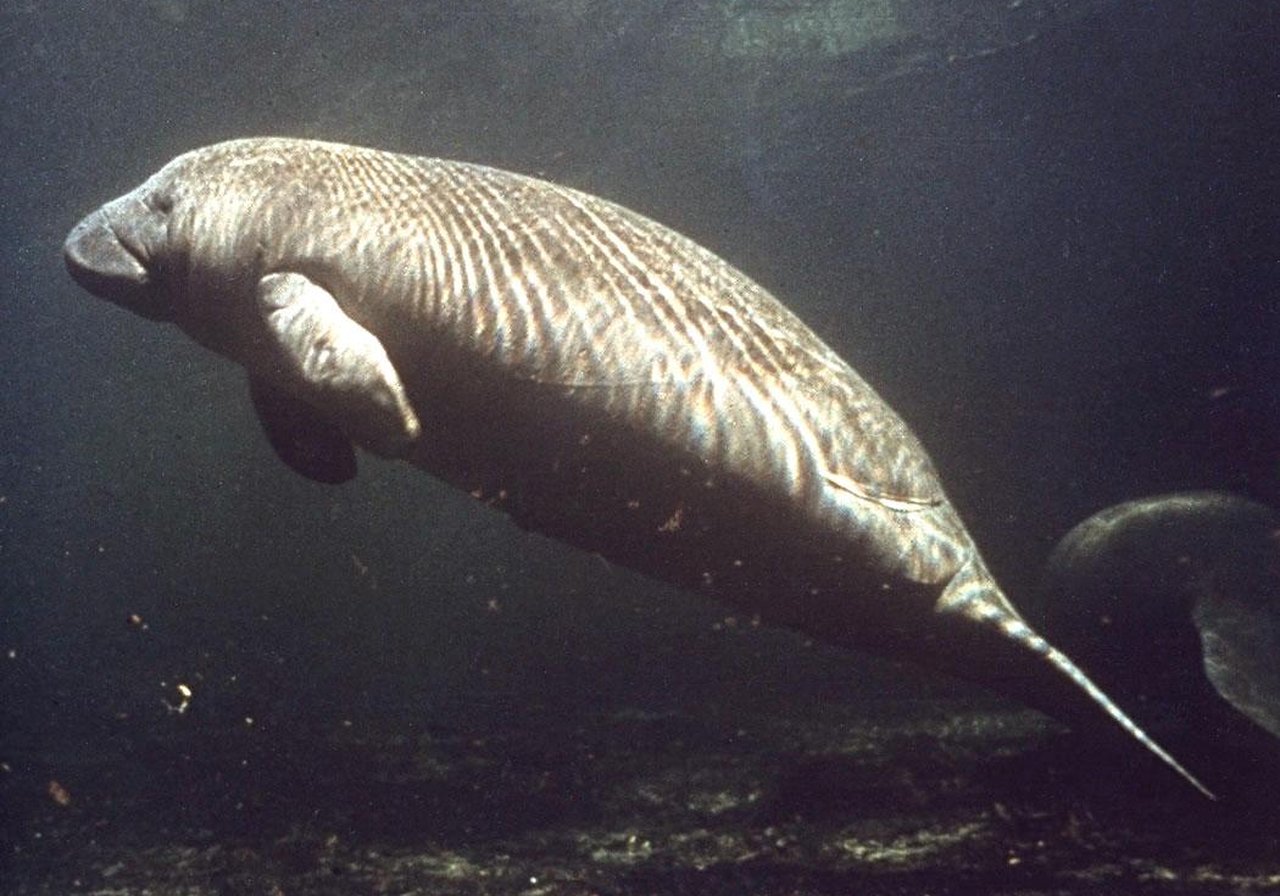
Varies by species (Vulnerable to Endangered)
Manatee
Trichechus manatus, T. inunguis and T. senegalensis — three living species
Manatees are plant-eating sirenians with three species in the Americas and West Africa — slow-moving mammals threatened by boat collisions, habitat loss and pollution, with IUCN status from Vulnerable to Endangered.
Read the guide →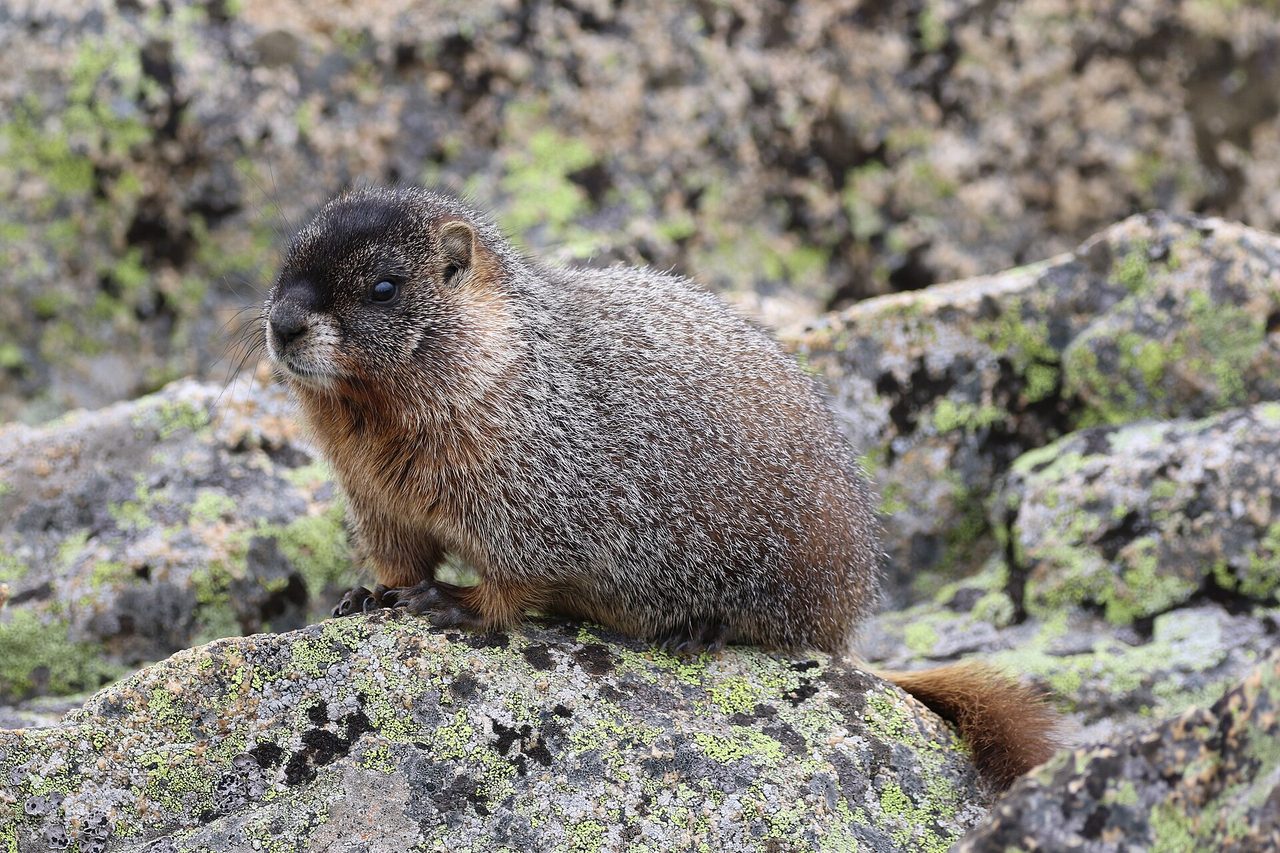
Varies by species — most Least Concern (IUCN); Vancouver Island marmot Critically Endangered; Mongolian marmot Endangered
Marmot
Marmota (genus)
Marmots are large, burrowing ground squirrels of the genus Marmota found across mountain and steppe habitats in North America and Eurasia; most of the 15 species are Least Concern, though the Vancouver Island marmot is Critically Endangered and the Mongolian marmot is Endangered.
Read the guide →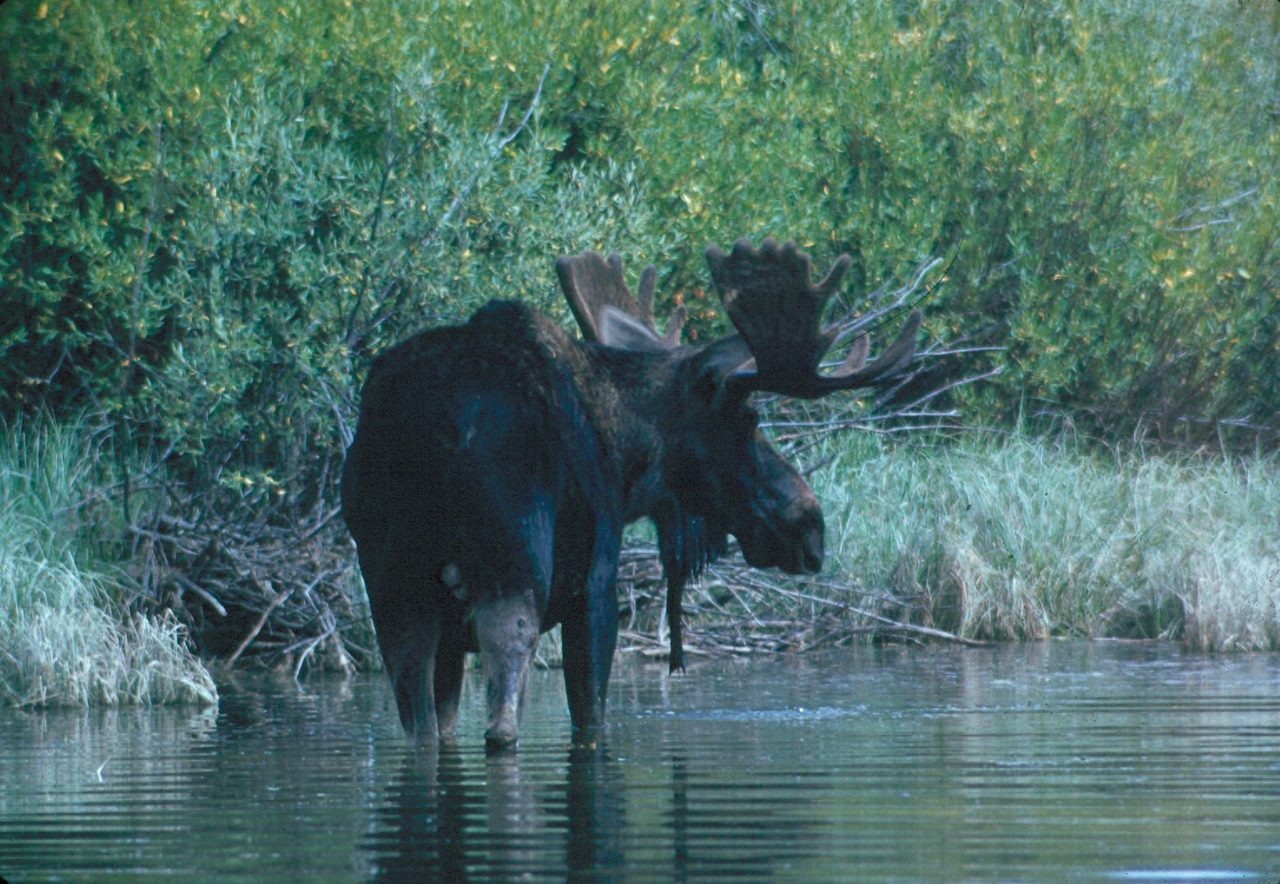
Least Concern (IUCN)
Moose
Alces alces
The moose (Alces alces) is the world's largest deer, standing up to 2.1 m (7 ft) at the shoulder and weighing up to 771 kg (1,700 lb), found across the boreal forests of North America, Northern Europe, and Russia.
Read the guide →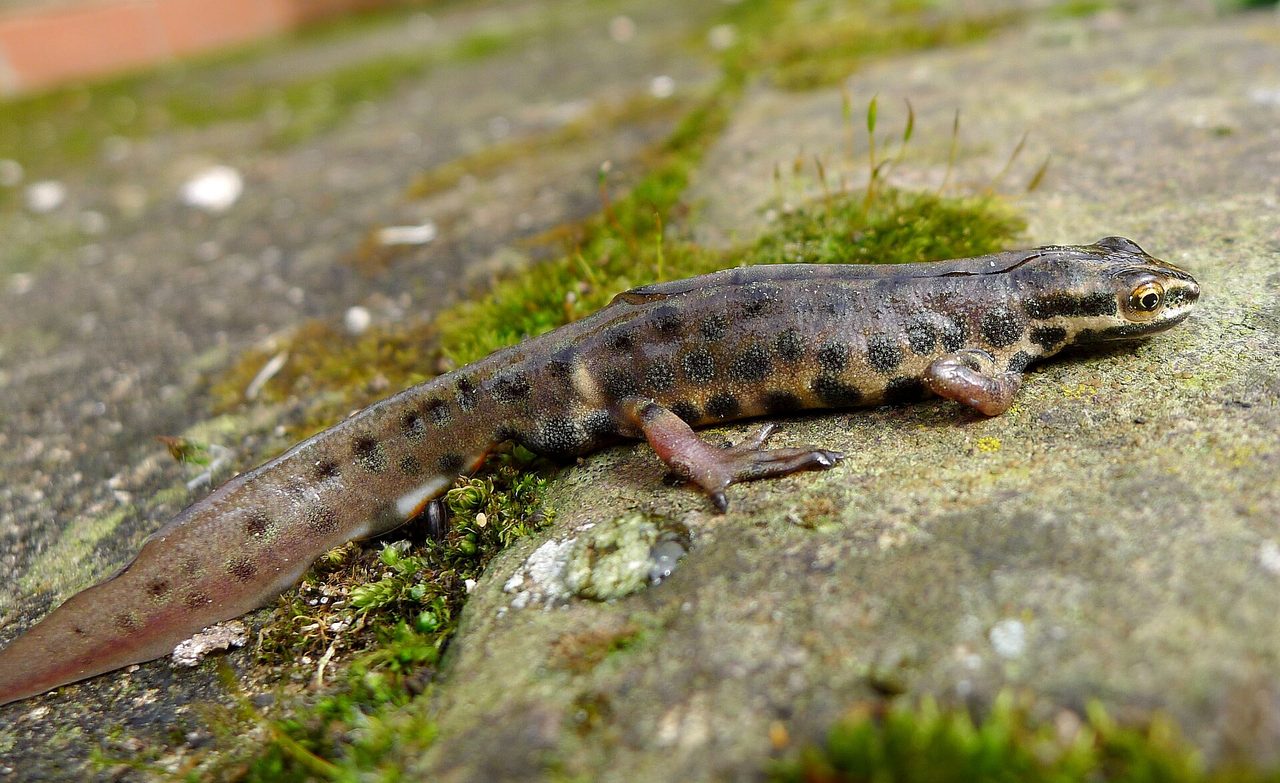
Most species Least Concern; the great crested newt is protected in the UK
Newt
Subfamily Pleurodelinae
A newt is a small semi-aquatic salamander in the subfamily Pleurodelinae. Newts alternate between water and land, breeding in ponds in spring and feeding on insects and other invertebrates. They are famous for regenerating lost limbs and organs, and many produce defensive skin toxins.
Read the guide →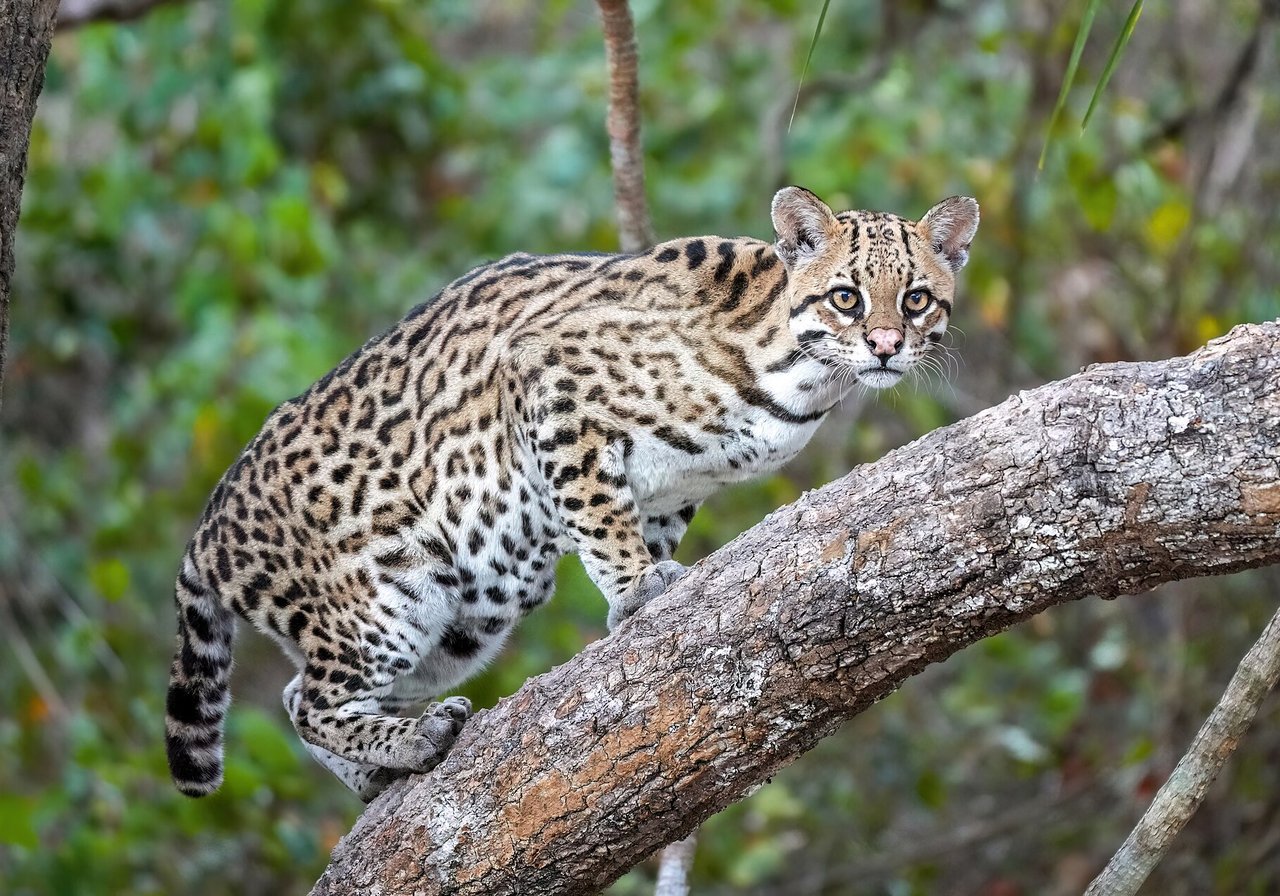
Least Concern (IUCN, 2014)
Ocelot
Leopardus pardalis (Linnaeus, 1758)
The ocelot (Leopardus pardalis) is a spotted wild cat of the Americas, listed as Least Concern by the IUCN but declining locally due to habitat loss and historical over-trapping; a small population persists in southern Texas.
Read the guide →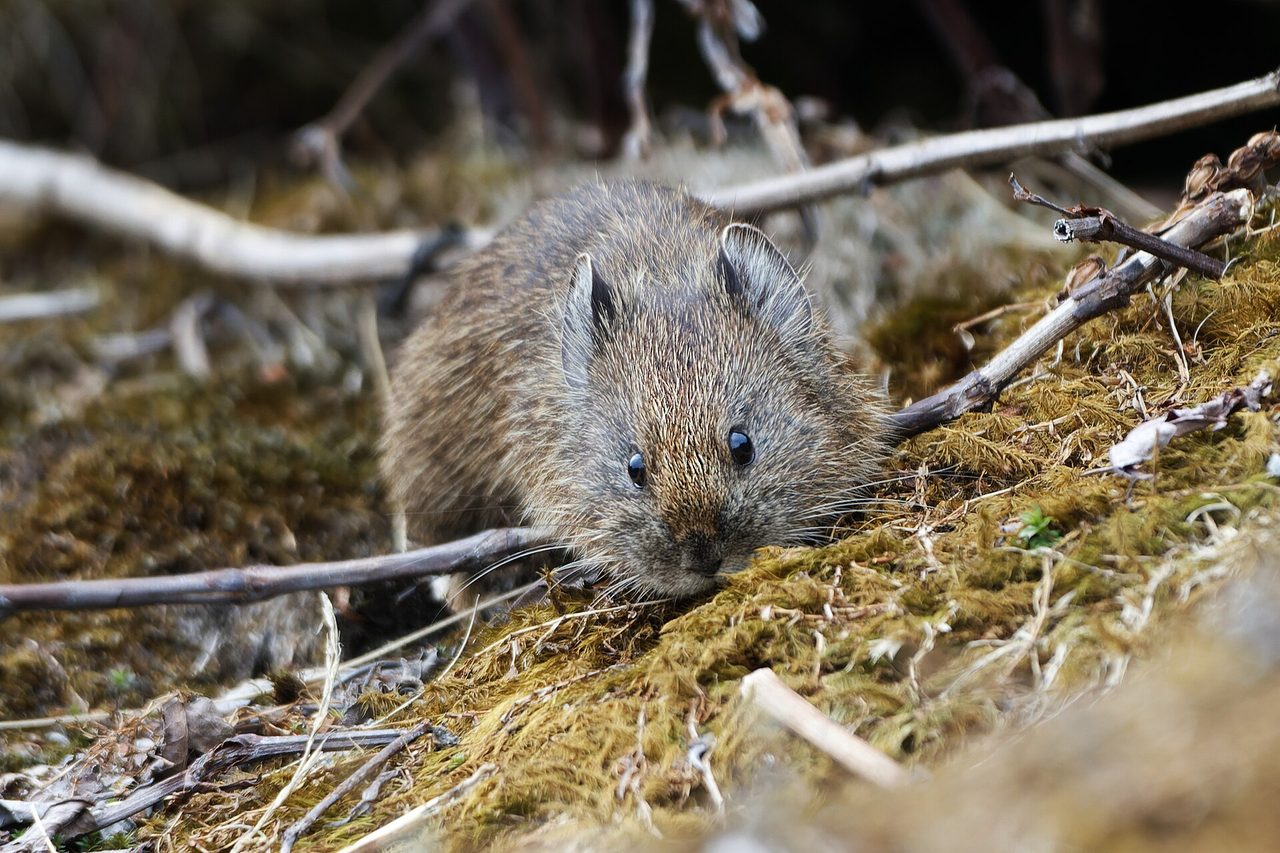
Varies by species (Least Concern to Endangered — IUCN)
Pika
Ochotona spp.
Pikas (genus Ochotona) are small, round-eared alpine mammals related to rabbits that live on cold, rocky mountain slopes across Asia and western North America, where they are threatened by rising temperatures that their heat-sensitive bodies cannot tolerate.
Read the guide →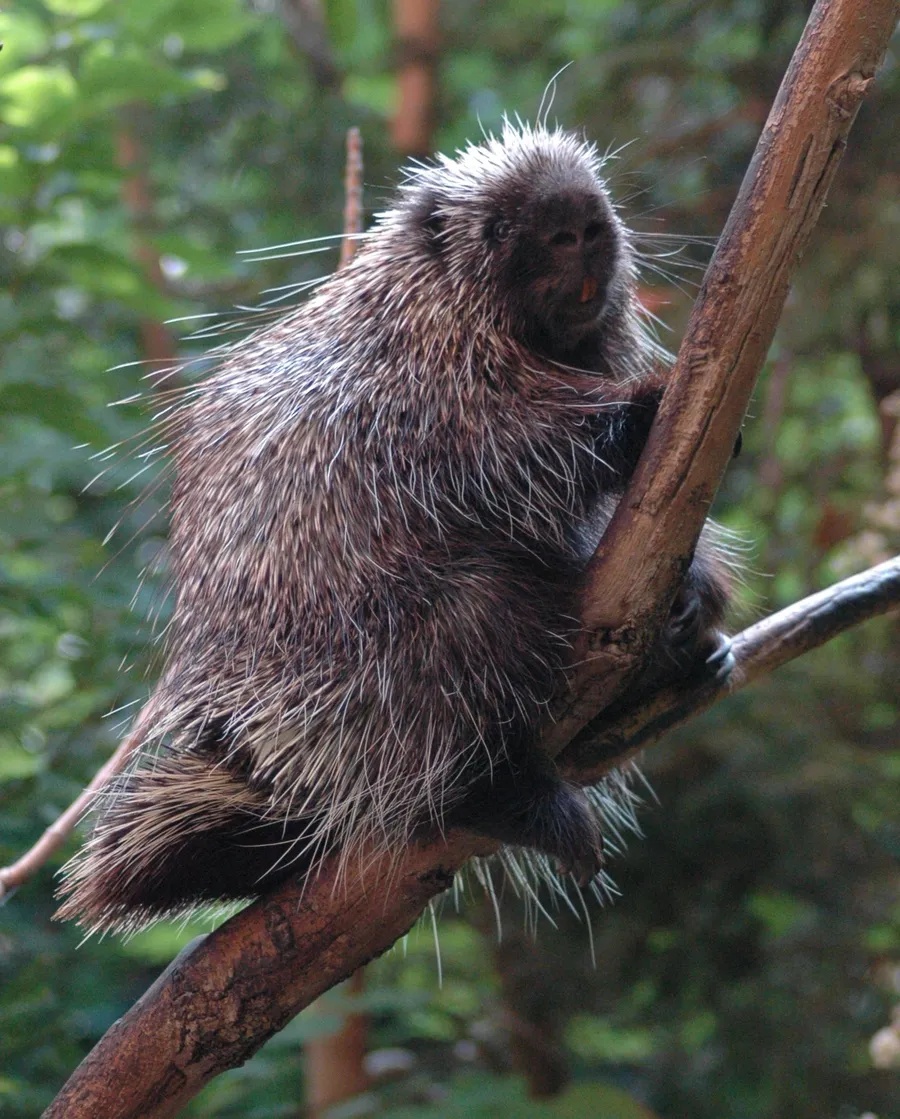
Varies by species; most Least Concern (IUCN)
Porcupine
Hystricidae (Old World) & Erethizontidae (New World)
A porcupine is a large herbivorous rodent covered in sharp quills — stiffened, modified hairs that defend it from predators. About 30 species exist in two distantly related families: Old World porcupines of Africa, Asia and Europe, and tree-climbing New World porcupines of the Americas.
Read the guide →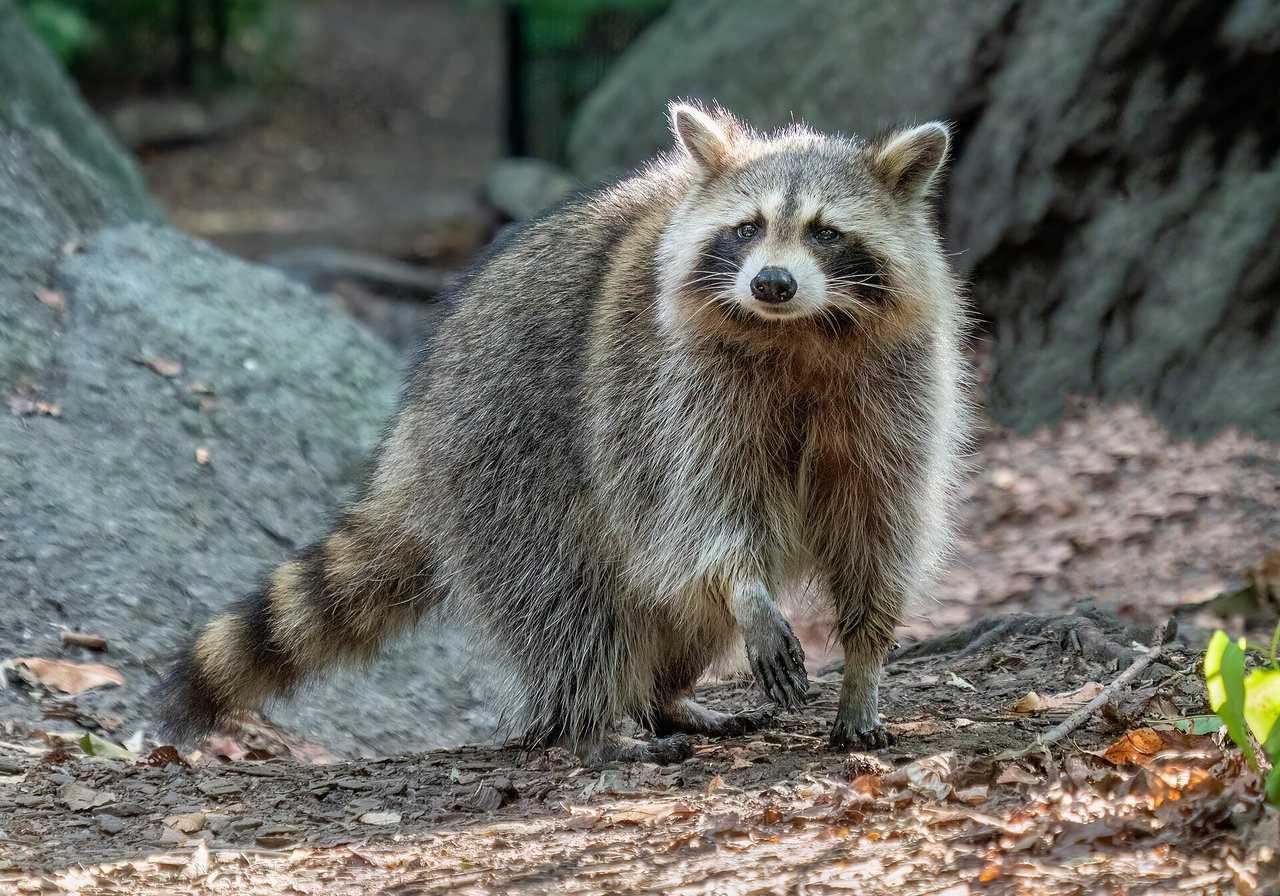
Least Concern (IUCN)
Raccoon
Procyon lotor (Linnaeus, 1758)
The raccoon (Procyon lotor) is a Least Concern omnivorous procyonid native to the Americas, famous for its eye mask, ringed tail and dexterous paws; it thrives in wild and urban habitats and has been introduced to Europe.
Read the guide →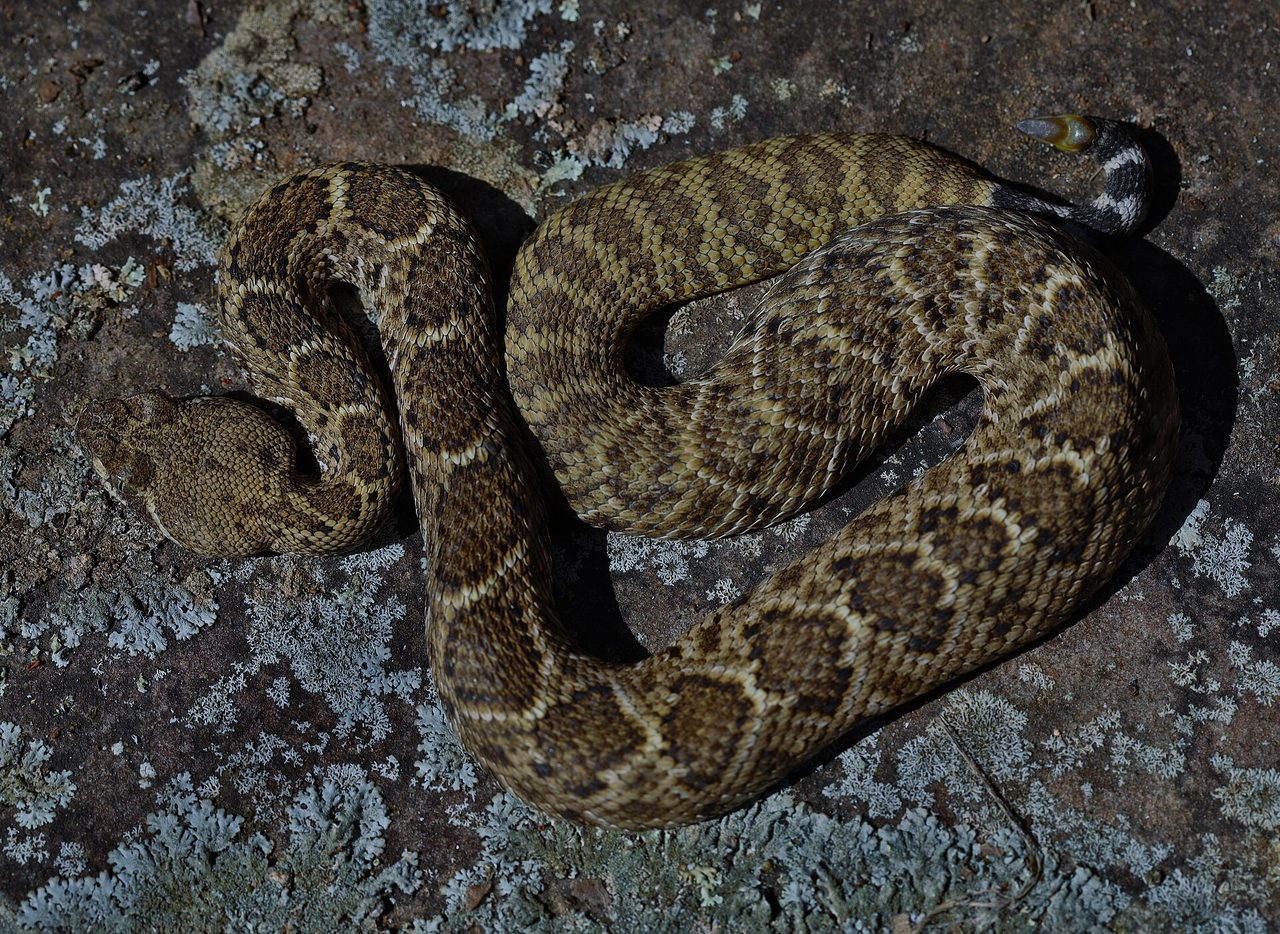
Varies by species (Least Concern to Endangered)
Rattlesnake
Genera Crotalus and Sistrurus — ~36 species in the Americas
Rattlesnakes are American pit vipers (~36 species) with tail rattles and heat-sensing pits — venomous rodent controllers whose status varies from Least Concern to Endangered.
Read the guide →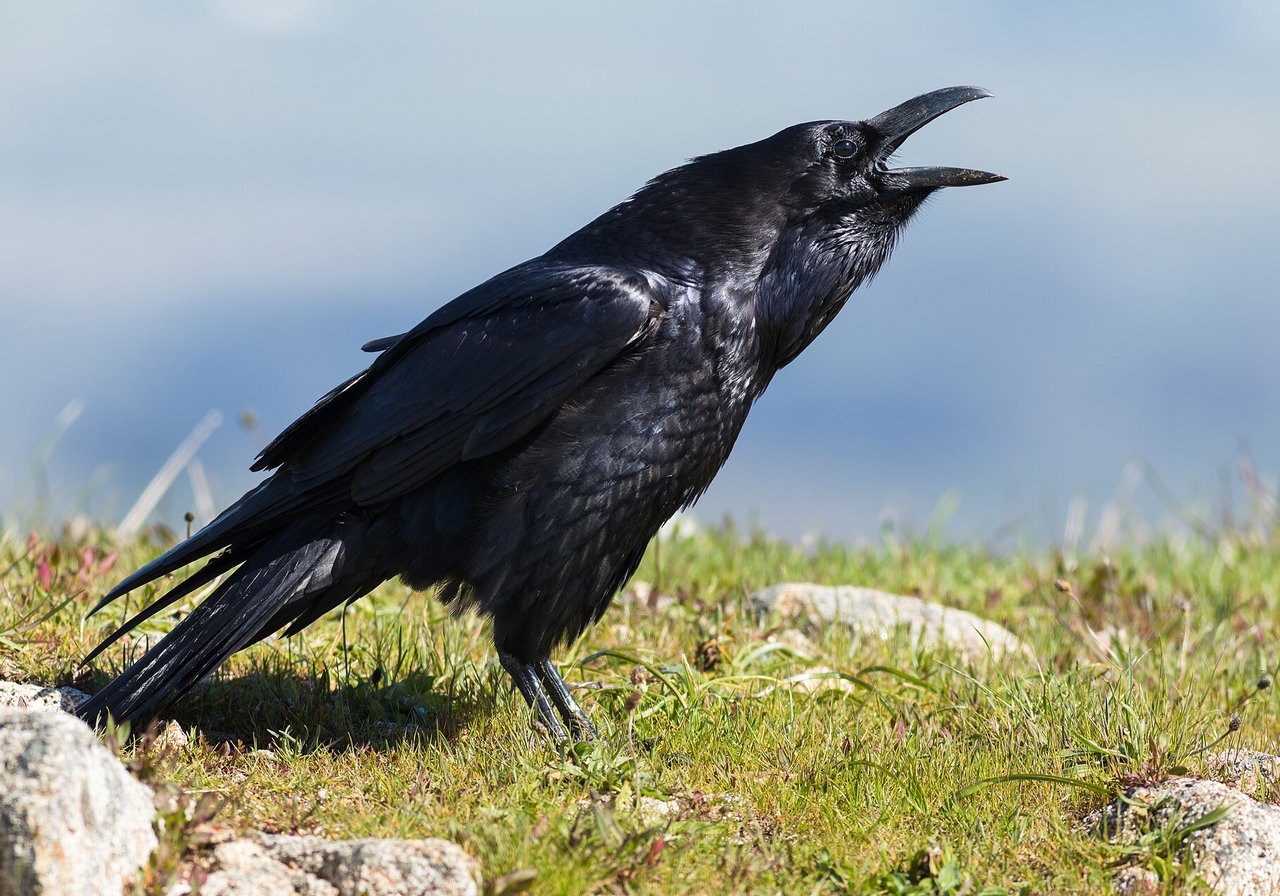
Least Concern (IUCN, 2018)
Raven
Corvus corax (Linnaeus, 1758)
The common raven (Corvus corax) is a Least Concern corvid of the Northern Hemisphere — the largest passerine, renowned for intelligence, tool use and deep cultural significance.
Read the guide →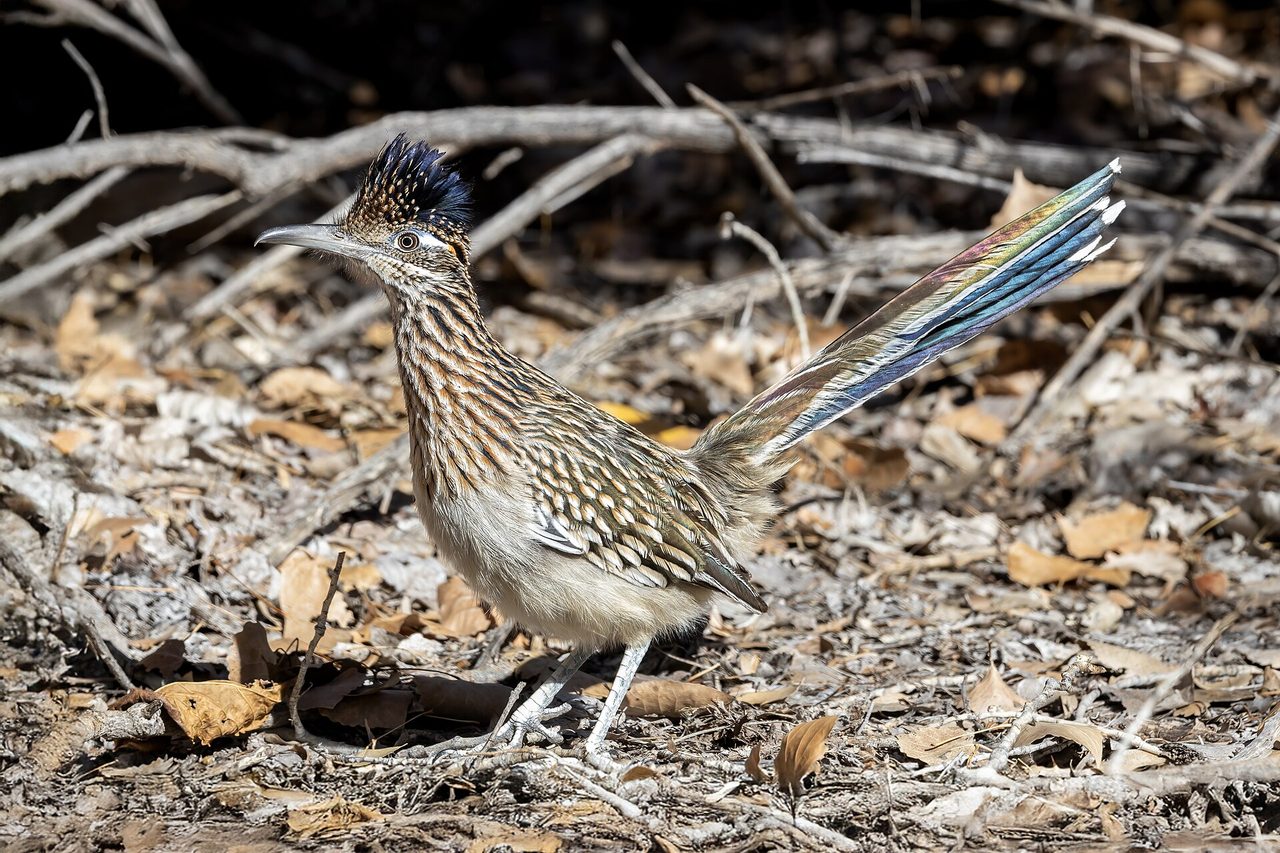
Least Concern (IUCN)
Roadrunner
Geococcyx californianus
The Greater Roadrunner (Geococcyx californianus) is a swift, ground-dwelling cuckoo of the southwestern United States and Mexico, classified as Least Concern on the IUCN Red List with an estimated 1.4 million mature individuals and an increasing global population trend.
Read the guide →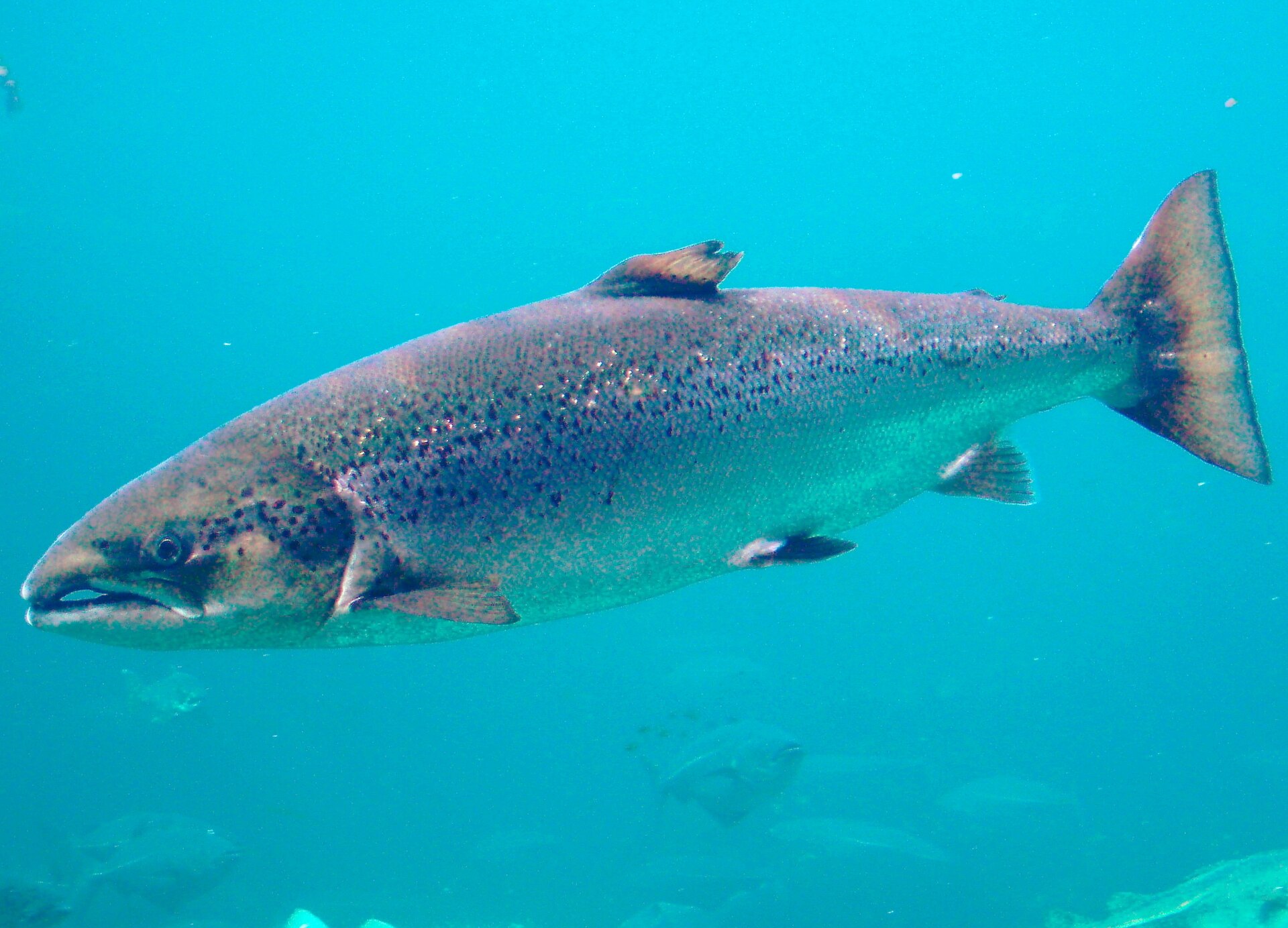
Least Concern globally (IUCN, 2018) — Endangered in parts of range
Salmon
Salmo salar (Linnaeus, 1758)
The Atlantic salmon (Salmo salar) is Least Concern globally but Endangered in much of its southern range; anadromous fish threatened by dams, aquaculture, sea lice, overfishing and river pollution.
Read the guide →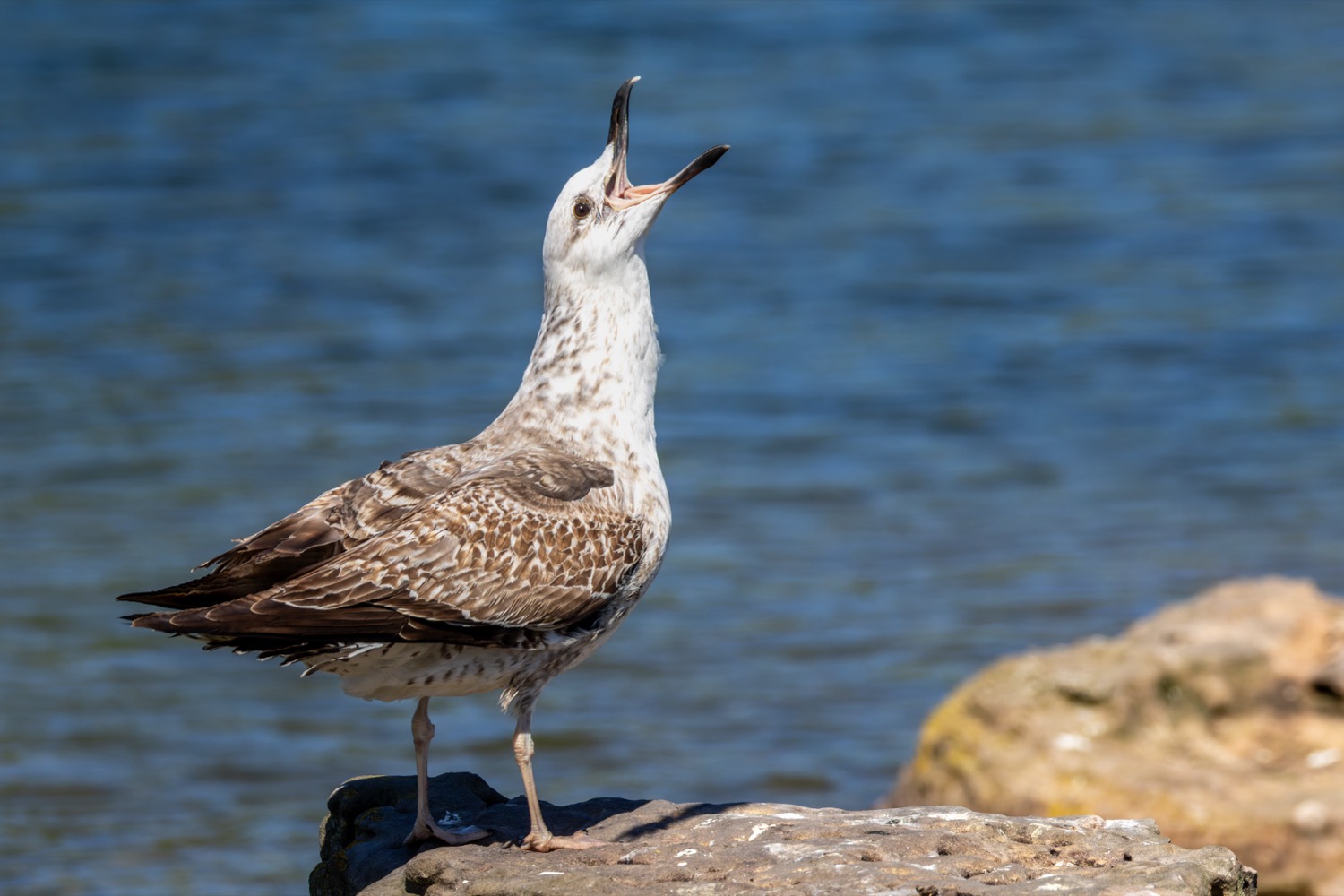
Varies by species; most Least Concern (IUCN)
Seagull (Gull)
Family Laridae
A seagull is any of around 50 species of gull, seabirds in the family Laridae. Typically white and grey with black wingtips and webbed feet, gulls are adaptable, intelligent coastal birds that scavenge, fish and increasingly thrive in towns and cities worldwide.
Read the guide →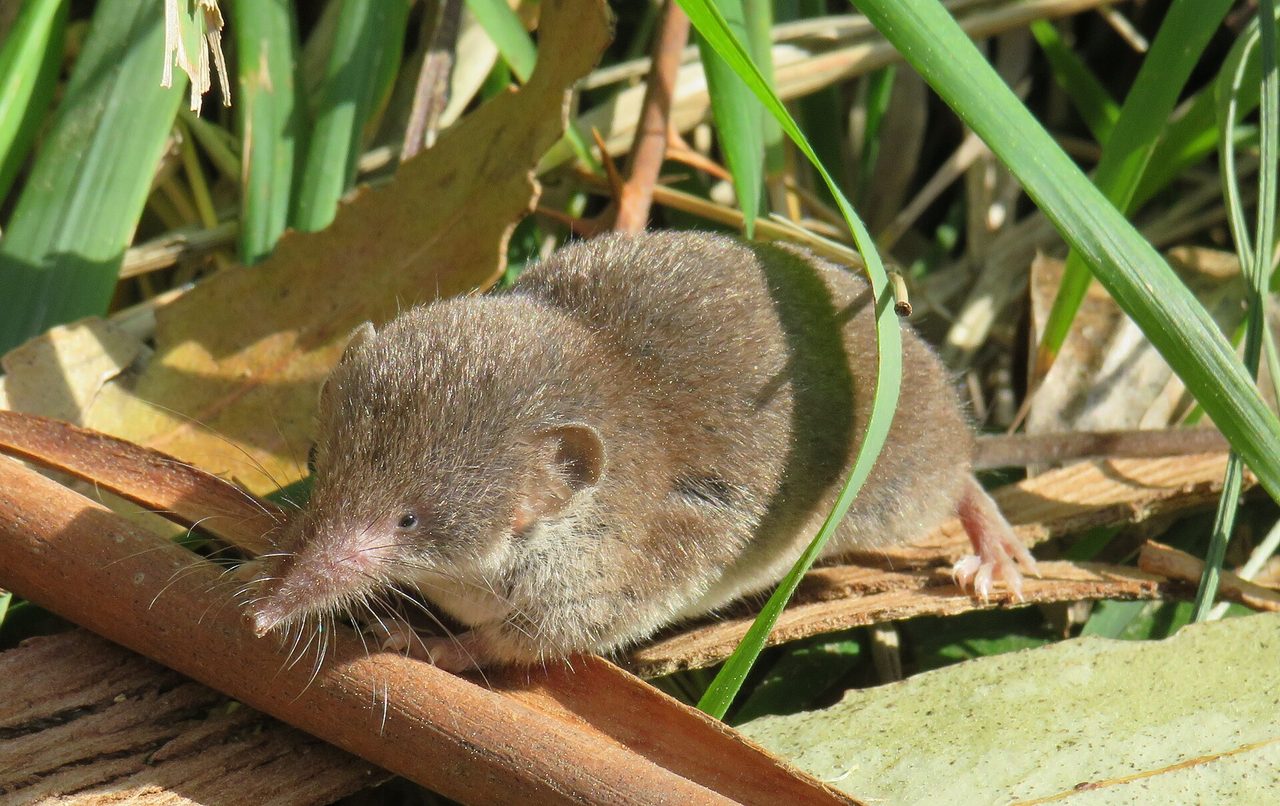
Varies by species; most Least Concern (IUCN)
Shrew
Soricidae
A shrew is a small insect-eating mammal of the family Soricidae, with a long pointed snout, tiny eyes and velvety fur. Though mouse-like, shrews are not rodents but relatives of moles and hedgehogs, and are known for their extremely high metabolism and near-constant feeding.
Read the guide →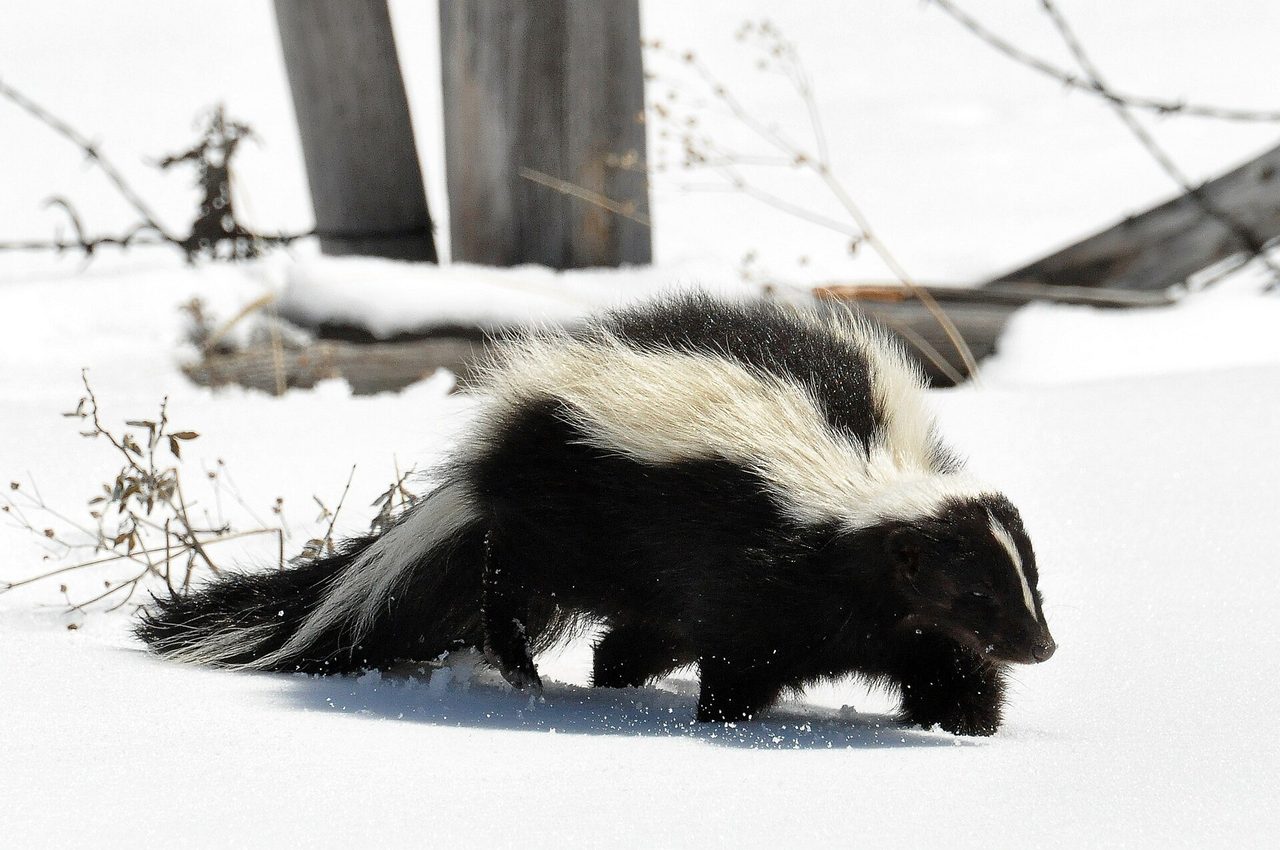
Least Concern (IUCN)
Skunk
Mephitis mephitis (striped skunk); Family Mephitidae
The skunk (family Mephitidae) is a small-to-medium omnivorous mammal found throughout the Americas, best known for its powerful sulphur-compound defensive spray, which it can aim accurately at threats up to six metres away.
Read the guide →Threatened (Vulnerable–Critically Endangered, varies by species)
Spider Monkey
Ateles (Geoffroy, 1806) — family Atelidae, seven species
Spider monkeys are large, long-limbed monkeys of the genus Ateles found in Central and South American rainforests, distinguished by a fully prehensile tail used as a fifth limb and hands that lack a functional thumb. All seven species are threatened, and two — the brown and black-headed spider monkeys — are Critically Endangered.
Read the guide →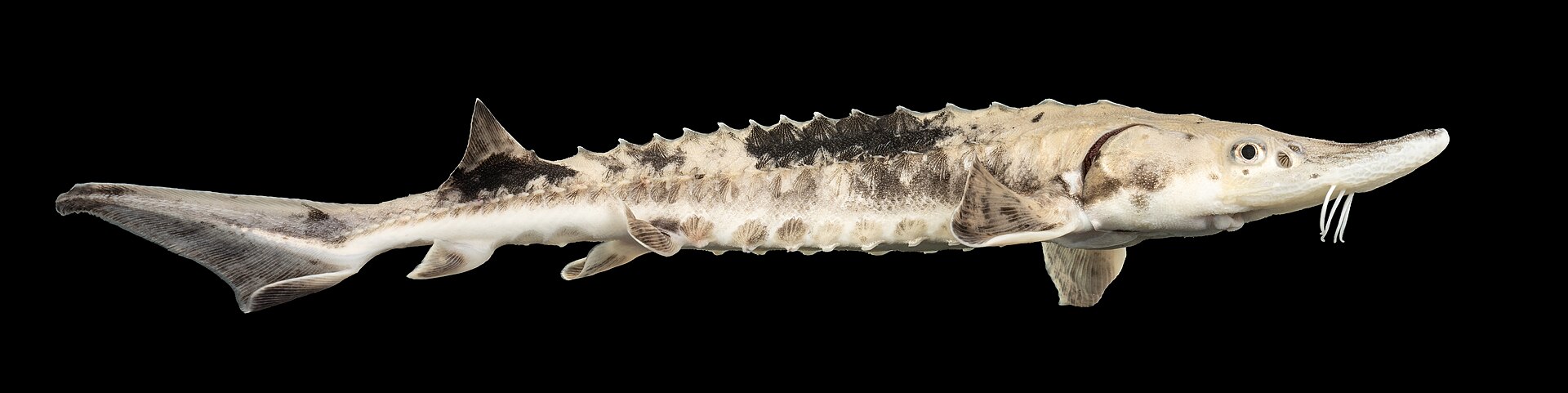
Varies by species — majority Critically Endangered (IUCN)
Sturgeon
Family Acipenseridae
Sturgeons (family Acipenseridae) are ancient, armoured freshwater and anadromous fish of the Northern Hemisphere; they are the most endangered group of animals on Earth, with 17 of 26 surviving species listed as Critically Endangered on the IUCN Red List, driven to the brink by poaching for caviar, dams that block migration, and widespread habitat loss.
Read the guide →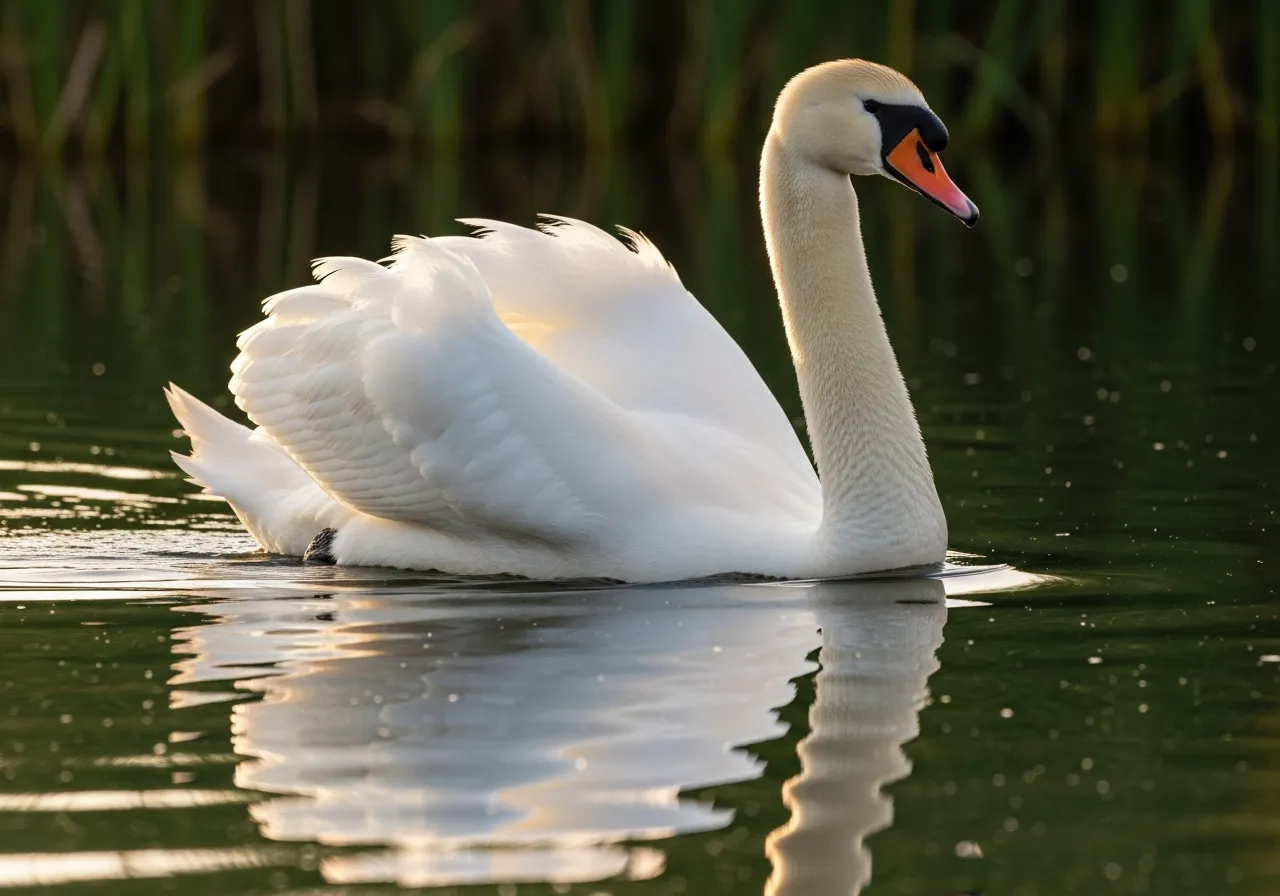
Most species Least Concern (IUCN)
Swan
Cygnus
A swan is a large, long-necked waterbird of the genus Cygnus and the biggest member of the duck and goose family. There are six living species worldwide. Swans feed mainly on aquatic plants, form strong, often lifelong pair bonds, and are renowned for their graceful appearance.
Read the guide →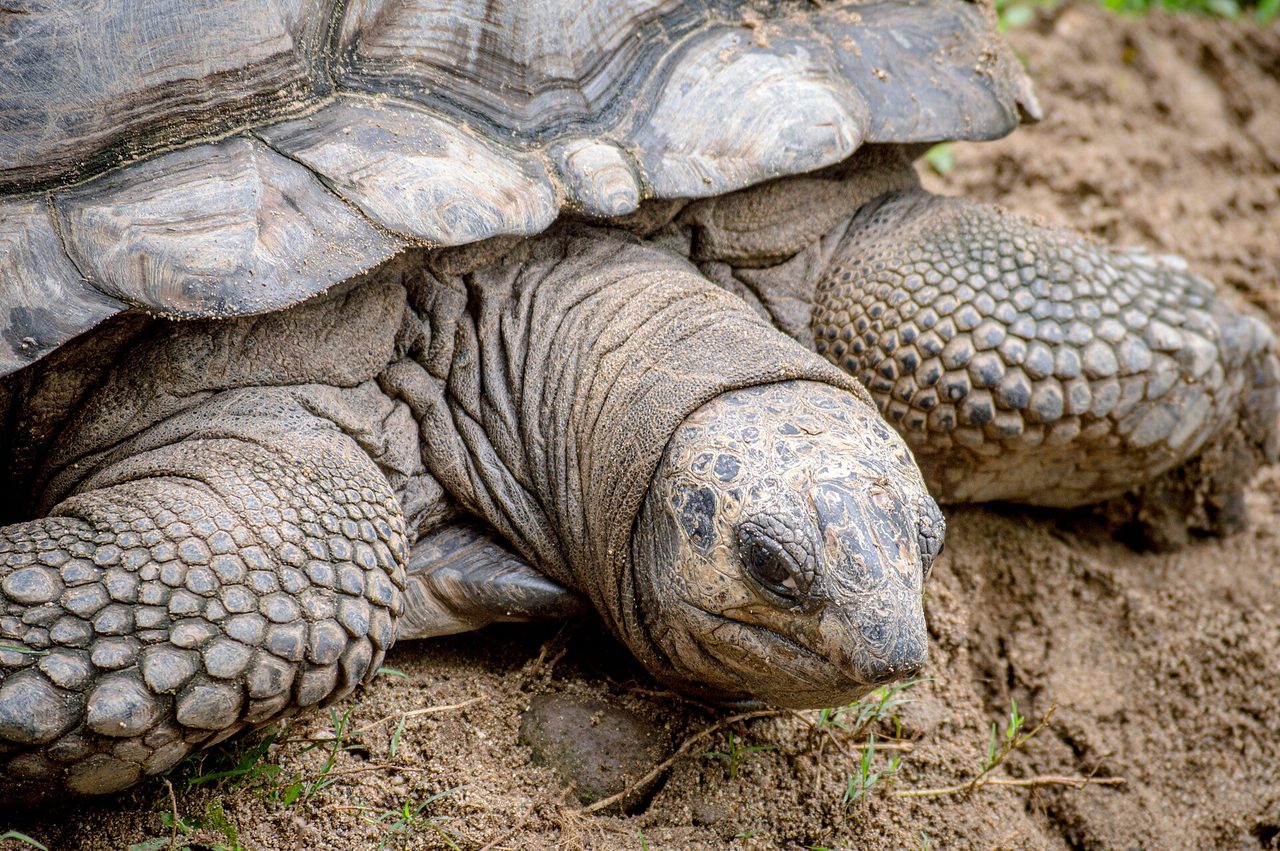
Varies by species — many Critically Endangered (IUCN)
Tortoise
Family Testudinidae
Tortoises (family Testudinidae) are fully terrestrial reptiles found across warm regions worldwide; over 86% of species are threatened or extinct, driven by illegal trade, habitat loss, and the pet industry.
Read the guide →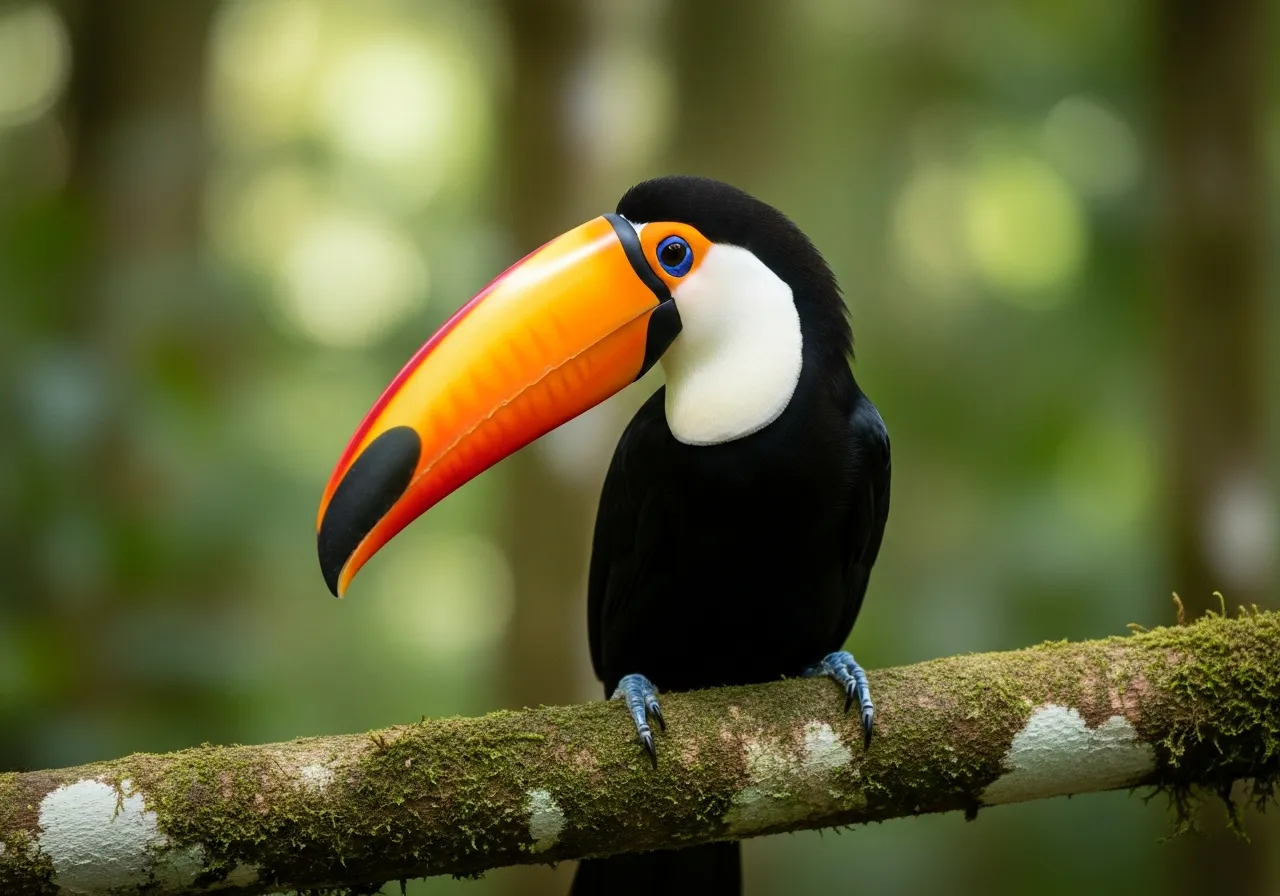
Varies by species; most Least Concern, several Near Threatened or Vulnerable (IUCN)
Toucan
Family Ramphastidae
A toucan is a brightly coloured, fruit-eating rainforest bird of the family Ramphastidae, native to Central and South America. Around 40 species exist, all recognised by an enormous yet lightweight bill used for feeding, display and heat regulation. They are important seed dispersers in tropical forests.
Read the guide →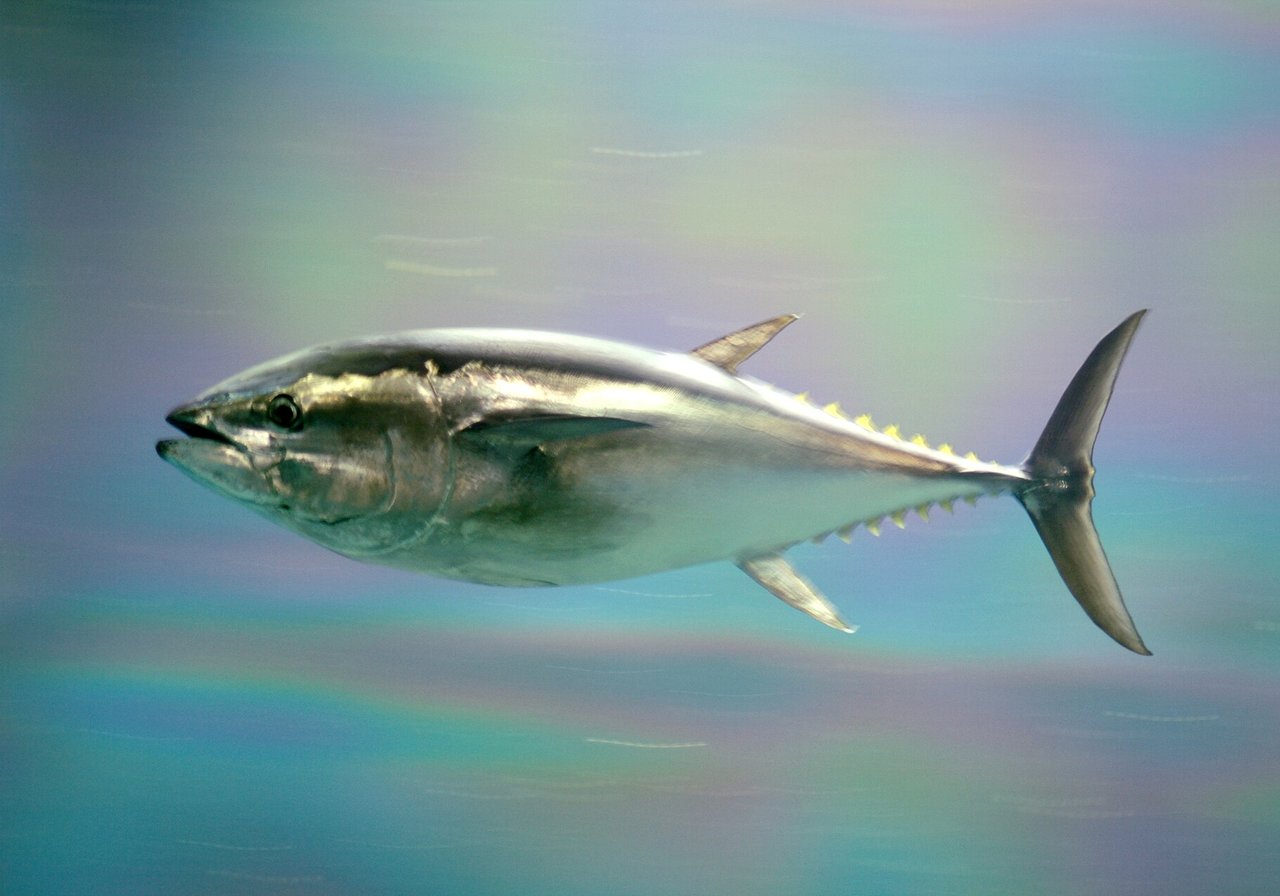
Least Concern (IUCN, 2021) — Southern bluefin Endangered
Tuna
Thunnus thynnus (Linnaeus, 1758)
Atlantic bluefin tuna (Thunnus thynnus) is Least Concern after stock recovery (IUCN, 2021); Southern bluefin is Endangered. Global tuna fisheries face overfishing, bycatch of sharks and turtles, and IUU fishing.
Read the guide →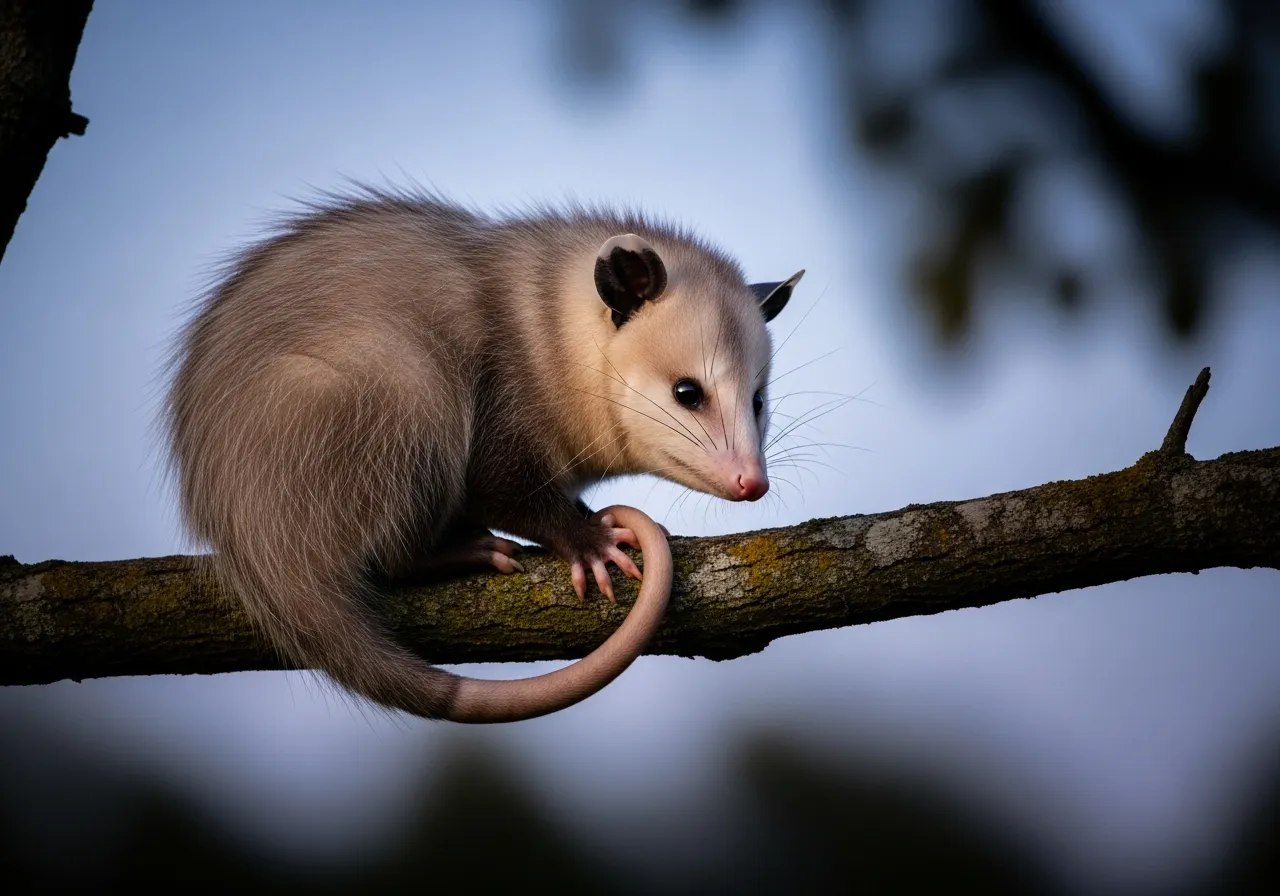
Least Concern (IUCN)
Virginia Opossum
Didelphis virginiana
An opossum (Didelphis virginiana, the Virginia opossum) is North America's only native marsupial — a cat-sized, pouched mammal with a pointed snout, grasping prehensile tail and grey-white fur. It is famous for "playing dead", eating ticks and pests, and resisting many snake venoms.
Read the guide →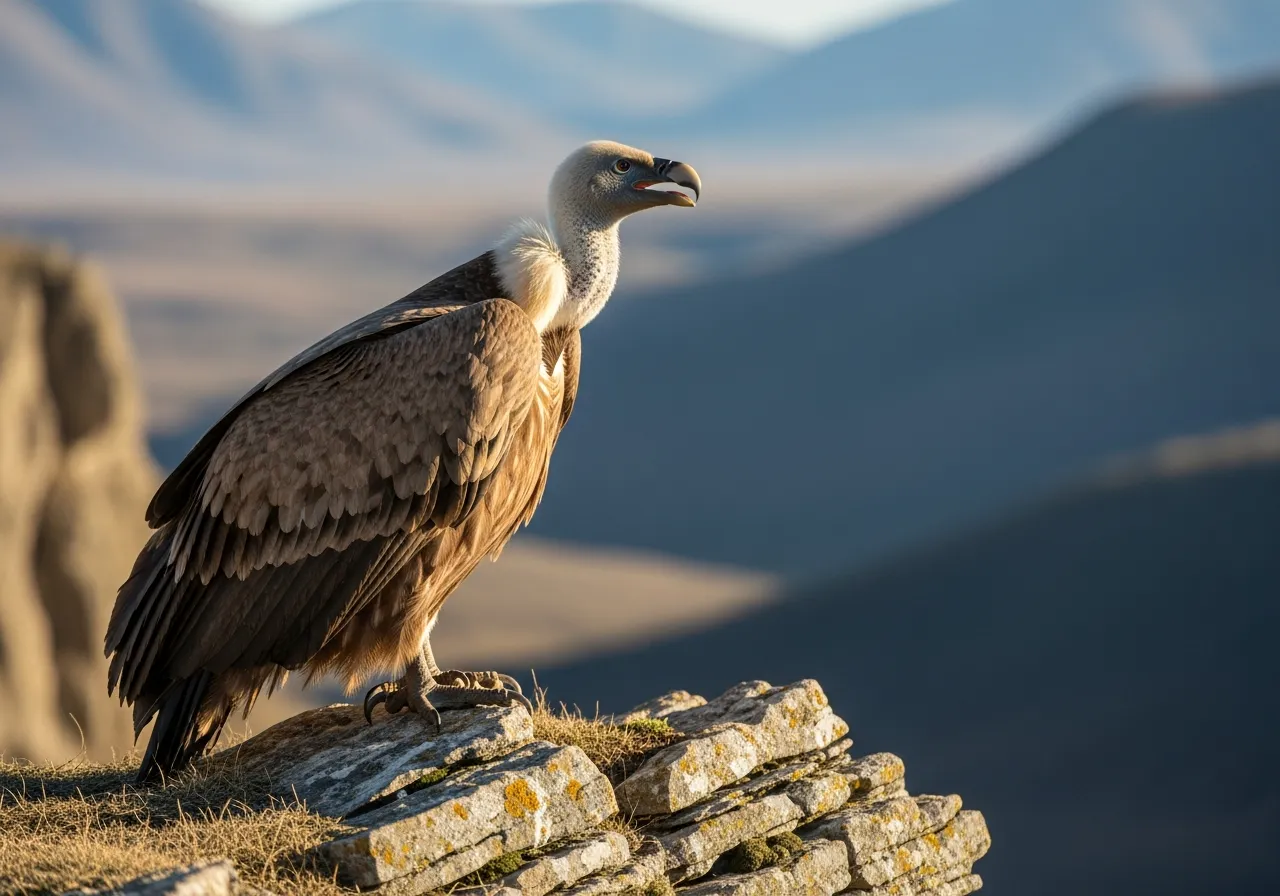
Varies; many Old World vultures Critically Endangered
Vulture
Old World vultures (family Accipitridae) and New World vultures (family Cathartidae)
A vulture is a large scavenging bird of prey that feeds mainly on carrion. There are two unrelated groups: Old World vultures of Africa, Asia and Europe, and New World vultures of the Americas, which evolved similar features independently. Most have a bald head and soar to find food.
Read the guide →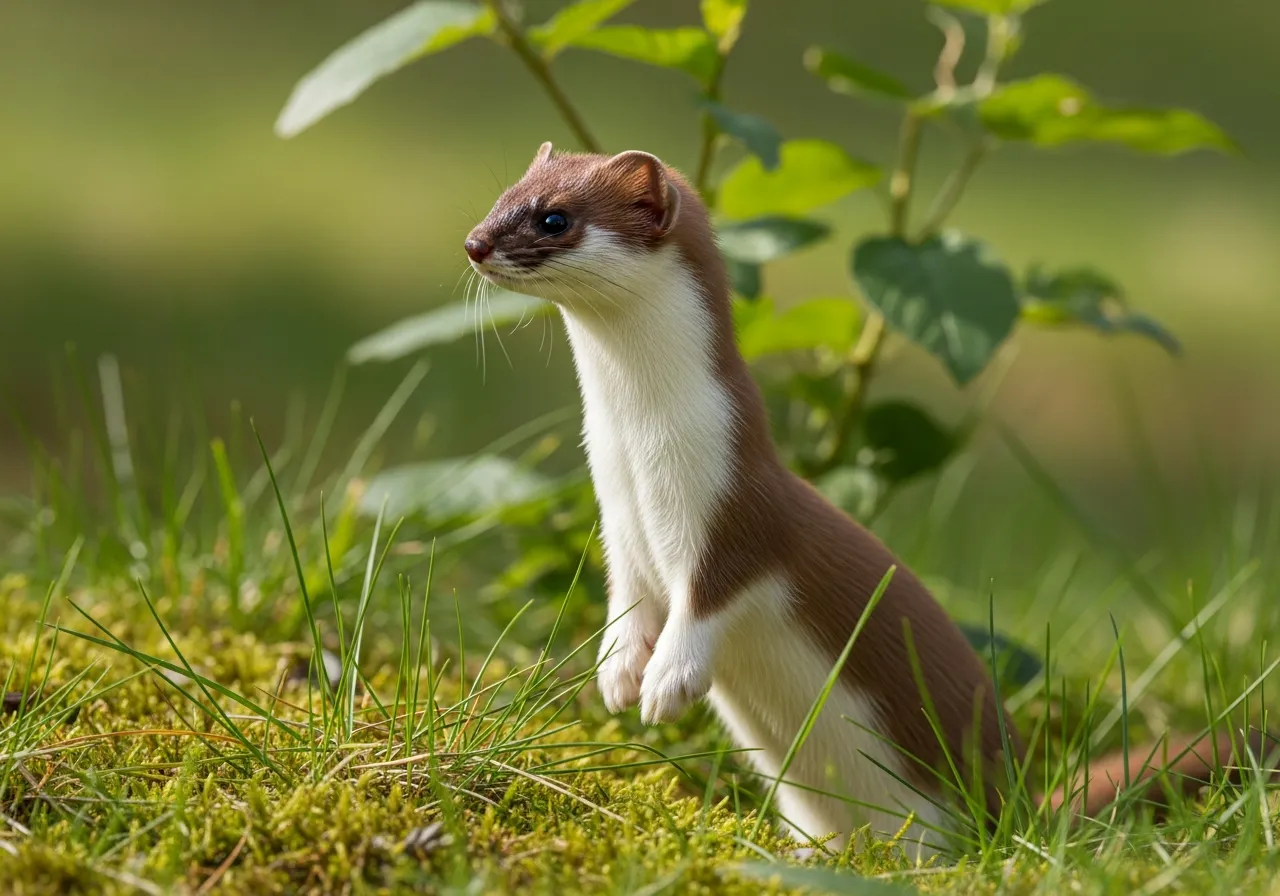
Least Concern (IUCN, 2016 assessment)
Weasel
Mustela nivalis
A weasel (Mustela nivalis), or least weasel, is the world's smallest carnivorous mammal: a slim, agile, short-legged hunter with a brown back and pale belly. Found across Europe, Asia and North America, it preys mainly on mice and voles, chasing them into their own burrows.
Read the guide →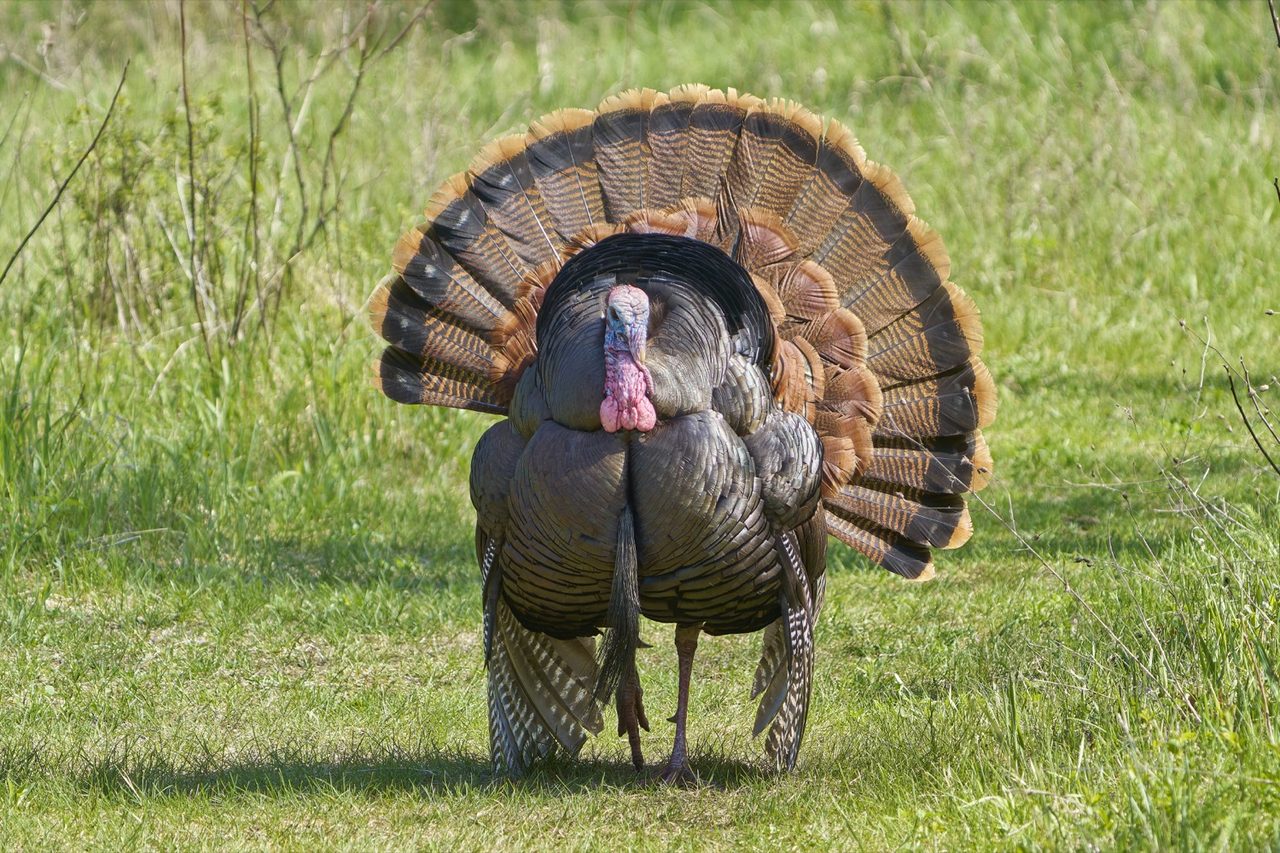
Least Concern (IUCN)
Wild Turkey
Meleagris gallopavo
A wild turkey (Meleagris gallopavo) is a large North American ground bird and the wild ancestor of the domestic turkey. Males have iridescent feathers, a bare red-and-blue head and a fan-shaped tail, and produce a loud gobble that carries up to a mile.
Read the guide →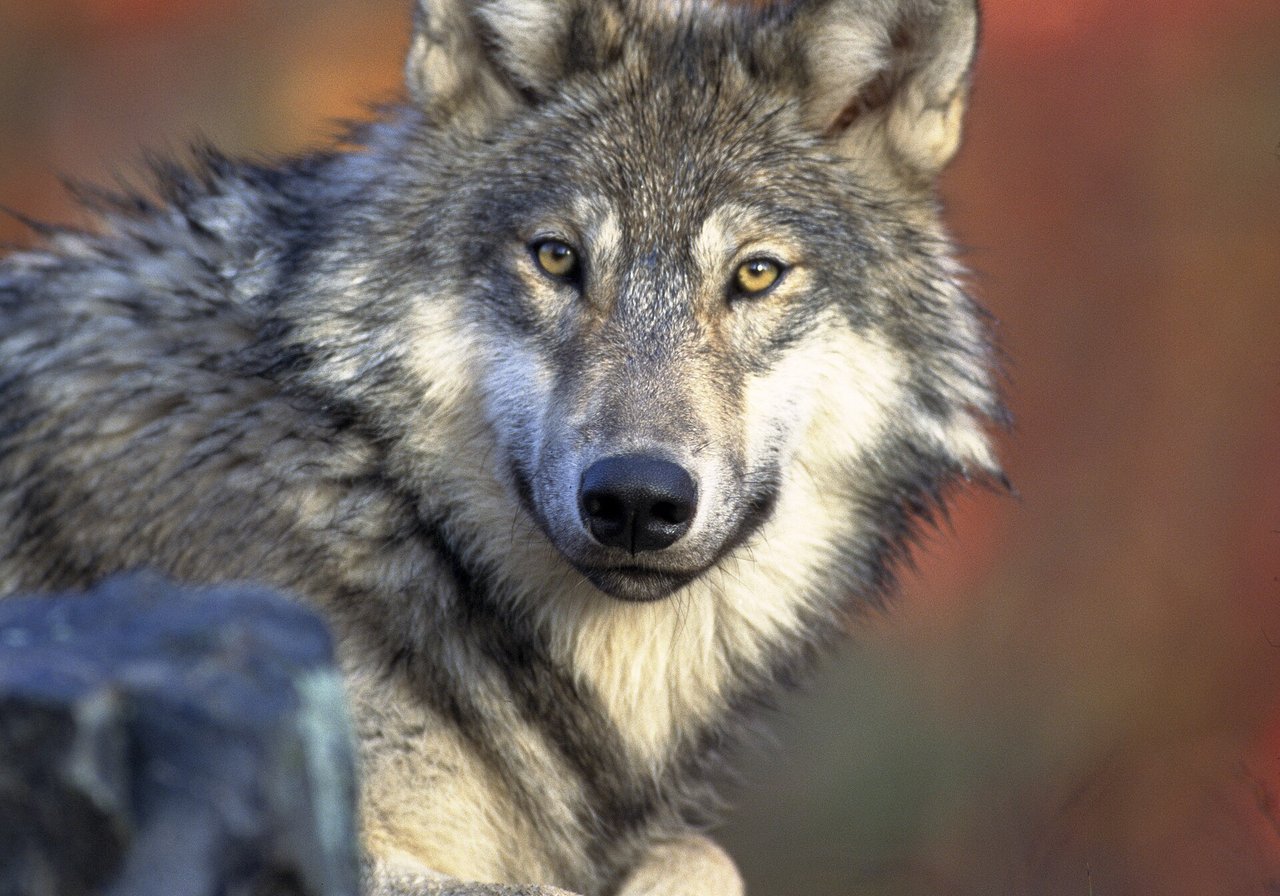
Least Concern globally (IUCN); regional populations vary
Wolf
Canis lupus (Linnaeus, 1758) and related subspecies
The grey wolf (Canis lupus) is a Least Concern pack-hunting canid of the Northern Hemisphere and wild ancestor of dogs — regionally extirpated in much of Europe and North America but recovering where reintroduced.
Read the guide →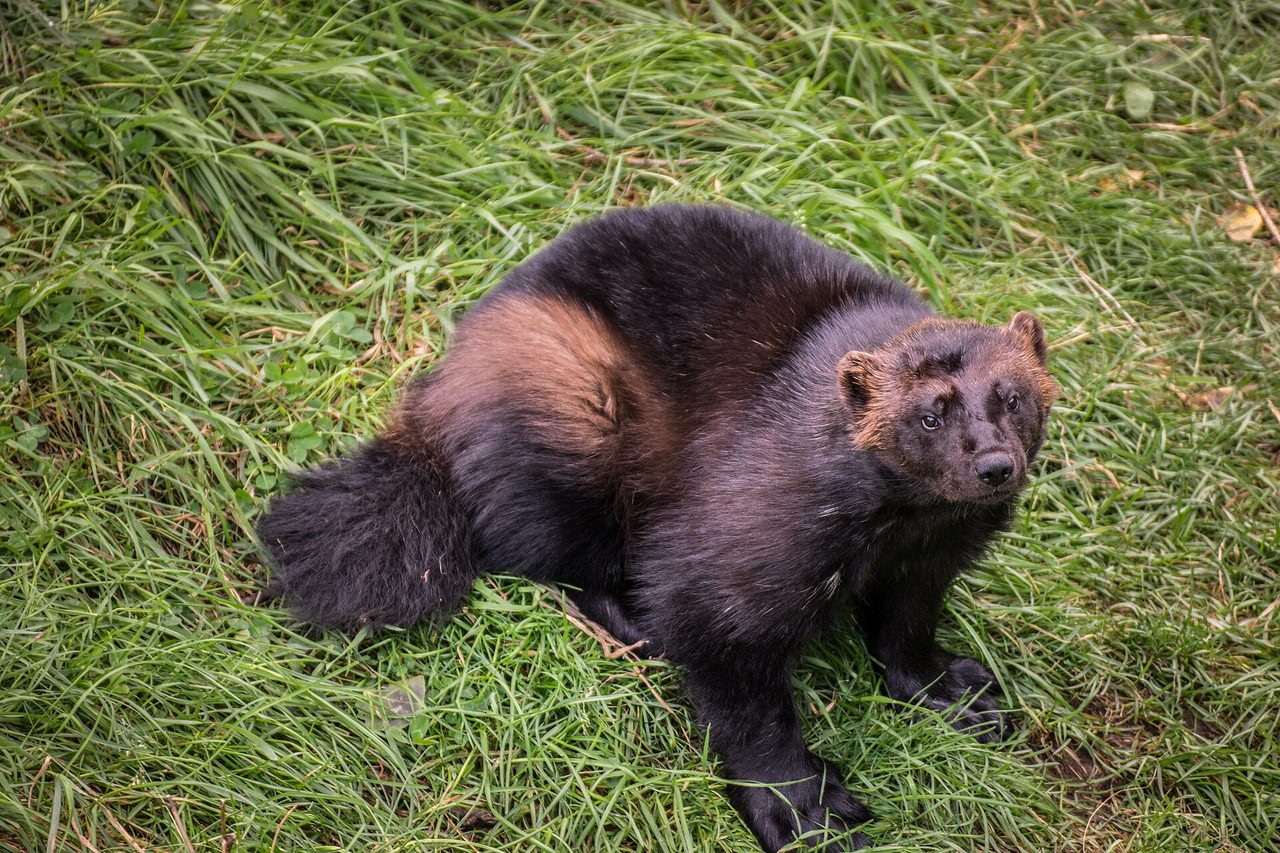
Least Concern (IUCN)
Wolverine
Gulo gulo
The wolverine (Gulo gulo) is a large, powerful member of the weasel family found across boreal and Arctic regions of North America and Eurasia, classified as Least Concern globally by the IUCN but facing serious pressure from climate-driven snowpack loss, trapping, and habitat fragmentation.
Read the guide →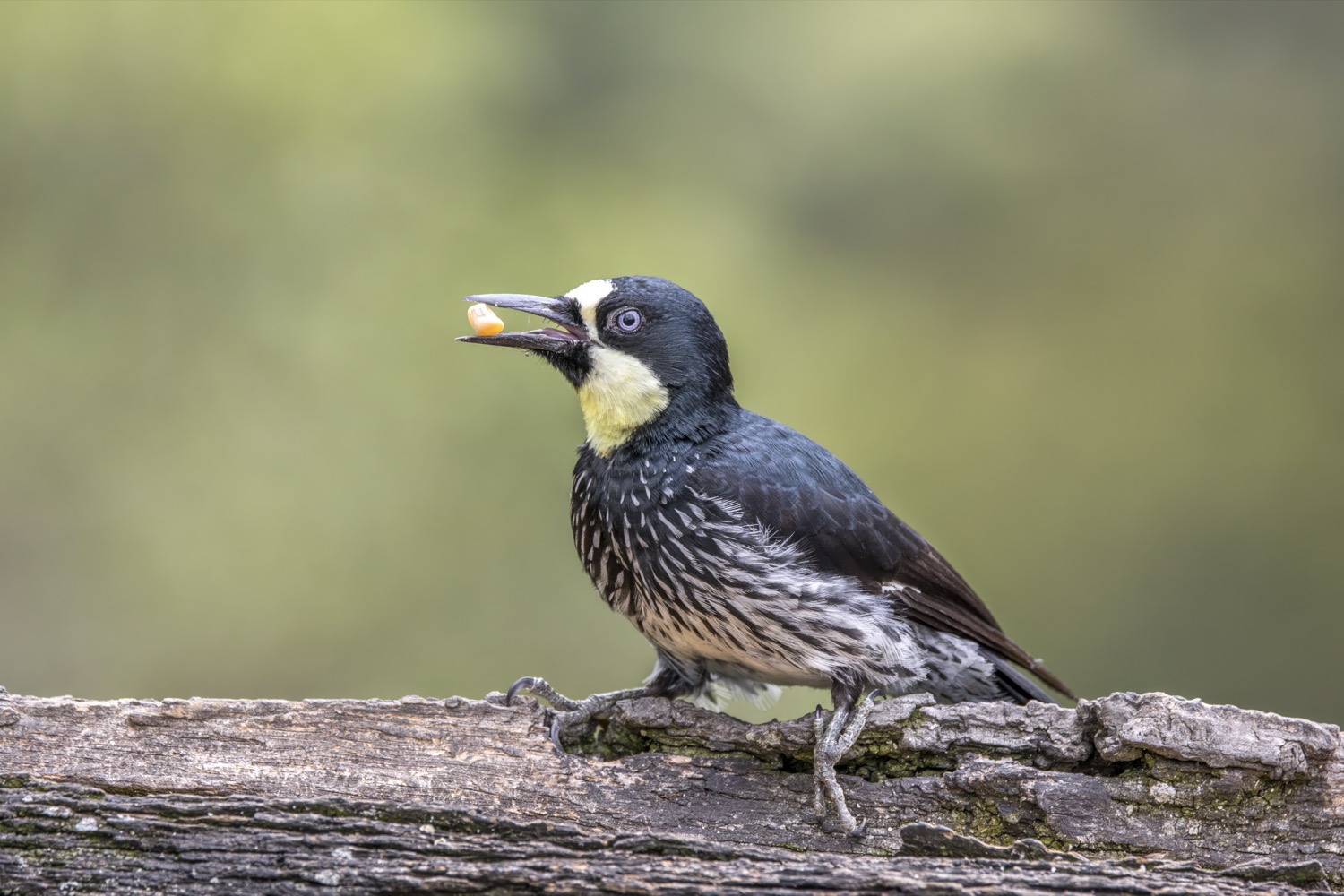
Varies by species; most Least Concern
Woodpecker
Picidae
A woodpecker is a tree-climbing bird of the family Picidae, with around 240 species worldwide. It uses a chisel-like bill to drum and excavate wood, aided by a shock-absorbing skull, gripping zygodactyl feet, a stiff propping tail and a long, barbed tongue for extracting insects.
Read the guide →